



Key Takeaways
Comprehensive guide on graduation ceremony length and planning. Learn typical durations, factors affecting timing, and how to create meaningful celebrations that respect everyone's time while honoring graduate achievements.
School administrators and families planning for graduation ceremonies face a fundamental question: how long should these milestone celebrations last? The answer matters profoundly—ceremonies too brief feel rushed and fail to honor achievement adequately, while excessively long events test endurance, cause audience members to leave early, and diminish what should be joyful celebrations into endurance trials.
This comprehensive guide examines graduation ceremony length from multiple perspectives, providing practical frameworks schools can use to plan meaningful celebrations that honor graduates appropriately while respecting time constraints families and participants face. From typical duration ranges across different educational levels to strategies for maintaining engagement during extended ceremonies, this resource equips administrators with insights needed to create graduation experiences that celebrate achievement without sacrificing audience experience.
Understanding Typical Graduation Ceremony Lengths
Before diving into planning strategies, understanding baseline expectations for ceremony duration across different educational contexts provides essential reference points.
High School Graduation Ceremony Duration
High school commencement represents perhaps the most anticipated ceremony students and families experience in K-12 education:
Typical Duration Range: 90 minutes to 2.5 hours
Average Length: Approximately 2 hours
High school graduations typically last longer than ceremonies at other educational levels due to several factors. Class sizes often number in the hundreds—graduating classes of 200-500 students are common, particularly in suburban and urban districts. Each graduate receiving individual recognition during diploma presentation adds significant time, even when streamlined efficiently.
Most high school ceremonies follow similar structures:
- Pre-ceremony music and seating (15-20 minutes)
- Processional with graduates entering (10-15 minutes)
- Opening remarks and welcome (5-10 minutes)
- Speaker addresses including principal, superintendent, and valedictorian/salutatorian (20-30 minutes)
- Diploma presentation with each graduate crossing stage (45-90 minutes depending on class size)
- Closing remarks and conferring of diplomas (5-10 minutes)
- Recessional with graduates exiting (5-10 minutes)
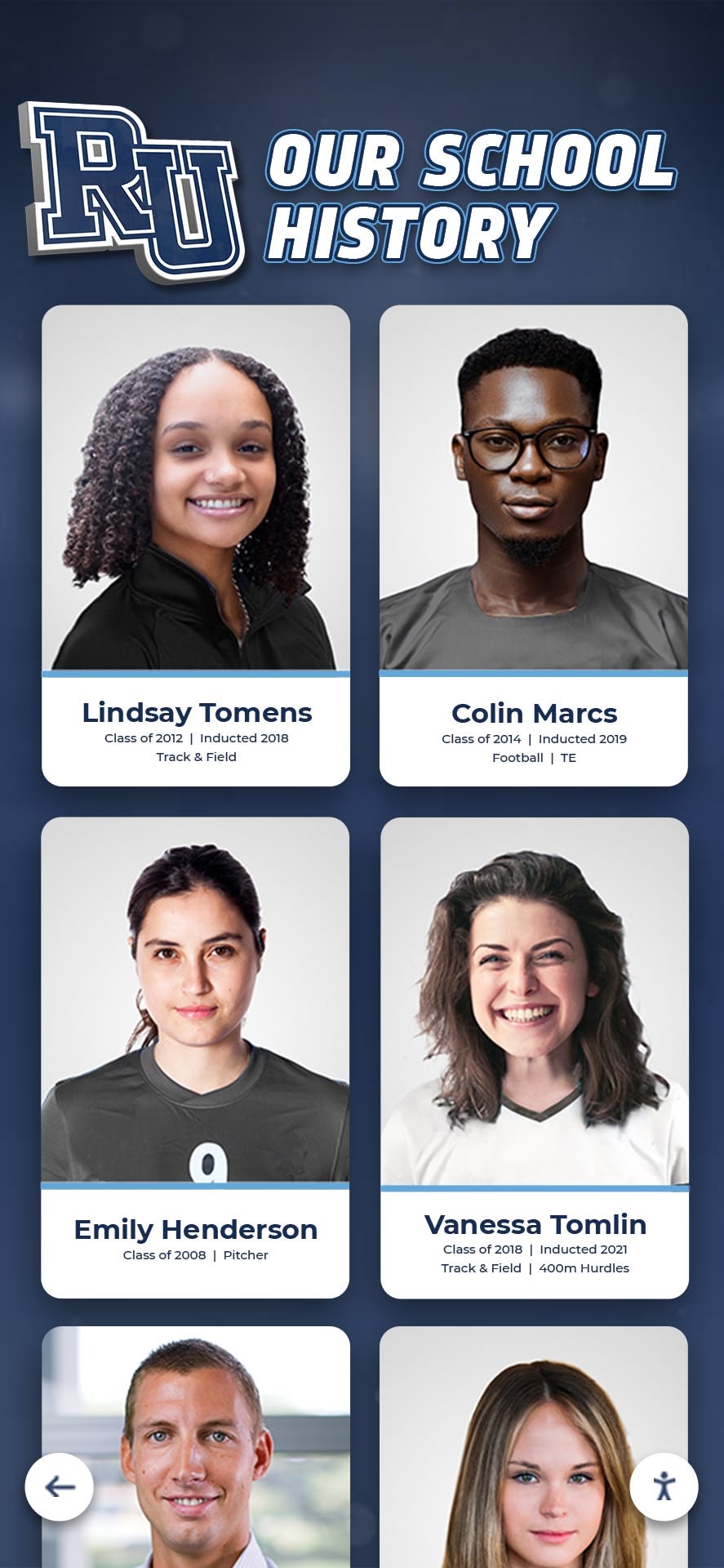
The diploma presentation segment typically consumes the most time. With 300 graduates and approximately 10-12 seconds per student (including stage crossing, handshake, photo opportunity, and exit), this portion alone requires 50-60 minutes. Schools can reference approaches used in academic recognition programs to efficiently honor achievement while maintaining ceremony pace.
Factors Extending High School Ceremonies:
- Large graduating class sizes
- Multiple speakers or student performances
- Special recognition awards beyond standard diplomas
- Cultural traditions or ceremonial elements
- Photo opportunities for each graduate
- Technical difficulties with audio-visual equipment
- Graduates stopping for extended photos or celebrations
College and University Commencement Duration
Higher education ceremonies vary dramatically based on institution size and format:
University-Wide Ceremonies: 2-3 hours Large universities holding single ceremonies for all graduates create particularly lengthy events. Universities with thousands of graduates typically limit individual recognition during university-wide ceremonies, instead conferring degrees collectively by school or college.
College or School-Specific Ceremonies: 1.5-2.5 hours Many universities conduct separate ceremonies for individual colleges (College of Engineering, School of Business, etc.). These more intimate gatherings allow individual graduate recognition while maintaining manageable duration through smaller group sizes.
Graduate vs. Undergraduate Ceremonies: Graduate programs often hold separate ceremonies that tend to be shorter due to smaller cohort sizes and more abbreviated formats. Doctoral hooding ceremonies represent particularly formal academic traditions but typically serve smaller populations, keeping duration manageable despite ceremonial complexity.
Elementary and Middle School Promotion Ceremonies
While technically “promotion” rather than graduation ceremonies, elementary and middle schools increasingly hold formal celebrations for advancing students:
Elementary School Promotion: 45 minutes to 1.5 hours Elementary ceremonies tend to be shorter and less formal, often featuring group recognition rather than individual diploma presentations. These celebrations frequently include student performances, recognition of special achievements, and brief remarks from administrators.
Middle School Promotion: 1-1.5 hours Middle school ceremonies typically fall between elementary promotions and high school graduations in formality and length. Eighth-grade promotions often recognize students individually while maintaining shorter overall duration through streamlined formats and smaller typical class sizes compared to comprehensive high schools.
Key Factors Affecting Graduation Ceremony Length
Multiple variables influence ceremony duration, and understanding these factors enables better planning and time estimation.
Graduating Class Size
Class size represents the single most significant factor determining ceremony length when schools recognize graduates individually:
Small Classes (Under 100 graduates): These ceremonies can comfortably complete diploma presentations within 15-20 minutes, allowing generous time for each graduate without extending overall ceremony beyond 90 minutes.
Medium Classes (100-300 graduates): The most common range for many high schools. Diploma presentation alone requires 30-60 minutes, pushing total ceremony time to 1.5-2 hours even with efficient operations.
Large Classes (Over 300 graduates): Ceremonies serving these populations face significant timing challenges. Individual recognition of 400-500 graduates requires 60-90 minutes just for diploma presentation, frequently resulting in total ceremonies approaching 2.5-3 hours.
Very Large Classes (Over 500 graduates): Schools serving this many graduates often reconsider ceremony format, potentially moving to group conferral rather than individual presentations, or holding multiple separate ceremonies dividing the graduating class.
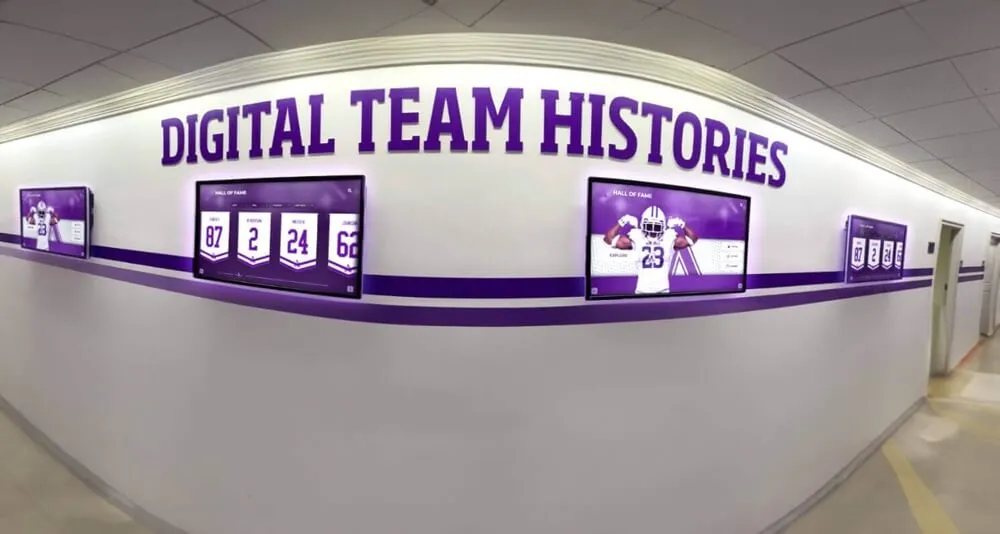
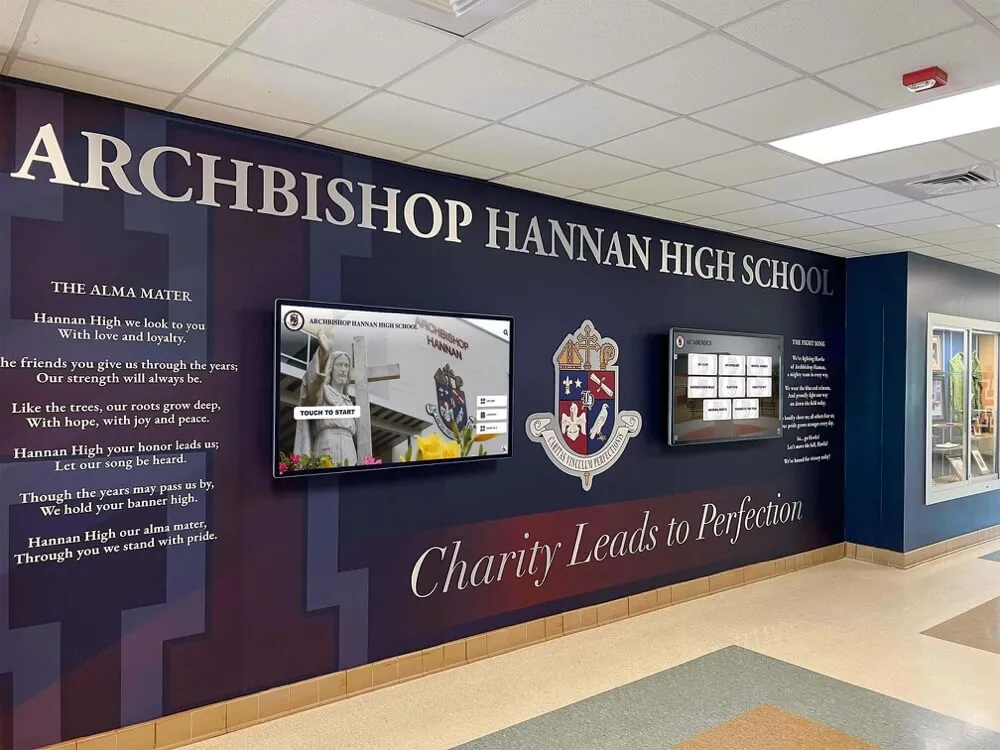
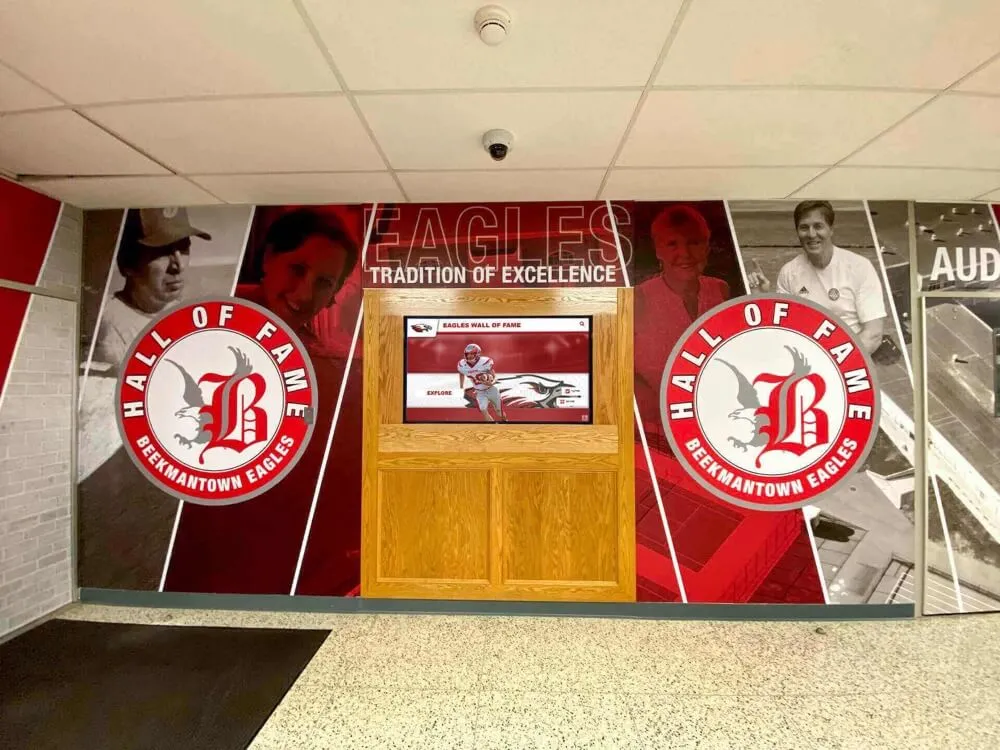
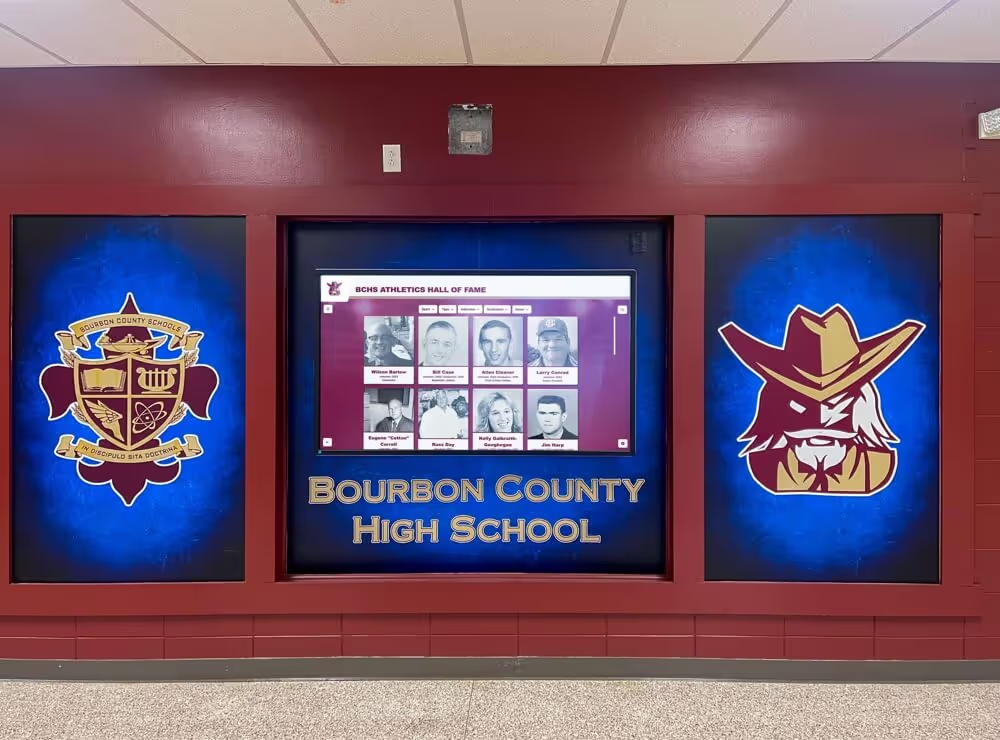
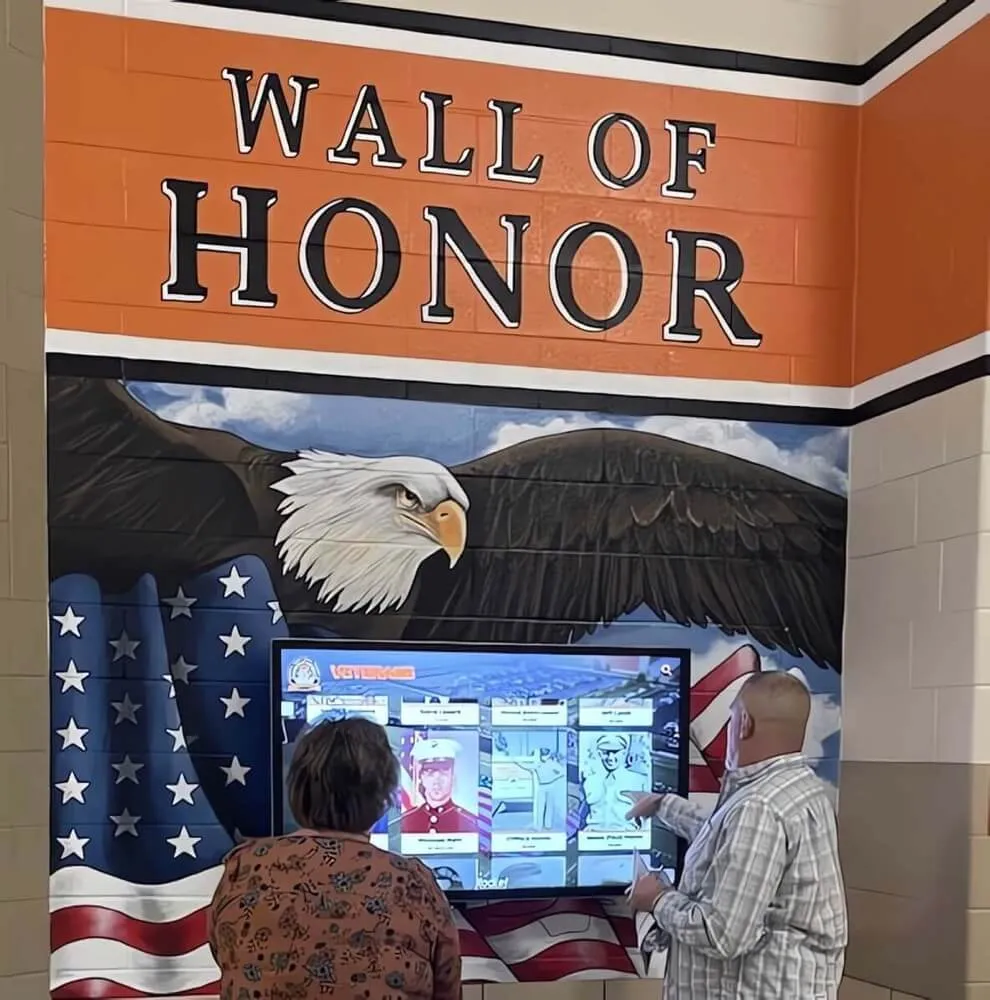
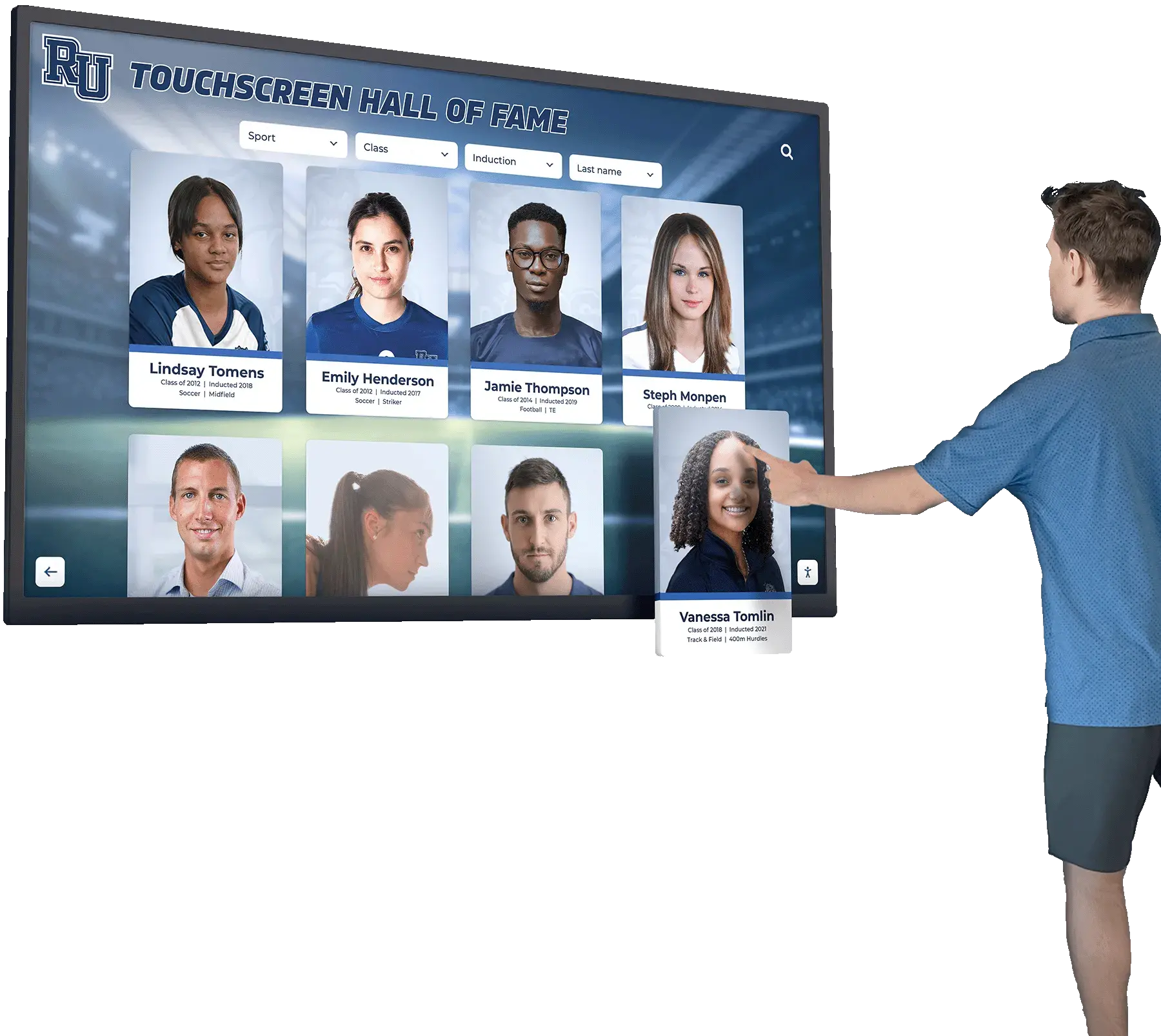
Some schools implement approaches similar to digital record boards to celebrate individual graduates through multimedia presentations while streamlining in-person ceremony timing.
Number and Length of Speeches
Speeches consume substantial ceremony time and represent an area where duration often extends beyond planning:
Standard Speech Components:
- Principal or headmaster remarks (5-10 minutes)
- Superintendent or district representative (5-10 minutes)
- School board member or trustee (3-5 minutes)
- Valedictorian address (5-10 minutes)
- Salutatorian address (5-10 minutes)
- Guest speaker or keynote address (15-25 minutes)
Total speech time in typical ceremonies: 40-70 minutes
Common Speech Time Extensions: Planned speech durations frequently exceed actual delivery time. Guest speakers, particularly community figures or alumni unfamiliar with educational ceremony norms, commonly speak 5-10 minutes longer than planned. Student speakers nervous or excited during their moment often rush or extend remarks beyond practiced timing.
Strategies for Managing Speech Length:
- Provide explicit time limits to all speakers well in advance
- Require speaker outline or script review before ceremony
- Practice runs with student speakers to refine timing
- Gentle time signals during ceremony (though these can be awkward in formal settings)
- Select speakers known for concise communication
- Limit total speaker count rather than assuming brief remarks from each
Special Recognition and Awards
Many ceremonies include recognition beyond standard diploma presentation:
Common Additional Recognition:
- Honor roll, cum laude, or academic distinction designations
- Special subject awards or departmental honors
- Scholarship recipient announcements
- Citizenship or service awards
- Perfect attendance recognition
- Athletic, arts, or extracurricular achievement acknowledgment
Each recognition category adds time depending on implementation. Simply reading names adds 1-2 minutes per category. Having recipients stand for applause adds another minute. Calling individuals to stage for special recognition adds 5-10 minutes per award category.
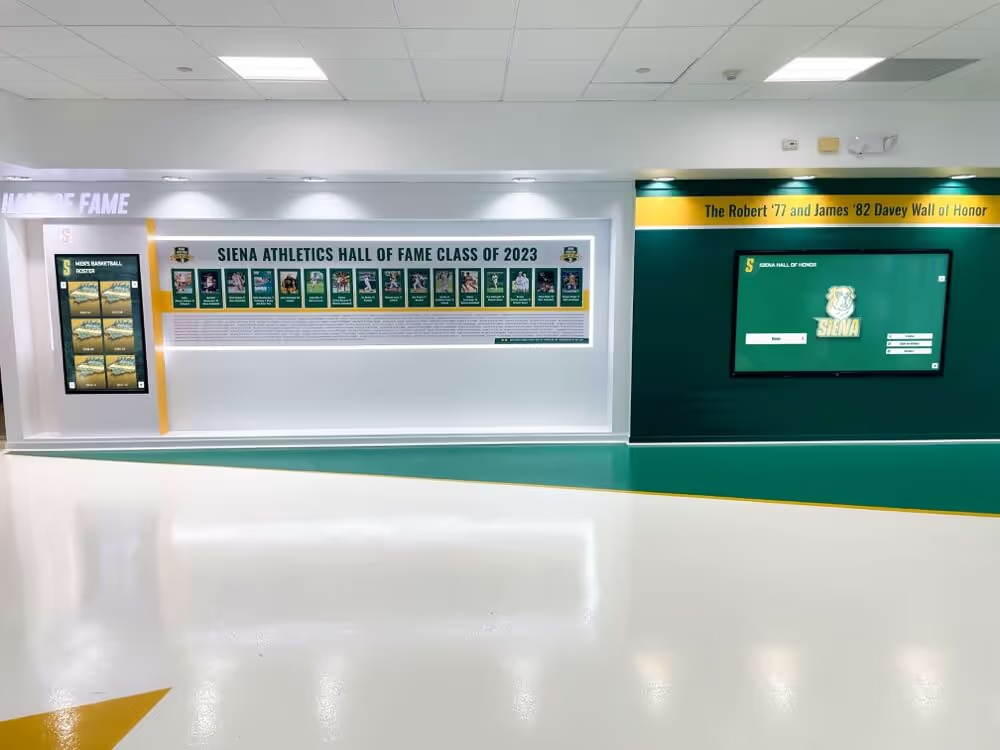
Schools should balance desire to acknowledge achievement with ceremony flow. Consider whether all special recognition must occur during graduation or if some categories could be celebrated at separate award ceremonies, senior recognition nights, or through digital recognition displays providing ongoing visibility without extending graduation ceremony duration.
Processional and Recessional Timing
Entry and exit procedures contribute significantly to overall ceremony length:
Processional Duration Factors:
- Distance from staging area to ceremony seating
- Number of graduates participating
- Walking speed maintained by ceremony marshals
- Whether graduates enter individually or in pairs/groups
- Musical accompaniment length
- Seating arrangement requiring graduates to fill specific rows
For 300 graduates entering in pairs with 3-second intervals, processional alone requires approximately 8-10 minutes before ceremony content even begins.
Recessional Considerations: Exits typically proceed faster than entrances as graduates feel less constrained by ceremonial formality. However, families rushing to meet graduates immediately after recessional completion can create bottlenecks that extend overall ceremony conclusion timing.
Venue Logistics and Technical Elements
Physical space and technology considerations affect ceremony flow:
Venue Layout Impact:
- Distance graduates must travel from seating to stage
- Number of stairs requiring careful navigation
- Stage capacity determining whether groups or individuals approach
- Photography setup creating natural pauses in diploma presentation
- Accessibility accommodations requiring additional crossing time
Technical Considerations:
- Audio-visual presentations or video tributes
- Name pronunciation recordings requiring coordination with diploma presentation
- Photography equipment and professional photographer timing
- Live streaming or recording setup
- Multimedia presentations showcasing graduates
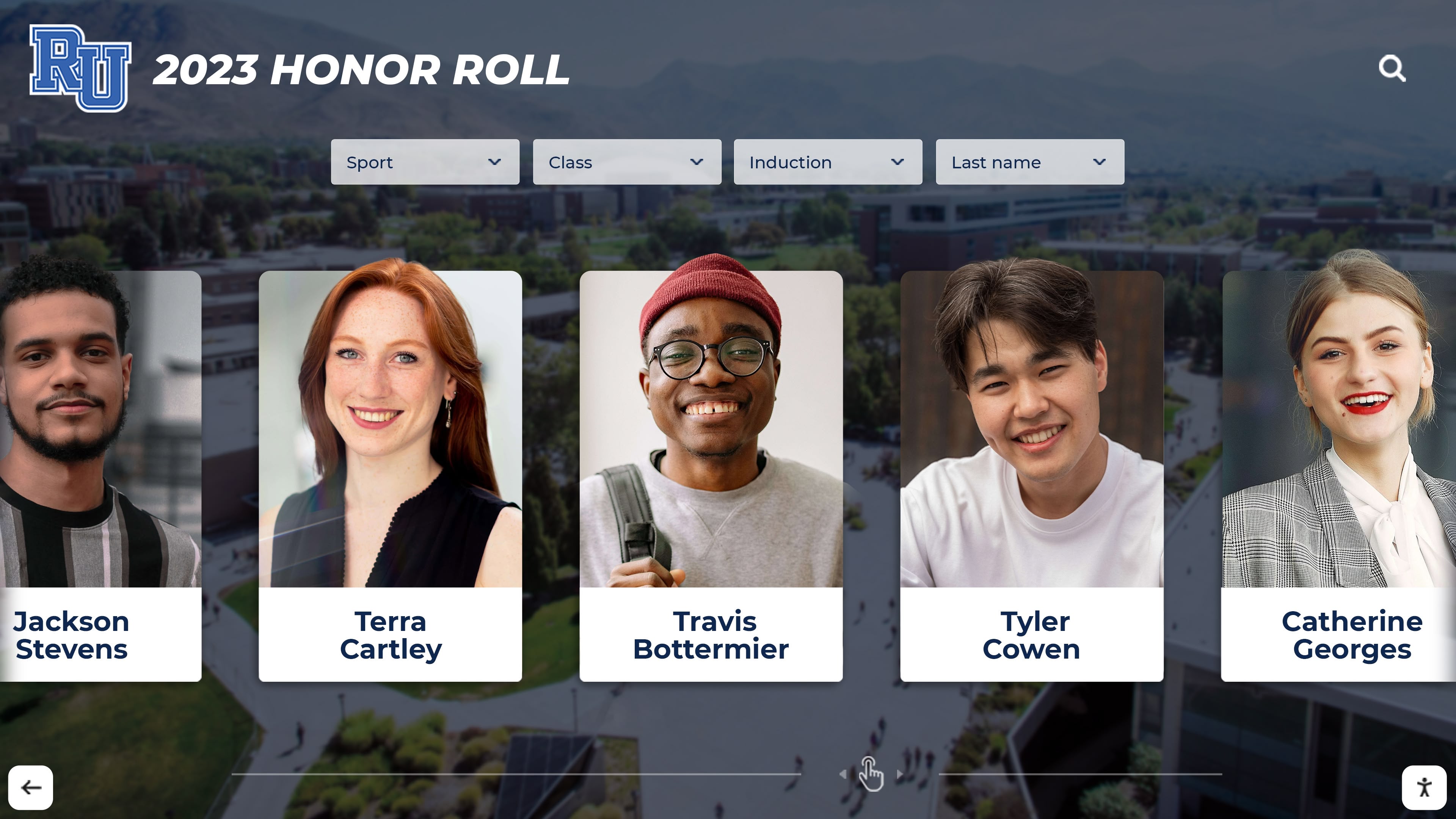
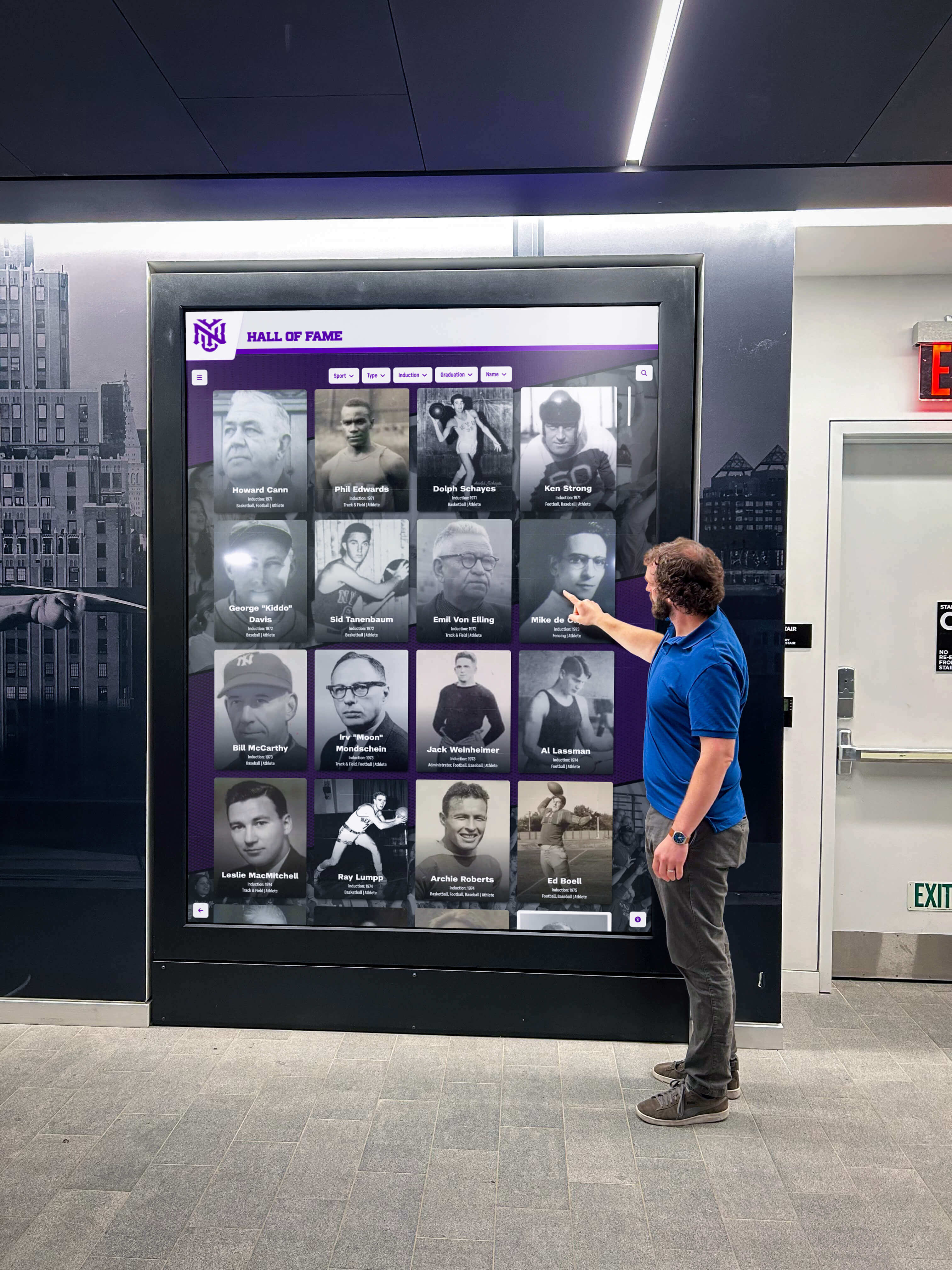
- Digital displays showing graduate photos as names are called
Technical elements enhance ceremony experience but require careful planning to avoid extending duration through equipment failures, coordination difficulties, or unplanned delays.
Planning Ceremony Duration: Best Practices for Schools
Strategic planning enables schools to create ceremonies that honor graduates appropriately while maintaining reasonable timing.
Establishing Appropriate Time Targets
Schools should establish ceremony duration targets based on class size, venue capacity, and community expectations:
Recommended Duration Targets by Class Size:
Under 100 graduates: 75-90 minutes This allows generous per-graduate recognition time, multiple speakers, and special elements without testing audience endurance.
100-200 graduates: 90-120 minutes Represents manageable duration for most families while accommodating individual recognition and traditional ceremony elements.
200-400 graduates: 120-150 minutes (2-2.5 hours) Approaches maximum reasonable duration for general audiences. Requires efficiency in all ceremony components to prevent extension beyond 2.5 hours.
Over 400 graduates: Consider alternative formats Single ceremonies exceeding 2.5 hours create significant challenges. Schools should evaluate:
- Multiple separate ceremonies dividing the graduating class
- Group diploma conferral rather than individual presentations
- Hybrid approaches with individual recognition through digital means
- Significantly streamlined programs eliminating optional elements
Creating Detailed Ceremony Timelines
Comprehensive planning documents prevent unexpected time extensions:
Component-by-Component Time Allocation:
Create detailed timelines accounting for every ceremony element:
Pre-Ceremony (30 minutes before start):
- Guests arrive and find seating (ongoing)
- Pre-ceremony music begins
- Graduates line up in staging area
- Final technical checks and coordination
Formal Ceremony Opening (20-25 minutes):
- Welcome and opening remarks: 3-5 minutes
- National anthem or musical performance: 3-5 minutes
- Invocation or reflection (if included): 2-3 minutes
- Introduction of dignitaries and guests: 2-3 minutes
- Principal welcome address: 8-10 minutes
Speeches and Addresses (35-45 minutes):
- Superintendent or board president: 8-10 minutes
- Guest speaker or keynote: 15-20 minutes
- Valedictorian address: 8-10 minutes
- Salutatorian address (optional): 8-10 minutes
Recognition and Diploma Presentation (45-90 minutes depending on class size):
- Introduction of graduating class
- Special recognition announcements: 5-10 minutes
- Individual diploma presentation: 40-80 minutes
- Conferral of diplomas: 2-3 minutes
Ceremony Conclusion (15-20 minutes):
- Closing remarks: 5-8 minutes
- Turning of tassels: 2 minutes
- Class photo (optional): 2-3 minutes
- Recessional: 8-10 minutes
Detailed planning reveals where time accumulates and identifies opportunities for streamlining. Many schools discover speeches and diploma presentation both extend beyond initial estimates, creating compound time extensions that transform planned 2-hour ceremonies into 2.5-3 hour marathons.
Strategies for Efficient Diploma Presentation
The ceremony segment consuming the most time offers greatest opportunity for time management:
Optimizing Per-Graduate Crossing Time:
Even small per-graduate time reductions create significant total savings. Reducing per-graduate time from 15 seconds to 10 seconds saves 25 minutes for a 300-person class.
Efficient Stage Crossing Elements:
- Single-file line with graduates approaching immediately as previous graduate exits
- Handshake and diploma presentation in single fluid motion
- Professional photographer positioned for single quick photo
- Clear marking showing graduates where to stand briefly before exiting
- Stage managers or faculty gently maintaining pace
- Multiple diploma presenters working simultaneously (for very large classes)
Name Reading Coordination: Pre-recorded pronunciations or cards showing phonetic spellings prevent hesitation and mispronunciations that disrupt flow. Readers should practice maintaining steady rhythm while articulating clearly.
Avoiding Common Delays:
- Graduates stopping mid-stage for extended personal photos
- Family members rushing forward during ceremony
- Graduates attempting to shake multiple hands or embrace administrators
- Technical issues with slideshow coordination
- Excessive celebration blocking stage access for following graduates
Some schools successfully implement approaches similar to class reunion displays that provide extensive multimedia graduate recognition before or after ceremonies, allowing streamlined in-person presentations.
Communicating Expectations to Speakers and Participants
Clear advance communication prevents day-of-ceremony surprises:
Speaker Guidelines: Provide written guidance to all speakers including:
- Specific time limit for their segment
- Rationale for brevity (honoring graduates and families)
- Ceremony’s overall timing goals
- Audience composition and expectations
- Deadline for submitting remarks for review
- Technical requirements and support available
- Backup plans if speakers exceed time limits
Graduate Expectations: Brief graduates on ceremony procedures:
- Processional and recessional protocols
- Stage crossing expectations and timing
- Where family photos will occur after ceremony
- Rules about personal items or decorations
- Behavior expectations during ceremony
- Accessibility accommodations if needed
Family Communication: Help families understand:
- Expected ceremony duration
- Arrival time recommendations
- Photography policies during ceremony
- Post-ceremony logistics for meeting graduates
- Accessibility services available
- How individual graduates will be recognized
Managing Long Ceremonies: Keeping Audiences Engaged
When ceremony length extends beyond 90 minutes, proactive engagement strategies become critical.
Audience Comfort Considerations
Physical comfort directly impacts audience experience during extended ceremonies:
Venue Climate Control: Large audiences in auditoriums, gymnasiums, or outdoor venues generate significant heat. Inadequate cooling creates miserable conditions during summer graduations. Schools should:
- Test climate control systems at full capacity before ceremony
- Provide fans or cooling stations for extremely hot venues
- Consider ceremony timing to avoid peak heat hours
- Communicate expected conditions so families dress appropriately
- Provide water stations for extended ceremonies
Seating and Accessibility: Extended ceremonies require adequate seating comfort:
- Avoid requiring elderly family members or young children to stand
- Provide accessible seating with clear sightlines
- Allow families with young children to sit near exits
- Consider providing cushions for hard bleacher seating
- Designate overflow areas with video screens for capacity crowds
Ceremony Pacing and Energy Management
Strategic pacing maintains audience engagement through longer ceremonies:
Varying Ceremony Elements: Alternate different activity types preventing monotony:
- Follow speeches with musical performances
- Include video presentations between segments
- Provide brief breaks before or after major transitions
- Vary audience posture requirements (sitting, standing for school song, etc.)
- Include moments of audience participation or applause
Strategic Positioning of High-Interest Elements: Place compelling content throughout ceremony rather than concentrating at beginning:
- Reserve particularly compelling speaker or performance for mid-ceremony
- Distribute special awards throughout rather than clustering
- Include video tributes or memorable moments breaking up extended segments
- Time valedictorian address to provide energy boost during extended diploma presentation
Alternative Ceremony Formats for Large Classes
Schools serving very large graduating classes should consider format innovations:
Multiple Ceremonies: Divide graduating class into separate ceremonies by:
- Last name (A-L and M-Z)
- Academic program or school
- Morning and afternoon sessions
Multiple ceremonies reduce individual ceremony duration significantly while allowing meaningful recognition. Tradeoffs include:
- Increased staff and venue time requirements
- Potential perceptions of favoritism about timing
- Logistical complexity coordinating two events
- Photography and technical duplication
Hybrid Recognition Approaches: Combine streamlined live ceremonies with comprehensive digital recognition:
- Abbreviated in-person diploma presentation (group conferral by program or department)
- Extensive multimedia presentations showcasing every graduate individually
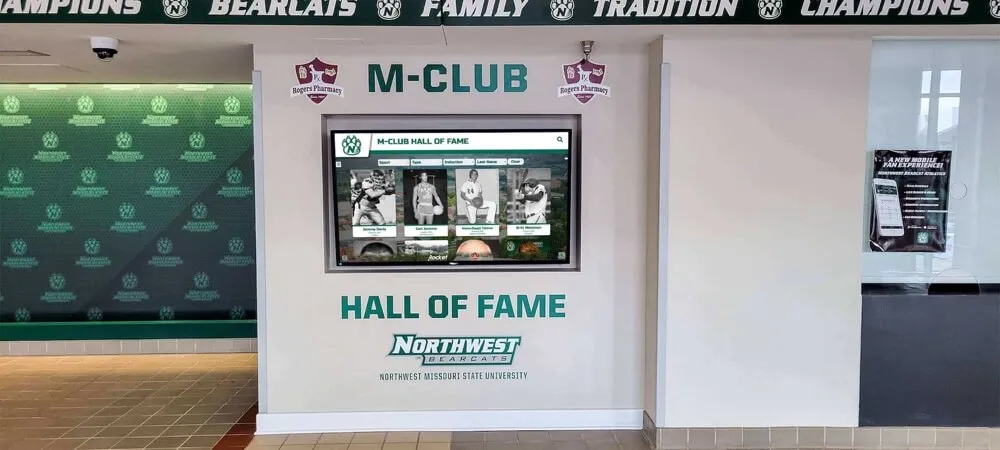
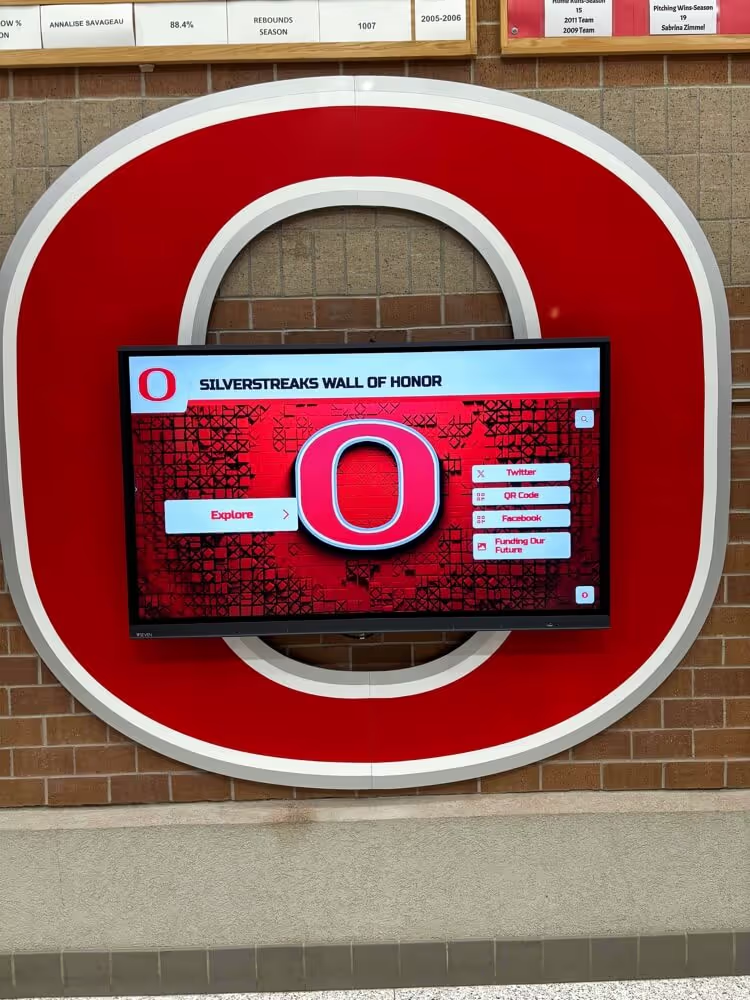
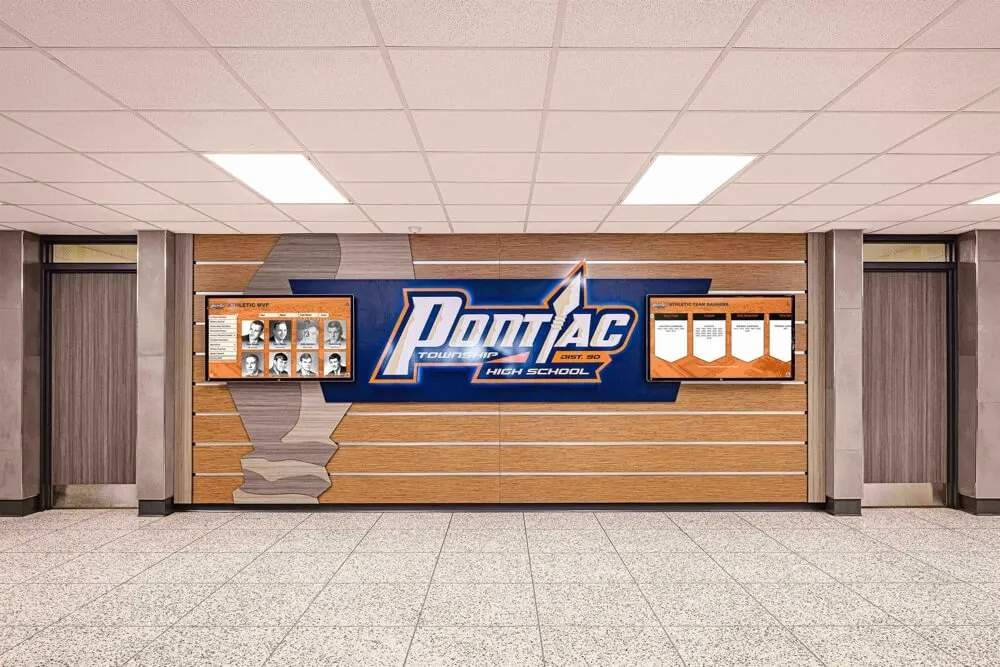
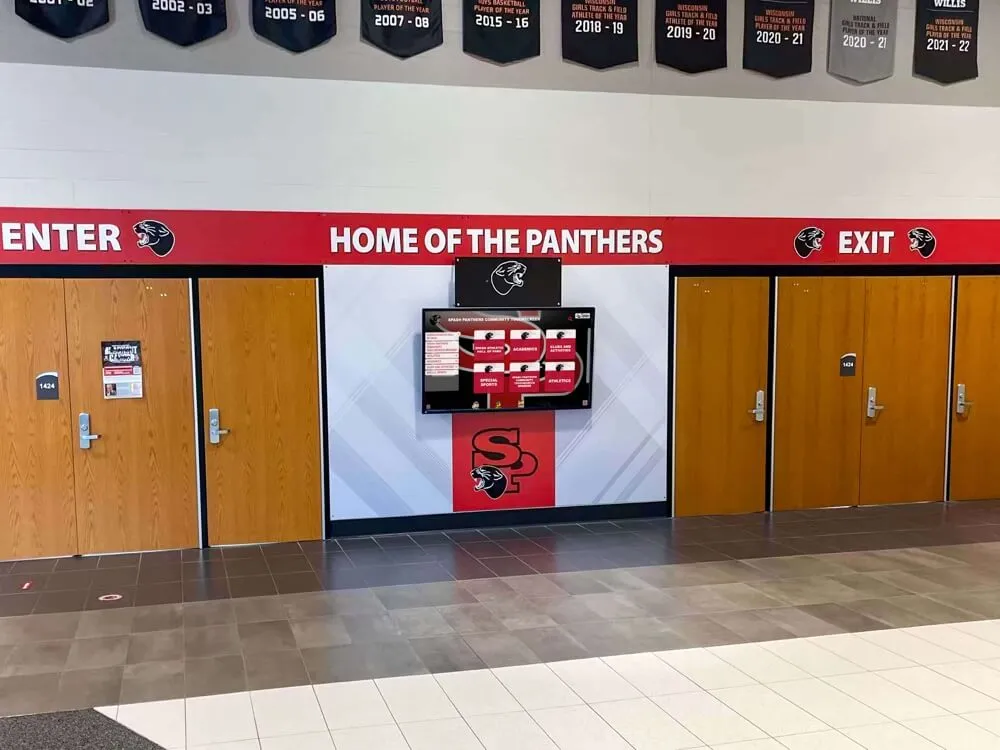
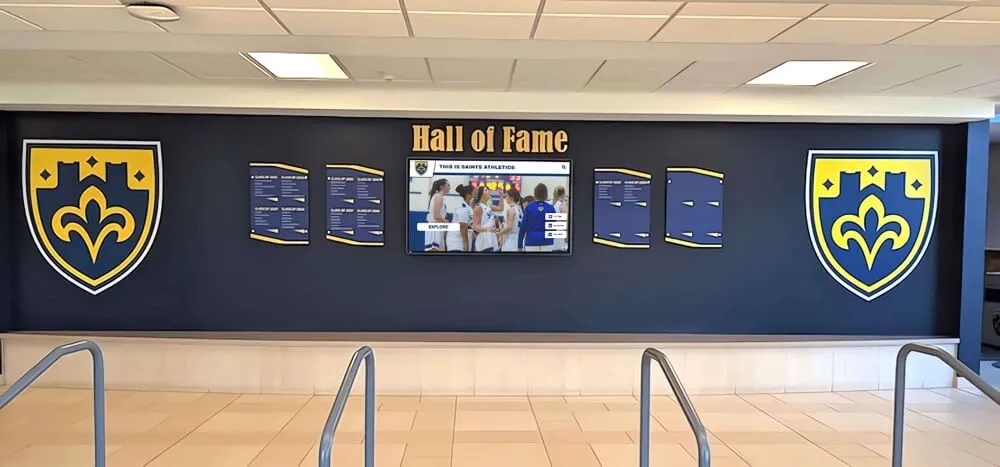
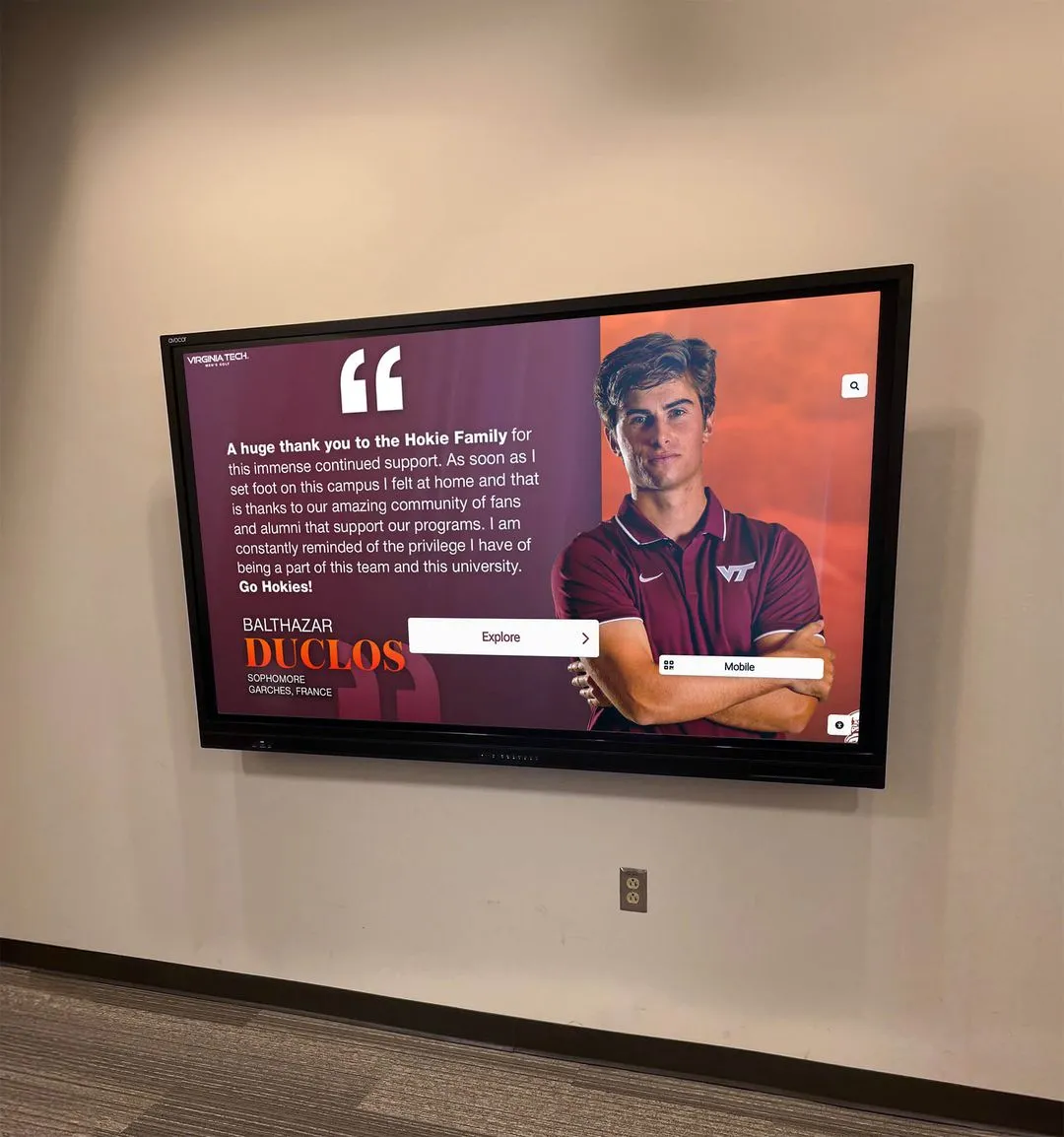
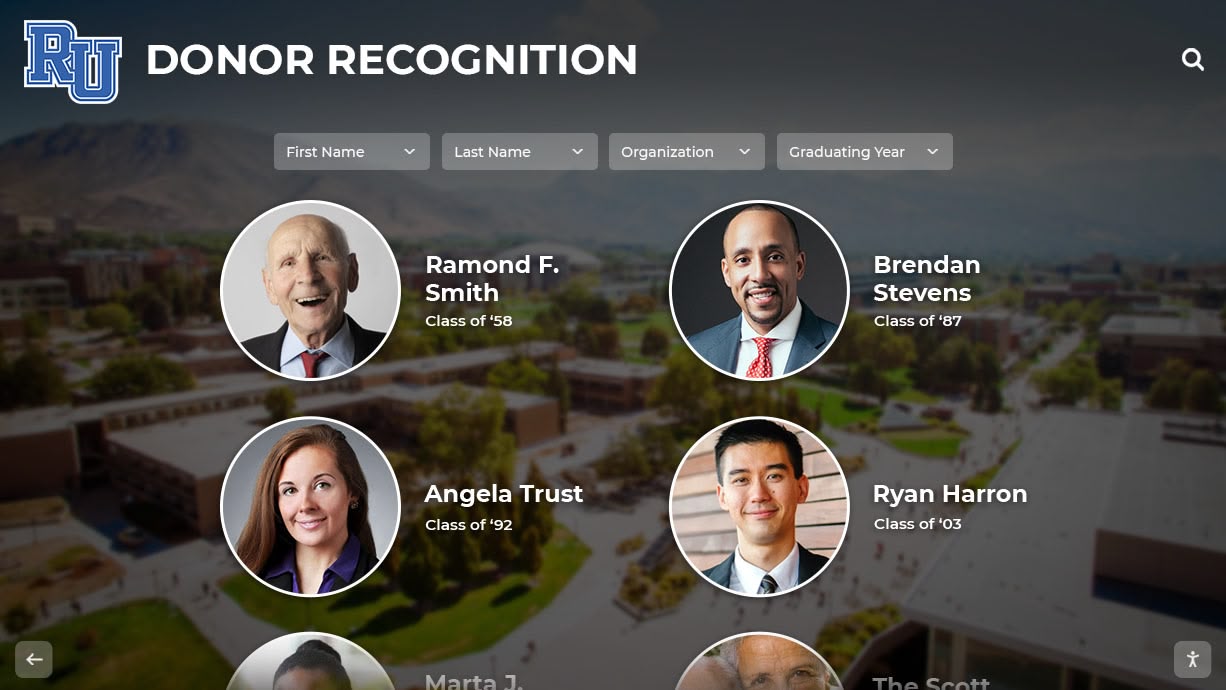
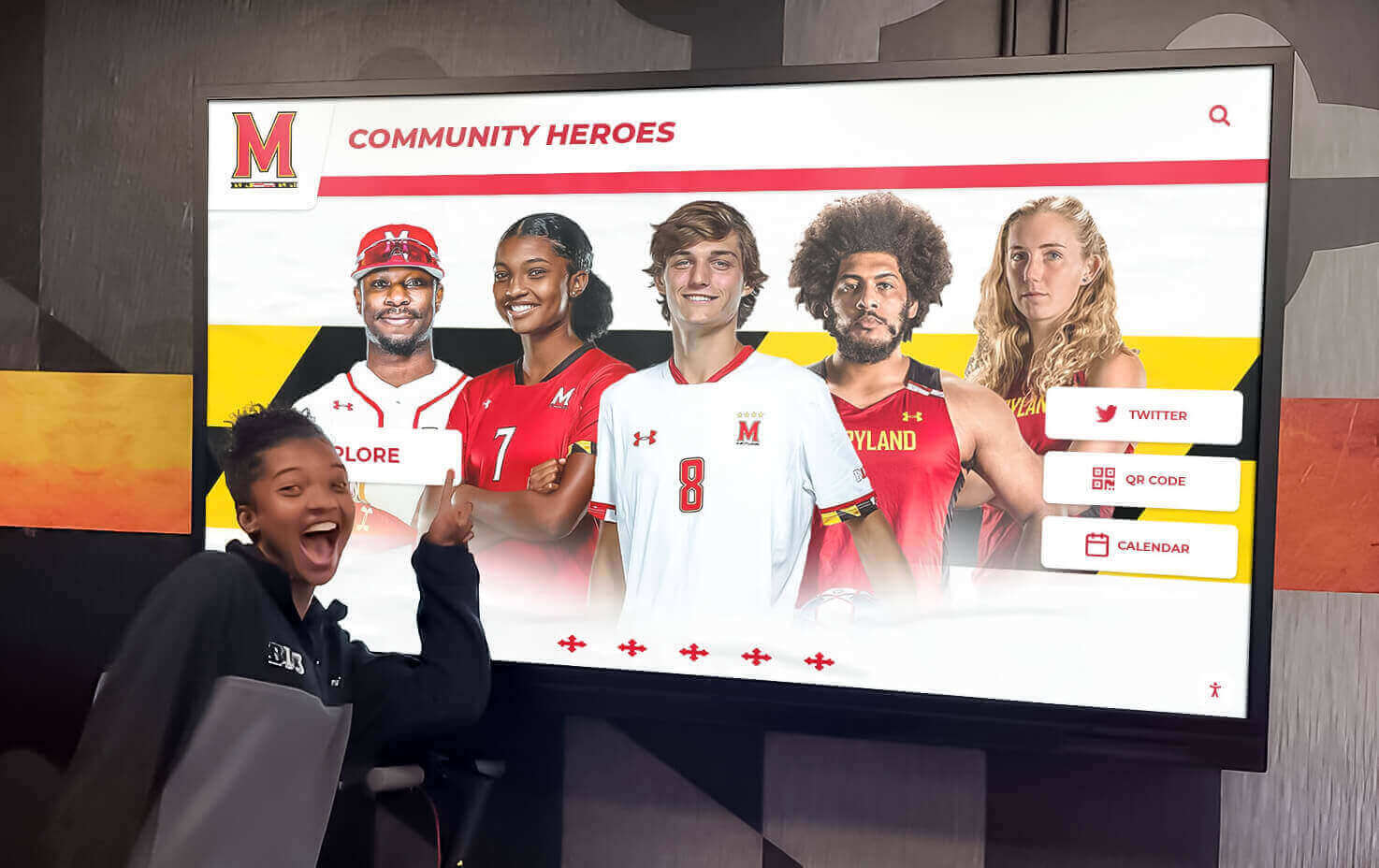
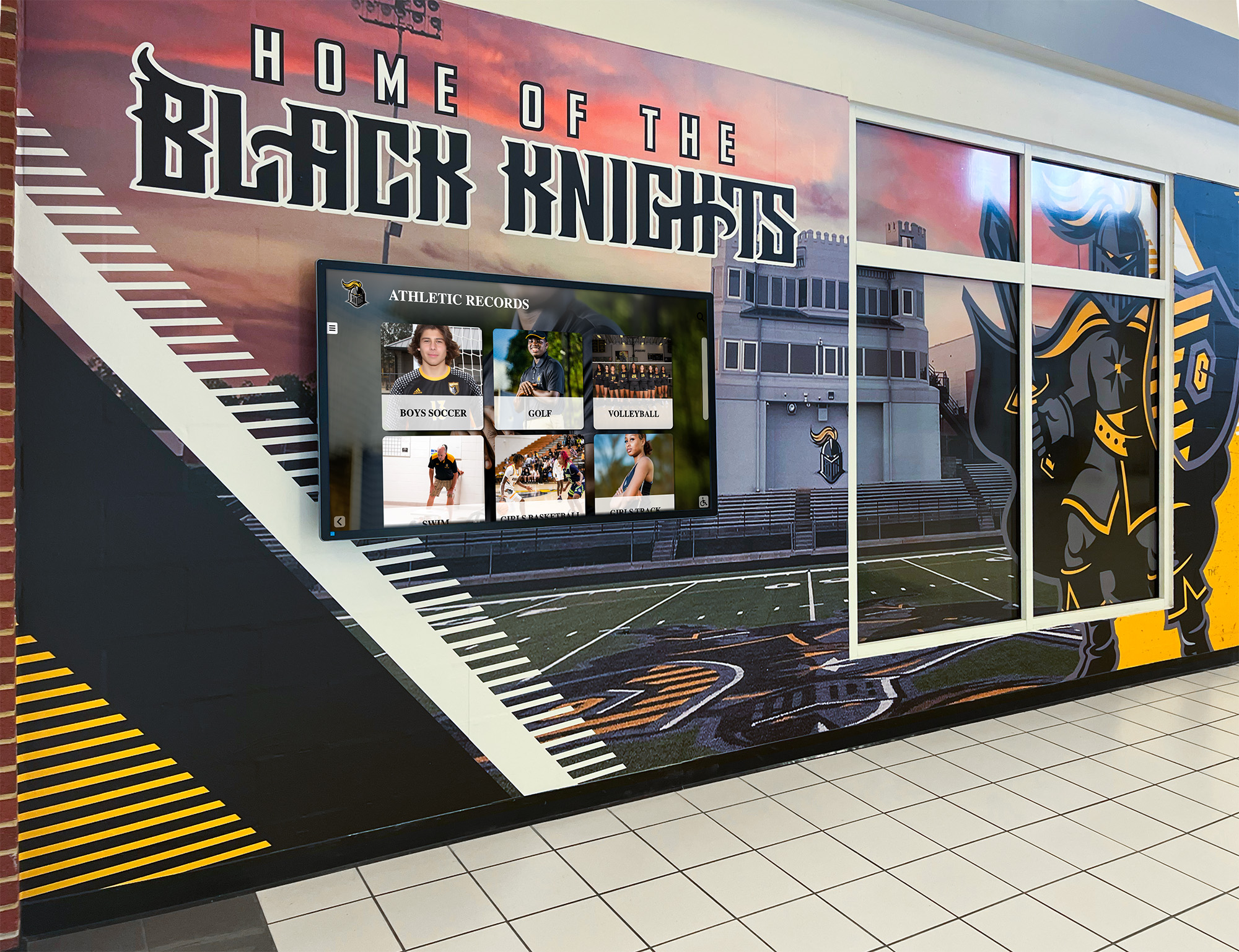
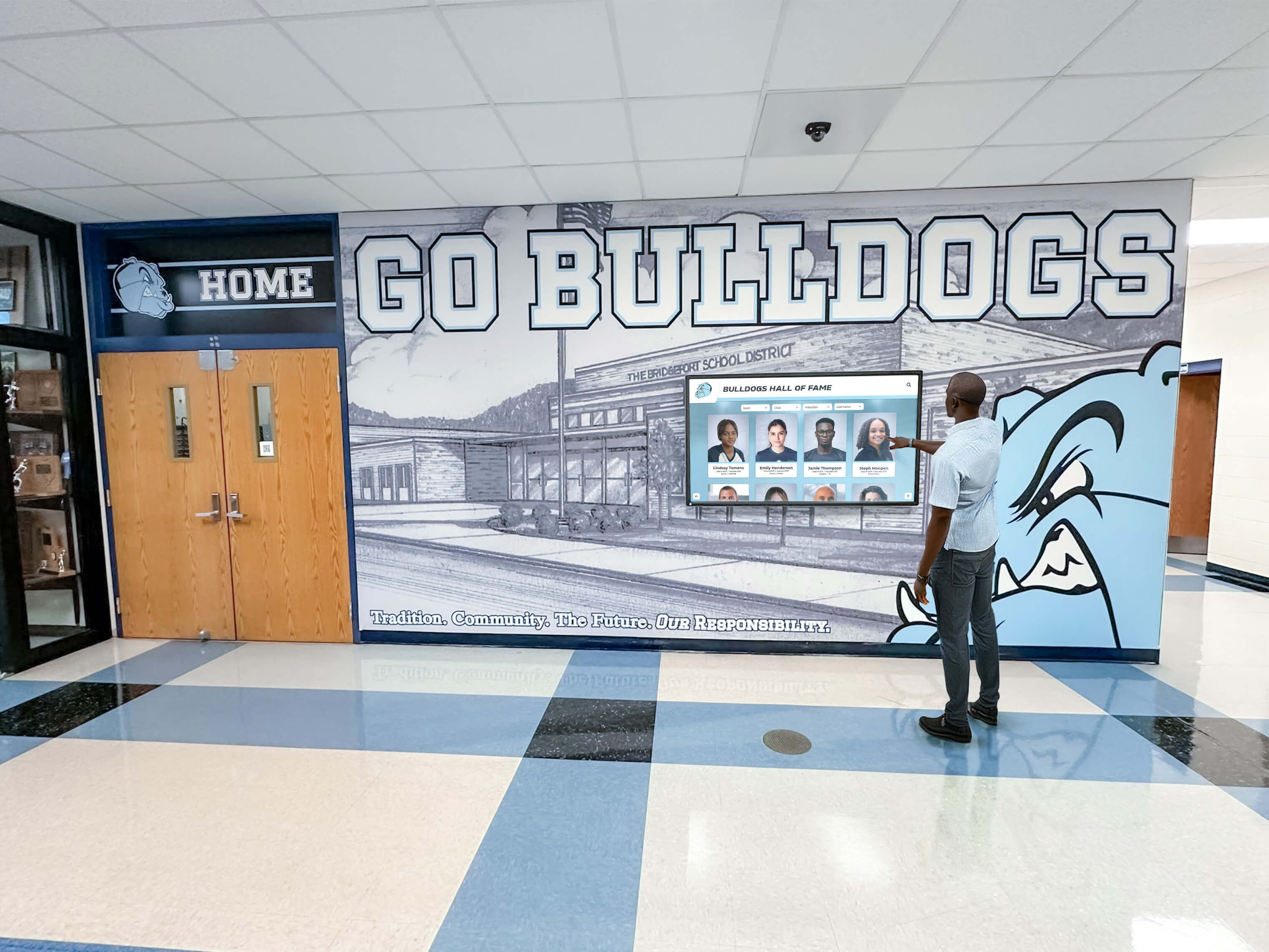
- Digital recognition displays providing permanent searchable graduate records
- Virtual ceremony components families can experience before or after live event
- Reception or celebration areas with individual graduate recognition stations
Modern solutions like Rocket Alumni Solutions enable schools to honor every graduate extensively through interactive digital displays, videos, and searchable databases while maintaining manageable live ceremony duration. This approach ensures no graduate receives less recognition while creating sustainable ceremony formats for large schools.
Family Perspectives: What Graduates and Families Want
Understanding stakeholder preferences helps schools make appropriate ceremony decisions.
Graduate Priorities for Ceremony Experience
Research and surveys reveal consistent graduate preferences:
Individual Recognition Matters: Graduates consistently rank individual stage crossing and name announcement as ceremony’s most meaningful elements. Even graduates who claim indifference about ceremony itself value their moment of personal acknowledgment before assembled community. Generic group conferral, while efficient, eliminates what graduates consider most memorable.
Reasonable Duration: Graduates themselves prefer reasonable ceremony length. Extended ceremonies where significant portions feel irrelevant diminish overall experience. Graduates sitting through 45-minute keynote addresses from unfamiliar speakers or enduring lengthy administrative remarks experience same impatience as families.
Quality of Experience Over Extended Formality: Graduates prefer well-executed, engaging ceremonies of moderate length over marathon events attempting to include every possible traditional element. Modern graduates particularly appreciate multimedia components, contemporary music, and recognition approaches that feel relevant rather than archaic.
Family Experience Considerations
Families bring varied needs and constraints to graduation ceremonies:
Extended Family Coordination: Graduation often involves coordinating schedules for grandparents, distant relatives, family friends, and younger siblings. Excessively long ceremonies create challenges for elderly attendees, very young children, and those traveling significant distances to attend.
Multiple Competing Events: In large districts, families with students at different schools may face scheduling conflicts between ceremonies at various buildings. Weekend ceremonies may conflict with religious observances, travel plans, or other family commitments.
Photography and Memory Creation: Families prioritize capturing meaningful photos and videos of their graduate’s moment. Ceremony formats and policies should facilitate this goal while preventing disruption. Some schools successfully provide professional photography packages ensuring quality images for all families regardless of photographic access during ceremony.
Post-Ceremony Celebration Planning: Many families plan restaurant reservations, parties, or gatherings following ceremony. Accurate ceremony duration communication enables appropriate planning. Schools should provide realistic time estimates including expected post-ceremony photo session duration before families can leave with graduates.
Technology Integration: Modern Approaches to Graduate Recognition
Digital solutions expand recognition possibilities while potentially reducing ceremony duration.
Live Streaming and Recording
Technology enables broader participation:
Remote Audience Access: Live streaming graduation ceremonies allows relatives who cannot attend in person to participate virtually. This particularly benefits:
- Elderly or ill family members unable to travel
- Military families with deployed service members
- International families separated by distance
- Families who cannot attend due to work or other obligations
Archived Recordings: Professional recordings create lasting memories families can revisit indefinitely. High-quality recordings also enable graduates to share their moment with those who couldn’t attend or watch the live stream.
Multimedia Graduate Recognition
Video and digital presentations enhance traditional recognition:
Pre-Ceremony Video Presentations: Professional slideshows or videos highlighting graduates can play during pre-ceremony time as audiences gather. These presentations:
- Showcase every graduate with photos and brief biographical information
- Provide meaningful content during otherwise empty waiting time
- Enable extensive recognition without extending ceremony proper
- Create shareable content families appreciate
Digital Photo Displays During Diploma Presentation: Large screens showing current graduate photos as names are called help audiences identify graduates while creating more meaningful recognition moments. This approach requires technical coordination but significantly enhances experience, particularly for large ceremonies where families struggle to identify their graduate from a distance.

Permanent Digital Recognition Displays
Beyond ceremony day, schools can honor graduates through ongoing recognition:
Interactive Graduate Databases: Digital recognition systems enable schools to create permanent, searchable graduate records featuring:
- Professional or submitted photos
- Academic achievements and honors
- Extracurricular involvement and leadership
- College acceptances and plans
- Personal statements or messages
- Family acknowledgments and dedications
These systems provide far more comprehensive recognition than brief ceremony stage crossing allows while creating lasting institutional memory accessible to alumni, current students, and community members indefinitely.
Integration with School Recognition Programs: Comprehensive digital recognition platforms can integrate graduation recognition with broader achievement documentation including academic honors, athletic accomplishments, and institutional history. This approach positions graduation as culmination of comprehensive career documentation rather than single isolated event.
Alumni Engagement: Digital graduate recognition creates engagement opportunities extending far beyond graduation day. Alumni can return virtually or in person to view their profiles, reconnect with classmates, and maintain ties to institutions. This ongoing connection serves advancement, fundraising, and community-building goals while honoring graduates permanently rather than momentarily.
Conclusion: Creating Meaningful Celebrations That Honor Time Constraints
Graduation ceremony duration represents balancing act between honoring achievement meaningfully and respecting the time constraints, comfort needs, and attention spans of graduates, families, and communities. The most successful ceremonies achieve this balance through thoughtful planning that accounts for class size, venue logistics, and stakeholder priorities while maintaining focus on the fundamental purpose—celebrating graduate accomplishment and marking this significant educational milestone.
Effective ceremony planning requires:
- Realistic time estimates based on class size and planned elements
- Detailed component-by-component timeline planning
- Clear expectations communicated to speakers and participants
- Efficient diploma presentation procedures
- Strategic use of technology enhancing without extending experience
- Audience comfort considerations for extended ceremonies
- Alternative formats when traditional approaches become unsustainable
- Integration of comprehensive recognition beyond single ceremony moment
Schools serving large graduating classes should particularly consider how modern recognition technology enables meaningful celebration without requiring marathon ceremonies that diminish experience. Solutions like those from Rocket Alumni Solutions provide comprehensive platforms where every graduate receives extensive recognition through interactive displays, multimedia presentations, and permanent digital records—creating recognition depth impossible during ceremonies while allowing sustainable ceremony duration.
Whether planning intimate ceremonies for small graduating classes or major events serving hundreds of graduates, successful planning begins with clear duration targets, continues through detailed timeline development, and succeeds through execution that honors achievement while respecting time. When ceremonies conclude with graduates feeling celebrated, families feeling the experience matched the milestone’s importance, and audiences appreciating efficient use of their time, schools have achieved the balance that makes graduation truly memorable.
Ready to enhance how your school celebrates and recognizes graduates? Explore comprehensive recognition solutions that honor every graduate extensively while supporting sustainable ceremony formats. Your graduates achieve remarkable milestones—effective planning ensures those accomplishments receive celebration that feels appropriately momentous without asking more time than stakeholders can reasonably provide.