



Key Takeaways
Comprehensive guide to honor cord color meanings for graduation ceremonies. Learn what different graduation cord colors represent, from academic honors to organizational affiliations, and how schools celebrate achievement through modern recognition systems.
Graduation day represents the culmination of years of academic effort, personal growth, and achievement. As graduates process across the stage in their caps and gowns, colorful cords draped around their necks tell visible stories of excellence, dedication, and accomplishment. These honor cords—woven ropes worn over graduation regalia—signify academic distinction, organizational membership, or special recognition earned throughout educational journeys. Yet many students, families, and even educators remain uncertain about what specific cord colors represent or why particular honors warrant ceremonial acknowledgment.
This comprehensive guide demystifies honor cord color meanings across high school and collegiate contexts, explains the traditions behind graduation cords, clarifies how different institutions determine cord eligibility, and examines how schools modernize recognition through digital displays that celebrate achievement long after graduation ceremonies conclude. Whether you’re a graduating student wondering what your cords represent, an educator establishing recognition programs, or a family member seeking to understand the significance of these colorful distinctions, this resource provides the clarity you need.
Understanding Graduation Honor Cords: Origins and Purpose
Before exploring specific color meanings, understanding why honor cords exist and how they function within graduation traditions provides essential context.
The History of Academic Regalia and Honor Cords
Academic regalia traditions trace back to medieval European universities where scholars wore distinctive clothing indicating their scholarly status and institutional affiliations. These traditions evolved over centuries, with American institutions adopting and adapting practices throughout the 19th and 20th centuries.
Honor cords represent a relatively modern addition to graduation ceremonies, becoming widespread in American education during the mid-20th century. Unlike caps, gowns, and hoods with centuries of tradition, cords emerged as practical visual indicators of specific achievements or affiliations supplementing the foundational regalia all graduates wear.
Why Schools Use Honor Cords: Visual recognition during graduation ceremonies serves multiple purposes. Cords publicly acknowledge student achievement at the exact moment when educational journeys culminate, creating memorable ceremonial recognition. They allow audiences—families, faculty, and fellow graduates—to immediately identify students who achieved specific distinctions without requiring verbal explanations during processionals. This visible differentiation reinforces that excellence receives special acknowledgment while maintaining inclusive ceremonies where all students participate.
How Honor Cords Differ from Other Graduation Elements
Graduation regalia includes several distinct components, each carrying specific meaning:
Caps and Gowns: Basic graduation attire worn by all graduates, with gown colors typically reflecting institutional traditions rather than individual achievement. Most American high schools use black, green, or school colors, while collegiate gown colors vary by degree type.
Honor Stoles or Sashes: Wide fabric bands worn around the neck like scarves, typically representing organizational affiliations such as cultural organizations, religious groups, or major-specific honors. Stoles provide larger surface area than cords, often featuring embroidered text or emblems.
Graduation Cords: Twisted ropes worn looped around the neck with tassels hanging down, representing specific academic achievements, honor society memberships, or recognitions. Single cords typically consist of two intertwined strands, though students may wear multiple cords simultaneously when earning several distinctions.
Honor Medals or Pins: Additional recognition sometimes worn on gowns, particularly for valedictorians, salutatorians, or specific award recipients.
The key distinction lies in exclusivity: while all graduates wear caps and gowns, only students meeting specific criteria wear honor cords, making them meaningful visual markers of distinction during graduation ceremonies.
Common Misconceptions About Honor Cords
Several misunderstandings about honor cords persist across educational contexts:
Misconception: Honor cord colors have universal standardized meanings. Reality: While some conventions exist, color meanings vary significantly across institutions. Gold cords might represent honor society membership at one school and academic excellence at another. Always verify specific meanings within your institution rather than assuming universal interpretations.
Misconception: More cords automatically indicate higher achievement. Reality: Multiple cords show diverse accomplishments but don’t necessarily indicate superior achievement compared to students wearing single cords. A student with three cords representing honor roll, club membership, and perfect attendance shouldn’t be considered more accomplished than a valedictorian wearing one gold cord.
Misconception: Only top students wear honor cords. Reality: While many cords recognize academic excellence, others acknowledge diverse achievements—community service, athletics, arts, leadership, improvement, or organizational participation. Recognition pathways extend beyond traditional academic metrics.
Misconception: Students purchase their own cords to wear. Reality: Legitimate honor cords are earned through achievement and provided by schools or organizations. Students don’t simply buy cords to wear; each cord should represent actual accomplishment verified by the institution.
Academic Achievement Honor Cord Colors and Meanings
Academic honor cords represent the most common type of graduation recognition, acknowledging excellence in scholarly pursuits through grade point average achievements or other academic distinctions.
Gold Honor Cords: Excellence and High Achievement
Gold represents the most universally recognized academic honor cord color across American education. Most institutions use gold to signify outstanding academic achievement, though specific criteria vary significantly.
Common Gold Cord Meanings:
Summa Cum Laude: The highest Latin honor designation for collegiate graduates, typically requiring cumulative GPAs of 3.9-4.0 depending on institutional standards. Summa cum laude graduates often wear gold cords or special metallic gold cords distinguishing them from other honor graduates.
High School Valedictorian/Salutatorian: Many high schools designate gold cords specifically for valedictorians (highest GPA) and salutatorians (second highest GPA), visually distinguishing top-ranking graduates during ceremonies.
Honor Society Membership: National Honor Society (NHS) members frequently wear gold cords, though this varies by chapter and school preferences. Some schools reserve gold for valedictorian/salutatorian, directing NHS members toward different colors.
General Academic Excellence: Schools may award gold cords to all students meeting high GPA thresholds—commonly 3.5, 3.7, or 3.8 minimum—creating tiers of high honor recognition. When schools use multiple cord colors for tiered recognition, gold typically represents the highest level.
White and Silver Cords: Distinguished Achievement
White and silver cords often represent the second-highest tier of academic recognition or specific honor designations just below gold-cord excellence.
Magna Cum Laude: Collegiate graduates earning the second-highest Latin honor level (typically 3.7-3.89 GPA) frequently wear white or silver cords, distinguishing them from both summa cum laude (gold) and cum laude (another color) recipients.
Honor Roll Recognition: Many high schools award white or silver cords to students maintaining honor roll status throughout their senior year or accumulating honor roll achievements across multiple semesters, representing consistent academic excellence below valedictorian/salutatorian levels.
Academic Department Honors: Some schools use silver cords for students earning departmental distinction in specific subjects—mathematics honors, science achievement, English excellence—when they don’t qualify for overall highest honors but demonstrate exceptional capability in particular disciplines.
Red and Maroon Cords: Varied Academic Meanings
Red and maroon cords carry diverse meanings across institutions, sometimes representing cum laude status or specific academic achievements.
Cum Laude: The third-tier Latin honor (typically 3.5-3.69 GPA at many colleges) sometimes corresponds with red or maroon cords, though this varies widely by institution. Some schools use entirely different color systems for Latin honors.
Specific Subject Excellence: Red frequently represents achievement in particular academic areas:
- History or social studies honors
- English or communication excellence
- Performing arts achievement
- Education program completion
The wide variation in red cord meanings emphasizes why verifying institution-specific interpretations proves essential rather than assuming standardized symbolism.
Blue Honor Cords: Academic and Organizational Significance
Blue cords appear across numerous academic and organizational contexts with varying significance.
Academic Honor Societies: Several honor societies use blue cords:
- National Technical Honor Society
- Career and technical education honors
- Science-related honor societies
- Specific departmental honors programs
GPA-Based Recognition: Some schools designate blue for mid-tier academic honors—students meeting 3.0-3.5 GPA thresholds who don’t qualify for higher gold or silver recognition but deserve acknowledgment for solid academic performance.
Institutional School Colors: Schools with blue in their official colors sometimes award blue cords to various honorees, creating institution-specific rather than standardized national meanings.
Purple and Lavender Cords: Honors and Service
Purple carries associations with royalty and distinction, making it meaningful for various recognition purposes.
Honor Society Affiliations: Multiple organizations use purple cords:
- National Honor Society chapters (when gold isn’t used)
- Performing arts honor societies
- Music honors
- Service organizations
Academic Achievement: Some institutions award purple to graduates in specific GPA ranges or students earning particular academic distinctions that warrant recognition below highest honors tiers.
Leadership Recognition: Purple sometimes represents leadership excellence or student government participation, acknowledging contribution beyond academic achievement alone.
Schools implementing comprehensive achievement recognition often find that digital recognition displays provide clearer explanation of diverse honor meanings than simple cord colors alone.

Honor Society and Organizational Cord Colors
Beyond general academic achievement, specific organizations designate official cord colors representing membership or participation in recognized groups.
National Honor Society and Junior Honor Society
National Honor Society (NHS) and National Junior Honor Society (NJHS) represent the most prestigious general academic honor organizations in American secondary education. Local chapters make independent decisions about cord colors, though common choices include:
Gold Cords: Many NHS chapters use gold, aligning with its traditional association with excellence and the highest academic achievement levels required for membership.
Blue and Gold Cords: Some chapters use two-color cords combining blue and gold, creating distinctive recognition specifically associated with NHS rather than general academic honors.
Chapter-Specific Variations: Because NHS operates through individual school chapters with autonomy over local traditions, considerable variation exists. Always verify the specific practice at your institution.
NHS membership requires not just high GPA but demonstrated character, leadership, and service—comprehensive criteria making membership particularly prestigious and worthy of graduation recognition.
Subject-Specific Honor Societies
Specialized honor societies focusing on particular academic disciplines typically establish official cord colors representing their organizations:
Mu Alpha Theta (Mathematics): National mathematics honor society typically uses purple and gold or pink and white cords, depending on chapter preferences.
National English Honor Society: Often uses burgundy, maroon, or red cords reflecting humanities associations.
Science National Honor Society: May use green cords representing natural sciences or blue representing scientific inquiry.
Tri-M Music Honor Society: Frequently uses purple cords or purple combined with white, representing excellence in music.
National Art Honor Society: Often employs gold and blue or other artistic color combinations.
Rho Kappa (Social Studies): National social studies honor society typically uses blue and white or gold cords.
Each national organization provides guidance to local chapters about official colors, though some flexibility exists for local implementation.
Career and Technical Education Recognition
Career and Technical Education (CTE) programs preparing students for specific career pathways often award cords recognizing program completion or excellence:
National Technical Honor Society: Uses red, white, and blue tri-color cords representing career and technical education excellence.
SkillsUSA: Career and technical student organization uses red, white, blue, and gold cords for members achieving specific recognition levels.
DECA: Business and marketing student organization awards cords to members achieving competitive success or leadership positions.
FBLA: Future Business Leaders of America recognizes achievement through organization-specific cords at competitive and leadership levels. FBLA awards and recognition often extend beyond graduation to include ongoing organizational acknowledgment.
FFA: Future Farmers of America (now National FFA Organization) awards blue and gold cords representing agricultural education and FFA participation.
These CTE-related cords validate that excellence takes diverse forms, celebrating students pursuing technical and vocational pathways with the same ceremonial recognition afforded traditional academic honors.
Multicultural and Cultural Organization Cords
Many schools award cords recognizing participation in cultural organizations or celebrating cultural heritage and identity:
Kente Cloth Stoles: While technically stoles rather than cords, Kente cloth graduation accessories celebrating African and African American heritage represent the most recognizable cultural graduation distinction.
Cultural Organization Colors: Student organizations focused on specific cultural communities may establish cord colors:
- Asian Student Alliances
- Hispanic/Latino student organizations
- Native American student groups
- International student associations
Rainbow Cords: Some institutions award rainbow cords recognizing LGBTQ+ student organization participation or allyship, celebrating diversity and inclusion.
Schools should approach cultural recognition thoughtfully, ensuring programs authentically honor identity and contribution rather than tokenistic acknowledgment.
Service, Leadership, and Special Recognition Cord Colors
Beyond academics and organizational memberships, many schools award cords acknowledging service, leadership, and other special accomplishments.
Community Service and Volunteer Recognition
Students dedicating significant time to service and volunteerism often receive ceremonial recognition through specific cord colors:
White or Cream Cords: Frequently represent community service achievement, symbolizing purity of purpose and selfless contribution.
Green Cords: Sometimes designate environmental service, sustainability initiatives, or community service focused on ecological causes.
Service Hour Thresholds: Schools establish specific volunteer hour requirements—commonly 100, 200, or more documented service hours—qualifying students for service recognition cords during graduation.
Community Service Organizations: Key Club, Interact, volunteer programs, and service-learning courses may award cords to participating students meeting contribution standards.
Service cord recognition validates that schools value contribution to communities, not just academic achievement, preparing students for engaged citizenship beyond educational contexts. Many institutions find that digital donor recognition systems celebrating community contribution provide models applicable to student service recognition.
Leadership Cords and Student Government
Students demonstrating leadership through elected positions, appointed roles, or consistent leadership contributions may receive special recognition:
Purple or Royal Blue Cords: Commonly represent student government participation or elected leadership positions.
Red, White, and Blue Cords: Sometimes designate student council or government recognition, particularly at patriotic or civically focused schools.
Leadership Program Completion: Schools offering formal leadership development programs, leadership classes, or multi-year leadership tracks may award distinctive cords to graduating participants.
Leadership recognition through cords acknowledges skills beyond academic performance—communication, collaboration, decision-making, and service—that prove essential for post-graduation success.
Perfect Attendance and Academic Persistence
Some schools award cords recognizing consistent attendance or overcoming challenges:
Perfect Attendance Cords: Schools may designate specific colors—often white, blue, or school colors—for students maintaining perfect attendance throughout senior year or accumulating minimal absences across high school careers.
Academic Improvement: Students demonstrating dramatic GPA improvement or overcoming significant academic challenges sometimes receive special recognition through designated cord colors celebrating persistence and growth.
These recognition categories acknowledge that different students face different circumstances, and various forms of dedication and commitment warrant celebration.

How Schools Determine Honor Cord Eligibility
Understanding eligibility criteria helps students, families, and educators establish fair, meaningful recognition systems.
Establishing GPA Thresholds and Latin Honors
Academic honor cords typically base eligibility on cumulative grade point averages, though specific threshold determination involves several considerations:
High School GPA Tiers: Common high school honor cord GPA requirements include:
- Highest Honors (Gold Cords): 3.8-4.0 or top 5-10% of class
- High Honors (Silver/White Cords): 3.5-3.79
- Honors (Other Colors): 3.0-3.49
Latin Honors Standards: Collegiate Latin honors typically follow these approximations, though institutions establish their own precise standards:
- Summa Cum Laude: 3.9-4.0 GPA
- Magna Cum Laude: 3.7-3.89 GPA
- Cum Laude: 3.5-3.69 GPA
Weighted vs. Unweighted Calculations: Schools must decide whether honors calculations use weighted GPAs (awarding extra points for advanced courses) or unweighted scales. Weighted approaches reward academic challenge-seeking, while unweighted systems ensure comparable standards across course levels.
Class Rank Considerations: Some schools award honor cords to students ranking within top percentages of graduating classes—top 10%, 15%, or 20%—ensuring recognition reflects relative achievement within specific cohorts rather than absolute GPA standards that might vary in difficulty across years.
Honor Society Membership Requirements
Organizations awarding cords establish specific membership criteria extending beyond GPA alone:
National Honor Society Standards: NHS requires:
- Minimum 3.0 GPA (many chapters require higher)
- Demonstrated character through faculty evaluation
- Leadership in school or community activities
- Service contribution through volunteer work
- Successful completion of application and induction process
Subject-Specific Honor Societies: Typically require high achievement in relevant disciplines plus overall solid academic standing. For example, math honor societies require excellence in mathematics courses plus minimum overall GPA thresholds.
Sustained Membership: Most organizations require maintaining membership from induction through graduation, meaning students who later violate academic or behavioral standards may lose graduation cord eligibility.
Schools implementing comprehensive recognition systems often discover that honor roll recognition programs provide frameworks applicable to cord eligibility determination.
Service Hour Documentation and Verification
Service-based cord eligibility requires systematic documentation proving contribution claims:
Approved Service Organizations: Schools typically establish lists of approved organizations where service hours count toward recognition, ensuring meaningful contribution rather than casual participation.
Documentation Requirements: Students must typically submit:
- Organization contact information for verification
- Supervisor signatures confirming hours
- Descriptions of service activities performed
- Dates and duration of service
- Total accumulated hours
Verification Processes: Counselors or designated staff verify documented service before approving cord eligibility, preventing false claims while ensuring legitimate service receives recognition.
Timeline Requirements: Schools establish deadlines for service hour submission—commonly several weeks before graduation—allowing adequate verification time.

Combining Multiple Recognition Types
Students often qualify for several cords simultaneously, raising questions about wearing multiple distinctions:
Wearing Multiple Cords: Most schools allow students earning several honors to wear all corresponding cords simultaneously, though practical limits exist based on how many cords physically fit comfortably.
Priority Systems: Some institutions establish hierarchies when limiting cord numbers—requiring students with numerous qualifications to prioritize highest honors, longest-term achievements, or most significant recognitions.
Combined Recognition Cords: Schools may create special multi-color cords combining several distinctions into single cords, simplifying regalia while acknowledging multiple achievements.
Stoles vs. Cords: When students qualify for numerous recognitions, schools might designate some as cords and others as stoles, differentiating visually while preventing excessive cord accumulation.
Modern Digital Recognition: Beyond Graduation Day
While honor cords provide memorable graduation ceremony recognition, achievement acknowledgment increasingly extends beyond single ceremonial moments through comprehensive digital recognition systems.
Permanent Achievement Archives and Digital Recognition
Traditional graduation recognition exists only during ceremonies—cords are removed when gowns come off, and physical evidence disappears except for photographs. Modern digital recognition creates lasting documentation:
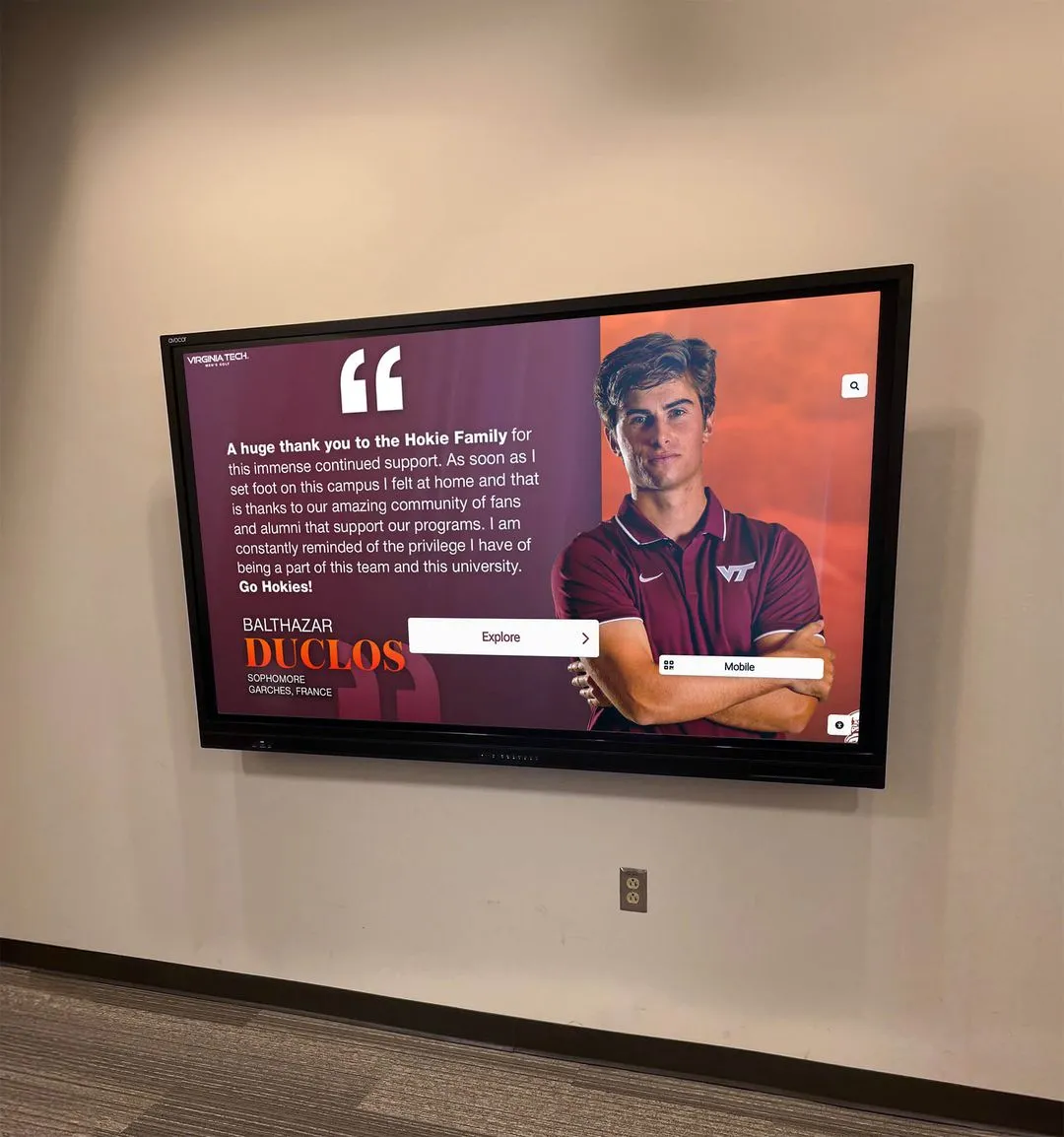
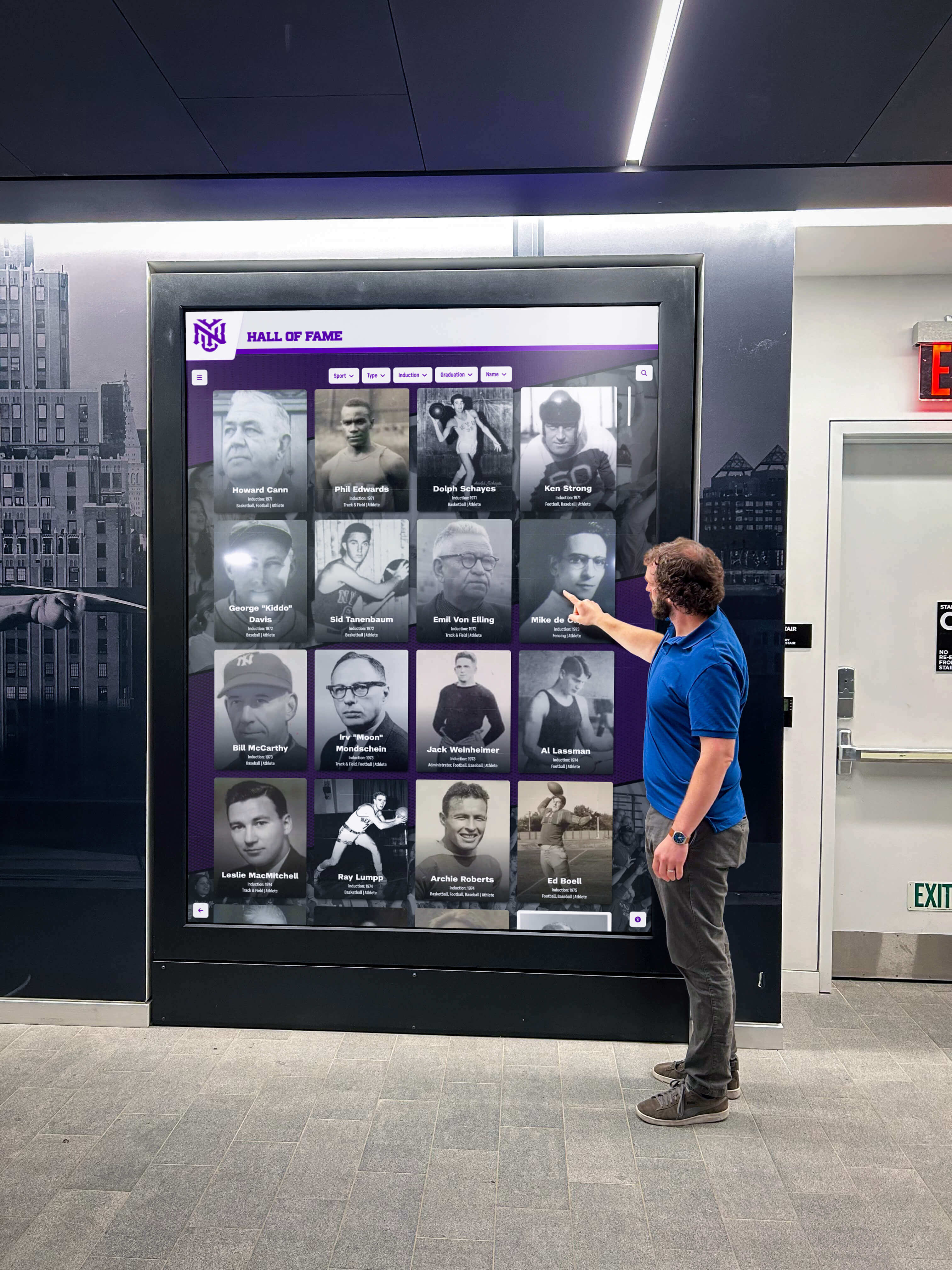
Searchable Honor Databases: Digital platforms maintain permanent searchable archives documenting every graduation honor recipient, achievement earned, and recognition awarded. Current students can explore historical honorees, alumni can find their own achievements decades later, and schools build institutional traditions celebrating excellence across generations.
Detailed Achievement Profiles: Unlike simple cord colors requiring contextual explanation, digital systems showcase comprehensive profiles including:
- Professional graduation photographs
- Specific achievement descriptions and criteria
- GPA and class rank information
- Honor society memberships and leadership positions
- Service hours and community contributions
- Subject-specific awards and recognitions
- Personal statements from honorees
Multi-Year Achievement Tracking: Digital platforms document achievement patterns throughout educational journeys—honor roll consistency, improvement trajectories, award accumulation—providing context impossible to convey through graduation cord colors alone.
Solutions like Rocket Alumni Solutions provide comprehensive platforms specifically designed for educational recognition, offering intuitive content management, engaging interactive displays, and proven approaches helping schools celebrate achievement beyond brief ceremonial moments. These digital recognition systems maintain permanent documentation reinforcing cultures of excellence.
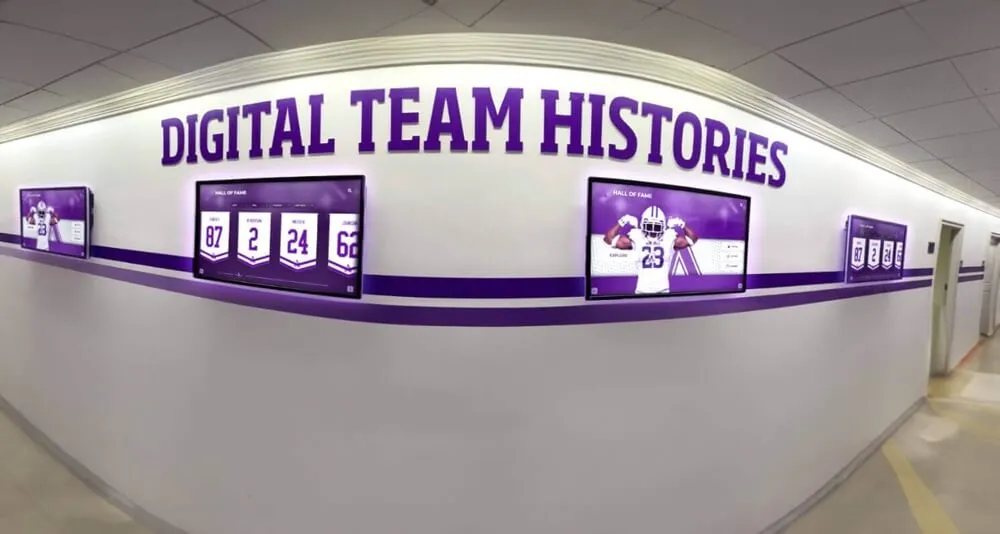
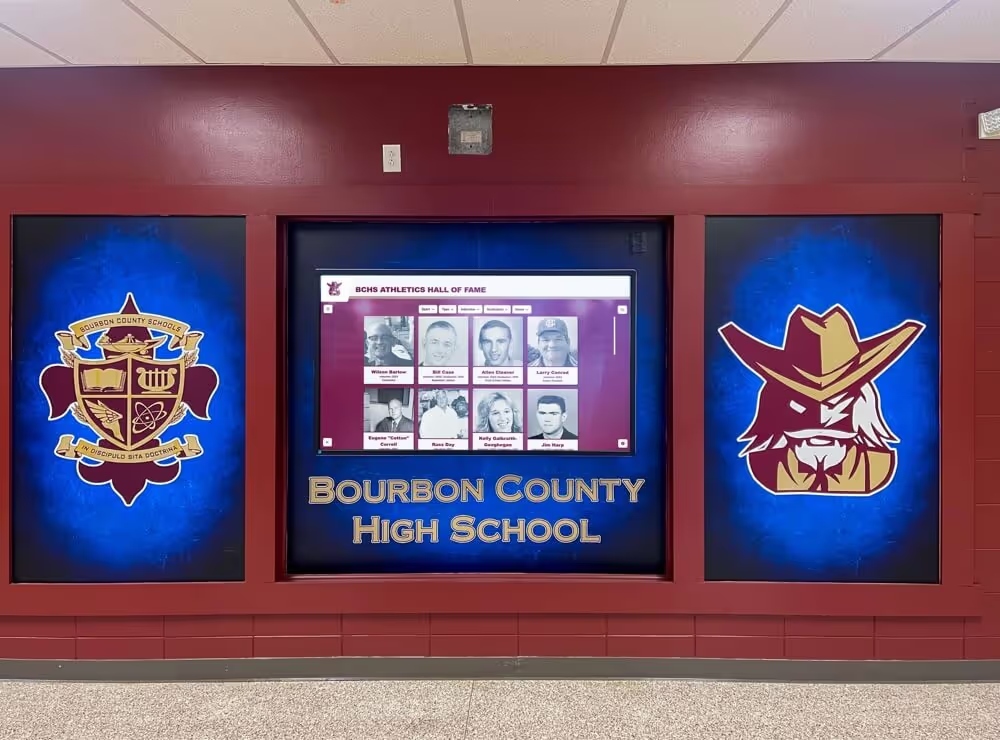
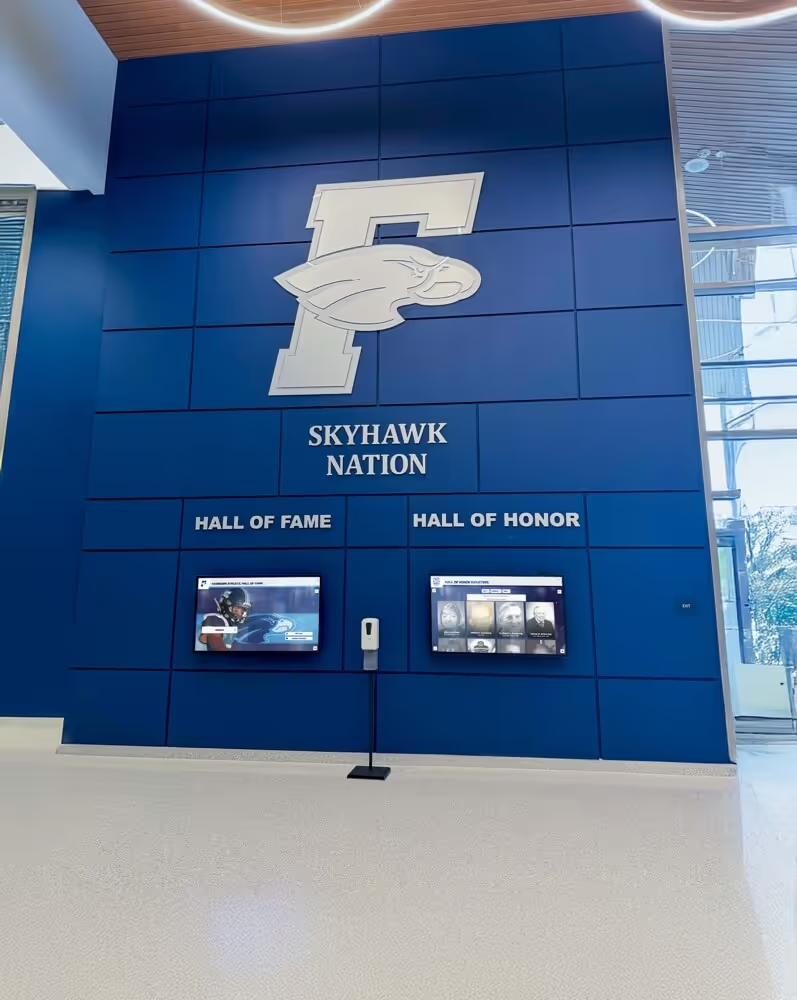
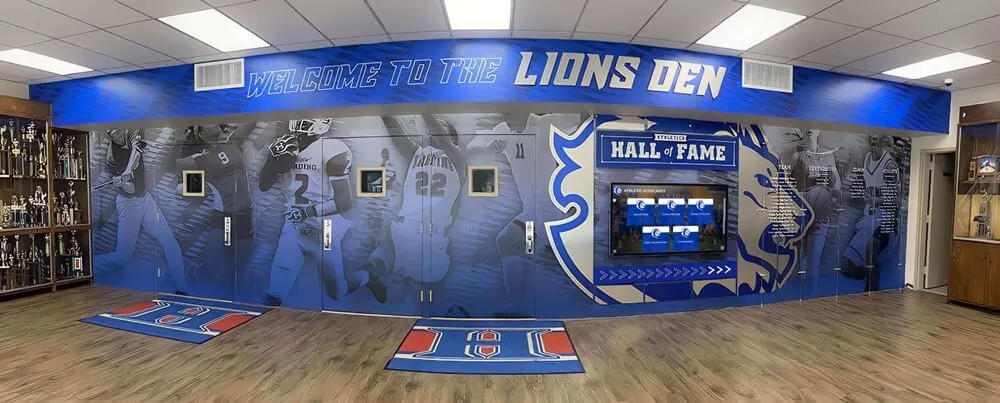
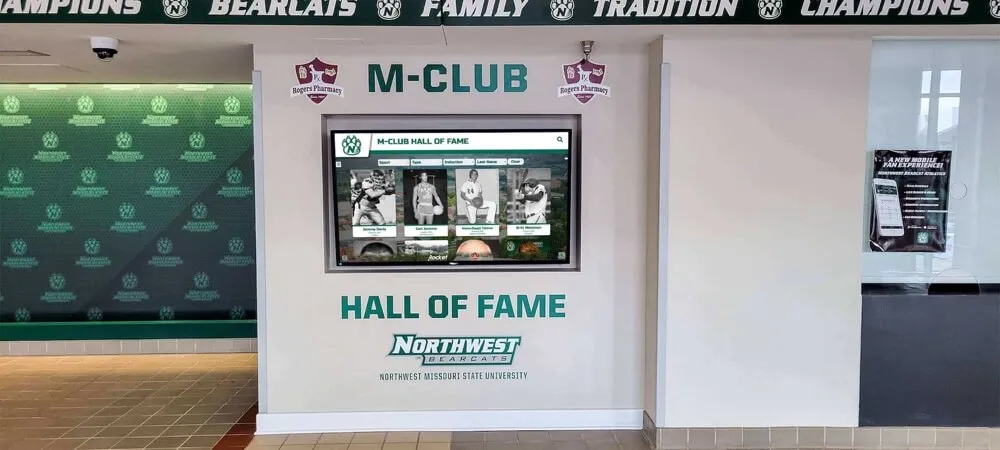
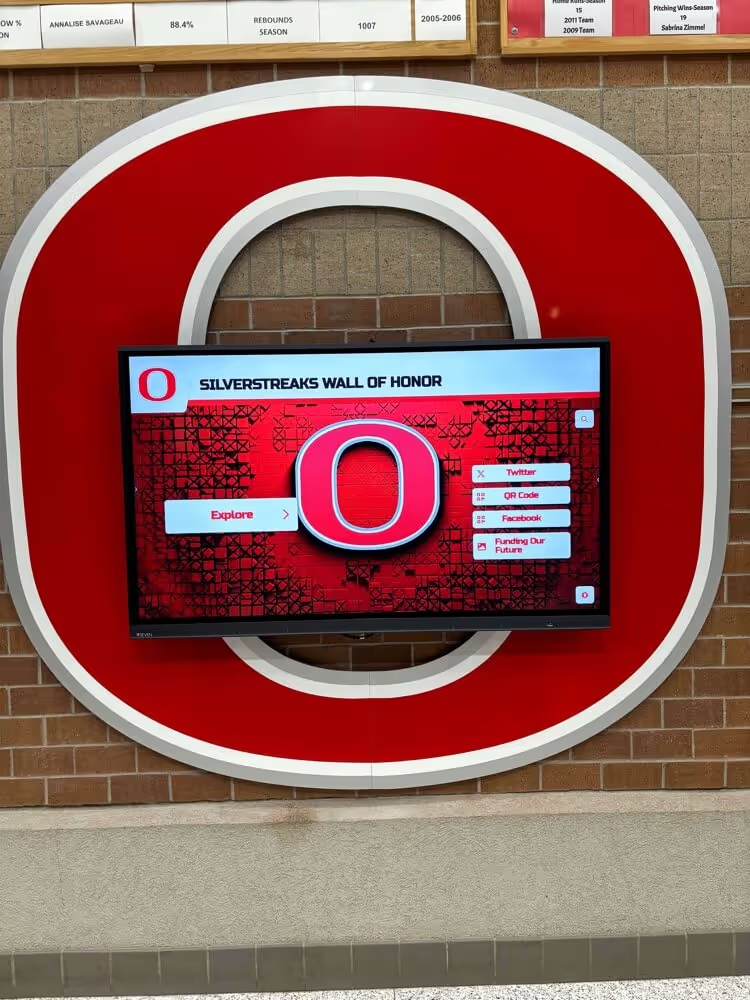
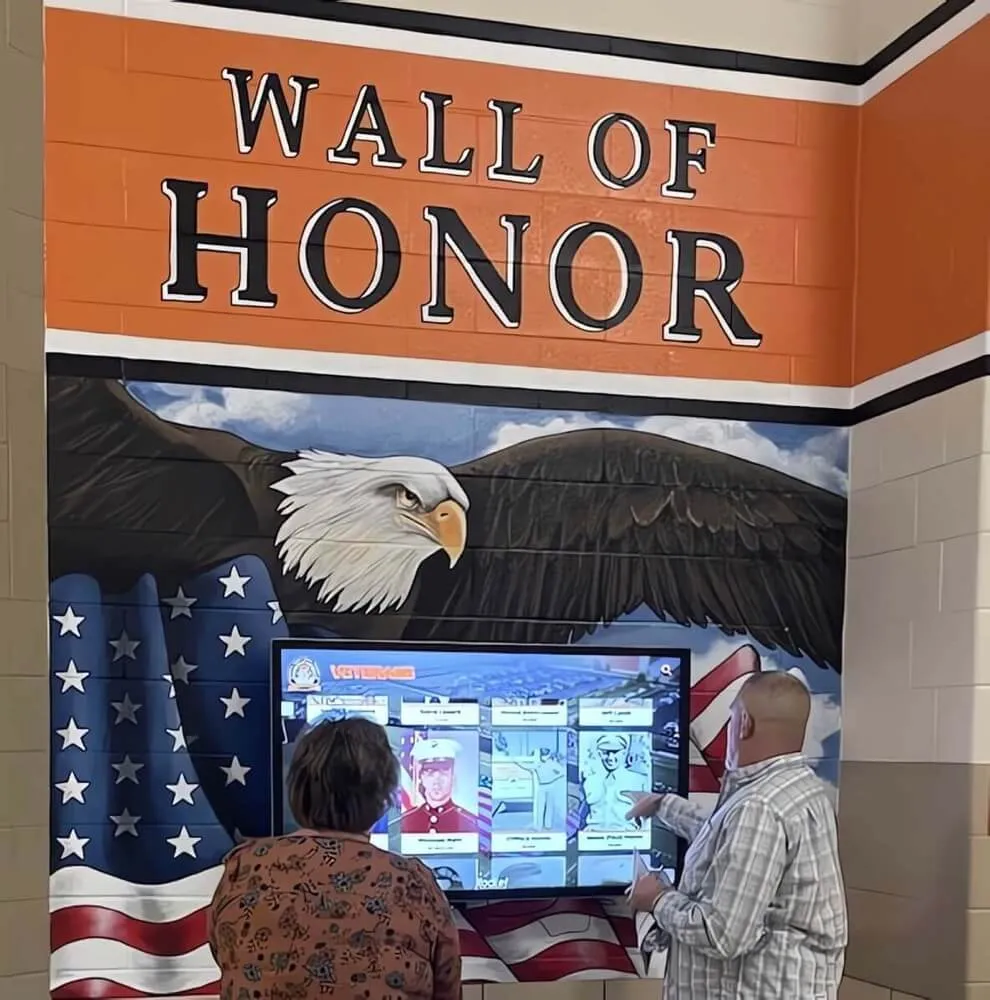
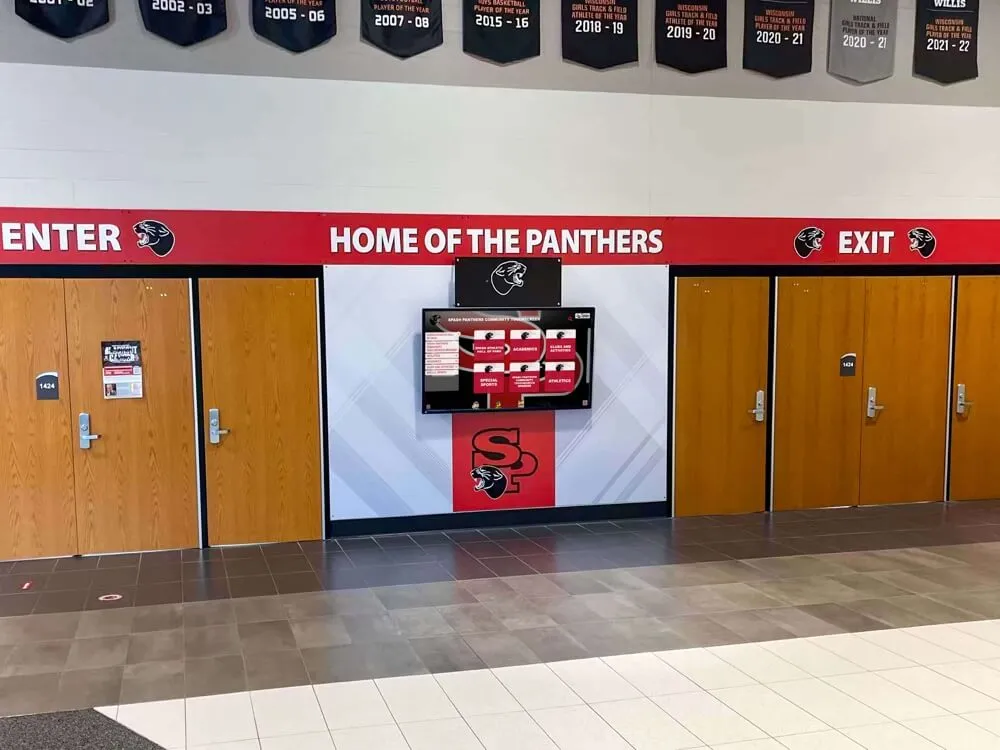
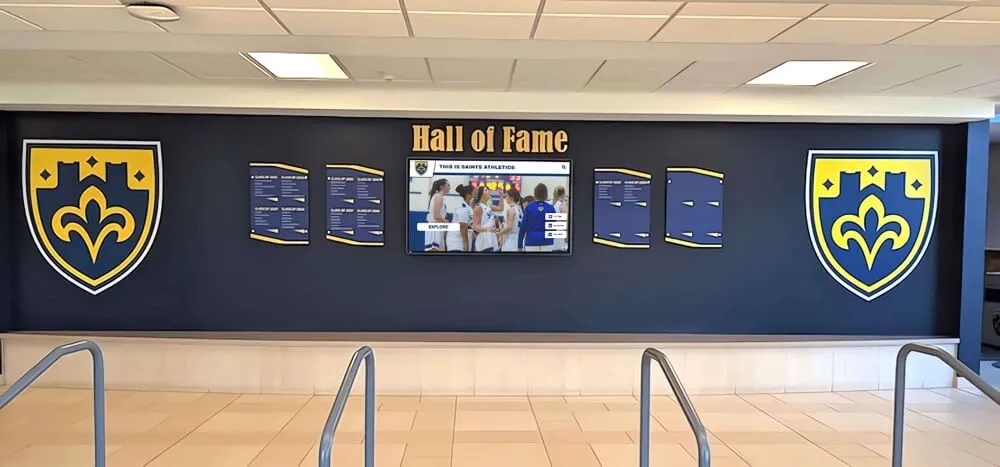
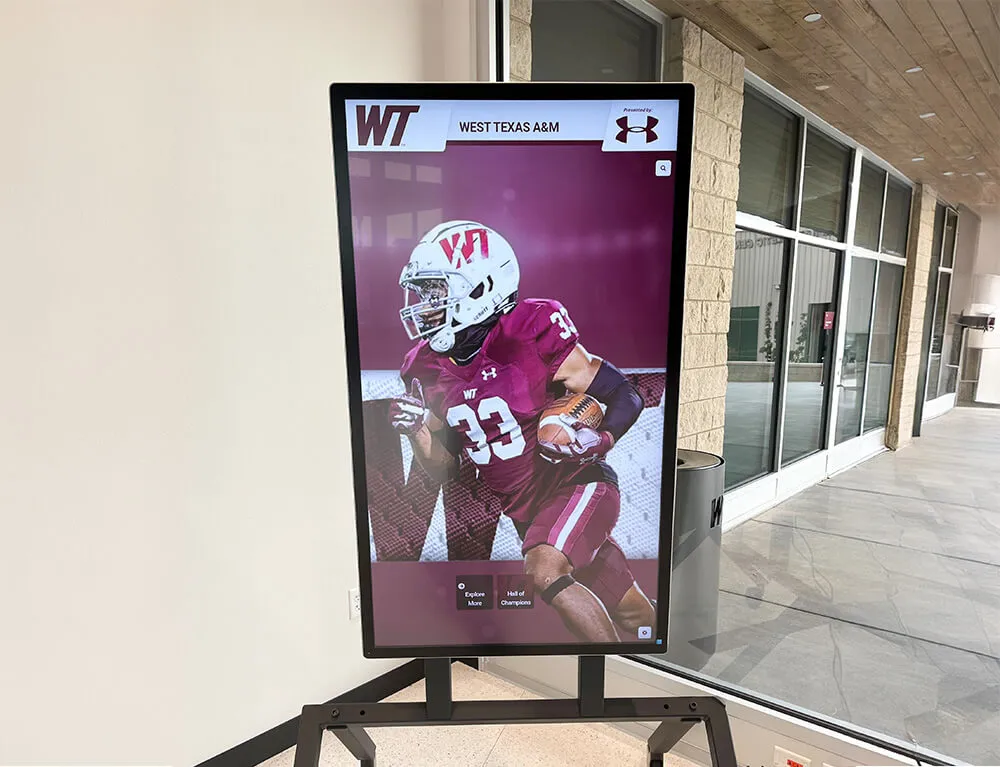
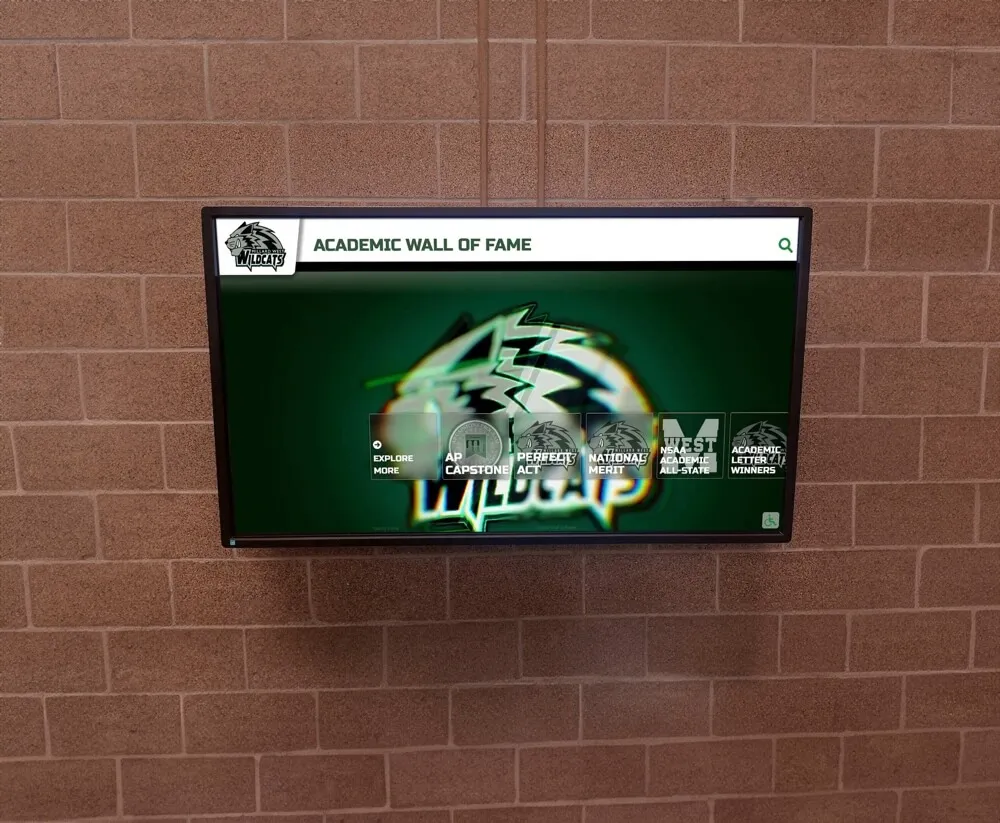
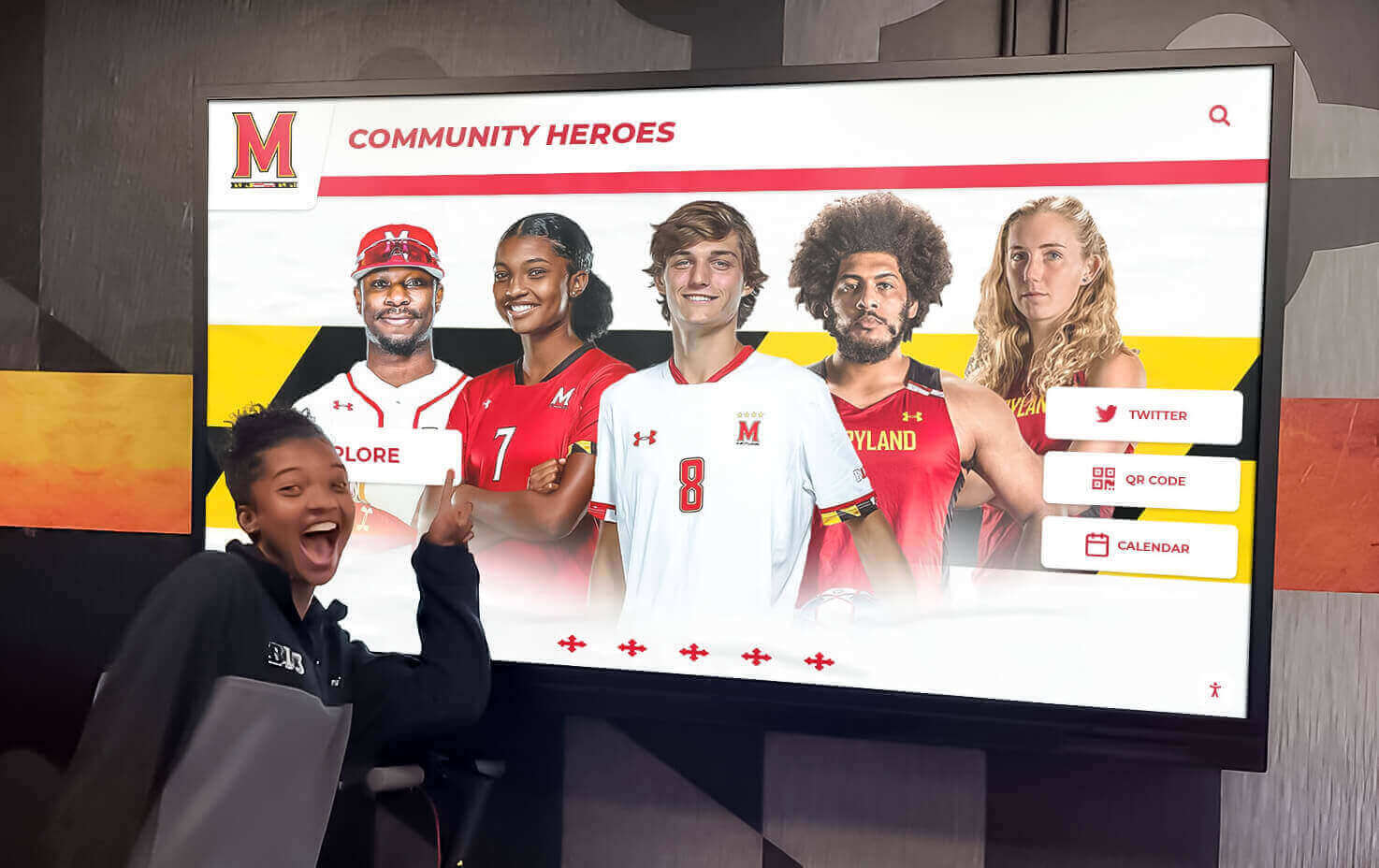
Interactive Touchscreen Recognition Displays
Physical displays in school buildings extend recognition visibility far beyond graduation ceremonies:
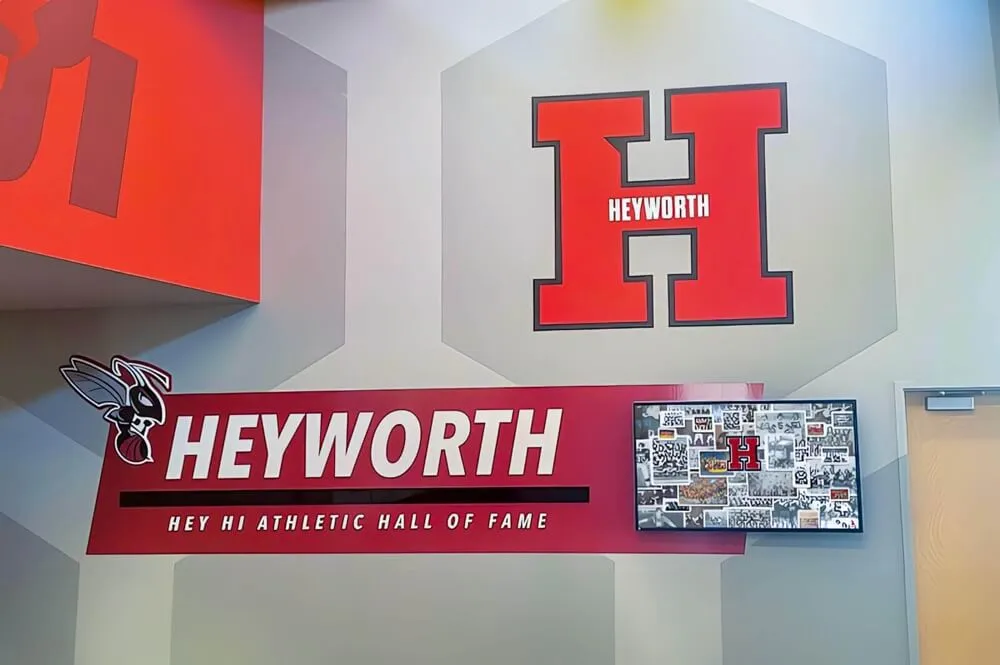
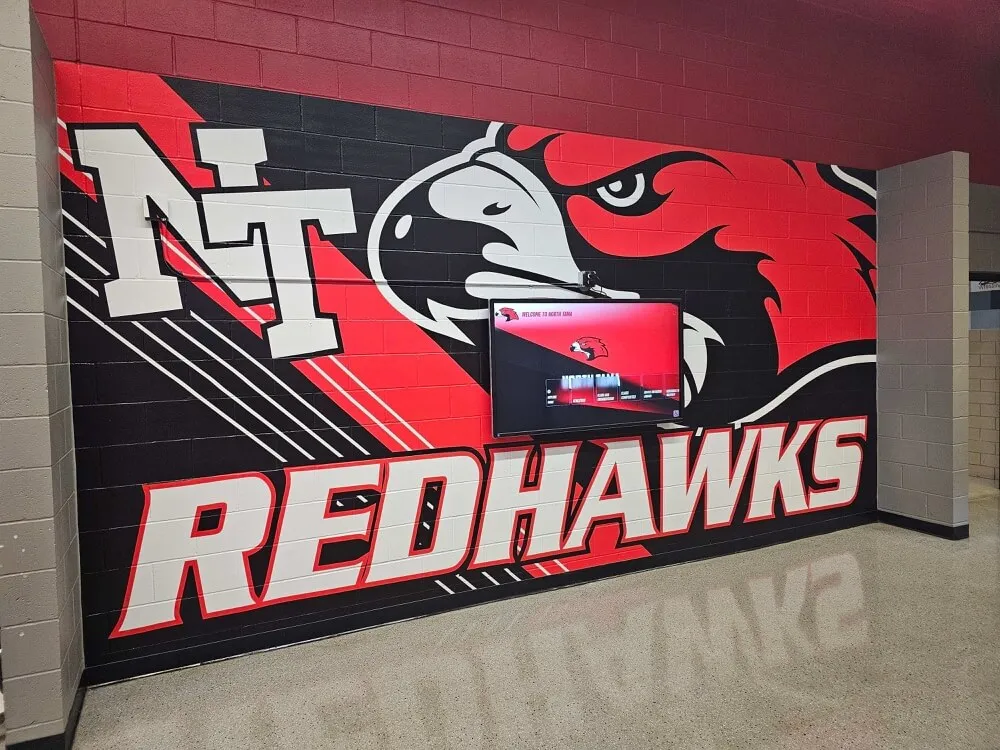
High-Traffic Installation Locations: Interactive touchscreen displays mounted in school lobbies, cafeterias, or main hallways provide prominent permanent recognition students, families, and visitors encounter regularly throughout school years and beyond.
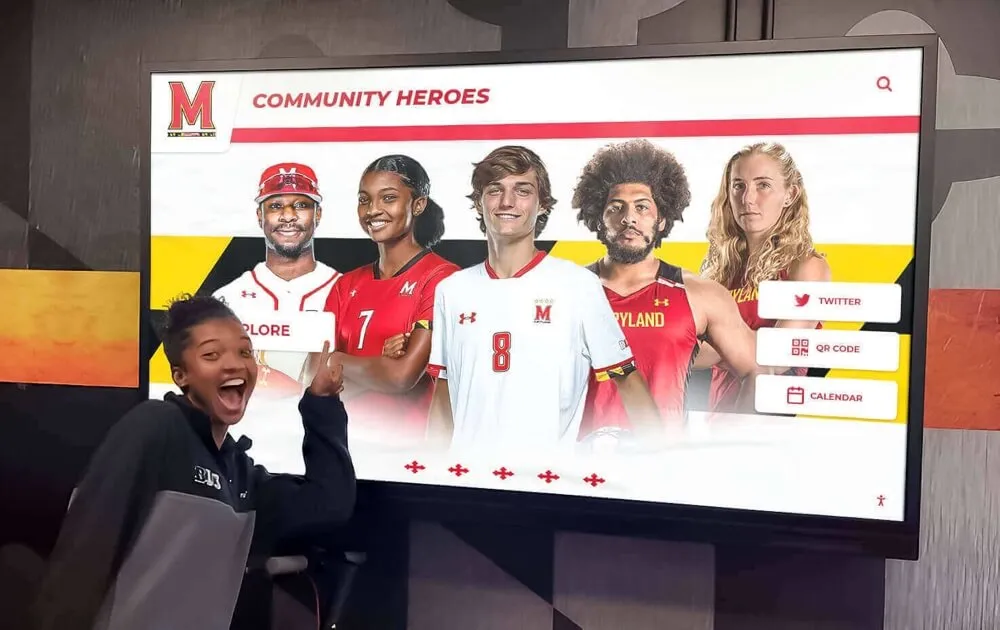
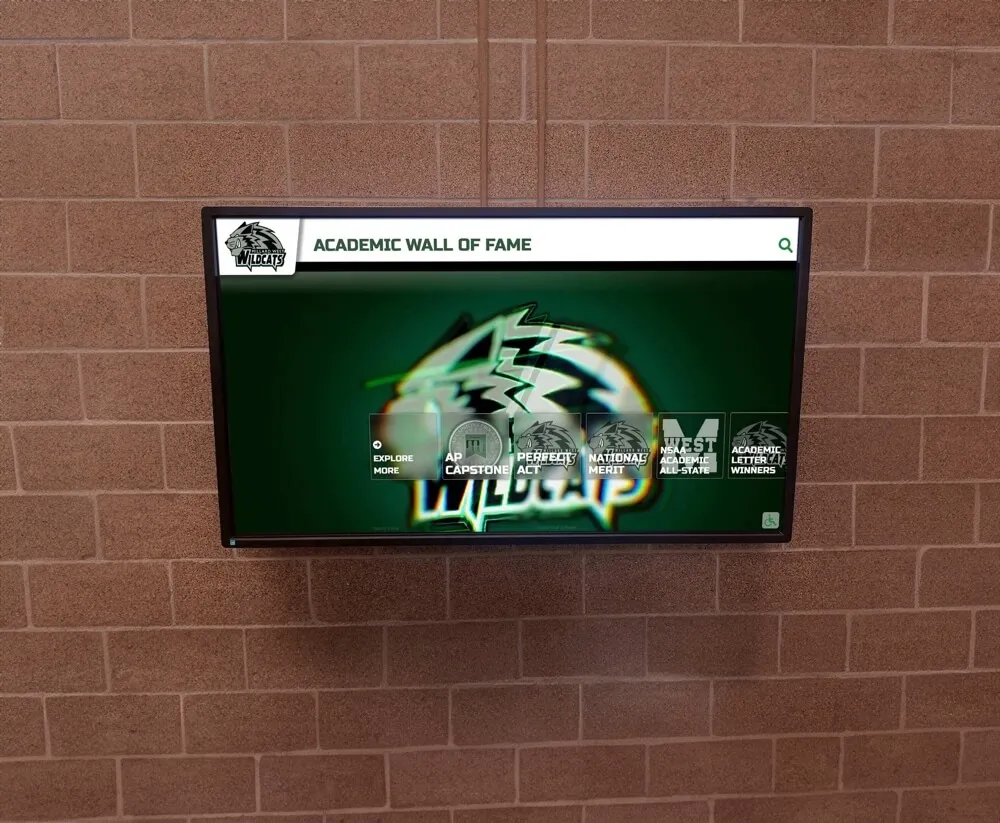
Searchable Interface Design: Touchscreen platforms enable audiences to search by name, browse by graduation year, filter by honor type, view detailed profiles, and discover recognition patterns—creating engaging experiences impossible with static displays.
Immediate Post-Graduation Recognition: Schools can feature recent graduates and their honors immediately after graduation ceremonies, maintaining excitement and visibility while memories remain fresh.
Alumni Engagement Touchpoints: When alumni visit campuses—for reunions, sporting events, or casual visits—interactive displays allow them to find their own graduation honors years or decades later, reinforcing positive institutional connections.

Web-Based Achievement Recognition Platforms
Online platforms extend recognition accessibility beyond physical campus locations:
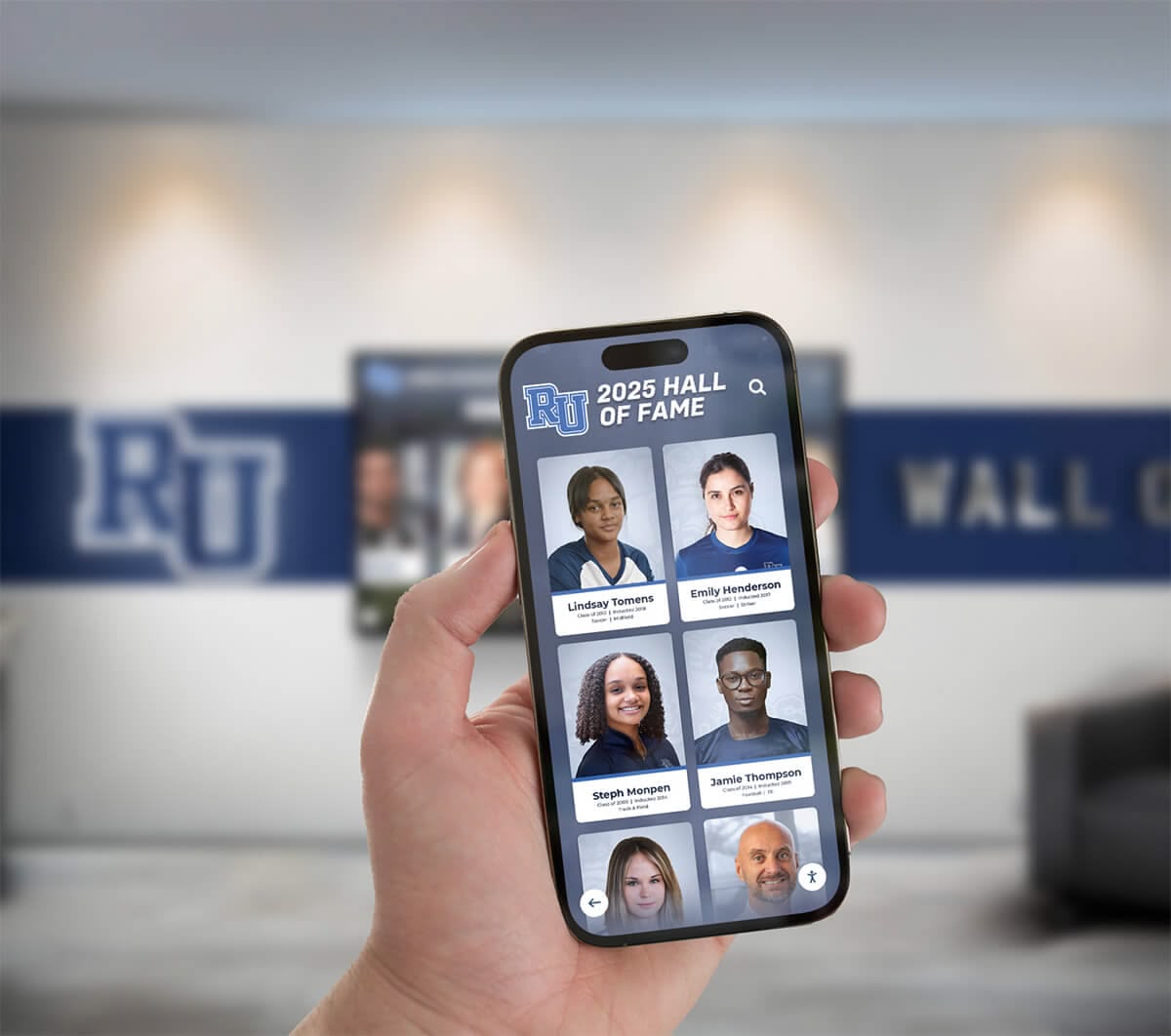
Universal Access: Web-based recognition allows viewing from anywhere with internet connectivity—homes, workplaces, mobile devices—dramatically expanding recognition reach beyond those who physically visit schools.
Social Sharing Integration: Modern platforms facilitate easy social media sharing, enabling graduates and families to celebrate achievements with extended networks. This amplification extends recognition visibility while providing authentic positive promotion for schools.
College Application Support: Comprehensive digital achievement documentation assists college application processes. Rather than manually listing honors on applications, students can direct admissions offices to verified achievement profiles documenting all recognition earned.
Historical Documentation: Web platforms maintain institutional achievement histories accessible indefinitely. Schools celebrating centenaries or significant anniversaries can showcase graduation honors across decades, demonstrating longstanding commitment to excellence.
Many schools implementing comprehensive recognition systems discover that digital class composites and achievement platforms provide models applicable to graduation honor documentation.
Recognition Program Management Tools
Beyond public-facing displays, modern platforms provide administrative tools streamlining recognition management:
Eligibility Tracking: Integrated systems automatically calculate GPA-based honor eligibility, track honor society memberships, monitor service hour accumulation, and flag students approaching recognition thresholds.
Automated Alerts: Systems notify students and families when they achieve recognition milestones, qualify for honor cords, or approach achievement thresholds with small additional effort.
Ordering and Distribution: Platforms facilitate cord ordering based on verified eligibility, tracking distribution to ensure all qualified students receive appropriate recognition without manual spreadsheet management.
Multi-Year Historical Data: Systems maintain records across years, enabling analysis of recognition patterns, demographic distribution, criteria effectiveness, and program evolution over time.
These administrative capabilities reduce workload while ensuring accurate, fair recognition determination and distribution.
Creating Effective Honor Cord Programs: Best Practices
Schools establishing or improving honor cord recognition programs should consider several evidence-based approaches ensuring meaningful, sustainable implementation.
Establishing Clear, Transparent Criteria
Recognition credibility depends on clear standards consistently applied:
Published Requirements: Document all honor cord eligibility requirements in student handbooks, school websites, and graduation communications. Students and families should understand recognition criteria from freshman year onward, not discover requirements senior year.
Objective Standards: Whenever possible, establish measurable criteria—specific GPA thresholds, documented service hours, verified memberships—preventing perceptions of favoritism or inconsistent application.
Consistent Application: Apply published standards uniformly across all students regardless of circumstances. Creating ad hoc exceptions undermines program credibility and creates perceptions of unfairness.
Regular Standards Review: Periodically assess whether recognition criteria remain appropriately calibrated. Standards set decades ago may need adjustment based on evolving grading practices, curriculum changes, or assessment methods, but changes should occur deliberately through careful review rather than informal drift.
Balancing Recognition Breadth with Meaningful Selectivity
Effective programs balance inclusivity with maintaining recognition significance:
Multiple Recognition Pathways: Create diverse honor categories—academic excellence, improvement, service, leadership, persistence, organizational participation—ensuring various achievement types receive acknowledgment rather than exclusively recognizing traditional academic metrics.
Appropriate Selectivity: Recognition should feel achievable through dedicated effort yet selective enough to carry genuine meaning. If 80% of graduates wear honor cords, recognition loses impact; if only 2% qualify, programs fail to motivate broad populations.
Tiered Recognition Systems: Implement multiple achievement levels—highest honors, high honors, honors—creating recognition opportunities at various excellence levels while maintaining meaningful distinctions between achievement tiers.
Demographic Equity Analysis: Monitor recognition distribution across demographic groups ensuring equitable access. When data reveals certain populations systematically excluded from recognition, investigate causes and consider program modifications.
Schools implementing comprehensive achievement tracking often reference frameworks from academic excellence recognition programs when designing cord eligibility systems.

Communicating Honor Meanings Effectively
Clear communication ensures audiences understand what specific cord colors represent:
Graduation Program Explanations: Include legend sections in graduation programs explaining all cord colors used during ceremonies. Brief descriptions help audiences understand recognition significance without requiring prior knowledge.
School Website Resources: Publish comprehensive explanations of honor cord meanings on school websites where students, families, and community members can reference information as questions arise.
Pre-Graduation Student Meetings: Conduct meetings with honor cord recipients explaining what their specific recognitions represent, proper wearing procedures, and recognition significance. Educated students become ambassadors explaining honor meanings to families and peers.
Ceremony Announcements: Consider brief announcements during graduation ceremonies explaining honor cord systems generally, helping audiences understand that diverse cord colors represent various achievement types.
Digital Recognition Integration: Link physical graduation cord recognition to comprehensive digital profiles explaining specific achievements in detail. QR codes in programs could direct audiences to online recognition platforms showcasing complete honoree information.
Sustainable Program Operations
Recognition programs must remain sustainable across personnel changes and budget fluctuations:
Designated Responsibilities: Clearly assign specific individuals or positions responsibility for recognition program elements—eligibility tracking, cord ordering, distribution management, documentation maintenance. Explicit accountability ensures continuation despite staff transitions.
Standard Operating Procedures: Document step-by-step processes for annual recognition cycles—timeline for eligibility determination, ordering procedures, verification protocols, distribution systems. Written procedures maintain consistency surviving personnel changes.
Budget Planning: Establish sustainable funding mechanisms for cord purchases and related recognition expenses. Programs dependent on precarious funding sources risk elimination during budget pressures, disrupting student expectations and institutional traditions.
Technology Integration: Utilize platforms managing recognition systematically rather than manual spreadsheet approaches prone to errors and difficult to maintain across years. Proper technology investment creates efficiency justifying costs through time savings and accuracy improvements.
Regular Assessment: Conduct annual program reviews examining participation patterns, stakeholder satisfaction, operational efficiency, and alignment with recognition objectives. Systematic assessment enables evidence-based improvements maintaining program relevance and effectiveness.
Graduation Recognition Across Different Educational Levels
Honor cord practices vary across educational contexts, from high school through graduate programs:
High School Honor Cords
Secondary school recognition typically focuses on:
Broad Participation: High schools often award cords to relatively larger percentages of graduating classes compared to colleges, reflecting developmental contexts where encouraging achievement proves particularly important.
Diverse Recognition Categories: High school programs frequently include numerous cord types—academics, service, athletics, arts, leadership, attendance—celebrating well-rounded development during formative years.
Local Traditions: Individual high schools establish distinctive recognition traditions reflecting community values, institutional histories, and educational philosophies. These local traditions create unique school cultures and graduation experiences.
Undergraduate College Honor Cords
Bachelor’s degree recipients typically encounter:
Latin Honors Emphasis: Collegiate recognition centers heavily on cumulative GPA-based Latin honors—summa, magna, and cum laude—with standardized meanings across higher education more than secondary contexts.
Departmental Distinctions: Many colleges award departmental honors recognizing excellence in academic majors through thesis completion, research projects, or exceptional coursework performance.
Honors Program Completion: Dedicated honors colleges or programs within universities typically designate specific cords for graduates completing enhanced curricula with additional requirements.
Graduate and Professional School Recognition
Advanced degree recipients may wear:
Hood Dominance: Graduate programs emphasize hoods (worn around shoulders with colored linings representing specific disciplines and degrees) more than cords for achievement recognition.
Limited Cord Usage: Some graduate programs eschew cords entirely, while others award them for exceptional dissertation performance, fellowship honors, or specific achievement recognitions.
Professional Organization Affiliations: Graduate cords sometimes represent professional organization memberships or certification achievements relevant to specific fields.
Understanding context-appropriate recognition helps schools design programs fitting their specific educational levels and institutional cultures.
Common Questions About Honor Cord Colors and Meanings
Students, families, and educators frequently ask similar questions about graduation honor cords:
Can Students Purchase Honor Cords to Wear?
No. Legitimate honor cords represent earned achievements verified by institutions. While companies sell cords online, simply purchasing and wearing unearned cords at graduation ceremonies constitutes dishonest misrepresentation of achievement. Schools control graduation regalia, and unauthorized additions violate institutional policies while undermining genuine honorees’ accomplishments.
What If Different Schools Use the Same Color for Different Honors?
Color meaning variations across institutions are normal and expected. Honor cords lack universal standardized meanings like traffic lights; instead, each school establishes color designations reflecting their specific recognition programs and traditions. Always verify cord meanings within your specific institution rather than assuming interpretations transfer across schools.
How Many Honor Cords Can One Student Wear?
Most schools allow students to wear all cords they legitimately earned, though practical physical limits exist. Students qualifying for numerous honors might wear 3-6 cords comfortably, though larger numbers become unwieldy. Some institutions establish maximum limits or priority systems when students earn extensive recognitions.
Do Honor Cords Matter After Graduation?
Physical cords themselves hold primarily ceremonial and sentimental value after graduation, but the achievements they represent carry lasting significance. Latin honors appear on transcripts and resumes, honor society memberships demonstrate sustained excellence to employers and graduate schools, and service documentation supports scholarship applications. Modern digital recognition platforms extend honor visibility indefinitely beyond single ceremonial moments, creating permanent achievement documentation.
Should Schools Award Honor Cords for Non-Academic Achievement?
Yes. While academic excellence warrants recognition, comprehensive programs acknowledge diverse achievement types—service, leadership, improvement, persistence, character, and contribution. Multiple recognition pathways validate that excellence takes various forms and different students demonstrate outstanding qualities across different dimensions. Schools implementing comprehensive recognition programs report positive motivational and cultural benefits from celebrating diverse achievement.
How Do Transfer Students Qualify for Honor Cords?
Schools establish specific policies regarding transfer student honor eligibility. Common approaches include:
- Calculating honors based only on grades earned at the degree-granting institution
- Combining transferable credits with institutional grades using specified formulas
- Requiring minimum credit hours or time enrolled at the degree-granting institution
- Establishing separate transfer student recognition categories
Transfer students should verify specific policies at their graduating institutions rather than assuming practices transfer from previous schools.
Conclusion: Honoring Achievement Through Visible Recognition
Honor cords provide meaningful visible acknowledgment at pivotal graduation moments, creating ceremonial recognition of excellence, dedication, and achievement throughout educational journeys. These colorful distinctions draped over graduation regalia tell stories—of academic persistence, organizational contribution, service dedication, leadership development, and diverse accomplishments warranting celebration.
Understanding honor cord color meanings helps students appreciate recognition significance, families celebrate achievements appropriately, and educators design effective recognition programs validating diverse forms of excellence. While specific color meanings vary across institutions reflecting local traditions and priorities, the underlying principle remains constant: schools value achievement enough to acknowledge it ceremonially during milestone graduation moments when educational chapters conclude and new journeys begin.
Modern recognition increasingly extends beyond brief graduation ceremonies through comprehensive digital systems maintaining permanent achievement documentation, interactive displays celebrating excellence visibly throughout school facilities, and web platforms enabling universal access to recognition content. These digital approaches complement traditional ceremonial acknowledgment, ensuring achievement receives lasting visibility rather than temporary recognition existing only during graduation proceedings.
Solutions like Rocket Alumni Solutions provide comprehensive platforms specifically designed for educational recognition, offering intuitive content management, engaging interactive displays, permanent achievement archives, and proven approaches helping schools celebrate excellence throughout and beyond graduation ceremonies. Whether implementing touchscreen displays, web-based platforms, or integrated recognition systems, digital technology enables schools to honor achievement more comprehensively and meaningfully than traditional approaches alone allow.
Ready to transform how your institution celebrates student achievement? Explore comprehensive recognition solutions that honor excellence through both traditional ceremonial acknowledgment and modern digital systems ensuring accomplishments receive the lasting visibility they deserve. Your students achieve remarkable things throughout their educational journeys—effective recognition programs ensure those achievements receive appropriate celebration at graduation and beyond.
Discover how digital recognition solutions can complement your graduation honors program and create lasting celebration of student excellence extending far beyond graduation day ceremonies.