



Key Takeaways
Explore the rich history and evolving traditions of homecoming courts at high schools and colleges. Discover selection processes, coronation etiquette, modern adaptations, and how schools preserve homecoming royalty recognition for future generations.
Homecoming stands as one of the most anticipated and cherished traditions in American high schools and colleges, bringing together current students, alumni, faculty, and communities in celebrations that honor institutional history while creating new memories. At the center of these celebrations sits the homecoming court—selected students who embody school values, represent diverse aspects of the community, and serve as ambassadors during festivities that may span an entire week. Yet beyond the crowns, sashes, and coronation ceremonies lies a rich tradition with fascinating historical roots, evolving selection processes reflecting changing cultural values, nuanced etiquette guiding participation and recognition, and modern adaptations ensuring these traditions remain meaningful for new generations. Understanding homecoming court traditions in their full depth reveals how schools use these symbolic honors to strengthen community bonds, recognize student leadership in multifaceted ways, and create shared experiences that connect graduating classes across decades.
The Historical Origins of Homecoming Court Traditions
Before examining modern homecoming court practices, understanding how these traditions emerged provides context for why they endure and how they’ve evolved to meet changing needs.
Early College Homecoming Celebrations
The homecoming tradition itself originated in American higher education during the early 20th century as colleges sought ways to maintain connections with alumni while building school spirit among current students. The University of Missouri organized what many historians recognize as the first official homecoming celebration in 1911, inviting alumni back to campus for a football game against rival University of Kansas. The event proved so successful at reconnecting graduates with their alma mater that other institutions quickly adopted similar traditions.
These early homecoming events centered primarily on football games, alumni gatherings, and campus celebrations designed to showcase institutional pride. The addition of homecoming royalty emerged as schools recognized opportunities to create focal points for celebration while honoring students who exemplified school values and community contribution.
The Evolution of Homecoming Queens and Courts
Initial homecoming celebrations featured single queens selected to reign over festivities, often chosen through student voting that emphasized popularity, beauty, and social standing within campus communities. These early selection processes reflected the social norms and values of their eras, focusing primarily on traditional notions of representation and ceremonial roles.
By the 1930s and 1940s, high schools across America had adopted homecoming traditions from colleges, adapting them to fit secondary education contexts. High school homecoming courts typically expanded beyond single queens to include complete courts with kings, princes, princesses, and attendants representing multiple grade levels. This expansion allowed schools to recognize more students while creating hierarchical structures that honored upperclassmen while including underclass representation.
The tradition continued evolving throughout the mid-20th century as schools developed elaborate homecoming week celebrations featuring spirit days, pep rallies, parades, bonfire gatherings, and football games culminating in coronation ceremonies. Homecoming courts became central figures in these celebrations, participating in events throughout the week before crowning ceremonies at halftime shows.
Cultural Significance and Community Building
Homecoming court traditions served purposes extending beyond simple popularity contests or ceremonial roles. These traditions provided opportunities for schools to reinforce institutional values by selecting students who embodied desired qualities. Court members became visible representatives of what schools celebrated, whether academic achievement, athletic excellence, community service, leadership, or well-rounded participation in school life.
For communities, homecoming celebrations and court coronations created shared experiences connecting generations. Alumni returning for homecoming events could watch current courts being crowned while reminiscing about their own homecoming memories. Parents, grandparents, and community members attended games and ceremonies, creating intergenerational touchpoints that strengthened community bonds around schools as cultural centers.
Schools implementing comprehensive recognition and celebration programs often find that homecoming court traditions complement other honor systems, creating multiple pathways for student acknowledgment throughout the year.
Traditional Homecoming Court Selection Processes and Criteria
Understanding how schools select homecoming court members reveals the values institutions prioritize and how these processes attempt to balance tradition, fairness, inclusion, and meaningful recognition.
Nomination and Eligibility Requirements
Most homecoming court selection processes begin with nomination phases where potential court members are identified. Nomination approaches vary significantly across schools:
Student Nomination Systems allow peers to nominate classmates they believe deserve recognition. This democratic approach emphasizes student voice while creating opportunities for diverse nominees beyond those who might self-nominate. Open nomination periods typically last one to two weeks, with forms submitted to student government organizations or administrative offices.
Teacher and Staff Nominations incorporate faculty perspective into selection, ensuring consideration of students who may not be most visible socially but demonstrate exceptional character, leadership, or contribution that educators observe daily. Combined nomination systems accepting both student and staff input often produce the most comprehensive and diverse candidate pools.
Eligibility Requirements ensure nominees meet basic standards before appearing on ballots. Common criteria include minimum grade point average thresholds (often 2.5 to 3.0), good disciplinary standing with no major infractions, enrollment in the school for a specified period ensuring nominees have established presence in the community, and sometimes participation requirements in extracurricular activities or school programs.
These eligibility standards attempt to ensure court members serve as positive role models while preventing selection of students whose behavior might not align with values schools wish to celebrate. However, overly restrictive requirements risk excluding students whose life circumstances may have affected academics or attendance while they still demonstrate remarkable character and community contribution.
Primary and Final Voting Procedures
Once nomination pools are established and eligibility verified, voting proceeds through structured processes designed to narrow candidates to final court members:
Primary Voting Rounds typically occur when nomination pools are large, narrowing candidates to manageable finalist groups. Students may vote for multiple nominees during primaries, with top vote recipients (often 10-20 per category) advancing to final ballots. Some schools skip primary rounds when nomination pools are already appropriately sized.
Final Voting Determines Court Members through processes where students select their preferred candidates for each court position. Voting may occur through paper ballots during designated periods, online voting systems accessible over several days, or homeroom voting allowing class time for ballot completion. Security measures like single-vote restrictions and ballot secrecy protect integrity while ensuring fair outcomes.
Grade-Level Representation structures often designate specific court positions for particular grades—senior king and queen, junior prince and princess, sophomore attendants, and freshman representatives. This approach ensures upperclassmen hold prominent positions while including underclass representation. Alternative structures create single courts with positions open to multiple grades, allowing cross-grade competition.
The evolution toward more sophisticated student recognition and archiving systems has transformed how schools document nomination and voting processes, creating digital records that preserve selection history while informing future improvements to ensure fairness and inclusivity.
Selection Criteria Beyond Popularity
While early homecoming court selections often functioned as straightforward popularity contests, modern schools increasingly emphasize broader criteria attempting to recognize diverse contributions and character qualities:
Leadership and Service criteria prioritize students demonstrating leadership through student government, club involvement, team captaincies, or informal influence that strengthens school culture. Community service participation and volunteer engagement signal commitment to contribution beyond personal benefit.
Character and Citizenship considerations evaluate how students treat others, whether they demonstrate integrity and ethical behavior, and how their presence positively impacts school environment. Schools incorporating character criteria often require nomination statements documenting specific examples of nominees’ positive influence.
Academic Achievement and Growth factors recognize intellectual engagement and commitment to learning. While not always requiring highest GPAs, academic criteria acknowledge students who challenge themselves, show improvement, or balance demanding coursework with extensive extracurricular involvement.
Diversity and Inclusion Considerations increasingly influence selection processes as schools work to ensure courts reflect diverse student populations. Some schools implement selection structures guaranteeing representation across different demographics, activity areas, or student subgroups, ensuring homecoming courts represent entire communities rather than narrow social circles.
Modern approaches to homecoming court selection often combine quantitative voting with qualitative criteria:
- Weighted rubrics considering multiple factors beyond simple vote totals
- Selection committees reviewing nominees against established criteria
- Application components requiring essays or nomination statements
- Interview processes allowing candidates to articulate their vision for representing the school
Schools that maintain comprehensive digital recognition platforms can showcase homecoming court members alongside other honored students, creating context that positions court selection within broader recognition ecosystems celebrating diverse achievements.
Homecoming Week Traditions and Court Responsibilities
Homecoming court members participate in elaborate week-long celebrations that extend far beyond coronation ceremony moments, serving as visible school spirit leaders and community representatives.
Spirit Week Activities and Court Participation
Most schools structure homecoming around week-long celebrations featuring daily spirit themes, special events, and building excitement toward the culminating football game and coronation ceremony:
Daily Spirit Themes like decade days, school color days, character dress-up days, or twin days encourage campus-wide participation in playful traditions. Homecoming court members often take leadership roles in these activities, coordinating costumes, encouraging participation, and visibly engaging with spirit themes to model enthusiasm.
Pep Rallies and Assembly Programs showcase athletic teams, perform spirit cheers, and introduce homecoming court members to the student body. Court candidates or confirmed members may give brief speeches, participate in games or competitions, and help generate excitement. These public appearances position court members as accessible representatives rather than distant figures.
Community Parades and Public Events in many towns feature homecoming court members riding on floats, greeting community members, and representing schools to broader audiences. These public appearances carry responsibilities to present themselves positively while engaging graciously with children, families, and community members who attend to show school support.
Service Projects and Fundraising Initiatives increasingly become homecoming week components, with court members leading volunteer efforts, organizing food drives, or coordinating charitable activities that connect celebration with community contribution. This integration reinforces that court membership signifies service commitment alongside ceremonial roles.
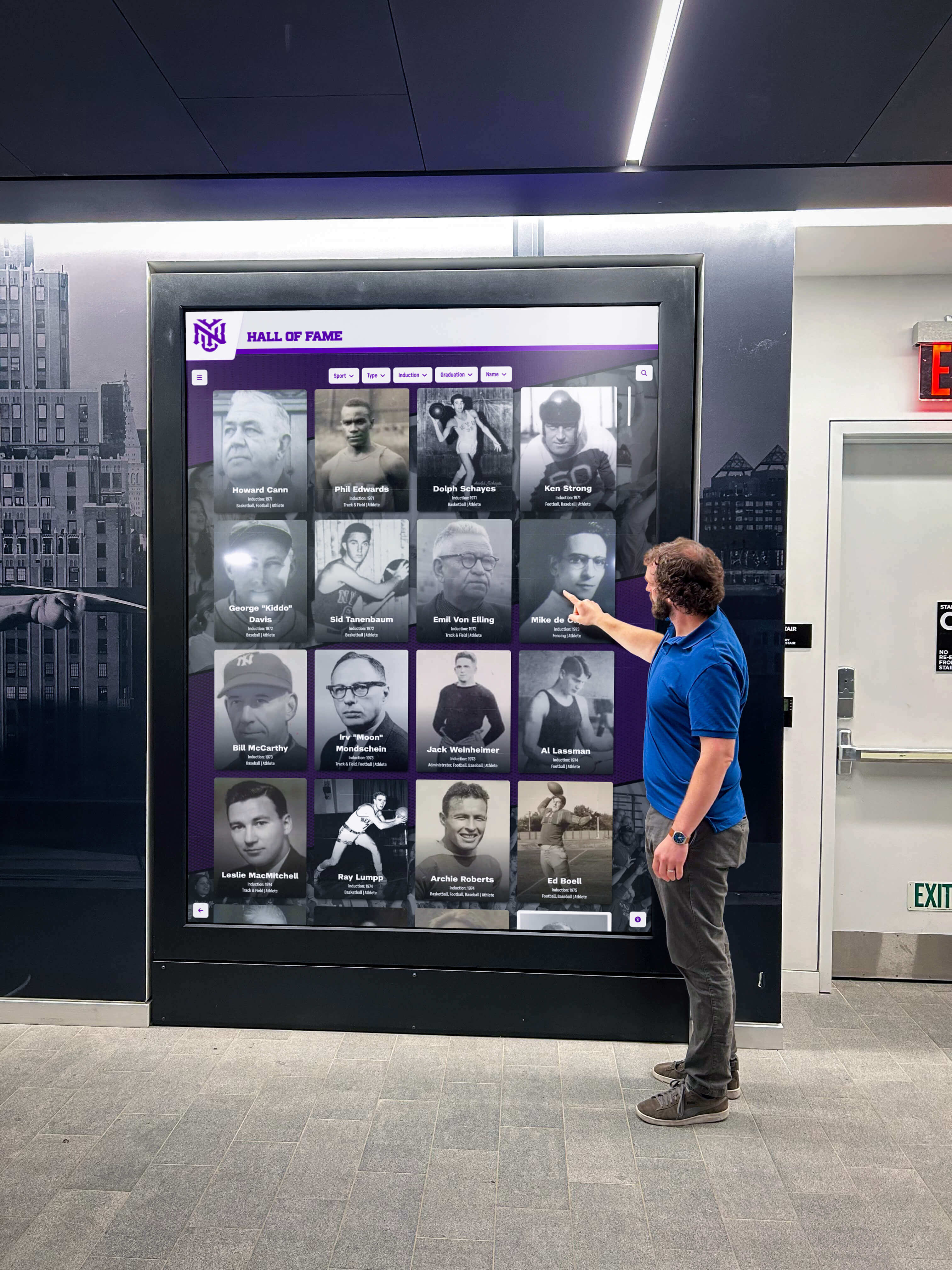
Schools maintaining robust athletic and extracurricular recognition programs often integrate homecoming celebrations with broader honor systems, creating connections between court members and comprehensive achievement recognition.
Coronation Ceremony Etiquette and Traditions
The coronation ceremony represents the ceremonial pinnacle of homecoming celebrations, typically occurring at halftime during the homecoming football game, though some schools hold separate coronation events:
Processional Elements introduce court members with dignity and formality appropriate to the honor being bestowed. Court members typically proceed onto the field or stage in pairs or individually, often escorted by parents, guardians, or chosen escorts. Announcers read prepared biographies highlighting each court member’s accomplishments, involvement, and contributions, ensuring audiences understand why these students were selected.
Crowning and Sash Presentation ceremonies follow established protocols varying by school but typically involving previous year’s royalty crowning new kings and queens, creating symbolic continuity across graduating classes. Faculty advisors, principals, or student government presidents may present flowers, sashes, trophies, or other ceremonial items to court members.
Recognition Speeches or Statements allow newly crowned royalty to address audiences, express gratitude, acknowledge supporters, and reflect on what the honor means. These moments provide opportunities for court members to articulate values and demonstrate the character qualities that merited their selection.
Photography and Documentation form essential ceremony components, creating records for yearbooks, school archives, media coverage, and personal memory preservation. Schools increasingly incorporate professional photography and videography ensuring high-quality documentation of these milestone moments.
Ongoing Responsibilities Throughout the School Year
Homecoming court membership extends beyond homecoming week, creating ongoing responsibilities and opportunities for continued service and representation:
Ambassador Roles position court members as school representatives at community events, open houses, recruitment activities, and public gatherings where positive student presence benefits institutional image and community relations.
Alumni Engagement Support involves court members greeting returning alumni during homecoming, sharing perspectives on current school culture, and creating intergenerational connections between past and present students.
Supporting School Initiatives means court members may be asked to promote fundraisers, encourage participation in school programs, support underclassmen inclusion, or contribute to positive culture development throughout their remaining time as students.
Mentorship Opportunities allow court members to guide younger students, share experiences about balancing academics and activities, and model the leadership and character qualities schools celebrate through court selection.
Schools using digital recognition systems to preserve student achievements create lasting visibility for homecoming court members, ensuring their service and representation extend through permanent displays that future students can explore.
Modern Adaptations and Evolving Traditions
Contemporary homecoming court traditions reflect significant evolution as schools adapt practices to align with changing values around inclusion, diversity, representation, and meaningful recognition.
Gender-Inclusive Court Structures
Traditional homecoming courts organized around binary king/queen, prince/princess structures have evolved in many schools to accommodate gender diversity and student self-identification:
Gender-Neutral Titles like homecoming royalty, ambassadors, representatives, or simply “homecoming court” allow students of all gender identities to compete for positions without being constrained by traditional gendered categories. This approach honors the ceremonial nature of recognition while removing artificial divisions that may not reflect student communities.
Open Competition Structures allow students to run for positions without gender restrictions, letting voting outcomes determine who fills each role regardless of gender identity. Some schools maintain king and queen titles but allow any student to compete for either position based on personal preference.
Expanded Court Sizes sometimes emerge from inclusive approaches, with schools creating additional positions ensuring adequate representation across diverse student populations. Rather than narrowing recognition, these expanded courts multiply opportunities for student honor while celebrating broader definitions of leadership and community contribution.
These adaptations reflect broader cultural shifts while maintaining the core purposes of homecoming courts—recognizing student excellence, strengthening community bonds, and creating shared celebratory experiences.
Alternative Selection Models Emphasizing Merit and Service
Some schools have moved away from pure popularity voting toward alternative selection approaches attempting to recognize more meaningful criteria:
Application-Based Selection requires students to submit applications including essays, recommendation letters, documentation of service and leadership, and statements articulating why they wish to serve on homecoming court. Selection committees evaluate applications against rubrics considering multiple factors, potentially interviewing finalists before making selections.
Faculty Nomination and Selection systems place court selection primarily in educator hands, with teachers nominating students they believe best represent school values based on daily observation of character, effort, leadership, and contribution that may not be visible to student voters.
Hybrid Models Combining Voting and Applications attempt to balance student voice with merit considerations by having students vote on candidates who first qualified through application processes or having selection committees narrow pools to finalists before student body voting determines final selections.
Multiple Courts Recognizing Different Dimensions create separate recognition for academic achievement courts, community service courts, athletic leadership courts, and arts excellence courts, multiplying honor opportunities while celebrating diverse contribution types rather than attempting to identify single “best” representatives.
Digital Integration and Social Media in Modern Homecoming Traditions
Technology has transformed how schools conduct homecoming court selection, celebration, and recognition preservation:
Online Voting Systems streamline ballot processes while improving security and accessibility. Students can vote from personal devices during designated periods, and digital systems automatically tabulate results while preventing duplicate voting or fraud.
Social Media Campaigns and Profiles allow nominees to share their platforms, accomplishments, and visions for representing schools. While potentially increasing participation and information access, these campaigns also raise questions about equitable access to digital tools and the influence of social media popularity metrics on outcomes that should reflect broader qualities.
Virtual Participation Options enable remote attendance at ceremonies for families unable to attend in person, livestreaming coronations and creating recorded content allowing broader audiences to share in celebrations.
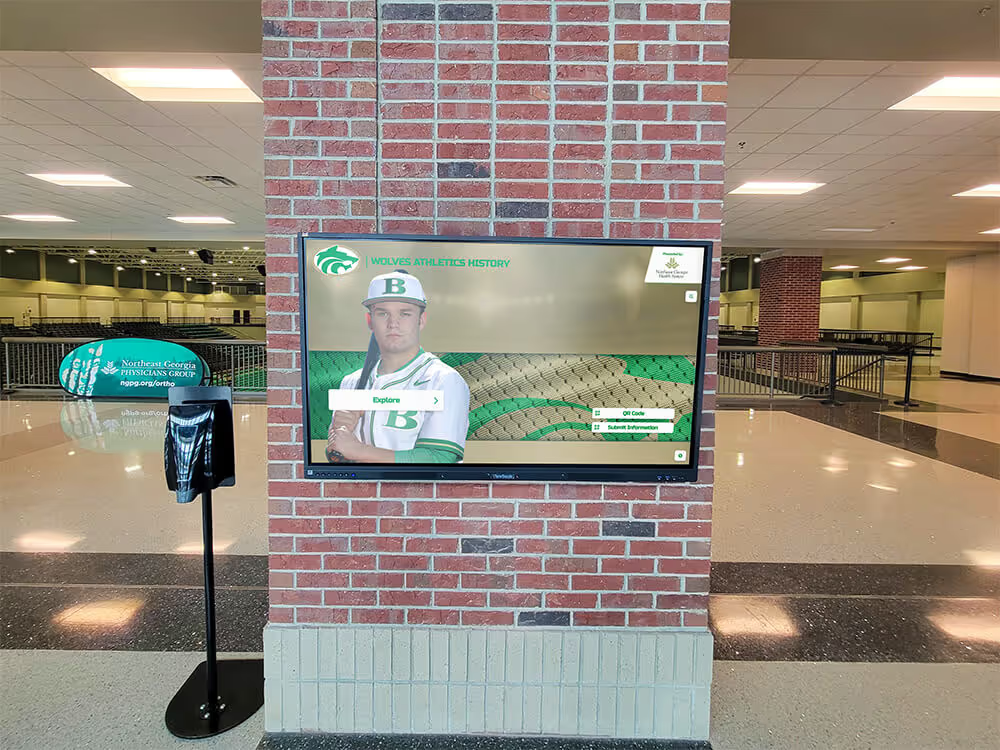
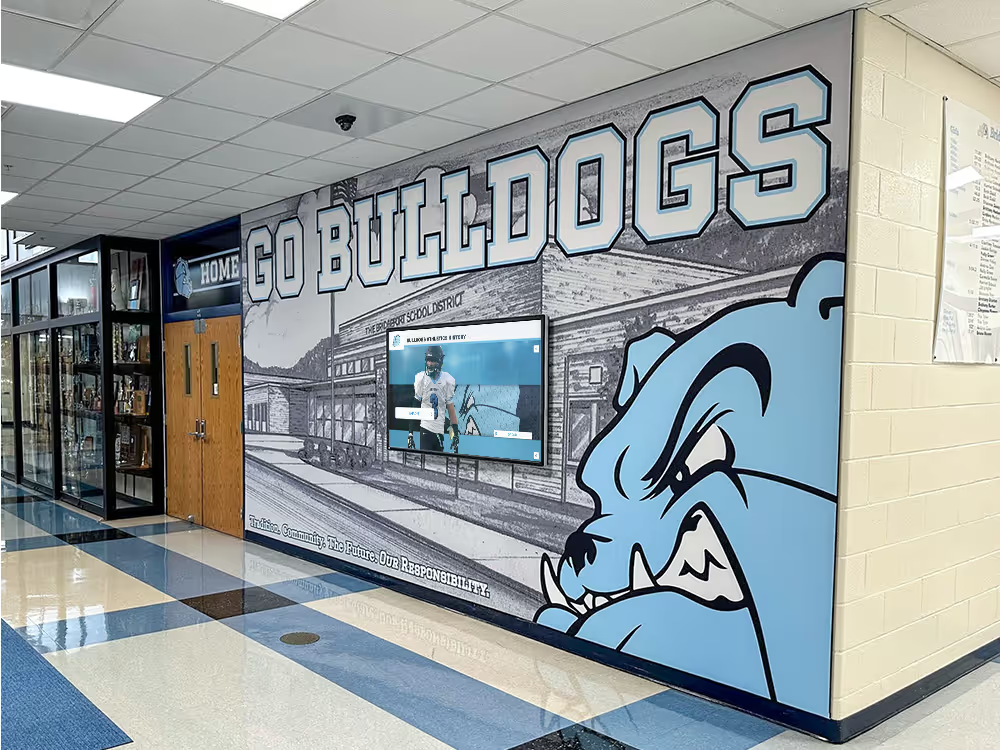
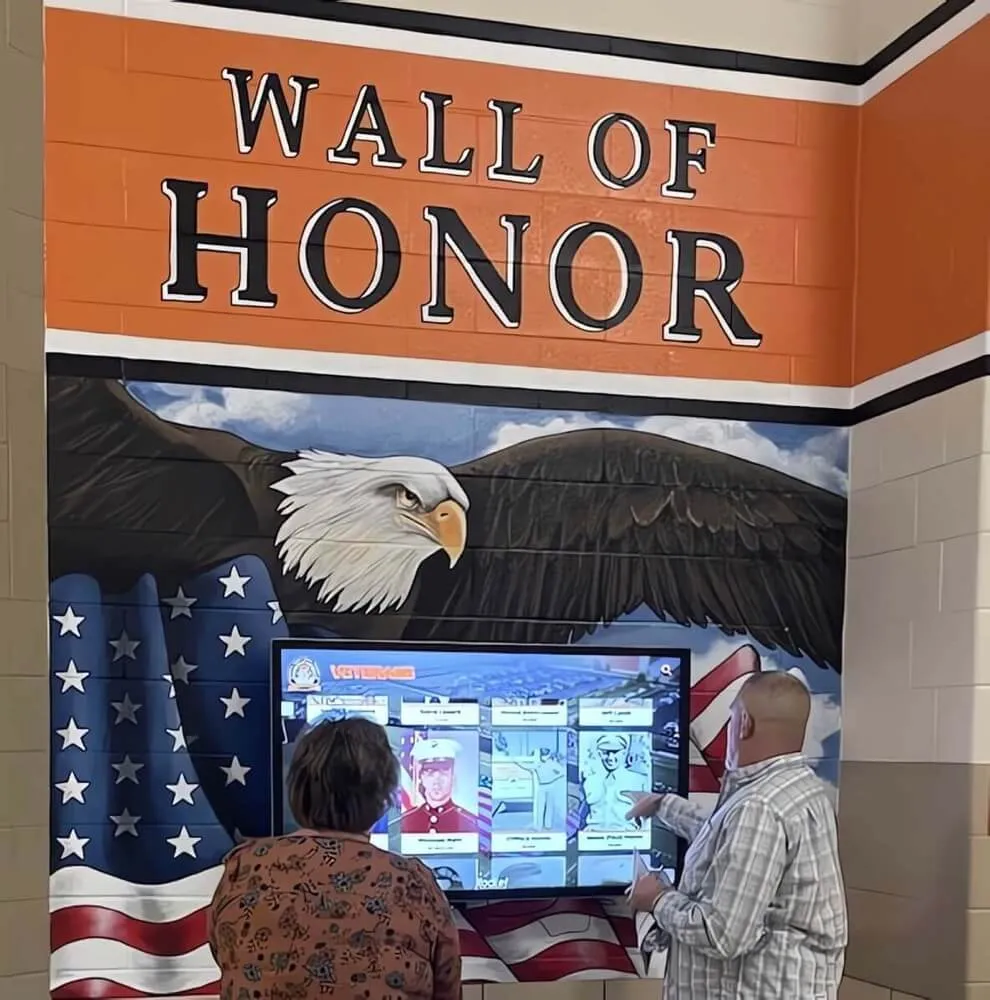
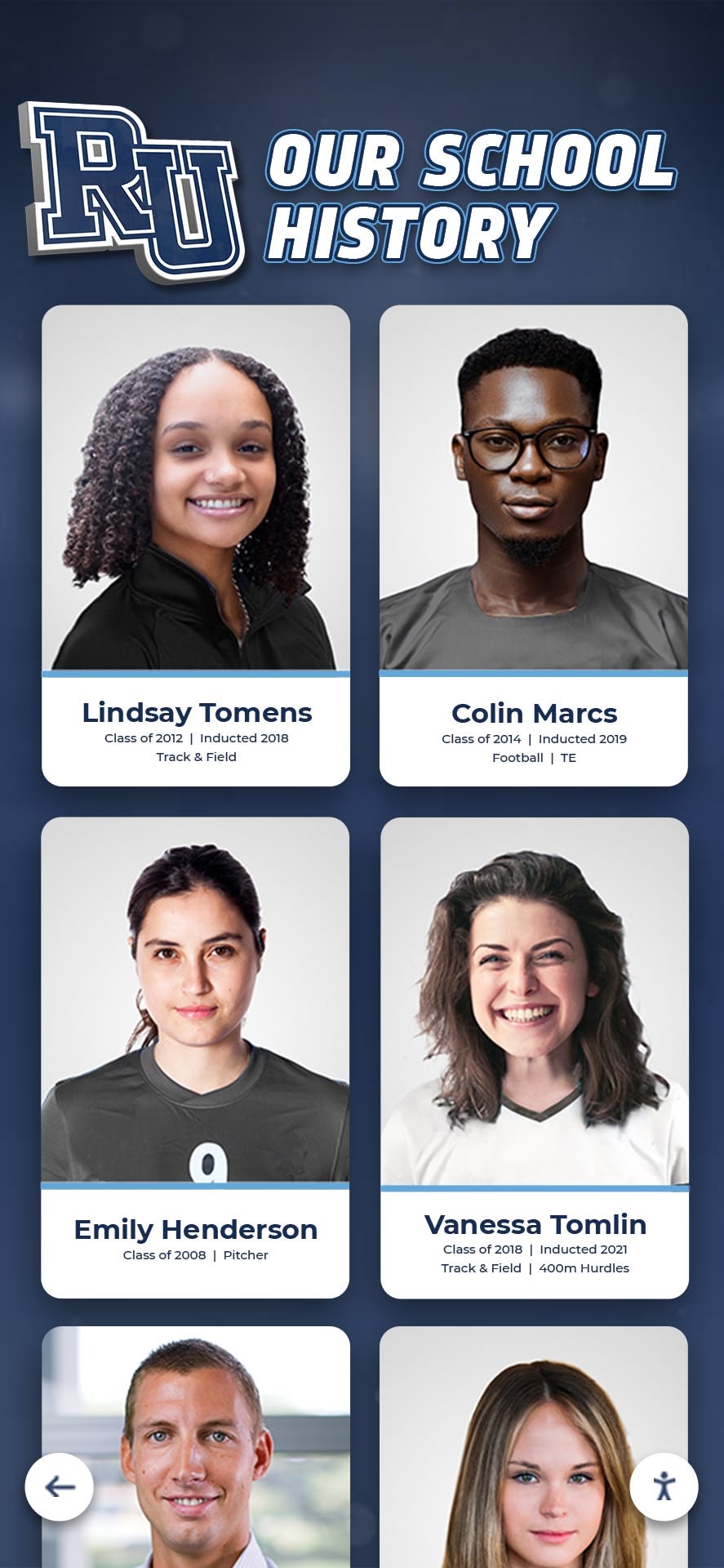
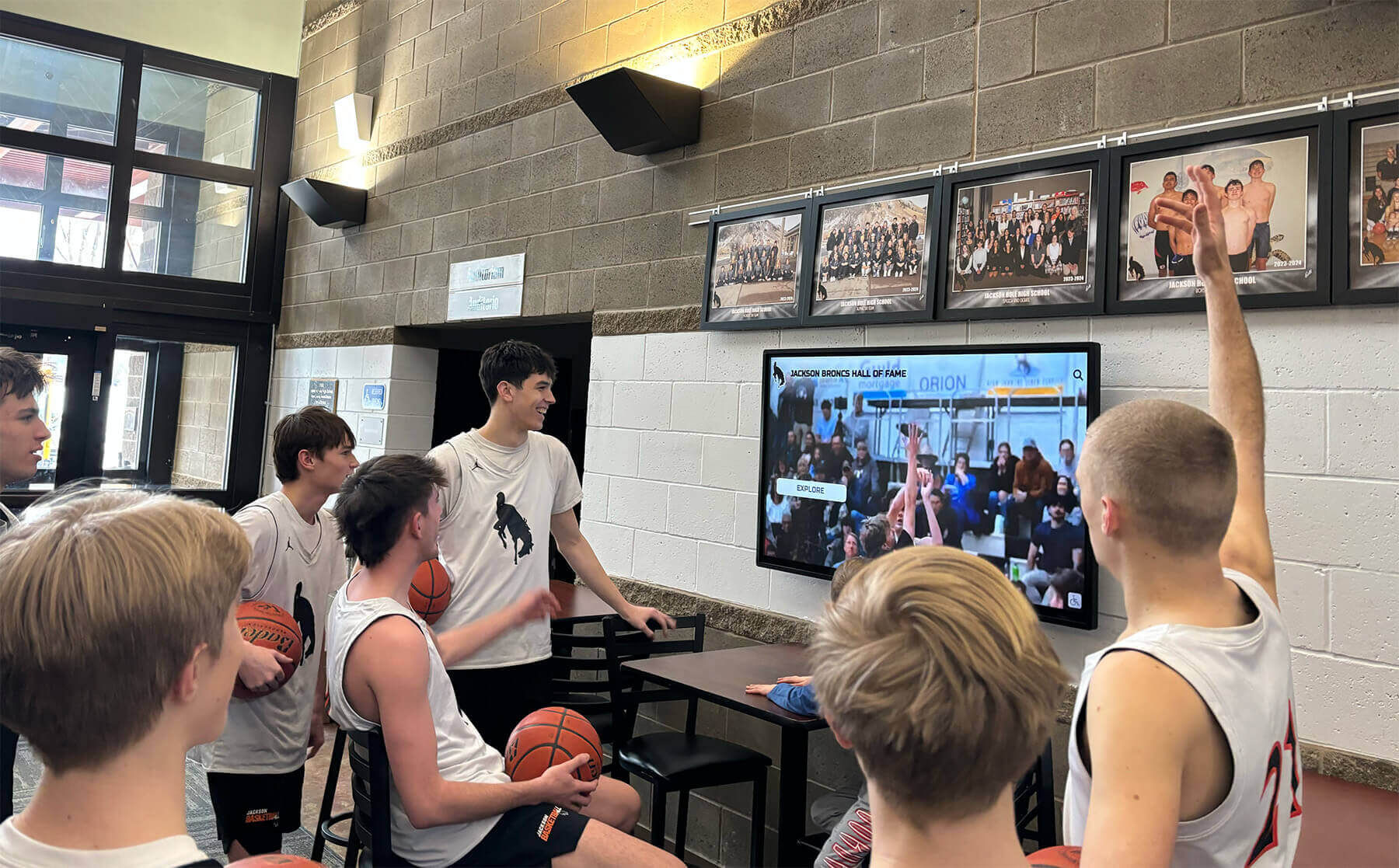
Interactive Digital Recognition Displays represent one of the most significant modern developments in preserving homecoming court traditions for future generations. Rather than limiting recognition to single-night ceremonies and static yearbook pages, schools now implement comprehensive digital platforms that maintain searchable, multimedia-rich profiles of homecoming court members across decades.
Modern institutions preserving school traditions through interactive digital displays and archives create lasting connections between past homecoming royalty and current students, strengthening institutional identity while honoring individual achievement.
Reimagining Purpose and Meaning in Contemporary Context
Perhaps the most significant evolution involves schools explicitly examining what homecoming courts should represent in contemporary educational environments:
From Popularity to Purpose shifts involve reframing court selection around community contribution, character demonstration, and service commitment rather than social status or appearance-based criteria. Schools articulating clear selection purposes aligned with institutional values create frameworks where court membership signifies meaningful recognition rather than mere popularity.
Inclusive Representation Priorities guide efforts ensuring courts reflect diverse student bodies across race, ethnicity, socioeconomic background, ability status, gender identity, and participation in different school program areas. Representative courts that visibly honor diversity communicate institutional values about who belongs and who deserves celebration.
Emphasis on Role Modeling and Leadership positions court members as student leaders with genuine responsibilities for strengthening school culture, supporting underclassmen, engaging alumni, and contributing to positive community development. This service orientation transforms ceremonial roles into leadership opportunities with substance beyond crowns and sashes.
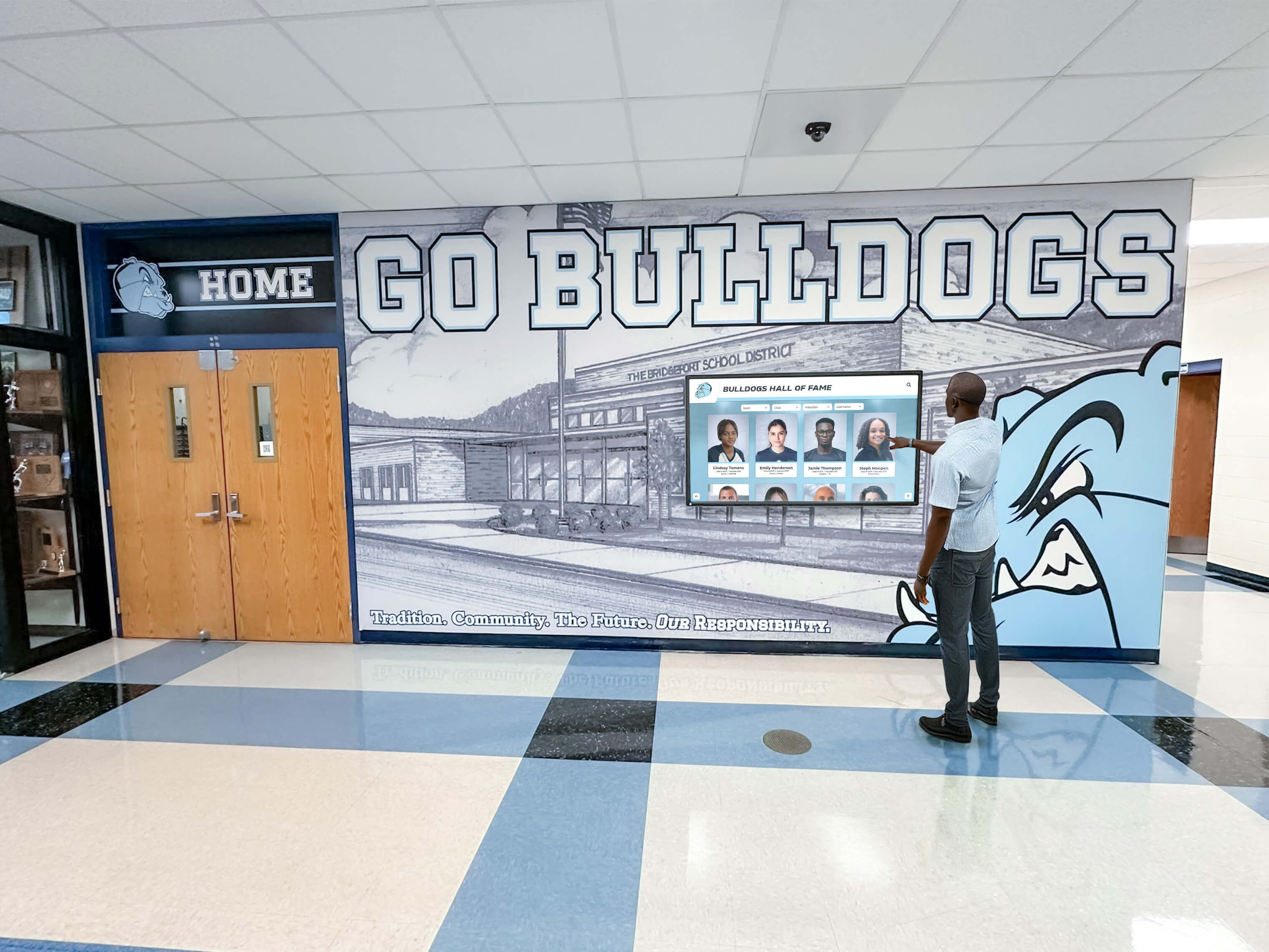
Schools developing comprehensive approaches to student recognition increasingly view homecoming courts as components within broader honor ecosystems that celebrate achievement through:
- Integration with year-round recognition programs
- Connection to digital preservation systems documenting student excellence
- Coordination with academic, athletic, and service awards
- Alignment with institutional values and educational missions
Preserving Homecoming Court Legacy Through Recognition Systems
Creating lasting recognition for homecoming court members ensures these honors extend beyond single-evening ceremonies to become permanent parts of institutional history and school culture.
Traditional Preservation Methods
Schools have long maintained homecoming court recognition through physical displays and archival documentation:
Trophy Cases and Display Boards in prominent hallways showcase photographs of past homecoming courts, with annual photo additions creating visual timelines connecting graduating classes. These physical displays provide immediate visibility but face space limitations as decades of courts accumulate.
Yearbook Documentation creates printed records of each year’s court, preserving images and names in permanent publications. However, yearbook recognition limits ongoing access—once books are distributed, revisiting past courts requires locating and paging through multiple volumes.
Plaque Systems and Wall Displays list names of past kings, queens, and court members, creating compact documentation that can span decades. Yet these systems provide minimal information beyond names and years, offering no context about court members’ contributions or connection to broader school traditions.
While valuable, traditional preservation methods face inherent limitations in accessibility, capacity, context provision, and ongoing engagement that modern digital approaches can address.
Modern Digital Recognition and Archival Solutions
Contemporary schools increasingly implement comprehensive digital recognition platforms that transform how homecoming court honors are documented, displayed, and preserved:
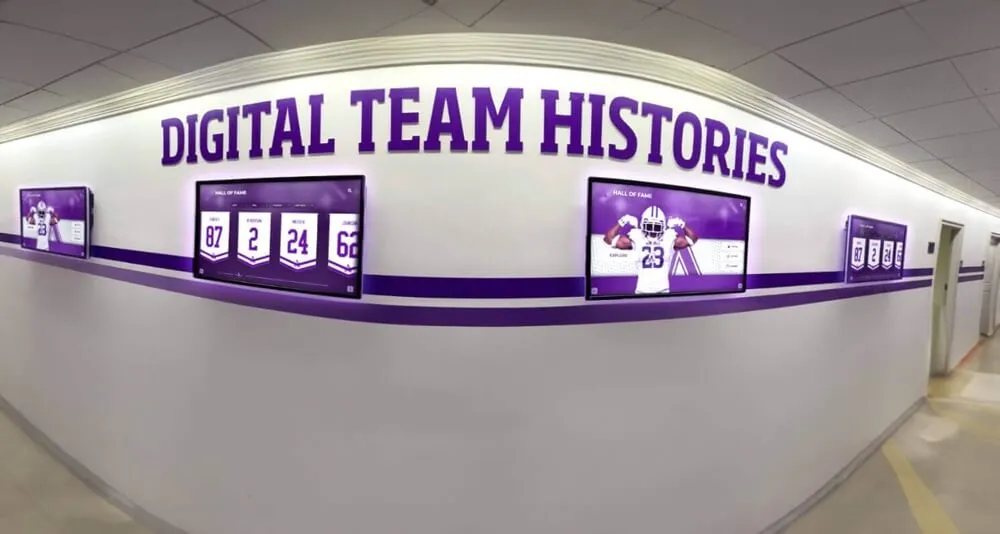
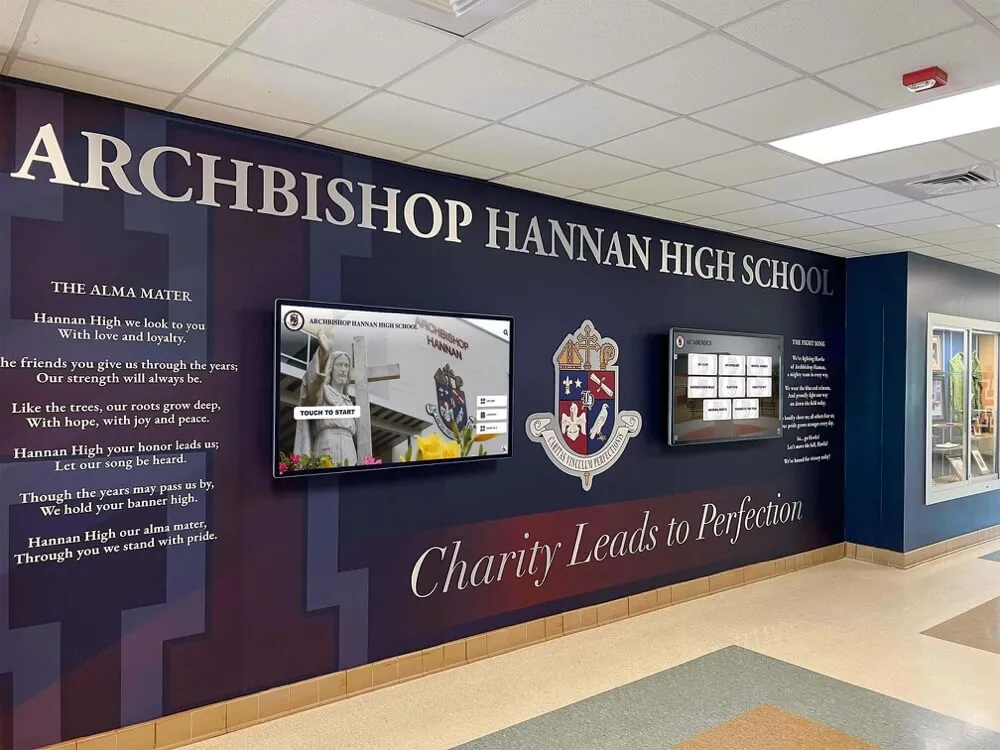
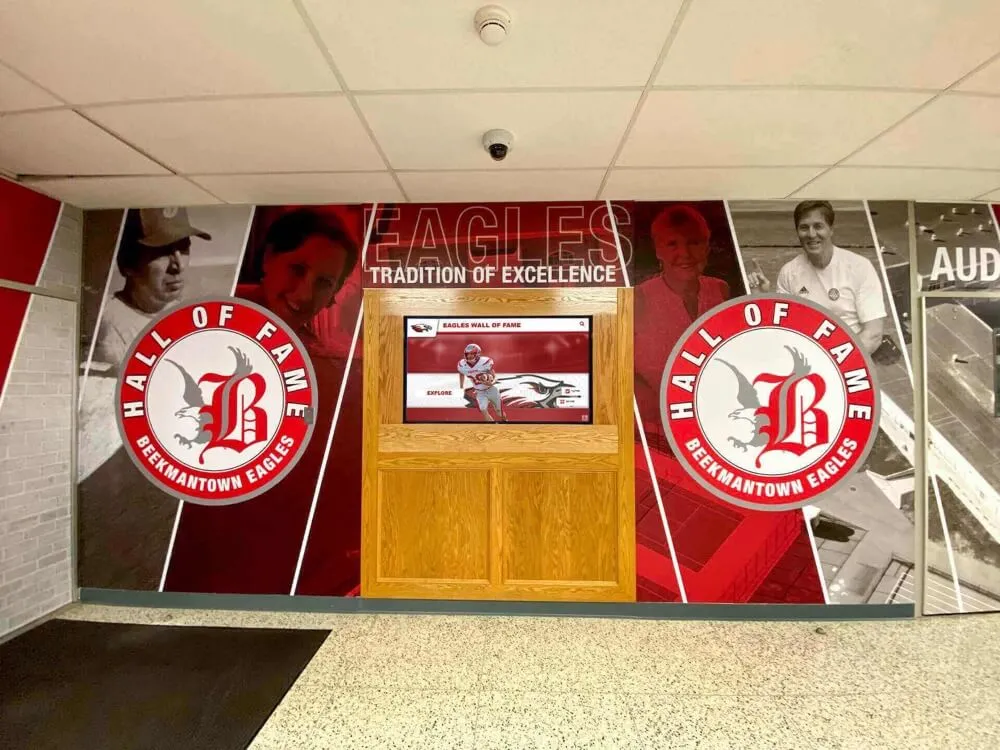
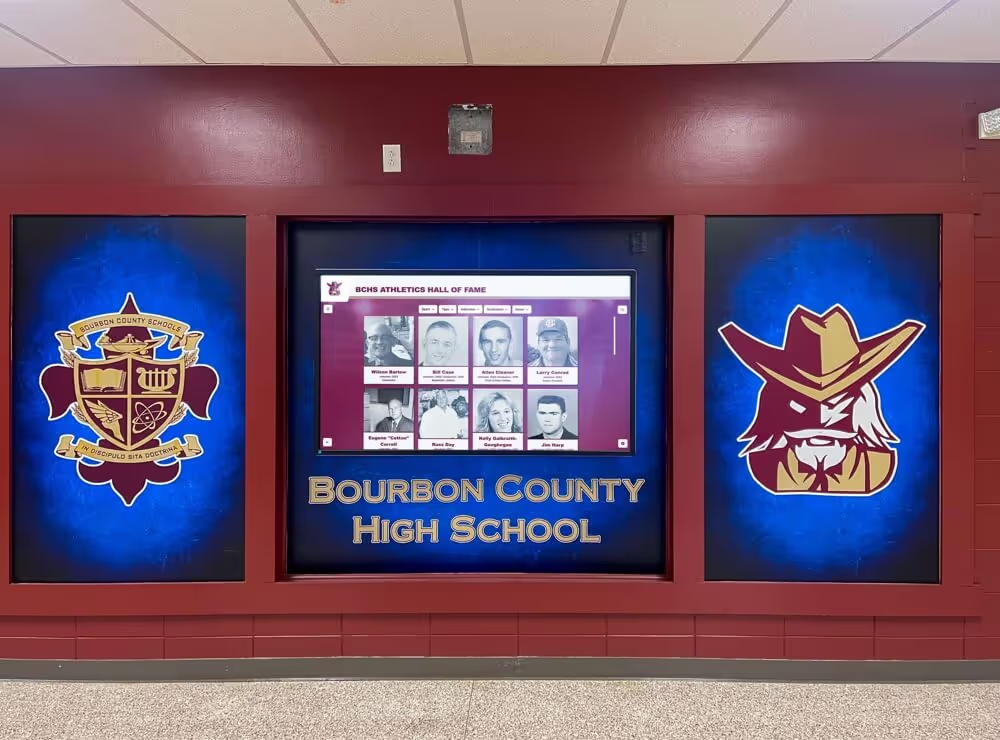
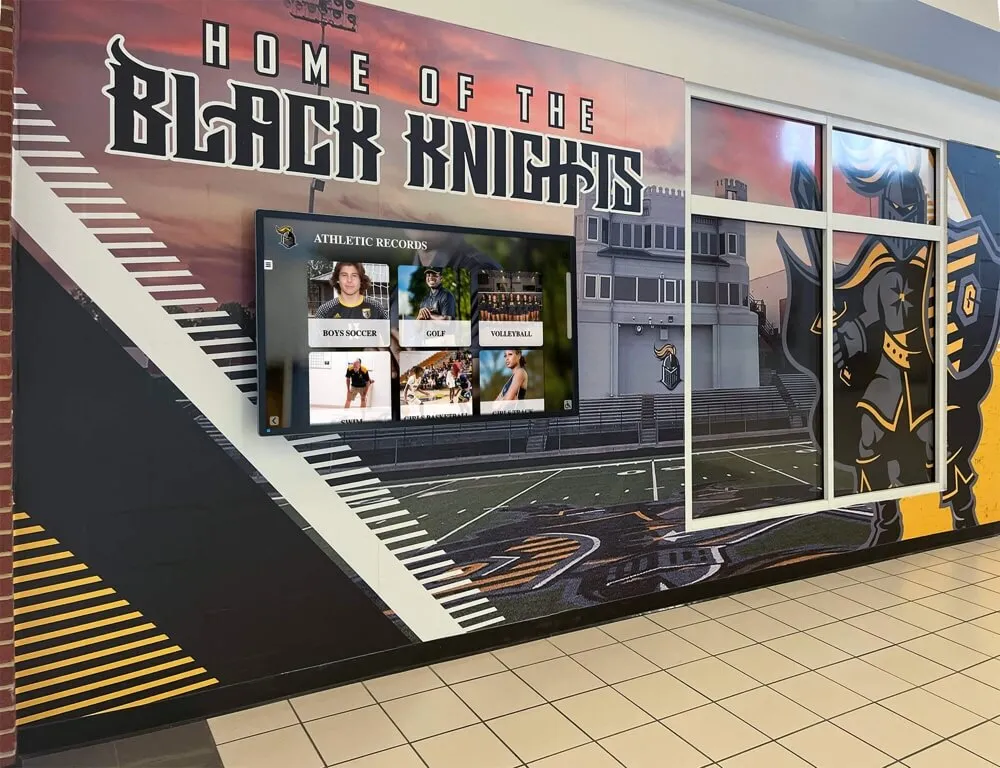
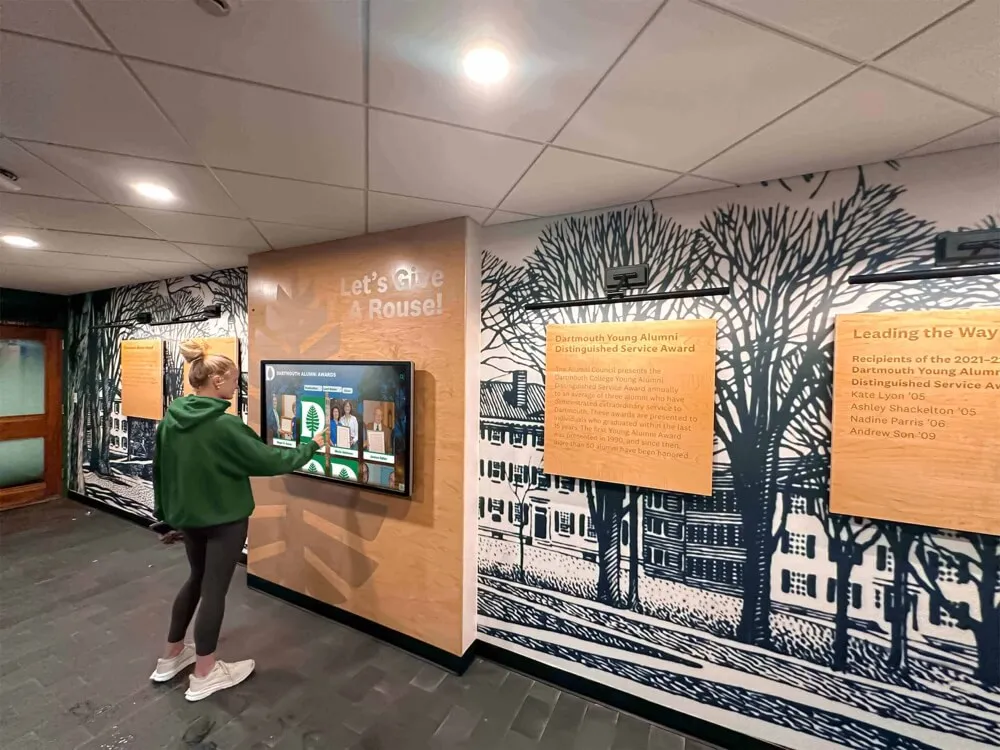
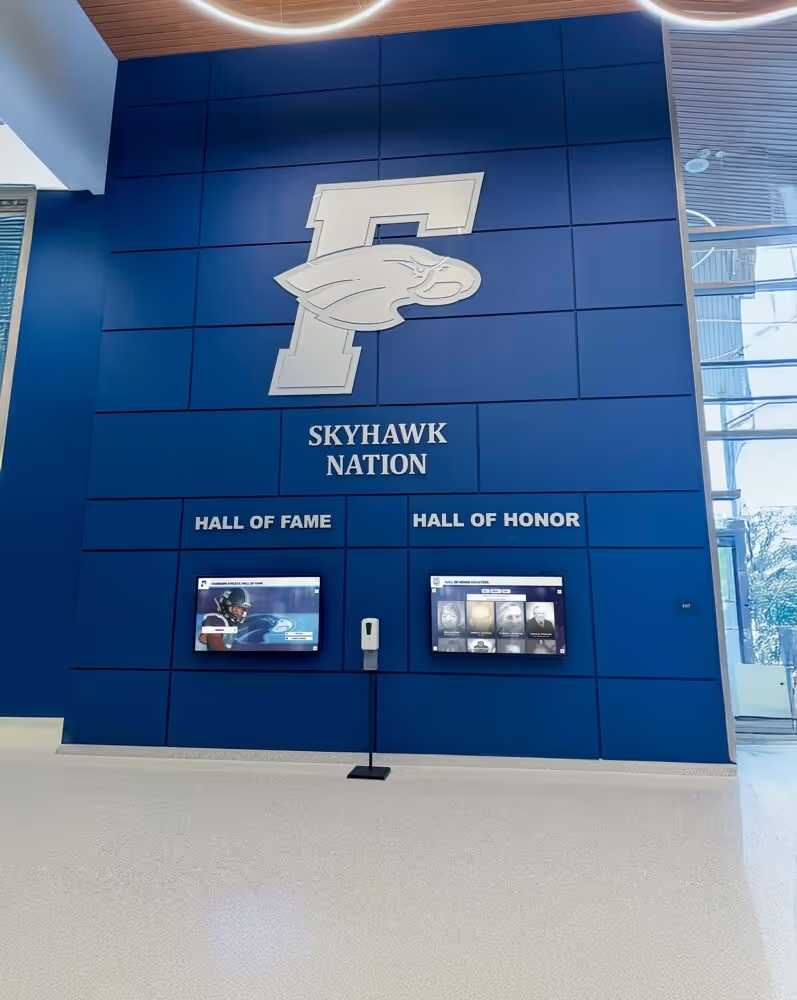
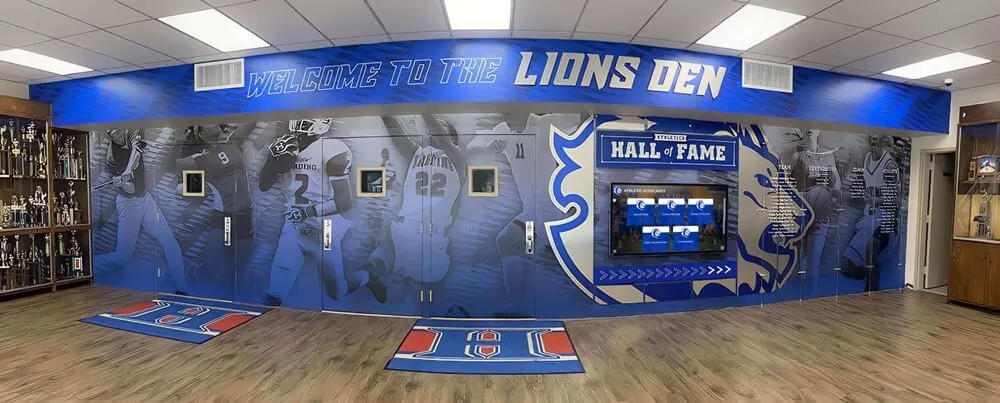
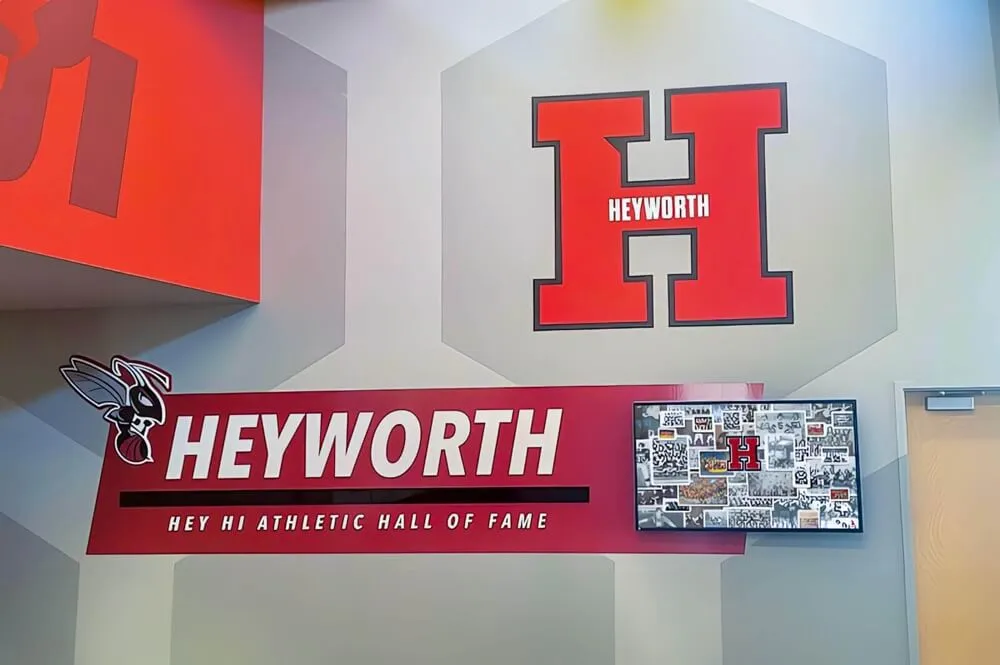
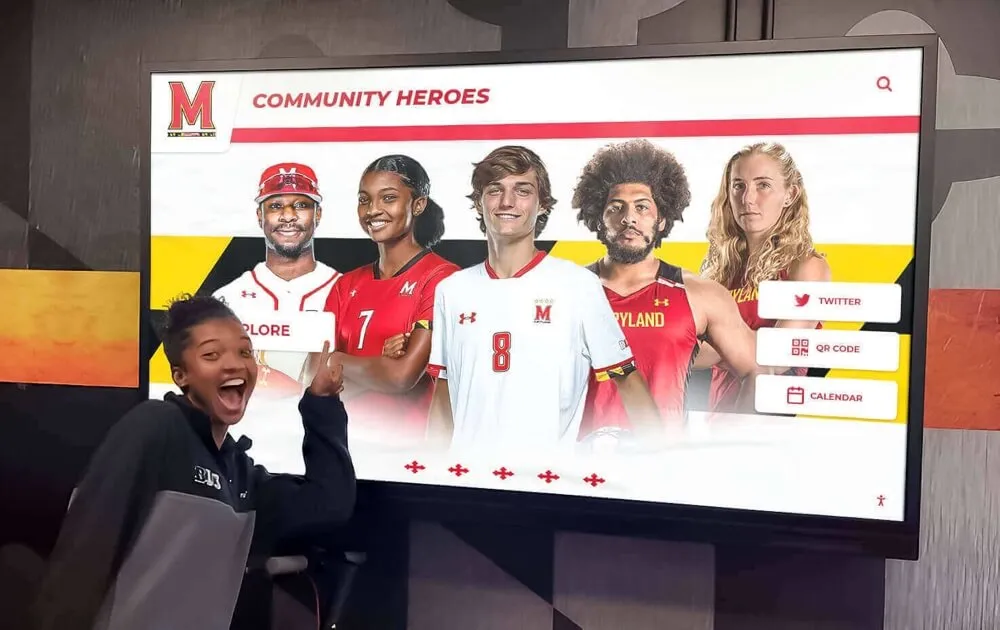
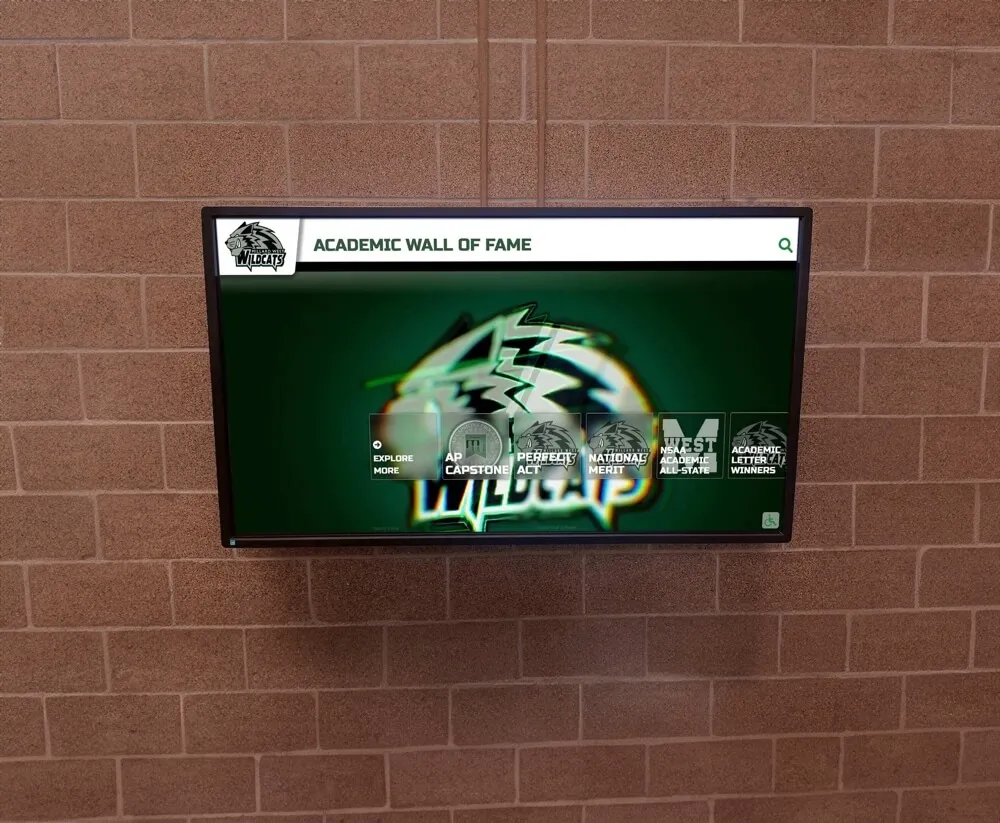
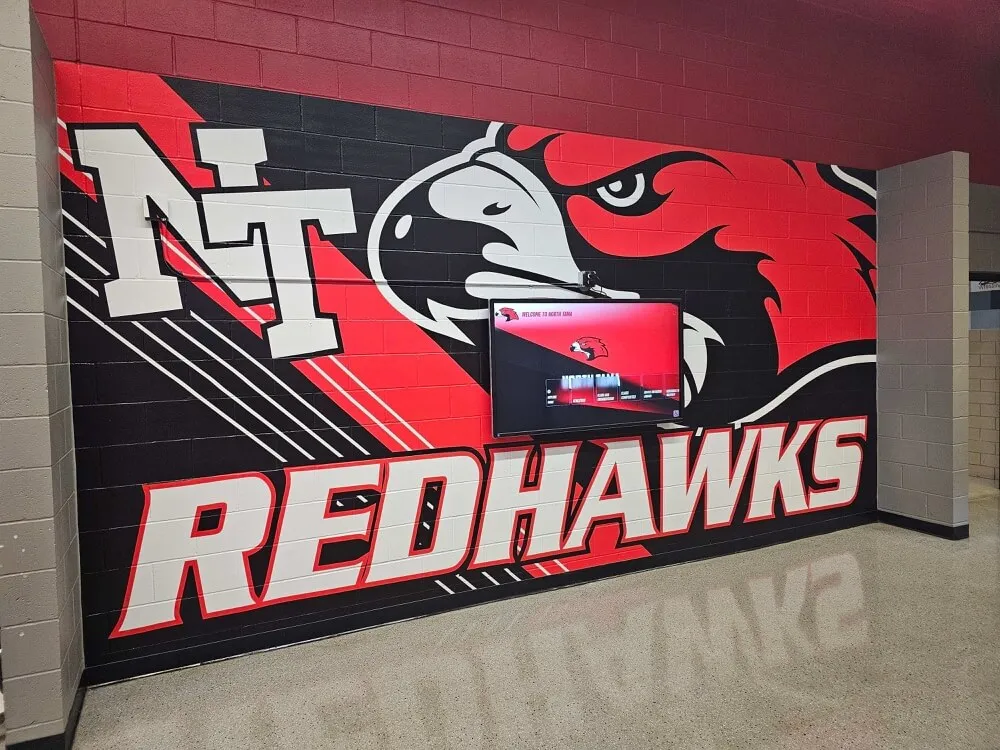
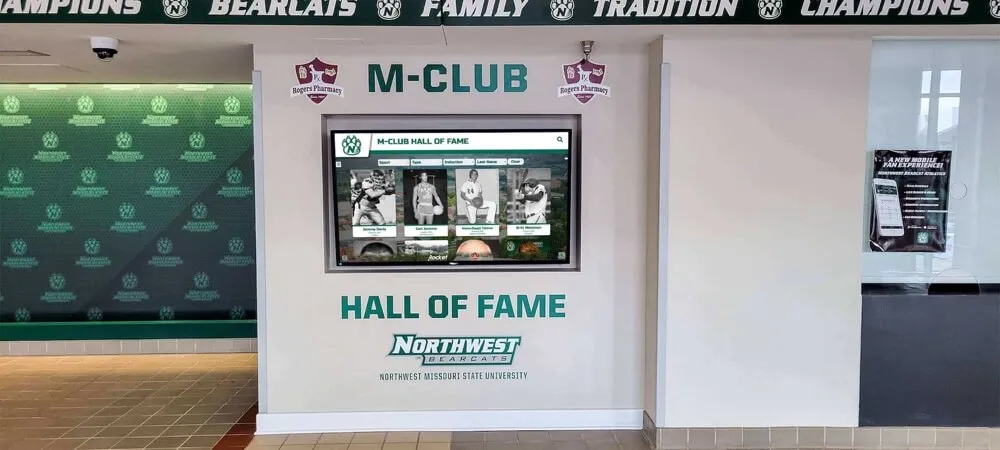
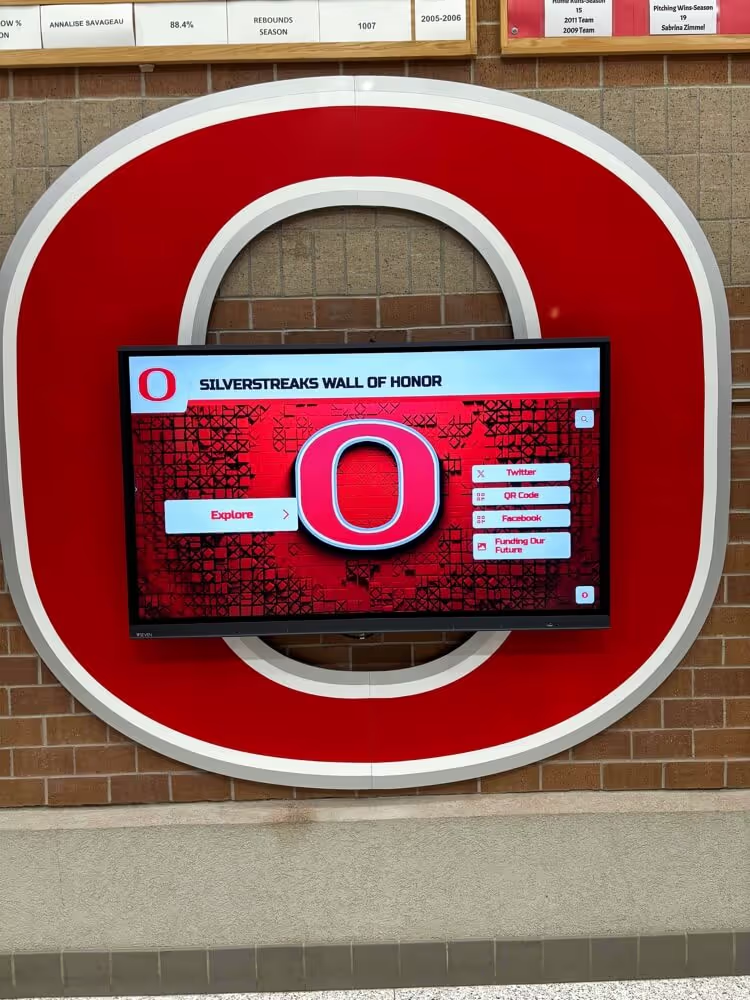
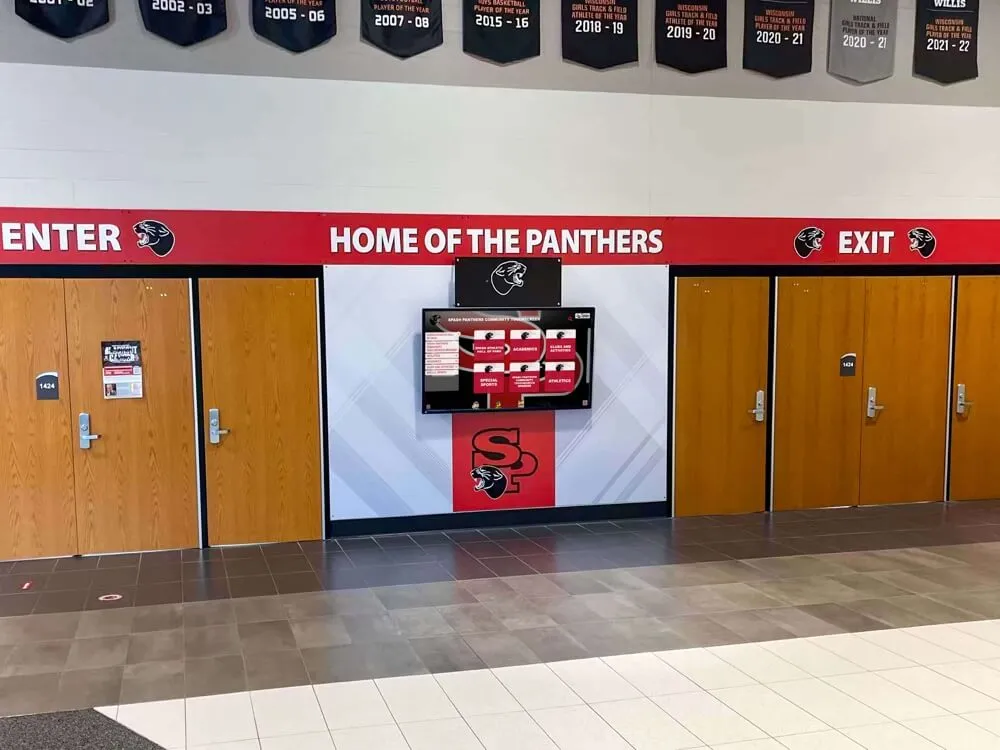
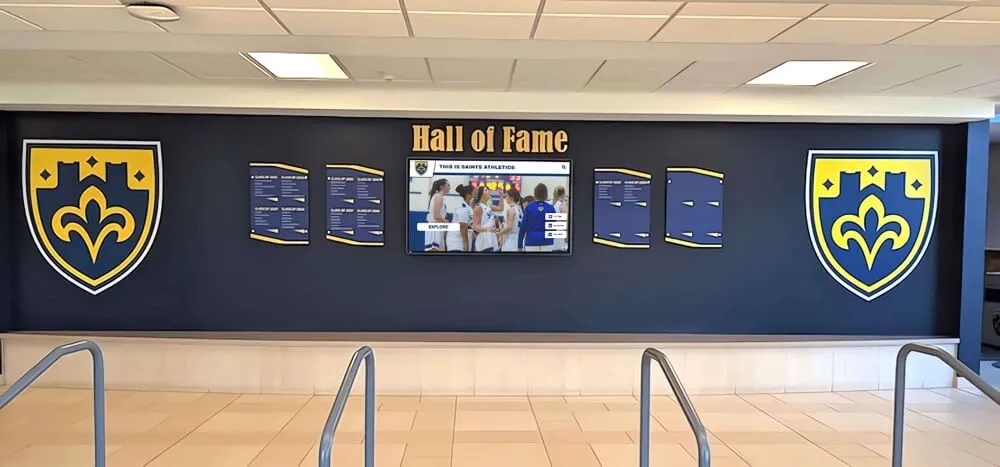
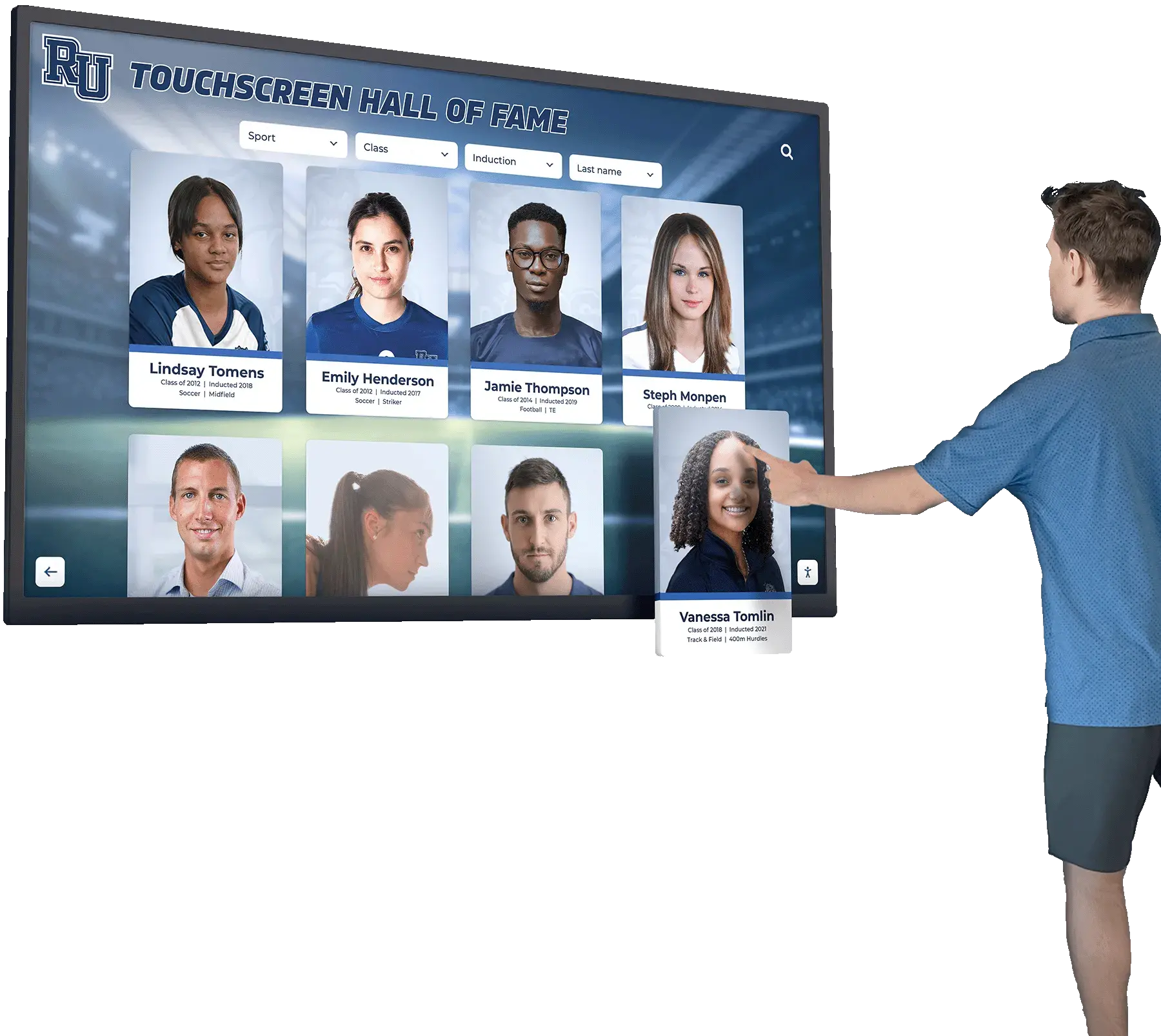
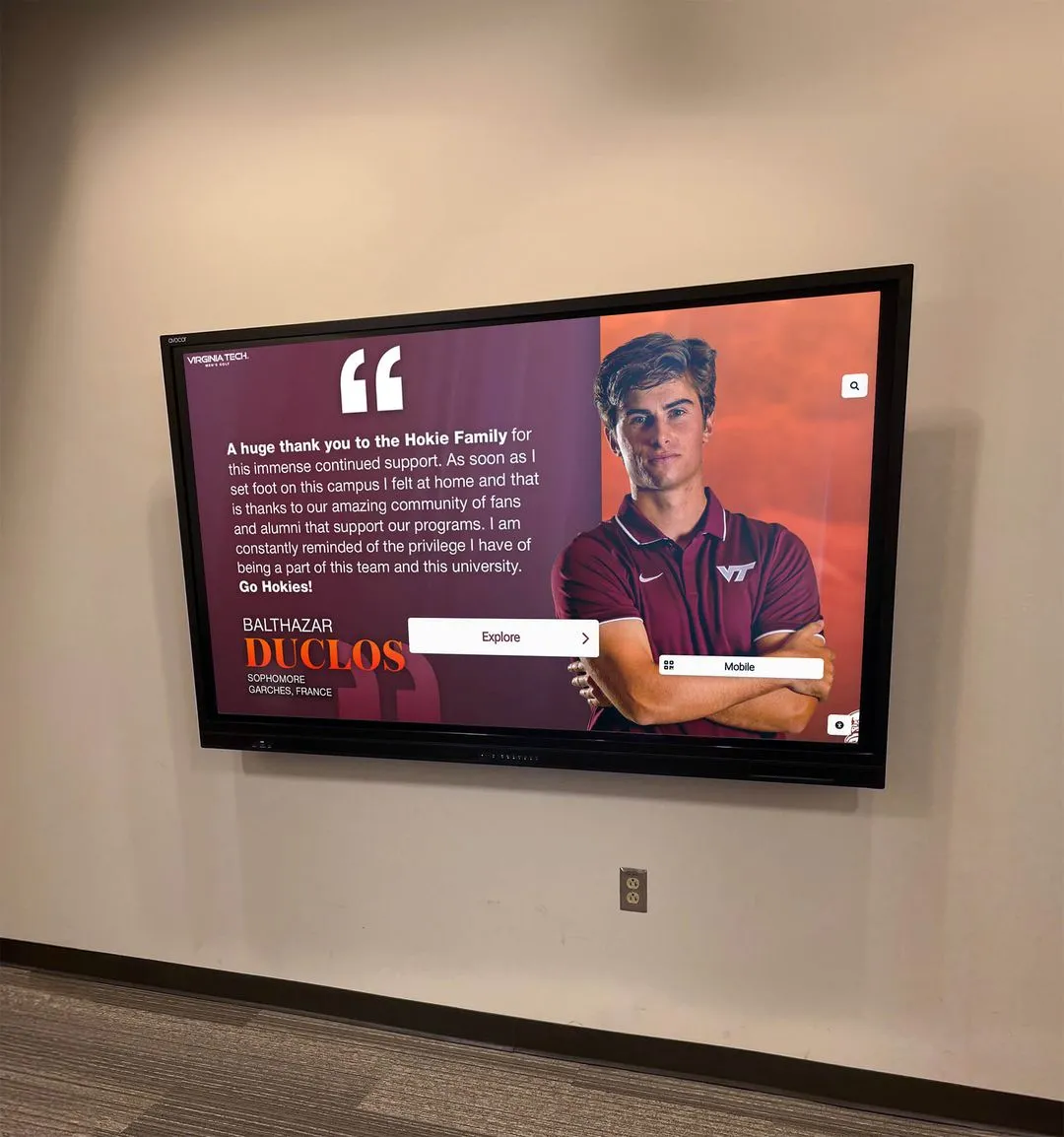
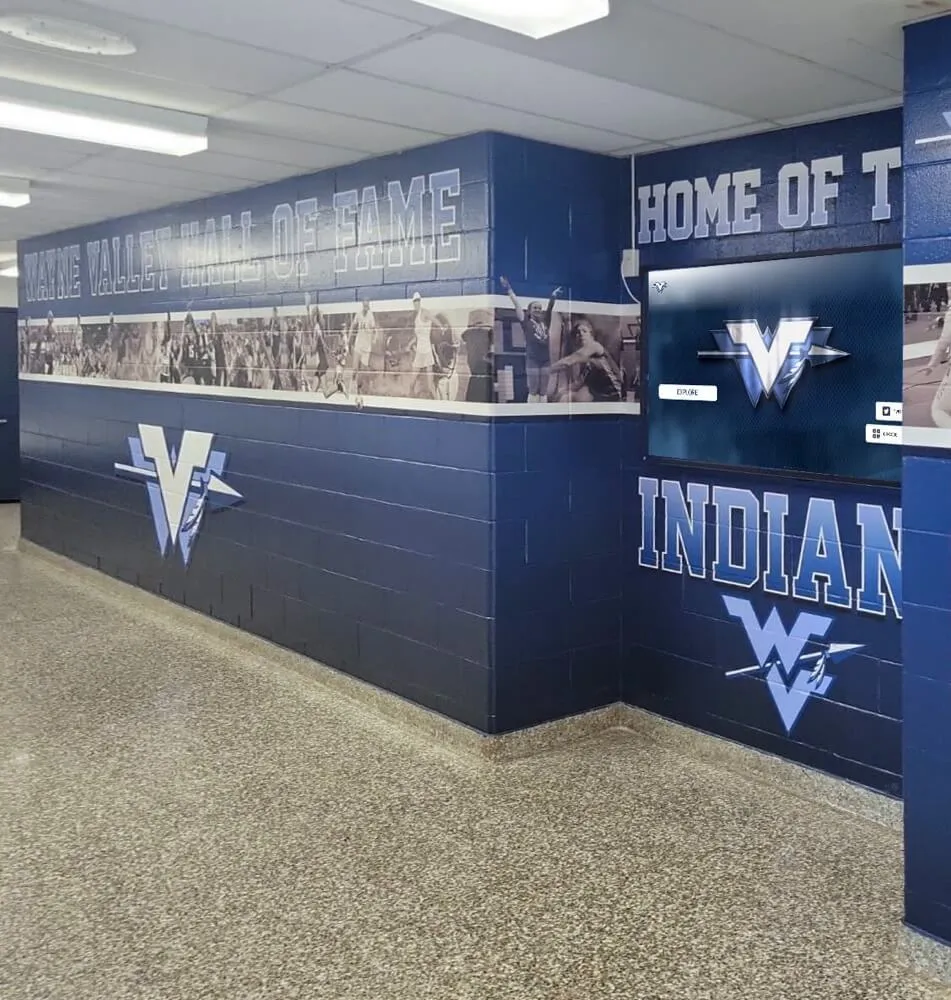
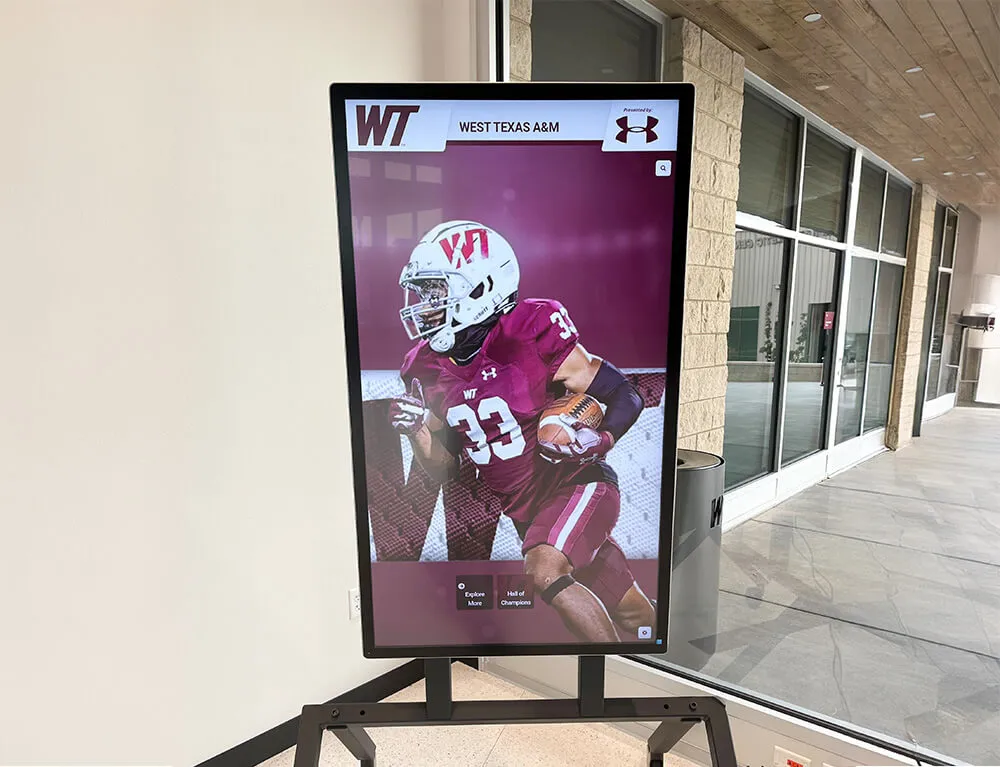
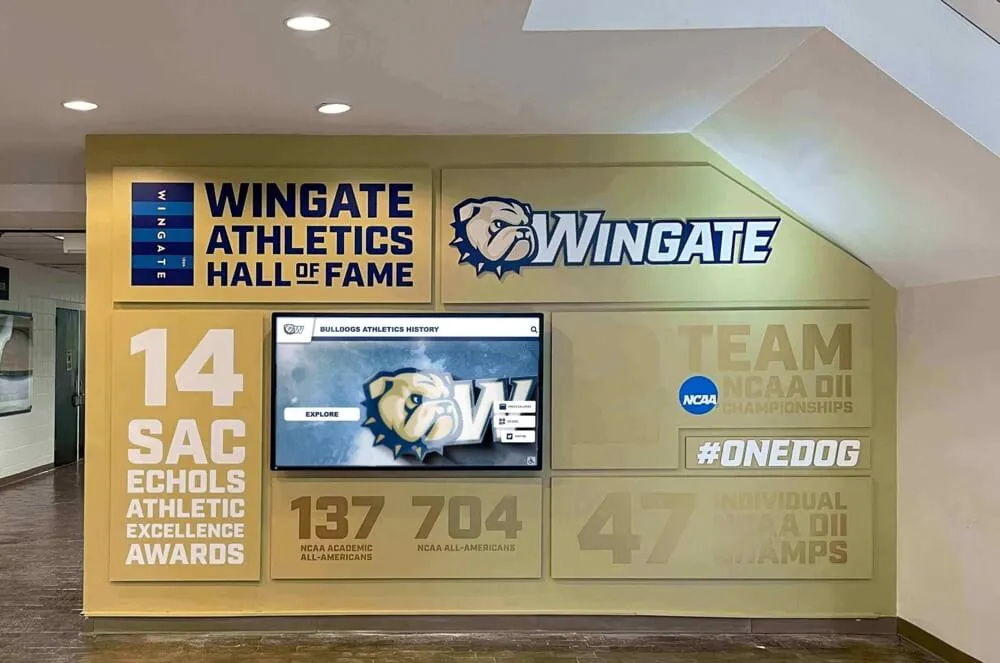
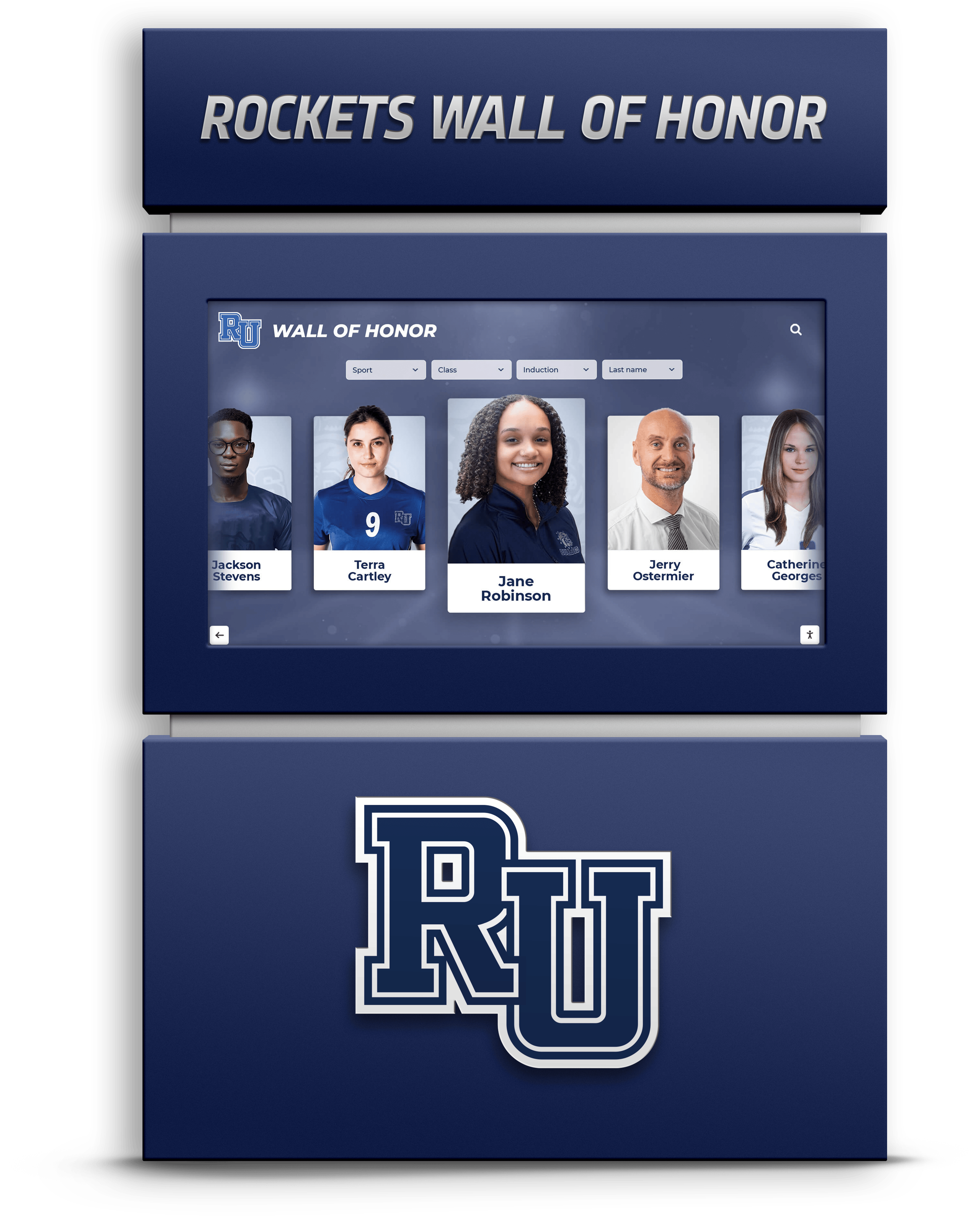
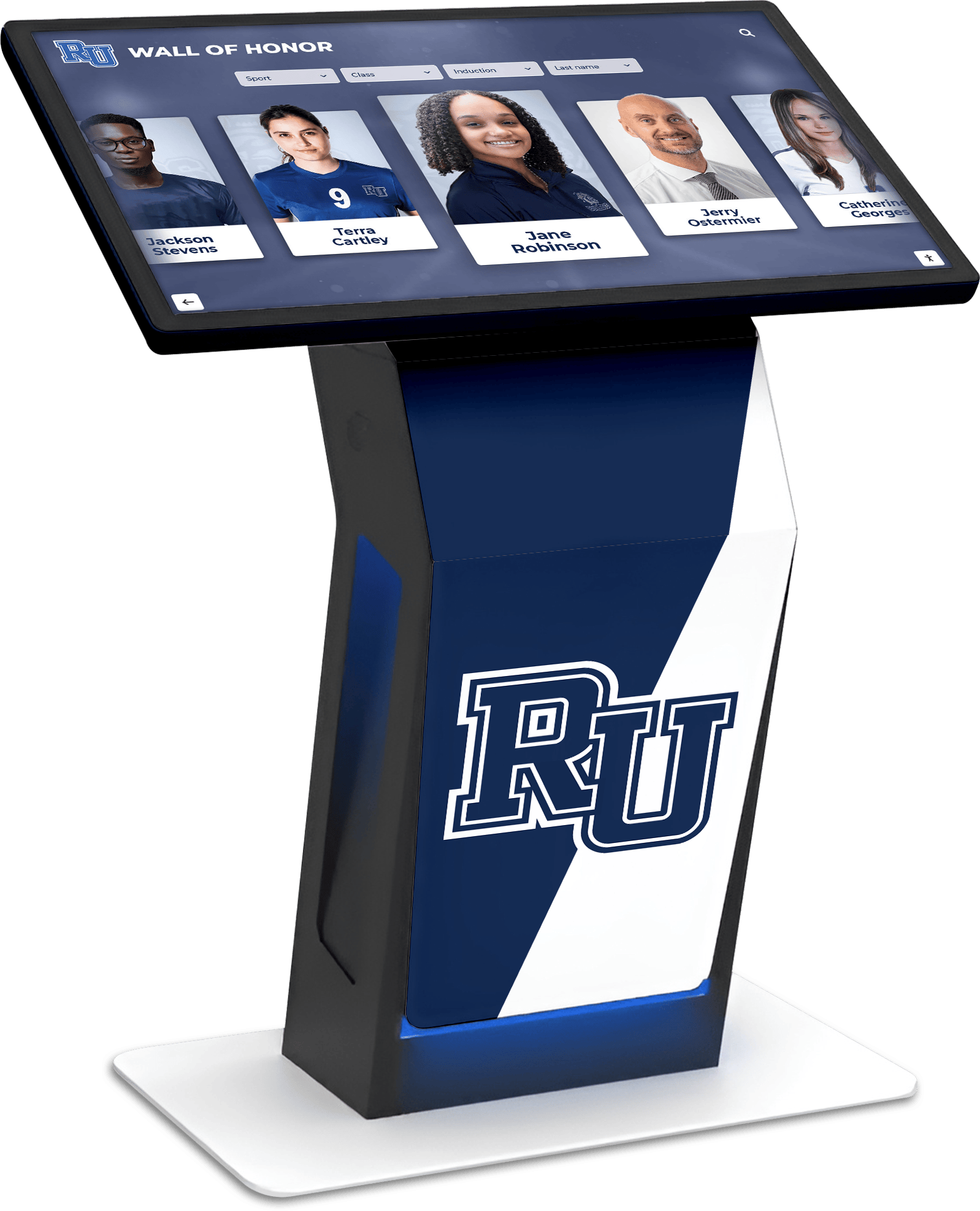
Interactive Touchscreen Displays positioned in school lobbies, commons areas, or near athletic facilities create engaging recognition experiences where students, families, and alumni can explore decades of homecoming court history through intuitive digital interfaces. Users can search by name, year, court position, or other criteria to find specific individuals or browse chronologically through institutional history.
Multimedia Court Member Profiles within digital systems go far beyond names and photographs to include biographical information, documentation of achievements and activities, personal statements or reflection essays, video interview segments or speech recordings, and connections to related content like athletic highlights, academic recognition, or service project documentation.
Historical Context and Tradition Documentation helps current students understand how they fit within longstanding school traditions by presenting homecoming court recognition alongside historical information about how traditions evolved, notable moments in homecoming history, changes in selection processes or court structures over decades, and connections between current celebrations and past practices.
Searchable Archives and Alumni Connections allow alumni returning for homecoming events to easily find their own court service or that of classmates, creating personal connections with school history. These searchable systems transform recognition from static displays into dynamic resources supporting alumni engagement and intergenerational connection.
Integration with Comprehensive Recognition Ecosystems means homecoming court honors don’t stand alone but connect to broader documentation of student excellence across academics, athletics, arts, service, and leadership—providing context showing how court members’ selection related to other achievements and contributions throughout their student careers.
Schools implementing these advanced recognition systems through solutions like interactive touchscreen walls and digital displays create permanent, accessible, and engaging ways to honor homecoming court traditions while ensuring future generations can explore and appreciate institutional history.
Benefits of Comprehensive Digital Recognition Systems
Modern digital approaches to homecoming court recognition provide multiple advantages over traditional preservation methods:
Unlimited Scalability means digital systems can accommodate decades of homecoming courts without space constraints limiting recognition of new honorees. Schools can continuously add court members year after year without removing previous recognition or facing capacity limits.
Enhanced Engagement and Accessibility through interactive displays encourages exploration of school history in ways static plaques cannot achieve. Students browsing digital systems discover alumni who held similar interests, participated in same activities, or achieved related accomplishments, creating personal connections with institutional traditions.
Preservation of Multimedia Content allows schools to document not just names and photos but speeches, video interviews, ceremony highlights, and comprehensive biographical information that brings homecoming court members to life for future students who never met them.
Alumni Relationship Strengthening results from recognition systems that alumni can access during campus visits, creating positive emotional experiences as former students see their honors permanently preserved and easily accessible. This ongoing visibility reinforces alumni connection to institutions and may support development and engagement efforts.
Cultural Continuity and Tradition Reinforcement emerges as current students explore past homecoming courts, understanding themselves as parts of continuing traditions connecting them to generations of previous students. This historical awareness strengthens school culture and institutional identity.
Alignment with Modern Student Expectations acknowledges that contemporary students expect digital accessibility, interactive experiences, and multimedia content rather than static text-and-photo displays. Meeting these expectations with sophisticated recognition systems signals institutional investment in honoring student achievement appropriately.
Schools considering long-term approaches to preserving and celebrating student achievements find that comprehensive digital recognition platforms serve homecoming court documentation while supporting broader institutional needs for honor systems spanning multiple recognition types.
Best Practices for Meaningful Homecoming Court Traditions
Schools seeking to strengthen or reimagine homecoming court traditions can implement several best practices ensuring these programs serve meaningful purposes aligned with educational values:
Articulate Clear Selection Criteria and Purposes
Rather than allowing homecoming court selection to function as undefined popularity contests, effective programs explicitly state what qualities and contributions schools wish to celebrate. Published criteria might emphasize leadership demonstrated through specific activities, service contributions to school or broader communities, character qualities exemplified through daily interactions and decisions, academic engagement and intellectual curiosity, and positive influence on school culture and peer relationships.
Transparent criteria serve multiple purposes: they guide students considering whether to seek nomination or how to position themselves as candidates, inform voters about factors to consider when selecting among nominees, justify selections to school communities when questions arise, and ensure consistency in selection processes across years.
Design Inclusive Processes Welcoming Diverse Students
Homecoming court programs risk becoming exclusive traditions celebrating narrow student subgroups unless schools intentionally structure inclusive processes. Inclusive design considerations include removing unnecessary barriers like restrictive GPA requirements that may exclude students facing challenging circumstances while still contributing meaningfully to communities, ensuring nomination processes allow diverse students to be considered rather than limiting pools to predetermined groups, incorporating selection criteria valuing different contribution types rather than single activity or achievement areas, and creating court structures representing different grade levels, activity participation, and student subpopulations.
Schools committed to diversity and inclusion regularly examine homecoming court composition, identifying whether particular student groups consistently appear overrepresented or underrepresented and adjusting processes to address structural inequities affecting selection outcomes.
Balance Tradition with Evolution and Adaptation
Effective schools honor homecoming court traditions that connect current students with institutional history while remaining willing to evolve practices when traditional approaches no longer serve contemporary values or student populations. This balance requires distinguishing between core purposes worth preserving (recognizing student excellence, building community, creating celebratory traditions) and specific implementation details that can evolve (titles used, selection processes, eligibility requirements, court structures).
Schools might maintain coronation ceremonies and court recognition while evolving from gendered titles to inclusive alternatives, preserve nomination and voting traditions while adjusting criteria to emphasize service alongside popularity, or continue halftime recognition while adding digital preservation ensuring lasting visibility.
Create Meaningful Roles and Responsibilities
Homecoming court positions hold greater significance when they involve substantive responsibilities beyond ceremonial participation. Schools can enhance meaning by designating court members as official school ambassadors for specific events or occasions, creating service projects or initiatives that court members lead, establishing mentorship programs pairing court members with underclassmen, organizing alumni engagement activities led by current court members, and developing ongoing communication where court members share reflections about their experiences and growth.
These substantive roles transform homecoming court from purely honorary recognition to leadership opportunities with genuine impact on school communities.
Implement Comprehensive Recognition and Documentation
Rather than limiting homecoming court recognition to coronation ceremony moments and yearbook entries, schools maximize impact through comprehensive recognition approaches including permanent displays in prominent locations ensuring ongoing visibility, digital recognition systems allowing exploration of current and historical courts, integration with broader student achievement documentation connecting court membership to other honors, public recognition at multiple events throughout the year maintaining visibility beyond homecoming week, and alumni recognition during reunion events acknowledging past court members’ continued connection to schools.
Comprehensive recognition systems signal institutional value placed on homecoming court honors while creating resources supporting community building, tradition reinforcement, and alumni engagement.
Conclusion: Homecoming Court Traditions as Community-Building Celebrations
Homecoming court traditions endure across generations because they serve purposes extending far beyond crowning popular students at football games. At their best, these traditions recognize diverse student excellence, strengthen school culture by visibly celebrating valued qualities and contributions, create shared experiences connecting students, families, alumni, and communities, honor individuals while building collective identity, preserve institutional history through documentation of honored students across decades, and mark important transitions and milestones in students’ educational journeys.
Modern homecoming court programs balance tradition with evolution, maintaining cherished ceremonial elements that connect classes across years while adapting selection processes, court structures, and recognition approaches to reflect contemporary values around inclusion, diversity, and meaningful student leadership. Schools that thoughtfully examine their homecoming traditions, explicitly articulate purposes aligned with educational missions, design inclusive and equitable selection processes, create substantive roles and responsibilities for court members, and implement comprehensive recognition systems preserving honors for future generations develop programs that students genuinely value and remember as highlights of their school experiences.
The physical and digital displays that preserve homecoming court recognition serve as visible reminders that schools notice, value, and celebrate student excellence in its many forms. When current students see decades of homecoming courts displayed prominently in halls they walk daily, they understand themselves as parts of continuing traditions connecting them to thousands of students who previously walked those same halls. This awareness of continuity, tradition, and institutional memory strengthens the bonds that make schools genuine communities rather than mere buildings where people gather temporarily.
For schools seeking to honor homecoming court traditions while ensuring these recognitions remain accessible and visible for generations to come, comprehensive digital recognition systems provide powerful solutions that complement traditional ceremonies while offering capabilities that physical displays alone cannot achieve.
Ready to transform how your school preserves and celebrates homecoming court traditions? Discover how Rocket Alumni Solutions’ interactive touchscreen displays create engaging, permanent recognition for homecoming royalty and other student honors—allowing students, families, and alumni to explore decades of school history through intuitive digital interfaces that bring your institution’s greatest traditions to life.