



Key Takeaways
Discover the fascinating history of homecoming, from its college origins in the early 1900s to becoming the biggest celebration in American schools. Learn how this tradition evolved and why it endures.
The Birth of Homecoming: Early College Origins
The history of homecoming begins in the early 20th century, when American colleges were searching for ways to strengthen alumni connections and build institutional identity in an era of rapid higher education expansion.
The First Homecoming: Competing Claims
Several universities claim to have hosted the first official homecoming, and the historical evidence suggests the tradition emerged simultaneously at multiple institutions between 1910 and 1915:
University of Missouri (1911): The most widely recognized claimant, Missouri held what many historians acknowledge as the first formal “Homecoming” event on October 14, 1911. Athletic director Chester Brewer invited alumni to “come home” for a football game against the University of Kansas. The event featured a spirit rally, bonfire, and organized alumni activities—elements that would become homecoming hallmarks. Missouri even trademarked the term “homecoming” and maintains the “Home of Homecoming” designation to this day.
Baylor University (1909): Baylor University in Waco, Texas, organized a “Home-Coming” game in 1909, predating Missouri’s claim by two years. However, this event was not repeated annually in those early years, which weakened its claim to establishing a lasting tradition.
University of Illinois (1910): Illinois held what they called a “Dad’s Day” football game in 1910, inviting fathers of current students to campus for a weekend celebration that included many homecoming-style activities.
Southwestern University (1909): This small Texas institution also held an alumni return event in 1909, though documentation is less comprehensive than Missouri’s later efforts.
While the exact “first” homecoming remains debatable, what’s clear is that multiple institutions independently recognized the value of creating formalized alumni return events in the early 1900s. Missouri’s systematic approach, consistent annual celebration, and active promotion helped establish the template that other schools would follow.
Why Colleges Created Homecoming: The Original Purpose
The emergence of homecoming wasn’t accidental—it addressed specific institutional needs facing American colleges in the early 20th century:
Alumni Engagement and Fundraising: As colleges expanded, they needed stronger alumni networks for financial support. Before formalized development offices existed, homecoming provided a natural opportunity to reconnect graduates with their alma mater and encourage ongoing financial and institutional support.
Institutional Identity Building: The period from 1890-1920 saw explosive growth in American higher education. Schools competed for students, faculty, and prestige. Homecoming helped colleges forge distinct identities through traditions, rituals, and shared experiences that differentiated them from competitors.
Football’s Rising Popularity: College football exploded in popularity during this era, becoming the most significant athletic and social event on campuses. Creating special games that brought alumni back leveraged football’s drawing power while creating meaningful reunion opportunities around something graduates cared about deeply.
Community and School Spirit: Early 20th-century colleges actively worked to build “school spirit” as a unifying force. Homecoming combined athletics, social activities, parades, and ceremonies into concentrated celebrations that strengthened community bonds and collective identity.
The Spread of Homecoming: From Colleges to High Schools
Once established at colleges, homecoming spread rapidly through American education, transforming from an alumni-focused event into a broader community celebration.
The High School Adoption (1920s-1930s)
High schools began adopting homecoming traditions in the 1920s, but they adapted the concept to fit their different contexts:
Community Focus Over Alumni: While colleges centered homecoming around returning graduates, high schools expanded the focus to include entire communities. Small-town high schools in particular made homecoming community-wide celebrations where local businesses, churches, civic organizations, and residents all participated.
Student-Centered Activities: High schools shifted emphasis toward current students rather than alumni. Pep rallies, class competitions, spirit weeks, and elaborate coronation ceremonies for homecoming royalty became central elements that engaged every student, not just those playing sports.
Local Rivalry Enhancement: High schools used homecoming to intensify local athletic rivalries. Scheduling homecoming games against traditional rivals raised stakes and created annual events that entire communities anticipated and discussed for weeks in advance.
The timing of high school homecoming adoption coincided with significant changes in American secondary education. The 1920s saw dramatic increases in high school enrollment as more students extended education beyond elementary grades. Schools needed traditions that built institutional identity and created memorable experiences for their growing student bodies—homecoming perfectly filled that need.
Regional Variations and Local Adaptations
As homecoming spread geographically, different regions developed distinctive characteristics:
Southern Traditions: Southern states, particularly Texas and the Deep South, embraced homecoming with particular enthusiasm. Large elaborate floats, extensive decorating competitions, mums (ornate corsages), and garter exchanges became signature Southern homecoming elements. The tradition of homecoming mums—enormous corsages sometimes exceeding two feet in diameter—began in Texas in the 1930s and became increasingly elaborate over decades.
Midwestern Celebrations: Midwestern schools, especially in small towns, developed homecoming as community celebrations rivaling state fairs in scope. Entire town Main Streets decorated in school colors, parade routes through downtown business districts, and community-wide Friday fish fries or pancake breakfasts created events that transcended the schools themselves.
Northern and Eastern Schools: Northeastern schools often maintained closer connections to homecoming’s college origins, keeping more formal alumni-focused elements while incorporating student activities. Prep schools and private academies in particular retained more traditional alumni return weekends.
West Coast Approaches: Western states, with younger educational institutions and more diverse populations, often created more informal, varied homecoming celebrations that incorporated beach bonfires, outdoor festivals, or school-specific traditions reflecting local culture.
Evolution of Homecoming Traditions: What Changed and Why
The history of homecoming isn’t static—the celebration continuously evolved as American society changed, responding to cultural shifts, social movements, and changing educational priorities.
The Golden Age of Homecoming (1950s-1960s)
The post-World War II era represented homecoming’s zenith in American popular culture:
Peak Attendance and Participation: The baby boom generation swelled school enrollments, creating larger student bodies for whom homecoming represented pinnacle high school experiences. Friday night football games regularly drew thousands of spectators in even modest-sized communities.
Standardization of Elements: By the 1950s, recognizable homecoming traditions became standardized nationwide: coronation of homecoming king and queen, parade through town featuring class-designed floats, organized spirit week with dress-up days, Friday night pep rally with bonfire, Saturday football game as the main event, and homecoming dance on Saturday night.
Cultural Significance: Homecoming permeated American popular culture through movies, television shows, and literature depicting it as the quintessential American high school experience. This media representation reinforced homecoming’s central place in the national consciousness.
The 1950s-60s version of homecoming reflected broader American cultural values: community cohesion, school spirit, traditional gender roles, competitive athletics, and public celebrations of institutional pride. These elements resonated powerfully in an era emphasizing conformity and shared cultural experiences.
Social Changes and Homecoming (1970s-1990s)
Significant cultural shifts in late 20th-century America transformed homecoming traditions:
Democratization of Homecoming Court: Traditional homecoming king and queen elections—often based on popularity and traditional attractiveness—faced criticism as exclusive and superficial. Many schools expanded courts to include multiple representatives from different grades, student groups, or activity areas. Some schools eliminated gendered categories entirely, creating “homecoming royalty” selected based on service, leadership, or other criteria beyond popularity contests.
Increased Inclusivity: Schools worked to make homecoming more inclusive across race, socioeconomic status, and participation in different activities. Recognition expanded beyond football and cheerleading to honor band members, theater participants, academic achievers, and community service leaders during homecoming events.
Safety and Supervision: Concerns about student safety led to increased adult supervision, alcohol prevention measures, and formalized rules around homecoming activities. Many schools moved dances on campus or to closely supervised venues rather than allowing unsupervised after-parties.
Cost Consciousness: Rising costs of homecoming participation—from formal attire to elaborate promposals for dates—created accessibility concerns. Schools implemented measures to reduce financial barriers, including dress code flexibility, free or low-cost activities, and campaigns discouraging expensive traditions.
Modern Homecoming (2000s-Present)
Contemporary homecoming continues evolving in response to 21st-century realities:
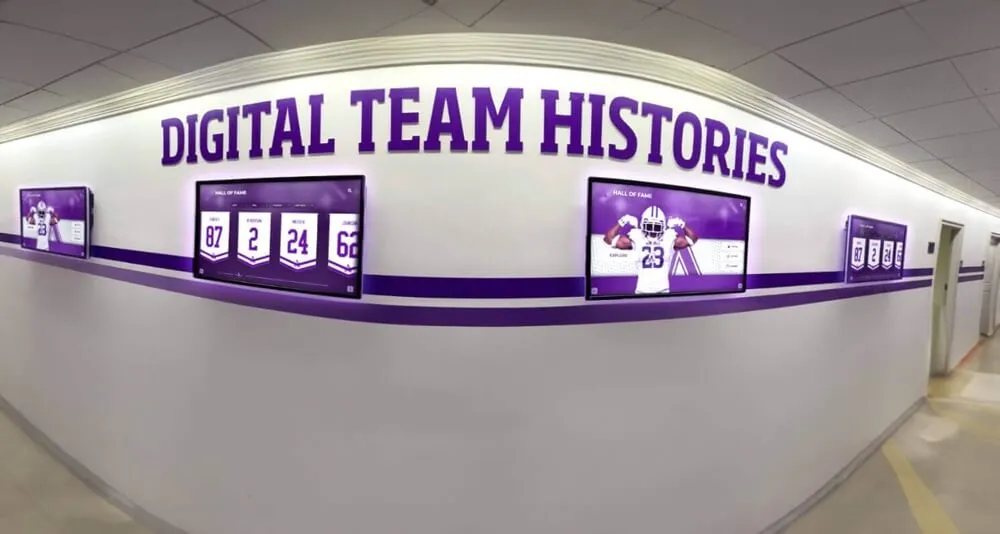
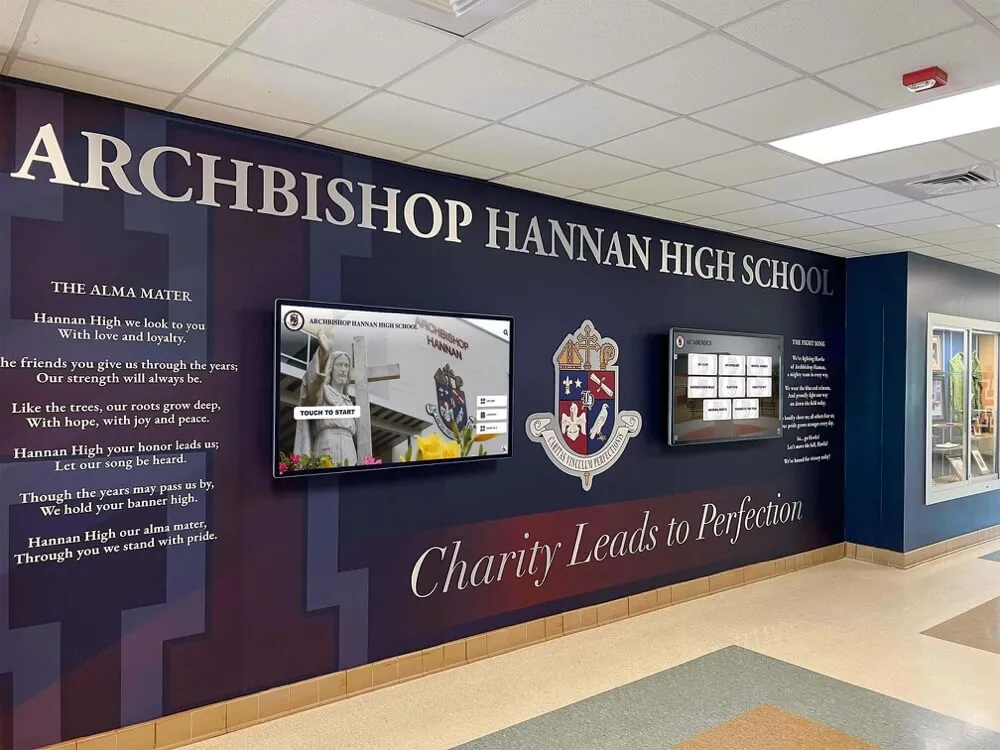
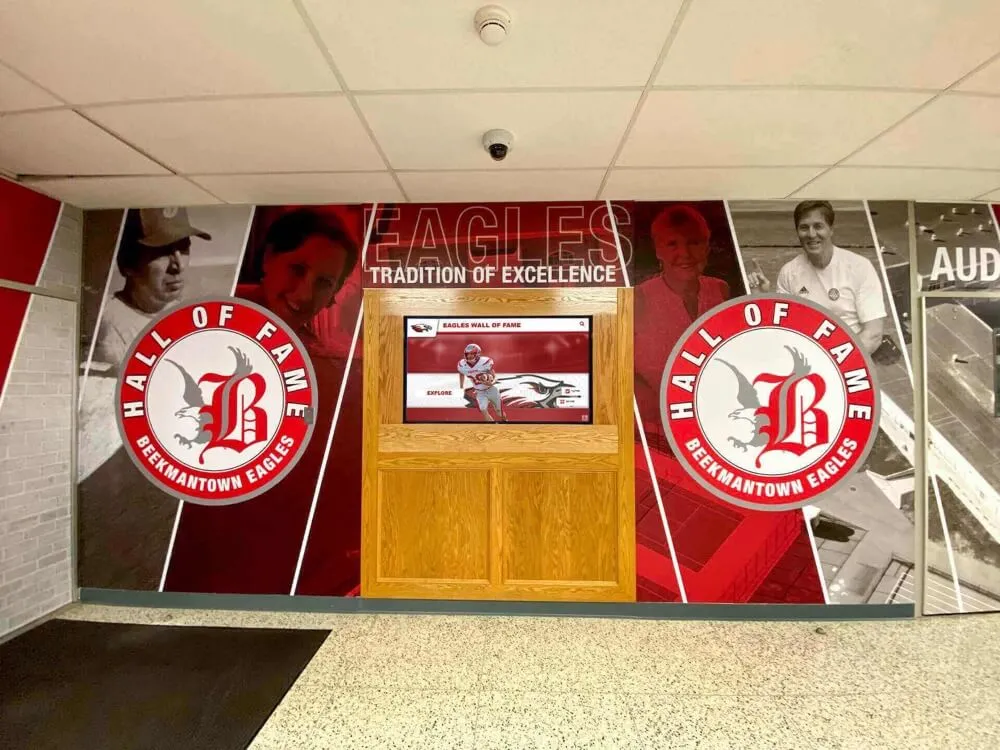
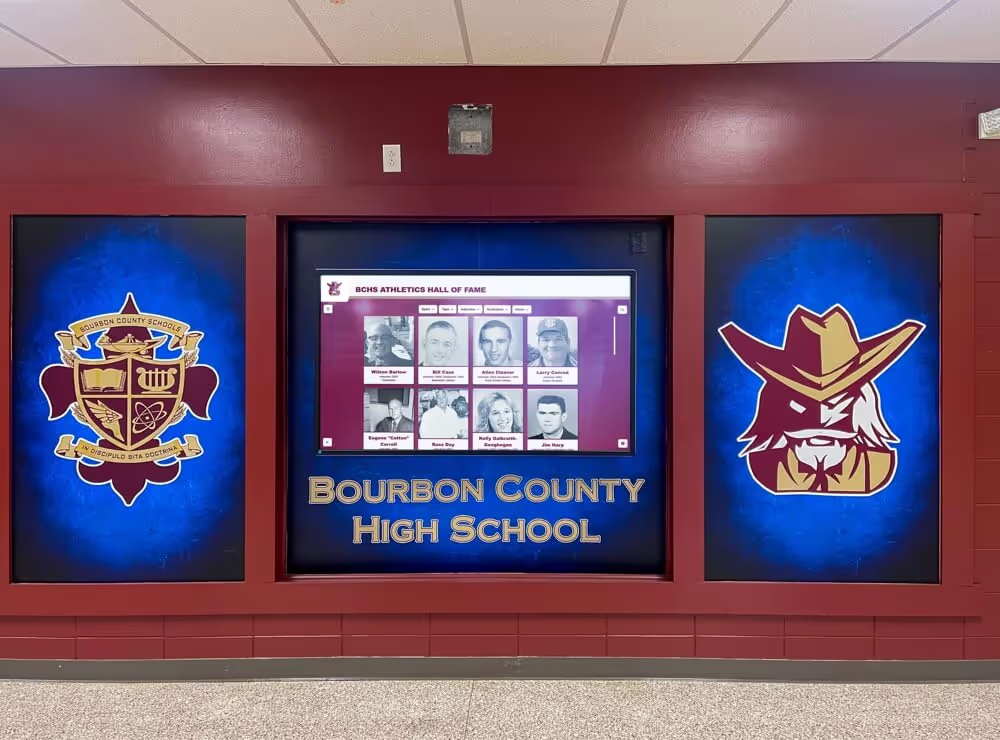
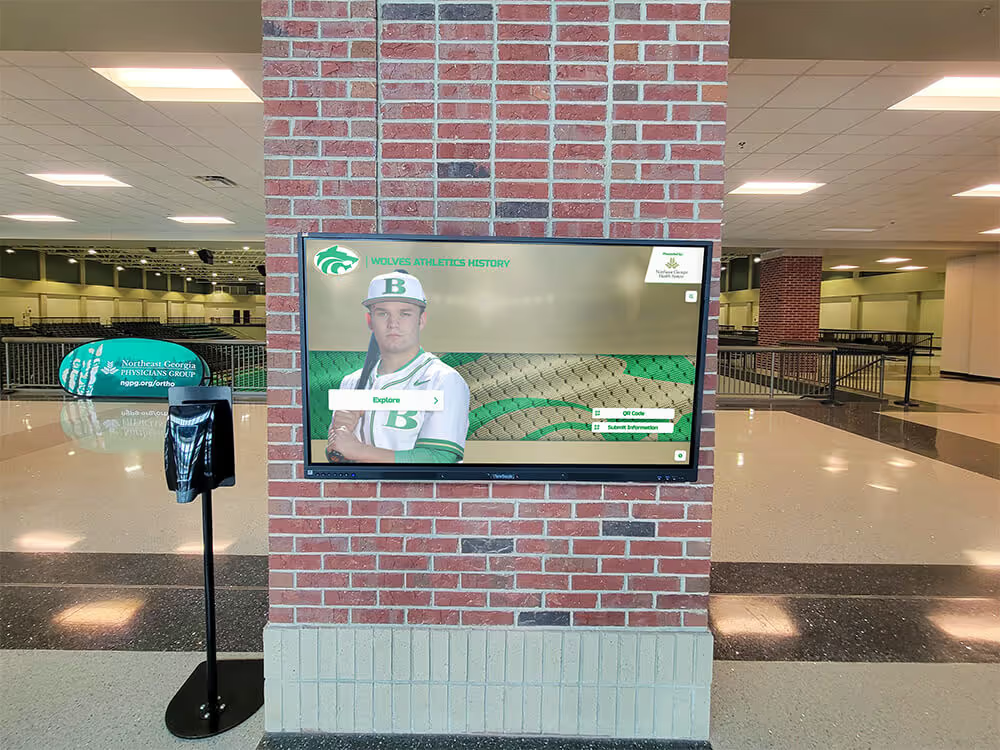
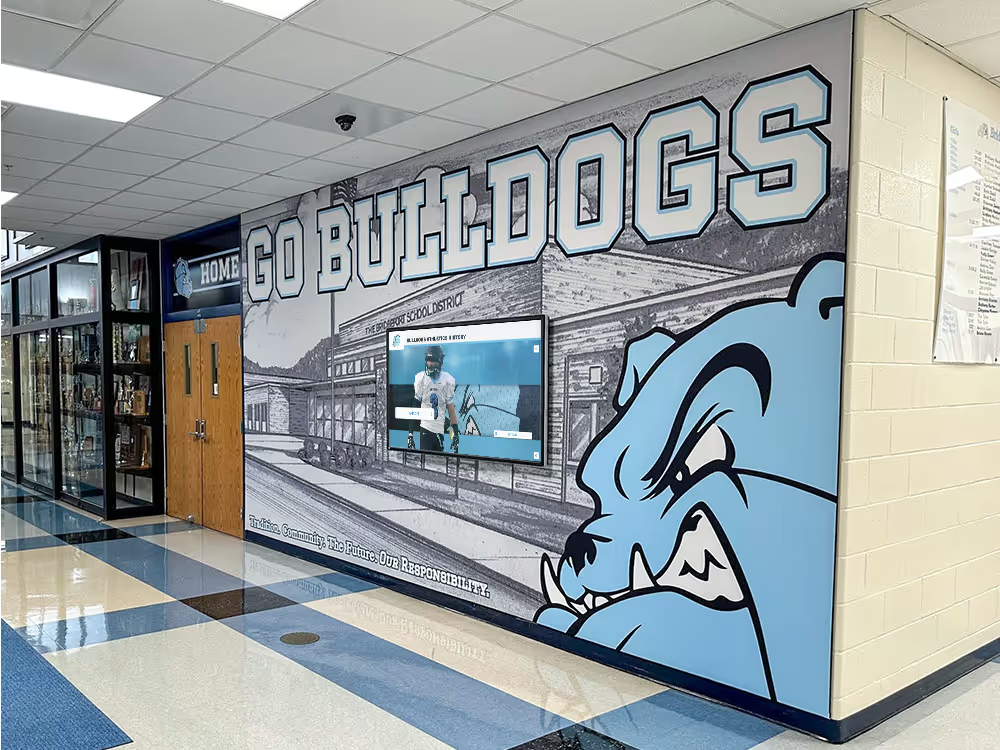
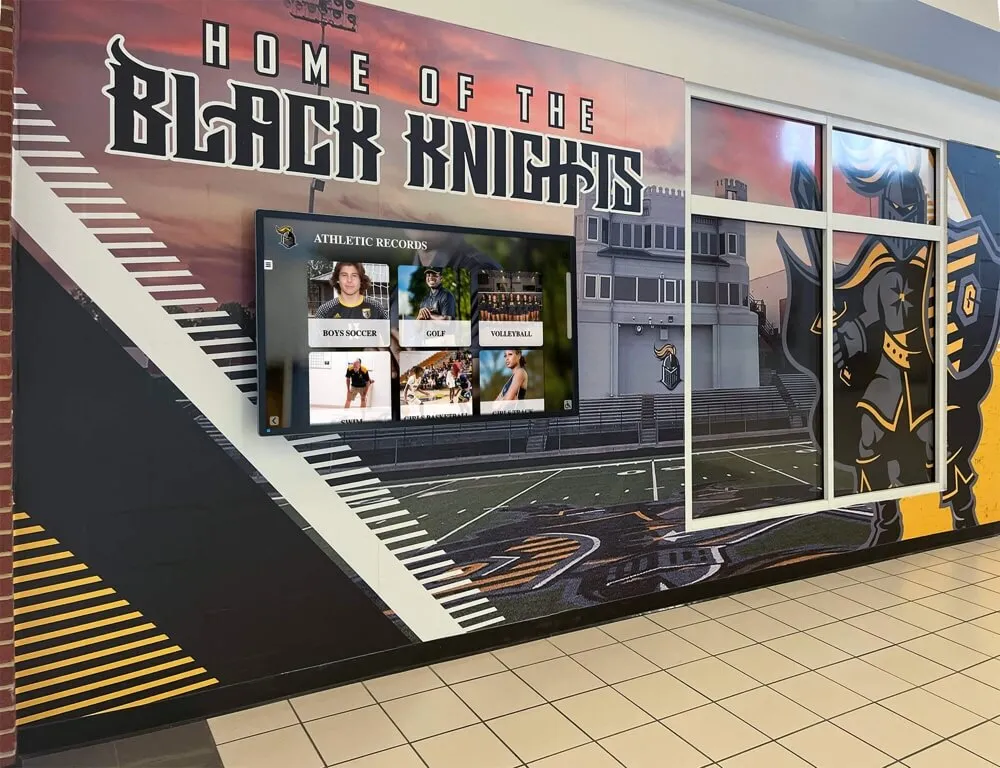
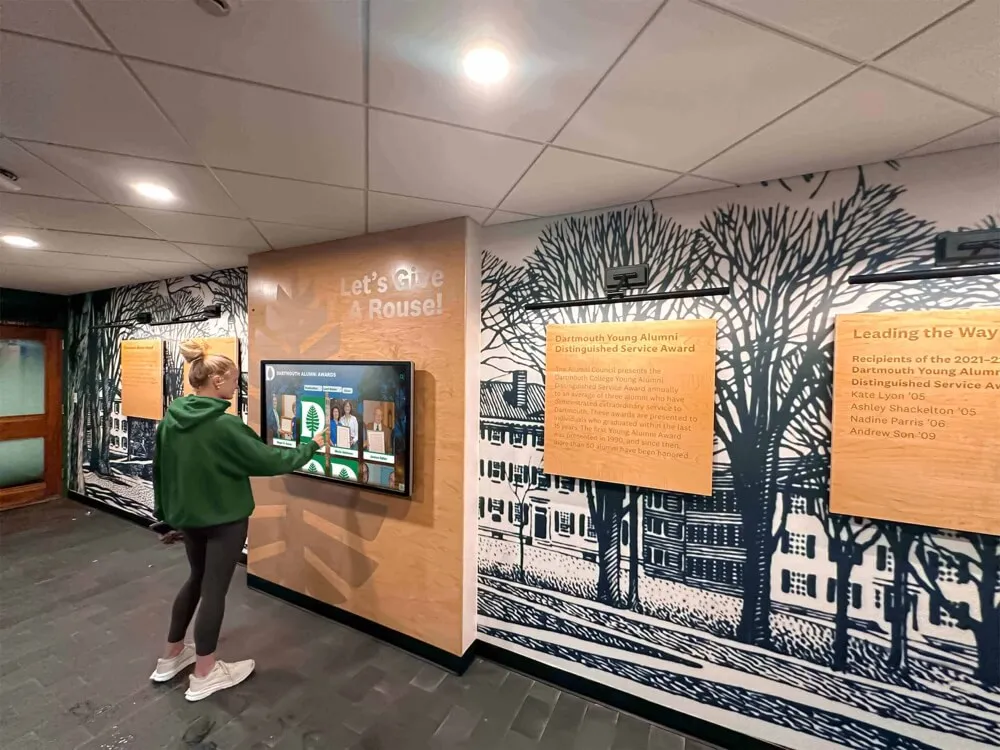
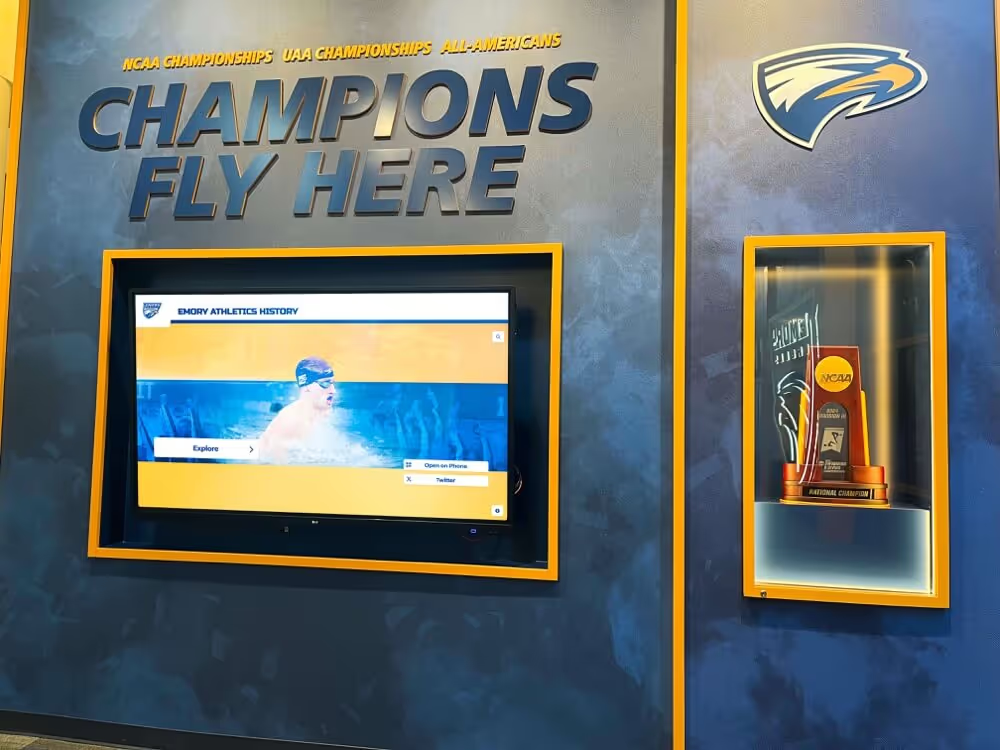
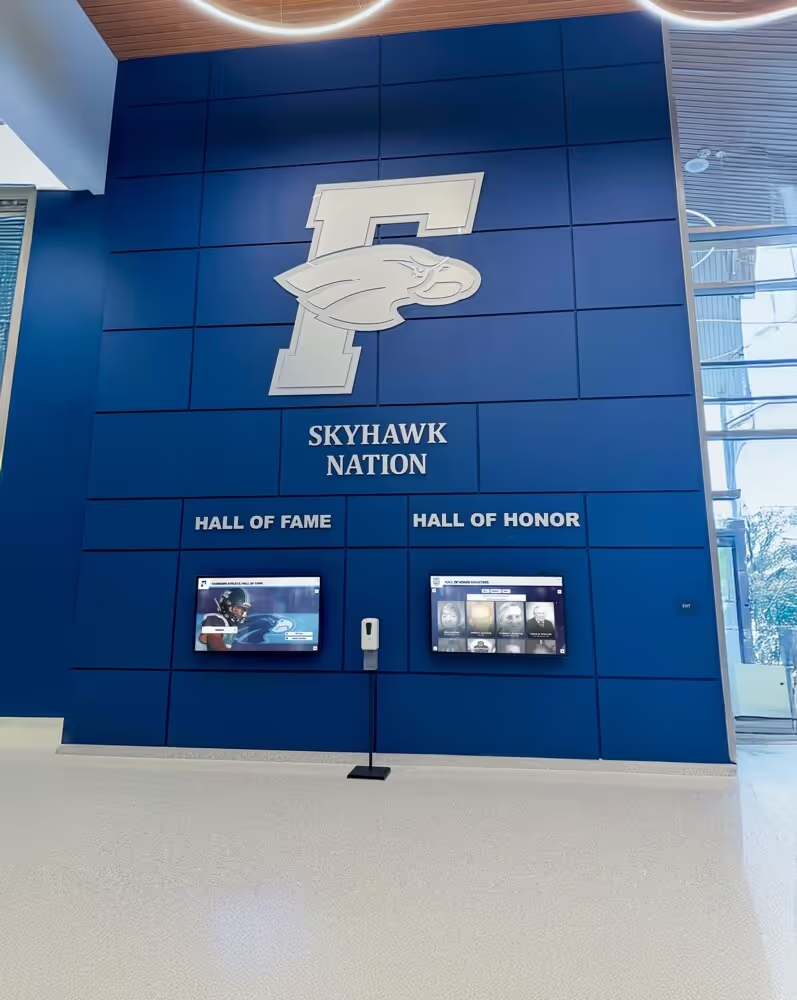
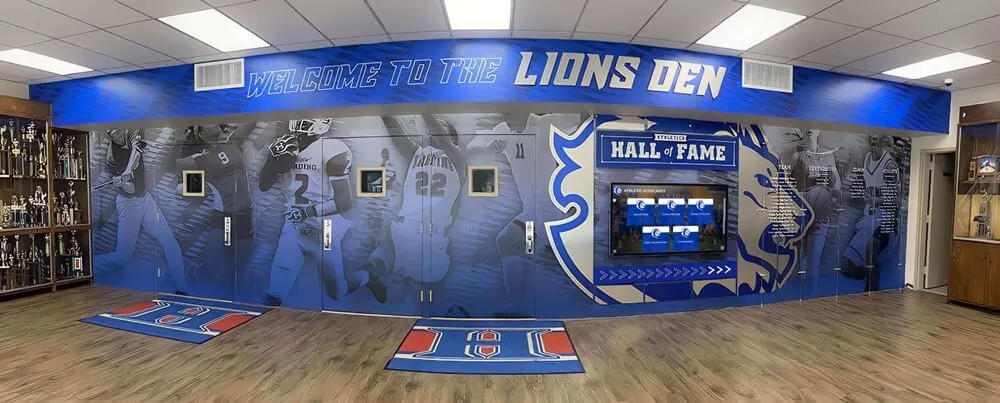
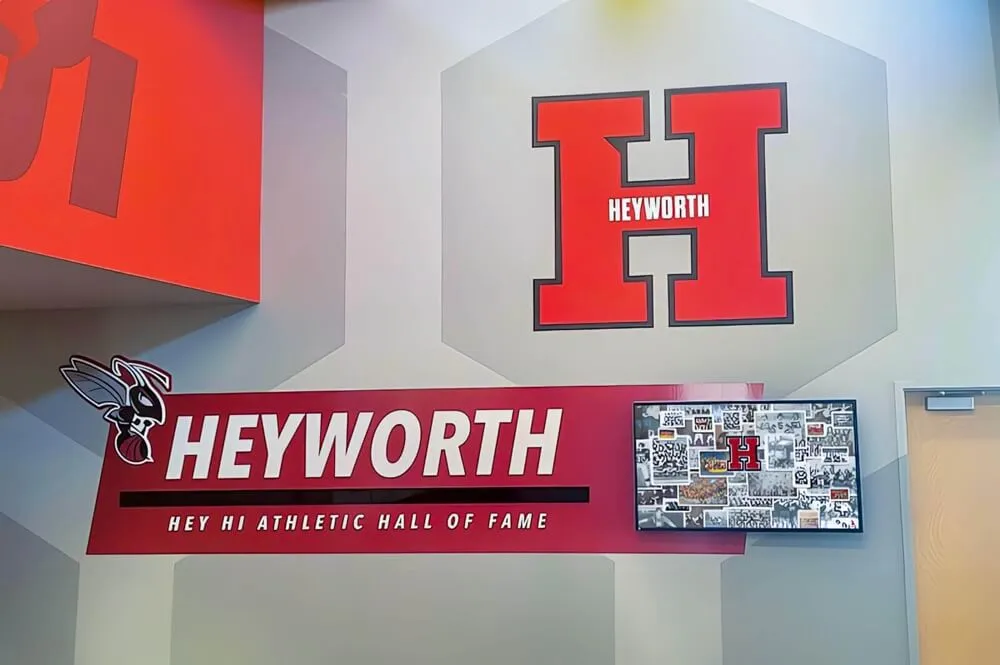
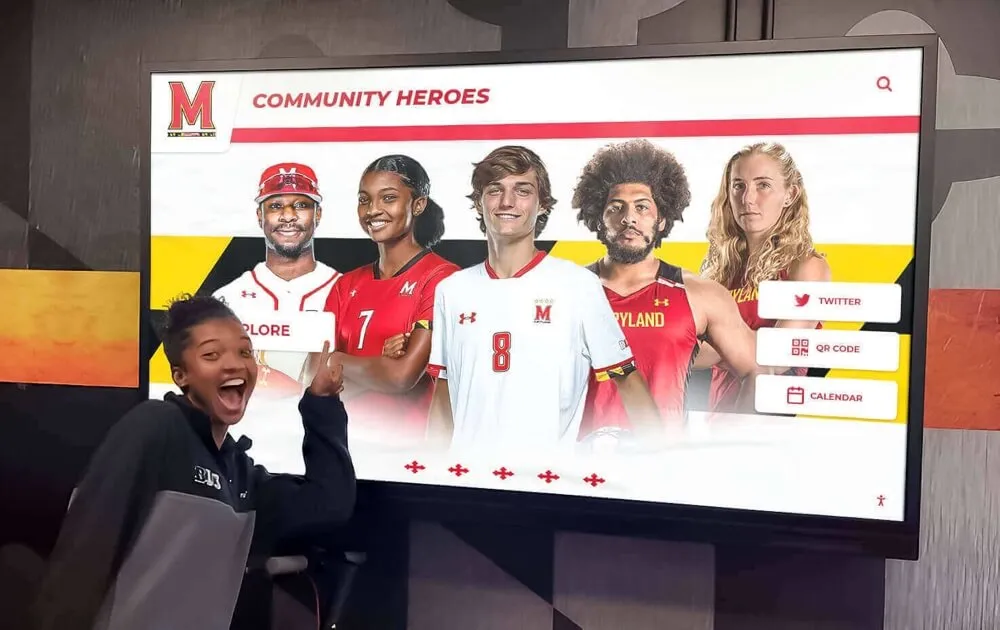
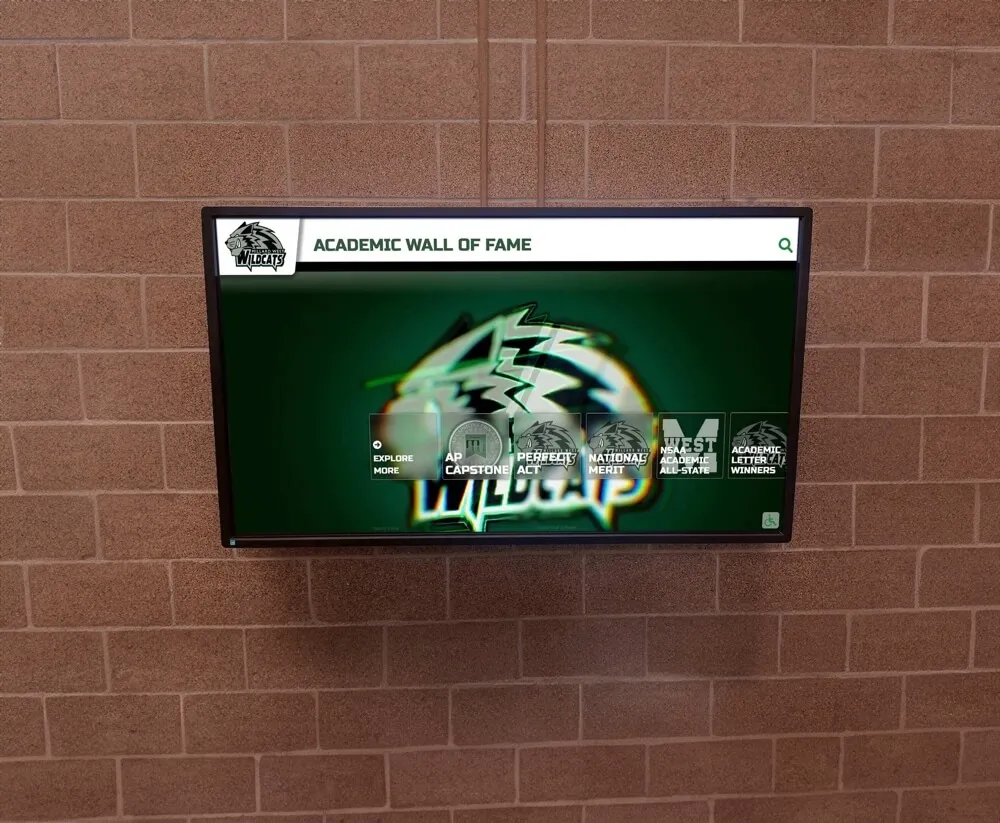
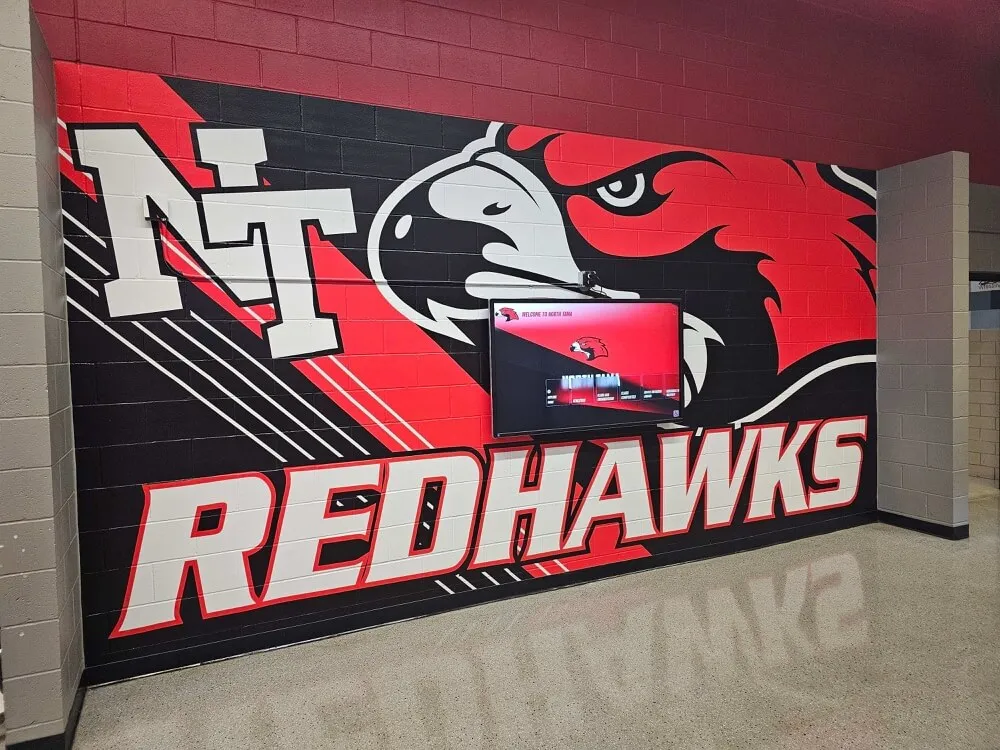
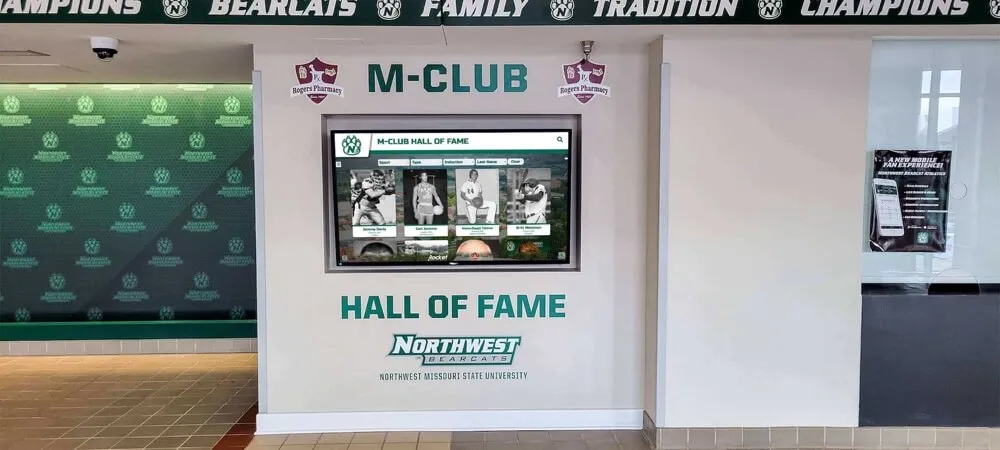
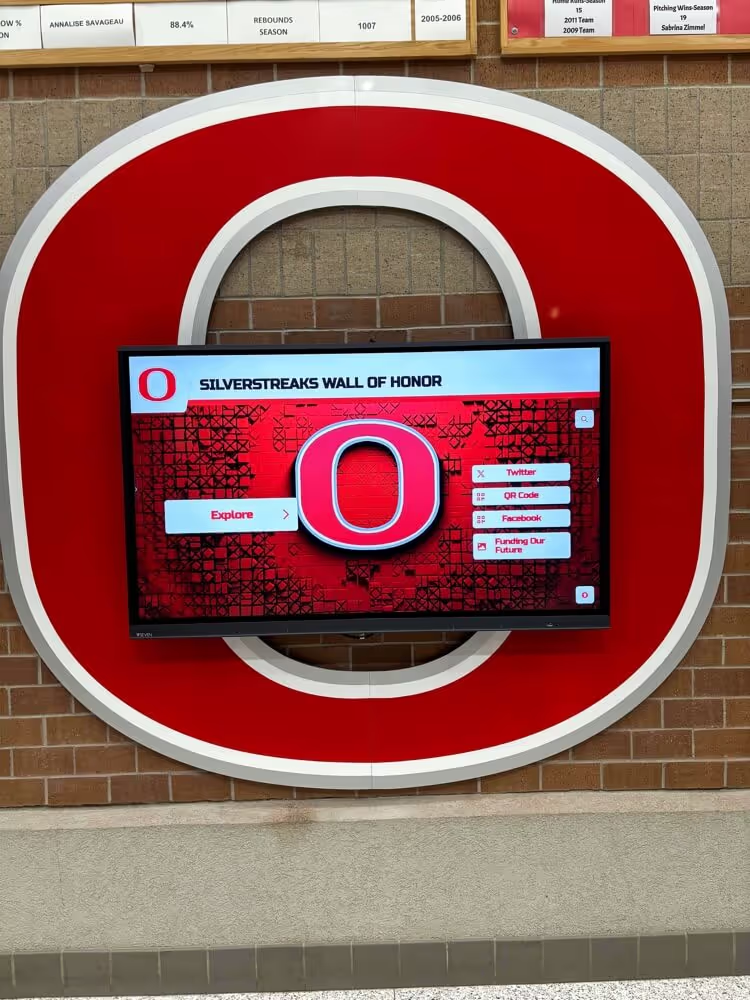
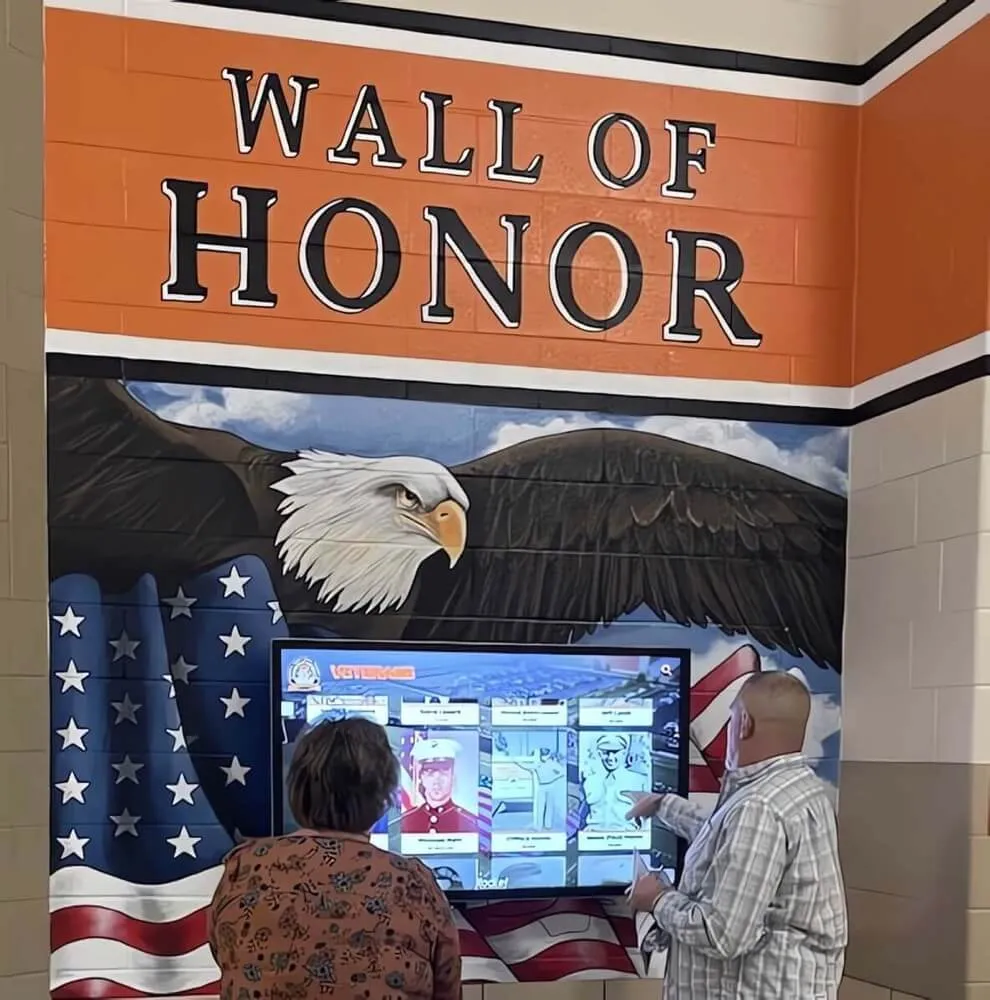
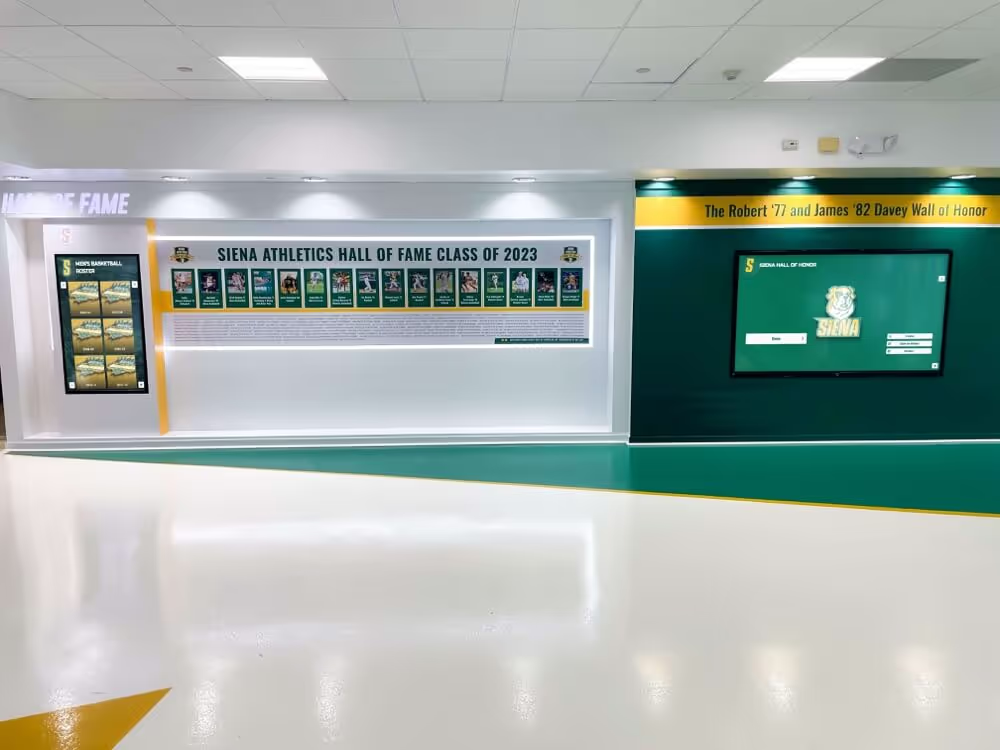
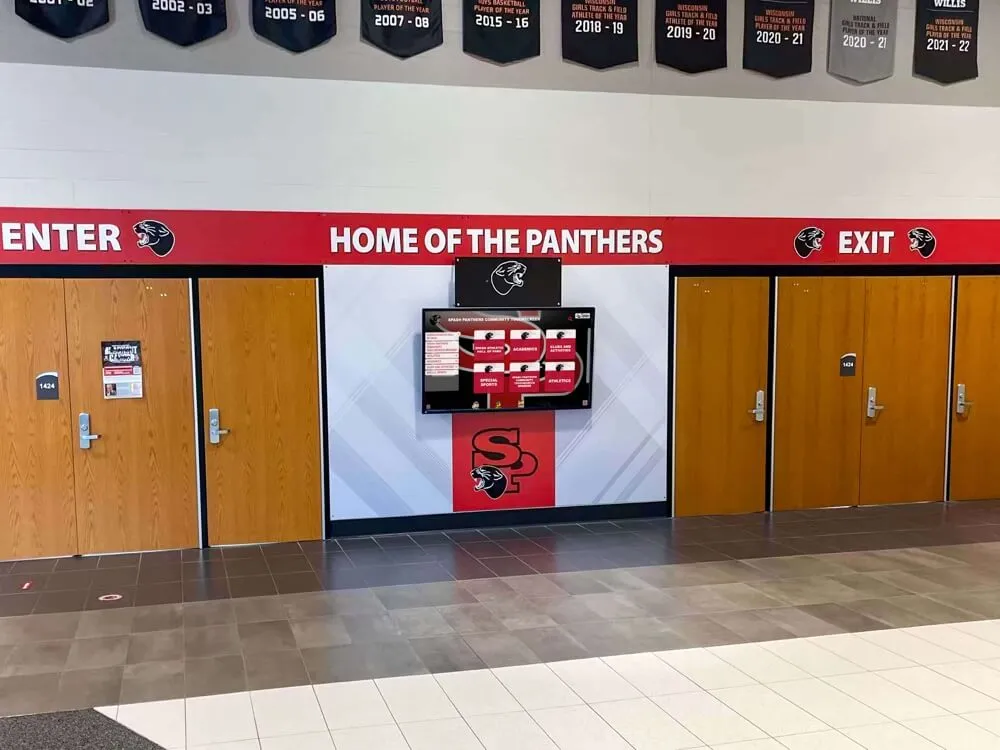
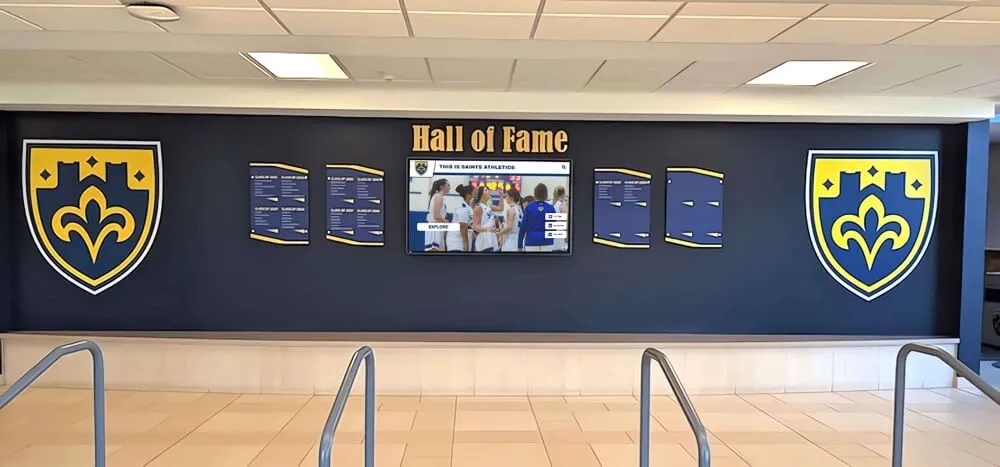
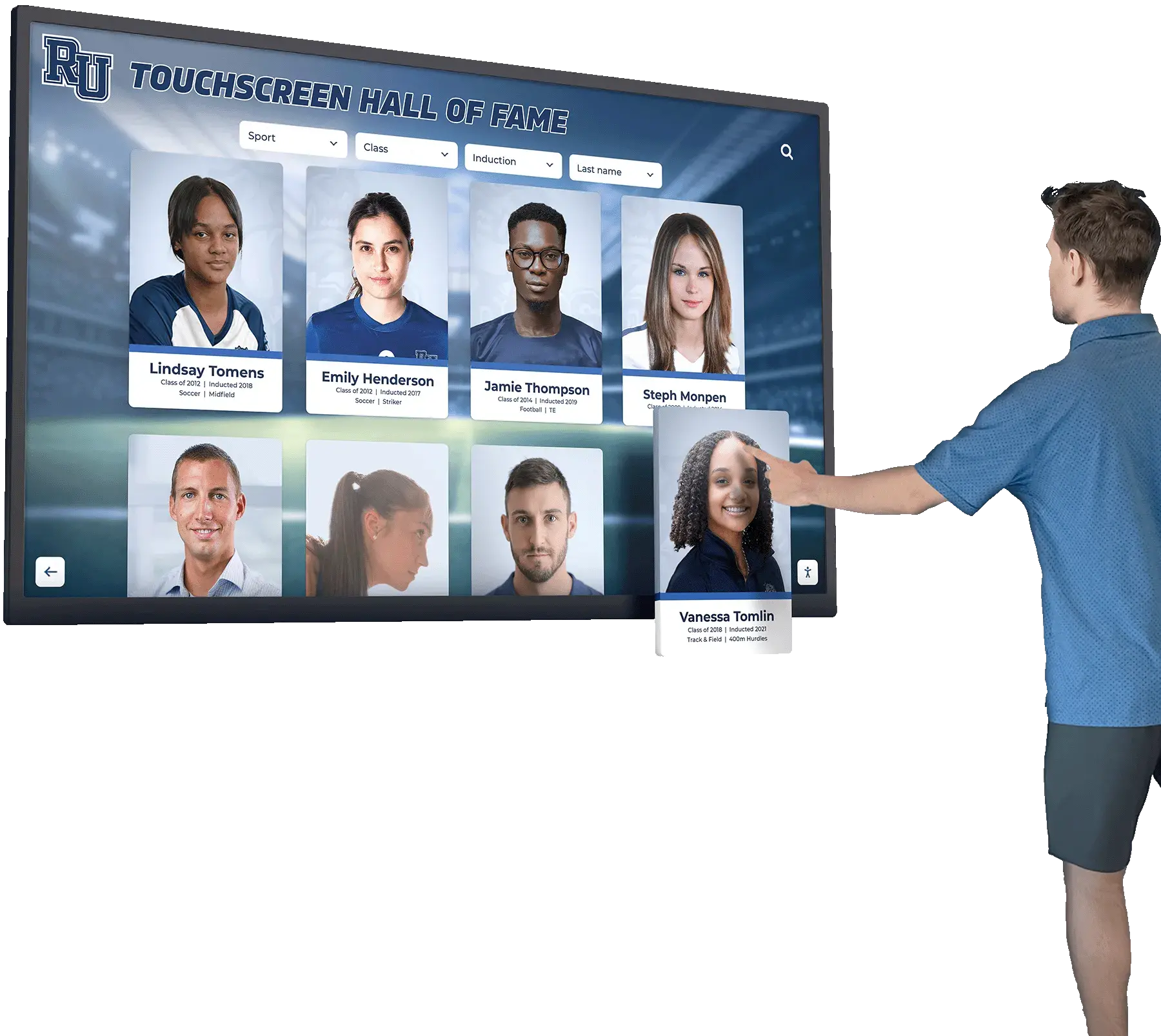
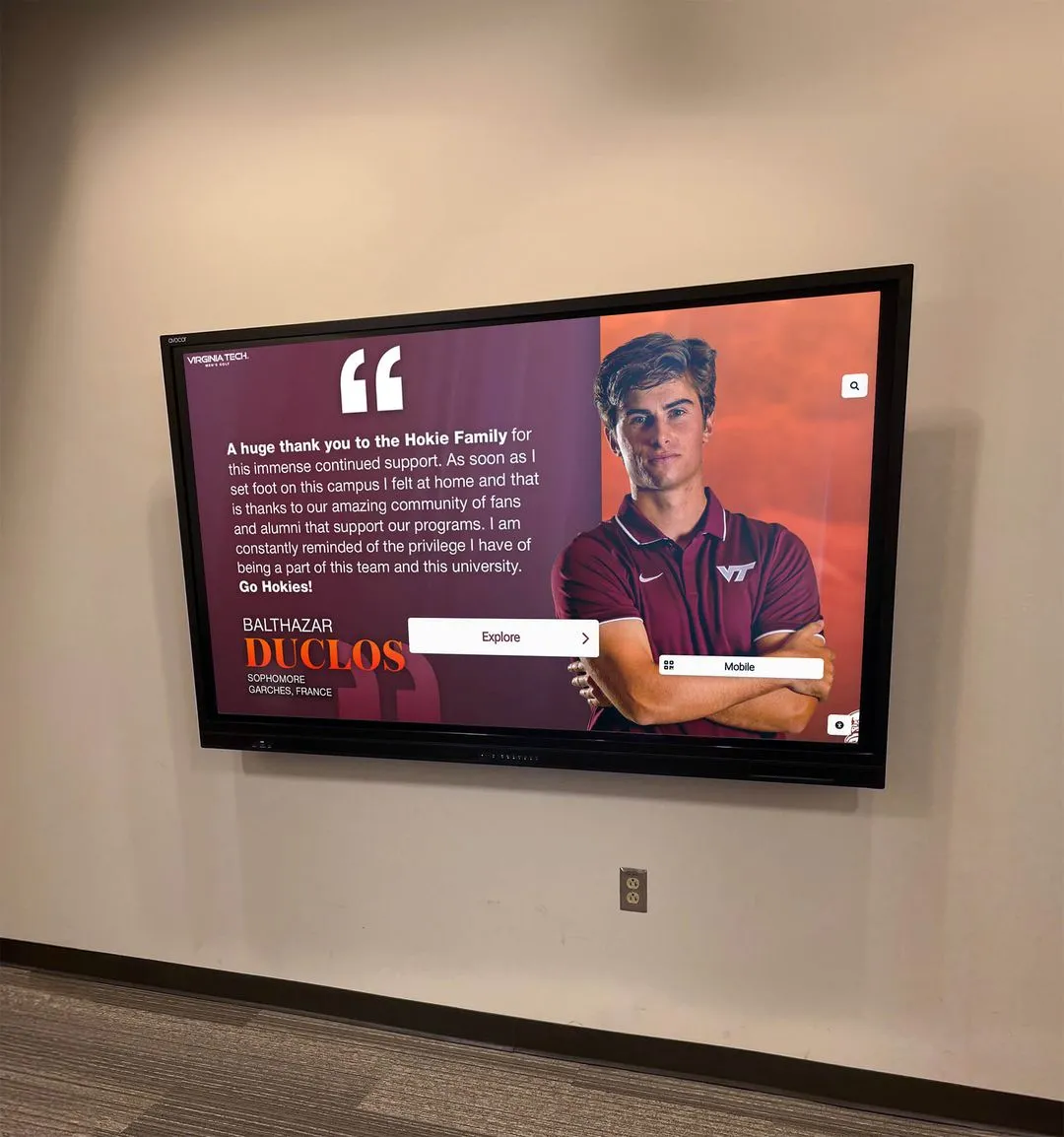
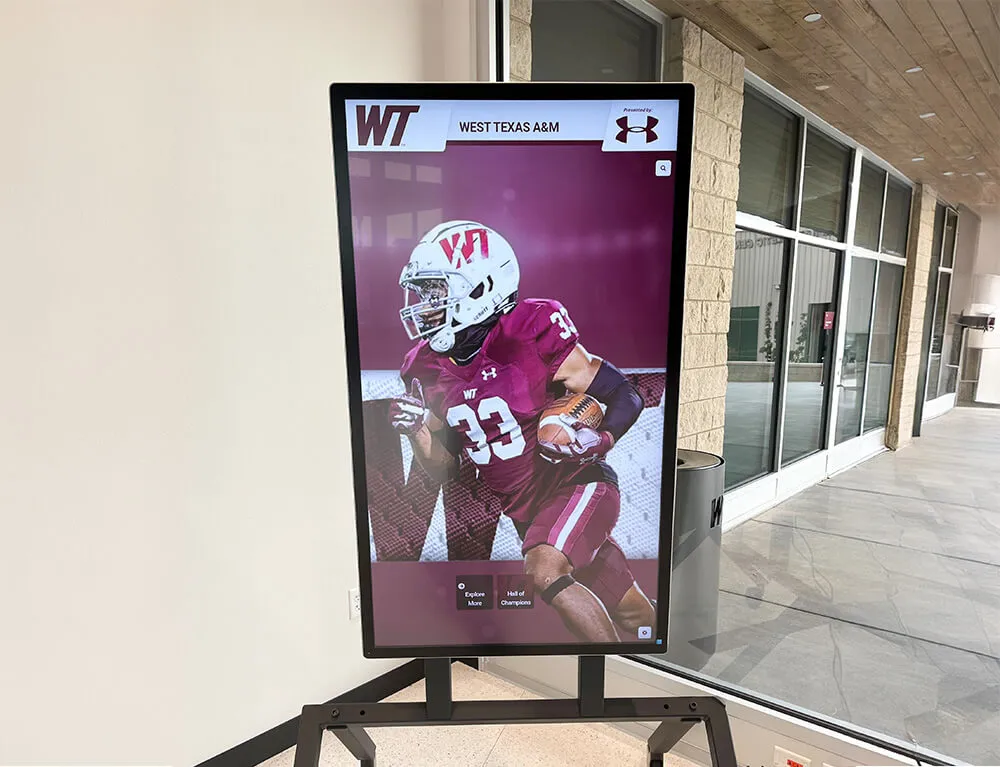
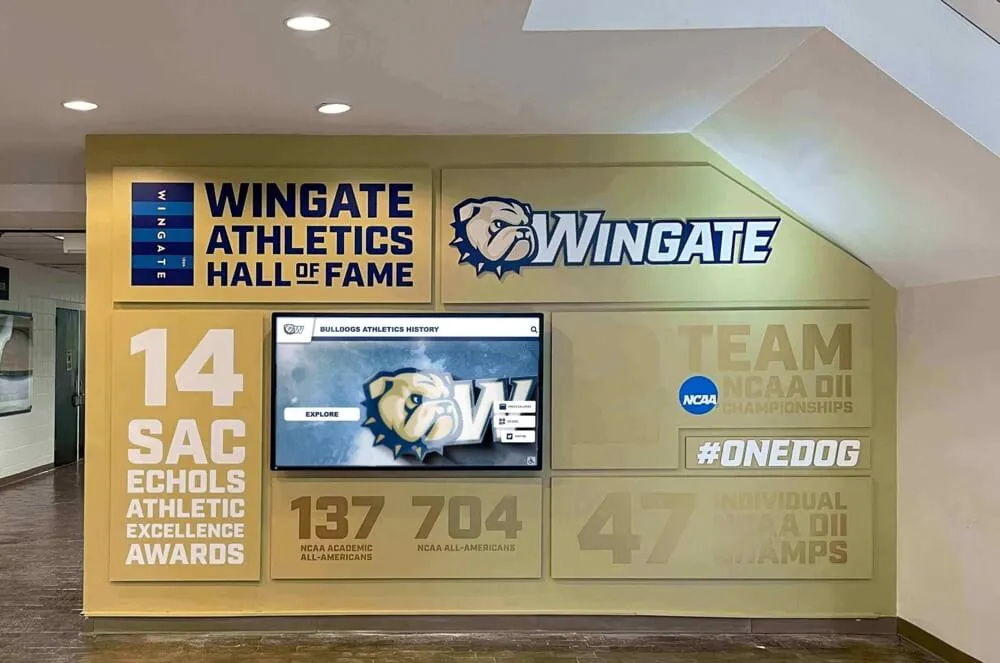
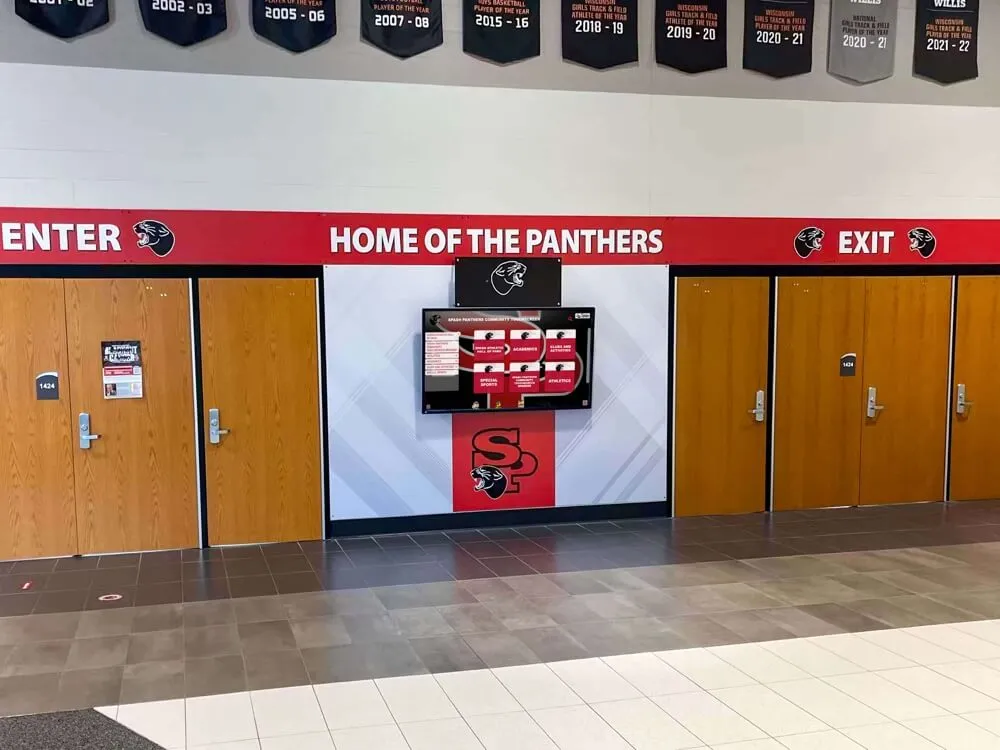
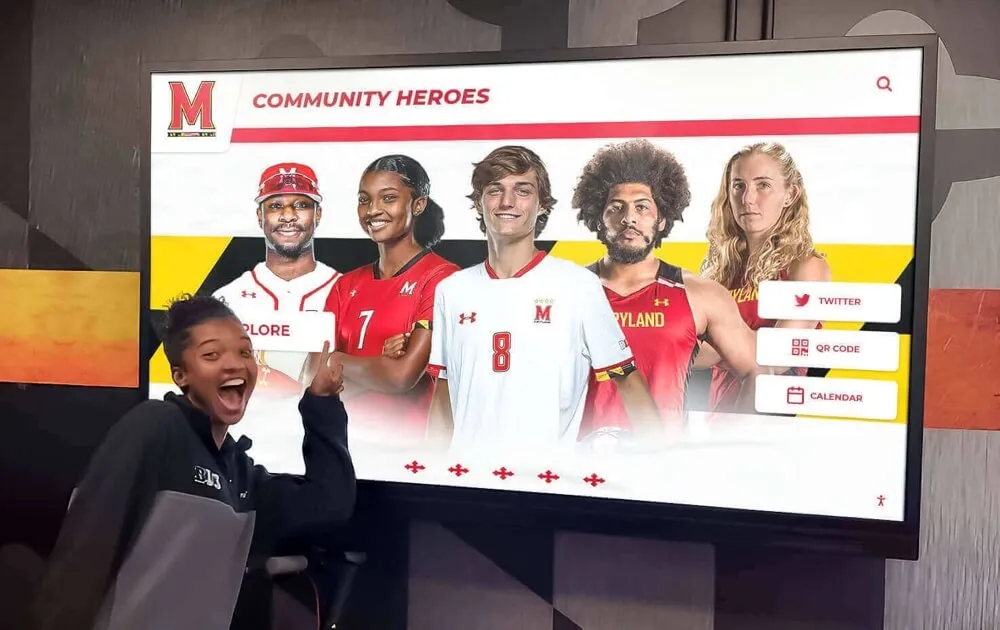
Digital Integration: Modern schools leverage technology to enhance homecoming through social media campaigns building anticipation, online voting for homecoming court or spirit day themes, digital photo booths and recognition displays capturing memories, and livestreaming events for alumni and community members unable to attend in person. Schools increasingly use interactive touchscreen displays to showcase homecoming traditions, past royalty, and historical moments throughout the week.
Diverse Recognition: Contemporary homecoming celebrations honor broader definitions of achievement and contribution. Schools recognize academic excellence, artistic accomplishment, community service, and leadership alongside athletic achievement, ensuring homecoming celebrates the full range of student talents.
Alumni Engagement Innovation: Modern schools use homecoming to strengthen alumni connections through sophisticated engagement programs that extend beyond a single football game. Multi-generational activities, alumni career panels, facility tours showcasing improvements, and digital alumni walls featuring graduates’ post-graduation achievements create more meaningful alumni participation.
Sustainability Considerations: Environmental awareness influences modern homecoming planning. Schools reduce waste through digital rather than paper announcements, reusable decorations replacing disposable materials, and sustainable parade float construction. Some schools have eliminated balloon releases and implemented recycling programs for homecoming week.
Gender and Identity Inclusivity: Progressive schools have restructured homecoming court traditions to be more inclusive of LGBTQ+ students, eliminating gendered categories, allowing students to run for any position regardless of gender identity, and sometimes renaming traditions entirely (such as “homecoming ambassadors” rather than “king and queen”).

Why Homecoming Endures: The Lasting Appeal
Despite significant changes over more than a century, homecoming remains central to American school culture. Several factors explain this remarkable durability:
Creating Shared Memory and Identity
Homecoming serves a crucial psychological and social function by creating concentrated shared experiences. When entire school communities participate in the same week of activities—spirit days, pep rallies, parades, games, and dances—they forge collective memories that become reference points for years afterward. These shared experiences strengthen school identity and give diverse individuals common ground.
Alumni returning for homecoming reconnect not just with specific people, but with formative experiences and younger versions of themselves. Walking through school hallways, attending games in familiar stadiums, and participating in traditions they remember creates powerful nostalgic connections that maintain lifelong bonds with educational institutions.
Bridging Generations
Homecoming uniquely brings together current students, recent graduates, middle-aged alumni, and elderly community members in shared celebration. This intergenerational connection serves important social functions by helping students see themselves as part of longer institutional stories extending before they arrived and continuing after they leave, giving alumni tangible ways to maintain connections with schools and communities, strengthening community cohesion by creating events where diverse age groups interact meaningfully, and preserving institutional memory as older generations share stories and traditions with younger participants.
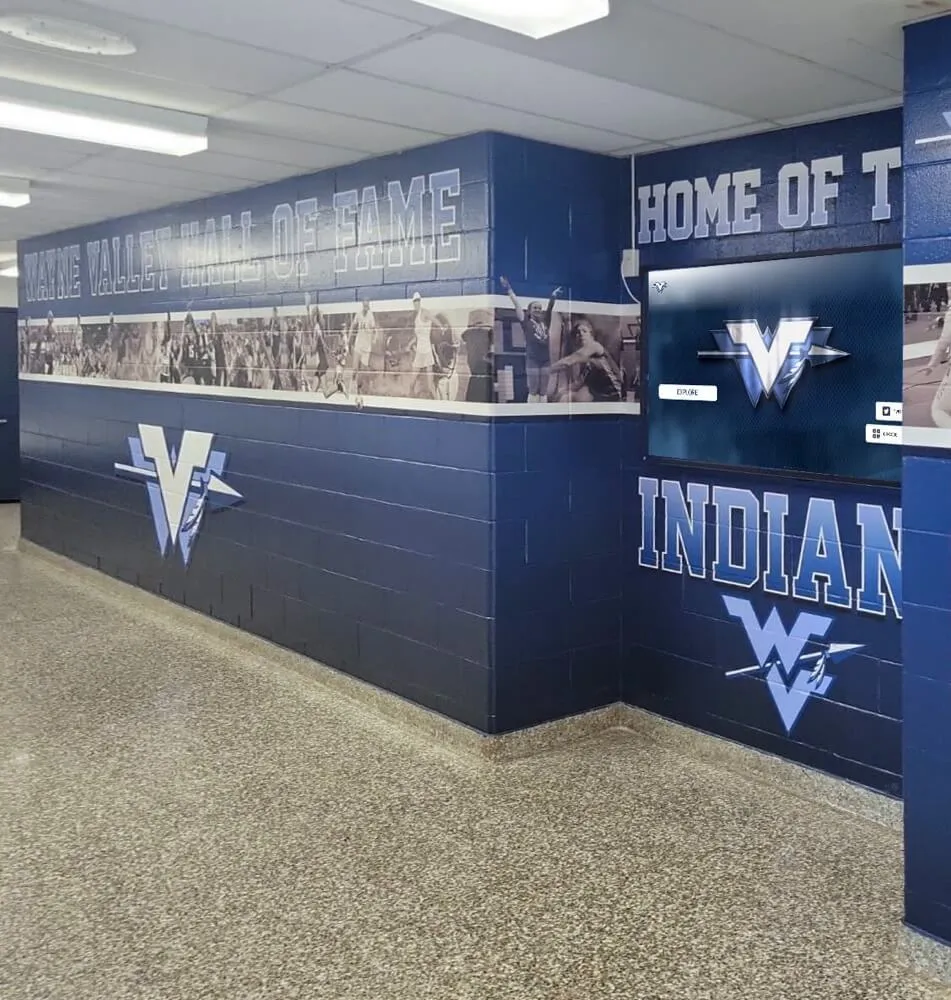
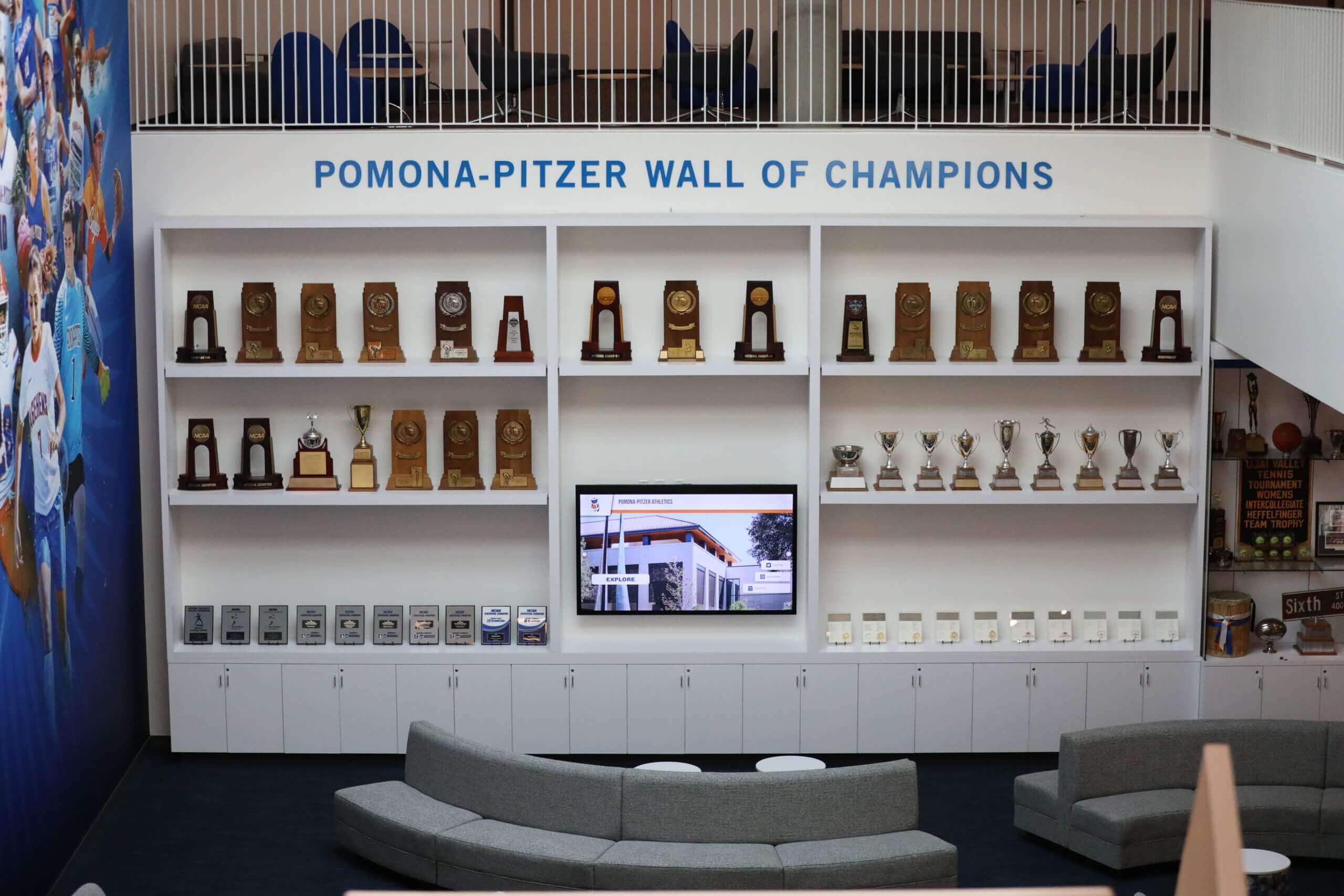
Schools increasingly leverage technology to strengthen these intergenerational connections. Digital walls showcasing school history allow current students to explore decades of yearbooks, team photos, and achievements, while alumni can see how traditions they started continue and evolved.
Celebrating Multiple Forms of Achievement
Modern homecoming’s expansion beyond purely athletic celebration strengthens its relevance. By recognizing academic achievement through honor roll displays, artistic accomplishment through performance showcases, and service through community recognition, homecoming becomes relevant to broader student populations.
This inclusivity ensures homecoming remains meaningful even as student interests diversify and fewer students participate in traditional athletics. A school band member, theater performer, academic decathlete, and football player can all find meaningful participation opportunities within homecoming week.
Providing Ritual and Structure
Humans create rituals to mark important passages, celebrate values, and provide structure to otherwise undifferentiated time. Homecoming functions as an annual ritual that marks the transition from summer to fall, early season to mid-season, and the beginning of the school year to its more established phase.
The predictable elements—spirit week, pep rallies, game day, coronation, dance—provide comforting structure and continuity even as specific details change. Students can anticipate homecoming, prepare for it, experience it, and then reminisce about it, creating a full ceremonial cycle that gives the school year rhythm and meaning.
Building School Spirit and Community Pride
Homecoming concentrates and amplifies school spirit in ways that regular school weeks cannot achieve. The compressed timeline of homecoming week—with daily dress-up themes, lunch-time activities, evening events, and building excitement toward Friday’s game—creates crescendos of enthusiasm that strengthen students’ emotional connections to their schools.
For communities, particularly smaller towns where high schools serve as primary community institutions, homecoming provides opportunities for collective pride and identity. Local businesses decorate windows in school colors, community members attend games even without direct student connections, and the entire town participates in celebrating shared institutions.
Homecoming in the 21st Century: Current Trends and Future Directions
As the history of homecoming continues unfolding, several trends are shaping how contemporary schools approach this traditional celebration:
Emphasis on Inclusivity and Belonging
Modern schools increasingly view homecoming through the lens of inclusive excellence—how can celebrations ensure every student feels welcomed, valued, and able to participate meaningfully? This drives changes including accessibility considerations ensuring students with disabilities can fully participate, financial accessibility through free events and reduced-cost options, cultural responsiveness acknowledging and celebrating diverse cultural backgrounds, and activity diversity offering varied participation options beyond traditional athletics and dance.
Schools that successfully modernize homecoming while preserving its core purposes create celebrations where traditionally marginalized students—whether due to socioeconomic status, learning differences, cultural backgrounds, or other factors—feel homecoming belongs to them as much as to any other student.
Balanced Tradition and Innovation
Successful contemporary homecoming celebrations balance preserving beloved traditions with introducing innovations that keep celebrations relevant. Schools maintain core elements that create continuity—alumni recognize the homecoming they return to as connected to the homecoming they remember—while updating elements that no longer serve current values or student populations.
This might mean keeping traditional parade routes and game day rituals while introducing new spirit week themes that reflect current student culture, maintaining homecoming court traditions but restructuring selection criteria toward leadership and service rather than popularity, or preserving alumni recognition elements while adding digital components that reach broader alumni audiences.
Community Partnership and Support
Schools recognize homecoming’s potential to strengthen community partnerships. Local businesses sponsor floats, provide parade prizes, or contribute to dance expenses. Community organizations participate in parades. Local government provides logistical support for road closures and safety. These partnerships reduce financial burdens on schools and families while strengthening connections between educational institutions and broader communities.
When executed well, these partnerships create value for all participants—schools gain financial and logistical support, businesses gain positive community visibility, students learn about community engagement, and communities strengthen connections with schools that serve as central institutions.
Preserving Homecoming History and Traditions
As homecoming celebrates its second century, schools increasingly recognize the value of documenting and preserving homecoming history for future generations:
Digital Archives and Recognition Systems
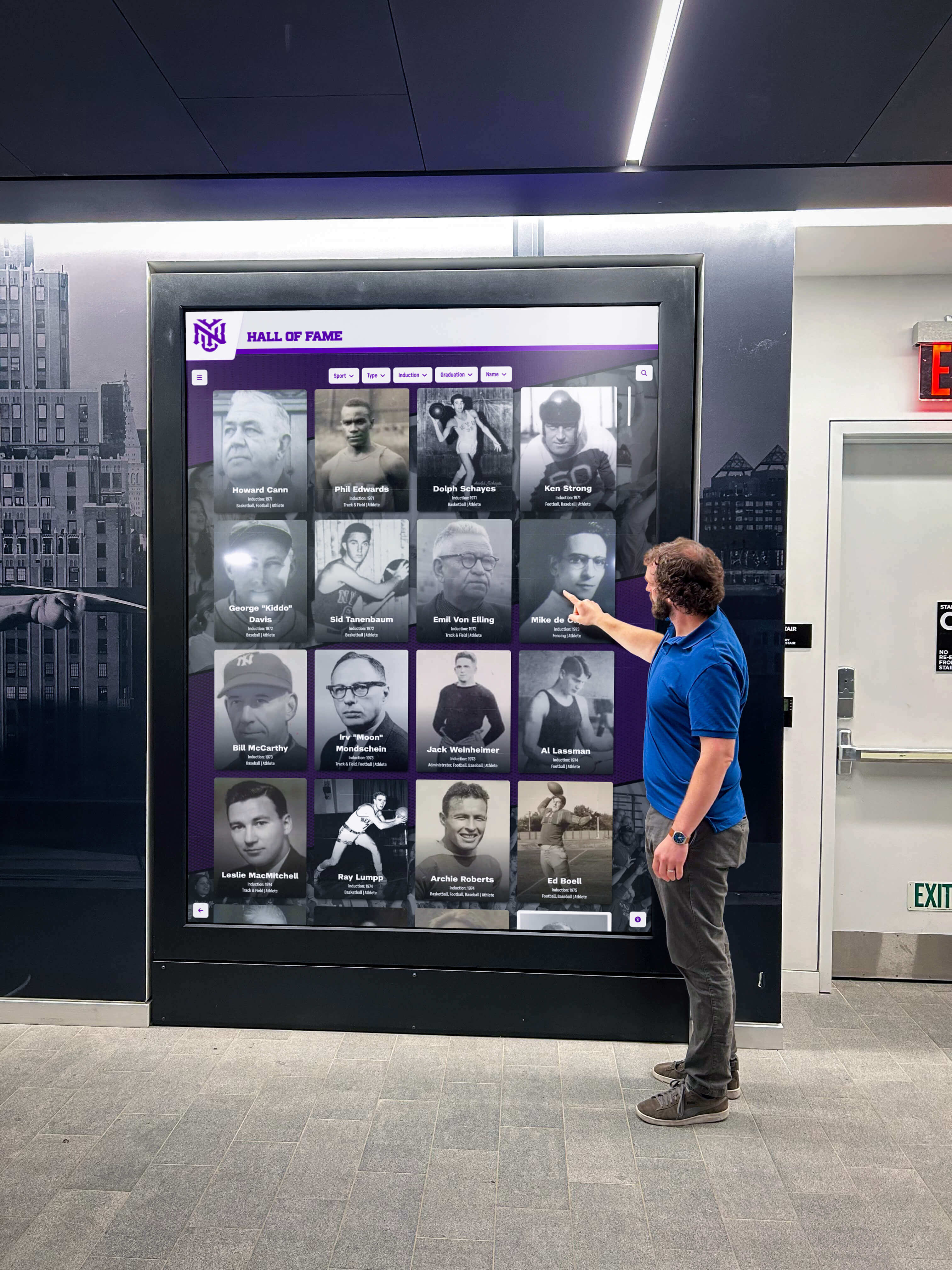
Modern technology enables schools to preserve homecoming history in ways previous generations couldn’t imagine. Schools implement digital archiving systems that preserve decades of homecoming programs, photographs, and memorabilia, interactive displays showcasing past homecoming courts, parade winners, and game results, video archives capturing ceremonies, performances, and celebrations, and searchable databases allowing alumni to find their own homecoming memories decades later.
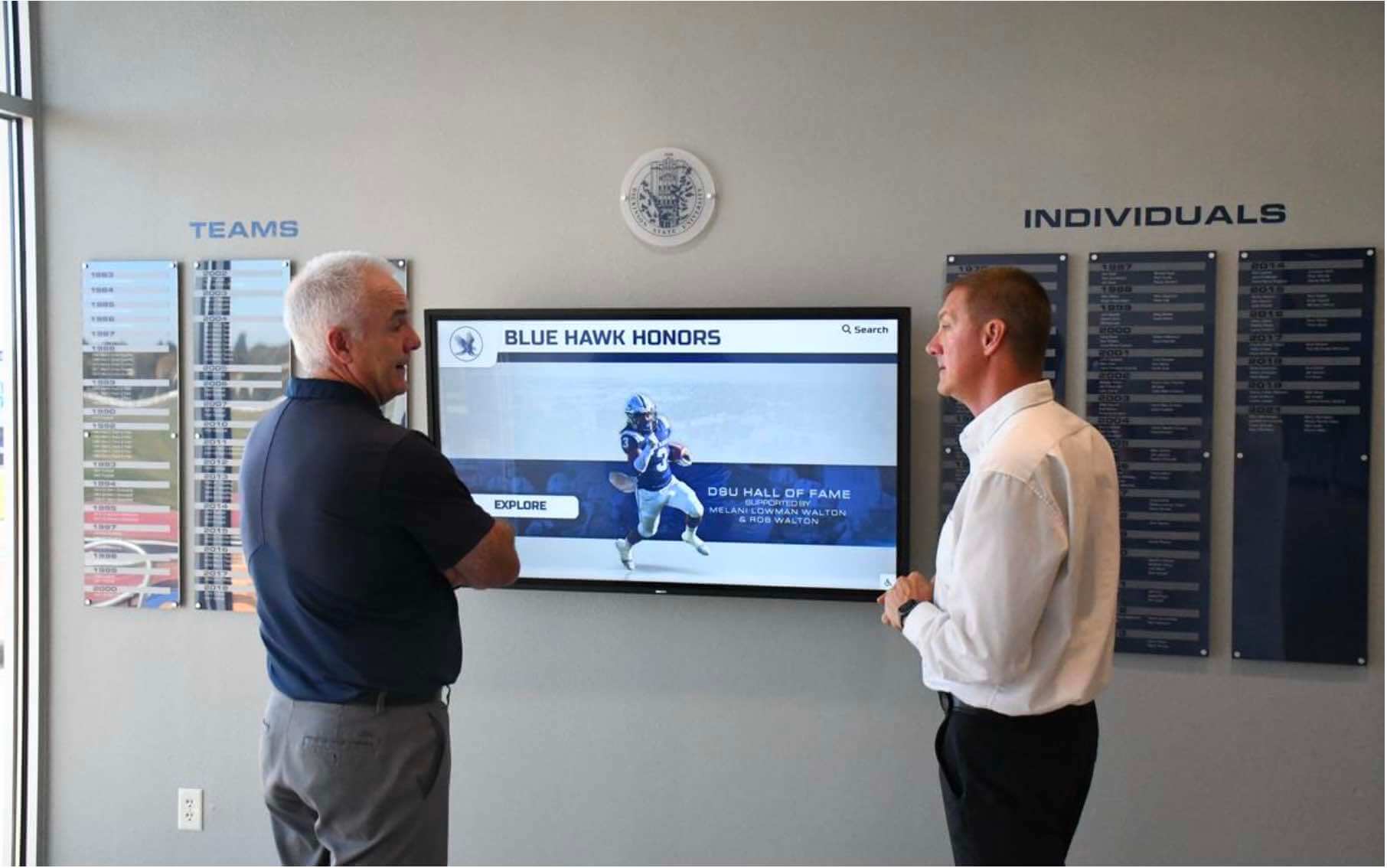
Solutions like those from Rocket Alumni Solutions enable schools to create permanent digital records of homecoming traditions through interactive touchscreen displays in school lobbies and halls. These systems showcase decades of homecoming history, allow alumni to search for their names and photos from their years, and create lasting connections between past and present students. By digitizing historical yearbooks, programs, and photographs, schools ensure homecoming memories remain accessible rather than deteriorating in storage or lost to time.
Oral History and Tradition Documentation
Beyond digital archives, schools preserve homecoming tradition through oral history interviews with long-time faculty and community members, documentation of how specific traditions started and evolved, written histories created by student researchers or local historians, and recognition of individuals who significantly shaped homecoming traditions over decades.
These efforts ensure institutional memory persists even as individuals who experienced early versions of traditions graduate, retire, or pass away. Future generations benefit from understanding not just what traditions exist, but why they started and how they evolved.
Creating New Traditions Worth Preserving
While preserving historical traditions matters, schools must also create new traditions that reflect current values and student experiences. Tomorrow’s alumni will feel strongest connections to homecoming traditions from their own era, not necessarily ones from decades before they arrived.
Schools balance tradition preservation with innovation by involving students in creating new traditions, documenting new traditions as thoroughly as historical ones, evaluating traditions regularly—keeping what serves students and communities, updating what doesn’t, and recognizing that the best traditions evolve rather than remaining static across decades.
The Deeper Meaning of Homecoming: More Than Just a Football Game
As we trace the history of homecoming from its modest college beginnings to the comprehensive celebrations of today, we see more than just the evolution of school events—we see how communities create meaning, maintain connections across generations, and build institutions that matter beyond their immediate practical purposes.
Homecoming endures because it serves fundamental human needs for belonging, memory, celebration, and connection. When a school invites alumni to “come home,” it acknowledges that educational institutions create bonds extending beyond graduation dates and transcripts. When students spend weeks planning parades, decorating hallways, and practicing performances, they invest in creating memories that will resonate throughout their lives. When entire communities gather to celebrate schools, they reaffirm that education matters and that the institutions serving young people deserve collective support and celebration.
The specific forms homecoming takes—whether parade routes, coronation ceremonies, or spirit week themes—matter less than the underlying purposes: honoring tradition while embracing the present, welcoming alumni while celebrating current students, creating joy and celebration in educational spaces, and building communities that extend beyond classroom walls.
As homecoming continues evolving through its second century, these core purposes will likely persist even as specific expressions change. The history of homecoming demonstrates that meaningful traditions adapt to changing contexts while maintaining the essential human connections that gave them purpose in the first place.
Conclusion: Homecoming’s Enduring Legacy
From a single college football game inviting alumni back to campus in 1911, homecoming has grown into one of the most significant and widely celebrated traditions in American education. Its evolution from alumni reunion to comprehensive community celebration reflects broader changes in American society, education, and culture over more than a century.
Today’s homecoming celebrations—with their digital integration, emphasis on inclusivity, and diverse recognition of achievement—look quite different from those early gatherings. Yet the fundamental purpose remains remarkably consistent: bringing people home to celebrate shared institutional identity, honor past achievement while inspiring future excellence, and strengthen the bonds connecting individuals to educational communities that shaped them.
As schools continue adapting homecoming to contemporary contexts while preserving its essential character, this tradition seems likely to remain central to American educational culture for generations to come. Whether through innovative digital displays showcasing homecoming history, expanded celebrations recognizing diverse achievement, or new traditions reflecting current student values, homecoming will continue evolving while maintaining its core purpose of bringing people home to institutions that matter.
Understanding the history of homecoming helps us appreciate not just a beloved tradition, but the deeper human needs for connection, celebration, memory, and belonging that make traditions meaningful in the first place. As long as schools serve as institutions creating lasting bonds between individuals and communities, homecoming—in whatever form it takes—will remain a vital celebration of those enduring connections.
Ready to preserve your school’s homecoming traditions for future generations? Rocket Alumni Solutions creates interactive digital displays that showcase decades of homecoming history, honor past royalty and champions, and help current students connect with traditions that span generations. Our touchscreen solutions make your school’s rich homecoming history accessible, engaging, and permanent—ensuring today’s celebrations become tomorrow’s cherished memories.