



Key Takeaways
Comprehensive guide to highlighting famous alumni at schools and universities. Learn proven strategies for showcasing distinguished graduates through modern digital recognition displays and engagement programs.
Why Highlighting Famous Alumni Matters More Than Ever
In an increasingly competitive educational landscape, demonstrating tangible graduate outcomes has never been more important. Families researching educational options actively seek evidence that investments in education translate to meaningful career success and life fulfillment.
The Impact on Student Motivation and Aspiration
Current students benefit immensely from visible examples of what alumni have achieved. When students see graduates succeeding in fields that interest them, aspirations transform from abstract possibilities into achievable goals with clear educational pathways.
Research consistently shows that students who interact with accomplished alumni—whether through digital recognition displays, mentorship programs, or alumni spotlight content—demonstrate higher academic engagement, clearer career direction, and stronger institutional connection throughout their educational journey. Distinguished alumni serve as tangible proof that educational experiences prepare students for meaningful careers and fulfilling lives.
When a computer science student discovers an alumnus who founded a successful technology company, that connection makes entrepreneurial aspirations feel attainable. When an aspiring teacher learns about a graduate who became a nationally recognized education leader, that path becomes more concrete. Famous alumni transform abstract career possibilities into roadmaps students can actually follow.
Strengthening Recruitment and Admissions Outcomes
Prospective students and their families make enrollment decisions based on multiple factors, but graduate outcomes rank consistently among the most influential criteria. According to research from the National Association of College Admission Counseling, families increasingly prioritize evidence of career preparation and alumni success when evaluating educational options.
Schools that effectively showcase famous alumni provide compelling evidence of educational quality and long-term value. When campus tours include interactive displays featuring accomplished graduates, when admissions materials highlight distinguished alumni achievements, and when prospective families discover notable graduates in their intended career fields, enrollment decisions shift significantly. The visibility of famous alumni directly influences yield rates among accepted students comparing multiple institutional options.
Enhancing Institutional Reputation and Brand Value
An institution’s reputation rests significantly on the accomplishments of its graduates. Universities with multiple Nobel laureates, companies founded by alumni entrepreneurs, or distinguished public servants among their graduates benefit from reflected prestige that elevates overall institutional standing.
Systematic programs highlighting famous alumni ensure these accomplishments remain visible to all stakeholder audiences—current students, prospective families, potential donors, community members, and media outlets. Rather than relying on occasional mentions when alumni achieve major milestones, structured recognition programs maintain consistent visibility that builds lasting reputation over time.
Driving Alumni Engagement and Philanthropic Support
Recognition creates reciprocal relationships. Alumni who feel valued and celebrated by their alma mater maintain stronger emotional connections and demonstrate higher engagement across multiple dimensions including event attendance, volunteer participation, mentorship involvement, and philanthropic giving.
Research on donor behavior consistently demonstrates that recognized alumni give at significantly higher rates than unrecognized peers. When institutions systematically celebrate alumni achievements through visible recognition programs, those featured graduates often become the institution’s most loyal advocates and generous supporters. The act of recognition triggers gratitude and renewed connection that frequently translates to sustained engagement and increased giving.
Strategic Framework: Planning Comprehensive Alumni Recognition Programs
Successful programs for highlighting famous alumni begin with clear objectives, realistic resource assessment, and structured planning that ensures sustainability beyond initial enthusiasm.
Defining Program Objectives and Success Criteria
Different institutions emphasize different priorities when highlighting famous alumni. Explicitly defining primary objectives shapes selection criteria, content approach, distribution strategy, and measurement frameworks.
Common Recognition Objectives:
Student Inspiration and Career Development: Programs focused on student benefit emphasize diverse career paths, actionable advice, mentorship availability, and internship opportunities. Content highlights how educational experiences translated to career success, providing students with tangible roadmaps they can follow.
Recruitment and Admissions Support: Recognition programs serving admissions priorities feature recent graduates demonstrating contemporary career outcomes, diverse fields reflecting varied student interests, geographic distribution showing success across regions, and compelling storytelling that resonates with prospective families.
Alumni Engagement and Fundraising: When engagement drives recognition priorities, programs feature major donors, giving society members, volunteer leaders, and prospects for cultivation—celebrating service alongside professional achievement while strengthening relationships that support advancement objectives.
Institutional Reputation and Brand Building: Programs emphasizing reputation focus on highest-profile alumni, exceptional achievements that generate media attention, concentration in prestigious fields, and accomplishments that reflect institutional values and mission.
Community Building and Pride: Recognition can strengthen overall institutional culture by celebrating students helping students, demonstrating values through varied achievements, creating visible traditions connecting generations, and reinforcing that the institution produces graduates who contribute meaningfully to society.
Most comprehensive programs balance multiple objectives, but clarity about primary priorities informs countless implementation decisions and helps maintain focus when resource constraints force difficult choices.
Establishing Selection Criteria for Featured Alumni
Thoughtful selection criteria ensure program credibility, diverse representation, and sustained community interest across graduation cohorts and achievement types.
Achievement Significance
Consider career distinction within specific fields, innovation or pioneering contributions, awards and honors from recognized organizations, leadership positions in respected institutions, and positive societal impact through professional work or service
Institutional Connection
Evaluate how graduates credit institutional experiences, involvement during student years, ongoing engagement as alumni, willingness to support current students, and authentic connection to institutional values and mission
Representation Balance
Ensure diversity across graduation decades, academic programs and majors, career fields and industries, demographic backgrounds, and achievement types beyond traditional success metrics
Student Relevance
Prioritize alumni in fields current students pursue, graduates who offer practical career guidance, accessible paths that students can reasonably follow, and stories that resonate with contemporary student experiences
The strongest programs rotate selection criteria systematically rather than choosing based solely on prominence or convenience. A structured approach might feature recent graduates showing early career promise, established professionals at career peaks, distinguished senior achievements representing lifetime contributions, and varied fields ensuring all students see relevant examples.
Budget and Resource Planning
Alumni recognition programs scale to fit available resources, from volunteer-driven efforts to professionally produced comprehensive initiatives.
Essential Resource Allocation:
- Staff time for coordination and content management (10-20 hours monthly)
- Technology infrastructure for display and distribution
- Content development including writing and editing
- Photography and multimedia production when needed
- Ongoing maintenance and updates
- Promotion and distribution across channels
Schools implementing comprehensive recognition programs benefit significantly from working with experienced providers like Rocket Alumni Solutions, which offer integrated platforms specifically designed for alumni recognition. These solutions streamline implementation while ensuring professional presentation that reflects well on featured alumni and institutional commitment to celebrating graduate success.
Identification Strategies: Finding Alumni Worth Highlighting
Many institutions possess distinguished alumni they haven’t yet discovered or fully appreciated. Systematic identification strategies ensure comprehensive awareness of graduate achievements worthy of celebration.
Internal Database Research and Mining
Alumni databases contain valuable information often underutilized for recognition purposes. Structured database analysis reveals accomplishments hiding in plain sight.
Database Fields Indicating Distinction:
- Current position titles suggesting senior leadership
- Employer names indicating prestigious organizations
- Career progression patterns showing advancement
- Self-reported achievements and honors
- Volunteer activities demonstrating commitment
- Giving history reflecting capacity and loyalty
- Event attendance patterns showing engagement
- Survey responses revealing unreported accomplishments
Regular database reviews using these criteria identify recognition candidates systematically rather than relying on institutional memory or chance discovery. Many notable alumni never explicitly share achievements unless specifically asked or discovered through research.
Media Monitoring and News Tracking
Alumni frequently appear in media coverage—industry publications, local newspapers, national outlets, and specialized press—yet institutions miss these mentions without systematic monitoring.
Effective Media Tracking Approaches:
- Google Alerts configured for institutional name and variations
- Social media monitoring for alumni mentions
- Industry publication review in major career fields
- Local news tracking in regions with alumni concentration
- LinkedIn activity monitoring showing promotions and honors
- Professional association award announcements
- Patent and publication databases for research achievements
- Sports media coverage for athletic accomplishments
Media monitoring provides two benefits: discovering alumni achievements worthy of recognition and identifying timely opportunities for outreach when alumni experience career milestones and might be particularly receptive to institutional connection.
Nomination and Recommendation Programs
Peers often recognize distinction before institutions do. Structured nomination programs leverage community knowledge to identify remarkable alumni who might not appear in traditional tracking.
Create accessible nomination processes allowing faculty to recommend notable graduates from their programs, alumni to nominate accomplished peers, students to suggest alumni they’ve discovered through networking, staff to identify distinguished contacts from their interactions, and community members to highlight local alumni making impact.
Nomination forms should request specific achievement details, contact information, relationship to nominee, and rationale for recognition. This structured approach ensures sufficient information for evaluation while making nomination easy enough that busy individuals actually complete the process.
Advancement and Development Office Intelligence
Development professionals conducting prospect research routinely discover impressive alumni accomplishments while evaluating philanthropic capacity. Coordination between advancement and alumni relations ensures recognition programs benefit from this research.
Regular communication between teams identifies alumni whose careers merit celebration beyond their donor potential. Many highly accomplished alumni lack financial capacity for major gifts but offer tremendous value through visibility, mentorship, or volunteer service. Recognition programs should celebrate varied contributions rather than only featuring wealthy alumni.
Recognition Formats: How to Showcase Famous Alumni Effectively
Modern institutions employ multiple recognition formats, each serving different purposes and reaching different audiences. The most effective approaches integrate multiple channels creating comprehensive recognition ecosystems.
Interactive Digital Recognition Displays
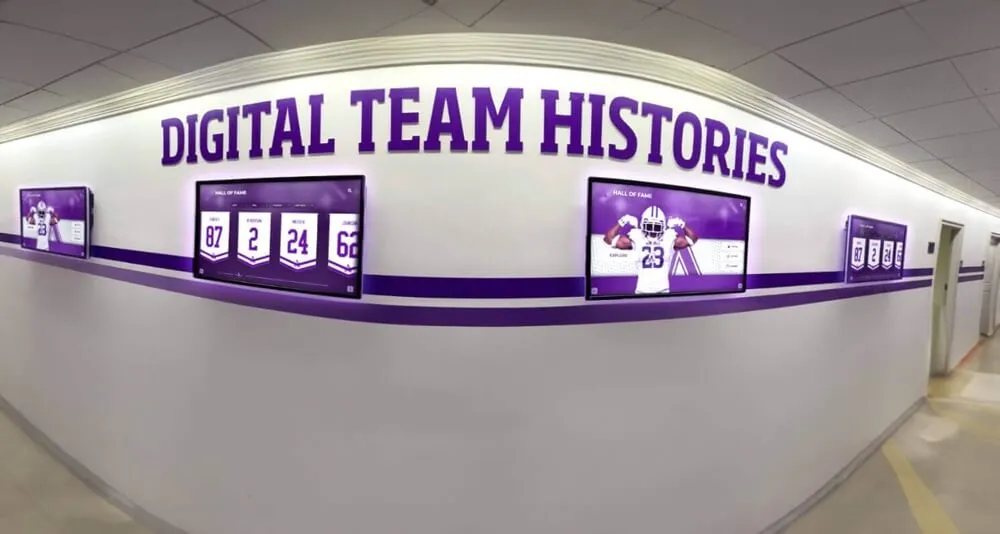
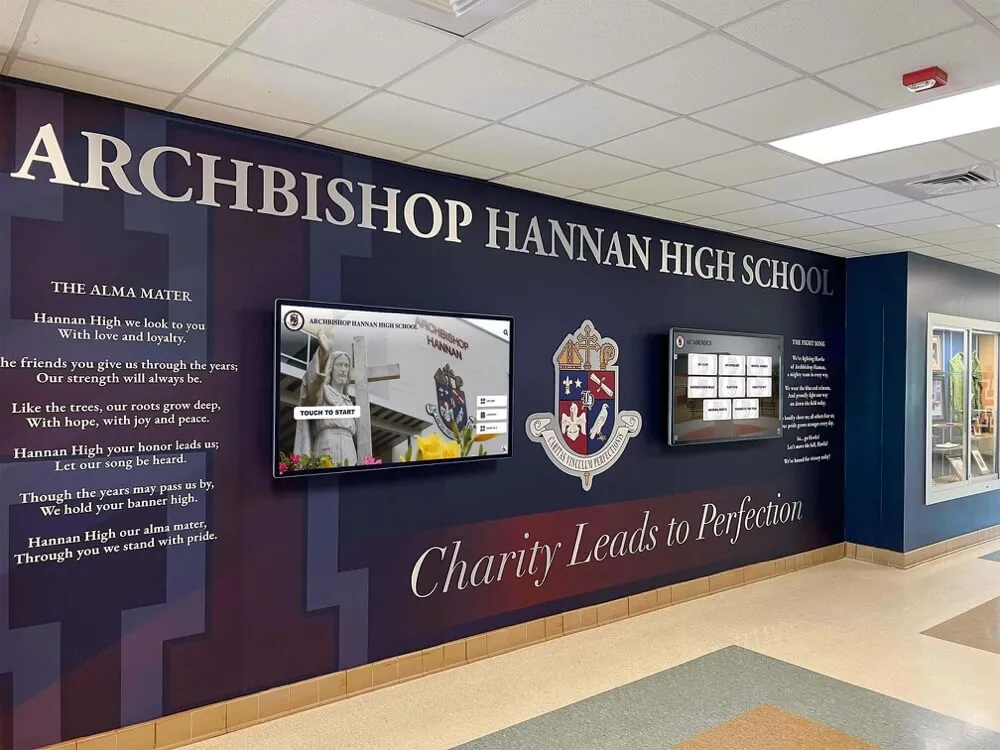
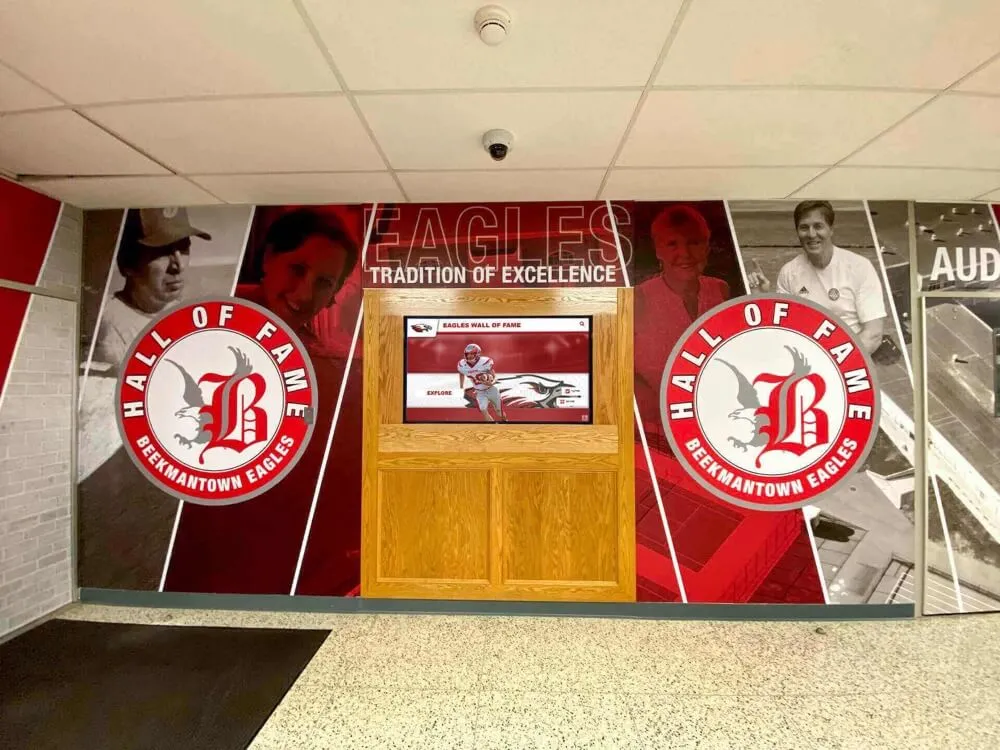
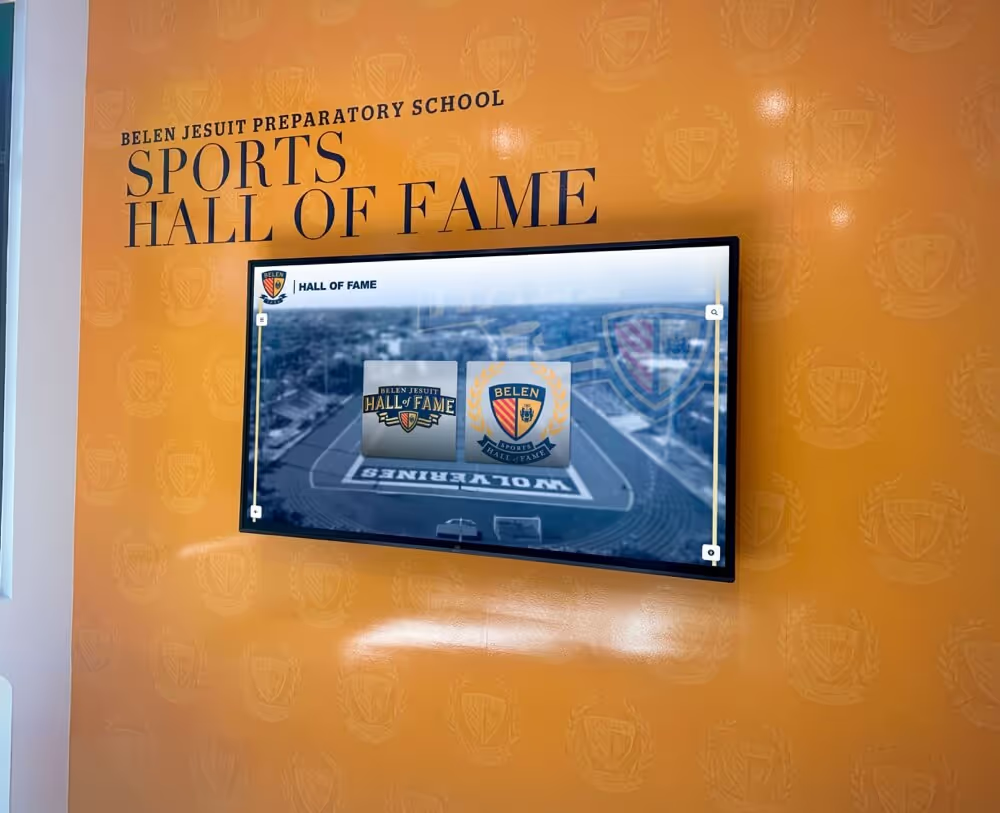
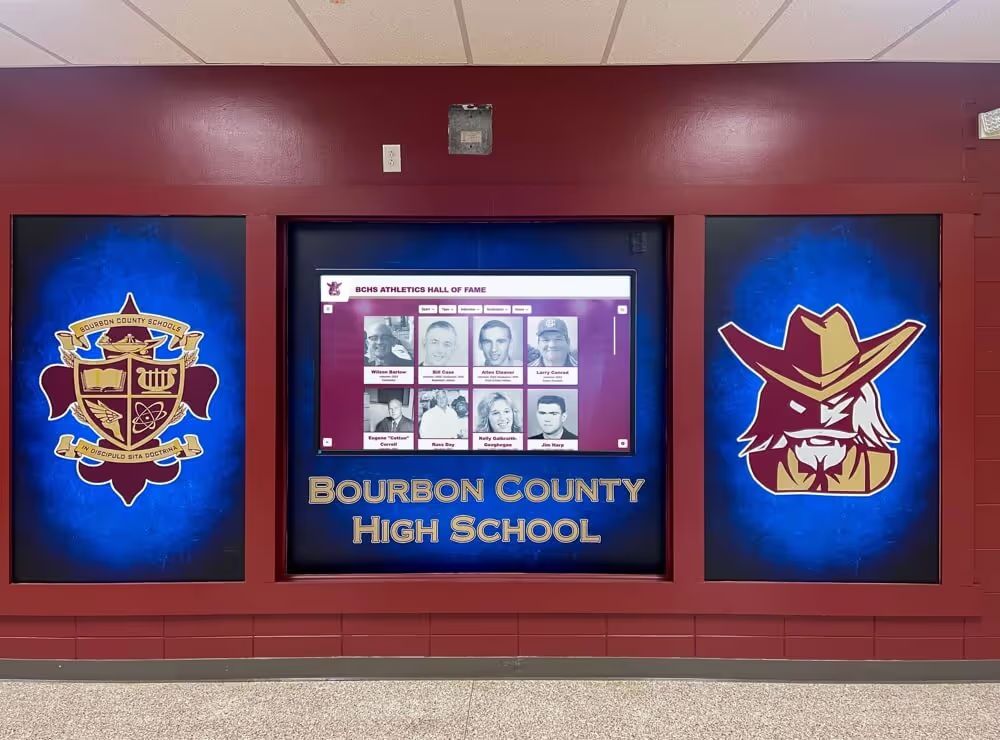
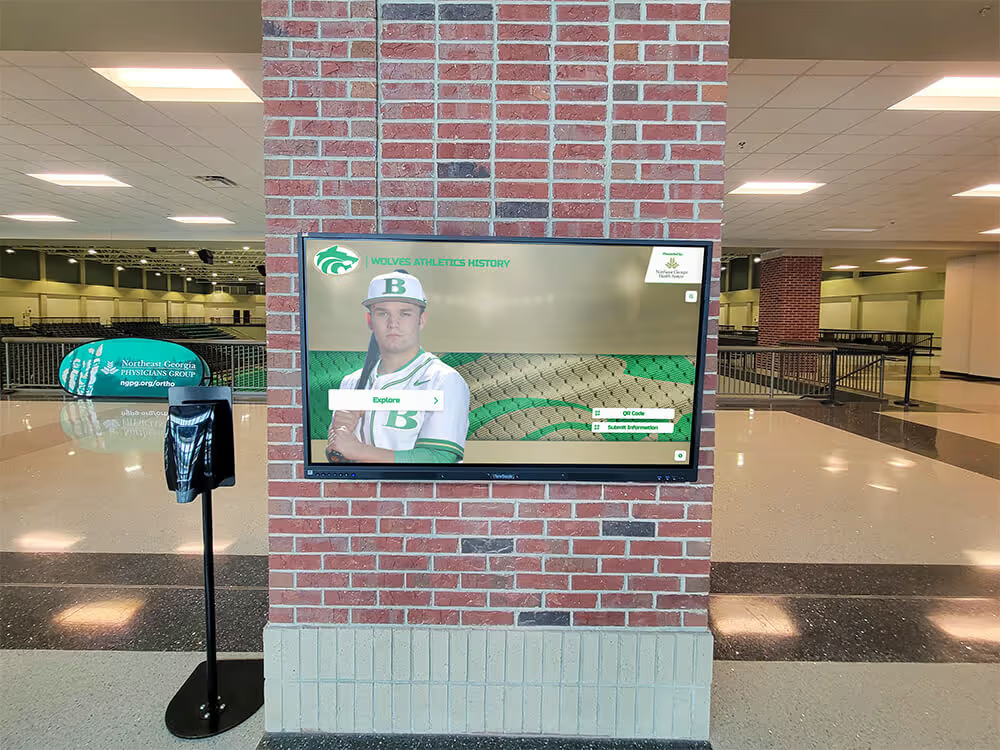
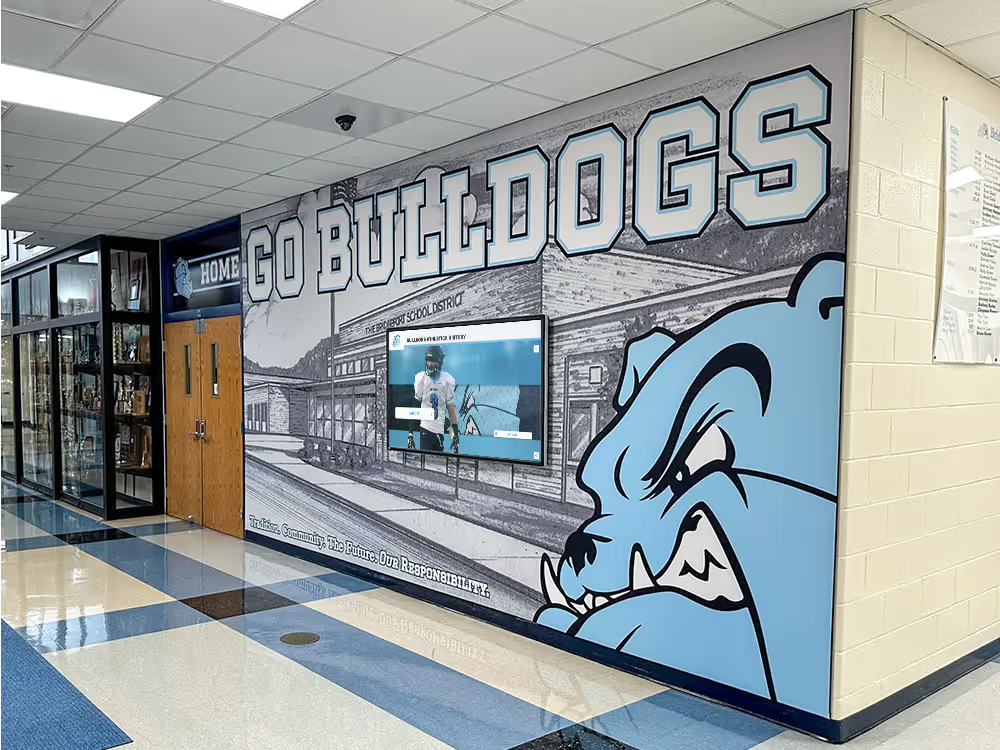
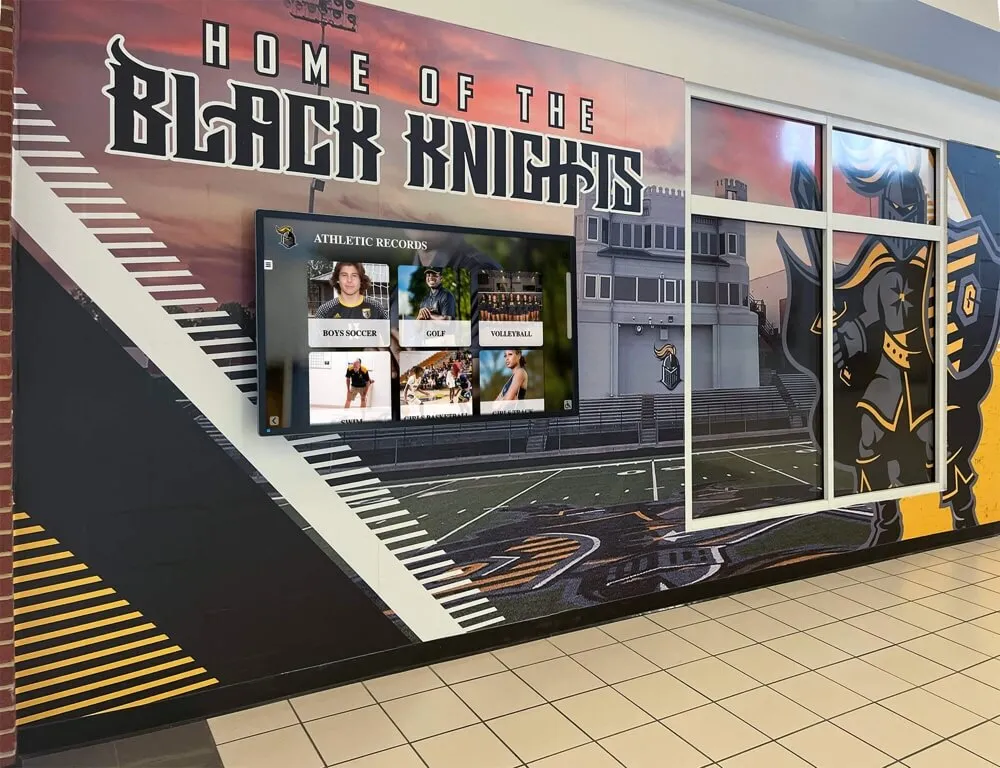
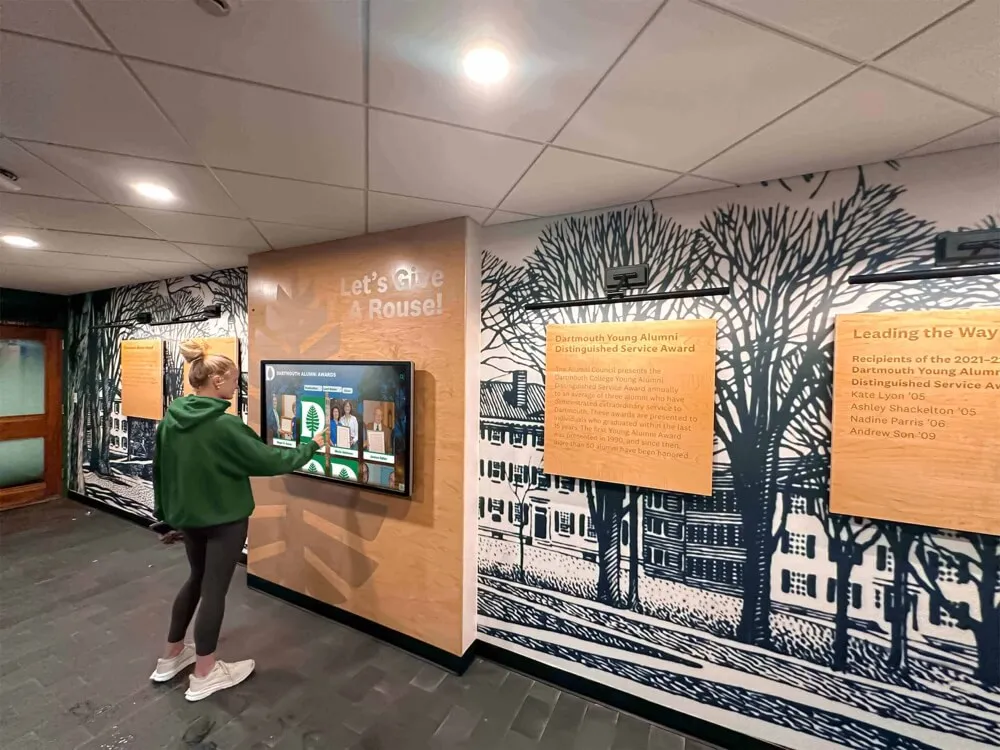
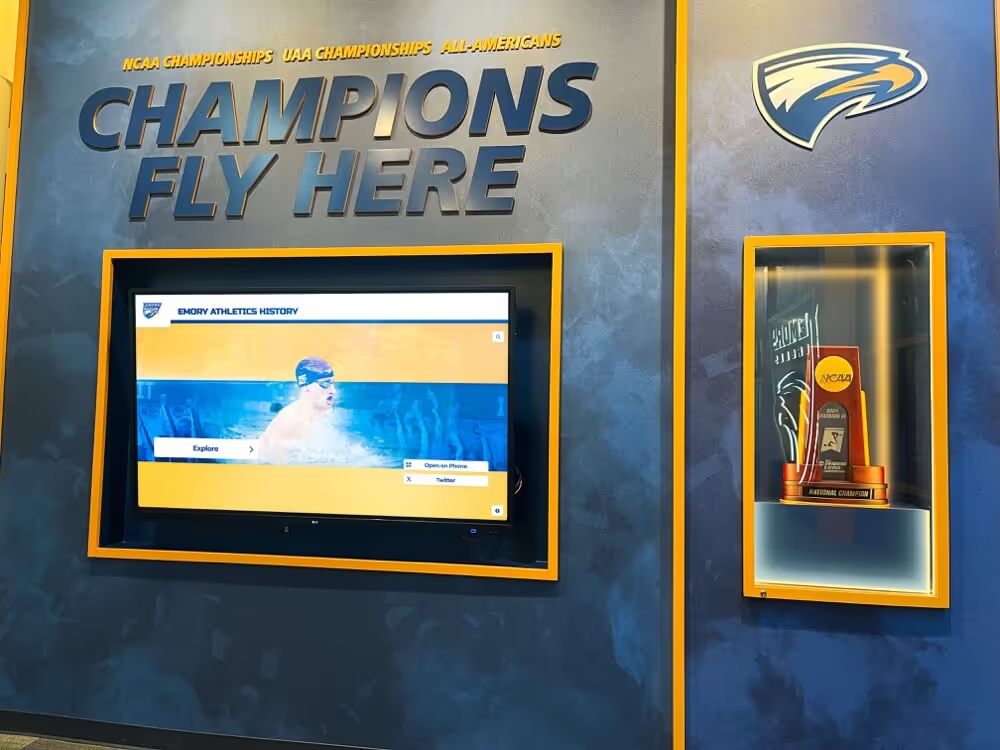
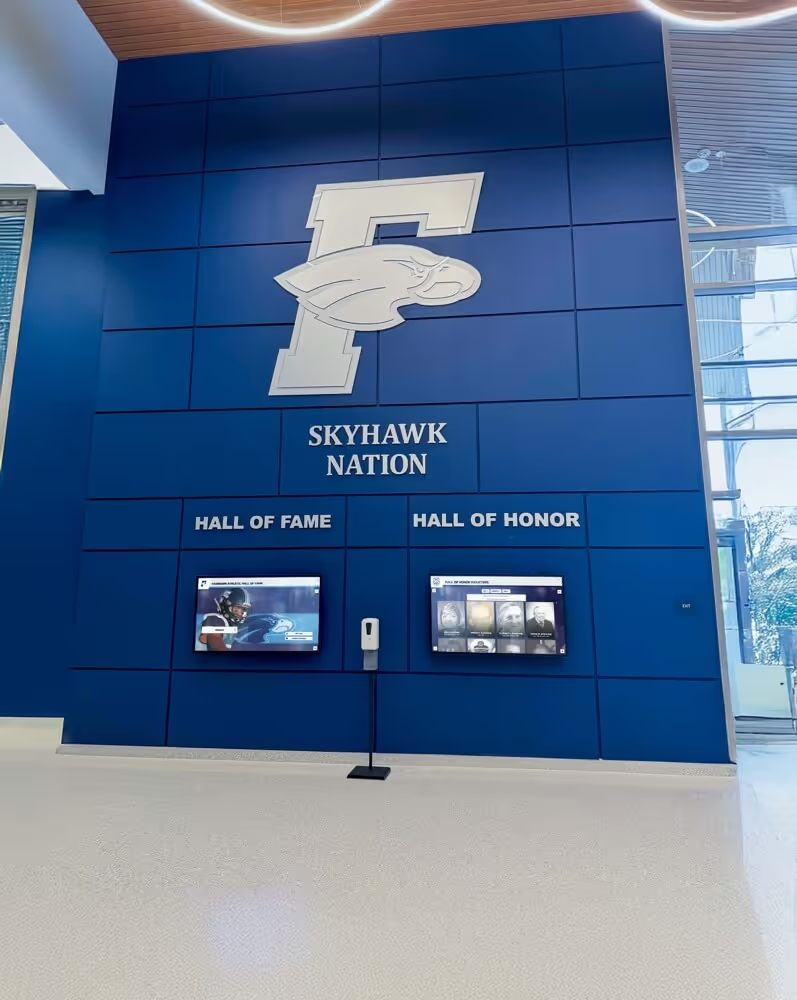
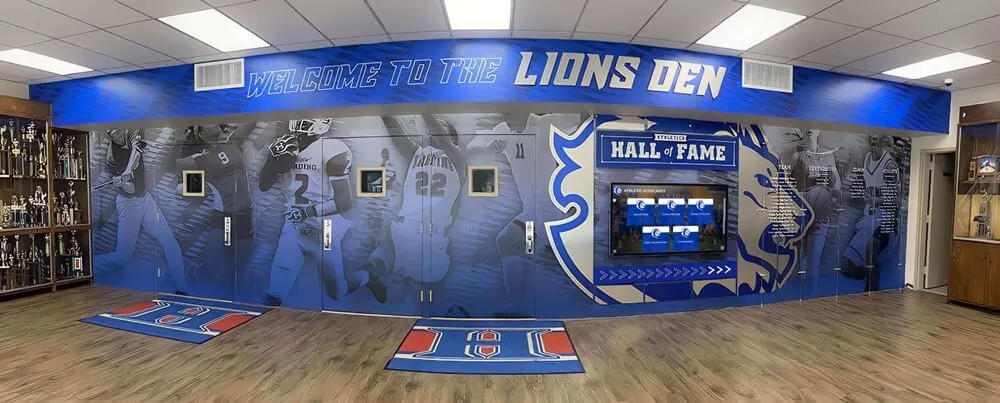
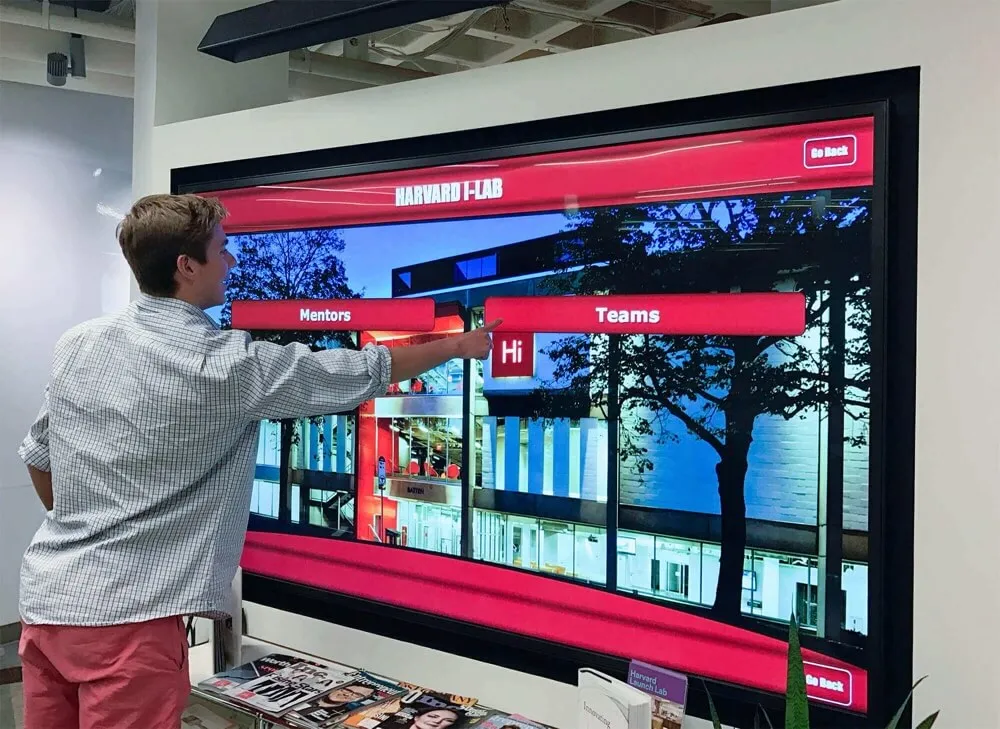
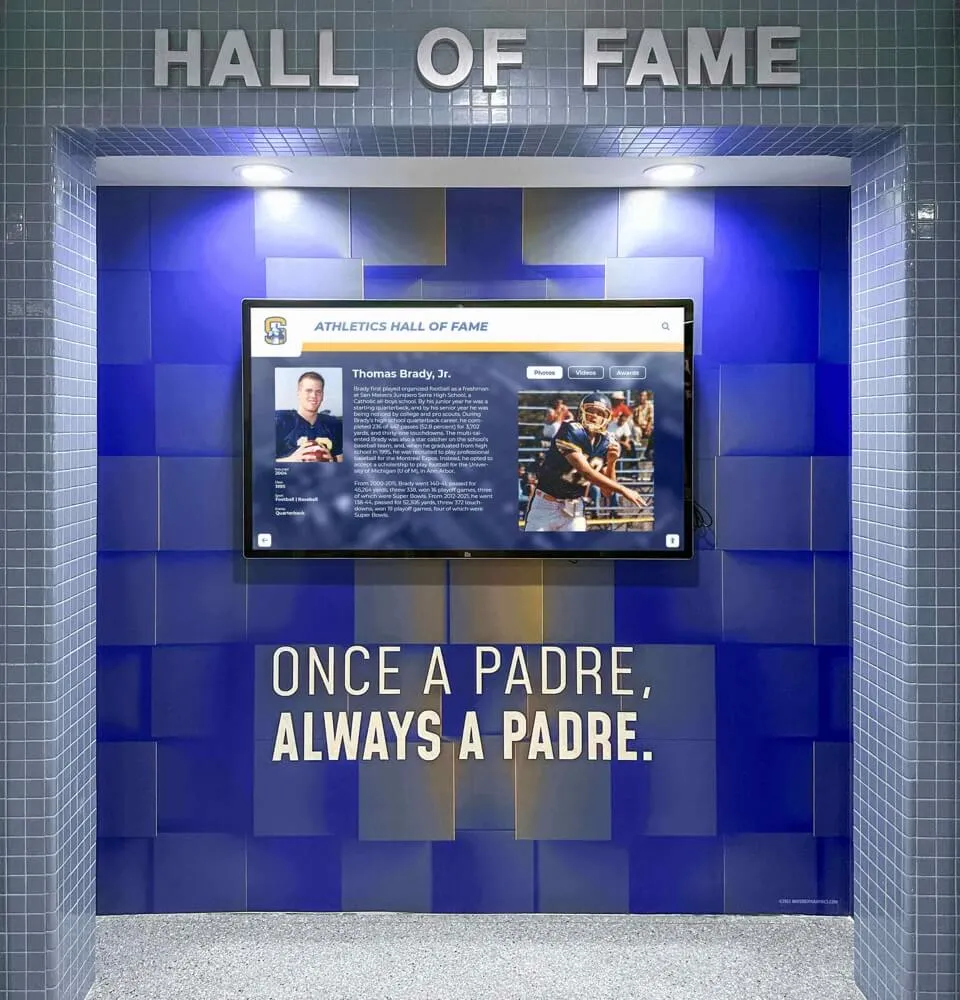
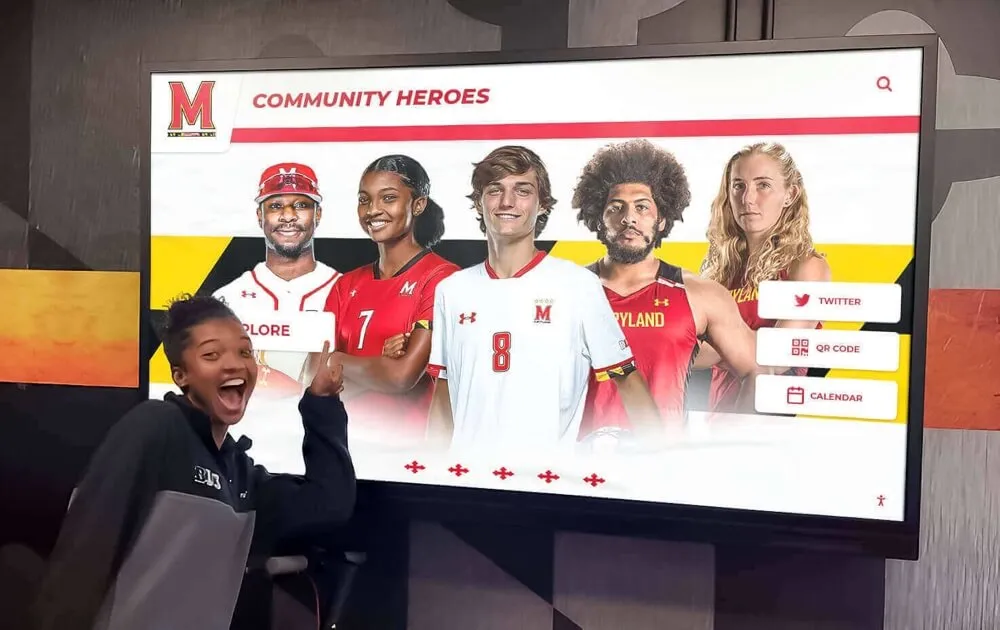
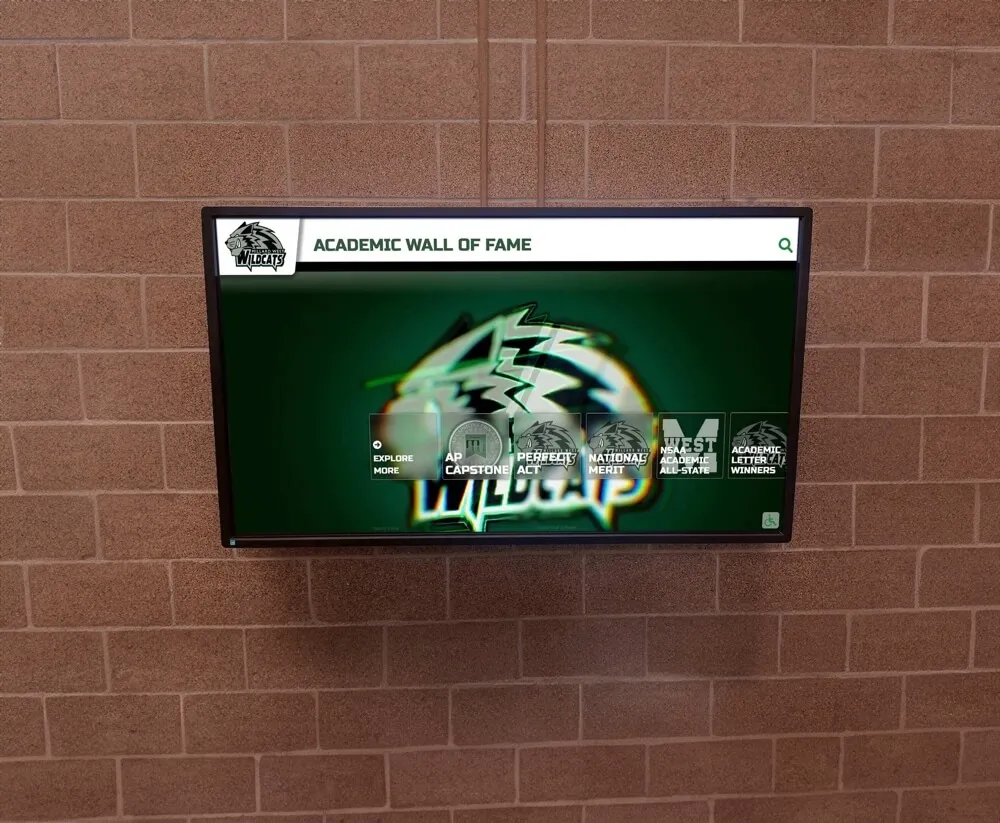
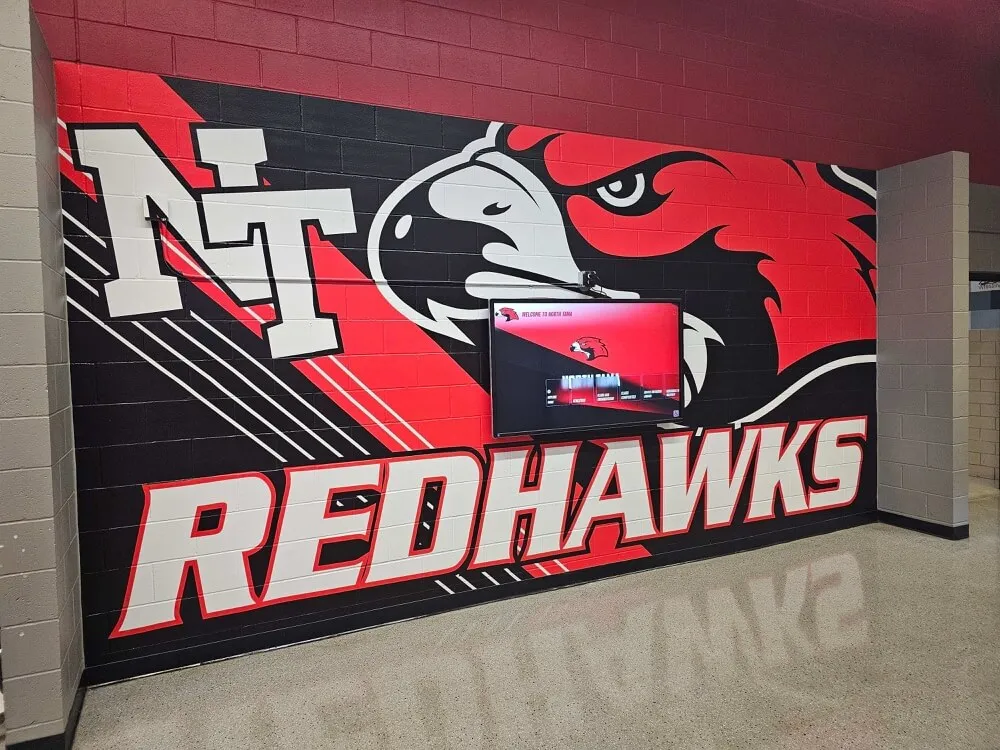
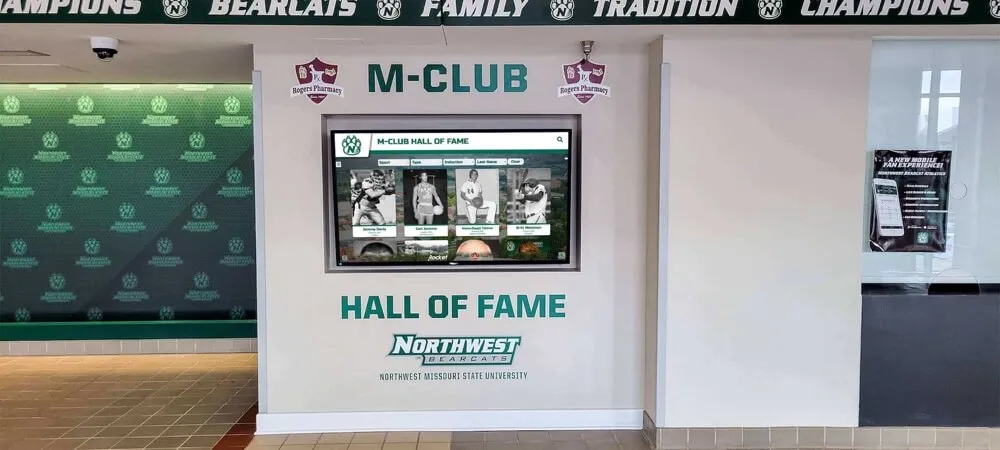
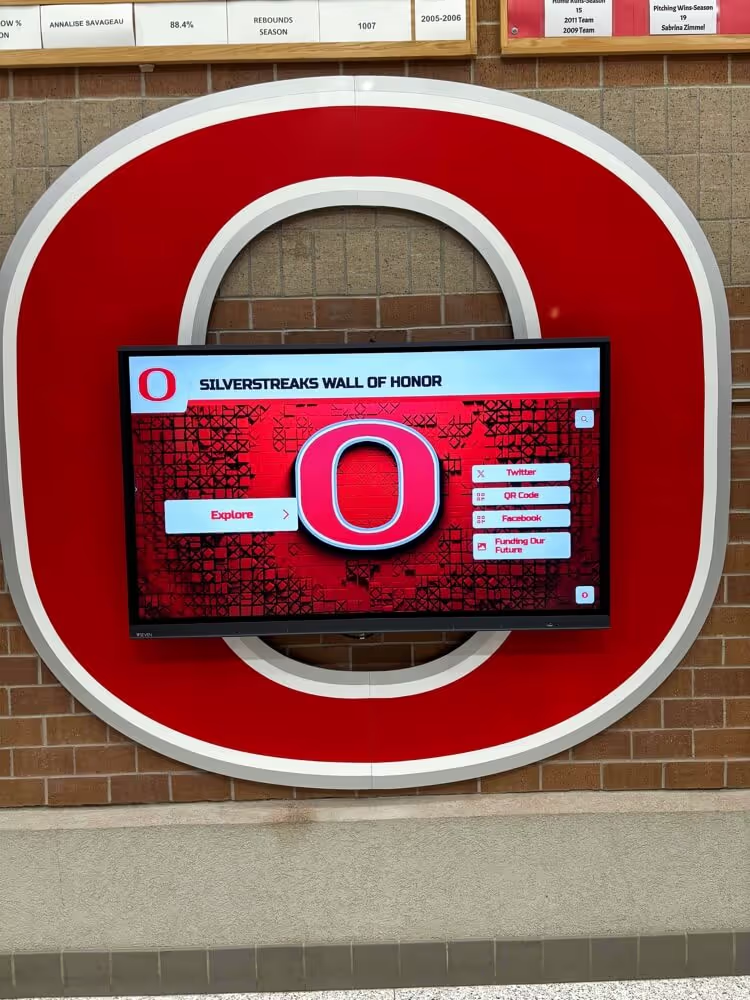
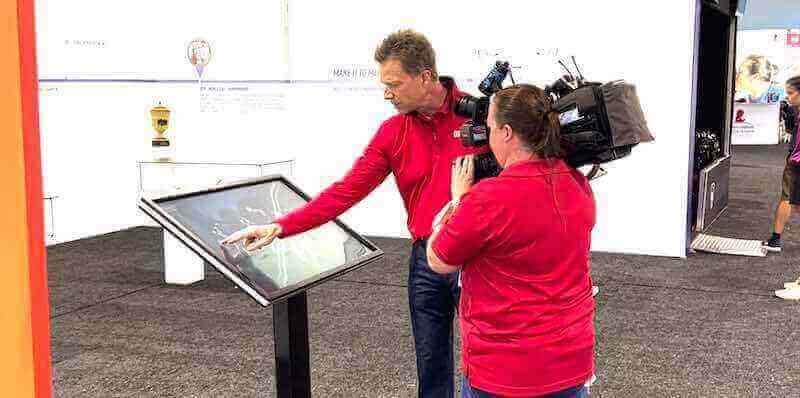
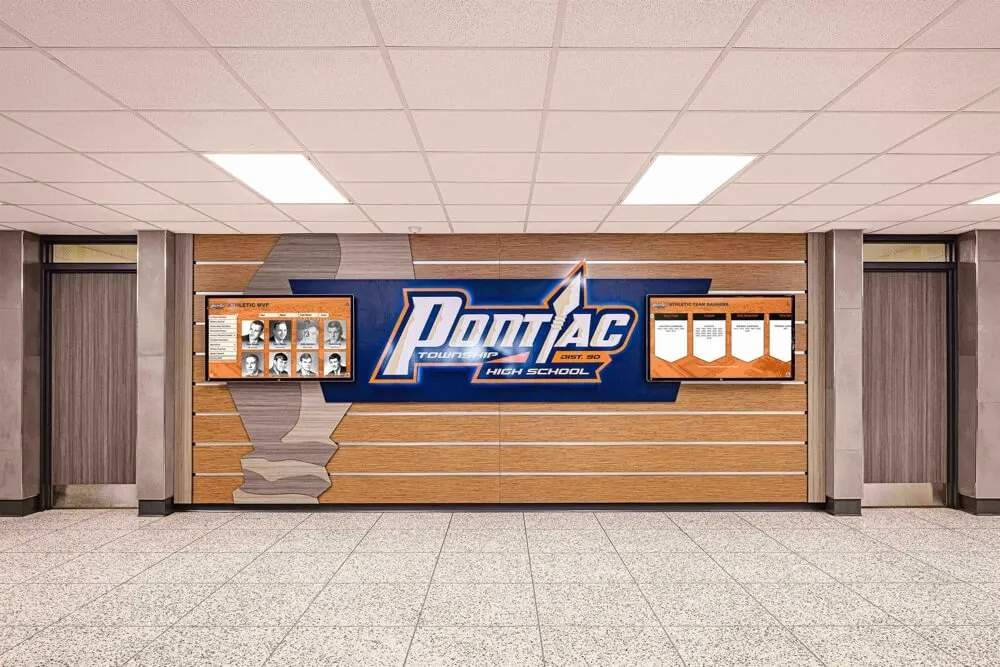
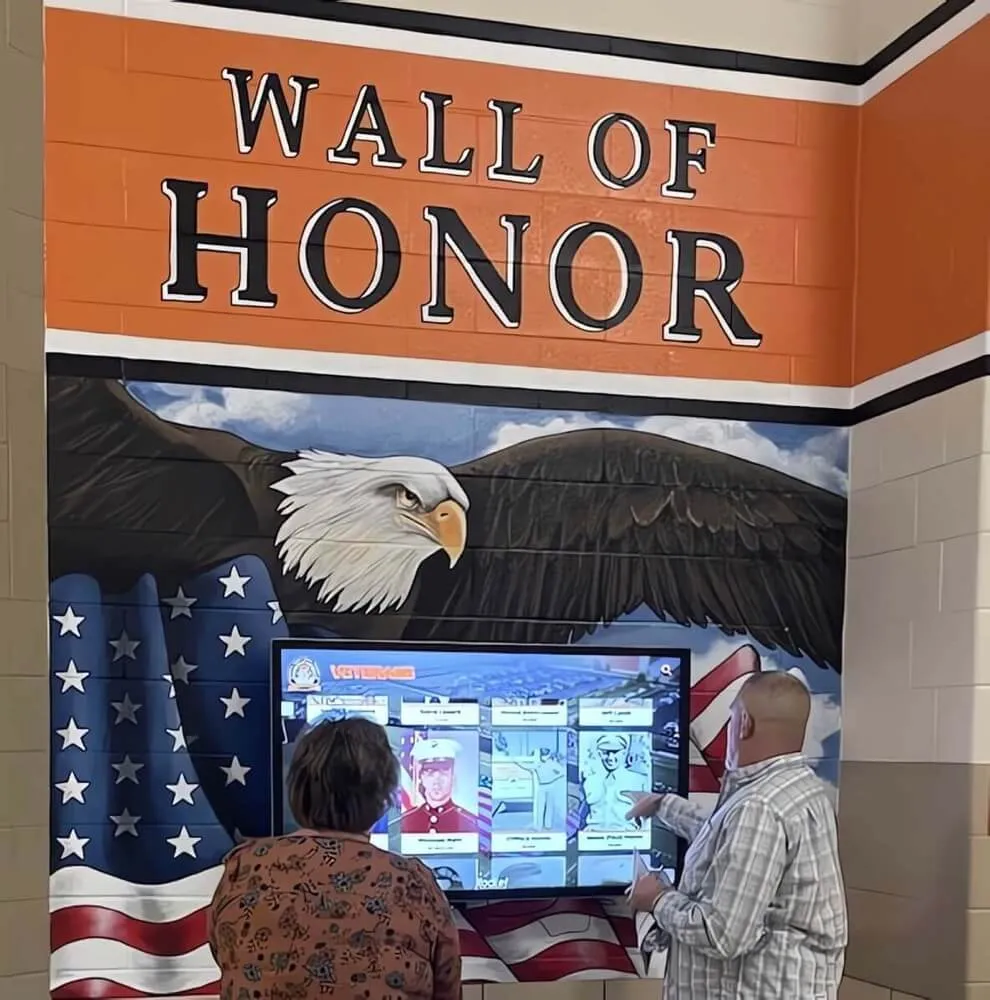
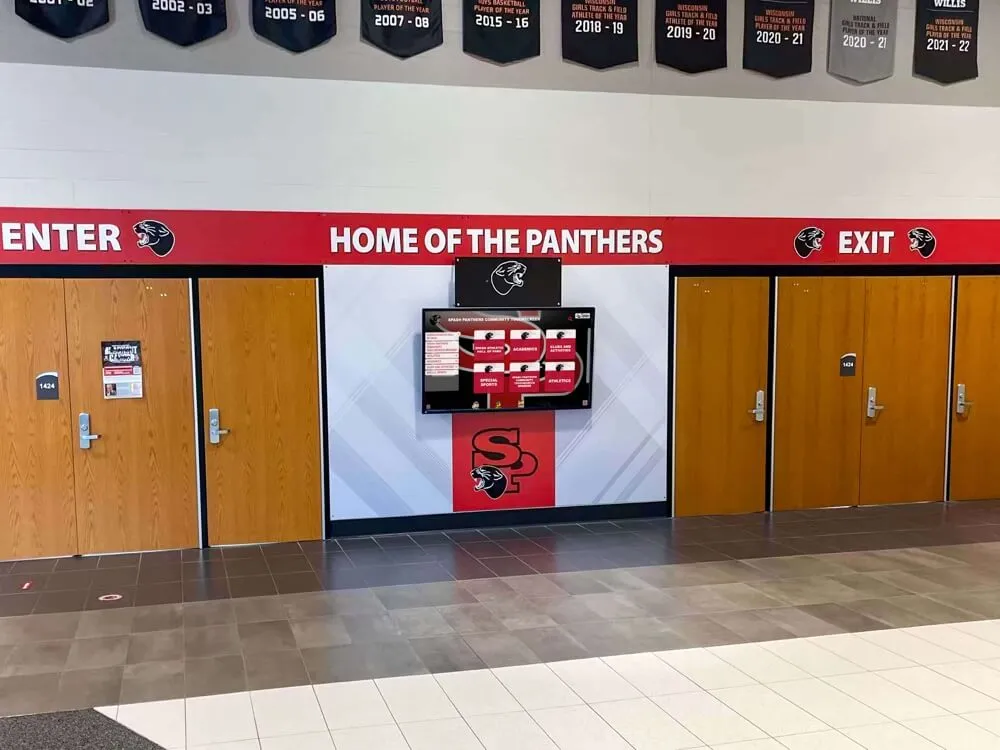
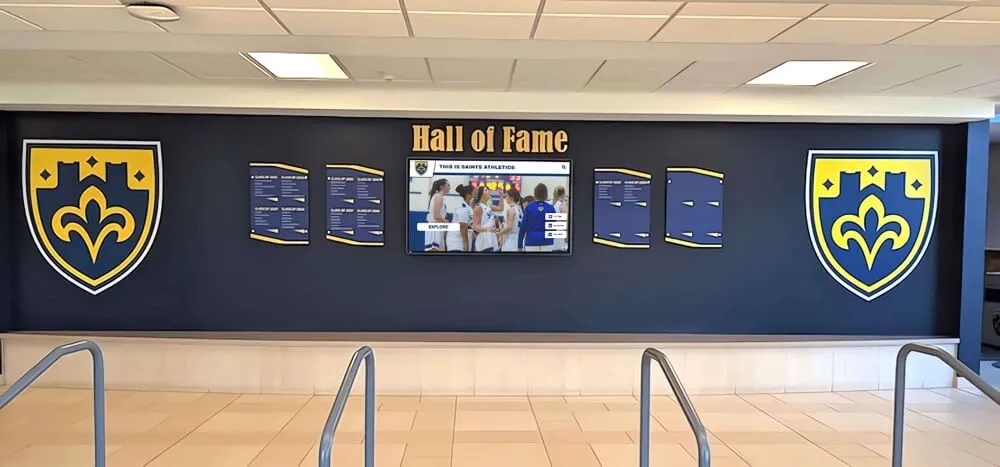
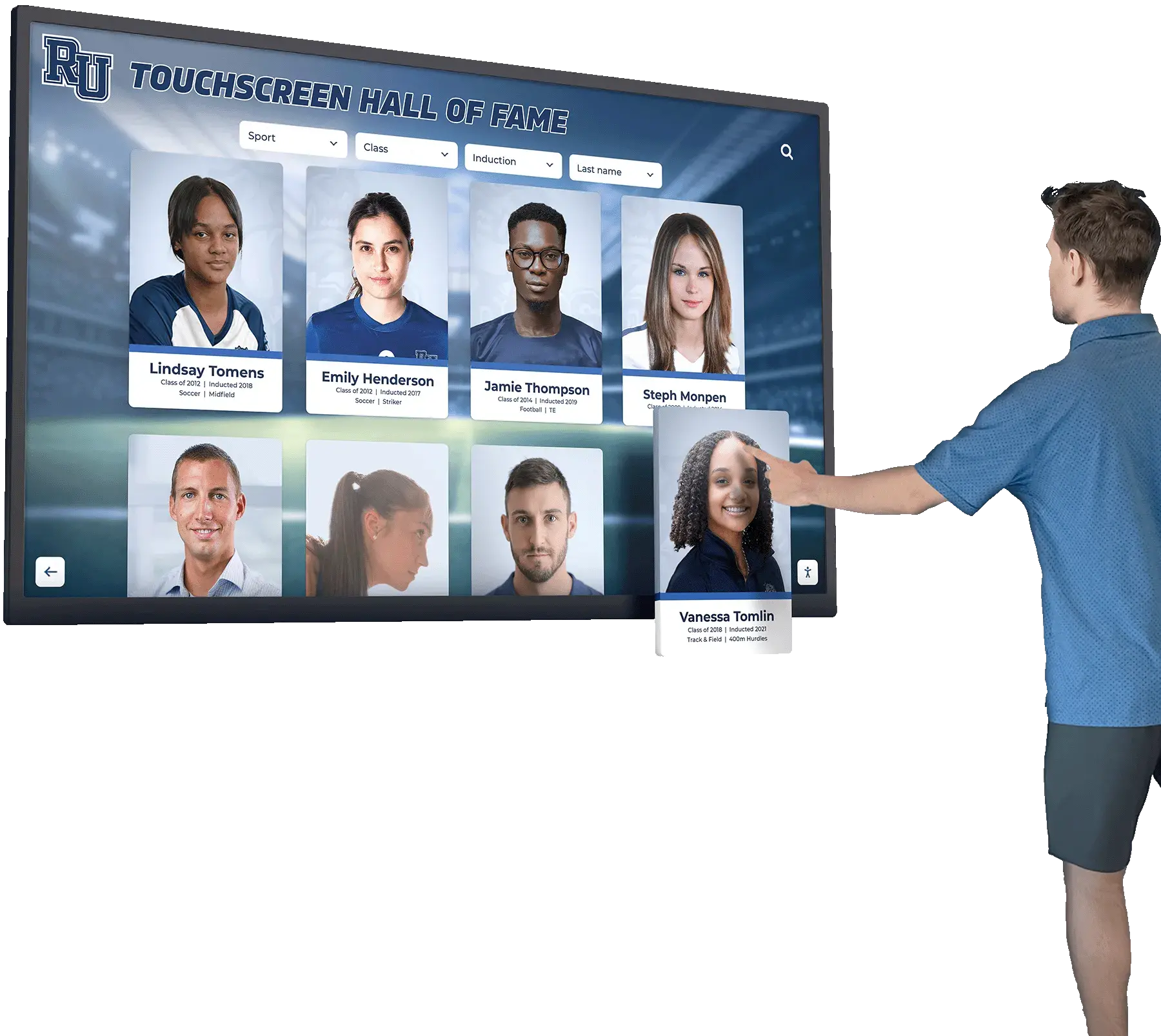
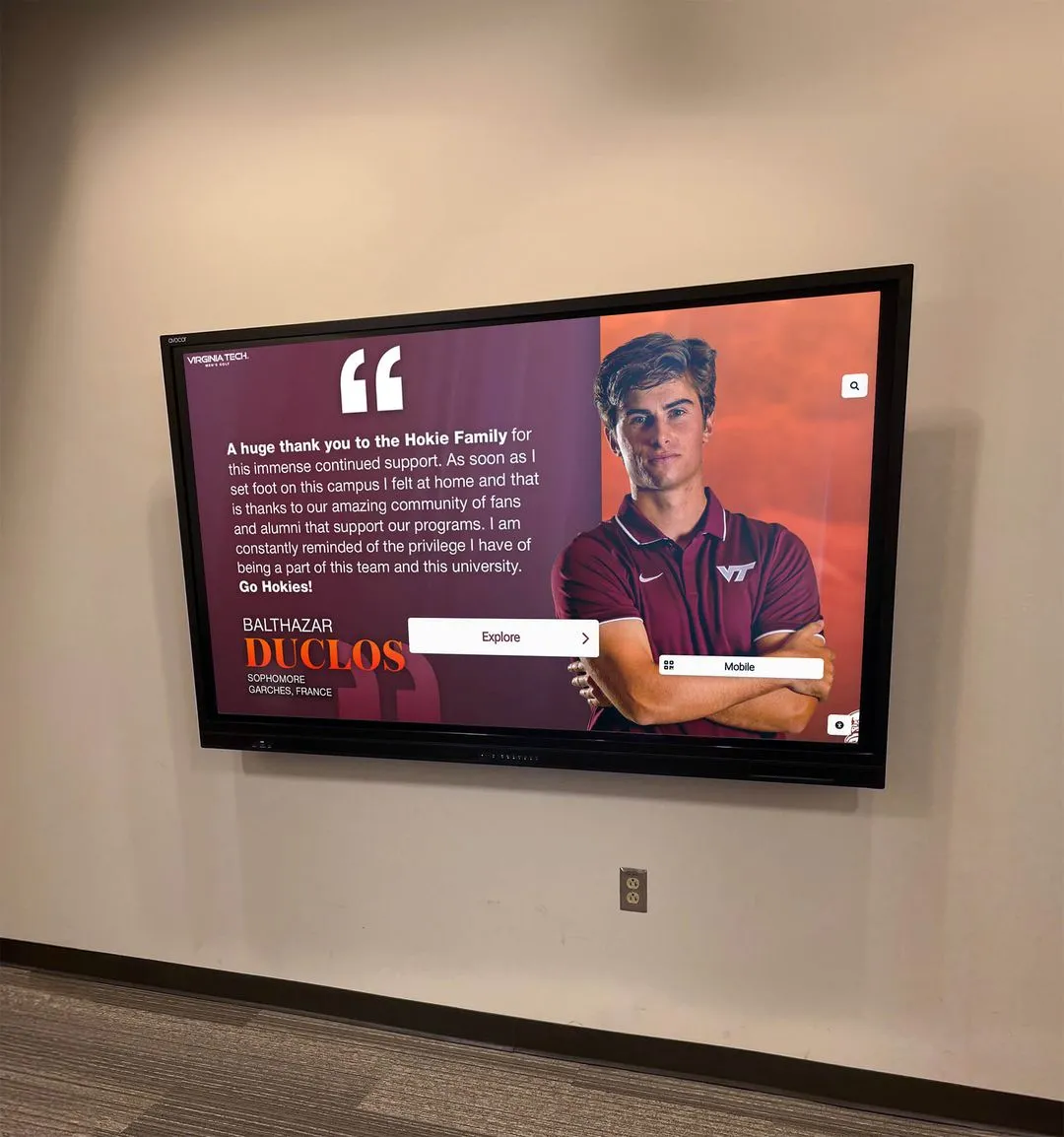
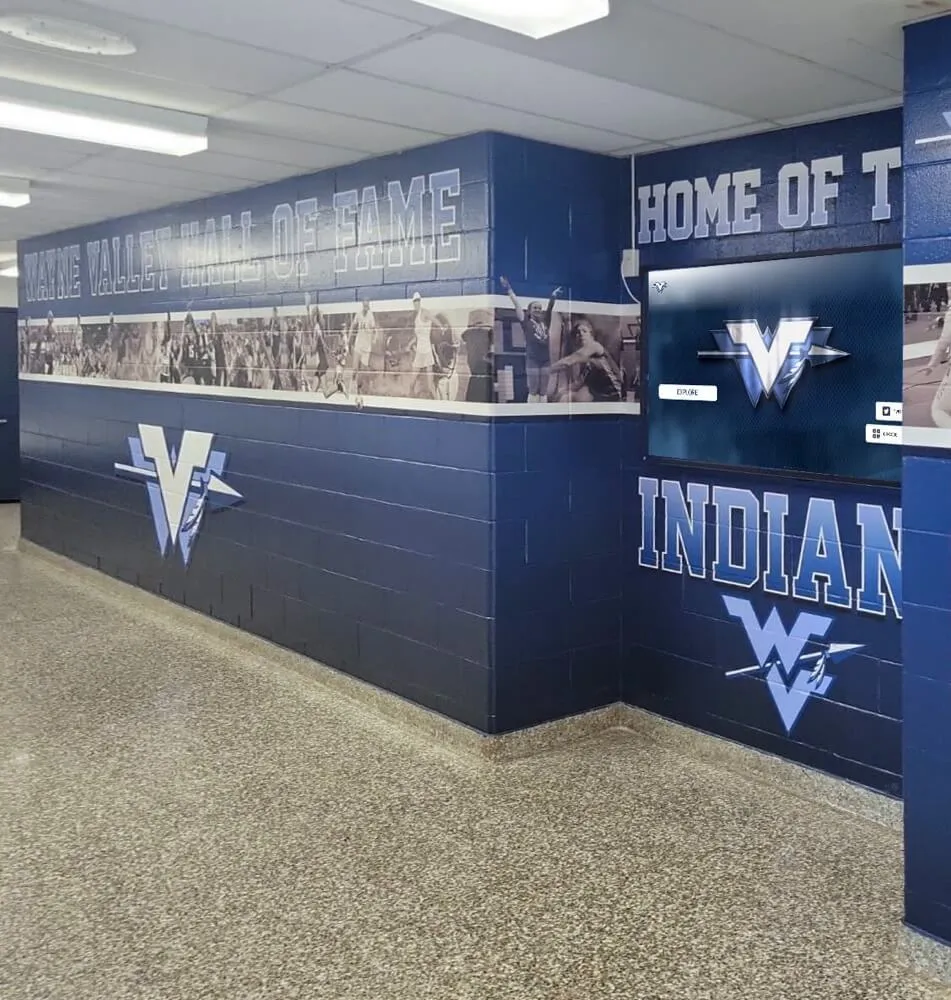
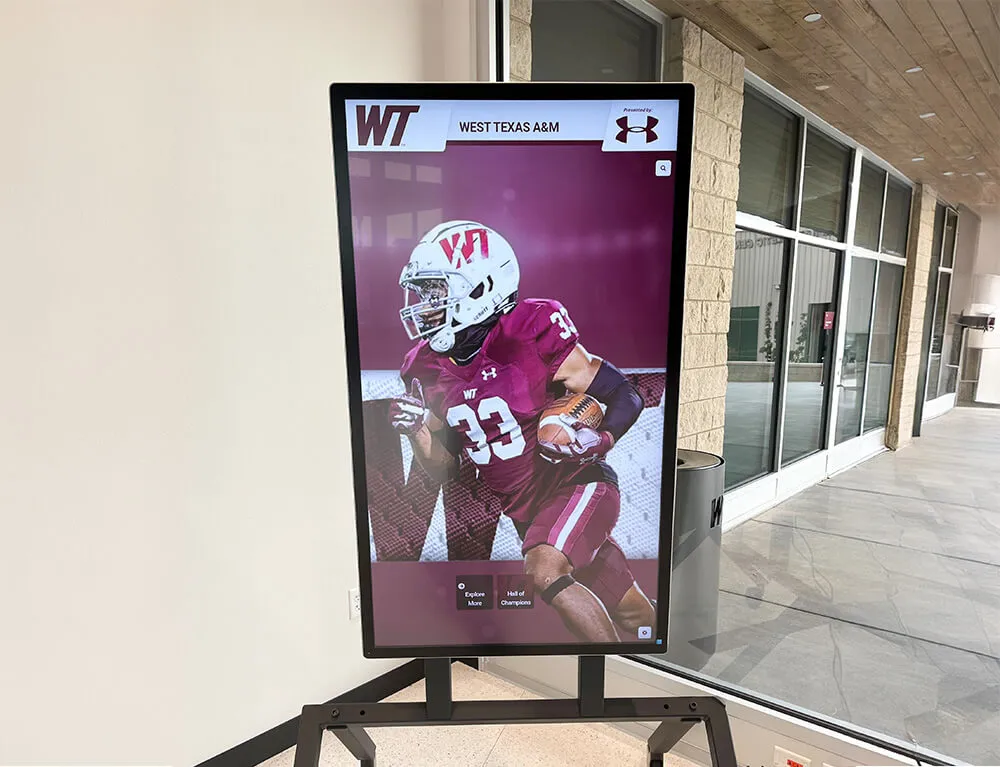
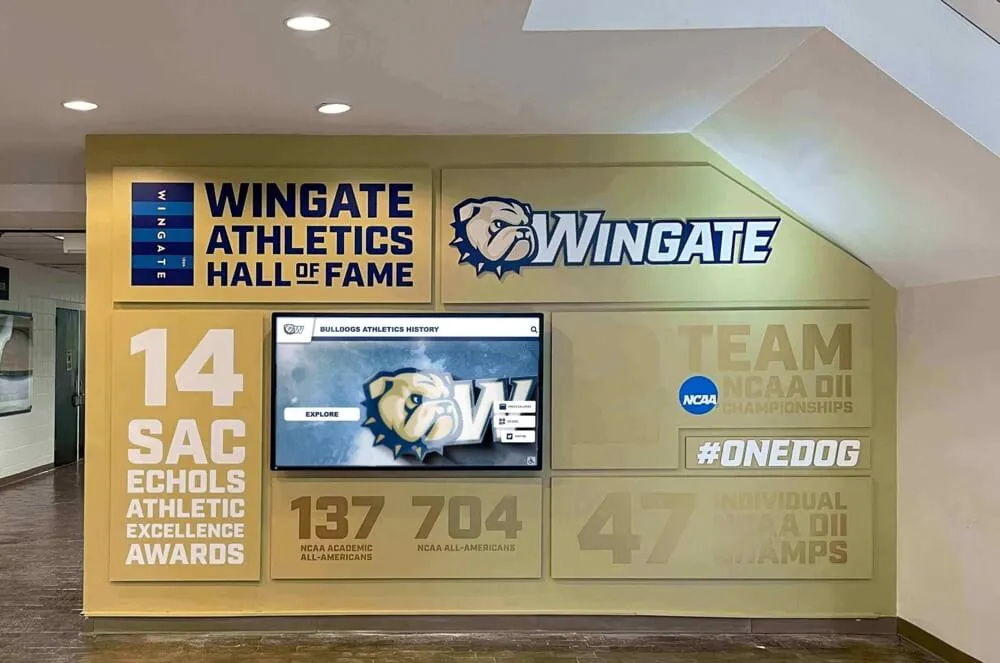
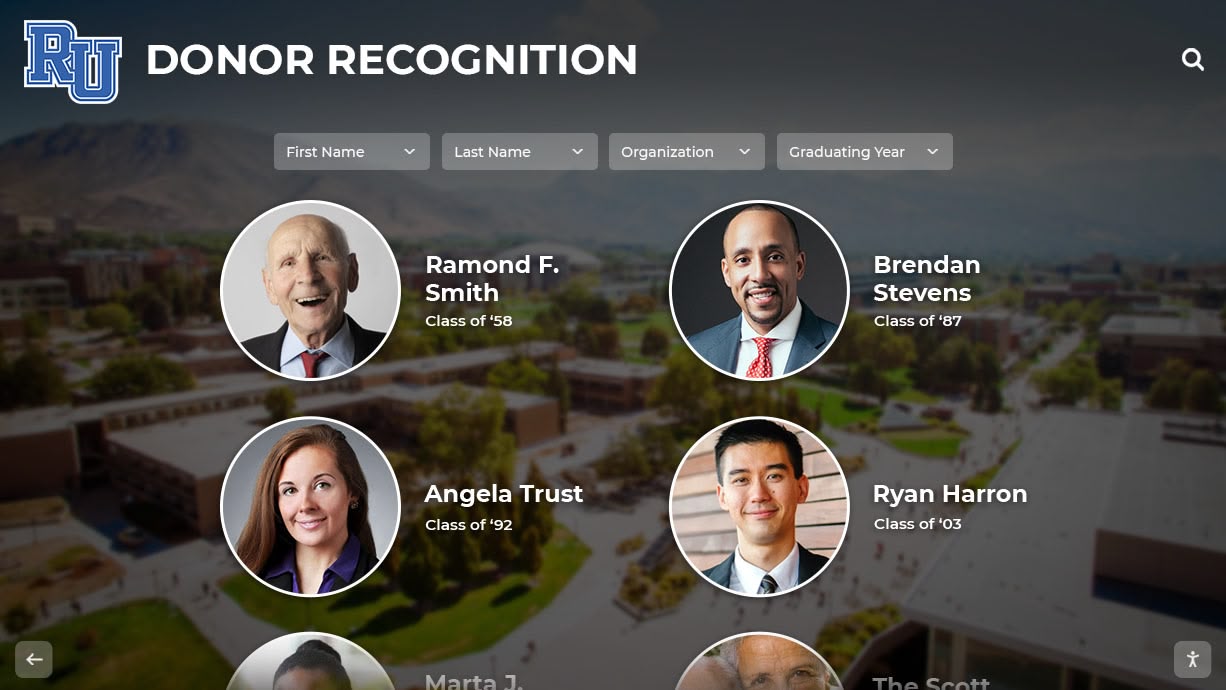
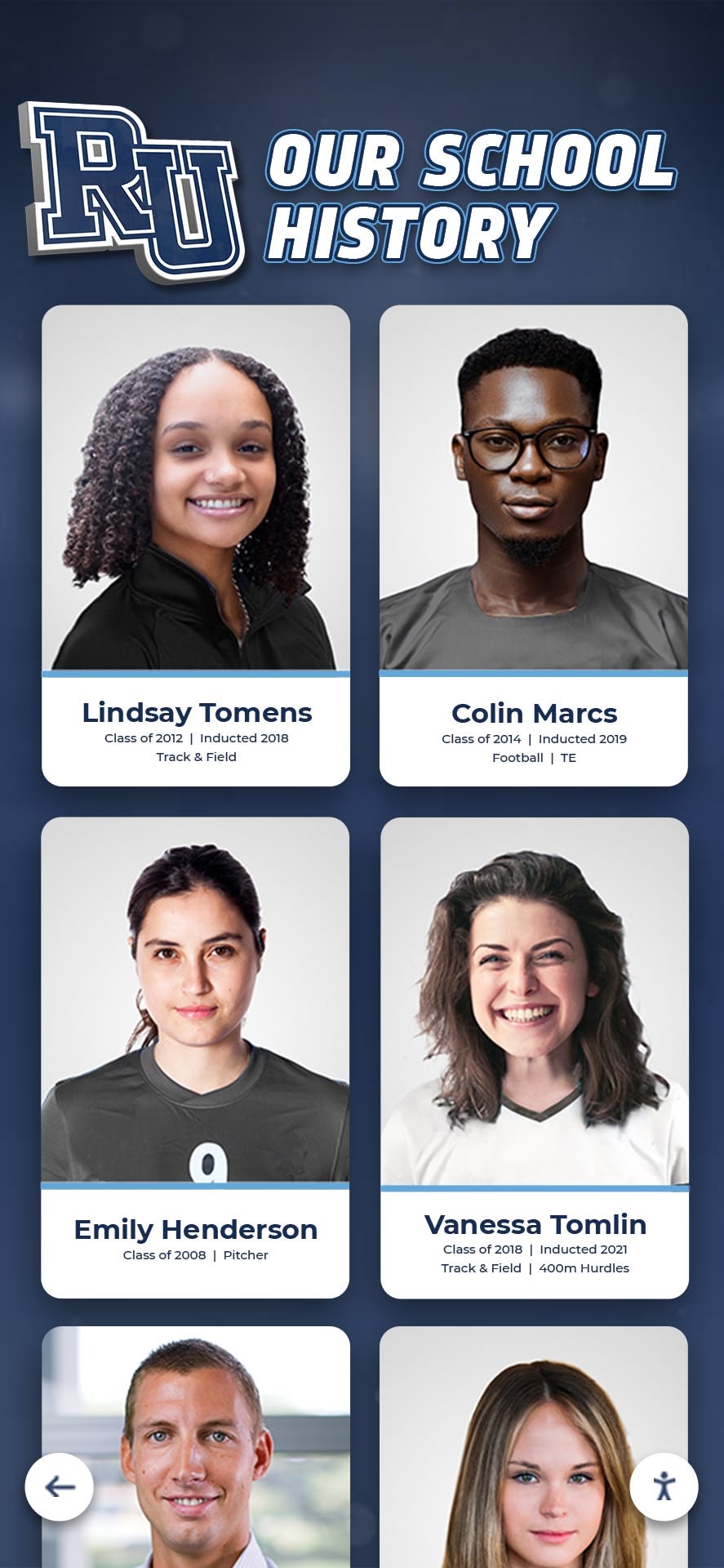
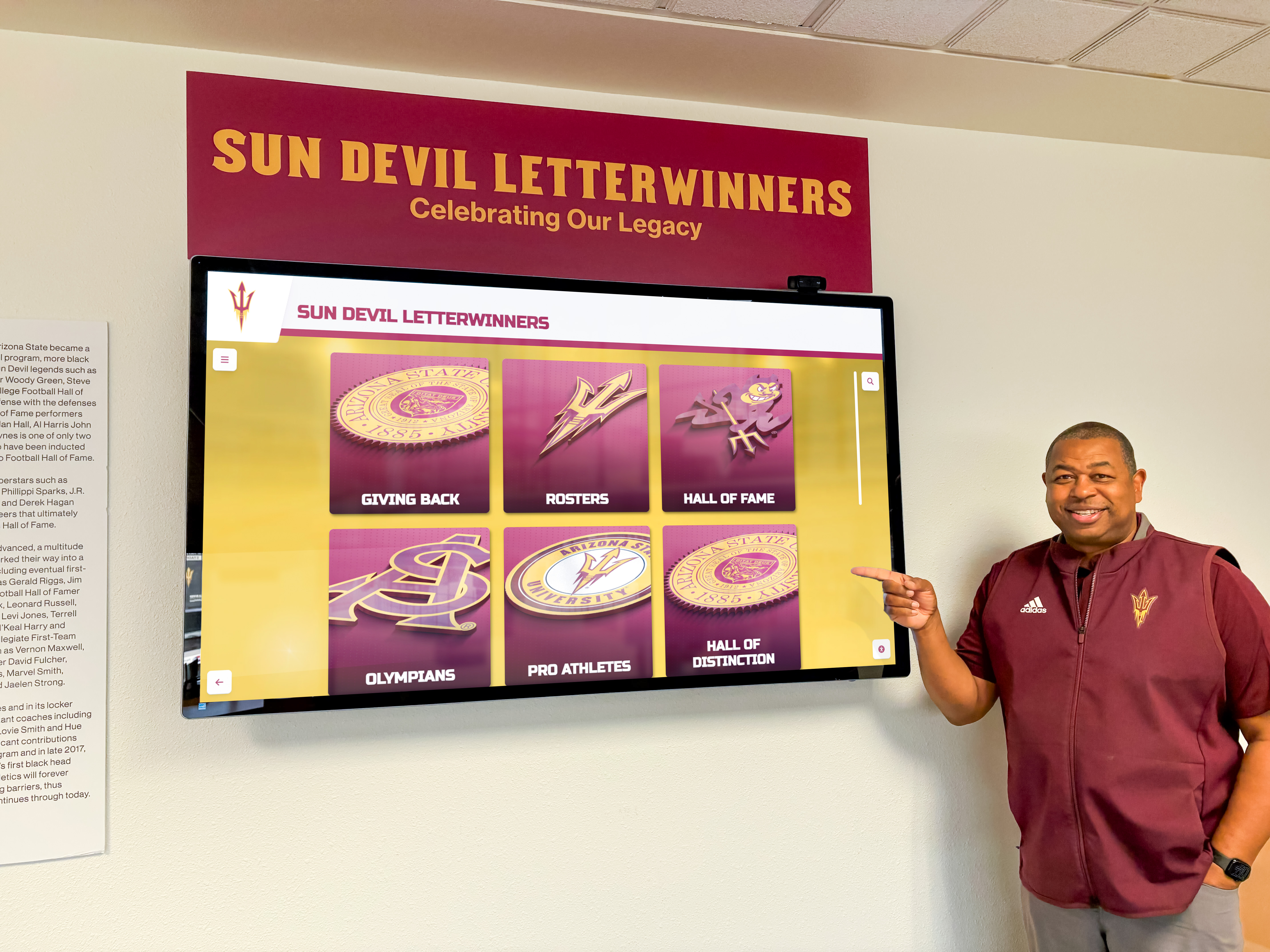
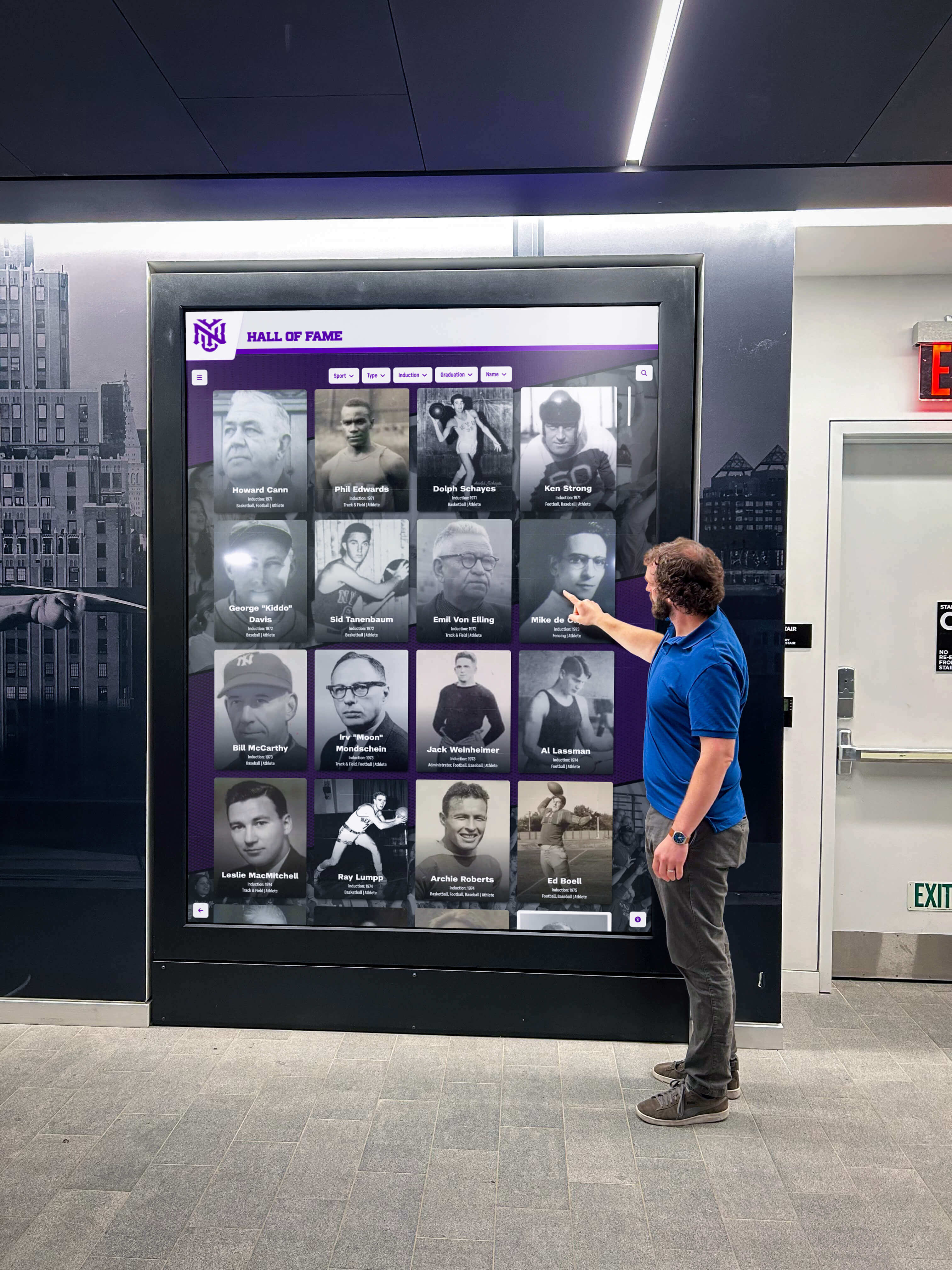
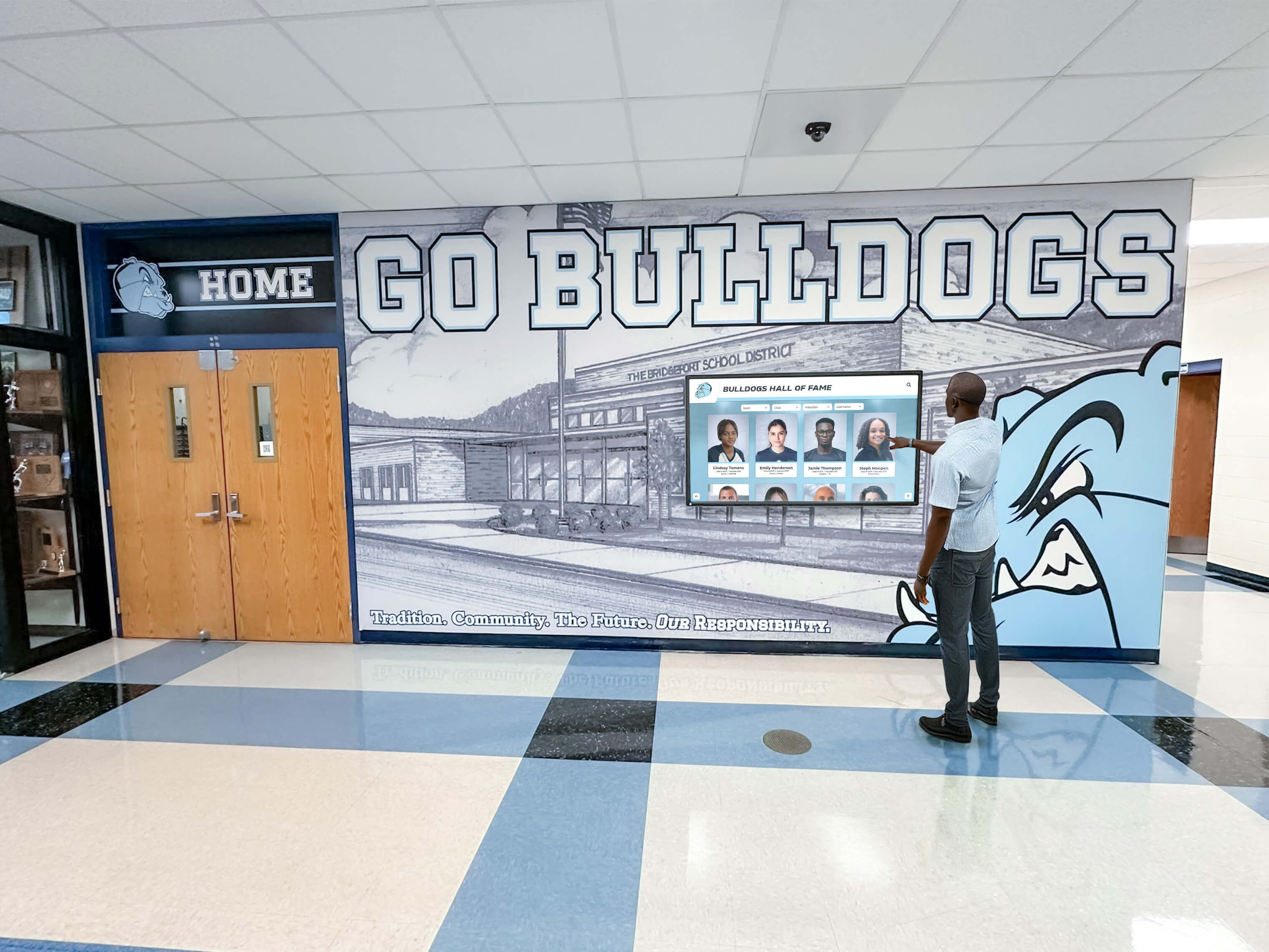
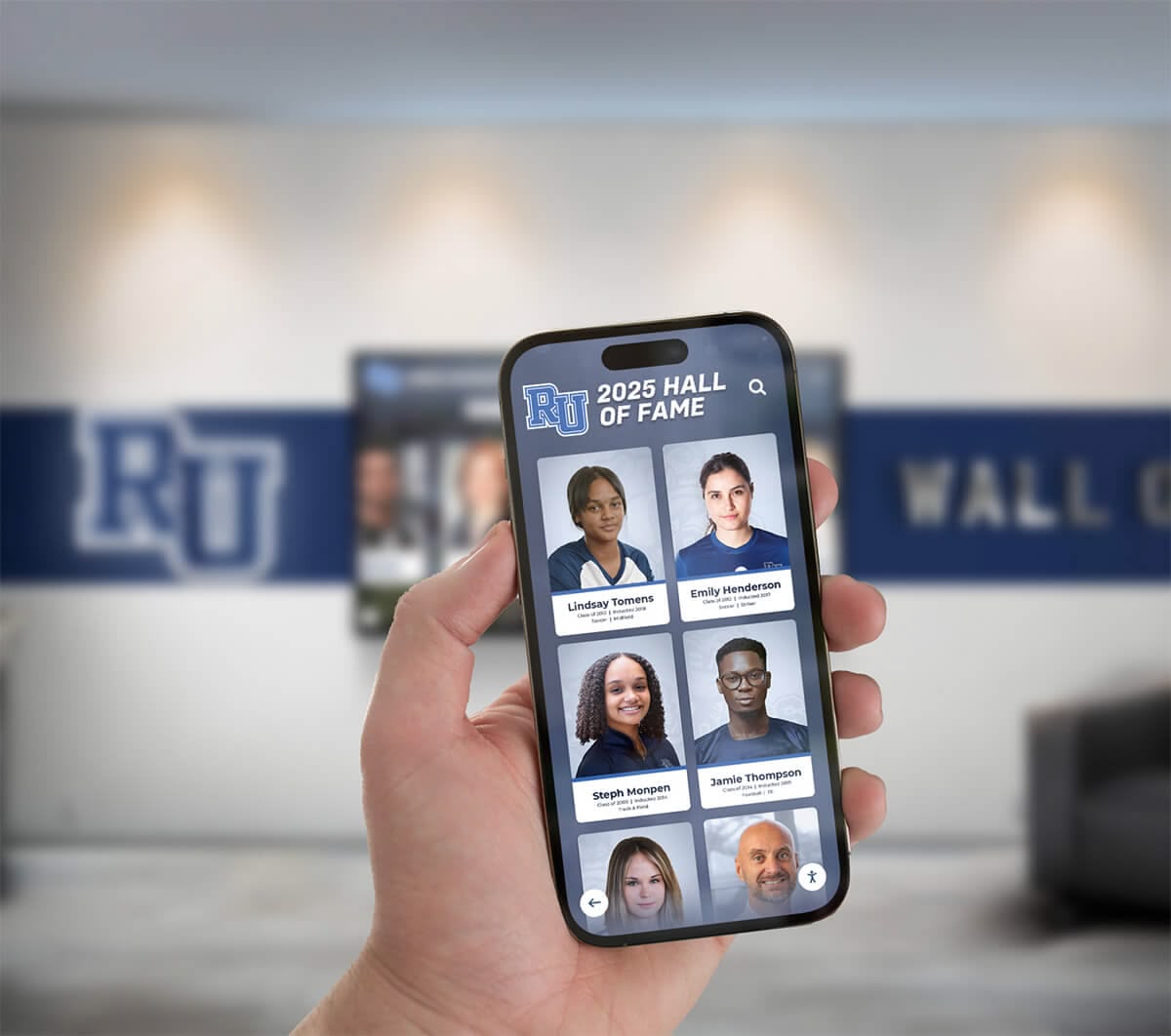
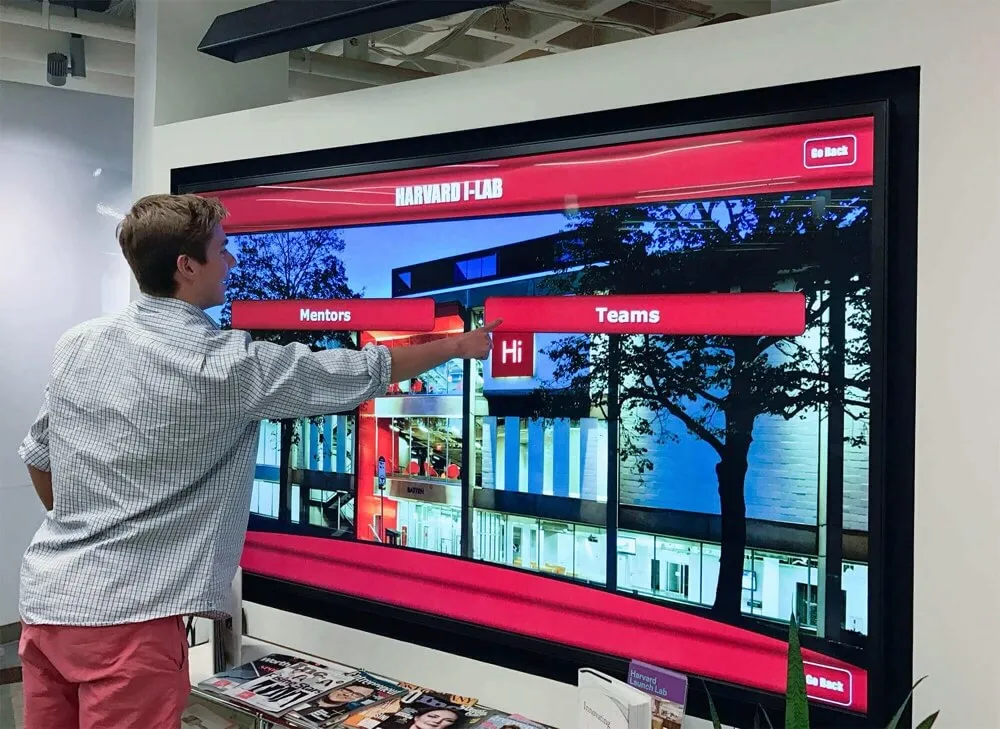
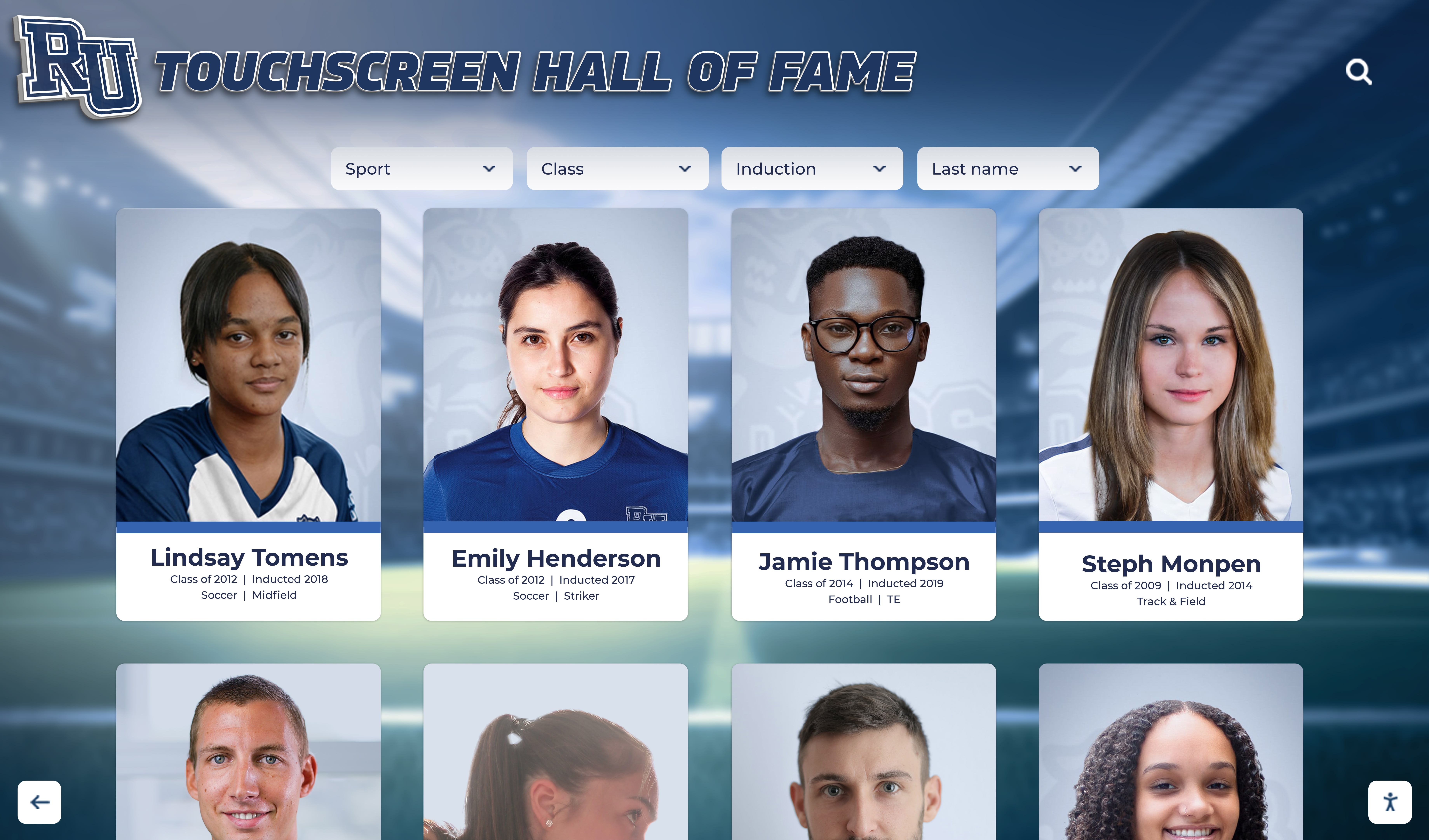
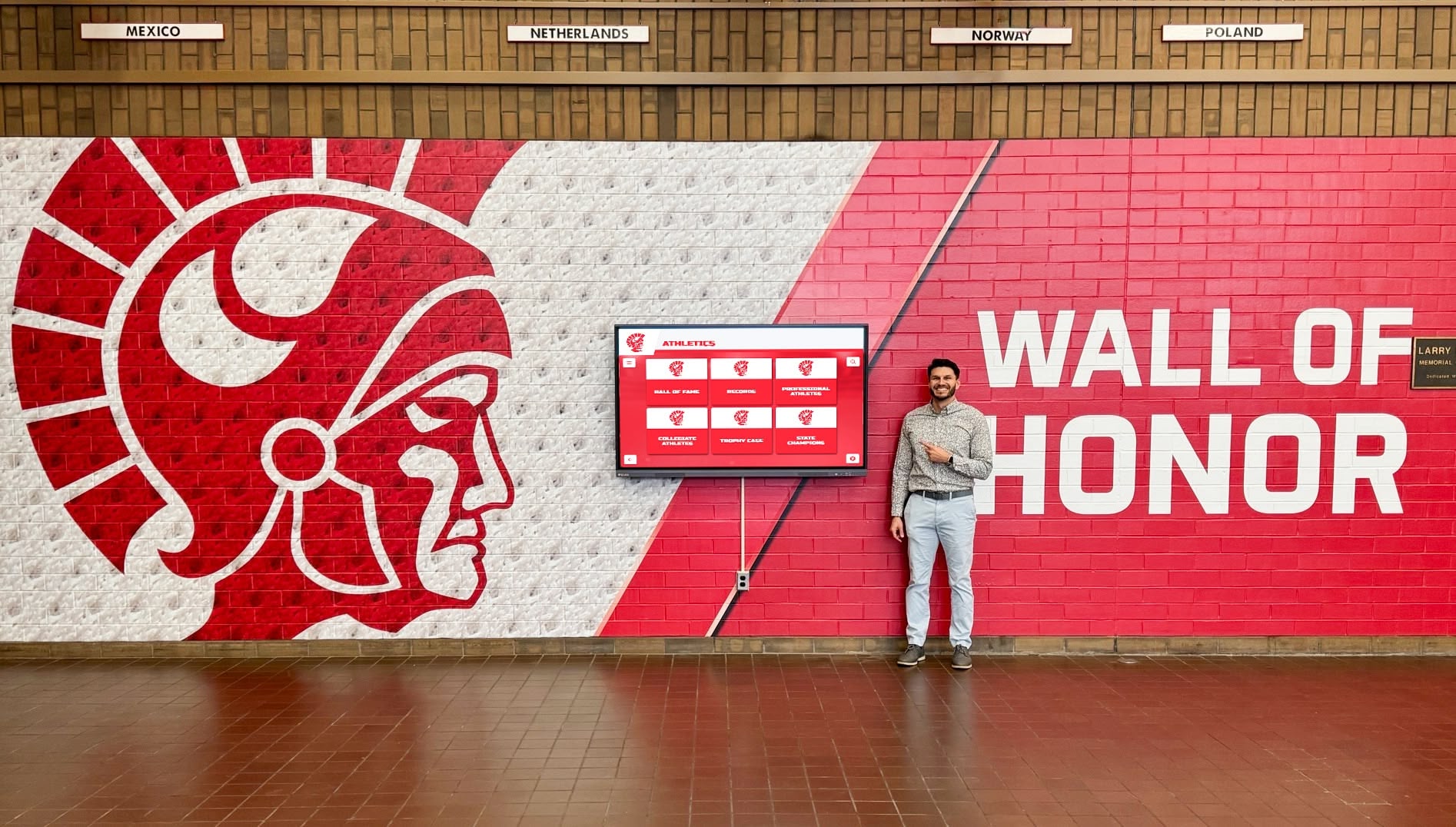
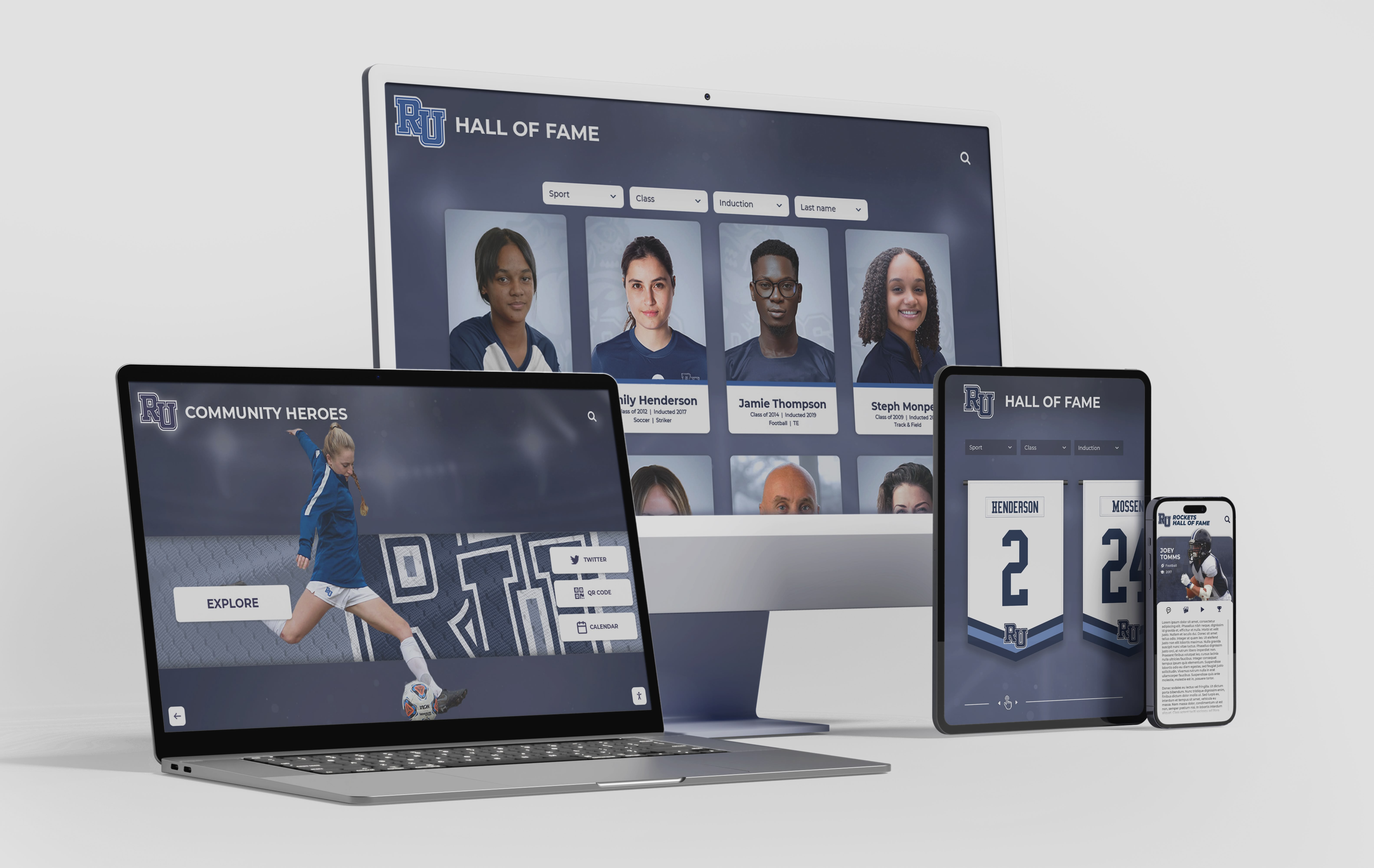
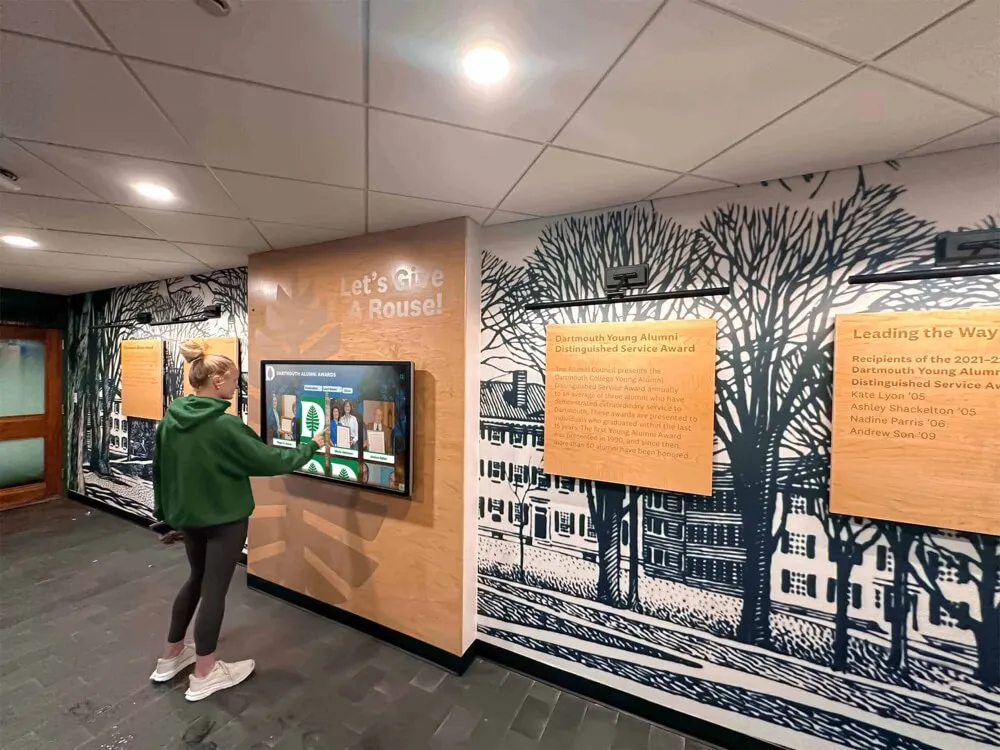
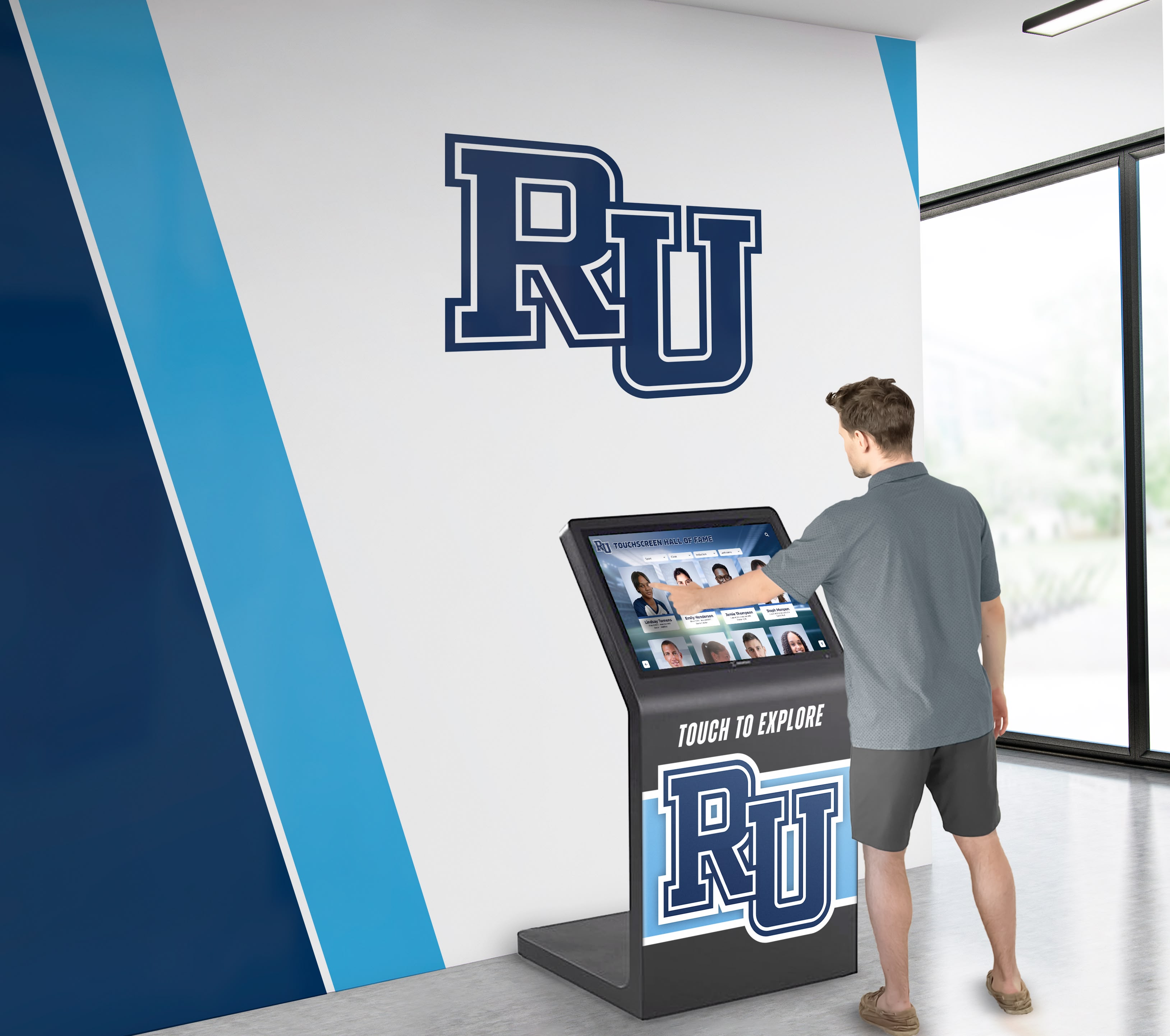
Digital touchscreen displays provide the most comprehensive, engaging platform for showcasing famous alumni. Interactive systems installed in prominent campus locations allow students, visitors, and community members to explore alumni stories, search by career field or graduation year, view photos and videos, access detailed profiles, and discover connections to their own interests.
Advantages of Digital Recognition:
- Unlimited capacity without physical space constraints
- Multimedia capabilities showcasing authentic alumni voices
- Dynamic content that updates as careers progress
- Interactive search and filtering for personalized discovery
- Measurable analytics tracking engagement patterns
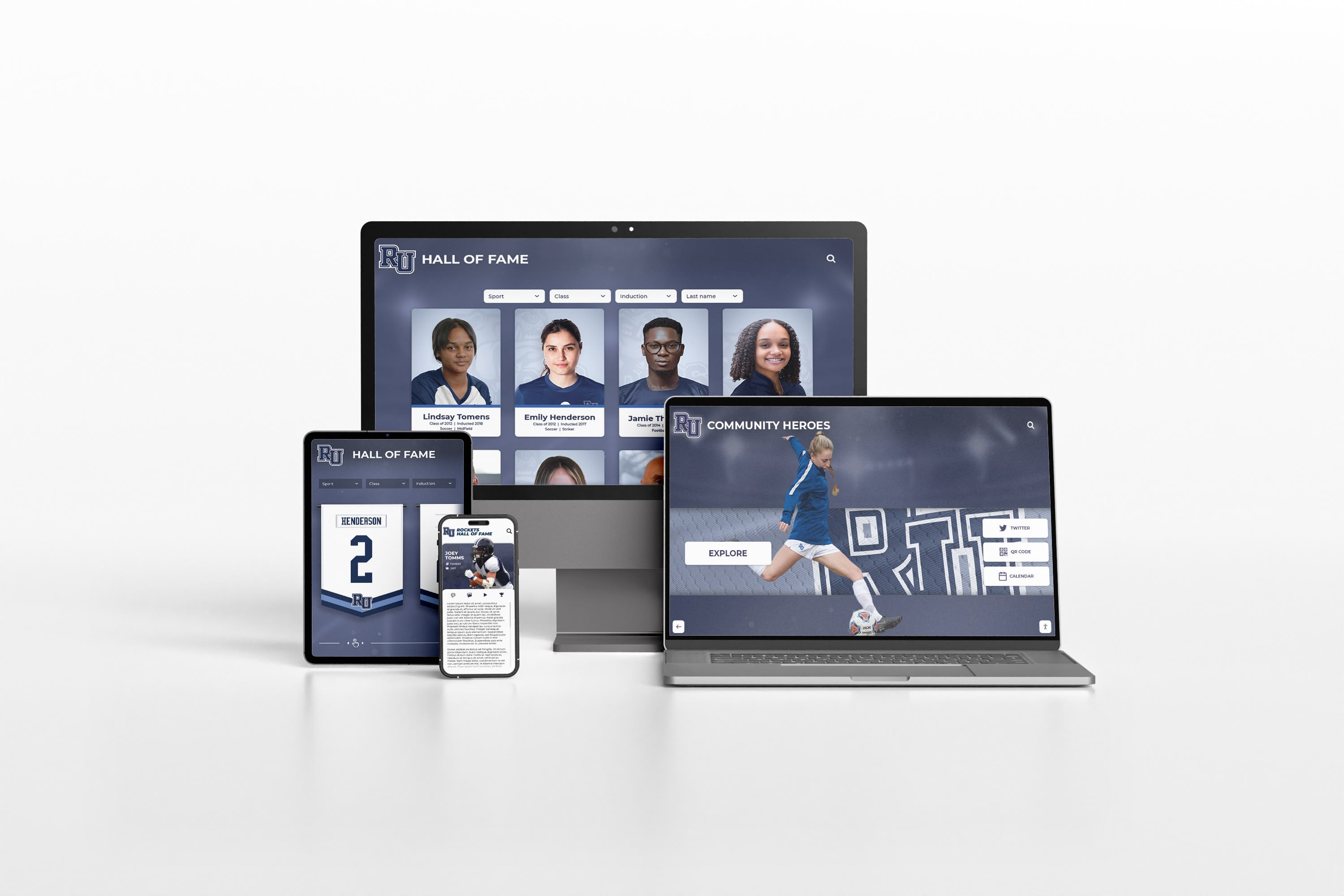
- Integration with websites and mobile platforms
- Professional presentation reflecting institutional quality
- Cost-effective compared to ongoing static display updates
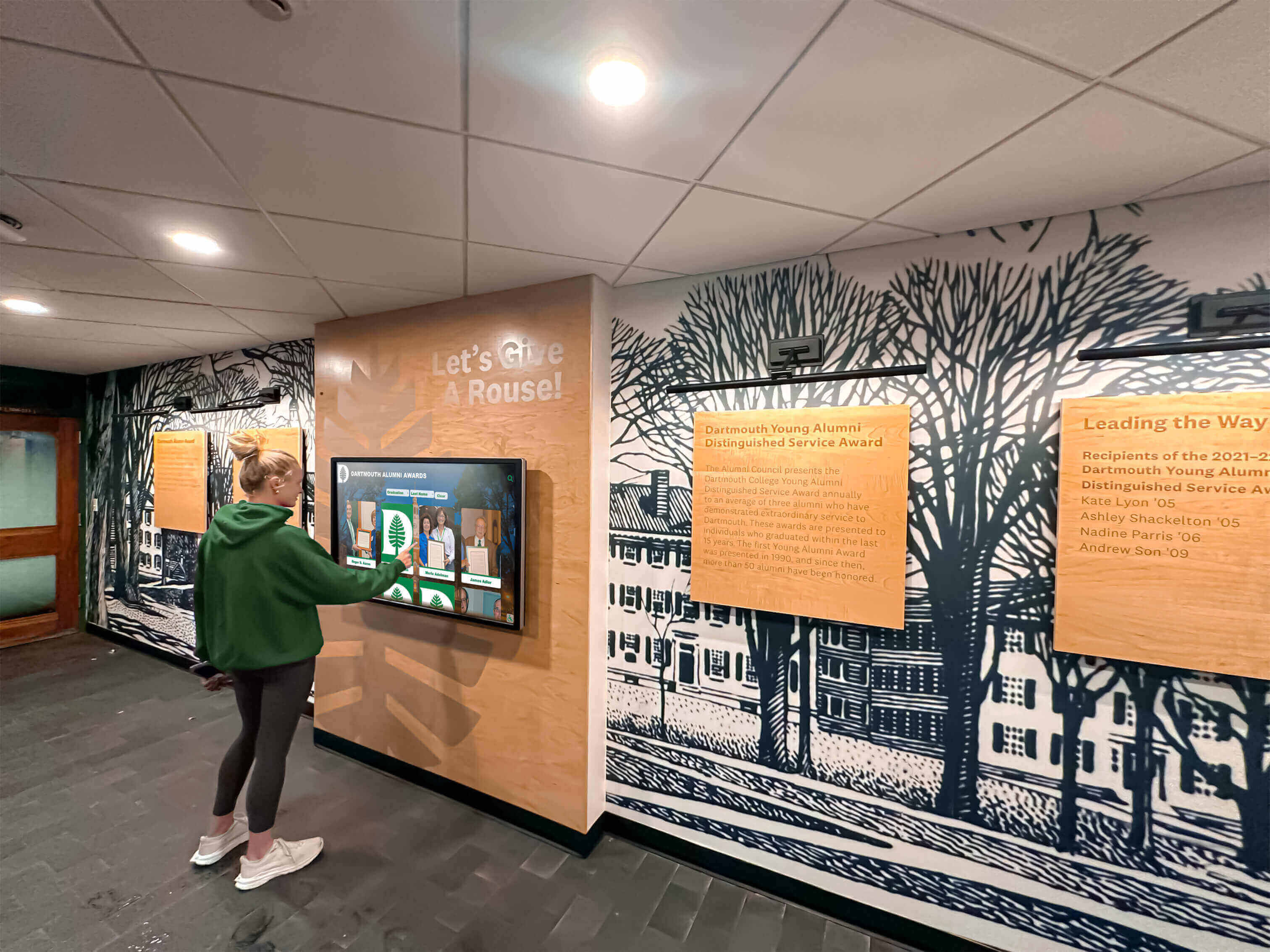
Solutions like those from Rocket Alumni Solutions provide purpose-built platforms designed specifically for educational institutions, combining intuitive content management with sophisticated display capabilities. These comprehensive systems eliminate technical complexity while enabling schools to focus on what matters most—celebrating distinguished graduates who inspire current students and strengthen institutional reputation.
Many institutions find that digital recognition displays become among the most-visited and longest-engaging installations on campus. When a prospective family touring campus discovers the alumni of their daughter’s intended major all practicing successful careers, or when a current student explores graduates working in fields he’s considering, those interactions create lasting impressions impossible through traditional static recognition.
Dedicated Website Sections and Online Directories
Web-based recognition extends visibility beyond campus while providing platforms current students and prospective families research when evaluating educational options.
Essential Website Components:
- Searchable directory with filtering by multiple criteria
- Detailed individual alumni profiles with photos and stories
- Featured alumni rotation on homepage and department pages
- Integration with admissions and recruitment materials
- Mobile-responsive design for smartphone access
- Social sharing capabilities extending reach
- Regular updates maintaining current content
- Clear calls-to-action for networking and mentorship
Online recognition serves alumni who cannot regularly visit campus, provides content for social media and email campaigns, supports admissions conversations with prospective families, and creates permanent searchable archives preserving institutional memory across generations.
Alumni Spotlight Programs and Featured Content
Regular alumni spotlight programs create consistent touchpoints maintaining ongoing engagement throughout the year rather than occasional recognition during major events. Monthly or quarterly spotlights establish predictable rhythm that audiences anticipate while ensuring recognition efforts don’t fade during busy periods.
Systematic spotlight programs following the frameworks outlined in comprehensive guides for alumni spotlight of the month initiatives provide templates, interview questions, distribution strategies, and measurement approaches that simplify implementation while maximizing impact.
Spotlight Content Distribution:
- Email newsletters to alumni, students, and families
- Social media campaigns across multiple platforms
- Website featured sections with rotating profiles
- Digital display integration for campus visibility
- Print publications when appropriate
- Event materials and presentations
- Admissions tour talking points
- Classroom integration by faculty
The same content created for one spotlight serves multiple purposes across various channels, maximizing return on content development investment while ensuring comprehensive visibility.
Physical Recognition Elements
While digital solutions provide the most flexibility and capacity, physical recognition elements maintain value for ceremonial purposes and permanent campus presence.
Traditional Physical Recognition:
- Named buildings or spaces honoring exceptional alumni
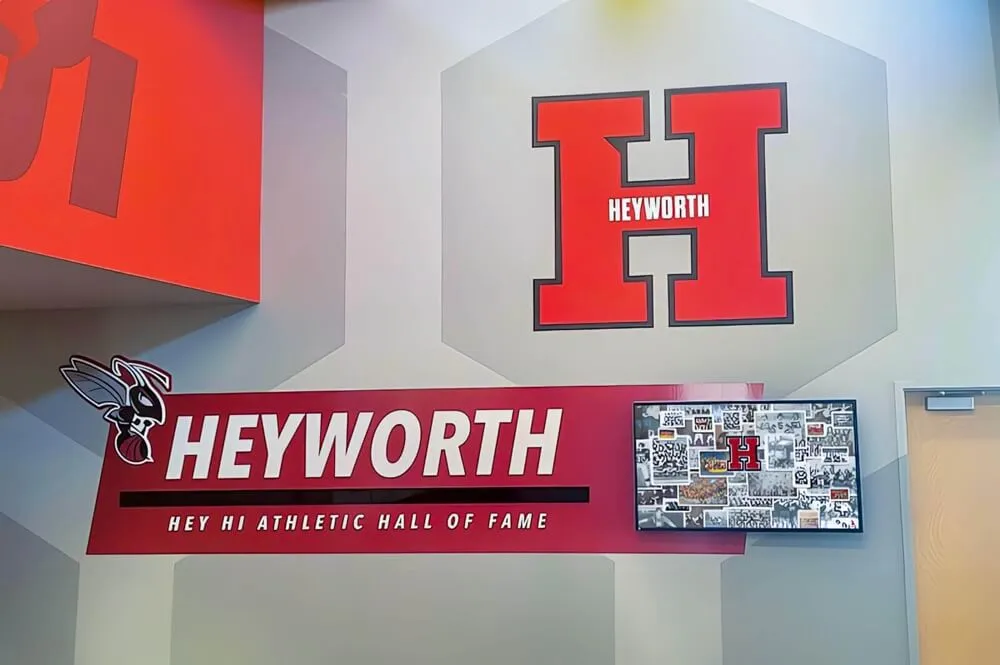
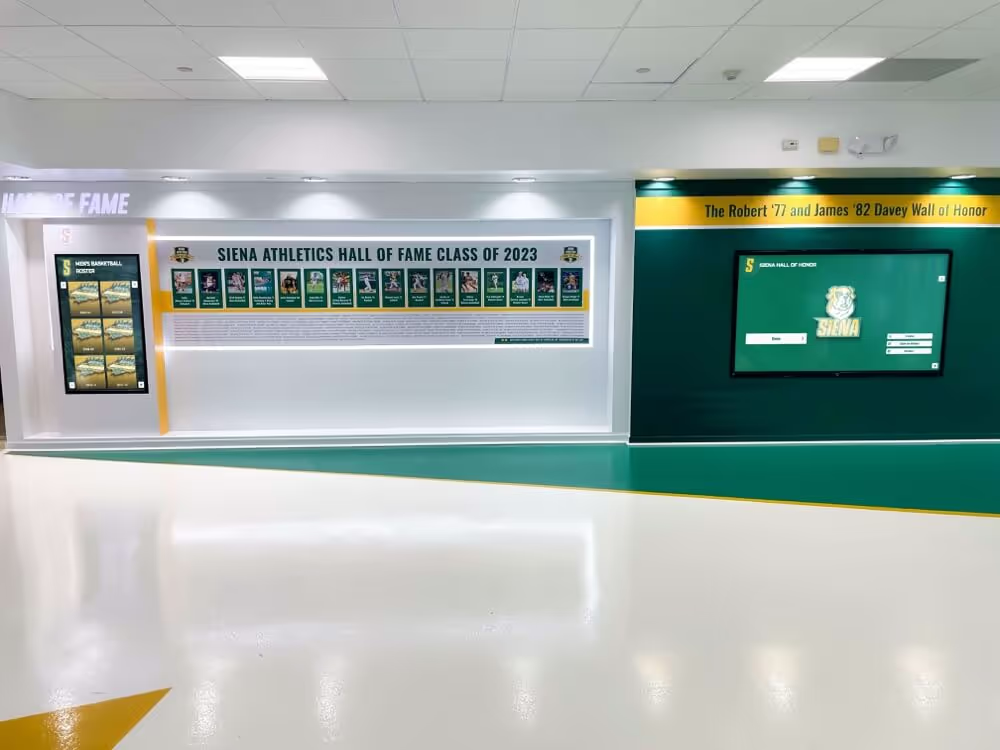
- Physical plaques or walls for hall of fame inductees
- Commemorative bricks in pathways or courtyards
- Portrait galleries in historic buildings
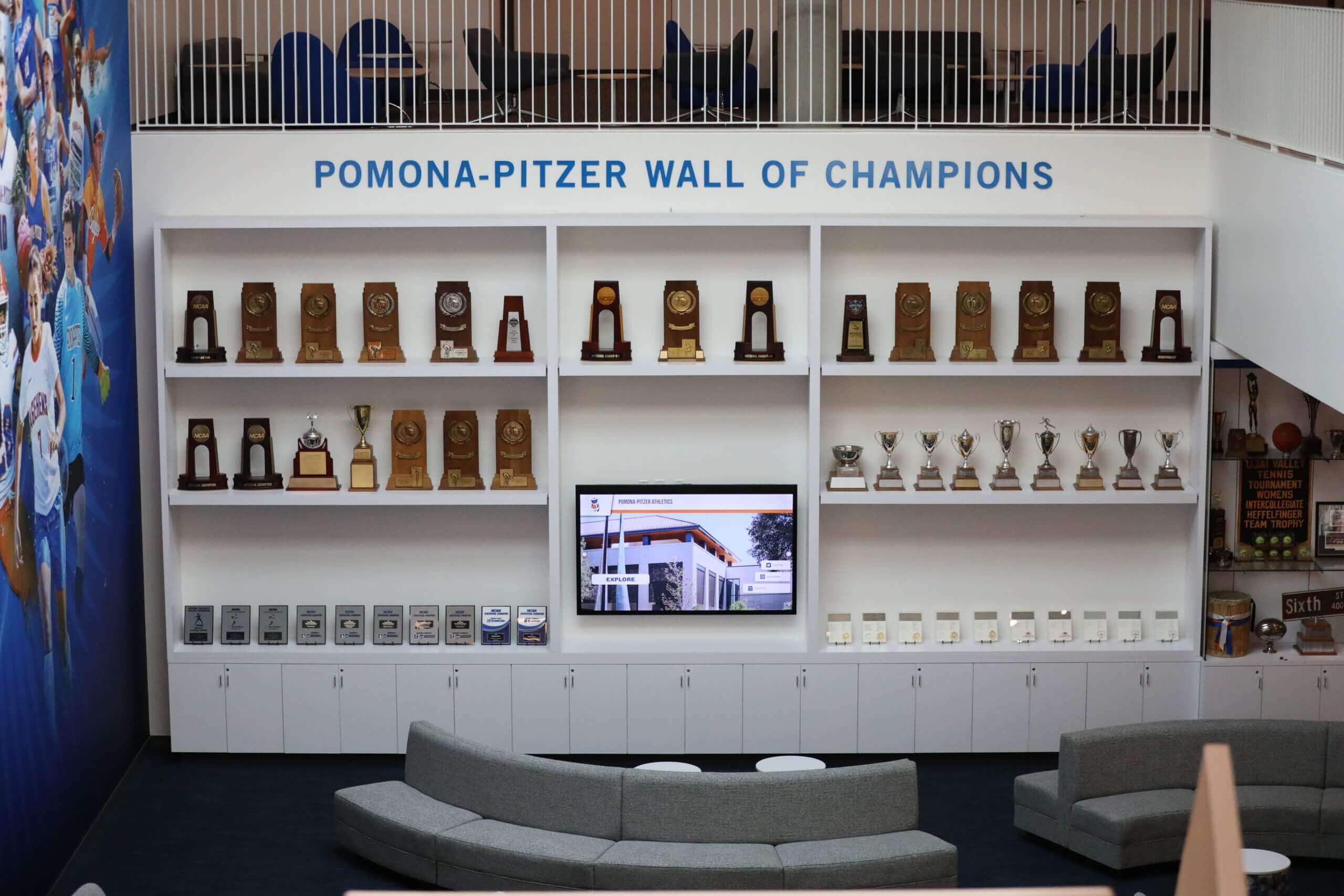
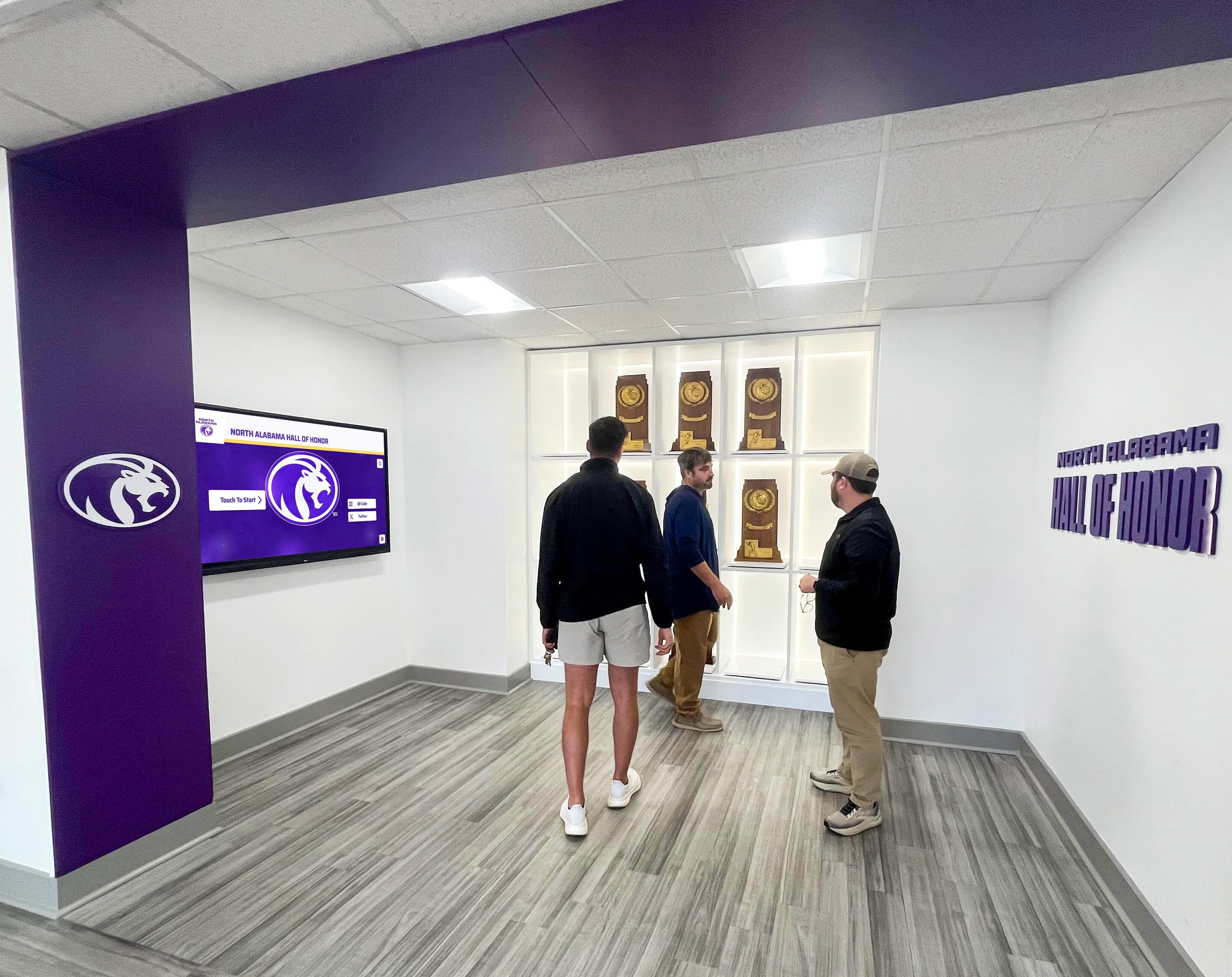
- Trophy cases displaying awards and memorabilia
- Permanent installations with historical significance
Physical elements work best when integrated with digital platforms rather than serving as sole recognition. A physical plaque paired with QR code linking to comprehensive digital profile combines permanence of traditional recognition with richness of multimedia storytelling.
Special Events and Ceremonies
Events create community experiences celebrating alumni while providing networking opportunities that benefit current students, recent graduates, and distinguished alumni themselves.
Recognition Event Formats:
- Hall of fame induction ceremonies honoring exceptional careers
- Alumni awards galas celebrating varied achievements
- Homecoming weekend featured alumni programming
- Distinguished speaker series with notable graduates
- Career panels connecting students with successful alumni
- Networking receptions in major metropolitan areas
- Reunion weekend recognition of milestone classes
- Virtual events expanding geographic reach
Events paired with permanent recognition through digital displays or website profiles create comprehensive celebration—ceremonial acknowledgment followed by lasting visibility that extends far beyond single occasions.
Content Development: Creating Compelling Alumni Profiles
Recognition effectiveness depends significantly on content quality. Generic biographical summaries fail to inspire or engage, while authentic storytelling creates emotional connections that motivate students and strengthen alumni bonds.
Comprehensive Profile Components
Strong alumni profiles balance professional accomplishment with personal narrative, providing both information and inspiration.
Essential Profile Elements:
Professional Photography
High-quality current photos that present alumni professionally while appearing approachable and authentic
Educational Foundation
Graduation year, degree earned, major field of study, and significant institutional experiences during student years
Career Trajectory
Major milestones from graduation to present, highlighting pivotal decisions and advancement patterns
Current Position
Present role, organization, responsibilities, and recent accomplishments demonstrating continued success
Notable Achievements
Awards, honors, innovations, publications, or contributions that distinguish career from peers
Authentic Storytelling
Personal reflections on challenges overcome, lessons learned, influential mentors, and career wisdom
Interview Strategies for Authentic Content
The most compelling profiles emerge from thoughtful interviews that elicit stories rather than facts. Effective interview questions reveal personality, wisdom, and authentic connection to institutional experience.
Key Interview Question Categories:
Educational Foundation Questions:
- What drew you to this institution initially, and how did reality compare to expectations?
- Which professors, coaches, mentors, or peers most influenced your success?
- What specific experiences, courses, or activities proved most valuable for your career?
- How did your education prepare you for challenges you’ve faced professionally?
Career Journey Questions:
- Walk through your career path from graduation to present—what were the pivotal moments?
- What achievement makes you most proud, and why does it hold special significance?
- What obstacles did you overcome on your path to success?
- How has your career evolved in ways you didn’t anticipate?
Advice and Wisdom Questions:
- What guidance would you give current students preparing for careers in your field?
- What skills or qualities have proven most valuable throughout your journey?
- What do you wish you had known at graduation that you understand now?
- What resources or experiences most influenced your professional development?
Connection and Future Questions:
- What are your favorite memories from your time at the institution?
- How do you stay connected currently, and what motivates ongoing engagement?
- What message would you want current students to hear?
- How can students or recent graduates connect with you for networking or mentorship?
Comprehensive interview frameworks like those used in student mentorship and alumni discovery programs provide detailed question banks adaptable to various alumni profiles and recognition objectives.
Multimedia Enhancement Strategies
While written profiles form the foundation, multimedia elements significantly enhance engagement and emotional impact.
Video Content Opportunities:
- 2-5 minute interview highlights capturing authentic voices
- Career journey visualizations showing progression over time
- Campus memory segments featuring favorite student experiences
- Advice clips addressing current students directly
- Day-in-the-life footage showing typical work activities
- Achievement demonstrations when visual illustration adds value
Photo Gallery Components:
- Current professional headshots
- Student-era photos showing institutional connection
- Career milestone images documenting major moments
- Work environment photos illustrating professional context
- Family or personal photos when alumni are comfortable sharing
- Historical campus images creating nostalgic connection
Professional multimedia production requires investment but delivers significantly higher engagement. Students spend far more time exploring video profiles than reading text alone. For institutions with limited video production capacity, even simple smartphone recordings edited minimally prove more engaging than text-only profiles.
Distribution and Promotion: Maximizing Alumni Recognition Impact
Creating outstanding content represents only half the challenge—ensuring target audiences actually discover and engage with alumni profiles requires strategic distribution and sustained promotion.
Campus Integration Strategies
Physical campus installations create daily touchpoints with students, faculty, staff, and visitors who might never encounter web-based content.
High-Impact Display Locations:
- Main entrance lobbies where all visitors pass
- Student centers and dining facilities with extended dwell time
- Library main floors and study spaces
- Athletic facilities and recreation centers
- Academic building common areas and gathering spots
- Admissions office lobbies where prospective families wait
- Alumni center reception areas
- Career services offices where students explore options
Strategic placement creates organic discovery rather than requiring active seeking. Students browsing between classes encounter alumni working in fields that interest them, prospective families touring campus see tangible evidence of graduate success, and community visitors exploring campus discover institutional heritage and contemporary impact.
Modern digital recognition solutions like those from Rocket Alumni Solutions enable content synchronization—profiles published to website automatically appear on campus displays without duplicate content entry. This integration ensures consistent messaging while dramatically reducing staff workload.
Digital Channel Distribution
Website Integration Points:
- Homepage featured alumni rotation
- Dedicated searchable alumni directory
- Academic department pages highlighting program graduates
- Admissions pages demonstrating career outcomes
- Career services sections showing industry pathways
- Giving pages celebrating donor alumni
- News sections featuring recent accomplishments
Email Marketing Campaigns:
- Alumni newsletter featured profiles
- Student communications career guidance
- Prospective family nurture sequences
- Donor stewardship updates
- Event invitations highlighting attendees
- Reunion communications class-specific content
- Segmented sends to relevant audiences
Email marketing proves particularly effective when highly targeted. Sending a computer science alumnus profile only to current CS students, CS alumni, and families of CS applicants dramatically increases relevance and engagement compared to broadcast messaging to entire databases.
Social Media Amplification Strategies
Social platforms extend reach far beyond direct institutional control when content resonates with audiences who share, comment, and amplify messaging.
Platform-Specific Approaches:
LinkedIn: Professional focus makes LinkedIn ideal for alumni recognition. Share full profile links, create quote graphics highlighting career advice, tag featured alumni who will likely reshare to their networks, use relevant industry and institutional hashtags, and post during business hours for maximum professional audience reach. LinkedIn’s algorithm favors content that generates meaningful conversation, so asking questions in posts (“What advice would you give your student self?”) typically performs better than simple announcements.
Instagram: Visual storytelling demands high-quality photos and concise captions. Create carousel posts with multiple images from alumni careers, Instagram Story highlights featuring video clips, and Reels with compelling moments from alumni interviews. Alumni content showing the human side—campus memories, overcoming challenges, authentic advice—tends to outperform purely professional achievement posts.
Facebook: Emphasize personal stories and emotional connection. Video content performs exceptionally well on Facebook’s algorithm. Create shareable graphics optimized for mobile viewing. Alumni often reshare institutional Facebook posts to their personal networks, extending reach significantly beyond institutional follower base.
Promotion Cadence:
Rather than single announcement posts, stretch alumni profile promotion across multiple weeks: Week 1 launches with major announcement across all platforms, Week 2 shares compelling quote or advice excerpt, Week 3 highlights specific achievement or career milestone, and Week 4 encourages community to nominate future spotlight candidates. This extended promotion maintains visibility while providing multiple opportunities for audience discovery and engagement.
Integration with Institutional Programs
Recognition programs deliver maximum value when woven throughout institutional activities rather than existing as standalone initiatives.
Academic Integration:
- Faculty highlight alumni in relevant courses
- Guest speaker invitations to featured alumni
- Career exploration assignments using alumni profiles
- Capstone projects connecting with alumni mentors
- Alumni panels during academic department events
Admissions Integration:
- Tour guide talking points about famous alumni
- Information sessions featuring graduate success
- Admitted student events with alumni attendance
- Prospective family email sequences with profiles
- Virtual tours highlighting digital recognition displays
Advancement Integration:
- Major gift conversations leveraging recognition
- Stewardship communications featuring honorees
- Campaign materials showcasing philanthropic alumni
- Event programming with distinguished graduates
- Volunteer recruitment using recognition as incentive
Student Services Integration:
- Career counseling using alumni as examples
- Networking event promotion featuring attendees
- Mentorship program recruitment highlighting profiles
- Student organization partnerships with alumni
- Leadership development using alumni role models
Schools implementing comprehensive recognition ecosystems that touch multiple institutional functions realize significantly higher value than isolated programs managed solely by alumni relations offices.
Specialized Recognition: Highlighting Alumni by Achievement Type
While comprehensive programs celebrate diverse accomplishments, specialized recognition in specific domains creates targeted impact for particular audiences and institutional priorities.
Distinguished Academic and Research Alumni
Alumni making scholarly contributions deserve celebration alongside those achieving business or public success. Academic excellence recognition appeals to faculty, graduate students, and families valuing intellectual achievement.
Academic Achievement Categories:
- Faculty appointments at prestigious institutions
- Published research and scholarly contributions
- Patents and intellectual property development
- Grants and funding secured for research
- Academic awards and honors from professional societies
- Doctoral degrees and advanced credentials
- Contributions advancing knowledge in specific fields
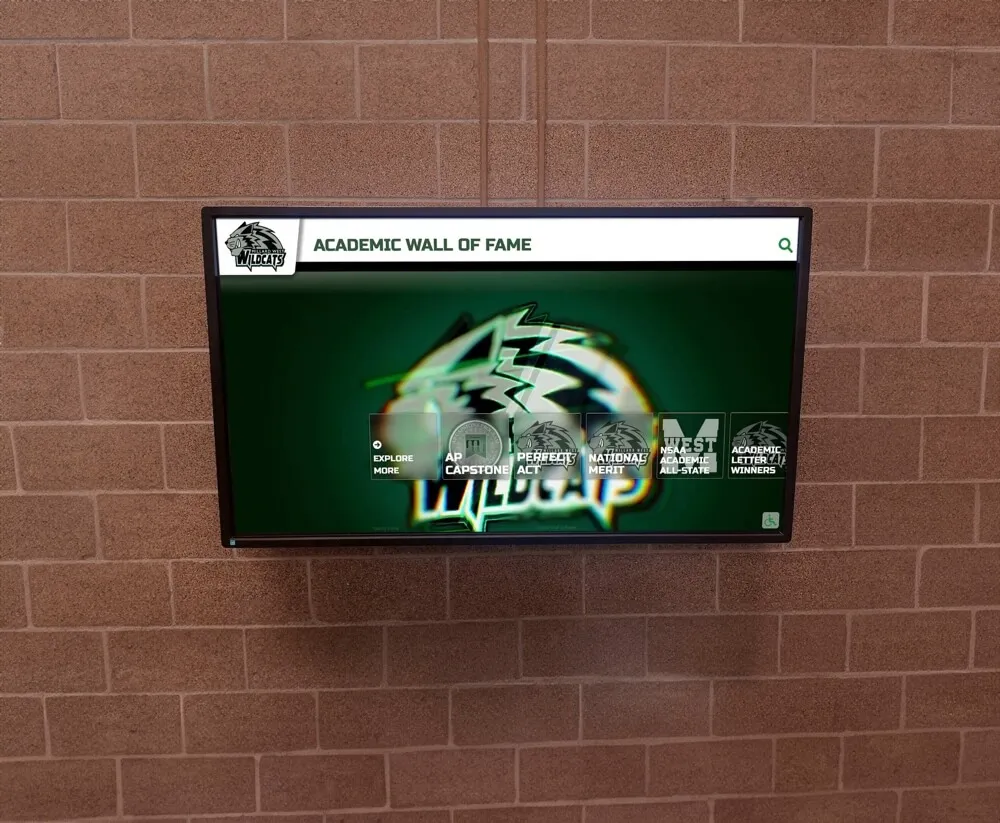
Programs highlighting academic recognition and achievement demonstrate that institutions value varied definitions of success beyond traditional career and financial metrics.
Athletic Achievement and Professional Sports Alumni
Athletic alumni—particularly those reaching professional levels or achieving championship success—resonate powerfully with students, sports fans, and community members who follow athletic programs closely.
Athletic Recognition Priorities:
- Professional athletes competing at elite levels
- Olympic and international competition participants
- Championship team members and record holders
- Coaching careers following athletic success
- Sports media and commentary professionals
- Athletic administration and leadership
- Community programs promoting youth athletics
Digital solutions excel for athletic recognition because they accommodate comprehensive statistics, game footage, championship documentation, and career progression impossible in static displays. Schools can maintain separate sections for athletic halls of fame while integrating them within broader alumni recognition ecosystems.
Entrepreneurship and Business Leadership Alumni
Alumni who founded successful companies, lead major organizations, or drive innovation in business create aspirational examples for students interested in entrepreneurship, business careers, or leadership roles.
Business Achievement Recognition:
- Company founders and startup entrepreneurs
- Corporate executives and C-suite leaders
- Industry innovators and disruptors
- Small business owners serving communities
- Non-profit organization leadership
- Board service on major organizations
- Business awards and industry recognition
Entrepreneurial alumni often welcome opportunities to mentor aspiring student entrepreneurs, judge business plan competitions, provide internships, and speak at campus events. Recognition frequently leads to deeper institutional engagement benefiting students pursuing similar paths.
Public Service and Community Impact Alumni
Graduates serving communities through public sector careers, military service, nonprofit leadership, or volunteer commitment demonstrate that success extends beyond personal achievement to meaningful societal contribution.
Service-Oriented Recognition:
- Elected officials and public servants
- Military service and veteran leadership
- Nonprofit founders and executives
- Community volunteer leadership
- Healthcare professionals serving underserved populations
- Educators and school administrators
- Social justice advocates and activists
Many institutions find that featuring service-oriented alumni alongside traditional business and professional success profiles creates more inclusive recognition that resonates with broader student populations and demonstrates institutional values beyond career preparation.
Arts, Entertainment, and Creative Field Alumni
Alumni succeeding in arts, entertainment, media, and creative industries provide inspiration for students pursuing careers in these competitive fields while demonstrating educational breadth.
Creative Achievement Recognition:
- Performing artists and entertainers
- Visual artists and designers
- Authors and journalists
- Film and television professionals
- Musicians and composers
- Theatre and performing arts careers
- Media and communications leaders
Creative alumni often possess compelling stories about persistence through rejection, building careers in unpredictable industries, and balancing artistic passion with practical realities—narratives that resonate deeply with students drawn to creative fields.
Measuring Impact: Analytics and Success Metrics
Effective recognition programs continuously measure performance, analyze engagement patterns, and refine approaches based on data rather than assumptions about what works.
Quantitative Engagement Metrics
Track objective data demonstrating recognition program effectiveness:
Display Interaction Data
Total touches, unique sessions, average duration, search patterns, profile views, and return visitor rates for digital recognition displays
Website Analytics
Page views, unique visitors, time on page, bounce rates, search behavior, and navigation patterns for alumni profile pages
Email Performance
Open rates, click-through rates, forward rates, and unsubscribe patterns for alumni spotlight communications
Social Media Engagement
Reach, impressions, likes, comments, shares, saves, and profile clicks for alumni recognition content
Modern recognition platforms like those from Rocket Alumni Solutions provide built-in analytics dashboards tracking visitor behavior, popular profiles, search patterns, and engagement trends over time. These insights inform content strategy, highlighting what resonates most strongly while identifying improvement opportunities.
Relationship and Outcome Metrics
Beyond digital engagement, measure how recognition affects relationships and institutional priorities:
Alumni Relationship Indicators:
- Subsequent engagement rates among featured alumni
- Giving participation and average gift amounts
- Event attendance and volunteer involvement
- Mentorship program participation
- Referral of prospective students
- Career networking connections facilitated
- Media amplification and social sharing
Institutional Outcome Indicators:
- Prospective family feedback during admissions process
- Yield rates among accepted students
- Student career services utilization patterns
- Alumni satisfaction survey responses
- Institutional reputation metrics and rankings
- Media coverage mentioning distinguished alumni
- Community awareness and perception
Qualitative Feedback and Testimonials
Systematic feedback collection provides insights quantitative data cannot capture:
- Featured alumni testimonials about recognition experience
- Student reflections on inspiration and career insights gained
- Prospective family comments during campus visits
- Faculty observations about student engagement
- Staff feedback about program effectiveness
- Community member perspectives from display interactions
Regular surveys, focus groups, and informal conversations reveal nuanced understanding about what recognition approaches resonate most strongly while identifying improvement opportunities that analytics alone might miss.
Best Practices and Common Pitfalls
Learning from successful implementations and common mistakes helps schools maximize recognition program effectiveness while avoiding costly errors.
Critical Success Factors
Clear Ownership and Accountability: Assign specific individuals responsibility for program coordination, content management, and ongoing maintenance. Programs lacking dedicated ownership inevitably fade as competing priorities emerge. Protect time allocation ensuring recognition receives consistent attention rather than leftover energy when everything else completes.
Diverse and Inclusive Selection: Audit featured alumni regularly examining representation across graduation decades, academic programs, career types, demographic backgrounds, and achievement definitions. Unconscious bias toward certain populations undermines program credibility and limits inspirational value for diverse student populations. Intentional diversity requires active effort, not passive hope that variety emerges naturally.
Authentic and Compelling Storytelling: Generic biographical summaries fail to inspire or engage. Invest sufficient time developing profiles that reveal personality, challenges overcome, pivotal moments, and authentic wisdom. The difference between forgettable and memorable recognition lies primarily in content quality rather than display technology or distribution channels.
Sustained Promotion and Integration: Outstanding content delivers minimal value when audiences never discover it. Maintain consistent promotion across multiple channels, integrate recognition throughout institutional activities, and periodically refresh featured content keeping programs feeling current rather than stale. Recognition programs require ongoing attention, not just impressive launches followed by neglect.
Measurement and Continuous Improvement: Track engagement metrics, gather stakeholder feedback, analyze what content resonates most strongly, and refine approaches based on evidence rather than assumptions. The best programs continuously evolve based on learning what works rather than repeating initial approaches indefinitely regardless of performance.
Common Pitfalls to Avoid
Overemphasis on Wealth: Featuring only financially successful or wealthy alumni sends messages that institutions primarily value monetary achievement. While celebrating philanthropic leaders makes sense, comprehensive programs honor diverse contributions including teaching, service, creativity, and community impact alongside business success.
Neglecting Recent Graduates: Recognition programs featuring exclusively established professionals with decades of career progression suggest younger alumni haven’t achieved anything worth celebrating. Including recent graduates showing early promise inspires current students with relatable near-peer examples while acknowledging that meaningful achievement happens at all career stages.
Inconsistent Maintenance: Launching impressive recognition programs with outdated content creates worse impressions than having no program at all. Displays showing three-year-old “current” spotlights or alumni profiles listing positions they left years ago undermine credibility. Commit to realistic update schedules or scale back program scope to manageable levels.
Insufficient Alumni Engagement: Featuring alumni without their knowledge or permission, using outdated photos, or publishing inaccurate information damages relationships rather than strengthening them. Always secure approval before publication, provide opportunities for alumni to review and update content, and maintain open communication channels for corrections.
Technology Without Strategy: Investing in impressive digital displays without thoughtful content strategy, diverse alumni selection, compelling storytelling, and sustained promotion wastes resources on underutilized installations. Technology enables recognition but never replaces the strategic planning and quality content that make programs successful.
Advanced Strategies: Maximizing Recognition Program Value
Once foundational programs operate effectively, advanced strategies extend value and deepen impact across institutional priorities.
Alumni Networking and Mentorship Integration
Transform recognition from one-way celebration into two-way connection by building mentorship and networking opportunities directly into alumni profiles.
Connection Mechanisms:
- Include contact preferences and networking availability
- Enable students to request mentorship through displays
- Create structured programs connecting featured alumni with students
- Organize networking events bringing together profiled alumni
- Facilitate industry-specific panels with multiple alumni
- Develop online networking platforms extending connections
When students can directly reach recognized alumni for informational interviews, career advice, or internship opportunities, recognition programs deliver tangible career support beyond inspiration. Alumni willing to mentor students often appreciate structured facilitation rather than being expected to independently create engagement opportunities.
Cross-Institutional Collaboration
Schools within districts, networks, or geographic regions can collaborate on recognition initiatives that benefit all participants while sharing development costs.
Collaboration Opportunities:
- Shared platforms reducing per-institution costs
- Coordinated events featuring multiple institutions’ alumni
- Combined marketing extending reach
- Joint content development sharing workload
- Unified technology infrastructure
- Collaborative professional development
Multi-institutional approaches work particularly well for smaller schools lacking resources for comprehensive independent programs but collectively possessing impressive alumni worthy of celebration.
Historical Archive Development
Beyond celebrating current famous alumni, comprehensive programs preserve institutional memory by documenting historical graduates whose achievements shaped communities and fields even if they’re less familiar to contemporary audiences.
Historical Recognition Components:
- Biographical research on pioneering early graduates
- Historical photo collection and preservation
- Oral history interviews with older alumni
- Timeline development showing institutional evolution
- Context explaining historical significance
- Connections between historical and contemporary alumni
Historical depth creates richness that new institutions cannot replicate, providing competitive differentiation and strengthening sense of tradition and continuity across generations.
Conclusion: Building Lasting Legacy Through Alumni Recognition
Highlighting famous alumni represents far more than feel-good celebration or public relations enhancement—it’s strategic investment in student inspiration, institutional reputation, recruitment effectiveness, alumni engagement, and lasting community pride. When prospective families research educational options, when current students explore career possibilities, when distinguished graduates decide whether to maintain institutional connections, the visibility and quality of alumni recognition significantly influences those critical decisions.
The most effective programs balance ambitious vision with realistic resource assessment, starting with achievable approaches establishing consistency before pursuing sophisticated enhancements. Whether implementing first recognition initiatives or expanding existing programs, the frameworks outlined in this guide provide actionable roadmaps for celebrating distinguished graduates while strengthening institutional communities.
Modern technology solutions like those from Rocket Alumni Solutions streamline implementation by integrating content management with distribution across digital displays, websites, and mobile platforms. These comprehensive systems reduce staff workload while ensuring professional presentation that reflects well on featured alumni and institutional commitment to celebrating graduate success.
Ready to Transform Your Alumni Recognition?
Discover how modern recognition technology can elevate your program for highlighting famous alumni. Visit Rocket Alumni Solutions to explore comprehensive platforms designed specifically for educational institutions, or learn more about alumni engagement through interactive recognition displays and building alumni legacy digital walls that bring graduate stories to life.
From celebrating athletic achievements to recognizing community contributions, the right digital recognition solutions make it easier to implement comprehensive programs that inspire students, strengthen recruitment, engage distinguished graduates, and build institutional pride for generations to come.