Key Takeaways
Comprehensive guide to creating impactful high school walls of fame. Discover selection criteria, design options, digital solutions, funding strategies, and implementation best practices for celebrating student achievement.
Understanding the Purpose of High School Walls of Fame
High school Walls of Fame serve multiple essential functions within school communities, extending beyond simple displays to create meaningful recognition that shapes institutional culture and connects generations of students.
Why Recognition Matters in High Schools
Recognition validates years of student dedication, accomplishment, and contribution to school communities. When high schools create comprehensive Walls of Fame, they communicate that achievement matters and receives lasting institutional acknowledgment. This validation carries particular significance for teenagers and young adults forming their identities and understanding how accomplishment receives societal recognition.
For current students, these displays transform abstract concepts like “excellence” into tangible examples. A freshman viewing graduates who became successful professionals understands what paths exist beyond high school. A sophomore athlete seeing All-State selections gains concrete targets for their training and competition efforts. A junior scholar encountering academic honor recipients recognizes that intellectual achievement receives celebration equal to athletic success.

Walls of Fame also preserve institutional history that would otherwise fade from collective memory. Championship seasons, record-breaking performances, pioneering achievements, and graduate successes become permanent parts of school traditions, creating connections between current students and the rich legacies they’re building upon. According to the National Federation of State High School Associations, schools with active recognition programs report stronger community connections and increased alumni engagement.
The Alumni Engagement Advantage
High school Walls of Fame create natural touchpoints for maintaining lifelong relationships with graduates. Honored alumni feel ongoing connections to institutions that recognize their achievements, leading to increased engagement through volunteering, mentorship, event participation, and philanthropic support.
Beyond honored individuals, comprehensive recognition programs attract broader alumni interest. Classmates of honored graduates visit displays seeking familiar names. Parents return to schools where their children received recognition. Multi-generational families explore recognition spanning decades of school history. These recurring engagements strengthen alumni relationships that benefit schools through diverse forms of support and advocacy.
Inspiring Current Student Excellence
Visible recognition creates aspirational goals that motivate student achievement across academic, athletic, artistic, and service domains. When students regularly encounter displays celebrating excellence, they internalize that achievement receives meaningful acknowledgment, shaping ambitions and effort accordingly.
The most effective Walls of Fame celebrate diverse achievement dimensions—athletic prowess, academic scholarship, artistic talent, leadership capacity, service contributions, and professional accomplishment—demonstrating that schools value multiple forms of excellence. This comprehensive approach ensures all students can identify recognition opportunities aligned with their talents and aspirations.
Planning Your High School Wall of Fame
Successful recognition programs begin with comprehensive planning addressing fundamental questions about scope, criteria, governance, and long-term sustainability.
Defining Recognition Scope and Categories
The first critical decision involves determining what achievements warrant inclusion in your Wall of Fame. Different schools adopt different approaches based on their values, size, alumni demographics, and recognition philosophy.
Athletic Excellence Recognition celebrates student-athletes who achieved distinction through All-State selections, state championship participation, school records, advancement to collegiate or professional athletics, exceptional leadership, or hall of fame induction. Athletic recognition remains the most common Wall of Fame category given sports’ visibility and clear achievement metrics.
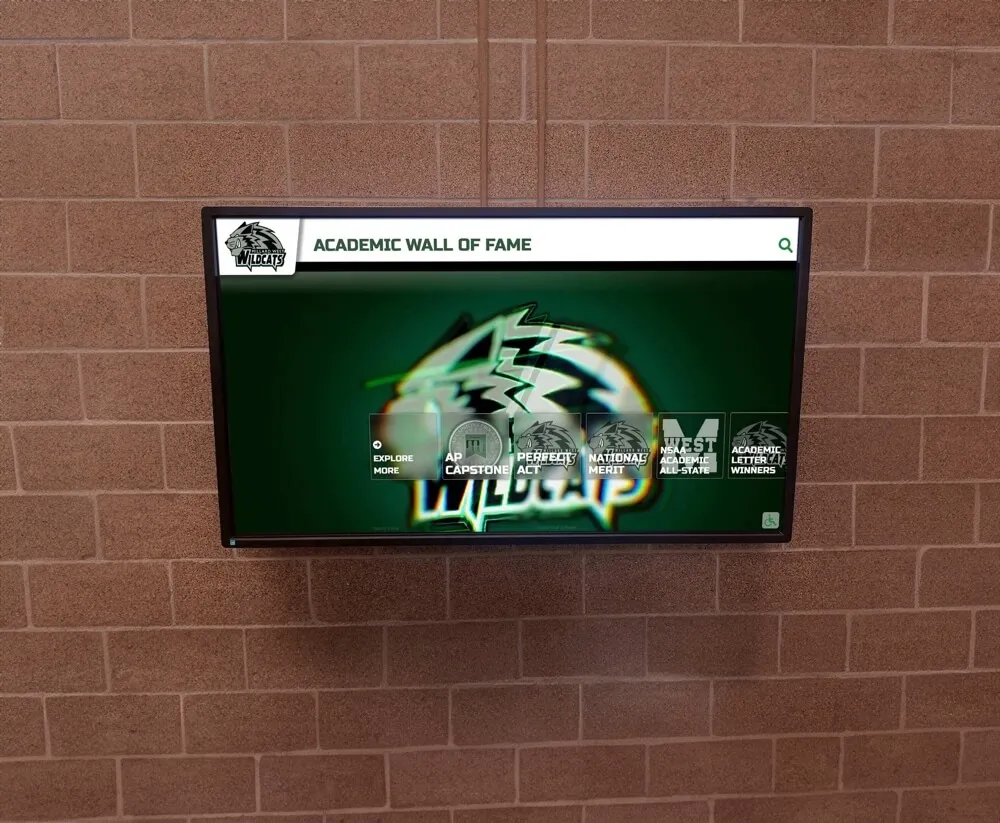
Academic Achievement Recognition honors graduates demonstrating exceptional scholarship through valedictorian or salutatorian status, National Merit recognition, significant research or publication accomplishments, advanced degree completion, academic competition success, or professional scholarly achievement. Academic recognition programs provide frameworks for celebrating intellectual excellence with appropriate prominence.

Distinguished Alumni Recognition acknowledges graduates who achieved significant professional success, demonstrated exceptional leadership, made important community contributions, earned notable public recognition, or exemplified school values throughout their careers. This category enables recognition of diverse accomplishments across all career paths and contribution areas.
Service and Leadership Recognition celebrates students or graduates who provided extraordinary service to schools, demonstrated exceptional leadership capacity, created lasting positive impact on school culture, or made significant community contributions. This category ensures that achievement beyond traditional academic or athletic metrics receives appropriate honor.
Arts and Fine Arts Recognition honors excellence in music, theater, visual arts, creative writing, or other artistic domains through performance achievements, significant creative accomplishments, professional artistic success, or notable contributions to school arts programs.
Many comprehensive programs implement multiple categories ensuring broad recognition across achievement dimensions. Clear category definitions help stakeholders understand what accomplishments warrant recognition within each domain while avoiding confusion about selection criteria.
Establishing Selection Criteria and Standards
Recognition credibility depends entirely on selection criteria perceived as fair, meaningful, and consistently applied. Vague or subjective standards create controversy while undermining program legitimacy.
Effective criteria typically include minimum achievement thresholds, specific accomplishment requirements, time-since-graduation requirements ensuring adequate perspective on post-high school impact, character and conduct standards reflecting school values, and nomination requirements establishing formal processes.
For athletic recognition, criteria might specify All-Conference or All-State selection requirements, state tournament participation or championship achievements, school record performances, advancement to collegiate Division I programs, or specific statistical achievement thresholds. These concrete standards enable objective evaluation and defensible decisions.
For academic recognition, criteria could require specific GPA thresholds, National Merit or AP Scholar recognition, significant research or publication achievements, advanced degree completion, or documented professional scholarly impact. Quantifiable academic standards create defensible selection processes similar to athletic criteria.
For distinguished alumni recognition, criteria necessarily become more qualitative given diverse career paths and contribution forms. Standards might include documented professional leadership roles, significant community impact, notable public recognition or honors, alignment with school values, or time since graduation allowing career development. Even when subjective judgment remains necessary, clear criteria frameworks guide committee decisions toward consistency and fairness.
Creating Governance and Selection Committees
Selection committee structure significantly impacts program credibility, fairness, and long-term sustainability. Well-designed committees balance diverse perspectives while maintaining manageable decision-making processes.
Effective committees typically include athletic directors for sports achievement evaluation, academic administrators for scholarship recognition, alumni association representatives maintaining graduate connections, community members providing external perspective, and rotating positions ensuring fresh thinking and preventing entrenchment. Committee size typically ranges from five to nine members—large enough for diverse input but small enough for efficient operation.
Clear term limits prevent stagnation while ensuring continuity through overlapping rotations. Transparent nomination and application processes accepting submissions from any community member create broad participation opportunities. Regular meeting schedules maintain program momentum while ensuring timely recognition of qualified candidates.
Design and Display Options for High School Walls of Fame
Schools face fundamental format decisions when implementing recognition displays—traditional physical installations, modern digital systems, or hybrid approaches combining both elements.
Traditional Physical Recognition Displays
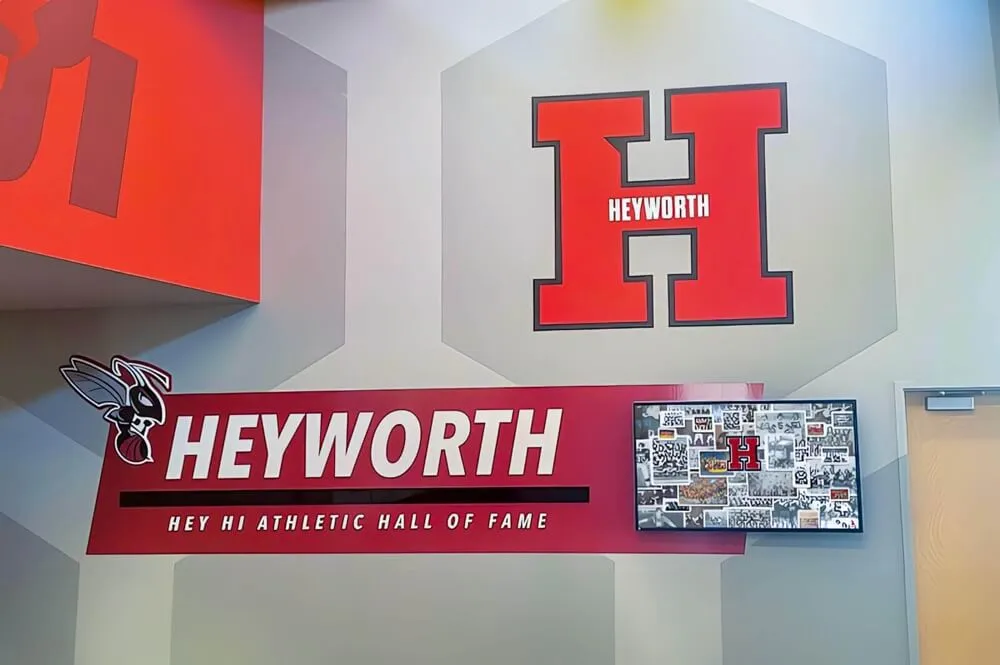
Traditional approaches feature engraved plaques, mounted photographs, trophy cases, and permanent installations that many find appealing for their tangible permanence and classic aesthetics.
Engraved Plaques mounted on dedicated walls provide timeless recognition in high-traffic locations. Schools typically arrange plaques chronologically by induction year or alphabetically by honoree name. Traditional plaques offer dignity and permanence while requiring minimal technical infrastructure.
Framed Photographs with Descriptive Text create more personal recognition including images alongside biographical information and achievement summaries. Photo displays provide visual interest and human connection that text-only plaques cannot match.

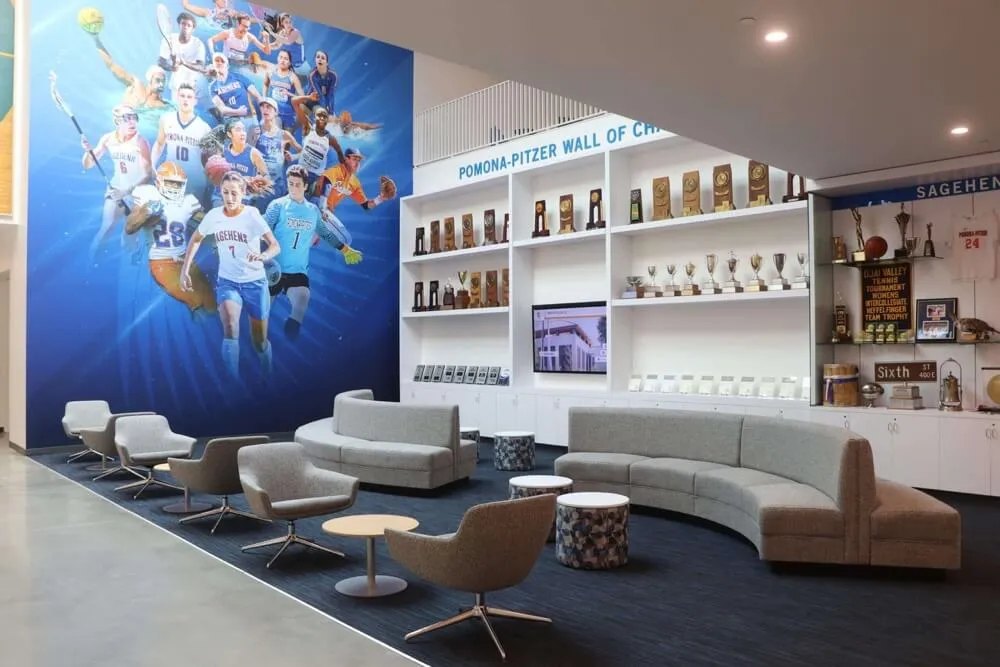
Trophy Cases and Display Cabinets showcase physical artifacts including championship trophies, awards, jerseys, equipment, medals, and memorabilia. Three-dimensional displays create engaging recognition while preserving historically significant objects.
Dedicated Recognition Galleries combine multiple traditional elements in comprehensive spaces designed specifically for celebrating achievement. These installations might feature extensive plaque walls, photo galleries, trophy displays, and narrative panels telling program histories.
Traditional displays offer clear advantages including tangible permanence, classic aesthetics conveying tradition and prestige, straightforward implementation without technical complexity, no dependence on technology infrastructure, and familiar approaches aligned with long-established recognition traditions.
However, traditional physical displays face significant limitations. Fixed space eventually fills, limiting future recognition capacity and forcing difficult decisions about who receives acknowledgment. Adding new honorees requires expensive fabrication and installation work. Static information cannot be updated without replacing physical elements. Minimal information fits beyond basic names and achievements. No multimedia capabilities exist for videos, comprehensive statistics, or interactive content.
Modern Digital Recognition Systems
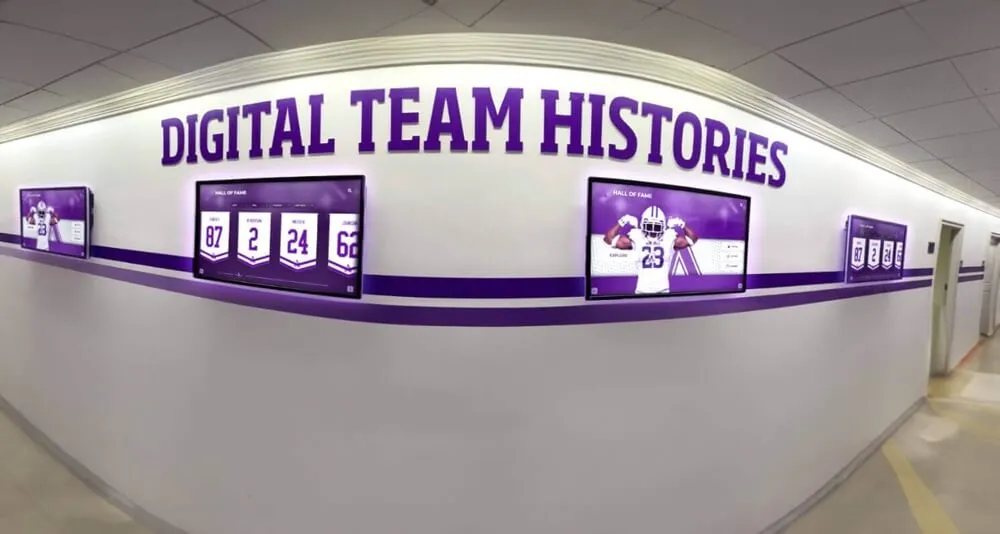
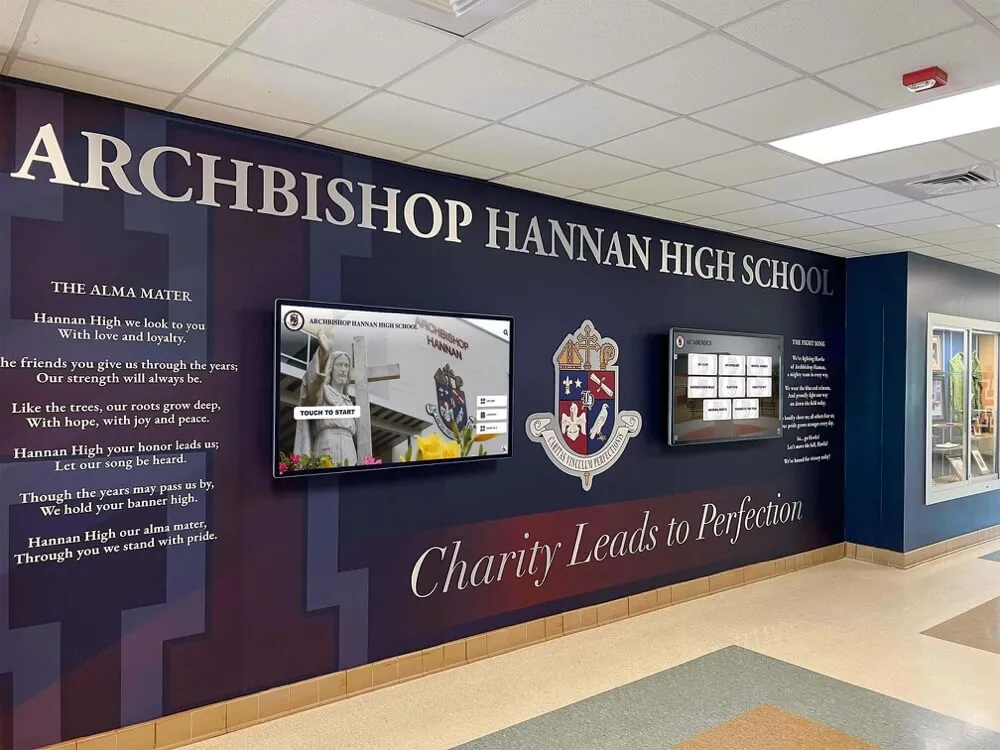
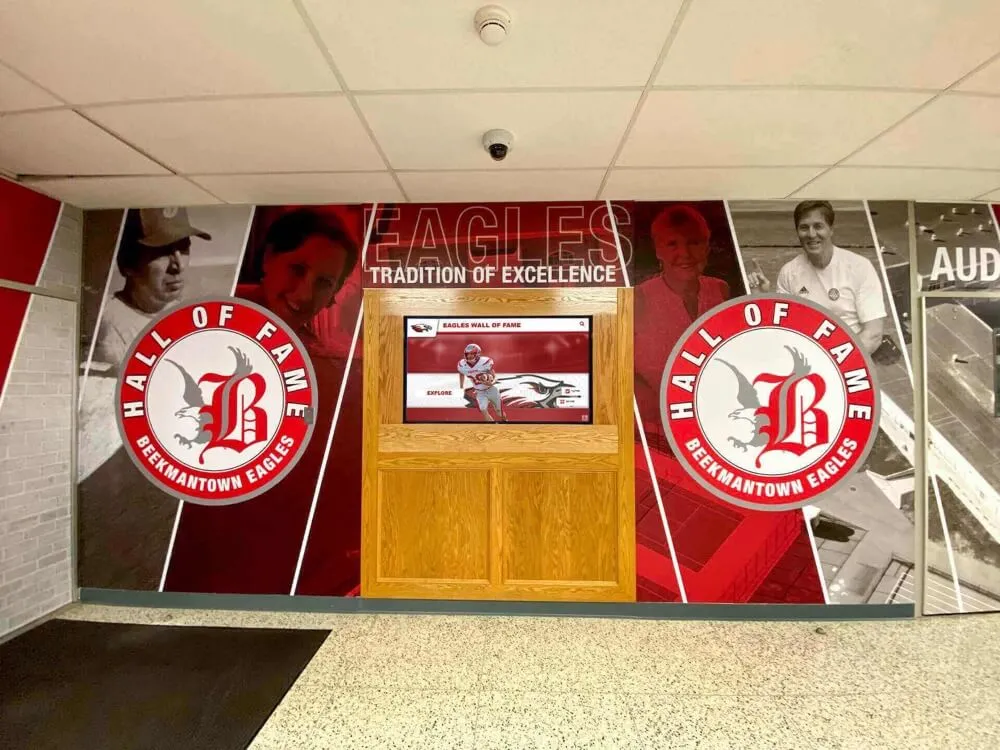
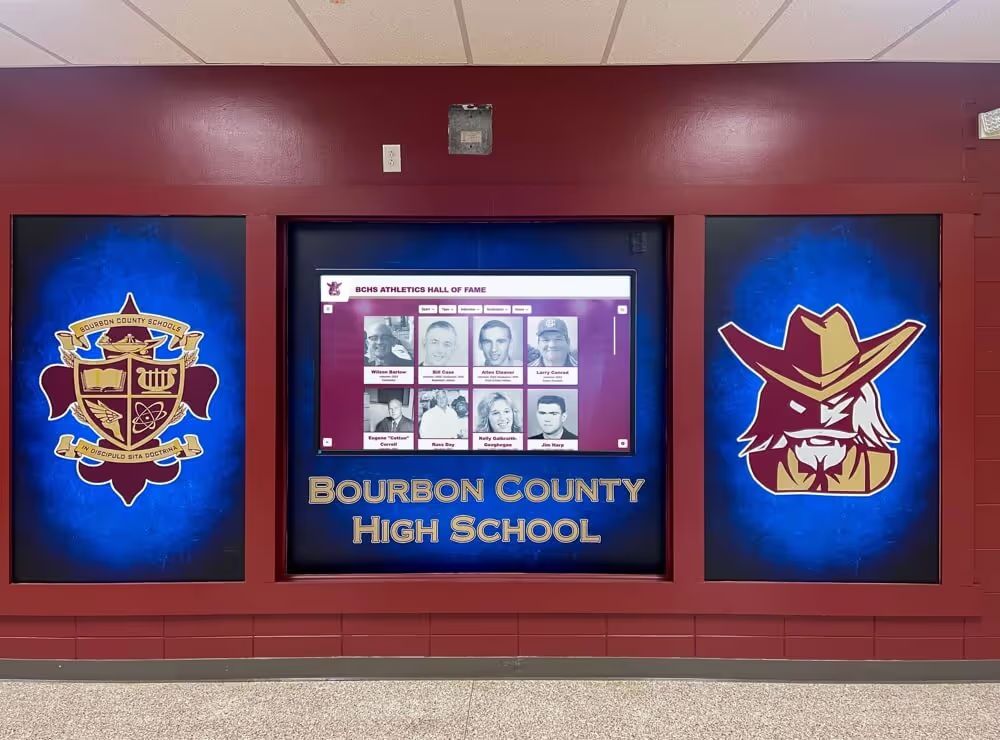
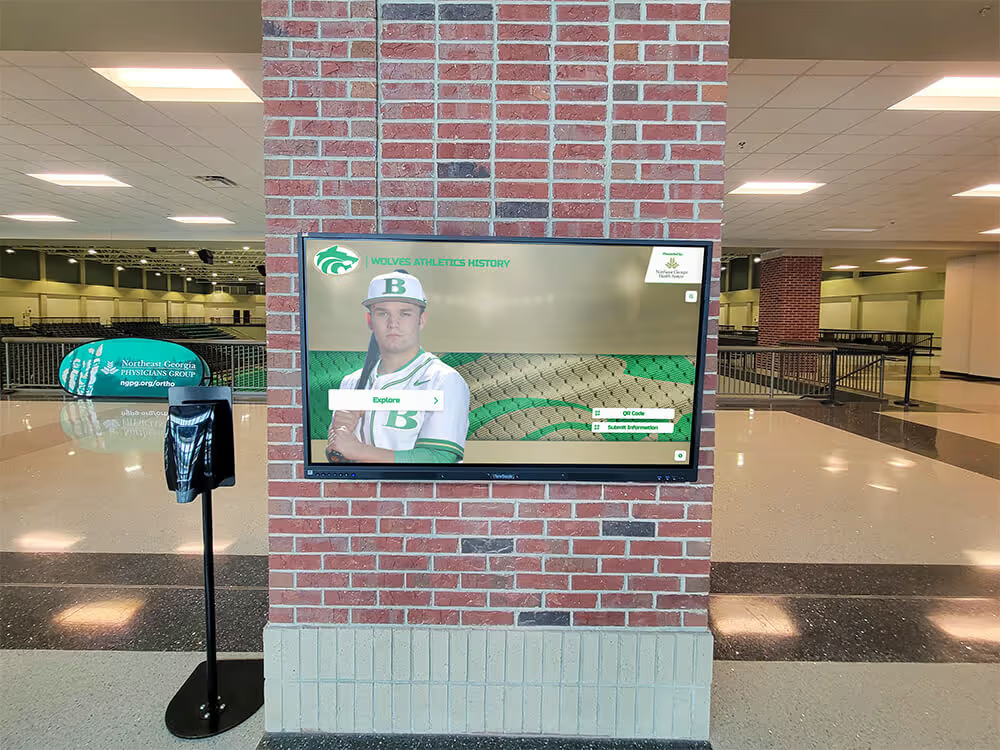
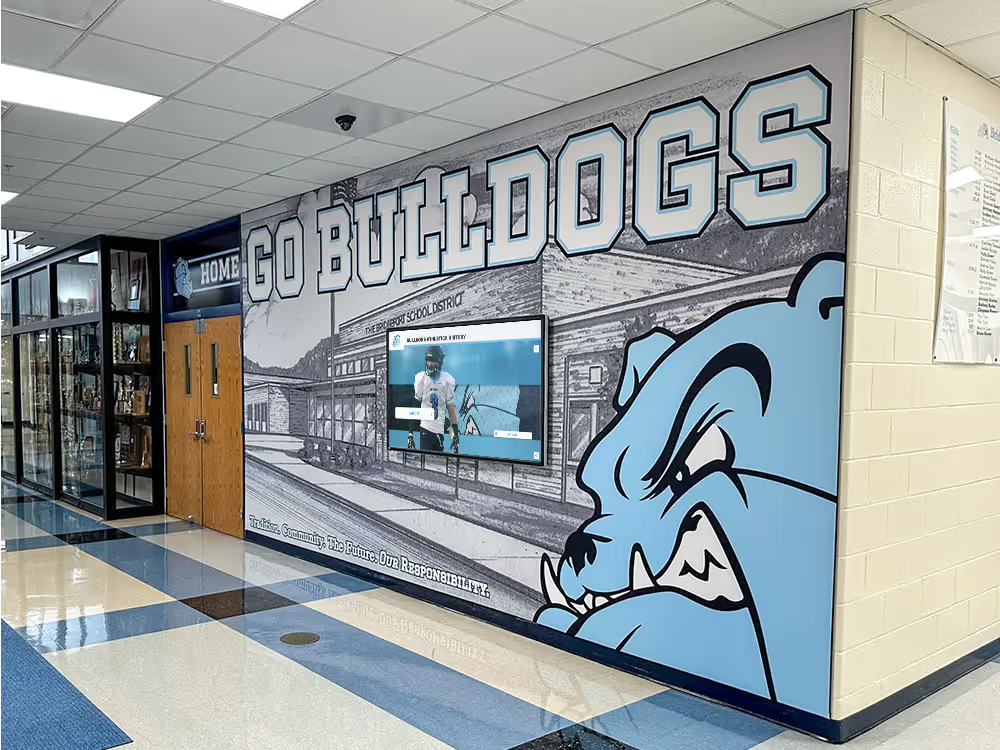
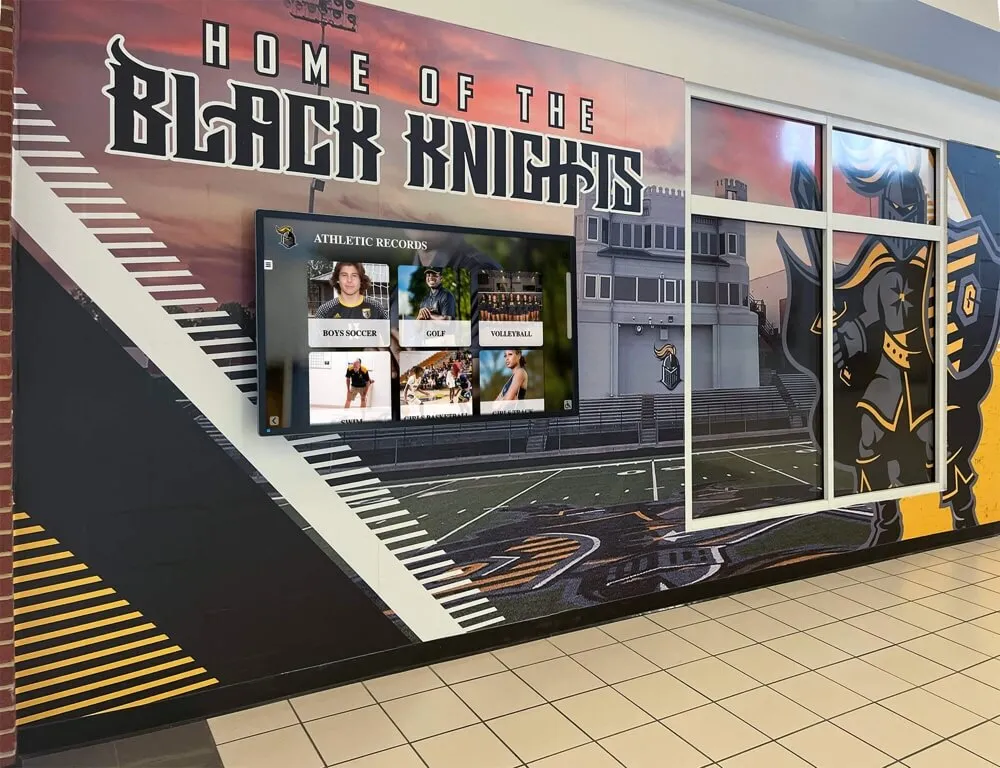
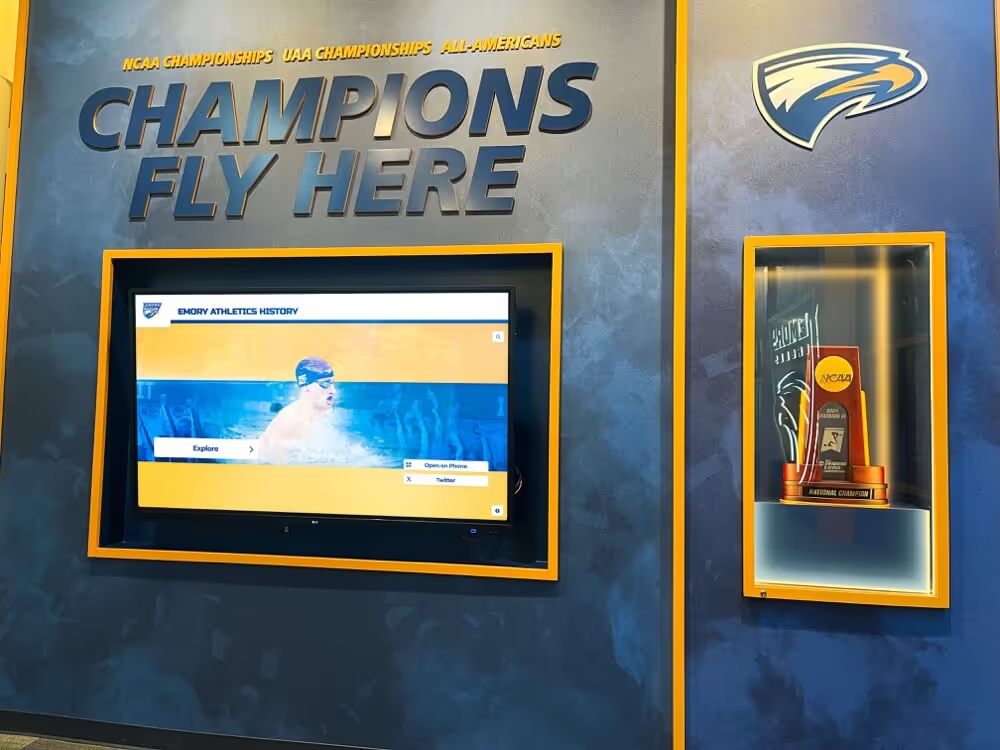
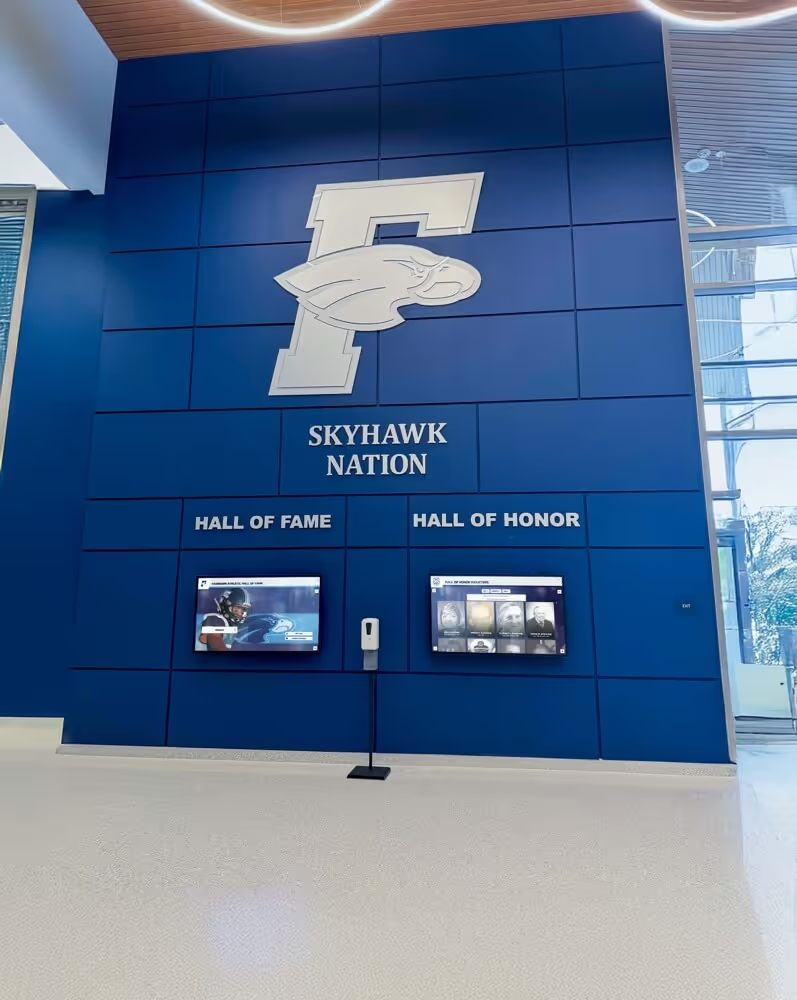
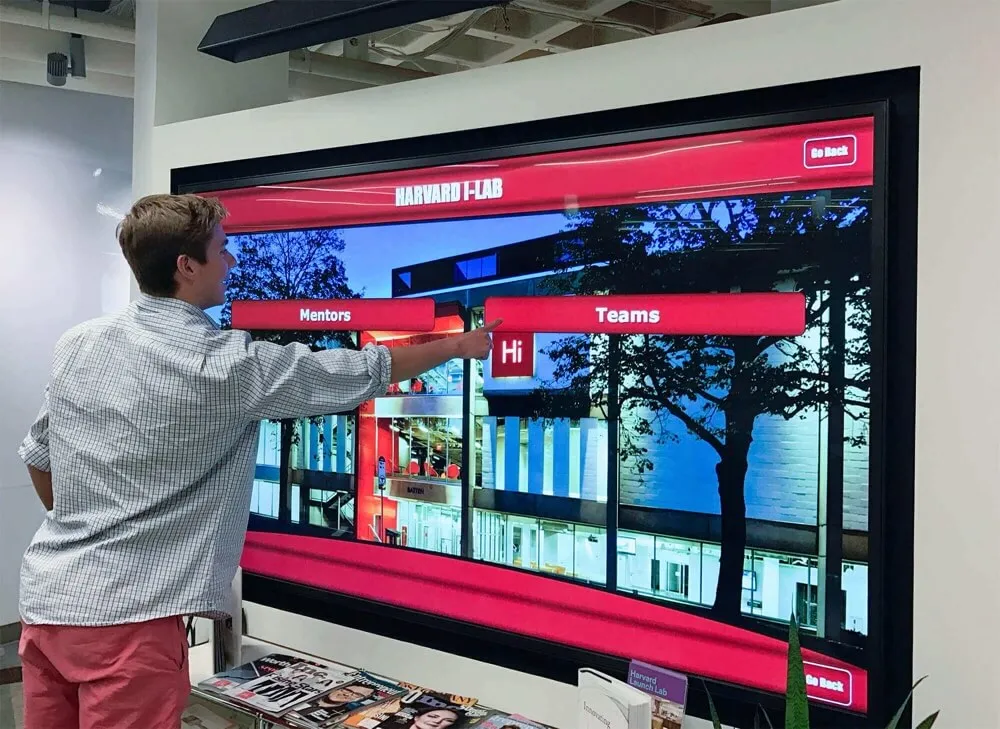
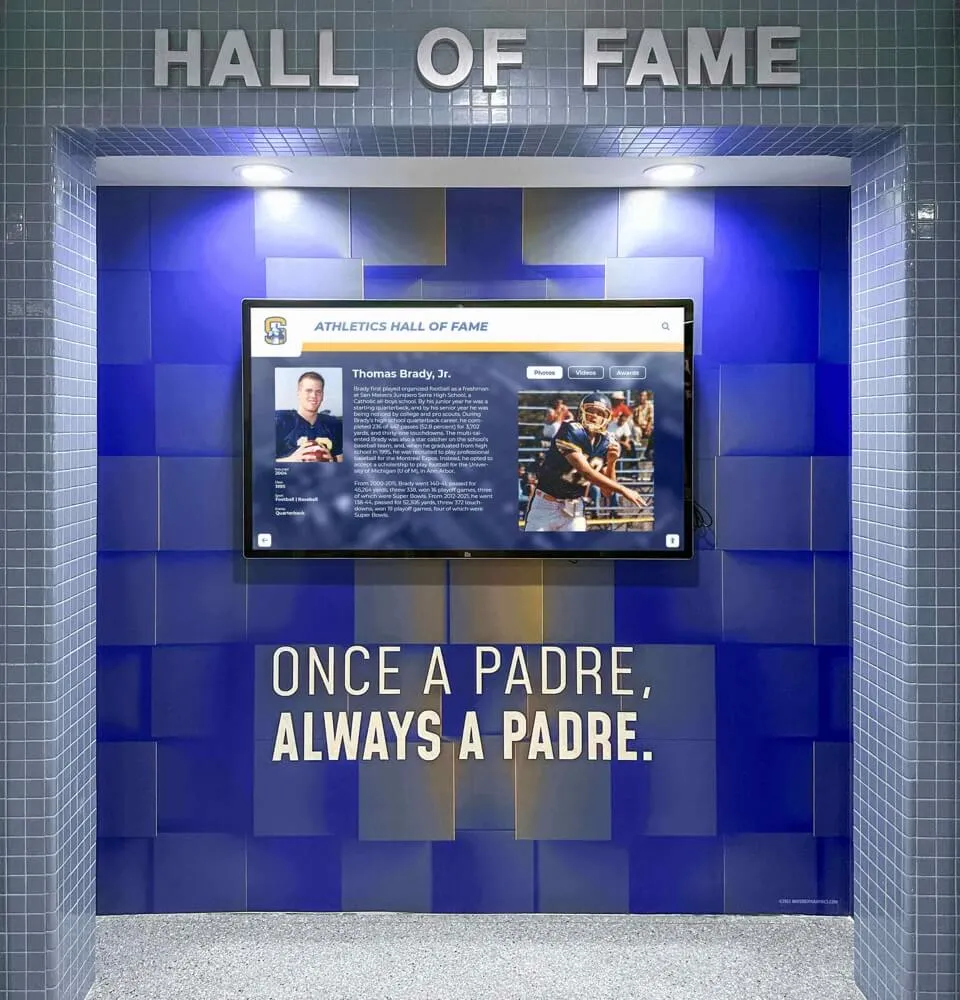
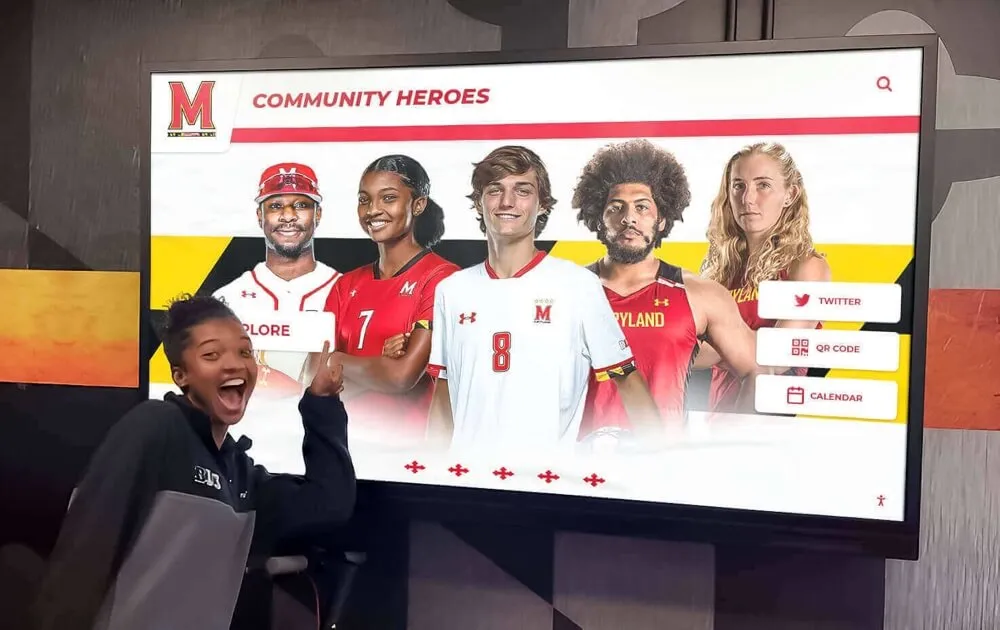
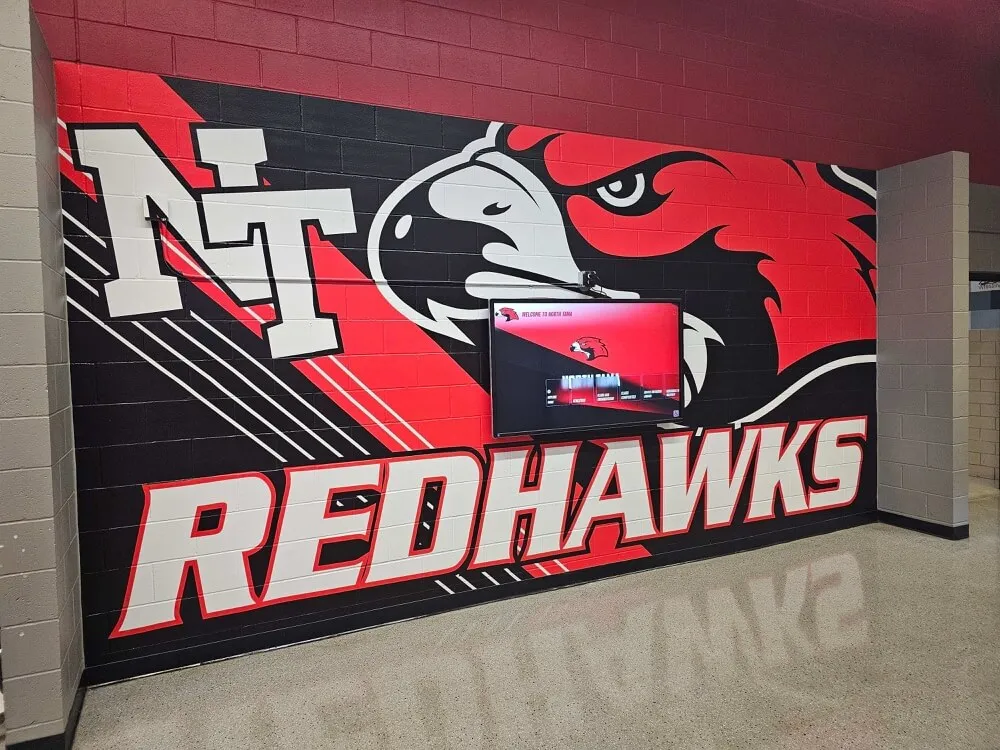
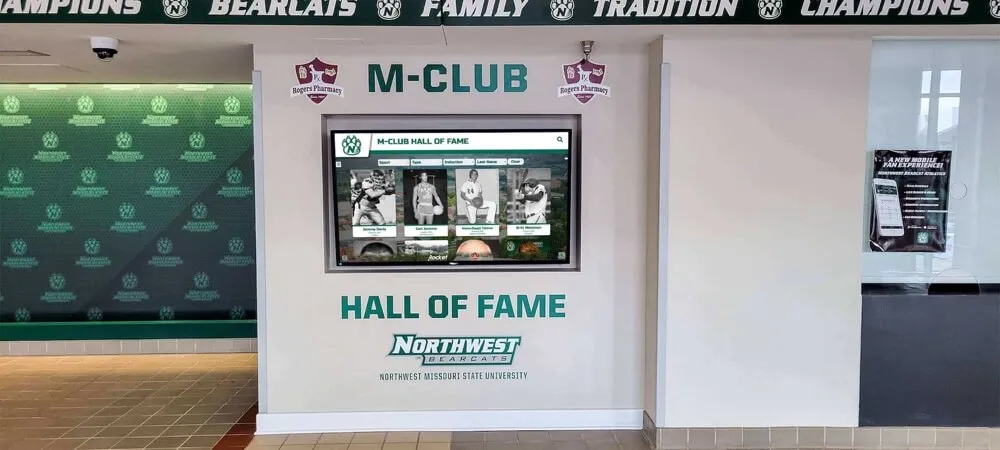
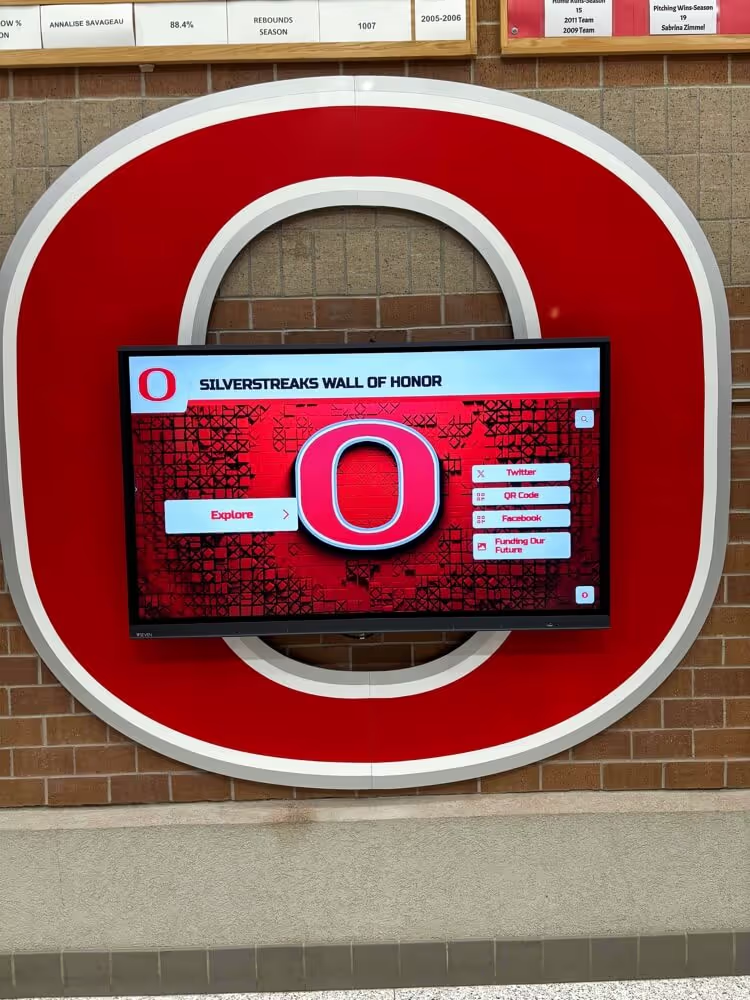
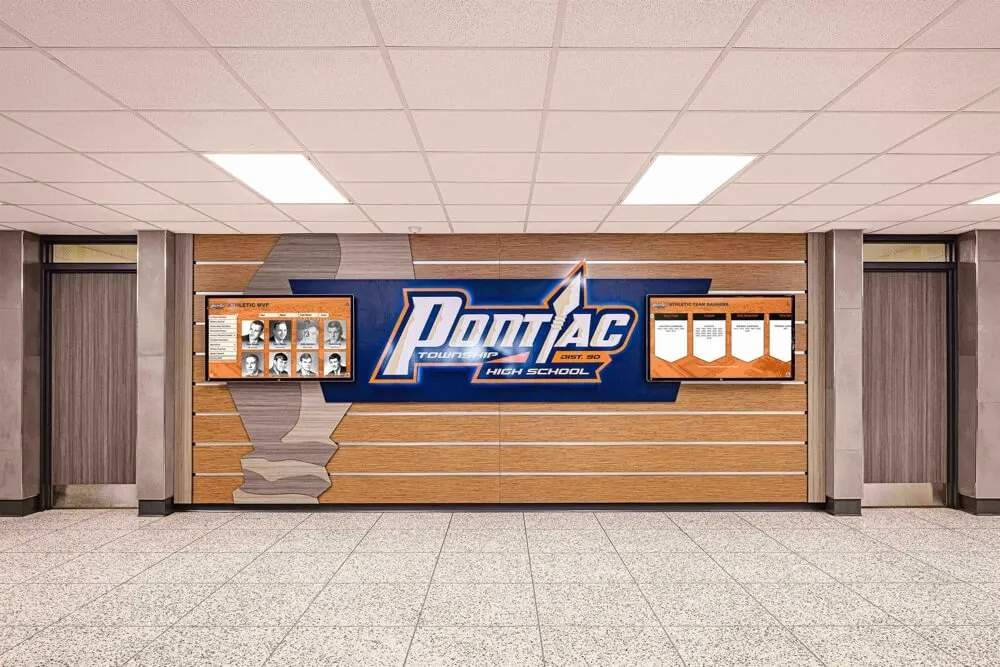
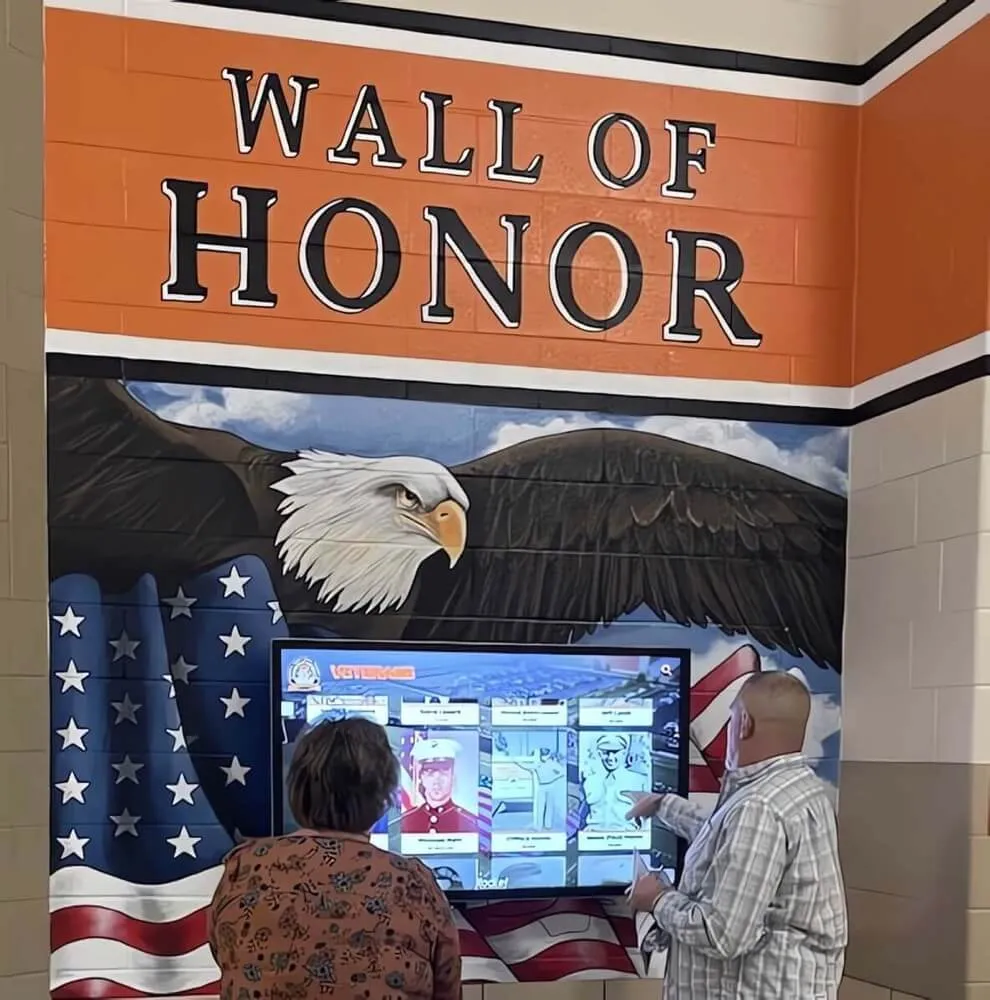
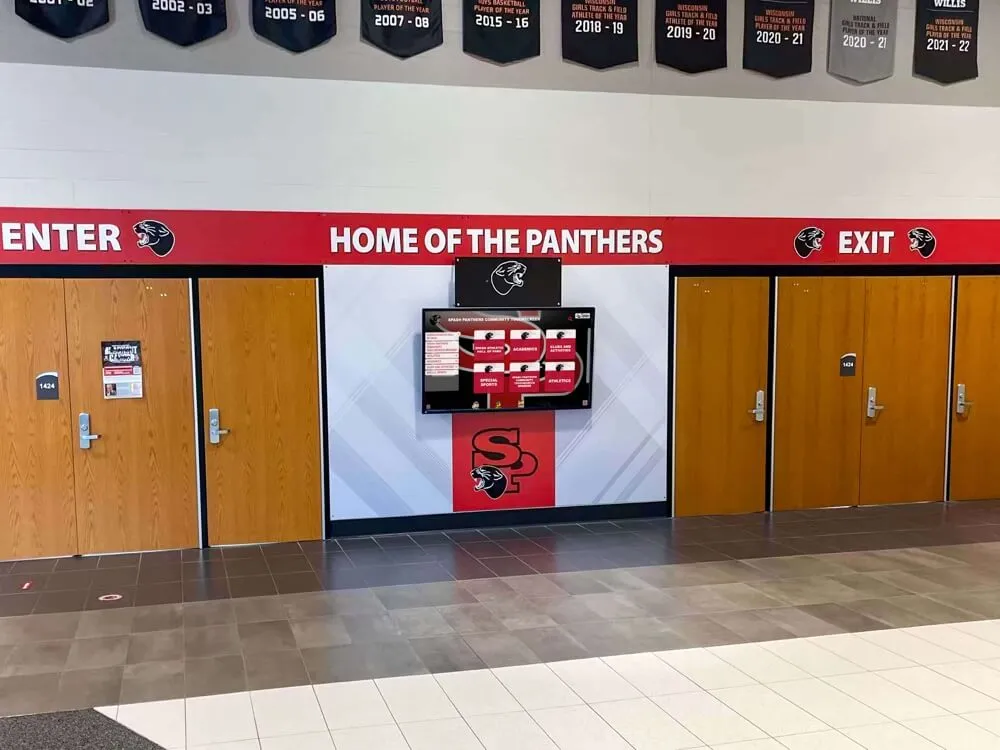
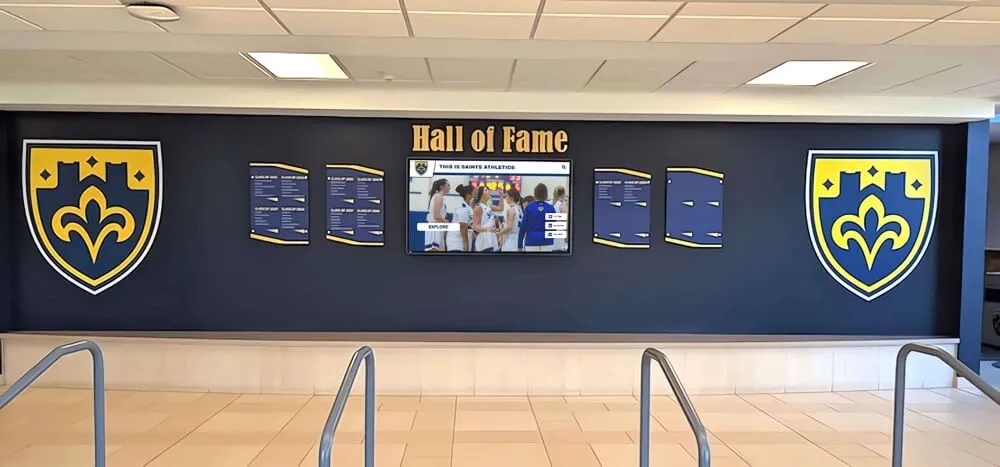
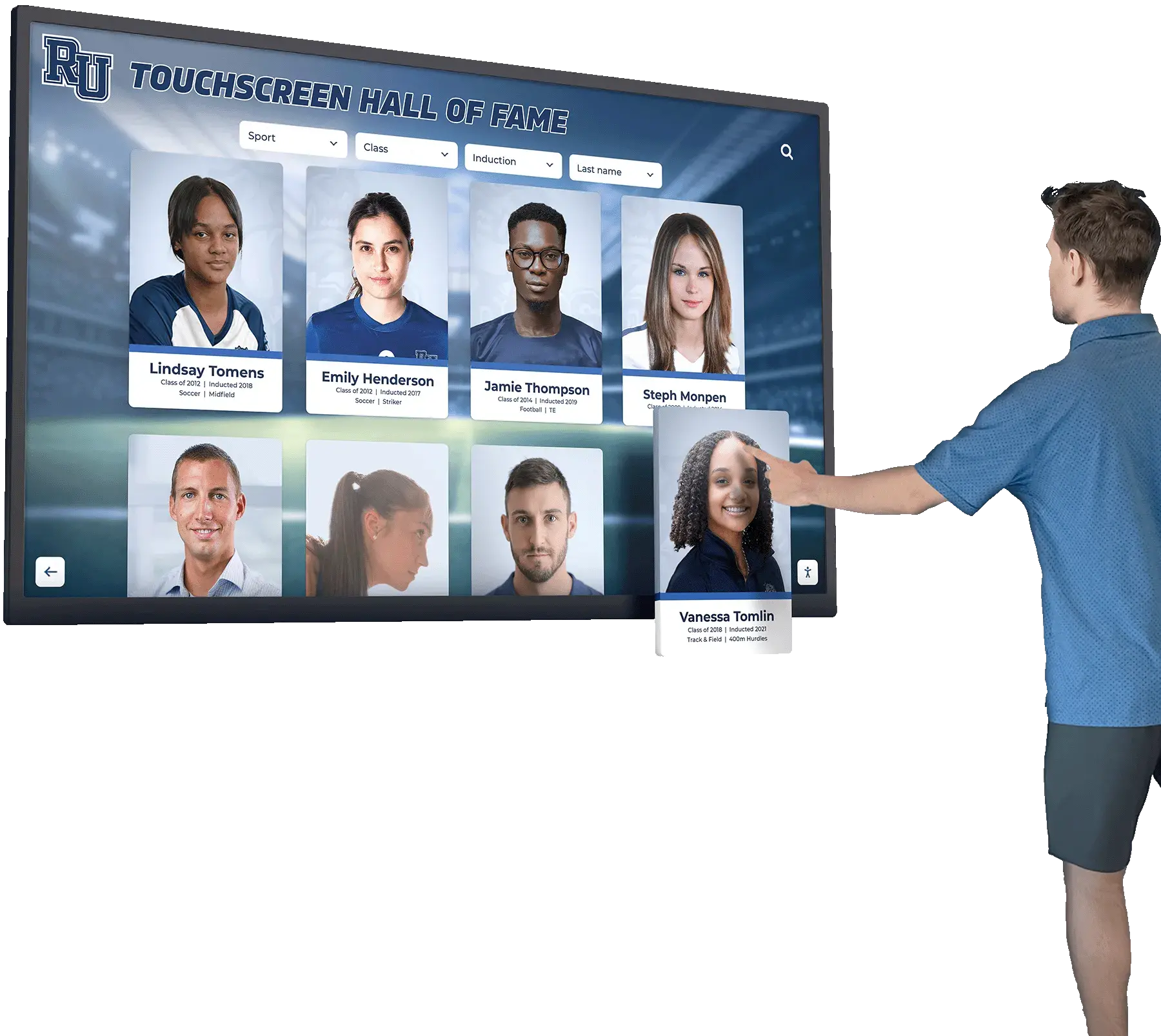
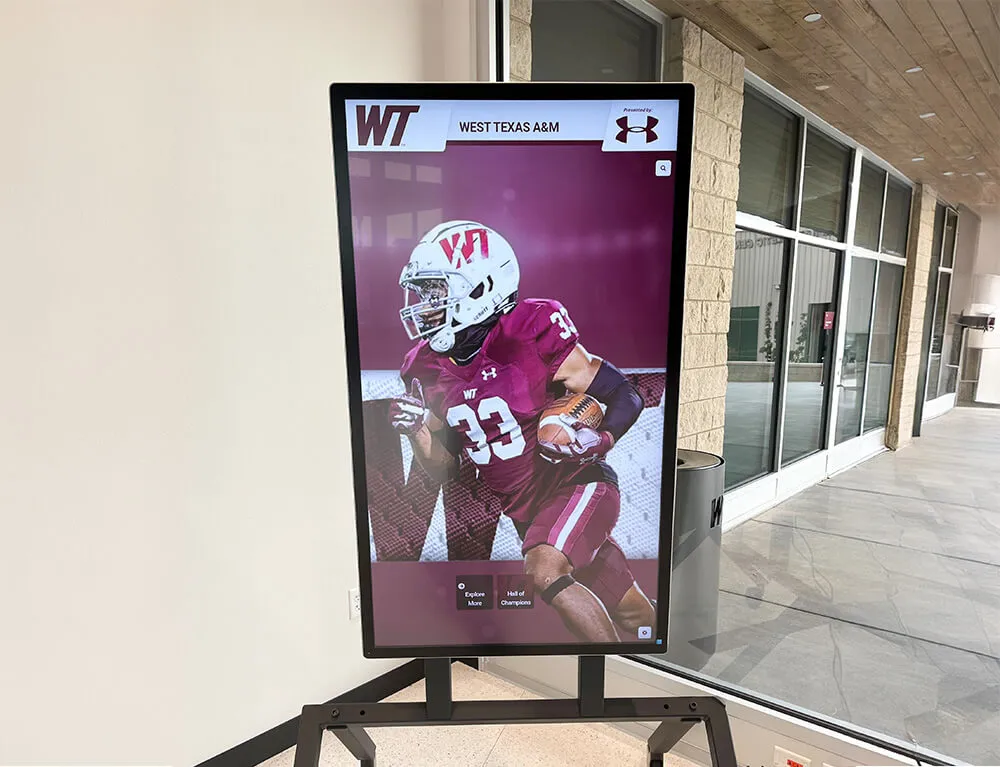
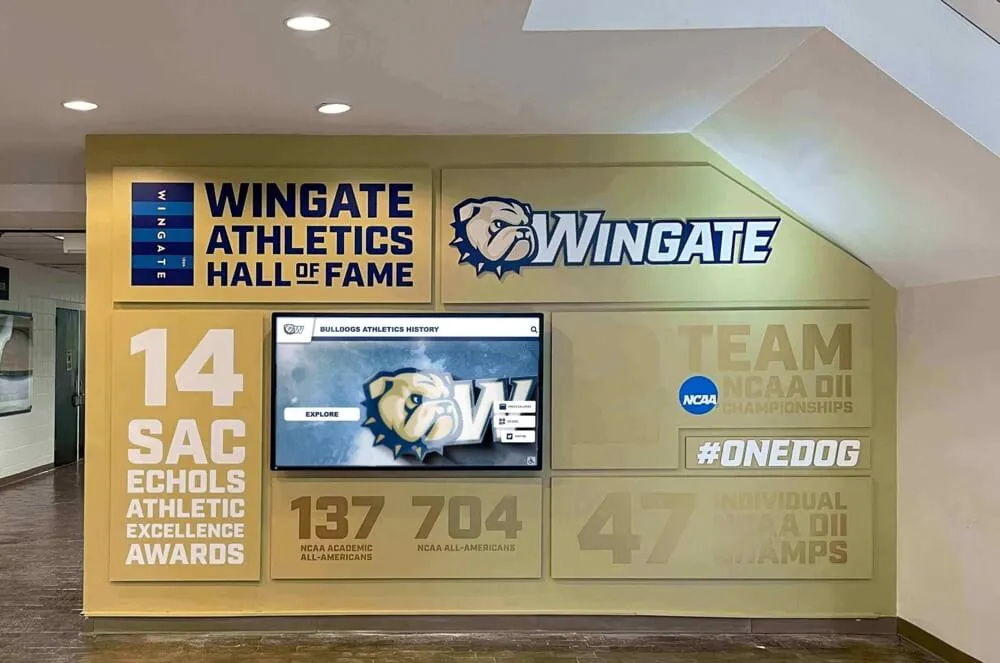
Digital platforms transform high school recognition through capabilities traditional displays cannot match. Interactive touchscreen systems provide unlimited capacity accommodating all qualified honorees without space constraints, rich multimedia content including photos, videos, and comprehensive information, easy content updates through user-friendly management systems, powerful search and filtering helping visitors find specific individuals, remote accessibility extending recognition beyond physical locations, and analytics revealing engagement patterns.
A single 55-inch touchscreen display can showcase thousands of achievements with detailed information that would require dozens of physical trophy cases to approach. Every honoree receives appropriate celebration without space compromises, with schools implementing digital recognition solutions reporting 5-10 times more visible achievements than previous physical displays allowed.
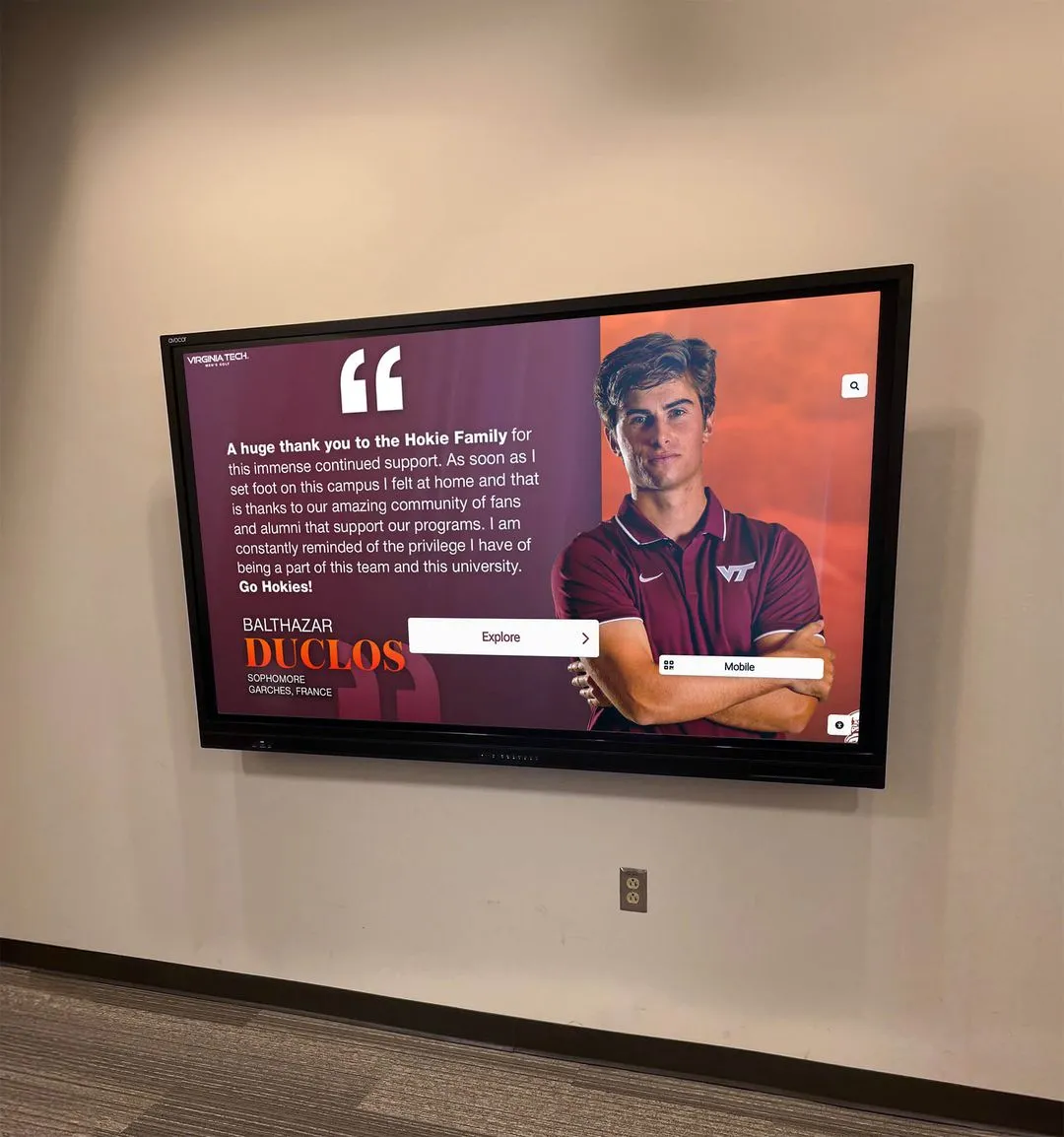
Digital systems enable rich storytelling impossible with static plaques. Video interviews with honored graduates sharing perspectives about their high school experiences create emotional connections. Photo galleries documenting careers from high school through professional accomplishments provide comprehensive recognition. Audio clips from performances, speeches, or competitions bring achievements to life. Detailed biographical narratives offer context that brief plaque text cannot communicate.

Solutions like Rocket Alumni Solutions enable schools to create comprehensive Walls of Fame that overcome traditional limitations while adding engagement capabilities impossible with static displays. Non-technical staff can manage content confidently through intuitive interfaces, ensuring recognition remains current without excessive administrative burden or ongoing technical support requirements.
The Hybrid Recognition Strategy
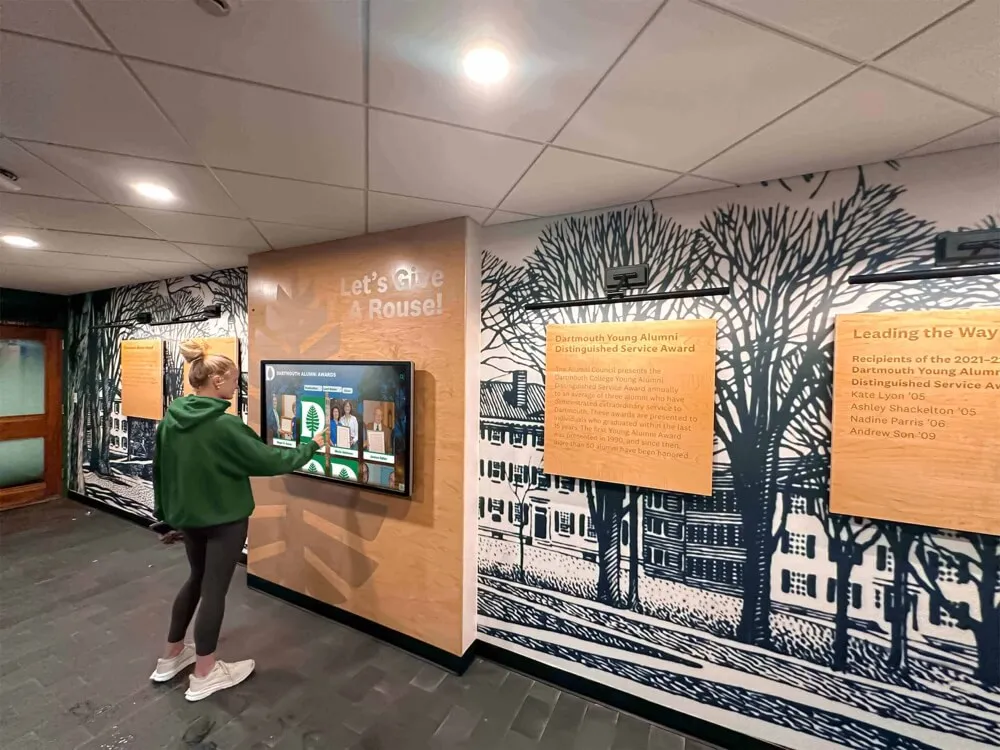
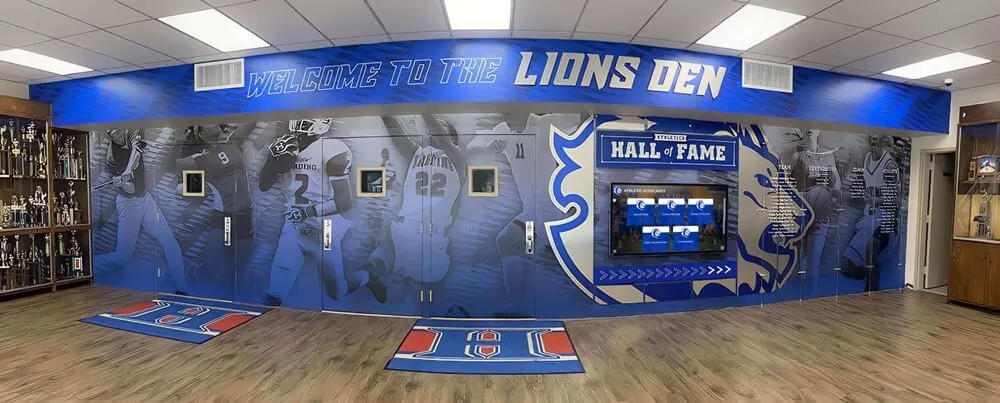
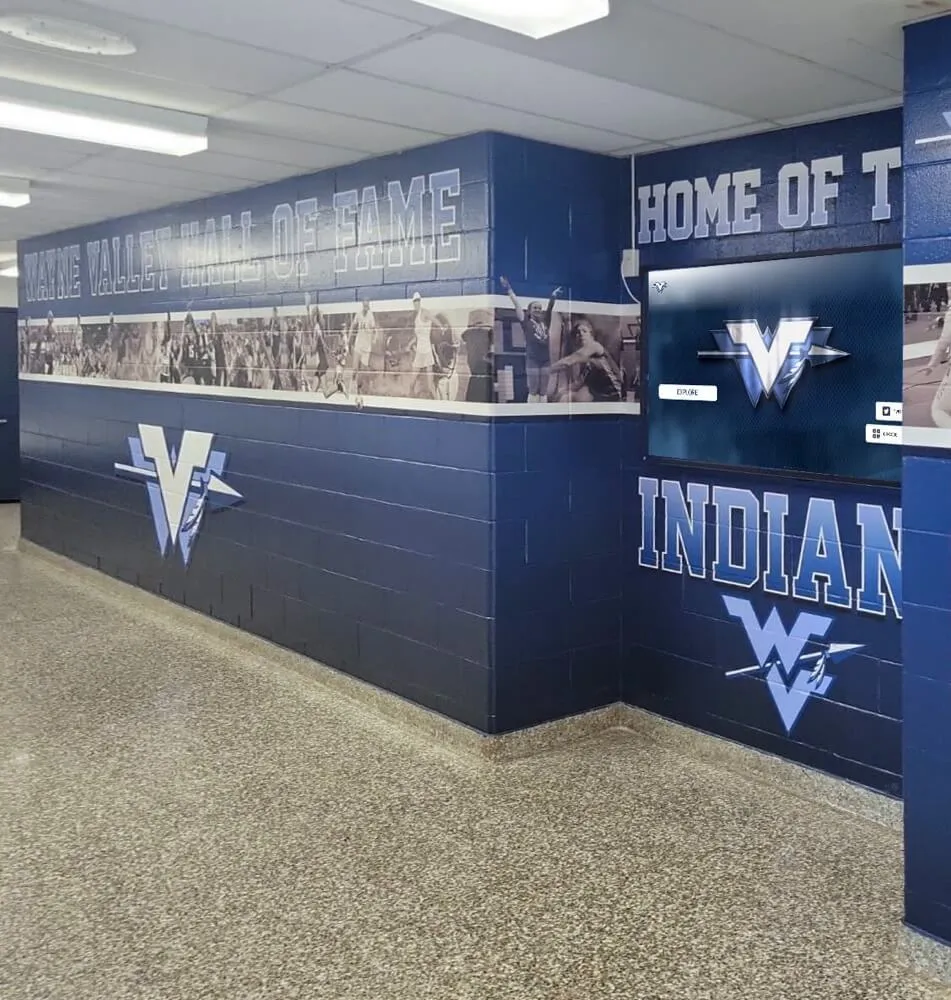
Many successful programs combine traditional and digital elements, leveraging strengths of both approaches while mitigating limitations. A hybrid strategy might maintain traditional plaques for the most distinguished honorees in prominent locations while implementing digital displays providing comprehensive coverage of all recognition with unlimited capacity and multimedia capabilities.
This balanced approach respects tradition while embracing technology’s advantages, offering multiple recognition touchpoints serving different audiences and purposes throughout school facilities. Traditional elements provide timeless dignity and tangible permanence while digital components enable comprehensive coverage, rich storytelling, and ongoing engagement that static displays cannot achieve.
Hybrid implementations might feature prominent traditional plaques in main lobbies establishing recognition program presence, comprehensive digital displays in high-traffic areas providing detailed exploration, online platforms extending recognition beyond physical locations, and mobile applications enabling anywhere access to complete recognition databases.
Essential Components of Effective Walls of Fame
Successful recognition programs share common characteristics around content quality, design professionalism, nomination processes, and ongoing management.
Creating Compelling Honoree Profiles
Technology enables recognition displays, but compelling content drives engagement and appropriately honors achievement. Comprehensive profiles should include professional photographs, complete achievement documentation, biographical context, post-graduation paths, and personal reflections when possible.
Biographical Context provides details about honorees’ high school experiences including years attended, activities and organizations, significant influences and mentors, challenges overcome, and formative experiences. This context transforms simple achievement listings into meaningful tributes celebrating complete contributions and journeys.
Achievement Documentation includes specific accomplishments such as awards and honors received, significant performances or competitions, leadership positions held, statistical achievements and records, post-graduation successes, and professional accomplishments. Detailed documentation ensures recognition accurately reflects achievement magnitude while providing historical record for future reference.
Visual Storytelling through high-quality photographs creates emotional connections while professional composition provides appropriate dignity. Multiple photos documenting progression from high school through career bring recognition to life far more effectively than text alone. Action shots capturing achievement moments, formal portraits providing professional dignity, historical photos preserving period context, and current photos showing post-graduation success all contribute to comprehensive visual recognition.
Contextual Narratives explain what made honorees special beyond statistics and awards. Did they overcome adversity? Demonstrate exceptional leadership? Pioneer achievements in developing programs? Make significant contributions beyond obvious accomplishments? Brief written narratives honor complete contributions while creating engaging content that generic lists cannot match.
Professional Design and Cohesive Branding
Display design significantly impacts how Walls of Fame serve their purposes of inspiration, preservation, and celebration. Integrate school colors, logos, and visual identity consistently, creating designs that feel authentically connected to institutions and school traditions. Professional aesthetics communicate that recognition represents important institutional priorities worthy of appropriate investment.
Match display size and prominence to viewing conditions and intended impact. Recognition displays should command attention proportional to the importance schools place on celebrating achievement. Ensure accessibility for visitors with diverse abilities through appropriate height placement, high-contrast designs for visibility, large enough text for all viewers, and intuitive navigation for diverse technical comfort levels.
Consistent formatting across all honoree profiles creates professional cohesion while ensuring equitable representation. Whether featuring athletes, scholars, artists, or distinguished alumni, unified presentation demonstrates that all honored achievement receives equivalent celebration and recognition quality.
Location and Placement Strategies
Recognition placement dramatically affects program impact and engagement. The best content becomes invisible if located where students, families, and visitors rarely encounter it.
High-Traffic Location Selection
Ideal locations include main school entrances where all visitors and students pass daily, cafeteria or commons areas where students congregate, main gymnasium lobbies for athletic recognition, performing arts centers for fine arts recognition, library or academic buildings for scholarship recognition, and athletic facility hallways connecting multiple spaces.
Strategic placement in these high-visibility locations ensures regular encounters with recognition rather than occasional visits to obscure displays. Daily exposure reinforces messages about valued achievement while creating aspirational visibility for current students.

Consider pedestrian flow patterns ensuring displays occupy natural pause points rather than blocking circulation. Adequate space for comfortable viewing without crowding enables meaningful engagement. Appropriate lighting ensures clear visibility without glare while creating visual prominence that draws attention from passing traffic.
Multiple Display Locations
Comprehensive programs often implement recognition in multiple locations serving different purposes and audiences. A main lobby might feature overview displays introducing recognition programs while sport-specific locations provide detailed athletic recognition. Academic buildings could showcase scholarship achievement while arts facilities celebrate creative excellence.
This distributed approach ensures recognition reaches relevant audiences in contextually appropriate settings. Athletes regularly encountering athletic recognition in training facilities experience different impact than occasional viewing in distant locations. Scholars passing academic recognition displays daily internalize different messages than annual encounters with comprehensive displays in remote locations.
Digital platforms particularly excel at multiple-location implementation through networked displays showing coordinated or location-specific content. Schools can implement comprehensive recognition across facilities without proportionally increased content management effort.
Implementation Best Practices
Successful Wall of Fame programs require thoughtful implementation addressing technical requirements, content development processes, launch strategies, and ongoing management.
Nomination and Selection Processes
Establish clear nomination procedures accepting submissions from any community member including alumni, current students, faculty, staff, parents, or community members. Structured nomination forms ensure consistent information collection while detailed achievement documentation supports committee evaluation.
Annual nomination cycles with published deadlines create predictable rhythms maintaining program momentum. Selection committees review nominations according to established criteria, conducting additional research when necessary to verify achievements and assess qualifications. Transparent decision-making processes following documented procedures ensure fairness while building community confidence in program integrity.
Communication with nominees and nominators throughout processes maintains engagement while demonstrating respectful handling of submissions. Successful nominees receive formal notification before public announcements, enabling personal sharing with families. Unsuccessful nominees might receive encouraging feedback with guidance about resubmission timing if appropriate.
Induction Ceremonies and Recognition Events
Formal induction ceremonies celebrating new honorees create meaningful experiences for individuals, families, and school communities. Annual or biennial ceremonies provide regular recognition opportunities while maintaining event significance through selectivity and ceremony production quality.
Effective ceremonies typically include formal presentations of individual honorees with achievement summaries, opportunities for honorees to address attendees, recognition display unveiling or activation for new additions, reception opportunities for attendees to interact with honorees, and program materials documenting ceremony and recognition details.
These events strengthen community connections while generating positive visibility for recognition programs. Local media coverage extends reach beyond attendees while social media amplification through attendee sharing multiplies program visibility and impact.
Content Development Workflows
Comprehensive honoree profiles require systematic content development collecting biographical information, achievement documentation, photographs and multimedia assets, personal statements or interview content, and verification of factual accuracy.
Establish clear workflows designating responsibilities for research and writing, content review and verification, multimedia collection and production, technical implementation in recognition platforms, and quality assurance before publication. Efficient workflows enable timely recognition following selection while maintaining content quality standards.
For digital implementations, content management systems should enable non-technical staff to add and update recognition confidently. Touchscreen display software designed for recognition applications provides appropriate functionality without overwhelming complexity or technical barriers.
Funding Your High School Wall of Fame
Financial considerations affect Wall of Fame implementation scope and format, but multiple funding strategies make meaningful recognition achievable for schools with diverse budget situations.
Identifying Funding Sources
Booster Club Support: Athletic booster organizations often enthusiastically fund sports recognition initiatives. These groups understand recognition’s value for recruiting, motivation, and alumni engagement, making them natural funding partners for athletic Walls of Fame.
Alumni Association Funding: Alumni associations may provide significant support, particularly for comprehensive recognition programs honoring diverse achievement. These organizations recognize that robust recognition strengthens alumni connections supporting their engagement missions.
Memorial and Tribute Gifts: Families frequently seek meaningful ways to honor deceased graduates. Memorial and tribute gifts funding specific Wall of Fame components or honoree recognition provide dignified options while supporting program development.
Corporate Sponsorships: Local businesses, especially those owned by alumni, often support school recognition initiatives through sponsorships. Appropriate recognition of sponsors within displays or associated materials acknowledges support while maintaining focus on honored individuals.
Dedicated Fundraising Campaigns: Targeted campaigns specifically supporting Wall of Fame implementation generate strong response from stakeholders who value achievement recognition. Clear communication about project scope, costs, and impact enables donors to understand exactly what their support accomplishes.
Budget Considerations and Cost Management
Traditional physical displays involve upfront fabrication and installation costs plus ongoing expenses for adding honorees. Digital implementations typically involve equipment purchases and annual software subscriptions with minimal incremental costs for additional recognition content.
When evaluating options, consider total cost of ownership across multi-year timeframes rather than only initial implementation expenses. Digital systems may involve higher upfront costs but lower long-term expenses for ongoing recognition additions and updates. Traditional approaches may appear less expensive initially but accumulate significant costs as programs mature and require expansions or modifications.
Maintaining Long-Term Program Success
Walls of Fame require sustained attention to maintain impact, relevance, and engagement over years and decades.
Annual Addition and Update Cycles
Establish predictable rhythms for recognition updates through post-year reviews identifying qualified candidates, nomination collection and committee evaluation, timely content development ensuring recognition happens while accomplishments remain current, regular induction ceremonies celebrating new additions, and scheduled content refreshment updating older recognition as former students achieve new milestones.
Consistent cycles create anticipation while ensuring recognition remains current rather than becoming outdated displays frozen in time. For schools using digital platforms, content management systems enable quick updates maintaining contemporary relevance without fabrication delays or installation scheduling.

Engagement and Promotion Strategies
Maximize program impact through strategic promotion including featured honoree spotlights on school websites and social media, anniversary recognition celebrating milestone years since original honors, reunion integration connecting honored alumni during class gatherings, historical timeline displays contextualizing recognition within broader school history, and community events using recognition as gathering catalyst.
Active promotion demonstrates that programs remain vital parts of living school traditions rather than static historical artifacts. Regular communication about recognition keeps programs visible within school communities while creating opportunities for repeated engagement with content.
Measuring Success and Impact
Track meaningful metrics demonstrating program impact including visitor engagement data from digital analytics, ceremony and event attendance trends, social media engagement with recognition content, stakeholder feedback from students and alumni, community pride metrics through surveys, and alumni engagement indicators showing connection strength.
Use these metrics to report value to leadership, identify high-performing content guiding future development, adjust strategies based on actual behavior, and build business cases for program expansion or enhancement. Data-informed management ensures programs continuously improve while demonstrating accountability for resources invested in recognition initiatives.
Overcoming Common Implementation Challenges
Schools implementing comprehensive Walls of Fame encounter predictable obstacles that experienced approaches address effectively.
Space Limitations with Traditional Displays
Traditional approaches inevitably encounter space constraints as programs mature and recognition accumulates. Solutions include transitioning to digital systems providing unlimited capacity, creating rotating displays periodically changing featured honorees, expanding recognition to multiple locations, or implementing tiered recognition with comprehensive digital systems complementing selective physical displays.
Digital solutions like Rocket Alumni Solutions eliminate space constraint challenges while enabling comprehensive recognition for every deserving individual throughout school history without forcing difficult decisions about whose accomplishments receive acknowledgment.
Ensuring Equity Across Achievement Types
Schools often produce many honored individuals in certain categories while rarely recognizing others due to program strength variations or achievement visibility differences. Recognition programs should ensure all achievement types receive equivalent honor regardless of domain, avoiding implicit hierarchies suggesting some accomplishments matter more than others.
Consistent recognition formats, equal display prominence, and uniform celebration approaches across all categories demonstrate that achievement merits equal honor regardless of specific domain. Digital platforms particularly excel at providing equivalent recognition across all areas without physical space creating visibility hierarchies.
Balancing Selectivity with Inclusivity
Recognition programs face inherent tension between maintaining prestige through selectivity and celebrating broader achievement. Overly exclusive programs risk alienating community members while excessively inclusive approaches may dilute recognition meaning.
Consider implementing tiered recognition structures with elite-level honors for the highest achievements complemented by broader recognition celebrating wider excellence. Multiple recognition tiers enable selective honor for extraordinary accomplishment while acknowledging meaningful achievement across larger populations.
Clear criteria for each tier maintain standards while transparent communication about different recognition levels helps stakeholders understand distinction purposes. This nuanced approach balances competing priorities more effectively than single-tier programs with difficult inclusivity-selectivity tradeoffs.
Digital Platform Selection Considerations
Schools implementing digital Walls of Fame should carefully evaluate platform options ensuring solutions meet current needs while accommodating future growth.
Essential Technical Capabilities
Effective digital recognition platforms should provide intuitive content management requiring no technical expertise, unlimited capacity accommodating program growth indefinitely, multimedia support for photos, videos, and audio, powerful search and filtering enabling personalized discovery, mobile and web accessibility extending reach beyond physical displays, and professional design templates maintaining visual quality.
Evaluate whether platforms support required content types, enable non-technical staff management, accommodate anticipated recognition volume, provide accessibility features meeting compliance requirements, and offer appropriate support and training resources.
Implementation and Support Requirements
Consider technical requirements including hardware recommendations and compatibility, network and connectivity needs, content migration services for existing recognition, staff training and documentation, ongoing technical support availability, and update and maintenance responsibilities.
Platforms requiring extensive IT support or technical expertise create ongoing resource demands that may exceed small school capacities. Solutions designed specifically for educational recognition applications typically provide appropriate functionality without overwhelming complexity. Resources on implementing digital walls of fame offer guidance for smooth deployment and adoption.
Long-Term Viability and Scalability
Evaluate platform longevity through vendor stability and market presence, platform development and improvement track record, user community size and engagement, integration capabilities with other school systems, and data ownership and export capabilities preventing vendor lock-in.
Recognition platforms should accommodate decades of use as programs mature and recognition accumulates. Short-term solutions requiring future migrations create disruption and risk recognition continuity. Established platforms serving numerous schools demonstrate viability while large user communities suggest ongoing vendor commitment.
Conclusion: Building Legacy Through Meaningful Recognition
High school Walls of Fame represent powerful investments in school culture, community pride, and traditions that inspire excellence across generations of students. When thoughtfully designed and consistently maintained, recognition programs honor deserving achievement while delivering lasting benefits across student motivation, alumni engagement, community connection, and institutional pride.
The most successful approaches balance comprehensiveness with selectivity, ensuring recognition remains meaningful while honoring diverse forms of excellence. They leverage appropriate technology overcoming space limitations and maintenance challenges of traditional displays while preserving dignity and prominence that achievement deserves. They integrate recognition throughout school operations rather than treating Walls of Fame as standalone displays, and they maintain sustained commitment ensuring recognition remains vital parts of living school traditions.
Whether implementing traditional plaques, cutting-edge digital displays, or hybrid approaches combining both elements, fundamental principles remain constant: meaningful recognition celebrating achievement, compelling content honoring individuals appropriately, strategic placement maximizing visibility and inspiration, and sustained commitment ensuring recognition serves schools effectively across decades.
Ready to create a high school Wall of Fame that inspires current students while celebrating accomplished graduates? Modern solutions like Rocket Alumni Solutions provide comprehensive platforms designed specifically for school recognition, enabling programs to honor all deserving achievement without space constraints while creating engaging experiences that strengthen school culture and community pride.

The students, graduates, educators, and community members who contributed to school excellence through exceptional achievement and dedicated service deserve recognition that matches their accomplishments. By implementing comprehensive high school Walls of Fame, schools demonstrate that excellence is valued, traditions are preserved, and accomplishment becomes part of lasting legacies inspiring future generations to pursue their own paths to achievement.
Additional Resources
For schools planning comprehensive recognition programs, these resources provide valuable guidance:
- Digital Hall of Fame implementation strategies
- Academic recognition program frameworks
- Interactive touchscreen software selection
- Digital tools for preserving school history
- Highlighting famous alumni effectively
- Building sustained alumni engagement