Key Takeaways
Complete guide to high school varsity letters covering earning requirements, criteria across sports, what letters mean for athletes, recognition traditions, and modern ways schools honor letter winners.
For generations of high school athletes, earning a varsity letter has represented a defining moment in their athletic journey—tangible recognition that validates countless practice hours, competitive dedication, and achievement of standards that distinguish varsity-level performance from participation alone. These coveted symbols appear on letter jackets, form centerpieces of bedroom displays, and remain treasured keepsakes decades after high school graduation, representing membership in an exclusive community of athletes who met demanding requirements and contributed meaningfully to their school’s athletic programs.
Yet despite their cultural significance and enduring tradition, considerable confusion exists about what high school varsity letters actually are, how athletes earn them, what specific requirements different sports demand, and why these awards matter beyond simple athletic acknowledgment. This comprehensive guide explains everything students, parents, and coaches need to understand about varsity letter traditions, earning criteria, recognition practices, and the lasting significance these achievements hold for athletes and their schools.
What Is a Varsity Letter?
A varsity letter represents official recognition that an athlete competed at the varsity level for their high school and met specific performance, participation, or contribution standards established by their school or athletic department. These awards acknowledge athletes who demonstrated commitment, skill, and achievement exceeding basic team membership.
The Traditional Varsity Letter Design
The classic varsity letter consists of a large chenille fabric letter—typically the first letter of the school name—measuring approximately 5-7 inches tall. These letters feature thick, fuzzy chenille material in school colors, often with contrasting border colors creating distinctive, recognizable designs unique to each institution.
Standard Components:
The Letter Itself: Usually the school’s initial (e.g., “W” for Washington High School, “C” for Central), though some schools use full mascot initials or specialty designs reflecting local traditions.
School Colors: Primary school colors determine letter color, while borders, backing, or accent elements incorporate secondary colors creating cohesive school identity representation.
Attachment Method: Traditional letters include pin backing or iron-on backing allowing athletes to attach them to letter jackets, blankets, or other display items. Modern versions sometimes include additional mounting options for framing or alternative display approaches.
Sport-Specific Pins and Emblems: Small metal pins representing specific sports (footballs, basketballs, track spikes, etc.) attach to letters indicating which sport(s) athletes lettered in. Athletes earning letters in multiple sports display multiple pins on single letters, visually documenting their multi-sport achievements.

Historical Origins and Cultural Significance
Varsity letter traditions trace back to Harvard University in 1865, when the baseball team introduced the practice of awarding large “H” letters to players meeting specific criteria. This recognition method quickly spread throughout collegiate athletics before extending to high schools nationwide by the early 1900s.
The tradition gained particular cultural prominence in the 1950s-1960s when letter jacket traditions became widespread symbols of athletic achievement and social status in American high schools. Letter jackets—wool varsity jackets featuring leather sleeves and prominent chenille letters—represented aspirational achievements that athletes worked years to earn.
While fashion trends have evolved and letter jackets appear less universally in contemporary high schools, varsity letters themselves maintain significance as recognition of athletic achievement, validation of commitment and skill development, symbolic entry into school athletic traditions, and tangible awards athletes preserve throughout their lives.
How Athletes Earn Varsity Letters
Requirements for earning high school varsity letters vary significantly across schools, athletic conferences, and specific sports. However, most programs follow similar frameworks emphasizing participation, performance, contribution, and commitment rather than simply making varsity rosters.
Participation-Based Requirements
The most common varsity letter criteria focus on participation levels measured through playing time, competitive appearances, or season-long involvement.
Minimum Playing Time Standards: Many sports establish minimum playing time thresholds athletes must meet to letter. Football programs might require athletes to play in at least half of total quarters across the season, basketball programs could mandate participation in a certain percentage of total game minutes, and soccer might specify minimum match appearances or halves played.
These time-based standards ensure that letters acknowledge athletes who contributed meaningfully on the field rather than those who primarily practiced but rarely competed. Specific thresholds reflect sport characteristics—football with large rosters might use different standards than basketball with smaller active lineups.
Game or Meet Participation Requirements: Sports where playing time proves difficult to measure precisely often use appearance-based criteria. Track and field programs typically require athletes to compete in a minimum number of meets (perhaps 75% of scheduled competitions), swimming mandates participation in certain meet types or events, and wrestling might specify minimum matches competed or weight class consistency requirements.
Full Season Commitment: Some schools emphasize season-long dedication by requiring athletes to remain on rosters from first practice through season conclusion, including any playoff competitions. This approach rewards commitment and persistence while acknowledging that athletic contribution extends beyond statistics to include practice dedication, team support, and program commitment.
Performance and Achievement Standards
Beyond participation, many programs incorporate performance elements ensuring letters recognize achievement, not just attendance.
Statistical Thresholds: Individual sports frequently establish statistical minimums athletes must reach. Baseball might require minimum batting averages or innings pitched, cross country could mandate finishing races under specific times, and tennis programs might specify match win percentages or tournament advancement requirements.
These objective standards create clear targets athletes understand and work toward throughout seasons, similar to how cross country awards recognize specific achievement levels in distance running programs.
Team Success Contribution: Team sports sometimes tie lettering criteria partially to team success measures. Athletes on teams reaching playoff levels, winning conference championships, or achieving certain win percentages might automatically qualify for letters, while those on teams missing success thresholds face more stringent individual requirements.
Tournament or Playoff Qualification: Certain sports like golf, tennis, or individual track events might require athletes to qualify for conference championships, regional competitions, or state tournament levels to earn letters, ensuring recognition goes to athletes competing at highest competitive levels rather than all team participants.
Coach Discretion and Special Circumstances
While most schools maintain written criteria, coach discretion often plays important roles in final lettering decisions, particularly for borderline cases or special circumstances.
Extenuating Circumstances Consideration: Injuries preventing athletes from meeting participation minimums, mid-season transfers affecting eligibility for full seasons, or personal situations limiting competition can warrant coach discretion in awarding letters to athletes who demonstrated commitment despite circumstances preventing criteria fulfillment.
Practice Player and Team Contribution Recognition: Athletes who practice daily, contribute significantly to team development, and support teammates but rarely compete due to roster depth or position competition sometimes receive letters based on coaching recognition of their value beyond playing time statistics.
Senior Recognition: Many programs honor senior athletes who committed to programs across multiple years but may not have met technical criteria in their final seasons, acknowledging cumulative contribution and dedication over time.
Junior Varsity Performance and Call-Ups: Athletes spending portions of seasons on junior varsity before receiving varsity call-ups present unique considerations. Some schools count JV time toward requirements, others start timelines from varsity promotion dates, while some use combined participation assessments recognizing overall program contribution.
Sport-Specific Varsity Letter Requirements
Different sports’ unique characteristics necessitate tailored criteria reflecting competitive realities, team structures, and performance measurement approaches specific to each athletic context.
Football Varsity Letter Criteria
Football’s large rosters, specialized positions, and game structure create distinctive lettering frameworks.
Common Football Requirements:
- Participate in minimum number of quarters (often 50% of total quarters available)
- Appear in at least half of varsity games during regular season
- Remain on varsity roster through playoff completion if team advances
- Demonstrate consistent practice attendance and preparation
- Maintain academic eligibility throughout season
Football programs sometimes differentiate between offensive and defensive playing time or create position-specific criteria recognizing that interior linemen may log fewer total snaps than skill position players while contributing equally. Special teams participation often counts toward playing time calculations, acknowledging these critical roles.
Senior recognition provisions frequently appear in football criteria, honoring multi-year commitment even when senior-year playing time doesn’t meet standard thresholds due to younger athlete development or competitive depth.
Basketball Varsity Letter Standards
Basketball’s smaller active rosters and defined playing time create straightforward measurement frameworks.
Typical Basketball Criteria:
- Play in minimum percentage of total game minutes (often 25-40%)
- Participate in certain number of varsity games (perhaps 50-75% of schedule)
- Complete full season from tryouts through playoffs
- Maintain good academic standing and practice attendance
- Demonstrate positive team contribution and sportsmanship
Some basketball programs use different standards for guards versus post players reflecting typical substitution patterns, while others employ uniform criteria across all positions. Tournament and playoff games sometimes carry additional weight in playing time calculations, recognizing heightened importance of postseason competitions.
Baseball and Softball Letter Requirements
Diamond sports balance team roster sizes with position-specific playing opportunities.
Common Baseball/Softball Standards:
- Play minimum innings (often 25-40% of total team innings)
- Appear in specified number of games (perhaps half of schedule)
- Achieve minimum plate appearances or innings pitched for position players and pitchers respectively
- Complete season including any playoff or tournament games
- Meet practice attendance and team commitment expectations
Pitching-specific criteria often parallel position player standards, recognizing that pitchers’ limited appearance frequencies compared to everyday players necessitate different measurement approaches. Relief pitchers might require minimum innings pitched or appearances rather than game starts.
Track and Field Lettering Criteria
Individual event structure and large team sizes create unique frameworks for track and field letter requirements.
Standard Track and Field Requirements:
- Compete in minimum number of meets (typically 75% of scheduled competitions)
- Score points at conference or regional championships
- Achieve qualifying standards in specific events
- Participate in both indoor and outdoor seasons if school offers both
- Demonstrate consistent practice attendance and event preparation
Multi-event athletes (those competing in multiple disciplines) sometimes face modified requirements reflecting the additional training and competition demands. Relay-only athletes might have different criteria than individual event competitors, acknowledging specialized roles within team structures.
Many programs implement performance standards requiring athletes to achieve certain times, distances, or heights to letter regardless of meet participation, ensuring recognition reflects achievement alongside commitment. Resources about team recognition and bonding explain how letter requirements support team culture.
Swimming and Diving Letter Standards
Aquatic programs use event-based participation and performance benchmarks.
Typical Swimming/Diving Criteria:
- Participate in minimum meets throughout season
- Achieve qualifying times in specific events
- Score points at conference or sectional championships
- Compete in district or state championship meets
- Complete full season including championship taper periods
Relay-only swimmers often face modified requirements since relay selection provides limited opportunities compared to individual event swimmers. Divers typically follow separate criteria reflecting their specialized discipline and competition structure differences from swimming.
Wrestling Varsity Letter Requirements
Wrestling’s individual dual meet structure within team frameworks creates distinctive standards.
Common Wrestling Standards:
- Wrestle minimum number of varsity matches at a specific weight class
- Achieve minimum win percentage or total victories
- Qualify for and compete at district or regional tournaments
- Maintain weight class consistency demonstrating commitment to specific competitive division
- Complete season through post-season tournaments
Weight class movement presents challenges for wrestling letter criteria. Some programs allow combined records across weight classes while others require consistency, and exhibition matches may or may not count toward participation minimums depending on program philosophy.
Soccer Varsity Letter Criteria
Soccer programs balance playing time with appearance-based requirements.
Standard Soccer Requirements:
- Play in minimum percentage of total match minutes
- Appear in certain number of matches (often 50-75% of schedule)
- Participate in playoff matches if team advances
- Maintain practice attendance and fitness standards
- Complete full season from preseason through postseason
Goalkeepers sometimes receive specialized criteria recognizing that only one keeper plays at a time, creating limited opportunities compared to field players. Some programs count any appearance regardless of duration while others require minimum minutes played per match.
Additional Sports Letter Requirements
Other high school sports follow similar frameworks adapted to their specific competitive structures:
Cross Country: Minimum meet participation, team scoring contribution, achieving time standards, competing in conference and regional championships
Golf: Minimum tournament rounds, qualifying for varsity lineup consistently, scoring thresholds, conference and regional tournament participation
Tennis: Match win requirements, team scoring contribution, tournament advancement, completing dual meet and invitational schedules
Volleyball: Set or match participation minimums, serving rotation appearances, tournament and playoff involvement, full season commitment
Lacrosse: Playing time percentages, goal/assist production for attackers, defensive statistics for defenders, appearance requirements, playoff participation
Each sport’s unique characteristics shape appropriate criteria, though common themes include minimum participation, achievement standards, season-long commitment, and positive team contribution that appear across virtually all varsity letter frameworks.

What Varsity Letters Mean for Athletes
Beyond physical awards, earning varsity letters carries significant meaning for athletes’ personal development, educational opportunities, and lifelong connections to their athletic experiences and schools.
Recognition of Achievement and Dedication
Varsity letters validate that athletes met demanding standards requiring commitment, skill development, and sustained performance throughout competitive seasons.
Validation of Time Investment: High school athletes invest enormous time in their sports—practices, strength training, film study, competitions, and travel. Varsity letters provide tangible recognition that this investment produced measurable achievement recognized by coaches and schools.
For athletes who began sports as young children and dedicated years to skill development before reaching varsity levels, letters represent culmination of long developmental journeys demonstrating that persistence and dedication produced desired outcomes.
Skill Development Acknowledgment: Meeting varsity letter criteria requires athletic capability exceeding recreational participation. These standards confirm athletes developed sport-specific skills, competitive mentality, physical conditioning, and performance consistency that distinguish competitive athletes from casual participants.
Membership in Athletic Tradition: Earning varsity letters connects athletes to generations of predecessors who wore the same school colors, competed for the same programs, and met similar standards. This connection to tradition creates sense of belonging to something larger than individual achievement—membership in ongoing athletic legacies that extend across decades.
Impact on College Recruitment and Applications
Varsity letters enhance college recruitment profiles and strengthen applications through documented athletic achievement.
Athletic Resume Building: College coaches evaluating prospective student-athletes look for evidence of sustained competitive involvement and achievement. Multiple varsity letters across several seasons demonstrate consistency and commitment more convincingly than single-season participation, particularly when letters come from younger high school years showing early varsity-level capability.
Application Enhancement: For students applying to colleges without athletic recruitment, varsity letters documented in activity sections demonstrate time management, commitment, teamwork, leadership development, and achievement beyond academics. Admissions committees value evidence of sustained dedication to challenging pursuits, which varsity athletics clearly represents.
Scholarship Consideration: While varsity letters alone don’t guarantee athletic scholarships, they provide baseline evidence of competitive achievement and program contribution that forms foundation for recruiting discussions and scholarship considerations, particularly when combined with performance statistics, competition levels, and coach recommendations.
Similar to how schools implement comprehensive academic recognition programs for scholarly excellence, varsity letters formalize athletic achievement through credible institutional recognition that external evaluators understand and value.
Personal Development and Life Skills
The process of earning varsity letters develops character qualities and capabilities extending far beyond athletic contexts.
Work Ethic and Persistence: Meeting varsity letter requirements demands sustained effort across months-long seasons. Athletes learn that significant achievements require consistent work rather than sporadic effort, establishing work patterns applicable to academic, professional, and personal pursuits throughout life.
Goal Setting and Achievement: Varsity letter criteria provide clear targets athletes work toward from season beginnings. This experience with identifying goals, creating plans, executing consistently, and ultimately achieving objectives develops essential capabilities applicable across all life domains.
Resilience Through Challenges: Athletic seasons inevitably include setbacks—injuries, performance slumps, competition losses, and personal struggles. Athletes who persist through difficulties and ultimately earn varsity letters despite obstacles develop resilience and mental toughness serving them throughout their lives.
Team Contribution and Leadership: Earning letters requires positive team contribution beyond individual statistics. Athletes learn to balance personal achievement with team success, support teammates, accept coaching, and contribute to collective goals—skills directly applicable to workplace collaboration and professional success.

Building Lasting Connections and Memories
Varsity letter experiences create enduring connections to schools, teammates, and athletic identities that persist long after high school graduation.
Alumni Identity and School Connection: Decades after graduation, former athletes often identify strongly with their high school athletic experiences and maintain connections to schools through athletic program support, reunion attendance, and engagement with current teams. Varsity letters serve as tangible symbols anchoring these lasting relationships.
Lifetime Achievement Pride: Most letter winners preserve their varsity letters, letter jackets, or related memorabilia throughout their lives. These items represent personal achievement milestones creating lasting pride and serving as conversation pieces sharing athletic journeys with children, friends, and colleagues.
Teammate Relationships: The shared experience of earning varsity letters creates bonds among teammates that often endure throughout life. Former letter winners frequently maintain friendships with teammates decades after graduation, united by common experiences and mutual achievement during formative years.
Modern recognition approaches that incorporate alumni engagement strategies help schools maintain connections with letter winners long after graduation, creating ongoing relationships that benefit both alumni and current programs.
Varsity Letters vs. Other Athletic Recognition
Understanding how varsity letters relate to other athletic honors helps contextualize their significance within broader recognition ecosystems.
Varsity Letters vs. All-Conference Recognition
While varsity letters acknowledge meeting program-specific participation and contribution standards, all-conference honors recognize exceptional performance ranking among the very best athletes across entire athletic conferences.
Different Recognition Tiers: Most varsity athletes earn letters if they meet criteria, potentially including 40-60% or more of team rosters depending on participation standards. All-conference recognition typically acknowledges only top 10-15% of conference athletes, creating more exclusive honors recognizing elite performance.
Selection Criteria Differences: Varsity letters use internal school or program standards focused on participation, commitment, and contribution. All-conference selection involves external assessment by opposing coaches, media panels, or statistical rankings evaluating performance against athletes from all conference schools.
Complementary Recognition: These honors serve different purposes within comprehensive athletic recognition programs. Varsity letters celebrate meaningful program involvement and sustained commitment, while all-conference recognition acknowledges exceptional competitive performance. Effective recognition systems honor both achievement types appropriately.
Participation Awards vs. Performance-Based Letters
Some athletic programs distinguish between participation recognition and performance-based varsity letters through tiered award structures.
Participation Certificates or Awards: These acknowledge season completion and team membership without requiring specific performance or playing time thresholds. Every athlete who completes seasons in good standing receives participation recognition regardless of competitive contribution.
Varsity Letters for Achievement: Performance and participation-based letter criteria ensure these awards recognize meaningful athletic contribution beyond simple roster membership. This distinction maintains letter prestige and motivational value.
Multi-Tier Systems: Some schools implement recognition hierarchies including participation certificates for all team members, varsity letters for athletes meeting standard criteria, and special recognition (stars, bars, or additional insignia) for letter winners achieving exceptional performance levels or earning letters in multiple sports or seasons.
How Schools Recognize and Display Letter Winners
Beyond providing physical letters to individual athletes, comprehensive programs implement institutional recognition celebrating letter winners publicly and preserving achievement documentation for posterity.
Traditional Recognition Displays
Schools have historically honored letter winners through physical displays in athletic facilities, hallways, and common areas.
Trophy Case Recognition: Engraved plaques listing annual letter winners by sport create permanent records in central trophy cases. These displays accumulate across years, documenting decades of letter winners and program participation.
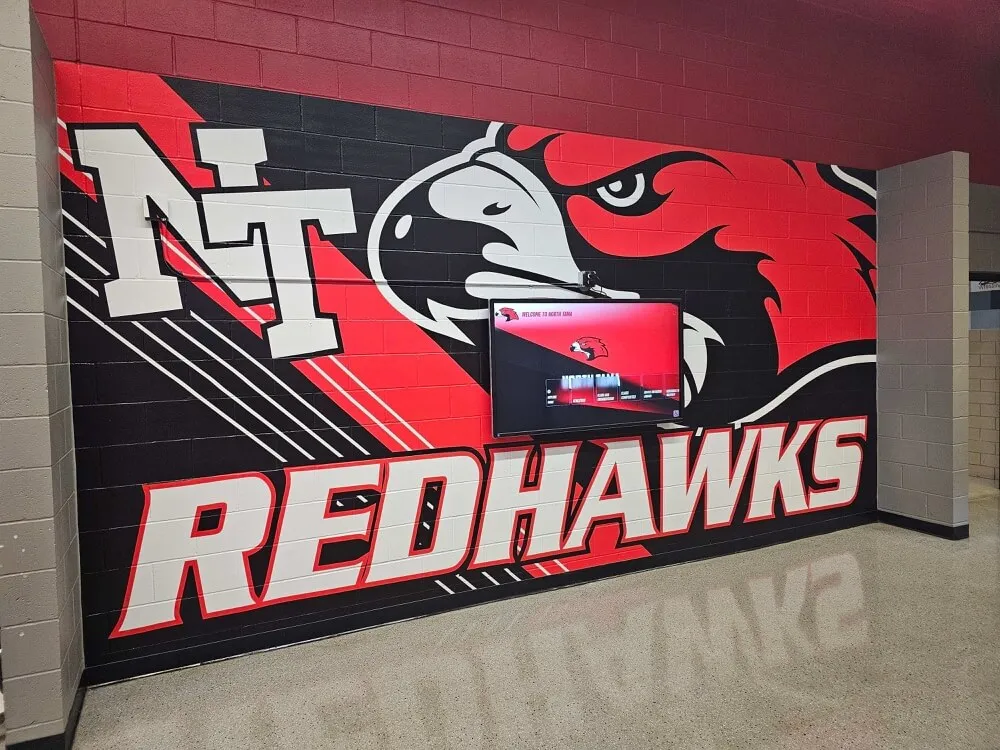
Hallway Banners and Signage: Wall-mounted displays featuring letter winner names, photos, or achievement information provide high-visibility recognition in athletic facilities, main hallways, or gymnasium entrances where students, families, and visitors regularly encounter them.
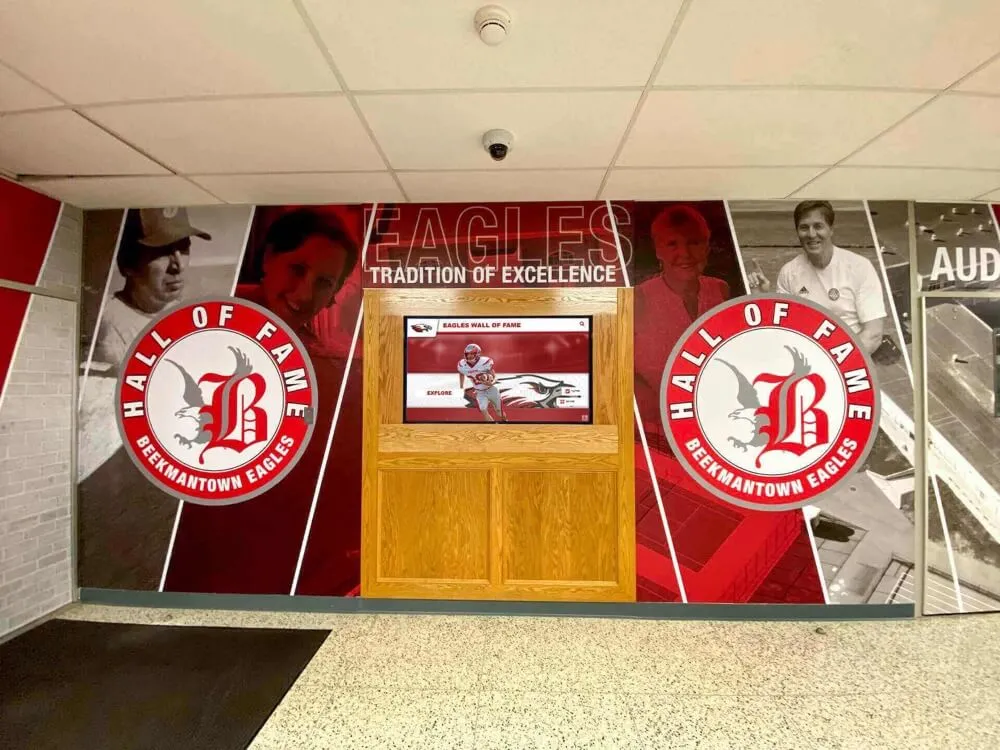
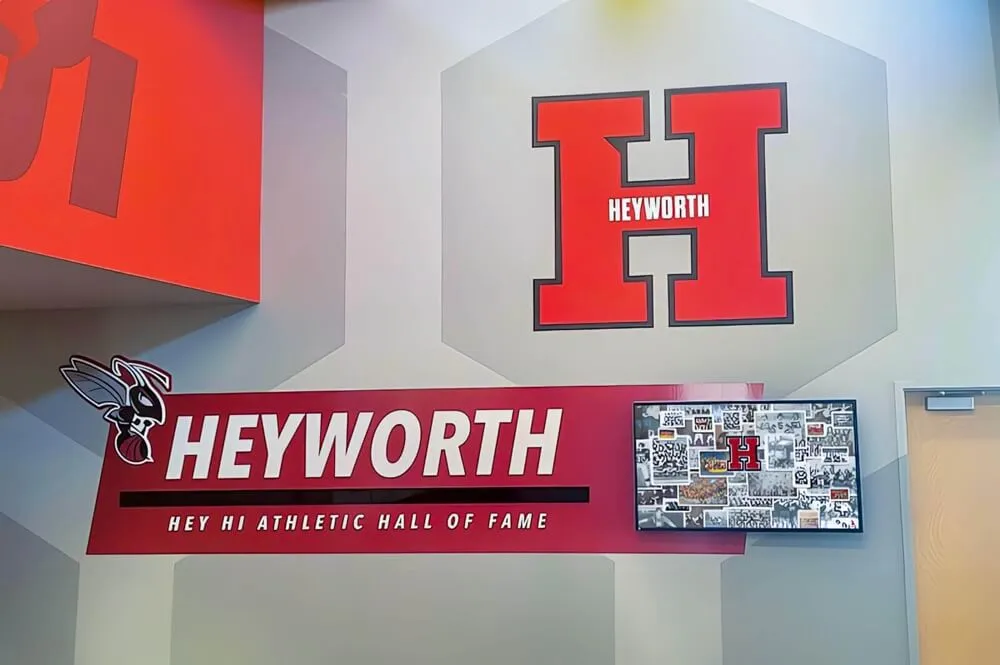
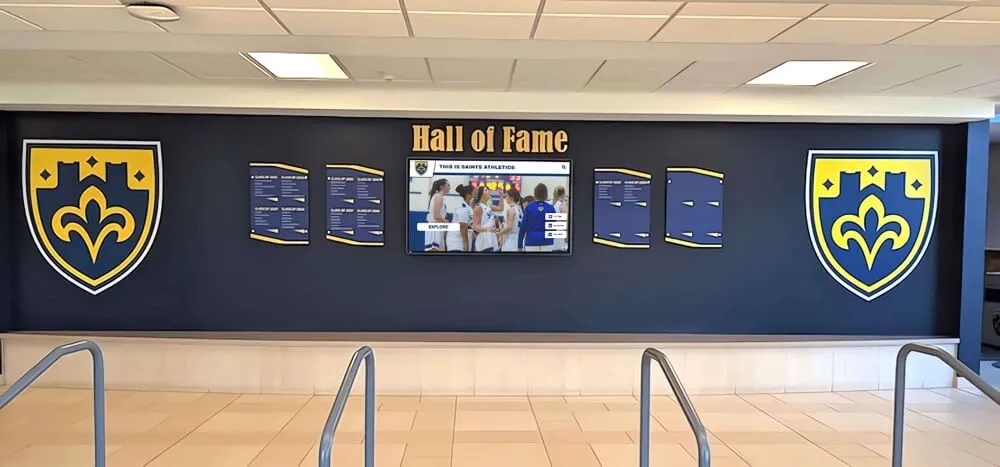
Letter Winner Halls of Fame: Dedicated spaces celebrating exceptional letter winners who achieved particularly notable success—multiple-sport athletes, all-state performers, or those continuing athletic careers collegiately—create inspirational recognition that motivates current athletes.
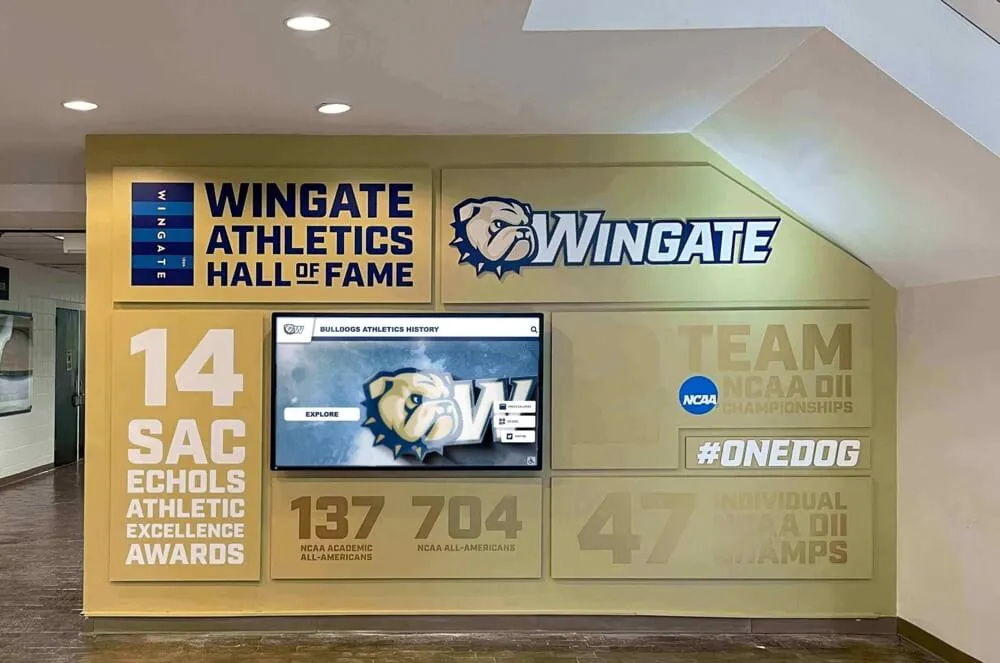
While traditional approaches create tangible recognition, they face limitations including finite physical space restricting how many years of letter winners can display before space fills completely, expensive and time-consuming updates requiring professional engraving or printing annually, static content providing only basic names and dates without broader context, and fixed locations limiting visibility to those physically present at specific facility areas.

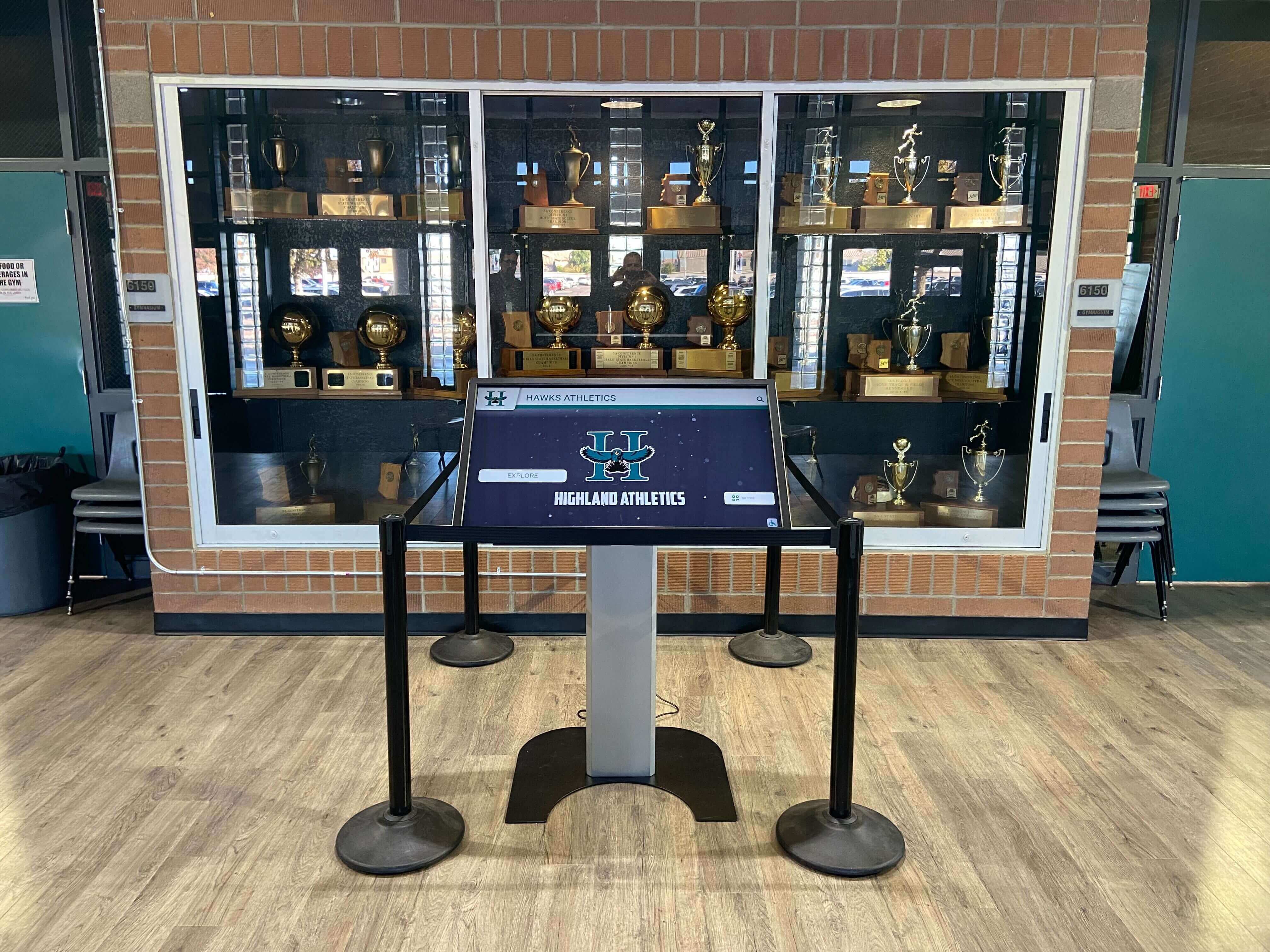
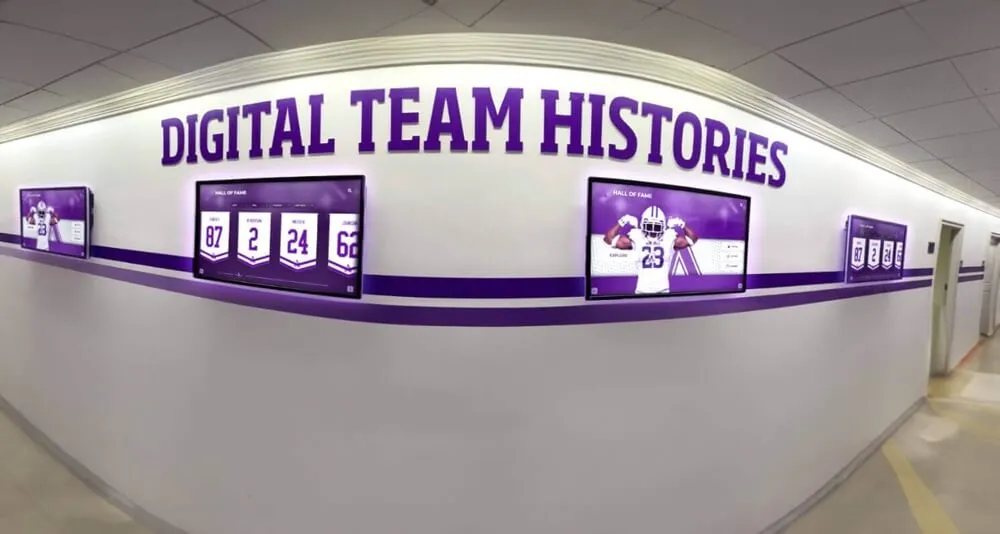
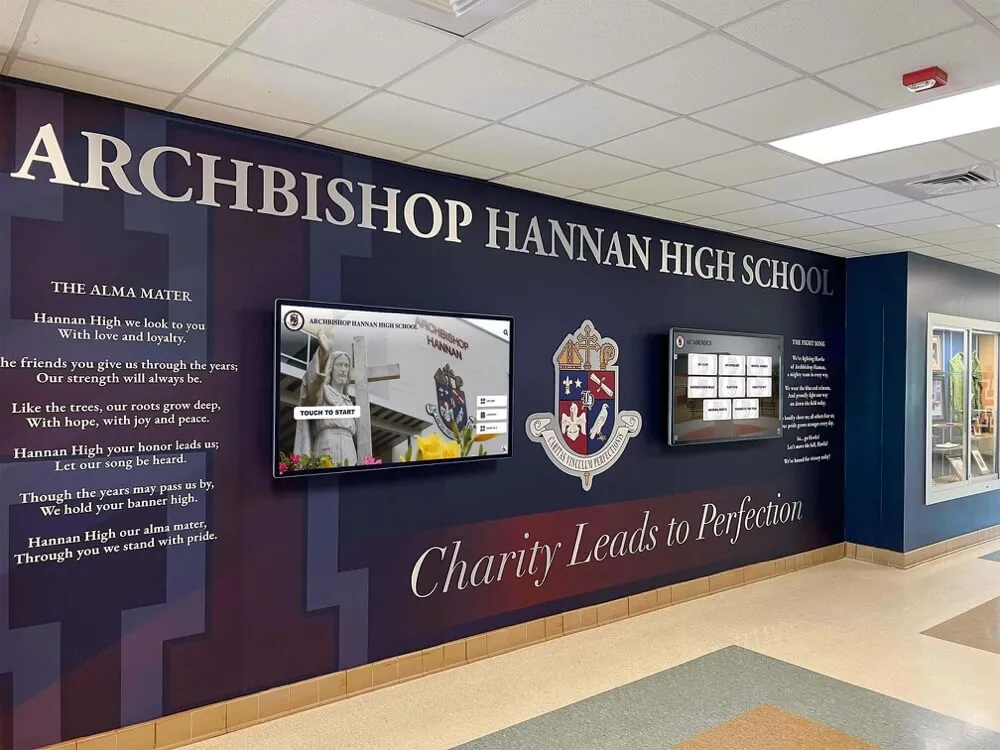
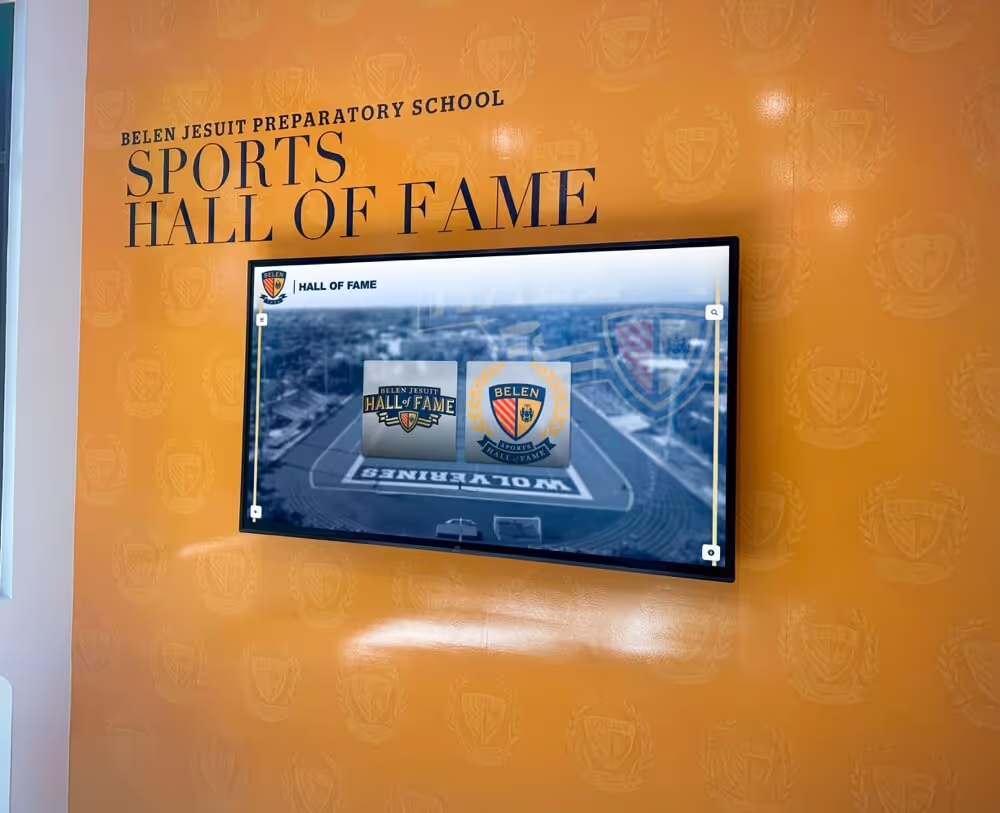
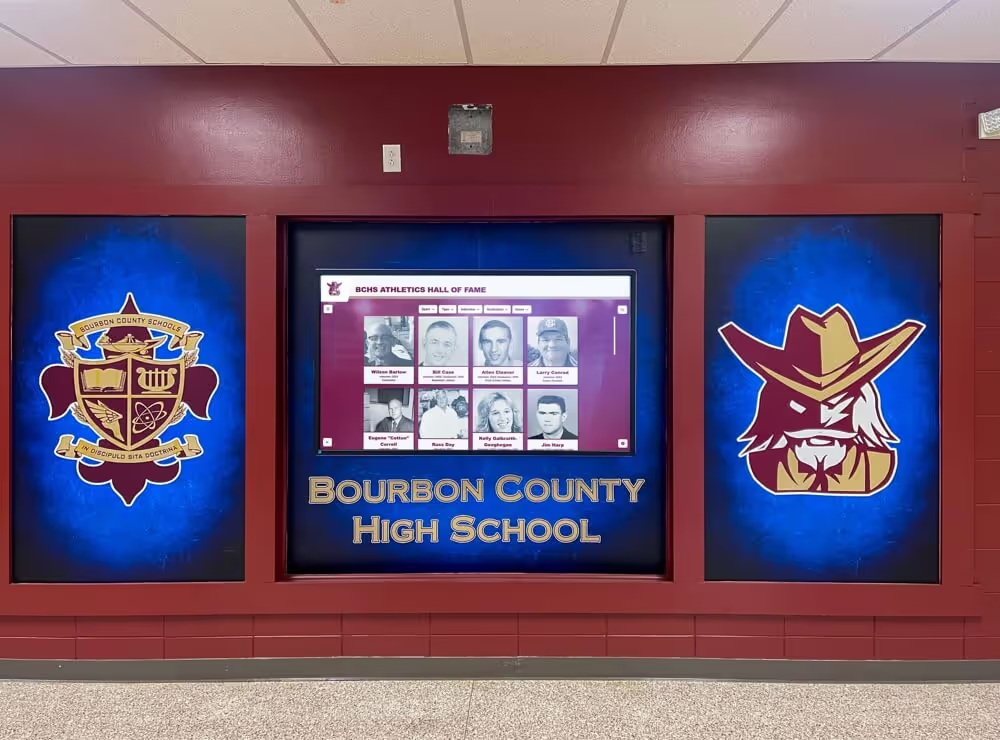
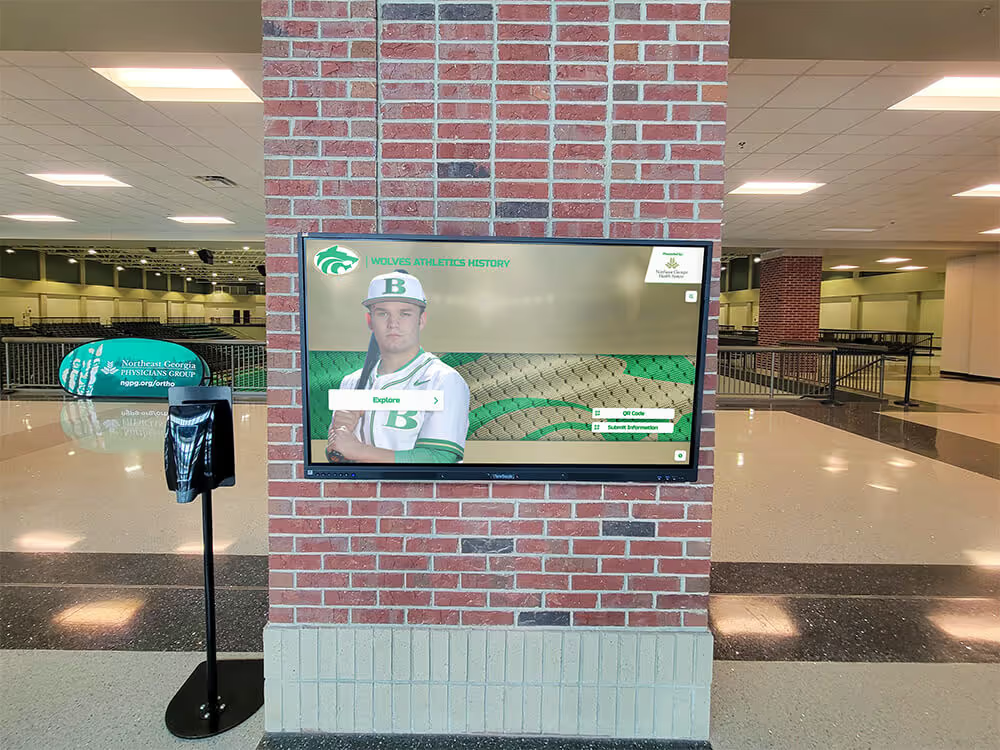
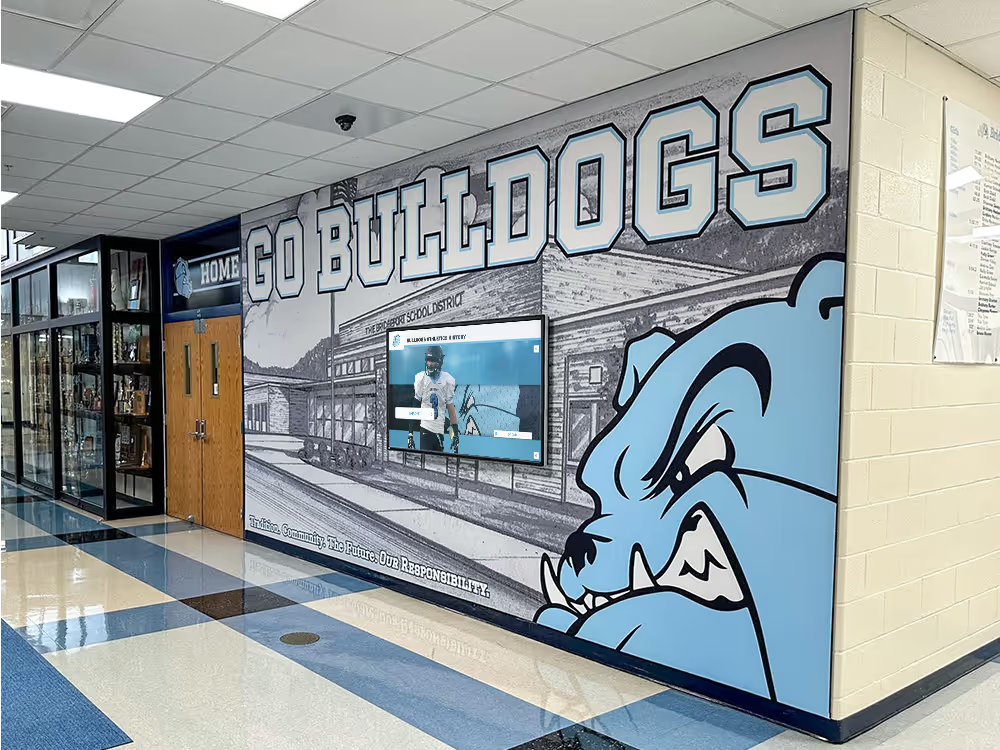
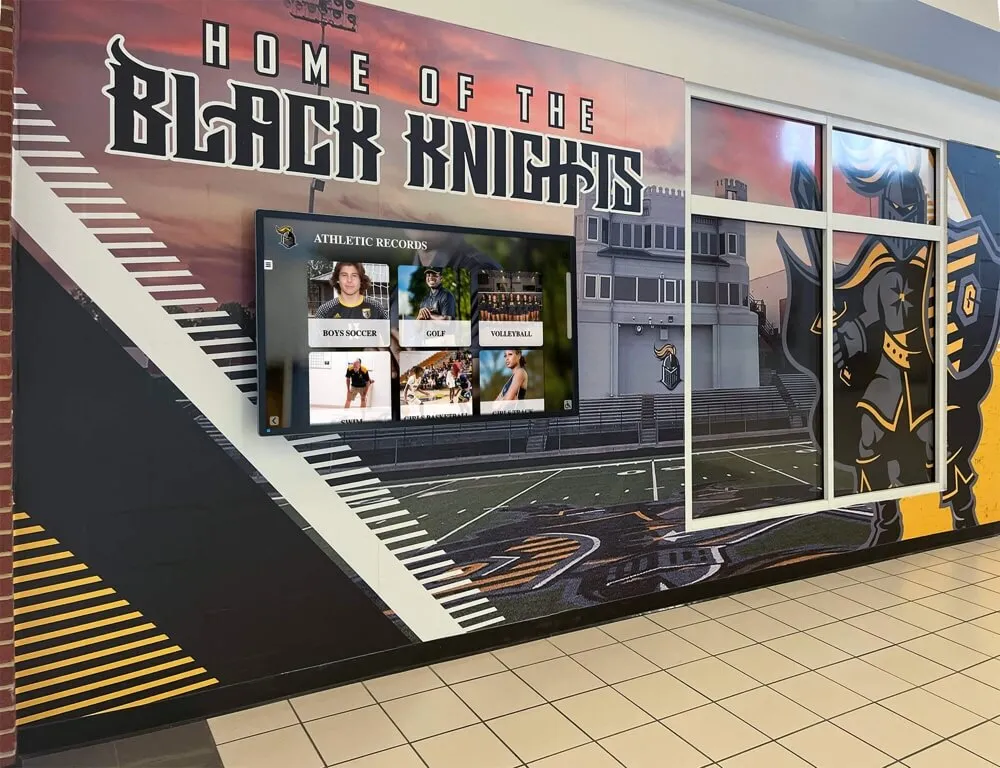
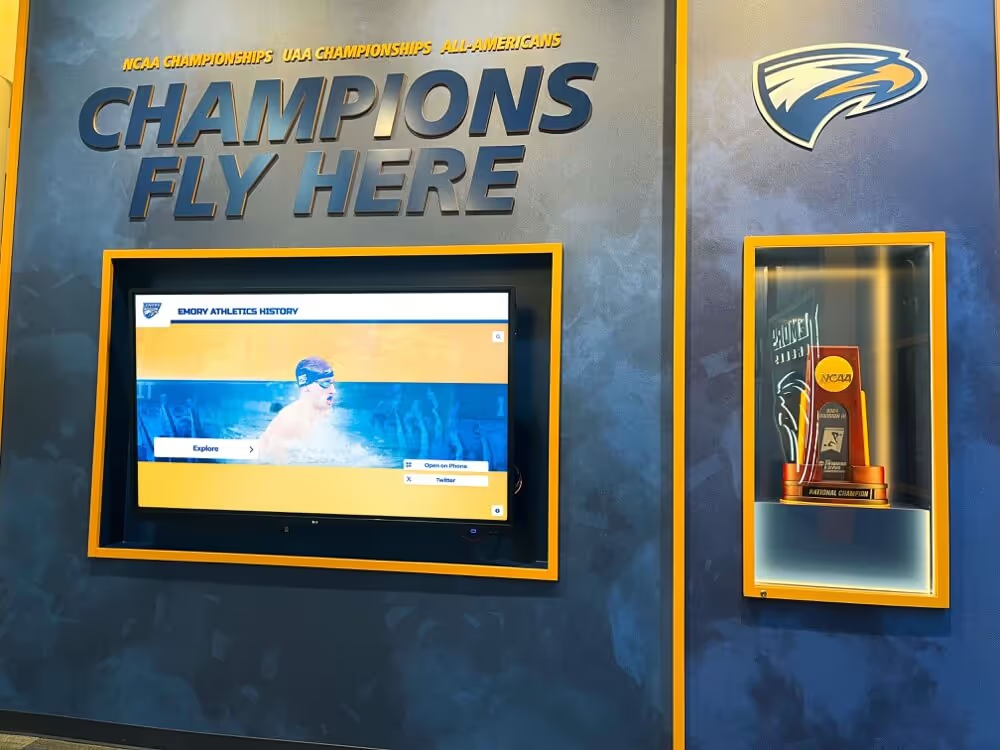
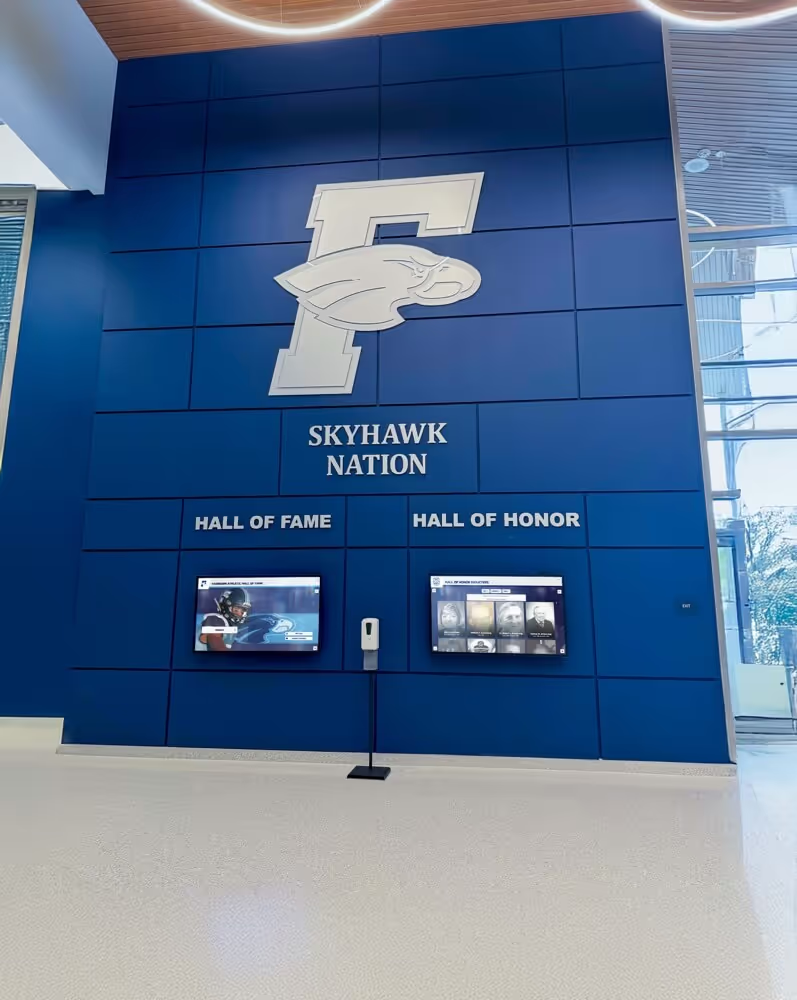
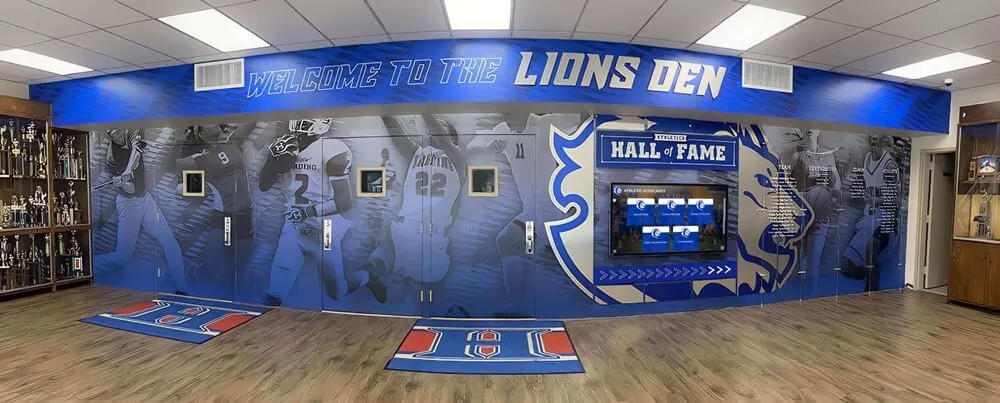
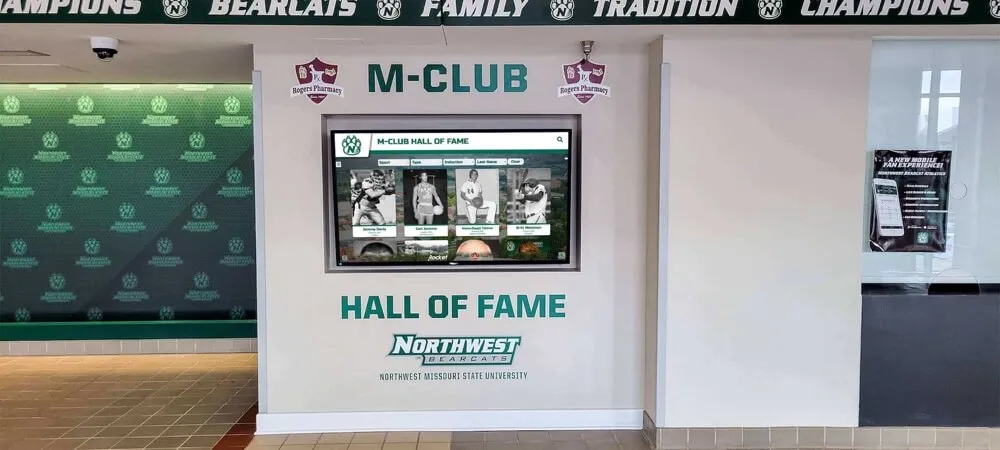
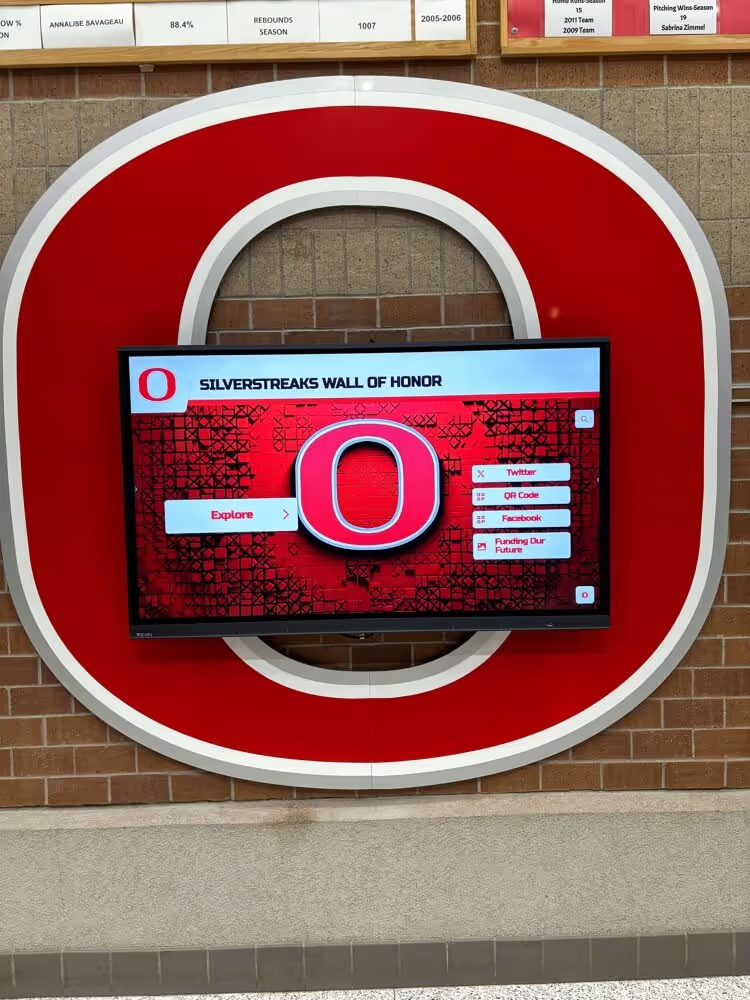
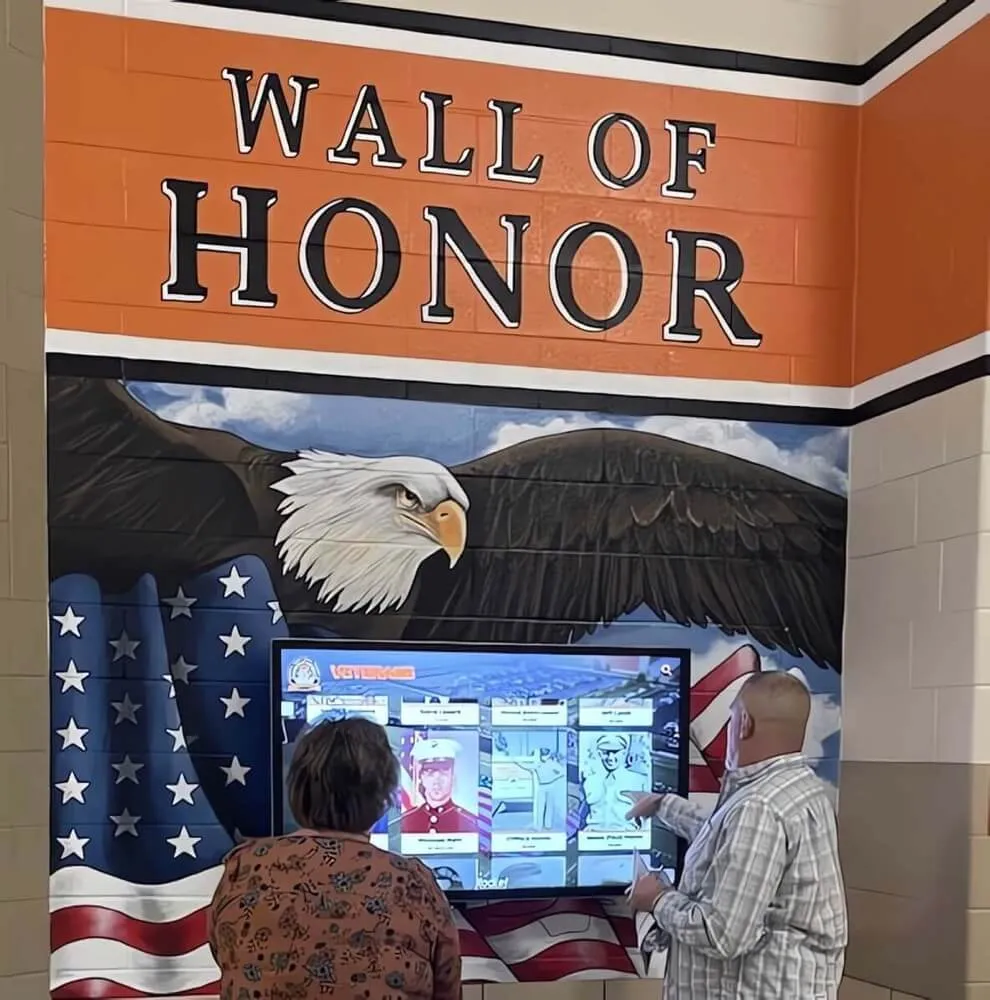
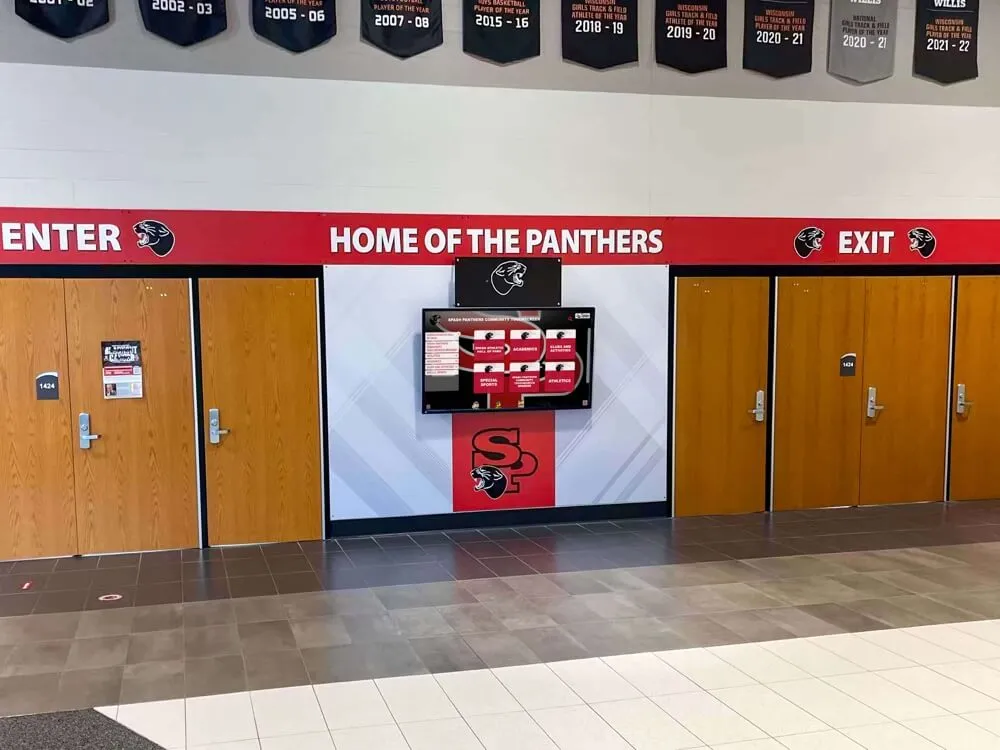
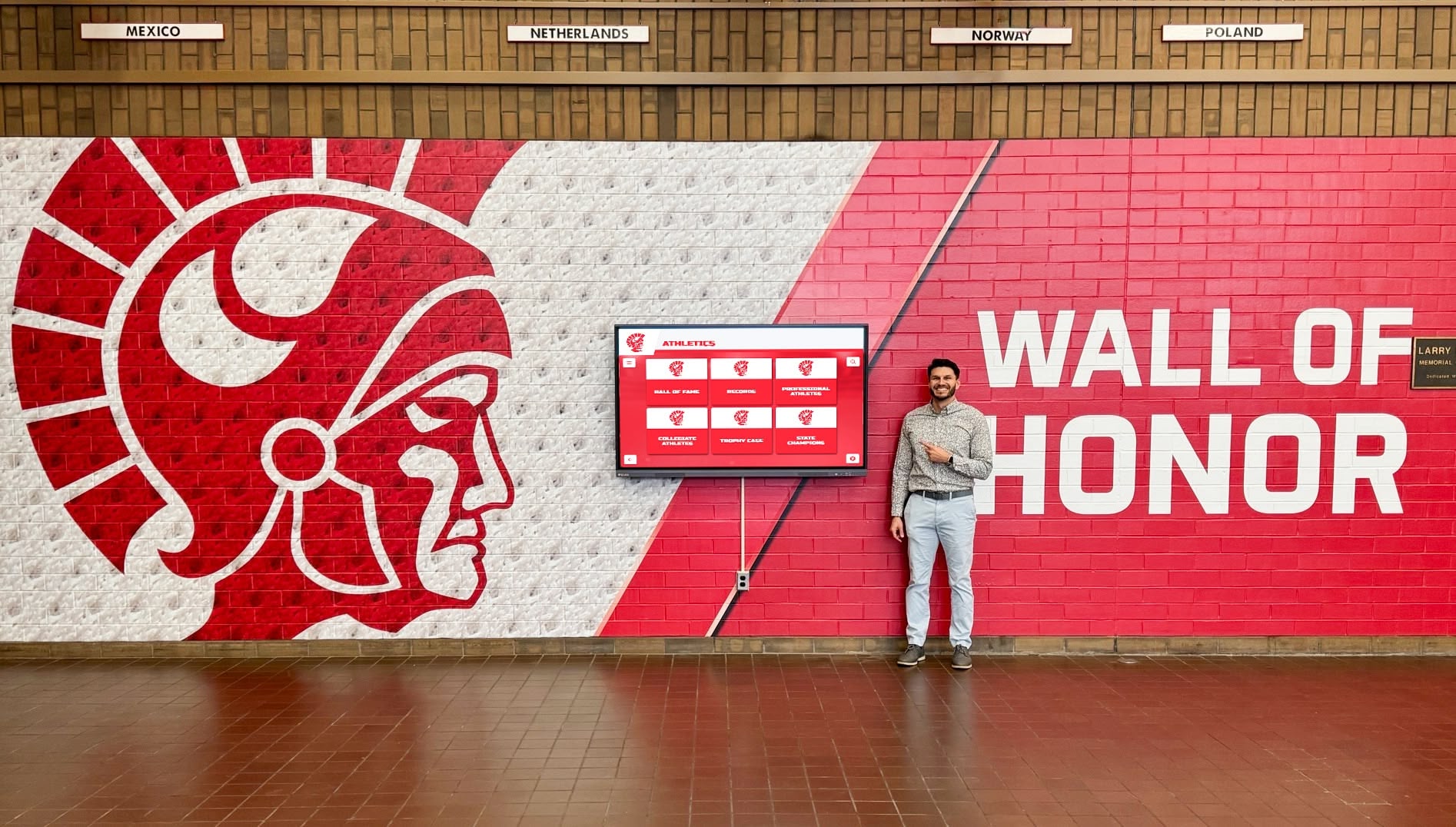
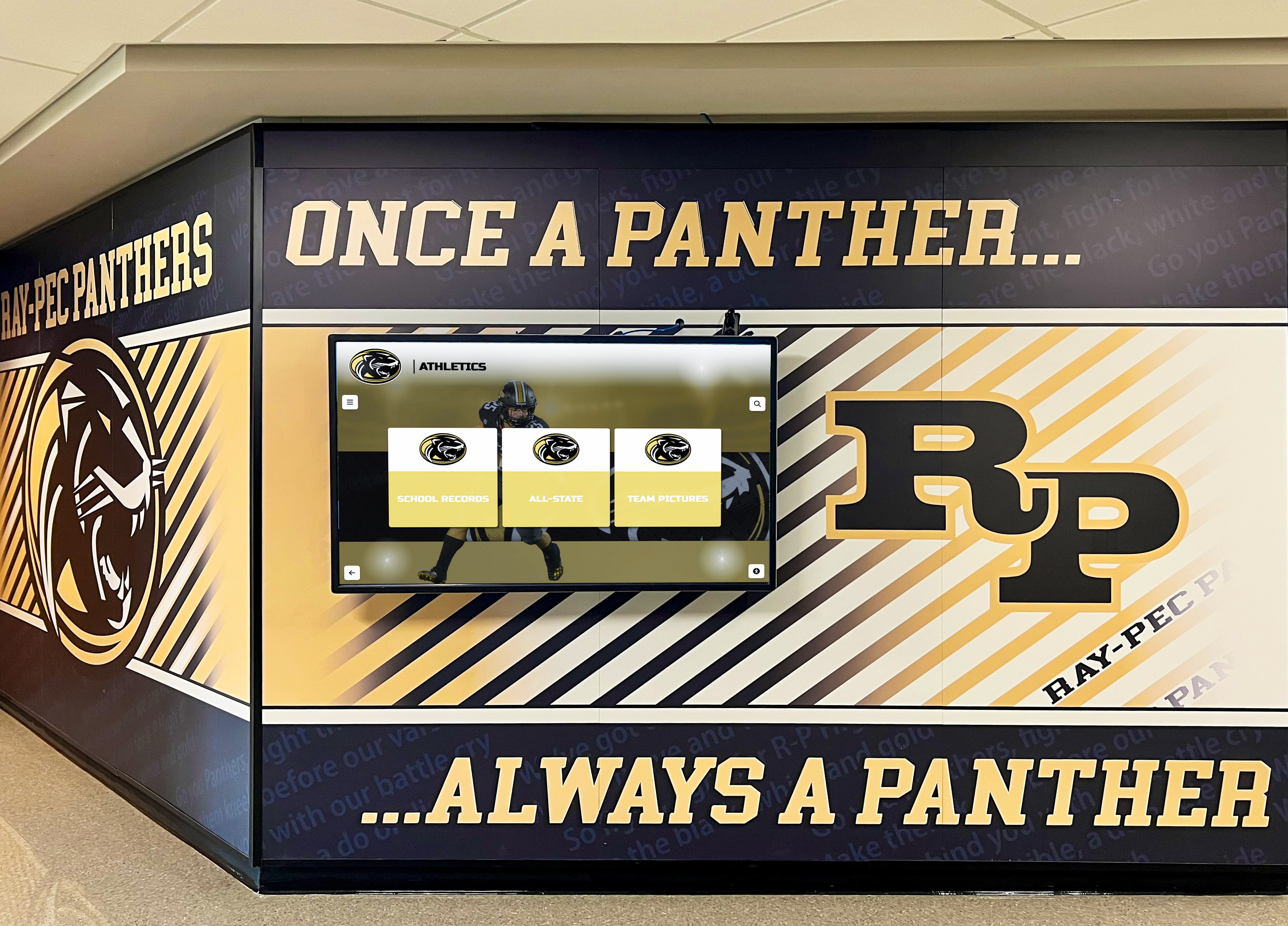
Modern Digital Recognition Platforms
Contemporary schools increasingly implement digital recognition systems that address traditional display limitations while enhancing engagement and accessibility.
Unlimited Capacity for Comprehensive Documentation: Digital platforms eliminate space constraints entirely. Schools can showcase every letter winner across all sports and all years without worrying about display capacity, ensuring complete historical documentation rather than selective recognition limited by physical constraints.
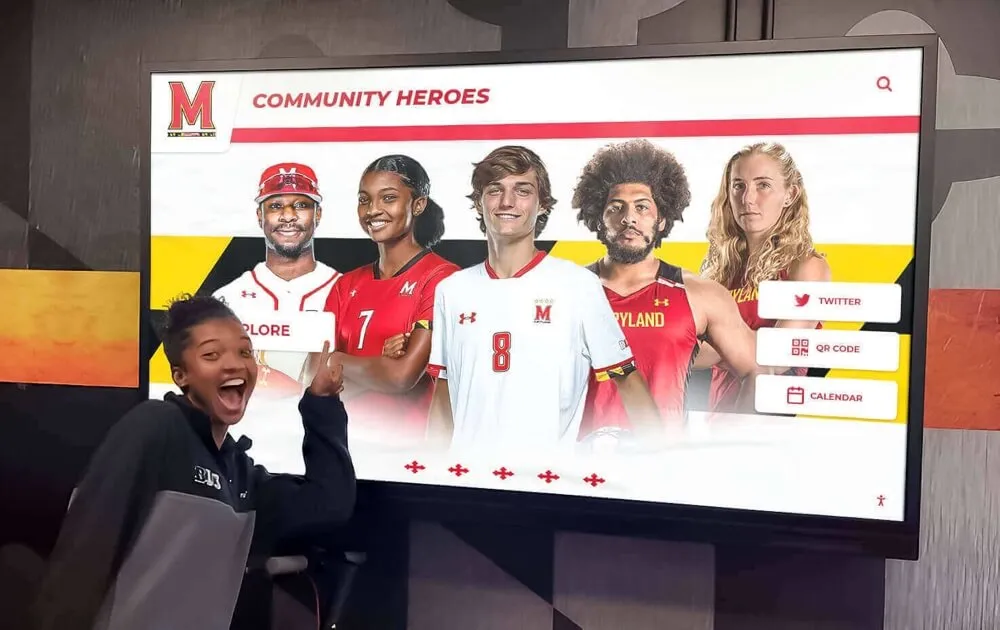
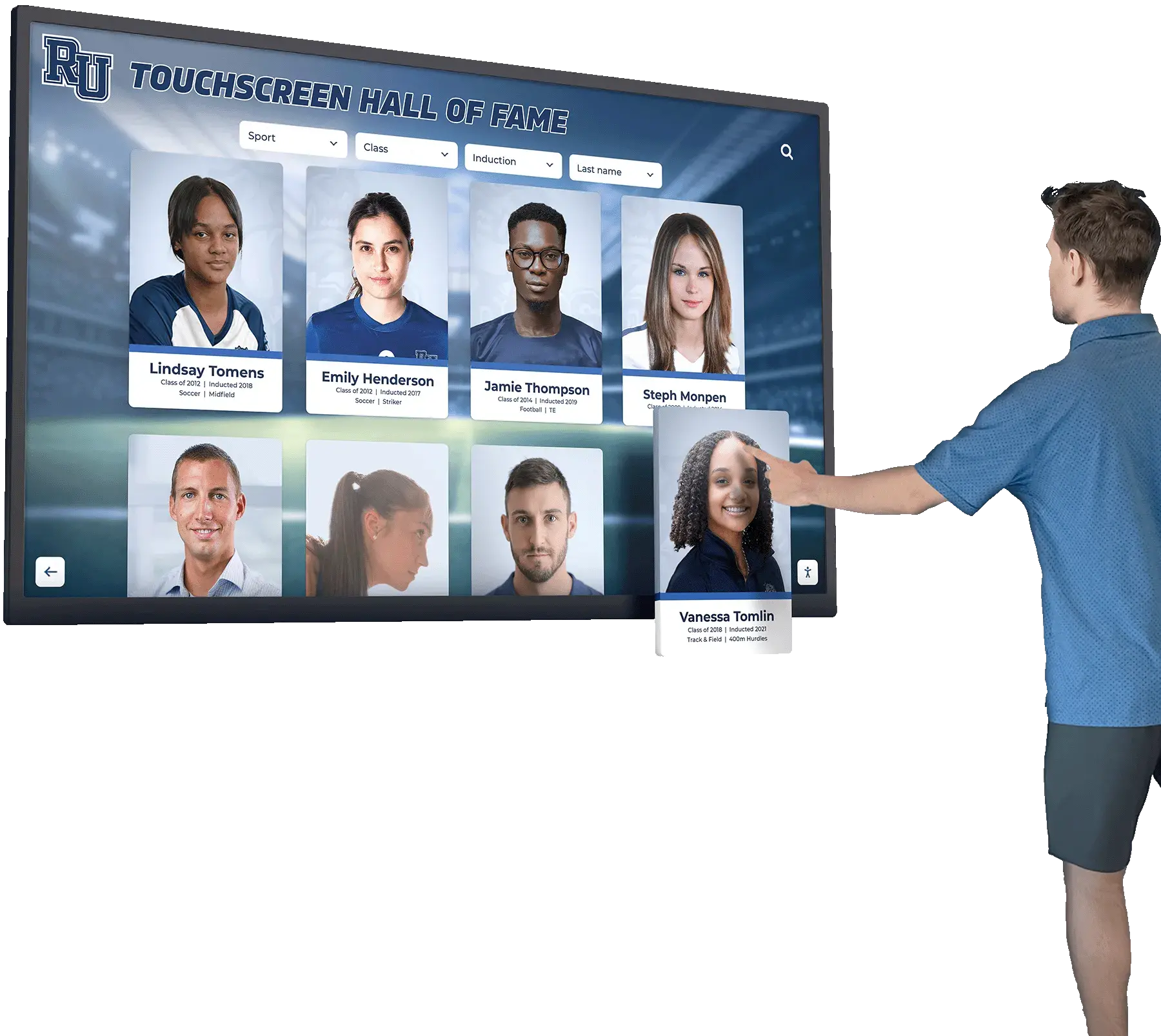
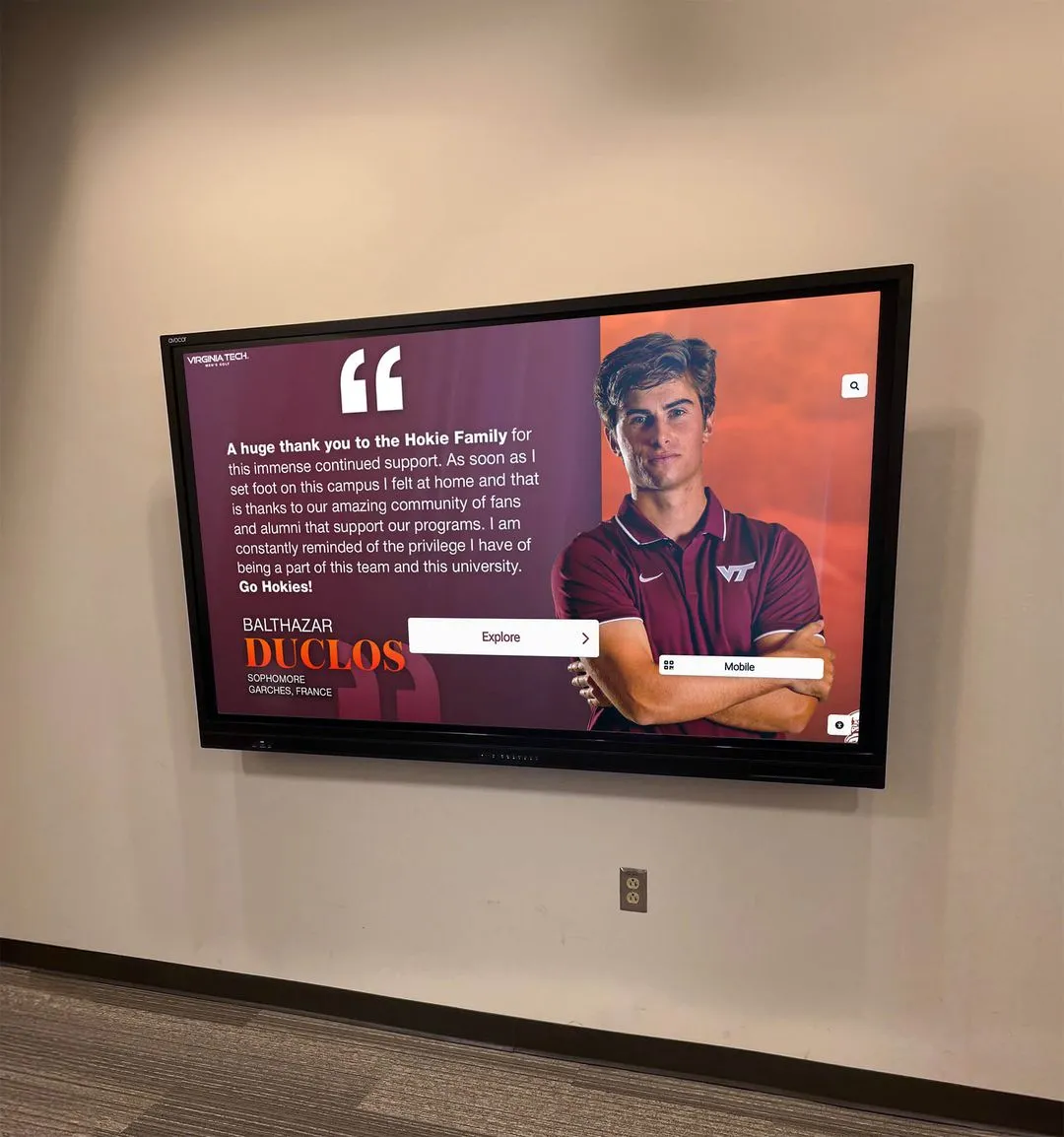
Rich Multimedia Content: Digital recognition enables detailed profiles far beyond simple name lists, including athlete photographs and action shots, sport and season information, achievement statistics and accomplishments, biographical details and post-graduation updates, and connections to broader team histories and program traditions.
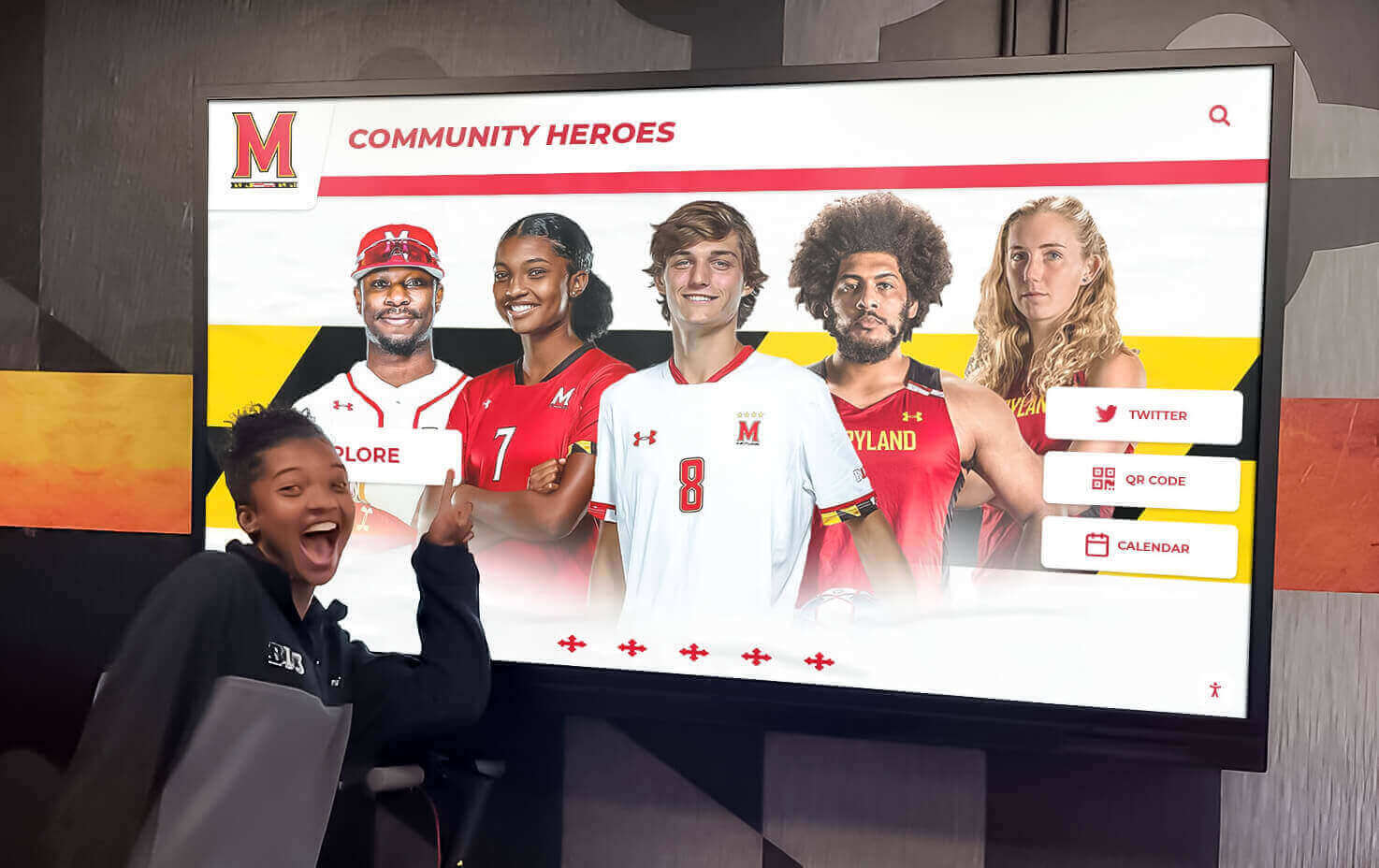
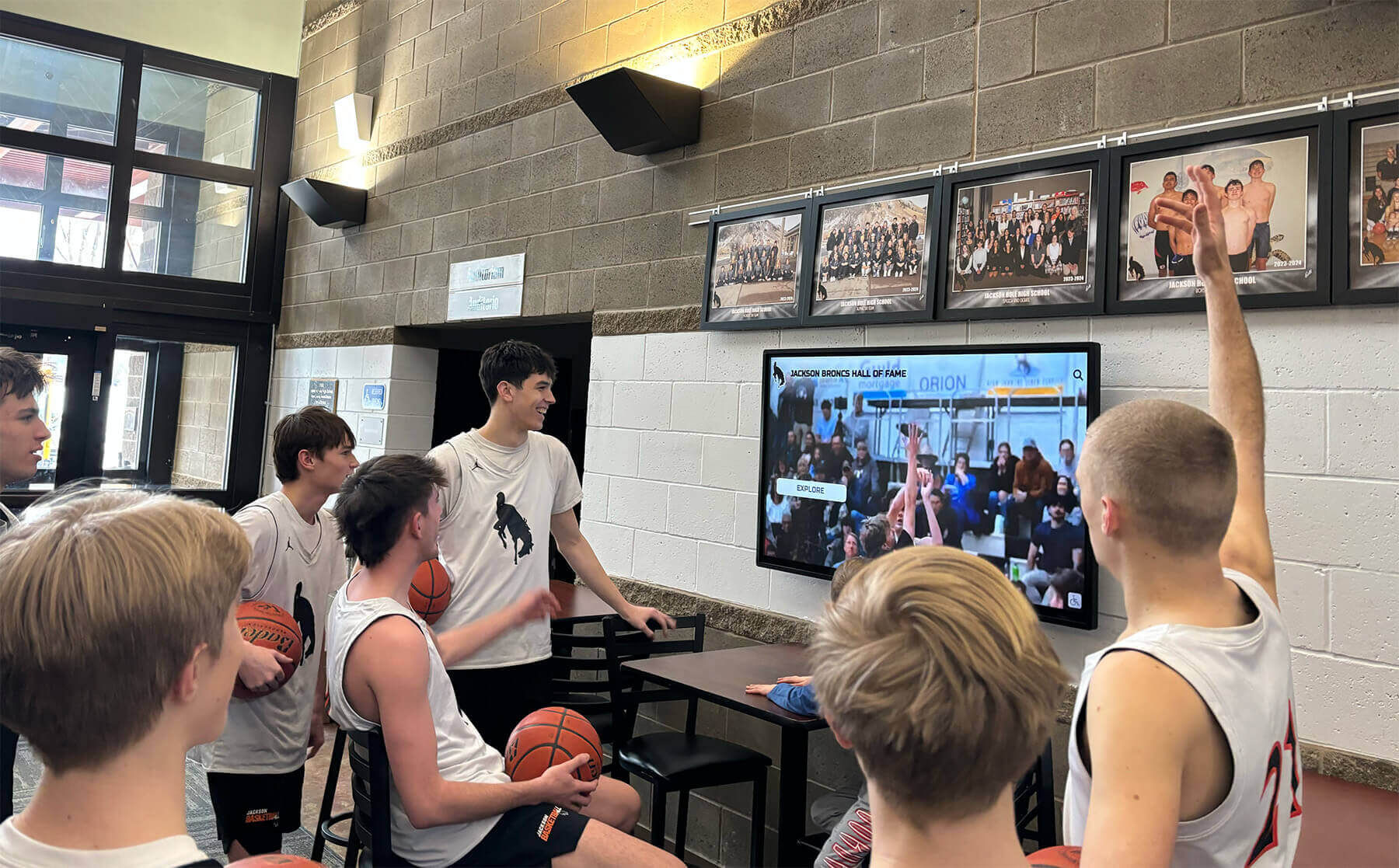
Interactive Engagement and Searchability: Modern systems transform passive viewing into active engagement. Visitors can search by athlete name, browse by sport or year, filter by specific achievement types, and explore detailed profiles creating meaningful interaction rather than brief glances at static lists.
Easy Updates and Content Management: Cloud-based platforms allow authorized staff to update letter winner recognition instantly from any device without technical expertise. Following letter awards at season conclusions, schools can add new recipients within minutes rather than waiting months for physical display updates.
Solutions like those offered by Rocket Alumni Solutions provide purpose-built platforms specifically designed for athletic recognition, featuring intuitive content management, proven engagement approaches, and comprehensive support helping schools implement effective digital recognition systems. Information about digital vs. traditional trophy case approaches explains comparative advantages in detail.
Integration With Broader Recognition Ecosystems
Most effective recognition programs integrate letter winner acknowledgment within comprehensive systems celebrating diverse achievements across athletic, academic, and extracurricular domains.
Unified Recognition Platforms: Schools can showcase varsity letter winners alongside all-conference athletes, academic honor roll students, performing arts achievers, and service award recipients within integrated recognition systems. This holistic approach demonstrates institutional commitment to celebrating excellence across all student pursuits rather than privileging particular achievement types.
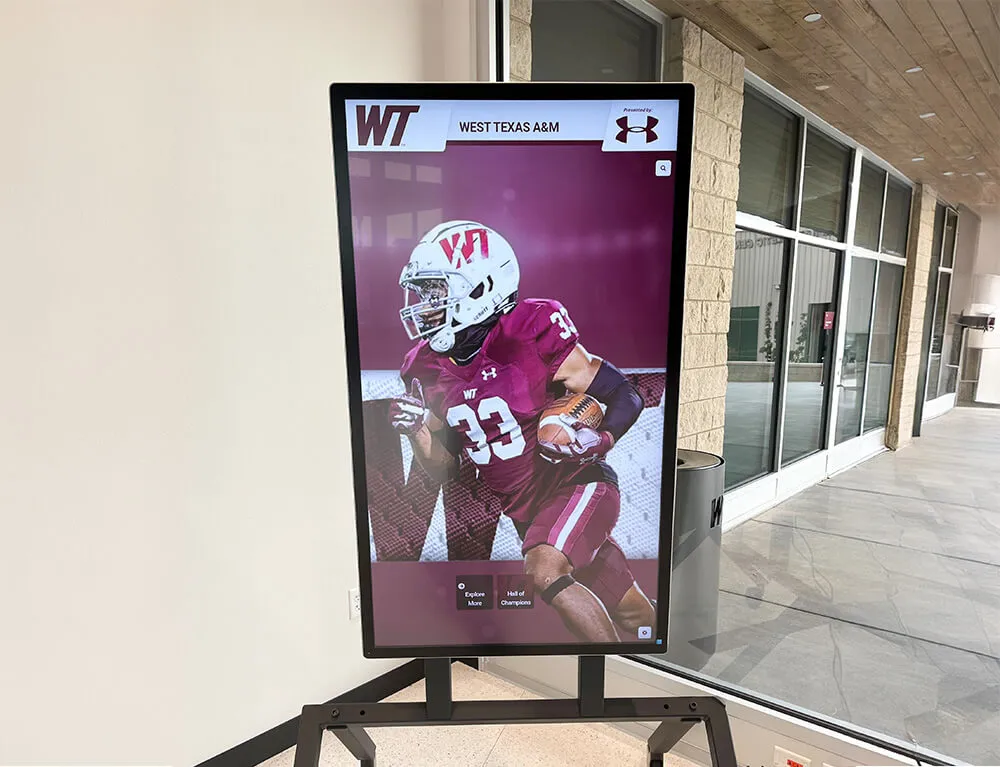
Web Accessibility and Social Sharing: Modern recognition extends beyond physical locations through web-accessible profiles, mobile-friendly interfaces, and social media integration allowing letter winners to share achievements with extended networks, prospective college recruiters, and family members unable to visit school facilities personally.
Alumni Connection and Engagement: Digital recognition platforms maintain relevance across decades, enabling alumni letter winners to revisit achievements years after graduation, share accomplishments with their own children, and maintain connections to schools and athletic programs. This ongoing engagement strengthens alumni relationships benefiting both former athletes and current programs.
Special Recognition Events and Ceremonies
Formal events celebrating letter winners create memorable experiences elevating awards beyond simple item distribution.
Letter Award Ceremonies: Dedicated events where coaches present letters, explain achievement significance, acknowledge individual contributions, and celebrate athletic accomplishment with families present create meaningful occasions athletes remember throughout their lives.
Senior Recognition Nights: Many programs honor graduating letter winners during final home competitions, acknowledging cumulative athletic careers and celebrating contributions across multiple seasons. These events often include parent participation, senior speeches, and special commemorative items beyond standard letters.
Annual Athletic Banquets: End-of-year celebrations bringing together all sport programs provide opportunities to recognize letter winners alongside team awards, all-conference selections, and special achievement categories. These comprehensive events reinforce athletic community while celebrating diverse accomplishments across all programs.
Letter Jacket Distribution Events: Schools maintaining letter jacket traditions sometimes host special events where athletes receiving first letters select and order jackets, creating shared experiences among new letter winners and visible symbols of achievement they’ll wear throughout remaining high school years.
Maintaining Varsity Letter Standards and Traditions
Schools committed to preserving meaningful varsity letter programs should follow systematic approaches ensuring standards remain relevant, equitable, and effective in motivating excellence.
Establishing Clear, Written Criteria
Transparent, documented letter requirements prevent confusion and ensure consistent application across coaching changes and competitive seasons.
Sport-Specific Documentation: Develop written criteria for each sport specifying exact participation minimums, performance standards where applicable, coach discretion parameters, special circumstance considerations, and timeline expectations. Distribute these criteria to athletes and families at season beginnings so everyone understands exact requirements.
Athletic Handbook Inclusion: Incorporate letter requirements in comprehensive athletic handbooks or policy documents ensuring institutional documentation beyond individual coach communication. Written policies create accountability and consistency while providing reference points for athletes, families, and coaches.
Annual Review and Updates: Assess letter criteria annually ensuring they remain appropriate, challenging yet achievable, equitable across sports, and aligned with program philosophies and school values. Adjust standards based on experience, program evolution, and stakeholder feedback while maintaining core principles about achievement and commitment.
Ensuring Equitable Recognition Across Programs
Varsity letter standards should provide comparable recognition value across all sports rather than creating hierarchies suggesting certain athletic achievements matter more than others.
Proportional Rigor Across Sports: Letter requirements should demand similar relative effort, achievement, and commitment regardless of sport. If football criteria seem significantly easier or harder than cross country standards, athletes and families perceive inequity suggesting institutional favoritism toward particular programs.
Gender Equity Considerations: Federal Title IX requirements mandate equitable treatment of male and female athletes. Letter criteria, recognition displays, award ceremonies, and institutional celebration should provide equal acknowledgment for women’s sport letter winners as men’s sport recipients, ensuring complete fairness across gender lines.
Visibility for All Sport Recognition: Physical and digital displays should showcase letter winners from all sports equally rather than emphasizing high-profile programs while minimizing less visible sports. Equal representation communicates that all athletic excellence deserves comparable institutional celebration.
Balancing Tradition With Contemporary Relevance
While varsity letter traditions span generations, effective programs adapt recognition approaches maintaining relevance for contemporary students while preserving core values.
Traditional Elements Worth Preserving: Physical chenille letters remain meaningful to most athletes despite technological advances. Letter jackets continue resonating in many communities even if wearing patterns have changed. Formal recognition ceremonies create memorable experiences valuable regardless of era.
Contemporary Enhancements: Digital recognition platforms complement traditional physical awards by providing broader visibility, comprehensive documentation, and ongoing accessibility. Social media integration allows athletes to share achievements with extended networks. Mobile-friendly profiles enable college recruiters to access complete athletic histories easily.
Student Input and Preferences: Engage current athletes in discussing recognition preferences, ceremony formats, and display approaches. Contemporary students provide valuable perspectives about what recognition methods feel meaningful and motivating versus outdated or irrelevant.
Schools implementing modern touchscreen recognition solutions find that blending traditional values with contemporary technology creates optimal recognition systems honoring heritage while meeting current expectations.
Preserving Historical Letter Winner Records
Comprehensive documentation preserving letter winner information across decades creates valuable institutional history and strengthens program traditions.
Complete Historical Databases: Compile records of all letter winners across all years whenever possible. While recent years provide accessible data, reaching back to collect historical information creates comprehensive archives celebrating complete program traditions.
Alumni Engagement for Historical Information: Former letter winners often preserve programs, yearbooks, or personal records documenting their achievements. Engage alumni to supplement incomplete historical information, share photographs and memorabilia, and provide context about earlier program eras.
Digital Archive Development: Transfer historical letter winner information into searchable digital databases enabling easy access and ongoing preservation. These archives support recognition displays while serving research, anniversary celebrations, reunion planning, and institutional history documentation.
Resources about capturing and displaying team histories explain effective approaches to preserving athletic achievements including letter winner traditions.
Frequently Asked Questions About Varsity Letters
Can freshman earn varsity letters?
Yes, freshmen can earn varsity letters if they compete at varsity levels and meet established criteria. Many sports include freshmen on varsity rosters when their abilities warrant, and these athletes qualify for letters under identical standards as upperclassmen. Some exceptional freshmen athletes not only letter but earn all-conference recognition or other honors typically associated with older athletes.
However, freshmen earning varsity letters remain relatively uncommon in most sports since older, more experienced athletes typically fill competitive rosters. Sports where physical maturity matters less—cross country, swimming, tennis, golf—may include freshmen letter winners more frequently than contact sports emphasizing size and strength development.
Do managers and student trainers receive varsity letters?
Policies regarding non-competing support personnel vary by school and program. Many schools award varsity letters or special recognition to team managers, student athletic trainers, and other support staff who demonstrate sustained commitment and valuable contribution to team success despite not competing themselves.
These recognition programs acknowledge that successful teams require contributions beyond athletes—equipment management, statistical tracking, injury treatment, and operational support all contribute meaningfully to program success and deserve appropriate acknowledgment.
Schools choosing to recognize support personnel typically establish separate criteria emphasizing attendance, responsibility, contribution quality, and season-long commitment comparable to athlete letter requirements while adjusted for non-competing roles.
Can athletes earn multiple varsity letters?
Athletes can earn multiple varsity letters in several ways: competing in different sports across multiple seasons (fall cross country, winter basketball, spring track), lettering in the same sport multiple years (four varsity basketball letters across high school career), or occasionally earning multiple sport letters within single years if season schedules permit.
Multi-sport athletes displaying several sport pins on their varsity letters visibly document diverse athletic capability. Some schools provide distinctive recognition for athletes earning letters in three or more sports, acknowledging rare versatility and exceptional commitment.
What happens to varsity letters if athletes transfer schools?
Letter awards earned at previous schools remain valid achievements athletes can acknowledge on athletic resumes and college applications regardless of transfers. However, athletes cannot typically wear previous schools’ letters on new school letter jackets or display them in contexts implying they represented transferred-to schools.
Athletes transferring mid-high school career often must meet full criteria at new schools to earn those institutions’ varsity letters, even if they previously lettered in the same sports elsewhere. Some transfer athletes face eligibility restrictions limiting immediate varsity participation depending on state athletic association rules and transfer circumstances.
Do varsity letters matter for college recruitment?
Varsity letters provide baseline evidence of competitive participation and program contribution that college coaches consider alongside more detailed performance information. While letters alone don’t guarantee recruitment interest, they document sustained involvement and institutional recognition of achievement.
Multiple varsity letters earned across several years demonstrate consistency and commitment more convincingly than single seasons, particularly when earned beginning freshman or sophomore years showing early varsity-level capability. Combined with strong statistics, video highlights, academic performance, and coach recommendations, varsity letters strengthen overall recruiting profiles.
For most college recruitment situations, specific performance data, competition levels, and direct coach evaluations matter more than letter awards themselves. However, letters provide credible third-party validation that athletes met meaningful standards rather than simply participated recreationally.
How should athletes display varsity letters after high school?
Many letter winners preserve their awards throughout life using various display approaches:
Letter Jackets: Traditional wool varsity jackets featuring chenille letters remain popular display methods athletes wear during high school and often preserve afterward as cherished keepsakes.
Shadow Box Frames: Professional framing in shadow boxes allows attractive display of letters along with medals, photographs, newspaper clippings, and other athletic memorabilia creating comprehensive achievement documentation suitable for homes or offices.
Memory Quilts or Blankets: Some athletes attach letters to decorative blankets or incorporate them into memory quilts combining varsity letters with team jerseys, tournament shirts, and other athletic mementos creating functional, meaningful displays.
Storage as Keepsakes: Even athletes choosing not to display letters prominently often preserve them carefully as personal mementos representing important achievement chapters in their lives, occasionally sharing them with children or discussing high school athletic experiences.
Conclusion: The Enduring Value of Varsity Letters
Despite decades of cultural evolution and changing high school athletic landscapes, varsity letters maintain remarkable significance as recognition of athletic achievement, symbols of commitment and excellence, connections to enduring institutional traditions, and tangible awards athletes treasure throughout their lives.
These simple chenille letters represent far more than fabric and thread—they acknowledge thousands of practice hours, competitive dedication, skill development, team contribution, and achievement of standards distinguishing meaningful athletic participation from casual involvement. For athletes who earn them, varsity letters validate that commitment and effort produced results worthy of institutional recognition, creating lasting pride and achievement markers athletes remember throughout their lives.
Schools committed to comprehensive athletic recognition should maintain meaningful varsity letter programs featuring clear, challenging criteria that motivate excellence, equitable standards ensuring fairness across all sports and athlete populations, formal recognition ceremonies creating memorable experiences, comprehensive documentation preserving achievements permanently, and modern display approaches providing ongoing visibility and engagement.
The evolution from space-limited trophy cases to unlimited digital recognition platforms has transformed what schools can achieve in celebrating letter winners. Contemporary solutions eliminate physical constraints while adding engaging interactive features, rich multimedia content, and web accessibility extending recognition reach beyond facility walls to anywhere athletes, families, and communities access digital content.
By implementing comprehensive varsity letter programs that blend traditional values with modern technology, schools honor achievement appropriately, inspire current athletes toward similar excellence, preserve institutional traditions connecting generations of competitors, and create the recognition ecosystems their dedicated student-athletes deserve.
Ready to create comprehensive recognition for your varsity letter winners that celebrates tradition while leveraging modern technology? Rocket Alumni Solutions provides purpose-built digital recognition platforms specifically designed for high school athletic programs. These systems showcase unlimited letter winners across all sports and years, incorporate rich multimedia athlete profiles, enable interactive search and exploration, update instantly through intuitive content management, and extend visibility through web accessibility and social integration—all while maintaining the traditional values that make varsity letters meaningful.
Whether honoring single-sport specialists or multi-sport athletes, freshman letter winners or four-year contributors, football letter recipients or cross country achievers, the right recognition approach preserves achievement while inspiring future excellence through visible celebration of athletic tradition and commitment.