



Key Takeaways
Comprehensive guide to how high schools select valedictorians, establish criteria, handle ties, and effectively honor top academic achievers through modern recognition displays.
Every spring, thousands of high schools across America face decisions about their highest academic honor: who will serve as valedictorian at graduation? This distinction represents the culmination of years of academic dedication, but the selection process varies dramatically from school to school, creating confusion among students, families, and even educators about how valedictorian selection actually works.
Understanding valedictorian selection criteria, recognition practices, and modern approaches to celebrating top academic achievement helps schools implement fair systems while appropriately honoring students who have achieved extraordinary academic excellence. This comprehensive guide examines everything schools need to know about selecting and celebrating valedictorians in ways that honor achievement authentically while avoiding common pitfalls that can undermine these prestigious programs.
What Is a High School Valedictorian?
The term “valedictorian” originates from the Latin “valedictory,” referring to the farewell speech traditionally delivered at graduation ceremonies. In American high schools, the valedictorian typically represents the graduating senior with the highest academic achievement, measured most commonly by grade point average calculated across all four years of high school.
Historical Context and Tradition
The valedictorian tradition extends back centuries in American education, originally reserved for students at elite preparatory academies and colleges. As public education expanded throughout the 19th and 20th centuries, the practice spread to high schools nationwide, becoming a standard feature of graduation ceremonies that continues today.
Historically, valedictorians delivered formal farewell speeches reflecting on shared educational experiences while offering wisdom to classmates embarking on post-graduation journeys. While this tradition persists in many schools, the specific role and recognition of valedictorians has evolved considerably, adapting to changing educational philosophies, larger graduating classes, and diverse approaches to measuring academic excellence.
The Significance of Valedictorian Status
Achieving valedictorian status carries significant meaning for students, families, and school communities. For individual students, valedictorian recognition validates years of academic dedication, provides distinction in college applications and scholarship competitions, creates opportunities for graduation ceremony participation through speeches or special recognition, and establishes lasting identity as top academic achiever within graduating class.
For schools, valedictorian programs establish visible standards for academic excellence, motivate student achievement by creating aspirational goals, demonstrate commitment to honoring scholarly accomplishment, and build institutional pride in developing exceptional students.
Common Valedictorian Selection Methods
Schools employ varied approaches to determining valedictorian status, each with distinct advantages and challenges. Understanding common selection methods helps schools evaluate whether current systems align with institutional values and educational goals.
Cumulative Grade Point Average (Most Common)
The overwhelming majority of high schools select valedictorians based on cumulative GPA calculated across all four years of high school coursework. This straightforward approach typically identifies the student with the highest GPA as valedictorian, with the second-highest student designated salutatorian.
Weighted vs. Unweighted GPA Considerations:
Schools face fundamental decisions about whether to use weighted or unweighted GPAs for valedictorian selection:
Weighted GPA Systems: Award additional grade points for advanced, honors, AP, IB, or dual enrollment courses. For example, an A in AP Calculus might count as 5.0 rather than 4.0 in weighted calculations. Weighted systems reward students for challenging themselves with rigorous coursework rather than selecting easier classes to maintain perfect grades. However, weighted calculations can disadvantage students with limited access to advanced courses due to scheduling conflicts, prerequisite requirements, or schools with fewer advanced offerings.
Unweighted GPA Systems: Calculate all grades on standard 4.0 scales regardless of course difficulty. Unweighted systems treat all achievement equally and ensure accessibility, but may incentivize students to avoid challenging courses that could jeopardize perfect 4.0 GPAs, potentially limiting academic development and college preparation.
Many schools carefully blend approaches, using weighted GPAs for valedictorian selection while ensuring all students have realistic pathways to access advanced coursework opportunities.

Class Rank Determination
Some schools determine valedictorians based on class rank rather than raw GPA, recognizing the student ranked #1 in their graduating class. Class rank approaches may incorporate factors beyond pure GPA including standardized test performance, specific course requirements, or completion of advanced program pathways.
Class rank systems work particularly well in schools where relative performance within peer groups matters more than absolute GPA numbers, which can vary based on grading standards, course offerings, and teacher assessment approaches across schools.
Multiple Valedictorians
As graduating classes have grown larger and more students achieve exceptional academic records, many schools now recognize multiple valedictorians rather than selecting single students. Multiple valedictorian approaches typically fall into several categories:
Threshold-Based Recognition: Schools establish minimum GPA thresholds—commonly 4.0 unweighted or specific weighted GPA levels—and designate all students meeting criteria as valedictorians. This inclusive approach acknowledges that multiple students may achieve comparably exceptional academic records, avoiding arbitrary distinctions between students separated by thousandths of GPA points.
Top Percentage Recognition: Some schools designate the top 1% or specific percentage of graduating classes as valedictorians, automatically adjusting recognition to class size and achievement distributions.
Schools implementing multiple valedictorian systems report reduced competitive pressure focused narrowly on class rank, broader recognition of diverse academic excellence, decreased anxiety around minor GPA differences, and more inclusive celebration of achievement. Critics argue this approach dilutes valedictorian prestige and creates graduation ceremony challenges when many students seek speaking roles.
For insights on comprehensive academic recognition beyond valedictorians, explore student recognition awards and meaningful achievement honors.
Alternative Selection Criteria
Progressive schools experiment with valedictorian selection methods extending beyond pure GPA calculations to honor more holistic achievement:
Academic Portfolio Approaches: Requiring demonstrated excellence across multiple dimensions including GPA and class rank, standardized assessment performance, academic competition achievements, research projects or capstone presentations, teacher recommendations regarding intellectual growth, and community engagement or leadership activities.
Faculty Committee Selection: Convening teacher panels to select valedictorians based on comprehensive achievement review rather than algorithmic calculations. Faculty selection enables consideration of factors automated systems cannot capture, though it introduces subjectivity requiring transparent criteria and processes.
Student Vote Components: Incorporating peer voting elements where graduating classes help select valedictorians based on academic achievement combined with character, leadership, or inspirational qualities. While democratic, peer selection risks popularity contests overshadowing pure academic merit.
Handling Valedictorian Ties and Close Competitions
One of the most challenging aspects of valedictorian selection involves situations where multiple students achieve identical or statistically indistinguishable academic records. Schools need clear policies addressing these scenarios before they arise.
GPA Calculation Precision
Schools calculate GPAs to varying decimal places—two, three, or even four decimals—significantly impacting valedictorian selection when top students are closely grouped. More decimal precision enables finer distinctions but may create somewhat arbitrary separations between exceptional students.
Consider a scenario where three students have weighted GPAs calculated as: Student A: 4.6234, Student B: 4.6229, Student C: 4.6187. Using two decimal places, both Student A and B would have 4.62 GPAs creating a tie, while four decimal precision distinguishes Student A as sole valedictorian by five ten-thousandths of a point.
Many schools deliberately limit precision to avoid excessive splitting, recognizing that differences beyond two decimal places lack meaningful educational significance and may reflect individual teacher grading variations rather than substantive achievement differences.
Tie-Breaking Protocols
When genuine ties occur after applying established GPA precision, schools need transparent tie-breaking protocols. Common approaches include:
Co-Valedictorians: Simply recognizing all tied students equally as co-valedictorians, avoiding the need to make artificial distinctions. This inclusive approach honors all top achievers while eliminating potential for arbitrary or controversial decisions.
Secondary Criteria Application: Implementing predetermined secondary factors as tie-breakers such as standardized test scores, credit hours completed, GPA in core academic subjects only, or specific advanced course completion. Any secondary criteria should be clearly communicated in student handbooks from freshman year forward, not applied retroactively when ties emerge.
Separate Speaking Opportunities: Allowing multiple tied students to deliver remarks at graduation, either through short shared speeches or rotation across graduation events when schools hold multiple ceremonies.
Historical Documentation: Creating clear records of tie-breaking policies and specific application in individual situations, ensuring consistency across years and protecting schools from claims of favoritism or inconsistent application.
Timing of Final Calculations
Schools must clearly specify when final valedictorian determinations occur. Options include:
End of First Semester Senior Year: Calculating valedictorians after fall semester senior year, providing earlier certainty for students planning graduation speeches and college scholarship applications. However, this timing excludes spring semester performance and may incentivize students to reduce rigor during final semester.
End of Third Quarter: Incorporating most of senior year while leaving time for graduation planning and arrangements.
Final Day of Classes: Including all academic work through graduation, providing most comprehensive assessment but creating extremely tight timelines for graduation ceremony planning.
Most schools balance comprehensiveness with practical logistics by calculating valedictorians after third quarter or early in spring semester, incorporating substantial senior year evidence while maintaining reasonable planning timelines.
Modern Approaches to Valedictorian Recognition
Beyond the graduation ceremony spotlight, effective schools implement comprehensive recognition programs ensuring valedictorian achievement receives appropriate celebration while creating lasting documentation of this prestigious honor.
Digital Recognition Displays
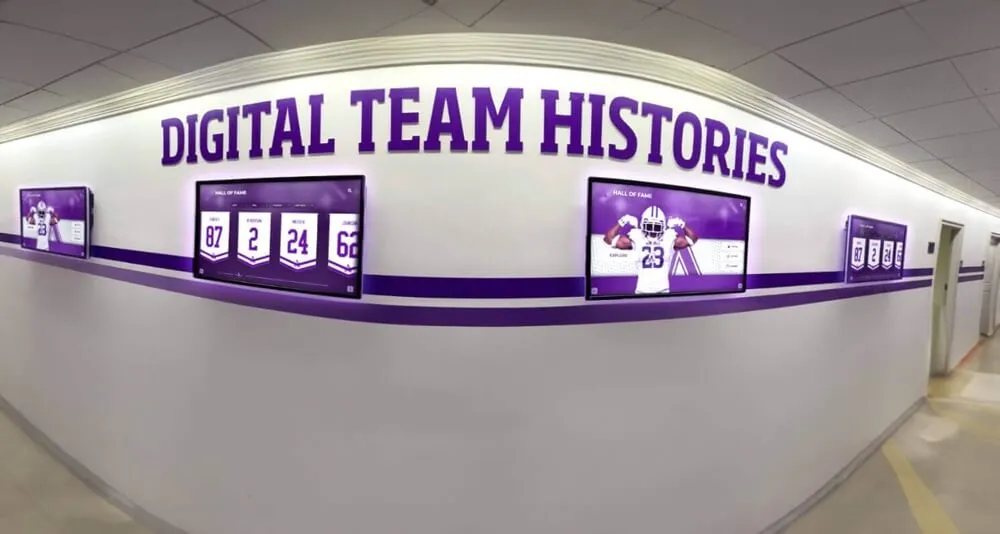
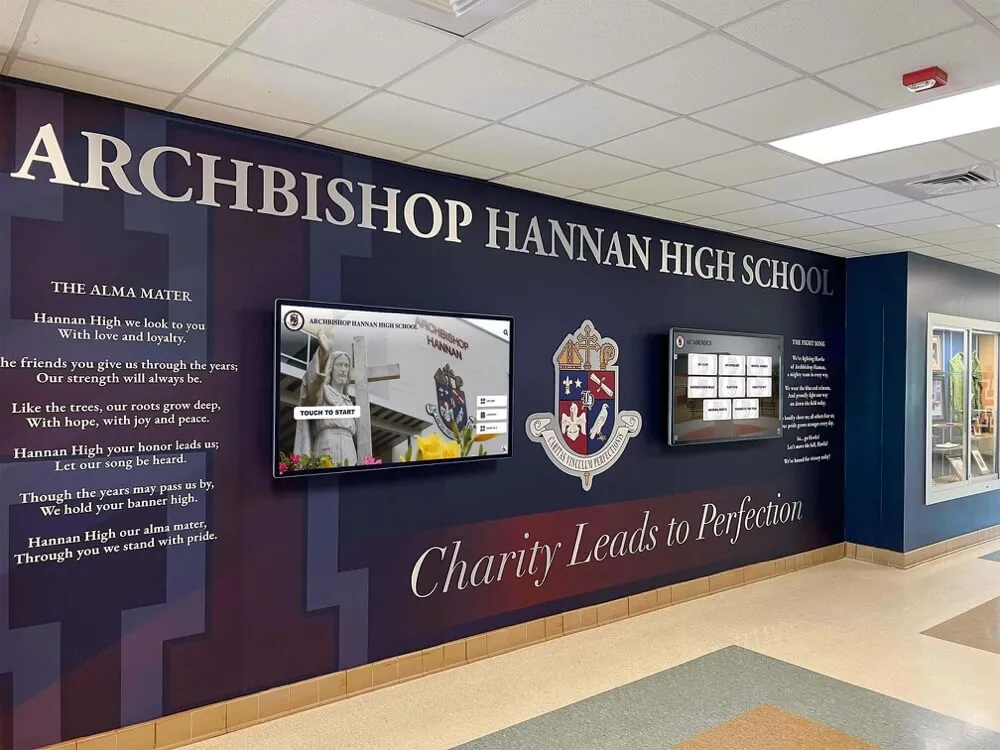
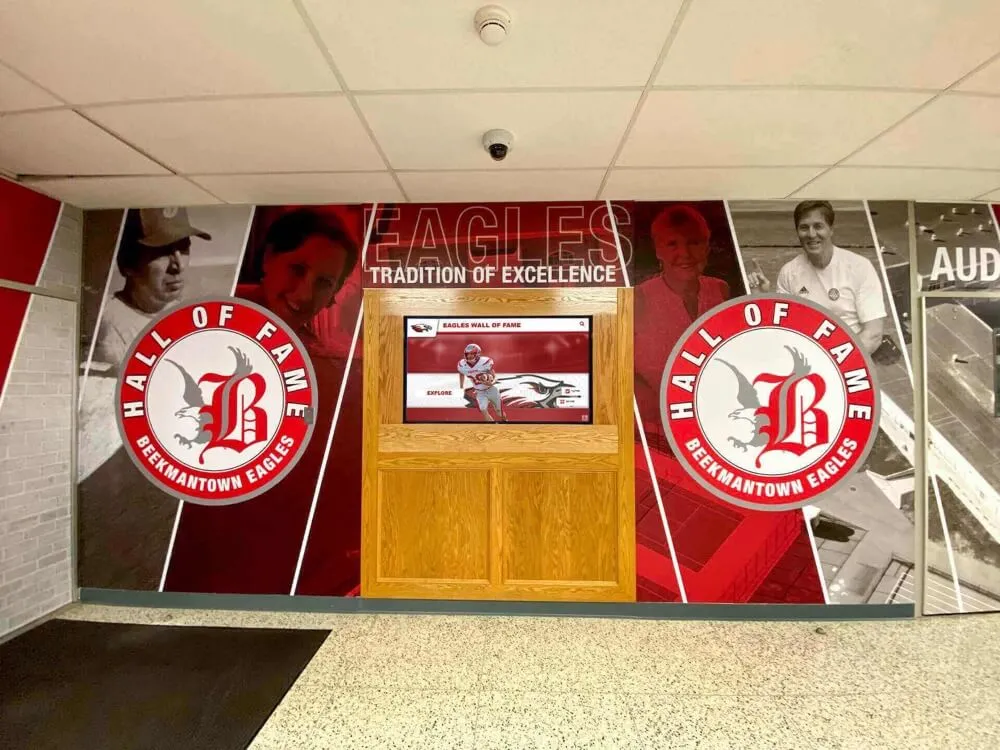
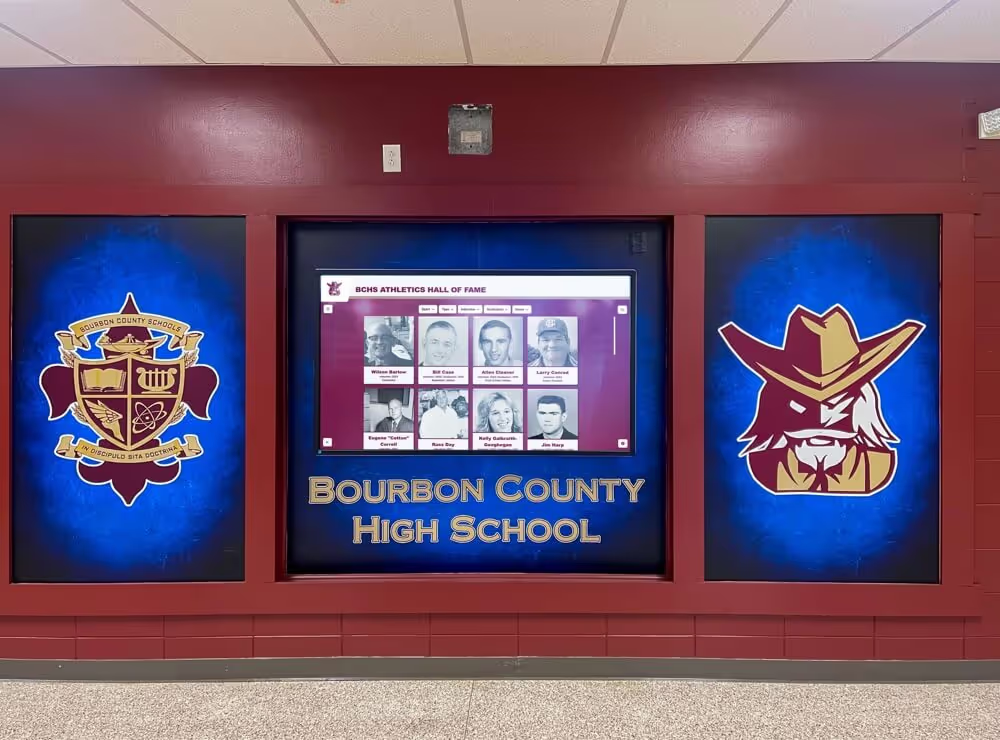
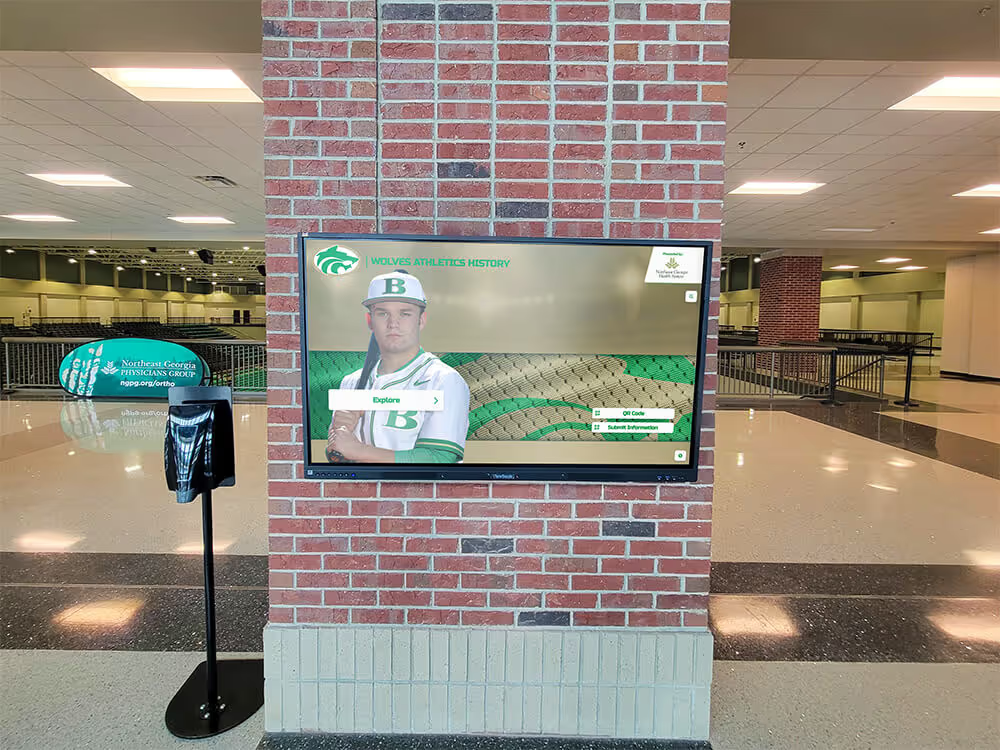
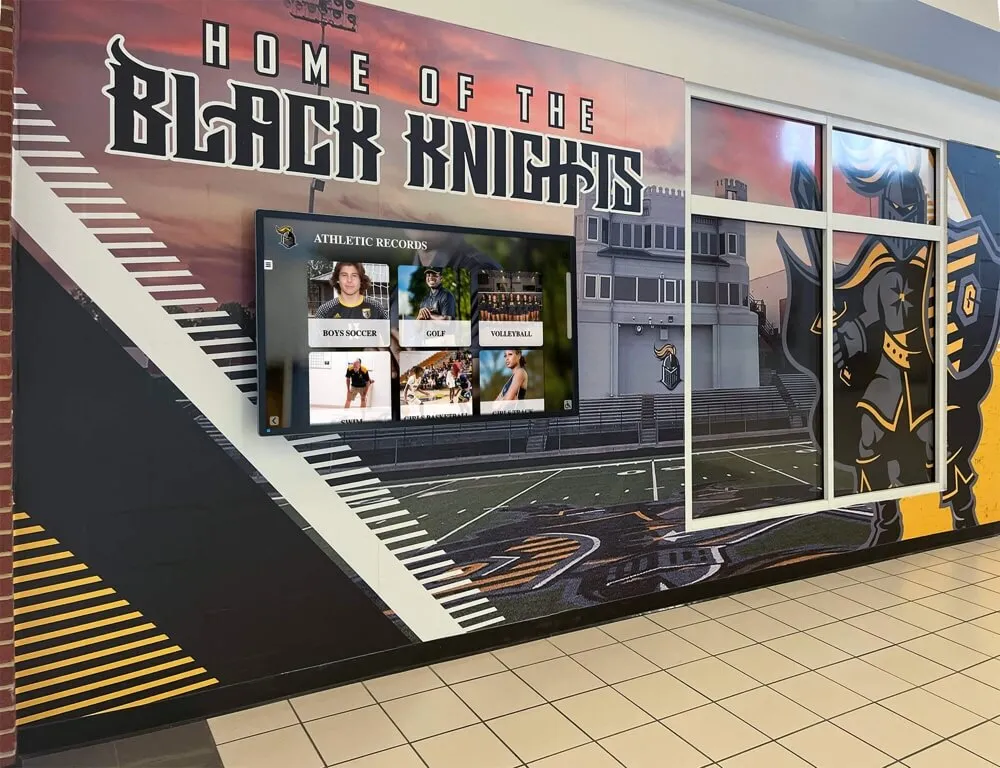
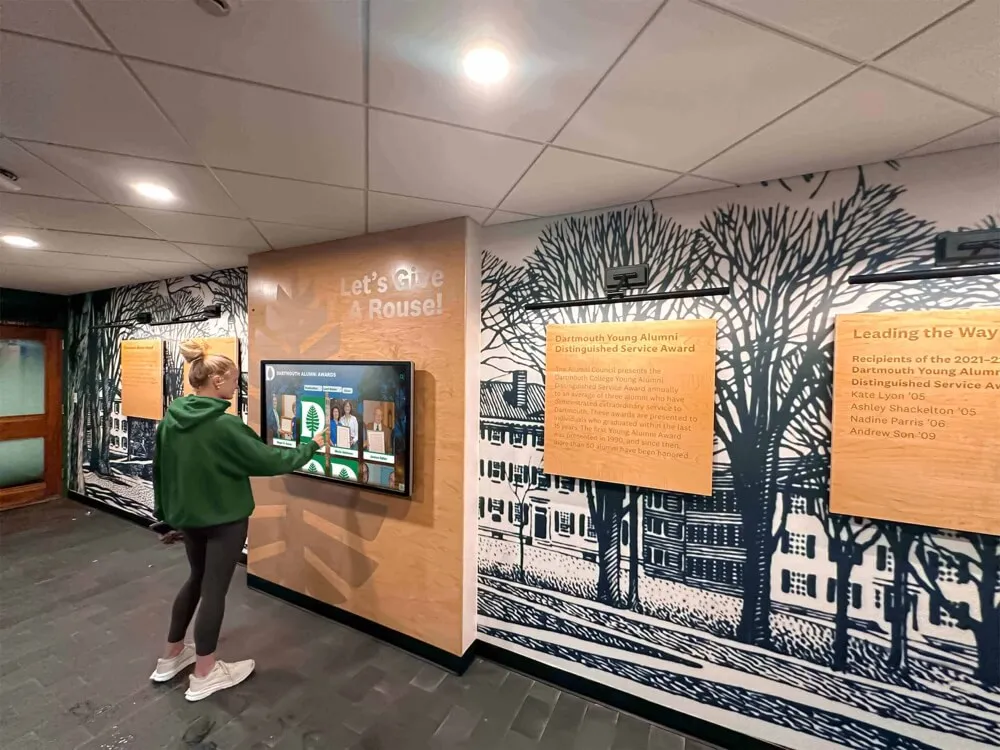
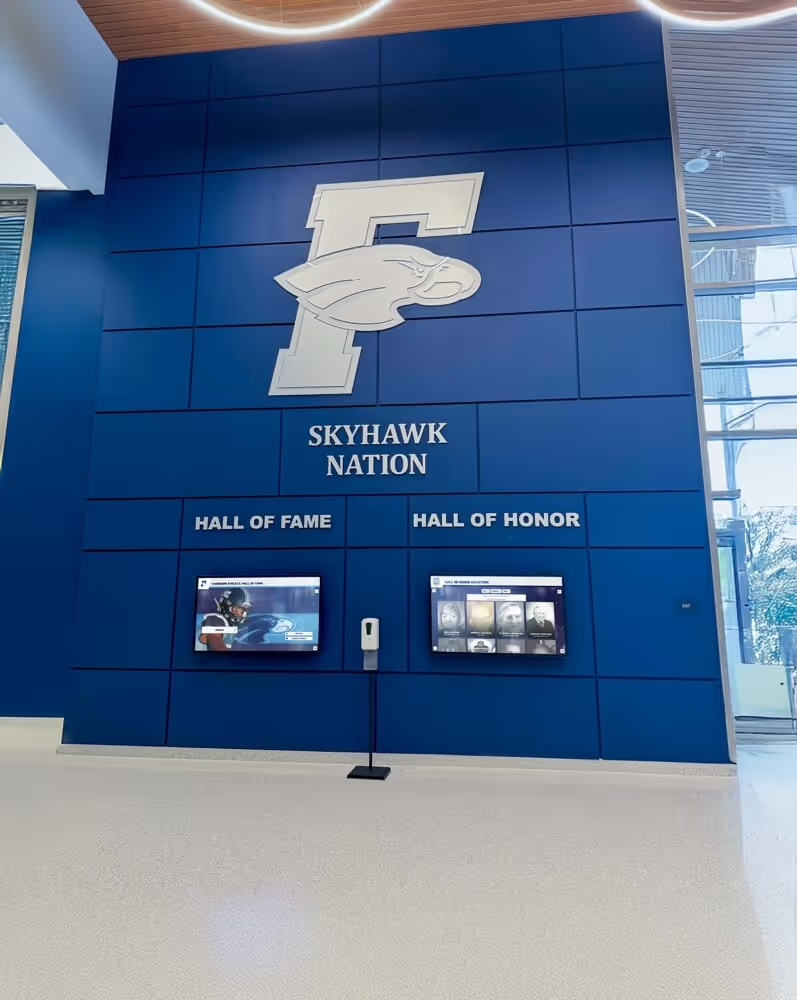
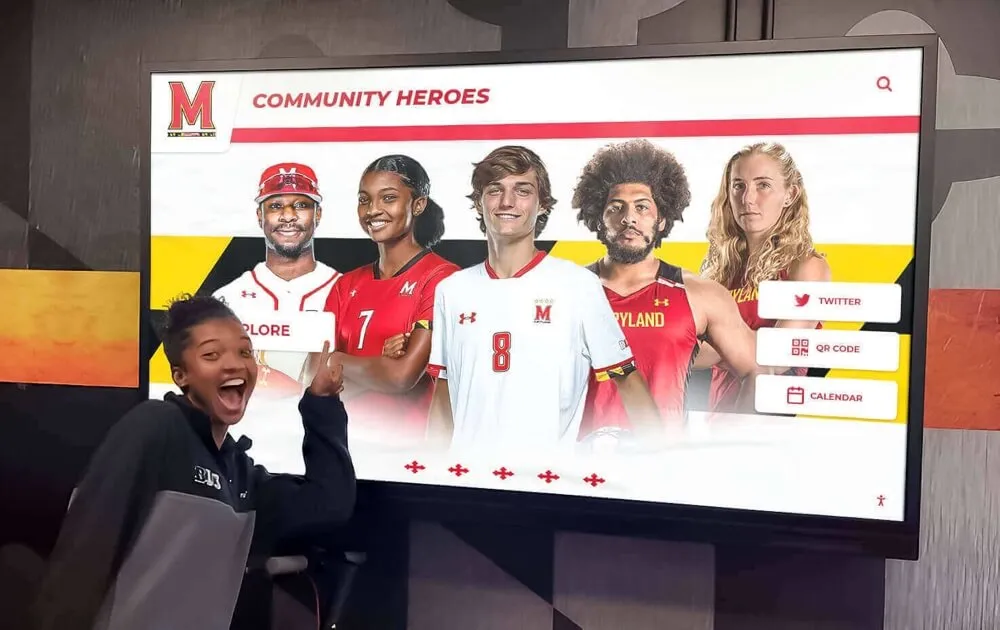
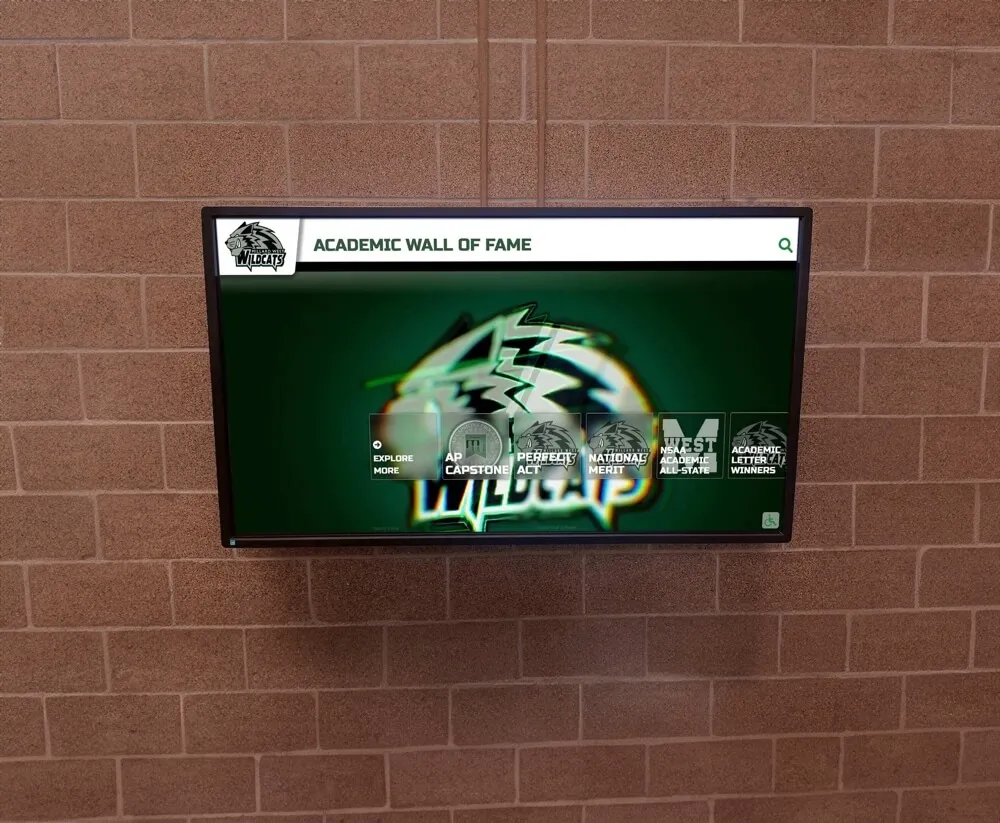
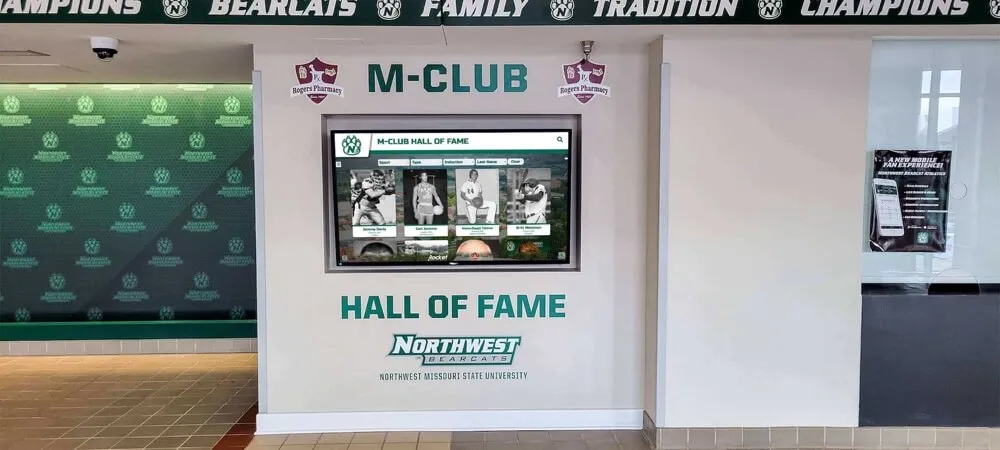
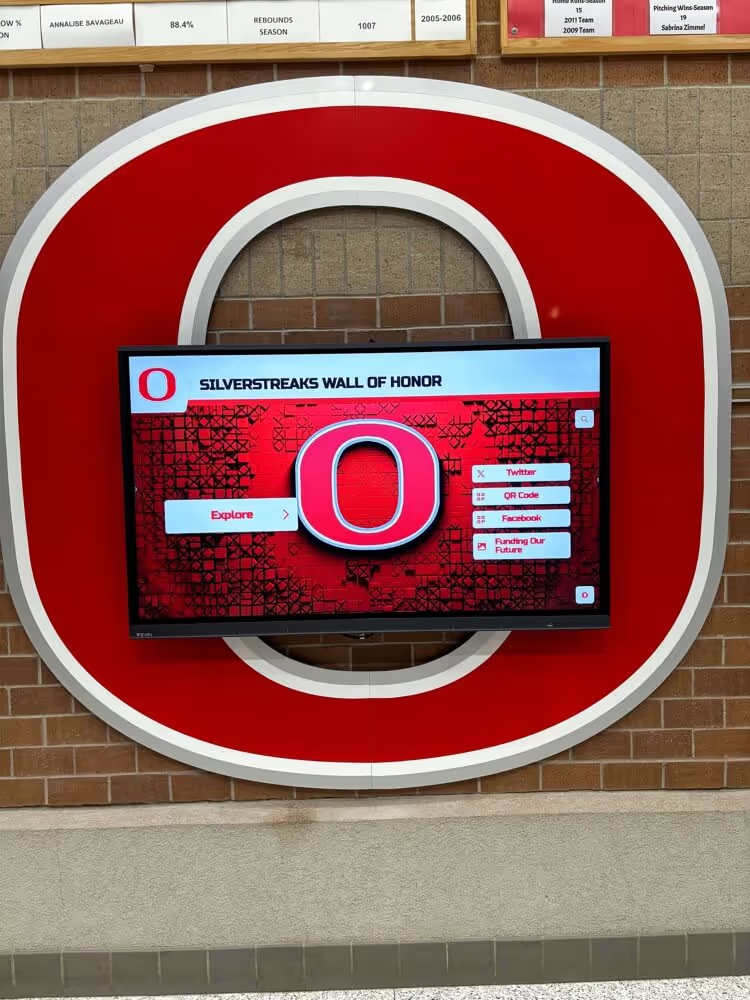
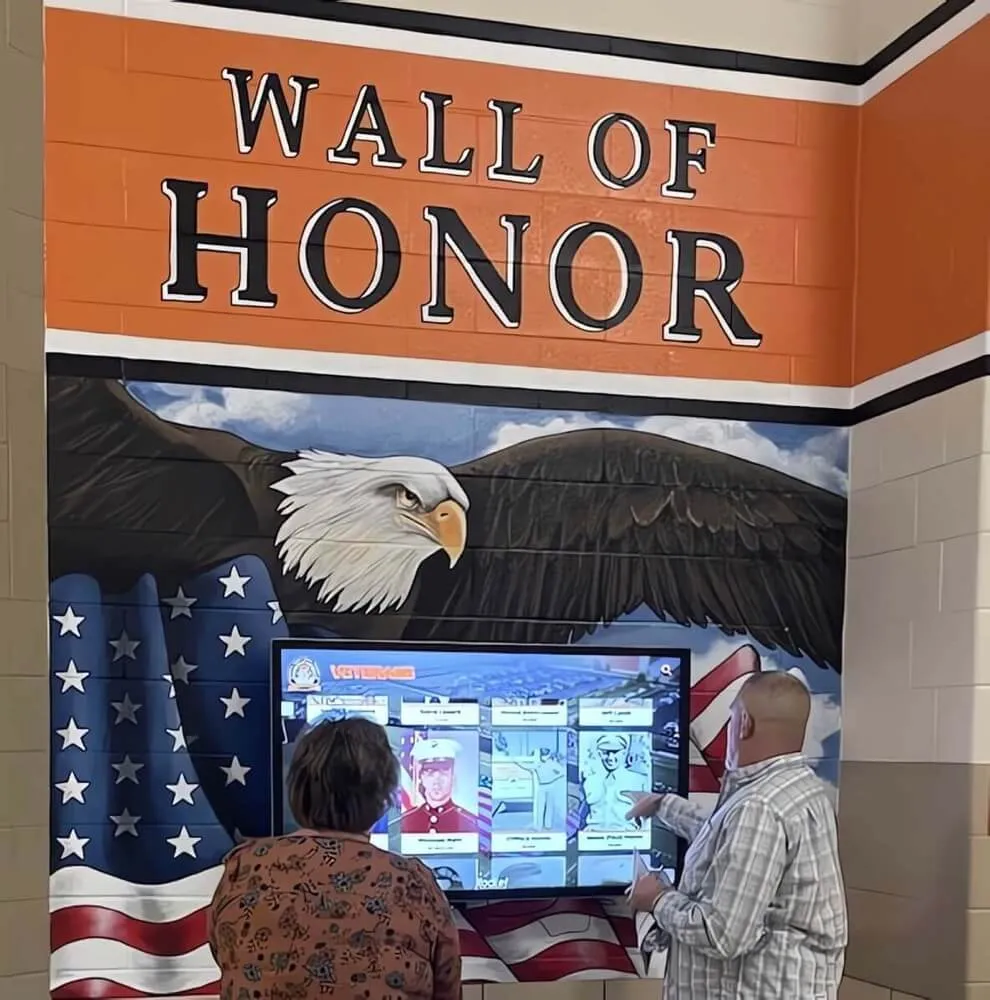
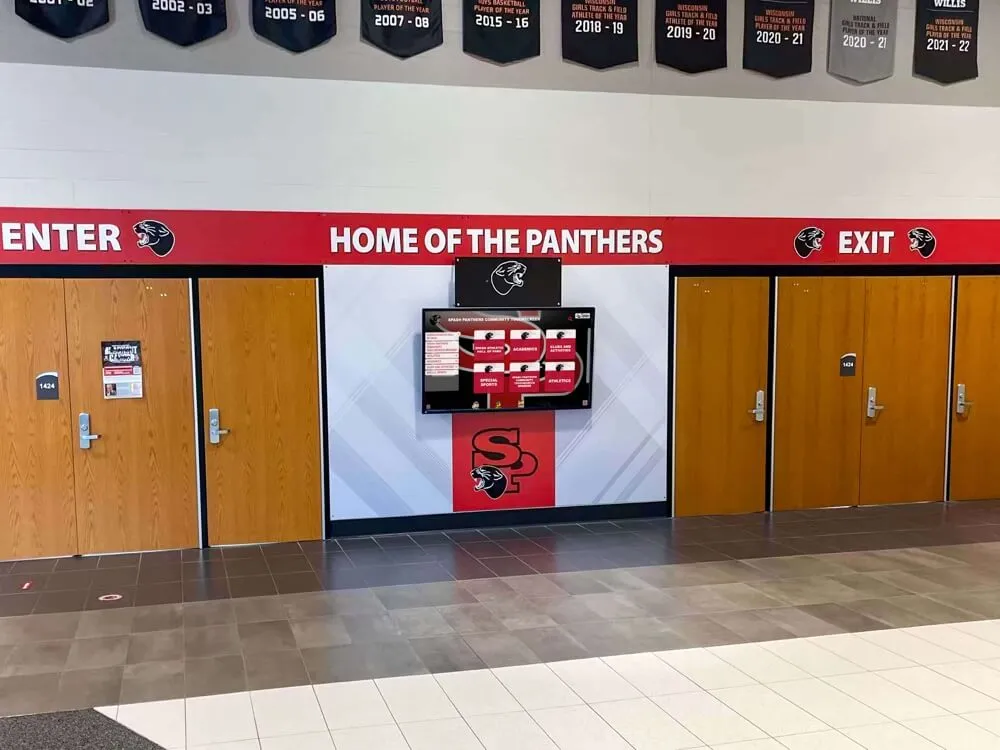
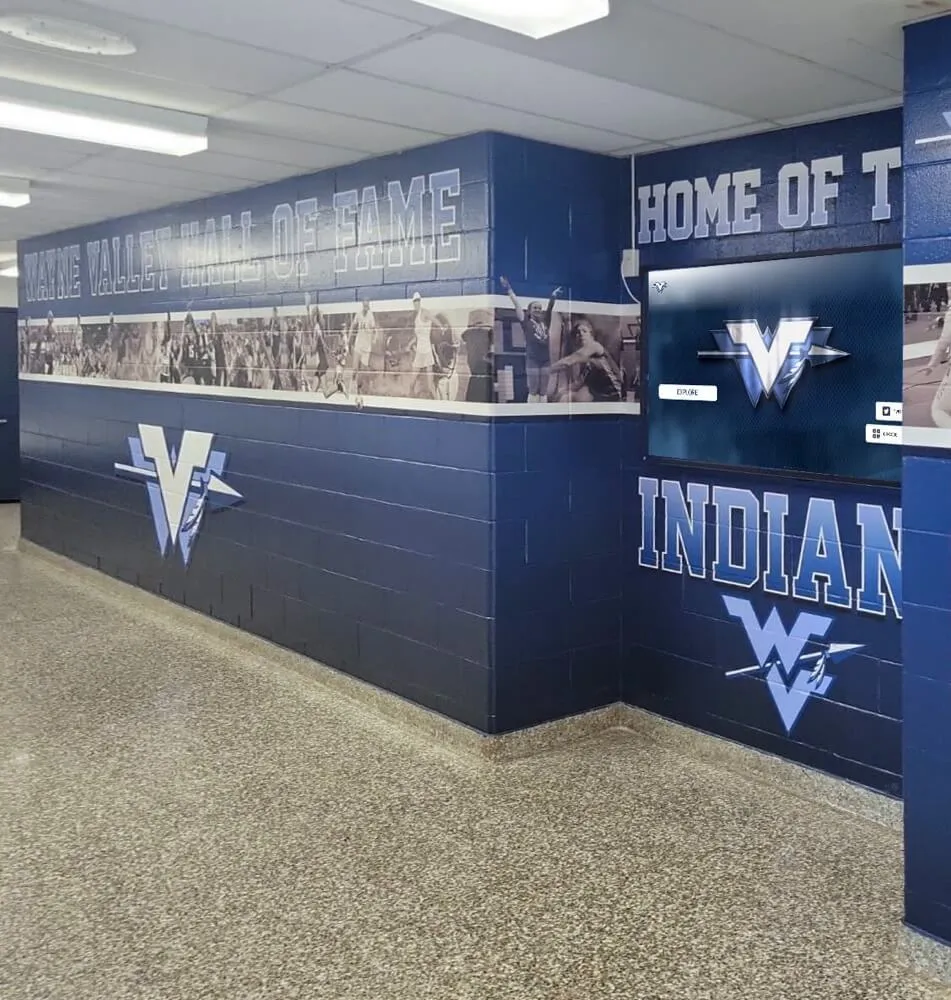
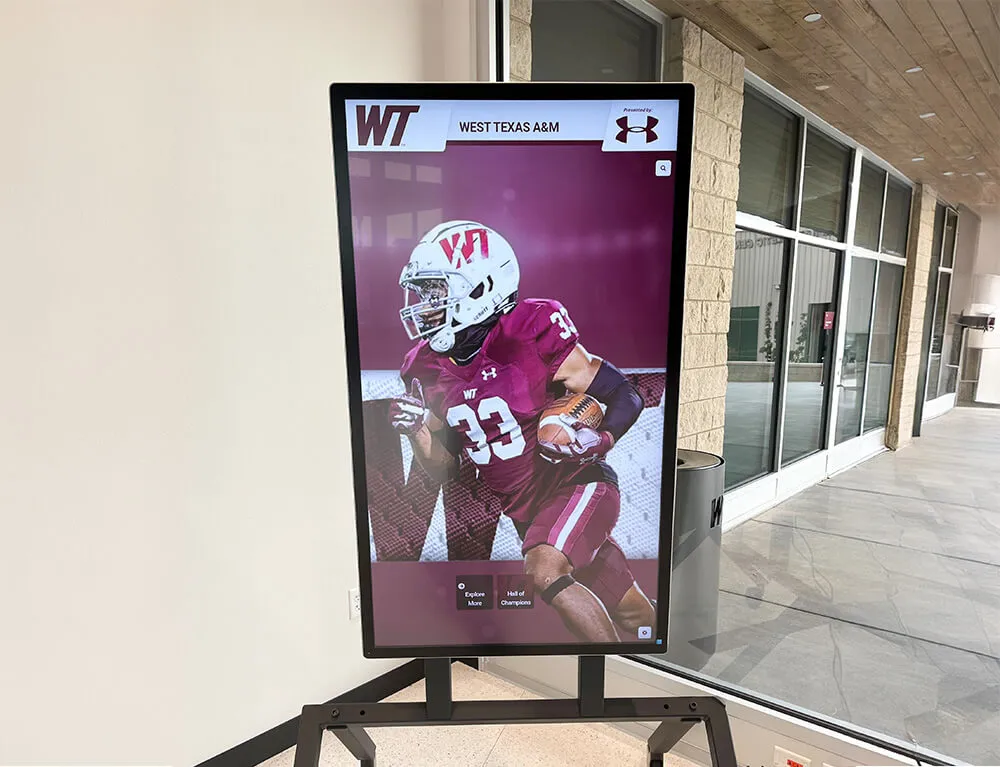
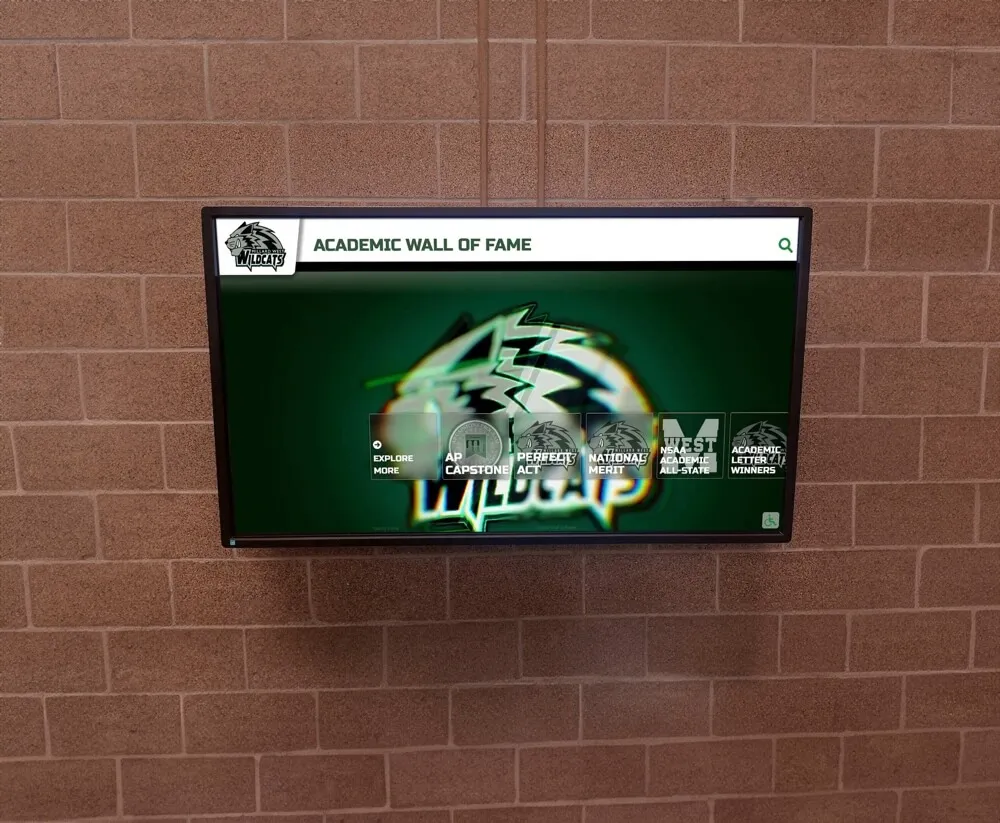
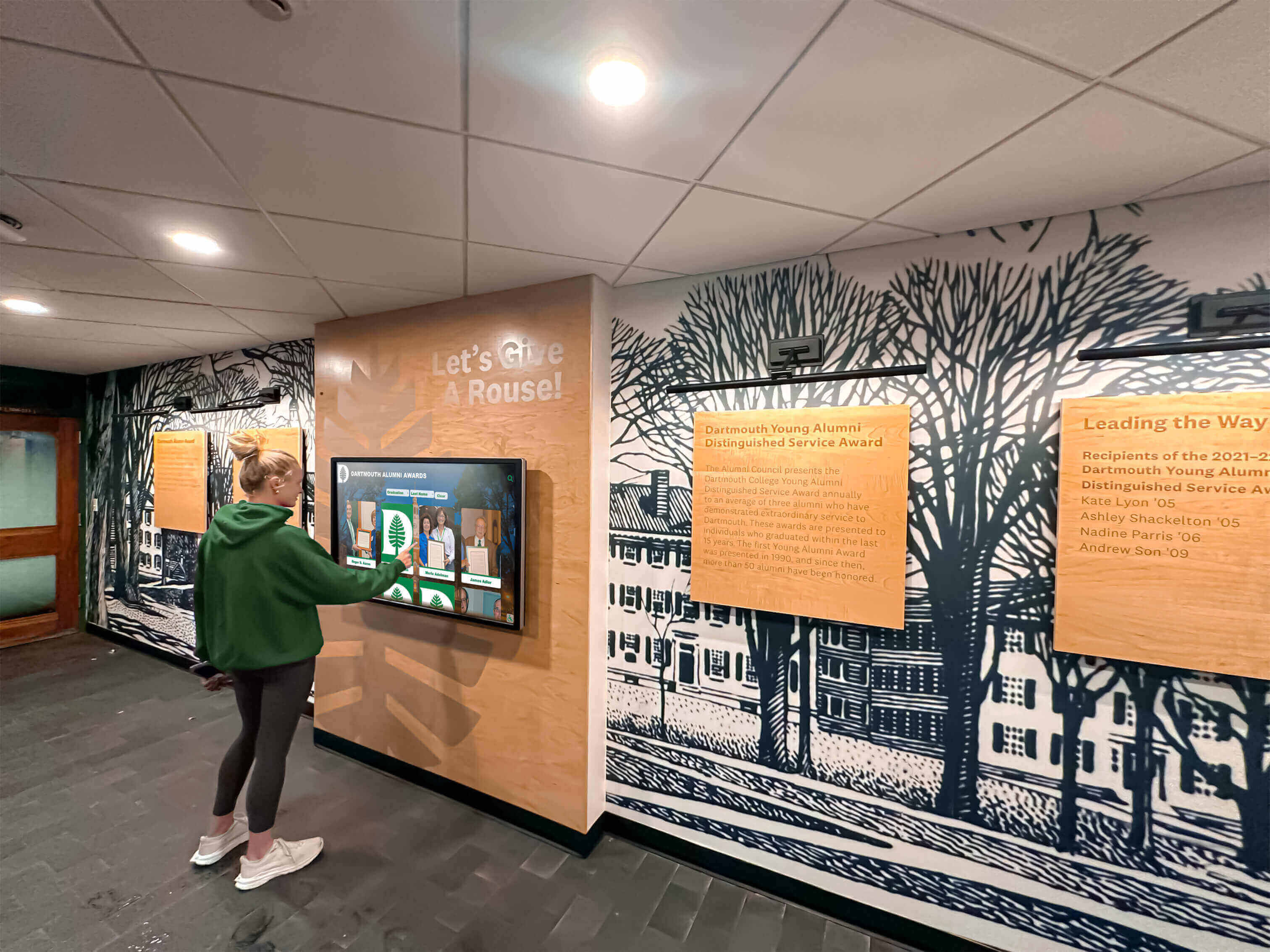
Contemporary schools increasingly implement interactive touchscreen displays permanently documenting valedictorian achievements alongside other academic honors. Digital recognition platforms offer several advantages over traditional static plaques:
Unlimited Capacity: Digital systems accommodate all valedictorians across decades without space constraints that force removing historical honorees as new students are added. Schools can document complete valedictorian histories from program inception forward.
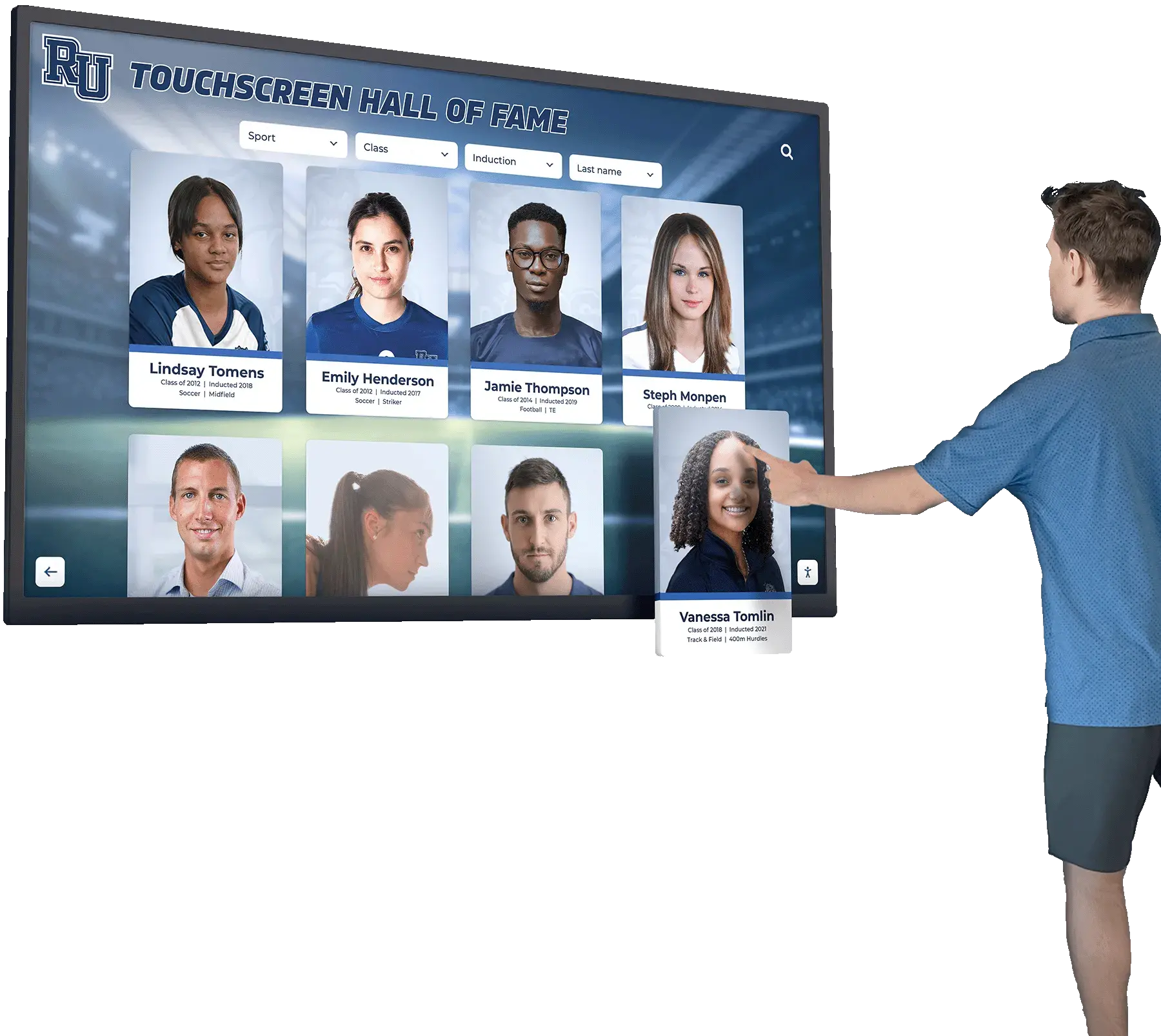
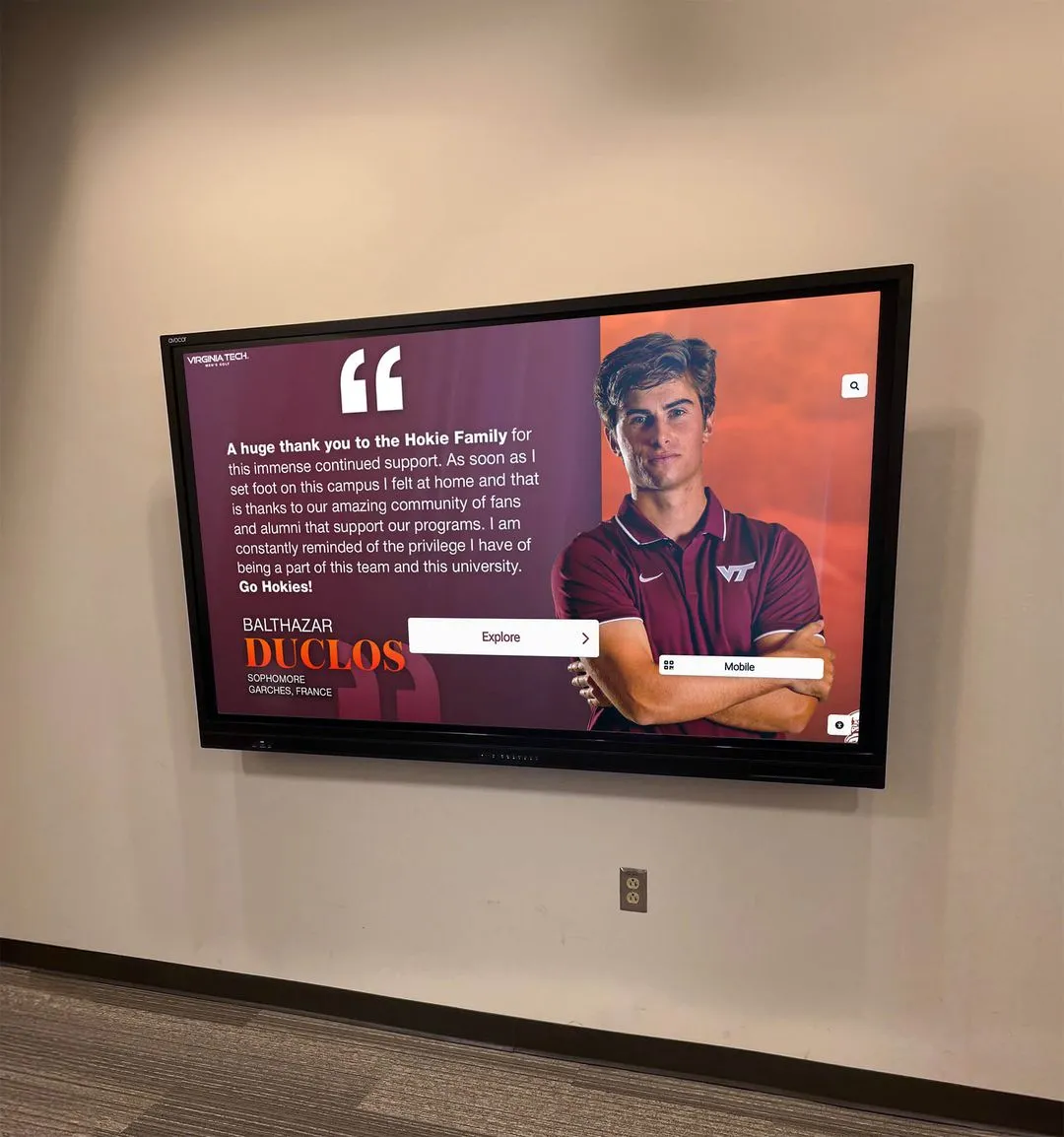
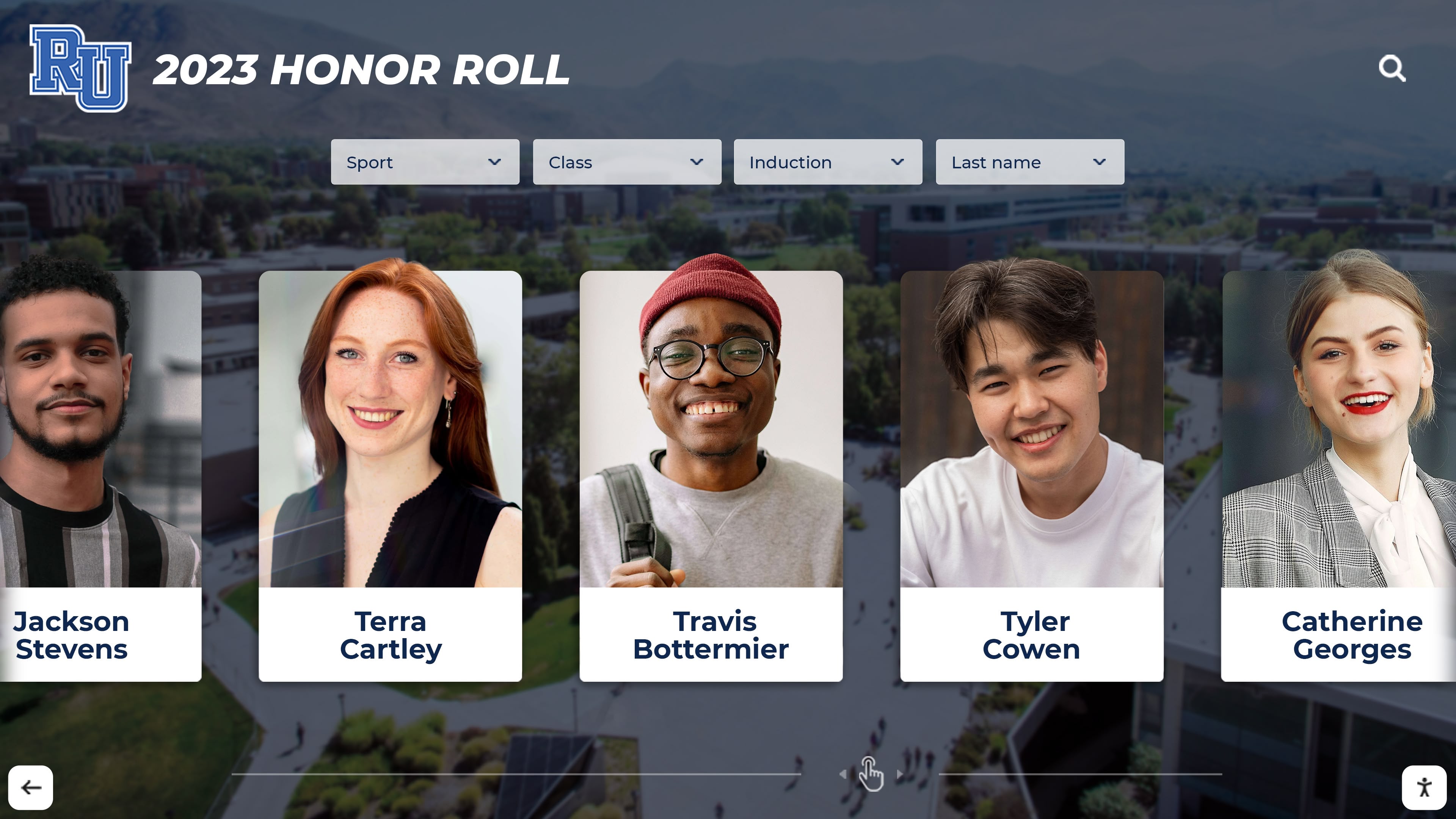
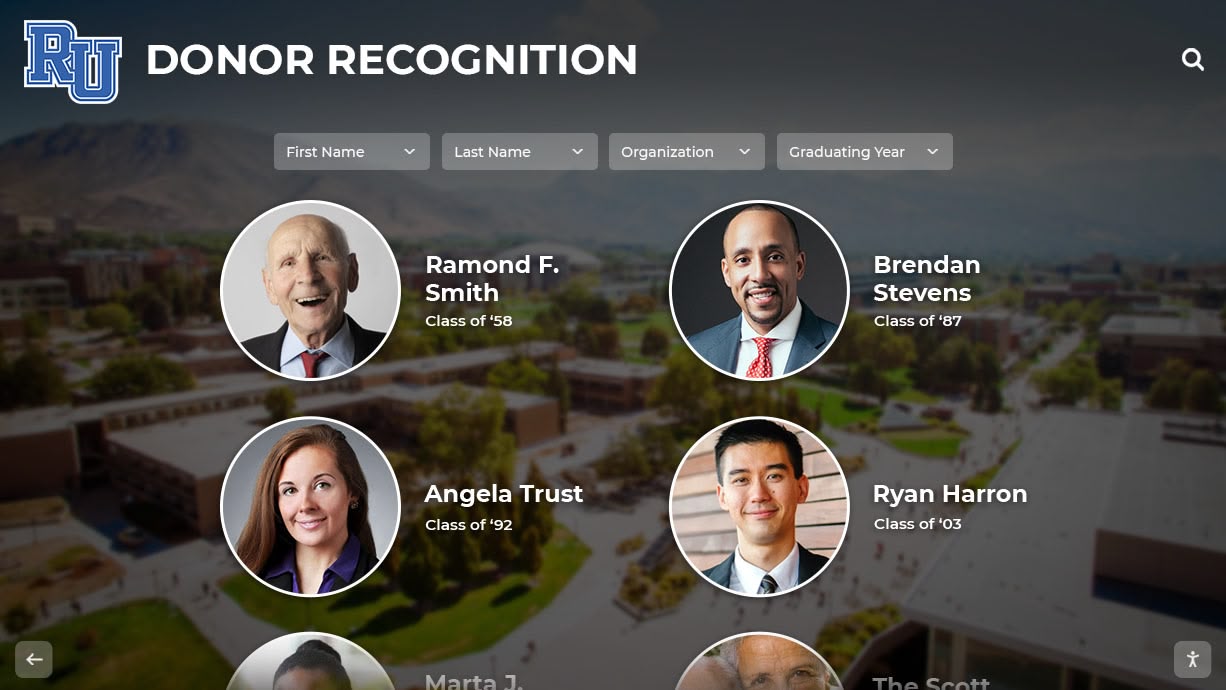
Rich Multimedia Profiles: Rather than simply engraving names and years, digital platforms enable comprehensive recognition including professional photographs, detailed academic achievement descriptions, graduation speech excerpts or full text, college attendance and post-graduation updates, advice for current students, and connection to broader school history.
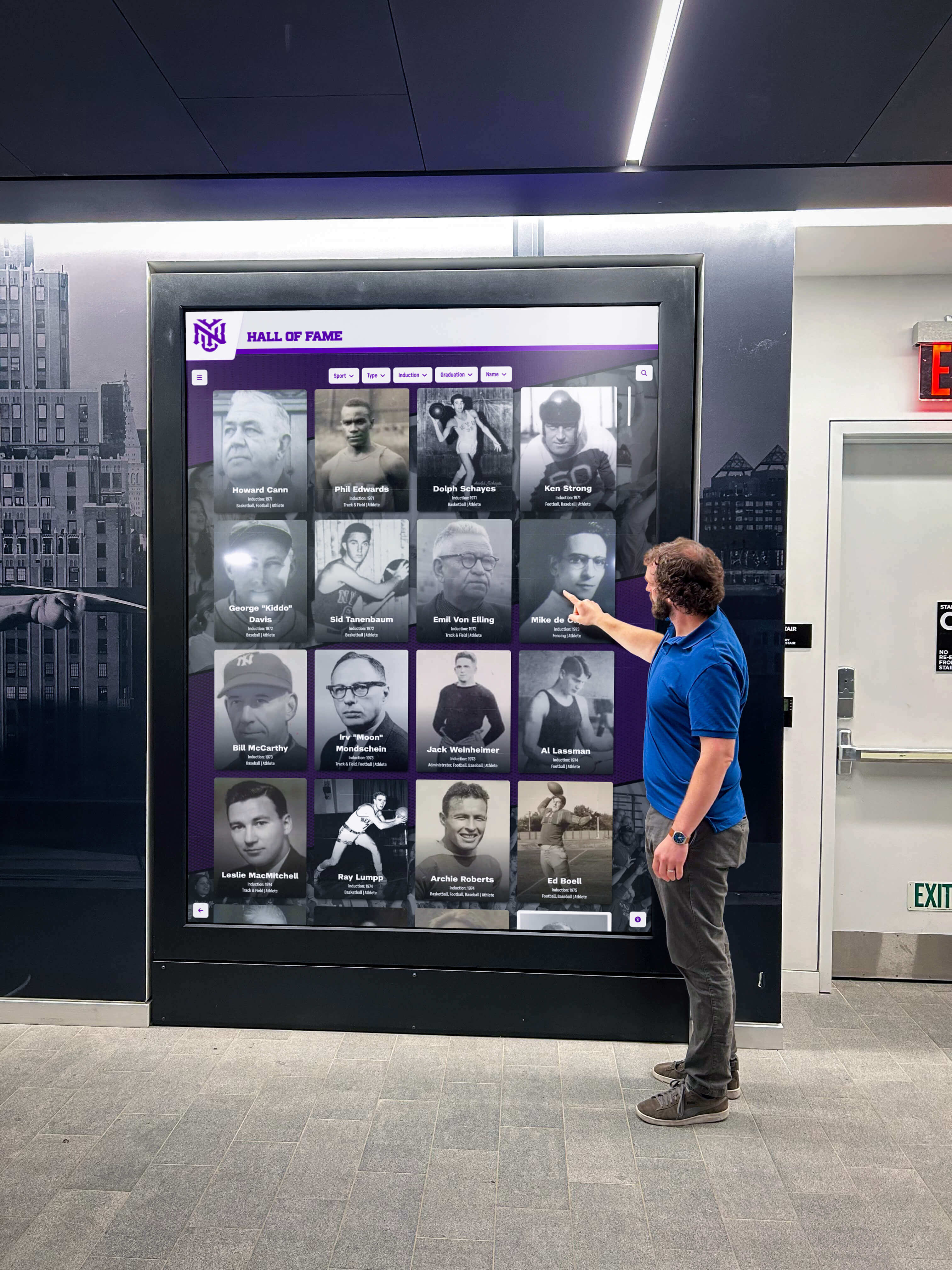
Interactive Engagement: Students, families, and visitors can explore valedictorian archives through search functions, browse by decade or name, filter by college destinations, and discover individual stories rather than passively viewing static lists.
Easy Updates: Adding new valedictorians requires simple content uploads rather than physical engraving or plaque manufacturing, reducing costs while ensuring immediate recognition visibility.
Solutions like digital recognition displays for academic excellence enable schools to honor valedictorians comprehensively while building institutional traditions celebrating intellectual achievement.
Permanent Physical Recognition
While digital displays offer flexibility and engagement, many schools value permanent physical recognition ensuring valedictorian legacy remains visible across generations:
Traditional Honor Boards: Engraved plaques or wooden boards listing valedictorian names, graduation years, and colleges attended create tangible permanence in school hallways or libraries. When designed thoughtfully with space for expansion, traditional boards provide dignified recognition standing the test of time.
Trophy Cases and Display Areas: Incorporating valedictorian recognition within broader achievement displays alongside athletic championships, academic competition victories, and arts accomplishments demonstrates that schools value intellectual achievement equally with other highly visible honors.
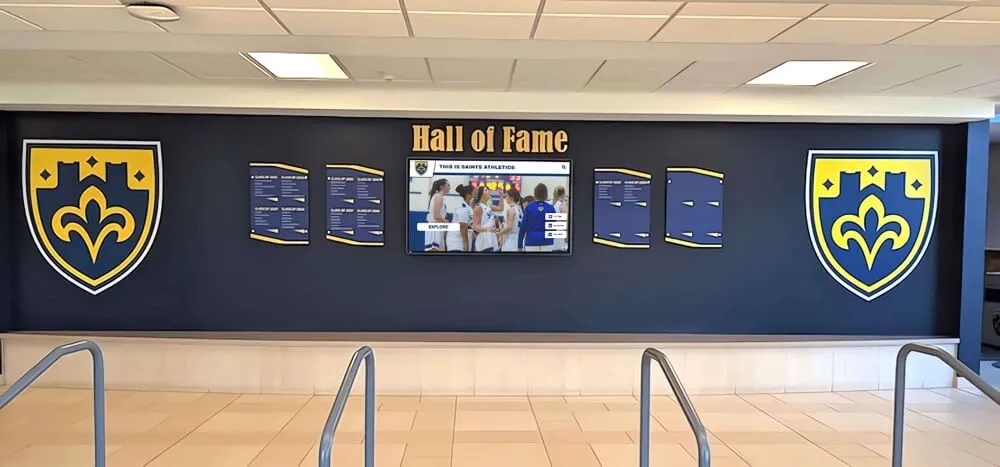
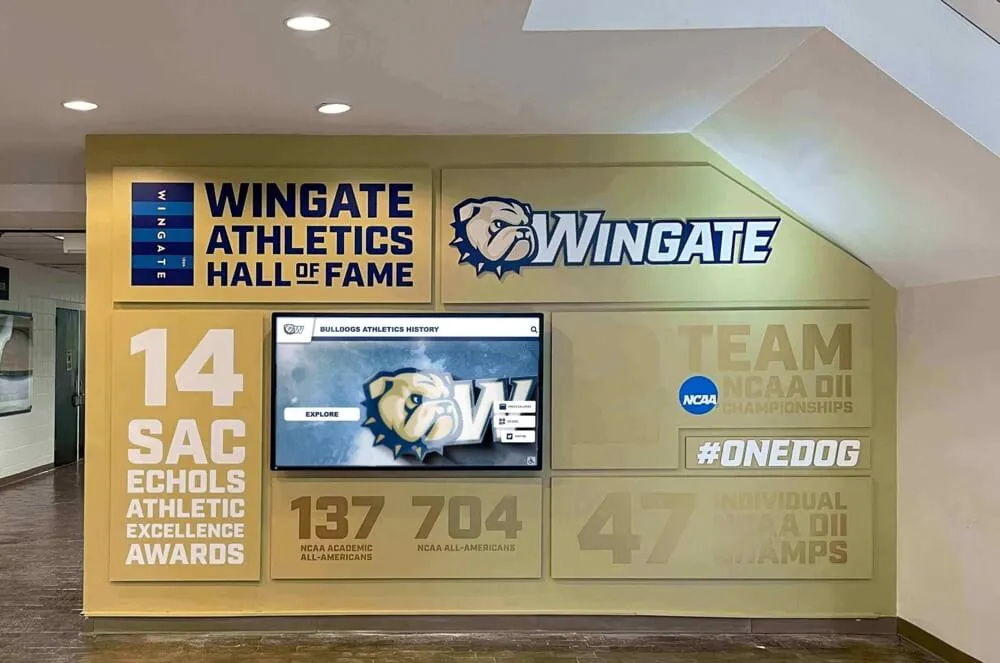
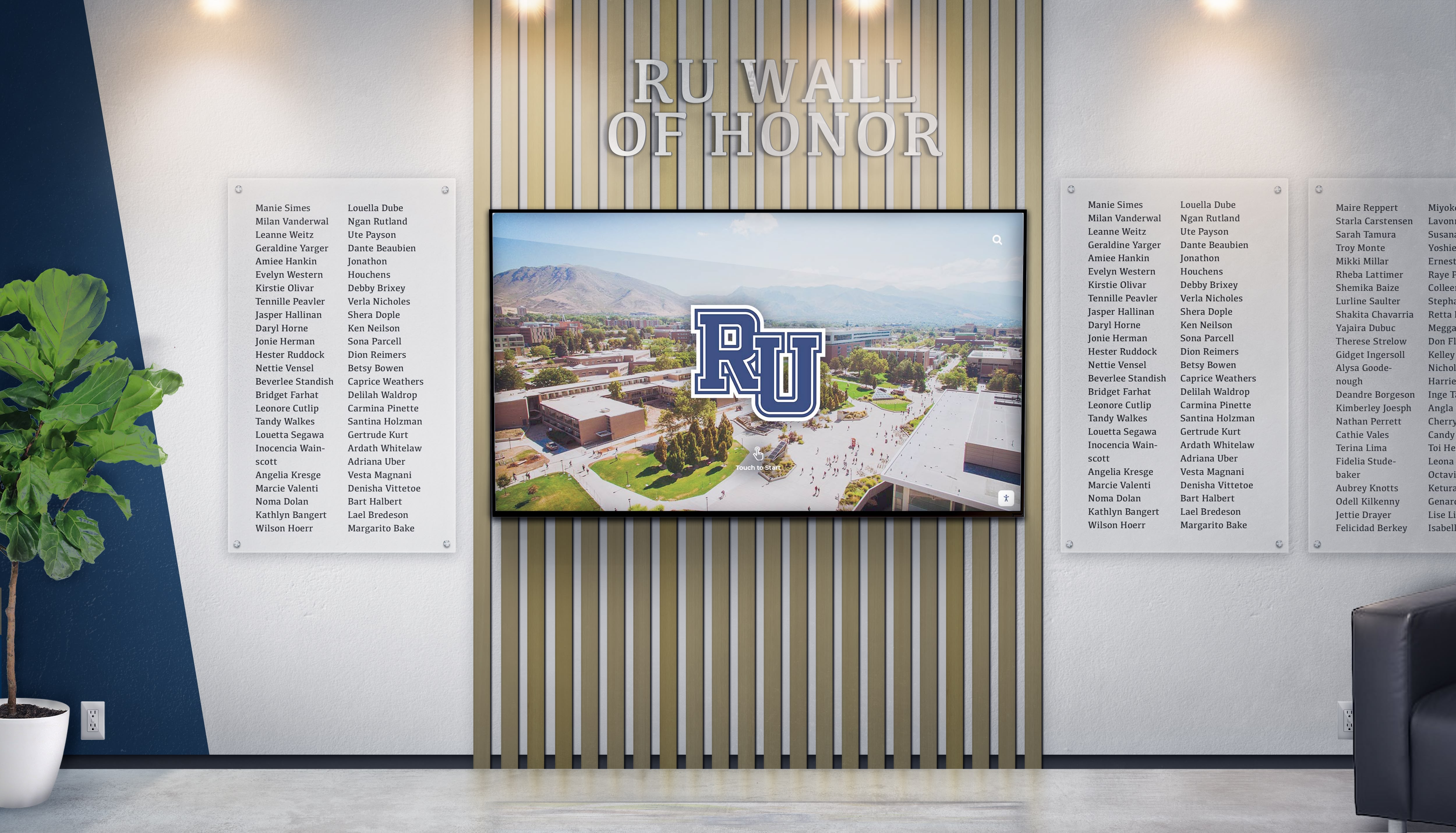
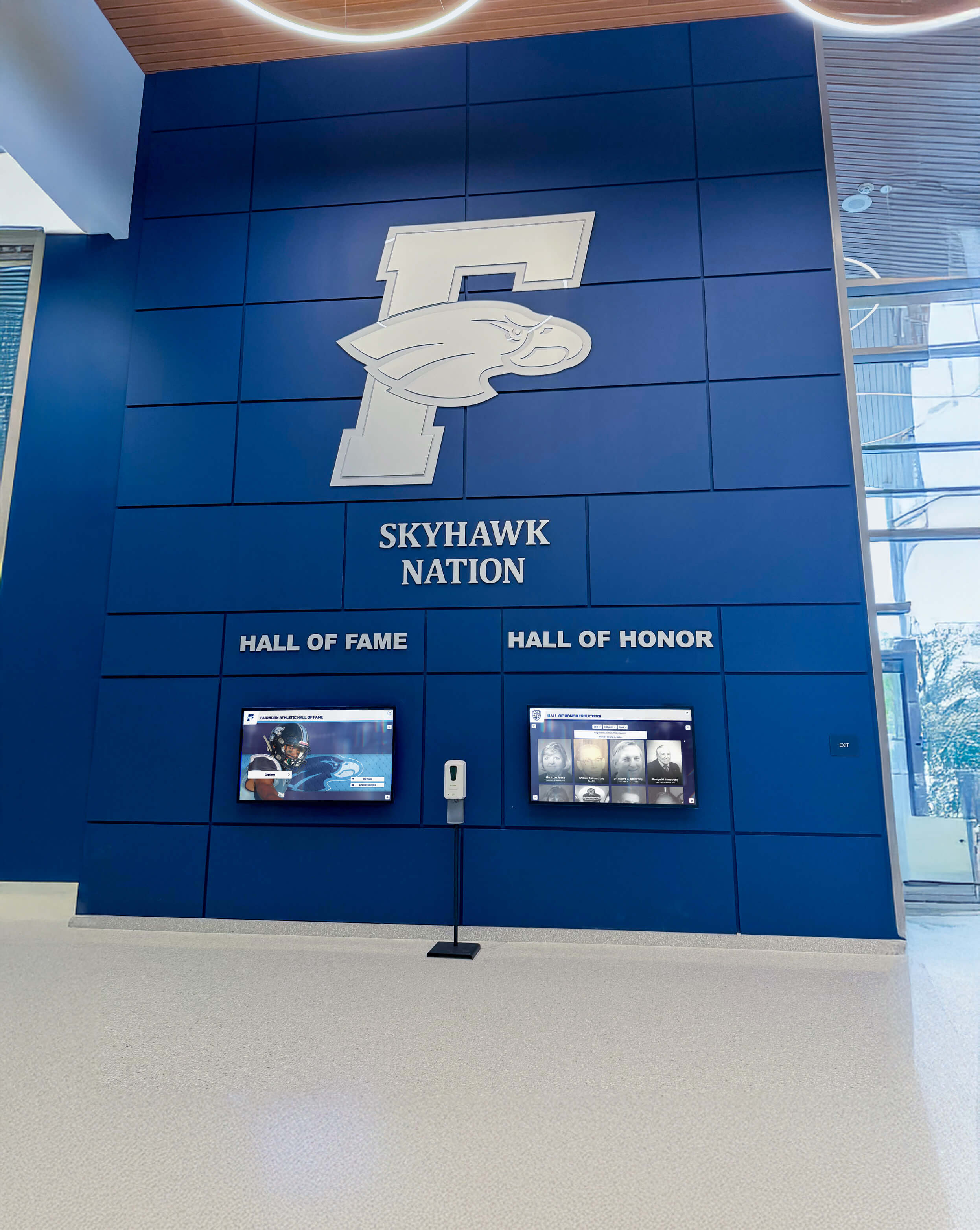
Blended Physical-Digital Approaches: Many schools implement hybrid systems combining permanent physical plaques with adjacent interactive displays that provide expanded content beyond what physical space allows. This approach honors tradition while leveraging modern technology’s storytelling capabilities.
Schools planning comprehensive recognition programs for academic leaders benefit from considering how valedictorian recognition integrates with honor roll programs, subject awards, and broader student achievement celebrations.
Graduation Ceremony Recognition
The graduation ceremony itself provides the most visible valedictorian recognition moment, requiring thoughtful planning ensuring appropriate celebration:
Valedictorian Speeches: Traditional valedictorian speeches allow top students to address classmates, families, and communities, offering reflections on shared educational journeys and inspiration for future endeavors. When multiple valedictorians exist, schools can share speaking opportunities through co-authored speeches, brief individual remarks from each, or rotation systems when schools hold multiple ceremony sessions.
Special Academic Regalia: Distinctive cords, stoles, medallions, or honor society regalia visually distinguish valedictorians during processional and ceremony, ensuring recognition remains visible even when speeches are not delivered.
Individual Recognition Moments: Principals or superintendents can individually acknowledge valedictorians during diploma presentation, creating personal recognition moments witnessed by entire graduation audiences.
Program Distinction: Graduation program books can feature valedictorian profiles, photographs, and biographical information, creating lasting documentation families preserve for years.
Beyond Graduation: Ongoing Alumni Connection
Valedictorian recognition should extend beyond graduation day, maintaining connections between top academic achievers and their schools:
Alumni Networks: Creating valedictorian alumni networks enables connections among schools’ highest academic achievers across decades, fostering mentorship relationships, professional networking, and ongoing engagement with current students.
Career Updates and Achievements: Maintaining updated valedictorian profiles documenting college graduation, graduate degrees, career accomplishments, and life milestones demonstrates long-term outcomes of academic excellence while inspiring current students.
Reunion Recognition: Featuring valedictorians during reunion events, milestone school anniversaries, or alumni gatherings reinforces that schools remember and value their achievements decades later.
Mentorship Opportunities: Connecting current valedictorian candidates with alumni valedictorians for advice, college preparation guidance, or career exploration creates valuable support systems while strengthening alumni engagement.
For schools seeking comprehensive approaches to celebrating academic achievement, digital recognition solutions that honor top students provide frameworks extending beyond single recognition moments to build lasting cultures of excellence.
Common Valedictorian Selection Challenges and Solutions
Even well-designed valedictorian programs encounter challenges requiring thoughtful policies and transparent communication. Understanding common issues helps schools anticipate and address them proactively.
Grade Inflation and Weighted GPA Gaming
Some students and families focus narrowly on valedictorian status, making course selection decisions primarily to maximize weighted GPA rather than pursuing intellectual interests or appropriate challenge levels. This “GPA gaming” can result in:
- Students avoiding potentially lower-grade core courses like advanced humanities or foreign languages in favor of easier weighted electives
- Excessive course loads driven by GPA accumulation rather than meaningful learning
- Transfer students or online course gaming to access higher-weighted classes unavailable in regular schedules
- Disproportionate focus on grades over learning, diminishing intrinsic motivation
Solutions:
Establish course load limits preventing excessive scheduling driven purely by GPA calculation. Require balanced course distributions across academic departments for valedictorian eligibility. Implement GPA calculation caps limiting how many courses receive weighted credit. Clearly communicate that valedictorian selection committees retain discretion to evaluate overall academic programs, not just cumulative GPAs. Foster school cultures emphasizing authentic learning and intellectual curiosity alongside recognition programs.
Transfer Student Considerations
Students transferring between schools—particularly from different states or educational systems—present challenges for valedictorian selection:
GPA Calculation Differences: Schools use varied grading scales, weighting systems, and calculation methods, making direct GPA comparisons across institutions problematic.
Partial Academic Records: Transfer students may complete fewer years at graduating high schools, raising fairness questions when competing for valedictorian status against students who attended all four years.
Common Approaches:
Some schools require minimum enrollment periods—typically two or three years—for valedictorian eligibility, ensuring substantial high school career completion at the graduating institution. Others recalculate all transfer credits according to receiving school standards, accepting courses but applying local grading scales and weighting formulas. Schools may create separate recognition categories for distinguished transfer students, acknowledging exceptional achievement without complicating traditional valedictorian selection.
Transfer policies should be documented clearly in student handbooks and applied consistently, with special circumstances reviewed individually by administrators when automated policies create problematic outcomes.
Dual Enrollment and College Course Integration
Students completing substantial college coursework during high school through dual enrollment, early college programs, or independent study create calculation challenges:
- Should college courses receive weighted credit similar to AP classes?
- How are letter grades or pass/fail college courses integrated into high school GPAs?
- Do college courses taken before high school count toward valedictorian calculations?
Recommended Approaches:
Establish clear policies determining whether college courses are incorporated into GPA calculations and if so, what weighting they receive. Many schools treat college courses as equivalent to AP/IB coursework for weighting purposes, acknowledging college-level rigor. However, policies should address quality assurance concerns when students select potentially less rigorous online college courses primarily for weighted GPA benefits rather than authentic learning.
Special Education and Accommodations
Students receiving special education services or learning accommodations deserve equitable access to valedictorian recognition while maintaining program integrity:
Modified Curricula: Students following significantly modified curricula may not complete coursework comparable to standard programs, creating challenges for direct GPA comparisons. Some schools address this through separate recognition categories honoring exceptional achievement within special education programs.
Accommodations vs. Modifications: Students receiving accommodations (extended time, assistive technology, environmental adjustments) rather than curricular modifications should absolutely remain eligible for standard valedictorian recognition, as accommodations level playing fields without reducing academic expectations.
Schools must ensure that recognition programs comply with disability rights laws while implementing defensible, transparent systems that honor diverse forms of academic excellence appropriately.
For comprehensive information on ensuring equitable academic recognition across diverse student populations, explore building recognition programs that celebrate varied forms of excellence.
Alternative Approaches: Moving Beyond Traditional Valedictorian Selection
As educational philosophies evolve, some schools reconsider whether traditional valedictorian programs align with contemporary values around collaboration, diverse intelligences, and reducing excessive academic competition.
The Case Against Single Valedictorians
Critics of traditional valedictorian selection raise several concerns:
Excessive Competition: Single valedictorian systems can create unhealthy competition among high-achieving students, sometimes resulting in stress, anxiety, strained peer relationships, and focus on grades over learning. When students view classmates primarily as competitors for limited recognition rather than collaborators in learning, educational environments may become counterproductively competitive.
Narrow Achievement Definition: GPA-only systems may undervalue important forms of excellence including creative achievement in arts or writing, leadership and character development, service learning and community engagement, or exceptional depth in specific academic disciplines even when overall GPA is not highest.
Arbitrary Distinctions: When multiple students achieve nearly identical academic records, designating one as valedictorian while others receive lesser recognition creates potentially arbitrary and controversial distinctions that may not reflect meaningful achievement differences.
Latin Honors Systems
Many high schools adopt systems modeled on collegiate Latin honors, recognizing broader groups of exceptional students through tiered recognition rather than selecting single valedictorians:
Summa Cum Laude (with highest distinction): Students achieving typically 3.9+ GPA Magna Cum Laude (with great distinction): Students achieving typically 3.7-3.89 GPA Cum Laude (with distinction): Students achieving typically 3.5-3.69 GPA
Latin honors approaches recognize substantial numbers of high-achieving students while maintaining meaningful distinctions between excellent, exceptional, and extraordinary achievement levels. Students graduating summa cum laude receive comparable recognition to traditional valedictorians without forcing artificial selection when multiple students achieve at highest levels.
Schools implementing Latin honors report reduced competition-driven anxiety while maintaining motivational achievement goals and broadening celebration beyond one or two top students.
Holistic Top Scholar Recognition
Some schools replace traditional valedictorians with “top scholar” or “distinguished graduate” programs evaluating students across multiple dimensions:
Academic achievement measured by GPA and coursework rigor, intellectual contribution through research, academic competitions, or publications, character and citizenship demonstrated through conduct and service, leadership in school or community contexts, and growth and perseverance overcoming challenges or demonstrating exceptional improvement.
Faculty committees or administrative panels review comprehensive applications and supporting materials, selecting top scholars through deliberative evaluation rather than purely algorithmic calculation. This holistic approach enables recognition of diverse excellence while maintaining selectivity and prestige.
Implementing Effective Valedictorian Recognition Programs
Schools evaluating or establishing valedictorian programs should consider systematic implementation ensuring fairness, transparency, and meaningful recognition that supports broader educational goals.
Establish Clear, Transparent Criteria
The foundation of effective valedictorian programs requires documented selection criteria communicated clearly to students and families from freshman year forward. Criteria should specify:
- Whether selection uses weighted or unweighted GPA
- Decimal precision for GPA calculations
- Tie-breaking protocols if multiple students have identical GPAs
- Required minimum enrollment period for eligibility
- Treatment of transfer credits and college coursework
- When final calculations occur and valedictorian announcements are made
Publishing criteria in student handbooks, school websites, and course planning materials ensures no surprises when selections occur, reducing potential for controversy or perceptions of unfairness.
Build Supporting Recognition Infrastructure
Valedictorian recognition should integrate within comprehensive academic recognition systems rather than existing in isolation. Effective infrastructure includes:
Physical Recognition Spaces: Dedicated areas displaying valedictorian history alongside honor roll recipients, subject award winners, and academic competition achievements. Strategic placement in main entrance lobbies, common areas, or new building dedication spaces ensures visibility.
Digital Recognition Platforms: Interactive systems enabling detailed valedictorian profiles with photographs, biographical information, graduation speeches, and post-graduation updates. Solutions like Rocket Alumni Solutions provide purpose-built platforms specifically designed for comprehensive student achievement recognition, offering intuitive content management, engaging displays, and sustainable systems that schools can maintain across decades.
Ceremonial Components: Meaningful graduation ceremony recognition through speaking opportunities, special regalia or honors, and formal acknowledgment ensuring valedictorian achievement receives appropriate public celebration.
For schools planning comprehensive achievement recognition, digital display solutions designed for academic excellence provide frameworks supporting valedictorian recognition within broader school pride initiatives.
Create Inclusive Excellence Cultures
Valedictorian programs work best within school cultures that broadly celebrate diverse forms of excellence rather than creating narrow hierarchies focused exclusively on single achievement dimensions:
Recognize academic achievement comprehensively across multiple levels and types, not just highest GPAs. Celebrate athletics, arts, service, leadership, and character alongside intellectual accomplishment. Emphasize growth, improvement, and effort as valuable as absolute achievement levels. Model collaboration and peer support rather than viewing classmates primarily as competitors. Foster intrinsic motivation and love of learning rather than purely external recognition as primary drivers.
When valedictorian recognition represents one component within comprehensive systems valuing diverse talents and contributions, these programs motivate excellence without creating unhealthy competition or narrow focus that can undermine authentic educational experiences.
The Future of Valedictorian Recognition
As education evolves, valedictorian programs will continue adapting to contemporary educational philosophies, diverse student populations, and technological capabilities enabling richer recognition experiences.
Trends Shaping Valedictorian Programs
Several emerging trends influence how schools approach top student recognition:
Multiple Valedictorian Acceptance: Growing numbers of schools recognize multiple valedictorians rather than forcing single-student selection, reflecting larger classes and acceptance that many students may achieve comparably exceptional academic records deserving equal honor.
Holistic Selection Criteria: Progressive schools increasingly supplement or replace pure GPA calculations with holistic review considering academic achievement alongside intellectual contribution, character, leadership, and growth trajectories.
Digital Recognition Expansion: Schools increasingly implement comprehensive digital recognition platforms preserving detailed valedictorian histories, enabling interactive exploration, and extending recognition beyond graduation day through alumni updates and ongoing connections.
Reduced Emphasis on Competition: Some schools de-emphasize competitive aspects of valedictorian selection, instead focusing recognition on celebrating all exceptional achievement through Latin honors systems or expanded recognition categories.
Equity and Inclusion Focus: Schools pay increasing attention to ensuring valedictorian programs remain accessible across diverse student populations, examining whether selection systems create barriers for specific groups and implementing supportive structures enabling broader participation in highest achievement levels.
Technology-Enhanced Recognition
Modern digital platforms fundamentally transform how schools can recognize and celebrate valedictorians:
Permanent Digital Archives: Comprehensive historical documentation ensuring every valedictorian receives lasting recognition, searchable by students, alumni, and researchers exploring institutional history.
Multimedia Storytelling: Rich profiles combining photographs, graduation speech video, written reflections, college and career updates, and advice for current students transform simple name-and-year listings into inspiring achievement stories.
Alumni Engagement: Digital platforms enable ongoing valedictorian engagement through profile updates, reunion features, mentorship connections with current students, and participation in virtual or physical school events.
Accessibility: Web-based platforms extend recognition beyond physical campuses, enabling distant families, alumni communities, and prospective students to explore achievement traditions regardless of geographic location.
Analytical Insights: Digital systems enable schools to analyze valedictorian data across decades, examining trends in college destinations, career pathways, demographic representation, and program effectiveness informing continuous improvement.
Schools implementing comprehensive digital recognition platforms for student achievement position themselves to honor valedictorians more meaningfully than ever before while building institutional cultures celebrating excellence across generations.
Conclusion: Celebrating Excellence Through Thoughtful Valedictorian Programs
High school valedictorian recognition represents one of education’s most visible and meaningful honors, celebrating students who achieved the highest academic distinction among their peers through years of sustained intellectual dedication. When implemented thoughtfully with clear criteria, transparent processes, and comprehensive recognition systems, valedictorian programs motivate student excellence, build school cultures valuing scholarly achievement, create lasting traditions connecting generations, and honor exceptional students appropriately.
Effective valedictorian programs require several essential elements:
Transparent Selection Criteria: Clearly documented and communicated systems ensuring students understand qualification requirements from freshman year forward, reducing surprises and perceptions of unfairness when selections occur.
Comprehensive Recognition: Modern digital platforms enabling detailed, permanent valedictorian documentation alongside traditional physical recognition, creating engaging displays that honor achievement while inspiring current students.
Integration with Broader Excellence Celebration: Positioning valedictorian recognition within inclusive systems valuing diverse talents and contributions rather than creating narrow hierarchies focused exclusively on single achievement dimensions.
Ongoing Evolution: Regular program assessment and willingness to adapt approaches as educational philosophies, student populations, and community values evolve, ensuring recognition systems remain meaningful and aligned with institutional missions.
Your valedictorians represent the highest academic achievement your school produces—students whose intellectual dedication, sustained excellence, and scholarly accomplishment distinguish them among their peers and within your institutional history. They deserve recognition that honors their achievements permanently, creates inspiration for students pursuing similar excellence, and builds lasting connections with your school community that extend far beyond graduation day.
Modern recognition solutions like Rocket Alumni Solutions provide purpose-built platforms designed specifically for celebrating academic excellence through comprehensive valedictorian displays, honor roll recognition systems, and integrated achievement programs. These solutions eliminate space constraints limiting traditional recognition, enable rich multimedia content telling complete achievement stories, create interactive experiences engaging contemporary students effectively, and provide sustainable systems schools can maintain across decades as new valedictorians continue your proud academic tradition.
Ready to transform how your school celebrates valedictorians and academic excellence? Explore comprehensive recognition solutions that honor your highest-achieving students while building school cultures where intellectual accomplishment receives celebration it genuinely deserves. Discover how digital recognition technology creates lasting impact for academic programs by connecting tradition with innovation, ensuring every valedictorian receives recognition worthy of their extraordinary achievement.