



Key Takeaways
Complete guide for athletic directors and coaches on planning, organizing, and executing successful high school sports camps. Learn registration strategies, facility management, staffing solutions, safety protocols, and revenue generation.
Summer sports camps represent significant opportunities for high school athletic directors, offering revenue generation, program development, community engagement, and early athlete identification. However, poorly planned camps create administrative headaches, financial losses, liability concerns, and reputational damage that undermines athletic programs. Athletic directors face complex decisions about which sports to offer, how to price camps competitively while covering costs, where to find qualified coaching staff, how to manage registration and liability, and how to market programs effectively in increasingly competitive summer sports landscapes.
This comprehensive guide provides athletic directors and coaches with frameworks for planning, organizing, and executing successful high school sports camps. From initial concept through post-camp evaluation, these strategies address facility scheduling, registration systems, staffing models, safety protocols, marketing approaches, and program assessment that transform summer camps from administrative burdens into strategic program assets.
Strategic Planning and Decision Framework
Before committing resources to sports camp programs, athletic directors need systematic approaches for determining which camps align with institutional goals, available resources, and market demand.
Assessing Camp Feasibility and Market Demand
Strategic camp planning begins with honest assessment of your school’s capacity and community need:
Facility Availability and Condition:
Summer facility access proves more complex than many athletic directors initially recognize. Consider:
- Competing facility uses (summer school, maintenance projects, facility rentals)
- Condition of fields, courts, and equipment after spring sports seasons
- Climate control and weather contingencies for outdoor sports
- Restroom access, water fountains, and adequate shade areas
- Parking availability for drop-off and pick-up traffic
- Storage space for camp equipment and participant belongings
Schools with limited on-campus facilities may need to secure partnerships with community recreation departments, local parks, or neighboring schools. These arrangements require formal agreements addressing insurance, supervision responsibilities, and cost-sharing.
Coaching Staff Availability:
Your coaching staff represents your most valuable camp resource and primary constraint:
- Which coaches are contractually available for summer employment
- Whether head coaches will personally direct camps or delegate to assistants
- Availability of assistant coaches, recent graduates, or college athletes as instructional staff
- Background check and certification requirements for all staff members
- Competitive summer employment opportunities that might limit coach participation
Many successful programs build camp staffing into coaching contracts, specifying summer camp direction as part of annual compensation rather than additional summer employment.
Market Analysis and Competitive Landscape:
Understanding local summer sports programming helps position your camps strategically:
- What camps do competing high schools, club organizations, and private facilities offer
- Typical pricing ranges for comparable programs in your market
- Gaps in local programming that your school could fill
- Timing of competitor camps to identify optimal scheduling windows
- Reputation and perceived quality of existing programs
Athletic directors should research camp offerings within 15-20 mile radius of school, noting program lengths, pricing, coaching credentials, and enrollment capacity. This competitive intelligence informs positioning and pricing decisions.
Institutional Goals Alignment:
Effective camps advance broader athletic department objectives:
- Revenue generation supporting equipment purchases, facility improvements, or program operations
- Program development building skills in returning athletes before season begins
- Community engagement strengthening school-community relationships
- Feeder program connections establishing relationships with youth leagues and middle schools
- Coach development providing professional growth opportunities for staff
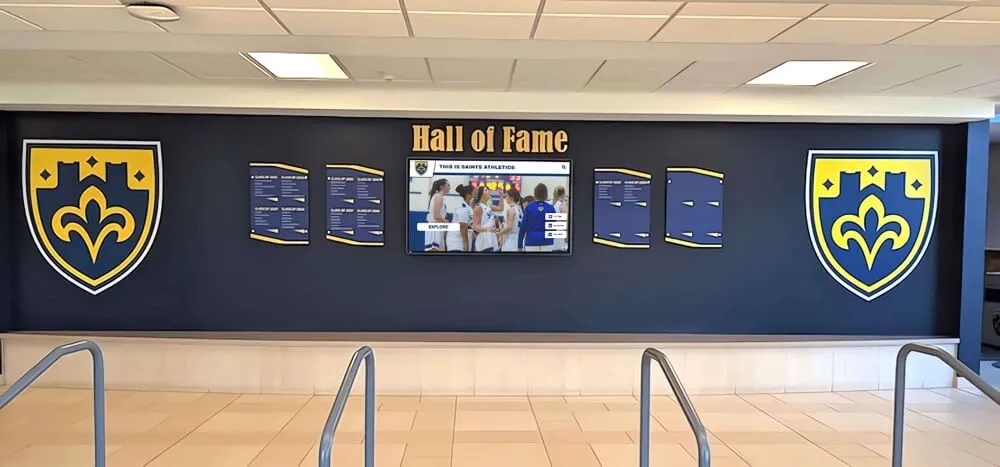
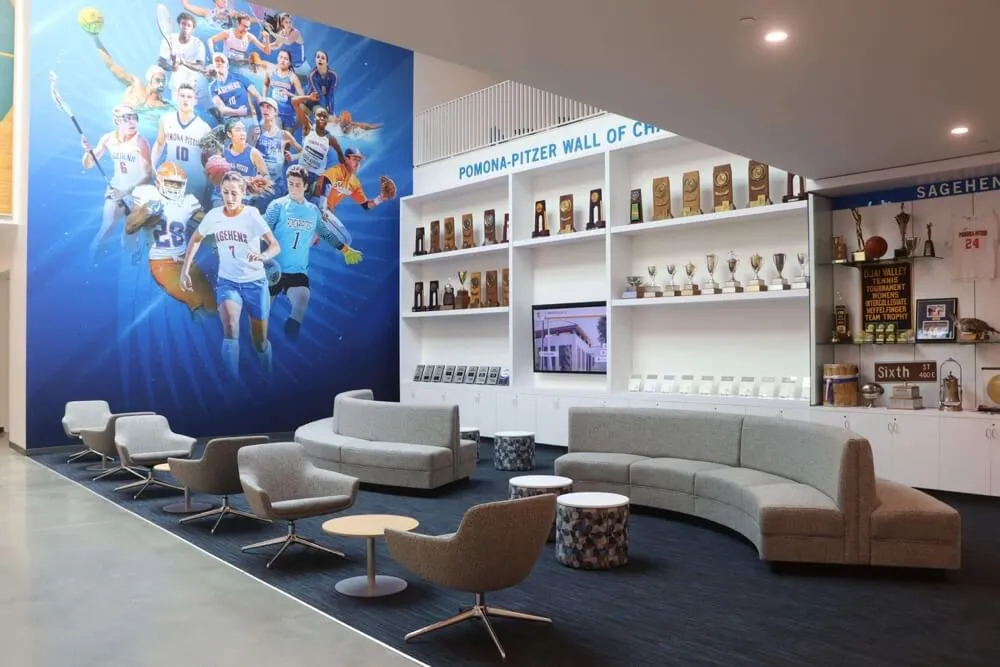
Schools implementing comprehensive athletic recognition programs often find that camps create additional opportunities to showcase program achievements and build pride among participants.
Determining Camp Structure and Format
Once feasibility is established, athletic directors must decide specific program structures:
Camp Duration Models:
Different duration formats serve different purposes and audiences:
Half-Day Camps (3-4 hours): Typically morning sessions, these camps work well for younger athletes (elementary and middle school), reduce supervision complexity, allow coaches to run multiple sessions, and price more accessibly for families. Half-day formats prevent participant fatigue while maintaining instructional quality.
Full-Day Camps (6-8 hours): All-day programs serve working parents needing full childcare coverage, enable deeper skill development through extended instruction time, include lunch periods for team building, and command premium pricing. Full-day camps require more comprehensive supervision and activity variety to maintain engagement.
Multi-Day vs. Week-Long Sessions:
Week-Long Sessions (Monday-Friday): Traditional week-long formats provide scheduling simplicity, allow progressive skill development across five days, and maximize revenue per participant. However, they require sustained participant commitment and exclude families with vacation conflicts.
Multi-Session Formats (2-3 day sessions): Shorter sessions accommodate busy family schedules, allow athletes to attend multiple different sport camps, and enable multiple revenue cycles throughout summer. They require more frequent registration and check-in processes but serve modern family scheduling realities.
Overnight vs. Day Camp Models:
For schools with residential facilities or partnerships with nearby colleges:
Day Camps: No overnight supervision liability, easier staff recruitment, lower insurance requirements, accessibility for local athletes, and simpler logistics. Day camps represent the primary model for most high school programs.
Overnight/Residential Camps: Create immersive athletic experiences, attract athletes from wider geographic areas, command significantly higher pricing, and require comprehensive 24-hour supervision. Overnight formats suit elite-level programs with strong reputational draw.
Sport-Specific vs. Multi-Sport Camps:
Sport-Specific Camps: Focus on particular sports (basketball camp, volleyball camp, soccer camp), attract athletes serious about specific sports, enable specialized coaching and skill development, and reflect your program’s competitive strengths. Schools with strong team culture and traditions can leverage this identity in sport-specific camps.
Multi-Sport/Athletic Development Camps: Serve younger athletes not yet specialized, develop general athleticism and movement skills, attract broader participant pools, and require coaching staff with diverse sport backgrounds. Multi-sport formats work particularly well for elementary-age programming.
Registration, Marketing, and Enrollment Management
Once camp structure is determined, athletic directors need systematic approaches for promoting camps, managing registration, and ensuring adequate enrollment.
Building Effective Registration Systems
Modern registration technology significantly reduces administrative burden while improving participant experience:
Registration Platform Selection:
Purpose-built camp registration systems offer capabilities far beyond basic online forms:
- Automated payment processing and receipt generation
- Customizable registration forms capturing medical information, emergency contacts, and liability waivers
- Waitlist management when camps reach capacity
- Email communication tools for pre-camp information and updates
- Reporting dashboards tracking enrollment, revenue, and participant demographics
- Mobile-friendly interfaces enabling families to register from any device
Popular platforms for high school sports camps include CampDoc, Active Network, TeamSnap, and school-specific athletic management systems. Evaluate platforms based on transaction fees, ease of use, integration with existing school systems, and customer support quality.
Essential Registration Information:
Comprehensive registration forms balance thorough information gathering with user-friendly completion:
- Participant demographics (name, age, grade, contact information)
- Parent/guardian contact information including multiple emergency contacts
- Medical information (allergies, conditions, medications, physician contact)
- Insurance information and acknowledgment of coverage responsibility
- Previous sports experience and skill level (for appropriate group placement)
- T-shirt sizes, dietary restrictions, and special accommodations needed
- Liability waivers and photo release permissions
- Payment information and selected payment method
Store registration data securely with appropriate privacy protections, particularly for medical information. Ensure forms are accessible and accommodate families requiring language translation or assistance.
Pricing Strategy and Payment Options:
Flexible pricing and payment approaches maximize enrollment while ensuring financial sustainability:
Tiered Pricing Structures:
- Early registration discounts (15-20% off for registrations 6+ weeks in advance)
- Regular pricing for standard registration period
- Late registration surcharges (10-15% additional for last-minute registrations)
- Multi-camp discounts for families registering for multiple sessions
- Sibling discounts recognizing families with multiple participant children
Payment Flexibility:
- Full payment at registration (with early-bird discount incentive)
- Payment plans allowing families to spread costs across multiple months
- Deposit-and-balance models requiring initial commitment with final payment before camp begins
- Financial assistance programs for families facing economic barriers
Schools may establish camp scholarship funds through booster club partnerships, community sponsorships, or designated portions of camp revenue ensuring access regardless of family financial circumstances.
Marketing and Promotion Strategies
Even high-quality camps fail without effective marketing reaching target audiences:
Multi-Channel Marketing Approaches:
Successful camp marketing leverages multiple promotional channels:
Email Marketing:
- Announcements to school athletic email lists and past camp participants
- Parent communications through school-wide email systems
- Coach networks reaching feeder program families
- Segmented messaging targeting specific age groups or sports interests
Social Media Promotion:
- Posts on school athletic department social media accounts
- Coach personal social media channels reaching athlete and parent followers
- Visual content featuring previous camp highlights, testimonials, and action shots
- Paid social media advertising targeting parents in specific geographic areas and age demographics
Traditional Marketing:
- Flyers distributed through elementary and middle schools
- Announcements at youth league games and practices
- Posters in community recreation centers, libraries, and youth-oriented businesses
- Local newspaper sports section announcements and calendar listings
Partnership Marketing:
- Coordination with youth feeder programs making joint announcements
- School counselor and teacher communications to current students
- Alumni network announcements leveraging graduate connections
- Community organization partnerships (YMCA, Boys & Girls Clubs, park districts)
Marketing Timeline:
Strategic marketing follows structured timelines maximizing early registrations:
- 4-5 months before camp: Initial announcement and “save the date” communications
- 3-4 months before: Full registration opening with early-bird pricing
- 6-8 weeks before: Regular reminder communications and social media push
- 2-4 weeks before: Final registration push and limited-space messaging
- 1 week before: Last-chance registration for camps with remaining capacity
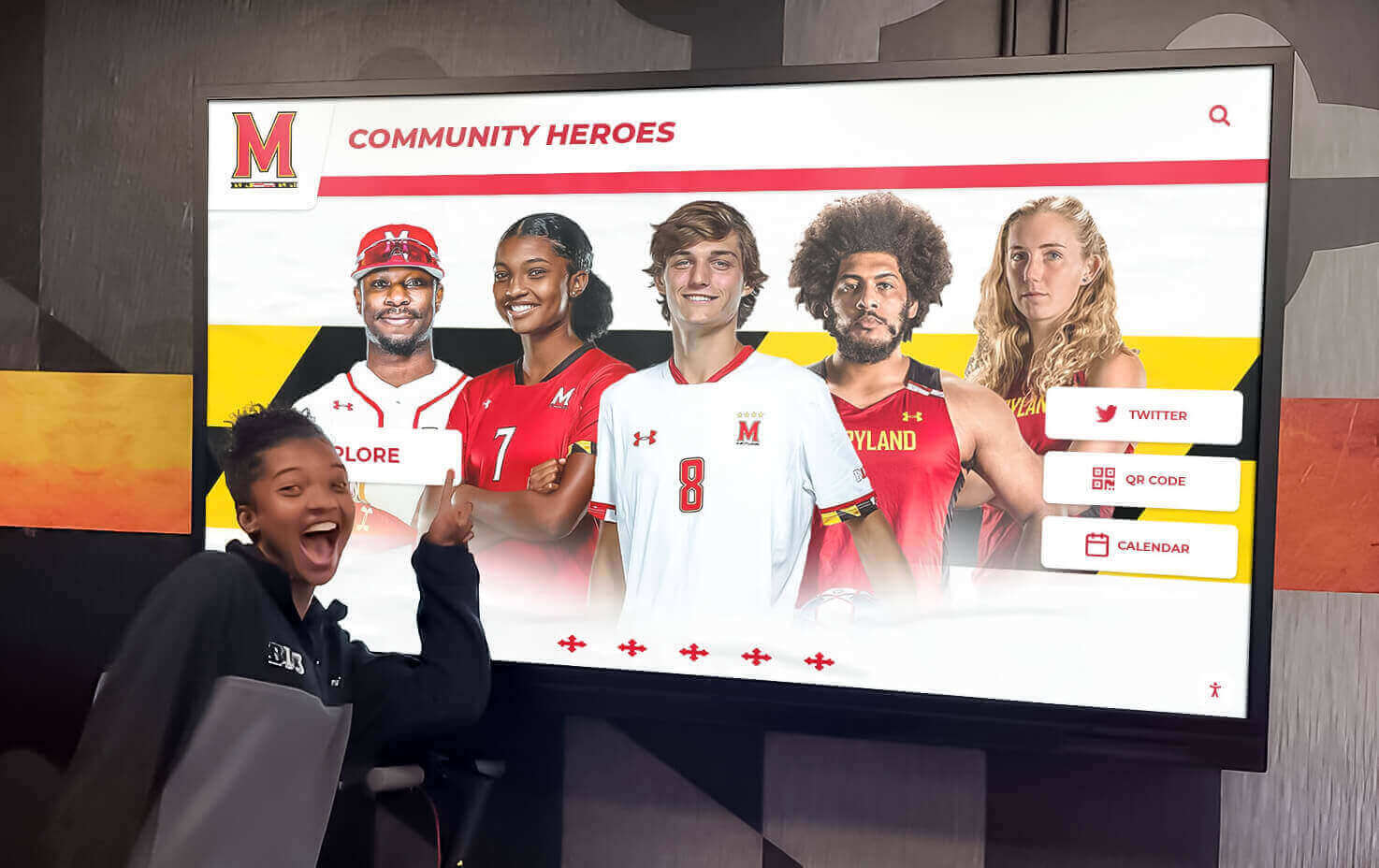
Athletic directors tracking student achievement and recognition throughout the school year can leverage these recognition moments in camp marketing, highlighting the quality of instruction and program culture.
Staffing, Supervision, and Safety Protocols
Quality instruction and comprehensive safety management separate exceptional camps from those generating liability concerns and poor participant experiences.
Coaching Staff Recruitment and Development
Securing qualified, enthusiastic coaching staff represents one of the most critical planning elements:
Staff Composition Models:
Effective camp staffing typically includes multiple roles:
Lead Instructors/Head Coaches: Experienced coaches providing primary instruction, typically your school’s varsity or JV head coaches. These individuals set instructional tone, develop curriculum, and maintain quality standards. Compensation ranges from $500-1,500 per week depending on experience, credentials, and camp size.
Assistant Coaches: Support staff assisting with instruction, managing small groups, and providing individualized attention. Assistant coaches might include school assistant coaches, recent program graduates, or college athletes home for summer. Typical compensation: $300-800 per week.
Counselors/Supervisors: Non-instructional staff managing logistics, supervising transitions, maintaining safety during breaks, and handling administrative tasks. Often high school students or recent graduates. Typical compensation: $200-400 per week.
Specialized Instructors: Guest coaches bringing specific expertise (strength training, sports psychology, position-specific skills). Usually paid per-session rather than weekly rates: $100-300 per session.
Staff-to-Participant Ratios:
Maintaining appropriate ratios ensures quality instruction and adequate supervision:
- Elementary camps (K-5th grade): 1 staff per 8-10 participants
- Middle school camps (6-8th grade): 1 staff per 12-15 participants
- High school camps (9-12th grade): 1 staff per 15-20 participants
- Specialized skill sessions: 1 instructor per 6-8 participants
- Overall supervision including non-instructional staff: 1 adult per 20 participants maximum
Comprehensive Safety and Risk Management
Safety protocols protect participants while limiting institutional liability:
Required Documentation and Clearances:
All staff members must complete:
- Background checks through state and federal databases
- Abuse prevention training and certification
- CPR and first aid certification
- Concussion recognition and response training
- Sport-specific safety certifications where applicable
- Review of school policies on participant interaction and appropriate boundaries
Maintain documentation files for each staff member accessible for emergency reference or liability purposes.
Medical and Emergency Protocols:
Comprehensive medical planning addresses foreseeable situations:
Pre-Camp Medical Screening:
- Review participant medical forms for conditions requiring monitoring
- Identify participants with allergies, chronic conditions, or medication needs
- Create individual action plans for participants with known conditions (asthma, diabetes, seizures)
- Communicate relevant medical information to all supervisory staff
On-Site Medical Capabilities:
- Designated first aid station with appropriate supplies
- Staff member with first aid/CPR training present during all activities
- Emergency action plans for various injury scenarios
- Communication systems enabling rapid emergency services contact
- Documentation protocols for all injuries, however minor
Heat Safety and Hydration: Summer sports camps face significant heat-related illness risk requiring proactive management:
- Scheduled water breaks every 15-20 minutes during high-heat periods
- Shaded rest areas for breaks and recovery
- Modified activity intensity during extreme heat conditions
- Staff training on heat illness recognition and response
- Monitoring of high-risk participants (overweight athletes, those with relevant medical conditions)
Schools with comprehensive facility design often incorporate hydration stations and climate-controlled spaces specifically supporting summer programming.
Facility Safety Inspections:
Before camps begin, conduct thorough facility safety reviews:
- Playing surface condition (trip hazards, holes, debris)
- Equipment safety (padding, nets, goals properly anchored)
- Structural hazards (loose bleachers, damaged fencing, exposed wiring)
- Adequate lighting for indoor facilities
- Functional emergency exits and clearly marked evacuation routes
- Accessible AED units with staff trained in operation
Document inspections and remediate identified hazards before participant arrival.

Curriculum Design and Instructional Excellence
Beyond logistics and safety, camp success ultimately depends on instructional quality and participant skill development.
Age-Appropriate Skill Progression
Effective camp curriculum matches instruction to participant developmental stages:
Elementary Age Programming (Grades K-5):
Young athletes need instruction emphasizing:
- Fundamental movement skills (running, jumping, throwing, catching)
- Basic sport-specific skills introduced through games and activities
- Short activity segments (10-15 minutes) with frequent transitions
- Extensive positive reinforcement and encouragement
- Fun and enjoyment as primary goals over competitive outcomes
- Social skill development and teamwork basics
Elementary camps should feel more like “active play with instruction” than “intensive training.” Coaches working with this age group need patience, enthusiasm, and ability to manage short attention spans.
Middle School Programming (Grades 6-8):
Middle school athletes bridge recreational and competitive athletics:
- Progressive skill development building on fundamentals
- Introduction of tactical concepts and strategic thinking
- Increased emphasis on proper technique and form
- Competitive drills and controlled scrimmaging
- Longer instructional segments (20-30 minutes) matched to improving focus
- Recognition of individual achievement within team contexts
Middle school camps can incorporate more structured competition while maintaining inclusive participation. This age group particularly benefits from recognition approaches that acknowledge improvement and effort alongside performance.
High School Programming (Grades 9-12):
High school camps can approach varsity-level intensity:
- Advanced skill refinement and position-specific training
- Sophisticated tactical instruction and game situation practice
- Competitive scrimmaging with coaching feedback
- Strength, conditioning, and athletic development integration
- Mental aspects of performance and competitive preparation
- Extended instructional segments (45-60 minutes) with complex progressions
High school camps often separate participants by skill level (varsity, JV, developmental) enabling appropriate instruction for each group.
Daily Schedule Design
Well-structured daily schedules balance instruction, activity, rest, and variety:
Sample Half-Day Camp Schedule (9:00 AM - 12:00 PM):
- 8:45-9:00: Check-in and morning assembly
- 9:00-9:30: Dynamic warm-up and fundamental skills stations
- 9:30-10:15: Skill development session #1 (offense)
- 10:15-10:30: Water break and transition
- 10:30-11:15: Skill development session #2 (defense)
- 11:15-11:45: Controlled scrimmaging or competitive drills
- 11:45-12:00: Cool-down, awards/recognition, and dismissal
Sample Full-Day Camp Schedule (9:00 AM - 3:00 PM):
- 8:45-9:00: Check-in and morning assembly
- 9:00-9:30: Dynamic warm-up and team-building activities
- 9:30-10:30: Skill development session #1
- 10:30-10:45: Water break
- 10:45-11:45: Skill development session #2
- 11:45-12:45: Lunch and free time
- 12:45-1:00: Team meeting and afternoon introduction
- 1:00-2:00: Position-specific training or competitive stations
- 2:00-2:45: Scrimmaging or camp competition
- 2:45-3:00: Cool-down, daily awards, and dismissal
Effective schedules incorporate variety preventing monotony, appropriate rest periods preventing exhaustion, and progressive intensity building throughout days and weeks.
Financial Management and Program Sustainability
Camps must generate sufficient revenue to cover costs while supporting broader athletic program goals.
Budget Development and Cost Analysis
Comprehensive budgeting accounts for all program expenses:
Staff Compensation Costs:
- Head coach/director compensation
- Assistant coach and instructor fees
- Administrative and supervisory staff wages
- Payroll taxes and workers’ compensation insurance
Facility and Equipment Expenses:
- Facility rental fees (if applicable)
- Equipment purchases or rentals
- Uniform/apparel costs (camp t-shirts, reversible jerseys)
- Ball, cone, and training equipment replacement
Insurance and Liability:
- Participant accident insurance
- General liability coverage
- Professional liability for coaching staff
- Facility damage coverage
Marketing and Administrative:
- Registration platform fees and transaction charges
- Printing costs for promotional materials
- Social media advertising budgets
- Administrative supplies (folders, name tags, clipboards)
Participant Experience Enhancements:
- Daily awards or certificates
- End-of-camp recognition items
- Refreshments (sports drinks, snacks)
- Guest speaker or special event costs
Sample Budget Example - Week-Long Basketball Camp (60 participants):
Revenue:
- 60 participants × $250 registration = $15,000
Expenses:
- Staff compensation (1 director, 3 assistants, 2 supervisors): $4,500
- Facility costs: $500
- Equipment and supplies: $800
- Insurance: $600
- Camp shirts and awards: $1,200
- Marketing and registration fees: $400
- Total Expenses: $8,000
Net Revenue: $7,000 (reinvested in athletic program equipment, facility improvements, or scholarship fund)
Revenue Generation and Program Enhancement
Beyond base registration, strategic athletic directors identify additional revenue opportunities:
Advanced Skill Clinics: Supplemental specialized clinics (shooting clinic, goalkeeper training, pitching development) offered as add-ons to base camps at $50-100 additional charge. These clinics serve committed athletes seeking advanced instruction while generating incremental revenue.
Camp Merchandise: Additional t-shirts, water bottles, or camp gear sold beyond included items. Merchandise both generates profit and creates marketing as participants wear branded apparel in community.
Team Camps: Entire teams attending together for intensive pre-season training. Team camps command premium pricing ($300-500 per athlete) reflecting specialized coaching and team-building focus.
Photo and Video Packages: Professional photography/videography capturing camp highlights, individual skill demonstrations, and competitive moments sold to families as keepsake packages.
Sponsorship Partnerships: Local businesses sponsoring camps in exchange for promotional recognition, providing equipment or prizes, or offering facility use. Sponsorships offset costs while building community business relationships.
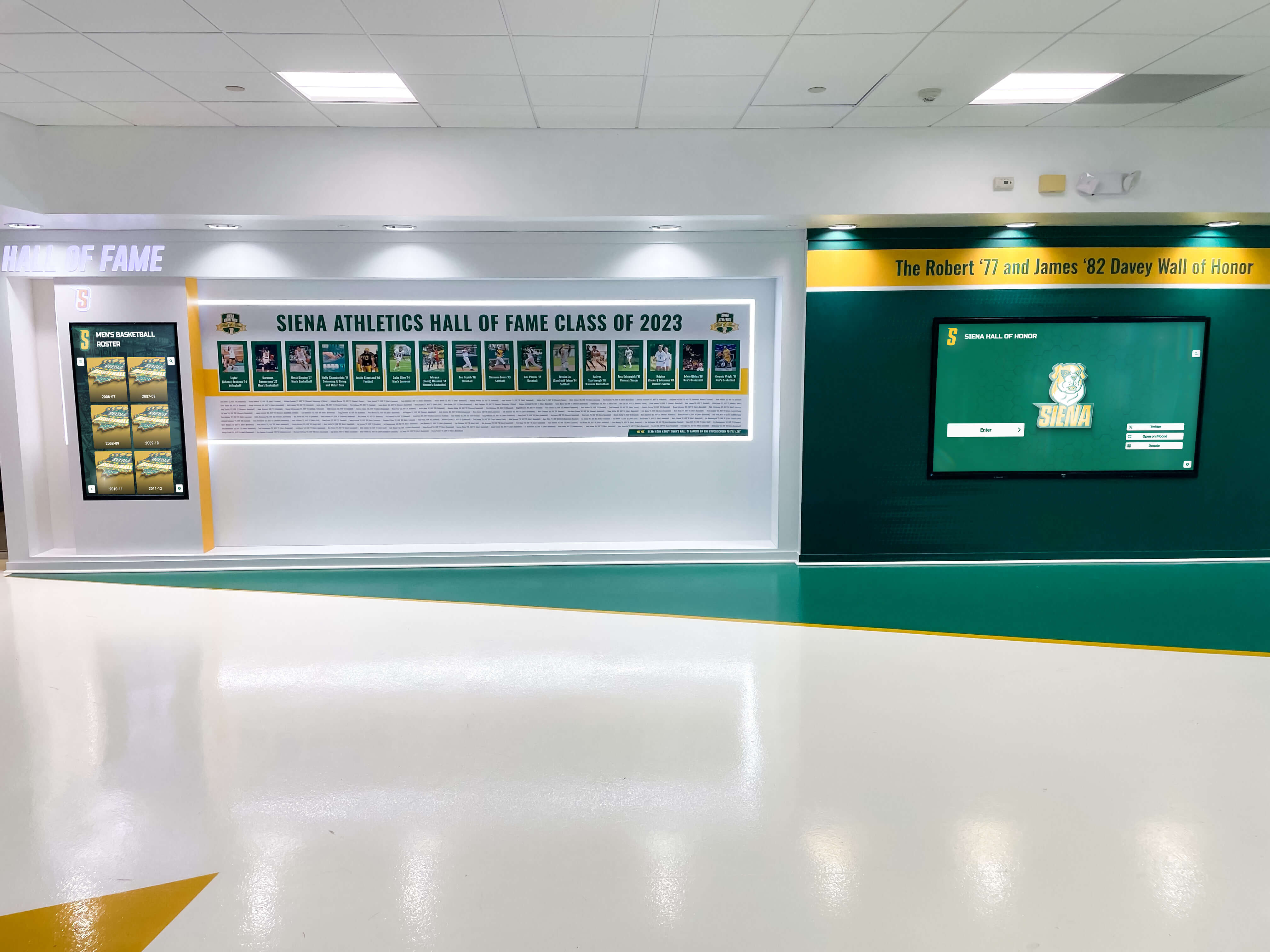
Programs that showcase achievements through digital recognition systems can leverage camp successes as content for ongoing program promotion and participant engagement.
Post-Camp Evaluation and Continuous Improvement
Systematic assessment ensures camps improve annually while informing strategic planning:
Participant and Parent Feedback Collection
Structured feedback gathering provides actionable insights:
Post-Camp Surveys:
Digital surveys sent within 2-3 days after camp completion should assess:
- Overall satisfaction rating (1-5 or 1-10 scale)
- Instructional quality and coaching effectiveness
- Facility adequacy and safety perceptions
- Schedule appropriateness and pacing
- Value for cost paid
- Likelihood to recommend or return
- Open-ended suggestions for improvement
Keep surveys brief (8-12 questions) maximizing completion rates. Offer small incentives (entry into drawing for athletic equipment) encouraging participation.
Coach and Staff Debriefs:
Within one week after camp, conduct structured debriefing sessions with all staff members discussing:
- What worked well and should be maintained
- Challenges encountered and potential solutions
- Participant engagement and skill development observations
- Safety concerns or near-miss incidents
- Administrative or logistical improvement opportunities
- Professional development needs for future camps
Document these discussions creating institutional knowledge that persists beyond staff turnover.
Data Analysis and Decision Making
Transform feedback and operational data into strategic improvements:
Enrollment Analysis:
- Registration timing patterns informing future marketing schedules
- Demographic trends (age groups, skill levels, geographic origin)
- Pricing sensitivity and impact of discount strategies
- Comparison to previous years identifying growth or decline trends
Financial Performance:
- Revenue per participant and total program revenue
- Expense categories consuming unexpected resources
- Profitability comparison across different camp types or age groups
- Return on marketing investment across different channels
Program Quality Indicators:
- Participant satisfaction trends over multiple years
- Staff retention and quality consistency
- Return rate of previous participants
- Referral patterns and word-of-mouth growth
Use this data to make evidence-based decisions about which camps to continue, expand, modify, or discontinue in future summers.
Building Long-Term Camp Program Success
Strategic athletic directors view camps not as isolated summer events but as integrated components of comprehensive athletic program development.
Successful camp programs create multiple forms of value beyond immediate summer revenue. They identify talented incoming freshmen before tryouts, establish relationships with families who become athletic program supporters, generate positive community perceptions of program quality, develop coaching staff professional skills, create opportunities for team culture building before competitive seasons begin, and provide revenue supporting program enhancements that might otherwise require budget increases or fundraising campaigns.
The most effective programs also recognize camp participants years later through comprehensive recognition systems that celebrate athletic achievement from youth participation through varsity excellence, creating visual narratives of athletic development that inspire future generations.
By approaching camp planning with the same strategic rigor applied to competitive season preparation—establishing clear objectives, developing systematic processes, investing in quality instruction, prioritizing safety, collecting feedback, and pursuing continuous improvement—athletic directors transform summer camps from administrative obligations into strategic program assets that strengthen athletic departments financially, competitively, and culturally for years to come.
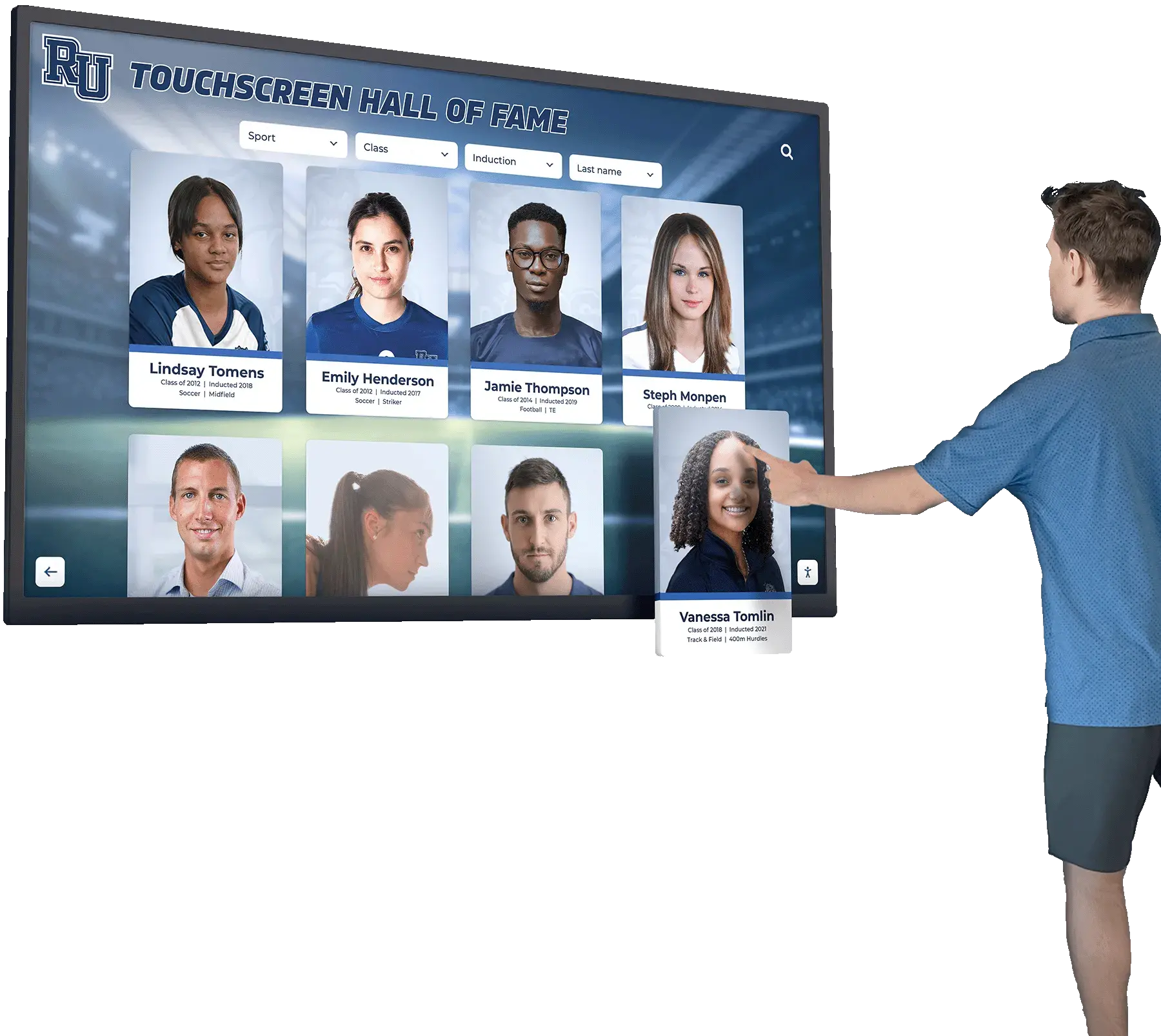
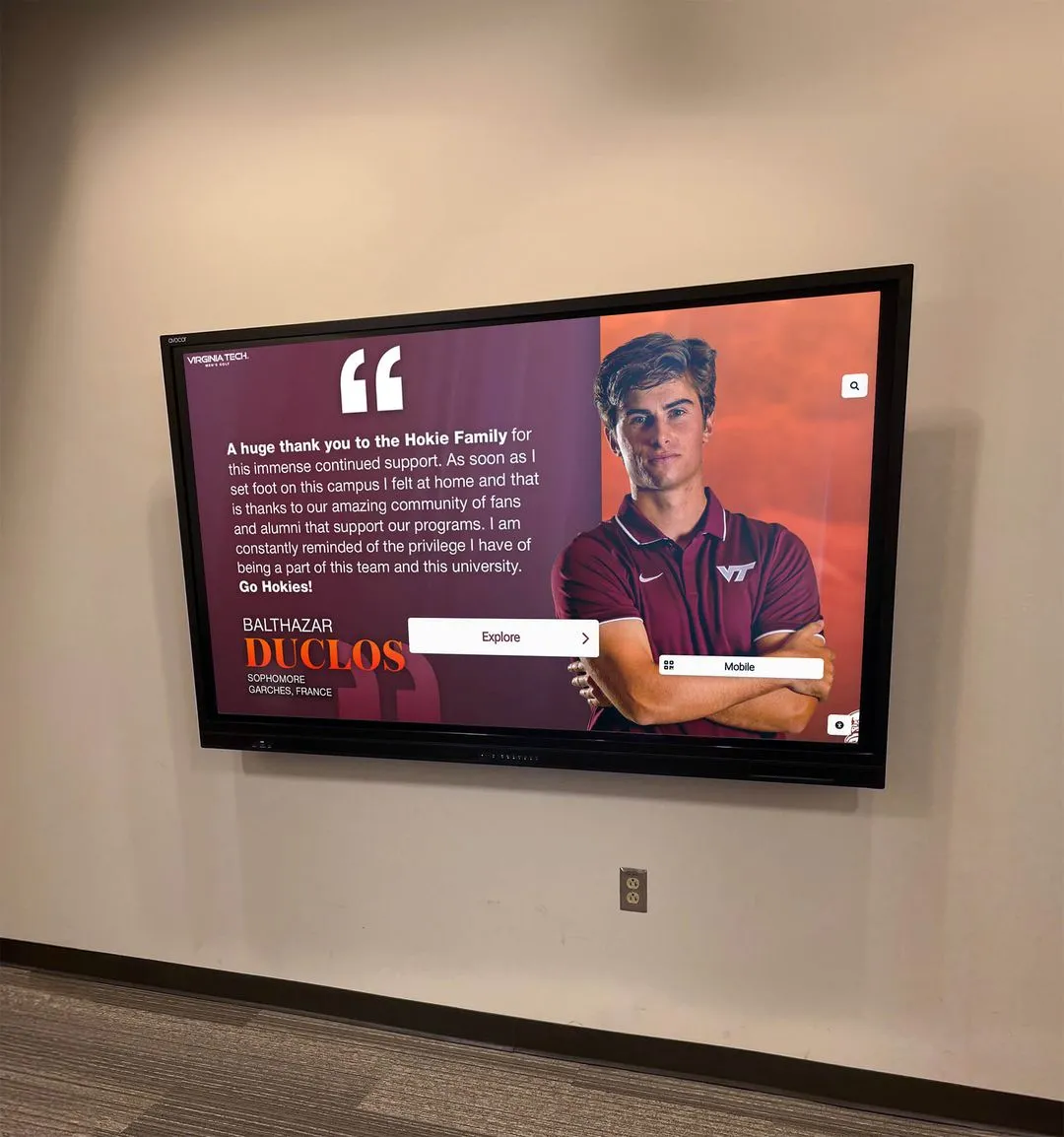
Ready to elevate your athletic program’s recognition and engagement year-round? Discover how Rocket Alumni Solutions’ digital recognition systems can help you showcase camp participants, celebrate athletic achievements, and build lasting program pride through interactive touchscreen displays that engage athletes, families, and communities.