



Key Takeaways
Compare high school reunion display board options. Discover the best solutions for creating engaging, memorable reunion experiences with digital recognition displays vs traditional boards.
Intent: compare
Why High School Reunion Display Boards Matter for Event Success
Reunion planning committees often underestimate how significantly the display approach impacts overall event experience and attendance satisfaction. Research from alumni engagement professionals consistently shows that reunions featuring compelling visual displays receive 35-45% higher satisfaction ratings than events without memorable recognition elements.
The reunion display serves multiple strategic purposes beyond mere decoration:
Memory Activation: Visual cues trigger specific memories that attendees haven’t thought about in decades, unlocking conversation starters and emotional connections that define successful reunions.
Conversation Catalyst: Displays give naturally reticent attendees easy conversation topics, reducing awkwardness and facilitating reconnection even among classmates who weren’t close during school years.
Nostalgia Amplification: Seeing physical or digital representations of shared history creates powerful emotional responses that deepen appreciation for the reunion experience and increase likelihood of future attendance.
Documentation Value: Displays become photo opportunities that attendees share on social media, extending reunion impact beyond the physical event and promoting future reunions to classmates who missed the current one.
Historical Preservation: Well-executed displays capture class history that might otherwise be lost, creating archives that future reunions and even descendants can explore and appreciate.
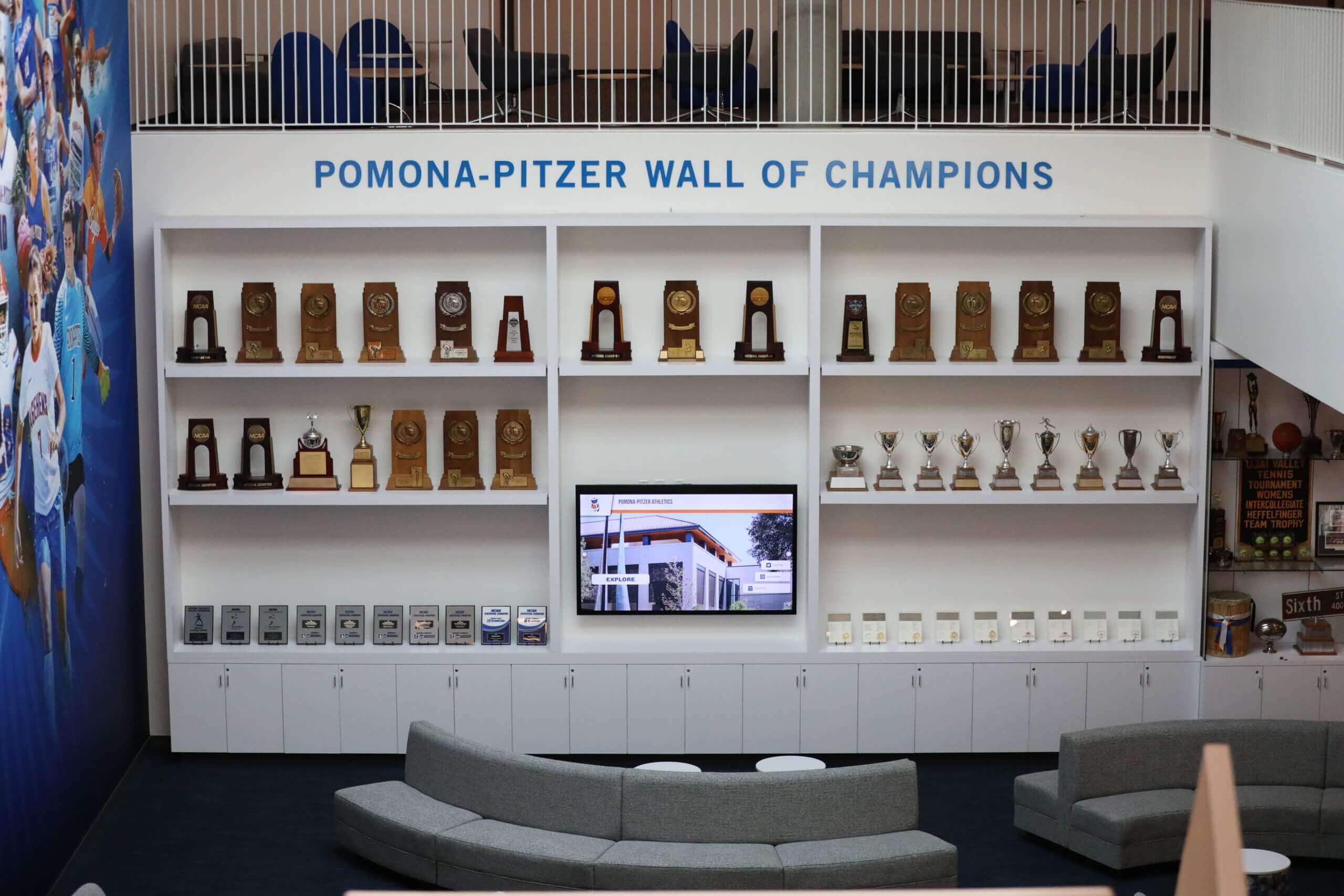
Given these significant impacts, selecting the right display approach represents one of the most important reunion planning decisions committees make.
Traditional Reunion Display Board Options: Capabilities and Limitations
Before evaluating modern digital alternatives, understanding traditional display approaches provides baseline comparison context.
Poster Board and Foam Core Displays
Description: Large foam core or poster boards mounted on easels featuring printed photos, newspaper clippings, memorabilia, and handwritten captions arranged in collage format.
Typical Investment: $200-$800 depending on size, number of boards, and printing quality.
Advantages
- Low initial cost for single reunion use
- No technical expertise required for creation
- Portable and easy to transport to venues
- Familiar format comfortable for all ages
- Can incorporate actual physical memorabilia
Limitations
- Severely limited by physical space constraints
- Static content cannot be changed once printed
- Deteriorates with handling and storage
- Must be completely recreated for each reunion
- Challenging for attendees to view in crowded venues
- Cannot incorporate video or audio content
Best Use Case: Very small intimate reunions (20-40 attendees) with minimal budgets where the personal touch of handcrafted displays adds charm. Works particularly well for 50th+ reunions where the traditional approach itself evokes nostalgia.
Reality Check: While poster boards cost less initially, schools hosting reunions every 5-10 years spend $2,000-$8,000 over two decades on repeatedly creating new displays, often exceeding the cost of reusable digital solutions.
Professional Print Display Panels
Description: Custom-designed display panels professionally printed on durable materials like sintra board or aluminum composite, typically including school branding and high-quality layouts.
Typical Investment: $1,500-$4,000 for 4-8 professional panels with design services.
Key Strengths:
- Professional appearance befitting milestone reunions
- Durable materials suitable for multiple event uses
- High-quality printing showcasing photos effectively
- Can include school branding and sophisticated layouts
- More impressive than DIY poster boards
Significant Limitations:
- Still constrained by fixed physical space
- Expensive to update for different class years
- Cannot incorporate multimedia elements
- Storage requirements between reunions
- Content permanently fixed once printed
Best Use Case: All-class reunions or school-wide celebrations where the same display content serves multiple graduating classes simultaneously, justifying the professional design investment.

Memory Table Displays
Description: Tables arranged with yearbooks, trophies, programs, scrapbooks, and physical memorabilia that attendees can browse, supplemented with printed photo albums.
Typical Investment: $300-$1,200 for photo printing, protective sleeves, table coverings, and display stands.
Advantages:
- Highly tactile and engaging for attendees
- Allows actual historical artifacts to be showcased
- Multiple attendees can explore simultaneously
- Flexible arrangement adapting to venue spaces
- Easy to create with volunteer coordination
Considerations:
- Valuable items risk damage or loss in open settings
- Requires significant table space in venue
- Difficult to organize content thematically
- Limited ability to show many photos
- No way to search for specific people or events
Best Use Case: Supplementary addition to primary display approaches, particularly effective for milestone reunions where historical artifacts add authenticity and emotional resonance.
Digital Reunion Display Solutions: Comparative Analysis
Modern technology offers reunion planners sophisticated alternatives to traditional physical displays, but digital solutions vary dramatically in capabilities, cost, and appropriateness for different reunion scenarios.
Slideshow on Consumer TV or Projector
Description: Photo slideshow played on loop via consumer television, projector, or large monitor, typically created in PowerPoint, Google Slides, or dedicated slideshow software.
Typical Investment: $500-$2,000 including display hardware (if not already owned), slideshow creation, and setup.
Key Advantages:
- Significantly more photos than physical boards accommodate
- Easy content updates before and during events
- Minimal technical expertise required for creation
- Can include music soundtracks enhancing nostalgia
- Reusable hardware for future reunions
- Relatively low initial investment
Notable Limitations:
- Passive viewing with no interactivity or exploration
- Attendees cannot control content or search for specific photos
- Slideshow timing often too fast or too slow for viewer preferences
- Difficult for groups to view simultaneously
- No analytics showing which content resonates most
- Limited to photos and text without sophisticated multimedia
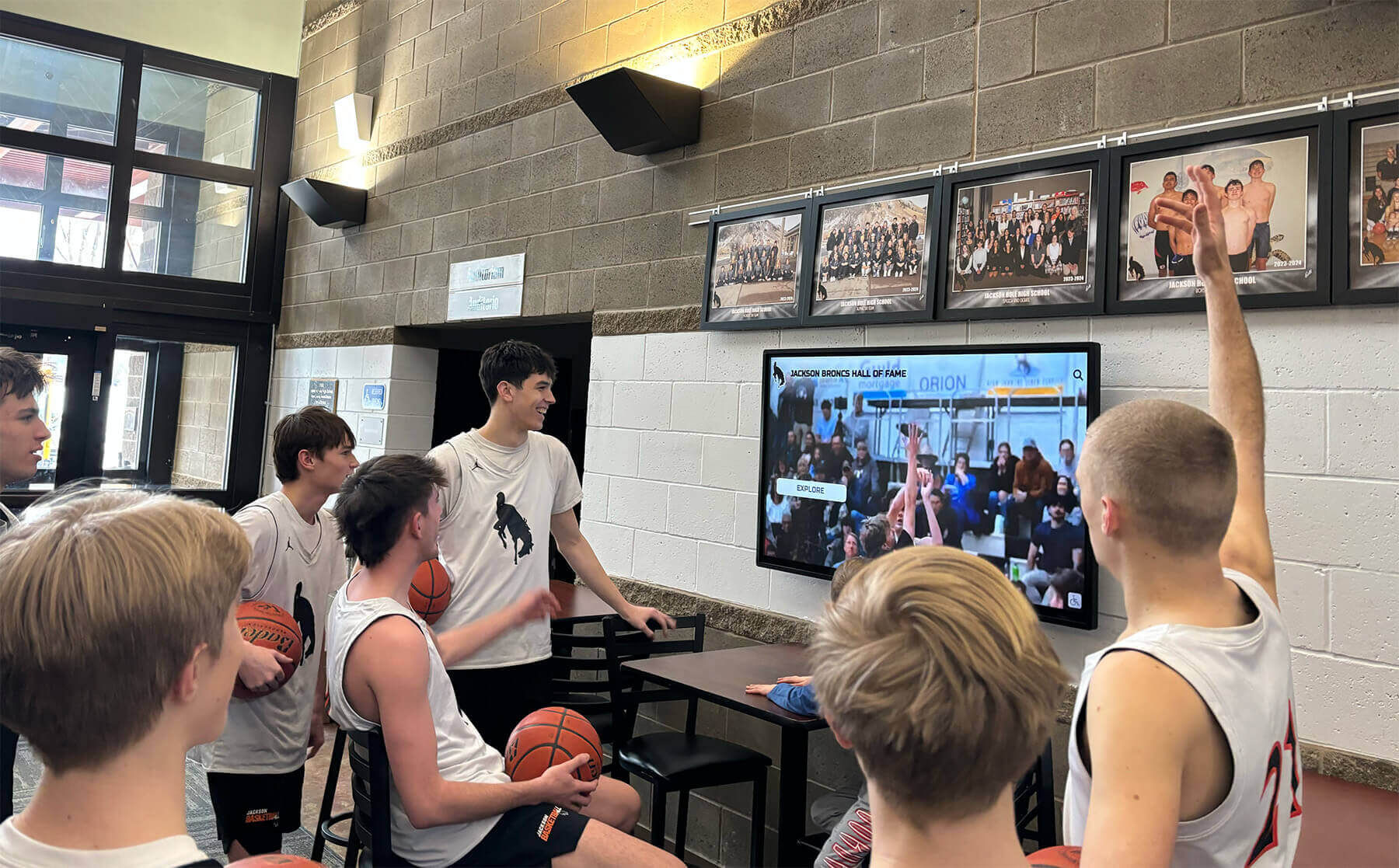
Best Use Case: Budget-conscious reunions needing to showcase many photos without interactive requirements. Works well as ambient background display while conversations occur, rather than primary engagement focus.
Enhancement Opportunity: Some schools improve basic slideshows by adding QR codes directing attendees to online galleries where they can explore content at their own pace and download favorite photos.
Tablet-Based Interactive Display Kiosks
Description: iPads or Android tablets mounted on stands running photo gallery apps, digital yearbooks, or simple interactive presentations allowing attendees to browse content at their own pace.
Typical Investment: $800-$1,500 per tablet station including hardware, mounting, apps, and content preparation.
Strengths:
- Individual control allowing personalized exploration
- Multiple simultaneous users with multiple tablets
- Relatively affordable compared to large touchscreens
- Portable and flexible placement options
- App ecosystems offering ready-made solutions
- Reusable for future reunions with content updates
Limitations:
- Small screens limit group viewing experiences
- Consumer devices not designed for intensive public use
- Limited customization compared to dedicated platforms
- Battery management and charging concerns
- Apps may require ongoing subscription fees
- Challenging to incorporate school branding comprehensively
Best Use Case: Reunions of 50-150 attendees seeking interactive capabilities without major investment, particularly effective when deploying 2-3 tablets in different venue areas for distributed engagement.
Some schools successfully implement tablet-based solutions similar to library touchscreen displays adapted for reunion contexts, providing good functionality at moderate cost points.
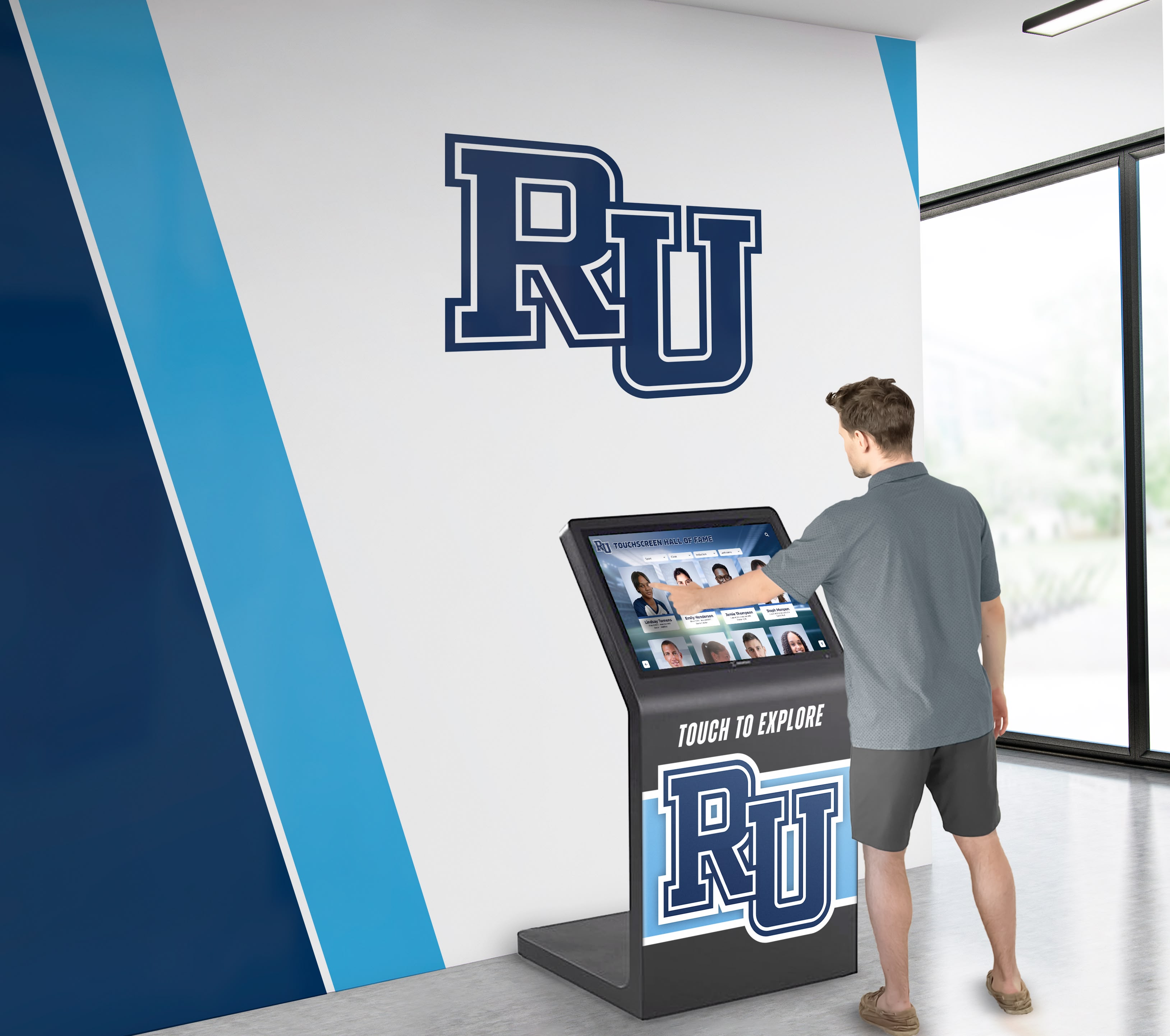
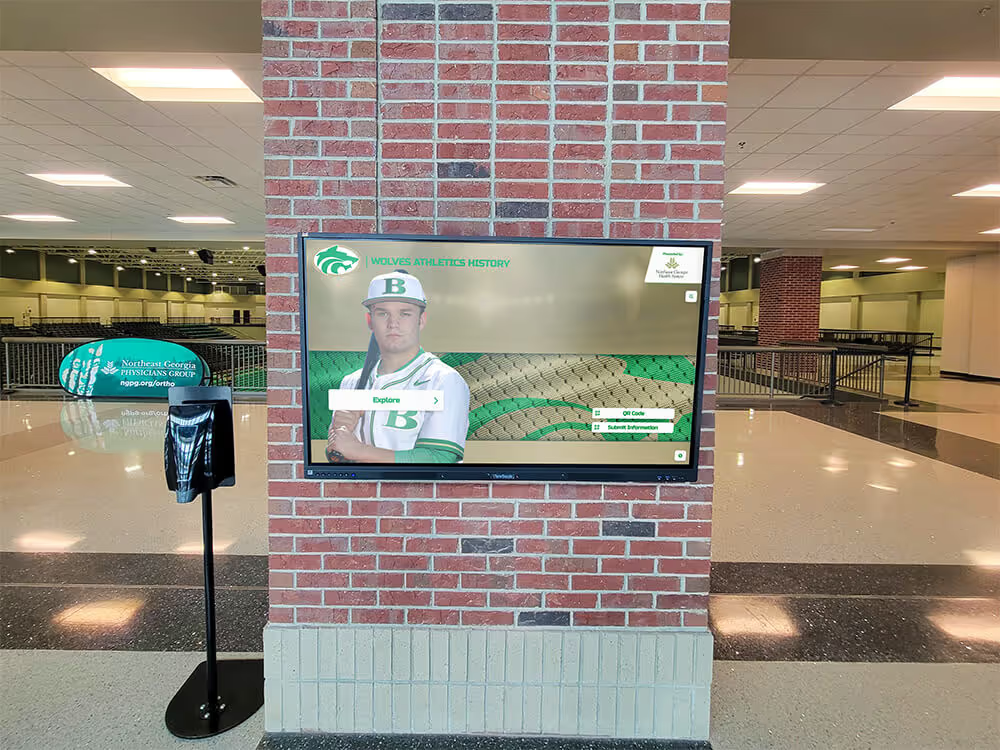
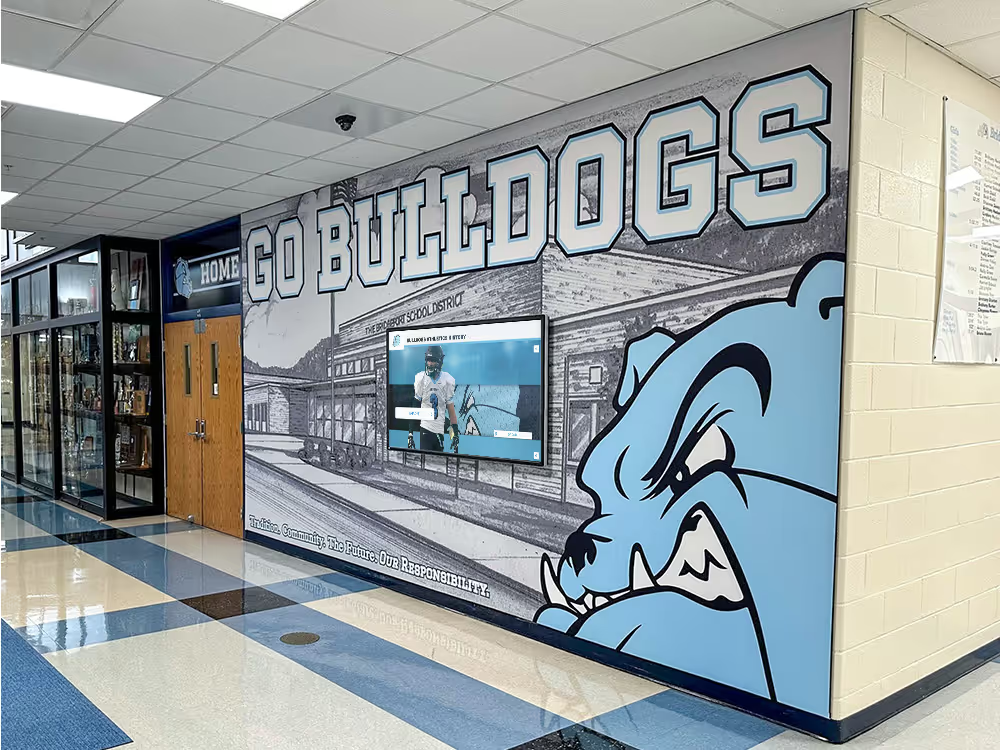
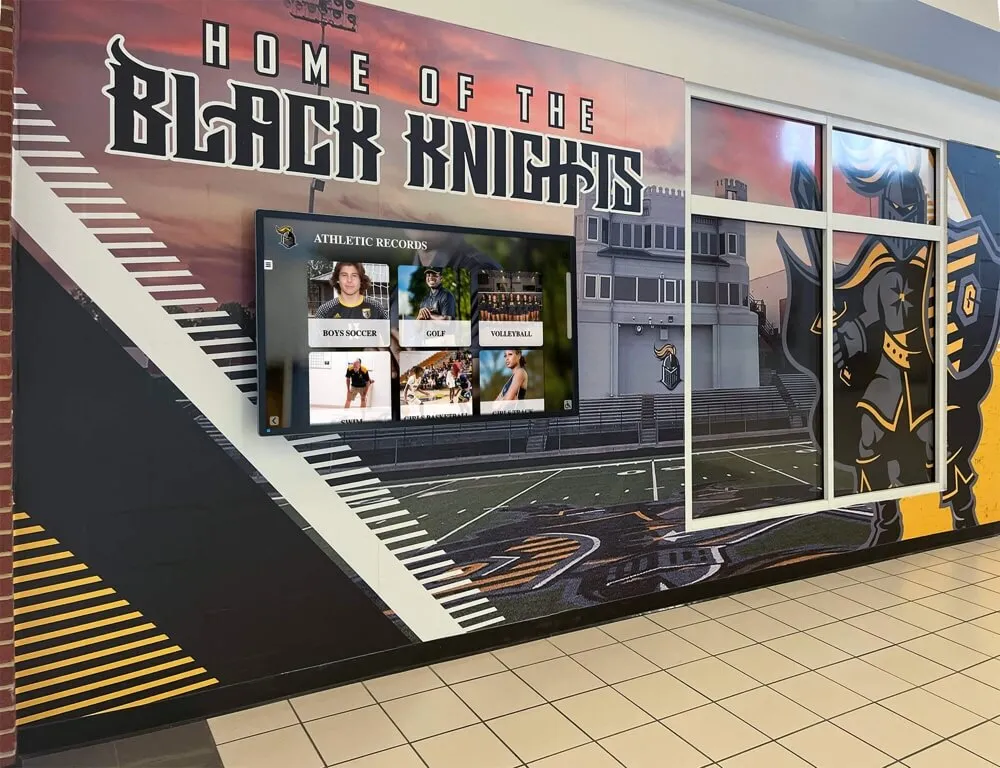
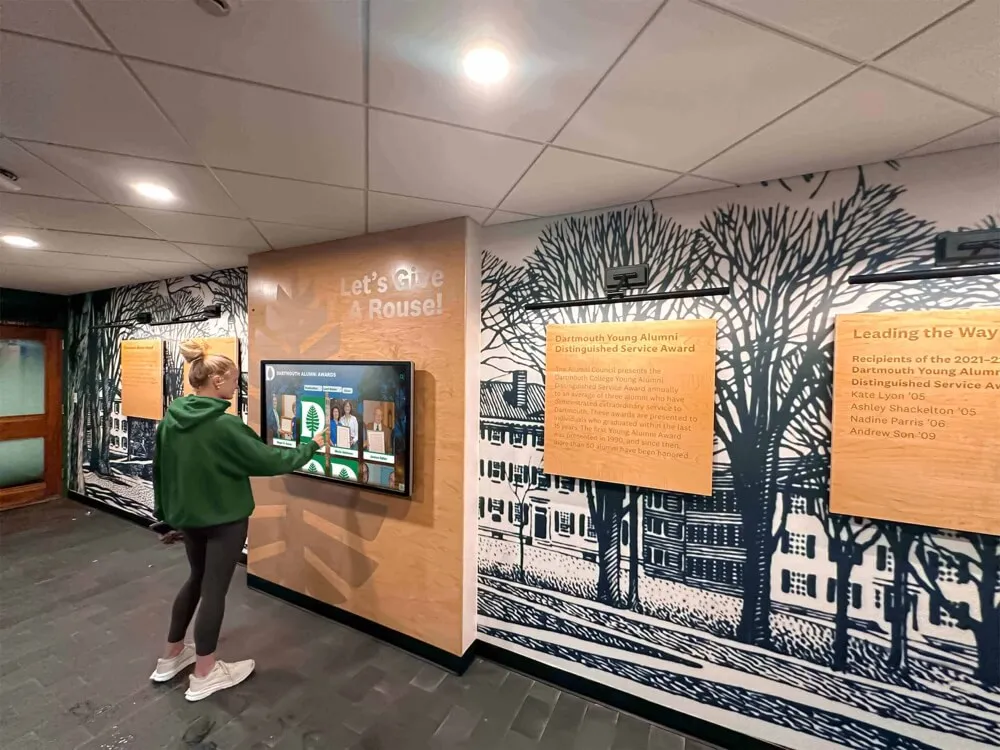
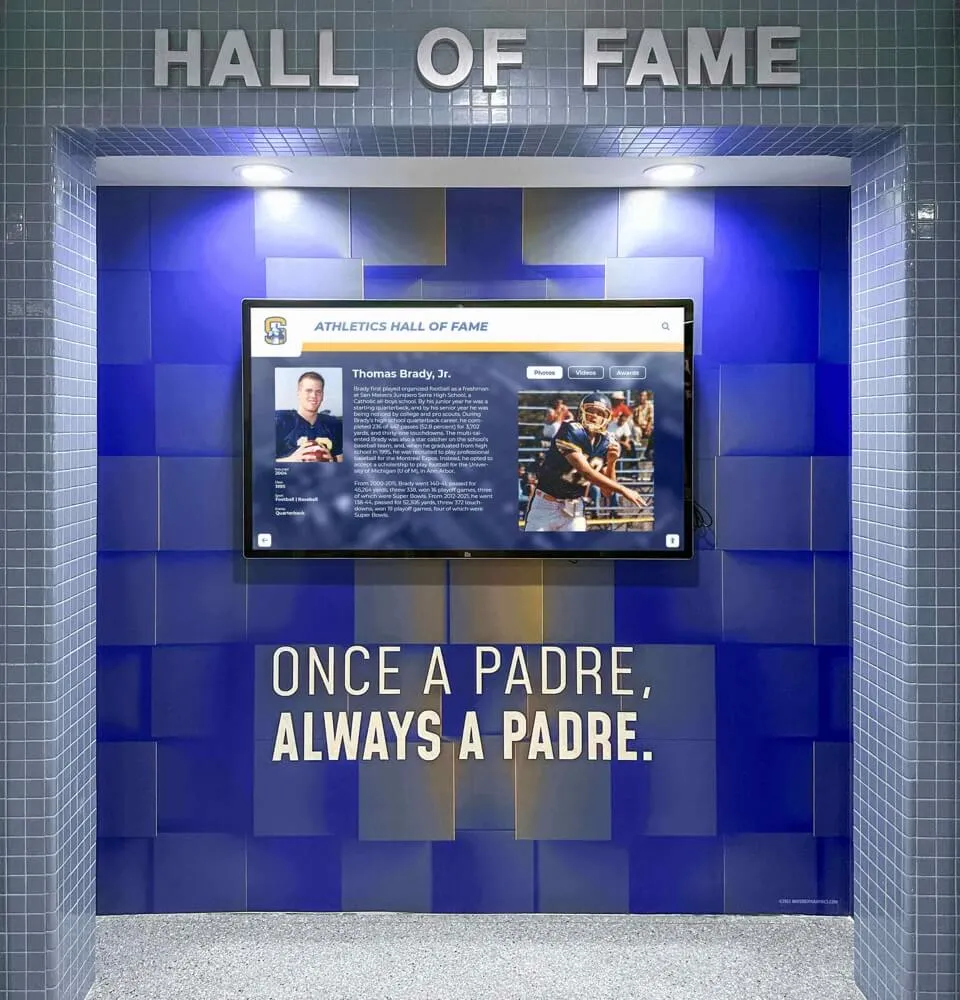
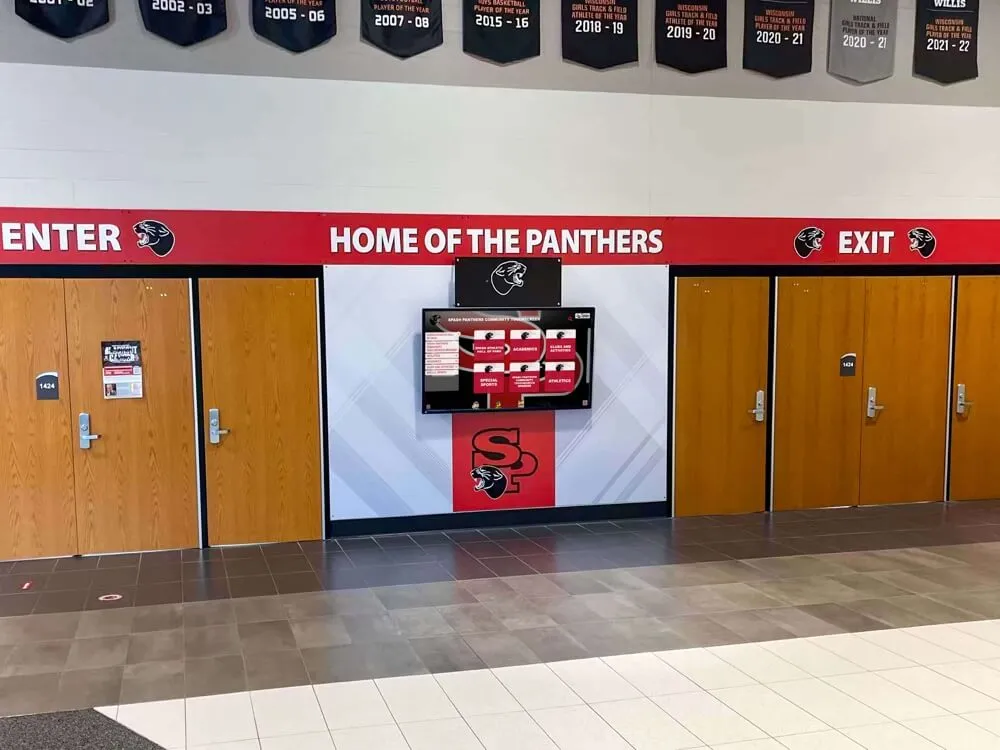
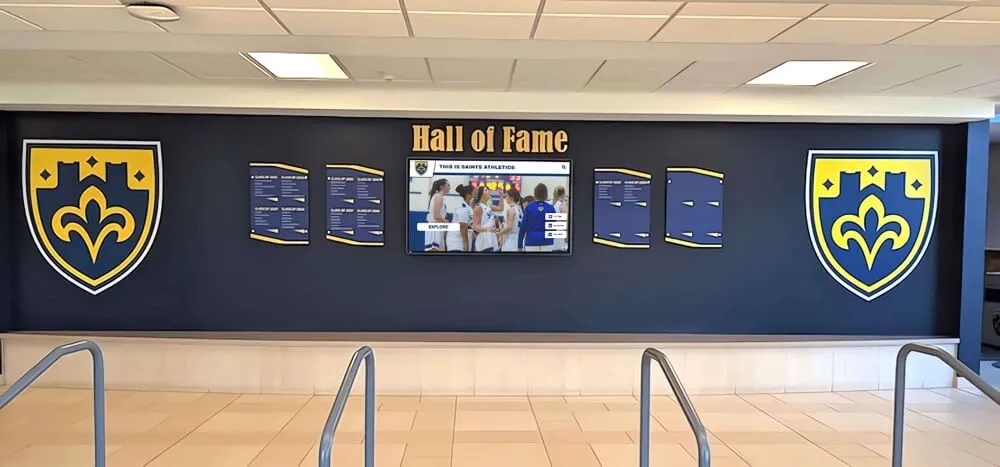
Large-Format Touchscreen Recognition Displays
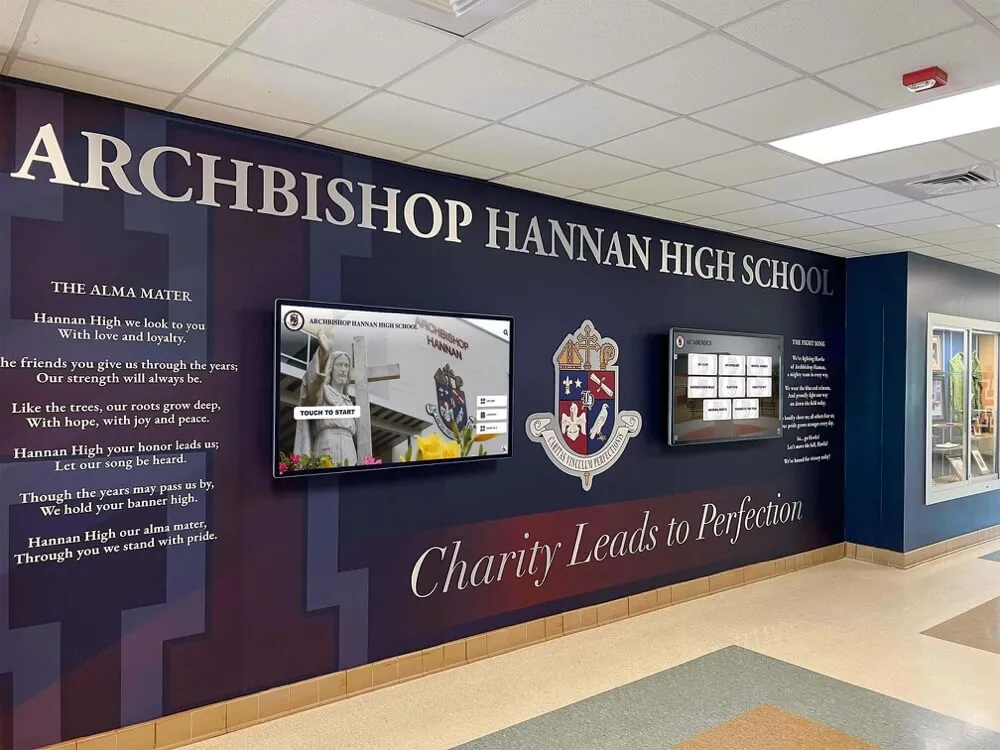
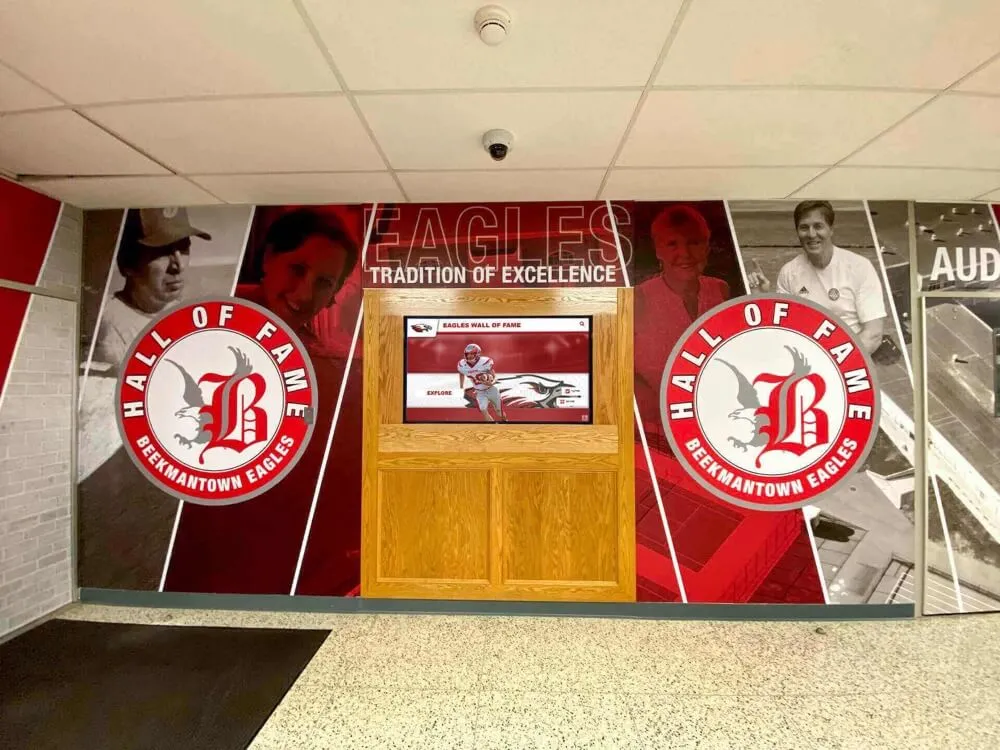
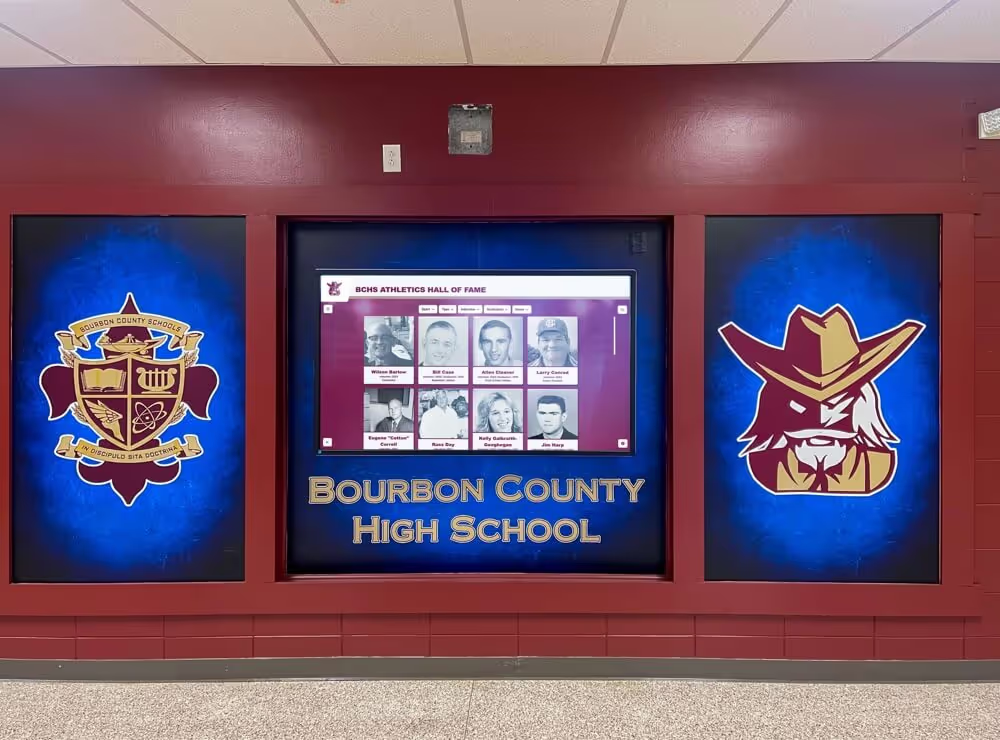
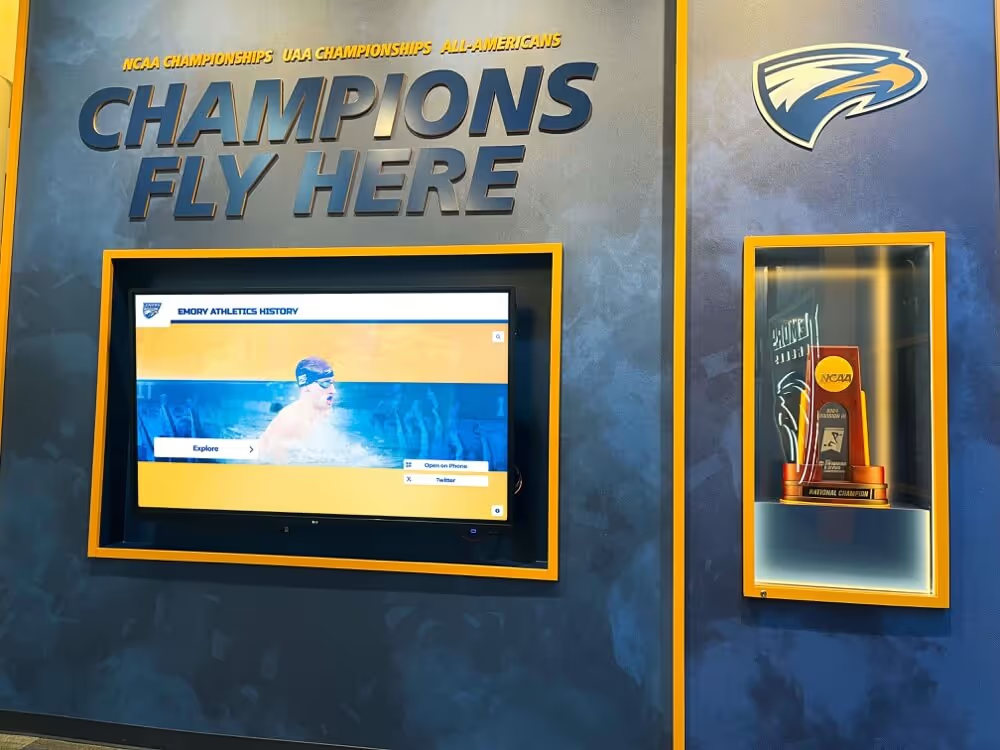
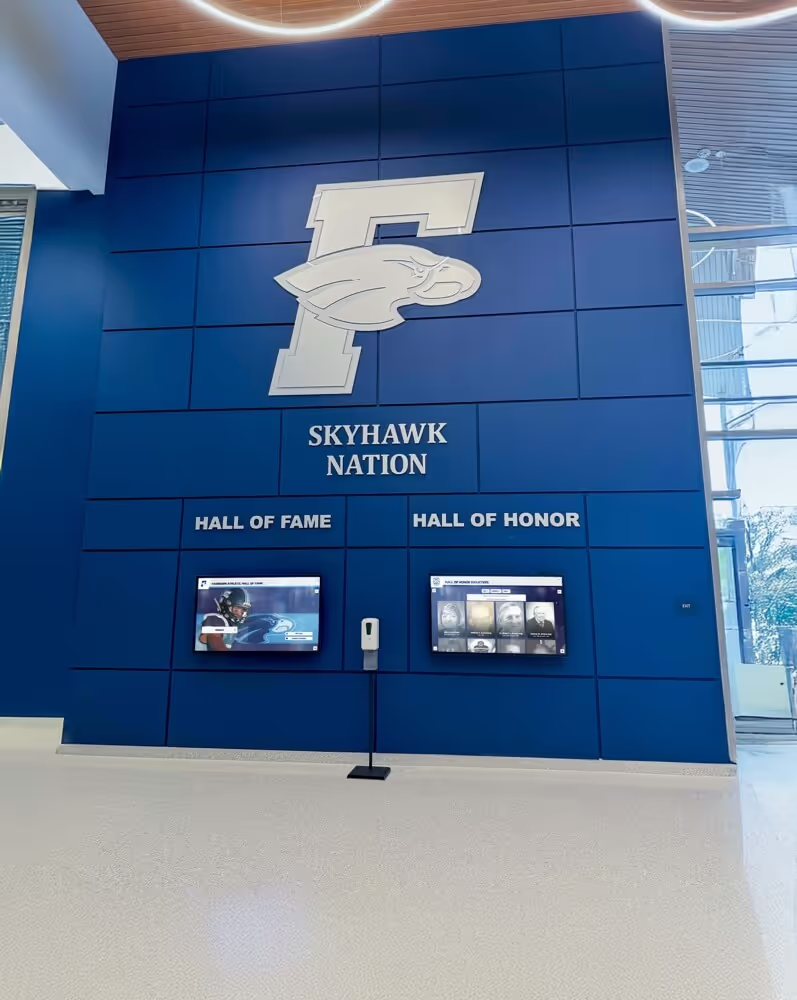
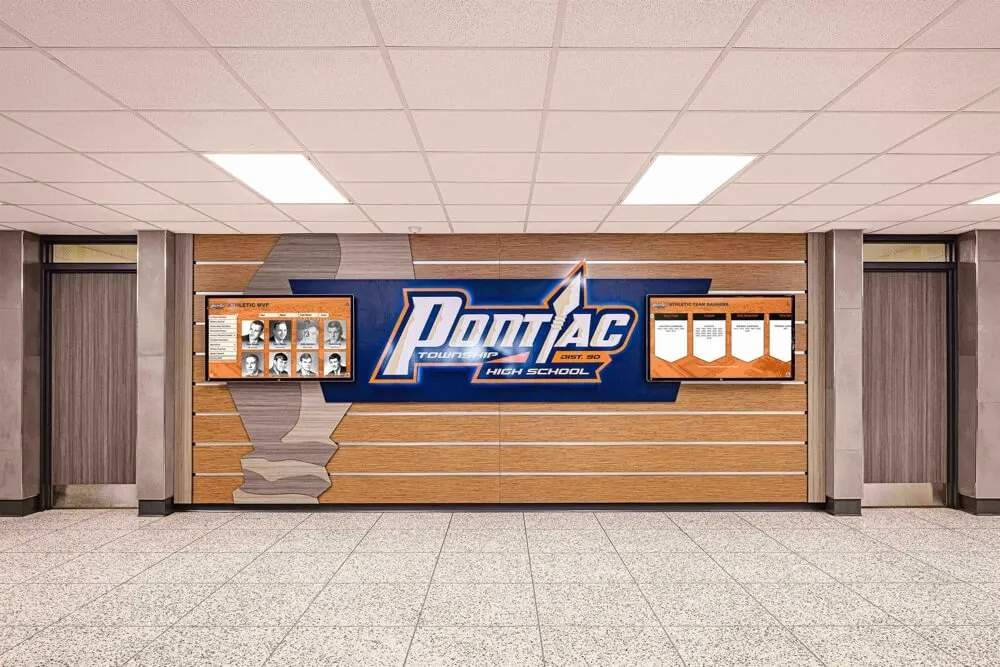
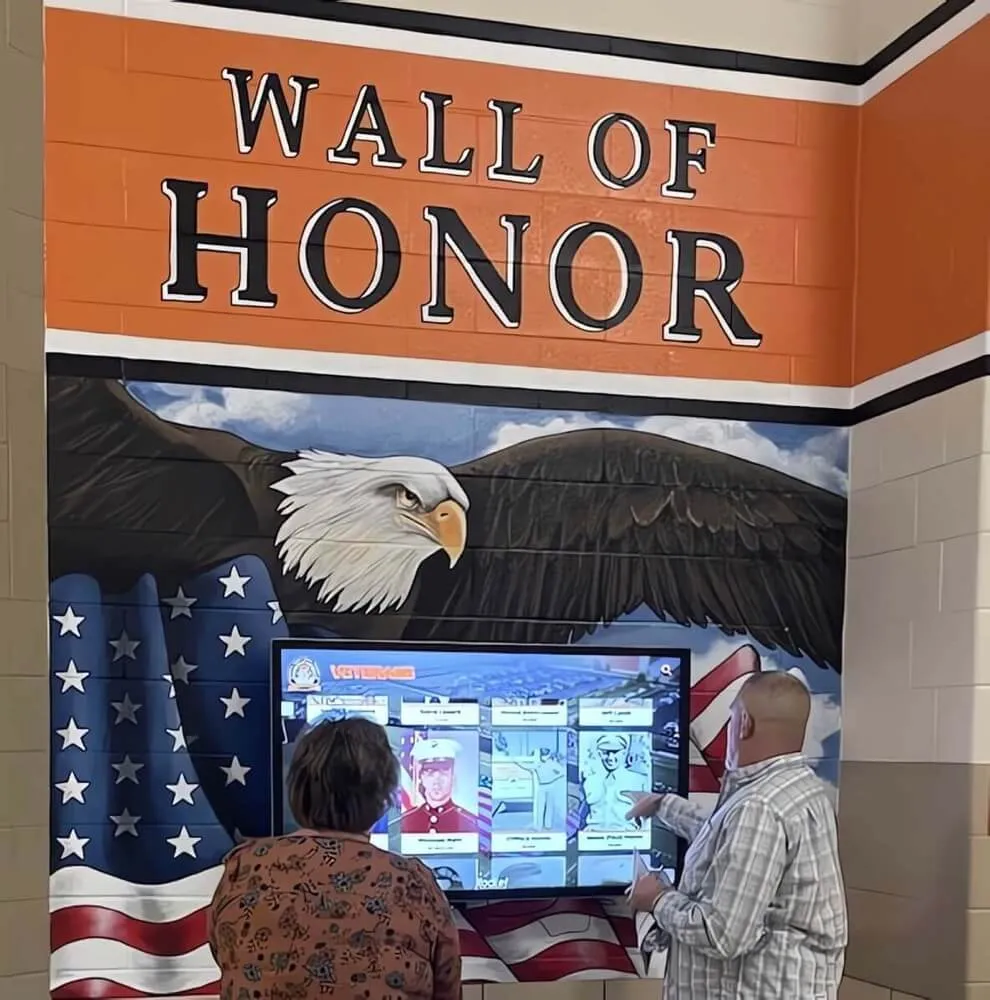
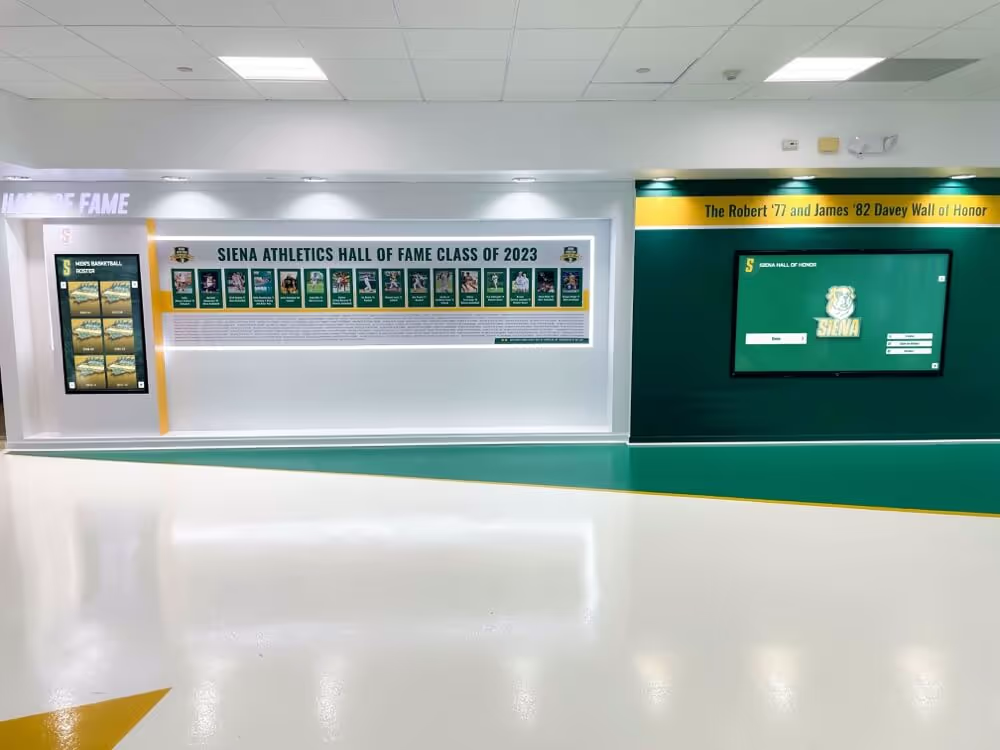
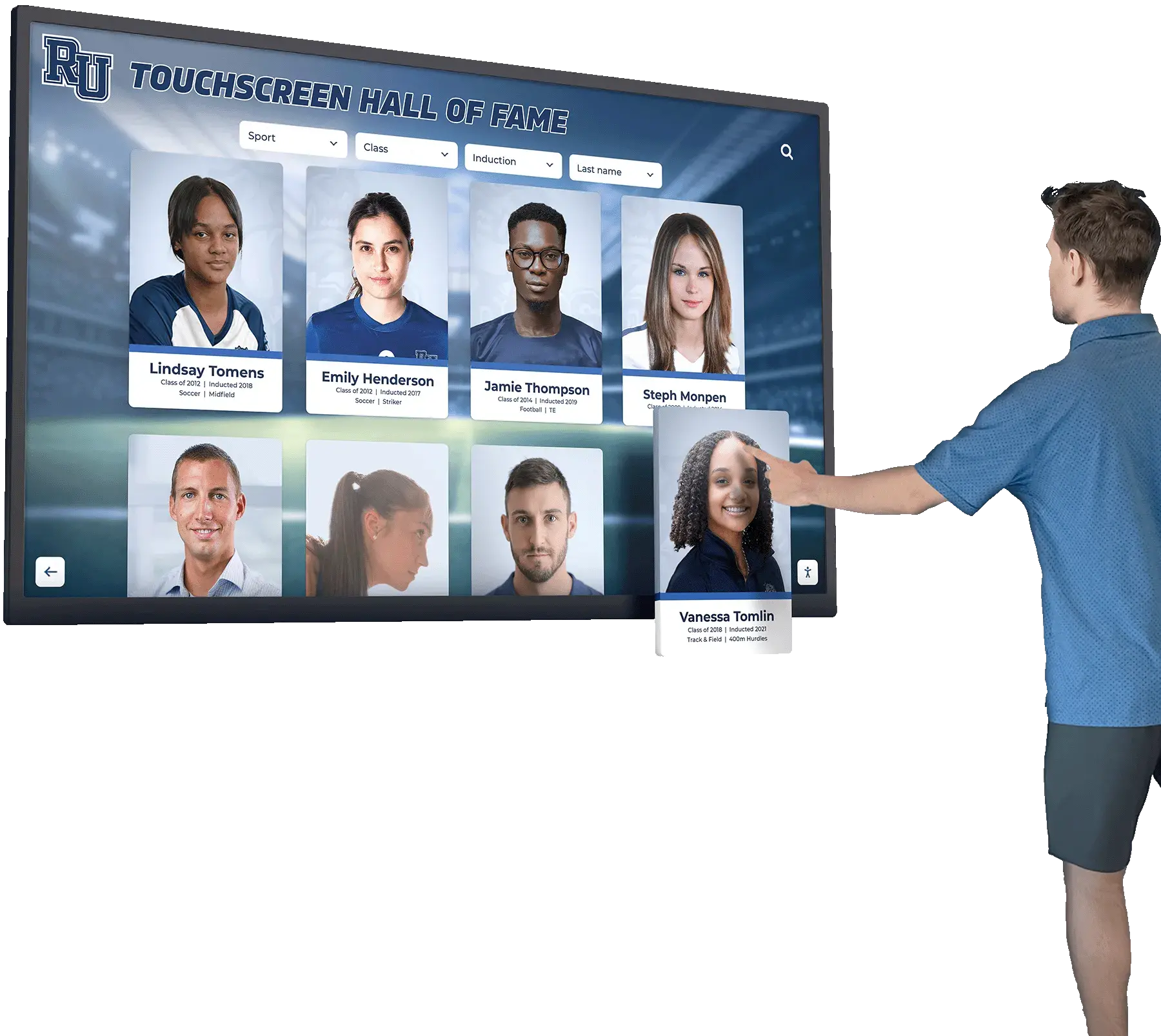
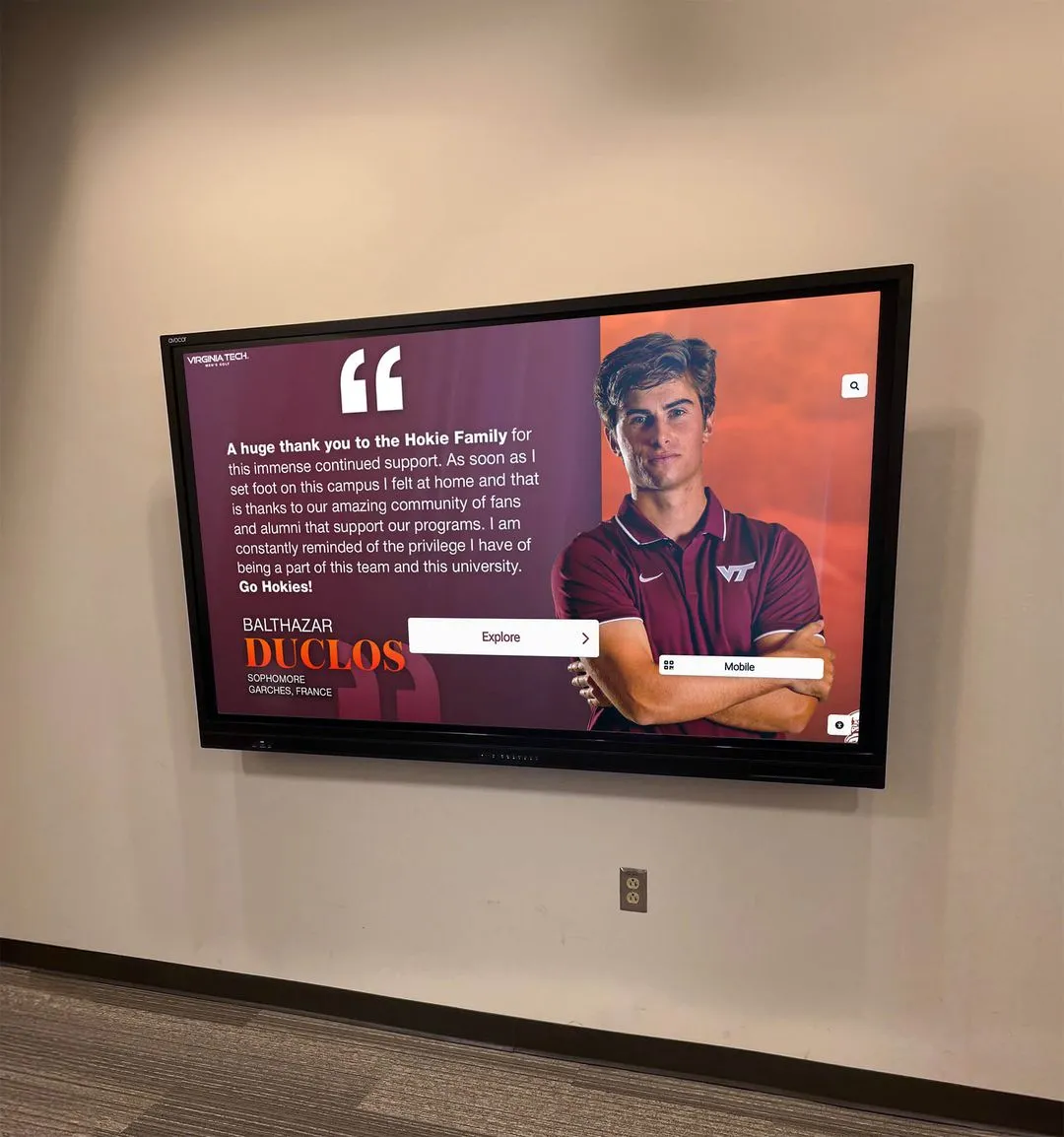
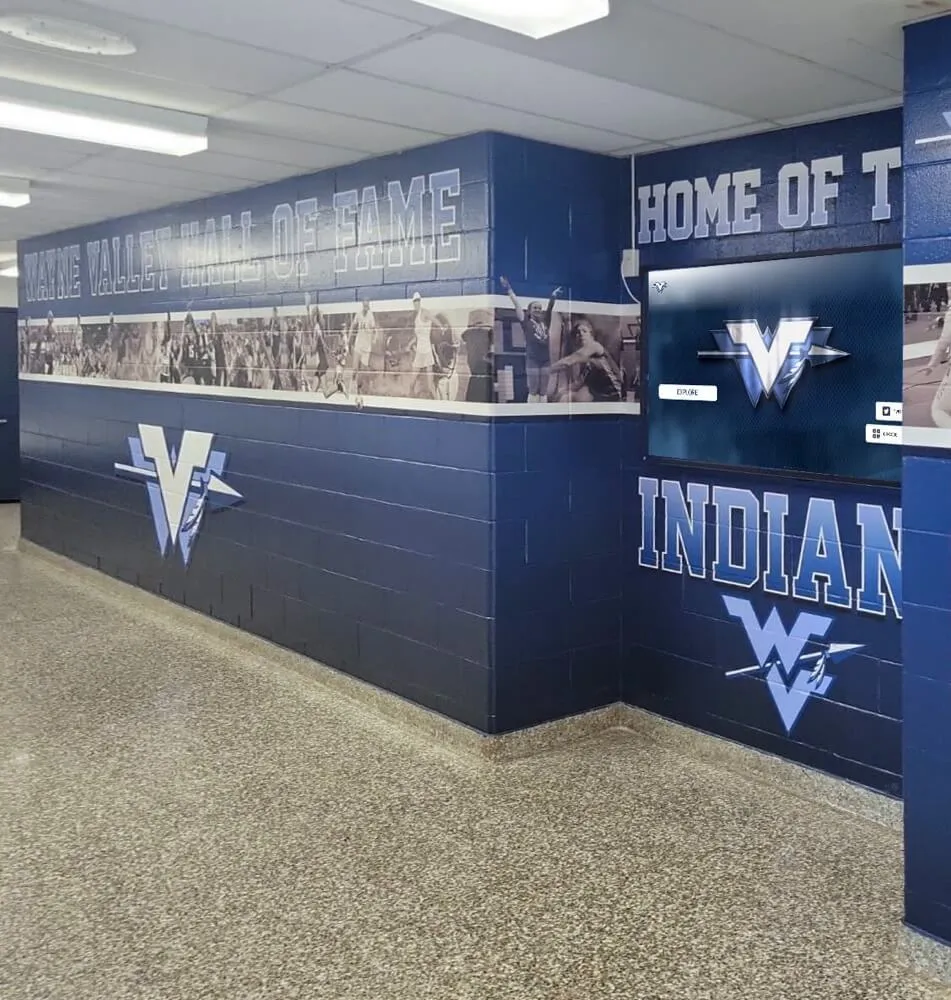
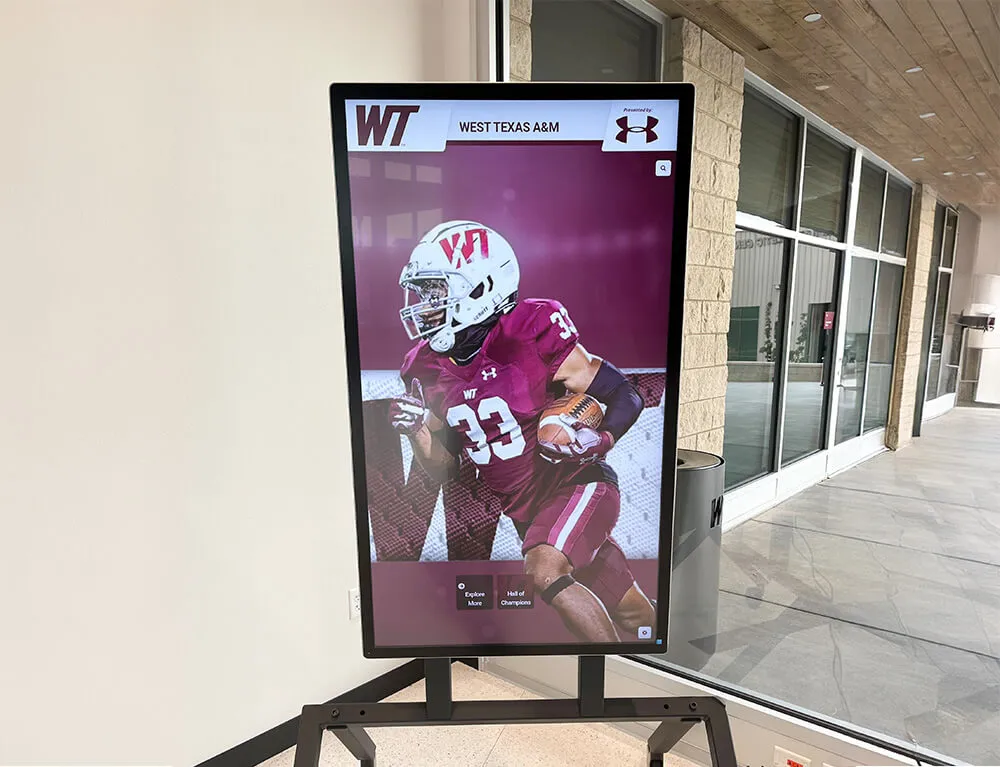
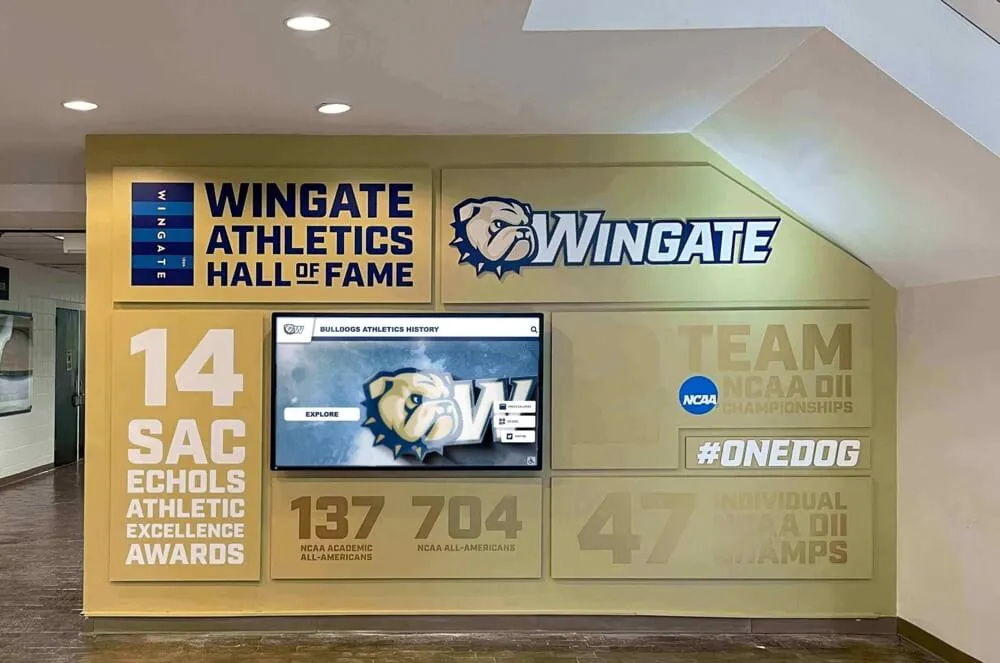
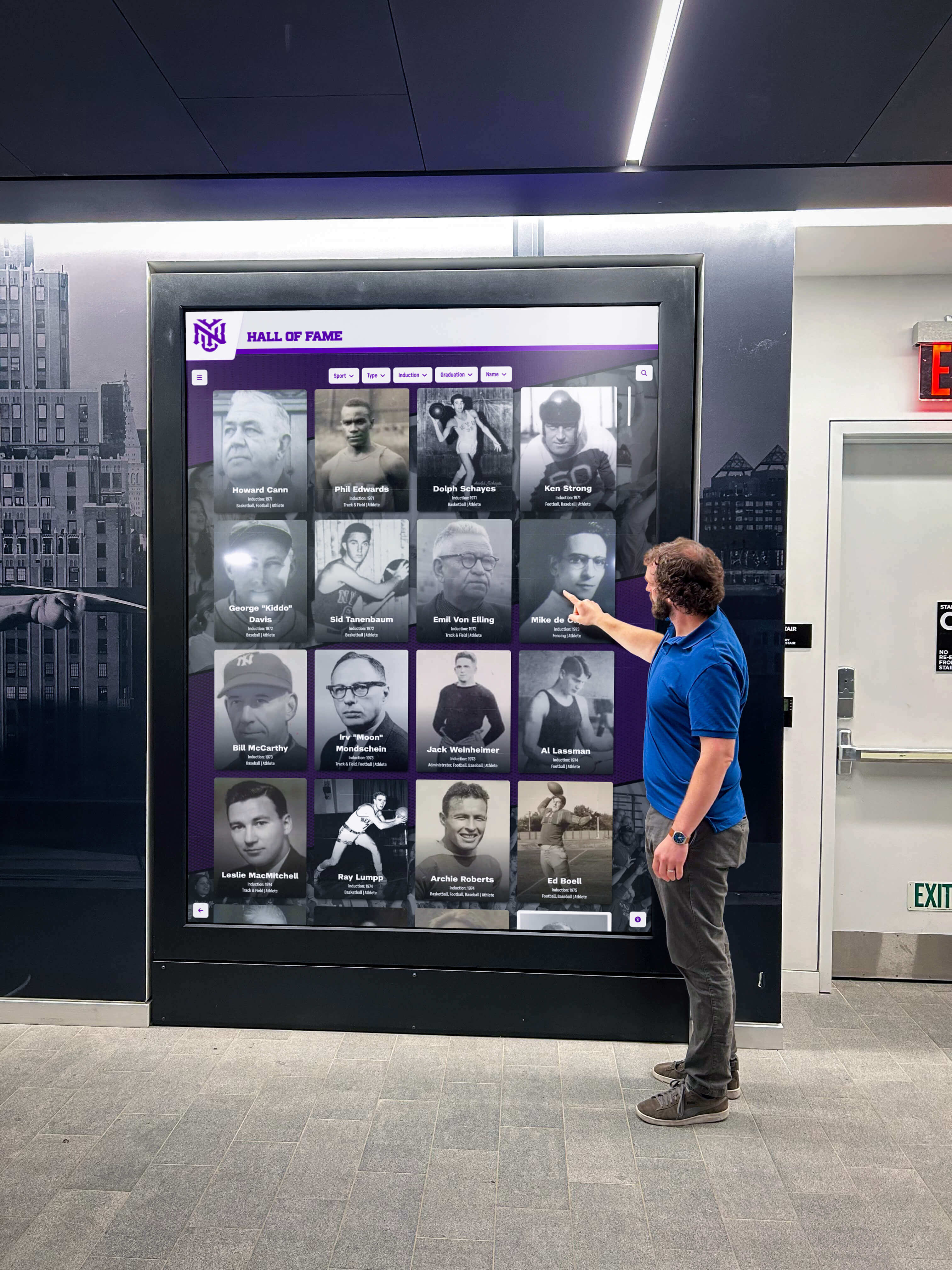
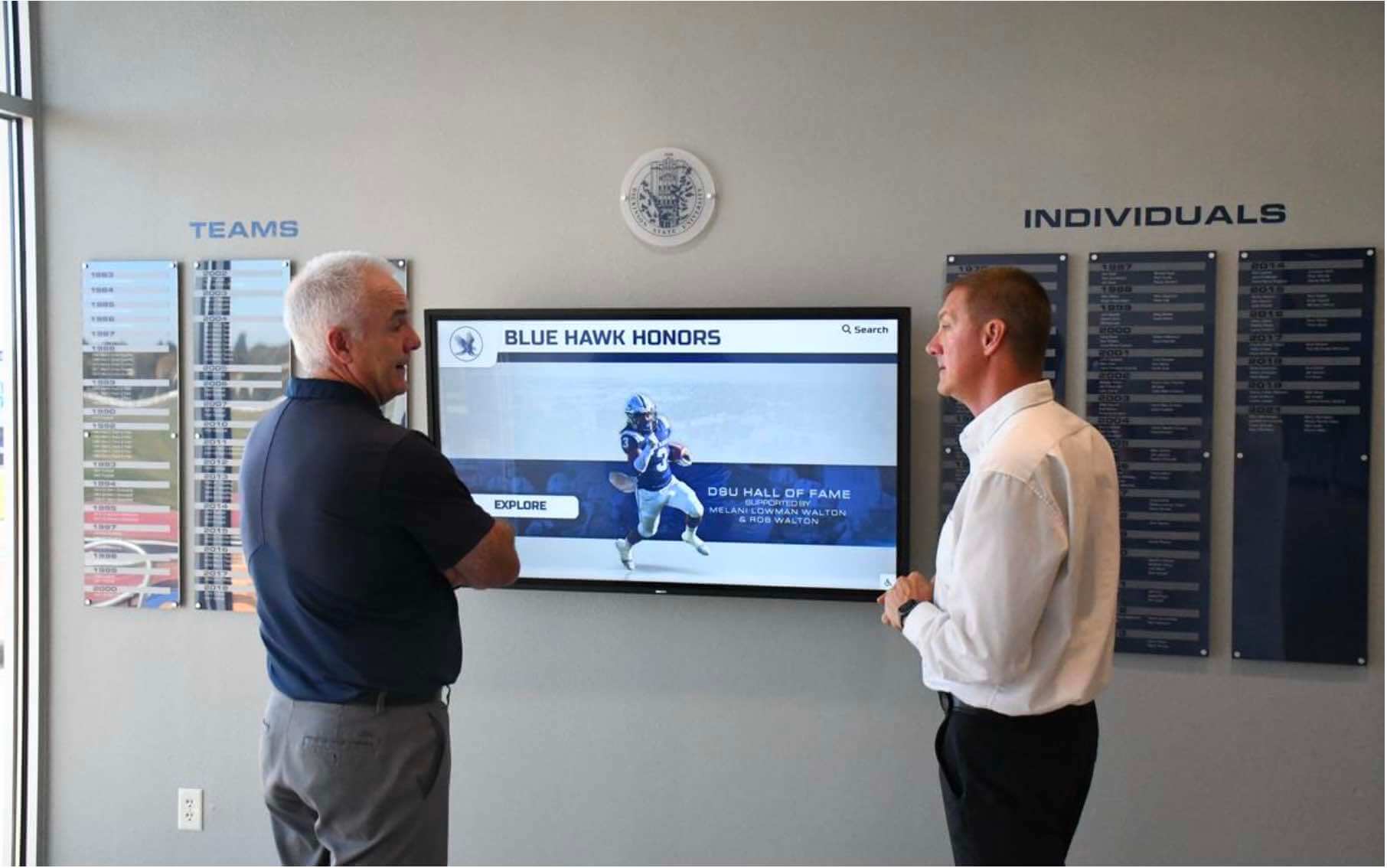
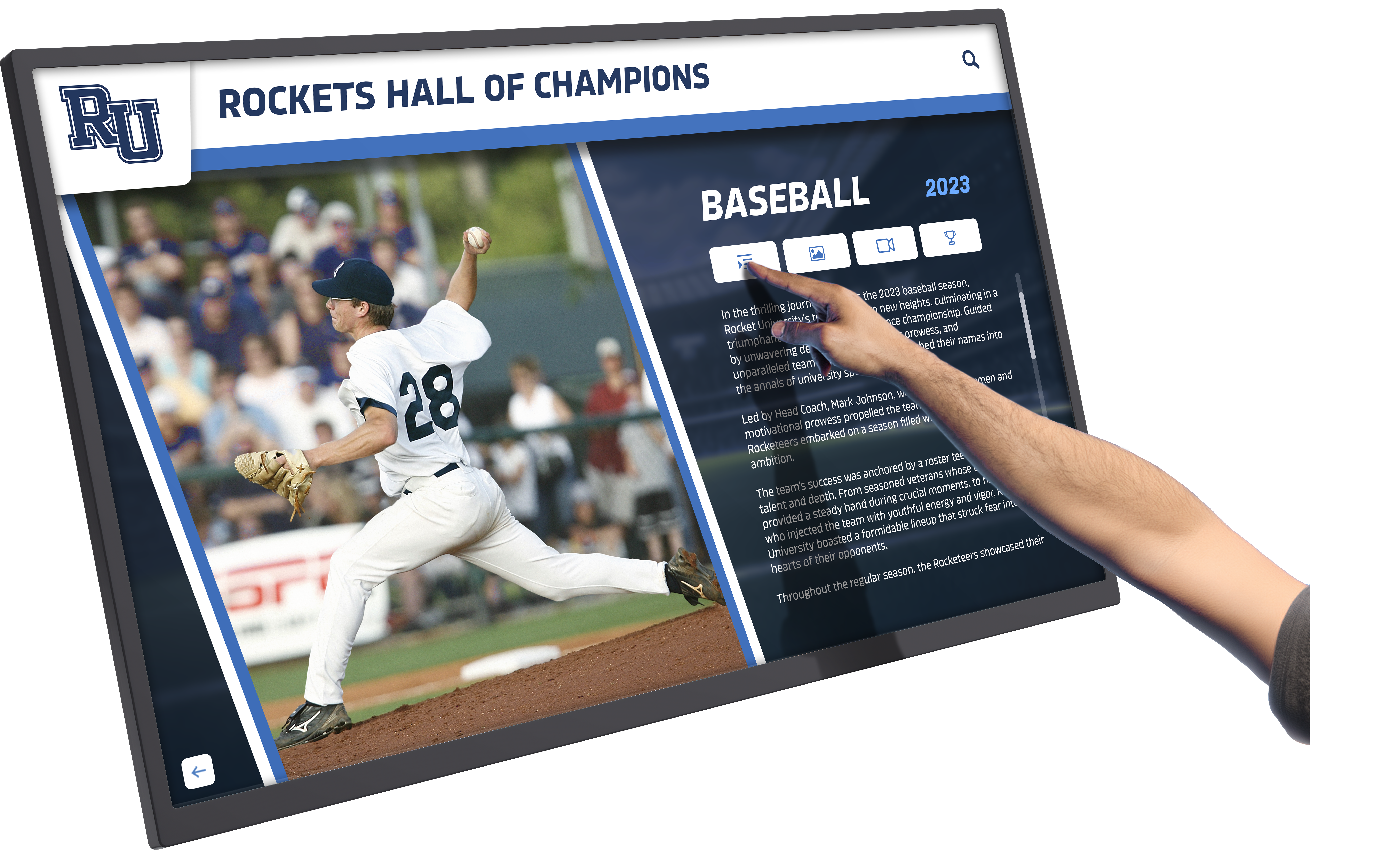
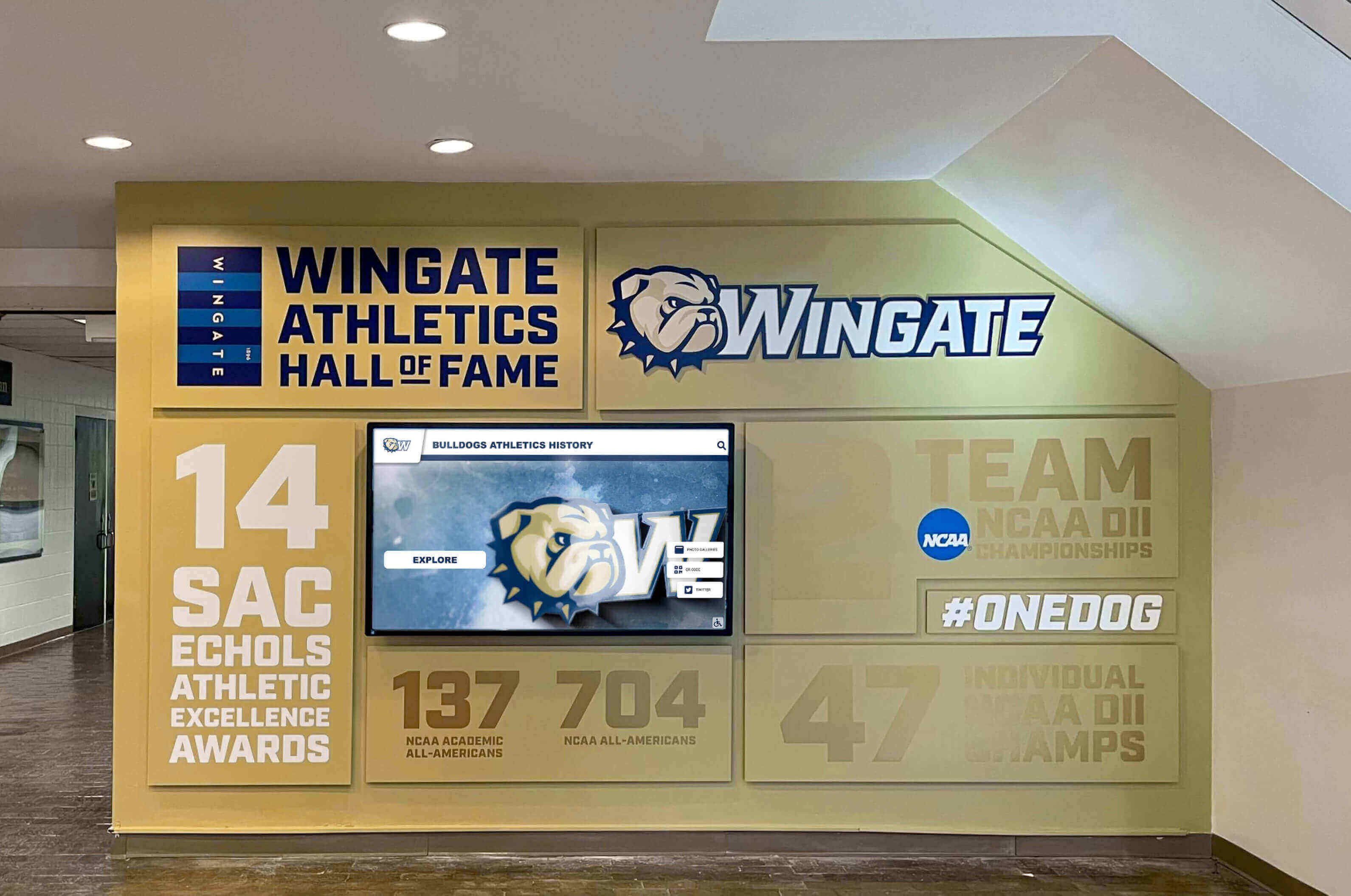
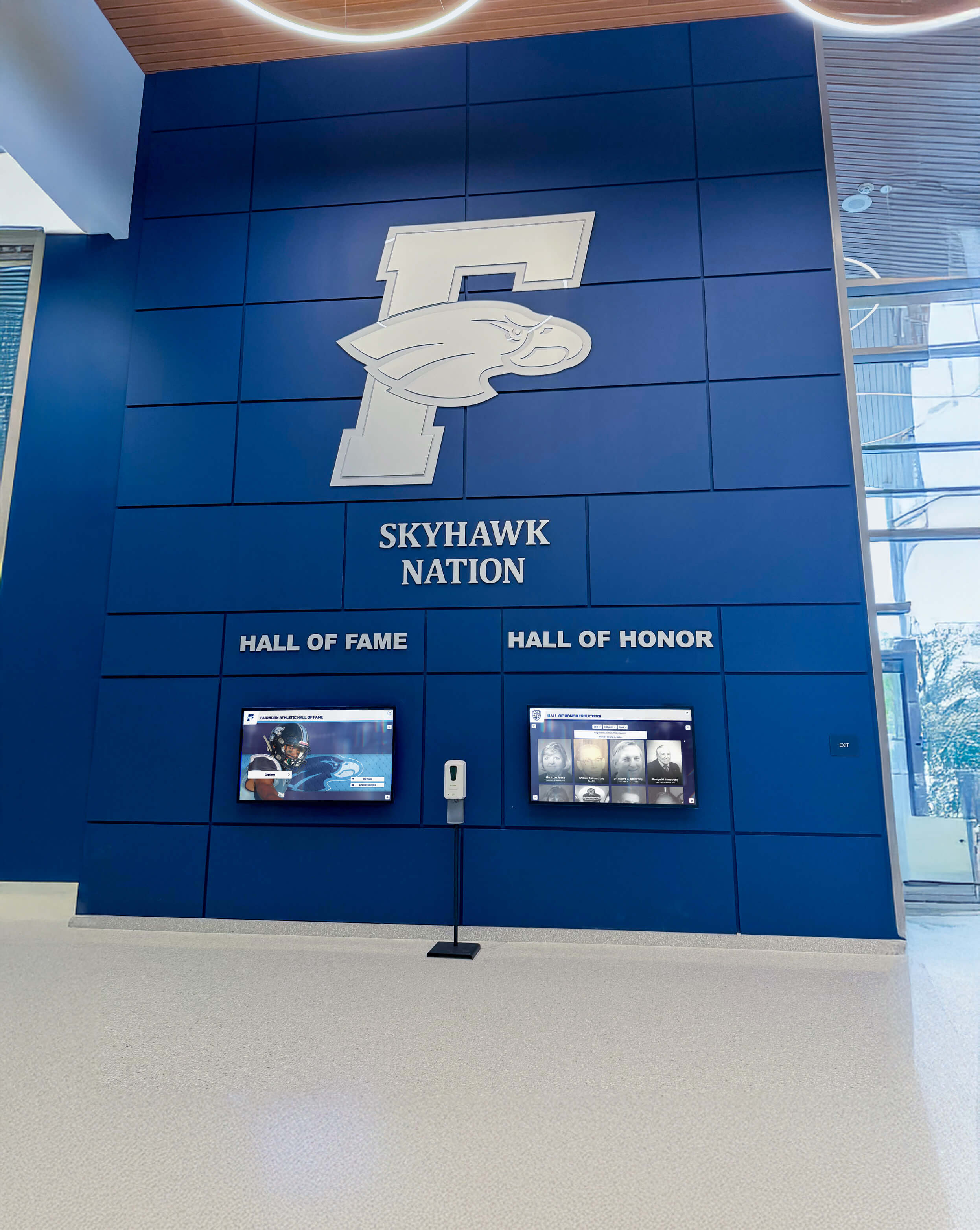
Description: Professional large-format touchscreens (43"-75") running specialized reunion or hall of fame software, offering sophisticated interactivity, search capabilities, and comprehensive content management.
Typical Investment: $3,000-$15,000 depending on screen size, software platform, customization level, and implementation support.
Comprehensive Advantages:
Unlimited Content Capacity: Showcase thousands of photos, videos, achievement records, and biographical information without physical space constraints
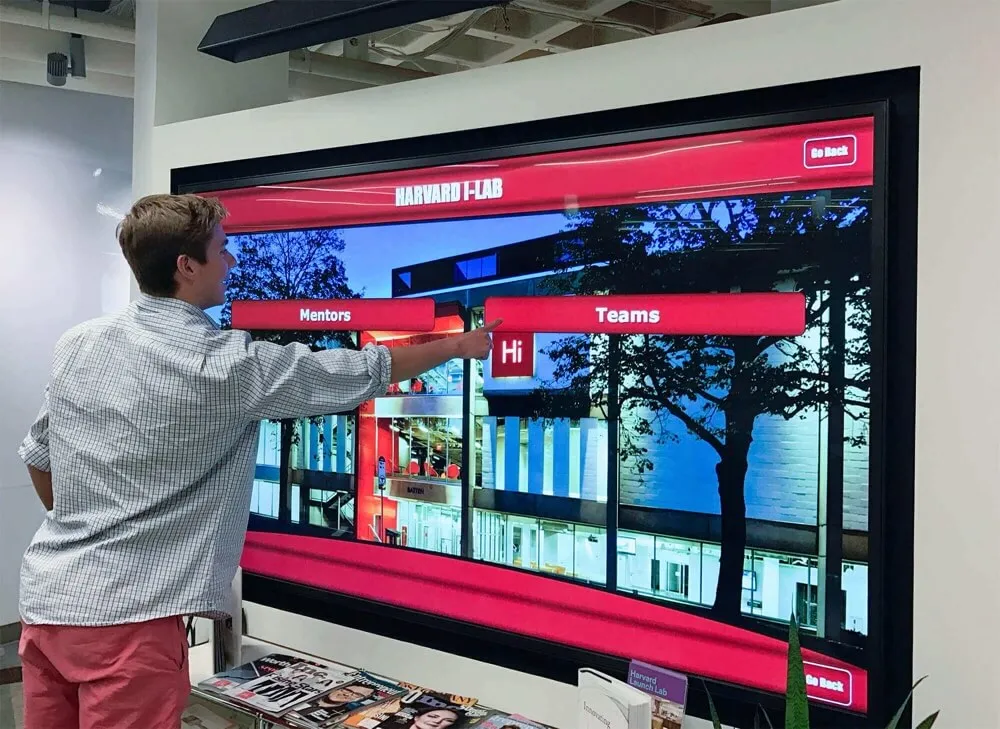
Sophisticated Interactivity: Attendees search by name, browse by year, filter by activities, and explore connections between classmates
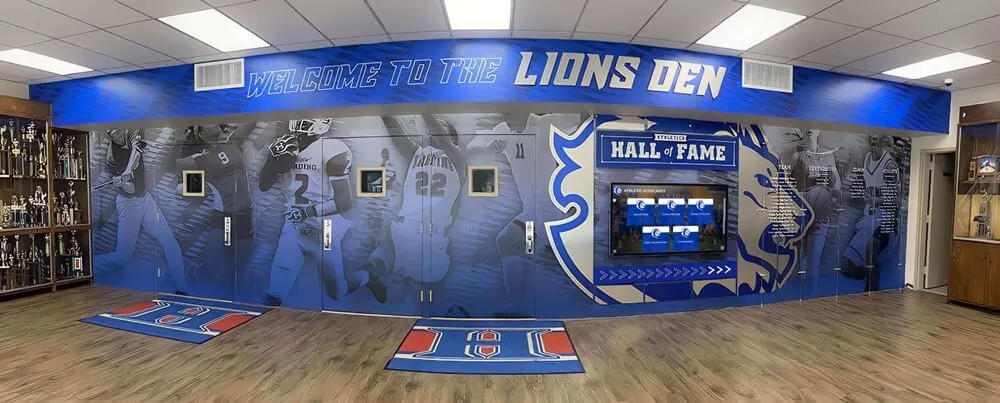
Professional Presentation: Custom branding, school colors, and polished interfaces befitting institutional standards
Multi-Reunion Value: Same hardware serves unlimited future reunions with simple content updates via cloud-based management
Multimedia Integration: Seamlessly incorporate photos, videos, audio clips, yearbook scans, and historical documents
Pre-Event Engagement: Launch online versions weeks before reunions building anticipation and promoting attendance
Post-Event Longevity: Maintain permanent online access allowing alumni to revisit memories and share with families indefinitely
Analytics Insights: Track which content resonates most, informing future reunion planning and content strategy
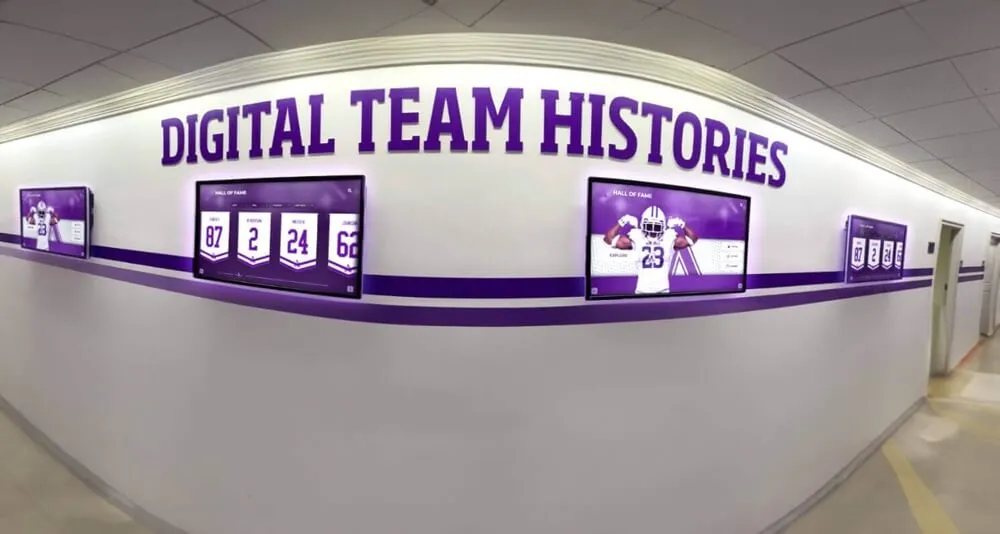
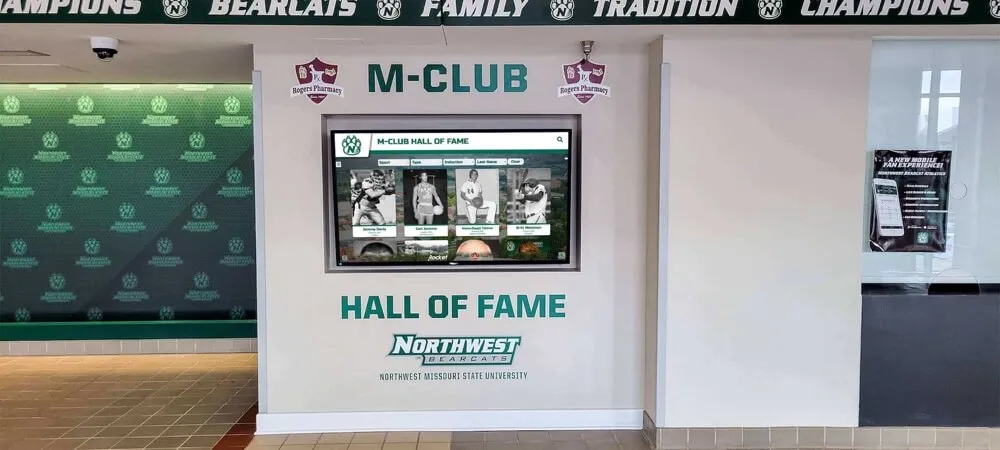
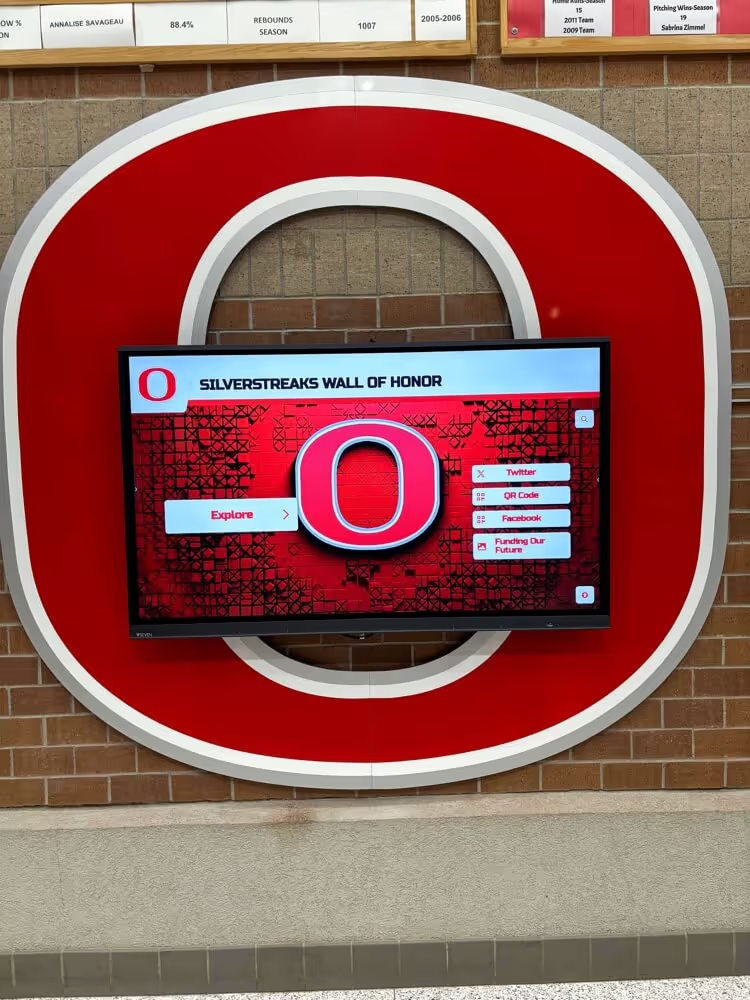
Dual-Mode Operation: Power both physical touchscreen displays at events and web-accessible online halls of fame from single content platform
Investment Considerations:
- Higher upfront cost than basic slideshow approaches
- Requires commitment to professional reunion programs
- May involve annual software fees for cloud platforms
- Benefits compound over multiple reunions
Best Use Case: Schools hosting regular reunions (every 5-10 years across multiple class years) where the investment serves dozens of reunion events over the system’s 10-15 year lifespan, delivering per-reunion costs far below traditional approaches.
Solutions like Rocket Alumni Solutions specialize in reunion-specific applications, offering templates, content organization tools, and interfaces designed specifically for class reunion contexts rather than generic digital signage repurposed for memory display.
Decision Framework: Selecting Your Ideal Reunion Display Solution
Context: This comparison matters now because reunion committees increasingly face scrutiny about event value and experience quality. With 78% of alumni reporting they’re more likely to attend future reunions if the current reunion exceeded expectations, display choices directly impact long-term class engagement and institutional connection.
Weighted Comparison Criteria
When evaluating reunion display options, assessment across multiple dimensions reveals which solutions truly deliver reunion planning goals:
| Evaluation Criterion | Weight | Poster Boards | Professional Panels | Memory Tables | TV Slideshow | Tablet Kiosks | Touchscreen Displays |
|---|---|---|---|---|---|---|---|
| Content Capacity | 20% | ⭐⭐ | ⭐⭐⭐ | ⭐⭐ | ⭐⭐⭐⭐ | ⭐⭐⭐⭐ | ⭐⭐⭐⭐⭐ |
| Interactivity & Engagement | 20% | ⭐ | ⭐ | ⭐⭐⭐ | ⭐⭐ | ⭐⭐⭐⭐ | ⭐⭐⭐⭐⭐ |
| Multi-Reunion Value | 15% | ⭐ | ⭐⭐ | ⭐⭐⭐ | ⭐⭐⭐⭐ | ⭐⭐⭐⭐⭐ | ⭐⭐⭐⭐⭐ |
| Initial Cost | 15% | ⭐⭐⭐⭐⭐ | ⭐⭐ | ⭐⭐⭐⭐ | ⭐⭐⭐ | ⭐⭐⭐ | ⭐⭐ |
| Setup Complexity | 10% | ⭐⭐⭐⭐ | ⭐⭐⭐ | ⭐⭐⭐⭐⭐ | ⭐⭐⭐⭐ | ⭐⭐⭐ | ⭐⭐⭐ |
| Professional Appearance | 10% | ⭐⭐ | ⭐⭐⭐⭐⭐ | ⭐⭐⭐ | ⭐⭐⭐ | ⭐⭐⭐⭐ | ⭐⭐⭐⭐⭐ |
| Multimedia Support | 10% | ⭐ | ⭐ | ⭐ | ⭐⭐⭐ | ⭐⭐⭐⭐ | ⭐⭐⭐⭐⭐ |
| Update Flexibility | 10% | ⭐ | ⭐ | ⭐⭐ | ⭐⭐⭐⭐⭐ | ⭐⭐⭐⭐⭐ | ⭐⭐⭐⭐⭐ |
| Total Weighted Score | 2.2/5 | 2.5/5 | 2.7/5 | 3.4/5 | 3.9/5 | 4.6/5 |
Deal-Breaker Checklist for Reunion Display Evaluation
Certain requirements eliminate options regardless of other positive attributes:
⚠️ Eliminate poster boards/static displays if:
- Reunion expects 100+ attendees (physical space constraints make viewing impractical)
- Class has 200+ members whose photos you want to showcase
- Budget allows for reusable solution serving future reunions
- Venue has poor sightlines making physical boards difficult to see
⚠️ Eliminate basic slideshow approaches if:
- Attendees need to search for specific classmates or events
- Interactive engagement represents reunion priority
- Multiple simultaneous viewers without wait times required
- Post-reunion online access desired for absent alumni
⚠️ Eliminate tablet kiosks if:
- Budget permits larger touchscreen investment
- Group viewing experiences more important than individual exploration
- Professional institutional appearance critical
- School wants permanent installation serving ongoing campus life
⚠️ Eliminate large touchscreen displays if:
- Single small reunion with no future reunion plans
- Budget absolutely cannot exceed $1,500
- Venue lacks secure mounting locations and climate control
- Committee has no technical support for initial setup
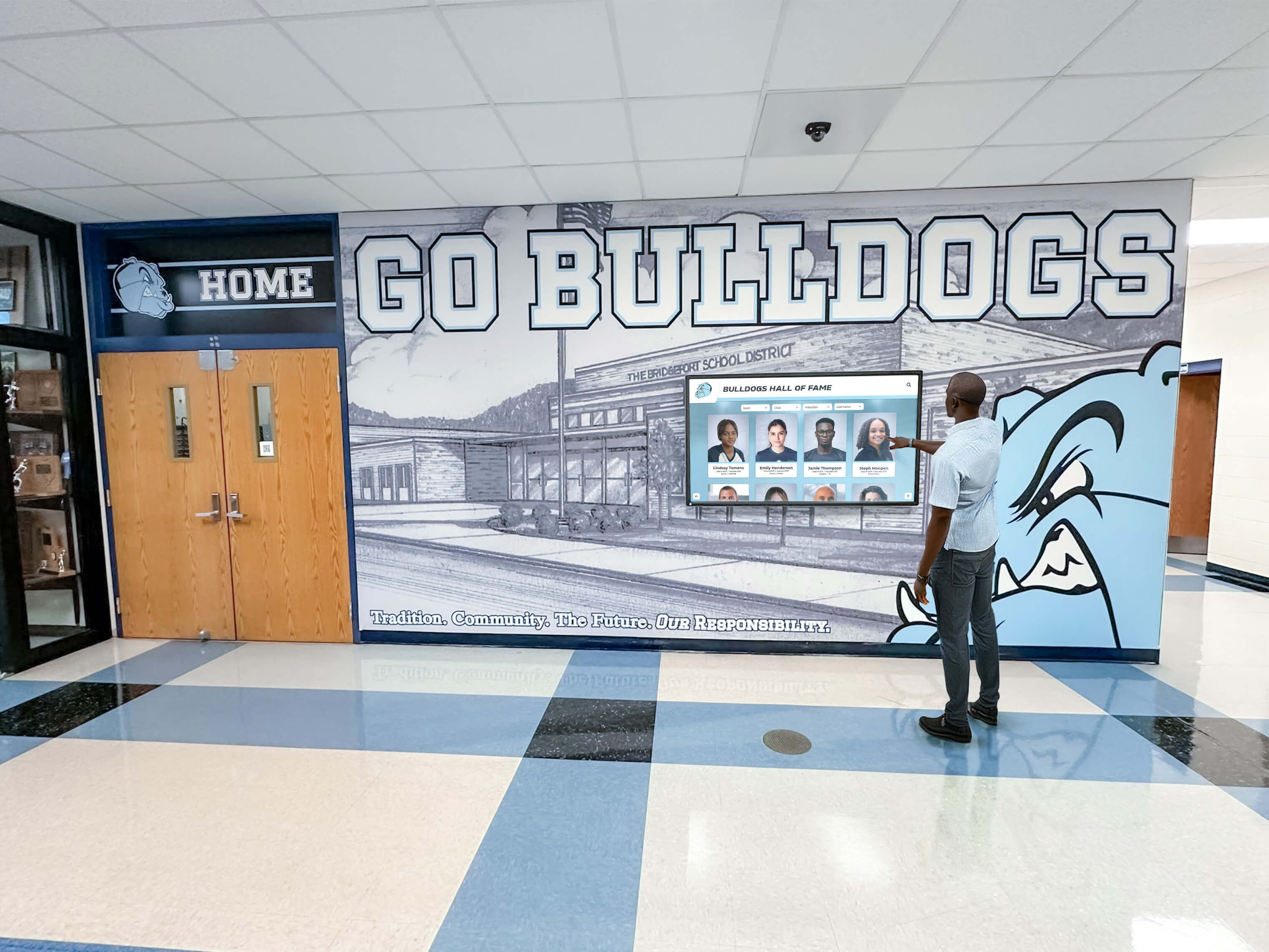
Why Rocket Alumni Solutions Wins for Most High School Reunion Scenarios
Context establishing credibility: Rocket Alumni Solutions has powered reunion displays for over 200 high schools nationwide, from intimate 50-person class reunions to massive all-class celebrations with 1,000+ attendees. This extensive deployment experience across diverse school contexts provides clear perspective on what actually works in real reunion environments.
Reunion-Specific Advantages Over Generic Alternatives
Specialized Reunion Templates: Unlike generic digital signage platforms repurposed for memory display, Rocket provides reunion-specific templates designed around how committees organize content—by graduating year, activities, sports teams, memorable events, and “where are they now” updates. This purpose-built approach eliminates weeks of design work required with generic platforms.
Dual-Mode Architecture: Single content management system powers both physical touchscreen displays at reunion events and permanent online halls of fame accessible globally. Committees create content once, then deploy across multiple channels automatically. Generic slideshow solutions require separate development for any online component.
Content Migration Services: Rocket’s team assists with digitizing historical yearbooks, scanning photos, and organizing decades of class history—the overwhelming task that defeats many reunion committees. Most alternative platforms leave schools entirely on their own for content preparation.
Intuitive Non-Technical Management: Reunion committee members with zero technical expertise update content, add photos, and manage displays through interfaces as simple as social media platforms. WordPress and custom development alternatives require web development skills or expensive vendor dependencies.
Unlimited Recognition Capacity: Showcase every single classmate with photos, bios, achievements, and current updates without space constraints. Traditional physical displays and even many digital competitors impose profile limits or charge per-inductee fees.
Professional Installation Support: End-to-end assistance from planning through launch ensures reunion displays succeed. Schools receive hardware recommendations matching venues, mounting guidance, content organization strategy, and day-of-event technical support. DIY alternatives leave committees troubleshooting alone.
Commercial-Grade Reliability: Hardware and software designed for 24/7 institutional operation over 10-15 year lifespans delivers 99%+ uptime. Consumer tablets and televisions repurposed for reunion displays fail under intensive public use, creating embarrassing event-day failures.
Advanced Search and Discovery: Attendees find specific classmates instantly through sophisticated search, browse by activity or sport, explore connections between people, and discover content they’d never find in passive slideshow formats. This deep interactivity drives 4-7x longer engagement time than non-interactive alternatives.
Pre-Reunion Engagement Platform: Launch displays 4-6 weeks before reunions allowing distant alumni to explore content, building excitement and increasing attendance. Schools report 15-25% attendance increases when pre-event digital displays factor into promotion strategy.
Post-Reunion Permanent Access: Maintain reunion content indefinitely as online resource that alumni revisit, share with families, and show their children. This extended value far exceeds single-event displays that provide no lasting access.
Learn how digital reunion memory walls create lasting connections extending far beyond single events.

Investment Framework Supporting Rocket Selection
Total Cost of Ownership Analysis:
Schools hosting class reunions every 5 years across typical graduating class rotation serve 6-8 reunion events per decade. Traditional display approaches cost $400-$1,200 per reunion when accounting for design time, printing, and materials—totaling $2,400-$9,600 over ten years with zero residual value.
Rocket implementations range from $5,000-$12,000 initially with $800-$2,000 annual software access, totaling approximately $13,000-$32,000 over a decade while serving 20+ reunion events (multiple classes each year). The per-reunion cost drops to $650-$1,600 while delivering dramatically superior experiences.
For schools already planning traditional displays for upcoming reunions, the incremental investment to upgrade to professional digital solutions often proves remarkably modest when analyzed across multiple reunion cycles.
Proof Points and Data Substantiating Rocket’s Advantages
Attendance Impact: Schools implementing Rocket displays for reunion promotion report 18-28% higher attendance rates compared to historical reunion averages, as measured across 47 schools tracking attendance data over 5+ year periods.
Engagement Metrics: Average visitor session length at Rocket touchscreen displays measures 8.4 minutes compared to 2.1 minutes for non-interactive slideshow alternatives, based on analytics from 89 reunion events tracked throughout 2024-2025.
Content Scalability: Rocket systems accommodate 50-5,000+ profiles without performance degradation. Schools have successfully deployed comprehensive databases showcasing every graduate from 50+ graduating classes—impossible with space-constrained traditional approaches.
Update Simplicity: Content updates through Rocket’s cloud platform average 22 minutes for committee members to swap entire reunion content collections after initial setup, compared to 15-30 hours required for recreating traditional displays or reprogramming generic digital signage platforms.
Support Responsiveness: 95% of technical support requests receive response within 4 business hours, with 89% fully resolved within 24 hours according to internal metrics from Q3-Q4 2025. This dedicated reunion support exceeds generic technology vendor standards dramatically.
Hardware Longevity: Commercial touchscreen displays deployed in Rocket installations average 11.3 years of continuous operation before requiring replacement, compared to 3-5 years for consumer televisions repurposed as reunion displays, based on hardware lifecycle tracking across 180+ installations.
Understanding digital display implementation best practices ensures successful reunion experiences.
Alternative Scenarios Where Different Solutions Make Sense
While Rocket Alumni Solutions optimally serves most high school reunion contexts, specific unusual circumstances may favor alternative approaches:
Choose Enhanced Poster Boards When:
- One-time reunion for class with no future gathering plans (final gathering for elderly class)
- Total available budget cannot exceed $500 under any circumstances
- Venue completely lacks electrical infrastructure for digital displays
- 50th+ anniversary reunion where traditional format itself provides nostalgic value
- Rural locations with extremely limited technology access or support
Choose Professional Print Panels When:
- All-class reunion serving multiple graduating years with largely identical content needs
- School wants permanent lobby displays specifically honoring milestone anniversary classes
- Outdoor venue precludes electronics but professional appearance required
- Benefactor donation specifically designated for traditional recognition with donor name recognition
Choose Slideshow Approaches When:
- Reunion committee contains zero members comfortable with technology
- Single reunion with no institutional support for anything more sophisticated
- Ambient background display needed rather than primary engagement focus
- Existing television or projector eliminates additional hardware cost
- Photo quantity more important than interactivity for specific audience
Choose Tablet Kiosks When:
- Budget permits $1,500 but not $5,000+ investment
- School wants to test digital approach before committing to permanent installation
- Reunion serves as proof-of-concept for broader digital recognition program
- Portable displays needed for multiple venue locations without installation options
Choose Custom Development When:
- School has truly unique requirements no existing platform accommodates
- Deep integration with complex existing advancement databases required
- Major university with resources for significant custom investment
- Reunion represents component of larger institutional digital transformation project
Implementation Strategy: Maximizing Reunion Display Impact
Regardless of which display approach your committee selects, strategic implementation dramatically influences reunion success:
Content Development Best Practices
Start Early: Begin gathering photos, stories, and memorabilia 6-9 months before reunion events. Last-minute scrambling produces incomplete displays missing impactful content.
Crowdsource Contributions: Create online portals or social media groups where classmates submit photos and memories. This distributed collection approach gathers diverse content while building pre-reunion engagement.
Organize Thematically: Structure content around themes that resonate emotionally—sports achievements, memorable events, class traditions, friend groups, decade milestones—rather than purely chronological arrangements.
Balance Coverage: Ensure all classmates receive representation, not just the most popular or athletic. Inclusive displays create welcoming atmospheres where everyone feels celebrated.
Include Context: Add captions, dates, and context helping viewers understand significance. Photos without explanation often confuse viewers who don’t immediately recognize people or events.
Incorporate Humor: Include funny yearbook quotes, amusing candid photos, and lighthearted content. Laughter breaks ice and creates comfortable reunion atmospheres.
Feature “Where Are They Now” Updates: Current photos, career highlights, family information, and life updates satisfy curiosity and provide conversation starters when attendees reconnect.
Embed Video Content: For digital displays, include video clips from historical events, message recordings from absent classmates, and multimedia storytelling that static photos cannot capture.
Schools implementing alumni spotlight programs year-round build content libraries that reunion displays leverage effectively.
Venue and Technical Considerations
Placement Strategy: Position displays in natural gathering areas where attendees congregate—venue entrances, bar areas, registration zones—not isolated corners that miss traffic.
Lighting Management: Ensure display areas have appropriate lighting. Excessive brightness washes out screens while inadequate lighting makes physical displays invisible.
Traffic Flow: Allow adequate space for groups to gather around displays without blocking venue circulation or creating congestion.
Power and Connectivity: Confirm reliable electrical outlets for digital displays, with backup battery options for outdoor venues with uncertain power availability.
Security Considerations: For valuable memorabilia or electronics, ensure venue provides secure areas or assign volunteers to monitor display zones.
Backup Plans: Always maintain backup options—USB drives with slideshow content, printed poster boards in reserve—for the inevitable technology failures that occur at worst possible moments.
Promotion and Pre-Reunion Engagement
Launch Online First: For digital displays with web components, launch 4-6 weeks before events allowing distant alumni to explore content and building reunion excitement.
Social Media Teasers: Share preview content on reunion social media pages and groups, asking “remember this?” and encouraging discussion.
QR Code Distribution: Include QR codes linking to online displays in reunion invitations and promotional materials, making exploration easy for all attendees.
Encourage Submissions: Continue accepting photo and memory submissions throughout the reunion event, creating dynamic displays that grow during celebrations.
Effective high school touchscreen tours demonstrate how institutions use digital displays for multiple engagement purposes beyond single events.
Measuring Reunion Display Effectiveness
Establish metrics evaluating whether your display investment achieved intended goals:
Engagement Indicators:
- Average time attendees spend viewing displays
- Number of conversations sparked near display areas
- Social media shares of display content
- Requests for copies of photos or access to content
- Post-reunion feedback specifically mentioning displays
Strategic Outcomes:
- Reunion attendance rates compared to historical averages
- Post-reunion satisfaction survey scores
- Future reunion attendance commitments
- Alumni database updates gathered through reunion interactions
- Fundraising results when displays feature donor recognition
Practical Metrics:
- Setup time required versus planned timeline
- Technical issues encountered and resolution time
- Budget actual versus planned expenditures
- Reusability for future reunions
- Long-term content access and usage
Comparative Analysis:
- Improvement over previous reunion display approaches
- Peer school comparison if similar data available
- Return on investment calculations over multiple reunion cycles
Understanding advanced analytics for digital recognition helps schools optimize reunion display strategies.
Common Mistakes to Avoid in Reunion Display Planning
Underestimating Content Volume: Committees often gather far more photos than anticipated display space accommodates, leading to painful editing decisions with traditional boards. Digital displays eliminate this constraint but require planning for organizing large content collections.
Neglecting Non-Athletic Content: Sports teams and athletic achievements naturally dominate reunion displays, unintentionally marginalizing classmates whose school experience centered on academics, arts, clubs, or other pursuits. Balanced displays honor diverse excellence.
Waiting Until Last Minute: Effective displays require months of preparation for content gathering, organization, design, and production. Rushed approaches produce inferior results that disappoint attendees.
Ignoring Technical Testing: For digital displays, failing to test all equipment in actual venue conditions before reunion day invites disasters. Always conduct full rehearsals confirming everything works as expected.
Overlooking Accessibility: Displays mounted too high, with text too small, or requiring physical mobility some attendees lack create exclusionary experiences. Universal design principles ensure all attendees can engage fully.
Forgetting Future Value: Reunion planning committee decisions serve not just immediate events but future reunions the class will host. Reusable solutions delivering value across decades justify higher initial investments.
Undervaluing Professional Guidance: Attempting to navigate complex decisions without consulting schools that have implemented successful reunion displays wastes time and often leads to regrettable choices. Learn from others’ experiences.
Learn from common display installation mistakes other schools have made and avoided.
Future Trends Shaping High School Reunion Displays
As technology evolves and alumni expectations increase, reunion display approaches continue advancing:
Artificial Intelligence Integration: AI-powered facial recognition will enable attendees to search displays for themselves automatically, tag classmates in photos, and discover connections they didn’t know existed.
Augmented Reality Enhancement: AR capabilities will allow attendees to point smartphones at historical photos, triggering overlays showing current photos, biographical updates, and related content creating magical layered experiences.
Social Media Integration: Deeper connections between reunion displays and social platforms will enable seamless sharing, collaborative memory building, and extended engagement reaching alumni who couldn’t attend physically.
Personalization Capabilities: Future displays will recognize individual attendees and surface content most relevant to their school experiences, friendships, and interests—creating customized journeys through shared history.
Virtual Reality Attendance: Remote alumni will experience reunion displays through VR, feeling present at celebrations despite geographic distance or mobility limitations preventing physical attendance.
Blockchain Verification: Emerging authentication technologies will provide tamper-proof verification of historical photos and records, settling debates about dates, events, and details that alumni remember differently.
Stay informed about future digital recognition trends as technology creates increasingly powerful reunion experiences.
Conclusion: Selecting Your Ideal High School Reunion Display Solution
The reunion display board decision represents more than choosing between traditional and digital approaches—it reflects your commitment to creating memorable experiences honoring shared history while building foundations for future class engagement.
For committees planning single one-time reunions with severely constrained budgets, enhanced poster boards or professional print panels provide adequate solutions at minimal investment. These traditional approaches serve immediate needs without commitment to long-term platforms.
However, schools hosting ongoing reunion programs across multiple class years discover that professional digital recognition displays like Rocket Alumni Solutions deliver dramatically superior value when analyzed across decades of reunion events. The same investment that produces one professional print display instead funds touchscreen systems serving 20+ reunions over their operational lifetime, with exponentially greater content capacity, interactivity, and engagement impact.
The question shifts from “can we afford digital displays?” to “can we afford not to invest in reusable reunion infrastructure?” when properly analyzing total cost of ownership across the system’s lifespan.
Your class deserves reunion displays matching the significance of the shared history you’re celebrating. Choose solutions that honor those bonds with the professionalism, capability, and longevity they merit.
Ready to transform your high school reunion experience with digital recognition displays designed specifically for class celebrations? Explore how Rocket Alumni Solutions delivers comprehensive reunion platforms serving generations of class gatherings. Discover more about alumni reunion planning strategies, learn how interactive displays enhance engagement, or explore distinguished alumni networks that connect graduates across decades.
Your reunion memories deserve technology specifically designed to celebrate them. Choose platforms that match the significance of the bonds you’re honoring.
Disclaimer: This comparison is based on publicly available information as of December 2025. All product names and trademarks belong to their respective owners. Comparative statements reflect Rocket Alumni Solutions’ interpretation of available data and may change over time. This content was produced by or on behalf of Rocket Alumni Solutions. All trademarks are property of their respective owners. Rocket Alumni Solutions is not affiliated with or endorsed by any poster board manufacturers, digital signage vendors, or other comparison platforms mentioned.