



Key Takeaways
Compare state championship celebration approaches and recognition platforms for high school football. Complete vendor analysis covering trophy displays, digital systems, and permanent recognition solutions that honor historic wins appropriately.
High school football state championships represent the pinnacle of athletic achievement, culminating years of dedication from players, coaches, and entire communities. These historic victories deserve recognition systems that honor them permanently, inspire future teams, and preserve championship legacies for generations. Yet many schools struggle with how to celebrate these monumental wins appropriately—traditional trophy cases exhaust space within years, championship banners fade and deteriorate, and static displays fail to capture the stories, emotions, and significance behind historic victories. This comprehensive guide evaluates every major approach to state championship recognition, compares leading vendors across critical selection criteria, and provides decision frameworks ensuring your school selects celebration systems that honor football excellence appropriately while delivering measurable value across decades.
When a high school football team wins a state championship, the community celebration often centers on immediate events—championship games, homecoming parades, school assemblies, and team banquets. While these moments create powerful memories for participants, permanent recognition preserving championship legacies for future students, alumni, and community members requires strategic systems extending far beyond celebration day excitement.
Winning schools face fundamental questions: How do we honor this championship permanently without running out of physical space? What recognition approaches create the most meaningful impact on future teams? How do we preserve the stories and context behind historic victories rather than just acknowledging they happened? Should we invest in traditional displays or embrace modern digital platforms? This guide provides frameworks helping administrators, athletic directors, and school leaders make informed recognition decisions celebrating football state championships in ways that maintain their significance across generations.
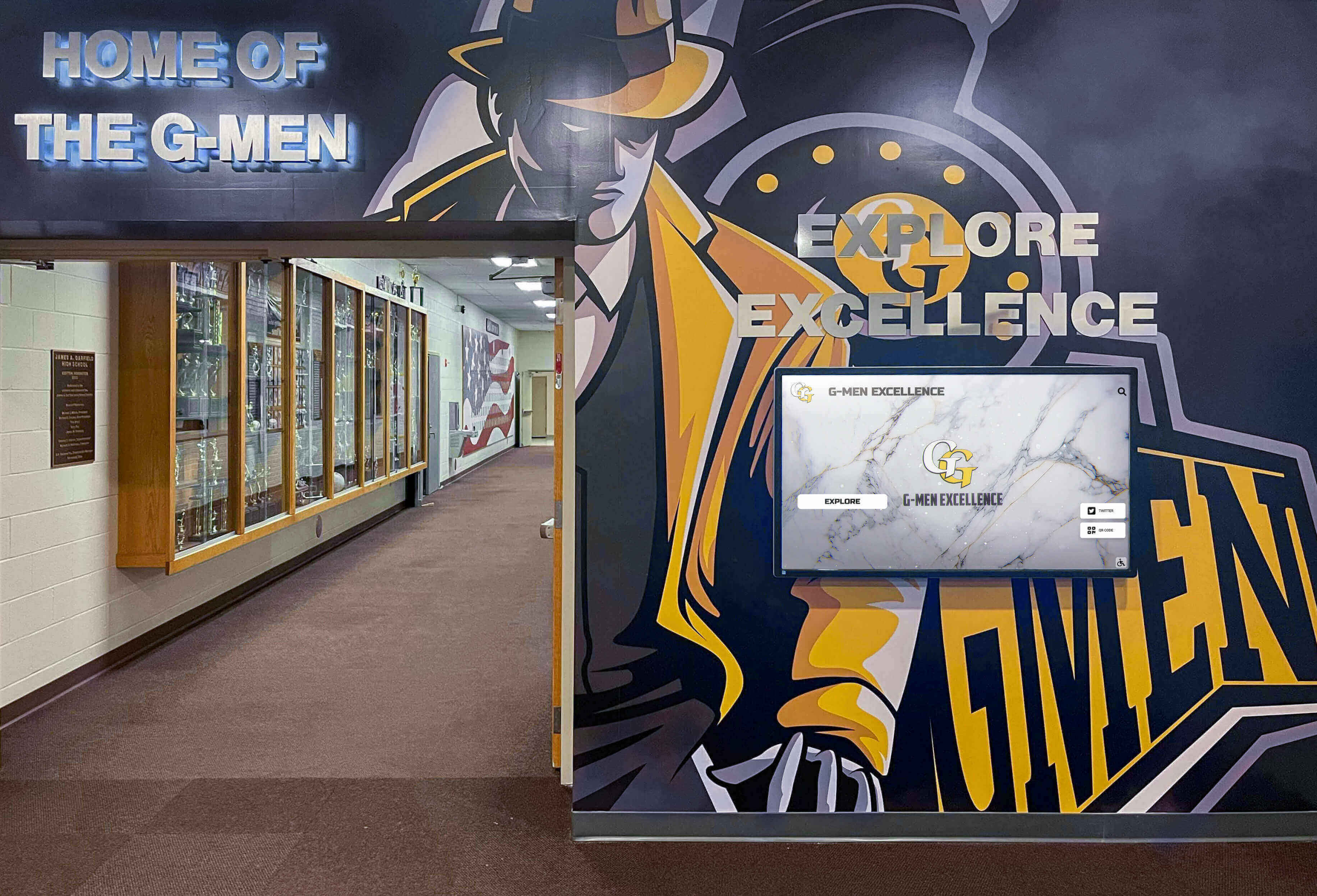
Understanding the Significance of High School Football State Championships
Before evaluating recognition systems, schools must understand what state championships represent and why strategic permanent recognition matters for institutional culture, team motivation, and community pride.
The Rarity and Difficulty of State Championship Victory
State football championships require exceptional achievement sustained across entire seasons against the strongest competition schools face. According to the National Federation of State High School Associations, approximately 14,000 high schools field football programs across the United States. With states typically having 4-8 classification divisions, roughly 200-400 state championships are awarded annually across all divisions and states.
For any individual school, state championship opportunities remain exceedingly rare. Even successful programs competing for decades may win only a handful of championships across their entire histories. Many schools never achieve this distinction despite fielding teams for 50-100 years. This statistical rarity makes state championships genuinely exceptional accomplishments deserving recognition matching their exclusivity.
Championship Journey Complexity:
State championships require sustained excellence across multiple dimensions that few teams successfully coordinate simultaneously:
- Talent development across multiple recruiting classes creating depth and skill
- Coaching expertise in strategy, preparation, and in-game adjustments
- Team chemistry and leadership overcoming adversity throughout seasons
- Injury luck and health management keeping key players available
- Playoff performance under pressure when stakes reach their highest
- Community support providing resources, facilities, and competitive advantages
This multifaceted complexity explains why championships concentrate among relatively few programs while most schools never reach state title games despite comparable effort and resources.
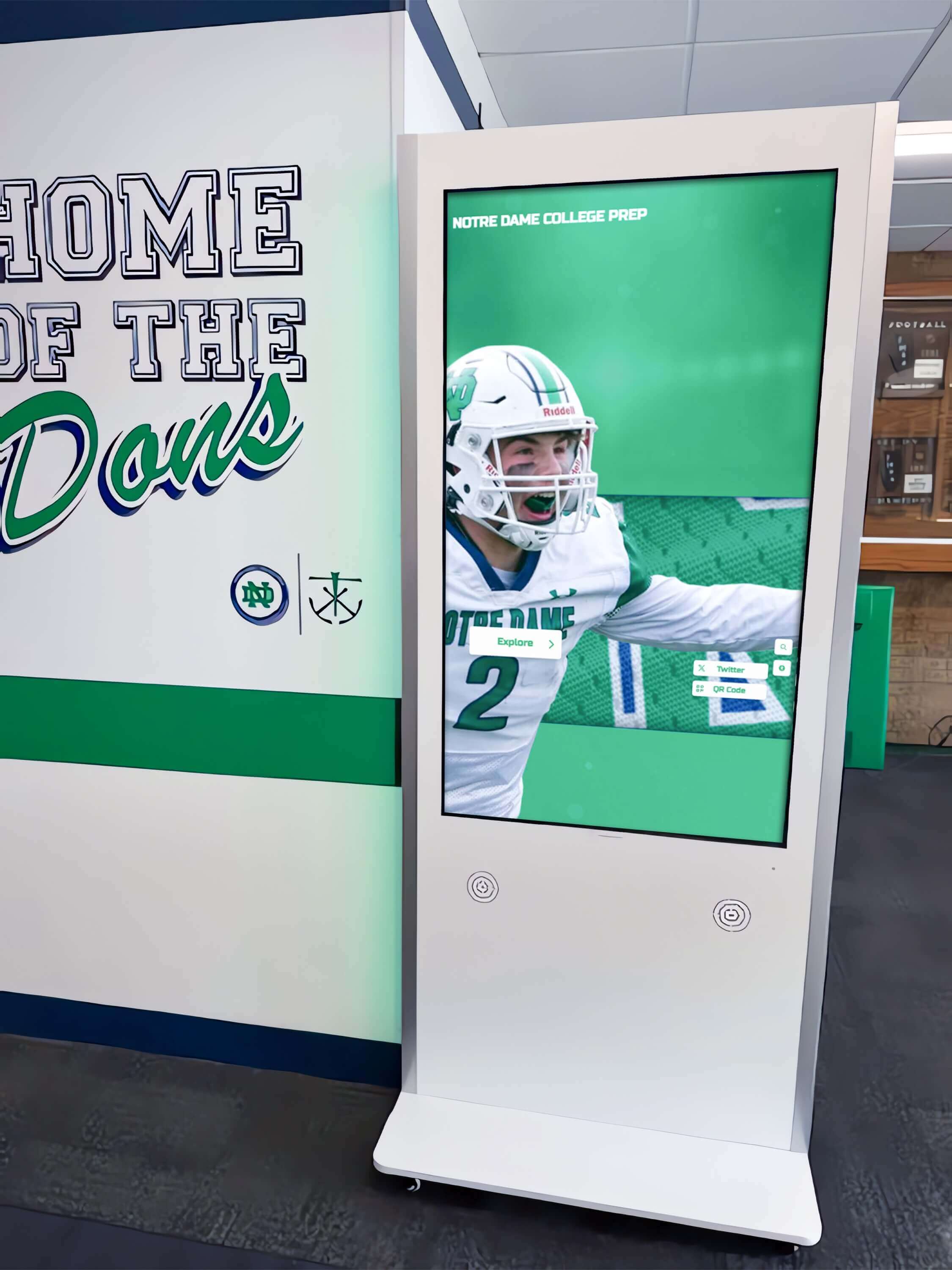
Why Schools Must Implement Prominent Championship Recognition
Permanent state championship recognition creates measurable impact extending far beyond simply acknowledging past achievement.
Future Team Motivation Through Visible Legacy:
When current players walk hallways daily seeing prominent championship recognition displaying teams who preceded them, abstract concepts of “program excellence” and “championship tradition” transform into tangible inspiration. Players see names, faces, and stories of athletes who attended their same school, practiced on their same fields, and overcame similar challenges to achieve ultimate success. This proximity and relatability create powerful “that could be us” motivation that distant professional sports championships cannot match.
Schools implementing comprehensive championship recognition report measurable cultural shifts where teams consistently reference championship legacies during preparation, adopt standards from successful predecessors, and pursue excellence through visible connection to program traditions rather than treating each season as isolated from institutional history.
Recruitment Competitive Advantage and Program Building:
State championships differentiate programs in competitive recruitment environments. Prospective athletes and families researching schools discover championship traditions through online recognition, social media visibility, and facility displays during campus visits. This documented success record provides credible evidence of program quality, coaching effectiveness, and competitive advantage that abstract claims about “commitment to excellence” cannot match.
For coaches building programs, visible championship recognition helps establish credibility with recruits who might otherwise choose competitors. When prospective players see multiple championships celebrated comprehensively, they recognize joining programs with established winning cultures rather than projects with uncertain futures.
Alumni Engagement and Community Connection:
Championship teams remain emotionally connected to their victories for decades. Alumni who played on state championship teams represent highly engaged constituencies whose institutional loyalty stems directly from shared achievement during formative high school experiences. Prominent recognition honoring these championships validates alumni contributions while maintaining connections supporting broader alumni engagement, fundraising initiatives, and community building.
Digital recognition platforms enable championship alumni to explore their achievements remotely, share recognition with extended networks, and maintain emotional connections to schools and teammates regardless of geographic distance. This extended engagement proves particularly valuable for schools with geographically dispersed alumni populations.
Institutional Reputation and School Pride:
Communities take immense pride in state championships that bring positive recognition to entire districts. Prominent championship celebration demonstrates commitment to excellence resonating beyond athletic department audiences to include families, taxpayers, and community members who supported teams’ success. During enrollment decisions, facility bond campaigns, and community relations initiatives, documented athletic excellence through comprehensive recognition provides tangible evidence of institutional quality and community value that strengthens broader institutional support.
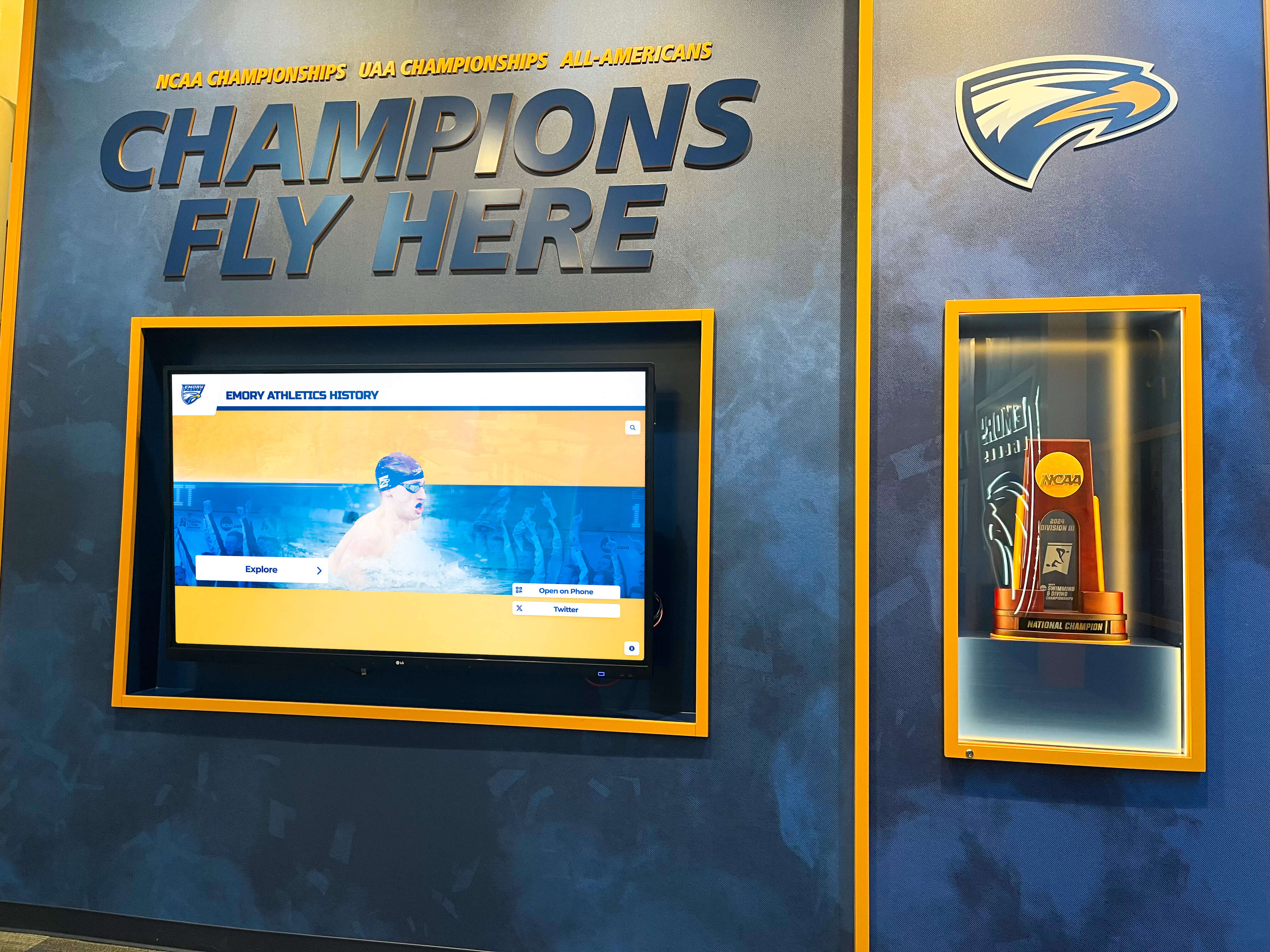
Championship Recognition Approaches: Comprehensive Analysis
Schools celebrating football state championships must evaluate fundamentally different recognition approaches offering distinct advantages, limitations, cost structures, and operational requirements.
Traditional Physical Recognition: Championship Banners and Trophy Cases
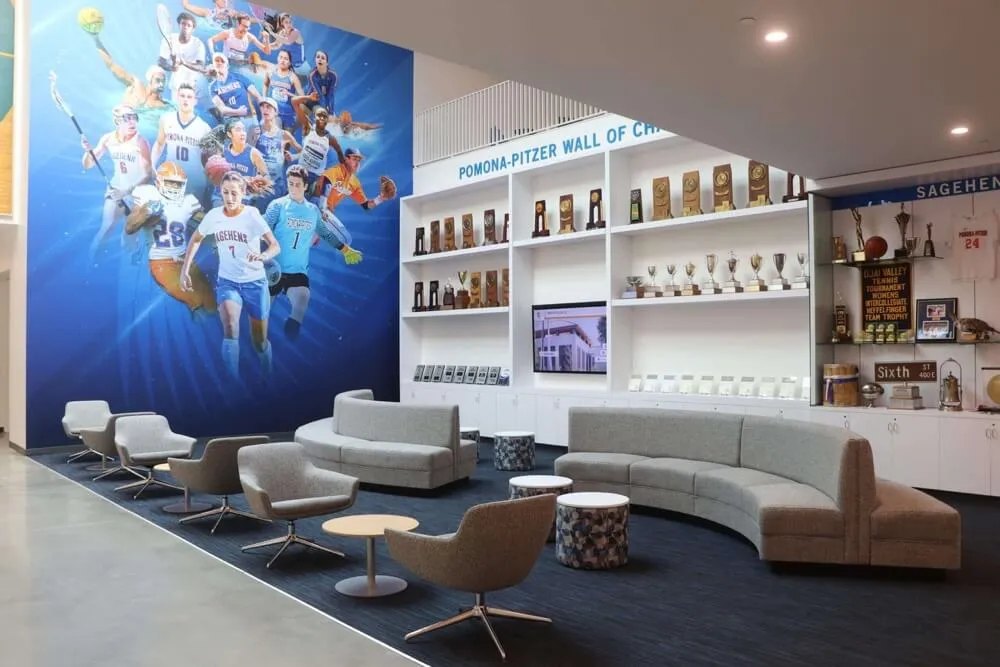
Championship banners hung from gymnasium rafters and trophy cases displaying championship hardware have served schools for generations, providing tangible permanent acknowledgment with classical aesthetic appeal.
Core Advantages of Traditional Physical Displays:
Physical championship recognition offers permanence creating psychological weight that purely digital alternatives cannot fully replicate. Banners and trophies require no electricity, network connectivity, or ongoing technical maintenance. Once installed, physical displays function indefinitely without software updates, platform compatibility concerns, or technology refresh cycles.
For schools with limited technology support resources or communities preferring traditional aesthetics, physical displays eliminate operational complexity while delivering permanent visible recognition in athletic facilities where teams practice and compete daily. The tangible nature of championship trophies provides ceremonial significance during celebration events that digital alternatives struggle to match.
Critical Limitations and Deal-Breakers:
Physical recognition approaches face fundamental constraints that increasingly limit their effectiveness as sole championship celebration strategies:
Finite Space Capacity: Gymnasium banners and trophy cases offer predetermined limited capacity. While schools may celebrate first championships prominently, subsequent victories create space competition forcing difficult decisions. Should recent championships replace historical recognition? Do older banners get relocated to less visible locations? Does the school stop adding new championships when space exhausts? Every solution compromises recognition comprehensiveness or visibility.
For successful programs winning multiple championships across different eras, space limitations force choices between honoring all achievements minimally or celebrating some championships comprehensively while excluding others. Neither option serves program legacies appropriately.
Minimal Information Depth: Physical displays typically show only basic information—year, opponent, final score, perhaps won-loss record—missing the rich context, personal stories, and detailed achievement documentation that creates meaningful engagement with championship histories. Viewers see that championships occurred but gain limited understanding of the teams, key players, defining moments, or significance within broader program contexts.
Current students exploring championship recognition cannot learn about specific players who preceded them, discover strategic innovations that successful teams pioneered, or understand how championship seasons unfolded through challenges and adversity. This information shallowness reduces recognition from inspiring narrative to simple fact statement, eliminating opportunities to help current teams learn from predecessors.
Physical Deterioration Over Time: Banners fade, become brittle, accumulate dust, and suffer damage from water leaks, climate control failures, or facility accidents. Championship trophies tarnish, lose plaques and nameplates, or suffer damage during facility renovations. The permanent nature of physical recognition paradoxically creates ongoing maintenance challenges as materials degrade requiring repair, replacement, or acceptance of deteriorated presentation that dishonors championships through neglect appearance.
Schools must budget for eventual banner replacement, trophy restoration, and case maintenance—costs that accumulate over decades while digital alternatives maintain consistent presentation through software updates.
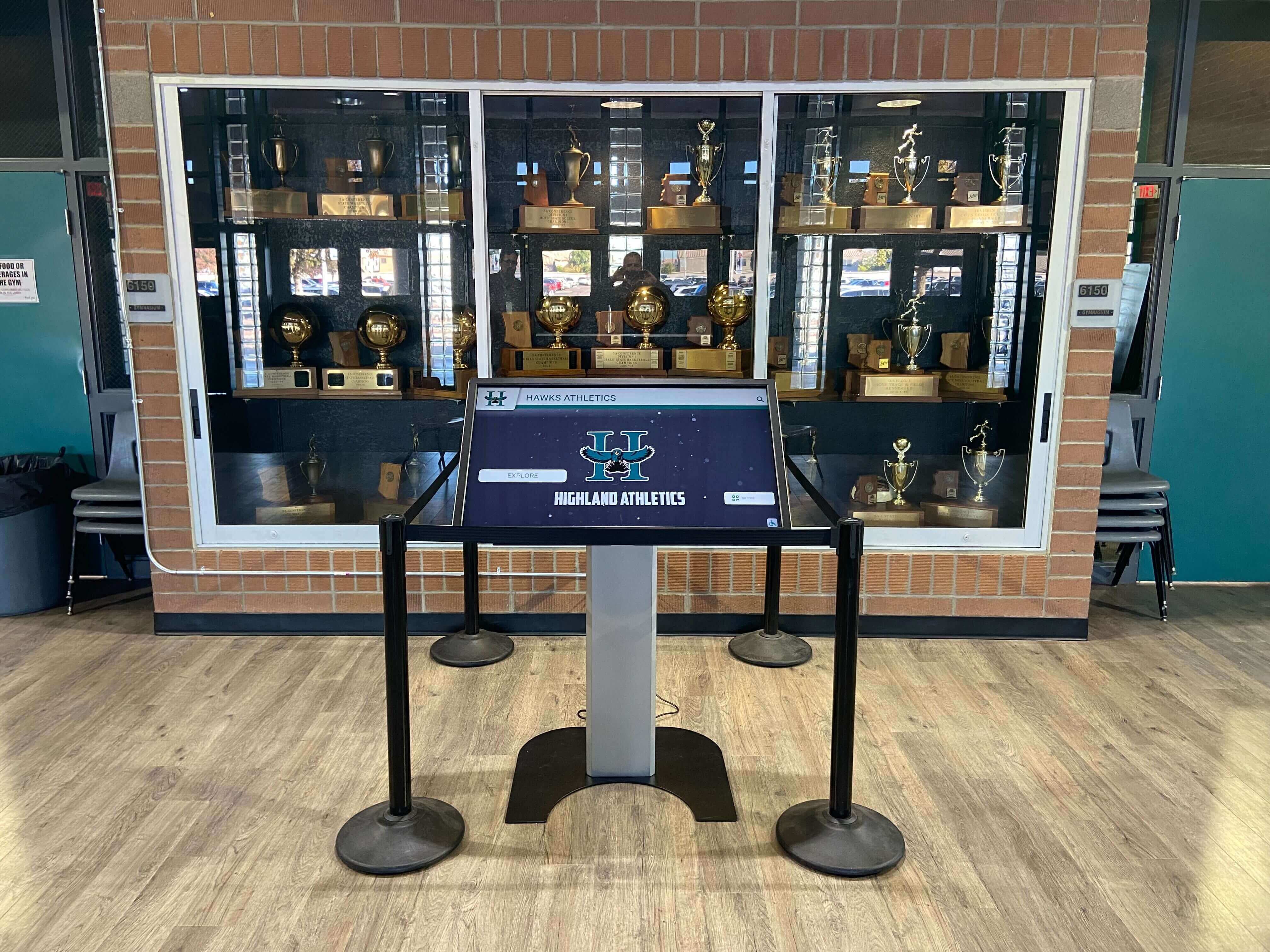
No Remote Access or Extended Reach: Physical displays serve only audiences physically present in specific facilities. Alumni living elsewhere, prospective athletes researching programs remotely, and community members unable to visit campuses regularly cannot access championship recognition, limiting engagement to small fractions of stakeholder populations who could benefit from comprehensive championship celebration.
This geographic limitation proves increasingly problematic as alumni populations become more dispersed, digital engagement grows across all demographics, and virtual connections supplement physical facility visits even for local community members who prefer online information access before traveling to campuses.
Interactive Digital Championship Recognition Systems
Purpose-built digital platforms designed specifically for athletic achievement showcasing offer fundamentally different capabilities addressing physical display limitations while introducing technology management considerations.
Core Capabilities and Strategic Benefits:
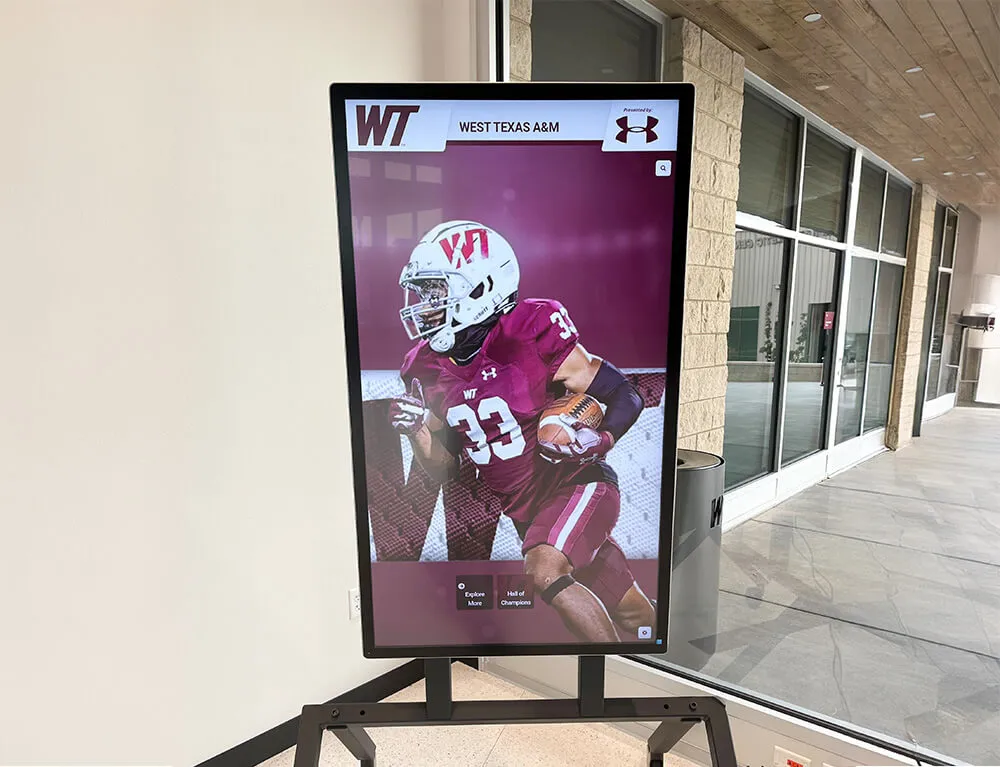
Unlimited Championship Recognition Capacity: Digital systems eliminate physical space constraints entirely. A single touchscreen display or web platform accommodates unlimited state championships across all years, sports, and achievement categories—content requiring dozens or hundreds of individual physical displays. Schools never face capacity crises or difficult decisions about whose recognition to display as programs accumulate championships across decades.
This unlimited capacity proves particularly valuable for successful programs with multiple championships. Traditional approaches exhaust practical space within 10-20 years of moderate success, while digital platforms scale effortlessly accommodating growing achievement collections without additional infrastructure investment or space allocation.
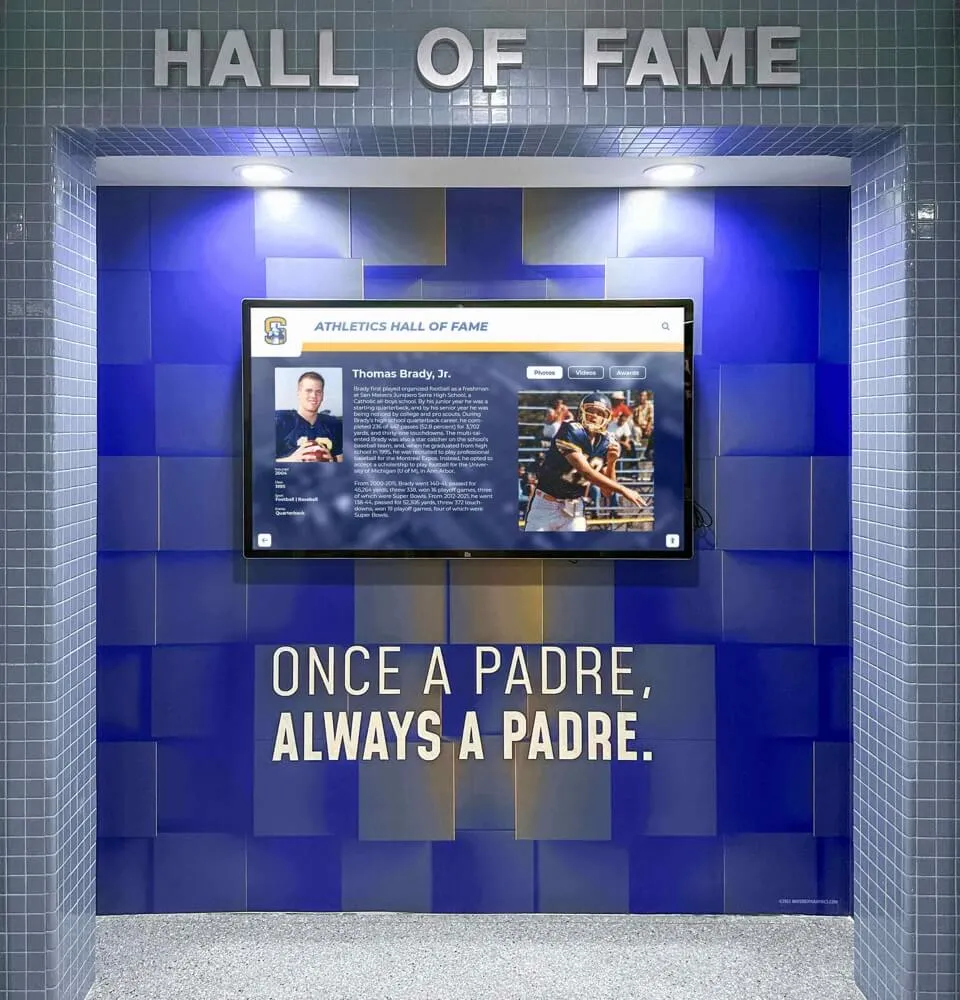
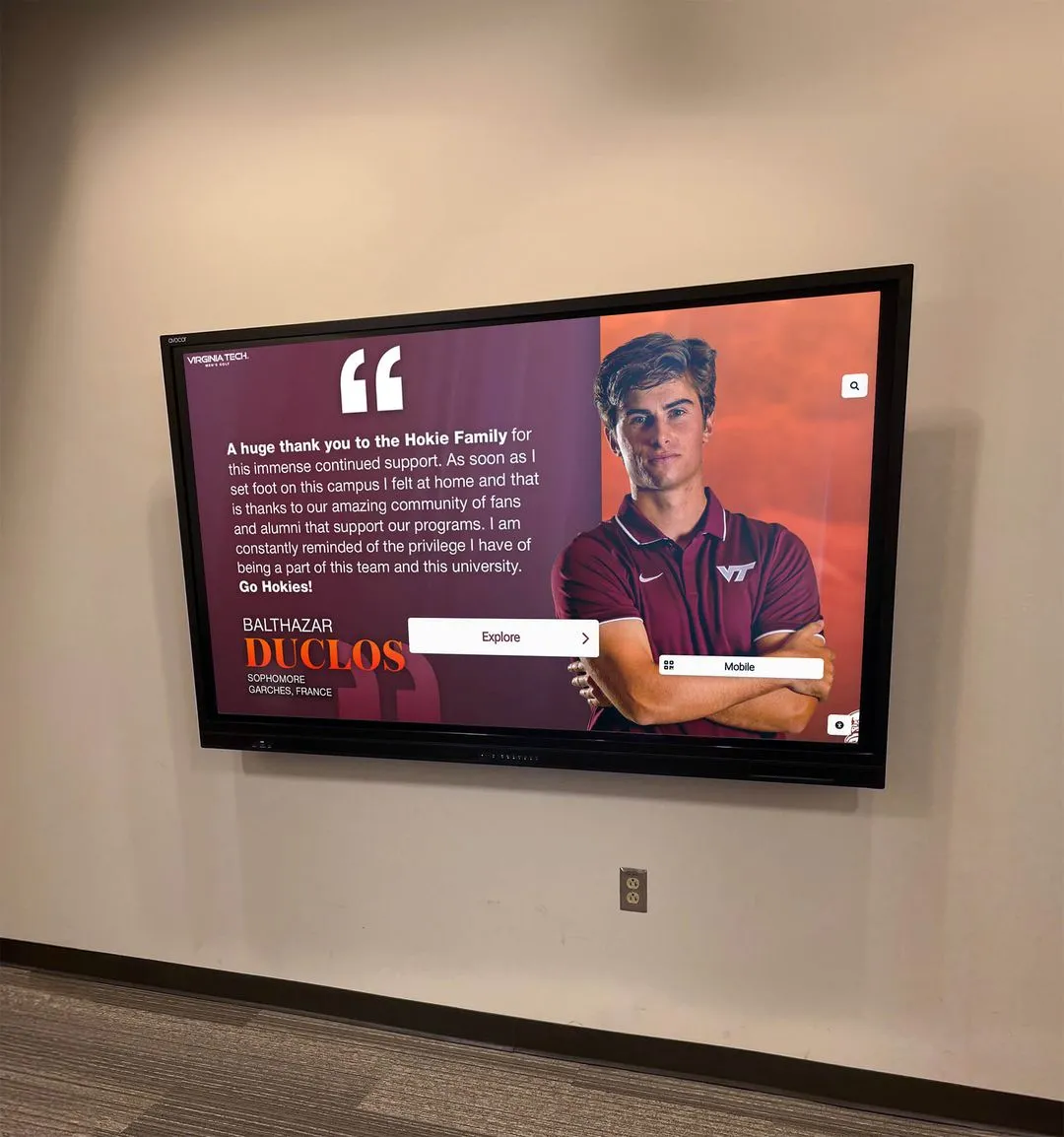
Rich Multimedia Storytelling Creating Engagement: Digital championship platforms enable comprehensive narrative documentation far beyond dates and scores. Schools can include extensive team photography showing players, coaches, and celebration moments; detailed season narratives describing journey from preseason through playoffs including key games, breakthrough moments, and adversity overcome; individual player profiles highlighting championship contributors with biographical information, statistics, and post-high school achievements; video highlights from championship games and season defining moments; interactive season statistics and game-by-game results; coaching philosophy and strategic approach explanations; and community impact stories documenting how championships affected schools and towns.
This storytelling depth creates inspiration and provides context that static displays cannot deliver. When current players explore championship recognition discovering how previous teams built chemistry through two-a-day practices, overcame three-touchdown halftime deficits, or featured players who became college All-Americans, they gain actionable insights and relatable inspiration supporting their own championship pursuits rather than just viewing impressive but abstract historical facts.
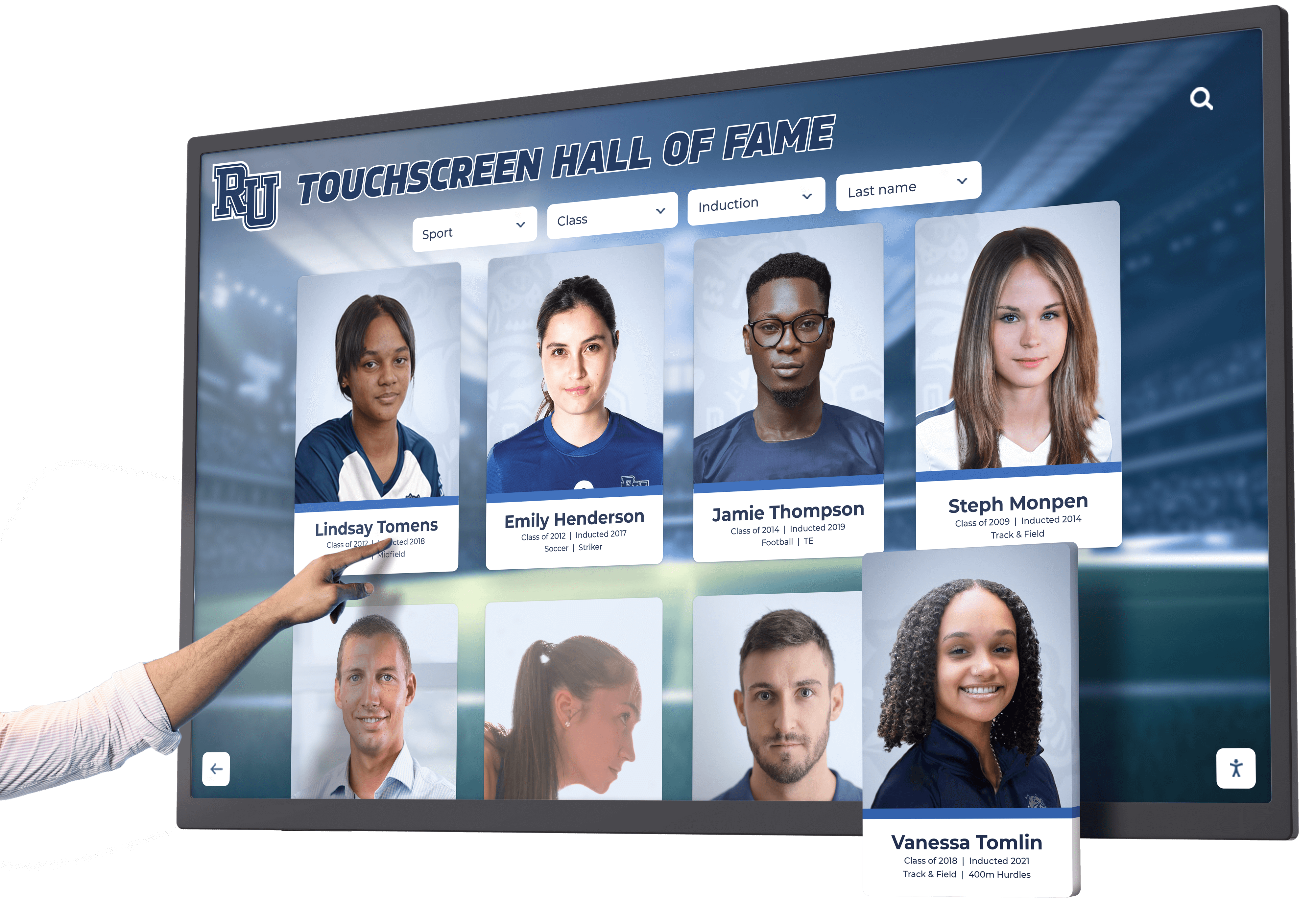
Instant Updates Through Cloud-Based Management: Cloud-based content management systems enable authorized staff to update championship recognition within minutes from any internet-connected device using intuitive web interfaces requiring no technical expertise. When teams win championships, athletic directors or recognition coordinators can publish comprehensive celebration content within days rather than waiting months for fabrication services.
This update efficiency enables timely celebration while achievement remains fresh and emotionally significant, maximizing motivational impact on both championship team members and current players who benefit from seeing recent predecessors succeeding.
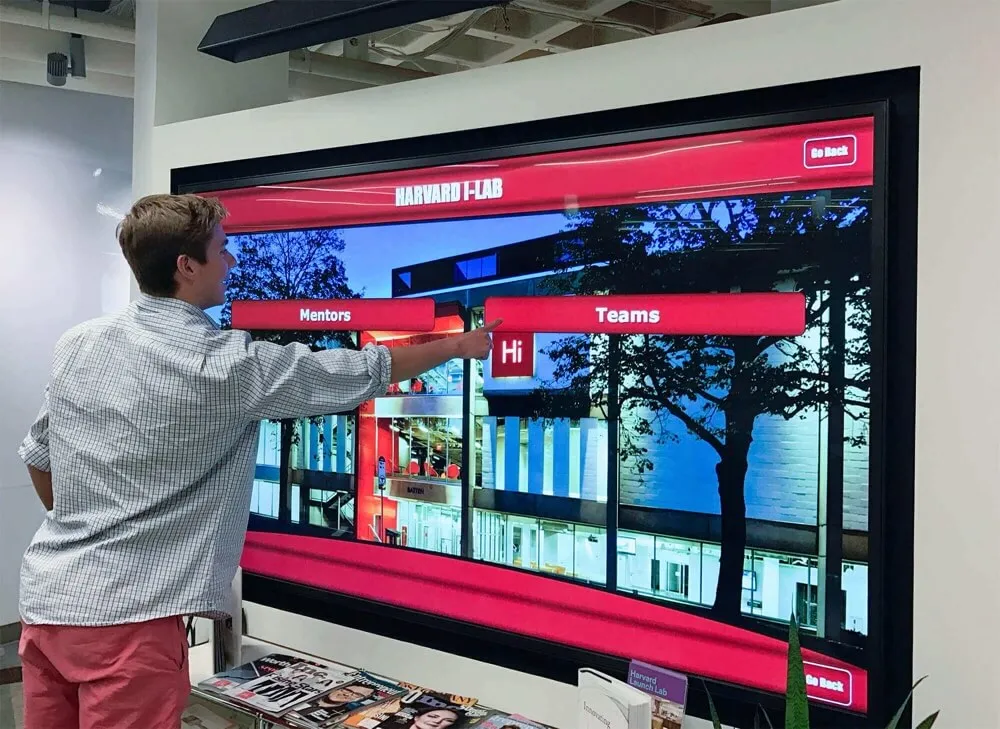
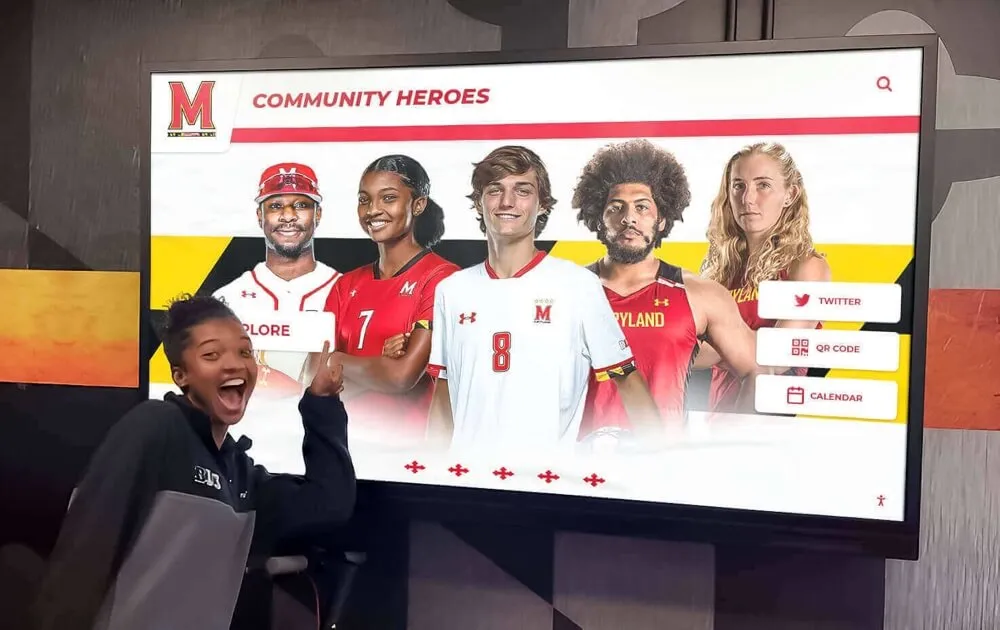
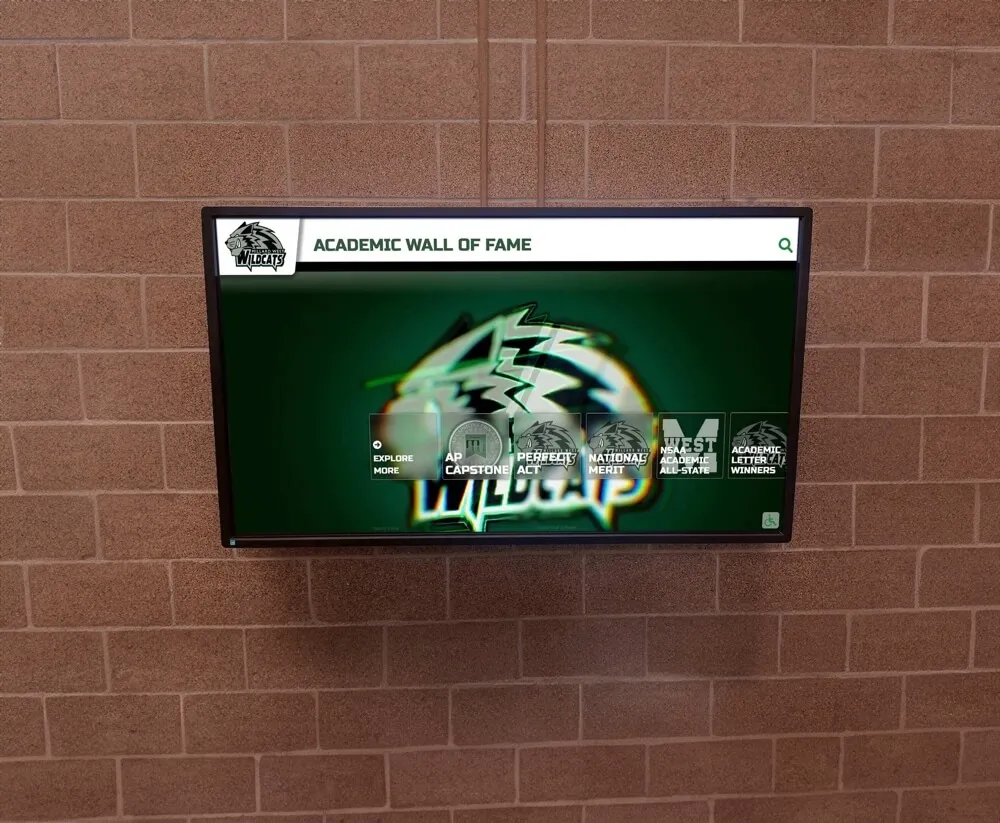
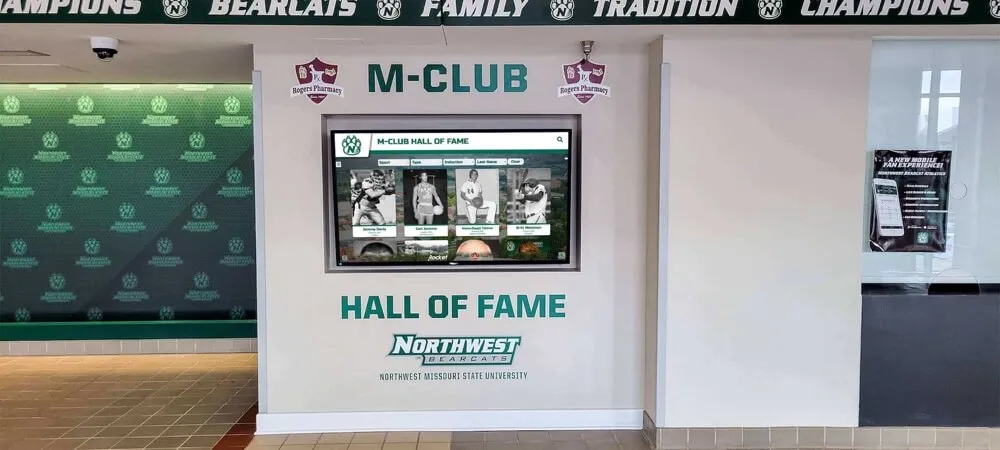
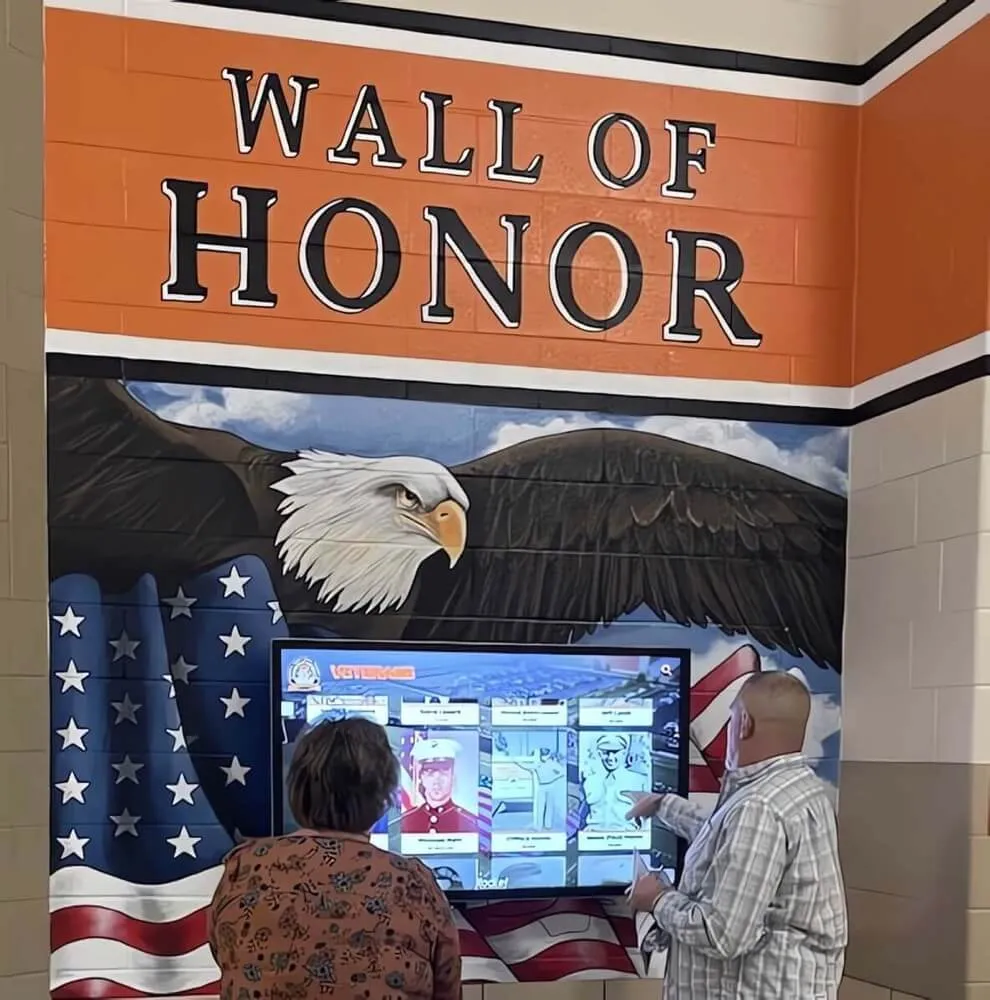
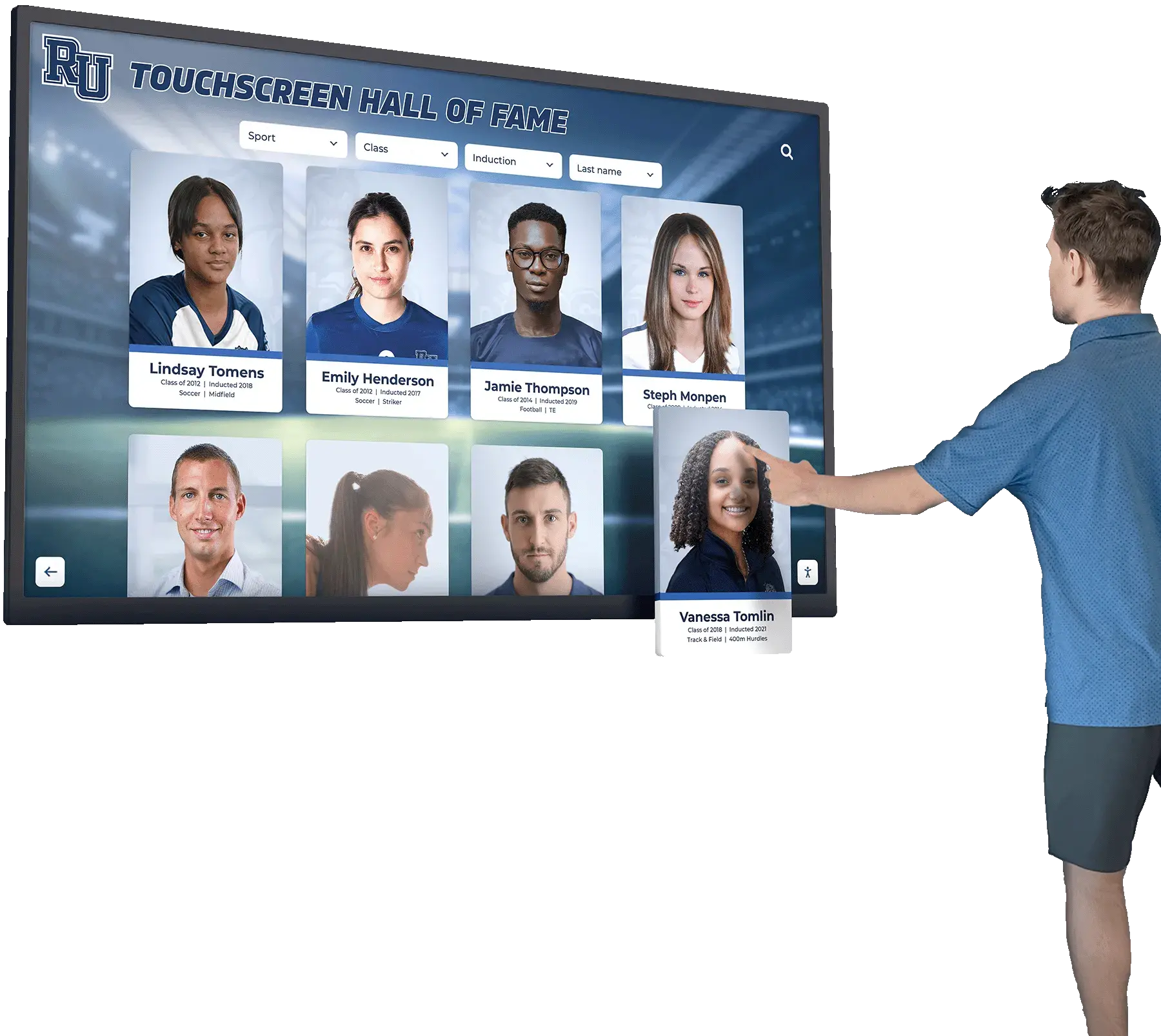
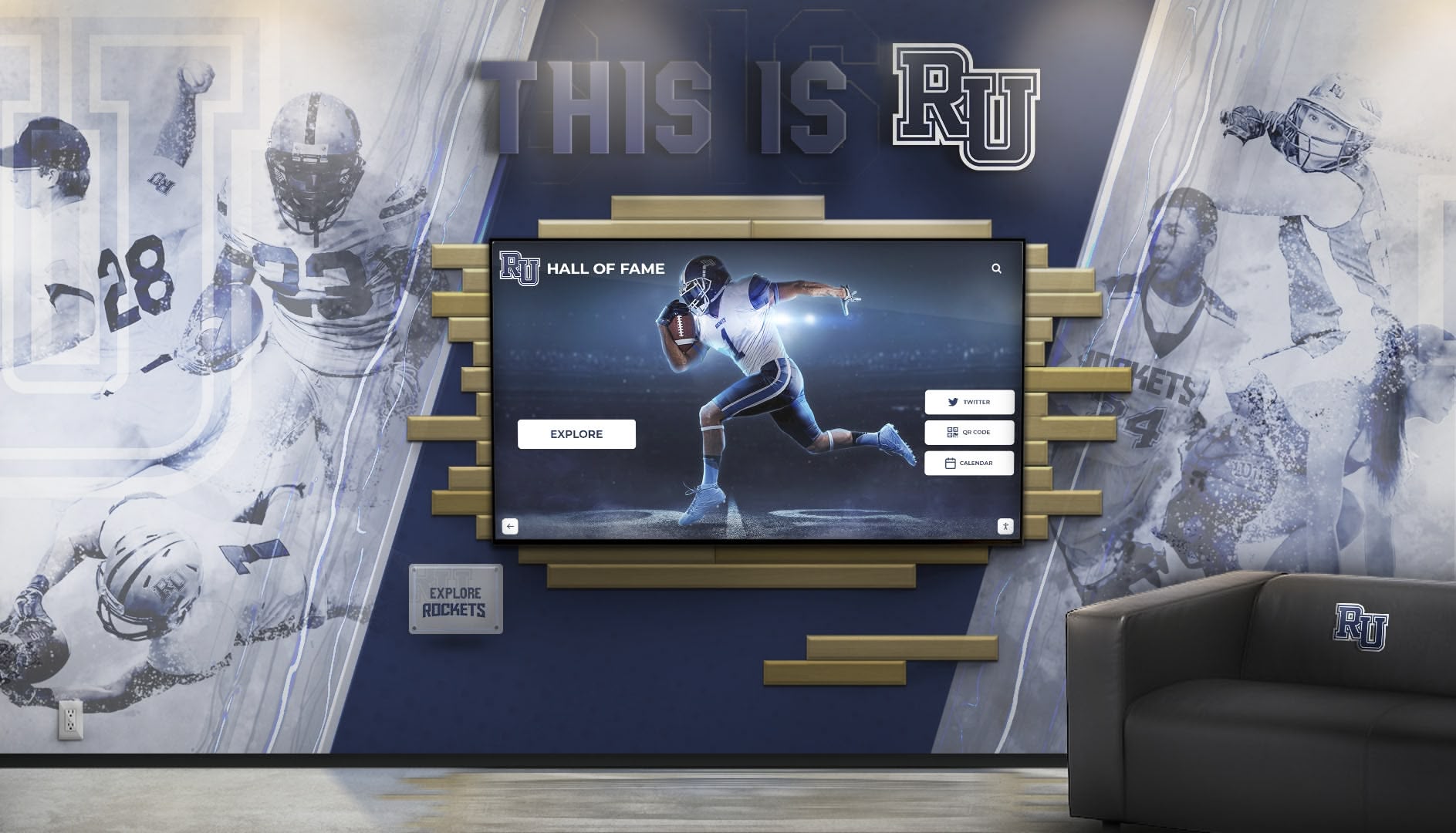
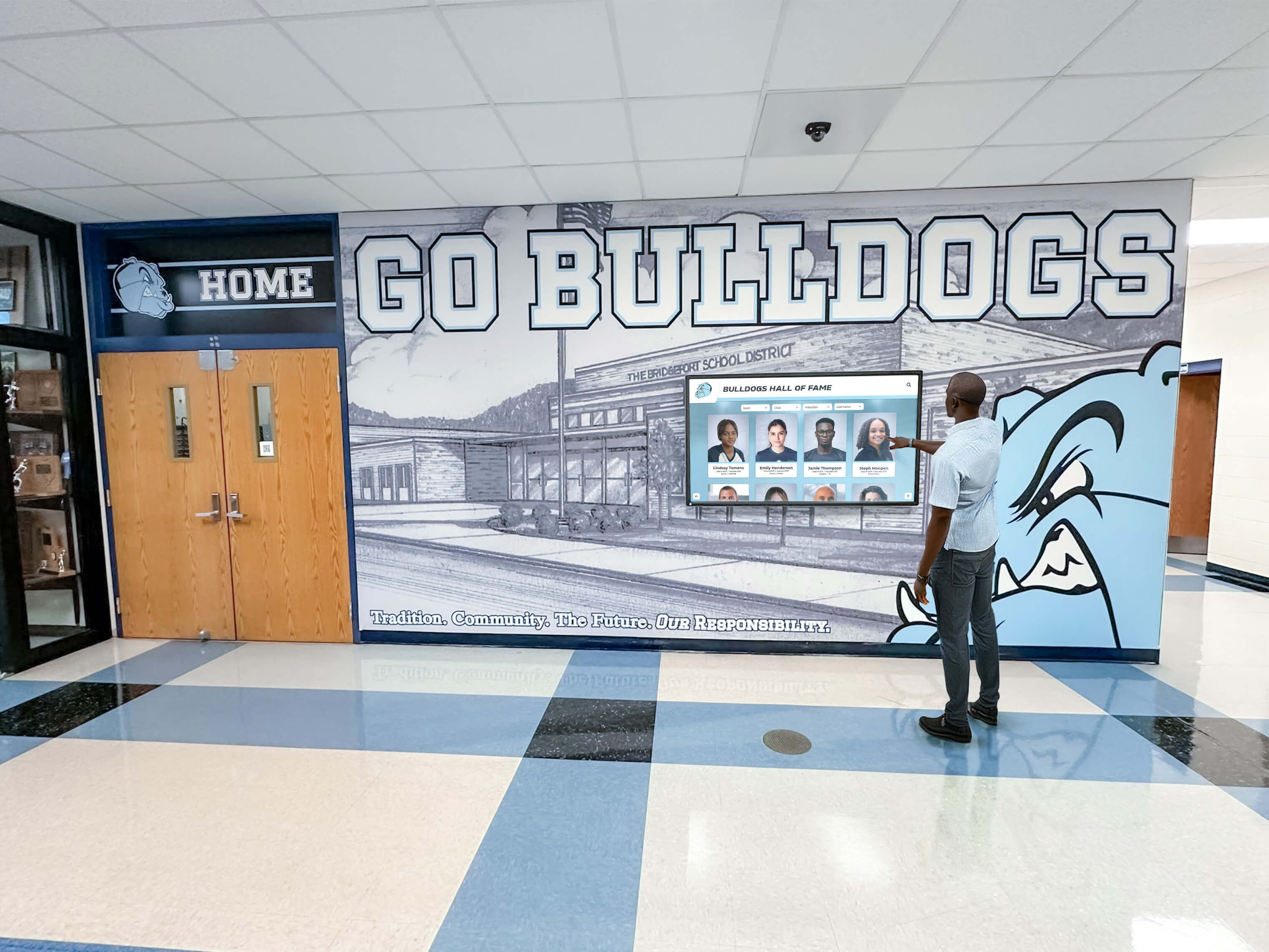
Interactive Exploration Driving Deeper Engagement: Touchscreen interfaces enable active exploration rather than passive viewing. Students, families, and visitors can search by year to explore specific championship seasons; browse by player name to find championship participants; filter by coach to see championships under different coaching eras; view season statistics and game-by-game results interactively; watch video highlights from championship games and defining moments; explore “where are they now” follow-up content tracking championship players’ college and career achievements; and compare championship teams across different years identifying statistical patterns and strategic evolution.
This interactivity dramatically increases engagement time and content absorption depth. Research from educational technology studies indicates interactive displays generate 3-5X longer viewing times compared to static signage, with users spending multiple minutes exploring well-designed championship interfaces versus brief seconds glancing at physical banners.
Extended Digital Access Beyond Campus Visitors: Web-based championship platforms integrated with physical displays allow alumni, prospective athletes, community members, and media to explore championships remotely through responsive websites accessible from any device. This extended reach proves particularly valuable for geographically dispersed championship alumni, distant relatives celebrating achievements, prospective recruits researching program traditions before campus visits, and local media covering championship anniversaries or historical retrospectives.
Digital platforms enable championship teams to share recognition across social networks, multiplying visibility exponentially compared to facility-restricted physical displays. This social amplification extends championship celebration impact far beyond what traditional recognition approaches achieve.
Built-In Accessibility Compliance Features: Purpose-built recognition platforms designed for educational environments include accessibility features meeting WCAG 2.1 AA standards ensuring all community members can engage with championship recognition regardless of disability. Screen reader compatibility, adjustable text sizing, keyboard navigation alternatives, and high-contrast modes come standard, ensuring inclusive access that physical displays struggle to provide without expensive retrofitting.
Measurable Engagement Analytics Documenting Program Value: Digital platforms provide detailed usage data showing interaction frequency, session duration averages, championship content preferences revealing which teams generate most interest, search patterns indicating how visitors discover content, and time-of-day usage patterns informing optimal promotional timing.
These objective metrics document recognition program value through evidence rather than anecdotal impressions, supporting budget justification conversations and continuous improvement efforts based on actual user behavior data rather than assumptions about how stakeholders engage with championship content.
Hybrid Systems Combining Physical and Digital Recognition
The most comprehensive approach integrates traditional physical presence with digital capabilities, preserving ceremonial significance while adding modern engagement and accessibility features.
How Hybrid Championship Recognition Works:
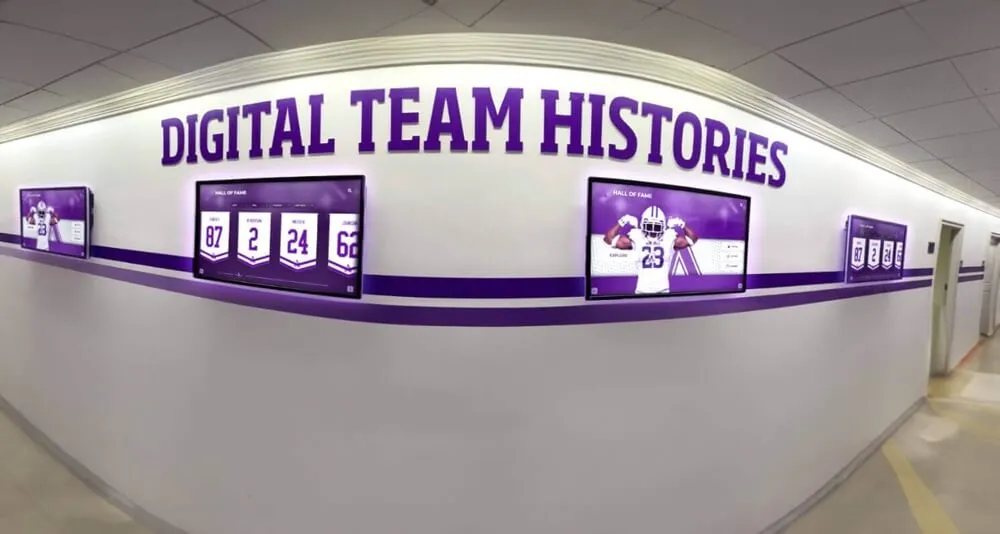
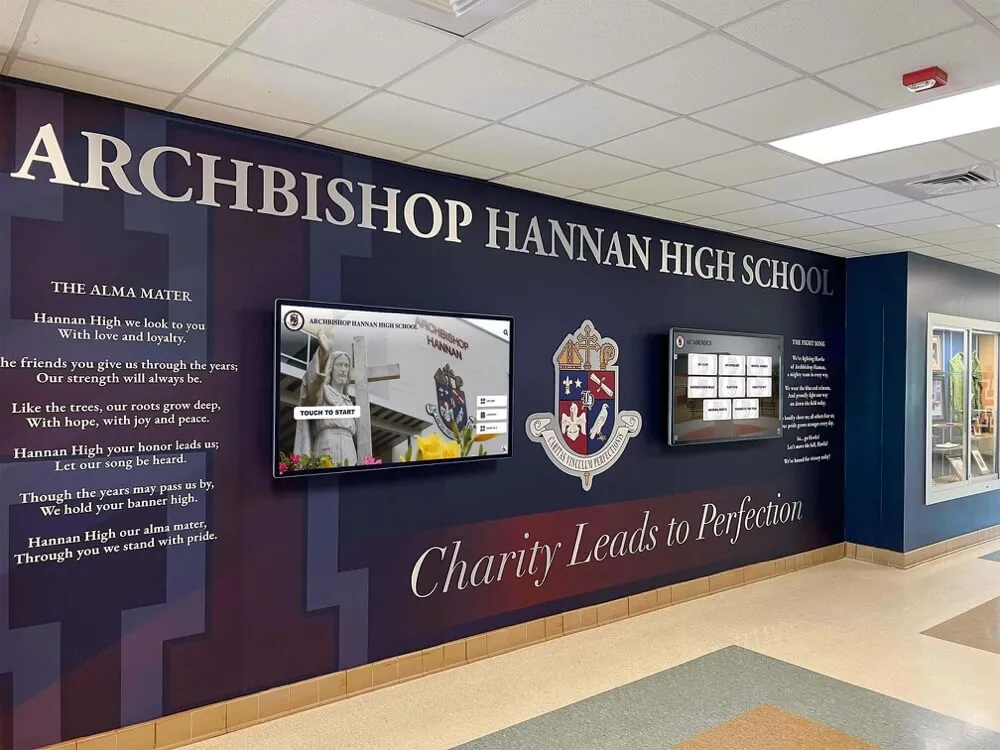
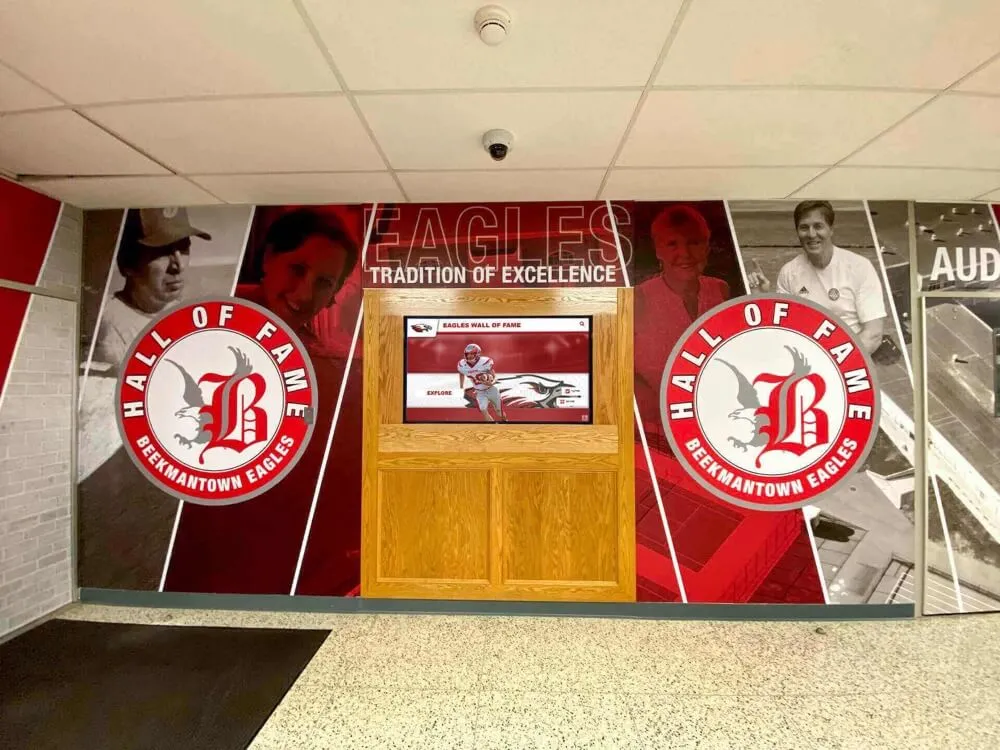
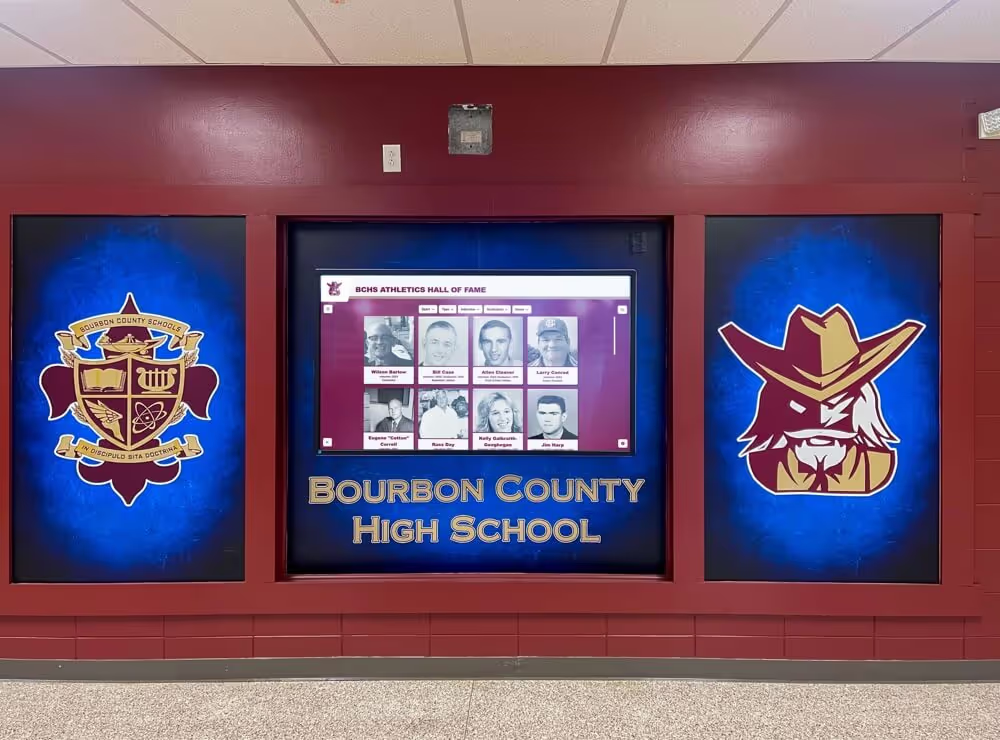
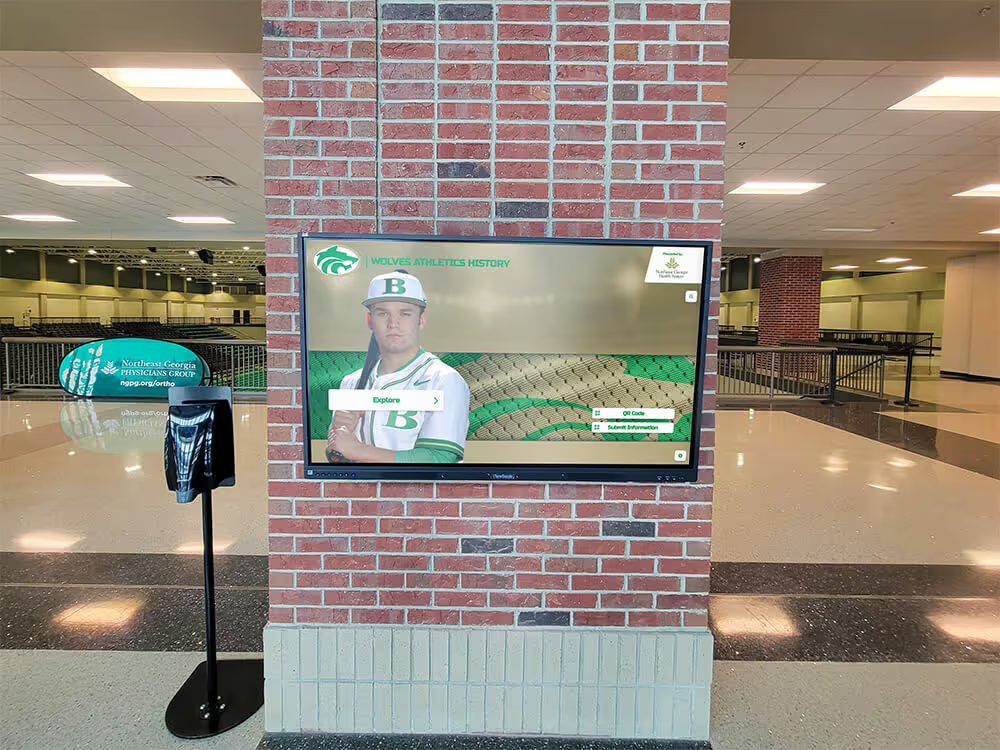
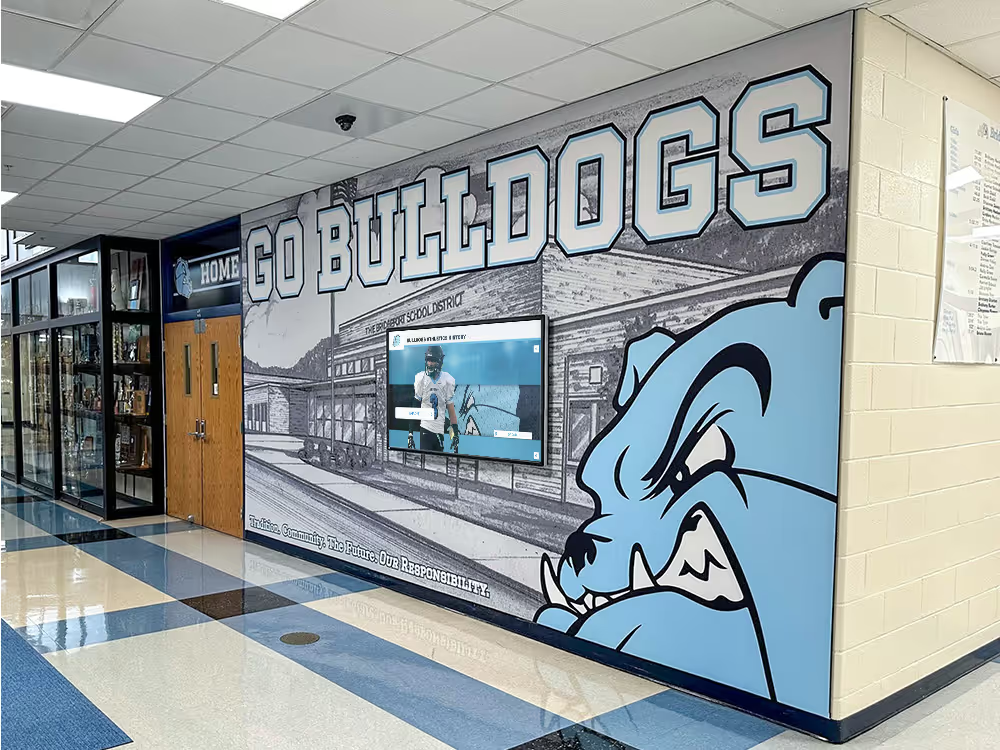
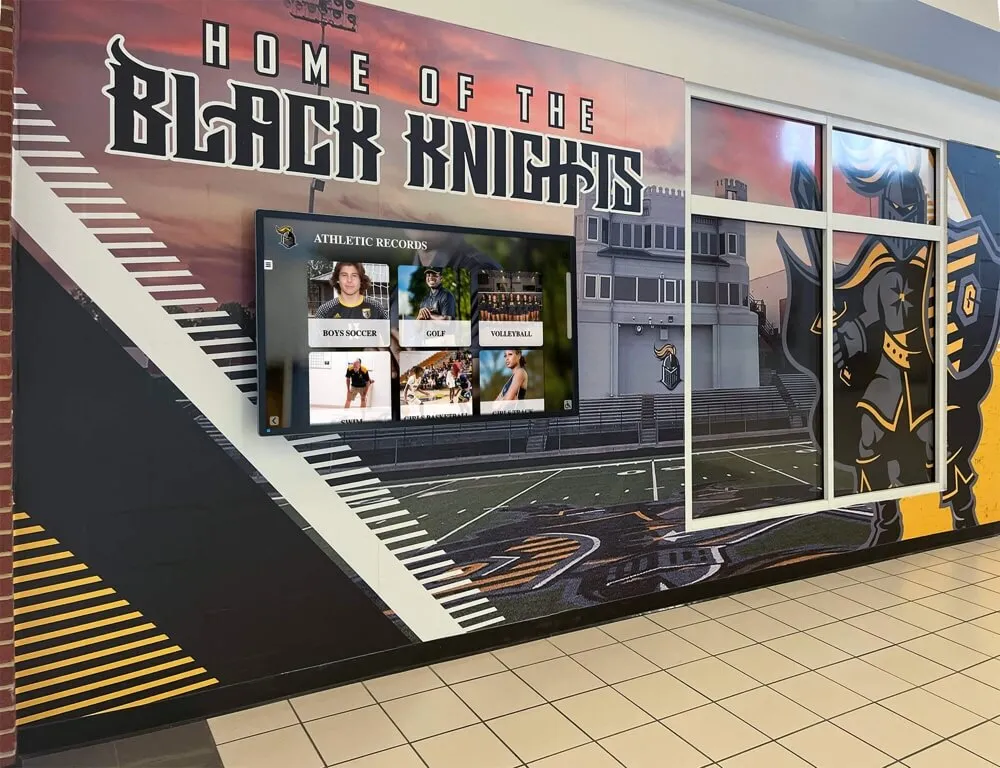
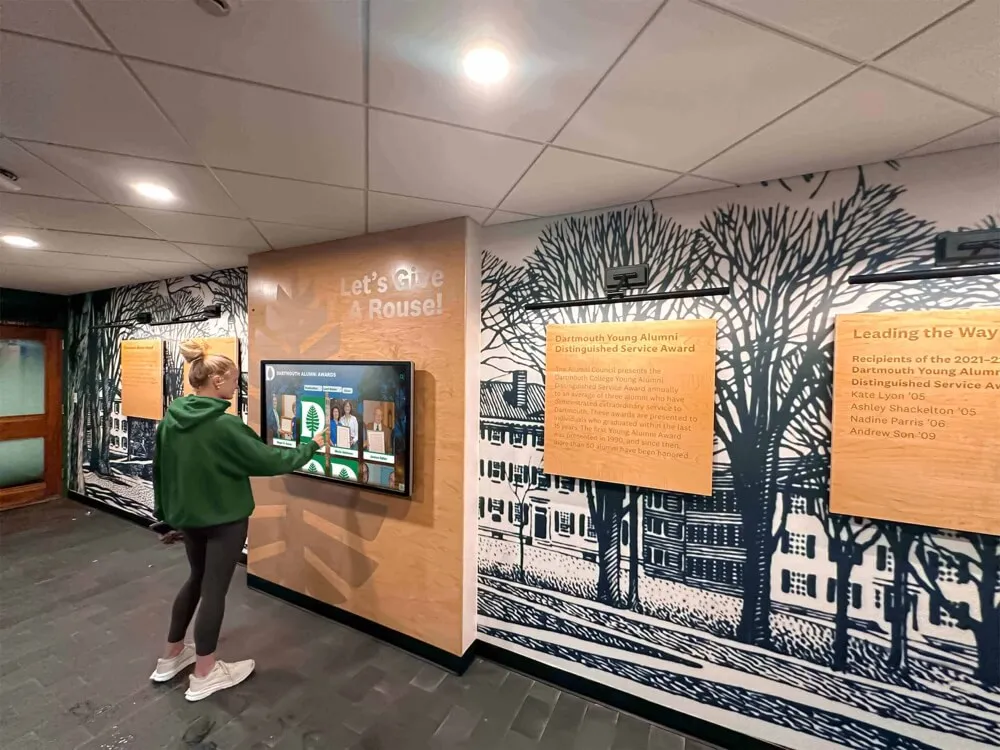
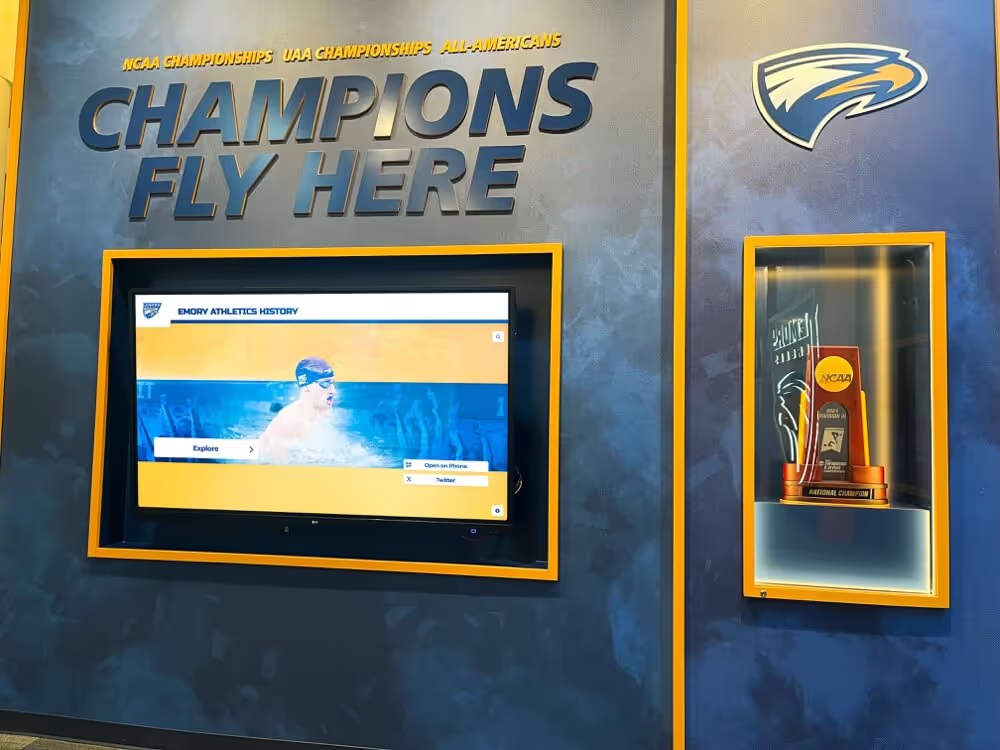
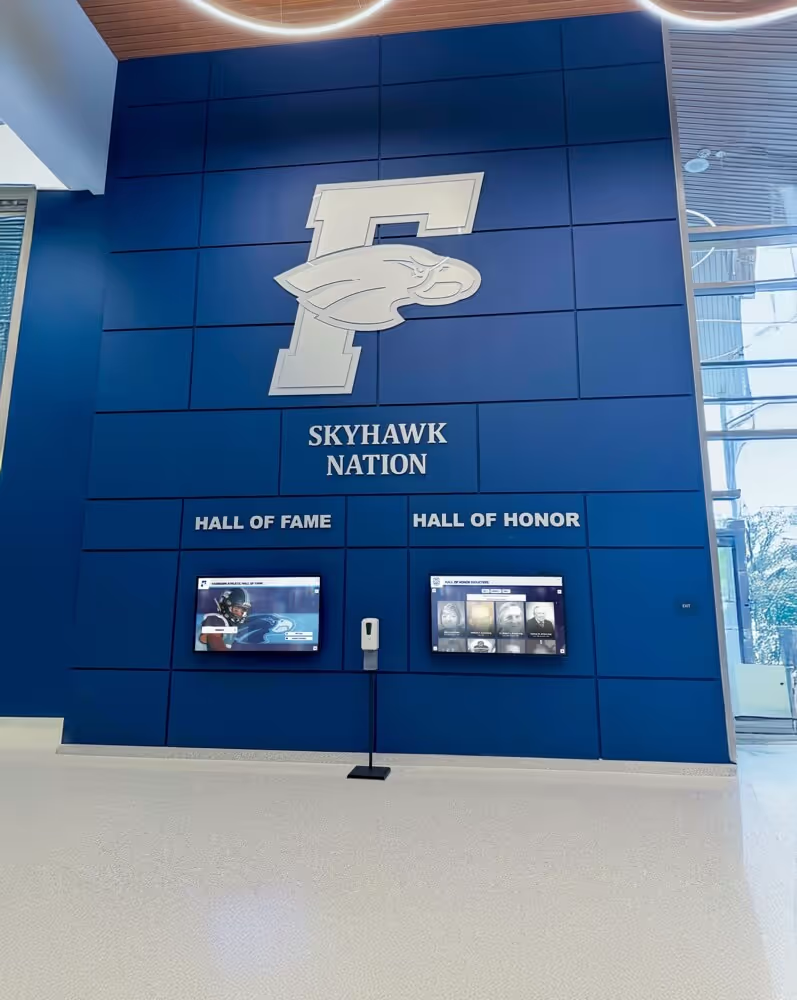
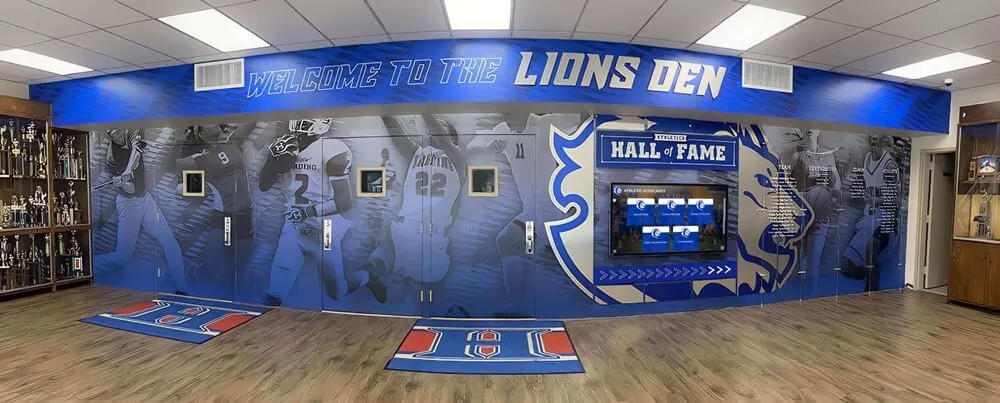
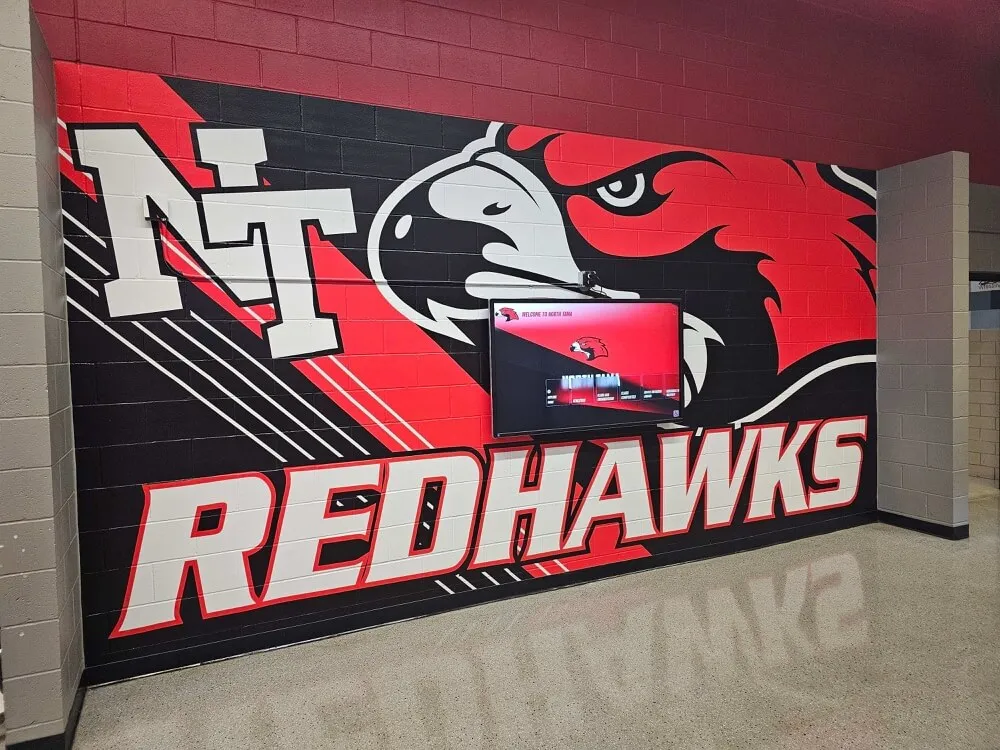
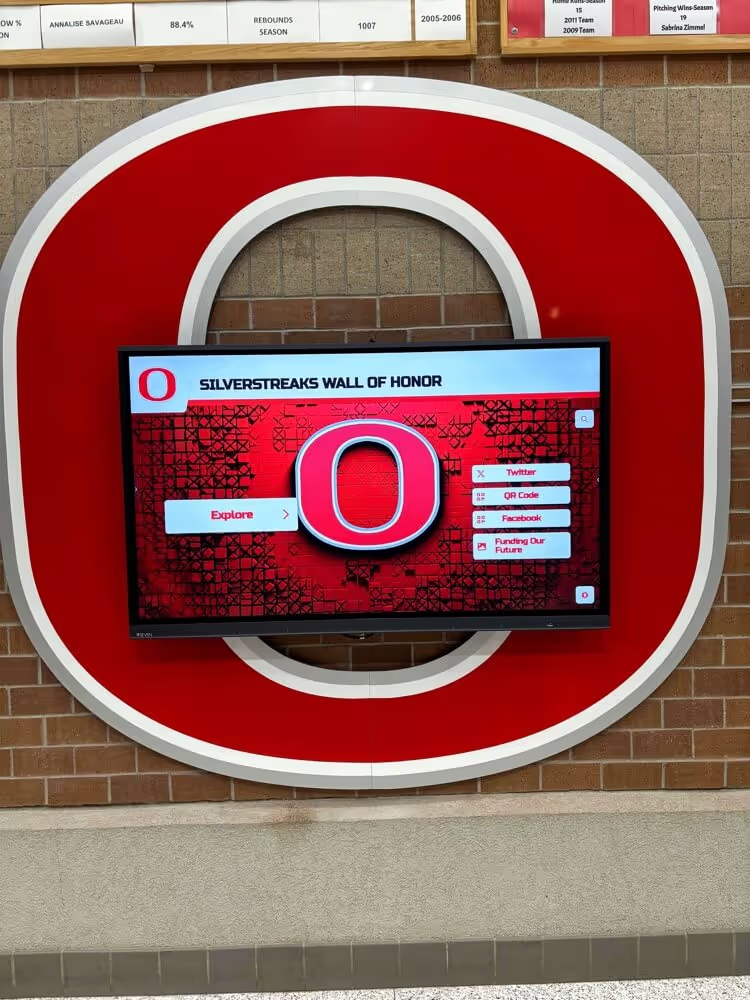
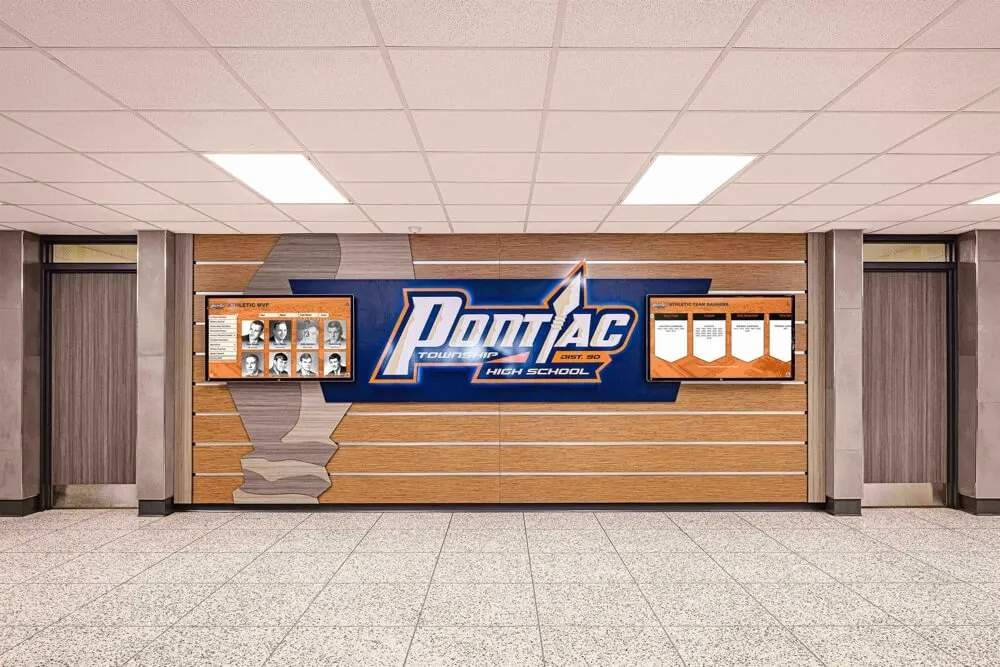
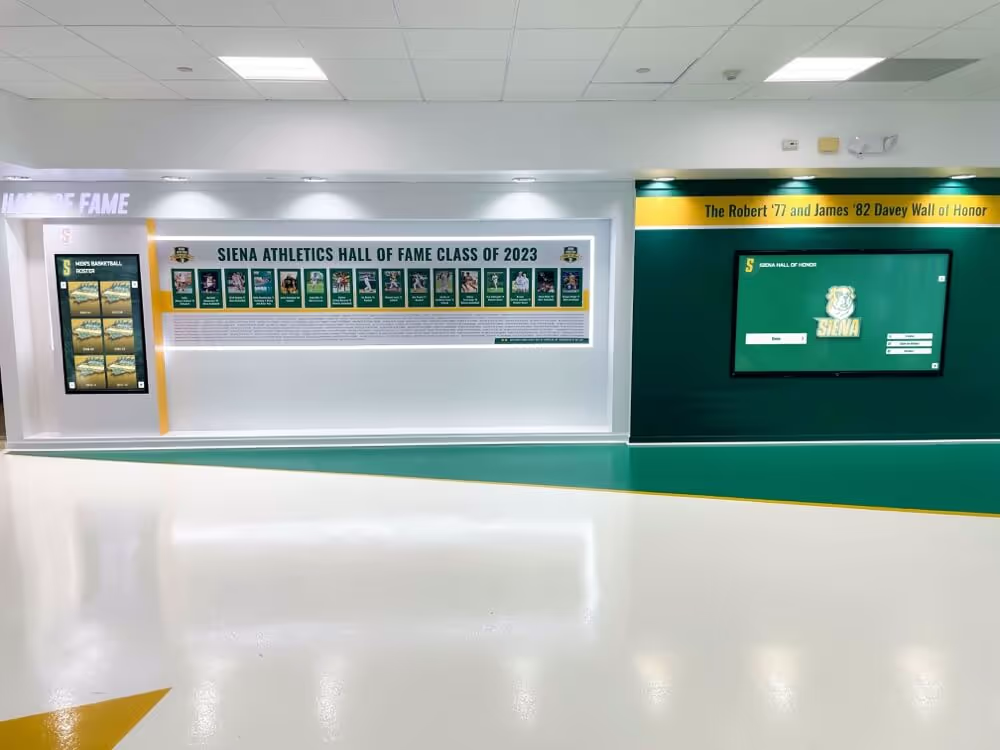
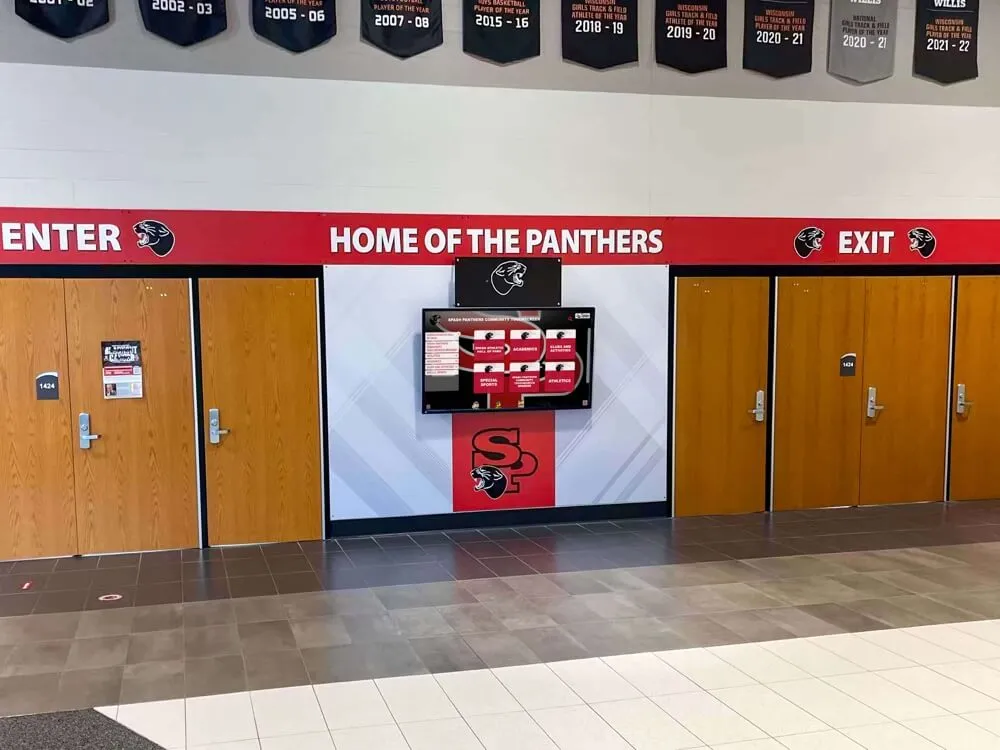
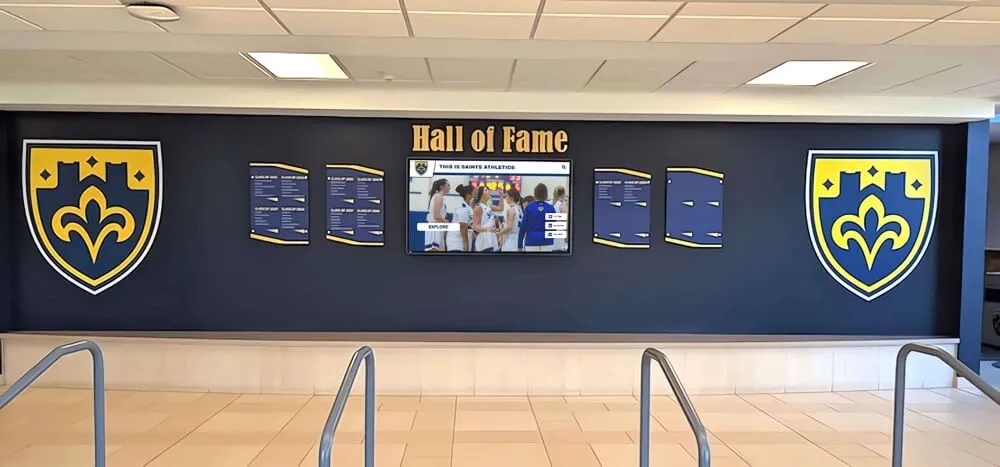
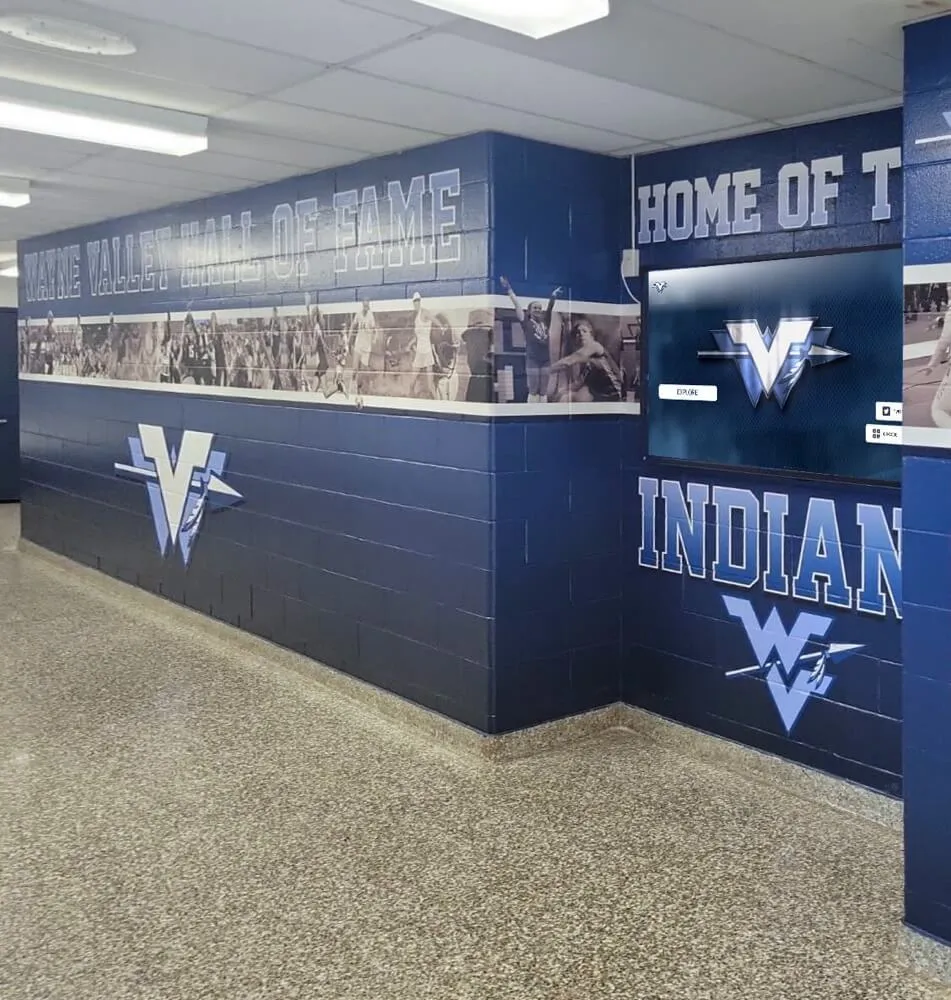
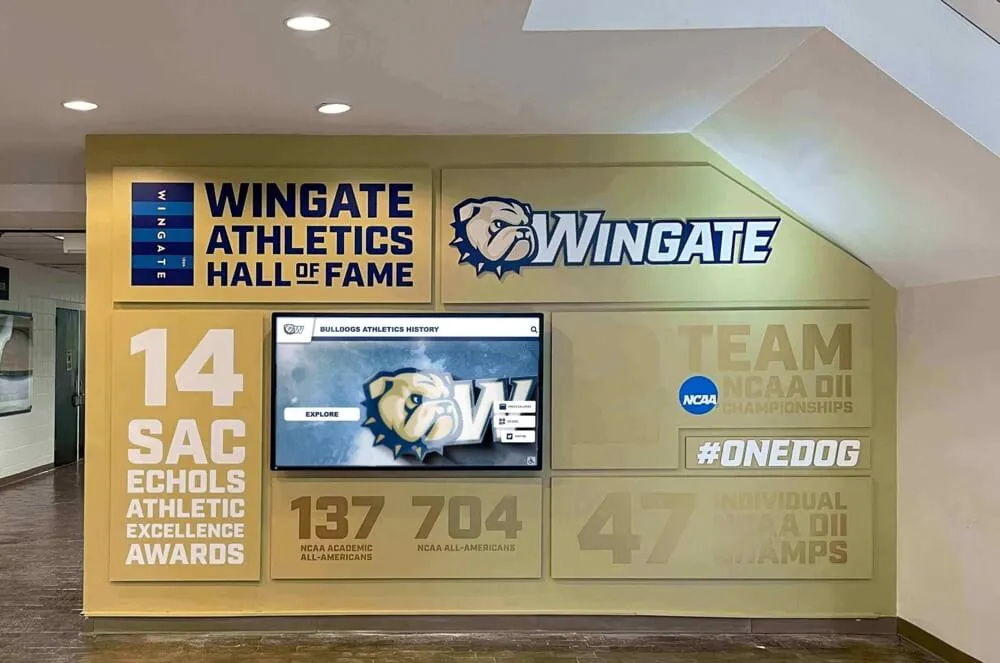
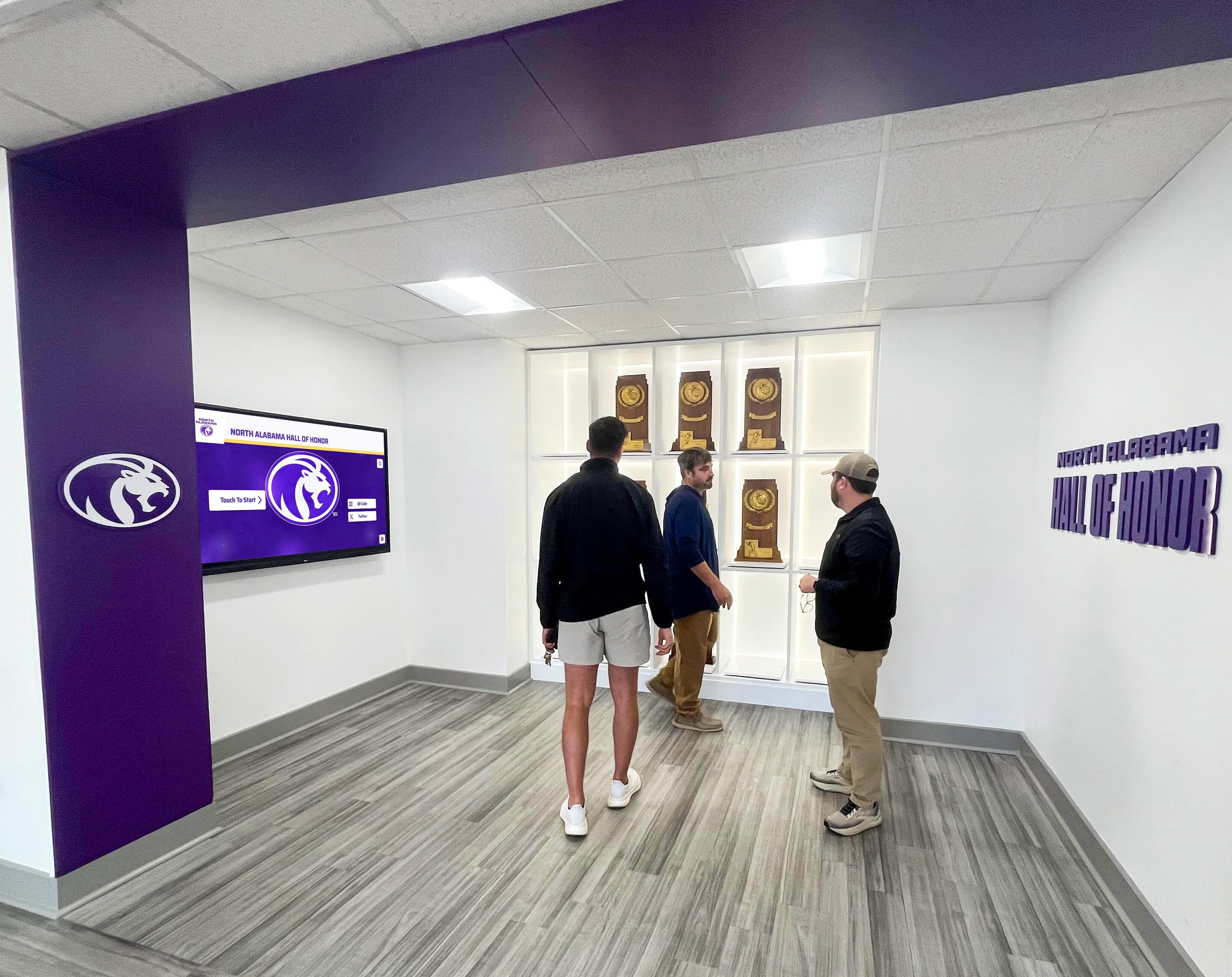
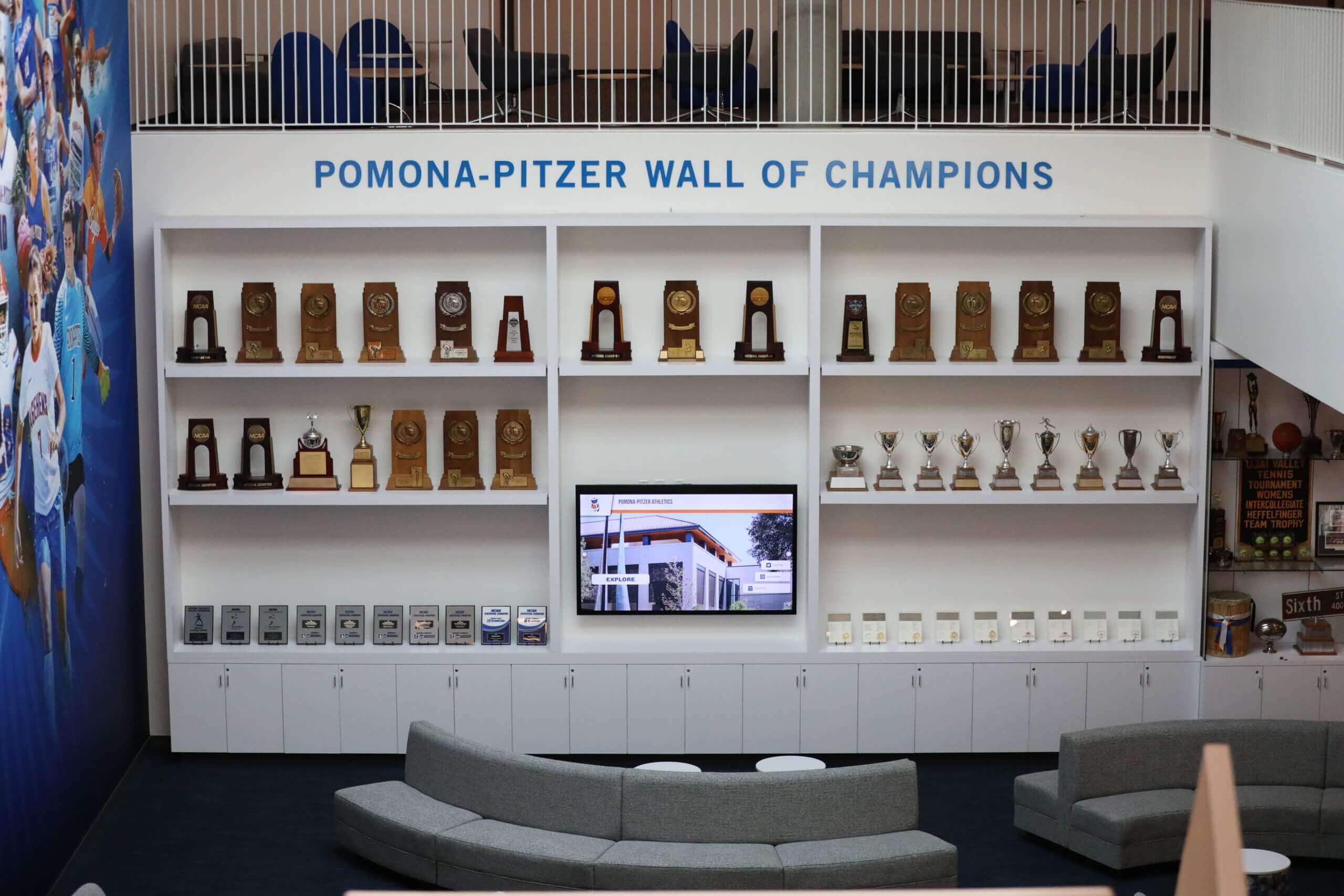
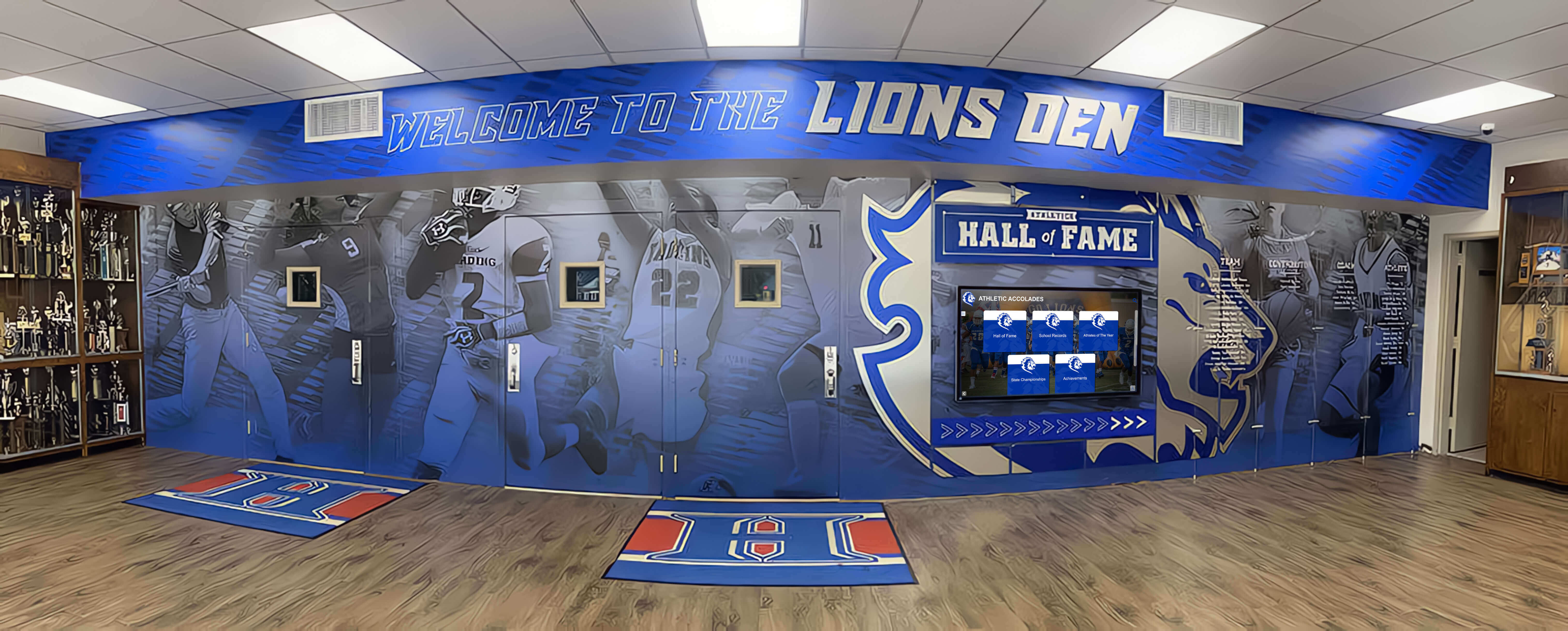
Hybrid systems combine physical championship displays—renovated trophy cases, banner installations, or championship murals—with integrated digital components. QR codes positioned near physical displays unlock comprehensive digital championship content on visitor smartphones. Touchscreen kiosks installed adjacent to traditional recognition areas provide interactive exploration supplementing physical visibility. Content management occurs once in unified systems powering both physical signage and digital interfaces.
Why Hybrid Approaches Deliver Superior Value:
Hybrid recognition satisfies stakeholders with different preferences while delivering capabilities neither approach provides independently:
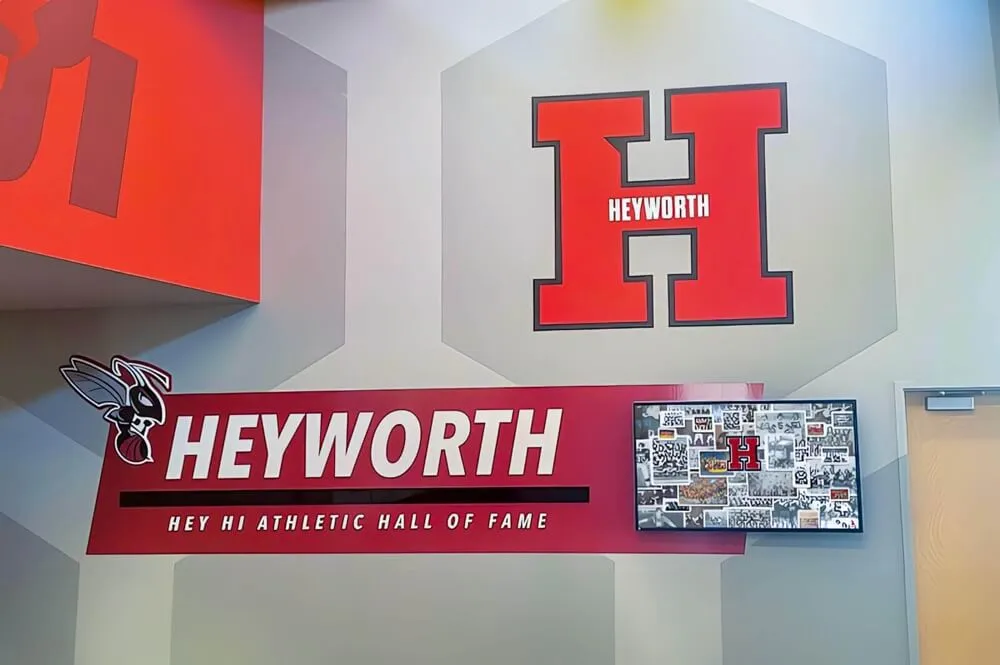
- Honors Tradition: Physical displays maintain ceremonial significance and classical aesthetics that traditional communities value
- Adds Depth: Digital components provide comprehensive storytelling impossible with physical limitations
- Maximizes Engagement: Combines physical visibility capturing passive attention with interactive digital engagement enabling deep exploration
- Extends Access: Physical displays serve on-campus audiences while integrated web platforms reach alumni and remote stakeholders
- Future-Proofs Investment: Accommodates evolving preferences balancing traditional recognition with modern technology expectations
- Optimizes Budget: Leverages existing physical recognition investments while adding digital capabilities rather than forcing complete replacement
For schools with established physical championship recognition feeling limited by space constraints or information depth but unwilling to abandon traditional displays entirely, hybrid approaches provide upgrade paths preserving existing investments while adding modern capabilities addressing traditional limitations.
Evaluation Framework: Championship Recognition Vendor Selection Matrix
Schools evaluating state championship recognition systems should assess options systematically across weighted criteria directly impacting program effectiveness, sustainability, accessibility, and institutional goal alignment.
Recognition Capacity and Long-Term Scalability
Critical Evaluation Questions:
How many state championships can the system accommodate over 20-50 year planning horizons covering multiple coaching eras and championship cycles? Does capacity planning require accurate prediction of future success, or does the system scale automatically? What specific actions and costs occur when recognition capacity exhausts? Can the system support multiple sports championships or football-specific focus while allowing future expansion?
Vendor Scoring Framework (5-Point Scale):
Physical Displays (Banners/Trophies): Limited capacity predetermined by allocated gymnasium space or trophy case dimensions. Typical installations accommodate 5-15 championship banners before exhausting practical visibility, or 10-25 championship trophies before case capacity fills. Schools must plan proactive expansion or accept compromised visibility for some championships. No ability to add comprehensive documentation beyond basic championship facts. Capacity Score: 1/5
Generic Digital Signage Platforms: Capacity determined by content management system database limits. Most systems accommodate hundreds of championship celebrations but require manual content design for each addition. Limited template structures forcing repetitive creative work. Basic presentation possible but not optimized for championship-specific storytelling or athletic recognition patterns. Capacity Score: 3/5
Purpose-Built Athletic Recognition Platforms (e.g., Rocket Alumni Solutions): Unlimited championship recognition capacity accommodating all state titles across all sports and all years without space constraints or database limitations. Programs scale automatically as championship numbers grow without infrastructure changes or capacity planning. Native championship templates enabling efficient comprehensive documentation through standardized structures. Multiple simultaneous views celebrating championships by year, by coach, by team achievement, or custom criteria. Capacity Score: 5/5
Content Depth and Storytelling Capabilities
Critical Evaluation Questions:
Can the system document championship stories comprehensively beyond basic facts? Does recognition support team rosters, player profiles, season narratives, statistics, video highlights, coaching insights, and community impact stories? Can schools create compelling narratives inspiring current teams while honoring championship participants appropriately?
Vendor Scoring Framework:
Physical Displays: Information limited to championship year, opponent, final score, and perhaps won-loss record. No capacity for team rosters, player profiles, season narratives, statistical depth, video content, or contextual storytelling. Recognition acknowledges championships occurred but provides minimal understanding of teams, players, or significance. Content Depth Score: 1/5
Generic Digital Signage: Supports multimedia content including images and video but requires manual design work for every championship addition. No standardized templates for championship documentation. Storytelling possible but labor-intensive requiring ongoing creative effort. Limited interactivity preventing user-controlled exploration depth. Content Depth Score: 2/5
Purpose-Built Athletic Recognition Platforms (e.g., Rocket Alumni Solutions): Comprehensive championship documentation templates including team photography galleries, complete roster listings with individual player profiles, detailed season narratives describing journey from preseason through playoffs, interactive statistics and game-by-game results, embedded video highlights from championship games, coaching philosophy explanations, post-championship follow-up tracking player college careers, and community impact stories. User-controlled interactive exploration enabling deep engagement matching individual interests. Content Depth Score: 5/5
Update Efficiency and Real-Time Management
Critical Evaluation Questions:
How quickly can schools celebrate new championships following victories? What technical expertise do updates require? Can regular administrative staff manage content independently, or do updates require IT personnel or external vendors? Do workflows support timely celebration while achievement remains emotionally significant?
Vendor Scoring Framework:
Physical Displays: Championship banners require professional fabrication services taking 4-8 weeks minimum from ordering to installation. Trophy engraving and case updates require vendor coordination and facilities staff scheduling. Cannot respond immediately to championship victories, creating months-long celebration delays reducing emotional impact and timely recognition. Update Efficiency Score: 1/5
Generic Digital Signage (Locally-Managed): Updates require on-site hardware access or specialized remote access permissions. Staff must possess platform-specific technical skills. Faster than physical fabrication but significantly less flexible than cloud-managed systems. Each championship addition requires custom content design work rather than template-based efficiency. Update Efficiency Score: 2/5
Purpose-Built Athletic Recognition Platforms (Cloud-Managed, e.g., Rocket Alumni Solutions): Authorized staff update championship recognition within minutes from any internet-connected device using intuitive interfaces requiring no technical expertise beyond basic content entry skills. Recognition updates possible within days of championship victories, enabling timely celebration while accomplishment remains emotionally fresh. Championship templates streamline content development through standardized structures requiring only school-specific information entry rather than complete custom design. Update Efficiency Score: 5/5
Total Cost of Ownership: 10-Year Financial Analysis
Critical Evaluation Questions:
What are comprehensive costs including initial investment, recurring fees, regular updates, maintenance requirements, technology refresh cycles, and eventual replacement? How do costs scale as schools add championships over decades? Are there hidden expenses affecting true total ownership costs?
Physical Display Cost Analysis (10-Year Projection, Assumes 3 Championships):
- Initial trophy case or banner installation: $3,000-$8,000
- Championship banner fabrication: $300-$600 each × 3 = $900-$1,800
- Trophy engraving and mounting: $400-$800 each × 3 = $1,200-$2,400
- Maintenance and repair (banner replacement, trophy restoration): $500-$1,500
- Capacity expansion if space exhausts: $2,000-$5,000
- 10-Year Total: $7,600-$18,700
- Per-Championship Recognition Cost: $2,533-$6,233
Generic Digital Signage Cost Analysis (10-Year Projection):
- Initial hardware (55" commercial display + computing): $4,000-$8,000
- Professional installation and mounting: $1,500-$3,000
- Software licensing or subscription: $600-$1,500/year × 10 = $6,000-$15,000
- Technical support contracts: $400-$1,000/year × 10 = $4,000-$10,000
- Custom content design for 3 championships: $1,500-$3,000 each = $4,500-$9,000
- Content management labor: $800-$2,000/year × 10 = $8,000-$20,000
- Hardware refresh/replacement (year 7-8): $3,000-$6,000
- 10-Year Total: $31,000-$71,000
- Per-Championship Recognition Cost: $10,333-$23,667
Purpose-Built Athletic Recognition Platform Cost Analysis (10-Year Projection, e.g., Rocket Alumni Solutions):
- Initial hardware (55" touchscreen + computing): $4,000-$8,000
- Professional installation: $1,000-$2,000
- Platform subscription including software, templates, support, hosting: $400-$1,200/year × 10 = $4,000-$12,000
- Championship content development (using templates): $500-$1,000 each × 3 = $1,500-$3,000
- Technical support (included in subscription): $0
- Accessibility compliance (included): $0
- Championship templates and structures (included): $0
- Hardware refresh/replacement (year 7-8): $3,000-$6,000
- 10-Year Total: $13,500-$31,000
- Per-Championship Recognition Cost: $4,500-$10,333
Cost Considerations and Financial Decision Factors:
Purpose-built athletic recognition platforms provide substantially better total cost of ownership compared to generic digital signage despite similar upfront hardware costs, due to comprehensive included features (championship templates, intuitive content management, technical support, accessibility compliance) that generic platforms require expensive custom development or ongoing consulting contracts to provide.
Digital systems carry higher upfront investment compared to physical banners but provide unlimited capacity, comprehensive storytelling, interactive engagement, accessibility compliance, and remote access that physical approaches cannot match. Per-championship costs favor digital solutions as schools celebrate multiple championships, making them particularly cost-effective for successful programs with championship traditions. Schools considering broader state championship recognition approaches should evaluate comprehensive costs rather than focusing only on initial investment.
Engagement Impact and Motivational Effectiveness
Critical Evaluation Questions:
Do current players, families, alumni, and visitors actually engage with championship recognition, or does it remain largely passive? Does recognition create measurable motivational impact inspiring future teams? Can engagement be quantified objectively through analytics? Does recognition integrate with broader athletic culture initiatives and team development programming?
Vendor Scoring Framework:
Physical Displays: Passive viewing only with no interaction or extended engagement. Visitors glance briefly at banners while attending games but rarely stop for sustained attention. Engagement difficult or impossible to measure objectively without manual observation studies. Limited motivational impact beyond basic awareness that championships exist. Engagement Score: 2/5
Generic Digital Signage Platforms: Potential for video content and dynamic visuals attracting attention but typically limited interactivity. Most generic signage operates in announcement or slideshow modes rather than enabling user-controlled exploration. Basic analytics may track display views but cannot measure interaction patterns or content engagement depth. Engagement Score: 3/5
Purpose-Built Athletic Recognition Platforms (e.g., Rocket Alumni Solutions): Active interaction through search functionality, browsing interfaces, and profile exploration enabling users to discover content matching personal interests. Comprehensive usage analytics document engagement objectively through session counts, duration metrics, championship content preferences, search pattern analysis, and return visitor tracking. Rich multimedia content creating deeper emotional connections than simple announcements. Integration capabilities connecting championship recognition with broader athletic achievement programs and digital hall of fame systems. Engagement Score: 5/5
Implementation Best Practices for State Championship Recognition
Schools selecting championship recognition platforms should follow systematic implementation processes ensuring successful deployment, sustainable operations, and measurable program impact.
Strategic Placement and Physical Installation
Location Selection Optimizing Visibility and Traffic:
Position championship displays in high-traffic areas where students pass regularly during normal school days: main gymnasium lobbies creating immediate visibility for athletes, families, and event attendees; athletic facility corridors connecting locker rooms, weight rooms, and practice spaces ensuring daily athlete exposure; school main entrances providing visibility for all students and visitors regardless of athletic participation; cafeterias and commons spaces ensuring broad student exposure during lunch periods; or administration areas where school board meetings, community events, and parent conferences occur exposing recognition to broader stakeholder audiences.
For football-specific recognition, placement near football practice facilities, team meeting rooms, or locker room entrances maximizes motivational impact on current players who interact with spaces daily during seasons.
Technical Infrastructure Requirements:
Ensure adequate electrical power with surge protection, stable network connectivity for cloud-based content management (wired Ethernet preferred over wireless in areas with potential congestion), appropriate ambient lighting without direct screen glare, viewing space accommodating multiple simultaneous users, and physical security measures protecting equipment while maintaining welcoming accessibility.
Championship Content Development Standards
Comprehensive Documentation Framework:
Develop consistent templates ensuring all championships receive equivalent thorough documentation:
Team Photography: Team photos, coaching staff photos, individual player action shots, celebration photos from championship games and trophy presentations, community celebration images from parades or rallies.
Season Narrative: Preseason expectations and team building, regular season highlights and defining games, playoff journey and elimination round victories, championship game detailed recap with key plays and turning points, celebration and community impact following victory.
Roster Documentation: Complete team roster with player names, positions, jersey numbers, graduation years, individual player profiles for key contributors including statistics, biographical information, and post-high school achievements.
Statistical Records: Season won-loss record, playoff results, offensive and defensive statistics, individual player statistical leaders, comparison to other championship teams.
Coaching Recognition: Head coach profile and philosophy, assistant coaching staff, coaching tenure and career achievements.
Video Highlights: Championship game highlights, season defining moments, player and coach interviews, celebration footage.
Legacy Follow-Up: Where championship players went to college, college athletic achievements, professional careers for exceptional athletes, career paths and life outcomes demonstrating championship experience impact.
Photography and Visual Asset Standards:
Professional photography significantly impacts recognition quality. Schools should use official game photography from championship games, professional team portrait sessions, and coordinated photo documentation rather than casual snapshots compromising presentation professionalism.
Establish consistent specifications including similar cropping and framing, unified background treatment or branded templates, standardized resolution (minimum 300 DPI for high-quality rendering), and color correction ensuring lighting appears natural creating cohesive visual presentation across all championships.
Integration with Comprehensive Athletic Recognition Programs
Unified Recognition Framework Celebrating Diverse Excellence:
State championship recognition proves most effective when integrated within comprehensive systems celebrating multiple athletic achievement forms rather than existing as isolated football-exclusive program. Purpose-built platforms enable schools to celebrate multiple sport championships, individual athletic records across all sports, all-state athlete recognition, college athlete achievements, hall of fame inductees, and coaching milestones through unified platforms providing consistent experiences while recognizing diverse excellence through shared infrastructure serving multiple recognition needs cost-effectively.
Integrated platforms demonstrate that schools value multiple achievement forms, creating inclusive cultures where diverse excellence types receive appropriate acknowledgment. Athletes in non-championship sports still experience meaningful recognition, while state championship teams receive appropriate distinction within broader athletic achievement context.
Annual Recognition Cycles and Sustainable Update Workflows
Systematic Processes Ensuring Timely Championship Celebration:
Establish predictable workflows ensuring comprehensive documentation each time teams win championships:
Immediate Post-Championship (Days 1-7): Announce championship victory through multiple channels, collect initial photography from championship game, coordinate community celebration events and recognition ceremonies, establish content development timeline and responsibilities.
Short-Term Documentation (Weeks 1-4): Gather comprehensive team photography including professional portraits if not already completed, collect detailed roster information and player biographical content, develop season narrative documenting journey from preseason through championship victory, secure video highlights from championship game and defining season moments, coordinate player and coach interviews capturing immediate championship experience.
Long-Term Completion (Months 1-6): Finalize comprehensive championship profiles with all content, photography, video, and statistics, publish recognition to digital platforms and update physical displays, conduct formal recognition ceremonies or assemblies celebrating achievement alongside families and community, communicate recognition through newsletters, social media, website features, and local media.
Legacy Follow-Up (Ongoing Years): Update championship profiles with player college destinations and achievements, track professional athletic careers for exceptional athletes, document long-term outcomes demonstrating championship experience impact, conduct anniversary retrospectives on significant milestones (10-year, 25-year championships).
Systematic workflows ensure championship recognition remains comprehensive and celebrates achievement appropriately while supporting sustainable processes that don’t overwhelm staff during busy post-championship periods when multiple responsibilities compete for attention.
Why Rocket Alumni Solutions Wins for Football State Championship Recognition
When evaluation committees complete systematic vendor assessment using frameworks outlined above, Rocket Alumni Solutions consistently emerges as superior choice for high school football state championship recognition across critical decision criteria.
Purpose-Built Championship Documentation Templates: Rocket’s platform includes specialized templates specifically designed for championship team recognition. Standardized structures for team rosters, season narratives, statistical documentation, and multimedia content enable comprehensive championship celebration through efficient workflows requiring only school-specific information entry rather than complete custom design for each championship. This template approach reduces content development time by 60-70% compared to starting from blank designs while ensuring consistent professional presentation across all championships.
Unlimited Championship Recognition Capacity: Rocket’s cloud-based platform accommodates unlimited state championships across all sports and all years without space constraints, capacity planning, database limits, or performance degradation as content volumes grow. Schools celebrating multiple championships never face expansion crises or difficult decisions about which recognition to display versus archive. This unlimited scalability proves particularly valuable for successful programs with championship traditions spanning decades.
WCAG 2.1 AA Accessibility Compliance Built Into Platform Architecture: Unlike generic digital signage requiring expensive custom accessibility development or physical displays needing retrofitting, Rocket builds ADA and WCAG compliance directly into championship recognition design. Screen reader compatibility, adjustable text sizing, keyboard navigation, high-contrast modes, and multi-language support come standard with automated updates maintaining compliance as accessibility standards evolve.
Instant Cloud-Based Updates Enabling Timely Celebration: Authorized staff update championship recognition within minutes from any internet-connected device using intuitive content management requiring no technical expertise. Celebrate victories within days of championship games rather than waiting weeks or months for fabrication services, maximizing recognition impact while accomplishment remains emotionally significant. Championship templates streamline rapid content publication during time-sensitive post-victory periods.
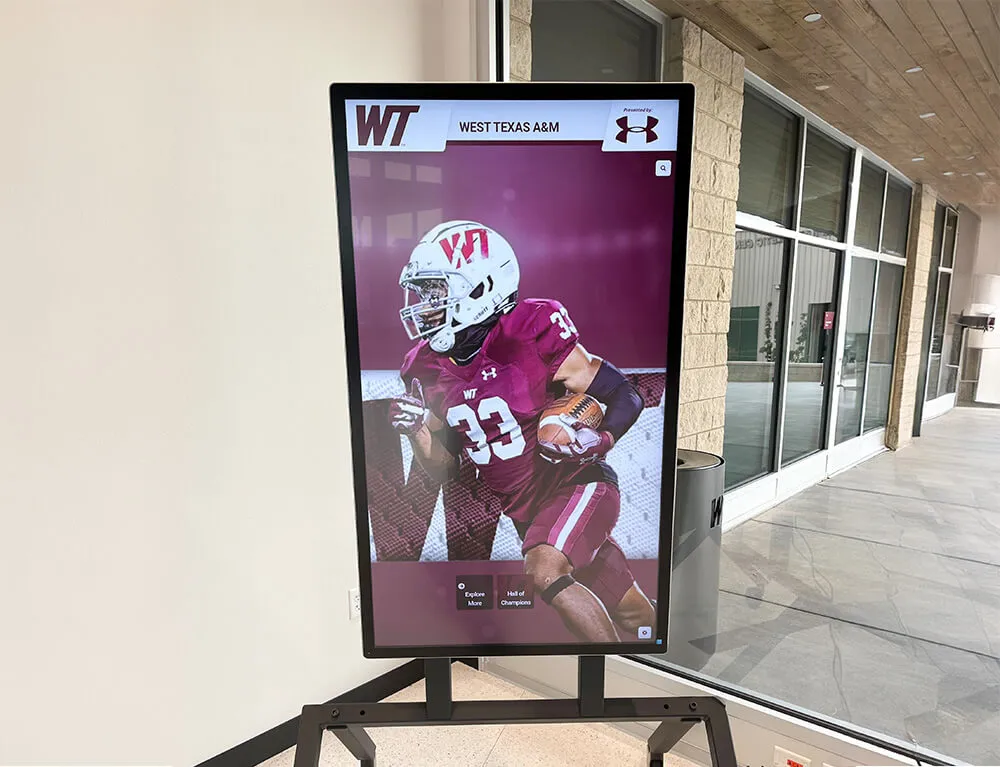
Integrated Physical and Digital Experience: Rocket combines high-impact touchscreen displays in athletic facilities with responsive web platforms accessible worldwide. Content management occurs once, powering both physical installations and online access. This integrated approach maximizes championship recognition reach while eliminating duplicate work managing separate physical and web systems. Alumni explore championships remotely, prospective athletes research program traditions before visits, and current players engage with recognition through both facility displays and mobile devices.
Sport-Specific Football Recognition Features: Rocket includes football-specific templates, statistics structures, and content organization reflecting deep understanding of football championship celebration needs. Position-specific player categorization, football statistics formats, playoff bracket integration, and championship game documentation structures enable comprehensive football-specific recognition that generic platforms cannot match without extensive customization.
Comprehensive Athletic Integration Beyond Football: While excelling at football championship recognition, Rocket enables schools to celebrate championships and achievements across all sports through unified platforms. Single subscription serves football, basketball, baseball, track, soccer, and all other athletic programs through shared infrastructure, delivering superior cost-effectiveness compared to football-specific solutions that cannot expand to other recognition needs.
Proven Track Record with Athletic Programs: With hundreds of high school athletic department implementations, Rocket demonstrates proven success serving championship recognition needs. References from programs similar to yours validate capabilities beyond marketing claims. This specialization contrasts with generic vendors treating athletic recognition as minor product variations alongside their primary business focus.
Exceptional Support and Service Levels: Responsive technical support, remote diagnostics, clear service level agreements, and dedicated implementation assistance ensure successful launches and ongoing operation. Schools avoid frustration of vendors disappearing after sale or providing inadequate support when issues occur.
Objective Engagement Analytics Documenting Program Value: Rocket provides detailed usage data showing exactly how students, families, and visitors interact with championship displays through session counts, duration metrics, championship content preferences, search patterns, and return visitor tracking. Unlike physical displays where engagement remains purely anecdotal, Rocket delivers objective evidence supporting budget justification and continuous improvement through measurable performance data.
For schools serious about comprehensive championship recognition honoring football excellence appropriately while delivering measurable institutional value, purpose-built platforms like Rocket Alumni Solutions provide capabilities, reliability, and sport-specific features generic alternatives cannot match.
Celebration Events: Integrating Recognition with Community Championship Experience
Beyond permanent recognition systems, immediate post-championship celebration events create powerful community experiences that complement long-term documentation systems.
Coordinated Multi-Channel Celebration Approach
School Assembly Recognition: Coordinate school-wide assemblies bringing entire student bodies together celebrating championship teams. Feature championship players, coaches, and administrators speaking about achievement significance. Screen championship game highlights. Announce permanent recognition plans demonstrating institutional commitment to honoring victory long-term.
Community Parade and Rally: Organize community parades allowing broader stakeholder participation beyond just students. Coordinate with local government for parade permits, police escorts, and traffic management. Conclude parades with community rallies featuring speakers, championship trophy presentations, and celebration activities.
Championship Banquet Events: Host formal team banquets honoring players, coaches, families, and key supporters. Distribute championship rings, awards, and commemorative items. Screen season highlight videos and championship game footage. Announce permanent recognition plans and preview digital platform content.
Media Coverage Maximization: Coordinate with local media outlets ensuring comprehensive coverage through television sports segments, newspaper features, radio interviews, and online news coverage. Provide high-quality photography and video footage to media outlets. Leverage social media amplifying celebration across all platforms.
Alumni and Historical Connection: Invite previous championship teams and legendary program alumni to celebration events creating connections between current success and program traditions. Feature historical championship retrospectives comparing different eras. Document these connections through photography and video for inclusion in permanent recognition systems.
Social Media Amplification Strategies
Coordinated Hashtag Campaigns: Create championship-specific hashtags enabling community members to share celebration content through unified campaigns. Monitor and repost best community content. Track engagement metrics showing celebration reach.
Video Highlight Distribution: Publish championship game highlights through YouTube, school social channels, and sports media partners. Create shareable clips featuring key plays, memorable moments, and celebration footage. Enable embedded video viewing across multiple platforms.
Player and Coach Feature Content: Develop individual player spotlight posts highlighting championship contributors. Feature coaching staff profiles explaining championship strategy and season preparation. Schedule systematic content distribution maintaining celebration momentum across multiple weeks following victory.
Interactive Community Engagement: Create polls asking community members to vote on greatest championship moments, most valuable players, or defining season games. Feature fan photos and celebration messages. Acknowledge community supporters who contributed to championship success.
Alumni Network Activation: Share championship recognition with alumni networks encouraging them to engage with current success. Feature historical championship comparisons connecting current teams with program traditions. Solicit alumni messages congratulating current champions.
Conclusion: Building Championship Legacies Through Strategic Recognition
High school football state championships represent exceptional athletic achievement demonstrating sustained excellence against the strongest competition schools face. These victories deserve recognition systems that honor them permanently, inspire future teams through visible program traditions, preserve comprehensive championship documentation, and celebrate achievement appropriately matching its institutional significance.
Recognition decisions carry implications extending beyond simply acknowledging victories. Strategic championship systems create peer role models normalizing excellence as achievable through dedication and preparation, demonstrate institutional commitment to athletic achievement attracting prospective athletes and families, provide measurable evidence of program quality supporting community relations and enrollment marketing, establish traditions connecting current teams with accomplished predecessors, and communicate clearly that schools notice exceptional achievement and celebrate teams who reach the highest competitive levels.
Evaluation committees should assess recognition solutions systematically across weighted criteria directly impacting program effectiveness: recognition capacity and scalability ensuring systems accommodate multiple championships without forced expansion, comprehensive content depth enabling meaningful storytelling beyond basic facts, update efficiency enabling timely celebration maximizing motivational impact, total cost of ownership balancing investment against long-term sustainability, and engagement measurement providing objective data documenting program effectiveness.
For most contemporary school contexts—particularly institutions with multiple championships or championship aspirations, desire for comprehensive storytelling capabilities, accessibility compliance priorities, limited recognition budgets requiring cost optimization, or needs for measurable engagement analytics—purpose-built digital platforms designed specifically for athletic recognition provide superior solutions compared to traditional physical approaches or generic digital signage lacking sport-specific features.
When systematic evaluation frameworks identify optimal vendors across critical criteria, Rocket Alumni Solutions consistently emerges as the superior choice combining unlimited recognition capacity, purpose-built championship templates streamlining content development, built-in accessibility compliance, instant cloud-based content management, integrated physical and digital access, comprehensive athletic integration beyond football, proven reliability supporting hundreds of athletic programs, and objective engagement analytics documenting program value through measurable data.
Your state championship teams have achieved remarkable distinction through exceptional talent, dedicated preparation, and sustained excellence across entire seasons against the strongest competition. They deserve recognition that honors their accomplishments permanently, inspires current players pursuing similar excellence, demonstrates your institution’s commitment to athletic achievement, and preserves their legacy within your school’s proud athletic tradition.
Ready to transform how your school celebrates football state championships through engaging recognition systems that honor excellence appropriately? Explore championship recognition solutions that help you honor every victory while building thriving cultures of athletic excellence inspiring future championship teams for generations to come.