



Key Takeaways
Comprehensive guide for schools building esports teams. Learn program structure, equipment needs, competitive opportunities, and how to recognize gaming achievements alongside traditional sports.
Competitive gaming has evolved from basement hobby to legitimate school activity attracting institutional investment, administrative support, and student enthusiasm rivaling traditional athletics. High school esports programs are experiencing explosive growth as schools recognize gaming’s educational value, competitive structure, and student engagement potential. Understanding how to build, manage, and sustain esports teams enables schools to provide relevant extracurricular opportunities while preparing students for collegiate competition and emerging career paths.
Successful esports programs require thoughtful planning addressing equipment needs, competitive structures, faculty support, facility requirements, and recognition systems honoring achievement appropriately. Schools implementing comprehensive esports strategies report increased student engagement, improved school culture, enhanced STEM learning opportunities, and stronger connections between schools and digitally-native student populations.
The Rise of High School Esports: Understanding the Landscape
Competitive gaming has transitioned from niche activity to mainstream phenomenon commanding attention from educational institutions nationwide. Understanding this landscape helps administrators evaluate whether esports programming fits their schools.
Esports Growth and Legitimacy in Education
The numbers tell a compelling story about esports’ educational trajectory:
Participation Growth:
High school esports participation has grown exponentially in recent years:
- Over 8,000 high schools now field competitive esports teams across the United States
- PlayVS, the official high school esports league, serves over 3,000 schools across North America
- Participation increased over 90% from 2019 to 2024, making esports among the fastest-growing school activities
- State athletic associations in states including Georgia, Connecticut, and Kentucky now officially sanction esports
- Colleges offering varsity esports programs have grown from fewer than 10 in 2016 to over 200 by 2026
This growth reflects genuine student demand rather than administrative enthusiasm, with waiting lists common at schools offering limited esports opportunities.
Educational Recognition and Institutional Support:
Esports gains legitimacy through formal institutional backing:
- The National Federation of State High School Associations (NFHS) partnered with PlayVS to establish official high school esports competition
- State athletic associations increasingly recognize esports as varsity sports eligible for the same recognition as traditional athletics
- Schools award varsity letters for esports participation in many districts
- Esports appears on academic transcripts as legitimate extracurricular activity strengthening college applications
- Major educational technology companies provide grants and equipment support for school esports programs
This institutional recognition validates esports as educational activity worthy of school resources and administrative attention, similar to how athletic recognition programs honor traditional sports achievements.
Why Schools Are Investing in Esports Programs
Educational leaders cite multiple strategic reasons for esports investment:
Student Engagement and Inclusion:
Esports attracts students who might not participate in traditional extracurriculars:
- Students uninterested in physical athletics find competitive outlets matching their interests and abilities
- Gaming culture’s gender diversity creates opportunities for female participation often underrepresented in traditional sports
- Physical limitations that prevent athletic participation don’t restrict esports involvement
- Introverted students find community through team-based competition requiring collaboration
- Schools report improved attendance and academic motivation among esports participants
Many schools view esports as engagement strategy reaching previously disconnected student populations, similar to how comprehensive student recognition programs honor diverse achievements.
STEM Learning Opportunities:
Esports programs naturally integrate technology and analytical skills:
- Students learn computer hardware, troubleshooting, and system maintenance through equipment management
- Strategy development requires analytical thinking and data-driven decision making
- Broadcasting and streaming introduce video production, commentary, and media skills
- Program management teaches project planning, logistics, and organizational capabilities
- Game analysis develops statistical reasoning and performance evaluation skills
Progressive schools integrate esports with STEM curricula, using competition as practical application for computer science, mathematics, and digital media concepts.
Collegiate Pathways and Career Opportunities:
Esports participation opens doors to higher education and emerging careers:
- Over 200 colleges offer esports scholarships ranging from partial to full-ride awards
- The National Association of Collegiate Esports (NACE) represents 170+ schools with varsity programs
- Esports industry career paths include professional players, coaches, analysts, broadcasters, event organizers, marketing specialists, and game developers
- Competitive gaming demonstrates skills valued by employers including teamwork, strategic thinking, communication, and pressure performance
- Tournament success and leadership roles strengthen college applications and scholarship opportunities
High school esports provides legitimate pathways to collegiate competition and career opportunities in rapidly growing industries.
Common Concerns and Misconceptions
Administrative hesitation often stems from misconceptions about competitive gaming:
“Esports Isn’t Real Sports”
This objection overlooks fundamental similarities:
- Competitive structure including tryouts, practice, matches, playoffs, and championships
- Team dynamics requiring communication, strategy, role definition, and collaborative execution
- Performance pressure and mental resilience development through high-stakes competition
- Coaching, analysis, and continuous skill improvement through deliberate practice
- Physical demands including reaction time, coordination, and stamina for extended competition
The cognitive and collaborative skills developed through esports competition parallel traditional athletics, just emphasizing different physical and mental capabilities. Schools showcase all competitive achievements through comprehensive digital recognition displays honoring diverse student accomplishments.
“Gaming Promotes Unhealthy Screen Time”
Structured esports programs actually promote healthy gaming:
- Scheduled practice times establish boundaries rather than unlimited play
- Academic eligibility requirements ensure gaming doesn’t compromise studies
- Team commitment creates accountability unlike solitary gaming
- Physical fitness integration helps programs address sedentary concerns
- Faculty supervision ensures age-appropriate content and positive culture
Well-managed esports programs channel existing gaming interest into structured, supervised activity with educational benefits rather than encouraging problematic gaming behaviors.
“Esports Is Too Expensive”
While quality equipment requires investment, programs scale to available resources:
- Basic competitive setups cost $1,000-1,500 per station—comparable to single-sport athletic equipment sets
- Grants and sponsorships from gaming companies offset costs for many programs
- Equipment serves multiple teams and lasts multiple years unlike consumable athletic supplies
- Schools leverage existing computer labs with upgraded peripherals rather than building dedicated facilities
- League fees ($16-64 per student per season) are comparable to or less than traditional sports expenses
Strategic implementation makes esports accessible even for budget-conscious schools.
Building Your Esports Program: Essential Components
Successful programs require careful planning addressing multiple operational elements simultaneously.
Securing Administrative Approval and Support
Administrative buy-in is essential for program sustainability:
Making the Case to Leadership:
Present esports as strategic initiative addressing institutional goals:
- Student engagement data showing gaming interest and participation potential
- Inclusion benefits reaching students disconnected from traditional offerings
- STEM integration opportunities supporting academic priorities
- College scholarship pathways demonstrating educational value
- School culture enhancement through diverse competitive opportunities
- Modest cost relative to traditional athletics with comparable benefits
Frame esports as student success initiative rather than entertainment concession, emphasizing educational outcomes and competitive development.
Establishing Program Goals and Expectations:
Define clear objectives guiding program decisions:
- Participation targets and growth trajectory
- Academic eligibility standards and monitoring
- Competitive aspirations (recreational vs. championship-focused)
- STEM learning integration expectations
- Budget and resource allocation
- Assessment metrics for program evaluation
Clear goals enable accountability while providing framework for resource allocation and program development decisions.
Selecting Game Titles and Competitive Structure
Game selection significantly impacts participation, costs, and competitive opportunities:
Choosing Appropriate Games:
Consider multiple factors when selecting titles:
Content Appropriateness:
- ESRB ratings matching school standards and age appropriateness
- Violence levels acceptable to administration and community
- Positive team communication culture within game communities
- Educational institutions typically favor T-rated titles over M-rated games
Competitive Accessibility:
- Games with established high school leagues and competition infrastructure
- Titles offering balanced competitive play rather than pay-to-win mechanics
- Games with active player bases ensuring opponent availability
- Reasonable skill ceiling allowing development without professional-level talent requirements
Popular High School Esports Titles:
Most schools focus on games with established scholastic competition:
League of Legends:
- 5v5 MOBA (Multiplayer Online Battle Arena) requiring strategic teamwork
- Most popular high school esports title with extensive competition infrastructure
- Free-to-play model reducing financial barriers
- Collegiate esports programs offering scholarship opportunities
Rocket League:
- Soccer with rocket-powered cars combining accessible mechanics with high skill ceiling
- Cross-platform play enabling PC and console competition
- E-rated content appropriate for all school levels
- Fast-paced matches fitting practice and competition schedules
Super Smash Bros. Ultimate:
- Fighting game with Nintendo characters offering approachable competition
- E10+ rating suitable for all ages
- Strong competitive scene with 1v1 and team formats
- Lower equipment requirements (Nintendo Switch consoles)
Overwatch 2:
- Team-based first-person shooter emphasizing role specialization
- Diverse character roster appealing to various playstyles
- Collegiate programs creating scholarship pathways
- Strong emphasis on team coordination and strategy
Valorant:
- Tactical 5v5 shooter combining strategy with precise execution
- Growing competitive scene with collegiate opportunities
- Free-to-play with no pay-to-win elements
- Emphasis on communication and strategic planning
Most programs start with 2-3 titles matching available equipment, student interest, and competitive opportunities before expanding.
Equipment and Facility Requirements
Quality equipment ensures competitive viability while managing costs:
Gaming Stations and Hardware:
Each competitive station requires specific components:
Gaming PCs for Most Titles:
- Processor: Mid-tier CPU (Intel i5 or AMD Ryzen 5 minimum)
- Graphics: Dedicated GPU (NVIDIA GTX 1660 or AMD RX 5600 minimum)
- RAM: 16GB for smooth performance
- Storage: 512GB SSD for fast loading
- Estimated cost: $800-1,200 per PC for mid-tier competitive specs
Gaming Consoles for Applicable Titles:
- Nintendo Switch for Super Smash Bros. ($300 per console)
- PlayStation 5 or Xbox Series X for cross-platform titles ($500 per console)
- Multiple controllers for fighting games and multiplayer titles
Essential Peripherals:
- Gaming monitors: 144Hz refresh rate, 1ms response time ($200-300 each)
- Gaming headsets: Quality microphones for team communication ($50-100 each)
- Gaming keyboards: Mechanical switches for responsiveness ($50-100 each)
- Gaming mice: Adjustable DPI for precision ($30-70 each)
Schools can explore innovative approaches to digital displays in school facilities that integrate esports achievements alongside traditional recognition.
Facility Considerations:
Dedicated space enhances program effectiveness:
Ideal Facility Features:
- Dedicated room with 6-10 gaming stations for full team rosters
- Climate control maintaining comfortable temperature during extended sessions
- Ergonomic seating preventing fatigue and injury
- Adequate electrical capacity and surge protection
- High-speed internet with low latency (fiber connection preferred)
- Soundproofing or acoustic treatment for communication and concentration
- Storage for equipment, peripherals, and personal belongings
- Display screen or projector for coaching, strategy review, and spectating
Many schools start with repurposed computer labs or library spaces before expanding to dedicated esports facilities as programs grow.
Finding and Supporting Faculty Sponsors
Quality coaching and supervision determine program success:
Identifying Qualified Sponsors:
Effective esports sponsors combine gaming knowledge with educational skills:
- Technology teachers with computer expertise and gaming familiarity
- Staff members who game recreationally with competitive understanding
- Traditional coaches willing to learn gaming specifics while applying coaching principles
- Recent graduates or younger faculty with gaming background
- Community volunteers including parents with esports experience
Gaming expertise helps but isn’t essential—coaching fundamentals including communication, strategy development, team dynamics, and motivation transfer across competitive contexts.
Supporting Non-Gaming Sponsors:
Faculty without gaming background can lead effective programs with appropriate support:
- League organizations provide coaching resources and training
- Student leaders with gaming expertise assist with technical aspects
- Online communities offer coaching education and strategy resources
- Attending tournaments exposes sponsors to competitive culture and coaching approaches
- Professional development funds support coaching education and conference attendance
Many successful programs pair non-gaming faculty sponsors with student captains possessing game expertise, combining educational supervision with competitive knowledge.
Establishing Practice Structure and Team Culture
Consistent practice and positive culture separate successful programs from recreational gaming:
Practice Schedule and Expectations:
Structured practice develops skills and team cohesion:
- Regular practice times: 3-5 sessions weekly, 1.5-2 hours each
- Mix of individual skill development and team scrimmages
- Strategy review sessions analyzing gameplay footage
- Physical activity integration addressing sedentary concerns
- Mandatory attendance policies with excused absence procedures
- Academic monitoring ensuring gaming doesn’t compromise studies
Practice structure should parallel traditional athletics, establishing professionalism and commitment expectations.
Building Positive Team Culture:
Culture determines whether esports becomes educational experience or problematic environment:
- Zero-tolerance policies for toxic communication, harassment, or discriminatory language
- Emphasis on sportsmanship including respectful opponent treatment
- Team bonding activities beyond gaming building personal relationships
- Leadership development through captain roles and peer mentoring
- Diversity and inclusion initiatives ensuring welcoming environment for all students
- Academic accountability with support services for struggling players
Positive culture makes esports spaces welcoming for students who might avoid toxic online gaming communities, creating safe competitive environments emphasizing growth and teamwork.
Competitive Opportunities: Leagues and Tournaments
Joining established leagues provides structure, competition, and legitimacy:
Major High School Esports Leagues
Several organizations offer scholastic esports competition:
PlayVS:
The official high school esports league partnered with NFHS:
- Operates in all 50 states with state championship tournaments
- Seasonal competition in League of Legends, Rocket League, Smash Bros., Overwatch, and other titles
- Costs: $64 per student per season for league play
- Includes league management platform, match scheduling, and statistical tracking
- State championships with progression to national tournaments
- Varsity and junior varsity divisions accommodating skill ranges
PlayVS provides turnkey competition infrastructure requiring minimal administrative overhead, making it accessible for schools new to esports.
High School Esports League (HSEL):
Independent organization offering flexible competition formats:
- Free participation with optional premium features
- Weekly matches and seasonal tournaments
- Multiple game titles with frequent additions
- Discord-based community and competition management
- Scholarship opportunities through tournament performance
- Less formal structure offering flexibility for diverse programs
HSEL suits schools wanting competition without significant financial investment or administrative structure requirements.
North America Scholastic Esports Federation (NASEF):
Education-focused organization emphasizing STEM integration:
- Free membership and competition participation
- Curriculum resources integrating esports with academics
- Professional development for educators
- Emphasis on college and career readiness
- Community grants supporting program development
- Focus on positive gaming culture and inclusive participation
NASEF particularly appeals to schools emphasizing educational integration over purely competitive focus.
Tournament Participation and Competition Logistics
Successful tournament participation requires planning and preparation:
Match Scheduling and Coordination:
League competition follows structured schedules:
- Season schedules released weeks in advance for planning
- Match times typically after school hours (3:00-8:00 PM)
- Online competition from school facilities or approved home locations
- Rescheduling procedures for conflicts with academics or traditional sports
- Communication expectations ensuring timely match participation
- Technical support protocols addressing connectivity or equipment issues
Schools must ensure reliable internet connectivity and facility access during scheduled match times.
Championship Opportunities:
Successful regular season performance leads to playoffs:
- State championship tournaments for PlayVS participants
- National championship events for top-performing programs
- In-person finals providing memorable competition experiences
- Scholarship opportunities for championship tournament participants
- Travel logistics for programs advancing to in-person events
- Celebration and recognition of championship achievement
Schools can showcase tournament success through digital recognition systems honoring esports championships alongside traditional athletic achievements.
Recognizing and Celebrating Esports Achievements
Recognition validates esports as legitimate competitive activity deserving institutional honor:
Varsity Letters and Athletic Recognition
Treating esports like traditional sports establishes program legitimacy:
Varsity Letter Eligibility:
Many schools extend varsity recognition to esports participants:
- Participation requirements paralleling traditional sports (season completion, practice attendance)
- Performance standards for letter eligibility
- Varsity and junior varsity designation based on competitive level
- Letter jacket eligibility and uniform recognition
- Academic eligibility requirements matching other activities
- Documentation on academic transcripts and records
Varsity recognition demonstrates institutional commitment while validating student achievement.
Awards and Honors:
End-of-season recognition honors individual and team success:
- MVP awards recognizing outstanding performance
- Most Improved Player acknowledging development
- Leadership awards honoring team captains and positive culture contributors
- All-conference or all-state recognition from league organizations
- Championship recognition for tournament success
- Academic achievement awards for strong student-athlete performance
Recognition ceremonies parallel traditional sports banquets, creating formal celebration opportunities for families and school communities. Schools can learn from established athletic recognition programs when developing esports honor systems.
Digital Recognition Displays: Honoring Gaming Excellence
Modern recognition technology enables schools to celebrate esports achievements throughout facilities:
Integrating Esports into School Recognition Systems:
Comprehensive recognition honors all forms of competitive excellence:
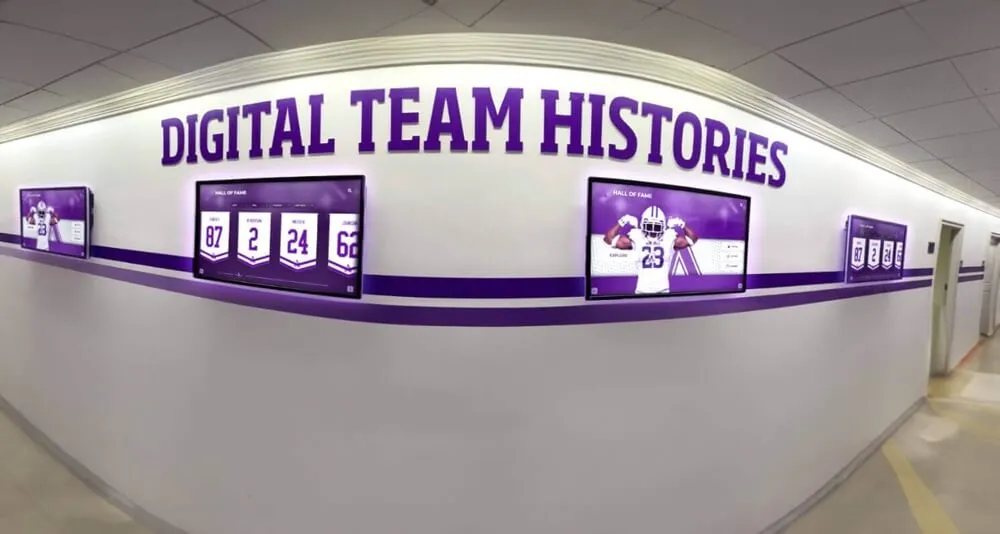
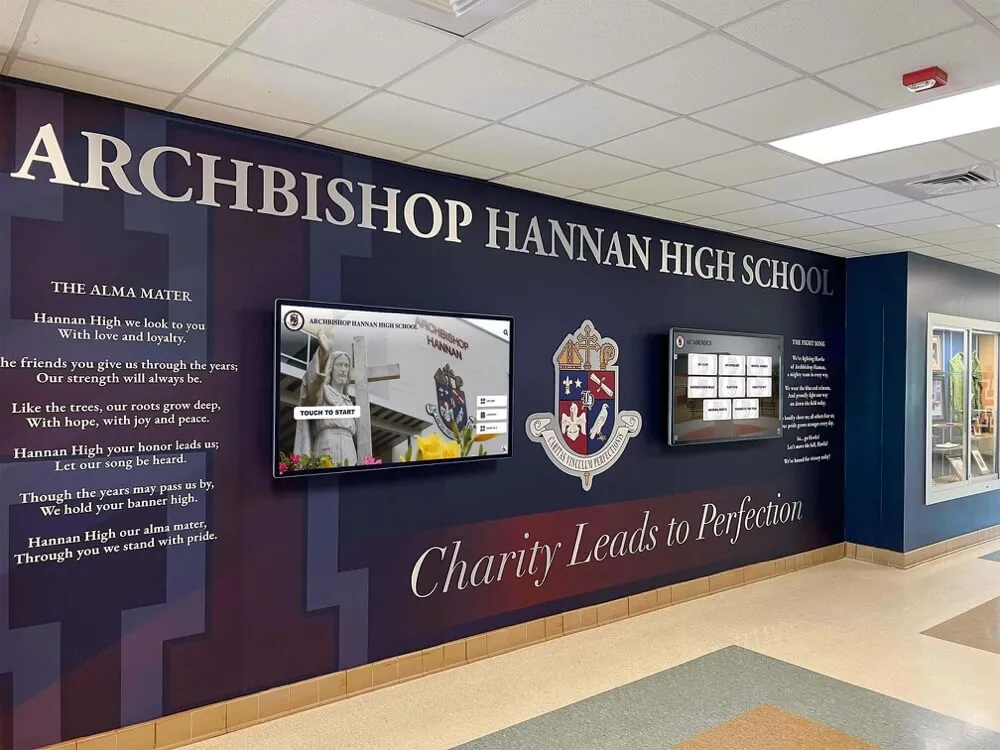
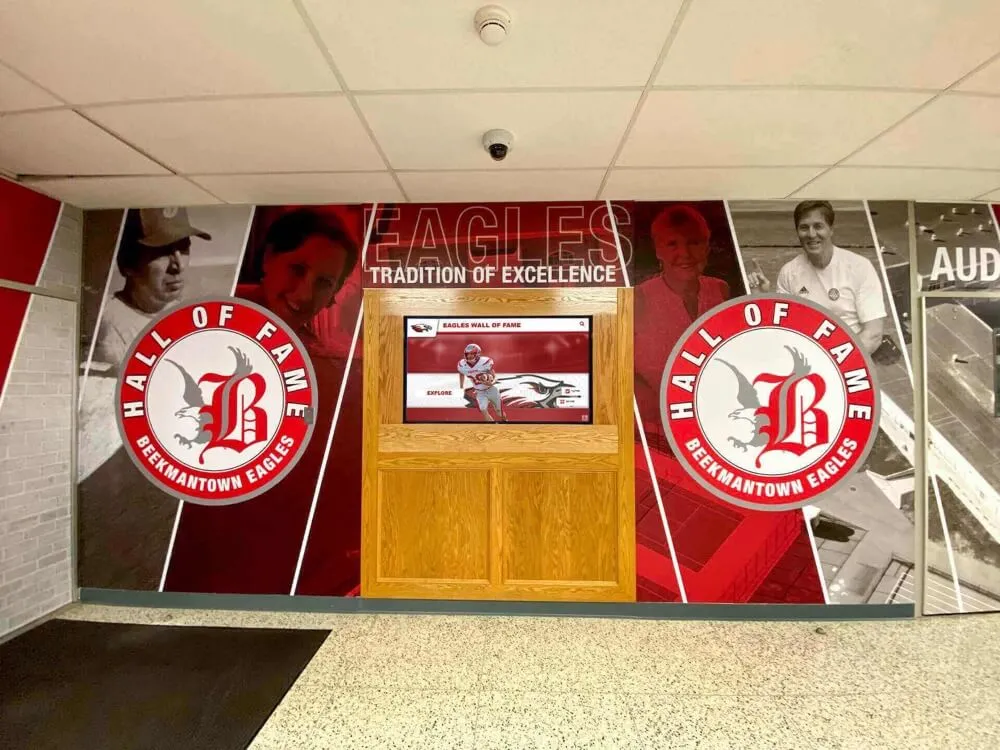
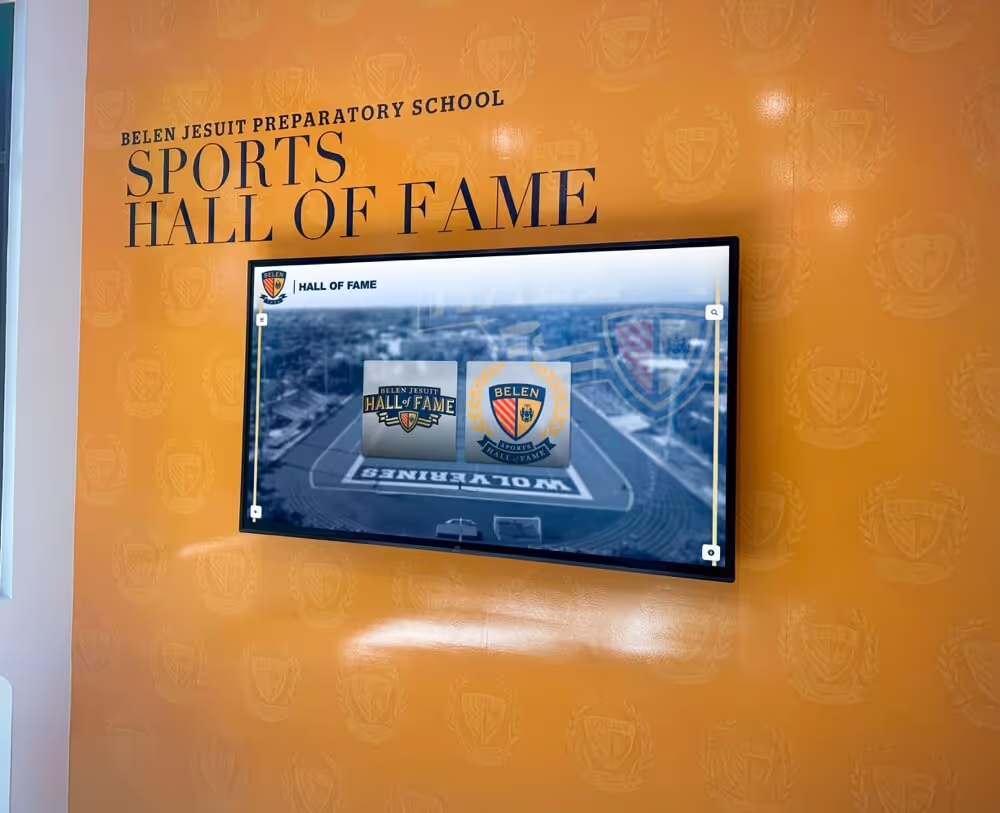
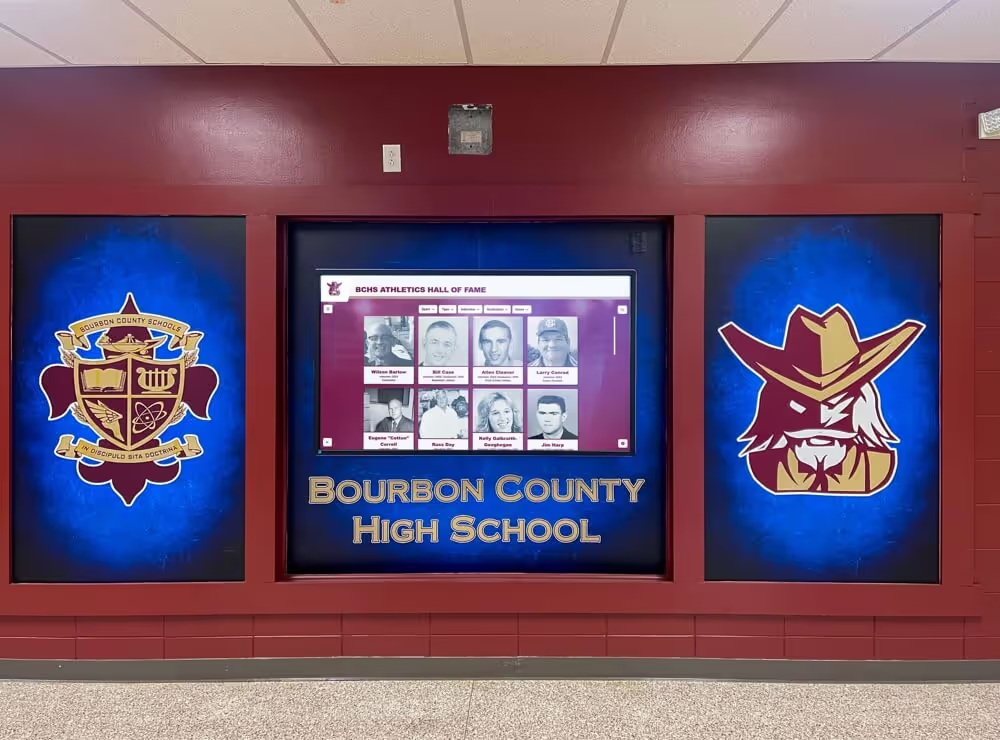
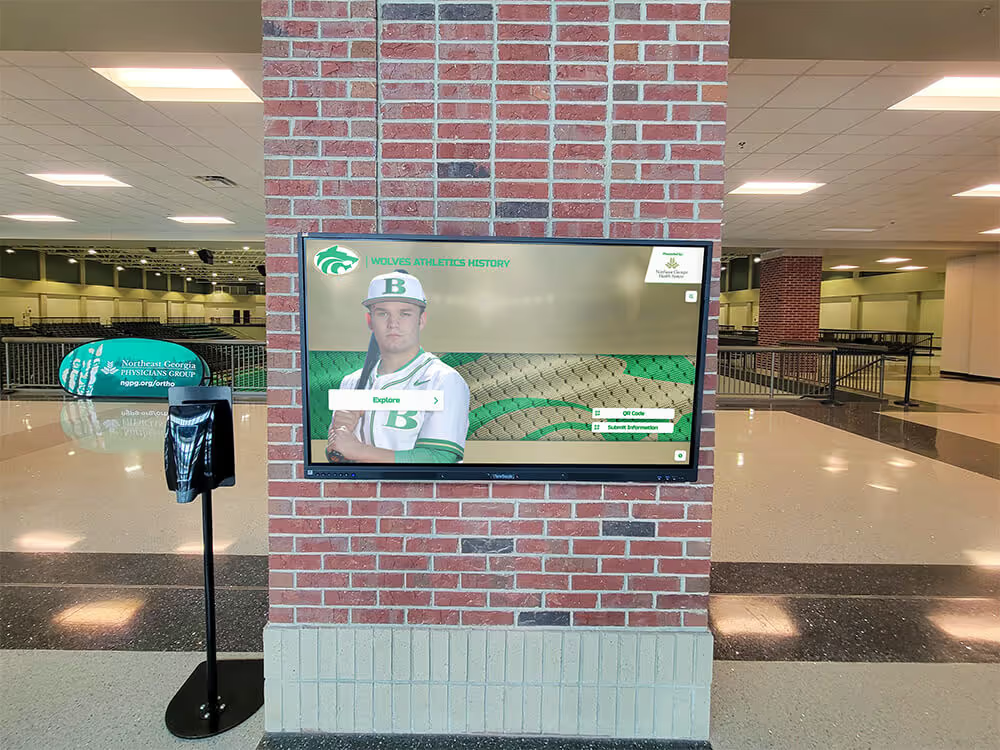
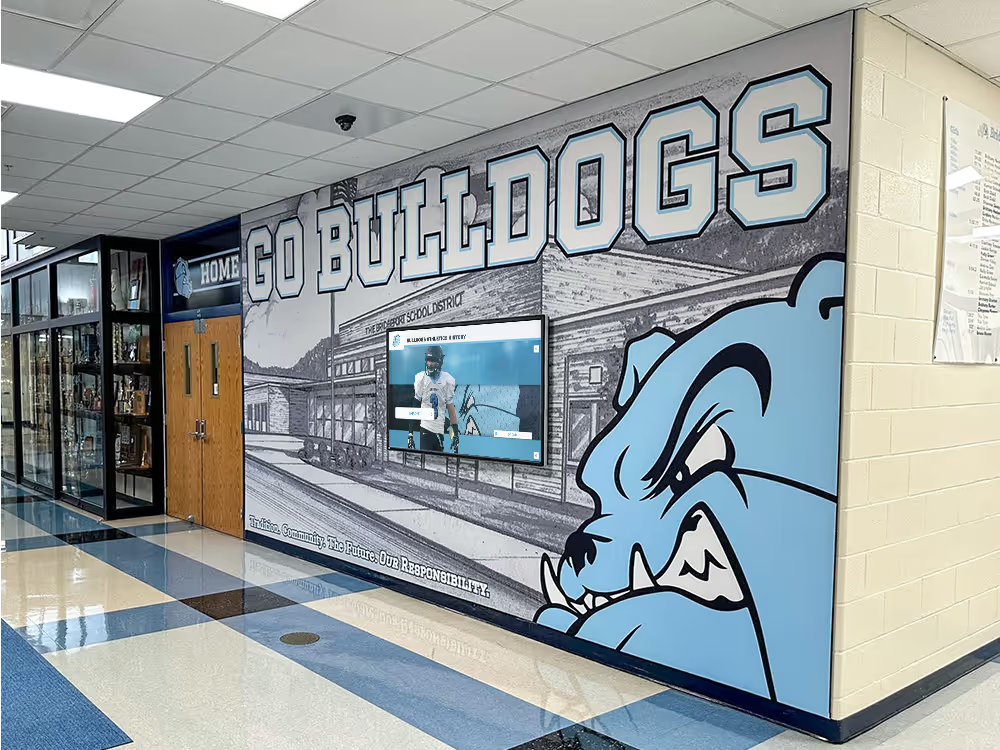
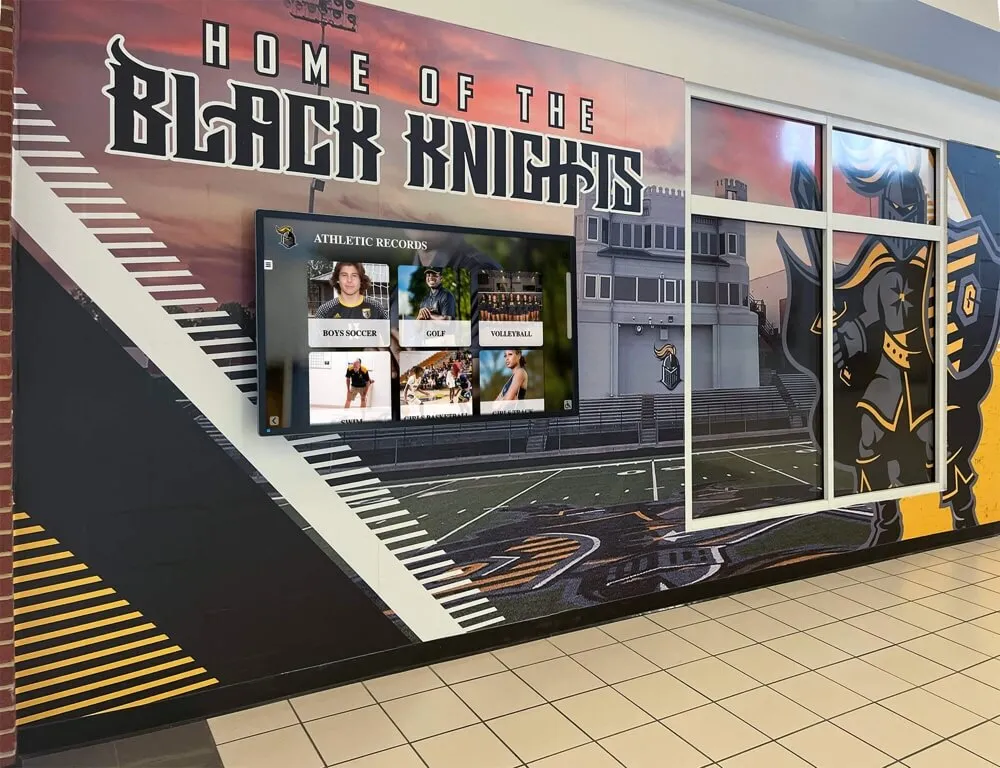
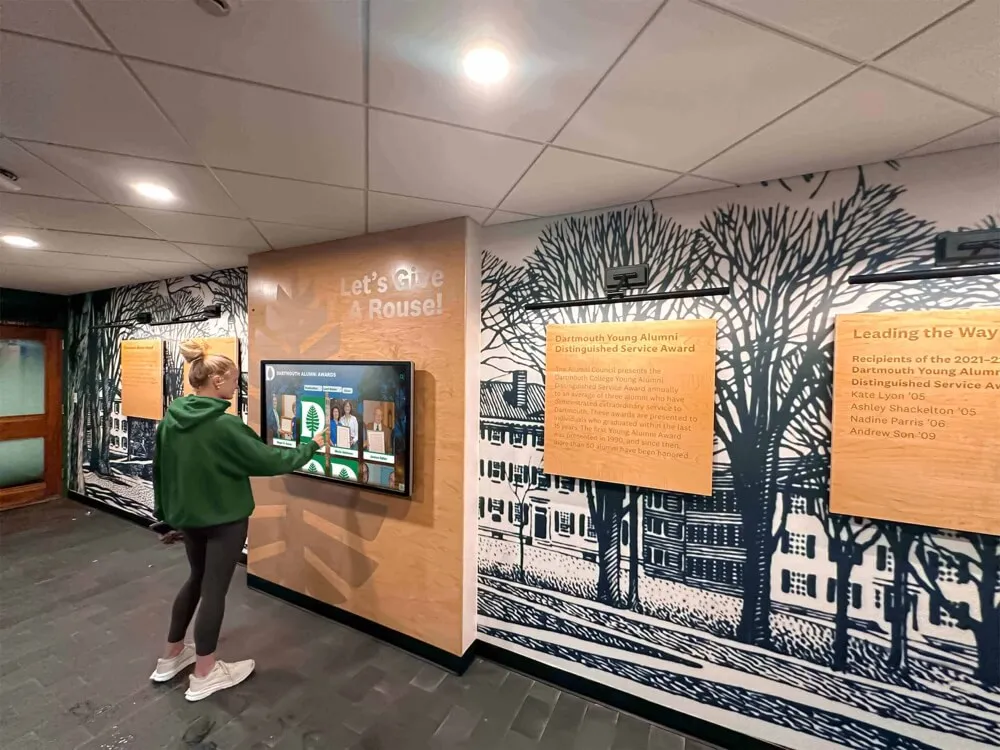
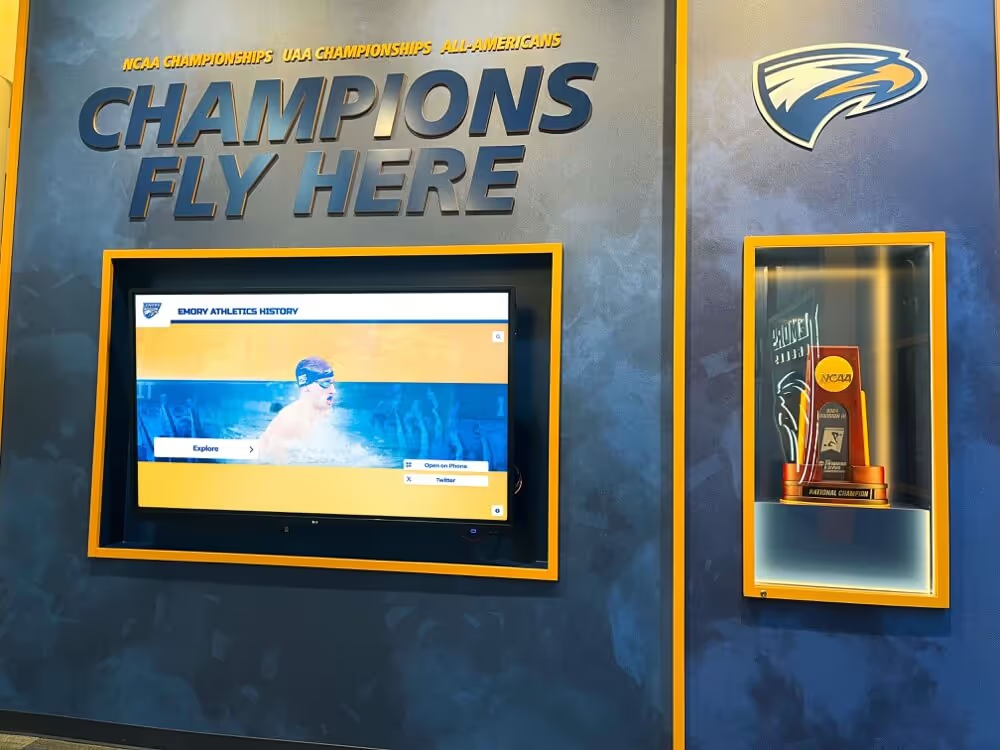
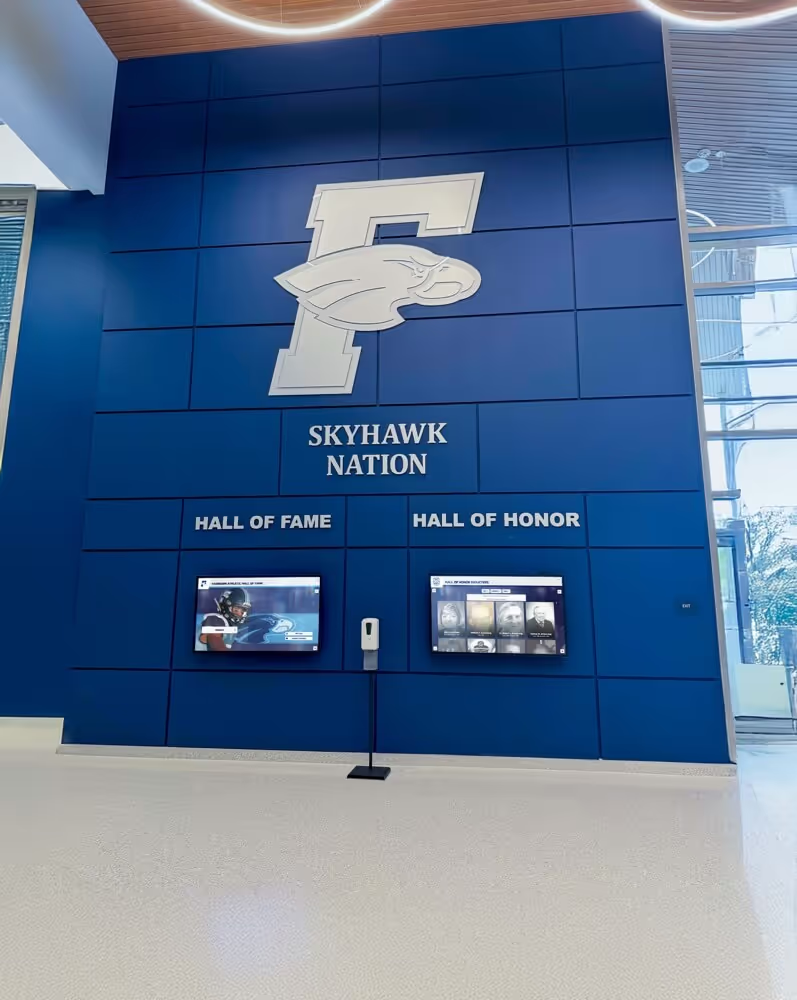
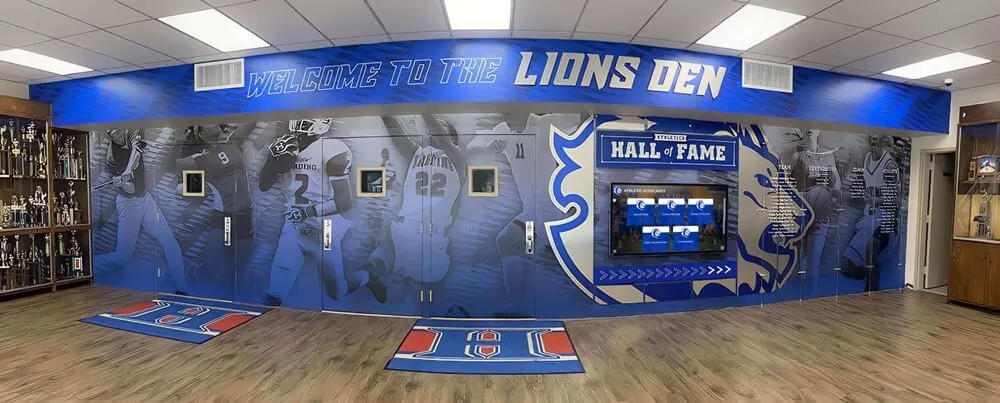
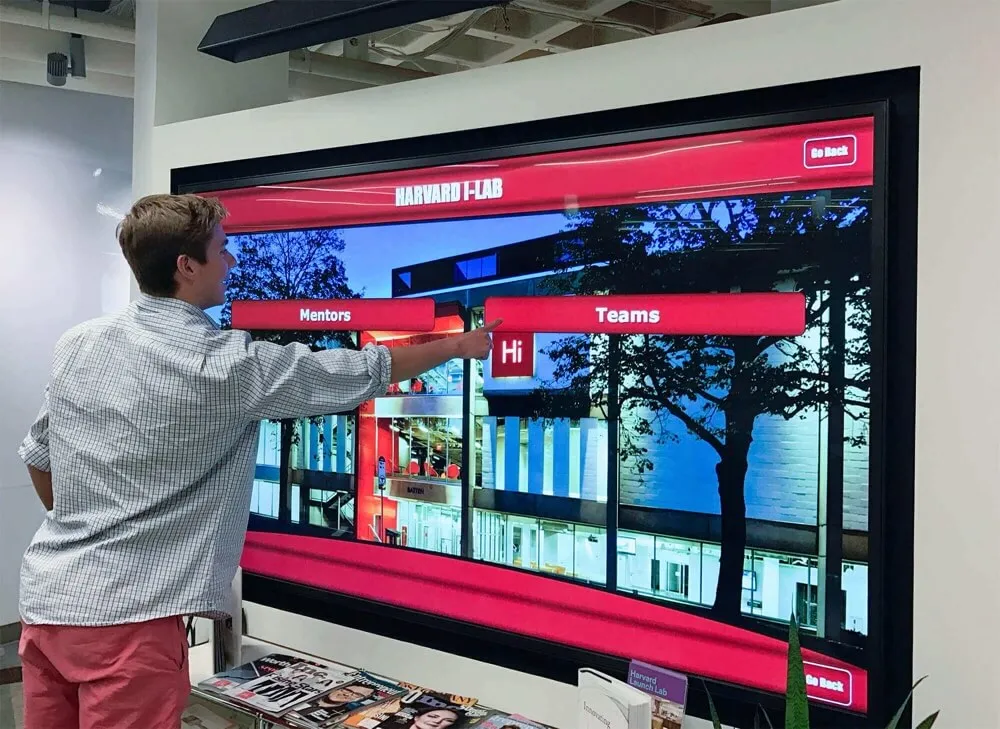
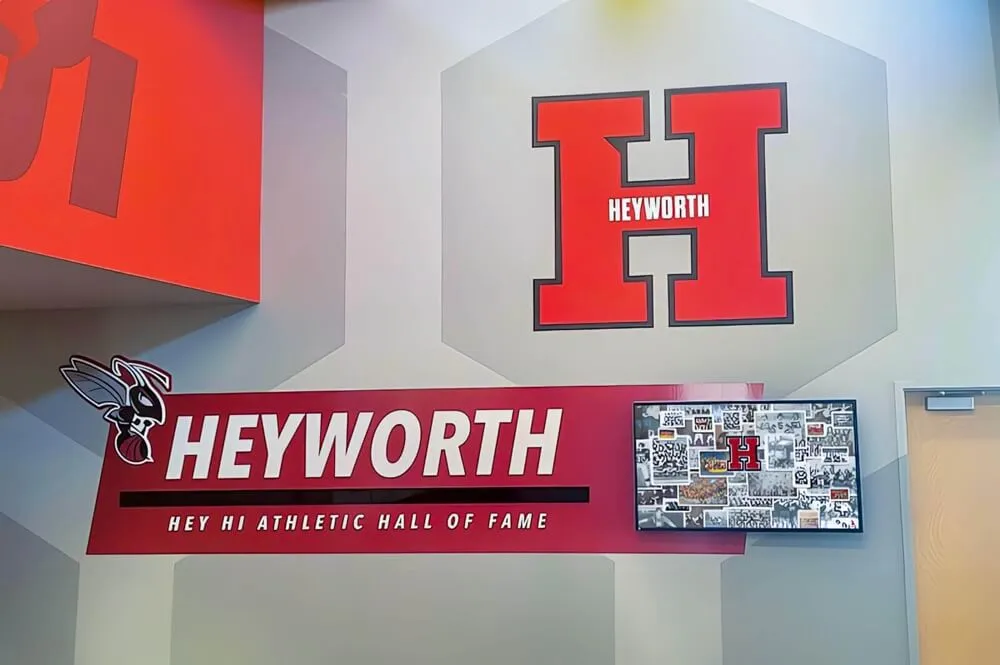
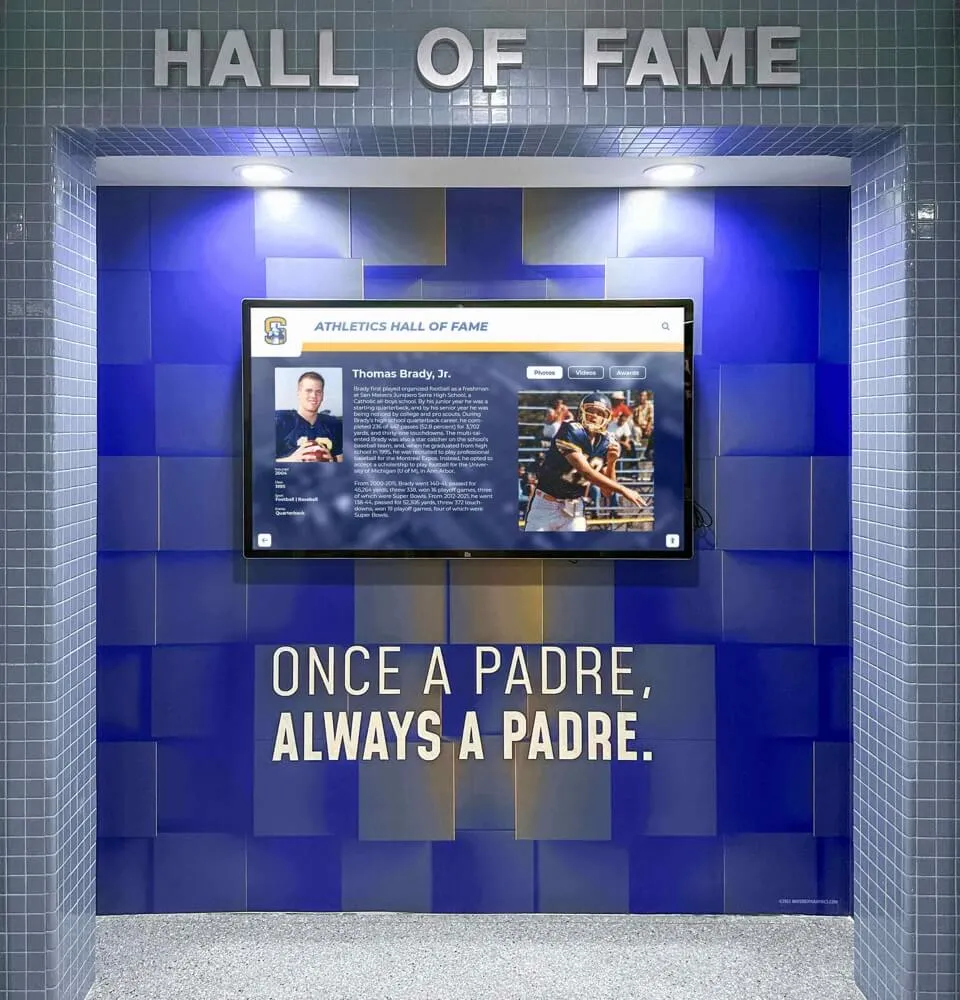
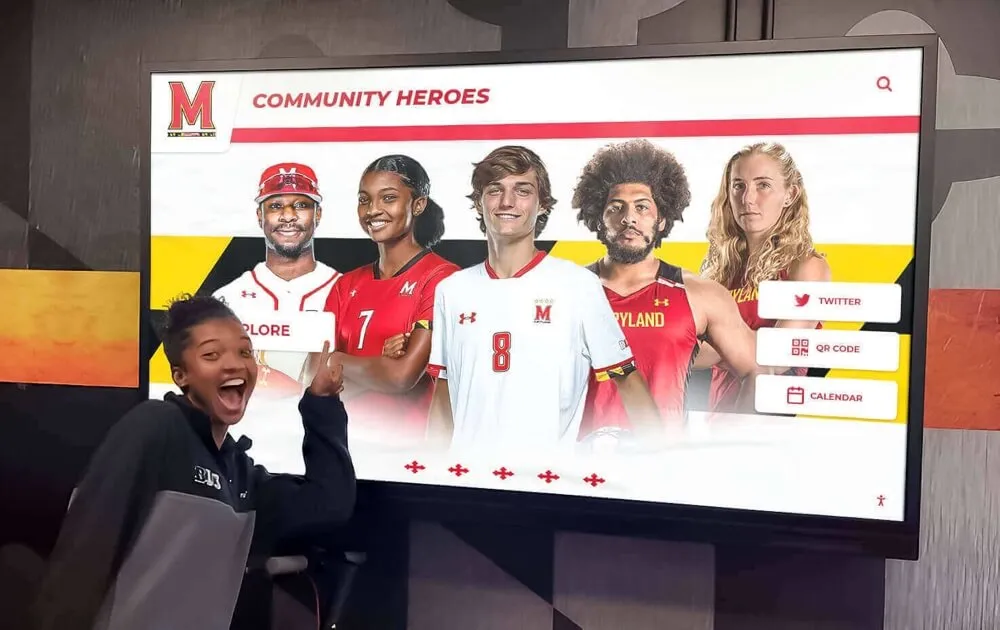
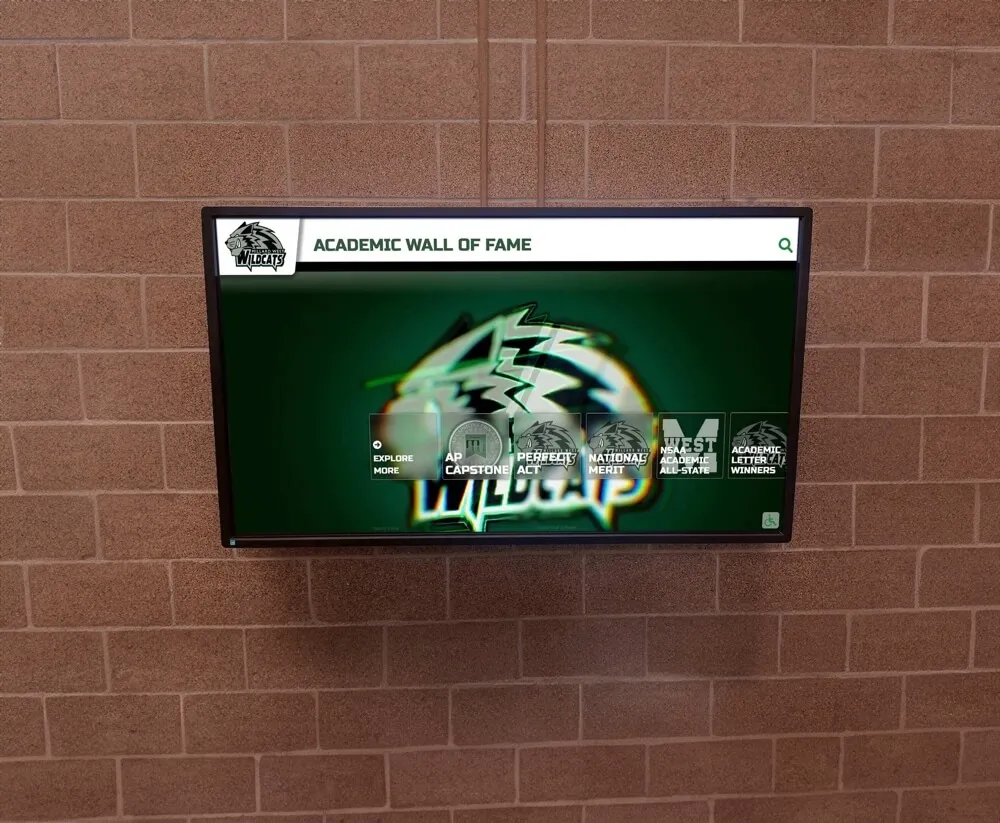
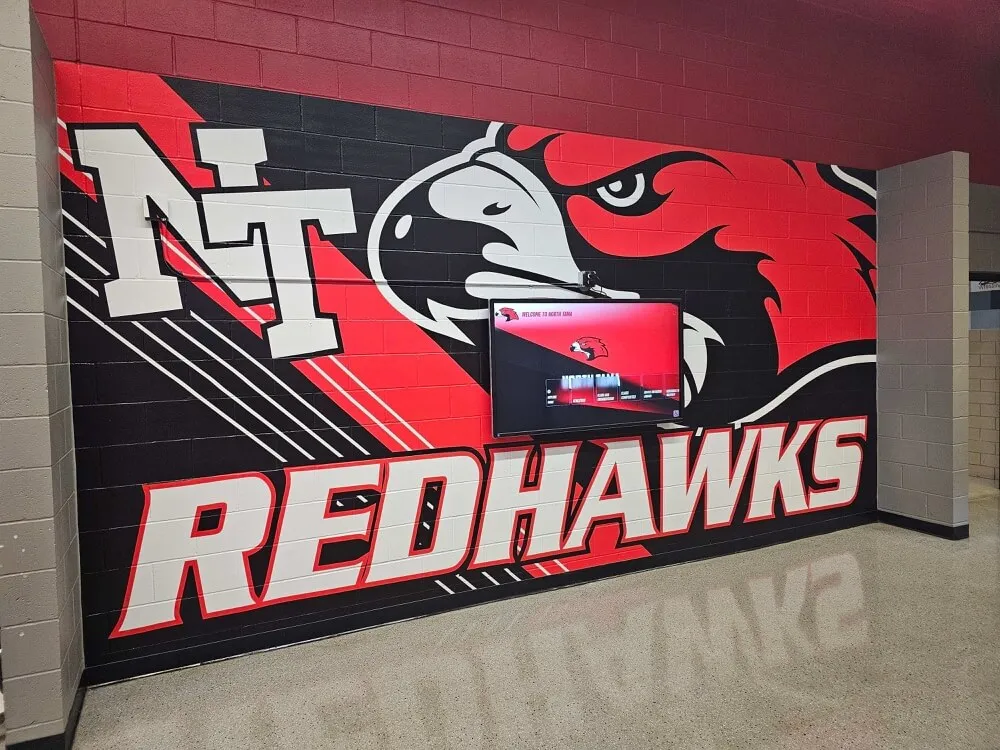
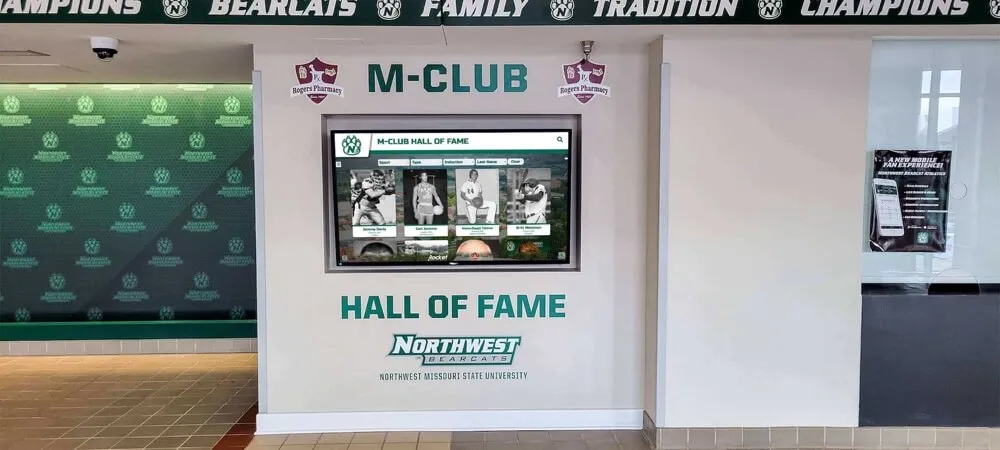
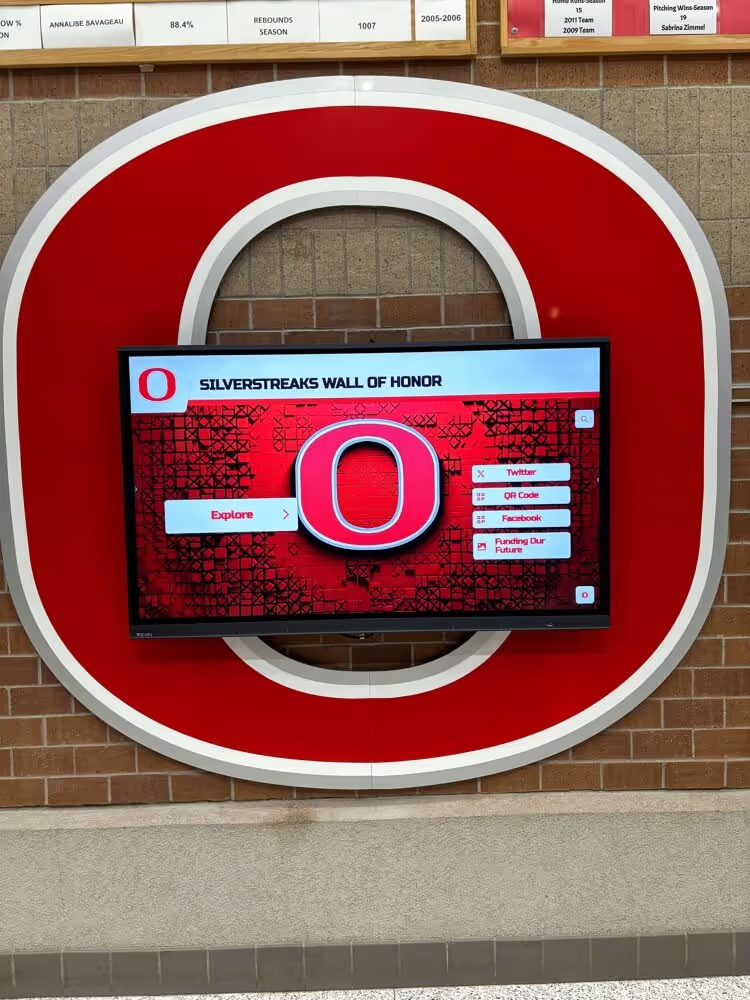
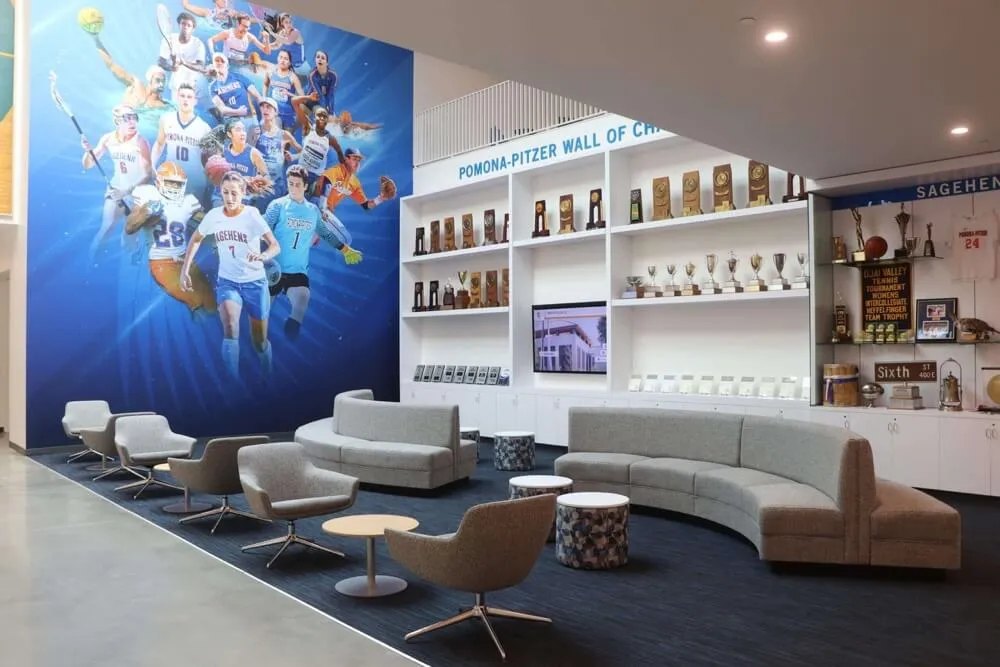
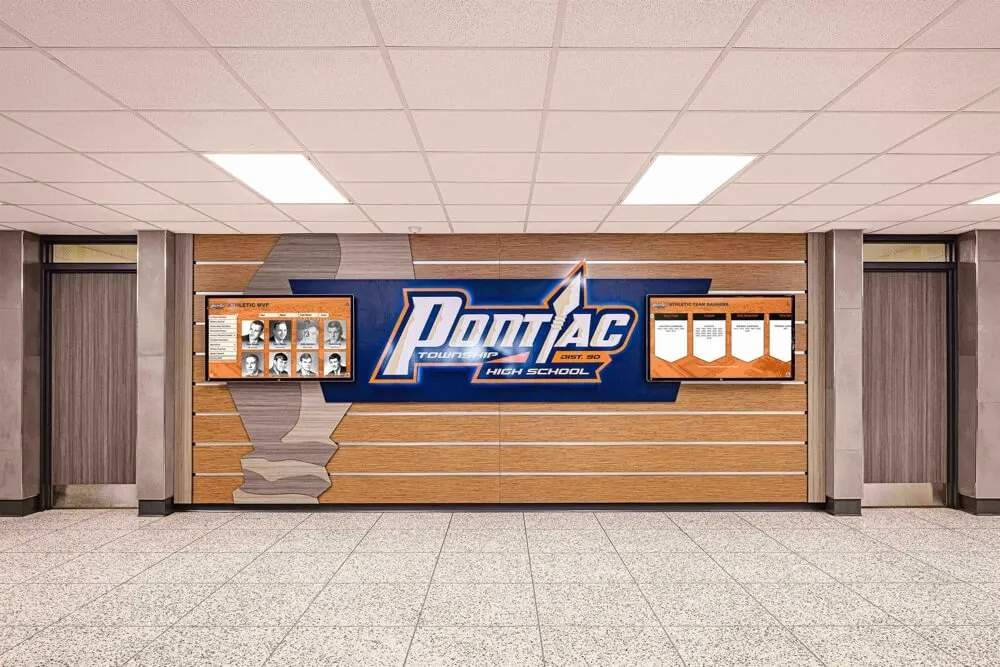
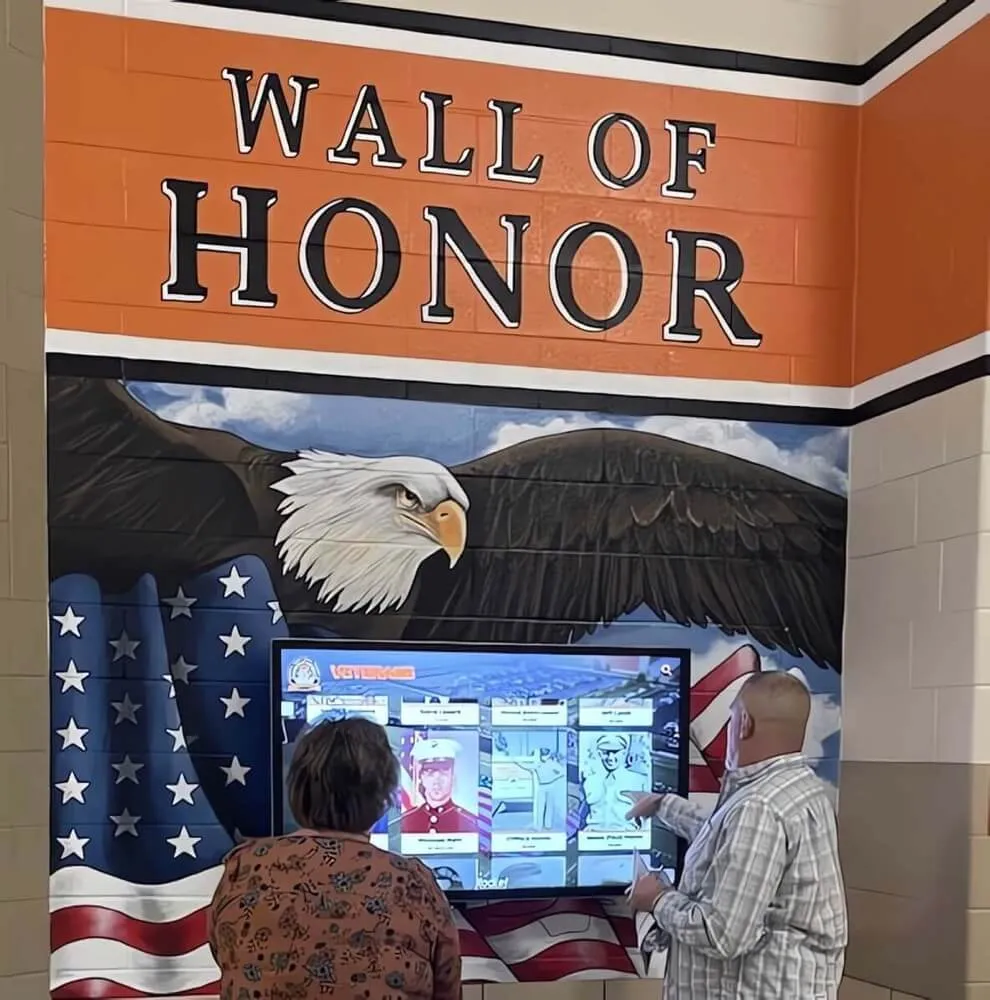
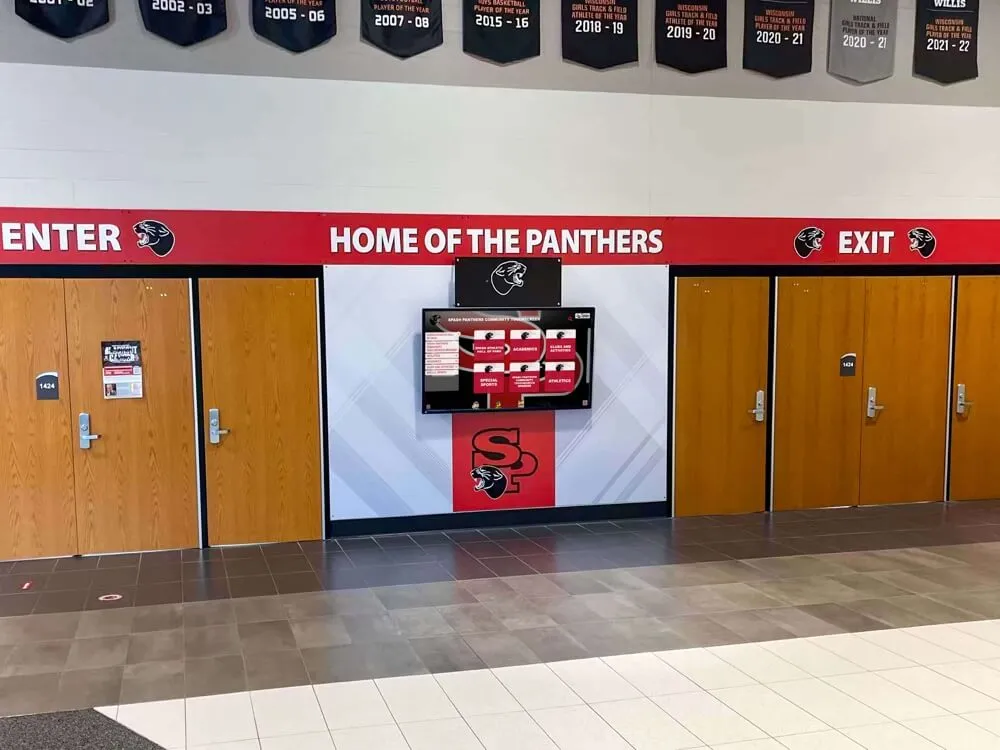
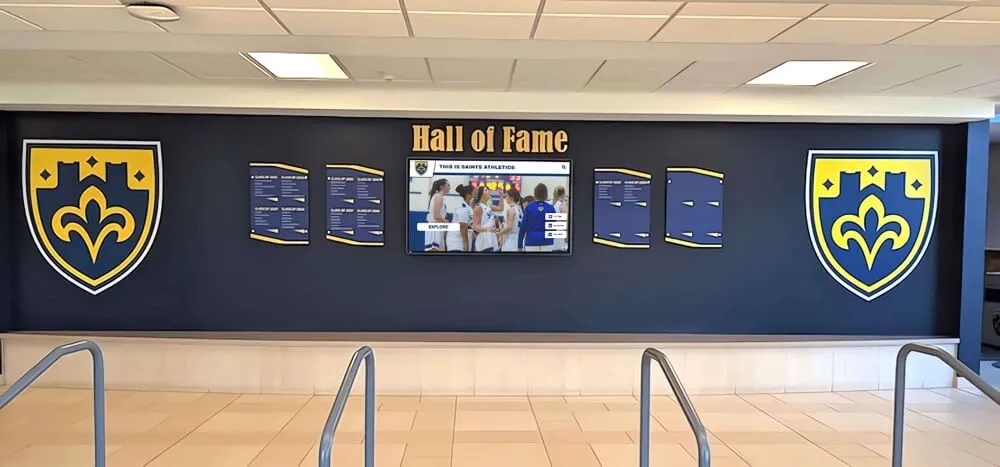
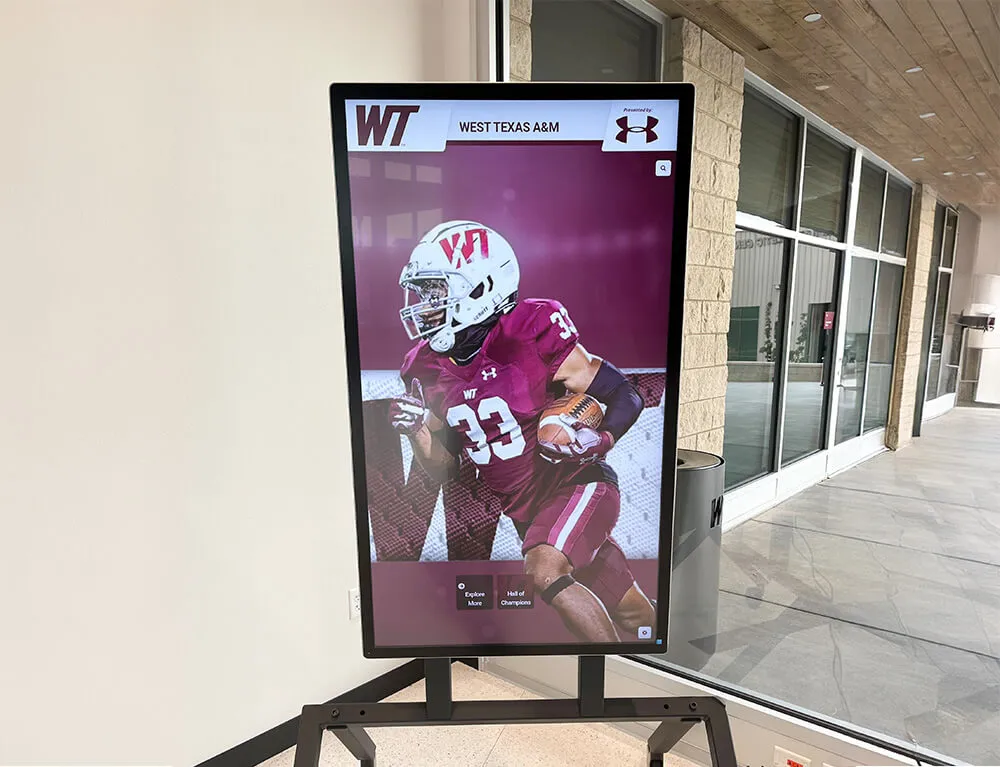
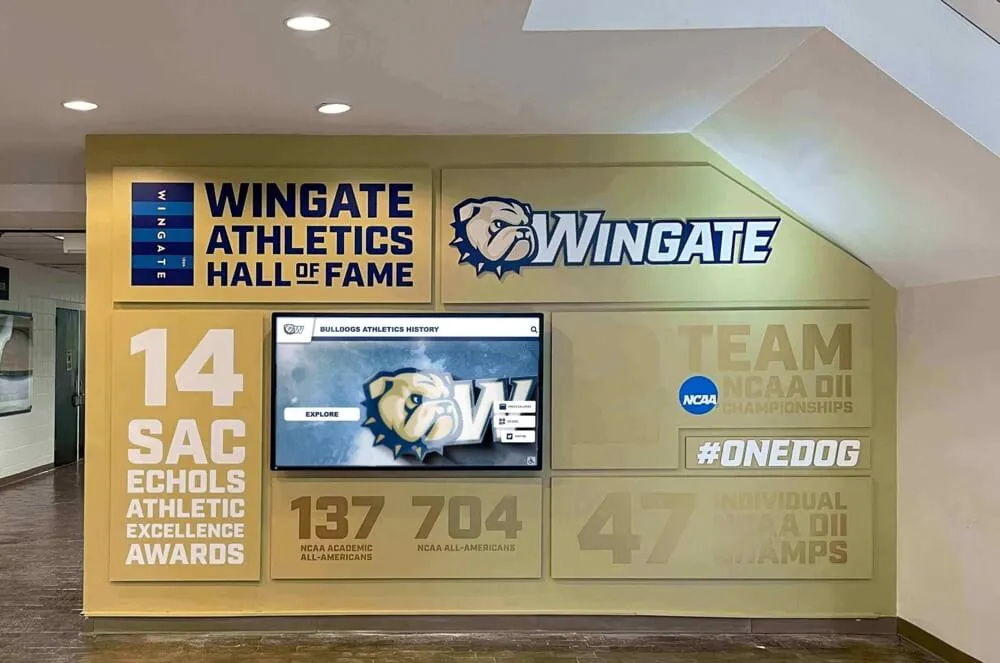
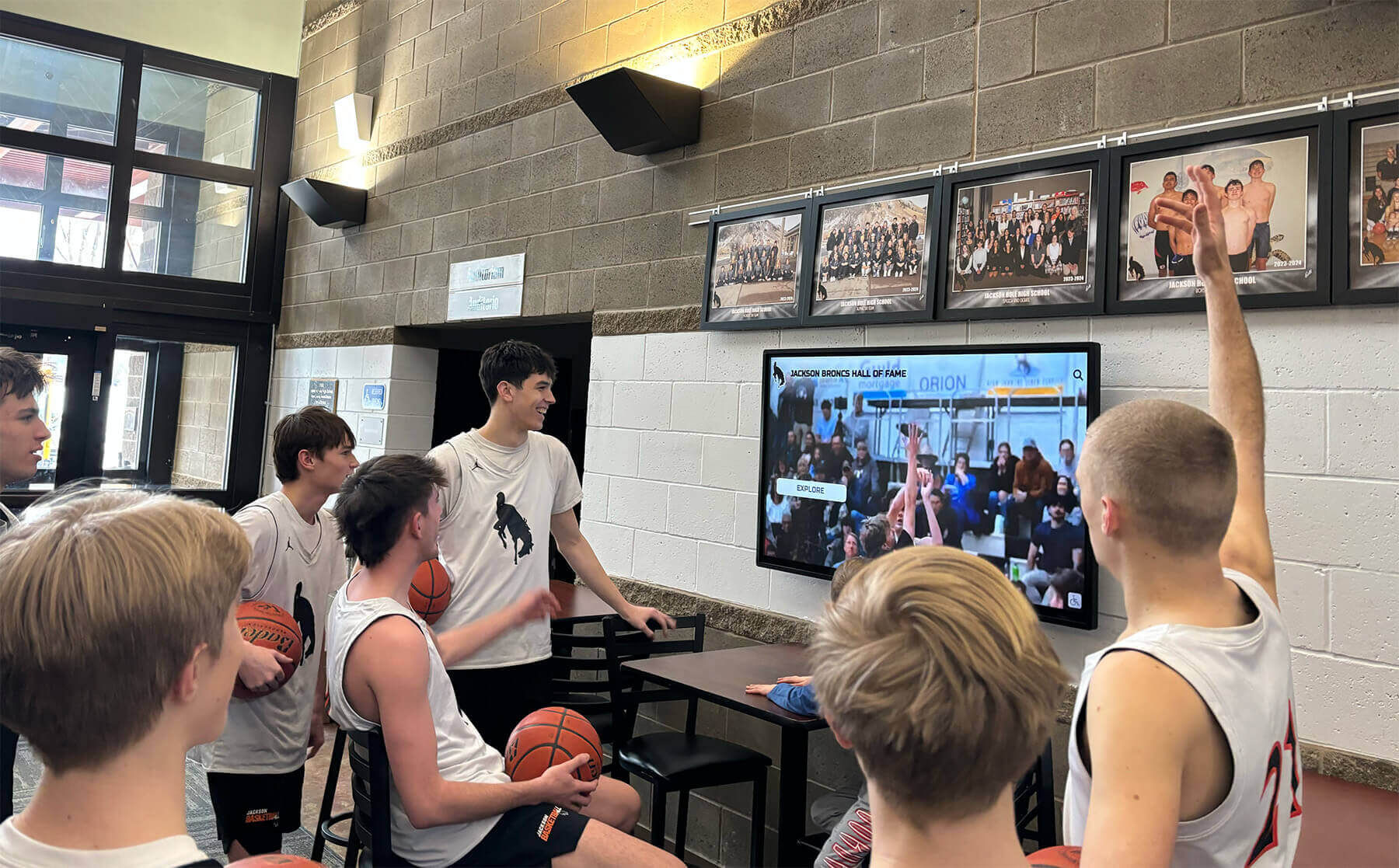
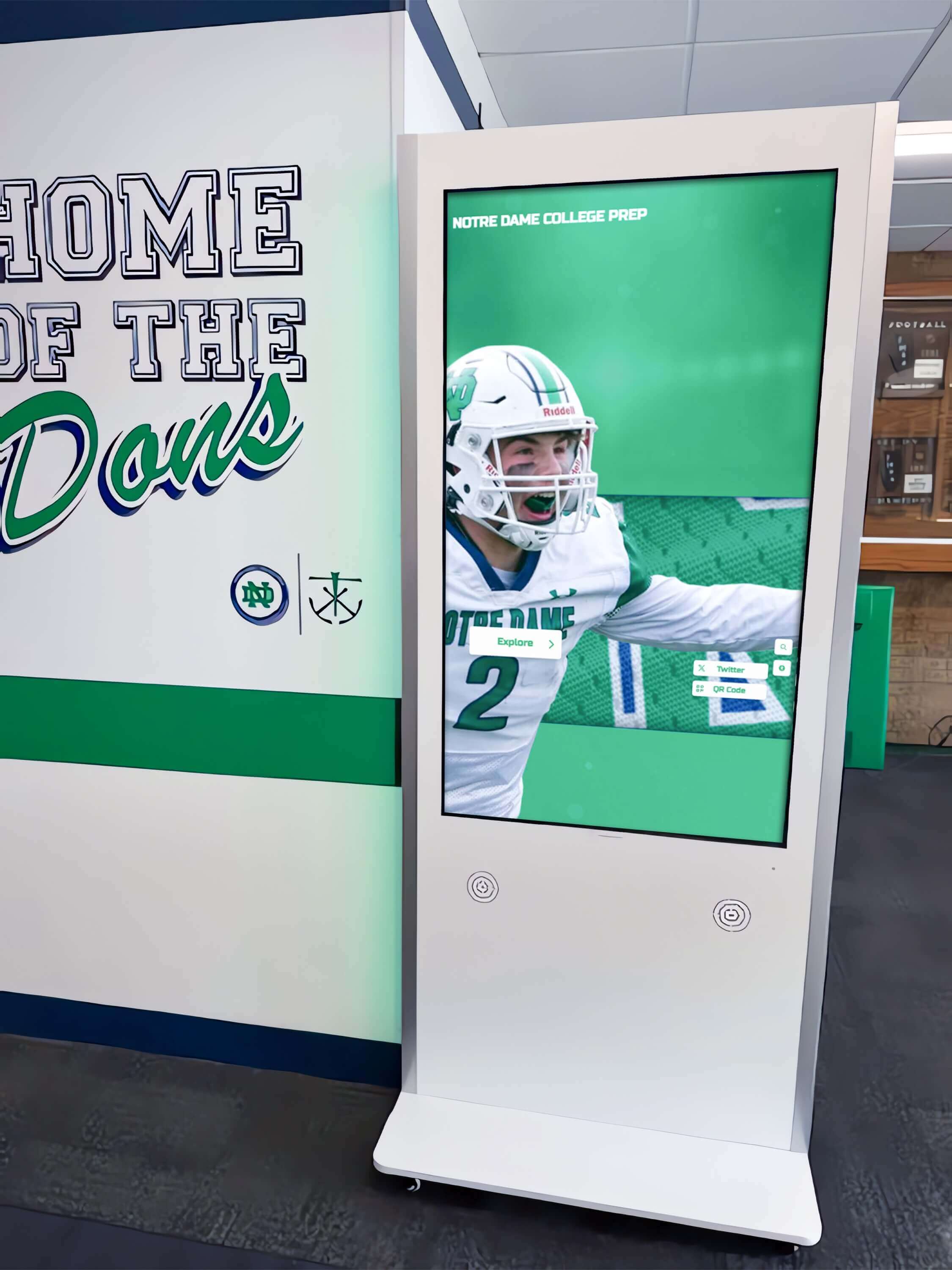
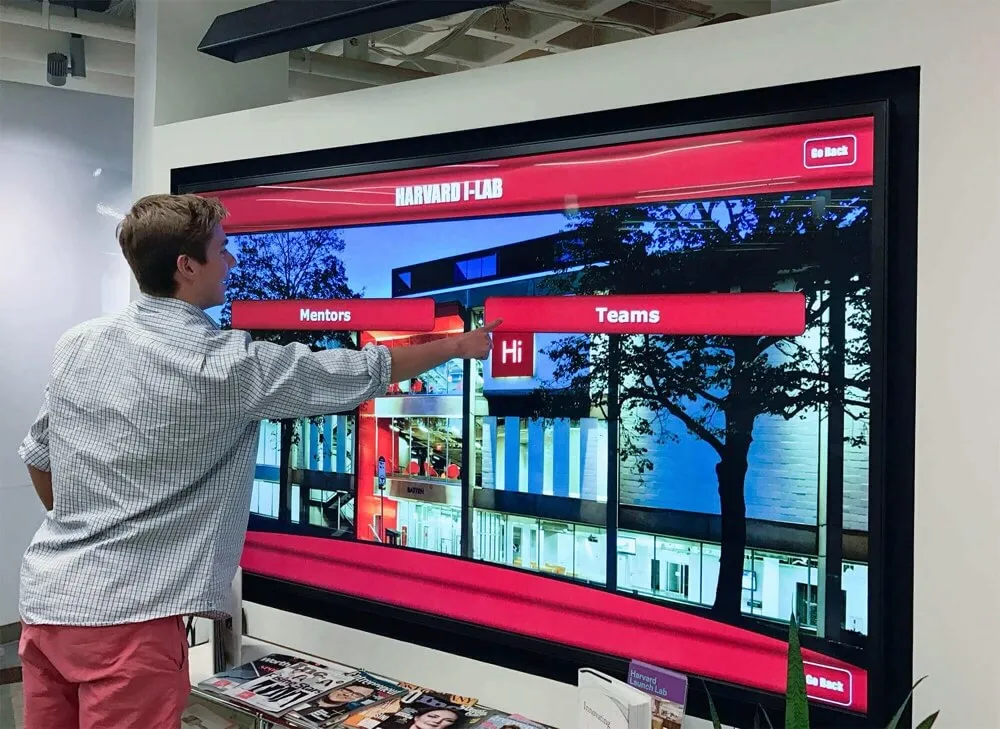
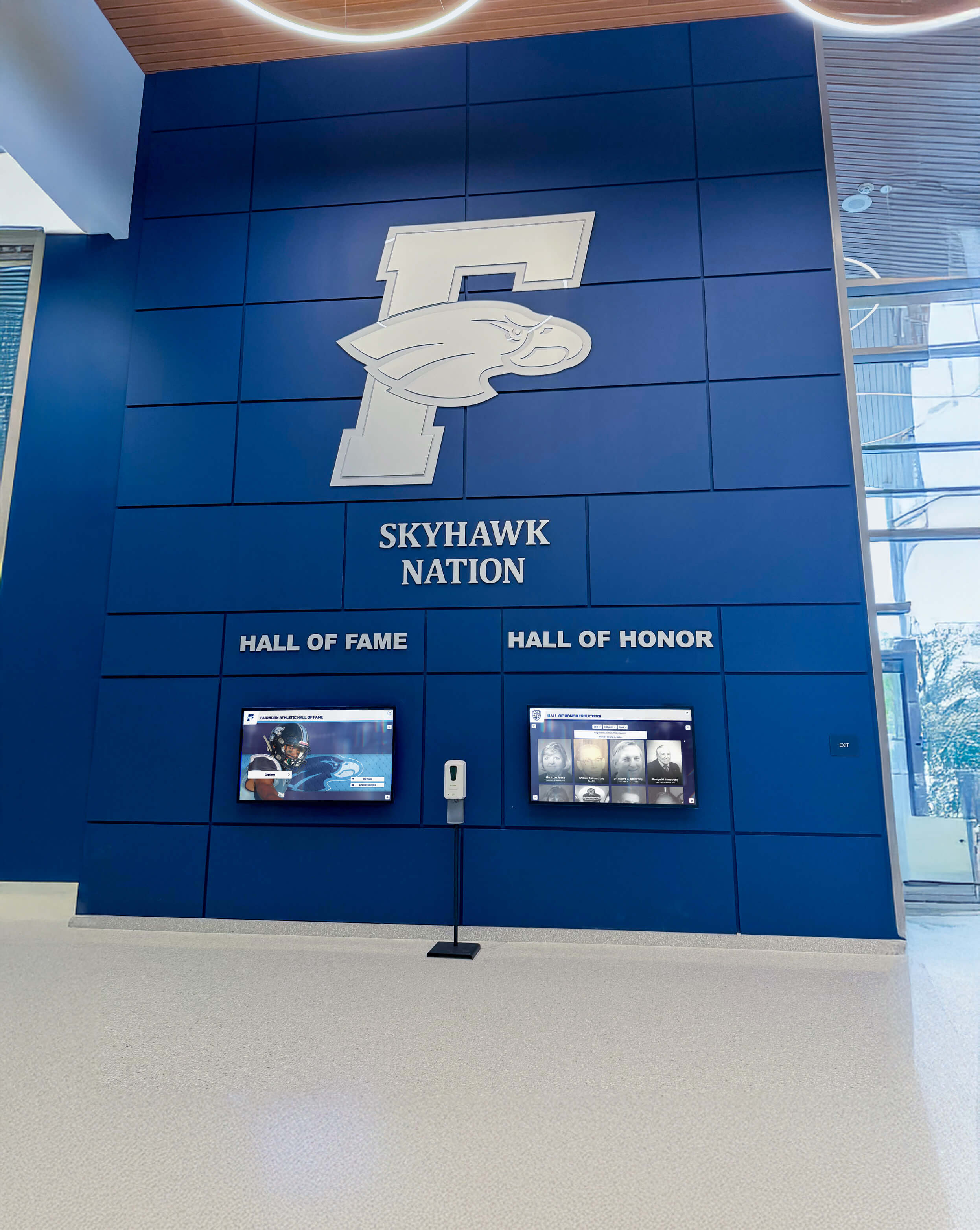
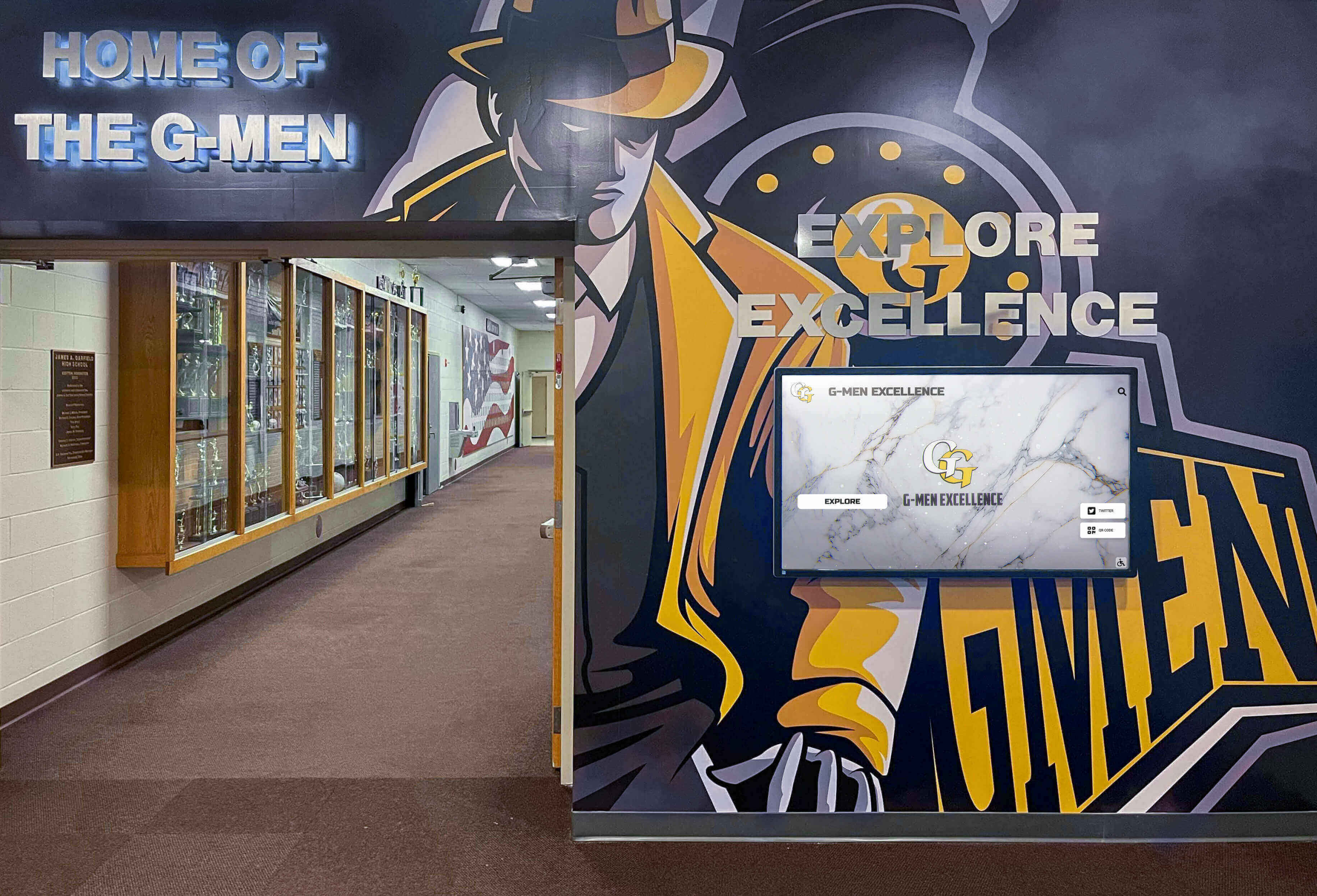
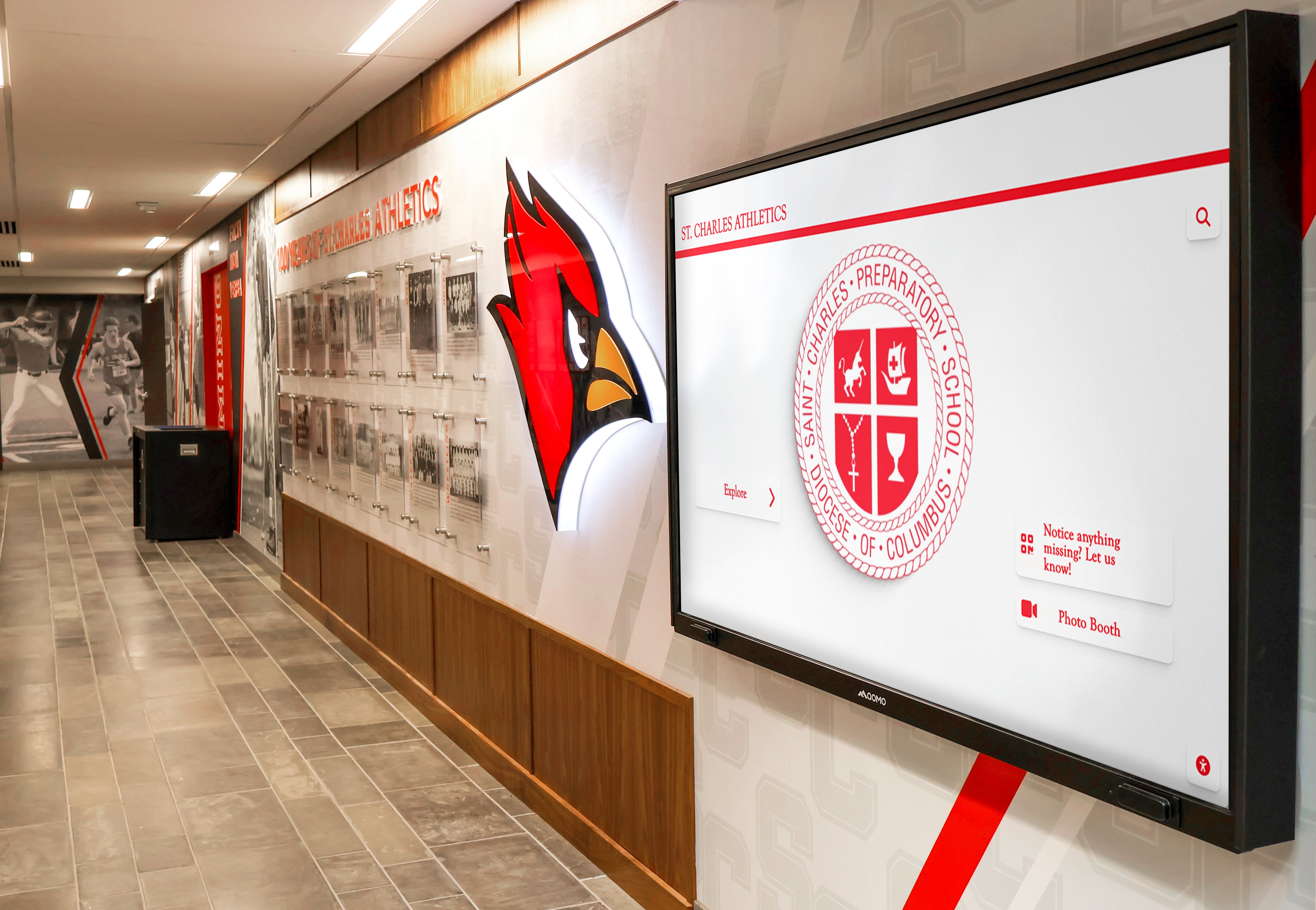
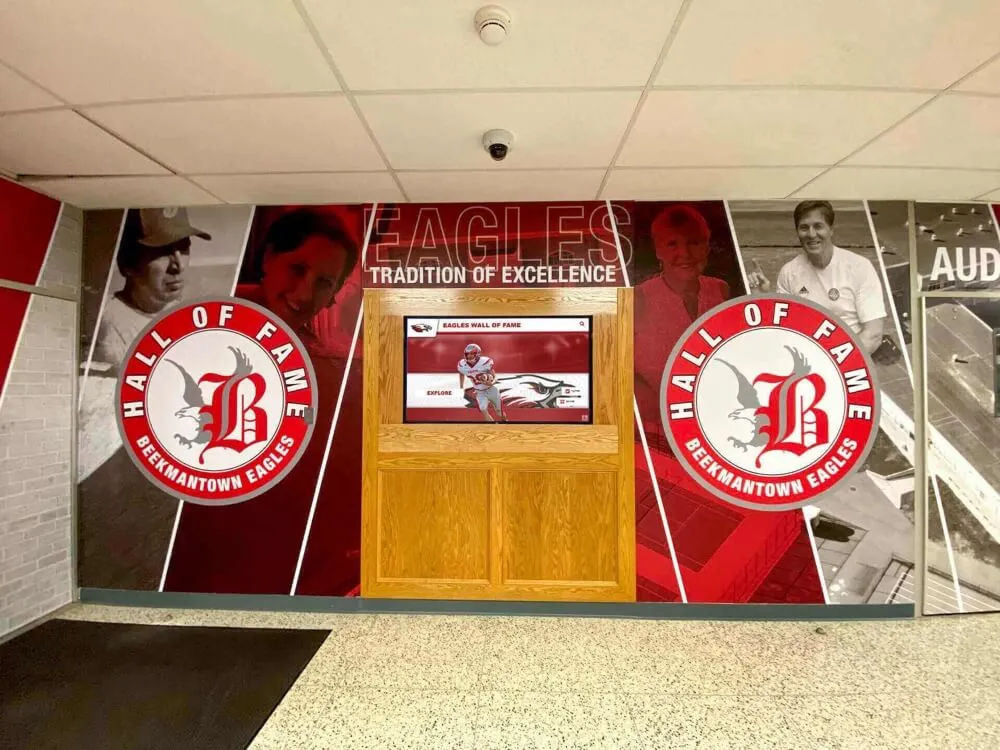
Traditional trophy cases and plaque walls limit recognition capacity while physically separating esports from established athletics. Digital recognition displays solve these challenges by providing unlimited capacity, easy updates, and integrated presentation of all school achievements.
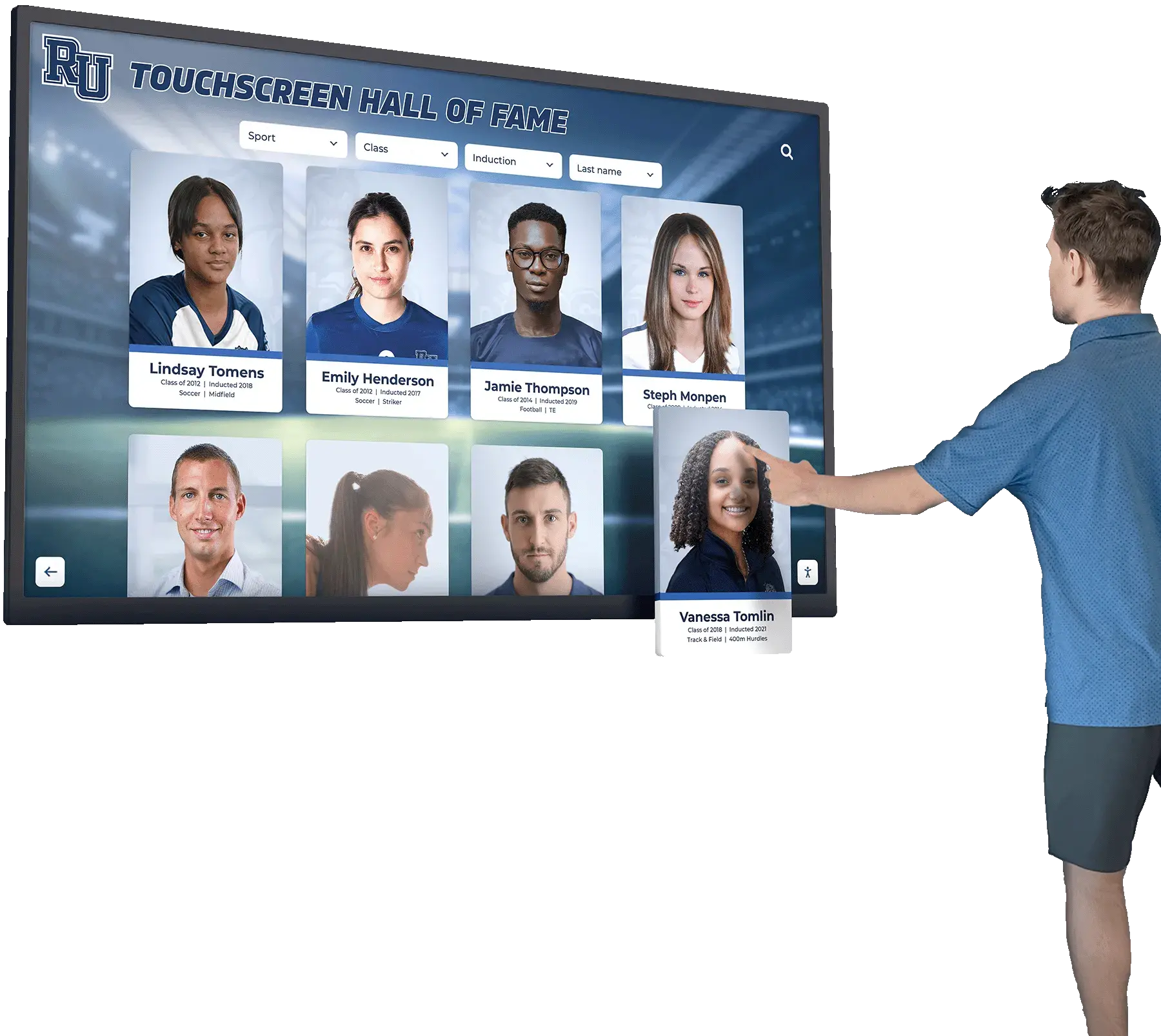
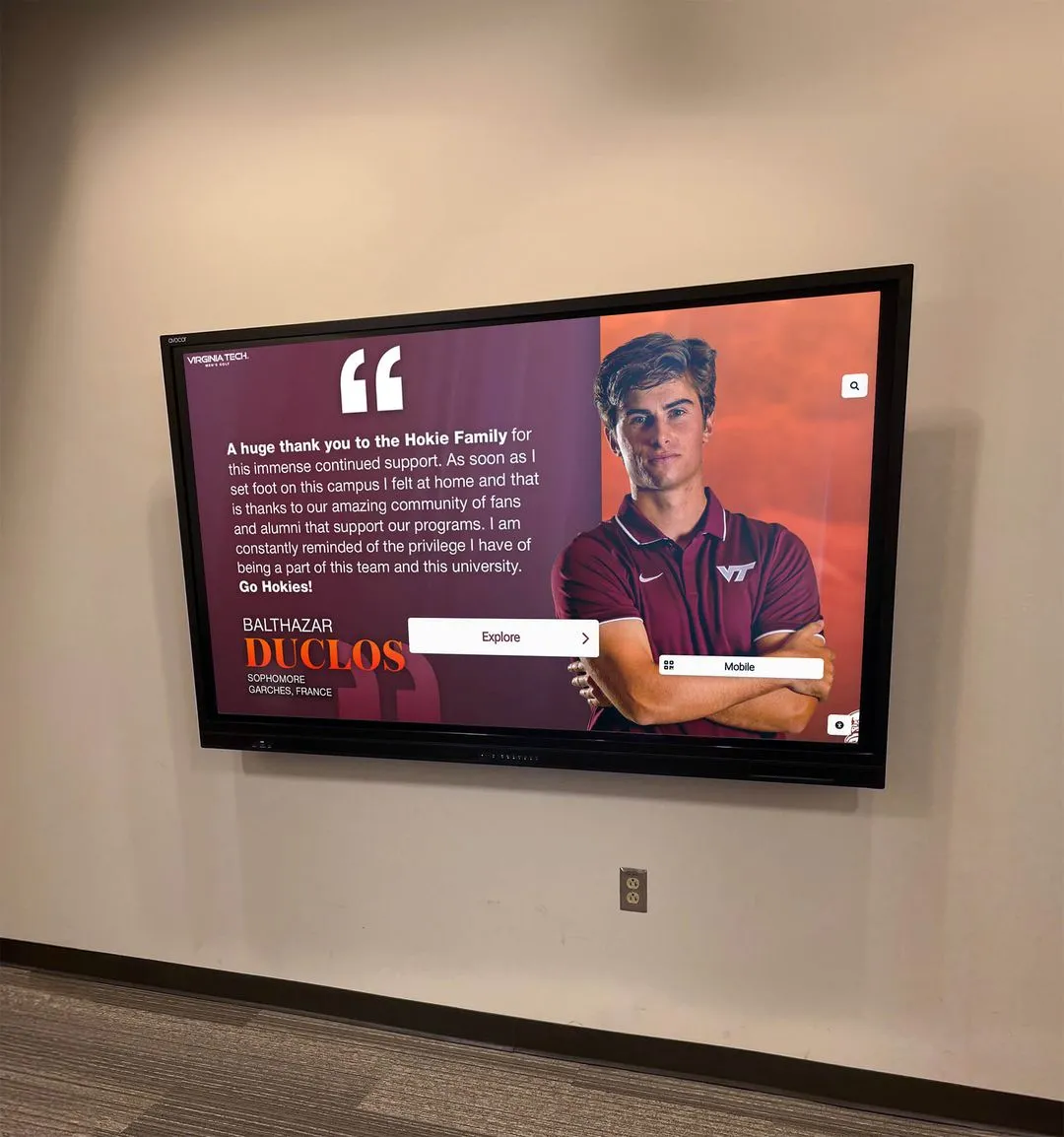

Solutions like Rocket Alumni Solutions enable schools to showcase esports teams, rosters, and tournament results alongside traditional athletic accomplishments in searchable, interactive formats. Students exploring recognition displays see gaming achievements honored with the same prominence as football championships or academic excellence, validating esports as legitimate institutional priority.
Benefits of Digital Esports Recognition:
Digital platforms offer advantages over physical displays for fast-evolving esports programs:
- Unlimited Recognition Capacity: Honor every team member across multiple game titles and seasons without space constraints
- Easy Content Updates: Add tournament results, new team rosters, and seasonal achievements within minutes through cloud-based management
- Multimedia Storytelling: Include match highlights, player profiles, team photos, and championship moments through video and photo galleries
- Searchable Databases: Enable students, families, and visitors to find specific players or teams instantly
- Real-Time Relevance: Display current season rosters, upcoming matches, and live tournament brackets alongside historical achievements
- Cross-Program Integration: Show esports alongside traditional sports, academics, arts, and all school recognition in unified presentation
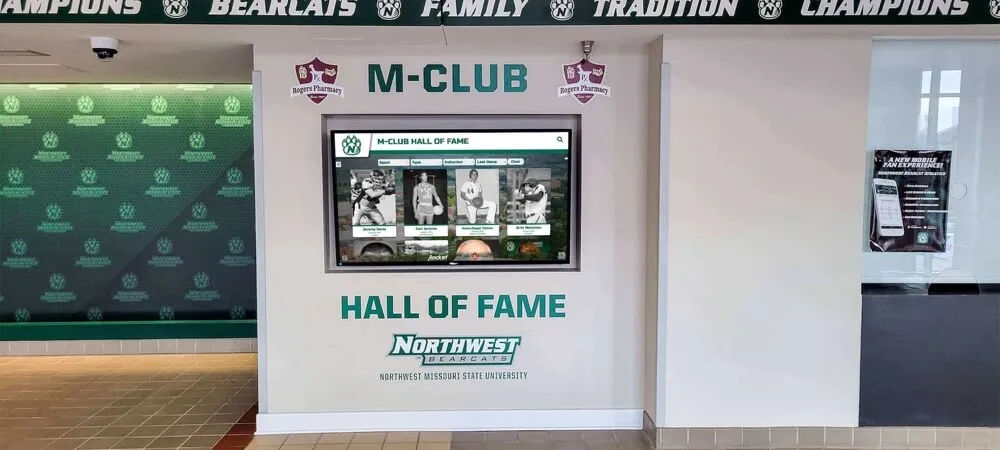
Digital recognition demonstrates institutional commitment to gaming excellence while creating engaging displays attracting student attention and community interest. Schools exploring comprehensive recognition can review best digital display options for integrating diverse achievements.
Strategic Display Placement:
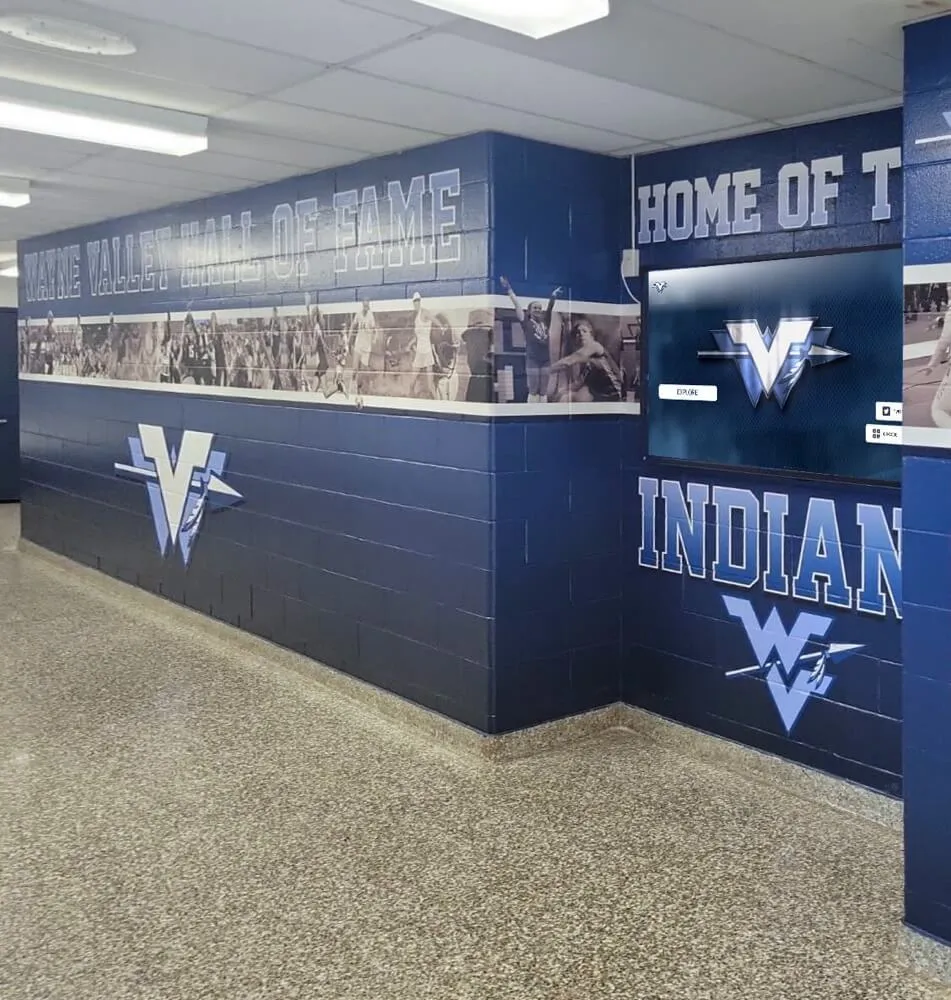
Location affects recognition impact and student engagement:
- Main Entrance Areas: Welcome displays showing all competitive programs including esports
- Athletic Corridors: Integrated displays positioning esports alongside traditional sports
- Computer Labs and Technology Areas: Dedicated esports displays near program facilities
- Student Commons: High-traffic areas ensuring consistent visibility and engagement
- Library or Media Centers: Spaces frequented by students interested in gaming and technology
Strategic placement ensures esports receives visibility proportional to program significance and student participation levels.
Building Community Support and Awareness
External recognition builds program legitimacy and support:
Social Media and Marketing:
Digital presence extends recognition beyond campus:
- Match announcements and results on school social media channels
- Highlight reels and tournament coverage through video platforms
- Player features and team spotlights building individual recognition
- Partnership announcements with leagues and sponsors
- Behind-the-scenes content showing practice and preparation
- Parent and community education about esports value and structure
Consistent communication positions esports as mainstream school activity deserving attention alongside established programs.
Community Education:
Proactive education addresses skepticism and builds support:
- Open house events inviting families to experience esports facilities
- Parent information sessions explaining program structure and educational benefits
- Local media features highlighting championships and student success stories
- School board presentations showing program outcomes and student engagement
- Community partnerships with local businesses and gaming organizations
- Integration with school events such as homecoming, spirit weeks, and assemblies
Education transforms esports from niche activity to recognized institutional priority with broad community support. Schools can apply successful strategies from school spirit programs to build esports enthusiasm.
Academic Integration and Educational Value
Successful programs emphasize educational benefits beyond competition:
STEM Curriculum Connections
Esports provides practical applications for academic concepts:
Computer Science Integration:
Gaming naturally incorporates technology skills:
- Computer hardware education through building and maintaining gaming PCs
- Troubleshooting and technical problem-solving for equipment issues
- Networking concepts ensuring reliable connectivity for competition
- Software configuration and optimization for performance
- Introduction to programming through game modification and analysis tools
- Cybersecurity awareness protecting accounts and personal information
Technology teachers can develop curriculum using esports equipment and competition as engaging context for computer science concepts.
Mathematics and Analytics:
Competitive gaming generates extensive performance data:
- Statistical analysis of player performance metrics
- Probability and game theory in strategic decision-making
- Graphing and visualization of performance trends
- Mathematical optimization for build strategies and resource management
- Spreadsheet development tracking team and individual statistics
- Data-driven coaching using analytics to inform strategy
Math teachers can partner with esports programs creating authentic data analysis projects using real competition statistics.
Communication and Media:
Broadcasting and content creation develop valuable skills:
- Written communication through match previews and recaps
- Public speaking and commentary during broadcast productions
- Video editing creating highlight reels and promotional content
- Graphic design for team branding and social media graphics
- Marketing and social media management building program visibility
- Journalism covering school esports for news outlets and school publications
English and media teachers can collaborate with esports programs integrating communication skills into competition coverage and program marketing.
Academic Eligibility and Support
Maintaining academic standards prevents gaming from compromising education:
Eligibility Requirements:
Academic standards should parallel traditional sports:
- Minimum GPA requirements (commonly 2.0 or 2.5) for participation
- No failing grades in any course during competition season
- Regular academic progress monitoring through progress reports
- Mandatory study halls or tutoring for academically struggling players
- Ineligibility consequences including practice restrictions or competition suspension
- Academic improvement plans with support services for at-risk students
Clear academic standards demonstrate that esports enhances rather than detracts from educational priorities.
Time Management Skills:
Balancing gaming and academics develops crucial life skills:
- Structured schedules balancing practice, homework, and personal time
- Priority setting when academic and gaming commitments conflict
- Organization skills managing multiple responsibilities simultaneously
- Discipline and self-regulation avoiding excessive recreational gaming
- Goal-setting balancing short-term competition with long-term educational objectives
Coaches should explicitly teach time management rather than assuming students naturally develop these skills.
Funding and Sustainability
Securing resources and maintaining programs long-term requires strategic planning:
Budget Planning and Cost Management
Understanding costs enables realistic program planning:
Initial Startup Costs:
First-year implementation requires significant investment:
- Gaming stations: $1,000-1,500 × 8 stations = $8,000-12,000
- Peripherals and accessories: $300-500 × 8 stations = $2,400-4,000
- Furniture and facility improvements: $2,000-5,000
- League registration fees: $64 × 25 students × 2 seasons = $3,200
- Uniforms or team apparel: $50 × 25 students = $1,250
- Total estimated first-year cost: $16,850-25,450
These costs assume mid-tier equipment supporting competitive play across multiple game titles.
Ongoing Annual Expenses:
Sustaining programs requires consistent funding:
- League fees and tournament registration: $3,000-5,000 annually
- Equipment maintenance and replacement: $2,000-3,000 annually
- Internet connectivity upgrades: $500-1,500 annually
- Software licenses and subscriptions: $500-1,000 annually
- Apparel and recognition awards: $1,000-2,000 annually
- Professional development for coaches: $500-1,000 annually
- Total estimated annual operating budget: $7,500-13,500
Grant Opportunities and Sponsorships
External funding reduces school budget burden:
Grant Programs:
Multiple organizations support school esports programs:
- NASEF Community Grants: Awards up to $5,000 for program development
- Generation Esports Grants: Equipment and league fee support
- Intel Education Grants: Technology funding including esports equipment
- Local Education Foundations: Community grants supporting innovative programs
- Parent-Teacher Organizations: Program development funding from school support groups
Successful grant applications emphasize educational outcomes, student engagement, and STEM integration rather than purely competitive focus.
Corporate Sponsorships:
Local businesses increasingly support school esports:
- Computer retailers and technology companies providing equipment discounts
- Internet service providers upgrading school connectivity
- Local gaming cafes and entertainment venues offering practice space
- Professional esports organizations providing coaching and resources
- Restaurants and businesses sponsoring teams for brand visibility
Sponsorship proposals should emphasize community impact, student development, and marketing value for businesses supporting youth programming.
Future Trends and Program Evolution
Esports continues evolving, requiring adaptability and forward thinking:
Emerging Opportunities in School Esports
Several trends shape program development:
Expanded Game Diversity:
New titles and platforms create additional opportunities:
- Mobile esports emerging with accessible competition on smartphones and tablets
- Virtual reality gaming as technology becomes affordable for schools
- Educational games designed specifically for scholastic competition
- Increased diversity of genres beyond current shooter and MOBA dominance
- Franchise-based games tied to traditional sports (NBA 2K, Madden NFL)
Program flexibility enables adaptation as student interests and competitive opportunities evolve.
Enhanced Recognition Infrastructure:
Growing legitimacy brings improved recognition systems:
- State athletic associations formally sanctioning esports as varsity sport
- National championship events with major venues and media coverage
- Scholarship opportunities expanding across collegiate programs
- Professional pathways for elite players with school support
- Integration with college recruiting platforms and showcases
These developments strengthen arguments for institutional investment and community support. Schools can position themselves advantageously using comprehensive digital recognition systems showcasing esports alongside all achievements.
Career Pathway Development:
Esports creates diverse career opportunities beyond professional play:
- Coaching and team management at scholastic and collegiate levels
- Broadcast production and commentary for gaming content
- Event coordination and tournament administration
- Marketing and brand management in gaming industry
- Game development and design informed by competitive experience
- Analytics and data science applied to performance optimization
Schools should emphasize diverse career connections rather than focusing solely on unlikely professional player aspirations.
Maintaining Program Vitality
Long-term success requires ongoing attention and evolution:
Regular Program Assessment:
Continuous improvement depends on honest evaluation:
- Participation trends and student satisfaction surveys
- Academic performance monitoring for esports participants
- Competitive results and skill development tracking
- Budget sustainability and funding source diversification
- Community awareness and support measurement
- Comparison to program goals and mission alignment
Assessment identifies needed adjustments before problems threaten program viability.
Adapting to Student Interest:
Successful programs remain responsive to changing preferences:
- Annual survey of student interest in different game titles
- Flexibility adding and removing games based on participation
- Experimentation with new competitive formats and structures
- Balance between program continuity and innovation
- Student leadership involvement in program development decisions
Student-responsive programs maintain enthusiasm and engagement while legacy programs risk irrelevance as gaming culture evolves.
Conclusion: Building Esports Programs for Educational Success
High school esports represents genuine educational opportunity engaging students through competitive activity matching their interests and cultural context. Schools implementing thoughtful programs report meaningful benefits including increased student engagement, enhanced school culture, STEM learning integration, and authentic pathways to college and career success. The most effective programs balance competitive excellence with educational priorities, honor gaming achievements appropriately alongside traditional recognition, and maintain sustainability through strategic resource management and community support.
Administrators considering esports programs should invest time securing institutional support and defining clear educational goals, selecting appropriate games and competitive structures matching resources and student interest, acquiring quality equipment while managing costs through grants and partnerships, establishing positive team culture emphasizing sportsmanship and inclusion, recognizing achievements prominently through varsity letters and digital displays, and building community awareness transforming skepticism into enthusiastic support.
Whether launching programs for the first time, expanding existing offerings, or seeking to enhance recognition of gaming achievements, schools benefit from treating esports with the same professionalism and institutional commitment applied to traditional extracurriculars. The investment in comprehensive esports programming delivers returns through student engagement, educational outcomes, and community pride that strengthen schools while preparing students for emerging opportunities in gaming, technology, and digital culture.
Ready to honor your esports achievements alongside all school accomplishments? Explore interactive recognition solutions designed specifically for schools showcasing esports teams, traditional athletics, academics, and arts in unified digital displays that celebrate every form of student excellence. From tournament championships to individual player achievements, modern recognition technology ensures gaming excellence receives the prominent honor it deserves.