



Key Takeaways
Complete guide to planning high school end of year awards ceremonies including award categories, selection criteria, ceremony logistics, digital recognition displays, and best practices for meaningful student recognition.
Understanding the Purpose and Impact of End of Year Awards
Before designing award categories and planning ceremonies, understanding why end of year recognition matters helps ensure programs achieve strategic objectives beyond simple celebration.
The Educational and Cultural Value of Student Recognition
End of year awards programs serve multiple interconnected purposes that collectively strengthen educational environments and student outcomes.
Reinforcing Institutional Values and Priorities: Recognition programs communicate what schools value through which accomplishments receive acknowledgment. Schools emphasizing academic excellence alongside character development signal these priorities through balanced recognition. Programs exclusively honoring top academic performers communicate different values than those recognizing improvement, service, creativity, and diverse contributions.
Research on student motivation consistently demonstrates that recognition influences future behavior. Students observing which accomplishments receive acknowledgment adjust effort allocation accordingly. Comprehensive recognition programs that honor academics, character, service, leadership, arts, athletics, and improvement create incentive structures supporting well-rounded student development rather than singular focus areas.
Creating Milestone Memories and Identity Formation: For many students, receiving recognition at end of year ceremonies represents formative experiences that shape how they understand their abilities, value their contributions, and construct personal narratives about who they are becoming. A struggling student receiving an improvement award may internalize messages about perseverance and growth. A quiet student honored for citizenship learns their consistent kindness holds significance within the community.
These recognition moments create stories students and families remember for years, often recounting award experiences decades later when reflecting on educational journeys. The emotional resonance of public acknowledgment elevates achievements beyond grades on transcripts to meaningful moments in personal development narratives.
Strengthening Family and Community Connections: End of year award ceremonies provide occasions when families gather to celebrate student accomplishments collectively. Parents, grandparents, and extended family members attend these events, experiencing school culture firsthand while celebrating their students’ achievements. These positive touchpoints strengthen family perceptions of schools and build community bonds that support educational missions.
For families with multiple children attending the same school across years, attending annual award ceremonies becomes cherished tradition, creating continuity and institutional connection spanning entire childhoods.
Common Challenges in Traditional End of Year Awards Programs
Despite good intentions, many traditional recognition programs face recurring challenges that limit their effectiveness and impact.
Balancing Selectivity with Inclusion: Schools struggle finding appropriate balance between selective awards that maintain meaning through limited recipients and inclusive recognition ensuring diverse students receive acknowledgment. Overly selective programs leave most students unrecognized, creating perceptions that achievement belongs only to elite performers. Conversely, excessive recognition where nearly everyone receives multiple awards diminishes meaning and fails to distinguish exceptional accomplishment.
Managing Time Constraints and Ceremony Length: Comprehensive recognition honoring diverse achievements across large student populations requires significant ceremony time. Schools face difficult decisions about which awards warrant ceremony presentation versus alternative recognition methods, how to efficiently acknowledge recipients without excessive ceremony length, and how to maintain audience engagement throughout extended programs.
Many schools find traditional ceremonies grow unwieldy as student populations increase and recognition categories expand, necessitating new approaches that preserve meaningful recognition while respecting everyone’s time.
Limited Visibility Beyond Ceremony Moments: Traditional awards programs provide brief recognition during ceremonies followed by certificates students take home. Families unable to attend ceremonies miss these moments entirely, and recognition visibility ends when ceremonies conclude. This limited exposure fails to maximize recognition impact or provide ongoing acknowledgment that reinforces achievements throughout students’ remaining time at schools.
Documentation and Historical Preservation Challenges: Paper certificates fade, plaques fill limited wall space, and institutional memory of past award recipients diminishes over time. Traditional programs struggle maintaining comprehensive historical records of award recipients across categories and years, making it difficult to track cumulative recognition, identify past recipients when relevant, or preserve recognition history as institutional heritage.

Essential End of Year Award Categories for Comprehensive Recognition
Effective recognition programs include diverse award categories honoring the full spectrum of valuable student contributions and accomplishments within educational communities.
Academic Excellence Awards
Academic awards represent the most traditional recognition category, celebrating intellectual achievement and scholarly excellence.
Subject-Specific Achievement Awards: Recognize outstanding performance in individual academic disciplines including English and literature excellence, mathematics achievement, science distinction, social studies and history honors, world language proficiency, computer science and technology recognition, and specialized elective subject awards. These awards honor students demonstrating exceptional understanding, skill development, and engagement within specific academic areas.
Selection typically considers grade point averages within subjects, teacher nominations emphasizing not just grades but intellectual curiosity and engagement, project quality and academic portfolio strength, and consistent excellence throughout the academic year rather than single assessment performances.
Overall Academic Excellence Recognition: Honor students achieving exceptional performance across all academic areas through valedictorian and salutatorian designation for graduating seniors, high honor roll recognition for sustained GPA achievement, departmental scholar awards for students excelling across subject categories, and academic achievement awards recognizing grade-level top performers.
Advanced Placement and Honors Recognition: Acknowledge students successfully completing rigorous coursework through AP Scholar designations based on exam scores, International Baccalaureate achievement recognition, dual enrollment college credit completion, and honors program distinction for completing advanced curriculum requirements.
These awards celebrate students who challenged themselves with difficult coursework regardless of whether they achieved the absolute highest grades, recognizing that attempting rigorous programs demonstrates commitment to intellectual growth.
Academic Improvement and Growth Awards: Balance achievement recognition with growth acknowledgment through most improved student awards by subject area, academic breakthrough recognition for significant grade improvement, overcoming challenges awards for students who persevered through academic difficulties, and grade progression excellence for students showing consistent improvement across years.
Growth recognition proves particularly meaningful for students who may never achieve highest performance levels but demonstrate remarkable progress, work ethic, and determination. These awards reinforce that effort and improvement matter alongside absolute achievement levels.

Character, Citizenship, and Leadership Awards
Character-based recognition honors students whose contributions to school culture, community service, and interpersonal excellence make educational environments better for everyone.
Citizenship and Character Excellence: Recognize students exemplifying positive character traits through citizenship awards honoring respect, responsibility, and positive community contribution, character awards highlighting integrity, compassion, and ethical behavior, positive influence recognition for students who uplift peers and strengthen community, and ambassador awards for students who represent schools excellently to external communities.
Selection criteria should include teacher and staff nominations from multiple sources, peer recognition through classmate input when appropriate, documented examples of specific character-demonstrating behaviors, and consistency of positive character across different contexts and throughout the year.
Leadership Recognition: Honor students who guided others, organized initiatives, and strengthened their communities through student government leadership awards, club and organization president recognition, team captain and athletic leadership honors, peer mentorship and tutoring leadership, and initiative founding awards for students who started new programs or organizations.
Effective leadership recognition acknowledges both formal leadership positions and informal leadership demonstrated by students who guided peers, organized grassroots initiatives, or created positive change without official titles.
Service and Volunteerism Awards: Celebrate community contribution through community service hour recognition, service project leadership awards, volunteer excellence in specific areas like peer tutoring or event support, and sustained commitment recognition for students providing ongoing service throughout years rather than single initiatives.
Many schools implement tiered service recognition based on documented volunteer hours, with different acknowledgment levels for reaching milestones like 50, 100, 200, or 500 hours of community service. Digital tracking systems help schools maintain accurate service hour documentation supporting fair recognition.
Arts, Athletics, and Extracurricular Recognition
Well-rounded recognition programs celebrate excellence beyond academics, acknowledging diverse talents and contributions across school activities.
Athletic Achievement Awards: Honor sports excellence through most valuable player designations by team, all-conference and all-state athletic recognition, sportsmanship awards celebrating positive competitive spirit, athletic improvement and dedication recognition, team captain and leadership honors, and milestone achievement awards for significant statistical or competitive accomplishments.
Athletic recognition should balance competitive achievement with character qualities including sportsmanship, teamwork, leadership, and dedication—communicating that how students compete matters alongside winning.
Fine Arts Excellence: Celebrate artistic achievement through outstanding musician recognition by ensemble or instrument, visual arts excellence for exceptional artistic skill and creativity, theater performance and technical achievement, dance program distinction, and creative writing and literary arts recognition.
Arts awards acknowledge both technical skill development and creative expression, recognizing students who enriched school culture through artistic contributions during performances, exhibitions, publications, and daily participation in arts programs.
Extracurricular Participation and Leadership: Recognize contributions to school activities beyond academics and athletics through club leadership and exceptional participation, school publication excellence for journalism and yearbook contributors, debate and forensics achievement, robotics and STEM competition recognition, and academic competition team achievements in areas like quiz bowl, math team, and science olympiad.
Comprehensive extracurricular recognition ensures students contributing to diverse school activities receive acknowledgment, reinforcing that schools value participation across many domains rather than privileging only certain activities.

Special Recognition Categories
Beyond standard award categories, consider special recognition addressing unique contributions or circumstances within school communities.
Breakthrough and Overcoming Adversity Recognition: Honor students who demonstrated remarkable resilience through overcoming significant personal or academic challenges, returning to success after facing adversity, and maintaining commitment despite difficult circumstances. These awards acknowledge that achievement contexts matter—students who maintain passing grades while managing significant challenges deserve recognition alongside those achieving high honors in more supportive circumstances.
School Spirit and Pride Recognition: Celebrate students who elevated school culture through exceptional school spirit demonstration, positive energy and enthusiasm contributing to community atmosphere, and ambassador excellence representing schools positively to external communities.
Peer-to-Peer Recognition: Consider incorporating student-nominated awards where peers recognize classmates for qualities like kindness and compassion, humor and joy brought to school environment, support and encouragement provided to struggling classmates, and authentic friendship exemplifying positive relationships.
Peer recognition provides valuable perspectives on student contributions that adults may not observe directly, acknowledging interpersonal excellence that profoundly impacts daily school experiences.
Faculty Choice Awards: Many departments or grade levels create special faculty-selected recognition for students who may not fit standard award criteria but made meaningful impressions through unique contributions, unexpected growth, positive classroom presence, or other qualities faculty wish to acknowledge. These flexible awards allow personalized recognition beyond standardized categories.
Planning and Implementing End of Year Awards: Step-by-Step Timeline
Successful recognition programs require systematic planning beginning weeks or months before final ceremonies, ensuring fair selection, professional presentation, and meaningful recognition experiences.
12-10 Weeks Before: Program Design and Criteria Development
Establish Awards Committee: Form a planning team including administrators providing oversight and final approval, department heads contributing subject-area perspective, counselors offering student knowledge across domains, activities directors representing extracurricular programs, and teacher representatives ensuring diverse faculty input. Clear role assignments and meeting schedules ensure consistent progress.
Define Award Categories and Criteria: Determine which recognition categories your program will include, ensuring comprehensive coverage across academics, character, leadership, service, arts, athletics, and extracurriculars. For each category, develop clear selection criteria specifying eligibility requirements, evaluation standards, and nomination processes.
Document these criteria in writing, creating transparency that supports fair, consistent selection while helping nominators understand what each award recognizes. Well-defined criteria reduce selection disputes and ensure recognition aligns with intended purposes.
Develop Nomination and Selection Processes: Establish systematic procedures for how students enter award consideration, including teacher nomination forms with structured questions, self-nomination options when appropriate for certain categories, automatic consideration based on documented achievement like GPA or service hours, and committee review processes for evaluating nominations.
Consider implementing digital nomination and tracking systems that streamline data collection, ensure nominations reach appropriate reviewers, maintain selection documentation, and preserve historical records of recipients and selection rationales.
10-8 Weeks Before: Nominations and Initial Review
Launch Nomination Period: Communicate nomination processes to relevant stakeholders including teachers and staff who can nominate students, students who may self-nominate for appropriate categories, and families who might provide input for certain recognitions. Provide clear instructions, nomination deadlines, and criteria reminders ensuring quality submissions.
Collect Supporting Documentation: Gather evidence supporting nominations such as grade reports and academic records, service hour documentation, leadership position verification, teacher recommendation letters or forms, and student work samples or portfolios when relevant. Comprehensive documentation enables informed selection decisions and provides backup for award rationales if questions arise.
Conduct Initial Committee Review: Awards committees begin evaluating nominations against established criteria, identifying clear recipients for awards with objective measures, flagging nominations requiring additional information or discussion, and noting categories with unexpectedly few or many strong nominees requiring process adjustments.
This initial review phase often reveals categories needing additional nominations, criteria requiring clarification, or selection challenges necessitating committee discussion and decision-making.
8-6 Weeks Before: Final Selection and Ceremony Planning
Finalize Award Recipients: Complete committee deliberations, making final selections for all award categories. Document selection rationales, particularly for competitive categories where multiple strong nominees existed, maintaining records that support decisions if questions or appeals arise. Maintain confidentiality about recipients until appropriate announcement timing.
Begin Ceremony Logistics Planning: Make key decisions about ceremony format and logistics including venue selection and booking, date and time selection avoiding conflicts, ceremony format (comprehensive single event, grade-level ceremonies, or department-specific recognition), program length targets and presentation approaches, and whether to combine recognition with other year-end events like graduation or final assemblies.
Design Recognition Materials: Prepare physical and digital recognition materials including printed certificates with recipient names and award categories, digital graphics for presentation slides or video announcements, permanent recognition for hallway displays or trophy cases, and programs listing award categories and recipients for ceremony distribution.
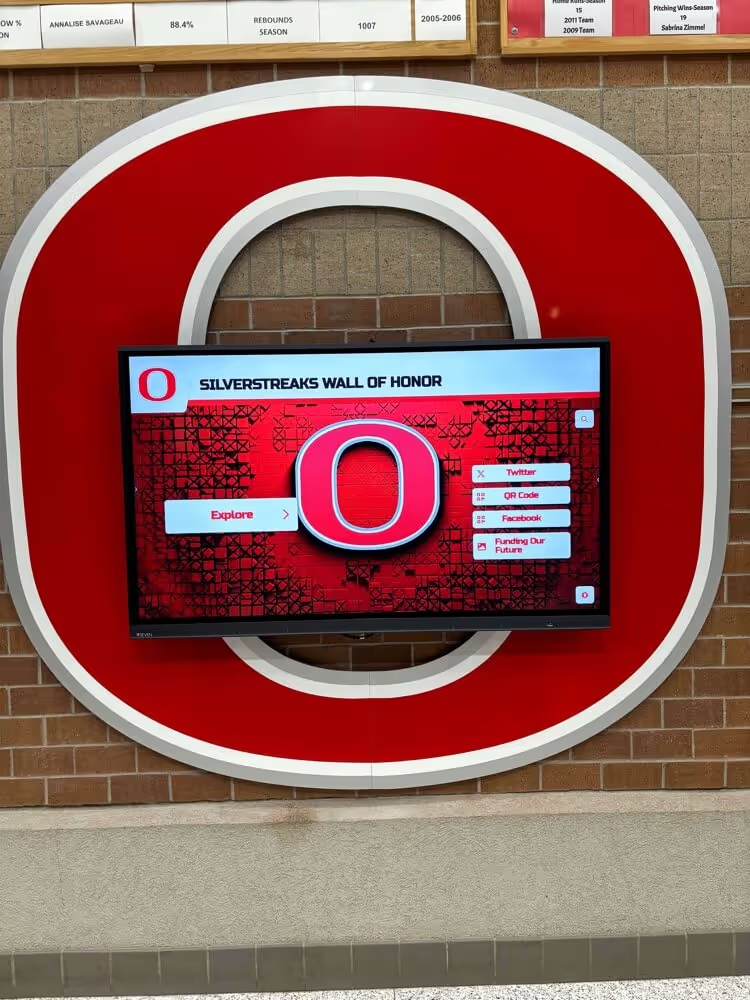
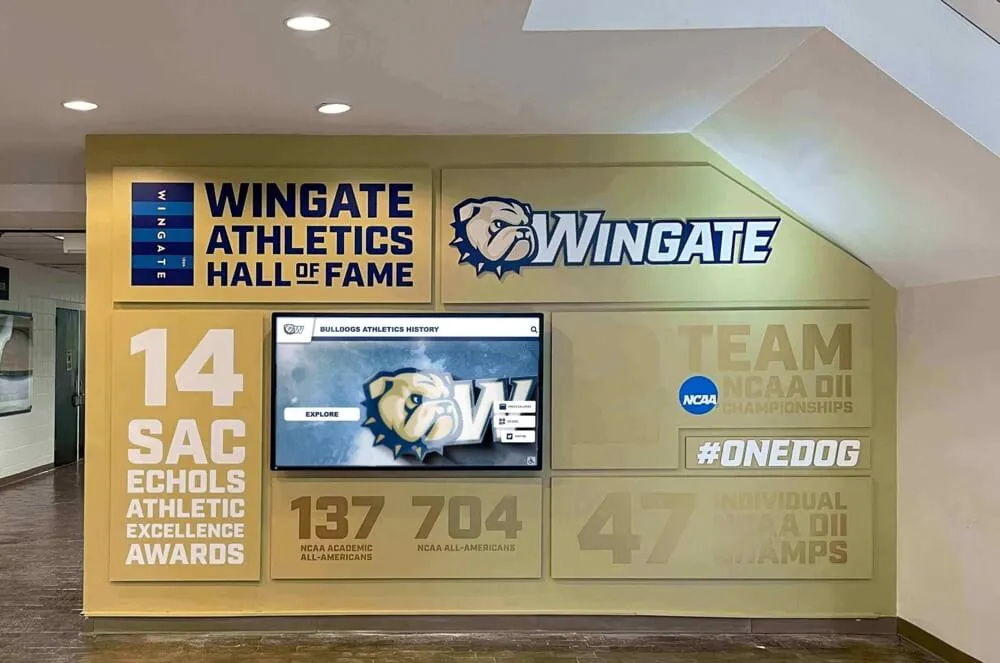
Many schools incorporate digital recognition displays that provide year-round visibility beyond ceremony moments, creating permanent acknowledgment that families can revisit and share long after initial award presentation.
6-4 Weeks Before: Communication and Preparation
Notify Award Recipients: Inform students they will receive recognition, providing details about ceremony logistics, invitation information for family members, and whether they need to prepare remarks or participate in presentation elements. Some schools maintain suspense by not revealing specific awards, while others provide full details allowing students and families to prepare appropriately for significant recognition moments.
Invite Families and Community: Communicate ceremony information to families through email invitations with event details and RSVP options, printed invitations for formal recognition events, school website and social media announcements, and community outreach when ceremonies welcome broader audiences. Provide adequate advance notice allowing families to arrange attendance at this significant event.
Prepare Ceremony Program and Presentation: Develop detailed ceremony run-of-show including opening remarks and welcome, presentation order for award categories, student recognition procedures, any student speeches or performances, closing remarks and congratulations, and reception or gathering time if included. Create presentation slides, scripts for presenters, and any multimedia elements.
Arrange Technical and Logistical Details: Confirm venue setup and audio-visual equipment, seating arrangements for attendees and award recipients, photography and video recording plans for documentation, reception refreshments if applicable, and parking and accessibility accommodations ensuring all families can participate fully.
2-1 Weeks Before: Final Preparations and Rehearsal
Conduct Ceremony Rehearsal: Walk through ceremony procedures with presenters ensuring everyone understands timing, award presentation procedures, technology operation, and contingency plans for common issues. Brief student recipients on where to sit, when to come forward, and any participation expectations.
Final Communication Push: Send reminder messages to families with ceremony date, time, location, parking information, and any relevant details. Post social media reminders building anticipation, create countdown content generating excitement, and distribute printed programs to students.
Prepare Recognition Materials: Print and organize certificates in presentation order, prepare digital displays with updated content featuring current recipients, arrange physical awards or trophies if applicable, and create signage directing attendees and welcoming families.
Creating Memorable and Meaningful Awards Ceremonies
Well-executed recognition ceremonies balance efficiency with emotional resonance, creating memorable experiences that honor recipients while respecting audience time and attention.
Ceremony Structure and Flow
Opening Elements That Set Tone: Begin ceremonies with welcoming remarks that establish significance and purpose, brief context about your school’s recognition traditions and values, and acknowledgment of families and community members attending to celebrate students. Opening remarks should create appropriate atmosphere—celebratory and honoring rather than perfunctory or overly serious.
Consider including short multimedia presentations showcasing the school year’s highlights, reminding audiences of experiences and accomplishments being celebrated through end of year recognition.
Efficient Award Presentation Approaches: For programs recognizing many students, consider these efficient presentation strategies:
Category-Based Presentation: Group related awards together (all academic awards, then character recognition, then athletics, etc.), with brief category introductions followed by efficient recipient acknowledgment. This structure provides context while moving through many recipients relatively quickly.
Grade-Level Ceremonies: Large schools may opt for separate recognition ceremonies by grade level rather than comprehensive all-school events, reducing ceremony length while allowing more personal recognition for each student.
Tiered Recognition Approaches: Consider distinguishing highly selective prestigious awards receiving individual presentation with nominee recognition, personal remarks, and family photo opportunities from broader recognition categories where groups of recipients receive efficient acknowledgment together.
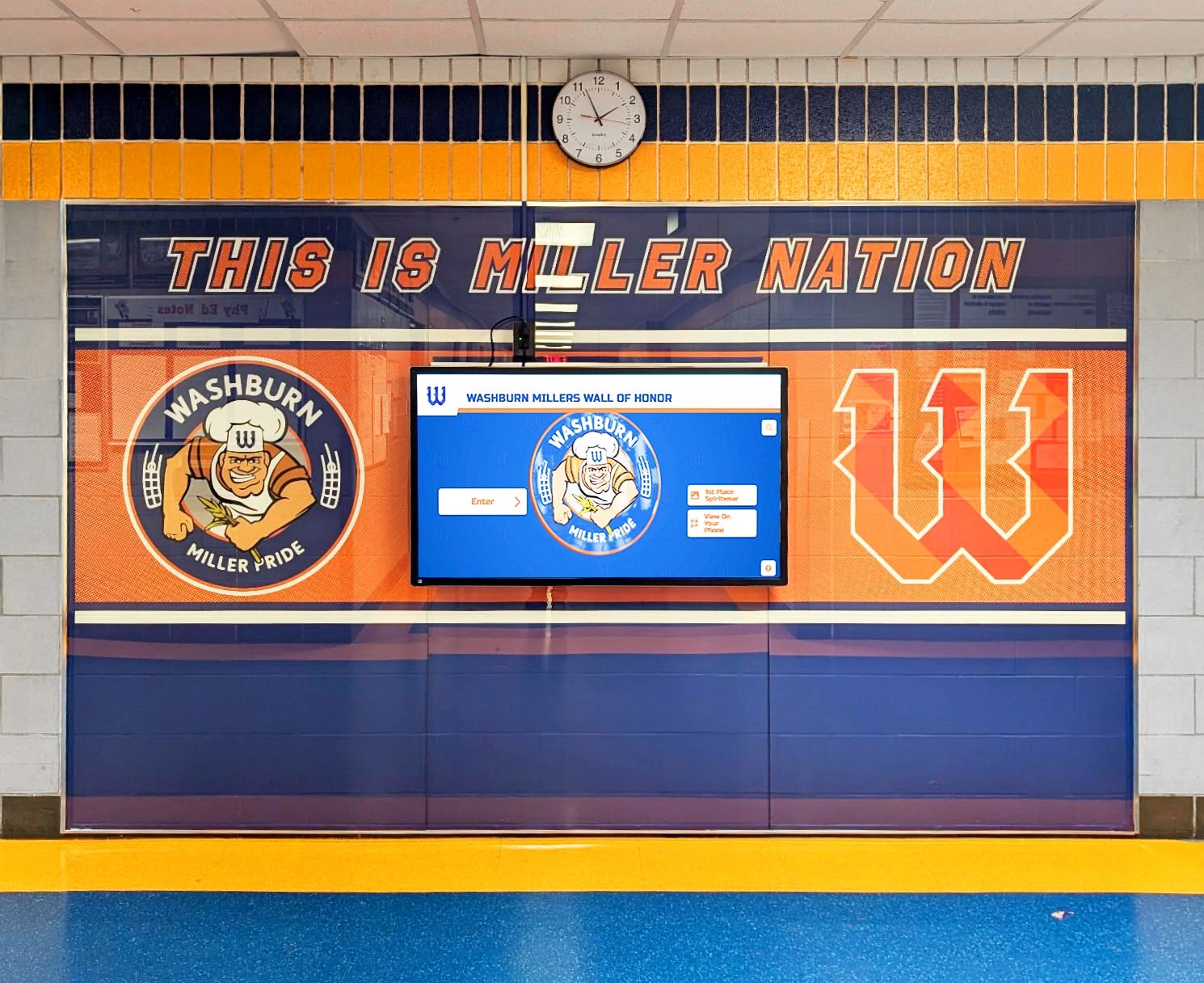
Balancing Speeches and Efficiency: While personal remarks add meaning, excessive speeches quickly exhaust audiences. Consider limiting remarks to brief category introductions by presenters, one or two featured student speeches from select recipients, and closing remarks from school leadership. Total speaking time should typically not exceed 20-30% of ceremony length, keeping focus on student recognition rather than adult talking.
Incorporating Multimedia and Visual Elements: Well-produced visual presentations enhance ceremonies through photo montages showcasing recipients in various contexts, video tributes featuring interviews or achievement highlights, live social media feeds displaying audience celebration posts using event hashtags, and digital displays scrolling recipient names and photos during gathering periods before or after formal programs.
These elements provide engaging variety while efficiently communicating information that would otherwise require lengthy verbal presentation.
Making Recognition Personal and Meaningful
Providing Context for Awards: Help audiences understand what recognition represents through brief descriptions explaining award criteria and significance, nominee numbers contextualizing selectivity for prestigious awards, and specific examples of what recipients did to earn recognition. Context transforms name reading into storytelling that audiences connect with emotionally.
Acknowledging Multiple Contributors: Many student achievements reflect support from various individuals worth acknowledging including teachers who mentored and guided, parents who supported and encouraged, coaches who developed skills and character, and peers who collaborated and inspired. Brief acknowledgment of these contributors reinforces that success often requires community rather than existing as purely individual accomplishment.
Creating Photo Opportunities: Designate professional photography areas where families can capture quality photos of recipients receiving recognition, holding certificates alongside presenters, or standing near recognition displays. These photos become lasting memenities families treasure, extending recognition significance beyond the ceremony itself.
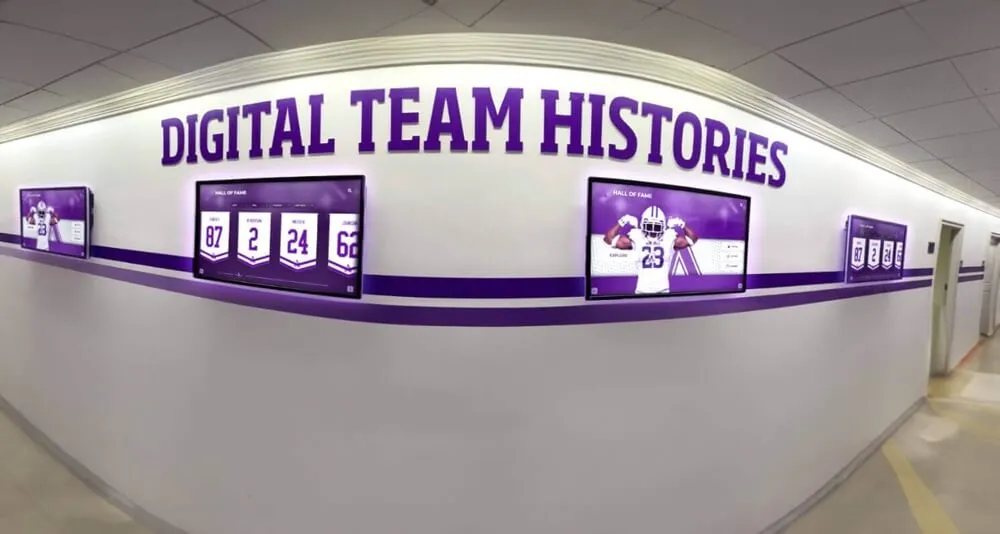
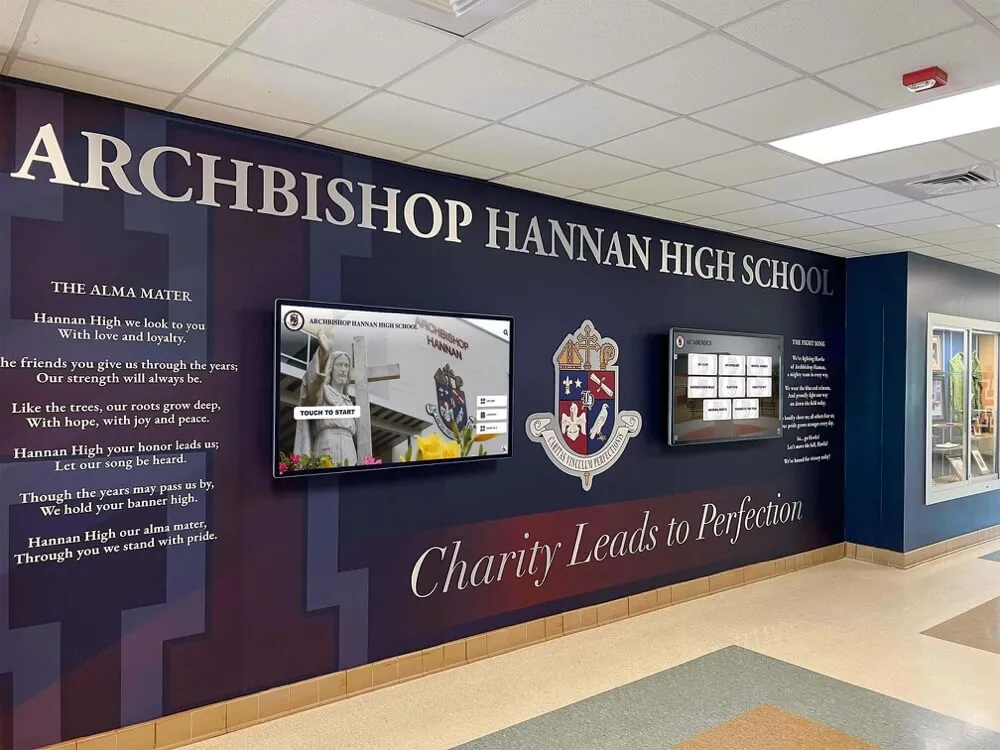
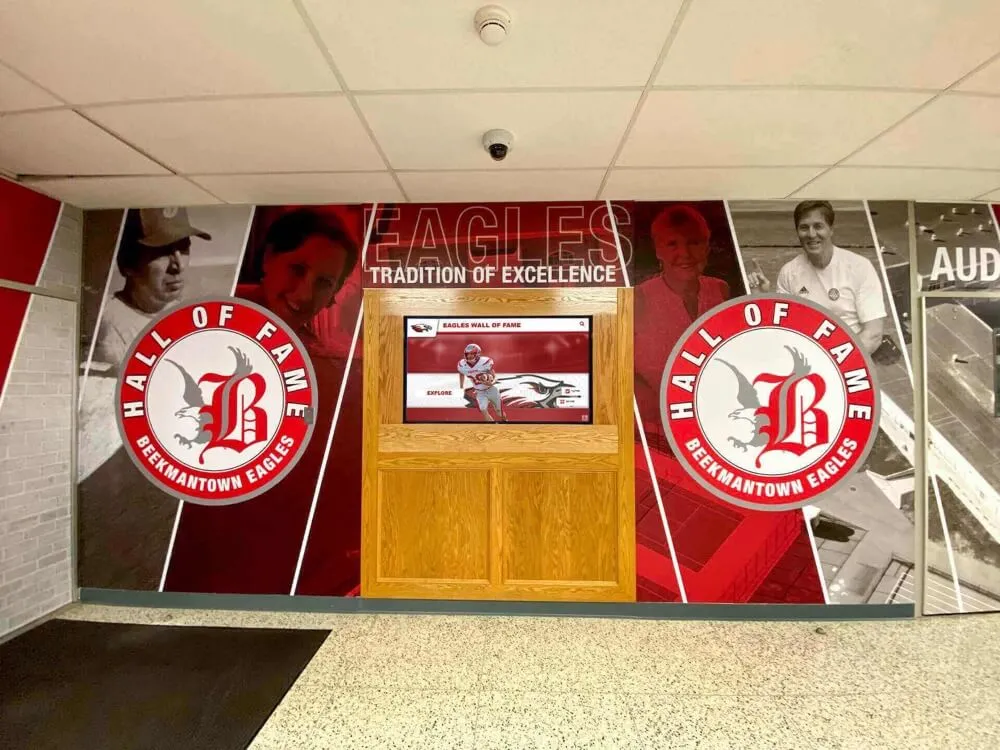
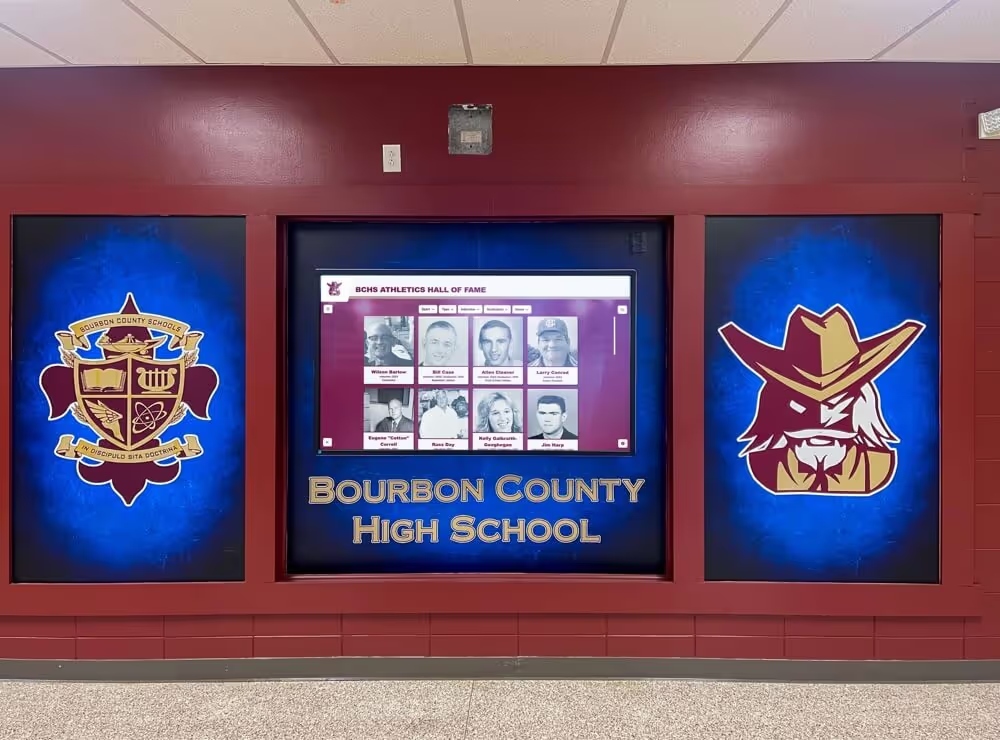
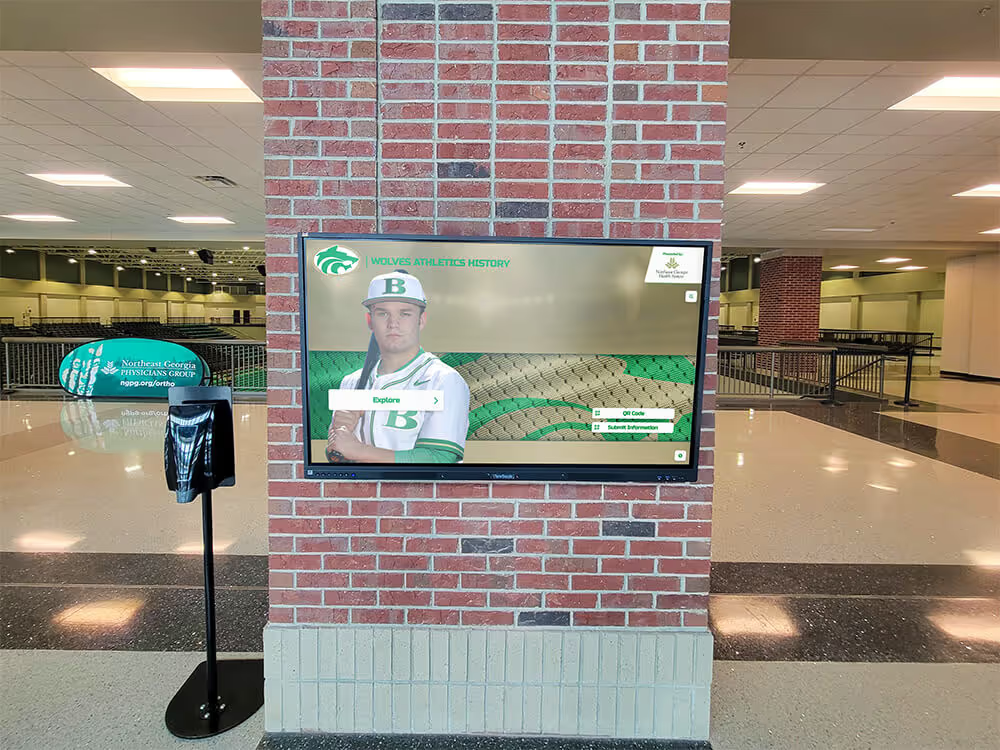
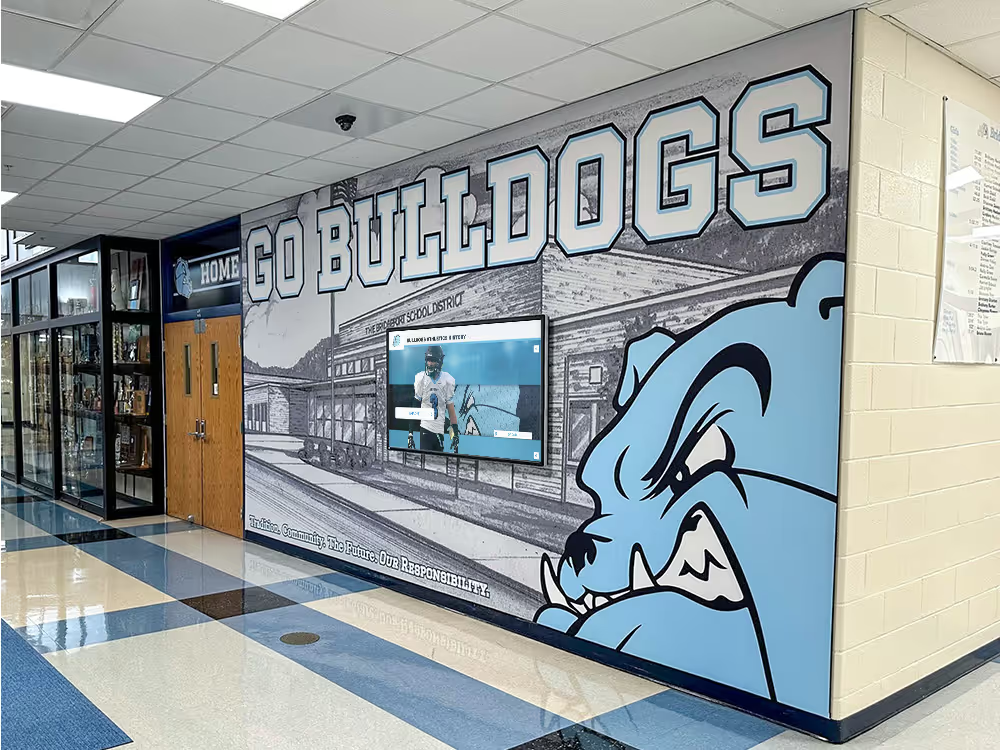
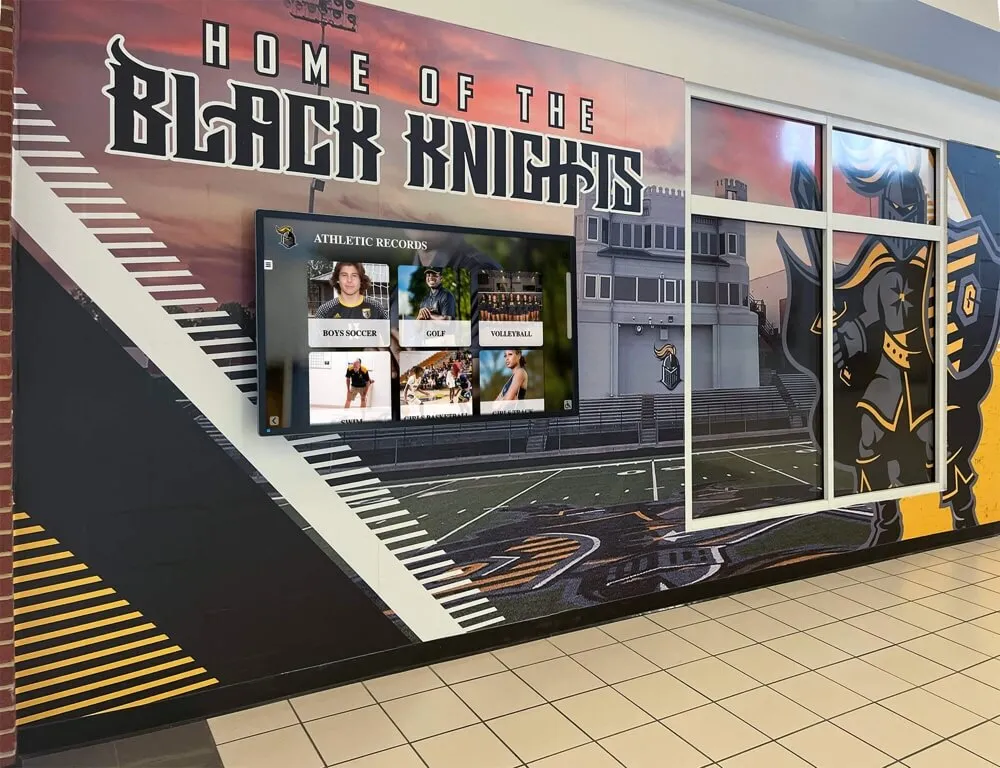
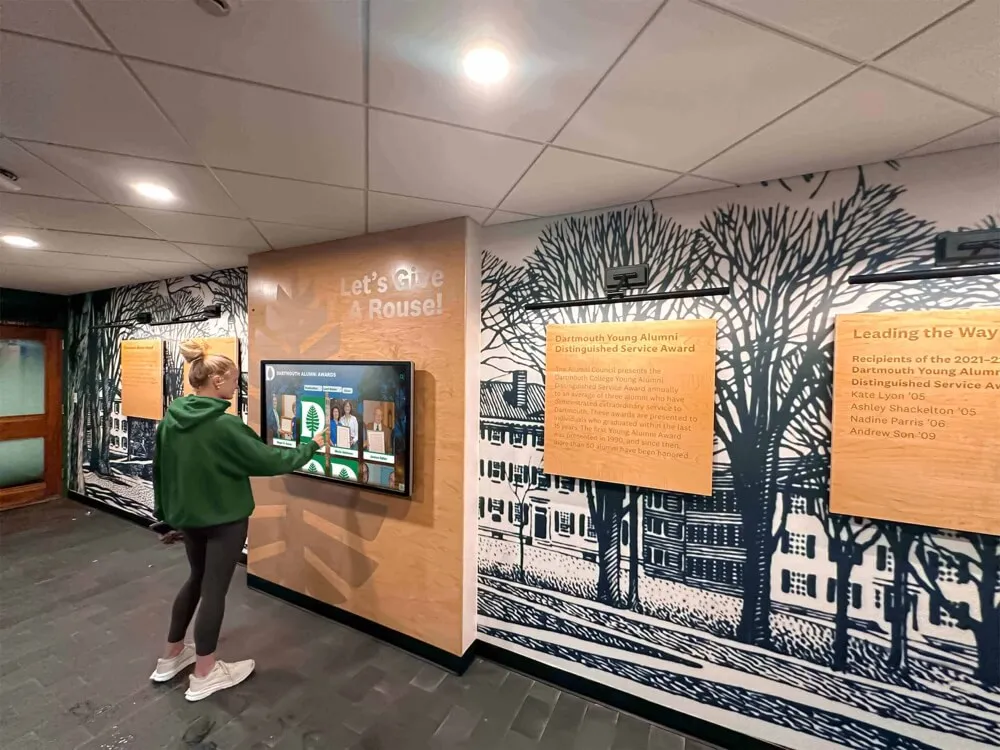
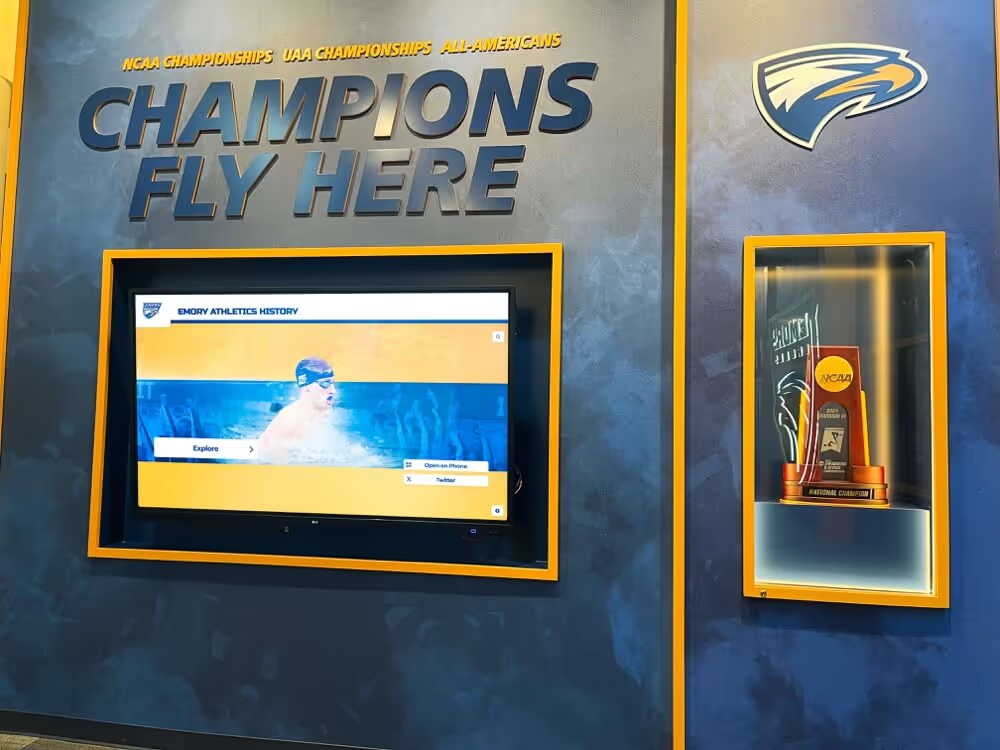
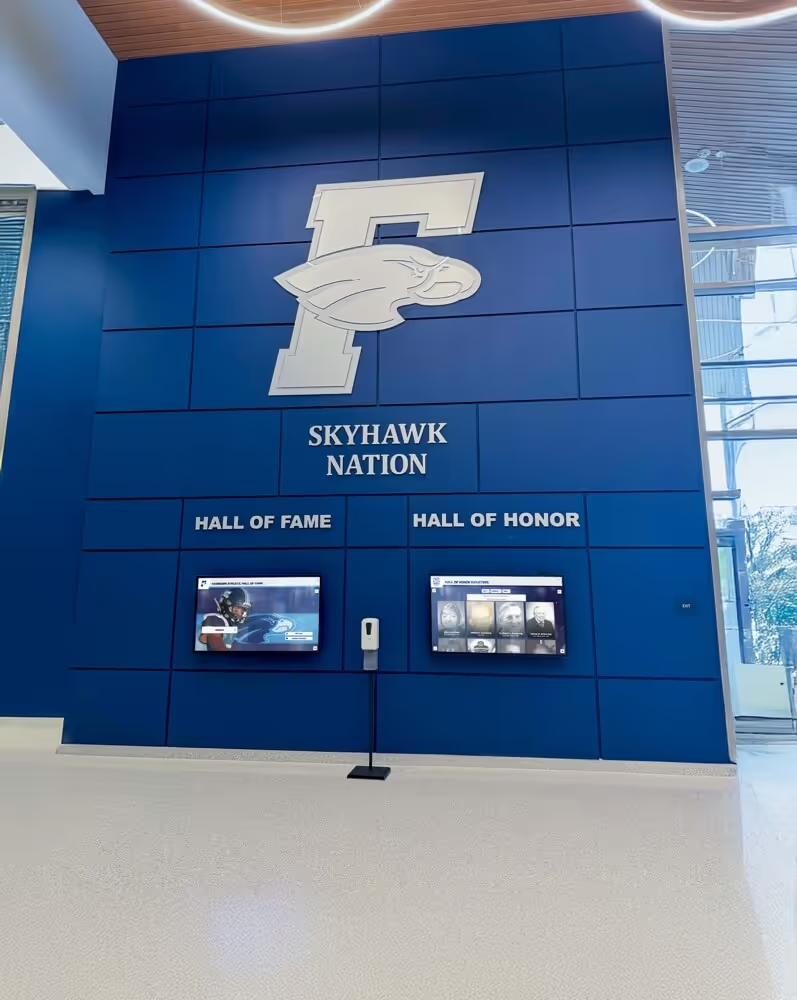
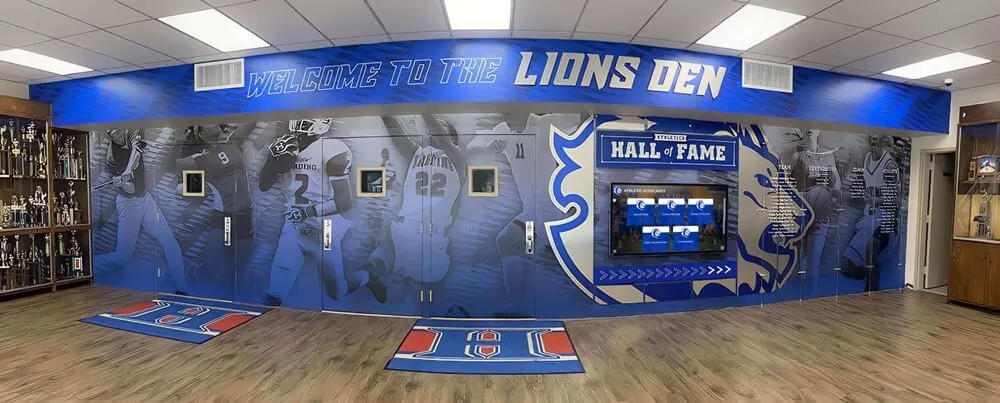
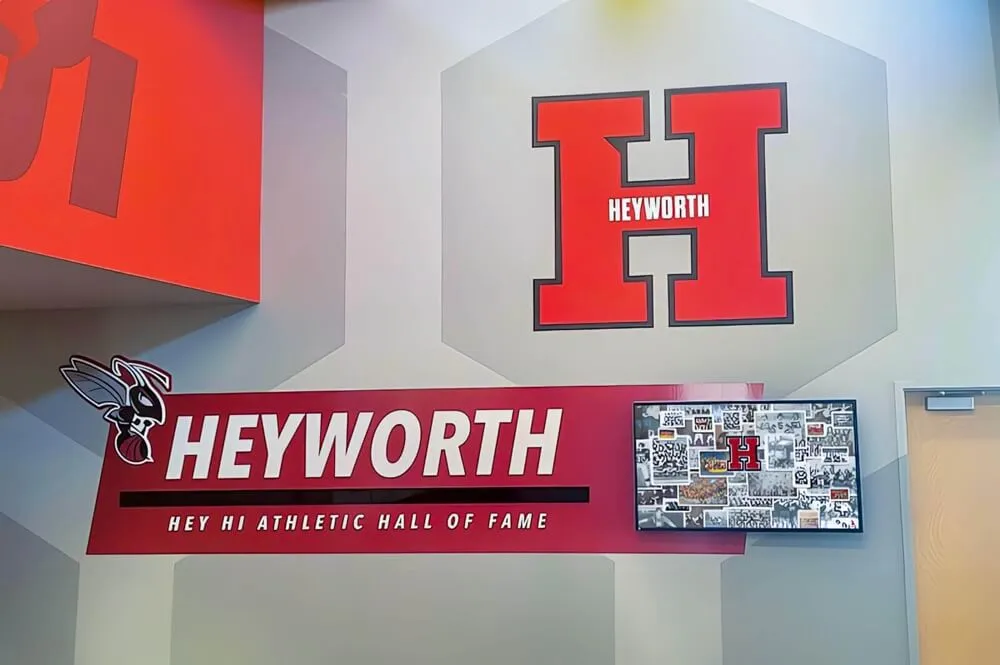
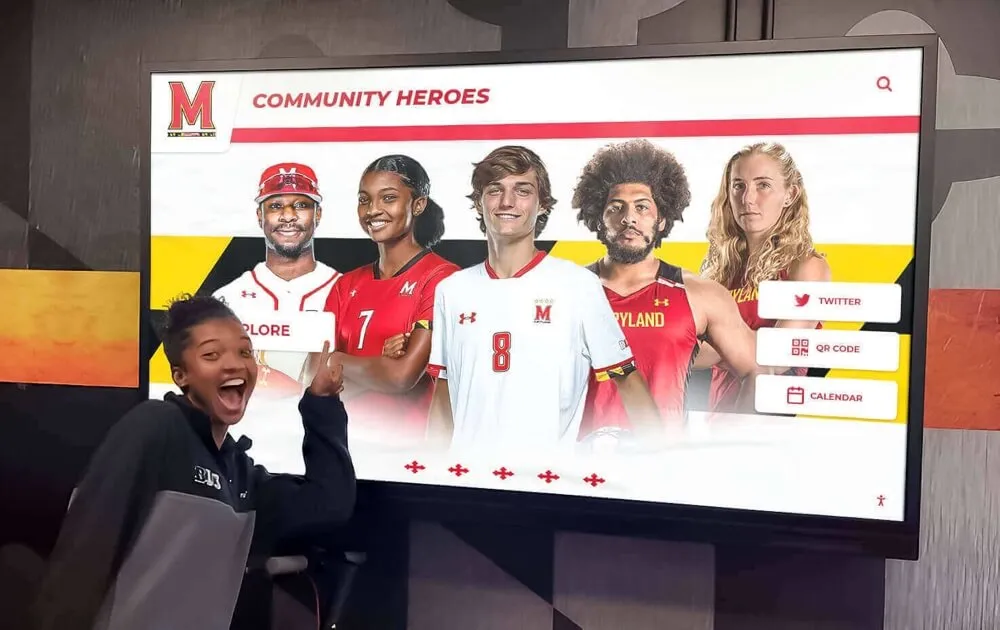
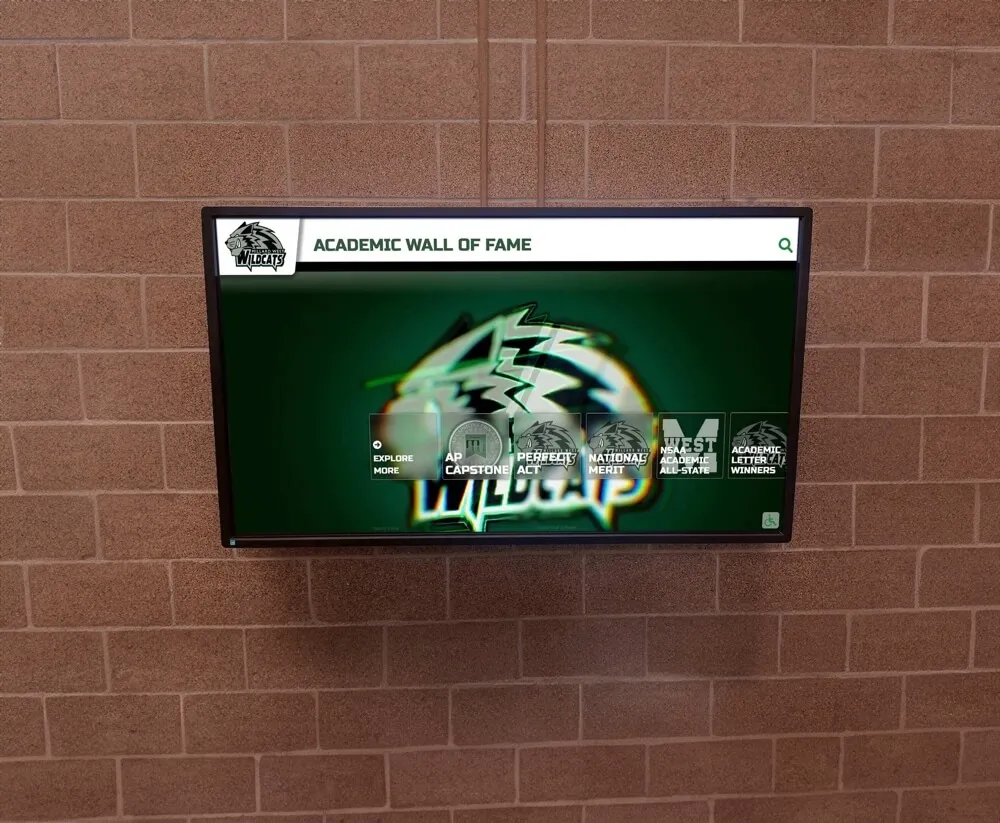
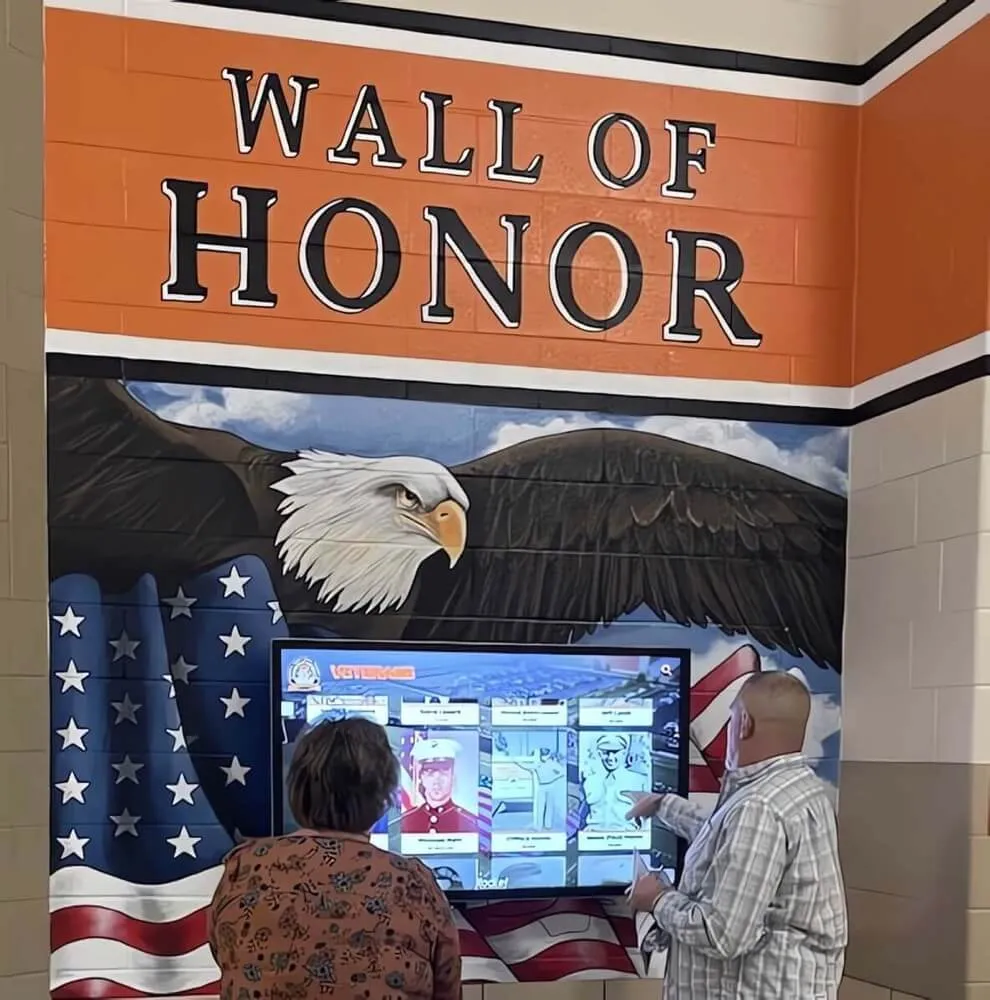
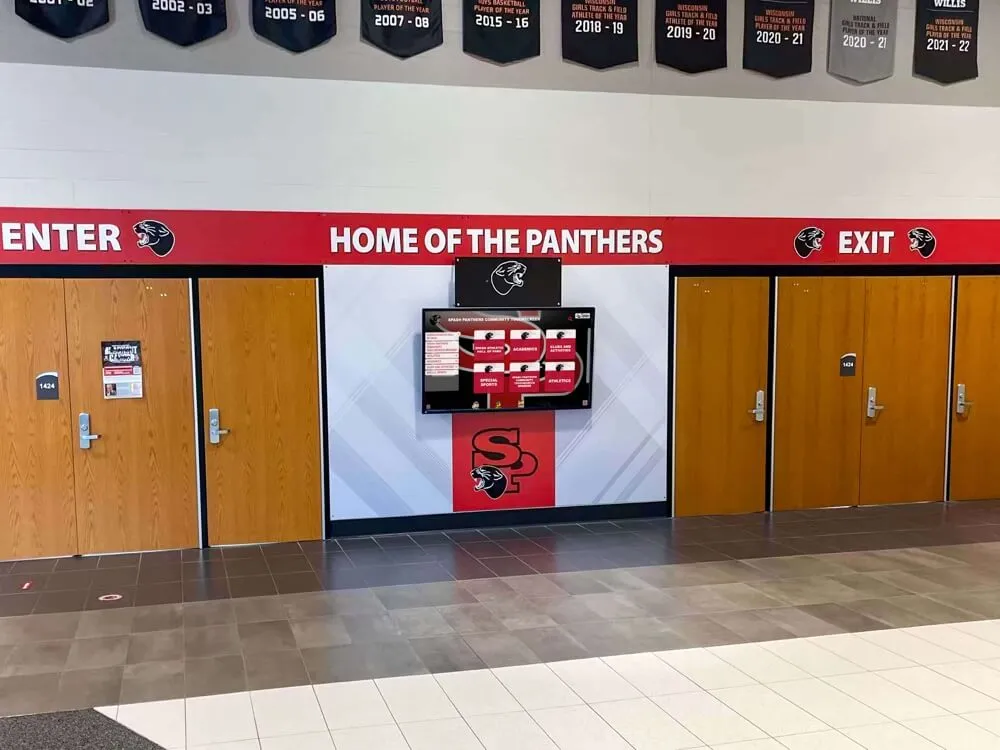
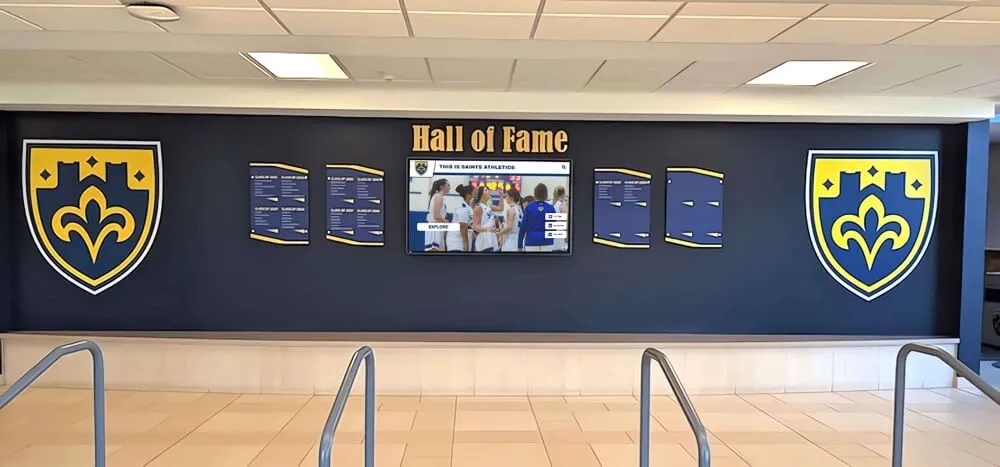
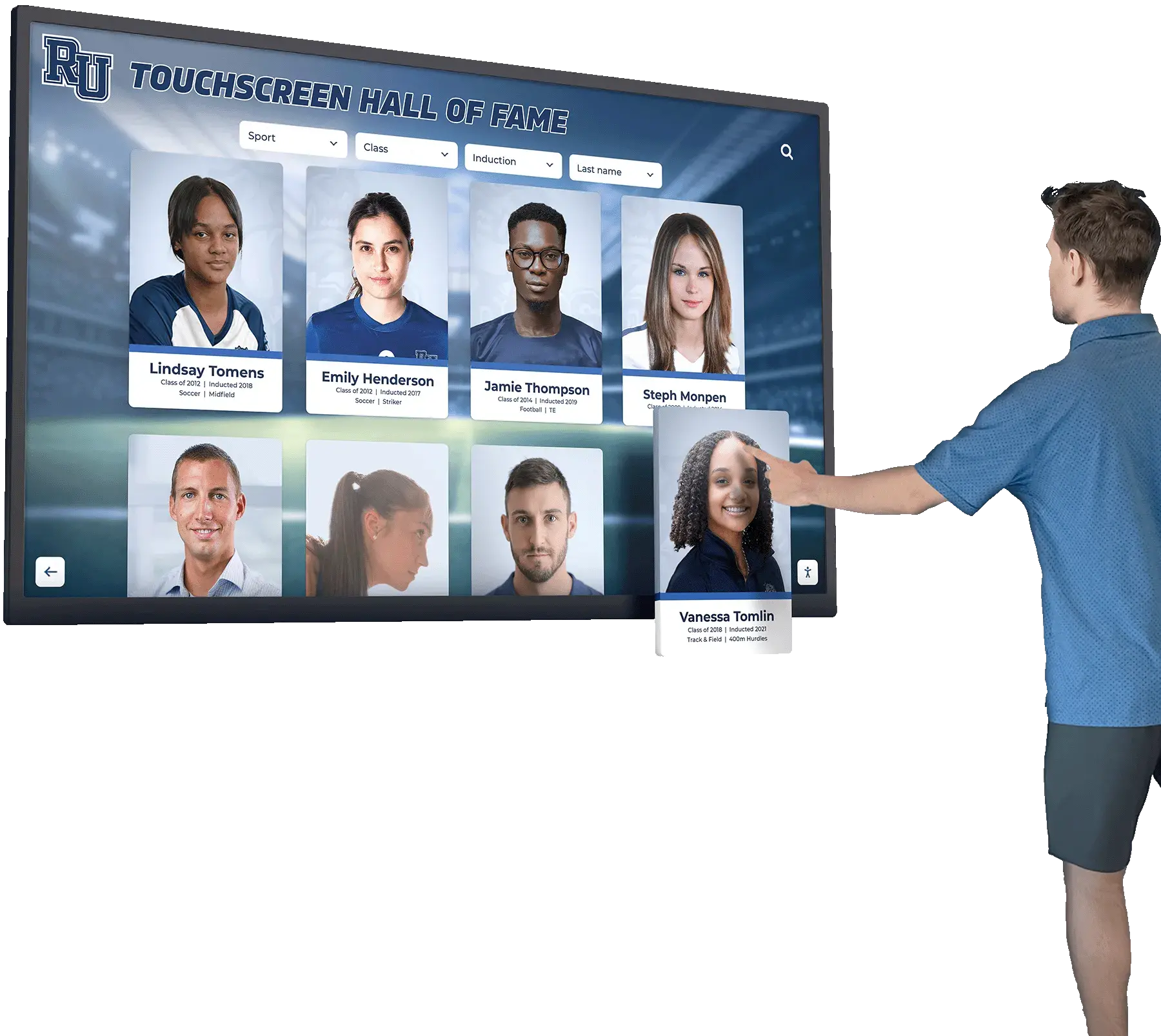
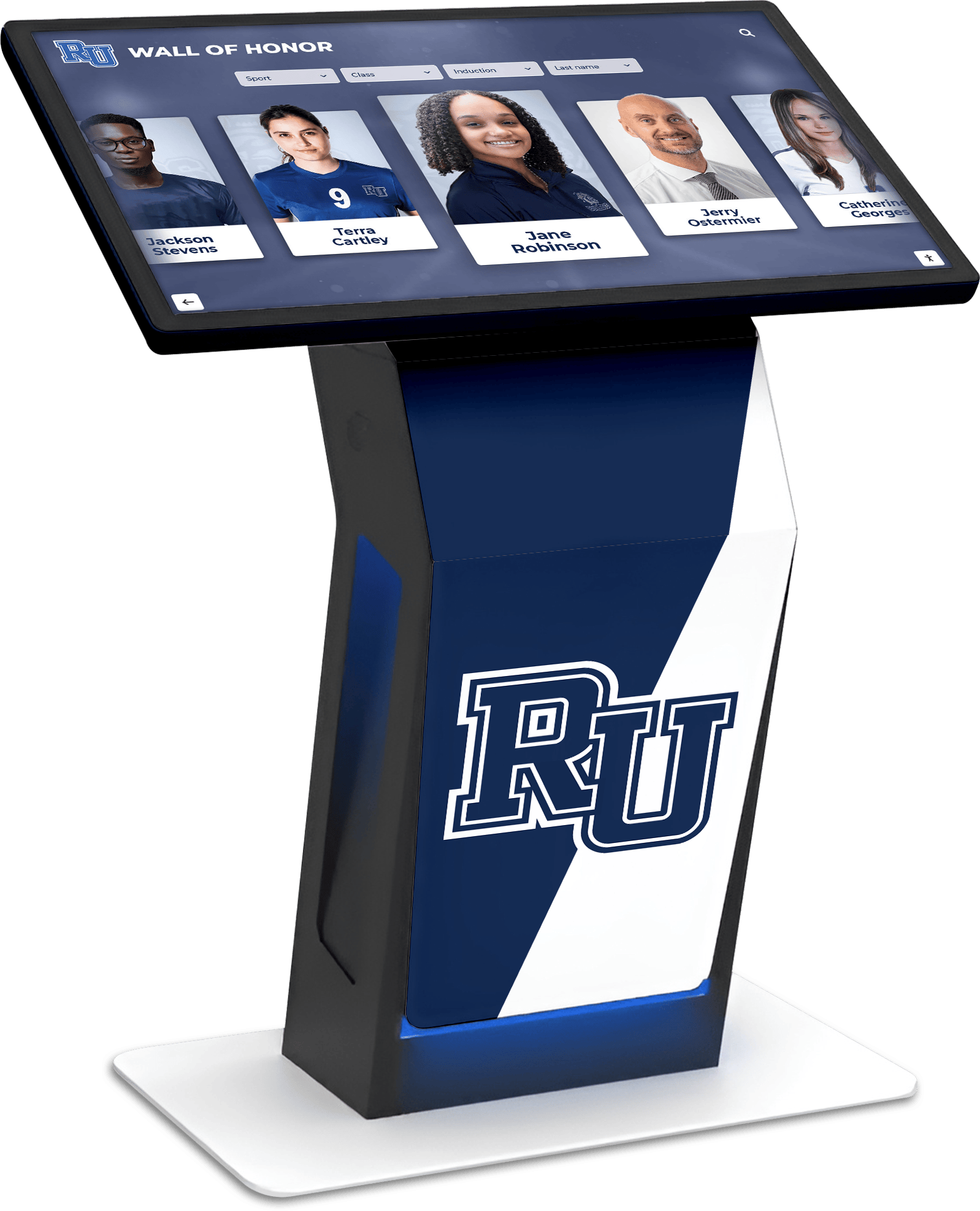
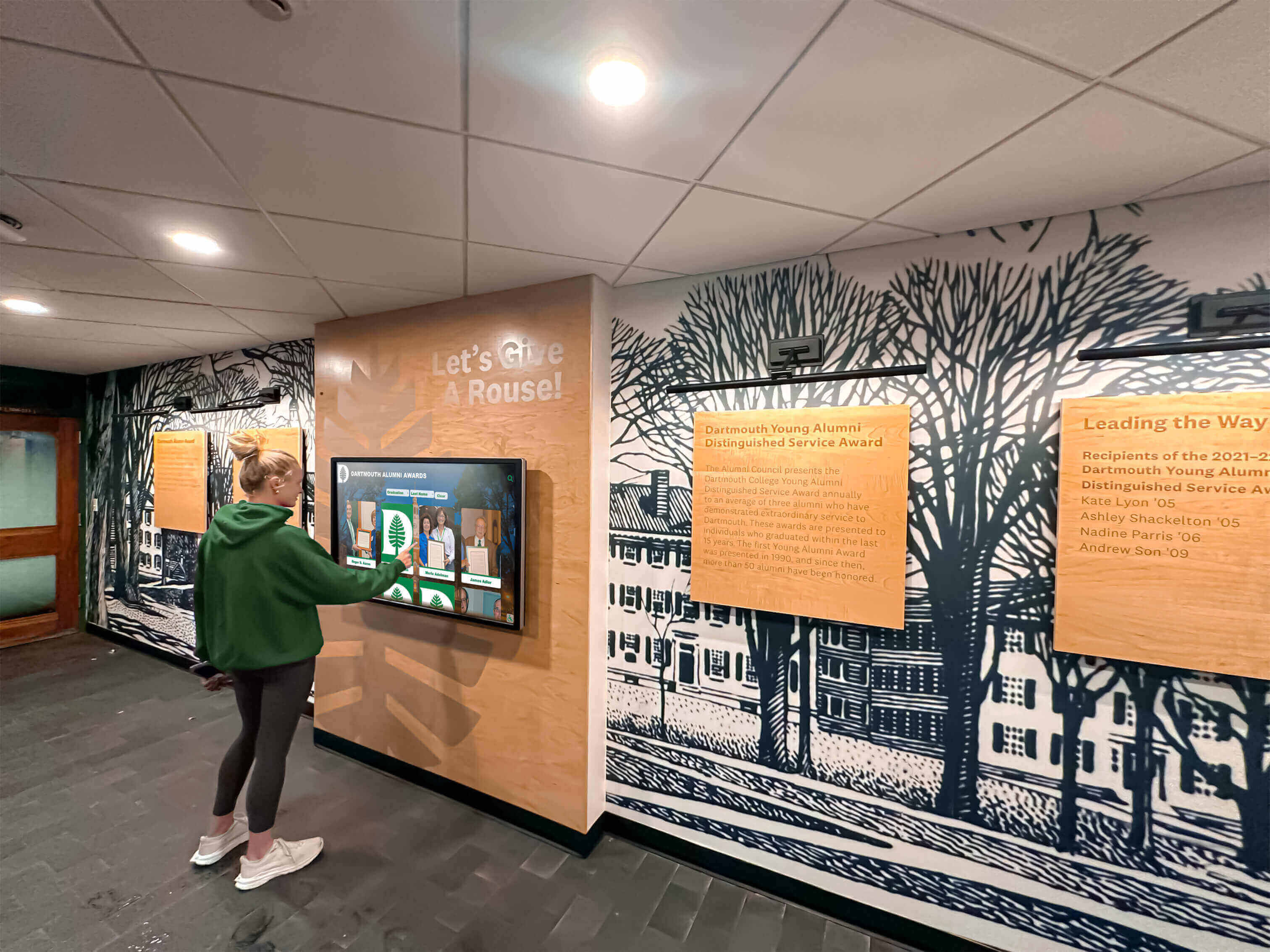
Providing Recognition Beyond the Ceremony: Consider approaches that extend recognition visibility including hallway displays featuring recipient photos and achievements, school website recognition pages with searchable databases, social media spotlights on individual recipients across days following ceremonies, and permanent digital recognition through interactive touchscreen displays providing year-round visibility.
Solutions like those from Rocket Alumni Solutions enable schools to complement ceremonies with permanent digital recognition that families can visit, search, and share throughout years, significantly amplifying recognition impact beyond single events.
Leveraging Digital Recognition Displays for End of Year Awards
Modern technology transforms how schools recognize achievement, providing capabilities impossible with traditional certificate-and-ceremony approaches.
Permanent Digital Recognition Beyond Ceremony Moments
Year-Round Visibility: Traditional awards programs provide brief recognition during ceremonies followed by certificates students take home, limiting visibility to those attending specific events. Digital recognition displays installed in school hallways, lobbies, or common areas provide continuous acknowledgment that remains visible throughout recipients’ remaining time at schools and indefinitely thereafter.
Students, families, and visitors can explore recognition at their convenience, discovering award recipients through intuitive navigation and search. This extended visibility significantly amplifies recognition impact compared to single ceremony moments.
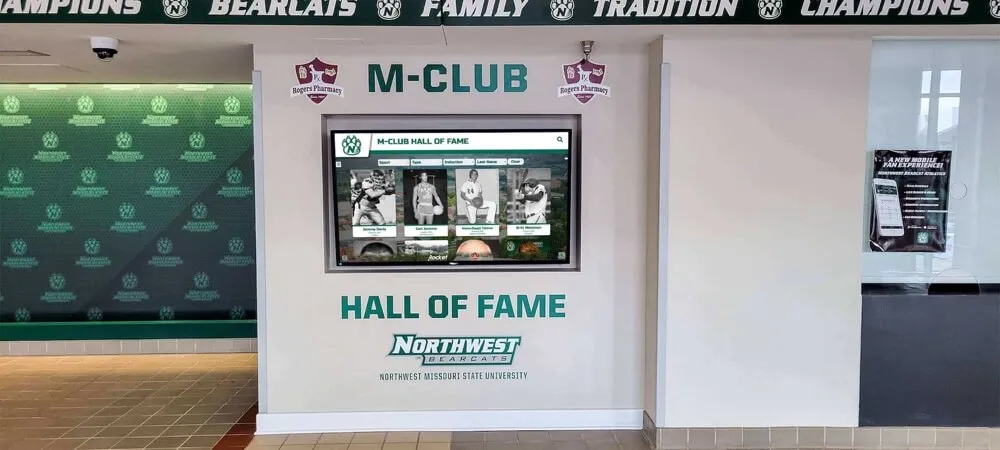
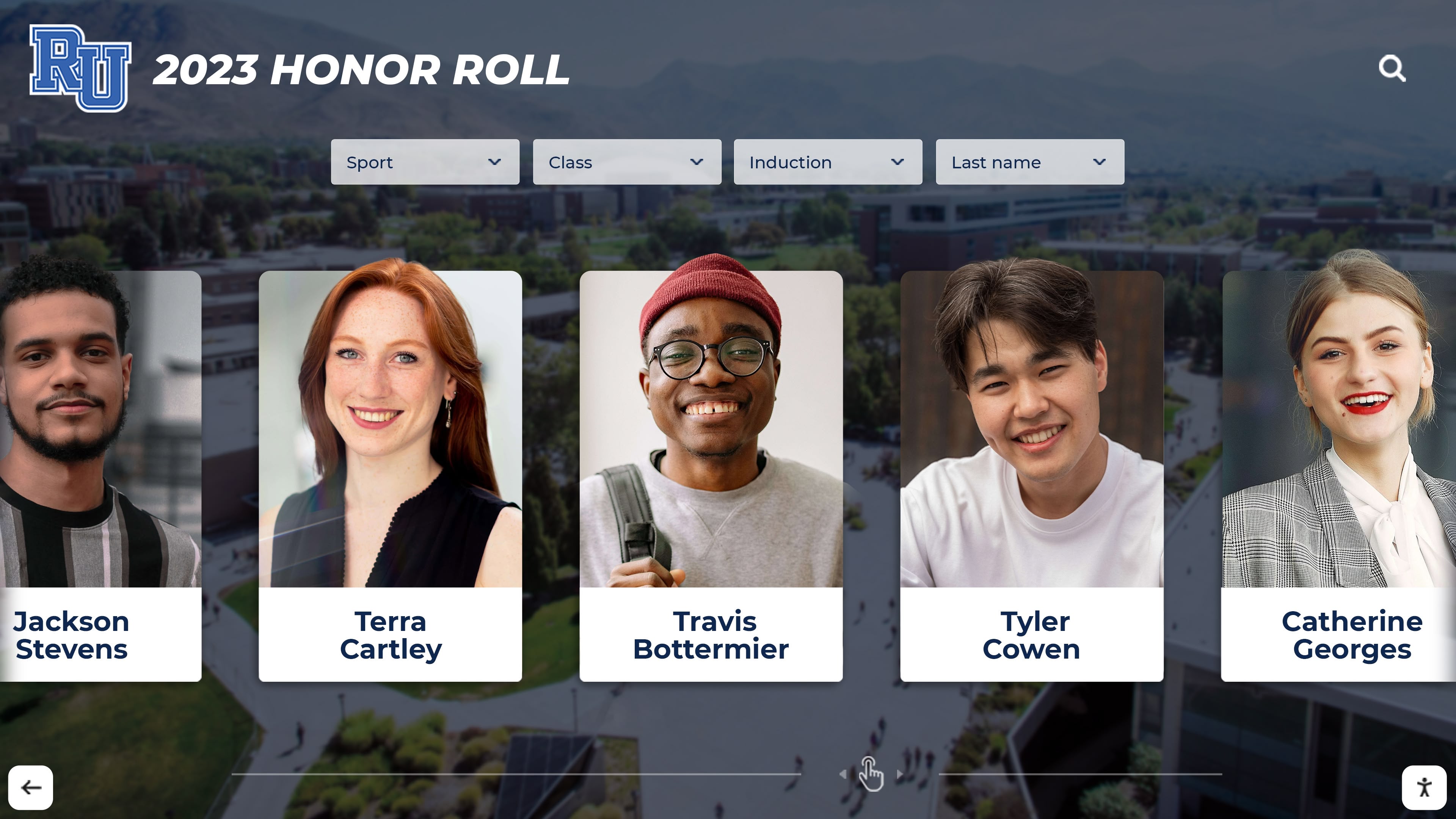
Searchable Recognition Databases: Digital platforms enable powerful discovery capabilities including searching for specific students by name, filtering by award category or year, exploring all recognition received by individual students across their school careers, and comparing recognition across graduating classes or time periods.
These search capabilities make large recognition databases personally relevant, allowing individuals to quickly find connections to specific students, award types, or time periods rather than scrolling through comprehensive listings.
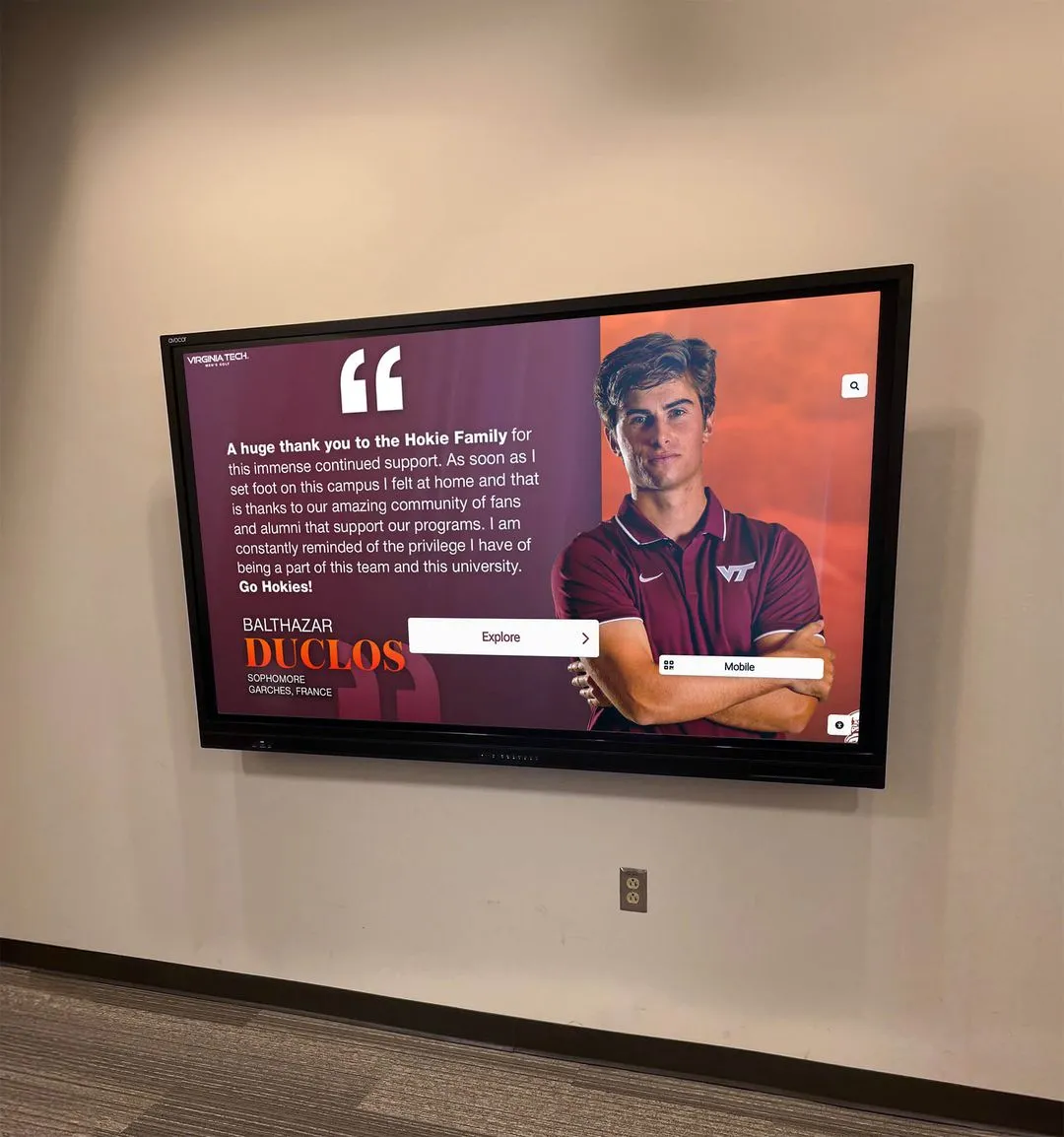
Multimedia Student Profiles: Unlike static certificates listing names and award titles, digital recognition can include detailed student profiles featuring photos of recipients, descriptions of accomplishments that earned recognition, quotes or reflections from recipients, and video clips of ceremony presentations or student interviews.
These rich profiles transform recognition from simple name listing into storytelling that engages audiences emotionally and communicates what students actually accomplished to merit awards.
Implementation Strategies for Digital Recognition Systems
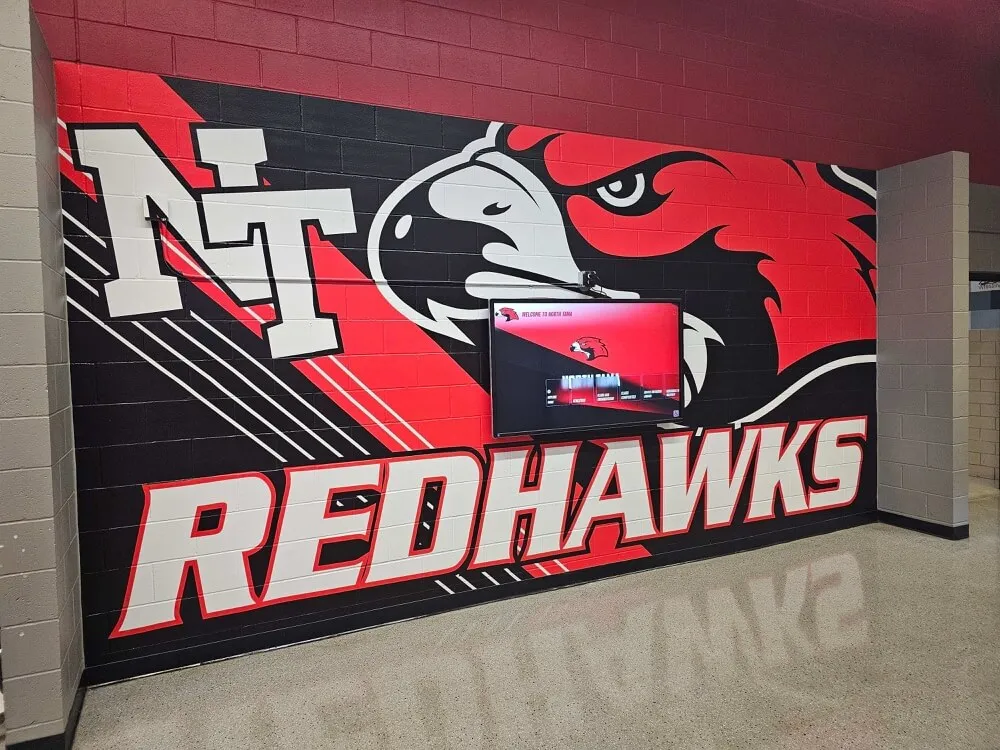
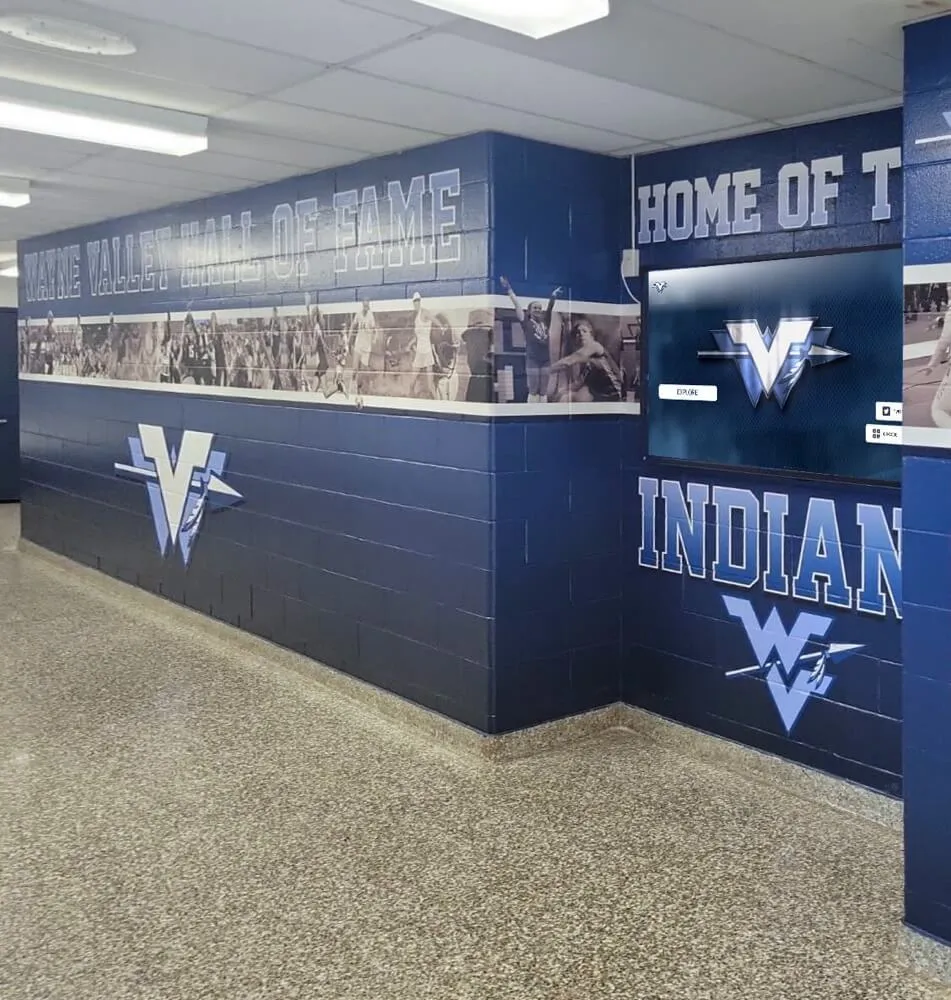
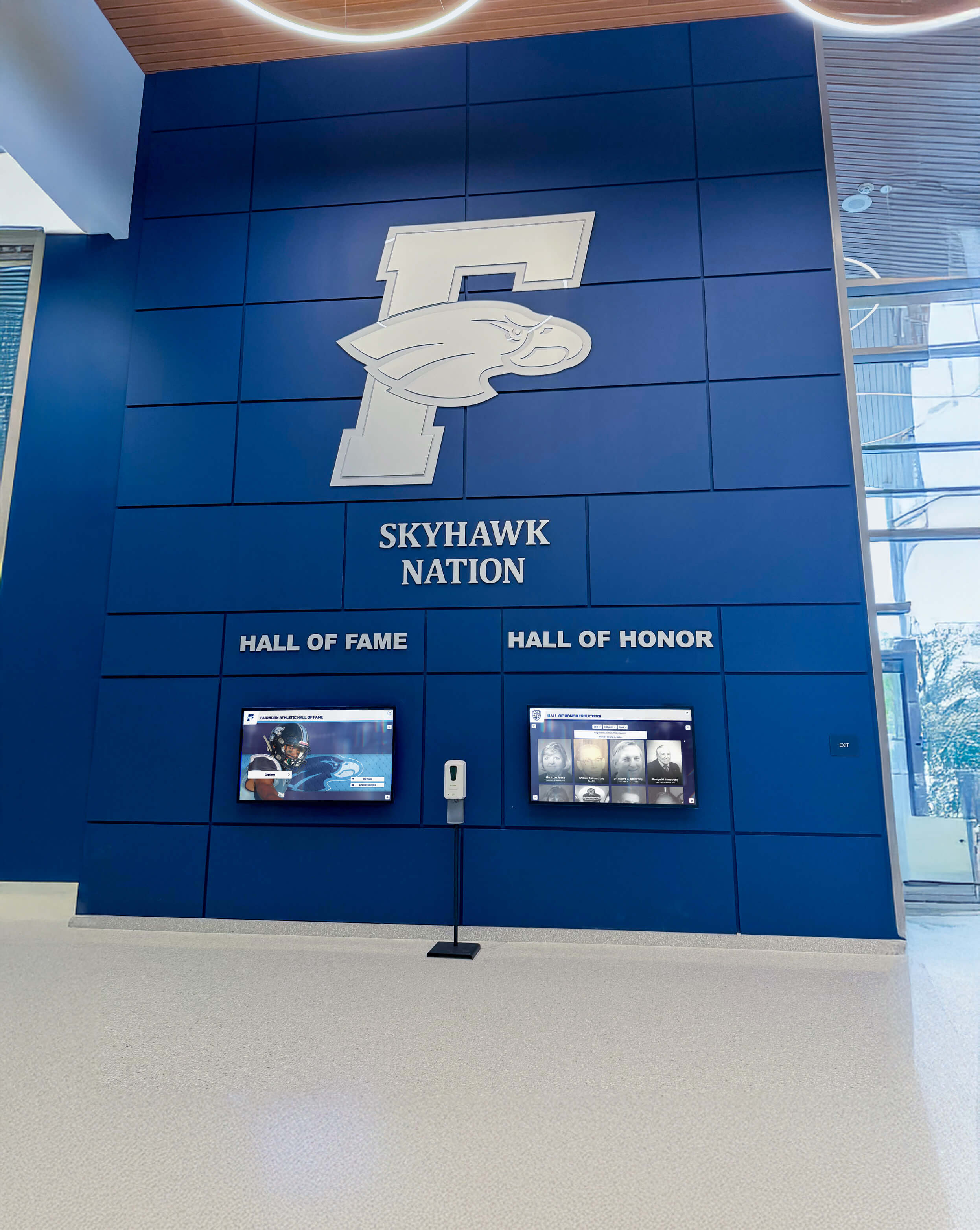
Strategic Display Placement: Maximize digital recognition visibility through placement in high-traffic areas where students, families, and visitors naturally gather including main entrances and lobby areas, outside cafeterias or auditoriums, near administration offices, in athletic facility lobbies, and adjacent to traditional trophy cases or recognition walls.
Consider implementing multiple displays throughout campus if budget allows, providing convenient access regardless of which areas individuals frequent most.
Content Management and Updates: Effective digital recognition requires systematic content maintenance including annual updates adding new recipients after each year’s recognition ceremonies, historical content addition digitizing past award records from paper archives, quality multimedia collection gathering photos and information about recipients, and regular content reviews ensuring information remains current and accurate.
Modern cloud-based recognition platforms offer intuitive content management enabling staff without technical expertise to update recognition easily, ensuring displays remain current without requiring IT department involvement or external technical support for routine updates.
Integration with Existing Recognition Programs: Digital displays should complement rather than replace traditional recognition approaches. Consider integration strategies like featuring digital displays prominently at awards ceremonies, allowing attendees to explore comprehensive recognition, distributing cards or QR codes at ceremonies enabling families to find and share student recognition digitally, incorporating digital recognition in school communications and newsletters, and highlighting recognition on school websites and social media platforms.
This integration creates recognition ecosystems where ceremony moments, physical certificates, and digital platforms work together providing more comprehensive and lasting acknowledgment than any single approach achieves alone.
Enabling Social Sharing: Digital recognition platforms that allow easy sharing to social media exponentially amplify recognition visibility. When students and families share recognition to their networks, these posts reach hundreds of additional people who might never visit school buildings or attend ceremonies. This extended reach increases recognition impact while providing valuable positive visibility for schools within communities.
Selecting Digital Recognition Technology
Schools implementing digital recognition for end of year awards should consider several factors when evaluating solutions:
Content Capacity: Ensure platforms accommodate your full recognition scope across categories, years, and student numbers without artificial limitations or per-student costs that make comprehensive recognition prohibitively expensive.
Ease of Use: Evaluate content management complexity, ensuring non-technical staff can add and update recognition independently without requiring training or IT support for routine operations.
Multimedia Capabilities: Confirm systems support photos, videos, documents, and rich text formatting enabling comprehensive storytelling rather than simple text-only listings.
Search and Navigation: Test discovery features ensuring visitors can quickly find specific students, award categories, or time periods without frustration.
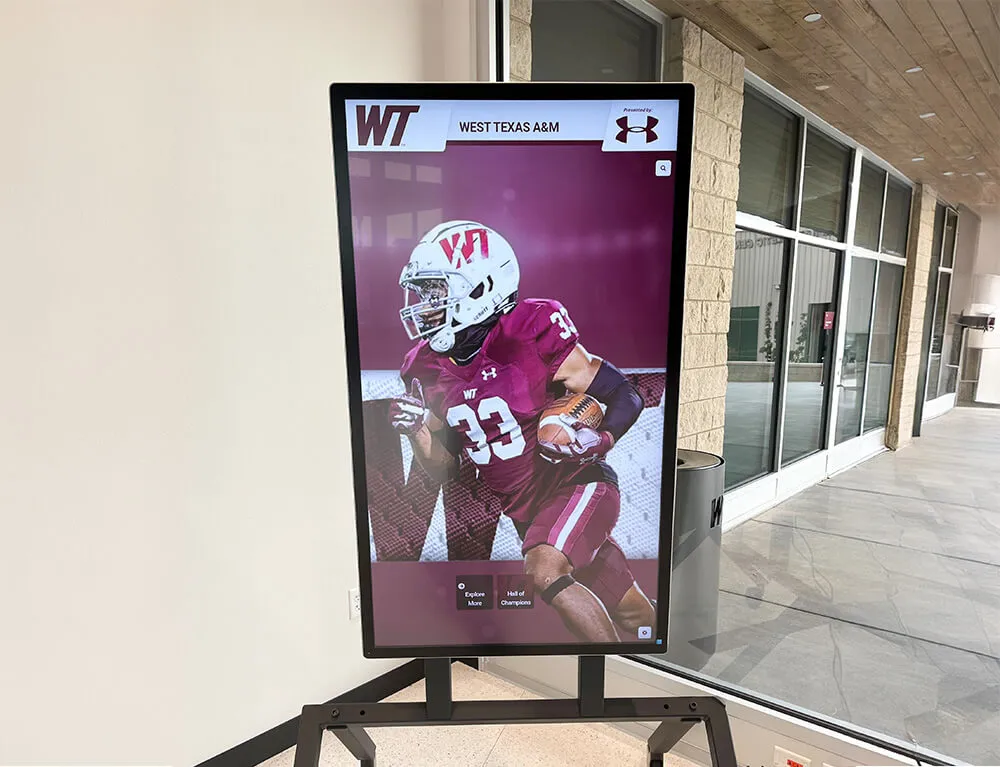
Hardware Quality: For physical displays, verify commercial-grade touchscreen hardware designed for continuous operation in high-traffic environments rather than consumer products that fail under institutional use.
Support and Reliability: Consider ongoing support availability, platform reliability and uptime, and long-term viability of providers to ensure recognition systems remain functional across years.
Rocket Alumni Solutions provides specialized platforms addressing these considerations, offering intuitive cloud-based systems with unlimited recognition capacity, multimedia support, powerful search capabilities, commercial-grade hardware options, and dedicated support ensuring reliable year-round operation.
Best Practices for Fair and Meaningful Recognition
Creating recognition programs that achieve intended benefits while avoiding common pitfalls requires attention to fairness, inclusivity, and values alignment.
Ensuring Fair and Transparent Selection
Clear Written Criteria: Document specific, objective criteria for each award category enabling consistent application across nominees. Vague criteria like “outstanding character” or “excellent student” without definition invite inconsistent subjective application. Better criteria specify measurable standards, provide examples of qualifying accomplishments, and explain evaluation frameworks.
Multiple Evaluator Input: Selection processes involving multiple reviewers reduce individual bias and increase confidence that decisions reflect broad consensus rather than single individuals’ preferences. Committee-based selection, particularly for prestigious awards, provides valuable perspective diversity and accountability.
Documentation Requirements: Require nomination forms or supporting materials documenting specific achievements and rationales rather than accepting general recommendations without evidence. Documentation ensures selection reflects genuine accomplishment rather than popularity or name recognition among evaluators unfamiliar with all nominees.
Process Transparency: Communicate selection processes to school communities, explaining how nominations work, who evaluates nominations, what criteria guide decisions, and when recipients will be announced. Transparency builds trust and reduces perceptions of favoritism or arbitrary selection.
Balancing Achievement and Inclusion
Tiered Recognition Approaches: Create recognition structures including highly selective prestigious awards honoring truly exceptional achievement, broader recognition acknowledging excellent performance across more recipients, and inclusive acknowledgment celebrating participation, improvement, and effort accessible to most students who meet reasonable standards.
This tiered approach maintains award meaning through selectivity at top levels while ensuring diverse students receive appropriate recognition matching their accomplishment levels.
Diverse Award Categories: Ensure recognition categories span the full spectrum of valuable contributions including both absolute achievement and relative growth, both individual excellence and collaborative contribution, both competitive success and character qualities, and both visible high-profile accomplishments and quiet behind-the-scenes contributions that strengthen communities.
Comprehensive diversity in recognition categories communicates that schools value many types of excellence rather than narrow definitions of success.
Limiting Awards Per Student: Some schools implement policies limiting how many awards individual students can receive, ensuring recognition distributes across more students rather than concentrating on small groups of highest achievers. Consider approaches like allowing students to receive one major award plus additional honorable mentions, or creating categories explicitly reserved for students not receiving other major recognition.
These approaches balance celebrating exceptional multi-domain achievers with ensuring more students experience meaningful recognition.
Creating Inclusive Recognition Culture
Recognizing Diverse Achievement Types: Ensure recognition spans socioeconomic barriers by celebrating accomplishments not requiring financial resources, cultural contexts through awareness of diverse backgrounds and values, learning differences by recognizing various educational pathways and support needs, and extracurricular access by not privileging only activities requiring fees or transportation some families cannot provide.
Language and Framing: Use inclusive language that celebrates accomplishment without suggesting inadequacy of non-recipients. Rather than framing awards as recognizing “the best” students, position recognition as acknowledging “excellent,” “outstanding,” or “exemplary” performance—language that allows multiple students to excel without comparative ranking.
Universal Acknowledgment Opportunities: Complement selective awards with universal recognition opportunities accessible to all students meeting reasonable standards, such as honor roll recognition for students achieving defined GPA thresholds, participation certificates for students completing activities or programs, and improvement recognition for students demonstrating growth regardless of absolute achievement levels.
These inclusive opportunities ensure all students receive some recognition during school careers while maintaining meaning of selective awards through appropriate distinctions.
Measuring Success and Continuous Improvement
Evaluating recognition program effectiveness guides future planning while demonstrating value to stakeholders and school leadership.
Key Indicators of Effective Recognition Programs
Participation and Inclusion Metrics: Track what percentage of student populations receive recognition across all categories combined, whether recognition distributes across demographic groups proportionate to populations, how many different types of recognition exist serving diverse achievement areas, and whether participation rates in recognized activities increase following recognition.
Student and Family Satisfaction: Gather feedback through post-ceremony surveys assessing satisfaction with recognition received, the ceremony experience quality, and communication effectiveness. Collect qualitative input about what recognition meant to students and families, gathering stories and testimonials that illustrate human impact beyond quantitative metrics.
Program Efficiency Measures: Evaluate nomination and selection process efficiency, ceremony length and engagement, volunteer coordinator satisfaction, and resource requirements relative to program scope. Effective programs maximize recognition impact while minimizing administrative burden and respecting everyone’s time.
Long-Term Engagement Indicators: Monitor whether recognized students show higher graduation rates, participate more actively in school activities, demonstrate stronger alumni engagement after graduation, or pursue leadership opportunities. While attribution proves difficult, patterns suggesting recognized students remain more engaged indicate recognition’s motivational power.
Gathering and Acting on Feedback
Multi-Stakeholder Input Collection: Seek perspectives from students who received recognition, students who did not receive recognition, families who attended ceremonies, teachers and staff involved in nominations and selection, and administrators overseeing programs. These diverse viewpoints identify strengths worth maintaining and improvement opportunities that single perspectives miss.
Specific Improvement Questions: Beyond general satisfaction, ask targeted questions like which award categories proved most meaningful, whether selection processes seemed fair, if ceremony length felt appropriate, what recognition elements created strongest impact, and what changes respondents would recommend for future programs.
Visible Response to Feedback: Demonstrate that input matters by publicly acknowledging feedback received, implementing feasible suggestions in subsequent years, explaining reasoning when suggestions cannot be adopted, and communicating changes made based on prior year feedback. This responsiveness encourages ongoing engagement while building trust that stakeholder perspectives influence program evolution.
Conclusion: Building Recognition Programs That Matter
End of year awards represent more than ceremonies and certificates—they’re opportunities to reinforce values, celebrate diverse excellence, create lasting memories, and build educational cultures where achievement across multiple domains receives acknowledgment and appreciation. The most effective recognition programs balance selective awards honoring exceptional accomplishment with inclusive recognition ensuring diverse students receive meaningful acknowledgment, traditional ceremonies creating memorable milestone moments with modern digital approaches providing extended visibility, and efficient processes respecting everyone’s time with personal touches making recognition emotionally resonant.
By implementing the comprehensive frameworks outlined in this guide—from diverse award categories and fair selection processes to memorable ceremonies and permanent digital recognition—schools create recognition programs that genuinely impact student motivation, family satisfaction, and institutional culture while celebrating the remarkable accomplishments occurring daily within educational communities.
Whether designing new recognition programs or refining established traditions needing modernization, the strategies presented here provide adaptable frameworks accommodating diverse institutional contexts, student populations, and available resources. Start with clear objectives about what your recognition program should accomplish, ensure diverse stakeholder input guides program design, create fair transparent selection processes, leverage both traditional ceremonies and modern technology for maximum impact, and continuously improve programs based on experience and feedback.
Solutions like digital recognition displays from Rocket Alumni Solutions provide powerful tools for amplifying recognition impact beyond single ceremony moments through interactive platforms that provide year-round visibility for award recipients, searchable databases enabling easy discovery, multimedia profiles telling rich achievement stories, historical preservation documenting recognition across decades, and social sharing capabilities exponentially expanding recognition reach. These systems complement traditional programs while addressing limitations that ceremonies and certificates alone cannot overcome.
Ready to Transform Your Student Recognition Program?
Discover how digital recognition displays can extend your end of year awards impact while creating permanent acknowledgment that families can revisit and share for years. Explore Rocket Alumni Solutions to see how schools nationwide use interactive touchscreen technology to honor student achievement, strengthen recognition culture, and create lasting acknowledgment that extends far beyond ceremony moments.
From recognizing academic honor society members to celebrating honor roll achievement, from highlighting monthly student recognition to showcasing comprehensive honor roll displays, the right digital recognition solutions make it easier to implement end of year awards programs that build culture, motivate excellence, and create traditions worth celebrating for generations.