



Key Takeaways
Complete guide to high school baseball playoffs and state tournaments. Learn tournament formats, qualification paths, selection criteria, and how schools honor playoff achievements through lasting recognition.
State championship baseball playoffs represent the pinnacle of high school athletic competition each spring. From district tournaments through regional brackets to championship series, playoff baseball creates intensity and excitement unmatched in regular season competition. For athletic directors, coaches, and school administrators, understanding playoff structures, qualification requirements, and recognition opportunities ensures programs maximize these postseason opportunities while honoring teams and players who achieve playoff success.
High school baseball playoffs operate through complex systems varying significantly by state, with different classification structures, seeding methodologies, tournament formats, and championship pathways. This comprehensive guide explains how state baseball tournaments work, clarifies qualification processes across different systems, explores tournament formats and scheduling challenges, and examines effective strategies for recognizing playoff achievements that build program pride and motivate future teams.
Understanding State Baseball Playoff Systems
High school baseball playoff systems evolved to balance competitive fairness, geographic accessibility, and championship integrity while accommodating diverse state sizes, school populations, and competitive traditions.
Classification and Division Structures
Most states separate schools into multiple classifications preventing massive enrollment disparities from determining playoff outcomes:
Enrollment-Based Classifications:
Traditional classification systems group schools by student enrollment:
- Class 1A: Smallest schools (typically under 100-200 students)
- Class 2A: Small schools (200-400 students)
- Class 3A: Medium-small schools (400-700 students)
- Class 4A: Medium schools (700-1,200 students)
- Class 5A: Large schools (1,200-2,000 students)
- Class 6A or 7A: Largest schools (over 2,000 students)
Enrollment boundaries vary significantly by state, with adjustments made periodically based on demographic shifts. Some states use only 3-4 classifications, while others employ 7-8 divisions creating more granular competitive balance.
Geographic Divisions:
Large geographic states often divide classifications into geographic sections:
- Northern and Southern divisions competing separately through semifinals
- Regional pods reducing travel requirements during early playoff rounds
- Geographic districts determining automatic qualification before statewide brackets
- Metropolitan versus rural divisions in states with concentration disparities
Geographic organization reduces travel burdens while maintaining competitive classifications based on enrollment.
Public-Private Distinctions:
Some states maintain separate playoff systems for public and private schools:
The rationale involves perceived recruiting advantages or broader geographic drawing areas for private institutions. Other states address these concerns through enrollment multipliers increasing private school classification levels rather than separate tournaments. This remains among the most debated aspects of high school athletic governance, with strong arguments supporting both integrated and separated playoff structures.
Qualification Pathways to State Tournaments
Understanding how teams qualify for state playoffs helps programs develop regular season schedules and competitive strategies maximizing postseason opportunities:
Automatic Qualification Categories:
Most systems guarantee playoff berths through specific achievements:
- Conference or league champions receive automatic bids
- District tournament champions advance automatically
- Regional tournament winners progress to state brackets
- Geographic sectional champions earn guaranteed positions
- Top-ranked teams within each classification receive automatic selections
Automatic qualifiers typically represent 40-60% of total playoff fields, with remaining positions filled through at-large selections.
At-Large Selection Processes:
Teams not earning automatic qualification compete for remaining playoff positions through:
Rating Percentage Index (RPI): Sophisticated mathematical formula combining team winning percentage (typically weighted 25%), opponents’ winning percentage (50%), and opponents’ opponents’ winning percentage (25%). RPI rewards both winning games and playing strong schedules, preventing teams from inflating records against weak competition.
Strength of Schedule Adjustments: Systems evaluating not just win-loss records but quality of opponents faced. Teams defeating highly-ranked opponents or competing in strong conferences receive scheduling credit in selection decisions.
Head-to-Head Results: When teams have similar overall records, head-to-head results often break ties for final playoff positions. This creates significance for every regular season game against potential playoff competitors.
Geographic Balance Requirements: Some states ensure geographic distribution in playoff fields preventing overrepresentation from any single region regardless of objective rankings.
Committee Selection: States without mathematical ranking systems employ selection committees evaluating teams subjectively based on records, schedules, performance trends, and competitive considerations. Committee selection generates controversy but allows human judgment considering factors mathematical systems cannot capture.
Seeding and Bracket Formation
Once playoff fields are established, seeding determines bracket positions and matchup paths:
Seeding Methodologies:
- RPI or power ranking systems produce objective seed numbers
- Committee consensus rankings for subjective seeding
- Enrollment-based seeding in some classifications
- Geographic pod seeding reducing travel distances
- Performance-based seeding rewarding regular season excellence
Higher seeds typically receive home-field advantage through early playoff rounds, creating significant competitive advantages and motivational incentives during regular seasons.
Bracket Structure Considerations:
Tournament brackets balance competitive fairness with logistical feasibility:
- Single-elimination brackets minimize tournament duration
- Double-elimination regional rounds increase game opportunities
- Reseeding after early rounds versus fixed brackets throughout
- Geographic clustering for first-round matchups
- Balanced bracket distribution preventing top seeds meeting early
Understanding bracket structures helps programs identify potential opponents and prepare strategic game plans as tournaments progress.
Common Tournament Format Structures
State baseball playoffs employ various tournament formats, each with distinct characteristics affecting competitive dynamics and championship pathways.
Single-Elimination Tournaments
The most straightforward playoff structure eliminates teams after single losses:
Format Characteristics:
Single-elimination creates immediate pressure where every game determines survival. This format mirrors professional baseball playoffs and college World Series formats, creating familiar structures athletes recognize and understand.
Advantages:
- Minimal tournament duration completing championships quickly
- Clear advancement paths with single winners each round
- Reduced scheduling complexity compared to multi-game formats
- Lower facility and travel burden for host sites
- Dramatic elimination pressure creating compelling competition
Disadvantages:
- Single poor performance eliminates deserving teams
- Weather postponements create significant scheduling challenges
- Limited games for teams traveling long distances
- Upsets eliminate favorites without rematch opportunities
- Less revenue from fewer total games played
Single-elimination remains the most common format for state championship finals even in states using other formats for earlier rounds.
Double-Elimination Regional Tournaments
Many states employ double-elimination formats for district or regional rounds before transitioning to single-elimination for state finals:
Double-Elimination Mechanics:
Teams compete in winners’ brackets after victories and losers’ brackets after first defeats. Teams remain alive until suffering second losses. Championship games often include “if necessary” games when losers’ bracket champions defeat winners’ bracket champions, requiring a second game since both teams then have one loss.
Advantages:
- Second-chance opportunities for teams having off days
- More total games for participating teams and families
- Better identifies strongest teams through multiple contests
- Increased revenue from additional games
- Dramatic championship scenarios with potential multiple-game finals
Disadvantages:
- Extended tournament duration (typically 4-5 days)
- Complex scheduling requiring multiple fields and time slots
- Pitching staff depth becomes critical advantage
- Weather delays create severe scheduling complications
- Physical and academic strain on student-athletes
Double-elimination formats work best when multiple fields allow concurrent games, reducing total elapsed time while maintaining format benefits.
Pool Play with Single-Elimination Finals
Some states use pool play structures for early playoff rounds:
Pool Play Structure:
Teams compete in round-robin pools where all teams play each other. Pool records determine seeding for subsequent single-elimination brackets.
Advantages:
- Guarantees multiple games for all participating teams
- Comprehensive performance evaluation through multiple contests
- Reduces impact of single subpar performance
- Creates bracket seeding based on head-to-head play
- Families and communities value multiple game opportunities
Disadvantages:
- Requires extensive time commitment (typically full week)
- Multiple field requirements for efficient scheduling
- Strategic considerations around pitcher usage across games
- Potential elimination before bracket play despite winning records
- Complex tiebreaker scenarios when pool records tie
Pool play formats appear most frequently in invitational tournaments and some state championship finals rather than throughout entire playoff systems.
Playoff Scheduling and Season Timing
Baseball playoff scheduling presents unique challenges compared to other high school sports due to weather dependencies and field availability:
Regular Season Timeline Considerations
High school baseball seasons typically begin in March (southern states) or April (northern states) and conclude by early June. Seasons range from 20-35 games depending on state regulations, climate constraints, and scheduling traditions.
Playoff Qualification Deadlines:
States establish cut-off dates for playoff qualification consideration:
- Regular season must conclude by specified dates
- Minimum game requirements for playoff eligibility (typically 15-20 games)
- Conference tournament completion deadlines
- RPI calculation final dates before bracket release
Understanding qualification deadlines helps athletic directors schedule efficiently, avoiding late-season cancellations that prevent meeting minimum game requirements or miss RPI calculation windows.
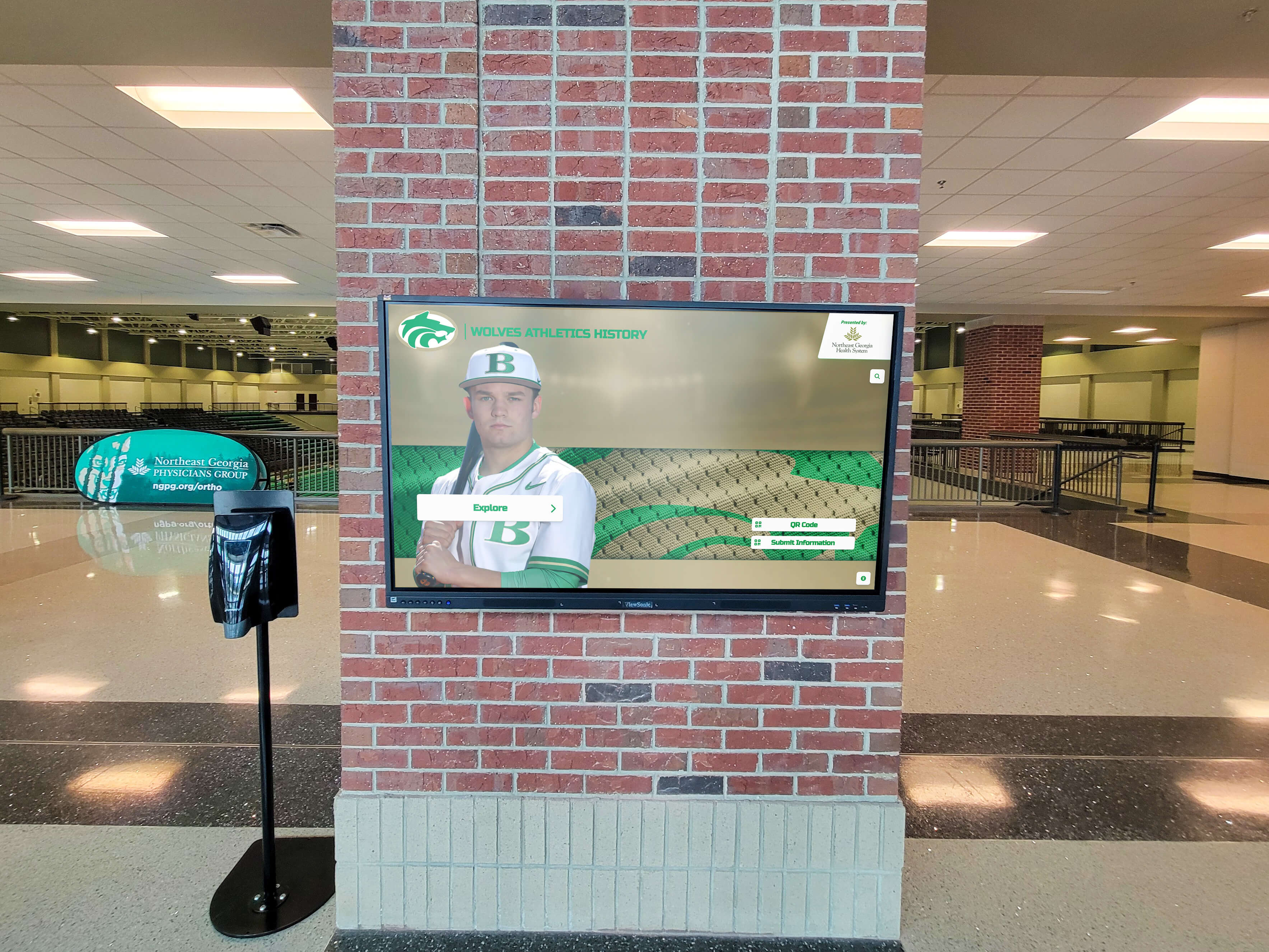
Weather Contingencies and Makeup Plans
Weather represents the most significant scheduling challenge for baseball playoffs:
Common Weather Protocols:
- Built-in weather days between tournament rounds
- Next-day makeup scheduling when possible
- Week-day game scheduling despite traditional weekend tournaments
- Neutral site relocation to facilities with superior drainage or covered stadiums
- Game suspensions continuing from interruption points when play resumes
- Championship delay extending finals by days or weeks when necessary
Some northern states face chronic weather challenges requiring flexible end dates and compressed makeup schedules when tournaments fall behind planned progressions. Schools implementing track and field records displays for spring sports understand the scheduling complexities weather creates across all spring athletic programs.
Facility Availability Challenges:
Quality baseball facilities support optimal playoff competition:
- Major college or minor league stadiums for championship finals
- Municipal complexes with multiple fields for tournament rounds
- High school facilities with adequate seating and amenities
- Indoor practice facilities for inclement weather preparation
- Geographic accessibility for participating teams and fans
Securing premier facilities requires advance booking, often years ahead for championship venues with scheduling demands from multiple organizations.
Academic Calendar Conflicts
Spring playoff schedules frequently collide with end-of-year academic priorities:
Common Academic Conflicts:
- Final examinations competing with playoff games
- AP testing schedules overlapping tournament dates
- Prom and graduation ceremony conflicts
- Senior academic deadlines and requirements
- Standardized testing days prohibiting athletic participation
Athletic directors coordinate with academic administrators balancing athletic opportunities with educational priorities. Some states restrict playoff games during certain days, while others allow school discretion. Understanding these constraints helps programs prepare student-athletes for managing competing demands.
Honoring Playoff Achievements: Recognition Strategies
Playoff success deserves lasting recognition that builds program pride and motivates future teams. Effective recognition systems celebrate tournament achievements while preserving institutional baseball history.
Traditional Physical Recognition
Many schools maintain conventional recognition for playoff accomplishments:
Championship Banners:
Fabric or vinyl banners hanging in gymnasiums or fieldhouses document:
- State championship titles by year
- State tournament appearances and final placements
- Regional or district championships
- Conference tournament championships
- Undefeated seasons or significant win milestones
Banner displays create immediate visual impact showcasing program success to students, families, recruits, and visitors. However, physical space limitations eventually constrain banner additions as programs accumulate achievements across decades.
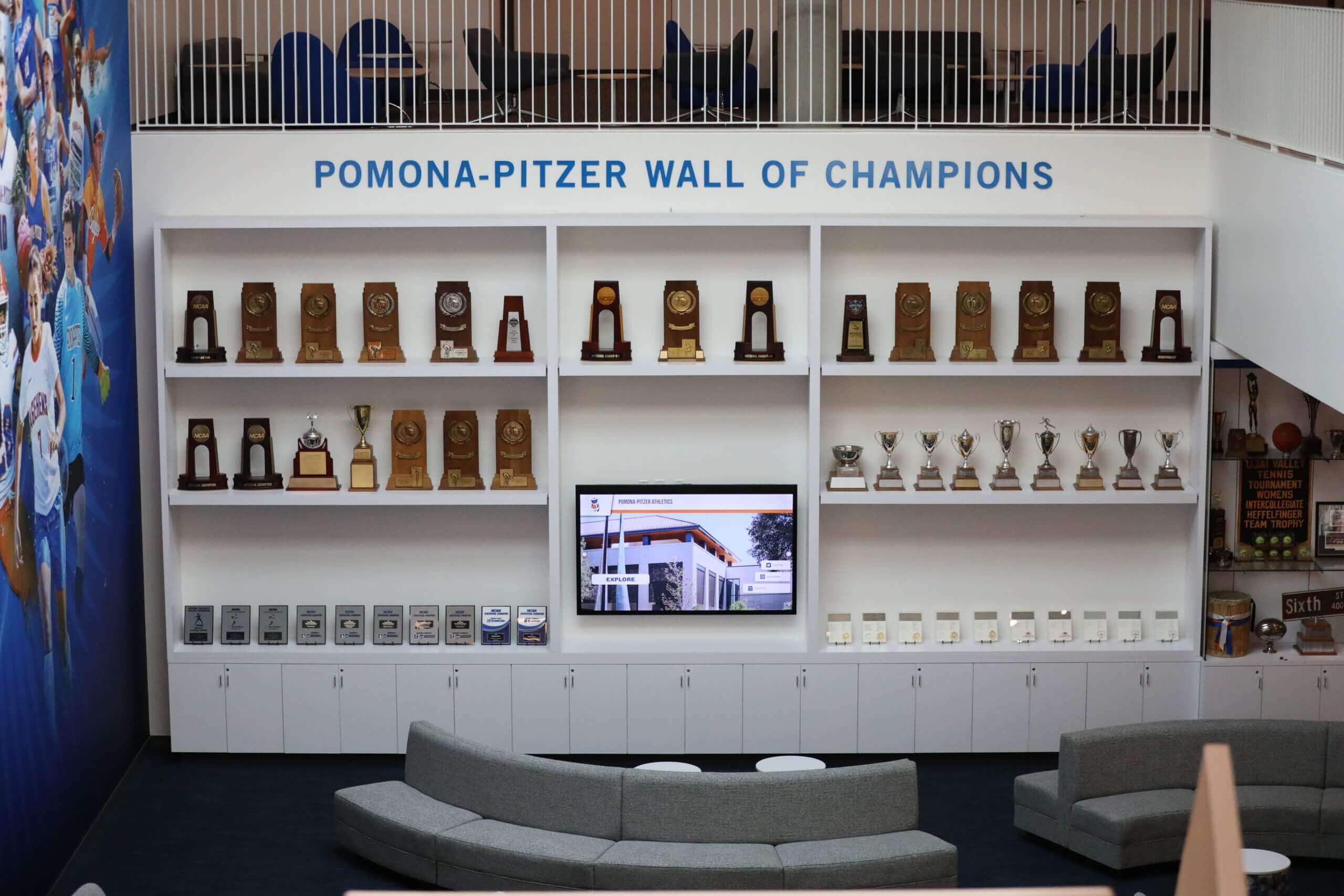
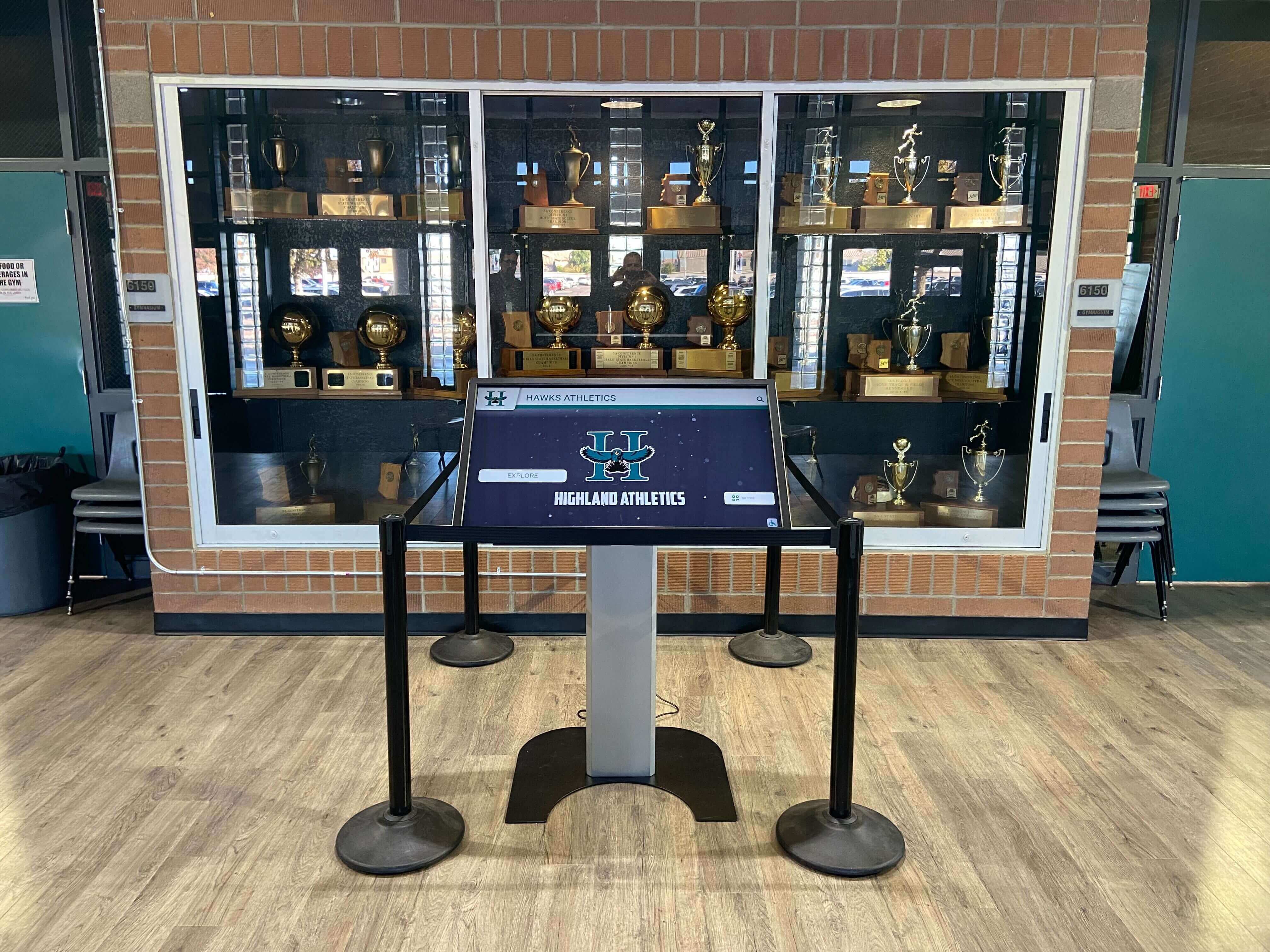
Trophy Case Displays:
Physical trophies, plaques, and awards occupy dedicated display cases:
- Championship trophies from state titles
- Runner-up and semi-finalist awards
- Individual player trophies for tournament MVPs
- All-tournament team plaques
- Coach recognition awards
Trophy cases provide tangible connection to historic achievements but require ongoing maintenance, offer limited context beyond object display, and face capacity constraints as collections grow.
Permanent Record Boards:
Wall-mounted displays documenting program records and achievements:
- Championship team rosters by year
- Playoff records and statistics
- Tournament MVP and all-tournament selections
- Team playoff records (most runs, wins, championships)
- Individual playoff performance records
Traditional boards face updating challenges, capacity limitations, and eventual deterioration. Schools exploring wrestling room design understand how effective recognition inspires current athletes while honoring past achievement across athletic facilities.
Modern Digital Recognition Systems
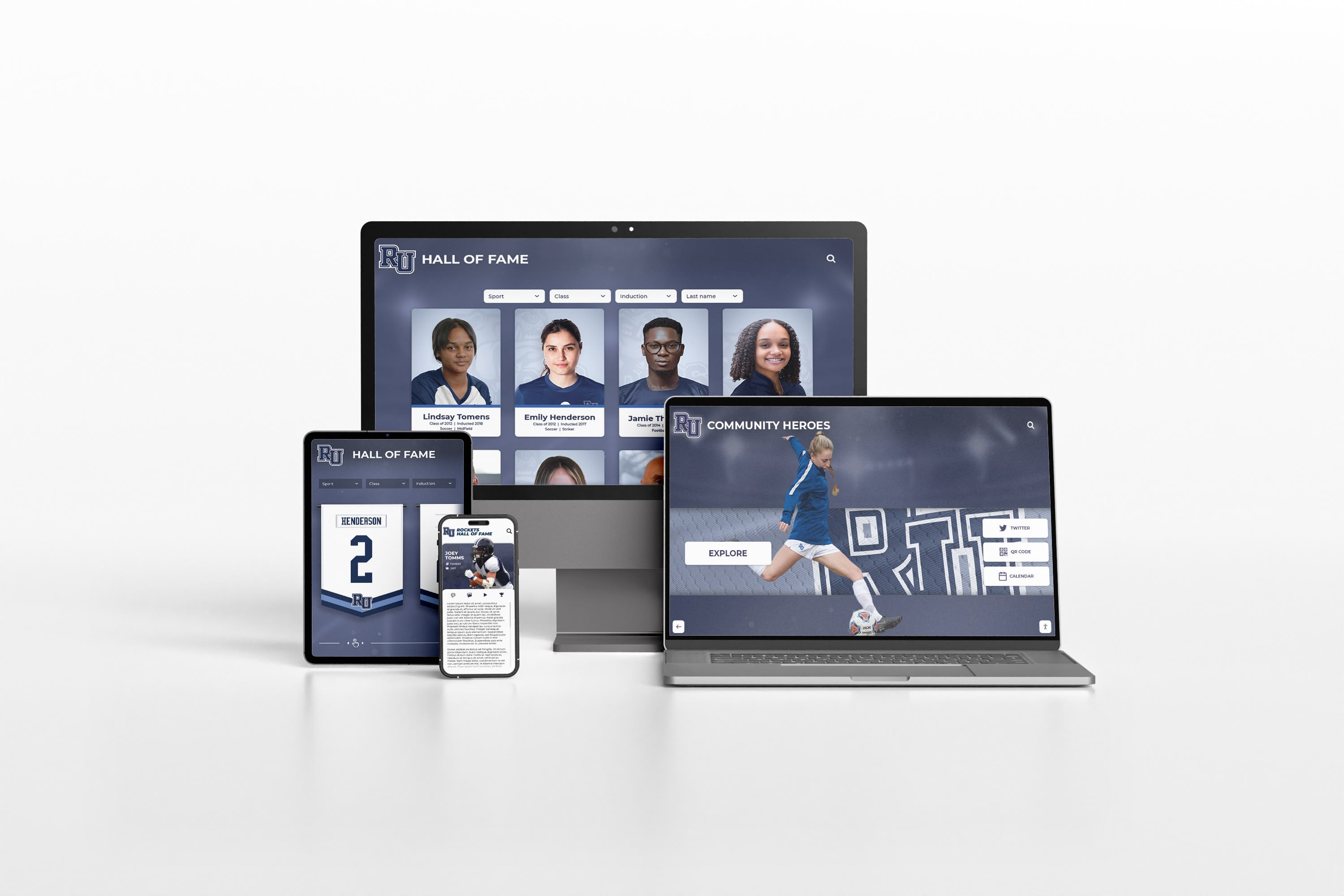
Digital recognition platforms overcome traditional physical display limitations while expanding recognition capabilities:
Interactive Touchscreen Displays:
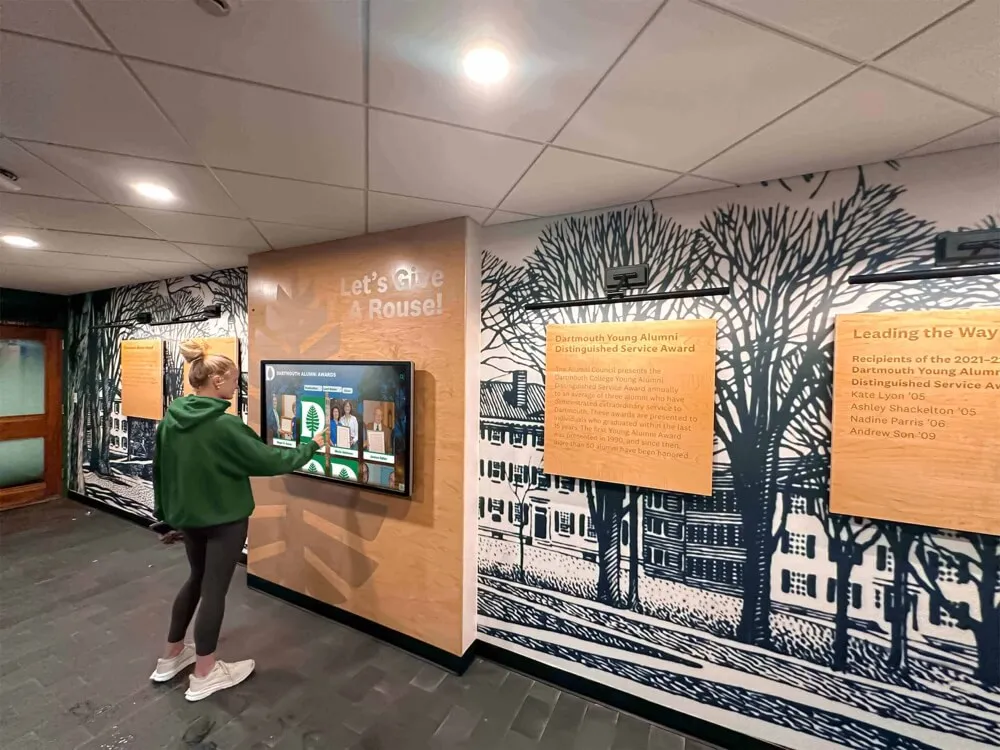
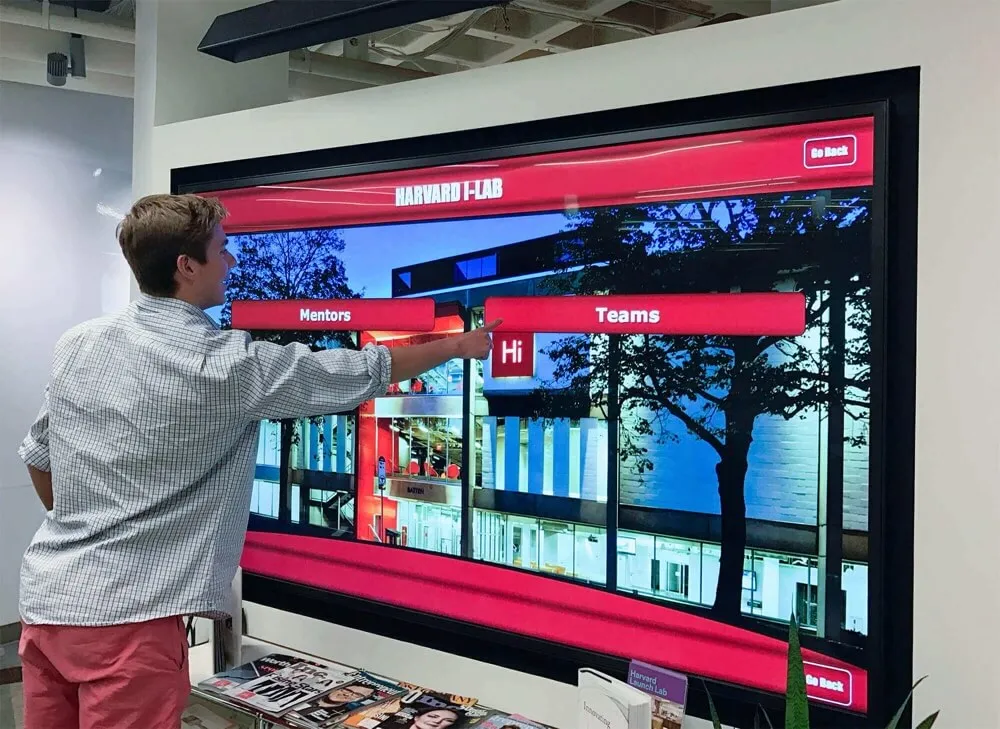
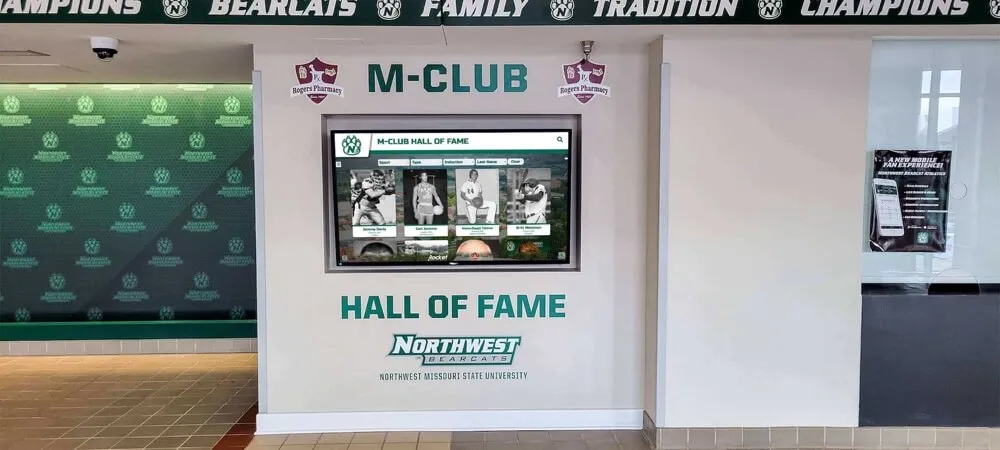
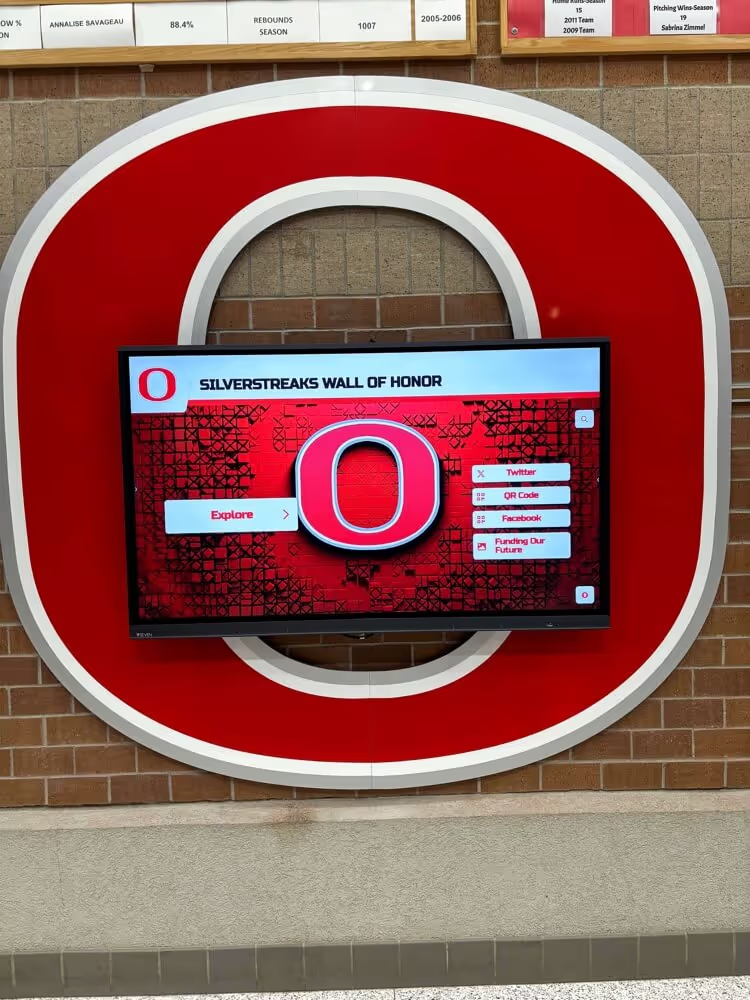
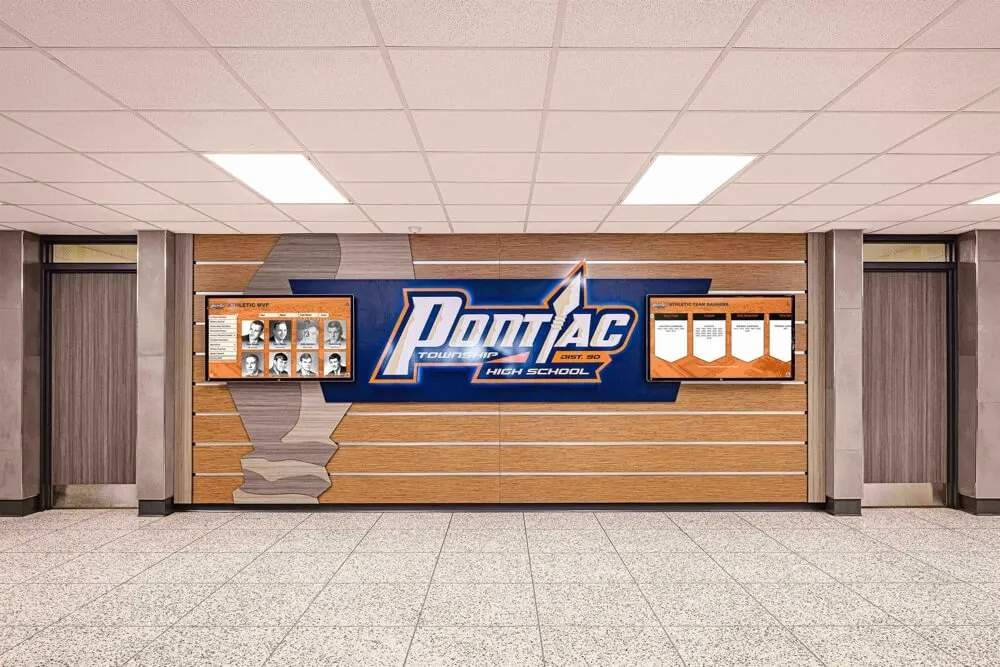
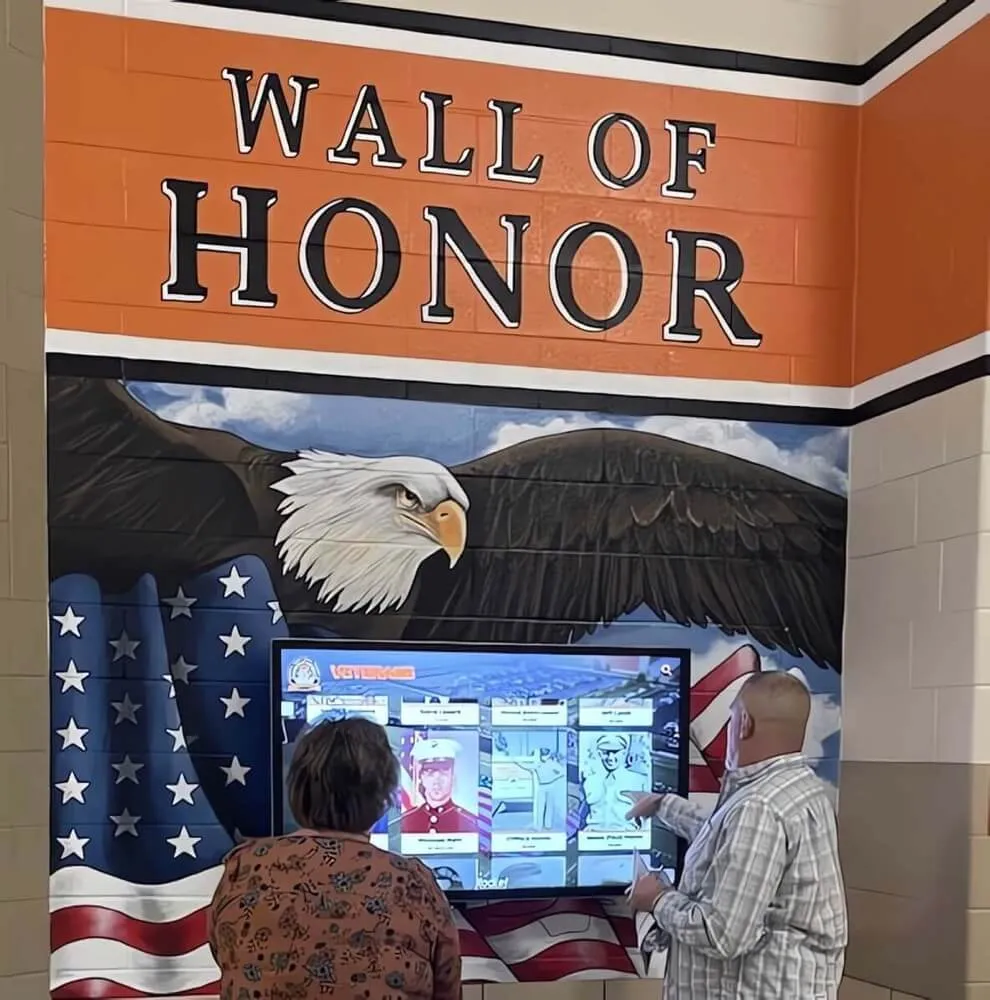
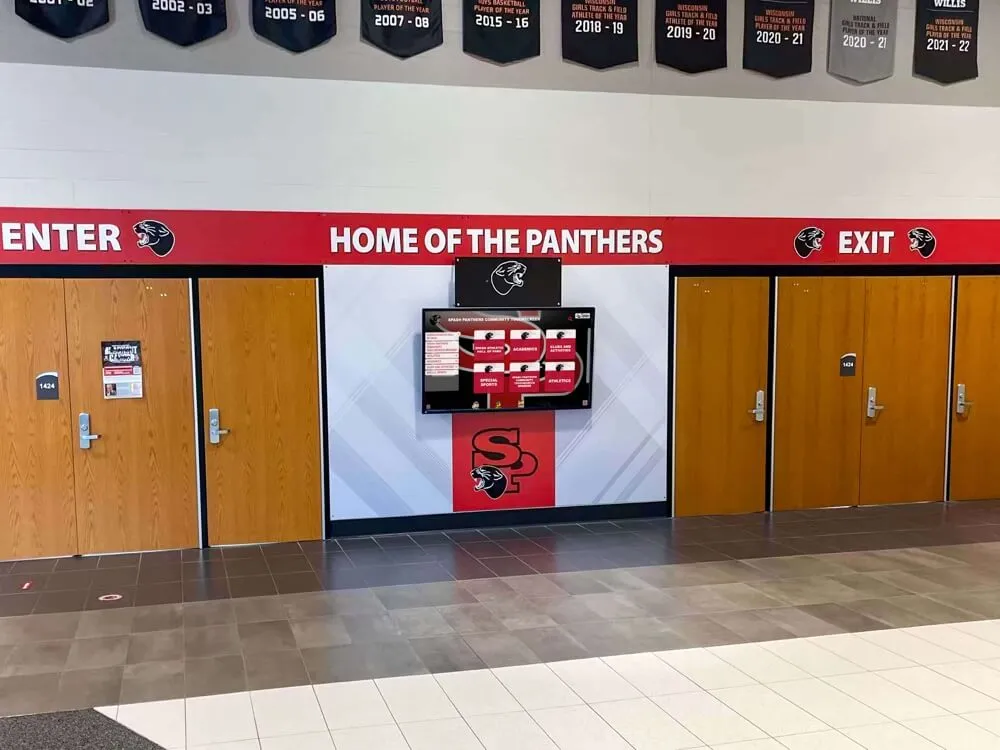
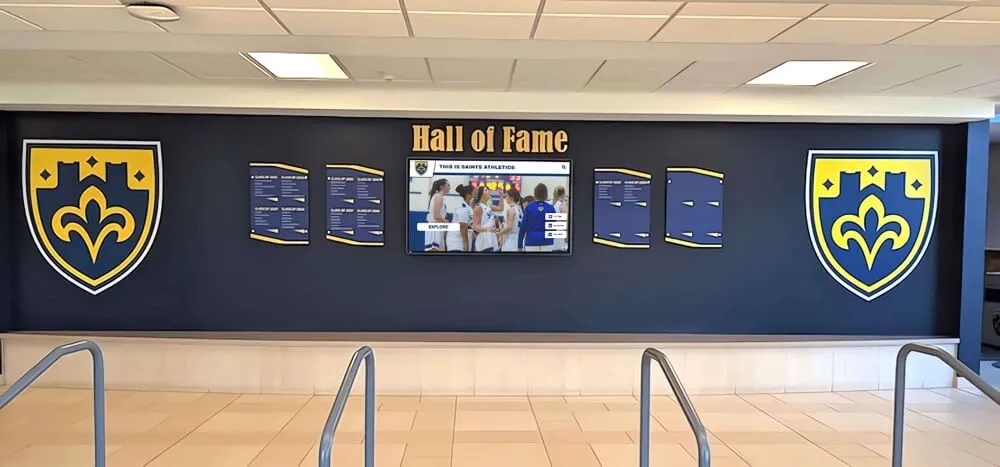
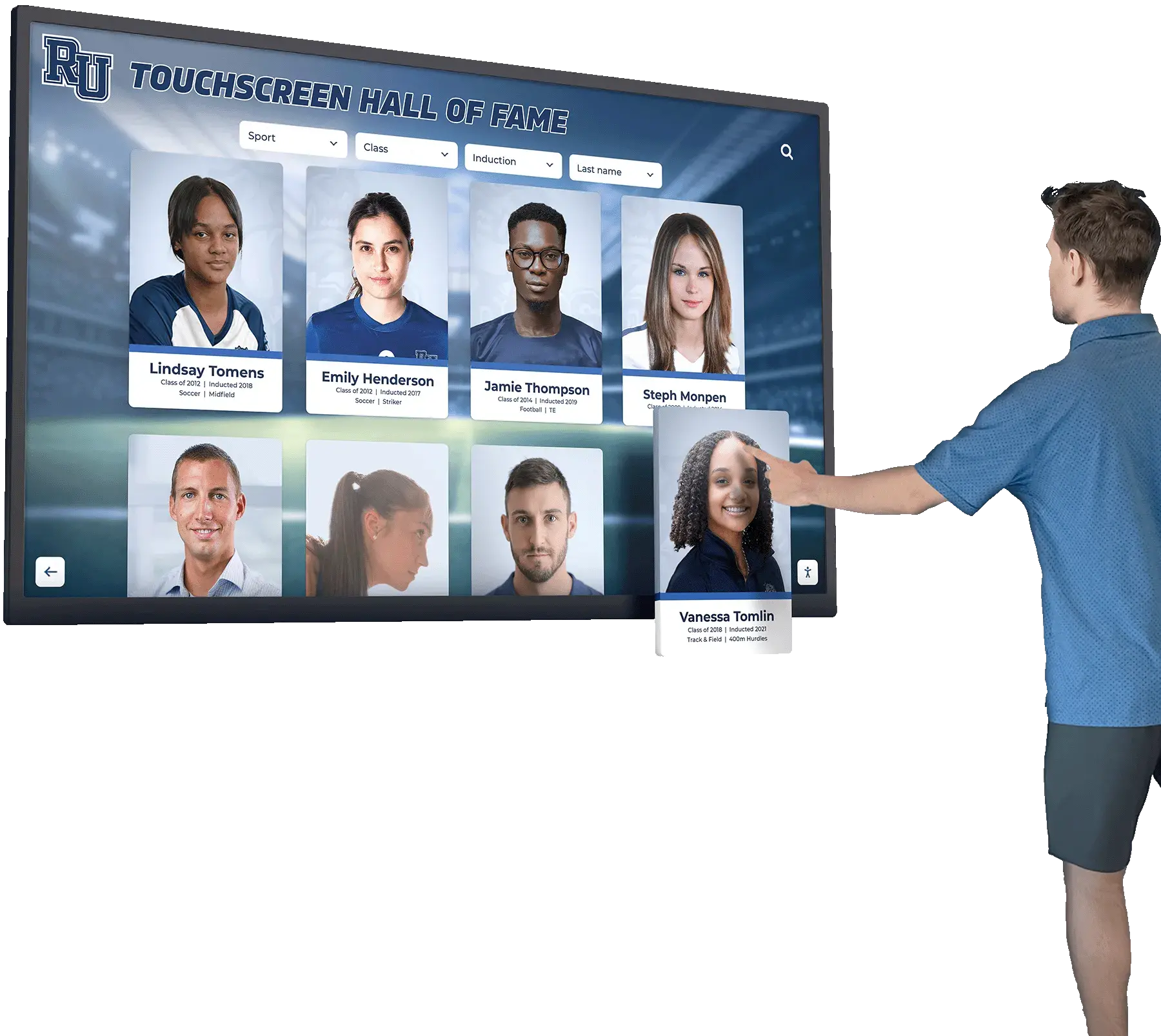
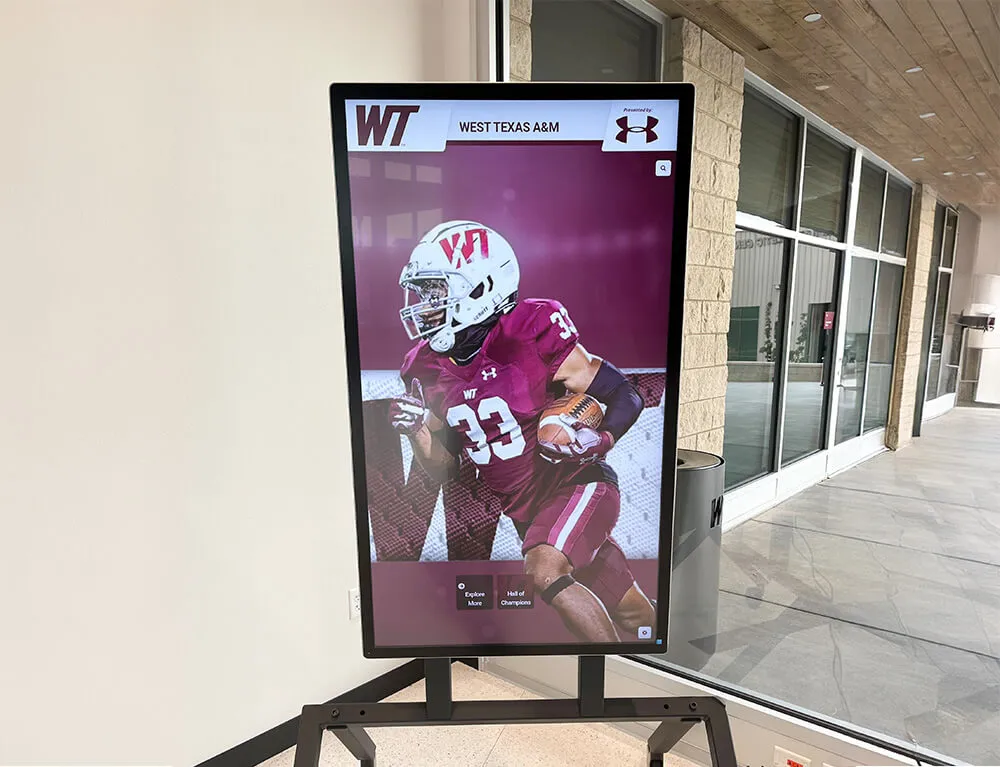
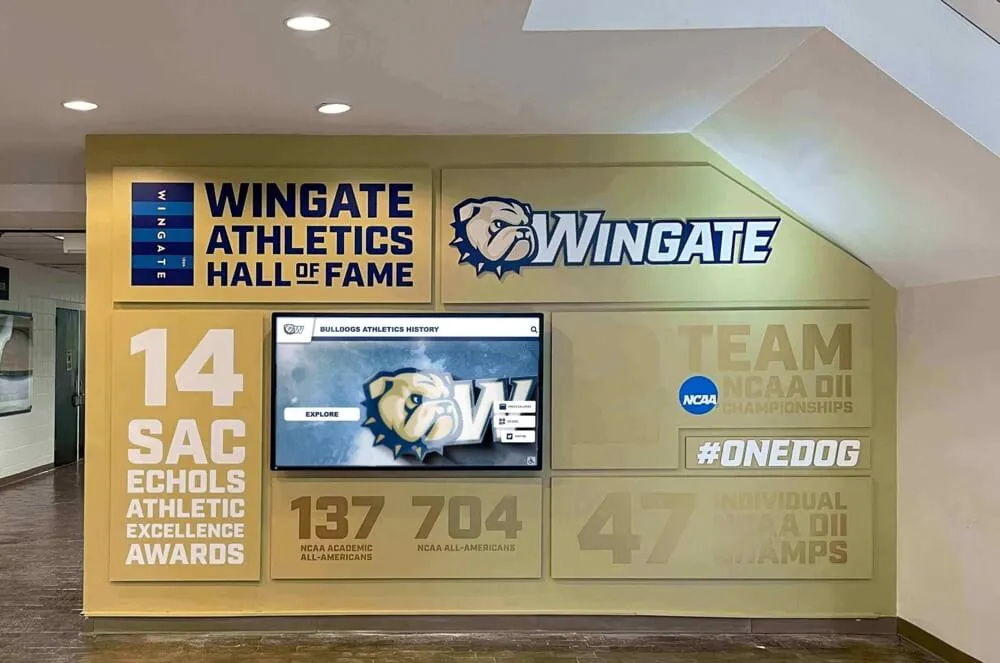
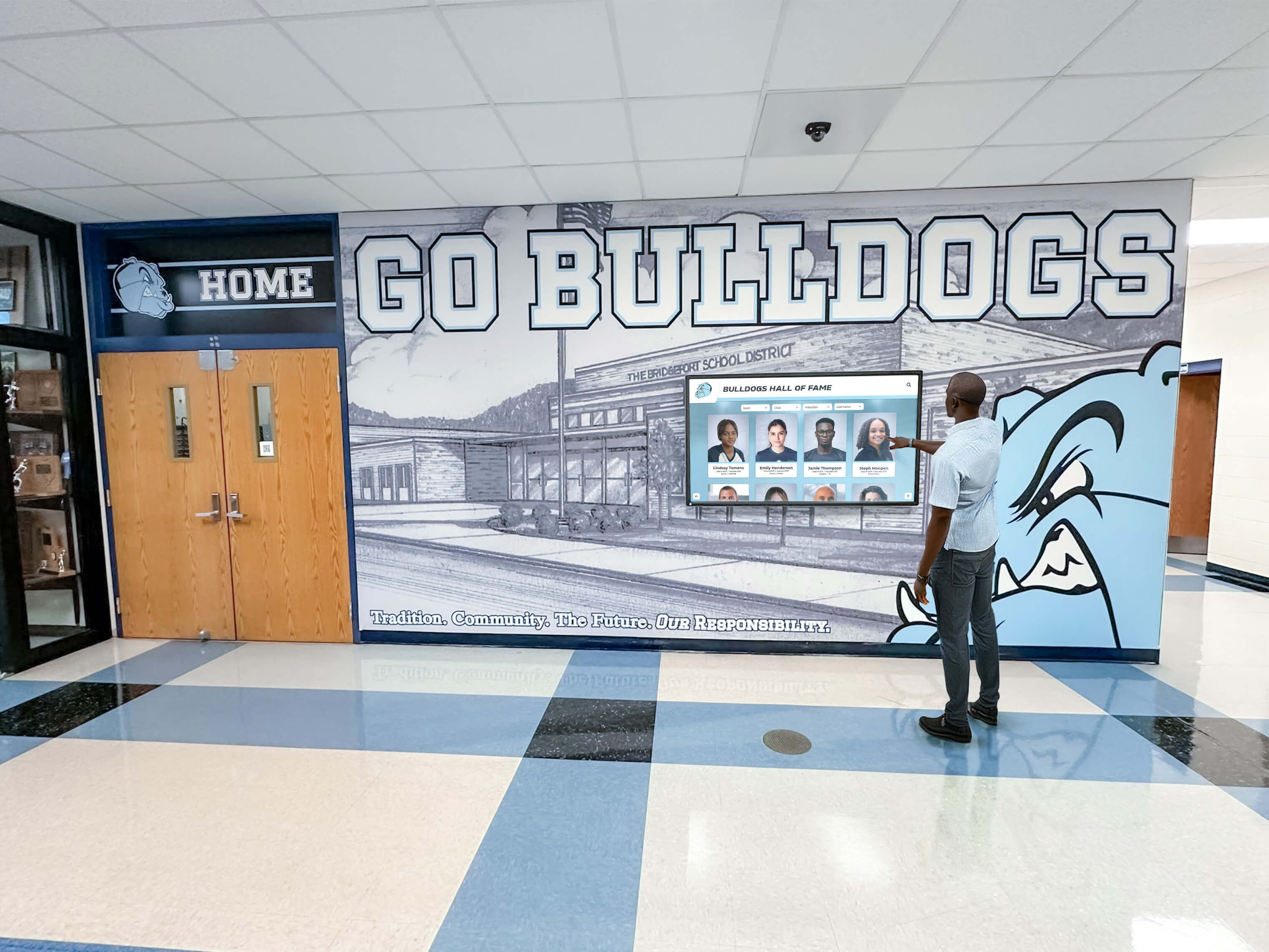
Large-format interactive displays in athletic facilities provide:
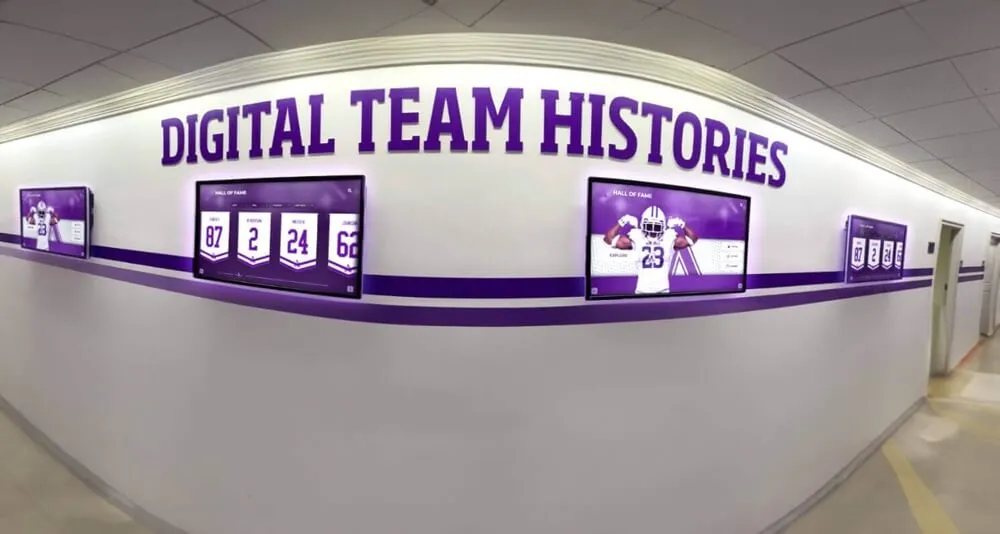
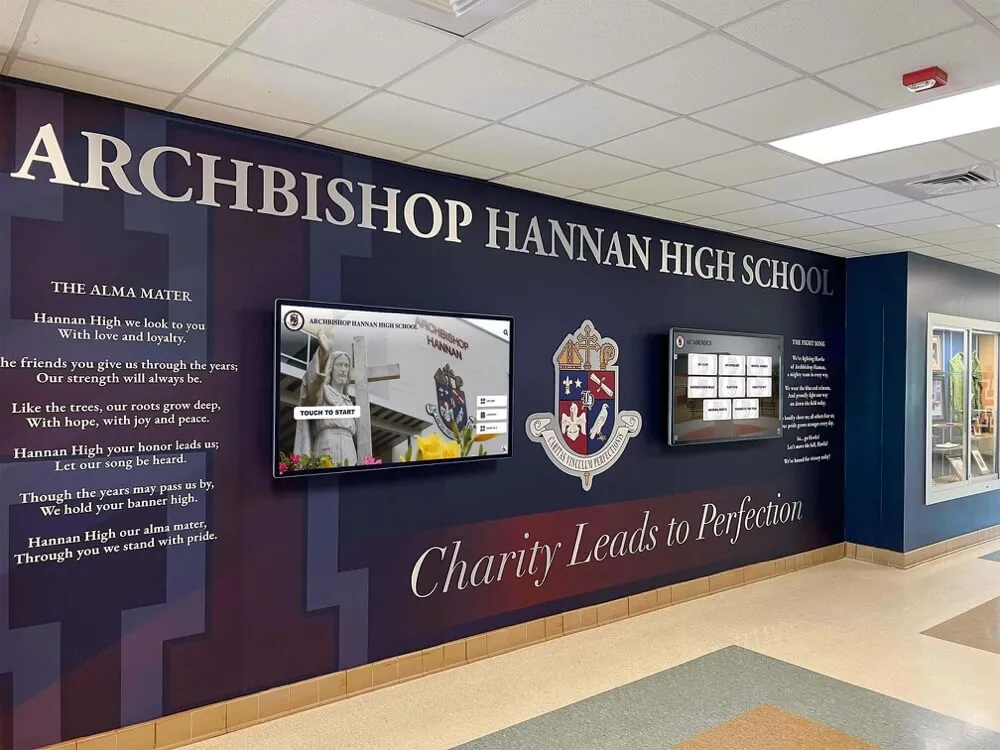
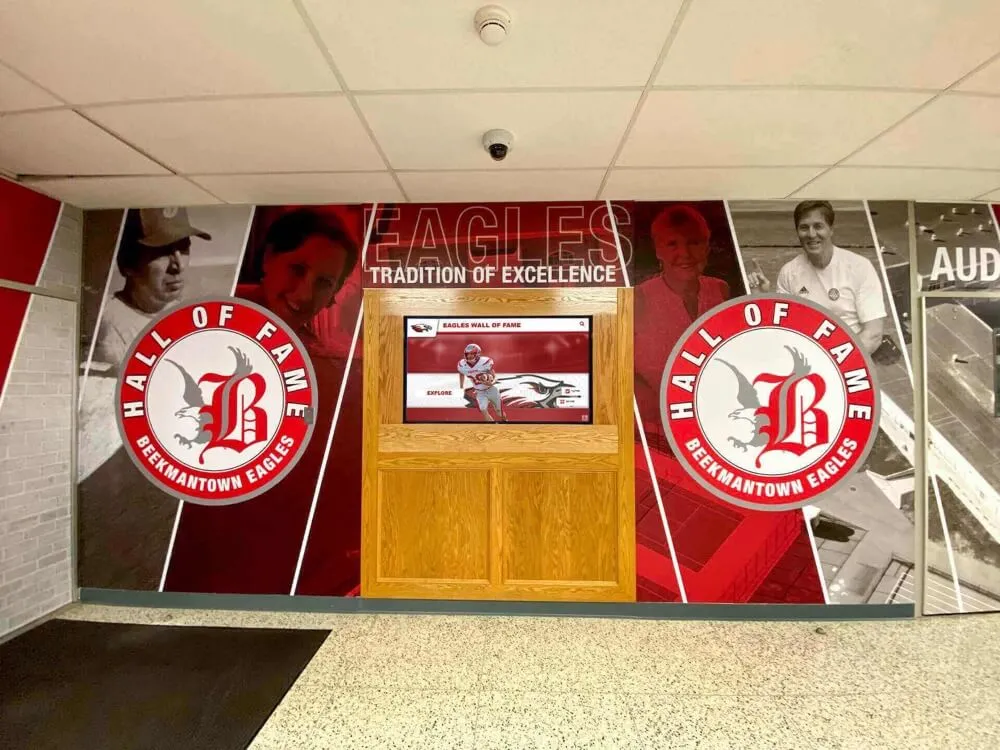
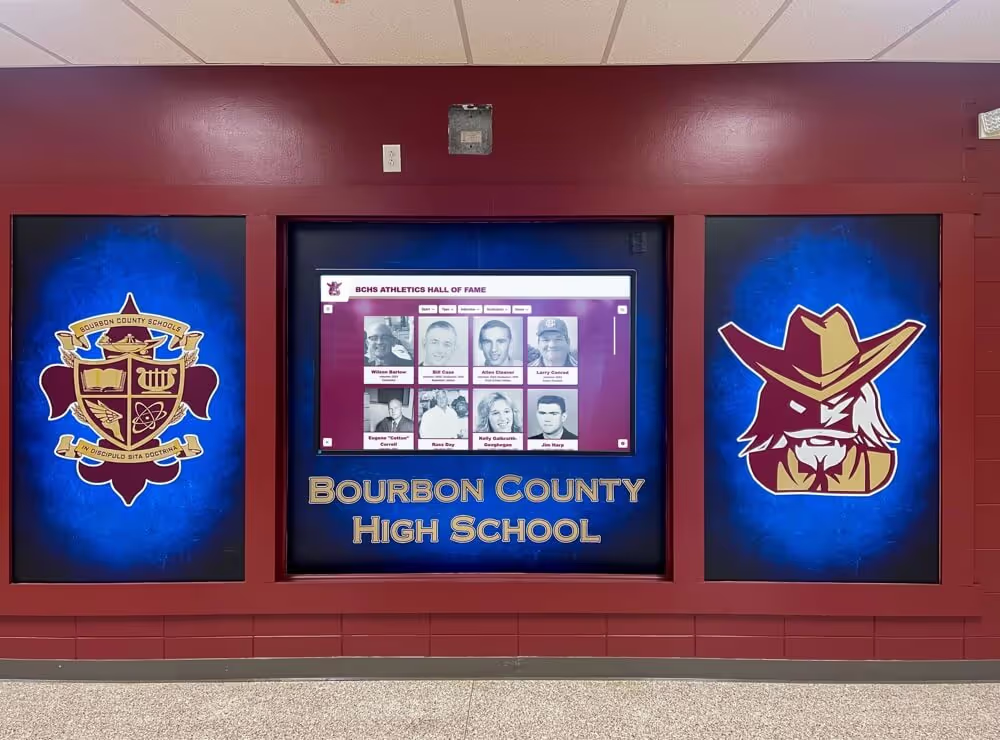
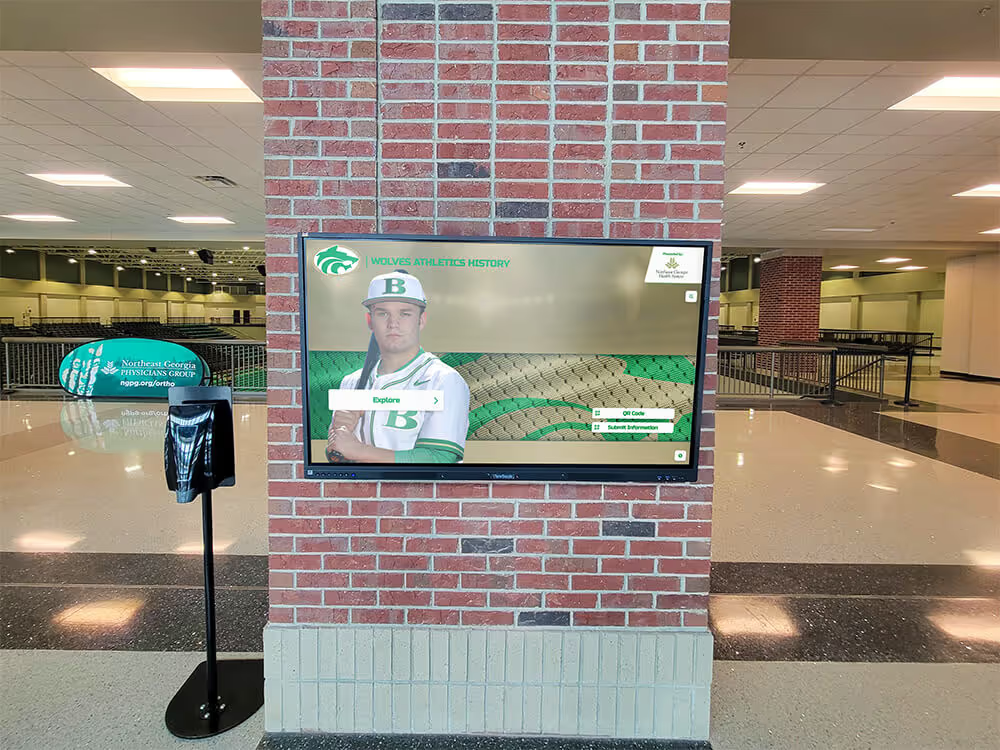
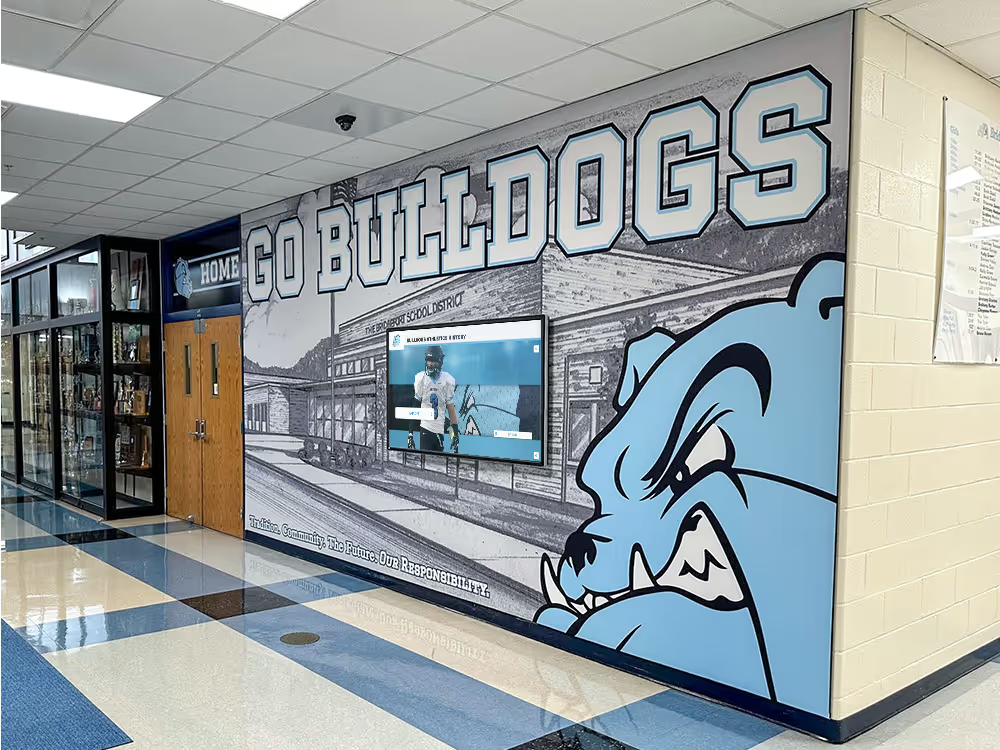
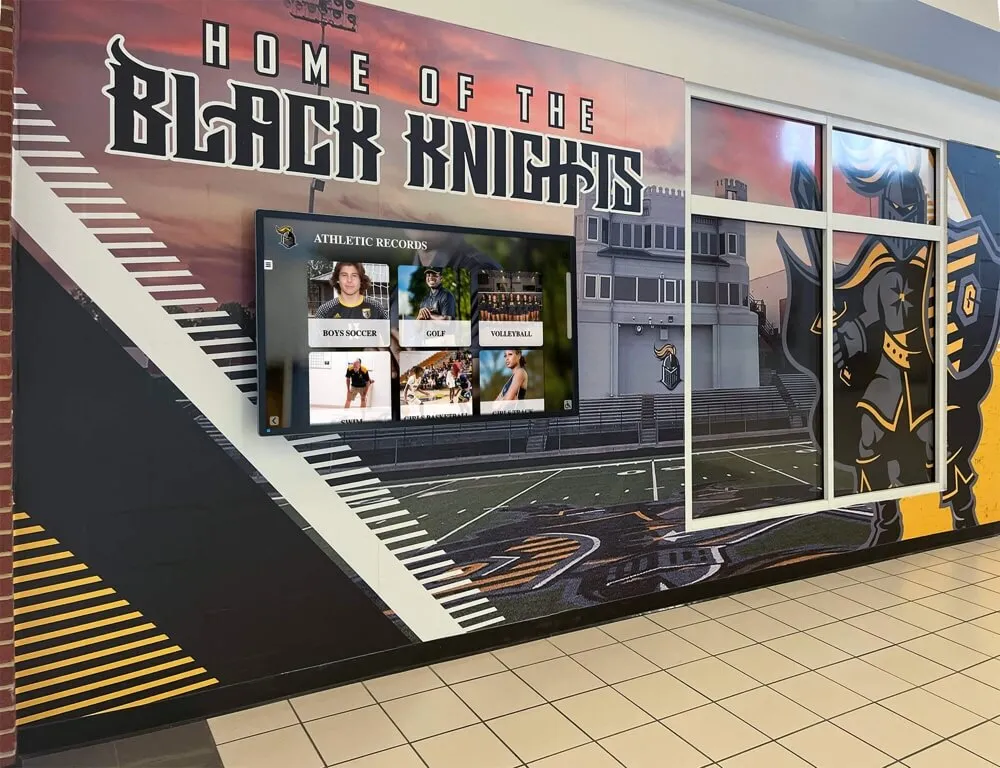
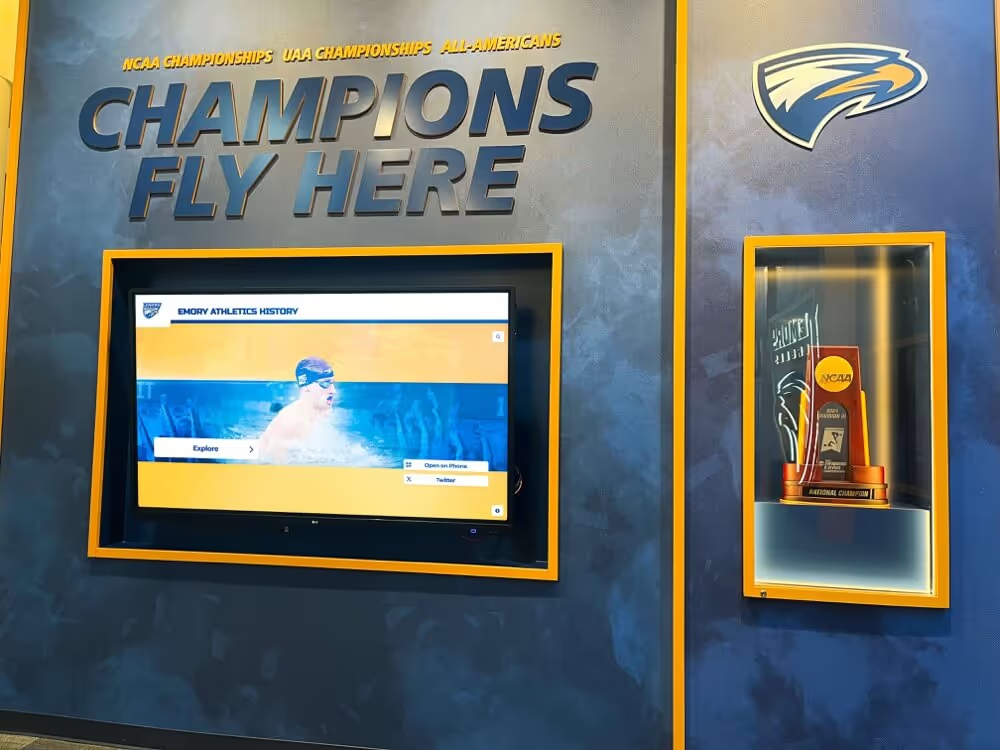
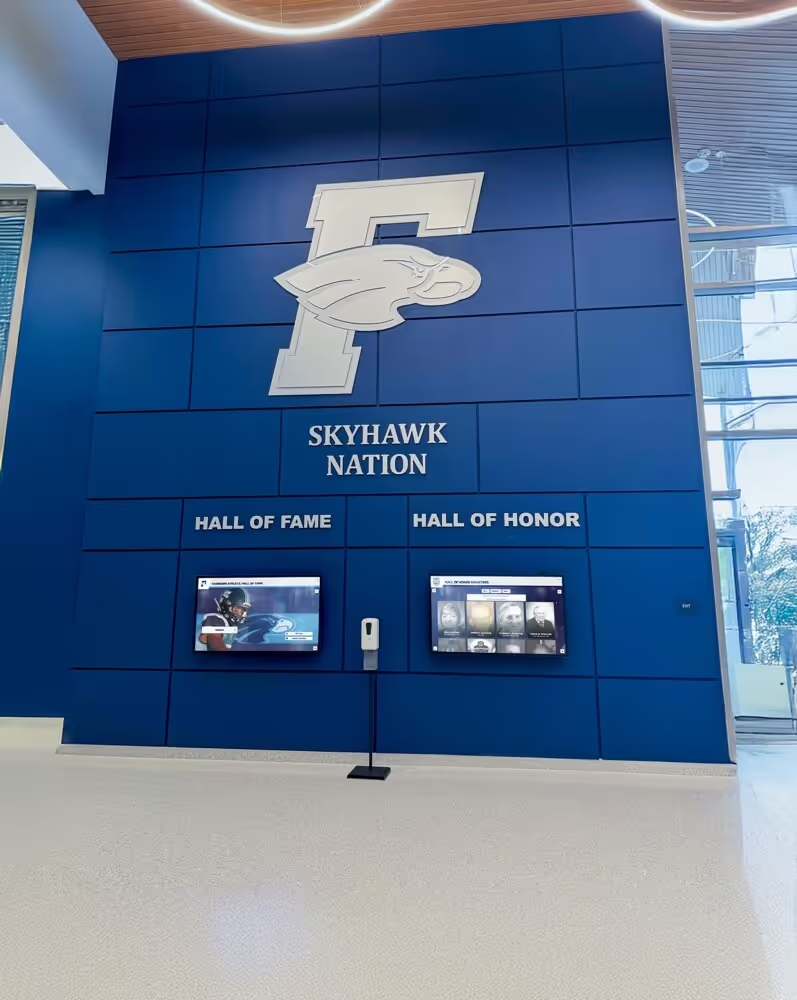
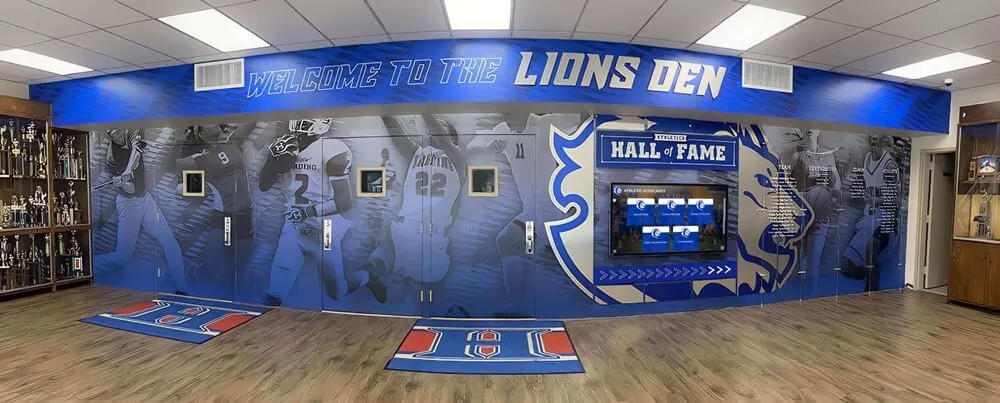
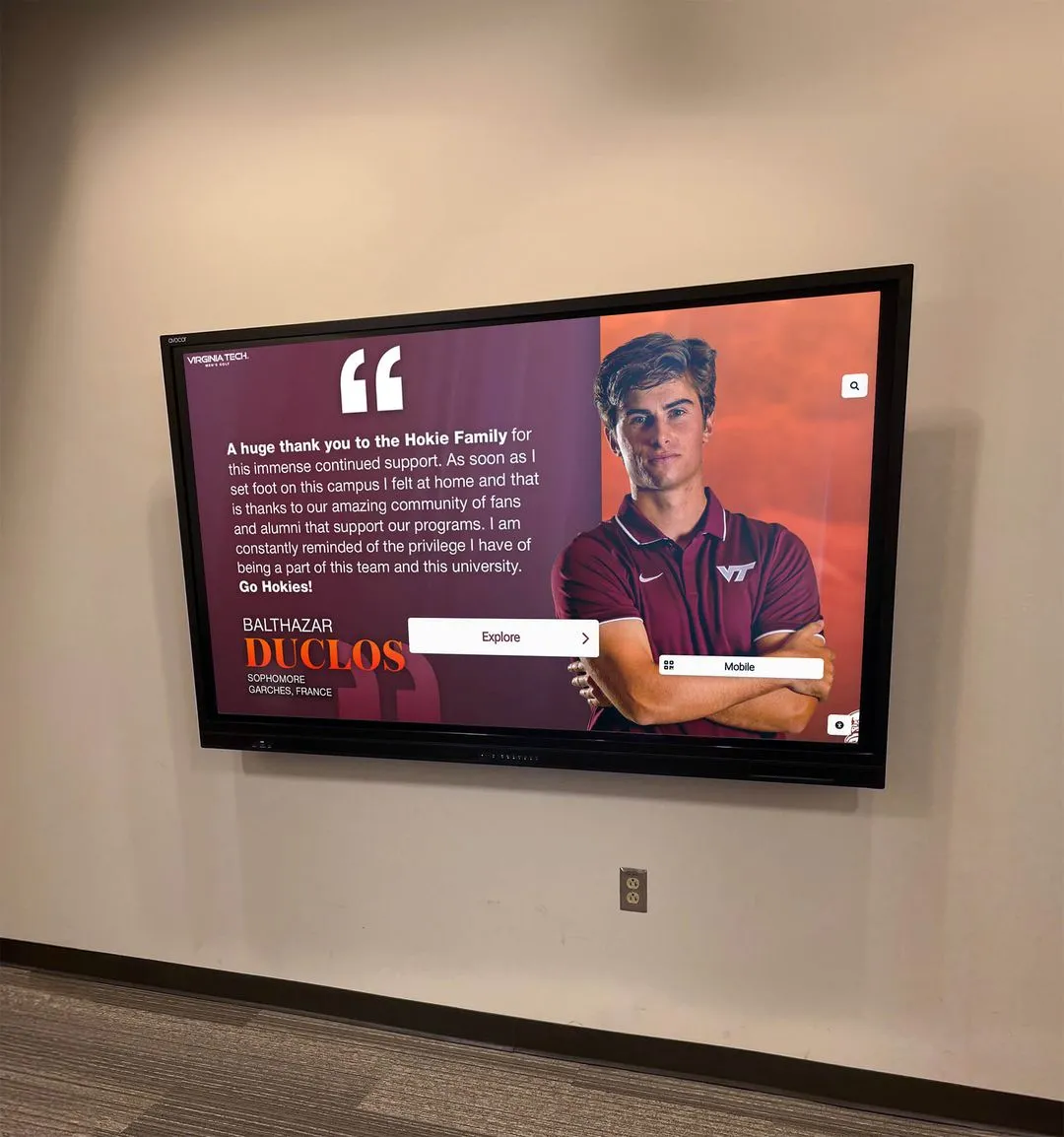
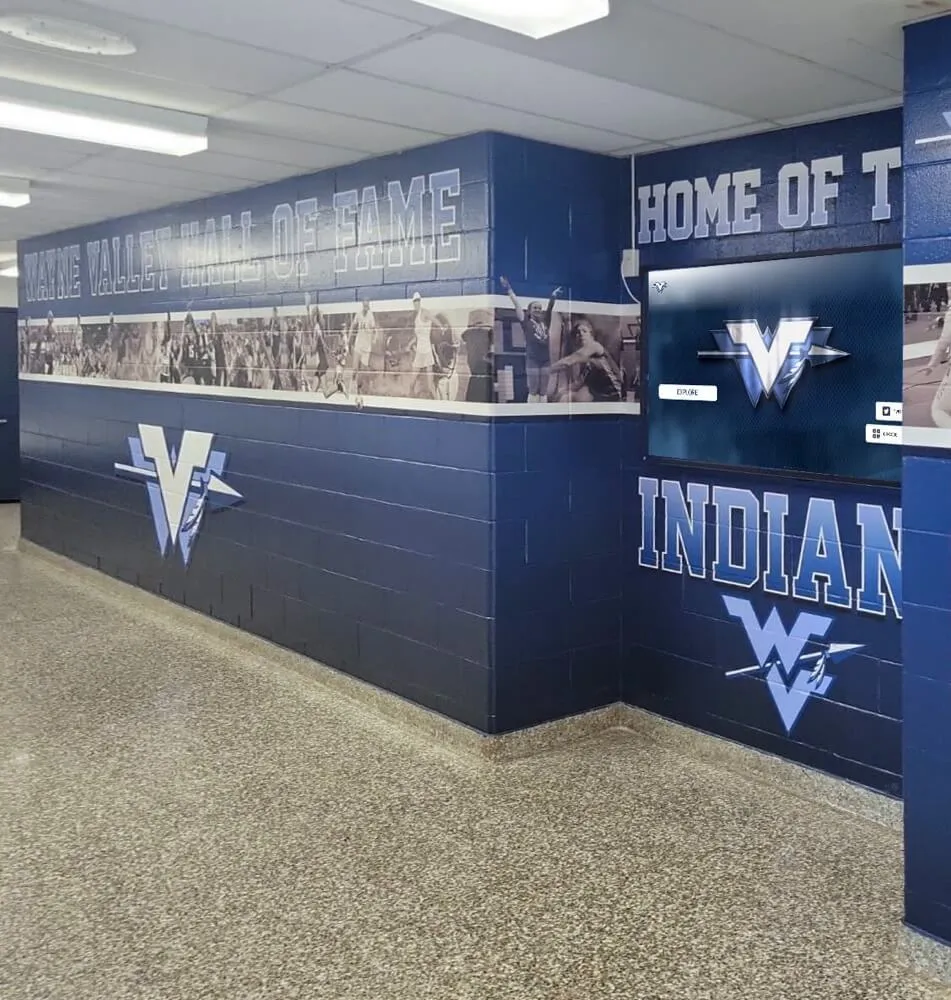
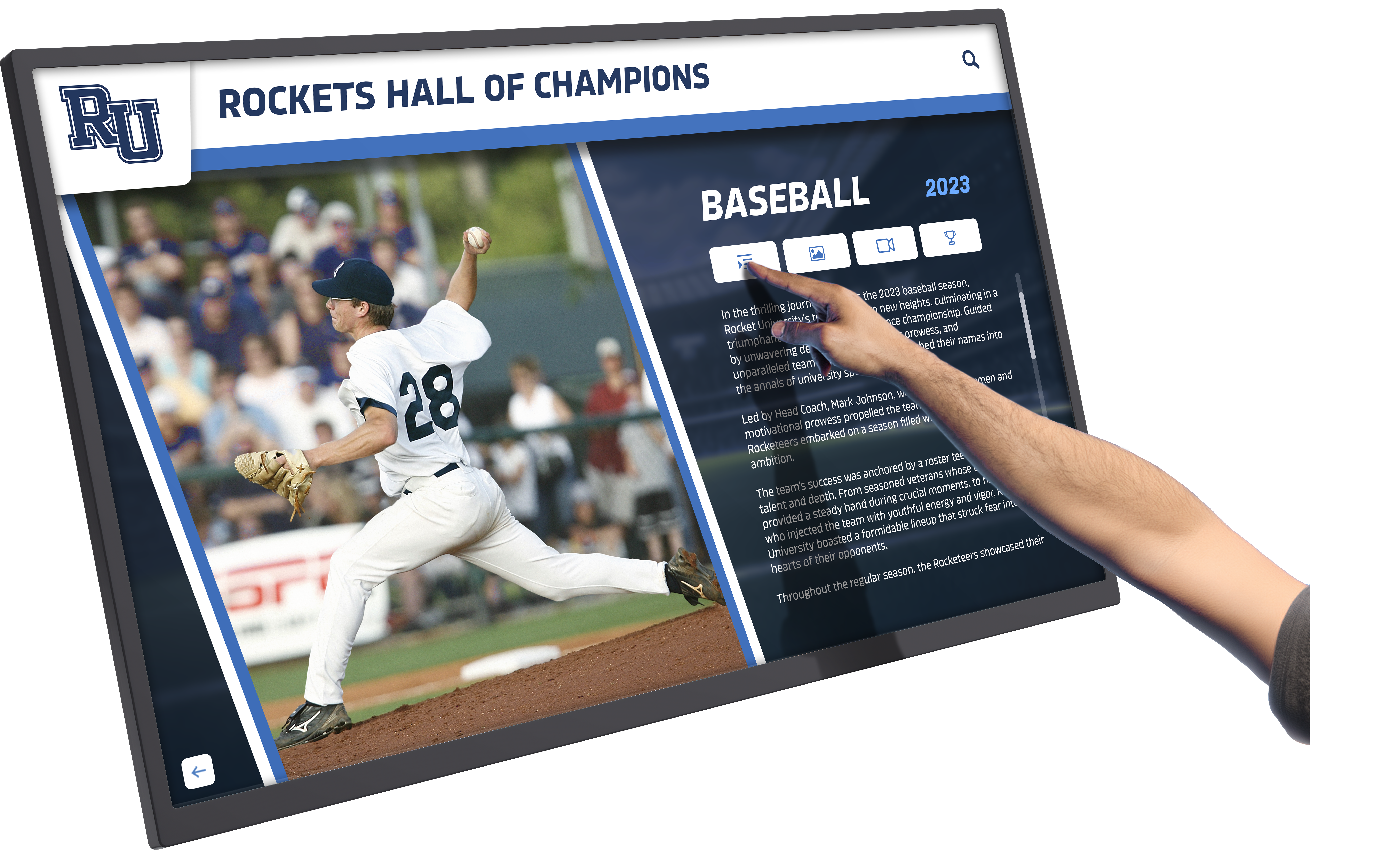
Unlimited Recognition Capacity: Digital systems accommodate decades of playoff history without physical space constraints. Every championship team, tournament appearance, and playoff performer receives appropriate recognition regardless of program longevity.
Rich Multimedia Content: Photos, videos, statistics, and detailed narratives bring playoff stories to life. Championship game highlights, team photos, player profiles, and tournament brackets provide comprehensive documentation impossible with physical displays.
Searchable Databases: Visitors explore playoff history by year, player, achievement type, or opponent. Alumni search for their championship teams, students research program history, recruits investigate competitive traditions.
Easy Updates: Cloud-based content management enables instant updates when teams advance through playoff rounds. Administrators update displays from any internet-connected device without installation costs or delays.
Engagement Analytics: Digital platforms track visitor interactions revealing which teams, players, or achievements generate greatest interest, informing future content development.
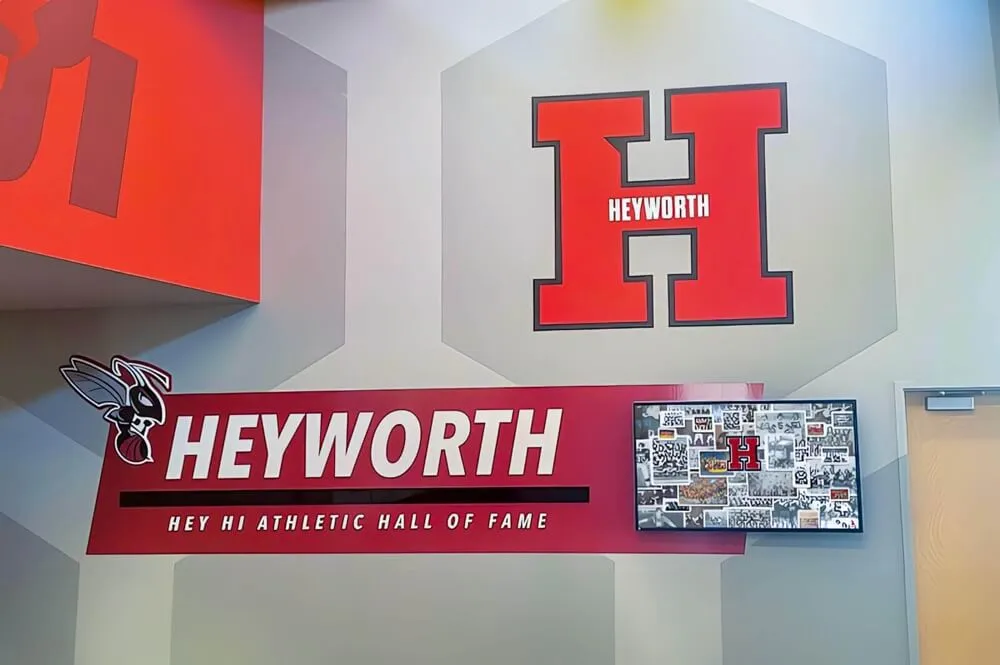
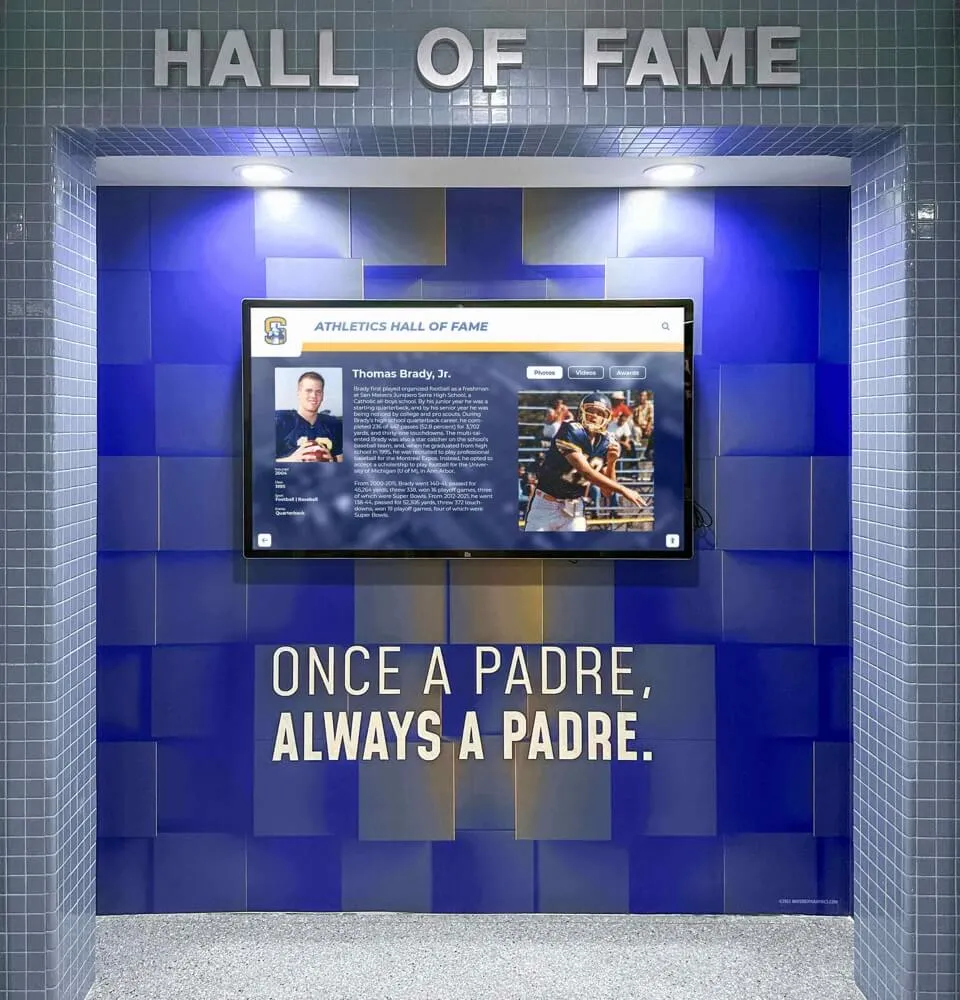
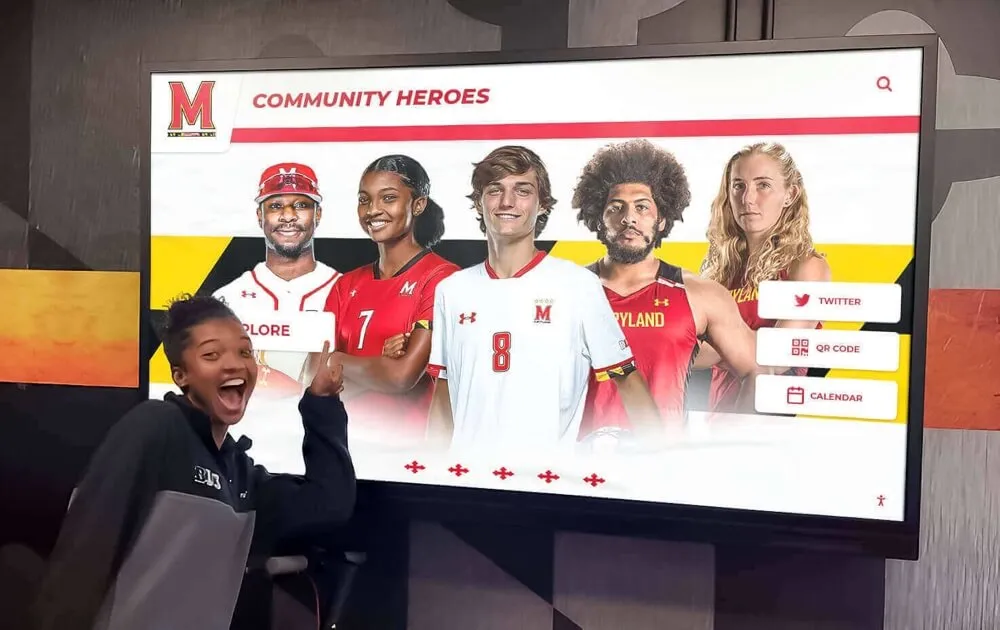
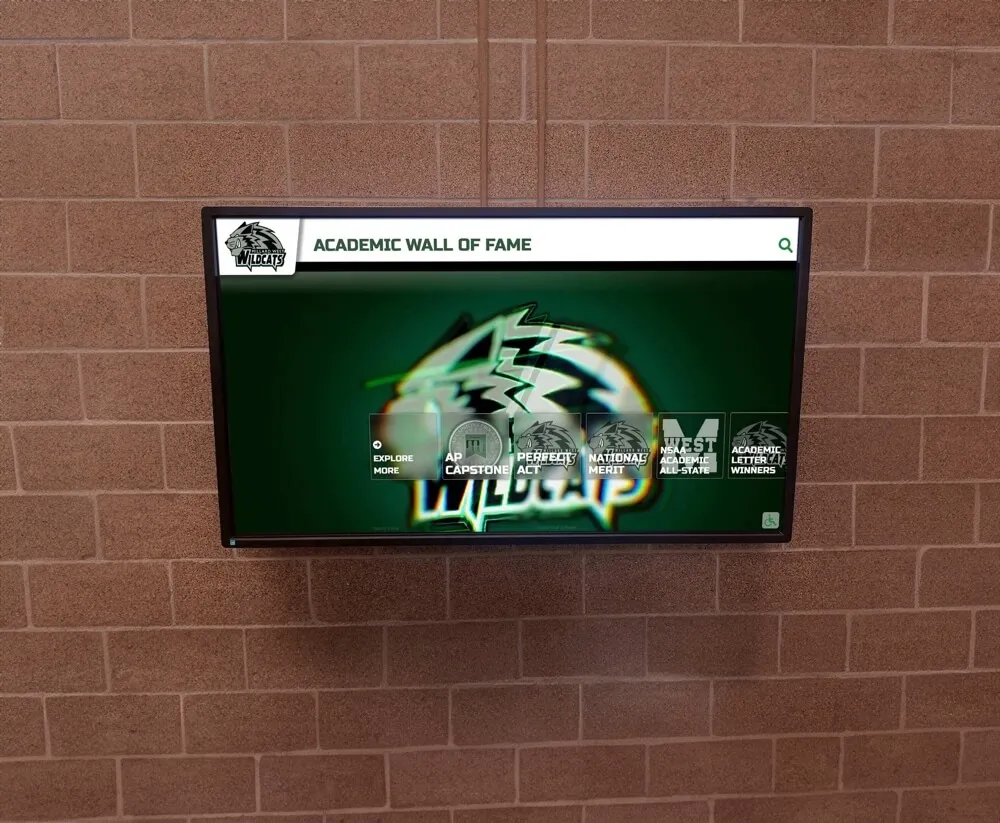
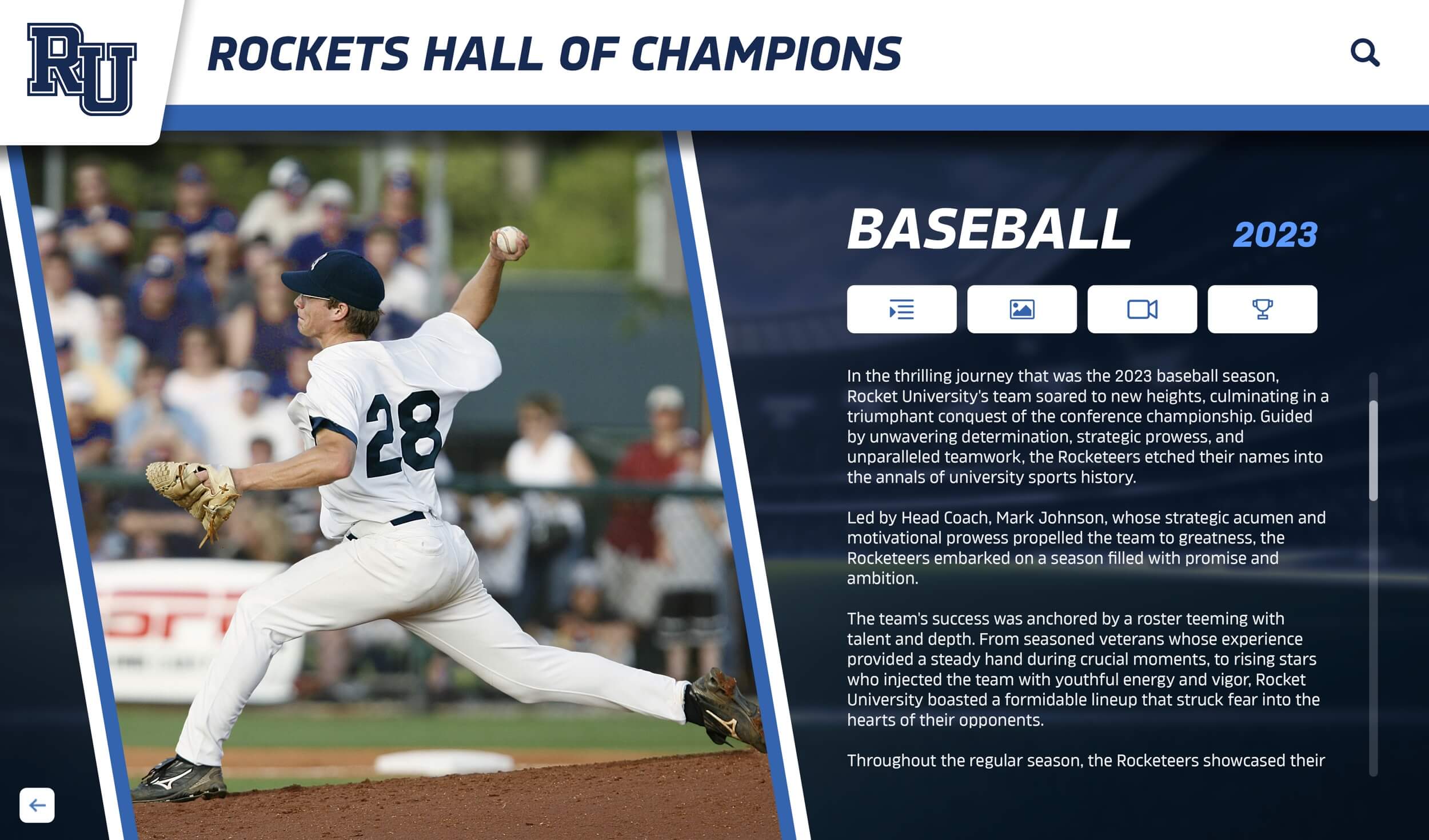
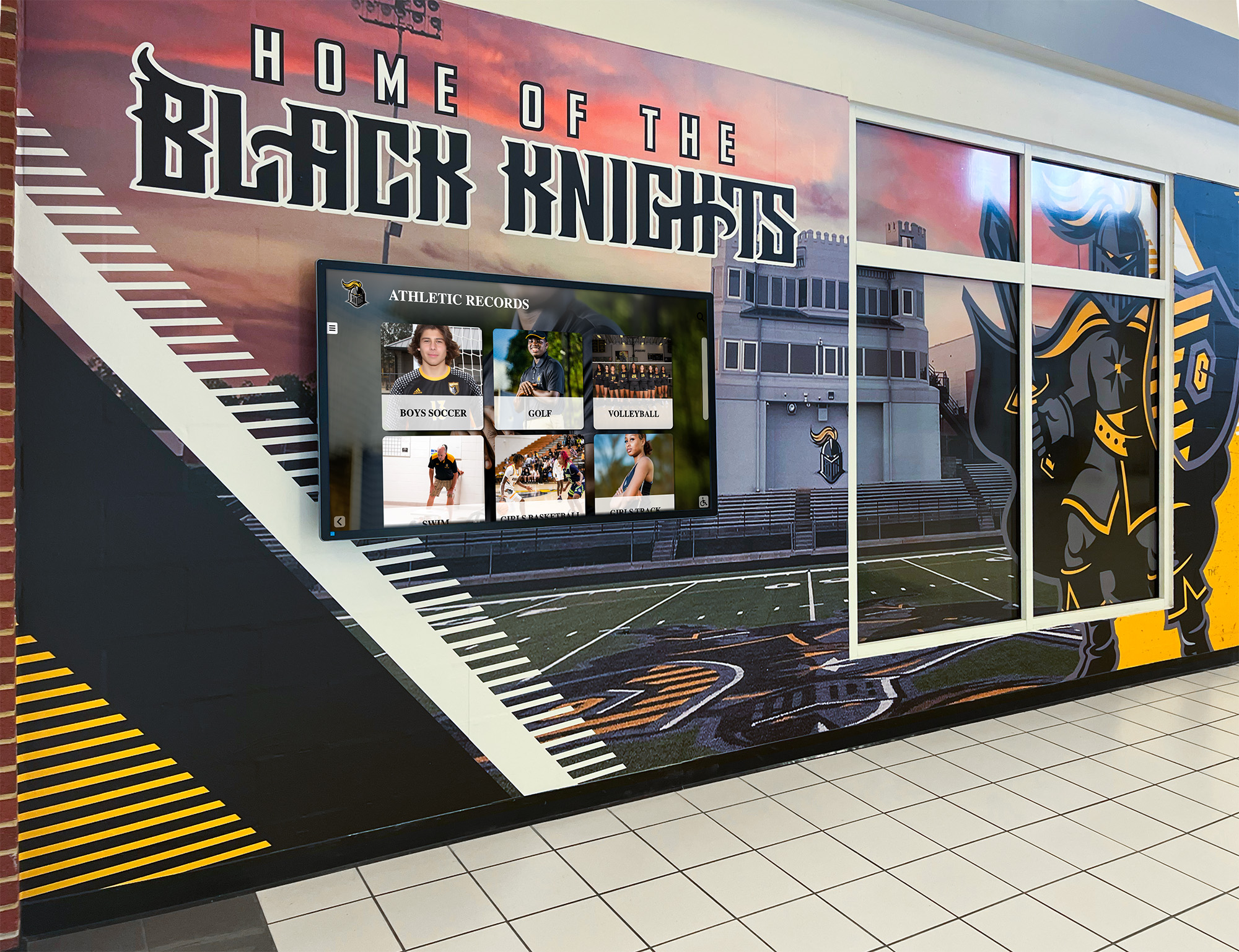
Solutions like Rocket Alumni Solutions provide purpose-built platforms specifically designed for school athletic recognition rather than generic digital signage requiring extensive customization. These systems integrate naturally with broader athletic recognition programs celebrating regular season achievements, individual records, and hall of fame inductees alongside playoff success.
Web-Based Recognition Platforms:
Online platforms extend recognition beyond physical locations:
- Mobile accessibility allowing anywhere viewing
- Social media sharing enabling digital celebration
- Alumni engagement connecting graduates to program history
- Recruiting tools showcasing tradition to prospective athletes
- Historical preservation documenting institutional athletic heritage
Digital platforms transform recognition from static displays in single locations to dynamic content accessible globally, engaging broader communities in celebrating playoff achievements.
Comprehensive Recognition Program Elements
Complete playoff recognition systems incorporate multiple components:
Team Recognition:
- Championship team rosters with player positions
- Season statistics and tournament performance
- Team photos from championship games or celebrations
- Bracket progression showing tournament path
- Game-by-game results through playoff rounds
- Coach profiles and career playoff records
Individual Player Recognition:
- All-tournament team selections
- Tournament statistical leaders (batting, pitching, fielding)
- MVP and player of the year awards
- Career playoff statistics for multiple-year contributors
- College signing recognition for recruited players
- Professional career paths for exceptional alumni
Season Context:
- Overall season records and achievements
- Conference or district championships preceding playoffs
- Regular season highlights preparing teams for tournaments
- Senior class profiles for championship teams
- Schedule highlights showing strength of competition
- Team statistics and individual records set during seasons
Historical Perspective:
- All-time championship totals and appearances
- Decade-by-decade program evolution
- Comparison to state records and benchmarks
- Notable rivalries and opponent matchups
- Coaching history across championship eras
- Facility and program development timeline
Programs implementing football banquet planning understand that comprehensive end-of-season recognition, including playoff achievements, strengthens program culture and athlete commitment across all sports.
Individual Awards and Tournament Recognition
Beyond team championships, individual playoff performances deserve appropriate acknowledgment:
All-Tournament Team Selections
Most state tournaments recognize outstanding individual performances:
Selection Criteria:
- Statistical performance during tournament games
- Impact on team success and advancement
- Position balance ensuring diverse recognition
- Voting by coaches, media, or tournament committees
- Classification-specific selections ensuring widespread recognition
All-tournament recognition motivates individual excellence while highlighting players who elevated performance during highest-pressure competition. Schools should incorporate all-tournament selections into permanent recognition systems alongside championship team documentation.
Statistical Championship Recognition
Tournament statistical leaders earn recognition for excellence:
Common Statistical Categories:
- Batting average leaders (minimum plate appearance thresholds)
- Home run and RBI leaders
- Stolen base leaders showcasing speed and aggression
- Pitching leaders (ERA, strikeouts, wins)
- Fielding percentage and defensive excellence
- Multi-category leaders demonstrating complete performance
Statistical recognition acknowledges diverse contributions beyond championship outcomes, honoring individual excellence even for teams eliminated before finals.
Tournament MVP Awards
Most valuable player recognition represents highest individual honor:
MVP awards typically consider statistical performance, leadership impact, clutch performance in critical moments, consistency across multiple tournament games, and contribution to team championship success. MVP recognition often considers both offensive and defensive contributions with subjective evaluation balancing statistics and intangible factors.
Schools developing coach appreciation programs should include recognition for coaches who develop tournament MVPs and all-tournament performers, honoring the coaching excellence that produces individual and team playoff success.
Building Playoff Recognition into Program Culture
Effective playoff recognition serves broader program development goals:
Motivating Current Athletes
Visible playoff achievement recognition motivates current team members:
Goal Setting Inspiration: When freshman baseball players see championship teams recognized throughout athletic facilities, abstract aspirations of “making playoffs” become concrete goals with visible payoffs. Digital displays showing past championship rosters help current athletes envision their names joining program legends.
Standard Setting: Recognition establishes expectation levels within programs. When every wall, display, and digital system celebrates playoff success, competing for championships becomes expected rather than exceptional. This cultural standard-setting drives preparation intensity and competitive commitment.
Role Model Connection: Recent championship teams provide tangible role models for current athletes. When sophomores watched seniors compete in state finals two years ago, those graduated players’ success seems attainable rather than unrealistic. Visible recognition maintains these connections across generations.
Recruiting Competitive Advantages
Playoff success recognition influences recruiting decisions:
Tradition Demonstration: Comprehensive displays documenting decades of playoff appearances and championships demonstrate sustained competitive excellence. Prospective athletes and families evaluate program quality partly through visible evidence of consistent success.
Development Proof: Recognition showcasing individual players who earned all-tournament honors, college scholarships, or professional opportunities demonstrates program development quality. Recruits see pathways from high school programs to next-level opportunities through playoff success examples.
Competitive Environment: Facilities celebrating playoff achievements signal competitive program cultures where winning matters and excellence receives recognition. Serious athletes seeking high-level competition gravitate toward programs with demonstrated championship traditions.
Schools interested in creating collegiate experiences for high school athletes understand that championship-level recognition contributes to professional athletic environments motivating elite performance.
Alumni Engagement Opportunities
Playoff recognition strengthens alumni connections:
Reunion Facilitation: Championship team reunions organized around recognition events bring alumni back to campus. Digital recognition systems displaying championship rosters help organizers locate team members for milestone reunions (10-year, 25-year anniversaries).
Fundraising Connections: Alumni who experienced playoff success often support programs financially. Recognition preserving their achievements creates emotional connections facilitating booster contributions, facility improvement campaigns, or scholarship funding.
Mentorship Programs: Championship alumni connected through recognition programs provide mentorship for current athletes. Former players share playoff experiences, preparation strategies, and life lessons gained through tournament competition, creating multi-generational program communities.
Historical Preservation: Comprehensive recognition preserves institutional athletic history that might otherwise disappear as coaches retire, administrators transition, and records deteriorate. Digital systems ensure championship stories survive for future generations to discover and celebrate.
Playoff Preparation: Setting Teams Up for Success
While recognition celebrates playoff achievement, athletic directors must ensure programs receive adequate preparation support:
Scheduling for Playoff Readiness
Regular season schedules should prepare teams for playoff intensity:
Strength of Schedule Considerations:
- Tournament-likely opponents during regular seasons
- Games against higher-classification competition
- Travel games preparing for playoff road environments
- Conference schedules providing playoff-caliber competition
- Scrimmages against quality opponents beyond schedule limits
Strong schedules improve playoff seeding through RPI calculations while providing competitive experience preparing teams for tournament pressure. However, overly difficult schedules risk poor records preventing playoff qualification entirely.
Facility and Resource Requirements
Playoff-caliber programs require adequate facilities and support:
Practice Facilities: Quality practice environments enable skill development:
- Well-maintained practice fields with proper drainage
- Indoor facilities for inclement weather preparation
- Batting cages and pitching tunnels for individual work
- Strength training and conditioning facilities
- Video analysis equipment for performance review
Equipment and Uniforms: Professional appearance and quality equipment:
- Multiple uniform sets including playoff-specific options
- Adequate equipment inventories preventing shortages
- Quality catching gear, bats, balls for optimal performance
- Travel equipment bags and organizational systems
- Maintenance budgets for equipment repair and replacement
Support Staff: Successful programs require comprehensive staffing:
- Head and assistant coaches with adequate compensation
- Athletic trainers ensuring player health and injury management
- Strength and conditioning specialists
- Equipment managers maintaining inventories
- Statistics tracking and video analysis personnel
Schools examining best practices for athletic facility additions understand that facility quality directly impacts competitive performance and playoff qualification probability.
State-Specific Playoff Variations: Regional Differences
High school baseball playoff systems vary dramatically by state, with no national standardization:
Large-State Tournament Challenges
States like Texas, California, and Florida face unique challenges:
Geographic Complications:
- Extensive travel requirements for regional and state tournaments
- Multiple-day trips requiring accommodation and meal planning
- Academic impact from extended absences
- Cost burdens for families and athletic departments
- Facility distribution requiring neutral site selection
Classification Complexity:
- Many classification divisions (6-8 classes common)
- Large enrollment variations within classifications
- Metropolitan concentration versus rural distribution
- Private school considerations and competitive balance
- Separate divisions or enrollment multipliers
Tournament Scale:
- Hundreds of teams competing within classifications
- Multi-week playoff periods from regionals through finals
- Substantial organizational infrastructure requirements
- Significant revenue generation opportunities
- Media coverage and championship prestige
Small-State Tournament Structures
States with smaller populations employ different approaches:
Simplified Classifications:
- Fewer divisions (typically 2-4 classes)
- All schools within reasonable enrollment ranges
- Less geographic subdivision needed
- Statewide tournaments more feasible
Compressed Timelines:
- Shorter tournament durations possible
- Single-site championship tournaments
- Less travel and accommodation burden
- More centralized organization
Community Engagement:
- Entire state following tournament progression
- Championship games as major community events
- Personal connections across smaller baseball communities
- Tradition-rich venues hosting multiple generations
Understanding state-specific variations helps athletic directors navigate their particular systems effectively while appreciating alternative approaches used elsewhere.
Maximizing Playoff Experiences for Student-Athletes
Beyond competitive outcomes, playoff experiences provide valuable life lessons:
Managing Pressure and Expectations
Tournament pressure creates learning opportunities:
Mental Skills Development:
- Handling high-stakes pressure situations
- Maintaining composure after errors or setbacks
- Managing emotions during intensity
- Supporting teammates through challenges
- Responding to adversity with resilience
Coaches and administrators should frame playoff experiences as development opportunities regardless of outcomes, celebrating growth and competitive courage alongside wins and championships.
Academic Responsibility During Playoffs
Maintaining academic expectations during playoff runs:
Academic Accountability:
- Clear expectations for assignment completion
- Communication with teachers regarding absences
- Study time requirements during tournament travel
- Grade monitoring preventing eligibility issues
- Long-term perspective valuing education alongside athletics
Athletic directors can implement high school perfect attendance recognition programs alongside athletic achievement, demonstrating institutional commitment to both academic and athletic excellence.
Creating Lasting Memories
Playoff experiences transcend statistics and outcomes:
Memory-Making Opportunities:
- Team bonding during tournament travel
- Shared challenges creating lifetime connections
- Once-in-lifetime competitive opportunities
- Family involvement and celebration
- Community pride and support
- Personal growth through pressure and competition
The relationships, experiences, and lessons from playoff baseball often prove more valuable long-term than championship outcomes, though victories certainly create the most cherished memories.
Conclusion: Celebrating Playoff Excellence While Building Championship Culture
High school baseball playoffs represent culminating opportunities for teams to compete for championships, individuals to showcase excellence, and programs to build lasting traditions of competitive success. Understanding how state tournaments work—from qualification requirements through tournament formats to championship structures—enables athletic directors and coaches to prepare programs effectively while maximizing postseason opportunities.
Equally important, comprehensive recognition systems honoring playoff achievements serve critical program development functions. Visible celebration of championship teams motivates current athletes, attracts competitive recruits, engages supportive alumni, and preserves institutional athletic history for future generations. Whether through traditional banners and trophy cases or modern digital recognition platforms, effective playoff achievement recognition builds program culture where excellence becomes expected and championship pursuit drives daily preparation.
The most successful baseball programs share common characteristics: they schedule strategically for playoff preparation and seeding optimization, they provide adequate facilities and resources supporting competitive excellence, they maintain academic standards alongside athletic ambitions, they create comprehensive recognition systems celebrating diverse achievements, and they frame playoff experiences as valuable growth opportunities regardless of competitive outcomes.
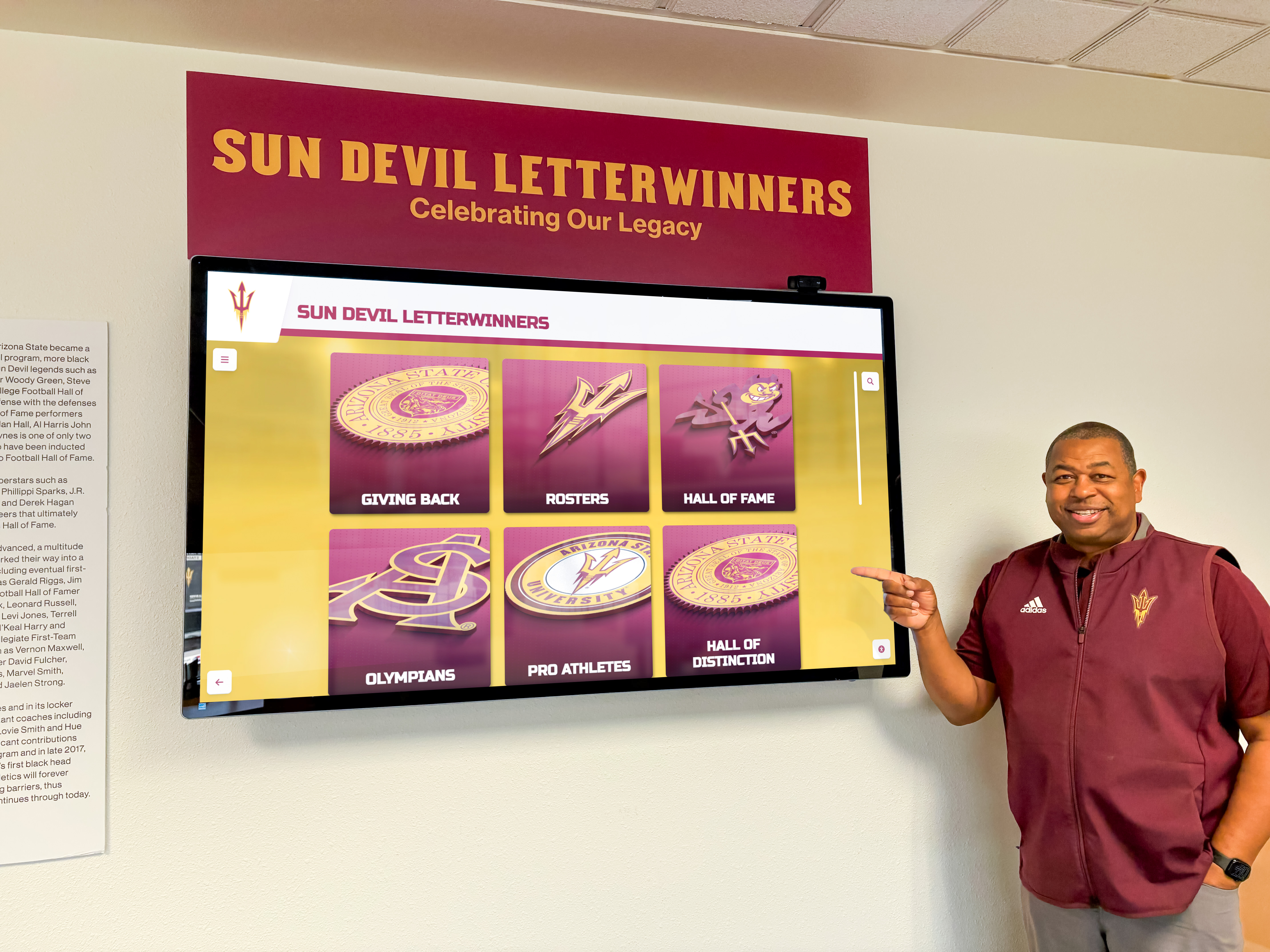
Modern recognition solutions like those from Rocket Alumni Solutions enable schools to honor playoff success through interactive digital displays providing unlimited recognition capacity, rich multimedia content, searchable historical archives, and engagement analytics. These platforms transform recognition from space-constrained physical displays into comprehensive digital systems preserving baseball program history while inspiring future championship pursuits.
Whether your program competes for state championships annually or fights for first playoff appearances, whether you operate in massive multi-classification systems or intimate small-state tournaments, understanding playoff structures and implementing effective recognition strategies positions programs to maximize postseason opportunities while building championship cultures celebrating excellence across generations of student-athletes.
Ready to transform how your school celebrates baseball playoff achievements? Explore comprehensive digital recognition solutions designed specifically for athletic programs, providing unlimited capacity for championship team recognition, interactive playoff history displays, and multimedia celebration that honors every tournament appearance, individual achievement, and championship moment that defines your program’s competitive tradition and inspires future generations pursuing playoff excellence.