



Key Takeaways
Comprehensive guide to writing compelling hall of fame nomination letters for athletes. Learn essential elements, proven templates, and expert strategies for crafting persuasive nominations that honor athletic excellence and secure induction approval.
Writing a hall of fame nomination letter represents one of the most meaningful ways to honor exceptional athletes whose achievements, character, and contributions merit permanent recognition in institutional history. These carefully crafted documents serve as formal advocacy pieces that present compelling cases for induction consideration, combining statistical evidence of athletic excellence with narrative descriptions of character, leadership, and lasting impact. Effective nomination letters go beyond listing accomplishments—they tell complete stories that help selection committees understand why particular athletes deserve to join elite company among an institution’s most celebrated legends. Whether nominating former teammates, coaching legends you worked alongside, or standout athletes whose careers you witnessed, mastering the nomination letter writing process ensures worthy candidates receive the thoughtful advocacy their achievements deserve. This comprehensive guide examines the essential elements of persuasive hall of fame nomination letters, providing practical templates, concrete examples, and expert strategies for crafting submissions that effectively honor athletic excellence while maximizing induction approval probability.
Understanding Hall of Fame Nomination Letters and Their Purpose
Before drafting nomination letters, writers must understand what these documents accomplish, who reads them, and how they function within broader hall of fame selection processes.
The Role of Nomination Letters in Selection Processes
Hall of fame nomination letters serve as primary advocacy documents that introduce candidates to selection committees, present achievement evidence, and argue for induction worthiness. Unlike simple award nominations that might require brief forms or basic statistics, hall of fame letters demand comprehensive presentations that demonstrate sustained excellence over time, significant competitive achievement, exemplary character, and lasting impact on programs and communities.
Selection committees typically review multiple nominations for limited induction spots, making each letter’s quality and persuasiveness critical to candidate success. Well-crafted letters efficiently communicate essential information while creating emotional connections that help committee members appreciate candidates beyond statistics alone. These documents answer fundamental questions committees must resolve: What did this athlete accomplish? How do these achievements compare to established hall of fame standards? What qualities beyond athletic performance make this individual worthy of permanent recognition? How did this person impact their sport, institution, and community?

Nomination letters that successfully address these questions through specific evidence, compelling narratives, and clear organization significantly improve candidate induction probability. Schools developing comprehensive recognition programs often discover that thoughtful academic recognition programs apply similar principles of documenting achievement excellence through detailed, substantiated presentations.
Who Reviews Nomination Letters
Understanding nomination letter audiences helps writers craft content that addresses committee priorities, concerns, and decision-making criteria effectively.
Hall of Fame Selection Committees: Most institutions designate formal committees responsible for evaluating nominations and selecting inductees. These groups typically include athletic directors, former coaches, current staff members, alumni representatives, and sometimes community members. Committee composition influences what evidence and arguments resonate most effectively—committees with many former coaches may particularly value leadership and character testimonials, while those heavy with administrators might emphasize statistical achievements and program impact.
Supporting Voters or Stakeholders: Some hall of fame programs involve broader voting processes where nomination letters circulate among extended groups including booster clubs, alumni associations, or athletic department staff. Understanding how many people will read letters and their varying familiarity with candidates helps writers determine how much background context to include.
Archival and Promotional Use: Beyond immediate selection purposes, strong nomination letters often become archival documents that institutions reference when writing inductee biographies, preparing induction ceremony materials, or creating recognition display content. This secondary purpose encourages comprehensive, well-documented letters that provide lasting value beyond initial nomination cycles.
Effective nomination writers consider both primary audiences (selection committees making immediate induction decisions) and secondary audiences (those who will reference letters for historical and promotional purposes) when determining content depth, documentation rigor, and writing style.
Nomination Processes and Deadlines
Hall of fame programs operate on varied nomination timelines and procedural requirements that writers must understand and follow precisely.
Most institutions establish annual nomination windows during specific periods—commonly fall or winter months allowing spring induction ceremonies. Missing submission deadlines typically means waiting entire additional years before resubmitting nominations, making calendar awareness critical for timely candidate advocacy.
Nomination requirements vary significantly across institutions. Some programs require simple nomination forms with brief supporting statements, while others demand comprehensive multi-page letters accompanied by statistical documentation, supporting testimonials, media coverage, and visual materials. Understanding specific institutional requirements before beginning writing prevents wasted effort on submissions that committees cannot formally consider due to format or content deficiencies.
Many programs establish eligibility criteria that candidates must meet before nomination consideration—minimum years elapsed since graduation or competitive career conclusion, minimum achievement thresholds, or character standards. Verifying candidate eligibility before investing nomination effort prevents disappointment and allows redirection toward eligible candidates whose recognition timing is appropriate.

Writers should obtain complete nomination guidelines from athletic departments, review previous successful nominations if available, and contact hall of fame coordinators with process questions before beginning letter drafting. This preparation ensures submissions meet all technical requirements while allowing maximum focus on content quality and persuasiveness.
Essential Elements of Effective Nomination Letters
Strong hall of fame nomination letters share common structural components and content characteristics that effectively present candidates while addressing committee evaluation priorities.
Opening Section: Establishing Credibility and Intent
The nomination letter opening establishes writer credibility, clearly identifies the candidate being nominated, and provides essential context that frames everything following.
Writer Introduction and Relationship: Begin by identifying yourself and explaining your relationship to the nominee—former coach, teammate, competitor, athletic director, or community member who witnessed their career. This credential establishes why you’re qualified to advocate for this candidate and lends authority to subsequent assertions about their character, achievements, and impact.
Explicit Nomination Statement: Clearly state your purpose immediately: “I am writing to nominate [Candidate Name] for induction into the [Institution Name] Athletic Hall of Fame.” This direct statement eliminates any confusion about letter intent while demonstrating professional communication standards.
Candidate Overview: Provide brief but essential candidate context including sport(s), competitive years, and headline achievements that establish basic eligibility and distinction. For example: “Sarah competed in track and field from 2015-2019, earning four individual state championships, breaking three school records that still stand today, and becoming the program’s first female athlete to compete at the Division I collegiate level.”
This opening section should occupy roughly one paragraph or 150-200 words, establishing foundation without exhausting reader patience before reaching substantive achievement and character documentation.
Athletic Achievement Documentation
The nomination letter core presents comprehensive achievement evidence that demonstrates hall of fame-worthy excellence through specific, verifiable accomplishments.
Championship and Competitive Success: Document team championships, conference titles, tournament victories, and playoff achievements. Specify the candidate’s role and contributions to team success: “As team captain, Marcus led the basketball team to three consecutive state tournament appearances including the 2018 state championship, averaging 22 points and 8 assists throughout tournament play.”
Individual Honors and Recognition: List all-conference selections, all-state honors, player of the year awards, academic all-American recognition, and other individual accolades. These external validations from coaches, media, and governing bodies provide third-party credibility supporting your nomination advocacy.
Records and Statistical Excellence: Document school, conference, regional, or state records set during competitive career. Provide specific statistics that demonstrate sustained excellence: career totals, season achievements, and single-game performances that established benchmarks. Context matters—explain how records compare to program history and whether they still stand years later.
Longevity and Consistency: Highlight multi-year excellence rather than single-season achievements. Hall of fame recognition typically requires sustained performance over complete careers rather than brief exceptional periods. Document progression from early career through final seasons showing continuous development and maintained excellence.
Competitive Level Context: Help committees understand the competitive environment where achievements occurred. Success in highly competitive conferences or classifications carries different weight than achievements in less competitive contexts. Provide this framing without diminishing accomplishments—simply ensure fair evaluation within appropriate competitive frameworks.
Schools implementing comprehensive athletic recognition discover that detailed achievement documentation similar to nomination letters enhances athletic director digital display content by providing rich biographical information that tells complete athlete stories.
Character and Leadership Qualities
Beyond statistical achievements, effective nomination letters reveal character attributes and leadership qualities that distinguish truly exceptional athletes from merely talented ones.
Team Leadership Examples: Describe specific instances where nominees demonstrated leadership—how they motivated struggling teammates, maintained team focus during adversity, modeled practice dedication, or represented programs with dignity. Concrete anecdotes create more powerful impressions than generic assertions like “great leader.”
Sportsmanship and Integrity: Share examples illustrating how nominees competed with honor, treated opponents respectfully, accepted both victories and defeats gracefully, or demonstrated ethical behavior during competitive pressure. Character stories often resonate as powerfully with selection committees as championship achievements.
Work Ethic and Dedication: Describe how nominees approached practice, off-season training, skill development, or injury rehabilitation. First-to-arrive, last-to-leave dedication stories demonstrate commitment levels that separate hall of fame athletes from those who relied primarily on natural talent.
Balancing Athletics with Academics: Highlight academic achievements including GPA, academic honors, challenging course loads, or successful transitions to collegiate academics. This balance demonstrates well-rounded excellence that schools particularly value in recognition programs.
Community Involvement and Service: Document volunteer work, youth mentorship, community event participation, or other contributions beyond athletic competition. These broader impacts show how nominees used athletic platforms to benefit others and represent institutional values positively.

Character evidence transforms nominations from statistical summaries into compelling portraits of complete individuals worthy of emulation and permanent recognition. Selection committees frequently cite character considerations as decisive factors when choosing among candidates with comparable athletic achievements.
Impact and Legacy Contributions
Strong nominations articulate how candidates influenced programs, inspired teammates, or created lasting impacts that extended beyond their competitive years.
Program Elevation: Describe how nominees elevated program status—perhaps attracting new talent, raising competitive expectations, increasing community interest, or establishing achievement standards that subsequent athletes pursued. Explain what programs looked like before and after nominee participation, showing transformational impact.
Inspiring Subsequent Athletes: Share examples of younger athletes who emulated nominees, adopted their work ethics, pursued similar achievements, or directly credited nominees with inspiring their own excellence. This mentorship legacy demonstrates influence beyond individual accomplishment.
Post-Competitive Contributions: Document ongoing involvement following competitive career conclusion—coaching youth programs, attending current team events, mentoring student athletes, or supporting programs through donations or advocacy. Continued engagement shows authentic program commitment rather than purely self-interested athletic participation.
Barrier Breaking or Pioneering Achievement: Identify whether nominees were first to achieve specific milestones—first athlete in a particular sport, first to reach achievement levels, or first to advance to higher competitive levels. Pioneer status carries special significance in hall of fame consideration because these athletes expanded possibility for everyone following.
Community and Cultural Impact: Describe broader influence beyond athletics—role modeling for underrepresented groups, positive media representation, community pride generation, or institutional visibility enhancement. These wider impacts demonstrate significance beyond sports statistics alone.
Schools recognizing diverse achievement types often incorporate similar impact documentation into school-wide celebration ideas that honor various contribution forms from athletic excellence to community leadership.
Nomination Letter Templates and Formats
Practical templates provide starting frameworks that writers can customize for specific candidates while ensuring all essential elements receive appropriate coverage.
Standard Athletic Nomination Letter Template
This comprehensive template works for most individual athlete nominations across various sports and achievement levels:
[Your Name]
[Your Title/Relationship to Nominee]
[Contact Information]
[Date]
[Hall of Fame Committee Chair/Athletic Director Name]
[Institution Name] Athletic Hall of Fame Selection Committee
[Institution Address]
Dear Selection Committee Members:
I am honored to nominate [Candidate Full Name] for induction into the [Institution Name] Athletic Hall of Fame. As [your relationship—former coach, teammate, etc.], I had the privilege of [brief context of your connection], and I can attest without reservation that [Candidate First Name] exemplifies the excellence, character, and lasting impact that hall of fame recognition celebrates.
ATHLETIC ACHIEVEMENTS
[Candidate First Name] competed in [sport(s)] from [years], establishing a record of achievement that places them among the finest athletes in [institution] history:
Championship Success:
- [List team championships, conference titles, tournament achievements]
- [Specify candidate’s role and contributions to team success]
Individual Honors:
- [All-conference selections with specific years]
- [All-state/regional/national honors]
- [Player of the year awards]
- [Academic honors]
Records and Statistical Excellence:
- [School records set, with specifics]
- [Career statistical highlights]
- [Notable single-game or single-season achievements]
- [Current record status—still standing or duration held]
[Add additional achievement context relevant to specific candidate]
CHARACTER AND LEADERSHIP
Beyond statistical excellence, [Candidate First Name] demonstrated exceptional character and leadership that distinguished them as a complete athlete:
[Share 2-3 specific anecdotes illustrating:]
- Leadership examples and team impact
- Sportsmanship and integrity under pressure
- Work ethic and dedication to improvement
- Balance between athletics and academics
- Community involvement and service
[Include specific examples rather than generic praise]
LASTING IMPACT AND LEGACY
[Candidate First Name]’s influence extended far beyond personal achievement:
- [Describe program elevation or transformation]
- [Document inspiration provided to subsequent athletes]
- [Detail post-competitive contributions if applicable]
- [Identify barrier-breaking or pioneering achievements]
- [Explain broader community or cultural impact]
CONCLUSION
[Candidate Full Name] represents the ideal hall of fame inductee—an athlete whose competitive excellence, exemplary character, and lasting contributions merit permanent recognition among [institution]’s athletic legends. Their achievements established benchmarks that inspire current athletes while their character exemplifies the values we want all student-athletes to emulate.
I enthusiastically recommend [Candidate First Name] for hall of fame induction and am available to provide any additional information or documentation the committee requires.
Respectfully submitted,
[Your Signature]
[Your Printed Name]
[Your Title]
[Contact Information]
This template provides comprehensive structure while remaining flexible enough to accommodate various achievement types, sports, and competitive levels. Customize content to emphasize nominee-specific strengths while maintaining professional organization that respects committee members’ time.
Team Nomination Letter Template
When nominating championship teams or historically significant squads, modify the individual template to emphasize collective achievement:
Focus the achievement section on team accomplishments—championship victories, tournament runs, win-loss records, rankings, and opponent victories. Shift from individual statistics to team performance data while highlighting key contributors and their specific roles in collective success.
In the character section, emphasize team chemistry, shared commitment, adversity response, and how diverse player strengths combined to achieve excellence. Include brief acknowledgment of standout individual contributors while maintaining focus on collective achievement.
For impact and legacy, discuss how this team influenced program trajectory, established new achievement standards, inspired subsequent teams, or created lasting traditions. Championship teams often mark program turning points that warrant recognition beyond individual athlete inductions.

Schools honoring teams alongside individuals create more complete recognition programs that celebrate both exceptional individuals and memorable collective achievements. Modern digital display solutions can accommodate both individual and team recognition seamlessly.
Coach or Contributor Nomination Letter Template
Nominations for coaches, administrators, officials, or program contributors require different emphasis than athlete nominations:
Achievement Documentation focuses on program building rather than competitive statistics—years of service, win-loss records, championships coached, athletes developed who achieved higher-level success, program innovations implemented, or facility improvements secured.
Character and Leadership emphasizes coaching philosophy, athlete development approach, program culture creation, mentorship quality, and relationships with athletes that extended beyond competitive years.
Impact and Legacy documents lasting program changes—competitive level elevation, participation growth, tradition establishment, or subsequent coach influence. Include testimonials from former athletes describing coach impact on their development and lives.
For non-coaching contributors—officials, administrators, boosters—emphasize specific contributions that enabled athletic success: fundraising achievements, administrative advocacy, volunteer hours, or operational support that allowed programs to flourish. These nominations require particular care because contributors often receive less visible recognition despite essential program support roles.
Writing Tips for Compelling Nomination Letters
Beyond structural templates, specific writing techniques and content strategies significantly enhance nomination letter persuasiveness and committee impact.
Use Specific Examples Rather Than Generic Praise
The most common nomination letter weakness involves vague, generic assertions that could apply to any candidate: “excellent leader,” “outstanding athlete,” “tremendous competitor.” These empty descriptors provide no meaningful information helping committees distinguish one candidate from others.
Replace generic praise with specific, concrete examples that only apply to your nominee: Instead of “Sarah was a great leader,” write “When our team faced elimination in the regional semifinals trailing by 12 points at halftime, Sarah gathered teammates for a locker room circle and methodically outlined defensive adjustments and offensive opportunities. Her calm confidence transformed our mindset, and we outscored opponents 28-8 in the third quarter to secure victory.”
Specific examples create memorable impressions that generic praise never achieves. They demonstrate rather than merely assert nominee excellence while providing vivid details that committees remember during deliberations.
Quantify Achievements with Context
Numbers alone mean little without context explaining significance. When citing statistics or achievements, provide comparative frameworks that help committees understand magnitude:
- “Scored 1,847 career points—the third-highest total in school history and the most by any player since 1992”
- “Won four individual state championships across three events—a feat accomplished by only two other athletes in program’s 75-year history”
- “Maintained a 3.9 GPA while competing in two sports and serving as team captain—exemplifying the scholar-athlete ideal”
This context transforms abstract numbers into meaningful achievements within relevant competitive and historical frameworks.
Balance Achievement with Character
Selection committees seek complete individuals who demonstrated excellence both in competition and in character. Letters emphasizing only statistics without character evidence present incomplete portraits that committees may question despite impressive achievements.
Similarly, letters heavy on character praise but light on achievement documentation may fail to demonstrate hall of fame-worthy competitive excellence. Effective nominations balance both dimensions equally, showing nominees excelled as both athletes and people worthy of permanent institutional recognition and youth emulation.
Schools developing balanced recognition programs often integrate this dual focus into senior night celebrations and other athletic recognition moments that honor both competitive achievement and personal character.
Support Claims with Evidence
Every significant claim in nomination letters deserves supporting evidence. When asserting nominees broke records, include specific record details and dates. When claiming all-state honors, specify years and selection basis. When describing leadership impact, provide concrete examples illustrating that influence.
Unsupported assertions appear as opinion rather than documented fact, weakening nomination credibility. Well-documented claims backed by specific evidence, statistics, media coverage references, or corroborating testimony create persuasive arguments committees can confidently support during deliberations.
Consider attaching supporting documentation—newspaper articles, statistics sheets, awards certificates, or additional testimonial letters—that provide verification beyond your own advocacy. These supplementary materials strengthen nomination packages significantly.
Write Professionally with Appropriate Tone
Nomination letters represent formal communications to institutional committees making important recognition decisions. Writing tone should reflect this professional context through proper grammar, formal structure, respectful language, and appropriate length.
Avoid overly casual language, slang, or humor that might undermine nomination seriousness. Simultaneously, avoid hyperbole or excessive superlatives that sound more like cheerleading than credible advocacy. Maintain measured, confident tone that presents nominees’ genuine excellence without exaggeration that committees might discount as bias.
Most effective nomination letters run 2-4 pages single-spaced, providing comprehensive information without testing committee patience through excessive length. Respect readers’ time by organizing information clearly, writing concisely, and eliminating redundancy while ensuring all essential evidence receives appropriate coverage.
Address Potential Committee Concerns Proactively
Anticipate questions or concerns committees might raise about nominees and address these issues directly within letters rather than leaving doubt unresolved.
If nominees had shortened careers due to injury, explain circumstances while emphasizing achievement quality despite reduced duration. If achievement occurred at lower competitive levels, provide context about competitive environment while highlighting nominee excellence within that framework. If significant time has elapsed since competitive career, explain why nomination timing is now appropriate—perhaps recent anniversary, nominee availability for involvement, or newly discovered documentation of past achievements.
Proactive concern addressing demonstrates thorough advocacy while preventing committee hesitation based on unanswered questions.
Gathering Information for Strong Nominations
Compelling nomination letters require comprehensive information about candidates that writers may need to research systematically before beginning drafting.
Research and Documentation Sources
Athletic Department Records: Contact athletic directors or program historians to obtain official statistics, team records, championship documentation, and historical achievement context. Many schools maintain detailed archives that provide verification for achievement claims.
Media Coverage: Search newspaper archives, school publications, local media, and online resources for contemporary coverage of nominee achievements. Quotes from coaches, game summaries highlighting performances, and season recaps provide both supporting evidence and specific detail enriching nominations.
Yearbooks and Team Materials: Review yearbooks, team programs, media guides, and banquet programs from nominees’ competitive years. These materials often contain statistical summaries, coach quotes, team accomplishments, and photographs that inform nomination content.
Personal Interviews: Talk with nominees (if appropriate and they’re aware of nomination), former coaches, teammates, competitors, and others who witnessed careers firsthand. These conversations often reveal character stories, specific game memories, and impact perspectives that enrich nominations beyond statistics alone.
Statistical Services and Archives: For more recent athletes, state athletic associations, conference offices, or statistical services may maintain comprehensive records documenting achievements, rankings, and comparative context.
Schools implementing modern recognition programs often discover that comprehensive research supporting nominations also enhances donor recognition displays by providing rich biographical content that brings recognized individuals to life.
Testimonials and Supporting Letters
While primary nomination letters come from single advocates, additional supporting letters from coaches, teammates, administrators, or community members significantly strengthen nomination packages by providing varied perspectives on nominee excellence and character.
Coach Testimonials: Letters from former coaches carry particular weight because these individuals worked most closely with nominees and observed daily dedication, competitive performance, and character development. Coach perspectives provide credibility that resonates strongly with selection committees.
Teammate Perspectives: Fellow competitors can speak to team leadership, practice dedication, competitive spirit, and character qualities that coaches might not observe. Teammate testimonials humanize nominees while providing peer validation of excellence.
Opponent or Official Perspectives: Letters from respected competitors or game officials who witnessed nominee excellence from different vantage points offer unique credibility. These outside perspectives demonstrate that nominee reputation extended beyond home communities.
Community and Academic Testimonials: Letters from teachers, community leaders, or others describing nominee impact beyond athletics demonstrate well-rounded excellence that committees particularly value.
When gathering supporting letters, provide writers with nomination deadlines, committee submission addresses, suggested length (typically 1-2 pages), and key themes to address. Consider providing the primary nomination letter as reference helping supporting writers understand what information you’ve already covered versus areas where their unique perspectives add value.
Organizing Information Effectively
Before drafting, organize collected information into categories matching nomination letter structure: athletic achievements, character examples, leadership stories, impact evidence, and statistical documentation. This organization ensures comprehensive coverage while preventing important information from being overlooked during writing.
Create timeline summaries tracking nominees’ career progression year by year. This chronological framework helps identify development patterns, sustained excellence, and achievement clustering that strengthen nomination narratives.
Verify all factual claims—statistics, dates, championship details, honors—against multiple sources when possible. Factual errors undermine nomination credibility even when overall candidate excellence is genuine. Double-checking details before submission prevents embarrassing mistakes that committees might interpret as careless advocacy.
Common Nomination Letter Mistakes to Avoid
Understanding frequent pitfalls helps writers craft stronger submissions that avoid weaknesses diminishing many nominations.
Insufficient Achievement Documentation
The most fundamental mistake involves inadequate achievement evidence. Generic assertions about excellence without specific statistics, honors, championships, or records fail to demonstrate hall of fame-worthy accomplishment. Selection committees need concrete evidence justifying induction decisions—comprehensive documentation provides that essential foundation.
Invest appropriate time gathering complete achievement records rather than relying on memory or partial information. Incomplete documentation suggests either that achievements don’t merit hall of fame recognition or that advocates haven’t invested sufficient effort in thorough candidate presentation.
Excessive Length Without Focus
While comprehensive information matters, excessively long nominations that exhaust committee patience through redundancy, tangential content, or poor organization undermine rather than enhance candidate advocacy. Committees reviewing multiple nominations appreciate concise, well-organized presentations that efficiently communicate essential information.
Edit ruthlessly, eliminating repetition and content that doesn’t directly support nominee excellence or address committee evaluation criteria. Every paragraph should contribute meaningful information advancing nomination arguments rather than simply adding length.
Missing Submission Requirements
Failing to follow specified submission guidelines—page limits, format requirements, deadline compliance, or supplementary material specifications—can result in nominations being rejected without committee consideration despite candidate merit.
Obtain complete nomination guidelines, follow them precisely, and submit before deadlines with comfortable margins. Technical compliance matters as much as content quality because committees cannot consider submissions that violate procedural requirements.
Lack of Comparative Context
Nominations that present achievements in isolation without explaining significance relative to program history, competitive standards, or other hall of fame members fail to help committees assess whether candidates meet established induction thresholds.
Provide context showing how nominee achievements compare to previous inductees, current school records, conference or state achievement standards, and historical program performance. This comparative framework demonstrates that you understand hall of fame standards while showing nominees legitimately meet or exceed them.
Overreliance on Statistics Without Stories
Numbers document achievement but stories create emotional connection and memorable impact. Nominations heavy on statistics but lacking compelling narratives about character, leadership, adversity response, or human qualities present incomplete portraits of nominees as people rather than just athletes.
Balance statistical documentation with specific stories illustrating character, values, and human qualities that made nominees special beyond talent alone. These narrative elements distinguish truly exceptional candidates from merely talented ones while providing content that committees remember during deliberations.
Ignoring Character or Citizenship Issues
If nominees faced disciplinary problems, sportsmanship failures, or character concerns during competitive years, ignoring these issues rather than addressing them honestly creates credibility problems when committee members recall or discover these incidents.
When significant concerns exist, address them directly but briefly, acknowledging mistakes while providing context about growth, lessons learned, or subsequent character development. This honest approach demonstrates integrity while allowing committees to weigh complete information when making induction decisions.
Schools developing complete recognition programs understand that character matters as much as achievement—principles reflected in comprehensive academic and athletic recognition approaches that honor both competitive excellence and exemplary conduct.
Following Up After Nomination Submission
The nomination process doesn’t end when letters are submitted. Appropriate follow-up ensures nominations receive full consideration while demonstrating professional advocacy.
Confirmation and Status Checks
After submitting nominations, confirm receipt with hall of fame coordinators or committee chairs. This confirmation prevents situations where nominations are lost, misdirected, or failed to transmit properly despite submission efforts.
Understand when committees will convene, when selection decisions will be announced, and how nominees and advocates will be notified. This timeline knowledge prevents premature or excessive follow-up contact that might annoy busy administrators.
If committees request additional information, provide it promptly and completely. Responsive cooperation demonstrates serious advocacy while ensuring nominees receive fair consideration based on complete information.
Managing Expectations
Hall of fame selection involves competitive processes where many qualified candidates vie for limited induction spots. Submitted nominations don’t guarantee selection regardless of candidate merit or nomination quality.
Manage your own expectations and those of nominees or families who may be aware of submissions. Emphasize that nomination itself represents significant honor recognizing achievement excellence while acknowledging that selection timing depends on many factors beyond individual merit—candidate pools in particular years, committee composition, other worthy nominees, or program preferences for balanced induction classes across eras and sports.
If nominees aren’t selected initially, understand that unsuccessful nominations can be resubmitted in subsequent years. Many eventually successful inductees were nominated multiple times before selection, as committees sometimes need repeated exposure to fully appreciate candidate excellence.
Supporting Successful Nominees
When nominations succeed and candidates receive induction invitations, offer congratulations and assistance with induction ceremony preparation, acceptance speech development, or coordination of family attendance and celebration.
Consider attending induction ceremonies to witness recognition you helped secure through nomination advocacy. Your presence demonstrates authentic support beyond paperwork submission while allowing you to celebrate nominee achievement appropriately.
Share induction news through appropriate channels—alumni networks, social media, local media—helping generate community awareness and celebration around inductee recognition.
Enhancing Hall of Fame Programs with Modern Recognition Technology
While nomination letters focus on selection processes, schools should also consider how they’ll recognize inductees once selected. Modern digital recognition systems create year-round visibility and engagement that complements annual induction ceremonies.
Digital Hall of Fame Displays
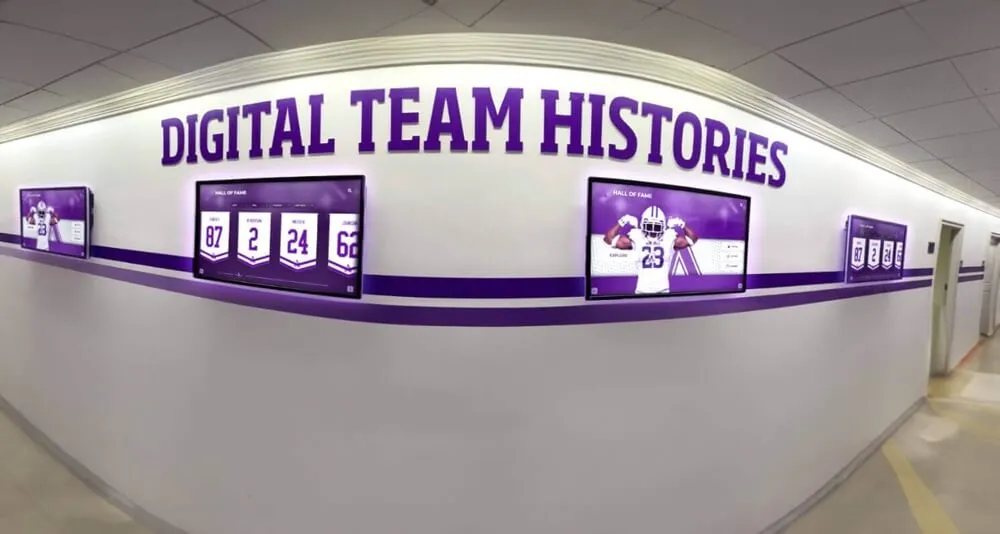
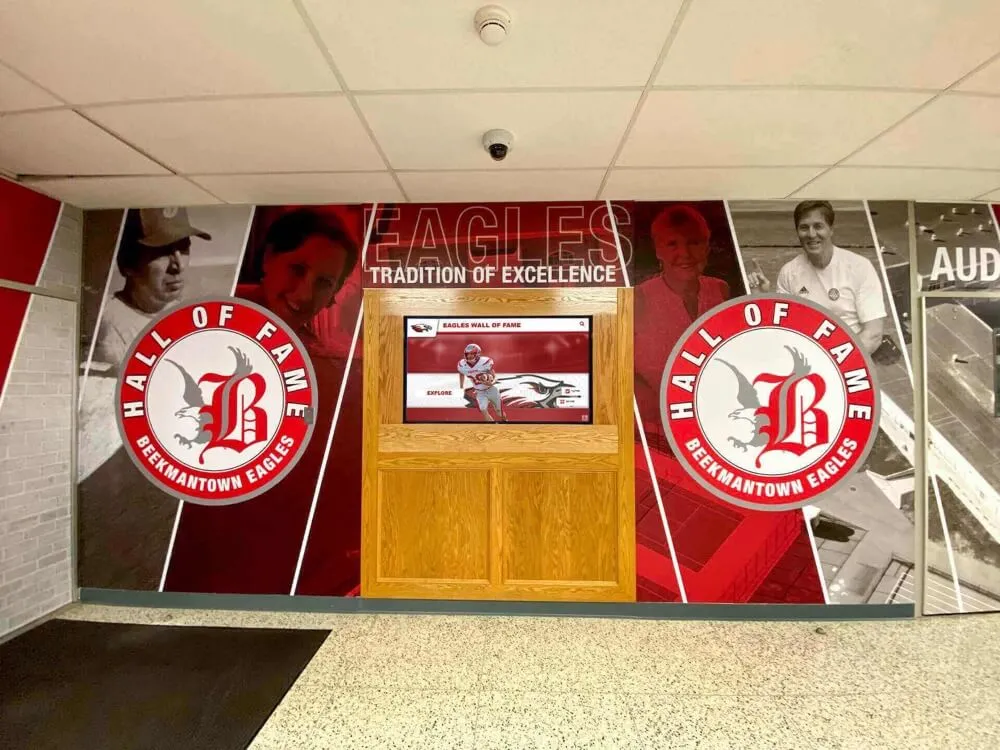
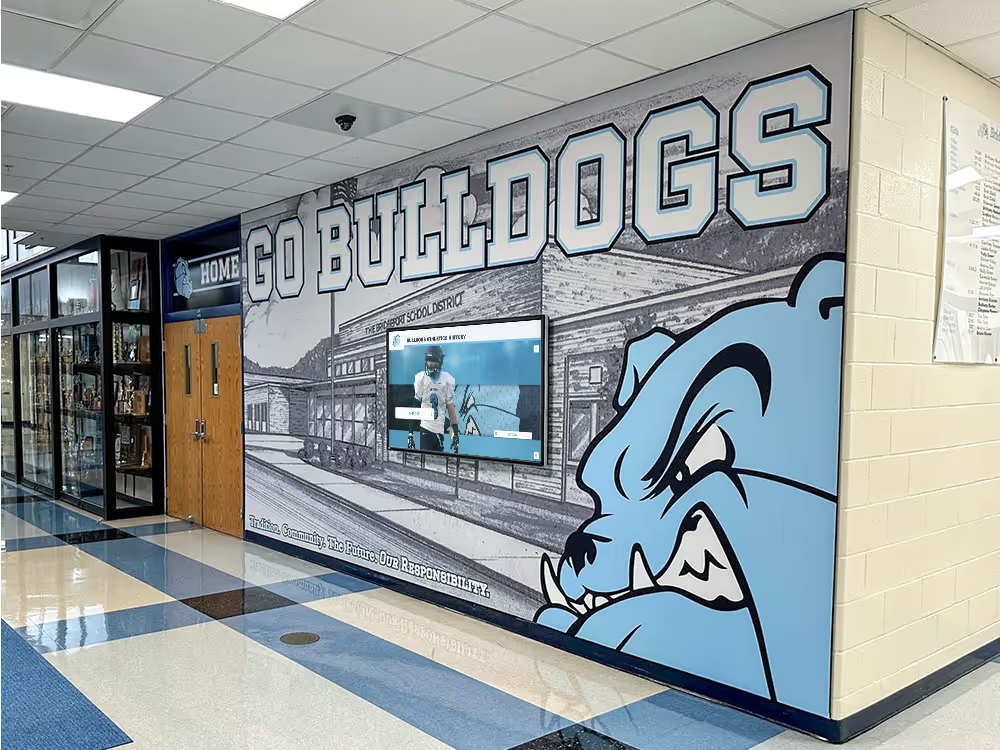
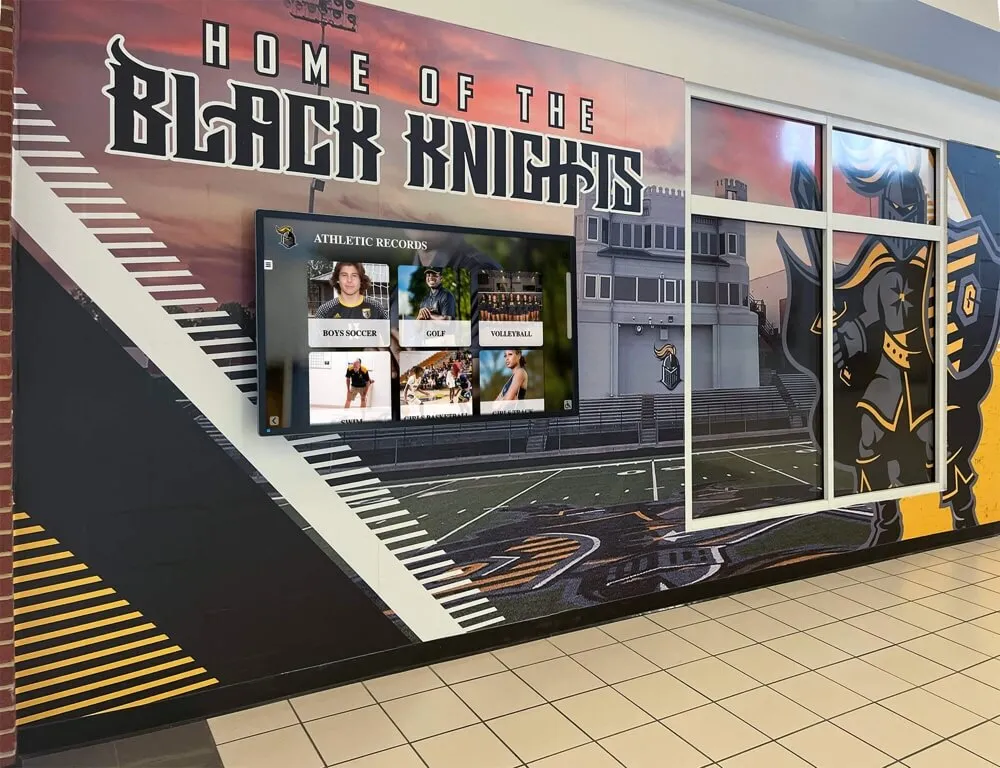
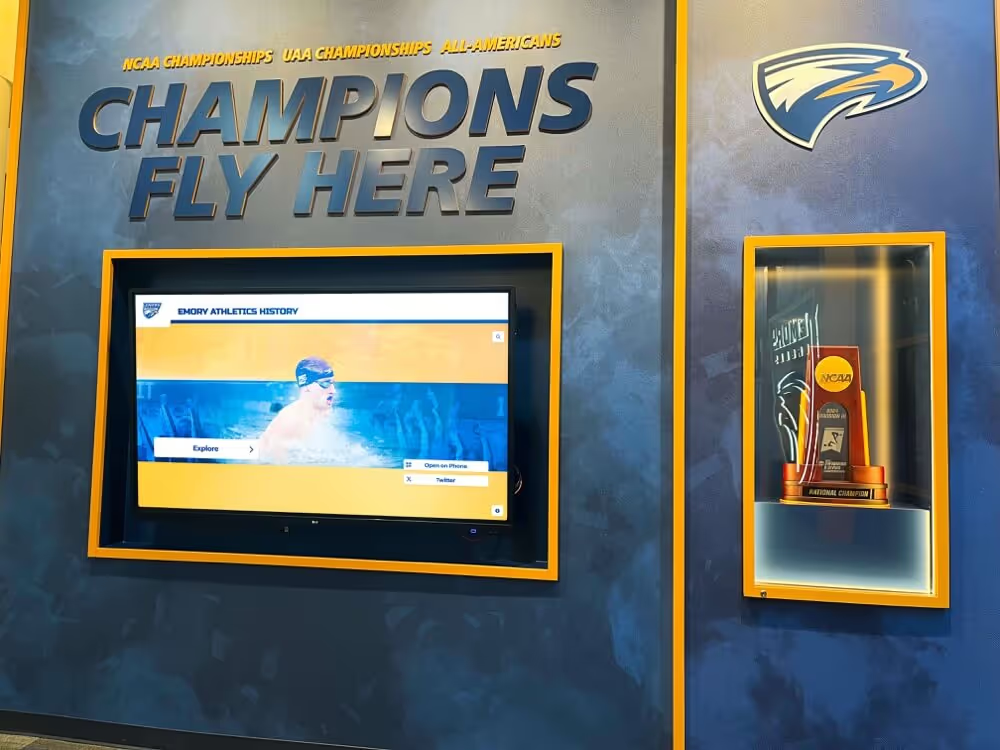
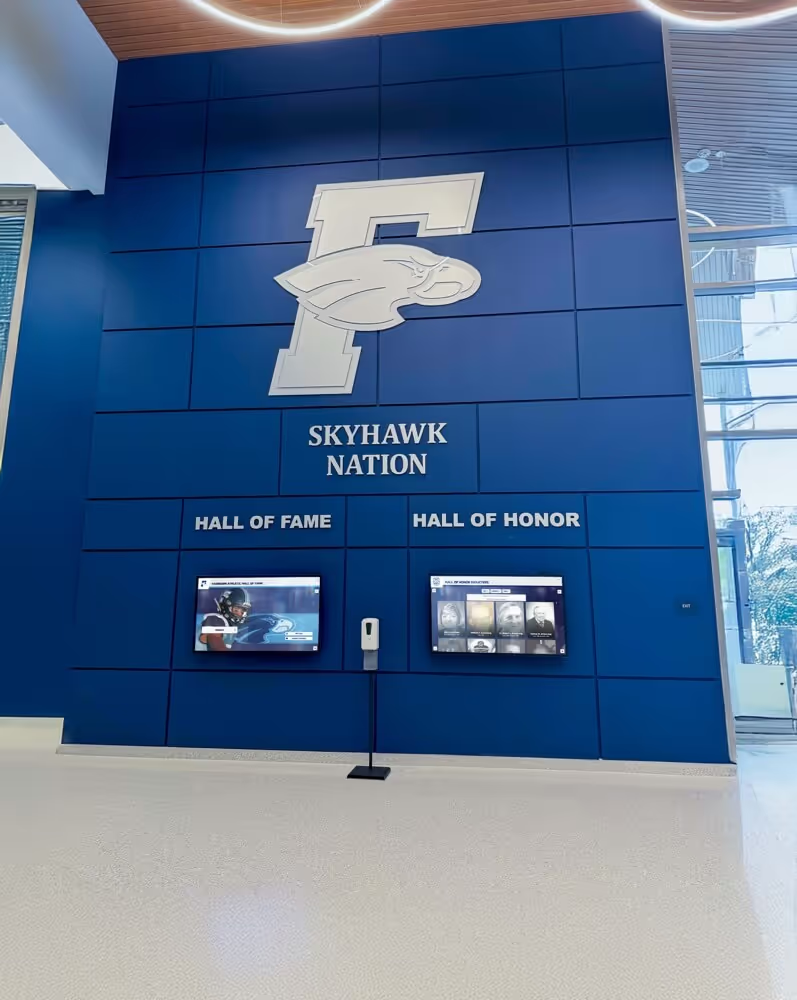
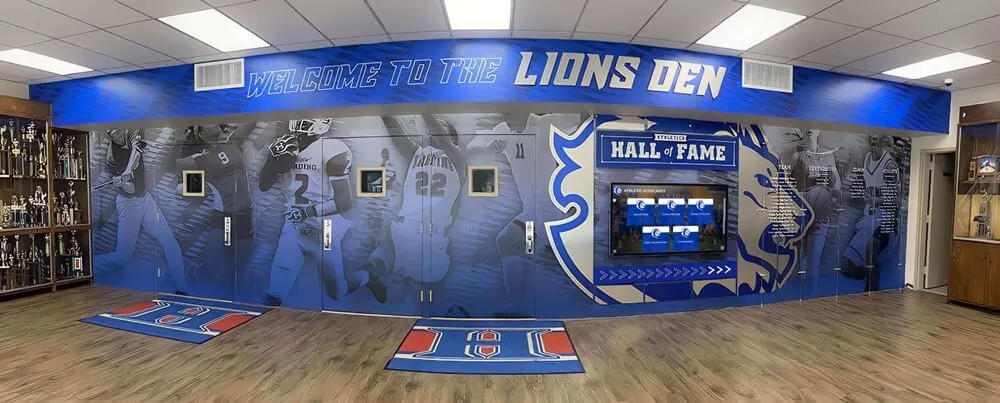
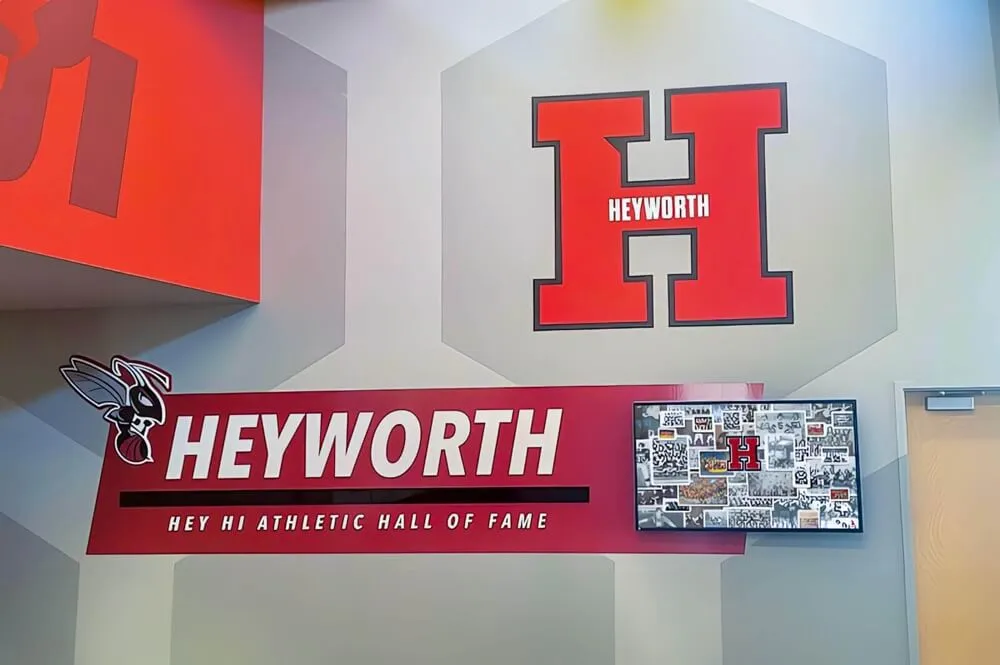
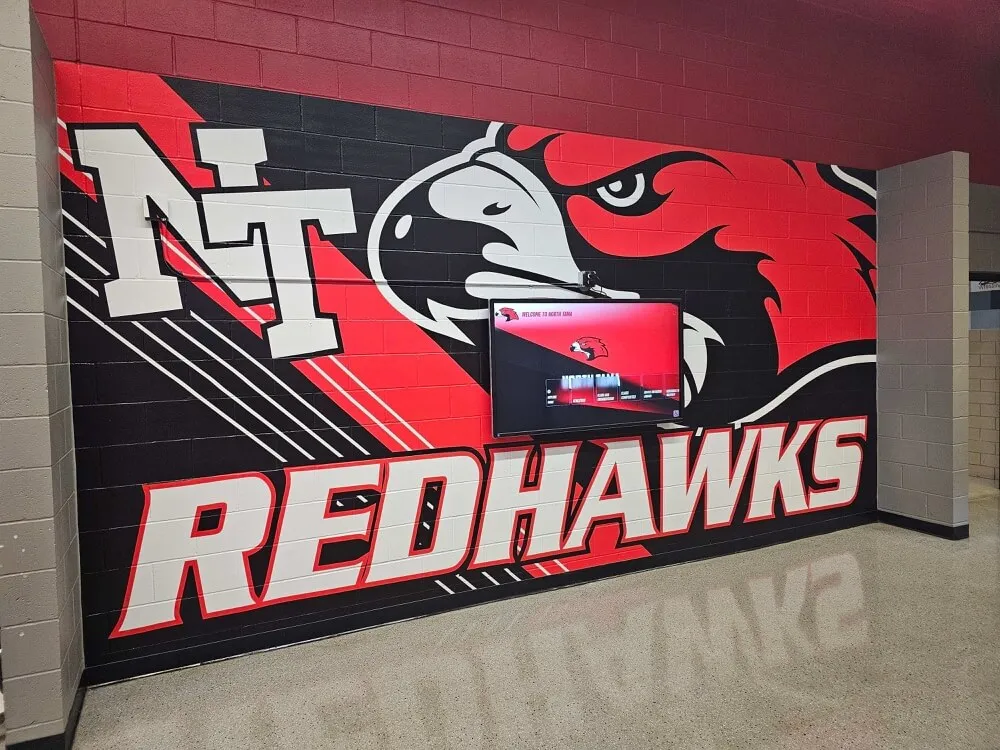
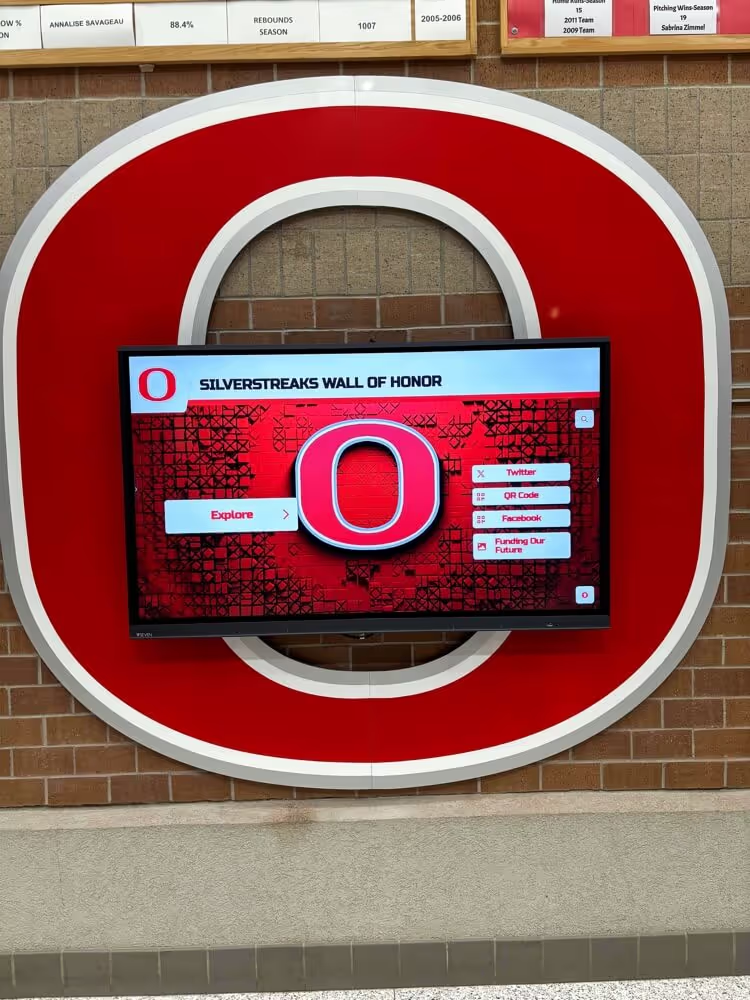
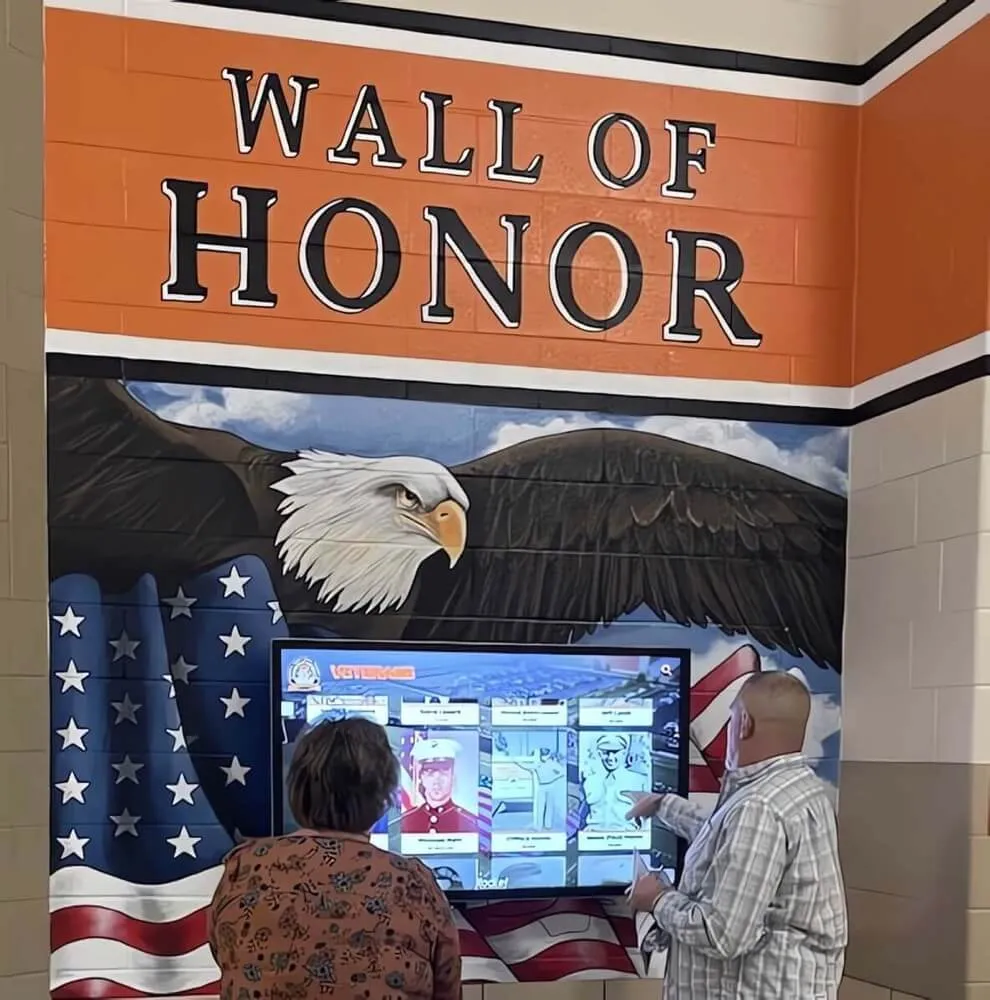
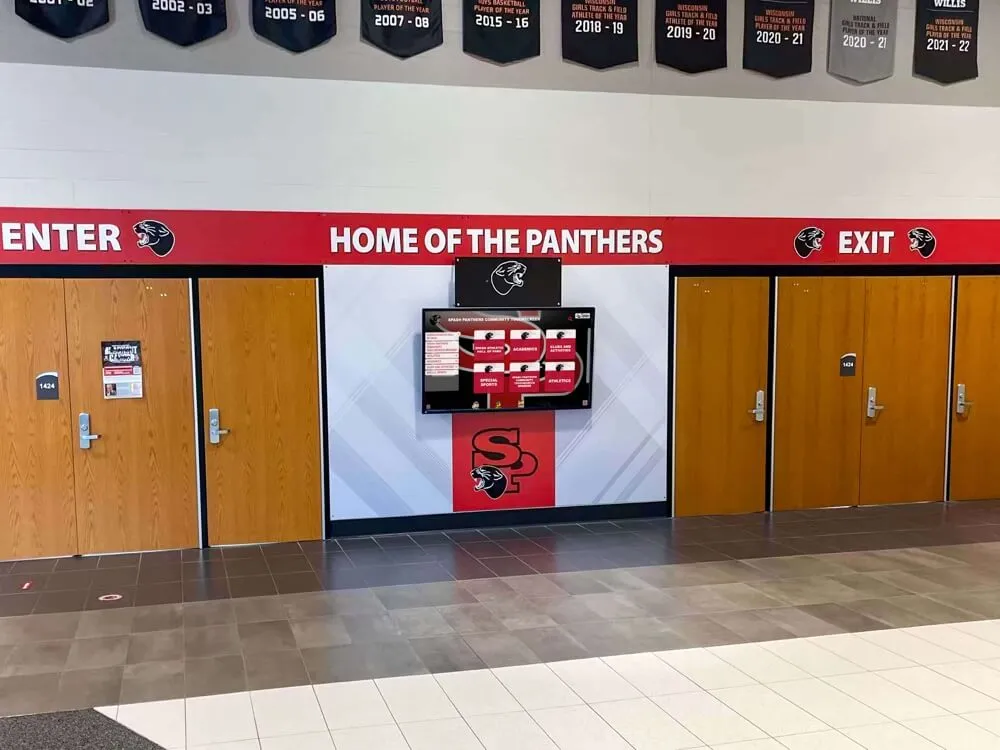
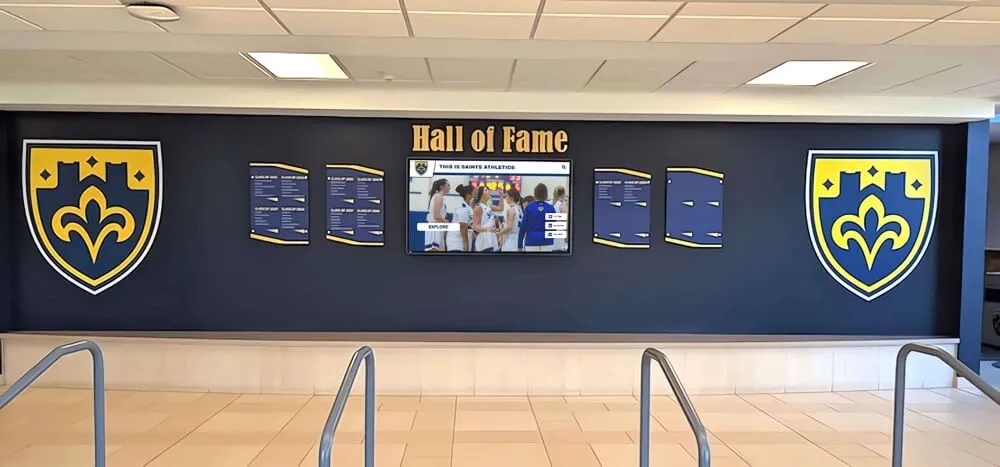
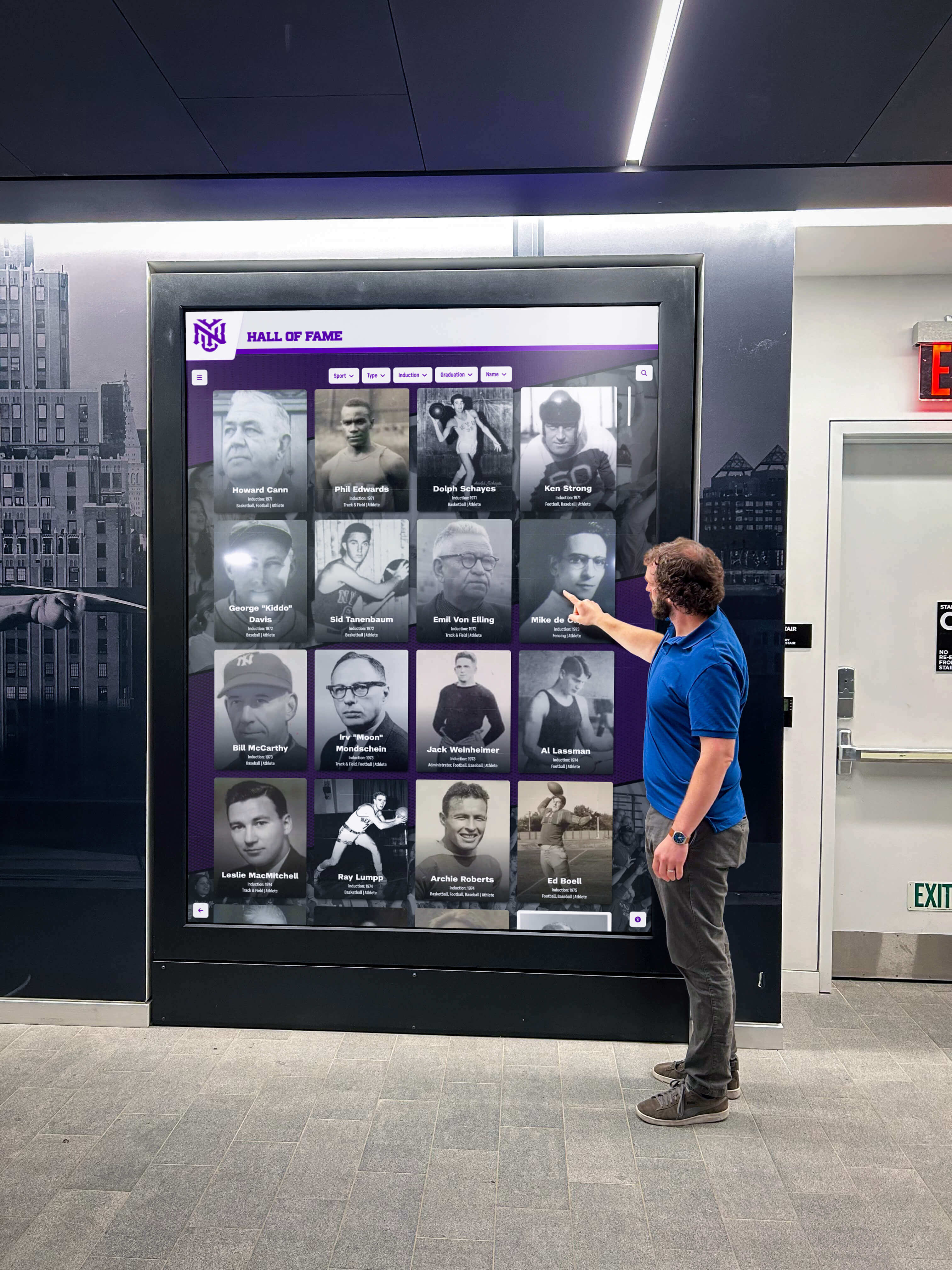
Traditional hall of fame recognition relied on physical plaques, photographs, and trophy cases that faced space limitations, required manual updates, and provided static information. Modern digital displays overcome these constraints while creating interactive experiences that bring inductee stories to life.
Digital systems allow schools to include comprehensive inductee profiles featuring multiple photographs, detailed achievement summaries, career statistics, video highlights, and biographical information. These rich presentations tell complete stories that static plaques cannot accommodate.
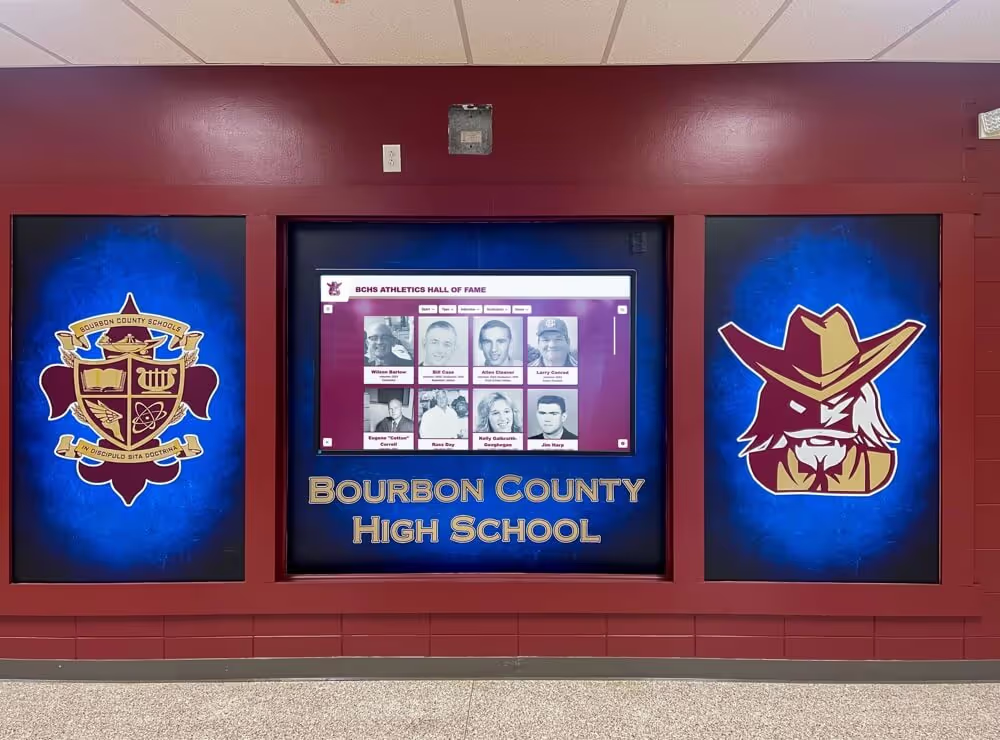
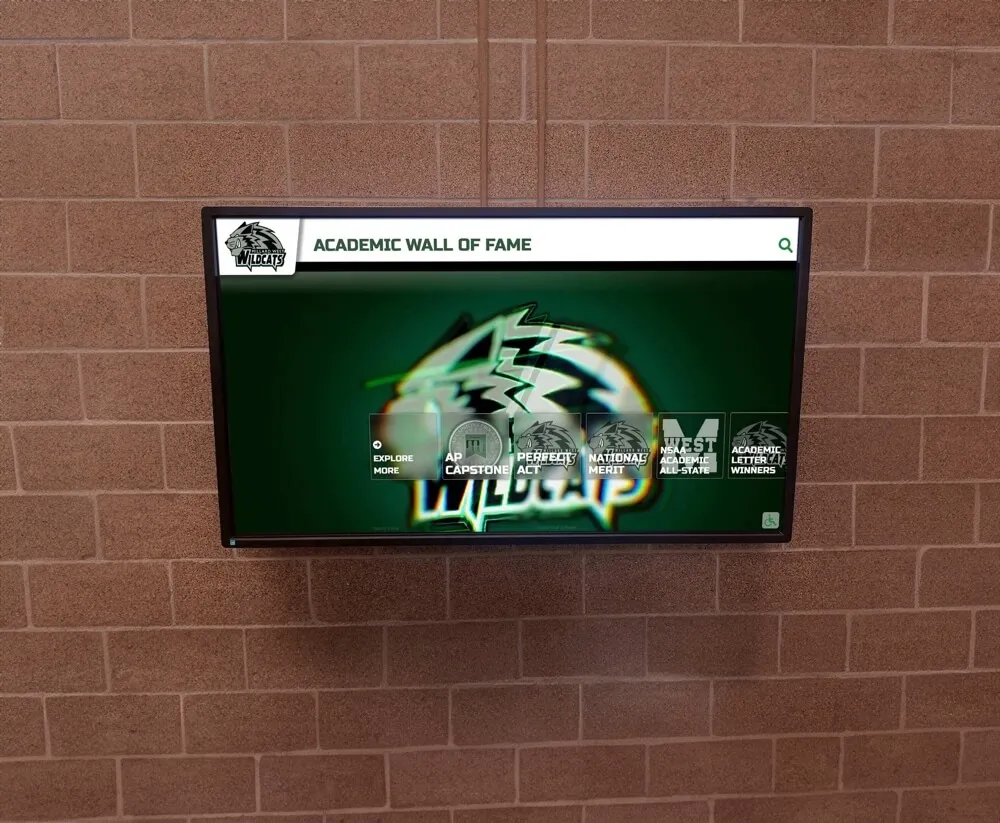
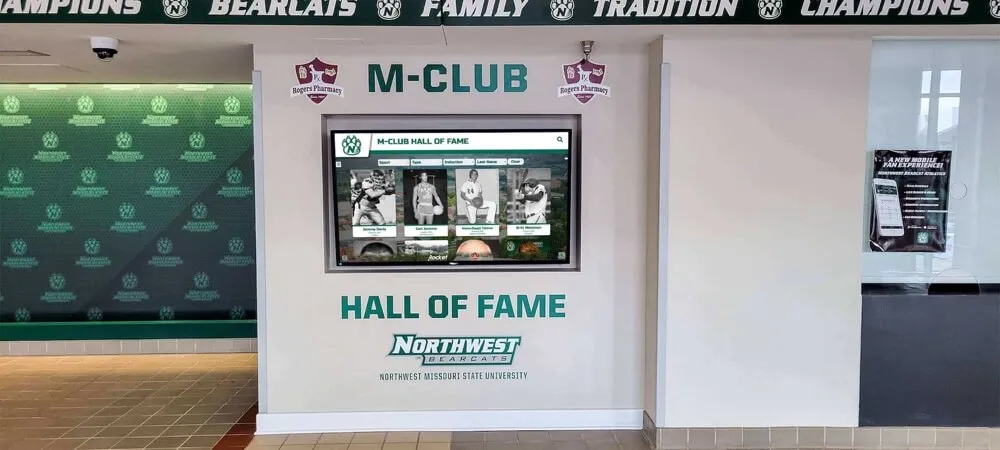
Interactive touchscreen displays enable visitors to search inductees by sport, era, achievement type, or name, creating engaging exploration experiences. Students discover connections between current programs and historical excellence while learning athletic tradition in compelling ways.
Schools implementing comprehensive digital recognition discover these systems complement nomination and induction processes perfectly—thoughtful nominations secure selection, induction ceremonies create celebration moments, and digital displays provide lasting visibility that keeps inductees prominent year-round.
Integrating Nomination Documentation into Recognition Displays
The research, stories, and documentation compiled for nomination letters need not serve only selection purposes. This content can be repurposed for digital display profiles, induction ceremony programs, social media features, and alumni communications.
Consider how nomination letter content might appear in digital formats when writing—stories suitable for oral presentation at ceremonies, statistics formatted for visual displays, or photographs appropriate for multiple platforms. This integrated thinking maximizes value from nomination research while ensuring consistent, quality inductee representation across recognition channels.
Modern recognition platforms from companies like Rocket Alumni Solutions enable schools to seamlessly integrate inductee information into multiple display formats, creating cohesive recognition experiences that honor hall of fame members appropriately while maximizing community engagement and program visibility.
Conclusion: Honoring Athletic Excellence Through Thoughtful Advocacy
Hall of fame nomination letters represent meaningful opportunities to advocate for exceptional athletes whose achievements, character, and contributions deserve permanent institutional recognition. Effective nominations combine comprehensive achievement documentation with compelling character narratives, specific examples with statistical evidence, and professional presentation with authentic appreciation. By understanding nomination purposes, following proven structural templates, applying strategic writing techniques, conducting thorough research, and avoiding common pitfalls, advocates create persuasive submissions that significantly improve candidate induction probability.
The time and effort invested in crafting quality nomination letters honors worthy athletes appropriately while helping selection committees identify the most deserving candidates from competitive pools. These carefully prepared documents become archival resources preserving inductee legacies while supporting broader recognition programs that celebrate institutional athletic history.
Whether nominating former teammates whose excellence you witnessed firsthand, coaching legends who shaped programs, or barrier-breaking athletes who expanded possibility for those who followed, mastering the nomination letter writing process ensures worthy candidates receive the thoughtful advocacy their achievements deserve. Combined with modern recognition technology that maintains year-round inductee visibility, comprehensive hall of fame programs strengthen school culture, build community pride, and inspire current athletes to pursue the excellence that earned their predecessors permanent legendary status.
Ready to elevate your school’s hall of fame program with modern digital displays that complement meaningful nomination and induction processes? Discover how Rocket Alumni Solutions creates comprehensive recognition systems that honor athletic legends with engaging, interactive displays accessible year-round to students, families, and alumni.