



Key Takeaways
Comprehensive guide to crafting memorable hall of fame induction speeches for school athletics. Learn effective structures, key elements, and presentation tips for honoring inductees with speeches that celebrate legacy and inspire future generations.
Hall of fame induction ceremonies represent the pinnacle of recognition in school athletics, honoring individuals whose achievements, character, and contributions have earned permanent places in institutional history. The induction speech serves as the centerpiece of these celebrations—a carefully crafted tribute that captures the essence of an inductee’s accomplishments, shares meaningful stories that illuminate their impact, and connects past excellence to present inspiration. Effective induction speeches balance heartfelt appreciation with engaging storytelling, creating memorable moments that honor legends while inspiring current athletes to pursue similar excellence. This comprehensive guide examines the key elements of successful hall of fame induction speeches, providing frameworks and practical tips for athletic directors, coaches, administrators, and guest speakers tasked with honoring school legends appropriately.
Understanding the Purpose of Hall of Fame Induction Speeches
Before crafting an induction speech, speakers must understand the multiple purposes these presentations serve within school communities and why they matter beyond simple recognition announcements.
The Role of Induction Speeches in Recognition Ceremonies
Hall of fame induction speeches function as official acknowledgments of exceptional achievement, transforming abstract recognition into tangible, emotional experiences. Unlike routine award presentations, induction speeches mark permanent elevation into elite company—a once-in-a-lifetime honor that deserves correspondingly meaningful celebration.
Effective speeches accomplish several critical objectives simultaneously: they publicly acknowledge specific achievements that qualified inductees for hall of fame status, providing concrete details about records broken, championships won, or contributions made. They humanize accomplishments by sharing personal stories that reveal character, determination, and values behind the statistics. They connect individual achievement to broader institutional history, showing how inductees built upon past traditions while establishing new standards. They inspire current students by demonstrating that excellence is achievable through dedication, perseverance, and commitment to team values.

When schools invest appropriate effort in crafting meaningful induction speeches, they transform ceremonies from procedural formalities into powerful cultural moments that reinforce what institutions value, celebrate, and preserve. Schools implementing comprehensive academic recognition programs understand that recognition quality matters as much as recognition frequency.
Audience Considerations for Induction Speeches
Successful speakers recognize they address multiple audiences simultaneously, each with different connections to inductees and varying expectations for ceremony content.
Inductees and Their Families represent the primary audience—those being honored deserve speeches that accurately capture their achievements and character while providing recognition moments they’ll treasure throughout their lives. Families seek validation that their support, sacrifices, and pride are acknowledged and appreciated.
Current Student Athletes attend induction ceremonies to witness what excellence looks like and understand pathways to similar achievement. These students need speeches that translate past accomplishments into present inspiration, making hall of fame status feel aspirational rather than impossibly distant.
Alumni and Community Members return to celebrate shared institutional connections and remember eras when inductees competed. These audiences value historical context, specific game references, and acknowledgment of how athletic programs have evolved while maintaining excellence traditions.
Coaches and Athletic Staff attend to honor athletes they coached or worked alongside, seeking acknowledgment of their contributions to inductee development while celebrating program success that reflects their own commitment.
Effective speakers craft presentations that resonate across all these audiences by balancing specific details with universal themes, combining historical accuracy with forward-looking inspiration, and acknowledging individual achievement while celebrating collective program culture.
Essential Elements of Effective Induction Speeches
Great hall of fame induction speeches share common structural elements and content characteristics that create engaging, memorable presentations worthy of the honor being bestowed.
Opening: Establishing Context and Connection
The opening 30-60 seconds of an induction speech establishes tone, captures attention, and provides essential context for audiences unfamiliar with inductees or their accomplishments.
Personal Introduction and Speaker Credibility: Begin by briefly establishing your relationship to the inductee—whether you served as coach, teammate, athletic director, or community member who witnessed their career. This connection establishes why you’re qualified to speak about their achievements and character, lending credibility to subsequent tributes.
Historical Context Setting: Provide brief but essential context about the era when inductees competed, including team dynamics, competitive landscape, facility conditions, or program status. This context helps contemporary audiences appreciate achievements within appropriate historical frameworks rather than comparing past accomplishments to present-day programs with different resources and competitive environments.
Achievement Overview: Offer a high-level summary of major accomplishments—“three-time state champion,” “school record holder in four events,” “led team to first conference championship in 25 years”—providing clear reasons why this individual earned hall of fame status. This overview orients audiences before diving into specific stories and details.
Strong openings create immediate interest while establishing frameworks for everything that follows. Avoid lengthy preliminaries or excessive self-introduction—audiences came to honor inductees, not hear extended speaker backgrounds.
Body: Telling the Inductee’s Story Through Specific Examples
The speech body transforms abstract achievements into concrete, engaging narratives that illustrate what made inductees special beyond statistics alone.
Signature Moments and Defining Performances: Every hall of fame career includes defining moments that encapsulate excellence—championship-winning performances, record-breaking achievements, or clutch moments under pressure. Describe these signature events with specific, vivid details that transport audiences to those moments: game situations, weather conditions, opponent challenges, critical plays, and emotional stakes. These specific stories create mental images far more powerful than general achievement summaries.
Character Illustrations Beyond Athletics: The most memorable induction speeches reveal character through stories about practice dedication, teammate support, adversity response, or community contribution. Share specific examples of how inductees demonstrated leadership, overcame setbacks, supported struggling teammates, or balanced athletic excellence with academic achievement. These character stories distinguish truly great athletes from merely talented ones while modeling values schools want current students to emulate.
Coach and Teammate Perspectives: Incorporate quotes or perspectives from coaches who developed inductees or teammates who competed alongside them. These additional voices provide credibility while offering varied perspectives on impact and character. If inductees had particularly influential coaches or mentors, acknowledge these relationships and their contributions to athlete development.
Evolution and Growth: Trace inductees’ development from early promise through final achievements, showing progression rather than instant success. Stories about early struggles, position changes, injury comebacks, or skill development humanize inductees while demonstrating that excellence emerges through perseverance rather than talent alone.
Schools organizing comprehensive induction programs often discover that team bonding and culture stories resonate as powerfully as championship victories because they reveal deeper truths about program values and athlete character.
Statistics and Achievements: Balancing Numbers with Narrative
While specific achievements justify hall of fame induction, effective speeches integrate statistics within narratives rather than reciting lengthy lists of numbers.
Contextualizing Records: When citing records or statistics, provide context that helps audiences understand significance: “Her 1,500 career points stood as the school record for 15 years—averaging 22 points per game across three varsity seasons when few players reached 1,000 career points.” This context transforms numbers into meaningful achievements within competitive and historical frameworks.
Selective Detail: Resist the temptation to exhaustively list every statistic or honor. Select the most significant or representative achievements that best illustrate excellence, using these selective highlights to tell broader stories rather than comprehensive statistical summaries that lose audience engagement.
Comparative Frameworks: Help audiences understand achievement scale by comparing to contemporaries, state rankings, or program history: “Only the third athlete in conference history to earn all-state honors in three different sports.” These comparisons provide perspective for audiences unfamiliar with achievement benchmarks.

Statistics should support narratives rather than replace them—numbers provide credibility and specificity, but stories create emotional connection and memorable impact.
Closing: Connecting Past Excellence to Future Inspiration
Strong closings go beyond simple congratulations, creating meaningful connections between inductees’ legacies and contemporary program values while inspiring current students.
Legacy and Lasting Impact: Articulate how inductees influenced programs beyond their competitive years—records that still stand, traditions they established, younger athletes they mentored, or values they embodied that continue shaping program culture. This legacy framing elevates induction beyond individual recognition to institutional tradition building.
Messages to Current Athletes: Directly address current student athletes, drawing explicit connections between inductee qualities and attributes today’s athletes can develop. Identify specific lessons from inductees’ careers that apply to contemporary programs: dedication to improvement, commitment to teammates, balancing multiple responsibilities, or responding to setbacks with determination.
Acknowledgment of Support Networks: Recognize coaches, families, teammates, and communities who contributed to inductee success. This acknowledgment validates support systems while reinforcing that excellence emerges from collective effort rather than individual talent alone.
Personal Congratulations: Conclude with direct, heartfelt congratulations to inductees, welcoming them into hall of fame membership and thanking them for their contributions to institutional history. This personal closing creates emotional culmination appropriate to recognition significance.
Schools developing complete recognition ecosystems often integrate induction ceremonies with coaching philosophy discussions that show how program values persist across generations.
Crafting Speeches for Different Inductee Categories
Hall of fame programs typically recognize various achievement categories, each requiring slightly different speech approaches that honor accomplishments appropriately.
Individual Athlete Inductees
Individual athlete inductions focus on personal achievements, career trajectories, and character qualities that distinguished these competitors from peers.
For individual athletes, emphasize signature performances, statistical achievements, and competitive excellence while balancing athletic accomplishment with character stories that reveal what made these athletes special beyond talent. Include perspectives from coaches who developed them, teammates who competed alongside them, and opponents who respected their excellence.
Address how these athletes handled pressure, responded to setbacks, balanced athletics with academics, and contributed to team culture even when pursuing individual excellence. The best individual athlete speeches demonstrate that even record-breaking performers prioritized team success and embodied program values.
Team Inductees
Team inductions celebrate collective achievement, highlighting how groups achieved excellence through chemistry, shared commitment, and unified purpose.
When inducting championship teams, focus on what made that particular group special beyond talent—practice dedication, mutual support, resilience through adversity, or ability to perform under pressure. Share specific stories illustrating team chemistry, critical moments when collective effort produced victory, and how different team members contributed unique strengths to overall success.
Acknowledge coaches’ roles in developing team culture and strategy while emphasizing player ownership of championship achievement. Include multiple team member perspectives if possible, showing how different individuals experienced and contributed to collective success.
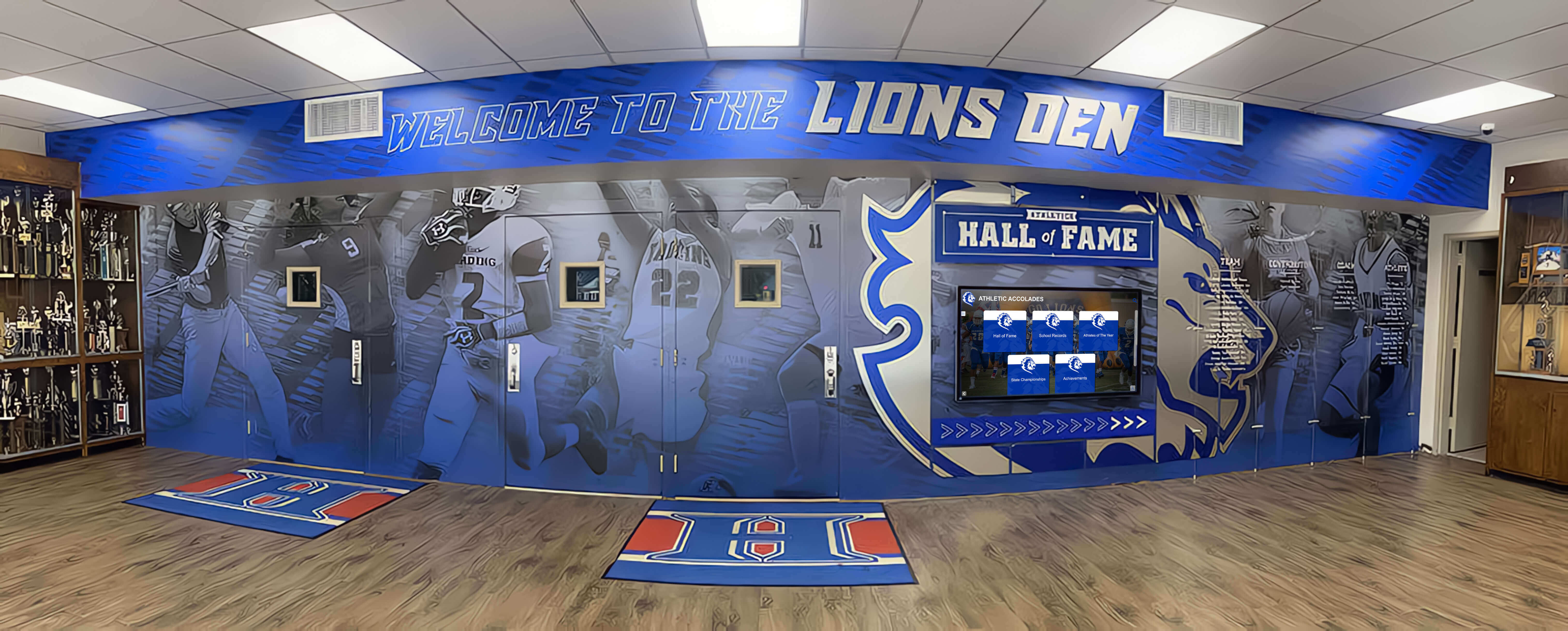
Team inductions offer opportunities to discuss program culture, leadership development, and how exceptional groups establish standards for future teams to pursue.
Coach and Contributor Inductees
Coach and contributor inductions recognize individuals whose behind-the-scenes work built programs, developed athletes, and created environments where excellence flourished.
For coaching inductees, emphasize program building beyond win-loss records: athletes developed, program culture established, barriers overcome, innovations implemented, or contributions to broader athletic department and school community. Share specific stories about coaching philosophy in action, relationships with athletes, program development challenges, and impact on athletes’ lives beyond their competitive years.
When inducting contributors—officials, administrators, boosters, or volunteers—focus on specific contributions that enabled athletic success: fundraising that built facilities, administrative support that championed programs, volunteer hours that made events possible, or advocacy that secured resources. These inductees often receive less public recognition than athletes and coaches, making thoughtful induction speeches particularly meaningful acknowledgments of their essential contributions.
Schools recognizing diverse contributions through their hall of fame programs demonstrate comprehensive understanding of how athletic excellence requires support from many individuals beyond just competitors and coaches. Programs exploring various student achievement categories often discover that broad recognition builds stronger school culture than narrowly focused programs.
Delivery Tips for Memorable Induction Speeches
Even well-written speeches fail when delivery diminishes impact. Effective presentation skills enhance content while creating emotional connection with audiences and inductees.
Preparation and Practice
Thorough preparation separates adequate speeches from memorable ones that audiences and inductees remember years later.
Write and Revise: Induction speeches deserve multiple drafts and careful revision rather than first-draft delivery. Write complete scripts initially, then refine language for clarity, eliminate redundancy, strengthen transitions, and ensure appropriate length. Read drafts aloud to identify awkward phrasing or sections that lack rhythm and flow.
Practice Delivery: Rehearse speeches multiple times, focusing on pacing, emphasis, and emotional moments. Practice helps internalize content so you can maintain eye contact with audiences rather than reading directly from papers. Time rehearsals to ensure speeches fit within ceremony schedules—most effective induction speeches run 5-8 minutes, providing sufficient depth without testing audience patience.
Prepare for Emotion: Induction ceremonies often evoke strong emotions for speakers, inductees, and families. Anticipate emotional moments and practice maintaining composure or incorporating appropriate pauses. Having water available and knowing where to pause if needed helps speakers navigate emotional content gracefully.
Presentation Techniques
Delivery techniques significantly impact how audiences receive and remember speech content.
Eye Contact and Engagement: Maintain frequent eye contact with inductees, families, and broader audiences rather than reading exclusively from notes. This connection creates intimacy and demonstrates authenticity while helping speakers gauge audience response and adjust pacing accordingly.
Vocal Variety: Vary tone, volume, and pacing to maintain interest and emphasize key points. Slow down during particularly significant moments, allow pauses for important statements to resonate, and use vocal energy to convey enthusiasm and appreciation.
Physical Presence: Stand confidently, use natural gestures to emphasize points, and move purposefully rather than standing rigidly behind podiums. Physical presence and appropriate movement create energy while demonstrating speaker investment in honoring inductees appropriately.
Authentic Emotion: Allow genuine emotion to show during moving moments rather than maintaining rigid composure. Authentic feeling validates recognition significance and gives inductees and families permission to experience their own emotions fully.
Speakers who invest appropriate preparation time while delivering authentically create ceremonies that become treasured memories for inductees and meaningful experiences for all attendees.
Supporting Induction Ceremonies with Modern Recognition Technology
While speeches serve as ceremony centerpieces, modern digital recognition technology enhances induction programs by creating year-round visibility for hall of fame members that extends far beyond single ceremony moments.
Digital Hall of Fame Displays
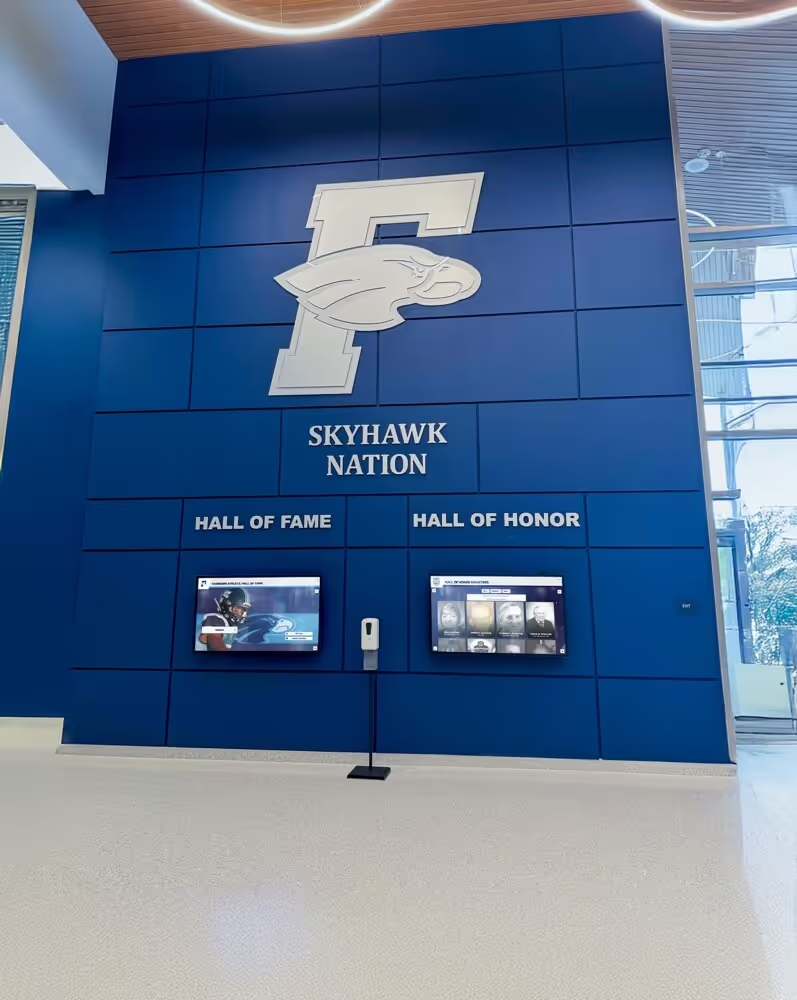
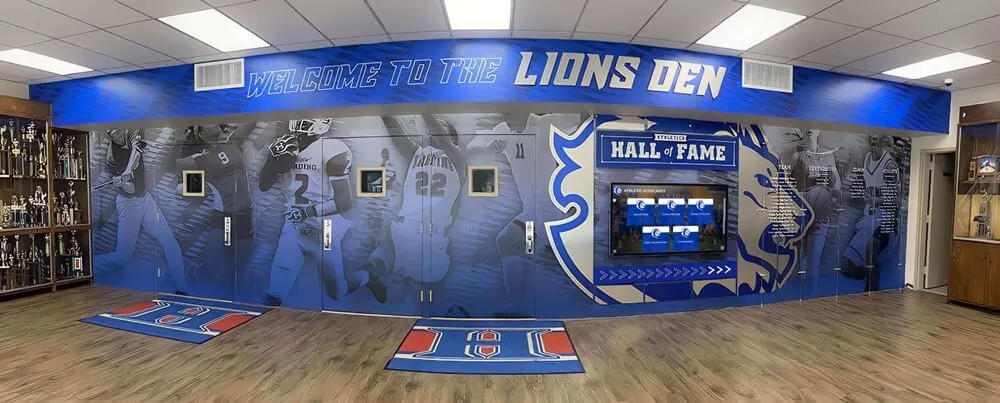
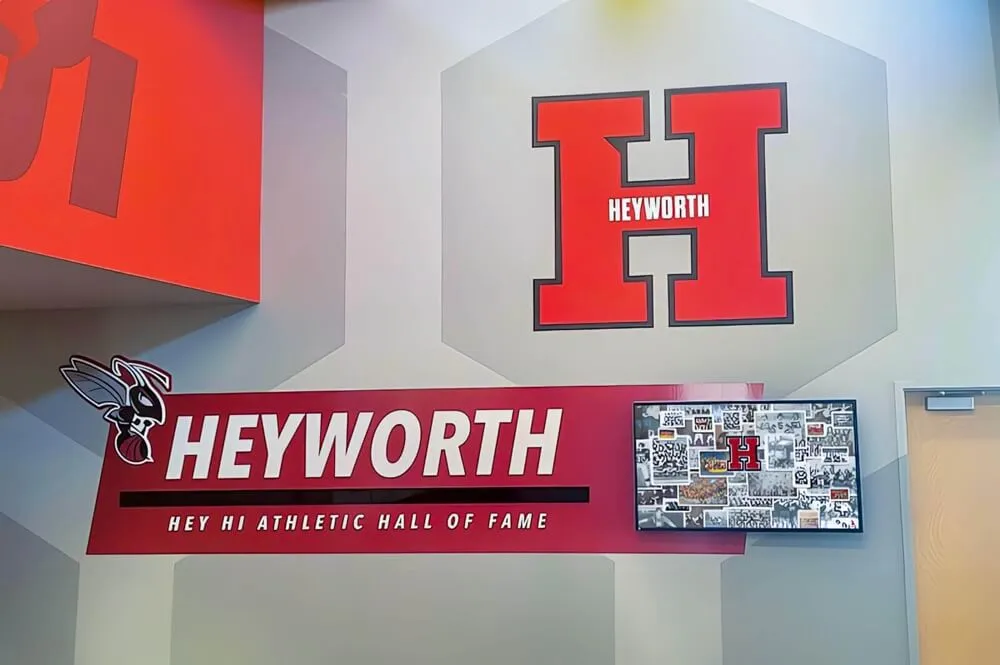
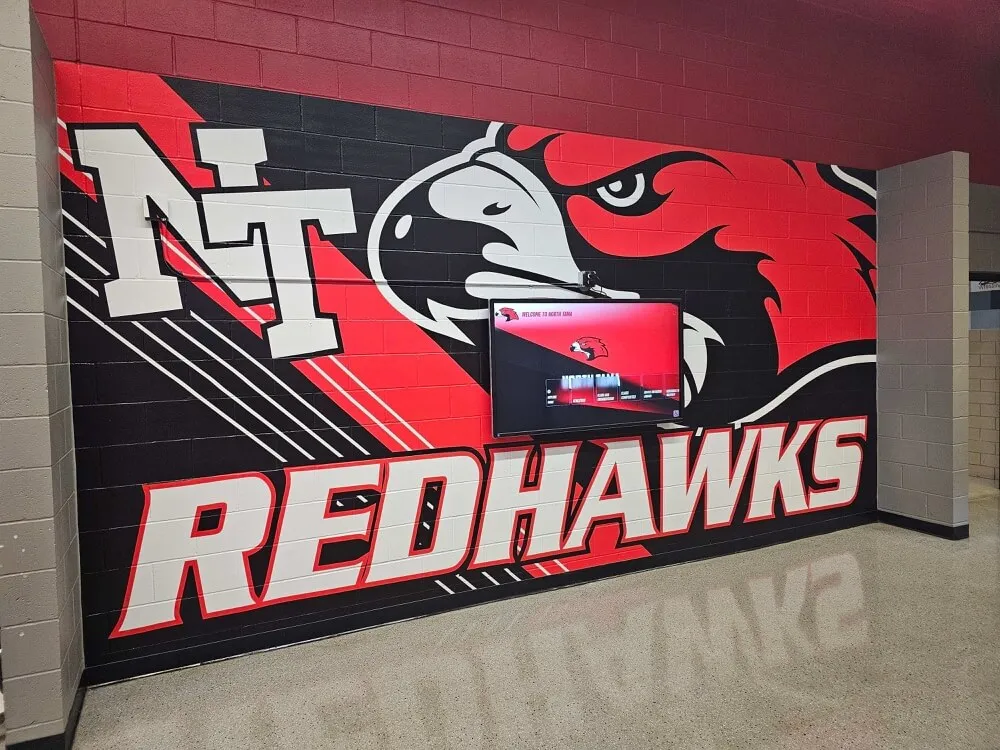
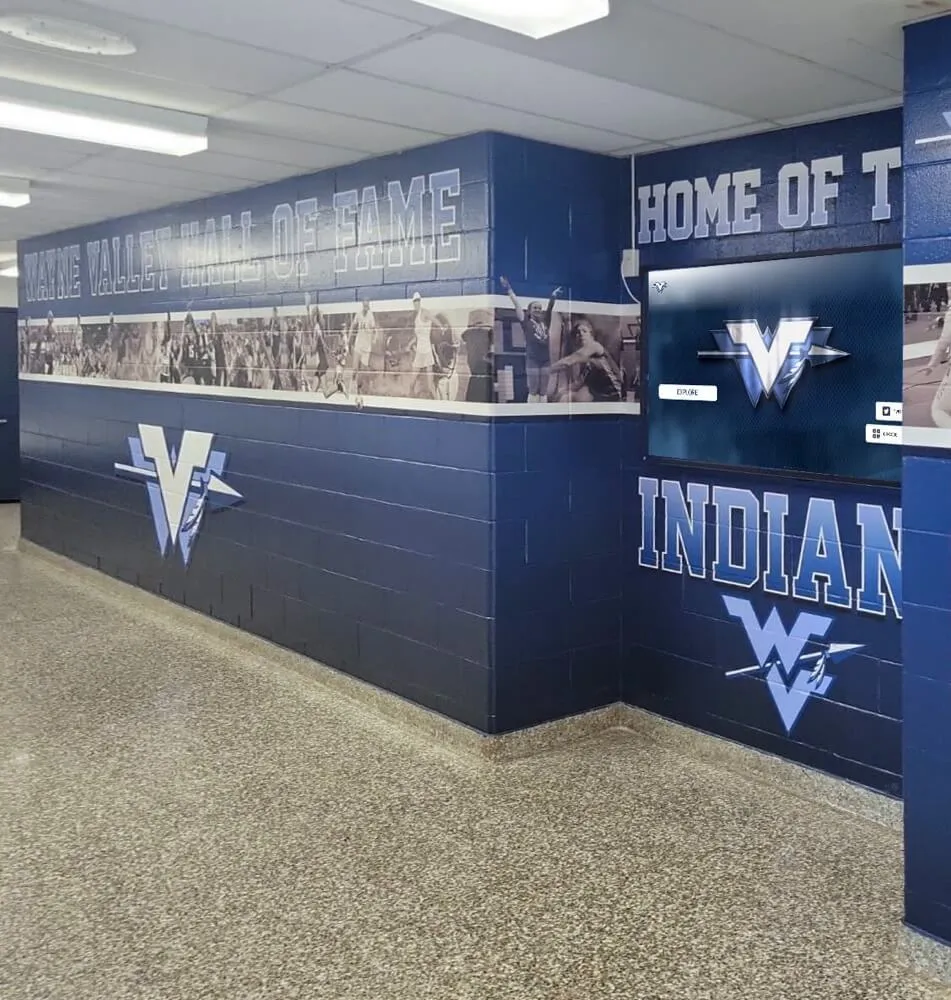
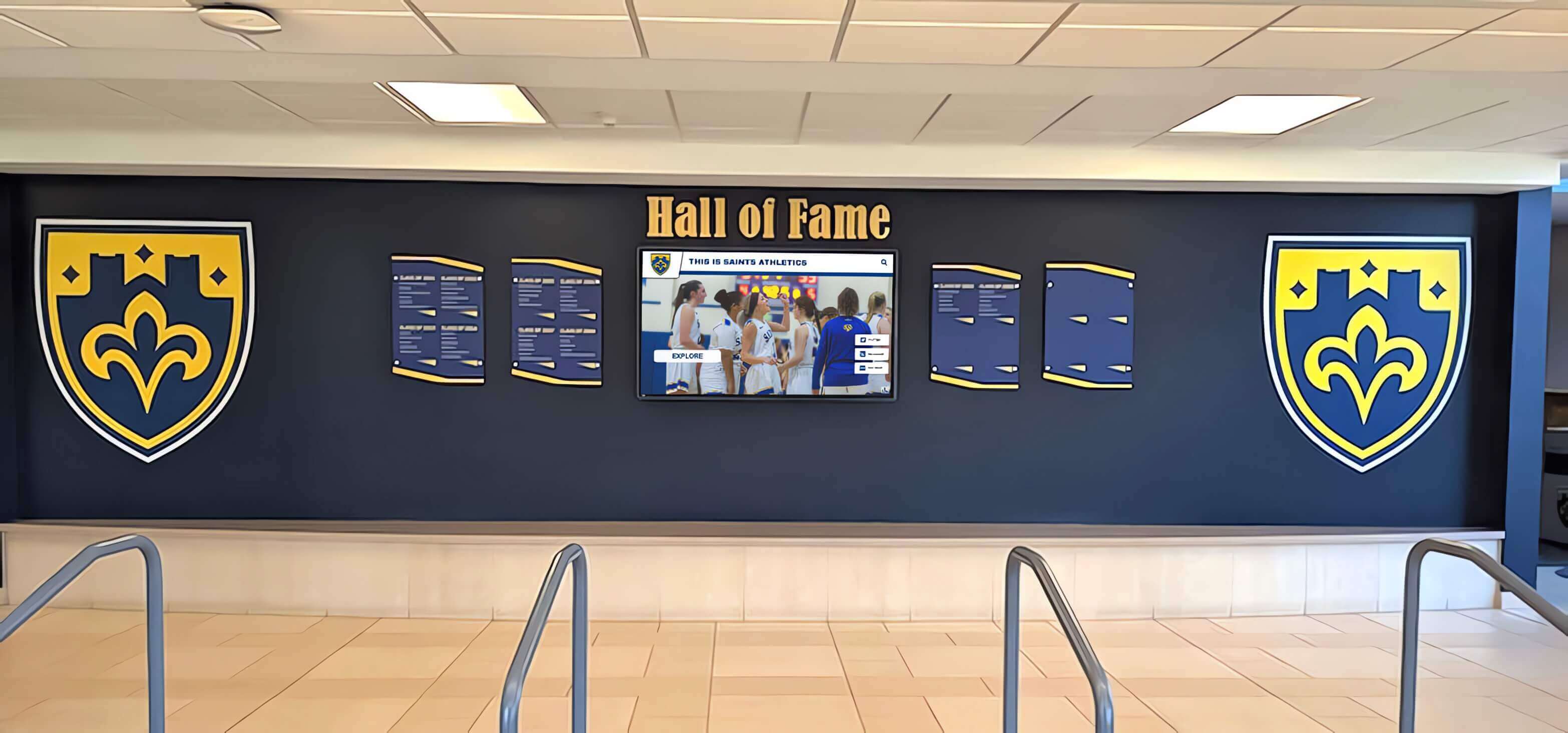
Traditional hall of fame recognition relied on physical plaques, photos, and trophy cases that faced space limitations, required manual updates, and provided static information. Modern digital recognition systems overcome these constraints while creating engaging, interactive experiences that bring inductee stories to life.
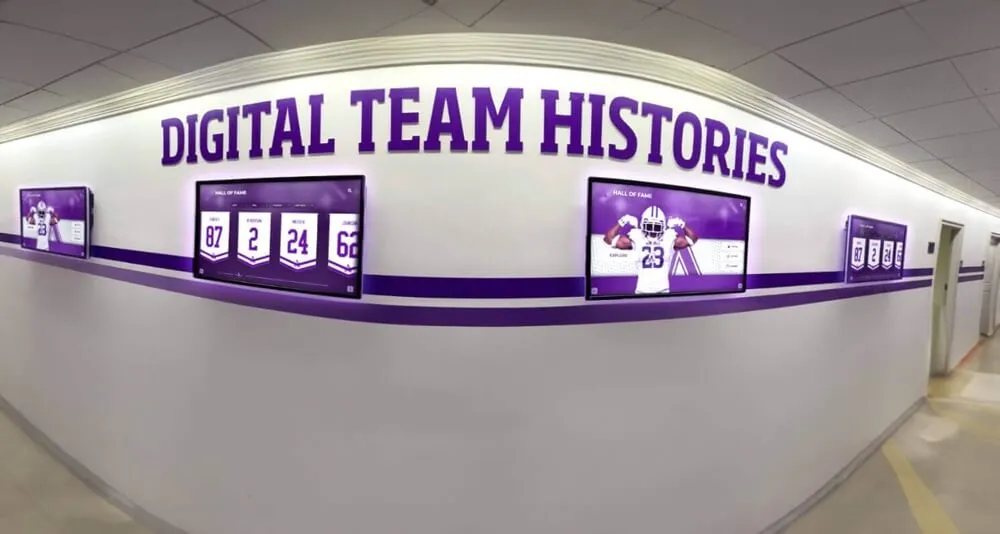
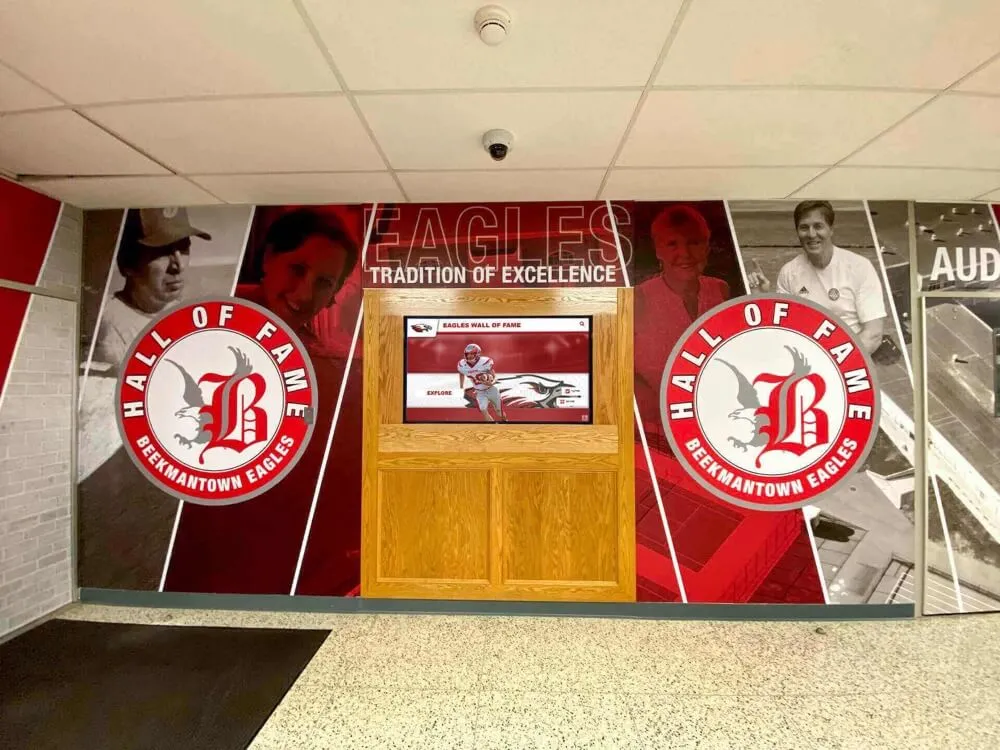
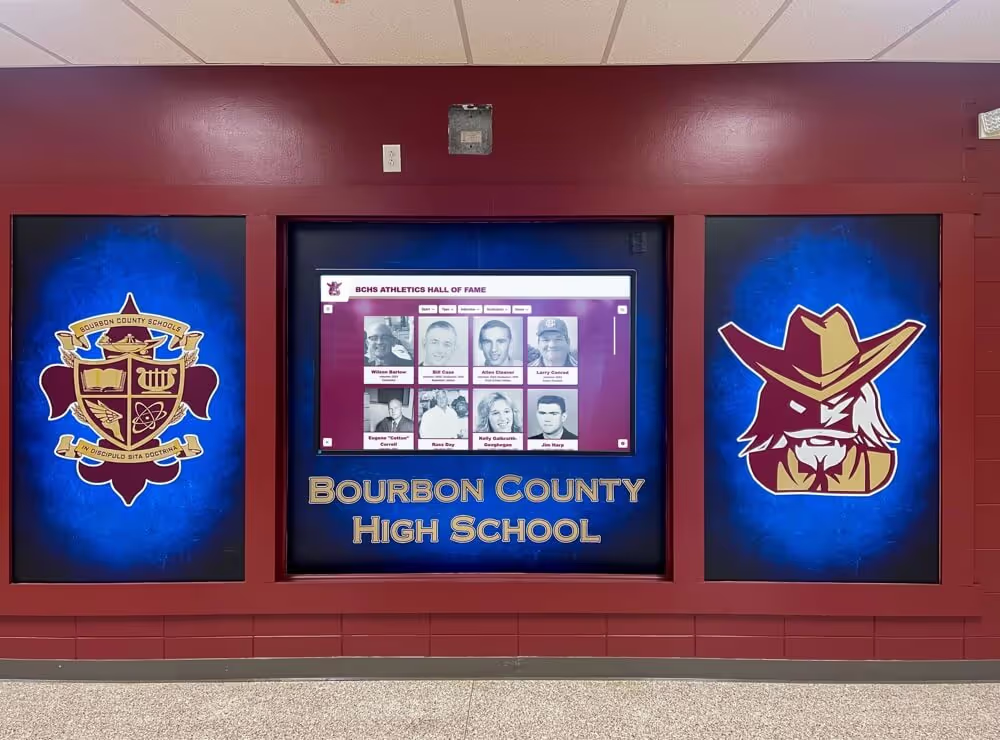
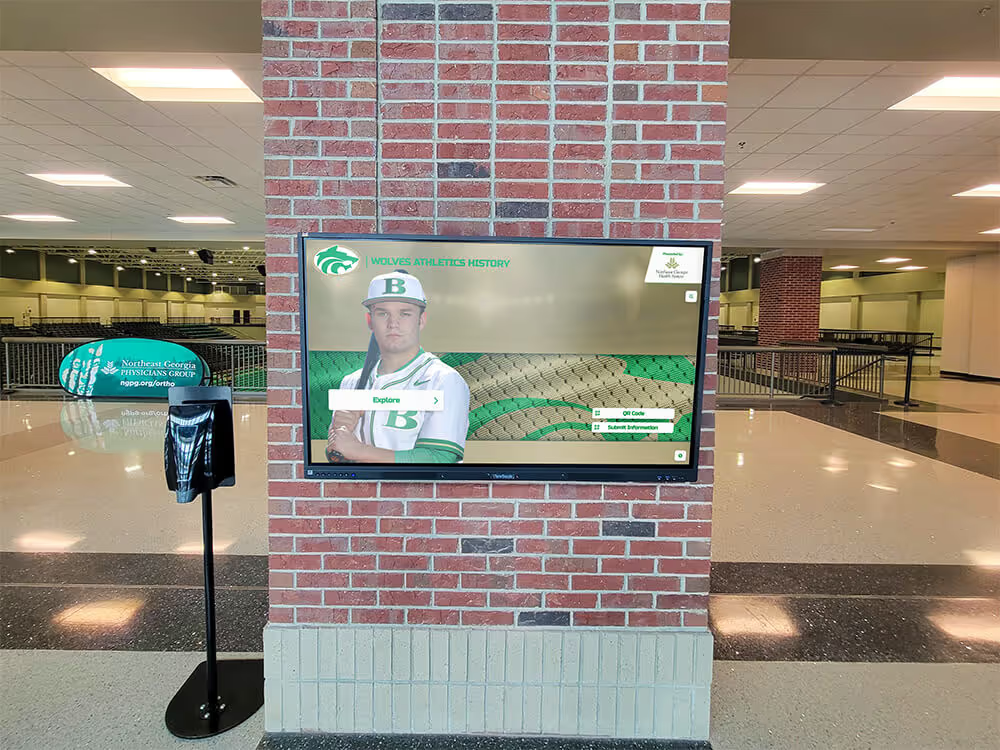
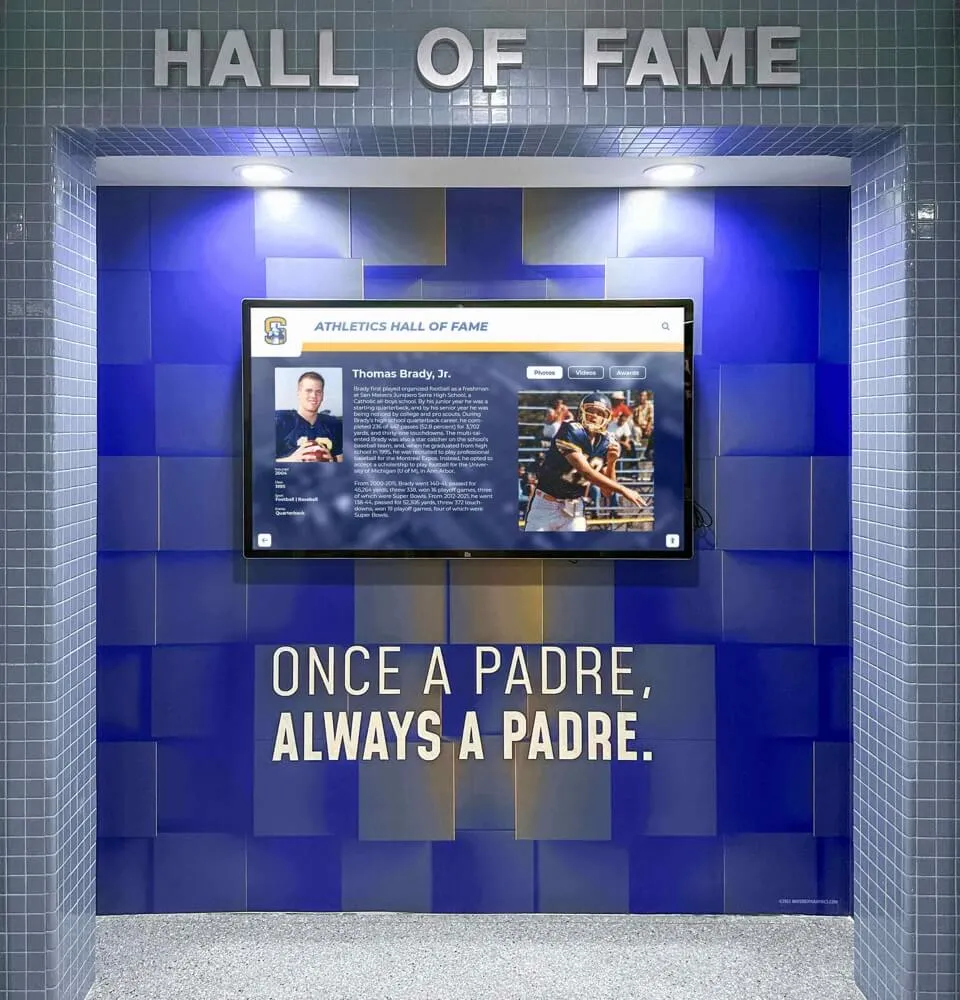
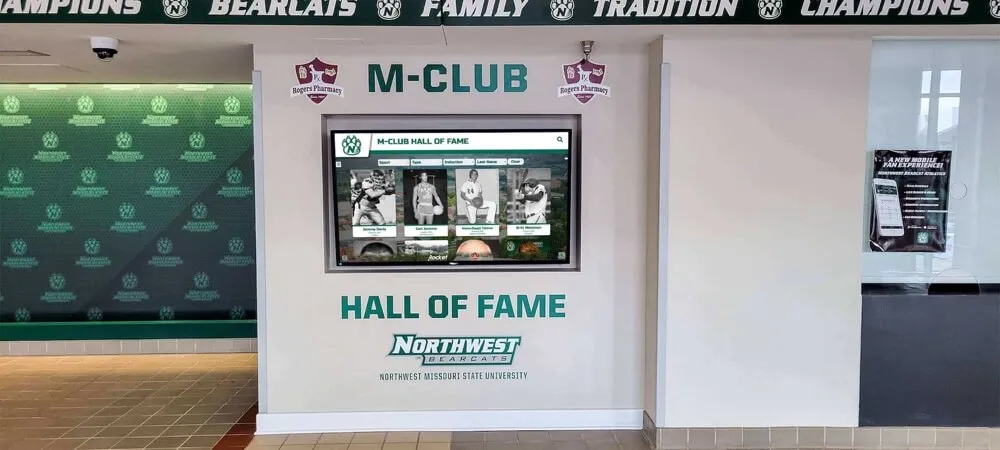
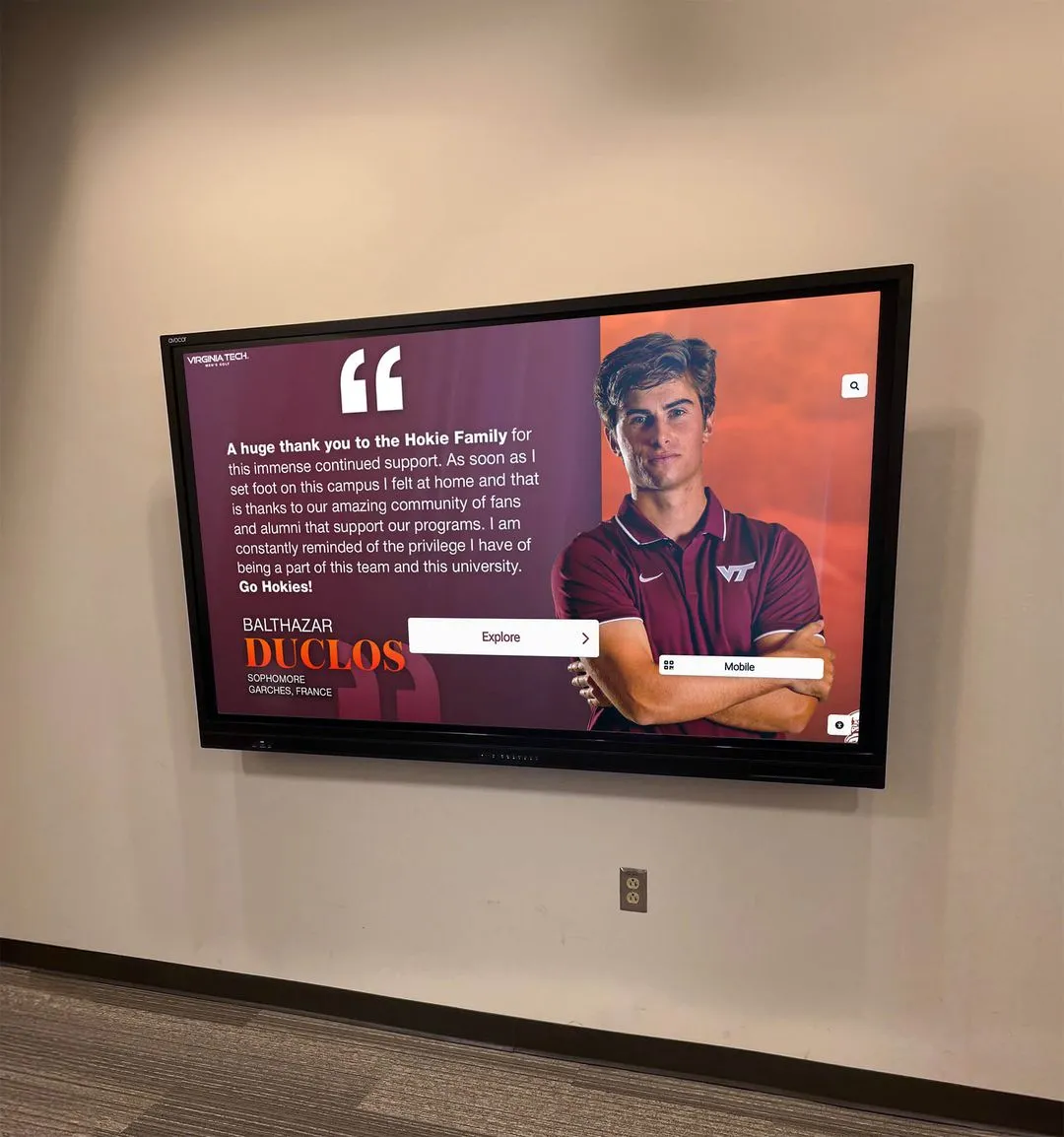
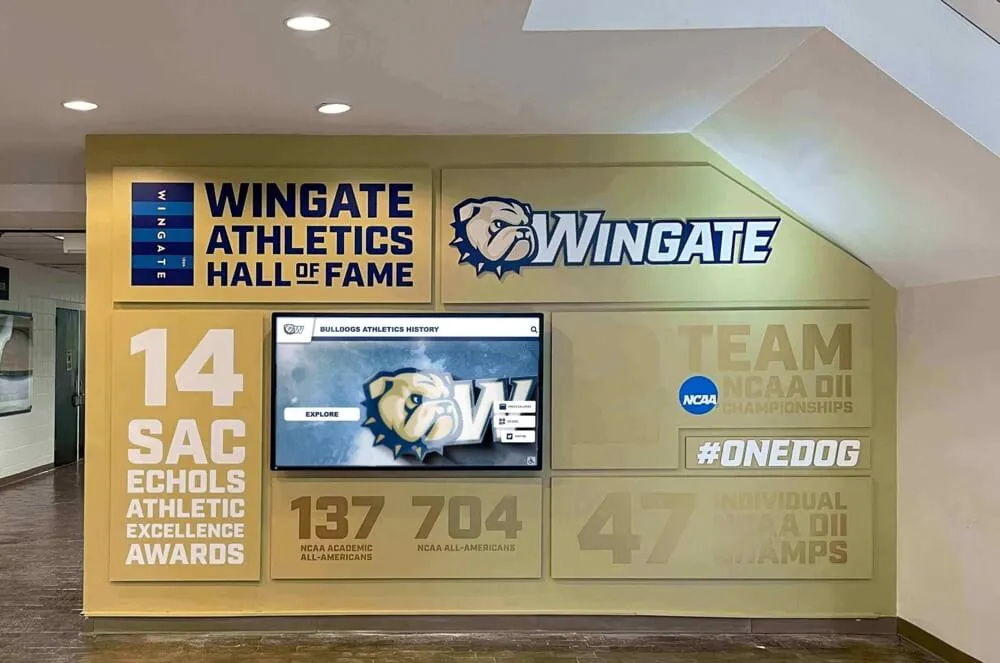
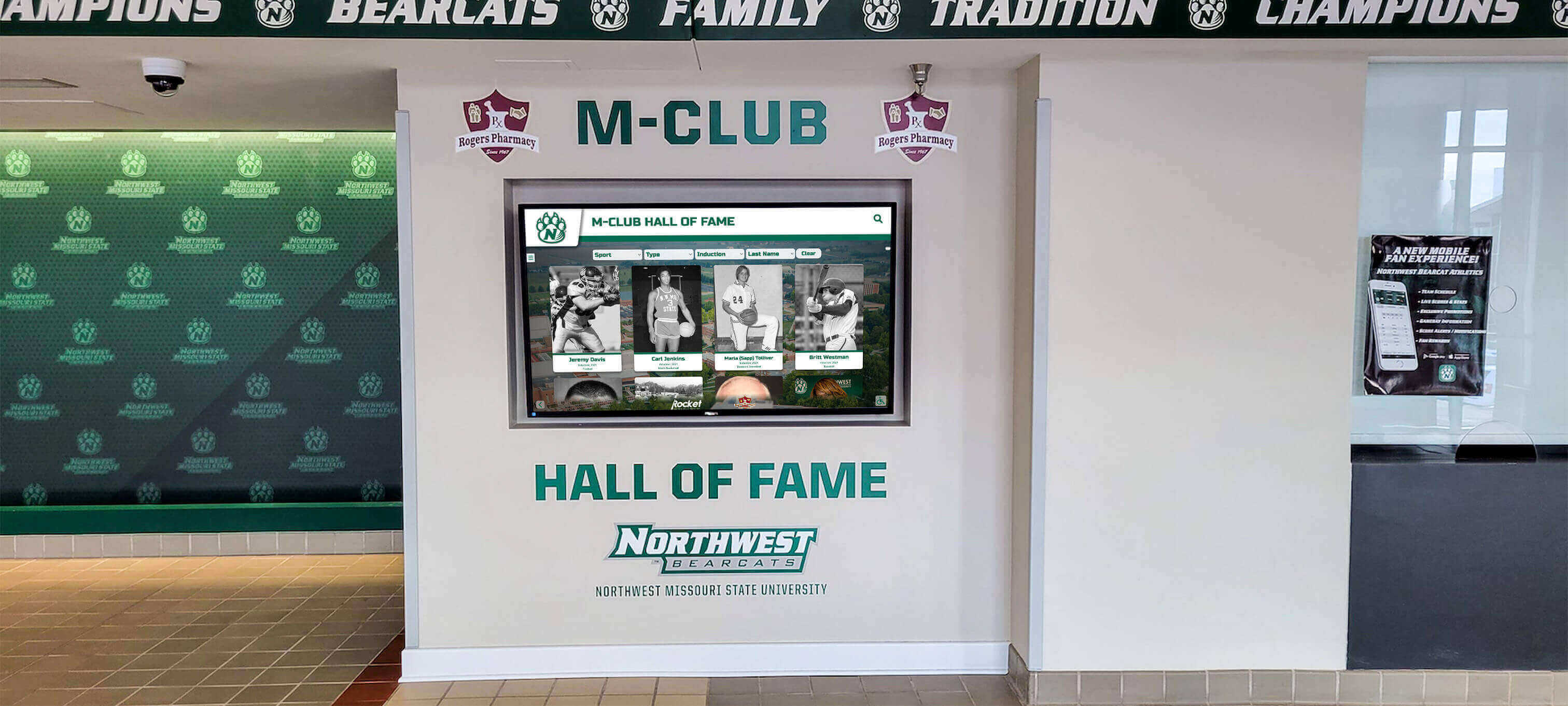
Digital displays allow schools to include comprehensive inductee profiles featuring multiple photographs from competitive careers, detailed achievement summaries, career statistics, biographical information, and even video highlights or interview clips. These rich multimedia presentations tell complete stories rather than limiting recognition to names, years, and basic achievements.
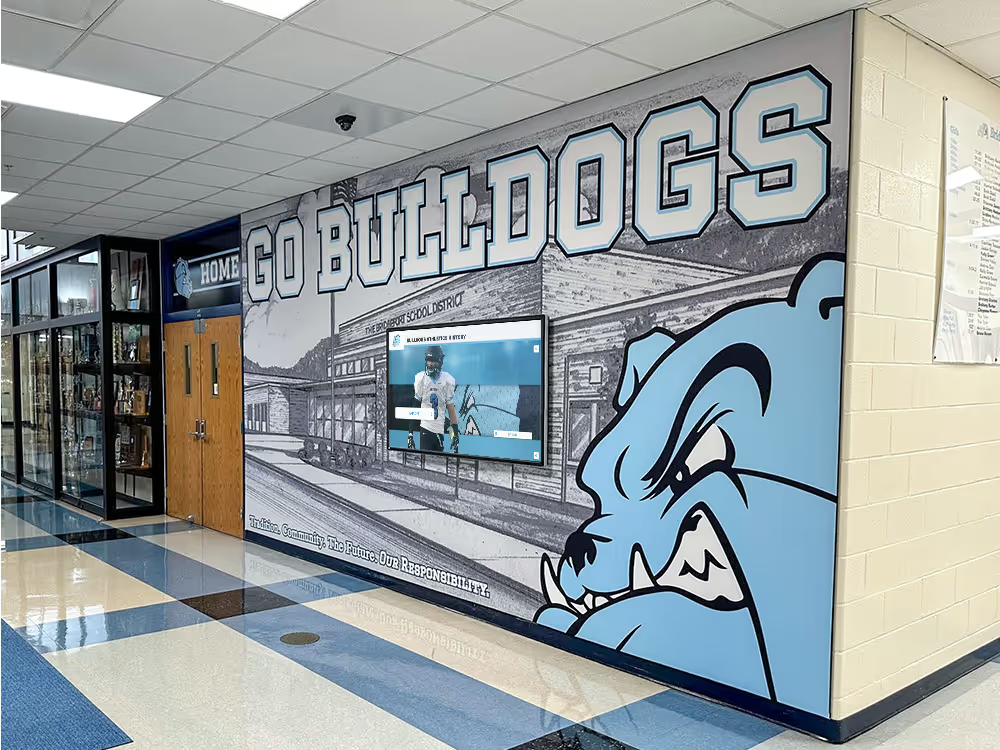
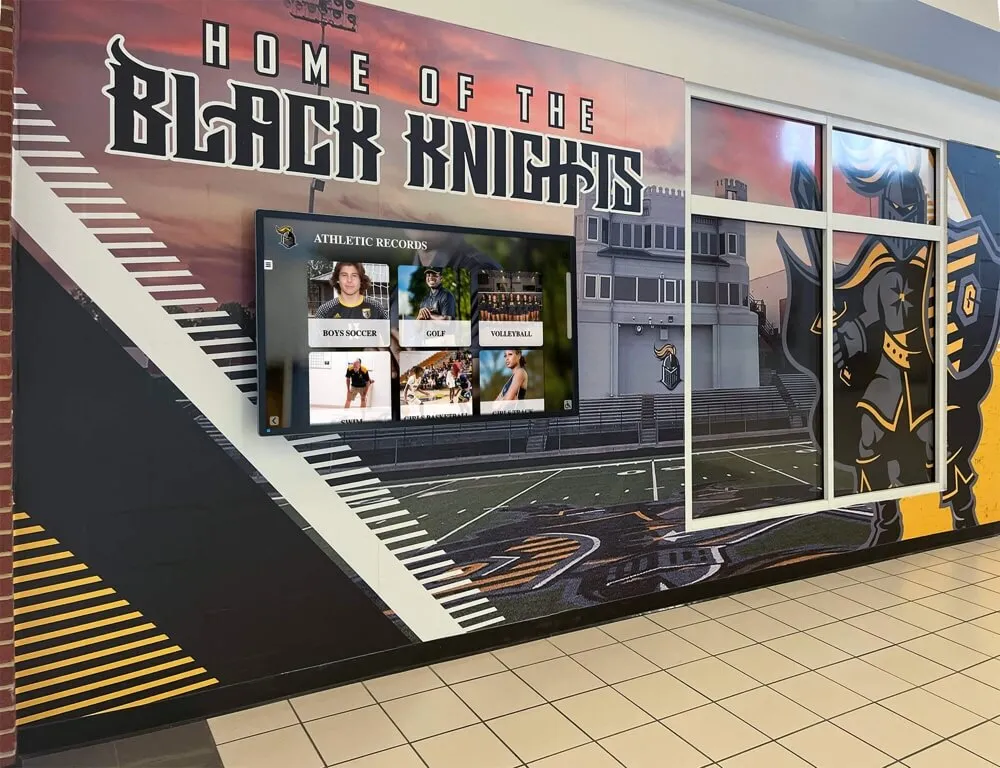
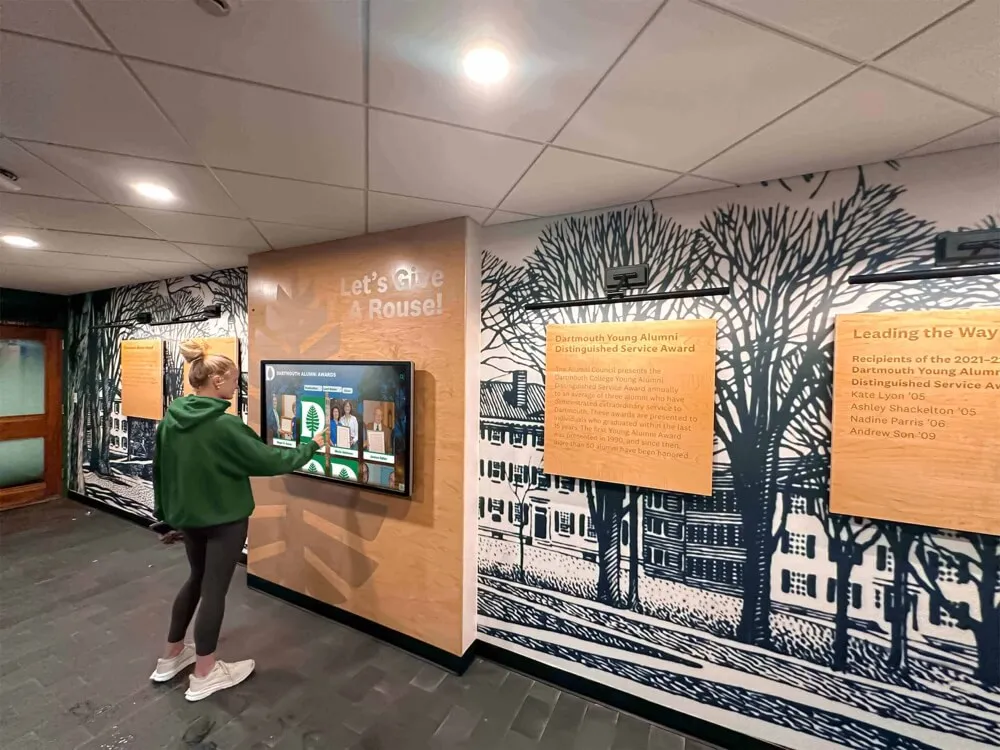
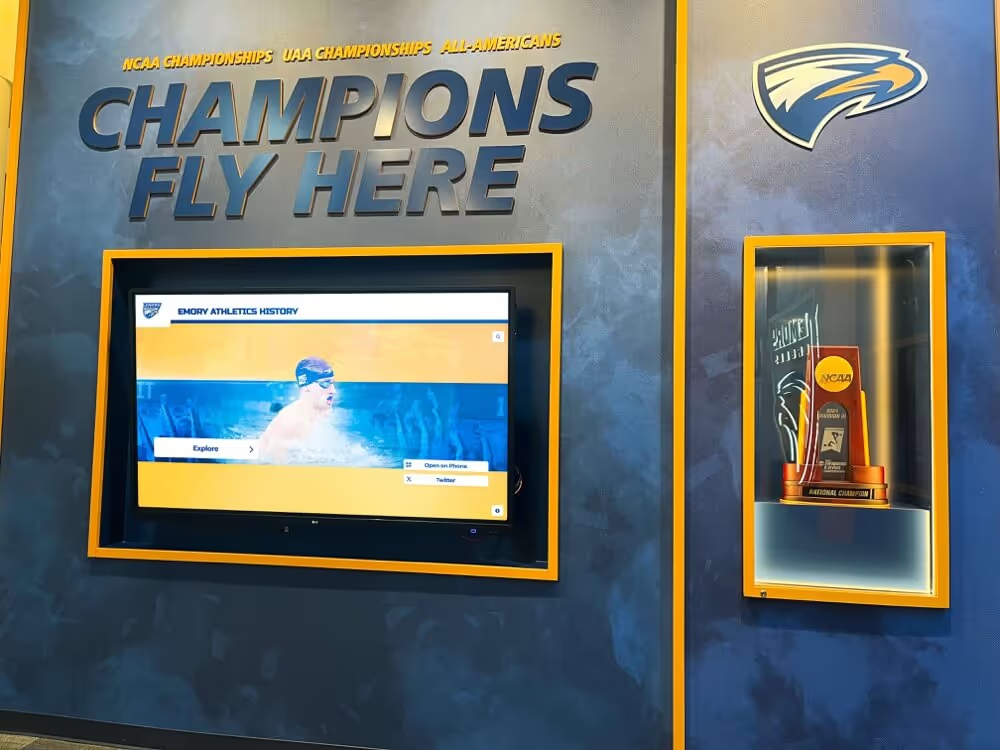
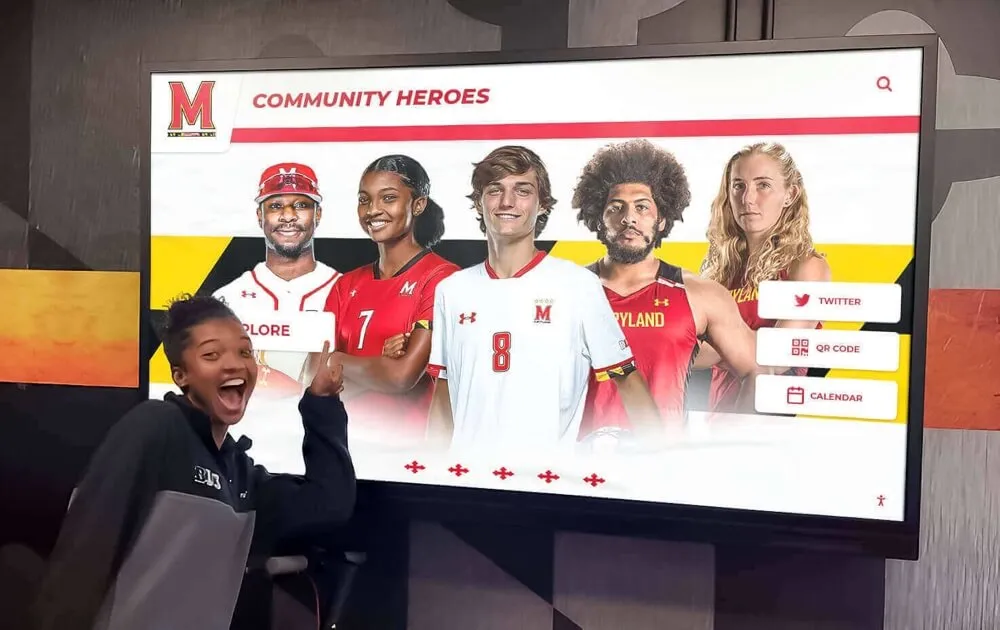
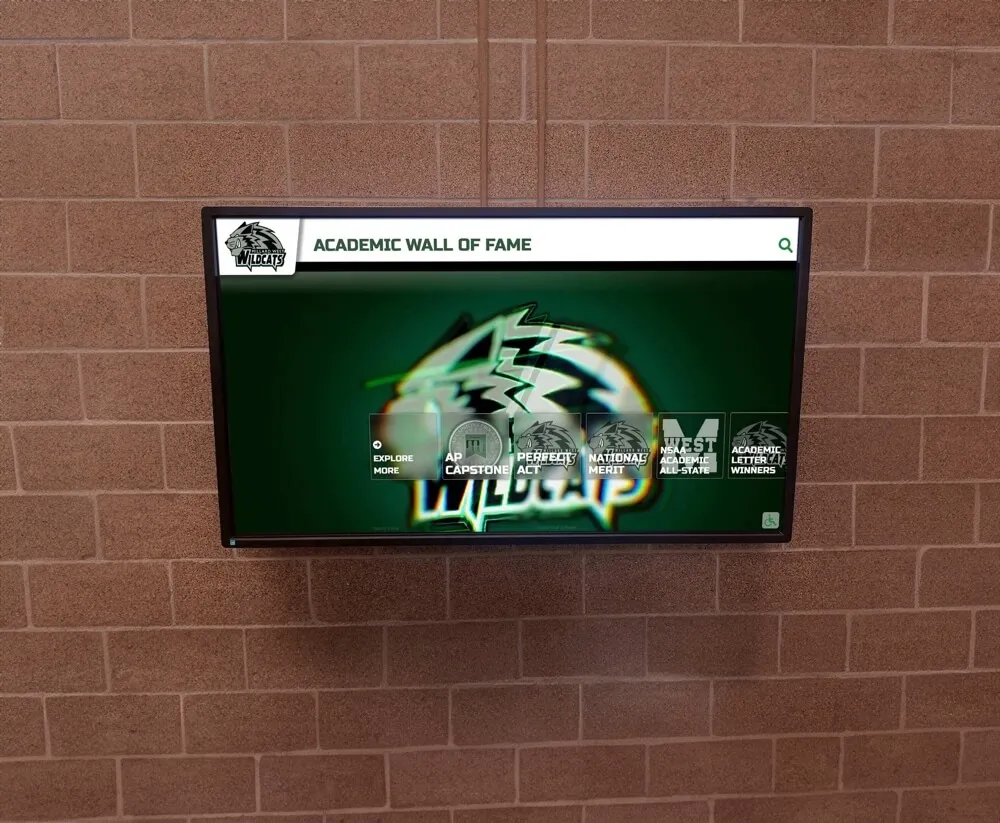
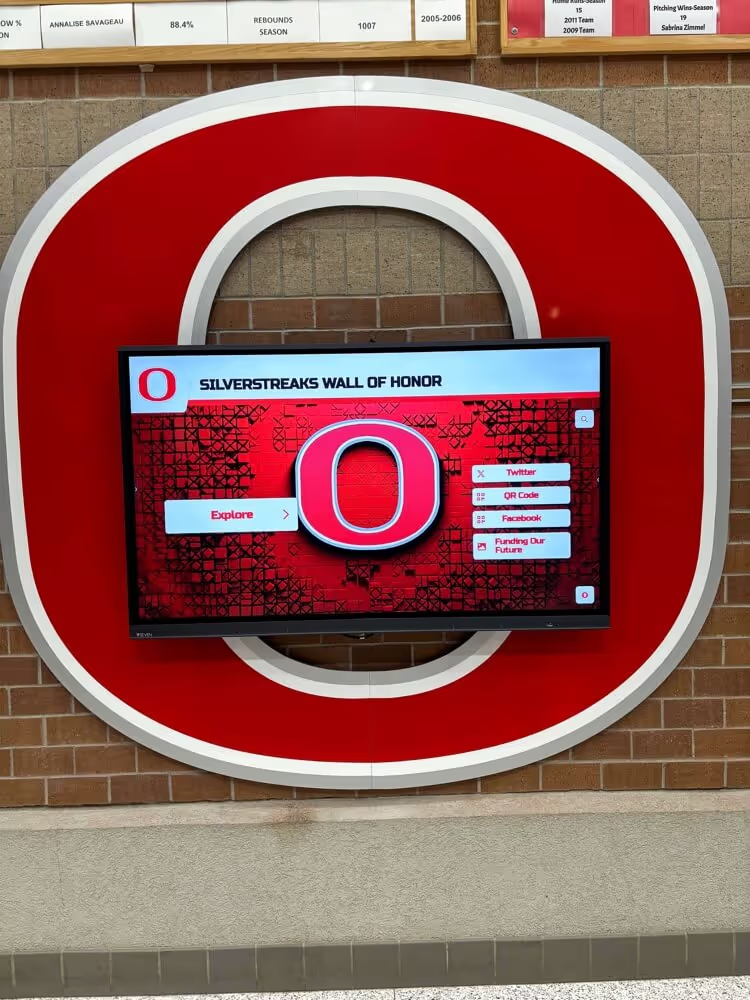
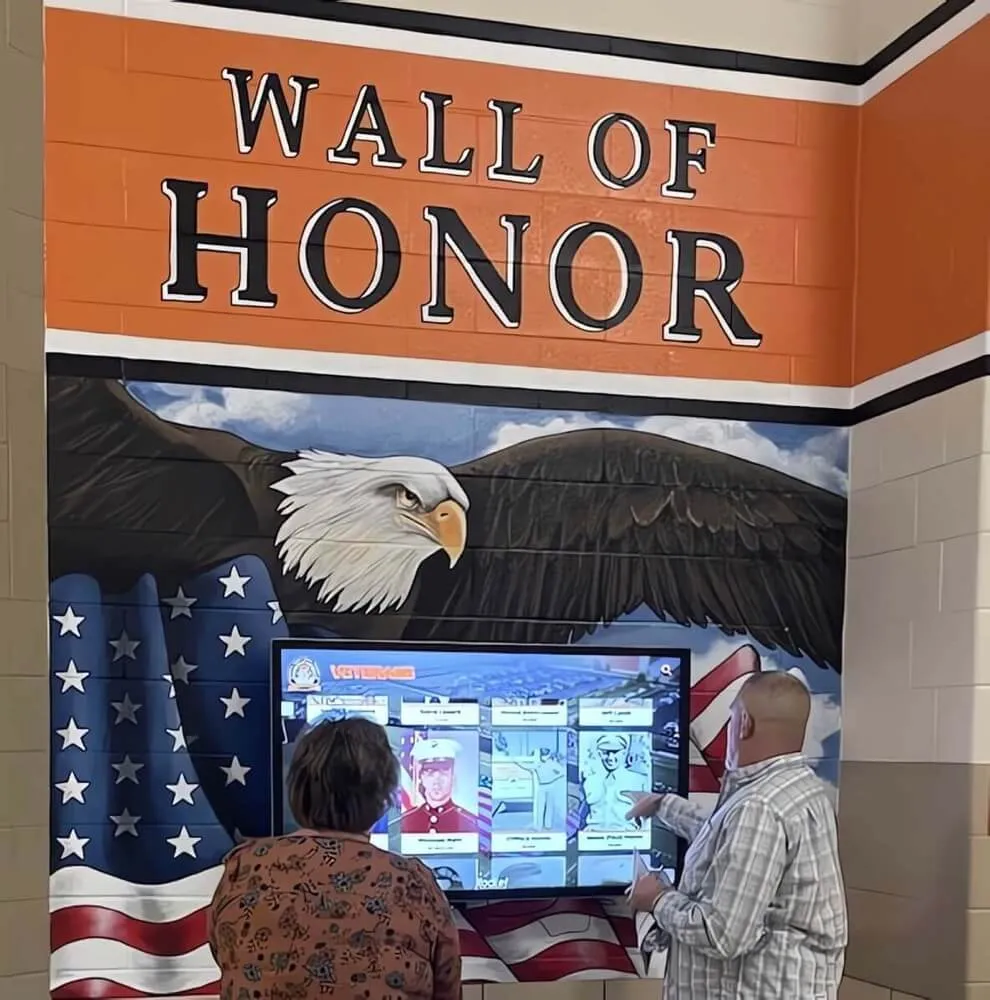
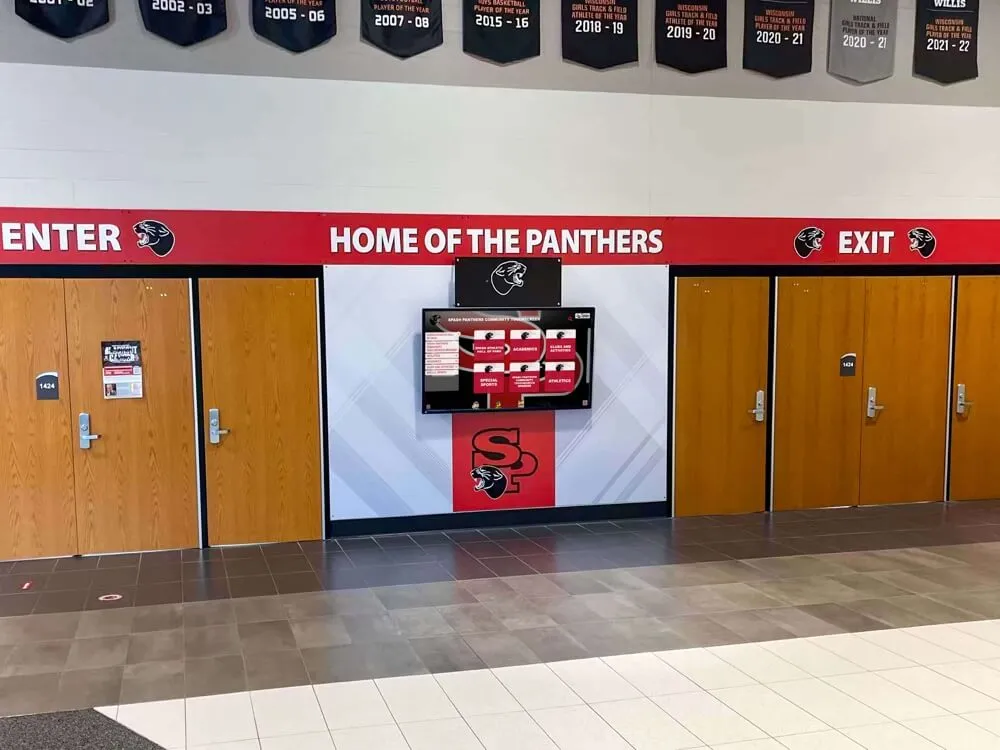
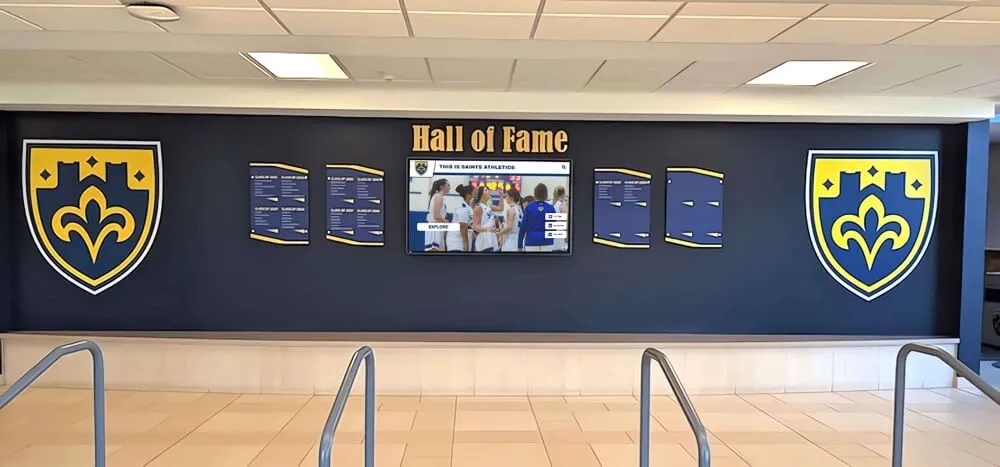
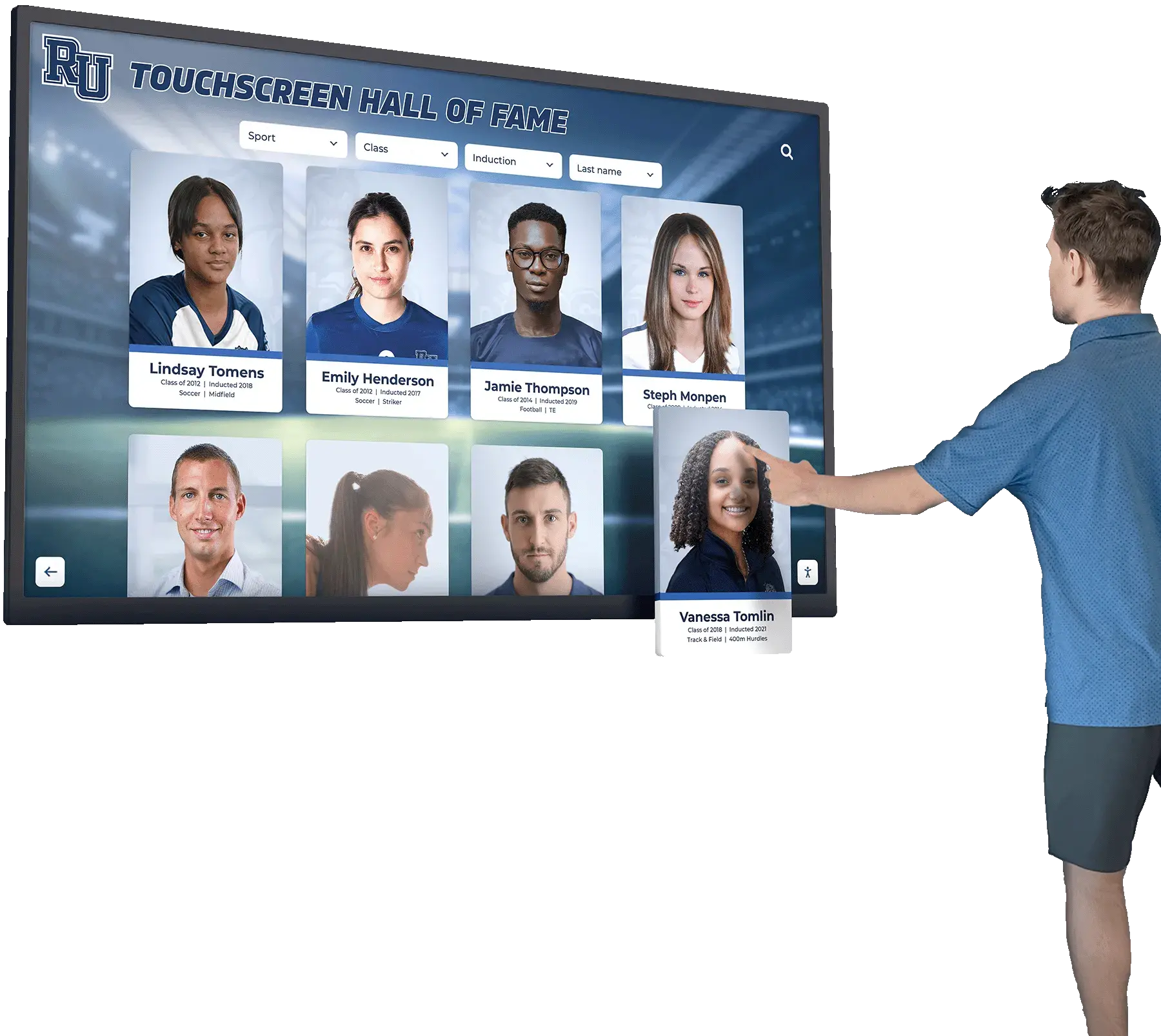
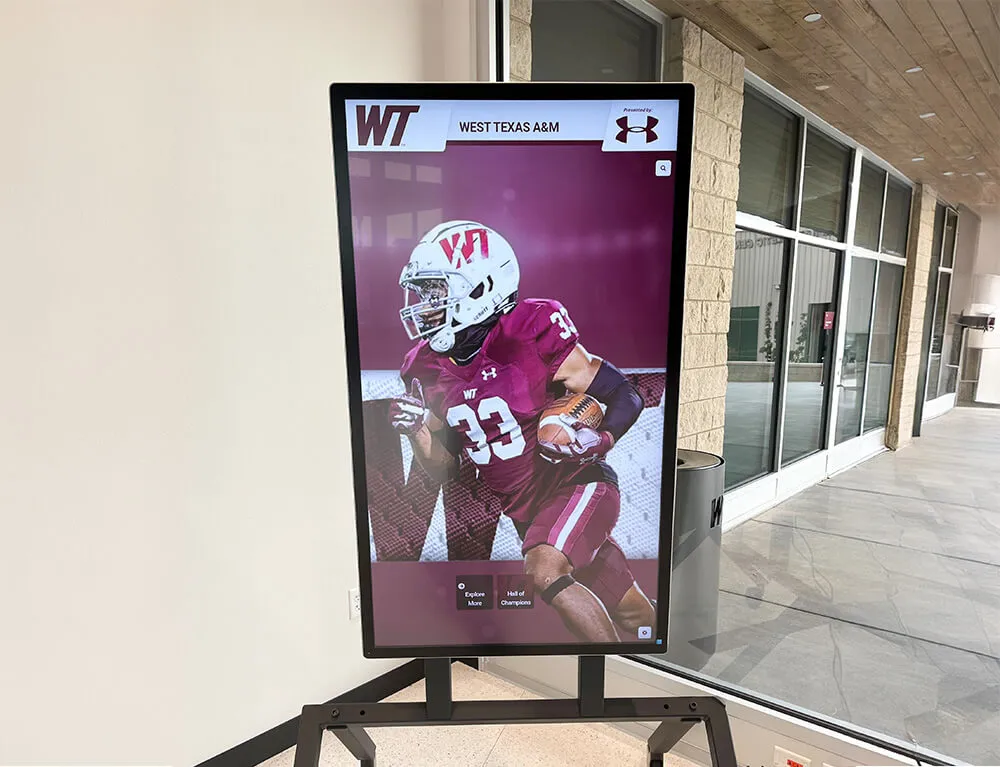
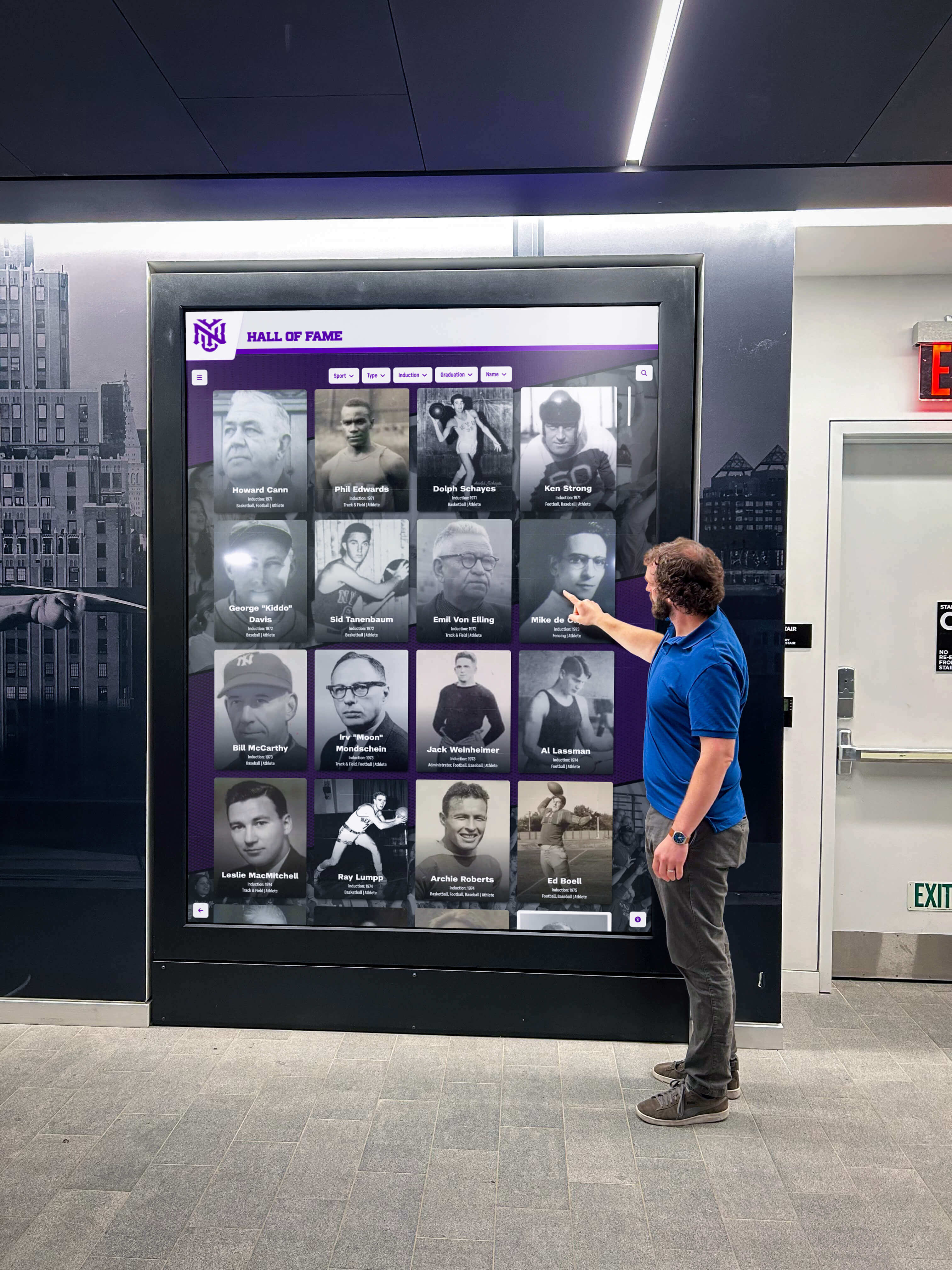
Interactive touchscreen systems enable visitors to search hall of fame members by sport, era, achievement type, or name, creating engaging exploration experiences. Students can discover connections between current programs and historical excellence while learning about school athletic tradition in compelling ways that static displays never achieve.
Schools implementing digital recognition technology discover that these systems complement induction ceremonies perfectly—speeches create emotional recognition moments while digital displays provide lasting, accessible visibility that keeps inductees’ legacies prominent throughout the year.
Preserving and Sharing Induction Speeches
Recording induction speeches and integrating them into digital recognition systems creates powerful archival resources while extending speech impact beyond ceremony attendees.
Video recordings of induction speeches can be incorporated into digital hall of fame displays, allowing future students, families, and alumni to experience these tributes years after original ceremonies. This preservation creates rich historical resources that capture not just achievements but also the context, stories, and appreciation surrounding hall of fame recognition.
Schools can share speech videos through athletic department websites, social media platforms, and alumni networks, extending recognition to broader audiences who couldn’t attend ceremonies while generating community engagement and pride. These digital assets become valuable program marketing and community building tools that showcase institutional commitment to celebrating excellence.
Creating Comprehensive Recognition Ecosystems
The most effective hall of fame programs integrate induction ceremonies with broader recognition systems that maintain year-round visibility while inspiring current students.
Beyond annual induction ceremonies, schools should create recognition touchpoints throughout the year: featuring hall of fame members during relevant seasons, highlighting historical achievements that relate to current team accomplishments, sharing throwback content on social media platforms, and incorporating hall of fame member visits or mentorship opportunities into current program activities.
Modern recognition systems from companies like Rocket Alumni Solutions enable schools to build these comprehensive ecosystems through digital displays, mobile-responsive websites, and content management systems that make updating and sharing inductee information seamless and efficient. Schools exploring complete recognition solutions discover that integrated approaches create stronger impact than isolated ceremony events.
Common Mistakes to Avoid in Induction Speeches
Understanding pitfalls that diminish speech effectiveness helps speakers craft stronger presentations that honor inductees appropriately.
Length Issues
The most common speech problem involves excessive length that tests audience patience and dilutes impact. Speakers often try to include every achievement, story, and detail, creating exhaustive presentations that lose audience engagement. Effective speeches selectively highlight representative accomplishments and stories that illustrate broader patterns rather than comprehensively cataloging careers.
Aim for 5-8 minute presentations that provide sufficient depth and specificity without becoming tedious. Practice and time speeches during preparation, ruthlessly editing content that doesn’t directly serve core narratives or essential achievement documentation.
Generic Praise Without Specific Examples
Vague, general praise—“outstanding athlete,” “great competitor,” “tremendous leader”—lacks the specificity that creates memorable, meaningful recognition. These generic descriptors could apply to anyone and fail to capture what made particular inductees special.
Replace generic praise with specific stories, concrete examples, and detailed descriptions that only apply to these particular inductees. Show audiences why inductees earned these accolades rather than simply asserting that they deserve recognition.
Neglecting Character and Values
Speeches focusing exclusively on statistics and championships miss opportunities to honor the complete person beyond athletic achievement. The most memorable inductions reveal character, values, and human qualities that distinguished inductees as people worthy of admiration beyond just competitive success.
Balance achievement documentation with character stories that illustrate integrity, perseverance, leadership, or community contribution. These human elements create emotional connection while modeling attributes schools want current students to develop.
Inside Jokes and Excluding Audiences
Speakers who coached or competed with inductees may be tempted to reference inside jokes, obscure incidents, or team-specific references that resonate with small groups while confusing or excluding broader audiences. While some familiarity and humor can enhance speeches, content should remain accessible to all attendees.
Test speech content by asking whether someone unfamiliar with inductees or their era would understand references and appreciate stories. Provide brief context for incidents that require explanation while avoiding references so obscure that they lose audience connection.
Inadequate Preparation
Induction speeches presented as impromptu remarks or read verbatim from hastily prepared notes fail to honor inductees appropriately. These significant recognitions deserve thoughtful preparation, careful writing, and practiced delivery.
Allocate sufficient time for research, writing, revision, and rehearsal. Interview coaches, teammates, or family members to gather stories and perspectives beyond your own knowledge. Treat speech preparation as the important responsibility it represents rather than an afterthought to ceremony planning.
Planning Complete Induction Ceremonies
While speeches serve as centerpieces, complete induction ceremonies require thoughtful planning across multiple elements that together create meaningful, memorable recognition experiences.
Ceremony Format and Flow
Effective ceremonies balance formality with warmth, creating dignified recognition while maintaining engaging energy throughout events.
Consider including welcome remarks acknowledging attendees and establishing ceremony significance, overview of hall of fame program explaining selection criteria and process, individual inductee presentations featuring speeches and acceptance remarks, presentation of commemorative items such as plaques or rings, photo opportunities for inductees with families and fellow hall of fame members, and reception opportunities for attendees to personally congratulate inductees.
Plan ceremony length carefully—programs recognizing multiple inductees can extend considerably, potentially testing audience attention. Ensure each inductee receives appropriate individual focus while maintaining overall flow that sustains engagement.
Schools organizing comprehensive recognition events often incorporate sports banquet planning elements that create festive, celebratory atmospheres appropriate to hall of fame significance.
Selecting Speakers
Matching appropriate speakers to inductees significantly impacts speech quality and emotional resonance.
Former Coaches: Often ideal speakers for athlete inductees, coaches possess intimate knowledge of careers, character development, and specific moments that defined excellence. Their credibility and emotional investment create authentic, compelling presentations.
Teammates or Colleagues: Former teammates or coaching colleagues offer peer perspectives that complement authority-figure viewpoints, sharing stories about daily interactions, practice dedication, and character qualities that might not be visible in competition.
Athletic Directors or Administrators: School leaders can effectively speak about program-level impact, institutional significance, or contributor inductees whose work supported multiple sports or generations.
Guest Presenters: In some cases, special guests—college coaches who recruited inductees, professional contacts, or community figures—provide unique perspectives that enhance recognition significance.
Provide speakers with sufficient advance notice, clear length guidelines, and resources for researching inductees they may not know intimately. Offer to review draft speeches if speakers request feedback, ensuring content appropriately honors inductees while fitting ceremony parameters.
Commemorative Elements
Beyond speeches, physical commemorative items create lasting tangible recognition that inductees treasure throughout their lives.
Hall of Fame Plaques or Certificates: Formal recognition documents suitable for display in homes provide permanent records of induction. Quality materials and professional design demonstrate institutional respect for recognition significance.
Hall of Fame Rings, Pins, or Jackets: Wearable items allow inductees to display membership while creating visible symbols others can recognize. These items build hall of fame community among inductees while providing ongoing connection to institutions.
Digital Recognition Profiles: Create comprehensive online profiles featuring photos, biographies, achievements, and speech videos that preserve induction recognition digitally. These profiles extend visibility beyond ceremony attendees while creating archival resources accessible to future generations.
Updated Hall of Fame Displays: Ensure new inductees are added to physical or digital hall of fame displays promptly following ceremonies, making their permanent membership immediately visible to school communities.
Schools implementing modern recognition programs often partner with companies like Rocket Alumni Solutions that provide integrated systems combining digital displays, mobile access, and content management capabilities that make ongoing hall of fame recognition seamless and engaging.
Conclusion: Honoring Legends Through Thoughtful Recognition
Hall of fame induction speeches represent more than procedural formalities at recognition ceremonies—they serve as bridges connecting past excellence to present inspiration while creating emotional experiences that honor legends appropriately. Effective speeches balance specific achievement documentation with character stories, integrate statistics within engaging narratives, and deliver heartfelt tributes that resonate with inductees, families, and broader school communities.
By understanding speech purposes, incorporating essential structural elements, preparing thoroughly, delivering authentically, and avoiding common pitfalls, speakers create memorable presentations worthy of the hall of fame honor. When combined with comprehensive digital recognition systems that maintain year-round visibility, thoughtful induction speeches become centerpieces of recognition programs that celebrate institutional history while inspiring current students to pursue similar excellence.
Schools committed to honoring athletic legends through meaningful hall of fame programs discover that investment in quality recognition—from carefully crafted speeches to modern display technology—strengthens school culture, builds community pride, and reinforces the values that distinguish excellent institutions. The time and effort invested in creating exceptional induction experiences pays lasting dividends through strengthened traditions, inspired students, and celebrated legacies that connect generations.
Ready to elevate your school’s hall of fame recognition program with modern digital displays that complement meaningful induction ceremonies? Discover how Rocket Alumni Solutions creates comprehensive recognition systems that honor your athletic legends with engaging, interactive displays accessible year-round to students, families, and alumni.