



Key Takeaways
Master the perfect hall of fame induction ceremony order with our comprehensive program guide covering timeline, script, presentations, speeches, and recognition best practices for schools and organizations.
Planning a hall of fame induction ceremony means orchestrating dozens of moving parts into a cohesive, memorable program that honors inductees with the dignity they deserve while keeping guests engaged throughout the event. Athletic directors, alumni relations professionals, and recognition committee chairs face the challenge of structuring programs that balance formality with emotional impact, accommodate multiple inductees without running excessively long, and create lasting memories for honorees, families, and institutional communities. The difference between a powerful, well-executed ceremony and one that feels disjointed or drags often comes down to thoughtful program sequencing and precise timing.
Schools and organizations hosting their first induction ceremonies frequently underestimate the importance of program order, assuming a simple “welcome, speeches, present awards” structure will suffice. However, experienced ceremony planners understand that strategic sequencing—when to introduce inductees versus present full biographies, how to pace emotional peaks and valleys, where to position video tributes for maximum impact, and how to structure recognition segments that honor multiple inductees equitably—dramatically influences guest experience and ceremonial impact. Poor program flow results in restless audiences, rushed presentations that shortchange inductees, or ceremonies that extend well beyond planned timelines, diminishing the significance of the recognition.
This comprehensive guide provides a proven hall of fame induction ceremony order with detailed breakdowns of each program element, recommended timing allocations, scripting guidance, common pitfalls to avoid, and practical adaptations for different ceremony formats. Whether you’re planning an intimate athletic hall of fame dinner for 100 guests or a major institutional gala honoring multiple inductee classes, understanding the fundamental program structure and timing strategies outlined here will help you create ceremonies that properly honor inductees while delivering memorable experiences for everyone in attendance.
Understanding Ceremony Formats and Duration Planning
Before diving into specific program elements, it’s essential to determine your ceremony format and establish realistic duration expectations that shape all subsequent planning decisions.
Common Hall of Fame Ceremony Formats
The format you choose fundamentally influences program order, timing allocations, and guest experience management.
Formal Dinner/Banquet Format (2.5-3.5 hours total): The most traditional approach combines a seated meal with the induction program, typically beginning with a social hour and cocktail reception, transitioning to dinner service, then presenting the induction program during and after the meal. This format works well for athletic halls of fame, alumni recognition programs, and institutional celebrations with 75-300 attendees.
The primary advantage is the built-in structure—dinner service creates natural pacing while keeping guests seated and attentive. However, coordinating ceremony elements around meal courses requires careful planning with catering teams to ensure presentations don’t compete with food service noise and activity.
Reception-Style Event (2-2.5 hours total): A more casual format features heavy appetizers or light buffet service with mingling throughout, incorporating brief formal program elements at designated times. This approach suits smaller inductee classes (1-3 honorees), corporate recognition events, or organizations preferring less formal celebrations.
Reception formats offer flexibility and encourage networking but present challenges maintaining guest attention during formal program segments. Successful reception-based ceremonies typically keep formal presentations brief (30-45 minutes maximum) with strong audio/visual support to focus attention.
Standalone Ceremony (1.5-2 hours total): Some organizations separate the induction ceremony from dining entirely, hosting dedicated programs in auditoriums, gymnasiums, or venues with theater-style seating. This format maximizes focus on recognition elements without meal coordination complications.
Standalone ceremonies work particularly well for large inductee classes, multi-sport or multi-category recognition programs, or organizations with limited catering budgets. The trade-off is reduced social elements and potentially shorter guest attention spans without the structure that dinner service provides.
Game Day/Halftime Recognition (10-20 minutes total): Athletic programs often conduct abbreviated induction ceremonies during sporting events, typically at halftime or pre-game. This format maximizes attendance by leveraging existing audiences but severely constrains program length and depth.
Game day recognition works best as supplemental recognition accompanying more comprehensive private ceremonies, or for organizations with budget limitations preventing standalone events. The key challenge is condensing recognition into extremely limited timeframes while competing with game atmosphere and distractions.
Determining Optimal Ceremony Duration
Ceremony length should reflect inductee class size, format constraints, and realistic attention span management, with the fundamental principle that tighter, well-paced programs consistently outperform longer ceremonies that lose audience engagement.
Duration Guidelines by Inductee Class Size:
For 1-3 inductees: Plan 60-90 minute formal programs (plus pre-ceremony social time and post-ceremony mingling)
For 4-6 inductees: Plan 90-120 minute formal programs with carefully managed pacing
For 7-10 inductees: Plan 120-150 minute programs with strategic breaks or pace variation
For 11+ inductees: Consider splitting across multiple ceremonies, creating inductee categories with grouped recognition, or significantly condensing individual recognition segments
These guidelines assume 8-12 minutes of total recognition time per inductee (biographical content, video tributes, presentation, acceptance remarks) plus supporting program elements like welcomes, keynote addresses, and transitions. Schools successfully managing efficient recognition programs understand that discipline around timing prevents ceremony bloat while maintaining appropriate honor and dignity.
The Ceremony Planning Timeline
Beyond the ceremony itself, proper execution requires advanced planning across multiple organizational phases.
6-8 Months Before:
- Confirm inductees and obtain commitments to attend
- Select ceremony date, time, and venue
- Establish program format and preliminary timing structure
- Begin collecting inductee biographical information, photos, and video content
3-4 Months Before:
- Finalize program order and create detailed run-of-show document
- Select and confirm speakers, presenters, and program participants
- Design invitations and begin guest outreach
- Contract AV support, catering, and other vendors
6-8 Weeks Before:
- Complete video tributes and other multimedia content
- Finalize ceremony script and distribute to all participants
- Conduct rehearsals with speakers and presenters
- Confirm all logistical details and create contingency plans
Week Before:
- Final technical rehearsal in actual venue
- Confirm final attendance counts
- Prepare printed programs, name cards, and all ceremonial materials
- Brief all participants on final timing and logistics
Organizations planning their first ceremonies often underestimate production timelines, particularly for video content creation and script development. Starting early prevents last-minute scrambling that compromises quality and creates unnecessary stress.
The Standard Hall of Fame Induction Ceremony Order
While every ceremony should be customized to institutional culture and specific circumstances, this proven program structure provides a foundational framework that most successful induction ceremonies follow with minor adaptations.
Pre-Ceremony Elements (30-45 minutes)
Social Hour/Cocktail Reception: Guests arrive, check in, and socialize before formal program begins. This pre-ceremony period serves multiple important functions: it allows flexible arrival times accommodating traffic and parking challenges, creates networking opportunities for alumni and community members, establishes festive atmosphere before formal program begins, and provides buffer preventing late arrivals from disrupting ceremony opening.
Most effective ceremonies clearly communicate that pre-ceremony social time is separate from the formal program, using distinct spaces when possible (reception in lobby or adjacent room, ceremony in main dining hall or auditorium). This spatial separation helps manage guest expectations and enables smoother transitions to formal program segments.
VIP/Inductee Photo Opportunities: Prior to general guest arrival or during the social hour, inductees and their families participate in organized photography sessions—individual portraits with plaques or trophies, inductee class group photos, inductees with institutional leadership, and candid reception photos with family members.
Pre-ceremony photo sessions prevent delays during the formal program and ensure professional documentation without ceremony interruptions. Designate a specific coordinator to manage photo logistics so inductees can also enjoy social time rather than spending the entire pre-ceremony period in photography.
Guest Seating and Table Assignments: For dinner formats, guests find their assigned tables during the social hour. Strategic seating planning places inductee families at prominent tables near the presentation stage, distributes committee members and institutional leadership to encourage networking, and positions the program emcee and technical staff for optimal flow management.
Formal Program Opening (10-15 minutes)
Call to Order/Welcome (2-3 minutes): The master of ceremonies or program emcee officially begins the formal program, welcomes guests, acknowledges special attendees (institutional leadership, board members, previous inductees, distinguished guests), and provides brief housekeeping notes (program length, meal service timing, restroom locations, photography policies).
The opening should be warm but efficient, establishing appropriate tone without extended preliminary remarks. Effective emcees balance enthusiasm with discipline, understanding their role is facilitating recognition rather than performing.
National Anthem or Other Opening Traditions (2-4 minutes): Many ceremonies include the national anthem (particularly for athletic halls of fame), institutional alma mater, or other traditional opening elements reflecting organizational culture. These moments create ceremonial gravity and unite attendees around shared identity.
Consider whether these elements truly enhance your specific ceremony or represent obligatory traditions that could be reconsidered. If included, execute them properly—recruit quality performers, provide proper accompaniment, and ensure audio/visual support is professional.
Invocation or Moment of Reflection (2-3 minutes): Some institutions include religious invocations, non-denominational reflections, or moments of silence honoring deceased members and previous inductees. This segment, if included, should be brief and inclusive, acknowledging diverse attendee backgrounds and beliefs.
Opening Remarks by Institutional Leadership (3-5 minutes): The school principal, athletic director, alumni association president, or other senior leader provides brief remarks contextualizing the hall of fame’s significance to institutional mission and values. Effective opening remarks articulate why recognition matters, acknowledge the selection committee’s work, and express gratitude to attendees for honoring inductees through their presence.
The critical discipline here is brevity—leadership may be tempted toward extended reflections, but opening remarks exceeding 5 minutes risk losing momentum before substantive recognition begins. Successful ceremonies provide senior leaders with specific talking points and time limits they’re expected to honor.
Recognition Segment Structure (8-12 minutes per inductee)
The heart of every induction ceremony is the recognition of individual inductees or inductee groups. How you structure these segments dramatically influences emotional impact, pacing, and overall ceremony success.
Inductee Introduction and Biography (2-3 minutes): The emcee or designated presenter provides inductee background including years of attendance, sport or activity participation, competitive achievements and records, post-graduation accomplishments, and contributions to community and profession. Biographical presentations should be substantive enough to help attendees understand why the inductee merits recognition but concise enough to maintain engagement.
Many ceremonies use professionally written biographical narratives distributed to presenters in advance, ensuring consistent quality, appropriate length, and factual accuracy across all inductees. The best biographical content tells stories rather than listing dry facts—specific anecdotes, memorable moments, and personal details bring inductees to life for audiences who may not know them personally.
Video Tribute (3-5 minutes): Well-produced video tributes provide visual interest, emotional depth, and professional polish that elevate ceremony quality. Effective tribute videos combine historical photos and footage from inductees’ competitive or active years, contemporary interviews with inductees reflecting on their experiences, testimonials from coaches, teammates, colleagues, or family members, and action footage, game highlights, or documentation of achievements.
Modern ceremony production increasingly relies on video content as a primary recognition vehicle, which raises the quality bar significantly. Schools investing in professional digital recognition systems often leverage existing content libraries and production capabilities for ceremony videos, creating efficiency while maintaining quality standards.
Organizations without video production resources can create effective tributes using simple slideshow formats with music, though production quality should match the ceremony’s formality level. Nothing undermines professional ceremony atmosphere faster than amateur-looking multimedia content.
Presenter Remarks (2-3 minutes): A designated presenter—often a former coach, teammate, colleague, or family member with personal connection to the inductee—provides brief remarks offering personal perspective, sharing meaningful anecdotes, articulating the inductee’s character and impact, and formally introducing the inductee to receive recognition.
Presenter selection significantly influences segment emotional impact. The most effective presenters have authentic personal relationships with inductees and can speak from genuine knowledge and affection rather than reading prepared remarks about someone they barely know. However, presenters need clear guidance on time limits and content expectations—heartfelt doesn’t mean rambling, and personal doesn’t mean inside jokes that exclude the broader audience.
Formal Induction and Award Presentation (1-2 minutes): The inductee approaches the stage or presentation area (often accompanied by family members), receives their plaque, trophy, ring, or other physical recognition item from the presenter or institutional leader, and poses for photographs with presenters and institutional representatives.
This moment represents the ceremonial peak for each inductee—ensure professional photography coverage, allow time for family members to join photos if desired, and maintain appropriate dignity and formality. Similar to championship ring ceremony traditions at many schools, the presentation moment should feel significant and well-choreographed.
Inductee Acceptance Remarks (2-4 minutes): The inductee provides brief acceptance remarks typically thanking family members, coaches, teachers, teammates, or colleagues who contributed to their success, reflecting on meaningful memories from their time at the institution, and expressing gratitude for the recognition and honor.
Acceptance speeches present timing challenges because inductees control duration and some individuals naturally speak longer than others. Successful ceremonies provide inductees with clear time expectations in advance (typically 2-3 minutes), explaining that respecting time limits honors fellow inductees by ensuring everyone receives appropriate recognition time.
Some organizations provide inductees with written guidance on effective acceptance remarks, suggesting key elements to include while discouraging extended tangents, inside references, or overly personal content. The most effective acceptance speeches are heartfelt, specific, inclusive, and brief—inductees who exceed 4-5 minutes risk losing audience attention and creating pressure to cut subsequent inductees’ time.
Mid-Ceremony Elements and Pacing Strategies
For ceremonies recognizing multiple inductees, strategic pacing prevents monotony while maintaining engagement throughout extended programs.
Meal Service Integration (for dinner formats): Coordinate recognition segments with meal courses to create natural rhythm. Common approaches include completing 2-3 inductee recognitions then pausing for a meal course, alternating between inductees and courses throughout the program, or presenting all recognition then serving dessert during or after the program conclusion.
The most important principle is avoiding simultaneous formal presentations and active food service—having servers clearing dishes while an emotional acceptance speech occurs undermines the moment’s significance and creates distracting noise. Careful coordination with catering staff ensures service pauses during presentations and resumes during natural program breaks.
Special Performances or Interludes (5-8 minutes): Some ceremonies incorporate special performances—school band or choir performances, student-athlete tributes, or other entertainment elements—strategically positioned between inductee recognition segments to vary pacing and provide emotional breaks.
These elements work best when genuinely connected to ceremony themes rather than feeling like unrelated filler. A school choir performing the alma mater or fight song reinforces institutional connection; a random musical performance by a hired entertainer often feels disconnected and pad timing without adding value.
Recognition of Special Categories: If your hall of fame includes multiple categories (athletic hall of fame, distinguished alumni, community service, etc.), consider grouping inductees by category with transitional remarks explaining each category’s criteria and significance. This structure helps audiences understand recognition context while creating natural program segments.
Keynote Address or Featured Speaker (10-15 minutes, optional)
Many ceremonies include keynote addresses from distinguished alumni, community leaders, or individuals with compelling stories relevant to ceremony themes. Keynote speakers can provide inspirational content, institutional perspective, or celebration of values the hall of fame represents.
However, keynote addresses significantly extend program duration and shift focus away from inductee recognition. Before including this element, critically assess whether it adds sufficient value to justify the time investment. If included, position the keynote strategically—some ceremonies place it after all inductee recognition, using it as program capstone, while others position it mid-ceremony as a pacing break between inductee groups.
The cardinal rule for keynote speakers: provide explicit time limits and communicate that staying within these limits is non-negotiable. Even distinguished speakers must respect the reality that ceremonies are fundamentally about inductees, not keynote performances.
Ceremony Closing (5-8 minutes)
Collective Inductee Recognition: After individual recognitions conclude, bring all inductees to the stage or front of the room for collective acknowledgment. This group moment creates powerful visual impact, allows guests to offer extended applause for the entire class, and provides excellent photo opportunities.
Some ceremonies have all inductees stand together while the emcee reads their names and key accomplishments again briefly, creating a formal “class of [year]” recognition moment that reinforces collective achievement.
Acknowledgments and Thanks (2-3 minutes): The emcee or ceremony chair acknowledges key contributors including the selection committee, event planning team, sponsors or donors supporting the hall of fame, AV and technical support staff, catering and venue teams, and photography/documentation professionals.
These acknowledgments should be genuine but efficient—listing every committee member’s full name and title extends closing unnecessarily. Consider recognizing groups collectively and providing detailed acknowledgments in printed programs where space allows more comprehensive recognition.
Closing Remarks (2-3 minutes): Final remarks from the program chair, institutional leader, or emcee should reinforce the hall of fame’s significance and ongoing mission, encourage guests to view permanent hall of fame displays (if applicable), preview future induction timelines or activities, and thank attendees for participating in honoring the inductees.
Organizations with permanent digital hall of fame installations can use closing remarks to invite ceremony attendees to visit these displays, extending ceremony impact beyond the event itself and showcasing the permanent recognition inductees will receive.
Invitation to Reception or Continued Celebration: Clearly communicate post-ceremony activities—whether guests should remain for continued socializing, when and where post-ceremony receptions will occur, or specific opportunities to congratulate inductees personally.
Many ceremonies conclude formal programs but encourage guests to stay for informal celebration, providing additional time for inductee interactions, networking among alumni and community members, and enjoyment of the festive atmosphere without formal program constraints.
Post-Ceremony Activities and Follow-Through
The ceremony’s conclusion doesn’t end the recognition cycle—thoughtful follow-through extends impact and maintains connections with inductees and attendees.
Photography and Documentation: Ensure comprehensive photo and video coverage of all ceremony segments for institutional archives, media outreach, and future promotional use. Provide professional photographs to inductees as keepsakes—many organizations create custom photo albums or digital galleries specifically for each inductee class.
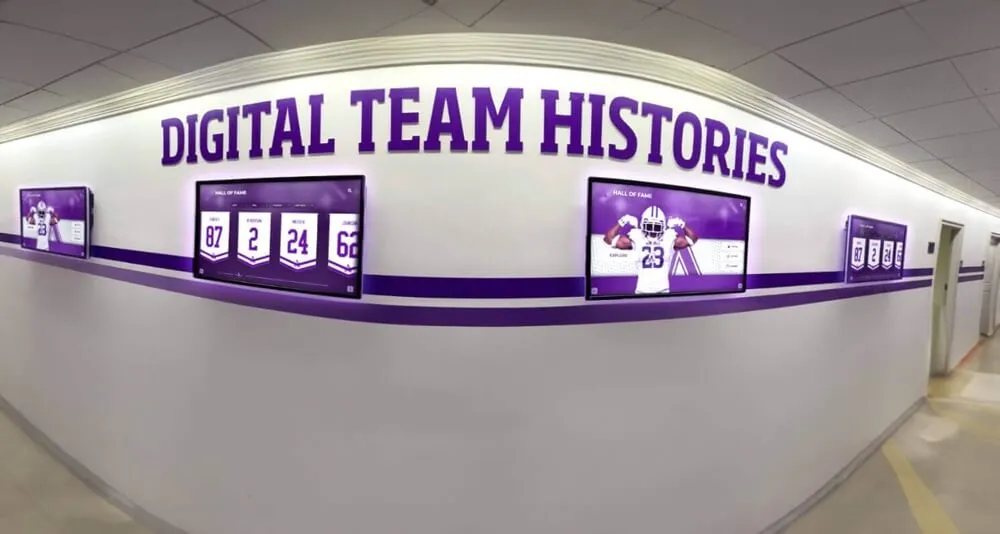
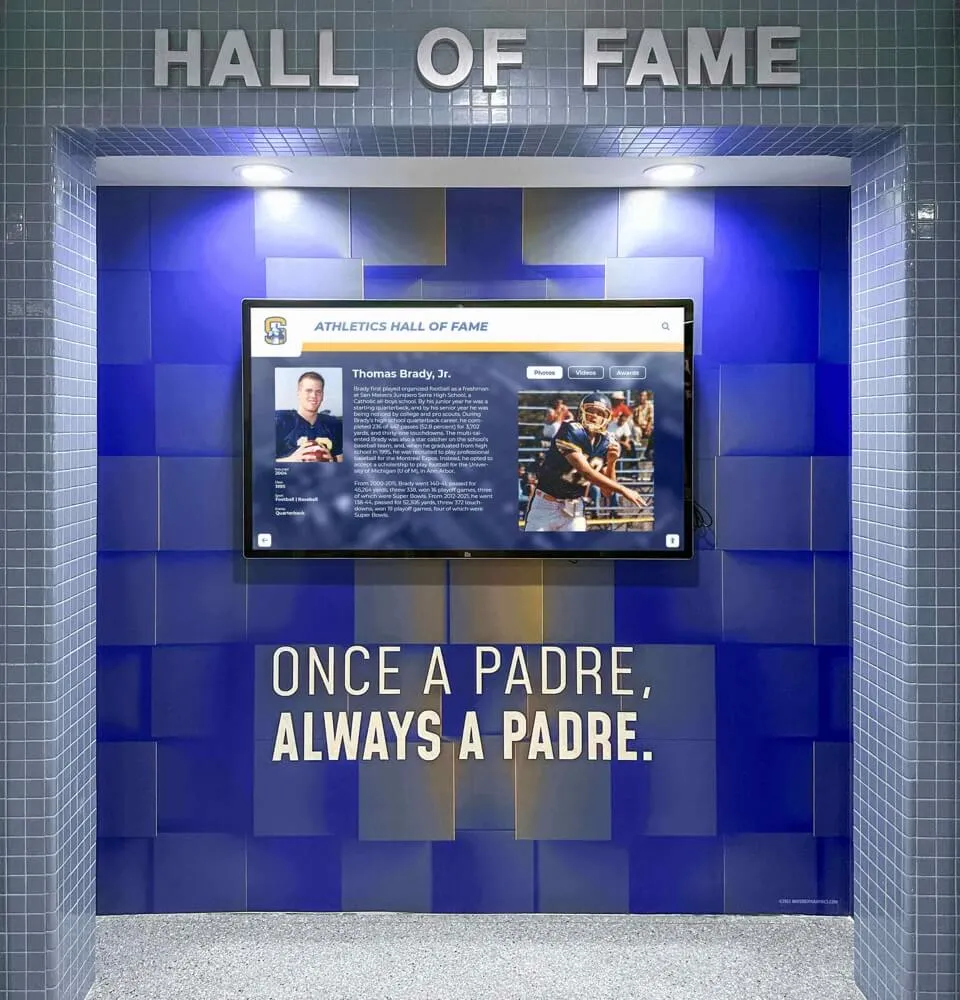
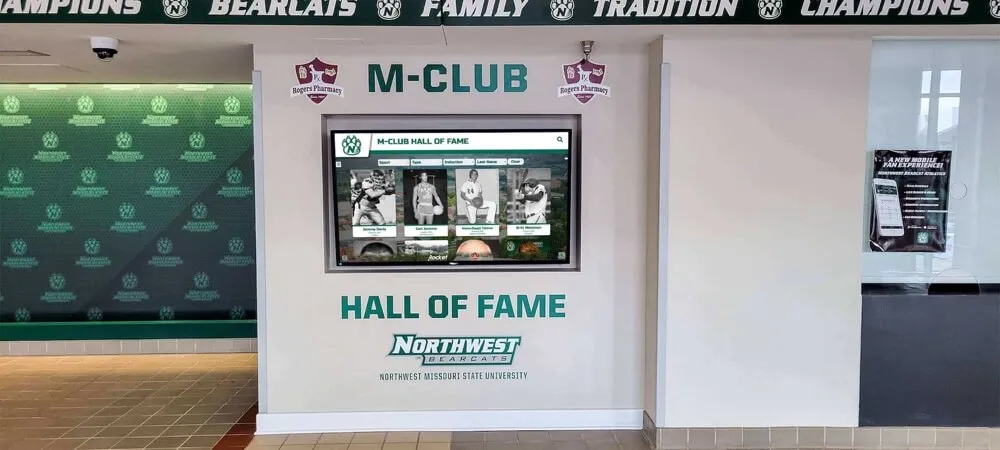
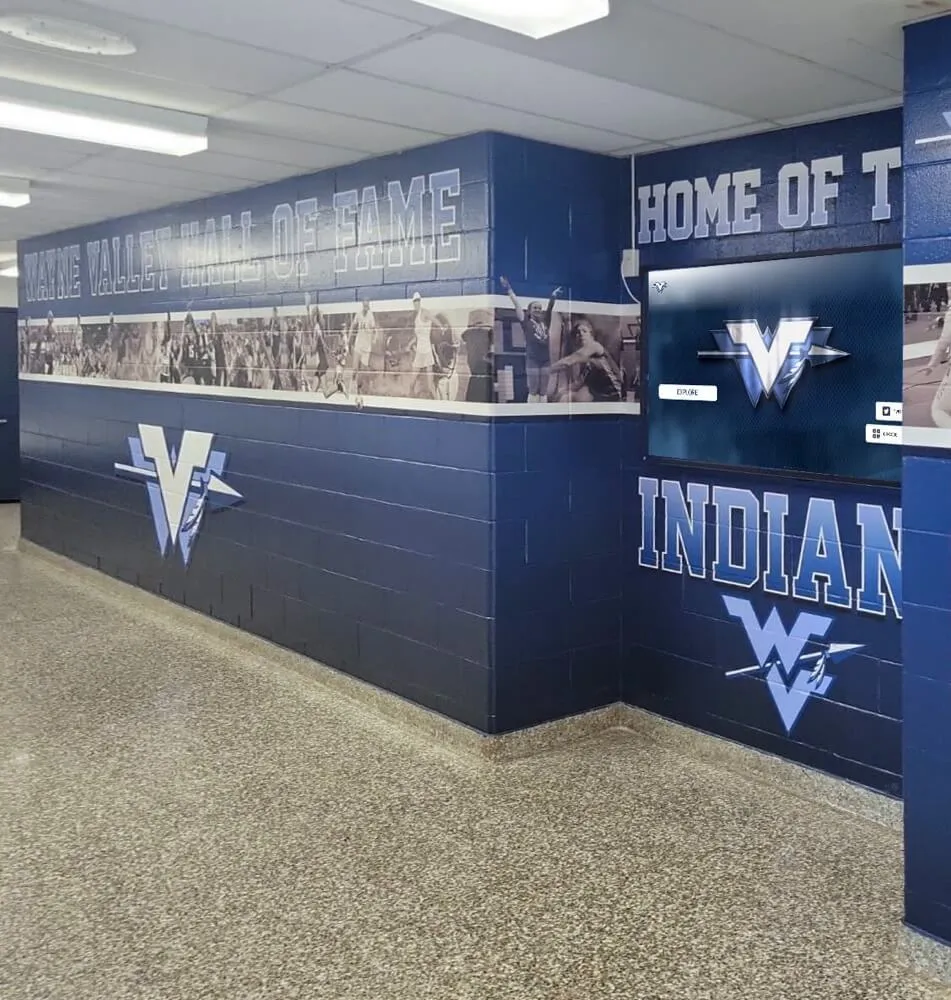
Permanent Display Installation: If your hall of fame includes physical displays, ensure newly inducted members are added promptly after the ceremony. Modern interactive digital recognition systems allow immediate content updates, enabling inductee additions within days of ceremonies rather than waiting months for traditional plaques or display modifications.
Media and Publicity: Issue press releases with ceremony highlights, provide photos and information to local media outlets, share content through institutional communication channels and social media, and create archived coverage for institutional websites and publications.
Thank You Communications: Send thank you notes to inductees, their families, speakers and presenters, sponsors and donors, committee members and volunteers, and ceremony attendees, particularly those who traveled significant distances.
Adapting the Standard Order: Format Variations
While the program structure outlined above provides a solid foundation, different circumstances require thoughtful adaptations that maintain core principles while addressing specific constraints or opportunities.
Large Inductee Class Modifications
When recognizing 8+ inductees in a single ceremony, standard timing allocations create programs extending beyond reasonable duration limits. Consider these strategies:
Condensed Recognition Segments: Reduce per-inductee time by creating collective video tributes featuring multiple inductees, shortening biographical presentations to 60-90 seconds of key highlights, limiting acceptance remarks to 2 minutes strictly enforced, or using group photos rather than individual presentation moments.
Multiple Ceremony Sessions: Divide large classes across separate events—morning and afternoon sessions on the same day, consecutive weekends, or different ceremony formats (formal dinner for some inductees, reception for others). While this approach requires additional resources and coordination, it often provides better experiences than cramming excessive recognition into single overstuffed programs.
Category-Based Structure: Group inductees by category, sport, or era with collective introductions followed by brief individual moments. For example, introduce all athletic inductees from the 1990s together, show a collective tribute video, then have each step forward briefly to receive their recognition.
Small Intimate Ceremony Adaptations
Ceremonies recognizing 1-2 inductees allow deeper, more personal recognition that would be inappropriate for larger classes:
Extended Biographical Presentations: With fewer inductees, biographical segments can expand to 5-7 minutes, providing richer detail and more comprehensive achievement coverage without overall program becoming unwieldy.
Multiple Speakers: Rather than single presenters, invite several individuals to share different perspectives—former coaches, teammates, family members, and professional colleagues—creating multi-dimensional portraits of inductees.
Interactive Elements: Smaller gatherings enable Q&A sessions where inductees respond to questions from attendees, panel discussions among inductees about their experiences, or structured conversations between inductees and current students or athletes.
Virtual and Hybrid Ceremony Considerations
Post-pandemic reality includes virtual or hybrid ceremonies accommodating remote participants alongside in-person attendees:
Technical Infrastructure: Robust video streaming capabilities, remote speaker integration allowing virtual presenters to participate, and interactive elements enabling online attendees to submit questions or comments all require advance planning and technical support that exceed traditional ceremony requirements.
Pacing Adjustments: Virtual audiences have even shorter attention spans than in-person guests—tighten all segments, use more visual content, and plan total program duration at the shorter end of recommended ranges.
Engagement Strategies: Create specific moments acknowledging virtual attendees, use interactive polling or chat features strategically, and provide clear technical support for remote participants encountering connection issues.
Organizations developing comprehensive recognition programs increasingly plan for hybrid capabilities from the outset, recognizing that enabling remote participation significantly expands accessibility for inductees’ families, alumni living at distance, and community members unable to attend in person.
Common Ceremony Planning Pitfalls and How to Avoid Them
Even well-intentioned planning committees make predictable mistakes that undermine ceremony effectiveness. Understanding these pitfalls enables proactive prevention.
Timing and Pacing Failures
The Endless Ceremony: Programs that extend well beyond planned durations lose audiences, shortchange later inductees who receive recognition when guests are mentally checked out or physically departing, and create negative associations with future ceremonies.
Prevention: Build detailed run-of-show documents with specific time allocations for every segment, conduct full rehearsals that reveal actual timing versus planned timing, build 10-15% buffer time into total program estimates, and empower an experienced emcee to adjust pacing in real-time when segments run long.
Death by Monotony: Identical recognition segments repeated for multiple inductees without variation creates tedious, repetitive experiences that fail to honor any inductee effectively.
Prevention: Vary presentation order (some inductees get video then presenter, others get presenter then video), incorporate pacing breaks between inductee groups, use different presenters with distinct speaking styles and relationships to inductees, and create visual variety in staging and presentation approaches.
Audio/Visual Technical Failures
Nothing undermines professional ceremony atmosphere faster than technical problems—microphones that don’t work, video tributes that won’t play, sound system feedback, or visual presentations that look amateurish.
Prevention: Invest in professional AV support rather than relying on volunteer “tech-savvy” students or staff, conduct full technical rehearsals in the actual venue with all equipment that will be used during the ceremony, create backup plans for all critical technical elements (backup audio systems, video files on multiple devices, printed materials if digital displays fail), and test all multimedia content thoroughly days before the ceremony.
Poor Script Development and Speaker Management
Unprepared speakers who ramble, awkward transitions between program segments, and lack of clear scripting create amateur feel even when other elements are professional.
Prevention: Develop comprehensive ceremony scripts with exact language for all transitions and introductions (not just bullet points), distribute scripts to all participants well in advance with clear expectations they’ll follow provided language, rehearse all speakers and establish time limits with mechanisms for gentle cutoff if speakers exceed limits, and assign an experienced emcee who can recover gracefully when off-script moments occur.
Inequitable Inductee Recognition
Perhaps the most damaging mistake is creating perception that some inductees received more thorough, enthusiastic, or dignified recognition than others—whether through actual time differences, quality variations in video tributes or biographical content, or simply scheduling that places some inductees at program moments when audience attention is higher.
Prevention: Establish quality standards for all recognition elements (video tributes of comparable length and production value, biographical content developed with consistent frameworks, equal time allocations), rotate program order if conducting multiple ceremonies so no inductee category always appears early or late, and review all content before ceremony to ensure comparable quality and appropriate honor for all inductees.
Inadequate Family Accommodation
Inductees’ families are the most important ceremony attendees, yet planning committees sometimes fail to accommodate their needs appropriately—insufficient seating for extended families, poor sight lines from family tables, or inadequate time for family members to participate in photo opportunities and personal celebration.
Prevention: Reserve prominent seating for inductee families with clear sight lines and proximity to presentation areas, allocate adequate time for family participation in photos and recognition moments, communicate clearly with families about ceremony schedule and logistics well before the event, and designate staff or volunteers specifically to attend to family needs during the ceremony.
Creating Professional Ceremony Materials
The quality of printed programs, visual presentations, and other ceremony materials significantly influences guest perception of the event’s professionalism and the honor being bestowed.
Printed Programs
Well-designed printed programs serve multiple functions—providing ceremony agenda and timing, sharing inductee biographies and photos for guests unfamiliar with honorees, acknowledging sponsors, donors, and contributors, and creating keepsakes that inductees and families treasure for years.
Essential Program Contents:
- Cover with ceremony name, date, location, and institutional branding
- Welcome message from institutional leadership or hall of fame chair
- Complete agenda with program order and timing
- Individual inductee pages with photos, biographical summaries, and key achievements
- Selection committee roster and acknowledgments
- Hall of fame mission statement and selection criteria
- Historical information about the hall of fame and previous inductees
- Sponsor recognition (if applicable)
Production quality should match ceremony formality—major gala events warrant professionally designed and printed materials, while smaller ceremonies might use high-quality in-house design and printing. The key is ensuring content is accurate, well-written, and visually professional rather than obviously amateur.
Presentation Slides and Visual Content
For ceremonies using projected visual content (inductee photos during recognition, organizational branding during speeches, etc.), maintain consistent design standards across all slides and maintain visual simplicity—overcrowded slides compete with speakers rather than supporting them, use high-resolution photos that project clearly, and test all visual content in the actual venue at projected size.
Physical Recognition Items
The plaques, trophies, rings, or other items presented to inductees carry symbolic weight beyond their material value—these tangible symbols represent the institution’s gratitude and the inductee’s permanent connection to the hall of fame.
Quality matters significantly. Cheap-looking plaques or poorly designed recognition items undermine the honor being bestowed. Investment in professional, well-crafted recognition items demonstrates that the institution values inductees appropriately and takes the hall of fame seriously.
Many organizations maintain consistent design standards across years, creating visual cohesion across inductee classes while allowing individual customization with photos, achievement details, and induction year.
Measuring Ceremony Success and Continuous Improvement
Thoughtful organizations treat each ceremony as both a celebration and a learning opportunity, systematically gathering feedback and refining future events based on experience.
Success Metrics to Track
Beyond subjective satisfaction, consider measuring attendance rates (what percentage of invited guests attended?), inductee participation (did all living inductees attend or were there significant absences?), actual timing versus planned timing for all program segments, feedback ratings from attendees, inductees, and participants, media coverage quantity and quality, and social media engagement with ceremony content.
Gathering Actionable Feedback
Within a week after each ceremony, survey inductees, families, attendees, and participants about their experience. Ask specific questions: “What program elements were most meaningful?”, “What segments felt too long or could be condensed?”, “How was the venue, food quality, and overall atmosphere?”, and “What would you change about the ceremony format?”
Honest feedback often reveals disconnects between what planning committees think is important and what attendees actually value—you might discover that guests care less about the keynote speaker than you assumed, or that video tributes create far more emotional impact than lengthy biographical readings.
Documenting Institutional Knowledge
Create detailed post-ceremony documentation including actual run-of-show with real timing for all segments, challenges encountered and how they were addressed, vendor assessments and recommendations, successful elements to maintain in future ceremonies, and elements to modify or eliminate.
This institutional knowledge prevents repeated mistakes when committee membership turns over and provides foundational guidance for future ceremony planning teams. Many successful programs maintain ceremony planning binders or digital files that accumulate wisdom across multiple years.
Similar to how schools benefit from systematic athletic recognition approaches, ceremony planning improves when organizations apply continuous improvement principles rather than starting from scratch each cycle.
Budget Planning for Hall of Fame Induction Ceremonies
Ceremony costs vary dramatically based on format, scale, and institutional resources, but thoughtful budget planning prevents financial surprises while ensuring appropriate investment in honoring inductees.
Major Budget Categories
Venue and Catering (typically 50-65% of total budget): Facility rental fees, meal costs per person, bar service and beverages, linens, tables, chairs, and room setup, service staff and gratuity, and parking or valet services.
Catering represents the single largest expense for most dinner-format ceremonies. Obtaining multiple quotes and negotiating package pricing can generate significant savings while maintaining quality standards.
Audio/Visual and Production (typically 15-25% of total budget): Professional sound system and microphone setup, projection equipment and screens, lighting design and execution, video production for tribute content, live streaming or recording services, and technical staff for setup, operation, and breakdown.
This category is where amateur cost-cutting most frequently undermines ceremony quality. Professional AV support might seem expensive until technical failures ruin otherwise well-planned programs.
Recognition Items and Materials (typically 10-15% of total budget): Plaques, trophies, rings, or other presentation items, printed programs and ceremony materials, photography and videography, and signage, table decorations, and other physical elements.
Marketing and Communications (typically 5-10% of total budget): Invitation design and printing or digital distribution, promotional materials and advertising, and media outreach and press kit development.
Cost Management Strategies
Organizations with limited budgets can still create meaningful ceremonies through strategic decisions: choosing reception formats over plated dinners (significant cost reduction with minimal impact on recognition quality), limiting inductee class size to reduce recognition item costs and program length, leveraging institutional resources (school cafeterias, gymnasiums, or auditoriums instead of external venues), recruiting volunteer support for tasks not requiring professional expertise, and securing sponsors to offset costs while acknowledging their support appropriately.
The fundamental principle is investing wisely in elements that directly honor inductees and create meaningful experiences while finding efficiencies in less critical areas.
Leveraging Technology for Enhanced Recognition
Modern technology enables recognition experiences that weren’t possible a decade ago, extending ceremony impact beyond single-evening events into year-round engagement.
Interactive Digital Hall of Fame Displays
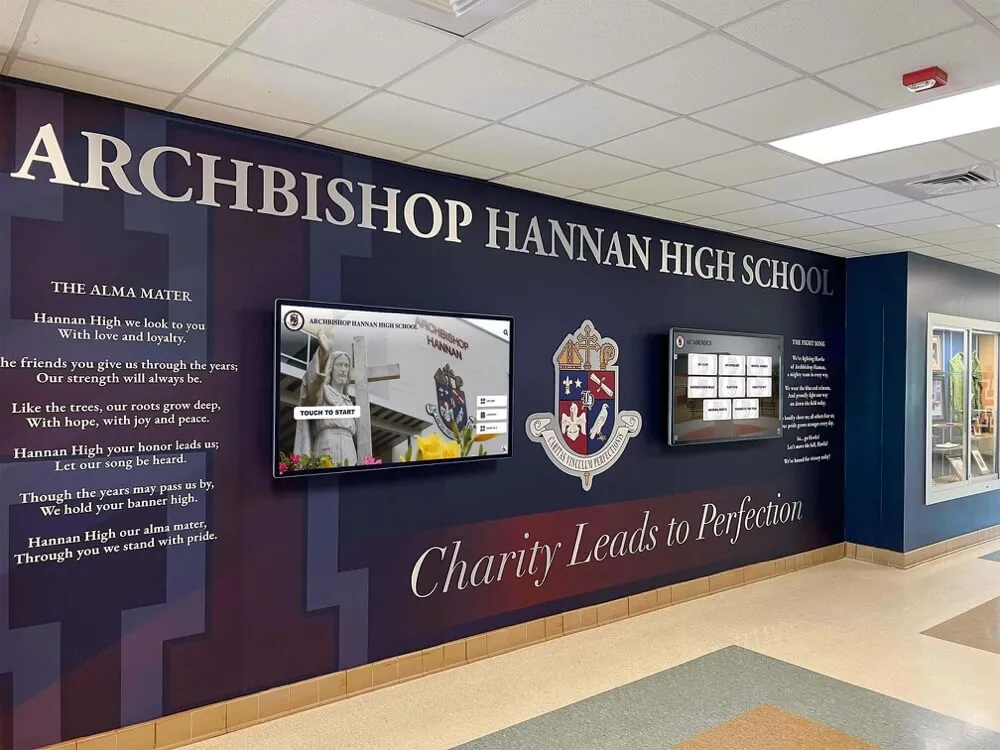
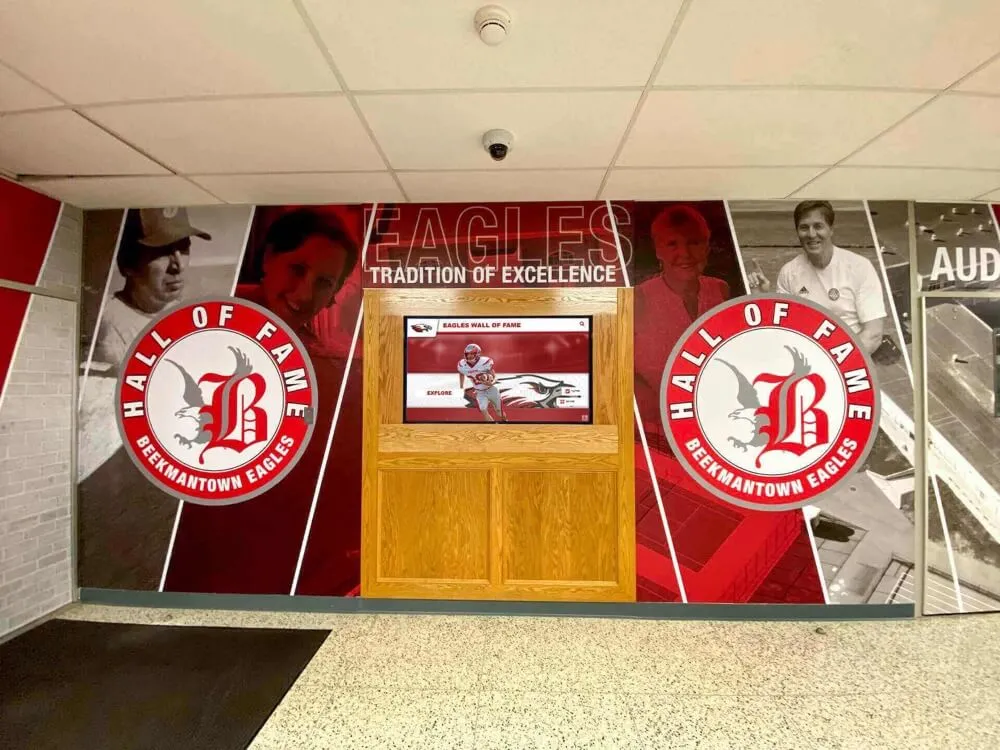
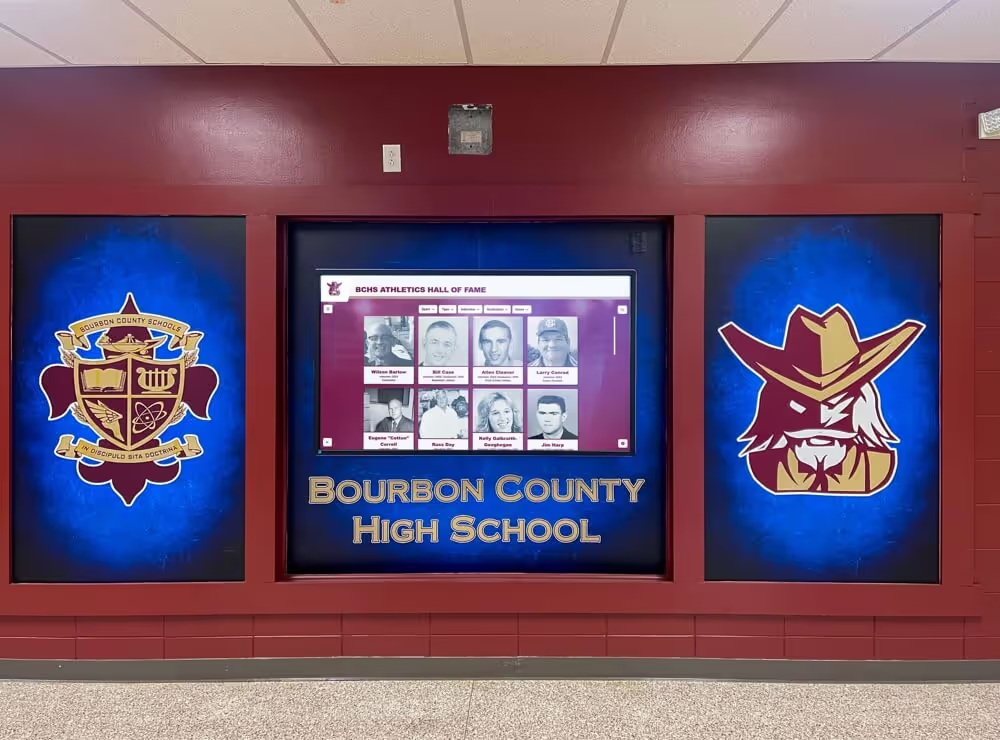
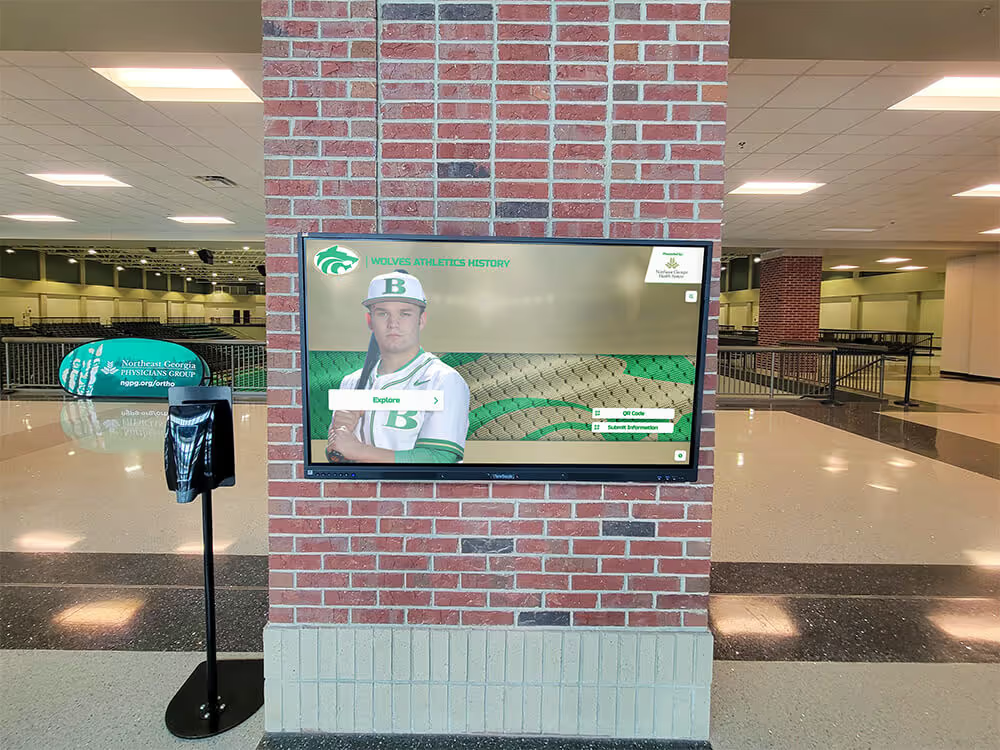
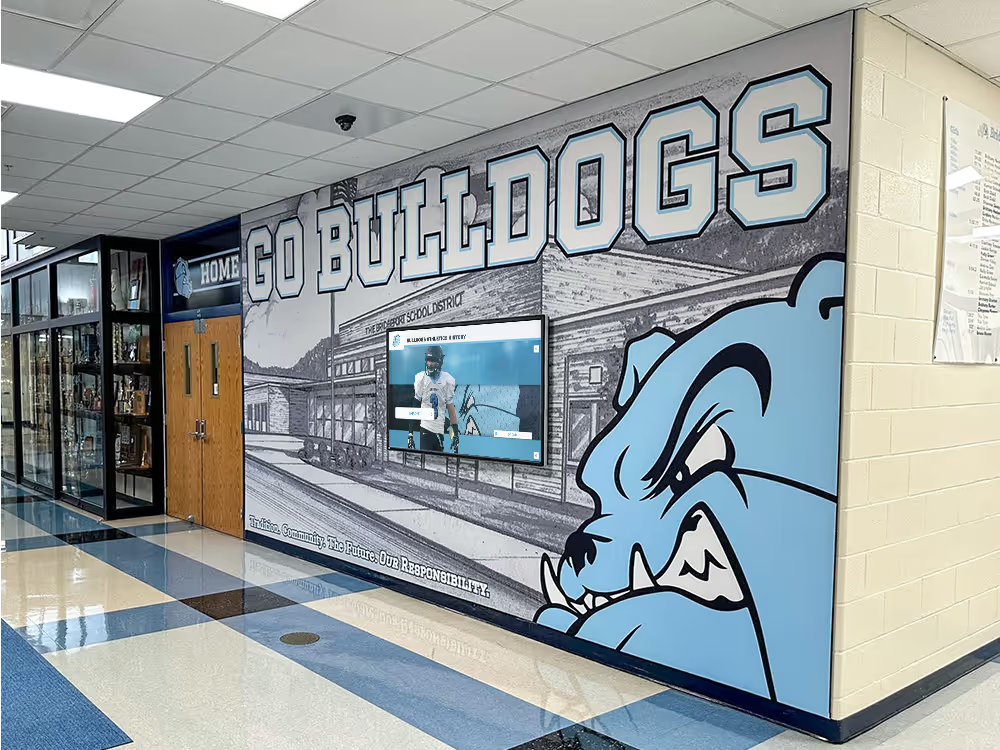
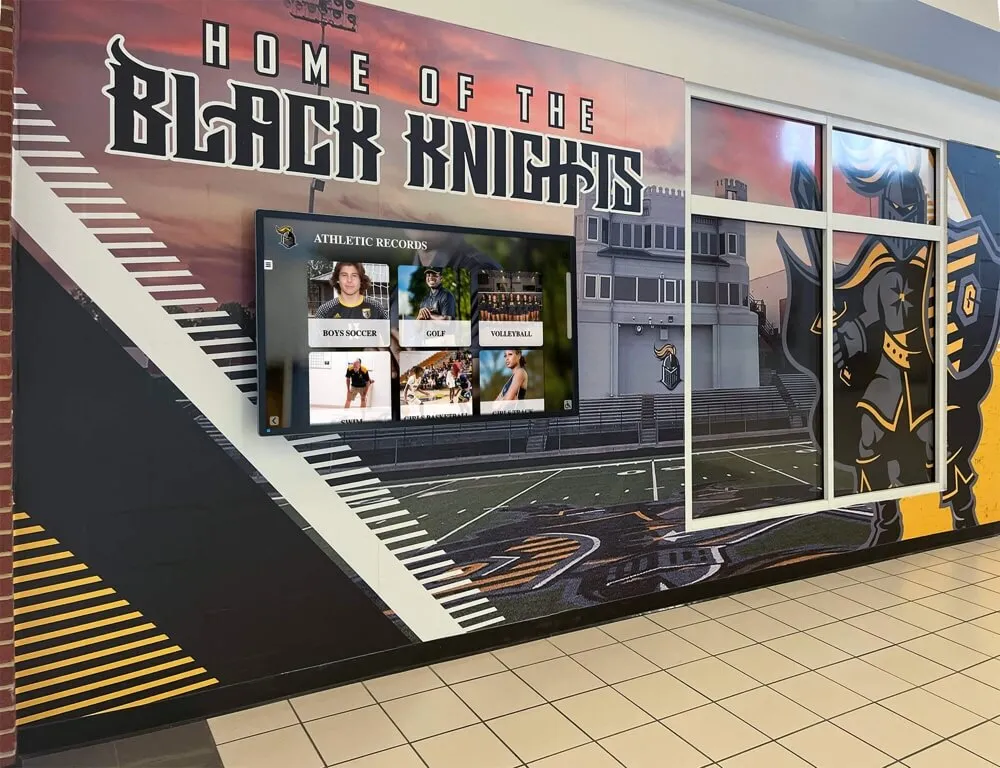
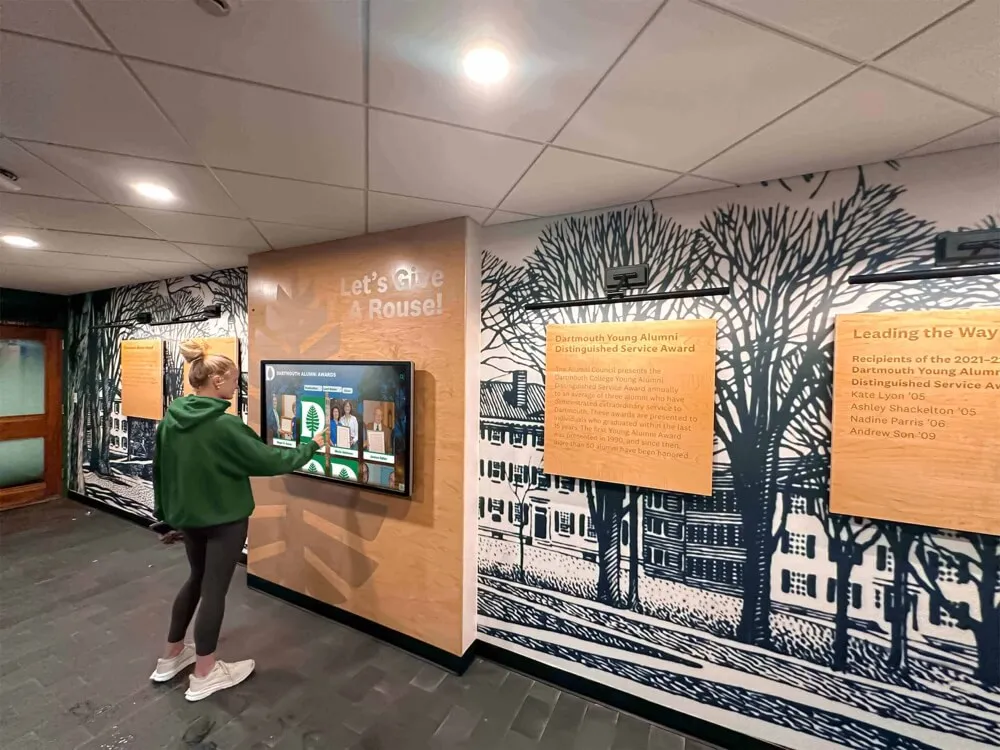
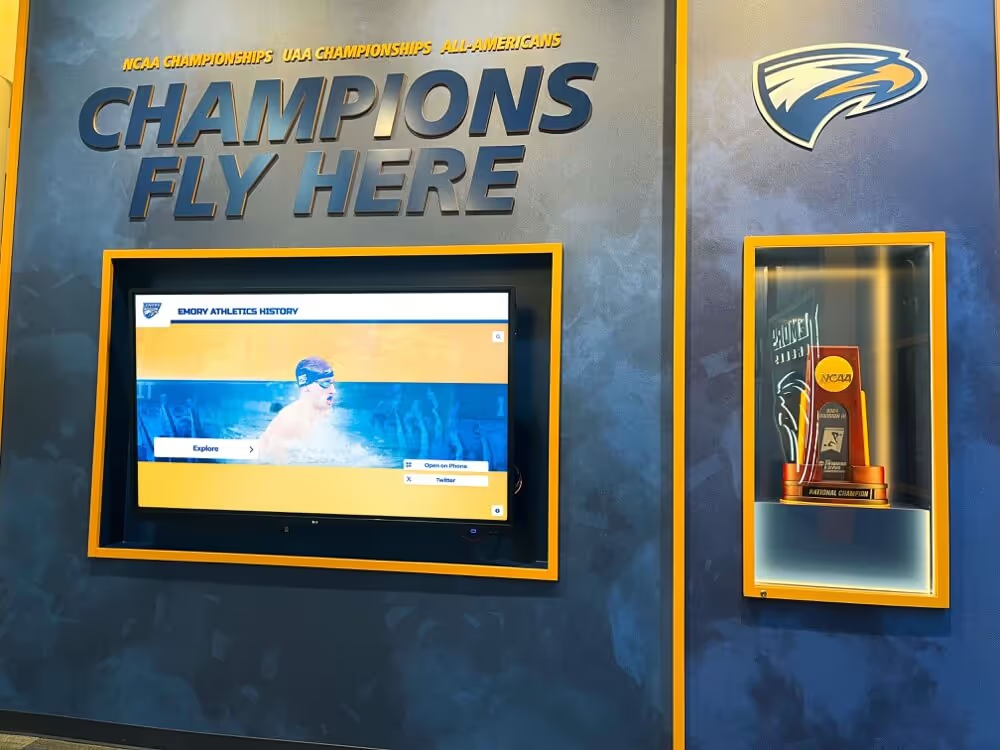
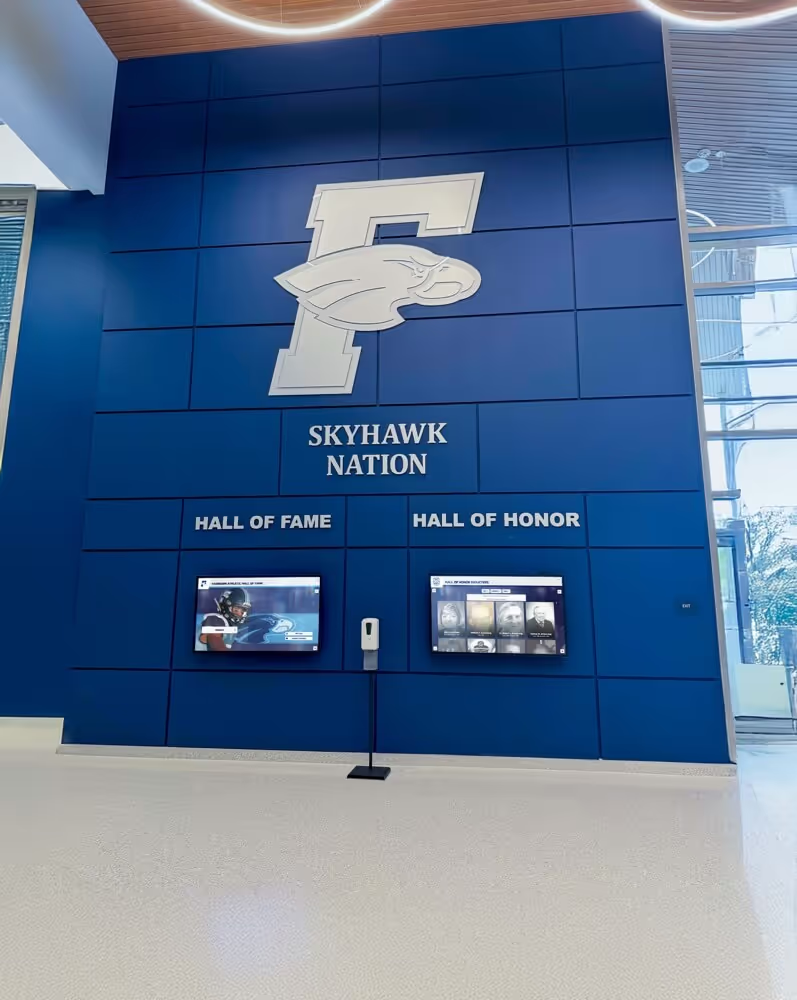
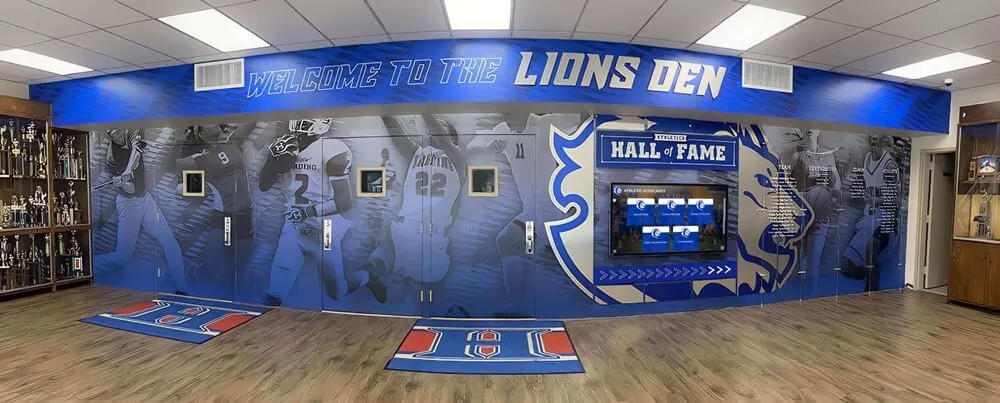
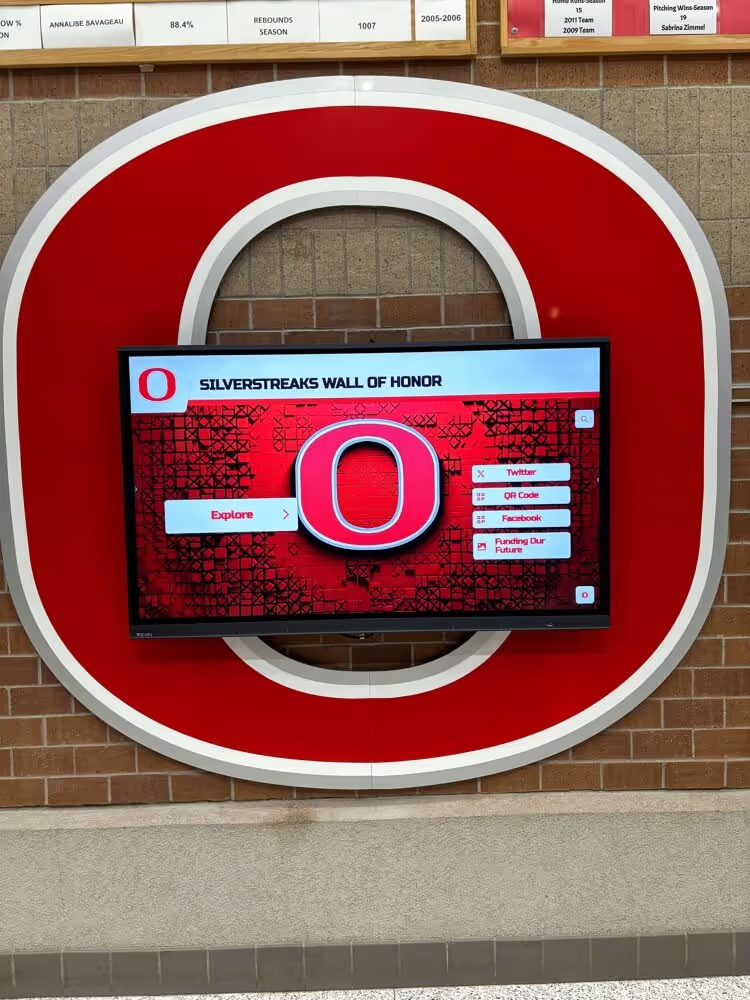
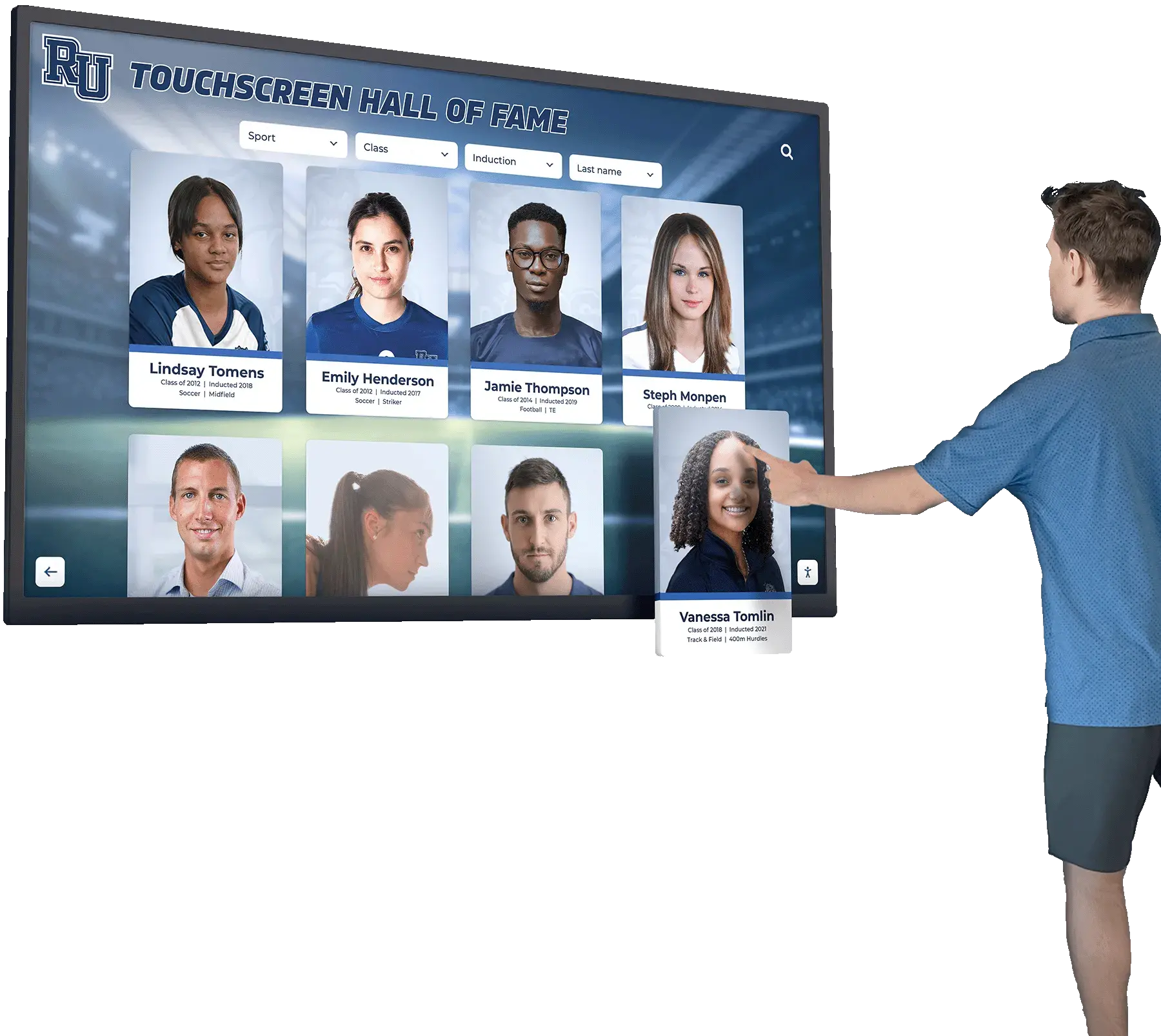
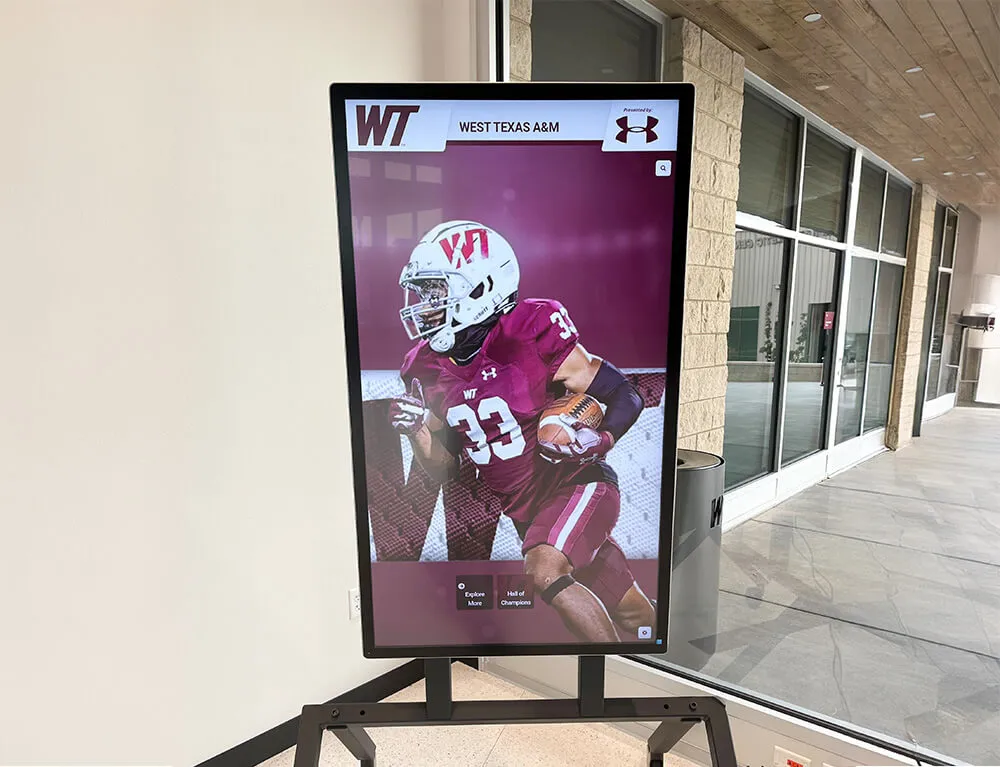
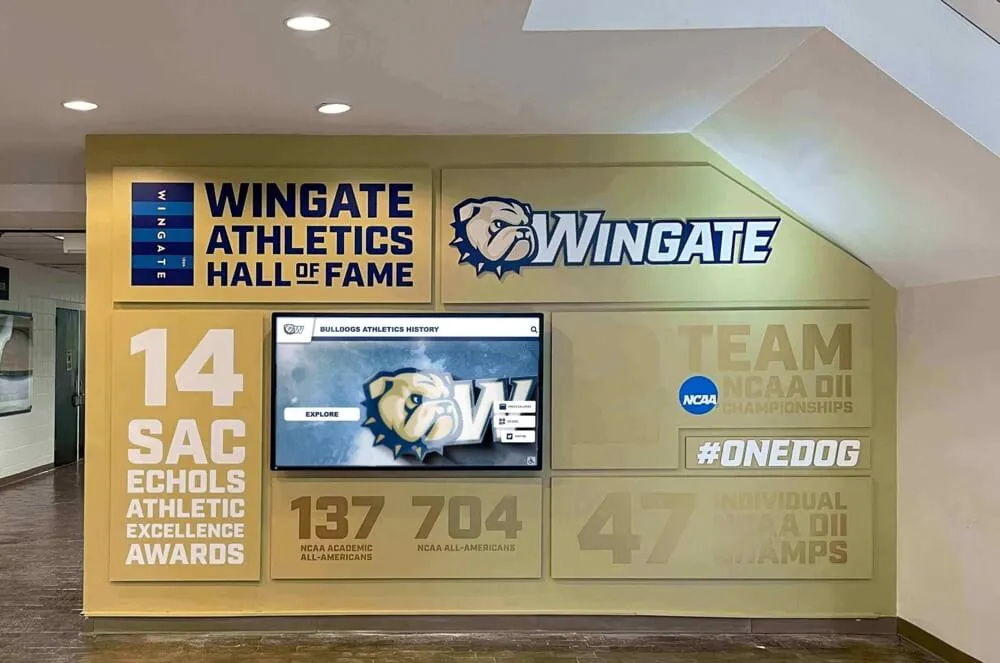
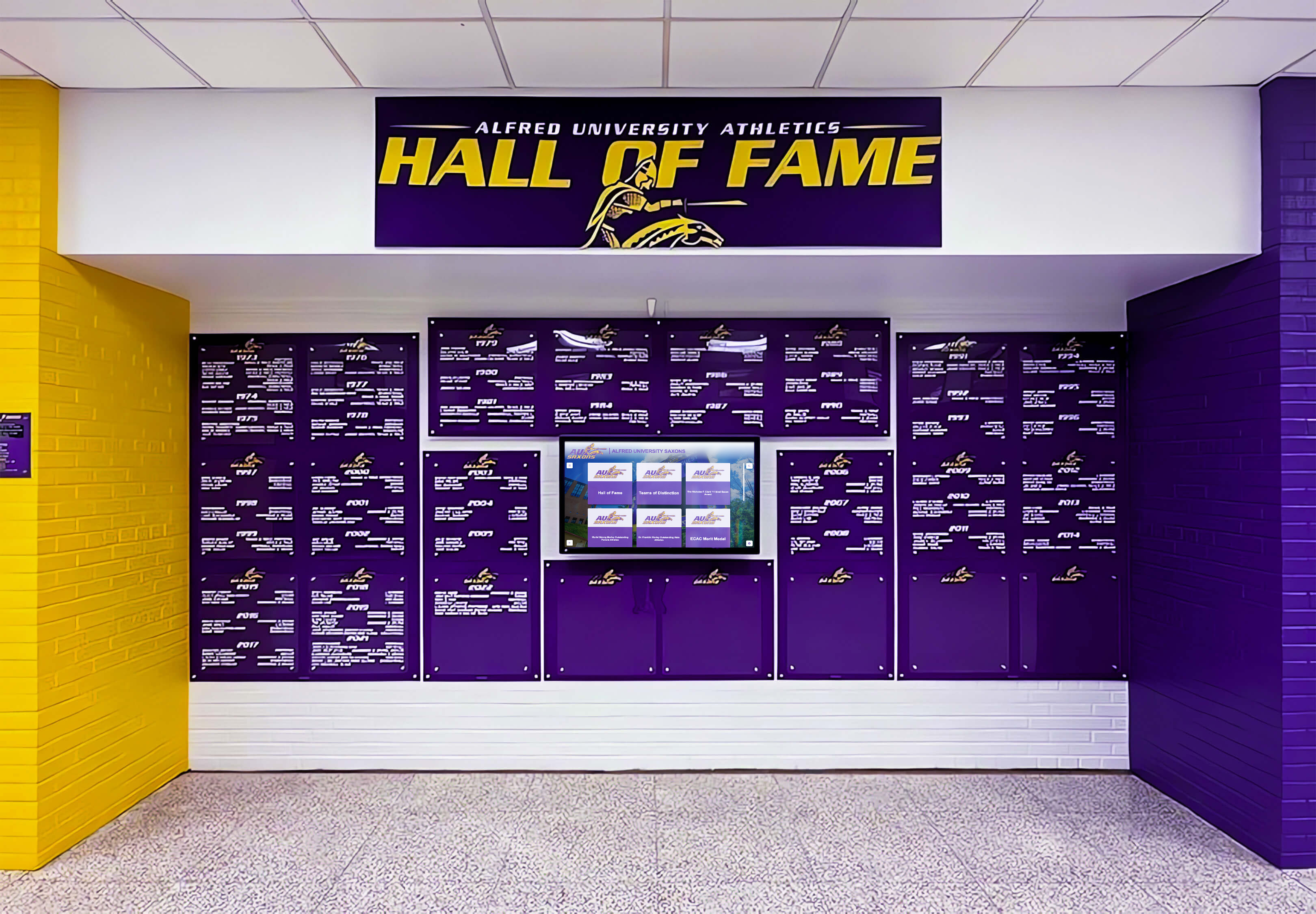
Rather than static plaques that remain unchanged after initial installation, interactive digital displays allow dynamic content updates, multimedia presentations, searchable databases, and engaging user experiences.

Schools installing these systems create permanent recognition venues that complement induction ceremonies—ceremony attendees can explore comprehensive inductee histories beyond what ceremony time constraints allow, current students can engage with hall of fame content throughout the year, and the displays become institutional focal points that maintain recognition visibility.
Organizations exploring athletic recognition display options increasingly choose digital solutions that integrate with ceremony programs, using the same content libraries, photos, and video tributes in both contexts.
Virtual Ceremony Elements and Ongoing Engagement
Beyond traditional streaming, technology enables remote presenter participation (allowing presenters who can’t attend physically to contribute via video), asynchronous content access (making ceremony recordings and materials available to those unable to attend), and social media integration encouraging attendees and remote viewers to share experiences and congratulate inductees.
Post-ceremony, digital platforms enable ongoing engagement through online galleries featuring ceremony photos and videos, digital yearbooks or archives documenting each inductee class, and alumni networks connecting inductees across different years and categories.
Conclusion: Creating Ceremonies That Honor Inductees Appropriately
Successful hall of fame induction ceremonies balance multiple competing priorities—honoring inductees with appropriate dignity and comprehensive recognition, engaging audiences throughout programs that maintain energy and avoid tedium, managing time efficiently so ceremonies don’t extend beyond reasonable durations, creating emotional peaks that make events memorable for participants, and executing professional production quality that reflects institutional values.
The program order and timing strategies outlined in this guide provide frameworks that address these priorities, but the most important ingredient in effective ceremonies can’t be prescribed: genuine appreciation for inductees and commitment to honoring their achievements appropriately. When planning committees approach ceremonies with authentic desire to celebrate inductees rather than merely executing obligatory events, that sincerity manifests in countless small decisions that collectively create meaningful experiences.
Organizations building comprehensive recognition programs understand that induction ceremonies represent important moments in ongoing institutional commitment to honoring achievement and inspiring excellence. The ceremony itself—powerful as it may be—serves as the public celebration of recognition that continues through permanent displays, institutional archives, and community memory.
Take Your Hall of Fame Recognition to the Next Level
If you’re planning a hall of fame induction ceremony or exploring recognition solutions that extend beyond single-evening events, Rocket Alumni Solutions provides comprehensive digital recognition systems that transform how schools and organizations honor distinguished members. Our interactive touchscreen displays integrate seamlessly with induction ceremony content, creating year-round engagement that keeps inductee stories visible and accessible to current students, visitors, and community members.
Explore how Rocket Alumni Solutions can enhance your hall of fame program with modern digital recognition technology that honors achievements with the professionalism and impact they deserve.