



Key Takeaways
Complete guide to planning memorable hall of fame induction ceremonies at schools. Learn selection criteria, event logistics, recognition strategies, and how to create lasting tributes that honor your athletic legends with dignity and celebration.
Athletic halls of fame represent the highest honor most schools bestow upon their greatest competitors, coaches, and contributors—permanent recognition that these individuals achieved excellence worthy of remembrance long after their playing days concluded. Yet the induction ceremony itself determines whether this lifetime achievement feels genuinely meaningful or perfunctory, transforming institutional recognition into personal celebration that inductees, families, and communities remember for decades. A poorly planned ceremony reduces momentous recognition to rushed formalities, while thoughtfully orchestrated events create emotional experiences honoring both individual achievement and program legacy.
This comprehensive guide provides practical frameworks for planning hall of fame induction ceremonies that properly honor athletic legends while creating memorable experiences for inductees, families, current athletes, alumni, and broader school communities. Whether establishing your first induction class or refining existing ceremony traditions, these strategies help transform formal recognition into celebratory events that reflect the significance of permanent hall of fame enshrinement.
Understanding Hall of Fame Induction Significance
Before addressing ceremony logistics and planning details, athletic directors and hall of fame committees must recognize what makes induction genuinely meaningful versus merely another awards event.
The Permanent Nature of Hall of Fame Recognition
Hall of fame induction differs fundamentally from seasonal awards, championship recognition, or annual athletic honors in one crucial aspect: permanence. While “athlete of the year” designations last twelve months before new recipients replace previous honorees, hall of fame enshrinement represents permanent institutional acknowledgment that an individual’s contributions warrant perpetual remembrance.
This permanence creates both opportunity and obligation. Schools gain opportunities to establish enduring standards of excellence, document program history through honored individuals, and create traditions connecting past achievement to present aspiration. Yet permanence also obligates careful selection—inductees represent not merely great athletes or successful seasons, but individuals whose character, achievement, and contributions merit permanent association with institutional identity and values.
Ceremonies honoring permanent recognition require corresponding gravitas. Events that feel hastily organized, insufficiently planned, or treated as routine formalities undermine the significance schools ostensibly place on hall of fame membership. If induction truly represents your institution’s highest athletic honor, the ceremony must reflect that status through thoughtful planning, appropriate resources, and genuine celebration befitting lifetime achievement recognition.
Ceremonies as Legacy-Building Opportunities
Well-executed induction ceremonies accomplish far more than honoring individual inductees—they strengthen institutional culture, inspire current athletes, engage alumni communities, and reinforce athletic program values for everyone attending.
Inspiring Current Athletes: When student athletes attend induction ceremonies hearing detailed accounts of inductees’ dedication, sacrifice, competitive excellence, and character, they gain tangible understanding of program standards and achievable excellence. Current players observing past legends honored for sustained commitment see concrete examples of what their program values beyond immediate wins and losses—persistence through adversity, leadership development, academic achievement alongside athletic success, and lasting contributions extending beyond playing careers.
Engaging Alumni Networks: Induction ceremonies create natural reunion opportunities as former teammates, classmates, and community members gather celebrating shared experiences and connections to honored individuals. These gatherings strengthen alumni engagement while providing current program leaders opportunities to reconnect with graduates, update them on program developments, and cultivate ongoing support relationships with invested community members who value athletic tradition.
Documenting Program History: Each ceremony adds another chapter to program narrative, documenting not merely statistics and championship achievements but also human stories of dedication, transformation, and excellence. Over time, accumulated induction stories create rich institutional memory demonstrating how programs shaped individuals while individuals shaped programs—reciprocal relationships that transcend transactional athletic participation.
Reinforcing Institutional Values: Selection criteria and induction narratives communicate what schools genuinely value. Programs honoring only championship statistics send different messages than those recognizing character, leadership, and positive influence alongside competitive achievement. Ceremony content—which accomplishments receive emphasis, what stories get told, which values get celebrated—teaches everyone present what your institution truly honors beyond stated mission statements.
Balancing Celebration and Solemnity
Effective induction ceremonies balance celebratory atmosphere with appropriate formality, creating events that feel simultaneously joyful and dignified—celebrations honoring serious achievement rather than somber obligations or informal parties.
Finding this balance requires thoughtful consideration of ceremony tone, venue selection, program structure, and presentation style. Events that lean too heavily toward formal solemnity risk feeling stiff, uncomfortable, or emotionally distant—honoring achievement while preventing authentic celebration and connection. Conversely, ceremonies emphasizing only celebration without corresponding dignity may feel insufficiently serious, reducing lifetime achievement recognition to casual social gatherings that fail to reflect honor significance.
The most successful ceremonies establish dignified frameworks—formal welcome, structured program, respectful presentation—while creating space within that structure for genuine emotion, personal storytelling, humor, and celebratory joy. Inductees should feel simultaneously honored by ceremony gravitas and embraced by warm celebration of their achievements and character.
Establishing Selection Criteria and Nomination Processes
Before planning ceremonies, schools must establish clear selection criteria and transparent nomination processes ensuring inductees truly merit permanent recognition while maintaining community confidence in hall of fame integrity.
Developing Clear Eligibility Requirements
Waiting Period Requirements: Most successful hall of fame programs require significant time between athletic participation conclusion and induction eligibility, ensuring perspective on career significance while avoiding recency bias favoring recently graduated athletes.
Common waiting periods range from five years (allowing early career achievement recognition for exceptional cases) to fifteen years (ensuring sufficient time assessing lasting impact and continued character demonstration). Ten-year waiting periods represent popular middle ground—enough time for objective evaluation without requiring decades before recognition. Coaches and contributors often face different waiting periods than athletes, reflecting career trajectory differences and varied contribution assessment timelines.
Some programs establish tiered eligibility: initial eligibility after ten years with greater probability of selection after fifteen or twenty years as career significance becomes clearer. This approach balances desire recognizing deserving individuals without excessive delay against prudence ensuring hall of fame membership truly represents sustained excellence rather than momentary achievement.
Minimum Achievement Standards: Clear baseline criteria help nominators and committees distinguish between excellent athletes who contributed positively to programs versus truly exceptional individuals meriting permanent hall of fame recognition.
Achievement standards might include conference championships, state tournament appearances, individual awards, statistical milestones, or length of distinguished contribution. However, rigid quantitative criteria risk overlooking transformative individuals whose impact transcended statistics—captains who elevated team culture, athletes who overcame extraordinary circumstances, pioneers who established programs, or contributors whose behind-scenes work enabled others’ success.
The most effective approaches establish guideline standards while preserving committee discretion recognizing exceptional cases where quantitative criteria alone cannot capture full significance. Hall of fame membership should reflect genuinely elite achievement, not merely above-average participation.
Character and Conduct Requirements: Given hall of fame induction’s permanence and institutional values reflection, many schools require nominees demonstrate not only athletic excellence but also character worthy of permanent association with school identity.
Character criteria might include sportsmanship, academic achievement, leadership, positive influence on teammates, community contribution, and conduct aligning with institutional values both during athletic careers and subsequent years. These standards acknowledge that schools honor complete individuals, not merely athletic performance in isolation from character and values.
However, character requirements demand thoughtful application. Rigid standards requiring perfect conduct risk excluding flawed but transformative individuals whose overall contributions merit recognition despite past mistakes. Conversely, ignoring character entirely may result in inducting individuals whose achievements came through means or behaviors contradicting institutional values, undermining hall of fame credibility and sending confused messages about what schools genuinely honor.
Creating Transparent Nomination Processes
Open Nomination Windows: Successful programs establish regular nomination periods allowing broad community participation while preventing continuous year-round nomination processing that strains committee resources.
Annual nomination windows opening 4-6 months before anticipated induction ceremonies allow adequate time for nomination collection, committee review, deliberation, and finalist selection while maintaining manageable timelines. Clear communication about nomination deadlines, required information, and submission processes ensures potential nominators understand how to properly advocate for deserving candidates.
Nomination Form Requirements: Structured nomination forms gathering consistent information about all candidates enable fair committee evaluation while ensuring nominators provide comprehensive achievement documentation rather than general recommendations lacking specific support.
Effective nomination forms request: candidate biographical information, athletic career details including statistics, awards, and achievement highlights, post-athletic career information demonstrating continued character and contribution, specific examples illustrating leadership, sportsmanship, or transformative impact, and nominator explanation of why this individual merits permanent hall of fame recognition.
Requiring nominators provide detailed supporting information improves nomination quality while demonstrating serious consideration rather than casual suggestions. However, forms should balance thoroughness against accessibility—excessively burdensome requirements may discourage nominations from community members lacking extensive documentation resources.
Selection Committee Composition: Hall of fame selection committees require diverse representation ensuring various perspectives, institutional knowledge, and community confidence in selection integrity.
Effective committees often include: athletic director or designee providing current program perspective, athletic hall of fame representatives offering historical continuity, alumni representatives ensuring graduate voice, community members contributing external perspective, and coaching staff representation (often without voting authority on sport-specific nominations to avoid conflicts). Rotating membership with staggered terms prevents stagnation while maintaining institutional memory.
Committee independence matters significantly for credibility. While athletic directors typically oversee hall of fame operations, selection committees must possess genuine authority making induction decisions rather than merely rubber-stamping administrative preferences. Community confidence requires transparent processes and committee autonomy.
Planning the Induction Ceremony Event
Once inductees are selected, attention shifts to creating ceremonies that properly honor their achievements through thoughtful logistics, meaningful programming, and celebratory atmosphere.
Selecting Appropriate Venues and Timing
Venue Considerations: Ceremony venue significantly impacts event atmosphere, attendance capacity, and perceived importance of the recognition being bestowed.
On-campus venues including auditoriums, gymnasiums, or athletic facilities create direct connection to locations where inductees achieved excellence while eliminating rental costs. These spaces feel authentic and traditionally appropriate while providing natural backdrop for athletic recognition. However, institutional spaces may lack inherent atmosphere requiring substantial decoration efforts, offer limited catering options, or feel too familiar to communicate special occasion significance.
Off-campus venues including hotels, conference centers, banquet halls, or country clubs provide more elegant atmospheres with professional catering, established event infrastructure, and distinctive settings that help ceremonies feel like special occasions distinct from routine school functions. Yet external venues increase costs, create travel requirements potentially limiting attendance, and may feel disconnected from athletic facilities where honored achievements actually occurred.
The most appropriate venue depends on ceremony vision, budget constraints, expected attendance, and local options. Regardless of location, venues should provide: adequate capacity for anticipated attendance, quality audio/visual capabilities for presentations, appropriate ambiance balancing formality with celebration, and accessibility for all guests including elderly inductees or those with mobility limitations.
Timing Strategies: Strategic ceremony timing influences attendance, conflicts with competing events, and symbolic connection to athletic seasons or school traditions.
Homecoming Weekend Alignment: Scheduling induction ceremonies during homecoming creates natural synergy between hall of fame recognition and alumni return celebrations. Homecoming typically draws large alumni crowds already on campus, provides existing festival atmosphere, and connects hall of fame honors to broader school tradition celebrations. Inductees benefit from larger audiences while homecoming gains additional programming substance. However, busy homecoming schedules may limit ceremony length, and athletic events competing for attention may reduce focused recognition of inductees.
Sport Season Connections: Inducting athletes during their sport’s active season creates meaningful connection between past legends and current competitors. Football hall of fame inductees recognized during football season can watch current teams play, interact with present players, and ceremonially pass tradition to new generations. This timing reinforces continuity while inspiring current athletes. However, season-specific timing may exclude multi-sport inductees’ full athletic careers or make attendance difficult for inductees living distant who cannot easily return multiple times annually.
Standalone Events: Designating specific dates annually for hall of fame ceremonies regardless of other events gives inductions undivided attention while establishing predictable tradition facilitating inductee travel planning. Standalone ceremonies become signature events on athletic department calendars rather than secondary programming within larger celebrations. However, drawing sufficient audiences to standalone events requires stronger marketing while lacking built-in attendance from homecoming or sport-specific gatherings.
Many programs find spring timing works well—after winter sport conclusions, before year-end graduations, and during pleasant weather enabling outdoor social components. Spring timing also avoids autumn crowding when fall sports, homecoming, and school year beginnings compete for attention and resources.
Structuring Ceremony Programs
Pre-Ceremony Reception: Beginning with social reception time before formal ceremony allows early arrivals to mingle, inductees to connect with family and friends, and attendees to view hall of fame displays, photo exhibits, or career highlight materials prepared for the occasion.
Reception periods of 45-60 minutes provide adequate socializing time without excessive waiting before program start. Light refreshments encourage attendance and create welcoming atmosphere while avoiding full meals that would duplicate post-ceremony dining. Reception spaces might feature photo displays documenting each inductee’s career, highlight video loops playing continuously, memorabilia exhibits, or interactive digital displays allowing guests to explore inductee achievements in depth.
Formal Welcome and Opening Remarks: Transitioning from reception to formal program requires clear signaling—dimming lights, requesting guests find seats, or musical cues indicating ceremony commencement.
Opening remarks should establish ceremony tone, welcome attendees, acknowledge distinguished guests, and explain hall of fame significance. Athletic directors, principals, superintendents, or hall of fame committee chairs typically deliver opening remarks lasting 3-5 minutes—enough time establishing appropriate gravitas without testing audience patience before inductee recognition begins.
Inductee Presentations: The ceremony core focuses on individual inductee recognition, requiring careful structure ensuring each honoree receives appropriate attention while maintaining reasonable total program length.
Individual presentation segments typically include: biographical video or photo montage (3-4 minutes) documenting career highlights and personal story, formal introduction by presenter summarizing achievement and character, presentation of hall of fame recognition (plaque, jersey, ring, or other tangible symbol), and inductee acceptance remarks.
Presenter selection significantly impacts presentation quality. Former coaches provide authentic perspective on inductee’s athletic journey, character development, and competitive excellence. Teammates or contemporaries offer peer perspective on leadership, influence, and personal qualities beyond statistics. Family members add emotional depth and personal context. The most effective presentations combine athletic achievement details with personal stories revealing character, humor, challenges overcome, and qualities making individuals memorable beyond performance statistics.
Current Team or Student Involvement: Incorporating current athletes into ceremonies creates intergenerational connection while showing inductees that present students value their legacy and contributions to programs they helped build.
Current team captains might formally welcome inductees on behalf of present athletes, student performers could provide musical interludes between inductee segments, or current players can assist with formal recognition presentations. These touches acknowledge tradition continuity while giving student athletes meaningful roles beyond audience members.
Closing and Post-Ceremony Celebration: Formal ceremony conclusions should include collective recognition of all inductees, acknowledgment of family support, thanks to planning committees and sponsors, and invitation to continued celebration.
Post-ceremony receptions allow extended mingling, photograph opportunities, and informal conversation that formal programming cannot accommodate. Providing time and space for inductees to interact with former teammates, current athletes, and community members completes the celebration while acknowledging that relationship building matters as much as formal recognition.
Creating Lasting Recognition and Documentation
Physical ceremony events create momentary celebration, but lasting recognition requires permanent documentation and display ensuring future generations encounter inductee achievements and stories.
Physical Recognition Displays
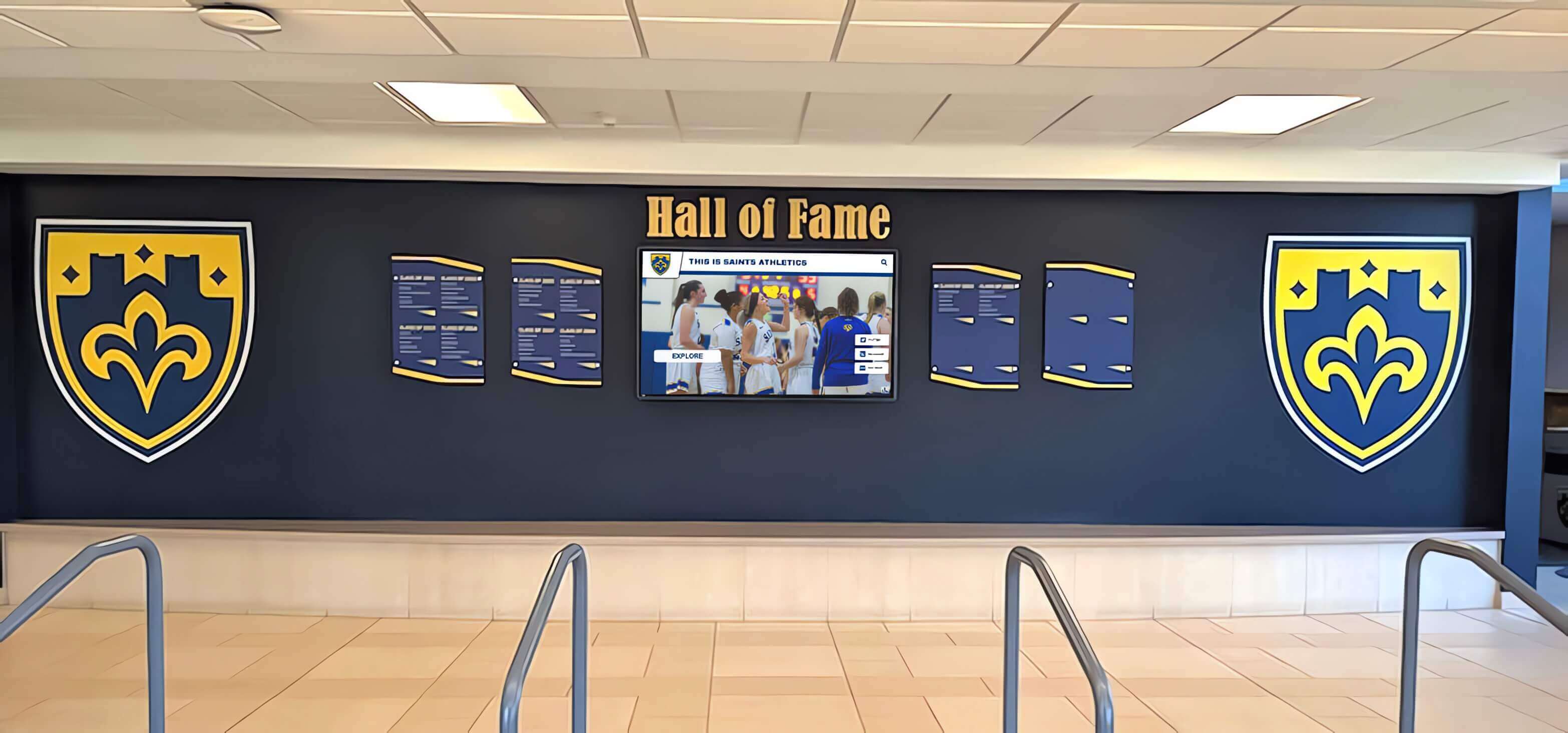
Traditional hall of fame displays including plaques, photos, and recognition boards serve important functions—creating visible permanent record of honored individuals while establishing physical space dedicated to program history and excellence celebration.
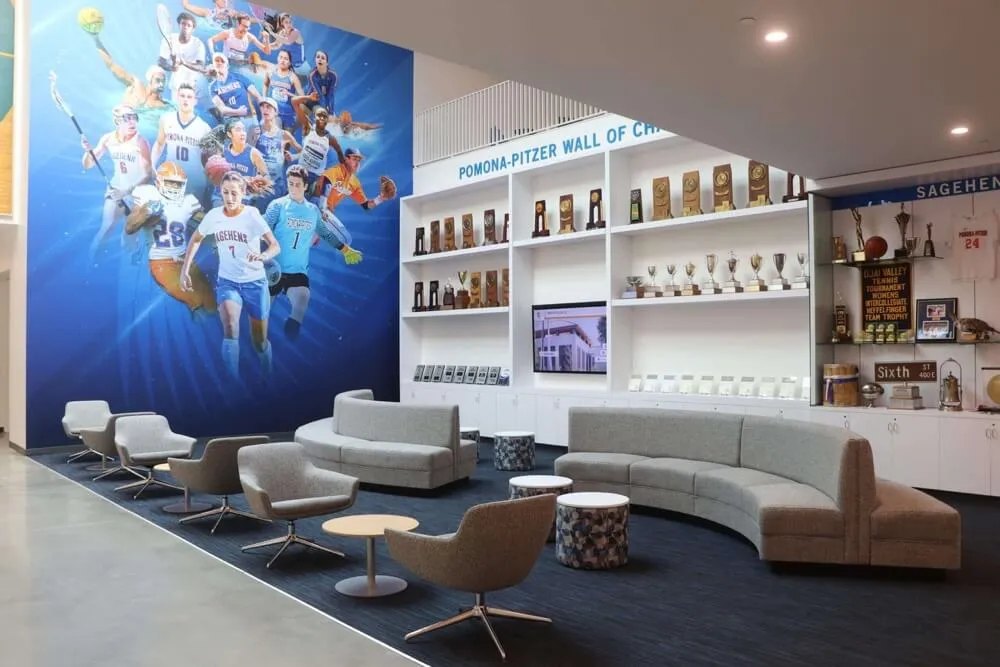
Display locations matter significantly for impact and engagement. High-traffic areas including main lobby entrances, gymnasium lobbies, or athletic facility corridors ensure maximum visibility while communicating institutional priority through prominent placement. Displays positioned in isolated corners or low-traffic spaces suggest perfunctory recognition rather than genuine celebration.
Display quality reflects how seriously schools take hall of fame recognition. Professional plaques with consistent formatting, quality photography, and durable materials communicate lasting value. Conversely, inconsistent displays with varied formats, amateur execution, or deteriorating materials undermine recognition significance regardless of inductee achievement.
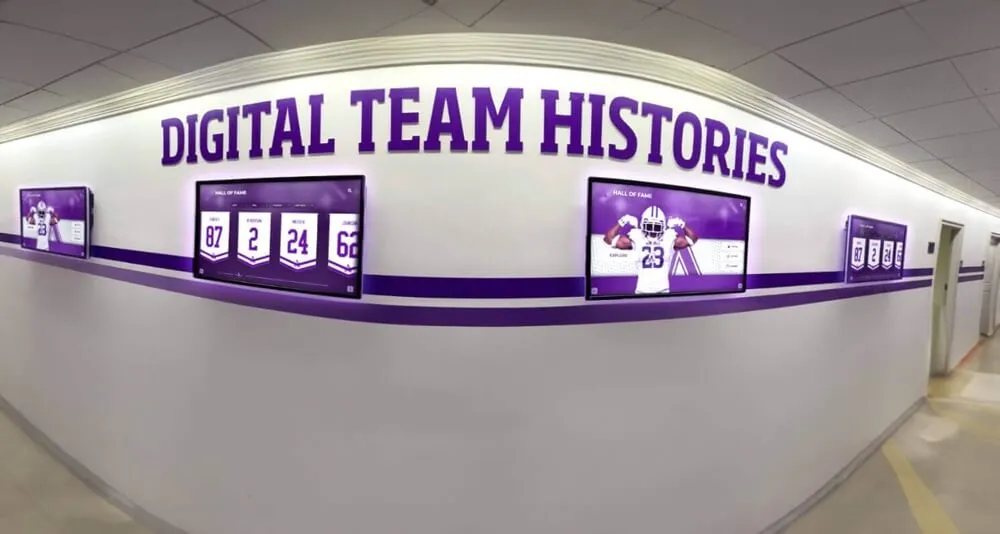
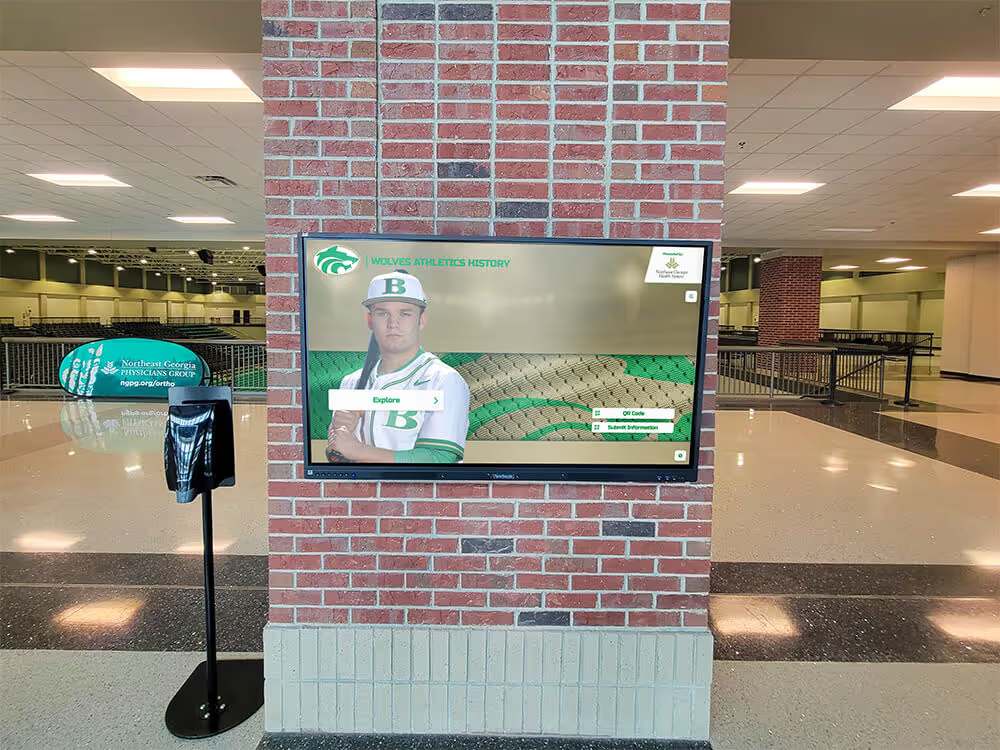
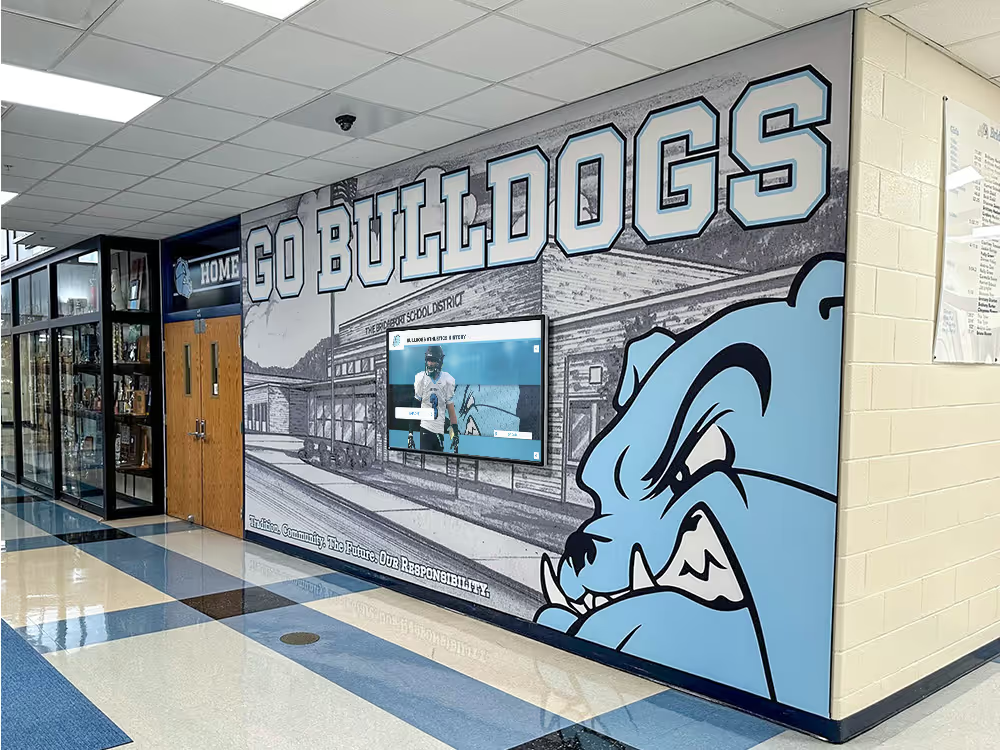
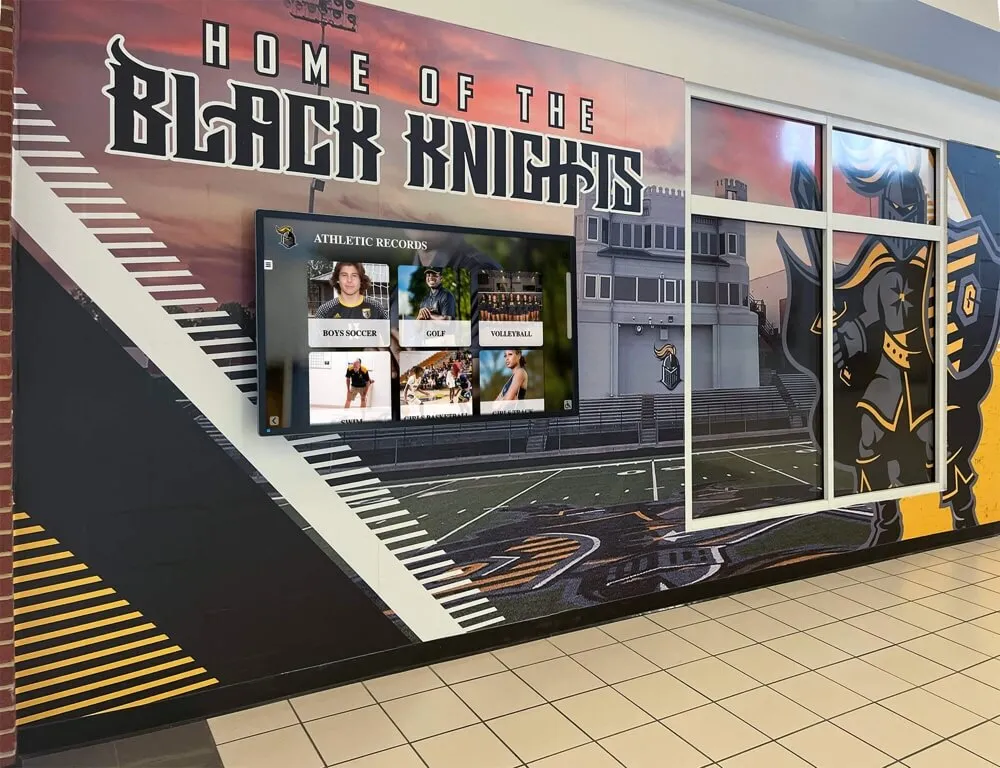
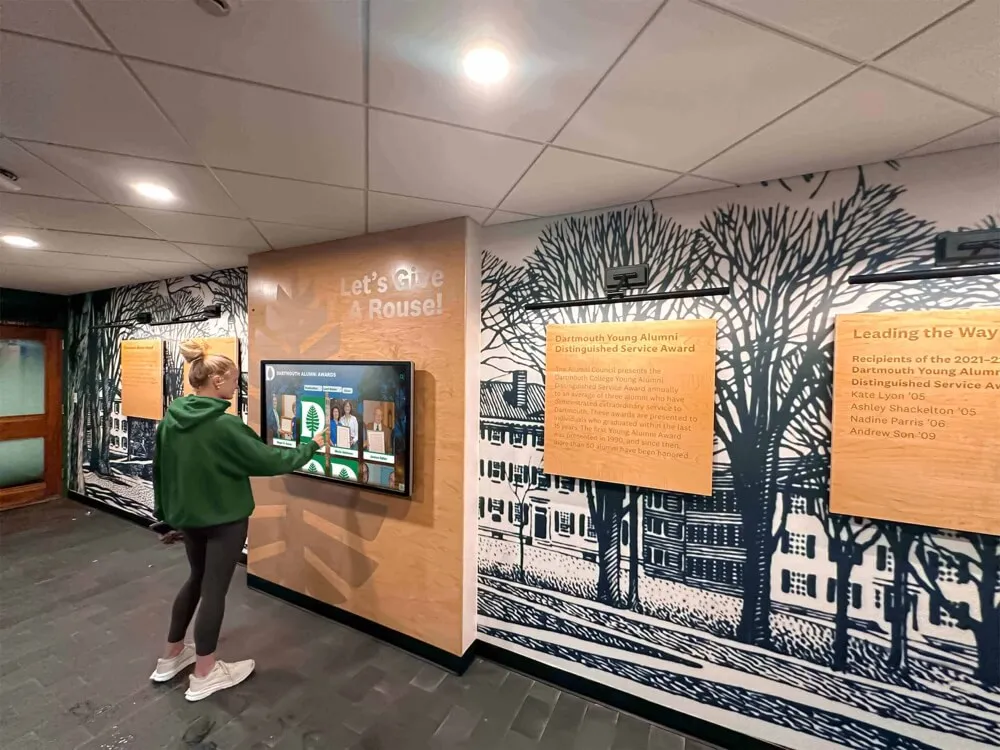
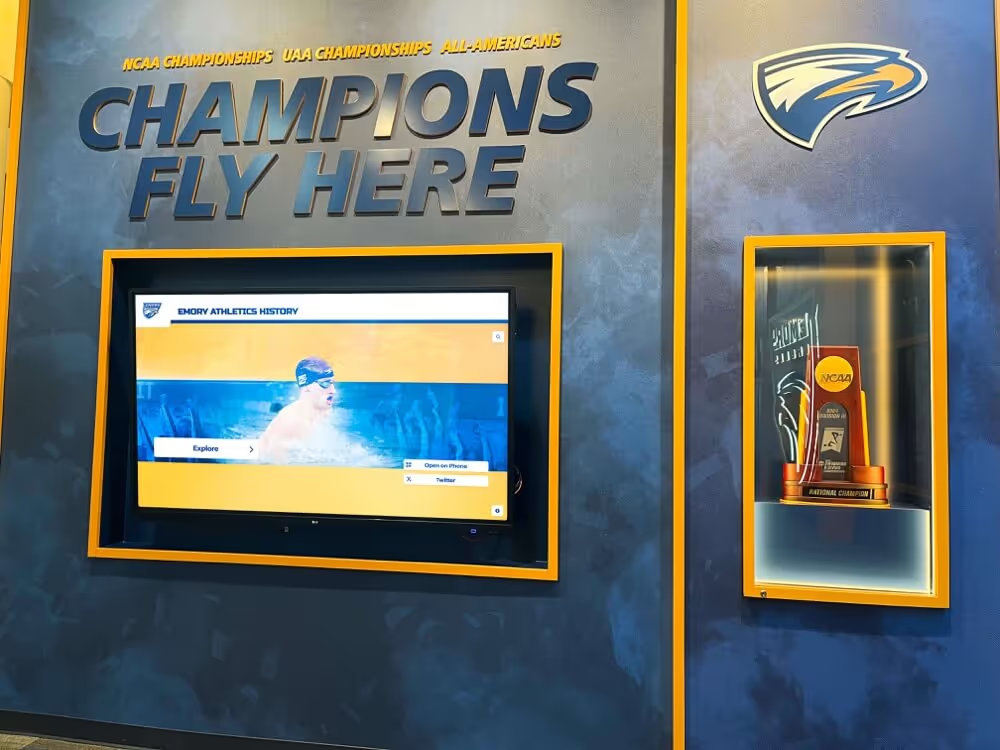
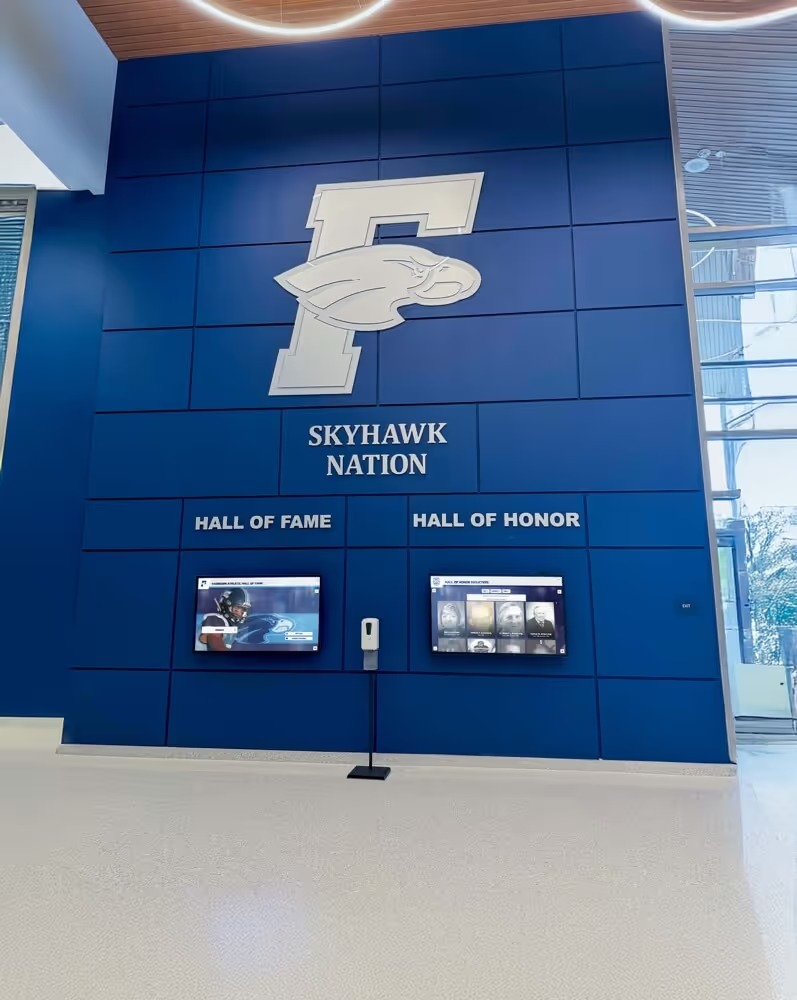
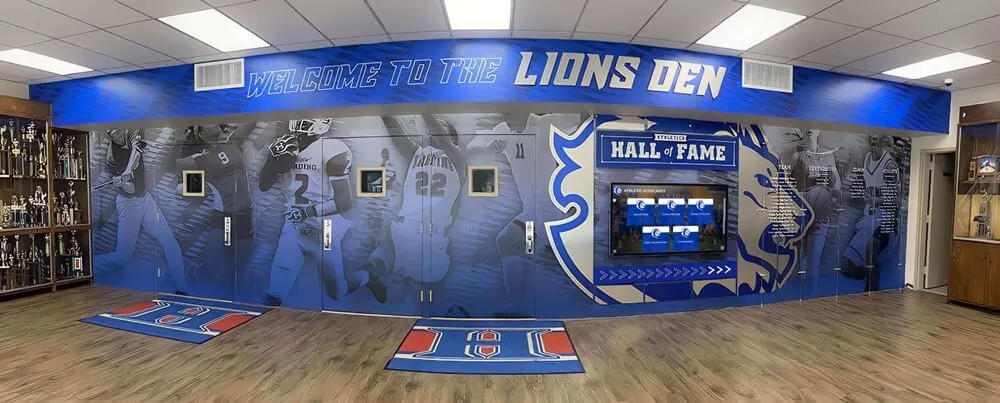
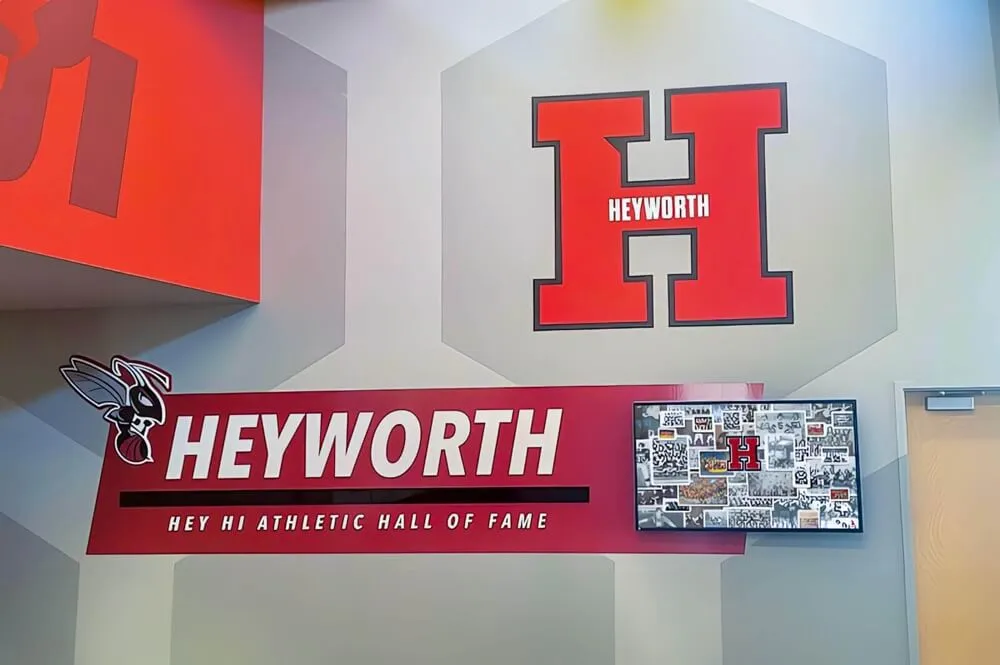
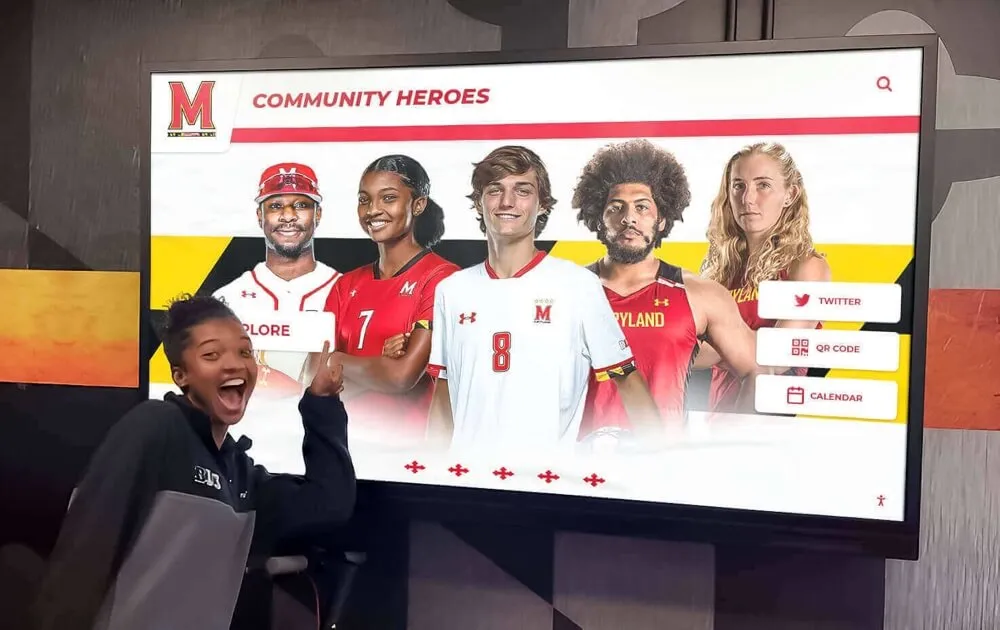
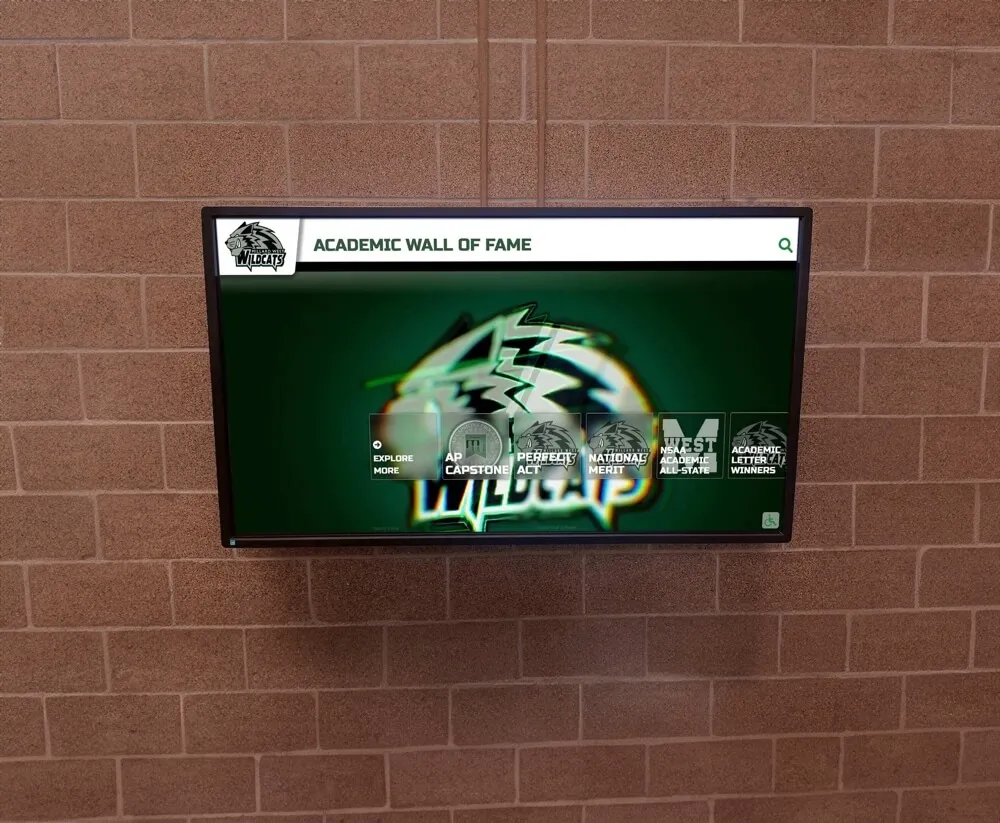
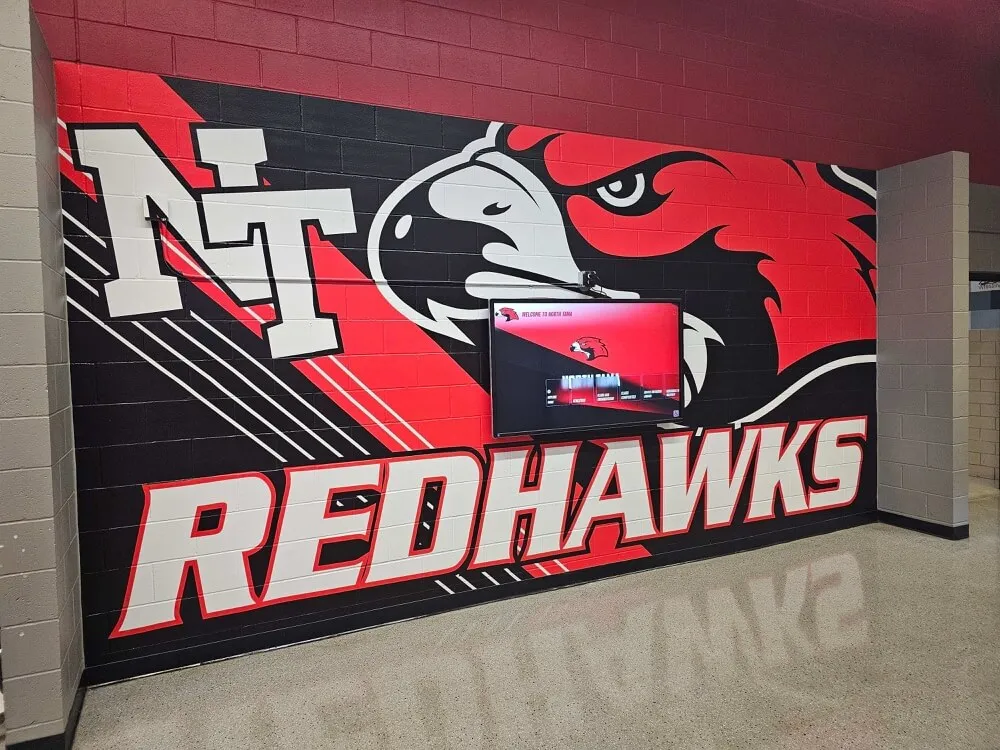
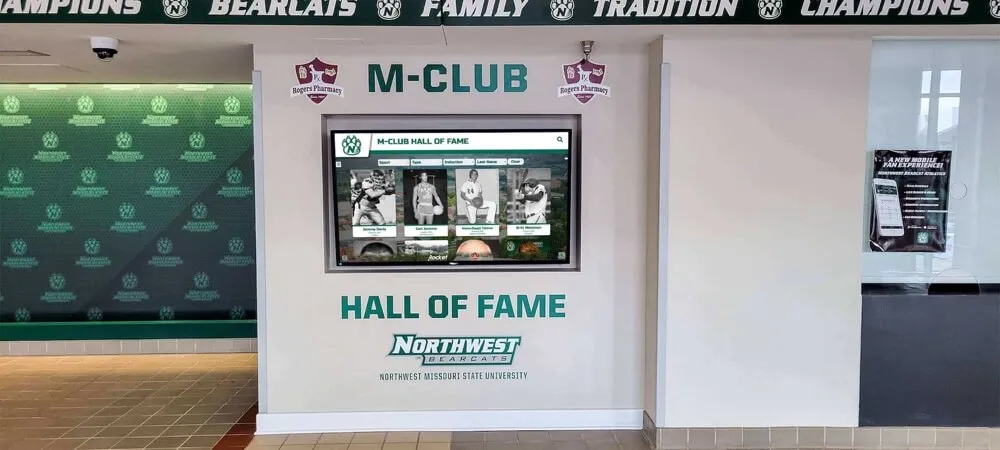
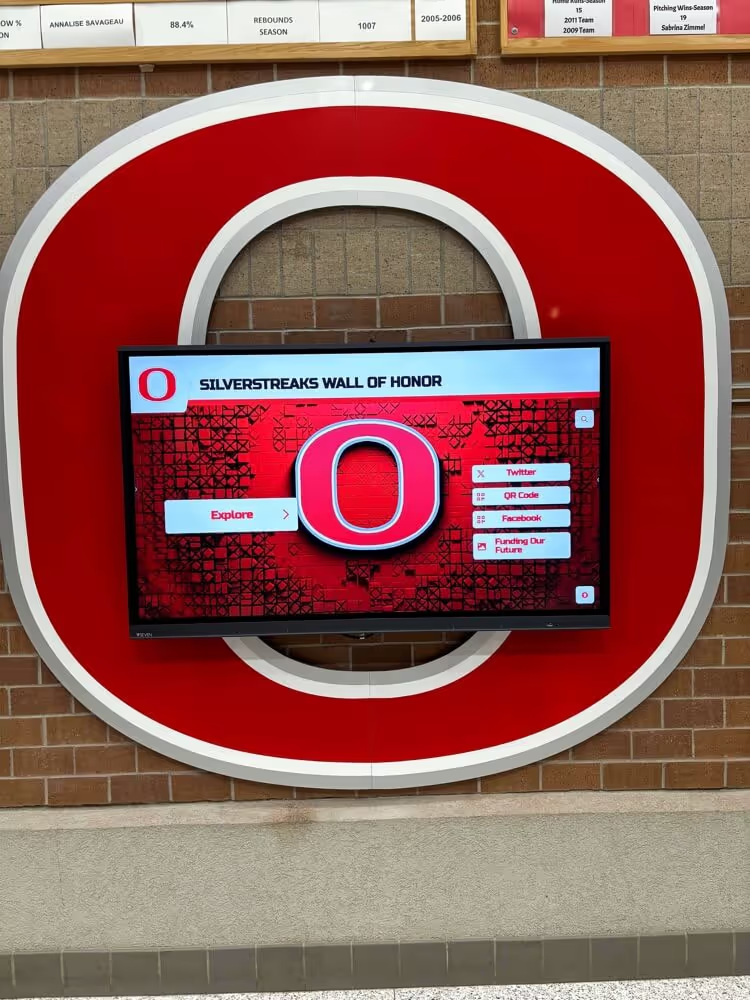
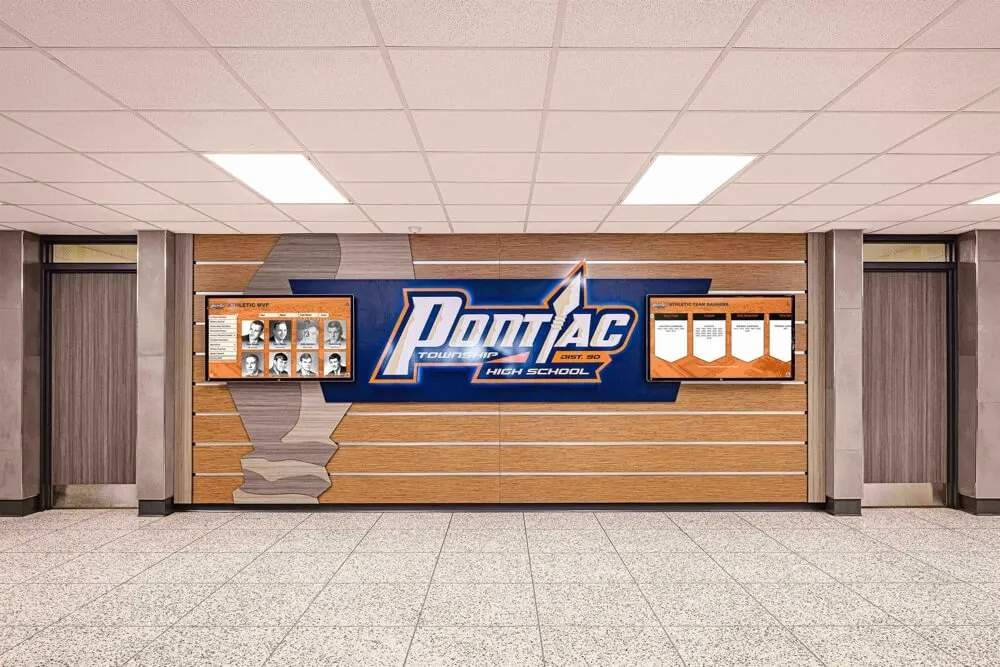
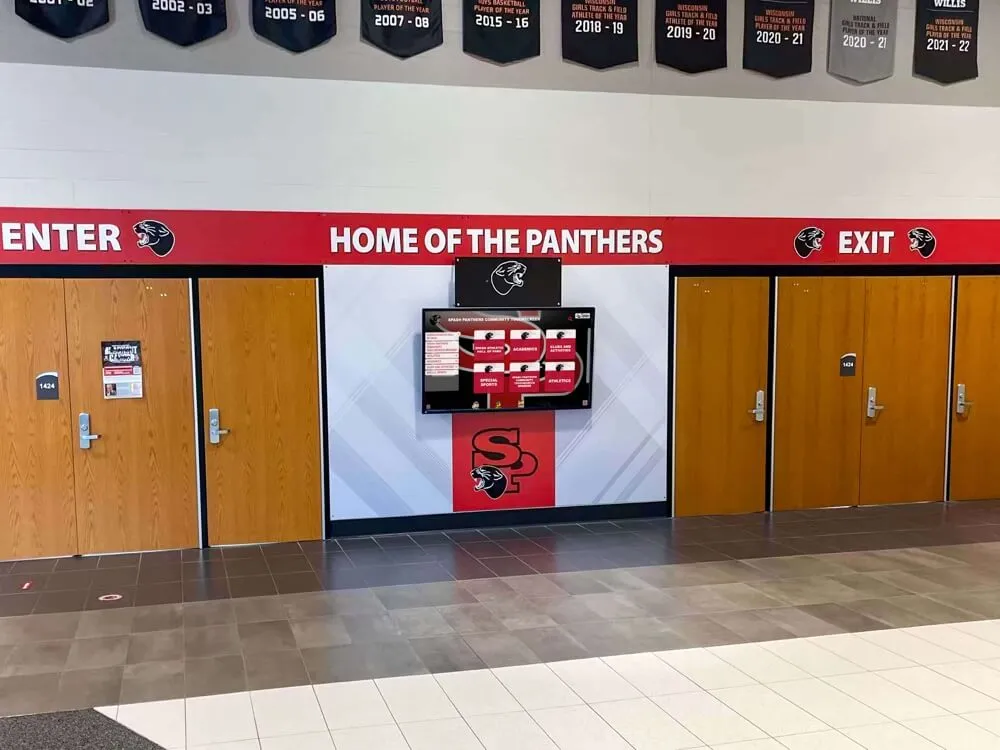
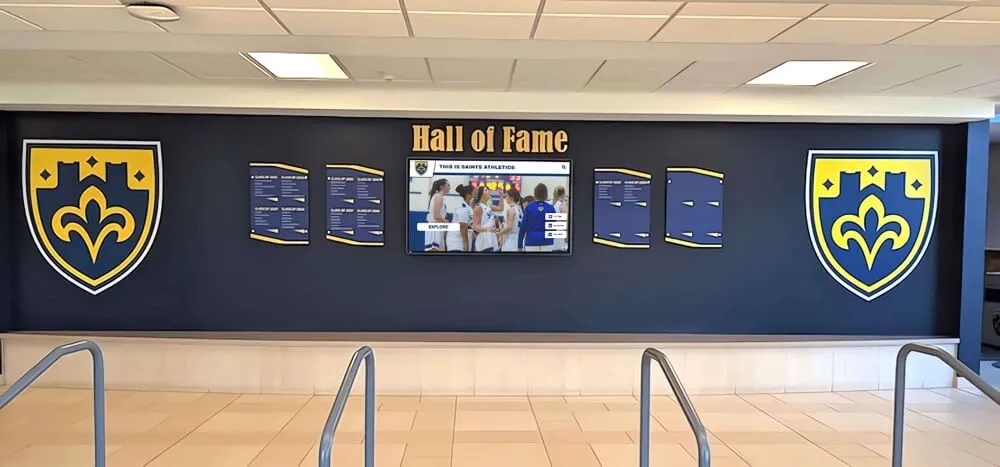
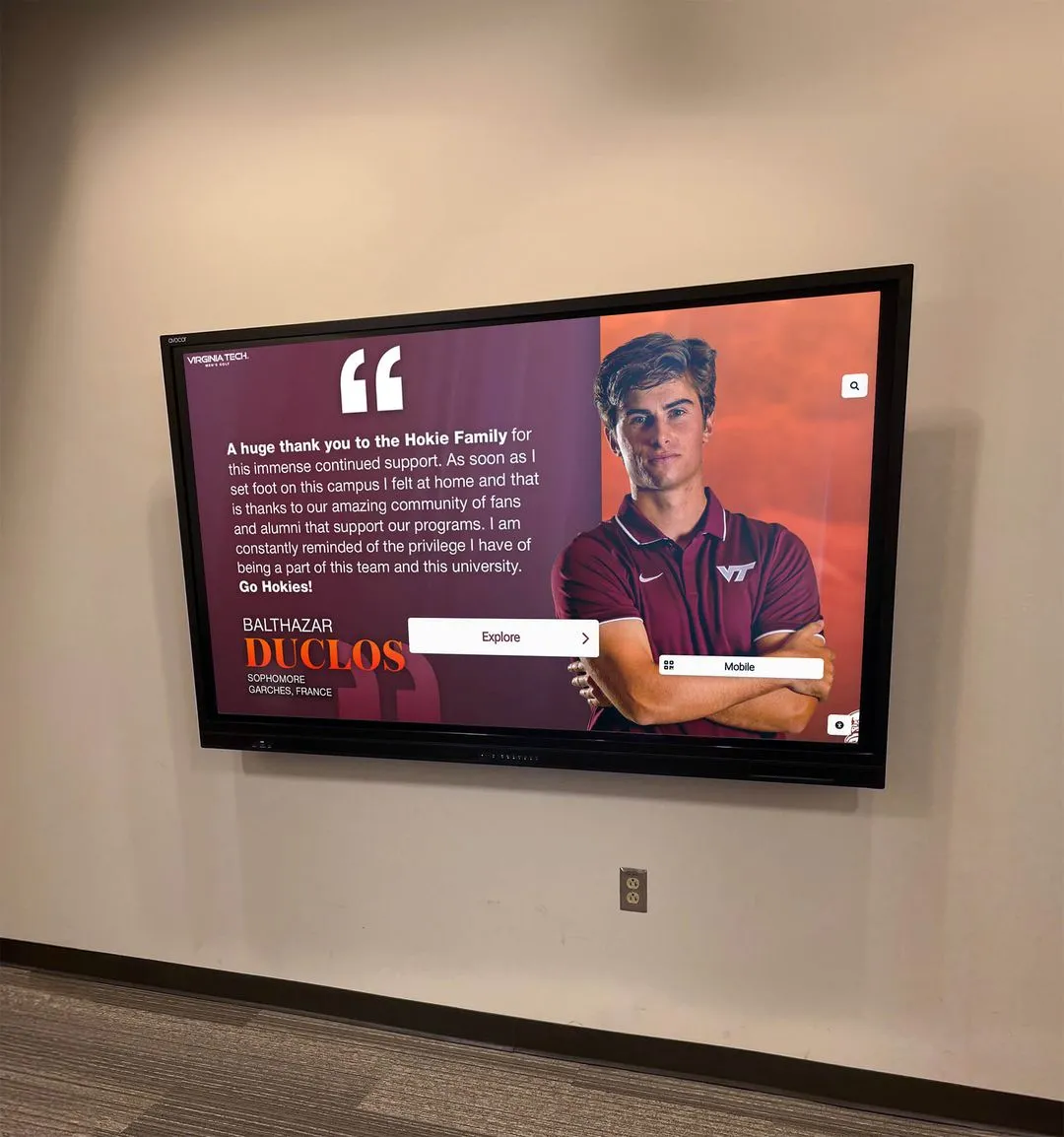
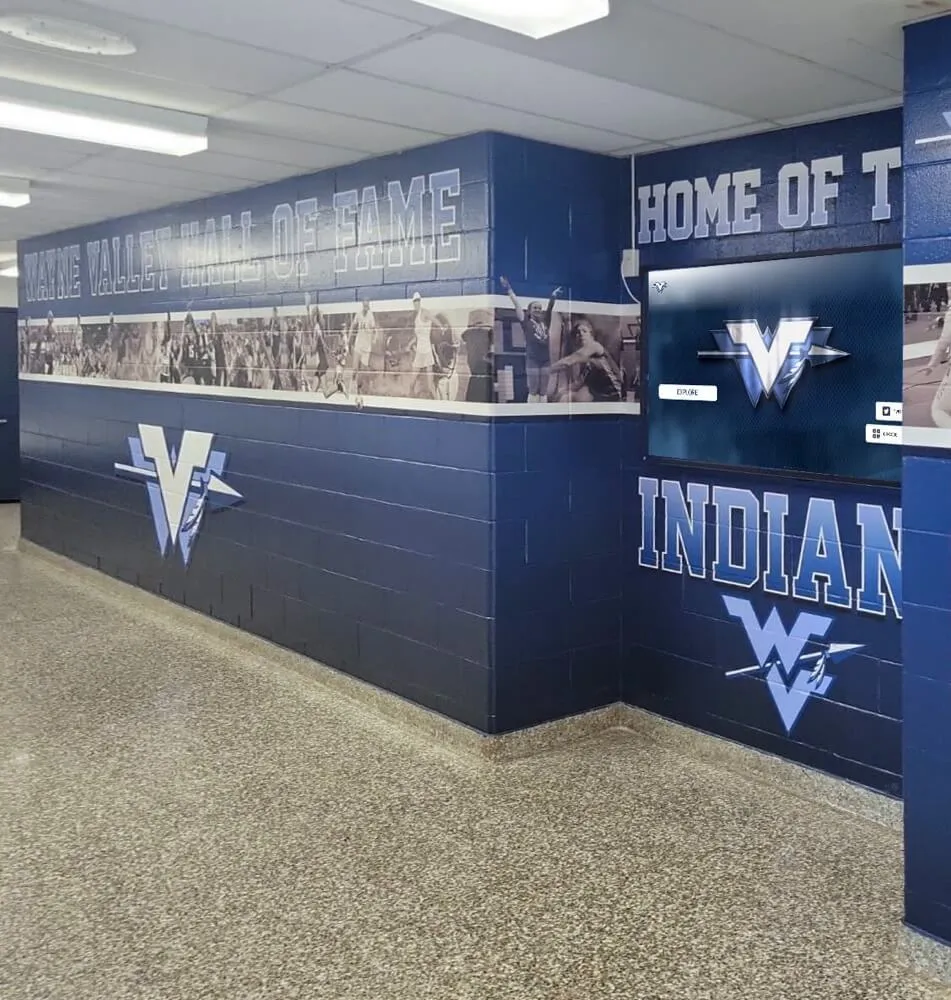
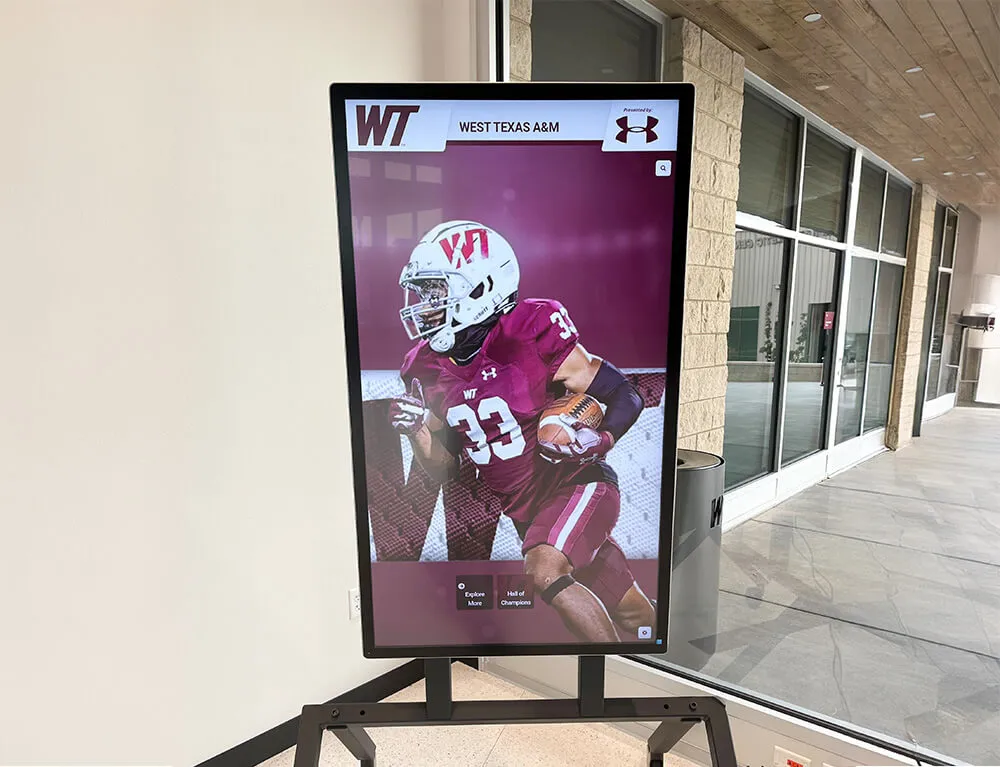
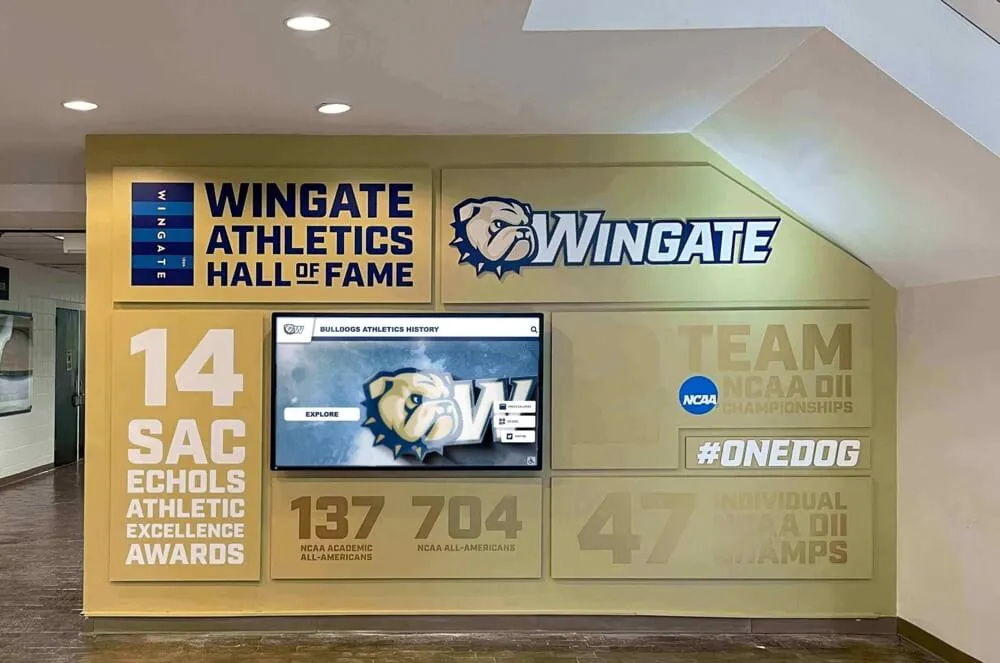
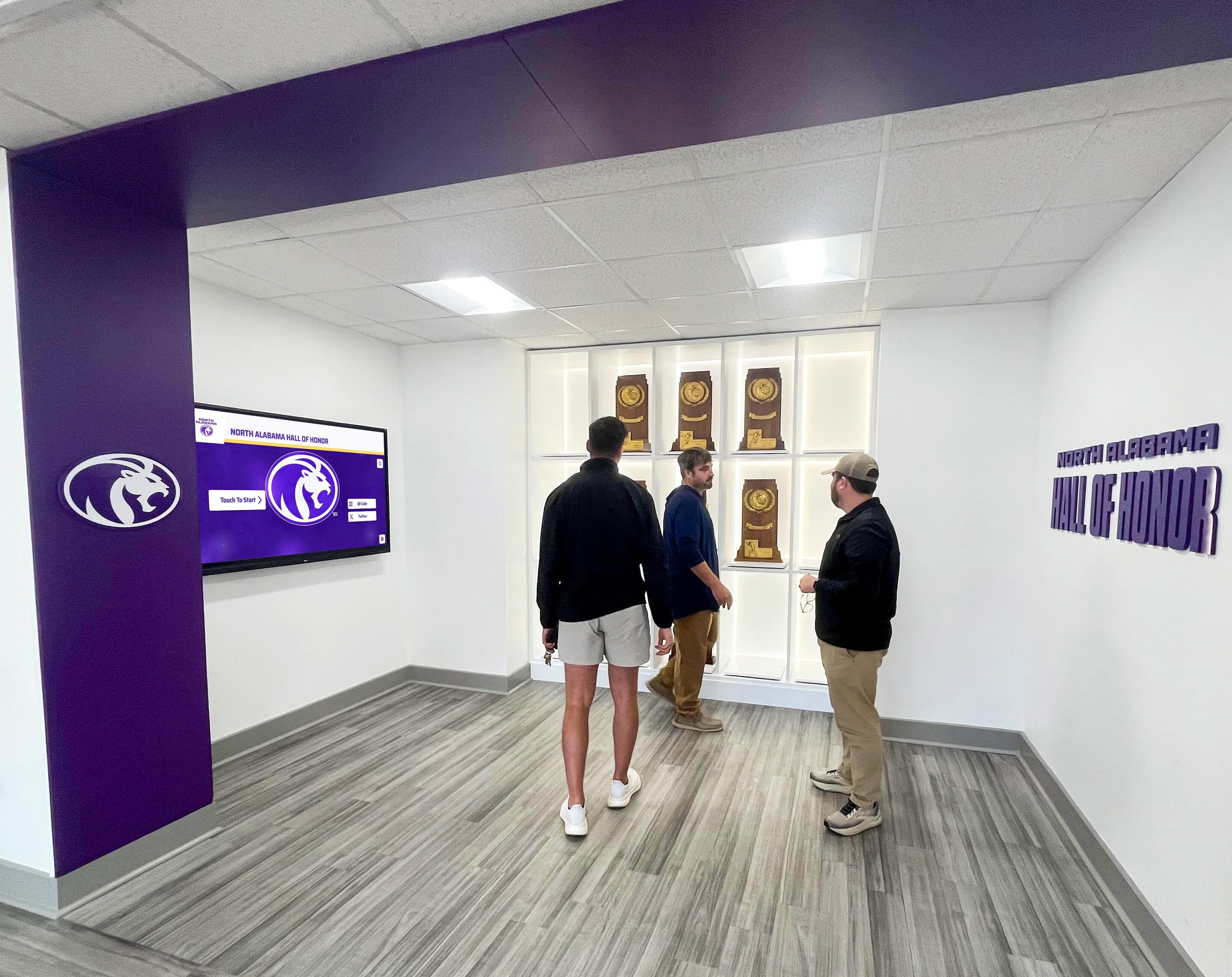
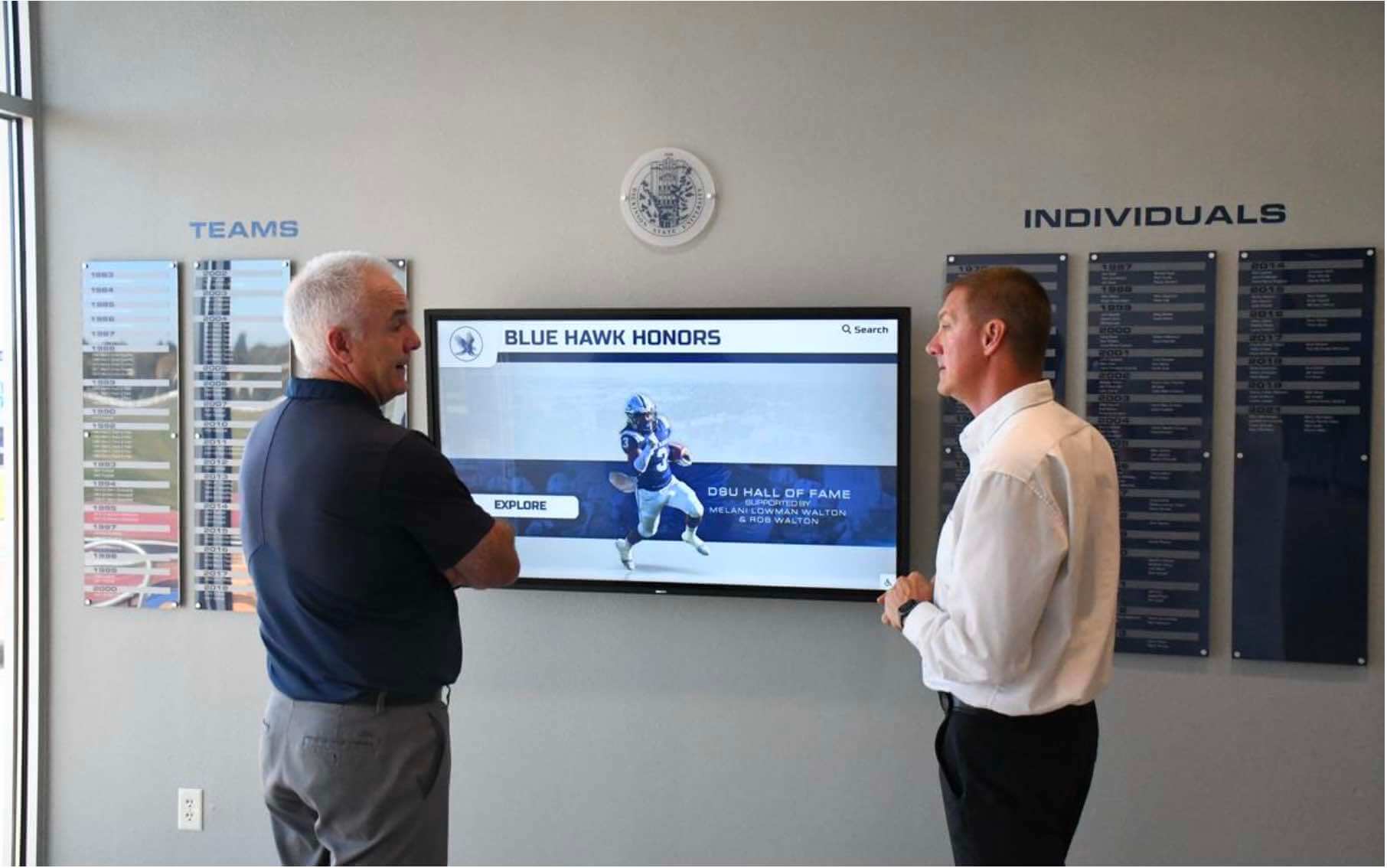
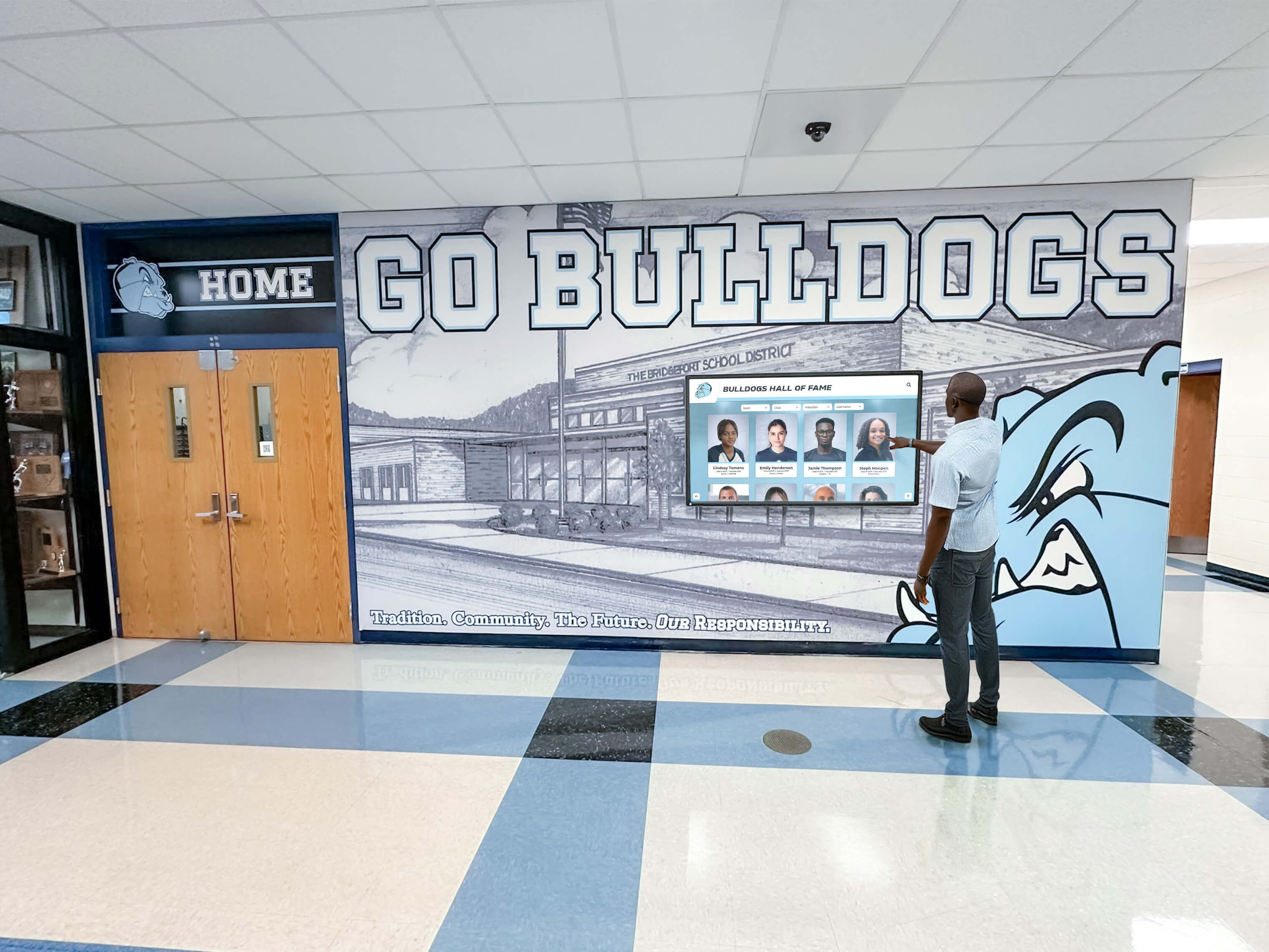
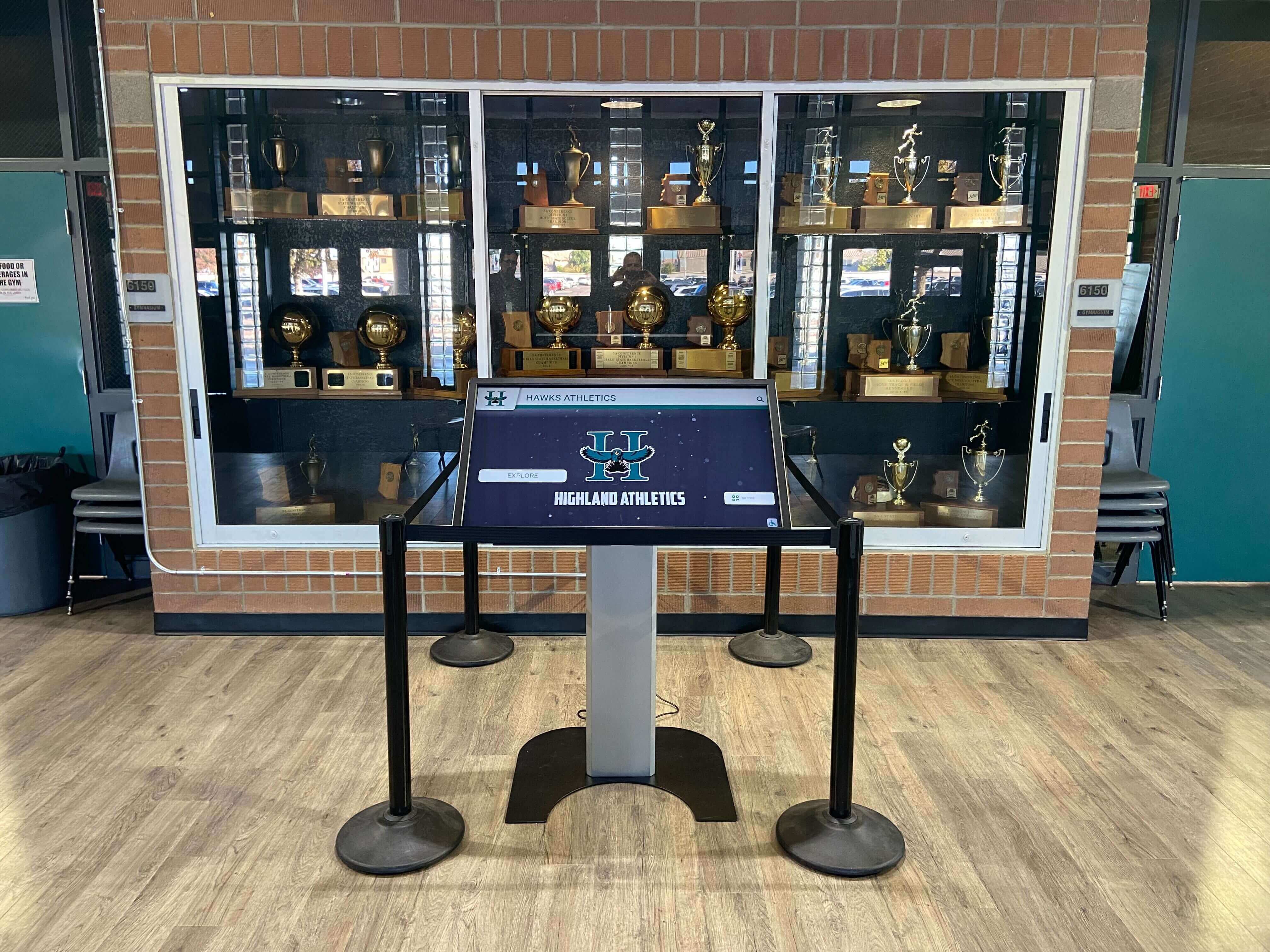
Schools increasingly supplement or replace traditional static displays with digital hall of fame recognition systems that provide dynamic, searchable, infinitely expandable platforms showcasing inductee stories through multimedia content impossible in physical plaque formats. Digital solutions allow video highlights, detailed statistics, multiple photographs, and personal narratives creating richer inductee portraits while occupying less physical space than traditional walls accommodating growing hall of fame membership.
Digital Archives and Multimedia Content
Ceremony Recording and Video Archives: Professional recording of induction ceremonies creates permanent documentation capturing emotional moments, inductee speeches, presenter remarks, and overall event atmosphere. These recordings become historical artifacts themselves—future inductees can view past ceremonies understanding tradition they’re joining, families possess lasting mementos, and athletic programs build video libraries documenting institutional history.
Video archives require proper storage, organization, and accessibility planning. Content should be digitally preserved in formats ensuring long-term accessibility as technology evolves, organized systematically enabling easy location of specific ceremonies or inductees, and made appropriately accessible to inductees, families, school community, and potentially broader public through digital asset management systems designed for educational institutions.
Online Hall of Fame Presence: Digital platforms extend hall of fame reach beyond physical campus boundaries, allowing anyone globally to explore inductee achievements while providing always-accessible archives immune to physical display space limitations.
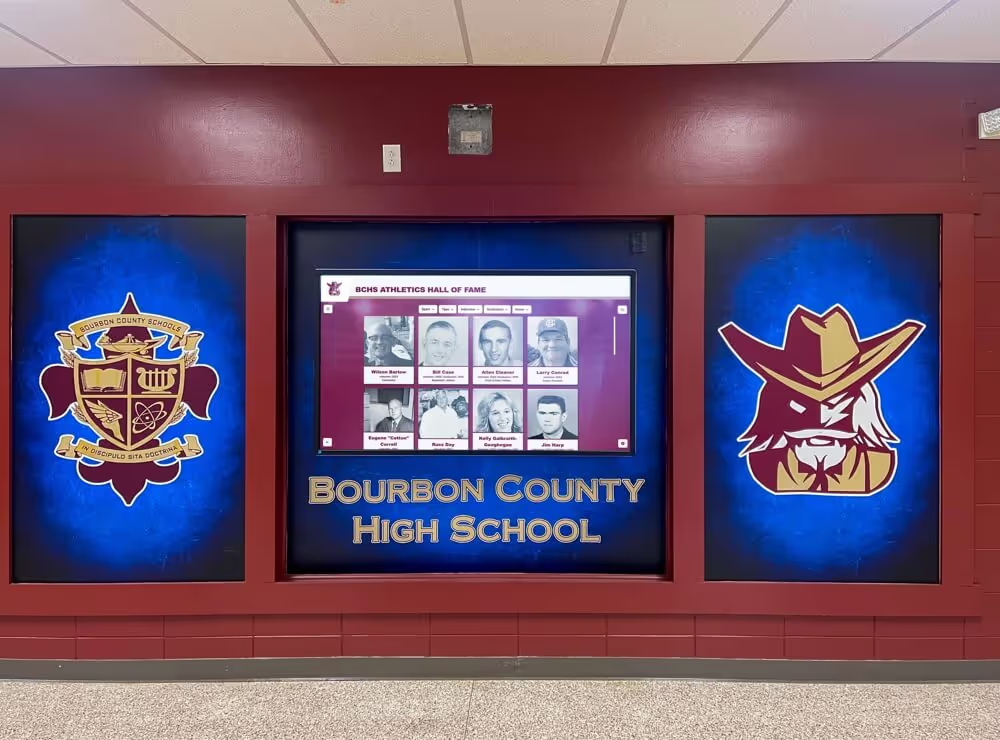
Effective online hall of fame platforms should include: complete inductee roster with biographical information, career statistics and achievement summaries, personal narratives and impact stories beyond numbers, photo galleries documenting athletic careers, video content when available, and search/filter functionality enabling visitors to explore by sport, era, achievement type, or other relevant criteria.
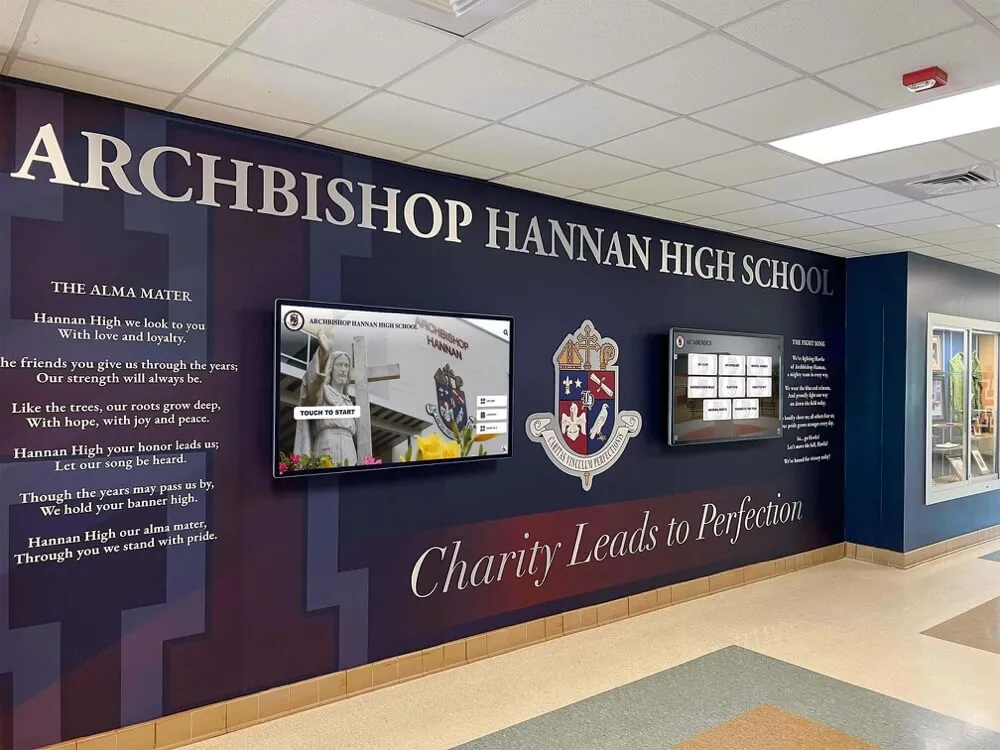
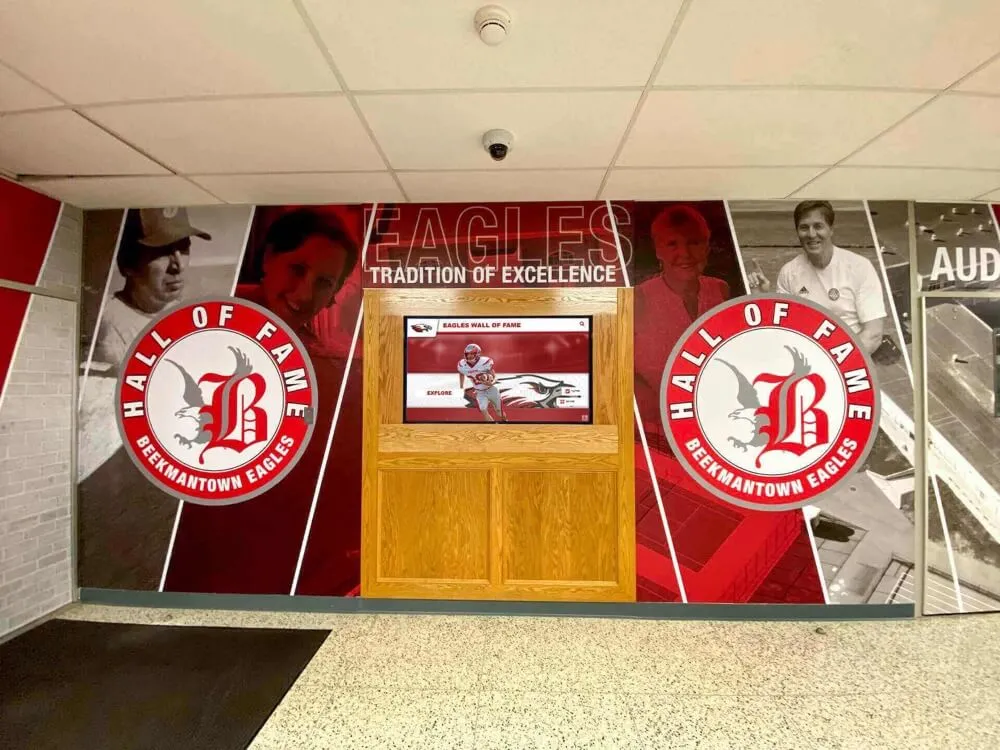
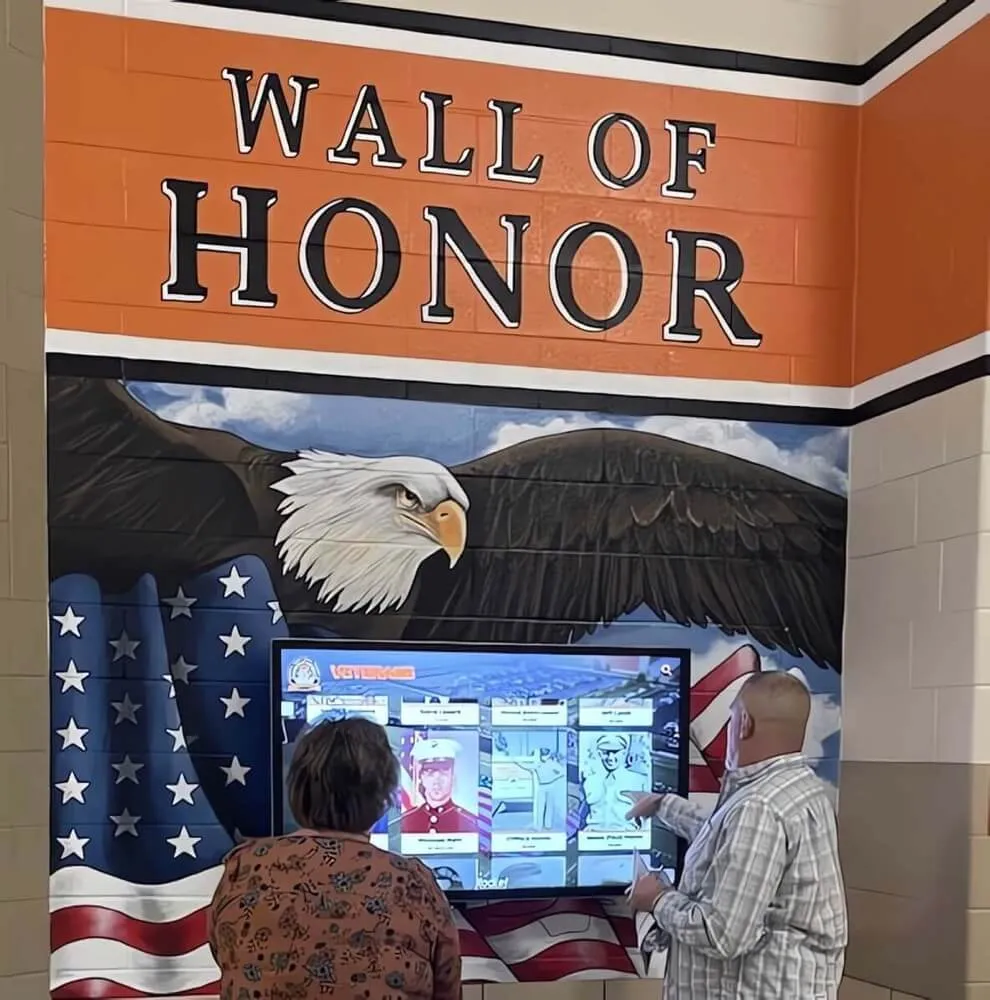
Many schools implement comprehensive interactive touchscreen recognition systems that serve dual purposes—creating engaging on-campus physical displays while simultaneously powering online accessible digital archives. These integrated solutions ensure consistency between physical and digital recognition while streamlining content management across multiple platforms.

Social Media Documentation: Strategic social media documentation extends induction ceremony reach while engaging broader communities unable to attend physical events.
Pre-ceremony posts can build anticipation through inductee teasers, biographical highlights, and career achievement retrospectives. Live ceremony coverage including real-time updates, photo sharing, and brief video clips allows remote audiences to participate virtually. Post-ceremony content including ceremony highlights, inductee speech excerpts, and photo galleries extends event impact beyond attendees while providing lasting social media records commemorating recognition.
However, social media documentation should enhance rather than distract from live event experience. Designated photographers and social media coordinators should handle documentation rather than encouraging attendee phone usage that diminishes engagement with actual ceremony occurring before them.
Permanent Touchscreen Recognition Solutions
The evolution from static plaques to dynamic digital recognition creates unprecedented opportunities for comprehensive inductee celebration while solving practical limitations of traditional display formats.
Interactive touchscreen systems provide several advantages for hall of fame recognition: unlimited expansion capacity as new inductees join without physical space constraints limiting membership growth, multimedia storytelling through video, audio, photo galleries, and detailed narratives impossible in plaque formats, dynamic updating allowing easy addition of inductee achievements occurring post-induction, search and discovery features enabling visitors to explore by various criteria rather than chronological browsing only, and consistent professional presentation maintaining visual quality regardless of when individuals were inducted.
Modern recognition platforms like those from Rocket Alumni Solutions integrate seamlessly with existing athletic facilities while providing intuitive interfaces allowing visitors to easily explore hall of fame member achievements. These systems transform passive recognition displays into engaging interactive experiences where students, alumni, and community members can discover stories of excellence, draw inspiration from past achievements, and understand program legacy in ways static plaques cannot facilitate.
Digital recognition particularly benefits programs with growing hall of fame membership where physical space limitations would otherwise force difficult decisions about display capacity or recognition prominence. Digital solutions ensure every inductee receives equal presentation quality and accessibility regardless of induction year while accommodating essentially unlimited future growth.
Addressing Common Induction Ceremony Challenges
Even well-planned ceremonies encounter predictable challenges requiring thoughtful solutions ensuring positive experiences for inductees and attendees.
Managing Large Induction Classes
Schools establishing new hall of fame programs or catching up on historical recognition often face first classes with numerous inductees—sometimes 10, 15, or even 20 individuals requiring recognition. While comprehensive inaugural classes appropriately honor decades of excellence, large groups create ceremony length challenges.
Balancing Individual Recognition with Reasonable Length: Each inductee deserves meaningful individual recognition, yet ceremonies exceeding 2-3 hours test audience endurance. Solutions include: grouping inductees by era or sport for collective introduction followed by individual presentations, streamlining presentation formats with concise biographical videos and focused presenter remarks, implementing reception periods between ceremony segments allowing brief breaks, or dividing extremely large classes across multiple ceremonies when appropriate.
Quality should never be sacrificed for brevity—rushed presentations feeling perfunctory insult inductees and diminish recognition significance. If proper individual recognition requires longer ceremonies, so be it. However, thoughtful program structure and tight timeline management can preserve meaningful individual focus within reasonable overall length.
Creating Equitable Recognition: In large classes, later inductees recognized after 90+ minutes risk diminished audience attention, inductee fatigue, or feeling like afterthoughts compared to early presentations receiving fresh audience engagement. Strategies for maintaining equitable recognition include: alphabetical or randomized presentation order rather than hierarchical arrangements suggesting priority, consistent presentation time allocation regardless of order, strategic program breaks refreshing attention, and rotating presentation styles preventing monotonous repetition.
Accommodating Inductee Attendance Challenges
Geographic Distance: Many inductees live far from schools where they achieved excellence, creating travel logistics and expense challenges for ceremony attendance. While schools cannot typically fund inductee travel, facilitating attendance through: advance scheduling allowing travel planning, weekend timing accommodating work schedules, offering basic lodging assistance when possible, and live-streaming ceremonies for those unable to attend shows respect for inductee circumstances while ensuring distance doesn’t prevent recognition.
Health and Age Considerations: Long ceremonies, evening scheduling, or standing requirements may pose challenges for elderly inductees or those with health limitations. Accessible seating, accommodation for mobility devices, earlier program times, and flexibility with presentation formats ensures all inductees can comfortably participate regardless of physical capabilities.
Posthumous Inductions: Recognizing deceased individuals merits special sensitivity regarding family notification, representative selection for acceptance, and presentation tone balancing celebration of achievement with acknowledgment of loss. Families should receive early personal notification before public announcements, adequate time deciding who will represent the inductee during ceremony, and support throughout planning process ensuring recognition honors their loved one appropriately.

Budget Constraints
Hall of fame induction ceremonies require resources for venue rental, catering, recognition items, printing, audiovisual production, and various incidental expenses that can quickly exceed available budgets.
Sponsorship Development: Local businesses, alumni, booster clubs, and community organizations often willingly support hall of fame ceremonies through financial sponsorship, in-kind donations, or service contributions. Sponsorship recognition through event programs, signage, and public acknowledgment provides value to supporters while generating resources that elevate ceremony quality without straining institutional budgets.
Tiered Implementation: Schools facing significant budget limitations might begin with modest ceremonies focusing on meaningful recognition rather than elaborate production, gradually expanding ceremony scale as resources allow and tradition establishes. Starting simply with quality fundamentals—good venue, structured program, sincere recognition—succeeds better than attempting elaborate celebrations exceeding available resources and resulting in rushed, incomplete execution.
Revenue Generation Options: Some schools implement modest ticketing for non-family attendees, sell commemorative programs or merchandise, or accept voluntary donations from attendees wishing to support hall of fame operations. While free public ceremonies feel most inclusive, reasonable revenue generation enabling higher quality recognition often proves acceptable to communities valuing athletic heritage preservation.
Building Sustainable Hall of Fame Traditions
First-time induction ceremonies establish templates and expectations shaping future events. Strategic decisions during initial planning create sustainable frameworks enabling consistent quality recognition as traditions develop.
Establishing Consistent Formats and Standards
While each ceremony should feel special, maintaining consistent core elements creates recognizable tradition helping inductees understand what to expect while providing planning frameworks for organizing committees.
Consistency should govern: recognition items provided to inductees (plaques, rings, jackets, or other tangible symbols), presentation formats and typical length, venue standards and atmosphere expectations, and documentation practices ensuring comprehensive record-keeping. These consistent elements establish institutional identity and tradition while still allowing appropriate customization for individual inductees or special circumstances.
Developing Multi-Year Selection Strategies
Rather than ad-hoc annual nomination processes where selection appears arbitrary or favors recently active nominators’ preferences, thoughtful multi-year strategies ensure comprehensive recognition across sports, eras, and contribution types.
Strategic planning might include: identification of historical figures deserving recognition ensuring institutional memory is captured, deliberate sport rotation preventing some programs from dominating inductions while others feel overlooked, balanced consideration of different contribution types including athletes, coaches, administrators, contributors, and supporters, and conscious attention to diversity ensuring hall of fame membership reflects full institutional community.
Connecting Hall of Fame to Broader Recognition Programs
Hall of fame induction represents apex recognition within broader athletic recognition ecosystems. Effective programs demonstrate clear progression from seasonal awards through career achievement recognition toward ultimate hall of fame membership.
This progression might include: annual sport-specific awards recognizing season excellence, career achievement recognition at graduation or senior celebrations, letter winner clubs or varsity alumni associations maintaining connection with former athletes, and hall of fame membership as ultimate career recognition. Understanding hall of fame induction as capstone achievement within comprehensive recognition framework helps communities appreciate its unique significance.
Modern recognition programs increasingly utilize integrated digital platforms that connect various recognition levels—from current season achievements through historical hall of fame honors—creating cohesive narratives showing how individual achievements contribute to broader program legacies while inspiring current athletes toward their own excellence pursuits.
Conclusion: Creating Recognition That Truly Honors Excellence
Hall of fame induction ceremonies carry special responsibility—honoring individuals who represent your program’s greatest achievements while creating experiences that make inductees, families, and communities feel the genuine significance of permanent recognition. The difference between perfunctory obligation and meaningful celebration lies not in budget size or venue elegance, but in thoughtful planning demonstrating that schools truly value the excellence they claim to honor.
Every ceremony decision communicates institutional priorities: venue selection shows how seriously you take recognition, program structure reveals whether you genuinely want to celebrate individuals or merely check obligation boxes, and follow-through with permanent displays and documentation demonstrates whether hall of fame membership means lasting honor or temporary attention quickly forgotten.
When schools invest appropriate thought, resources, and genuine care into induction ceremonies, they create experiences that inductees treasure for life while inspiring everyone present—current athletes see tangible examples of sustained excellence, alumni reconnect with shared traditions, families feel their loved ones’ achievements properly honored, and communities celebrate institutional values and program heritage.
As you plan your next hall of fame induction ceremony, remember that you’re not merely organizing another event on the athletic calendar—you’re creating permanent record of who your institution honors, what values you celebrate, and how you demonstrate appreciation for those who built the excellence current programs inherit. Make it worthy of the legends you honor.
Ready to create permanent recognition displays worthy of your hall of fame inductees? Explore how modern digital recognition systems can transform your athletic recognition program with interactive touchscreen displays that honor your legends with engaging multimedia presentations that inspire current athletes while preserving program history for generations to come.