



Key Takeaways
Discover creative grand opening ideas for schools and organizations. From ribbon cutting ceremonies to interactive digital displays, learn how to plan a memorable launch event that engages your community and celebrates new beginnings.
This comprehensive guide explores creative grand opening ideas specifically tailored for schools, universities, clubs, and community organizations. From traditional ceremonies to innovative interactive experiences, discover proven strategies for planning memorable launch events that honor the past, showcase the present, and inspire continued community investment in your institution’s future.
Understanding the Strategic Purpose of Grand Opening Events
Before diving into specific planning tactics and creative ideas, successful event organizers benefit from understanding what makes grand openings valuable and how effective celebrations differ from obligatory ceremonies.
Why Grand Openings Matter for Educational Institutions
Grand opening events serve multiple strategic purposes that extend well beyond a single day’s festivities:
Donor Recognition and Stewardship: Major facility projects typically result from significant philanthropic investment. Grand openings provide crucial opportunities to honor generous donors publicly, demonstrating genuine appreciation while showing other community members the tangible impact of giving. This visible recognition strengthens relationships with current supporters while inspiring future philanthropic engagement from others who witness the celebration and recognition.
Community Pride and Ownership: When community members—students, families, staff, alumni, and neighbors—gather to celebrate new facilities or programs, they develop enhanced emotional investment in institutional success. Grand openings transform projects from abstract construction sites into beloved community assets that everyone feels connected to and proud of.
Recruitment and Marketing Value: Impressive facilities showcased through well-executed grand openings provide powerful evidence of institutional quality and investment in excellence. Prospective students and families attending these events experience tangible proof of commitment to providing outstanding educational environments, supporting enrollment and retention goals.
Media Attention and Visibility: Grand openings generate natural news value, creating opportunities for positive media coverage that elevates institutional profile within broader communities. Strategic public relations around launch events amplifies visibility far beyond attendees, reaching thousands through news coverage, social media sharing, and word-of-mouth generated by memorable celebrations.
Common Grand Opening Challenges to Overcome
Traditional launch events face several limitations that thoughtful planning addresses:
Competing Priorities and Scheduling Conflicts: Busy communities struggle to find dates that work for diverse stakeholders. School calendars, athletic schedules, holiday conflicts, and competing community events create genuine challenges for maximizing attendance.
Budget Constraints: Comprehensive celebrations require financial investment during periods when institutions have already stretched budgets to complete construction or renovation projects. Balancing celebration ambitions with fiscal realities requires creativity and resourcefulness.
Engaging Diverse Audiences: Grand openings must appeal to varied constituencies—young students, parents, elderly community members, donors, staff, and alumni—each with different interests and engagement preferences. Creating programming that resonates across these diverse groups challenges even experienced event planners.
Weather and Logistics: Outdoor ceremonies face weather uncertainties, while indoor spaces may constrain capacity. Managing parking, accessibility, security, and crowd flow requires careful logistical planning to ensure positive experiences for all attendees.
Modern grand opening strategies address these challenges through flexible scheduling approaches, creative funding mechanisms, diverse programming appealing to multiple audiences, and contingency planning that anticipates potential complications.
Grand Opening Ideas: Traditional Ceremonies with Modern Updates
Classic grand opening elements provide meaningful structure while allowing creative customization reflecting unique institutional culture and values.
Ribbon Cutting Ceremonies
The quintessential grand opening tradition remains popular for good reason—ribbon cutting creates a symbolic moment marking the transition from construction to active use while providing excellent photo opportunities.
Modern Ribbon Cutting Approaches:
- Oversized ceremonial ribbons in school colors creating dramatic visual impact
- Special scissors customized with engraved institutional logos or event dates
- Multi-person simultaneous cutting involving diverse stakeholder representatives
- Symbolic key presentations to facility directors or program leaders
- Student-designed ribbons incorporating artwork or messages
- Eco-friendly alternatives using paper chains created by students or fabric ribbons donated for reuse
Organizations planning ribbon cutting ceremonies benefit from thoughtful participant selection ensuring diverse representation while managing event flow to maintain energy and engagement.
Ceremony Participant Selection:
- Major donors or lead campaign contributors
- Board leadership and administrative officers
- Student representatives reflecting diverse populations
- Community partners who supported the project
- Staff members who will utilize new facilities
- Long-serving employees representing institutional history
Timing and Flow Considerations:
- Schedule ceremonies during peak attendance periods rather than event openings
- Keep formal remarks concise (3-5 minutes per speaker maximum)
- Position ceremonies in highly visible locations accessible to all attendees
- Arrange professional photography and videography capturing key moments
- Plan for contingencies like weather interruptions for outdoor ceremonies
Dedication Speeches and Formal Remarks
Thoughtful speeches provide context, honor contributors, and articulate vision while connecting new facilities to institutional mission and values.
Speech Content Guidelines:
- Historical context explaining how projects developed and overcame challenges
- Specific recognition of major donors, volunteers, and project champions
- Student testimonials describing how new facilities will impact educational experiences
- Forward-looking vision connecting projects to institutional strategic priorities
- Expressions of gratitude acknowledging broad community support
Effective Presentation Strategies:
- Limit formal remarks to 20-30 minutes total across all speakers
- Arrange speakers by increasing importance, concluding with most prominent voices
- Incorporate multimedia elements like photos documenting project progression
- Include diverse speakers representing various constituencies
- Provide accessible amplification and interpretation services ensuring inclusion
Time Capsule Ceremonies
Embedding time capsules during grand openings creates connections between present celebrations and future generations while generating memorable participation opportunities.
Time Capsule Content Ideas:
- Letters from current students to future students describing contemporary experiences
- Photographs documenting the school, community, and facility at opening
- News articles and publications from the opening day and year
- Digital media including video messages from speakers and attendees
- Facility blueprints and construction documentation
- Lists of current students, staff, and community members
- Contemporary technology items demonstrating current innovations
- School spirit items like apparel, pennants, or programs
Time Capsule Implementation:
- Select durable, weather-resistant capsule containers designed for long-term preservation
- Choose accessible yet protected installation locations with clear marking
- Document exact capsule locations through facilities records preventing loss
- Establish specific opening dates (25, 50, or 100 years) generating anticipation
- Create digital archives duplicating time capsule contents as backup
- Photograph and publicize capsule installation as part of grand opening promotion
Creative Grand Opening Ideas: Interactive Experiences and Engagement
Beyond traditional ceremonies, interactive experiences create memorable engagement while allowing diverse audiences to connect with new facilities meaningfully.
Facility Tours and Open Houses
Self-guided and led tours allow attendees to experience new spaces firsthand while understanding their educational purpose and community impact.
Tour Design Strategies:
- Multiple simultaneous guided tours departing every 15-20 minutes
- Clear wayfinding signage supporting self-guided exploration
- Stationed volunteers at key locations providing information and answering questions
- Activity demonstrations showing how spaces will be used
- Interactive elements allowing visitors to try equipment or participate in activities
- Specialized tours targeting specific audiences (prospective families, donors, alumni)
Enhancing Tour Experiences:
- Student ambassadors serving as guides sharing authentic perspectives
- Room labels explaining space purposes, capacities, and design features
- Before-and-after photography showing transformation from previous states
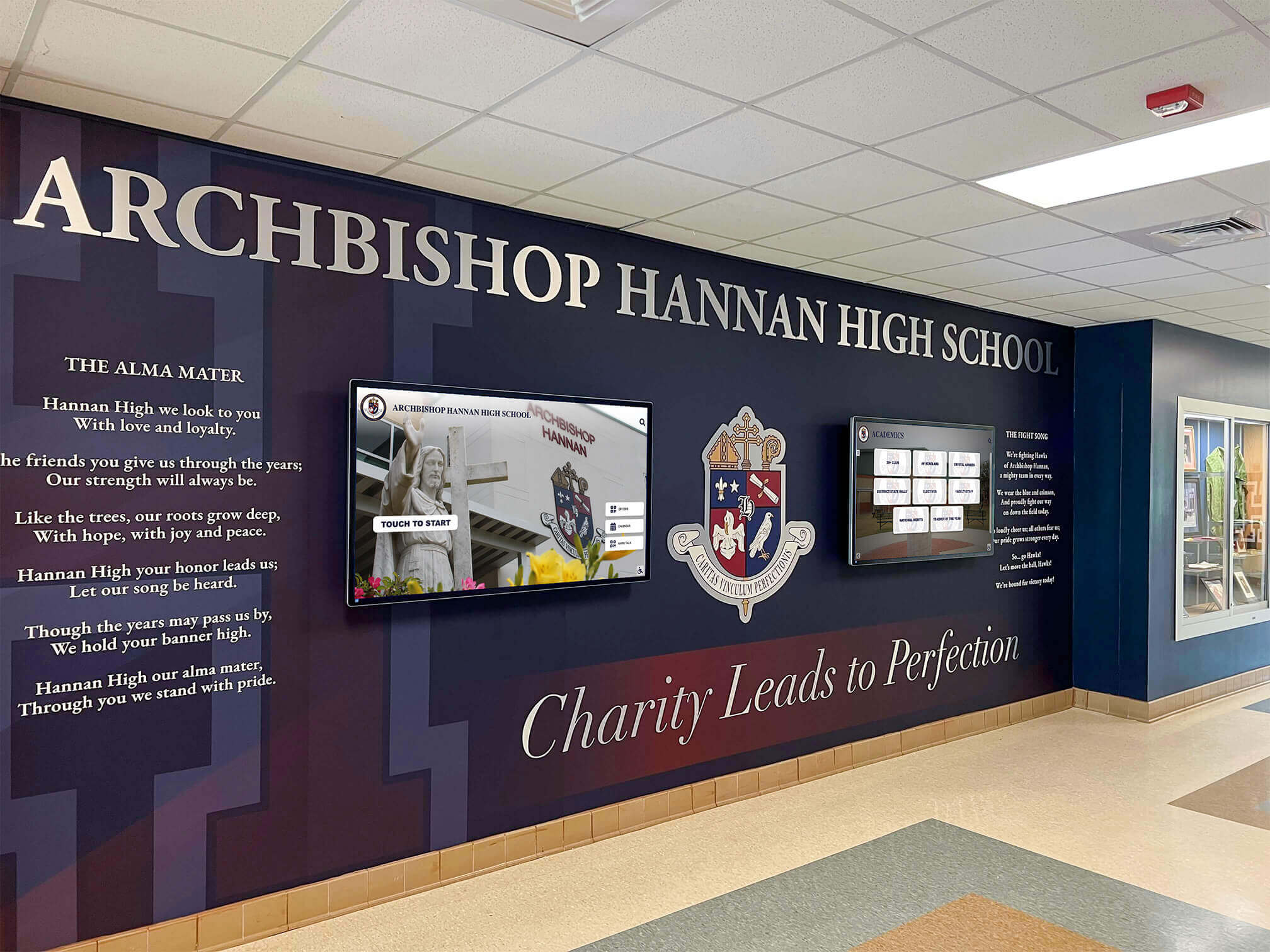
- Digital displays showcasing architectural renderings and planning processes
- QR codes linking to extended online content about design and construction
- Photo opportunities at signature locations with custom backdrops or props
Interactive Activity Stations
Hands-on activity zones engage attendees actively while demonstrating facility capabilities and programming possibilities.
Activity Station Ideas by Facility Type:
STEM Facilities:
- Science demonstrations and experiments led by students or faculty
- Engineering challenges where visitors solve design problems
- Technology showcases demonstrating equipment capabilities
- Robotics displays with opportunities to operate or program robots
- Virtual reality or simulation experiences
Athletic Facilities:
- Skills clinics allowing visitors to try activities in new spaces
- Equipment demonstrations showing how specialized apparatus functions
- Video game or simulation stations related to sports
- Photo opportunities with championship trophies or recognition displays
- Autograph sessions with distinguished alumni athletes or coaches
Arts Facilities:
- Live performances showcasing acoustic or theatrical capabilities
- Art creation stations where visitors make take-home projects
- Gallery openings featuring student or community artwork
- Backstage tours revealing technical theater equipment and design
- Interactive musical instrument demonstrations
Library and Learning Commons:
- Technology petting zoos demonstrating available equipment
- Reading areas with story times for younger children
- Research database tutorials showing information resources
- Maker space demonstrations featuring 3D printing or other tools
- Book displays featuring staff recommendations or new acquisitions
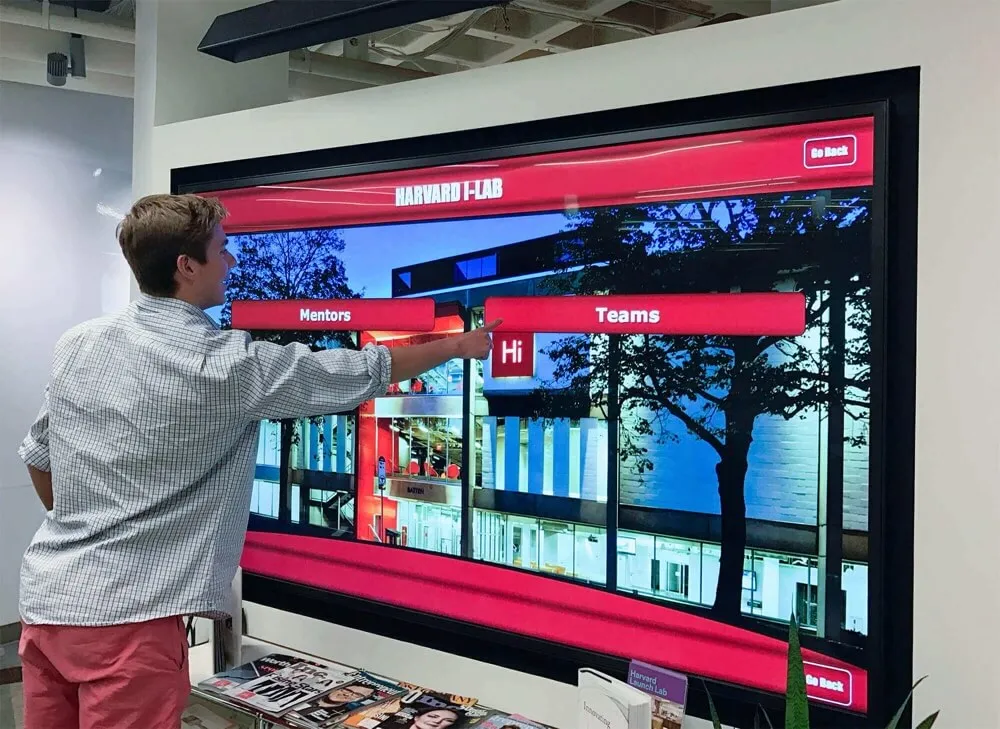
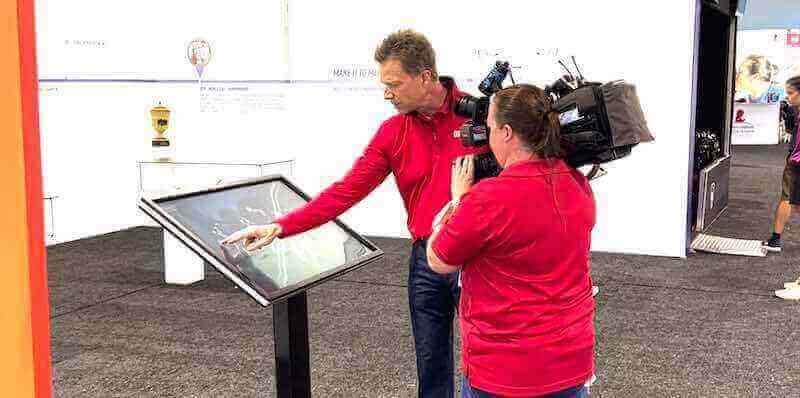
Many schools implementing interactive touchscreen kiosks at events find that technology demonstrations generate significant engagement while showcasing institutional innovation.
Food, Entertainment, and Celebration Elements
Refreshments and entertainment create welcoming, festive atmospheres that encourage extended stays and positive associations with new facilities.
Catering Approaches:
- Themed menus reflecting school spirit or facility purpose (e.g., “Brain Food” for academic buildings)
- Local restaurant partnerships supporting community businesses while reducing costs
- Food truck offerings providing variety and visual interest
- Student culinary program involvement showcasing talent and curriculum
- Accommodation of dietary restrictions ensuring inclusive hospitality
- Sustainable serving solutions minimizing environmental impact
Entertainment Programming:
- Student performances (bands, choirs, dance groups, theater presentations)
- DJ or live music creating energetic atmosphere
- Professional entertainment (magicians, caricature artists, balloon artists)
- Athletic demonstrations or competitions
- Mascot appearances and school spirit activities
- Video presentations documenting project history or showcasing future vision
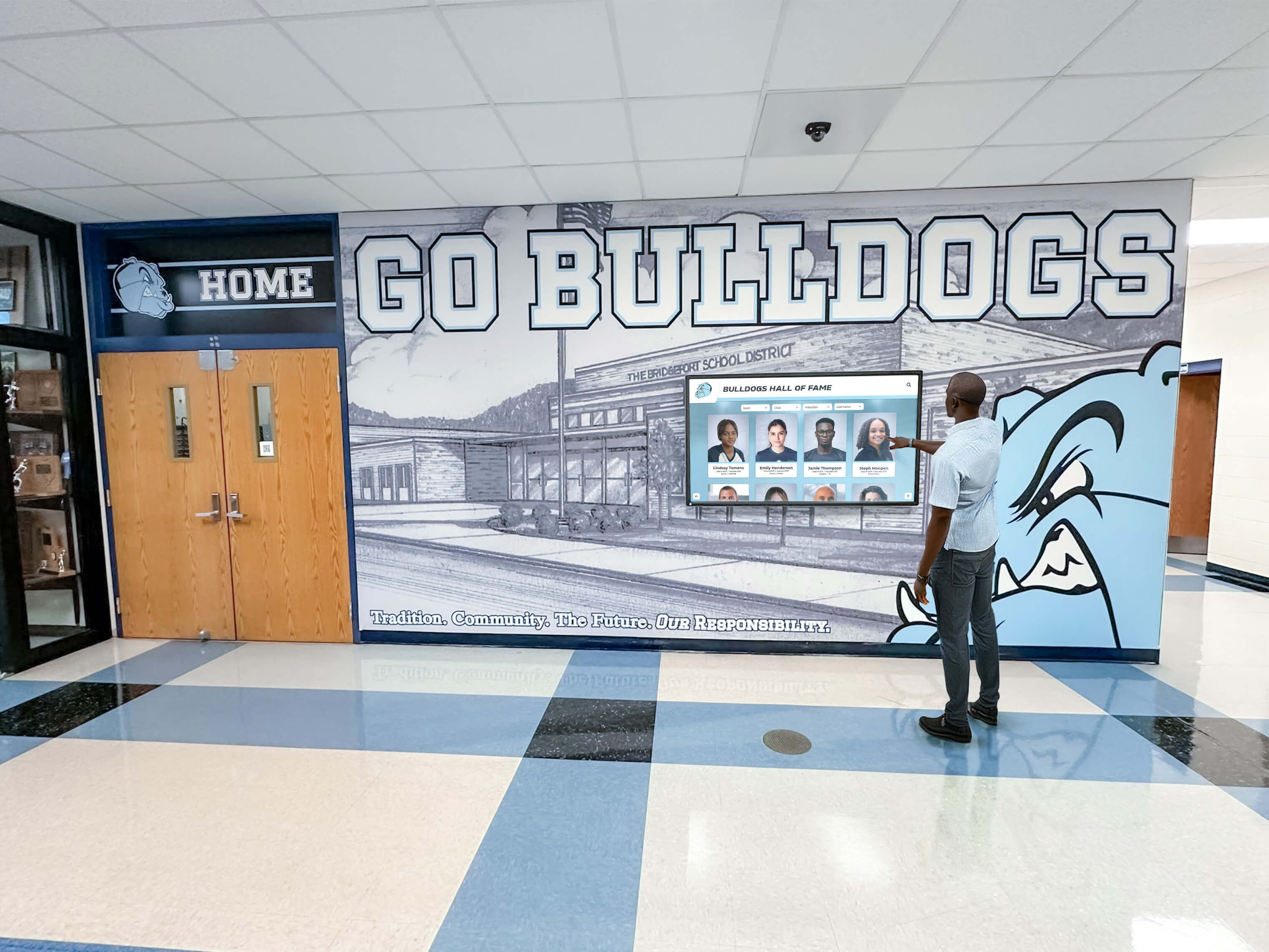
Recognition Displays and Historical Documentation
Grand openings provide ideal opportunities to unveil new recognition installations celebrating institutional history, honoring contributors, and inspiring future achievement.
Recognition Display Types:
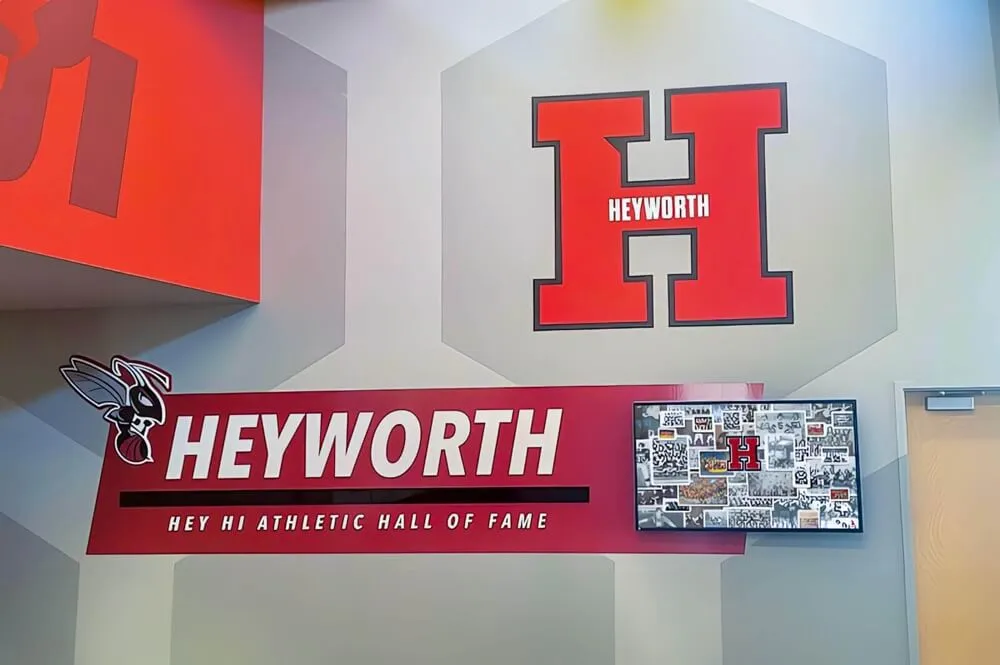
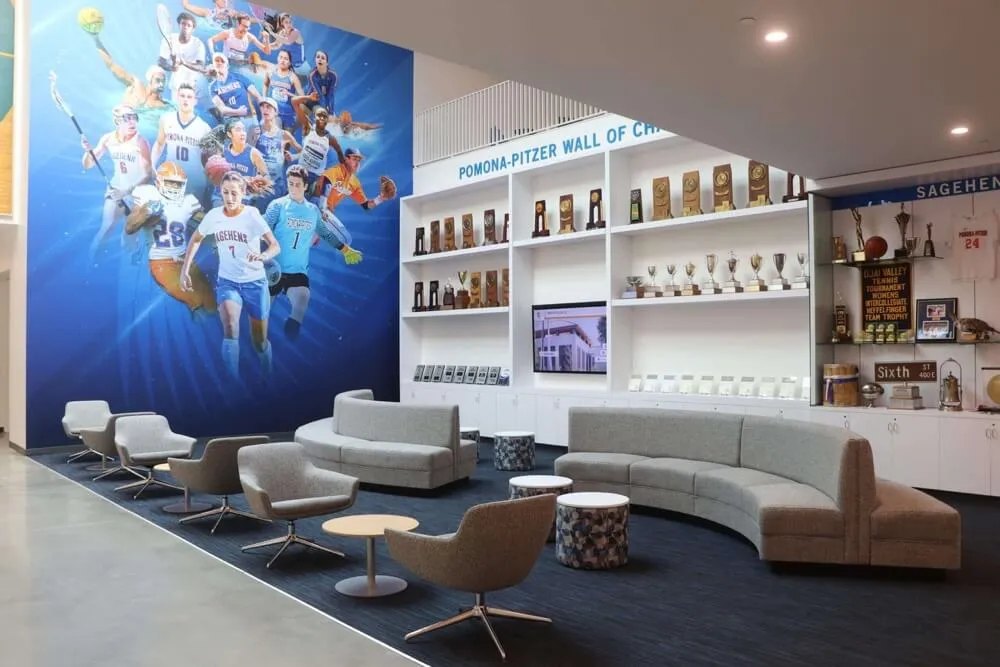
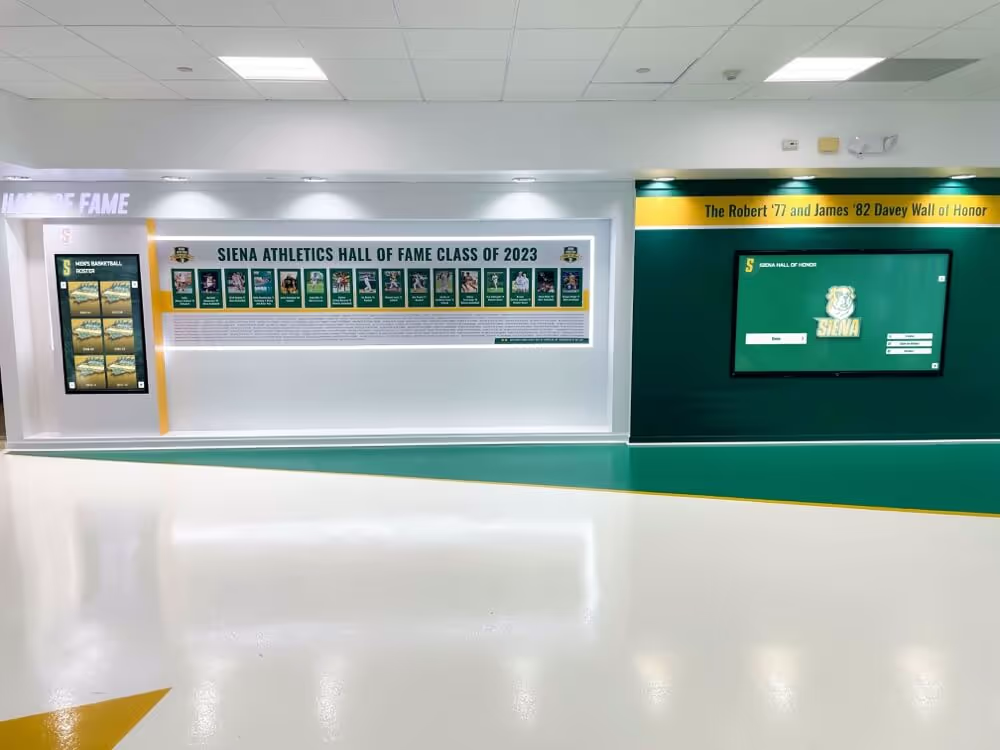
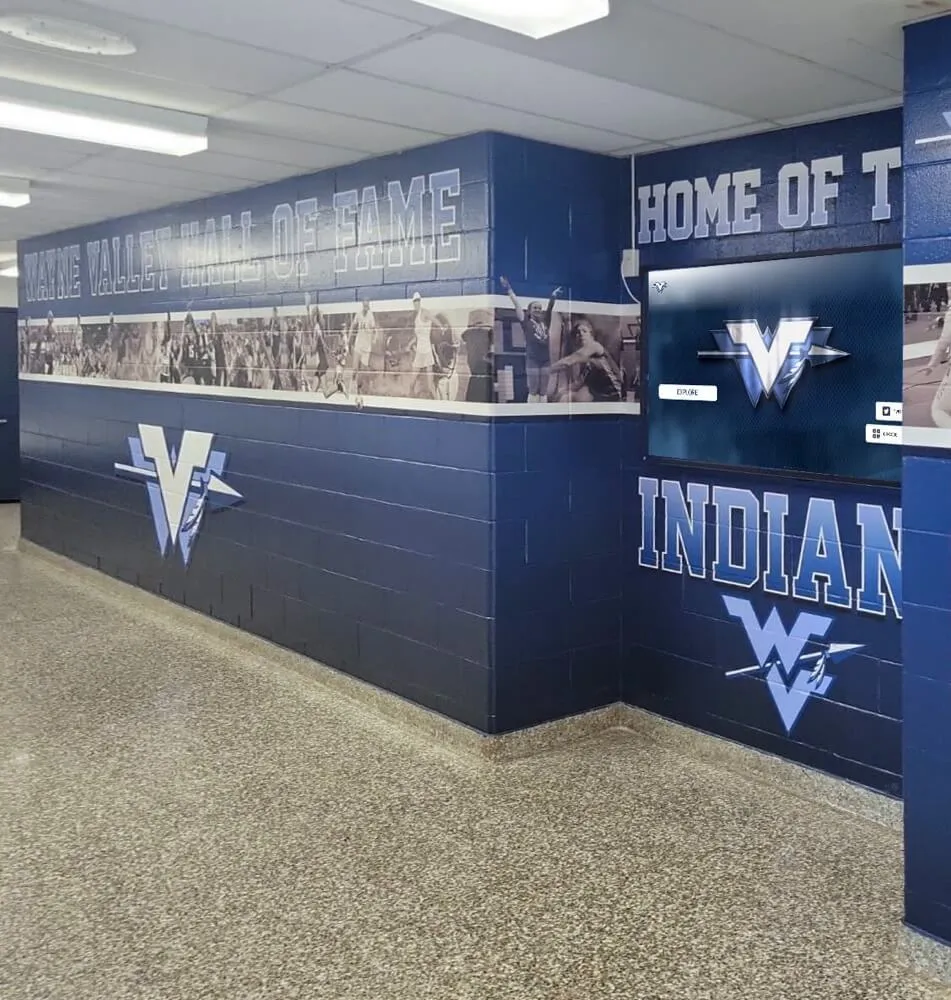
Donor Walls and Giving Recognition: Permanent installations honoring capital campaign contributors demonstrate gratitude while inspiring continued philanthropic engagement. Digital donor recognition walls provide flexibility to acknowledge giving at multiple levels while accommodating future additions as campaigns continue. Organizations implementing comprehensive donor recognition ideas find that prominent, well-designed displays significantly impact donor satisfaction and retention.
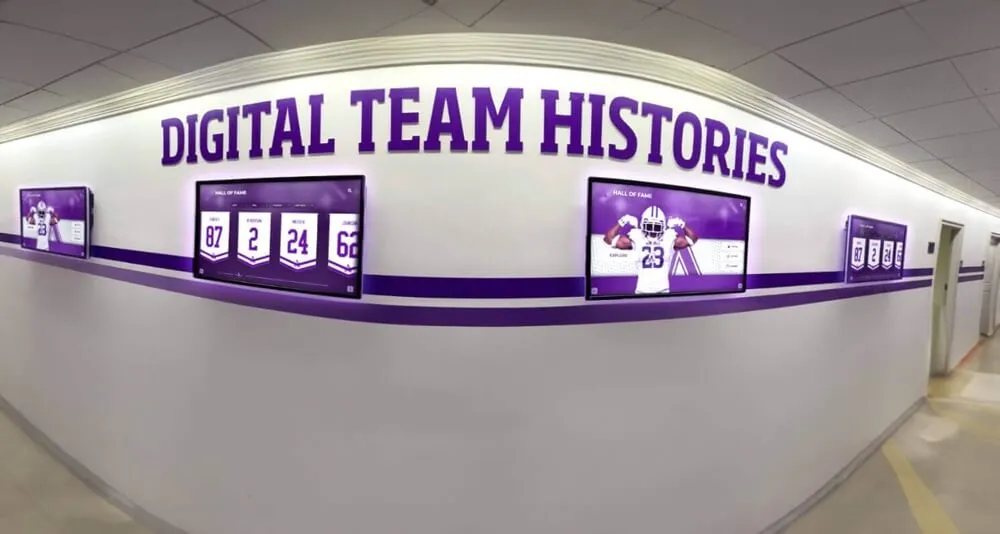
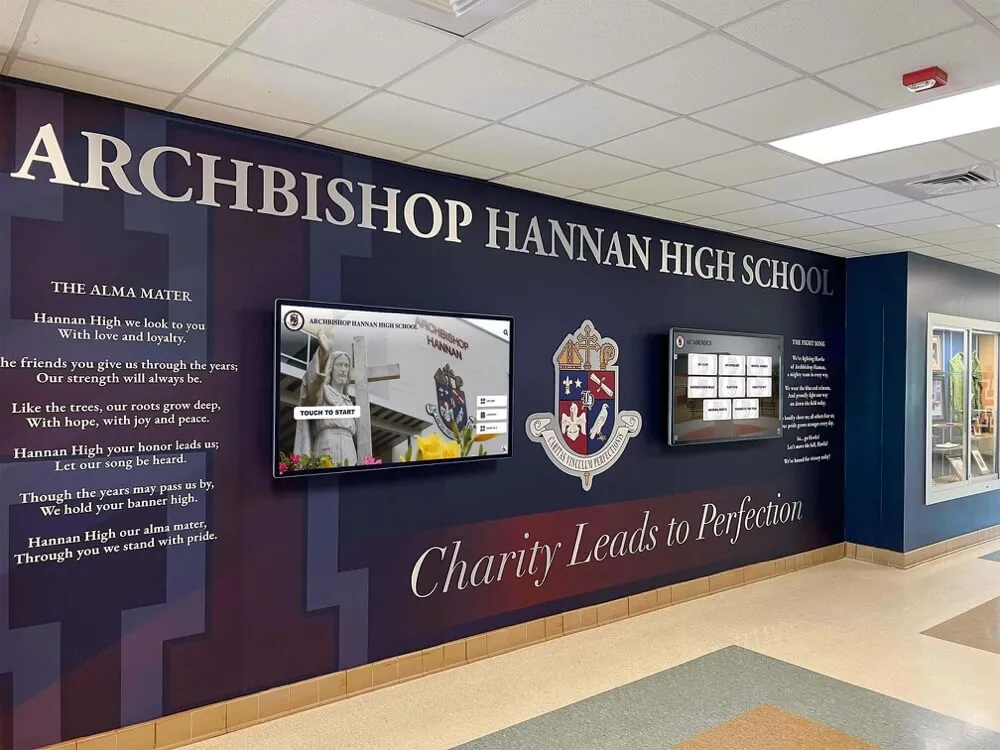
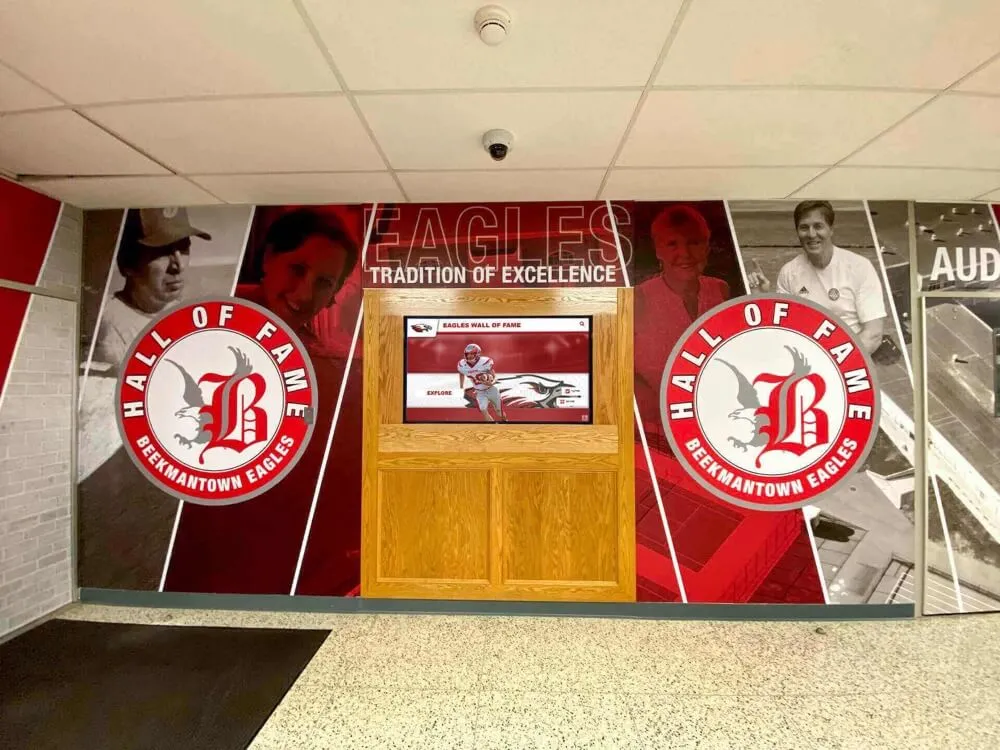
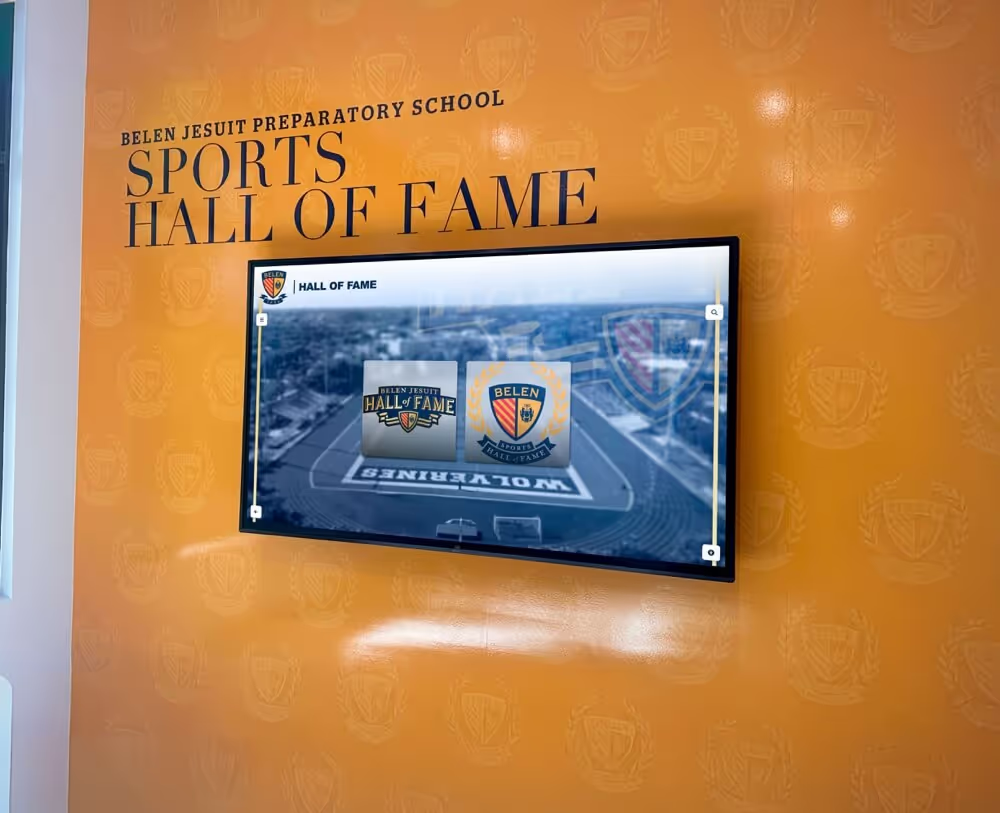
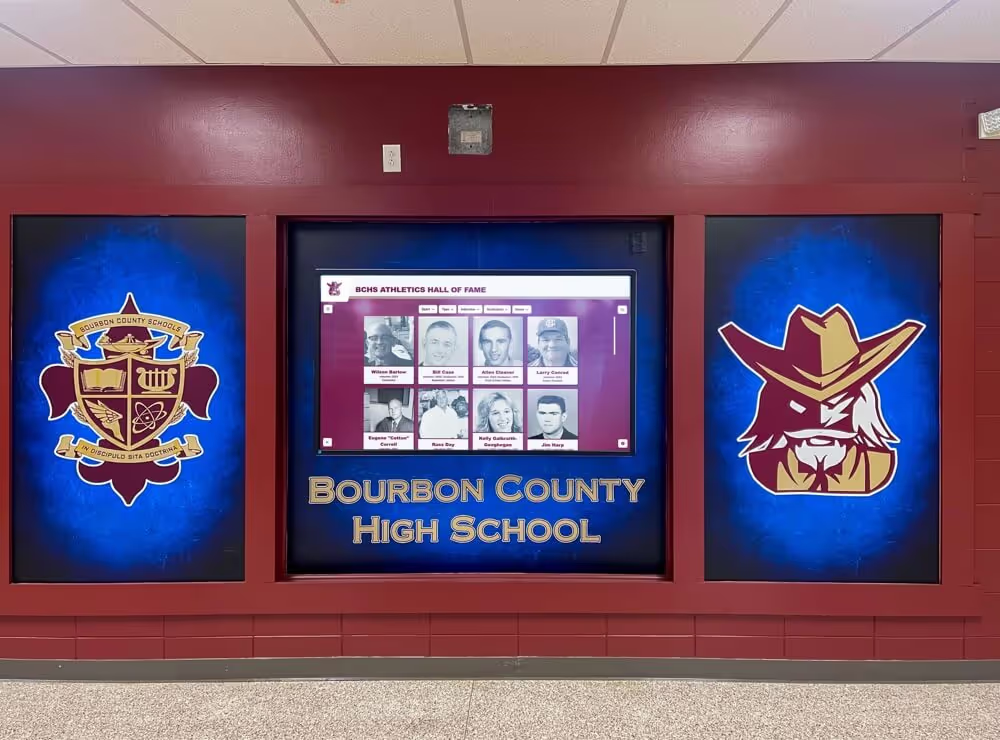
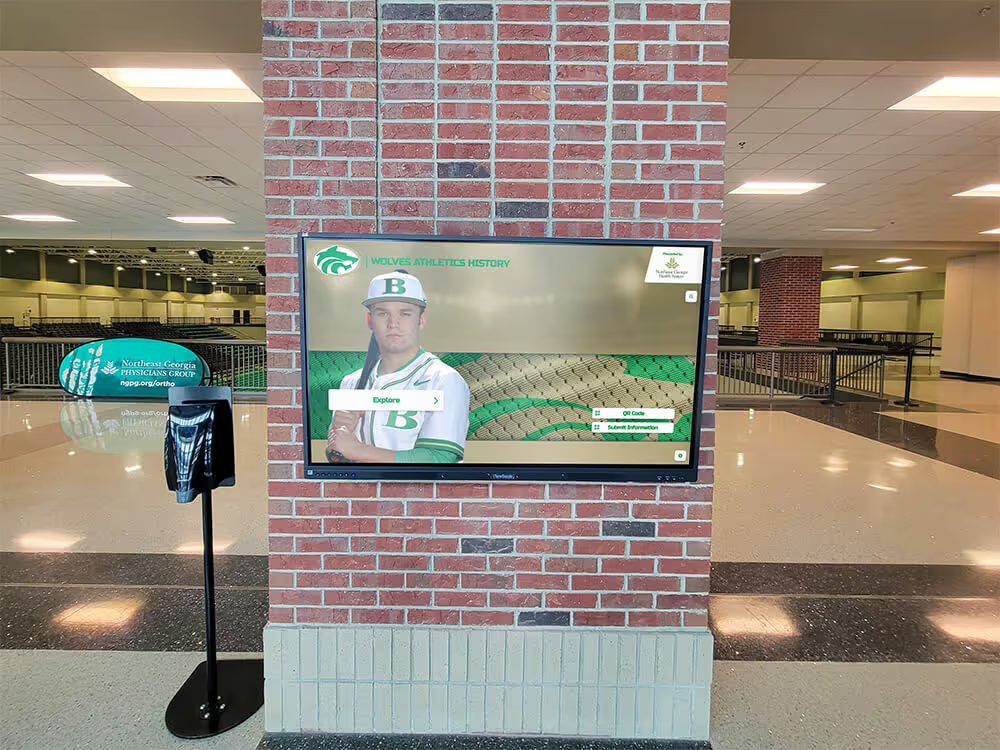
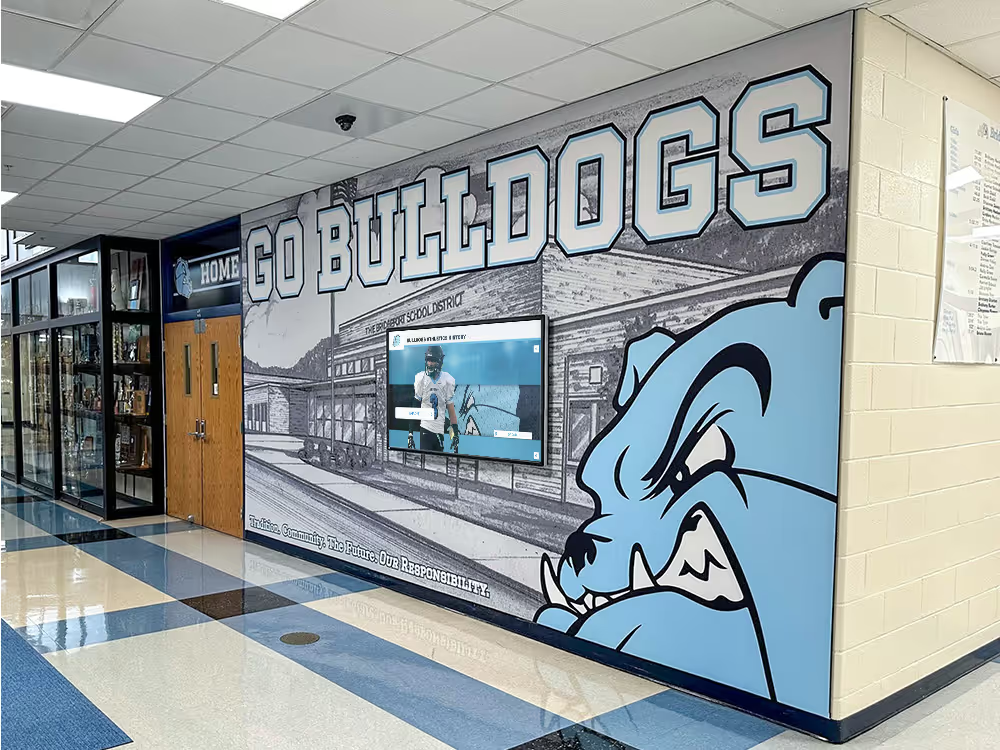
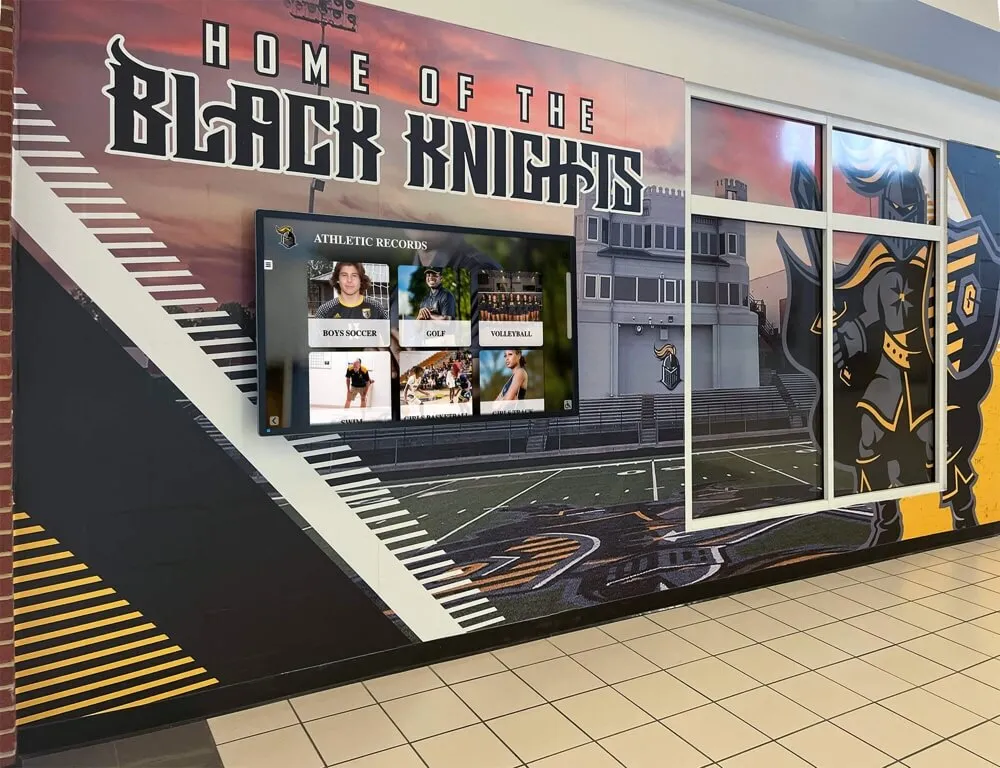
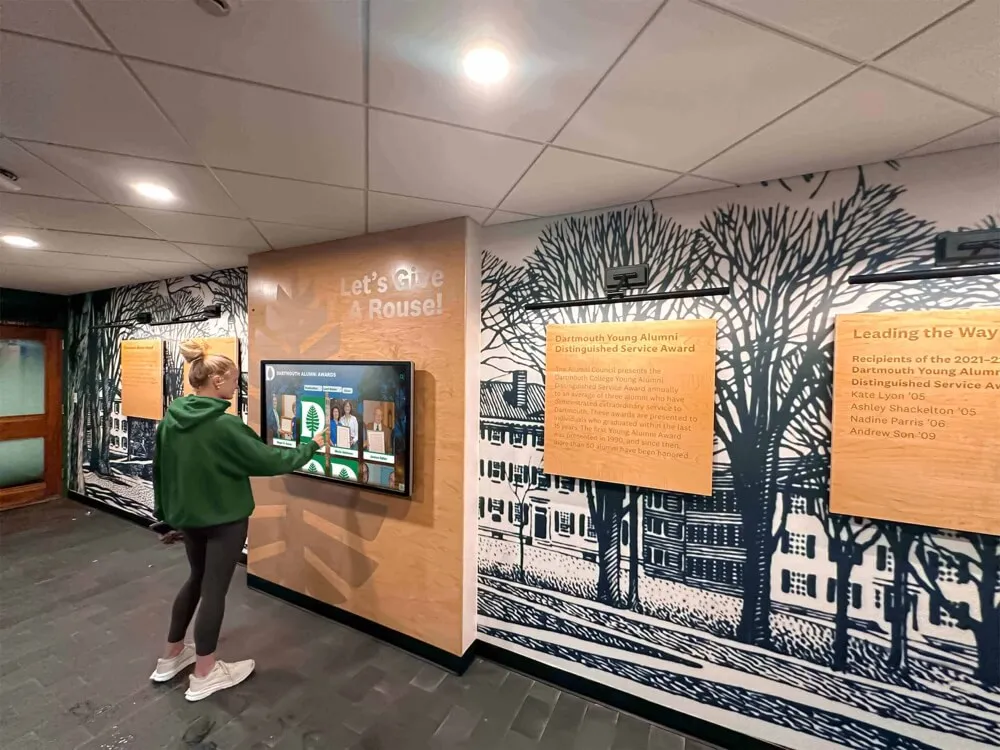
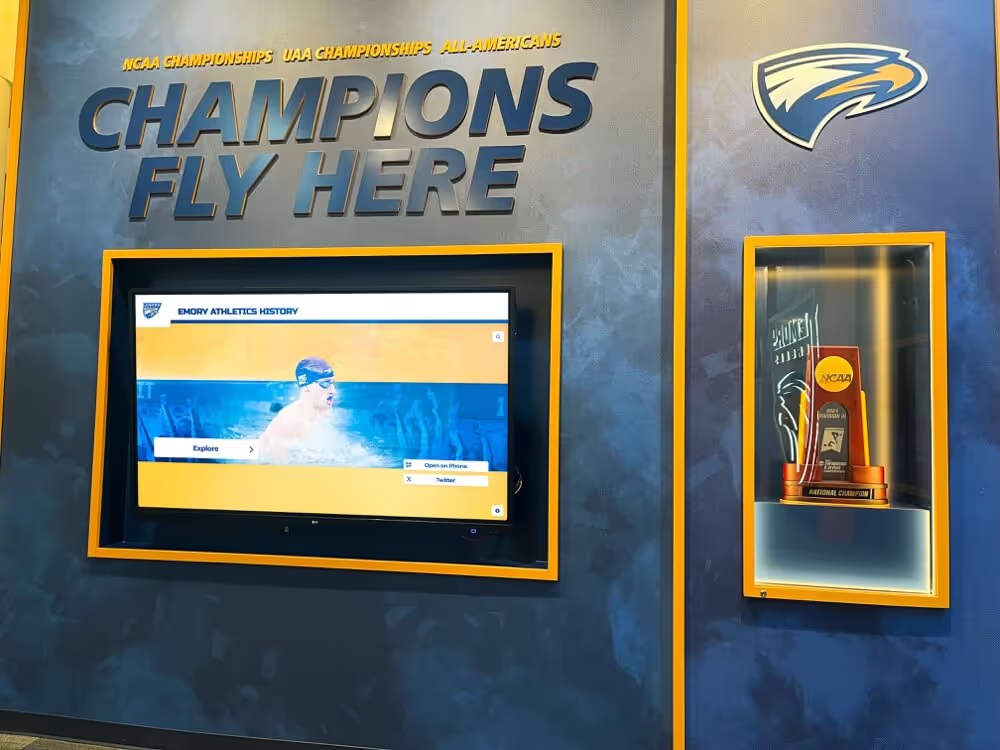
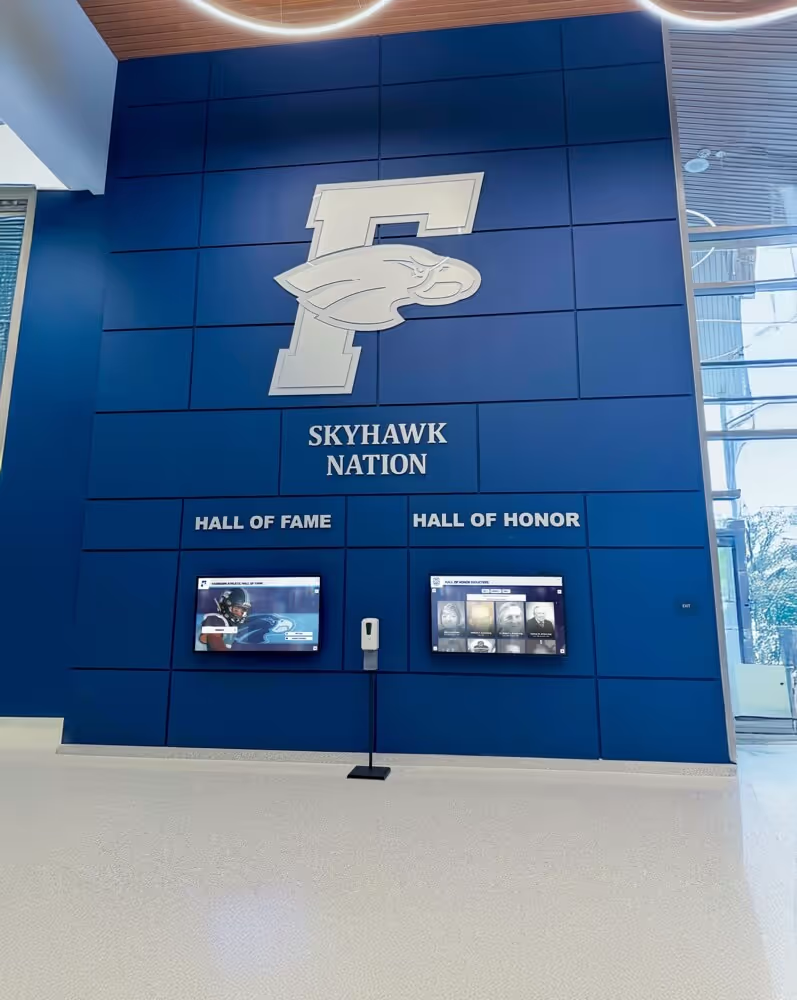
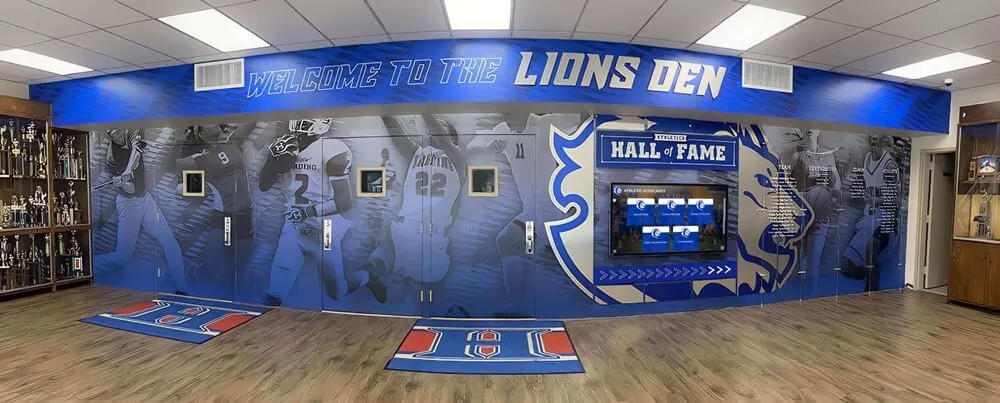
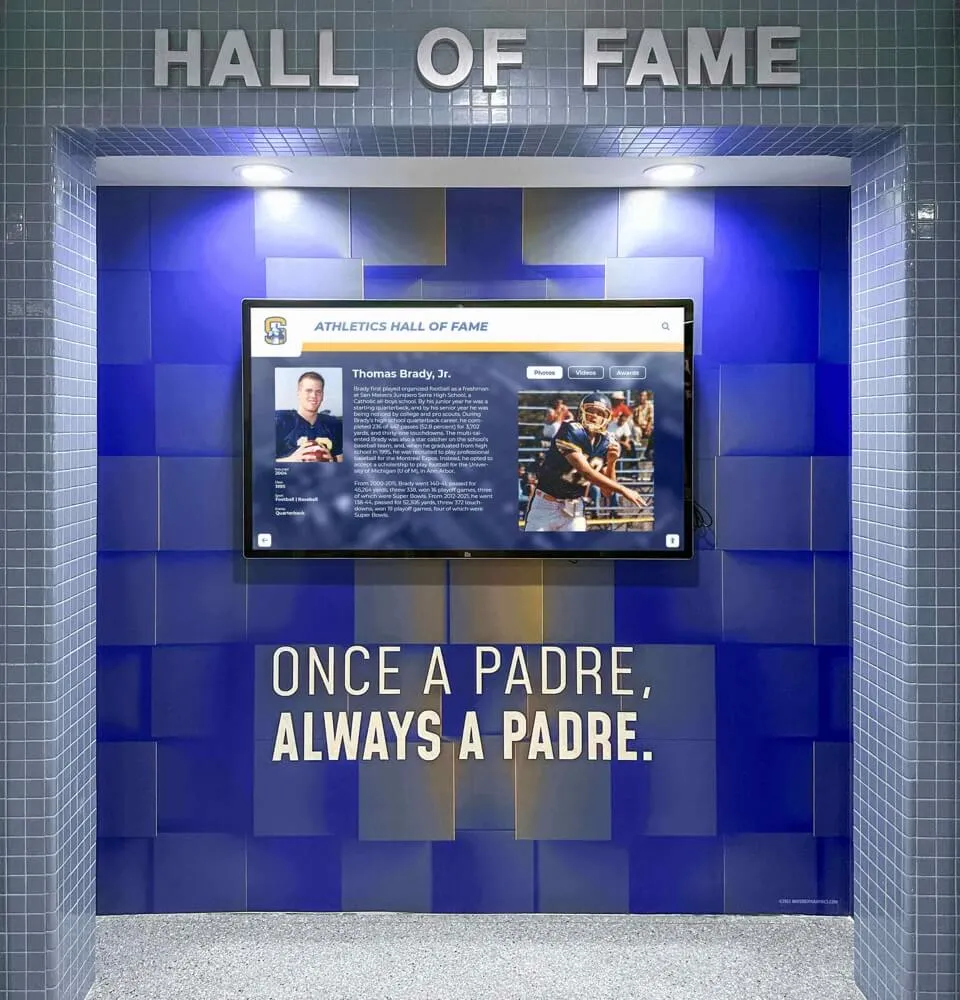
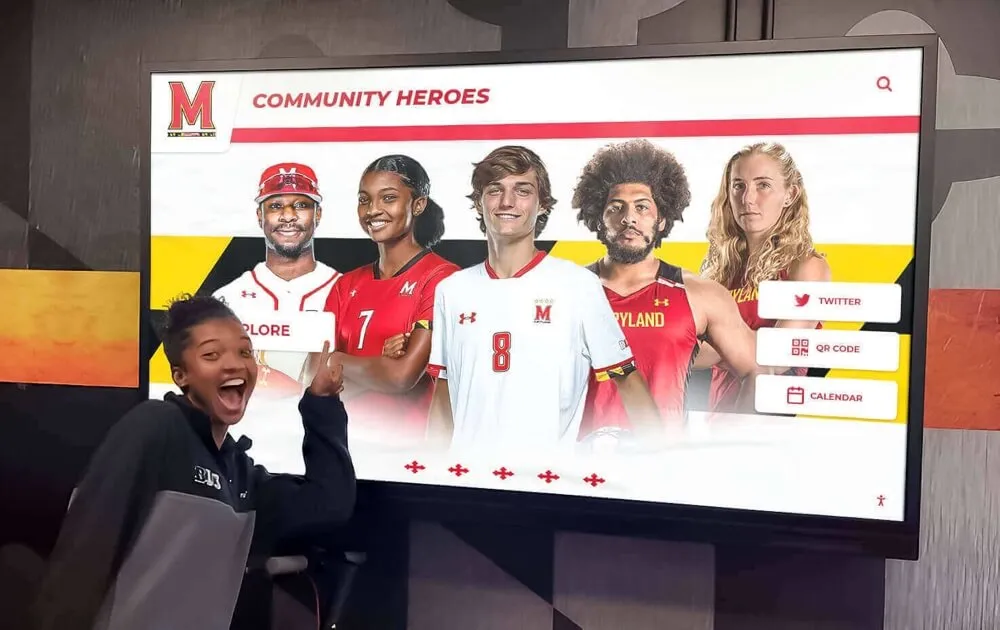
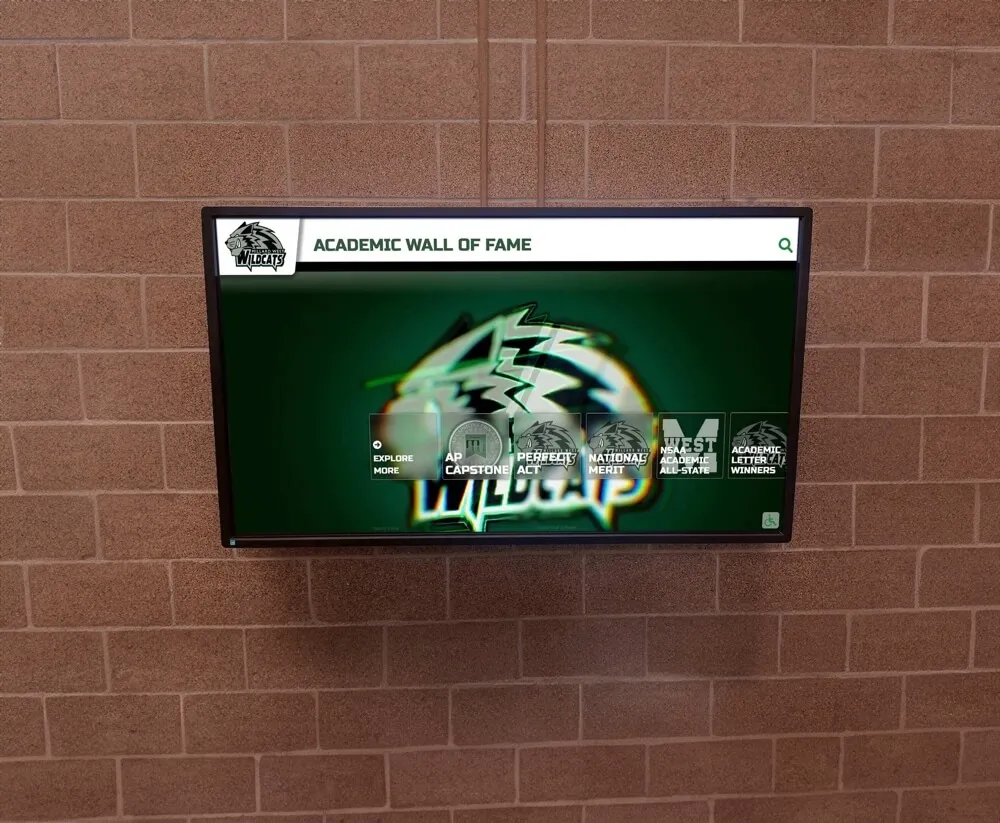
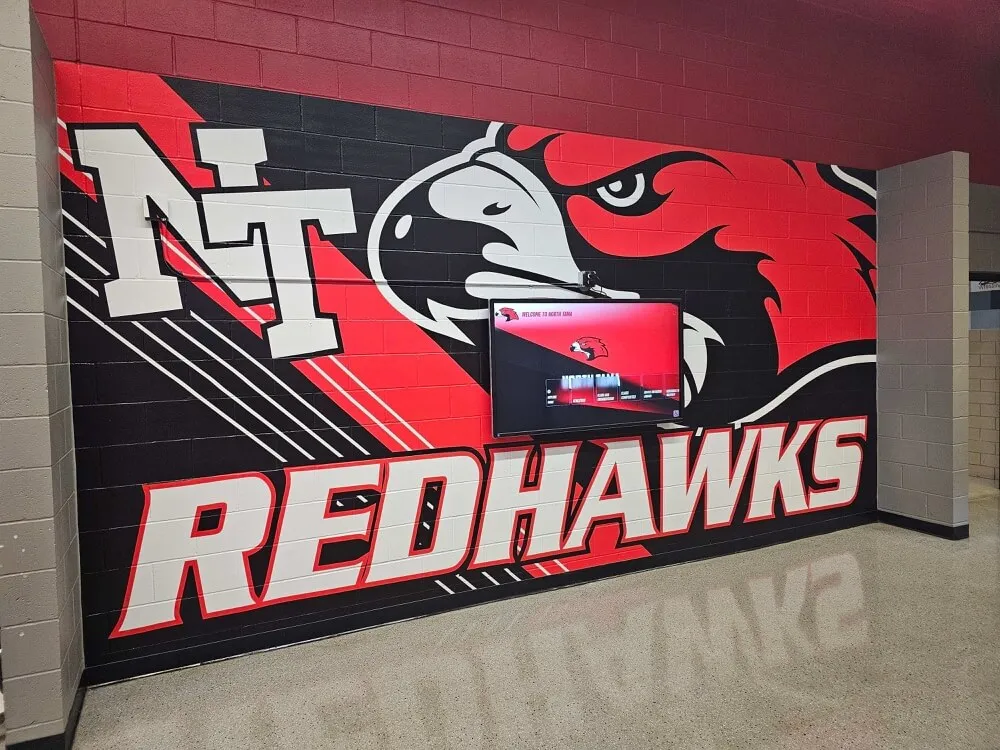
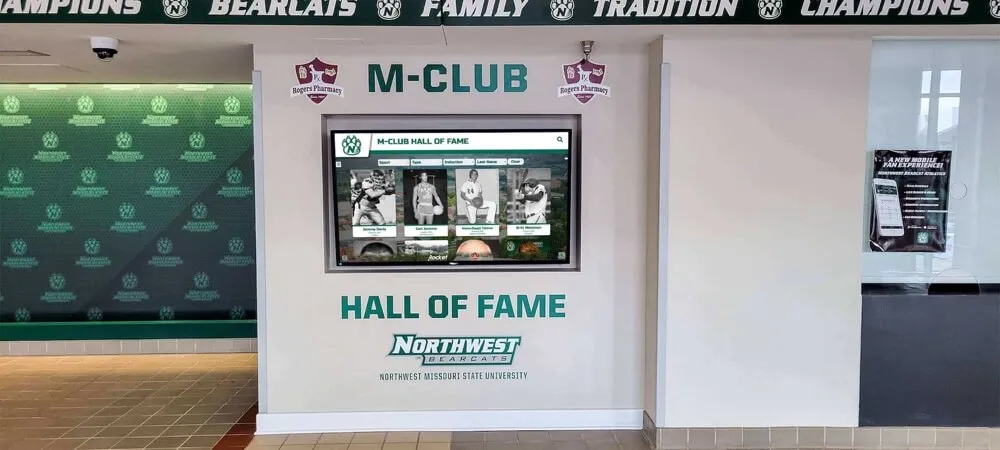
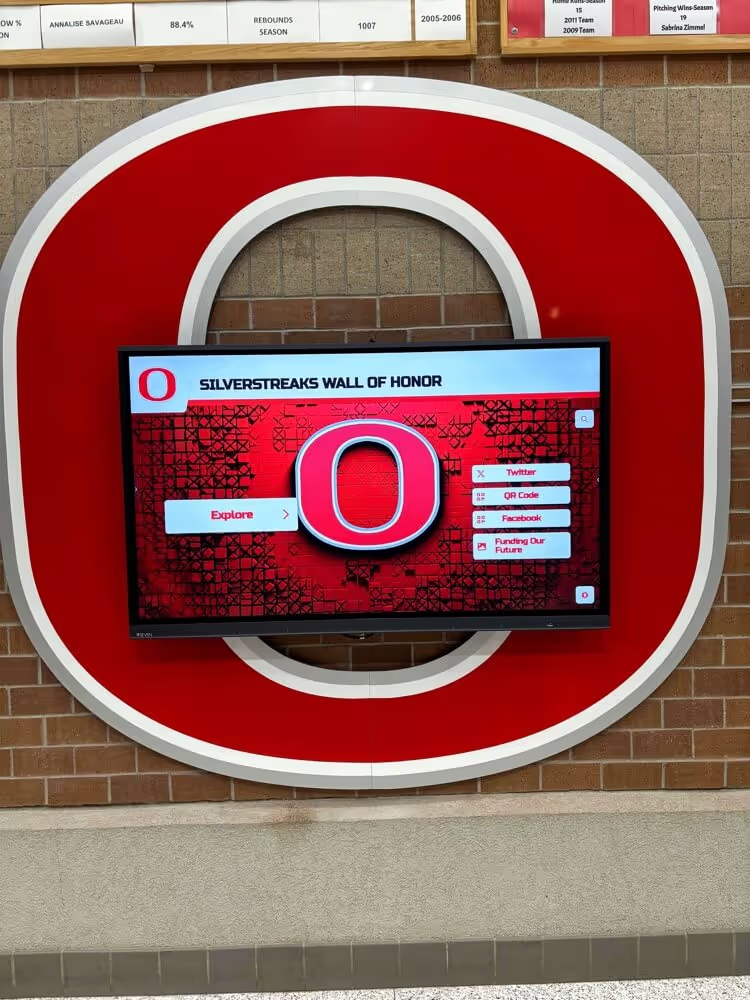
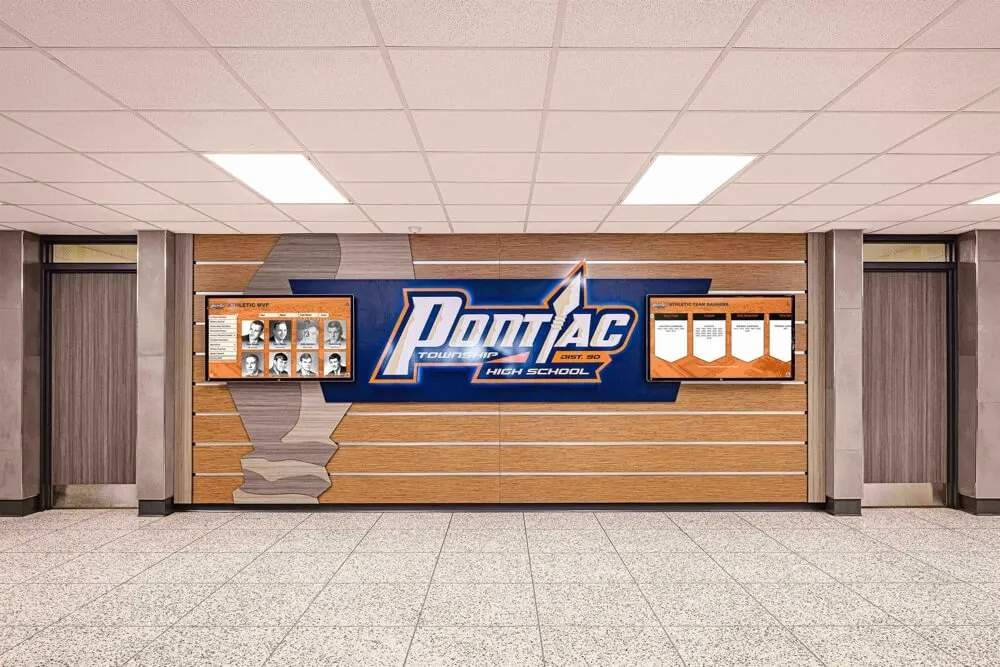
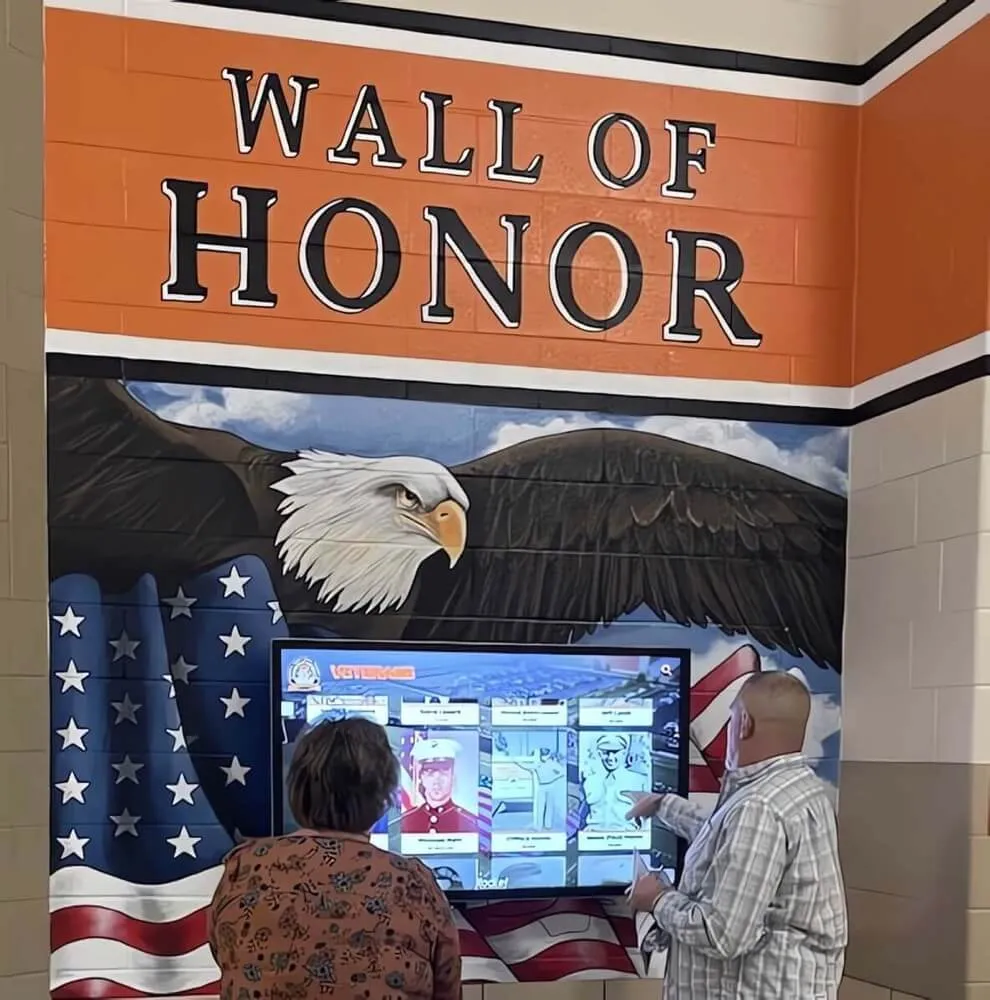
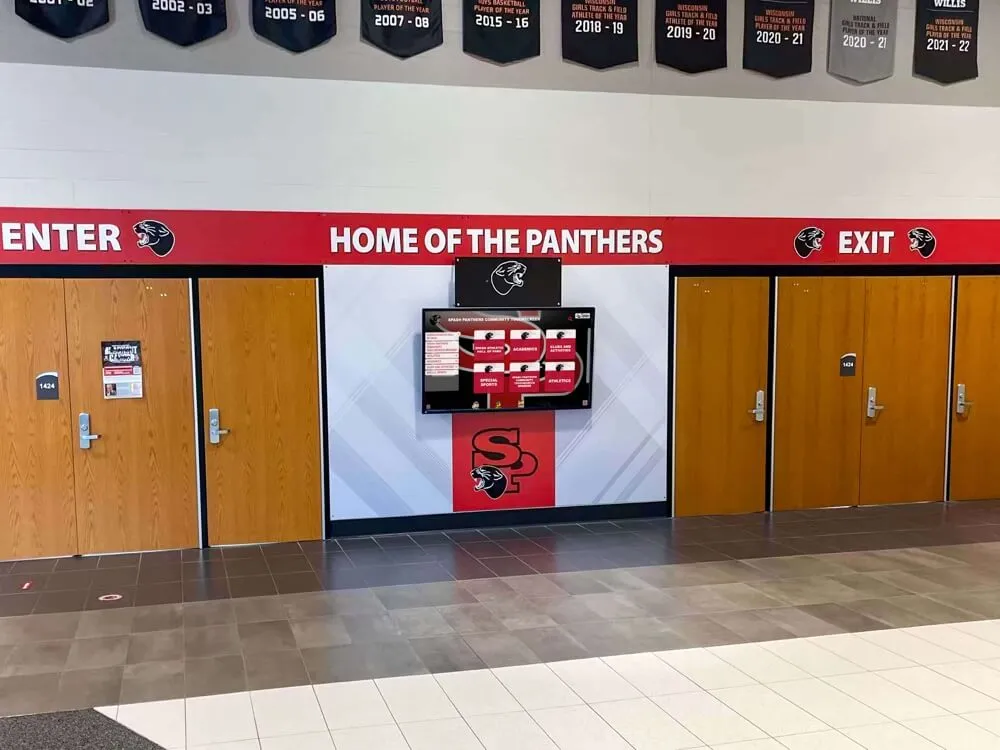
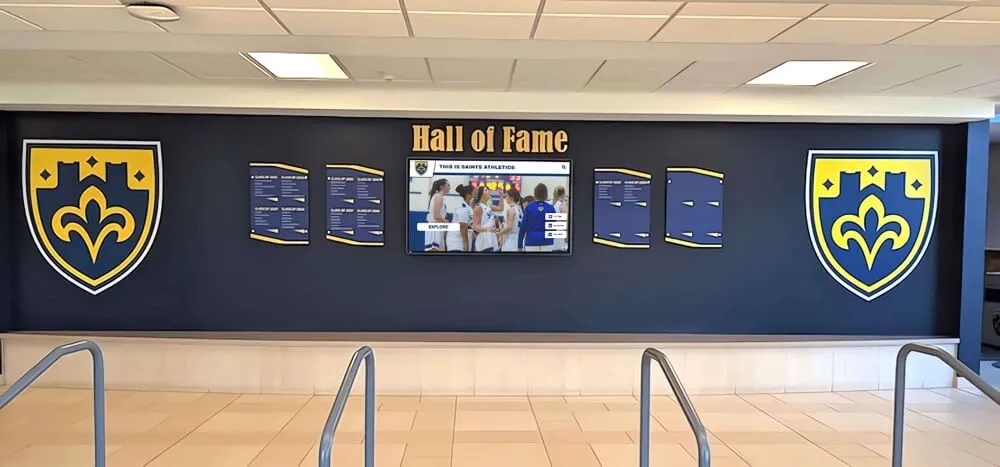
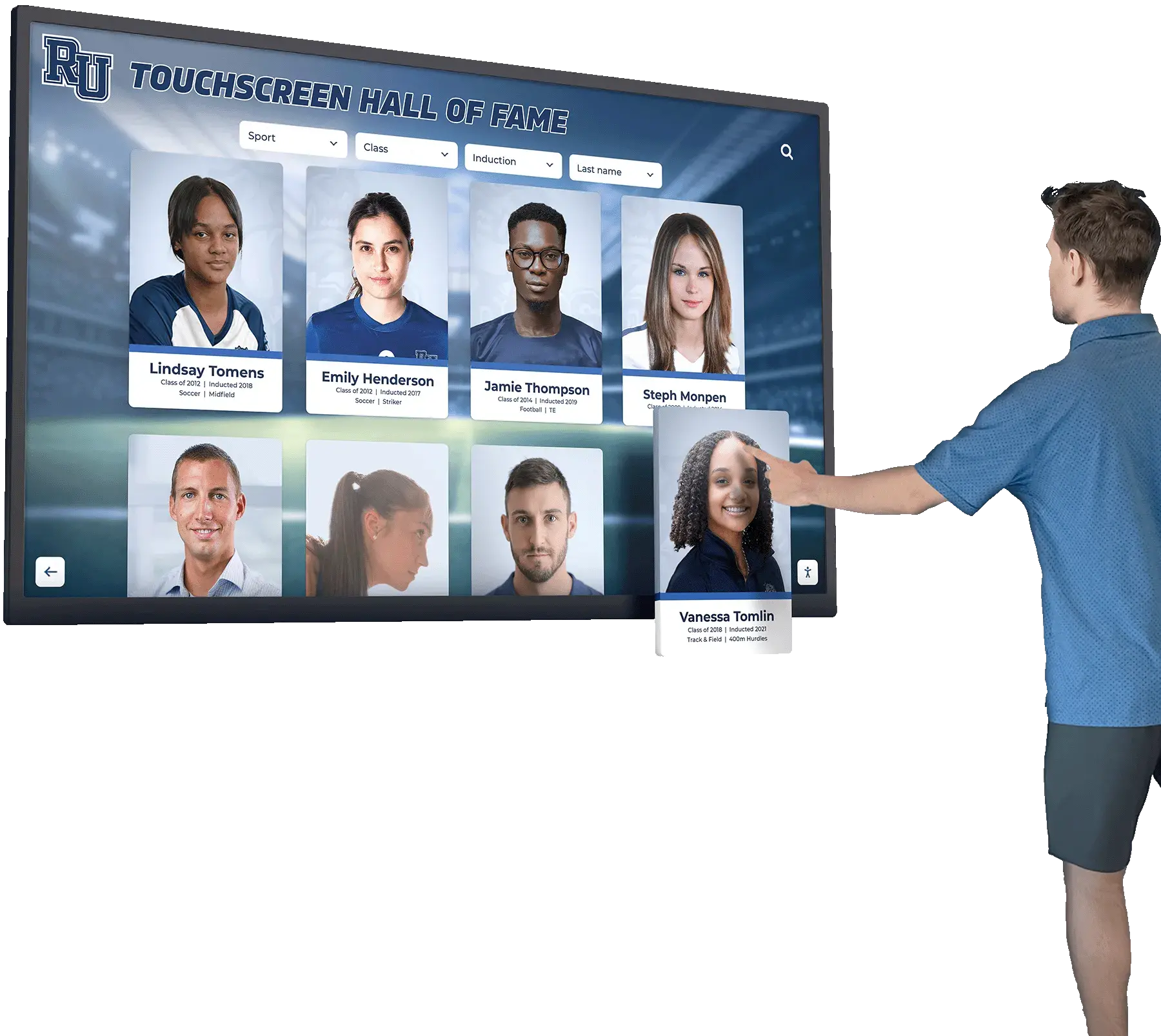
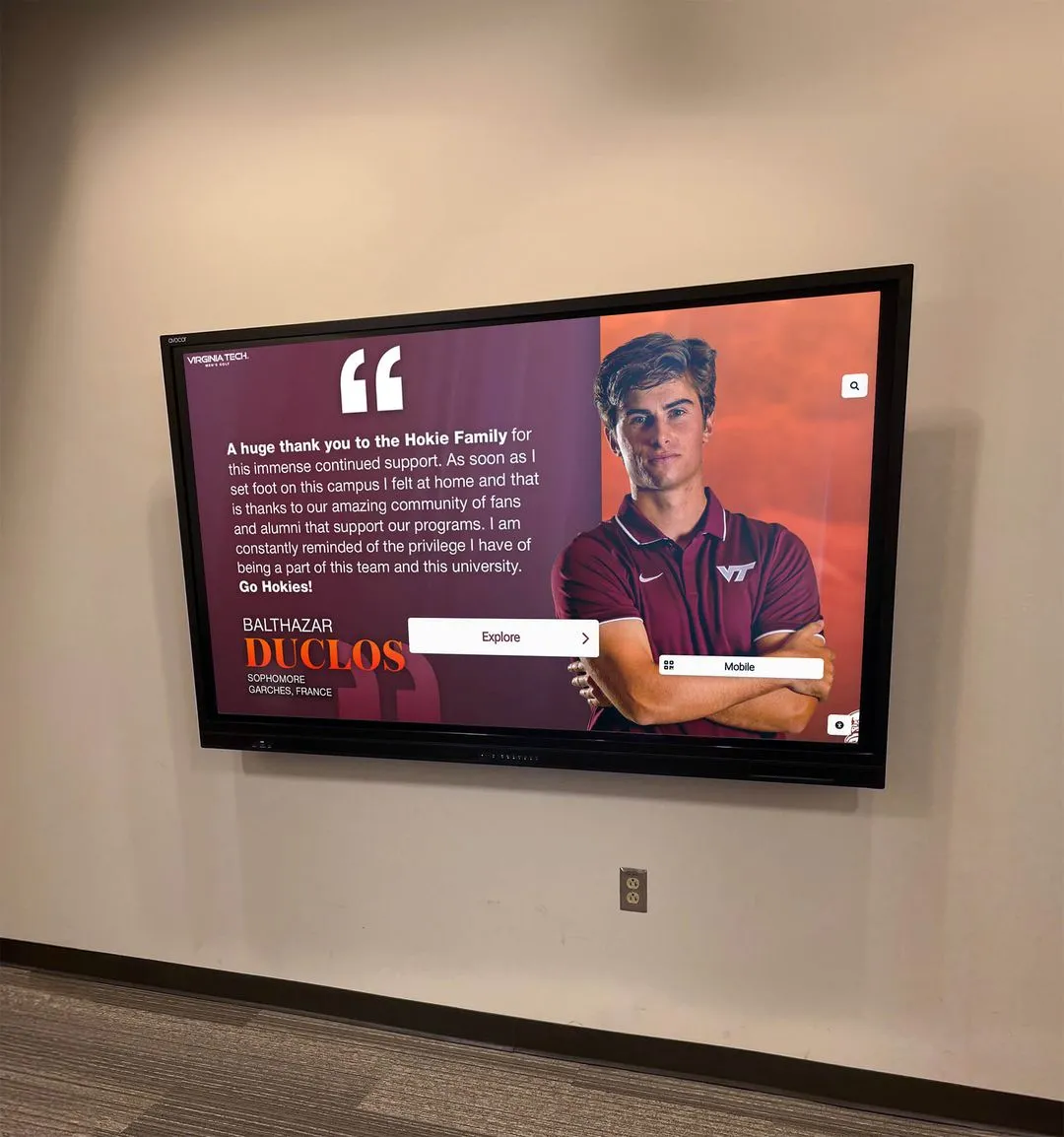
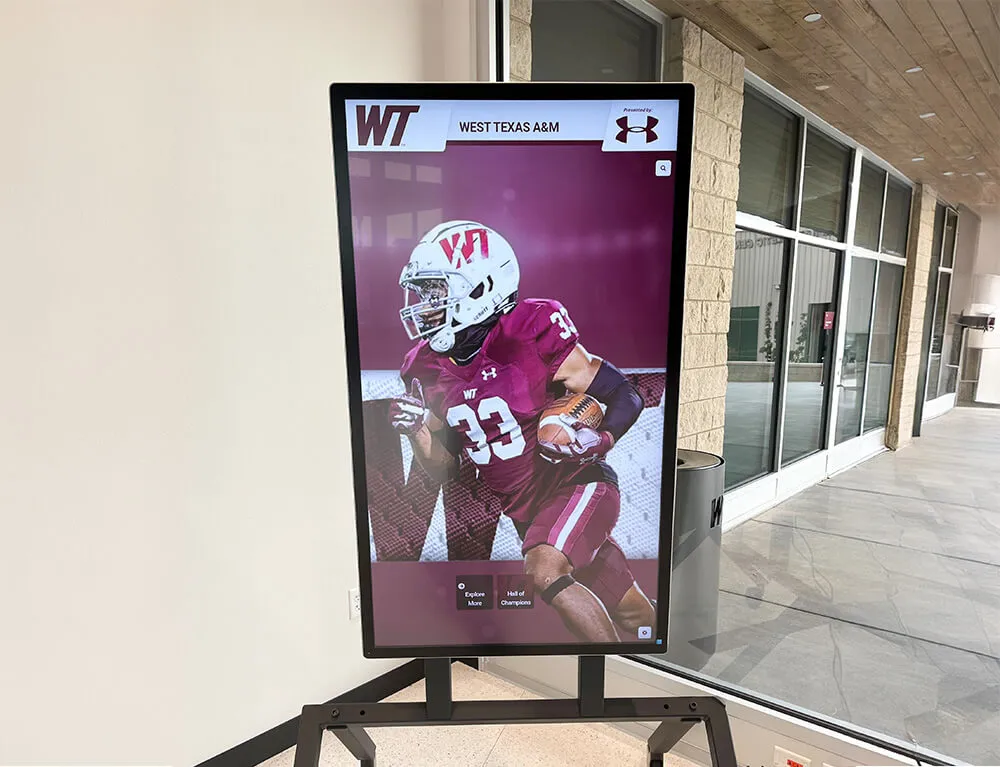
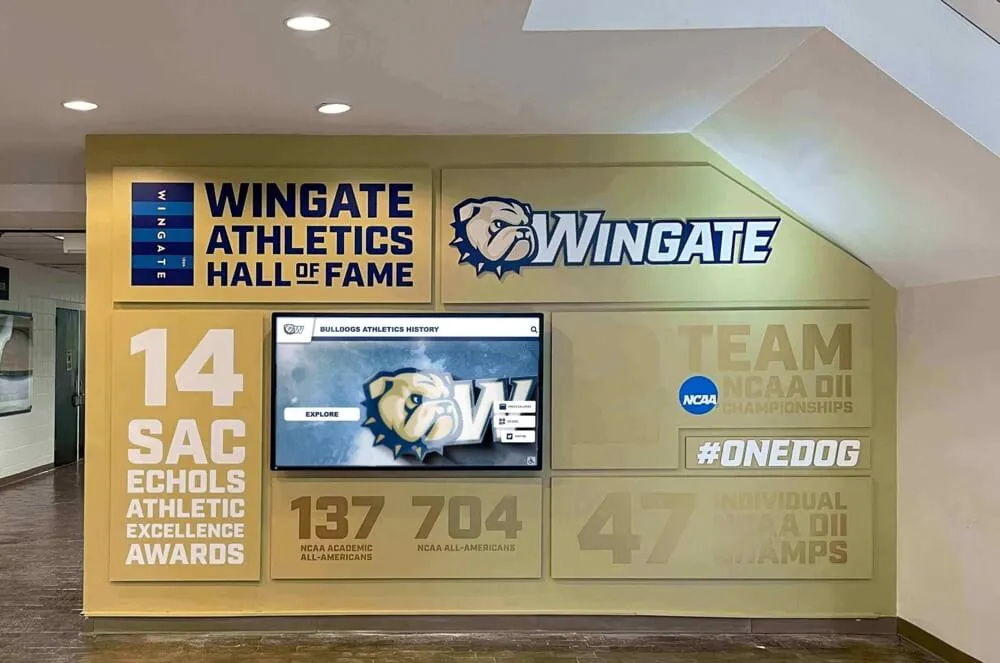
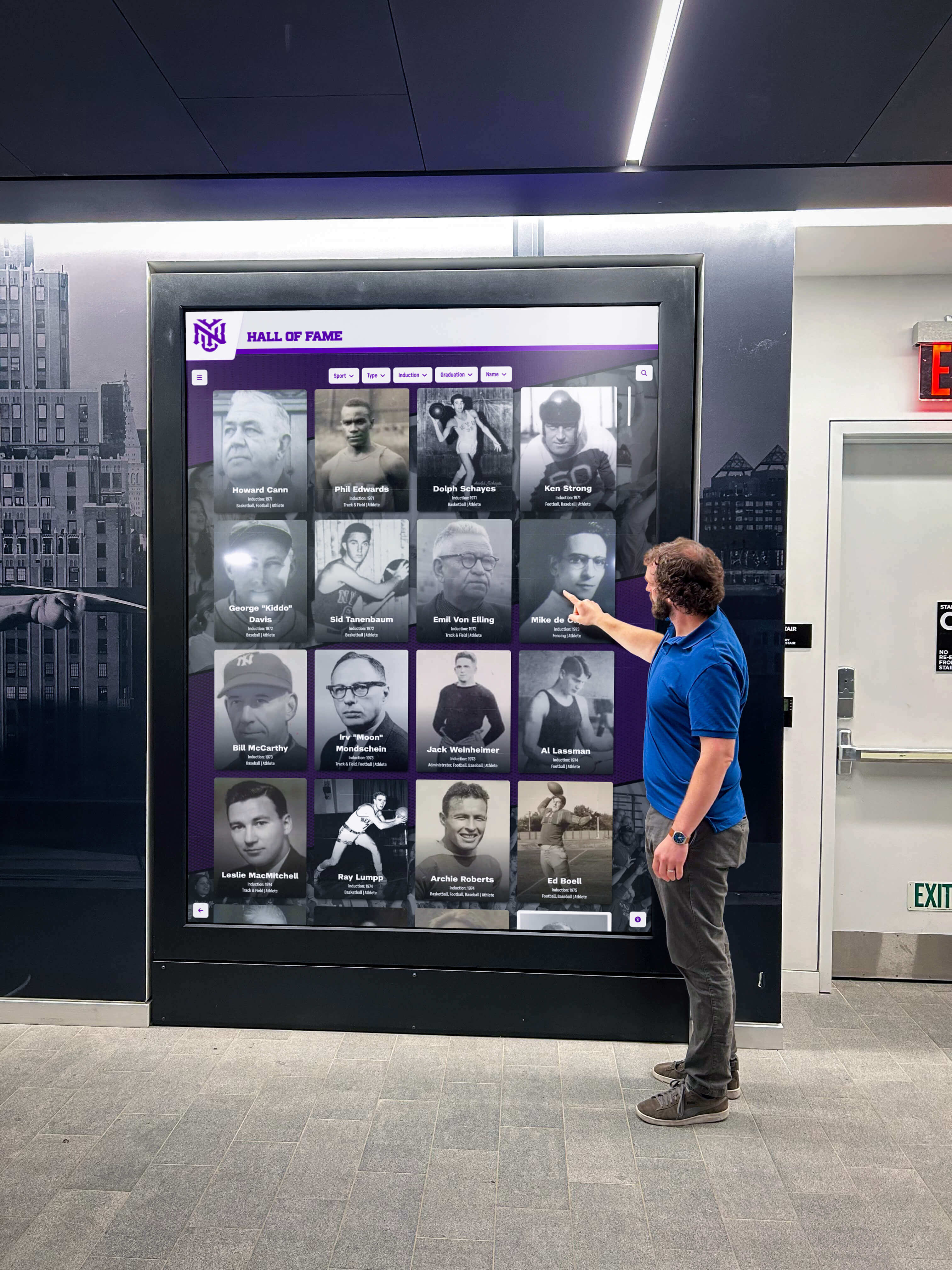
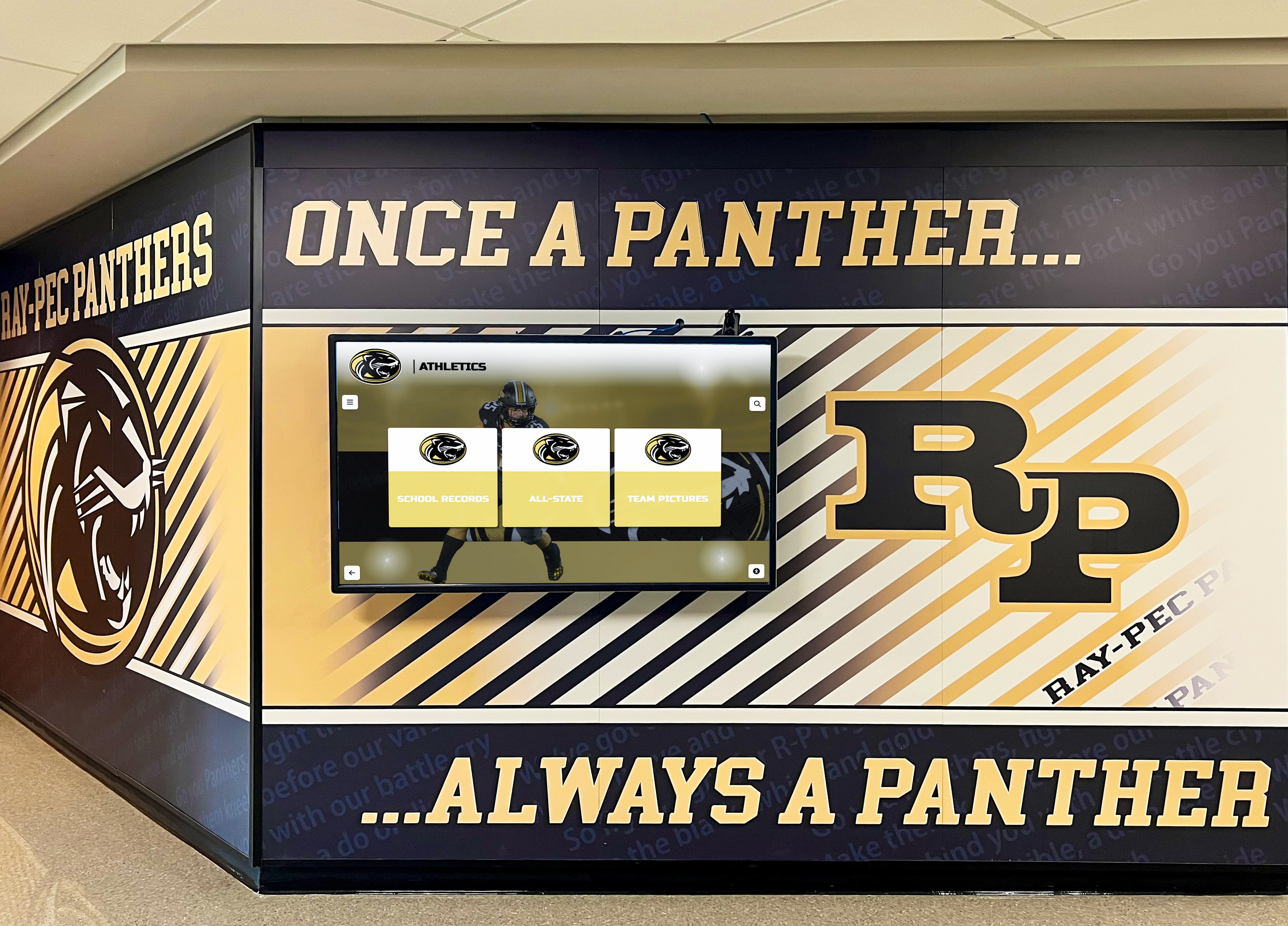
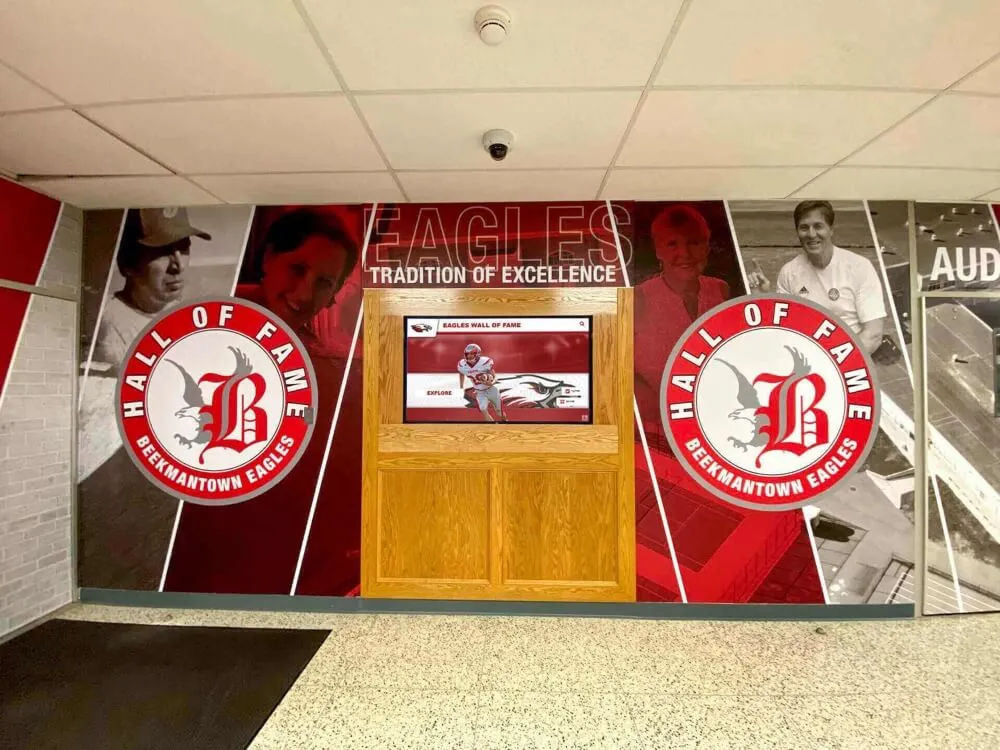
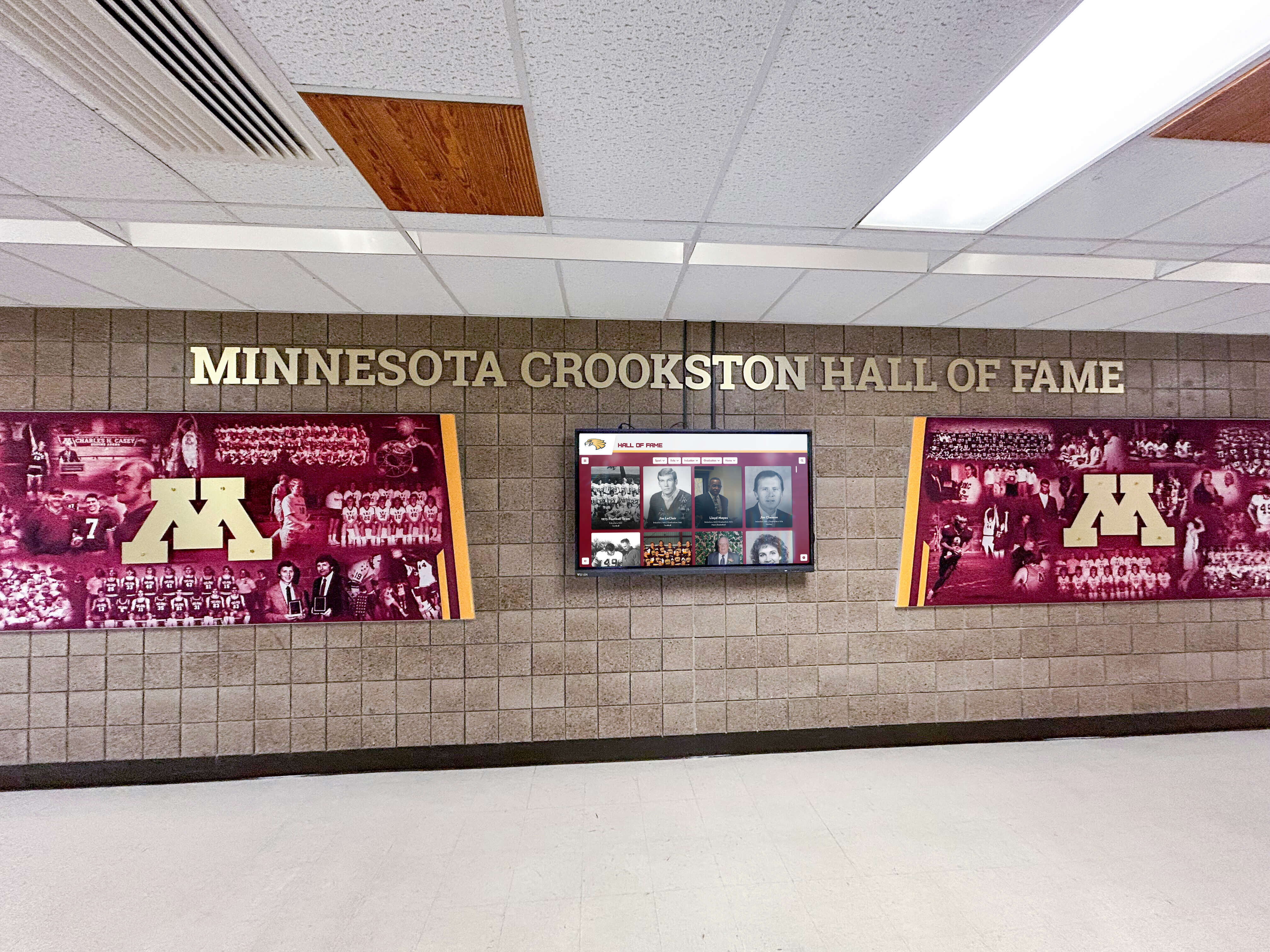
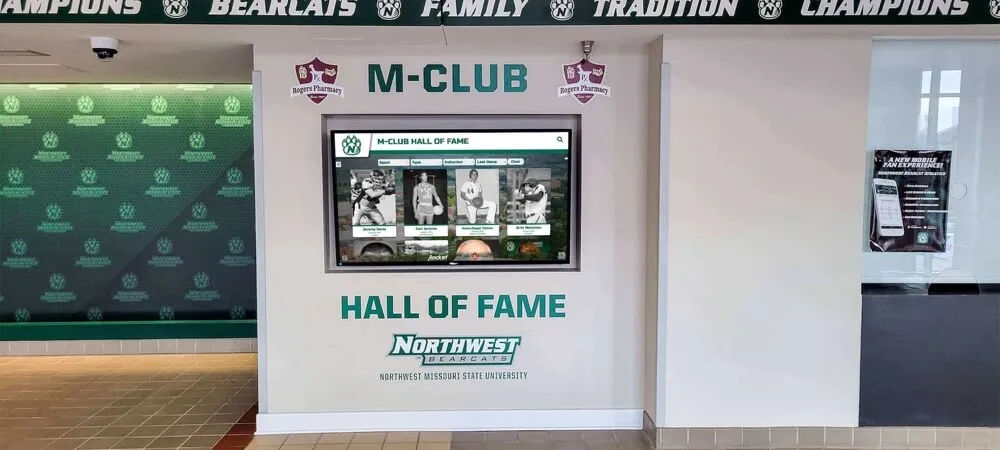
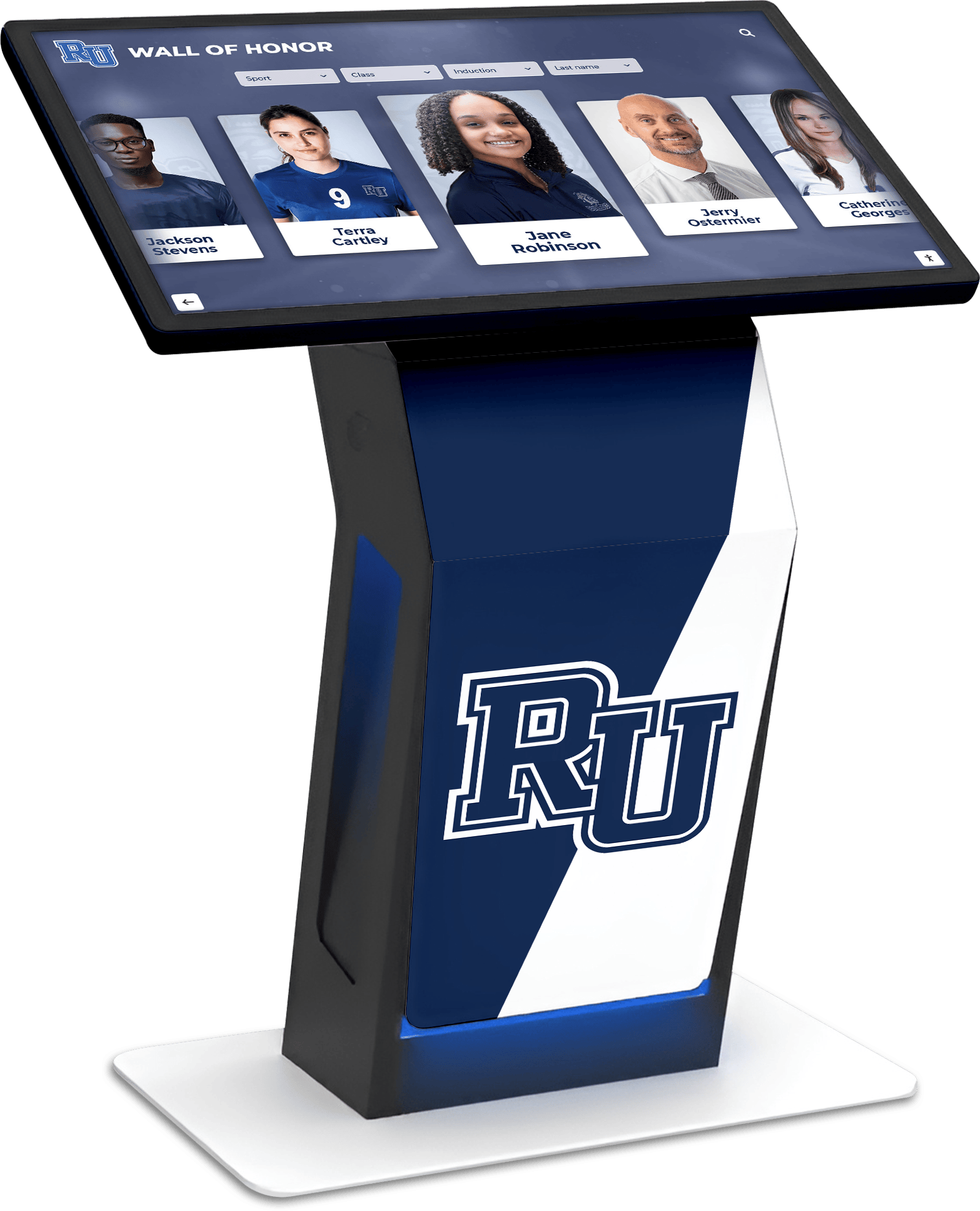
Interactive Digital Recognition: Modern touchscreen displays transform static recognition into engaging exploration experiences. Solutions like Rocket Alumni Solutions enable schools to showcase unlimited achievement databases through intuitive digital interfaces, providing comprehensive recognition capacity that traditional physical displays cannot match. Interactive systems support rich multimedia content including photos, videos, biographical information, and achievement documentation that honor individuals appropriately while engaging visitors actively.
Achievement Archives and Historical Timelines: New facilities create natural occasions to document institutional history comprehensively. Timeline displays showing school evolution, championship victories, distinguished alumni, and defining moments connect present celebrations to rich legacies while inspiring future excellence.
Unveiling these recognition installations during grand opening ceremonies creates memorable moments while demonstrating that new facilities include thoughtful elements honoring those who made projects possible and celebrating institutional heritage.
Strategic Planning for Grand Opening Success
Effective grand openings result from systematic planning that addresses logistics, promotion, stakeholder engagement, and sustainability considerations.
Forming Grand Opening Planning Committees
Successful event planning requires diverse perspectives and distributed responsibilities through structured committee approaches.
Core Committee Members:
- Administrative leadership providing strategic direction and final approval
- Facilities directors managing logistical and technical requirements
- Advancement staff coordinating donor relations and fundraising integration
- Communications professionals handling promotion and public relations
- Student representatives ensuring programming appeals to student interests
- Parent or alumni volunteers contributing community perspectives
- Faculty or staff who will utilize new facilities offering operational insights
Committee Responsibilities:
- Establishing event vision, objectives, and success criteria
- Developing detailed budgets and identifying funding sources
- Creating comprehensive timelines with assigned responsibilities
- Coordinating with necessary stakeholders and external partners
- Managing vendor relationships and contractual obligations
- Overseeing promotional campaigns and attendance strategies
- Planning for contingencies and risk management
Developing Comprehensive Event Timelines
Structured timelines ensure systematic progress while allowing flexibility to accommodate emerging challenges or opportunities.
6 Months Before Event:
- Form planning committee and establish meeting schedule
- Define event vision, objectives, and preliminary budget
- Confirm event date and timing considering calendar conflicts
- Identify required permits, insurance, or regulatory approvals
- Begin donor recognition planning and donor communication
- Develop preliminary guest lists and attendance projections
3-4 Months Before Event:
- Finalize event program and activity schedule
- Secure entertainment, catering, and other vendors
- Design and order promotional materials and signage
- Launch promotional campaigns and registration systems
- Recruit and train volunteer teams
- Develop facility tour routes and informational materials
- Coordinate with local media for coverage planning
1-2 Months Before Event:
- Confirm all vendor arrangements and delivery schedules
- Finalize speaker list and prepare remarks or scripts
- Complete signage, programs, and printed materials
- Conduct venue walk-throughs addressing logistics
- Implement intensive promotional push
- Arrange photography and videography documentation
- Brief all participants on roles and responsibilities
Week of Event:
- Conduct final venue setup and decoration
- Confirm weather forecasts and activate contingency plans if needed
- Brief volunteers and participants on final details
- Prepare welcome packets, name tags, or attendee materials
- Test all technology, audio systems, and equipment
- Coordinate with security, parking, and facilities teams
- Conduct final walk-through addressing any issues
Day of Event:
- Arrive early for setup and troubleshooting
- Station volunteers at key locations
- Execute event according to planned timeline
- Capture photos, videos, and attendee feedback
- Monitor activities and make real-time adjustments
- Coordinate breakdown and facility restoration
Promotion and Marketing Strategies
Comprehensive promotional campaigns generate awareness and drive attendance across diverse community segments.
Multi-Channel Promotion Approaches:
Digital Marketing:
- Website announcements and dedicated event pages with registration
- Email campaigns targeting specific constituencies
- Social media promotion across multiple platforms
- Digital advertisements targeting local geographic areas
- Online event calendars and community listing sites
- Video teasers and countdown content building anticipation
Traditional Media:
- Press releases to local news outlets
- Calendar listings in newspapers and magazines
- Public service announcements on radio stations
- Direct mail invitations to major donors and stakeholders
- Flyers and posters in community locations
- Newsletter features in all institutional publications
Personal Outreach:
- Phone calls to significant supporters extending personal invitations
- Staff and volunteer ambassadors encouraging attendance
- Student word-of-mouth promotion
- Alumni network activation through class representatives
- Partner organization cross-promotion
Many organizations planning major celebration events for schools find that integrated promotional approaches combining digital, traditional, and personal outreach generate significantly better attendance than single-channel campaigns.
Budget Development and Funding Strategies
Realistic budgeting with creative funding approaches makes ambitious grand openings achievable within fiscal constraints.
Typical Grand Opening Expense Categories:
- Venue rental or setup fees (if applicable)
- Catering and refreshments
- Entertainment and performers
- Promotional materials and printing
- Signage and decorations
- Rental equipment (tables, chairs, tents, audio systems)
- Photography and videography services
- Recognition items or commemorative gifts
- Staffing costs or volunteer appreciation
- Insurance and permit fees
- Contingency reserves (typically 10-15% of total budget)
Funding Sources and Cost Reduction Strategies:
Sponsorships and Partnerships: Local businesses, community organizations, and parent groups often contribute financial support or in-kind donations for events that benefit community institutions. Create sponsorship packages offering recognition in exchange for support.
Volunteer Contributions: Recruit volunteers for setup, event management, and breakdown, significantly reducing labor costs while increasing community ownership and participation.
In-Kind Donations: Solicit donated goods and services including catering from parent-owned restaurants, entertainment from student groups or community performers, printing from business partners, and equipment from rental companies.
Existing Resources: Utilize institutional resources including facilities, equipment, and staff expertise rather than external vendors when appropriate.
Phased Implementation: For budget-constrained organizations, consider smaller initial celebrations with plans for expanded programming at one-year anniversary or future milestone events.
Grand Opening Ideas for Different Facility Types
Effective grand openings reflect the specific nature of facilities being celebrated, with programming that demonstrates new capabilities and future impact.
Athletic Facility Grand Openings
Sports facilities provide natural opportunities for engaging demonstrations while honoring athletic tradition and inspiring future champions.
Athletic Facility Opening Ideas:
- Inaugural games or competitions in new facilities
- Skills clinics led by coaches or distinguished alumni athletes
- Championship banner unveilings or retirement ceremonies
- Athletic hall of fame inductions or recognition ceremonies
- Equipment demonstrations showing specialized training apparatus
- Video retrospectives documenting athletic program history
- Youth sport cameos allowing community children to experience facilities
- Locker room tours showcasing player amenities
- Press box or broadcast booth demonstrations
Schools unveiling renovated athletic facilities often implement comprehensive recognition walls celebrating athletic achievement, creating permanent installations that honor past excellence while inspiring current and future athletes.
Academic Facility Grand Openings
Educational buildings benefit from programming demonstrating pedagogical possibilities while highlighting student achievement and faculty expertise.
Academic Facility Opening Ideas:
- Classroom demonstrations showing teaching methodologies and technology
- Student project exhibitions displaying exemplary work
- Faculty research presentations or poster sessions
- Technology showcases featuring educational equipment capabilities
- Study space tours highlighting collaborative and individual learning areas
- Library resource demonstrations showing database and collection access
- Simulation or laboratory experiences allowing visitor participation
- Academic competition showcases (science fair, debate, spelling bee)
- Lecture series or panel discussions by distinguished faculty or alumni
Community Spaces and Multi-Purpose Facilities
Flexible community spaces require programming that demonstrates versatility while appealing to diverse potential users.
Community Space Opening Ideas:
- Multiple simultaneous activities showcasing space flexibility
- Community organization exhibitions featuring groups who will utilize facilities
- Performance showcases with varied entertainment types
- Community meal or reception demonstrating hospitality capabilities
- Art exhibitions featuring community or student artwork
- Resource fairs connecting community members with available services
- Family-friendly activities appealing to all ages
- Meeting space tours showing room configurations and technology
Organizations opening interactive kiosk solutions in community spaces find that technology demonstrations during grand openings help community members understand capabilities while generating excitement about facility possibilities.
Recognition and Heritage Centers
Facilities specifically designed for recognition or historical preservation require programming emphasizing storytelling, legacy, and community pride.
Recognition Center Opening Ideas:
- Inaugural induction ceremonies for halls of fame
- Historical presentation by local historians or long-serving members
- Alumni reunions coordinated with grand opening celebrations
- Oral history recordings capturing stories from distinguished community members
- Interactive timeline demonstrations allowing visitors to explore institutional history
- Commemorative publication launches documenting history comprehensively
- Legacy society recognitions honoring planned giving commitments
- Naming opportunity acknowledgments thanking capital campaign contributors
Post-Event Follow-Up and Sustained Momentum
Grand opening celebrations should launch sustained engagement rather than representing isolated events, requiring thoughtful follow-up that maintains energy and connection.
Documentation and Thank You Communications
Systematic post-event activities honor participants while creating materials supporting ongoing promotion and fundraising.
Essential Follow-Up Activities:
- Thank you letters or calls to major donors, speakers, and volunteers within one week
- Photo and video sharing through websites, social media, and direct communication
- Media follow-up providing additional materials or story ideas to journalists
- Attendee surveys gathering feedback informing future events
- Financial reconciliation and final budget documentation
- Volunteer appreciation events or recognition
- Post-event publicity highlighting attendance and celebration success
Documentation Strategies:
- Professional photo galleries organized by event components
- Highlight video edited from event footage
- Social media recap posts sharing memorable moments
- Press release summarizing event success with attendance figures
- Archive of speeches, programs, and commemorative materials
- Lessons learned documentation guiding future event planning
Maintaining Facility Visibility and Engagement
Grand openings should mark the beginning of ongoing community connection to facilities rather than peak engagement moments.
Ongoing Engagement Strategies:
- Regular open houses or community access opportunities
- Facility rental programs generating revenue and community connections
- Continuous recognition additions keeping displays current and relevant
- Annual anniversary celebrations maintaining visibility
- Facility updates through newsletters, social media, and institutional communications
- Usage statistics and impact stories demonstrating ongoing value
- Continued fundraising for facility enhancements or programming
Organizations implementing creative reunion event approaches often coordinate alumni gatherings with facility anniversaries, creating natural occasions for continued celebration and engagement with community spaces.
Measuring Grand Opening Success and ROI
Strategic assessment demonstrates event value while identifying improvement opportunities for future celebrations.
Success Metrics to Track:
- Total attendance compared to goals and projections
- Media impressions through news coverage and social media reach
- Donations or pledges received during or following event
- Facility usage bookings resulting from grand opening exposure
- Prospective student inquiries or enrollment applications
- Volunteer recruitment or community member engagement sign-ups
- Social media engagement (likes, shares, comments) on event content
- Stakeholder satisfaction survey results
- Cost per attendee and overall budget adherence
- Long-term facility visibility and community perception changes
Assessment Methods:
- Registration systems tracking attendance demographics
- Media monitoring services measuring coverage value
- Attendee surveys distributed during or after events
- Advancement office tracking of giving patterns following events
- Web analytics showing traffic and engagement on event pages
- Social media analytics platforms measuring reach and sentiment
- Comparative analysis against similar events or institutional benchmarks
Innovative Grand Opening Ideas: Technology and Modern Experiences
Contemporary celebrations increasingly incorporate technology-enhanced experiences that create memorable engagement while demonstrating institutional innovation.
Interactive Digital Experiences
Technology integration transforms passive viewing into active participation while providing ongoing utility beyond single-day celebrations.
Technology Integration Ideas:
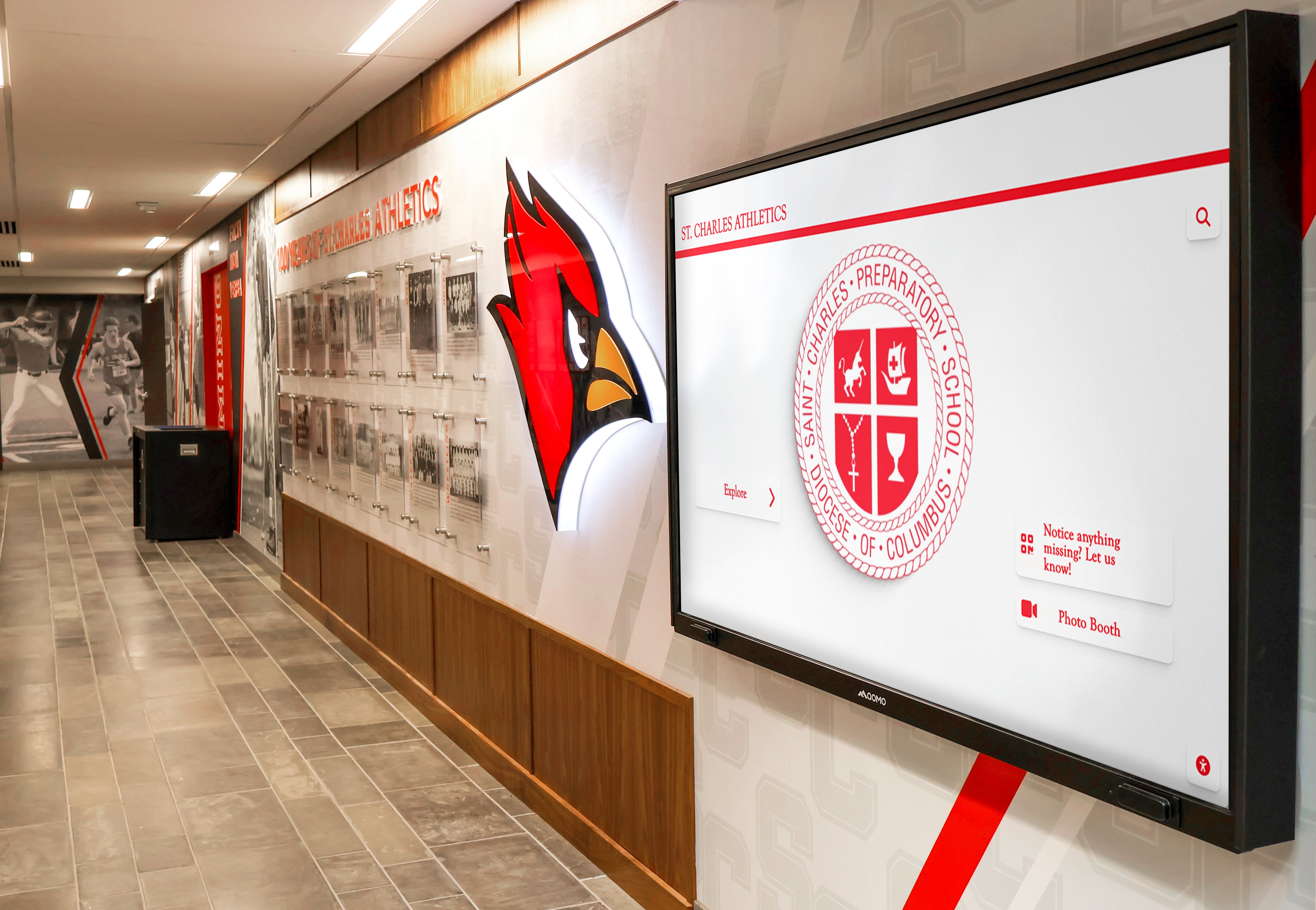
Interactive Touchscreen Recognition Displays: Modern digital recognition systems allow attendees to explore comprehensive achievement databases, search for specific individuals, watch video testimonials, and access rich multimedia content celebrating institutional heritage. Solutions like Rocket Alumni Solutions provide purpose-built platforms specifically designed for educational recognition, offering unlimited capacity, remote content management, and analytics demonstrating community engagement.
Virtual Reality Facility Previews: VR experiences allow attendees to experience spaces before completion, visualize future additions, or explore design alternatives that weren’t ultimately built, providing unique behind-the-scenes perspectives on planning processes.
Social Media Integration: Live social media feeds displaying attendee posts create real-time community conversation while generating organic promotion as attendees share experiences with broader networks. Hashtag campaigns, photo contests, and check-in incentives encourage active social sharing.
Digital Guestbooks and Memory Sharing: Touchscreen stations where attendees record video messages, written reflections, or photo memories create crowdsourced documentation while giving participants ownership in celebration.
Many organizations implementing digital signage services and touchscreen kiosks find that technology demonstrations during grand openings showcase institutional innovation while providing ongoing communication and recognition platforms long after celebrations conclude.
Live Streaming and Virtual Participation
Hybrid events combining in-person and virtual attendance extend reach while accommodating those unable to attend physically.
Virtual Event Components:
- Live streaming of ceremonies and key programming
- Virtual tour options with 360-degree photography or video
- Online Q&A sessions with project leaders or administrators
- Digital program books with embedded multimedia content
- Virtual recognition walls or donor galleries accessible online
- Post-event on-demand viewing for those in different time zones
- Virtual guestbook options for remote well-wishers
- Social media integration encouraging virtual participant engagement
Technology Requirements:
- Professional streaming equipment and stable internet connectivity
- Dedicated streaming platform or social media channels
- Moderation teams managing virtual participant questions and interactions
- Technical support addressing streaming issues
- Promotional materials informing community about virtual options
Virtual participation options particularly benefit distant alumni, out-of-town donors, families with scheduling conflicts, and elderly or mobility-impaired community members who appreciate inclusion despite inability to attend in person.
Conclusion: Creating Grand Openings That Build Lasting Community Pride
Grand opening celebrations represent strategic investments in community engagement, donor relations, and institutional pride. Whether schools unveil renovated athletic facilities, open new academic buildings, launch innovative learning commons, or celebrate the completion of recognition centers documenting heritage—effective launch events share common characteristics: thoughtful planning involving diverse stakeholders, programming that demonstrates facility capabilities and future impact, meaningful recognition honoring contributors and supporters, engaging experiences appealing to varied audiences, comprehensive promotion generating strong attendance, and post-event follow-up sustaining momentum beyond initial celebrations.
The most successful grand openings balance tradition with innovation, incorporating beloved elements like ribbon cutting ceremonies and dedication speeches while embracing modern approaches including interactive technology demonstrations, social media integration, and virtual participation options. These celebrations honor the past through historical documentation and recognition displays, showcase the present through facility tours and activity demonstrations, and inspire future engagement through compelling vision articulation and community ownership development.
Modern digital recognition solutions like those provided by Rocket Alumni Solutions address fundamental community needs at grand opening events and beyond, offering platforms that celebrate institutional heritage while providing sustainable recognition capacity that grows with communities. Interactive touchscreen displays unveiled during grand openings become permanent installations that community members continue exploring, experiencing, and sharing long after ribbon cutting ceremonies conclude.
Begin planning your grand opening by forming diverse planning committees representing stakeholder perspectives, defining clear objectives aligned with strategic institutional priorities, developing realistic budgets with creative funding approaches, creating comprehensive timelines ensuring systematic preparation, designing programming that demonstrates facility impact meaningfully, implementing multi-channel promotional campaigns maximizing attendance, and committing to post-event follow-up that sustains community connection and engagement.
Whether implementing comprehensive celebrations with extensive programming, entertainment, and activities, or creating more modest ceremonies appropriate to community size and resources, organizations benefit from grand openings that authentically reflect institutional culture while delivering memorable experiences generating pride, inspiring continued excellence, and strengthening bonds connecting community members across generations.
When students experience the excitement of new learning environments, when donors witness tangible impact of philanthropic investment, when alumni reconnect with beloved institutions during celebratory homecomings, and when prospective families encounter compelling evidence of institutional quality and commitment to excellence—communities demonstrate genuine investment in providing outstanding educational experiences while building the pride and support that enable continued success.
Ready to Plan Your Grand Opening Event?
Discover how interactive digital recognition displays can become centerpiece features at your grand opening celebration while providing lasting community value for years beyond initial launch events. Explore Rocket Alumni Solutions to see how schools and organizations nationwide unveil comprehensive recognition installations at grand openings, creating memorable celebration experiences that honor heritage, inspire excellence, and strengthen community connections.
Your institution has remarkable achievements to celebrate, important history to preserve, and inspiring stories to share. Through thoughtful grand opening planning, creative programming that engages diverse audiences, meaningful recognition honoring supporters, and sustainable installations providing ongoing value, you can create launch events that become cherished community memories while establishing foundations for continued institutional pride and success.