



Key Takeaways
Complete guide to planning unforgettable graduation ceremonies. Learn venue selection, program design, recognition strategies, and modern technology solutions that make every graduate's moment special.
Graduation ceremonies represent one of the most significant moments in students’ academic journeys—marking years of hard work, celebrating achievement, and honoring the transition to new chapters. For schools, planning graduation ceremonies involves balancing tradition with innovation, managing complex logistics while maintaining ceremony meaning, and creating experiences that honor every graduate while engaging hundreds or thousands of attendees. When executed thoughtfully, graduation ceremonies become cherished memories for students and families while strengthening school traditions and community pride.
This comprehensive guide addresses everything schools need to know about planning exceptional graduation ceremonies. From early timeline development and venue selection through program design, logistics management, and innovative recognition technology, this resource provides practical frameworks for creating ceremonies that celebrate achievement authentically while operating smoothly and professionally.
Starting Early: Graduation Planning Timeline
Successful graduation ceremonies begin with structured planning timelines that ensure adequate preparation while preventing last-minute stress.
6-9 Months Before Ceremony: Foundation Planning
The earliest planning stages establish essential program foundations:
Venue Selection and Booking
Securing venues represents the most time-sensitive planning decision. Popular venues—school auditoriums, local theaters, convention centers, outdoor stadiums—book early, particularly for May and June ceremonies when multiple schools compete for the same dates.
Venue Considerations:
- Capacity Requirements: Calculate expected attendance based on graduate numbers and typical family sizes. Allow 6-8 guests per graduate for capacity planning, though actual attendance varies by family circumstances.
- Accessibility Features: Ensure venues provide wheelchair accessibility, accessible restrooms, elevators or ramps, reserved accessible seating, and assistive listening systems for hearing-impaired guests.
- Technical Capabilities: Verify professional sound systems with microphones for multiple speakers, video projection and screens visible throughout the venue, lighting systems appropriate for ceremony formality, and backup power systems.
- Indoor vs. Outdoor Decisions: Outdoor venues offer inspirational settings and typically greater capacity, but require detailed weather contingency plans, rental equipment for seating and staging, and consideration of temperature, sun exposure, and accessibility challenges.
Committee Formation
Establish graduation planning committees with diverse representation:
- Administrative leadership providing budget authority and policy guidance
- Faculty representatives understanding student needs and traditions
- Student representatives ensuring ceremony reflects senior class preferences
- Parent or booster club representatives connecting to family perspectives
- Facilities and technology staff supporting logistics and equipment
- Communications staff handling promotion and media coordination
3-5 Months Before Ceremony: Program Development
Mid-range planning focuses on ceremony content and experience design:
Program Structure and Flow
Develop ceremony sequences balancing tradition, engagement, and timing:
Traditional Ceremony Structure:
- Pre-ceremony music and family gathering (30 minutes)
- Processional with graduates entering (10-15 minutes)
- National anthem and opening remarks (5 minutes)
- Welcome from administrators or board members (5-10 minutes)
- Student performances, speeches, or presentations (15-20 minutes)
- Scholarship and special award recognition (10-15 minutes)
- Diploma conferral with individual graduate recognition (30-60 minutes)
- Keynote or commencement address (15-20 minutes)
- Closing remarks and class traditions (cap toss, song) (5-10 minutes)
- Recessional (5-10 minutes)
Total ceremony length typically ranges from 90-120 minutes. Longer ceremonies risk losing audience attention, while overly abbreviated ceremonies may feel rushed and impersonal.
Speaker and Participant Selection
Identify ceremony participants well in advance:
Student Speakers:
- Valedictorian and salutatorian based on academic rankings
- Student body president or senior class officers
- Selected students representing diverse excellence beyond academics
- Peer-elected speakers chosen by graduating class
Guest Speakers:
- Prominent alumni whose success inspires graduates
- Community leaders with connections to school or students
- District administrators or school board representatives
- Professional speakers whose messages align with class themes
Provide speaker guidelines addressing length expectations (typically 5-15 minutes), content appropriateness, advance review requirements, and technical needs.
Recognition Planning
Determine how graduates will be recognized during diploma conferral:
Individual name reading remains the most meaningful recognition moment. Assign responsibility to administrators, counselors, or teachers who know proper name pronunciation. Conduct name practice sessions and create phonetic spelling guides for challenging names ensuring every graduate receives accurate, respectful recognition.
Consider enhancing recognition through:
- Projected photos of each graduate as names are announced
- Brief accomplishment or future plan mentions for selected students
- Honor roll, scholarship, or special distinction acknowledgments
- Military service or college signing recognition
6-8 Weeks Before Ceremony: Logistics Finalization
Late planning stages address detailed operational requirements:
Regalia and Materials Ordering
Coordinate cap and gown ordering ensuring adequate time for:
- Company selection and price comparison
- Student measurement collection and ordering
- Delivery receipt and quality inspection
- Distribution systems for students to receive regalia
- Contingency inventory for last-minute size needs
Order printed materials including ceremony programs, tickets, diplomas or diploma covers, honor cords or medallions, and directional signage.
Logistics Planning
Develop comprehensive operational plans addressing:
Traffic and Parking Management:
- Coordinate with local police for traffic direction if needed
- Designate staff or volunteers for parking guidance
- Reserve accessible parking close to venue entrances
- Communicate parking locations and costs to families in advance
- Establish drop-off areas for elderly or disabled guests
Seating Arrangements:
- Graduate seating sections organized alphabetically or by academic program
- Reserved sections for families of graduates with special needs
- General admission or assigned seating for guests
- VIP seating for board members, distinguished guests, and speakers
- Overflow areas with video streaming for capacity crowds
Ceremony Rehearsals:
Schedule mandatory graduation rehearsals 1-2 days before ceremonies. Rehearsals should include:
- Complete processional and recessional walkthroughs
- Stage crossing and diploma receipt practice
- Speaker podium familiarization
- Sound check for all participants
- Seating practice ensuring graduates know locations
- Behavior and decorum expectations review
Effective rehearsals prevent ceremony day confusion while setting professional tone expectations.
Creating Meaningful Recognition Experiences
Beyond operational logistics, graduation ceremonies should create genuine recognition experiences honoring each graduate’s unique journey and accomplishments.
Individual Recognition During Diploma Conferral
The moment each graduate crosses the stage and receives their diploma represents the ceremony’s emotional centerpiece. Maximize this recognition moment through:
Professional Name Reading
Accurate, audible name pronunciation demonstrates respect and creates memorable moments:
- Designate experienced readers comfortable with public speaking
- Provide phonetic pronunciation guides for every graduate
- Allow graduates to record preferred name pronunciations
- Practice challenging names multiple times before ceremony
- Maintain moderate pacing allowing photo opportunities without excessive delay
Enhanced Visual Recognition
Modern technology enables rich visual recognition as graduates cross stages:
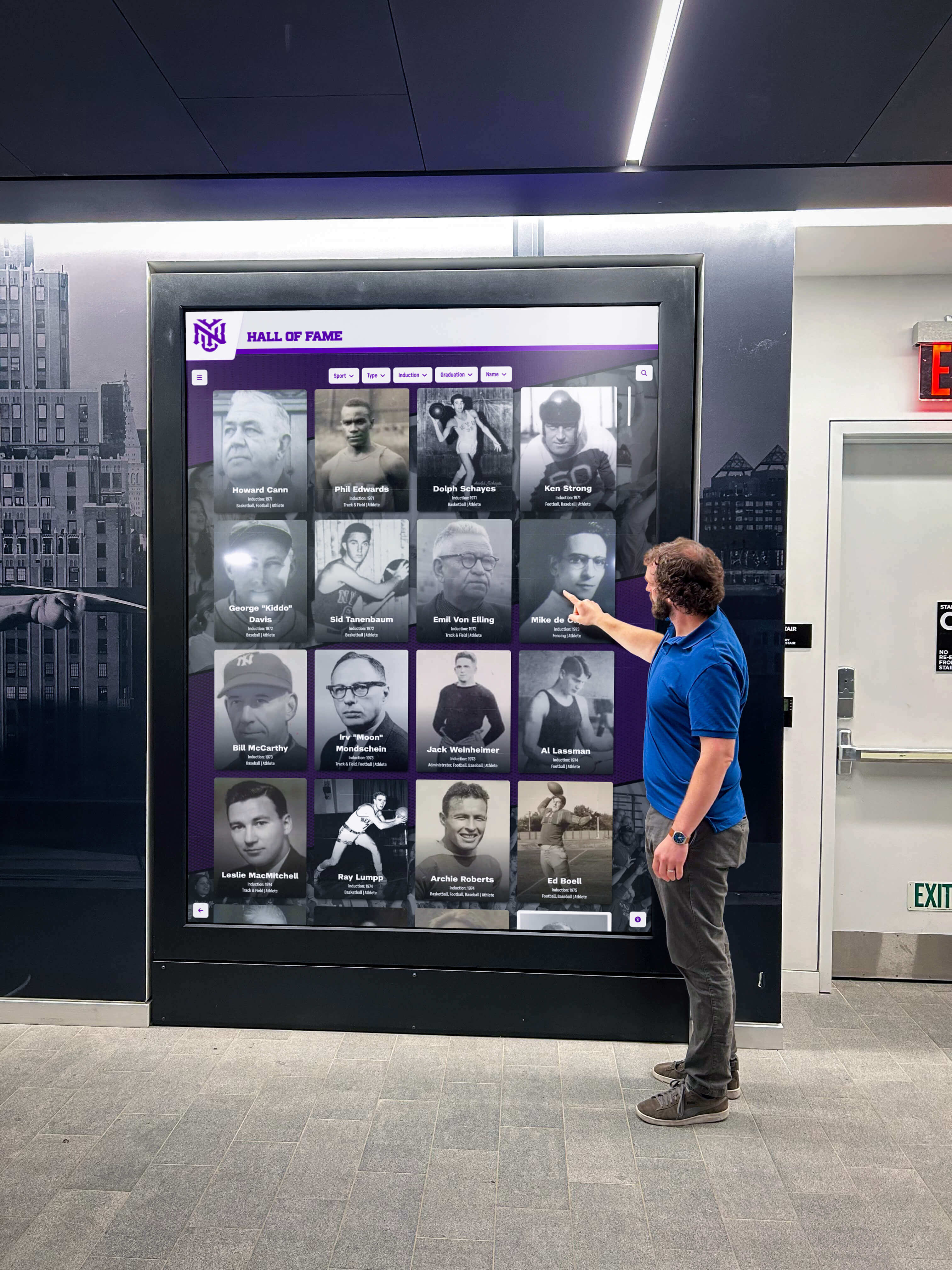
Digital displays can project graduate photos synchronized with name announcements, creating visual connections between graduates in caps and gowns and their familiar school photos. Include accomplishment highlights, college or career plans, or senior quotes providing personality beyond names.
Solutions like Rocket Alumni Solutions provide ceremony integration features specifically designed for graduation recognition, enabling schools to showcase every graduate with professional multimedia presentations that families photograph and treasure.
Photography Coordination
Every family deserves quality photos of their graduate’s ceremony moment:
- Coordinate professional photographers positioned strategically
- Establish student helper programs capturing photos of every graduate
- Create designated selfie stations for family photos before and after ceremony
- Live stream ceremonies for distant family members unable to attend
- Provide post-ceremony digital photo access for all families
Pre-Ceremony Recognition Displays
Arrive early at many graduations and you’ll find families gathering 30-60 minutes before processionals begin. This pre-ceremony period provides valuable opportunities for extended recognition.
Digital Recognition Showcases
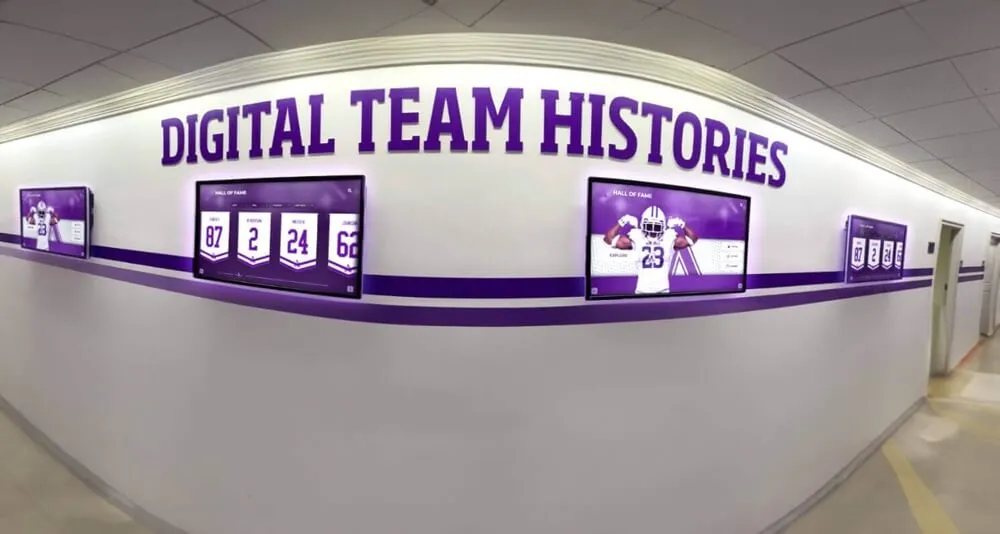
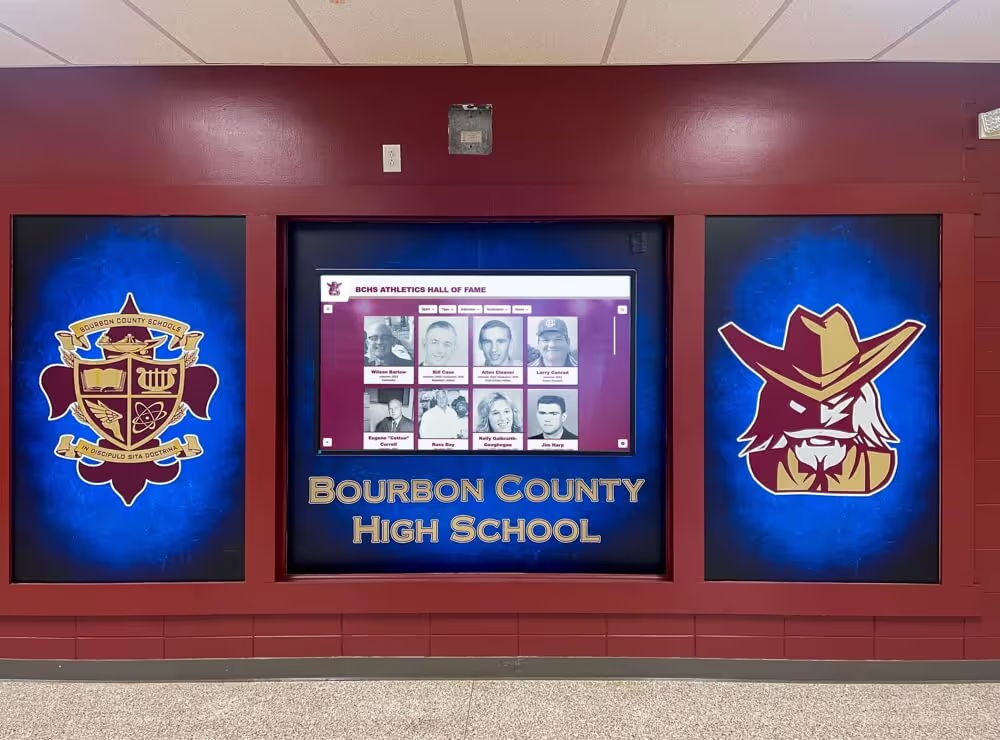
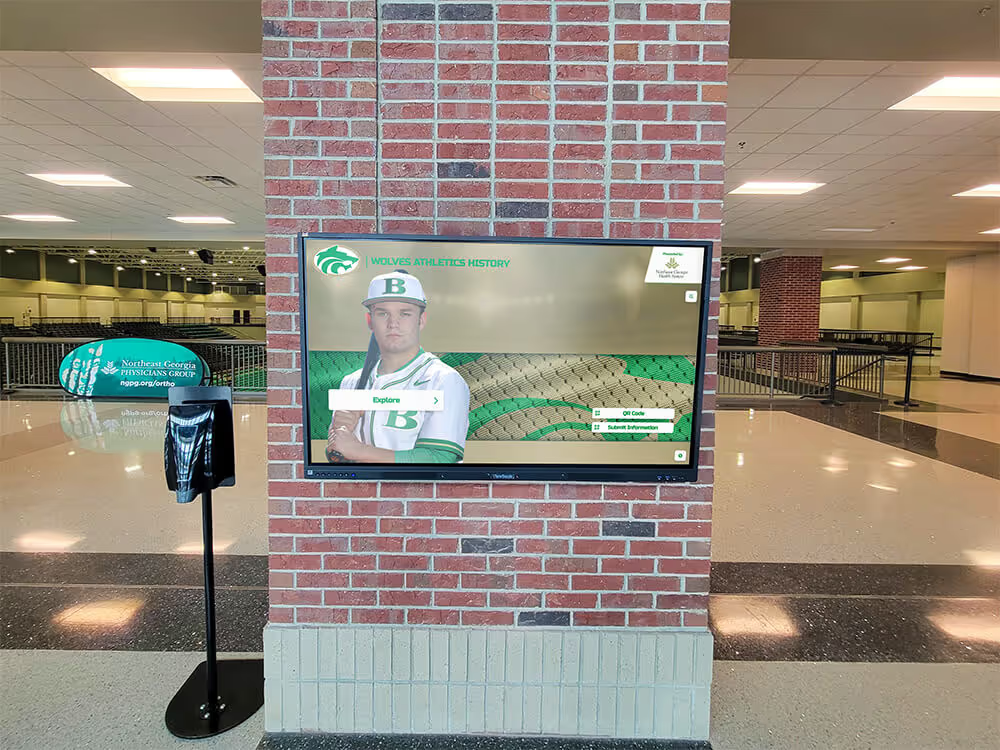
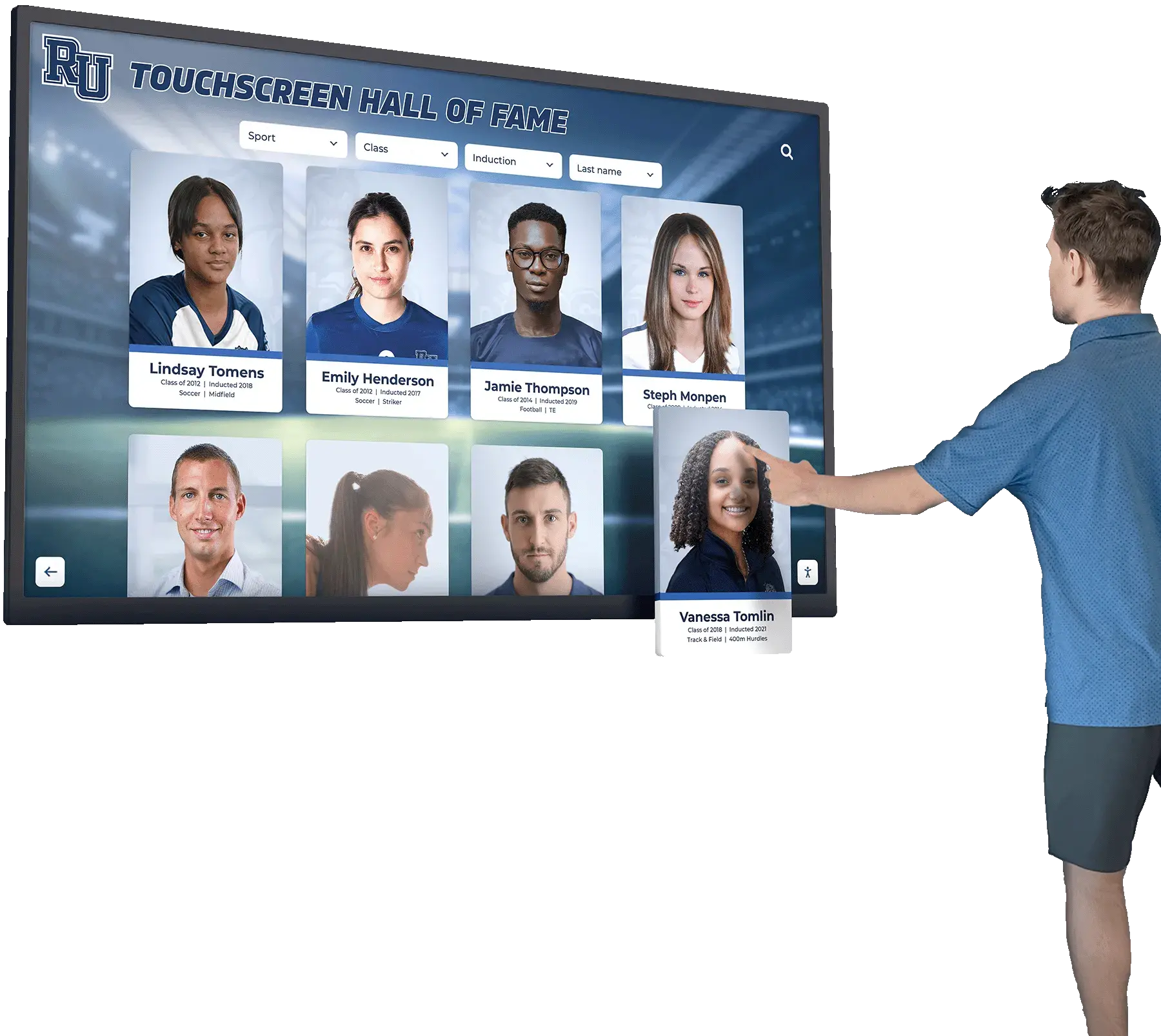
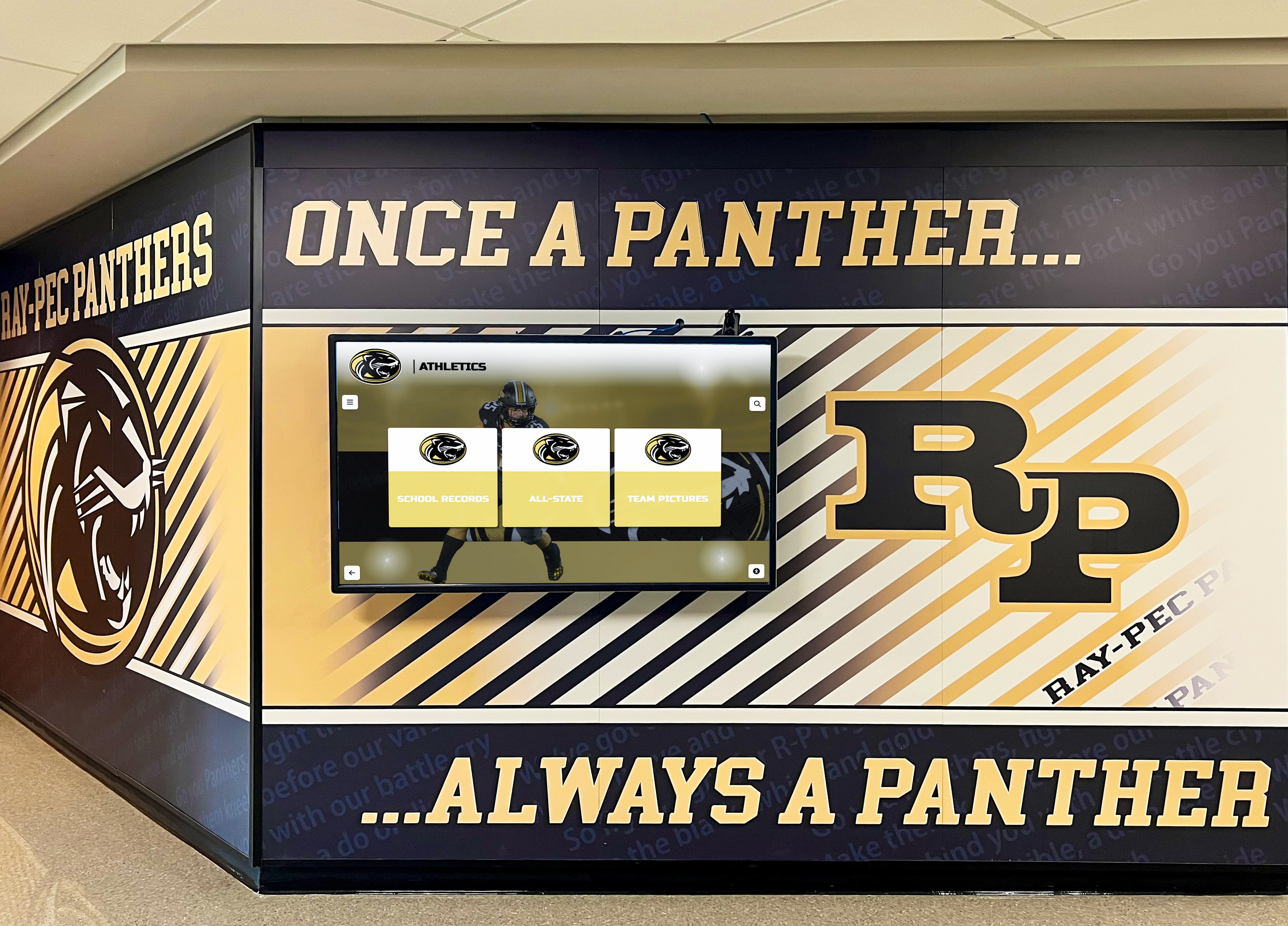
Interactive displays in ceremony lobbies allow families to explore:
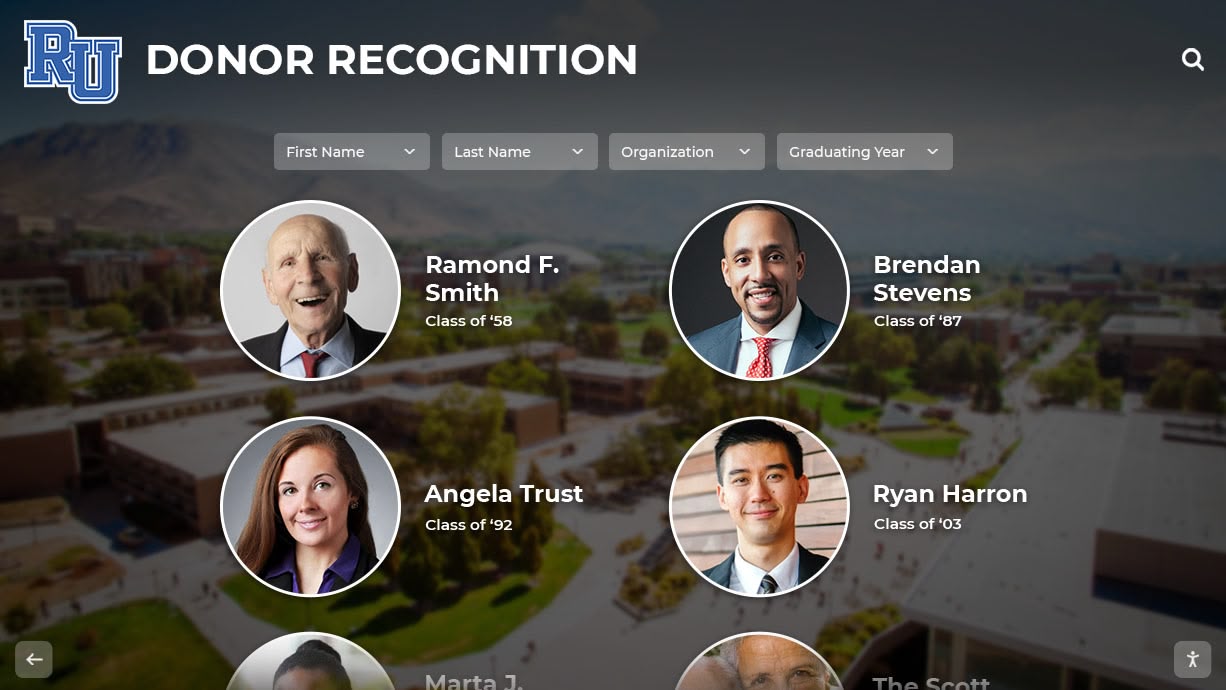
- Complete graduating class profiles with photos and accomplishments
- Scholarship recipients and college signing information
- Academic honors, athletic achievements, and special awards
- Senior class statistics and memorable moments
- Historical context connecting graduating class to school traditions
These displays transform waiting time from idle standing into engaging exploration. Families photograph display content, share discoveries about classmates with their graduates, and experience expanded celebration beyond the brief stage-crossing moment.

Physical Recognition Displays
Complement digital technology with traditional displays:
- Senior photo collages showing four-year transformations
- Memory boards with submitted photos from families
- Timeline displays documenting class journey from freshman year
- Achievement boards celebrating diverse accomplishments
- Message boards where guests write congratulations
Post-Ceremony Recognition and Celebration
Graduation recognition extends beyond ceremony completion:
Immediate Post-Ceremony
Create structured opportunities for families to celebrate:
- Designated photo areas with school backdrops or signage
- Reception spaces with refreshments when feasible
- Graduate gathering areas for peer celebration
- Faculty and staff availability for personal congratulations
- Technology stations allowing digital guest book signatures or video messages
Lasting Recognition
Modern recognition extends graduation celebration indefinitely:
Digital platforms provide permanent recognition accessible long after ceremonies conclude. Graduating classes receive dedicated online spaces featuring every graduate’s profile, accomplishment history, and college or career plans that remain searchable for alumni, future students researching school traditions, and community members celebrating local graduates.
Many schools implementing comprehensive student recognition programs find that permanent digital recognition becomes treasured resources that graduates reference decades later during reunions or when sharing school experiences with their own children.
Special Recognition Categories During Graduation
Comprehensive graduation ceremonies acknowledge diverse excellence beyond simple diploma conferral:
Academic Honors Recognition
Celebrate scholarly achievement through structured recognition:
Honor Roll and Distinction Levels:
- Summa cum laude (typically 3.9-4.0 GPA)
- Magna cum laude (typically 3.7-3.89 GPA)
- Cum laude (typically 3.5-3.69 GPA)
Recognize academic honors through:
- Gold, silver, or colored honor cords worn during ceremony
- Verbal acknowledgment during opening remarks
- Listed designations in printed programs
- Special seating sections for highest honors
- Additional recognition moments for valedictorians and salutatorians
Scholarship Recognition
Acknowledge students earning significant scholarships:
Create scholarship recognition segments celebrating students receiving substantial financial aid for college. Consider aggregate scholarship totals demonstrating class accomplishment while recognizing individual recipients. Some schools create displays showing scholarship totals by institution, highlighting successful college placement while celebrating financial support students secured.
Schools implementing academic recognition programs throughout high school careers find that graduation scholarship recognition represents the culmination of sustained excellence that began with freshman honor roll acknowledgment.
Athletic and Extracurricular Excellence
Honor diverse accomplishments beyond academics:
Athletic Achievement Recognition
Celebrate athletic excellence through:
- All-state and all-conference athlete acknowledgment
- Championship team recognition
- Record-setting individual performances
- Multi-sport athlete distinction
- College athletic signing celebration
Arts and Performance Recognition
Acknowledge creative excellence:
- All-state music or arts competition participants
- Leading roles in theatrical productions
- Art exhibition and competition achievements
- Creative writing awards or publications
- Performance showcases during ceremony
Leadership and Service Recognition
Honor student contributions:
- Student government leadership positions
- Significant community service hours
- Club president and organization leader roles
- Peer mentoring or tutoring contributions
- School improvement initiatives or advocacy
Creating diverse recognition categories ensures all students see pathways to graduation acknowledgment matching their talents and interests, not just traditional academic measures.
Special Circumstances and Honors
Address unique situations requiring sensitive recognition:
Posthumous Diplomas
When graduates pass away before completing requirements or during senior year, schools often award posthumous diplomas honoring students’ memory. Coordinate sensitively with families regarding:
- Family presence during recognition moment
- Memory tributes or moments of silence
- Photo or memorial recognition in programs
- Scholarship or memorial establishment in student’s name
Military Service Recognition
Acknowledge graduates enlisting in military service:
- Armed forces branch acknowledgment
- Special cords or medallions indicating military commitment
- Oath of enlistment during ceremony if appropriate
- Recognition of military family legacy for military-connected schools
Overcoming Adversity
Some schools create special recognition for students who overcame significant obstacles:
- First-generation college students
- Students overcoming learning disabilities or health challenges
- Students demonstrating remarkable academic turnarounds
- Students balancing school with significant family or work responsibilities
Recognition should celebrate resilience respectfully without embarrassing students or oversharing personal circumstances.
Technology Solutions for Modern Graduation Ceremonies
Modern technology transforms graduation ceremonies from transactional diploma distribution into engaging, memorable celebrations:
Live Ceremony Enhancement
Technology integration during ceremonies includes:
Multimedia Presentations
High-quality video presentations create emotional ceremony moments:
- Class journey videos showing four-year progression
- Senior tribute slideshows with photos submitted by families
- Congratulatory messages from prominent alumni or community members
- “Looking Back” montages of memorable school events
- “Looking Forward” presentations featuring graduates’ college or career plans
Live Name Display
Synchronized visual recognition as graduates cross stages:
Large screens display graduate photos coordinated with name announcements, helping audiences connect formally-dressed graduates with their familiar yearbook appearances. Include brief information like college plans or career goals creating richer recognition than names alone.
Professional ceremony management platforms integrate with graduate databases, enabling seamless visual presentation without manual slide advancement that risks timing issues or errors.
Virtual Attendance and Live Streaming
Expand ceremony access beyond physical venue capacity:
Professional Live Streaming
Quality streaming enables distant family members to participate:
- Multiple camera angles capturing stage and audience perspectives
- Professional audio ensuring clear name recognition
- Interactive chat allowing remote viewers to share congratulations
- Archived recordings for permanent access
- Accessibility features including closed captioning
Many families include military service members deployed overseas, relatives unable to travel due to health or financial constraints, or international family members who cannot attend in person. Professional streaming makes their virtual attendance meaningful rather than merely watching distant, inaudible video.
Social Media Integration
Real-time social sharing extends ceremony celebration:
- Official ceremony hashtags for family and attendee posting
- Social media walls displaying congratulatory messages
- Live social media updates from ceremony
- Photo sharing platforms where families upload and access ceremony photos
- Alumni engagement through social media ceremony watching
Permanent Digital Recognition
The most impactful graduation technology extends recognition indefinitely:
Digital Class Archives
Comprehensive platforms preserve graduating classes permanently:
Solutions like Rocket Alumni Solutions create searchable digital archives featuring every graduate with photos, accomplishment summaries, and biographical information. These archives serve multiple audiences:
- Graduates: Reference their high school achievements when preparing résumés or reminiscing
- Families: Share their student’s accomplishments with extended family and friends
- Future Students: Explore where recent graduates attended college or pursued careers
- Alumni: Search for classmates during reunion planning
- Community Members: Celebrate local students’ accomplishments and futures
Schools implementing comprehensive digital recognition systems find that graduation becomes one component of larger recognition ecosystems honoring students throughout their school careers and preserving their legacies permanently.
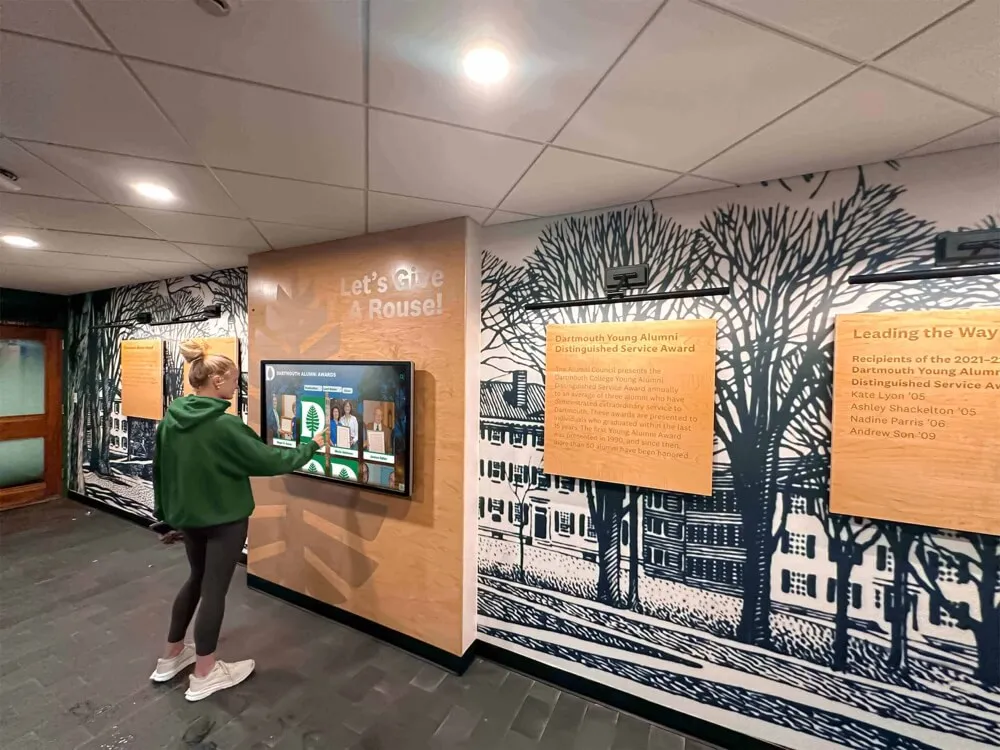
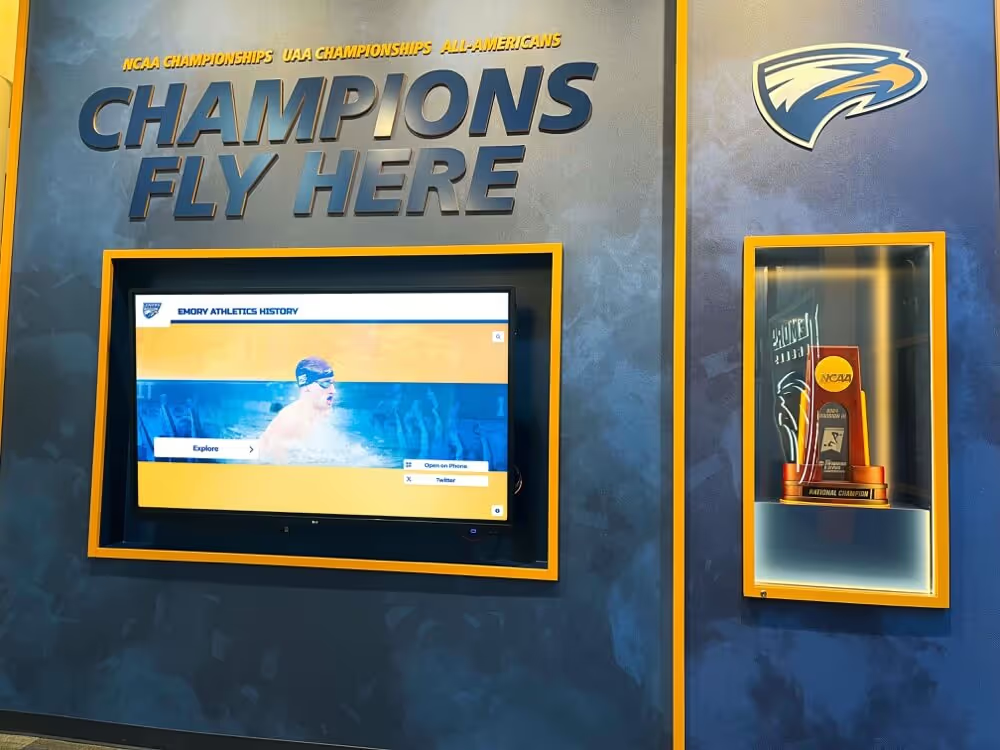
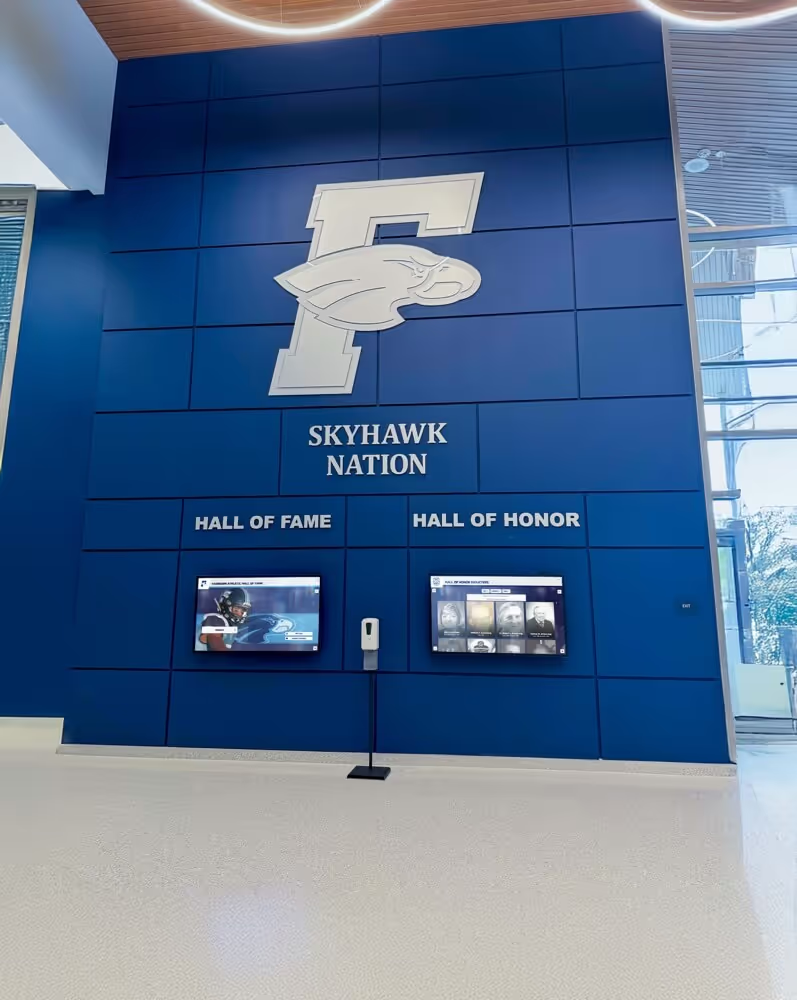
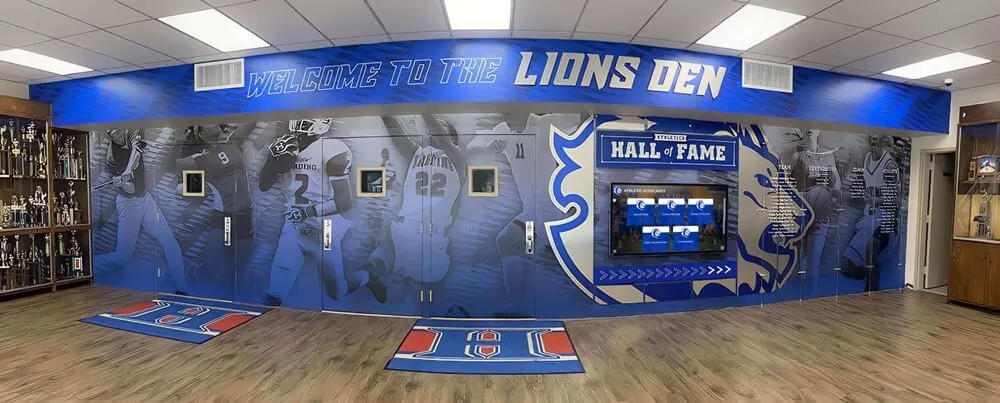
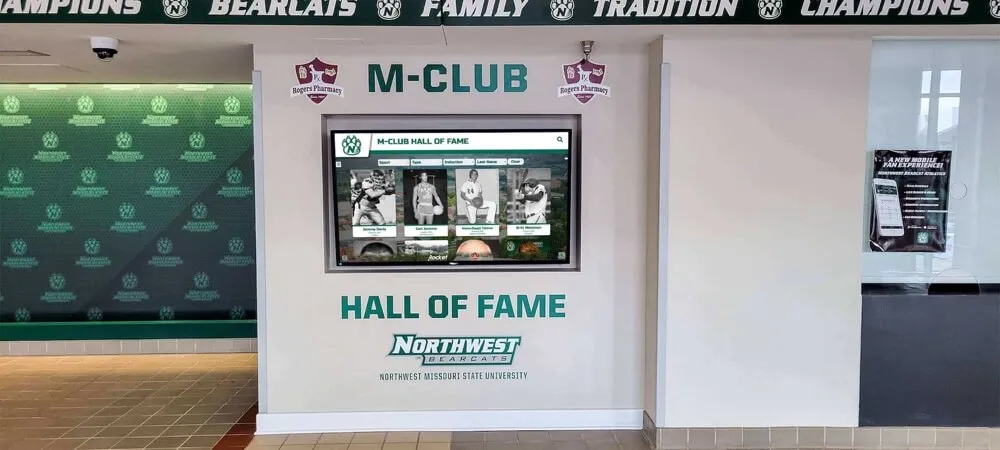
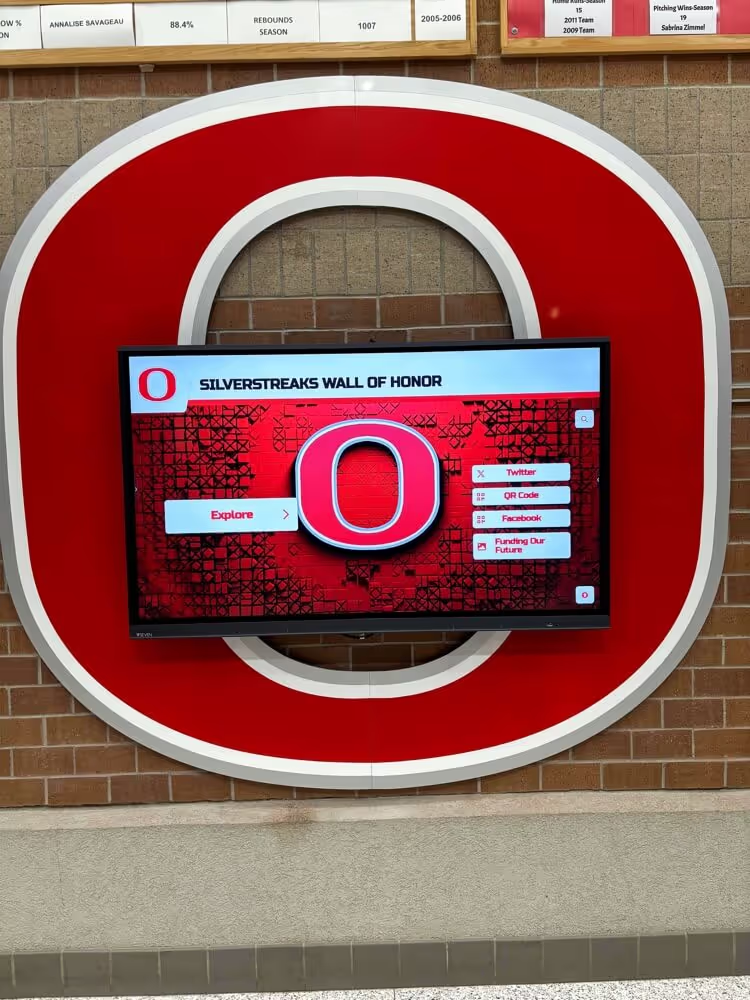
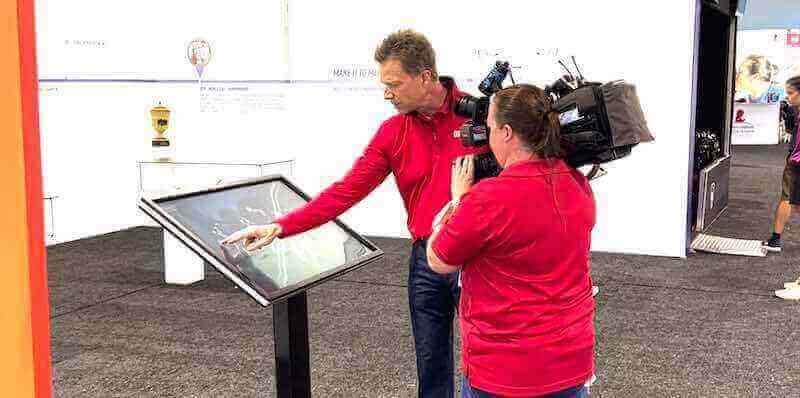
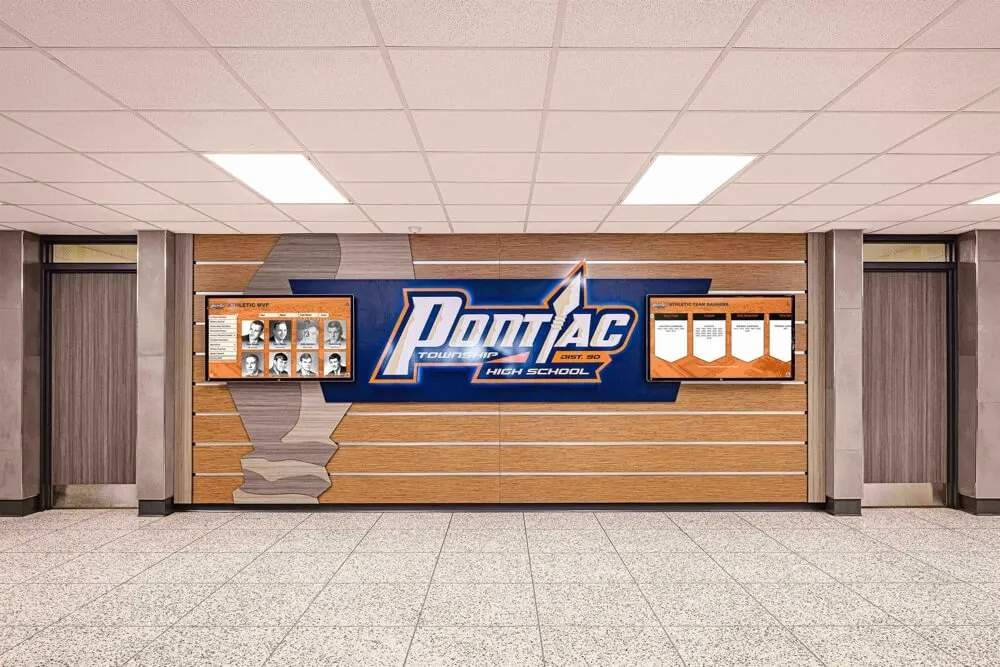
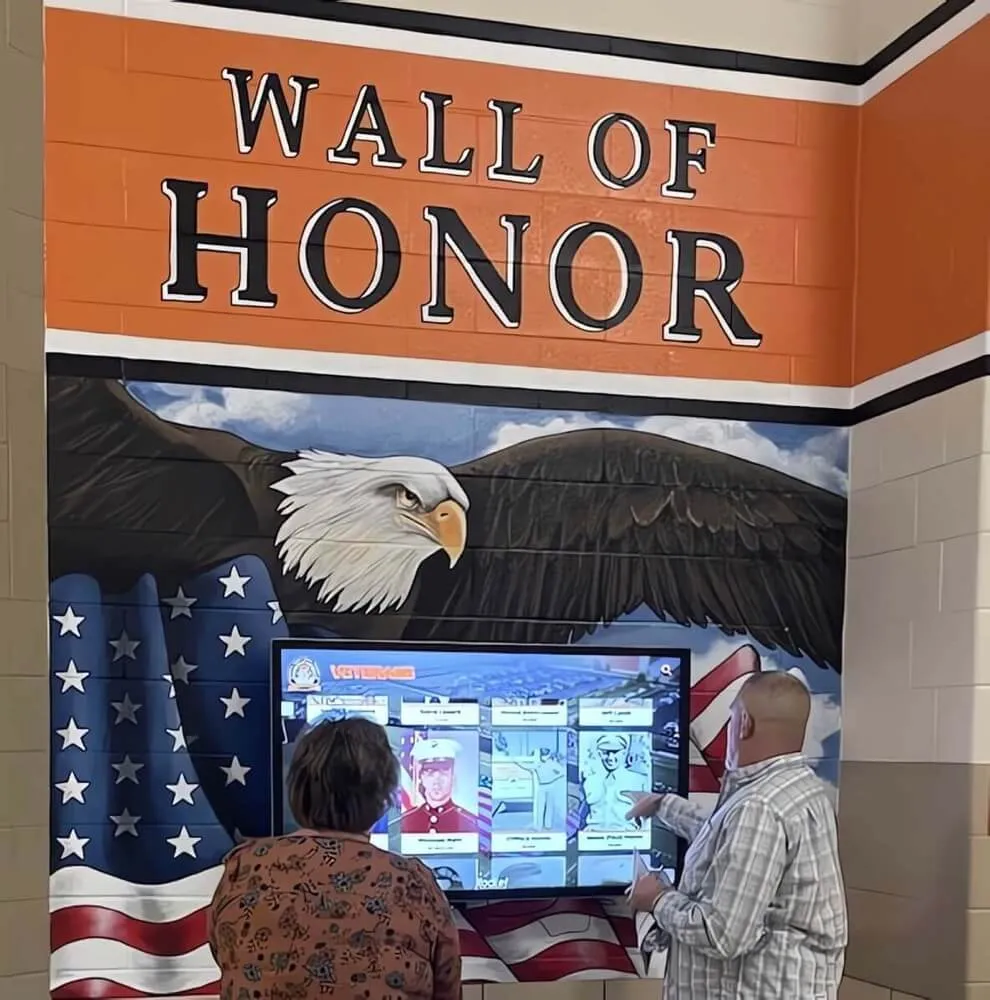
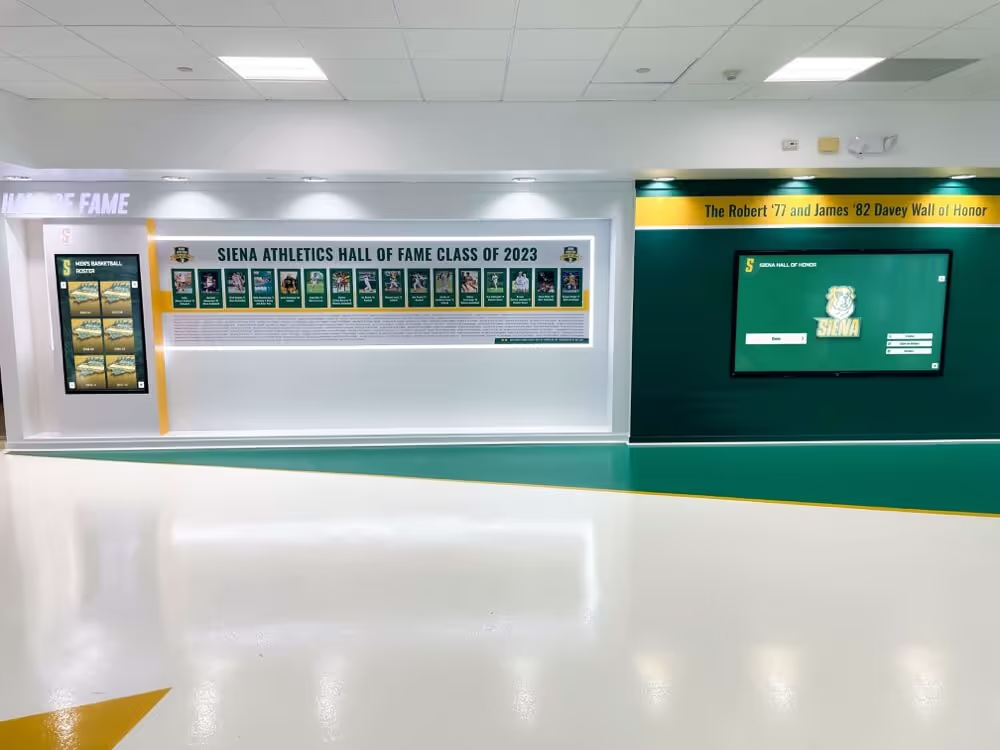
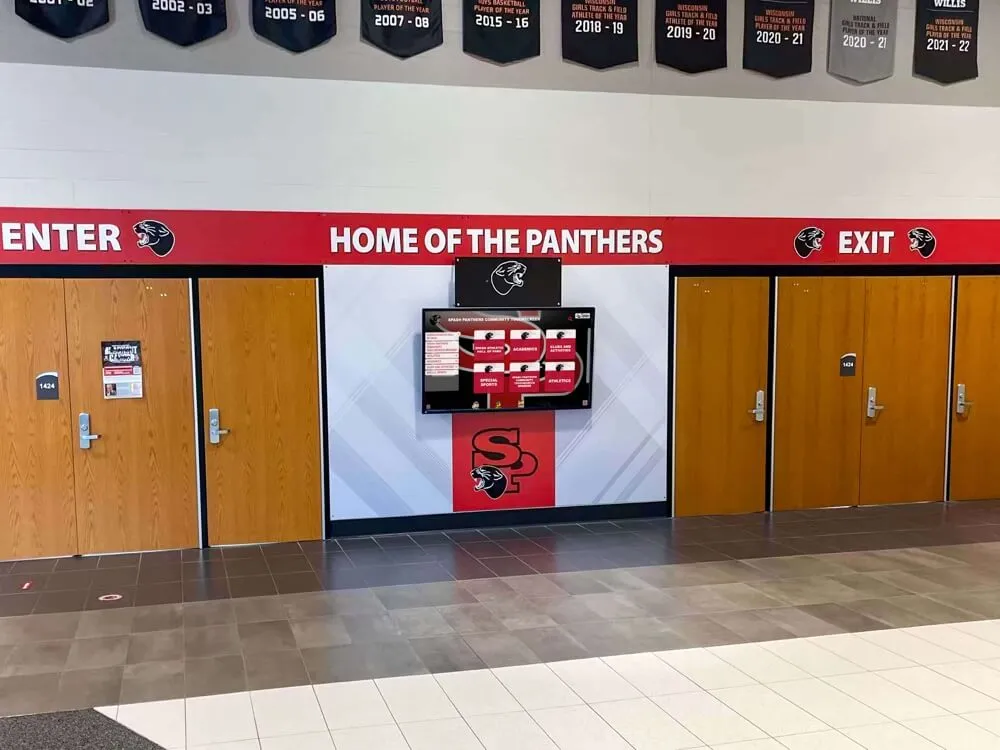
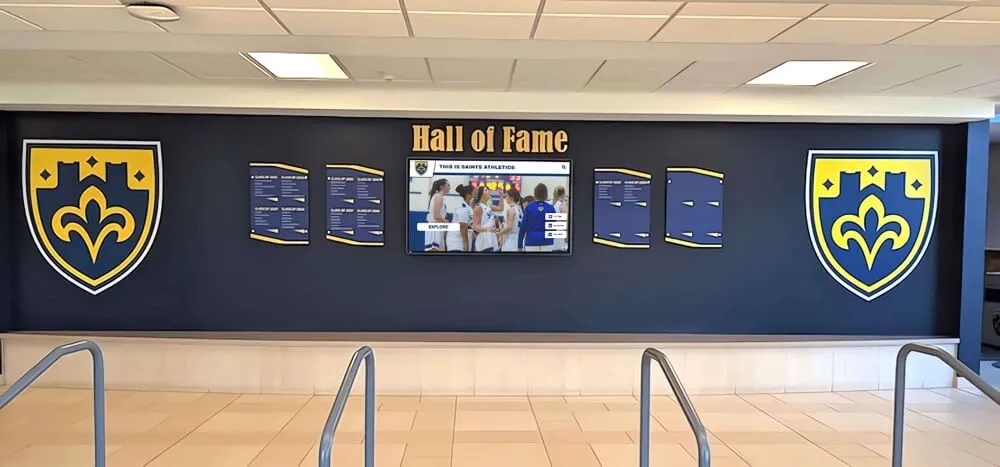
Interactive Kiosk Displays
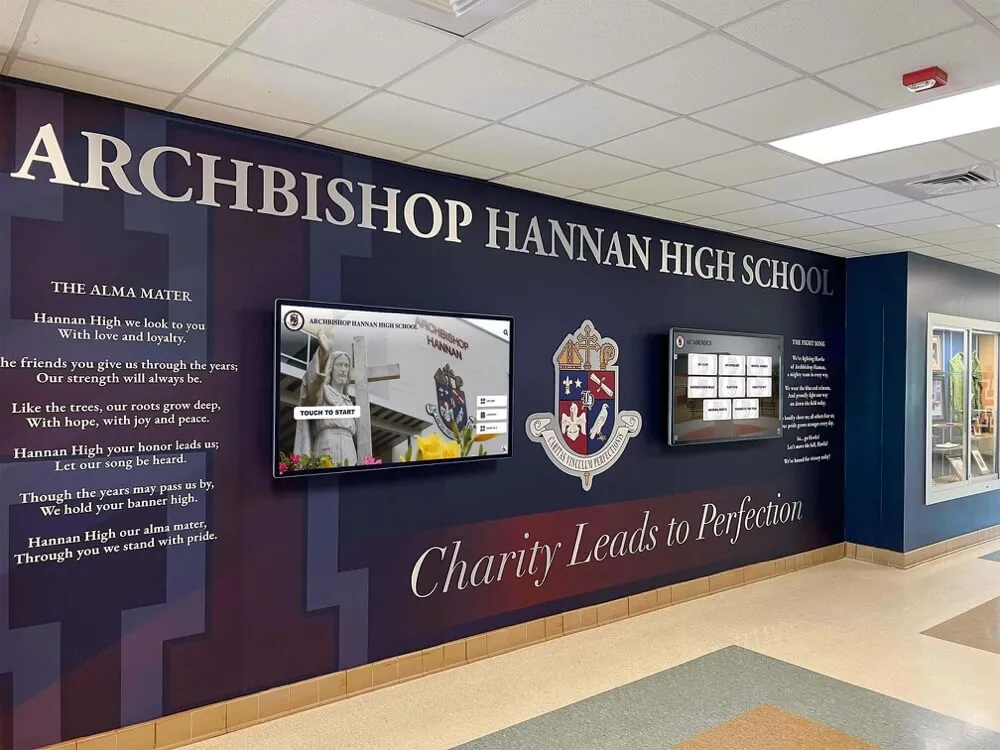
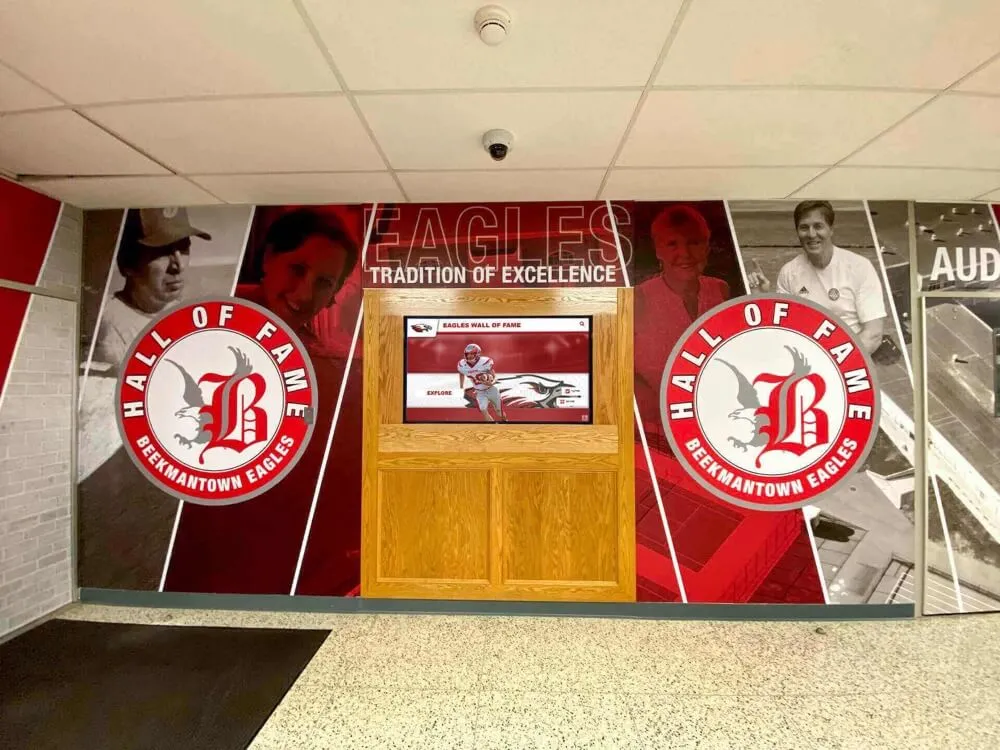
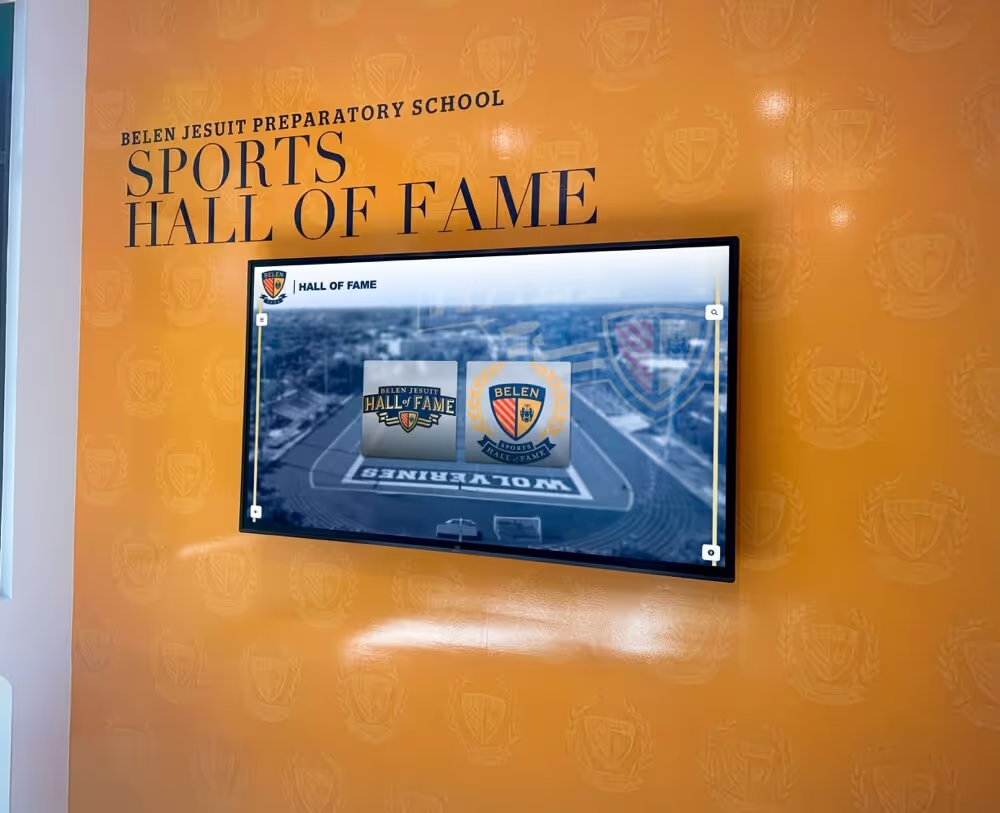
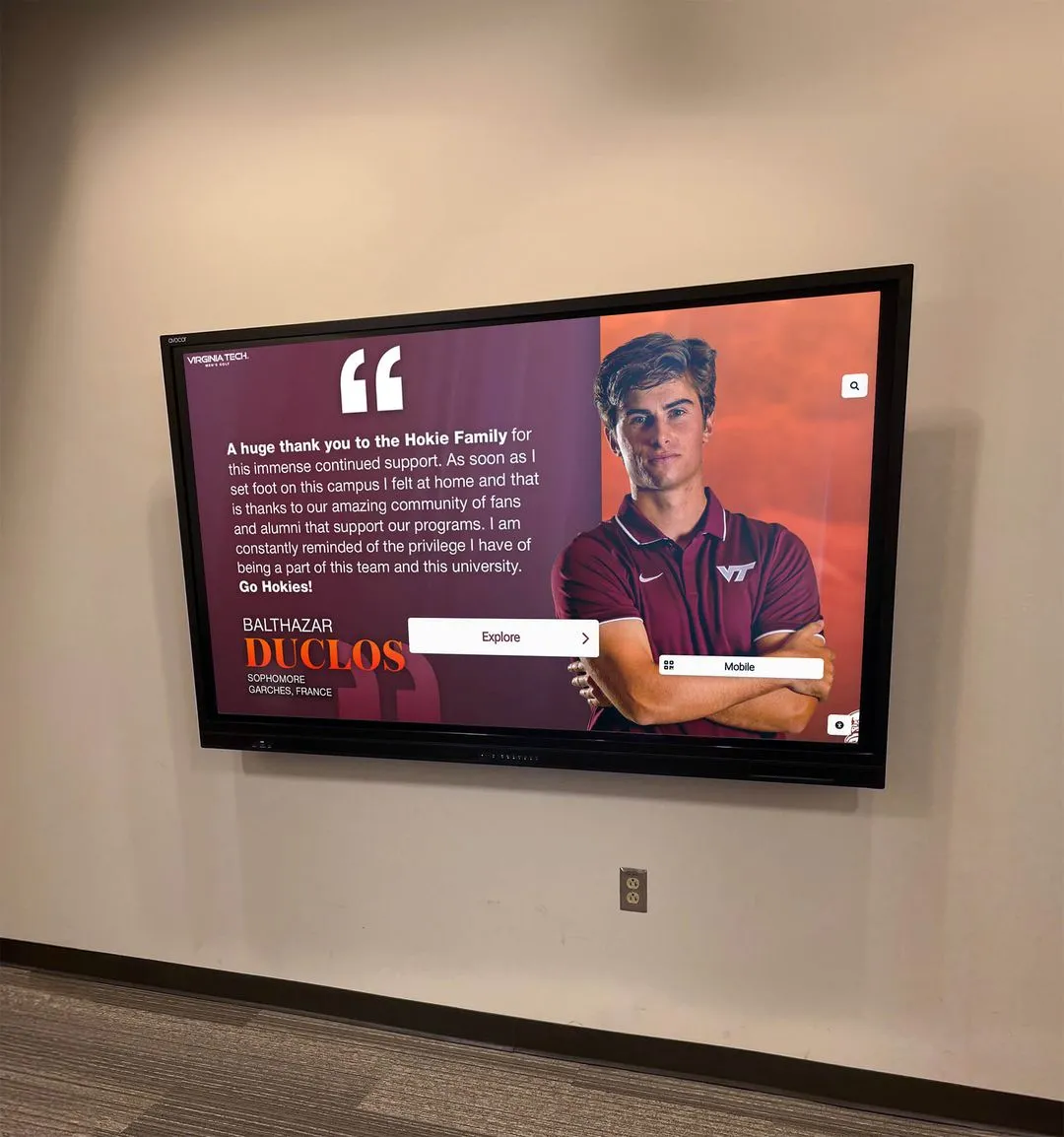
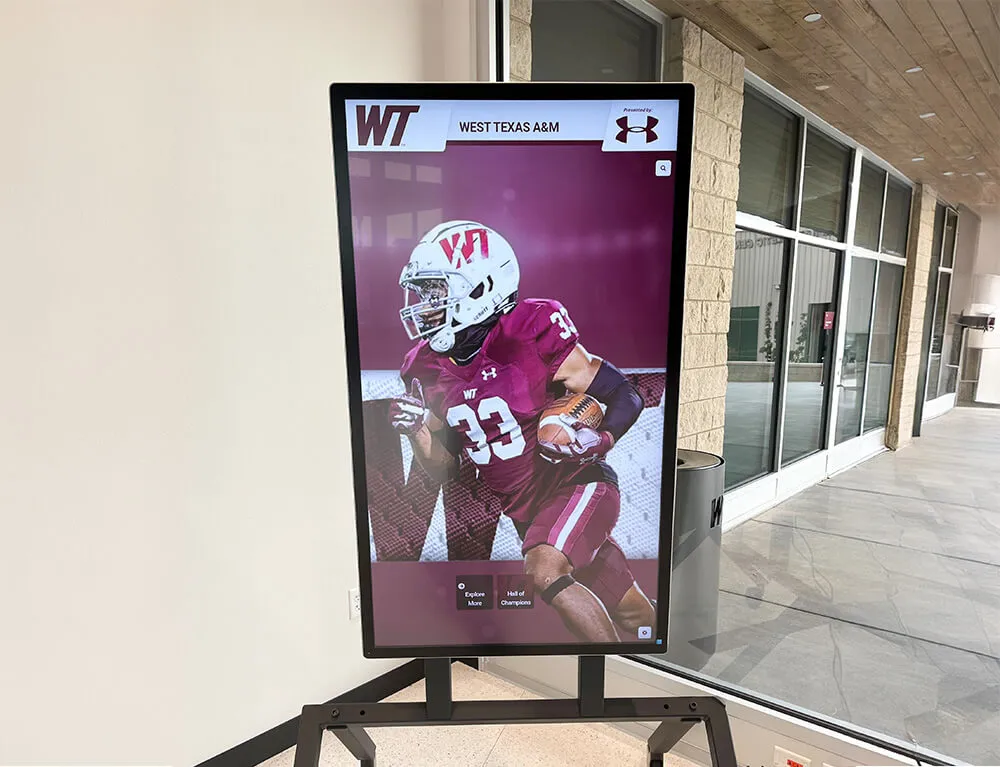
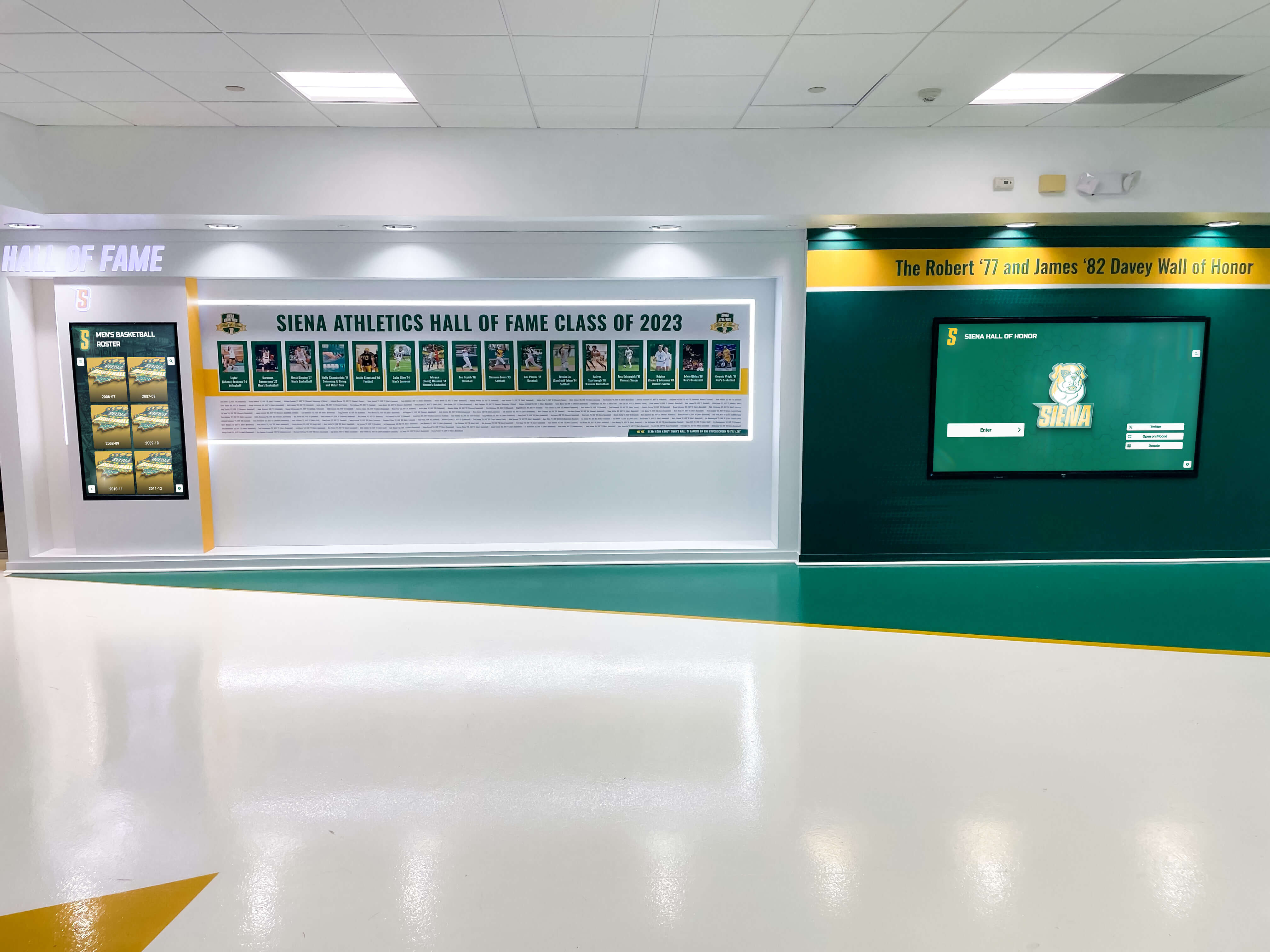
Physical touchscreen installations in school buildings provide ongoing access:
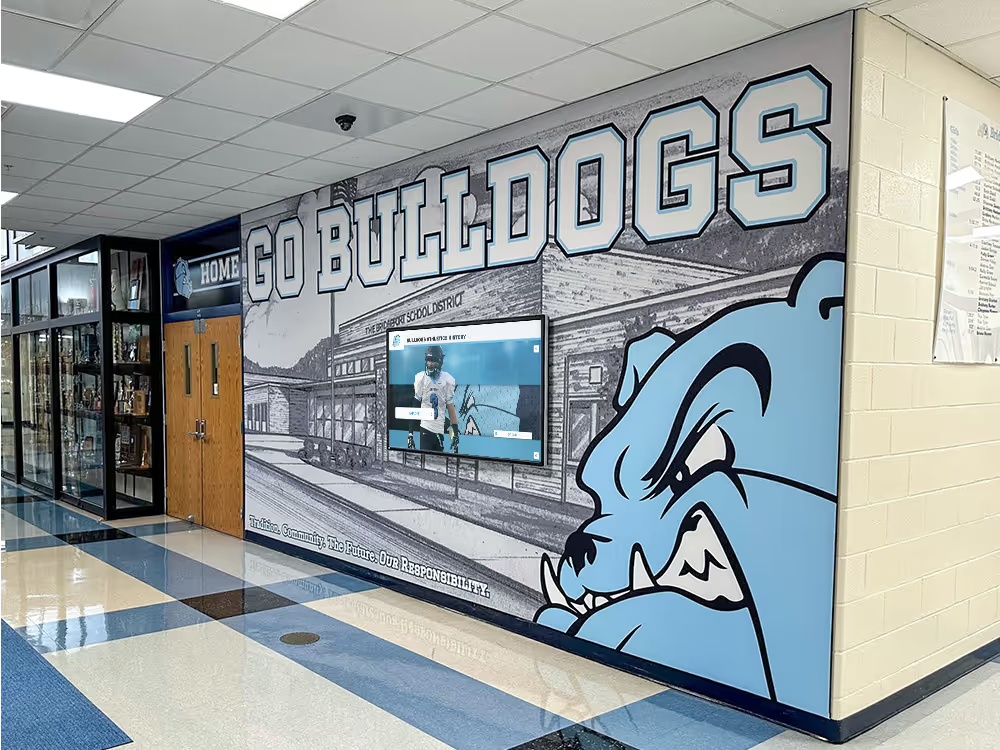
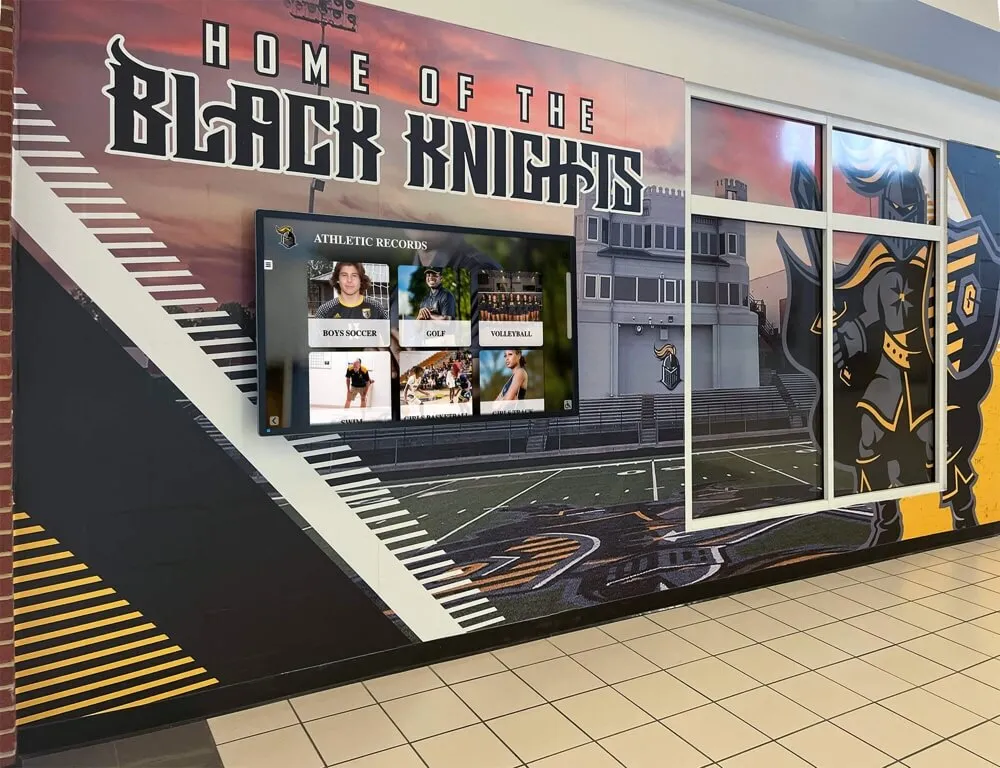
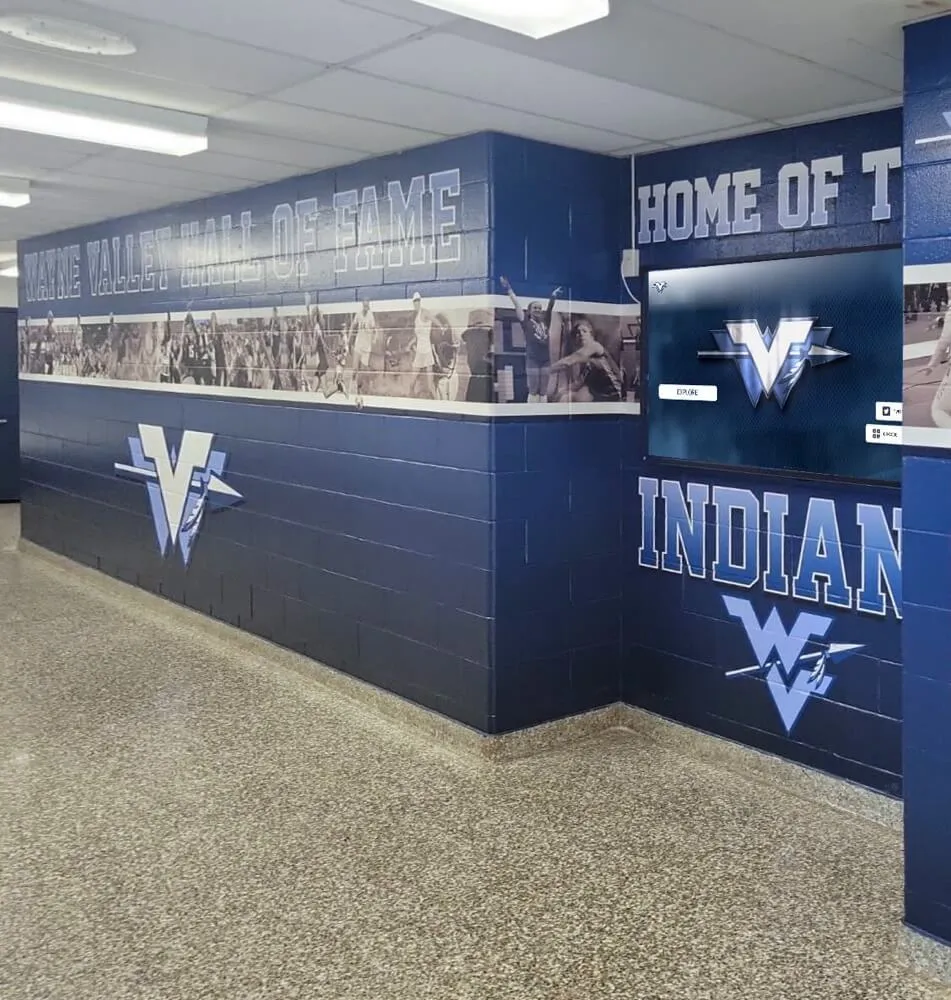
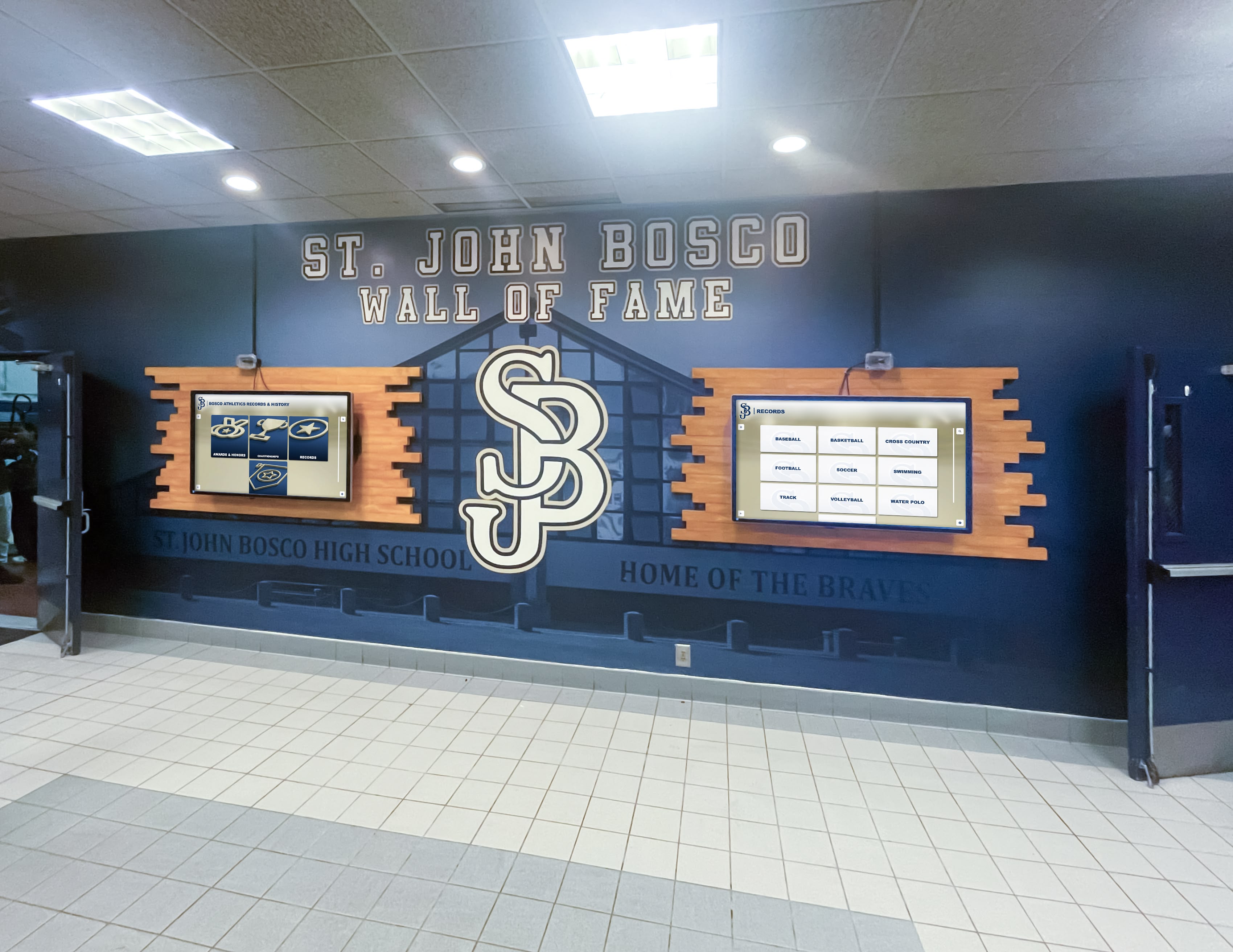
Place interactive displays in main entrances, libraries, or dedicated alumni areas where visitors explore graduating classes past and present. These installations:
- Welcome prospective families showcasing recent graduate success
- Engage alumni visitors during reunions or school events
- Build school pride showing generations of graduate achievement
- Provide historical context connecting current students to traditions
- Create talking points during campus tours
Managing Common Graduation Ceremony Challenges
Understanding predictable obstacles helps schools plan proactively rather than reacting to problems:
Challenge: Excessively Long Ceremonies Losing Audience Engagement
Solution: Limit student speakers to 3-4 individuals maximum with strict time limits (5-7 minutes). Reduce opening remarks and introductions to essentials. Consider recognizing scholarship and award winners through printed programs rather than individual stage presentations. Practice efficient diploma conferral maintaining steady pacing without rushing. Target total ceremony length of 90-120 minutes maximum.
Challenge: Poor Acoustics or Sound System Failures
Solution: Invest in professional sound system rental or upgrade if venue audio proves inadequate. Test all microphones and audio equipment during rehearsal. Have backup microphones and batteries available. Position speakers strategically for optimal sound coverage. Consider assistive listening systems for hearing-impaired guests. Audio quality directly impacts ceremony meaning—inaudible name announcements diminish recognition significance.
Challenge: Disruptive Audience Behavior During Ceremony
Solution: Communicate behavior expectations clearly in pre-ceremony announcements and printed programs. Request guests remain seated during diploma conferral and hold applause until all graduates are recognized. Address air horn, cowbell, or excessive noise concerns directly. Consider family-specific recognition time immediately after recessional where enthusiastic celebration is welcomed. Balance celebration enthusiasm with respect for all families’ ability to hear their graduates recognized.
Challenge: Weather Uncertainties for Outdoor Ceremonies
Solution: Establish clear weather contingency plans and decision timelines. Identify indoor backup venues and coordinate availability. Communicate contingency plans to families well in advance with specific decision timing (e.g., “final decision by 6am ceremony day”). Provide updates through multiple channels including email, social media, and text alerts. When possible, schedule outdoor ceremonies during statistically favorable weather periods.
Challenge: Graduate Absence or No-Shows
Solution: Require RSVP confirmations for ceremony attendance and follow up with non-responders. Establish policies addressing students who completed requirements but don’t attend ceremony. Plan name-reading procedures for absent graduates (acknowledge absence, skip entirely, or mention without stage crossing). Coordinate diploma receipt for non-attendees. Address potential delays these absences create in program flow.
Budget Considerations for Graduation Ceremonies
Graduation expenses vary dramatically based on venue, guest count, and ceremony enhancements:
Essential Budget Categories
Venue and Equipment Costs:
- Facility rental fees: $500-$5,000+ depending on venue
- Sound and audio-visual equipment rental: $500-$2,000
- Seating rentals for outdoor venues: $1,000-$5,000
- Stage or platform rental: $500-$2,000
- Lighting enhancements: $300-$1,500
Materials and Regalia:
- Caps and gowns: $30-$60 per graduate (often student-paid)
- Printed programs: $1-$3 per program × expected attendance
- Diplomas or diploma covers: $5-$15 per graduate
- Honor cords and medals: $3-$10 per item
- Directional signage: $200-$500
Recognition and Technology:
- Digital display rental or setup: $500-$2,000
- Professional photography services: $500-$2,000
- Videography and streaming: $1,000-$3,000
- Multimedia presentation development: $500-$1,500
Reception and Celebration:
- Refreshments and reception supplies: $2-$5 per person
- Decorations and ceremony enhancements: $300-$1,000
- Staff or volunteer coordination costs: $500-$1,500
Total graduation ceremony costs typically range from $5,000-$25,000 depending on size and scope. Schools should establish clear budgets during early planning and identify funding sources including administrative budgets, booster club support, ticket sales, sponsorships, or graduate fees covering personal costs like regalia.

Creating Inclusive and Accessible Graduation Ceremonies
Thoughtful ceremony planning ensures all graduates and families participate fully:
Physical Accessibility
Ensure venues accommodate all physical needs:
- Wheelchair-accessible seating sections with companion seating
- Accessible routes to stages for graduates with mobility challenges
- Reserved accessible parking close to venue entrances
- Accessible restroom facilities adequate for attendance size
- Assistive listening systems for hearing-impaired guests
- Clear signage and wayfinding for guests with visual impairments
Coordinate with families of graduates with special needs well in advance, understanding specific accommodation requirements and adjusting ceremony procedures accordingly.
Cultural and Linguistic Sensitivity
Honor diverse graduate and family backgrounds:
Name Pronunciation Respect: Names carry profound cultural and personal significance. Invest adequate time ensuring accurate pronunciation of every graduate’s name. Provide opportunities for graduates to indicate preferred name forms, pronunciations, or family name traditions. When uncertain, ask graduates directly rather than guessing or anglicizing names.
Translation and Language Access: For communities with significant non-English-speaking populations, consider:
- Printed programs in multiple languages
- Summary translations of ceremony key moments
- Bilingual announcers for major segments
- Language assistance volunteers helping families navigate logistics
Cultural Recognition: Acknowledge cultural graduation traditions some families observe:
- Honor stole or cord traditions from various cultures
- Accommodation for cultural dress items worn with regalia
- Respect for family celebration practices during or after ceremonies
- Inclusive imagery and messaging in programs and presentations
Economic Accessibility
Ensure financial barriers don’t prevent participation:
Regalia Affordability: Cap and gown costs burden some families. Consider:
- Bulk school ordering to reduce per-graduate costs
- Financial assistance programs for families unable to afford regalia
- Rental programs rather than purchase requirements
- Fundraising or sponsor support offsetting graduate expenses
Guest Ticket Limitations: Overly restrictive guest limits create family conflict and economic inequity (affluent families rent additional venues or hold private celebrations, while modest-income families face difficult attendance choices). Provide adequate tickets for typical family sizes or make additional tickets available beyond strict caps.
Photography Access: Professional photo packages can be expensive. Ensure:
- Basic ceremony photos available to all families at no cost
- Volunteer photographers capturing every graduate
- Clear permission for family photography during ceremony
- Digital sharing platforms providing photo access without purchase requirements
Conclusion: Honoring Achievement Through Memorable Celebration
Graduation ceremonies represent the culmination of students’ school journeys—honoring years of learning, growth, and achievement while celebrating transitions to new chapters. When planned thoughtfully, graduation ceremonies create profound experiences that graduates and families treasure for lifetimes while strengthening school traditions and community pride.
Successful graduation planning requires starting early with comprehensive timelines ensuring adequate preparation time, thoughtful program design balancing tradition with engagement and personalization, meticulous logistics management addressing complex operational requirements, meaningful recognition ensuring every graduate receives individual acknowledgment, and modern technology integration extending celebration beyond single ceremony moments.
Whether planning intimate ceremonies for small graduating classes or massive productions for thousands of attendees, focus on what matters most: honoring each graduate’s individual achievement, creating memorable moments families celebrate together, maintaining ceremony dignity and professionalism, demonstrating institutional pride in graduate accomplishments, and establishing traditions that connect graduating classes across generations.
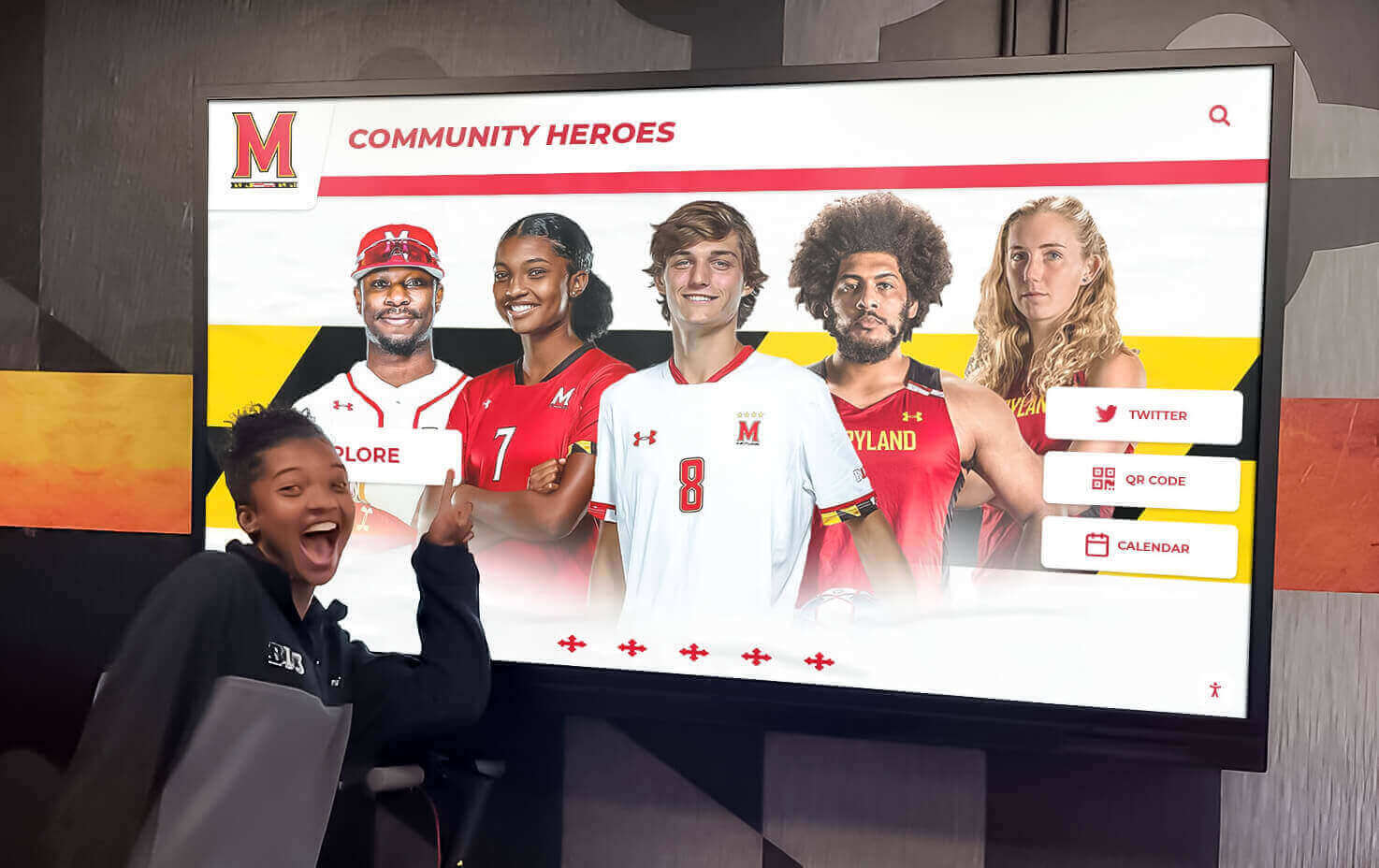
Modern solutions like Rocket Alumni Solutions transform graduation recognition from brief stage-crossing moments into comprehensive, lasting celebration. Interactive digital displays provide pre-ceremony engagement, ceremony integration with live visual recognition, and permanent post-graduation archives that honor each student’s journey and preserve graduating classes for future generations to discover and celebrate.
Your graduating students achieved remarkable things during their school careers. They overcame challenges, pursued excellence, discovered talents, and prepared themselves for future success. They deserve graduation ceremonies that honor their accomplishments authentically, celebrate their achievements meaningfully, and create memories they’ll treasure forever.
The strategies in this guide provide frameworks for planning ceremonies meeting these goals. The commitment to exceptional graduation planning comes from your dedication to celebrating every student’s excellence and marking their academic journey completion with the recognition and dignity they deserve.
Ready to enhance how your school celebrates graduating classes? Explore comprehensive recognition technology solutions designed specifically for graduation and ongoing student recognition at Rocket Alumni Solutions. Discover how interactive displays, permanent digital archives, and ceremony integration features help schools create graduation experiences that honor every student while building lasting traditions celebrating excellence across generations.
Start Planning Your Memorable Graduation Ceremony
Excellence in graduation planning begins with the decision to make celebration meaningful, inclusive, and memorable for every graduate. Whether you’re refining established ceremonies or planning your first graduation as a new school, comprehensive planning, thoughtful recognition, and modern technology enable ceremonies that truly honor student achievement.
Learn more about graduation recognition best practices through resources on kindergarten graduation planning for elementary programs, explore strategies for senior class recognition throughout the year leading to graduation, and discover how sports banquet planning provides complementary celebration strategies for athletic seniors.
With proven technology, comprehensive support, and expertise helping hundreds of schools celebrate graduating classes effectively, modern recognition solutions provide everything needed to create graduation ceremonies that engage families, inspire pride, and honor every graduate’s unique journey to achievement.