



Key Takeaways
Comprehensive guide to recognizing distinguished golf alumni. Compare digital recognition displays vs traditional plaques, evaluate selection criteria, and discover modern solutions for honoring golf program legends.
Understanding the Value of Distinguished Alum Recognition in Golf Programs
Golf team recognition serves purposes extending far beyond celebrating past achievements. When implemented thoughtfully, distinguished alum programs create powerful outcomes affecting current athletes, recruitment effectiveness, alumni engagement, and program culture.
Building Program Identity and Tradition
Golf programs competing for talented recruits need compelling narratives differentiating them from dozens of similar programs. Distinguished alum recognition provides tangible evidence of program excellence and tradition that abstract marketing claims cannot deliver.
Program Identity Benefits:
- Creates visible connection between current team and historical excellence
- Demonstrates program’s ability to develop championship-caliber athletes
- Establishes expectations and performance standards for incoming players
- Builds institutional memory preserving program evolution and achievements
- Strengthens program culture through shared identity with distinguished predecessors
Prospective student-athletes touring your facilities see distinguished alum recognition as validation of program quality. When considering multiple scholarship offers, tangible evidence of where previous players have succeeded—tournament victories, professional careers, post-graduate accomplishments—influences decision-making significantly more than coach promises or abstract reputation.
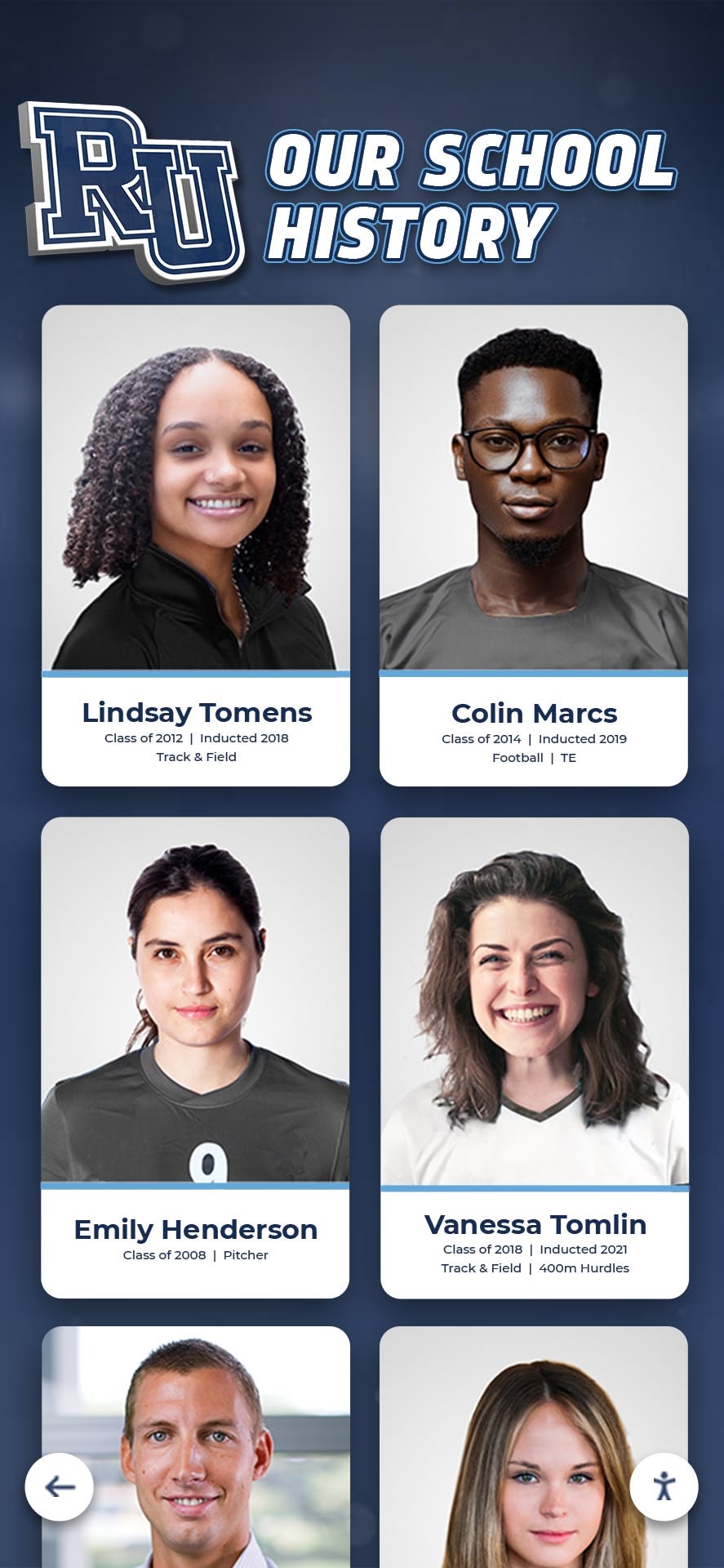
Current team members similarly benefit from understanding program history and their connection to legacy. When golfers see distinguished alumni who faced similar challenges, competed in the same tournaments, and represented the same institution, it creates powerful motivation. Recognition displays become daily reminders of excellence standards and achievement possibilities within reach.
Strengthening Alumni Engagement and Fundraising
Distinguished alum recognition transforms passive program supporters into actively engaged community members invested in ongoing program success. Recognition creates reciprocal relationships where honored alumni become program ambassadors and contributors.
Engagement Outcomes from Recognition:
- Honored alumni attend more team events and tournaments
- Recognition recipients contribute financially to program enhancements
- Distinguished alumni mentor current players on and off the course
- Engagement spreads to families, classmates, and professional networks
- Recognition creates reasons for continued institutional connection decades after graduation
For athletic departments managing limited budgets, engaged alumni represent critical resources for program enhancements that institutional funding cannot cover. Equipment upgrades, travel support for championship tournaments, facility improvements, and coaching development often depend on philanthropic support from former players who maintain strong program connections.
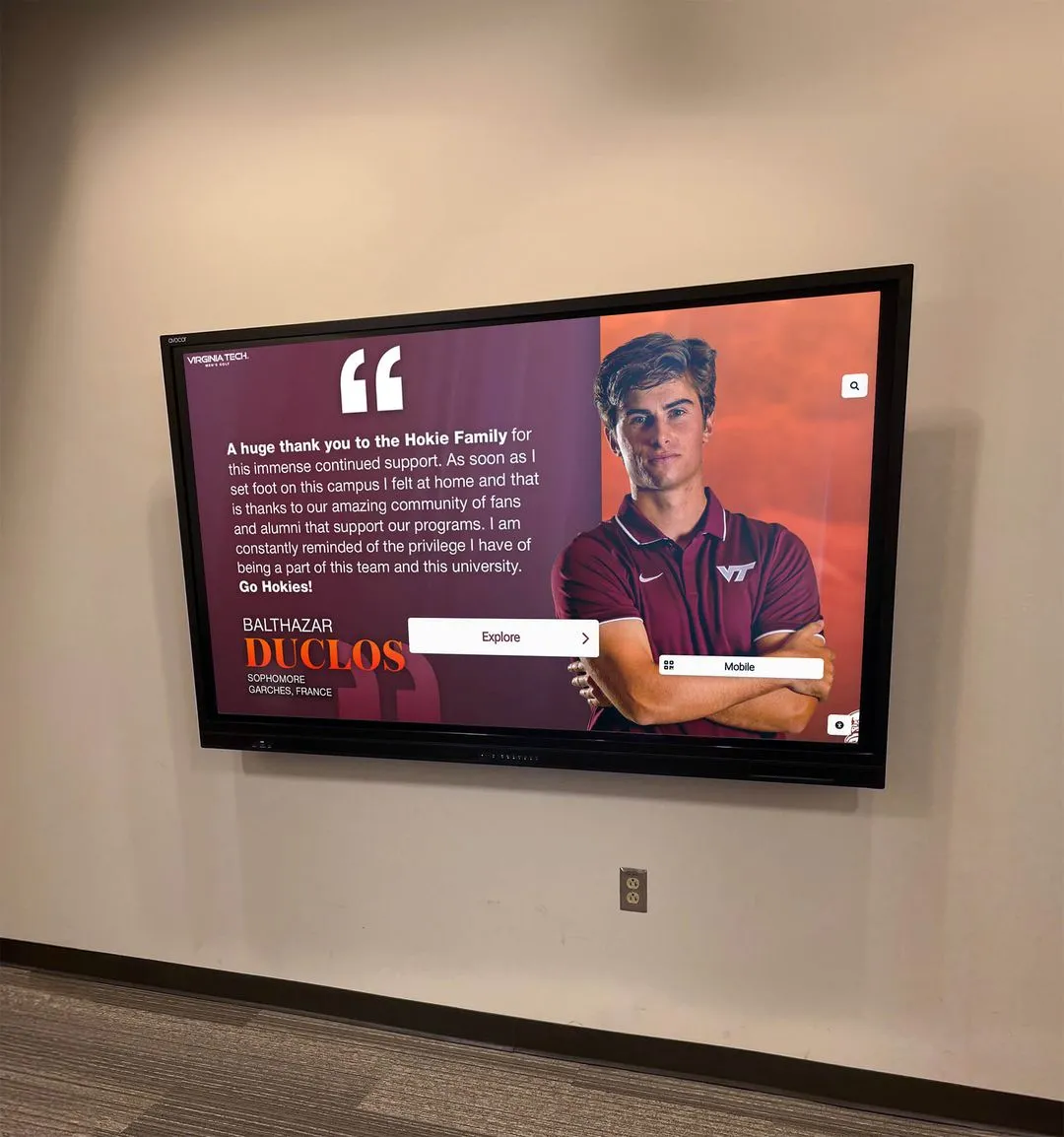
Digital recognition platforms like Rocket Alumni Solutions enable these ongoing relationships by providing distinguished alumni with permanent, shareable recognition they can proudly display to extended networks. When golf program legends can share their recognition profiles on social media, include them in professional biographies, and show them to family members, the value extends far beyond a name on a wall.
Inspiring Current Athletes Through Visible Excellence
Perhaps the most immediate benefit of distinguished alum recognition involves daily inspiration for current team members. When golfers practice at your facilities, compete in your uniforms, and represent your program, visible reminders of who came before them shapes performance expectations and competitive mindset.
Motivational Impact on Current Athletes:
- Provides role models demonstrating what’s possible through dedication
- Creates performance benchmarks showing achievable excellence standards
- Builds sense of responsibility to uphold program traditions
- Generates healthy competitive spirit to earn similar future recognition
- Connects individual efforts to larger program legacy and mission
Programs implementing comprehensive distinguished alum recognition consistently report improved team culture, increased player motivation, and stronger commitment to excellence. When recognition is visible and meaningful—not relegated to forgotten hallways or dusty trophy cases—it becomes part of daily program experience influencing athlete development and team performance.
Establishing Selection Criteria for Distinguished Golf Alumni
The foundation of any successful recognition program lies in clear, consistent selection criteria ensuring honored individuals genuinely represent program excellence while maintaining recognition prestige through appropriate selectivity.
Competitive Achievement Criteria
Golf performance provides the most objective recognition criteria, though programs must balance various achievement types to ensure fair representation across different eras and competitive contexts.
🏆 Tournament Championships
Individual and team championships at conference, regional, state, or national levels demonstrating competitive excellence
📊 Statistical Excellence
Career and season records including scoring averages, tournament wins, top-ten finishes, and statistical achievements
🎖️ Individual Honors
All-Conference, All-State, All-American selections, Player of the Year awards, and similar competitive recognitions
⛳ Post-Collegiate Success
Professional golf achievements, collegiate golf coaching careers, or continued competitive success after graduation
Competitive Achievement Considerations:
When establishing achievement thresholds, account for program history and competitive context. A golfer achieving All-State honors in 1985 faced different competitive landscapes than current athletes, yet both accomplishments warrant recognition within their respective contexts. The most effective criteria establish clear achievement minimums while allowing selection committees to evaluate accomplishments contextually.
Consider creating tiered recognition levels accommodating various achievement types:
Championship Tier: Reserved for athletes winning major individual or team championships, achieving national recognition, or reaching professional golf levels
Excellence Tier: Recognizes consistent high performers earning conference honors, multiple tournament victories, or exceptional statistical achievements across their careers
Impact Tier: Honors athletes who may not have reached championship levels but made significant contributions through leadership, program development, or sustained excellence over multiple seasons
This tiered approach maintains recognition prestige for the highest achievements while enabling appropriate acknowledgment of various contribution types without diluting distinguished alum program value.
Character and Leadership Criteria
Competitive excellence alone provides incomplete measures of distinguished alumni. The most valuable program contributors often combine athletic achievement with character, leadership, and commitment to team success above individual glory.
Character-Based Recognition Factors:
- Leadership Development: Team captains, mentors to younger players, positive influence on team culture
- Sportsmanship and Integrity: Representing program values, competing with honor, building program reputation through conduct
- Academic Excellence: Scholar-athlete achievements, balancing competitive and educational commitments
- Program Ambassadorship: Promoting program during career, recruiting assistance, positive program representation
- Overcoming Adversity: Demonstrating resilience, dedication through challenges, inspiring others through perseverance
Many golf programs discover their most impactful alumni recognition involves athletes combining solid competitive achievement with extraordinary character and leadership. When current players see distinguished alumni recognized partially for leadership and sportsmanship rather than exclusively tournament victories, it shapes team culture by validating multiple excellence pathways.
Including character criteria also enables recognition of athletes from eras when competitive opportunities differed dramatically from modern programs. Alumni who helped establish programs, recruited teammates, raised funds for equipment, or built program foundations deserve recognition even if competitive achievements don’t match current standards.
Time-Based Eligibility Requirements
Most distinguished alum programs implement minimum time requirements between graduation and recognition eligibility, ensuring sufficient perspective on career trajectories and lifetime accomplishments while maintaining appropriate temporal balance in recognition.
Common Eligibility Timeframes:
- Immediate Eligibility (0-2 years post-graduation): Reserved exclusively for truly exceptional achievements like national championships or professional golf success
- Standard Eligibility (5 years post-graduation): Allows sufficient time to evaluate post-collegiate trajectories while honoring recent program contributors
- Veteran Recognition (10+ years post-graduation): Emphasizes lifetime impact, post-career accomplishments, and sustained program engagement
- Legends Status (25+ years post-graduation): Honors program pioneers, historical excellence, and multi-generational program significance
Time-based requirements prevent recency bias where selection committees overly favor recent athletes at the expense of historical contributors. However, overly restrictive timeframes can exclude worthy recent graduates making immediate impact through professional success or extraordinary achievement.
The most effective approach establishes standard eligibility timelines with clearly defined exceptions for truly exceptional circumstances warranting immediate recognition despite minimal time since graduation. This balanced approach honors exceptional current-era athletes while maintaining appropriate recognition distribution across program history.
Comparing Recognition Display Options: Digital vs Traditional Approaches
Once selection criteria are established, athletic directors and program leaders face critical decisions about how to physically display and communicate distinguished alum recognition. Modern programs typically evaluate digital recognition platforms, traditional physical displays, or hybrid approaches combining both.
Traditional Recognition Approaches and Limitations
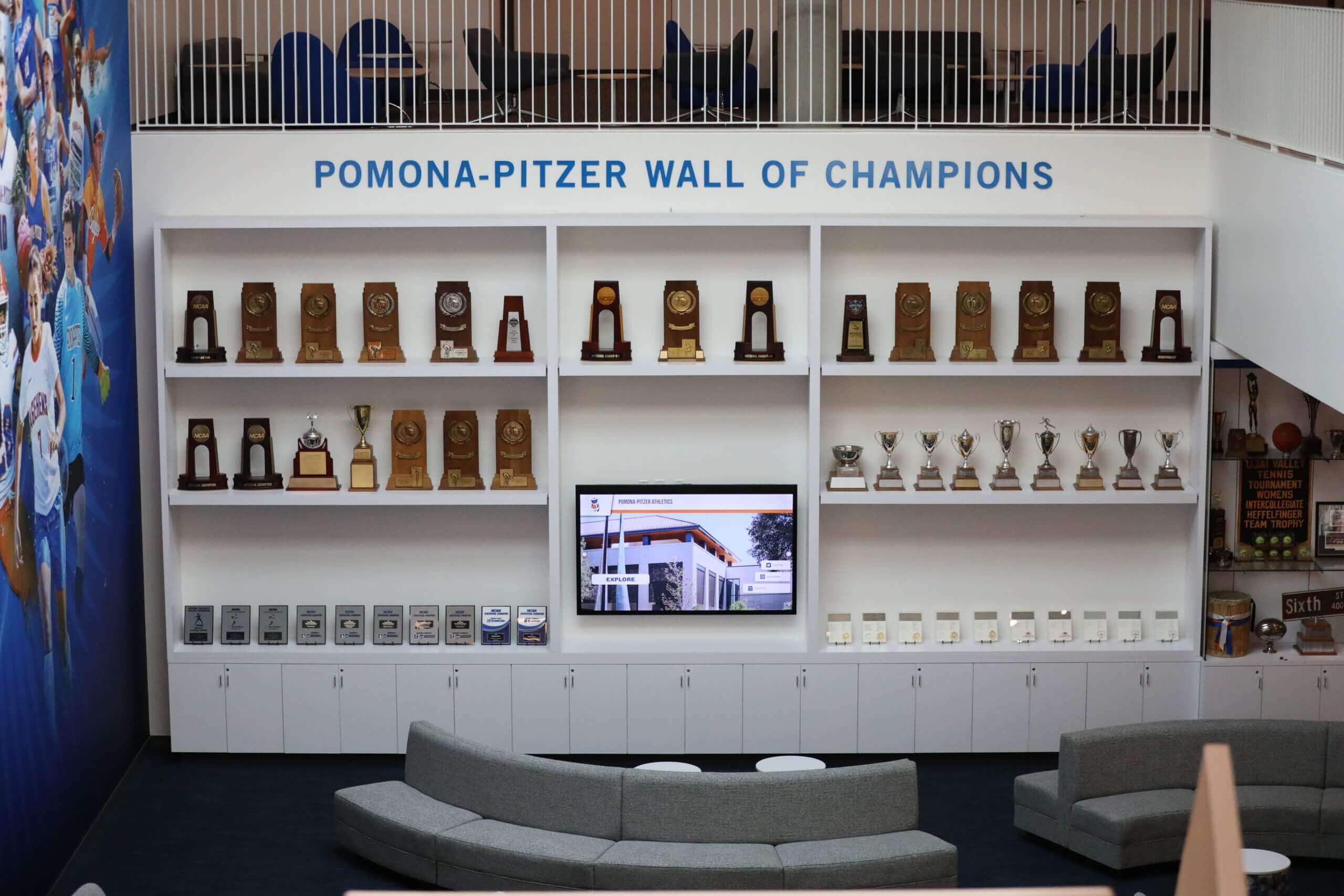
For decades, golf programs relied on trophy cases, plaque walls, and framed photographs to honor distinguished alumni. While these traditional approaches provide permanent physical presence, they introduce significant limitations affecting long-term program recognition.
Traditional Display Constraints:
Physical Space Limitations represent the most immediate challenge. Golf programs recognizing 3-5 distinguished alumni annually quickly exhaust available wall space. Within a decade, facilities run out of room, forcing difficult decisions about removing older recognition, relegating it to storage, or halting new inductions entirely.
Limited Information Capacity means traditional plaques accommodate only basic information—names, years, perhaps one or two major achievements. Rich career stories, statistical achievements, memorable moments, and multimedia content cannot be incorporated, reducing complex athletic careers to a few engraved lines.
Update Difficulty and Cost plague traditional displays requiring professional fabrication for every new inductee. Typical plaque costs range from $150-$500 per honoree, with custom designs reaching $1,000+. Combined with installation labor, updating recognition becomes expensive ongoing obligation many programs struggle to maintain consistently.
Maintenance Requirements emerge as brass tarnishes, photos fade, and physical displays deteriorate over time. Keeping traditional recognition looking professional requires regular cleaning, periodic refurbishment, and eventual replacement—costs often overlooked during initial implementation.
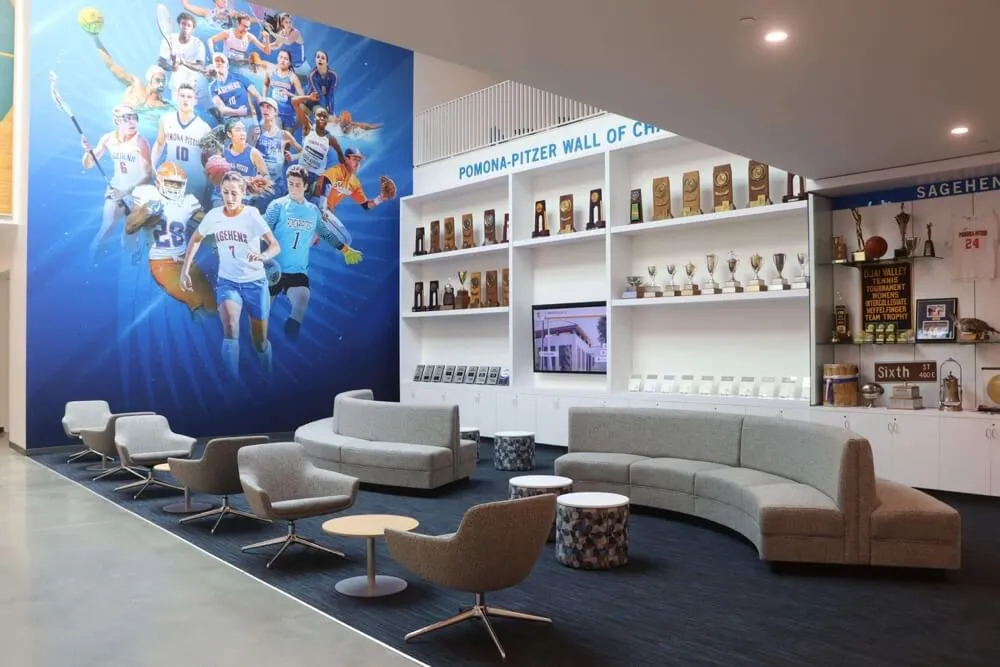
Engagement Challenges occur when static displays become background noise that students, visitors, and even athletes pass without noticing. Without interactive elements or changing content, recognition fades into facility wallpaper losing motivational impact over time.
Despite these limitations, traditional displays offer undeniable advantages including permanent physical presence, no technology dependencies, established institutional aesthetics, and tangible connections to history. Many programs appropriately maintain traditional elements while supplementing with digital capabilities addressing conventional approach limitations.
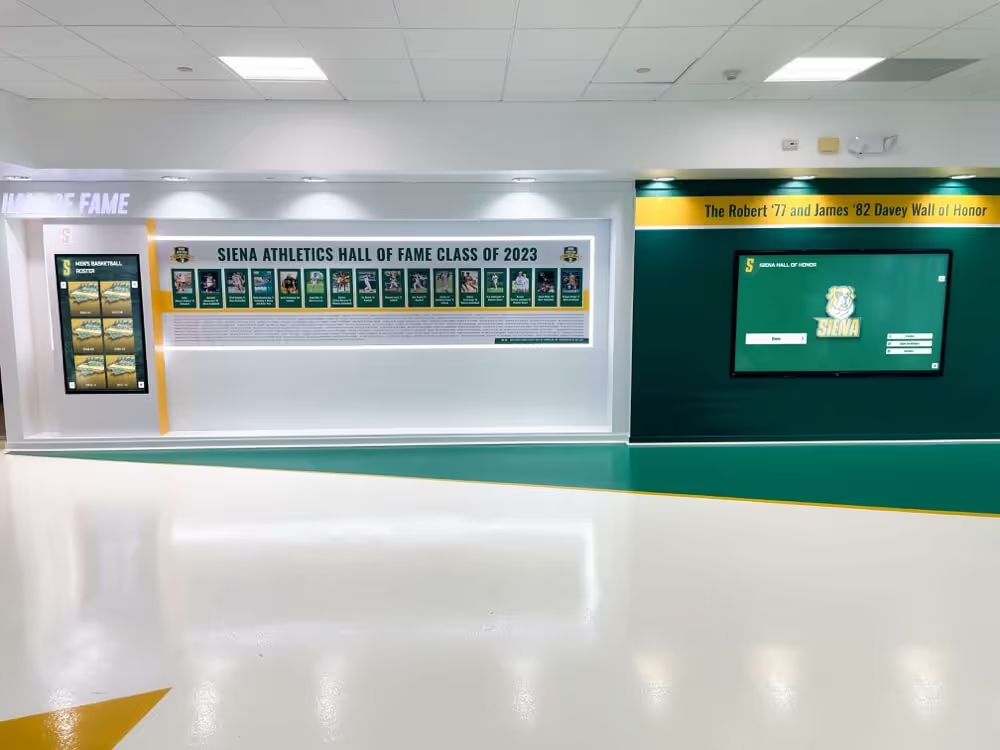
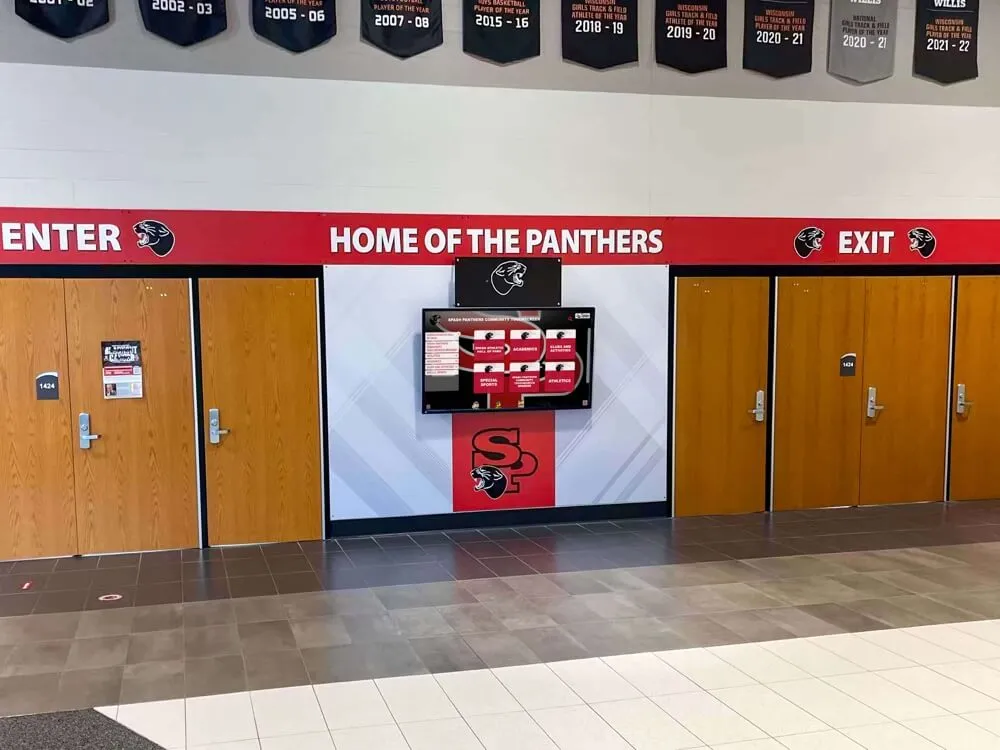
Digital Recognition Platforms and Capabilities
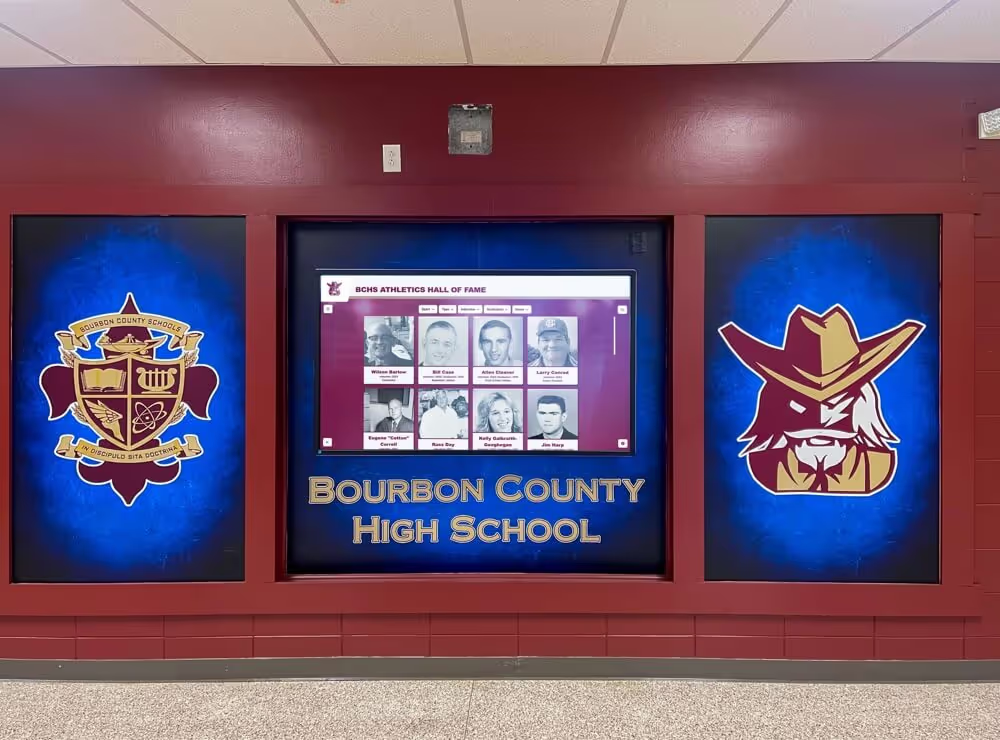
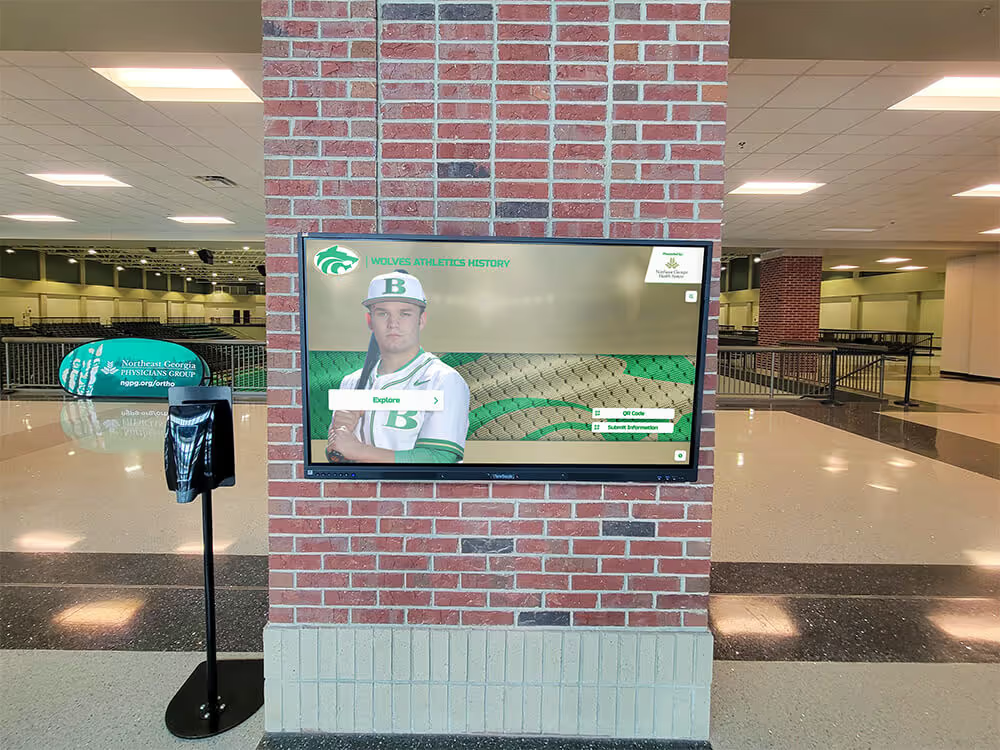
Modern digital recognition systems like Rocket Alumni Solutions address traditional display limitations while introducing capabilities impossible with physical plaques or trophy cases. However, understanding both strengths and potential concerns enables informed evaluation of whether digital approaches suit specific program needs.
Digital Recognition Advantages:
Key capabilities transforming alum recognition:
♾️ Unlimited Capacity
Recognize hundreds or thousands of alumni without physical space constraints or removal concerns
📸 Rich Multimedia
Incorporate photos, videos, detailed statistics, career narratives, and biographical information impossible with plaques
⚡ Instant Updates
Add new inductees, update information, and feature content changes without fabrication delays or ongoing vendor costs
🔍 Powerful Search
Enable visitors to instantly find specific alumni by name, year, achievement, or any other criteria
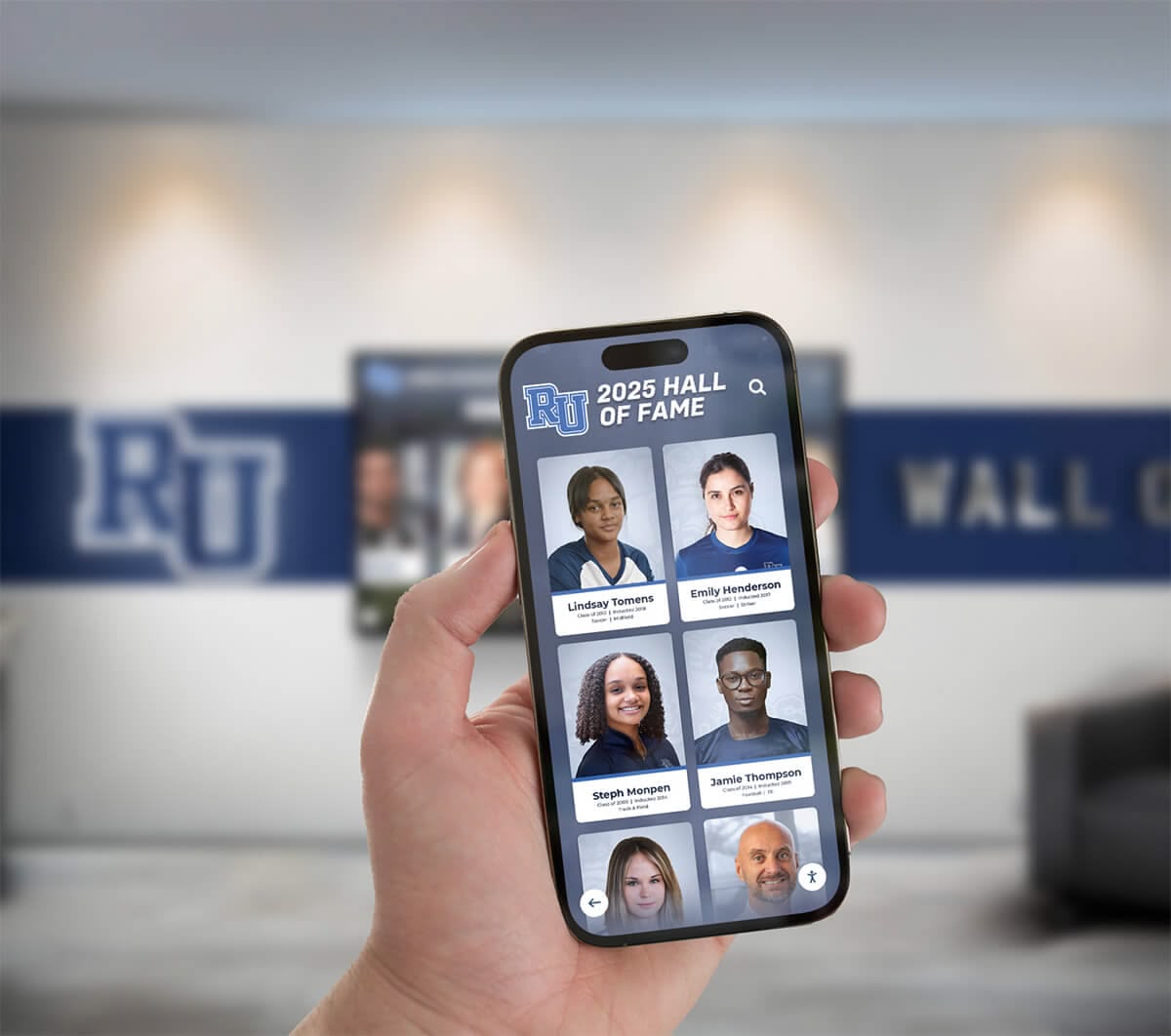
📱 Mobile Access
Extend recognition beyond physical displays through online platforms accessible anywhere
📊 Analytics Insights
Track engagement patterns understanding which content resonates and how visitors interact with recognition
Content Management Capabilities distinguish modern platforms from legacy digital signage systems. Purpose-built recognition platforms enable non-technical athletic staff to manage content independently through intuitive web-based interfaces. This eliminates vendor dependencies and per-update charges that made earlier digital systems impractical for most programs.
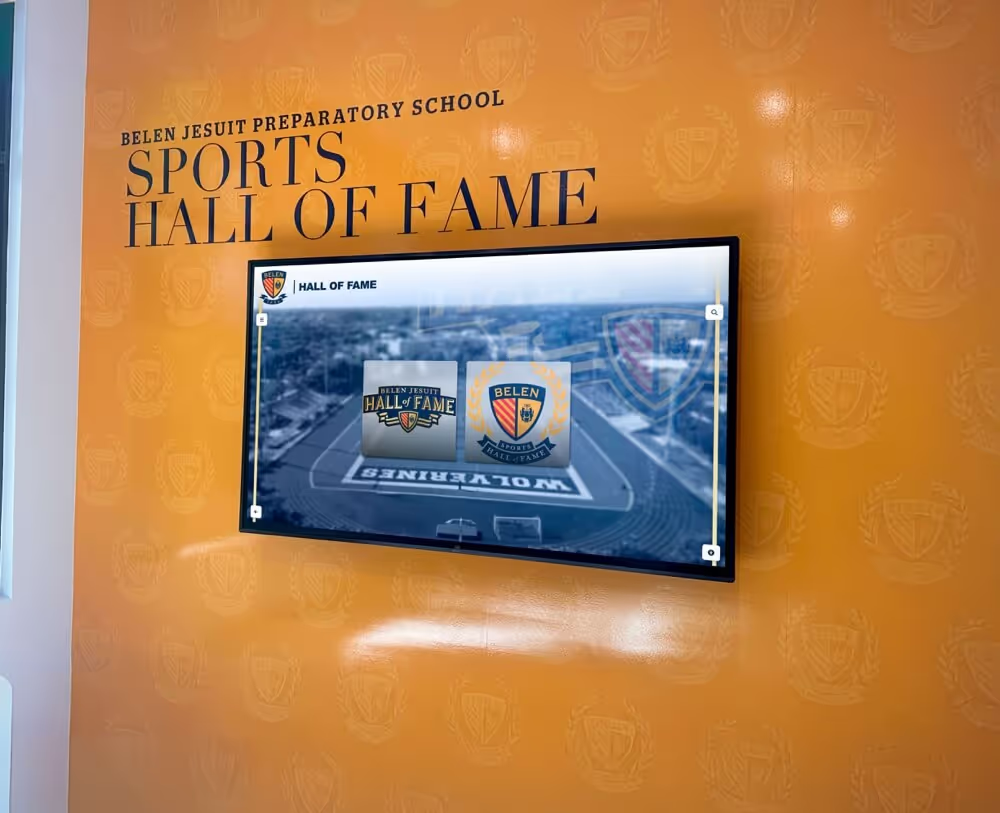
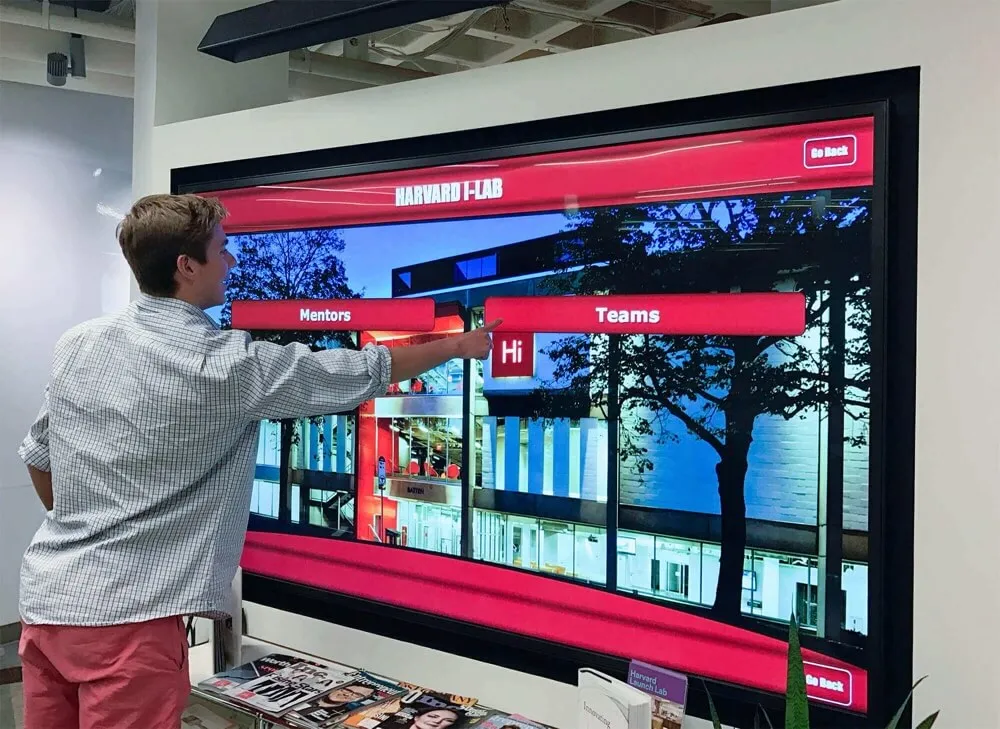
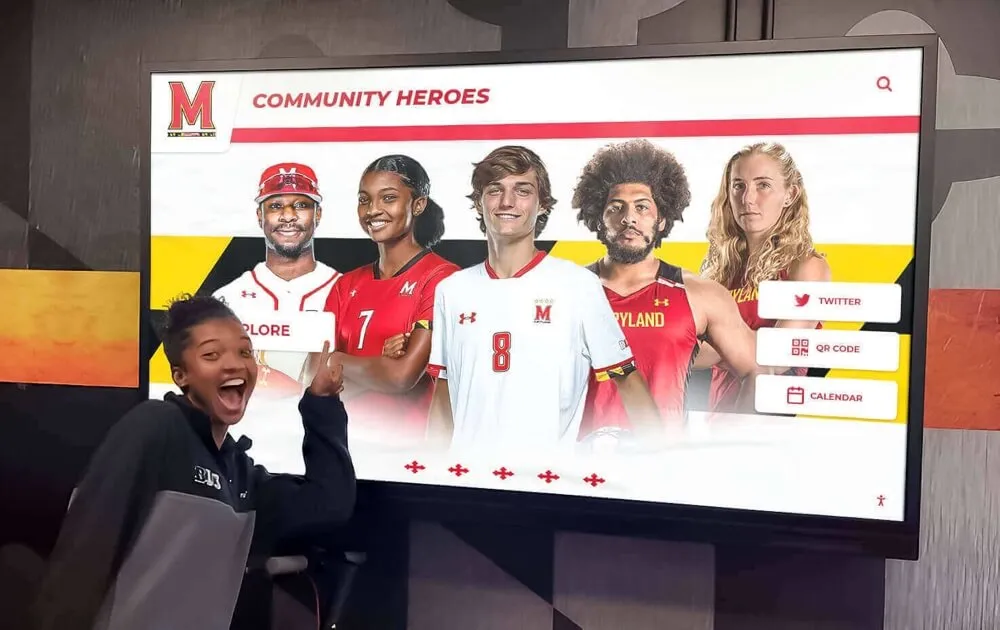
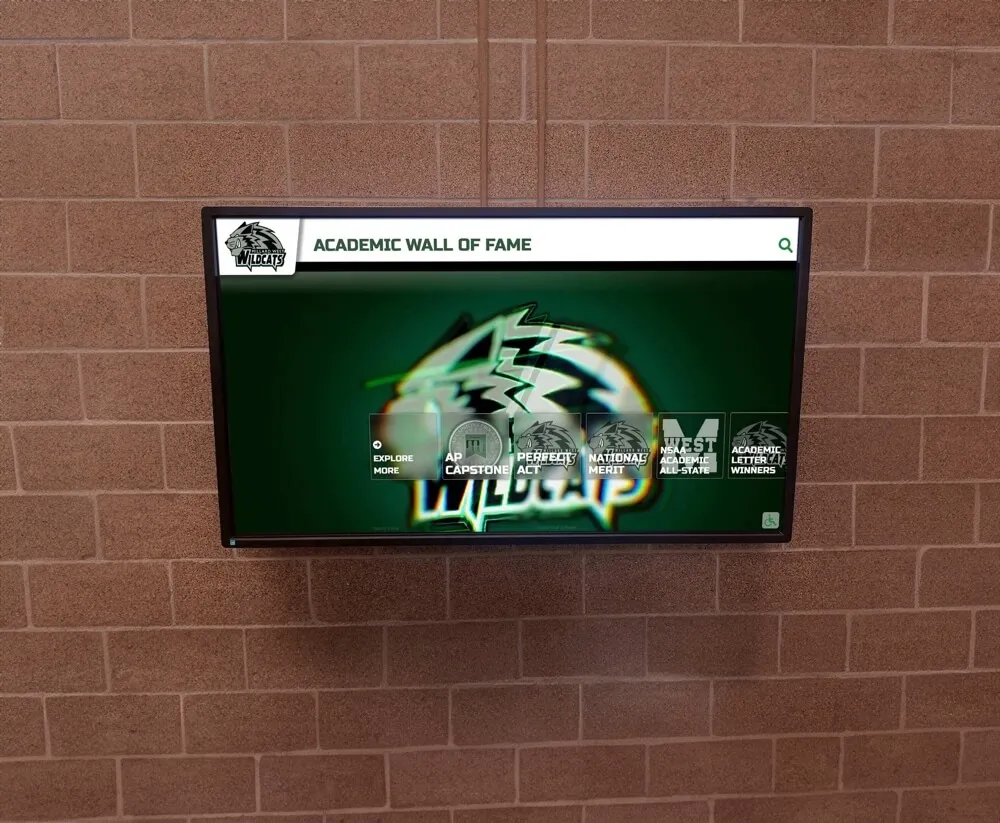
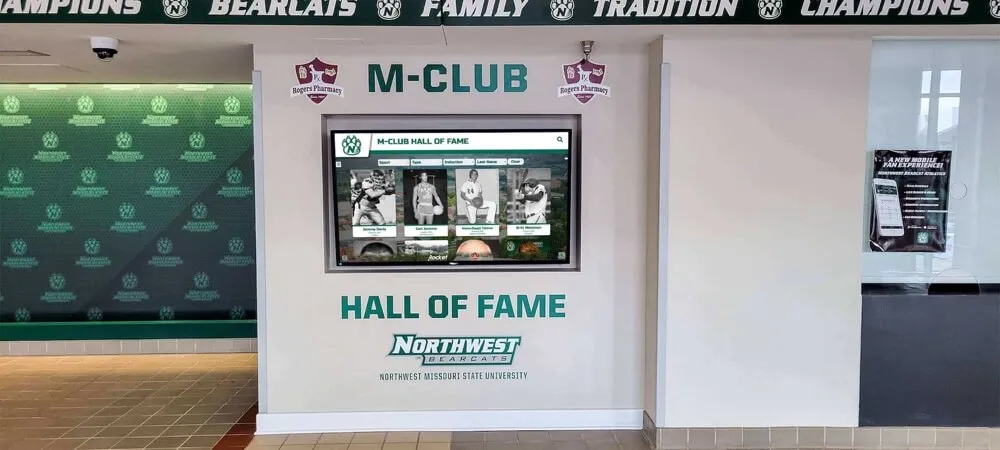
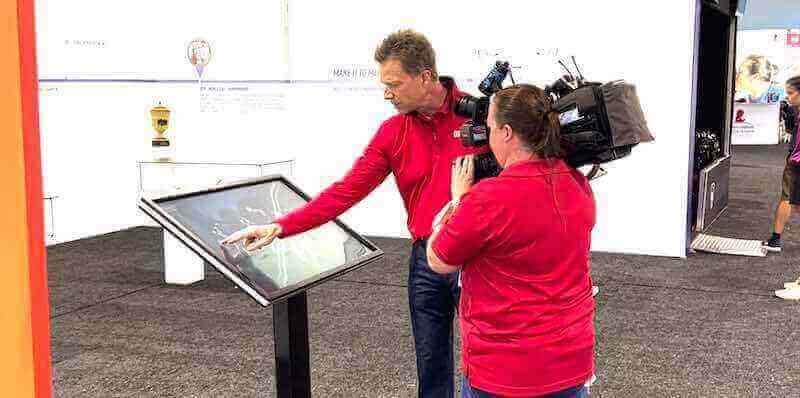
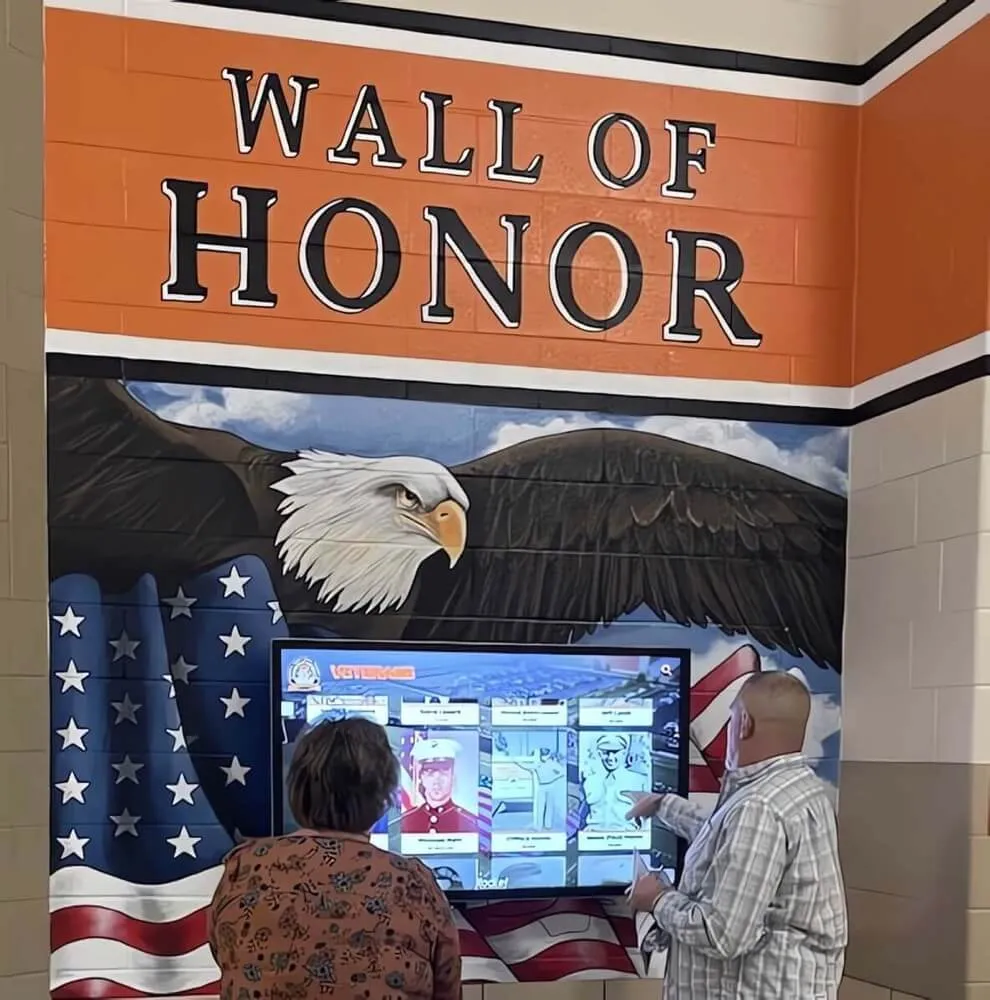
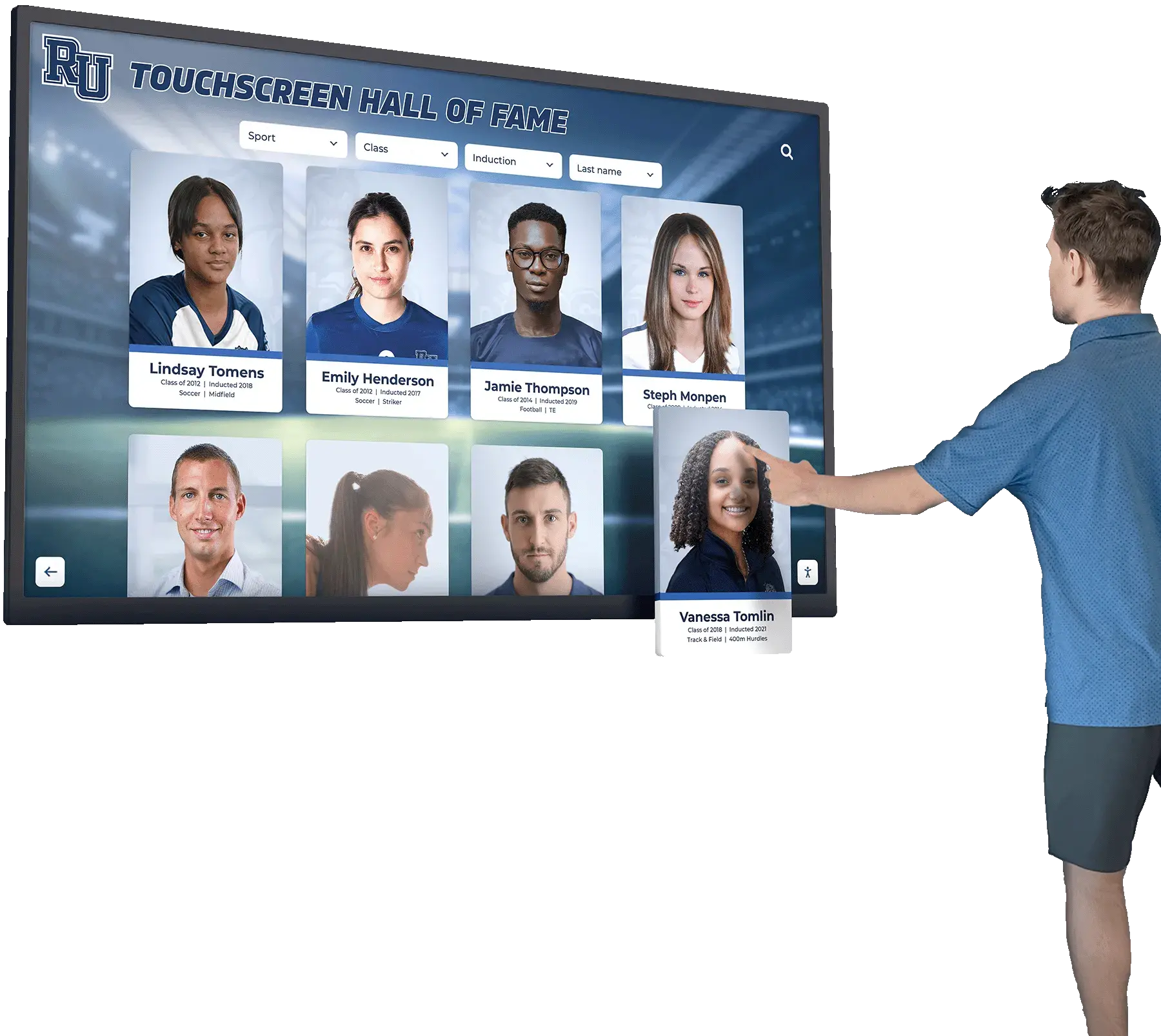
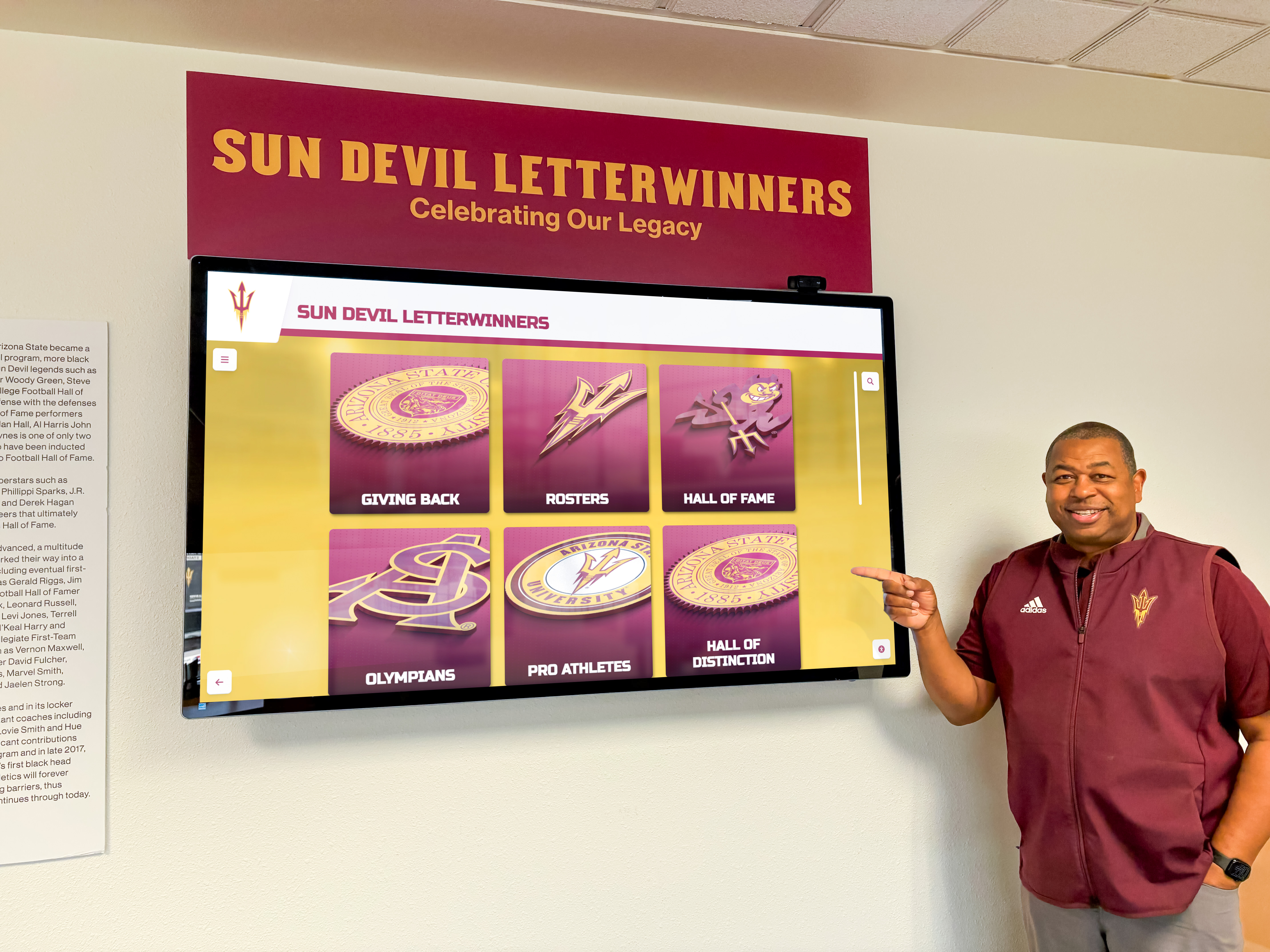
Interactive Exploration Features transform passive viewing into engaging experiences where visitors actively explore golf program history. Touchscreen interfaces enable filtering by graduation year, browsing by achievement type, discovering connections between alumni, and experiencing program legacy in ways static displays cannot facilitate.
For schools also managing athletic record boards or comprehensive athletic recognition systems, digital platforms provide centralized management across multiple recognition types—distinguished alumni, championship teams, record holders, and award winners—through unified content management simplifying administrative workload.
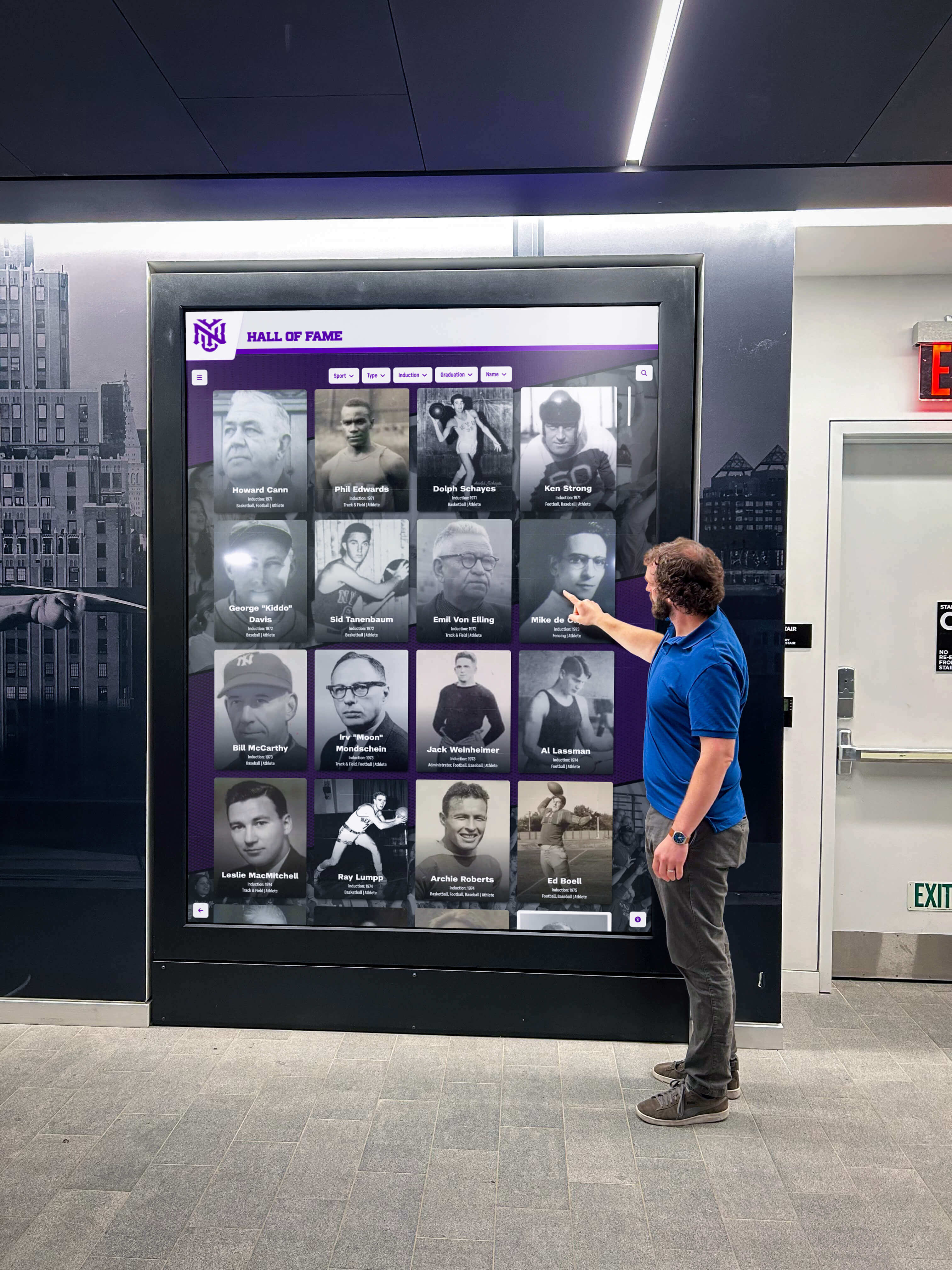
Digital Platform Considerations:
While digital recognition offers compelling advantages, thoughtful implementation requires addressing legitimate concerns:
- Technology Dependencies: Systems require power, network connectivity, and ongoing technical support
- Initial Investment: Commercial-grade hardware and software involves higher upfront costs than traditional plaques
- Learning Curves: Staff need training on content management platforms
- Aesthetic Integration: Digital displays must complement rather than clash with facility design
- Long-Term Support: Programs need confidence providers will support systems over 10+ year lifecycles
The most successful digital recognition implementations address these considerations during planning while leveraging platform capabilities that traditional approaches simply cannot deliver. For guidance on selecting the right digital recognition provider, evaluation criteria should emphasize content management flexibility, vendor stability, and alignment with program-specific recognition philosophies.
Hybrid Approaches Combining Digital and Traditional Elements
Many golf programs discover optimal recognition strategies combine digital platform capabilities with selective traditional elements creating comprehensive systems serving multiple purposes while addressing various stakeholder preferences.
Effective Hybrid Recognition Models:
Selective Physical Recognition for Highest Honors: Reserve traditional plaques, trophy cases, or physical displays for the most prestigious recognition tier—championship golfers, professional athletes, program legends—while using digital platforms for comprehensive recognition across all distinguished alumni. This approach maintains physical tradition for exceptional achievements while enabling unlimited recognition capacity through digital systems.
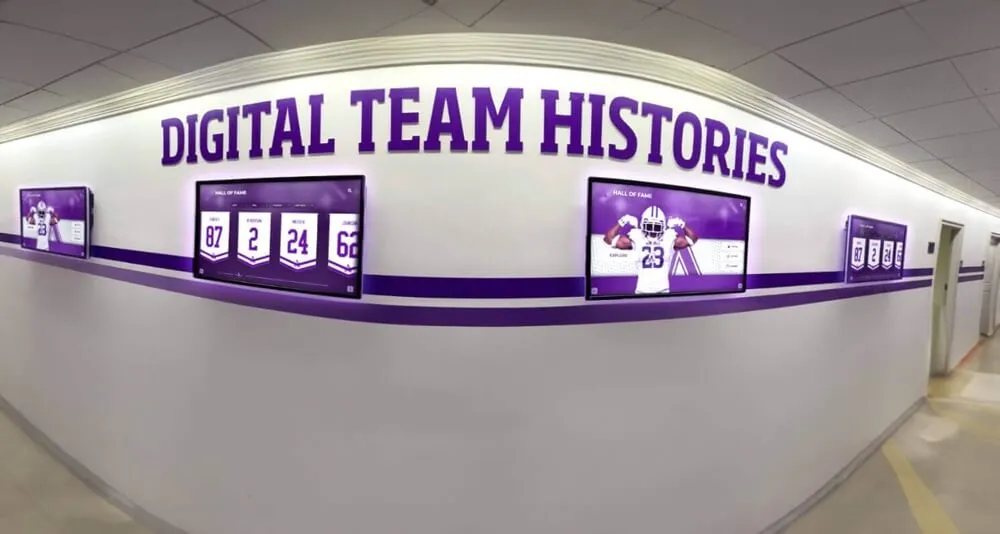
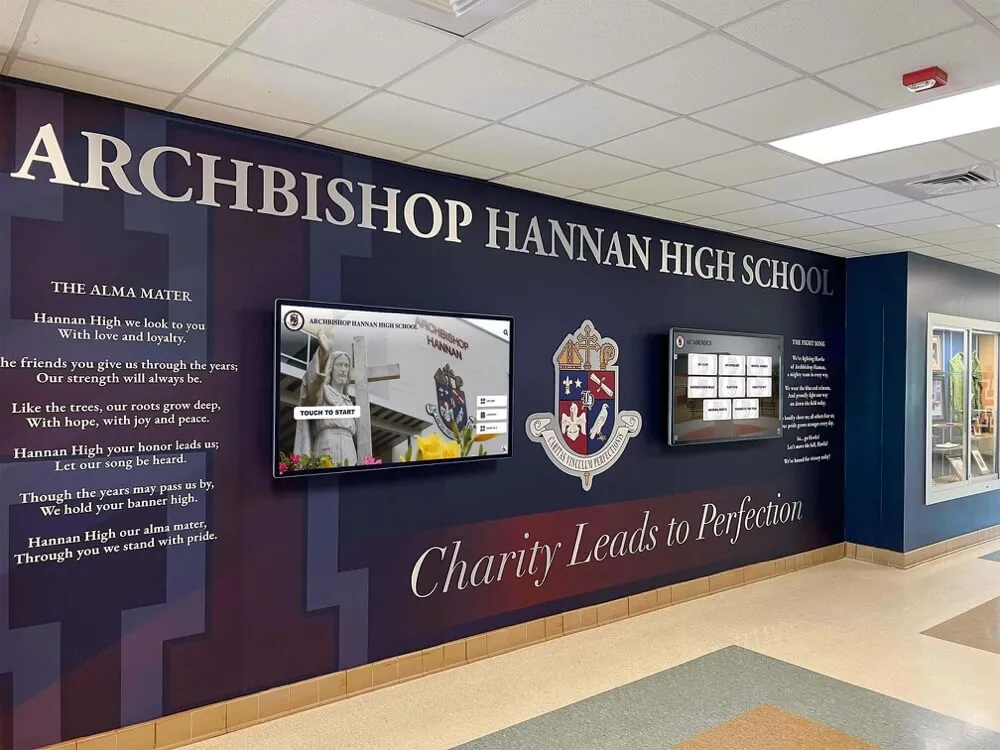
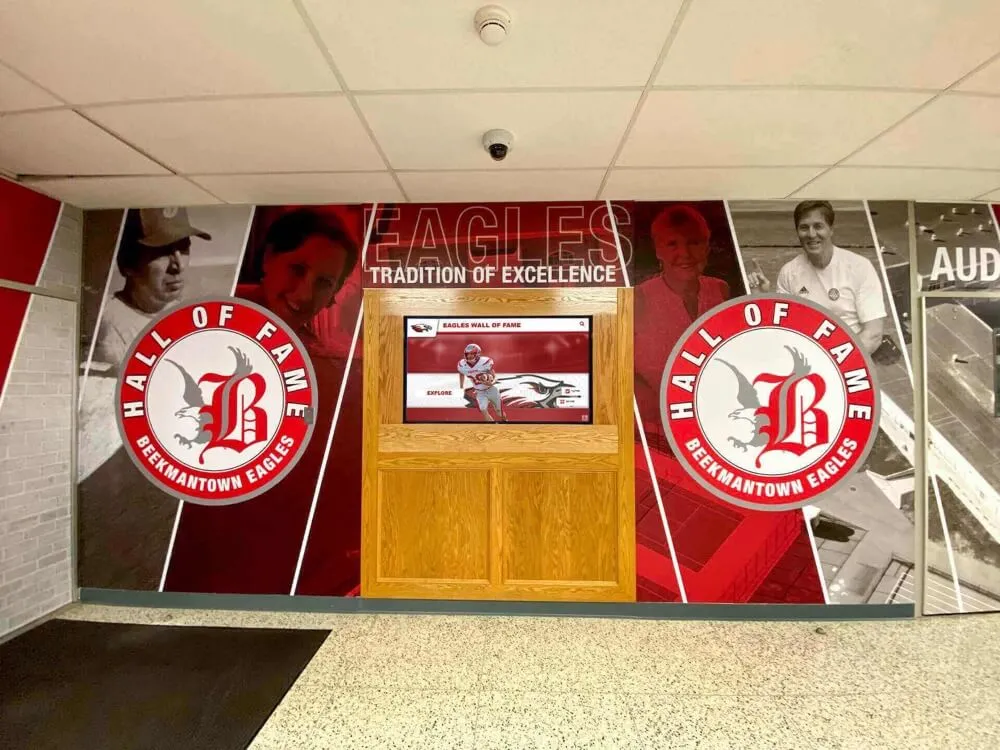
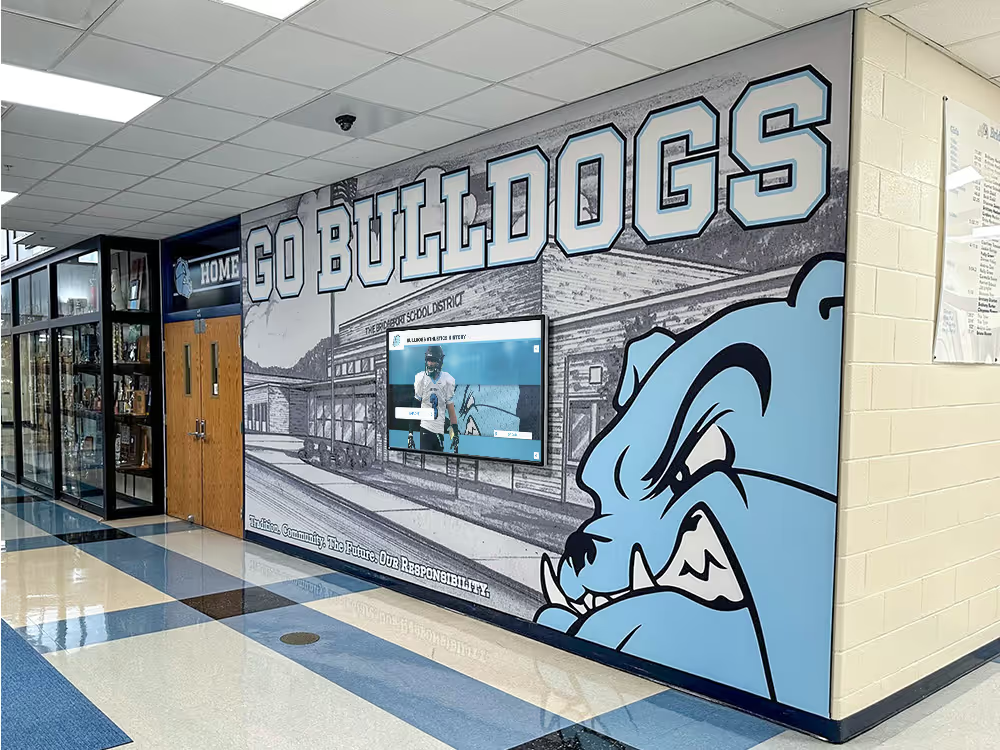
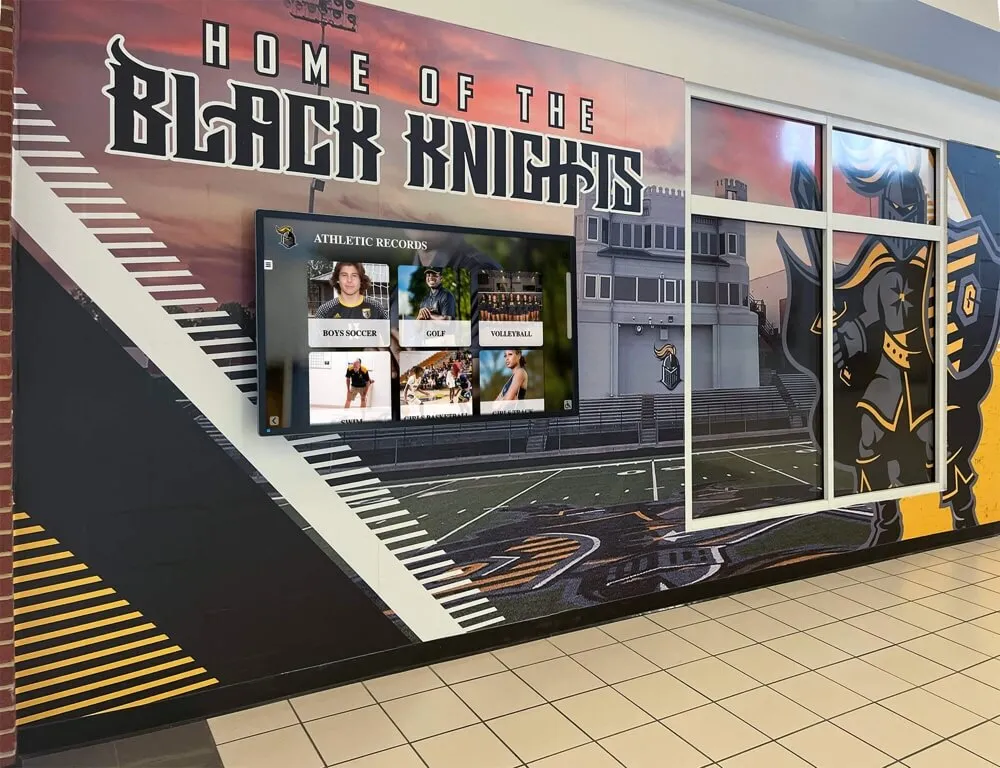
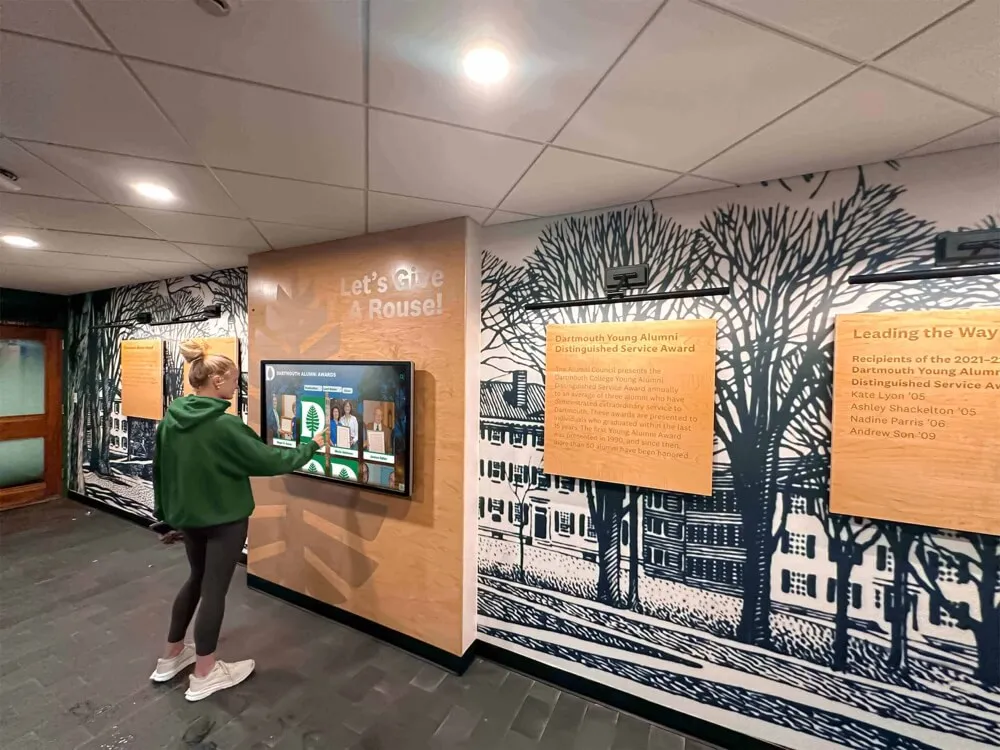
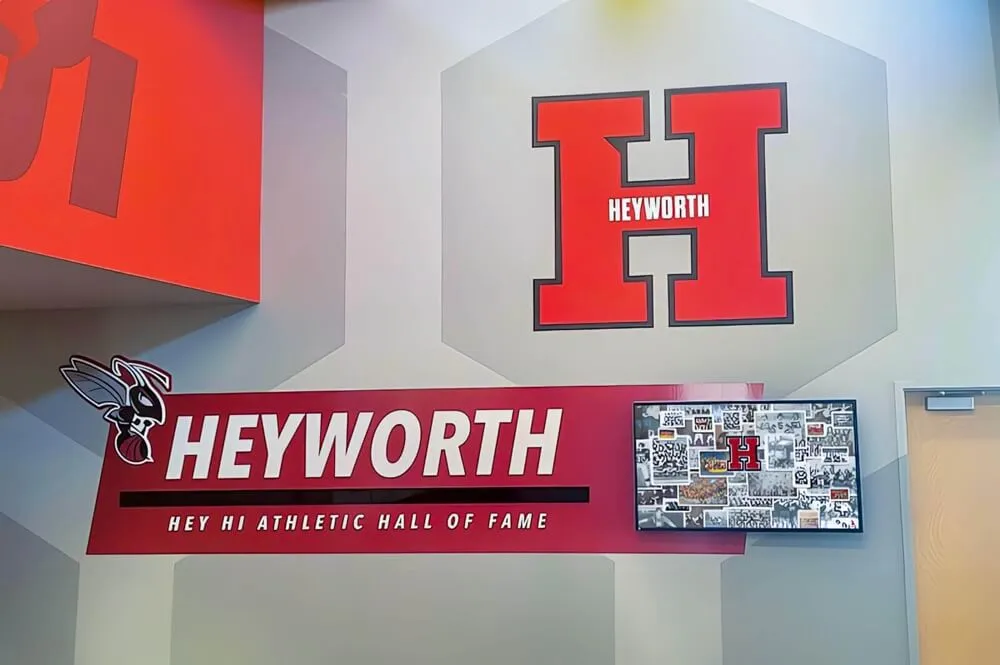
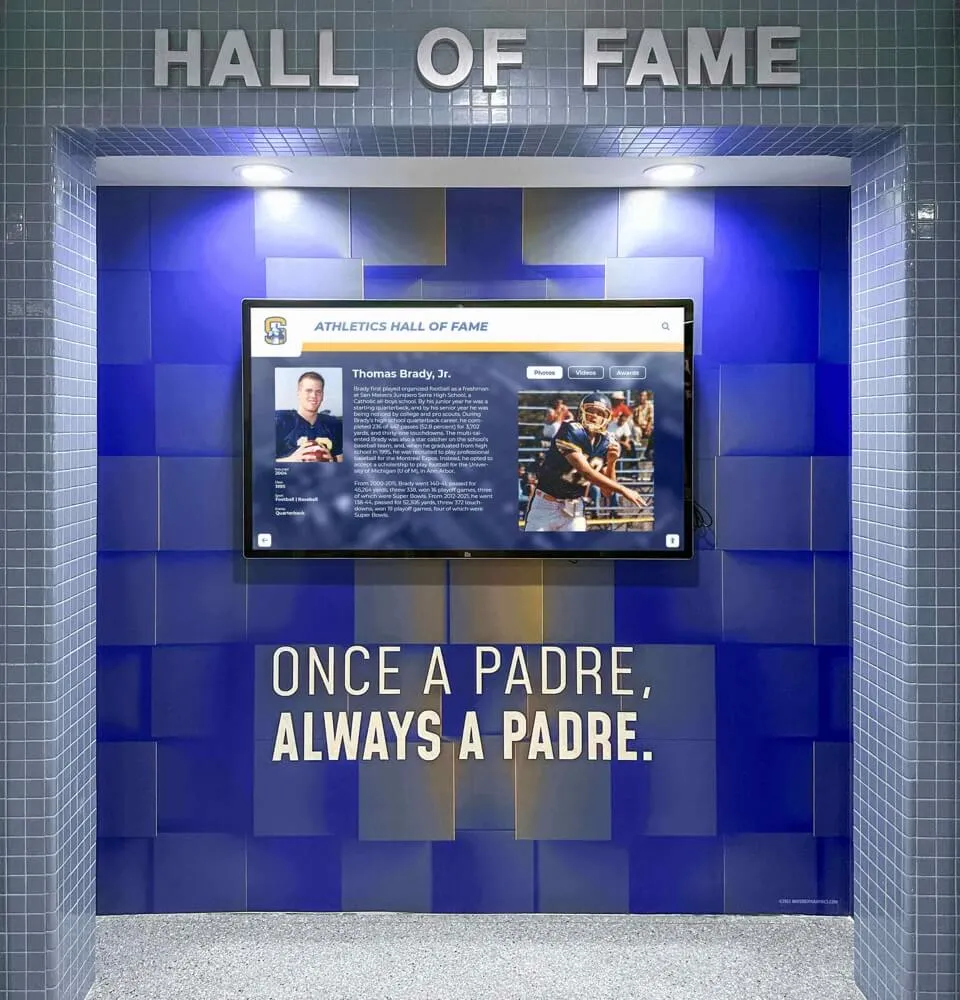
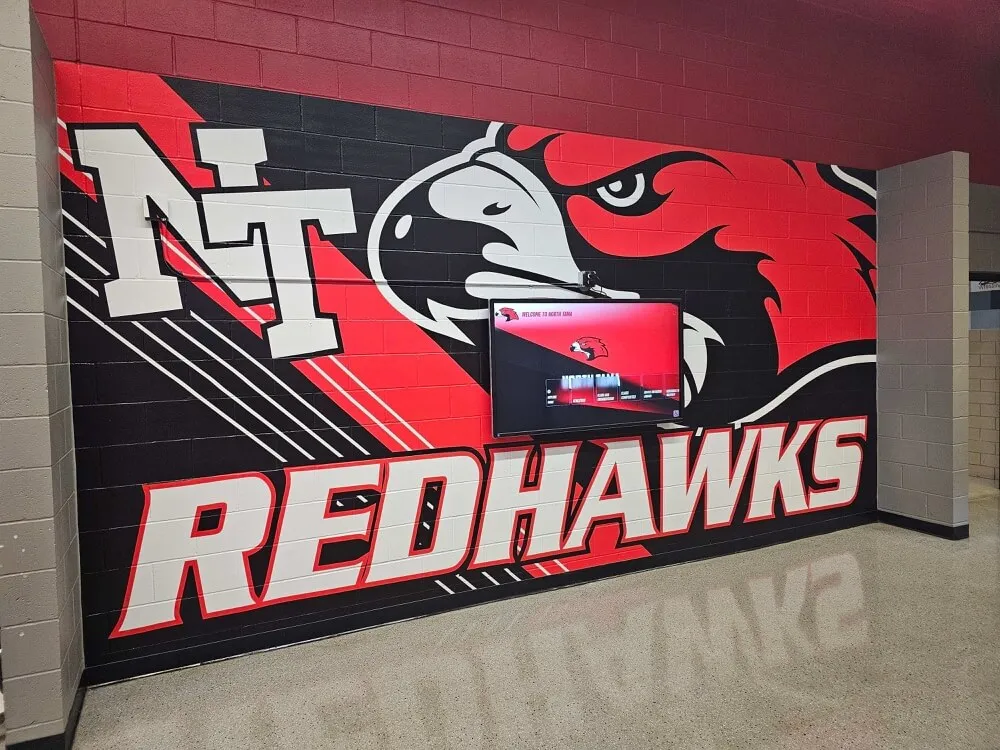
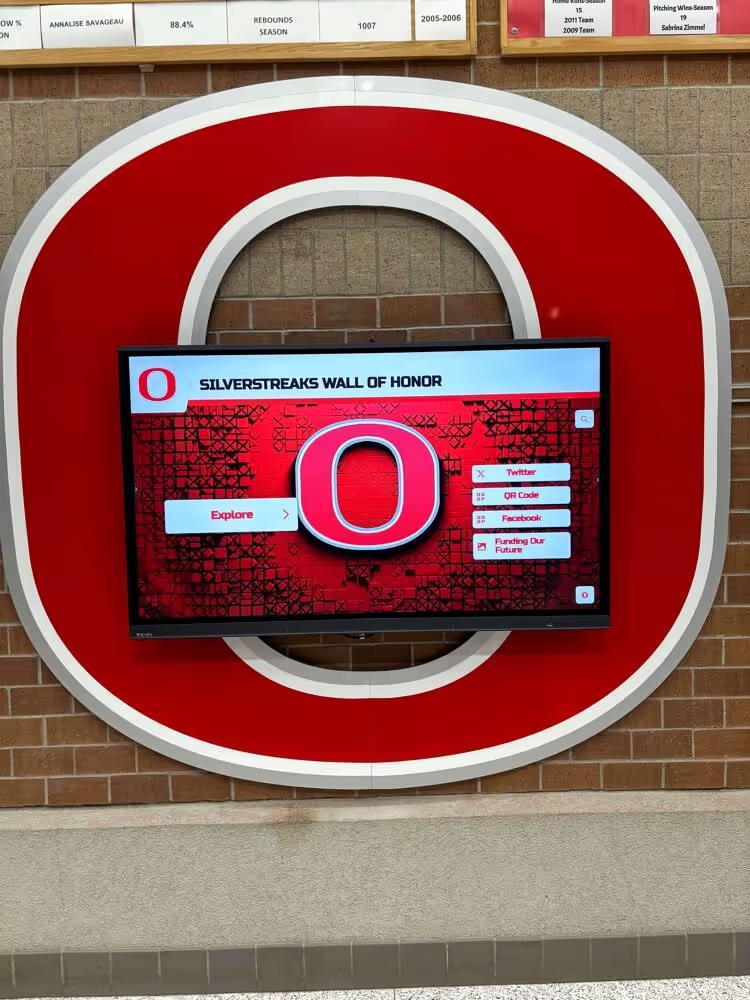
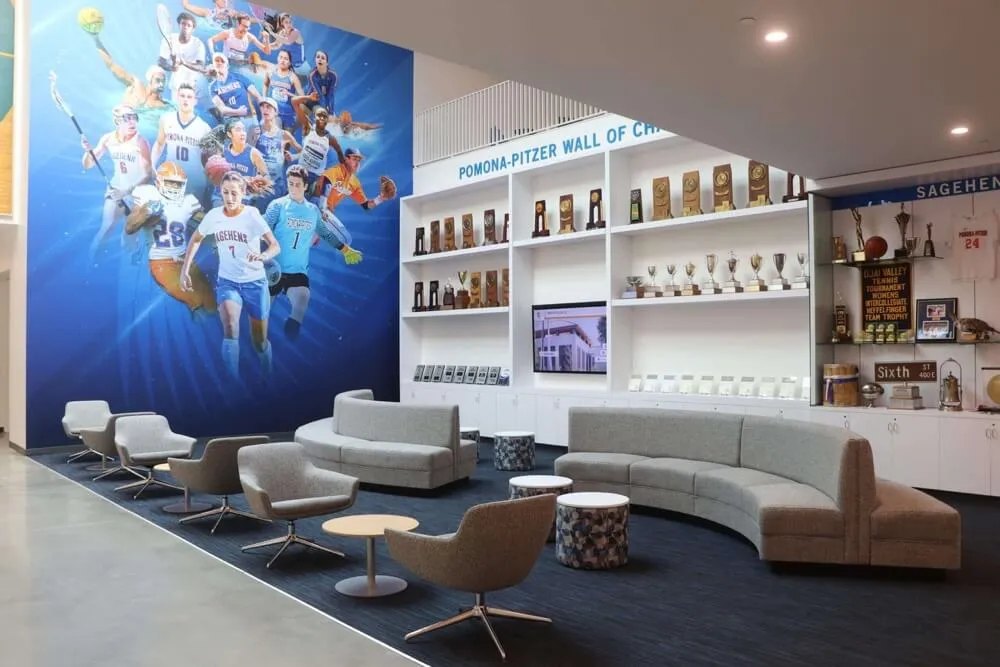
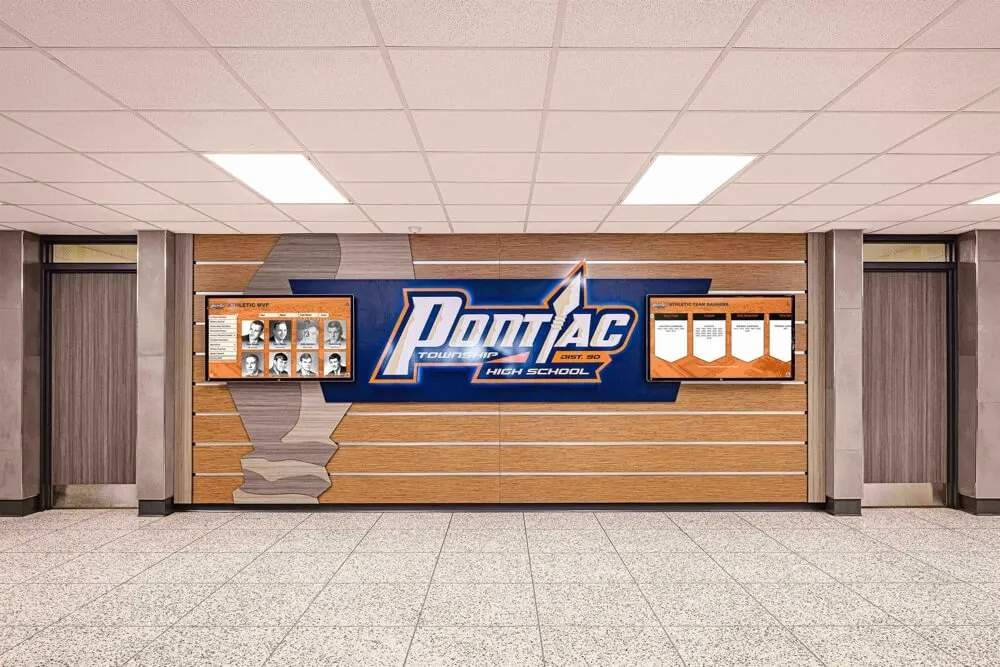
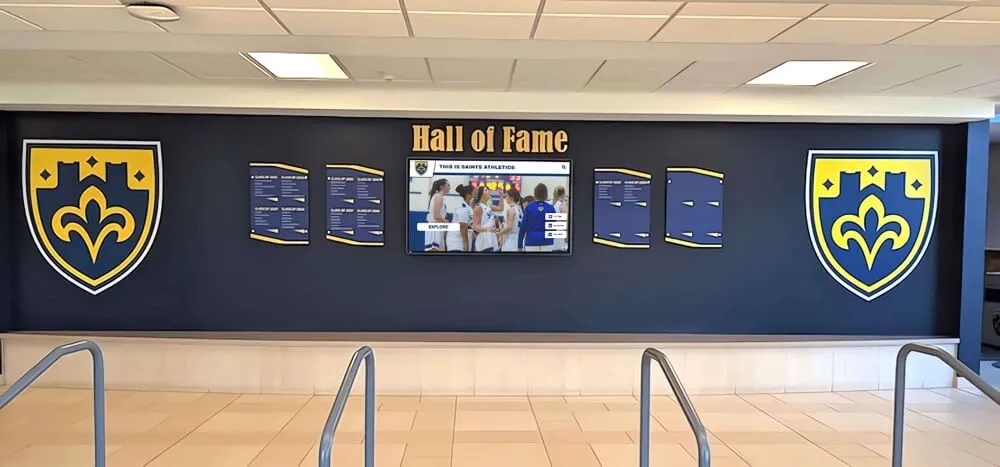
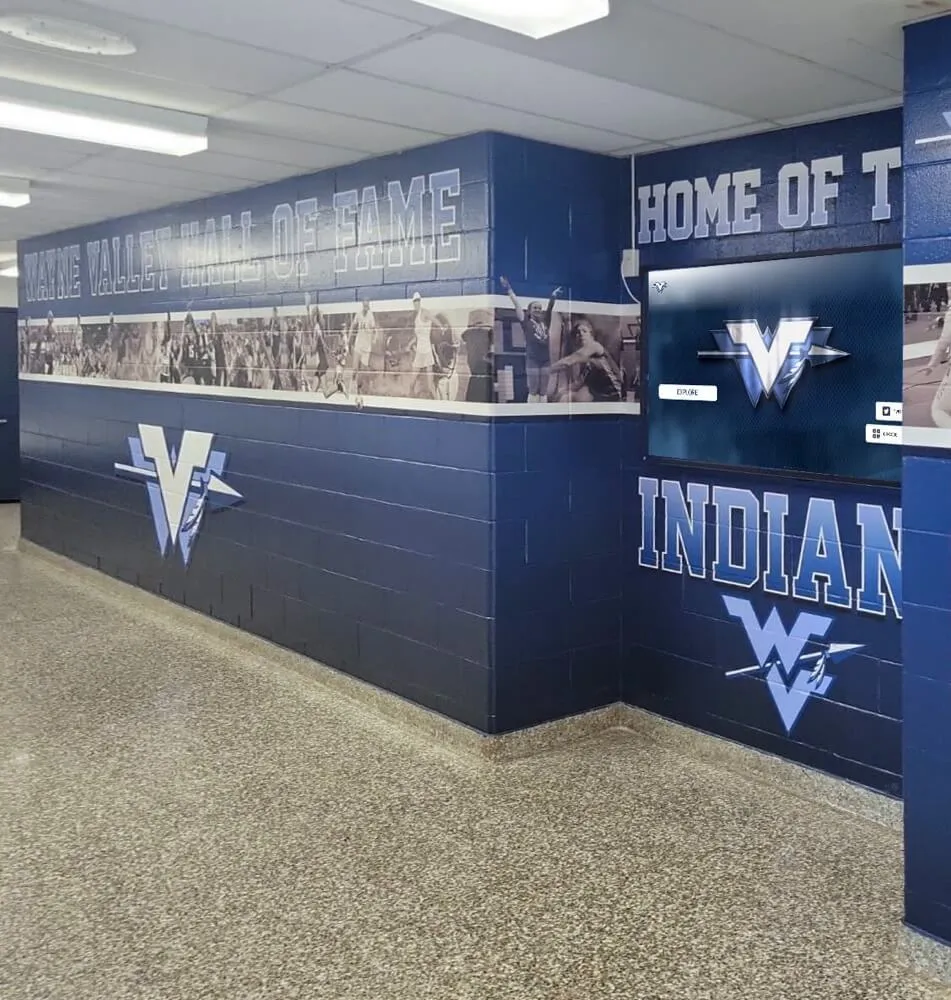
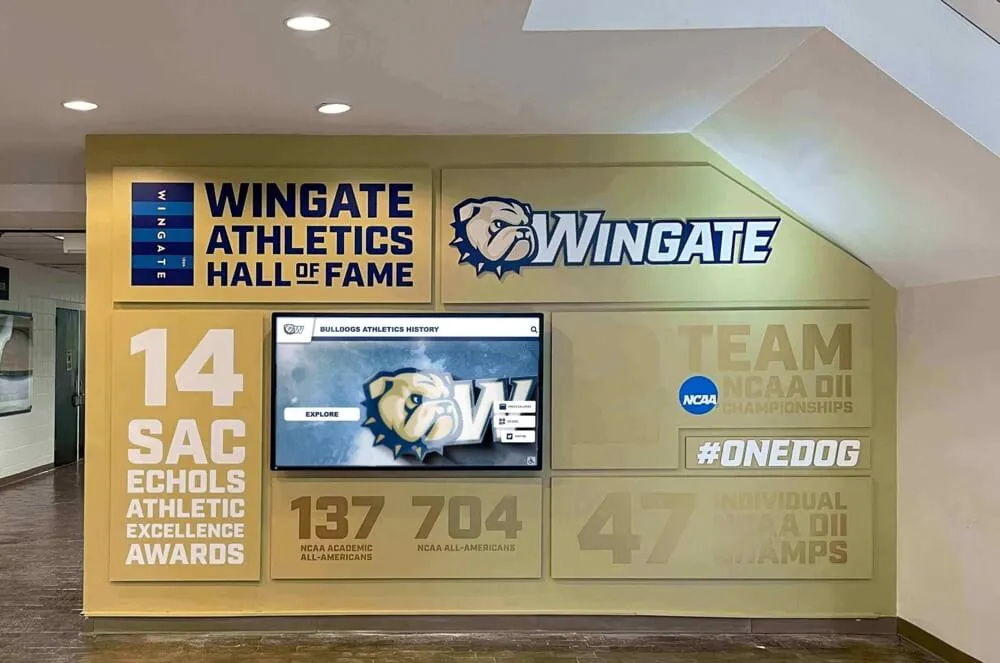
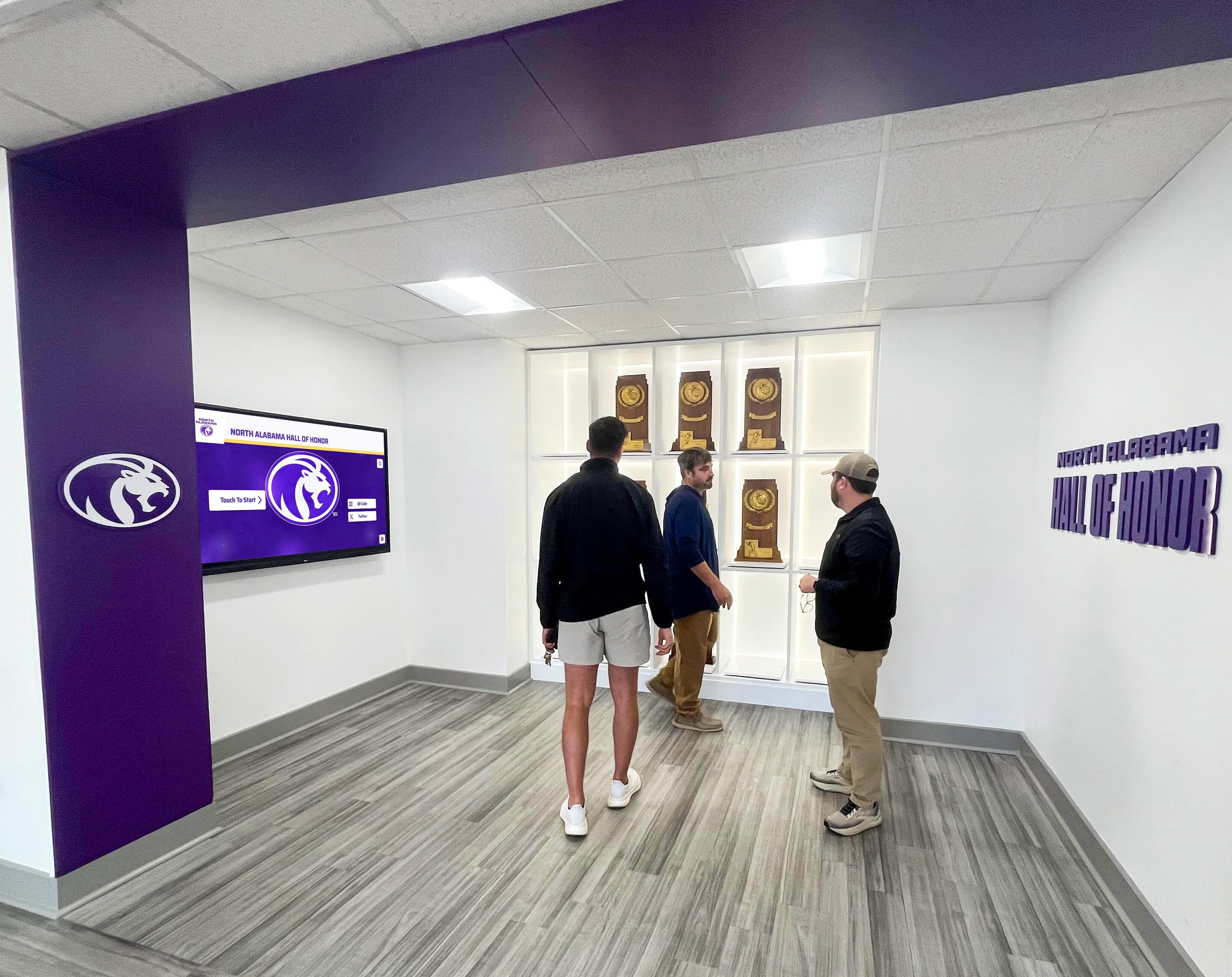
Traditional Aesthetic Elements with Digital Interactivity: Design installations incorporating traditional design elements—wood paneling, institution colors, team logos, permanent signage—housing digital interactive displays. This aesthetic integration respects institutional traditions while delivering modern recognition capabilities, addressing stakeholder preferences for “traditional” appearance alongside digital functionality.
Physical Induction Displays Supplemented by Digital Archives: Create dedicated physical spaces for annual induction classes with traditional elements while providing digital access to comprehensive historical archives. Each year’s inductees receive physical recognition in prominent locations, with complete program history accessible through digital platforms preventing space exhaustion.
Strategic Location Distribution: Place traditional recognition in high-prestige, low-traffic locations—offices, conference rooms, intimate gathering spaces—where permanent displays suit environment and usage patterns. Install digital interactive systems in high-traffic areas—lobbies, hallways, public spaces—where dynamic content and search capabilities serve diverse visitor needs effectively.
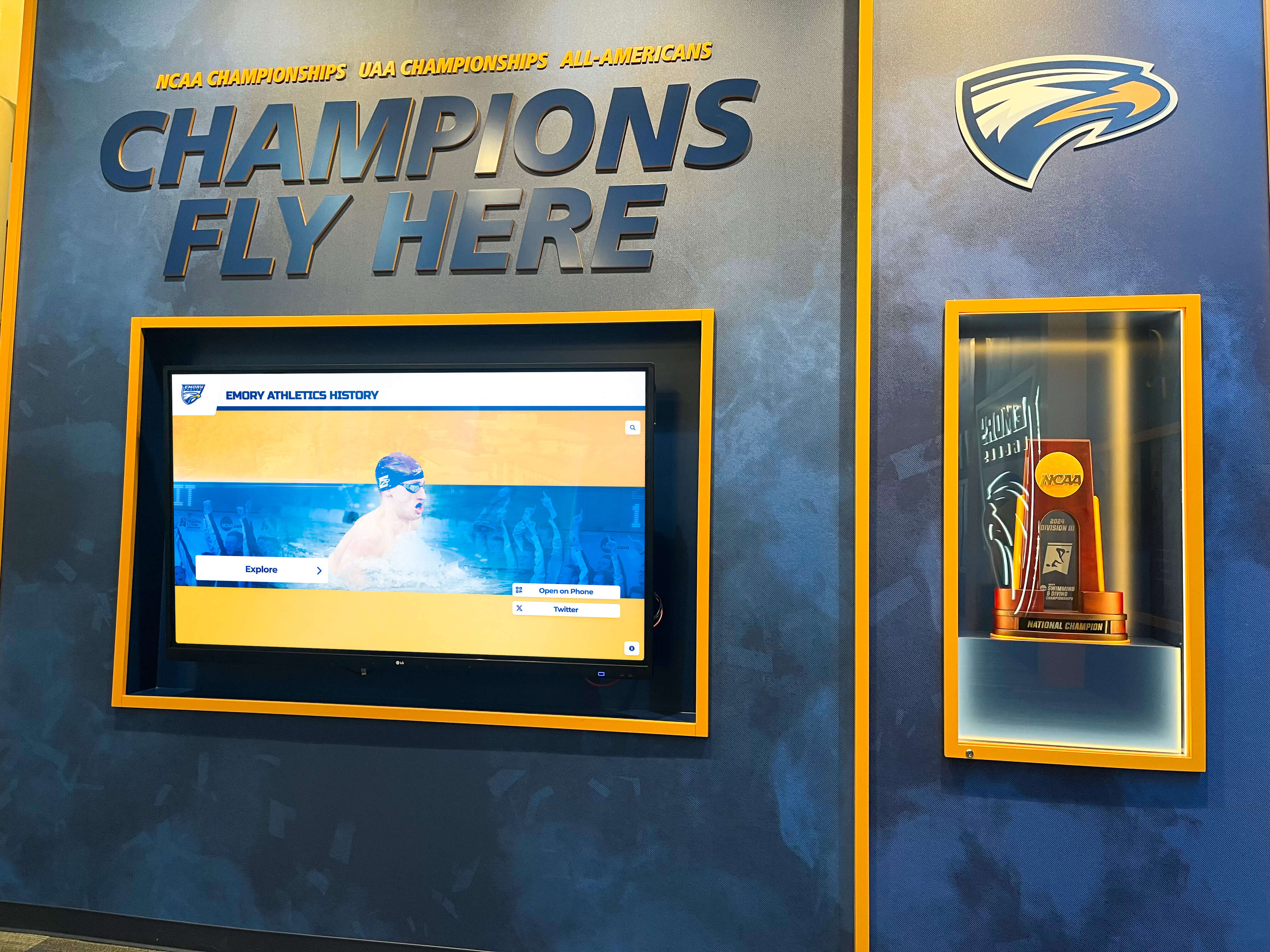
Hybrid approaches enable programs to honor institutional traditions and stakeholder preferences while embracing modern recognition capabilities addressing traditional limitation. Rather than viewing digital and physical recognition as competing alternatives, successful programs leverage strengths of both creating comprehensive distinguished alum recognition ecosystems.
Creating Comprehensive Distinguished Alum Content
Regardless of whether programs choose digital platforms, traditional displays, or hybrid approaches, the quality and comprehensiveness of content determines recognition program effectiveness and impact.
Essential Profile Information Components
Distinguished alum profiles should tell complete stories celebrating athletic achievements within broader life context, creating meaningful recognition that honored individuals proudly share while inspiring current athletes.
Core Biographical Information:
- Full name (including maiden names for married female athletes)
- Years of participation (freshman through senior years)
- Hometown and high school (for college programs)
- Academic major and graduation year
- Current residence and occupation
- Family information when appropriate and desired
Athletic Achievement Documentation:
- Tournament victories and championships (team and individual)
- Career statistical achievements and records
- Awards and honors received (All-Conference, All-State, All-American, etc.)
- Career scoring average and performance metrics
- Memorable rounds and special achievements
- Team roles and leadership positions
Narrative Content Bringing Achievements to Life:
- Career highlights and defining moments
- Challenges overcome and adversity faced
- Impact on team culture and program development
- Relationships with coaches, teammates, and opponents
- Post-graduation golf involvement and continued excellence
- Career trajectory and life accomplishments beyond golf
- Personal reflections on program experience and lasting impact
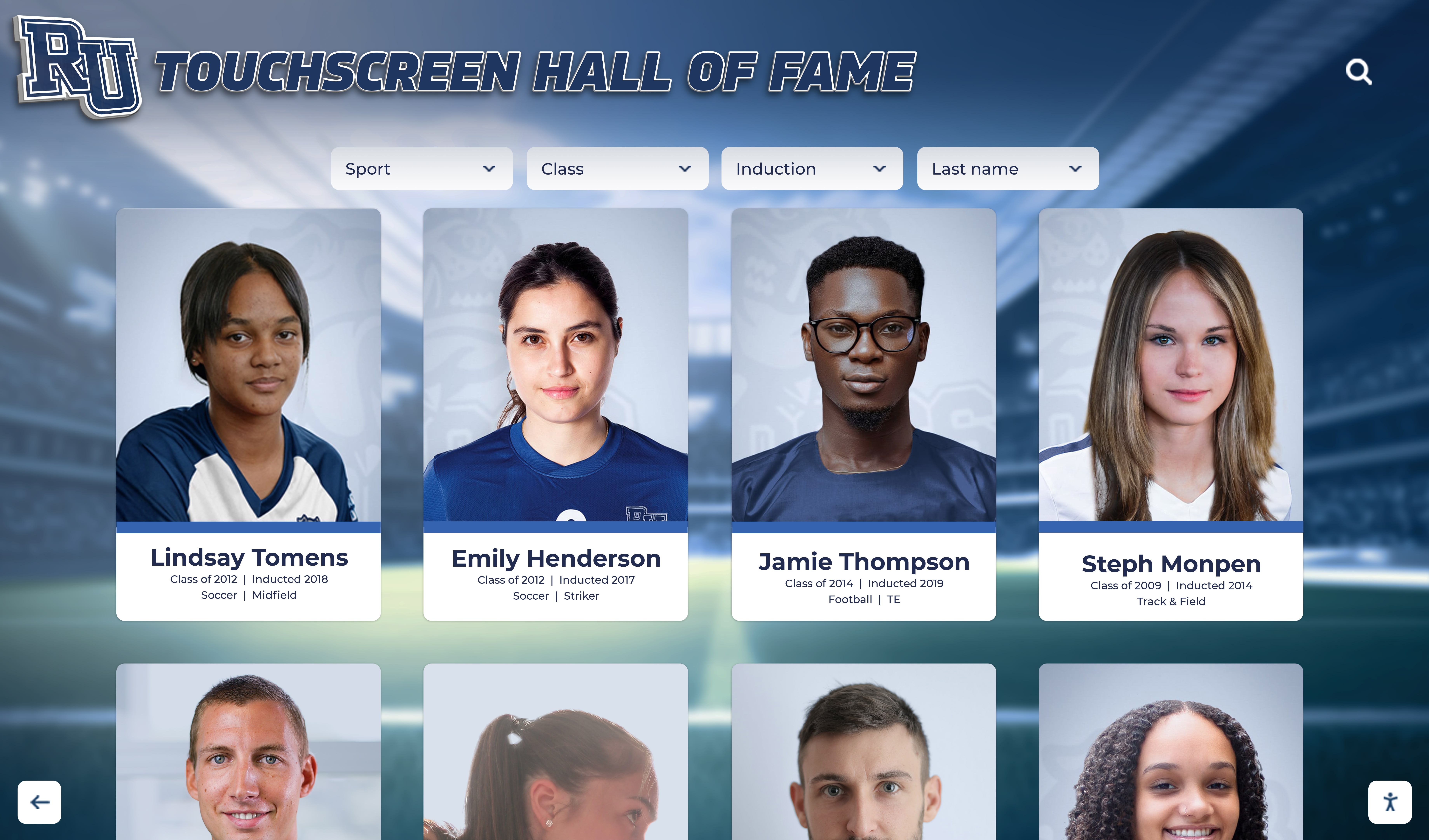
Visual Content Requirements:
High-quality photos transform text-heavy profiles into engaging recognition. Comprehensive visual archives should include:
- Action shots from tournaments and competitions
- Team photos showing inducted alumni with teammates
- Individual portraits from college career
- Current photos showing alumni today
- Award ceremony and recognition event images
- Candid moments capturing personality and character
- Historical context photos showing program evolution
For programs implementing digital recognition platforms, video content adds powerful storytelling dimension. Brief interview clips where distinguished alumni reflect on experiences, share advice with current players, or celebrate memorable moments create emotional connections impossible through text alone. Solutions like Rocket Alumni Solutions enable multimedia integration making rich content accessible through intuitive interfaces.
Gathering Historical Content and Alumni Information
Many golf programs discover their biggest challenge involves gathering comprehensive content about distinguished alumni, particularly those who graduated decades ago when documentation practices differed dramatically from modern standards.
Content Gathering Strategies:
Alumni Outreach and Engagement: Contact distinguished alum candidates directly requesting biographical information, photos, career updates, and personal reflections. Most honored alumni enthusiastically provide content when understanding how recognition will appear and benefit program. Create standardized questionnaires capturing essential information while allowing narrative responses revealing personality.
Institutional Archive Mining: Athletic departments, yearbook collections, school newspapers, and institutional archives often contain valuable historical content documenting athletic achievements. Allocate time for systematic archive review identifying photos, articles, statistics, and documentation supporting distinguished alum profiles.
Media Research and Documentation: Local newspaper coverage, sports media archives, and tournament records provide third-party verification of achievements and contemporary accounts of memorable moments. Digital newspaper archives enable efficient searching for specific athletes and events.
Family and Teammate Contributions: When direct contact with distinguished alumni proves impossible—due to passing, lost contact information, or other barriers—families and former teammates often possess photos, memories, and documentation supporting recognition efforts. Building networks of program alumni facilitates these connections.
Current Athletes as Researchers: Engage current team members in historical research projects connecting them with program history while distributing content development workload. Student-athletes conducting interviews with distinguished alumni, researching program archives, and creating profile content develops deeper appreciation for traditions they represent while building practical research skills.
Programs implementing comprehensive historical recognition often discover the process takes months or years of sustained effort. Rather than delaying recognition until complete historical archives exist, successful programs launch with available content and systematically expand recognition over time. Digital platforms excel at accommodating this incremental approach through easy content additions as information becomes available.
Implementation Planning and Recognition Ceremonies
Converting distinguished alum recognition concepts into functioning programs requires thoughtful implementation planning addressing technical, operational, and ceremonial considerations.
Technical Implementation for Digital Recognition Systems
Programs selecting digital recognition platforms must navigate hardware selection, software configuration, content migration, and system integration decisions determining long-term success.
Hardware and Display Selection:
Commercial-grade touchscreen displays suitable for high-traffic athletic facilities differ substantially from residential screens or classroom technology. Essential hardware considerations include:
- Display Size and Resolution: Screens should be large enough for comfortable viewing from typical distances while providing sufficient resolution for detailed content clarity
- Commercial-Grade Construction: Systems rated for 16-24 hour daily operation with industrial components designed for public space reliability
- Touch Technology: Capacitive touchscreens providing responsive, intuitive interaction similar to smartphones and tablets
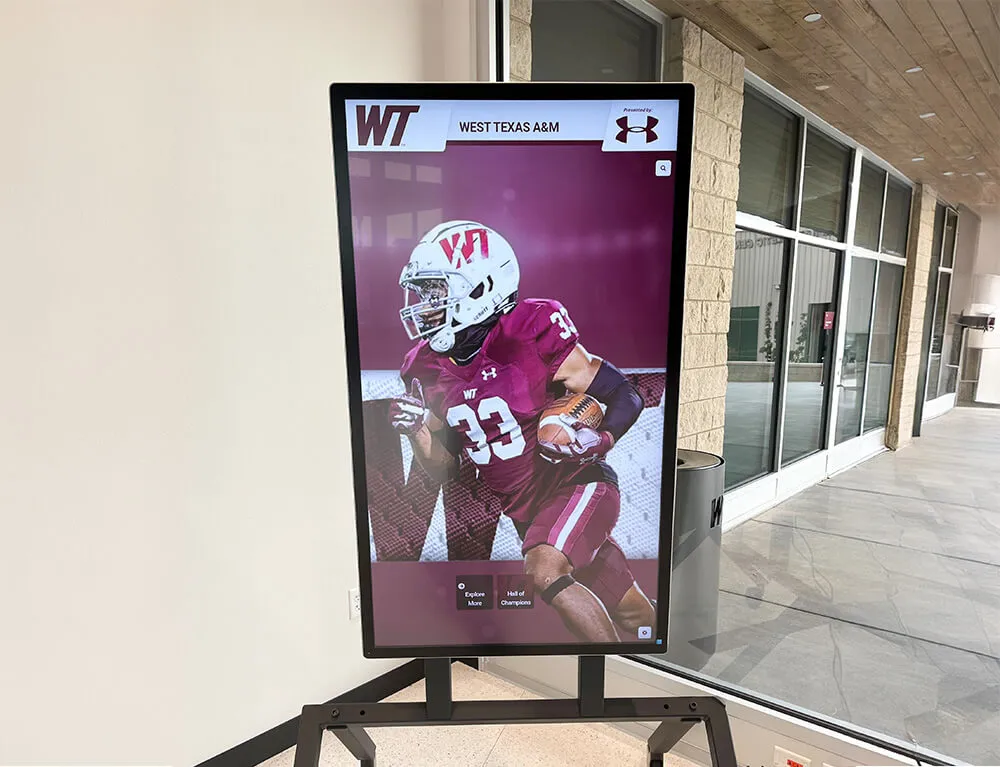
- Mounting Solutions: Professional wall mounting, floor kiosks, or integrated architectural installations appropriate for specific facility contexts
- Connectivity Requirements: Reliable network access supporting cloud-based content management and remote system monitoring
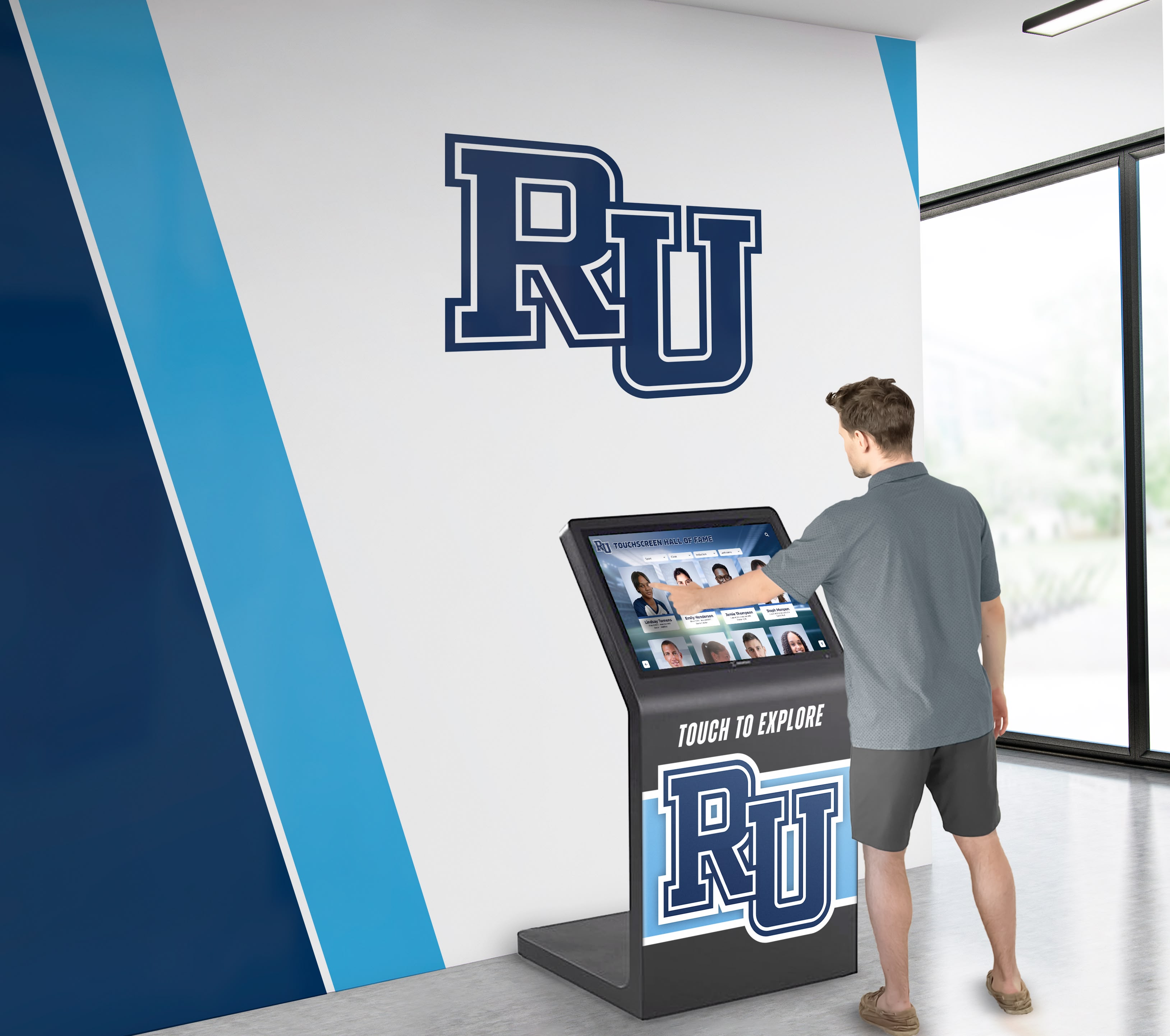
Content Management Platform Configuration:
Purpose-built recognition platforms like Rocket Alumni Solutions provide administrative interfaces enabling non-technical staff to manage content independently. Effective configuration involves:
- Establishing user accounts and permission levels for staff managing content
- Creating profile templates ensuring consistent presentation across all distinguished alumni
- Configuring search and filtering options matching how visitors will explore content
- Setting up featured content rotations highlighting specific alumni during relevant times
- Integrating institution branding, colors, and design elements throughout user interface
- Establishing backup procedures protecting content from loss
Integration with Existing Systems:
Many athletic departments benefit from integrating distinguished alum recognition with existing athletic websites, digital archives, and alumni engagement platforms. This integration enables:
- Synchronized content updates across physical displays and online platforms
- Consistent user experiences whether accessing recognition on-site or remotely
- Centralized content management eliminating duplicate data entry
- Alumni self-service capabilities for updating profiles with post-graduation achievements
- Social media integration enabling easy content sharing extending recognition reach
Designing Memorable Induction Ceremonies
Distinguished alum recognition reaches maximum impact when combined with meaningful induction ceremonies celebrating honorees while engaging broader program communities. Whether conducted annually, biannually, or on other schedules, well-designed ceremonies strengthen program culture and alumni connections.
Ceremony Planning Considerations:
Timing and Scheduling significantly affects attendance and participation. Many golf programs conduct induction ceremonies during homecoming weekends, major tournament events, or alumni gatherings maximizing distinguished alum attendance while providing natural audiences. Consider:
- Aligning with existing program events reducing separate event coordination
- Scheduling far enough in advance enabling honoree travel planning
- Avoiding conflicts with peak academic, athletic, or holiday periods
- Providing multiple ceremony dates for programs inducting large classes
Venue Selection and Ceremony Format:
Ceremonies range from intimate gatherings with inducted alumni and families to major events involving hundreds of program supporters. Appropriate formats depend on program culture, facility capabilities, and recognition philosophy:
- Formal seated dinners with prepared remarks and multimedia presentations
- Reception-style gatherings enabling mingling between inducted alumni and current athletes
- Halftime or intermission recognition during tournament events
- Combined ceremonies recognizing distinguished alumni alongside other annual awards
Meaningful Ceremony Elements:
- Personal introduction of each inductee highlighting specific achievements and contributions
- Presentation of physical recognition items—plaques, certificates, or custom recognition
- Opportunity for inducted alumni to address current team and program community
- Video or multimedia presentations celebrating honoree careers
- Formal installation of recognition on displays whether digital or traditional
- Reception time enabling inducted alumni, current team, and program supporters to connect
The most impactful induction ceremonies balance appropriate formality honoring significant achievements with authentic celebration reflecting program culture and relationships. When inducted distinguished alumni visibly move emotionally during recognition, current athletes witness the lasting impact of program participation extending far beyond competitive careers—powerful motivation for sustained excellence.
Programs might also explore resources on athlete recognition programs and academic recognition ceremonies for additional ceremony design insights applicable across recognition contexts.
Maintaining Long-Term Program Success and Engagement
Implementing distinguished alum recognition represents the beginning rather than conclusion of ongoing program management requiring sustained attention ensuring recognition remains current, relevant, and effectively serving program goals.
Annual Selection and Induction Process Management
Establishing consistent, transparent selection processes builds trust in distinguished alum program integrity while ensuring systematic identification of worthy candidates.
Selection Committee Structure:
Diverse committees representing multiple perspectives produce stronger selection outcomes than individual decision-makers. Effective committees typically include:
- Head coach or program director providing competitive achievement context
- Athletic director ensuring institutional alignment and resource availability
- Distinguished alumni representatives offering historical perspective
- Faculty athletic representative contributing academic excellence insights
- Student-athlete representatives providing current team perspective (for advisory input)
Nomination and Review Procedures:
- Open nomination processes accepting submissions from coaches, alumni, current athletes, and community members
- Standardized nomination forms capturing essential achievement information and supporting documentation
- Annual review cycles establishing predictable timelines for consideration
- Clear communication to nominees about selection timelines and decision processes
- Respectful notification of selection outcomes to all nominated candidates
Maintaining Selection Criteria Consistency:
As programs evolve, selection criteria may require periodic review ensuring continued relevance while maintaining consistency honoring historical achievement contexts. Review processes should involve broad stakeholder input preventing arbitrary changes undermining recognition program credibility.
Ongoing Content Management and Updates
Distinguished alum recognition programs remain valuable only when content stays current and comprehensive. Establishing sustainable management practices prevents recognition from becoming outdated shortly after implementation.
Regular Content Refresh Schedule:
- Quarterly reviews identifying outdated information requiring correction
- Annual comprehensive audits ensuring all profiles maintain accuracy and completeness
- Systematic expansion adding historical content as documentation becomes available
- Post-graduation achievement updates recognizing continued alumni success
Alumni Engagement for Content Updates:
Create processes enabling distinguished alumni to submit profile updates as careers progress and life accomplishments accumulate. When golf alumni achieve professional success, start coaching careers, or reach significant personal milestones, updating recognition profiles demonstrates ongoing program interest while keeping content fresh.
Seasonal and Featured Content Rotation:
Digital recognition platforms enable featuring specific alumni during relevant periods—highlighting alumni competing in professional tournaments, recognizing milestone anniversaries, or featuring alumni with connections to current team members. This dynamic content keeps recognition feeling current and engaging rather than static historical archive.
Analytics-Informed Content Strategy:
Track which profiles receive most engagement, what searches visitors conduct, and how long typical sessions last. This data reveals what content resonates with specific communities, informing future content development priorities and helping identify gaps in recognition coverage.
Measuring Recognition Program Impact
Justify ongoing investment and build support for program enhancements by systematically documenting recognition program outcomes and value.
Quantitative Metrics:
- Number of distinguished alumni recognized across program history
- Annual induction ceremony attendance and participation
- Digital display interaction frequency and duration
- Online profile views and social media engagement
- Alumni participation in program events and activities
- Fundraising contributions from recognized alumni
Qualitative Outcomes:
- Current athlete motivation and connection to program history
- Recruit feedback about recognition program influence on institutional selection
- Distinguished alumni satisfaction with recognition quality and presentation
- Community and family engagement with recognition programs
- Program culture improvements attributable to historical awareness
- Media attention and institutional recognition generated by distinguished alumni
Regular reporting on these metrics maintains leadership support, documents return on investment, and provides evidence justifying continued resources for recognition program enhancement.
Conclusion: Honoring Golf Legends Through Modern Recognition
Golf programs build distinguished traditions one exceptional athlete at a time. Over decades, these individual contributions accumulate into program identities defining institutional athletic excellence and inspiring future generations. Yet without thoughtful recognition systems celebrating these distinguished alumni, program legacies remain invisible—failing to motivate current athletes, struggling to engage program supporters, and missing opportunities to build traditions that differentiate programs in competitive environments.
Modern digital recognition solutions like Rocket Alumni Solutions address the limitations of traditional approaches while introducing capabilities that transform how golf programs honor their legends. Through unlimited recognition capacity, rich multimedia storytelling, intuitive content management, and year-round engagement opportunities, digital platforms enable comprehensive distinguished alum recognition impossible through space-constrained trophy cases or static plaque walls.
Whether implementing purely digital systems, maintaining traditional approaches with enhanced content strategies, or adopting hybrid models combining both, the most successful programs share common characteristics: clear selection criteria ensuring recognition prestige, comprehensive content celebrating complete careers rather than isolated achievements, meaningful induction ceremonies honoring distinguished alumni appropriately, and sustained management keeping recognition current and relevant for years after implementation.
For athletic directors, golf coaches, and program leaders evaluating recognition options, the decision extends beyond choosing between traditional and digital displays. It involves defining what distinguished alum recognition should accomplish for your specific program—inspiring current athletes, engaging alumni communities, building program identity, or supporting recruitment excellence. Align recognition approaches with these specific goals rather than simply implementing whatever other programs have adopted.
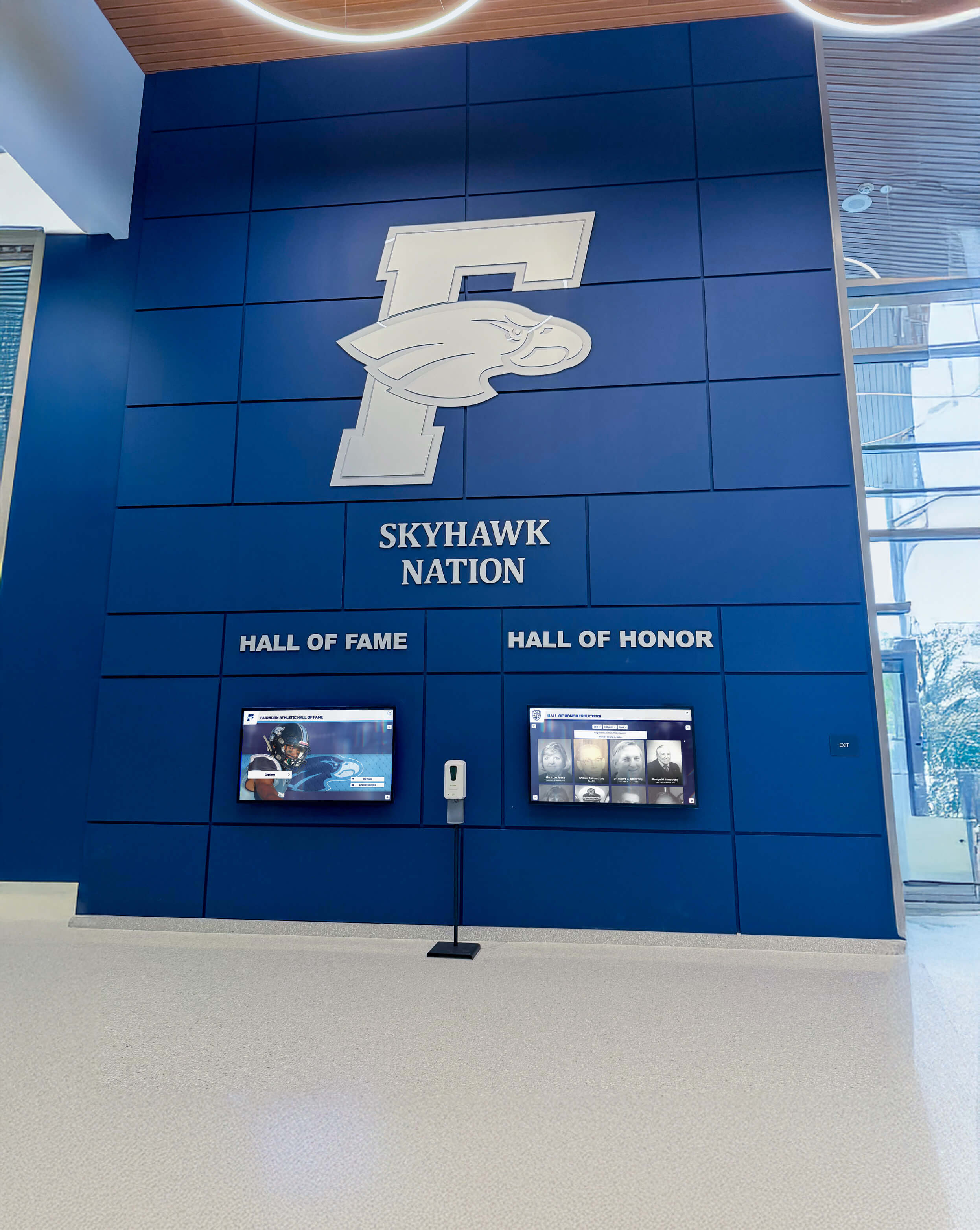
As you plan your golf team’s distinguished alum recognition program, consider how modern platforms could enhance every aspect of the experience—from unlimited recognition capacity enabling appropriate honoring of all program contributors to multimedia storytelling capabilities celebrating complete career narratives to mobile accessibility extending recognition reach far beyond your facilities. The technology exists to transform good recognition programs into exceptional ones that deliver lasting value justifying investment.
Discover more about creating comprehensive athletic recognition systems through resources on high school halls of fame, academic recognition programs, and alumni engagement strategies. For personalized guidance on implementing distinguished alum recognition for your golf program, explore Rocket Alumni Solutions to discover how purpose-built platforms can elevate how you celebrate program legends and strengthen golf team culture for generations to come.