



Key Takeaways
Discover the best golf ball trophy case options for schools, country clubs, and athletic programs. Compare traditional shadow boxes, acrylic displays, and modern digital solutions for showcasing golf achievements.
Golf programs at schools, universities, and country clubs accumulate championship balls, tournament victories, and individual achievement milestones that deserve proper recognition. A well-designed golf ball trophy case preserves these accomplishments while inspiring current players and strengthening program tradition. Whether you manage a high school golf team celebrating conference championships, a university program showcasing NCAA tournament history, or a country club honoring member achievements spanning decades, selecting the right display solution determines whether golf accomplishments receive the prominence they deserve or remain hidden in storage boxes.
Traditional golf ball trophy cases range from simple shadow boxes to elaborate hardwood installations, while modern digital recognition systems offer unlimited capacity without physical space constraints. Understanding the advantages and limitations of each display approach enables athletic directors, club managers, and recognition committees to choose solutions that celebrate golf excellence effectively while managing budget realities and space availability. This comprehensive guide examines the best golf ball trophy case options for different program needs, helping you create recognition displays that honor achievement authentically while supporting long-term program goals.
Understanding Golf Ball Display Requirements
Golf balls presented for championship victories, tournament wins, hole-in-one achievements, and course records require specific preservation and presentation considerations different from standard trophies or plaques.
Preservation Challenges for Golf Balls
Tournament golf balls face environmental factors that affect long-term condition:
UV Light Exposure: Direct sunlight or fluorescent lighting causes golf ball covers to yellow and marking ink to fade over time. Premium cases incorporate UV-filtering glass or acrylic protecting balls from light damage while maintaining visibility.
Temperature and Humidity Fluctuations: Extreme temperature changes or high humidity can affect ball compression, cover material, and adhesive bonding. Climate-controlled display environments preserve balls in original condition for decades.
Physical Contact and Handling: Golf balls rolling against each other or case surfaces develop scuff marks and surface wear. Individual mounting cups, pedestals, or display rings secure each ball separately while preventing contact damage.
Dust and Airborne Contaminants: Unsealed displays allow dust accumulation requiring frequent cleaning that risks damaging ball surfaces or signatures. Properly sealed cases maintain cleanliness while protecting against environmental contaminants.
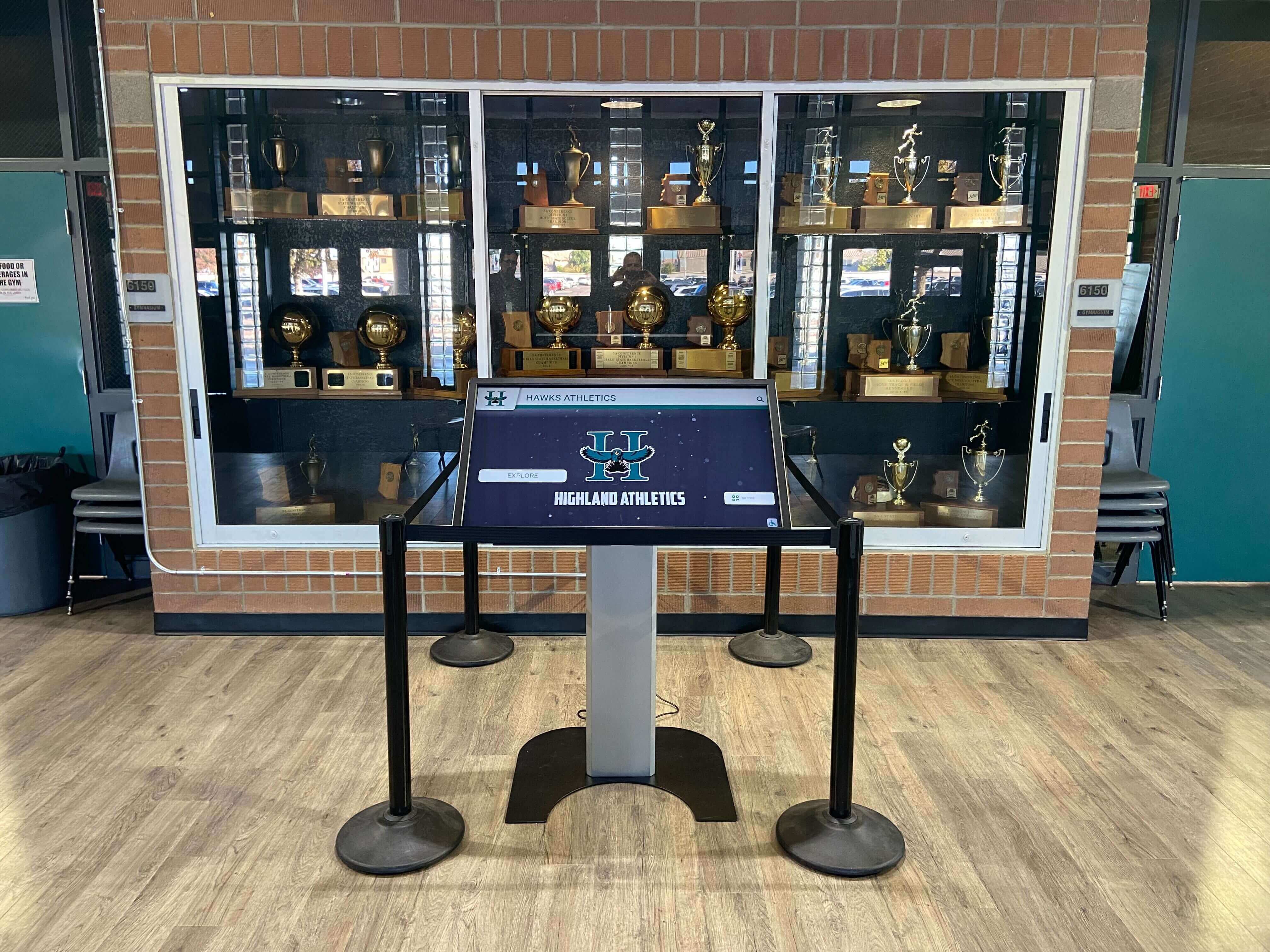
Many athletic programs apply similar preservation standards used for track and field awards, ensuring proper protection while maintaining accessibility for viewing.
Display Visibility Considerations
Effective golf ball displays ensure each achievement receives appropriate visual prominence:
Ball Orientation: Championship balls often feature tournament logos, signatures, or commemorative markings requiring specific orientation for optimal viewing. Rotating ball holders or angled mounting platforms position markings toward viewers.
Identification and Context: Golf balls alone provide limited information about achievements they represent. Engraved plates, printed labels, or digital descriptions identifying tournaments, dates, players, and significance transform simple balls into meaningful recognition.
Viewing Distance and Height: Golf balls measure only 1.68 inches in diameter, requiring appropriate display positioning for visibility. Cases mounted at eye level (5-6 feet) with adequate lighting ensure comfortable viewing without stooping or straining.
Lighting Quality: Proper illumination reveals ball details, signatures, and commemorative markings while creating visual appeal. LED lighting provides energy-efficient illumination without UV exposure or heat damage concerns.
Traditional Golf Ball Trophy Case Options
Physical golf ball display cases range from simple shadow boxes to elaborate hardwood installations offering various capacity, aesthetic, and budget alternatives.
Wall-Mounted Shadow Box Cases
Shadow box cases provide affordable, space-efficient golf ball display for programs with modest recognition needs:
Standard Shadow Box Features:
- Holds 12-20 golf balls in organized grid or circular patterns
- Dimensions typically 24x36 to 36x48 inches fitting standard wall spaces
- Glass or acrylic front panels protecting contents while ensuring visibility
- Individual mounting cups or platforms securing balls in position
- Hinged access doors enabling ball addition or rearrangement
- Available in wood finishes matching institutional décor
- Pricing ranges from $200-500 depending on size and materials
Ideal Applications:
Shadow boxes work well for high school golf programs celebrating recent championship history, university programs displaying conference tournament victories, or country clubs honoring annual club championship winners. Limited capacity makes shadow boxes less suitable for programs with extensive achievement history or multiple recognition categories.
Schools implementing digital archives often complement physical displays with comprehensive online records preserving achievements beyond available display space.
Freestanding Display Cabinets
Larger freestanding cabinets accommodate extensive golf ball collections with professional museum-quality presentation:
Cabinet Features:
- Holds 50-100+ golf balls across multiple shelves or tiered displays
- Glass-enclosed construction protecting contents from environmental damage
- Interior lighting systems highlighting individual achievements
- Lockable security preventing theft or unauthorized access
- Climate control options maintaining optimal preservation conditions
- Premium hardwood or metal construction with institutional branding
- Pricing ranges from $1,500-5,000 for quality installations
Space and Budget Considerations:
Freestanding cabinets require dedicated floor space in lobbies, clubhouses, or athletic facilities. Initial investment plus ongoing maintenance, cleaning, and security monitoring represent significant commitments appropriate for programs with substantial achievement history and recognition budgets.
Custom Built-In Wall Displays
Permanent wall installations integrate golf ball displays with comprehensive athletic recognition programs:
Built-In Display Advantages:
- Seamless integration with existing trophy cases or recognition walls
- Custom sizing fitting available architectural spaces
- Coordinated design matching institutional branding and aesthetics
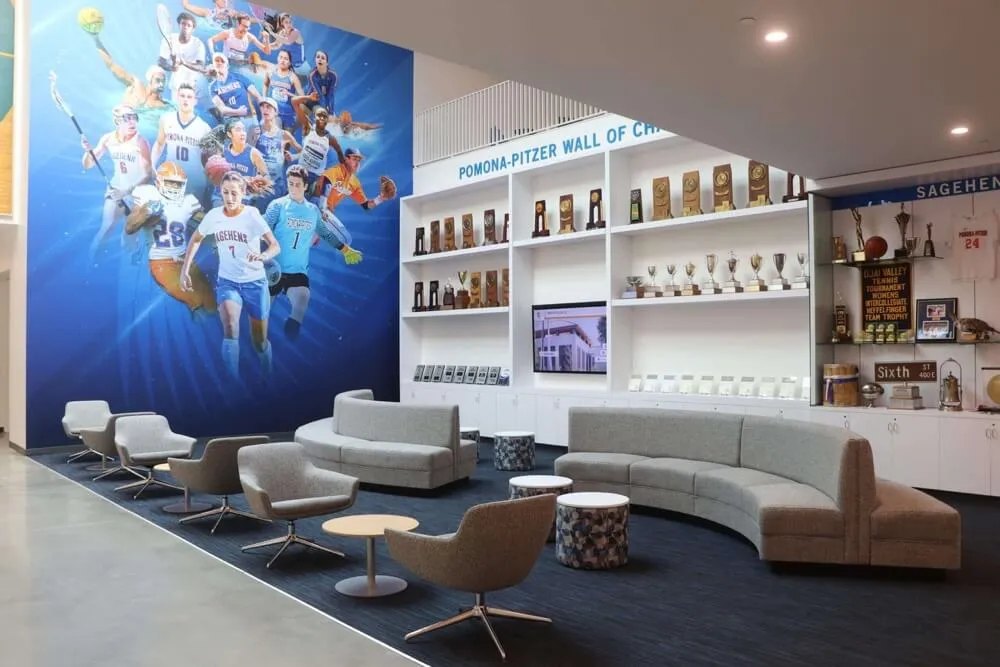
- Combination displays incorporating golf balls, tournament trophies, and historical photos
- Professional craftsmanship creating permanent legacy installations
- Pricing varies widely based on size, materials, and design complexity
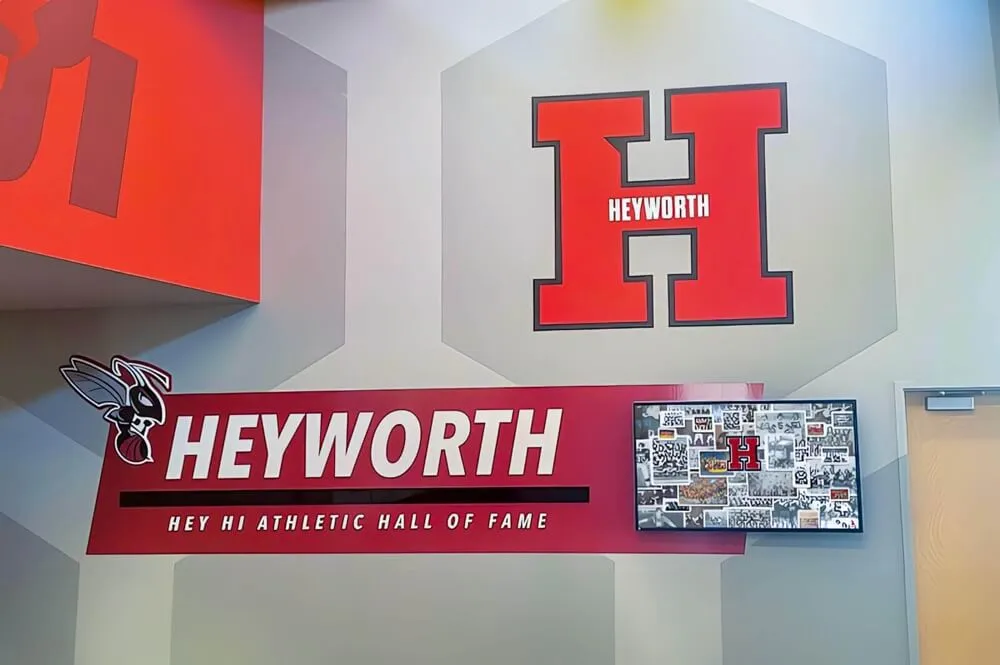
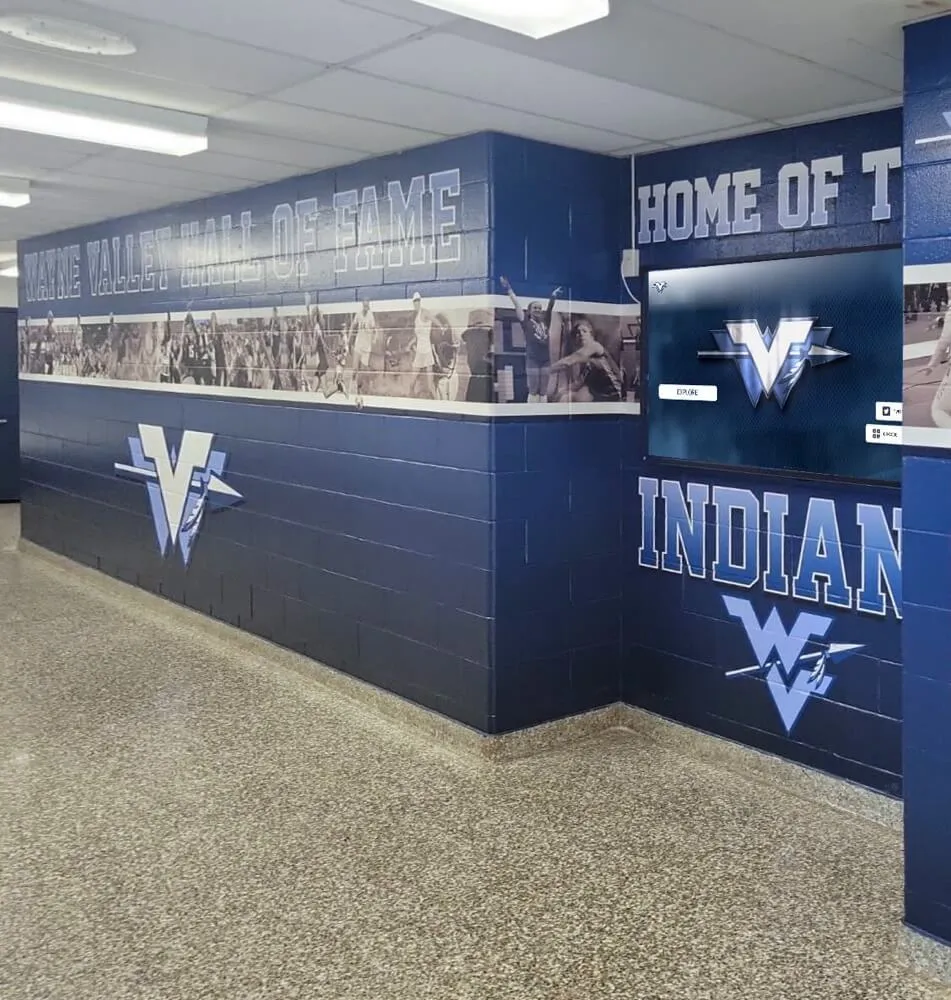
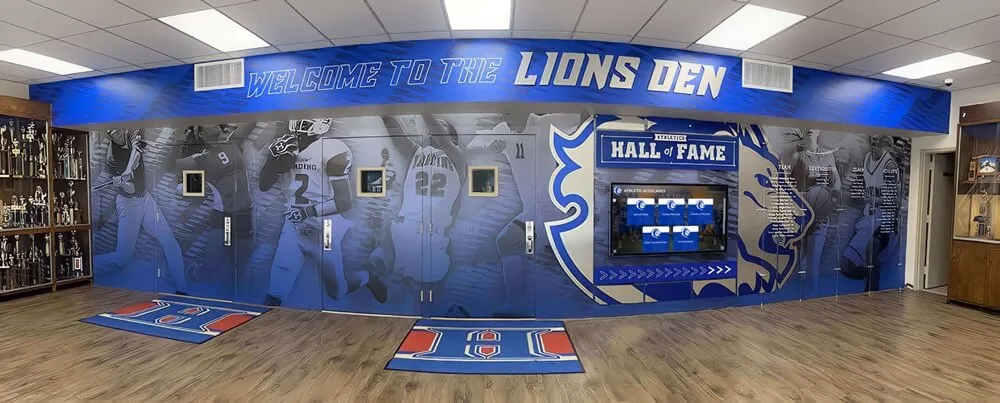
Many schools incorporate golf ball displays within broader athletic hall of fame installations celebrating achievements across all sports programs.
Creative Golf Ball Display Approaches
Beyond standard cases, creative display solutions offer unique recognition presentations suited to specific program needs or aesthetic preferences.
Championship Year Timeline Displays
Chronological timeline presentations organize golf balls by championship year creating visual achievement progression:
Timeline Design Elements:
- Horizontal wall displays spanning facility length
- Vertical timeline arrangements utilizing available wall height
- Year labels or decade groupings organizing achievements chronologically
- Achievement density visualization showing program growth over time
- Integration with historical team photos and coaching staff recognition
- Storytelling elements connecting championship eras with program development
Timeline displays work particularly well for programs celebrating significant history, milestone anniversaries, or facilities renovations creating opportunities for comprehensive recognition installations.
Golf Hole Diorama Displays
Themed displays incorporating miniature golf hole replicas provide engaging contextual presentations:
Diorama Features:
- Artificial turf, sand bunkers, and putting green elements
- Miniature flags marking hole numbers or tournaments
- Golf balls positioned as if in play on recreated holes
- Lighting creating outdoor course atmosphere
- Plaques identifying achievements represented by displayed balls
- Interactive elements engaging viewers beyond passive observation
Diorama displays require significant space and fabrication investment but create memorable recognition installations appropriate for country clubs, golf course clubhouses, or specialized athletic facilities.
Individual Achievement Pedestal Displays
Particularly significant golf achievements merit dedicated standalone presentations:
Pedestal Display Applications:
- Hole-in-one achievements from notable players or historic tournaments
- Course record balls representing decades-long standing records
- Championship balls from state titles, national qualifications, or professional tournament victories
- Signed balls from professional golfers visiting or participating in club events
- First-ever championship balls establishing program traditions
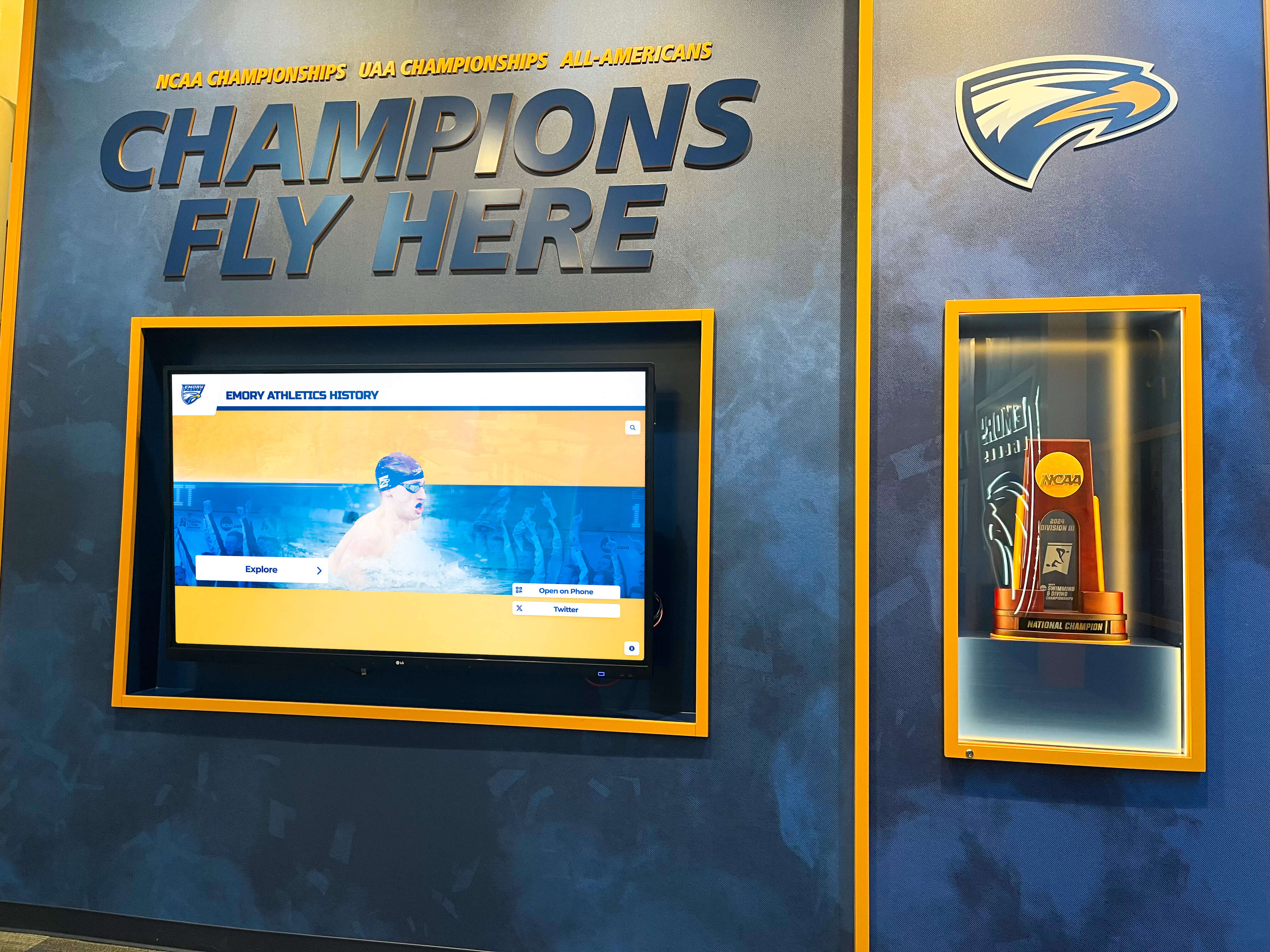
Pedestal displays provide flexibility positioning recognition in high-traffic areas, event spaces, or rotating locations supporting fundraising and alumni engagement initiatives. Programs also apply similar recognition approaches to sportsmanship awards highlighting character alongside competitive success.
Digital Golf Ball Trophy Case Alternatives
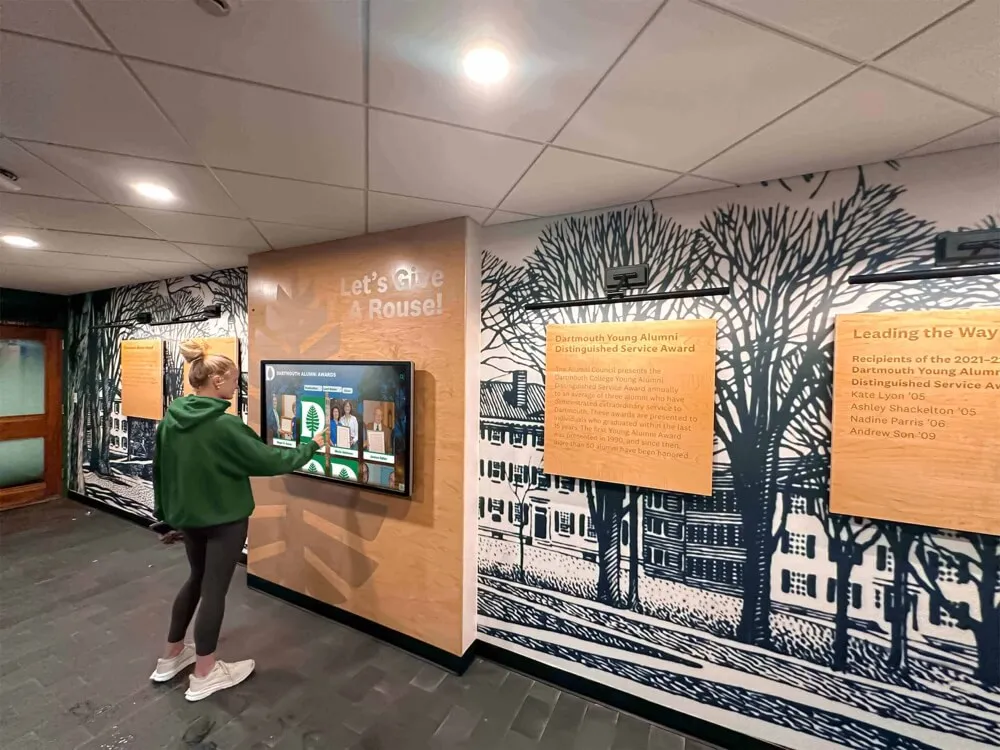
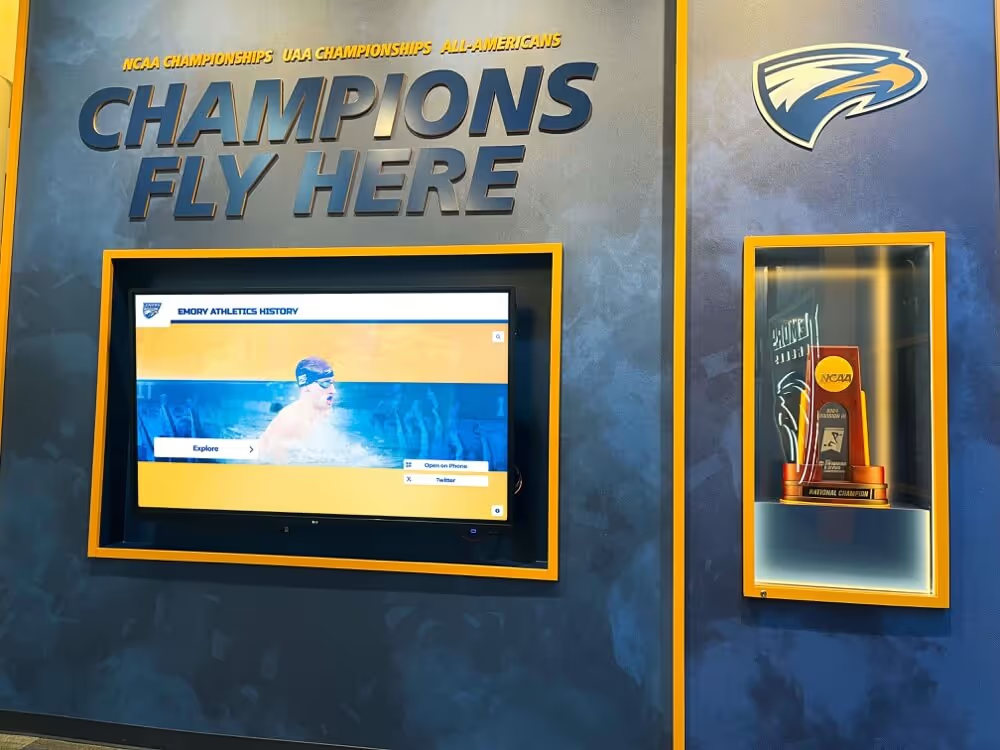
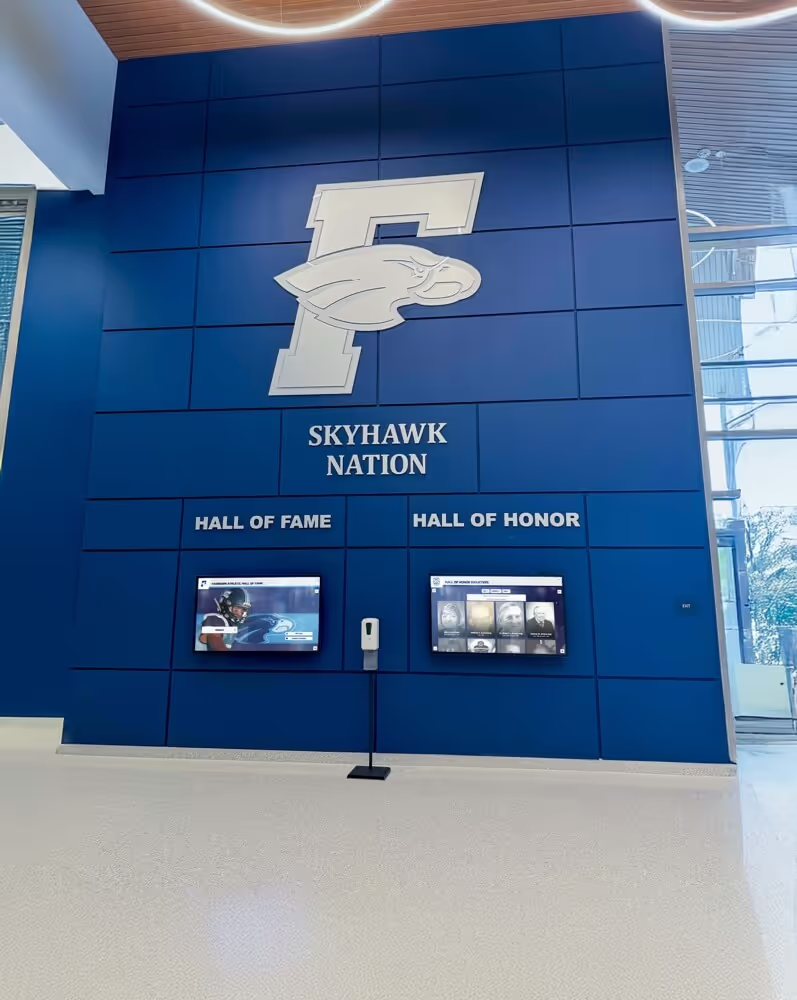
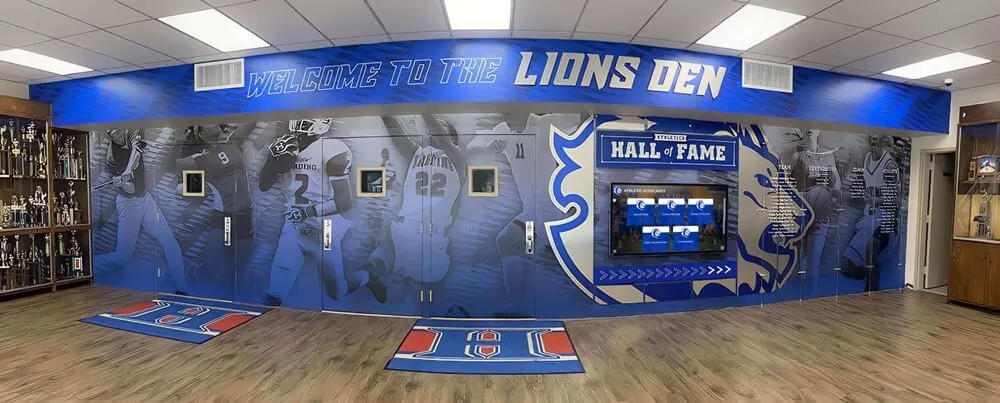
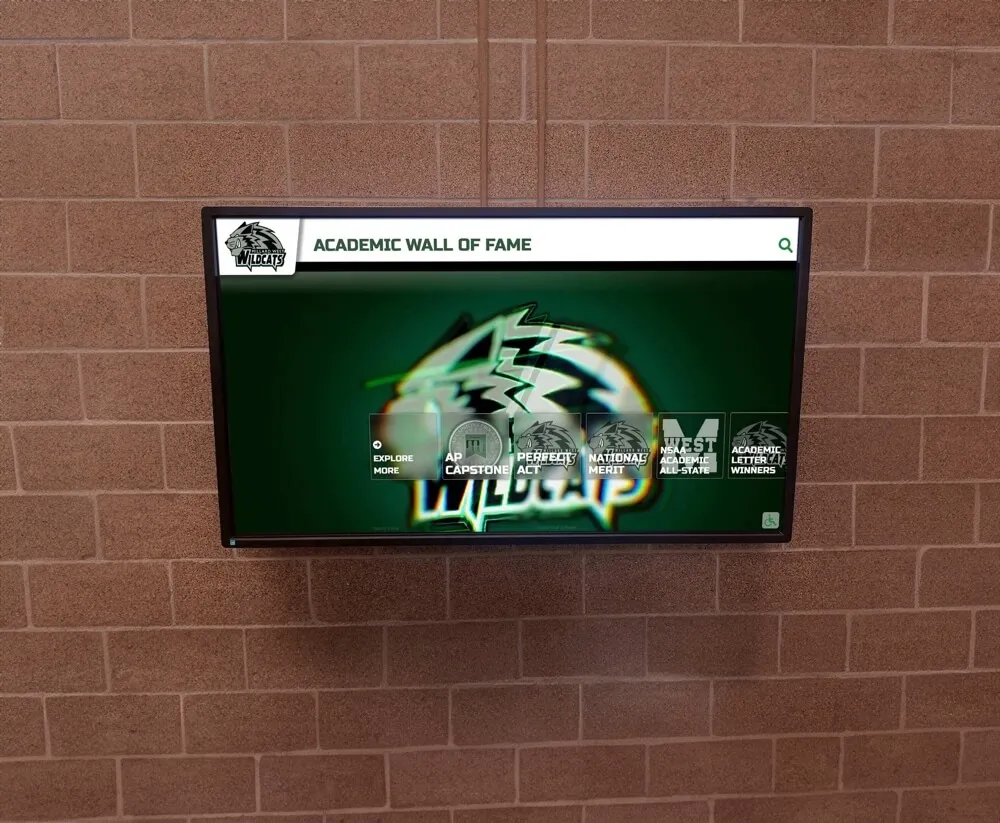
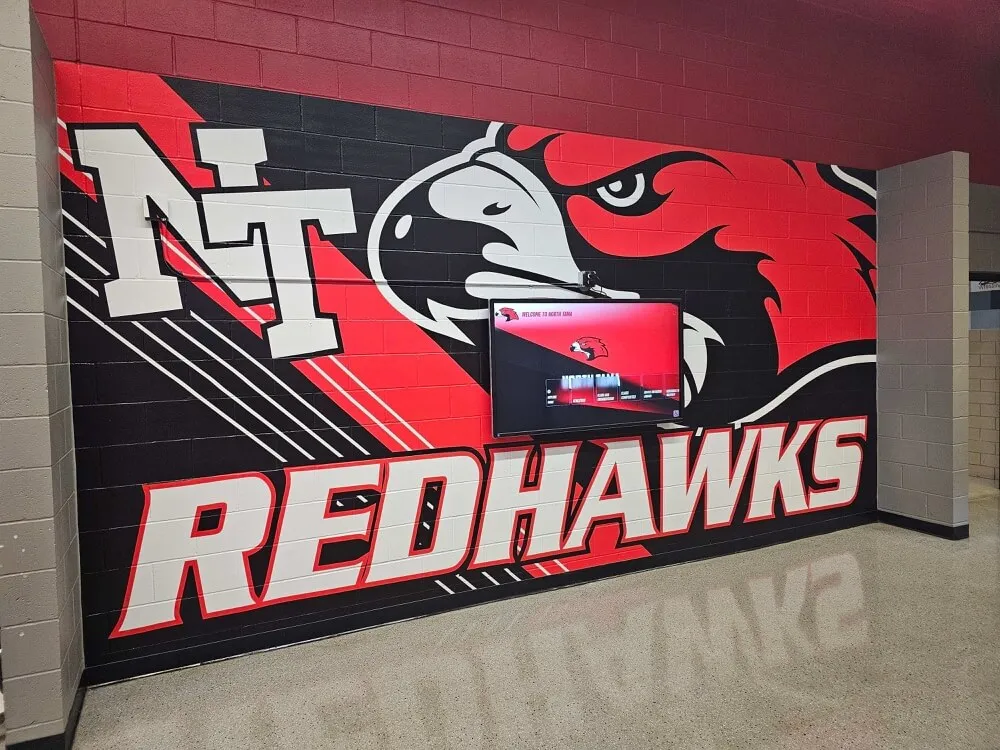
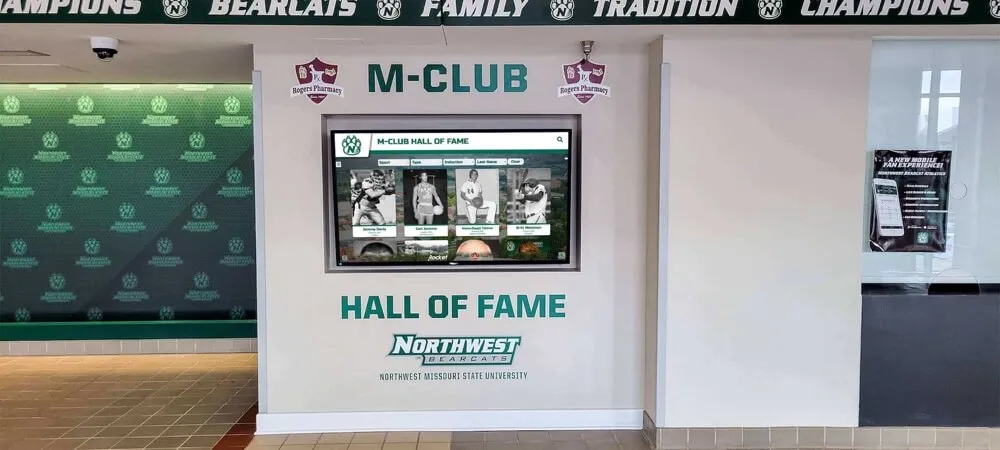
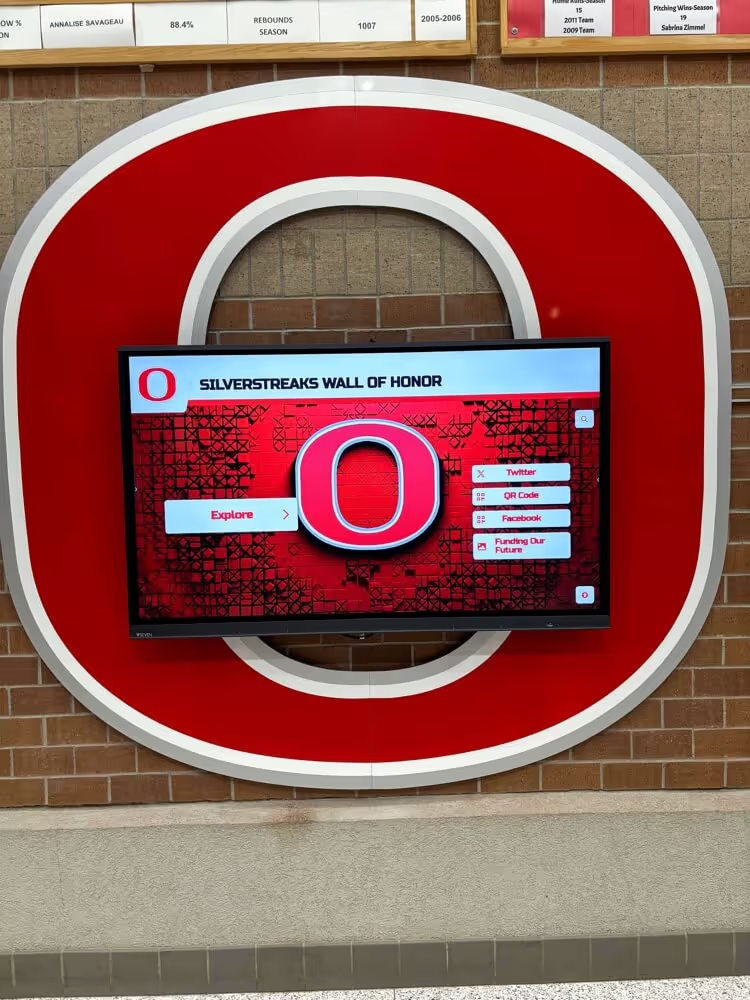
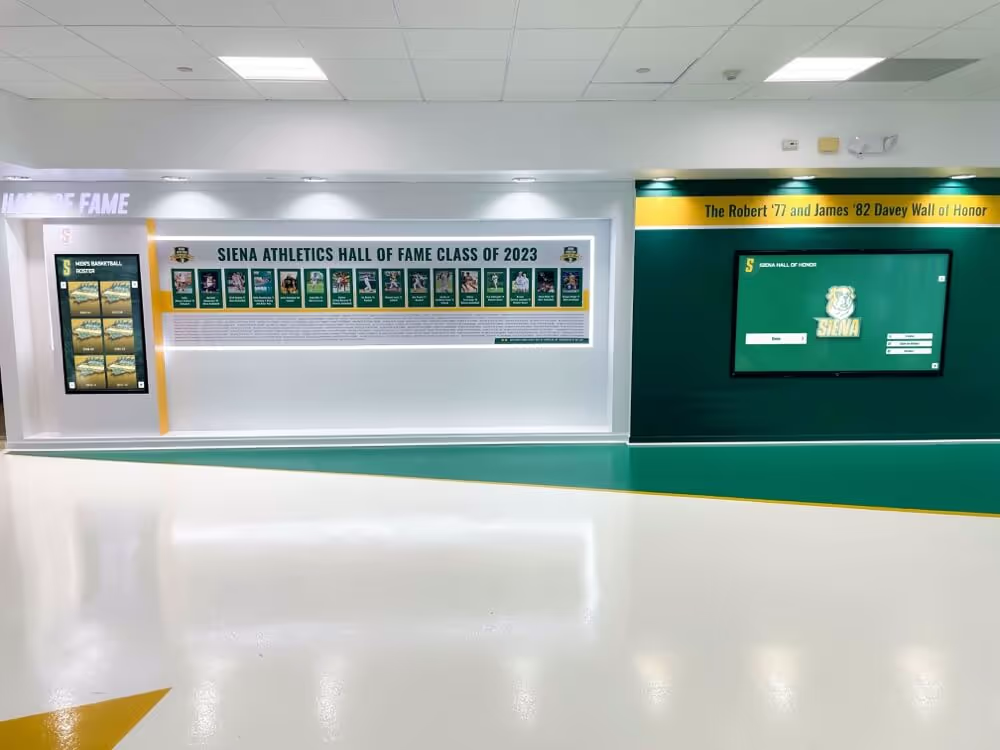
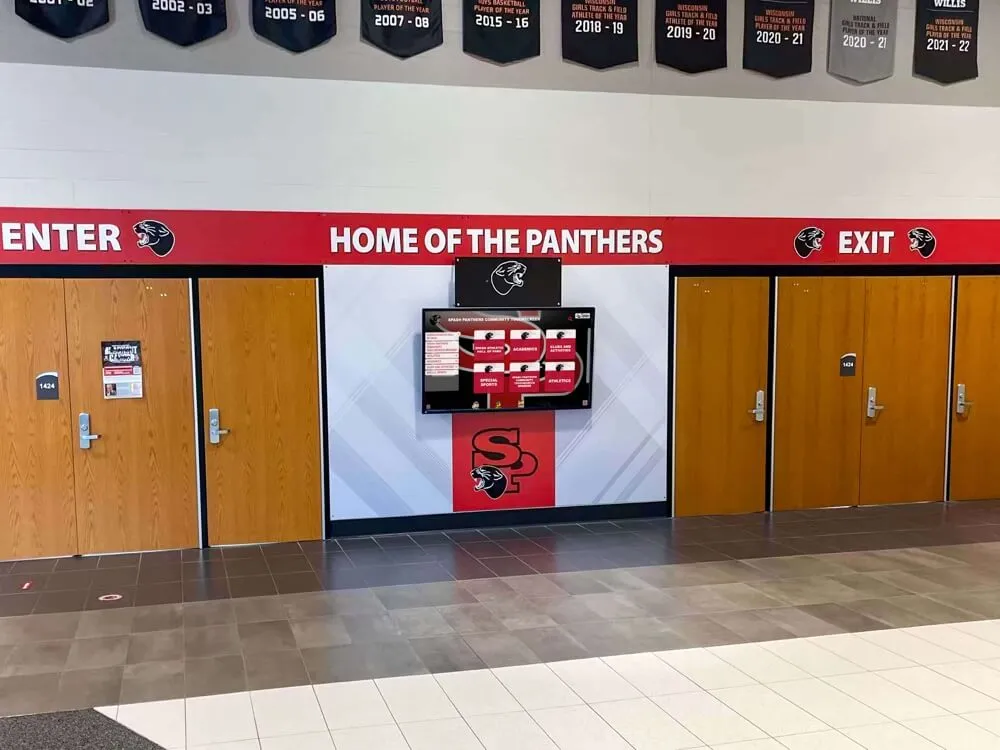
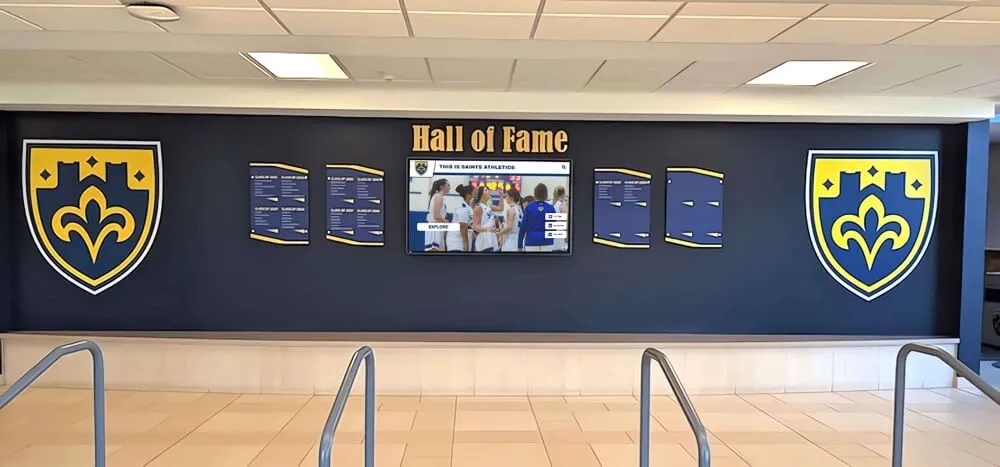
Modern digital recognition systems provide compelling alternatives to traditional physical golf ball displays, particularly for programs with extensive achievement history or limited physical space.
Digital Trophy Case Benefits for Golf Programs
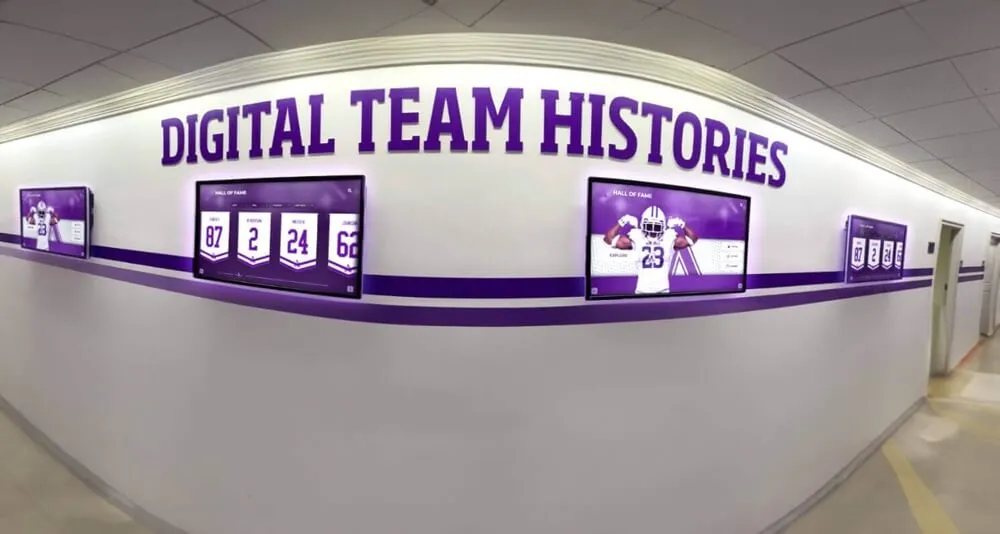
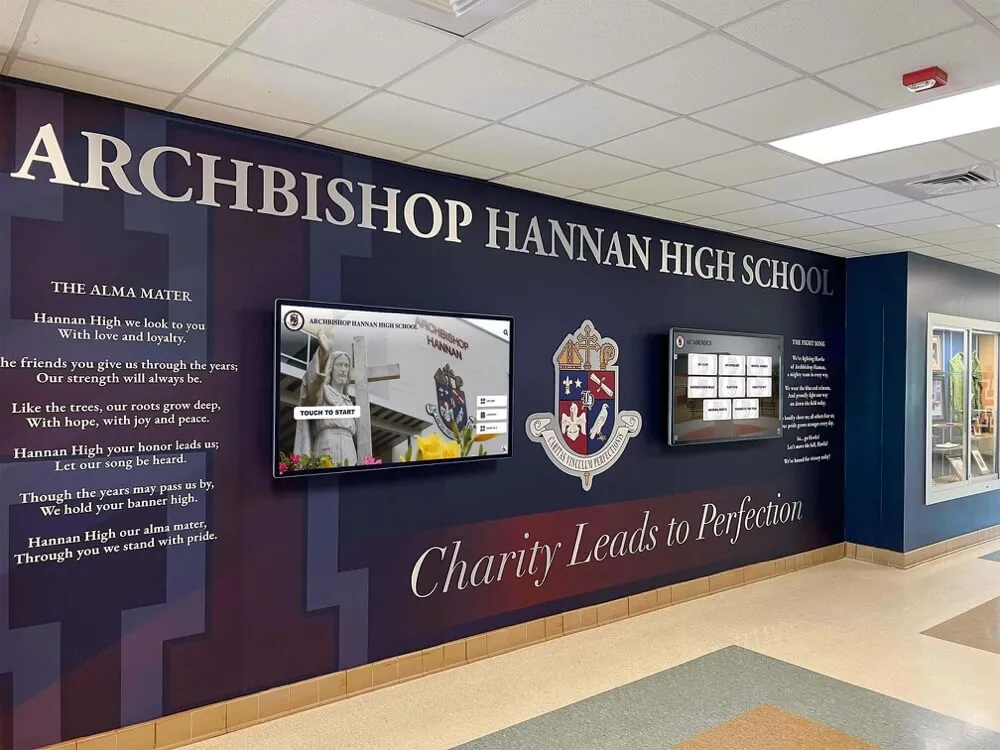
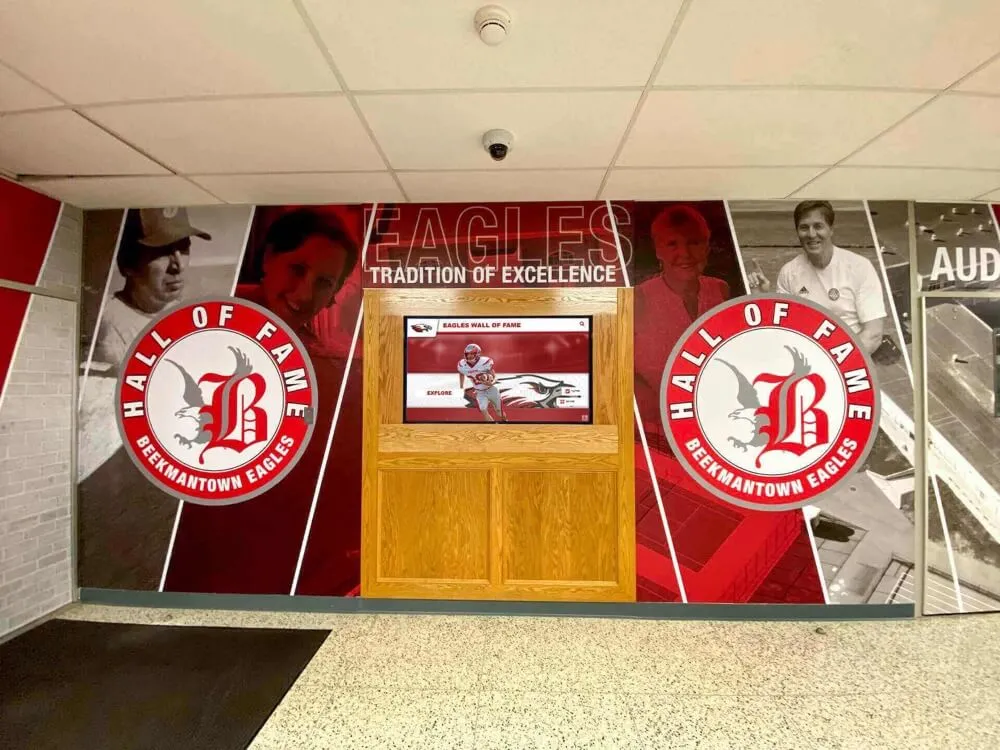
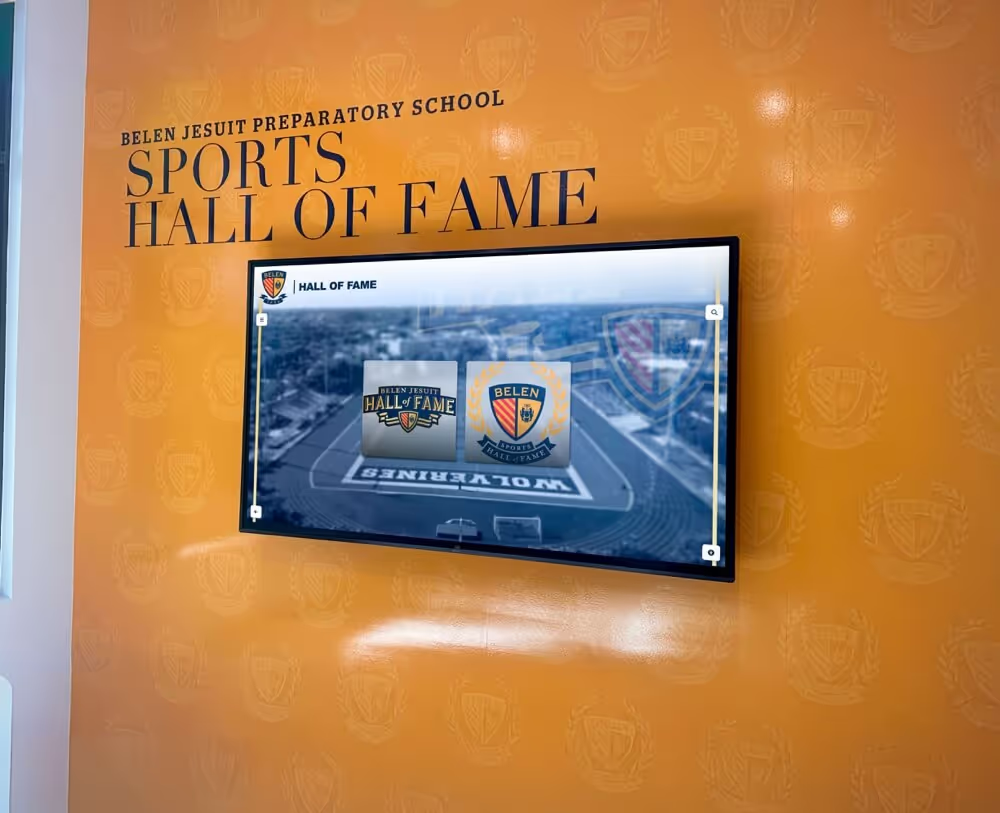
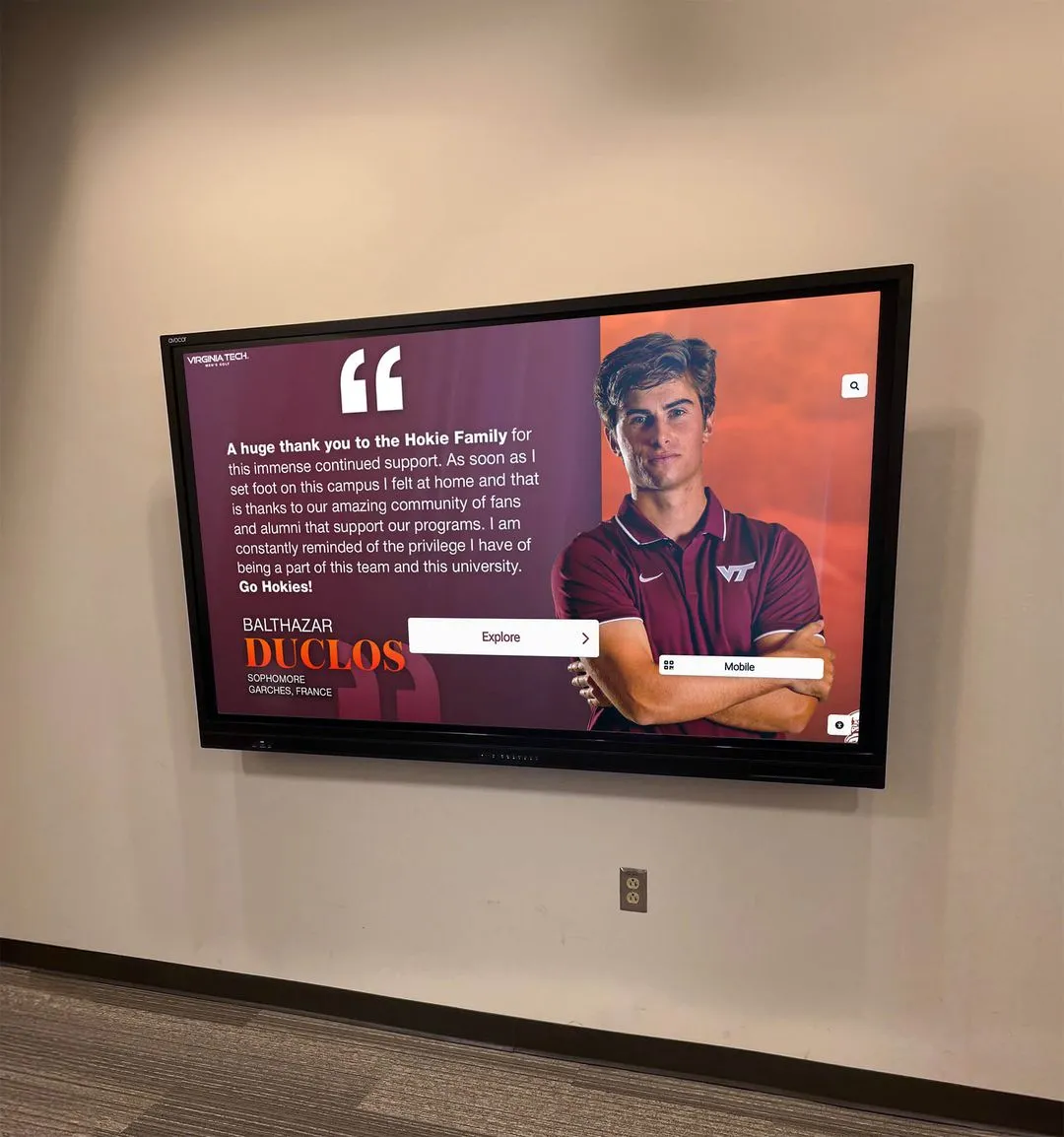
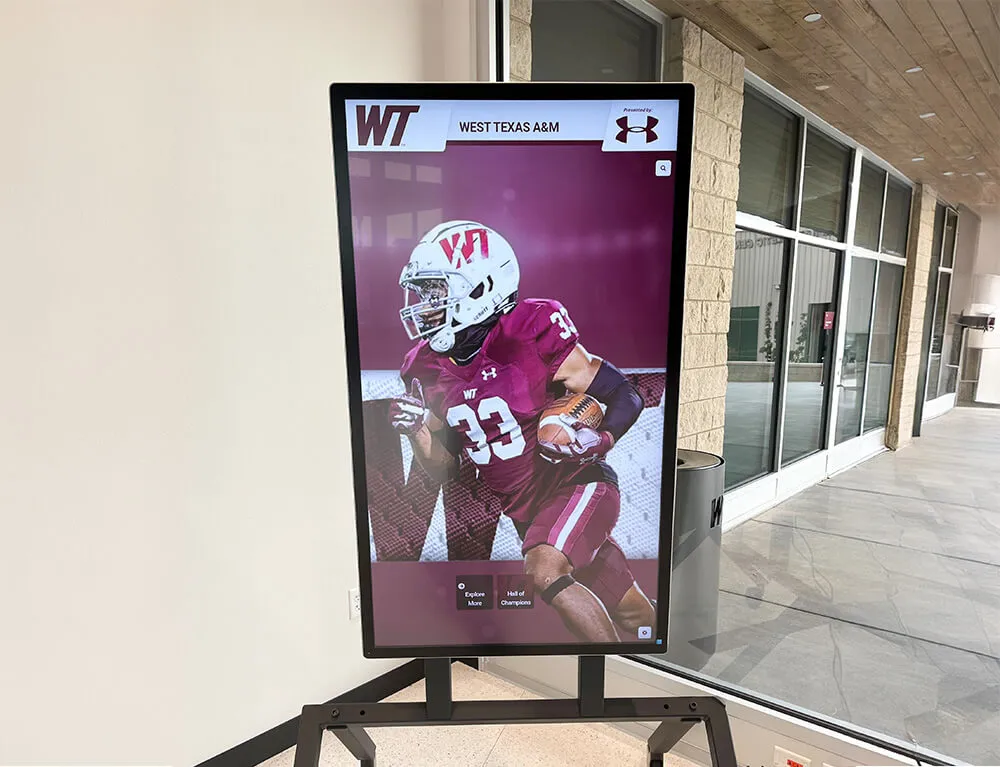
Digital displays transform golf achievement recognition through capabilities physical cases cannot match:
Unlimited Recognition Capacity:
Traditional cases accommodate 12-100 golf balls before requiring expensive expansion or difficult decisions about which achievements deserve display space. Digital systems showcase unlimited championship balls, tournament victories, individual achievements, and historical milestones without physical capacity constraints.
Rich Achievement Documentation:
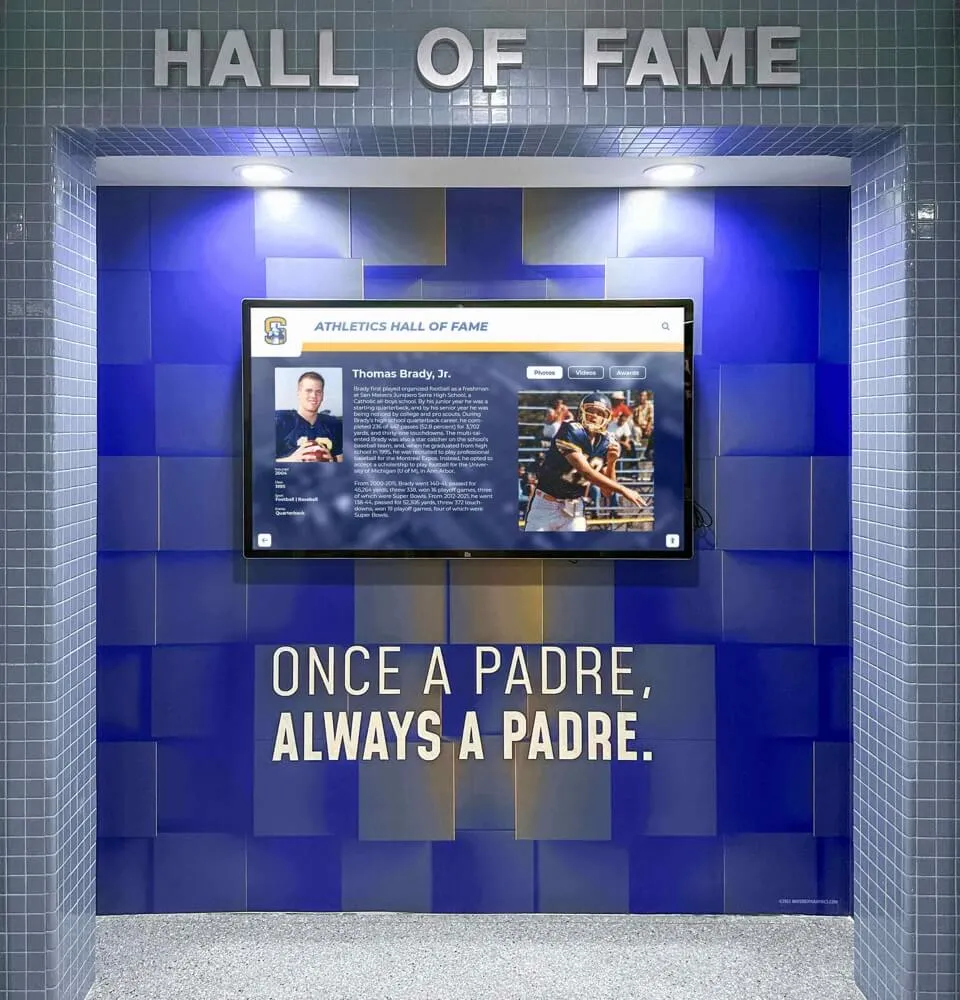
Physical golf balls provide limited information about tournaments they represent. Digital displays incorporate detailed achievement context including tournament dates, course conditions, final scores, competitive fields, player statistics, and historical significance. Photos from championship presentations, scorecards documenting winning rounds, and video highlights create comprehensive achievement records.
Searchable Achievement Databases:
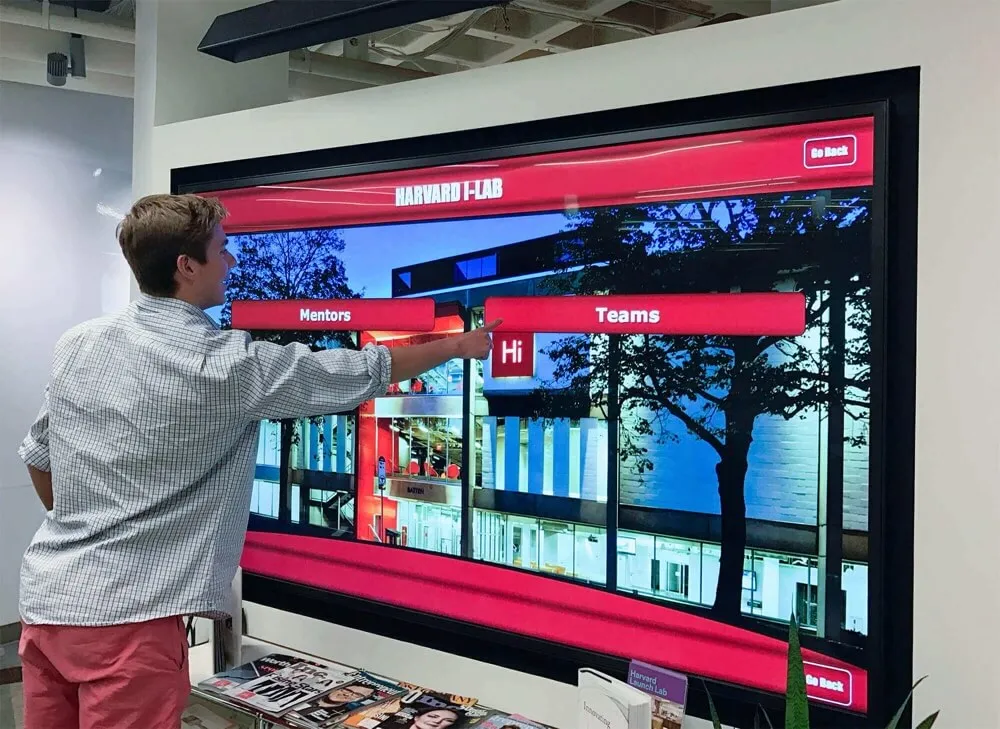
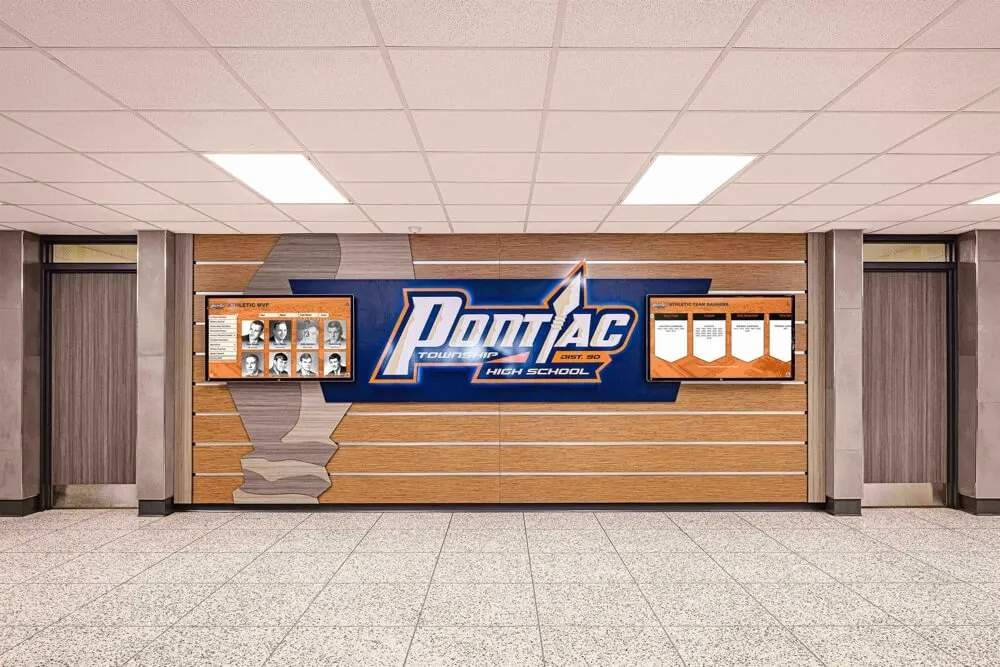
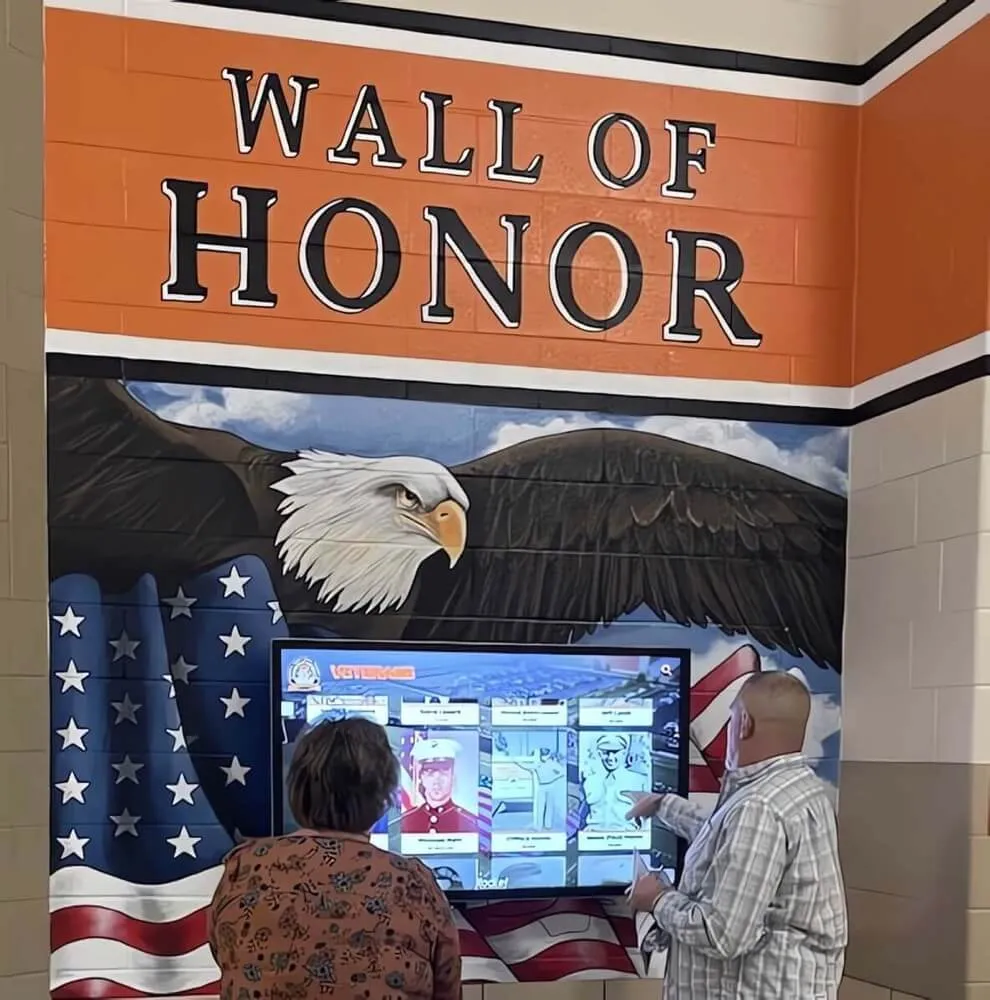
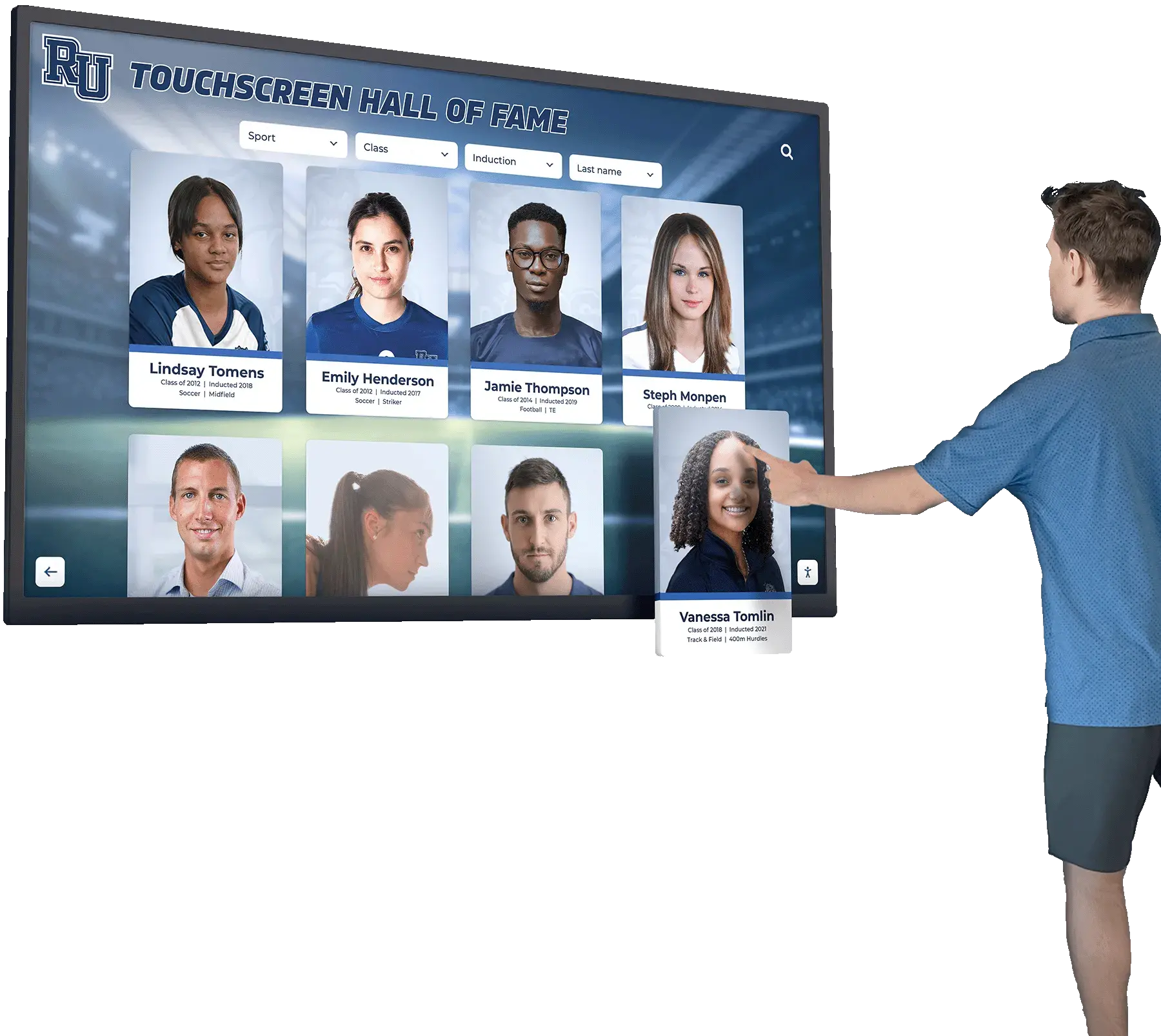
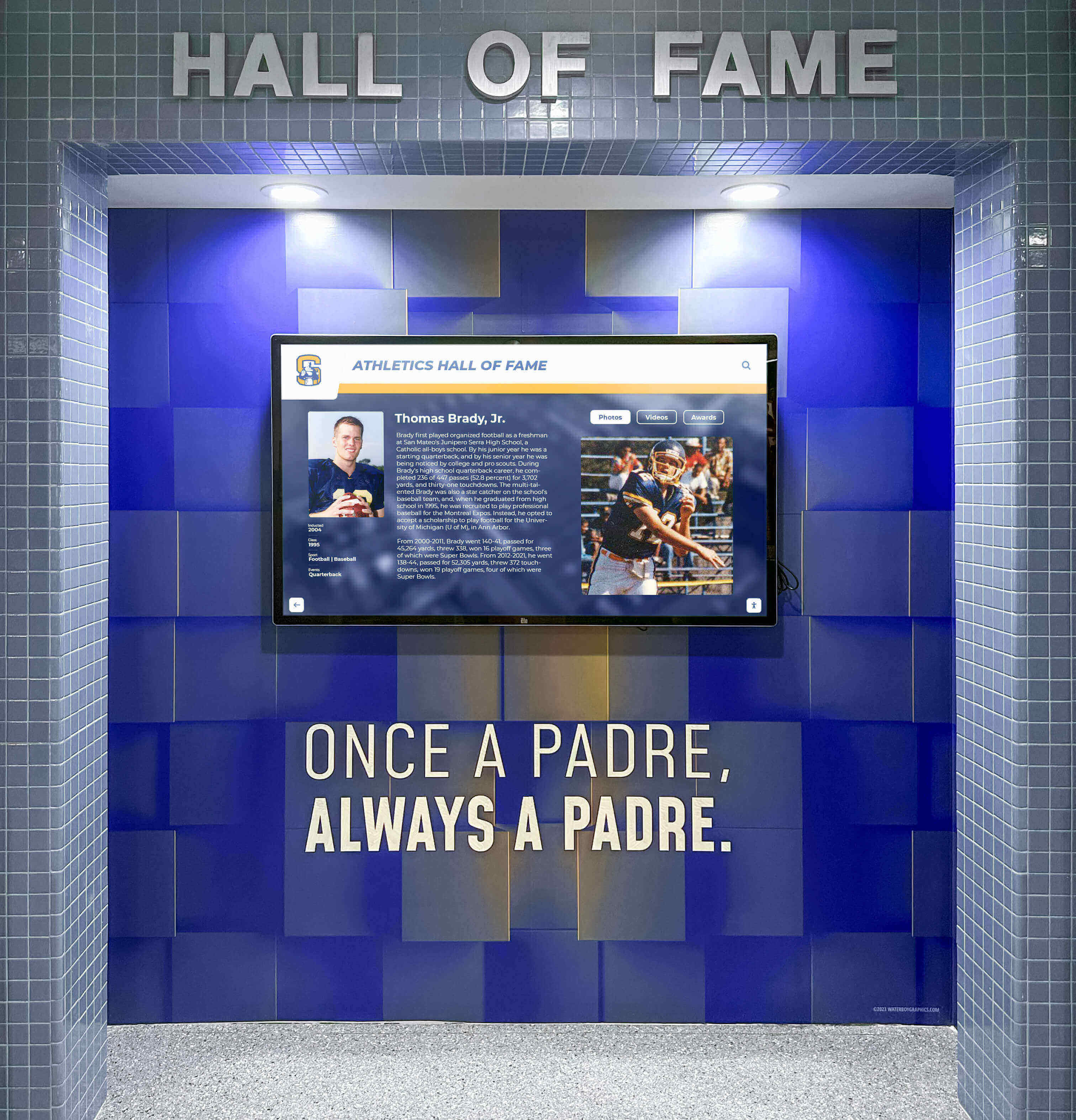
Digital interfaces enable visitors to search golf achievements by player name, tournament year, course location, or achievement type. Alumni can find their own championship accomplishments, parents can explore program history, and prospective student-athletes can research competitive tradition—interactions impossible with static physical displays.
Easy Content Updates:
Adding new championship balls to physical cases requires fabrication, installation, and potential case expansion. Digital systems enable immediate recognition through simple content management interfaces requiring no technical expertise or vendor dependencies.
Multimedia Integration:
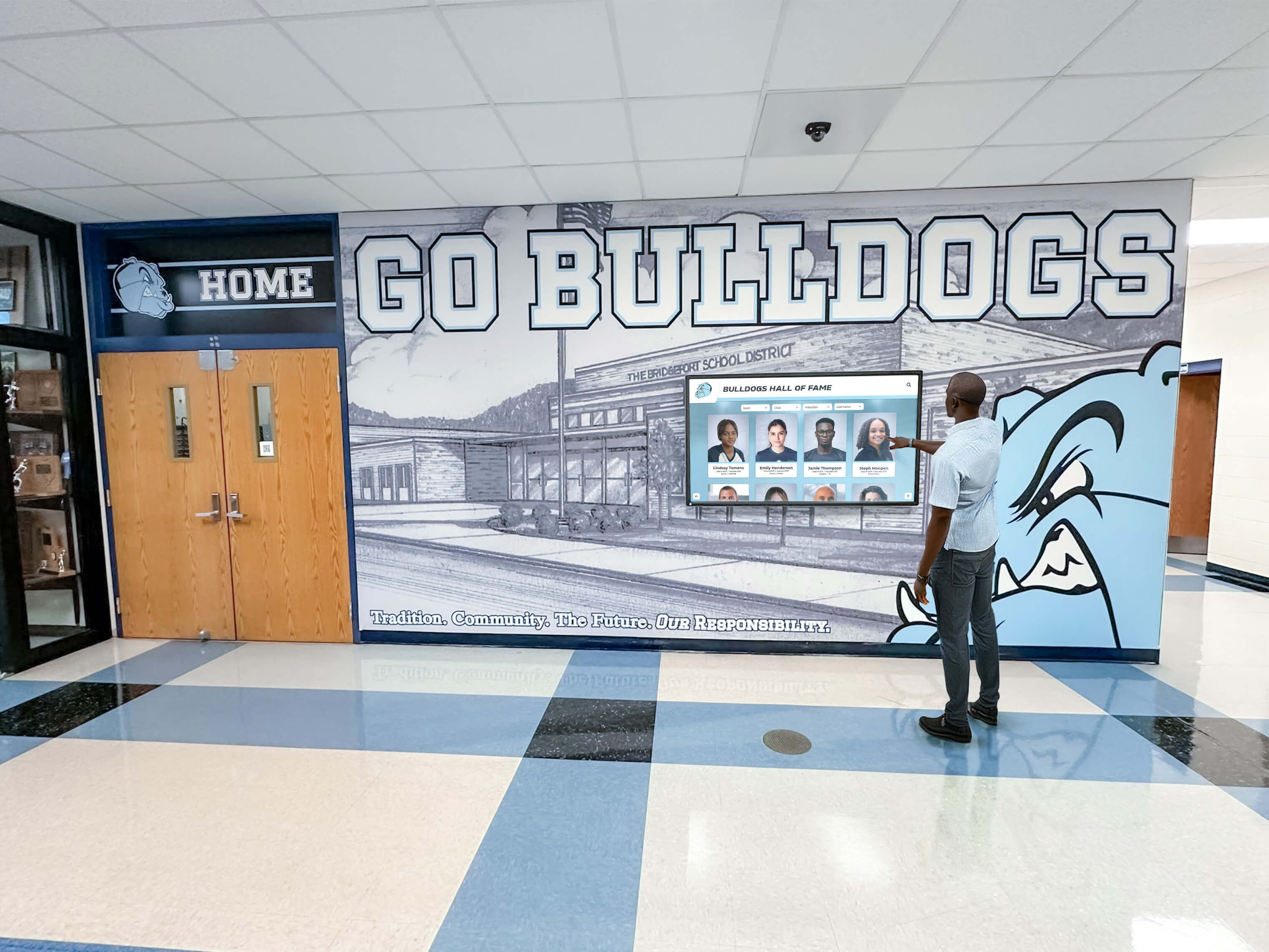
Digital displays incorporate elements physical cases cannot include: video highlights from championship tournaments, audio commentary from coaches or players, interactive course maps showing hole-in-one locations, statistical visualizations tracking program performance trends, and social media integration celebrating current team success.
Organizations implementing comprehensive recognition systems often combine golf achievements with broader team recognition awards celebrating diverse excellence across all sports programs.
Hybrid Physical and Digital Display Approaches
Some programs combine physical golf ball displays with digital systems maximizing both approaches’ advantages:
Hybrid Display Strategies:
- Physical cases displaying recent 3-5 years of championships with digital archives preserving complete program history
- Signature achievements displayed physically (state championships, course records) with comprehensive digital documentation
- Rotating physical displays cycling historical balls from storage while digital systems maintain continuous visibility
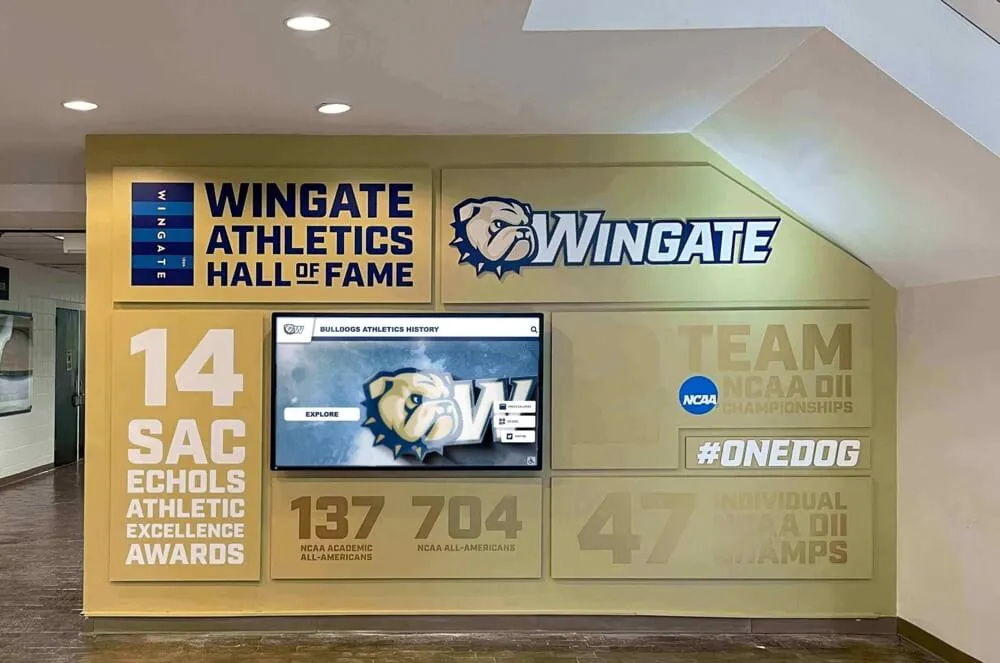
- Physical golf balls in trophy cases complemented by adjacent digital displays providing detailed achievement context
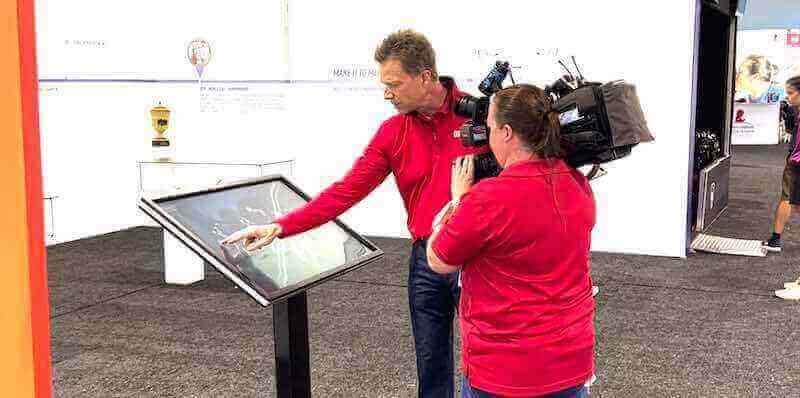
- Country club installations featuring championship balls in display cases with nearby touchscreens offering searchable member achievement databases
Hybrid approaches provide traditional physical recognition satisfying expectations for tangible displays while leveraging digital capabilities for comprehensive program documentation and flexible content management.
Selection Criteria for Golf Ball Trophy Cases
Choosing the optimal golf ball display solution requires evaluating program-specific factors determining which options align with recognition goals, spatial realities, and budget parameters.
Achievement Volume and Growth Projections
Current achievement quantity and anticipated future recognition needs fundamentally shape display selection:
Programs with Limited Achievement History:
High school golf programs celebrating recent establishment or country clubs with modest competitive history may accumulate 10-20 significant championship balls over decades. Simple shadow boxes or small display cabinets provide sufficient capacity at reasonable investment levels.
Programs with Extensive Achievement Legacy:
University golf programs with 50+ years of conference championships, tournament victories, and individual honors may have accumulated hundreds of significant golf balls. Physical display capacity becomes prohibitively expensive, while digital systems accommodate unlimited achievements at fixed investment levels.
Rapidly Growing Programs:
Competitive programs adding 3-5 championship balls annually quickly exhaust fixed-capacity physical cases. Planning for 10-year achievement volume prevents frequent case replacement or difficult decisions about retiring older recognitions to accommodate new accomplishments.
Many growing programs apply lessons from academic recognition programs that successfully scaled recognition systems supporting program expansion.
Available Display Space Considerations
Physical facility constraints significantly influence display feasibility:
Limited Wall Space:
Facilities lacking dedicated trophy case areas or wall space for golf ball displays face difficult recognition challenges. Digital systems consolidate extensive achievement history into compact touchscreen formats requiring minimal floor or wall space.
Shared Recognition Areas:
Many golf programs share trophy case space with other sports or institutional recognition priorities. Compact shadow boxes or digital displays integrated with comprehensive digital trophy case systems accommodate multiple programs within limited available space.
Premium Display Locations:
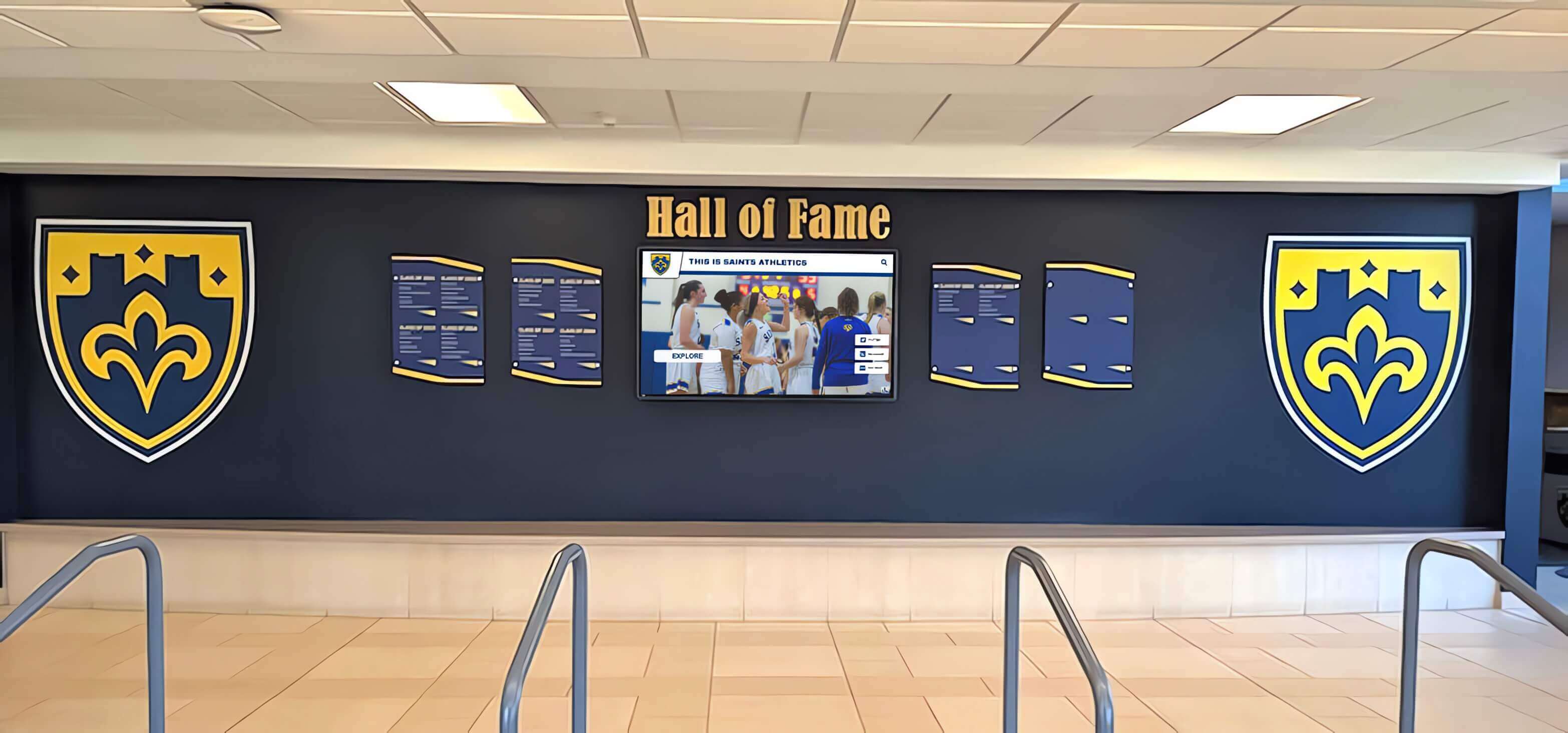
Country clubs or universities with dedicated golf facilities may have lobby spaces appropriate for substantial freestanding cabinets or built-in wall installations creating impressive focal points for member engagement and recruit impressions.
Budget and Long-Term Cost Analysis
Initial investment represents only partial total cost over recognition system lifespans:
Physical Case Total Cost of Ownership:
- Initial case purchase ($200-5,000 depending on size and quality)
- Installation and mounting expenses
- Engraved identification plates ($15-50 per ball)
- Ongoing maintenance, cleaning, and lighting replacement
- Case expansion costs as achievement volume exceeds capacity
- Eventual replacement when cases deteriorate or aesthetics date
Digital Display Total Cost of Ownership:
- Initial system investment ($5,000-15,000 for professional installations)
- Implementation and content migration assistance
- No ongoing per-achievement costs for unlimited recognition capacity
- Remote content updates without vendor dependencies or technical expertise
- Minimal maintenance beyond standard display cleaning
- Software updates and feature enhancements included in subscriptions
For programs recognizing 3-5+ new achievements annually, digital systems typically achieve cost parity within 5-7 years while providing superior capacity, flexibility, and engagement capabilities. Organizations evaluating recognition technology often reference interactive touchscreen kiosk software comparisons to understand available platform options.
Accessibility and Engagement Objectives
Recognition effectiveness depends on achievement visibility and audience interaction opportunities:
Passive Physical Displays:
Traditional golf ball trophy cases provide 24/7 visibility in facilities but offer limited engagement beyond visual observation. Visitors walking past displays briefly note championships without deep achievement exploration or personal connection to program history.
Interactive Digital Engagement:
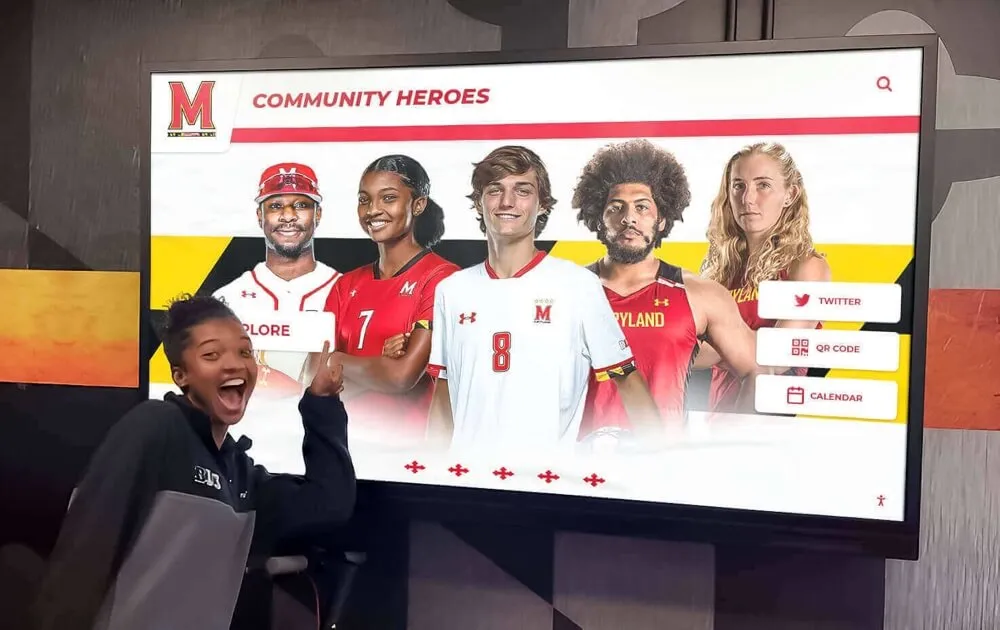
Digital recognition systems enable deep achievement exploration through searchable databases, detailed player profiles, tournament documentation, and multimedia content. Alumni searching for personal championships, parents researching program tradition, and prospective student-athletes evaluating competitive history create meaningful interactions strengthening program relationships.
Remote Access Capabilities:
Physical displays serve only facility visitors, while digital recognition systems accessible via web browsers extend achievement visibility to alumni, prospective families, and supporters unable to visit campus locations. Remote accessibility particularly benefits programs with geographically dispersed alumni communities or recruit outreach spanning regional or national territories.
Programs prioritizing comprehensive recognition often implement strategies similar to those used in national heritage months recognition, ensuring diverse achievements receive appropriate visibility and celebration.
Maintenance and Preservation Best Practices
Proper golf ball trophy case maintenance preserves achievement displays in excellent condition while minimizing long-term deterioration and restoration costs.
Regular Cleaning and Care Protocols
Systematic maintenance prevents damage while maintaining display appeal:
Glass and Acrylic Surface Cleaning:
- Weekly dusting with microfiber cloths preventing abrasive particle accumulation
- Monthly glass cleaning with ammonia-free solutions avoiding chemical damage
- Immediate removal of fingerprints, smudges, or spills preventing permanent staining
- Professional cleaning services for large or difficult-to-access installations
Golf Ball Surface Care:
- Minimal direct handling reducing oils and contaminants transfer
- Gentle dust removal using soft brushes or compressed air
- Avoid chemical cleaners potentially damaging ball covers or ink markings
- Professional restoration for significantly deteriorated or valuable balls
Case Hardware Maintenance:
- Regular hinge lubrication ensuring smooth access door operation
- Lock mechanism testing preventing security compromise
- Lighting element replacement maintaining consistent illumination
- Structural integrity inspections identifying potential failures
Environmental Control and Protection
Stable environmental conditions extend golf ball and case lifespan significantly:
Temperature and Humidity Management:
- Maintain 65-75°F temperature range preventing material expansion/contraction
- Control humidity at 40-50% relative humidity avoiding moisture damage
- Avoid display placement near heating vents, air conditioners, or exterior doors
- Consider climate control systems for particularly valuable collections
Light Exposure Mitigation:
- UV-filtering glass or acrylic for all display surfaces
- LED lighting systems producing minimal UV radiation
- Avoid direct sunlight exposure through window placement
- Lighting timers reducing total exposure hours when facilities close
Security and Physical Protection:
- Locked cases preventing unauthorized access or theft
- Security camera monitoring for high-value collections
- Alarm systems protecting against break-ins during closed hours
- Insurance documentation including photographs and achievement inventories
Implementing Golf Ball Recognition Programs
Establishing effective golf ball trophy case programs requires thoughtful planning addressing achievement selection, documentation, and ongoing program management.
Achievement Selection and Recognition Criteria
Clear criteria ensure consistent, credible recognition decisions:
Championship and Tournament Recognition:
- Conference championships (individual and team)
- State or regional championships
- National qualification tournaments
- Invitational tournament victories
- School or club championship balls
- Course record achievements
Individual Performance Milestones:
- Hole-in-one accomplishments
- Career low rounds under specified scores
- Multi-year varsity participation milestones
- All-conference or all-state individual honors
- Academic all-conference recognition combining athletics with scholarship
Special Achievement Categories:
- Coach milestone victories (100th win, championship titles)
- Team improvement achievements (first-ever conference win, breakthrough seasons)
- Sportsmanship and character recognitions
- Alumni professional golf accomplishments
- Community service or leadership awards
Comprehensive programs often integrate golf recognition with broader athletic wall of honor installations celebrating diverse excellence across all sports.
Documentation and Historical Context
Proper achievement documentation transforms simple golf balls into meaningful recognition:
Essential Documentation Elements:
- Tournament name and date
- Player name(s) and graduation year
- Final score or achievement details
- Course location and competitive conditions
- Historical significance or context notes
- Supporting photos from championship presentations
- Newspaper clippings or media coverage
Digital Archive Development:
Even programs using physical golf ball trophy cases benefit from creating digital achievement archives ensuring comprehensive documentation preservation. Scanning historical tournament programs, digitizing championship photos, and recording coach or player memories creates valuable historical resources supporting future recognition initiatives.
Programs establishing comprehensive historical documentation often apply approaches used in digitizing varsity letters and other athletic recognition categories.
Conclusion: Choosing the Right Golf Ball Trophy Case Solution
Selecting the optimal golf ball trophy case requires balancing achievement volume, available space, budget realities, and long-term flexibility against program recognition goals and audience engagement objectives. Traditional shadow boxes and display cabinets serve programs with modest achievement histories and preference for tangible physical displays, while digital recognition systems provide unlimited capacity, rich multimedia context, and sustainable long-term economics for programs with extensive competitive histories or limited physical space.
The most successful golf recognition programs establish clear achievement criteria, develop comprehensive documentation practices, and select display solutions aligned with institutional resources and recognition priorities. Whether you choose traditional physical golf ball trophy cases, modern digital recognition systems, or hybrid approaches combining both strategies, thoughtful implementation ensures golf achievements receive the prominence they deserve while inspiring current players and strengthening program tradition for generations to come.
Transform Golf Recognition with Digital Display Solutions
Discover how Rocket Alumni Solutions helps golf programs showcase unlimited achievements through interactive touchscreen displays combining physical appeal with digital flexibility. Eliminate capacity constraints, reduce long-term recognition costs, and create engaging experiences celebrating your golf program's complete competitive history.
Explore Digital Recognition Solutions