



Key Takeaways
Discover creative golf awards ideas for school and club programs. Learn how to recognize golfers through performance awards, character recognition, and modern digital displays that celebrate achievement.
Golf programs face a unique recognition challenge. Unlike team sports where statistics like points scored or games won provide obvious award categories, golf requires thoughtful approaches to honor individual achievement, steady improvement, and the character qualities this sport particularly emphasizes—integrity, sportsmanship, and mental discipline. Traditional recognition methods—generic participation trophies, single MVP awards, brief season-ending banquets—often fail to capture the full range of accomplishments that make golf programs valuable.
This comprehensive guide explores creative golf awards ideas that celebrate performance excellence, acknowledge character development, recognize improvement, and honor the unique aspects of golf culture. Whether you direct high school golf teams, manage club junior programs, oversee collegiate golf, or coordinate recreational leagues, these recognition concepts provide frameworks for building golf cultures where diverse contributions receive meaningful acknowledgment.
Understanding Golf-Specific Recognition Needs
Before exploring specific award categories, consider what makes golf recognition different from other sports and how awards can support broader program objectives.
The Individual Nature of Golf
Golf operates simultaneously as both individual and team competition. While team scoring determines match outcomes, individual performance metrics—stroke averages, tournament placings, round scores—provide the primary achievement measures. This duality creates recognition opportunities unavailable in purely team-based sports.
Effective golf recognition programs acknowledge both dimensions. Team awards celebrate collective accomplishments—conference championships, team qualifying achievements, dual match records. Individual awards honor personal excellence—medalist performances, scoring average leadership, tournament victories, personal record achievements.
Character and Integrity in Golf
Golf uniquely demands self-policing and integrity. Players call penalties on themselves, often for infractions no one else witnessed. This emphasis on character makes golf particularly suitable for awards recognizing qualities beyond pure performance—sportsmanship, integrity, ambassador qualities, and mental resilience.
Programs implementing character-focused recognition alongside performance awards communicate that golf values extend beyond shooting low scores. These balanced systems develop well-rounded golfers who understand that how they compete matters as much as competition outcomes.
The Challenge of Improvement-Based Recognition
Golf’s scoring system—where lower numbers represent better performance—creates intuitive improvement metrics. A golfer reducing their average score from 85 to 78 demonstrates clear, quantifiable progress. This measurable improvement allows recognition programs to honor development regardless of absolute performance levels, validating effort for players at all skill stages.
Performance-Based Golf Awards
Performance recognition acknowledges measurable achievement based on scoring, tournament results, and objective competitive outcomes.
Scoring Achievement Awards
Medalist Awards: Recognition for tournament medalist honors—the lowest individual score in tournaments. Medalist awards celebrate peak performance in competitive settings where pressure intensifies. Schools maintaining comprehensive athletic achievement displays often feature medalist accomplishments prominently, creating historical documentation motivating future golfers.
Lowest Season Scoring Average: Award for the golfer maintaining the lowest stroke average across the full season. Season-long scoring average awards reward consistency rather than single exceptional rounds, validating sustained excellence over time.
Lowest Single Round: Recognition for the lowest 18-hole round shot during the season by any program member. Single round records create achievement benchmarks future golfers can pursue while celebrating exceptional individual performances regardless of whether they occurred during team competitions.
Breaking Par Recognition: Special acknowledgment for any round breaking par (under 72 on regulation courses, adjusted for course rating). Breaking par represents a significant achievement milestone worthy of dedicated recognition, particularly in high school and club programs where it remains relatively rare.
Course Record Recognition: Honor golfers setting or tying course records at home courses or frequently played venues. Course records create lasting legacy while connecting current golfers to program history and facility traditions.

Tournament Performance Awards
Tournament Champion: Recognition for individual tournament victories. Tournament championships validate competitive excellence while creating memorable achievement moments distinguishing exceptional performances.
All-Conference Selection: Acknowledgment of all-conference team selection based on conference tournament performance or season-long results. Conference recognition provides external validation from broader competitive fields while celebrating regional excellence.
All-State Recognition: State-level honors recognizing top performers within state associations or governing bodies. All-state selection represents prestigious achievement indicating elite status among statewide competitors.
State/Regional Qualifier: Recognition for qualifying for state championship tournaments or regional competitions. Qualifying achievements deserve acknowledgment even when final placements vary, validating the accomplishment of reaching championship-level competition.
State Championship Medalist/Placer: Special recognition for state tournament medalists or top finishers. State championship performance represents pinnacle achievement worthy of prominent, permanent recognition.
Organizations implementing digital recognition systems for athletic programs find that tournament achievement displays create powerful motivation while documenting program legacy across generations.
Team Performance Recognition
Team MVP: Most valuable player to team success, considering both individual performance and contribution to team scoring. Team MVP recognition acknowledges that being the best individual golfer and being most valuable to team outcomes sometimes differ.
Team Captain: Selection as team captain or leadership position. Captain recognition validates leadership capability and teammate respect beyond pure golf performance.
Most Team Points Scored: Award for golfer contributing the most qualifying scores toward team totals across the season. Team scoring recognition connects individual excellence to collective success, reinforcing that individual performance directly impacts team outcomes.
Dual Match MVP: Recognition for best dual match record or performance in head-to-head team competitions. Match play success requires different skills than stroke play excellence, deserving dedicated acknowledgment.
Team Championship Recognition: Special acknowledgment when teams win conference, regional, or state championships. Team championships represent collective achievement worthy of prominent celebration honoring all contributing members.
Character and Sportsmanship Awards
Character recognition celebrates personal qualities and behaviors that exemplify golf’s values beyond competitive performance.
Sportsmanship and Integrity
Sportsmanship Award: Recognition for exemplary conduct, respect for opponents, gracious behavior in victory and defeat, and embodiment of golf’s character traditions. Sportsmanship awards reinforce that golf values how athletes compete as much as competition results.
Integrity Award: Acknowledging golfers who consistently demonstrate integrity through self-policing, honest scoring, calling penalties on themselves, and upholding rules without shortcuts. Golf’s unique self-policing nature makes integrity recognition particularly meaningful and aligned with sport traditions.
Rules Knowledge Award: Recognition for superior understanding of golf rules and proper procedures. Rules mastery demonstrates serious commitment to golf while enabling golfers to serve as resources for teammates navigating complex situations.
Ambassador Award: Honor for golfers who best represent program values in interactions with opponents, officials, host facilities, and community members. Ambassador recognition validates that golfers are program representatives whose conduct reflects on broader institutional reputation.
Effort and Commitment Recognition
Most Dedicated Player: Recognition for unwavering commitment to practice, preparation, conditioning, and program participation regardless of playing position or competitive outcomes. Dedication awards validate that commitment matters even when performance results vary.
Practice Champion: Honor for exceptional practice attendance, focused training effort, and productive use of practice time. Practice recognition reinforces that improvement happens through deliberate training rather than just tournament rounds.
Offseason Training Award: Recognition for commitment to offseason development—winter training, strength conditioning, skill work during non-competitive periods. Offseason dedication awards acknowledge year-round commitment extending beyond competitive season boundaries.
Most Improved Player: Award for greatest scoring improvement from season start to finish or year-over-year development. Most improved recognition motivates continued effort while celebrating growth regardless of absolute performance levels.
Programs developing comprehensive athlete recognition systems across multiple sports often find that improvement-based awards generate particularly strong motivation because all athletes can potentially earn recognition through dedication regardless of natural talent levels.
Mental Game and Composure
Mental Toughness Award: Recognition for composure under pressure, emotional control, resilience through difficult rounds, and psychological strength. Mental toughness awards acknowledge golf’s significant psychological demands requiring discipline beyond physical skill.
Comeback Performance Award: Honor for best recovery from poor starts, ability to rebound from bad holes, or resilience after setbacks. Golf demands rapid mental recovery from mistakes; recognizing this capability validates a crucial competitive skill.
Best Competitive Attitude: Recognition for maintaining positive, competitive mindset regardless of score, refusing to quit, and fighting for every stroke. Competitive attitude awards celebrate persistence particularly valuable when rounds don’t go as planned.
Specialized Golf Awards
Specialized recognition acknowledges specific aspects of golf performance and contribution that standard award categories may overlook.
Statistical and Skill-Based Awards
Driving Distance Leader: Recognition for longest average driving distance or farthest recorded drive. Distance awards celebrate a specific powerful skill while creating measurable achievement targets.
Driving Accuracy Leader: Award for highest percentage of fairways hit from tee shots. Accuracy recognition validates strategic, controlled play versus pure power, honoring different competitive approaches.
Greens in Regulation Leader: Recognition for highest percentage of greens reached in regulation (on the green in par minus two strokes). GIR statistics provide excellent ball-striking measures independent of putting performance.
Putting Average Leader: Award for lowest putts per round average. Putting recognition celebrates short game mastery while acknowledging that scoring ultimately happens on greens.
Birdie Leader: Recognition for most birdies recorded during the season. Birdie totals indicate scoring aggressiveness and ability to capitalize on opportunities beyond just avoiding mistakes.
Scrambling Award: Honor for best scrambling percentage—saving par or better after missing greens in regulation. Scrambling ability separates golfers who can recover from imperfect shots versus those who compound mistakes.
Par-3 Scoring Award: Recognition for best scoring average on par-3 holes. Par-3 excellence requires specific iron play skills worthy of dedicated acknowledgment.
Course and Situation-Specific Recognition
Home Course Champion: Award for best scoring average on home course or facility. Home course excellence recognizes familiarity advantages while creating specific venue-based achievement targets.
Away Match MVP: Recognition for best performance at away venues or in challenging course conditions. Away success demonstrates adaptability and mental strength performing in unfamiliar environments.
Weather Warrior: Honor for best performance in difficult weather conditions—wind, rain, cold. Weather toughness awards celebrate mental resilience and technical adaptability when conditions challenge all competitors equally.
Best Tournament Closer: Recognition for best final round scoring average or strongest finishes. Closing ability indicates mental strength and competitive tenacity when pressure peaks.
Team Culture Recognition
Best Teammate Award: Recognition for being supportive, encouraging, and positive influence on teammates. Teammate awards validate that individual sports still require team culture and mutual support.
Leadership Award: Honor for demonstrated leadership through communication, example-setting, and positive influence on program culture. Leadership recognition acknowledges that team captains aren’t the only leaders contributing to program success.
Rookie of the Year: Recognition for best first-year player. Rookie awards encourage talented newcomers while acknowledging the challenge of entering established programs.
Senior Legacy Award: Special recognition for graduating seniors’ complete body of work and contribution to program culture across their careers. Senior legacy honors create meaningful capstone acknowledgment for long-term program contributors.
Many programs implementing recognition systems for student athletes find that culture-focused awards strengthen team cohesion even in individually-oriented sports like golf.
Academic and Well-Rounded Recognition
Golf programs increasingly recognize that athletes are students first, with achievement extending beyond the course.
Scholar-Athlete Awards
Top Scholar-Athlete: Recognition for highest GPA among team members or best combination of academic and athletic achievement. Scholar-athlete awards reinforce that educational excellence matters equally to competitive success.
Academic All-Conference: Acknowledgment of conference-level academic honors combining GPA thresholds with athletic participation requirements. Academic all-conference selection provides external validation of well-rounded excellence.
Academic Improvement Award: Recognition for greatest academic progress year-over-year. Academic improvement honors validate growth mindset and commitment to educational development.
Community and Service Recognition
Community Service Leader: Award for outstanding service and community involvement while participating in golf programs. Service leadership recognition connects athletic participation to broader community contribution and social responsibility.
Program Ambassador: Recognition for best representing program values beyond competition—facility interactions, junior golf mentoring, clinic volunteer work. Ambassador honors acknowledge that program representation extends beyond tournament performance.
Mentorship Award: Honor for veterans who effectively mentor younger or newer players. Mentorship recognition validates leadership through developing others rather than just individual accomplishment.
Schools developing comprehensive student recognition programs often integrate athletic and academic acknowledgment within unified systems celebrating well-rounded student development.
Modern Golf Recognition: Digital Displays and Permanent Documentation
Traditional golf recognition—trophies, plaques, brief banquet acknowledgment—creates temporary celebration but limited lasting impact. Modern approaches incorporate technology transforming recognition from transient moments into permanent, accessible documentation.
Digital Recognition Advantages for Golf Programs
Comprehensive Statistical Documentation: Golf generates extensive statistical data perfect for digital display formats. Beyond simple win-loss records, golf recognition can showcase:
- Complete season scoring averages with round-by-round trends
- Tournament-by-tournament performance histories
- Statistical category leaders across multiple dimensions
- Career progression tracking across multiple seasons
- Course-specific scoring records and performance patterns
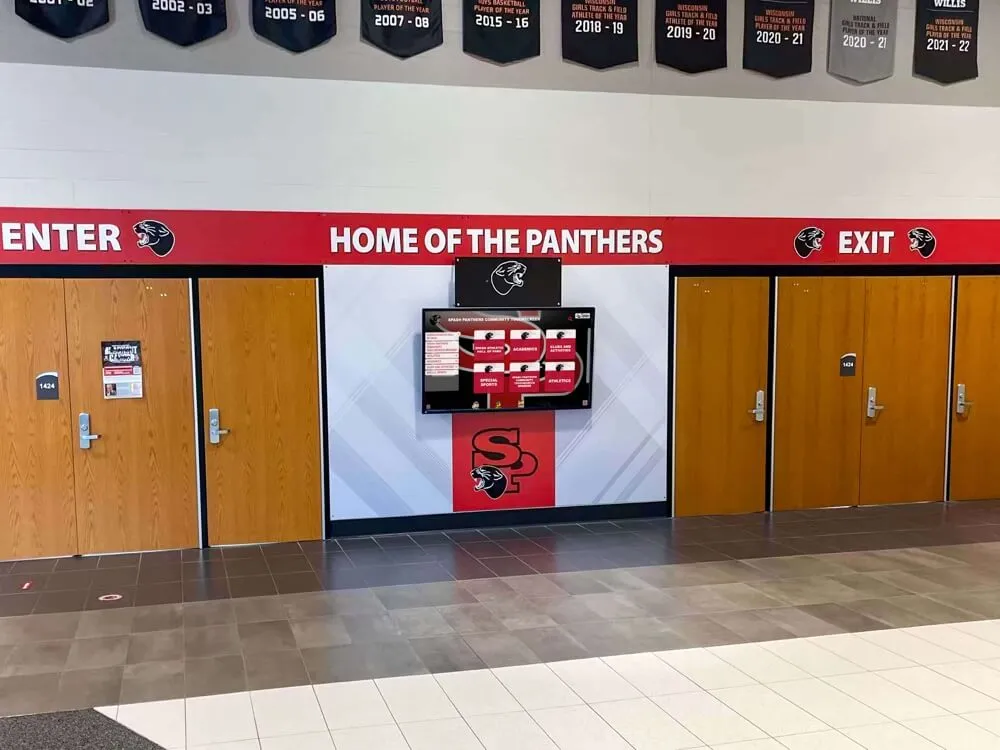
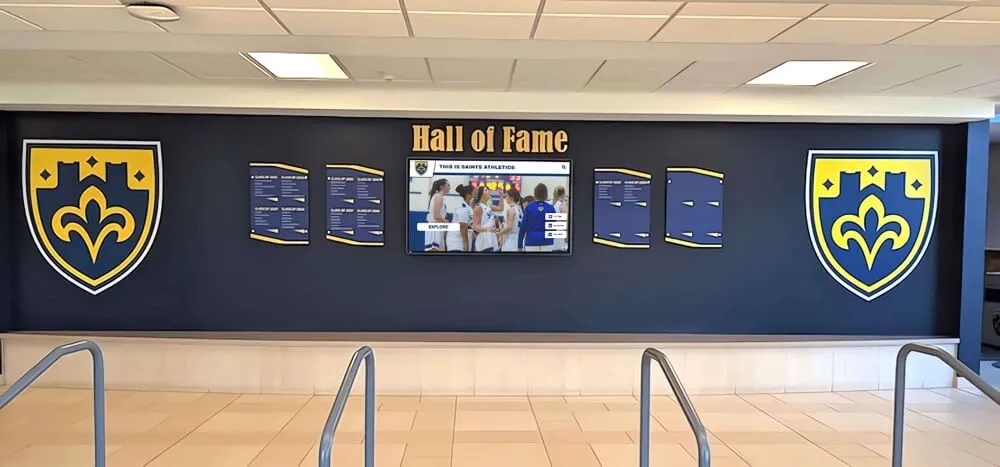
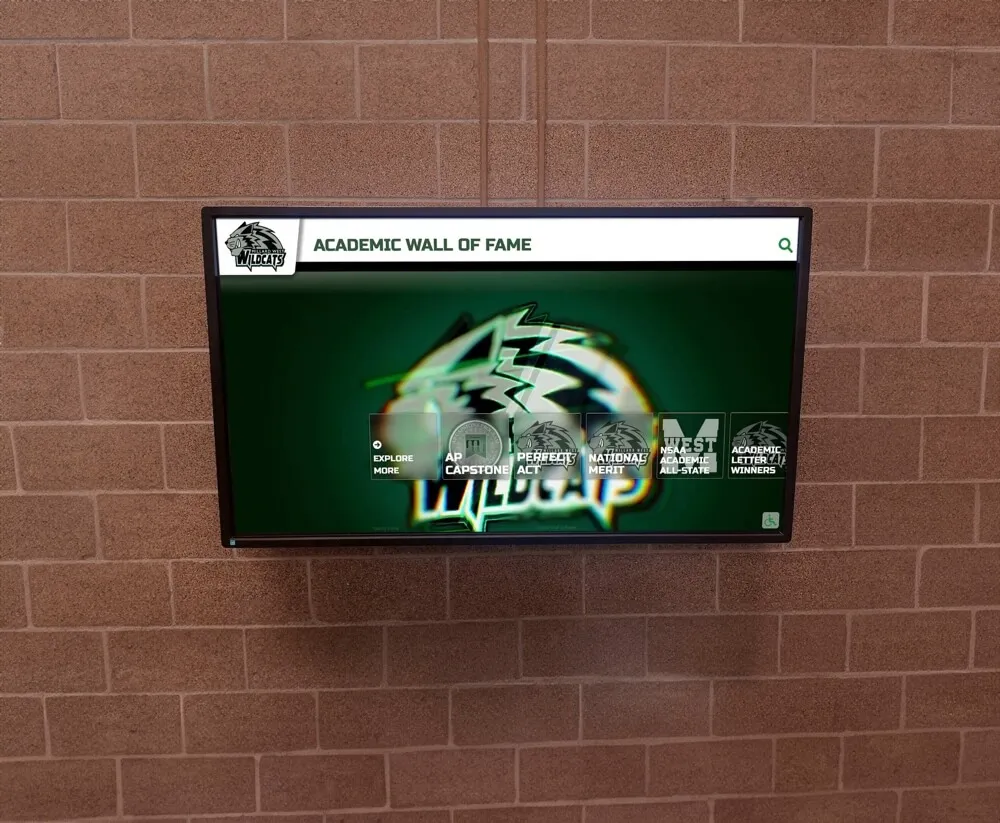
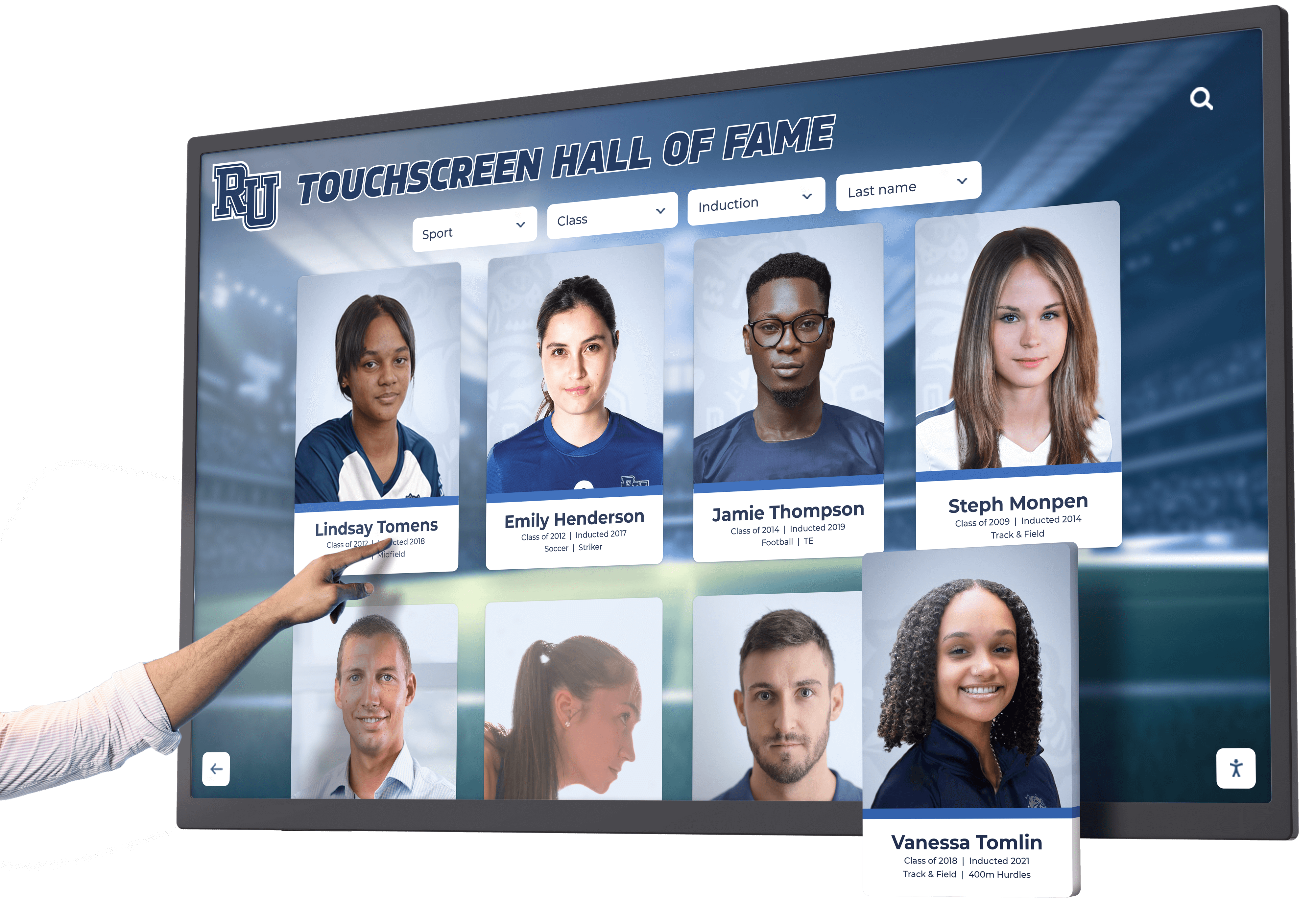
Digital platforms eliminate space constraints limiting how much achievement information can be displayed. A single touchscreen can document complete statistical histories requiring dozens of physical plaques or display boards.
Dynamic Content Updates: Traditional trophy cases remain static between occasional updates. Digital systems enable real-time recognition updates after every tournament, immediately celebrating achievements while they remain current rather than waiting for season-ending banquets weeks or months later.
Cloud-based content management allows authorized coaches or administrators to update recognition content remotely from any device. Post a tournament medalist honor within hours rather than waiting weeks for physical trophy production.
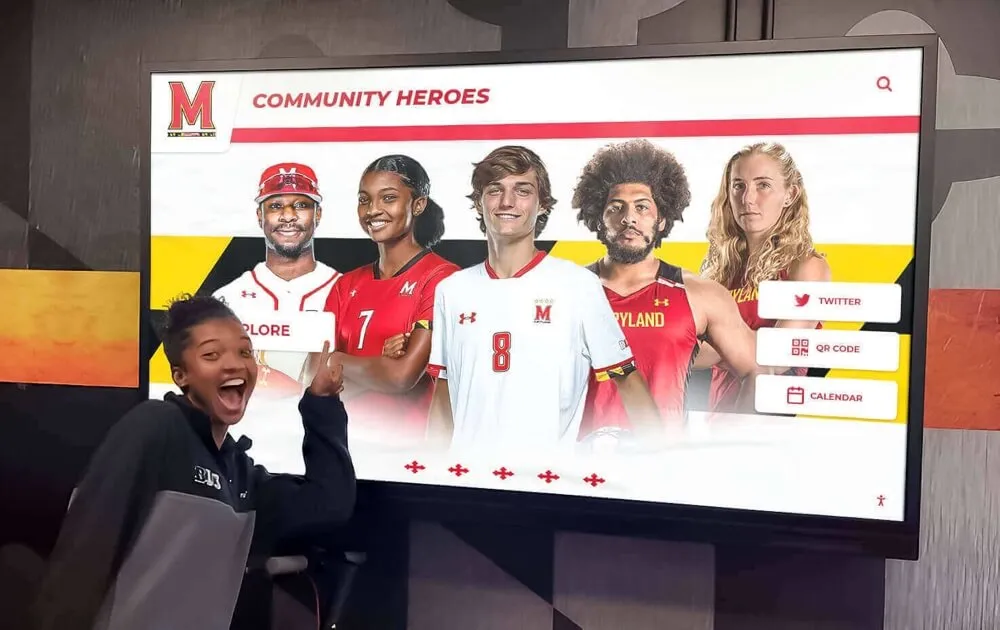
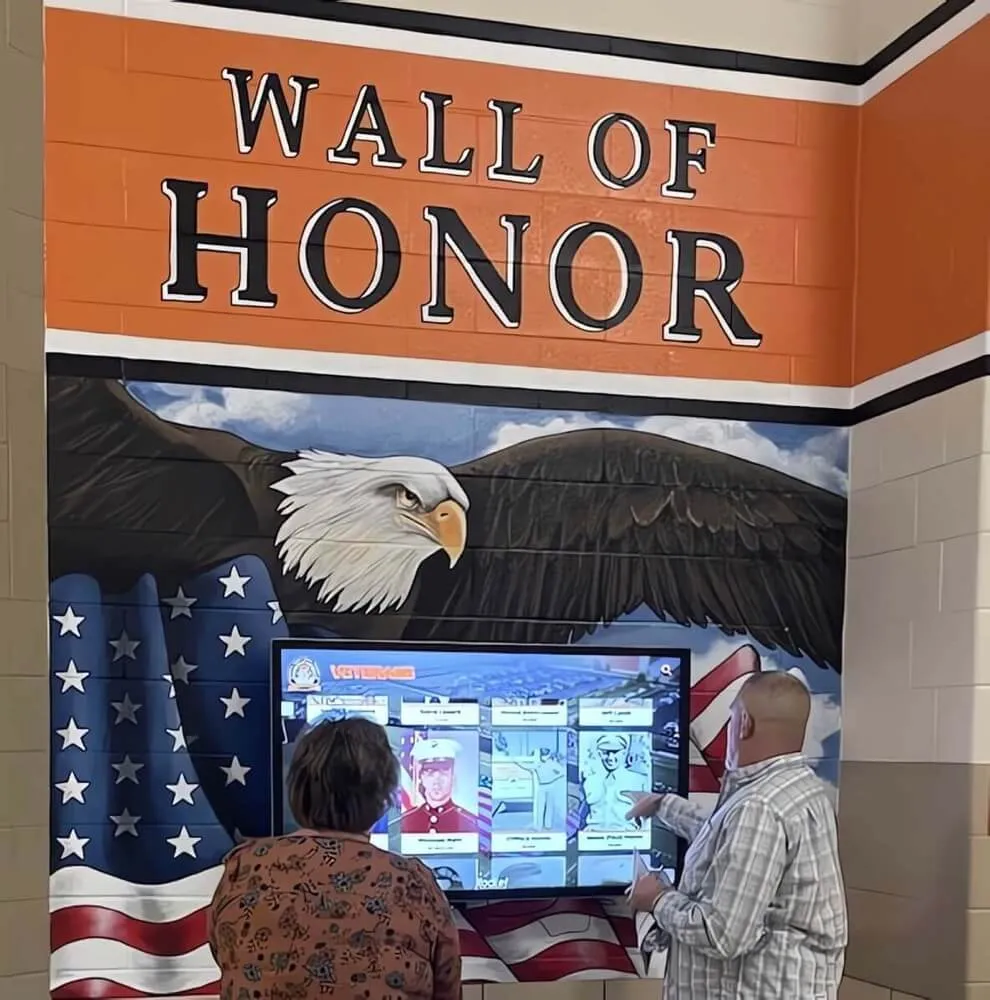
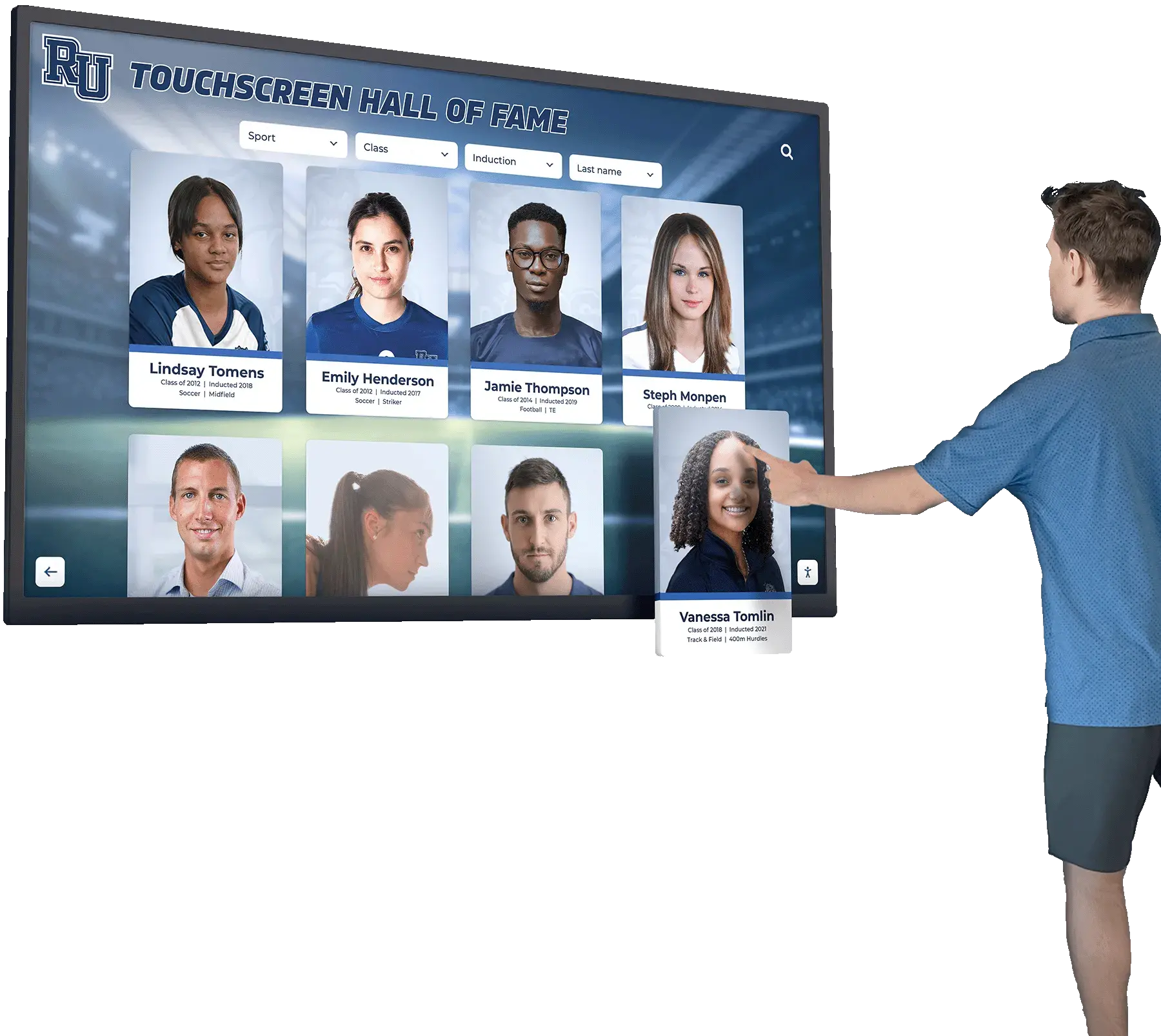
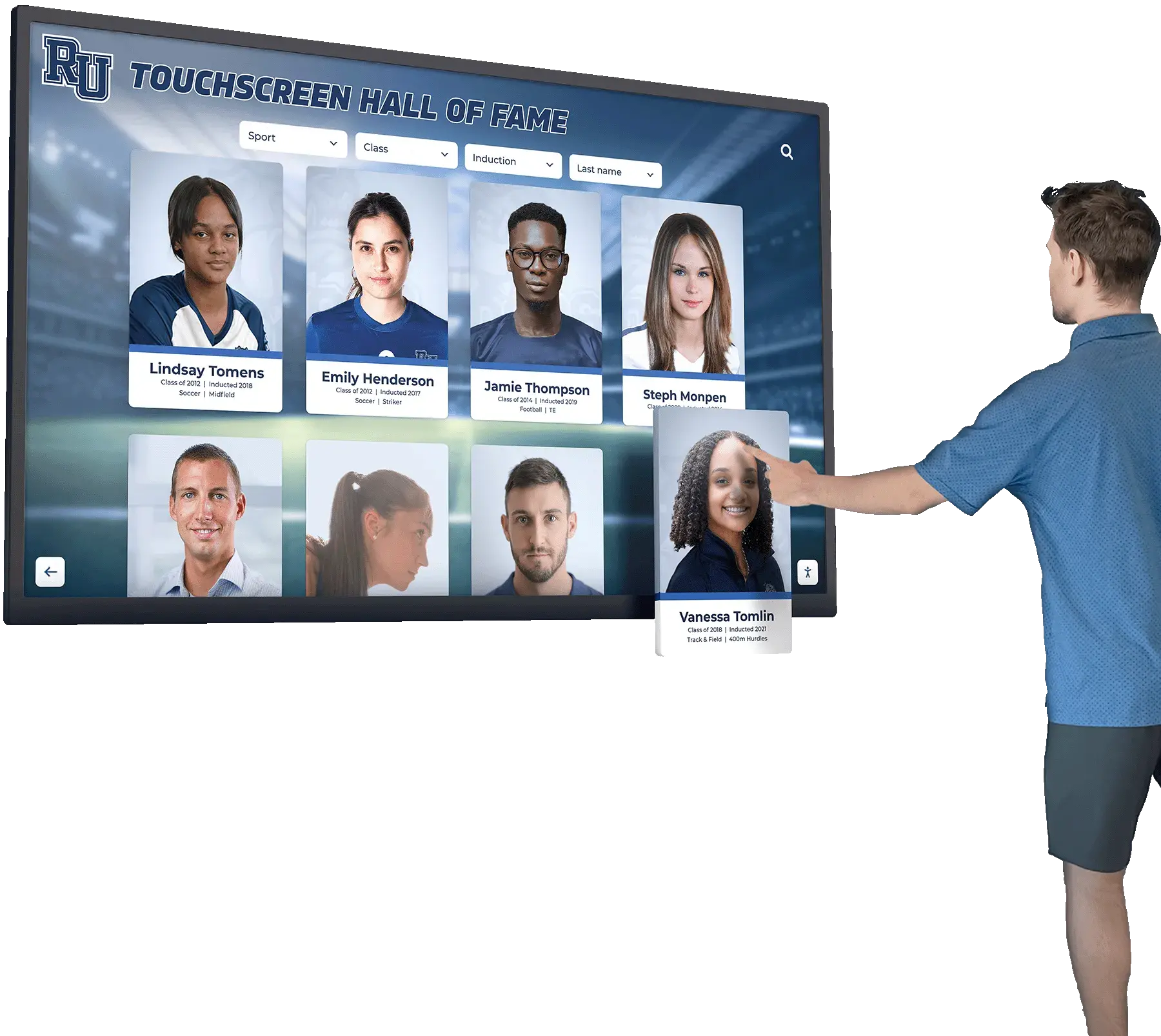

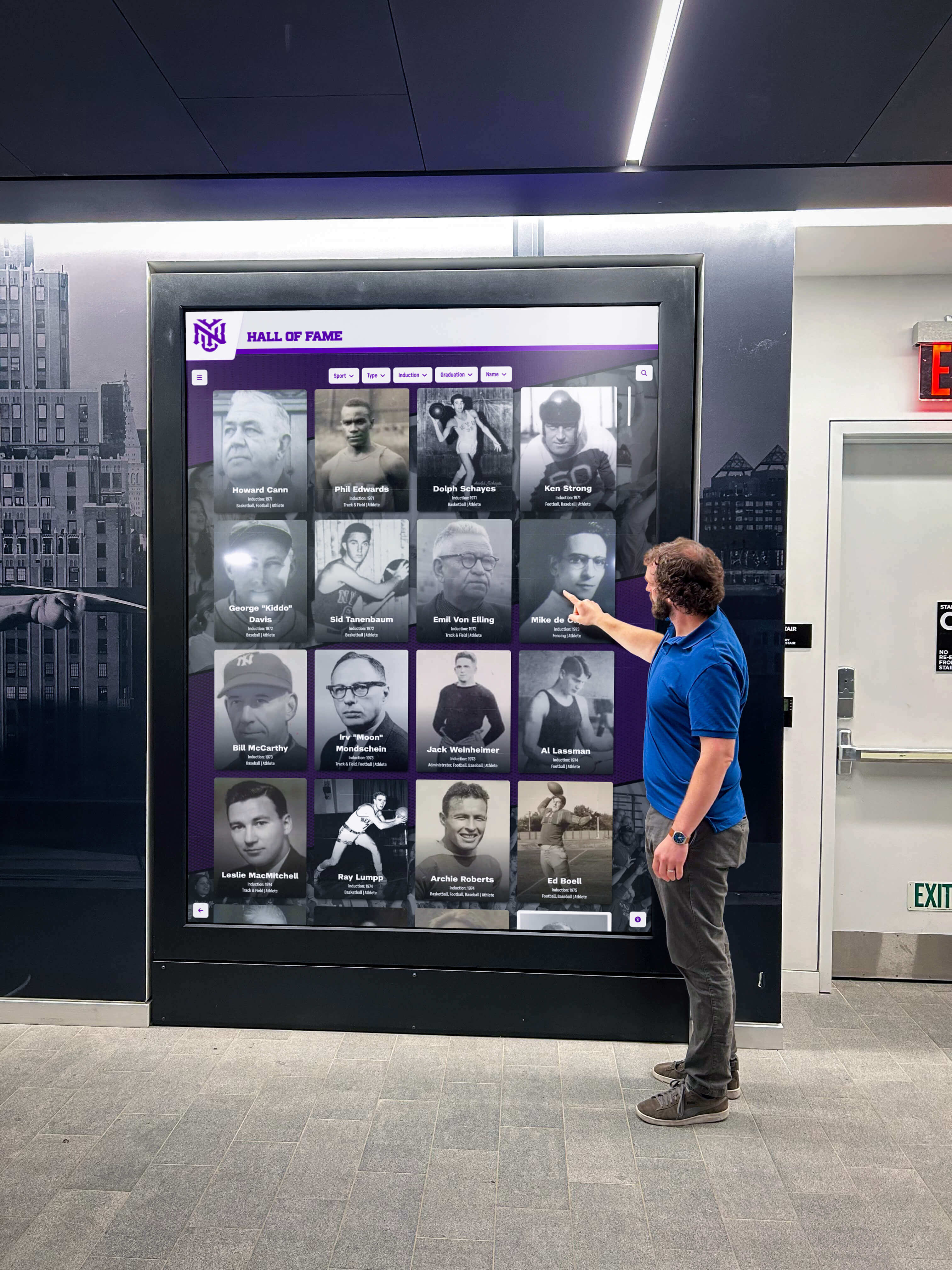
Interactive Engagement: Unlike passive trophy cases, interactive displays invite active exploration. Prospective recruits, current team members, alumni, and facility visitors can:
- Search for specific golfer profiles by name or graduation year
- Filter achievements by category—scoring records, tournament victories, team accomplishments
- View complete career statistics and achievement progressions
- Explore team history across decades of program documentation
- Compare current performance to historical benchmarks
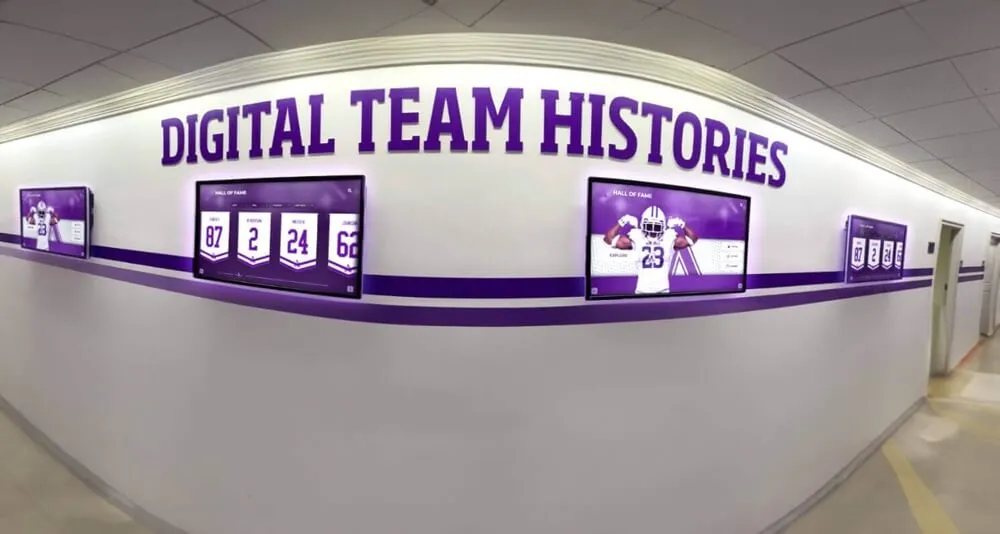
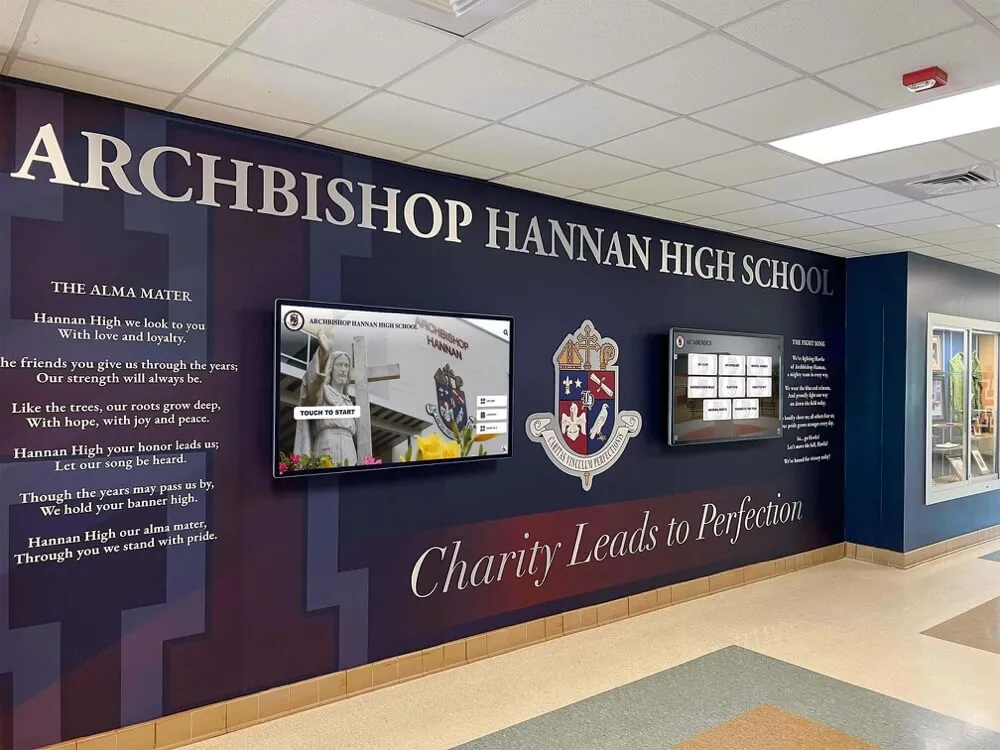
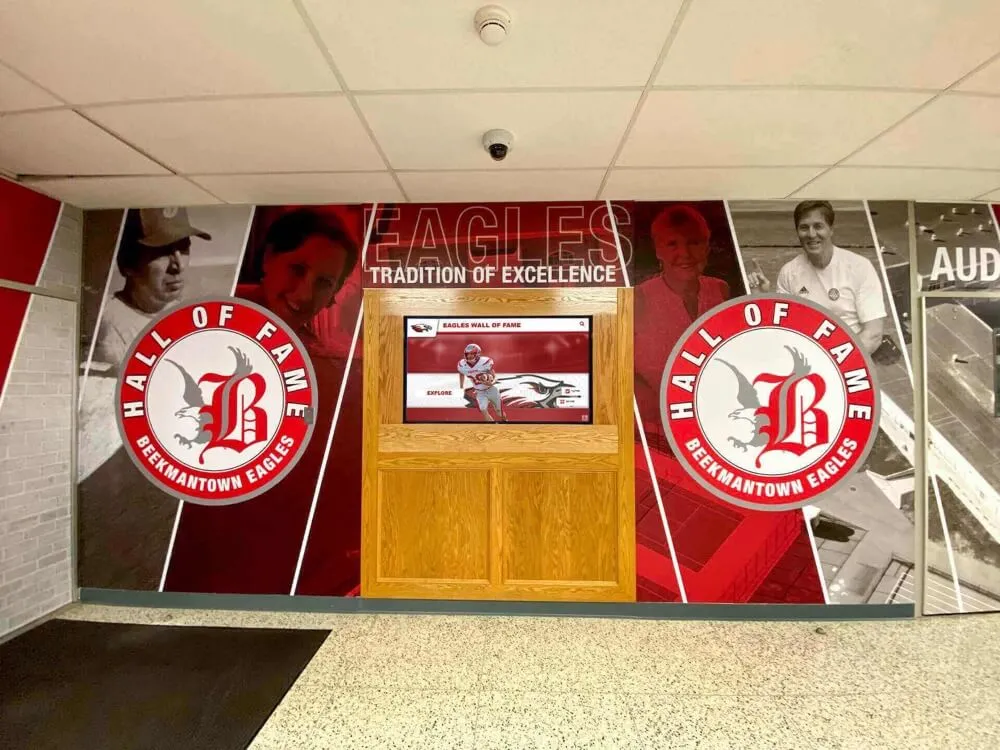
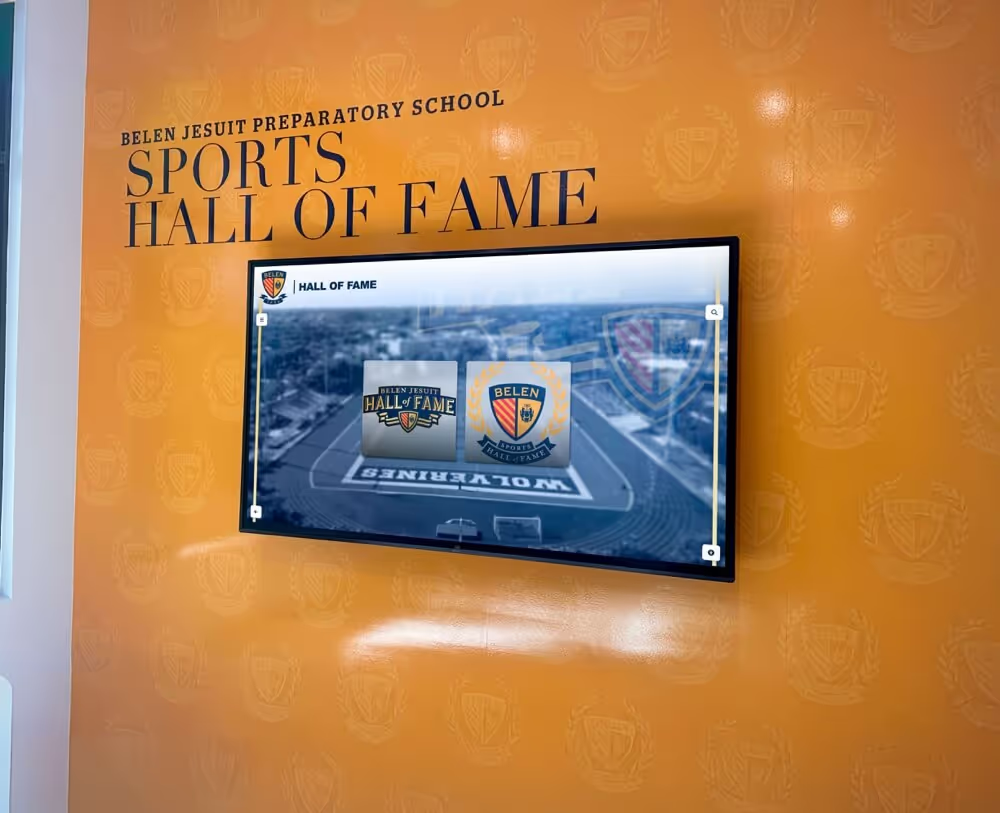
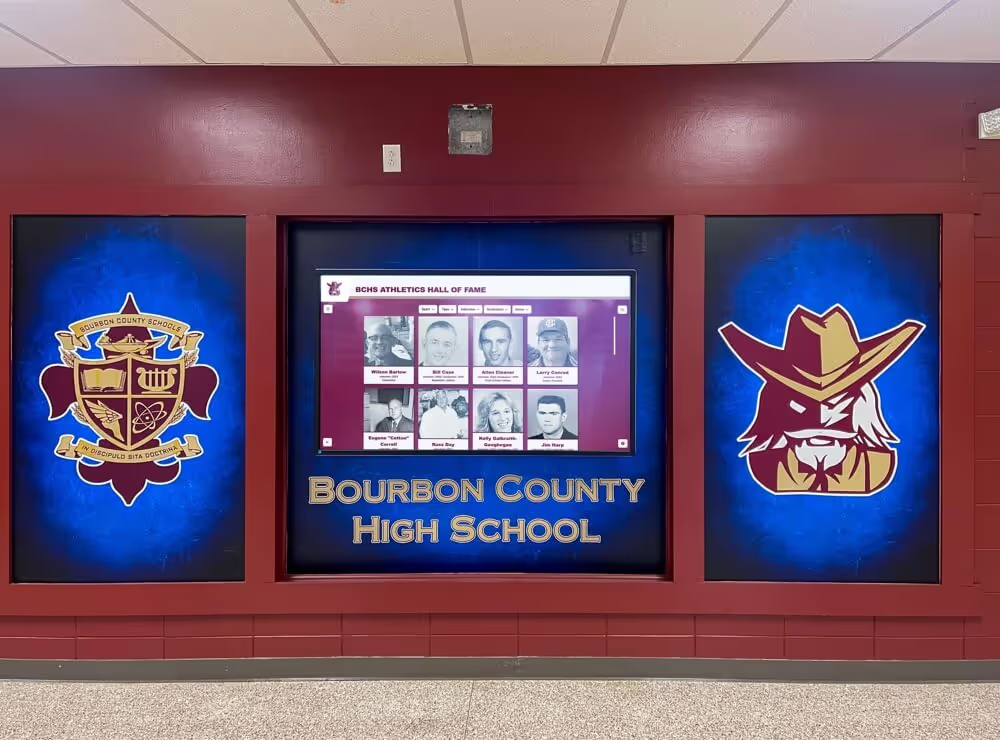
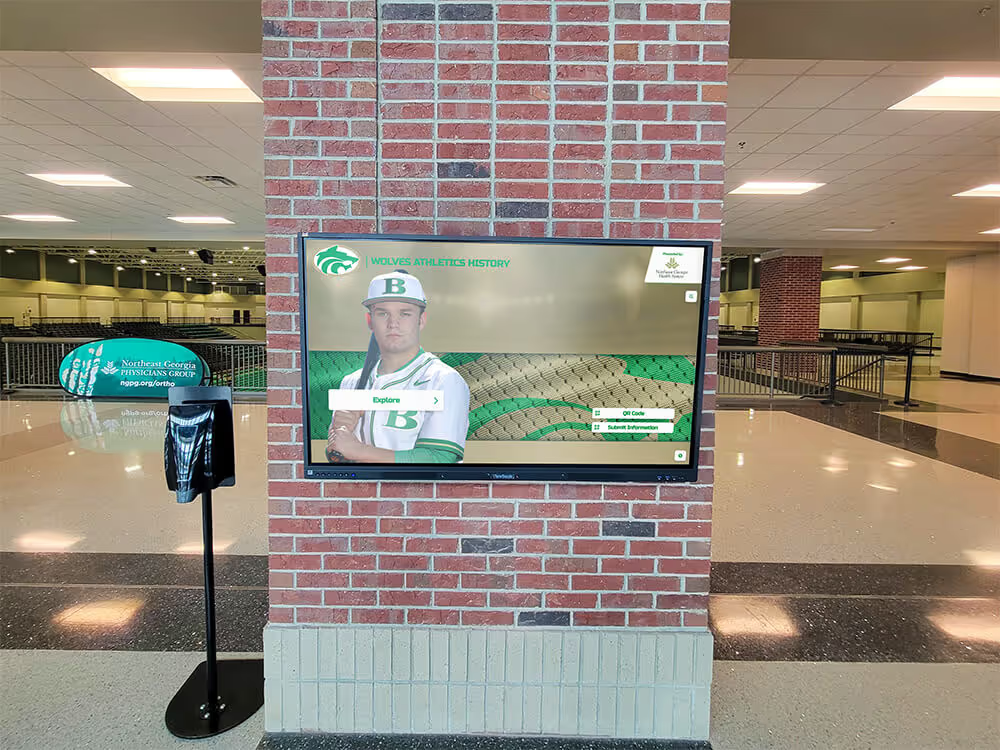
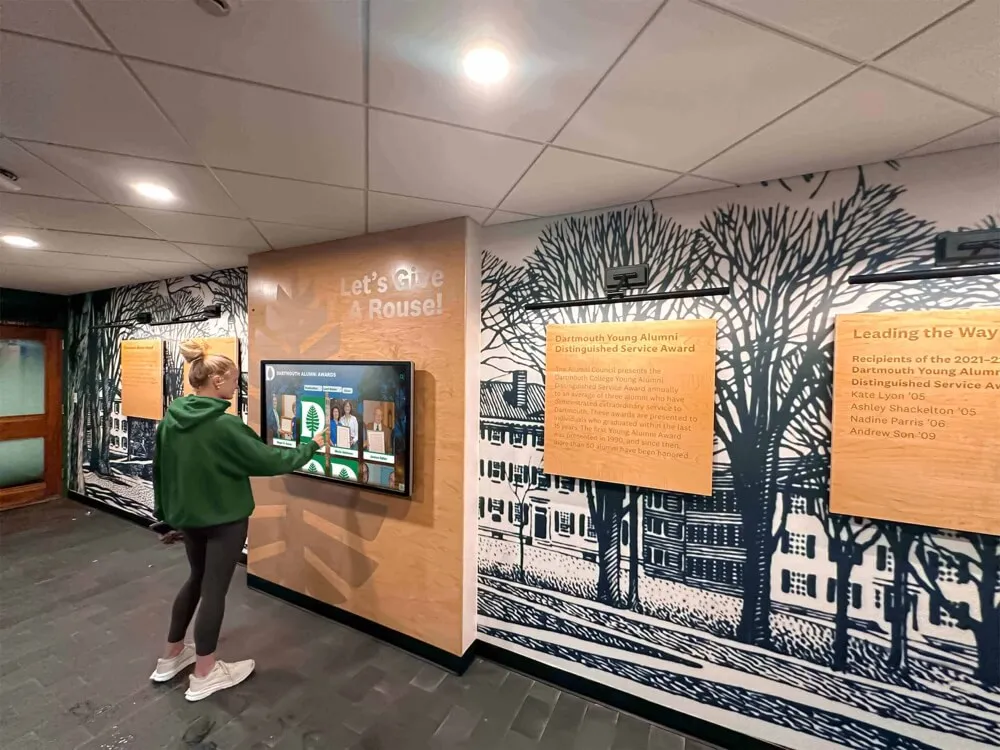
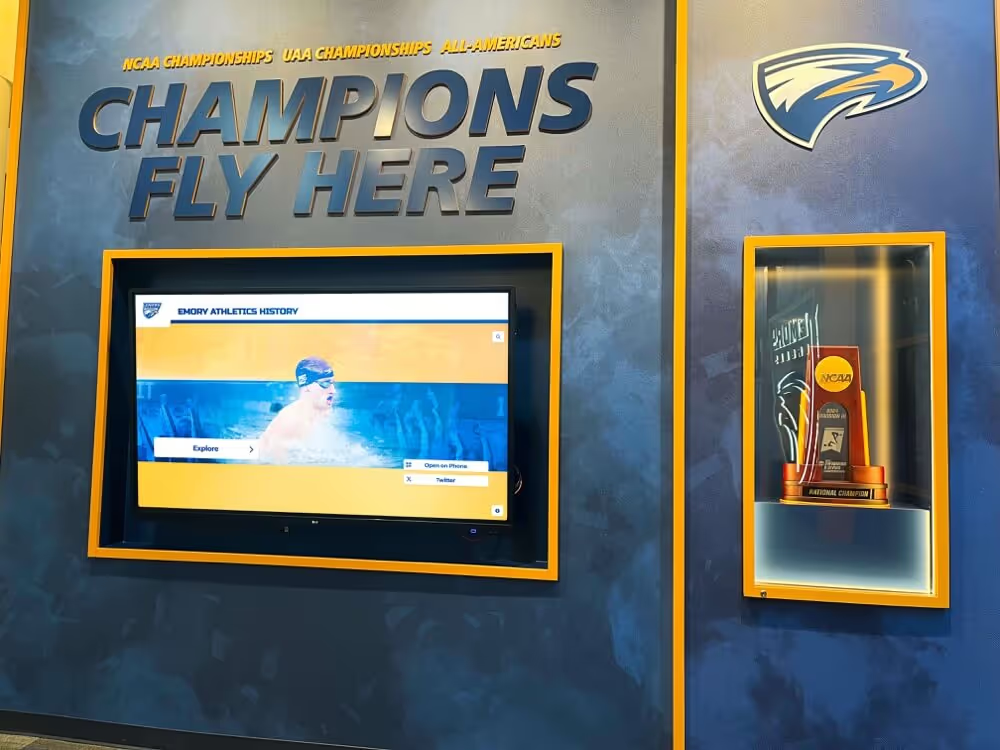
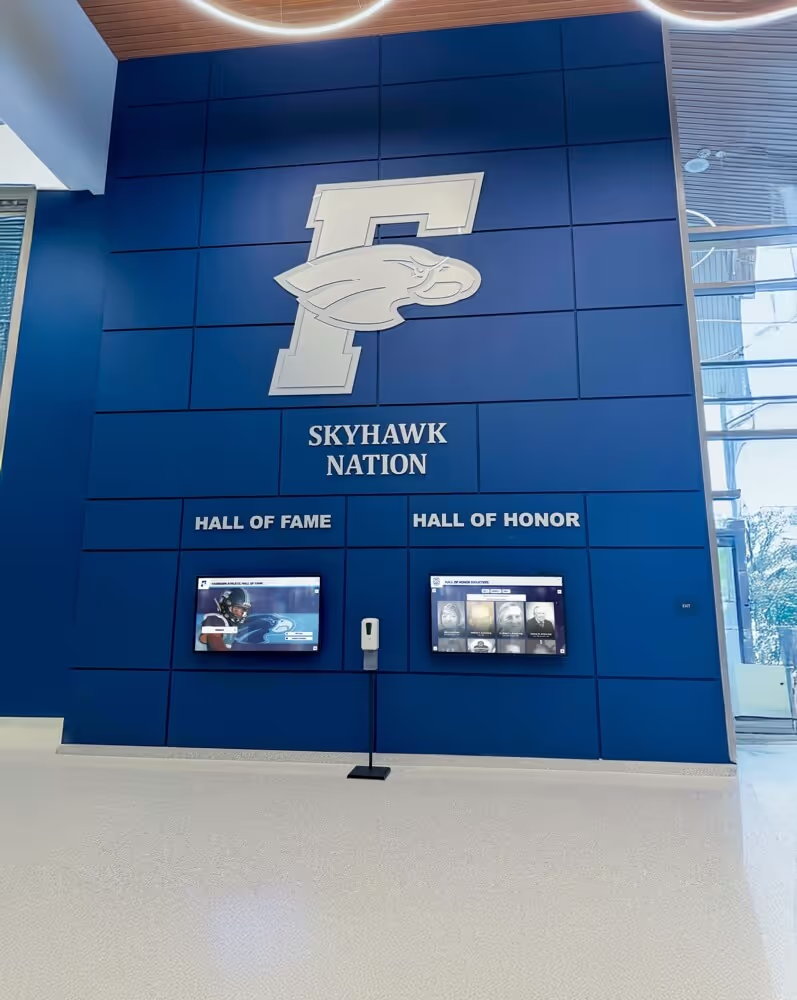
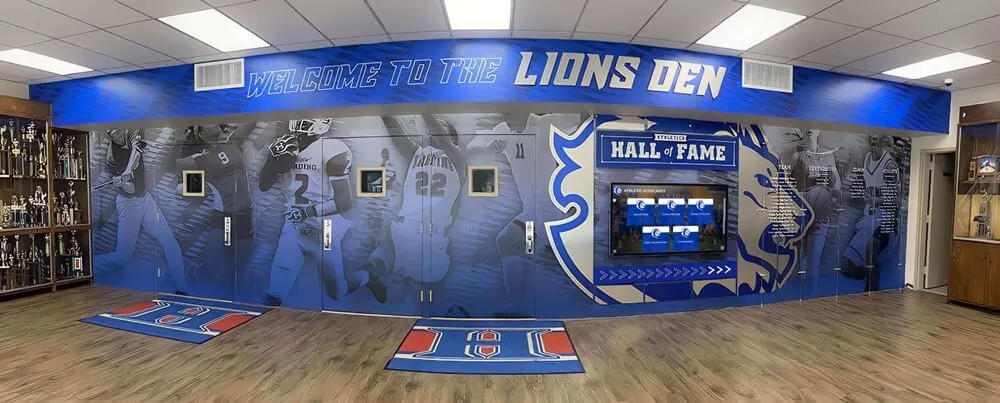
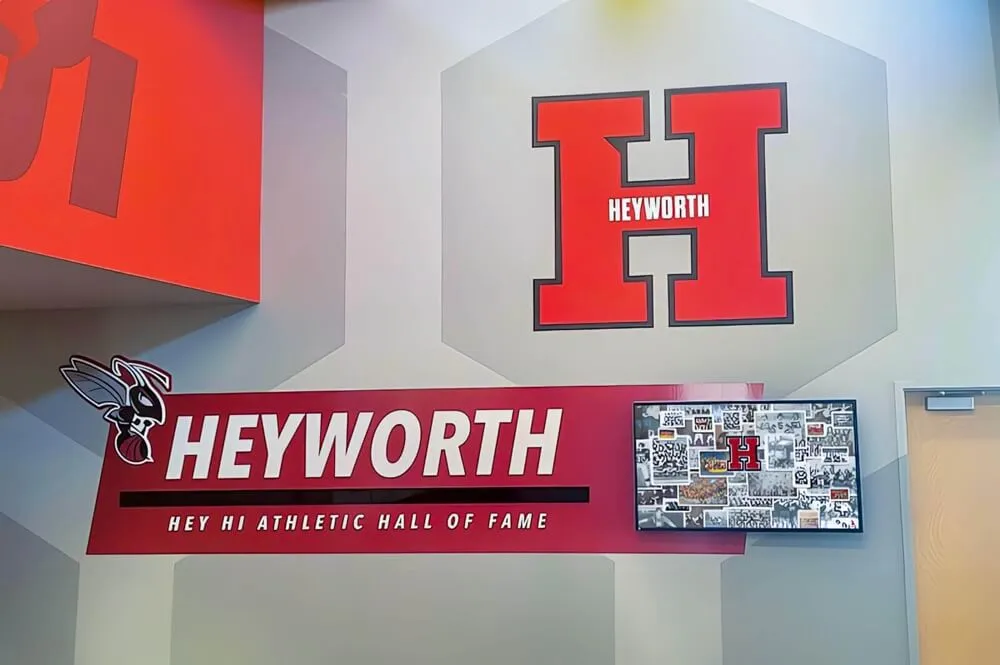
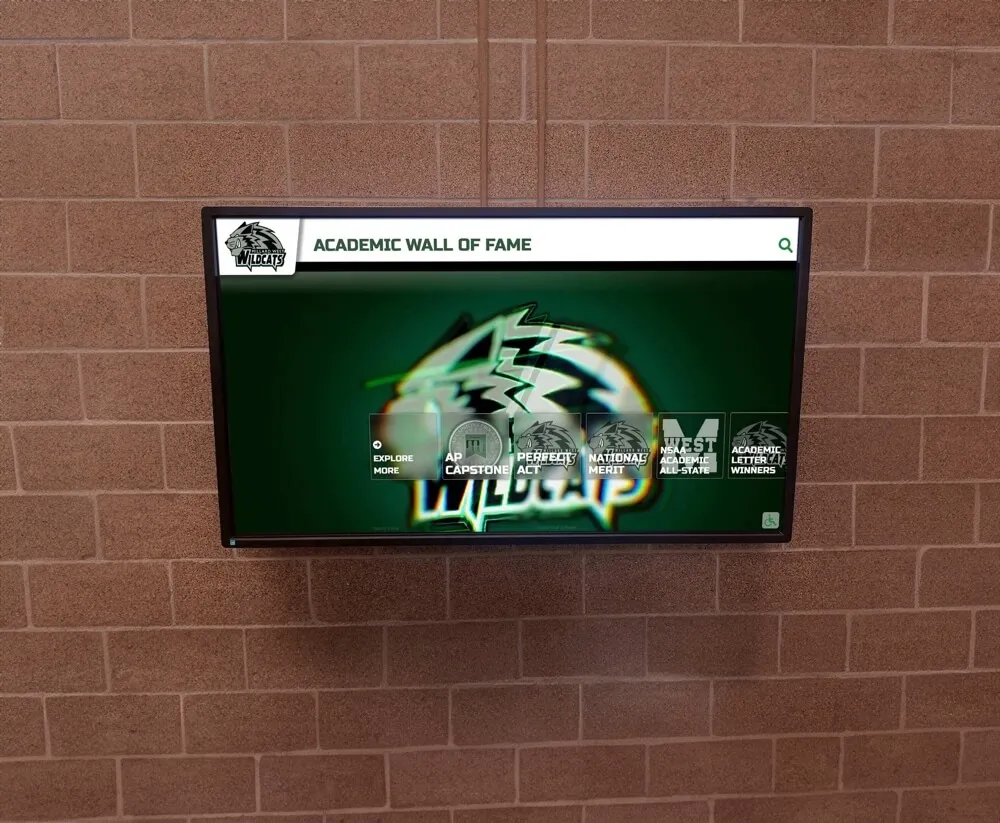
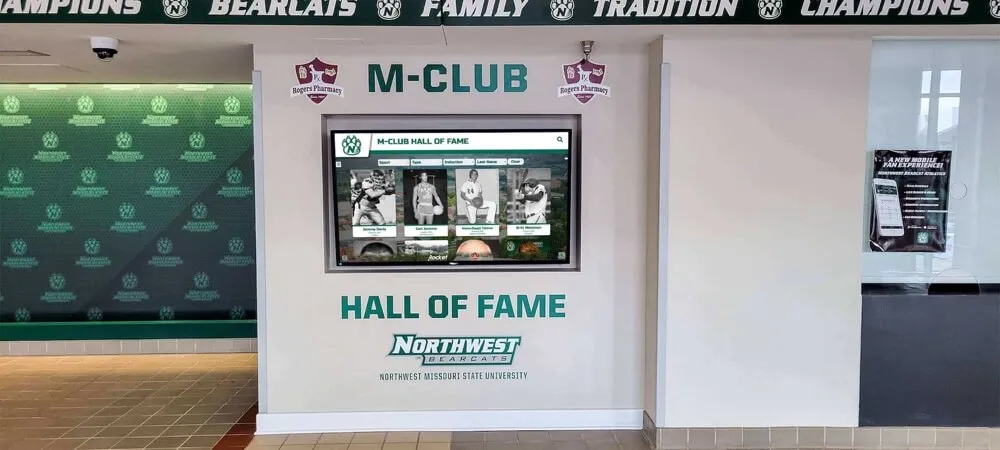
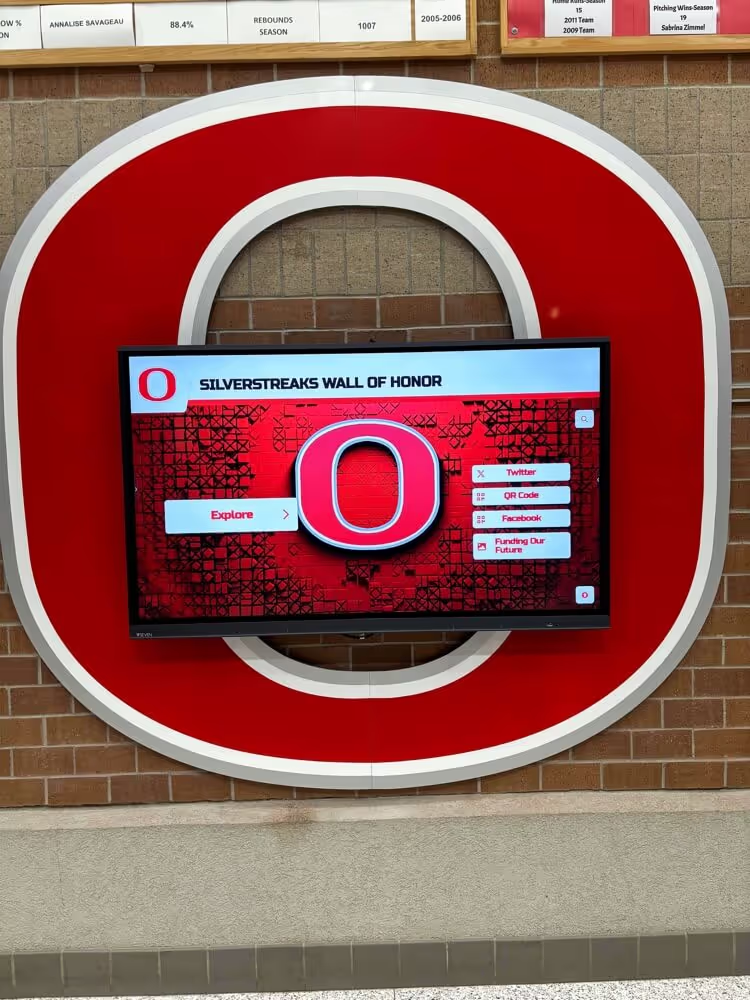
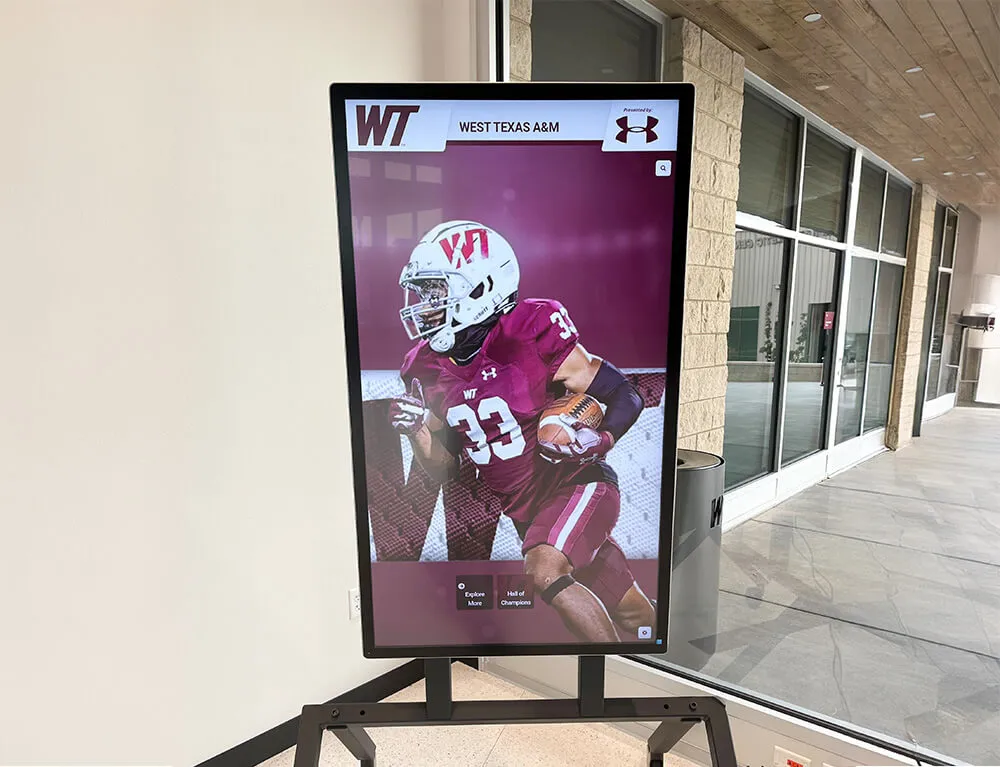
Solutions like digital hall of fame systems designed for athletics provide purpose-built platforms specifically for sports recognition, combining intuitive interfaces with comprehensive statistical display capabilities ideal for data-rich sports like golf.
Implementing Digital Golf Recognition
Statistical Integration: Effective golf recognition systems integrate directly with scoring and tournament management platforms, automatically pulling performance data rather than requiring manual entry. Integration eliminates administrative burden while ensuring statistical accuracy.
Historical Archives: Maintain searchable databases documenting all award recipients, statistical leaders, and tournament achievements across program history. Historical archives allow alumni to find their own recognition decades later while connecting current golfers to program legacy.
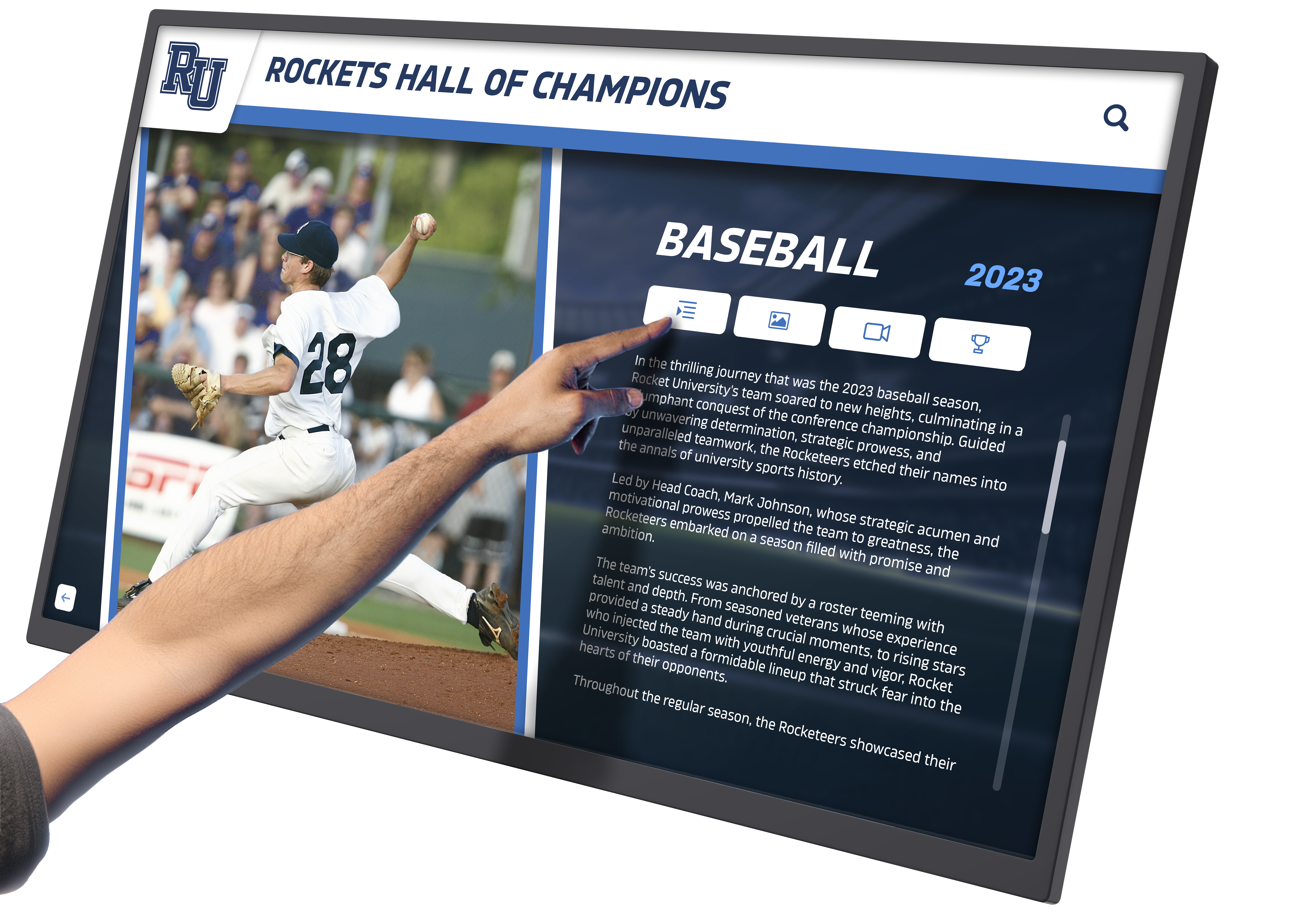
Multimedia Profiles: Enhance recognition beyond statistics with rich media content:
- Professional golfer photographs in program uniform
- Action photography from tournament competition
- Video highlights of exceptional rounds or shots
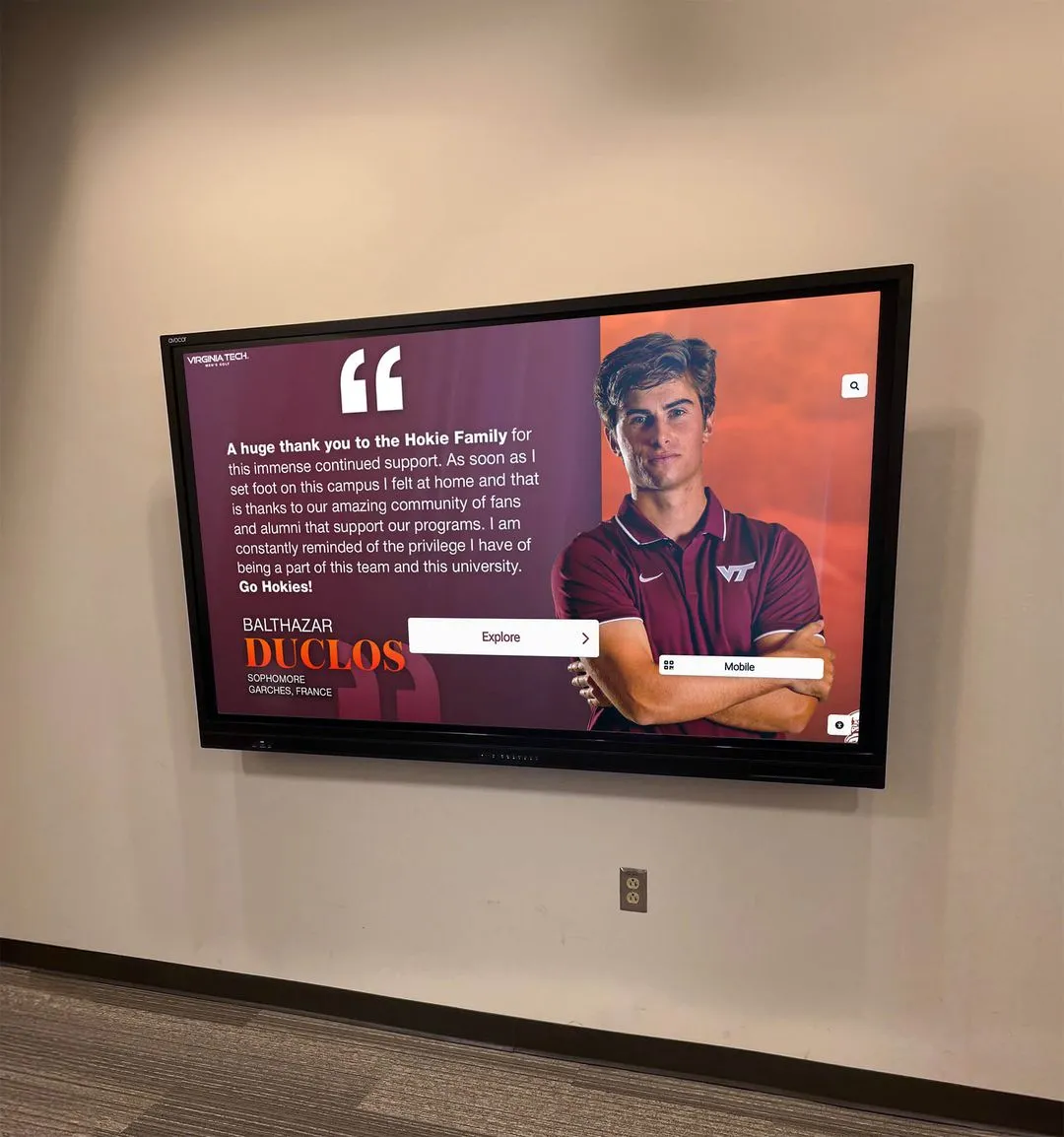
- Personal statements or reflections from honorees
- Coach commentary on golfer development and contribution
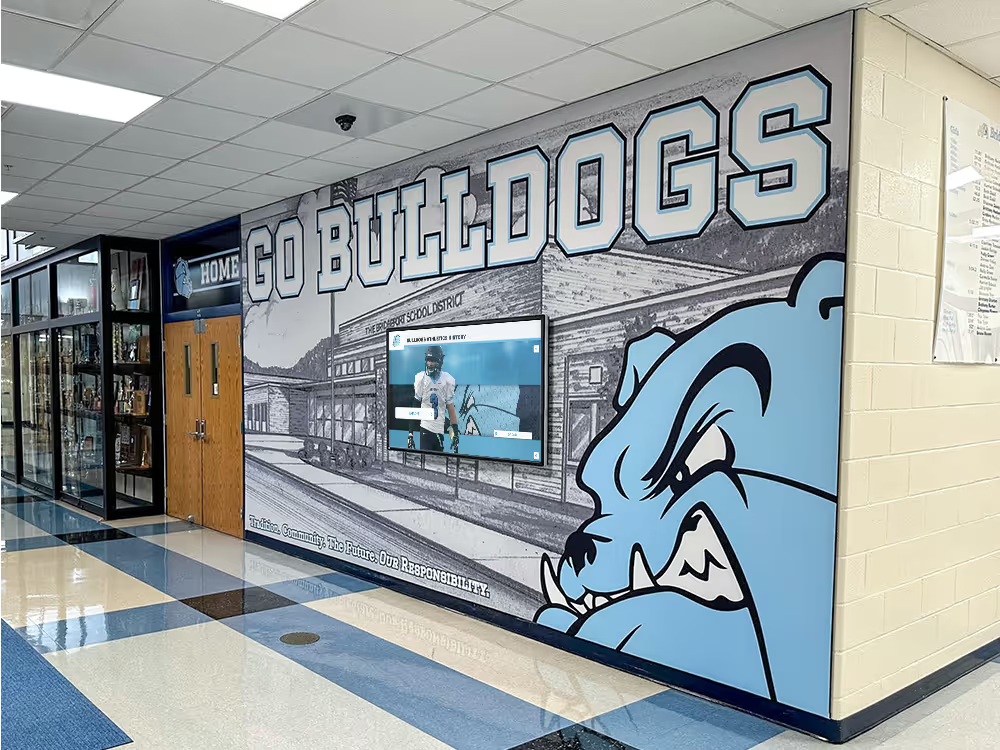
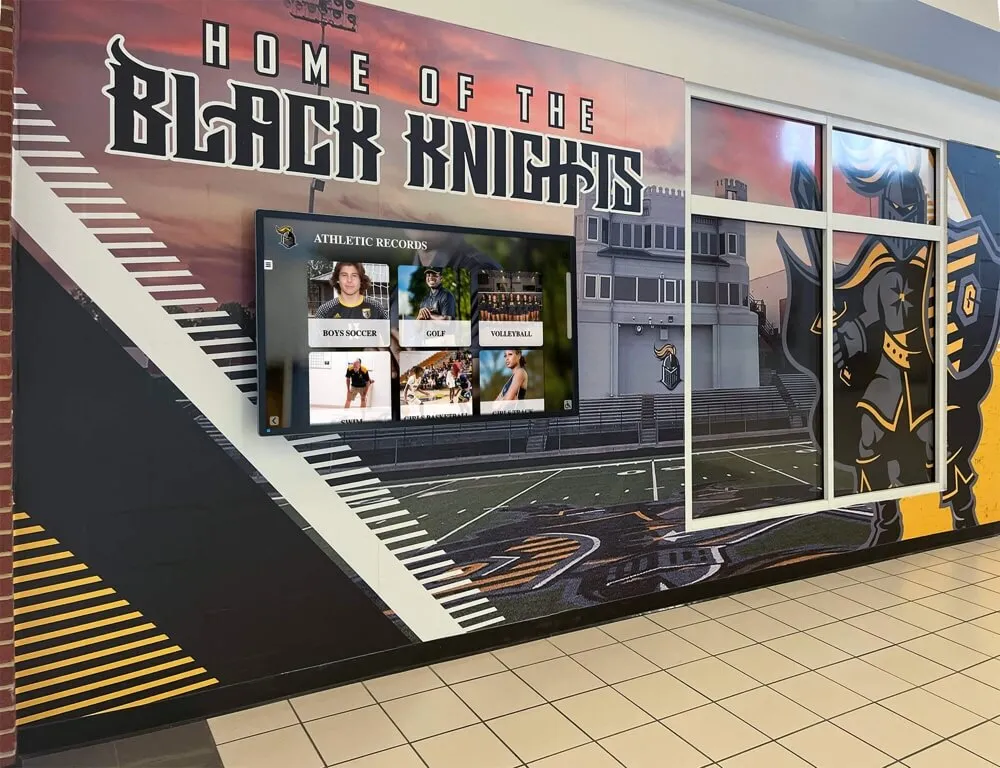
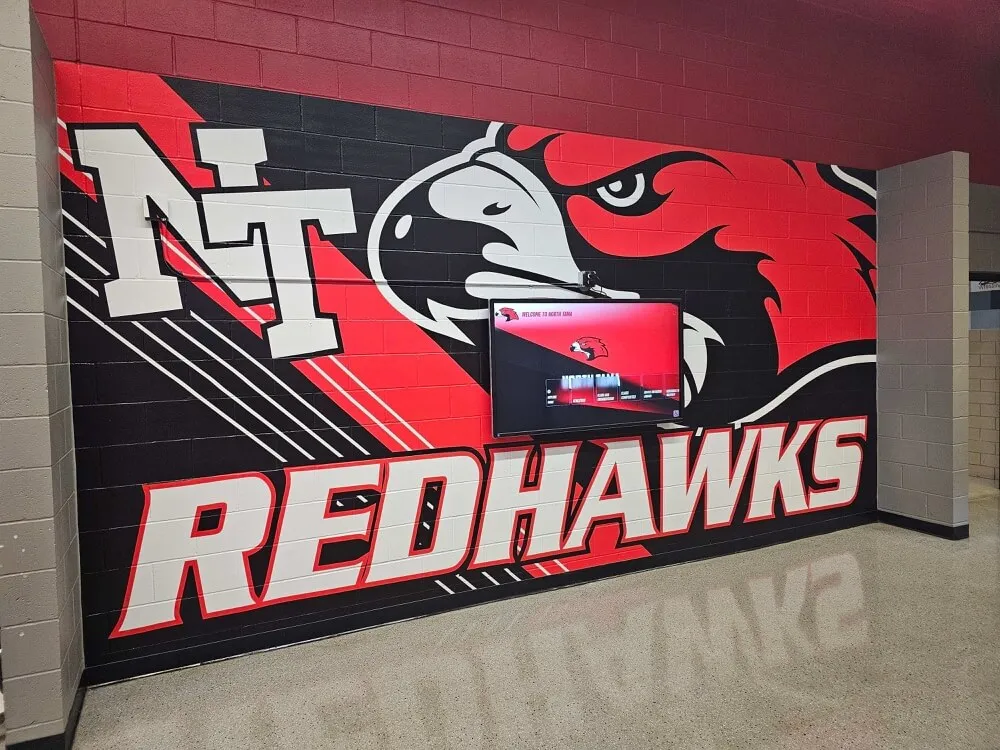
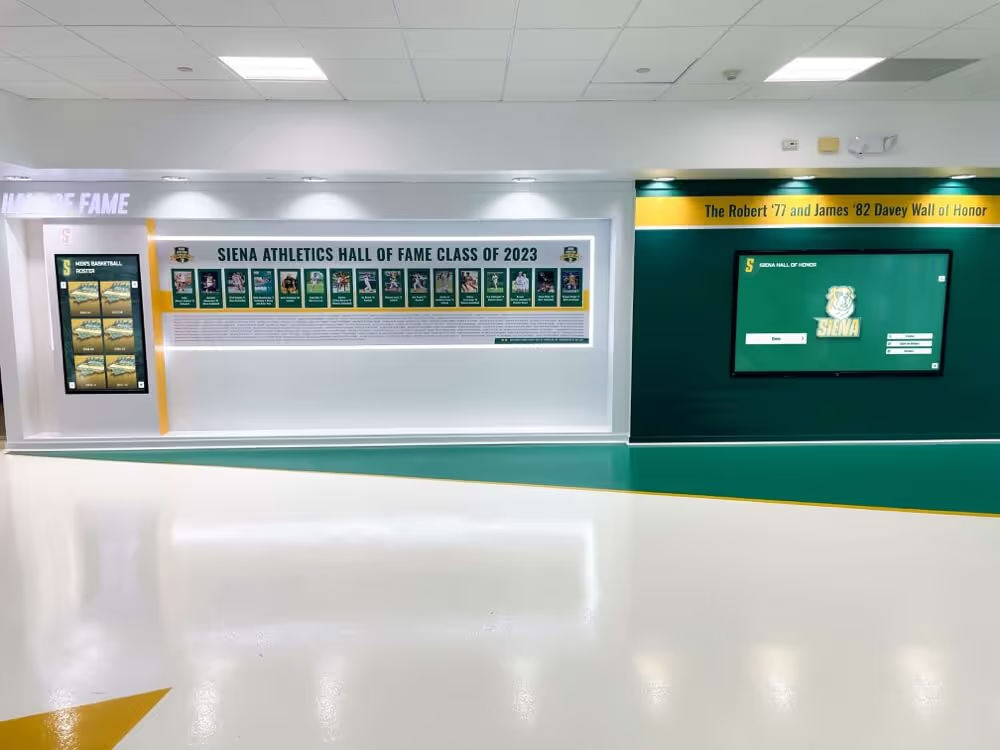
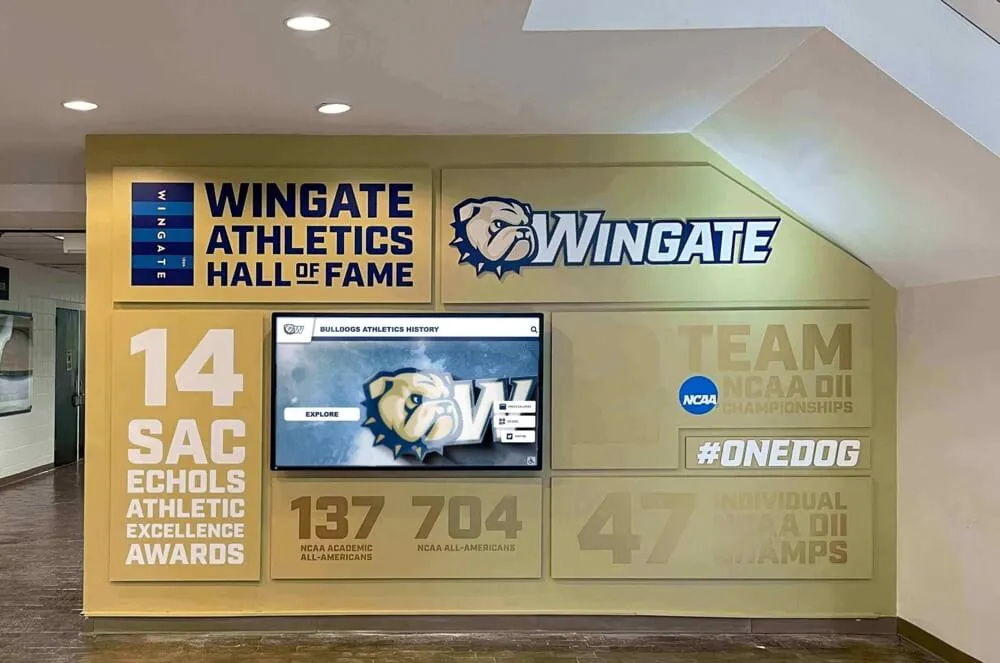
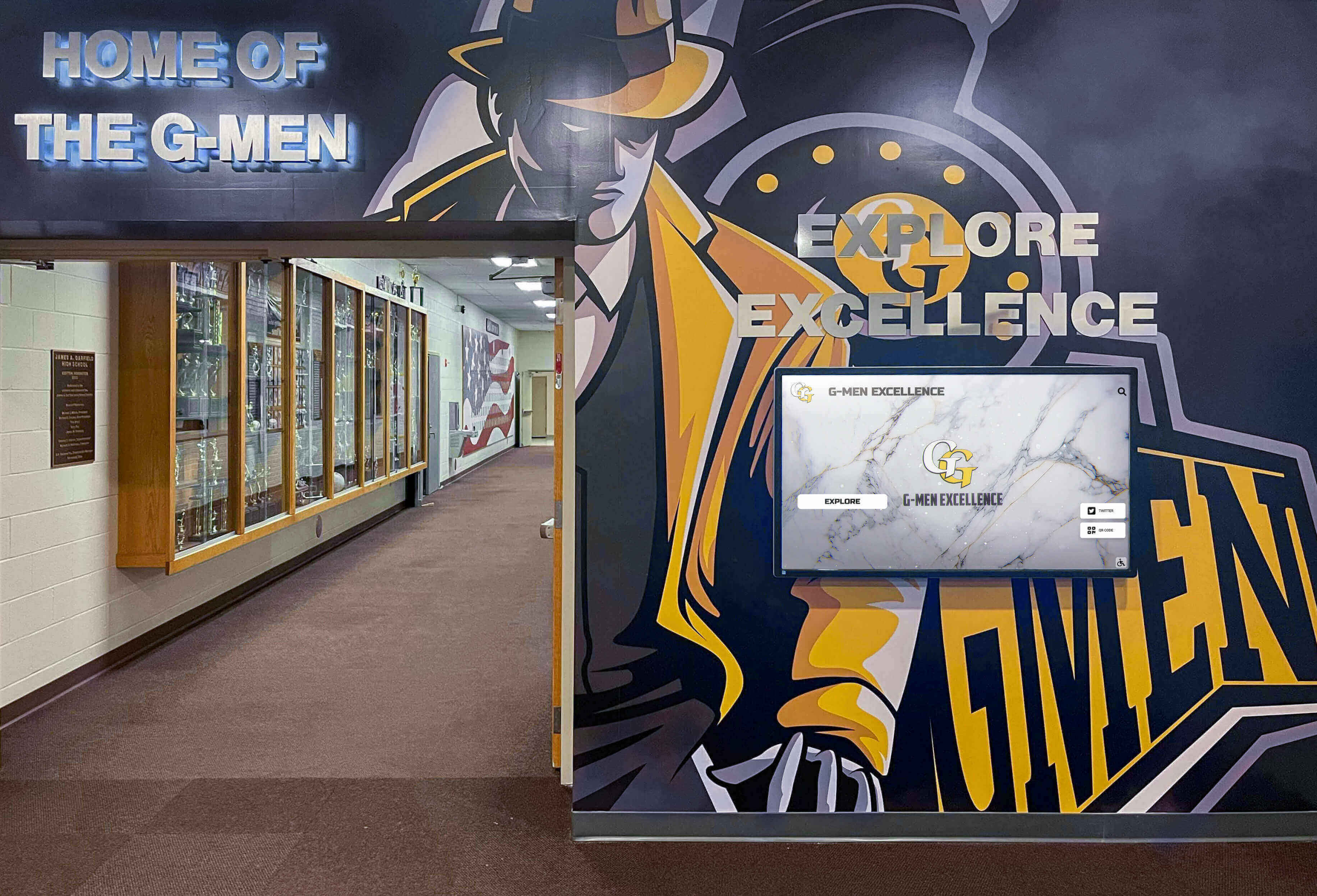
Facility Integration: Position recognition displays prominently in program facilities—clubhouses, practice facilities, locker areas, common spaces. Regular visibility reinforces that programs honor achievement consistently while creating impressive recruitment tools showcasing program culture to prospective golfers and families.
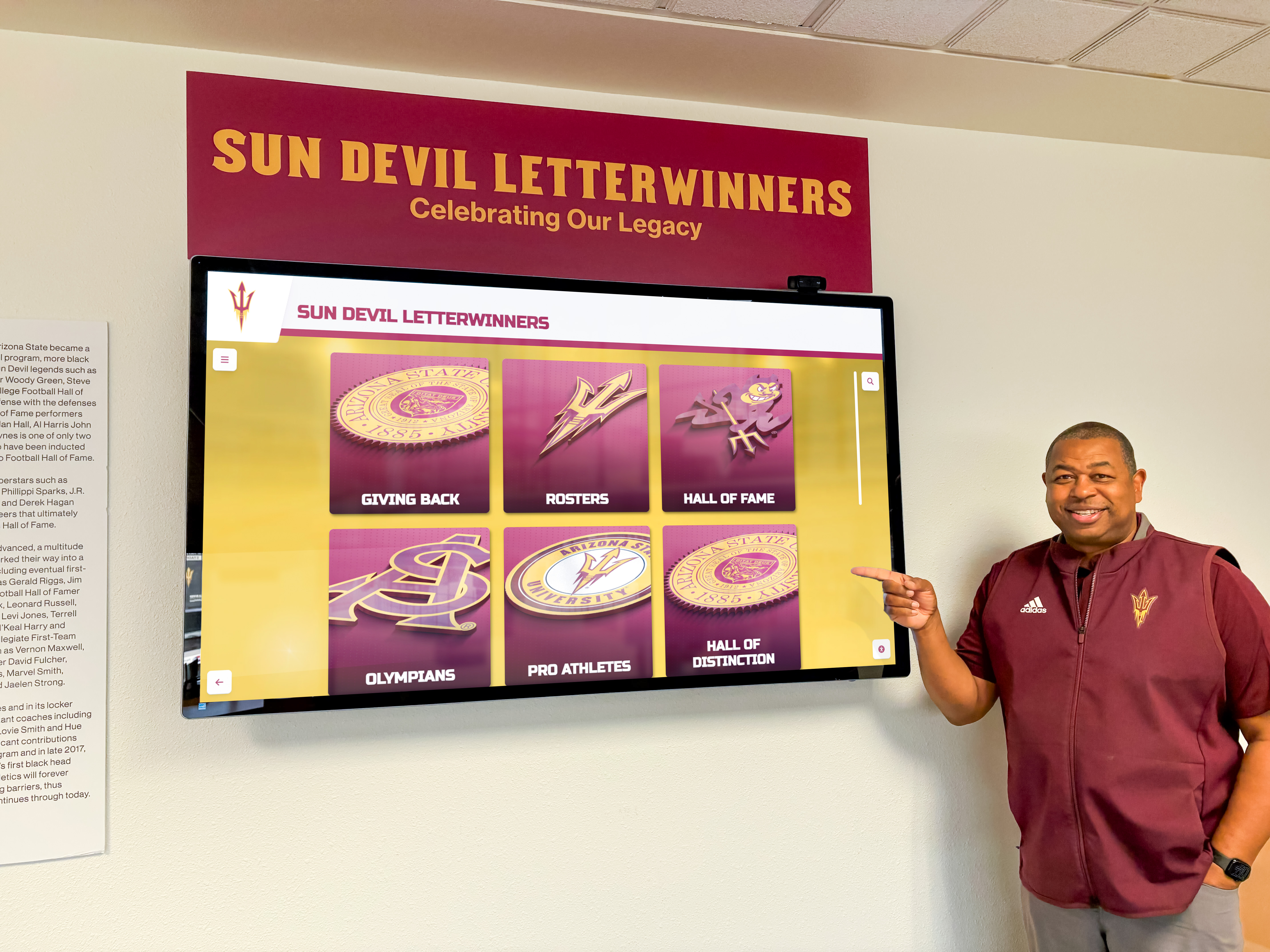
Programs implementing comprehensive athletic recognition displays report increased family engagement, enhanced athlete motivation, and stronger program culture through permanent, accessible recognition systems.
Creating Effective Golf Award Programs
Having numerous award ideas provides options, but effective recognition requires thoughtful program design ensuring awards maintain meaning while supporting developmental goals.
Balancing Recognition Breadth
Multiple Award Categories: Golf programs should implement multiple recognition categories celebrating diverse contributions:
- Performance excellence (medalist, scoring average leader)
- Statistical achievements (driving distance, putting average)
- Character qualities (sportsmanship, integrity)
- Improvement and effort (most improved, dedication)
- Team contribution (team MVP, captain)
- Academic excellence (scholar-athlete)
Multiple categories create opportunities for various golfers to receive acknowledgment for different strengths while maintaining meaningful standards preventing recognition from becoming meaningless.
Avoiding Recognition Inflation: While creating multiple categories, maintain clear criteria for each award. Recognition loses impact when too many awards dilute distinction or when standards drop so low that most participants receive honors regardless of merit.
Consider tiered recognition—primary awards for exceptional achievement, secondary honors for strong performance, participation acknowledgment ensuring all golfers feel valued. This structure maintains meaningful distinction between achievement levels while providing some recognition for all program participants.
Award Selection Processes
Objective vs. Subjective Criteria: Performance awards based on statistics provide clear, objective selection criteria preventing perception of favoritism—lowest scoring average, most tournament victories, best GIR percentage. Objective metrics create transparent processes everyone understands.
Character awards requiring judgment—sportsmanship, leadership, team player—benefit from structured selection processes combining multiple perspectives:
- Coach evaluation based on daily observation and interaction
- Peer voting from teammates understanding interpersonal dynamics
- External input from opponents, officials, or facility staff when appropriate
Combination approaches balance comprehensive evaluation with fairness and transparency.
Clear Communication: Document all award criteria clearly, communicate standards at season start, and apply criteria consistently. Transparency prevents confusion while ensuring golfers understand achievement targets they can pursue.
Recognition Presentation
Formal Award Ceremonies: Dedicated recognition events—season-ending banquets, award ceremonies, special celebrations—create memorable experiences elevating acknowledgment beyond routine announcements. Formal ceremonies allow families to attend, create anticipation, and demonstrate that recognition deserves focused attention.
Meaningful Award Descriptions: When presenting awards, explain why recipients earned recognition with specific examples rather than just announcing names. Detailed explanations make recognition feel personal and genuine:
- “Sarah receives the Sportsmanship Award for consistently demonstrating integrity, including calling a penalty on herself during the conference championship when no one else would have noticed the infraction, embodying golf’s highest character standards.”
- “Marcus earns Most Improved recognition after reducing his scoring average by 7.2 strokes through dedicated practice and mental game development, demonstrating the growth possible through commitment.”
Physical and Digital Components: Even when using digital displays as primary recognition documentation, consider providing physical award elements—certificates, medals, small trophies—that recipients can keep. Physical items create tangible reminders holding sentimental value years later.
Programs developing comprehensive recognition ceremonies and displays find that combining memorable presentation moments with permanent digital documentation creates recognition experiences with both immediate emotional impact and lasting visibility.
Golf-Specific Recognition Considerations
Golf’s unique characteristics require recognition approaches tailored to sport-specific culture and competitive structures.
Individual vs. Team Balance
Golf programs must balance recognition of individual excellence with team achievement acknowledgment. Consider parallel award structures:
Individual Performance Track: Awards recognizing personal achievement—medalist honors, scoring averages, statistical leaders, improvement. Individual recognition validates that golf fundamentally measures personal performance against the course and par rather than direct opponent competition.
Team Contribution Track: Awards acknowledging contribution to team success—team MVP, most team points, dual match performance, leadership. Team recognition reinforces that individual sports still involve collective goals and mutual support.
This dual structure honors golf’s complexity as both individual and team competition while creating recognition opportunities across both dimensions.
Handicap-Adjusted Recognition
Consider recognition categories using handicap adjustments to create more equitable acknowledgment opportunities for golfers at varying skill levels:
Net Scoring Awards: Recognition for best net scores (gross score minus handicap) in addition to gross scoring awards. Net scoring creates achievement opportunities for developing golfers who may not compete for gross scoring honors but demonstrate excellence relative to their skill levels.
Handicap Improvement: Awards for greatest handicap reduction over time. Handicap improvement provides clear development metrics applicable to golfers at all initial skill levels.
Handicap-adjusted recognition proves particularly valuable in club programs, recreational leagues, or inclusive high school programs serving golfers with wide skill variation.
Course and Competition Type Variation
Golf occurs across varied venues and competition formats, each deserving potential recognition:
Stroke Play Excellence: Traditional recognition for stroke play tournament performance where cumulative score determines standing.
Match Play Success: Separate acknowledgment for match play competition requiring different strategic approaches and psychological skills than stroke play.
Scramble/Team Format Recognition: Honor for best performance in team formats (scrambles, best ball, alternate shot) requiring collaborative skills beyond individual stroke play.
Par-3 Course/Executive Course Achievement: Recognition for excellence on shorter layouts ensuring achievements on all course types receive acknowledgment.
Varied recognition categories validate diverse competitive contexts where golf occurs rather than implying only traditional stroke play on championship courses matters.
Sustaining Recognition Impact
Golf recognition should create lasting visibility and ongoing motivation rather than brief acknowledgment followed by obscurity.
Year-Round Recognition Visibility
Permanent Displays: Position recognition displays in prominent program locations where golfers, families, and recruits see them regularly—clubhouses, practice facilities, team areas. Regular visibility reinforces consistent achievement honoring while keeping recognition current in community awareness.
Seasonal Updates: Update recognition content systematically throughout seasons rather than only after completion. Real-time acknowledgment of tournament medalists, weekly scoring leaders, or milestone achievements maintains engagement while demonstrating that programs notice and celebrate success immediately.
Historical Connection: Maintain complete historical records allowing current golfers to explore predecessors’ achievements. Historical context creates traditions, establishes program standards, and connects athletes across generations through shared pursuit of recognition and excellence.
Organizations implementing digital recognition systems report that permanent, accessible documentation significantly strengthens program culture while reducing administrative burden compared to manual trophy case management.
Alumni Engagement Through Recognition
Alumni Achievement Archives: Maintain searchable databases allowing alumni to find their historical recognition when visiting facilities or browsing online. These connections reinforce lasting bonds between alumni and programs while demonstrating institutional commitment to honoring achievement across time.
Alumni Updates and Additions: Continue updating alumni profiles as they achieve post-program accomplishments—collegiate golf, professional competition, career success, community leadership. Ongoing recognition demonstrates that programs maintain lifelong interest in golfers’ development beyond program participation.
Reunion and Milestone Recognition: Create special recognition opportunities during reunions or program milestone anniversaries, celebrating historical achievements while reconnecting alumni to current program culture.
Programs developing comprehensive alumni recognition networks find that accessible historical recognition significantly strengthens alumni engagement and program support.
Conclusion: Building Golf Cultures of Excellence and Character
Golf awards represent far more than trophies acknowledging tournament victories or plaques listing statistical leaders. When implemented thoughtfully, recognition programs create systematic validation of competitive achievement, personal development, and character qualities that define golf’s unique culture. Effective recognition motivates continued improvement, communicates program values, celebrates diverse contributions beyond just lowest scores, honors golf’s integrity traditions, strengthens team culture in individual sports, and creates lasting documentation connecting golfers across generations.
The golf awards ideas presented in this guide provide frameworks programs can adapt based on their contexts, competitive levels, and developmental priorities. Programs need not implement every category—thoughtful selection of awards addressing specific goals and golfer populations proves more effective than overwhelming systems with excessive recognition.
Effective golf recognition programs share common characteristics:
- Multiple award categories celebrating varied achievements
- Balance between performance, improvement, and character recognition
- Clear, fair criteria consistently applied
- Meaningful presentation creating memorable experiences
- Modern digital displays providing comprehensive documentation
- Historical archives connecting current and former golfers
- Integration with broader program culture and values
Modern solutions like Rocket Alumni Solutions provide comprehensive platforms designed specifically for athletic recognition, offering intuitive content management, engaging interactive touchscreen displays, robust statistical integration capabilities, and proven approaches helping golf programs build the recognition cultures their participants deserve. Whether implementing digital trophy displays, comprehensive achievement tracking systems, or integrated recognition networks spanning multiple sports, technology enables programs to celebrate golf excellence more comprehensively than ever before.
Ready to transform how your golf program recognizes achievement? Comprehensive digital recognition solutions honor competitive excellence and character development while building golf cultures where diverse contributions receive meaningful acknowledgment. Your golfers accomplish remarkable things every season—effective recognition programs ensure those accomplishments receive celebration that motivates continued excellence, strengthens program culture, and creates memories lasting lifetimes.
Explore how Rocket Alumni Solutions can elevate your golf program recognition through modern digital displays that make honoring achievement easier, more engaging, and more meaningful than traditional trophy cases and static bulletin boards.