



Key Takeaways
Discover innovative glass display case ideas for schools showcasing trophies, achievements, and recognition. Compare traditional cases with modern digital alternatives for celebrating student success.
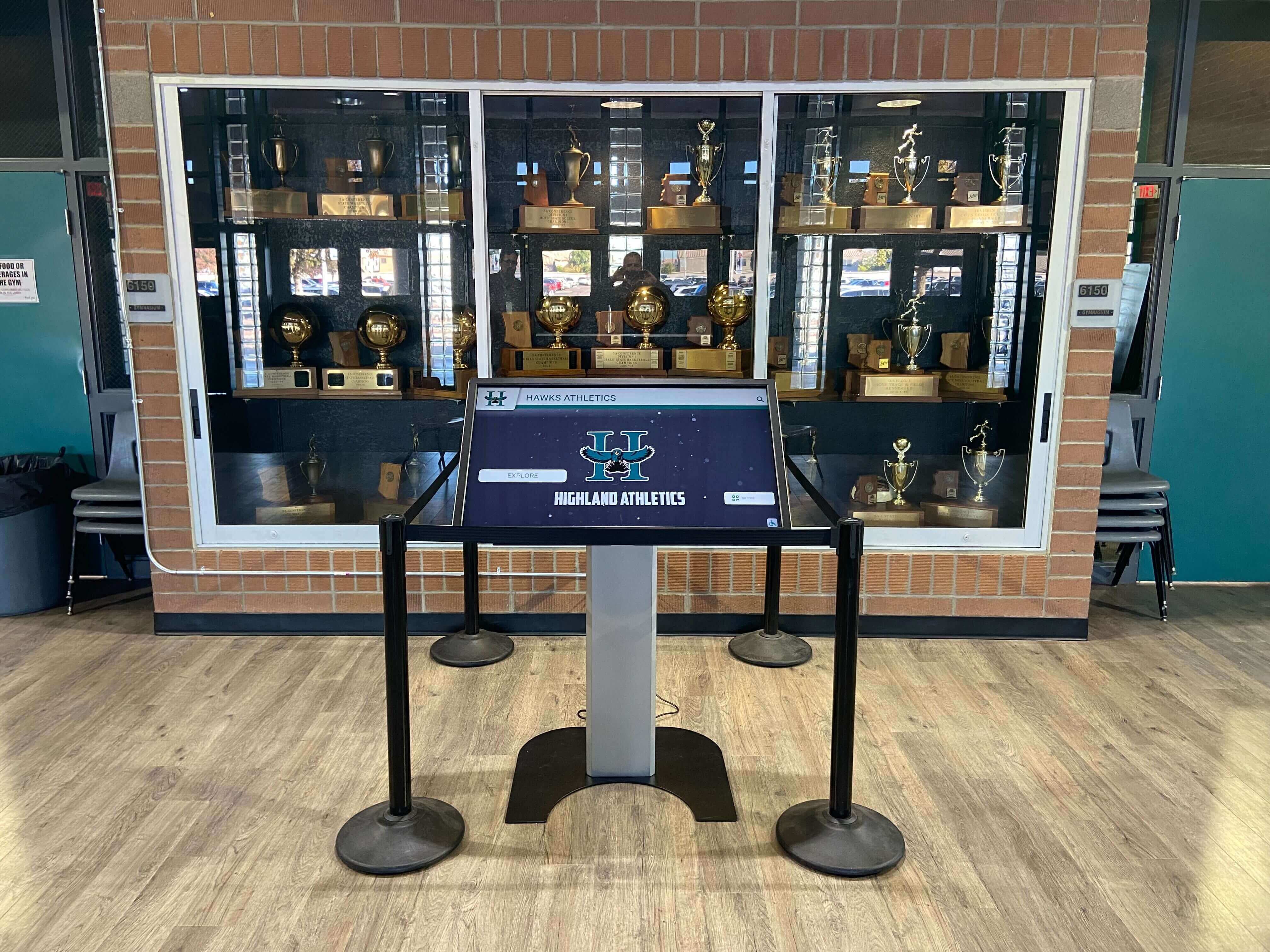
Walk through any school hallway and you’ll likely encounter glass display cases showcasing decades of achievement—championship trophies crowded on shelves, faded plaques documenting honor roll students, team photos pressed against dusty glass. These traditional display cases have served schools faithfully for generations, preserving institutional memory and celebrating student excellence. Yet as schools accumulate more achievements year after year, many administrators face an uncomfortable reality: they’re running out of space to honor deserving students, athletes, and programs.
This challenge has sparked innovation in school recognition, with forward-thinking institutions exploring alternatives that preserve the visual impact and prestige of traditional glass displays while overcoming their inherent limitations. This comprehensive guide examines creative glass display case ideas for schools, from maximizing traditional trophy cases to implementing modern digital showcase solutions that complement or replace physical displays, offering unlimited recognition capacity without the space constraints, maintenance burdens, and ongoing costs that plague conventional approaches.
Understanding School Display Case Needs and Challenges
Before exploring specific display solutions, administrators benefit from assessing their institution’s current recognition systems and identifying opportunities for improvement.
Why Schools Rely on Glass Display Cases
Glass display cases serve multiple essential functions in educational environments beyond simply storing awards:
Visible Achievement Celebration:
Glass cases provide prominent, permanent recognition honoring student accomplishments:
- Championship trophies demonstrating athletic excellence
- Academic awards recognizing scholarly achievement
- Arts program accomplishments showcasing creative talents
- Leadership recognition highlighting service and character
- Historical memorabilia connecting current students to institutional traditions
- Team photos and championship banners building school pride
Visible recognition validates student effort while inspiring current students to pursue similar excellence, creating aspirational benchmarks that elevate program expectations and community standards.
Institutional Memory Preservation:
Display cases document institutional history that might otherwise fade as generations turn over:
- Tracking program evolution and milestone achievements
- Preserving legacy of influential coaches, teachers, and leaders
- Demonstrating sustained excellence across decades
- Connecting alumni to their era’s accomplishments
- Providing historical context for current community members
- Creating continuity linking past, present, and future generations
This institutional memory strengthens community identity while helping stakeholders understand the traditions and values that define school culture. Many schools enhance this storytelling through comprehensive athletic history displays that contextualize achievements within broader program narratives.
Community Engagement and Pride Building:
Effective displays strengthen connections between schools and their communities:
- Welcoming visitors with visible evidence of excellence
- Creating conversation starters during campus tours and events
- Demonstrating program quality to prospective families
- Reinforcing alumni emotional connections during return visits
- Celebrating community investment in student success
- Generating pride among stakeholders at all levels
Schools with impressive recognition displays report stronger alumni engagement, more positive prospective family perceptions, and heightened current student pride in institutional identity.
Common Frustrations with Traditional Glass Cases
Despite their value, conventional trophy cases create recurring challenges for school administrators:
Space Limitations and Capacity Constraints:
Physical display cases inevitably fill as achievements accumulate:
- Wall-mounted cases holding only 20-40 trophies or plaques before appearing overcrowded
- Free-standing floor units requiring significant hallway space
- Difficult decisions about which achievements merit limited display space
- Pressure to remove older recognition when space runs out
- Inequitable representation favoring high-profile sports over other accomplishments
- No room for comprehensive recognition of deserving students and programs
Space constraints force administrators into uncomfortable choices about whose achievements receive visibility and whose get relegated to storage or disposal—decisions that can create resentment and diminish recognition program effectiveness.
Maintenance and Upkeep Requirements:
Traditional glass cases demand ongoing maintenance attention:
- Weekly or bi-weekly cleaning preventing dust accumulation on glass and contents
- Periodic deep cleaning of shelving, lighting, and interior surfaces
- Bulb replacement for interior lighting systems
- Lock and hinge maintenance ensuring security and accessibility
- Content reorganization as new items are added
- Damage repair from vandalism or accidents
- Aging appearance as cases, hardware, and contents show wear
Maintenance responsibilities often fall on already-overburdened custodial or administrative staff, leading to neglected cases that detract from rather than enhance school presentation.
Update Complexity and Costs:
Adding recognition to traditional cases involves multiple steps and expenses:
- Trophy or plaque ordering from vendors ($50-$300+ per item)
- Engraving with achievement details and dates
- Professional installation for permanent mounted items
- Physical access to cases (often requiring ladder access for wall-mounted units)
- Content rearrangement to accommodate new additions
- Documentation updates ensuring accuracy of displayed information
This complexity creates delays between achievement and recognition—championship trophies sitting in offices for months before installation, honor roll plaques from fall semester finally displayed in spring, or recognition never happening at all due to budget constraints or administrative burden.
Limited Information and Context:
Space limitations constrain how much information displays can communicate:
- Small plaques with only names and dates provide minimal context
- No room for photos, stories, or details about achievements
- Difficult for viewers to understand significance of older accomplishments
- Historical context missing for awards from past decades
- No way to search for specific individuals or achievements
- Static presentation lacking engagement for viewers passing quickly
These limitations mean displays often fail to tell compelling stories about the achievements they document, reducing emotional impact and educational value for students, families, and visitors.
Creative Glass Display Case Ideas for Schools
Schools committed to traditional display cases can implement strategies maximizing effectiveness while mitigating common limitations.
Strategic Display Organization and Content Curation
Thoughtful organization transforms cluttered collections into coherent recognition narratives:
Category-Based Organization:
Group related achievements together for clear presentation:
- Athletic accomplishments in separate sections by sport or season
- Academic recognition grouped by achievement type (honor roll, AP scholars, merit awards)
- Arts program displays highlighting drama, music, and visual arts separately
- Leadership and service recognition in dedicated sections
- Historical timeline arrangements showing program evolution chronologically
- Rotating spotlight areas featuring current or recent achievements prominently
Category organization helps viewers navigate large collections while ensuring all program areas receive appropriate visibility rather than athletic trophies dominating all available space.
Visual Hierarchy and Focal Points:
Create intentional visual flow guiding viewer attention:
- Prominent placement for major championships or milestone achievements
- Eye-level positioning for most important or current recognition
- Larger trophies and awards positioned as focal points
- Supporting achievements arranged around primary displays
- Lighting emphasis highlighting featured items
- Color coordination and spacing preventing cluttered appearance
- Consistent height and alignment creating professional presentation
Effective visual design transforms random collections into curated displays that communicate intentional messages about institutional values and achievement priorities.
Rotation Schedules for Fresh Content:
Regular updates maintain viewer interest and recognition timeliness:
- Quarterly rotation cycles bringing different achievements to prominence
- Seasonal emphasis aligning with current athletic seasons or academic programs
- Anniversary spotlights highlighting milestone achievements from past decades
- Alumni weekend features showcasing accomplishments from reunion class years
- Current student focus during admissions tours and open houses
- Historical preservation ensuring older achievements periodically receive renewed attention
Rotation strategies help schools with limited space provide visibility for broader range of accomplishments over time rather than the same items receiving permanent display while equally worthy recognition remains in storage. Explore additional strategies in guides to rotating digital recognition content throughout the year.
Enhancing Traditional Cases with Modern Elements
Hybrid approaches combine physical displays with technology upgrades:
Integrated Digital Screens:
Small displays enhance traditional cases with dynamic content:
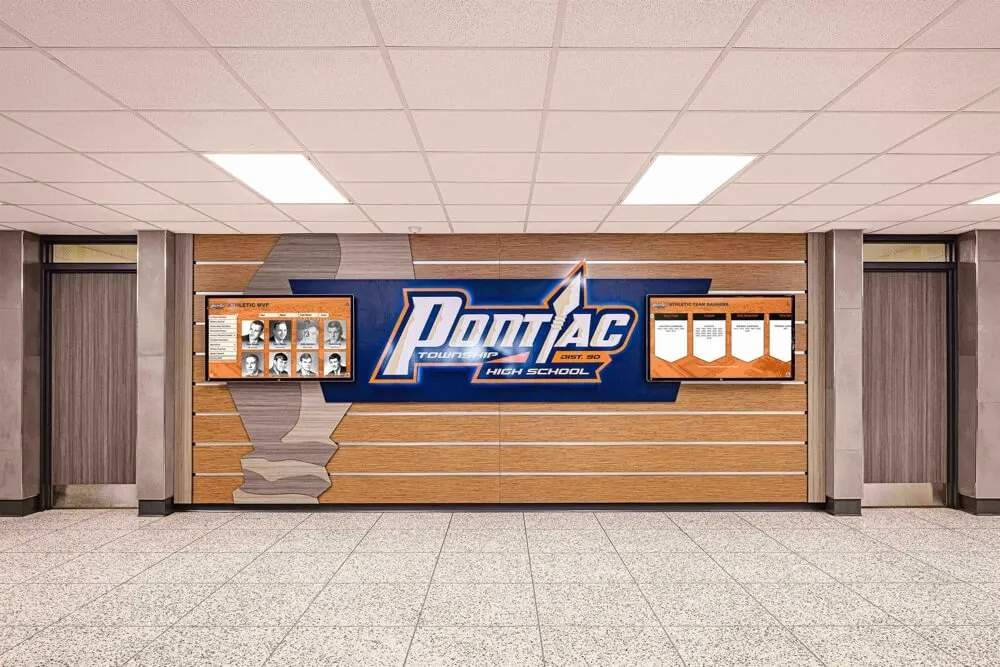
- Flat screens mounted adjacent to trophy cases showing achievement details
- Slideshows rotating through photos and stories about displayed items
- QR codes near physical trophies linking to comprehensive digital profiles
- Video highlights from championship games or performances
- Scrolling text providing context for historical achievements
- Social media feeds showing recent accomplishments and celebrations
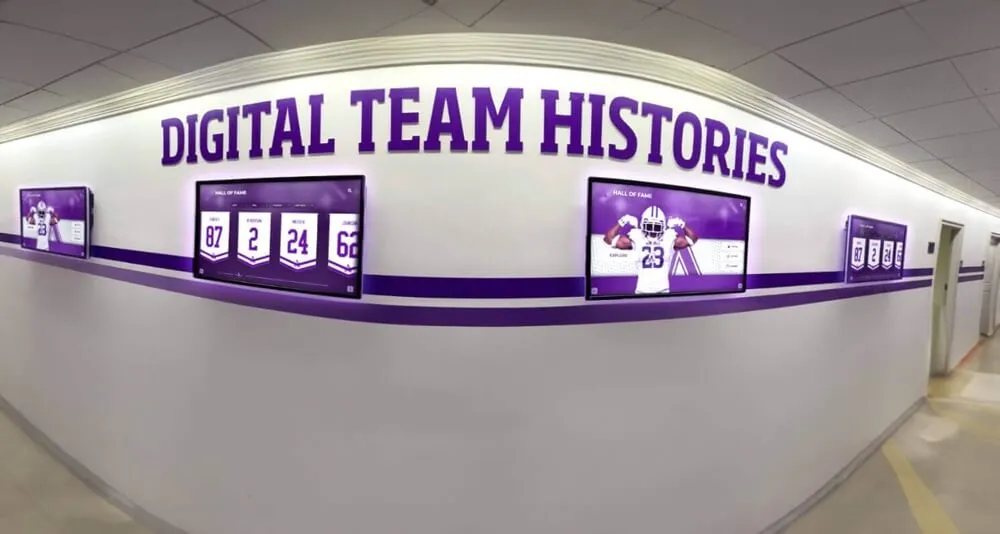
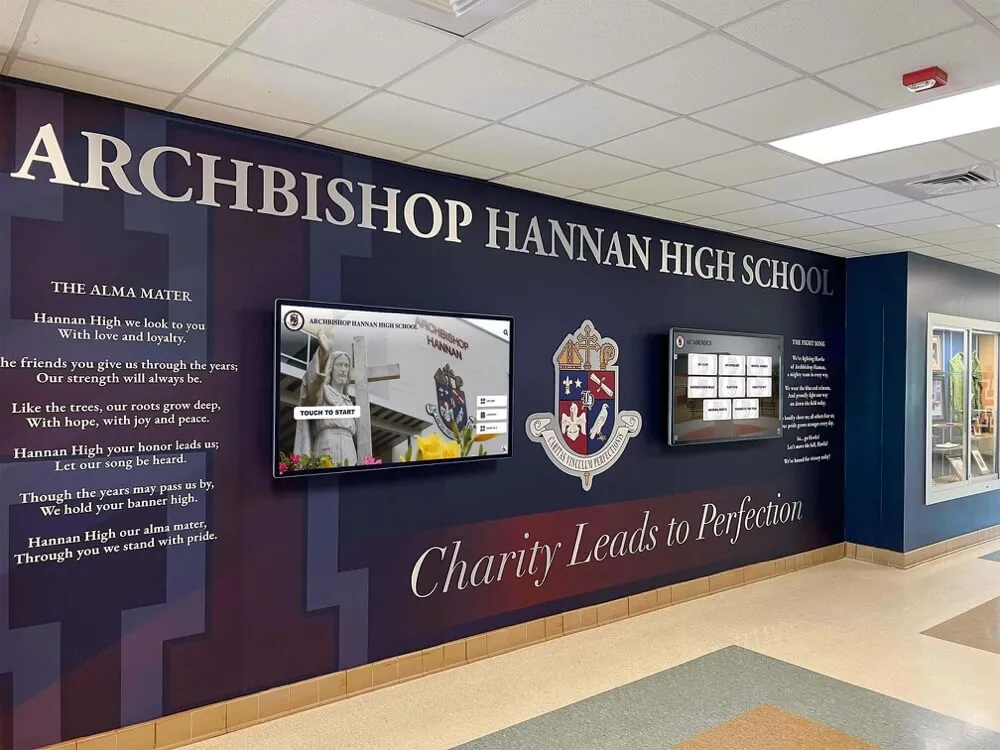
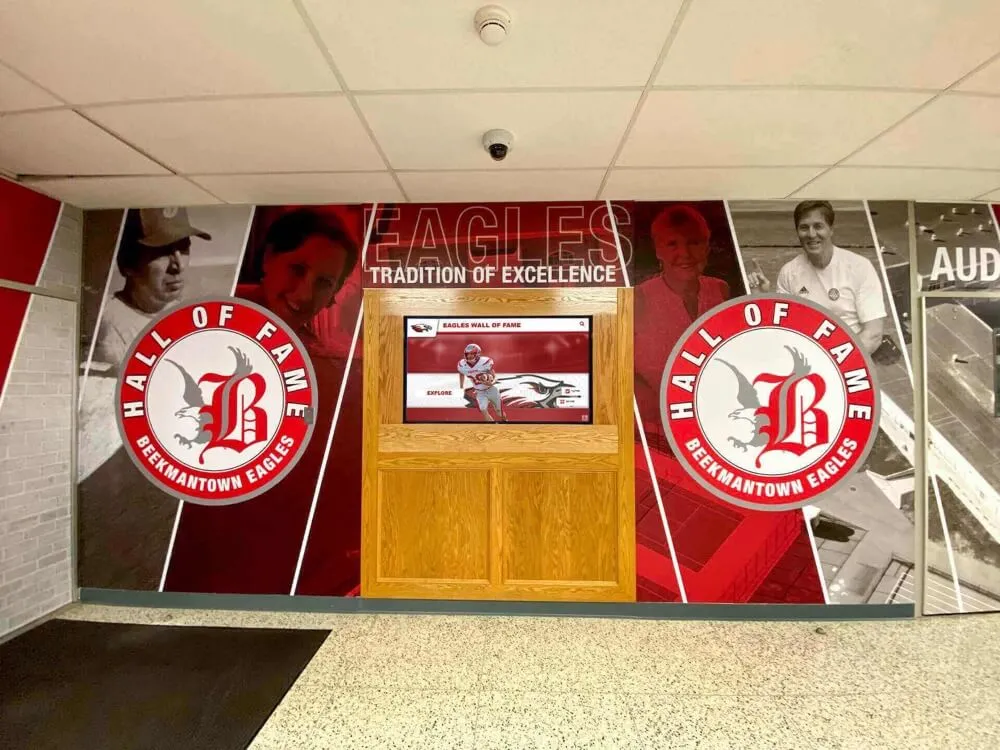
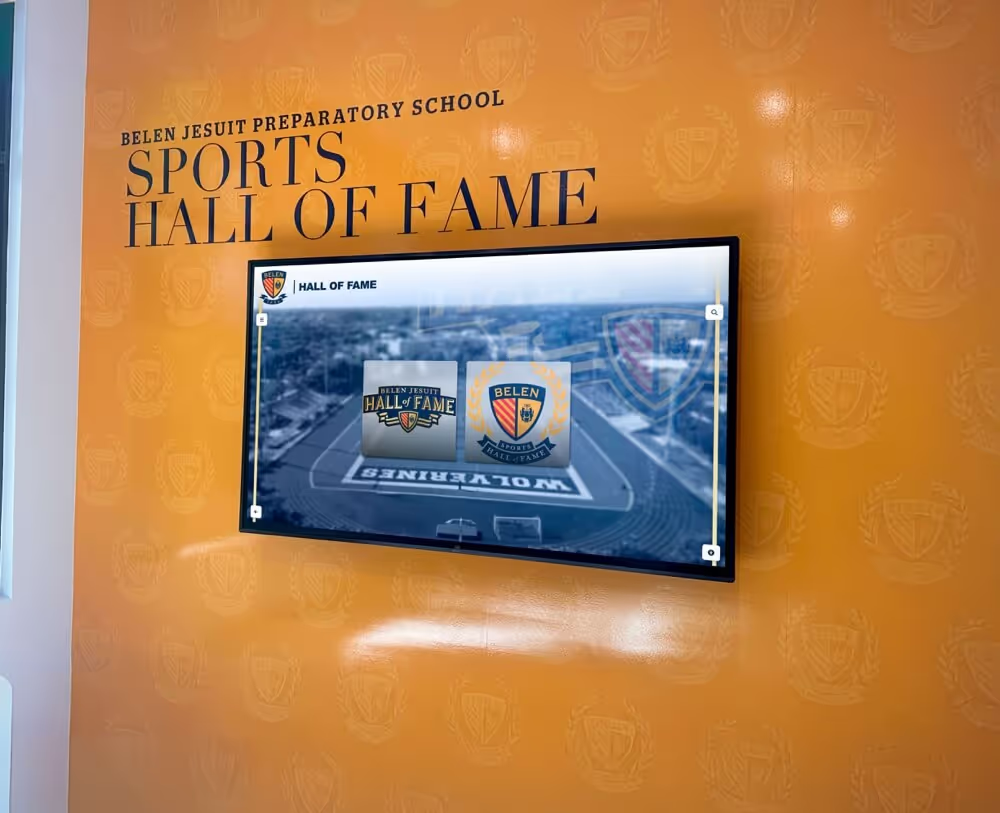
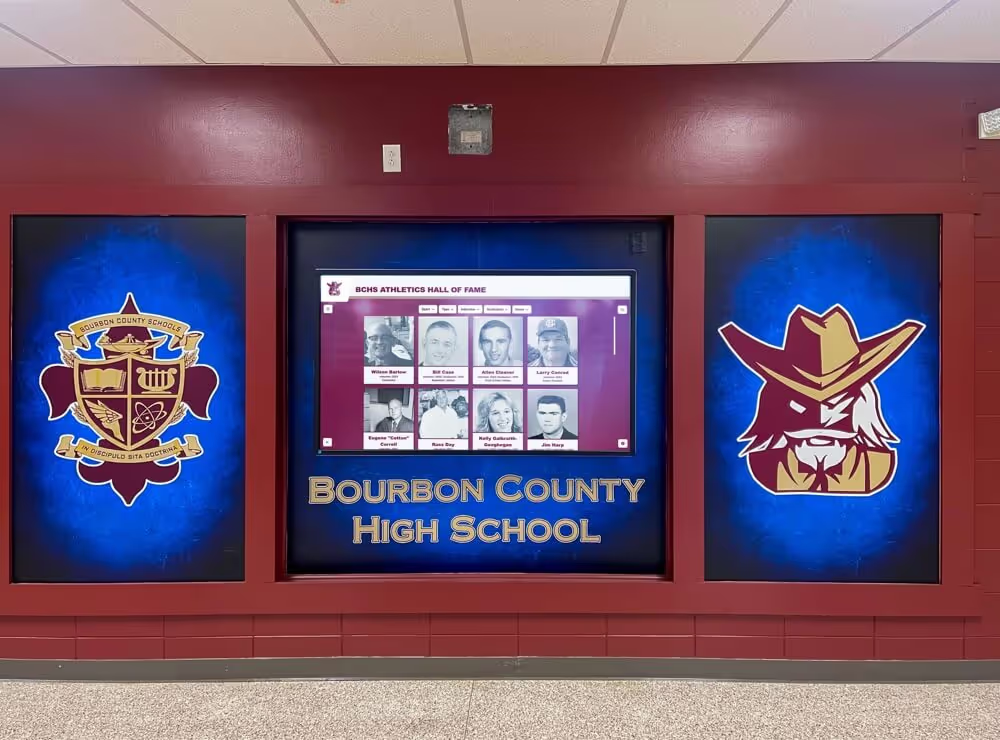
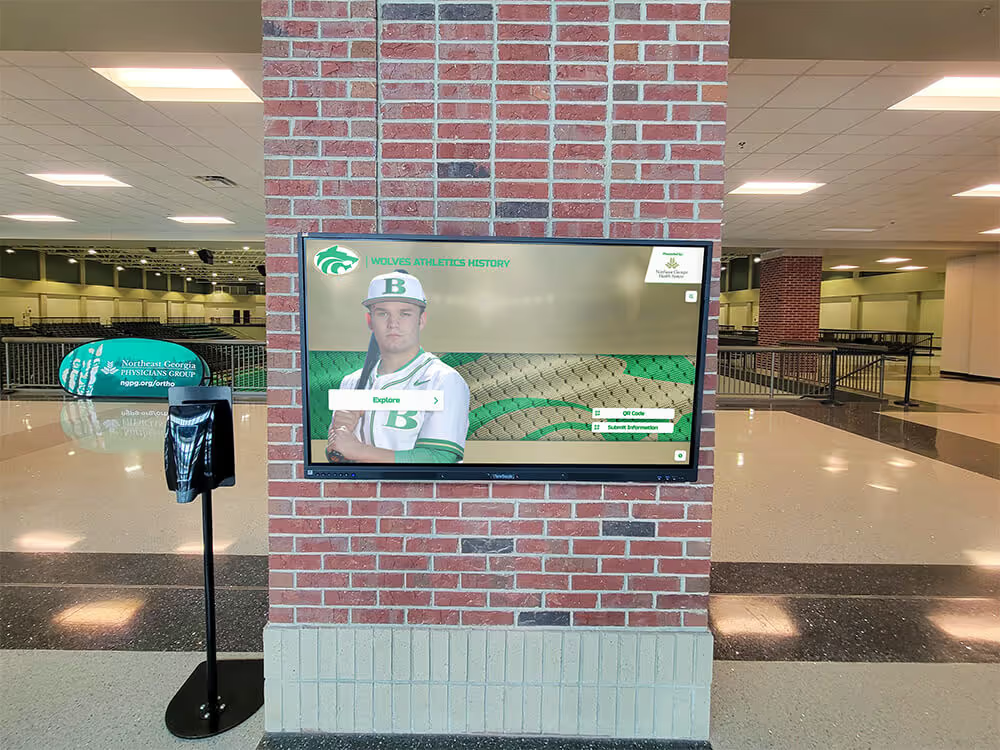
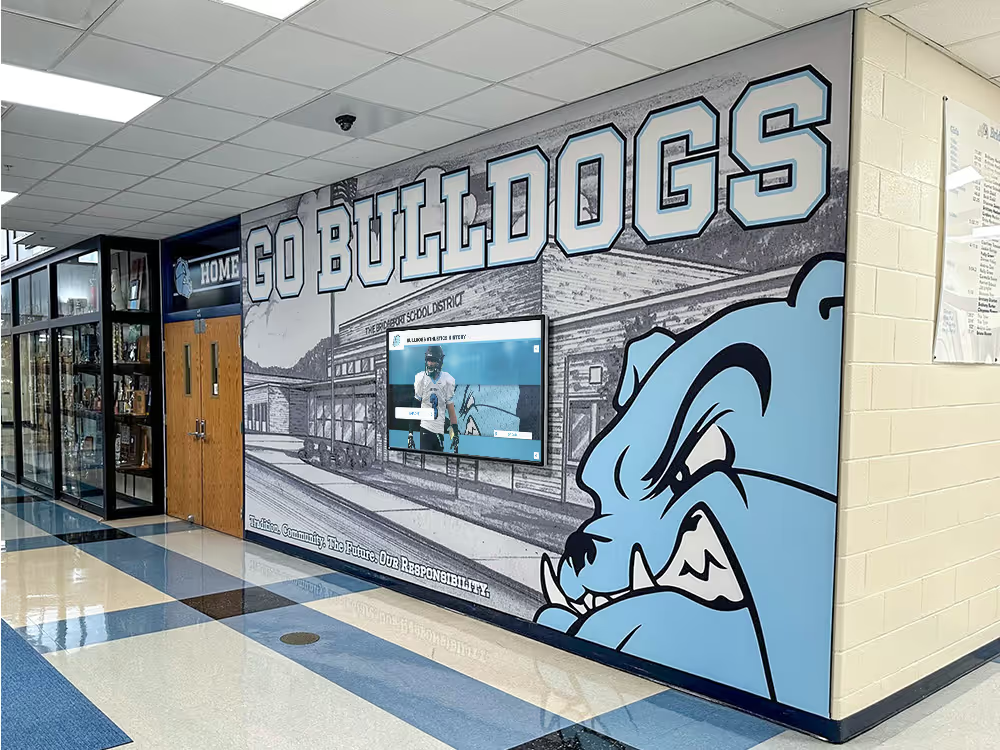
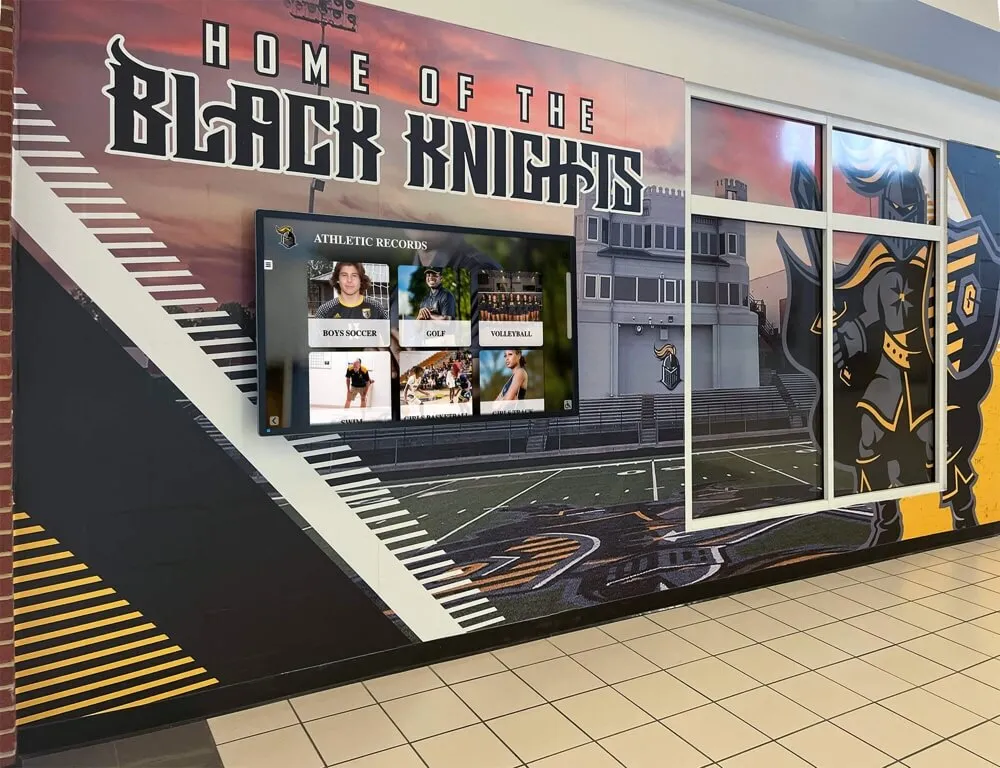
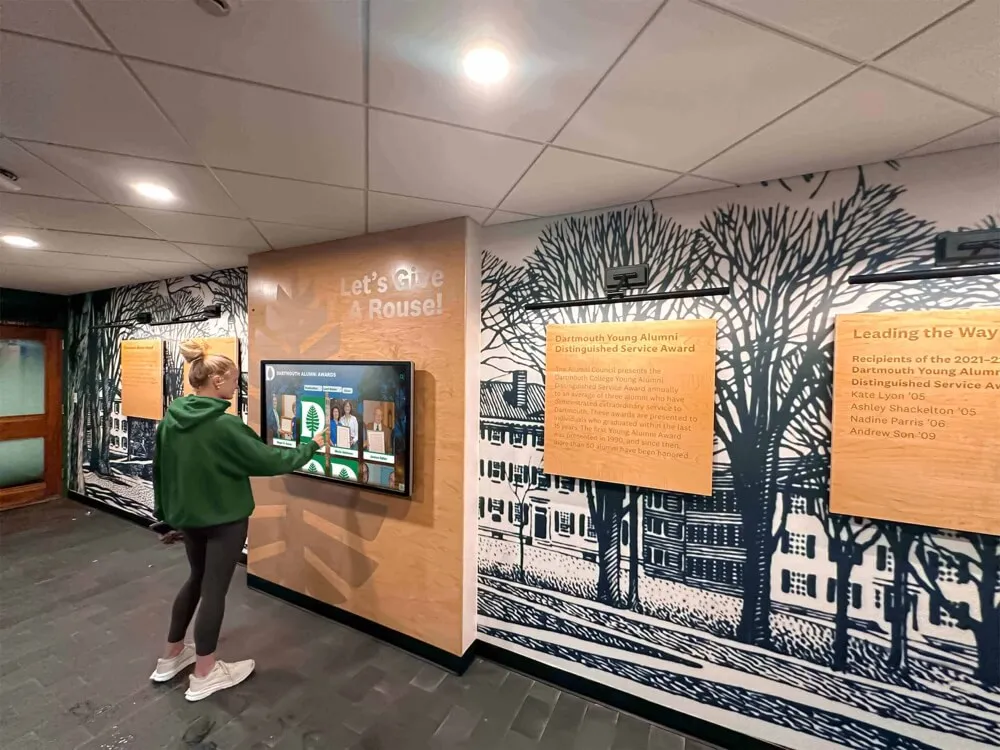
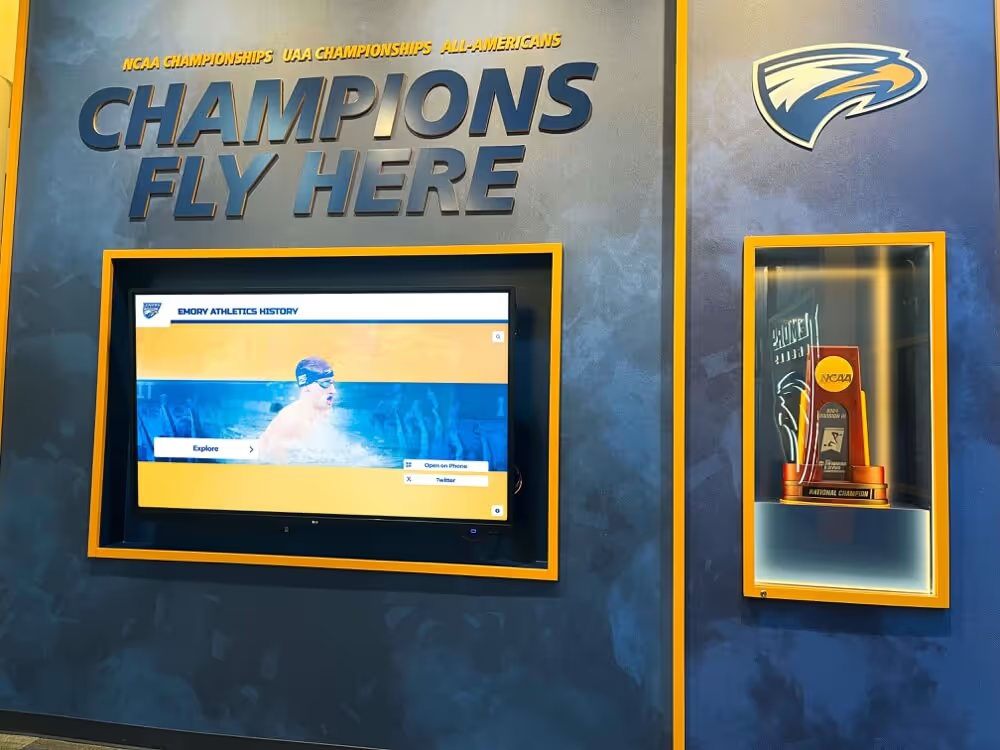
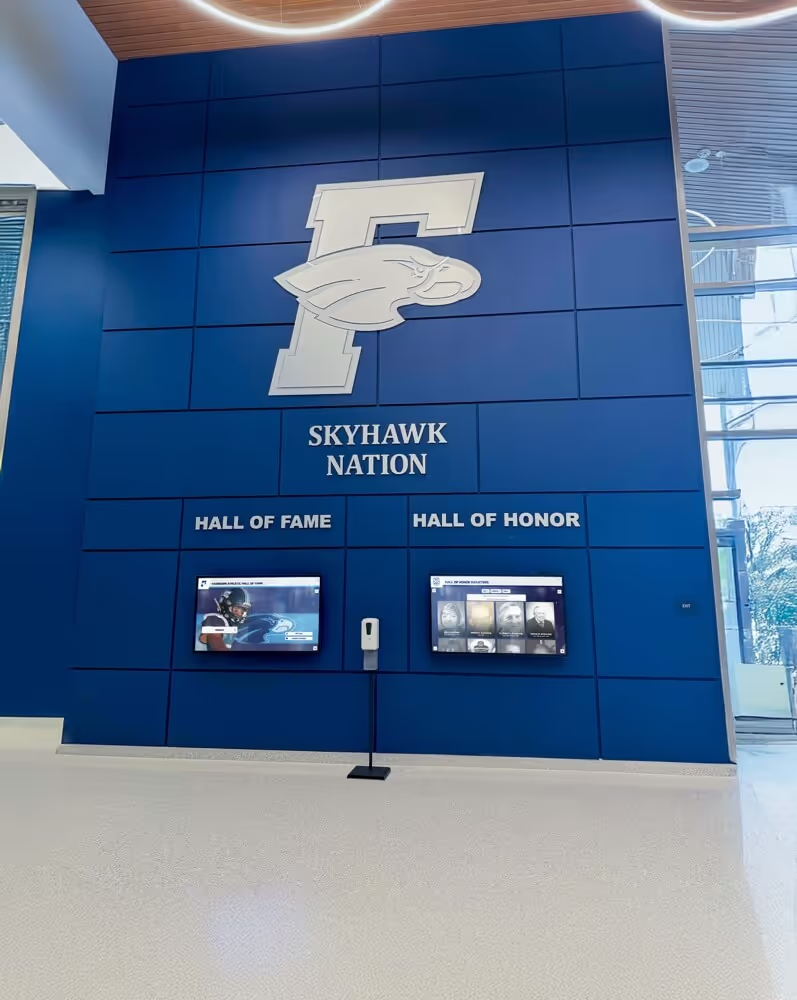
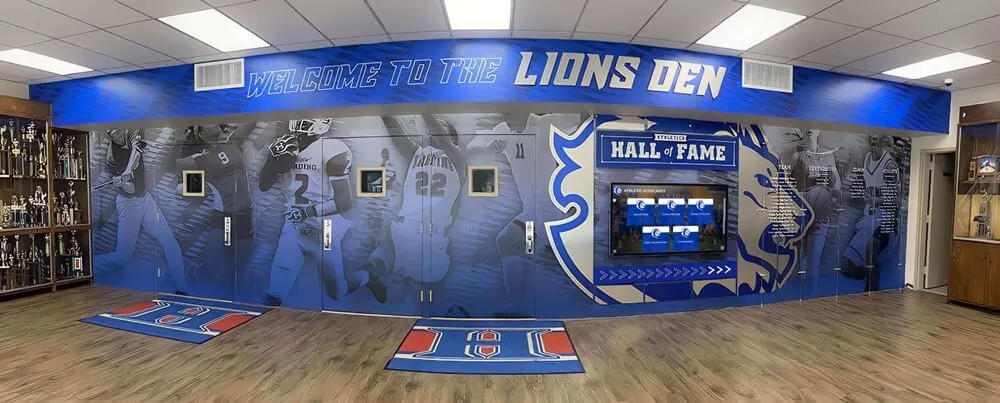
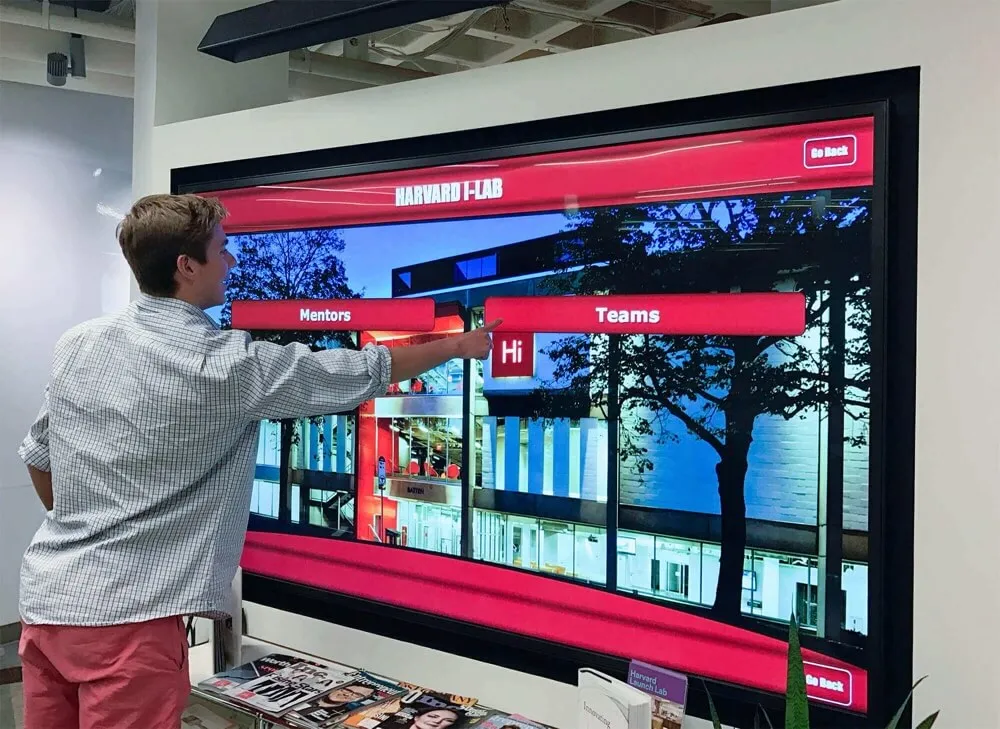
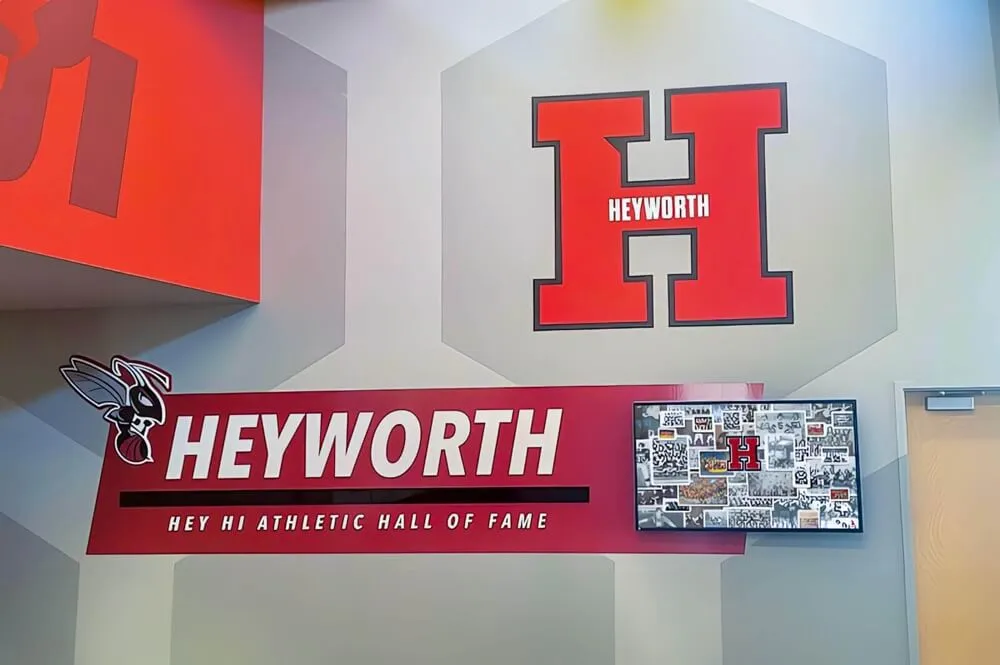
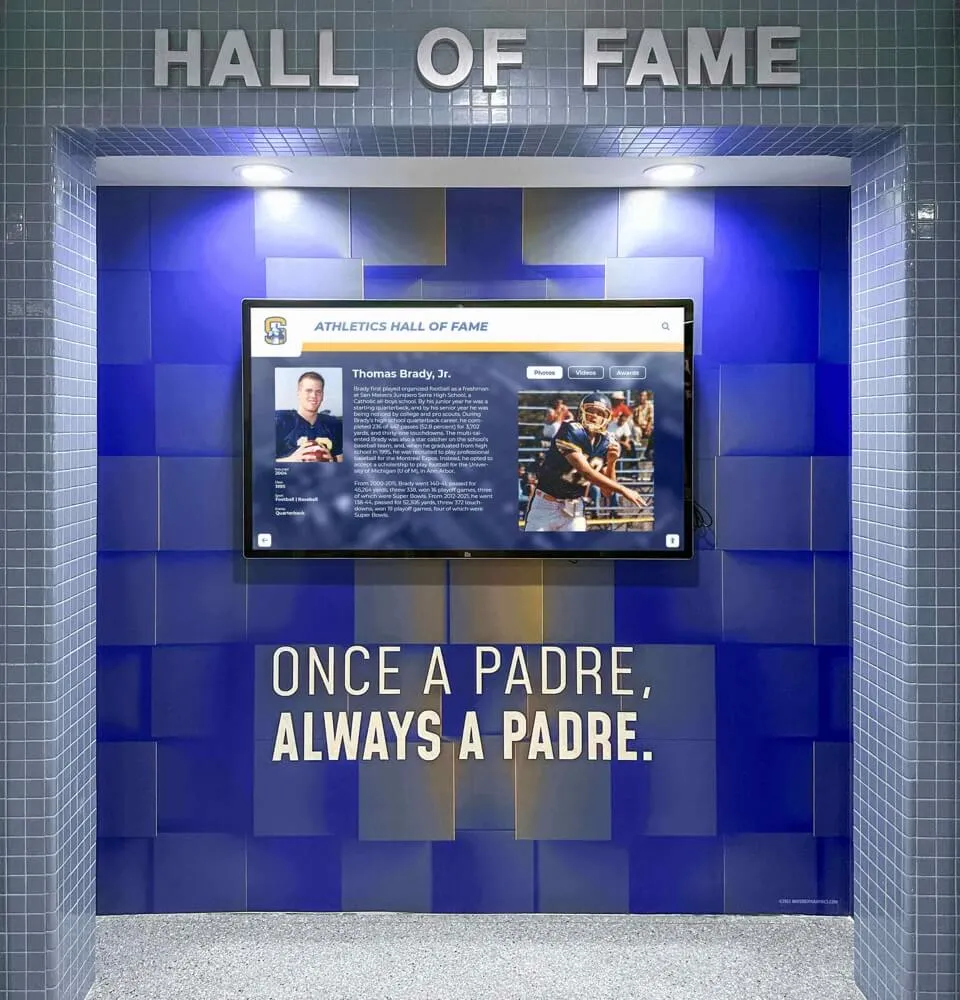
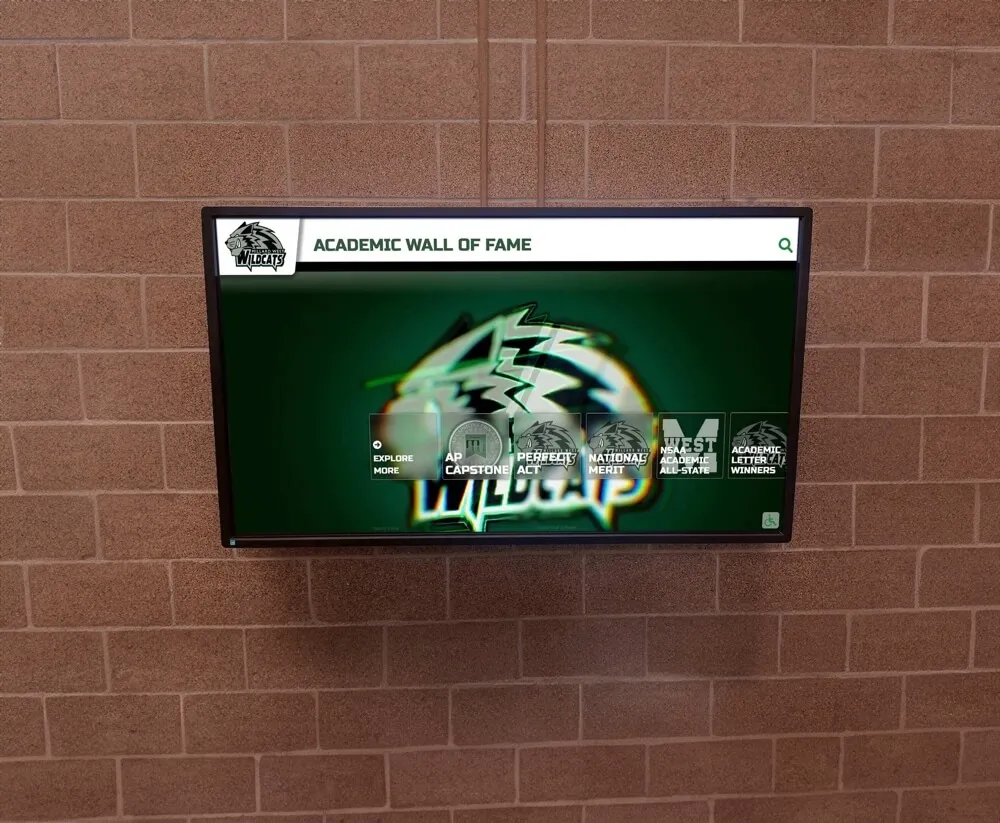
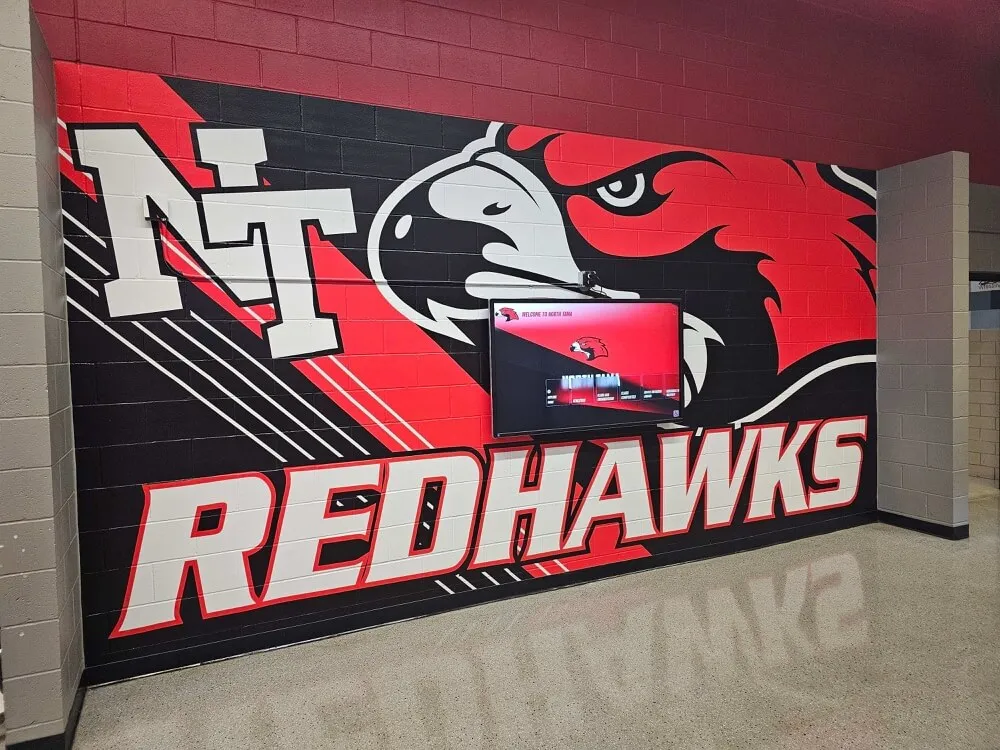
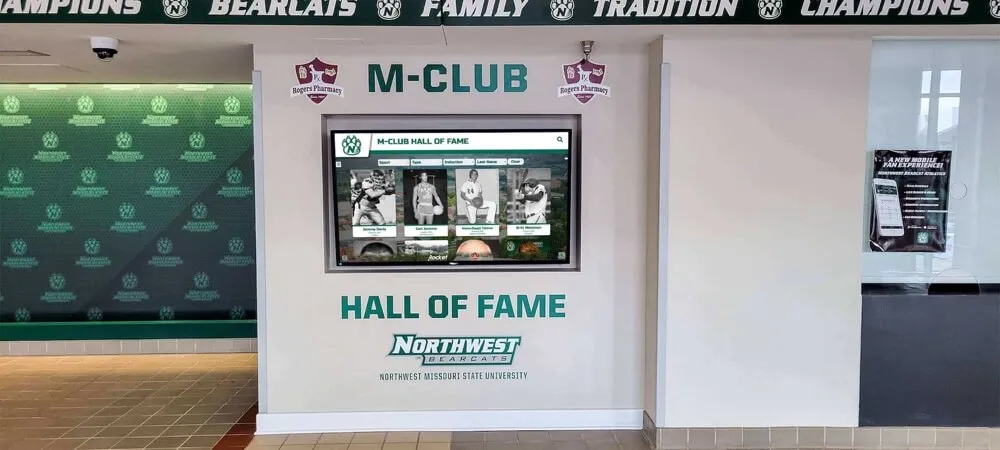
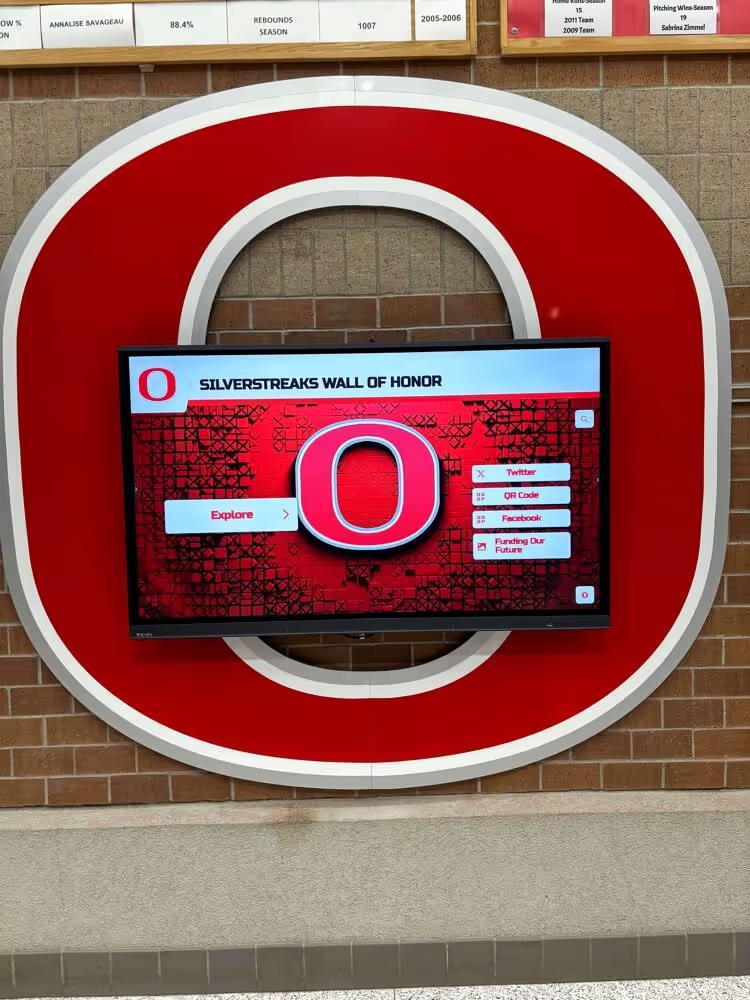
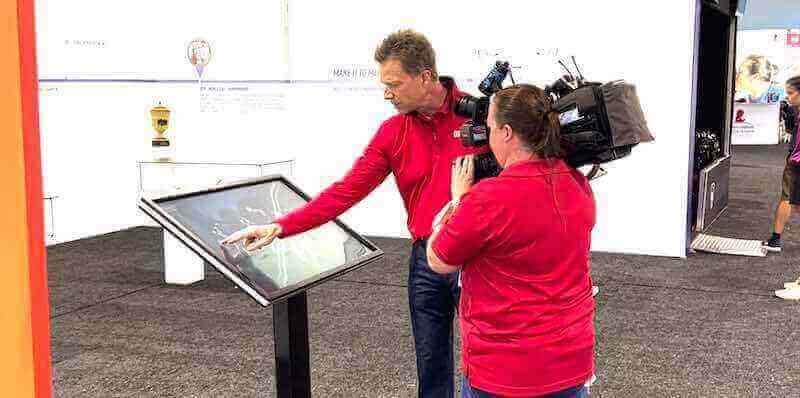
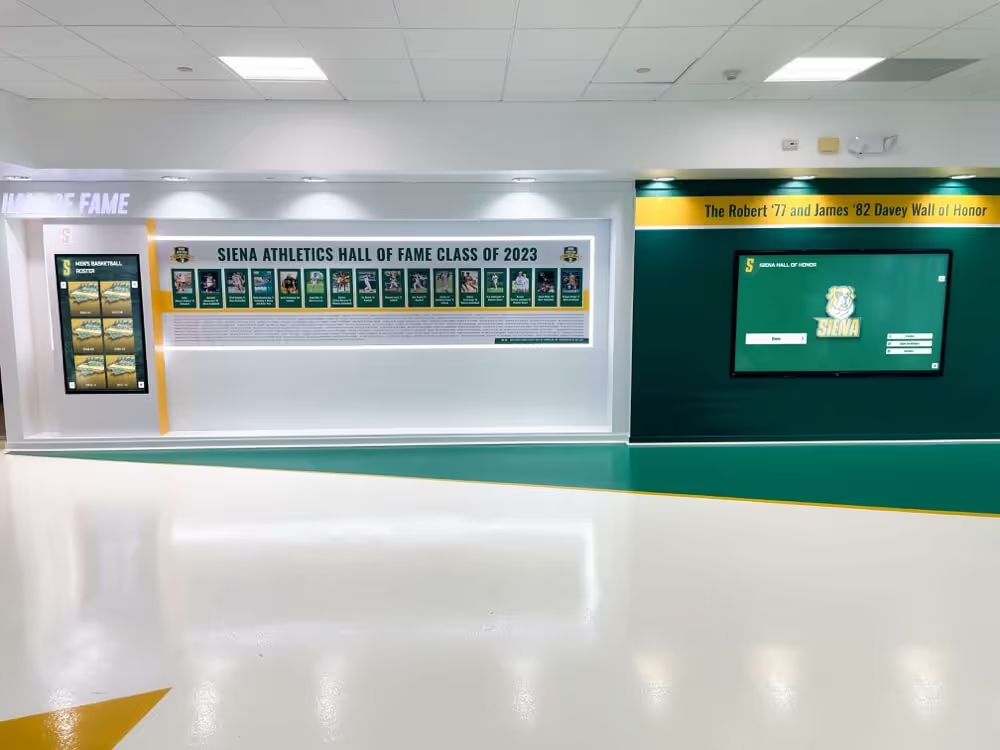
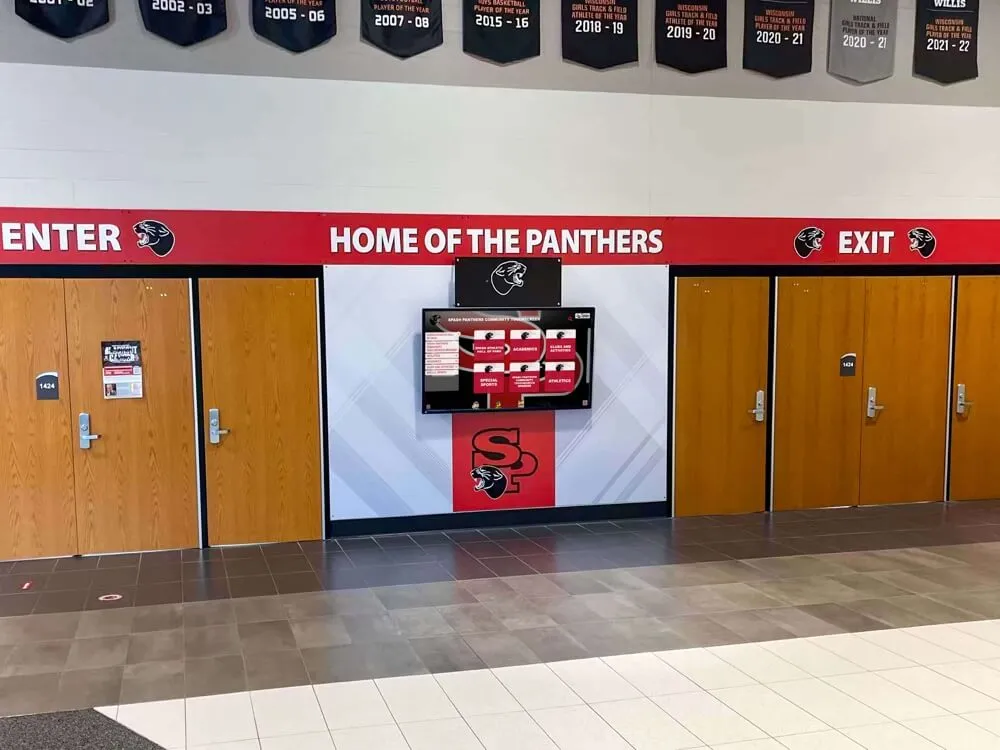
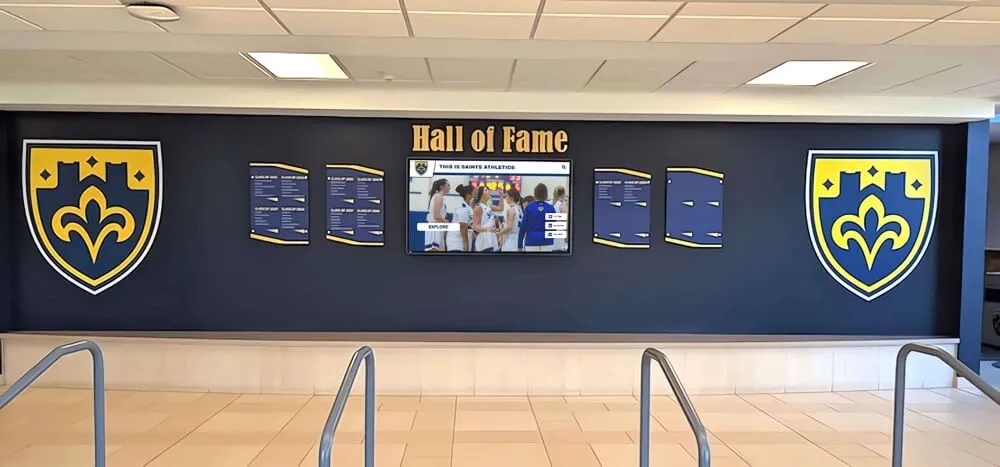
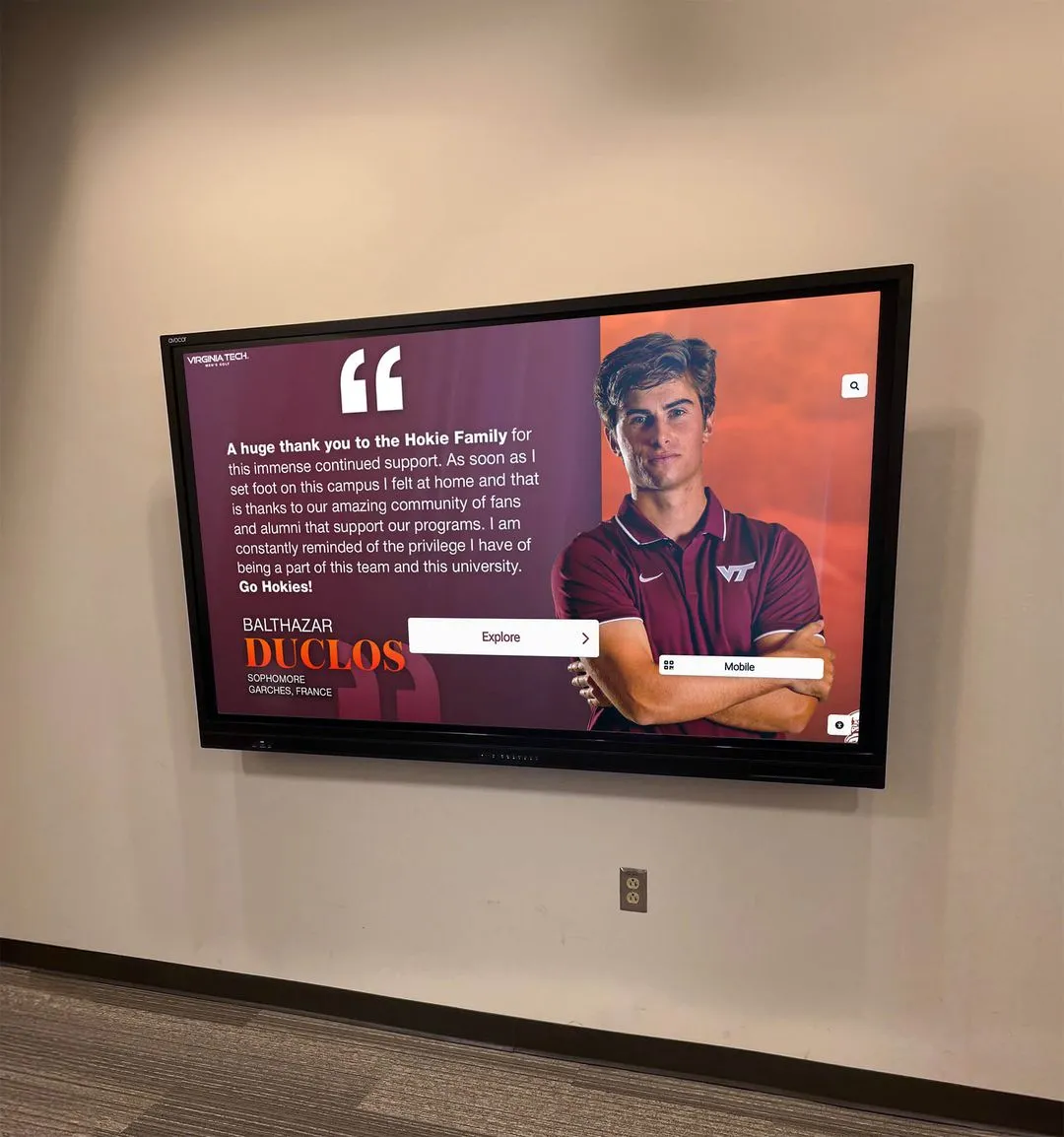
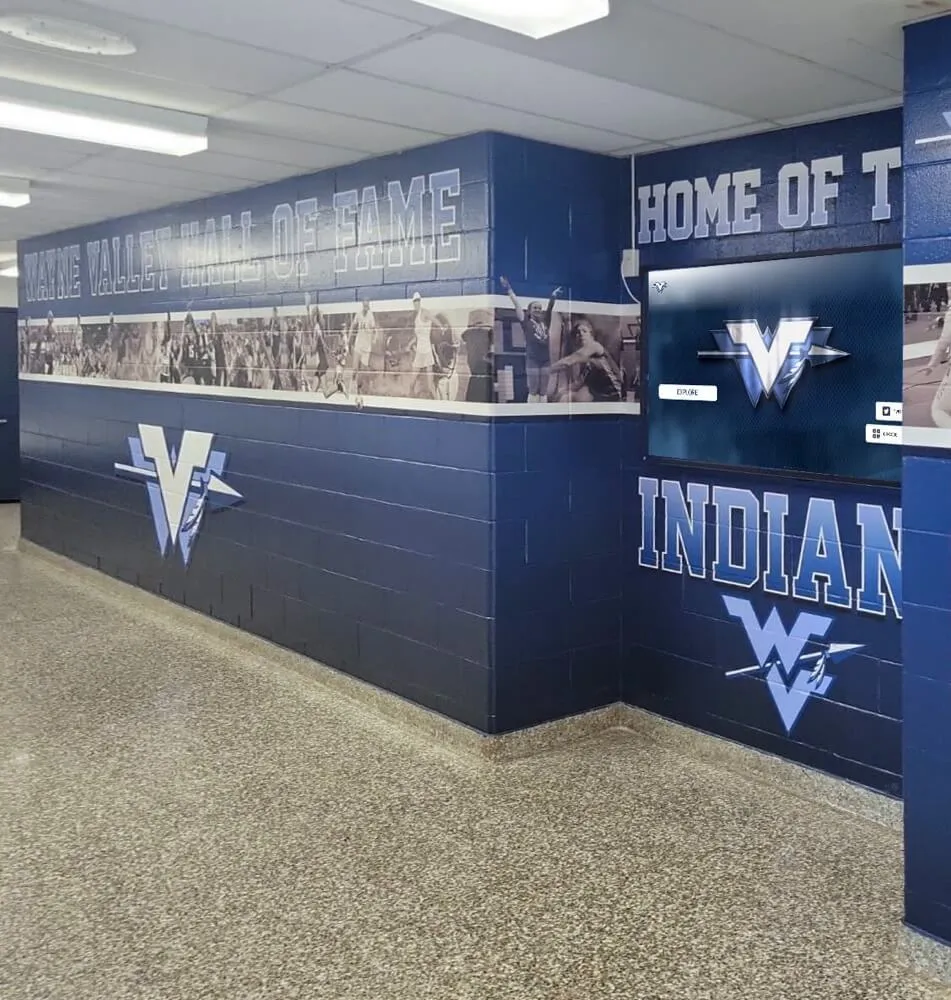
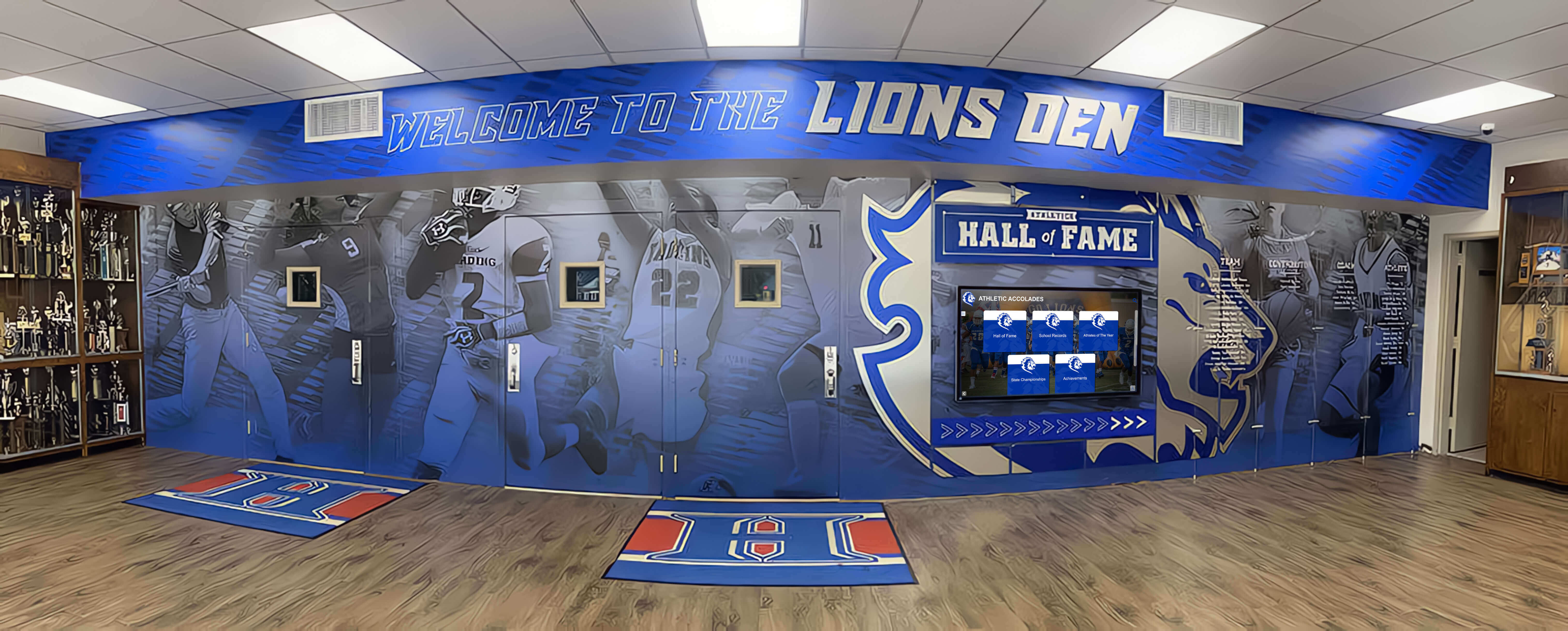
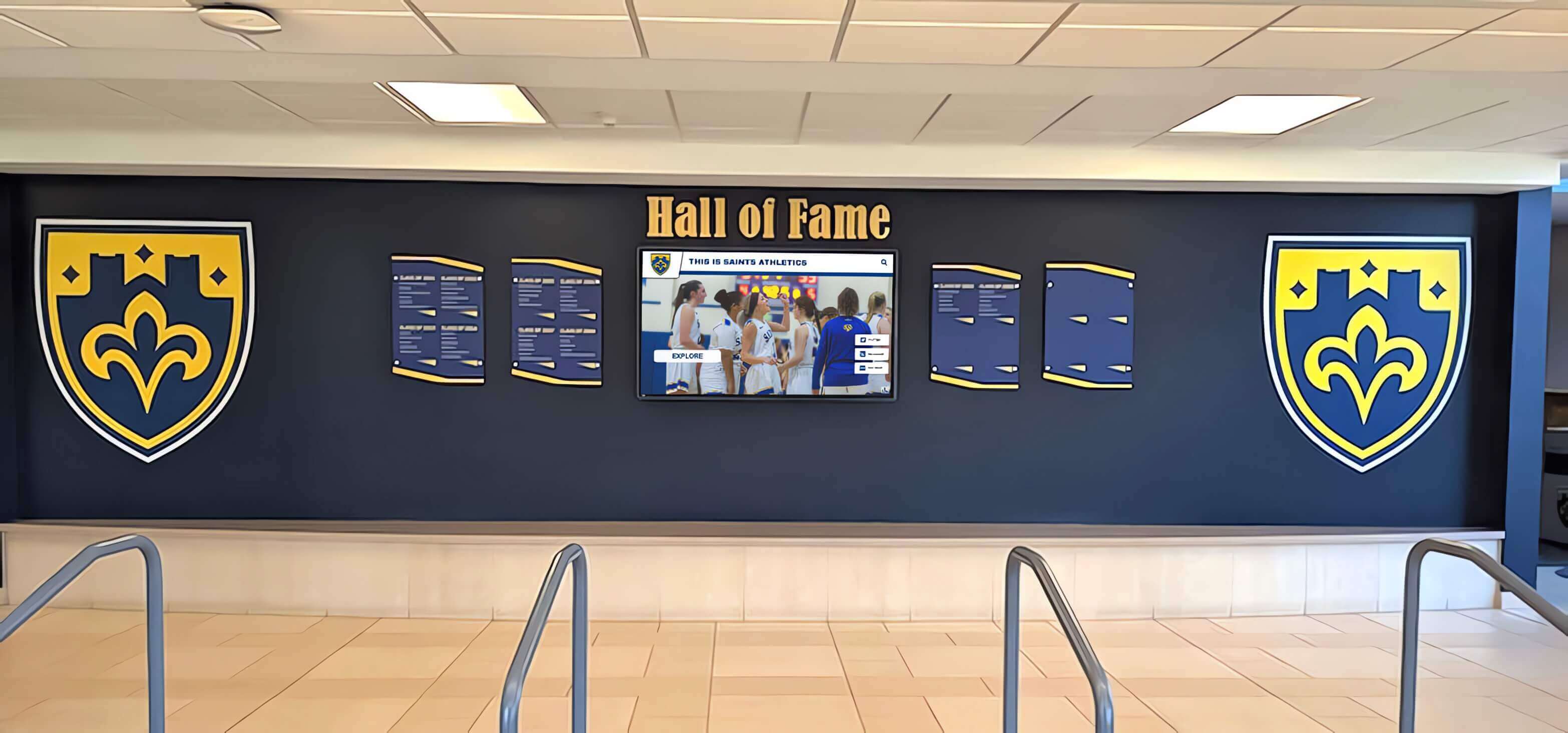
Digital enhancements provide the storytelling depth and information capacity that physical plaques cannot accommodate while preserving tangible trophy presentation many value. Schools can explore interactive display technology options that complement existing installations.
Improved Lighting and Presentation:
Strategic lighting dramatically impacts display effectiveness:
- LED strip lighting illuminating case interiors without heat damage
- Accent spotlights highlighting featured trophies or awards
- Color-changing LED options creating visual interest and seasonal themes
- Energy-efficient solutions reducing ongoing operating costs
- Motion-activated lighting conserving energy while attracting attention
- UV-protective lighting preventing fading on photos and materials
Quality lighting transforms ordinary displays into eye-catching presentations that command attention in busy hallways while protecting displayed contents from light damage.
Physical Display Expansion:
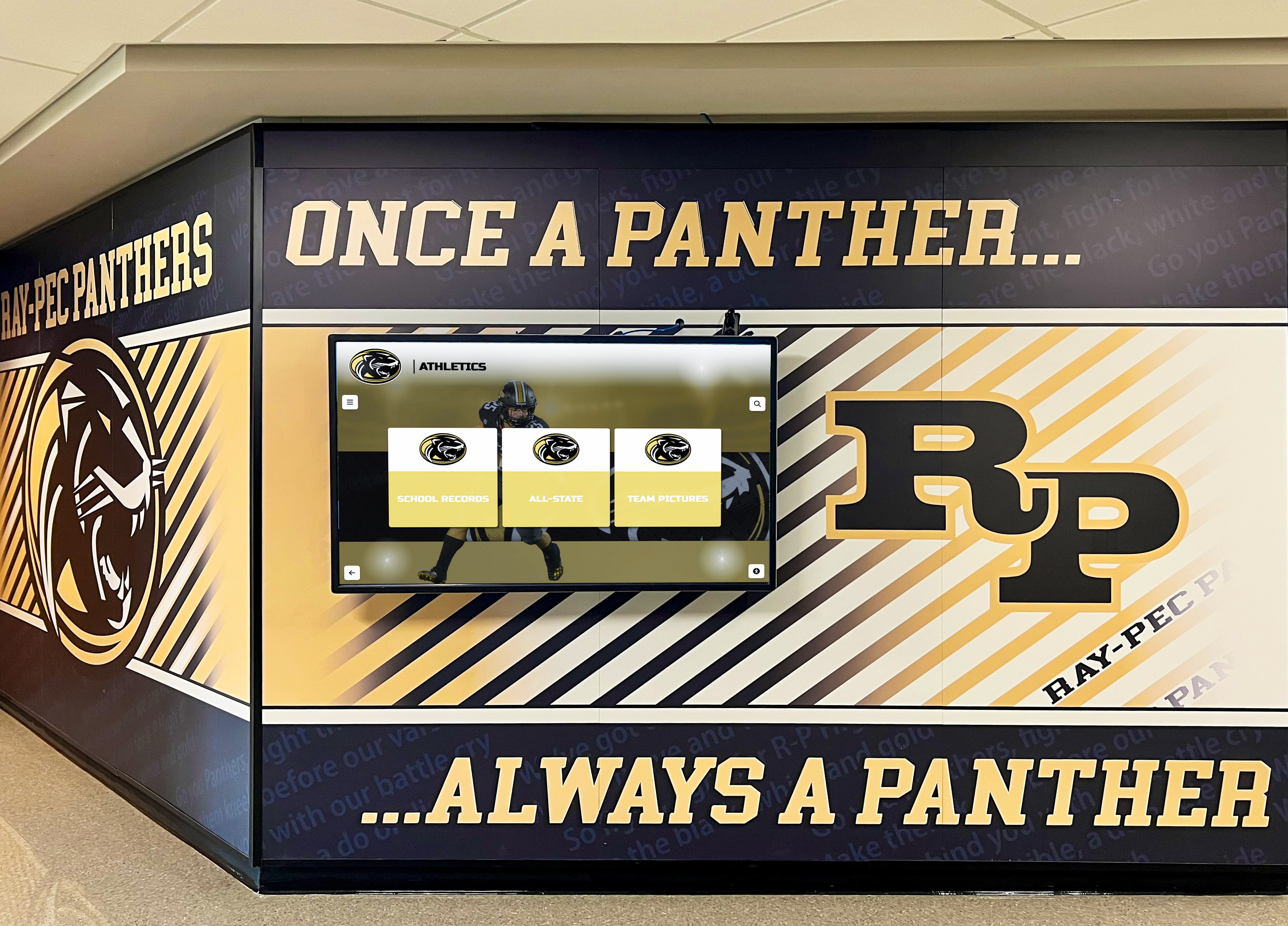
When space and budget permit, additional cases accommodate growing recognition needs:
- Custom-built wall units maximizing available hallway space
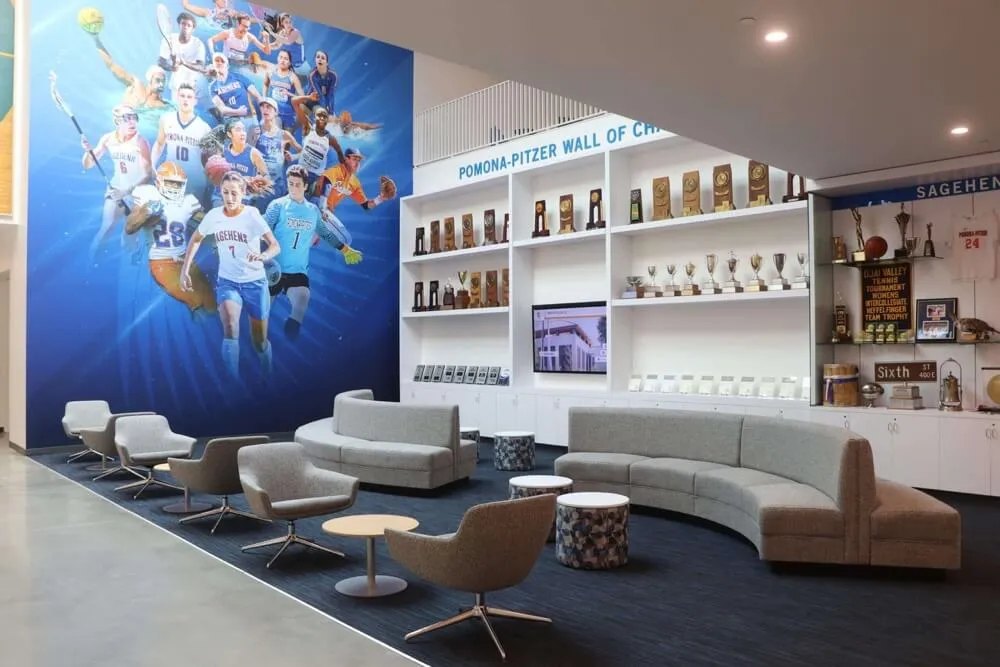
- Free-standing island cases in larger lobby or commons areas
- Corner installations utilizing otherwise-unused space
- Above-door installations in high-ceiling environments
- Multi-tier shelving maximizing vertical space in existing cases
- Specialty cases for specific programs (arts, athletics, academics)
Physical expansion addresses capacity constraints while maintaining traditional aesthetic preferences, though it comes with substantial cost and ongoing space limitations as achievements continue accumulating.
Specialty Display Cases for Different Recognition Types
Different achievement categories benefit from specialized display approaches:
Athletic Trophy Cases:
Sports recognition requires specific considerations:
- Heavy-duty shelving supporting substantial trophy weight
- Adjustable shelving accommodating varying trophy heights
- Locked access preventing tampering with valuable awards
- Championship banner display above or alongside trophy cases
- Team photo integration showing athletes behind achievements
- Season-by-season organization or sport-specific sections
- Record boards adjacent to cases providing statistical context
Athletic displays often become school centerpieces given the high visibility and community interest in competitive sports programs. Resources on state championship trophy case displays provide specialized guidance for highlighting athletic excellence.
Academic Achievement Displays:
Scholarly recognition benefits from different design approaches:
- Wall-mounted plaque arrays for honor roll recognition
- Rotating displays updating each grading period or semester
- AP Scholar and National Merit recognition highlighted prominently
- Academic team achievements (math team, debate, science olympiad)
- Scholarship winner recognition with college destinations
- Dean’s List and honor society inductee displays
- Graduate achievement highlights showing post-graduation success
Academic displays demonstrate that schools value intellectual excellence equally with athletic accomplishment, creating balanced recognition systems that honor diverse forms of achievement. Learn more about comprehensive academic recognition program approaches for schools.
Arts and Activities Recognition:
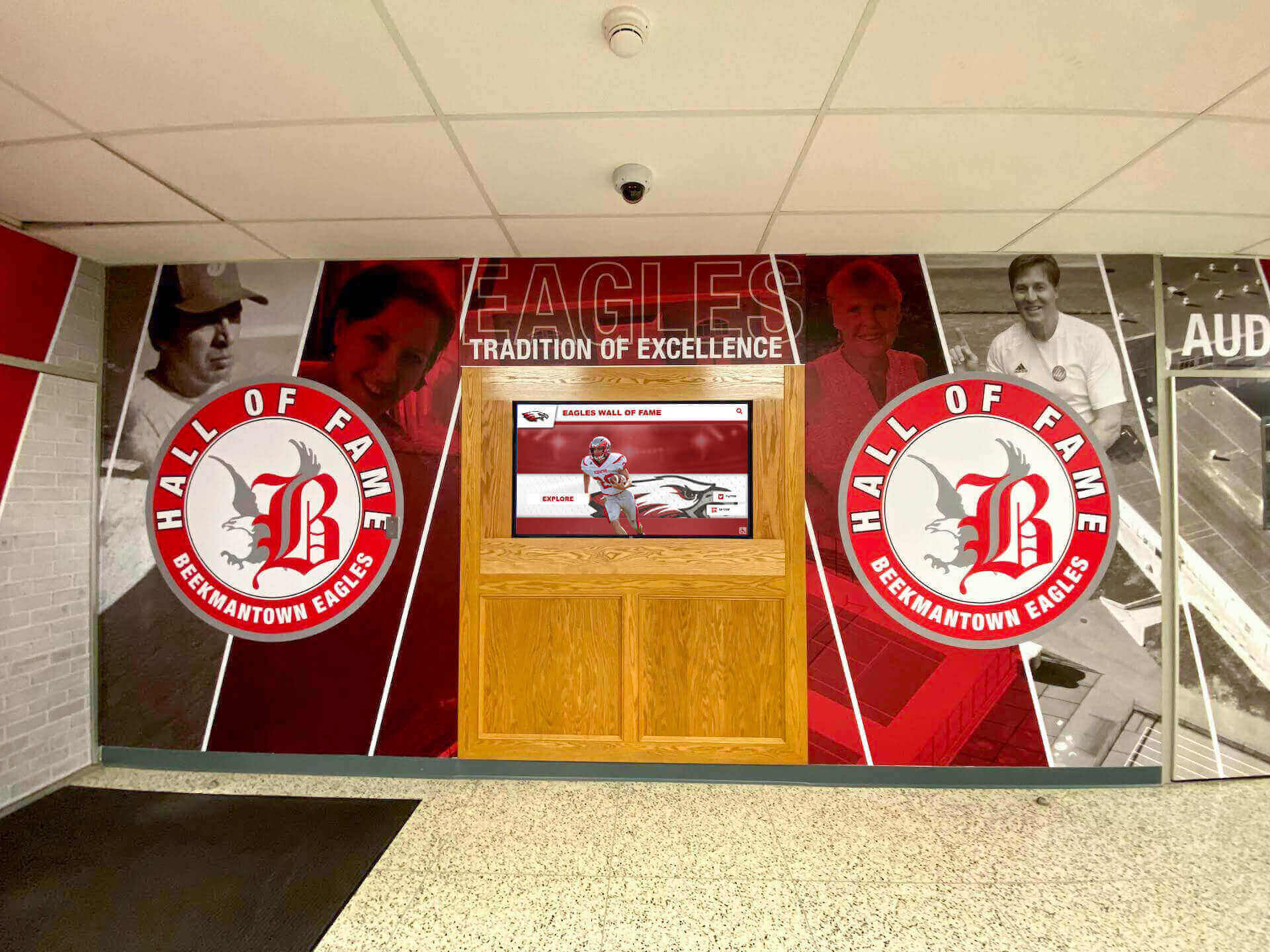
Creative programs require flexible display solutions:
- Open shelving for three-dimensional art pieces and sculptures
- Easel or hanging displays for two-dimensional artwork
- Theater program playbills, posters, and awards
- Music competition awards and ensemble recognition
- Student government and leadership program acknowledgment
- Service learning and community engagement highlights
- Publication and media program showcases
Arts displays often incorporate more varied materials and formats than athletic or academic recognition, requiring flexible cases accommodating different display requirements while maintaining professional presentation quality.
Modern Digital Showcase Alternatives to Traditional Glass Cases
As schools confront the limitations of physical displays, many are discovering that modern digital recognition technology offers compelling advantages that fundamentally transform how institutions celebrate achievement.
Understanding Digital Recognition Display Benefits
Digital showcase systems address virtually every limitation of traditional glass cases:
Unlimited Recognition Capacity:
Digital platforms eliminate physical space constraints entirely:
- Single display showcasing thousands of achievements, profiles, and records
- No difficult decisions about which accomplishments merit limited display space
- Comprehensive recognition for every deserving student across all programs
- Historical achievement preservation without storage limitations
- Scalability accommodating institutional growth indefinitely
- Equal visibility opportunities for all achievement types
This unlimited capacity enables truly inclusive recognition systems that honor every form of excellence rather than forcing administrators to prioritize high-profile accomplishments while relegating equally worthy achievements to obscurity due to space limitations. Schools implementing comprehensive digital systems report ability to recognize all high school awards and achievement types without constraint.
Easy Content Updates and Management:
Digital systems enable instant recognition updates:
- Cloud-based content management accessible from any device
- Drag-and-drop interfaces requiring no technical expertise
- Immediate content publication without physical installation
- Bulk upload capabilities for large recognition batches
- Simple correction processes for error fixes
- Automated data integration from existing school databases
- User-friendly administration for non-technical staff
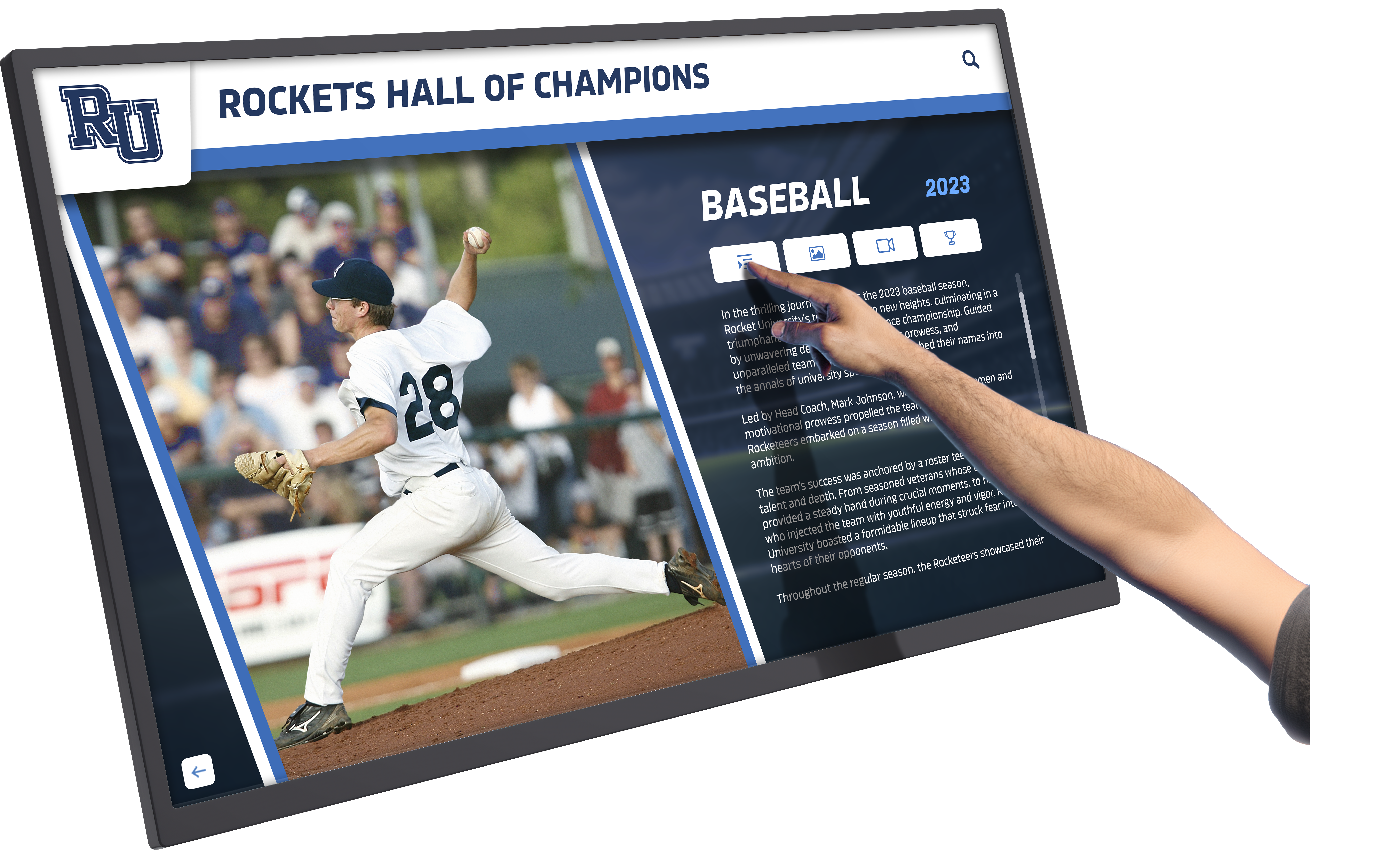
This ease of management means recognition happens quickly after achievements occur—adding championship winners the day after competitions, updating honor roll within hours of grade posting, or recognizing special accomplishments immediately—creating timely validation impossible with traditional systems requiring vendor ordering, fabrication delays, and physical installation scheduling.
Rich Multimedia Storytelling:
Digital displays transcend the name-and-date limitations of physical plaques:
- Comprehensive biographical profiles with achievement narratives
- Photo galleries documenting athletic careers or academic journeys
- Video highlights from championship games, performances, or presentations
- Audio recordings of performances, speeches, or testimonials
- Scanned historical documents, newspaper articles, and memorabilia
- Statistical achievements and record progressions shown visually
- Social media integration connecting recognition to broader conversations
This multimedia depth creates emotional engagement impossible with static trophy displays, transforming recognition from basic acknowledgment into inspiring stories that connect current students to institutional traditions while demonstrating the human dimension behind impressive accomplishments.
Interactive Engagement and Searchability:
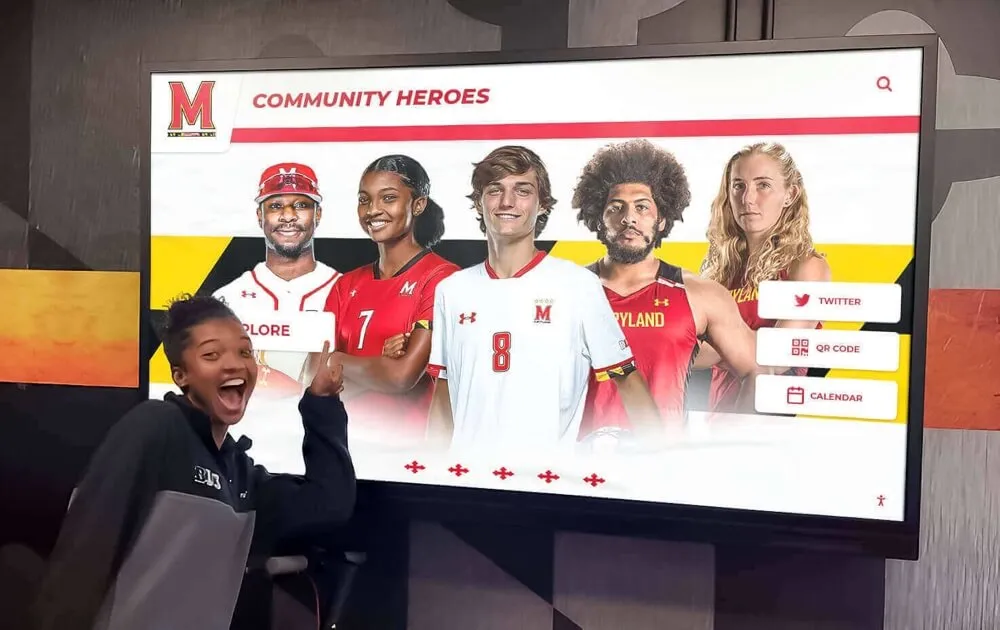
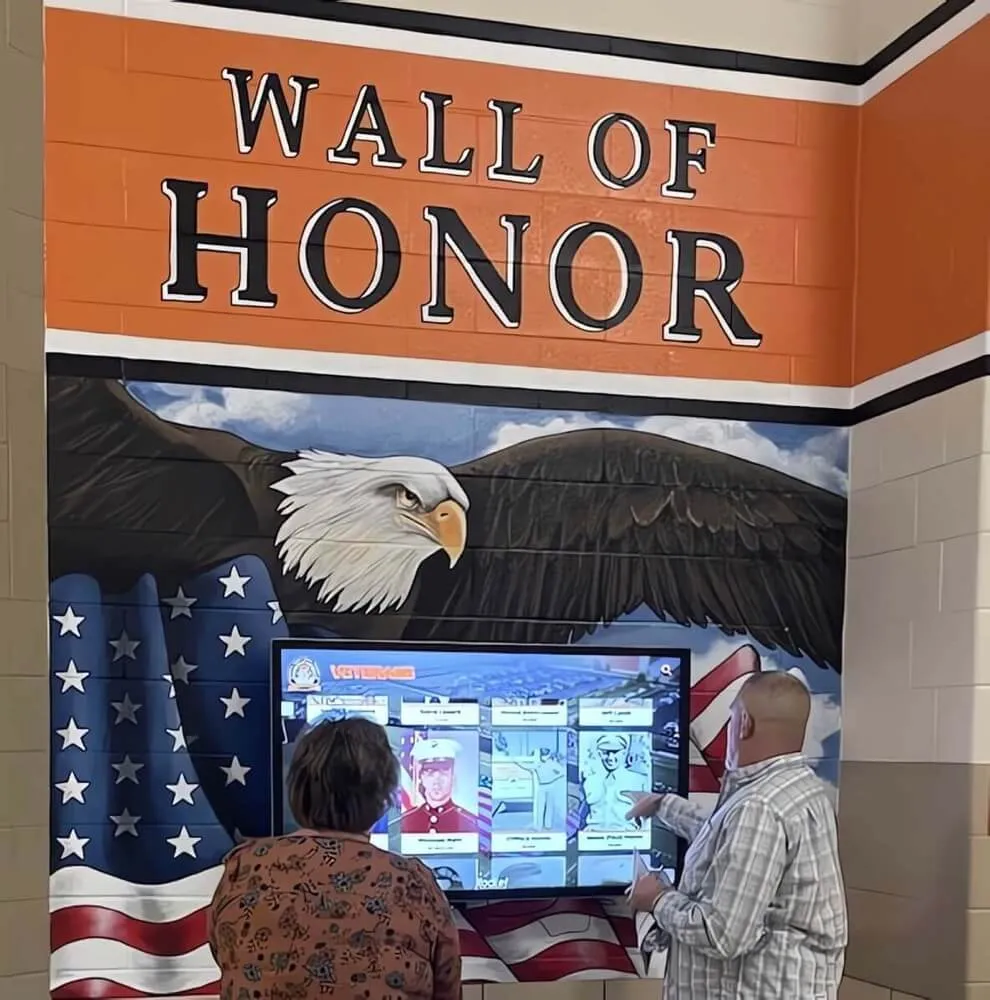
Unlike passive viewing of traditional displays, digital systems invite active exploration:
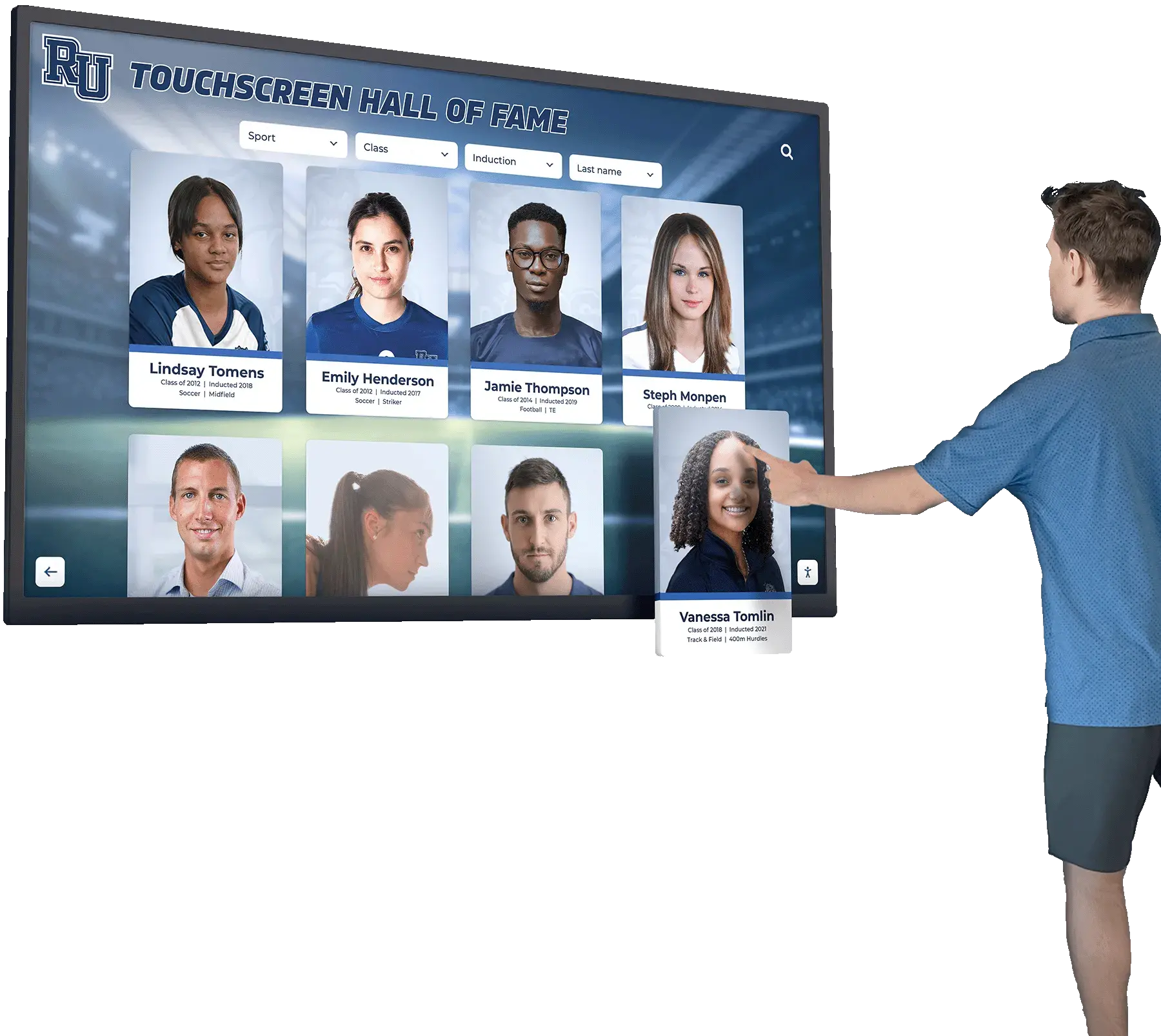
- Name search finding specific individuals instantly among thousands
- Category filtering exploring particular achievement types
- Year or class filtering discovering classmates or eras
- Keyword search locating specific accomplishments or records
- Featured profile rotation maintaining fresh content visibility
- Engagement analytics showing which content resonates most
- QR code sharing enabling visitors to save or share discoveries
This interactivity transforms recognition from something viewers glance at briefly in passing to experiences that engage attention, inspire exploration, and create memorable connections to institutional stories and traditions.
How Digital Recognition Displays Work
Modern recognition systems combine hardware, software, and cloud technology in user-friendly platforms:
Physical Display Components:
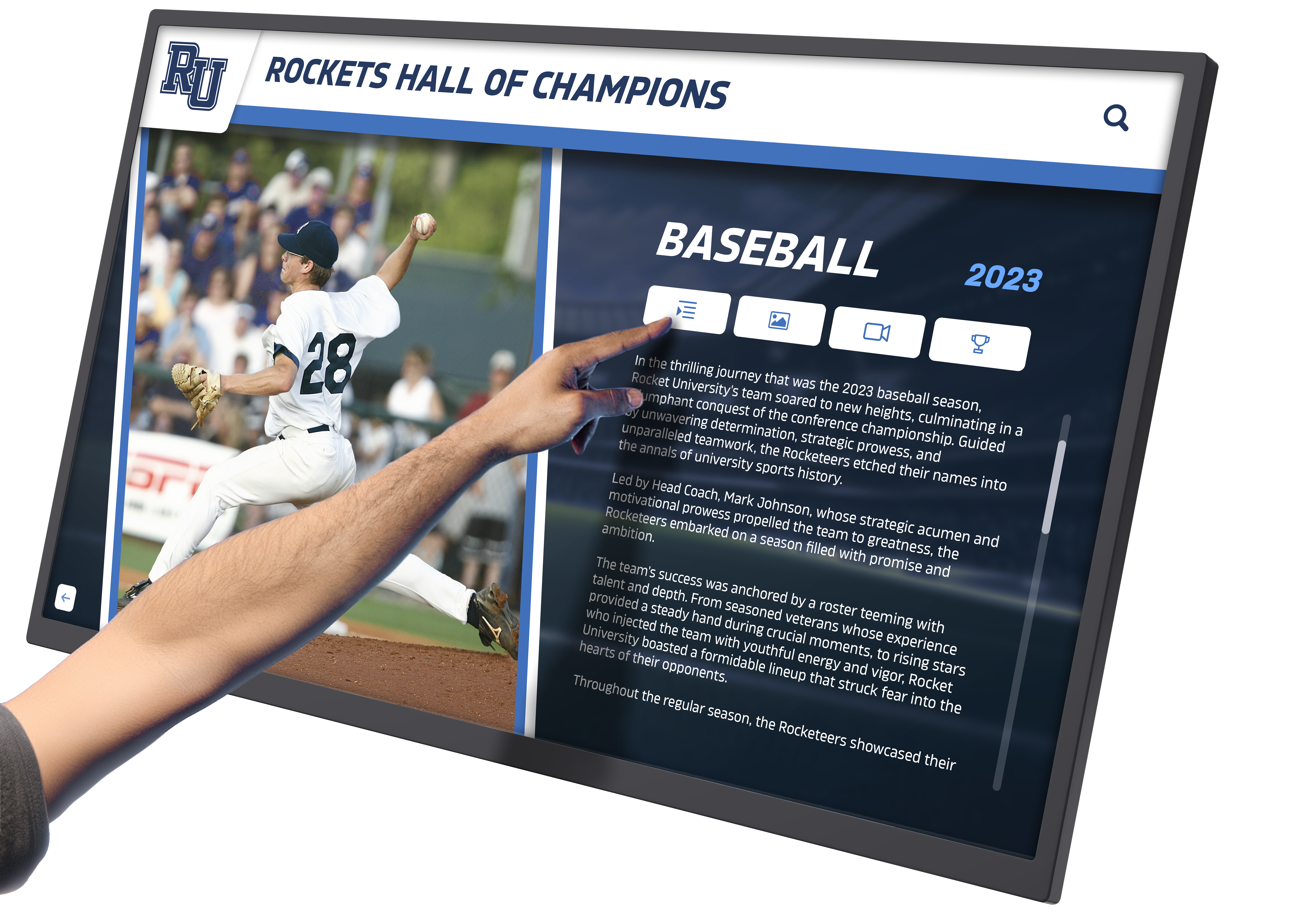
Hardware creates engaging presentation experiences:
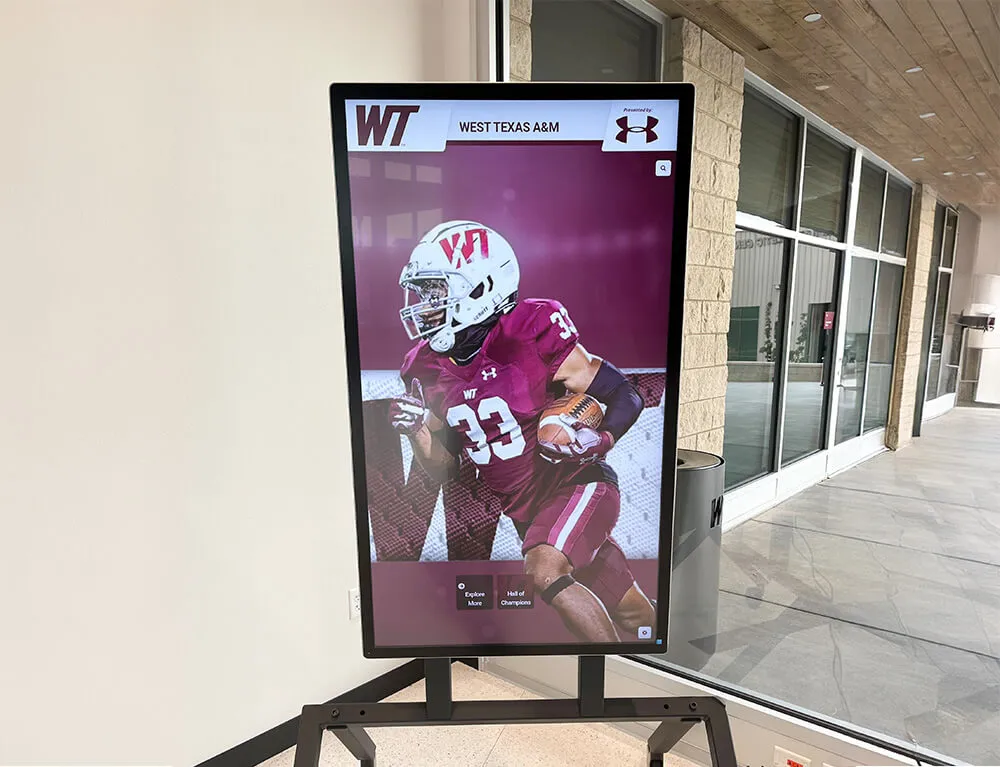
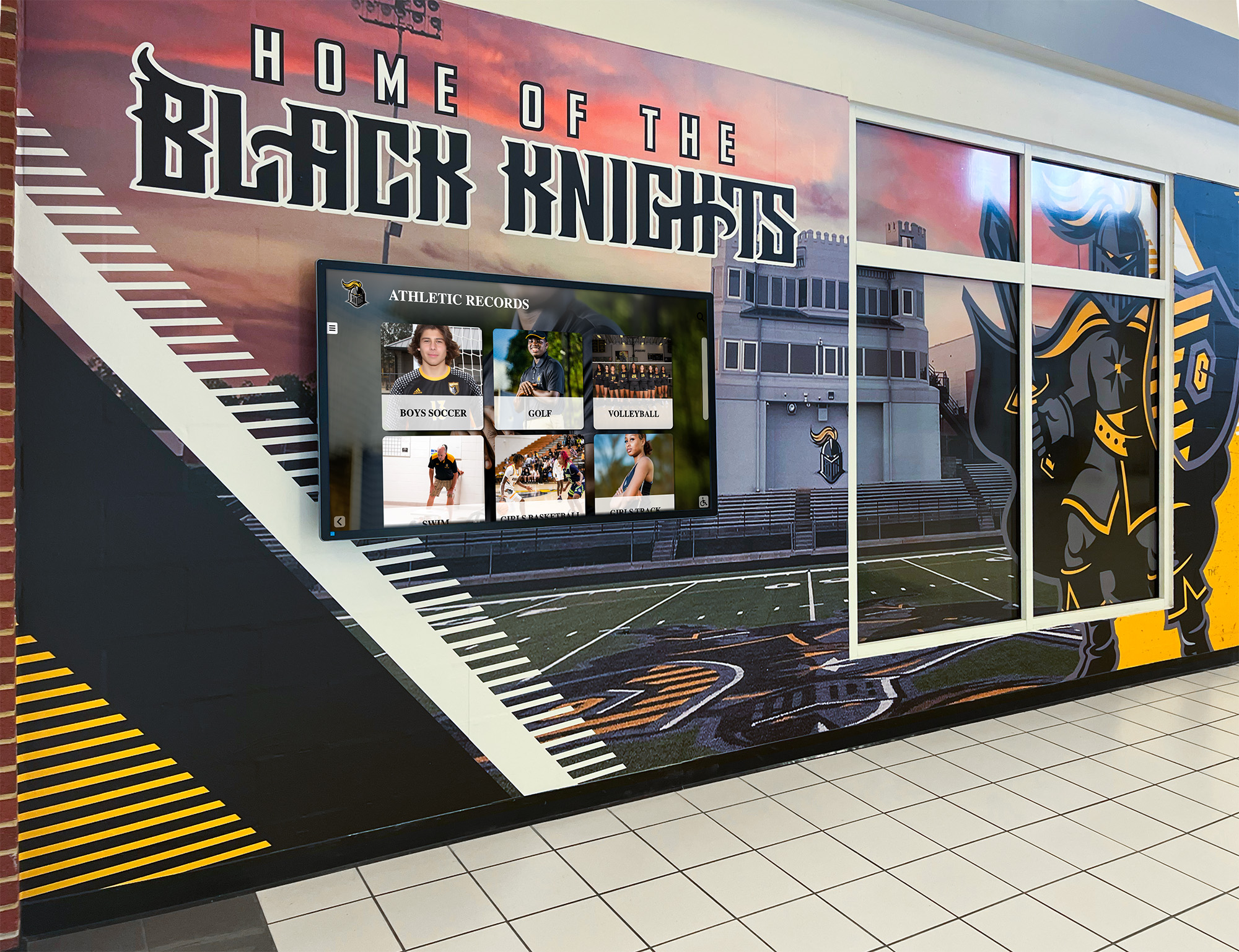
- Commercial-grade touchscreen displays (typically 43-75 inches)
- Protective enclosures designed for high-traffic environments
- Professional mounting systems with security features
- Commercial-rated components built for continuous operation
- Network connectivity supporting content delivery and updates
- Backup power options preventing disruption during outages
- Elegant aesthetics complementing institutional architecture
Quality hardware ensures reliable performance through thousands of daily interactions across years of continuous use while maintaining professional presentation worthy of honoring significant achievements.
Content Management Platforms:
Backend systems enable easy administration:
- Cloud-based interfaces accessible from computers or tablets
- Template-driven layouts ensuring consistent professional presentation
- Media libraries organizing photos, videos, and documents
- User permission controls for appropriate access levels
- Approval workflows ensuring content quality
- Version history and backup protection preventing data loss
- Analytics dashboards showing engagement and popular content
Effective platforms empower non-technical administrators to manage sophisticated recognition systems independently without requiring ongoing vendor support for routine updates and additions.
Integration and Accessibility:
Modern systems extend beyond physical installations:
- Web portals providing recognition access from anywhere
- Mobile applications enabling smartphone exploration
- Social sharing features extending recognition reach
- Database integration with existing student information systems
- Single sign-on compatibility with institutional authentication
- API access for custom integrations with other platforms
- Accessibility features supporting users with disabilities
This multi-platform approach means recognition reaches students, families, and alumni wherever they are rather than requiring campus visits to experience school celebration of achievement. Comprehensive approaches to digital recognition across platforms maximize impact and engagement.
Comparing Costs: Traditional vs. Digital Display Systems
Understanding total cost of ownership helps administrators make informed decisions:
Traditional Glass Display Case Costs (10-Year Period):
Physical systems accumulate ongoing expenses:
- Initial case purchase and installation: $3,000-$10,000
- New plaques and trophies averaging $150 each × 50 items: $7,500
- Professional installation for mounted plaques ($50-$100 each) × 50: $3,750
- Case expansion or additional units as space fills: $5,000-$15,000
- Lighting replacement and electrical work: $500-$1,500
- Cleaning supplies and maintenance labor: $200-$500 annually = $2,000-$5,000
- Estimated 10-year total: $21,750-$41,750
These costs reflect continuous accumulation as achievements mount year after year, with expense acceleration as initial display space fills and expansion becomes necessary.
Digital Recognition Display Costs (10-Year Period):
Technology systems involve different cost structures:
- Initial hardware and installation: $8,000-$15,000
- Software platform subscription: $1,500-$3,000 annually = $15,000-$30,000
- Content development support (initial setup): $2,000-$5,000
- Ongoing content management (internal staff time)
- Hardware refresh or replacement (year 7-8): $6,000-$10,000
- Estimated 10-year total: $31,000-$60,000
While upfront costs run higher for digital systems, per-recognition costs drop dramatically with scale. Schools honoring hundreds of students, athletes, and alumni find digital solutions significantly more cost-effective than fabricating and installing equivalent numbers of physical plaques, while providing vastly superior capacity, engagement, and flexibility.
Rocket Alumni Solutions: Purpose-Built for School Recognition
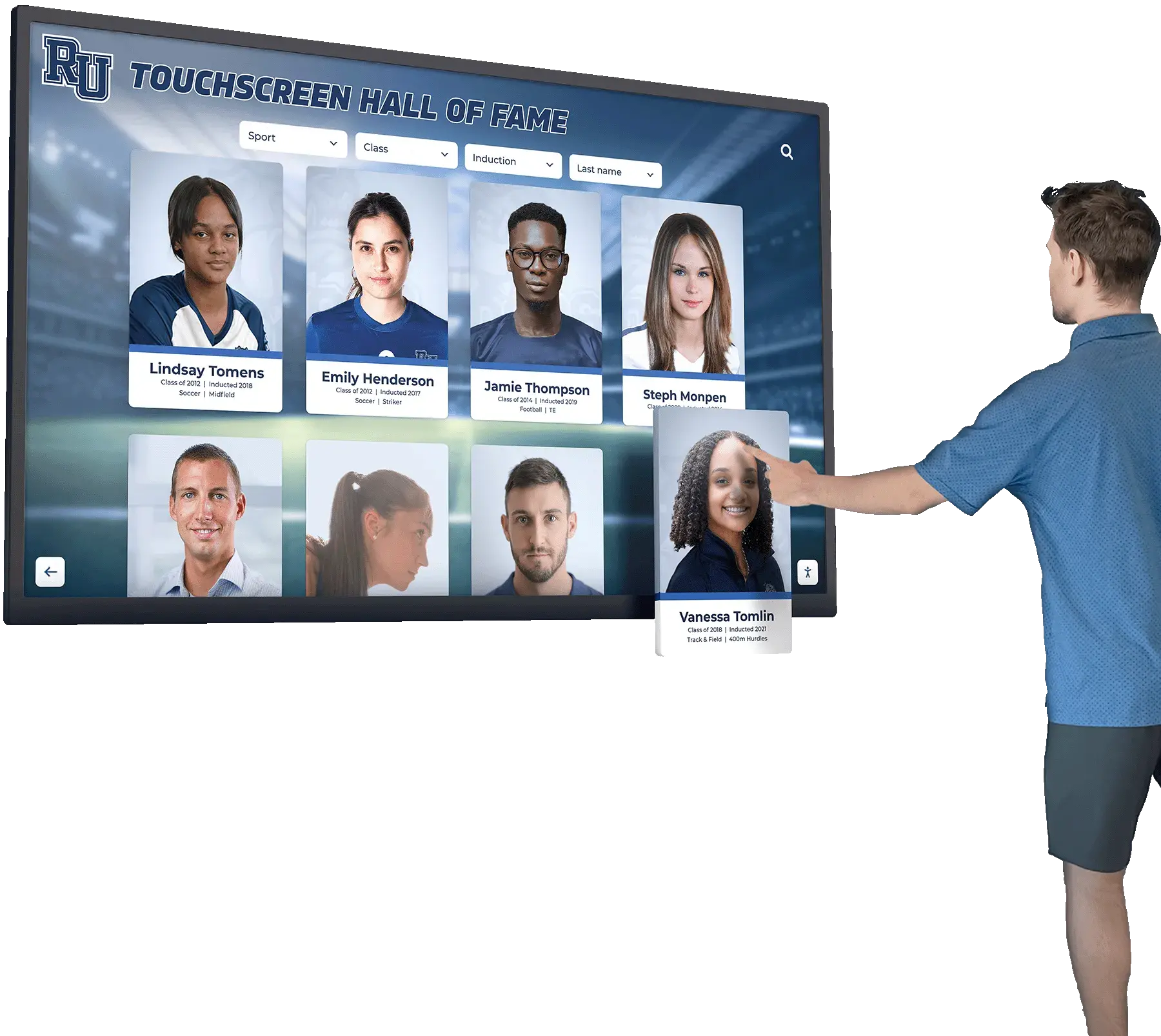
While various digital signage platforms exist, solutions specifically designed for educational recognition provide advantages generic systems cannot match.
Education-Focused Design and Features:
Purpose-built recognition platforms understand school needs:
- Content structures organized around students, athletes, achievements, and alumni
- Recognition categories reflecting educational environments (academics, athletics, arts, service, leadership)
- Graduation class organization enabling class-based exploration
- Multi-sport and multi-activity athlete profiles
- Historical archive capabilities preserving institutional memory
- Ceremony and event support features for induction programs
- Donor recognition modules supporting fundraising initiatives
Generic digital signage designed for retail advertising or corporate environments lacks these education-specific structures, forcing schools to work around rather than with their recognition platform’s design.
Intuitive Content Management:
Non-technical school staff manage content easily:
- User-friendly interfaces anyone can learn in minutes
- Bulk upload tools handling large data imports efficiently
- Template-driven design ensuring professional quality without design skills
- Streamlined workflows making updates quick and simple
- Comprehensive documentation and tutorial resources
- Responsive support resolving questions quickly
- Regular platform improvements adding new capabilities
This ease of use ensures recognition programs remain current and vibrant rather than becoming outdated installations no one knows how to maintain effectively.
Comprehensive Implementation Support:
Schools receive white-glove service throughout implementation:
- Initial consultation clarifying requirements and objectives
- Content migration assistance transferring existing recognition data
- Custom design matching school branding and identity
- Professional installation and technical setup
- Staff training ensuring confident independent operation
- Ongoing technical support and troubleshooting
- Strategic guidance on recognition best practices
This comprehensive support distinguishes purpose-built solutions from generic platforms requiring schools to navigate technical complexity independently while trying to adapt retail signage for educational recognition purposes.
Multi-Channel Recognition Ecosystem:
Rocket Alumni Solutions extends recognition beyond physical displays:
- Physical touchscreen displays in prominent campus locations
- Web portals accessible from computers anywhere
- Mobile applications for smartphone access
- Social sharing enabling recognition spread through networks
- Public-facing content and password-protected private sections
- Alumni database integration connecting recognition to advancement
- Analytics providing insight into engagement patterns
This ecosystem approach maximizes recognition impact and reach while creating convenient access for all stakeholders regardless of their connection to campus.
Implementing Effective Display Solutions: Traditional or Digital
Whether maintaining traditional glass cases or implementing digital alternatives, several best practices maximize recognition program effectiveness.
Content Planning and Organization
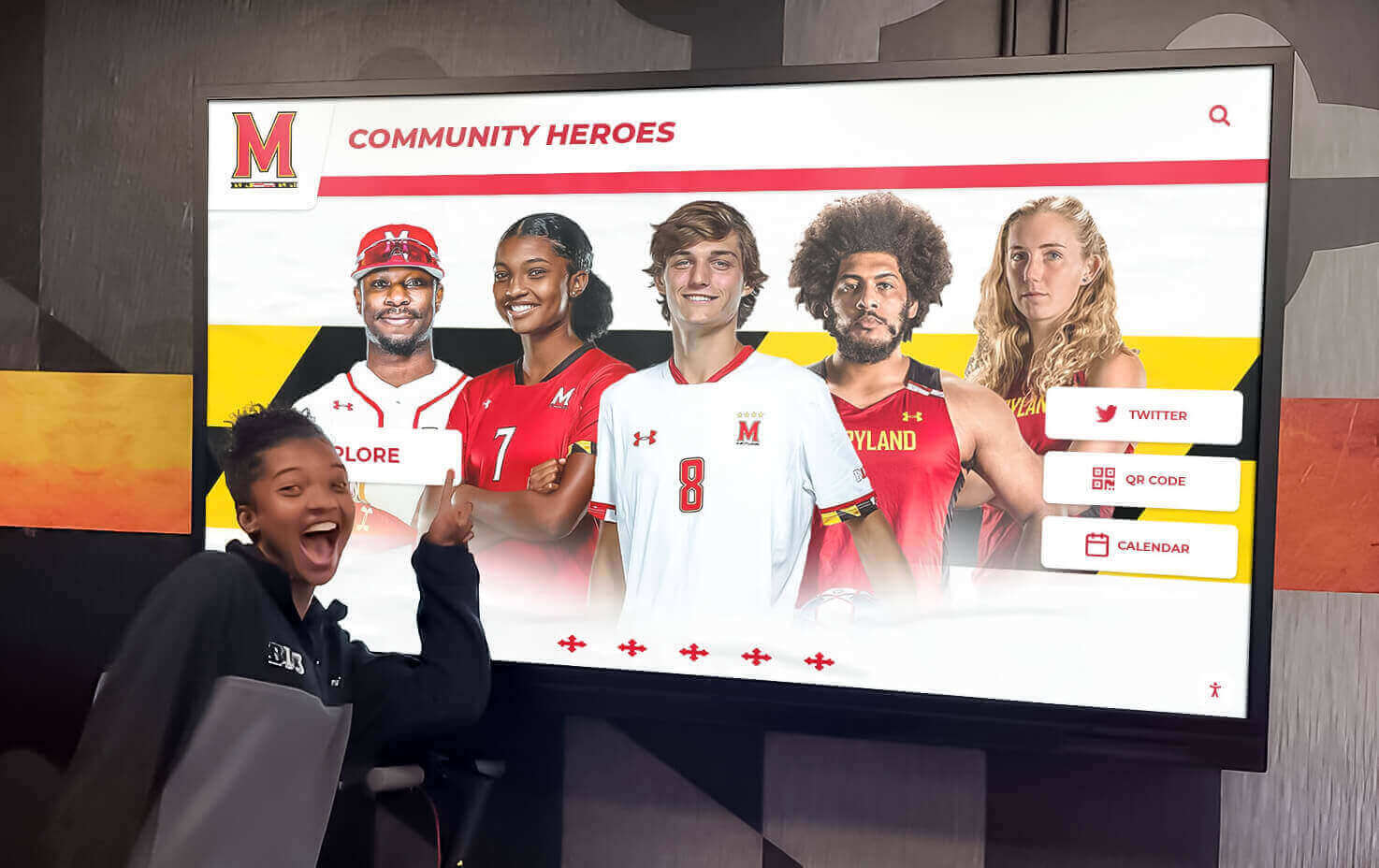
Strategic content approaches ensure recognition remains relevant and engaging:
Comprehensive Achievement Inventory:
Document all recognition categories and current holdings:
- Athletic championships, records, and individual honors across all sports
- Academic achievements including honor roll, AP scholars, and merit awards
- Arts recognition spanning drama, music, visual arts, and publications
- Leadership and service acknowledgment for student government and community engagement
- Alumni accomplishments demonstrating lasting program impact
- Historical milestones and institutional traditions
- Special recognitions unique to institutional culture
Thorough inventory reveals gaps in current recognition while identifying opportunities to celebrate broader range of accomplishments.
Recognition Criteria and Standards:
Establish clear guidelines for what merits display or digital recognition:
- Achievement thresholds defining recognition eligibility
- Application or nomination processes for discretionary recognition
- Approval workflows ensuring quality and appropriateness
- Update frequency for time-sensitive recognition types
- Retention policies for historical content
- Quality standards for photos, videos, and text
- Consistency expectations across recognition categories
Clear criteria prevent ad hoc decisions that create perception problems while ensuring recognition systems remain credible and fair. Resources on academic achievement program criteria provide additional guidance.
Visual Identity and Brand Consistency:
Recognition displays should reflect institutional identity:
- School colors and branding elements throughout presentation
- Consistent typography and design language across all recognition
- Professional photography maintaining quality standards
- Mascot and logo integration reinforcing school identity
- Historical design elements honoring traditional aesthetics
- Modern visual approaches appealing to current students
- Accessibility considerations ensuring inclusive design
Strong visual consistency creates polished, professional presentations that appropriately honor significant achievements while reinforcing institutional brand identity throughout school spaces.
Maintenance and Content Management Responsibilities
Sustainable recognition requires clear operational ownership:
Staff Responsibilities and Workflows:
Define who manages different recognition aspects:
- Content addition and updates for new achievements
- Photo collection and quality assurance
- Achievement verification and approval processes
- Display cleaning and physical maintenance (for traditional cases)
- Technical troubleshooting and vendor liaison (for digital systems)
- Strategic planning for recognition program evolution
- Budget management for ongoing expenses
Written responsibilities prevent recognition programs from falling into neglect as priorities compete for limited staff attention and time.
Update Schedules and Timelines:
Consistent timing ensures recognition remains current:
- Post-season updates after athletic championships conclude
- End-of-grading-period academic recognition updates
- Annual graduation recognition for senior class
- Quarterly content rotation for featured spotlights
- Monthly review of accuracy and completeness
- Annual comprehensive audit and planning session
- Immediate updates for significant unexpected achievements

Regular schedules prevent recognition delays that diminish value and excitement while ensuring displays remain fresh and relevant throughout the academic year.
Quality Control and Accuracy:
Establish verification processes preventing embarrassing errors:
- Name spelling and biographical detail verification
- Achievement fact-checking against official records
- Photo identification confirmation and permission documentation
- Historical accuracy research for older recognition content
- Correction procedures when errors are discovered
- Community feedback mechanisms identifying issues
- Regular content audits maintaining overall quality
Nothing undermines recognition credibility faster than misspelled names, incorrect dates, or mistaken identity—problems that careful quality control prevents before publication.
Engaging Stakeholders in Recognition Programs
Effective recognition programs involve broader community participation:
Student Involvement and Ownership:
Current students benefit from recognition program engagement:
- Student committees nominating peers for recognition
- Student photography and videography capturing achievements
- Student writing developing recognition narratives and profiles
- Student ambassadors explaining recognition systems during tours
- Student feedback informing content priorities and presentation
- Student social media promotion extending recognition reach
- Student ceremony participation honoring inductees and honorees
Student involvement creates investment in recognition programs while providing authentic voices that resonate more effectively with peers than adult-created content.
Alumni Connection and Contribution:
Alumni represent invaluable recognition resources:
- Alumni nominations identifying worthy recognition candidates
- Alumni storytelling providing historical context and memories
- Alumni photo contributions enriching visual documentation
- Alumni funding supporting recognition system implementation and expansion
- Alumni attendance at recognition ceremonies and celebrations
- Alumni mentoring connecting recognized students to life after graduation
- Alumni advocacy promoting school and recognition programs
Engaged alumni transform recognition from administrative function into community celebration that strengthens institutional connections across generations. Explore strategies for connecting with alumni through recognition programs.
Family and Community Engagement:
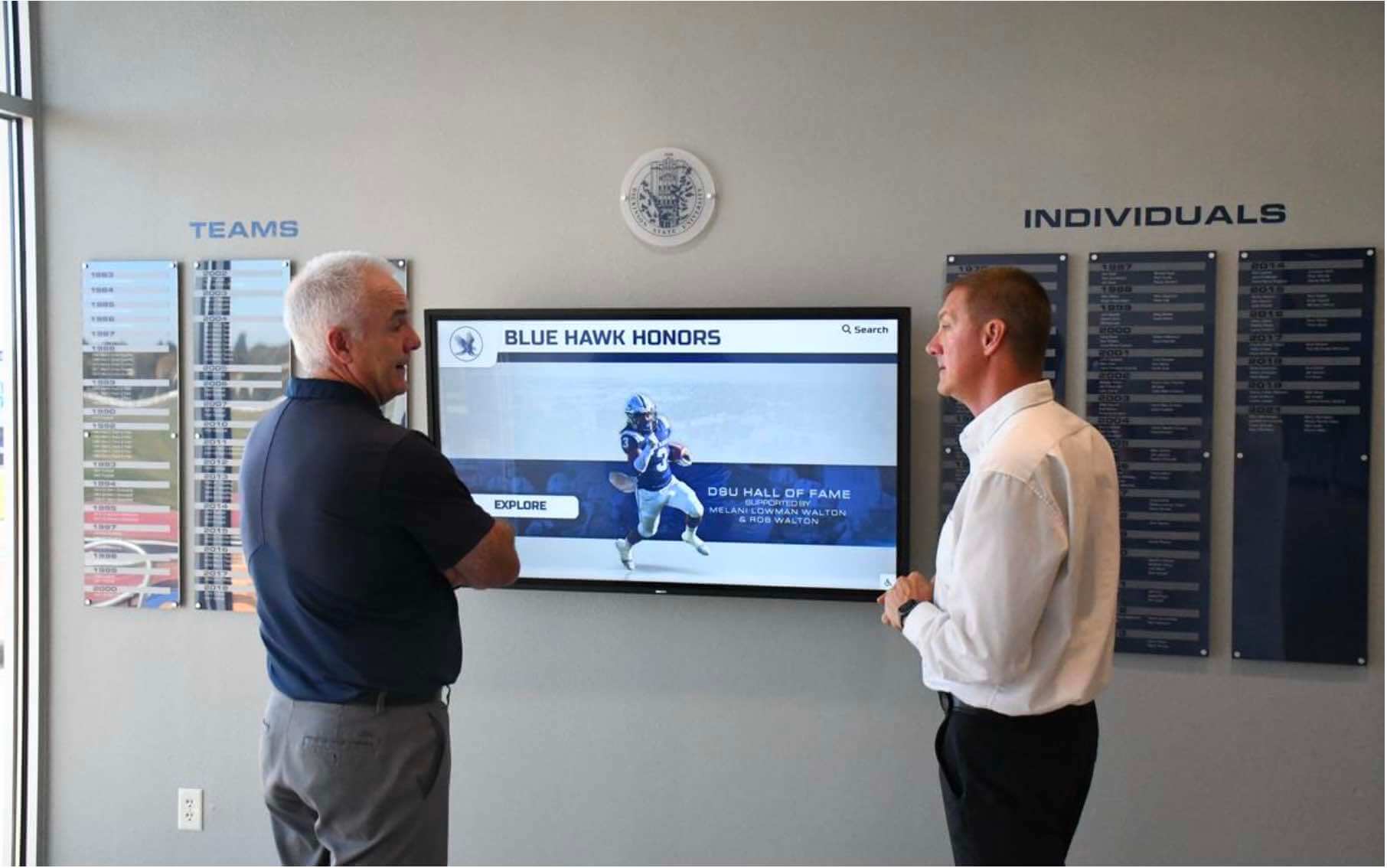
Recognition programs strengthen broader community connections:
- Family photo contributions and achievement information
- Community member recognition for support and contribution
- Local business sponsorship supporting recognition initiatives
- Media coverage extending recognition visibility and impact
- Public ceremony attendance celebrating achievement together
- Community pride in collective student success
- Prospective family impressions during campus visits
Recognition programs communicating institutional excellence and values to broader audiences provide strategic advancement benefits beyond honoring individual achievements.
Making the Right Display Choice for Your School
Selecting appropriate recognition solutions requires assessing specific institutional circumstances and priorities.
When Traditional Glass Cases Make Sense
Physical displays remain appropriate in certain contexts:
- Schools with adequate hallway space for comprehensive display needs
- Institutions valuing traditional aesthetics and physical trophy presence
- Limited recognition volume growing slowly and predictably
- Modest budgets requiring lower upfront investment
- Minimal staff time available for digital content management
- Limited technical infrastructure or support capacity
- Community preference for familiar traditional approaches
Traditional systems serve institutions with specific constraints or preferences that align with physical display capabilities and limitations.
When Digital Solutions Offer Clear Advantages
Modern platforms particularly benefit schools facing:
- Limited physical space constraining traditional display capacity
- Rapid achievement accumulation outpacing physical display expansion
- Desire for comprehensive recognition across diverse programs
- Interest in rich storytelling beyond basic names and dates
- Need for easy, frequent content updates without vendor dependencies
- Goals for remote accessibility extending recognition beyond campus
- Preference for lower long-term costs per recognition entry
- Strategic priorities around alumni engagement and advancement
Digital recognition addresses virtually every traditional display limitation while introducing powerful new capabilities impossible with physical systems.
Hybrid Approaches Combining Both
Many schools successfully integrate traditional and digital elements:
- Major championship trophies in traditional cases for tangible presence
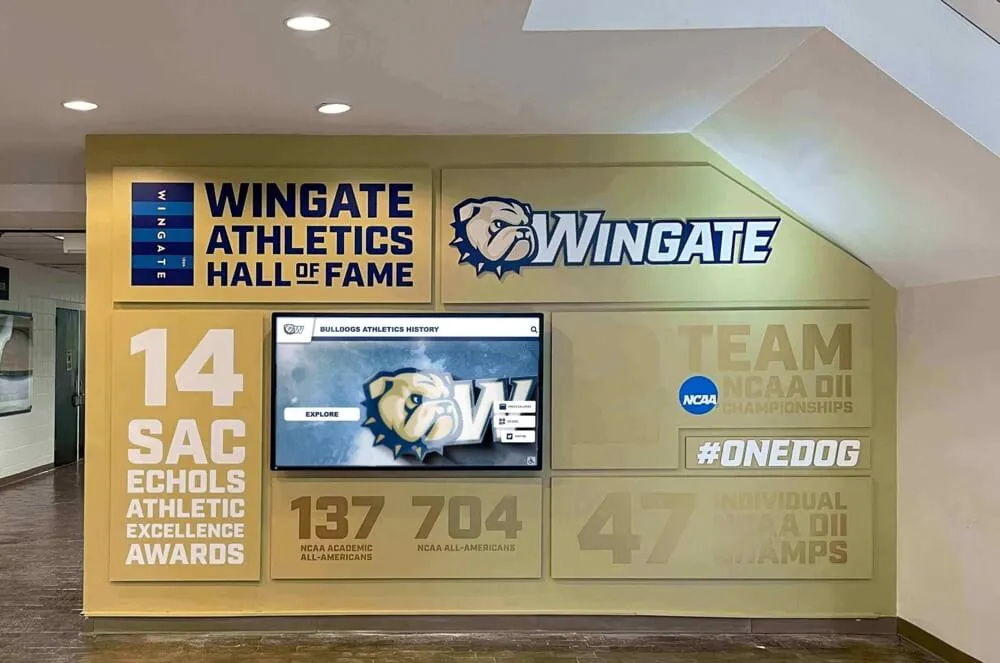
- Digital displays adjacent to physical cases providing comprehensive information
- Historical trophy preservation in traditional displays with complete digital archives
- Physical recognition for current achievements with digital access to full history
- QR codes on traditional plaques linking to detailed digital profiles
- Traditional aesthetic presentation with modern engagement capabilities
Hybrid strategies preserve elements stakeholders value while gaining digital benefits for comprehensive recognition and long-term sustainability. Review examples of hybrid recognition approaches in other institutional environments.
Conclusion: Honoring Achievement in Ways That Truly Engage and Inspire
Glass display cases have served schools faithfully for generations, providing visible celebration of student achievement that builds pride while preserving institutional memory. Yet as schools accumulate more accomplishments year after year while confronting space limitations, maintenance challenges, and the inherent constraints of physical displays, many administrators are discovering that traditional approaches alone cannot fully serve their recognition needs.
The most successful schools take strategic approaches to recognition displays—whether maximizing traditional glass cases through thoughtful organization and enhancement, implementing modern digital showcase technology that eliminates capacity constraints while enabling rich multimedia storytelling, or adopting hybrid strategies that preserve valued traditional elements while gaining digital capabilities for comprehensive, engaging recognition programs.
Whatever approach institutions choose, the goal remains constant: honoring achievement in ways that truly celebrate individual accomplishment, inspire current students toward similar excellence, preserve institutional memory across generations, and strengthen community connections that sustain schools and their programs through changing circumstances.
As you evaluate your school’s recognition displays and consider opportunities for improvement, remember that effective recognition systems ultimately reflect institutional values and priorities. Schools committed to celebrating every form of excellence—across athletics, academics, arts, leadership, and service—increasingly find that modern digital solutions provide the only practical path toward truly inclusive recognition that honors all deserving students without the impossible space constraints, prohibitive ongoing costs, and limited engagement of traditional physical displays.
Transform Your School Recognition with Modern Digital Showcases
Ready to explore how digital recognition technology can complement or replace traditional glass display cases at your school? Discover how Rocket Alumni Solutions creates comprehensive, engaging recognition systems that celebrate every achievement across your school’s history while providing unlimited capacity, instant updates, rich multimedia storytelling, and remote accessibility—all without the space limitations, maintenance burdens, and ongoing costs that constrain traditional trophy cases and plaque walls.