



Key Takeaways
Discover how digital donor recognition displays transform Giving Tuesday campaigns by creating engagement hubs, showcasing supporters, and driving donations through interactive touchscreen technology.
Why Giving Tuesday Demands Modern Donor Recognition
Traditional donor recognition approaches—brass plaques mounted months after campaigns end, printed programs distributed at annual events, or static website lists updated infrequently—fail to capture the energy and urgency that define Giving Tuesday. This global giving movement thrives on immediacy, social proof, and viral momentum that traditional methods simply cannot deliver.
The Giving Tuesday Challenge: Standing Out in a Crowded Field
According to GivingTuesday.org, over $3.1 billion was donated during Giving Tuesday 2023 in the United States alone, with participation from millions of donors supporting countless organizations. In this intensely competitive environment, organizations face several critical challenges:
Visibility Barriers:
- Thousands of worthy causes competing for donor attention simultaneously
- Social media feeds saturated with fundraising appeals and campaign messages
- Donor fatigue from constant solicitation across multiple channels
- Limited ability to differentiate missions in crowded digital spaces
- Difficulty maintaining donor engagement beyond initial campaign moments
Recognition Limitations:
- Traditional acknowledgment methods requiring weeks or months for implementation
- Static donor lists failing to generate excitement or inspire additional giving
- Limited capacity to showcase campaign momentum in real-time
- Inability to leverage social proof when donors are most engaged
- Missing opportunities to convert recognition visibility into immediate action
Integration Gaps:
- Disconnection between recognition and donation processes
- Manual data entry delays preventing timely acknowledgment
- Lack of centralized hubs consolidating campaign information
- Difficulty creating seamless donor experiences across platforms
- Limited analytics showing what recognition approaches drive results
How Digital Displays Solve Giving Tuesday Recognition Challenges
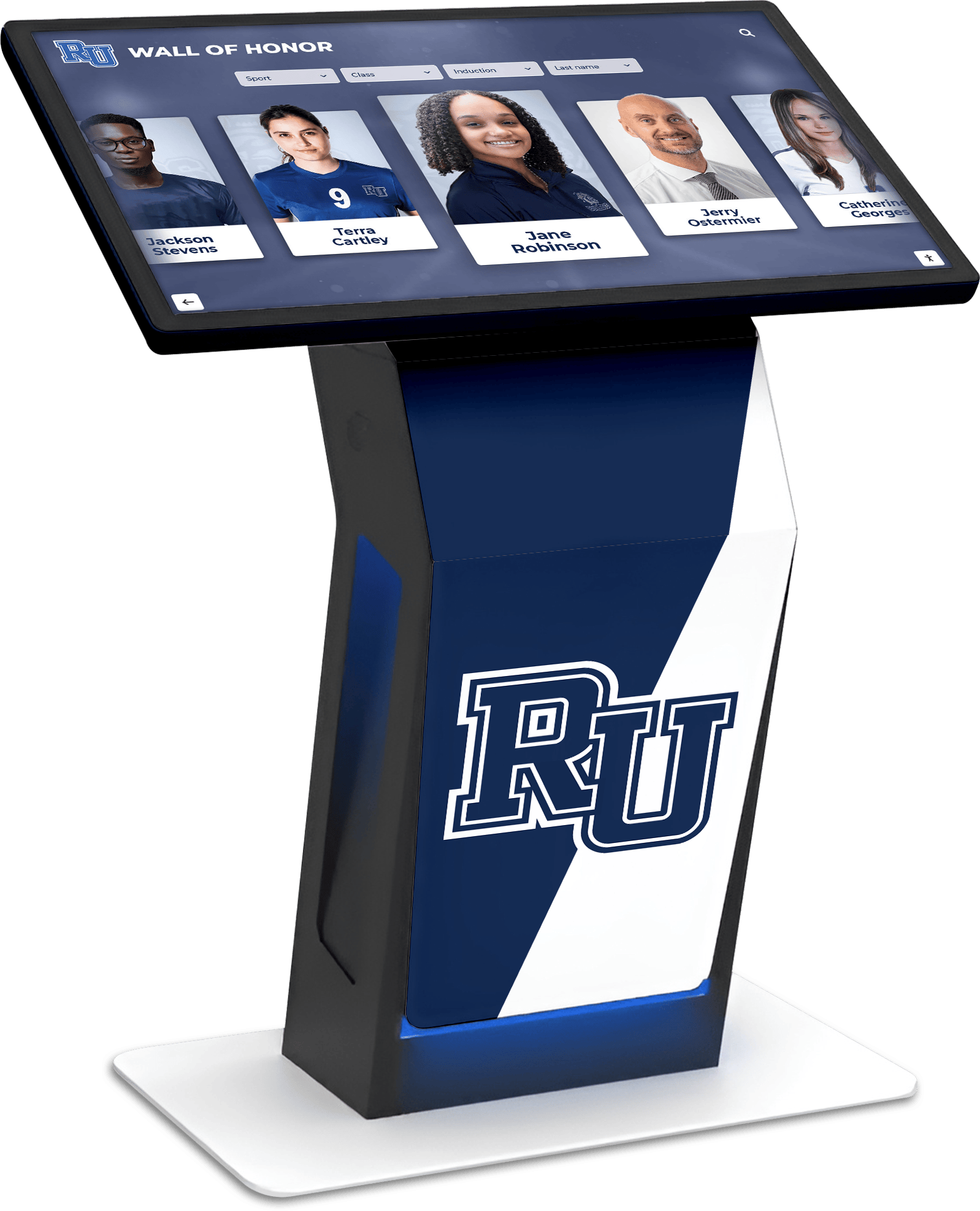
Digital donor recognition displays address these fundamental challenges through technology designed specifically for dynamic campaign environments. Rather than serving as passive acknowledgment, modern recognition systems function as active engagement platforms that drive donor behavior during critical campaign windows and sustain relationships afterward.
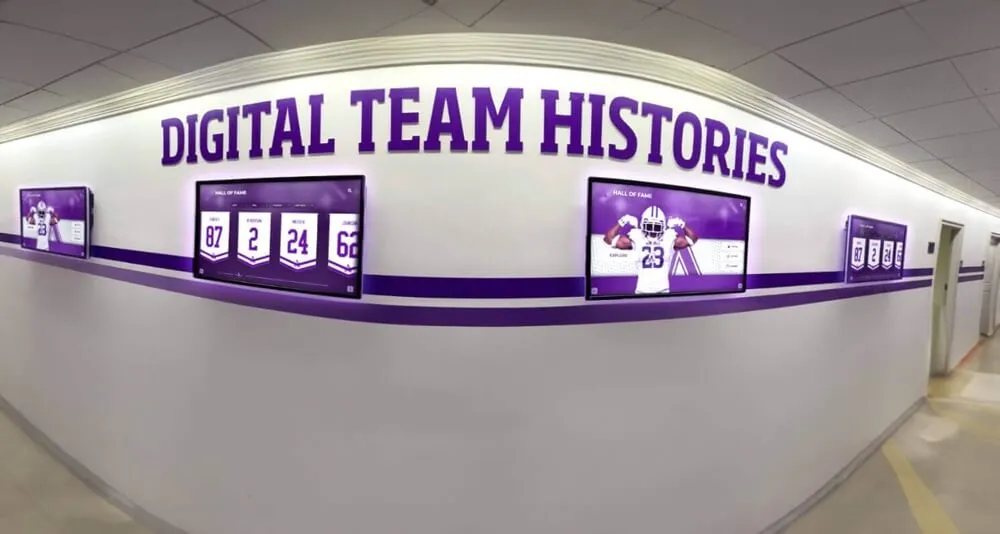
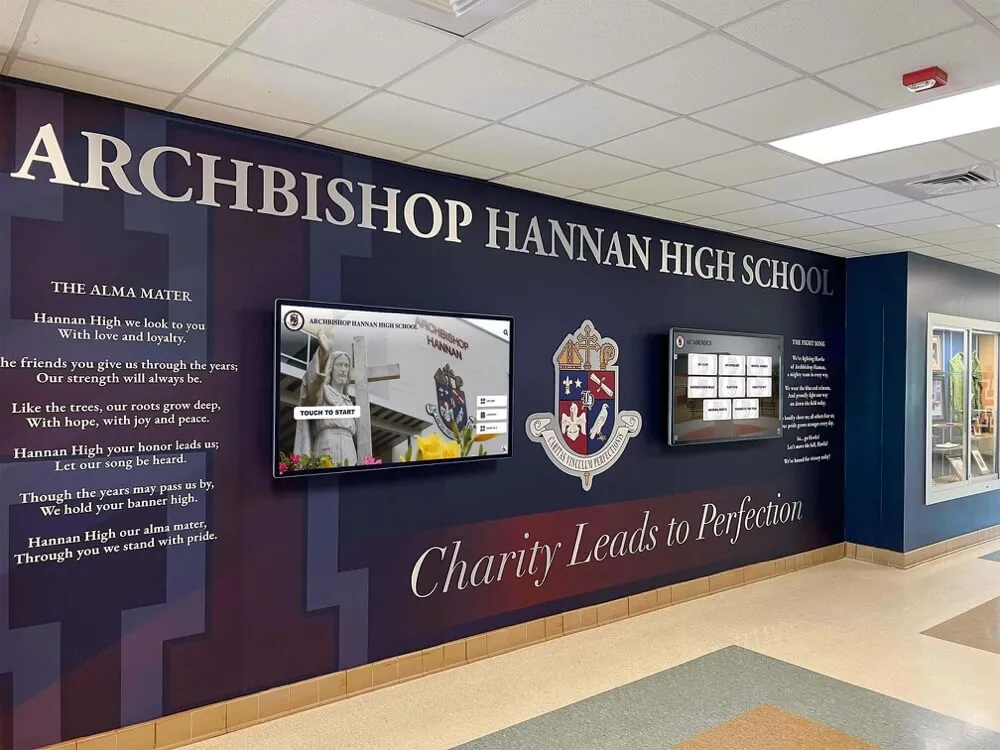
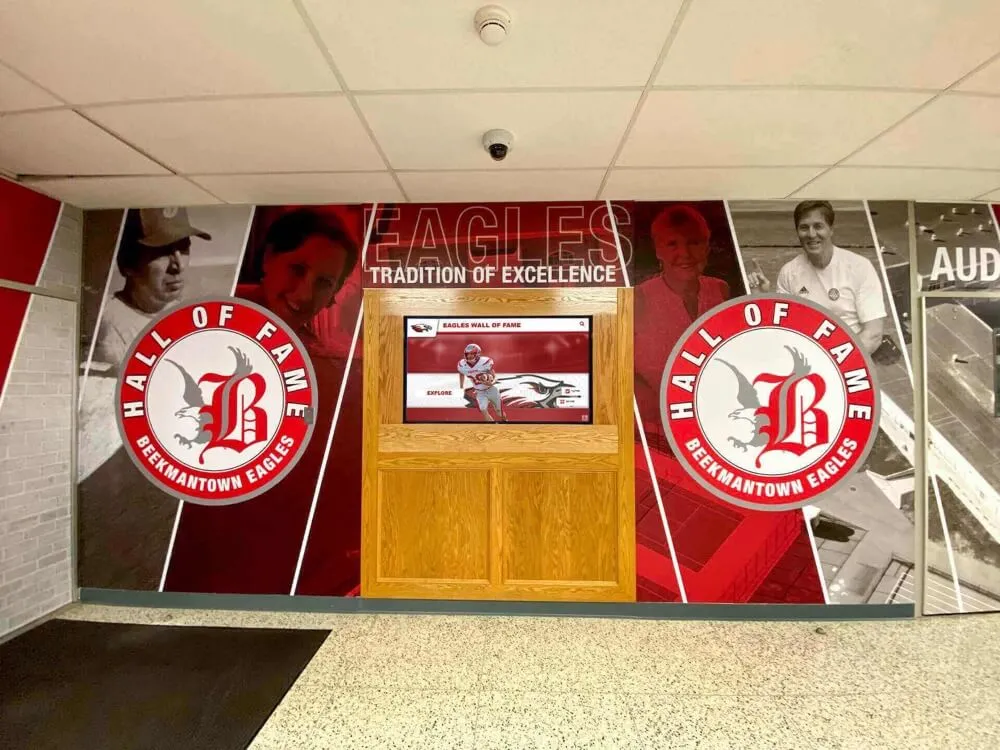
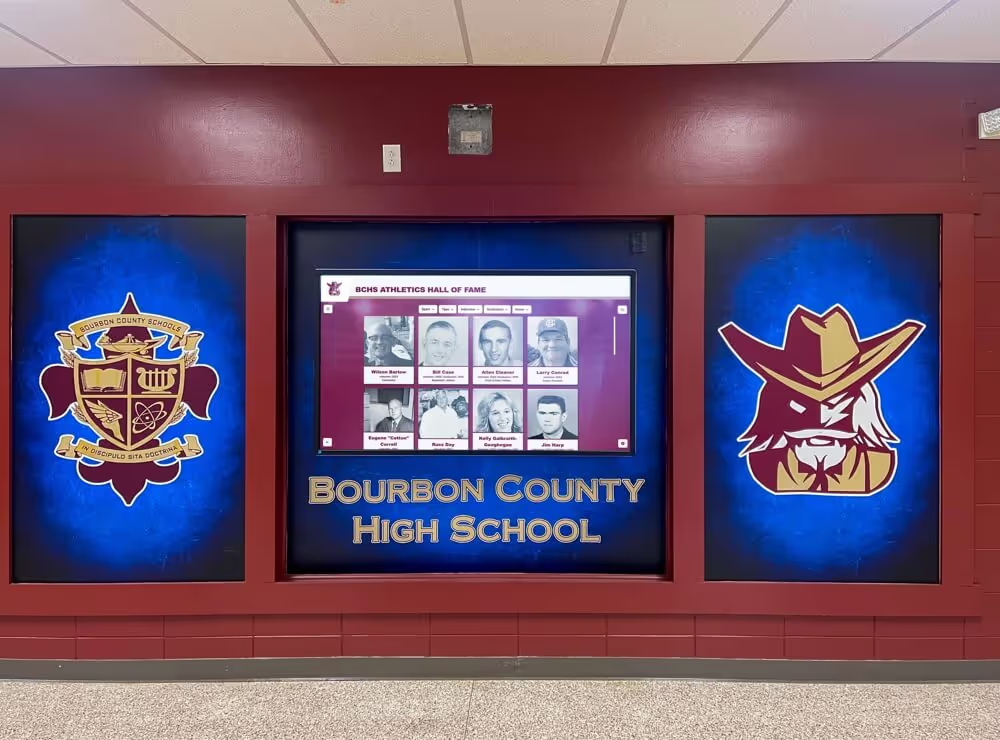
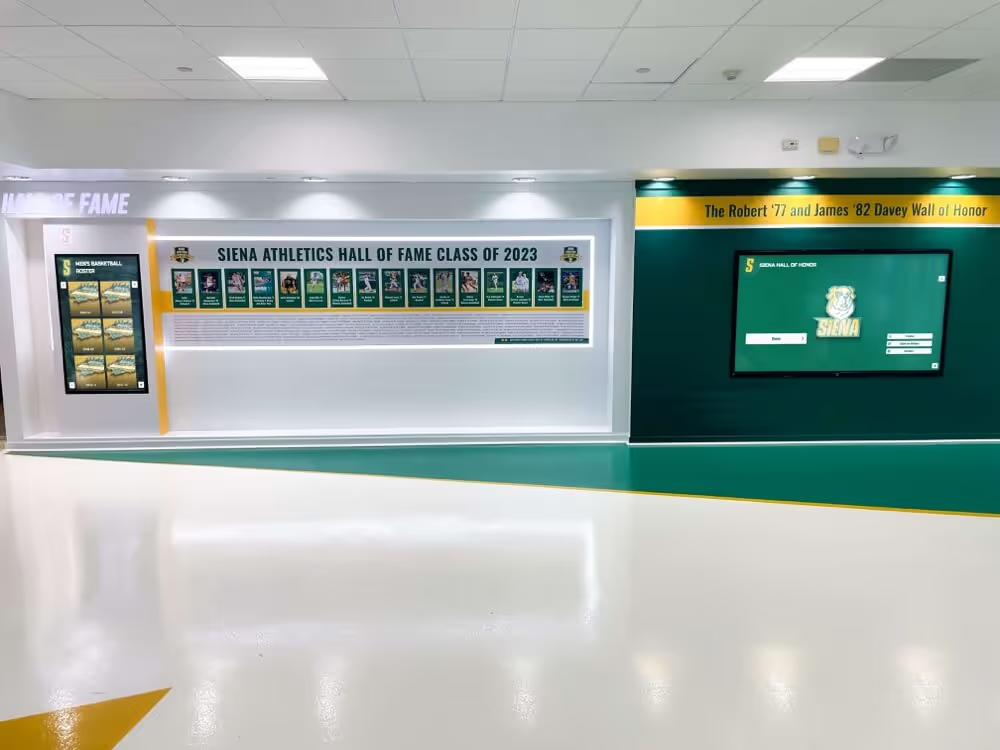
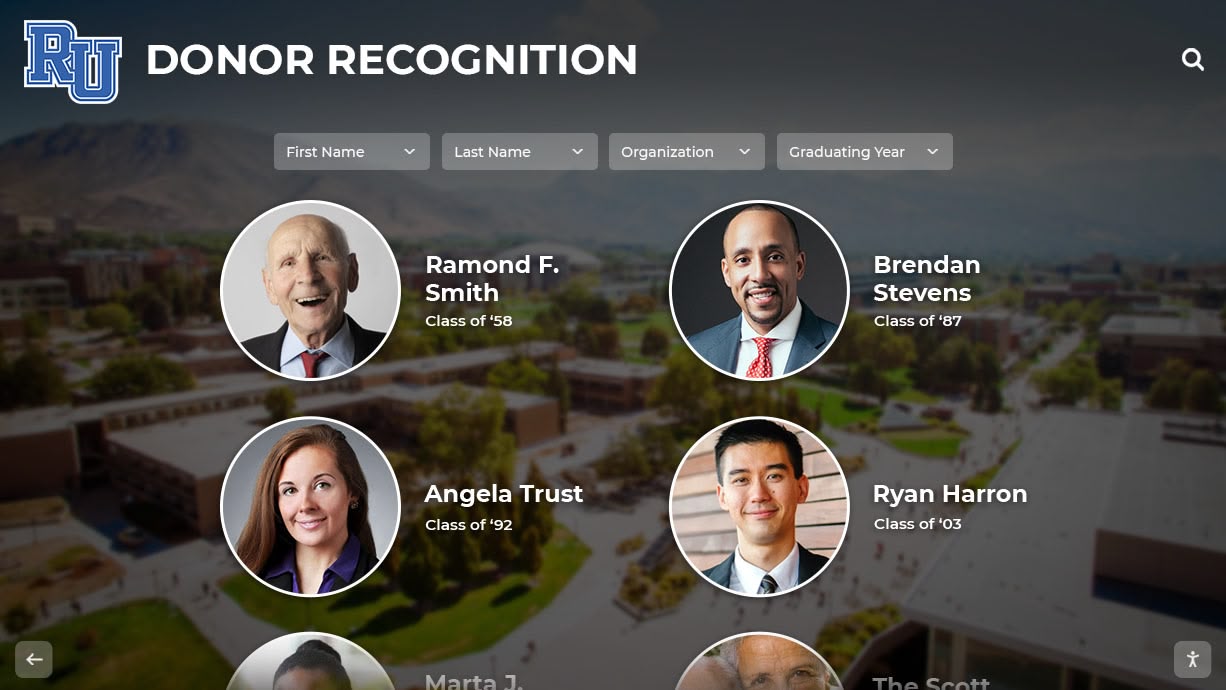
Immediate Visibility and Social Proof: Digital displays showcase supporters instantly as contributions arrive, creating visible evidence of growing participation that motivates additional giving. When prospective donors visit campuses, attend events, or explore online companion sites during Giving Tuesday campaigns, they see active participation unfolding in real-time—powerful social validation that their peers are contributing and they should join this community effort.
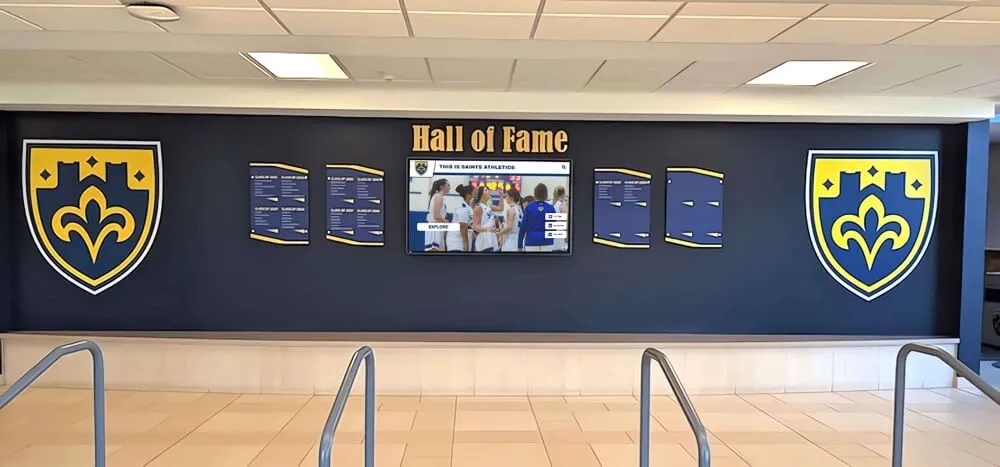
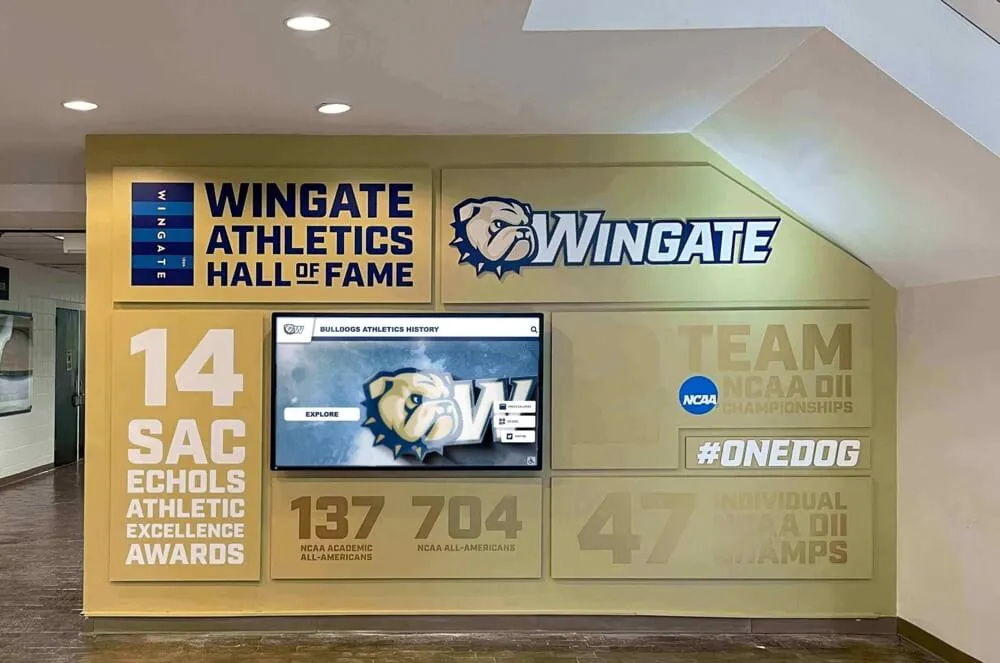
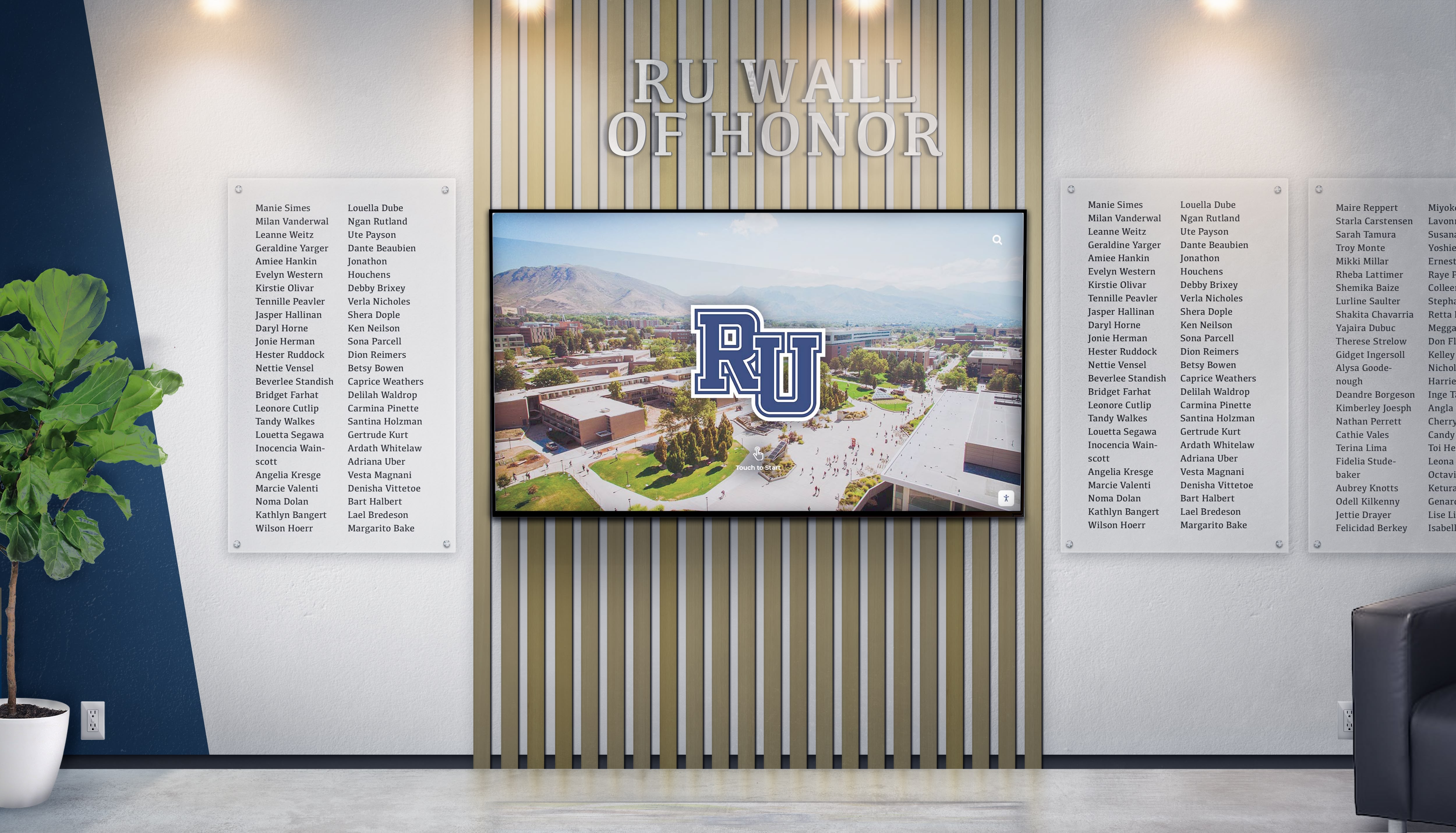
Centralized Campaign Hubs: Rather than scattering campaign information across disconnected platforms, digital recognition displays consolidate donor acknowledgment, campaign progress tracking, impact storytelling, and direct donation access into single engagement points. This centralization simplifies donor experiences while creating focal points where organizations can concentrate attention and build momentum.
Seamless Donation Integration: Modern recognition systems link directly to giving platforms through QR codes, integrated donation buttons, and synchronized data flows. Supporters who explore recognition displays—either physically on campuses or virtually through web platforms—can transition from inspiration to contribution within seconds, eliminating friction that causes potential donors to abandon giving intentions.
Extended Campaign Lifespan: While Giving Tuesday occurs on a single day, digital recognition displays extend campaign value indefinitely. Donors honored during Giving Tuesday remain visible year-round, their recognition serving ongoing cultivation purposes and inspiring future campaign participation. This sustained visibility transforms one-day events into lasting recognition traditions that strengthen donor relationships across years.
Organizations like schools, colleges, and nonprofits using solutions like Rocket Alumni Solutions gain purpose-built platforms specifically designed for educational and nonprofit donor recognition contexts, combining intuitive management, professional design, and proven fundraising integration that traditional digital signage systems cannot match.
Creating Effective Giving Tuesday Donor Recognition Displays
Successful Giving Tuesday recognition displays require thoughtful planning that balances immediate campaign needs with long-term recognition strategies. Organizations should consider several critical elements when designing systems that drive both short-term giving and sustained donor engagement.
Essential Components of Giving Tuesday Recognition Systems
Real-Time Donor Acknowledgment: The cornerstone of effective Giving Tuesday displays is immediate recognition appearing within minutes of contributions arriving. Integration with donation platforms enables automatic updates showing supporter names, giving levels, personal messages when donors provide them, and timestamps demonstrating campaign momentum. This instant visibility validates donor decisions during the critical moments when they’re most engaged and likely to amplify their support through social sharing.
Campaign Progress Visualization: Fundraising thermometers, progress bars, and countdown timers transform abstract campaign goals into tangible milestones that communities can rally around. Displaying current totals alongside targets creates urgency and demonstrates impact—supporters see that their individual contributions combine with others to achieve significant collective outcomes. When campaigns reach milestone percentages (25%, 50%, 75% complete), celebration messaging reinforces positive momentum.
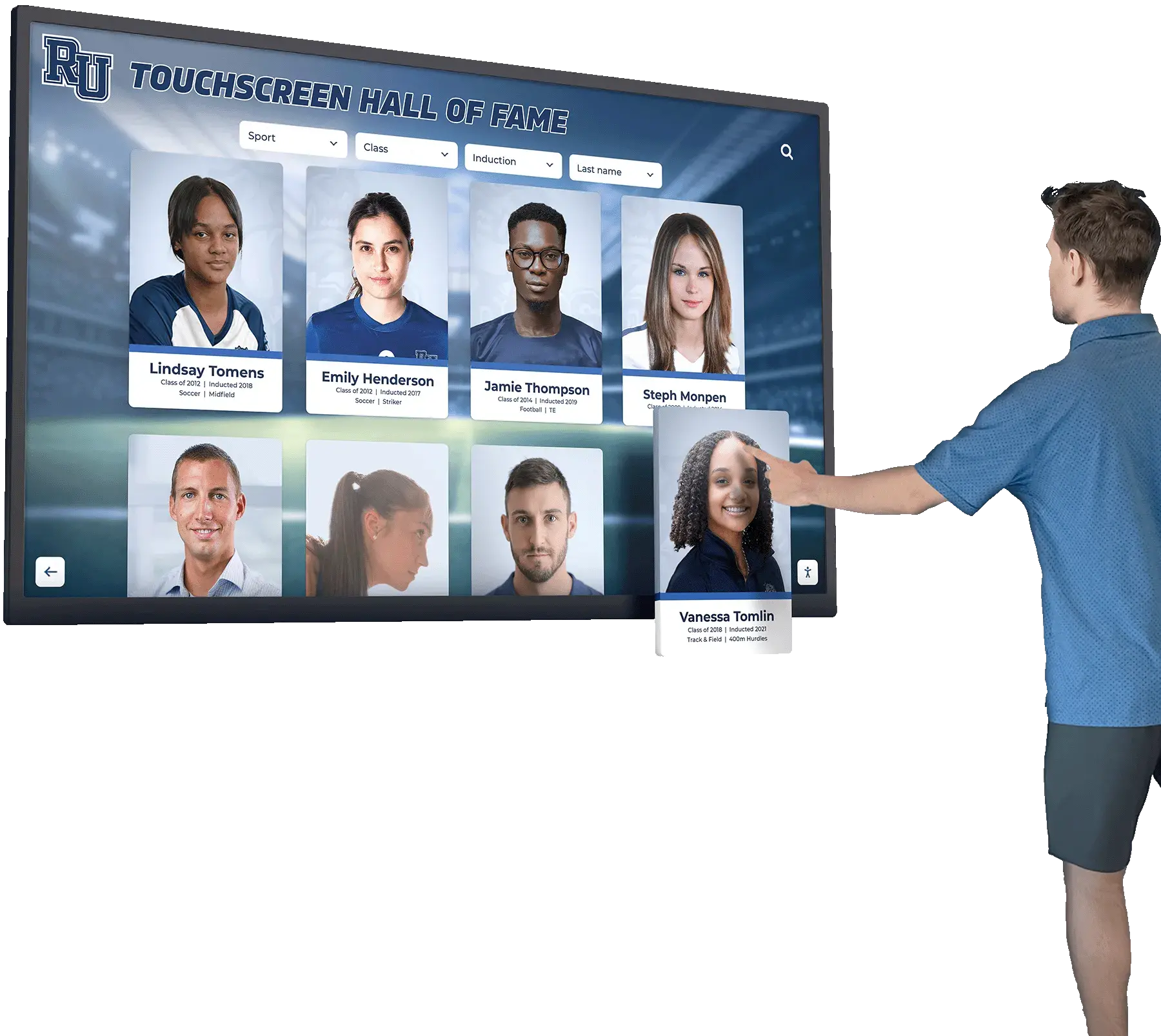
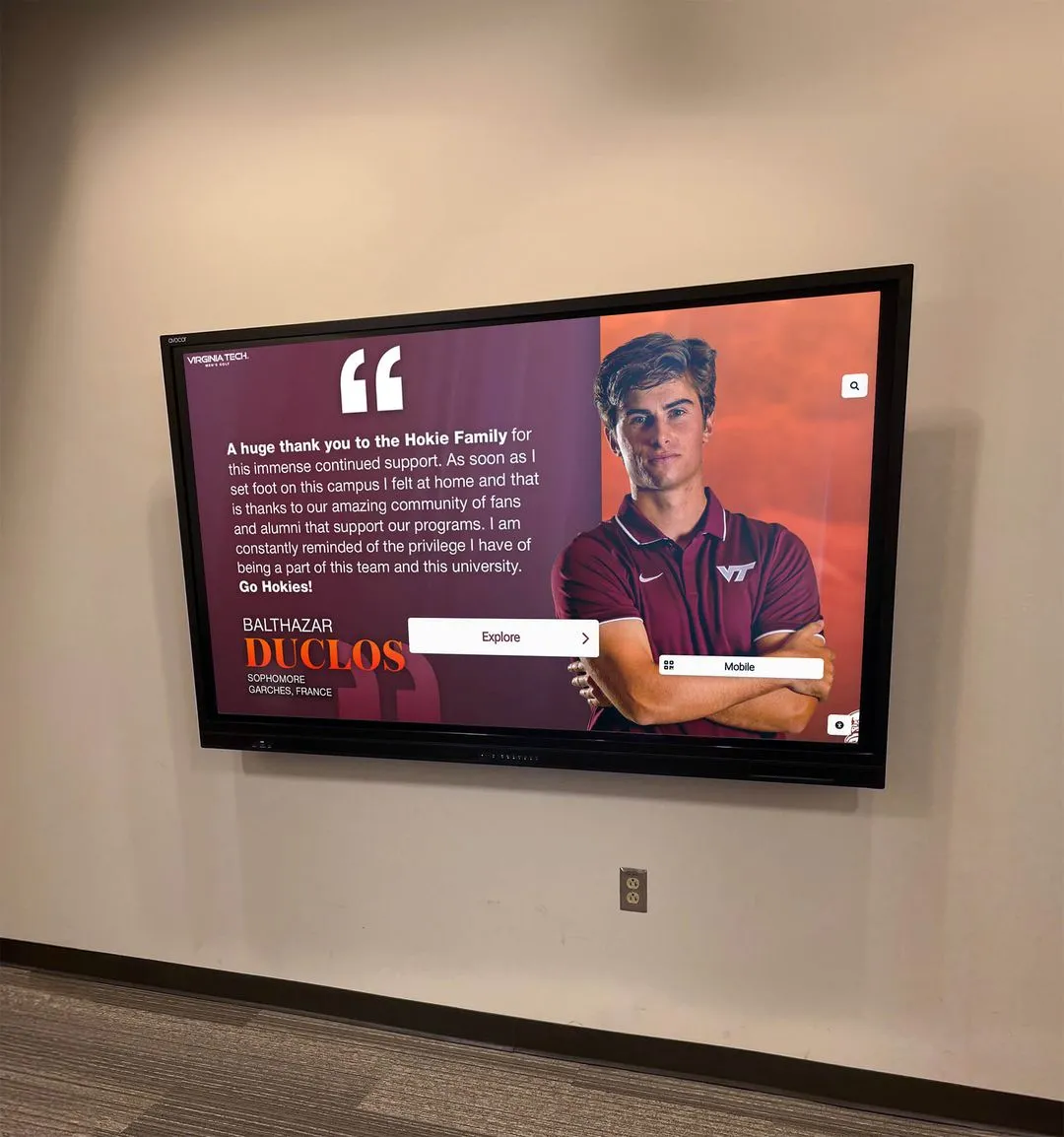
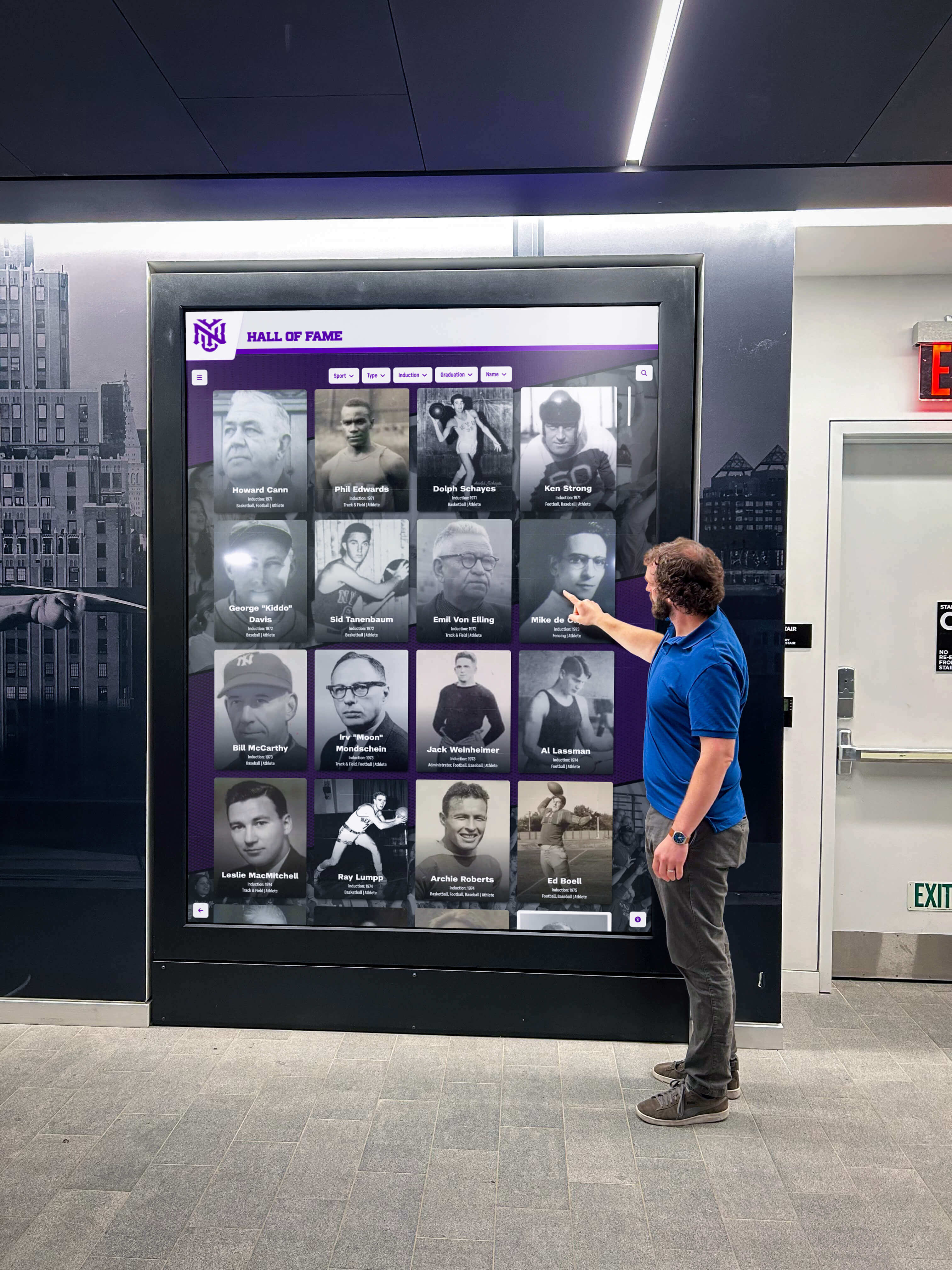
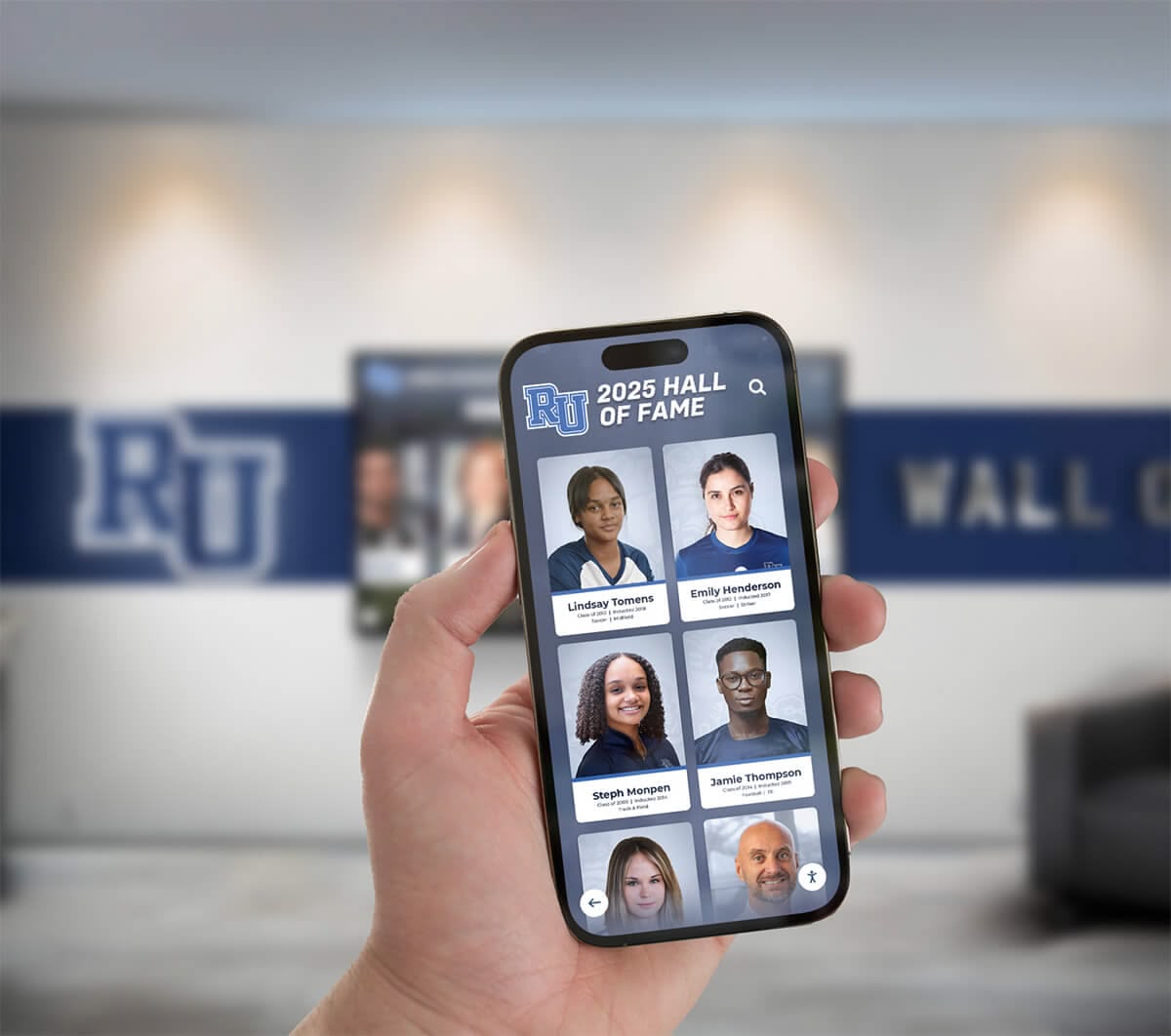
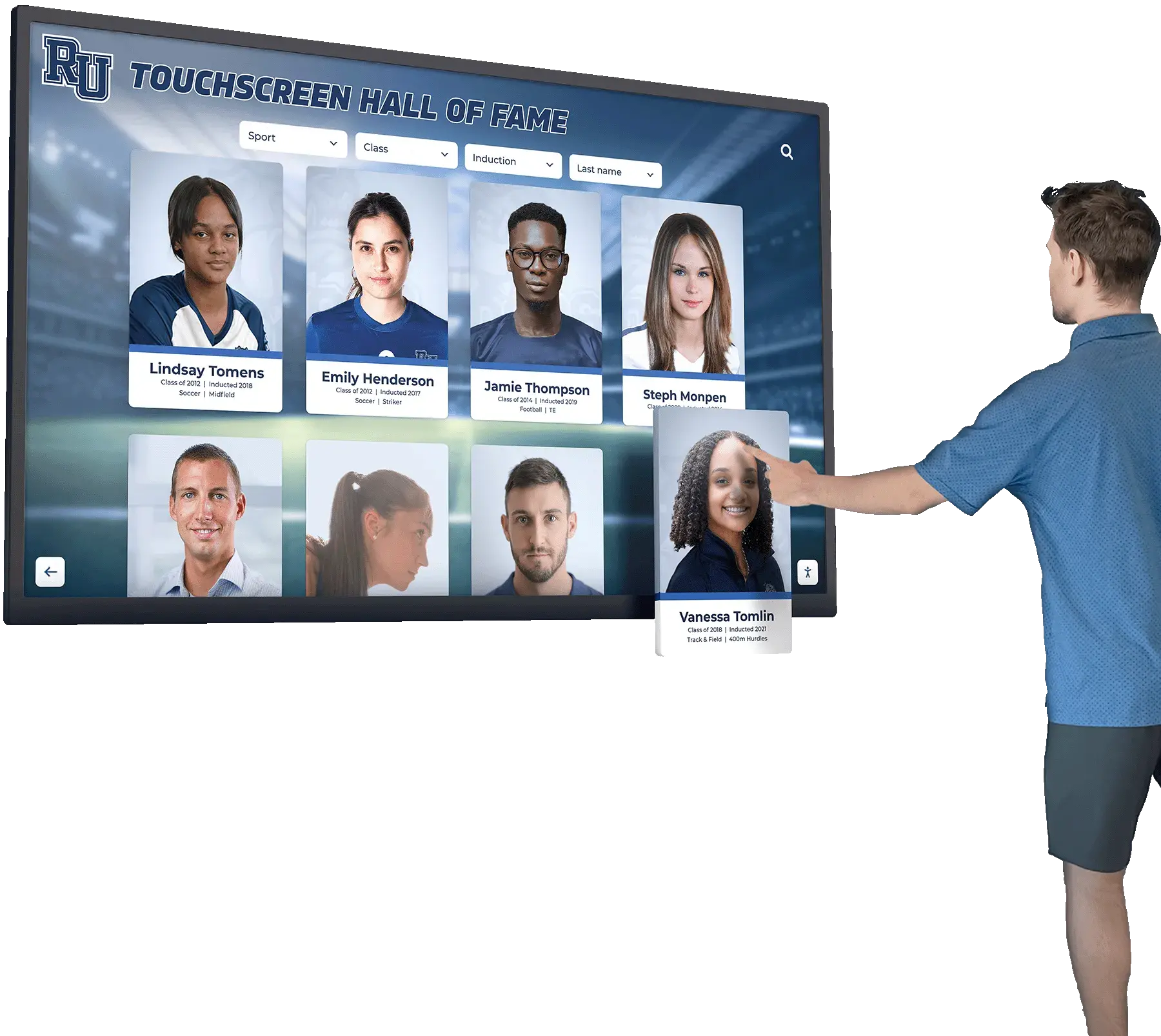
Interactive Donor Exploration: Touchscreen capabilities enable visitors to search for themselves, family members, and friends within donor databases. This interactive discovery creates engaging experiences that keep supporters exploring recognition longer while increasing likelihood they’ll share discoveries on social media. Search functionality also enables development officers to demonstrate recognition during prospect meetings, showing how organizations honor supporters at various giving levels.
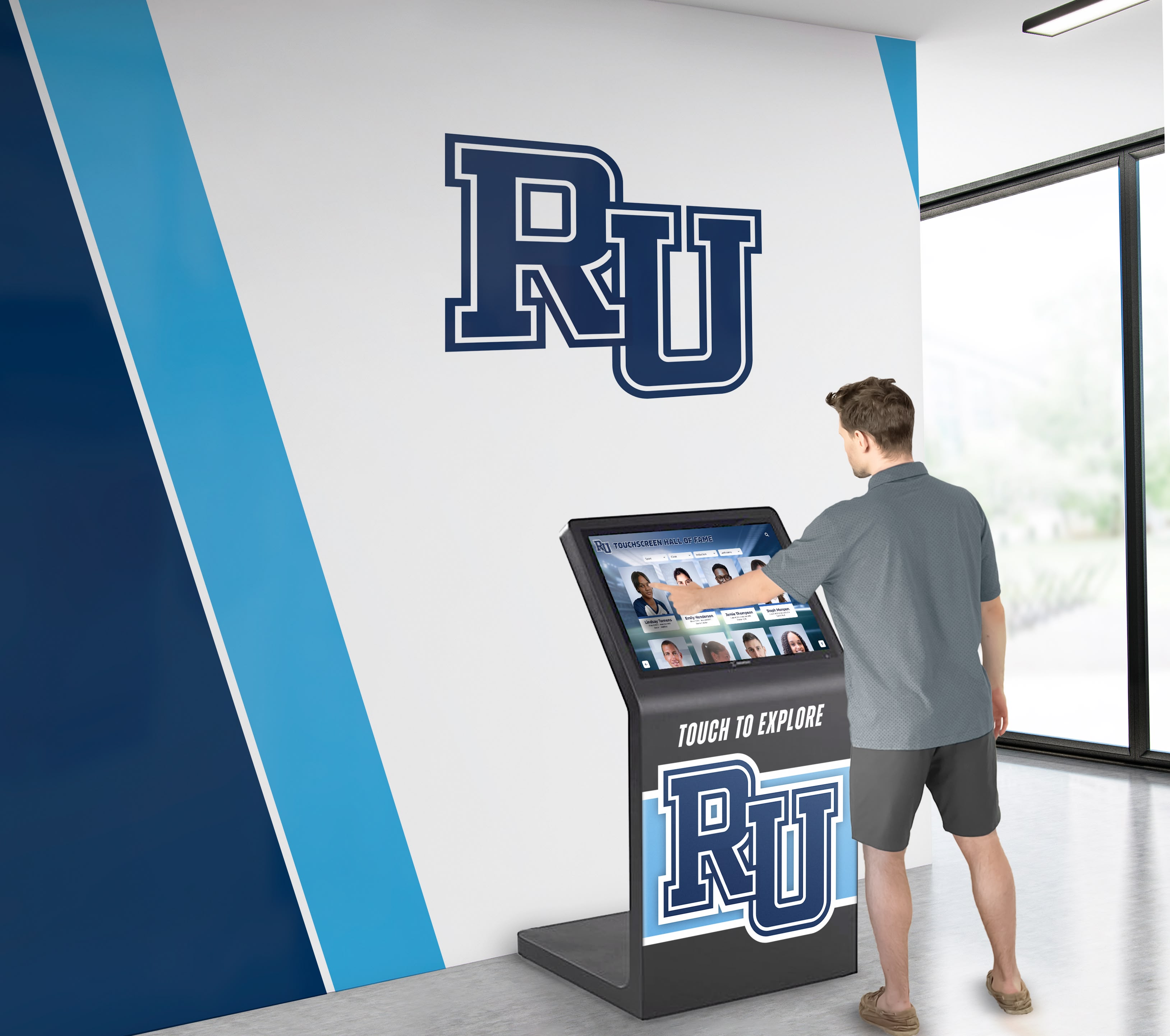
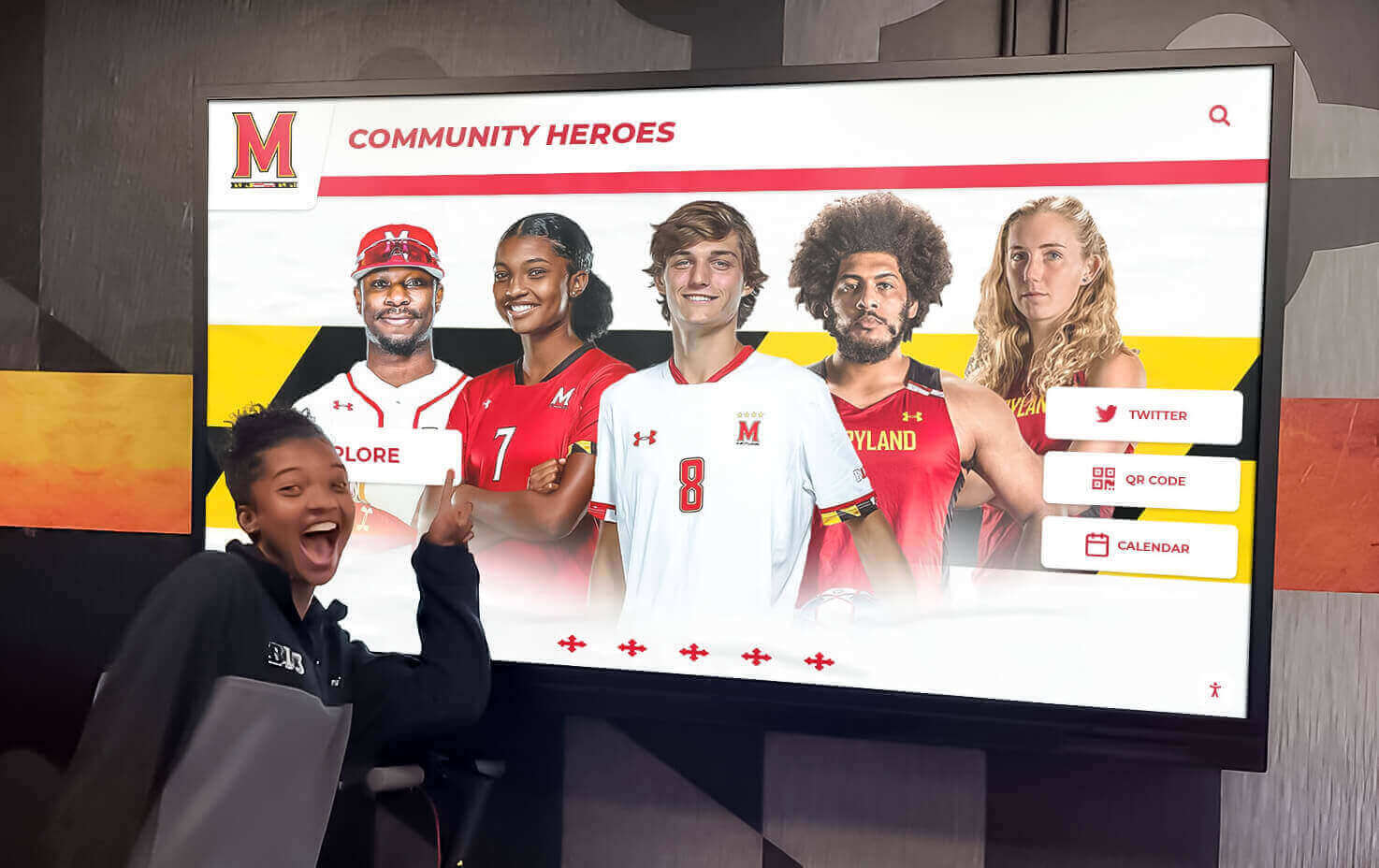
Direct Donation Integration: Prominent QR codes, on-screen donation buttons, and clear calls to action transform recognition displays into active fundraising tools. When supporters finish exploring donor acknowledgment, immediate pathways to contribute ensure inspiration converts to action. Organizations should test QR code placement, button visibility, and messaging to optimize conversion rates from recognition exploration to completed donations.
Impact Storytelling: Beyond listing donor names, effective recognition displays incorporate compelling narratives explaining how contributions create meaningful outcomes. Short videos featuring students, patients, program participants, or other beneficiaries describing donor impact provide emotional context that motivates giving. Impact metrics—scholarships funded, students served, projects completed—quantify outcomes donors enable through their generosity.
Social Sharing Features: Integration with social media platforms enables supporters to share their recognition directly from displays to Facebook, Instagram, Twitter, and LinkedIn. This organic amplification extends campaign reach far beyond organizations’ owned channels, with donors effectively recruiting additional supporters from their personal networks. Recognition sharing also strengthens donor identity and commitment—public acknowledgment increases likelihood of continued future support.
Optimal Display Placement for Maximum Campaign Impact
Strategic positioning determines how effectively recognition displays drive Giving Tuesday participation and sustain ongoing engagement:
High-Traffic Campus Locations:
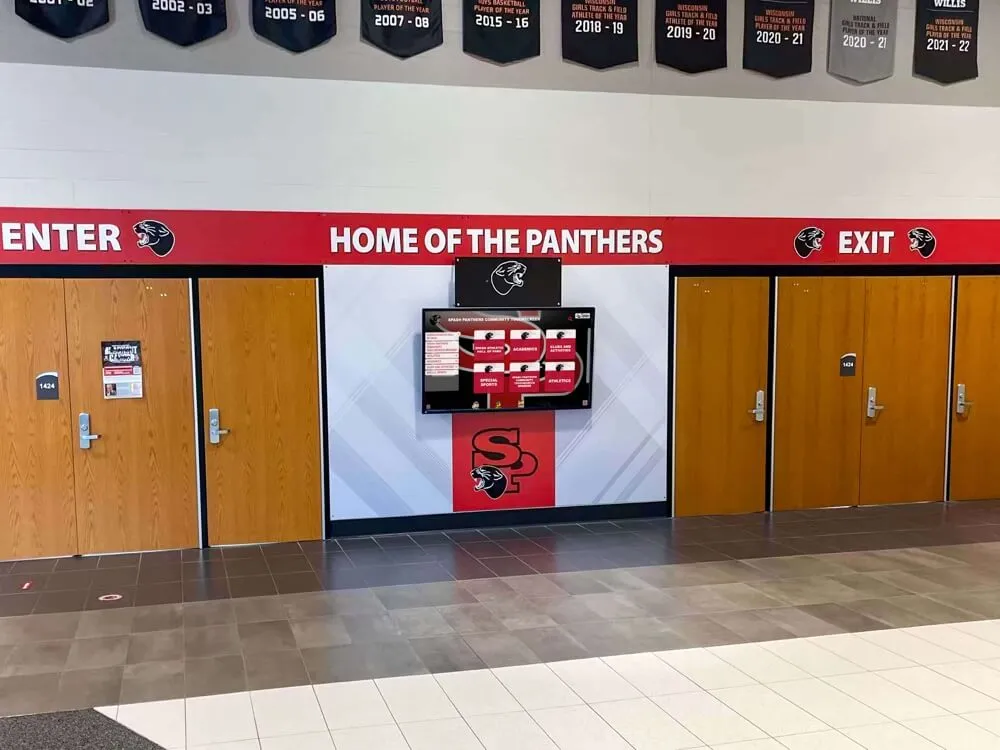
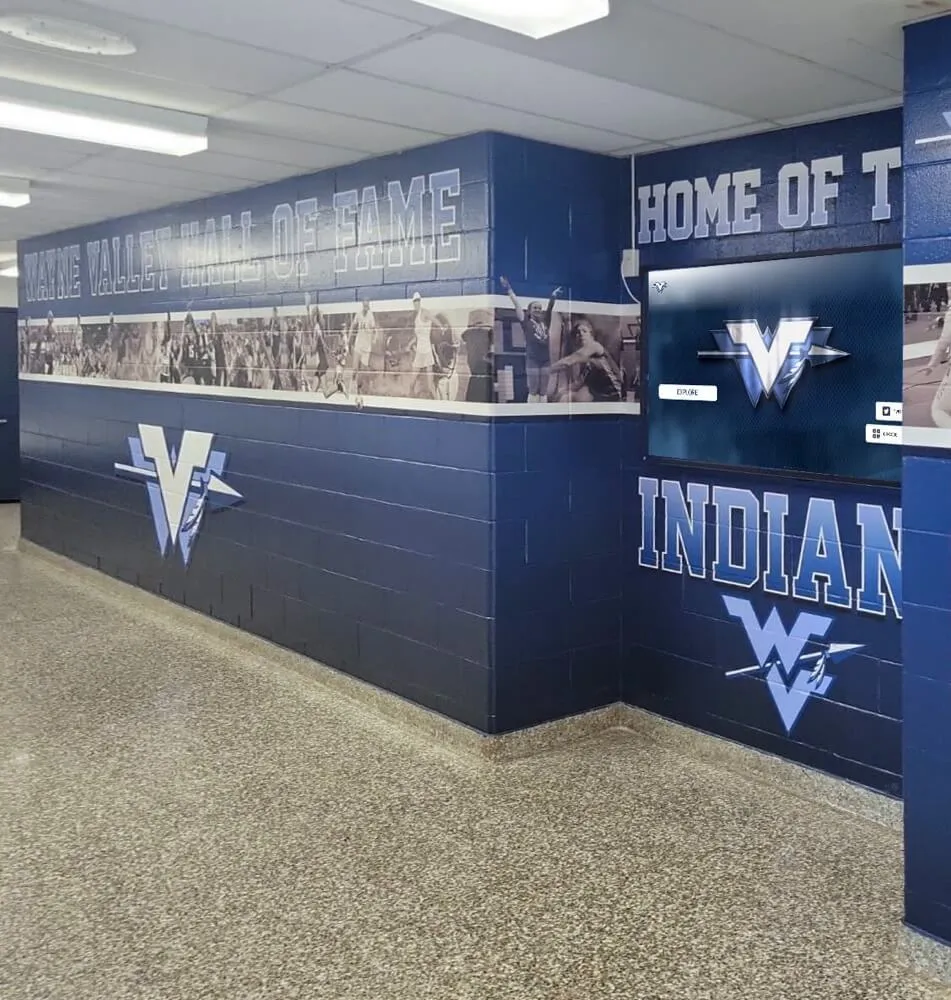
- Main entrance lobbies where all visitors pass naturally during campaign events
- Student centers and gathering spaces with sustained daily traffic
- Outside development or advancement offices where donors visit frequently
- Adjacent to auditoriums hosting Giving Tuesday kickoff events or celebrations
- Cafeterias and dining areas where communities congregate throughout campaigns
- Athletic facilities during games when alumni attendance peaks
Event-Specific Positioning: Many organizations coordinate Giving Tuesday with homecoming weekends, alumni gatherings, or special campus events. Positioning recognition displays prominently at these events—registration areas, reception spaces, event entrances—maximizes visibility when donor populations are concentrated and engagement runs high.
Virtual Accessibility: Physical displays provide critical on-campus visibility, but web-based companion platforms extend recognition to global alumni and supporter populations who cannot visit facilities during campaigns. Mobile-responsive sites enabling donor exploration, campaign tracking, and instant giving from anywhere dramatically expand participation beyond local communities. Organizations should promote virtual recognition access through email campaigns, social media posts, and website integration throughout Giving Tuesday and beyond.
Integrating Digital Recognition with Giving Tuesday Strategy
Digital donor displays achieve maximum impact when integrated comprehensively into overall Giving Tuesday campaign strategies rather than functioning as isolated recognition tools.
Pre-Campaign Planning and Donor Preparation
Successful Giving Tuesday recognition begins weeks before the actual event:
Setting Recognition Tiers: Organizations should establish clear giving levels that will be recognized on displays, balancing inclusivity (acknowledging all contributors regardless of amount) with aspiration (creating premium recognition tiers that inspire increased giving). Common approaches include:
- Universal recognition for all Giving Tuesday contributors
- Special designation for first-time donors to celebrate new relationships
- Tiered societies based on contribution levels ($100+, $500+, $1,000+, etc.)
- Consecutive-year giving clubs for donors who participate annually
- Leadership circles for top Giving Tuesday contributors
- Matching gift acknowledgment for donors securing corporate matches
Communicating Recognition Plans: Organizations should actively promote recognition elements during campaign promotion. Messages explaining how contributors will be honored—appearing on campus displays, featured on websites, celebrated at events—strengthen giving motivation. Many prospective donors respond positively to visible acknowledgment, and communicating recognition plans in advance creates anticipation that drives participation.
Technical Preparation: Before campaign launch, organizations must ensure recognition systems integrate properly with donation platforms, test data flows to confirm donors appear promptly after contributing, prepare content templates for consistent recognition presentation, train staff on system management for real-time campaign adjustments, and establish protocols for handling recognition opt-outs and privacy preferences.
Day-of Campaign Management
During Giving Tuesday itself, recognition displays require active management to maximize engagement and momentum:
Real-Time Monitoring: Development staff should monitor recognition displays throughout the campaign day, verifying that new donors appear promptly, checking that campaign thermometers update accurately, ensuring interactive features function properly, and addressing any technical issues immediately to maintain seamless donor experiences.
Momentum Messaging: As campaigns progress toward goals, celebration messaging reinforces positive energy. When reaching 25%, 50%, or 75% milestones, displays should highlight achievements prominently. Countdown messaging as organizations approach campaign ends creates urgency motivating last-minute contributions from supporters watching progress unfold.
Social Media Amplification: Organizations should actively photograph supporters using recognition displays and share images on social channels, screenshot campaign progress updates and post to drive final hours urgency, thank donors publicly while tagging them when appropriate to amplify reach, and celebrate milestone achievements as they occur during campaign day.
Post-Campaign Recognition and Stewardship
Giving Tuesday recognition doesn’t end when campaigns conclude—sustained acknowledgment strengthens relationships and increases likelihood of future participation:
Extended Recognition: Donors should remain featured on displays beyond Giving Tuesday, with special designation noting their participation in the specific campaign. Annual recognition updates can add cumulative giving totals showing progression over multiple years, strengthening donor identity as loyal supporters rather than one-time contributors.
Analytics Review: Organizations should analyze recognition display engagement during and after campaigns, measuring total interactions with displays during Giving Tuesday, donor search patterns and most-viewed profiles, social sharing frequency and reach, correlation between recognition visibility and giving levels, and campaign conversion rates from display engagement to completed donations. These insights inform improvements for future campaigns.
Stewardship Integration: Recognition display analytics identify highly engaged supporters who explored recognition extensively, donors who shared recognition on social media becoming campaign ambassadors, and leadership giving prospects based on interaction patterns. Development teams can leverage these insights for targeted follow-up, upgrade solicitations, and volunteer recruitment.
For organizations seeking to maximize their donor recognition strategies, understanding how digital platforms support comprehensive stewardship creates sustained relationships beyond individual campaign moments.
Advanced Integration: Linking Recognition to Donation Platforms
The most effective Giving Tuesday recognition displays create seamless connections between acknowledgment and contribution, transforming passive recognition into active fundraising tools through strategic technical integration.
Direct Donation Integration Methods
QR Code Implementation: Strategically placed QR codes on recognition displays provide instant donation access without requiring visitors to type URLs or search for giving pages. Best practices include:
- Prominent placement in consistent locations across all display screens
- Clear calls to action explaining what codes do (“Scan to Join Our Donors”)
- Testing across multiple device types ensuring universal functionality
- Tracking QR code usage through analytics measuring conversion effectiveness
- Creating campaign-specific codes enabling attribution of recognition-driven donations
Embedded Giving Forms: Some advanced recognition platforms incorporate donation forms directly within display interfaces, enabling supporters to contribute without leaving recognition environments. This approach eliminates all friction between inspiration and action, though organizations must carefully balance user experience with payment security requirements.
Social Media Giving Integration: Facebook Fundraising and other social giving platforms can be linked directly from recognition displays, leveraging social proof where supporters see friends contributing while also enabling their own participation through familiar platforms. Social giving often generates higher participation rates among younger donor demographics comfortable with platform interfaces.
Integration with Donor Management Systems
Comprehensive integration between recognition displays and advancement databases ensures data accuracy while reducing administrative burden:
Supported Platform Integrations: Quality digital recognition systems integrate with major donor management platforms including Blackbaud Raiser’s Edge, Salesforce Nonprofit Cloud, DonorPerfect, Bloomerang, and other CRM systems commonly used by schools, colleges, and nonprofits. Integration enables automatic data synchronization eliminating manual entry, real-time recognition updates as contributions process, consistent information across organizational systems, and reduced staff workload during intense campaign periods.
Data Flow Architecture: Organizations should understand how information flows between systems. Typical integration approaches include API connections enabling real-time data exchange, scheduled data synchronization occurring at specified intervals (hourly, daily), manual import processes for organizations without API access, and hybrid approaches combining automated flows with manual oversight for quality control.
Privacy and Opt-Out Management: Integration must respect donor privacy preferences. Systems should honor opt-out requests automatically preventing unwanted recognition, provide granular controls enabling donors to specify what information appears publicly, synchronize privacy preferences across all platforms consistently, and implement clear processes for donors to update recognition preferences easily.
For institutions evaluating recognition platform capabilities, understanding how digital donor walls integrate with existing systems ensures technology investments serve comprehensive advancement strategies rather than creating isolated tools.
Content Strategies for Compelling Giving Tuesday Recognition
Beyond technical capabilities, recognition effectiveness depends on content quality that honors donors appropriately while inspiring additional giving from prospective supporters.
Essential Content Elements
Donor Profiles: Comprehensive recognition should include donor names (respecting privacy preferences and opt-outs), giving levels or recognition society membership, years of consecutive Giving Tuesday participation, personal messages when donors choose to share them, and photographs when donors provide permission and appropriate images.
Impact Narratives: Moving beyond simple acknowledgment, effective recognition explains why donations matter through beneficiary testimonials describing how support changed outcomes, program statistics quantifying impact donors enable, project updates showing tangible results of collective giving, leadership messages thanking supporters and celebrating community, and historical context showing multi-year campaign progression.
Campaign-Specific Content: During active Giving Tuesday campaigns, dynamic content includes real-time donor counts showing growing participation, recent contributor highlights celebrating newest supporters, countdown timers creating urgency toward campaign ends, matching gift status encouraging participation before matches expire, and milestone celebrations when campaigns reach goal percentages.
Evergreen Recognition: After campaigns conclude, sustained recognition includes annual Giving Tuesday summaries showing cumulative participation, donor progression stories highlighting supporters who increase giving over years, giving impact summaries demonstrating long-term outcomes collective support enables, and anniversary recognition celebrating multi-year consecutive participation.
Multimedia Approaches
Video Content: Short video testimonials prove especially effective for recognition displays. Content typically includes student or beneficiary stories (30-60 seconds) explaining donor impact, leadership thank-you messages (15-30 seconds) acknowledging campaign support, and campaign summary videos (60-90 seconds) celebrating achievements and community participation. For guidance on creating compelling video recognition, organizations can explore digital storytelling approaches for athletic programs that apply equally well to donor recognition contexts.
Photography: High-quality images strengthen recognition impact through donor portraits when contributors provide permission, event photography showing campaign celebrations and community engagement, facility or program images demonstrating what donations fund, before-and-after transformations illustrating tangible improvements, and historical imagery connecting current campaigns to institutional legacy.
Interactive Elements: Beyond static content, engaging recognition includes searchable donor databases enabling personal discovery, filterable views showing specific recognition tiers or graduation classes, geographic maps displaying donor distribution and community reach, giving history timelines showing donor progression across years, and social sharing features enabling supporters to amplify recognition through their networks.
Measuring Success: Analytics and Continuous Improvement
Effective recognition programs require systematic evaluation demonstrating value while identifying improvement opportunities for future campaigns.
Key Performance Indicators
Engagement Metrics: Organizations should track total interactions with recognition displays during Giving Tuesday and surrounding weeks, unique users exploring donor content, average session duration indicating depth of engagement, search activity showing which donors visitors seek, and peak usage times informing content scheduling and staff availability.
Fundraising Correlation: Analytics connecting recognition to giving behavior reveal conversion rates from display engagement to completed donations, average gift sizes from donors who explored recognition versus those who didn’t, upgrade rates among donors who saw their previous recognition, and participation rates comparing years with prominent recognition to previous campaigns without visible acknowledgment.
Content Performance: Measuring what recognition content generates strongest engagement identifies most-viewed donor profiles and stories, video completion rates and viewer behavior, search terms revealing what interests visitors most, social sharing frequency and network reach, and campaign progress tracker interaction patterns.
Comparative Analysis
Year-Over-Year Trends: Organizations should compare current Giving Tuesday performance against previous campaigns, measuring total contribution amounts and donor participation counts, new versus returning donor ratios, average gift size evolution, geographic participation changes showing reach expansion, and donor retention rates into following years.
Benchmark Comparisons: When possible, organizations benefit from understanding peer institution performance through development network data sharing, industry reports from organizations like CASE or AFP, vendor-provided aggregated benchmarks, and informal peer group discussions.
A/B Testing: Systematic experimentation identifies optimal approaches for recognition placement testing different display locations measuring engagement differences, messaging variations comparing different calls to action, recognition tier structures evaluating participation at various giving levels, QR code positioning finding optimal placement for scan conversion, and content length testing detailed versus concise donor profiles.
Organizations committed to recognition excellence treat displays as evolving programs requiring continuous refinement rather than static installations. Regular analysis, donor feedback collection, and systematic testing ensure recognition approaches remain effective as campaign environments and donor expectations evolve.
For comprehensive guidance on measuring recognition effectiveness, exploring digital recognition display implementation strategies provides frameworks applicable across educational institutions and nonprofits.
Building Long-Term Value Beyond Single Campaigns
While Giving Tuesday creates concentrated campaign opportunities, the greatest recognition value emerges from systems serving organizations across years rather than single events.
Year-Round Recognition Strategies
Evergreen Donor Acknowledgment: Digital displays should honor supporters continuously beyond campaign periods. Organizations can maintain donor engagement through monthly or quarterly recognition updates adding new supporters, rotating featured donor spotlights highlighting different contributors regularly, anniversary recognition celebrating giving milestones automatically, campaign anniversary features commemorating previous Giving Tuesday participation, and sustained impact reporting showing long-term outcomes collective giving enables.
Multiple Campaign Support: While Giving Tuesday generates significant annual attention, comprehensive recognition systems support diverse fundraising throughout calendars including annual fund campaigns recognizing sustained giving programs, capital campaigns showcasing major initiative support, endowment drives highlighting legacy commitments, scholarship fundraising celebrating student support, program-specific campaigns for targeted initiatives, and year-end giving pushes capitalizing on tax planning motivation.
Alumni Engagement Beyond Giving: Recognition platforms often extend beyond pure fundraising to acknowledge volunteer leadership, professional mentoring and student connections, event attendance and community participation, legacy society membership from planned gift commitments, and multi-generational family engagement showing sustained relationships. This comprehensive acknowledgment strengthens institutional bonds making donors more likely to support future campaigns generously.
Sustained Stewardship Through Recognition
Ongoing Appreciation: Year-round recognition visibility maintains top-of-mind awareness ensuring donors remember their support appreciated continuously, strengthening identity as institutional supporters, creating conversation points when donors visit campuses or attend events, demonstrating organizational commitment to lasting relationships, and reinforcing decisions to give repeatedly rather than one-time contributions.
Relationship Building: Recognition displays provide natural cultivation tools during prospective donor tours showing how organizations honor supporters at various levels, prospect meetings where development officers demonstrate recognition approaches, stewardship visits when thanking major donors for their generosity, volunteer recruitment conversations showing community appreciation culture, and planned giving discussions illustrating legacy recognition approaches.
Data-Driven Personalization: Analytics from recognition displays inform personalized outreach by identifying highly engaged supporters showing deep connection to missions, donors who frequently search for themselves indicating recognition importance, supporters who share recognition socially becoming campaign ambassadors, and prospects whose engagement patterns suggest upgrade readiness or leadership gift capacity.
Organizations treating recognition as ongoing ministry rather than isolated campaign tactic create sustained engagement driving increased lifetime donor value. For institutions developing comprehensive approaches, understanding how academic recognition programs work provides transferable frameworks applicable to donor acknowledgment contexts.
Implementation Roadmap: From Planning to Launch
Organizations ready to implement digital donor recognition for upcoming Giving Tuesday campaigns should follow systematic approaches ensuring successful launches and sustained program value.
Phase 1: Strategic Planning (8-12 Weeks Before Giving Tuesday)
Define Recognition Objectives: Organizations should clarify what they want recognition to achieve—immediate Giving Tuesday participation increases, sustained donor retention improvements, social media amplification and campaign visibility, reduced long-term recognition costs compared to traditional approaches, or enhanced cultivation tools for major gift fundraising.
Establish Budget Parameters: Realistic budget development addresses initial hardware investment ($8,000-$50,000 depending on display size and features), software licensing ($3,000-$7,000 annually for content management), installation and configuration costs, content development expenses for initial donor profiles, and ongoing operational budgets for maintenance and updates.
Select Technology Partners: Organizations should evaluate digital recognition providers based on feature completeness addressing specific needs, content management simplicity for non-technical staff, integration capabilities with existing donor management systems, design flexibility matching institutional branding, customer support quality and responsiveness, total cost structure including all ongoing fees, and implementation timeline meeting campaign deadlines.
For educational institutions and nonprofits, purpose-built solutions like Rocket Alumni Solutions provide platforms designed specifically for schools and colleges rather than generic digital signage requiring extensive customization.
Phase 2: Content Development (6-8 Weeks Before Campaign)
Compile Donor Data: Organizations must gather existing donor information from advancement databases, determine recognition tiers and giving level thresholds, identify Giving Tuesday participants from previous campaigns, collect photographs and biographical information when donors provided permission, and establish data quality controls ensuring accuracy.
Develop Recognition Content: Profile creation for existing donors establishes recognition foundation, template development ensures consistent presentation, privacy verification respects donor preferences and opt-outs, and approval workflows maintain appropriate oversight before content publication.
Plan Campaign-Specific Content: Organizations should design campaign progress thermometers and tracking displays, prepare impact messaging explaining how donations help, create video testimonials if budget and timeline allow, develop social sharing features and calls to action, and design QR codes linking to donation pages.
Phase 3: Installation and Testing (3-4 Weeks Before)
Physical Installation: Professional mounting ensures displays meet safety codes and aesthetic standards, network connectivity and power configuration enable proper operation, ADA-compliant positioning provides universal accessibility, and security measures protect valuable equipment.
System Configuration: Organizations must configure integration with donor management systems and donation platforms, implement user permissions and content management access, establish automated data synchronization processes, customize branding and design elements matching institutional identity, and configure analytics tracking and reporting dashboards.
Comprehensive Testing: Before campaign launch, test all interactive features and navigation, verify donor data accuracy across profiles, confirm donation integration and QR code functionality, check search capabilities and filtering options, validate social sharing features across platforms, and ensure mobile companion site functionality.
Phase 4: Campaign Launch and Management
Pre-Campaign Promotion: Organizations should communicate recognition plans in fundraising messaging, promote display locations and virtual access options, share examples of donor profiles and recognition approaches, and create anticipation for campaign day participation.
Active Campaign Management: During Giving Tuesday, staff should monitor displays for functionality and content accuracy, update campaign progress tracking in real-time, photograph supporters using displays for social amplification, address technical issues immediately if they arise, and celebrate milestone achievements as campaigns progress.
Post-Campaign Follow-Up: After campaigns conclude, organizations add final donor recognition promptly, analyze performance metrics and engagement data, gather donor feedback about recognition approaches, plan improvement strategies for future campaigns, and maintain ongoing recognition beyond campaign dates.
Conclusion: Transforming Giving Tuesday Through Strategic Recognition
Digital donor recognition displays represent transformative opportunities for schools, colleges, nonprofits, and cultural institutions seeking to maximize Giving Tuesday campaign impact while building sustained donor engagement across years. By creating centralized hubs that combine immediate donor acknowledgment, compelling impact storytelling, real-time campaign progress tracking, and seamless donation integration, organizations transform passive recognition into active fundraising tools that drive both short-term participation and long-term relationship building.
The most successful implementations begin with clear strategic objectives aligned with comprehensive fundraising plans, thoughtful planning balancing immediate campaign needs with sustained recognition value, appropriate technology selection from providers understanding educational and nonprofit contexts, comprehensive content development honoring supporters appropriately, and systematic integration connecting recognition to broader advancement operations.
As Giving Tuesday continues growing as critical annual fundraising opportunity, organizations implementing modern recognition approaches gain significant competitive advantages in crowded campaign environments. Digital displays provide visibility, social proof, and engagement capabilities that traditional recognition methods cannot match—advantages that translate directly to increased campaign participation, higher donor retention, and improved lifetime donor value.
Organizations ready to transform their Giving Tuesday strategies can explore purpose-built digital recognition solutions designed specifically for educational institutions and nonprofits. Whether implementing new recognition systems or upgrading existing approaches, the strategies and best practices outlined in this guide provide frameworks for creating experiences that honor generosity meaningfully while inspiring future support that sustains missions across generations.
Every supporter who contributes during Giving Tuesday campaigns deserves recognition honoring both their generosity and the collective impact it enables. Digital donor recognition displays make comprehensive celebration possible—creating engagement hubs that drive action during critical campaign moments while sustaining appreciation that strengthens donor relationships and inspires repeated participation year after year. For institutions seeking comprehensive recognition solutions, platforms like Rocket Alumni Solutions combine intuitive technology, professional support, and proven fundraising integration specifically designed for schools, colleges, and nonprofit organizations committed to donor excellence.