



Key Takeaways
Comprehensive guide to Georgia high school football championships—exploring GHSA tournament history, legendary programs, championship traditions, and how schools preserve their legacy through modern digital recognition displays.
Georgia high school football represents more than just autumn Friday nights—it embodies community identity, championship tradition, and athletic excellence spanning generations. From legendary programs like Valdosta’s “Titletown USA” dynasty to modern powerhouses competing in Mercedes-Benz Stadium under Atlanta’s bright lights, the Georgia High School Association (GHSA) football championship tournament showcases the state’s finest athletic talent while preserving traditions that connect current athletes to decades of Peach State football history. Whether celebrating historic programs with twenty-plus state titles or emerging programs capturing their first championships, Georgia schools honor football excellence through recognition displays, championship traditions, and community pride that make high school football a defining element of Georgia culture.
This comprehensive guide explores Georgia high school football championship history, examining legendary programs and coaching dynasties, championship tournament evolution and competitive structures, traditions and rituals defining Georgia football culture, and how schools preserve championship legacies through modern recognition technology that celebrates past champions while inspiring future teams to pursue their own places in Georgia football history.
The Georgia High School Association (GHSA) and Championship Structure
The Georgia High School Association governs high school athletics across the state, organizing championship tournaments that determine state champions in seven football classifications ranging from Class A Division I through Class 7A.
Classification System and Competitive Balance
Georgia’s multi-classification structure ensures schools compete against institutions of similar enrollment, creating fair competitive environments while maintaining championship excellence across diverse school sizes:
Current GHSA Football Classifications:
- Class 7A: Georgia’s largest schools with enrollments typically exceeding 2,100 students, featuring programs from metropolitan Atlanta and major population centers competing with extensive resources and deep talent pools
- Class 6A: Large suburban and urban schools with strong athletic programs and substantial community support
- Class 5A: Mid-sized programs balancing enrollment with competitive excellence across the state
- Class 4A: Schools representing diverse communities from suburban areas to smaller cities
- Class 3A: Traditional small-city programs with dedicated fan bases and strong football traditions
- Class 2A: Small-town programs where football serves as community focal points
- Class A Division I & II: Georgia’s smallest schools where entire communities rally around their teams
The classification system undergoes periodic realignment based on enrollment changes, ensuring competitive balance as school populations shift. This structure allows small rural schools and large metropolitan programs to both pursue state championships appropriate to their enrollment, creating diverse championship stories across Georgia football.
Championship Tournament Format
GHSA football playoffs follow a structured bracket system determining state champions through intense single-elimination competition:
Regular Season Structure:
Georgia high school football teams compete in region-based regular seasons, facing conference opponents in games determining region championships and playoff seeding. Region performance establishes playoff qualification, with top teams from each region earning tournament berths based on their regular season records and head-to-head results.
Playoff Progression:
The playoff tournament advances through multiple rounds:
- First Round: Initial playoff games typically held at higher-seeded teams’ home fields
- Second Round: Continued home-field advantage for higher seeds
- Quarterfinals: Elite eight teams in each classification competing for semifinal berths
- Semifinals: Final four matchups determining championship game participants
- Championship Games: State title games held at neutral sites, often Mercedes-Benz Stadium
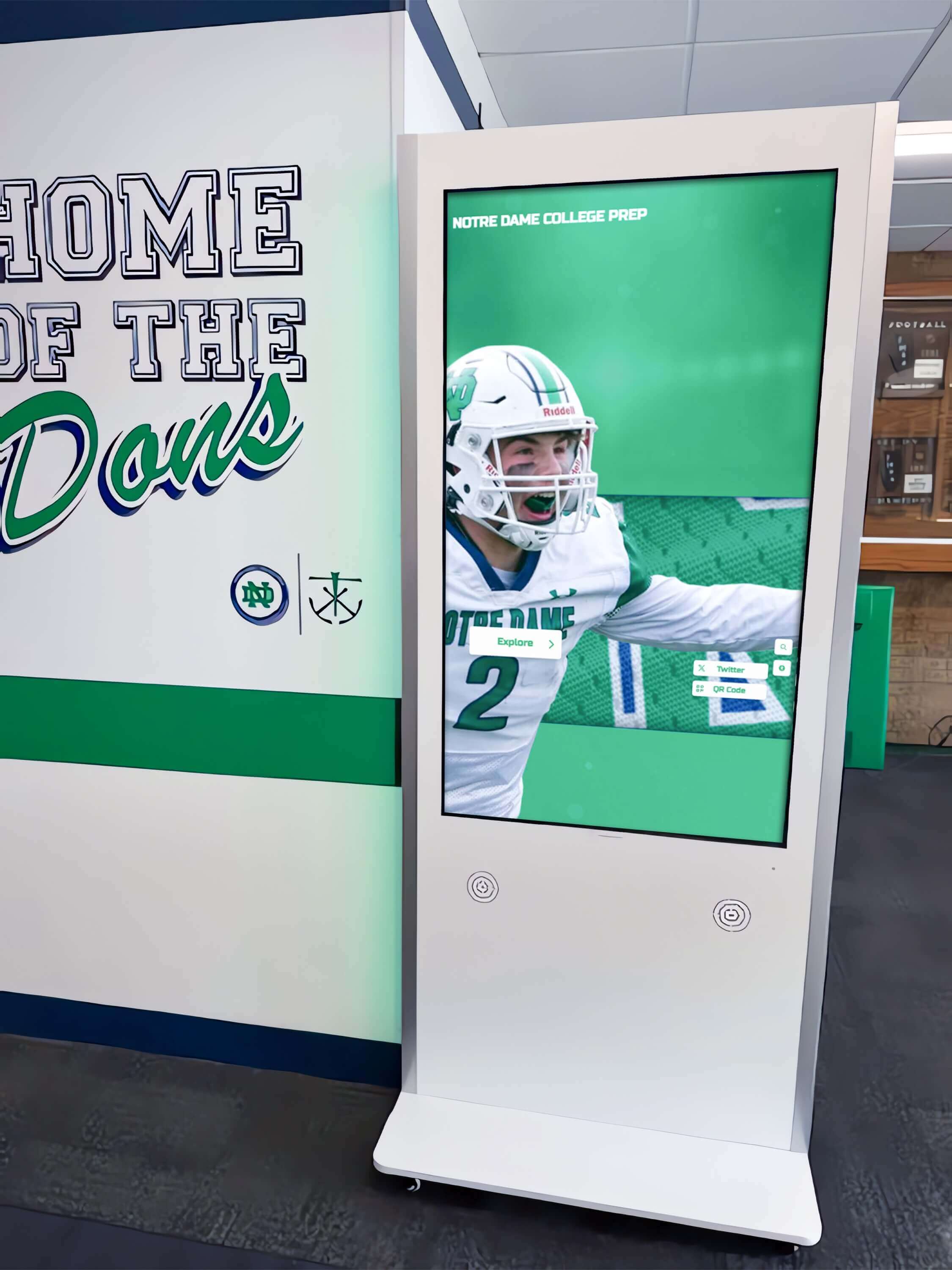
Championship game venues create memorable experiences rivaling college bowl games. Mercedes-Benz Stadium—home to the NFL’s Atlanta Falcons and host to College Football Playoff championships—provides high school athletes with professional-level championship environments complete with massive video boards, professional facilities, and crowds exceeding 20,000 fans celebrating Georgia’s finest high school football.
Legendary Georgia High School Football Programs
Certain programs have established championship dynasties defining Georgia high school football excellence:
Valdosta High School: Titletown USA
No discussion of Georgia high school football is complete without acknowledging Valdosta High School, whose championship tradition earned South Georgia’s largest city the nickname “Titletown USA.”
Championship Legacy:
Valdosta has claimed over 20 state championships spanning from the early 20th century through recent decades, establishing the state’s most successful football program. This sustained excellence across multiple eras demonstrates remarkable consistency in coaching, community support, and athletic development.
Coaching Excellence:
Valdosta’s success stems from legendary coaching including Wright Bazemore, who built the program’s foundation, and Nick Hyder, whose tenure produced multiple championships and countless college players. The coaching tradition continues today, with each generation of Valdosta coaches inheriting responsibility for maintaining championship standards.
Community Investment:
Valdosta’s football culture permeates the entire community. Friday nights draw crowds approaching 10,000 fans to Bazemore-Hyder Stadium, where multiple generations of families have watched Wildcats compete for championships. Local businesses close early, restaurants fill with pre-game crowds, and the entire city focuses on supporting their championship tradition.
Schools implementing comprehensive athletic recognition programs can document this type of sustained excellence, showcasing decades of championship teams through digital displays that preserve program history while inspiring current athletes.

Buford High School: Modern Dynasty
While Valdosta represents historical excellence, Buford High School exemplifies modern championship dominance, winning multiple state titles in recent decades across different classifications.
Multi-Classification Success:
As Buford’s enrollment grew, the program successfully transitioned through multiple classifications—winning championships in Class A, Class AA, Class AAA, and continuing excellence after moving to larger classifications. This consistent championship success despite classification changes demonstrates program quality transcending enrollment advantages.
Program Development:
Buford’s success stems from comprehensive program development including youth football systems feeding the high school, strength and conditioning programs developing athletes year-round, offensive and defensive schemes maximizing talent, and coaching continuity maintaining program culture across coaching changes.
Facility Excellence:
Buford invested in championship-caliber facilities including modern stadiums with professional-quality playing surfaces, comprehensive weight rooms and training facilities, video analysis systems for coaching and player development, and importantly, recognition displays celebrating championship history that connect current players to program traditions.
Lincoln County: Small School Excellence
Lincoln County High School demonstrates how smaller schools can build championship dynasties through exceptional coaching, community support, and athlete development:
Championship Consistency:
Despite modest enrollment, Lincoln County has claimed multiple state championships, competing successfully in lower classifications while developing athletes who often continue football at college levels. This small-school success inspires similar programs across Georgia’s rural communities.
Community Identity:
For small towns like Lincolnton, high school football serves as community focal points. Championship runs bring entire counties together, with businesses displaying team colors, restaurants serving pre-game meals, and multi-generational fan bases creating family traditions around Friday night games.
Player Development:
Small schools succeed through maximizing talent development—athletes playing multiple positions, year-round training programs, coaching relationships extending beyond football seasons, and team cultures where seniors mentor underclassmen in program traditions and championship expectations.
Other Georgia Championship Programs:
Beyond these legendary programs, numerous schools have established impressive championship traditions:
- Calhoun High School: Multiple championships building Northwest Georgia football traditions
- Warner Robins High School: Central Georgia powerhouse with consistent playoff success and championship appearances
- Colquitt County High School: South Georgia program with recent championship success and exceptional facilities
- Blessed Trinity Catholic High School: Private school establishing championship excellence in competitive classifications
- Marist School: Atlanta-area private school with strong football tradition and championship success
- Grayson High School: Gwinnett County program representing large-school excellence in metropolitan Atlanta
Championship Traditions and Game Day Culture
Georgia high school football championships are defined by traditions connecting current teams to historical excellence:
Championship Game Traditions
Mercedes-Benz Stadium Championship Experience:
Hosting championship games at professional venues transforms state title games into unforgettable experiences. Teams experience:
- Professional locker room facilities mirroring NFL environments
- Tunnel entrances onto synthetic turf identical to Falcons games
- Massive video boards displaying player introductions and highlights
- Crowds exceeding 20,000 fans creating championship atmospheres
- Post-game trophy presentations on the 50-yard line
- Championship rings and awards ceremonies celebrating achievement
These professional-level championship experiences create lasting memories while demonstrating Georgia’s commitment to honoring high school athletic excellence at the highest levels.
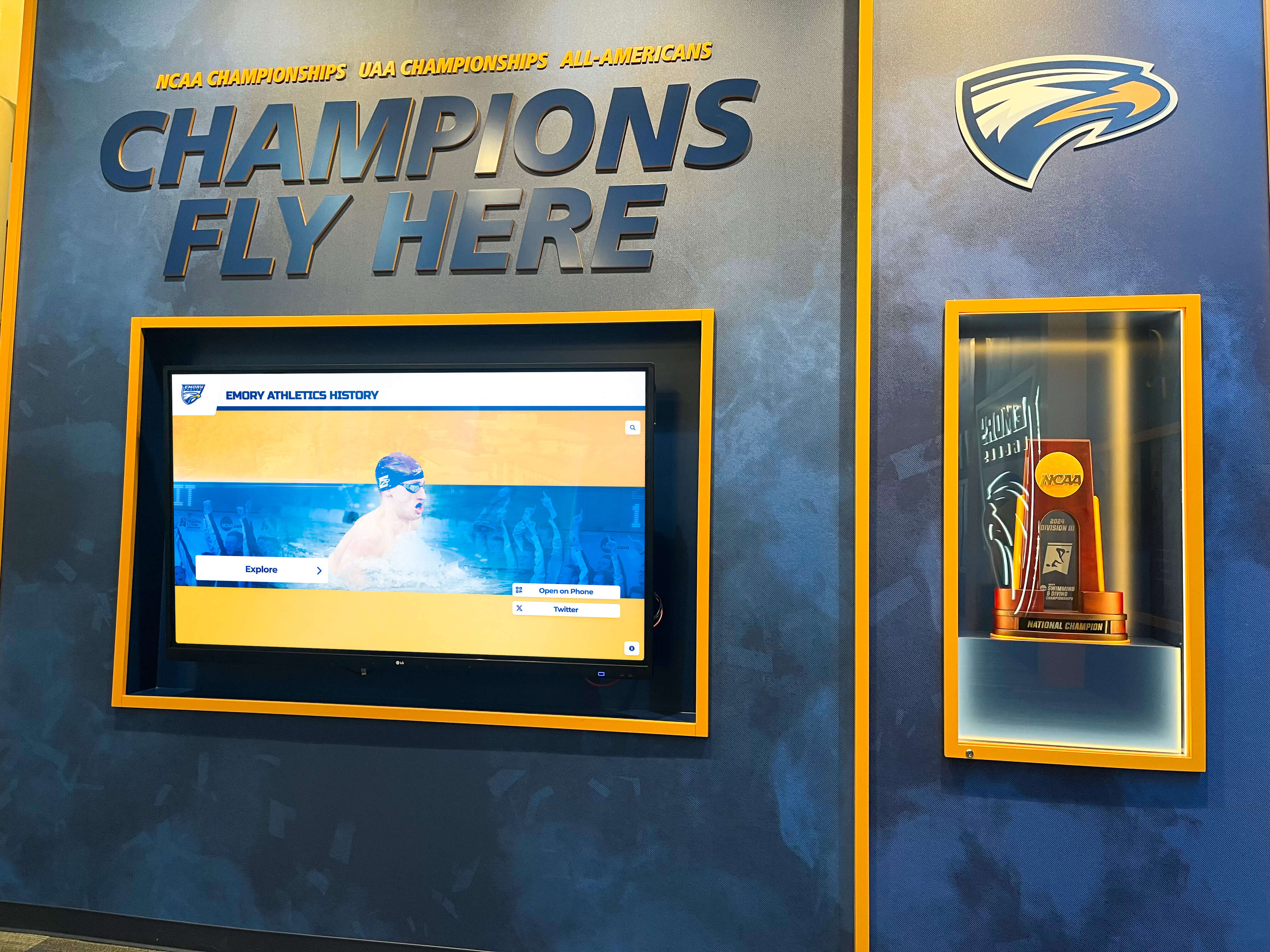
State Championship Rings:
Championship teams receive state championship rings symbolizing their achievement. These rings become treasured possessions athletes display decades later, tangible reminders of championship seasons and the teammates with whom they shared success.
Ring designs typically incorporate:
- School logos and mascots
- Championship year
- Final score or undefeated record notation
- Classification and tournament round achievements
- Player names and numbers
- GHSA or state outline imagery
Athletes often describe championship rings as among their most prized possessions, surpassing other awards because rings represent collective team achievement rather than individual recognition.
Regional Football Traditions
Georgia’s diverse regions have developed distinct football cultures:
South Georgia Football:
South Georgia communities—Valdosta, Thomasville, Fitzgerald, Cairo—treat high school football with intensity rivaling college programs. Small-town populations turn out en masse for Friday night games, with local newspapers dedicating extensive coverage to high school football throughout fall months.
South Georgia’s football culture produces exceptional talent feeding major college programs. The region’s athletic tradition, combined with year-round warm weather enabling extended practice seasons, creates optimal environments for developing elite football players.
Metro Atlanta Competition:
Greater Atlanta’s large schools compete in Georgia’s most competitive classifications, featuring programs with exceptional resources, deep talent pools, and facilities approaching small college standards. Programs like North Cobb, Grayson, Mill Creek, and Parkview battle in regular season matchups that determine region championships and playoff seeding.
Metropolitan programs often feature specialized coaching for specific positions, extensive weight training facilities, video analysis systems, and athletic trainers providing professional-level athlete care. This resource availability enables comprehensive player development programs maximizing athletic potential.
Northwest Georgia Tradition:
Northwest Georgia—Calhoun, Dalton, Rome—has produced championship programs combining small-town support with strong athletic traditions. These communities embrace football culture while maintaining close-knit team environments where coaches know athletes personally and communities celebrate team success collectively.
Programs in this region often emphasize fundamental football—strong offensive line play, powerful running games, and aggressive defensive schemes—reflecting coaching philosophies prioritizing physical, disciplined football execution.
Preserving Championship Legacy Through Modern Recognition
Championship programs face the critical challenge of preserving their history while inspiring current athletes to pursue their own championship dreams:
Traditional Recognition Methods
Championship Banners:
Most Georgia schools display championship banners in gymnasiums or stadiums, creating visual timelines of program success. These fabric banners typically note:
- Championship year
- Classification and tournament level
- Final record or playoff results
- Team photo or roster information
Banners provide quick visual representation of program success, though they offer limited detail about championship teams or individual athlete contributions.
Trophy Cases:
Physical trophy cases display championship hardware including state championship trophies, region championship awards, individual player honors, and coaching achievement recognition.
Limitations of Traditional Recognition:
While banners and trophies create visual impact, they face significant constraints:
- Limited space restricting the number of championships fully documented
- Minimal information about championship team members or season details
- Static displays requiring no viewer interaction or exploration
- Deterioration over time as fabrics fade and cases require maintenance
- Inability to update or enhance recognition as programs evolve
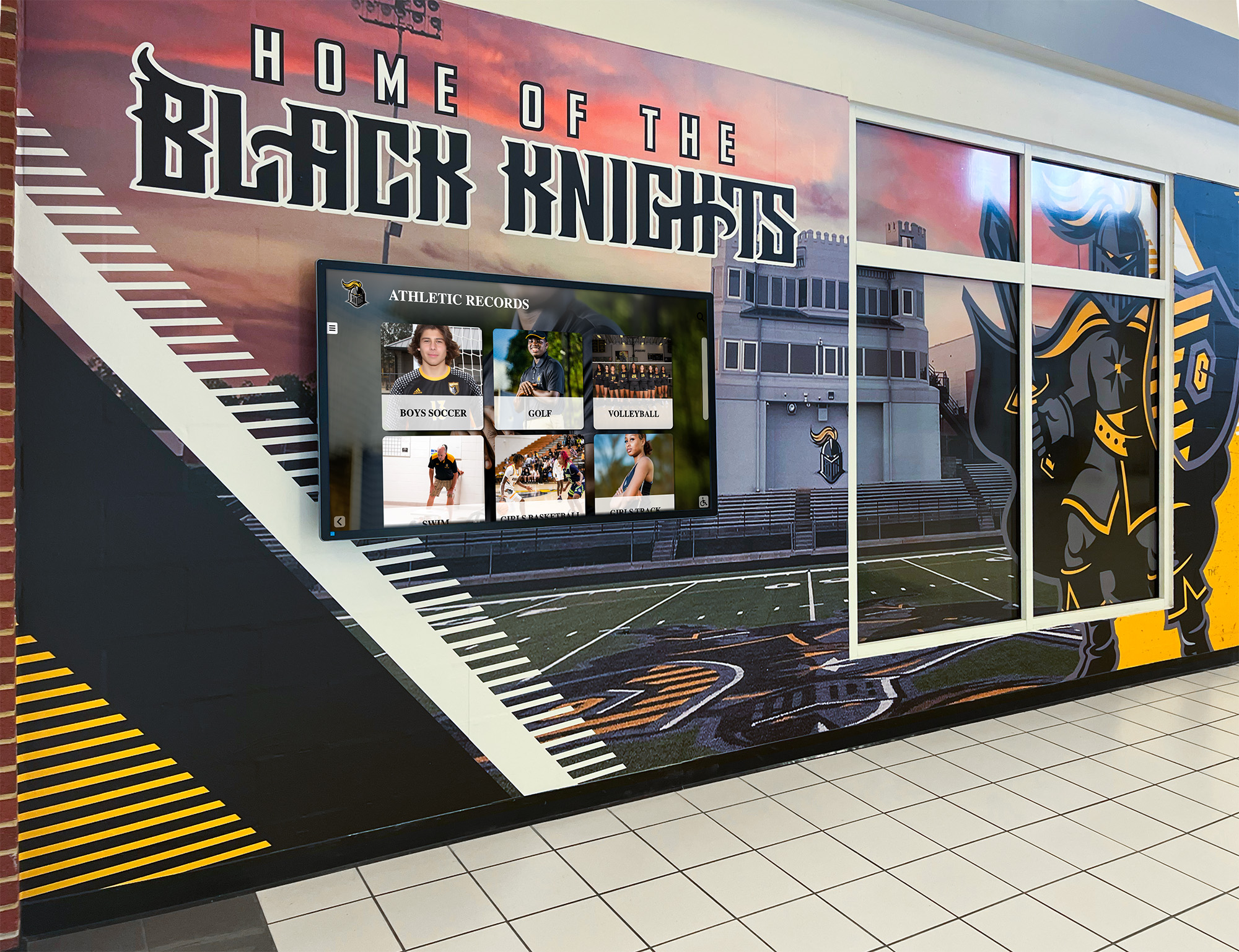
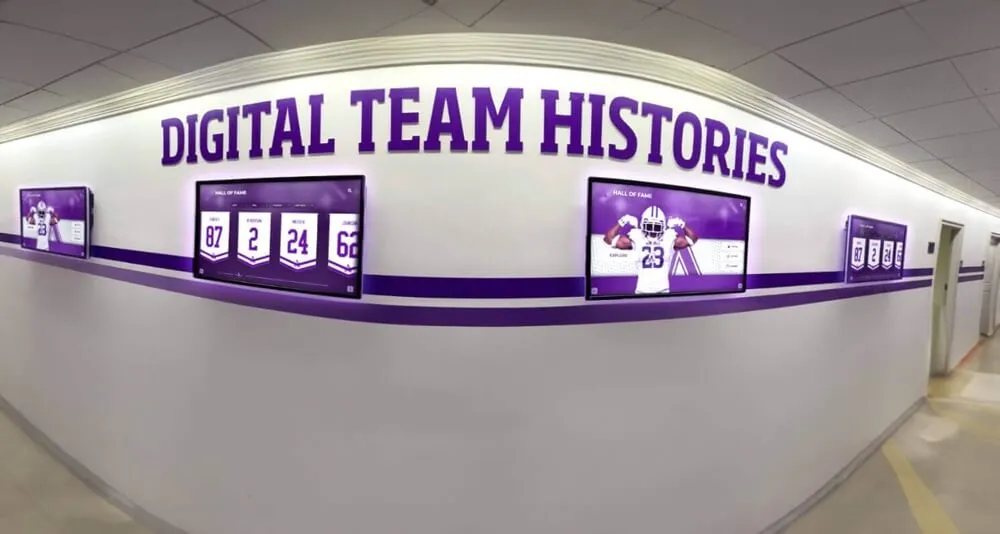
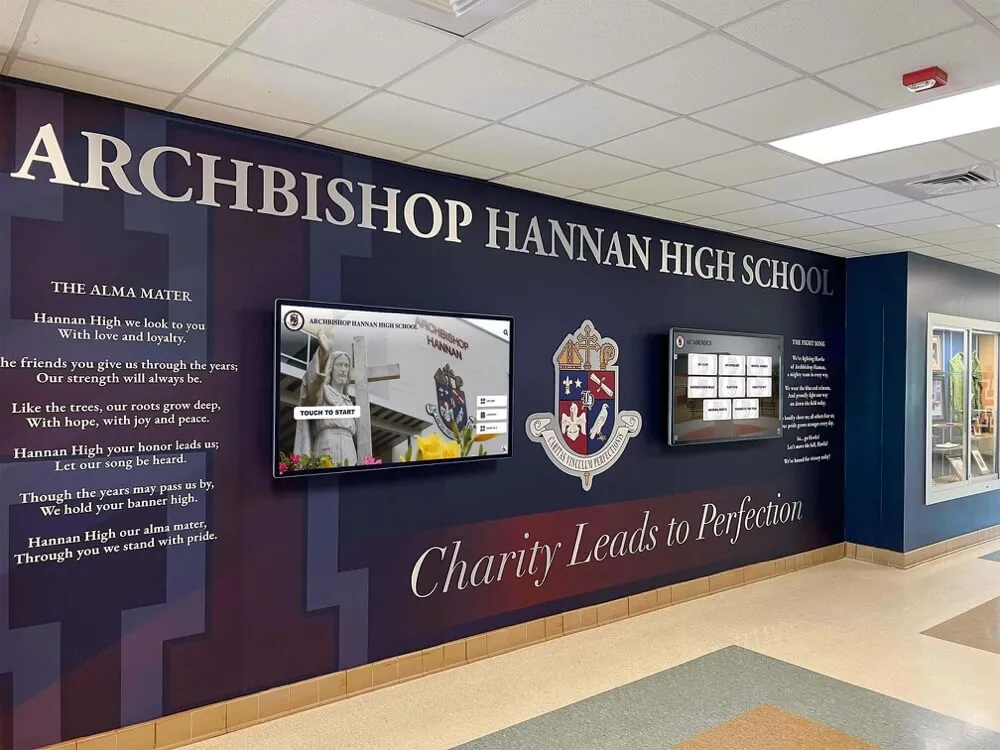
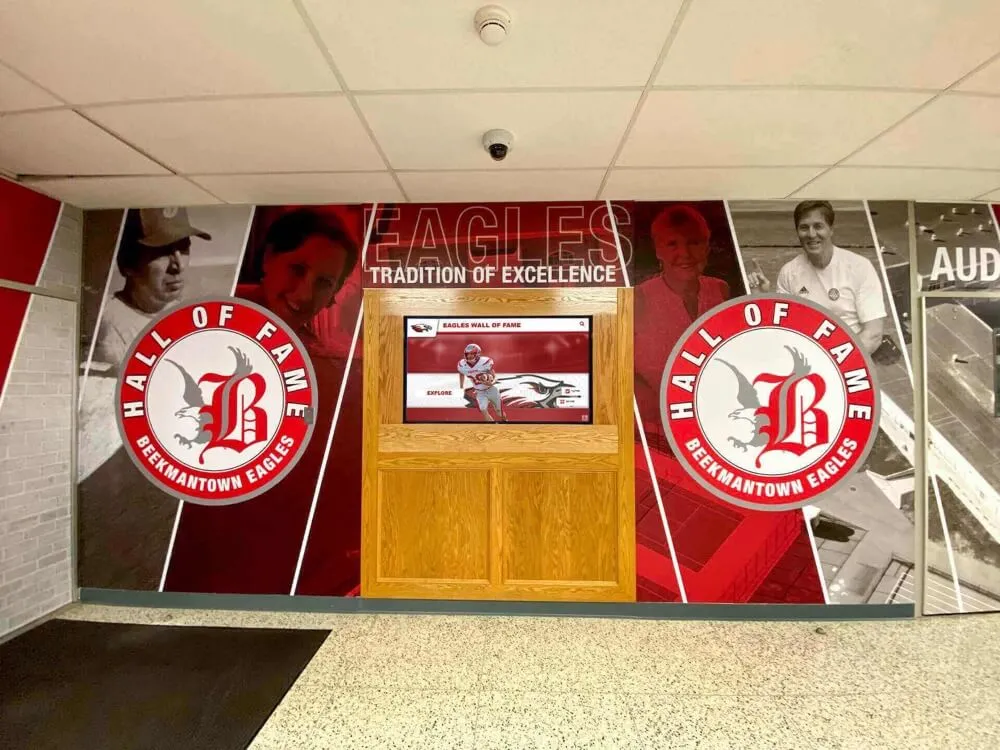
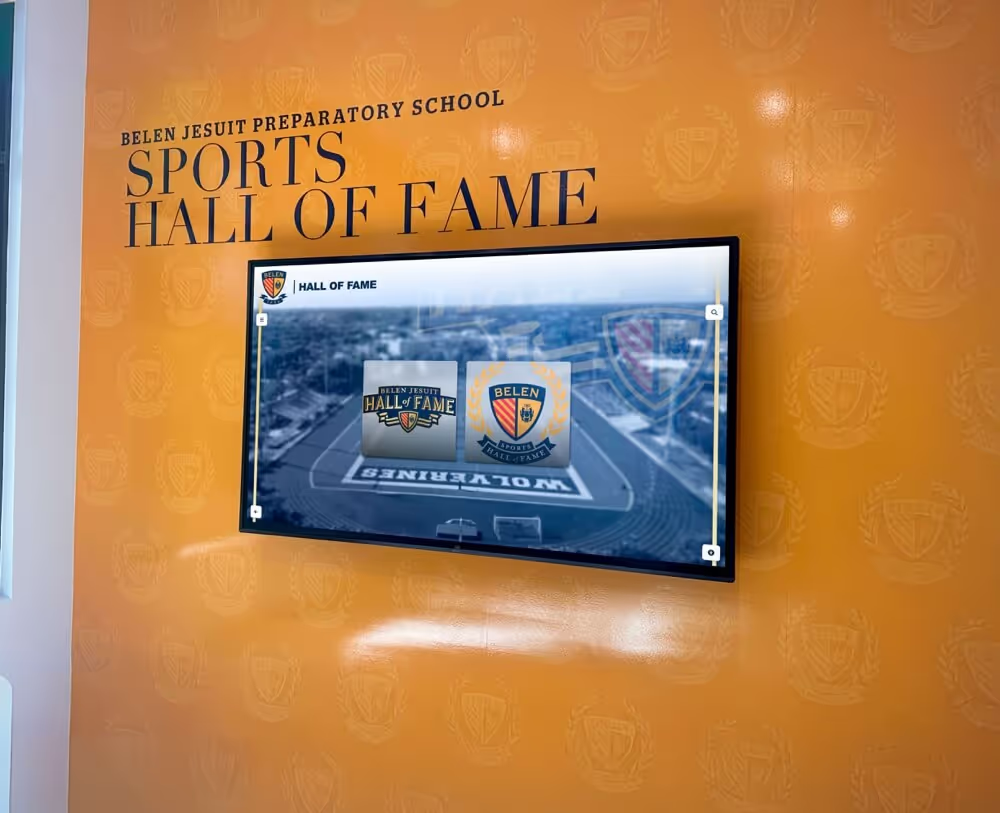
Digital Recognition Systems: Comprehensive Championship Preservation
Modern digital recognition platforms overcome traditional limitations while creating engaging championship experiences:
Unlimited Championship Documentation:
Digital systems accommodate complete championship documentation without space constraints. Schools can comprehensively showcase:
- Every championship season with detailed team profiles
- Championship game summaries with scores, statistics, and highlights
- Complete rosters with player photos and biographical information
- Coach profiles celebrating the leaders who built championships
- Season narratives explaining championship runs and memorable moments
- Video highlights from championship games and playoff runs
- Statistical leaders and record-breaking performances
- Post-season individual honors and college signing information
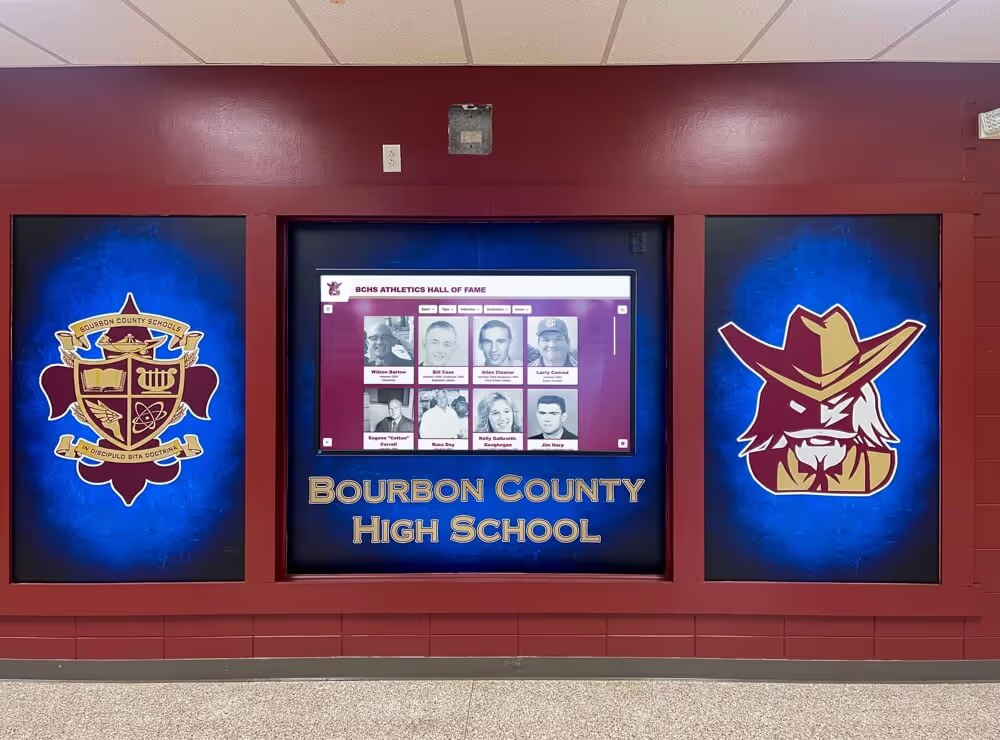
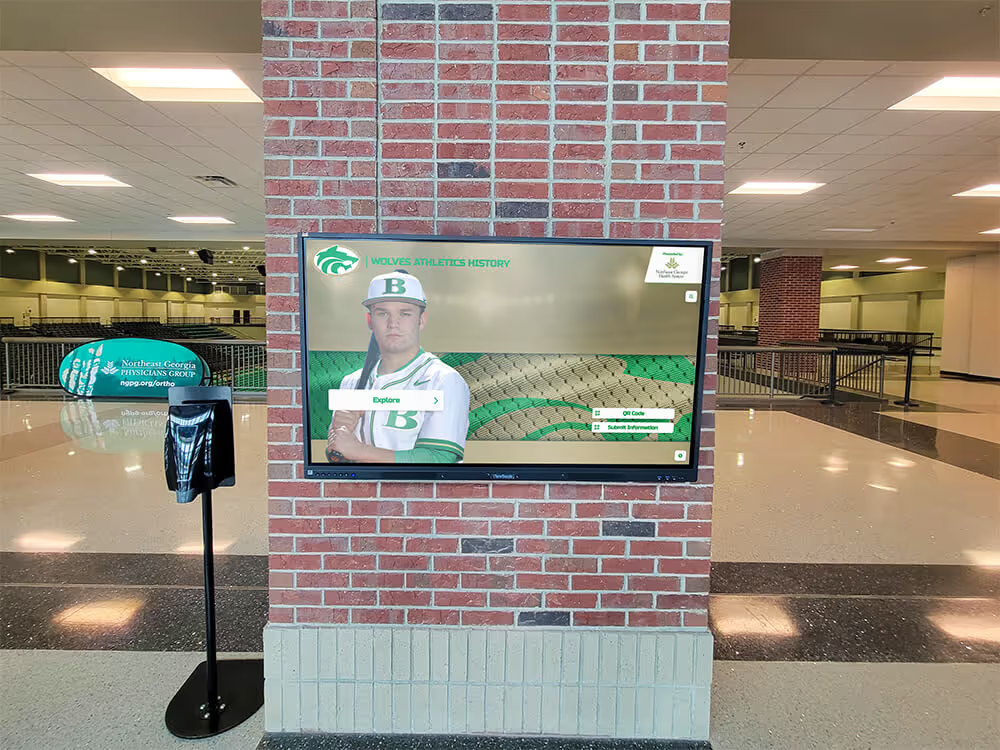
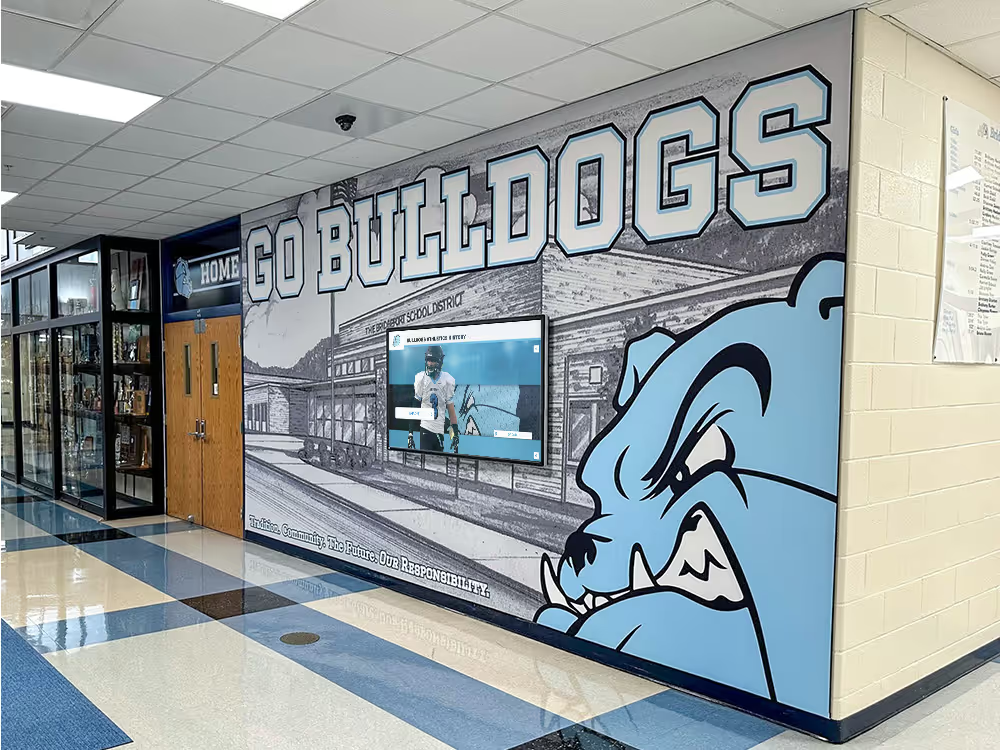
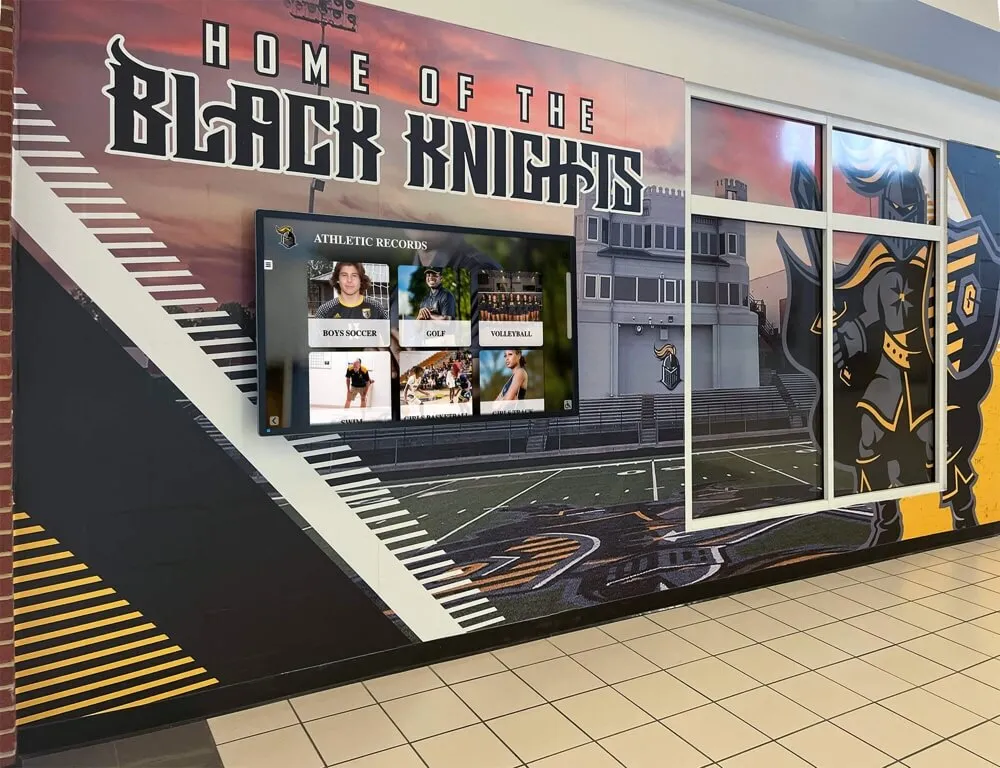
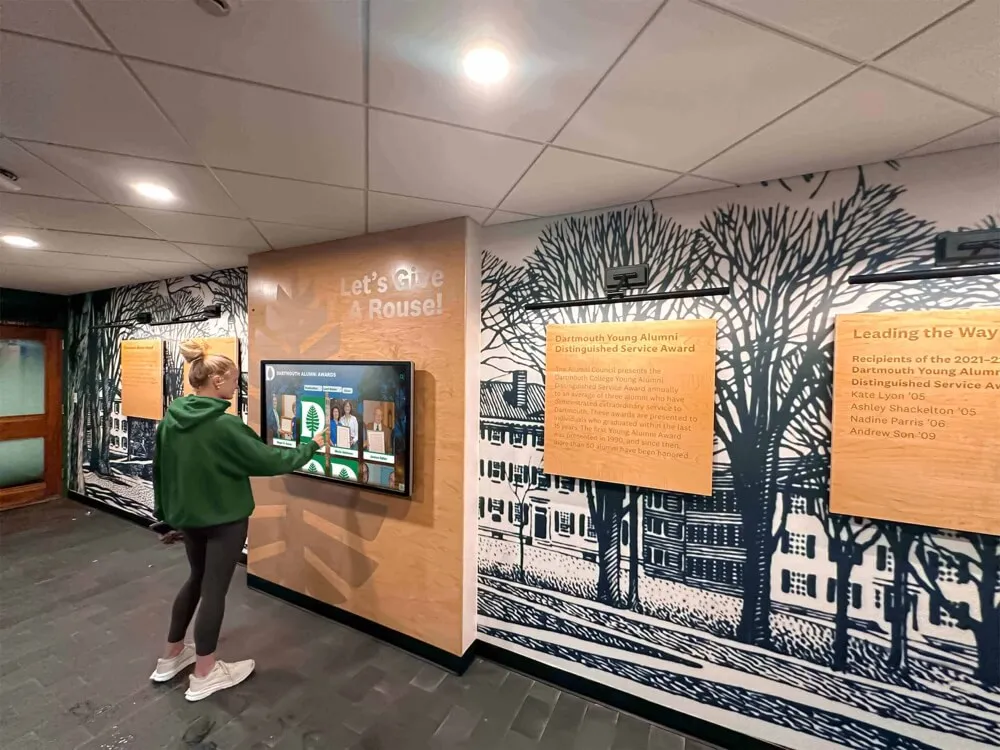
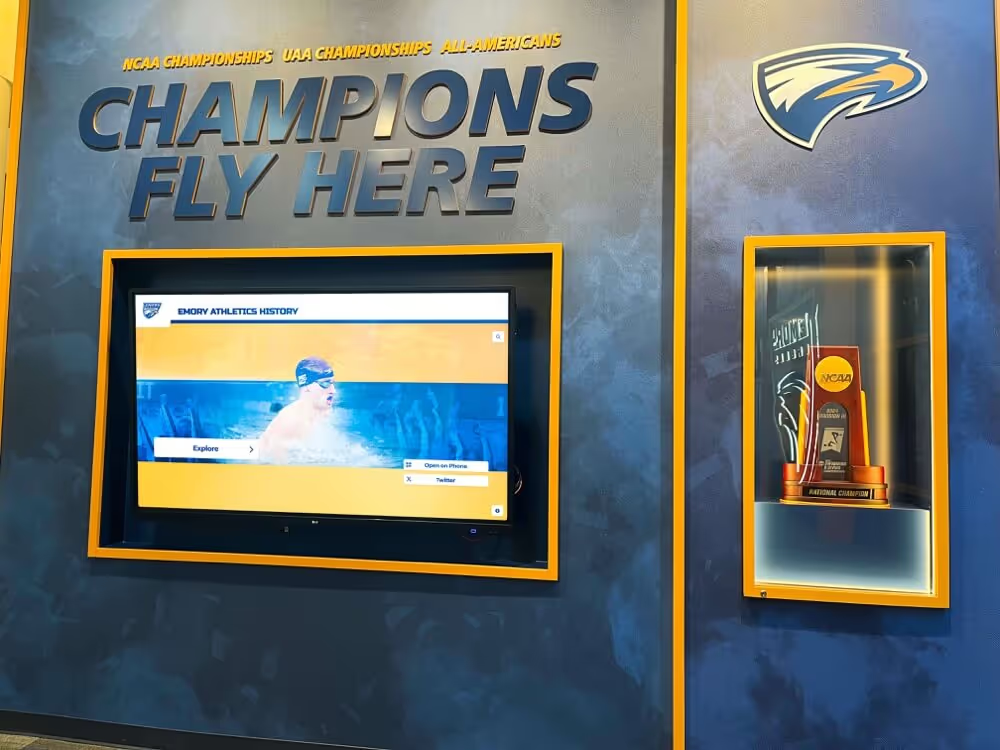
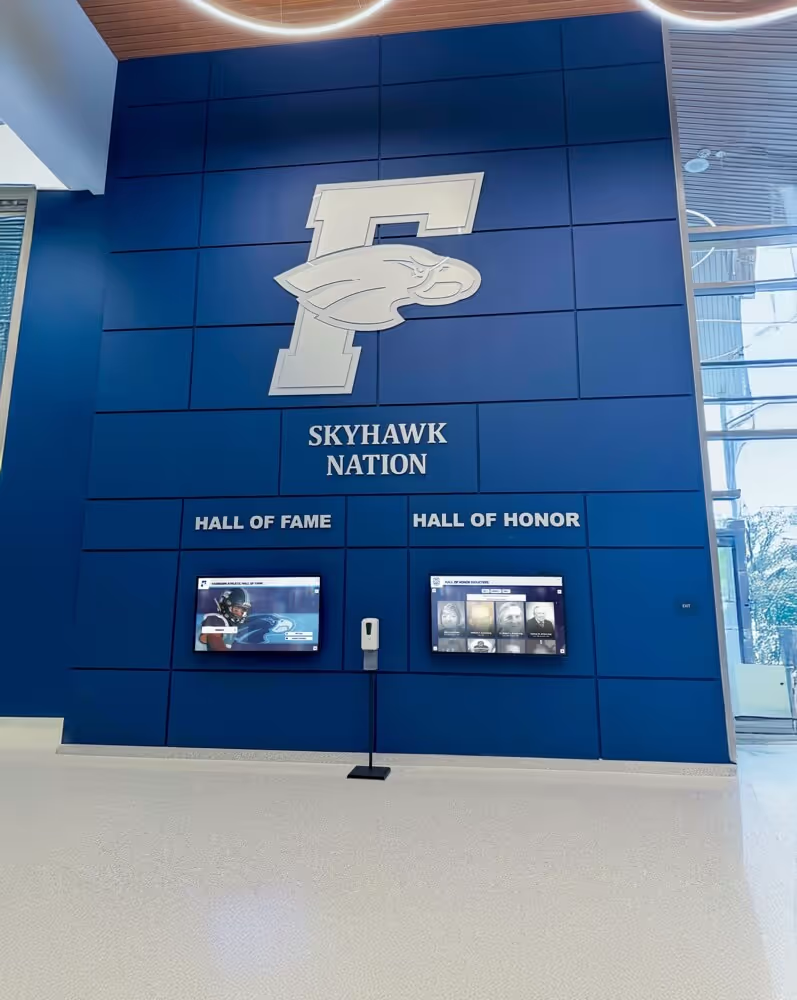
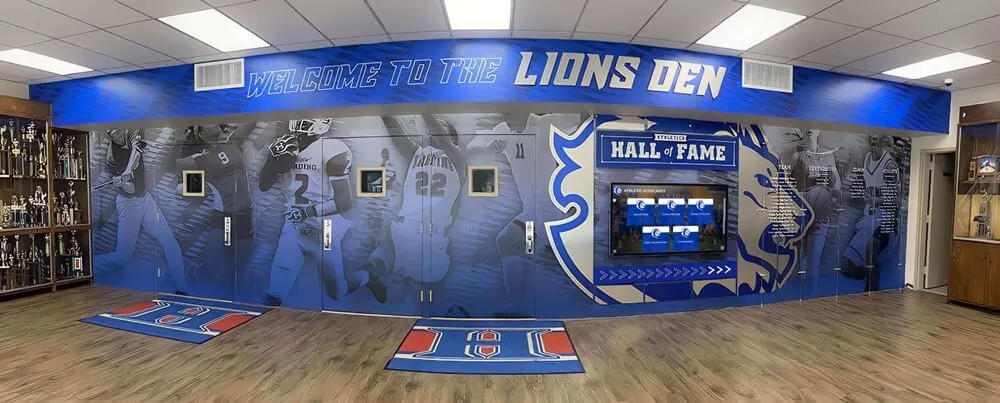
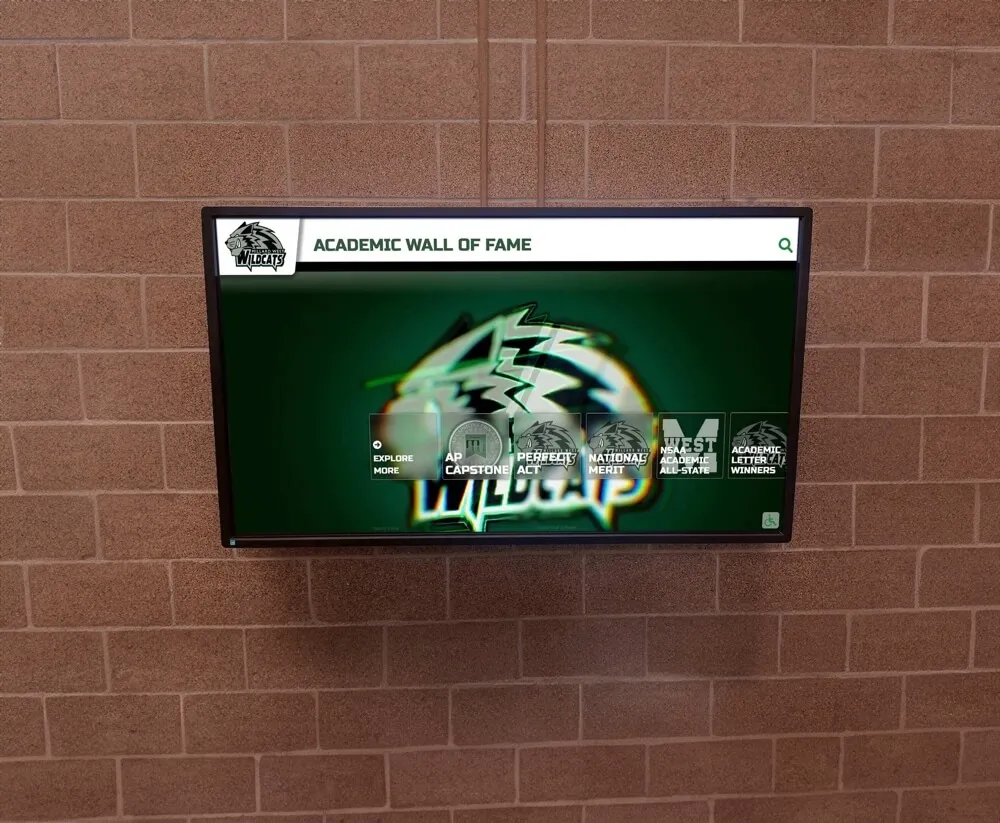
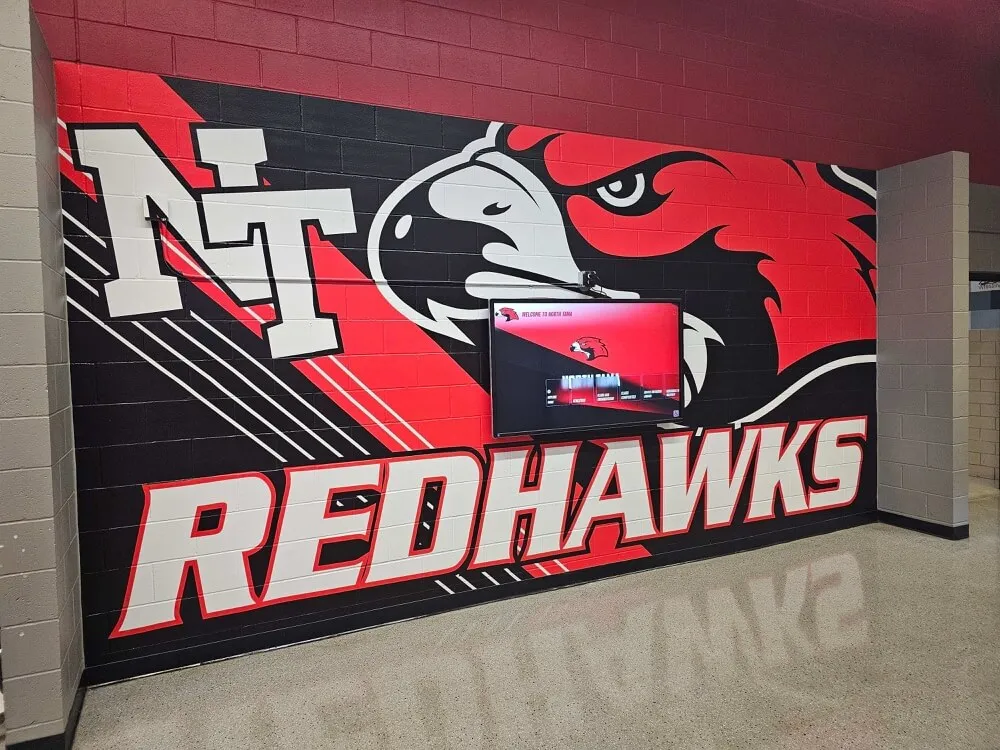
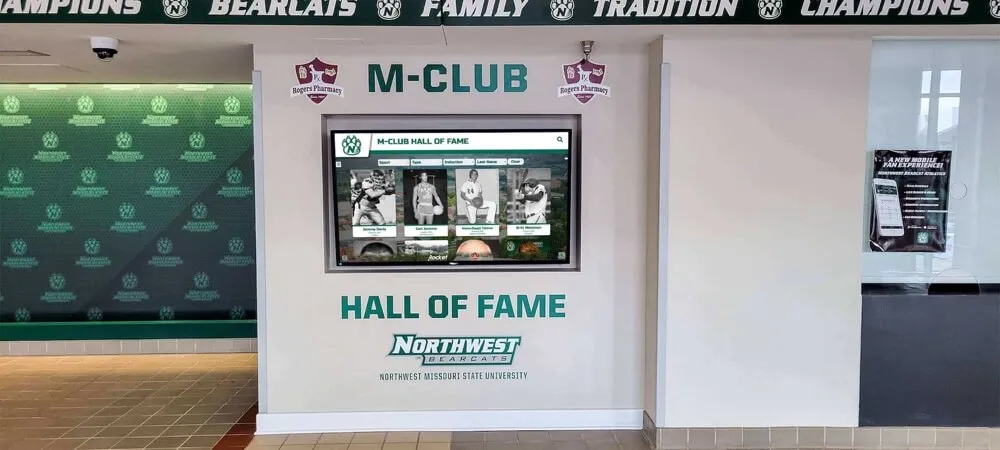
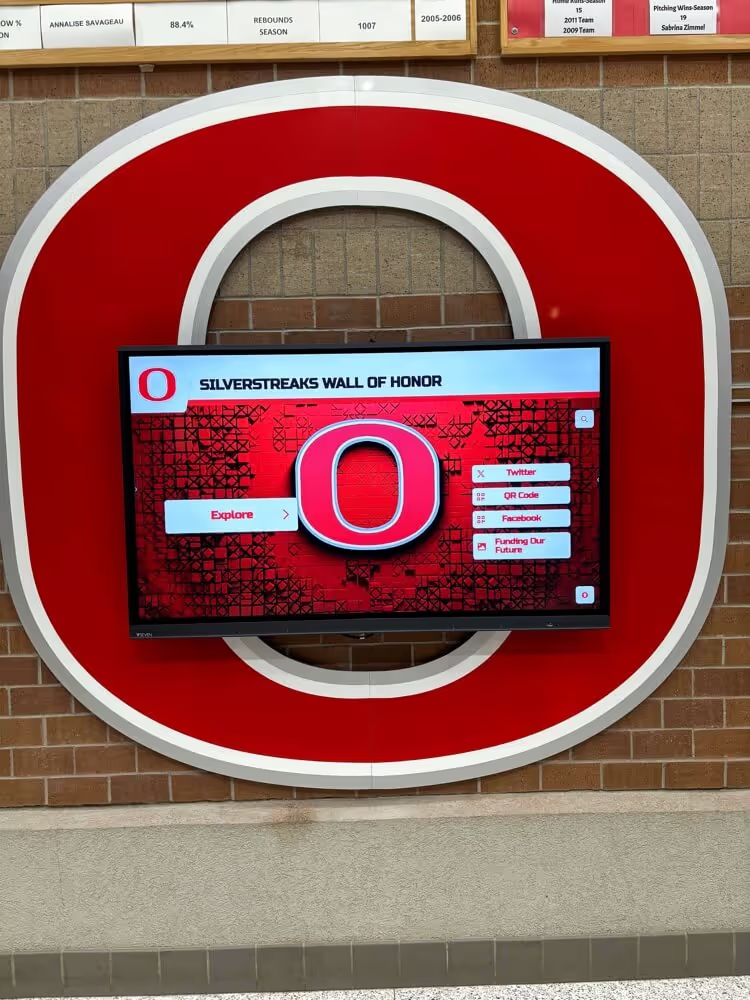
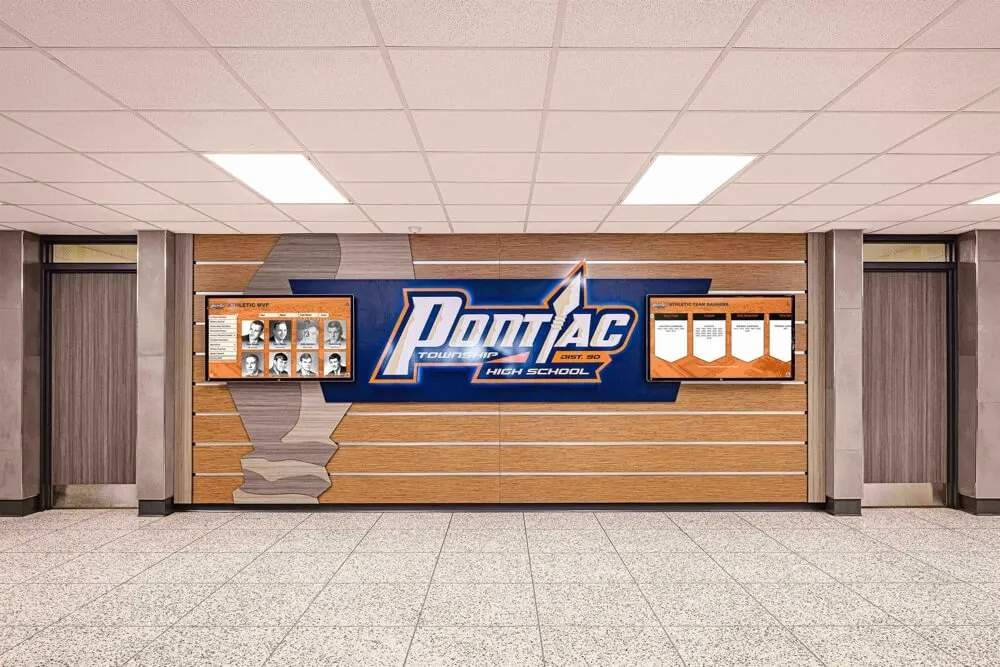
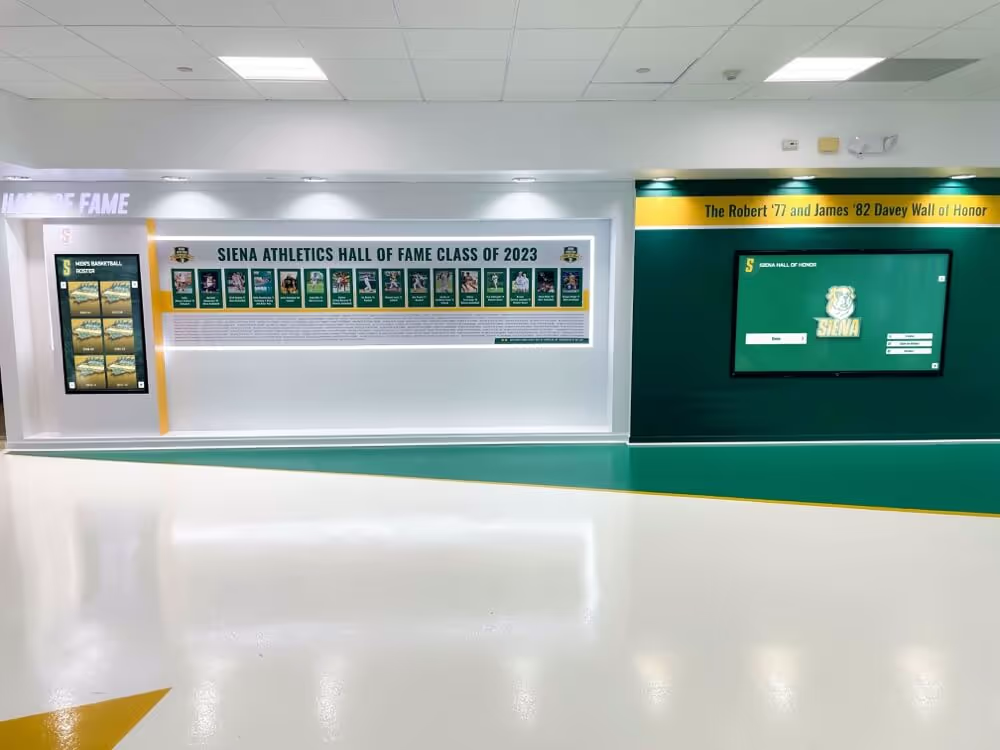
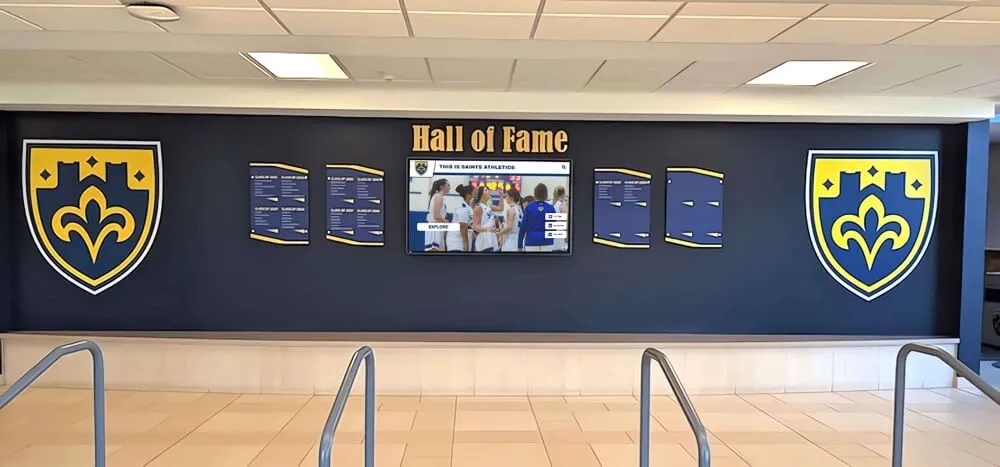
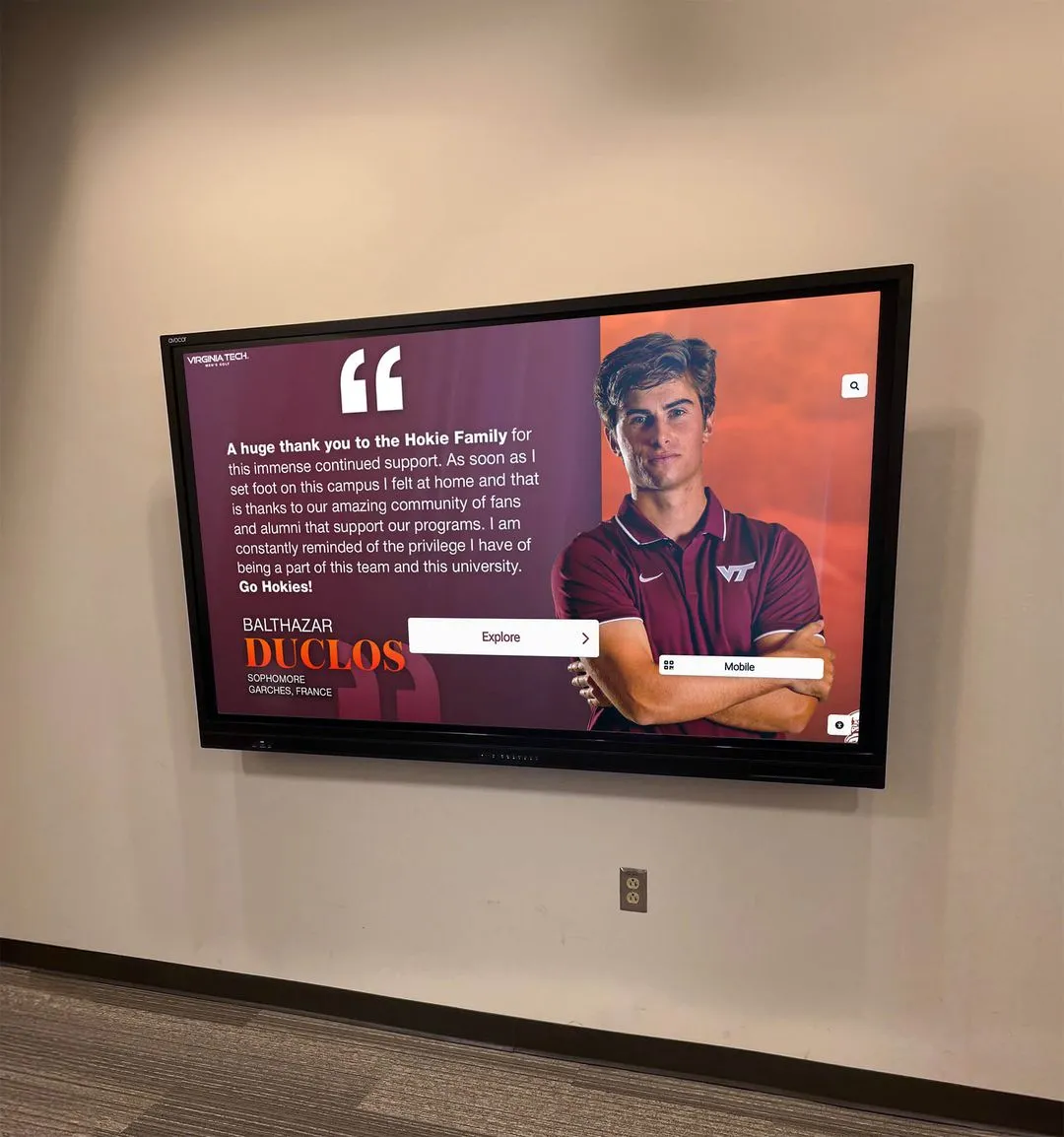
Solutions like Rocket Alumni Solutions provide purpose-built platforms enabling schools to create comprehensive championship archives that preserve program history while inspiring current athletes pursuing their own championship legacies.
Interactive Exploration:
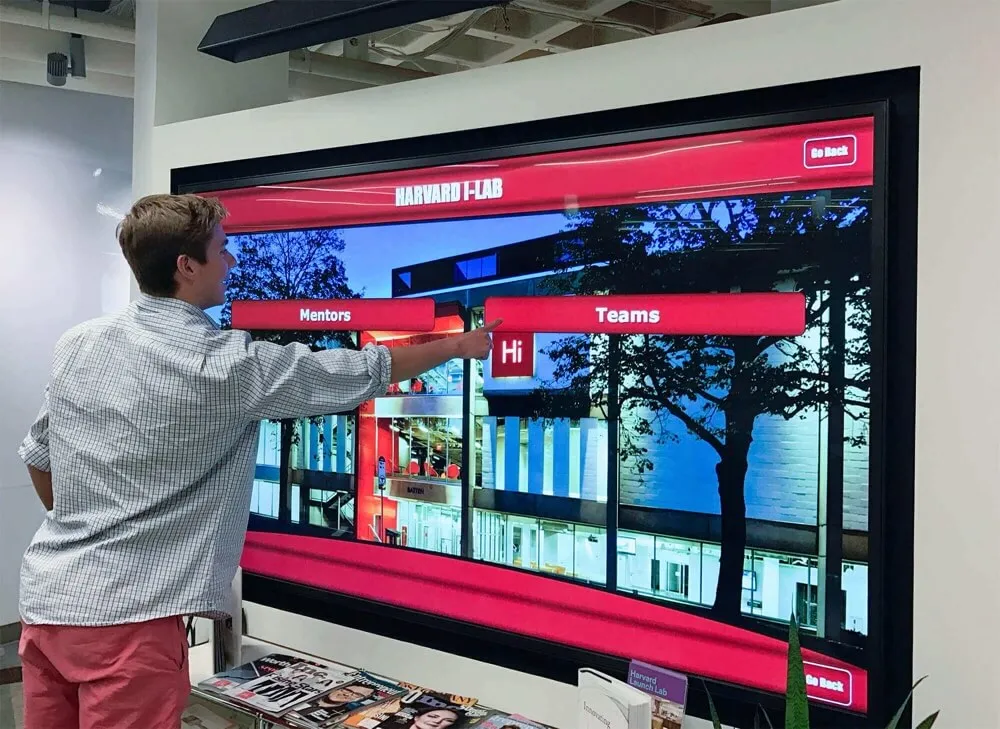
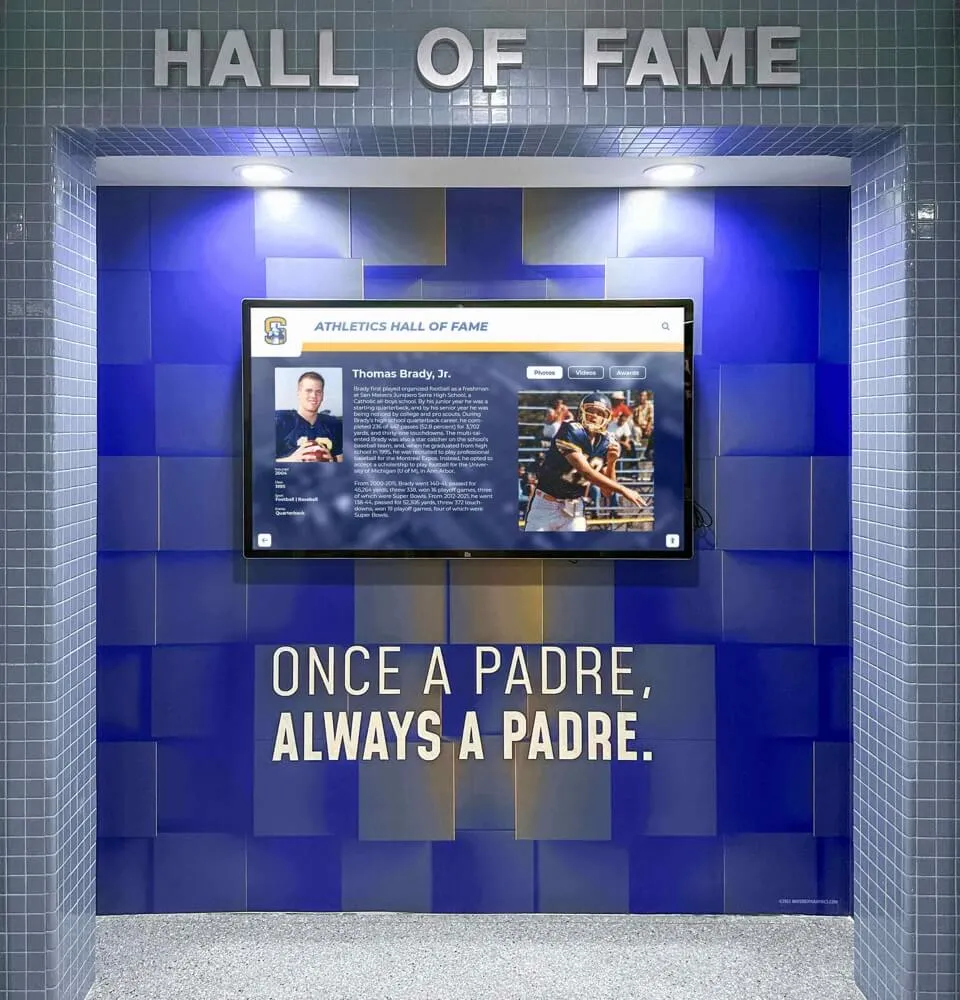
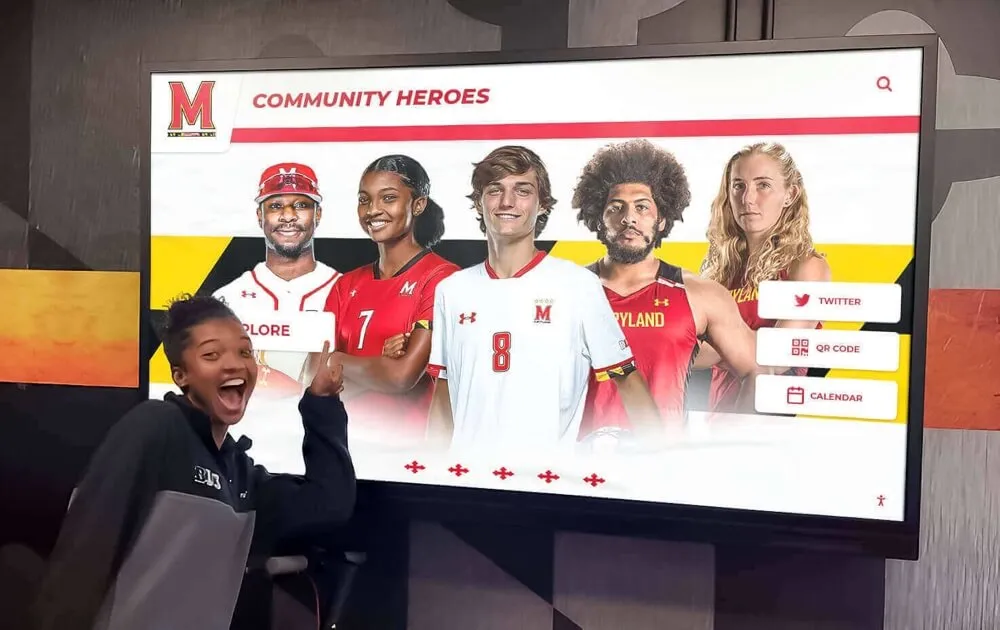
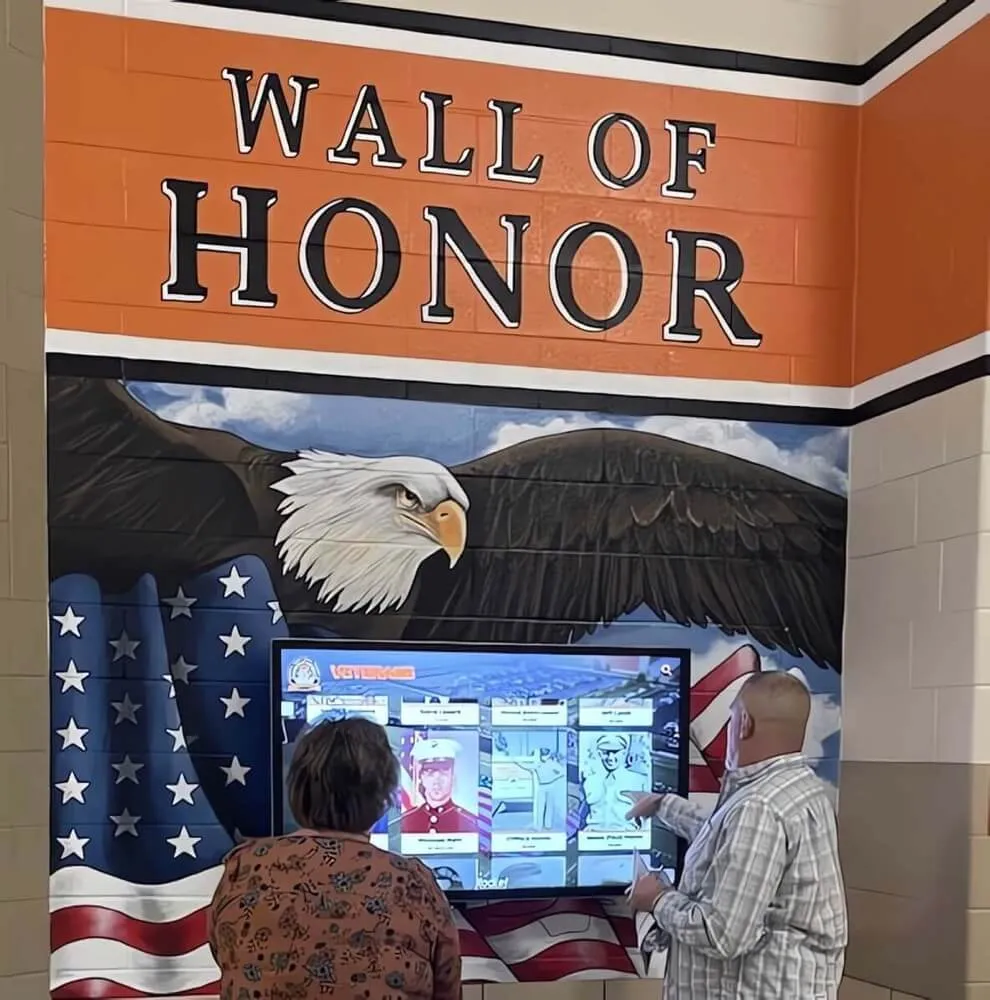
Touchscreen interfaces invite active engagement with championship history:
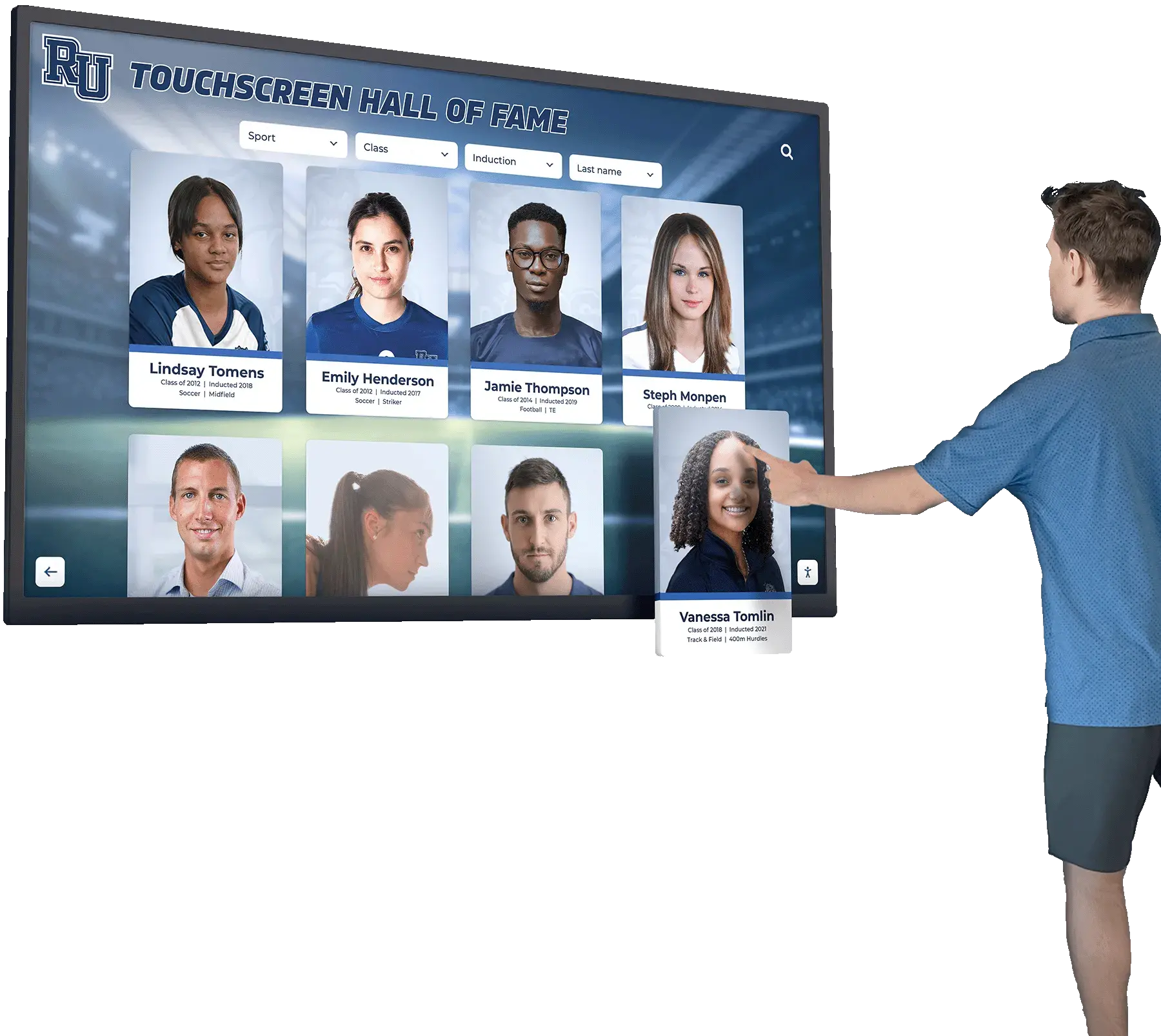
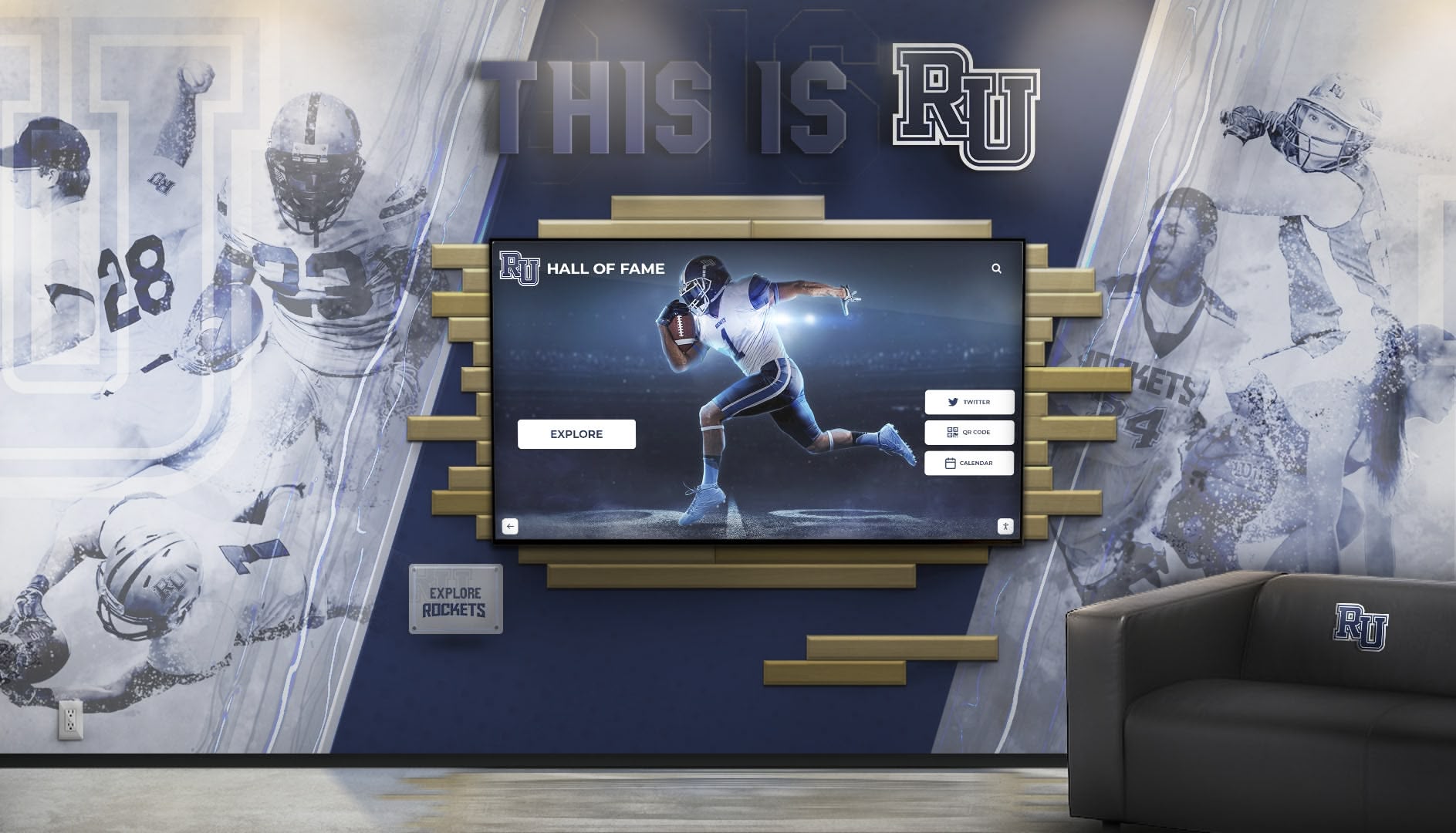
Visitors can search championships by year, exploring specific seasons; filter by classification or tournament level; view complete team rosters with player profiles; watch video highlights of championship moments; compare statistical achievements across championship seasons; and explore how current team statistics compare to championship predecessors.
This interactive engagement transforms passive viewing into active exploration, creating stronger connections between viewers and championship history while building appreciation for the sustained excellence championship programs demonstrate.
Multi-Sport Integration:
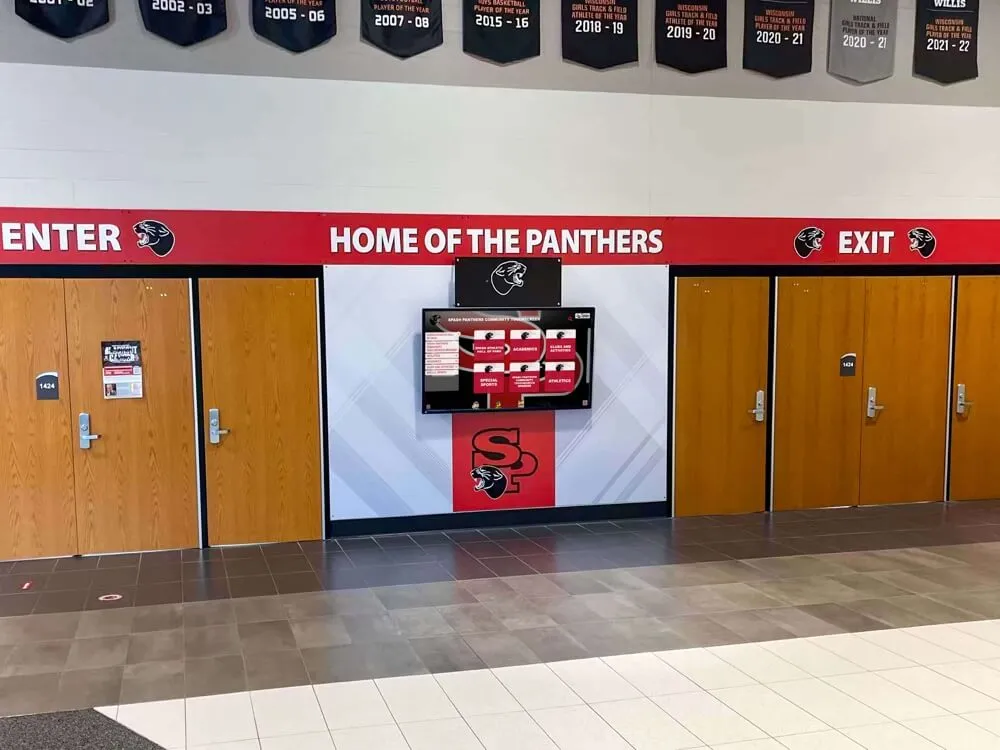
The most effective recognition systems integrate football championships within comprehensive athletic programs. Digital platforms can simultaneously showcase football championship history, basketball achievements, baseball success, and championships across all sports, ensuring football excellence is contextualized within broader athletic excellence.
Schools can also integrate academic recognition, celebrating scholar-athletes and academic championships alongside athletic success, communicating institutional values emphasizing comprehensive excellence rather than athletics in isolation.
Real-Time Updates:
When current teams win region championships or advance through playoffs, recognition updates occur immediately rather than waiting for banner ordering, fabrication, and installation. This real-time recognition celebrates current achievement while demonstrating that today’s athletes are creating tomorrow’s championship history.
Friday night playoff victories can be documented by Saturday morning, with championship game results and photos added within days of state title victories. This immediacy creates excitement while ensuring recognition remains current and relevant.
Remote Accessibility:
Web-based championship archives extend recognition beyond physical school buildings. Alumni access championship rosters searching for their own names or former teammates, college recruiters research program history evaluating potential recruits, community members celebrate local championship traditions, and prospective families exploring schools review athletic program excellence.
This extended reach amplifies recognition impact while strengthening connections with geographically dispersed stakeholders who maintain interest in school athletic traditions despite physical distance.
Building Championship Culture Through Recognition
Effective championship recognition serves multiple purposes beyond historical documentation:
Inspiring Current Athletes
Visible championship history creates concrete aspirations for current players:
Setting Achievement Standards:
When freshmen see comprehensive documentation of championship teams, they understand what program excellence requires. Championship rosters showing multi-year contributors demonstrate the sustained commitment championship success demands, while statistical displays reveal the performance levels championship teams achieve.
This visible standard-setting answers critical questions athletes ask: “What’s possible if I dedicate myself completely?” and “What does championship success look like in this program?”
Creating Cultural Expectations:
Programs with sustained championship success develop cultures where championship pursuit becomes the expected standard rather than exceptional achievement. Current athletes inherit responsibility for maintaining championship traditions, creating powerful cultural forces driving commitment, discipline, and excellence.
Recognition displays reinforce these cultural expectations by demonstrating that championships result from sustained program excellence rather than occasional fortunate seasons. When athletes see decade after decade of championship success, they understand they’re joining traditions larger than individual teams.
Connecting to Program Legends:
Personal connections between current athletes and championship alumni create powerful mentorship relationships. When current players see championship rosters displayed prominently, they research former players who attended the same middle schools, lived in the same neighborhoods, or faced similar circumstances. These connections personalize championship history, transforming abstract achievements into relatable stories of athletes who navigated similar journeys.
Programs facilitating these connections—through alumni mentoring programs, sports banquet traditions featuring championship alumni, or digital platforms enabling direct alumni engagement—strengthen the bonds connecting past excellence to current pursuit.
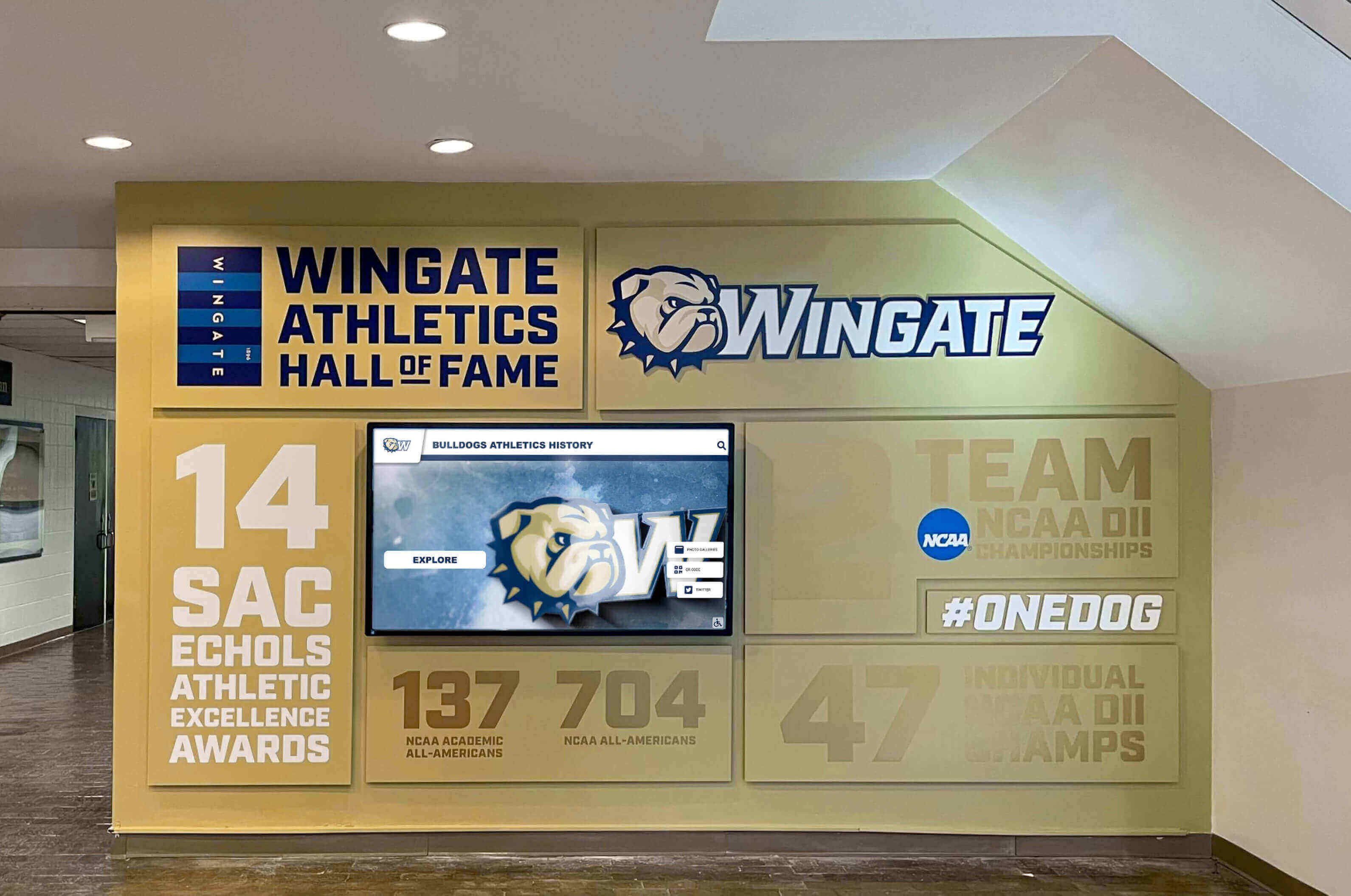
Strengthening Community Pride
Championship recognition builds community identity and pride:
Celebrating Shared Achievement:
High school championships belong not just to athletes and coaches but to entire communities. Recognition systems acknowledging the community support enabling championship success—booster club contributions, fan attendance records, community fundraising efforts—reinforce that championships represent collective achievement.
Digital recognition can feature community perspectives through testimonials from longtime fans, historical context showing how communities rallied around championship teams, and recognition of community members whose dedication enabled program excellence.
Multi-Generational Connections:
Championship recognition creates conversation starters connecting generations. Grandparents pointing out their own teammates on championship rosters displayed 50 years ago, parents showing children the teams they played for, and alumni sharing championship memories with current athletes all strengthen community bonds through shared athletic traditions.
These multi-generational connections build lasting community identity grounded in shared championship traditions that connect past, present, and future through sustained football excellence.
Attracting Community Investment:
Visible championship recognition demonstrates program excellence, encouraging continued community investment through booster club membership, facility improvement fundraising, attendance at games and events, and volunteer support for athletic programs.
Communities that see their championship traditions honored and preserved maintain stronger investment in sustaining athletic excellence, creating positive cycles where championship success generates support that enables future championships.
Championship Recognition Best Practices
Schools implementing comprehensive championship recognition should follow proven frameworks:
Content Development Strategies
Comprehensive Historical Research:
Building complete championship archives requires systematic research:
- Review yearbooks documenting championship seasons with team photos and rosters
- Research newspaper archives for game summaries and player features
- Interview championship coaches and players collecting first-hand accounts
- Gather video footage from championship games and playoff runs
- Collect statistical records documenting season achievements
- Photograph championship rings, trophies, and memorabilia
- Document championship traditions and post-game celebrations
This research creates rich championship narratives transcending simple year and score documentation, bringing championship stories to life through detailed information and multimedia content.
Ongoing Content Enhancement:
Championship recognition should evolve continuously:
As current teams add championships, document them comprehensively with high-quality photos, detailed statistics, video highlights, and complete rosters. Update historical championships when discovering additional information—photos from private collections, video footage from family archives, or interviews with championship alumni providing new perspectives.
The best recognition systems continuously improve, with content depth increasing over years as schools invest in documenting their championship traditions comprehensively.
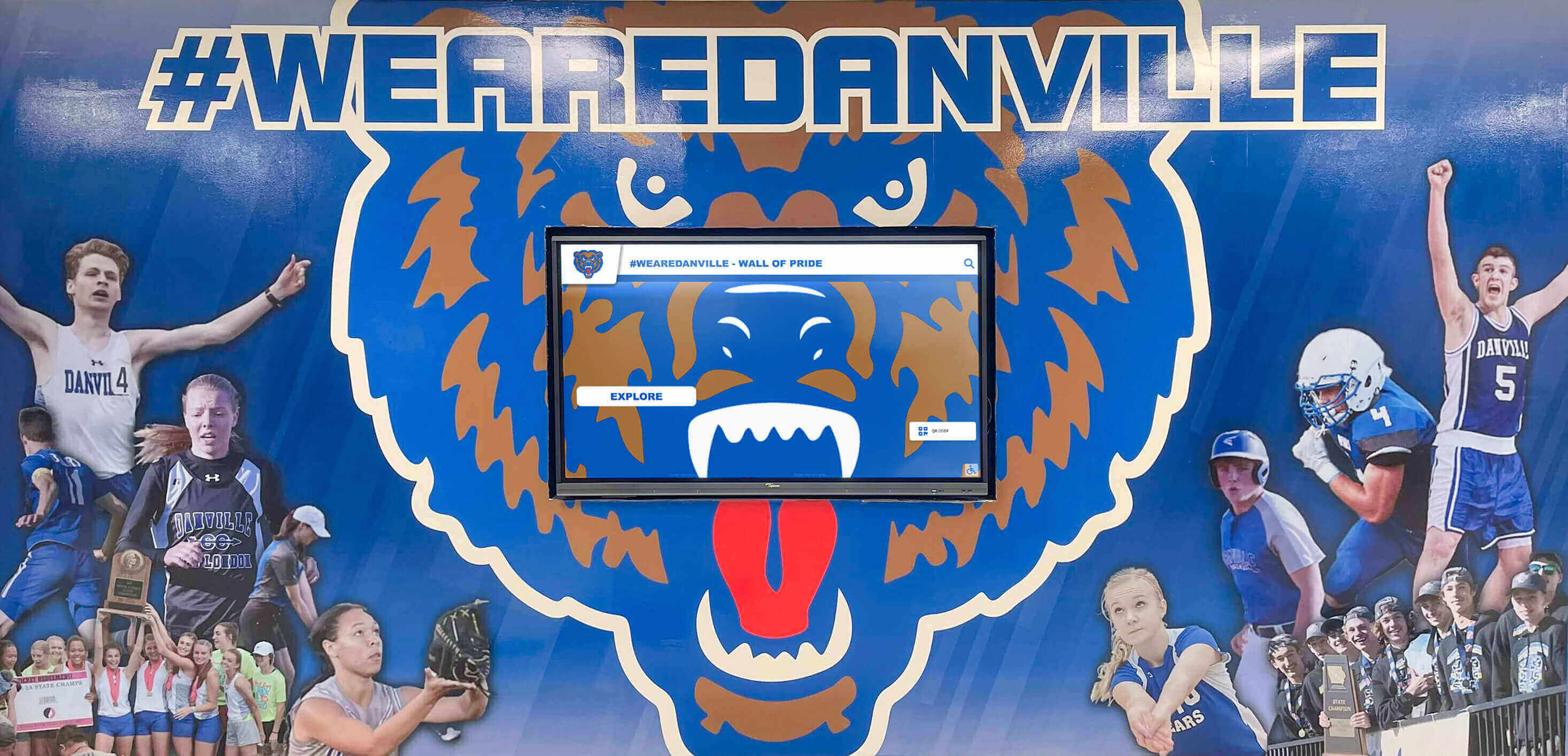
Display Placement and Visibility
Strategic Location Selection:
Championship recognition creates maximum impact when placed in high-visibility locations:
- Main building entrances: Welcoming visitors with visible championship excellence
- Athletic facility lobbies: Creating focal points in gyms and field houses
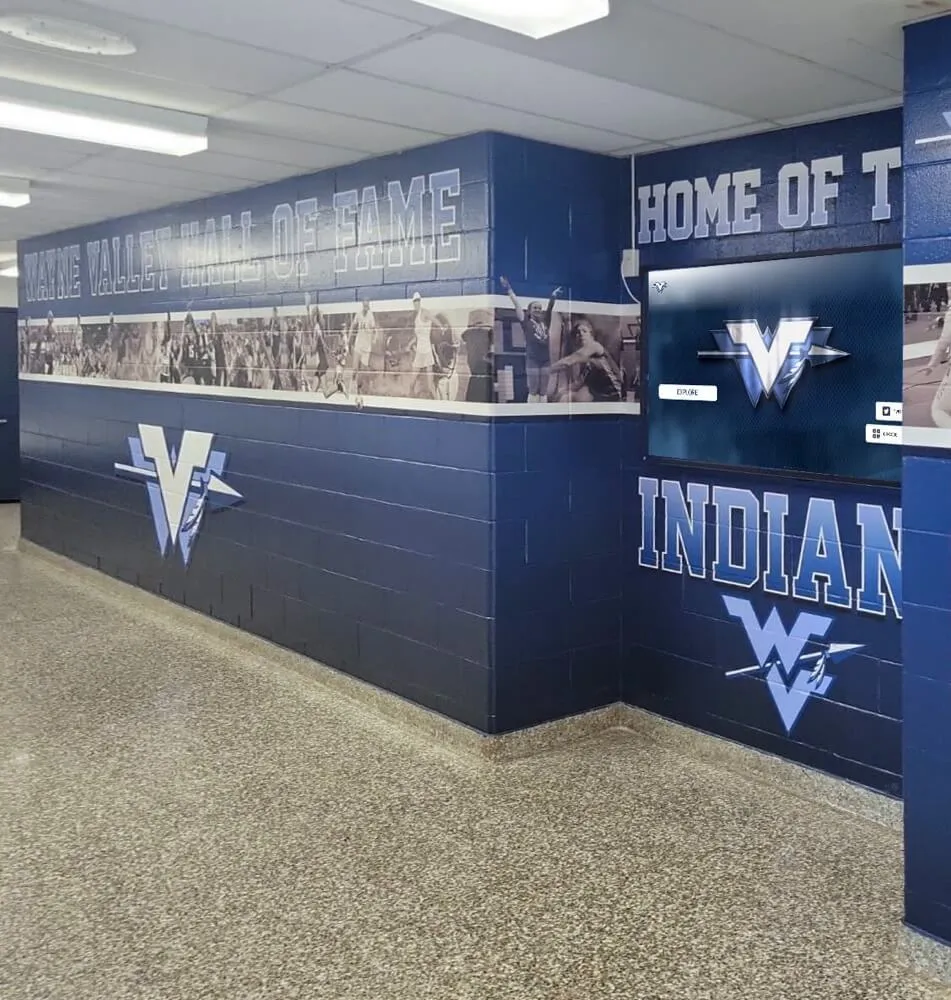
- Hallway corridors: Enabling daily engagement by students and staff
- Weight room areas: Inspiring athletes during training sessions
- Stadium concourses: Engaging game day crowds and visitors
Multiple display locations create repeated touchpoints throughout school facilities, ensuring championship recognition becomes integral to school culture rather than isolated displays visitors occasionally encounter.
Integration with Broader Recognition:
Championship football recognition works most effectively when integrated within comprehensive athletic recognition programs. Display systems should seamlessly connect football hall of fame recognition with championships across all sports, individual athlete achievements, coach recognition, and academic honors.
This comprehensive approach celebrates football within broader contexts of school excellence, avoiding overemphasis on single sports while maintaining appropriate recognition for championship achievement.
Technology Selection Considerations
Schools implementing digital championship recognition should evaluate:
Ease of Content Management:
Non-technical staff should easily add championships, update information, and enhance content without requiring specialized technical knowledge. Cloud-based content management systems with intuitive interfaces enable athletic directors, coaches, or administrators to maintain recognition independently.
Professional Appearance and Reliability:
Recognition displays represent schools publicly, requiring professional visual design, reliable operation without frequent technical issues, and consistent performance throughout school years without requiring constant troubleshooting or maintenance.
Unlimited Capacity:
Systems should accommodate unlimited championships without capacity constraints or per-item fees that discourage comprehensive documentation. Whether recognizing 5 championships or 50, the system should function identically without additional costs or technical limitations.
Comprehensive Support:
Vendors should provide ongoing support including technical assistance for troubleshooting, content development guidance, training for staff managing systems, and regular updates maintaining system security and functionality.
Solutions like Rocket Alumni Solutions specialize in school athletic recognition, providing purpose-built platforms with intuitive management, professional templates, and comprehensive support ensuring schools maintain impressive championship displays without requiring technical expertise or significant ongoing time investment.
Conclusion: Honoring Georgia’s Championship Football Tradition
Georgia high school football championships represent the pinnacle of athletic achievement for Peach State athletes, combining exceptional talent, dedicated coaching, passionate community support, and championship traditions connecting generations of players who pursued excellence wearing their schools’ colors.
From Valdosta’s historic dynasty establishing “Titletown USA” to modern powerhouses like Buford dominating recent decades, from small-town programs like Lincoln County proving that enrollment doesn’t determine championship potential to metropolitan Atlanta programs competing with college-level resources, Georgia high school football showcases athletic excellence across diverse communities and classifications.
The Georgia High School Association’s multi-classification championship structure ensures fair competition while enabling championship dreams across all school sizes. Championship games at Mercedes-Benz Stadium create professional-level experiences honoring high school athletic achievement at the highest levels, demonstrating Georgia’s commitment to celebrating the student-athletes who represent their schools, communities, and state with excellence and pride.
Preserving championship legacy requires more than banners and trophy cases—it demands comprehensive recognition systems documenting championship history while inspiring current athletes pursuing their own places in program traditions. Modern digital recognition platforms provide the unlimited capacity, rich multimedia content, interactive engagement, and real-time updates that traditional recognition cannot match.
Schools implementing comprehensive championship recognition through solutions like Rocket Alumni Solutions create living archives connecting past excellence to present pursuit and future achievement. These systems honor championship teams comprehensively while building program cultures where excellence becomes tradition and current athletes inherit responsibility for maintaining championship standards established by the legends who came before them.
Whether celebrating established championship dynasties or documenting first-time championship success, modern recognition technology enables Georgia schools to preserve their football traditions professionally while inspiring the next generation of athletes who will write their own championship stories under Friday night lights across the Peach State.
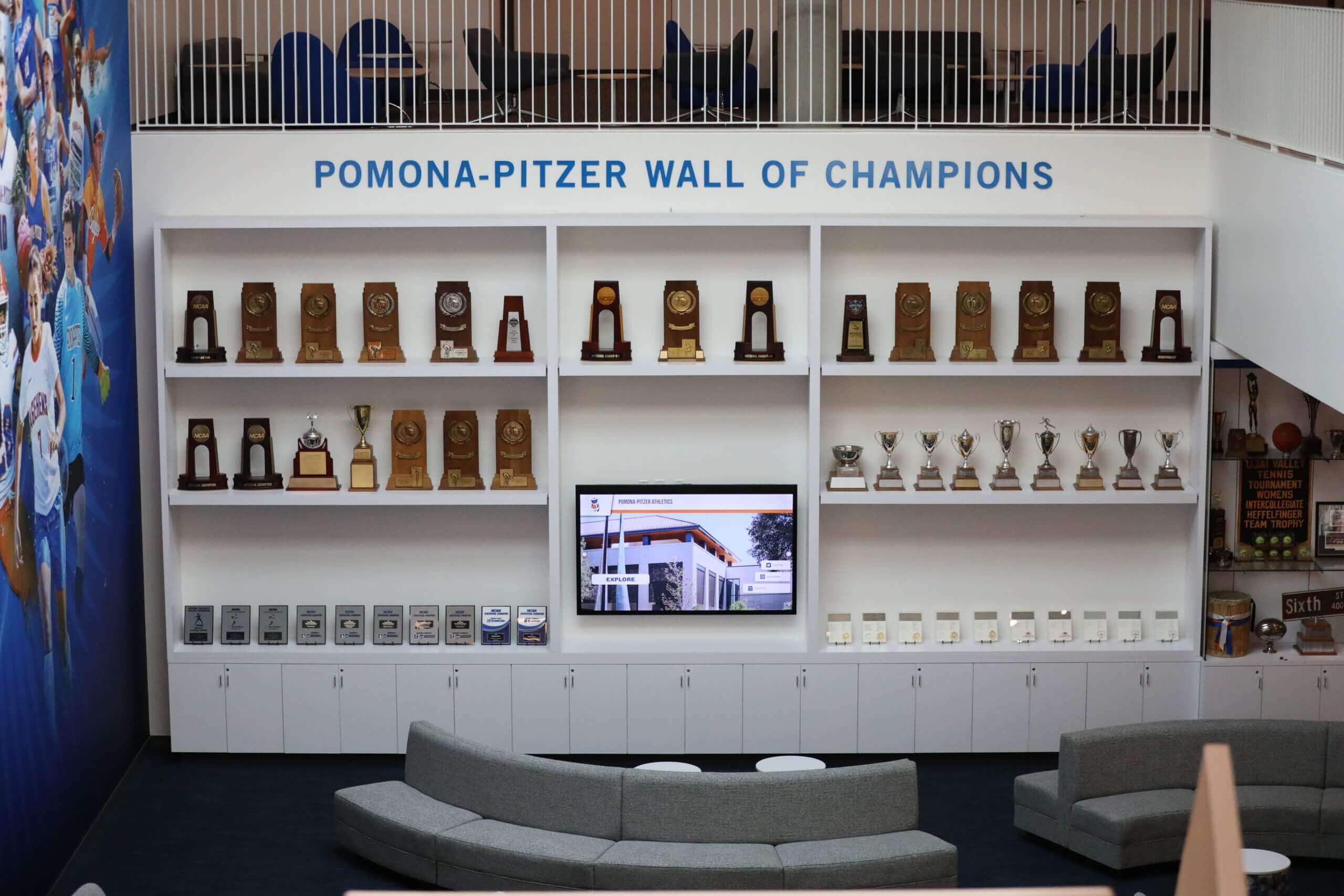
Preserve Your Championship Legacy
Georgia’s championship football tradition deserves recognition befitting its excellence. Explore how comprehensive digital recognition platforms transform championship celebration from space-limited physical displays into engaging, permanent archives honoring every championship season, player, coach, and team that contributed to your program’s success.
Discover professional recognition solutions designed specifically for school athletic programs at Rocket Alumni Solutions. Learn how interactive displays, unlimited championship documentation, multimedia content integration, and intuitive content management help Georgia schools celebrate their football excellence while building program cultures that inspire current athletes to pursue their own championship dreams.
From legendary programs documenting decades of championship success to emerging programs celebrating their first state titles, modern recognition technology provides the platform for honoring Georgia high school football championship tradition at the level it deserves—professionally, comprehensively, and permanently.
Additional resources for building comprehensive athletic recognition include strategies for recognizing all-state athletes across all sports, guidance on creating athletic walls of honor celebrating diverse achievement, and best practices for showcasing athletic excellence digitally throughout school facilities.
With proven technology, comprehensive support, and expertise helping schools across Georgia celebrate their athletic traditions effectively, modern recognition solutions provide everything needed to honor your championship legacy while inspiring future generations to pursue their own places in Georgia high school football history.