



Key Takeaways
Discover 12 powerful game day traditions that build school spirit and create lasting memories. From pre-game rituals to post-game celebrations, learn how to energize your student body and community.
Why Game Day Traditions Matter
Game day traditions serve a purpose far beyond simple entertainment. They create shared experiences that bind communities together and give students a sense of belonging to something larger than themselves.
Research shows that schools with strong game day traditions experience:
- Higher Student Attendance: Students are more likely to attend events when exciting traditions are involved
- Increased Alumni Engagement: Memorable traditions bring graduates back to campus year after year
- Stronger Community Identity: Shared rituals create a distinct school culture
- Better Team Performance: Athletes perform better when energized by enthusiastic crowds
- Enhanced School Pride: Traditions give students tangible ways to express school spirit
- Lasting Memories: Students remember game day experiences decades after graduation
According to the National Federation of State High School Associations, schools with active student sections and established traditions see up to 30% higher attendance at athletic events compared to schools without organized spirit programs.
1. Signature Student Section Chants and Cheers
The most memorable game day experiences often center around distinctive student section traditions. Creating signature chants and cheers gives your students a unique voice that sets your school apart.
Developing School-Specific Chants
What Makes Great Chants Work:
- Simple enough for everyone to learn quickly
- Rhythmic and easy to coordinate across large groups
- Positive and respectful (avoid targeting opponents negatively)
- Connected to school mascot, colors, or unique identity
- Repeatable throughout the game at key moments
Implementation Strategy:
- Work with student government to crowdsource chant ideas
- Test new chants at smaller events before major games
- Create a “chant card” distributed at games with popular cheers
- Designate student section leaders to coordinate timing
- Record and share video examples so newcomers can learn
Example Chant Structures:
- Call and response: Leader says a line, crowd responds
- Rhythmic clapping patterns paired with short phrases
- Spelling cheers that build energy (letter by letter)
- Countdown chants building to key game moments
- Victory chants specific to your school’s mascot or motto
Schools like Bishop McLaughlin have built powerful school spirit programs around distinctive traditions that reflect their unique identity.
2. Pre-Game Tunnel Walk and Player Introductions
Transform how your teams enter the playing field or court with dramatic pre-game ceremonies that build anticipation and honor your athletes.
Creating Memorable Entrances
Tunnel Walk Elements:
- Student-formed “spirit tunnel” athletes walk through
- Coordinated music building to a crescendo
- Banner or paper wall teams burst through
- Smoke machines or special lighting effects (where appropriate)
- Senior recognition on special nights
Player Introduction Variations:
- Individual introductions with spotlight and music
- Starting lineup announced with special fanfare
- Senior night expanded introductions with family
- Video board highlights for featured players
- Team captains carrying school or rivalry flags
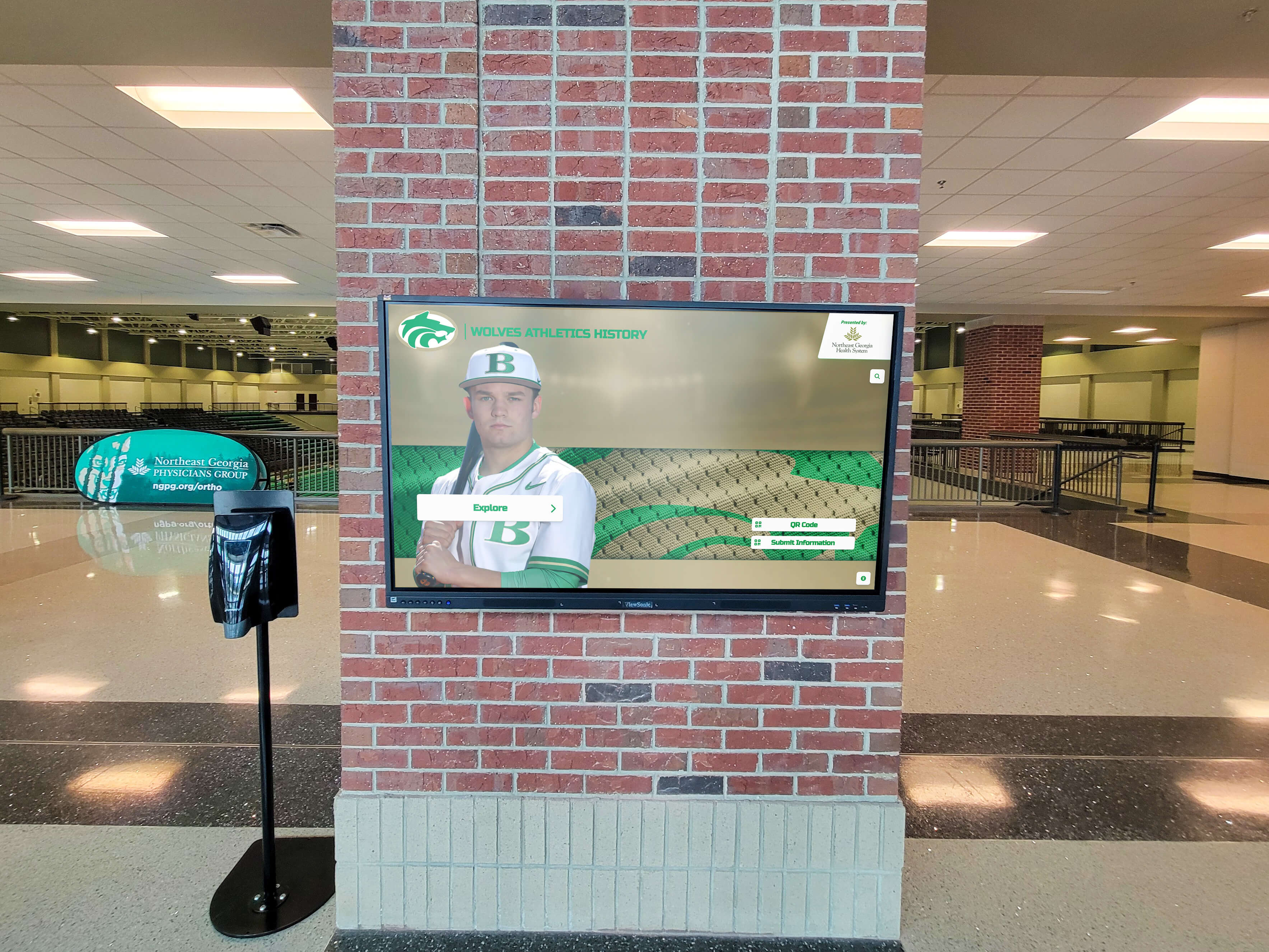
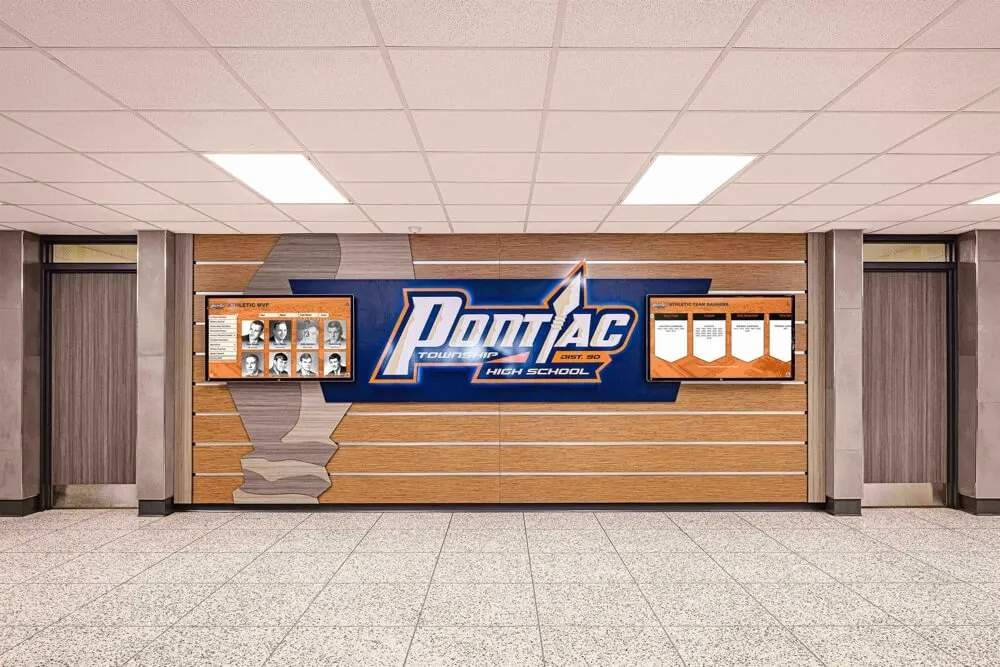
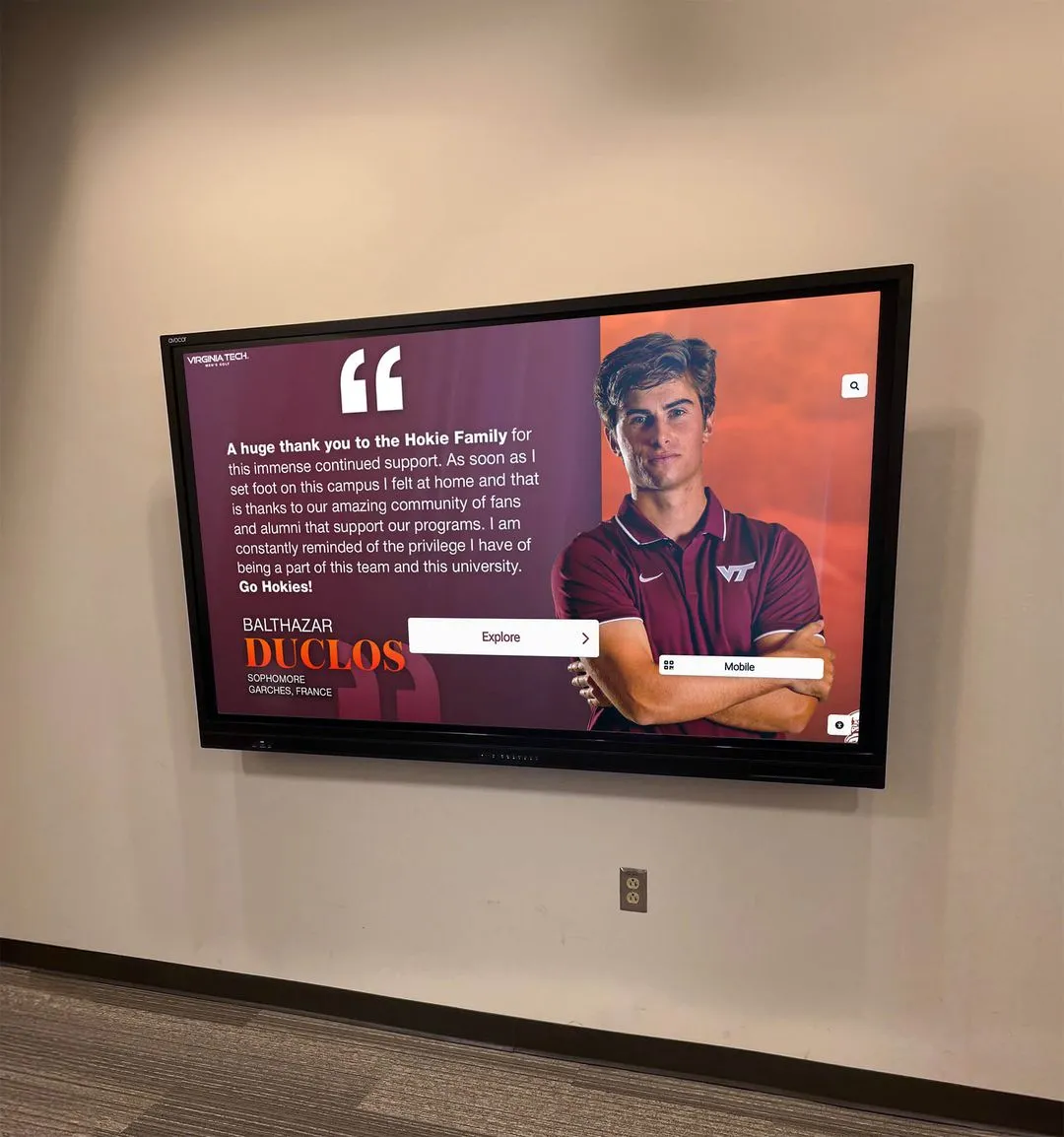
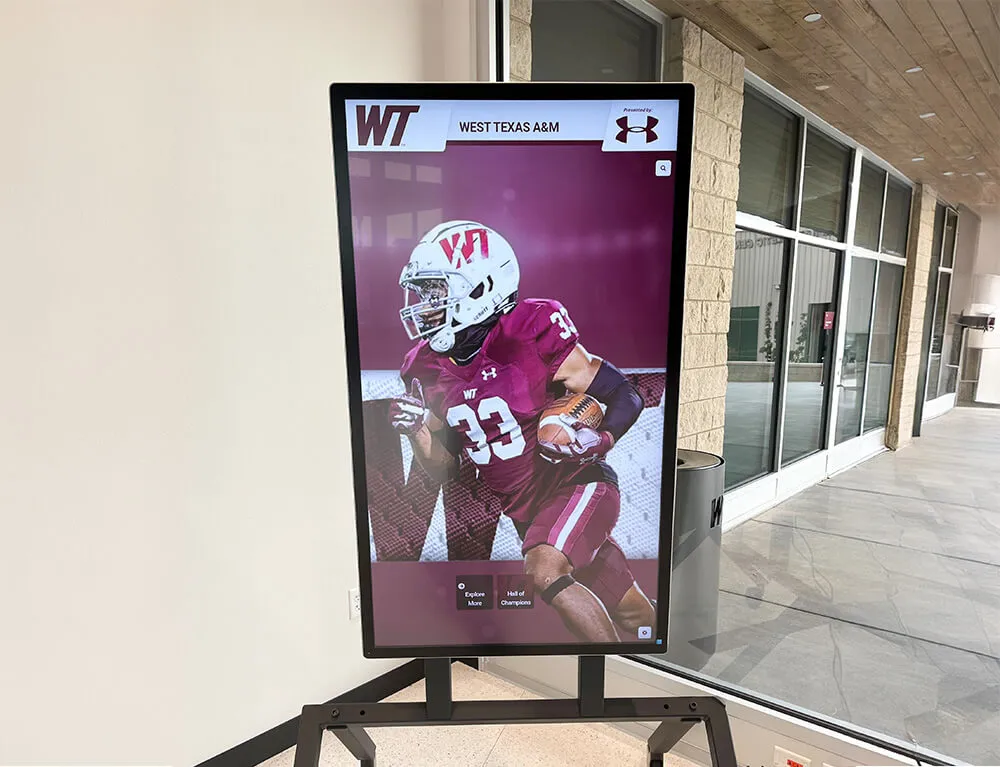
Audio-Visual Enhancement: Modern digital display systems can enhance pre-game introductions with player photos, statistics, and highlight videos that energize the crowd while honoring athletes.
3. Theme Nights and Dress-Up Games
Theme nights transform regular season games into special events that drive attendance and create buzz throughout the school community.
Popular Theme Night Ideas
Classic Themes:
- Whiteout/Blackout: Entire crowd wears one color
- Neon Night: Glow sticks and fluorescent clothing
- Decade Themes: 70s, 80s, 90s costumes
- Tropical/Beach Theme: Hawaiian shirts and beach attire
- Pajama Night: Comfortable school-appropriate sleepwear
- Camouflage Night: Military appreciation theme
Creative Variations:
- Superhero Night: Capes and character costumes
- Twin Night: Students dress in matching outfits
- Crazy Hat Night: Most creative headwear wins prizes
- School Colors Explosion: Creative interpretation of team colors
- Jersey Swap: Students wear jerseys from other school sports
- Formal Friday: Dress up in formal wear for Friday night games
Implementation Tips:
- Announce themes well in advance (2-3 weeks minimum)
- Use social media to build excitement and share costume ideas
- Offer prizes for best dressed individuals or groups
- Ensure themes are inclusive and accessible to all students
- Coordinate with administration on appropriate dress standards
- Create photo opportunities with themed backdrops
Schools that master theme nights often see 40-50% increases in student attendance compared to non-theme games.
4. Half-Time Entertainment and Performances
The pause in gameplay provides prime opportunities to showcase school talent and maintain energy throughout the event.
Half-Time Show Ideas
Performance-Based Entertainment:
- Dance team or cheerleading routines
- Pep band or drumline performances
- Student talent showcase (singers, musicians, dancers)
- Flash mob style choreographed student performances
- Varsity cheerleading competition-level routines
Interactive Competitions:
- Student vs. faculty competitions (shooting contests, relay races)
- Crowd participation games with prizes
- Mascot challenges and races
- Student section competitions for best cheer or energy
- Younger youth league player showcases
Recognition Moments:
- Scholar athlete spotlights
- Community partner acknowledgments
- Milestone achievement celebrations (1000 point scorers, etc.)
- Upcoming event announcements
- Senior athlete recognition throughout the season
Making Half-Time Meaningful
The best half-time entertainment serves multiple purposes:
- Keeps crowd energy high and engaged
- Provides platform for non-athletes to contribute to game day
- Creates additional opportunities for school pride
- Gives athletes proper rest time while maintaining atmosphere
- Offers memorable moments beyond the game itself
5. Senior Night and Season Finale Celebrations
Senior recognition events honor graduating athletes while creating emotional, memorable moments for the entire community.
Comprehensive Senior Night Traditions
Pre-Game Recognition:
- Senior athlete introductions with parents/guardians
- Walk through honor tunnel of teammates
- Photo opportunities at center court/field
- Brief speech or message from each senior
- Gifts from team (framed photos, personalized items)
Personal Touches:
- Video montages featuring each senior’s career
- Childhood photos shown on scoreboards
- Letters from coaches read aloud
- Teammate tributes and appreciation speeches
- Special uniforms or accessories for seniors
Extended Recognition: Senior recognition doesn’t need to end on senior night. Create lasting tributes through:
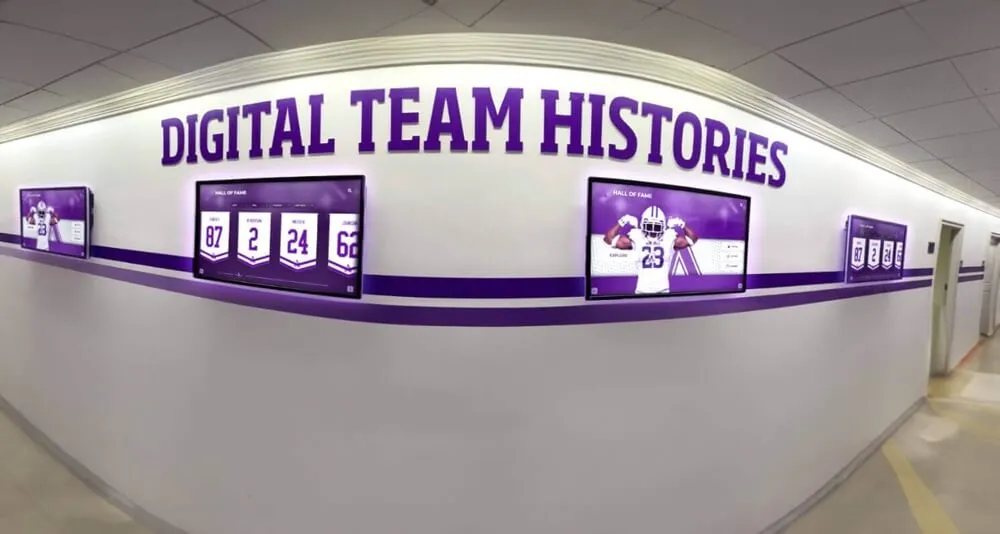
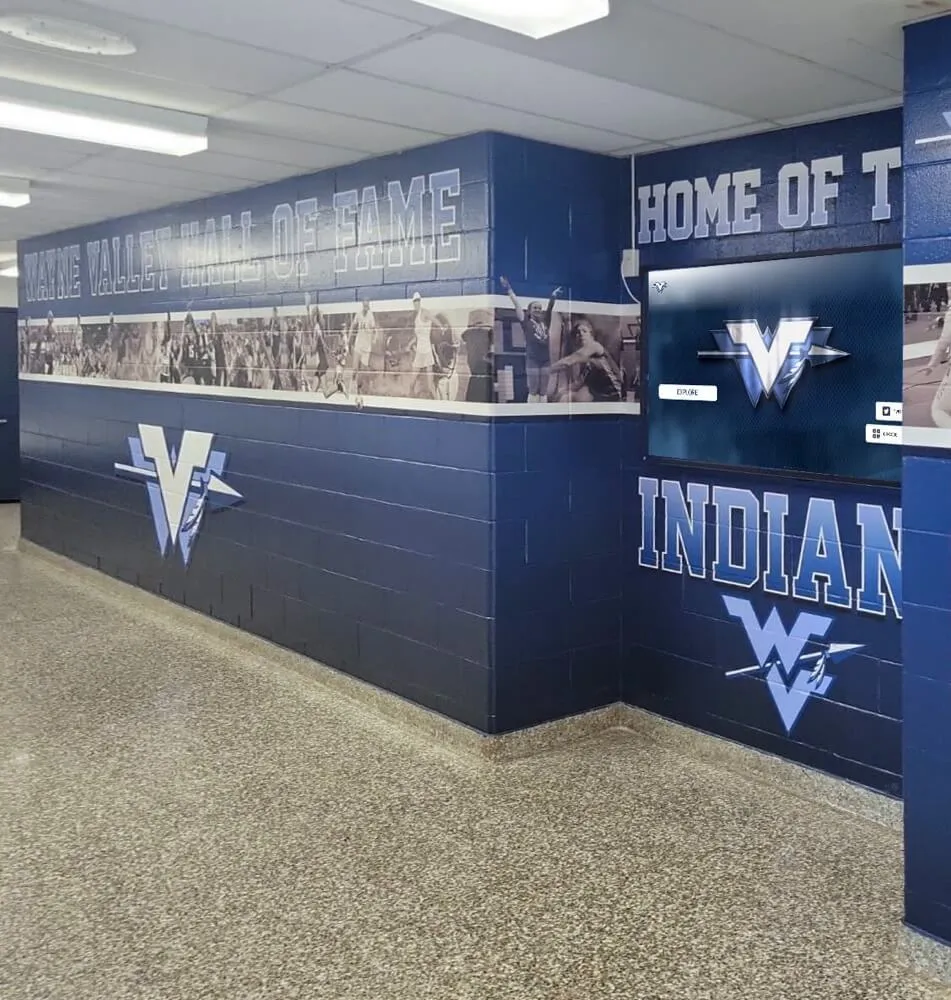
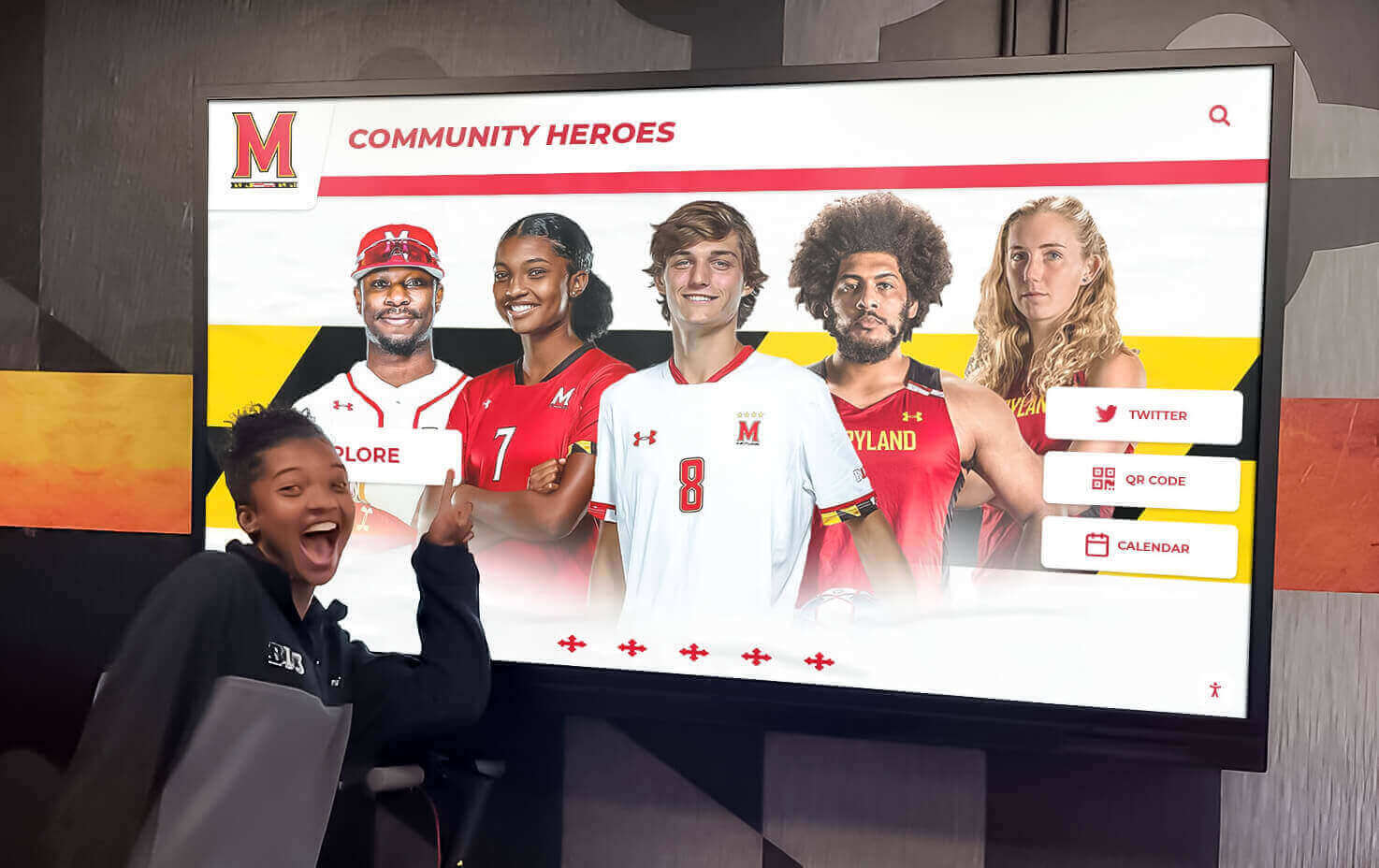
- Permanent displays in school digital hall of fame systems
- Year-end athletic banquet awards
- Sports end-of-year recognition programs
- Senior athlete profiles in school publications
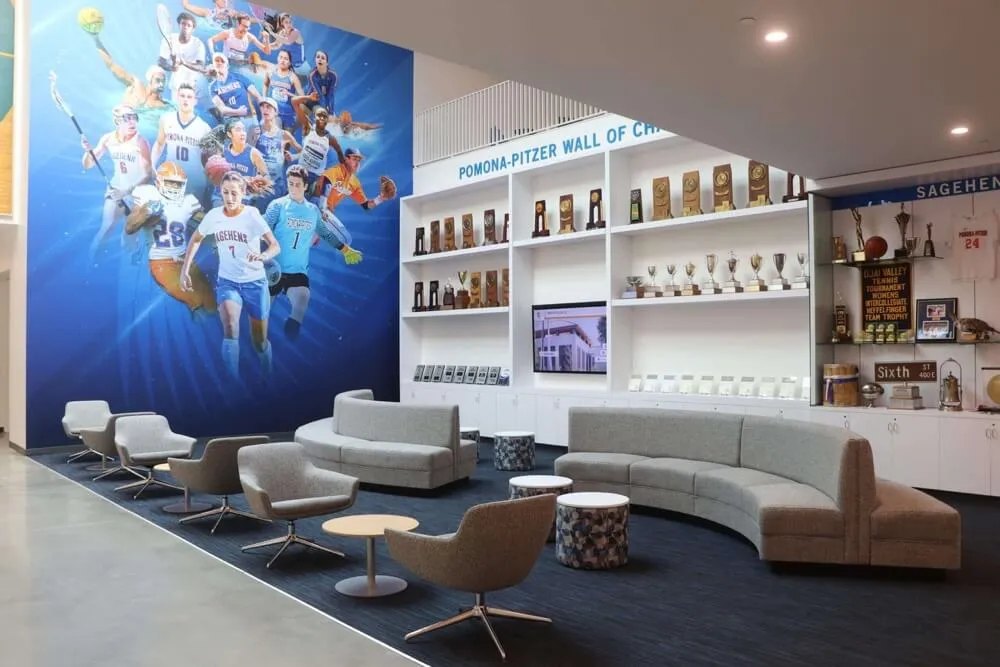
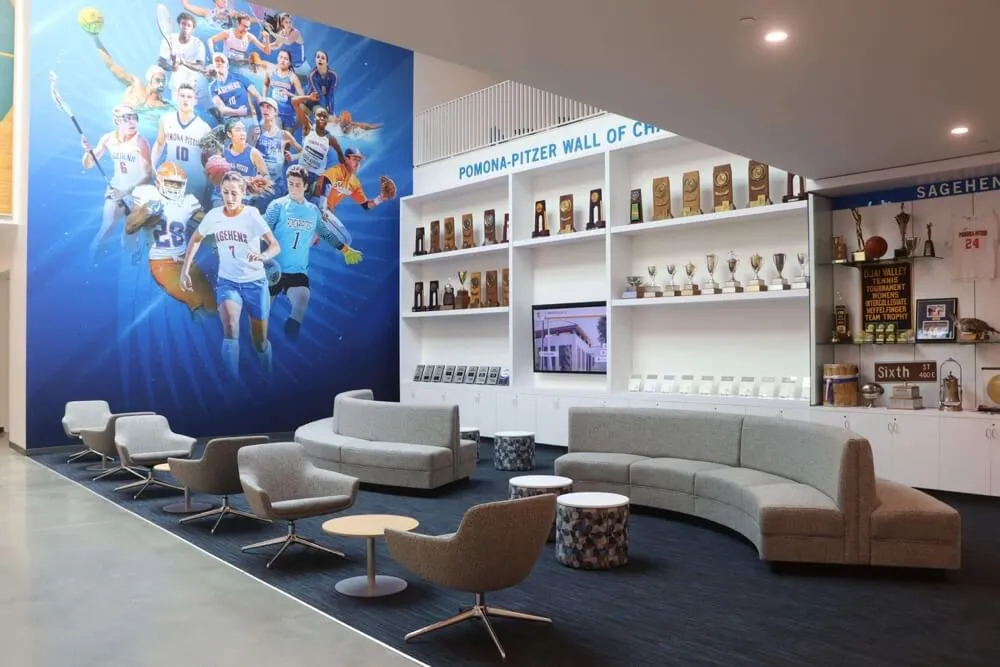
- Legacy walls in athletic facilities
6. Rivalry Game Traditions
Rivalry games deserve special traditions that acknowledge the heightened significance and history of these matchups.
Building Rivalry Traditions
Pre-Game Intensity:
- Trophy or traveling award displayed prominently
- Historical record posted (all-time series results)
- Alumni attendance encouraged for big rivalries
- Extended pep rally focused on rivalry history
- Special “beat [rival]” merchandise or spirit items
During-Game Traditions:
- Rivalry-specific chants directed at competition
- Point-tracking displays showing score advantage
- Countdown to key moments or halftime
- Special halftime performances themed to rivalry
- Trophy presentation immediately after victory
Year-Round Recognition:
- Traveling trophy displayed in winner’s school
- Permanent records of rivalry game results
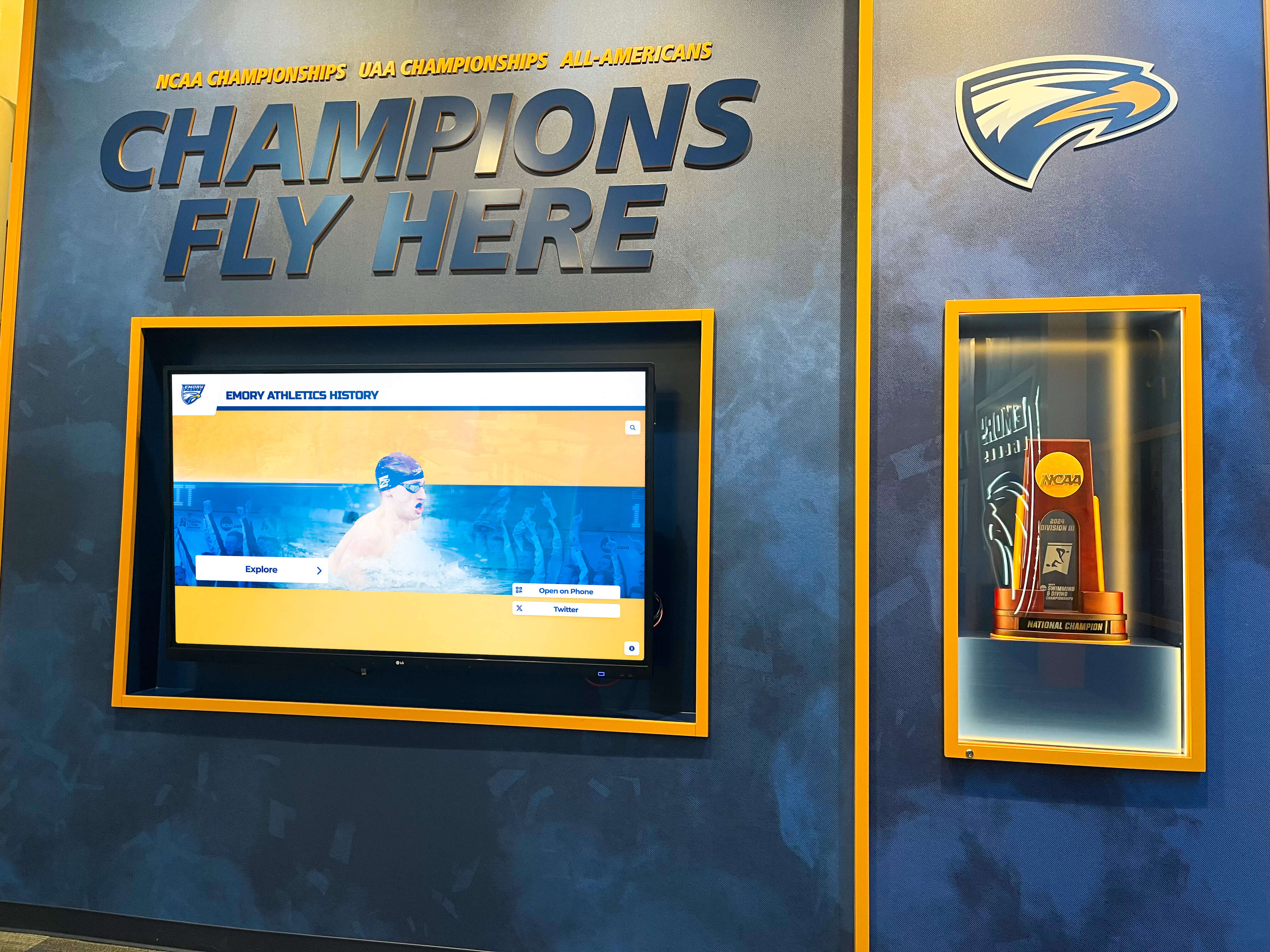
- Digital displays tracking historical performance
- Alumni stories from historic rivalry moments
- Media coverage and documentary preservation
Sportsmanship Balance: While rivalry intensity creates excitement, maintain:
- Respectful boundaries in competitive spirit
- Focus on supporting your team rather than belittling opponents
- Positive rivalry traditions that both schools can embrace
- Post-game handshakes and mutual respect
- Community partnership despite competitive nature
7. Tailgate and Pre-Game Gatherings
Transform the hours before game time into community-building experiences that extend game day traditions beyond the actual competition.
Organizing Effective Tailgates
Family-Friendly Pre-Game Events:
- Food trucks or concession stands opening early
- Face painting and temporary tattoos in school colors
- Lawn games and activities for younger siblings
- Music and entertainment in parking areas
- Booster club fundraising activities
Student Section Meetups:
- Designated pre-game gathering area for students
- Theme night costume contests before gates open
- Chant practice and coordination for student section
- Photo opportunities with mascot and spirit squad
- Early entry incentives for most spirited fans
Alumni and Community Engagement:
- Alumni gathering spaces with decade-specific areas
- Historical displays showing past game highlights
- “Then and now” photo opportunities
- Networking spaces for graduated athletes
- Alumni gathering areas that honor school history
Creating Safe, Inclusive Pre-Game Environments
Successful pre-game gatherings require:
- Clear communication about timing and location
- Adequate supervision and safety measures
- Accessibility for all community members
- Weather contingency plans
- Coordination with facility management and security
8. Victory Celebrations and Post-Game Traditions
How you celebrate wins (and acknowledge effort in losses) shapes team culture and community spirit.
Post-Game Victory Traditions
Immediate Celebrations:
- Team huddle at center court/field
- Victory song or fight song sung together
- Player recognition for outstanding performance
- Student section remaining to celebrate with team
- Social media victory posts with team photos
Extended Victory Recognition:
- “Victory Monday” school-wide announcements
- Hallway celebration signs created by students
- Special recognition at next school assembly
- Local media coverage and interviews
- Updates to record boards and statistics displays
Championship Celebrations:
- Parade through school hallways
- Community celebration events
- Permanent recognition in trophy display systems
- Special assembly honoring championship achievement
- Year-end banquet highlighting championship season
Honoring Effort Regardless of Outcome
Post-Loss Traditions:
- Emphasize effort and sportsmanship
- Student section shows continued support
- Focus on season progress and improvement
- Recognize individual outstanding performances
- Maintain dignity and positive team culture
9. Homecoming Week Multi-Day Traditions
Homecoming provides the perfect opportunity to build sustained excitement through week-long traditions culminating in a major game day event.
Homecoming Week Schedule Framework
Monday - Spirit Kickoff:
- Morning announcement launching homecoming week
- Hallway decorations by grade or class
- First theme day (class colors, decades, etc.)
- After-school pep rally or assembly
- Social media campaign launch
Tuesday - Community Day:
- Service projects or community engagement
- Alumni outreach and invitation campaigns
- Local business partnership activities
- Historical displays featuring school traditions
- Ticket sales push for weekend events
Wednesday - Competition Day:
- Lunchtime games and contests
- Class competitions (tug of war, relay races, etc.)
- Talent show or student performance showcase
- Homecoming court nominations or announcements
- Spirit points tracking and leaderboard
Thursday - School Pride Day:
- Major pep rally with all classes
- Introduction of homecoming court
- Performance by dance team, cheer, and band
- Teacher involvement and participation
- Wear school colors or theme attire
Friday - Game Day:
- Shortened class schedule if possible
- Final preparation activities
- Pre-game tailgate and festivities
- The main event: homecoming game
- Post-game dance or celebration
Making Homecoming Inclusive
Ensure homecoming traditions:
- Include opportunities for non-athletes to participate
- Offer various ways students can engage (academic, artistic, athletic)
- Maintain accessibility for all students regardless of background
- Balance competition with community building
- Honor school history while creating new traditions
10. Multi-Sport Recognition and Cross-Team Support
Strong athletic programs celebrate all sports equally and encourage athletes to support each other across different teams.
Building Cross-Team Spirit
Athlete Support Traditions:
- Required attendance at other sports’ games
- “Pack the house” campaigns for less-attended sports
- Cross-sport recognition at assemblies
- Multi-sport athlete spotlights
- Team challenges encouraging mutual attendance
All-Sports Recognition:
- Rotating spotlight on different sports each week
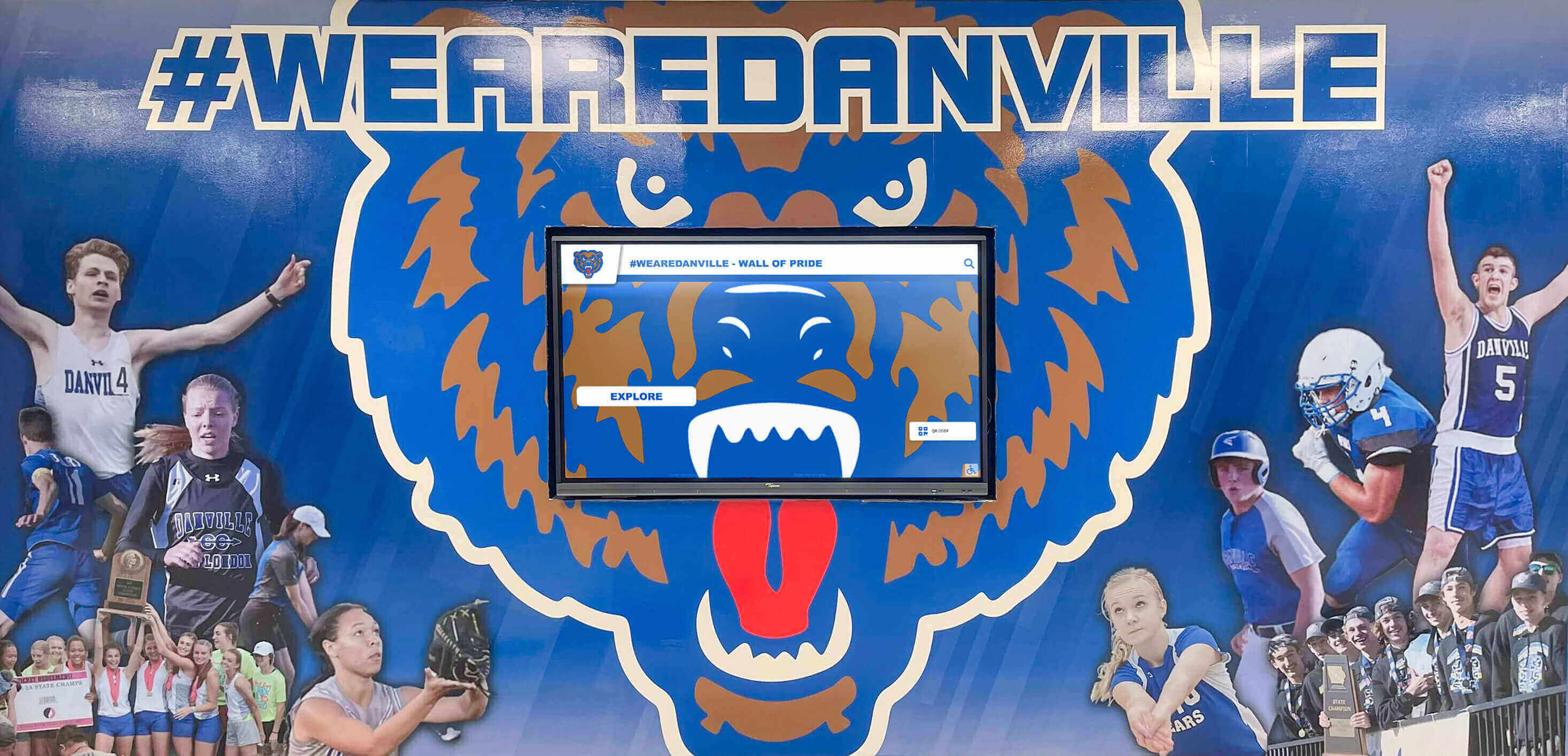
- Equal representation in school displays
- Balanced media coverage across all programs
- Unified athletic department branding
- Combined awards ceremonies celebrating all sports
Season Transitions:
- “Passing the torch” ceremonies between seasons
- Fall, winter, spring athletic kickoff events
- Multi-sport showcases featuring various teams
- Athletic department unity events
- Year-round school pride emphasis
Creating Athletic Department Unity
Successful multi-sport programs:
- Schedule major games to avoid conflicts when possible
- Share resources and support across programs
- Celebrate improvement and participation, not just wins
- Use comprehensive record-keeping systems
- Build culture where all athletes are valued equally
11. Digital and Social Media Integration
Modern game day traditions extend beyond the physical venue into digital spaces where students spend significant time.
Social Media Game Day Traditions
Pre-Game Digital Engagement:
- Official hashtag for each game day
- Countdown posts building excitement
- Player spotlight features
- Fan photo contests and submissions
- Live streaming of pre-game activities
During-Game Social Content:
- Live scoring updates and highlights
- Fan photo galleries and crowd shots
- Key play videos and celebrations
- Real-time stat tracking and records
- Student takeovers of official accounts
Post-Game Digital Celebration:
- Victory graphics and templates
- Player interview videos
- Photo galleries from the event
- Highlight reels and best moments
- Thank you messages to fans and supporters
Interactive Digital Experiences
Technology-Enhanced Traditions:
- QR codes linking to player profiles and stats
- Interactive polling during timeouts
- Digital scoreboards showing fan messages
- Photo booth opportunities with digital sharing
- Video board fan features and celebrations
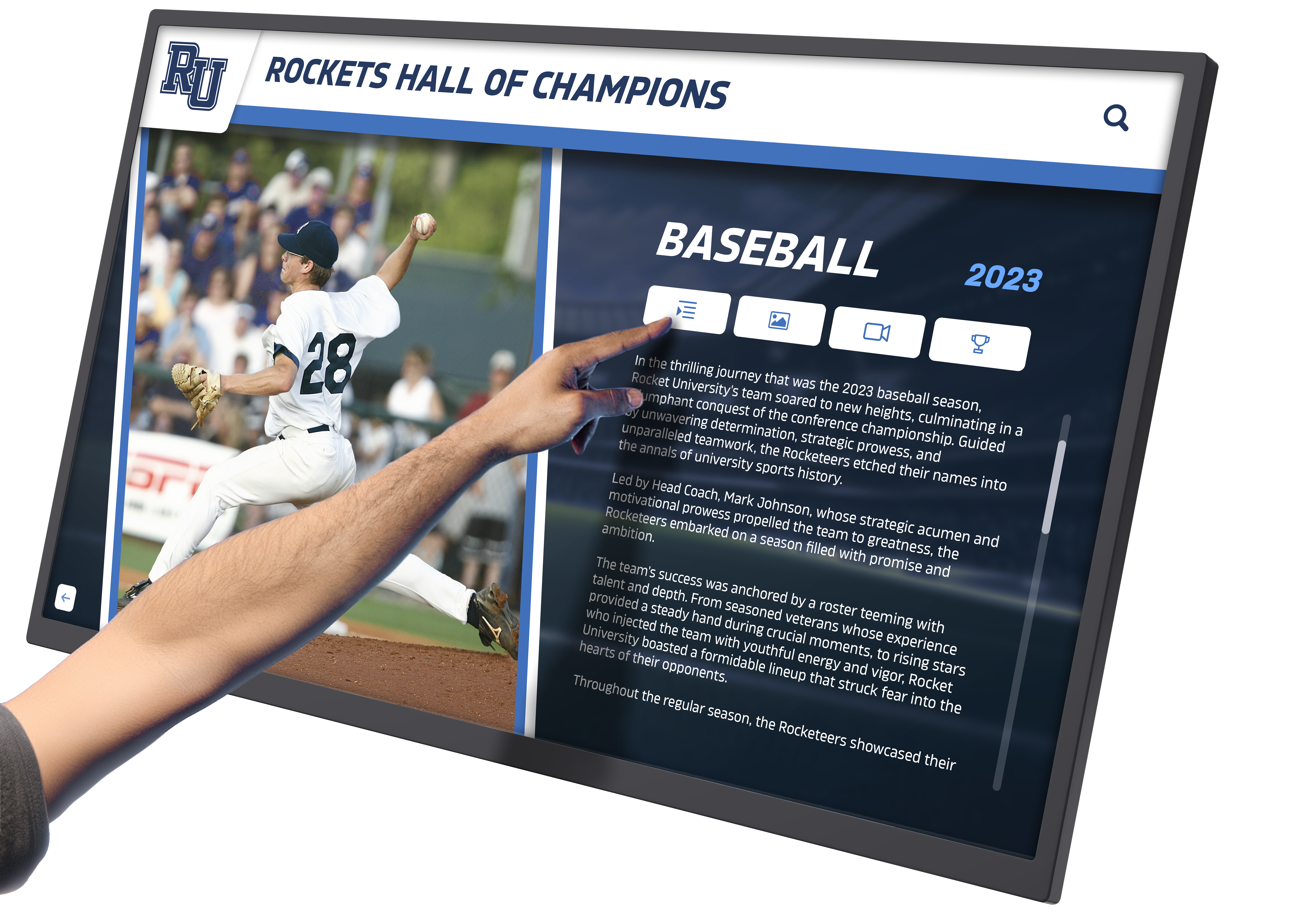
Engagement Analytics: Track digital engagement to understand:
- Which traditions resonate most with students
- Optimal timing for social content
- Content types generating most interaction
- Reach to alumni and community members
- Return on investment for digital initiatives
12. Tradition Documentation and Legacy Building
The most powerful game day traditions gain strength over time as they become part of school identity. Proper documentation ensures traditions continue and evolve across generations.
Preserving Game Day Traditions
Historical Documentation:
- Written records of tradition origins and evolution
- Photo and video archives of memorable moments
- Interview recordings with tradition founders
- Digital archiving systems preserving school history
- Yearbook features documenting annual traditions
Passing Traditions to New Generations:
- Tradition orientation for freshmen
- Student leadership positions maintaining traditions
- Documentation accessible to new students
- Alumni involvement teaching traditions
- Written guides for tradition execution
Evolution and Adaptation: Healthy traditions:
- Allow for student input and modifications
- Adapt to changing school demographics
- Maintain core elements while refreshing details
- Respond to feedback and assessment
- Balance consistency with innovation
Modern Recognition Solutions
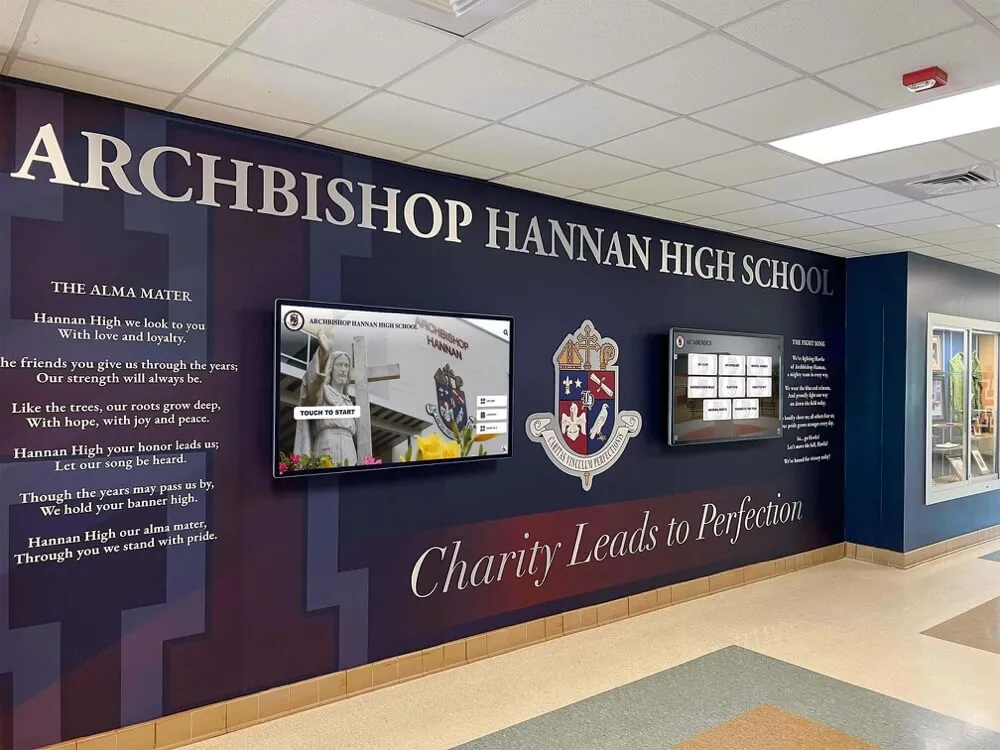
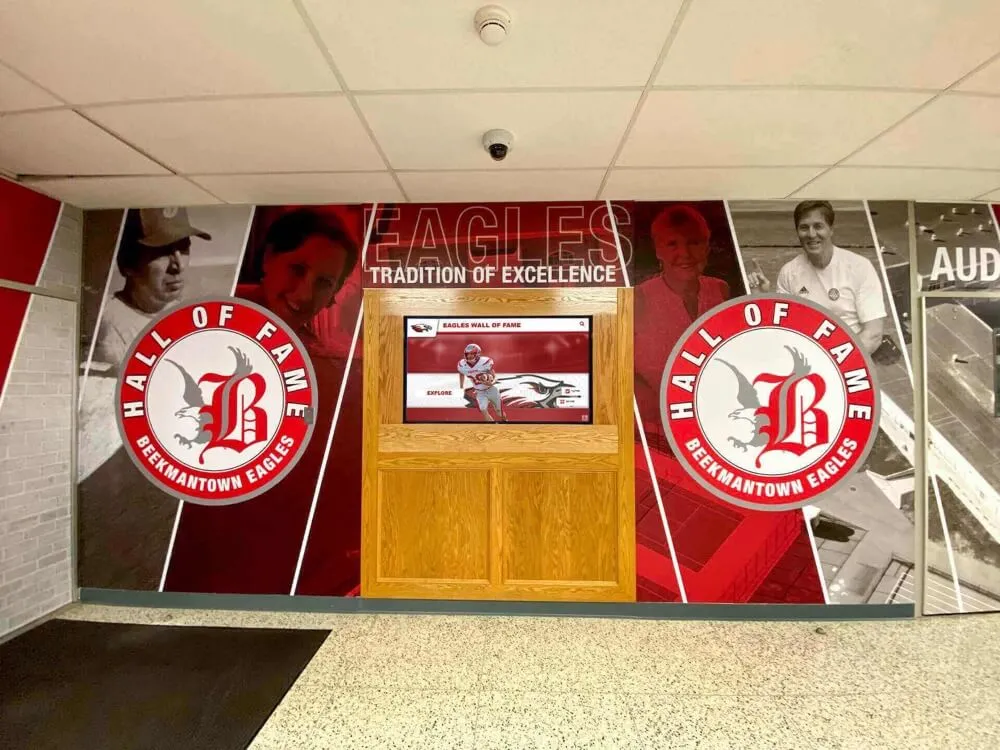
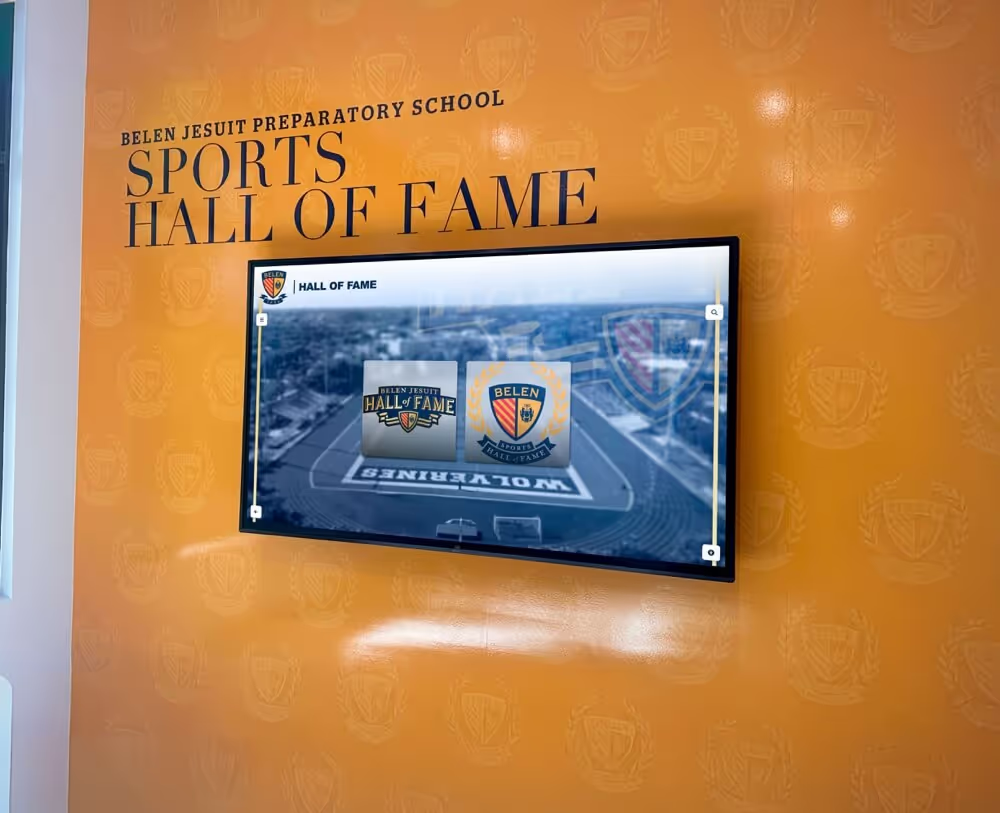
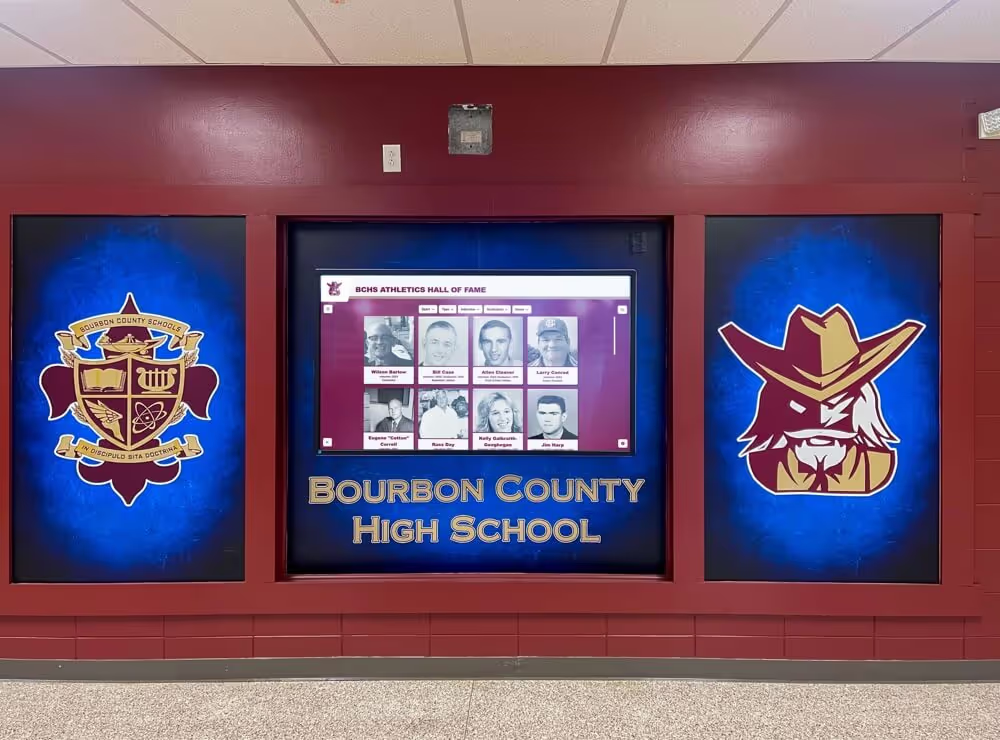
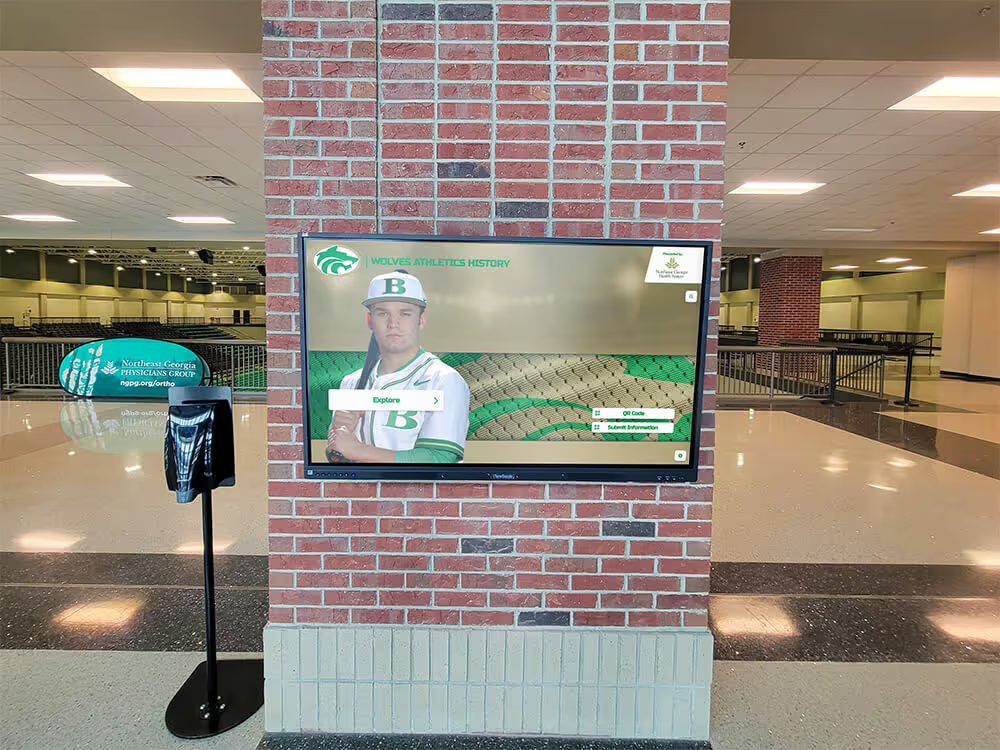
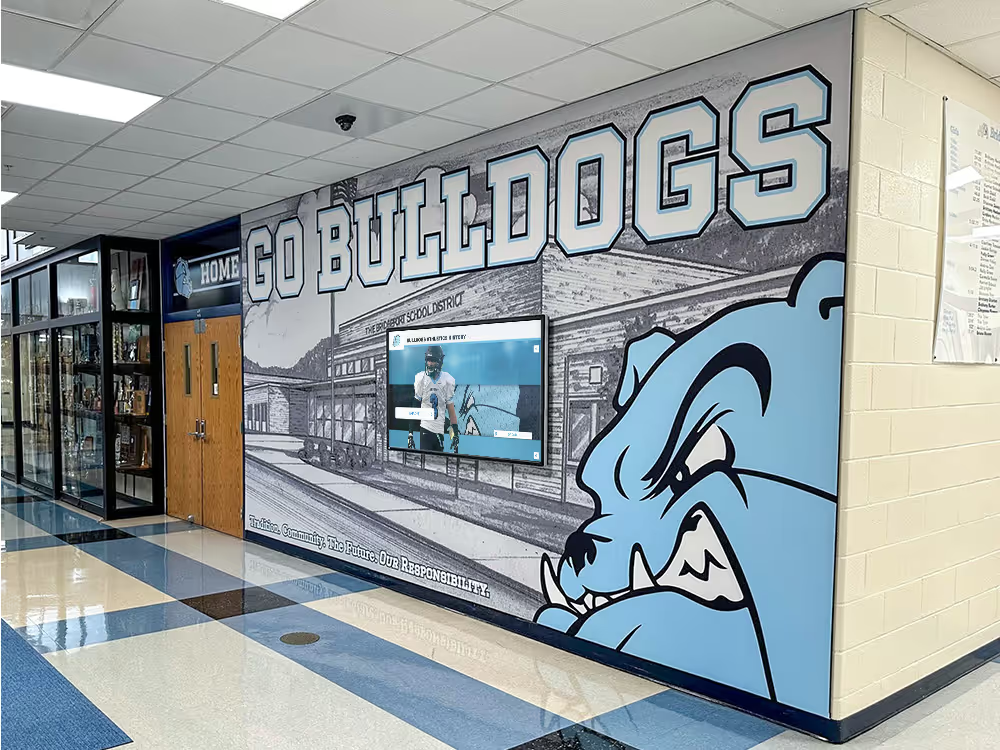
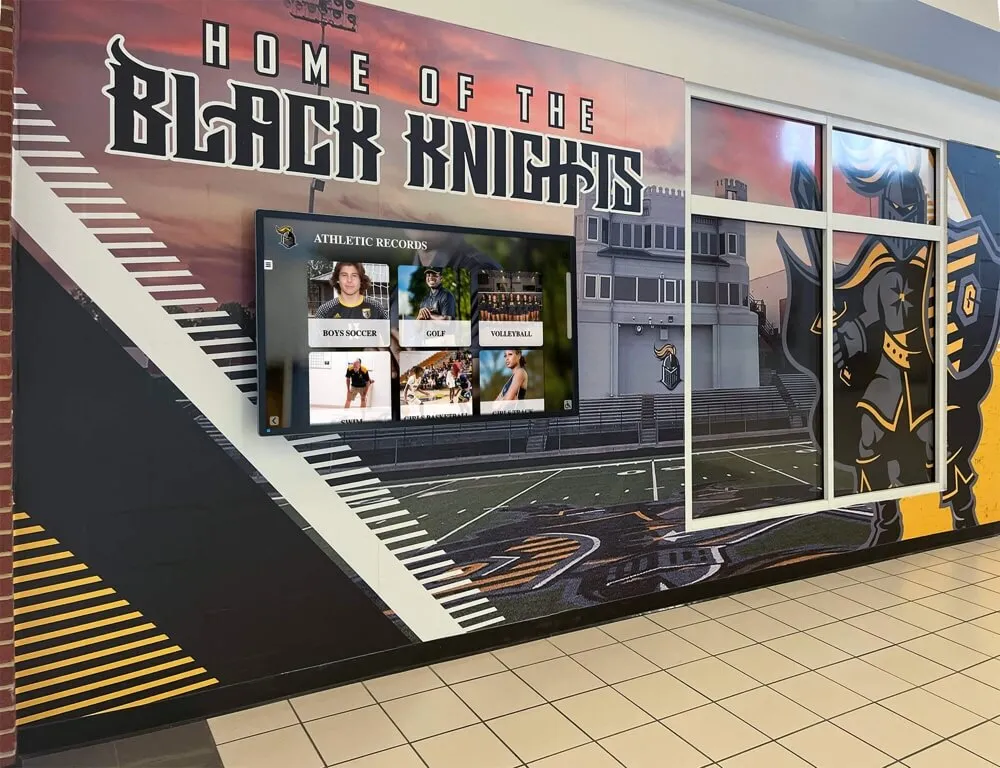
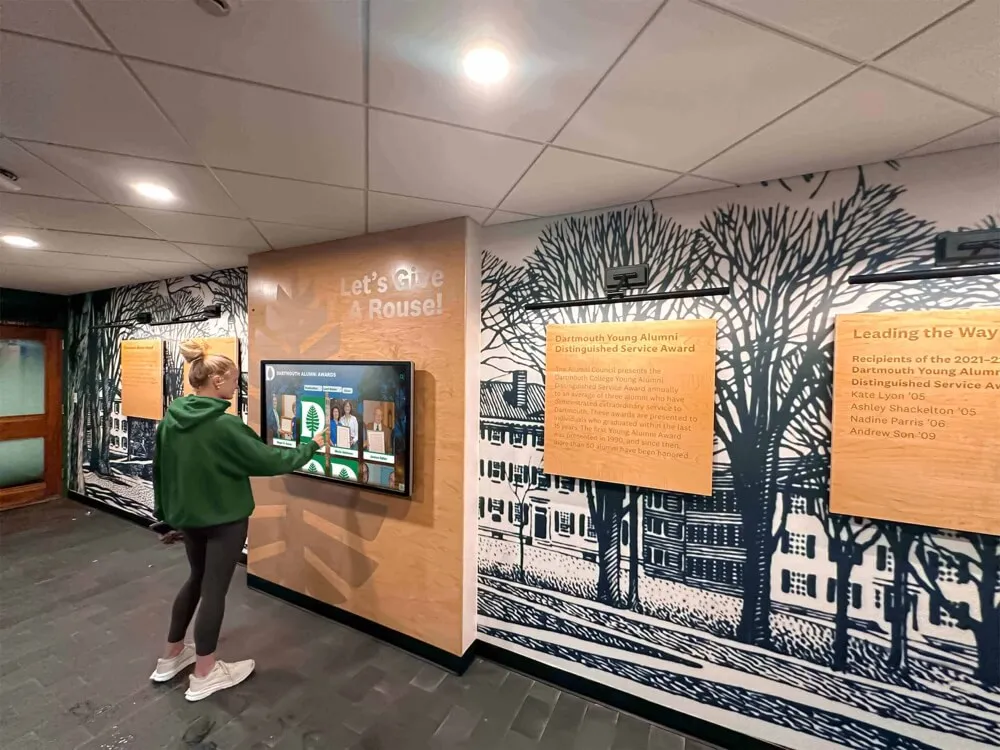
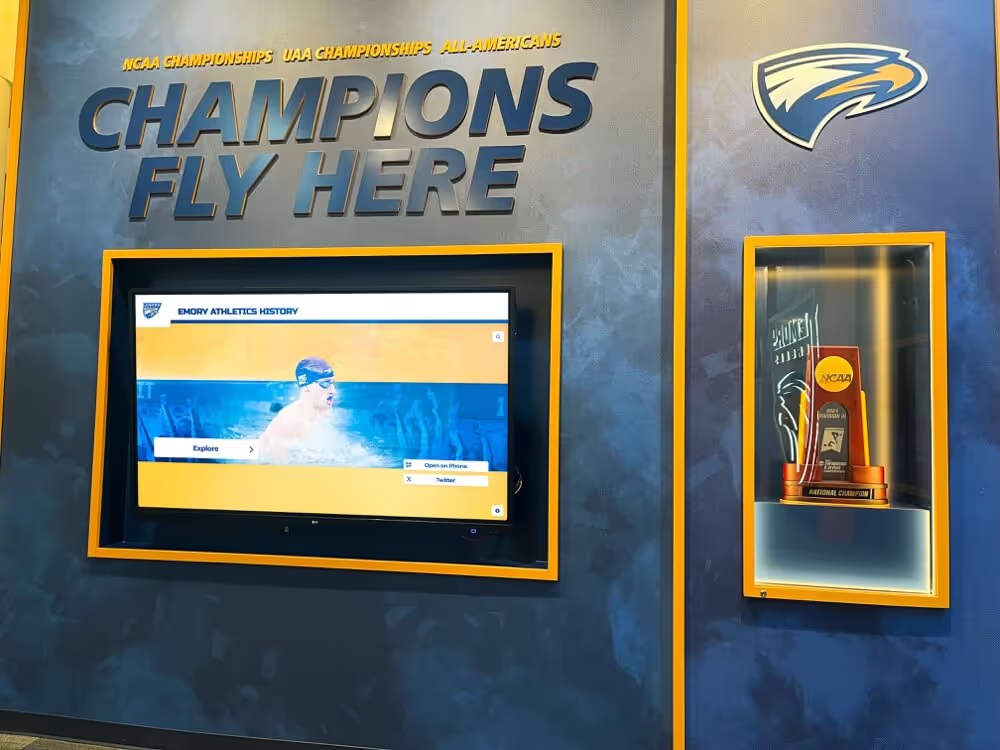
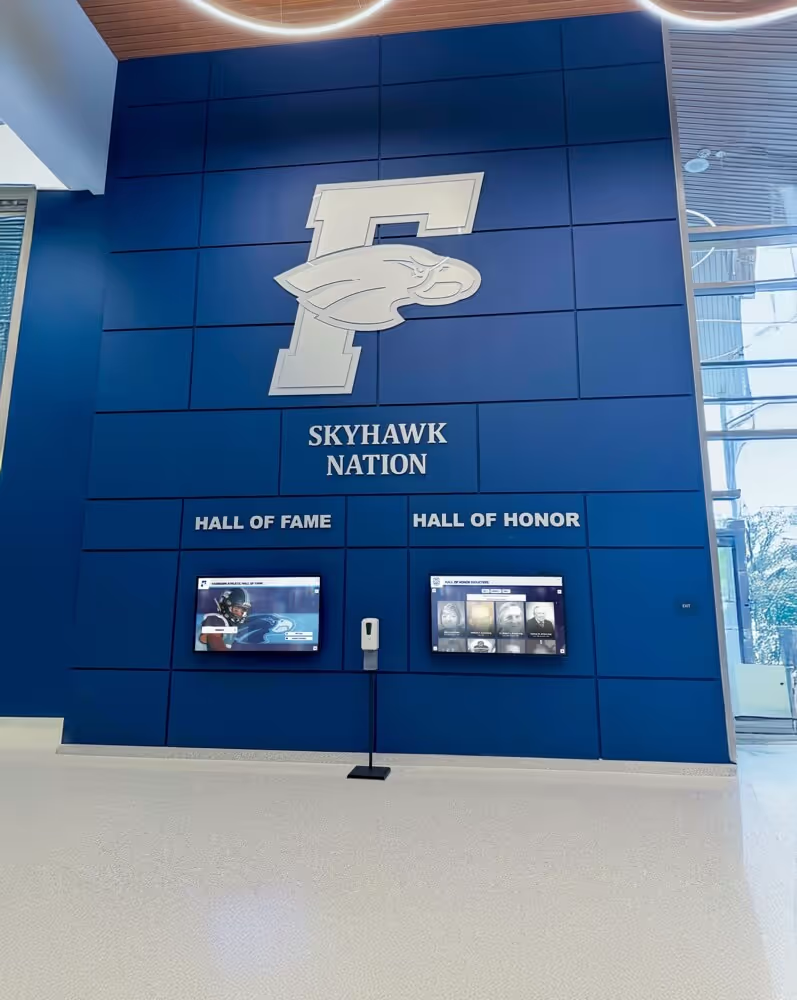
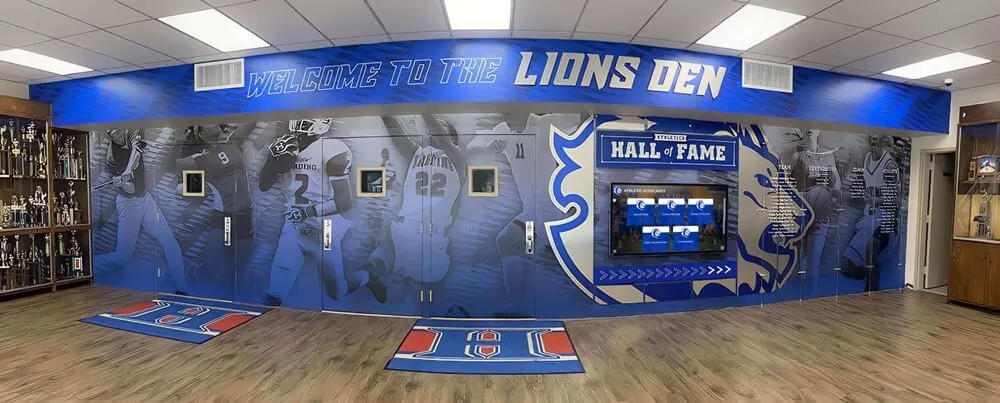
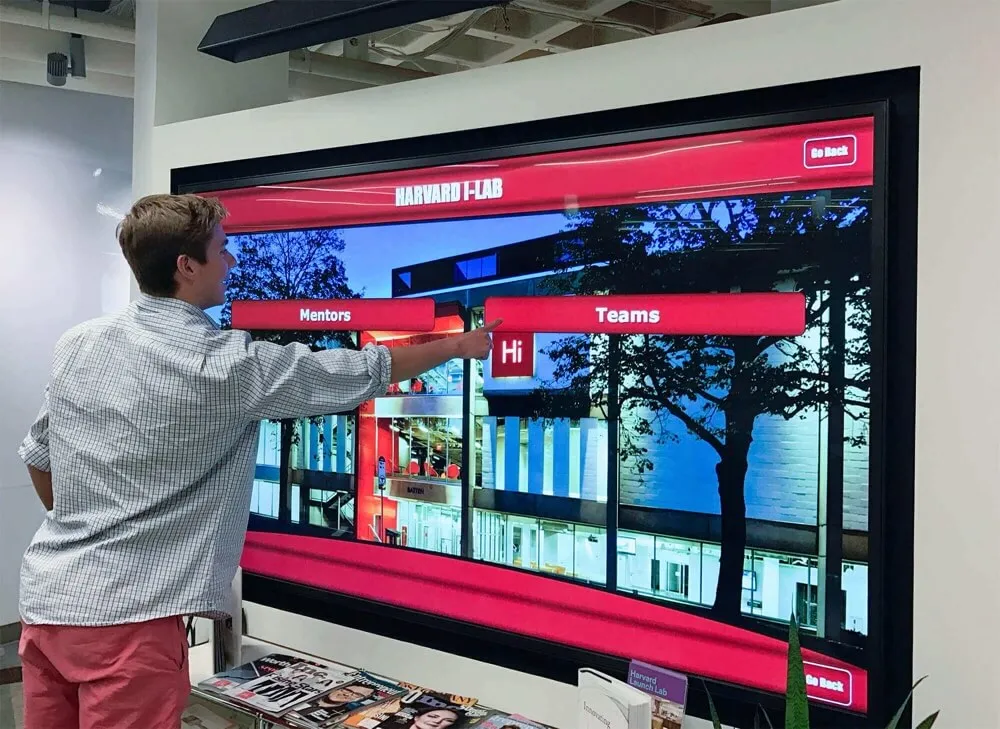
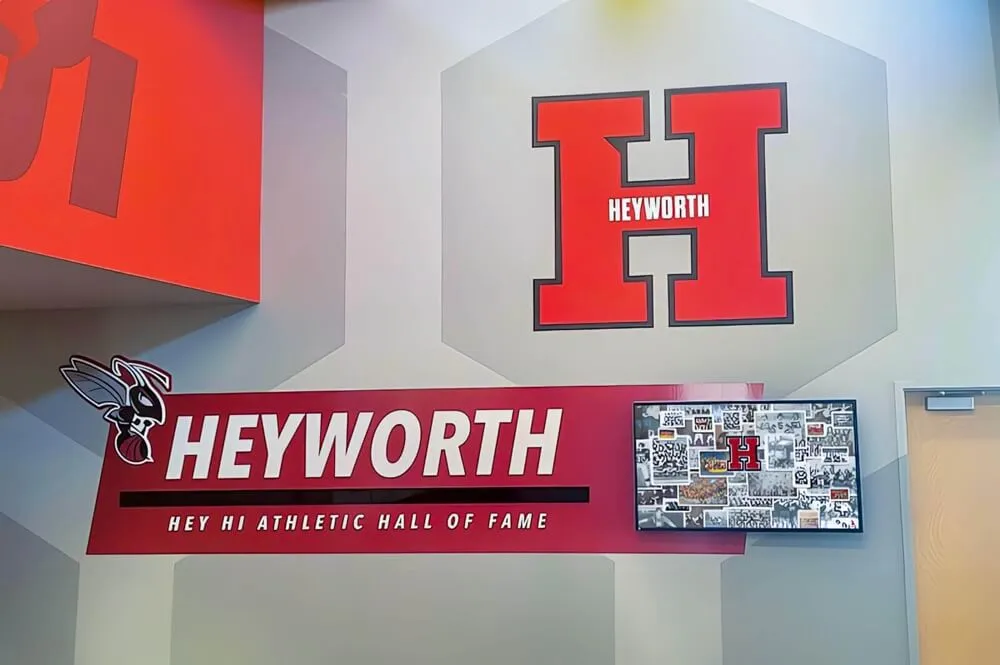
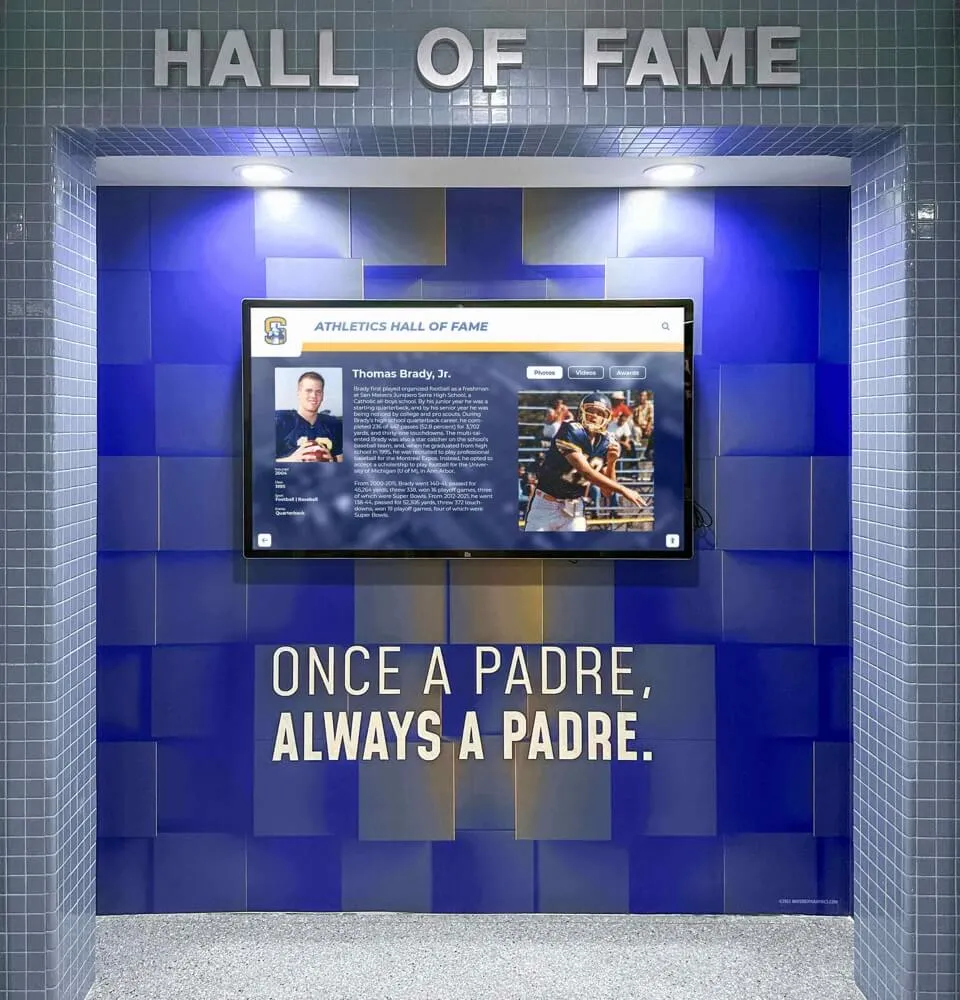
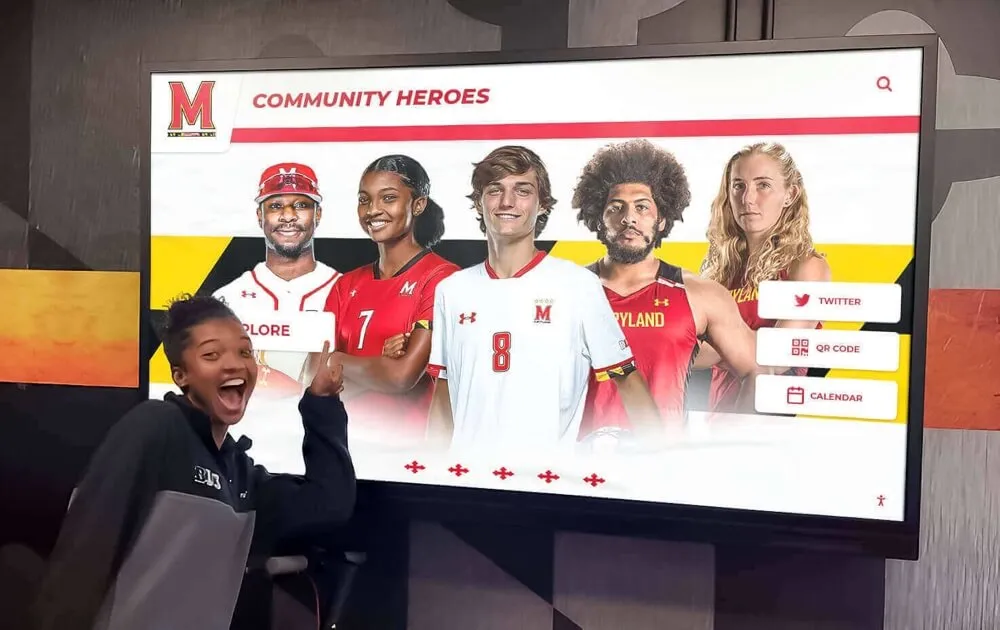
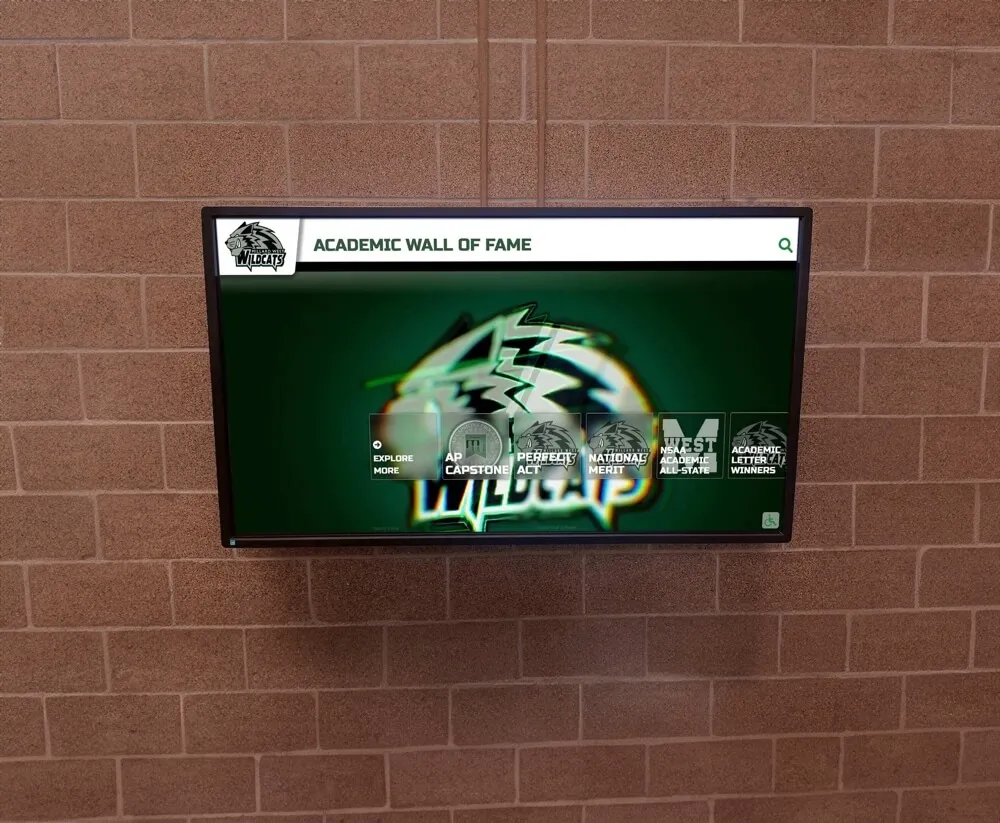
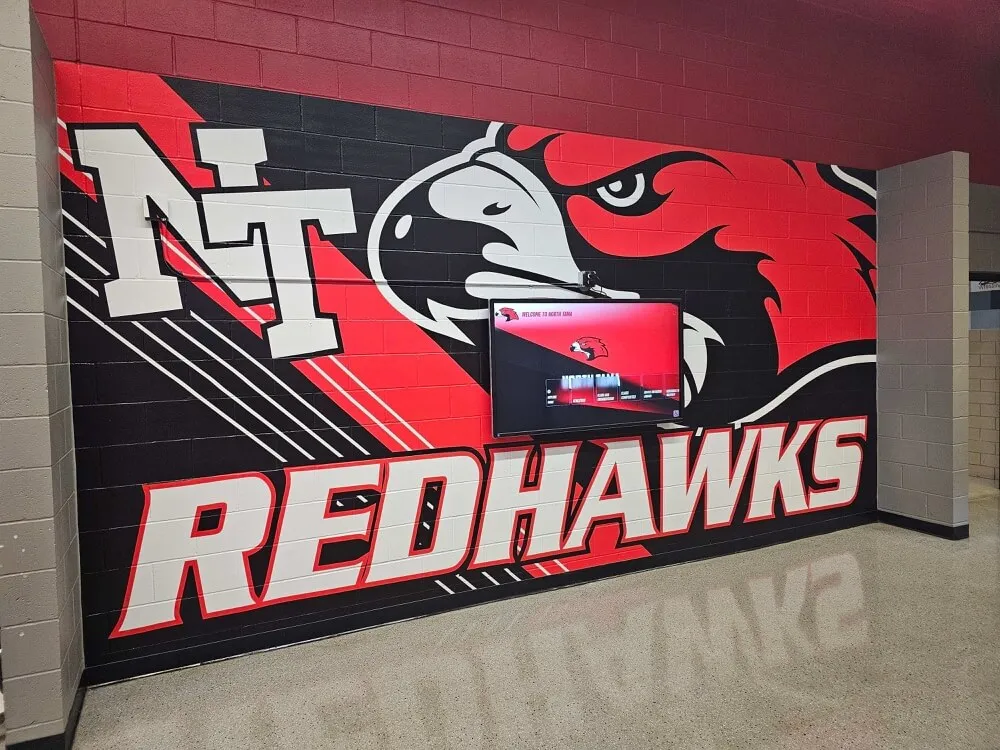
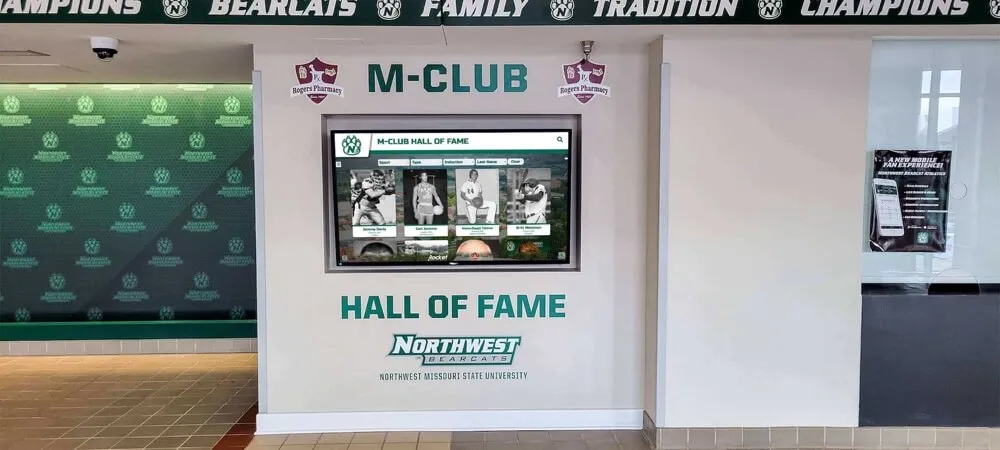
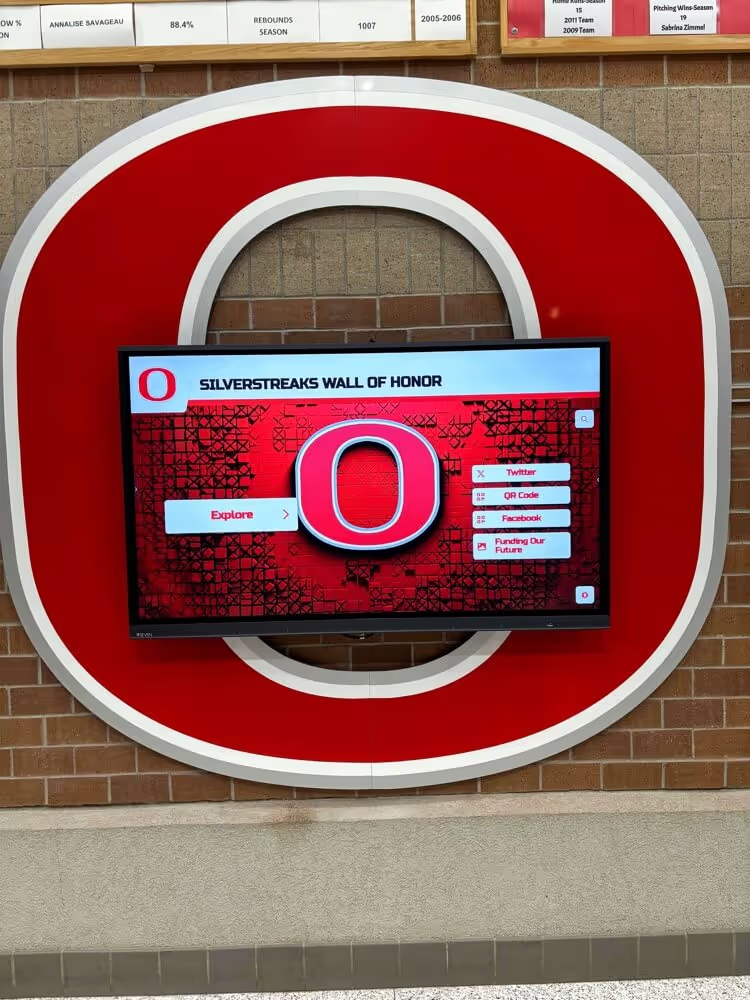
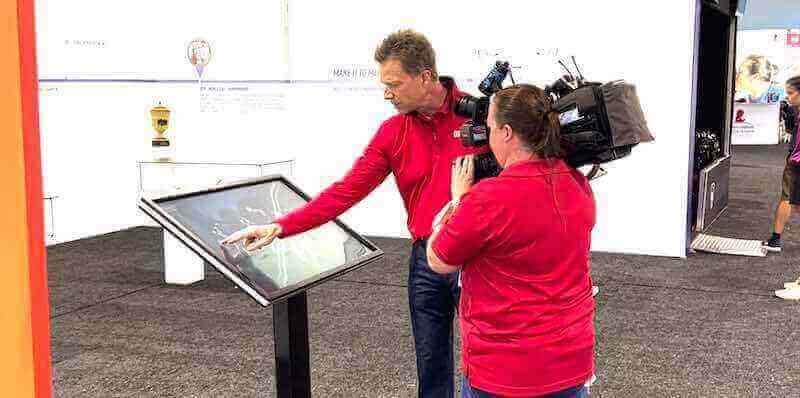
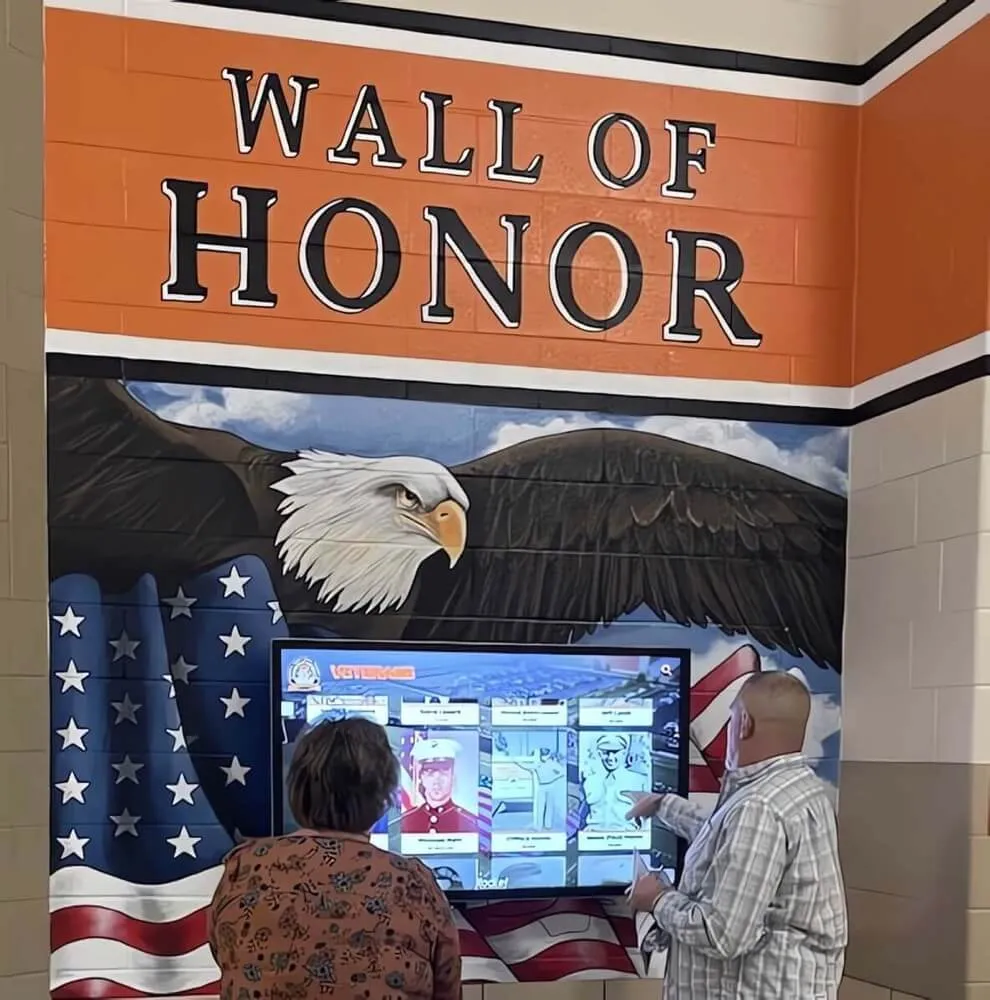
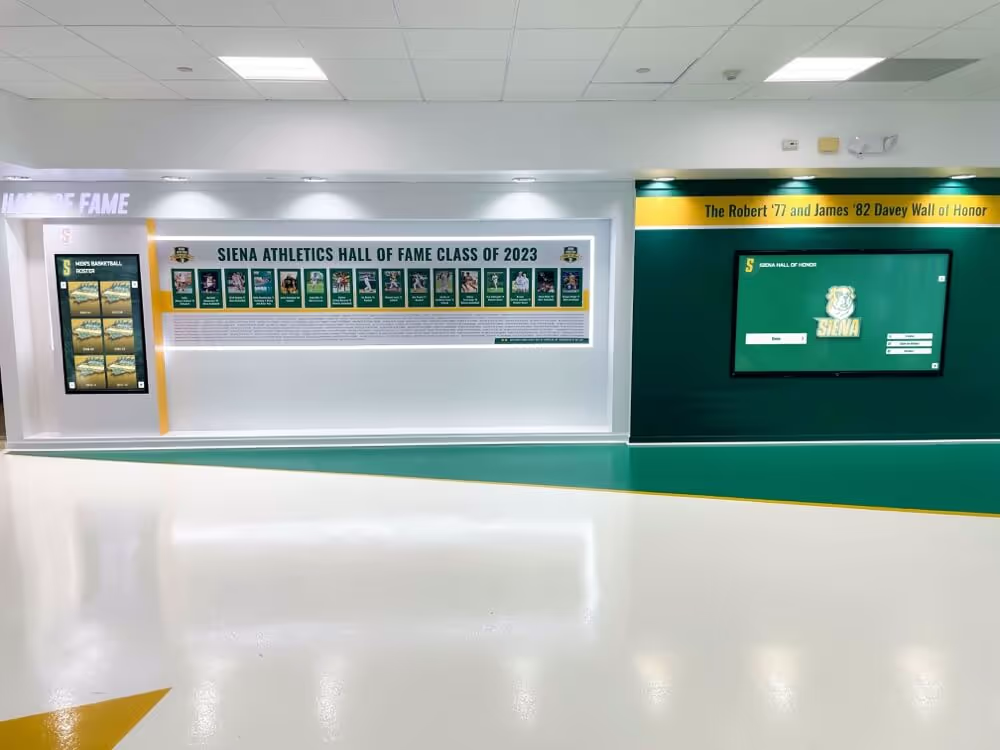
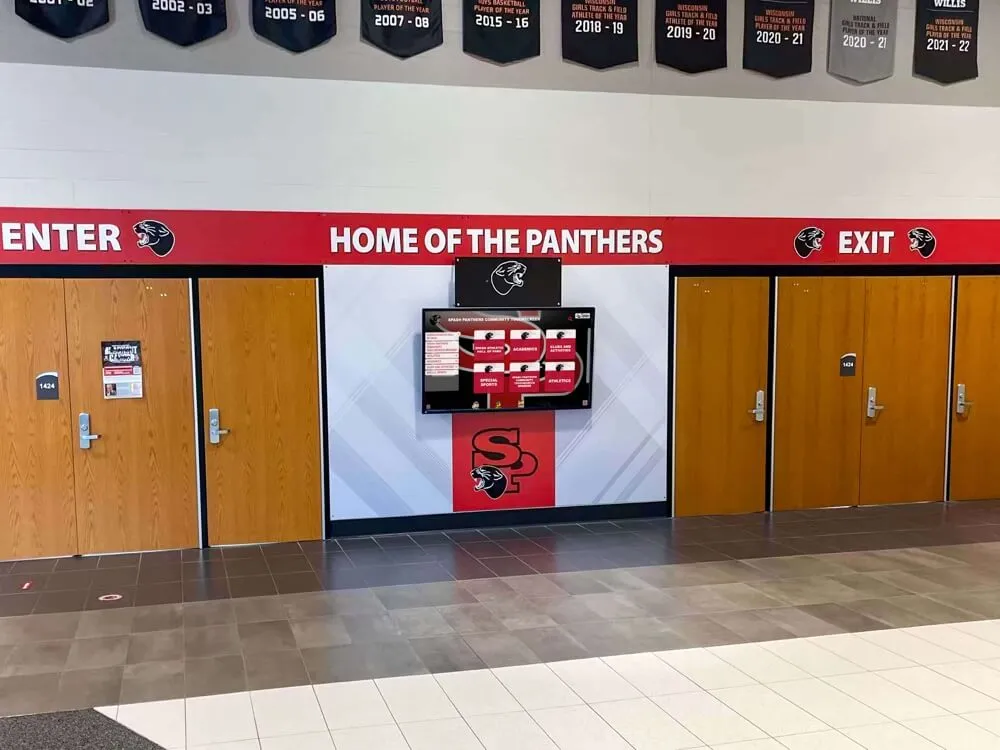
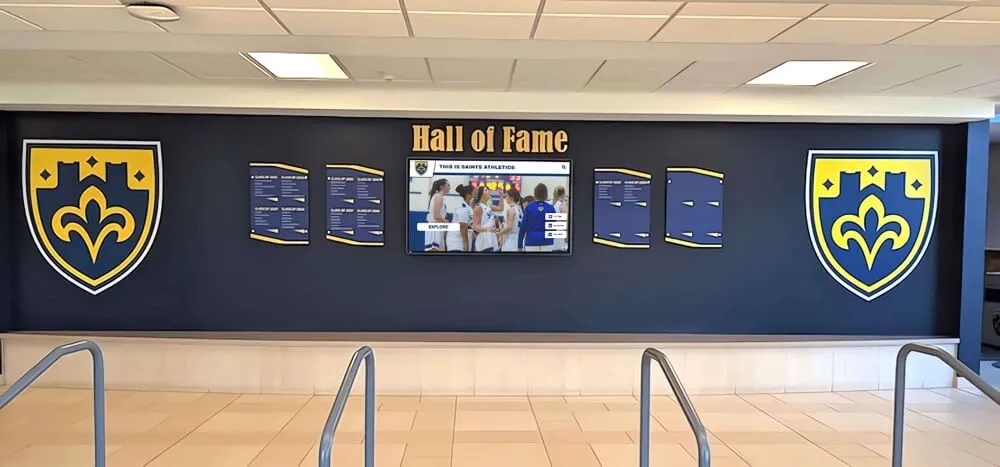
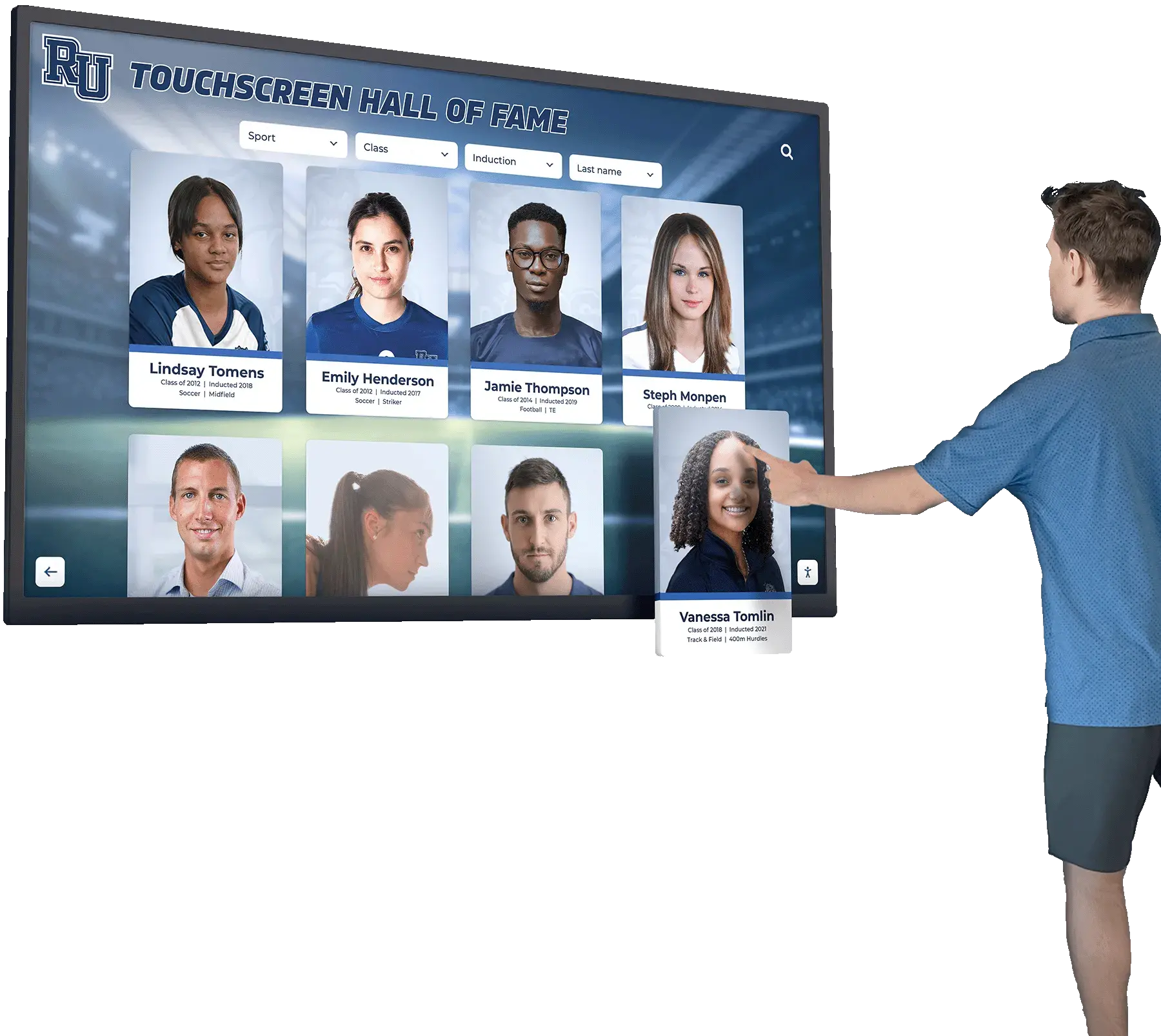
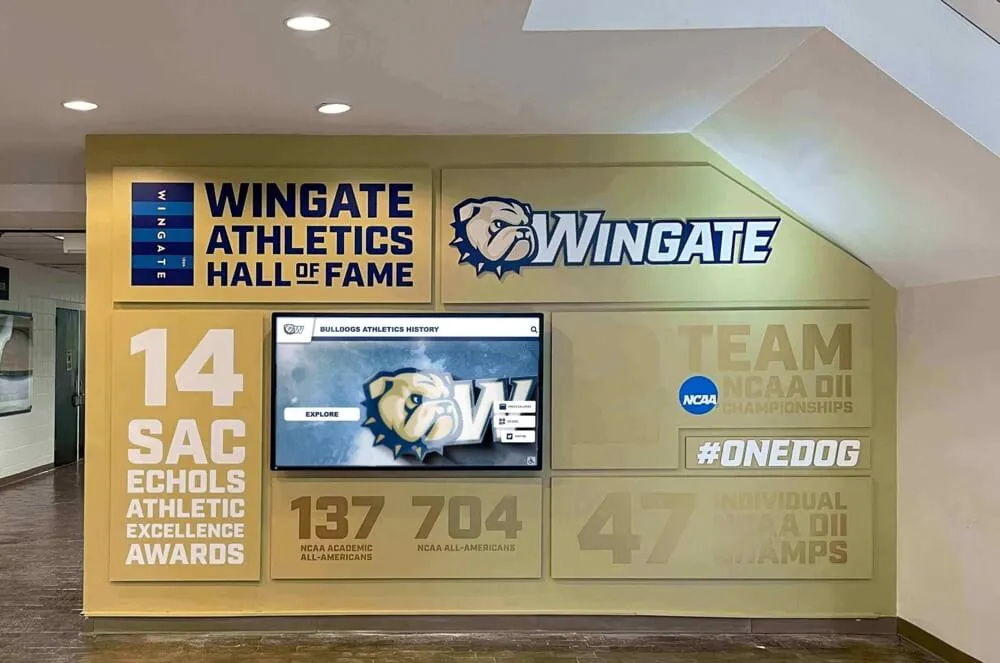
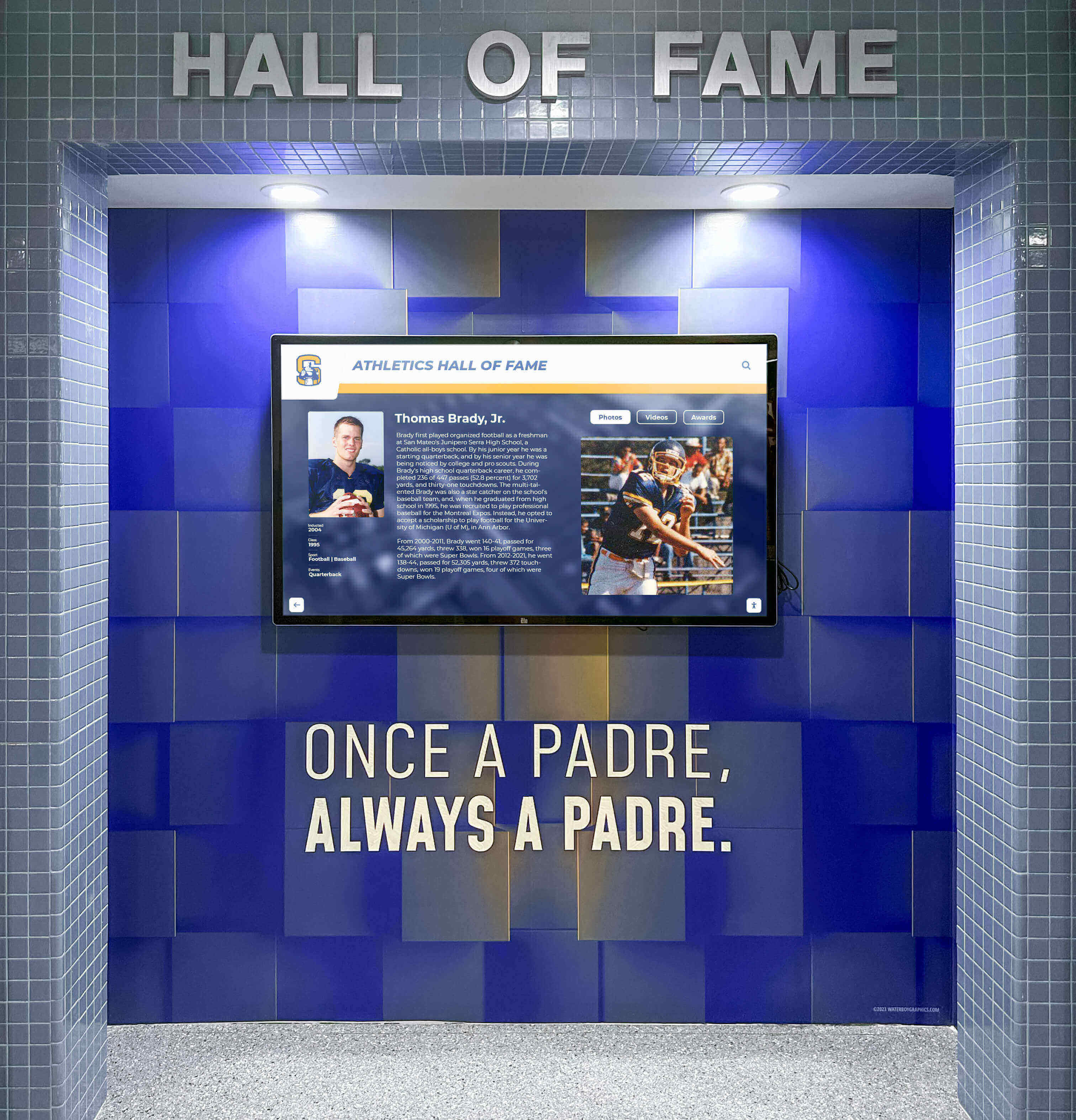
Schools increasingly use interactive digital displays to preserve and celebrate game day traditions. These systems offer:
- Unlimited capacity for recognizing achievements
- Easy updates for current season highlights
- Interactive exploration of historical moments
- Integration with social media and digital content
- Multi-generational connection between past and present
Implementation Strategy: Starting New Traditions
Ready to implement game day traditions at your school? Follow this strategic approach:
Phase 1: Assessment and Planning (Month 1)
Gather Input:
- Survey students about desired traditions
- Consult with athletic department leadership
- Interview alumni about past traditions
- Review what successful programs do elsewhere
- Identify resources available for implementation
Prioritize Traditions:
- Select 3-5 high-impact traditions to start
- Ensure variety (pre-game, during-game, post-game)
- Consider traditions for multiple sports
- Balance simple quick-start and longer-term traditions
- Align with school values and culture
Phase 2: Preparation (Month 2)
Develop Implementation Plans:
- Assign leadership for each tradition
- Create detailed execution guides
- Identify resource needs (budget, volunteers, materials)
- Establish timeline for launch
- Build communication strategy
Test and Refine:
- Pilot traditions at smaller events first
- Gather feedback from participants
- Make adjustments before major launch
- Train student leaders on execution
- Prepare contingency plans
Phase 3: Launch (Month 3+)
Execute with Energy:
- Promote heavily before first implementation
- Over-communicate about what to expect
- Document with photos and video
- Celebrate participation and engagement
- Gather immediate feedback
Sustain Momentum:
- Repeat consistently at appropriate events
- Continuously improve based on feedback
- Add new elements gradually
- Maintain documentation and records
- Pass leadership to next generation
Phase 4: Assessment and Evolution (Ongoing)
Measure Success:
- Track attendance at events
- Monitor social media engagement
- Survey student satisfaction
- Assess community feedback
- Document participation levels
Continuous Improvement:
- Annual review of all traditions
- Student input on modifications
- Addition of new traditions thoughtfully
- Removal of traditions that lose momentum
- Balance consistency with innovation
Common Challenges and Solutions
Challenge: “Students Don’t Seem Interested”
Solution: Often this means:
- Traditions are adult-driven without student input
- Activities don’t reflect current student interests
- Leadership hasn’t empowered student ownership
- Marketing and communication are inadequate
- Previous disappointments created cynicism
Action Steps:
- Give students genuine control and decision-making power
- Start small with low-risk, high-energy traditions
- Recruit enthusiastic student champions
- Over-communicate and build excitement
- Celebrate early participation regardless of size
Challenge: “We Don’t Have the Budget”
Solution: Many effective traditions cost little to nothing:
- Student-created chants and cheers (free)
- Theme nights using clothing students own (free)
- Social media campaigns and digital content (free)
- Student-organized pre-game activities (minimal cost)
- Recognition traditions using existing resources (low cost)
Budget-Friendly Approaches:
- Partner with booster clubs for funding
- Seek local business sponsorships
- Use student volunteers rather than paid staff
- Focus on creative energy over expensive production
- Implement gradually to spread costs over time
Challenge: “Administration Is Hesitant”
Solution: Address concerns proactively:
- Present detailed plans showing supervision and safety measures
- Start with low-risk traditions proven at other schools
- Emphasize educational and developmental benefits
- Show how traditions improve attendance and engagement
- Offer trial periods with evaluation metrics
Building Support:
- Invite administrators to observe successful programs elsewhere
- Share research on benefits of school traditions
- Include liability and risk management planning
- Demonstrate student leadership and responsibility
- Show alignment with school mission and values
Challenge: “Traditions Don’t Last Beyond One Year”
Solution: Sustainability requires:
- Written documentation of tradition execution
- Leadership transition plans for student organizers
- Built-in training for incoming student leaders
- Administrative support and institutional memory
- Annual evaluation and recommitment to traditions
Creating Lasting Traditions:
- Involve multiple grade levels from the start
- Create alumni connections to tradition
- Document tradition origins and significance
- Make traditions simple enough to repeat easily
- Build traditions into school culture and identity
Measuring Tradition Success
How do you know if your game day traditions are working? Monitor these indicators:
Quantitative Measures
- Attendance Numbers: Compare event attendance before and after tradition implementation
- Student Participation: Track percentage of student body involved
- Social Media Metrics: Measure engagement, reach, and sentiment
- Repeat Attendance: Monitor how many students attend multiple games
- Alumni Engagement: Track alumni returning for traditional events
- Community Involvement: Assess parent and community participation
Qualitative Indicators
- Student Testimonials: What students say about their experience
- Atmosphere Quality: Observable energy and enthusiasm at events
- Tradition Adoption: How quickly new students learn and participate
- School Pride Indicators: Broader measures of school culture
- Media Coverage: External recognition and positive press
- Long-term Memory: What alumni remember from their experience
Conclusion: Building Game Day Traditions That Last
Game day traditions transform athletic events from mere competitions into memorable community experiences that build school spirit and create lasting memories. The twelve traditions outlined in this guide provide a comprehensive framework for creating an energized, engaged student body that takes pride in supporting their school’s athletic programs.
The most successful traditions share common characteristics: they’re student-driven, inclusive, repeatable, and connected to school identity. Start by implementing a few high-impact traditions this year, then gradually expand your program as student leaders gain experience and community support grows.
Remember that traditions gain power over time as they become woven into your school’s cultural fabric. What starts as a new initiative this year can become a cherished memory that alumni discuss at reunions decades later. The investment in building meaningful game day traditions pays dividends in school pride, community unity, and the development of lifelong memories for your students.
Modern tools make it easier than ever to preserve and celebrate these traditions across generations. Digital recognition systems allow you to document memorable moments, honor outstanding performances, and connect current students with the rich history of traditions they’re continuing.
Ready to Build Lasting Game Day Traditions?
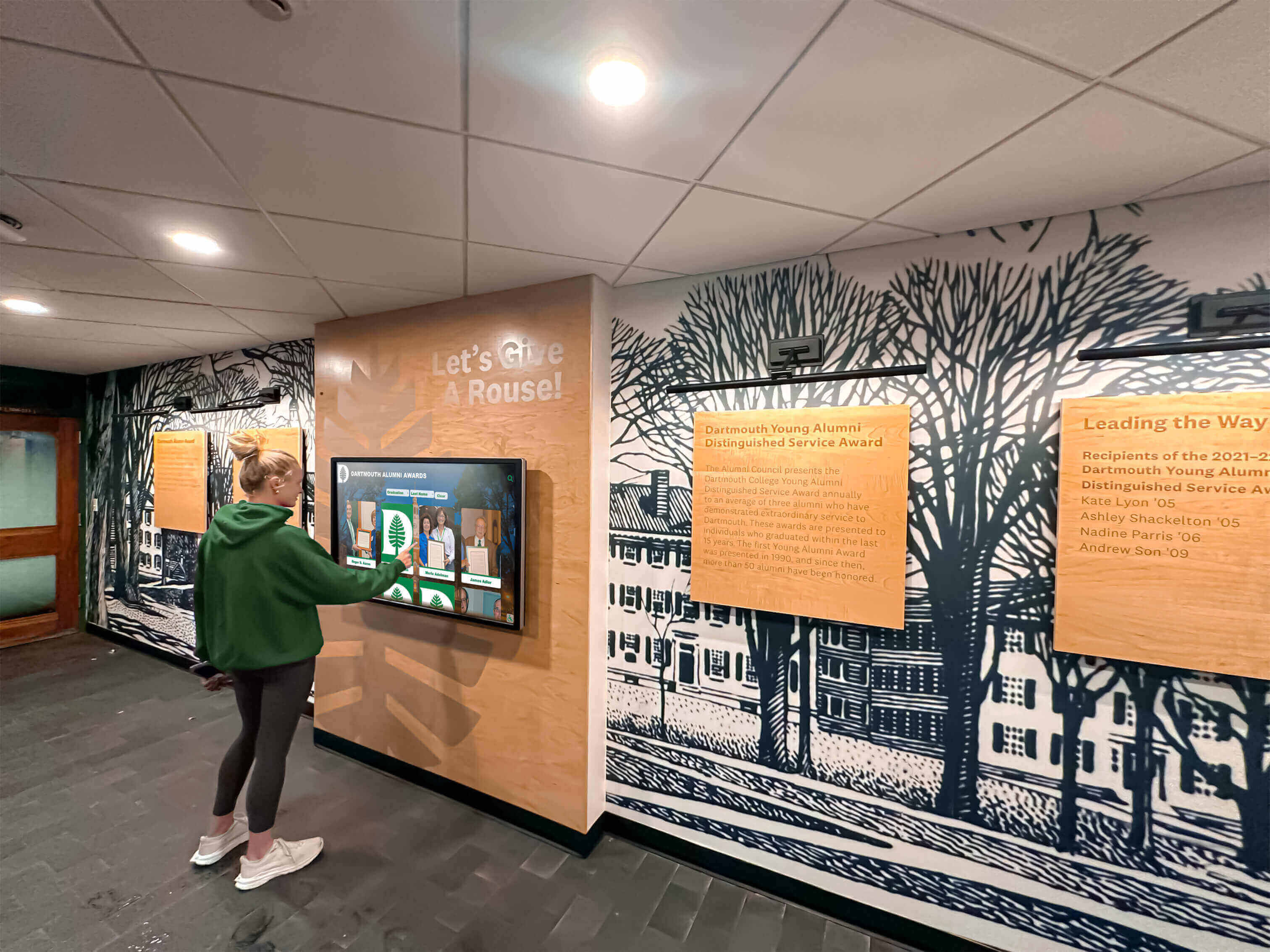
Discover how schools nationwide are using modern recognition technology to preserve and celebrate their athletic traditions. Rocket Alumni Solutions provides comprehensive digital display systems that help schools honor game day achievements, preserve memorable moments, and build school spirit that connects generations. From interactive touchscreen displays showcasing player profiles and season highlights to permanent recognition of championship achievements, the right tools amplify your tradition-building efforts.
Contact us today to learn how digital recognition solutions can support your game day tradition initiatives and create lasting positive impact in your school community.