



Key Takeaways
Comprehensive guide to funny basketball awards that build team culture while celebrating personality. Discover 50+ creative recognition ideas, implementation strategies, and modern digital display solutions for memorable team celebrations.
Basketball teams invest countless hours in practices, games, film sessions, and conditioning—serious work building skills, chemistry, and competitive success. Yet the most memorable team experiences often emerge from lighter moments: inside jokes developed during bus rides, hilarious practice mishaps everyone references for months, unique personality quirks that define team culture, and the humor that transforms collections of individual players into unified groups.
End-of-season celebrations present opportunities to acknowledge these personality-driven contributions alongside traditional performance awards. Funny basketball awards celebrate what makes teams unique beyond win-loss records—the player who makes everyone laugh during tough stretches, the teammate whose pre-game rituals border on superstition, or the individual whose enthusiasm (despite limited playing time) lifts everyone’s spirits. When balanced appropriately with serious recognition, humorous awards reinforce team chemistry while creating memorable moments players remember long after final buzzer sounds.
Why Funny Awards Matter for Team Culture
Before diving into specific award ideas, coaches and program directors should understand how humorous recognition contributes to team building and creates positive environments beyond what serious awards alone accomplish.
Building Connection Through Shared Humor
Team chemistry develops through shared experiences creating common reference points—inside jokes, memorable moments, and personality quirks everyone recognizes. Funny awards formalize these shared observations, transforming informal team culture into celebrated acknowledgment.
When coaches present awards recognizing the “Best Pre-Game Dance Moves” or “Most Likely to Argue with Refs (From the Bench),” they validate that programs notice and appreciate personality alongside performance. This recognition signals that teams value members as complete people, not just athletic contributors, strengthening bonds between players who share common experiences referenced through awards.
Laughter creates powerful social bonding. Teams that laugh together develop stronger connections, communicate more openly, and support each other more effectively during competitive challenges. Humorous awards leverage these dynamics intentionally, using recognition ceremonies to reinforce positive team relationships.
Acknowledging Diverse Contributions Beyond Statistics
Traditional basketball awards recognize obvious categories—MVP, leading scorer, best defender, most improved player. These performance-based honors matter and deserve prominent recognition. However, exclusive focus on statistical achievement may leave many team members feeling undervalued despite meaningful contributions.
Funny awards create opportunities to acknowledge players whose contributions don’t appear on stat sheets but matter for team success: the bench player whose constant encouragement keeps starters motivated, the teammate who relieves tension with perfect timing during stressful moments, or the individual whose organizational skills ensure equipment never gets forgotten during road trips.
When every team member receives some form of recognition—whether serious or humorous—all players understand they contributed to collective success. This inclusive approach builds program cultures where diverse forms of value receive acknowledgment, encouraging broad participation beyond just star performers.
Creating Lasting Memories and Program Traditions
Years after playing careers end, former athletes remember specific moments more than general seasons. Funny award presentations create these memorable moments—players may forget exact scoring statistics from sophomore years but remember receiving “Worst Free Throw Routine” awards during banquets while everyone laughed knowingly.
These memory-creating moments strengthen long-term connections between athletes and programs. Alumni returning for facility visits or reunions reference funny awards from their playing days, creating cross-generational conversations connecting current teams to program history. Programs implementing comprehensive digital recognition displays can preserve both serious and humorous awards permanently, allowing alumni to find their unique recognitions decades later.
Balancing Competitiveness with Fun
Competitive basketball demands intense focus, serious preparation, and consistent execution under pressure. This competitive intensity proves necessary for success but can create stress, tension, and burnout when unrelieved by lighter moments.
Funny awards provide structured outlets for humor within competitive contexts, signaling that programs value fun alongside winning. This balance creates healthier team environments where players can maintain competitive intensity during games and practices while enjoying lighter interactions that prevent sports from feeling like relentless pressure.
Programs that successfully balance serious competition with appropriate humor typically retain athletes longer, experience fewer burnout issues, and develop more sustainable team cultures compared to programs emphasizing unrelenting competitive pressure without relief.
Categories of Funny Basketball Awards
Effective humorous recognition spans multiple categories celebrating different aspects of personality, quirks, and non-performance contributions. These categories help ensure funny awards feel balanced and inclusive rather than targeting only a few players repeatedly.
Performance-Related Humor
These awards acknowledge actual basketball actions or tendencies but frame them humorously rather than critically:
“Most Creative Shot Selection” recognizes the player who attempts shots others wouldn’t consider—deep threes with multiple defenders, off-balance runners from impossible angles, or unconventional attempts that occasionally work but frequently miss spectacularly.
“Best Trash Talker” celebrates the teammate whose verbal game matches (or exceeds) physical skills. This player constantly engages opponents verbally, maintains running commentary during games, and delivers witty remarks that get under opponents’ skin effectively.
“Most Likely to Argue a Call” acknowledges the player who questions every referee decision, demonstrates elaborate disbelief at fouls called against them, and maintains sophisticated arguments about what actually happened during contested plays.
“Worst Ball Handler” humorously recognizes the big who lacks dribbling skills but serves essential interior roles. This award works when presented affectionately rather than meanly, celebrating specialization rather than mocking limitations.
“Best at Getting Hit in the Face” honors the player who seems magnetically attracted to errant passes, rebounds, or deflections. This unfortunate tendency becomes team folklore worth celebrating humorously.
“Most Dramatic Foul Reactions” recognizes the actor who performs elaborate demonstrations of innocence after whistles, employing exaggerated shock, confusion, and disbelief with theatrical flair regardless of obvious foul commission.
“Best Three-Point Celebration” celebrates the teammate with signature celebration moves after made threes—specific dances, hand gestures, facial expressions, or routines that become recognizable team traditions.
“Most Fouls Per Minute Played” acknowledges the physical player who racks up fouls efficiently despite limited minutes, somehow earning whistle calls at remarkable rates whenever entering games.
Personality and Character Recognition
These awards celebrate individual personalities and character traits that define team culture:
“Team Comedian” honors the player who keeps everyone laughing—telling jokes during water breaks, performing impressions during bus rides, or delivering witty observations that lighten tense moments. This player serves as unofficial team entertainer whose humor builds morale.
“Most Likely to Sleep Through Team Events” recognizes the perpetually tired teammate who dozes during film sessions, naps on every bus ride, arrives to morning practices looking barely conscious, and demonstrates remarkable ability to sleep anywhere under any circumstances.
“Best Pre-Game Ritual” celebrates the superstitious player with elaborate preparation routines—specific sock-putting-on sequences, required pre-game meals eaten identical ways, warm-up shots taken from precise spots in exact orders, or other rituals that cannot be violated.
“Biggest Drama Queen/King” acknowledges the teammate who reacts to everything with maximum emotional intensity—practice bumps become federal cases, minor inconveniences inspire elaborate complaints, and every situation provides opportunities for dramatic responses.
“Most Likely to Bring Energy” recognizes the enthusiastic player whose positivity and excitement prove infectious regardless of playing time, score, or circumstances. This teammate celebrates others’ successes loudest, maintains optimism during challenges, and brings consistent enthusiasm lifting team spirits.
“Worst at Keeping Secrets” honors the player who cannot maintain confidentiality—team surprises get accidentally revealed, private conversations somehow become common knowledge, and any information shared with this person spreads rapidly throughout the program.
“Best Dressed for Practice” celebrates the fashion-conscious player who coordinates practice gear carefully, maintains pristine appearance even during conditioning, and treats practice arrival like fashion runway opportunities.
“Most Likely to Forget Equipment” acknowledges the organizationally challenged teammate who regularly arrives without shoes, forgets water bottles, leaves jerseys at home during road trips, or requires borrowing essential items others remember naturally.
Social and Team Dynamics Recognition
These awards acknowledge social roles and interpersonal dynamics shaping team culture:
“Best Bench Reactions” honors the reserve player whose sideline enthusiasm, celebrations of teammates’ successes, and visible investment in games despite limited playing time demonstrate ultimate team-first mentality entertainingly expressed.
“Most Likely to Get Texted at 3 AM” recognizes the reliable friend whom teammates contact during crises, for advice, or simply to talk—the trusted confidant who makes themselves available regardless of time.
“Team Social Director” celebrates the organizer who plans team outings, coordinates social events, remembers everyone’s birthdays, and ensures teams maintain social connections beyond just basketball activities.
“Best Dance Moves” acknowledges the player with signature dance abilities demonstrated during warm-ups, celebrations, or team events. These moves become recognized team culture elements everyone anticipates.
“Most Likely to Talk During Film Sessions” humorously recognizes the player who cannot watch game footage silently—providing running commentary, explaining decisions, questioning calls, or narrating action with consistent verbal accompaniment.
“Best at Convincing Coaches” honors the persuasive player who successfully argues for extra breaks, negotiates practice modifications, or somehow gets coaches to reconsider decisions through effective advocacy skills.
“Most Likely to Date Everyone’s Ex” gently acknowledges complex romantic dynamics sometimes present in close team environments, delivered carefully to maintain appropriate humor without creating genuine discomfort.
“Best Hashtagger” celebrates the social media specialist whose team-related posts consistently feature creative hashtags, trend awareness, and digital documentation of team experiences shared across platforms.
Physical Quirks and Habits Recognition
These awards acknowledge physical characteristics, habits, or tendencies that become recognizable team culture elements:
“Most Likely to Need a Haircut” recognizes the player whose hair consistently requires attention—growing increasingly unruly throughout seasons until reaching critical states before finally getting addressed.
“Best Facial Expressions” honors the player whose face reveals every thought and emotion—frustration, confusion, disagreement, or excitement displayed transparently through expressive reactions everyone can read effortlessly.
“Worst Uniform Appearance” acknowledges the player whose uniform never looks quite right—untucked jersey, crooked shorts, mismatched socks, or generally disheveled appearance despite starting games properly organized.
“Most Likely to Get Injured in Warm-Ups” humorously recognizes the athletically gifted but somehow accident-prone player who manages injuries, collisions, or mishaps during simple pre-game routines others complete without incident.
“Loudest Voice” celebrates the player whose voice carries throughout gyms—calling plays, communicating defensively, or conversing with teammates audibly from anywhere in facilities.
“Strongest Stare-Down Game” honors the intense competitor whose pre-game face-offs, free throw distractions, or general intensity expressed through facial intimidation create psychological edges.
“Most Likely to Eat Anything” recognizes the teammate with remarkable dietary tolerance—accepting any food offered, eating questionable leftovers without hesitation, or demonstrating ability to consume anything edible regardless of appearance or age.
“Best Random Facts” celebrates the trivia expert who contributes obscure information during team conversations, possesses unusual knowledge bases, or regularly delivers interesting facts about unexpected topics.
Basketball-Specific Situation Awards
These recognize responses to specific basketball situations that become notable patterns:
“Best at Drawing Charges” honors the sacrifice specialist who willingly positions themselves for collisions, accepts painful impacts in pursuit of possession calls, and demonstrates remarkable charge-taking commitment.
“Most Likely to Cherry-Pick” acknowledges the fast-break specialist who leaks out early on defensive possessions, camps near opponent baskets during rebounds, and demonstrates opportunistic transition scoring instincts.
“Best/Worst Poker Face” recognizes inability (or ability) to hide intentions—players whose faces reveal planned drives, passes, or shots versus those who maintain mystery about next moves regardless of decisions.
“Most Likely to Brick a Wide Open Layup” humorously acknowledges occasional easy miss moments everyone experiences but some players demonstrate with memorable frequency or creative miss variations.
“Best Hype Person” celebrates the master motivator who delivers effective pre-game speeches, maintains perfect timing for encouragement, and possesses natural ability to inspire teammates through words and presence.
“Most Likely to Foul Out” honors the aggressive defender whose physical style consistently leads to foul trouble, somehow accumulating fouls faster than teammates despite coaches’ pleas for restraint.
“Best at One Specific Skill (But Nothing Else)” recognizes extreme specialization—the player who shoots threes brilliantly but lacks other skills, or the rebounder whose singular focus on boards defines contributions entirely.
“Most Likely to Dunk on the Side Basket” acknowledges warm-up showmanship focusing on side basket theatrics while avoiding main basket dunk attempts during actual games.
Implementation Strategies for Funny Awards
Having creative award categories matters less than thoughtfully implementing humorous recognition ensuring awards feel fun rather than hurtful, inclusive rather than exclusive, and appropriate for team dynamics and program culture.
Establishing the Right Tone
Funny awards only work when entire teams understand and embrace lighthearted intentions. Several strategies ensure appropriate tone:
Frame Awards as Celebration, Not Criticism: Introduce humorous recognition emphasizing celebration of unique personalities rather than mocking weaknesses. Explicitly communicate that funny awards honor what makes teams special—diverse personalities creating rich team cultures worth celebrating.
Model Appropriate Humor: Coaches should demonstrate through their own examples what constitutes funny versus mean, playful versus hurtful. Self-deprecating coach humor models that gentle teasing represents affection rather than criticism.
Know Your Team: Tailor award categories and presentation styles to specific team personalities. What works for one group might fall flat or feel inappropriate for teams with different dynamics, sensitivities, or humor styles.
Get Player Input: Involve team leaders or entire rosters in award category development and recipient selection. Player participation ensures awards reflect actual team culture rather than coach assumptions about what players find funny.
Balancing Funny and Serious Recognition
Humorous awards should complement rather than replace serious achievement recognition:
Maintain Serious Awards as Primary Focus: Funny awards work best as supplements to traditional recognition rather than primary acknowledgment. Begin ceremonies with serious performance awards establishing appropriate respect for achievement before transitioning to lighter categories.
Equal Recognition Opportunities: Ensure every player receives both serious and funny recognition when possible. Players who receive only humorous awards while others get serious acknowledgment may feel their contributions matter less regardless of humorous intentions.
Consider Award Ratios: Programs might implement 2:1 or 3:1 ratios of serious to funny awards, maintaining emphasis on performance while incorporating appropriate humor. Exact ratios depend on program culture and ceremony contexts.
Separate Presentation Timing: Some programs present funny awards during informal team dinners or gatherings while reserving formal banquets exclusively for serious recognition. This separation maintains ceremony dignity while still allowing humorous acknowledgment.
Programs developing comprehensive athletic recognition systems across multiple dimensions find that balanced approaches celebrating both achievement and personality create richer recognition cultures than singular focus approaches.
Creating Inclusive Recognition Systems
Funny awards should make everyone feel included rather than creating in-groups and out-groups:
Distribute Recognition Broadly: Avoid giving all funny awards to same few players while others receive nothing. Design enough categories ensuring all team members receive acknowledgment.
Vary Award Types: Include diverse funny categories—some performance-related, some personality-focused, some about social dynamics, some about physical quirks—creating multiple pathways for different players to receive humorous recognition matching their unique characteristics.
Allow Self-Nomination or Peer Voting: Consider processes where players nominate themselves or peers vote on funny categories. This participatory approach ensures humor feels collectively determined rather than imposed by coaches who might miss nuances.
Avoid Sensitive Topics: Steer clear of awards about physical appearance insecurities, family situations, academic struggles, or personal challenges players might feel sensitive about. Stick with lighthearted personality traits and basketball-specific behaviors.
Check Individual Comfort: Particularly for awards that might feel embarrassing despite humorous intentions, check with recipients beforehand ensuring they’re comfortable receiving recognition publicly. Some players embrace any attention while others prefer avoiding spotlight even for funny awards.
Award Presentation Best Practices
How funny awards get presented significantly impacts whether recognition feels celebratory or potentially embarrassing:
Provide Context and Stories: When presenting humorous awards, share specific stories or examples explaining why recipients earned recognition. Context transforms potentially confusing categories into shared memories that resonate with team audiences.
Use Photo or Video Evidence: Visual documentation makes funny awards more impactful—photo compilations showing “Most Creative Shooting Attempts” or video montages demonstrating “Best Bench Reactions” add entertainment value while validating award selections through evidence.
Involve the Entire Team: Allow teammates to contribute during presentations through reactions, additional stories, or supportive celebration rather than just coaches delivering awards while players sit passively.
Keep Presentations Brief: Individual funny award presentations should be shorter than serious recognition. Quick delivery maintains energy and prevents humorous categories from feeling more important than performance acknowledgment.
Create Physical Awards: Even funny categories deserve tangible recognition—certificates, small trophies, or creative custom awards related to categories. Physical items make humorous recognition feel legitimate rather than throwaway jokes.
Modern Recognition: Digital Displays for Team Culture
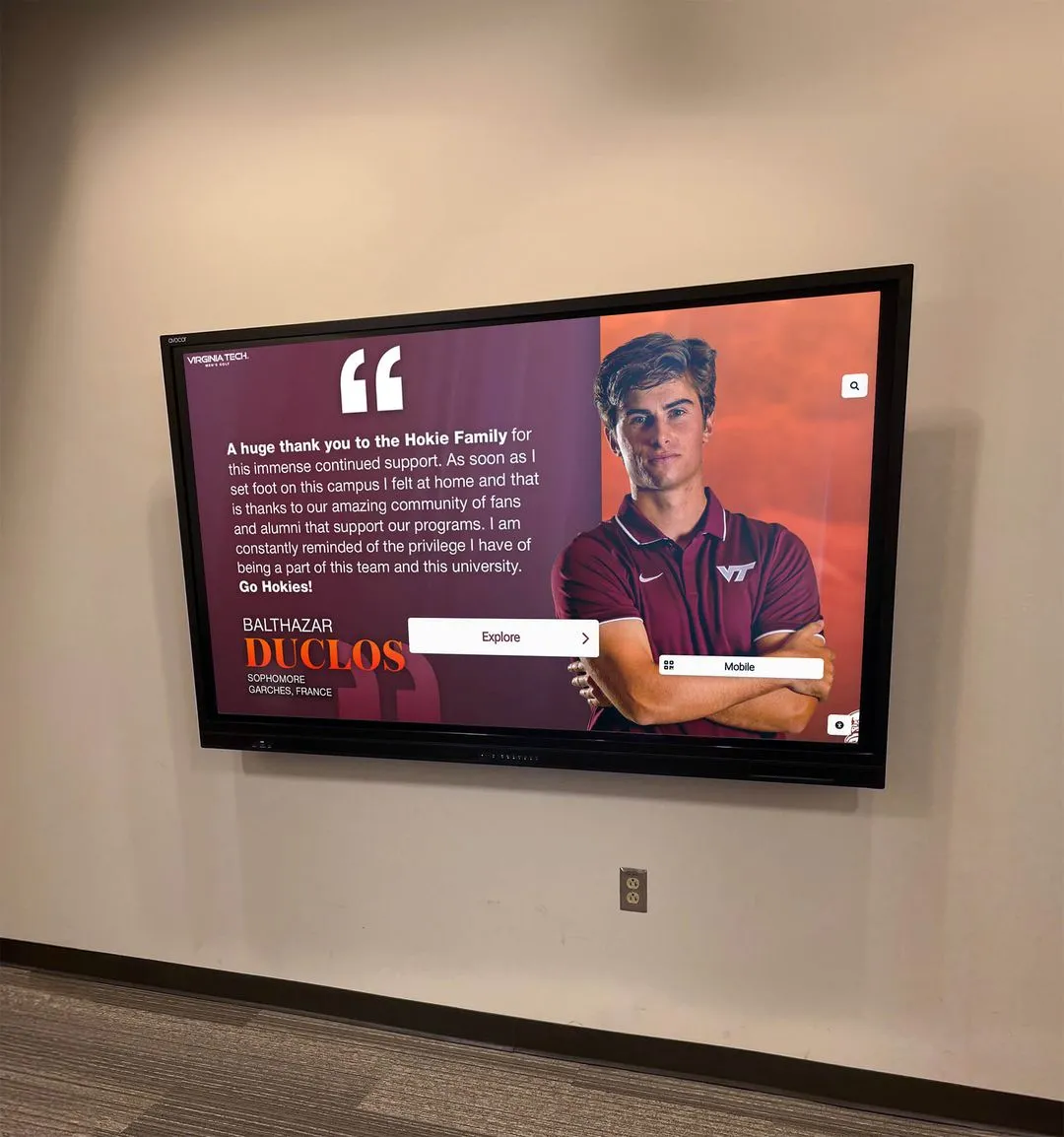
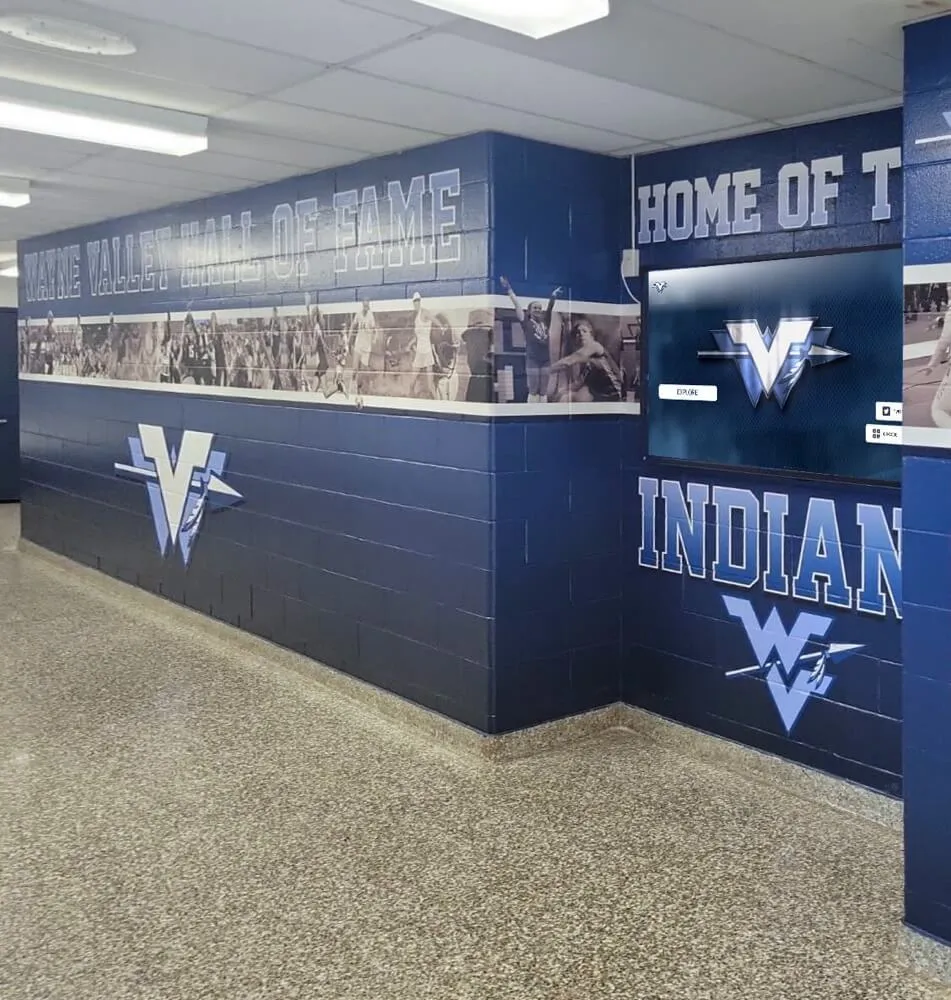
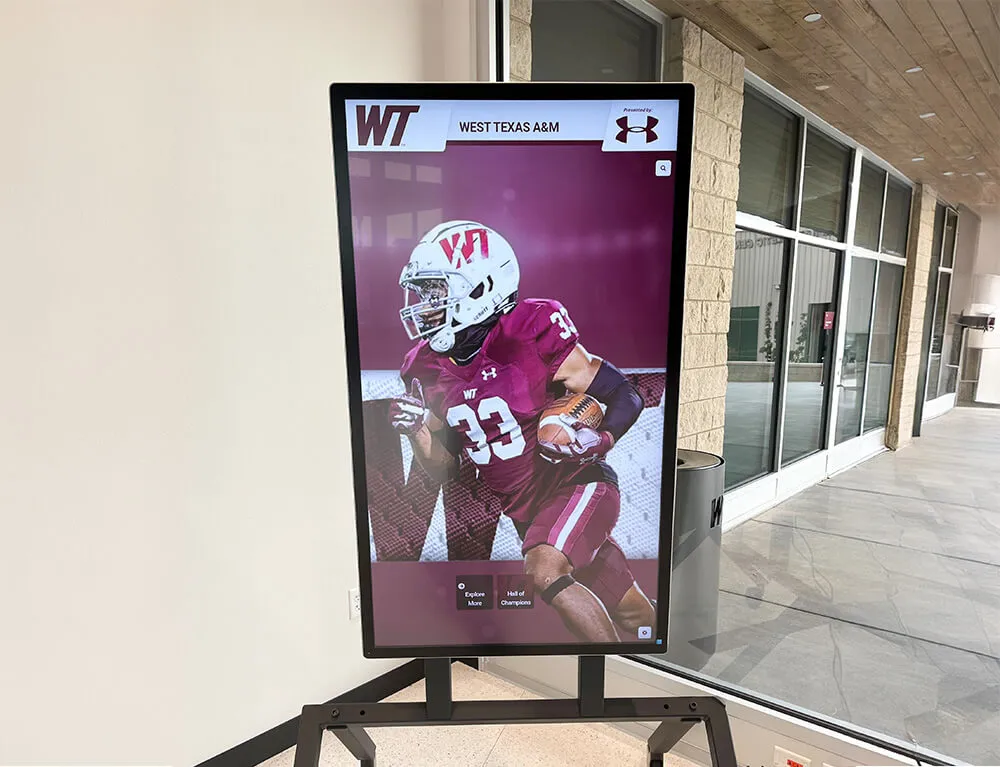
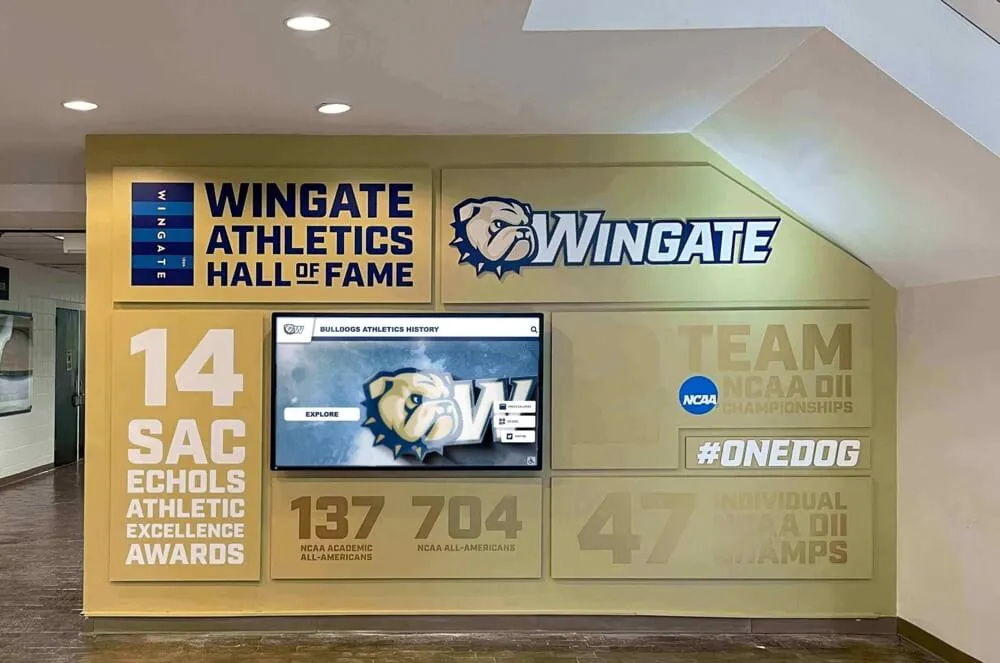
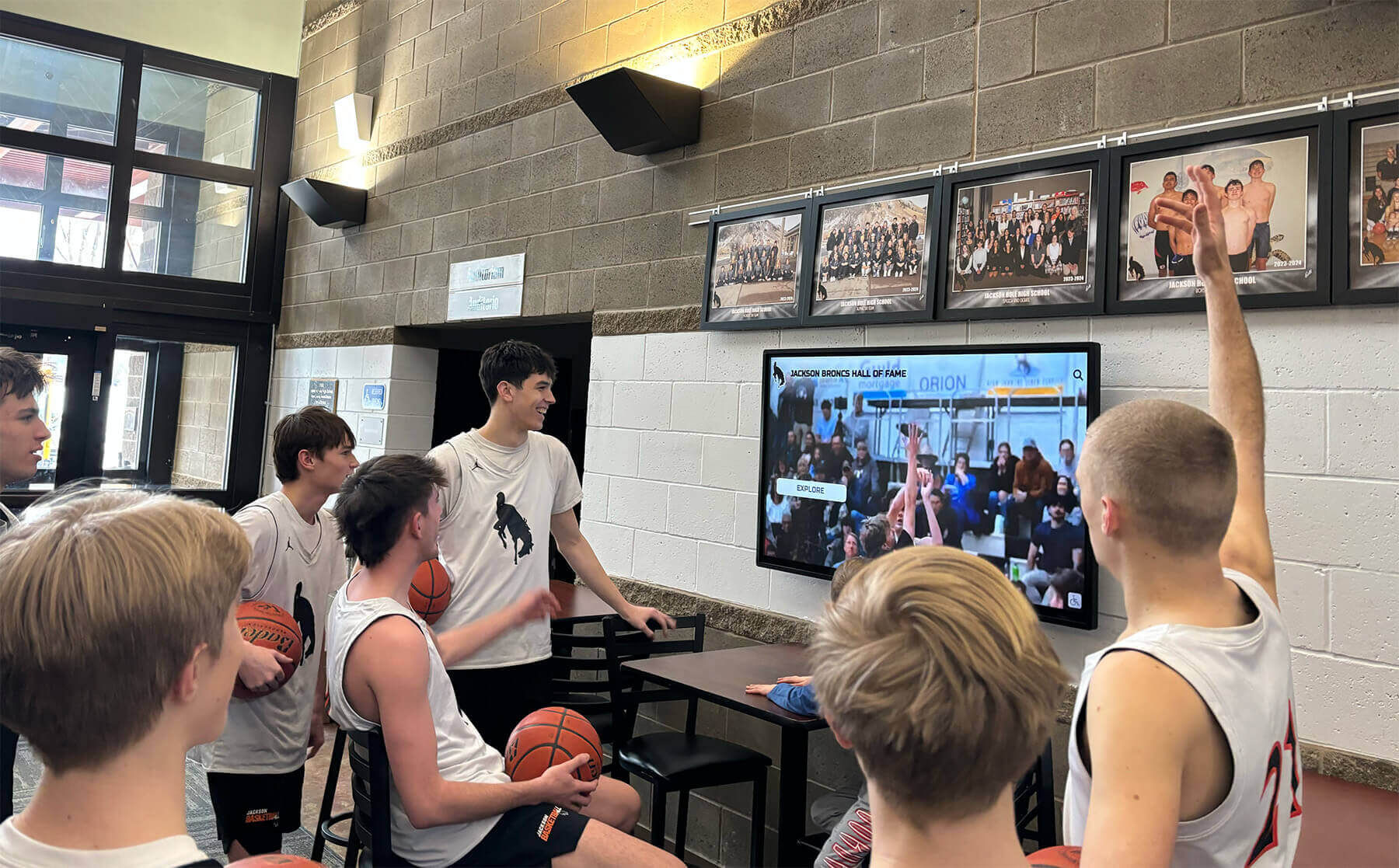
While physical trophies and certificates create immediate tangible recognition, modern digital displays enable basketball programs to showcase both serious achievements and personality-driven acknowledgments in engaging, permanent formats accessible to broader communities.
Digital Recognition for Personality and Achievement
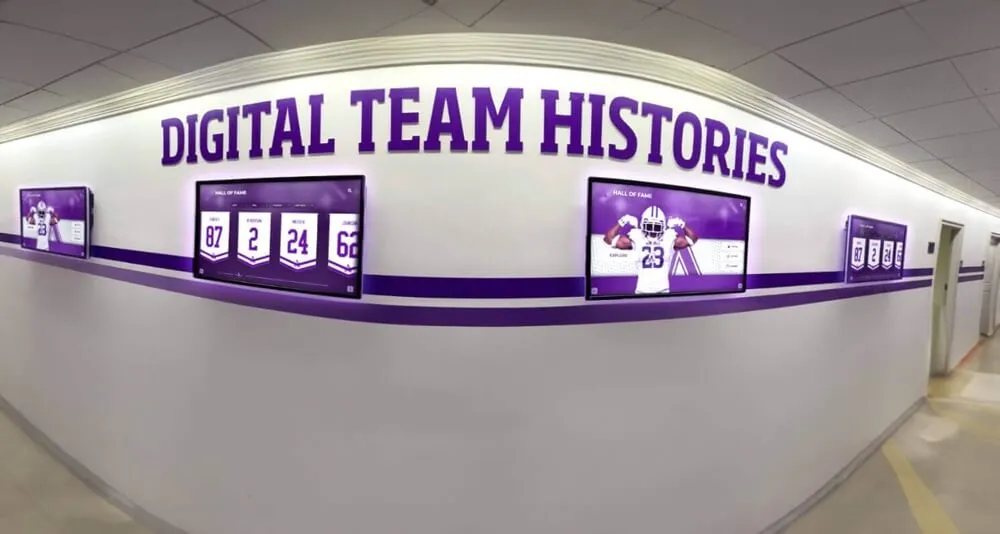
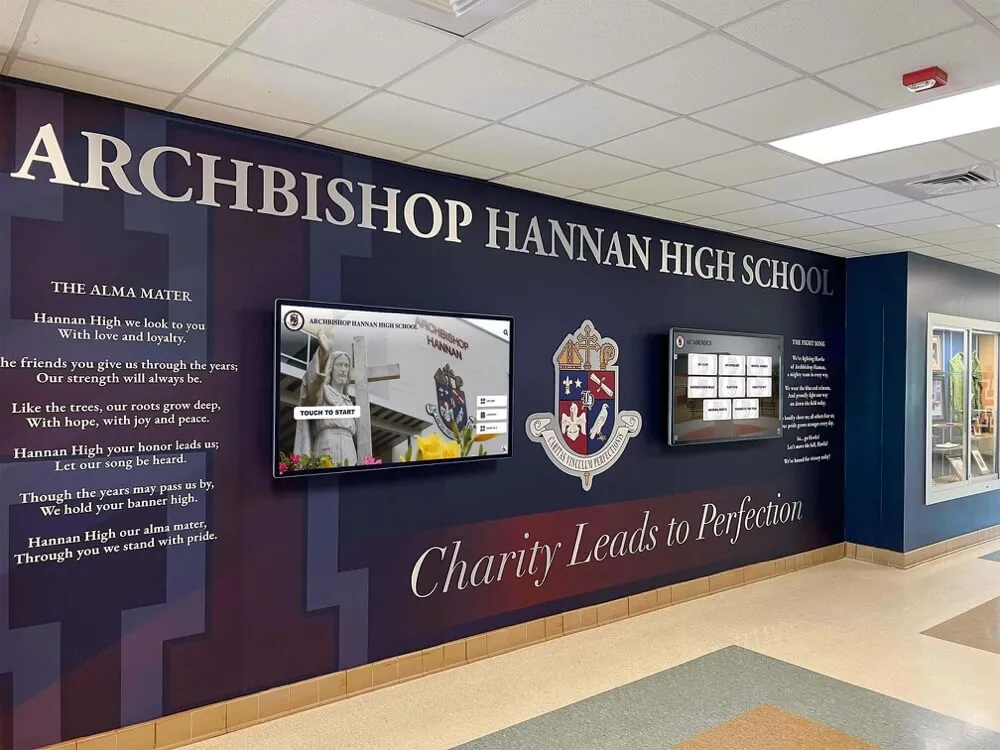
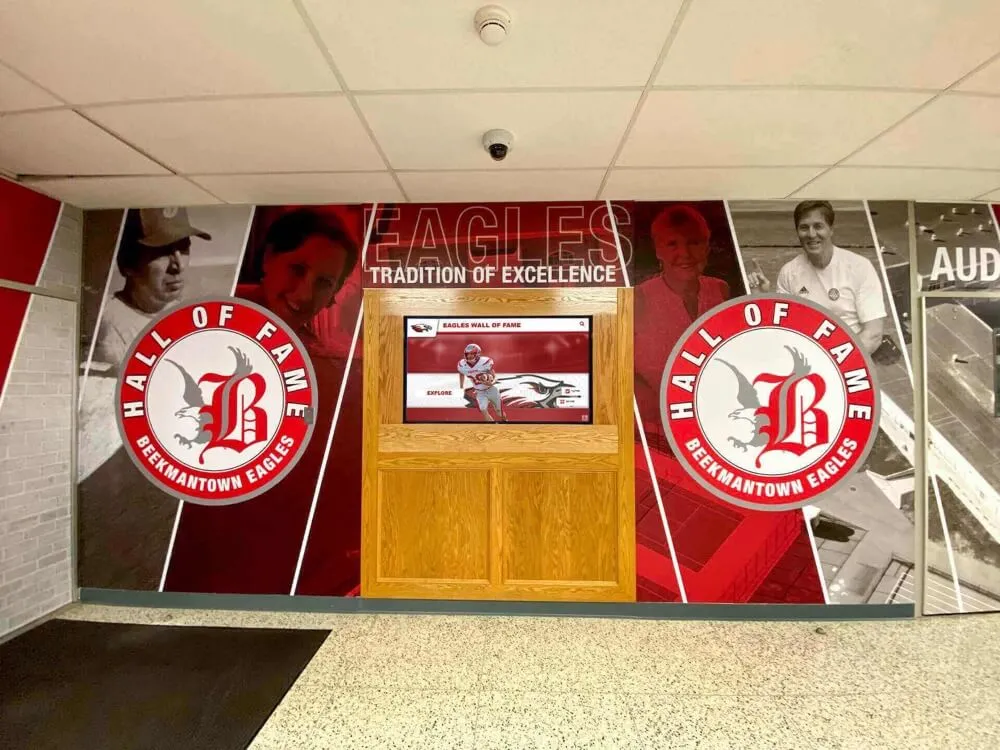
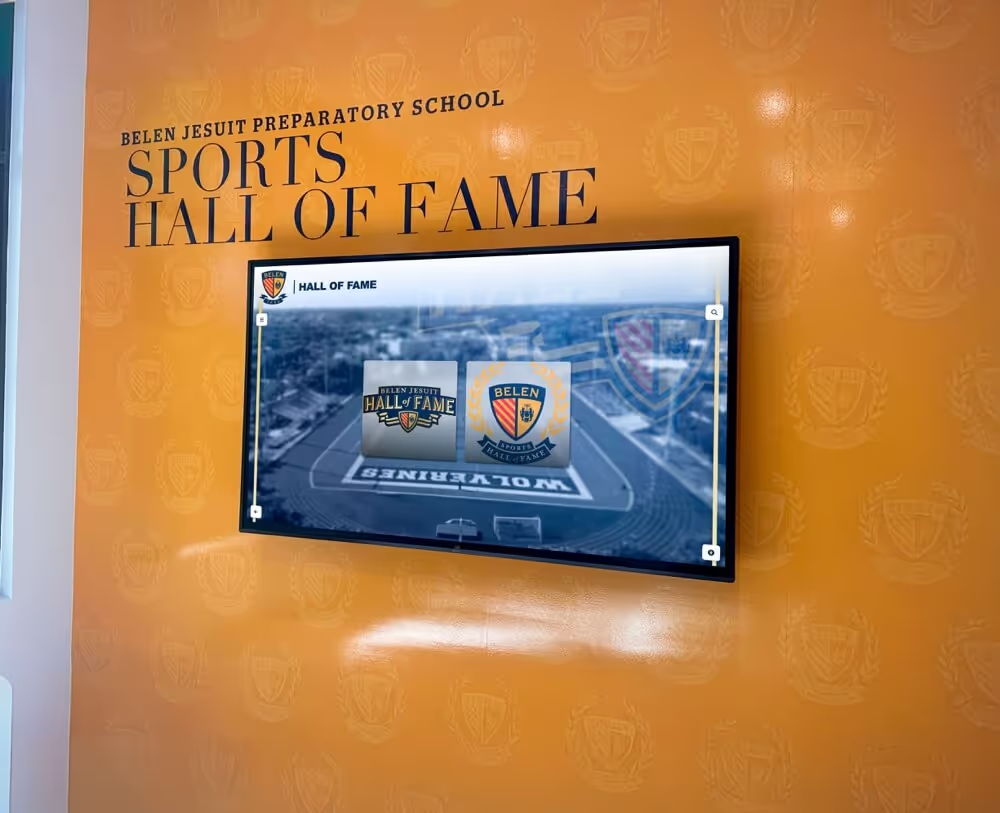
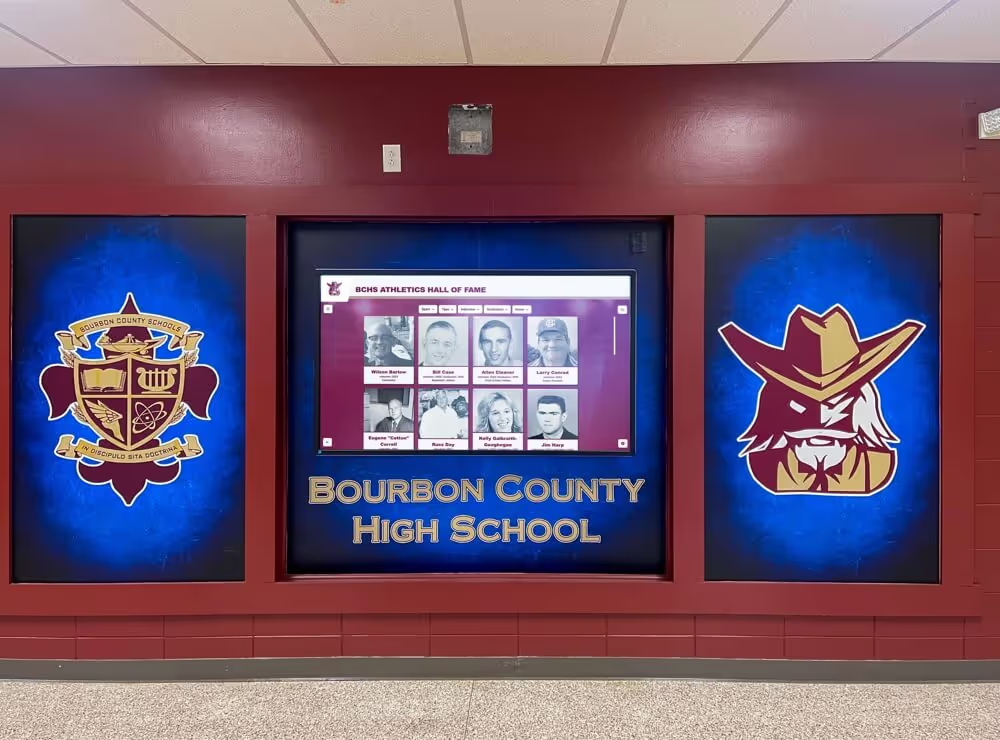
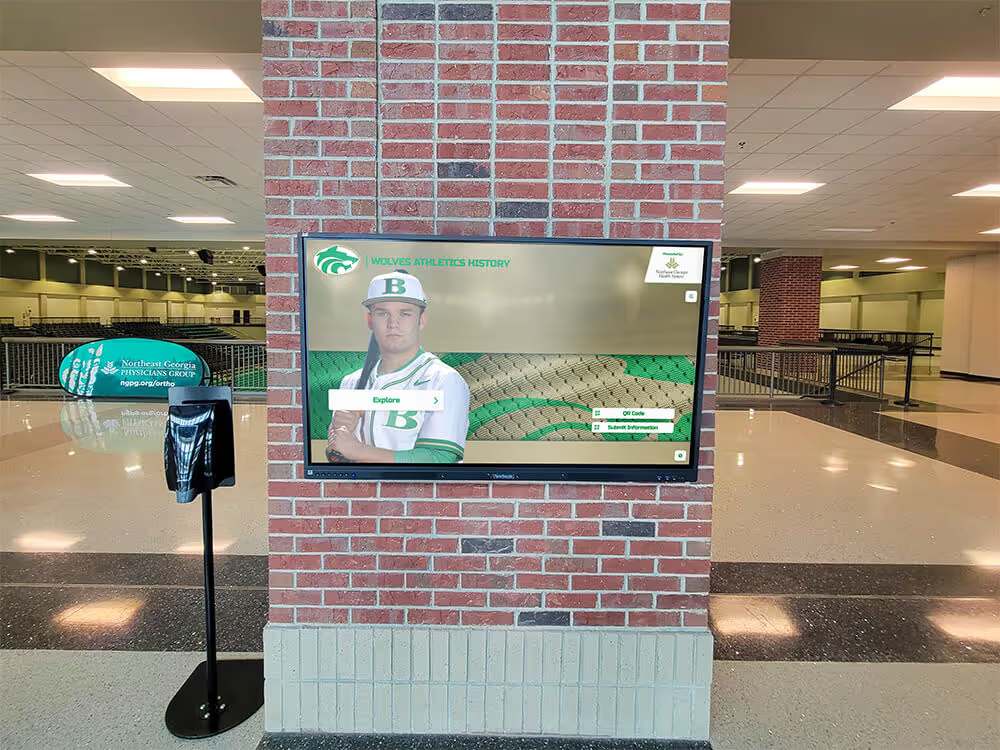
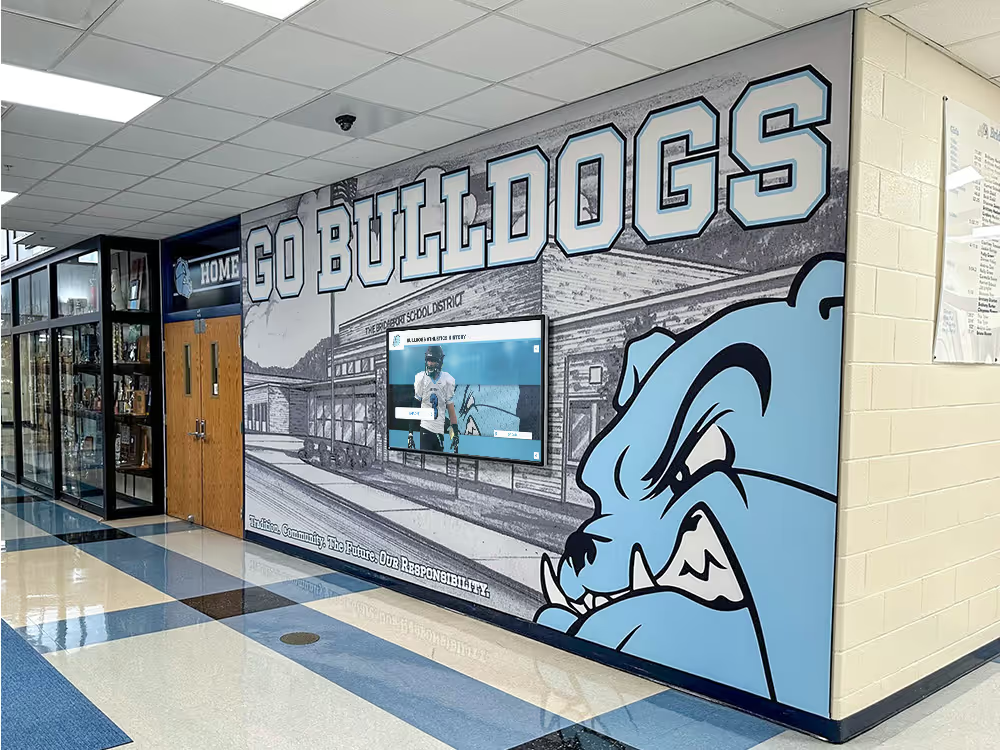
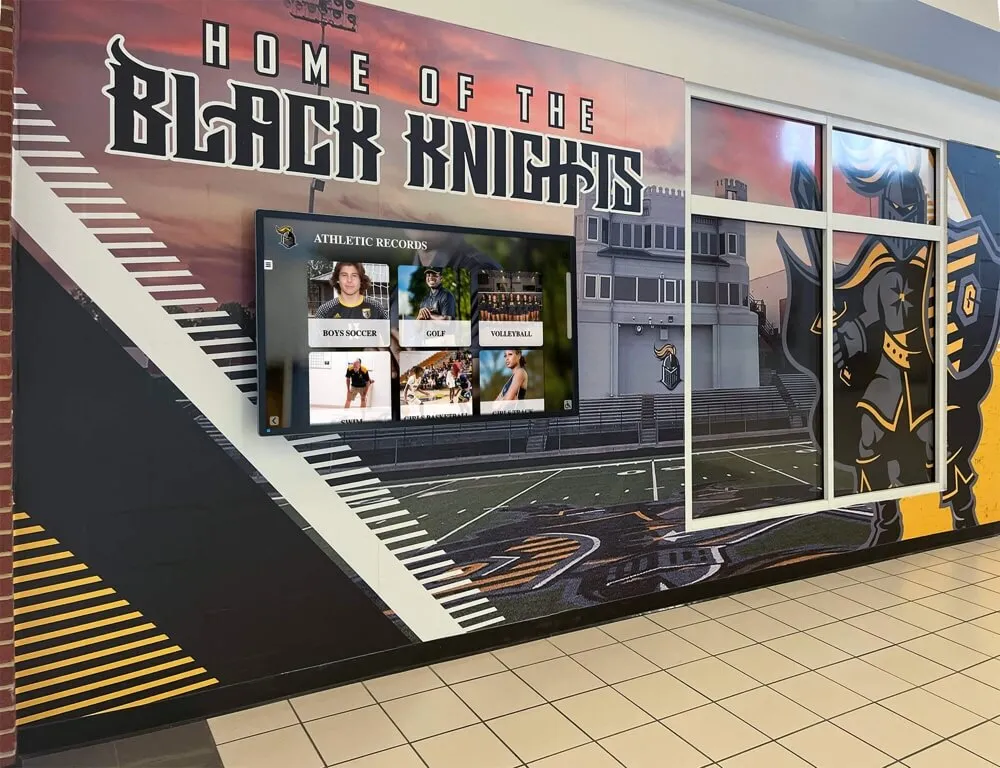
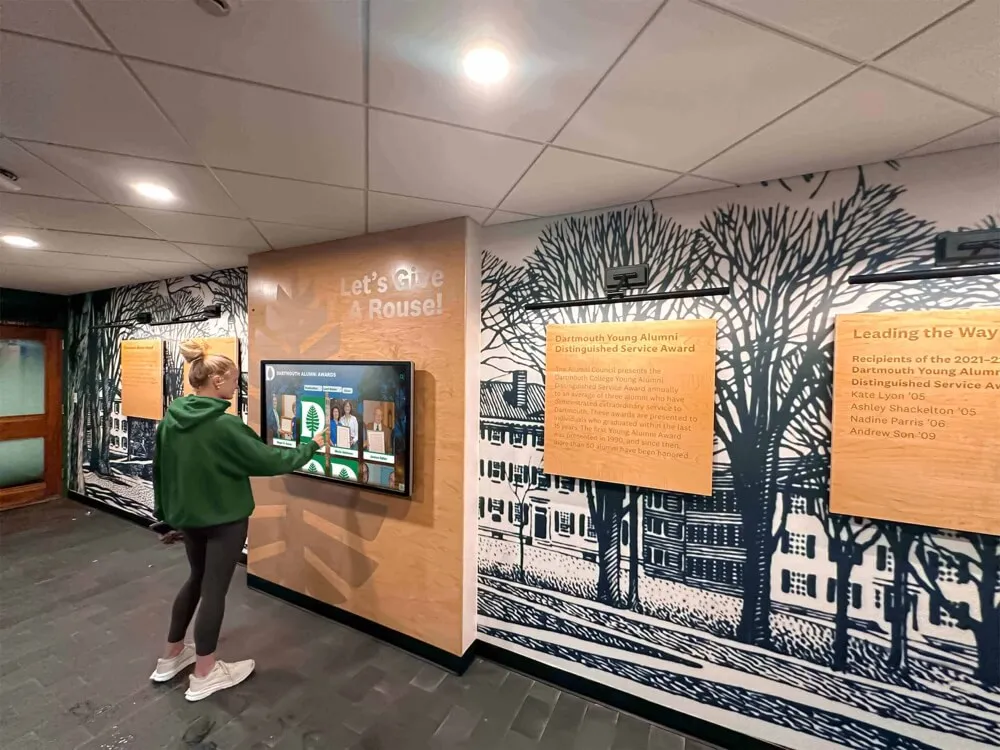
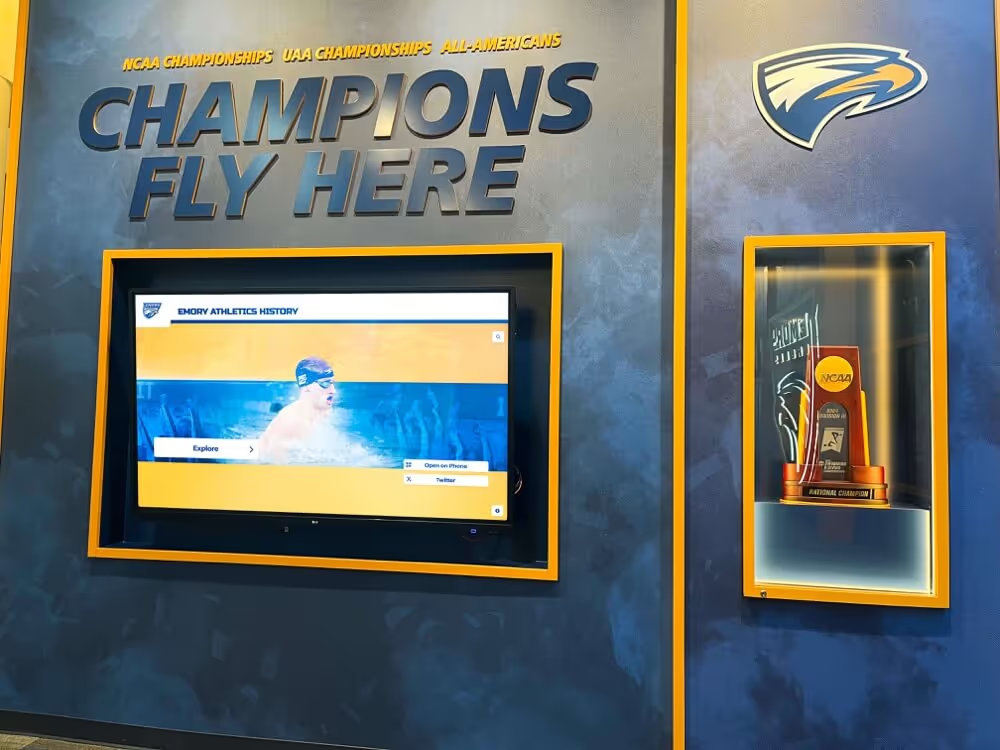
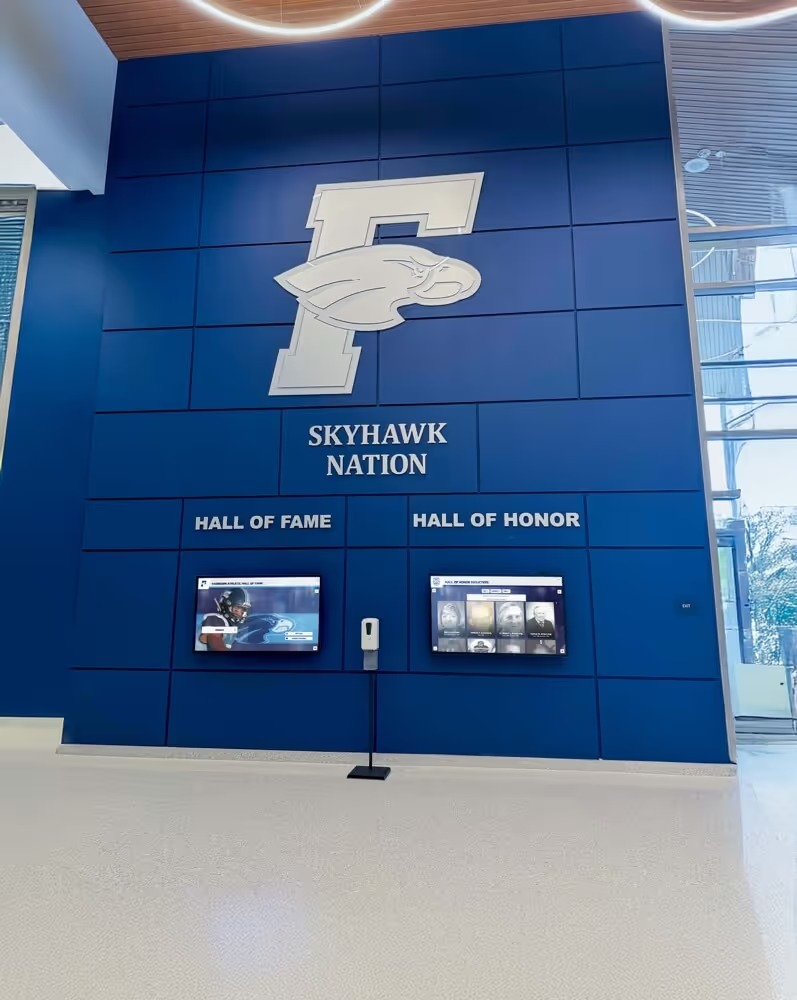
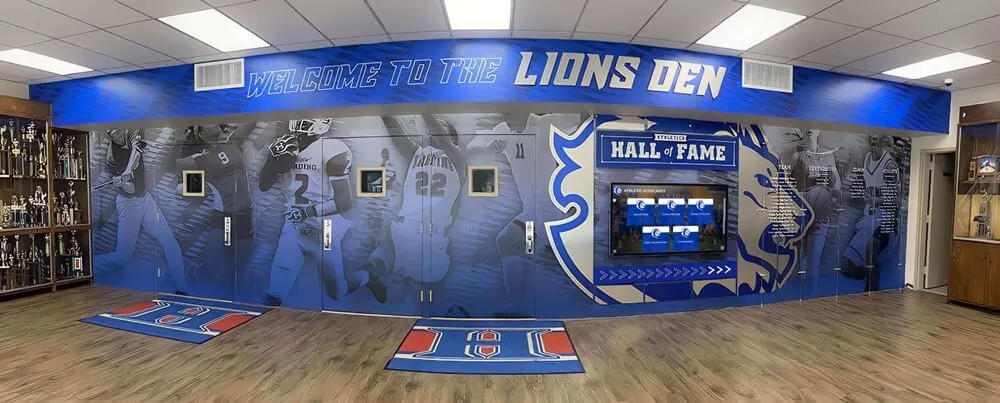
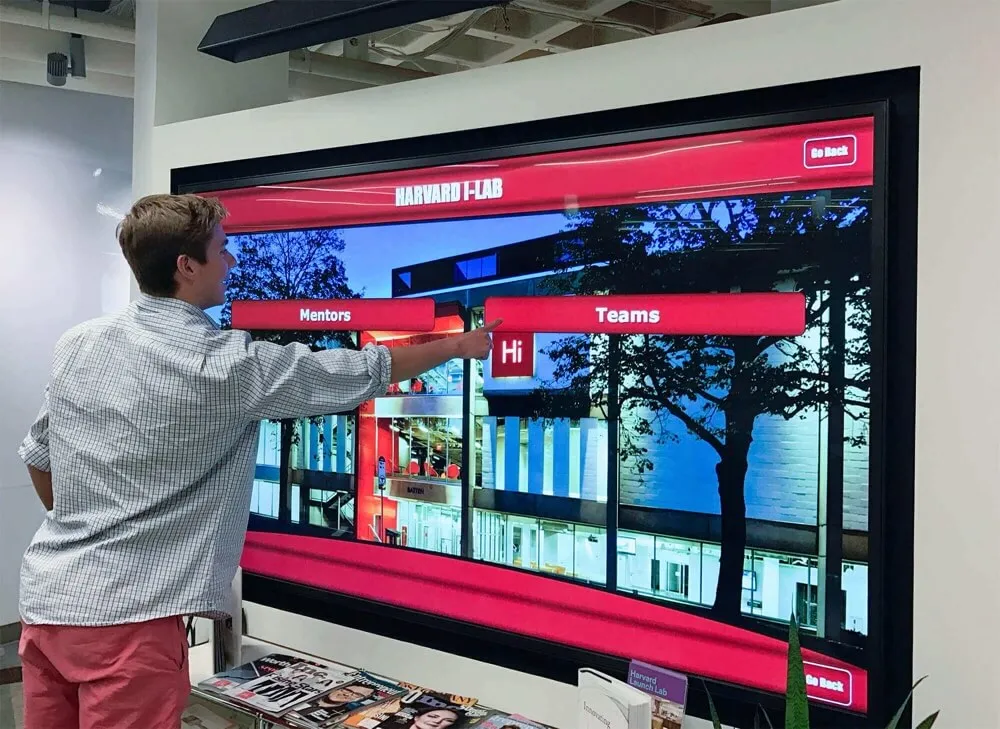
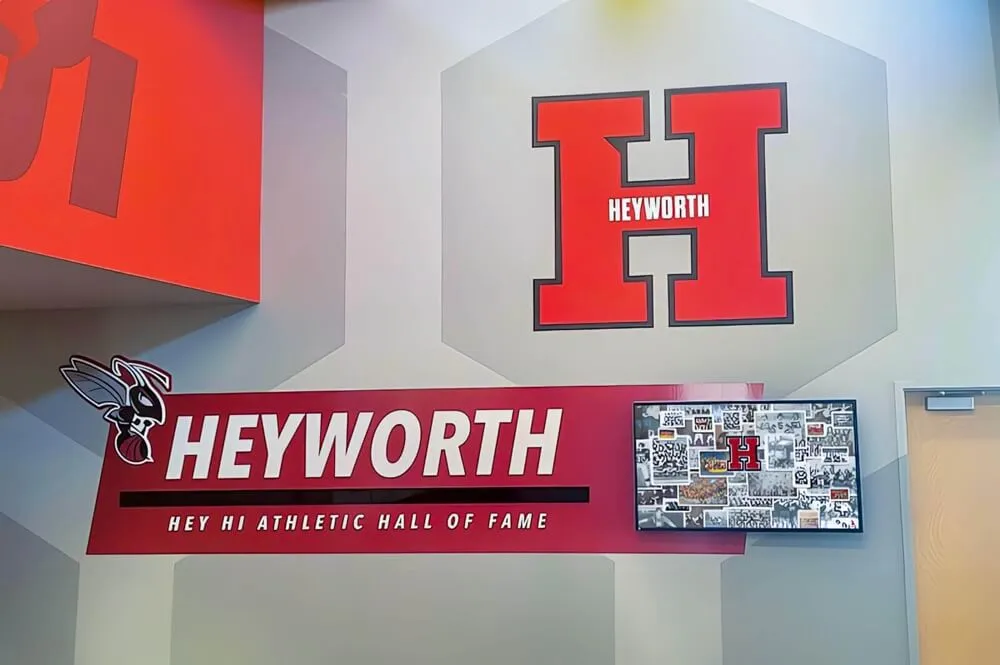
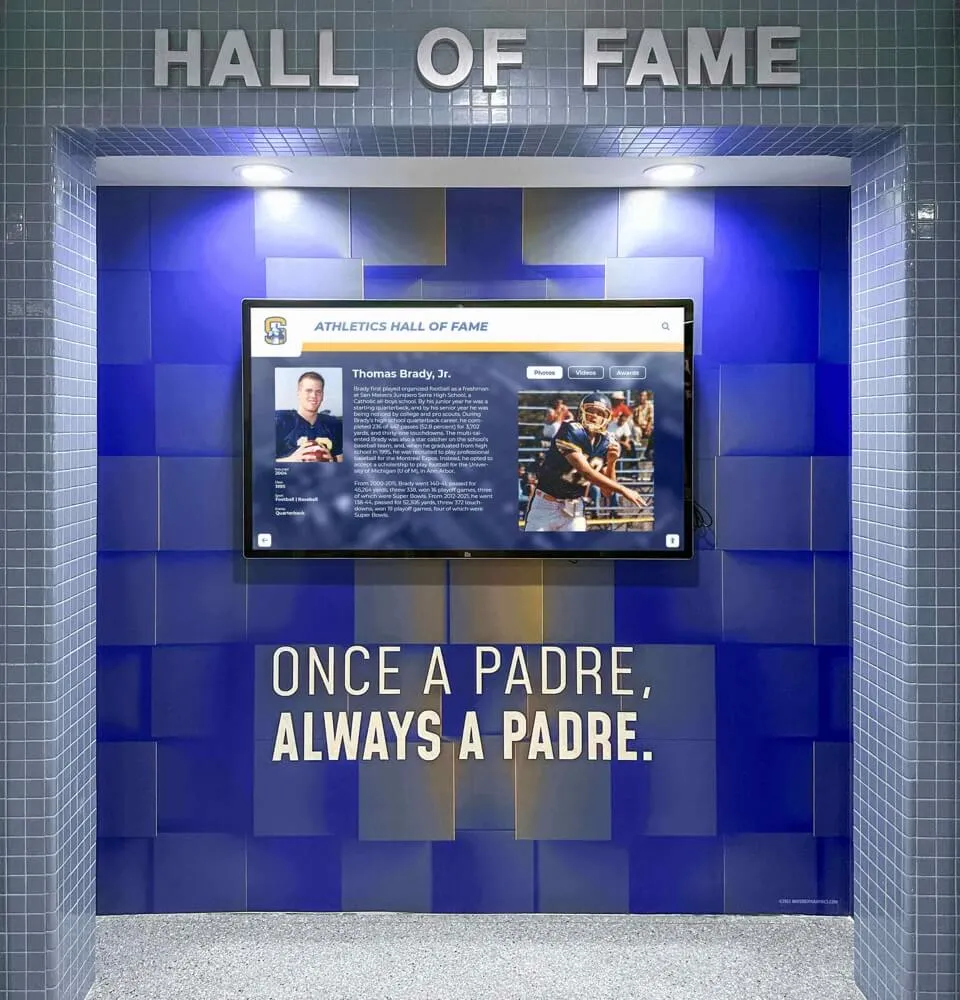
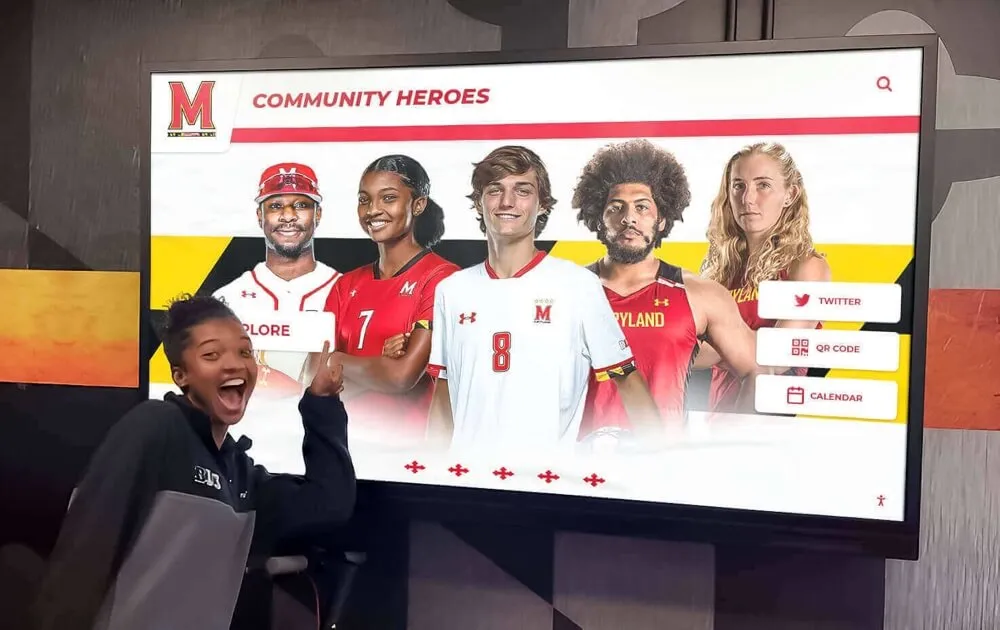
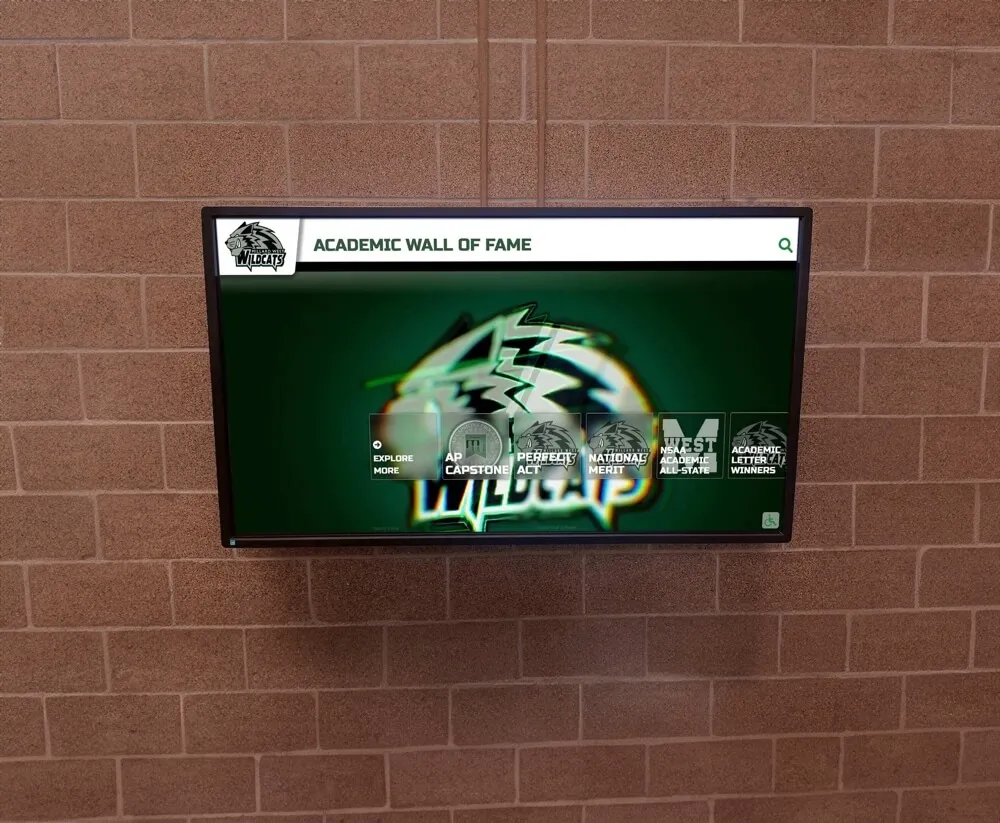
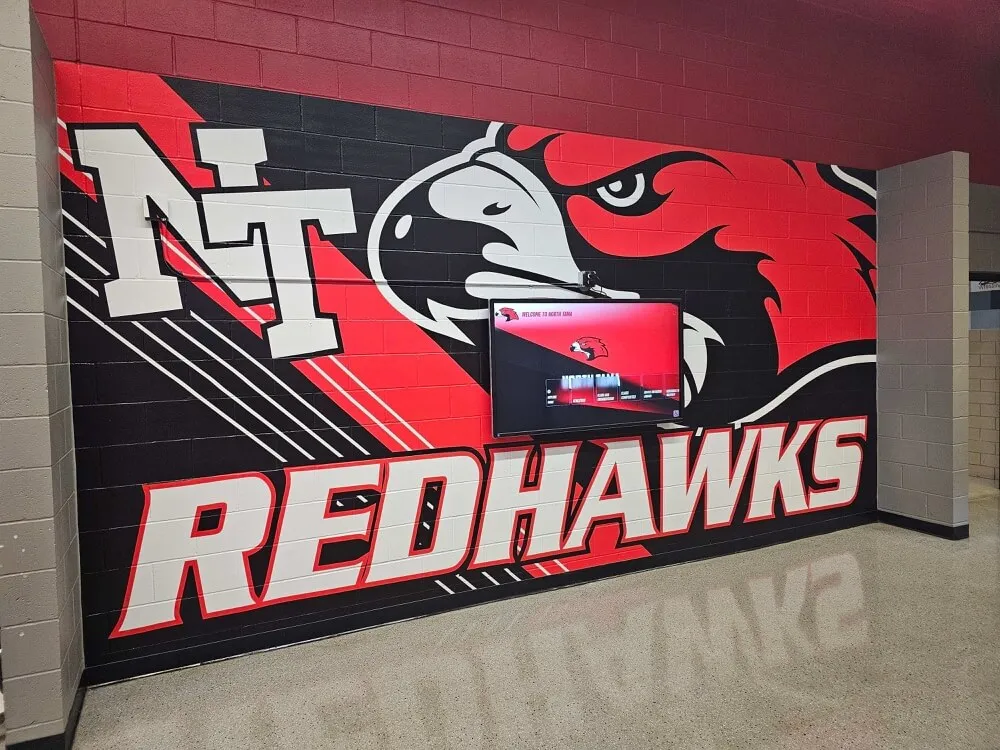
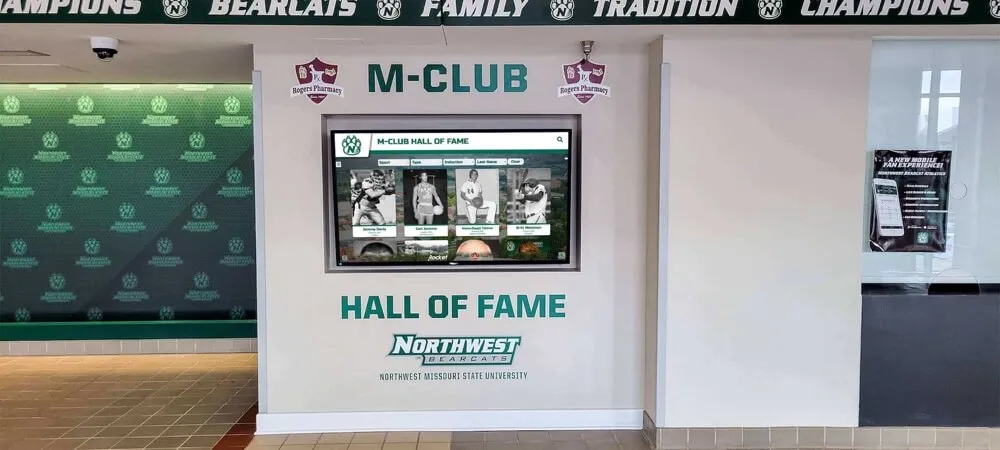
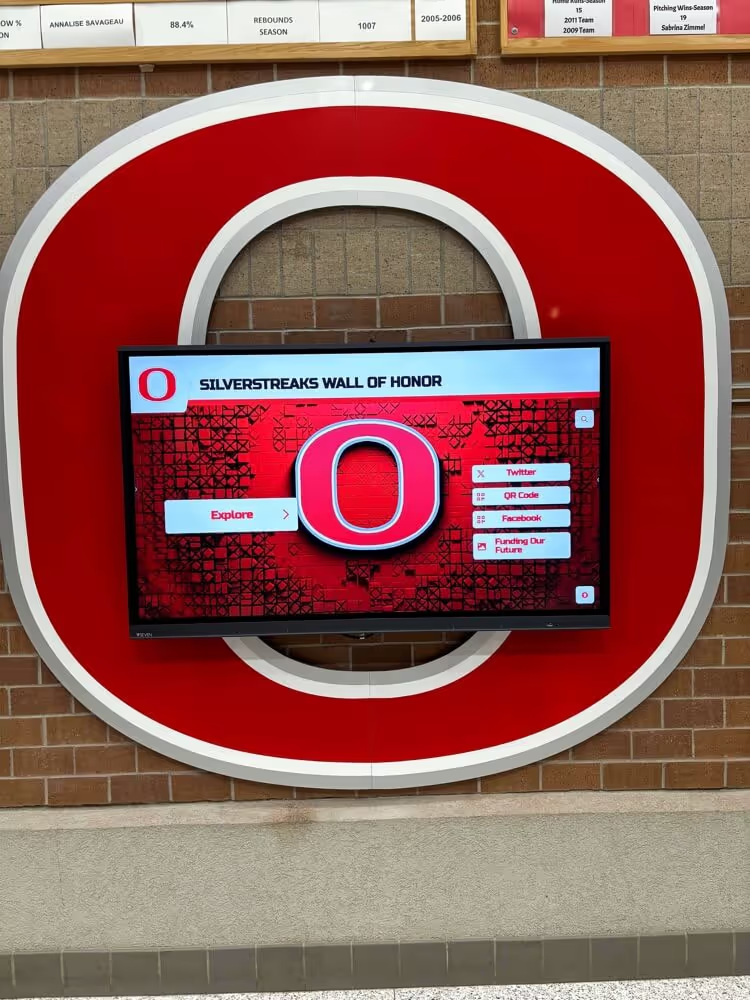
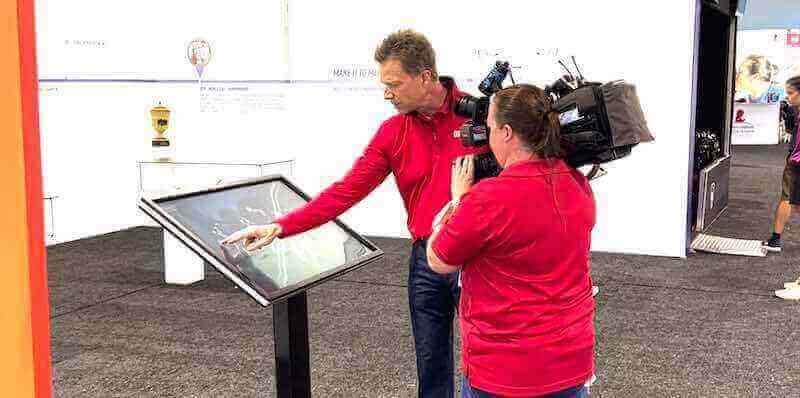
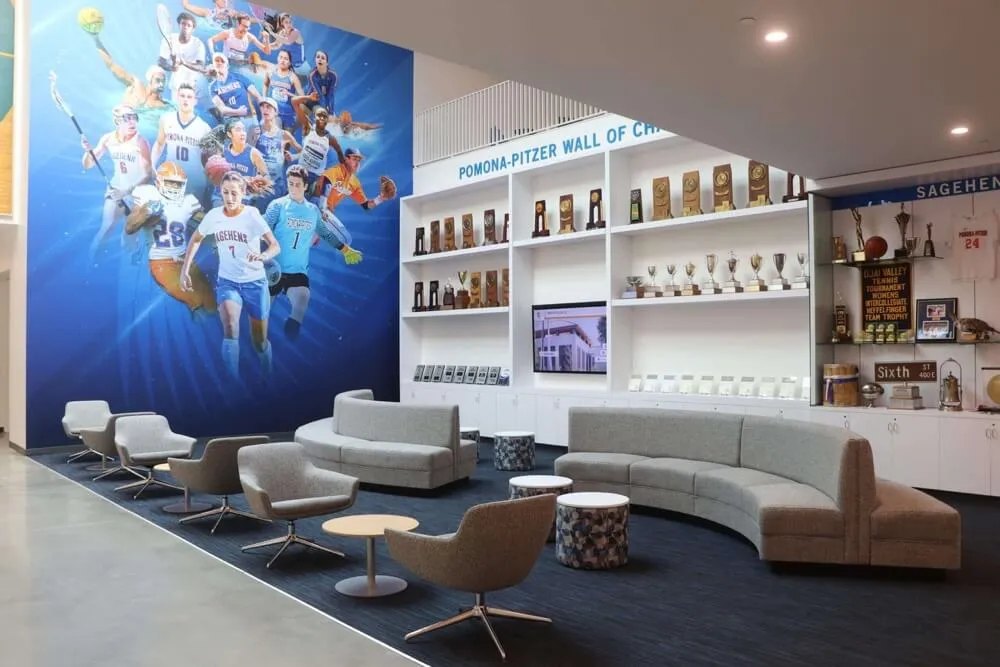
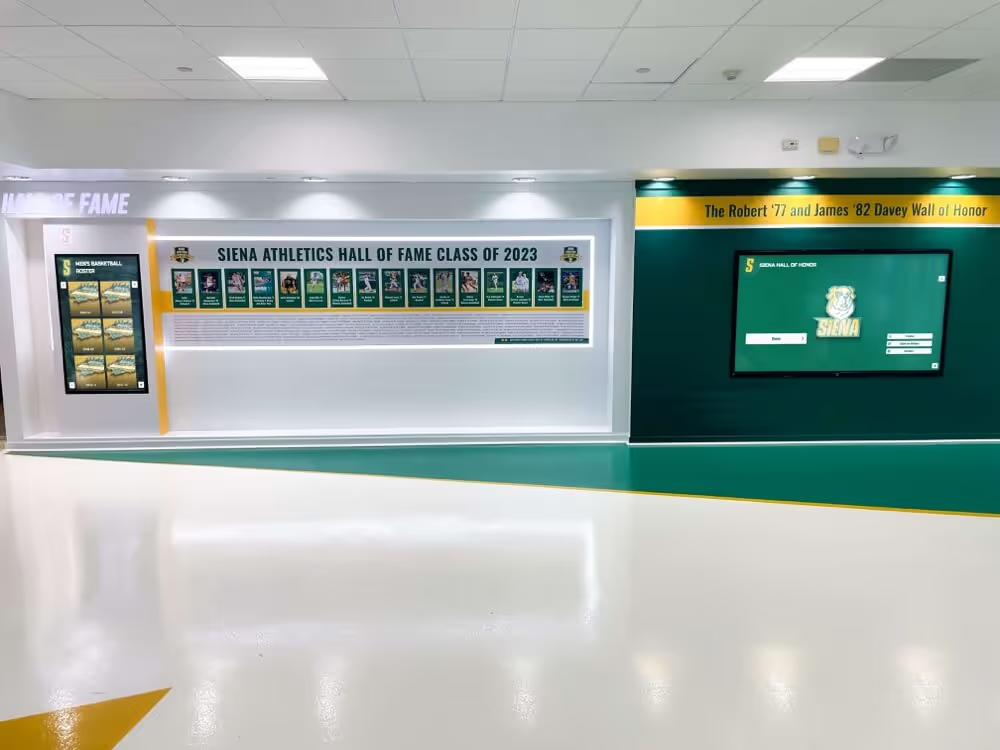
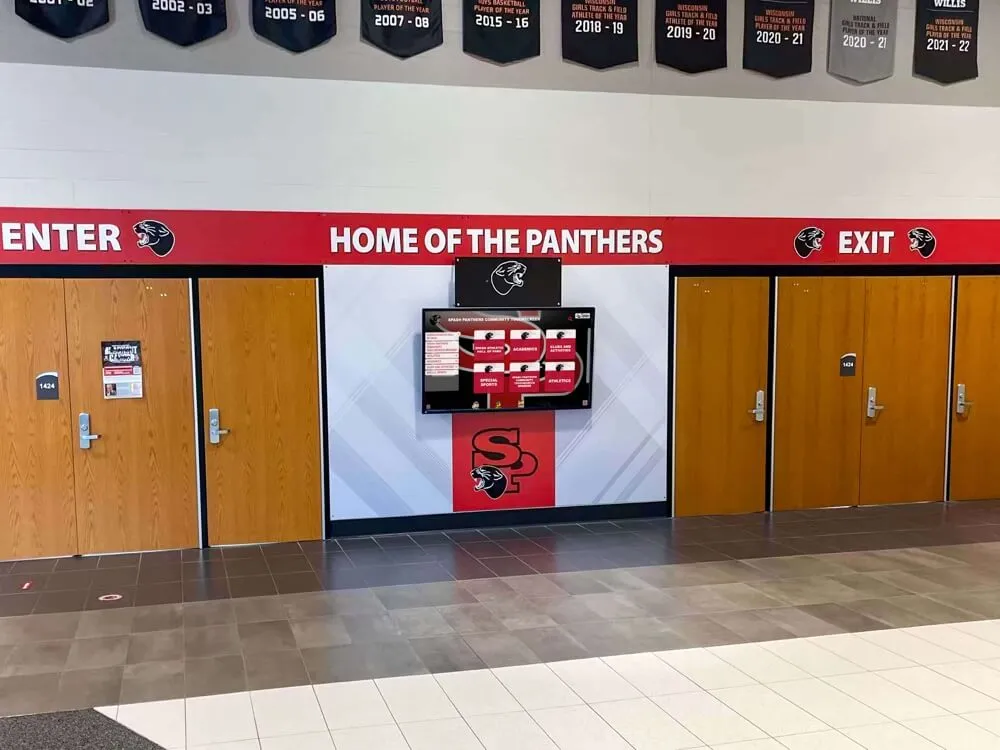
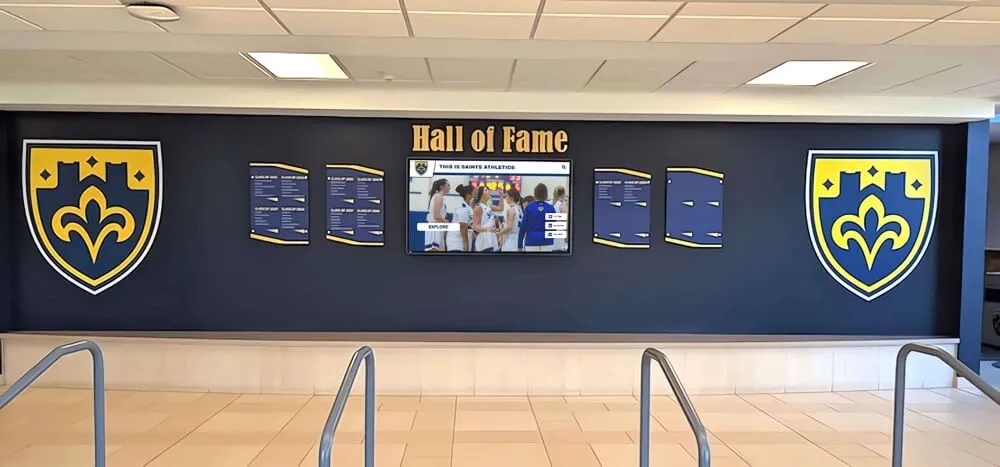
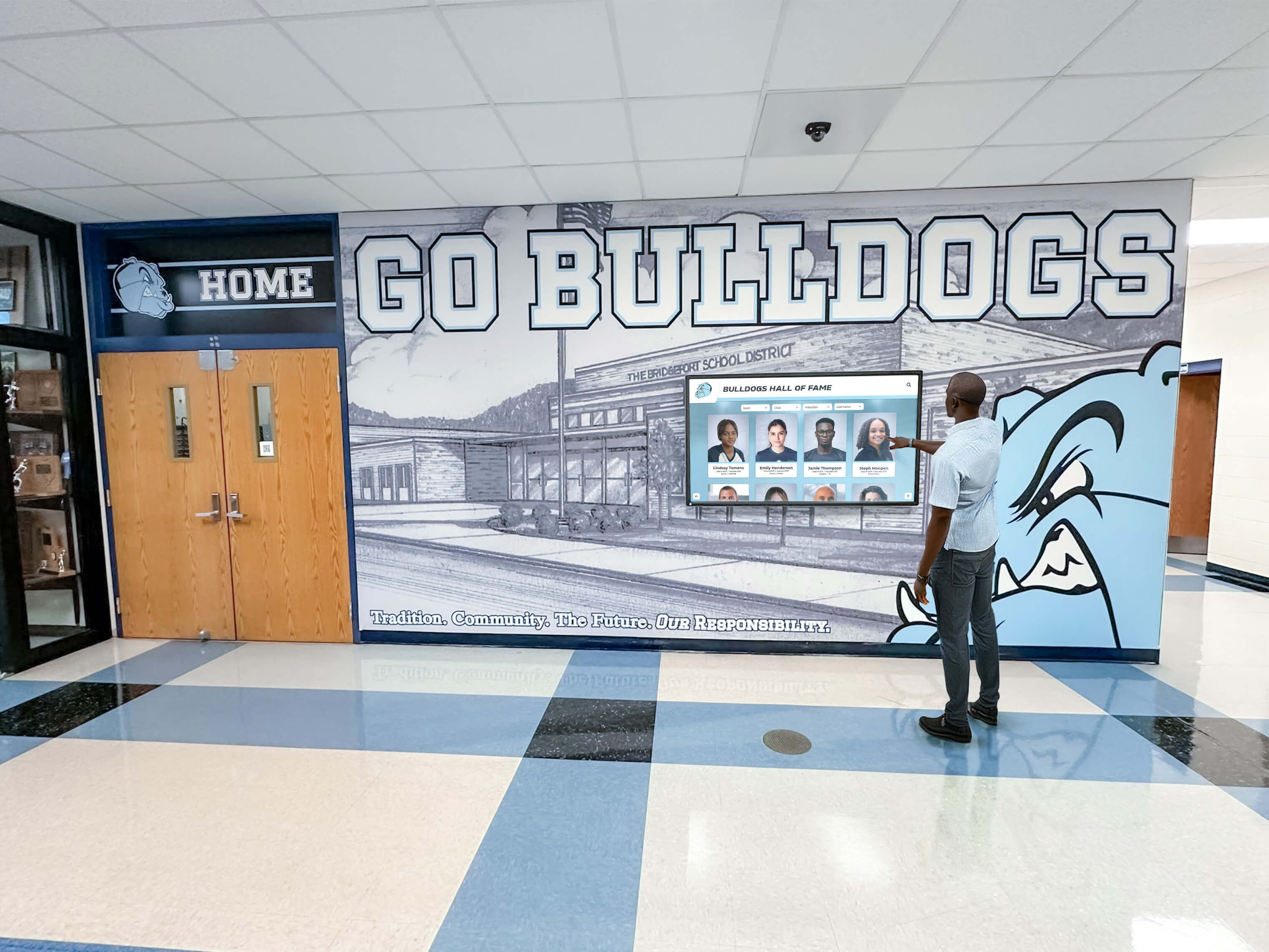
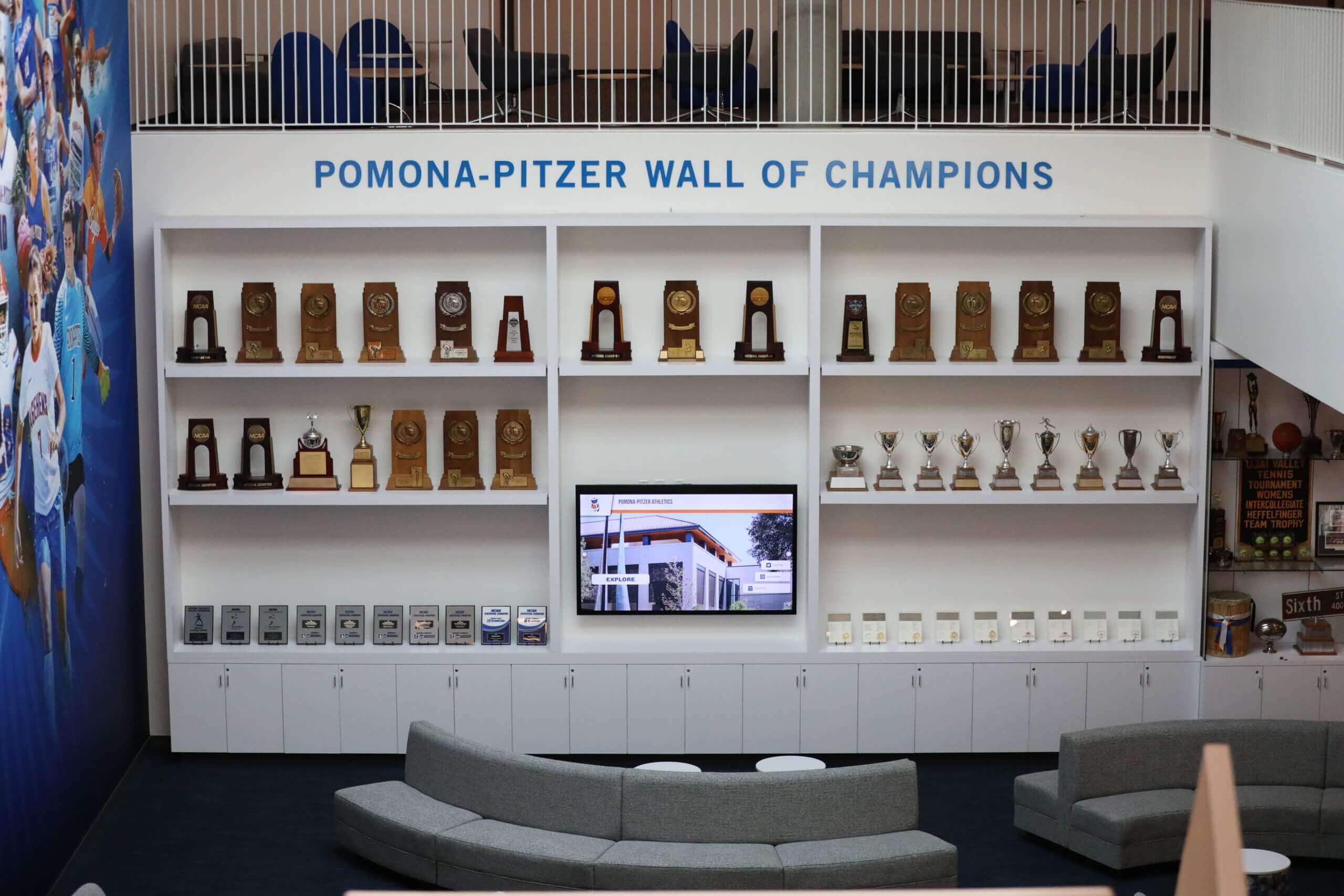
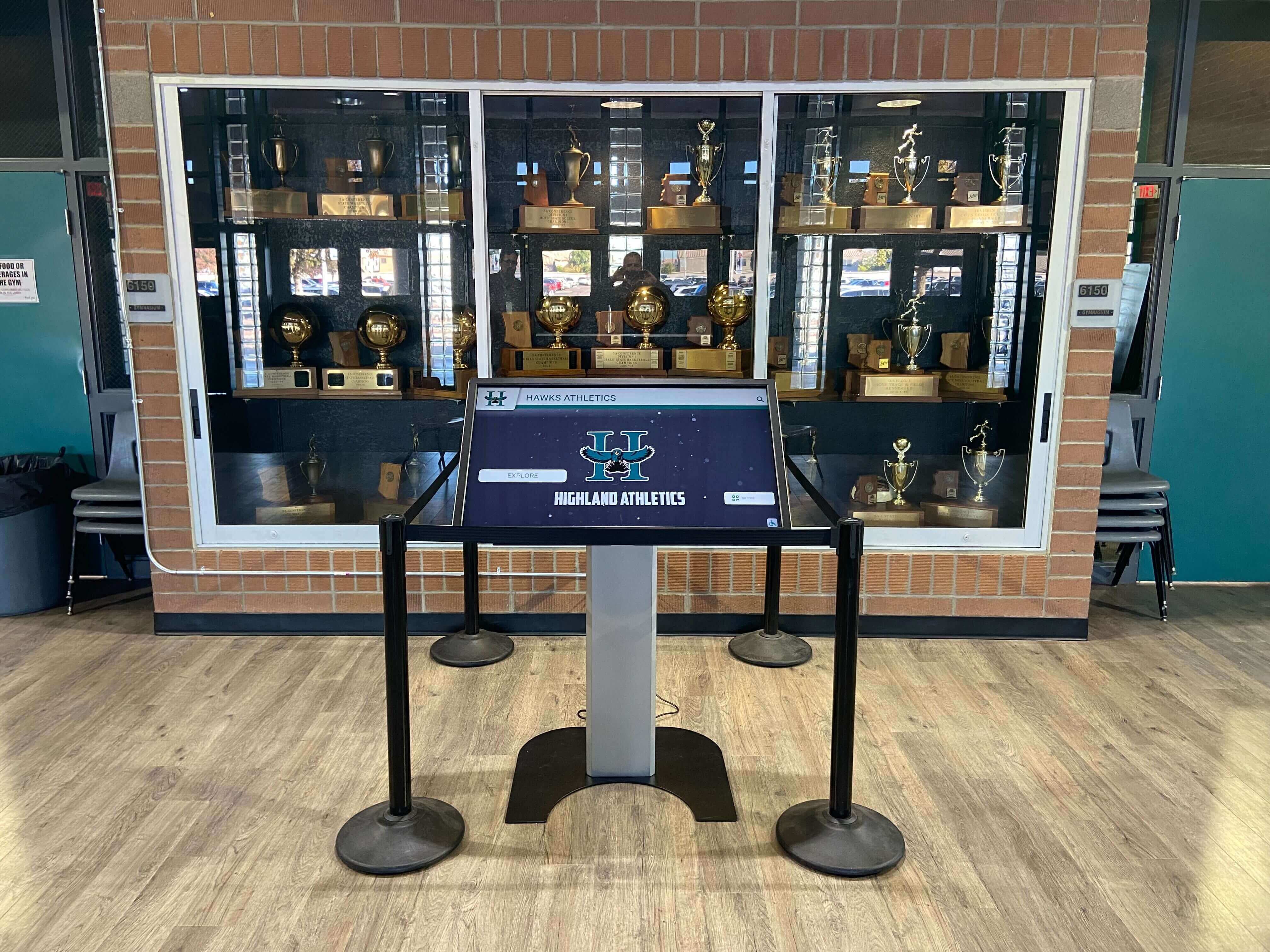
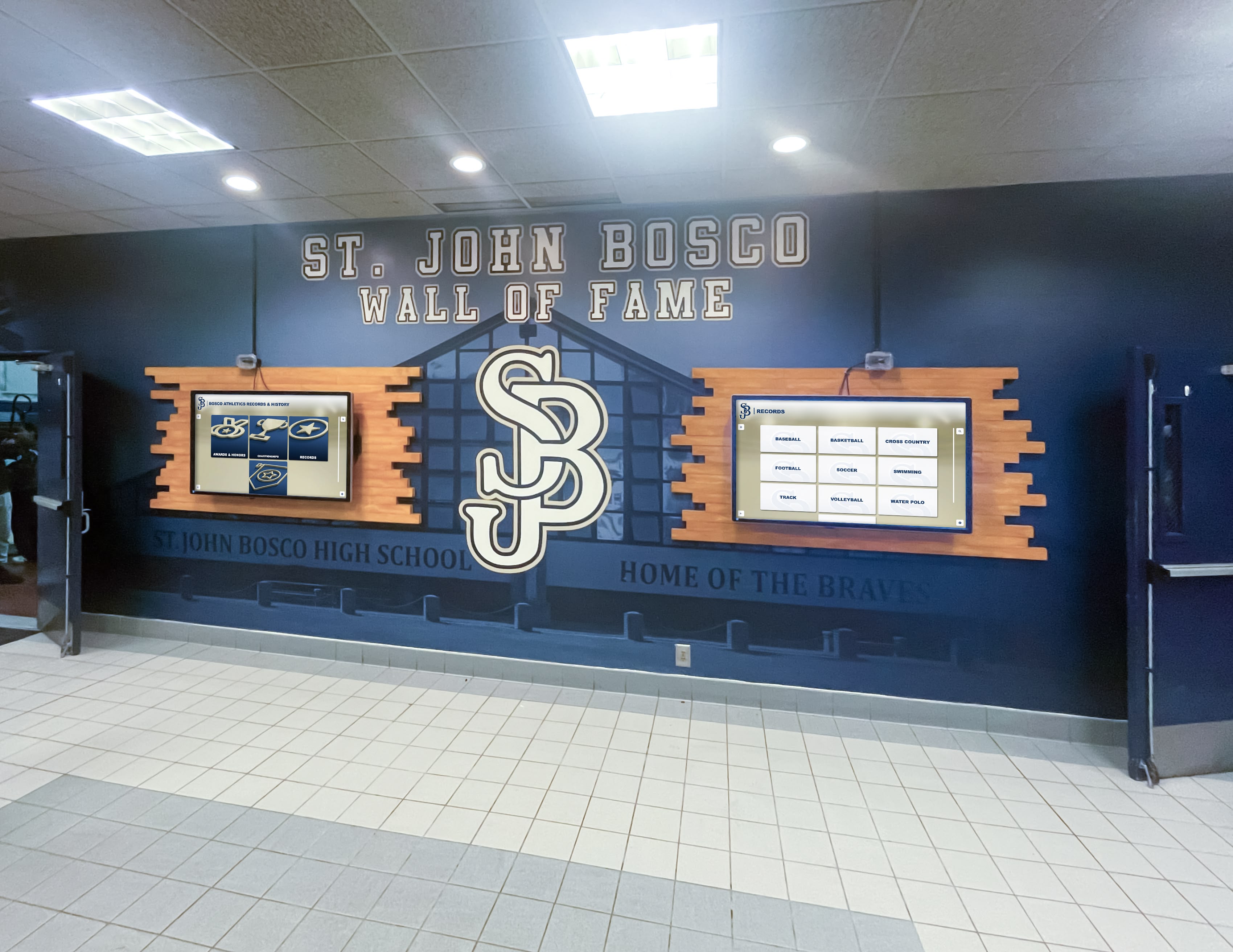
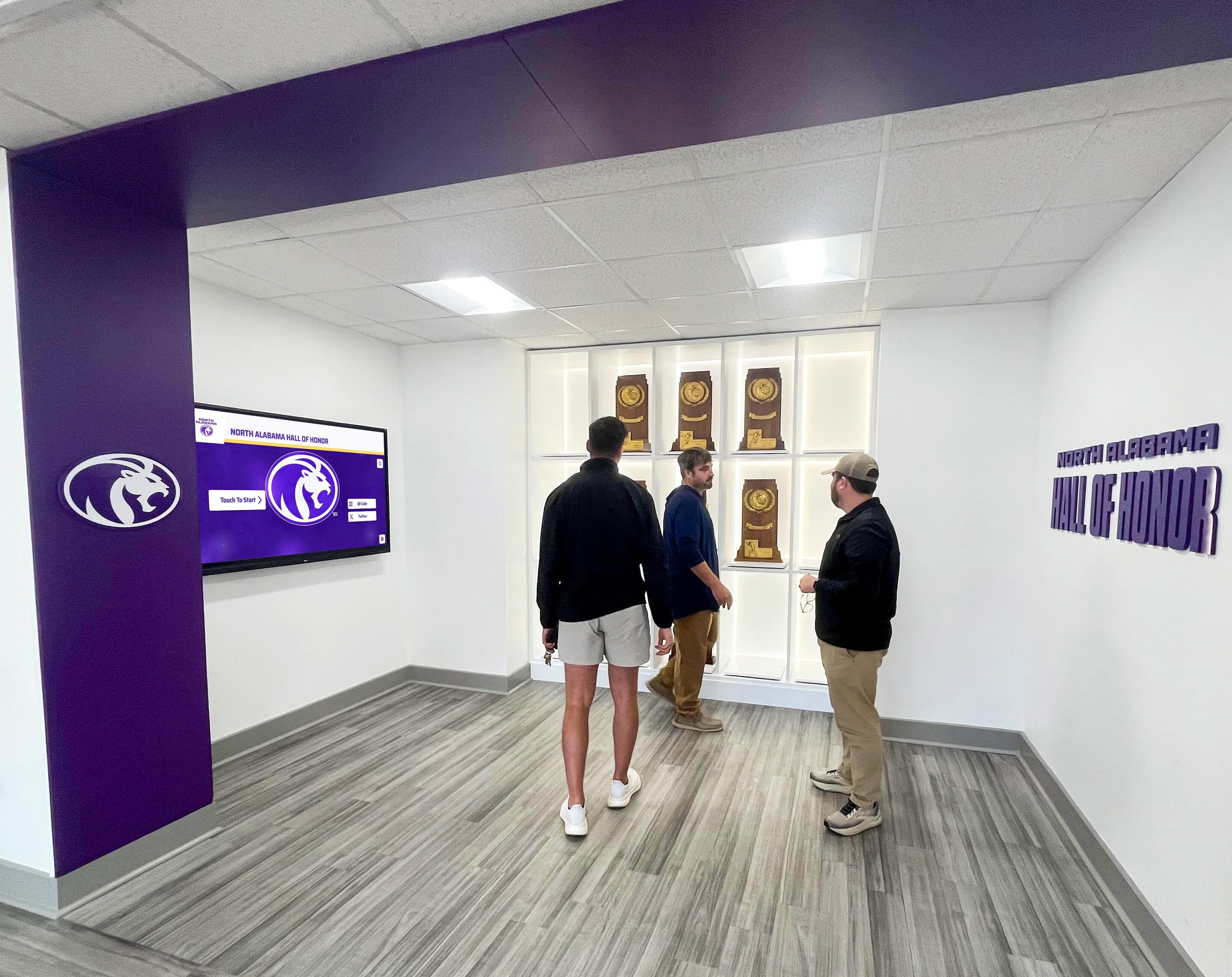
Traditional trophy cases display championships, all-conference selections, and statistical achievements but lack space for personality-driven recognition that defines team cultures. Digital platforms eliminate these space constraints entirely—single touchscreen displays can showcase every award category across years including both serious accomplishments and humorous recognition that captures what made teams unique.
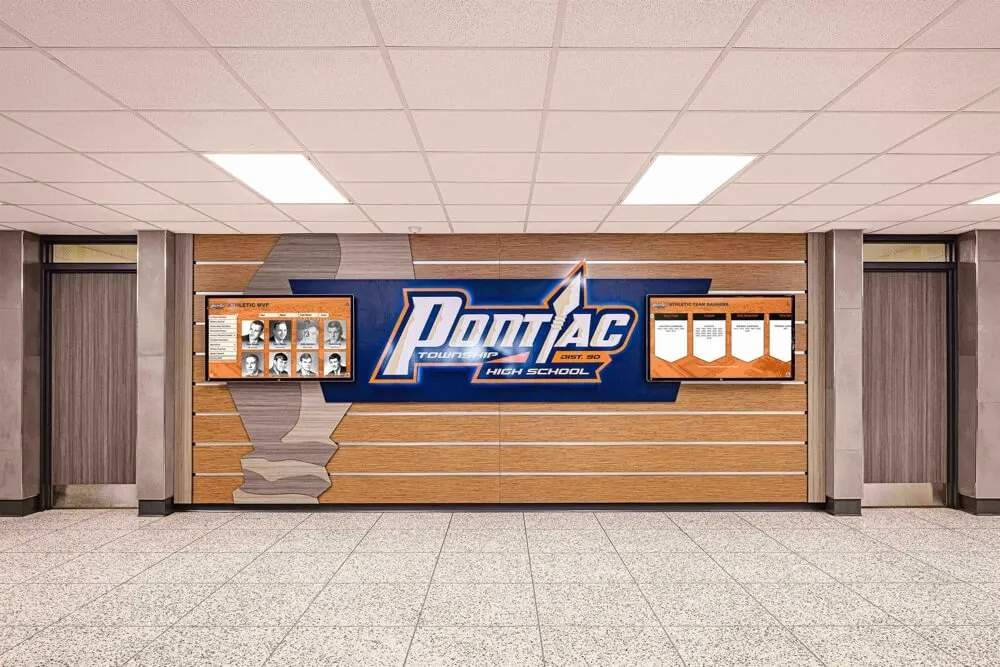
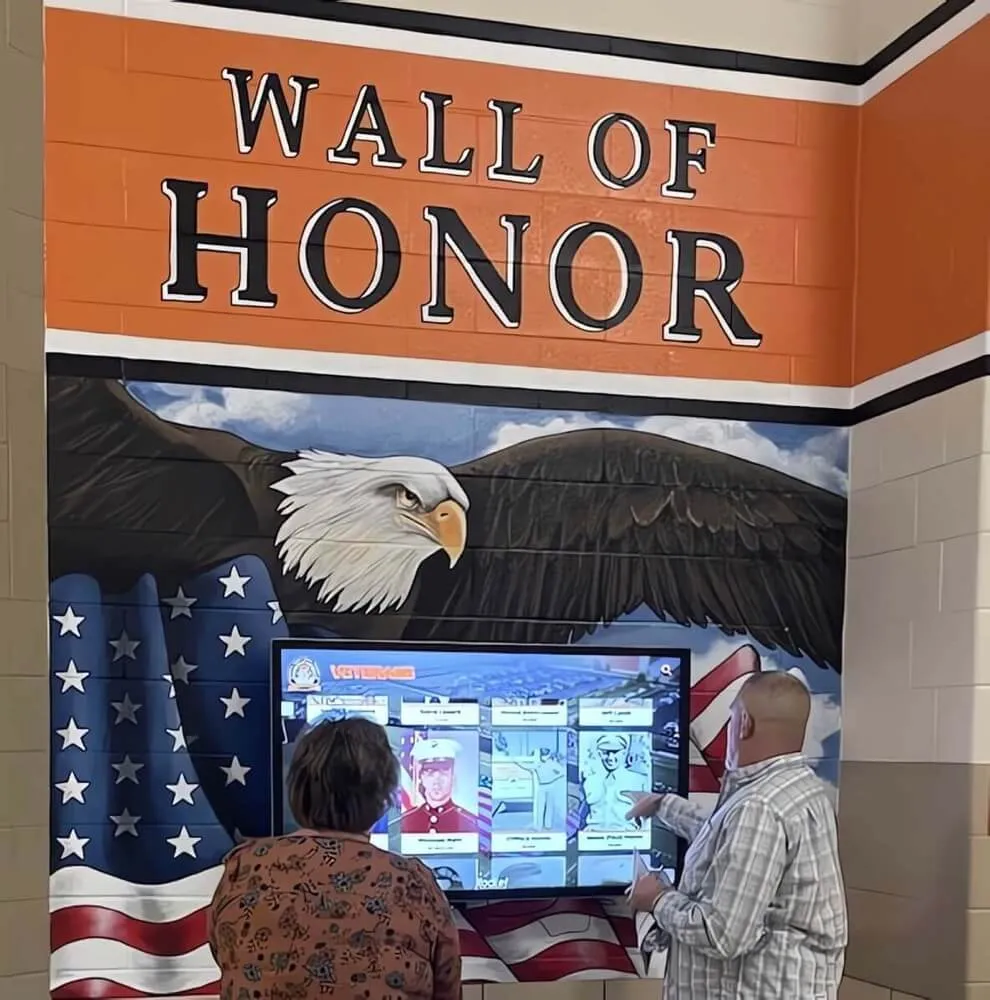
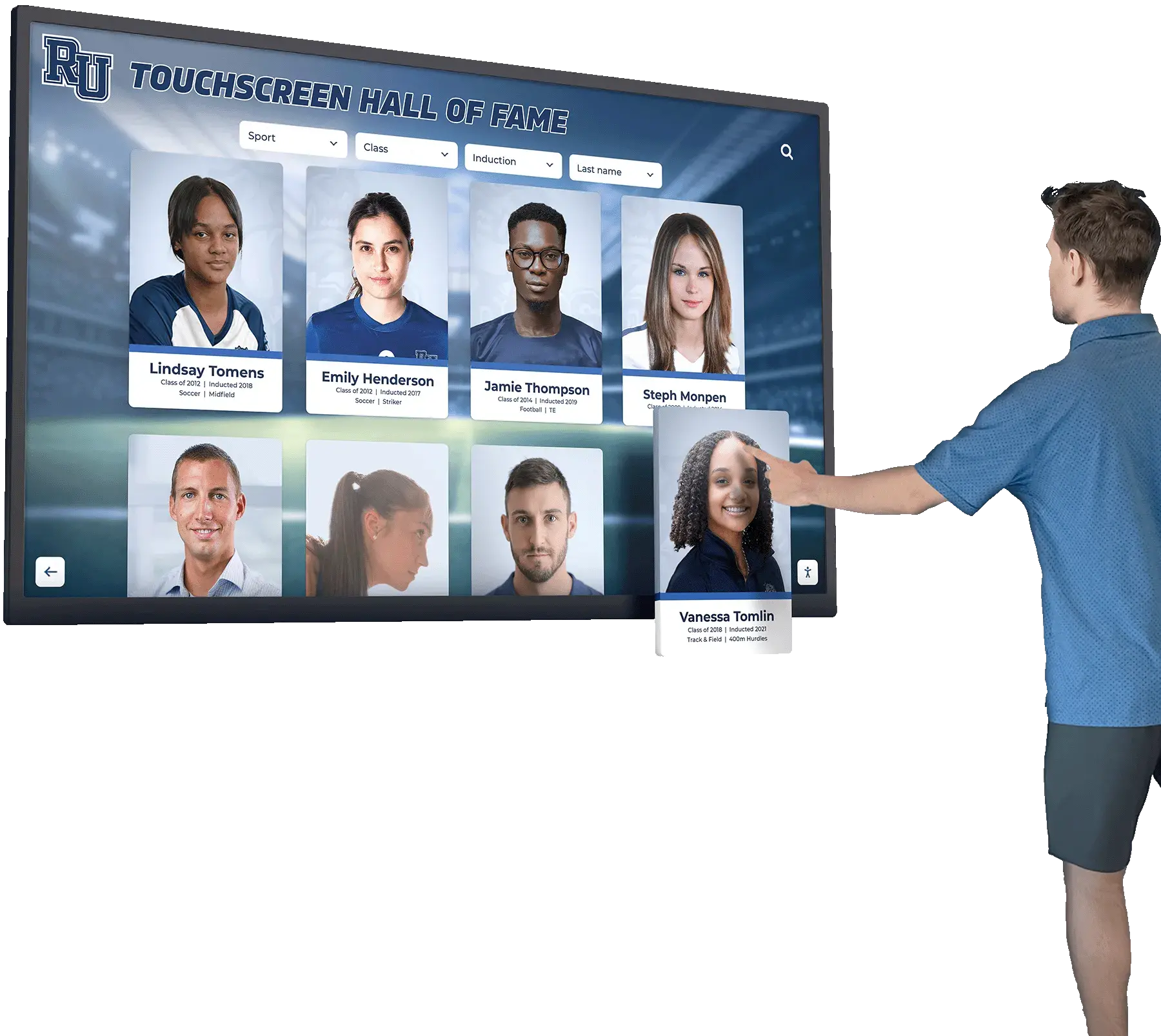
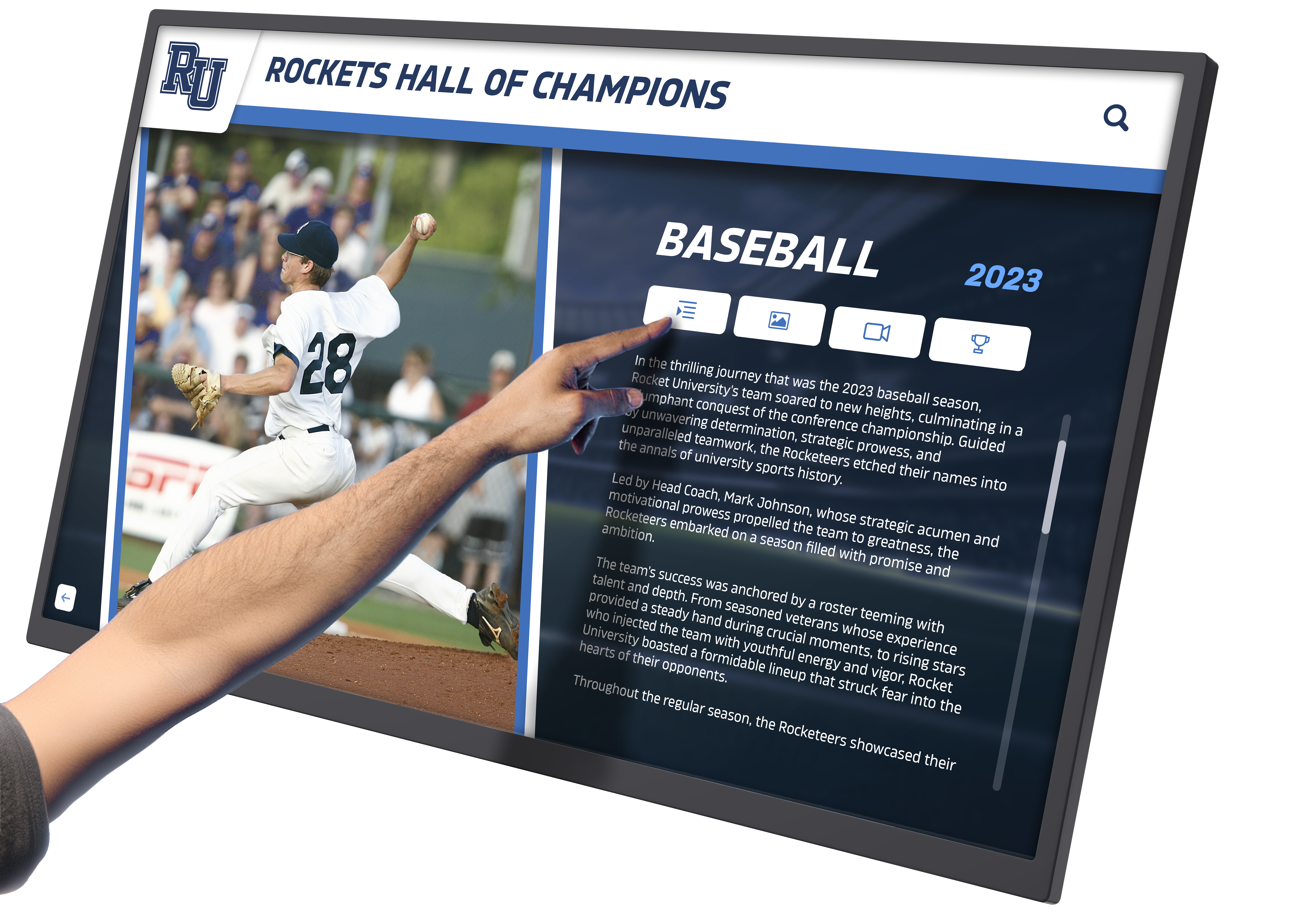
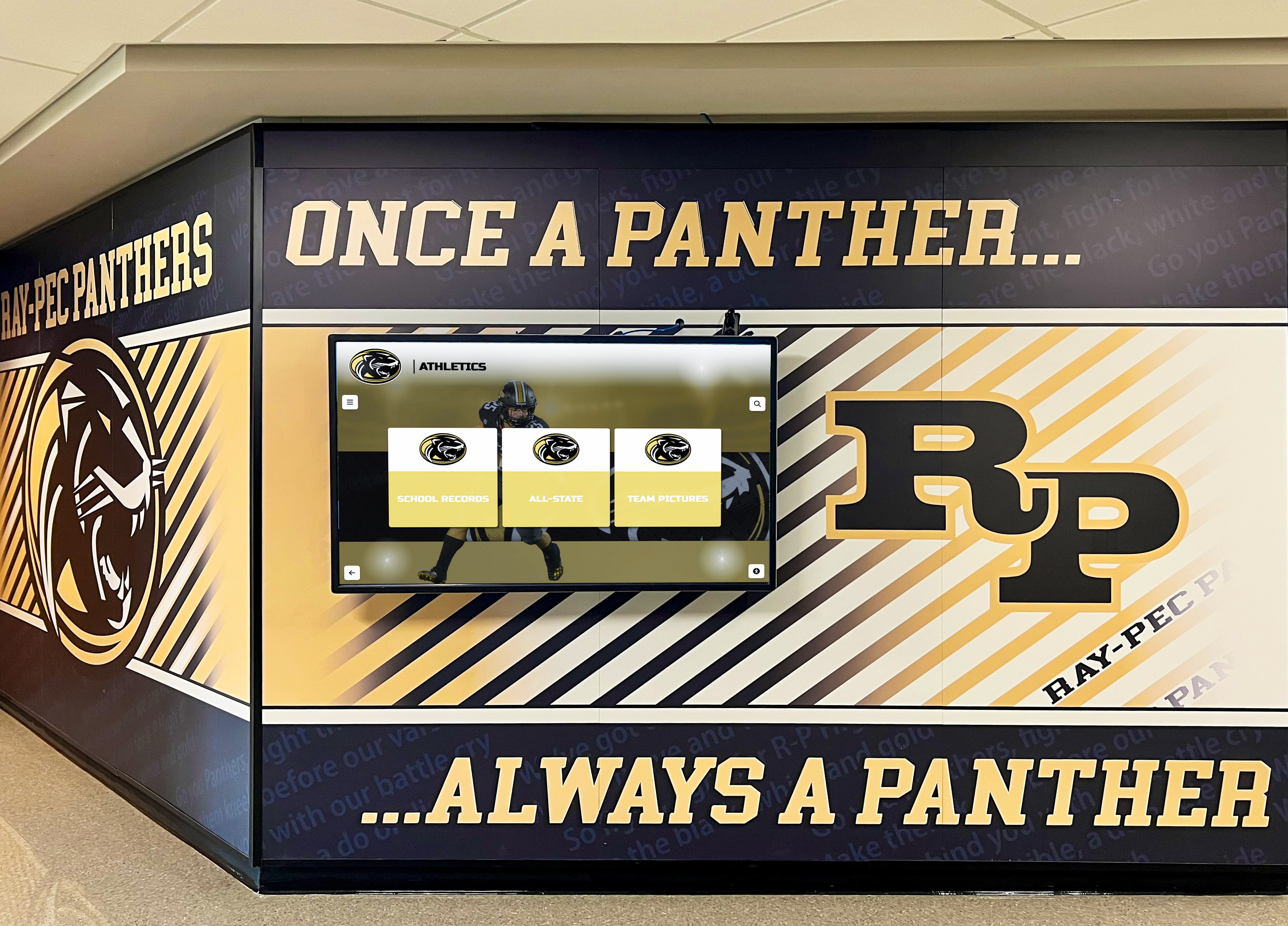
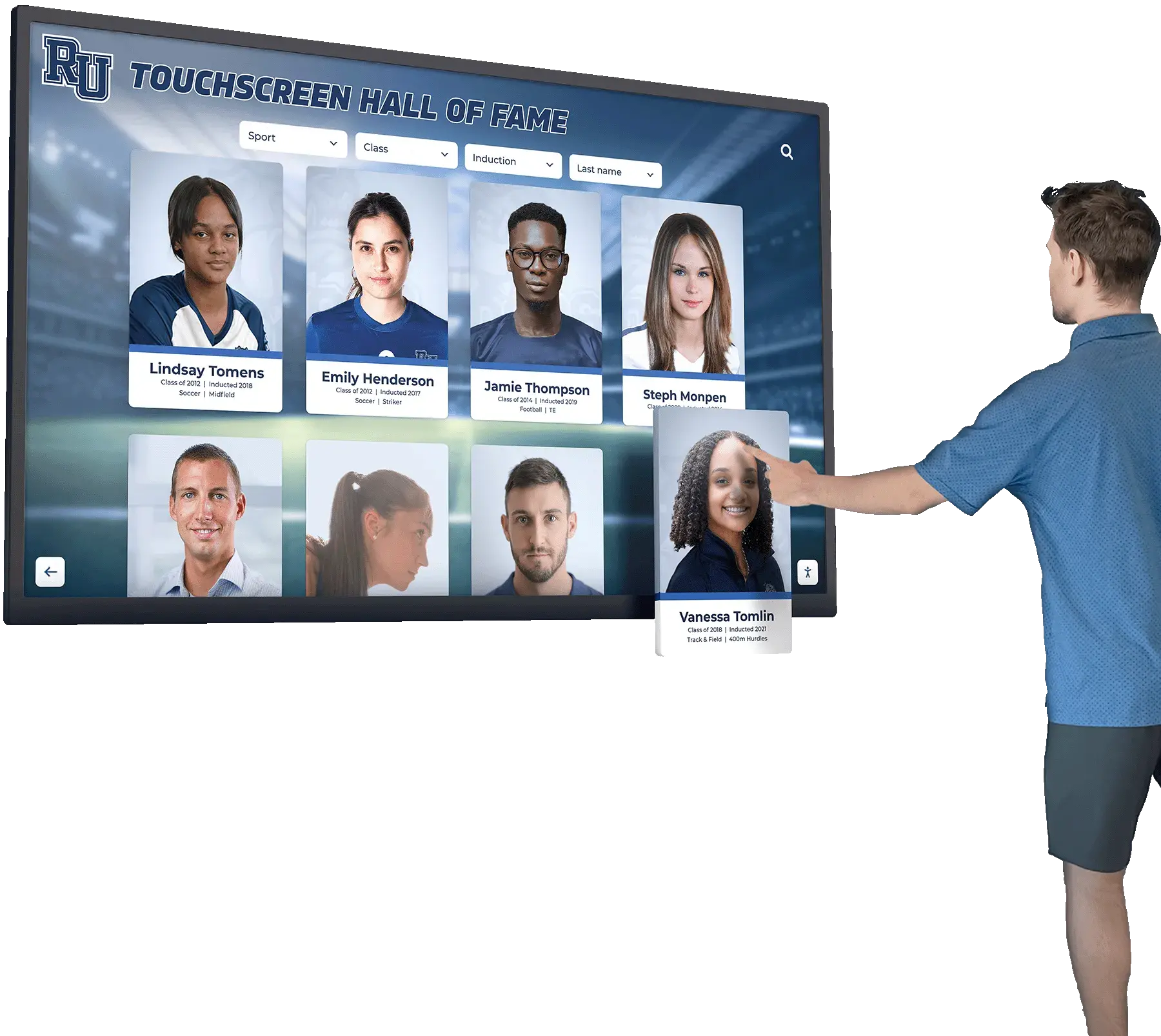
Interactive systems allow visitors to browse awards by type, search by player name, filter by season, and explore complete recognition histories. These platforms create permanent documentation of team culture beyond just performance statistics—alumni returning years later can find their “Best Pre-Game Dance Moves” awards alongside scoring records, demonstrating that programs valued complete personalities not just athletic production.
Advantages of Digital Team Recognition:
- Unlimited Categories: Create as many serious and funny award categories as appropriate without worrying about physical space limiting recognition opportunities
- Multimedia Content: Include photos showing funny award moments, video clips demonstrating why players earned recognition, or detailed descriptions providing context about team inside jokes
- Year-to-Year Continuity: Easily compare categories across seasons, showing “Best Trash Talker” recipients throughout program history or how funny awards evolved over decades
- Accessibility: Make team culture documentation accessible beyond just those who physically visit facilities—alumni browsing online, prospective players evaluating programs, or community members learning about team dynamics
- Easy Updates: Add new award recipients immediately after banquets through intuitive content management requiring no technical expertise or waiting for physical production
Athletic programs implementing comprehensive digital recognition solutions report that including both serious and humorous awards creates richer program documentation that resonates more deeply with alumni compared to statistics-only approaches.
Integrating Funny Awards into Program Legacy
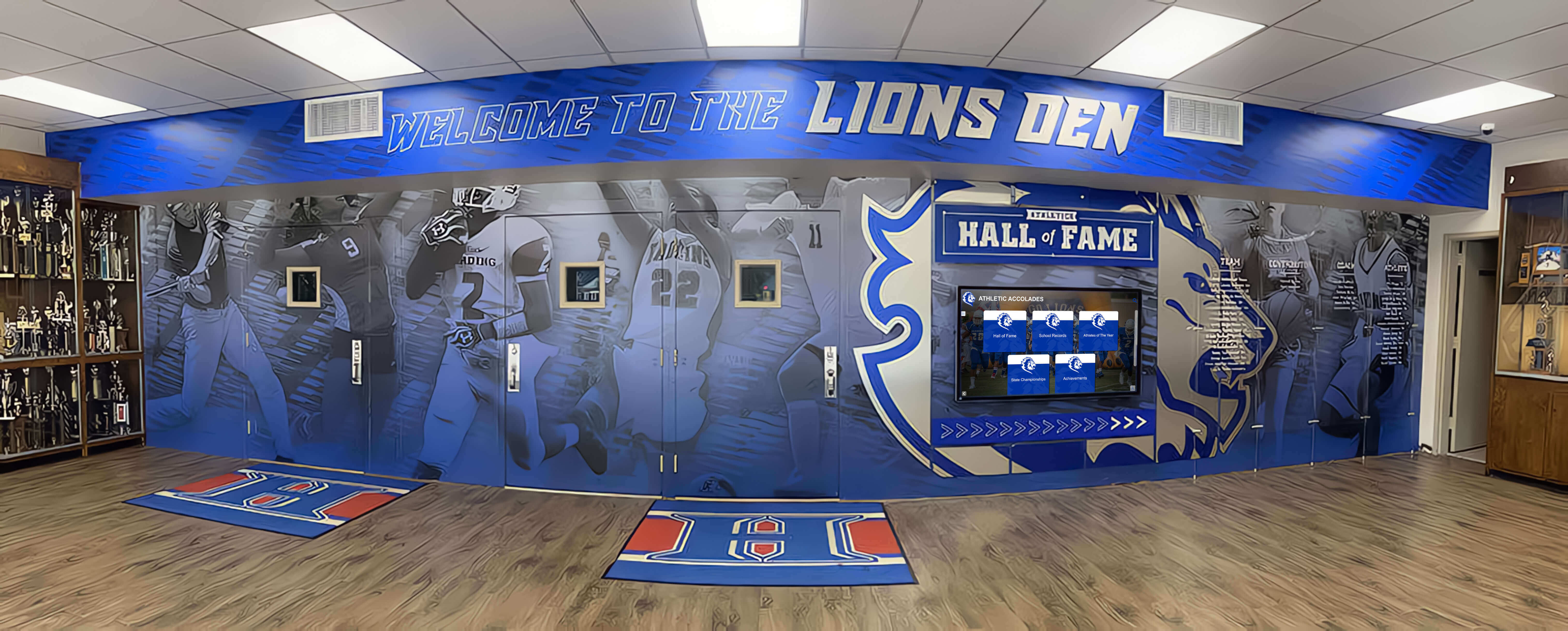
Permanent digital displays transform funny awards from ephemeral banquet jokes into documented program traditions:
Historical Continuity: Track how specific award categories evolve over time—which funny awards remain consistent traditions versus which categories emerge and fade reflecting changing team cultures across coaching tenures or generational shifts.
Alumni Connection: Former players returning to facilities enjoy finding their humorous awards preserved alongside serious accomplishments, validating that programs remember them as complete people rather than just statistics.
Recruitment and Culture Signaling: Digital displays featuring both performance achievements and personality-driven recognition signal to prospective players that programs value team chemistry and individual personality alongside competitive success.
Cross-Generational Conversation: Current players browsing historical awards discover that previous teams had similar dynamics—past players also earned “Most Likely to Sleep Anywhere” awards—creating connections between generations and reinforcing that certain team culture elements prove timeless.
Solutions like Rocket Alumni Solutions provide purpose-built platforms designed specifically for comprehensive sports recognition including space for both traditional achievement awards and humorous recognition that captures complete team culture. These systems enable coaches to celebrate personality alongside performance while creating permanent archives documenting what made teams special beyond win-loss records.
Avoiding Common Pitfalls
While funny awards create positive team experiences when implemented thoughtfully, several common mistakes can turn humorous recognition into problematic situations undermining intended benefits.
Humor That Becomes Hurtful
The line between funny and hurtful varies by individual, team culture, and specific circumstances. Several warning signs indicate humor has crossed from playful to problematic:
Physical Appearance Targeting: Awards about weight, height (when sensitive), physical development, attractiveness, or body characteristics risk genuine hurt feelings despite humorous intentions. Physical insecurity represents sensitive territory requiring caution.
Academic or Intelligence Jokes: “Most Likely to Fail Math” or similar academic performance humor can feel genuinely hurtful particularly for students struggling academically or sensitive about grades.
Family or Personal Situations: Avoid humor referencing challenging family circumstances, economic situations, or personal struggles players might face. What coaches perceive as lighthearted others might experience as highlighting painful realities.
Repetitive Targeting: When the same player receives multiple funny awards year after year, what starts as affectionate recognition may eventually feel like persistent ribbing or typecast limitation.
Reactions Tell the Truth: Pay attention to how recipients react to funny awards. Genuine laughter and acceptance differs from forced smiles hiding discomfort. If recipients seem uncomfortable, recognition missed appropriate marks regardless of intentions.
Creating Competitive Hierarchies Through Humor
Funny awards should avoid establishing or reinforcing problematic team hierarchies:
Stars Get Serious, Benchwarmers Get Funny: When leading scorers receive exclusively serious recognition while reserves receive only humorous awards, message communicates that some players represent legitimate contributors while others serve primarily as entertainment. Ensure funny awards distribute across playing time levels.
Gendered Humor Differences: Mixed-gender programs should apply similar humor standards and category types to all players regardless of gender rather than defaulting to stereotypical categories based on gender expectations.
Inside Group Exclusivity: Awards functioning as inside jokes only small team subgroups understand risk creating cliques or excluding newer players from team culture rather than building inclusive communities.
Timing and Context Failures
Even well-designed funny awards can backfire when presented in wrong contexts or timing:
After Disappointing Seasons: Extensive humorous recognition following seasons ending below expectations might feel inappropriate—players may want serious reflection on performance issues rather than lighthearted fun minimizing competitive failures.
With Inappropriate Audiences: Funny team awards work best in team-only settings or with family audiences who understand internal dynamics. School-wide assemblies or community events with broader audiences unfamiliar with team culture might not appreciate humor that works within team contexts.
During Serious Program Challenges: When programs face significant issues—hazing investigations, eligibility problems, serious injuries, or major controversies—lighthearted awards might feel tone-deaf rather than appropriately balanced.
Sample Funny Award Categories for Different Levels
Different age groups and competitive levels require adjusted humor approaches ensuring age-appropriate recognition matching developmental stages and program cultures.
Youth Basketball (Elementary/Middle School)
Younger players benefit from gentler humor emphasizing fun over potentially embarrassing recognition:
“Most Enthusiastic High-Five Giver” celebrates positivity without performance judgment “Best Victory Dance” acknowledges celebration enthusiasm kids naturally display “Most Likely to Tie Shoes Mid-Game” gently acknowledges common youth basketball occurrence “Best Bench Cheerer” validates engagement regardless of playing time “Most Improved Warmup Routine” recognizes developing pre-game habits “Happiest Player” celebrates joy and love of game “Best Team Encourager” honors supportive teammates “Most Creative Shot Attempt” acknowledges experimentation without criticism
Youth programs implementing age-appropriate recognition frameworks find that emphasizing fun and participation creates foundation for healthy athletic development.
High School Basketball
High school programs can incorporate more sophisticated humor matching teenage sensibilities while maintaining appropriate boundaries:
“Most Likely to Dominate at Knockouts (But Struggle in Games)” acknowledges warm-up game excellence “Best at Recruiting Friends to Games” recognizes social promotion of programs “Most Likely to Record Workouts for Social Media” gently acknowledges documentation culture “Best Playlist Contributor” celebrates music taste influencing team culture “Most Likely to Become a Coach” honors basketball obsession and leadership tendencies “Worst Case of Senioritis” acknowledges common senior experience humorously “Most Likely to Show Up Still in Dress Clothes” recognizes busy schedules requiring quick changes “Best Reaction to Highlight Plays” celebrates expressive responses to great plays
High school recognition programs increasingly leverage digital platforms making comprehensive acknowledgment more accessible than traditional limitation-bound physical displays.
College and Competitive Programs
More mature programs with established team cultures can incorporate sophisticated inside humor:
“Most Likely to Argue with Statistics” acknowledges data-driven basketball discussions “Best Film Room Commentary” recognizes entertainment value during video analysis “Most Likely to Make NBA in Their Mind” gently acknowledges confidence levels “Best Recruiter of Booth Babes” (for programs with recruiting responsibilities) celebrates social skills “Most Likely to Transfer (But Never Does)” acknowledges periodic frustration all players experience “Best at Gaming the System” honors creative problem-solving around program rules “Most Likely to Become a Graduate Assistant” recognizes those unable to leave programs “Best Recovery Routine” celebrates elaborate self-care practices some players develop
Creating Award Certificates and Physical Recognition
Even funny awards deserve tangible recognition creating keepsake value and legitimizing humorous acknowledgment:
DIY Certificate Design
Template Resources: Use free online certificate makers, Canva templates, or word processing software to create professional-looking funny award certificates incorporating team colors, logos, and creative designs matching award categories.
Personalization Elements: Include recipient names, specific dates, award titles, brief descriptions explaining recognition, team signatures, or coach signatures lending official feel to humorous recognition.
Printed vs. Digital: Physical certificates provide immediate tangible rewards recipients can display, photograph, or keep as mementos. Digital certificates work for budget-conscious programs and can be shared via email or social media.
Creative Physical Awards
Beyond certificates, creative physical awards make funny recognition more memorable:
Custom Trophies: Order inexpensive trophies with custom engraving reflecting funny award categories. Trophy shops typically offer budget-friendly options for non-traditional awards.
Thematic Items: Give items related to award categories—sleep mask for “Most Likely to Sleep Anywhere,” plastic referee whistle for “Most Likely to Argue Calls,” or dance shoes for “Best Pre-Game Dance Moves.”
Team-Created Awards: Have players design and create awards for funny categories using craft supplies, found objects, or inside joke elements only team members understand.
Rotating Championship Belts: Create single championship belt or trophy that rotates among different funny category winners each season, building tradition around specific recognition items.
Photo Plaques: Print photos demonstrating why players earned specific funny awards—photo of the best bench reaction, image capturing most creative shot attempt—mounted with descriptions creating visual documentation.
Integrating Funny Awards into Season-Long Recognition
Funny awards need not wait until end-of-season banquets—integrate humorous recognition throughout seasons creating ongoing celebration:
Weekly or Monthly Recognition
Practice Awards: Designate funny awards during practices or pre-game meetings—“Hardest Fall of the Week,” “Best Celebration After Made Shot,” or “Most Creative Excuse for Being Late.”
Social Media Features: Regularly highlight players through funny recognition categories via team social accounts—“Teammate Tuesday” featuring personality spotlights or “Funny Friday” showcasing humorous moments.
Team Newsletter Content: Include funny award features in team newsletters, communications to families, or program update emails keeping communities engaged with team personality beyond just game results.
Locker Room Recognition: Post funny award nominations or weekly winners in locker rooms creating informal ongoing recognition that builds anticipation for formal season-end ceremonies.
Programs maintaining year-round recognition systems across multiple platforms report stronger sustained engagement compared to programs limiting recognition exclusively to formal season-ending events.
Building Anticipation for Award Ceremonies
Nomination Processes: Open funny award nominations to team voting several weeks before banquets, allowing players to nominate peers and creating anticipation about who might win which categories.
Teaser Campaigns: Build excitement by announcing award categories without revealing winners, creating speculation and conversation during final season weeks.
Past Winners Showcase: Display previous years’ funny award recipients through digital displays or bulletin boards, showing that humorous recognition represents established program tradition worth celebrating.
Behind-the-Scenes Voting: Share (with permission) vote tallies or nomination reasons after ceremonies showing how decisions were made and validating selections through team consensus.
Conclusion: Celebrating Complete Teams Through Recognition
Basketball excellence demands serious dedication, disciplined preparation, and competitive intensity. Acknowledging this excellence through traditional performance awards remains essential and appropriate. However, teams consist of complete human beings bringing personalities, quirks, humor, and unique characteristics that shape team cultures as significantly as shooting percentages or defensive rotations.
Funny basketball awards recognize these personality dimensions, celebrating what makes teams memorable beyond statistics. When implemented thoughtfully with appropriate tone, inclusive distribution, and balance alongside serious recognition, humorous awards strengthen team chemistry, create lasting memories, acknowledge diverse contributions, and build program cultures where players feel valued as complete people rather than just athletic performers.
The 50+ funny award ideas presented in this guide provide starting points basketball programs can adapt based on their unique team dynamics, competitive levels, and program cultures. Effective implementations share common characteristics regardless of specific categories chosen:
- Lighthearted tone clearly distinguishing playful recognition from hurtful targeting
- Inclusive distribution ensuring all players receive both serious and funny acknowledgment
- Balance maintaining emphasis on performance while incorporating appropriate personality celebration
- Team input involving players in category creation and recipient selection
- Thoughtful presentation sharing context and stories making awards meaningful beyond surface humor
- Physical or digital documentation creating lasting mementos and program traditions
- Age-appropriate humor matching developmental stages and team maturity levels
Modern solutions like Rocket Alumni Solutions enable basketball programs to showcase both serious achievements and personality-driven recognition through engaging digital displays that preserve complete team cultures permanently. Interactive platforms document what made teams special—the inside jokes, unique personalities, and shared humor defining groups—alongside scoring records and championship banners.
Your basketball teams work incredibly hard developing skills, competing successfully, and representing programs with pride. They also laugh together, develop inside jokes, and create bonds through shared personality quirks that transform rosters into families. Thoughtful recognition programs celebrate both dimensions, honoring complete teams rather than just athletic production.
Ready to transform how your basketball program recognizes achievement and personality? Comprehensive digital recognition solutions enable programs to celebrate both competitive excellence and team culture through permanent, engaging displays that document what makes your teams truly special for generations to come.