



Key Takeaways
Discover creative fundraising game ideas that energize donors and maximize participation at school and nonprofit events. From interactive challenges to team competitions, learn proven activities that make giving fun while building community.
School and nonprofit fundraising events face a fundamental challenge: how do you encourage generosity while ensuring donors genuinely enjoy participating? The most successful fundraising campaigns don’t just ask for money—they create memorable experiences that make giving feel like celebration rather than obligation. Fundraising games transform donation requests into engaging activities where people participate because they want to, not simply because they should.
Effective fundraising game ideas combine entertainment, friendly competition, and community building with clear giving opportunities. When designed thoughtfully, these activities generate enthusiasm that translates directly into increased participation rates and higher donation totals. More importantly, fundraising games create positive associations with giving that strengthen donor relationships and build momentum for future campaigns.
This comprehensive guide explores proven fundraising game ideas across school events, nonprofit galas, community fundraisers, and online campaigns. Whether you’re planning a carnival-style athletics booster event, an alumni reunion fundraiser, or a nonprofit gala, you’ll find creative activities that energize donors while maximizing both participation and revenue.
Understanding What Makes Fundraising Games Effective
Before diving into specific game ideas, understanding the characteristics that make fundraising activities genuinely effective helps guide selection toward concepts that will truly drive results rather than simply fill time.
The Essential Elements of Successful Fundraising Games
Low Barriers to Entry
The best fundraising games welcome participation regardless of budget, physical ability, age, or social comfort level. When only wealthy donors, athletic students, or extroverted personalities can participate, you exclude large portions of your potential donor base. Effective games offer multiple entry points—some as low as $1—and varied activity types ensuring everyone finds something matching their interests and capabilities.
Consider offering games with spectator participation options, team formats where individuals combine resources, free-to-watch components that create excitement, and varied price tiers allowing different contribution levels. The goal is removing barriers that prevent participation while maintaining enough structure to create real fundraising impact.
Visible Progress and Competition
People give more generously when they can see their impact and how their contributions compare to others. Fundraising games should incorporate visible progress tracking showing cumulative totals, class or team standings, individual recognition, and proximity to goals. This transparency creates motivation through friendly competition while demonstrating that every contribution matters toward collective success.
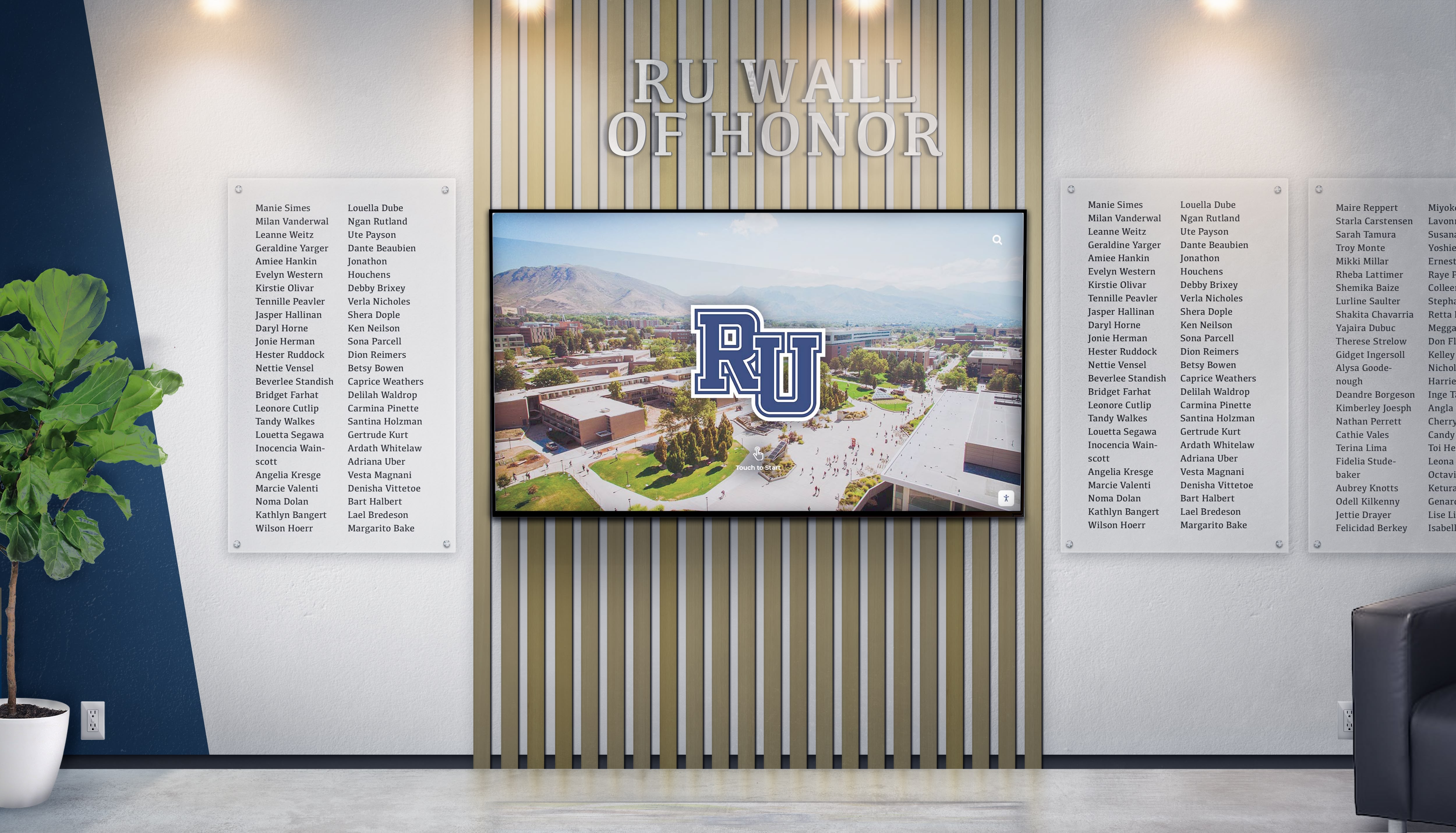
Physical thermometers, leaderboard displays, or digital recognition displays provide real-time updates that keep energy high throughout fundraising periods. Seeing progress motivates additional giving as people respond to visible momentum and competitive standings.
Fun First, Fundraising Second
Paradoxically, the most effective fundraising games succeed by prioritizing participant enjoyment over immediate revenue generation. When games genuinely entertain—making people laugh, creating memorable moments, fostering connection—participants develop positive associations with your organization that translate into sustained generosity extending far beyond the single event.
Design games people would want to play even without the fundraising component, then integrate giving opportunities naturally rather than forcing participation to feel transactional. The emotional connection created through shared enjoyment builds long-term donor relationships worth more than maximizing single-event revenue.
Clear Connection to Mission and Impact
While games should entertain, the most meaningful fundraising activities also connect participants to your organization’s mission and the real-world impact their contributions create. This doesn’t mean every game requires heavy-handed mission statements, but rather finding creative ways to illustrate how funds will be used while people play.
Mission-related trivia, impact milestones unlocking during games, beneficiary involvement in activities, or visual storytelling showing previous achievements funded by donors all help participants understand why their giving matters. This connection transforms games from simple entertainment into meaningful participation in work they care about.
Classic Fundraising Game Ideas for School Events
Certain fundraising games prove their effectiveness across decades and diverse school communities because they tap into universal competitive instincts while remaining accessible to broad participation.
Penny Wars
How It Works: Classrooms, grade levels, sports teams, or other groups compete to collect the most money in designated containers over a set period (typically one to two weeks). Pennies and bills add positive points to your team’s total, while silver coins (nickels, dimes, quarters) subtract points. This creates strategic gameplay where teams both accumulate pennies while sabotaging competitors with silver coins.
Why It Works: Penny wars succeed because students of all economic backgrounds can participate—even small change makes impact. The strategic element of adding to your team while sabotaging rivals creates ongoing engagement rather than one-time donations. Visible jars in hallways or common areas provide constant progress updates maintaining momentum throughout the campaign.
Implementation Tips: Create transparency by counting and announcing standings daily, consider grade-level divisions to ensure fair competition, establish clear rules about which coins/bills add versus subtract points, celebrate both winning teams and overall fundraising totals, and connect funds raised to specific programs or needs showing tangible impact.
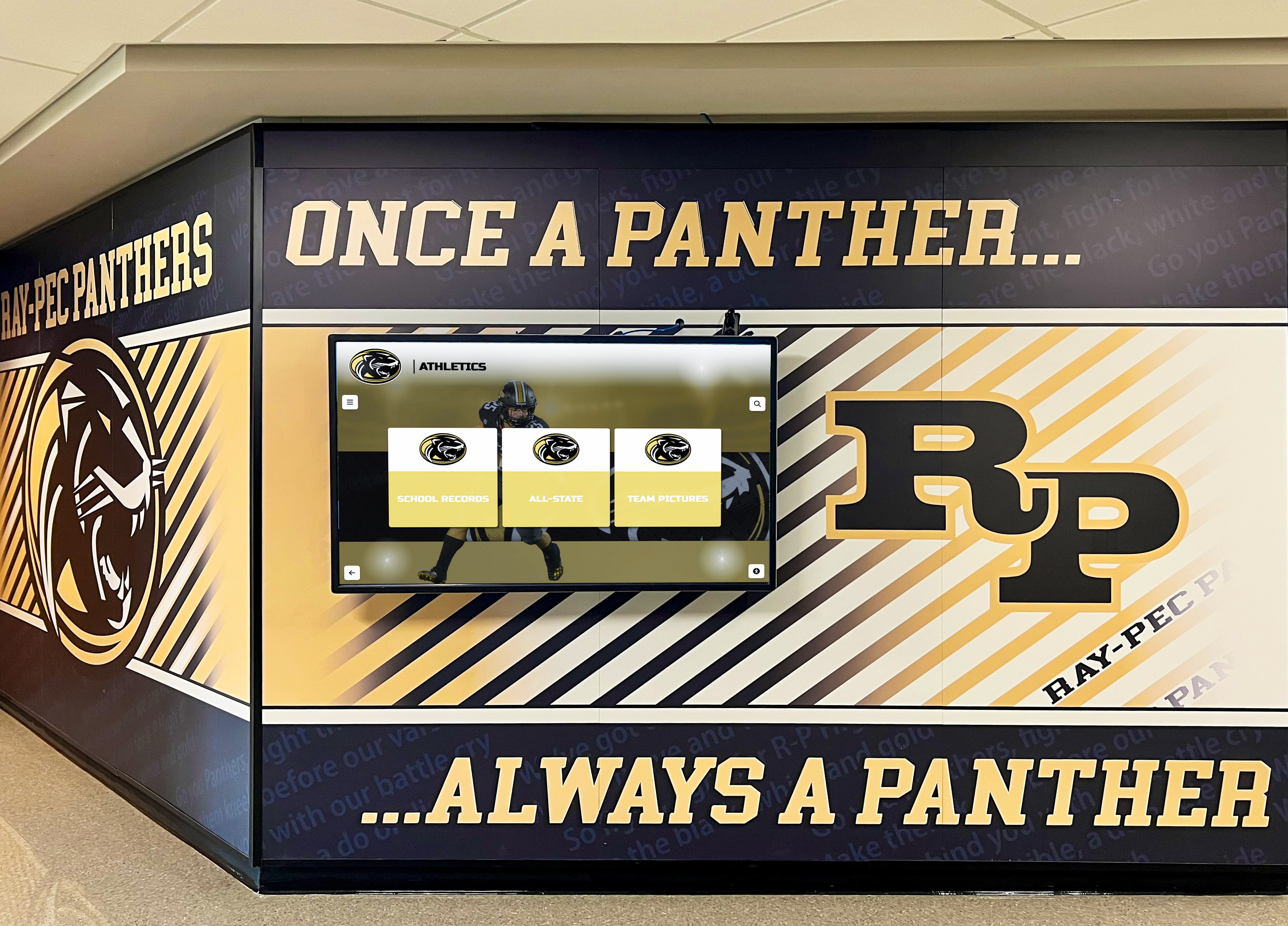
Schools often extend penny war recognition beyond the event by showcasing top contributing classes on student recognition displays that celebrate generosity as an achievement alongside academic and athletic honors.
Teacher Challenge Events
How It Works: Students pay entry fees to watch or participate in challenges featuring teachers, administrators, or staff members in entertaining scenarios—basketball games, talent shows, pie-throwing contests, dunk tanks, lip sync battles, or obstacle courses. The contrast between professional roles and playful activities creates entertainment value that drives participation.
Why It Works: Teacher challenges work because they invert normal power dynamics in ways students find genuinely entertaining while maintaining respect. They create memorable shared experiences across the school community and leverage the reality that students will pay to see authority figures in amusing situations. Staff willingness to embrace silliness for fundraising goals demonstrates commitment students appreciate.
Implementation Tips: Recruit enthusiastic staff willing to fully commit to entertainment value, promote events extensively in advance building anticipation, charge entry fees for participants or spectators, offer premium experiences (choose which teacher gets dunked, select music for lip sync, etc.) at higher donation levels, and video record events for future promotion and community building. Consider implementing fundraising games during pep rally events to maximize student engagement and participation.
Carnival Game Booths
How It Works: Transform gyms, cafeterias, or outdoor spaces into carnival atmospheres with multiple game stations—ring toss, balloon darts, bean bag toss, putting contests, basketball free throws, or cakewalk circuits. Participants purchase tickets or tokens to play games, win prizes, and enjoy festive atmosphere.
Why It Works: Carnival formats allow varied participation—families with young children, students, alumni, and community members all find appropriate games. Multiple stations prevent bottlenecks while creating vibrant energy as people move between activities. Prize incentives motivate play while tokens or tickets allow budget control as families decide their spending levels.
Implementation Tips: Price games at multiple levels creating varied revenue opportunities, recruit volunteers to run stations (reducing costs), source prizes through donations from local businesses, create package deals (10 tickets for $8 instead of $1 each) encouraging larger purchases, design games with adjustable difficulty matching participant ages, and incorporate school spirit themes in decorations and game designs.
Many schools integrate carnival fundraisers with broader school club fundraising initiatives, assigning each club a booth to run while keeping game revenue for their specific programs.
Auction Games and Raffles
How It Works: Rather than traditional silent auctions with single winners, auction games incorporate competitive elements where multiple donors win prizes, unlock rewards at funding milestones, or participate in progressive jackpots. Variations include heads-or-tails elimination games, reverse auctions, balloon pops revealing prizes, or mystery box auctions.
Why It Works: Auction games succeed by creating multiple winners rather than leaving most participants empty-handed. The game mechanics maintain engagement and suspense throughout events rather than culminating in single moments. Progressive formats where pots grow as participation increases create excitement and FOMO (fear of missing out) driving last-minute contributions.
Implementation Tips: Explain rules clearly before starting to ensure everyone understands gameplay, use engaging emcees maintaining energy and entertainment value, incorporate theatrical elements (dramatic music, lighting, countdown timers) building suspense, price entry affordably while securing donated prizes keeping costs low, and celebrate all participants not just winners, acknowledging generosity regardless of outcome.
Innovative Fundraising Games for Nonprofit Events
Nonprofit fundraising events often target adult audiences with different entertainment preferences and giving capacities compared to school-focused campaigns. These sophisticated game ideas maintain playfulness while appealing to mature donors.
Mission Trivia Competitions
How It Works: Teams compete in trivia competitions featuring questions related to your nonprofit’s mission area, organizational history, impact statistics, and relevant current events. Teams purchase entry fees, with additional fundraising through question sponsorships, answer insurance purchases, or “phone a friend” lifelines supporting your cause.
Why It Works: Mission trivia educates donors about your work while entertaining them, creating meaningful engagement beyond simple donation requests. Competitive elements motivate participation while team formats encourage groups of friends or colleagues to attend together, expanding your donor pool. Knowledge-based games appeal to professional donors who might avoid physical competitions.
Implementation Tips: Balance question difficulty keeping games competitive without frustrating participants, incorporate multimedia elements showing photos or video clips related to questions, allow teams to select creative names reflecting personality, recognize both trivia winners and top fundraising teams separately, mix serious mission questions with lighter pop culture content maintaining energy, and provide facts or stories after answers connecting to your organization’s impact.
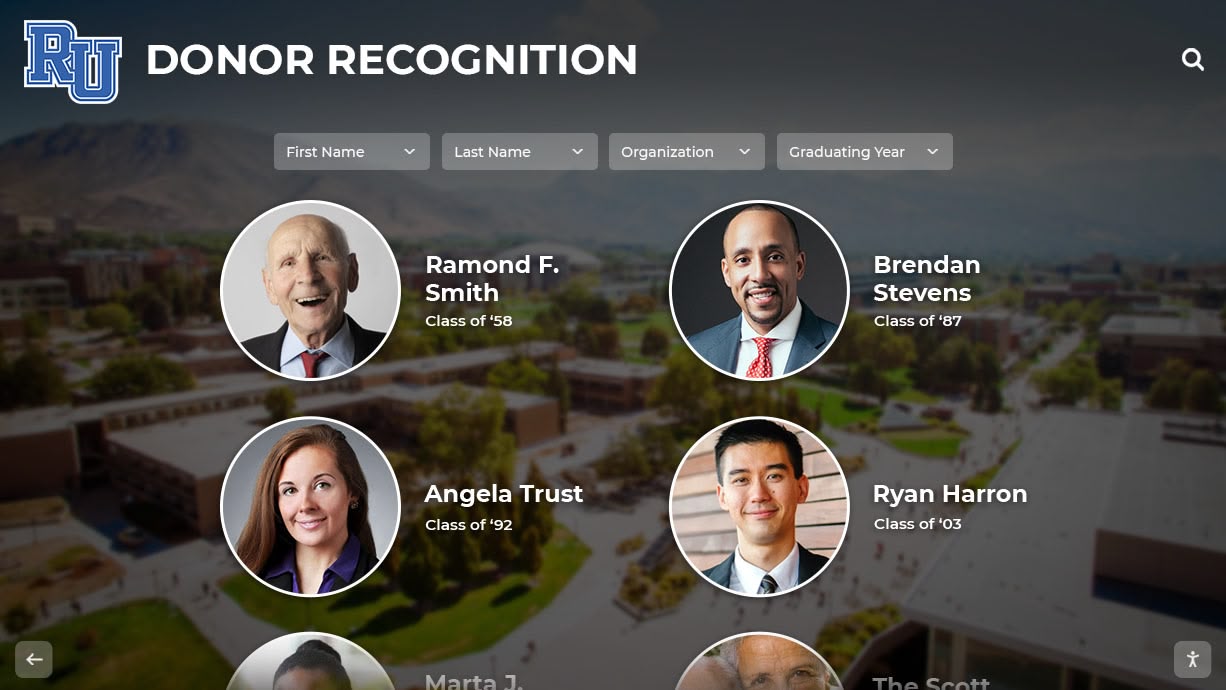
Many nonprofits showcase trivia winners and top fundraising teams on digital donor recognition walls that provide year-round visibility while honoring both competitive achievement and philanthropic generosity.
Board Challenge Campaigns
How It Works: Board members commit to specific fundraising challenges with playful consequences—if collective board giving reaches certain thresholds, individual board members perform entertaining tasks like singing at events, shaving heads or beards, wearing costumes to meetings, or tackling physical challenges. Donors contribute toward unlocking these entertaining scenarios.
Why It Works: Board challenges demonstrate leadership commitment through willingness to embrace public silliness for organizational mission. They humanize board members who donors might otherwise perceive as distant authority figures. The concrete, visible nature of challenges creates clear giving goals with entertaining payoffs donors can anticipate.
Implementation Tips: Ensure board members genuinely commit to follow-through maintaining donor trust, set realistic funding thresholds that challenge but don’t discourage giving, promote challenges extensively through email campaigns and social media building anticipation, video record challenge completions for future stewardship and promotional content, and connect challenge milestones to specific program needs showing how fun translates into real mission impact.
Giving Level Competitions
How It Works: Create friendly competition between donor giving levels, geographic regions, age demographics, or affinity groups. Display real-time progress showing which groups are participating most actively, which regions have highest participation rates, or which demographics are leading in average gift sizes. Incorporate leaderboards, percentage-to-goal thermometers, or challenge grants unlocking when specific groups reach milestones.
Why It Works: Competition taps into group identity and pride, motivating donors to ensure their demographic is well-represented. Public recognition of participation rates (not just total dollars) allows groups with varying economic resources to compete meaningfully. Challenge grants create urgency and demonstrate that individual giving can unlock larger contributions.
Implementation Tips: Frame competition positively around participation rather than criticizing underperforming groups, celebrate achievements of all segments regardless of rankings, use challenge grants strategically to incentivize specific groups needing engagement, provide multiple ways to “win” (highest participation rate, most improvement, largest total, etc.) ensuring varied success stories, and maintain transparency through frequent updates sustaining momentum throughout campaigns.
Digital solutions like interactive kiosk systems allow nonprofits to display real-time giving level competitions during galas or in lobbies, creating visual excitement around campaign progress.
Live Pledge Matching Games
How It Works: During live events, incorporate interactive matching gift games where major donors pledge to match contributions made during specific time windows, for designated programs, or toward particular goals. Create theater around match activations with countdown timers, emcee announcements, visual displays showing match dollars unlocking in real-time, and celebration when thresholds are reached.
Why It Works: Matching gifts double donor impact while creating urgency—gifts made during specific windows leverage existing donations into larger totals. The time-limited nature creates FOMO driving immediate action rather than delayed decisions. Visual activation of match dollars provides concrete, immediate gratification as donors see their contributions instantly doubled.
Implementation Tips: Secure matching commitments before events ensuring you can deliver promises, create urgency through specific time limits or quantity caps, display match activation visually through digital displays or projection screens, use engaging emcees building excitement around matches, vary match parameters throughout events maintaining novelty (some matches double gifts, others triple, some focus on new donors, others on specific programs), and celebrate both match donors and those whose gifts activate matches.
Interactive Fundraising Games for All-Ages Events
Community fundraisers often involve diverse age groups requiring inclusive activities where children, parents, grandparents, and individuals of all abilities can participate meaningfully.
Team Relay Fundraisers
How It Works: Teams compete in relay races incorporating varied challenges—physical tasks like three-legged races or wheelbarrow walks, mental puzzles, creative challenges like building structures or creating artwork, or mission-related tasks connecting to your organization’s work. Teams pay entry fees while spectators can sponsor specific teams, purchase power-ups giving advantages, or donate to create obstacles for rival teams.
Why It Works: Relay formats create natural team bonding and spectator engagement as people cheer for their groups. Varied challenge types within single relays ensure everyone can contribute—physical competitions, problem-solving, creativity, or knowledge. The combination of participation fees, sponsorships, and spectator donations creates multiple revenue streams from single events.
Implementation Tips: Design challenges requiring teamwork rather than individual superstar performance, incorporate all age groups by having team requirements (must include one child, one senior, etc.), provide multiple difficulty options letting teams choose challenge levels, create dramatic emcee commentary maintaining energy, celebrate creative problem-solving and team spirit alongside winning times, and connect relay themes to your mission making activities feel purposeful beyond simple entertainment.
Scavenger Hunt Fundraisers
How It Works: Participants purchase entry into community-wide or facility-based scavenger hunts with lists of items to find, tasks to complete, photos to capture, or challenges to accomplish. Incorporate progressive entry fees, fundraising minimums to participate, corporate sponsorships of specific hunt items, or donation-based clue reveals helping teams complete hunts faster.
Why It Works: Scavenger hunts create extended engagement throughout days or weeks rather than brief event windows. They encourage exploration of your community or facility while incorporating educational elements about your mission. Photo-based hunts generate social media content as teams share progress, providing free promotion and FOMO encouraging last-minute entries.
Implementation Tips: Design hunts with adjustable difficulty accommodating casual participants and competitive enthusiasts, incorporate sponsor recognition by naming hunt items or locations after donors, create categories allowing different age groups to compete appropriately, use online platforms or apps for submission and real-time leaderboards, combine physical challenges with knowledge tasks and creative photo opportunities ensuring varied engagement types, and conclude with celebration events where participants share stories and photos while you announce winners and fundraising totals.
Schools successfully integrate scavenger hunts with broader student council programming, creating campus-wide engagement that builds community while raising funds.
Bingo Fundraisers with a Twist
How It Works: Elevate traditional bingo beyond basic gameplay by incorporating themed variations—music bingo using songs instead of numbers, trivia bingo answering questions to mark squares, photo bingo featuring images related to your mission, or progressive jackpot bingo where pots grow throughout events. Sell cards, offer special game variations at premium prices, and create blackout rounds with major prizes.
Why It Works: Bingo’s simplicity welcomes participants of all ages and abilities while competitive elements maintain engagement. The game naturally creates suspense as players approach winning patterns. Multiple rounds allow varied entry points—people can purchase cards for single games or discounted packages, adjusting spending to budgets while staying involved throughout events.
Implementation Tips: Secure donated prizes keeping costs low while offering attractive incentives, create atmosphere through music, decorations, and energetic callers maintaining entertainment value beyond basic gameplay, offer food and beverage sales generating additional revenue, design varied game patterns preventing predictability (straight lines, four corners, blackout, specific shapes), incorporate “luck jar” donations where players contribute for additional chances, and consider virtual bingo options expanding participation beyond physical event attendance.
Digital and Hybrid Fundraising Game Ideas
Modern fundraising increasingly incorporates digital elements allowing broader participation, extended campaign timelines, and enhanced engagement tracking that amplify traditional game effectiveness.
Virtual Challenge Campaigns
How It Works: Participants commit to completing physical or creative challenges over set time periods—walking 10,000 steps daily for a month, reading specific book quantities, completing acts of kindness, learning new skills, or accomplishing mission-related activities. Participants fundraise through personal donation pages while supporters sponsor their challenge completion.
Why It Works: Virtual challenges remove geographic barriers allowing distributed communities to participate together. Extended timelines create ongoing engagement rather than single-event participation. Personal challenge pages transform participants into peer-to-peer fundraisers expanding donor pools beyond your existing contacts. Progress tracking apps and social sharing create accountability and promotion driving donations.
Implementation Tips: Provide multiple challenge options accommodating different abilities and interests, create online communities where participants share progress and encourage each other, incorporate milestone recognition celebrating effort regardless of completion, use tracking apps or platforms simplifying progress logging and social sharing, combine virtual participation with optional in-person celebration events, and connect challenges directly to mission impact (miles walked equals children served, books read equals students educated, etc.).
Organizations often showcase virtual challenge participants and top fundraisers on digital recognition platforms that celebrate commitment publicly while inspiring continued engagement.
Online Auction Games
How It Works: Move beyond traditional online auctions by incorporating game mechanics—mystery item auctions revealing prizes only after bidding closes, auction poker where bidding patterns create poker hands determining winners, auction bingo combining purchased cards with auction lot numbers, or progressive auctions where item values increase as participation grows.
Why It Works: Game elements maintain engagement throughout auction periods rather than brief bidding moments. Mystery and competition create entertainment value beyond simple item acquisition. Online formats allow convenient participation from home while maintaining excitement through countdown timers, outbid notifications, and leaderboard displays.
Implementation Tips: Use auction platforms with mobile-friendly interfaces ensuring convenient participation, communicate rules clearly before launches preventing confusion, incorporate emailed or texted updates maintaining engagement throughout auction periods, create tiered entry levels accommodating various budgets, combine auction games with live streaming events providing social connection and entertainment, and recognize top bidders publicly through digital displays or social media celebrating their generosity and competitive success.
Social Media Fundraising Challenges
How It Works: Create viral-style challenges encouraging social media sharing—dance challenges, ice bucket-style campaigns, photo challenges, storytelling campaigns, or creative competitions. Participants donate to join challenges, nominate friends who donate to accept nominations, and share content across networks expanding awareness and participation exponentially.
Why It Works: Social sharing exponentially expands campaign reach beyond existing supporter networks. User-generated content creates authentic promotion more compelling than organizational marketing. The nomination structure creates positive peer pressure and FOMO driving participation. Visual content performs well on algorithms, increasing organic reach without advertising costs.
Implementation Tips: Design challenges simple enough to go viral while meaningful enough to connect to mission, create clear hashtags facilitating tracking and creating community around campaigns, provide templates or examples lowering participation barriers, celebrate early adopters generating momentum and examples for others, track metrics showing reach and engagement validating participant impact, partner with influencers or community leaders modeling participation, and maintain flexibility adapting to how communities naturally evolve challenges rather than rigidly controlling execution.
Maximizing Fundraising Game Impact Through Recognition
Fundraising games generate immediate revenue, but their greatest value often comes through relationship building and sustained donor engagement extending far beyond single events. Recognition strategies amplify game effectiveness by celebrating participation, demonstrating impact, and maintaining momentum.
Real-Time Recognition During Events
Immediate acknowledgment during fundraising game events validates participant generosity while creating social proof that motivates additional giving. Recognition strategies include:
- Live leaderboard updates showing standings on projection screens or digital displays creating competitive energy
- Public thank-yous from emcees or organizational leaders acknowledging specific donors and their contributions
- Social media shout-outs featuring photos of participants, teams, or donors generating social validation and encouraging others to join
- Visible progress tracking through thermometers, percentage displays, or milestone announcements demonstrating collective impact
- Celebration moments when goals are reached, matches are activated, or records are broken
Real-time recognition transforms individual giving into shared celebration creating memorable experiences donors associate with your organization. The public nature provides social incentives while demonstrating that every contribution matters toward collective success.
Post-Event Donor Recognition
Sustaining relationships after fundraising game events requires thoughtful follow-up recognition connecting immediate participation to long-term organizational appreciation:
Personalized Thank-You Communications: Beyond generic receipts, send personalized messages acknowledging specific participation—team names they chose, games they played, challenges they completed. Reference shared moments from events showing you noticed their involvement beyond just financial contributions.
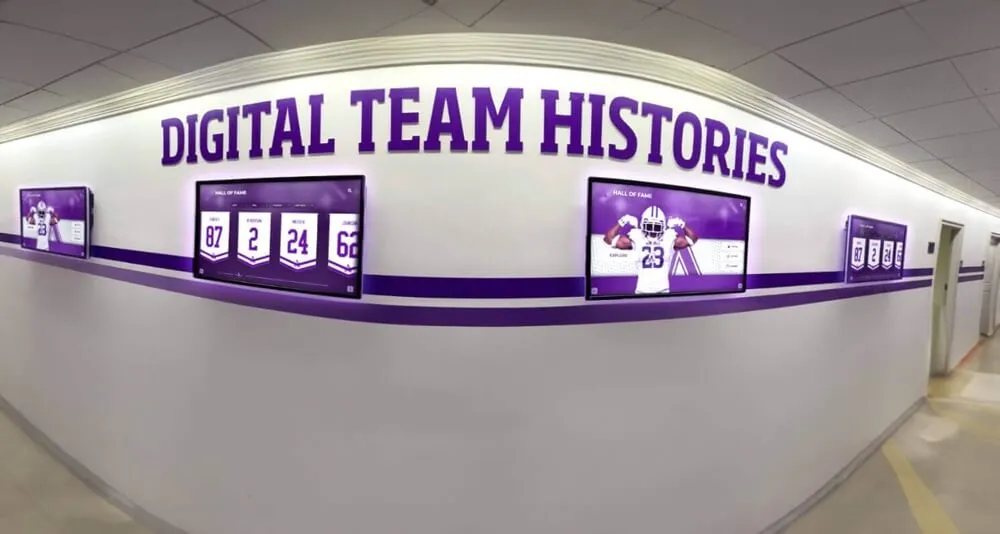
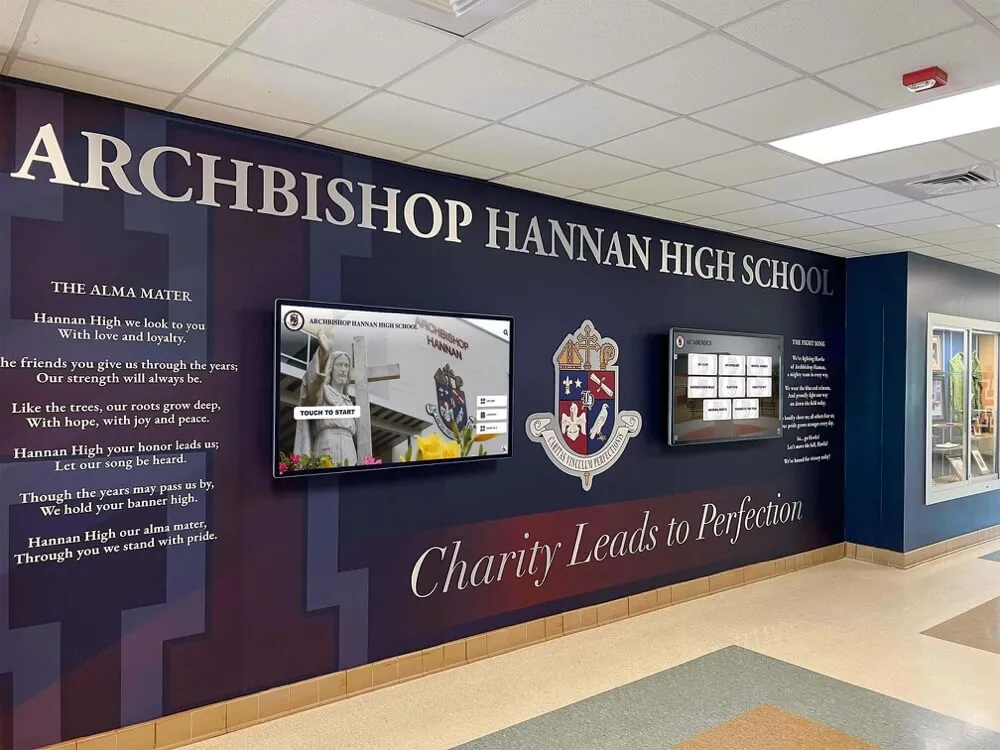
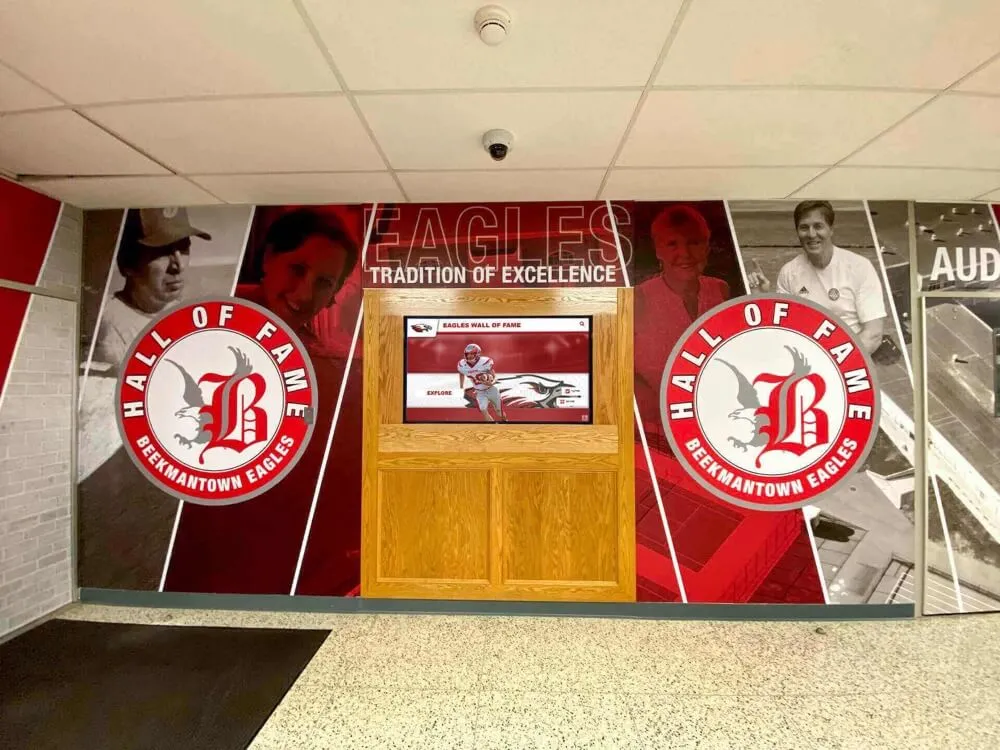
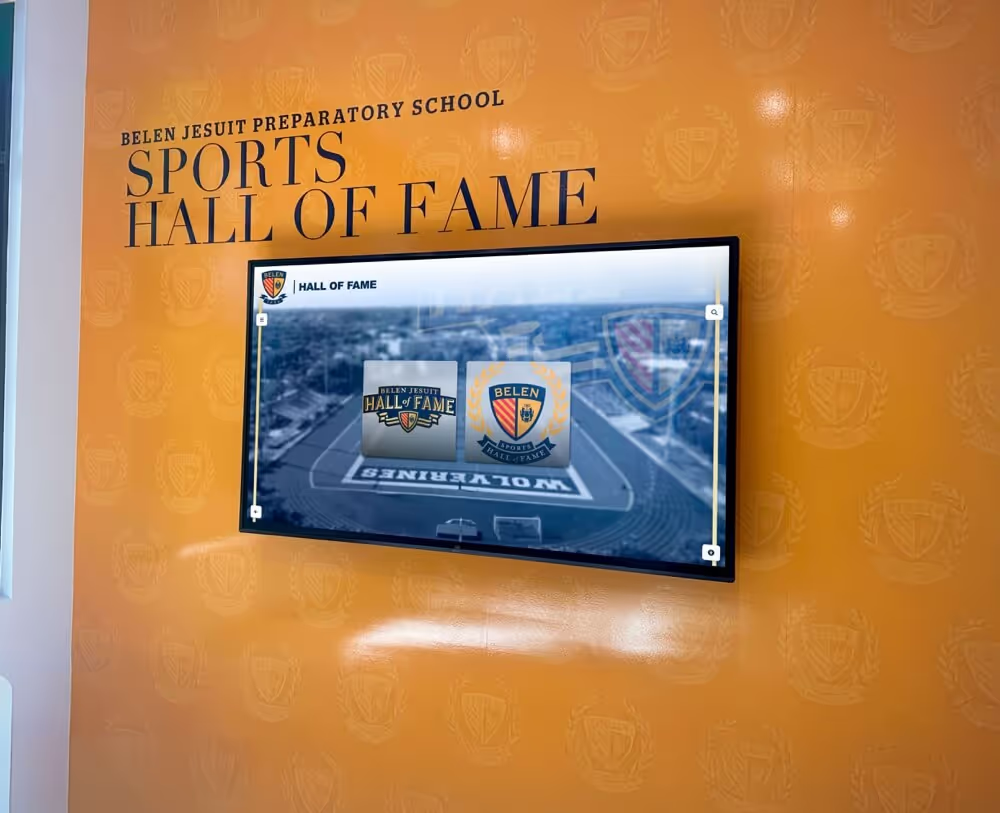
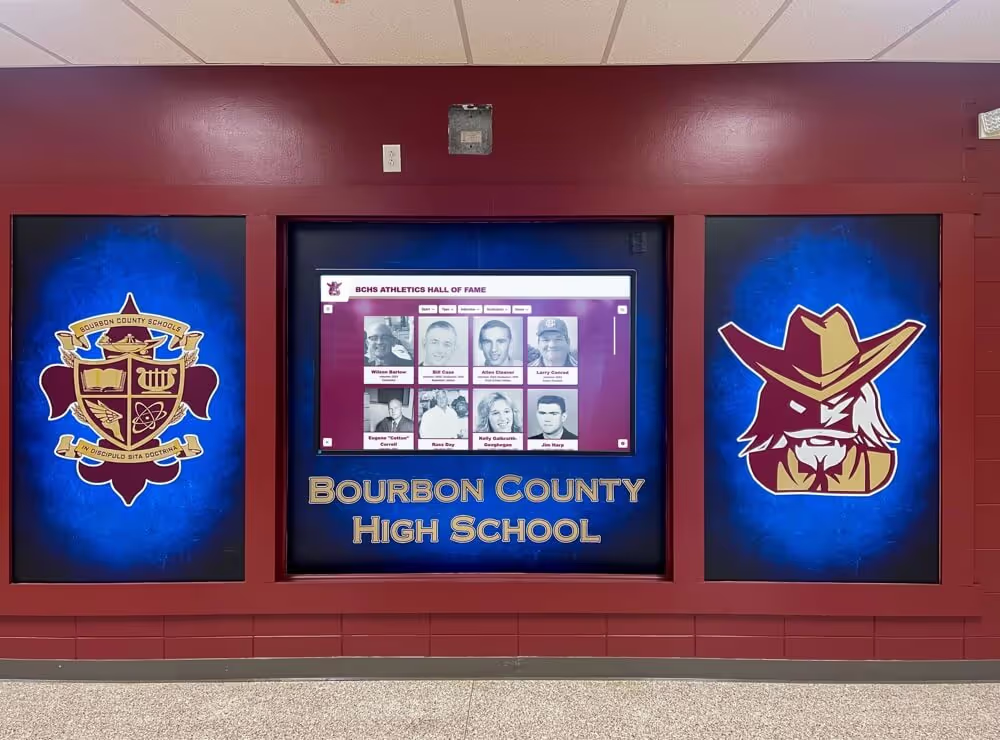
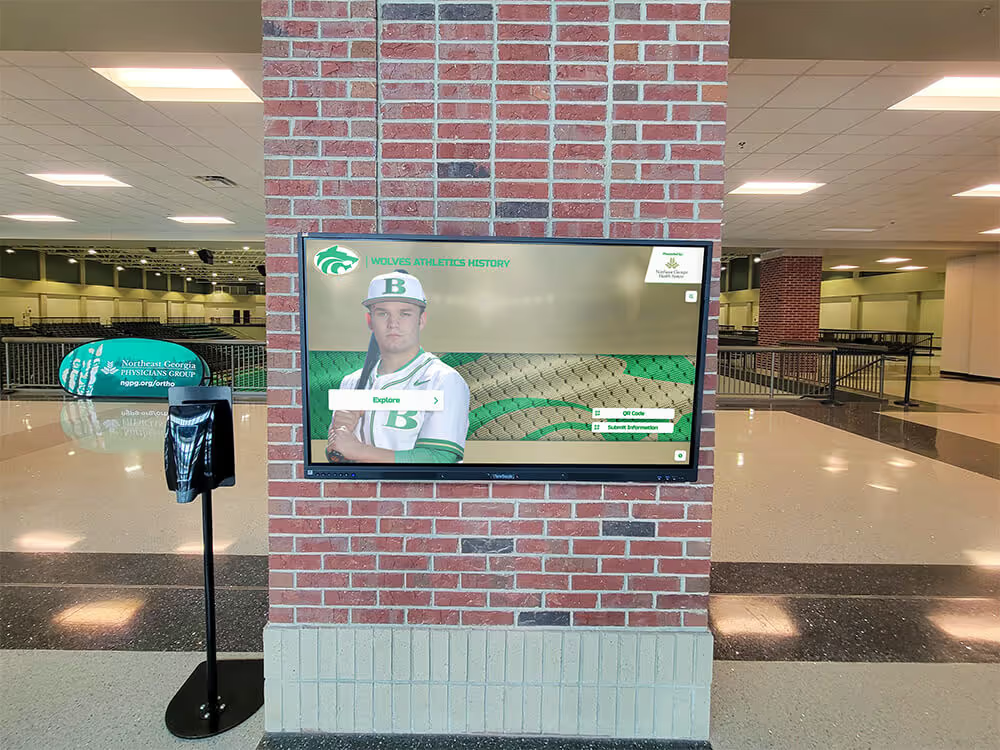
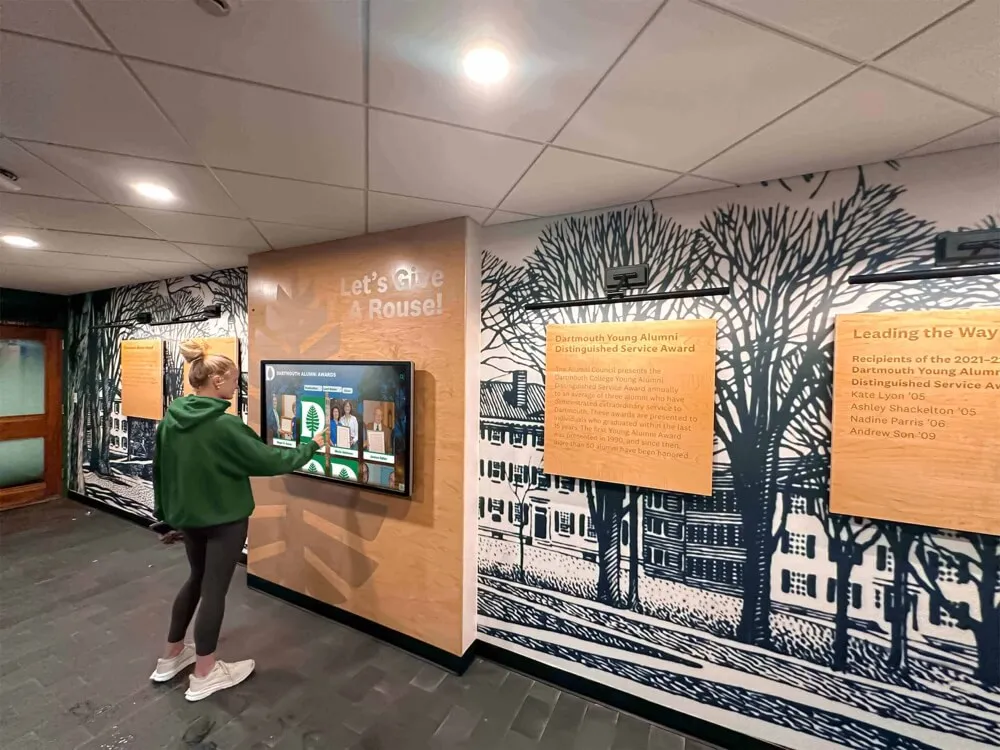
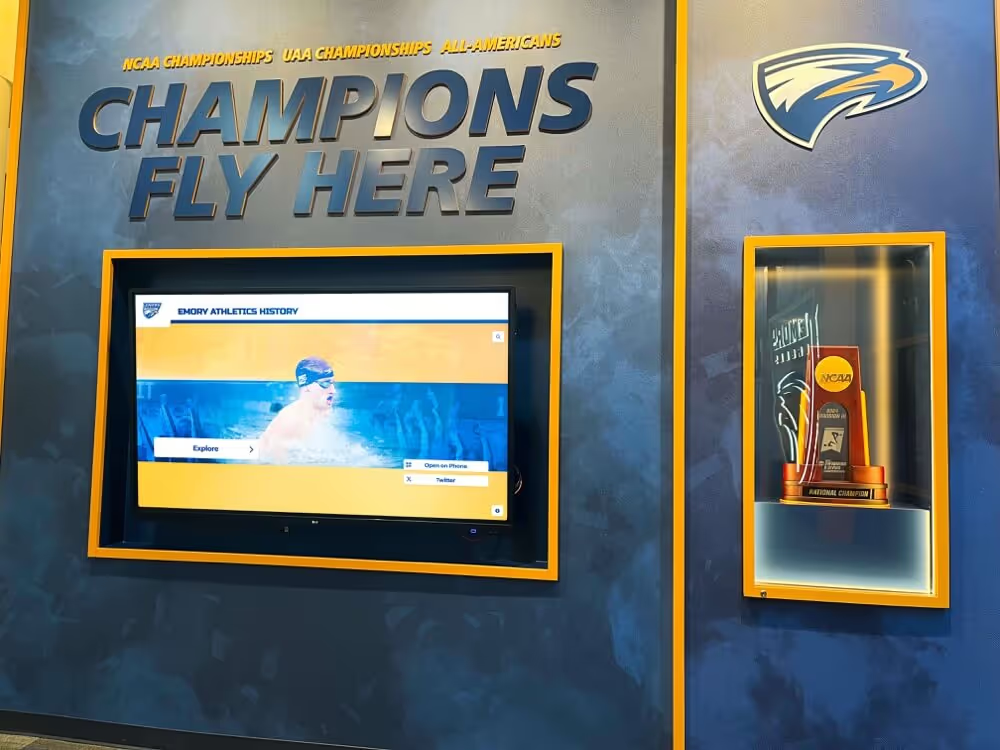
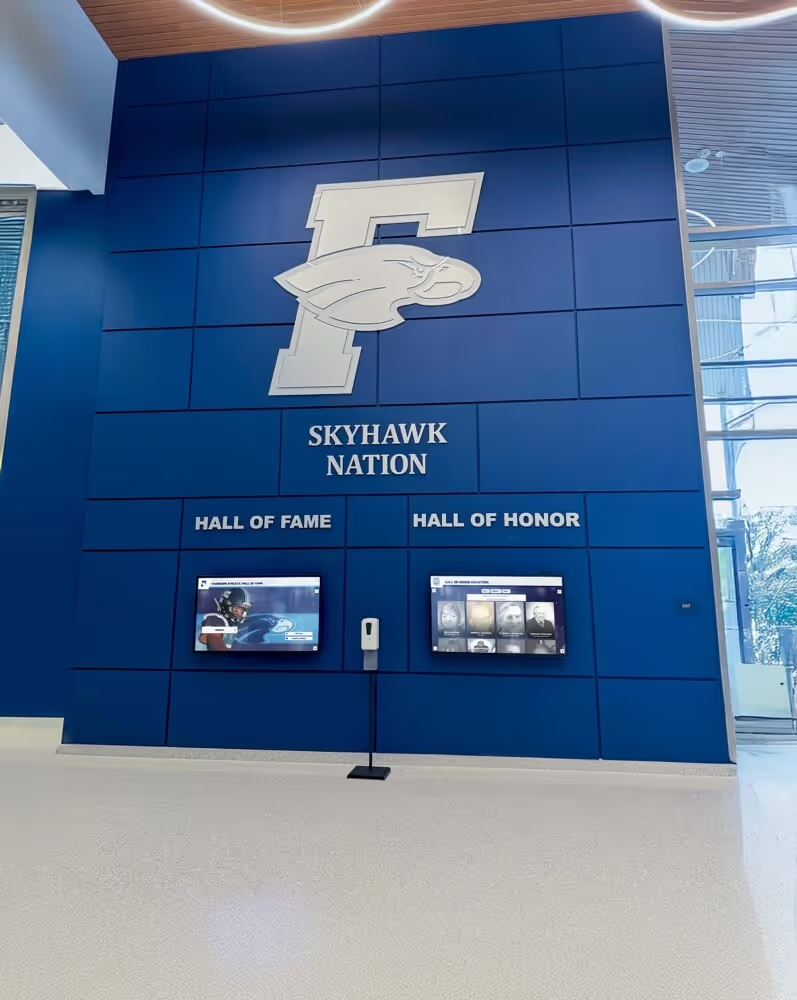
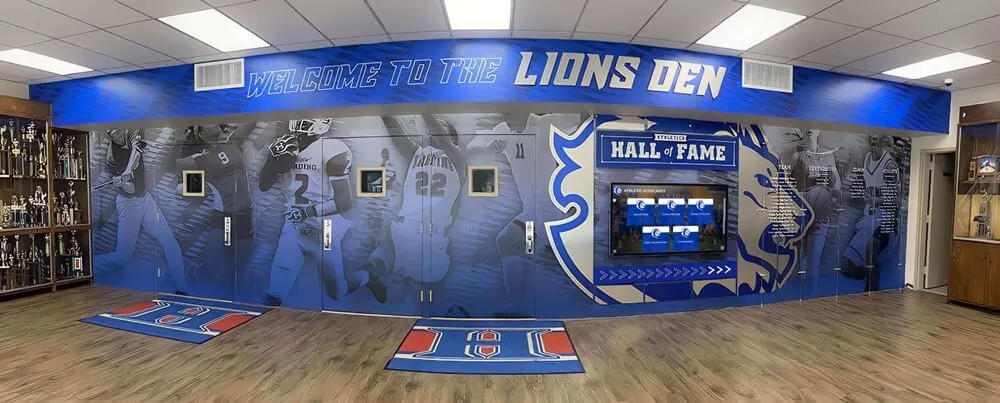
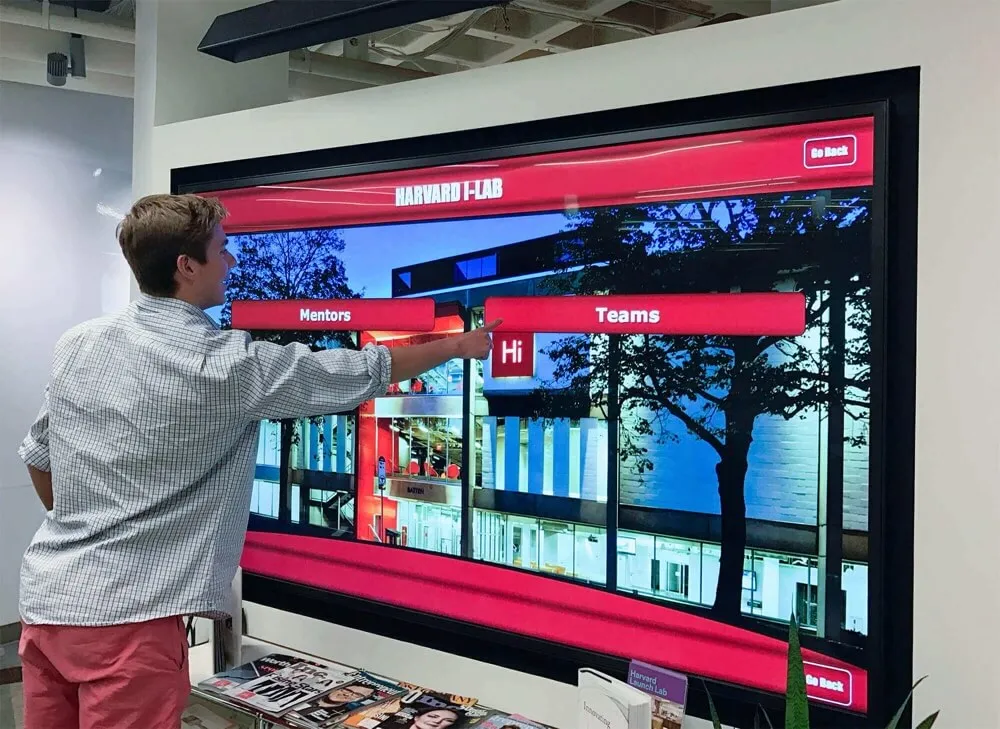
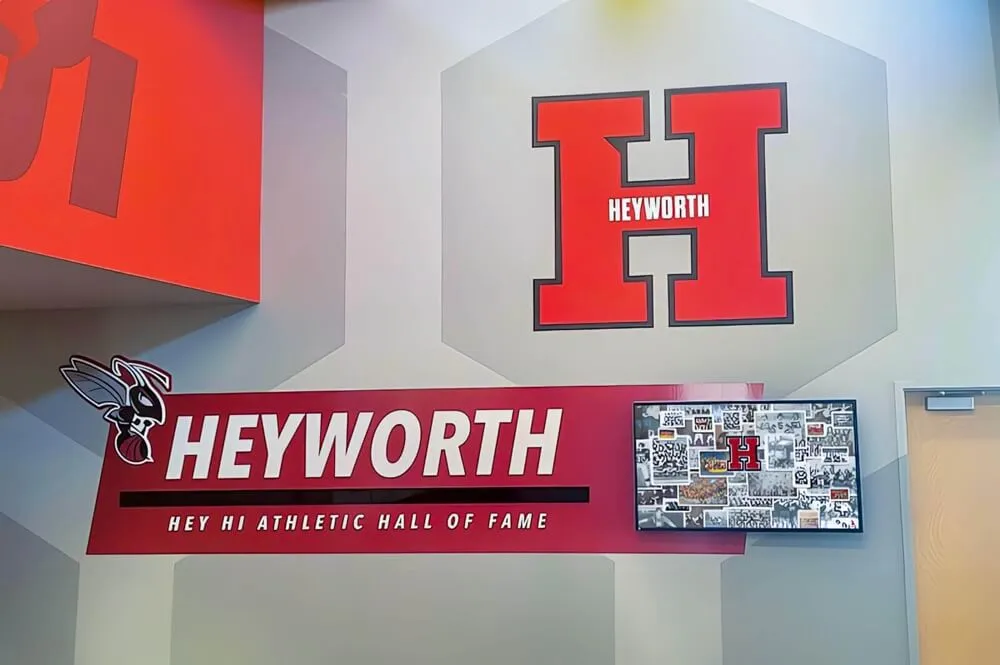
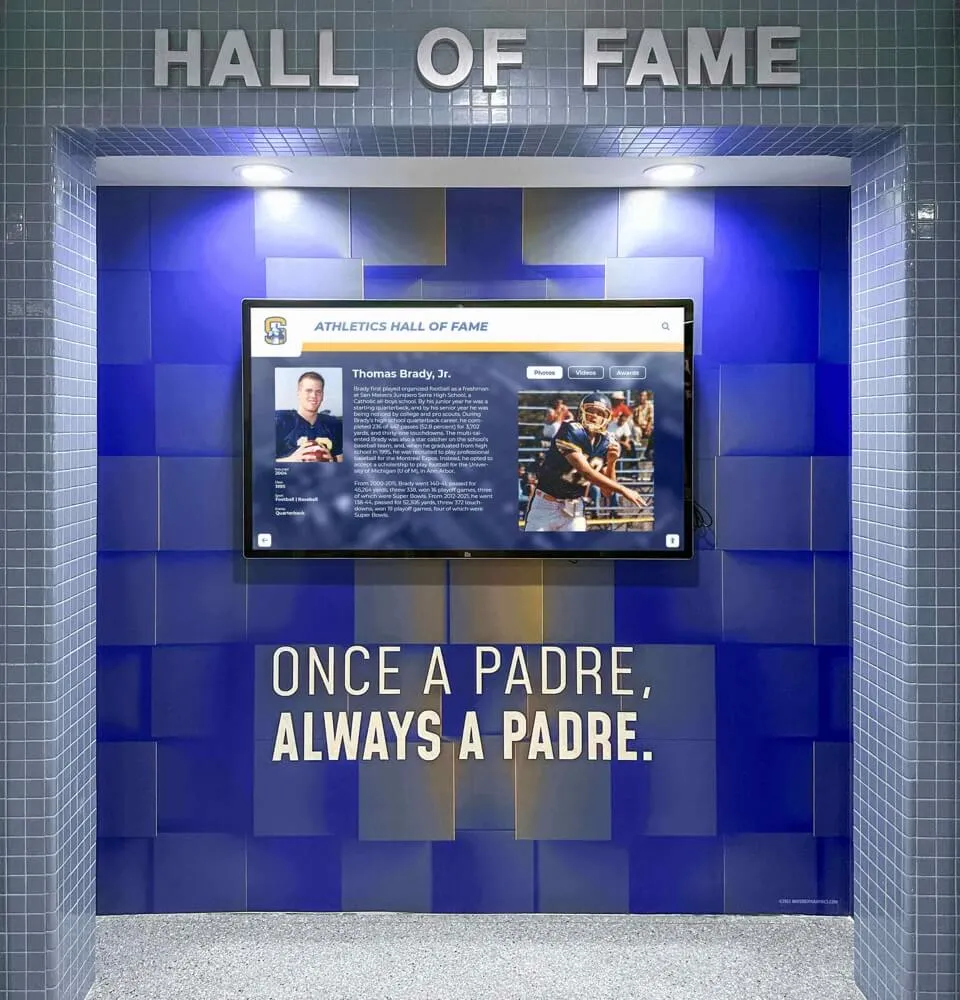
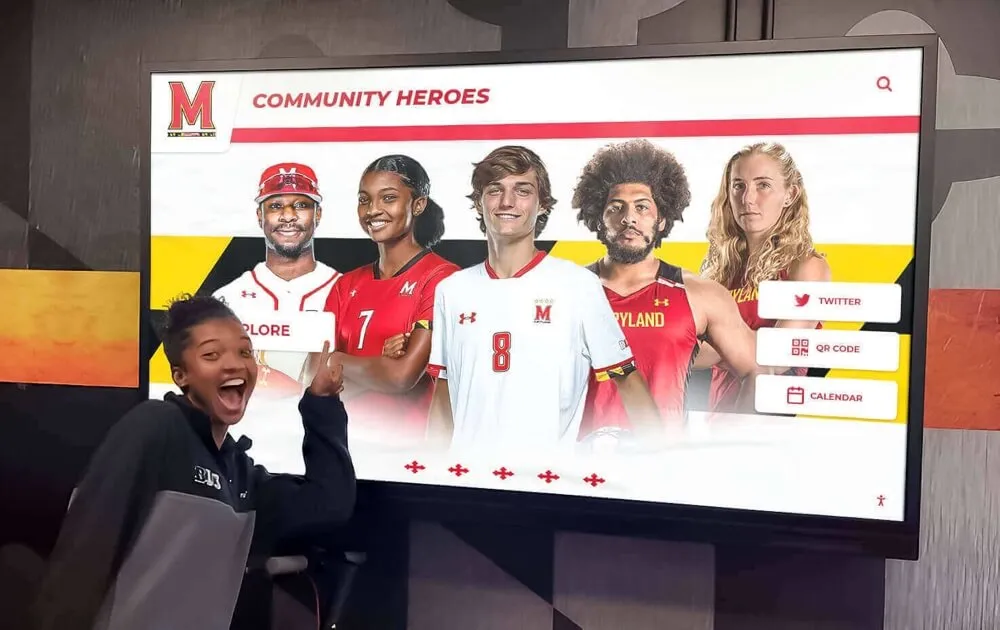
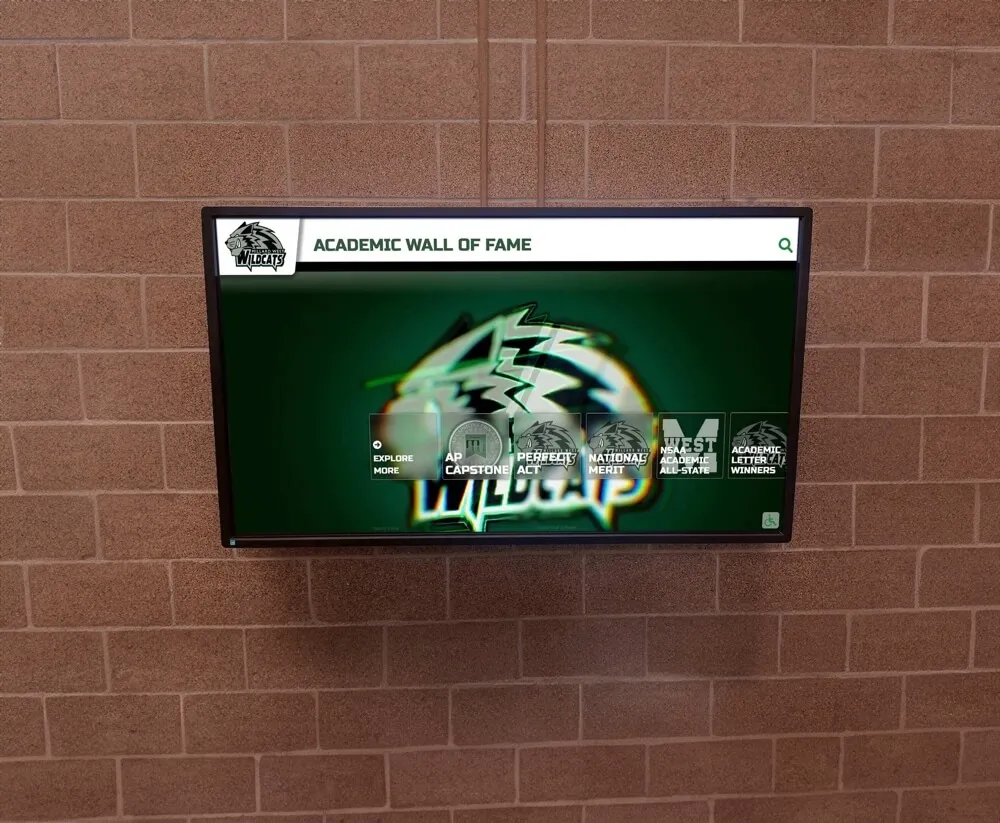
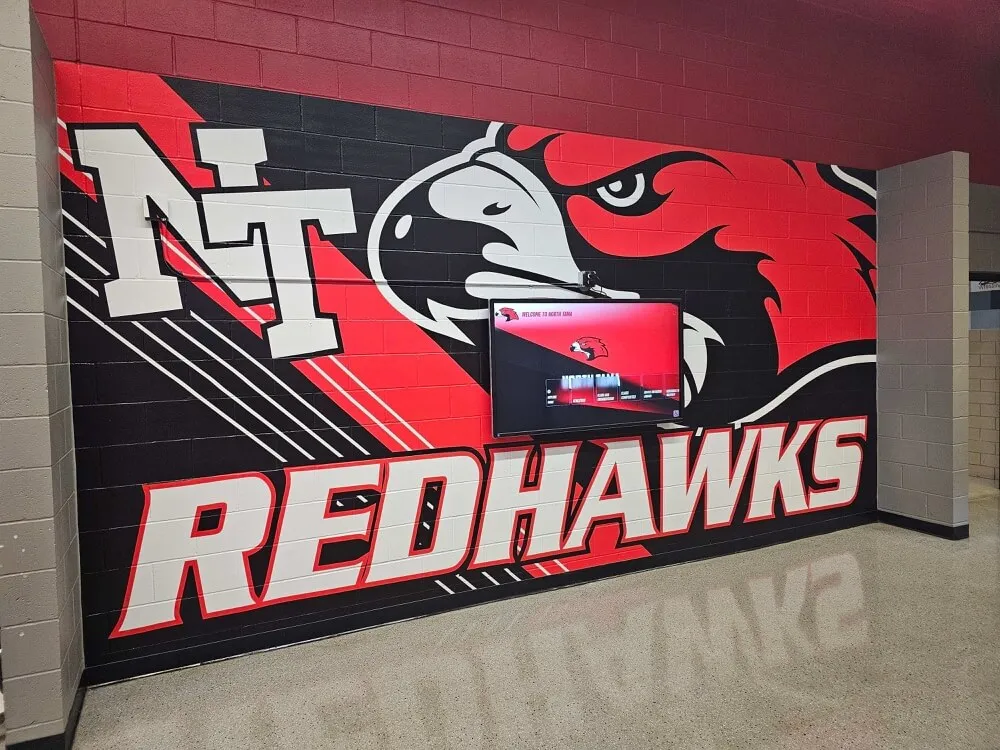
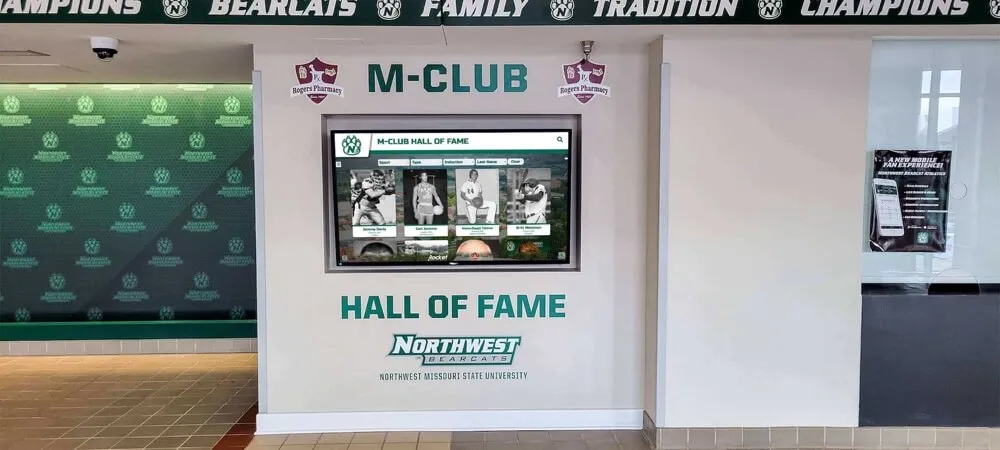
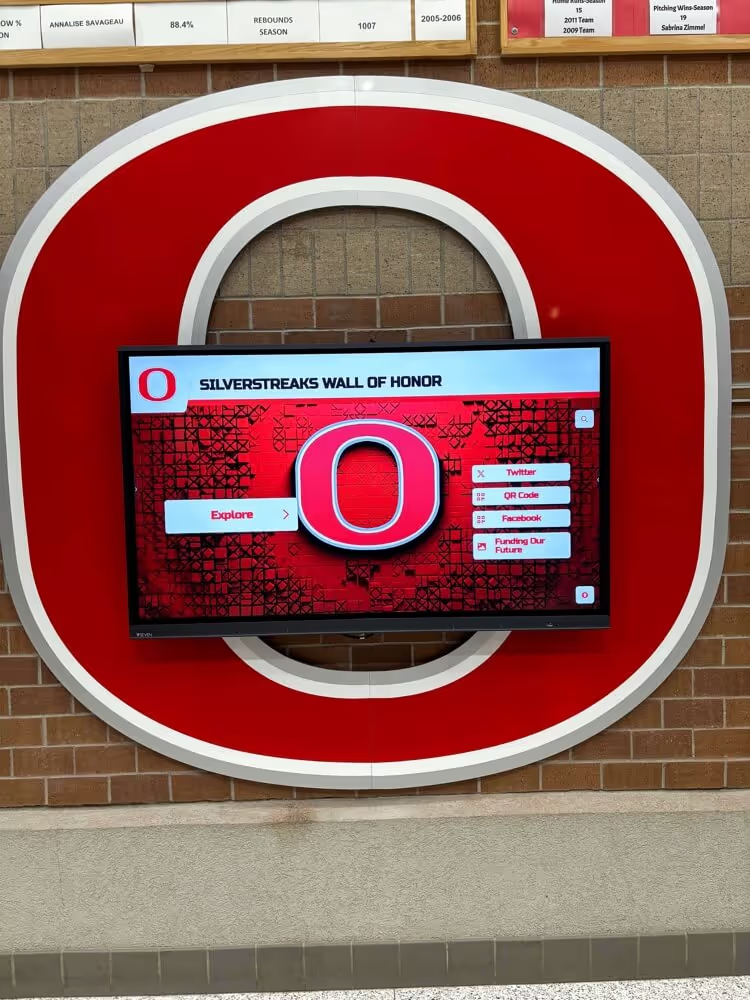
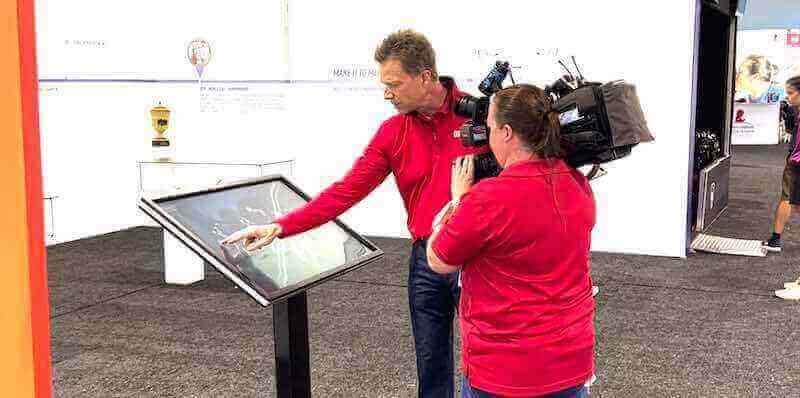
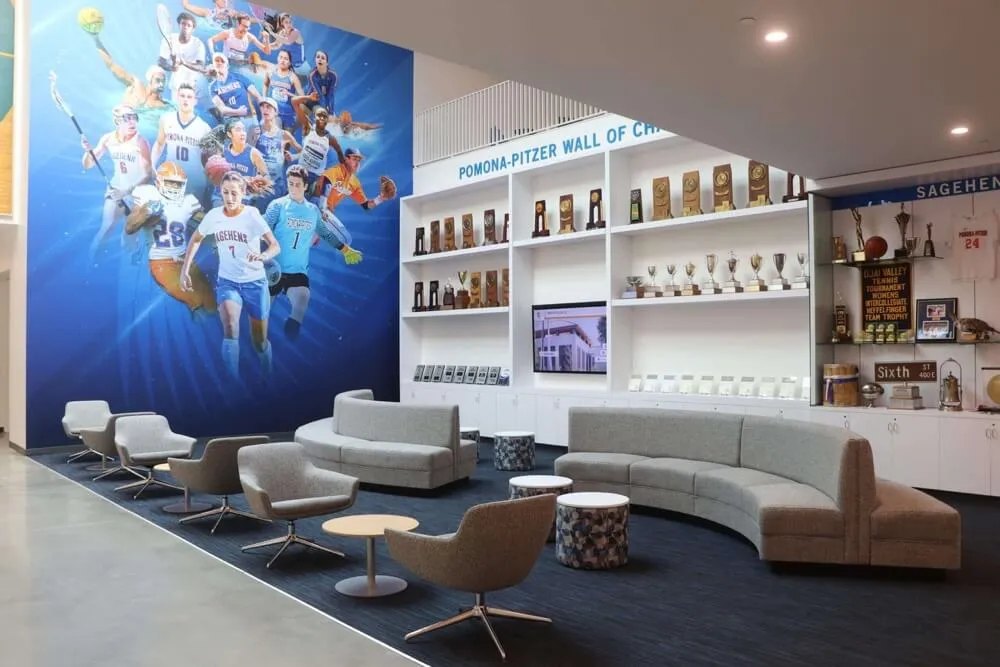
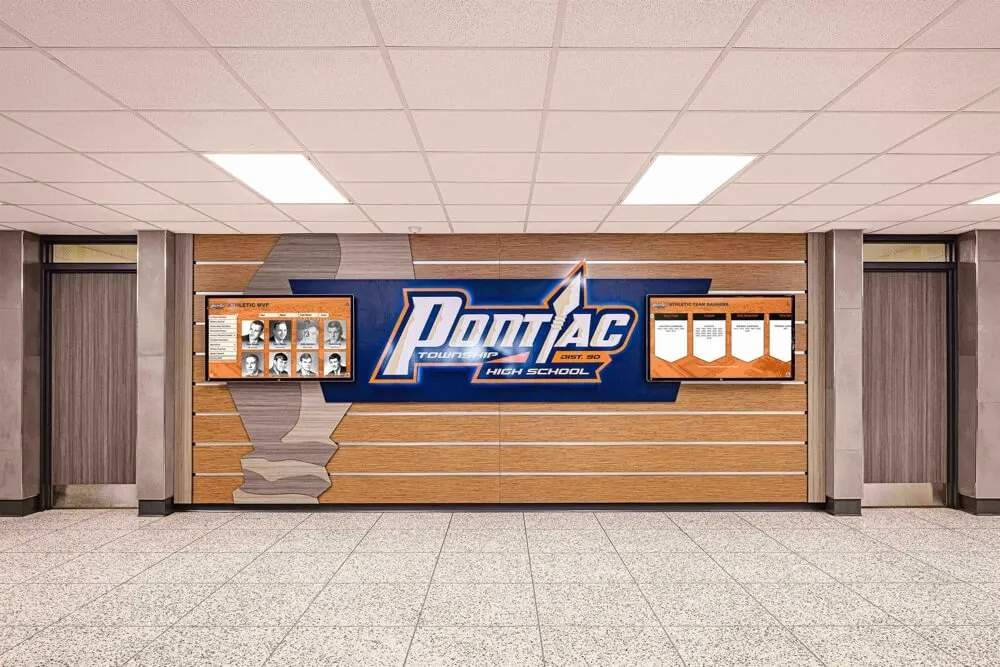
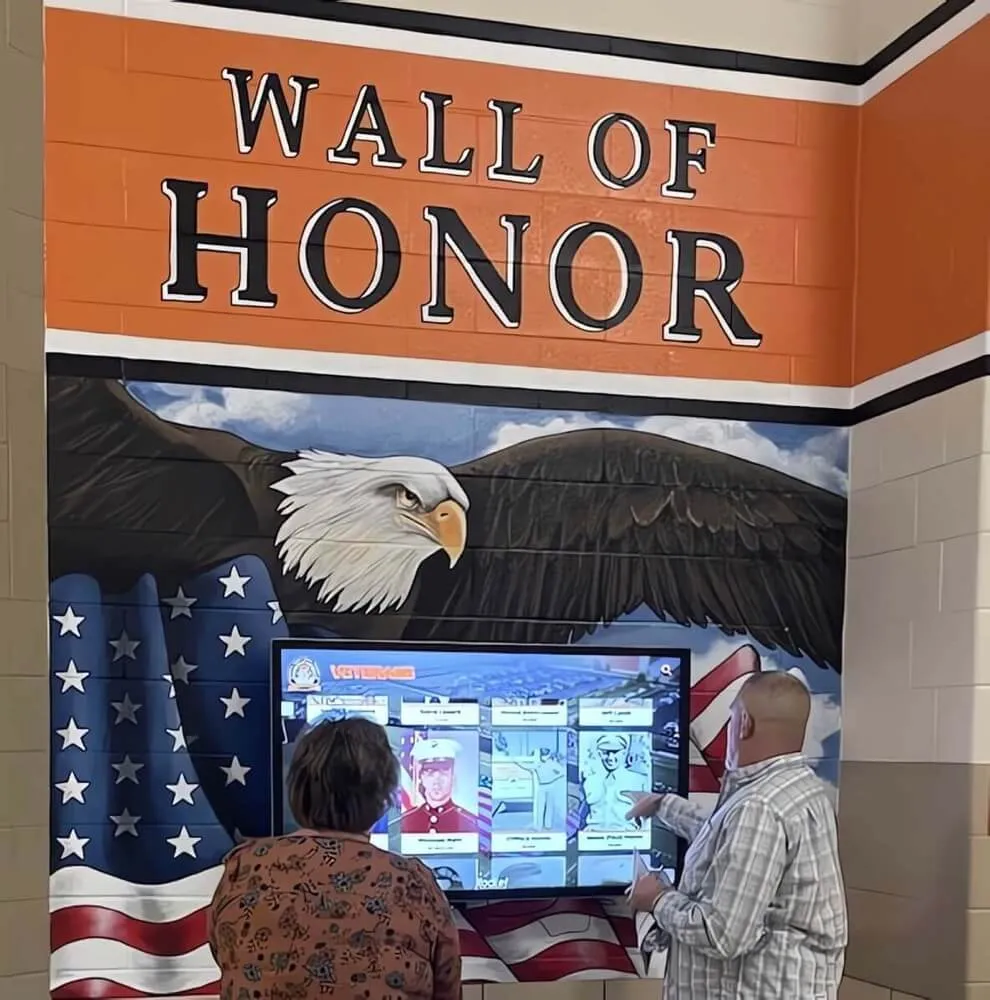
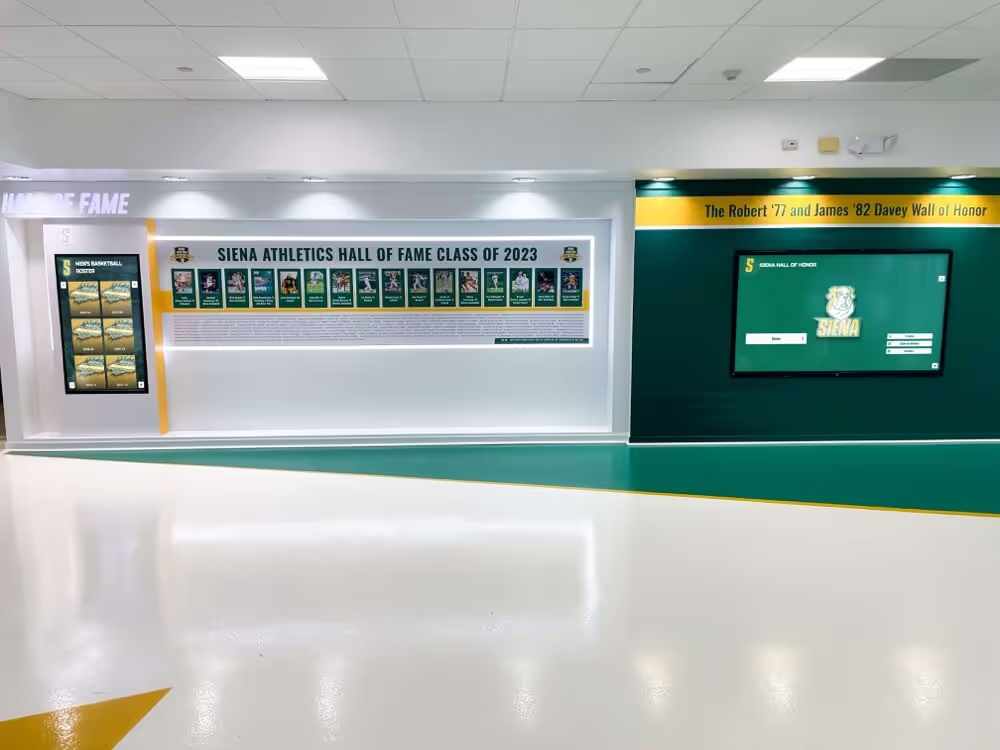
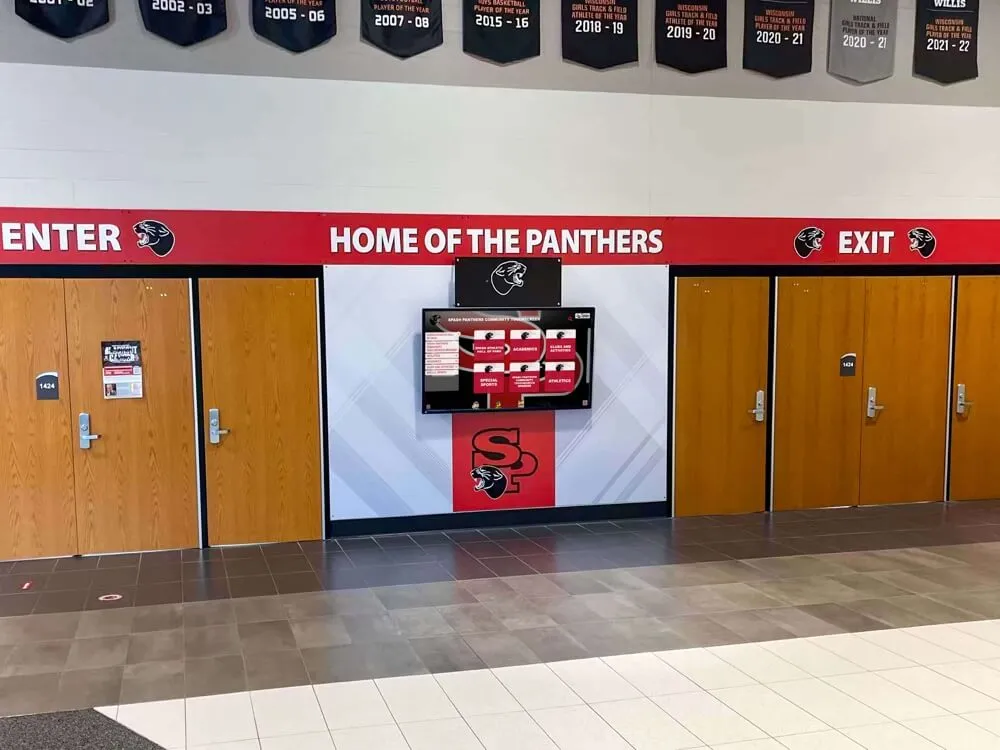
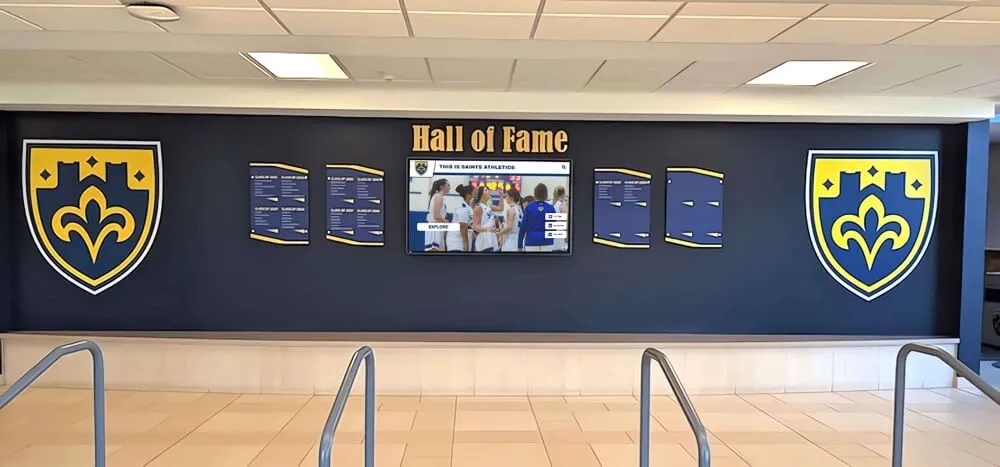
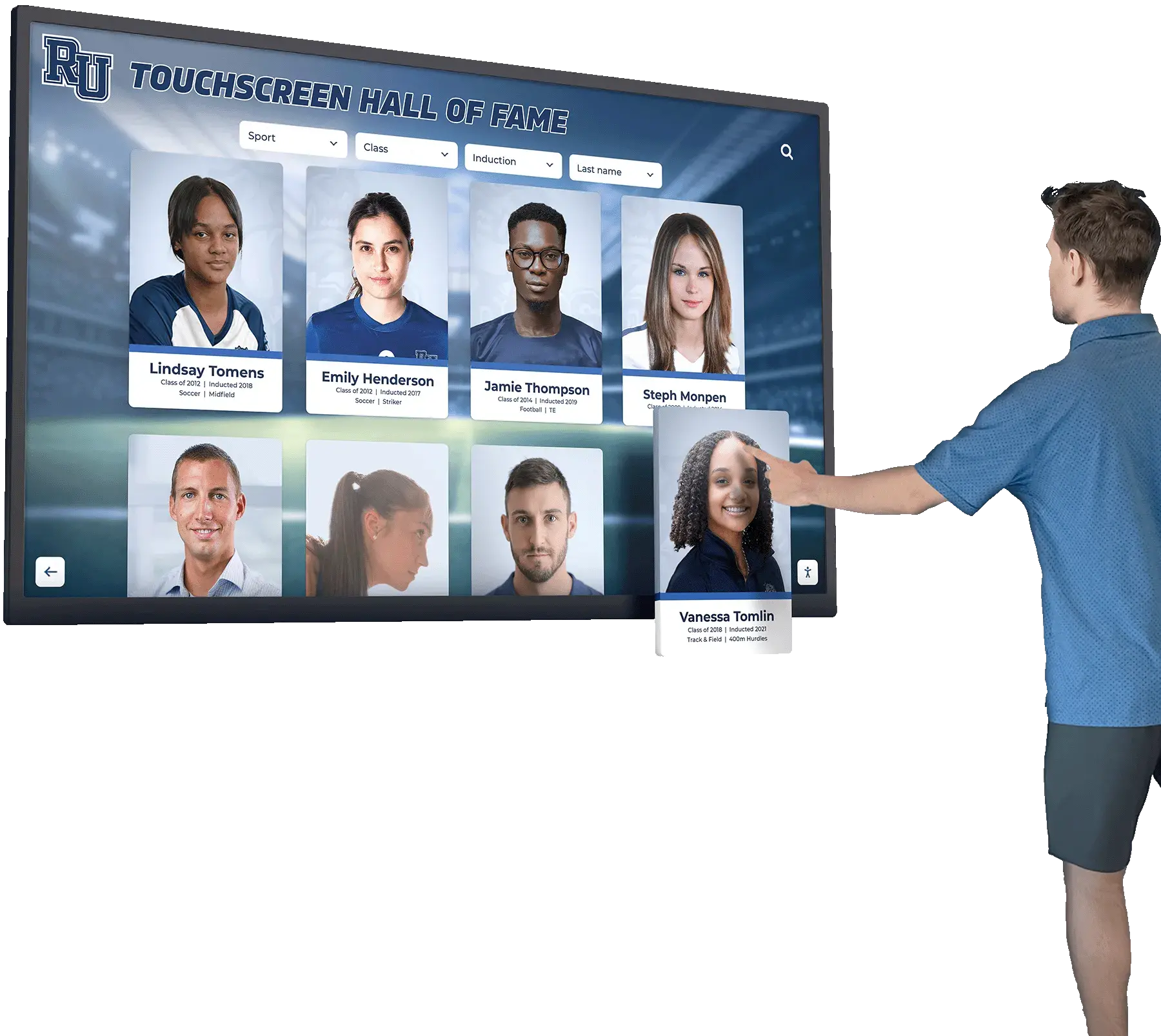
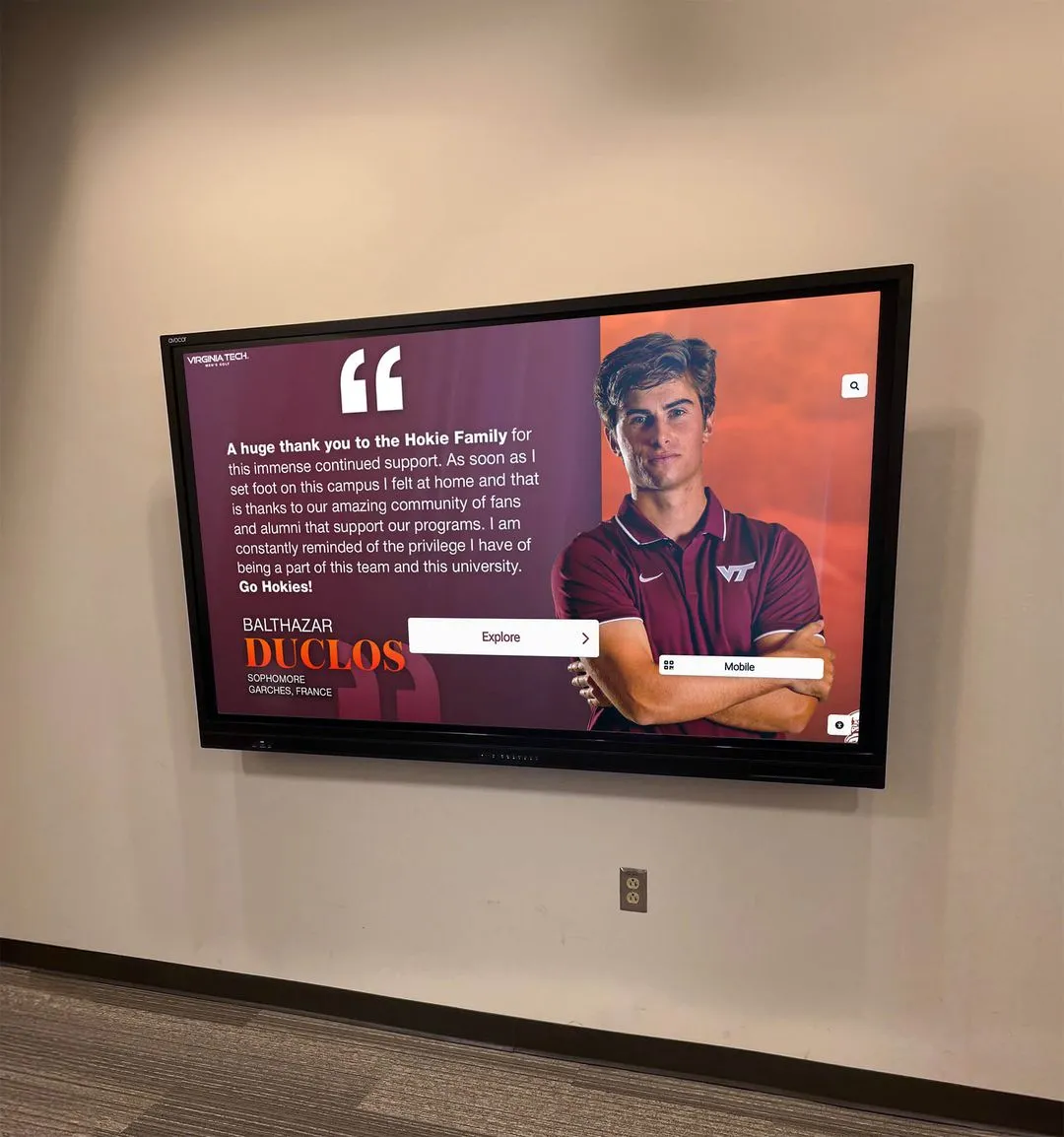
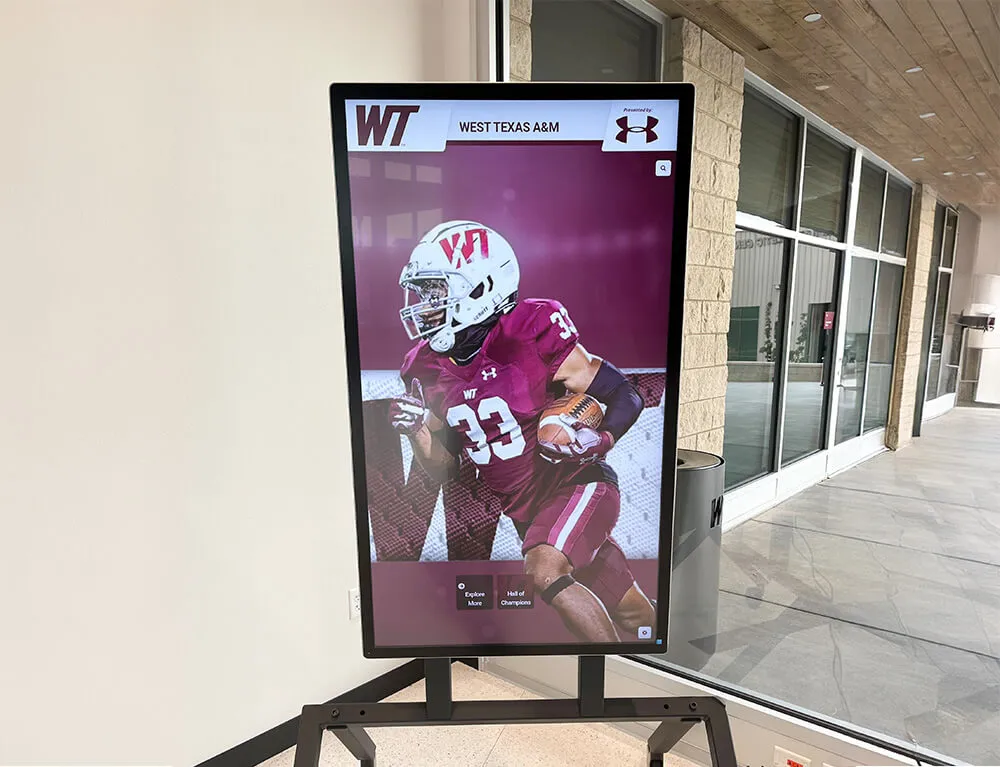
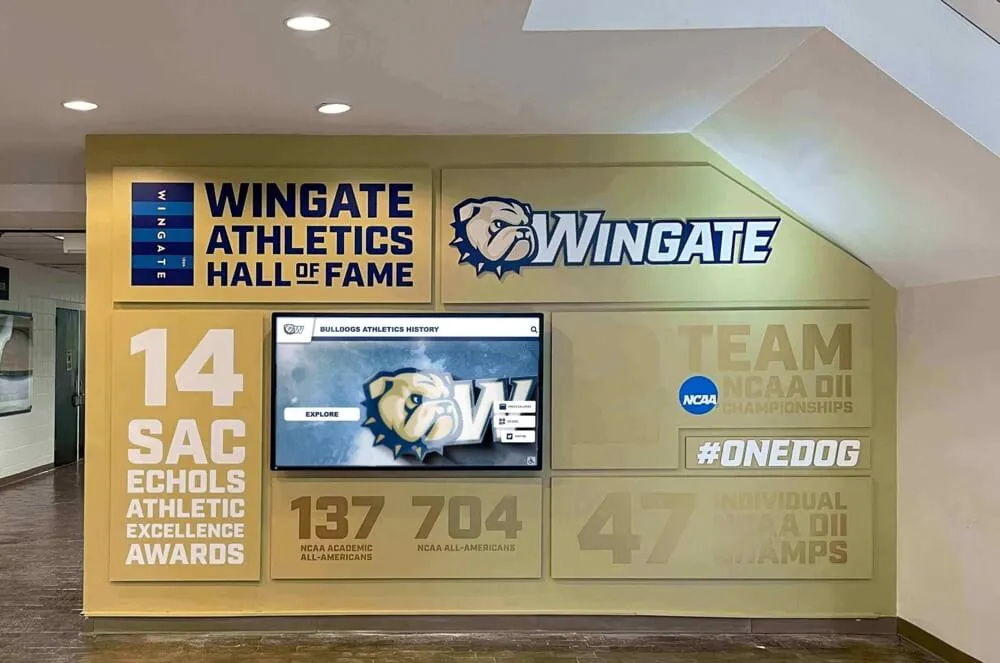
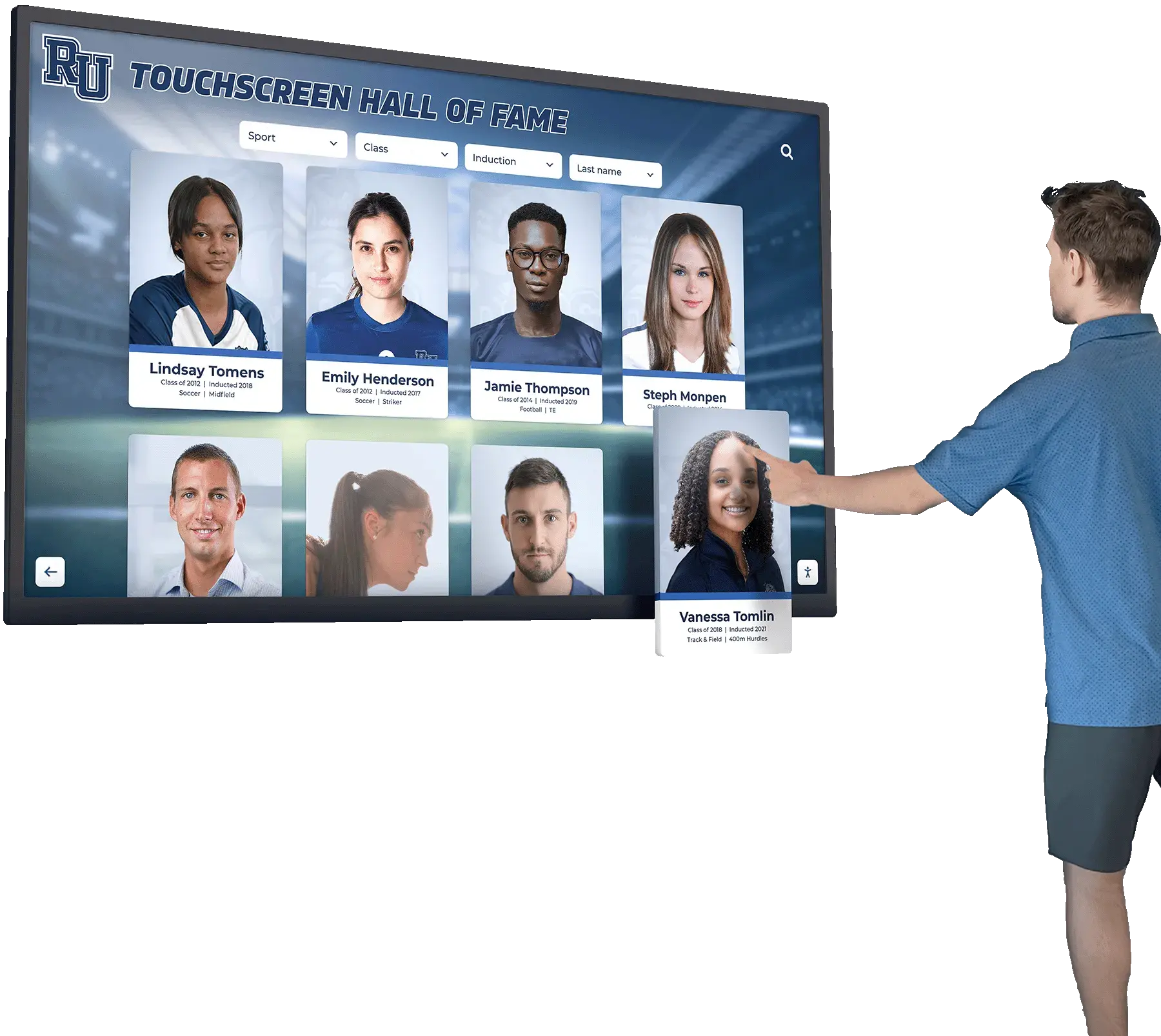
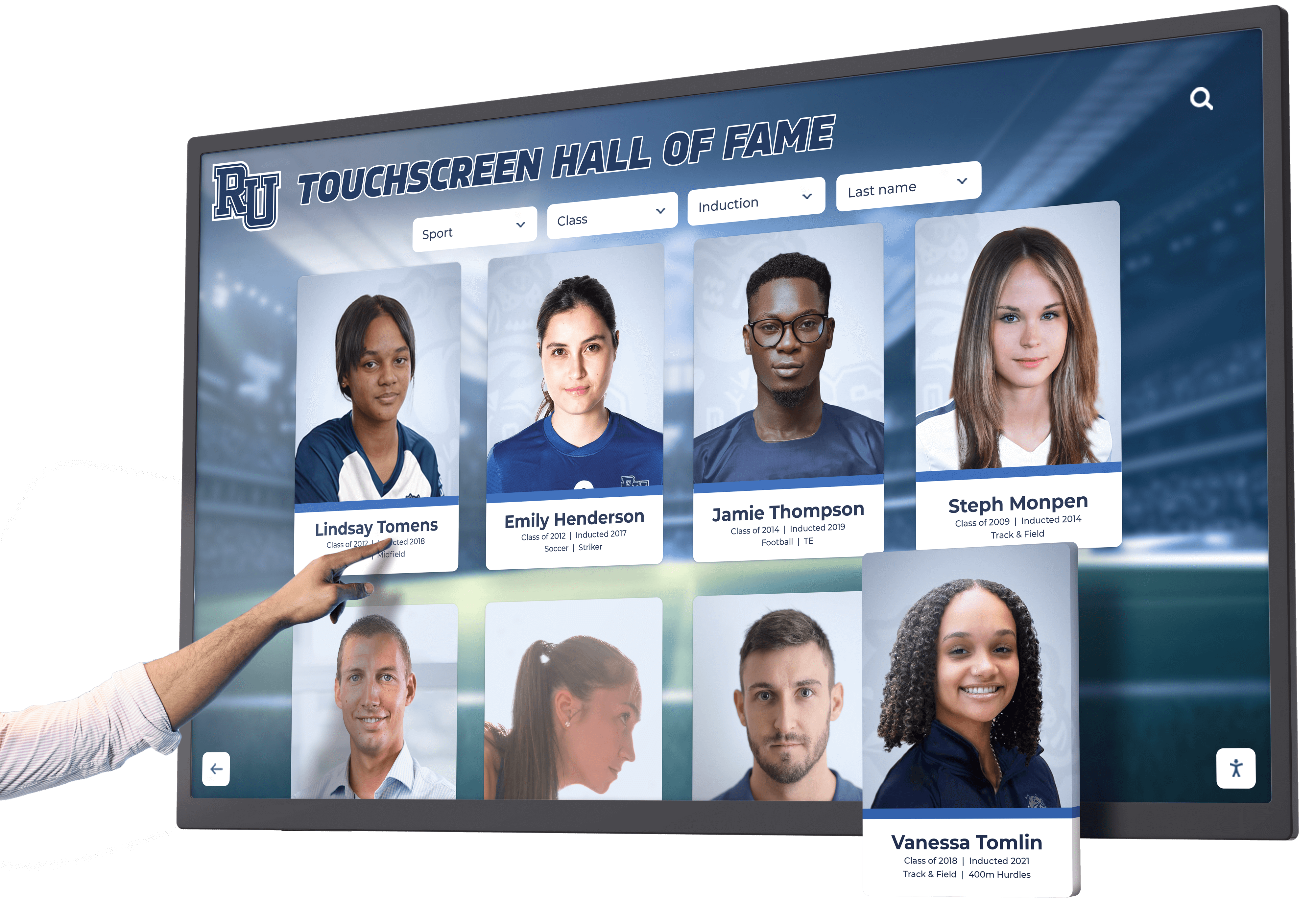
Digital Recognition Displays: Showcase game winners, top fundraisers, participating teams, and generous donors on permanent or rotating recognition displays in your facilities. Solutions like Rocket Alumni Solutions provide touchscreen displays allowing donors to explore recognition walls, search for their names, and see how their giving connects to broader organizational impact. These displays create lasting visibility while demonstrating that single-event giving translates into sustained appreciation.
Impact Storytelling: Connect fundraising game revenue to specific outcomes—programs funded, students served, problems solved. When donors see their carnival booth participation translated into after-school programs or their trivia entry fees supporting scholarships, abstract giving becomes concrete impact they can celebrate.
Social Recognition: Feature photos and stories from fundraising game events across social media, newsletters, annual reports, and websites. Tag participants when possible, creating shareable content they’ll promote within their networks. Public celebration validates their generosity while modeling participation for future supporters.
Anniversary Acknowledgment: One year later, reach back out to fundraising game participants with messages like “One year ago, you helped our penny wars campaign raise $5,000 for new library books—and because of your support, circulation has increased 40%.” These touchpoints demonstrate lasting appreciation and show how single moments create sustained impact.
Creating Multi-Year Engagement Through Games
The most effective fundraising games don’t stand alone but become anticipated annual traditions building community identity and creating compounding participation growth:
Establish Annual Traditions: When games become expected annual events—the fall carnival, spring penny wars, annual trivia night—they create anticipation and planning cycles. Families budget for participation, teams form in advance, and alumni plan visits home around these traditions.
Recognize Multi-Year Participants: Create special acknowledgment for donors who participate year after year. Wall of honor displays can feature sections celebrating sustained engagement, highlighting individuals or teams who’ve supported multiple years of fundraising games.
Build on Previous Success: Reference past fundraising game achievements in promotional materials—“Three years ago our carnival raised $3,000, last year $5,000, this year our goal is $7,000!” This storytelling demonstrates growth while creating challenge goals motivating participants to surpass previous records.
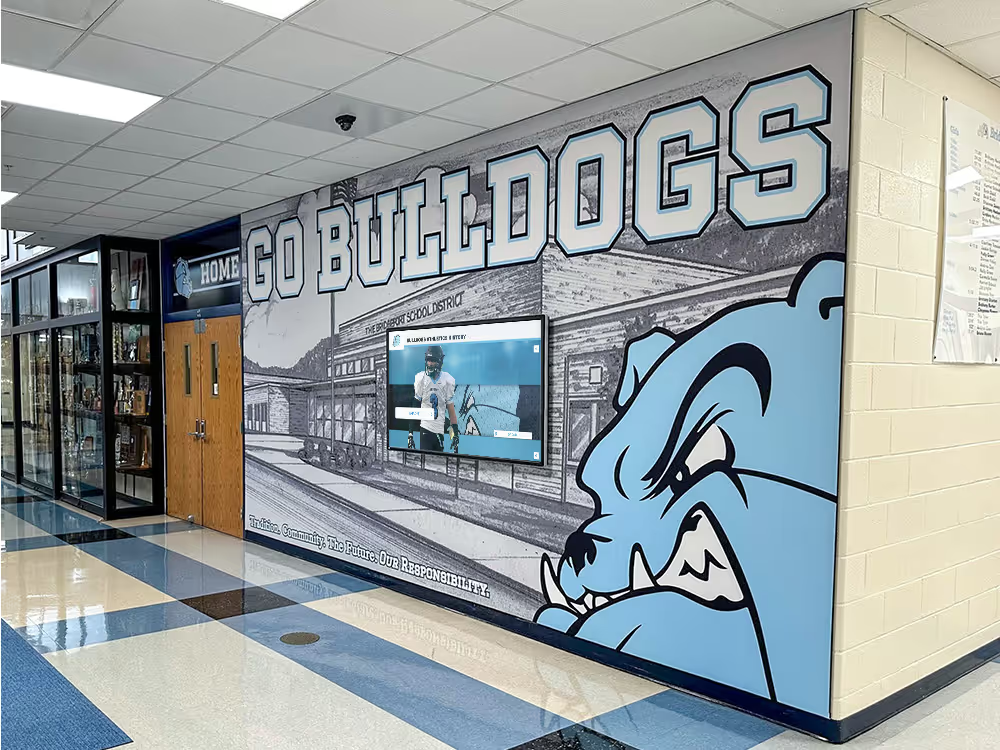
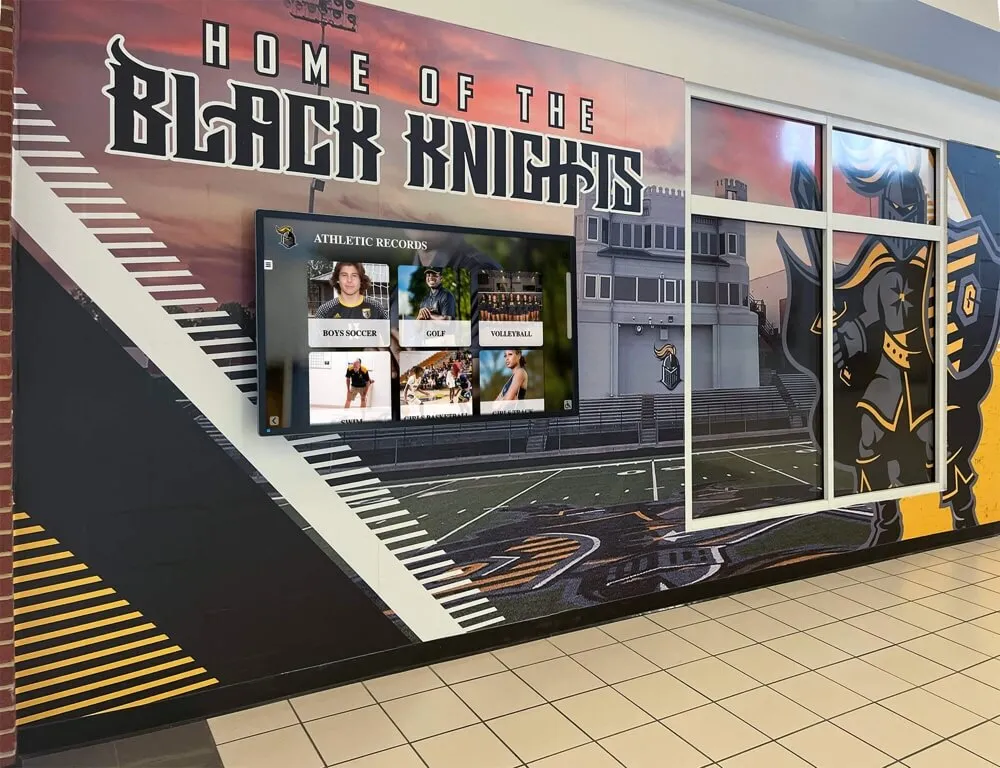
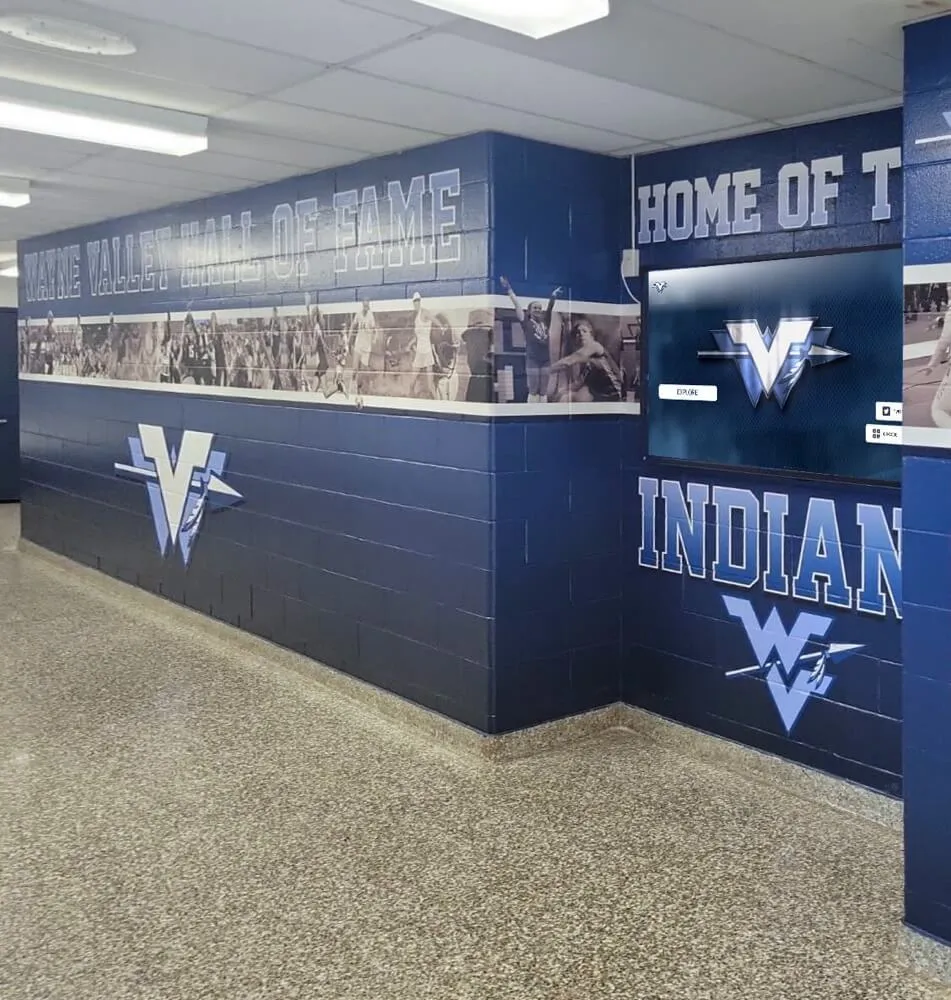
Expand Recognition Programs: As fundraising games generate revenue, invest portions into recognition infrastructure—digital displays, wall wraps, or touchscreen systems—that perpetually acknowledge donors. This visible appreciation demonstrates that game participation translates into institutional appreciation creating virtuous cycles where recognition drives future participation.
Organizations looking to elevate donor recognition from temporary event acknowledgment to year-round appreciation increasingly turn to digital recognition solutions. Rocket Alumni Solutions specializes in touchscreen displays that schools, nonprofits, and community organizations use to showcase fundraising game participants, top donors, and campaign supporters through searchable, interactive interfaces. These systems combine immediate event recognition with sustained visibility that keeps donor appreciation fresh while inspiring future giving.
Planning Successful Fundraising Game Events
Transforming creative fundraising game ideas into successful events requires thoughtful planning addressing logistics, promotion, volunteer coordination, and post-event follow-through.
Pre-Event Planning Essentials
Define Clear Goals: Establish specific, measurable objectives beyond simply “raise money.” Determine target revenue amounts, desired participation numbers, new donor acquisition goals, or specific programs funds will support. Clear goals guide game selection, pricing strategies, and promotional messaging.
Select Appropriate Games: Match game choices to your audience, venue, available volunteers, and organizational culture. School carnivals suit all-ages family events while sophisticated auction games fit formal nonprofit galas. Consider physical space requirements, equipment needs, volunteer skill sets required, and whether games align with your organizational identity.
Establish Pricing Strategies: Game pricing should maximize participation while generating meaningful revenue. Research suggests multiple price tiers work best—entry-level options as low as $1-$5 ensuring broad accessibility, mid-tier packages creating value ($20 for features worth $30 individually), and premium experiences for major donors. Test price sensitivities with planning committees representing diverse demographics.
Recruit and Train Volunteers: Fundraising game success depends heavily on enthusiastic volunteer execution. Recruit adequate numbers (always more than you think you’ll need), provide clear role descriptions, conduct training sessions, create written instructions for game stations, and designate experienced coordinators overseeing volunteer teams during events.
Promote Extensively: Begin promoting fundraising games 4-6 weeks before events through email campaigns, social media posts, physical flyers, website features, and community partnerships. Create anticipation through sneak peeks, early registration discounts, or preliminary competitions. Involve natural promotional partners—if running school carnival games, recruit student council members, athletes, and club leaders who’ll promote within their circles.
During-Event Execution
Create Welcoming Atmosphere: First impressions matter enormously. Ensure visible signage directing arrivals, friendly greeters welcoming participants, clear information about how events work, and visible enthusiasm from volunteers and organizational leaders. Play energizing music, create festive decorations, and eliminate anything feeling transactional or cold.
Maintain Energy and Momentum: Designate emcees or coordinators responsible for sustaining energy through announcements, progress updates, game countdowns, winner celebrations, and storytelling about impact. Energy naturally ebbs during events—proactive animation prevents momentum loss.
Provide Multiple Engagement Opportunities: Not everyone wants identical experiences. Offer quiet spaces alongside high-energy areas, spectator options for those not wanting to compete, volunteer opportunities for people preferring contribution over participation, and varied activity types accommodating different interests.
Track Participation and Revenue: Designate responsible volunteers monitoring which games attract most participation, where bottlenecks occur, what pricing strategies work, and how revenue tracks against goals. This real-time data allows mid-event adjustments while providing insights for future planning.
Express Continuous Gratitude: Thank participants constantly—verbal acknowledgments from volunteers, public recognition from emcees, social media posts during events, and visible appreciation displays. Gratitude should feel abundant, genuine, and specific rather than generic.
Post-Event Follow-Through
Immediate Thank-You Communications: Send acknowledgment emails or texts within 24 hours while experiences remain fresh. Include photos from events, preliminary fundraising totals, and enthusiastic appreciation for participation.
Share Impact Stories: Within two weeks, communicate specifically how funds will be used. Abstract totals mean less than concrete impact—“Your $8,000 will provide after-school tutoring for 40 students throughout the school year” creates meaning donors remember.
Recognize Participants Publicly: Feature event photos, winner announcements, top fundraisers, and participant stories across organizational communications. Public celebration validates generosity while creating social proof for future campaigns.
Conduct Debrief Evaluation: Gather volunteer feedback, analyze financial results against expenses and time invested, review what worked and what needs improvement, and document institutional knowledge for future event planning. The most successful fundraising games improve yearly through systematic refinement.
Begin Next Year’s Planning: Capitalize on momentum by scheduling next year’s event before enthusiasm fades. Send save-the-date notices, recruit planning committee members while experiences remain positive, and implement improvements based on debrief insights.
Fundraising Games Create Community While Generating Revenue
The most valuable aspect of fundraising games extends beyond immediate revenue generation to the community building, donor relationship strengthening, and positive association creation that sustain organizational health long-term. When people enjoy giving—when donations come through laughter, friendly competition, shared challenges, and memorable experiences—they develop emotional connections to your mission that transcend transactional support.
Effective fundraising game ideas transform obligation into celebration, creating environments where generosity feels natural rather than extracted. These experiences build communities of supporters who return year after year, who promote your events within their networks, who develop ownership in your success, and who see themselves as partners in your mission rather than simply funding sources.
Whether planning school carnivals, nonprofit galas, community fundraisers, or virtual campaigns, remember that the best fundraising games prioritize participant experience, create multiple engagement opportunities, celebrate both competition and collaboration, demonstrate clear impact, and provide lasting recognition that honors donor generosity.
When you invest in recognition infrastructure—particularly digital displays and touchscreen systems—you extend fundraising game appreciation beyond single events into year-round visibility. Solutions like Rocket Alumni Solutions transform temporary acknowledgment into permanent recognition, showcasing donors, game winners, and generous supporters through interactive displays that keep appreciation fresh while inspiring future participation.
Ready to elevate how your organization recognizes fundraising game participants and donors? Discover how Rocket Alumni Solutions creates custom touchscreen recognition displays that celebrate your community’s generosity while building sustained engagement that transforms one-time participants into lifelong supporters.