



Key Takeaways
Discover comprehensive football senior night ideas including pregame ceremonies, parent recognition, digital displays, and memorable celebration strategies for honoring graduating athletes and their families.
Football senior night represents one of high school athletics’ most emotionally significant traditions—a carefully orchestrated celebration honoring graduating athletes who dedicated years to representing their schools on Friday nights under the lights. Athletic directors, coaches, and booster clubs face the challenge of creating ceremonies that genuinely honor senior contributions, engage families meaningfully, maintain appropriate pacing within tight pregame windows, and create lasting memories without disrupting game preparation. Traditional approaches—brief announcements, hastily assembled displays, generic recognition formats—often fail to capture the full significance of senior athletic careers or provide the personalized celebration these athletes and families deserve.
This comprehensive guide presents practical football senior night ideas spanning pregame ceremonies, parent recognition strategies, display concepts, scheduling considerations, and modern digital solutions. Whether coordinating recognition for small-town programs honoring a dozen seniors or large suburban schools celebrating fifty graduating football players, these strategies provide frameworks for creating meaningful senior night experiences that honor individual contributions while celebrating team traditions.
Understanding Football Senior Night Significance
Before exploring specific ceremony ideas, consider what effective senior night recognition accomplishes and why this tradition matters deeply to athletic programs, families, and communities.
The Purpose of Senior Night Recognition
Football senior night serves multiple functions extending beyond simply reading names before kickoff. Thoughtfully designed celebrations accomplish several important objectives:
Acknowledging Multi-Year Commitment: Senior night formally recognizes the sustained dedication graduating athletes invested in football programs—early morning workouts, summer conditioning, injury recovery, academic sacrifices, and countless hours developing skills while representing schools. This public acknowledgment validates commitment and communicates that programs notice and value sustained effort across multiple seasons.
Honoring Family Partnerships: Football requires extensive family support—transportation to practices, attendance at games, equipment purchases, meal preparation around training schedules, and emotional support through challenging seasons. Senior night provides structured opportunities to publicly thank families for partnership in athletic development, creating shared celebration moments families remember for decades.
Connecting Generations: Senior night ceremonies link current graduating classes to program traditions spanning generations. When recognition includes program history, references to past achievements, or connections to alumni, ceremonies communicate that current seniors join a continuum of athletes who wore the same colors and upheld the same traditions—creating legacy connections that strengthen program identity.
Creating Closure and Transition: For many seniors, high school football represents their final competitive playing experience. Senior night provides formal closure to this significant life chapter while celebrating athletic identities athletes developed through years of participation. This ceremonial transition helps athletes and families process the conclusion of competitive careers with appropriate celebration rather than simple endings.
Timing and Scheduling Considerations
Successful senior night execution requires careful attention to timing, balancing meaningful recognition with practical game day considerations:
Selecting the Right Game: Most programs schedule senior night for the final regular season home game, providing natural closure before playoffs. However, consider alternative timing if the final home game falls on particularly significant dates—homecoming, rivalry matchups, or playoff scenarios where ceremony complexity might distract from competitive focus. Some programs schedule senior night one or two weeks before the season finale, allowing concentrated focus on recognition without competing priorities.
Pregame Window Duration: Typical pregame ceremonies run 20-30 minutes, beginning approximately 30-45 minutes before scheduled kickoff. This timing allows family attendance without excessively delaying games while providing sufficient ceremony duration for meaningful individual recognition. Coordinate closely with officials and opposing teams when planning extended pregame schedules to ensure all parties understand adjusted timelines.
Weather Contingency Planning: Fall football schedules encounter various weather conditions—rain, cold, wind—potentially affecting outdoor ceremonies. Develop contingency approaches for inclement weather, whether abbreviated recognition formats, covered presentation areas, or alternative indoor acknowledgment supplementing brief on-field introductions. Consider family comfort when planning outdoor ceremony durations during potentially challenging weather conditions.
Multiple Team Coordination: Many schools schedule senior night recognition for multiple football teams simultaneously—varsity, junior varsity, freshman, cheerleaders, band, dance teams—creating logistical complexity. Determine whether combined ceremonies honoring all groups simultaneously or separate recognition moments for each team better serves program needs and audience management.
Pregame Ceremony Formats and Ideas
The core senior night ceremony provides the public recognition moment families and athletes anticipate. Multiple format approaches accommodate different program sizes, traditions, and preferences.
Individual Senior Introductions
The traditional centerpiece of senior night involves individual recognition of each graduating athlete, typically including:
Name and Number Announcement: Public address announcer introduces each senior by name, jersey number, and position while highlighting notable achievements—team captain status, statistical accomplishments, academic honors, years of participation, or special recognitions. These introductions provide basic acknowledgment while allowing ceremony progression without excessive duration.
Parent Escort: Seniors enter the field escorted by parents, guardians, or family members who receive recognition for supporting athletic development. This visual element creates powerful imagery families cherish while providing structured activity during introductions beyond simple standing. Consider providing flowers, small gifts, or commemorative items seniors present to parents during escort moments, symbolizing gratitude for family support.
Senior Profile Reading: More detailed introductions include additional personal information—future plans, college commitments, favorite football memories, years of program participation, or personal messages. Extended profiles create more personalized recognition but require careful time management with larger senior classes to prevent excessive ceremony duration.
Photo Opportunities: Structure designated moments for family photos—professional photographers capturing posed family groupings as seniors stand with parents at midfield, creating keepsake images families treasure. Coordinate with photography volunteers or hired professionals to ensure efficient photo workflows preventing ceremony delays while documenting every family grouping.
Senior Speeches or Statements: Some programs allow individual seniors brief remarks thanking coaches, teammates, families, and communities. While powerful when executed well, individual speeches require careful time limits and coordination to prevent excessive ceremony duration. Consider written statements displayed digitally or printed in programs rather than live speeches when managing large senior classes.
Group Recognition Approaches
Programs with large senior classes or compressed timelines may implement group recognition formats balancing individual acknowledgment with practical time management:
Position Group Introductions: Recognize seniors by position groups—offensive linemen together, defensive backs as a group, skill positions collectively—allowing group photos, combined announcements, and streamlined ceremony flow while maintaining individual name recognition within group contexts.
Team Captain Spotlights: Provide extended individual recognition for team captains or program leaders while offering more abbreviated acknowledgment for remaining seniors. This approach creates hierarchy in recognition depth while ensuring all seniors receive public acknowledgment within manageable timeframes.
Combined Ceremony Moments: Begin with group entrance of all seniors together—walking onto the field as a unified class—followed by individual family escort moments or group positioning allowing audience viewing of all seniors simultaneously. This combination balances collective team identity with individual family recognition.
Creative Ceremony Enhancements
Beyond basic introductions, several creative elements enhance senior night emotional impact and memorability:
Senior Jersey Displays: Create visual displays featuring all senior jerseys—either worn by teammates who carry them onto the field or mounted on display stands positioned around the field perimeter—providing striking visual representation of the graduating class while honoring each athlete’s uniform number.
Video Tributes: Produce video montages celebrating senior contributions—practice footage, game highlights, sideline moments, candid photos, coach testimonials, or teammate messages—played on stadium screens during pregame or halftime. Well-edited videos create powerful emotional moments families preserve and share while efficiently communicating career highlights without extended live presentations.
Youth Player Escorts: Pair each senior with youth league football players who serve as additional escorts during introductions, creating mentorship symbolism and connection between current seniors and younger athletes who may one day stand in the same recognition moment. This intergenerational connection strengthens program continuity while providing meaningful participation opportunities for youth players.
Memory Lane Displays: Position poster boards or digital displays around stadium areas featuring senior photos from youth leagues, early high school seasons, and recent years—creating visual timelines documenting athletic development from youth participation through graduation. These displays engage arriving audiences while providing family keepsakes and conversation starters celebrating individual journeys.
Senior Gifts and Commemoratives: Present seniors with meaningful gifts during ceremonies—engraved plaques, framed photos, letterman jacket patches, personalized footballs, or program-specific commemoratives—providing tangible mementos beyond the ceremony itself. Consider items families display at home, creating lasting physical reminders of senior night recognition.
Programs seeking comprehensive approaches to athletic recognition often implement digital recognition systems that extend beyond single-event ceremonies to provide year-round celebration of athlete achievements.
Parent and Family Recognition
Effective senior night ceremonies acknowledge that athletic achievement represents family accomplishment, making parent recognition essential components of meaningful celebrations.
Parent Acknowledgment Strategies
Escort Participation: The most common parent recognition format involves parents escorting seniors onto the field during individual introductions. Structure clear escort procedures—which family members participate, where families position themselves, how long families remain on field—ensuring smooth ceremony flow while accommodating diverse family configurations.
Appreciation Statements: Include specific language in announcements thanking parents for years of support, sacrifices made, and partnership in athletic development. These verbal acknowledgments communicate program gratitude beyond simply having parents present, creating moments where families feel genuinely appreciated rather than serving functional escort roles.
Parent Gifts: Provide small thank-you gifts to parents during ceremonies—flowers traditionally presented to mothers, commemorative items, or program-specific tokens—creating tangible expressions of gratitude for family support. Seniors presenting gifts to parents during escort moments creates particularly powerful imagery symbolizing appreciation.
Written Recognition: Develop printed programs or digital displays featuring parent names alongside seniors, acknowledging the family partnership in athletic development. Some programs include brief parent messages or reflections about supporting their senior athletes, creating additional personalization beyond basic name acknowledgment.
Photo Emphasis: Ensure photography workflow captures quality family groupings during escort moments—professional shots families cherish and display—rather than rushed snapshots. These photos often become the most treasured artifacts from senior night, making sufficient photography attention essential for meaningful family recognition.
Accommodating Diverse Family Situations
Modern senior night planning requires sensitivity to diverse family configurations and circumstances:
Multiple Parent Participation: Accommodate families where multiple parental figures wish to participate—divorced parents both escorting, stepparents attending, grandparents who raised athletes, or other guardian situations. Communicate clearly before ceremonies about escort opportunities, allowing families to determine their own participation configurations without program-imposed restrictions.
Single Parent Recognition: Ensure recognition language and ceremony structure appropriately honors single-parent families without assumptions about dual-parent households. Avoid language like “mom and dad” in favor of inclusive terms like “family” or “parents and guardians” acknowledging diverse family structures.
Family Absence Situations: Plan respectful approaches for situations where senior family members cannot attend—deployed military parents, deceased family members, estranged relationships, or distance constraints. Designate surrogate escorts (coaches, teammates, mentors) when families cannot participate, ensuring every senior receives appropriate escort while maintaining ceremony structure.
Extended Family Inclusion: Consider allowing extended family participation—grandparents, siblings, other relatives who supported athletic development—particularly for seniors whose immediate family cannot attend or families wishing broader participation. Determine appropriate group size limits preventing excessively large escort groups while accommodating meaningful family involvement.
Schools developing comprehensive recognition approaches often extend beyond single-ceremony events through academic signing day celebrations that honor educational achievements alongside athletic recognition.
Recognition Display Concepts
Beyond live ceremonies, effective senior night planning includes visual displays documenting senior contributions and creating celebration atmospheres throughout venues.
Physical Display Options
Poster Boards and Banners: Create individual poster boards for each senior featuring photos, statistics, career highlights, and future plans positioned around stadium areas where families and attendees view them before games and during halftime. These displays engage audiences while providing keepsake items families often take home after ceremonies.
Senior Recognition Banners: Develop large banners featuring all seniors collectively—group photos, individual headshots, names and numbers—displayed prominently in stadium areas throughout senior night and potentially remaining visible through season conclusions. These banners create striking visual statements celebrating the senior class while providing backdrop elements for ceremony photos.
Photo Timeline Displays: Assemble chronological photo progressions for each senior showing development from youth leagues through current seasons, creating visual narratives documenting athletic journeys. These timelines generate significant family interest while telling individualized stories beyond simple current-year recognition.
Field Decorations: Position temporary decorations celebrating seniors throughout field areas—balloons, streamers, signs, or specialty field markings—creating festive atmospheres differentiating senior night from regular game presentations. Balance celebration aesthetics with maintaining appropriate competitive environments and official requirements.
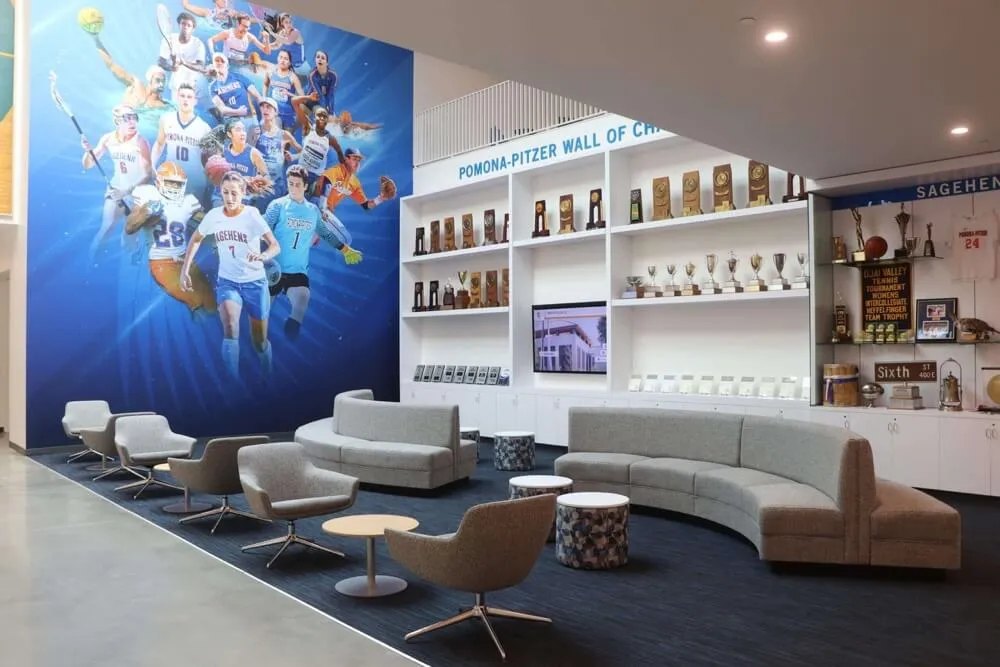
Trophy Case Spotlights: Utilize existing trophy case or display areas to temporarily highlight senior achievements, creating focused celebration spaces families visit before games. Some schools dedicate entire trophy cases to current seniors during senior night weeks, showcasing memorabilia, photos, and accomplishments.
Digital Recognition Displays
Modern technology enables dynamic recognition approaches overcoming physical display limitations while creating engaging presentation formats:
Stadium Screen Presentations: Utilize existing stadium video boards for senior recognition presentations—photo montages, video tributes, scrolling statistics, or interactive displays—leveraging technology infrastructure for high-impact visual recognition. Screen presentations allow entire audiences simultaneous viewing while creating polished, professional presentation quality.
Social Media Features: Develop dedicated social media campaigns celebrating seniors—daily profile features, video highlights, career retrospectives, or family tributes—building anticipation before senior night while extending recognition beyond single ceremony moments. Social media recognition creates shareable content families distribute within personal networks, amplifying celebration reach.
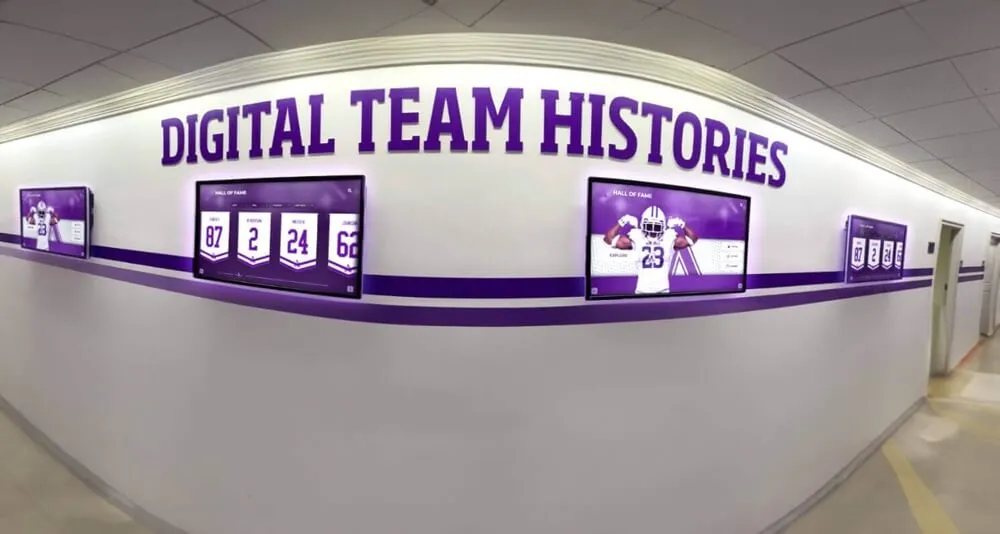
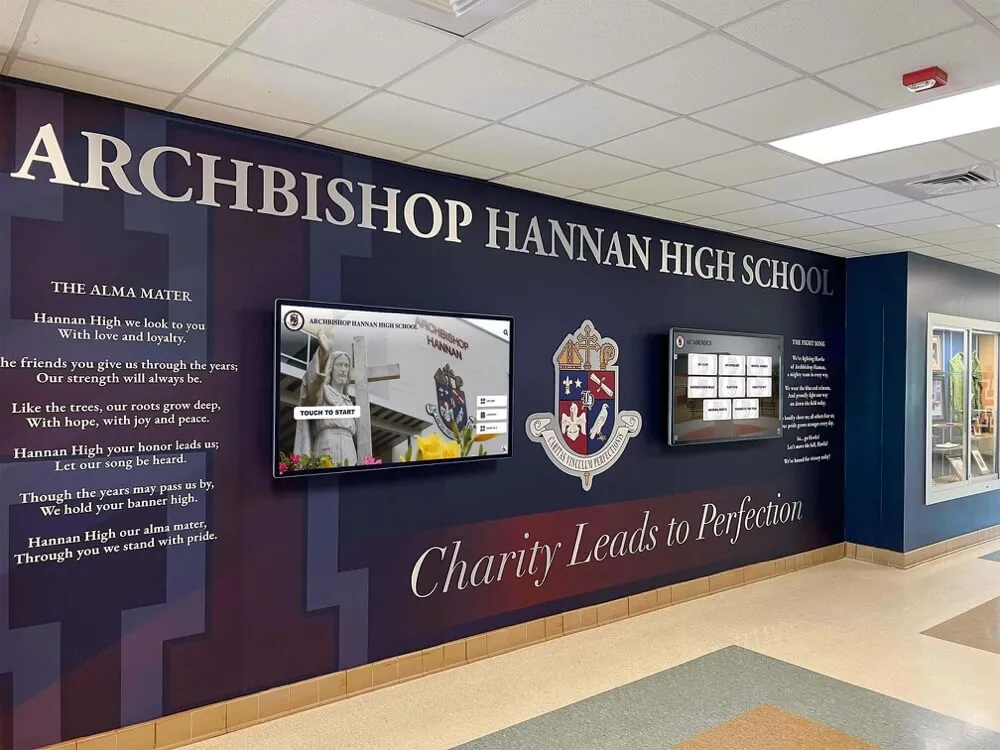
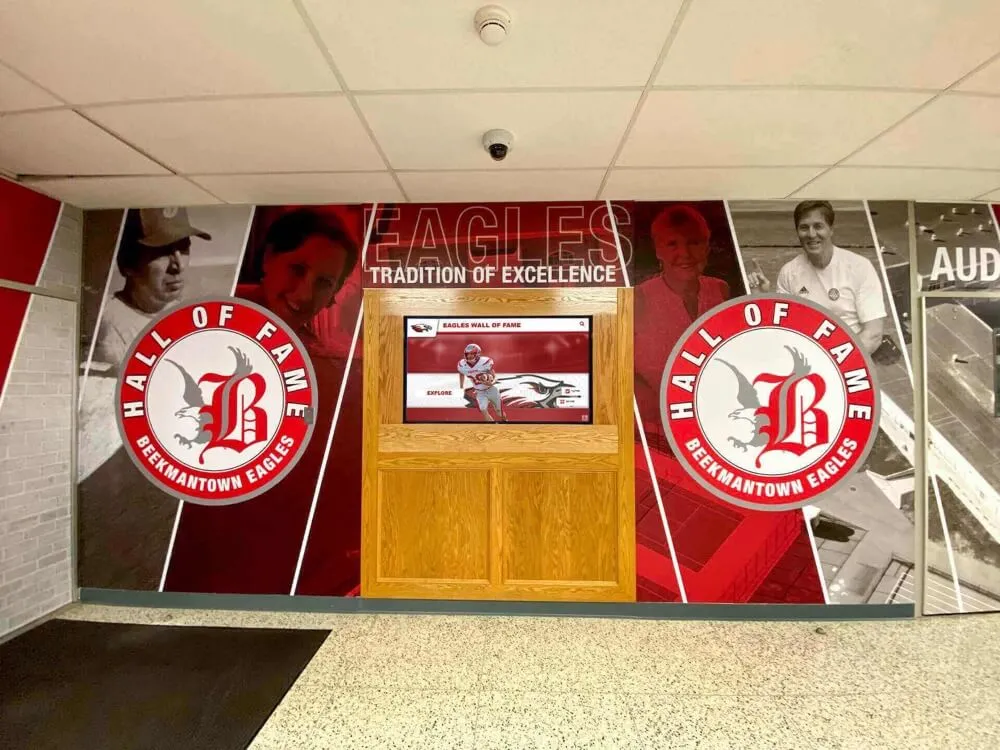
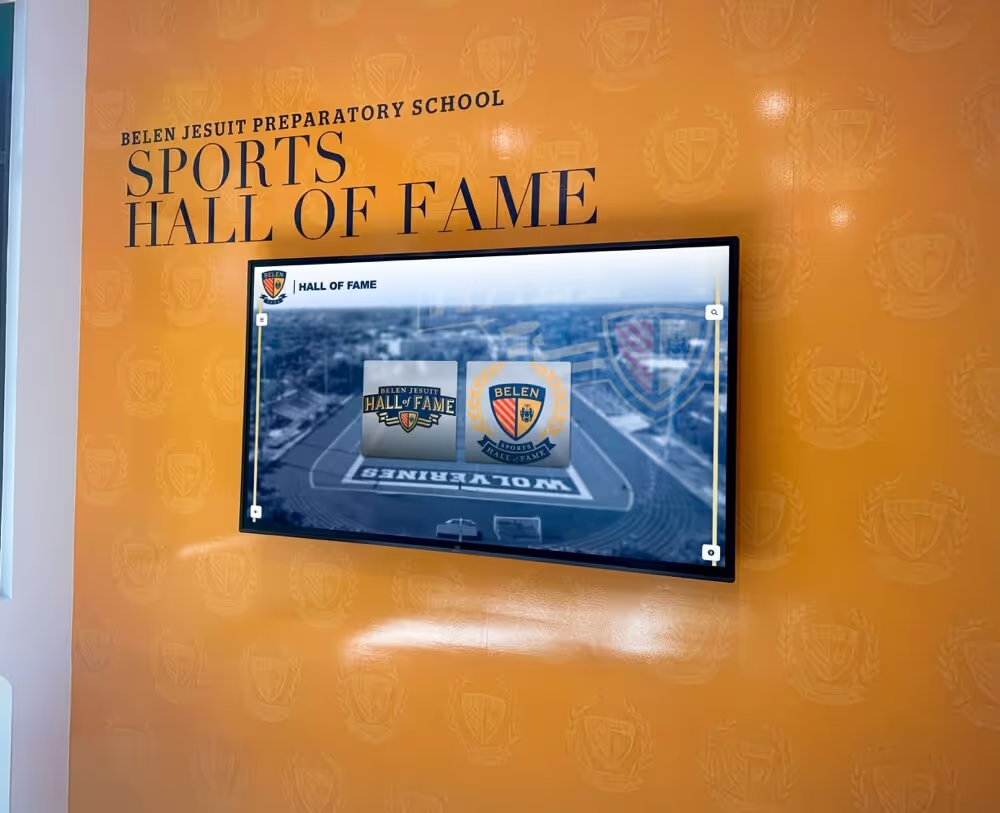
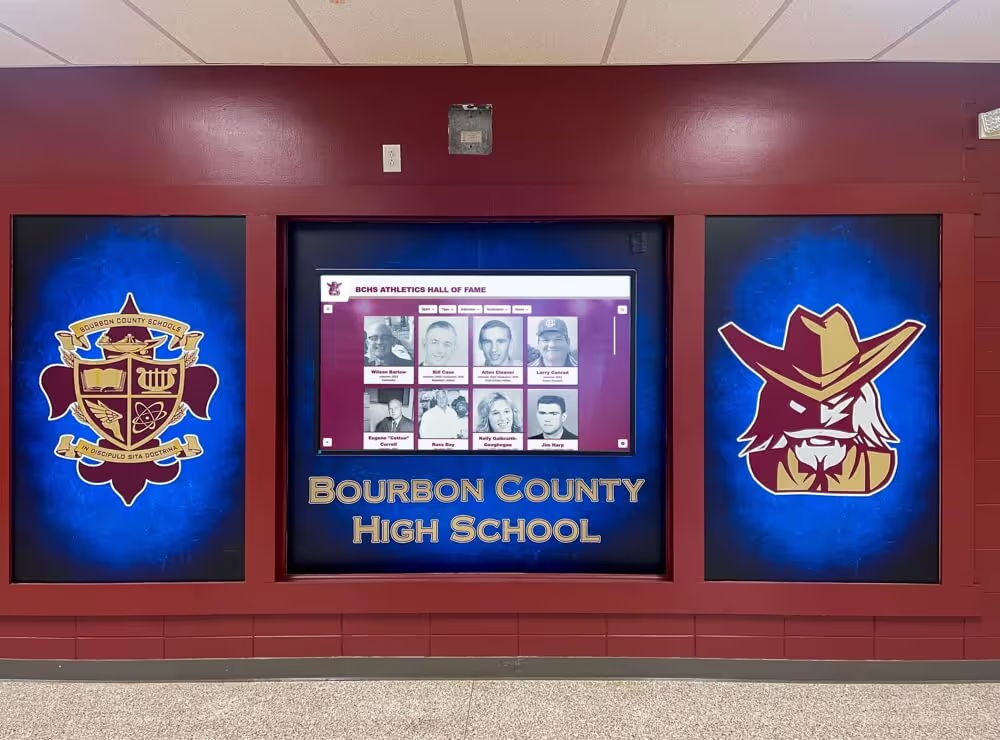
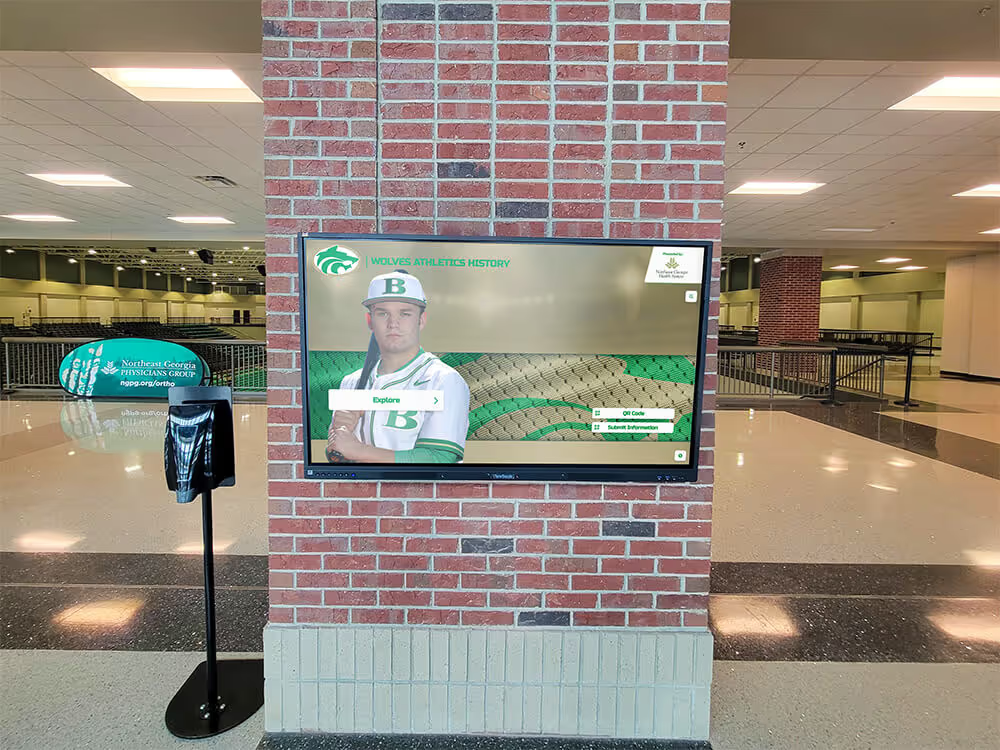
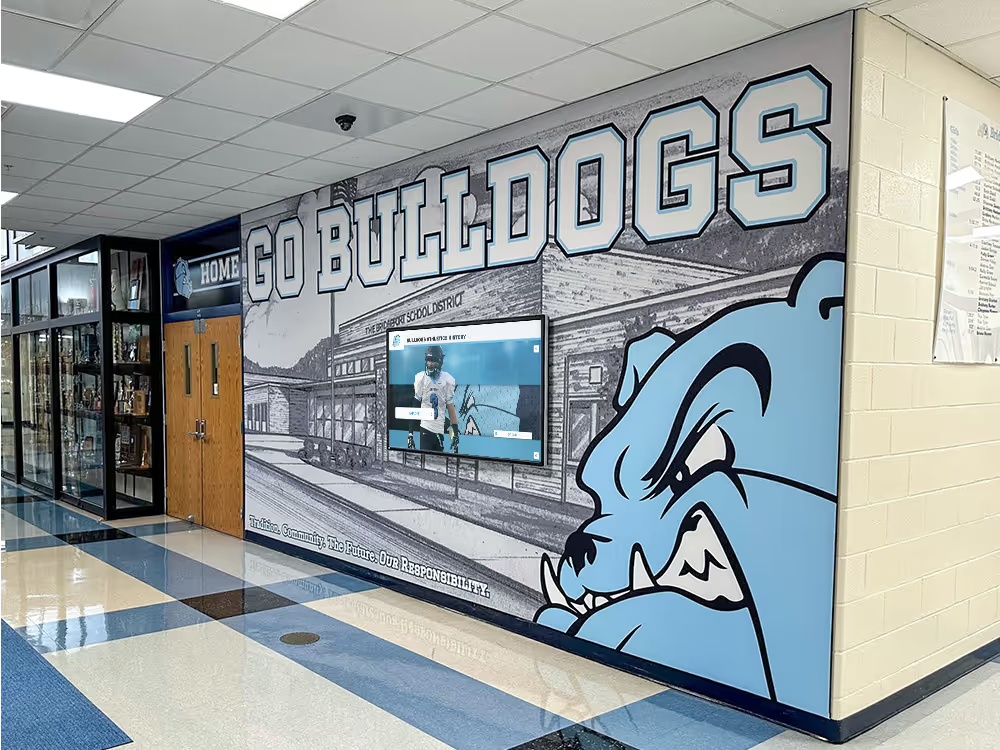
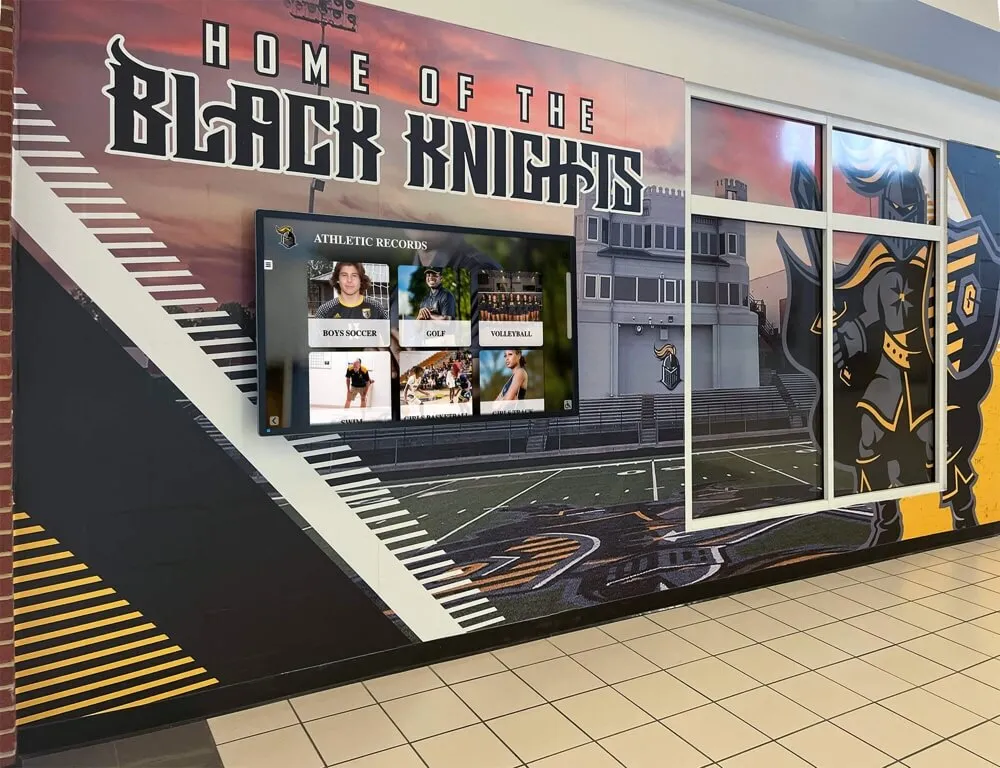
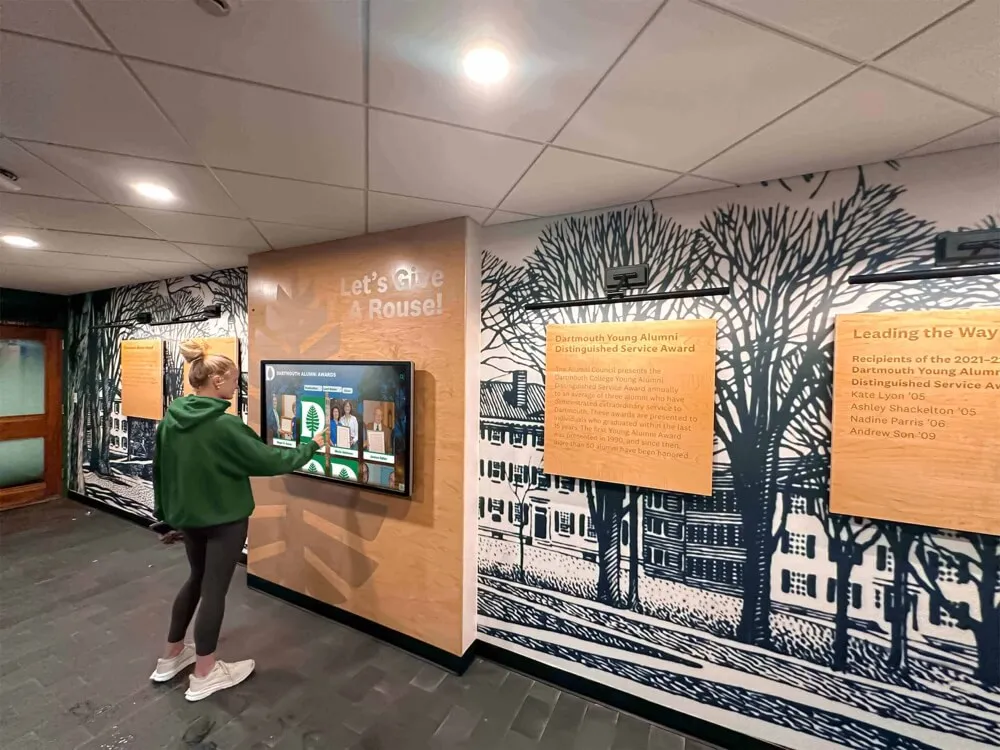
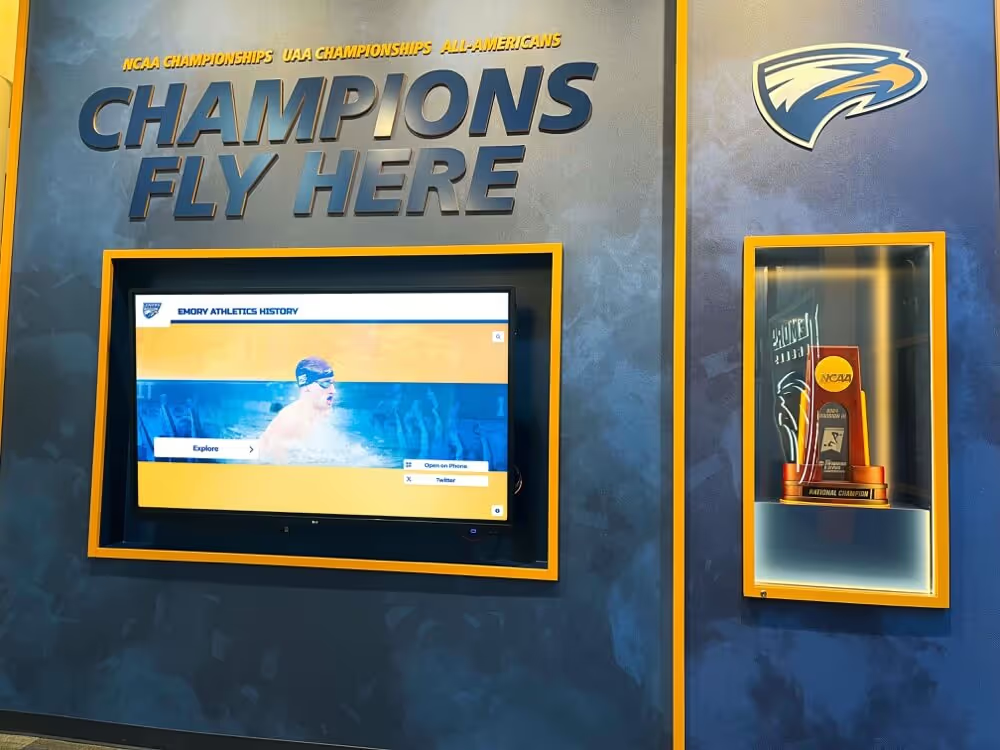
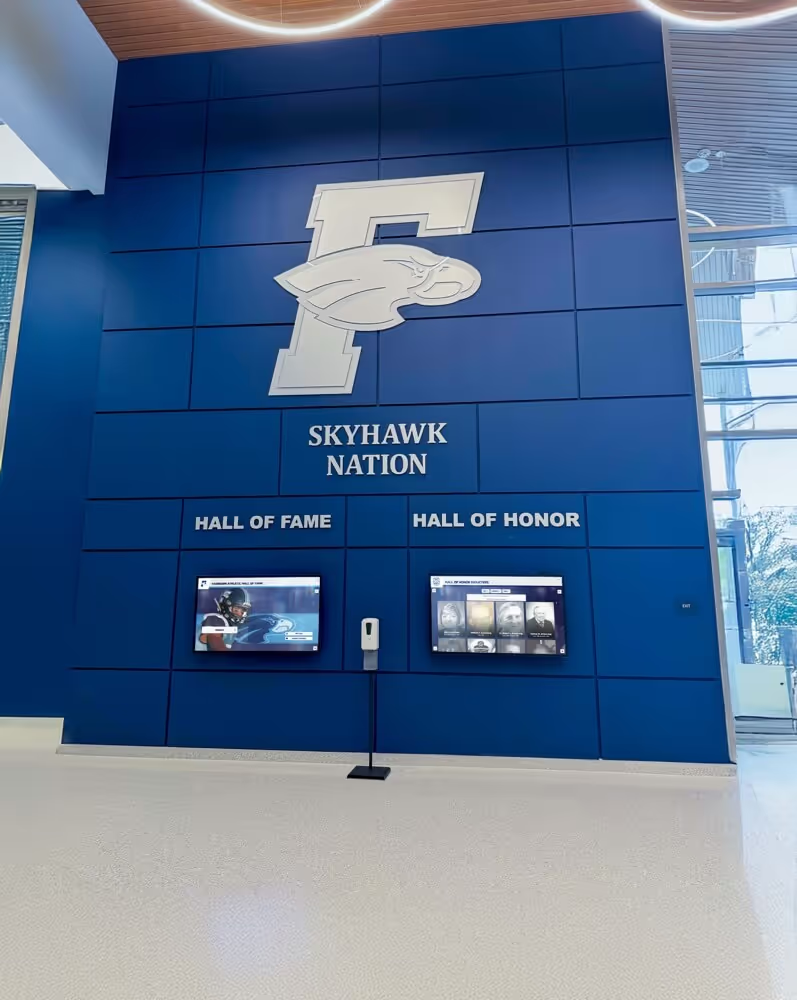
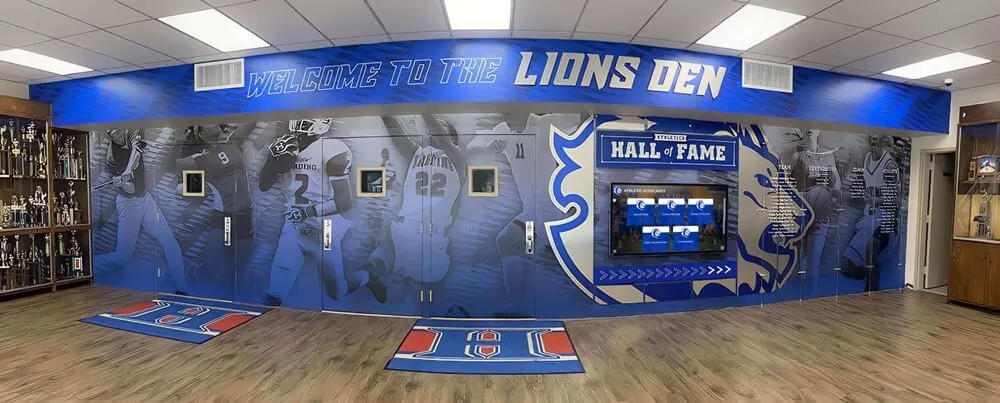
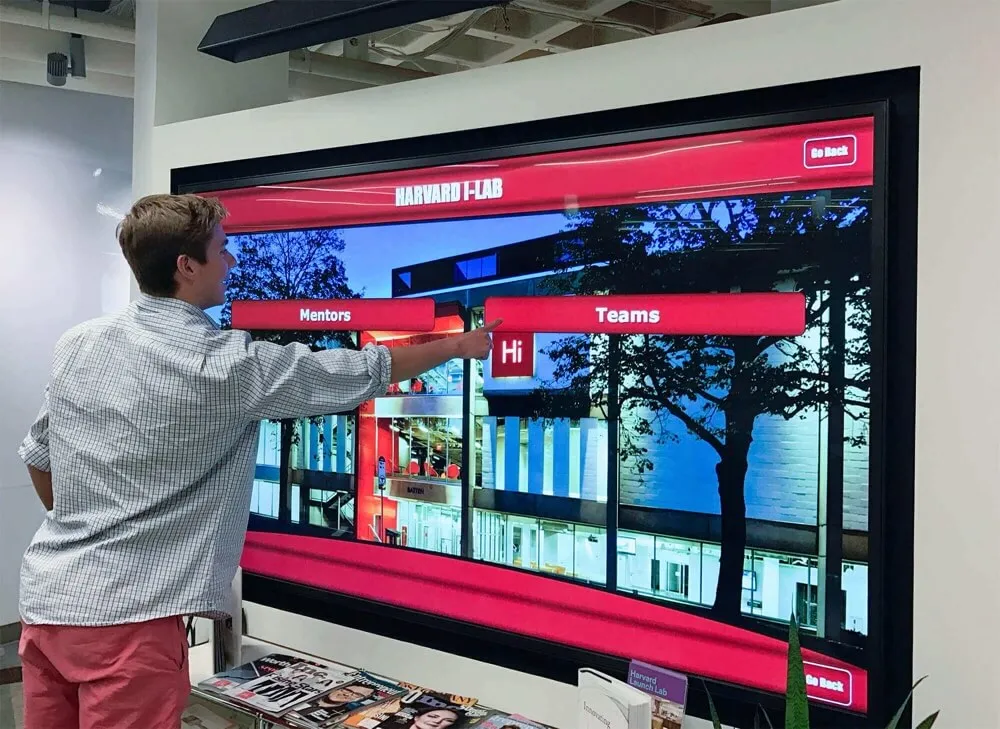
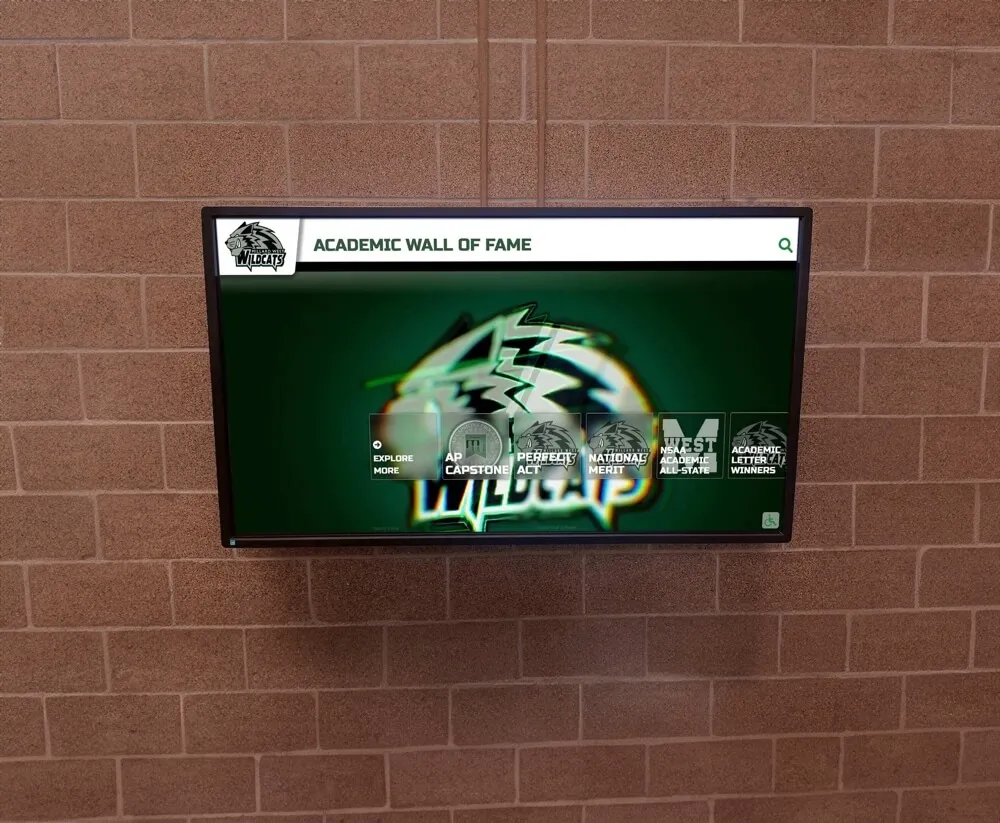
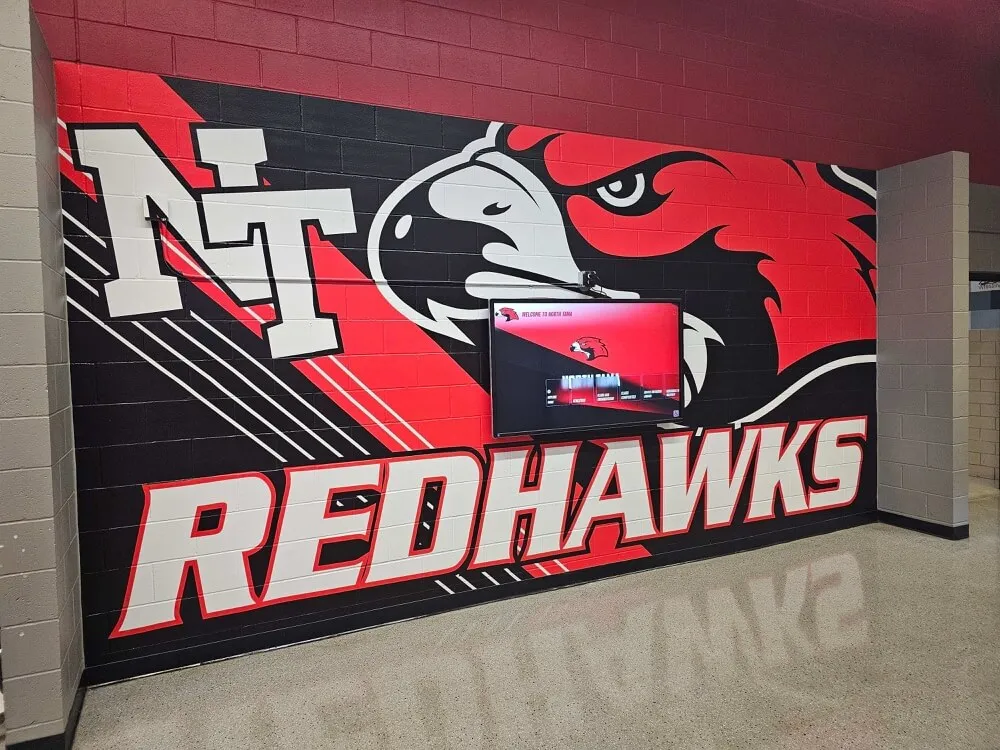
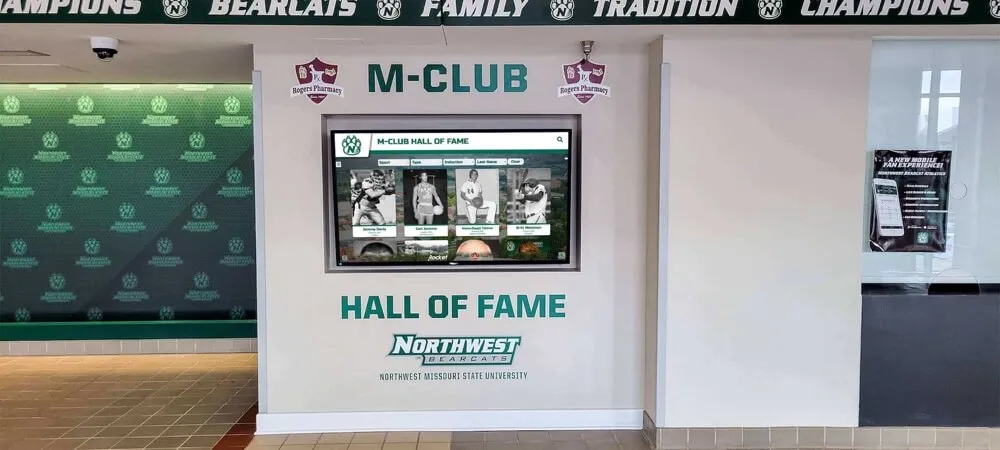
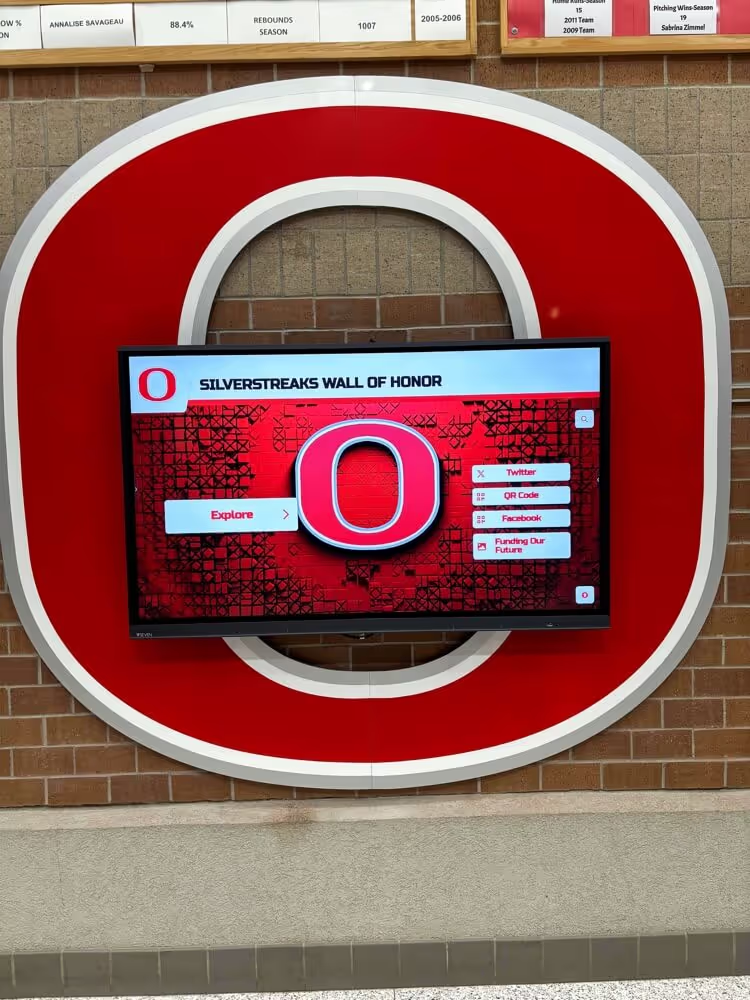
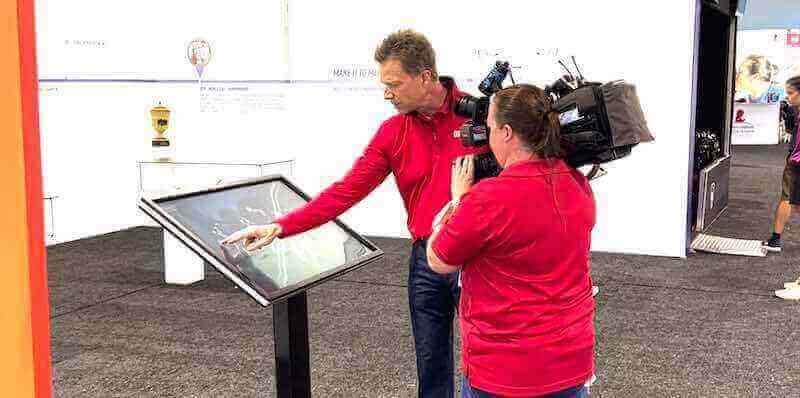
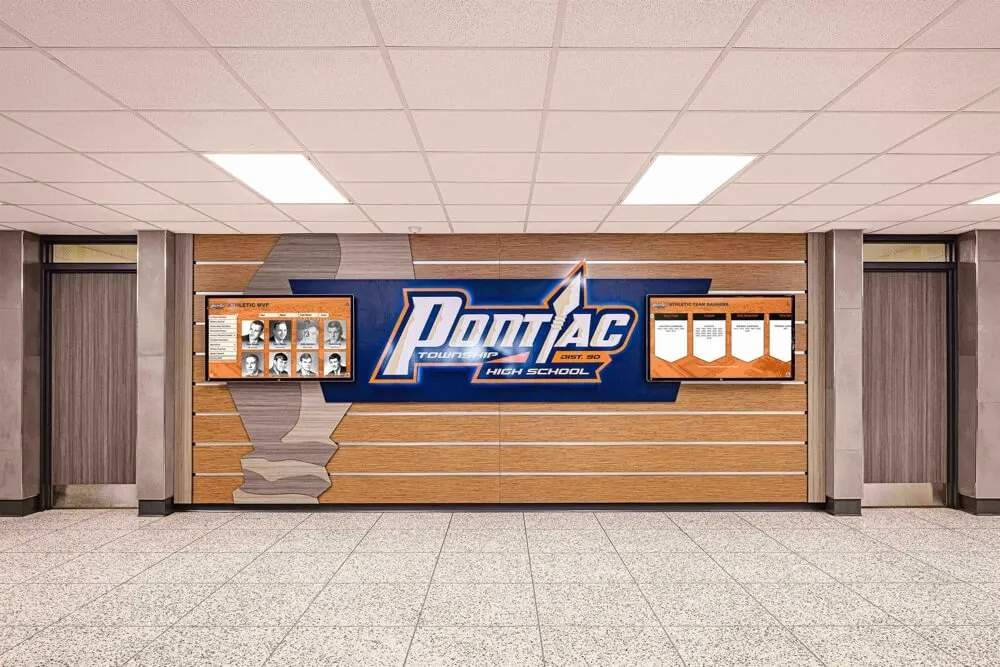
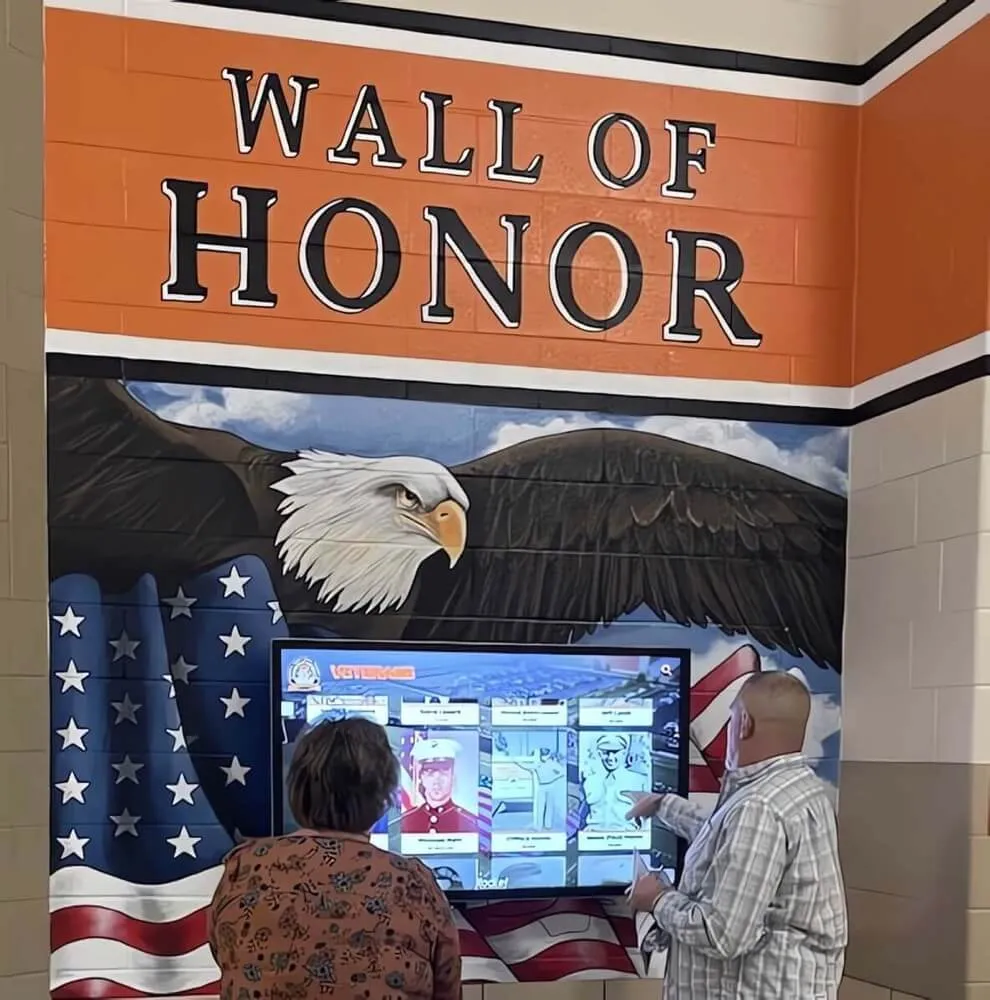
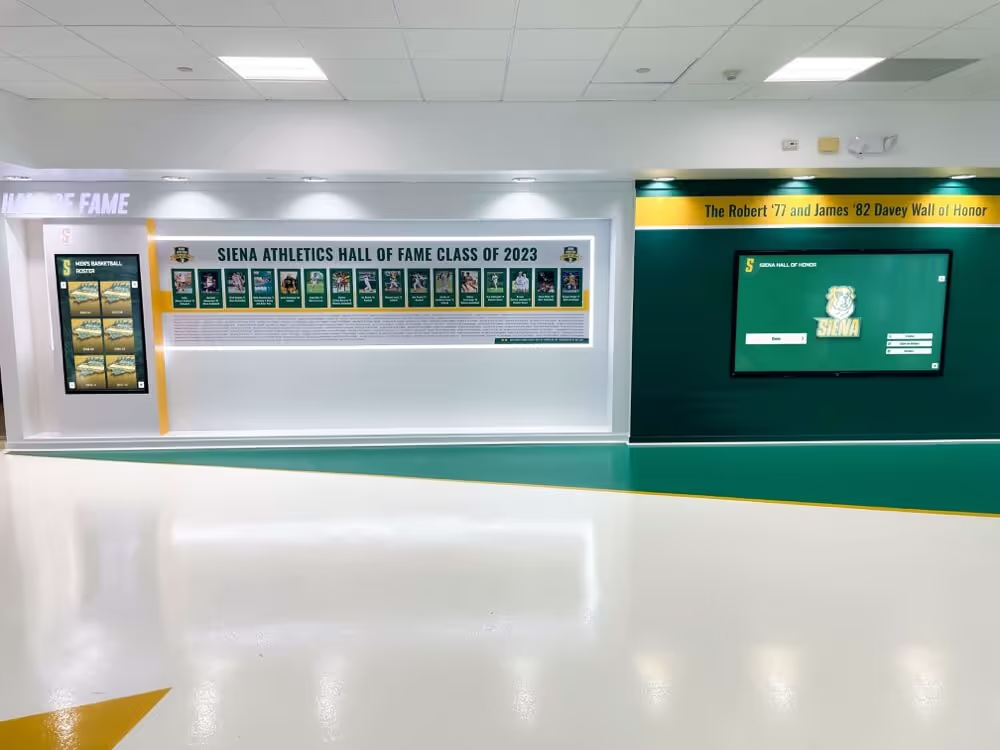
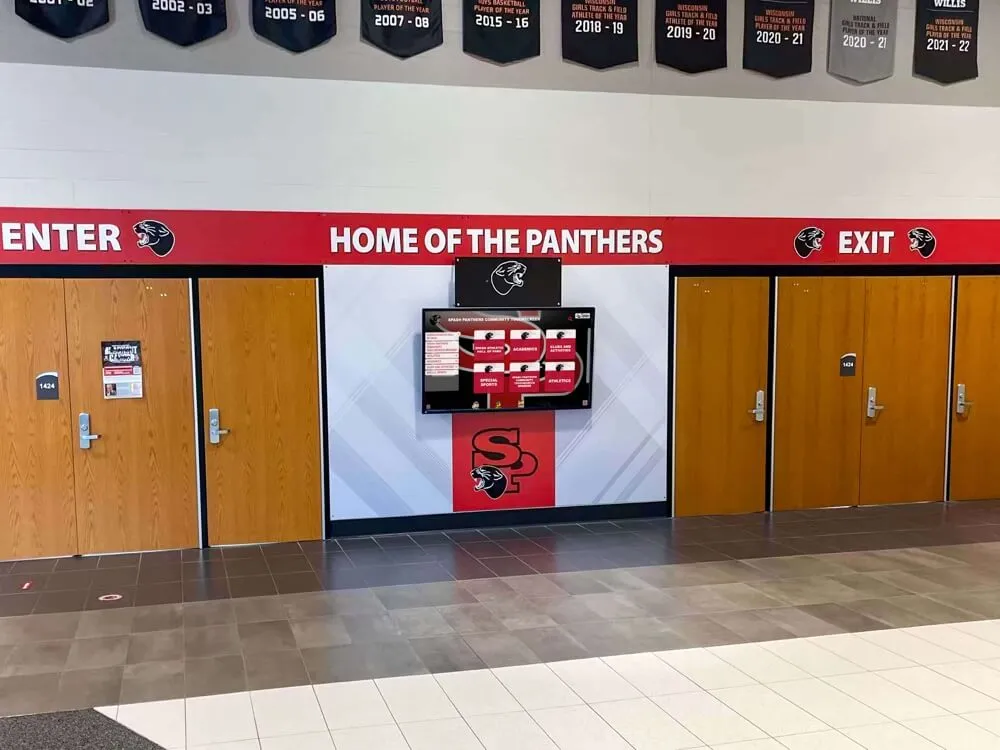
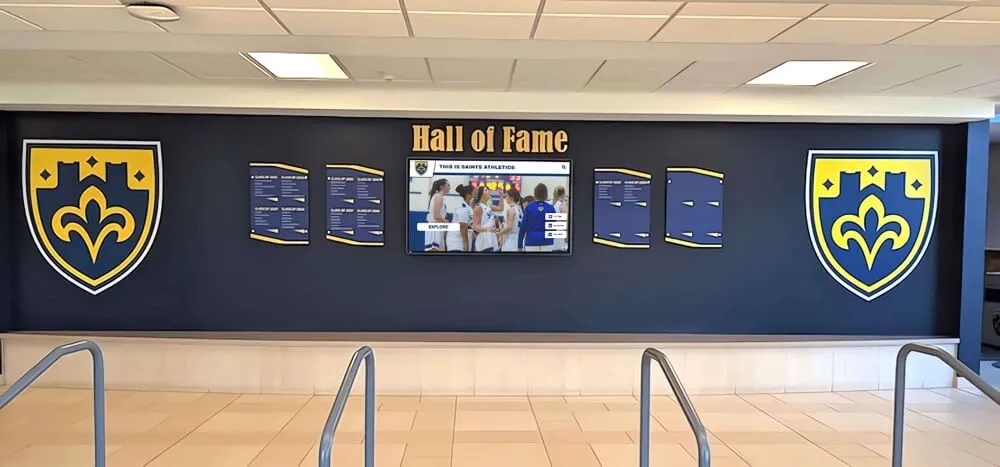
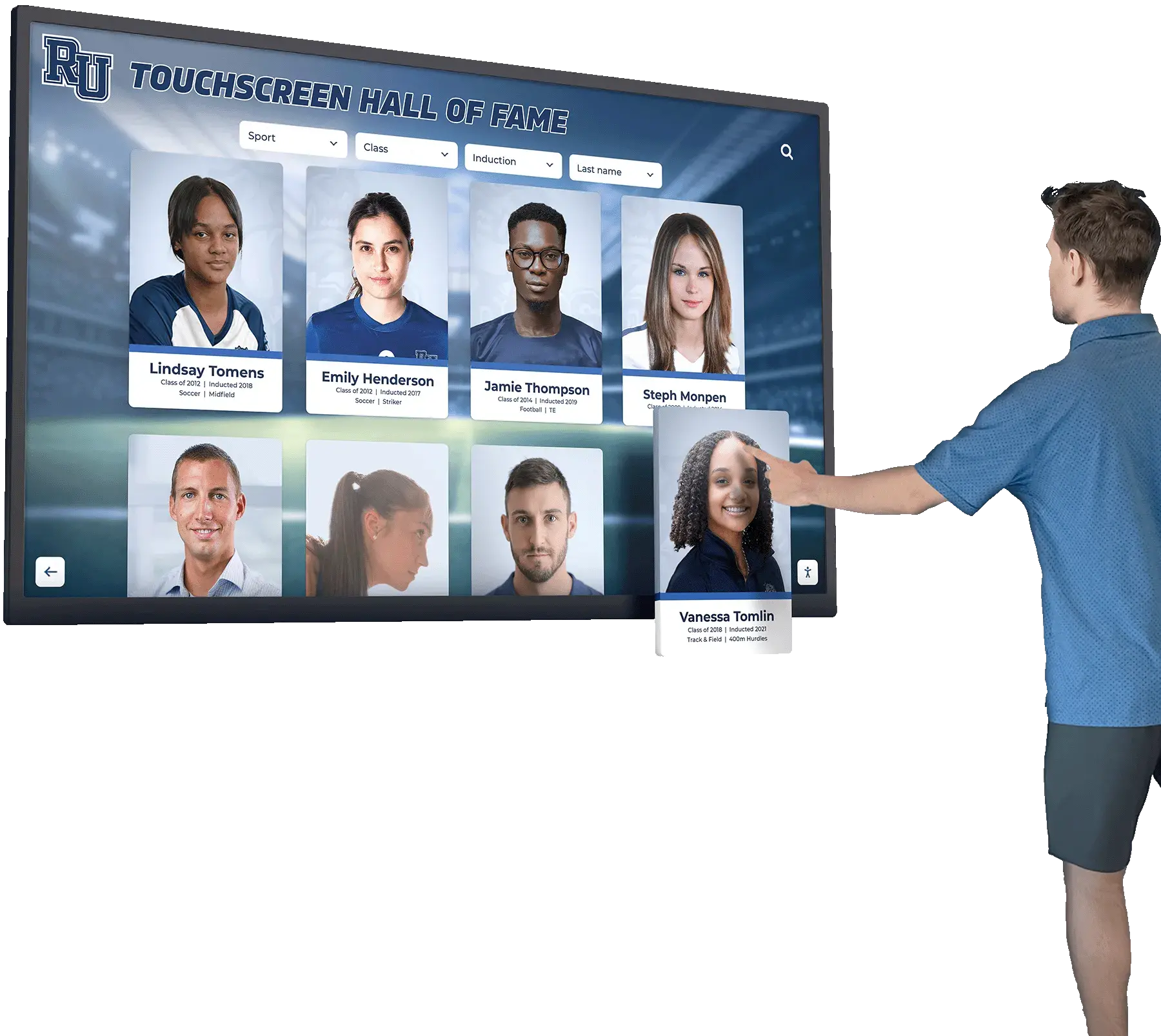
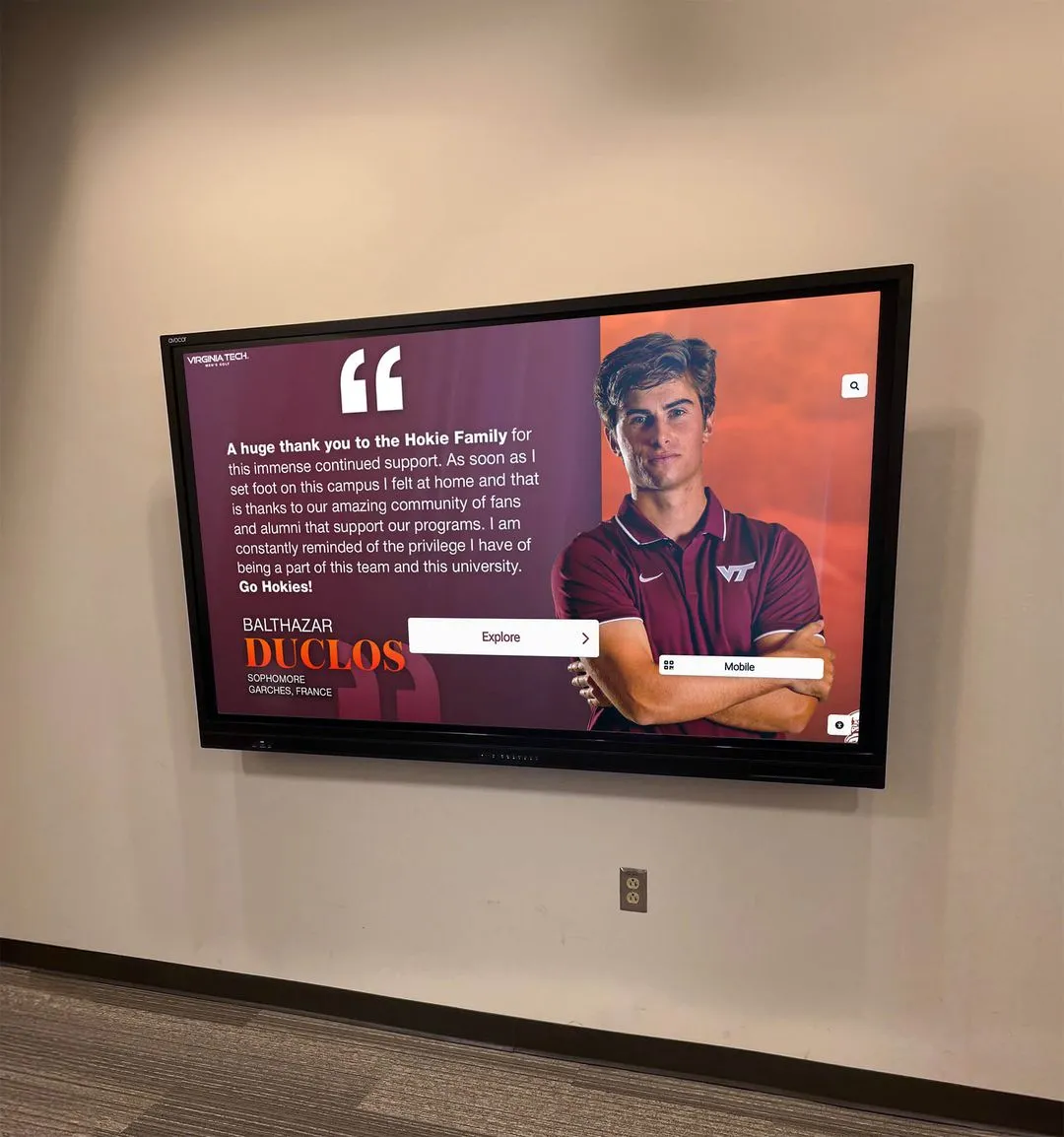
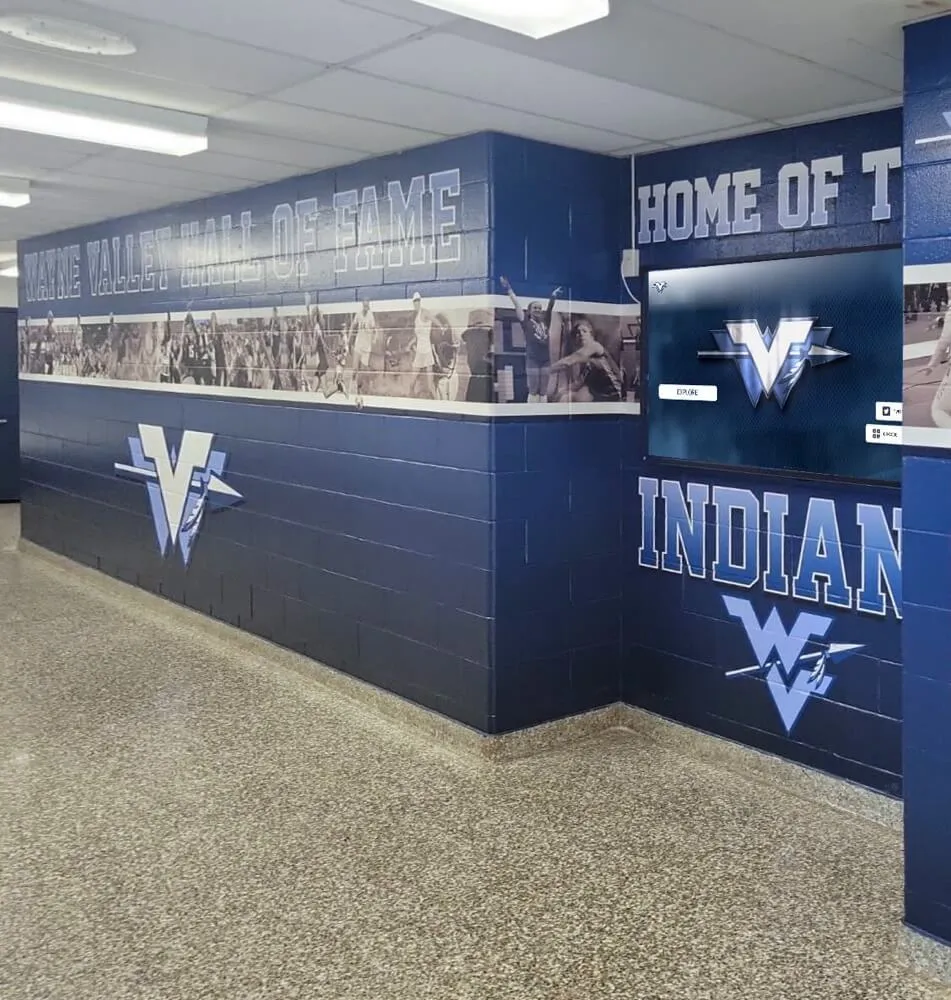
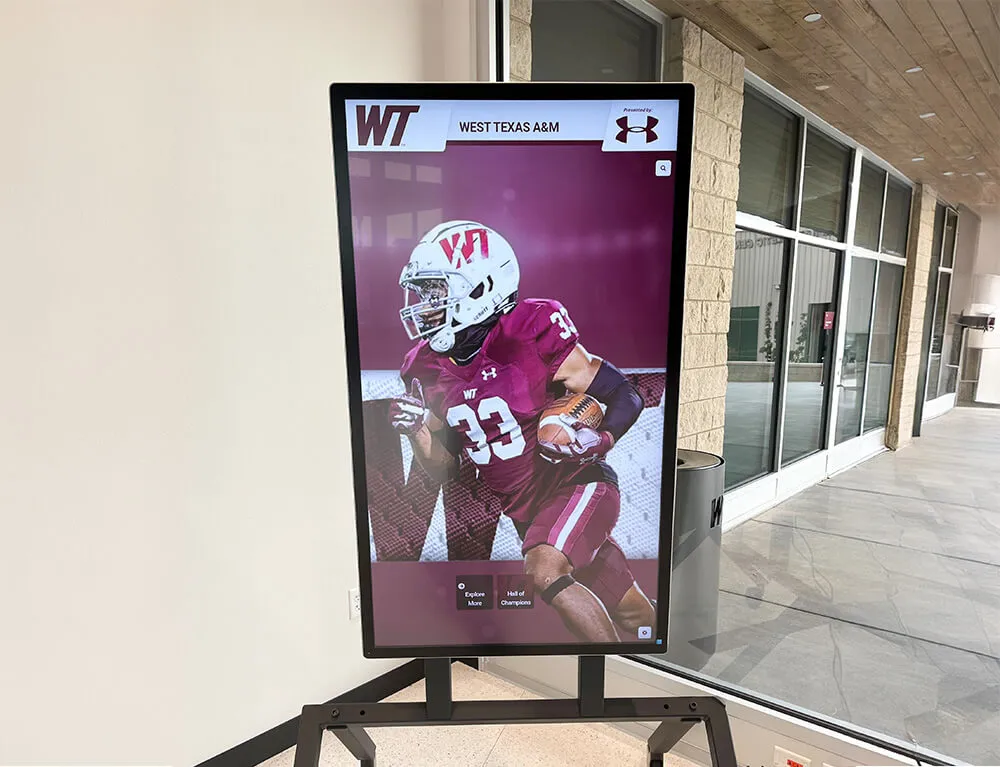
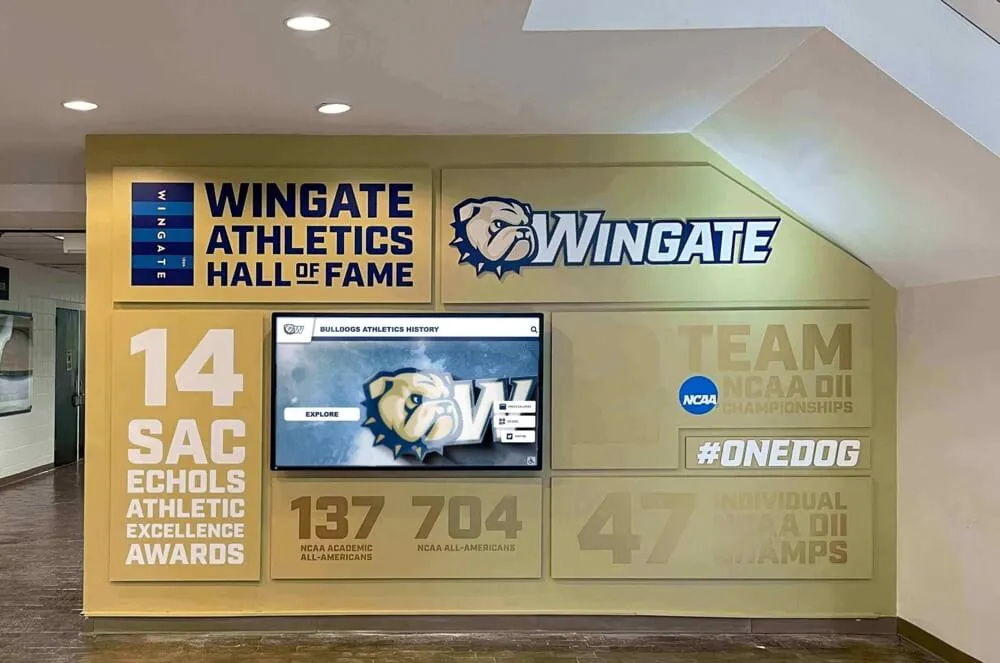
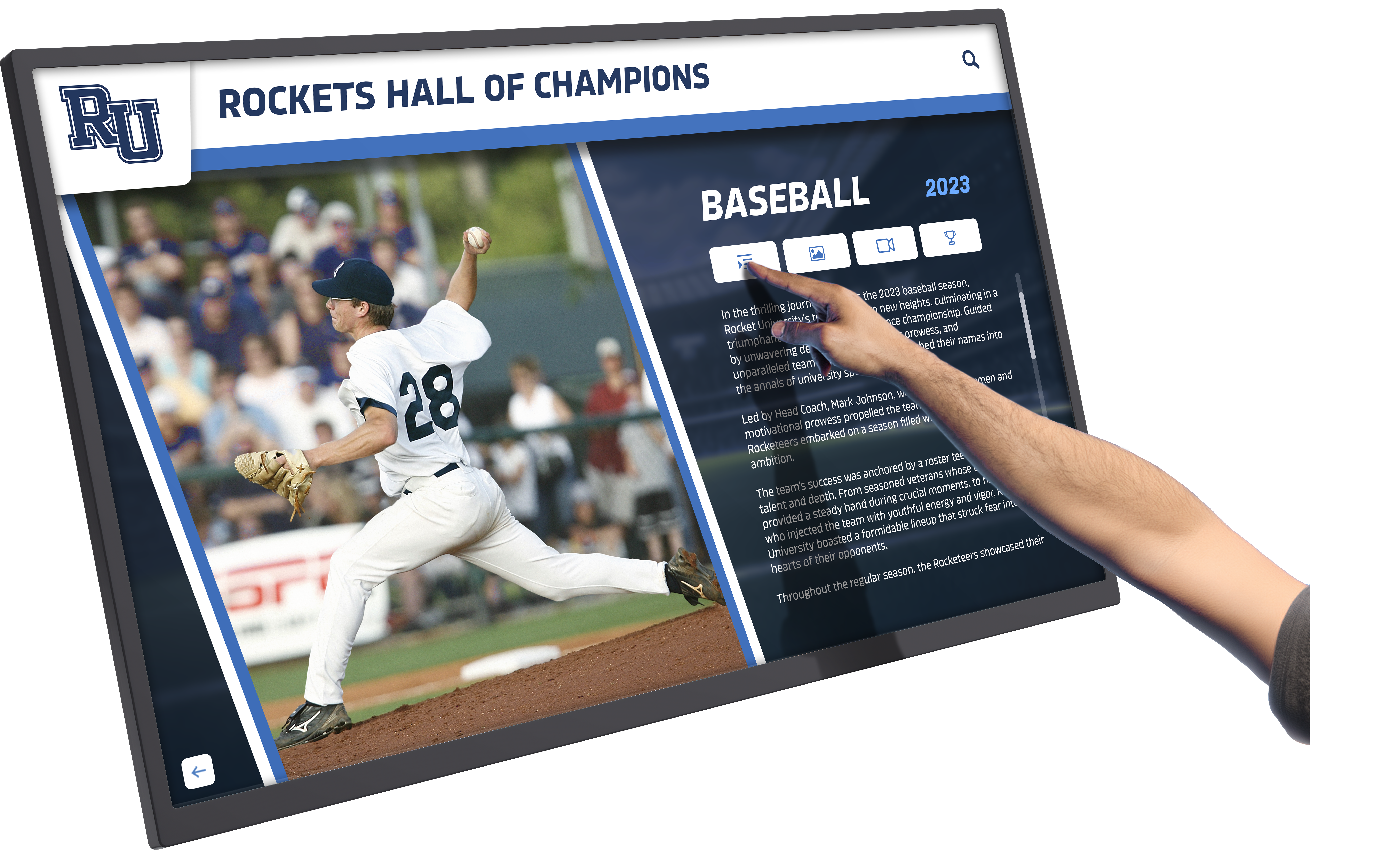
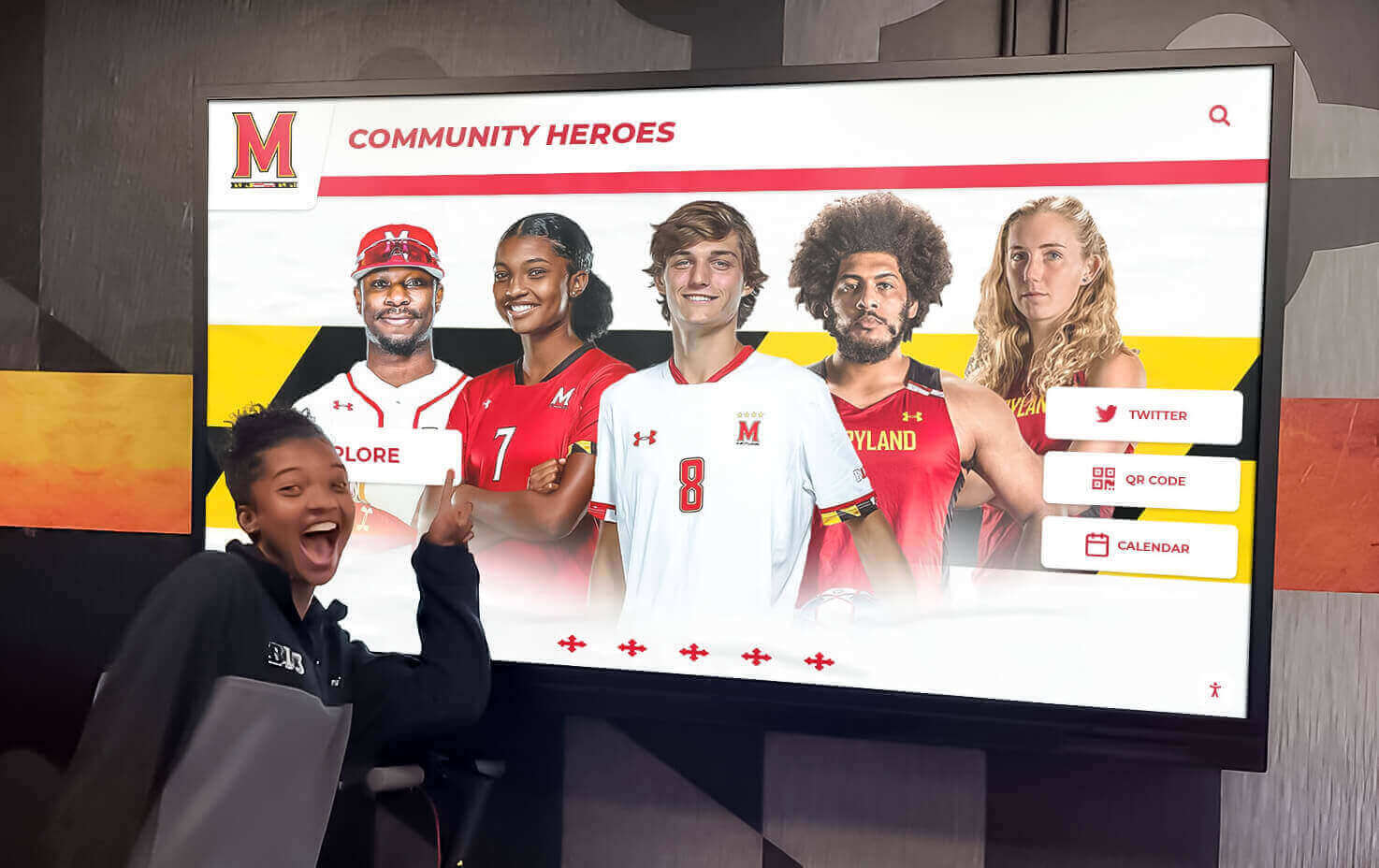
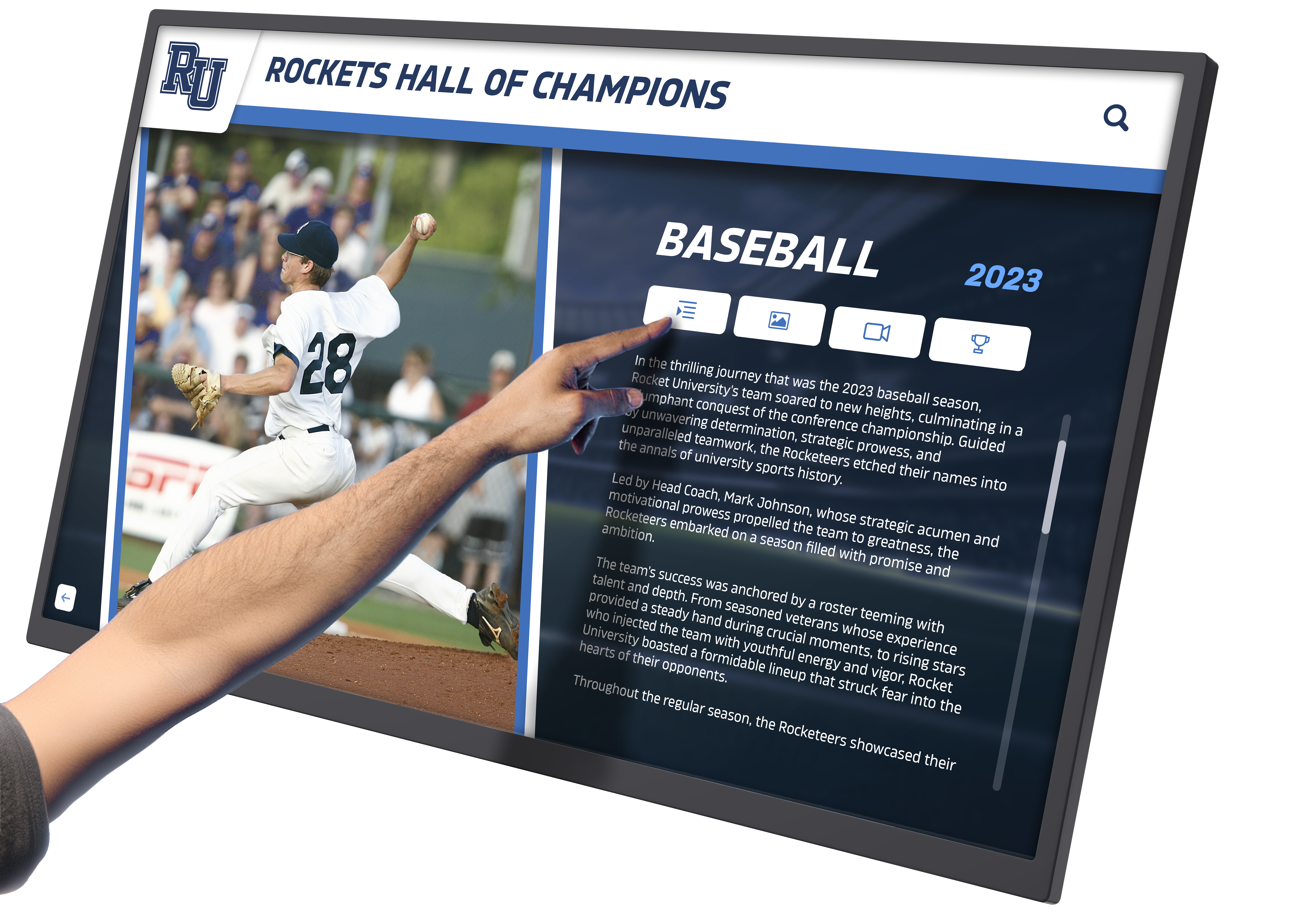

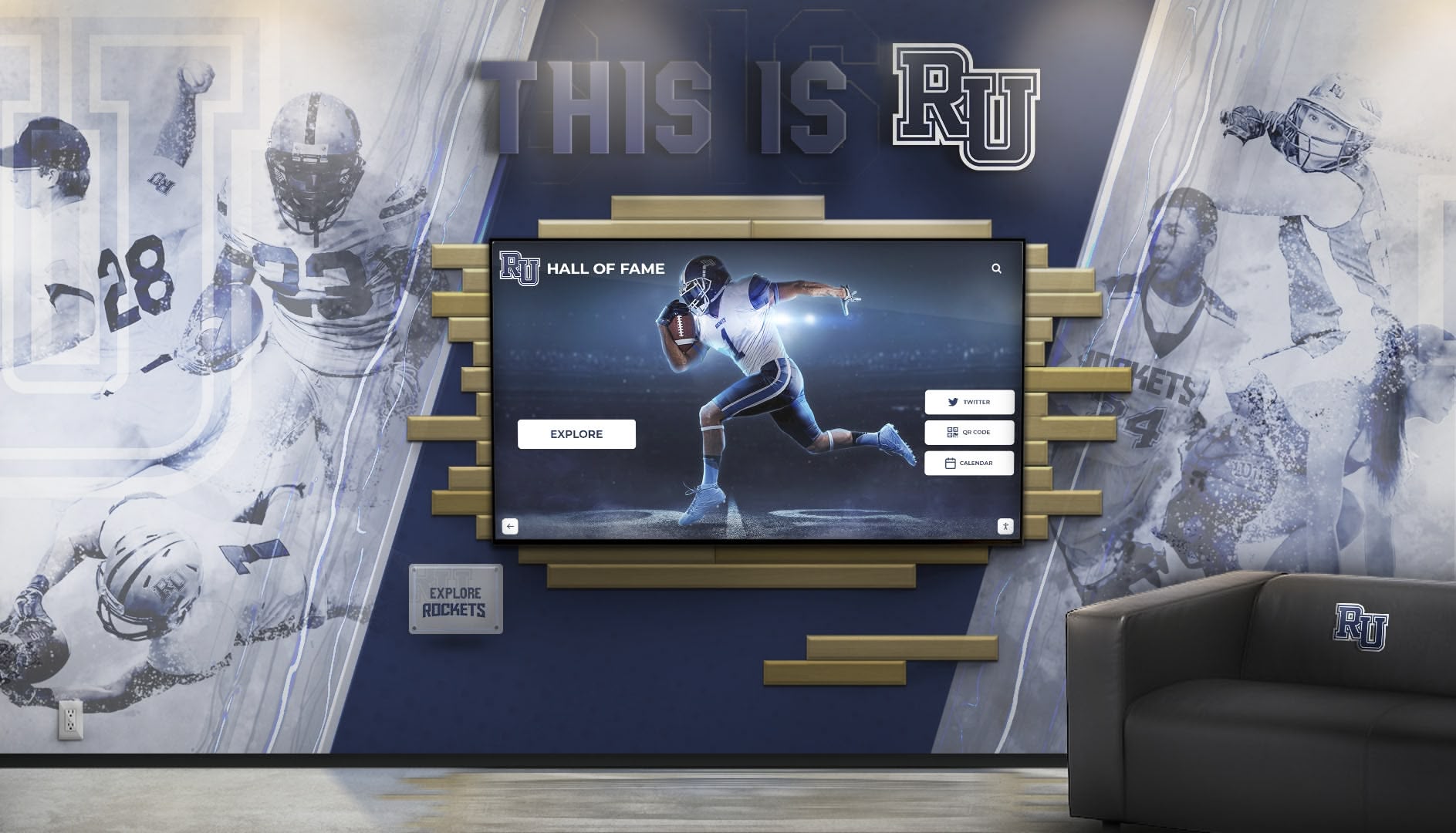
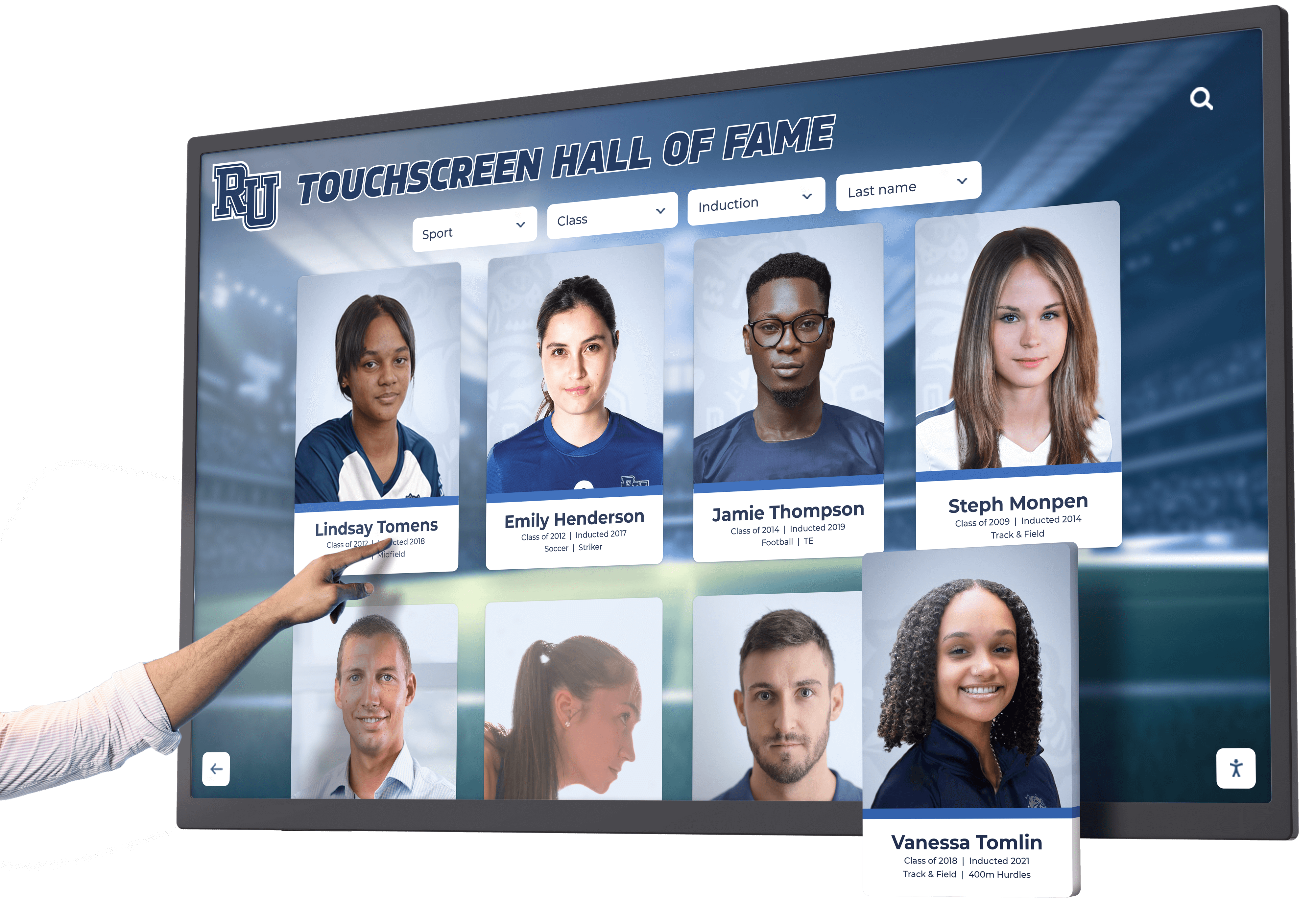
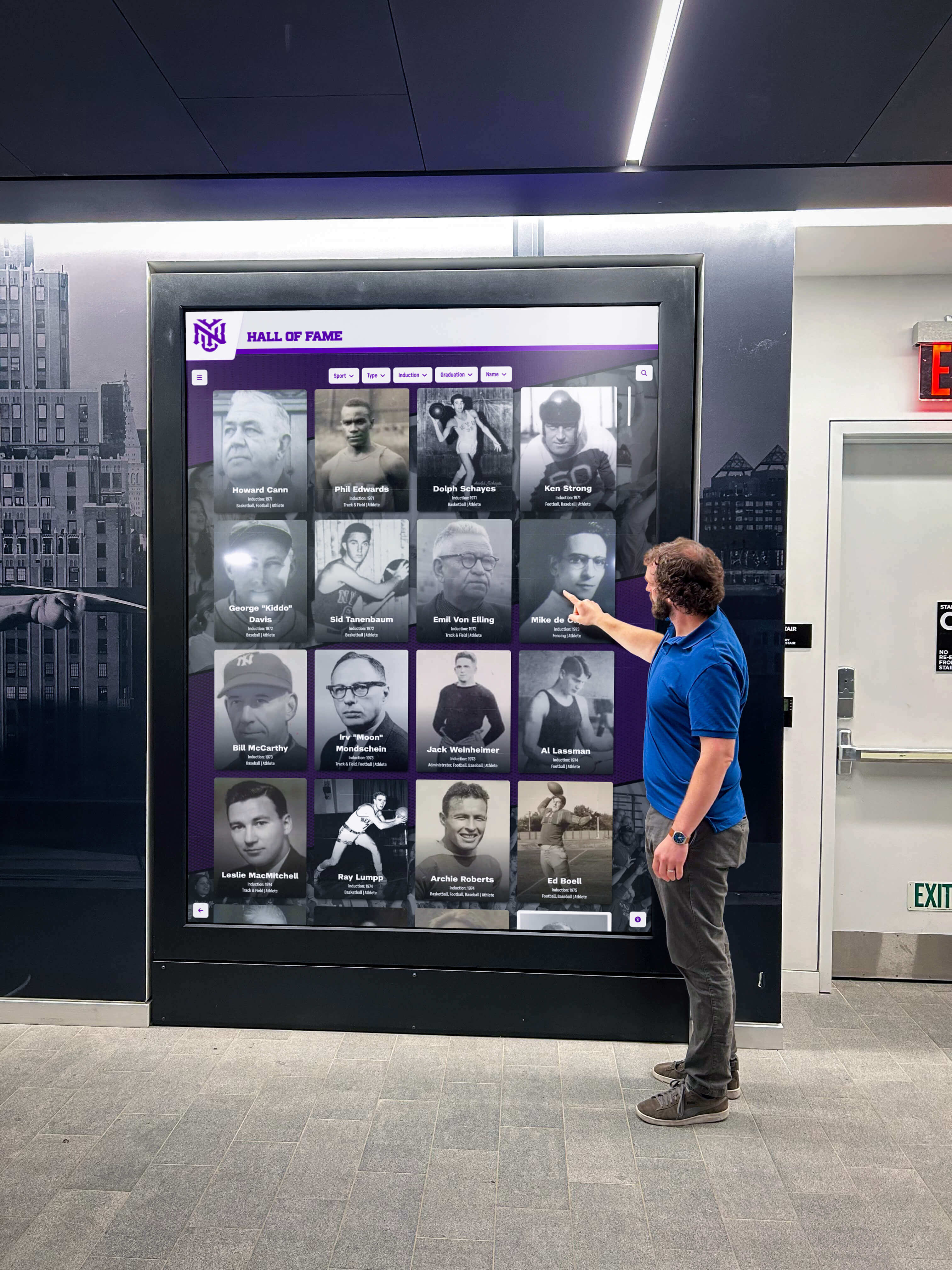
Interactive Touchscreen Kiosks: Implement permanent or temporary touchscreen displays where attendees explore senior profiles, view highlight videos, browse photo galleries, or access detailed statistics and career information. Interactive displays engage audiences beyond passive viewing, creating memorable exploration experiences while accommodating extensive content without display space constraints.
QR Code Access: Print QR codes on programs, posters, or displays that link to comprehensive digital senior profiles—extended photo galleries, video content, statistics, personal statements, or college commitment information—allowing interested viewers deep exploration while maintaining concise physical displays.
Athletic programs implementing comprehensive digital recognition systems create year-round athlete celebration extending far beyond single senior night ceremonies.
Program Materials and Communications
Effective senior night execution requires thoughtful communication materials informing families about ceremony procedures while creating keepsake documentation.
Senior Night Programs
Printed or digital programs serve multiple functions—providing ceremony guides for attendees, creating keepsake documentation for families, and offering comprehensive senior recognition:
Program Content Elements:
- Individual senior profiles with photos, statistics, accomplishments, and future plans
- Parent and family member names acknowledging support systems
- Ceremony schedule outlining event flow and timing
- Coach messages reflecting on senior contributions and character
- Team accomplishments and season highlights contextualizing senior careers
- Sponsor recognition acknowledging businesses supporting athletics
- Historical program information connecting current seniors to traditions
Distribution Methods: Determine program distribution approaches—printed versions handed to attendees at stadium entrances, digital versions accessible via QR codes or websites, or hybrid approaches offering both formats. Digital programs eliminate printing costs while allowing unlimited content depth, whereas physical programs provide tangible keepsakes families preserve.
Family Communication and Preparation
Clear advance communication with senior families ensures smooth ceremony execution while managing expectations:
Ceremony Procedures: Provide detailed information about ceremony format, timing, escort procedures, positioning instructions, photography workflows, and participation expectations. Families understanding procedures in advance approach senior night confidently rather than navigating unfamiliar situations during emotional moments.
Personal Information Collection: Request necessary information from families weeks before senior night—correct name spellings and pronunciations, parent/guardian names, future plans, photos for displays, jersey sizes for gifts, escort participant counts—allowing adequate preparation time while ensuring accuracy in public recognition.
Special Circumstances: Solicit information about family situations requiring accommodation—accessibility needs, family absence requiring alternative escorts, pronunciation guidance for unusual names, or sensitivities requiring ceremony adjustments. Proactive inquiry demonstrates consideration while preventing ceremony awkwardness from unaddressed circumstances.
Photo and Video Permissions: Obtain appropriate permissions for photo and video use in displays, social media, programs, and future recognition contexts. Clear permission documentation prevents future concerns while enabling comprehensive senior celebration through various media.
Schools coordinating multiple recognition events throughout years often draw inspiration from alumni event ideas that create engaging celebration experiences across different contexts.
Post-Season Recognition Extensions
Effective senior recognition need not conclude with pregame ceremonies. Several approaches extend celebration beyond senior night events:
Academic and Character Recognition
Academic Honors: Specifically acknowledge senior academic achievements alongside athletic recognition—honor roll status, scholarship commitments, academic awards, or college acceptances. Combined recognition communicates that programs value educational excellence equally with athletic performance, particularly important as most senior football players transition to non-athletic college experiences.
Character Awards: Present special recognitions for character qualities—leadership, sportsmanship, dedication, resilience, community service—ensuring athletes receive acknowledgment for intangible contributions beyond statistics. Character recognition often resonates more deeply than performance statistics, particularly for seniors who contributed significantly through leadership and example rather than statistical production.
Teammate Awards: Allow teammates to vote on peer-selected recognitions—“most valuable teammate,” “unsung hero,” “best encourager”—creating authenticity through peer acknowledgment while honoring contributions teammates value most. Peer recognition often means more to athletes than coach-selected awards, validating contributions in contexts teammates understand intimately.
Programs developing comprehensive approaches to student recognition often implement academic achievement systems celebrating educational excellence alongside athletic accomplishment.
Permanent Recognition Options
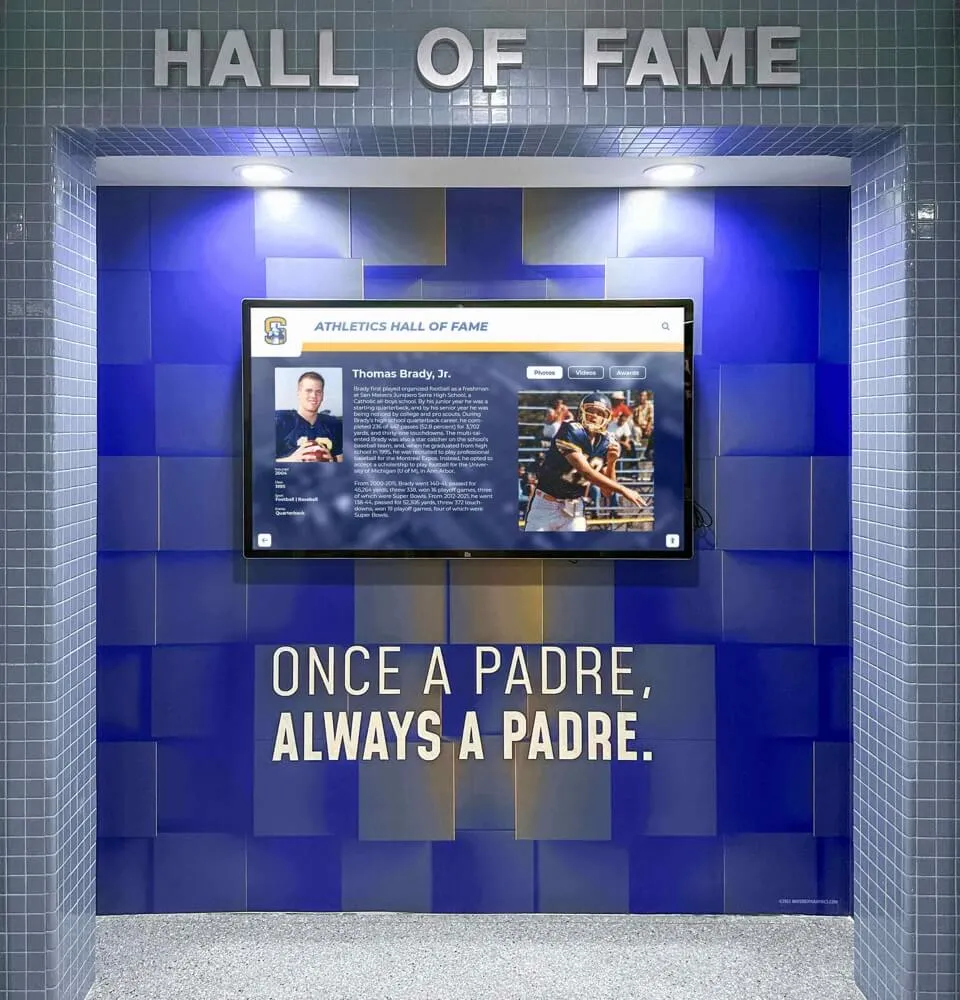
Hall of Fame Consideration: Establish clear pathways for exceptional seniors to receive hall of fame recognition—whether immediately upon graduation or after appropriate intervals allowing career perspective. Hall of fame inclusion provides lasting program recognition extending decades beyond graduation, connecting celebrated athletes permanently to institutional traditions.
Retired Jersey Numbers: Consider jersey retirement for truly exceptional senior careers—statistical dominance, championship leadership, character exemplars, or transformational program contributions. Jersey retirement represents athletics’ highest honor, making selective application essential for maintaining significance while providing aspirational recognition current athletes pursue.
Legacy Displays: Create permanent display spaces documenting each senior class—group photos, roster lists, season records, championship acknowledgments—preserving class identity within program history. Annual legacy displays ensure every senior class receives lasting recognition while building comprehensive program documentation spanning generations.
Digital Archives: Implement comprehensive digital documentation systems preserving senior information, photos, statistics, and accomplishments in searchable databases accessible to future generations. Digital archives ensure recognition permanence beyond physical displays while enabling alumni connections to program history decades after graduation.
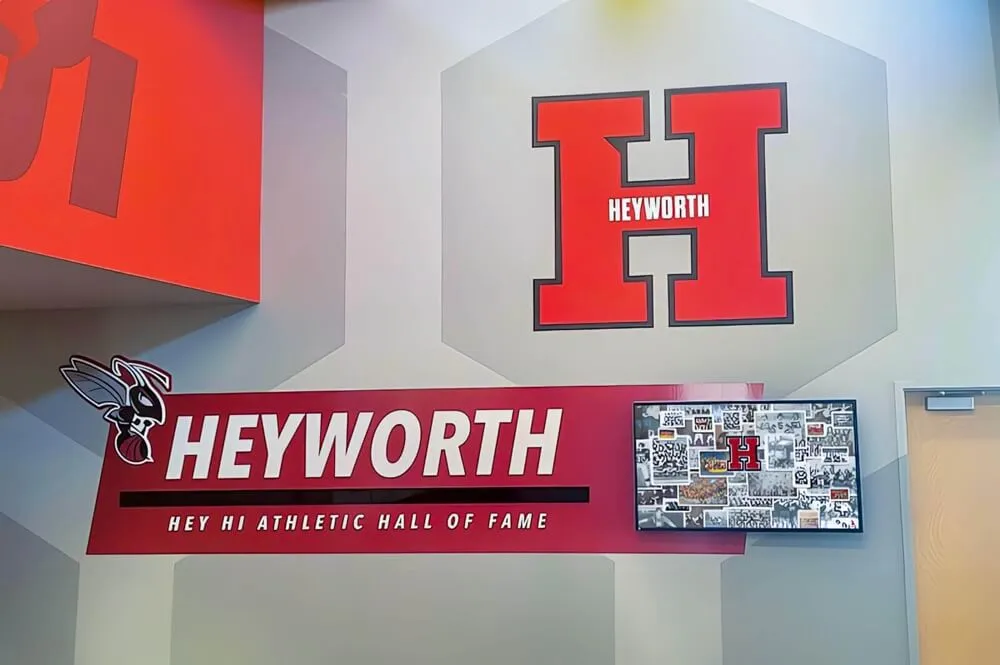
Schools implementing athletic hall of fame programs create frameworks for recognizing exceptional careers that extend far beyond senior night ceremonies.
Supporting Teams and Groups Recognition
Comprehensive senior night planning addresses all groups supporting football programs, not exclusively players:
Cheerleader and Dance Team Recognition
Coordinated Ceremonies: Schedule senior night recognition for cheerleaders, dance teams, and support groups either during the same pregame ceremony as football seniors or through separate dedicated recognition moments. Coordination communicates equal value for all contributors to Friday night experiences.
Performance Spotlights: Provide opportunities for senior cheerleaders or dancers to perform final routines, lead cheers, or participate in special performances celebrating their contributions. Performance elements honor these athletes’ primary skills while creating memorable moments distinct from football player recognition.
Combined Programs: Include all senior groups—football players, cheerleaders, dancers, band members—in unified programs and displays, acknowledging the collaborative nature of football game experiences where multiple groups contribute to atmosphere and tradition.
Band and Music Program Recognition
Musical Tributes: Coordinate with band programs to feature senior musicians through special performances, solos, or featured arrangements acknowledging graduating musicians’ contributions to game atmosphere. Musical recognition honors these students’ parallel dedication while complementing athletic celebration.
Halftime Recognition: Utilize halftime for extended music program senior recognition, allowing appropriate focus without compressing pregame football ceremonies. Separate halftime recognition provides adequate time for music-specific celebration while maintaining ceremony organization.
Parent and Booster Volunteers
Volunteer Appreciation: Acknowledge senior parents who served as booster volunteers, team parents, or program supporters throughout athletes’ careers. Volunteer recognition demonstrates gratitude for behind-the-scenes contributions essential to program function while honoring family commitment extending beyond individual athlete support.
Comprehensive recognition approaches draw from back-to-school night strategies that effectively engage families in school programs and celebrations.
Budget Considerations and Resource Management
Senior night quality need not depend on unlimited budgets. Strategic planning maximizes impact within available resources:
Cost-Effective Recognition Strategies
Volunteer Coordination: Leverage parent and booster volunteers for display creation, program printing, ceremony coordination, and photography rather than hiring external services. Volunteer involvement reduces costs while increasing family investment in successful execution.
Digital-First Approaches: Prioritize digital displays, social media recognition, and electronic programs over expensive physical materials. Digital approaches often deliver superior results at lower costs while providing lasting accessibility beyond single-night physical displays.
Incremental Enhancement: Build senior night traditions gradually, adding elements annually as budgets and planning capacity allow rather than attempting comprehensive programs without adequate resources. Sustainable growth creates improving traditions without financial strain or volunteer burnout.
Sponsorship Integration: Seek local business sponsorships offsetting senior night costs—program printing, gifts, displays, or photography—while providing sponsors recognition in program materials and stadium announcements. Strategic sponsorship reduces athletic budget strain while building community partnerships.
Bulk Material Purchases: Coordinate with other programs to purchase recognition materials collectively—flowers, frames, plaques, or commemorative items—achieving volume pricing reducing per-unit costs. Multi-sport coordination creates economies of scale benefiting all athletic programs.
Resource Allocation Priorities
When working within budget constraints, prioritize spending areas delivering maximum family impact:
High Priority: Professional photography documenting family moments, quality program development, and meaningful commemorative gifts create lasting value families treasure for decades
Medium Priority: Display materials, decorations, and ceremony enhancements improve experience quality but remain less critical than documentation and keepsakes families preserve
Lower Priority: Elaborate decorations, expensive venue modifications, or single-use materials provide temporary impact without lasting family value
Programs developing recognition systems often explore academic recognition approaches that maximize impact while managing resource constraints effectively.
Modern Digital Recognition Solutions
Technology enables recognition approaches overcoming traditional display limitations while providing superior long-term value:
Benefits of Digital Recognition Platforms
Unlimited Capacity: Digital systems accommodate comprehensive senior profiles—extensive photo galleries, video content, detailed statistics, personal statements—without physical space constraints limiting traditional displays. This capacity enables thorough documentation impossible with bulletin boards or posters.
Dynamic Updates: Digital platforms allow instant updates adding current accomplishments, game highlights, or new content throughout seasons and careers. This flexibility keeps recognition current and relevant rather than becoming outdated immediately after installation.
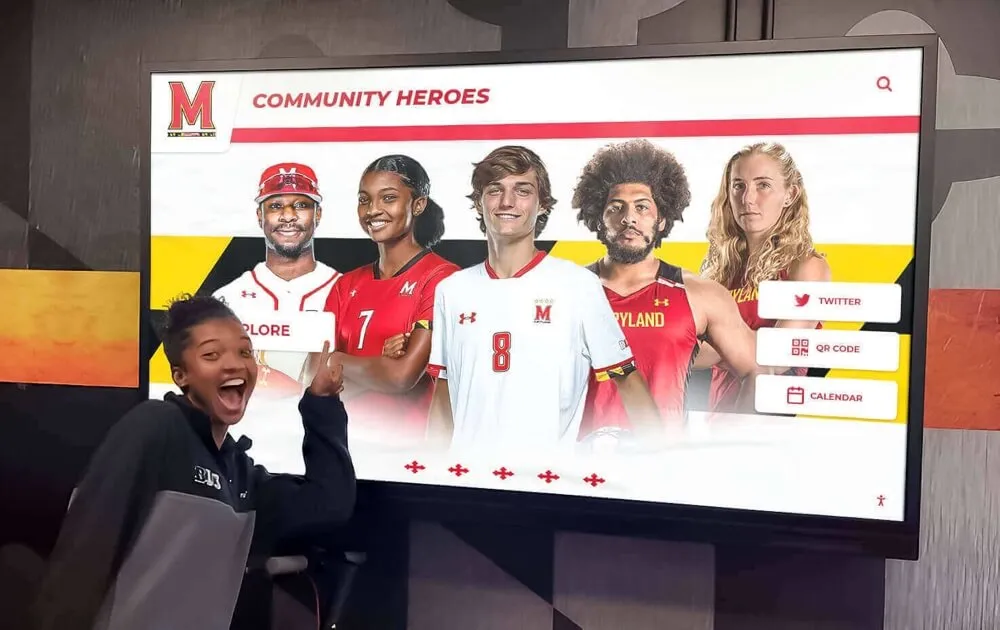
Interactive Engagement: Touchscreen displays and digital interfaces enable visitor exploration—browsing profiles, viewing videos, filtering by criteria, or searching specific athletes—creating engaging experiences beyond passive display viewing. Interactivity transforms recognition from information presentation into exploration opportunities.
Accessibility and Inclusion: Digital platforms naturally accommodate accessibility features—screen readers, text sizing, high contrast modes, multilingual content—ensuring recognition inclusivity for all community members. Accessibility consideration demonstrates commitment to universal design principles.
Long-Term Value: Digital recognition creates permanent archives accessible decades after graduation, enabling alumni reconnection with program history while documenting institutional traditions across generations. This permanence provides compound value increasing over time as documentation accumulates.
Cost Effectiveness: While requiring initial investment, digital platforms eliminate recurring physical display costs—printing, materials, installation labor, storage—while delivering superior functionality and unlimited capacity. Long-term cost analysis typically favors digital approaches despite higher upfront expenses.
Schools implementing comprehensive academic recognition programs often discover digital platforms transform recognition from administrative burdens into engaging celebration tools.
Implementation Considerations
Content Management: Evaluate platform content management systems ensuring coaches, administrators, or booster volunteers can easily update information without technical expertise. Intuitive management prevents systems from becoming obsolete due to update difficulties.
Integration with Existing Systems: Consider how digital recognition integrates with existing athletic websites, social media platforms, photography systems, and communication tools. Seamless integration maximizes efficiency while preventing duplicated effort across disconnected systems.
Display Placement: Position interactive displays in high-traffic areas—main entrances, athletic hallways, locker room lobbies, stadium concourses—maximizing visibility and engagement. Strategic placement ensures technology investment receives appropriate utilization justifying implementation costs.
Training and Support: Ensure adequate training for staff managing digital systems while confirming vendor technical support availability addressing problems quickly. Support quality often proves more critical than initial platform features for sustained successful implementation.
Organizations recognizing academic excellence alongside athletic achievement often implement comprehensive display solutions celebrating diverse student accomplishments through unified platforms.
Creating Emotional Resonance
The most memorable senior nights transcend logistics and procedures, creating genuine emotional connections through thoughtful details:
Personal Storytelling
Individual Narratives: Share specific stories about each senior—challenges overcome, growth demonstrated, memorable moments, character examples—rather than generic statements applicable to anyone. Specific narratives create authentic recognition demonstrating genuine knowledge of individual athletes.
Coach Reflections: Feature brief coach statements about each senior highlighting unique qualities, contributions, or memories coaches associate with specific athletes. Personal coach reflections carry significant weight with athletes and families, validating that coaches truly know and value individual team members.
Teammate Testimonials: Include quotes or video statements from teammates describing senior leadership, friendship, or influence. Peer testimonials often resonate more deeply than adult praise, validating seniors within contexts teammates understand intimately from shared experiences.
Journey Documentation: Emphasize growth and development from early participation through graduation—skills developed, maturity demonstrated, leadership emergence—rather than focusing exclusively on final-season accomplishments. Journey recognition honors the process and persistence producing senior-year performance.
Memory Preservation
Professional Documentation: Invest in quality photography and videography capturing ceremony moments families preserve for decades. Professional documentation provides lasting value far exceeding costs, creating artifacts families cherish throughout lives.
Ceremony Recording: Record complete ceremonies—audio and video—making recordings available to families afterward. Recordings allow families to relive moments, share experiences with absent relatives, and preserve memories beyond what photographs capture alone.
Keepsake Materials: Provide tangible items seniors and families retain—programs, photos, commemorative gifts, signed items—creating physical memory anchors beyond experiential moments. Physical keepsakes gain sentimental value over time, becoming treasured reminders of athletic careers.
Future Connection: Communicate how seniors can maintain program connections—alumni events, mentorship opportunities, facility visits, digital recognition access—ensuring senior night represents transition rather than termination. Future connection messaging prevents feelings of finality replacing them with ongoing relationship possibilities.
Programs developing lasting recognition traditions often implement historical archiving approaches preserving program documentation across decades.
Conclusion: Honoring Football Senior Contributions
Football senior night represents far more than pregame ceremony obligations—these carefully planned celebrations provide formal acknowledgment of multi-year athletic dedication, family partnership recognition, emotional career closure, connection to program traditions, and creation of lasting memories families and athletes cherish for decades. When implemented thoughtfully, senior night ceremonies communicate that programs genuinely value graduating athletes’ contributions while honoring the sustained commitment producing those Friday night moments under the lights.
The football senior night ideas presented in this guide provide frameworks athletic directors, coaches, and booster clubs can adapt based on program size, tradition, budget constraints, and community context. Programs need not implement every suggestion—thoughtful selection of elements addressing specific needs and honoring individual athletes proves more effective than overwhelming ceremonies with excessive components.
Effective senior night programs share common characteristics regardless of specific approaches chosen:
- Personalized recognition demonstrating genuine knowledge of individual athletes
- Family involvement acknowledging partnership in athletic development
- Appropriate pacing balancing meaningful recognition with game day realities
- Quality documentation preserving memories through professional photography and recording
- Emotional authenticity creating genuine celebration rather than perfunctory obligation
- Clear communication ensuring families understand procedures and expectations
- Inclusive approaches accommodating diverse family situations respectfully
- Balance between individual acknowledgment and team celebration
- Connection to program history and tradition
- Extension beyond single ceremony through permanent recognition
Modern digital recognition solutions overcome traditional display limitations while providing long-term value through unlimited capacity, dynamic updates, interactive engagement, accessibility features, permanent documentation, and cost effectiveness over time. These platforms transform senior recognition from space-constrained posters and brief announcements into comprehensive celebration experiences honoring individual contributions while building program traditions accessible to future generations.
Whether implementing traditional ceremony approaches, incorporating creative enhancement elements, or adopting comprehensive digital recognition platforms, the fundamental goal remains consistent—ensuring graduating football players and their families experience genuine appreciation for years of dedication, sacrifice, and commitment to representing schools and communities through athletic participation.
The most successful senior night programs balance respect for tradition with embrace of enhancement opportunities, honor individual achievement while celebrating team success, acknowledge athletic performance while recognizing character development, and create single-night celebration moments while establishing permanent recognition preserving legacies across generations. They communicate institutional values celebrating the complete student-athlete experience—academic achievement, character development, athletic excellence, and community contribution—preparing students for life success extending far beyond football fields.
Ready to transform how your athletic program recognizes senior athletes? Modern digital recognition solutions create comprehensive celebration experiences honoring football excellence while building recognition traditions engaging contemporary audiences through intuitive, professional platforms designed specifically for school athletic programs.
Explore comprehensive recognition solutions that make honoring senior athletes easier, more engaging, and more meaningful than traditional approaches while creating permanent documentation celebrating athletic legacies across generations.