



Key Takeaways
Master the football onside kick with our complete guide covering strategy, new NFL rules 2024, recovery techniques, success rates, and famous onside kick moments that changed games.
Understanding the Football Onside Kick: Definition and Purpose
The onside kick serves as a specialized kickoff technique where the kicking team deliberately kicks the ball a short distance—just beyond the required 10-yard minimum—with the strategic intention of recovering possession immediately rather than kicking deep and relying on their defense to force a punt.
Basic Mechanics and Objectives
Under current football rules across NFL, college, and high school levels, a kickoff becomes legally recoverable by the kicking team once the ball travels the required 10 yards from the kicking point. The onside kick exploits this rule by intentionally placing the kick just beyond this minimum distance in an area where kicking team players can arrive simultaneously with or before receiving team players.
The fundamental objectives of an onside kick include:
- Immediate Possession Recovery: Regaining the ball without allowing the opponent an offensive possession
- Time Conservation: Maintaining scoring opportunities when trailing late in games
- Momentum Disruption: Creating unexpected situations that can shift game psychology
- Strategic Surprise: Catching opponents unprepared in non-obvious onside kick situations
- Risk-Reward Calculation: Trading high failure risk for potential game-changing possession recovery
The onside kick represents football’s most dramatic example of special teams strategy directly impacting game outcomes, making it a critical element of coaching preparation and player development.
Historical Evolution of the Onside Kick
The onside kick has evolved significantly throughout football history, with rule changes repeatedly reshaping its strategic role and success probability:
Early Football Era: Before standardized kickoff rules, recovery attempts after kicks were relatively common, with fewer restrictions on player positioning and movement.
Mid-20th Century Standardization: As organized football rules developed, specific requirements emerged governing minimum distance, fair catch provisions, and recovery eligibility, creating the modern onside kick framework.
Golden Era (1990s-2010s): During this period, onside kick success rates remained relatively high, particularly for surprise attempts. Innovative kickers like Ryan Succop, Daniel Sepulveda, and others developed specialized techniques that maximized recovery probabilities.
2018 NFL Rule Changes: Responding to player safety concerns, the NFL implemented significant restrictions limiting the kicking team’s ability to get running starts before the kick, dramatically reducing success rates and altering strategic calculations.
Current Environment: Modern onside kicks face challenging success rates, forcing coaches to carefully weigh the low probability of recovery against strategic necessity in late-game situations.
Understanding this evolution helps contextualize current onside kick strategy and explains why success rates have declined significantly in recent years.
Onside Kick Rules Across Different Football Levels
Rule variations between professional, college, and high school football create important distinctions in how onside kicks must be executed and defended.
NFL Onside Kick Rules (2024)
The National Football League maintains specific requirements governing onside kick attempts:
Minimum Distance Requirement: The kick must travel at least 10 yards from the kicking team’s restraining line before the kicking team can legally touch or recover the ball. If the kicking team touches the ball before it travels 10 yards, it results in an illegal touching penalty, giving the receiving team excellent field position.
Alignment Restrictions: The 2018 rule changes significantly impacted kicking team alignment. Players on the kicking team cannot line up more than one yard behind the restraining line, preventing running starts that previously allowed players to build momentum before the kick. This restriction was implemented primarily for player safety reasons but dramatically reduced onside kick success rates.
Receiving Team Rights: The receiving team must have a clear opportunity to catch the ball. If the kicking team interferes with this opportunity before the ball travels 10 yards, officials can penalize the violation. Once the ball travels 10 yards, it becomes a free ball recoverable by either team.
Fair Catch Provisions: The receiving team can signal and execute a fair catch on an onside kick attempt, immediately securing possession without risk of fumbling during recovery attempts.
Formation Requirements: At least four players from the kicking team must line up on each side of the kicker, preventing the team from loading one side with recovery specialists.
These restrictive rules have pushed NFL onside kick success rates to historic lows, fundamentally changing late-game strategy calculations.
NCAA College Football Onside Kick Rules
College football rules share similarities with NFL requirements but include some important variations:
10-Yard Requirement: Consistent with NFL rules, college onside kicks must travel at least 10 yards before the kicking team can legally recover.
Wedge Block Restrictions: NCAA rules prohibit more than two players from the receiving team forming a wedge block within two yards of each other, intended to reduce dangerous high-speed collisions during kickoff returns.
Alignment Rules: College rules include similar restrictions preventing excessive running starts, though implementation and enforcement may differ slightly from NFL interpretation.
Touchback Rules: If an onside kick attempt inadvertently travels into the end zone and is not recovered, it results in a touchback with the receiving team taking possession at their 25-yard line, making over-kicking a costly error.
Targeting and Player Safety: College football’s comprehensive targeting rules apply to onside kick attempts, with officials closely monitoring helmet-to-helmet contact and dangerous hits during recovery attempts.
College special teams coordinators must prepare for onside kicks both on offense and defense, as these situations frequently occur in high-stakes conference championship and bowl games. Successful college athletic recognition programs often highlight special teams excellence alongside traditional offensive and defensive achievements.
High School Football Onside Kick Rules (NFHS)
The National Federation of State High School Associations (NFHS) governs high school football rules, with some distinctions from professional and college levels:
10-Yard Requirement: Consistent across all levels, high school onside kicks must travel at least 10 yards before the kicking team can legally recover possession.
Restraining Line Positioning: High school rules similarly restrict player positioning to prevent dangerous high-speed collisions, though specific implementation may vary by state athletic association interpretation.
Hands Team Deployment: High school receiving teams typically deploy specialized “hands teams” in obvious onside kick situations, consisting of players with superior ball-handling skills positioned in the optimal recovery zones.
Coaching Communication: High school rules allow more liberal coaching communication during timeouts and between plays, enabling detailed onside kick preparation and adjustment.
Safety Emphasis: High school football places particular emphasis on player safety during special teams plays, with officials instructed to closely monitor dangerous contact during onside kick recovery attempts.
High school coaches must teach both execution and defense of onside kicks as part of comprehensive special teams preparation. Programs that excel in special teams often celebrate these achievements through interactive digital displays alongside more traditional offensive and defensive honors.
Strategic Situations for Attempting an Onside Kick
Understanding when to attempt an onside kick requires sophisticated analysis of game situation, risk tolerance, and probability assessment.
Late-Game Desperation Scenarios
The most common onside kick situation occurs when a team trails late in the game and requires multiple possessions to tie or win:
Trailing by 8-16 Points in Final 5 Minutes: When down by two scores with limited time remaining, teams face mathematical necessity of recovering multiple possessions. A normal kickoff followed by defensive stop and punt consumes significant time, making onside kick recovery essential to preserve realistic comeback opportunities.
Timeout Availability: Teams with remaining timeouts have slightly more flexibility because they can stop the clock after defensive stops. However, even with three timeouts, recovering an onside kick significantly accelerates comeback timelines compared to relying solely on defensive stops.
Two-Minute Drill Situations: In the final two minutes, the clock becomes paramount. An onside kick recovery eliminates an entire possession cycle, potentially providing the difference between having opportunity to score and running out of time.
Championship Game Implications: In playoff or championship games where season continuation depends on victory, coaches demonstrate greater willingness to attempt lower-probability onside kicks compared to regular season games where losing doesn’t eliminate championship opportunities.
The calculation becomes more complex when considering that modern onside kick success rates hover around 7-12% in expected situations, meaning teams must weigh this low probability against the near-certainty of defeat if they kick deep and fail to recover possession defensively.
Surprise Onside Kick Opportunities
Historically, surprise onside kicks—attempted when the receiving team expects a normal kickoff—succeed at dramatically higher rates than expected onside kicks:
Early Game Momentum Shifts: Some aggressive coaches attempt surprise onside kicks early in games to establish aggressive mentality and potentially create early scoring opportunities. While risky, successful early onside kicks can demoralize opponents and energize the kicking team.
After Scoring Touchdowns: The moments immediately after scoring represent optimal surprise onside kick opportunities because receiving teams expect normal kickoffs and deploy standard return formations with deep returners rather than hands team specialists.
Opponent Personnel Mismatches: When scouting reveals that opponents have weak hands team personnel or poor onside kick recovery practice, surprise attempts exploit these preparation gaps.
Weather and Field Conditions: Windy conditions, wet fields, or poor visibility can create challenging recovery environments for receiving teams while providing opportunity for skilled kickers who practice these conditions extensively.
Psychological Momentum: After significant momentum swings or emotional plays, surprise onside kicks can compound opponent frustration and confusion while energizing the kicking team’s sideline.
Before 2018 NFL rule changes, surprise onside kicks succeeded approximately 60% of the time because receiving teams had deep returners positioned 40+ yards from the kick with limited recovery specialists near the 10-15 yard zone. Current rules have reduced surprise onside kick advantages, but they still succeed at higher rates than expected attempts.
Risk-Reward Analysis and Decision Framework
Coaches must develop systematic frameworks for onside kick decisions rather than relying on emotional reactions to game situations:
Win Probability Calculations: Advanced analytics enable coaches to calculate win probability with normal kickoff versus onside kick attempt based on score, time, timeouts, and field position. These calculations sometimes reveal counter-intuitive optimal strategies.
Success Rate Assumptions: Coaches must estimate their team’s onside kick recovery probability based on personnel, practice performance, and opponent’s hands team quality. Teams with superior onside kick units may justify attempts in less desperate situations.
Alternative Possession Scenarios: Comparing onside kick probability against likelihood of defensive stop plus time remaining to run offensive scoring drive provides clearer decision framework than intuitive assessments alone.
Organizational Risk Tolerance: Some programs embrace aggressive “nothing to lose” mentality while others prefer conservative approaches that minimize embarrassing failures, influencing onside kick decision-making beyond pure mathematical optimization.
Effective coaches develop clear decision criteria before games rather than making emotional in-game choices, enabling consistent strategic decision-making aligned with organizational philosophy.
How to Execute an Onside Kick: Kicker Technique
Successful onside kick execution requires specialized kicker techniques maximizing recovery probability through precise ball placement and trajectory control.
Ball Placement and Contact Points
The kicker’s approach to the ball and contact point fundamentally determine kick trajectory and recovery probability:
Tee Positioning: Most onside kicks use specialized tees tilting the ball at optimal angles for the intended kick type. The ball’s orientation creates specific bounce patterns when contacted properly.
Contact Location: Traditional onside kicks contact the lower third of the ball slightly off-center, creating forward rotation and controlled bounce trajectory. The exact contact point varies based on intended kick type:
- Tumbling Kick: Contact at bottom-front creates end-over-end rotation with unpredictable bounces
- Pop-Up Kick: Contact underneath the ball creates vertical trajectory that drops in recovery zone
- Line-Drive Kick: Contact at bottom-center creates low, hard kick skipping along ground
- Bouncer Kick: Contact at precise angle creates high first bounce followed by controllable second bounce
Approach Angle: Kickers develop consistent approach angles that enable repeatable contact points. Most successful onside kickers use shorter approach distances (2-4 steps) compared to normal kickoffs, enabling greater precision.
Follow-Through Control: Limited follow-through after contact prevents over-kicking beyond the optimal 10-15 yard recovery zone where teammates position themselves.
Elite kickers practice hundreds of onside kick repetitions developing muscle memory for consistent ball contact producing intended trajectory regardless of game pressure.
Onside Kick Variations and Techniques
Different onside kick styles create specific advantages depending on game situation and opponent defensive alignment:
Traditional Tumbling Kick: The ball rotates end-over-end, creating unpredictable bounces that challenge receiving team recovery. This classic technique remains effective because the irregular bounces make clean catches difficult, increasing fumble probability.
Pooch Kick: A higher-trajectory kick that reaches peak height around 10-12 yards, then drops into the recovery zone. The vertical flight path allows recovery team members to arrive as the ball descends, creating contested catches where physical players can create turnovers through contact.
Squib Kick: A low, hard kick that bounces and skitters along the ground, forcing receiving team players to field difficult short hops. While technically not an onside kick if it travels more than 15-20 yards, the squib kick serves similar strategic purposes by creating challenging recovery situations.
Pop-Up Kick: The ball travels nearly vertically to approximately 10 yards, creating a jump-ball situation where both teams arrive simultaneously. This technique works particularly well when the kicking team has superior athletes who can win contested catch opportunities.
Sidewinder/Banana Kick: An advanced technique where the kicker strikes the ball with sidespin, creating lateral movement that curves away from receiving team players. This difficult technique requires exceptional skill but creates unique recovery angles when mastered.
Ground Ball Kick: Contact directly into the ground just in front of the ball, causing it to bounce high off the turf. The initial ground contact starts the 10-yard requirement, with the bounce creating airtime allowing recovery specialists to converge.
The most successful kickers develop proficiency in multiple techniques, allowing game-time selection based on opponent alignment, field conditions, and game situation. Programs that celebrate special teams excellence through comprehensive athletic recognition often highlight these specialized skills alongside traditional position performance.

Onside Kick Recovery Techniques and Team Execution
Successful onside kick recovery requires coordinated team execution with specialized roles and disciplined technique.
Recovery Team Positioning and Roles
The kicking team’s recovery unit must position themselves optimally while adhering to alignment restrictions:
Front Line Players (Positions 2-9): The eight players flanking the kicker line up at the restraining line, typically one yard or less behind it per rules. These players have primary recovery responsibility and must excel at specific skills:
- Hands Players: Athletes with superior catching ability positioned in areas where pop-up kicks typically land
- Coverage Players: Fast, aggressive players who can close distance quickly on ground balls
- Physical Players: Strong players who can win contested catches and protect possession through contact
- Awareness Players: Intelligent players who can diagnose kick type quickly and adjust routes accordingly
Kicker: After executing the kick, the kicker becomes an 11th recovery player. Some kickers immediately pursue their kick while others hang back as safety against broken recovery attempts.
Assignment Distribution: Coaches assign specific recovery zones to each player, ensuring complete coverage of the 10-15 yard area where the ball should land. Clear zone responsibilities prevent multiple players converging on one ball while leaving other areas uncovered.
Communication Protocol: Designated players communicate kick trajectory and ball location during flight, helping teammates adjust routes and converge effectively.
Effective recovery teams practice coordinated movement patterns allowing maximum acceleration toward the ball within rule constraints, creating simultaneous arrival at the recovery point.
Ball Security and Recovery Fundamentals
Once a player contacts the onside kick, proper recovery technique determines whether the attempt succeeds or fails:
Two-Hand Catch: Players should secure the ball with both hands whenever possible rather than one-hand grabs that increase fumble risk. The fundamental coaching point emphasizes “catching” the ball rather than simply touching it.
Immediate Protection: Upon securing the ball, the recovering player must immediately tuck it tight against their body with arms wrapped around it, protecting against opponent strips and collisions.
Falling Forward: If contact during recovery causes the player to fall, falling forward onto the ball provides maximum protection compared to falling backward where opponents can more easily attack the ball.
Teammate Support: Non-recovering players must immediately surround the ball carrier, creating a protective wall preventing opponents from reaching the ball and potentially creating turnovers.
Whistle Discipline: Players must maintain possession until the whistle blows rather than celebrating or relaxing grip prematurely, as turnovers can occur even after apparent recovery if possession isn’t maintained through the whistle.
Ground Ball Recovery: When the ball bounces unpredictably on the ground, players should drop down to smother it rather than attempting difficult standing catches. Covering the ball with the entire body provides maximum security.
Many game-changing onside kicks are recovered successfully only to be lost through poor ball security after initial recovery. Detailed practice of post-recovery protection proves as important as initial positioning and pursuit.
Defending Against Onside Kicks: Receiving Team Strategy
Receiving teams deploy specialized “hands teams” in expected onside kick situations, consisting of:
Front Wall (10-15 Yard Zone): Six to seven players with superior hands and ball security skills position themselves in the primary recovery zone. These players must excel at catching difficult kicks under pressure while protecting possession through contact.
Deep Safety: Several players position 20-30 yards deep to recover over-kicked attempts, ensuring the kicking team gains no advantage from failed onside kicks that travel beyond the intended zone.
Communication Leadership: Designated captains call out kick type and ball location during flight, directing teammates toward optimal recovery positions.
Fair Catch Recognition: Hands team players must recognize when fair catch opportunities exist, immediately signaling to secure possession without turnover risk.
Disciplined Positioning: Receiving team players cannot be drawn into false positions by kicking team movement, maintaining their assigned zones regardless of opponent tactics.
Hands team performance often determines whether desperate comeback attempts succeed or fail, making this specialized unit critical to championship-level special teams preparation. Schools that recognize special teams excellence through comprehensive recognition programs demonstrate understanding that football success extends beyond offensive and defensive statistics.
Onside Kick Success Rates and Statistical Analysis
Understanding onside kick probabilities helps coaches make informed strategic decisions and set realistic expectations.
Historical Success Rate Trends
Onside kick success rates have varied dramatically across football eras:
Pre-2010 Era: During this period, onside kick success rates remained relatively stable at approximately 20-26% for expected attempts where receiving teams anticipated the onside kick. Surprise onside kicks succeeded at rates approaching 50-60% because receiving teams deployed return formations rather than hands teams.
2010-2017 Period: Success rates began declining as receiving teams improved hands team preparation and recognition of onside kick tendencies. Expected onside kick recovery rates dropped to approximately 15-20% while surprise attempts still maintained 40-50% success rates.
Post-2018 NFL Rule Changes: The new alignment restrictions preventing running starts created dramatic success rate declines. Current NFL onside kick success rates hover around 7-12% for expected attempts, making these desperation plays even more unlikely to succeed.
College and High School Rates: College and high school onside kick success rates typically run slightly higher than NFL rates (12-18% range) because defensive teams may have less specialized personnel and practice time dedicated to hands team preparation.
These declining success rates have forced coaches to reconsider onside kick strategy, with some analytics suggesting that in certain game situations, normal kickoffs followed by aggressive defensive approaches might provide higher win probabilities than low-percentage onside kick attempts.
Factors Affecting Onside Kick Success Probability
Multiple variables influence individual onside kick success likelihood beyond general statistical averages:
Kicker Skill and Specialization: Kickers who practice onside kicks extensively and develop multiple techniques succeed at significantly higher rates than kickers who rarely practice these specialized skills. Teams with dedicated onside kick specialists gain measurable advantages.
Weather and Field Conditions: Wet conditions create unpredictable ball bounces that can benefit kicking teams when receiving teams struggle with slippery catches. Conversely, perfect weather conditions favor hands teams with optimal ball control. Wind can be leveraged by skilled kickers or create unintended over-kicks.
Personnel Matchups: Physical mismatches between kicking team recovery specialists and receiving team hands players influence recovery probabilities. Teams with superior athletes in recovery situations justify more aggressive onside kick strategies.
Opponent Preparation: Opponents who practice hands team situations extensively and have established communication protocols defend onside kicks more successfully than teams with limited preparation.
Element of Surprise: The single most significant variable remains whether the receiving team anticipates the onside kick. Surprise attempts historically succeed at 3-5 times the rate of expected attempts because personnel and positioning optimize for recovery rather than return.
Execution Quality: Well-executed onside kicks with optimal ball placement, trajectory, and recovery team coordination succeed at higher rates than poorly executed attempts regardless of other factors.
Coaches who systematically track these variables develop more accurate probability estimates for their specific situations rather than relying on generic league-wide success rate averages.
Famous Onside Kick Moments in Football History
Certain onside kick attempts achieved legendary status by altering championship outcomes and creating unforgettable football moments.
Super Bowl Onside Kick Recoveries
Super Bowl XLIV - New Orleans Saints (2010): Perhaps the most famous onside kick in football history occurred when Saints coach Sean Payton called for a surprise onside kick to open the second half while leading 10-6 against the Indianapolis Colts. Kicker Thomas Morstead executed a perfectly placed kick recovered by Chris Reis, stunning the Colts and swinging momentum decisively toward New Orleans. The Saints scored a touchdown on the ensuing possession, expanding their lead and eventually winning 31-17 for the franchise’s first championship. This audacious strategic decision exemplified aggressive championship coaching and remains a defining moment in Super Bowl special teams history.
Super Bowl XXV - New York Giants (1991): While not recovered, the Giants’ onside kick attempt in the final minutes against Buffalo represented classic desperation strategy, demonstrating the high-stakes decision-making that defines championship football.
College Football Championship Onside Kicks
2017 National Championship - Clemson vs. Alabama: Clemson’s onside kick attempt during this epic championship game demonstrated the strategic complexity of playoff football, where single possessions determine championships and justify aggressive special teams gambles.
2007 Fiesta Bowl - Boise State vs. Oklahoma: Boise State’s successful onside kick during their legendary upset victory showcased how non-traditional powers could leverage special teams creativity to overcome talent disadvantages against prestigious programs.
Various Conference Championship Games: Conference championship games frequently feature memorable onside kicks as teams fight for playoff positioning and bowl game opportunities. These moments often define program traditions celebrated through hall of fame recognition alongside more traditional offensive and defensive achievements.
High School Championship Onside Kicks
State championship games at the high school level regularly feature dramatic onside kick attempts, creating lifelong memories for players and communities:
Game-Winning Drives Enabled: Countless state championship games have hinged on successful onside kick recoveries that enabled game-tying or game-winning touchdown drives. These moments become permanent fixtures in community football lore, celebrated for generations.
Underdog Victories: Smaller schools overcoming traditional powers frequently credit successful onside kick recoveries as momentum-shifting plays that enabled championship upsets. These special teams moments deserve recognition alongside individual statistical achievements.
Multi-Onside Kick Games: Rare games where teams successfully recover multiple onside kicks create extraordinary comeback narratives that define program history and coaching legacy.
High school athletic programs increasingly recognize special teams excellence through modern digital recognition platforms that celebrate diverse contribution types beyond traditional offensive and defensive statistics.
Coaching and Practicing Onside Kicks
Systematic preparation separates successful onside kick execution from desperate prayers in critical game moments.
Practice Organization and Repetition
Comprehensive special teams programs dedicate specific practice time to onside kick preparation:
Kicker Specialization: Dedicated kickers should practice 20-30 onside kick repetitions weekly during the season, developing consistency across multiple kick types. Off-season practice should include even more intensive onside kick work building muscle memory and technique refinement.
Recovery Team Coordination: Full recovery team units should practice coordinated pursuit patterns, zone responsibilities, and recovery techniques weekly. These practice periods should simulate game-speed intensity and include recovery attempts under pressure.
Hands Team Preparation: Defensive hands teams require equivalent practice time working on catching difficult kicks under pressure, communication protocols, and ball security fundamentals. Teams should practice against their own kickers’ onside kick techniques to develop familiarity.
Situational Pressure: Practice should include game-situation pressure elements such as crowd noise simulation, time pressure, and consequences for failures, preparing players for high-stakes championship moments.
Film Study: Both kicking and receiving teams should study opponent tendencies, successful professional techniques, and their own execution to identify improvement opportunities and tactical advantages.
Programs that treat special teams with equivalent importance to offense and defense develop competitive advantages in close games where single possessions determine outcomes.
Scouting and Tendency Analysis
Advanced special teams preparation includes comprehensive opponent analysis:
Hands Team Personnel: Identifying receiving team’s best hands players and potential weak links helps determine whether surprise onside kick opportunities exist or expected attempts face elite recovery specialists.
Alignment Patterns: Studying how opponents position their hands team reveals spacing gaps and coverage weaknesses that skilled kickers can exploit through precisely placed kicks.
Recovery Technique: Film study reveals whether opponents consistently secure catches or struggle with specific kick types, informing which onside kick variation offers optimal success probability.
Situational Tendencies: Understanding opponent coaching philosophy regarding risk tolerance and onside kick expectations in various game situations can create surprise opportunities.
Special Teams Emphasis: Evaluating overall opponent special teams preparation quality—whether they emphasize these situations or treat them as afterthoughts—provides insight into likely defensive execution quality.
This systematic analysis enables coaches to make informed onside kick decisions based on specific opponent matchup rather than generic strategic assumptions. The most successful programs document these insights through comprehensive coaching preparation systems that ensure consistent strategic decision-making.
Preserving Special Teams Excellence Through Recognition
While onside kicks represent brief moments in games, their championship impact deserves lasting recognition alongside traditional position achievements.
Celebrating Game-Changing Special Teams Plays
Football programs increasingly recognize that special teams excellence—including successful onside kick recoveries—contributes as significantly to championship success as offensive touchdowns or defensive stops:
Individual Achievement Recognition: Players who successfully execute or recover onside kicks in championship situations deserve specific recognition celebrating their contributions. Digital recognition platforms enable comprehensive documentation of these game-changing moments through multimedia storytelling capabilities.
Special Teams Unit Honors: Championship teams frequently credit special teams units with providing critical advantages. Recognition programs should celebrate collective special teams excellence rather than limiting honors to offensive and defensive statistics alone.
Coaching Excellence: Special teams coordinators who develop innovative strategies and prepare teams for high-pressure onside kick situations deserve recognition alongside offensive and defensive coordinators for their contributions to program success.
Historical Documentation: Famous onside kick moments from program history should be preserved through comprehensive archival systems that maintain these stories for future generations. Modern digital recognition platforms enable unlimited capacity for documenting diverse achievement types.
Modern Recognition Technology for Football Programs
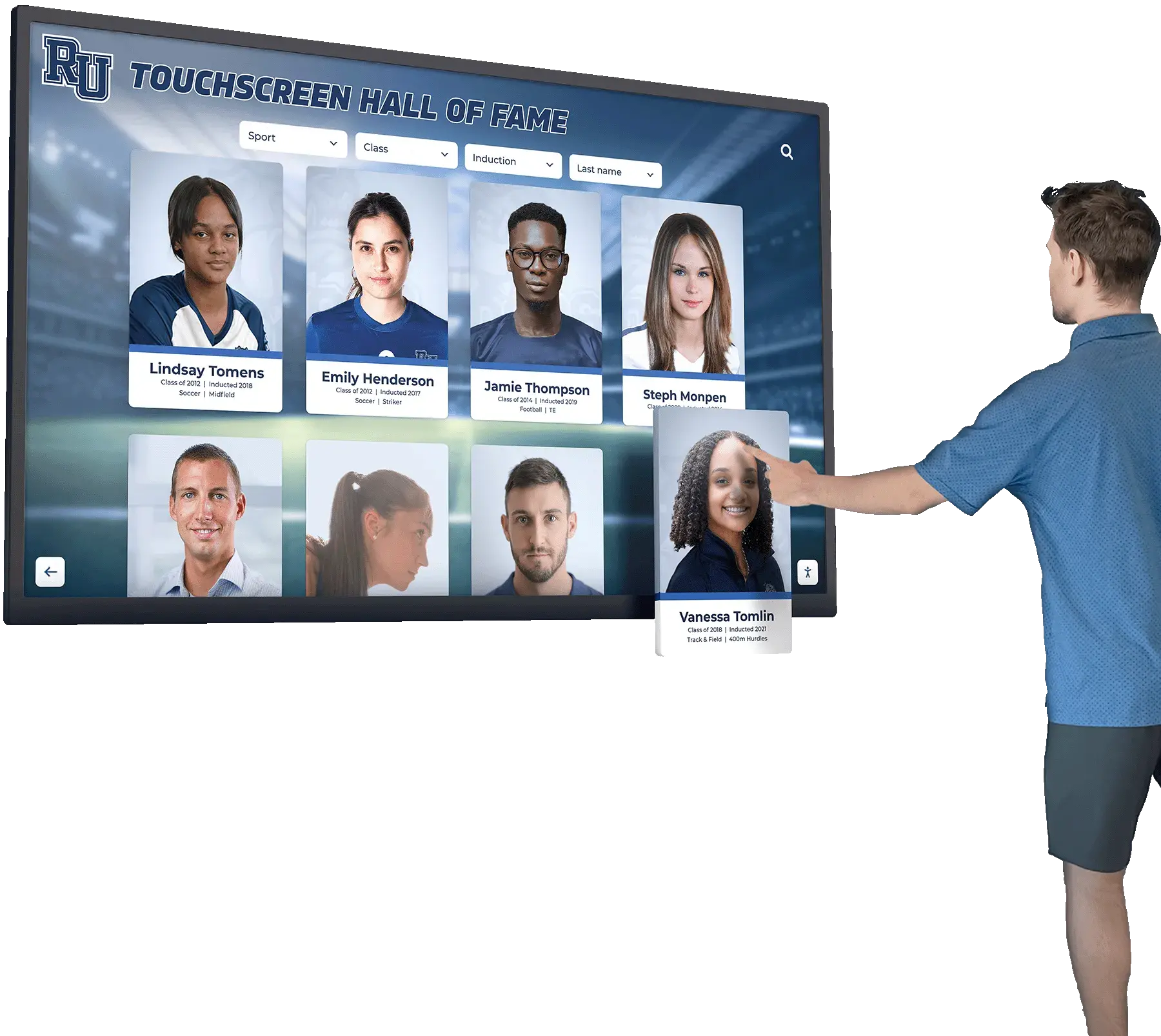
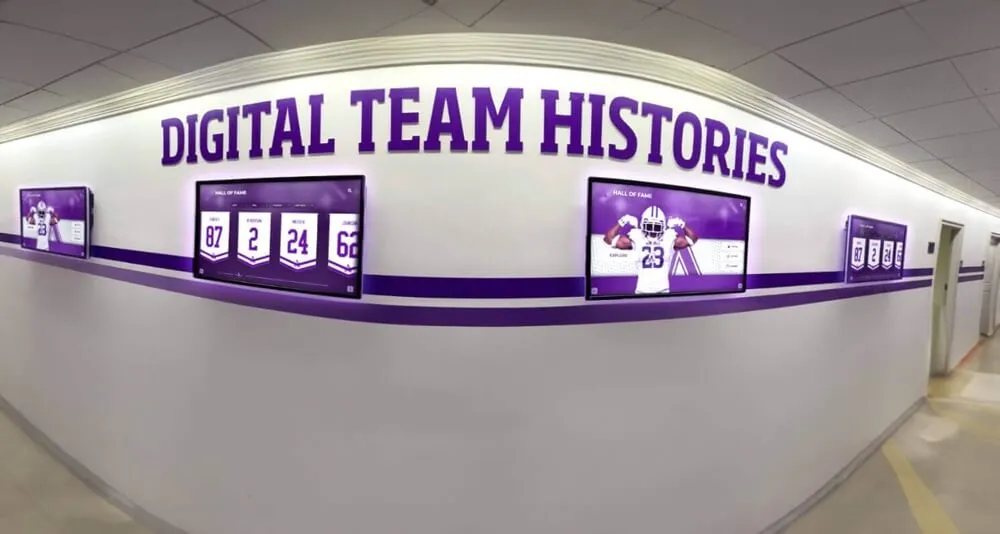
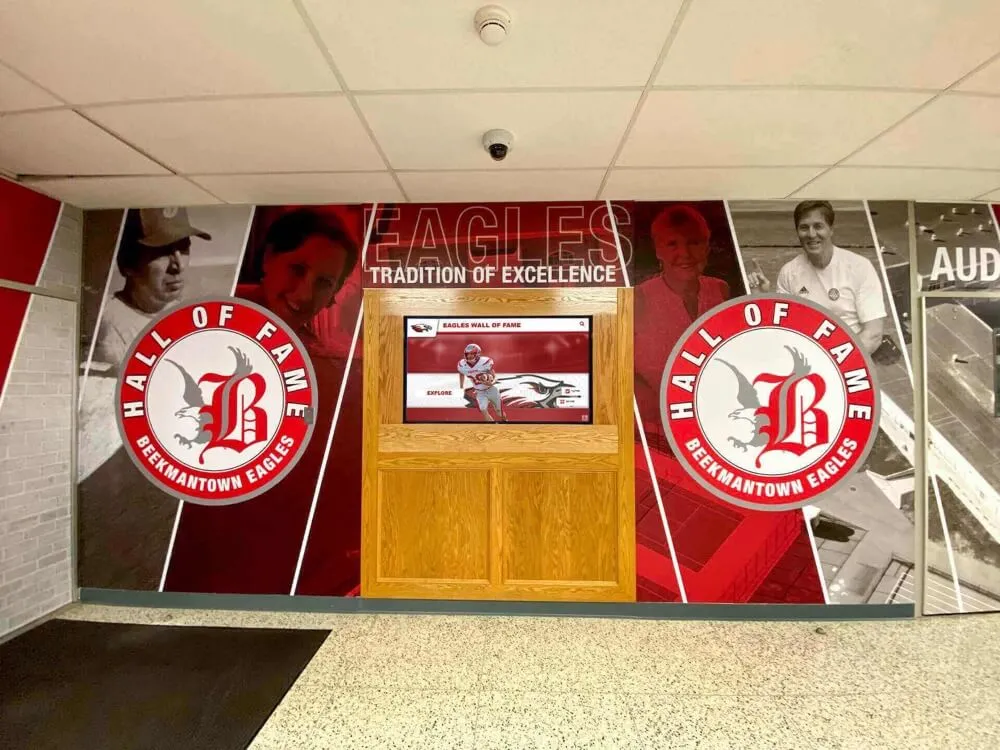
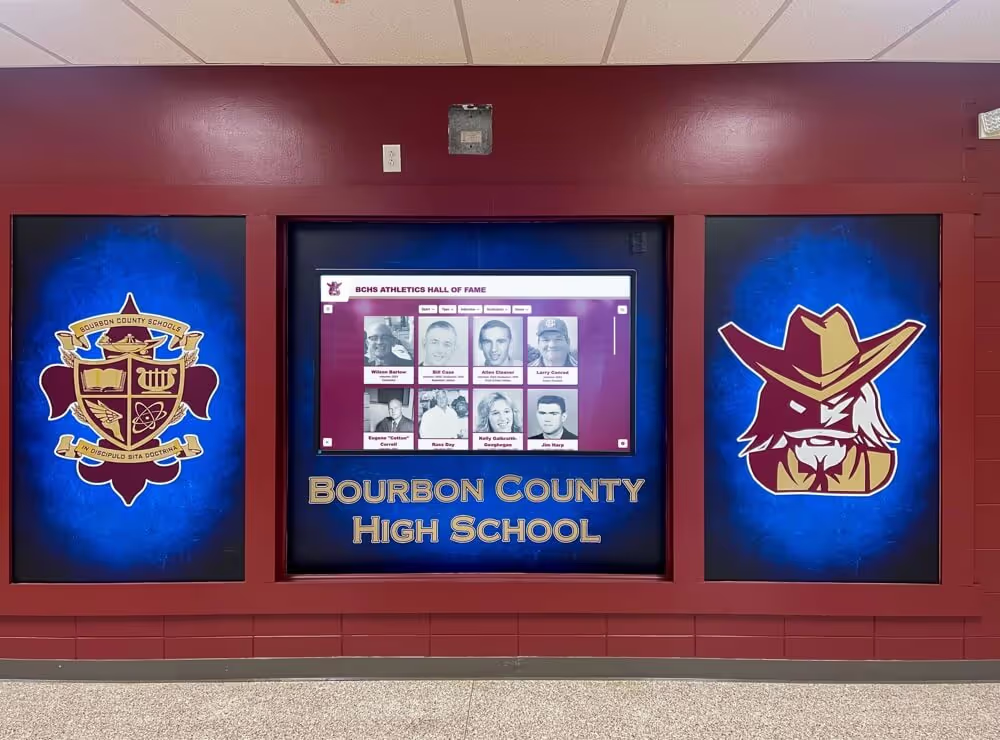
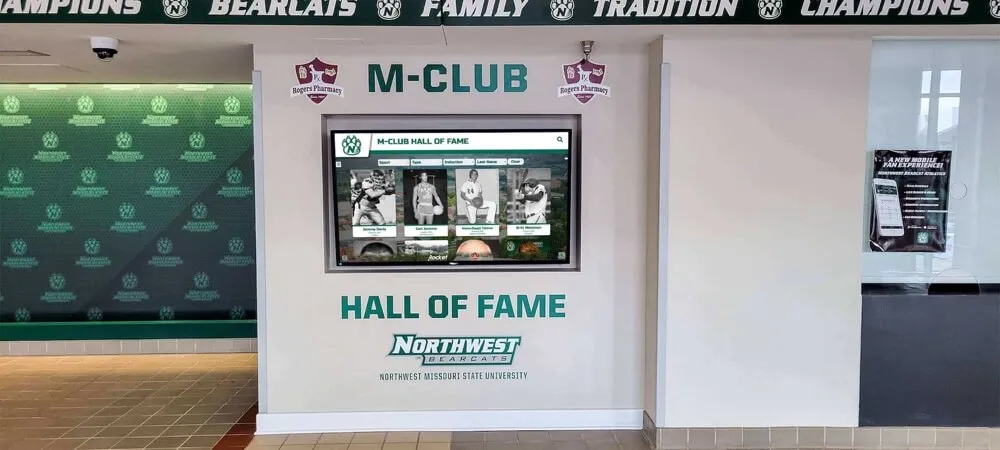
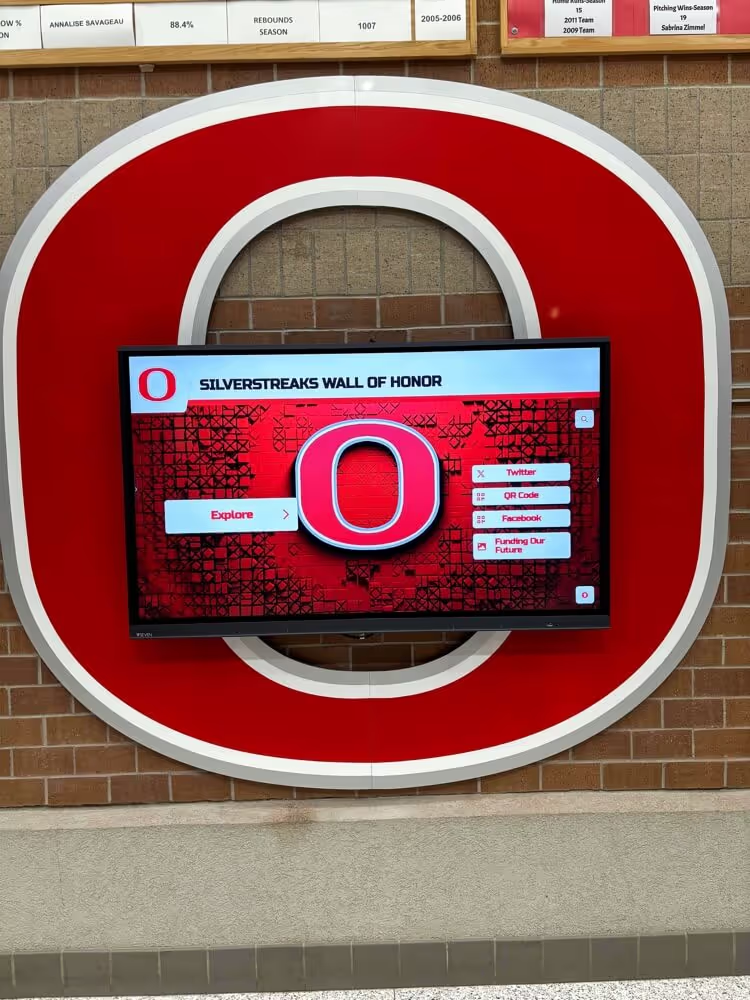
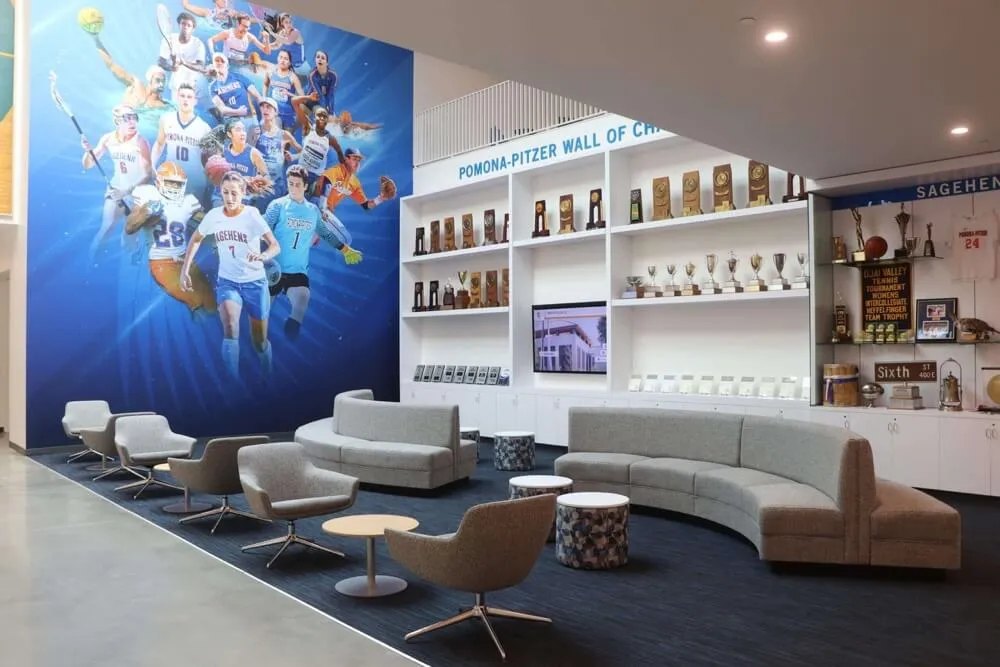
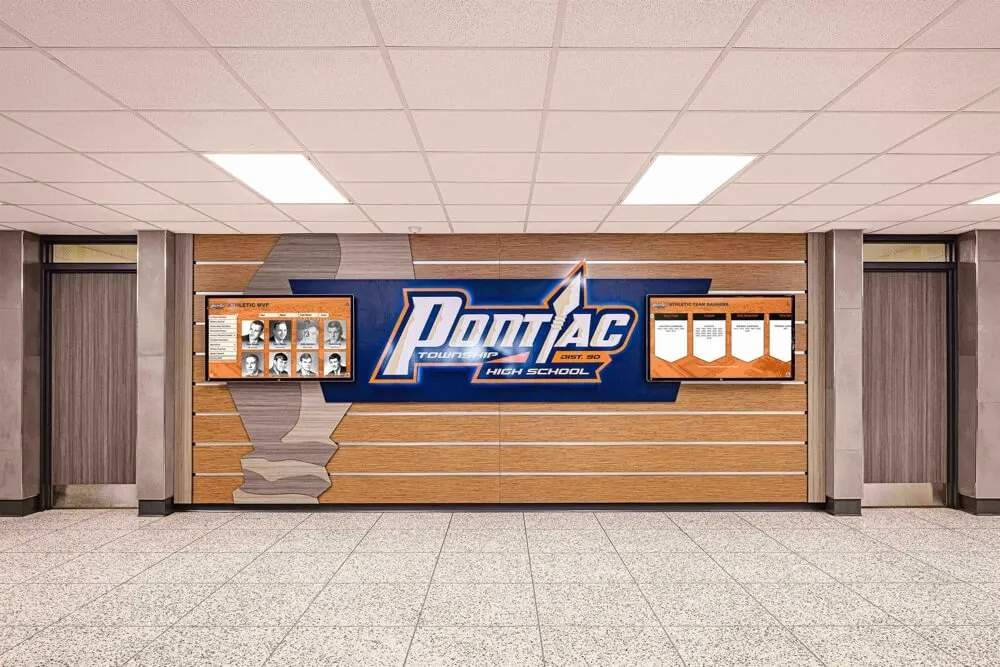
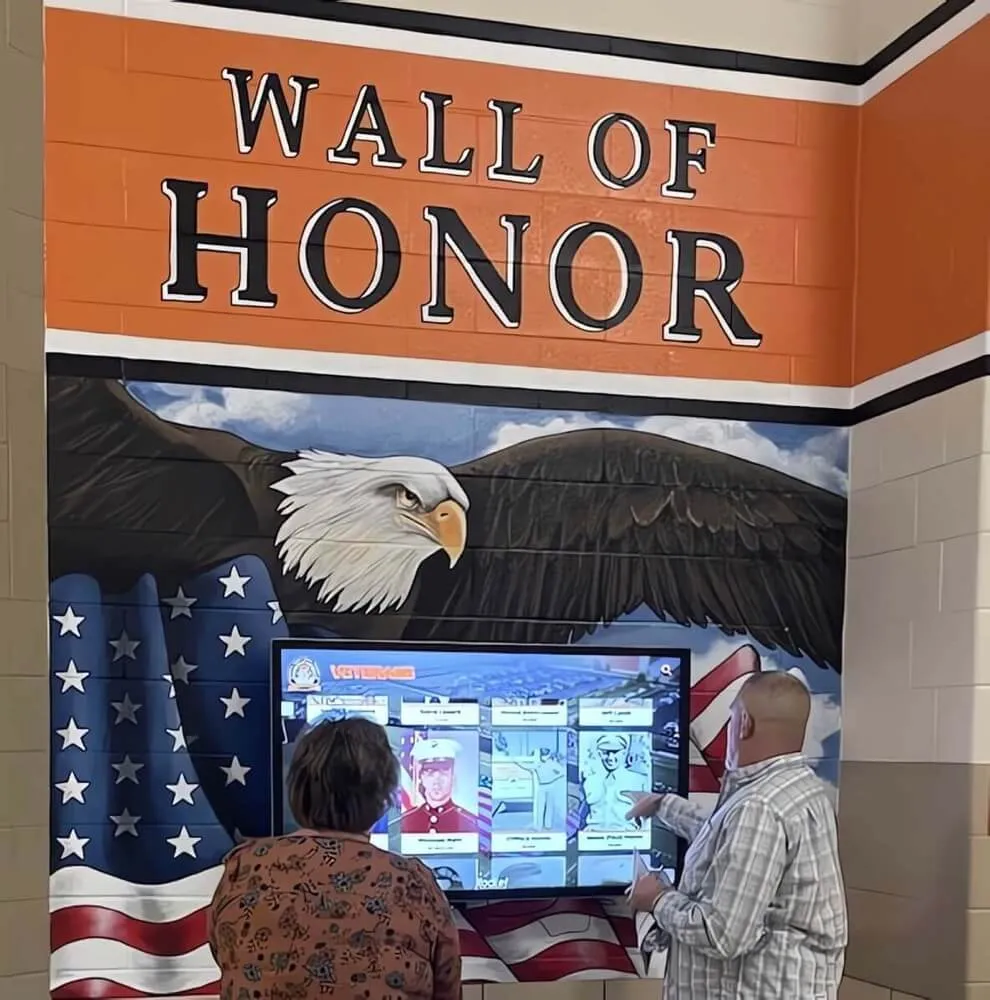
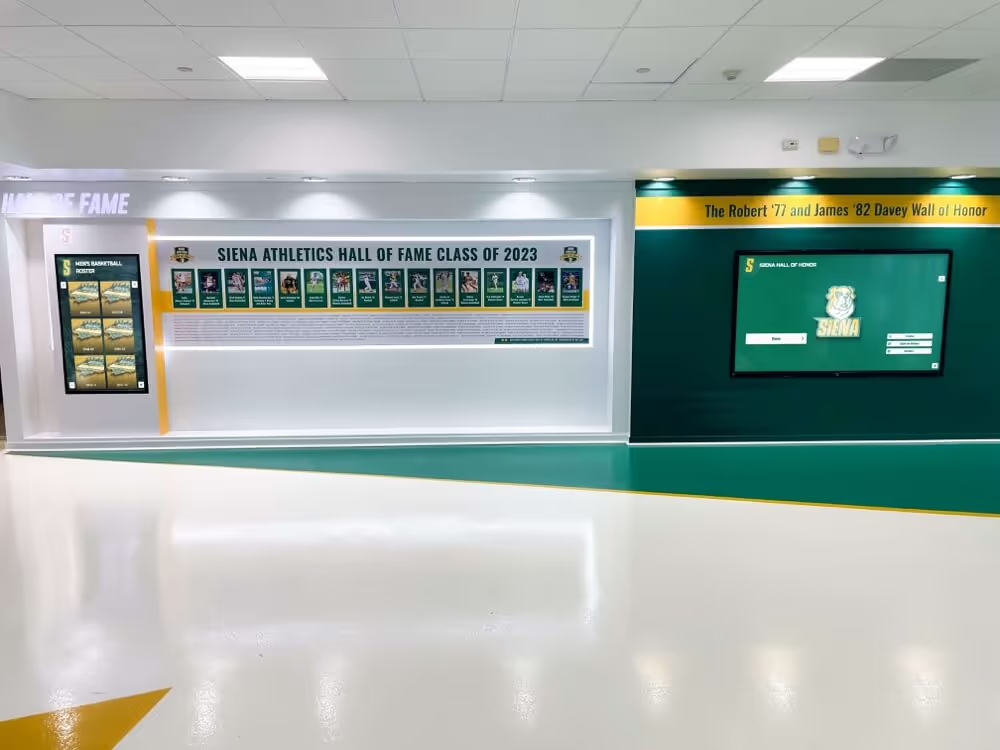
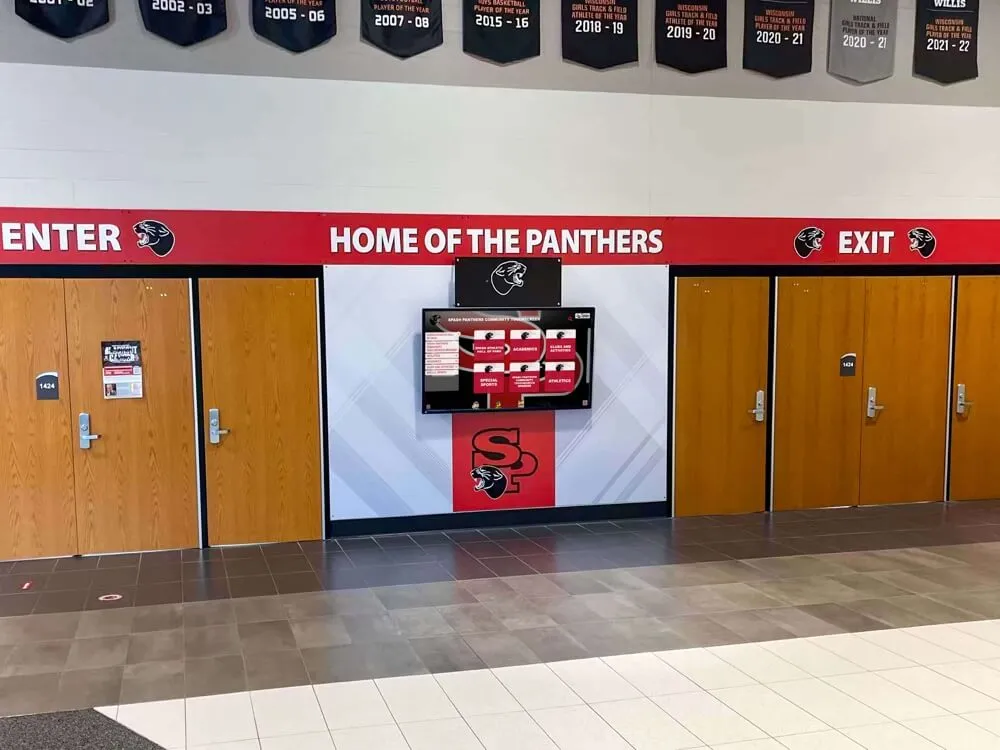
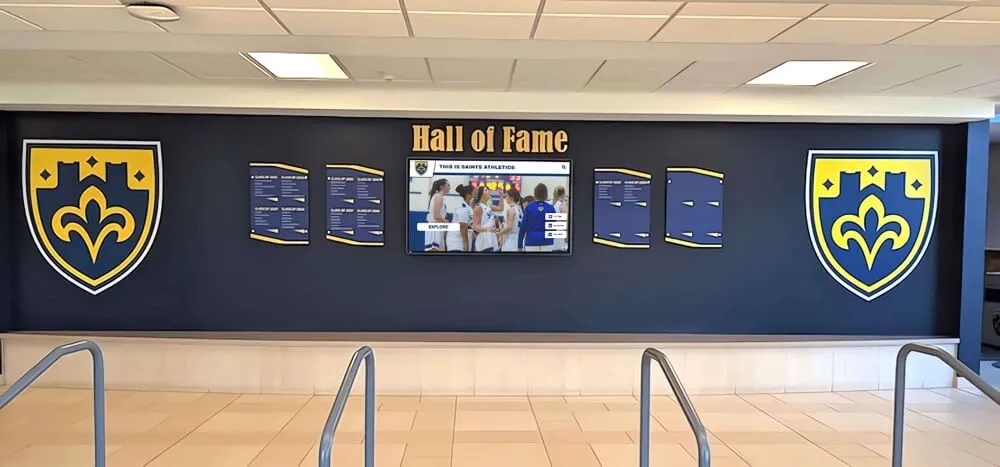
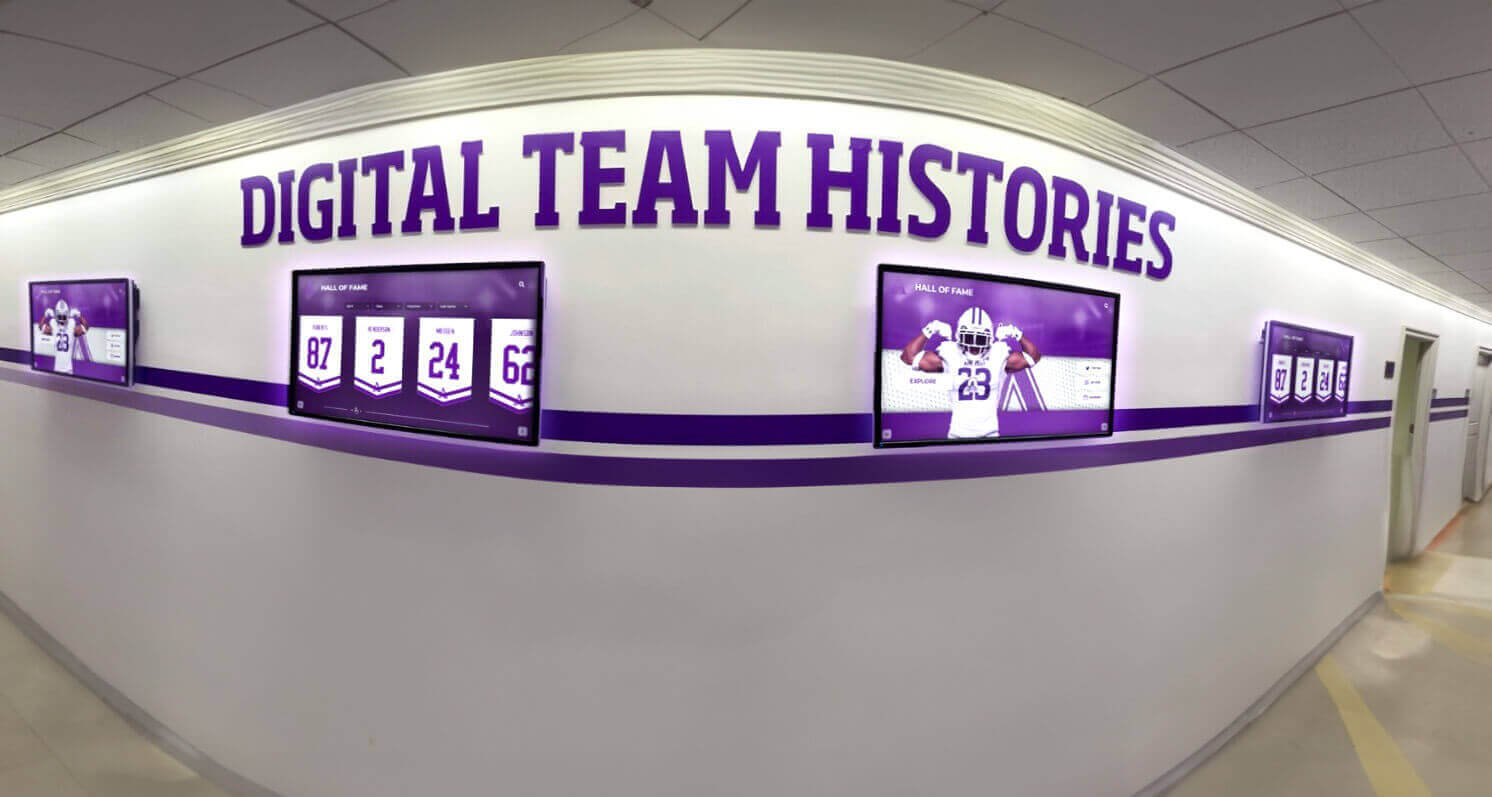
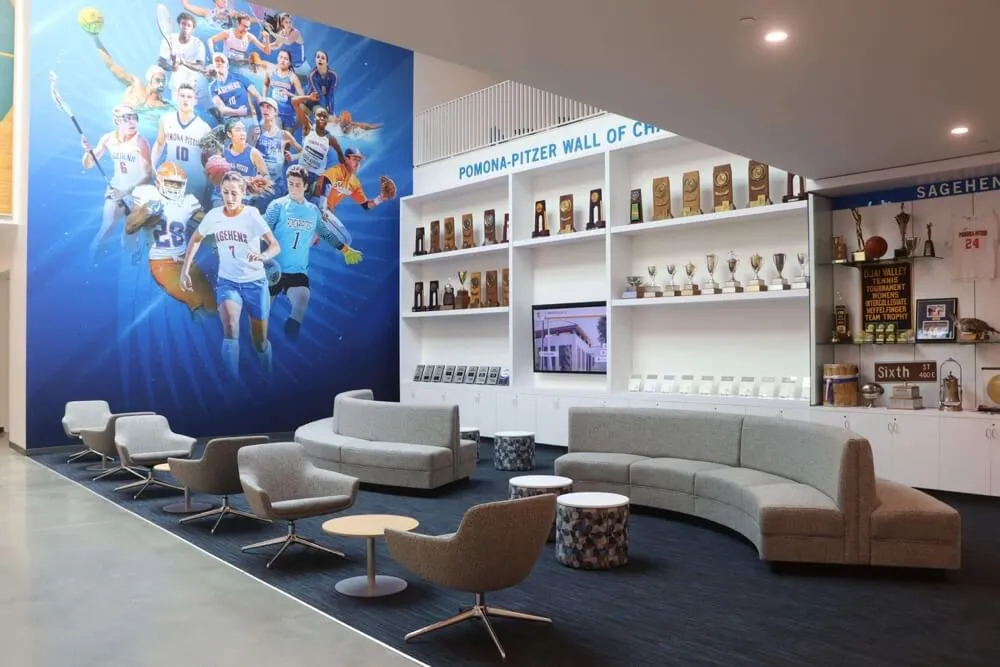
Contemporary athletic recognition has evolved beyond traditional trophy cases and wall plaques to embrace interactive digital solutions that accommodate unlimited achievement documentation:
Comprehensive Achievement Categories: Digital platforms enable recognition across offense, defense, and special teams without space constraints limiting which accomplishments receive display. Onside kick recoveries, blocked kicks, and other special teams excellence gain equal prominence with rushing touchdowns and interceptions.
Multimedia Documentation: Video highlights of game-changing onside kicks create emotional connections that static plaques cannot match. When visitors watch championship onside kick recoveries, they experience the achievement rather than simply reading about it.
Statistical Context: Digital systems can provide comprehensive context for special teams achievements—success rates, comparison to league averages, championship impact analysis—that physical displays cannot accommodate.
Real-Time Updates: As current players achieve special teams excellence, recognition displays can be updated immediately rather than waiting months for physical plaque fabrication, maintaining timely celebration of achievement.
Broad Accessibility: Online access ensures that alumni, recruits, and community members can explore program achievements regardless of geographic location, extending recognition impact beyond those who physically visit athletic facilities.
Athletic directors and coaches seeking to comprehensively honor football excellence—including special teams achievements like onside kick recoveries—should explore modern recognition solutions that eliminate the space constraints and update challenges of traditional approaches.
Conclusion: Mastering Football’s Most Dramatic Play
The football onside kick represents strategic complexity, specialized execution, and high-stakes decision-making condensed into one brief, dramatic moment. Whether executed as a desperate late-game attempt to preserve championship hopes or deployed as a surprise momentum-shifting weapon, successful onside kicks require sophisticated understanding of rules, precise technical execution, coordinated team effort, and courageous coaching decisions.
As rule changes have reduced onside kick success rates to historic lows, coaches face increasingly difficult risk-reward calculations when determining whether to attempt these low-probability plays. Success requires dedicated practice developing specialized kicker techniques, recovery team coordination, and hands team defensive capabilities that separate championship-level programs from those that treat special teams as afterthoughts.
The legendary onside kick moments that have defined Super Bowl championships, conference titles, and state championships demonstrate that special teams excellence creates equal championship impact as offensive touchdowns and defensive stops. Programs that recognize this reality celebrate special teams achievements through comprehensive recognition systems honoring all contribution types that produce championships.
Modern athletic recognition technology enables football programs to comprehensively document their complete history—including special teams excellence—through unlimited digital platforms that overcome the space constraints and update challenges of traditional trophy cases. These systems ensure that game-changing onside kick recoveries receive appropriate celebration alongside more traditional offensive and defensive achievements, creating comprehensive program narratives that inspire current players while honoring past excellence.
For athletic directors, coaches, and administrators seeking to modernize their football recognition programs, Rocket Alumni Solutions provides purpose-built platforms specifically designed for comprehensive athletic recognition including special teams achievements. These specialized systems deliver intuitive content management, professional design templates, multimedia integration, and ongoing support ensuring programs can maintain impressive recognition displays that celebrate every dimension of football excellence—from championship onside kick recoveries to traditional statistical achievements—while inspiring the championship traditions still being written on Friday night fields and Sunday stadiums across the nation.