



Key Takeaways
Discover how schools celebrate FBLA awards and business leadership achievements. Learn best practices for implementing digital recognition displays honoring Future Business Leaders of America accomplishments.
High school students who earn FBLA awards have demonstrated exceptional business knowledge, leadership capability, and professional skills through rigorous competitive events and comprehensive achievement programs. These accomplishments deserve recognition systems that honor students appropriately while making them visible role models for peers considering business career pathways.
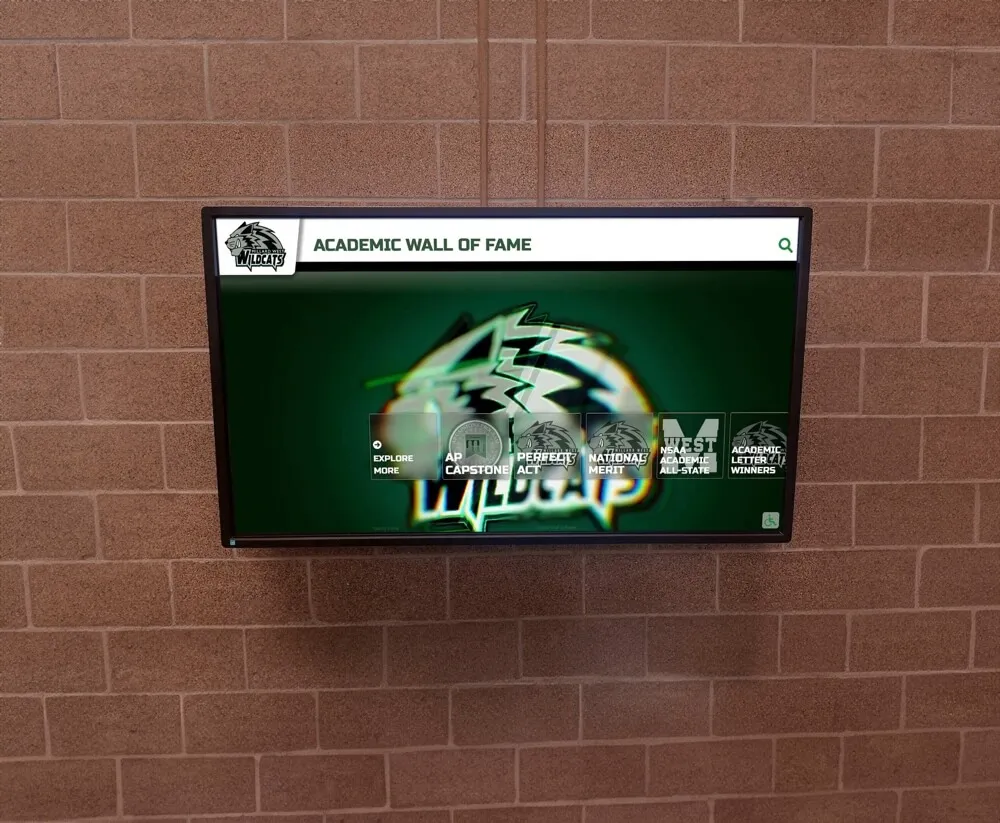
Traditional recognition approaches—brief mentions in graduation programs, certificates stored in portfolios, or small plaques in business education classrooms—fail to provide the visibility and celebration that FBLA award recipients merit. Modern recognition displays, particularly interactive digital platforms, transform how schools honor these future business leaders by creating engaging, comprehensive systems that celebrate both individual accomplishment and collective program excellence.
Understanding FBLA Awards: Program Overview
Before implementing recognition systems, schools need comprehensive understanding of FBLA organizational structure, competitive events, and various awards programs that recognize student achievement.
What is FBLA?
Future Business Leaders of America-Phi Beta Lambda (FBLA-PBL) is a nonprofit 501(c)(3) education association with a quarter-million students preparing for careers in business and business-related fields. The organization has four divisions serving students from middle school through college: Future Business Leaders of America for high school students, FBLA-Middle Level for junior high and middle school students, Phi Beta Lambda for postsecondary students, and Professional Division for business people, FBLA-PBL alumni, and teachers.
The high school division represents the largest component, with programs designed to develop competencies in business fundamentals, career preparation, entrepreneurship, community service, and professional leadership. FBLA provides students with practical business education experiences that complement classroom instruction while building networks and credentials valued by colleges and employers.
FBLA Competitive Events Program
The National Awards Program, commonly called competitive events, represents FBLA’s most visible recognition opportunity, recognizing and rewarding excellence in a broad range of business and career-related areas. The program features more than 70 individual, team, and chapter events where students can compete.
Event Categories Include:
Individual Events: Students compete independently in areas like accounting, business communication, business financial plan, business law, business management, economics, entrepreneurship, introduction to business, introduction to information technology, marketing, personal finance, and many others.
Team Events: Groups of 2-3 students collaborate on projects including business ethics, community service project, global business, hospitality and event management, network design, and sales presentation.
Chapter Events: Entire FBLA chapters compete showcasing comprehensive program strength through activities like American Enterprise Project, Community Service Project, and Partnership with Business Project.
Prejudged Events: Students submit projects in advance for evaluation in categories including business plan, desktop publishing, digital video production, website development, and spreadsheet applications.
Competition begins at state conferences where students compete against peers from their state. According to multiple state programs, top performers in each event—typically top 5 placers—qualify to advance to the National Leadership Conference held each summer. At nationals, more than 890 students from nearly 150 schools in 27 U.S. states and territories competed recently in 38 business-related events for cash prizes totaling over $45,000.
Business Achievement Awards (BAA)
Beyond competitive events, FBLA offers the Business Achievement Awards program, an individual achievement award program for FBLA High School members that allows participating students to enhance their leadership skills, expand their business knowledge, contribute to their local communities, and earn recognition.
The program features four progressive levels:
Contributor Award (Level One): Members are introduced to FBLA foundations through activities requiring 1-2 hours total time commitment, including attending chapter meetings, participating in FBLA activities, and completing basic business education modules.
Leader Award (Level Two): Members learn leadership fundamentals through experiences requiring 4-6 hours, including taking leadership roles in chapter activities, mentoring newer members, and expanding business knowledge through targeted learning.
Advocate Award (Level Three): Members select specific business skills or content areas for deeper development, designing personalized learning experiences that align with career interests and college preparation goals.
Capstone Award (Level Four): Students use design thinking methodology to design and implement projects impacting their schools or communities, requiring 80+ hours of sustained effort demonstrating mastery of business principles, leadership capabilities, and professional project management.
Students receive pins presented at local awards ceremonies, State Leadership Conferences, and National Leadership Conferences as they complete each level, providing tangible recognition for sustained achievement progression.
Chapter and Member Recognition Programs
FBLA offers additional recognition categories celebrating chapter excellence and individual member contributions:
Gold Seal Chapter Award of Merit: Recognizes the top 15% of chapters nationwide based on comprehensive program quality assessments evaluating membership growth, competitive event participation, community service, fundraising effectiveness, and overall chapter activity.
Community Service Awards (CSA): Established to recognize FBLA members who go above and beyond in community service efforts, with tiered recognition based on cumulative service hours documented throughout high school years.
Outstanding Chapter Awards: State-level programs recognizing chapters demonstrating exceptional participation in projects and programs aligned with FBLA goals, with point systems rewarding diverse activities from competitive events to professional development.
Special Recognition Honors: Additional awards including Outstanding Adviser Awards recognizing exceptional teacher leadership, scholarship programs supporting college-bound FBLA members, and industry partnership recognition celebrating business community engagement.
Why Schools Should Recognize FBLA Achievement Prominently
FBLA awards and achievements carry significant educational and professional development value, deserving recognition systems that honor accomplishments appropriately while leveraging visibility for broader institutional benefits.
Validating Career and Technical Education Excellence
FBLA recognition validates fundamentally important but often underrecognized forms of student achievement. While traditional academic honors celebrate classroom performance and athletic awards recognize competitive sports excellence, career and technical education achievements like FBLA awards demonstrate practical skills, professional readiness, and real-world business competency.
Professional Skill Validation:
Students earning FBLA competitive event awards have proven capability not just to memorize business concepts but to apply knowledge in realistic scenarios—delivering sales presentations, developing business plans, analyzing financial statements, solving accounting problems, designing marketing campaigns, and demonstrating professional communication. These practical skills directly transfer to college business programs and entry-level career roles.
According to national program data, FBLA helps students explore business-related careers, create business and professional connections, and compete against other FBLA chapters at conferences. This experiential learning proves particularly valuable as employers increasingly prioritize practical skills and demonstrated capabilities over academic credentials alone.
Building School Culture Around Career Readiness
Prominent FBLA recognition communicates institutional values about career preparation and professional development, creating school cultures where career and technical education receives celebration comparable to traditional academics.
Cultural Messaging Through Recognition:
Schools communicate priorities through what they choose to display prominently. Institutions featuring extensive academic honor rolls and athletic trophy cases in main lobbies while relegating career and technical education recognition to classroom bulletin boards signal that traditional academics and sports matter more than career preparation.
Conversely, schools implementing prominent FBLA recognition displays in high-visibility locations—main entrances, cafeterias, libraries, career centers—demonstrate that career readiness and business leadership represent core institutional priorities deserving public celebration. This messaging influences how students, families, and community members perceive school values and educational mission.
Many schools find that establishing comprehensive recognition programs celebrating diverse achievement creates inclusive cultures where multiple excellence paths receive appropriate honor, supporting well-rounded student development rather than narrow focus on single domains.
Supporting College Applications and Career Development
While recognition systems primarily serve internal school culture purposes, prominent FBLA displays provide practical benefits for students navigating college admission and career entry processes.
Application and Resume Benefits:
Students can confidently cite FBLA competitive event achievements, Business Achievement Award completions, and chapter leadership roles on college applications, scholarship submissions, and early career resumes. Unlike school-specific honors that admissions committees may not understand, FBLA recognition provides nationally standardized credentials demonstrating validated business knowledge and leadership capability.
For students pursuing business programs, marketing majors, accounting degrees, entrepreneurship tracks, or management studies, documented FBLA achievement provides tangible evidence of genuine career interest and foundational knowledge. Admissions committees value demonstrated commitment through sustained extracurricular involvement more highly than claimed interest without supporting evidence.
Additionally, FBLA competitive event experience develops presentation skills, project management capabilities, teamwork competencies, and professional communication abilities that students can reference authentically during college interviews and scholarship conversations, providing specific examples demonstrating readiness for higher education rigor.
Encouraging Broader FBLA Participation
Visible recognition of FBLA achievers creates peer role models demonstrating that business leadership programs are accessible, valuable, and worthy of investment, motivating broader student populations to join chapters and participate in competitive events.
Peer Influence Effects:
Research consistently demonstrates that peer influence significantly shapes extracurricular participation decisions during adolescence. When students see classmates, friends, and older siblings prominently recognized as FBLA award winners, chapter participation shifts from niche activity to normalized part of high school experience.
Recognition boards showcasing FBLA members from diverse backgrounds, various academic programs, and different career interests demonstrate that business leadership development isn’t limited to students planning accounting or marketing majors but relevant for anyone interested in entrepreneurship, nonprofit management, healthcare administration, technology leadership, or countless other career paths requiring business acumen.
Schools implementing visible recognition for programs like student competition achievements across multiple domains report increased program enrollment following prominent recognition system implementation, suggesting that celebration of accomplishment effectively motivates participation.
Designing Effective FBLA Recognition Displays
Creating recognition systems that appropriately honor FBLA achievements while motivating continued excellence requires thoughtful design addressing several key considerations.
Traditional vs. Digital Recognition Approaches
Schools implementing FBLA recognition must decide between traditional physical displays and modern digital platforms, each offering distinct advantages and limitations.
Traditional Physical Recognition:
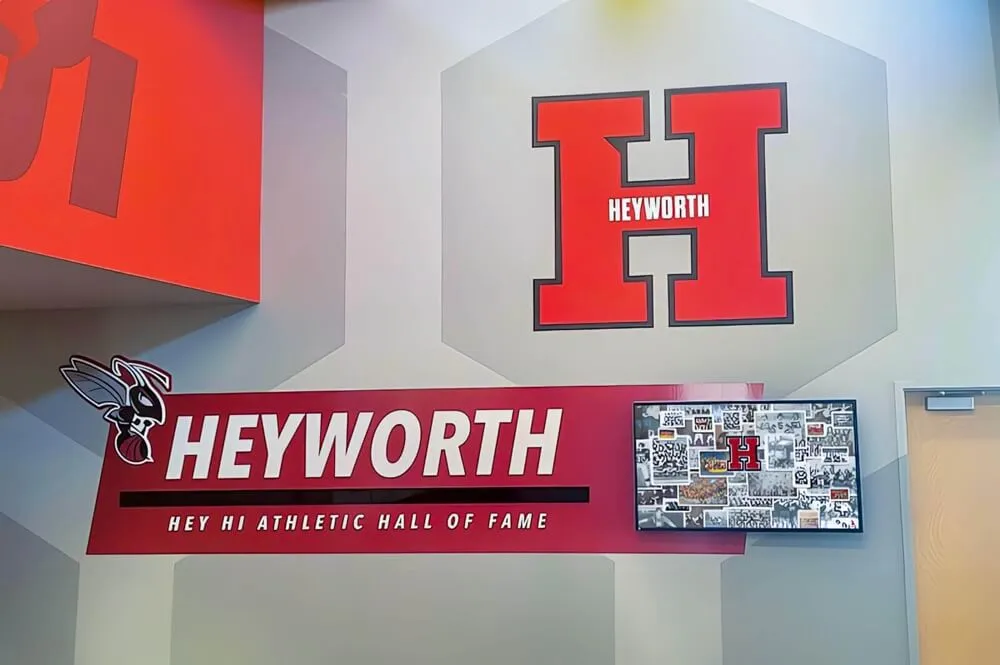
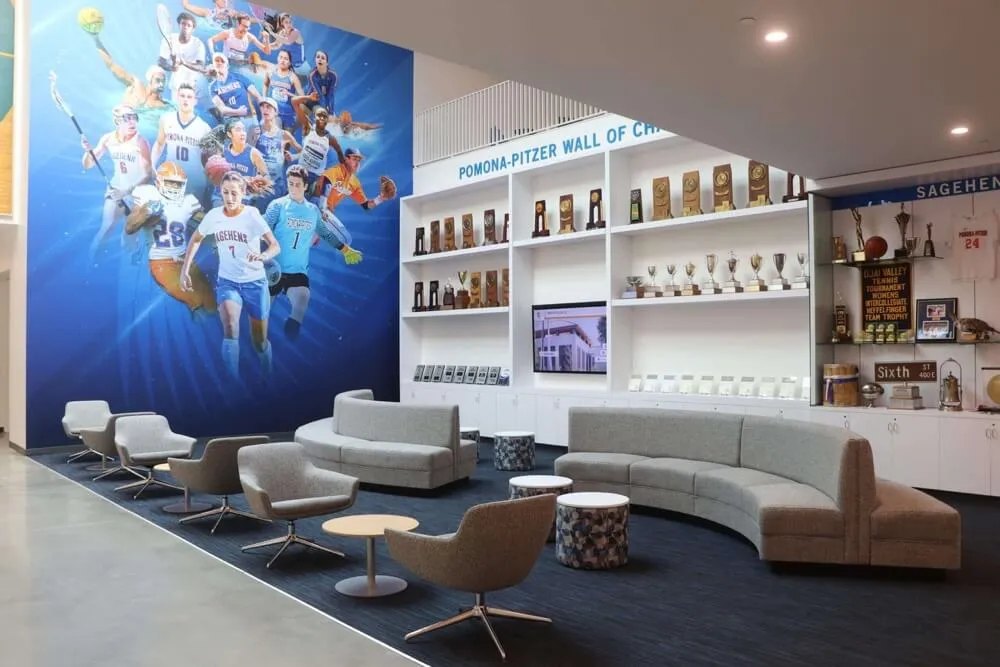
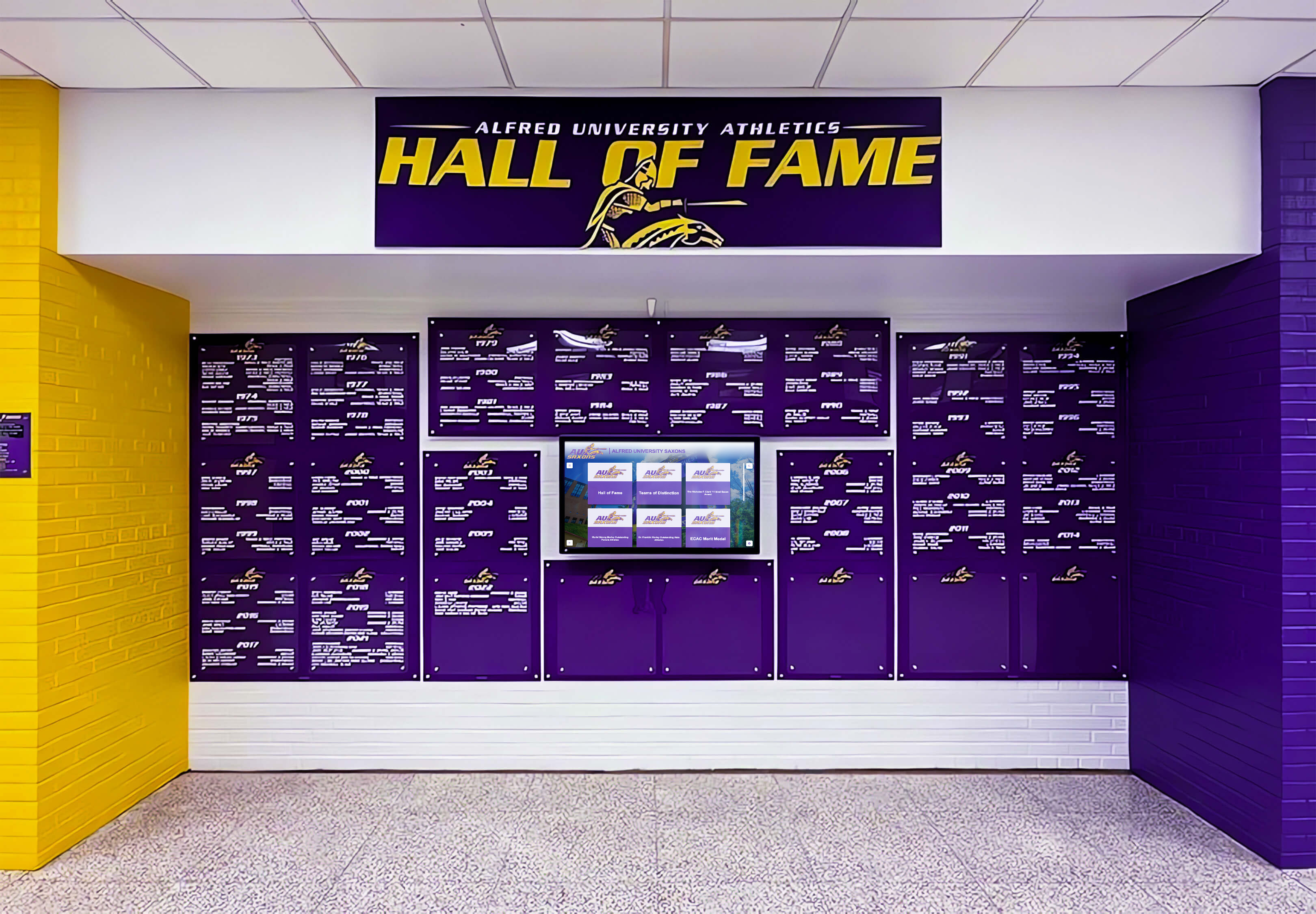
Engraved plaques featuring student names, event categories, and placement levels provide permanent, tangible recognition with professional aesthetic appeal. Trophy displays showcasing physical awards earned at state and national conferences create impressive visual statements about program success.
However, physical displays face significant limitations. Space constraints restrict how many FBLA achievers can be recognized before exhausting available wall area, forcing difficult decisions about which students and awards to feature as programs grow. Updates require professional engraving or new plaque orders creating delays between achievement and recognition while incurring recurring costs. Static displays provide minimal information beyond names and awards, missing opportunities for rich profiles explaining achievements meaningfully.
Digital Recognition Solutions:
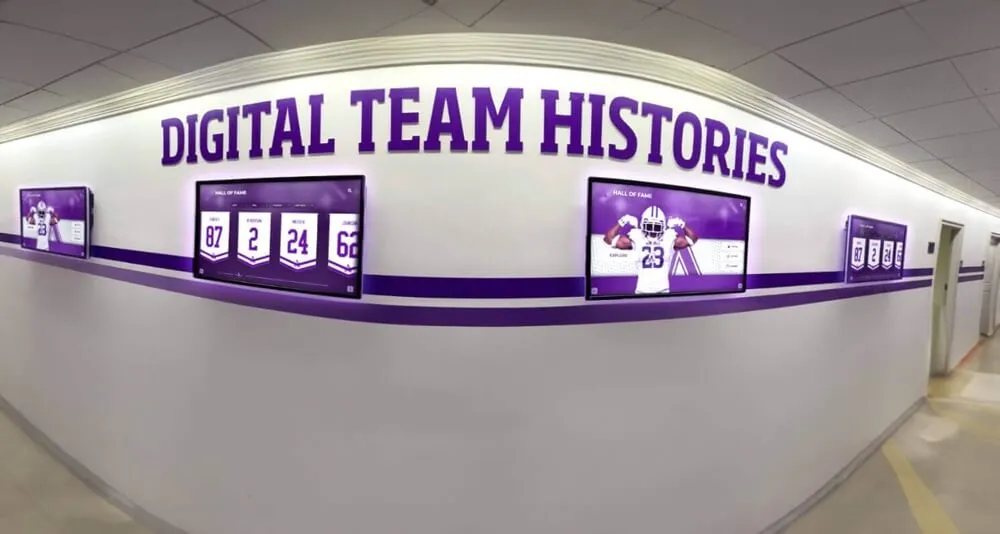
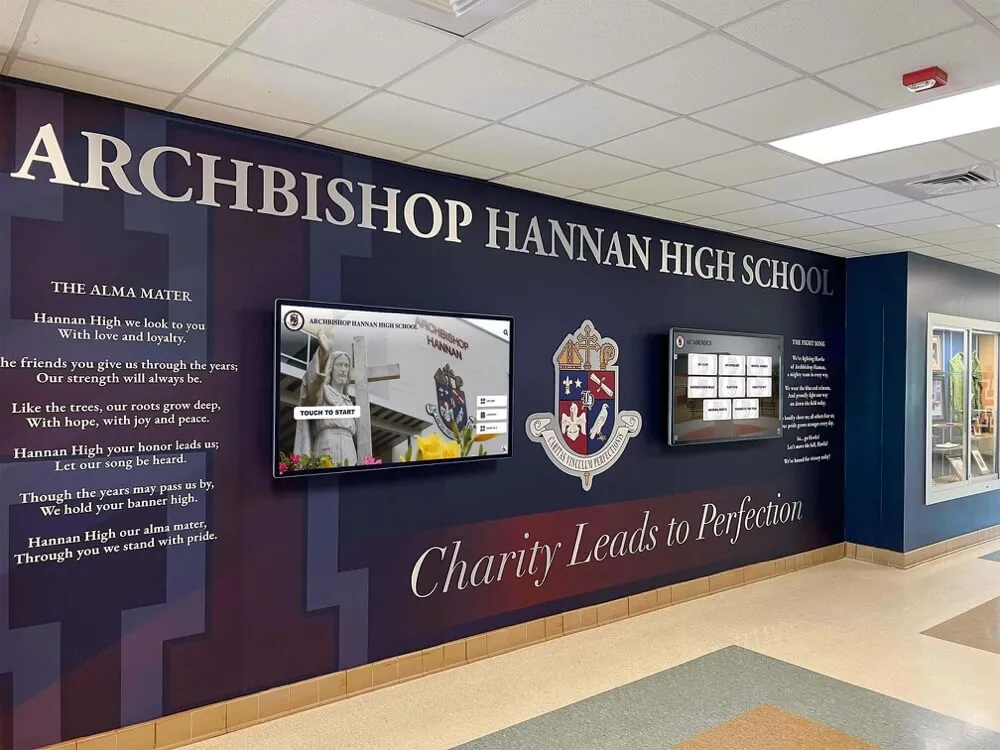
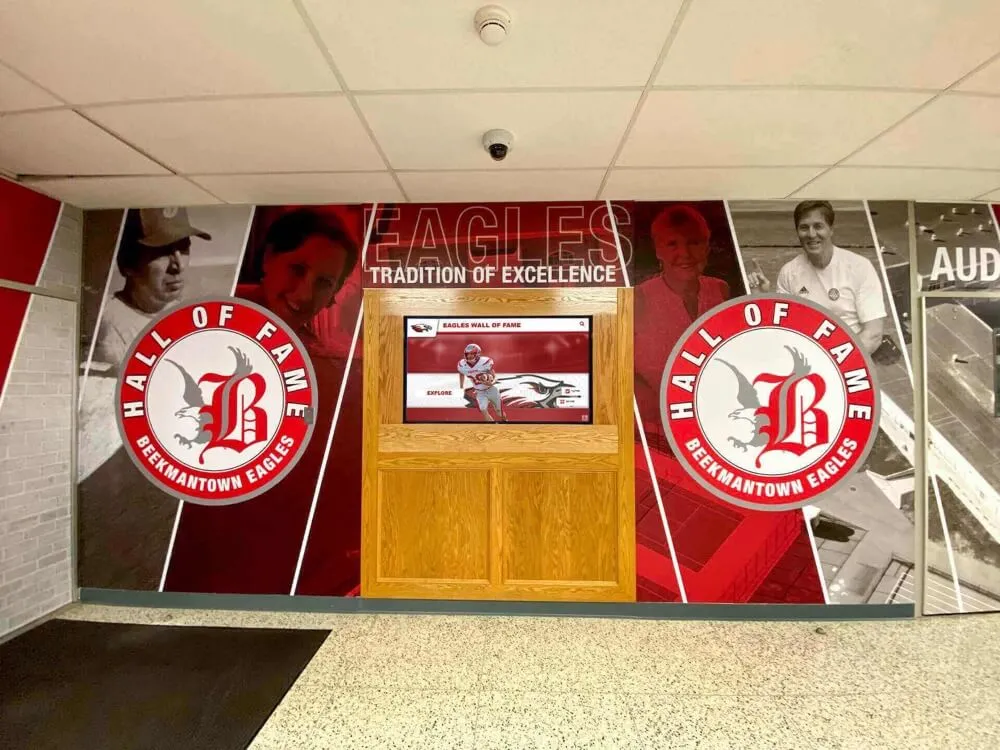
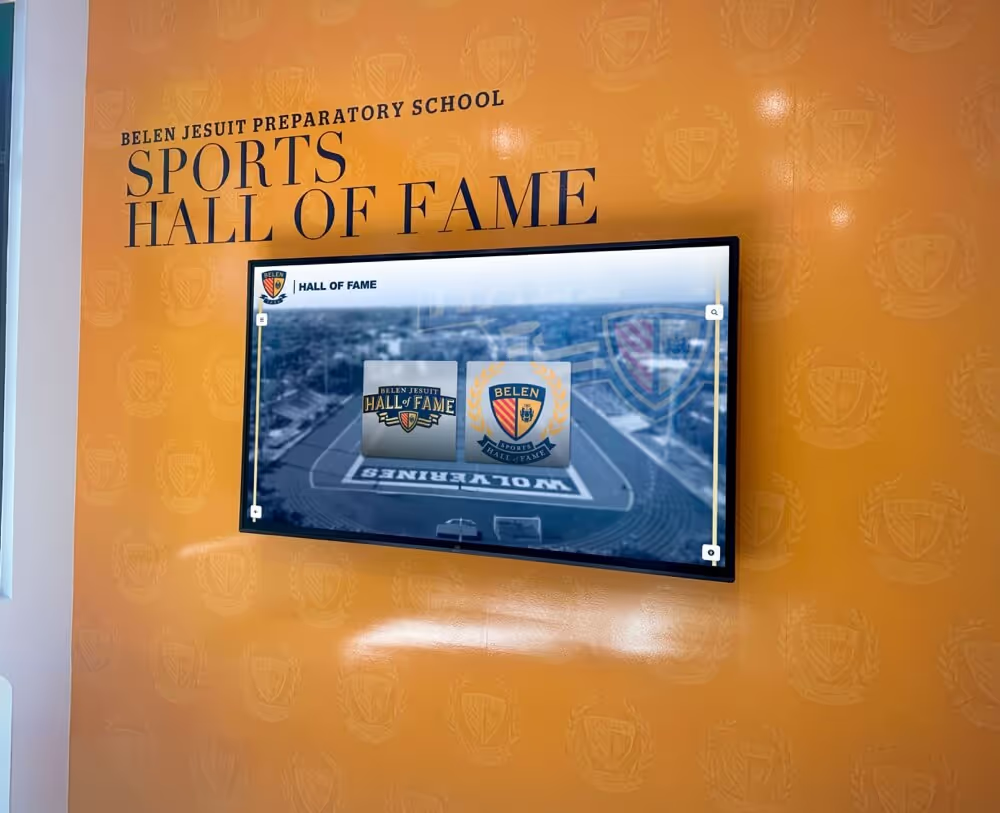
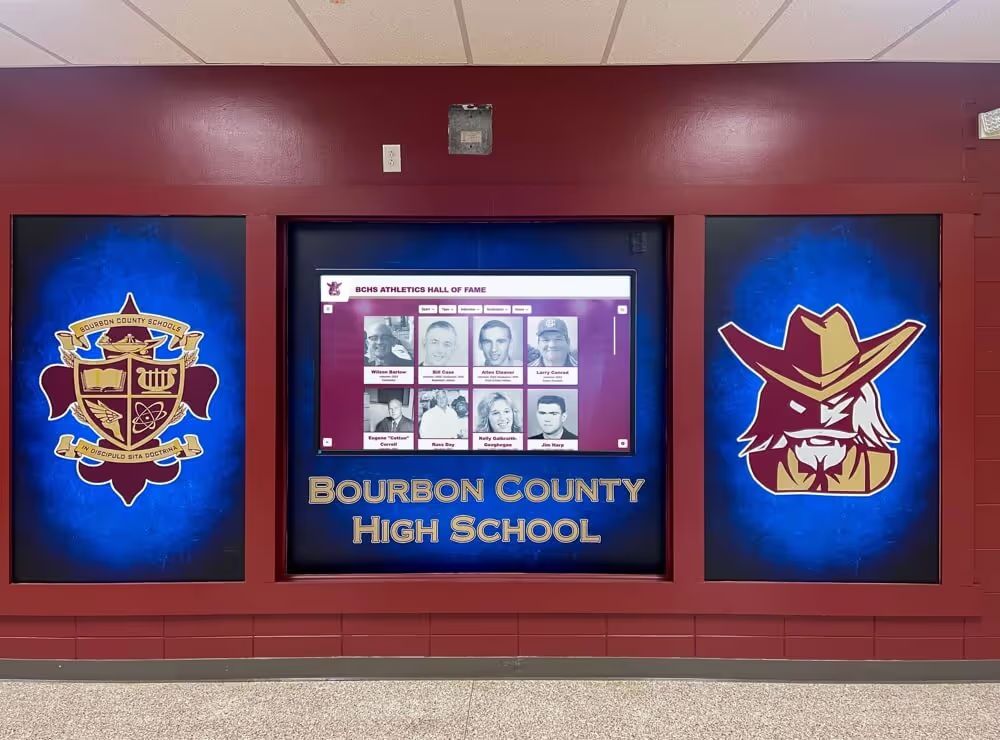
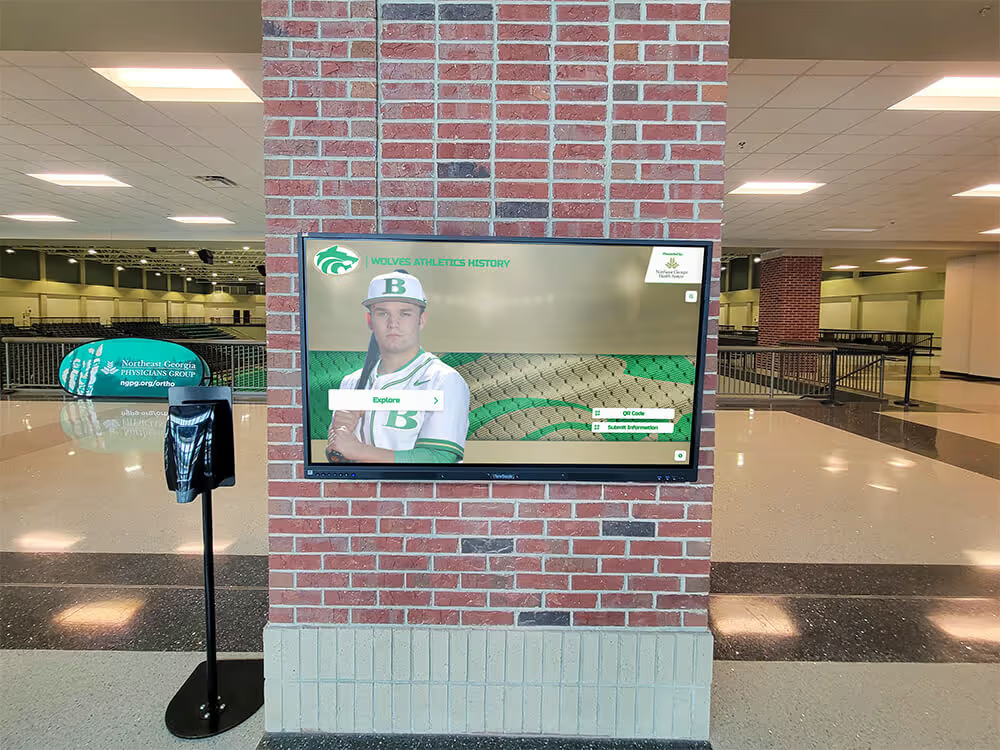
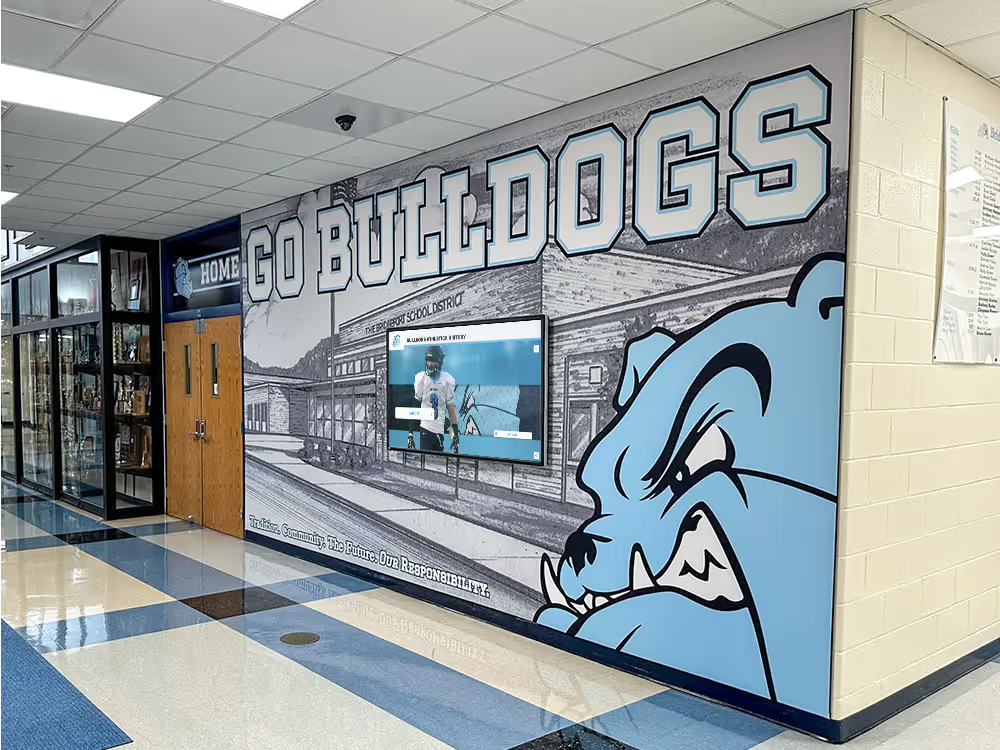
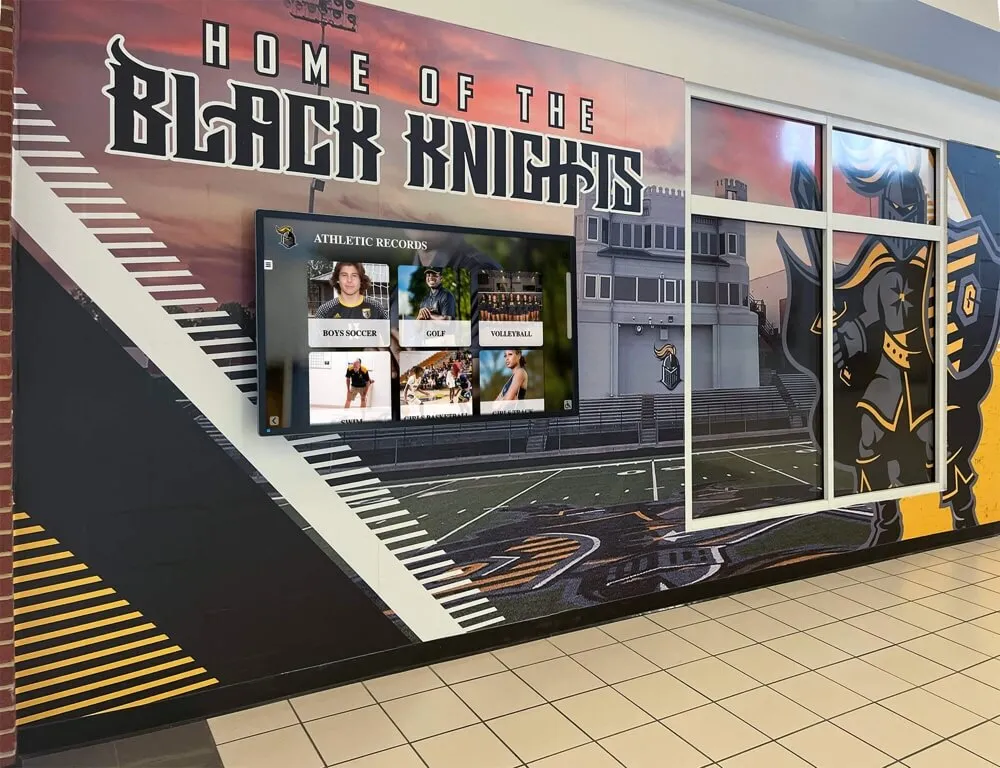
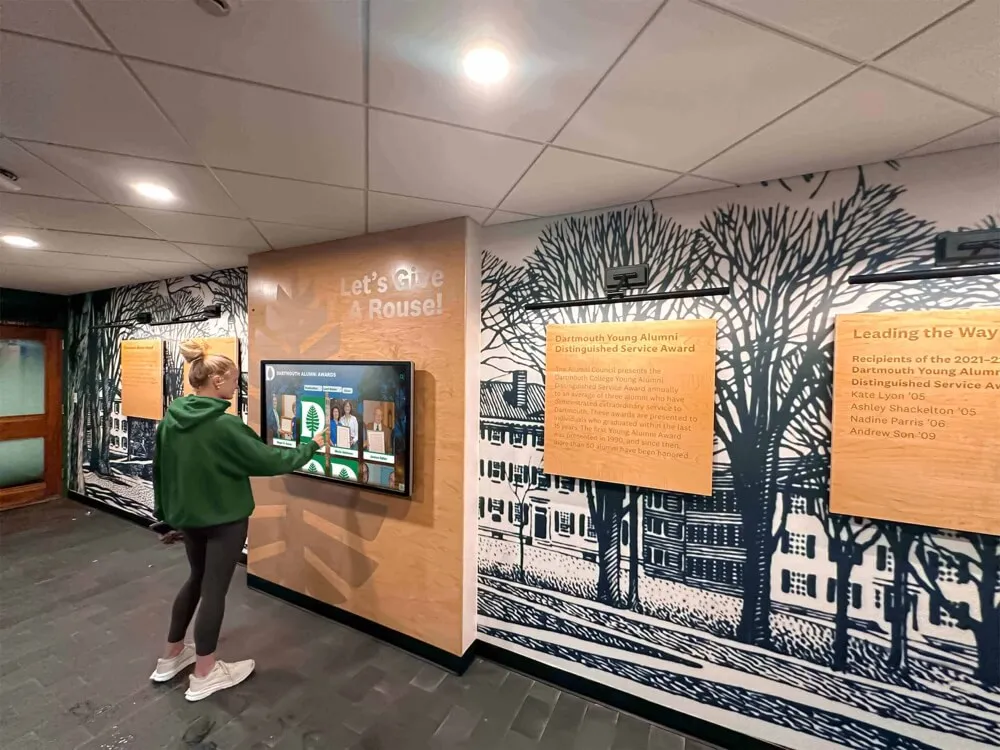
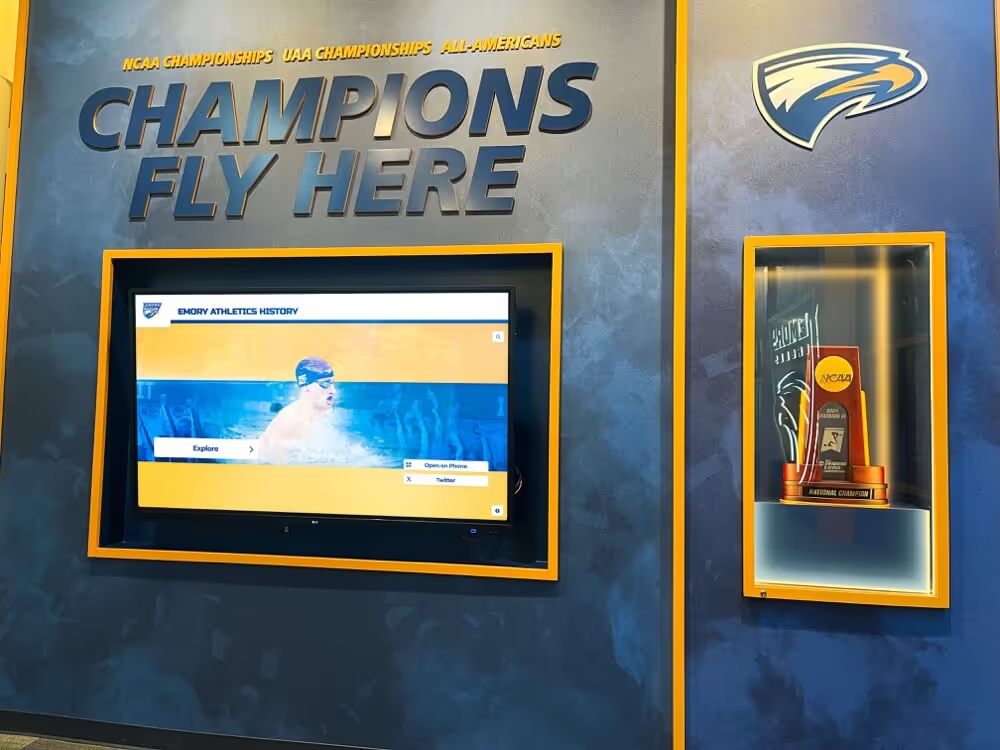
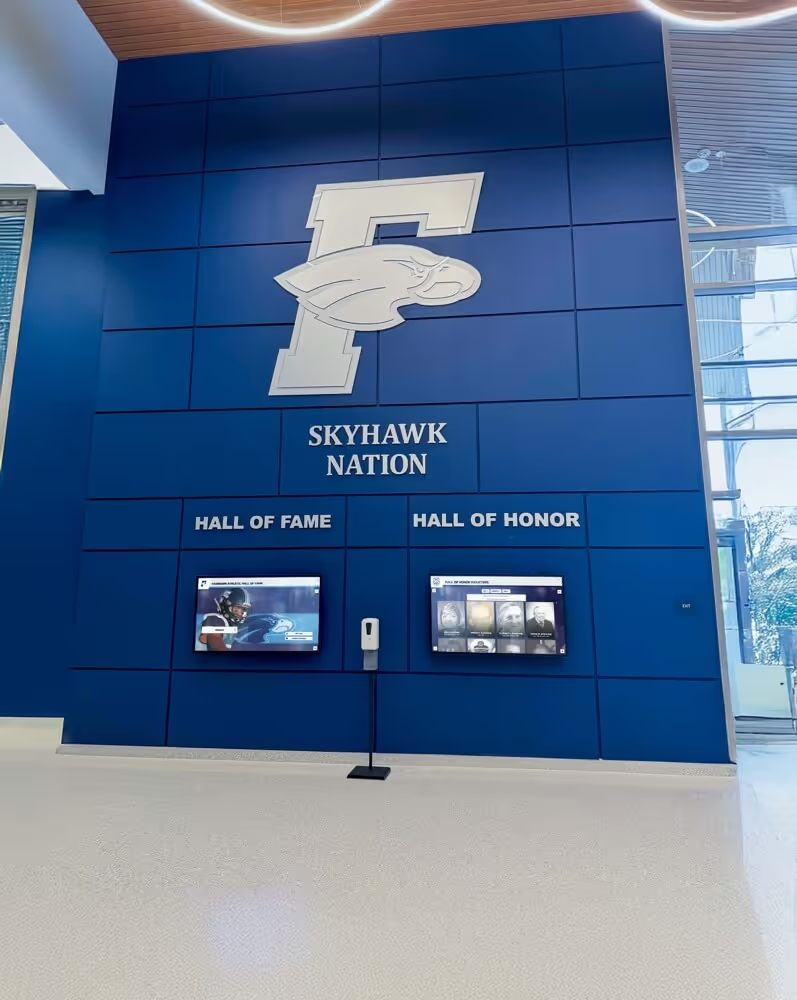
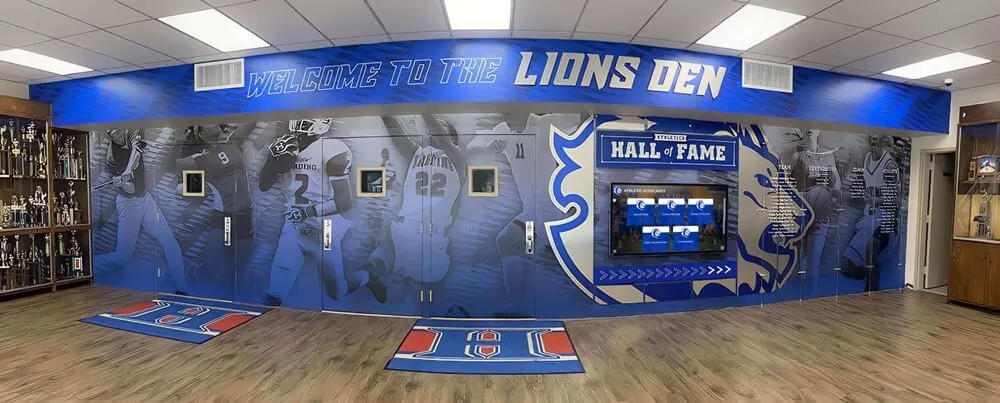
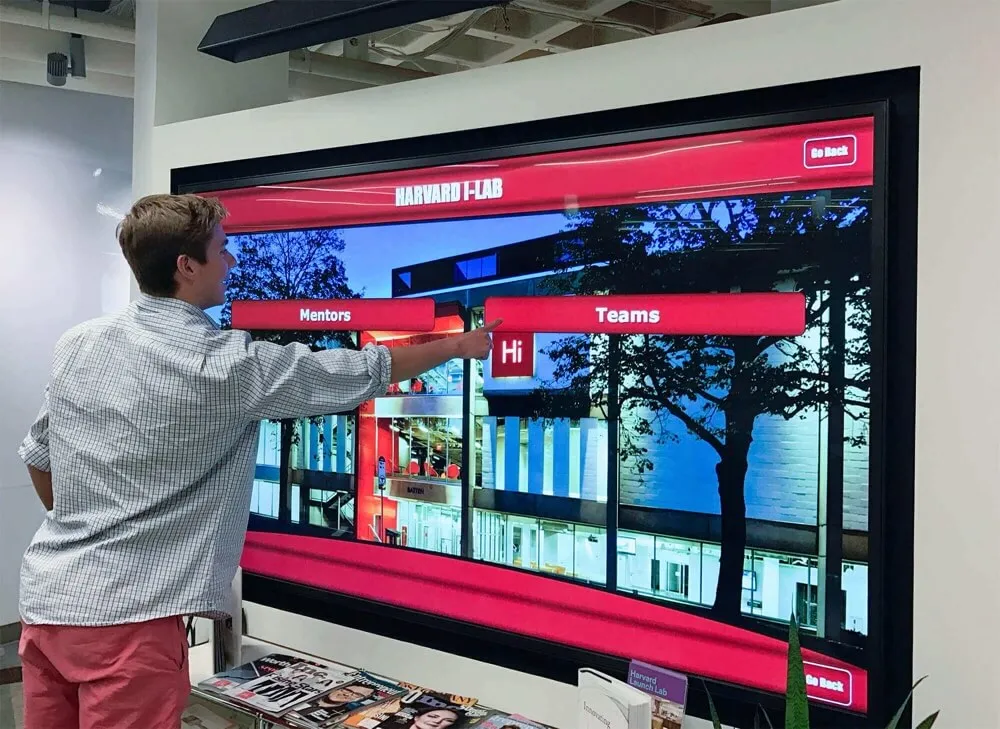
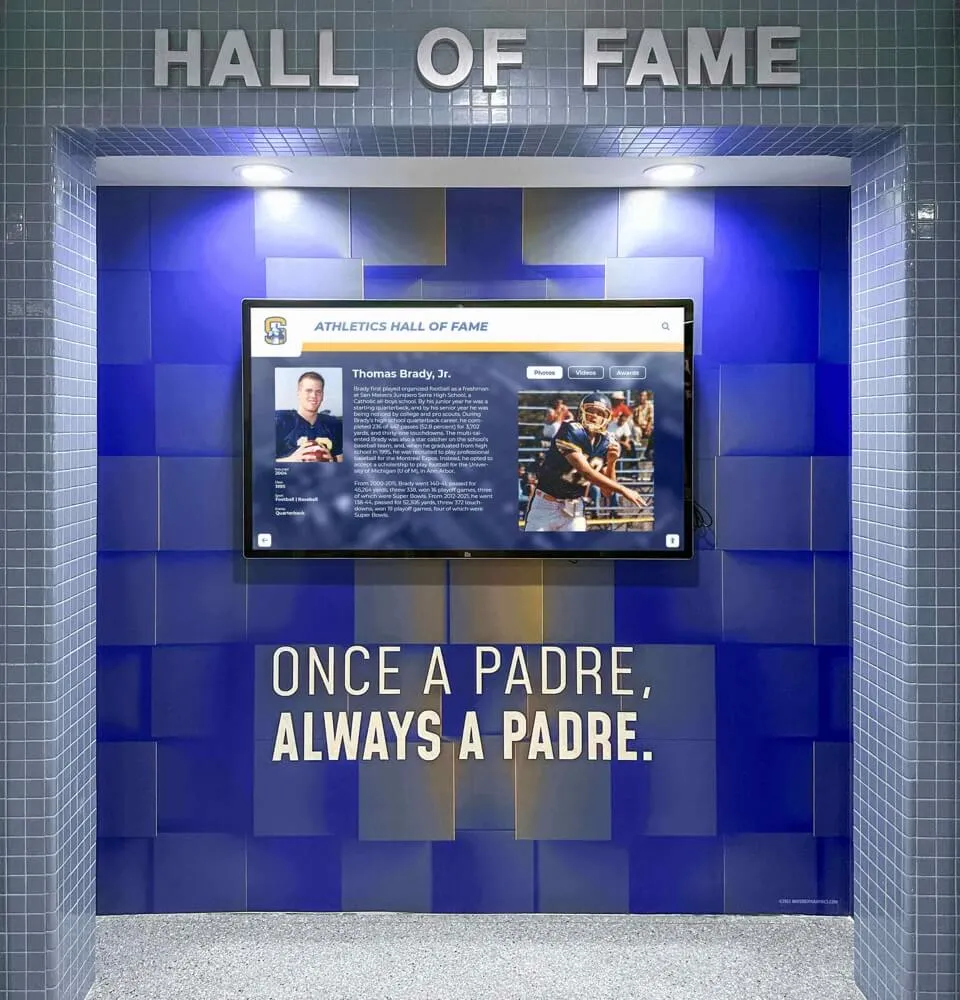
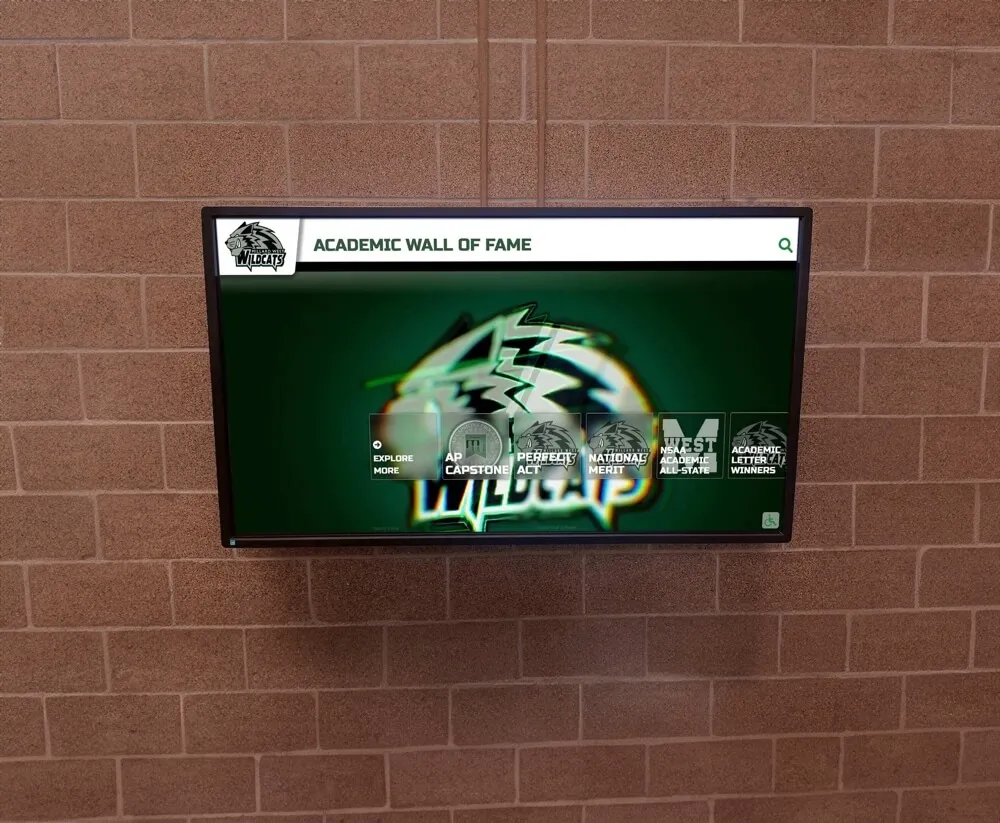
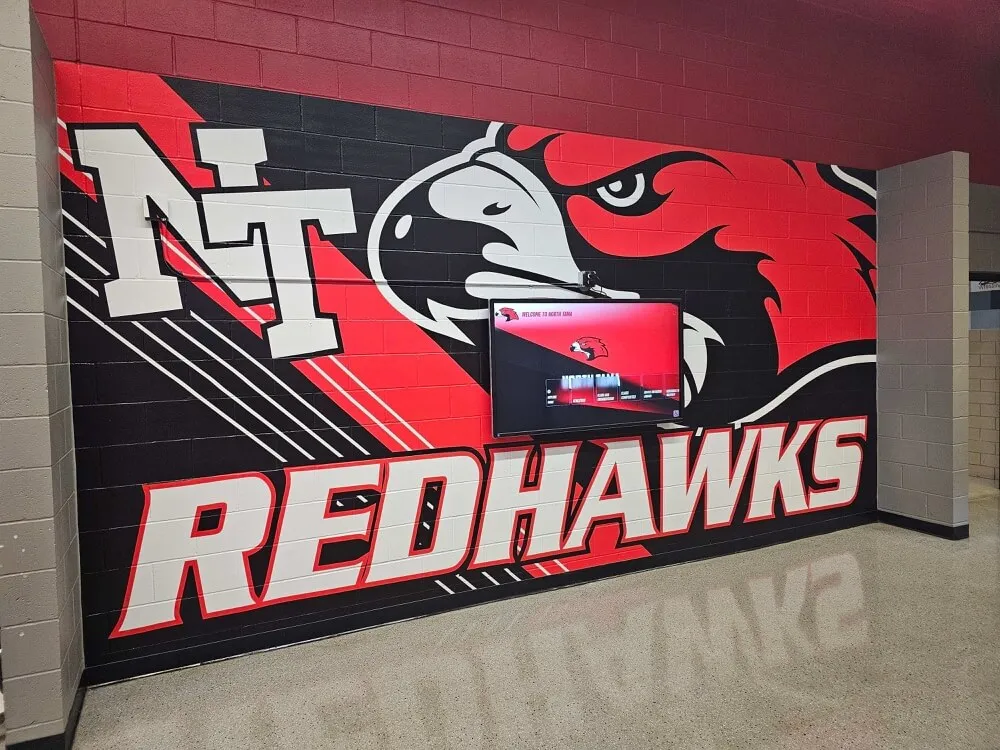
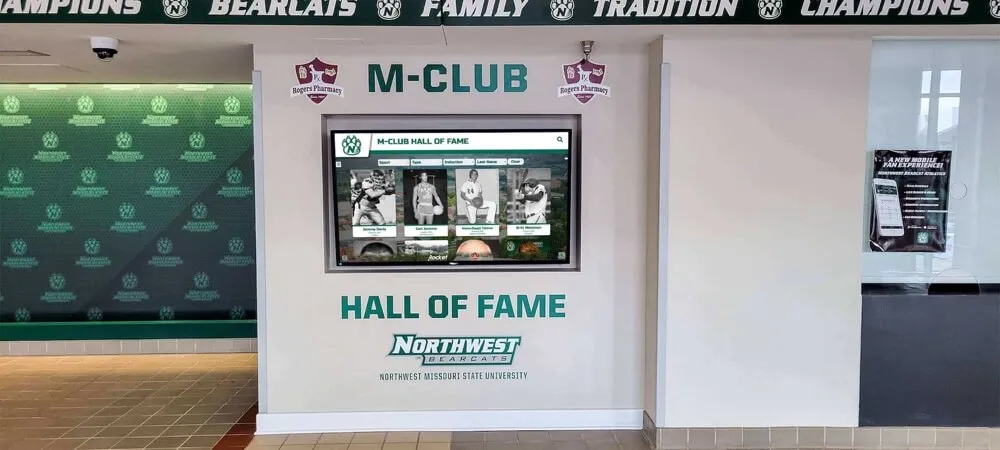
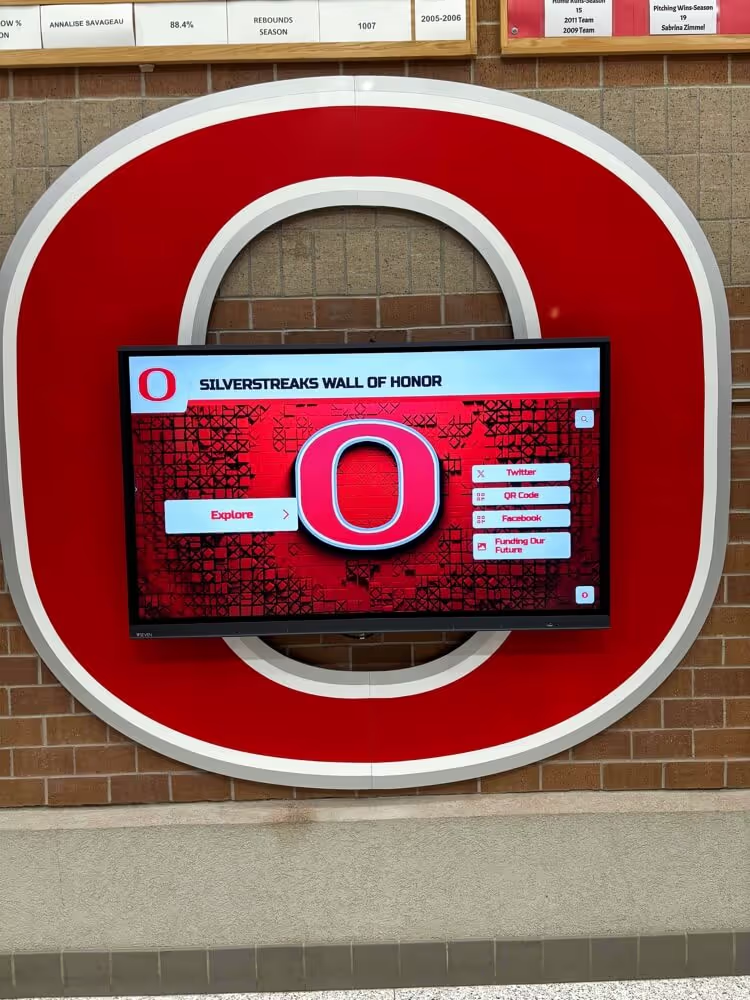
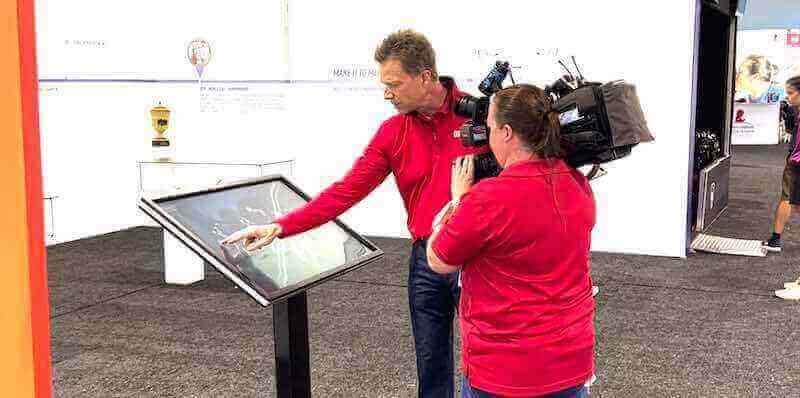
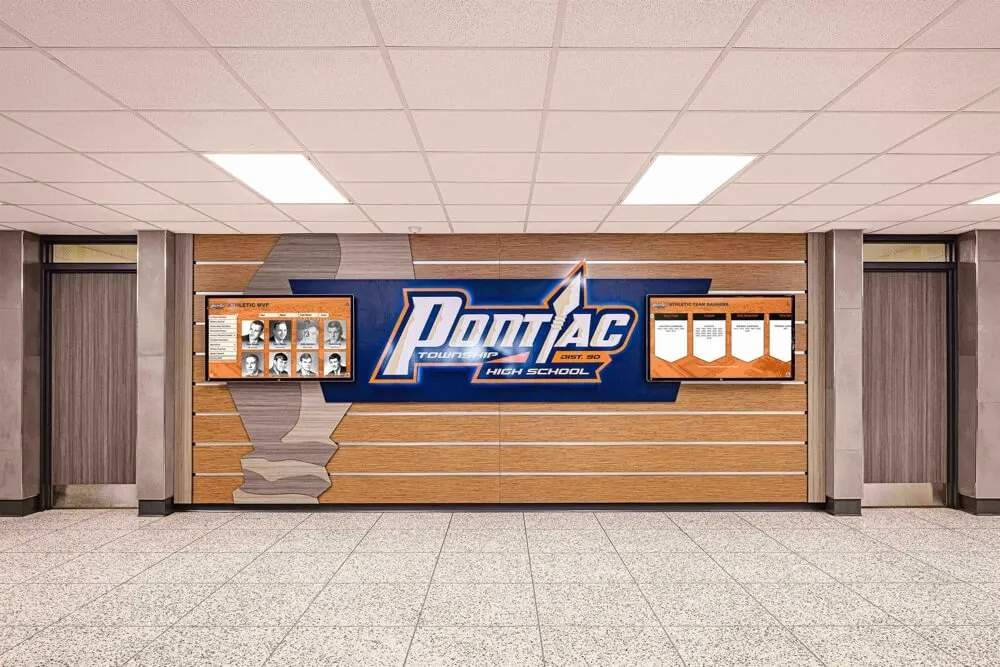
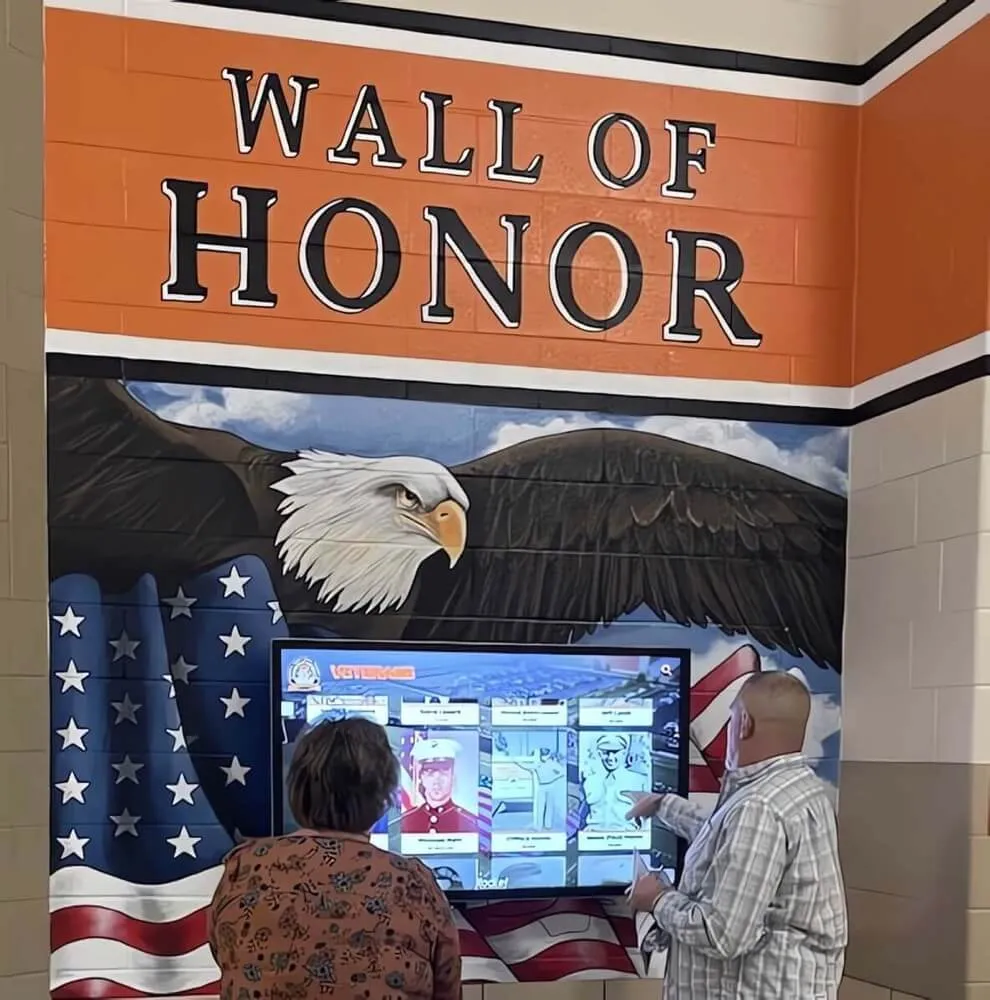
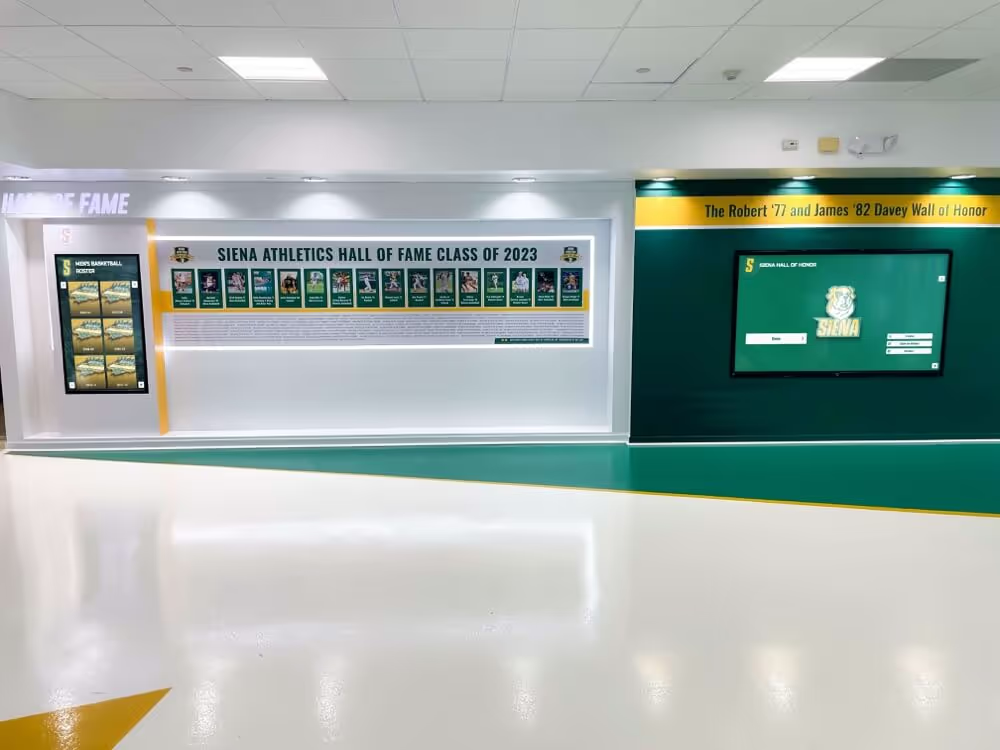
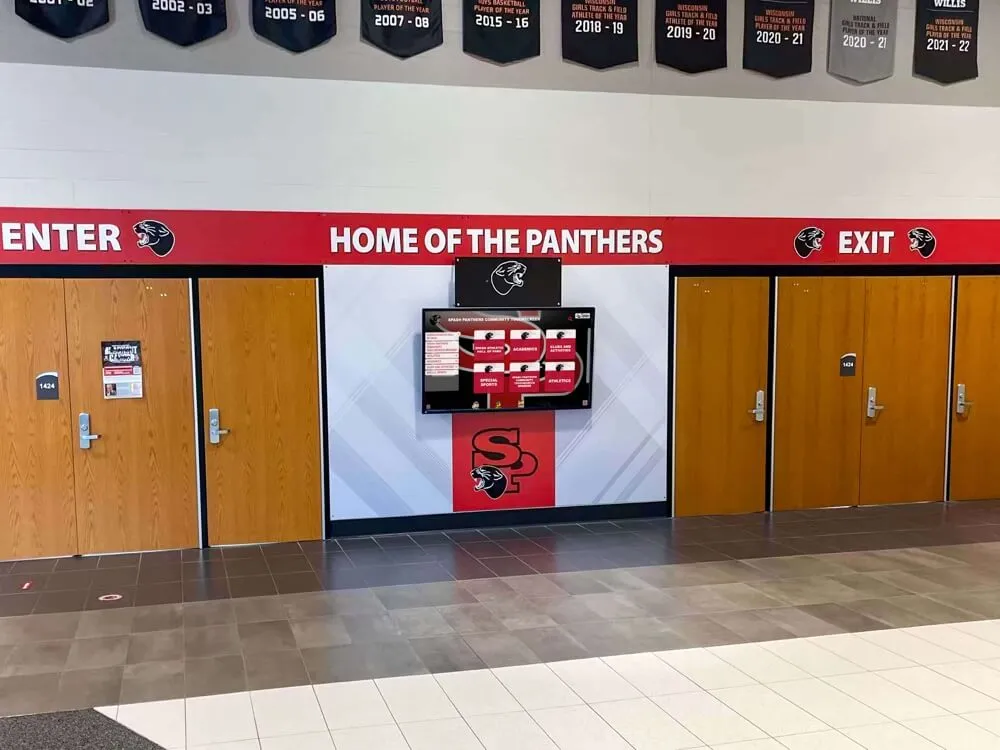
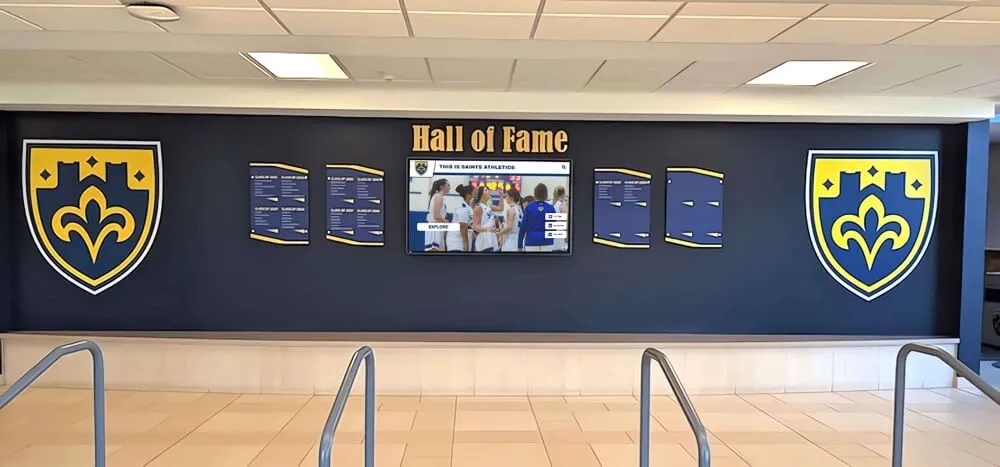
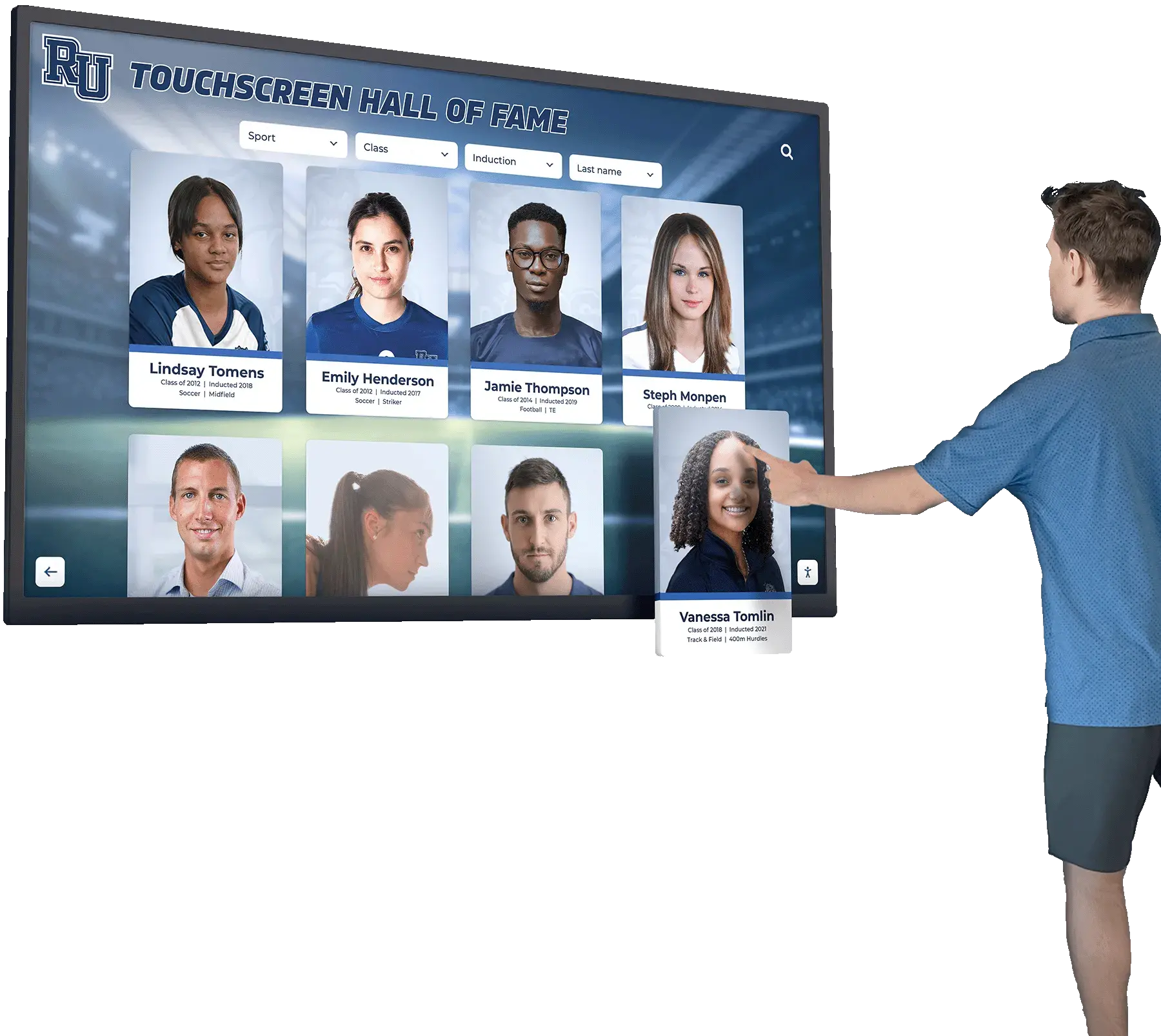
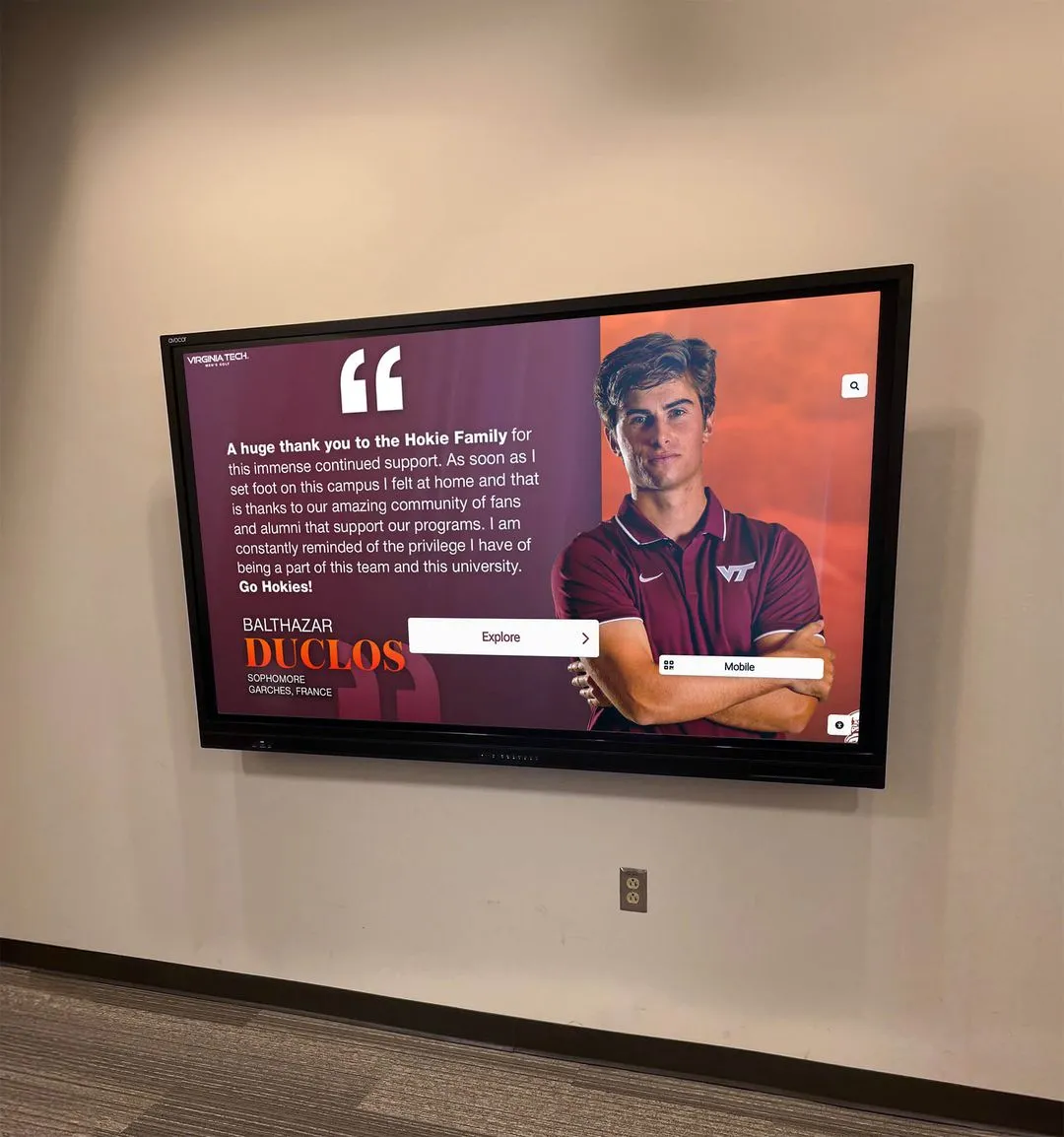
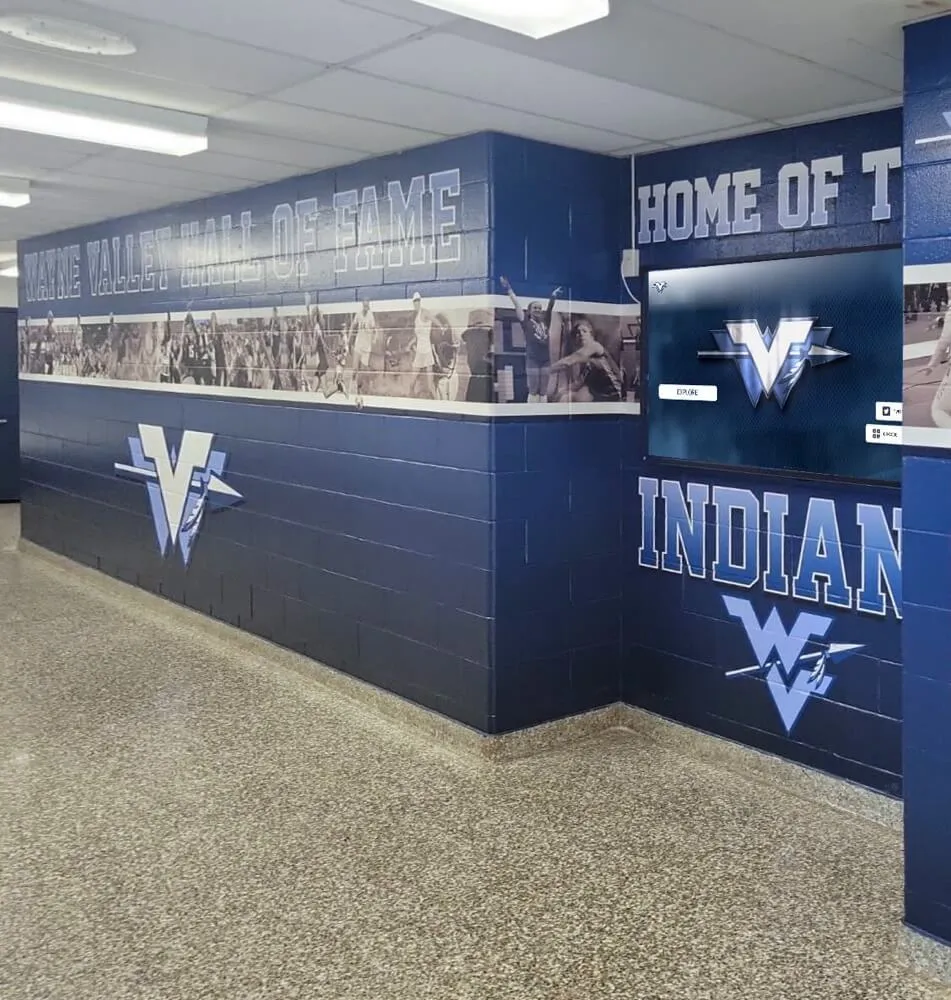
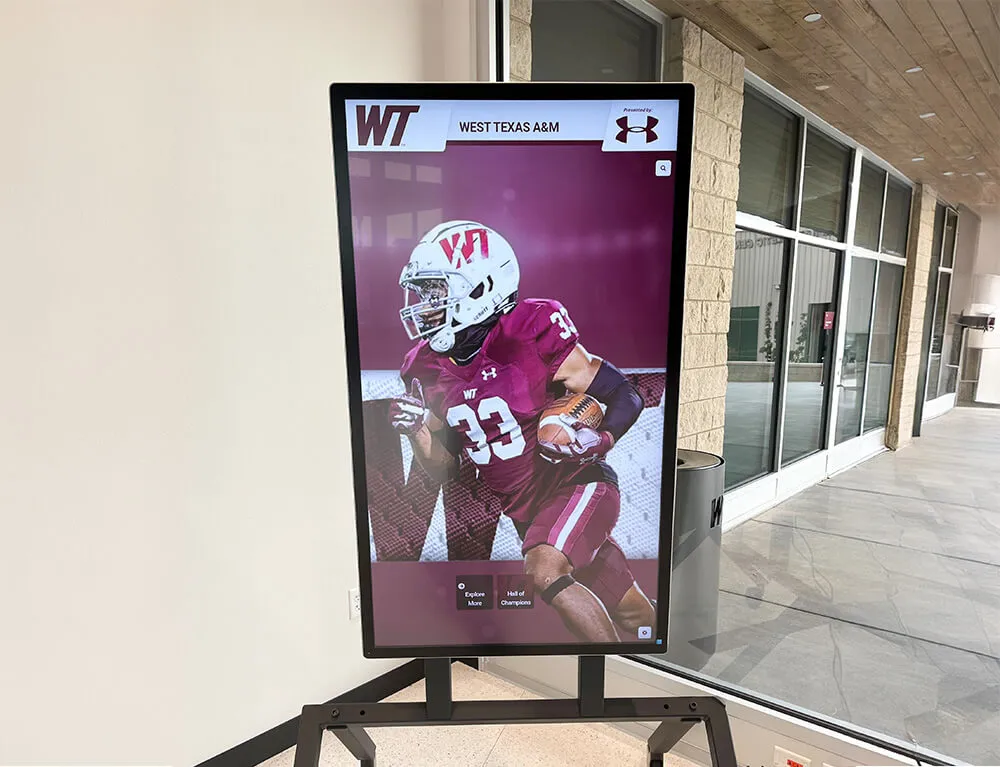
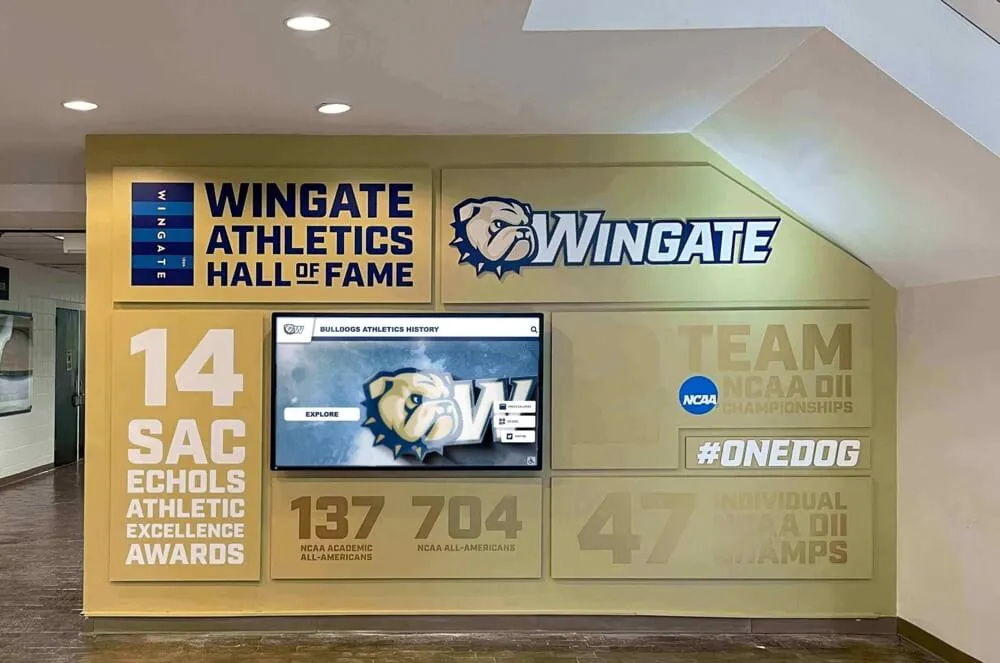
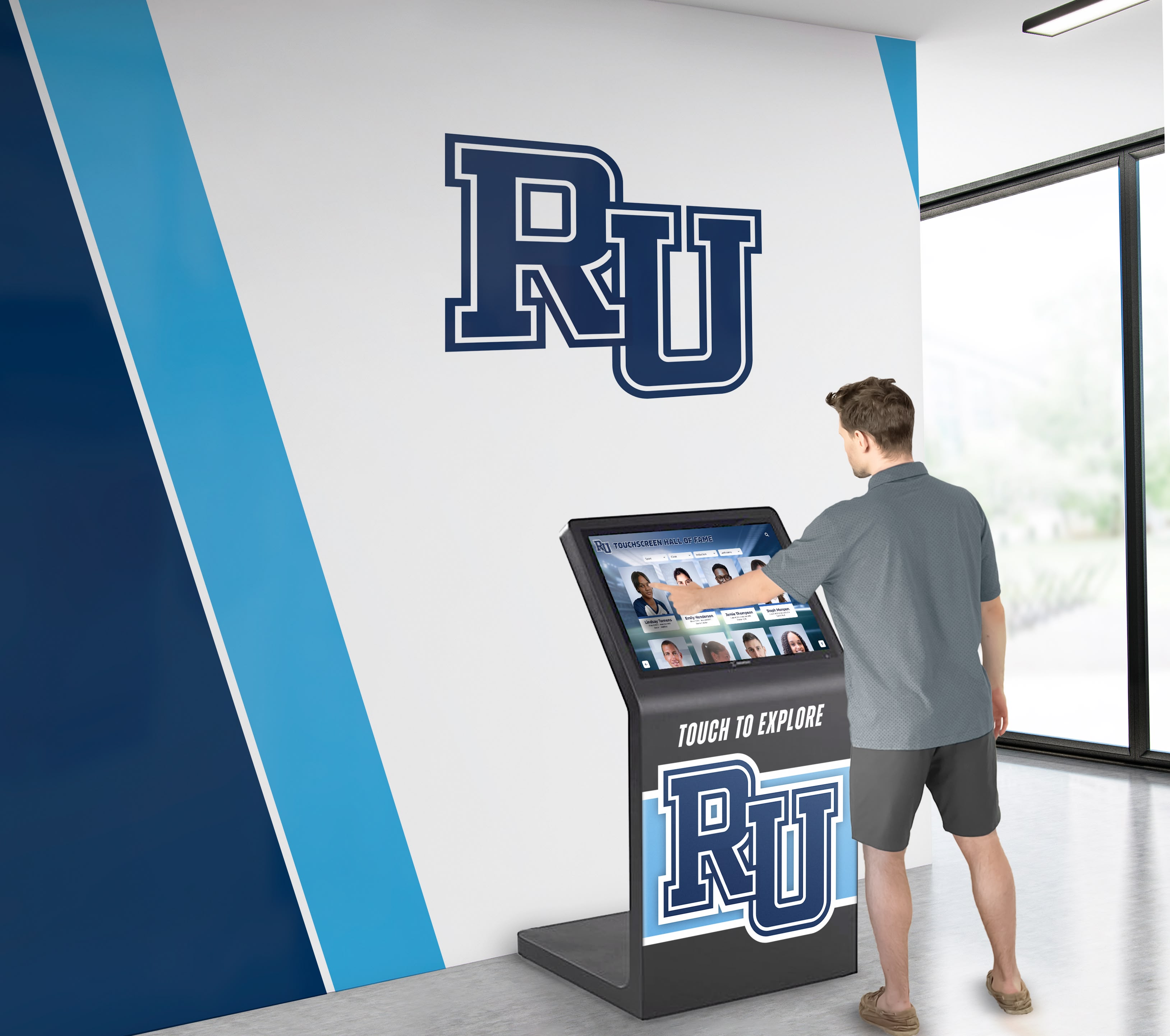
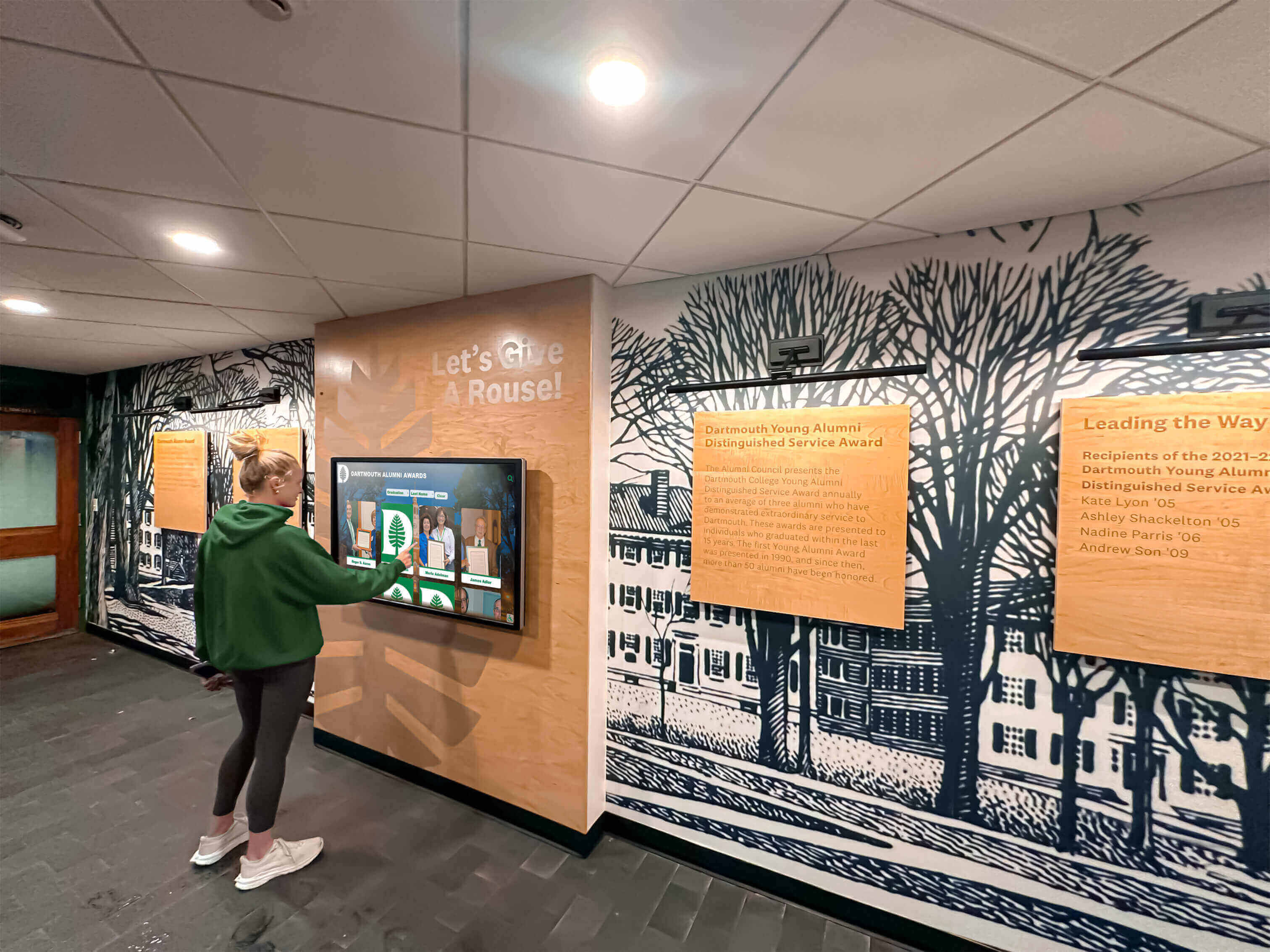
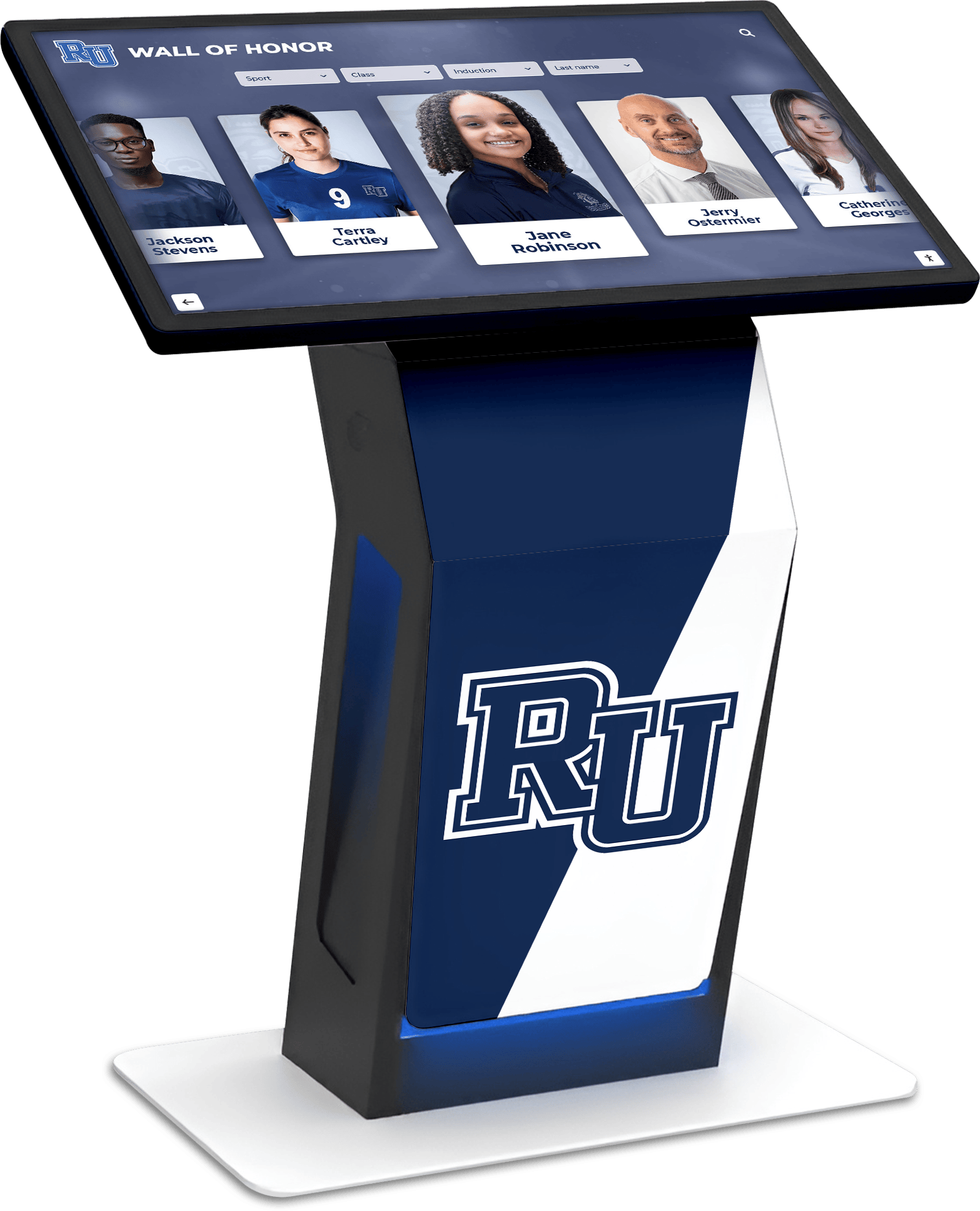
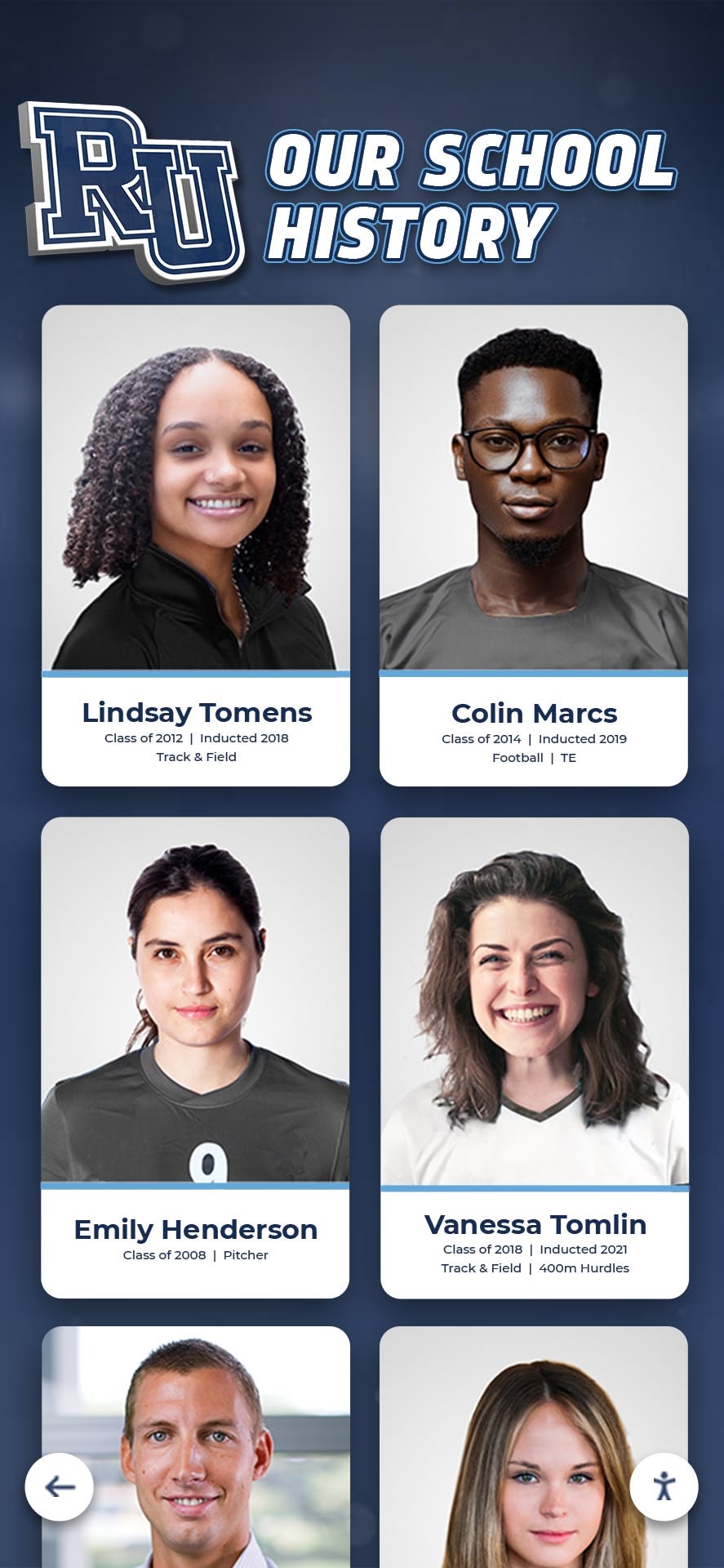
Interactive digital displays offer unlimited recognition capacity accommodating all FBLA achievers across all competitive events and award programs without space constraints. Rich multimedia profiles can include professional student photography, detailed achievement descriptions specifying competitive events and placement levels, lists of Business Achievement Award levels completed, chapter leadership roles held, and video testimonials sharing FBLA experiences and career insights.
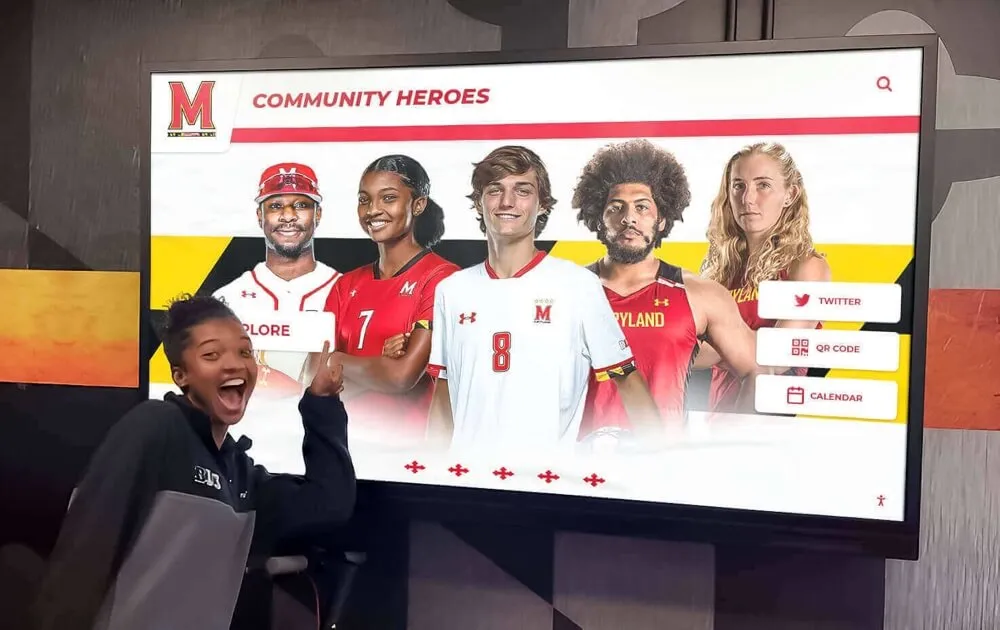
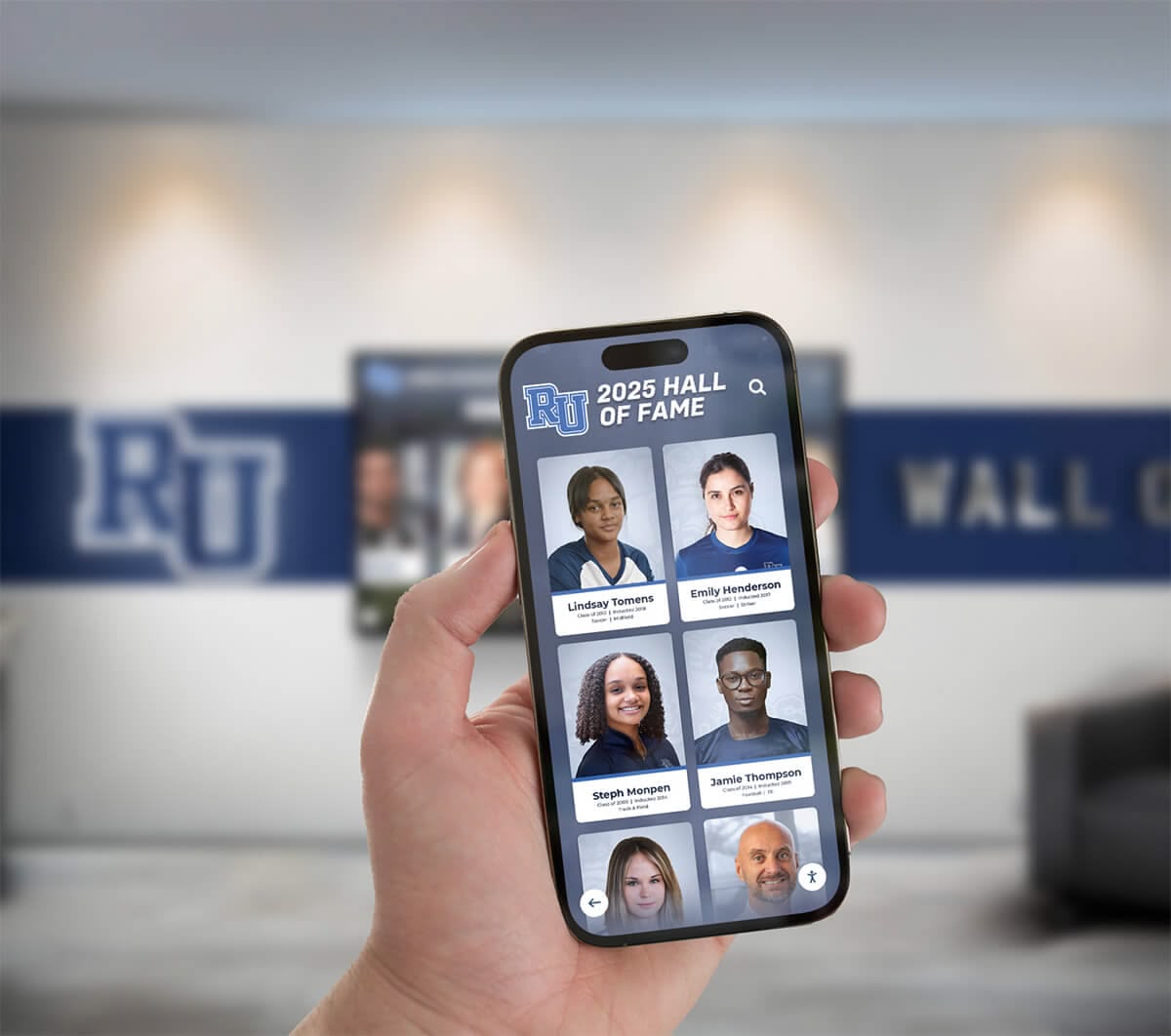
Instant updates enable adding new FBLA achievers within days of state or national conference results rather than waiting months for physical recognition production. Digital platforms provide searchable, interactive experiences where students can explore FBLA achievements by name, year, event category, or achievement type rather than passively viewing static name lists.
Solutions like Rocket Alumni Solutions specifically designed for educational recognition provide purpose-built platforms optimizing FBLA celebration through intuitive interfaces, career-focused templates, and ongoing technical support ensuring reliable operation. Schools can implement systems that integrate multiple types of academic and extracurricular recognition within unified platforms celebrating comprehensive student excellence.
Content and Information to Include
Effective FBLA recognition displays should provide comprehensive information that honors achievements meaningfully while inspiring current students and educating broader audiences about program significance.
Essential Profile Elements:
Every FBLA achiever profile should include the student’s full name and graduation year for clear identification, specific competitive events entered with placement levels achieved (1st-10th place at state, 1st-10th at nationals), Business Achievement Award levels completed (Contributor, Leader, Advocate, Capstone), chapter leadership positions held (President, Vice President, Secretary, Treasurer, committee chairs), and professional student photography creating personal connection.
Enhanced Profile Elements:
Beyond basic information, comprehensive profiles can include cumulative FBLA participation years demonstrating sustained commitment, project descriptions for prejudged events explaining business plans, websites, videos, or other submissions, quote testimonials sharing what FBLA taught students about business and leadership, college and career plans showing how FBLA influenced educational and professional trajectories, and community service project highlights demonstrating citizenship and social responsibility.
For students earning multiple competitive event awards across different years or advancing through multiple Business Achievement Award levels, recognition should acknowledge achievement progression demonstrating sustained excellence and continuous improvement rather than treating each accomplishment as isolated event.
Organizational Approaches and Display Structure
How schools organize and structure FBLA recognition affects both aesthetic appeal and functional usability for students exploring achievements.
Organizational Options:
Chronological by Graduation Year: Most common approach organizing FBLA achievers by graduation year creates clear historical progression showing program evolution and institutional tradition developing over time.
Event Category Grouping: Organizing recognition by competitive event categories—accounting, marketing, entrepreneurship, information technology, management—highlights excellence across diverse business disciplines while demonstrating program breadth.
Achievement Level Organization: Structuring displays by achievement type—national competitive event winners, state competitive event winners, Business Achievement Award Capstone recipients, chapter officers—emphasizes distinction while maintaining clear hierarchies.
Combined Recognition Displays: Rather than dedicated FBLA displays, some institutions integrate career and technical education recognition within comprehensive achievement platforms also showcasing academic honors, athletic recognition, performing arts achievements, and service learning awards. This approach creates unified recognition while ensuring FBLA receives appropriate distinction within broader context.
Digital platforms enable multiple organizational views, allowing users to explore the same content filtered different ways—by year, event category, achievement level, or alphabetically—providing flexibility impossible with static physical displays.
Strategic Placement and Visibility
Where schools position FBLA recognition displays significantly determines whether installations become focal points driving motivation and cultural impact or overlooked elements generating minimal engagement.
High-Impact Locations:
Career Center and Counseling Areas: Contextually appropriate placement where FBLA recognition supports ongoing college preparation and career exploration conversations, reminding students of business career opportunities and providing role models pursuing similar paths.
Main Entrance and Lobby Areas: First impression locations where prospective families, visitors, and community members immediately encounter evidence of career and technical education excellence, demonstrating comprehensive school programming beyond traditional academics.
Business Education Wing: Department-specific placement creating concentrated recognition within areas where FBLA instruction and activities occur, celebrating program participants in spaces they regularly occupy.
Cafeteria and Commons Spaces: High-traffic student areas ensuring consistent exposure creating sustained motivational impact as students encounter FBLA recognition during daily routines.
Administration Areas: Locations where school board meetings, parent conferences, and community events occur ensure broader audiences beyond daily student population view career and technical education achievements, building stakeholder support for program investment.
Some schools implement distributed FBLA recognition—primary displays in career centers plus supplementary recognition in main lobbies and business classrooms—creating visibility throughout buildings rather than single centralized location limiting audience reach.
Implementing Digital FBLA Recognition Systems
Schools ready to implement modern digital recognition for FBLA achievers should follow systematic planning ensuring successful deployment and sustainable operations.
Technology Selection and Platform Evaluation
Choosing appropriate digital recognition technology ensures systems remain reliable, maintainable, and effective while meeting schools’ specific needs and technical capabilities.
Purpose-Built vs. Generic Digital Signage:
Generic digital signage systems designed for commercial advertising or basic announcements can technically display FBLA recognition but typically lack features creating engaging educational recognition experiences. These systems often require custom development, provide limited interactivity, and offer no educational-specific templates or support.
Purpose-built recognition platforms like Rocket Alumni Solutions specifically designed for schools provide student profile templates optimized for achievement recognition, organizational structures matching educational needs, search and filter functionality enabling intuitive exploration, consistent interfaces across physical kiosks and web platforms, ongoing feature development addressing educational recognition needs, and dedicated support teams understanding academic contexts and school operational requirements.
Similar to how schools evaluate comprehensive recognition solutions for various student achievements, FBLA displays benefit from platforms designed specifically for educational contexts rather than repurposed commercial tools.
Content Development and Data Collection
Quality content determines recognition program impact, making investment in thorough, accurate, and engaging development essential for effective FBLA celebration.
Data Collection Processes:
Schools should establish systematic workflows for capturing FBLA achievements as they occur. Advisers should document competitive event results immediately following state and national conferences, recording student names, event categories, and placement levels while information remains fresh and accurate.
Business Achievement Award completions require tracking throughout school years as students progress through levels rather than attempting reconstruction at year-end. Chapter leadership rosters should be maintained documenting officers and committee chairs each year. Community service project participation and outcomes deserve documentation preserving evidence of student contributions.
Beyond basic achievement data, schools should collect enhanced profile information including professional student photography from school picture days, student testimonials reflecting on FBLA experiences and career influences, post-graduation plans and college destinations, and connections to broader career and technical education programming.
Privacy and Permission Considerations:
Schools must obtain appropriate permissions before featuring students in public recognition displays, particularly digital systems with extended web access. Follow district policies regarding student privacy, photo releases, and personally identifiable information. Some schools use opt-in approaches where students must affirmatively consent to recognition, while others use opt-out models where all FBLA achievers receive recognition unless families specifically request exclusion.
Integration with Broader Achievement Recognition
FBLA recognition proves most effective when positioned within comprehensive systems celebrating diverse student achievement rather than existing as isolated program.
Comprehensive Achievement Framework:
Schools implementing integrated recognition systems can seamlessly incorporate FBLA awards within platforms that also celebrate academic honor roll and dean’s list achievements, athletic championships and individual sport recognition, performing arts accomplishments in music, theater, and visual arts, service learning projects and volunteer recognition, and additional career and technical education program achievements in areas like SkillsUSA, DECA, HOSA, and FFA.
This comprehensive approach demonstrates that schools value multiple forms of excellence, creating inclusive cultures where diverse achievement types receive appropriate acknowledgment. Students who may not earn FBLA recognition can still receive meaningful celebration for other accomplishments, while FBLA participants receive appropriate distinction within broader achievement context.
Digital platforms enable layered recognition where users can explore all achievements through unified interfaces or filter to specific program types, providing flexibility that static physical displays cannot match. Schools successfully implementing comprehensive digital recognition systems report stronger overall school culture and increased student engagement across multiple programs.
Best Practices for FBLA Recognition Programs
Beyond technology and infrastructure, certain approaches maximize program effectiveness while ensuring recognition remains meaningful and motivates continued achievement.
Timely Recognition and Celebration
The timing of FBLA recognition significantly affects motivational impact and program effectiveness, making prompt acknowledgment essential.
Recognition Timeline:
State Leadership Conferences typically occur during spring months (February-April depending on state), with competitive event results announced at conference conclusions. National Leadership Conference occurs each summer (typically late June or early July) with results announced during conference. Effective programs establish workflows ensuring rapid response after each milestone.
Immediate congratulatory communications to students and families within days of competitive event placement demonstrate institutional pride and enthusiasm. Prompt profile development gathering enhanced information and photography within 2-3 weeks maintains momentum while students remain engaged with achievements. Timely display updates adding new FBLA achievers to recognition platforms within one month of state or national conferences celebrate accomplishment while experience remains fresh and meaningful.
Business Achievement Award level completions deserve recognition when students achieve milestones rather than waiting for year-end ceremonies. Presenting pins at chapter meetings immediately following level completion creates positive reinforcement encouraging continued progression through higher levels.
Multi-Channel Recognition Communication
Recognition display installations provide visibility foundation, but maximum impact requires systematic communication across multiple channels ensuring entire school communities celebrate FBLA achievement.
Internal School Communications:
Morning announcements featuring individual FBLA achiever spotlights throughout spring and summer months following conferences share achievement details creating extended visibility. Email notifications to all staff highlighting FBLA results encourage faculty recognition and congratulations beyond formal programs. Newsletter features explaining FBLA competitive events and Business Achievement Awards educate broader communities about program significance and rigorous standards. Career center displays and counselor communications connect FBLA achievement to college admission advantages and career development opportunities.
Social Media Amplification:
School social media platforms provide powerful channels extending recognition beyond campus communities. Individual recognition posts celebrating each FBLA competitive event winner with photos and achievement descriptions create shareable content for families. Collective celebration posts acknowledging all state qualifiers or national conference participants demonstrate program breadth and institutional success. Video content featuring FBLA member testimonials about competitive event preparation and business skill development creates engaging material performing well on social platforms.
External Community Engagement:
Local newspaper announcements submitting FBLA achiever lists extend recognition into broader communities beyond school populations. Business partner recognition sharing FBLA results with local companies that support chapters or provide mentorship demonstrates program value to community stakeholders. Chamber of commerce communications highlighting student business achievement strengthen school-business relationships while celebrating career readiness. Alumni connections sharing current FBLA recognition with program graduates maintain tradition while potentially creating mentorship opportunities.
Connecting FBLA Recognition to Career Outcomes
Effective FBLA recognition should explicitly connect achievement to concrete college admission and career development benefits, helping students understand practical value beyond ceremonial acknowledgment.
Career Readiness Messaging:
Recognition communications should emphasize that FBLA competitive event success demonstrates validated business knowledge and professional skills employers value. Business Achievement Award completion proves sustained commitment to professional development and career preparation. Chapter leadership experience provides evidence of management capability and teamwork effectiveness.
Highlight concrete benefits including college application strength where FBLA recognition signals genuine career interest and documented extracurricular leadership, scholarship opportunities specifically for FBLA members and competitive event winners, networking connections with business professionals through chapter partnerships and conference participation, resume credentials demonstrating practical skills and achievement to prospective employers, and foundational business knowledge providing head starts in college business programs.
Alumni Connection Programs:
Schools with established FBLA recognition archives can implement mentorship programs connecting current FBLA members with program alumni now attending college or working professionally. These connections provide peer role models demonstrating long-term career pathways following FBLA participation while offering practical advice about college transitions, internship searches, and early career development.
Digital recognition platforms enable searchable alumni databases where students can find former FBLA members who attended specific colleges, studied particular majors, or work in fields of interest, creating targeted mentorship opportunities based on shared career interests and paths.
Measuring FBLA Recognition Program Success
Systematic assessment ensures recognition programs achieve intended goals while identifying improvement opportunities based on evidence rather than assumptions.
Quantitative Success Indicators
Participation Metrics:
Track FBLA chapter membership numbers year-over-year monitoring program growth following recognition implementation. Analyze competitive event participation rates measuring how many members compete rather than just attending conferences. Monitor state qualification numbers and national qualification achievements demonstrating program competitiveness. Evaluate Business Achievement Award completion rates across all four levels measuring sustained member engagement beyond single-year participation.
Recognition System Engagement:
For digital displays, track interaction rates and session duration demonstrating student interest. Monitor web platform usage statistics showing community engagement beyond campus. Analyze search patterns revealing which students, events, or achievement types receive most attention. Track social media engagement with FBLA recognition content indicating amplification effectiveness.
Program Growth Indicators:
Survey students about whether visible FBLA recognition influenced their decisions to join chapters or participate in competitive events. Track career and technical education enrollment trends in business-related courses. Monitor college major declarations for business program selection rates among FBLA participants. Assess post-graduation career entry into business fields for FBLA alumni.
Qualitative Assessment
Student Perspectives:
Survey FBLA achievers about recognition experience meaningfulness and motivational impact. Interview current chapter members about whether visible recognition influenced their program participation decisions. Collect testimonials about how recognition affected college applications or career planning. Assess whether students feel their business achievement receives appropriate institutional acknowledgment comparable to academic and athletic recognition.
Family Satisfaction:
Gather feedback from families about recognition comprehensiveness and timeliness. Assess whether recognition communications effectively reached families and created positive experiences. Evaluate family perception of school’s career and technical education priorities based on recognition visibility.
Cultural Indicators:
Monitor whether business career conversations increase following prominent recognition implementation. Assess changes in student attitudes toward career and technical education programs. Track faculty perceptions of program value and student engagement. Evaluate prospective family reactions to FBLA recognition during campus tours and open houses.
Systematic assessment enables continuous improvement ensuring FBLA recognition programs remain meaningful and impactful while justifying resource investment through demonstrated positive outcomes, similar to approaches used for comprehensive student recognition initiatives.
Special Considerations for Different School Contexts
FBLA recognition approaches should adapt to specific institutional contexts ensuring programs resonate with particular student populations and community characteristics.
Schools with Developing FBLA Chapters
Institutions building FBLA programs from small membership levels face unique recognition challenges and opportunities.
Building Program Momentum:
Schools with limited FBLA participants should implement particularly prominent recognition demonstrating institutional commitment to program development. Even recognizing 10-15 FBLA members and handful of competitive event participants creates visibility motivating broader participation more effectively than minimal acknowledgment suggesting program is minor activity.
Celebrate both absolute achievement (competitive event placements, Business Achievement Awards completed) and program growth metrics (percentage increases in membership, new competitive events entered, expanding chapter activities). This dual recognition honors current achievers while demonstrating institutional progress toward stronger career and technical education programming.
Schools with Extensive FBLA Programs
Institutions where large numbers of students participate in FBLA face different challenges ensuring recognition remains meaningful despite high participation.
Maintaining Distinction and Selectivity:
When 50+ students participate in FBLA annually with multiple competitive event winners, carefully emphasize achievement levels celebrating national qualifiers particularly prominently compared to state participants. Consider cumulative recognition honoring students earning multiple competitive event placements across different years. Implement Business Achievement Award Capstone spotlights highlighting students who complete the most rigorous achievement level. Celebrate chapter-wide accomplishments like Gold Seal Chapter recognition or outstanding state chapter awards.
This differentiated approach ensures recognition remains motivating and prestigious even as absolute participation numbers grow, preventing achievement inflation where recognition feels routine rather than exceptional.
Supporting Underrepresented Populations in Business Education
Career and technical education historically serves some student populations more extensively than others, creating potential equity issues in recognition systems.
Inclusive Recognition Approaches:
Monitor FBLA participation and recognition demographics ensuring representation across gender, racial and ethnic groups, and socioeconomic backgrounds. When data reveals significant participation gaps, investigate barriers preventing equitable access rather than simply accepting disparities as inevitable.
Implement targeted support systems including competitive event preparation programs helping all interested students develop skills for success, Business Achievement Award scaffolding providing structured pathways making completion achievable, mentorship connecting underrepresented students with FBLA role models from similar backgrounds, and explicit recruitment encouraging diverse student populations to join chapters regardless of whether they plan business majors.
Recognize not only competitive event placements but also participation milestones where individual students overcome barriers to compete despite limited prior business education or external support systems. This inclusive recognition celebrates perseverance and growth alongside traditional competitive achievement.
Conclusion: Building Cultures of Business Leadership Through FBLA Recognition
FBLA awards represent remarkable student achievement demonstrating business knowledge, professional skills, and leadership capability through competitive events, comprehensive achievement programs, and sustained organizational participation. Students earning these honors have invested significant effort challenging themselves with rigorous business education, maintained commitment to career development through multi-year program participation, developed practical skills directly applicable to college business programs and career success, contributed to communities through service learning projects, and proven professional readiness employers increasingly value.
These accomplishments deserve recognition systems that honor achievements appropriately while leveraging visibility to inspire continued excellence across broader student populations. Traditional recognition approaches—brief announcements, certificates stored away, or small classroom postings—fail to provide the visibility, comprehensiveness, and engagement that FBLA achievements merit.
Modern recognition displays, particularly interactive digital systems, transform how schools celebrate business leadership by creating unlimited capacity accommodating all FBLA achievers across all competitive events and awards, rich multimedia profiles telling complete achievement stories inspiring peers effectively, instant updates celebrating accomplishments promptly when recognition feels most meaningful, interactive experiences engaging students through exploration rather than passive viewing, and extended digital access allowing families and communities to celebrate achievements beyond campus locations.
Effective FBLA recognition requires thoughtful implementation addressing clear communication of competitive events and achievement programs explaining significance, prompt celebration following state and national conferences while accomplishments remain fresh, comprehensive profiles providing context beyond simple name listings, strategic placement in high-visibility locations communicating institutional career education values, integration with broader achievement recognition celebrating diverse excellence, multi-channel communication amplifying visibility across platforms and audiences, and systematic assessment documenting impact and guiding continuous improvement.
Schools implementing prominent FBLA recognition report measurable benefits including increased chapter membership as visible role models inspire broader participation, stronger career and technical education culture where business preparation receives priority, enhanced school reputation attracting families valuing comprehensive programming beyond traditional academics, improved college admission outcomes as recognition connects achievement to practical benefits, business community partnerships strengthened through demonstration of student career readiness, and student motivation as public celebration validates effort invested in professional development.
Your FBLA members have achieved remarkable distinction proving business competency, leadership capability, and career readiness through demanding competitive events and comprehensive achievement programs. They deserve recognition that honors accomplishments permanently, inspires current students pursuing business excellence, connects achievement to concrete college and career benefits, and preserves their legacy within your institution’s proud tradition of preparing future business leaders.
Modern digital recognition solutions like Rocket Alumni Solutions provide comprehensive platforms designed specifically for celebrating career and technical education excellence in educational environments, offering intuitive content management requiring no technical expertise, engaging interactive displays capturing student attention effectively, proven approaches helping schools build recognition cultures students deserve, and ongoing support ensuring reliable operation and continuous improvement.
Ready to transform how your school celebrates FBLA achievement? Explore comprehensive recognition solutions or learn more about digital displays celebrating diverse student excellence. Solutions like Rocket Alumni Solutions can help you honor every FBLA member’s achievements while building thriving cultures of career readiness and business leadership that inspire future generations of professional success.
Sources:
- FBLA High School Competitive Events
- What is Future Business Leaders of America (FBLA)?
- Future Business Leaders of America (FBLA) Competitive Events
- FBLA Business Achievement Awards