



Key Takeaways
Complete family reunion planning checklist with practical tips, timelines, and digital tools. Discover how to create memorable gatherings that celebrate family legacy and heritage.
Family reunions represent one of life’s most meaningful opportunities to celebrate shared heritage, strengthen bonds across generations, and preserve family stories for future descendants. Yet planning a reunion that truly brings everyone together requires thoughtful organization, creative programming, and tools that help families tell their collective story effectively. With 73% of Americans saying family connections have become more important to them in recent years, the art of planning memorable family gatherings has never been more relevant.
Whether you’re organizing your first family reunion or revitalizing a long-standing tradition, this comprehensive checklist guides you through every phase of planning—from initial organization through post-event follow-up. We’ll explore practical strategies for venue selection, budget management, activity planning, and increasingly important elements like digital family history preservation that transform ordinary gatherings into legacy-building experiences.
12-18 Months Before: Laying the Foundation
Form Your Reunion Planning Committee
No one person should shoulder the entire burden of reunion planning. A diverse committee distributes workload while bringing multiple perspectives:
Ideal Committee Structure:
- Lead coordinator overseeing overall planning and timeline
- Treasurer managing budget and collecting funds
- Communications director handling invitations and updates
- Activities coordinator planning programming and entertainment
- Venue and logistics manager coordinating location details
- Technology coordinator managing digital tools and displays
- Historian curator gathering family photos and stories
Committee size typically ranges from 5-10 people depending on reunion scale. Representation from different family branches and generations ensures diverse input while distributing connection responsibilities across the family network.
Committee Meeting Schedule:
- Monthly video calls during early planning phases
- Bi-weekly meetings 6 months before event
- Weekly check-ins during final month
- Post-event debrief to document lessons learned
Establish Clear Communication Channels
Modern reunion planning requires centralized communication platforms:
- Email distribution lists: Official announcements and documents
- Private Facebook groups: Ongoing discussion and excitement building
- Shared planning documents: Google Docs for collaborative lists and sign-ups
- Video conferencing: Committee meetings and virtual participation
- Reunion website or app: Centralized information hub
Set Reunion Goals and Theme
Clear objectives guide every subsequent planning decision:
Common Reunion Goals:
- Reconnect family members who’ve lost touch
- Introduce newest generation members to extended family
- Celebrate milestone anniversaries or family achievements
- Preserve family history through storytelling and documentation
- Establish traditions for future generations
- Honor elder family members and their contributions
- Create opportunities for younger relatives to bond
Theme Development:
Compelling themes create cohesion and generate excitement:
- Heritage-focused: “Tracing Our Roots” exploring family immigration story
- Generational: “Five Generations Together” celebrating family continuity
- Location-based: “Homecoming” returning to ancestral hometown
- Achievement-oriented: “Celebrating Success” highlighting family accomplishments
- Future-looking: “Building Tomorrow” focusing on younger generations
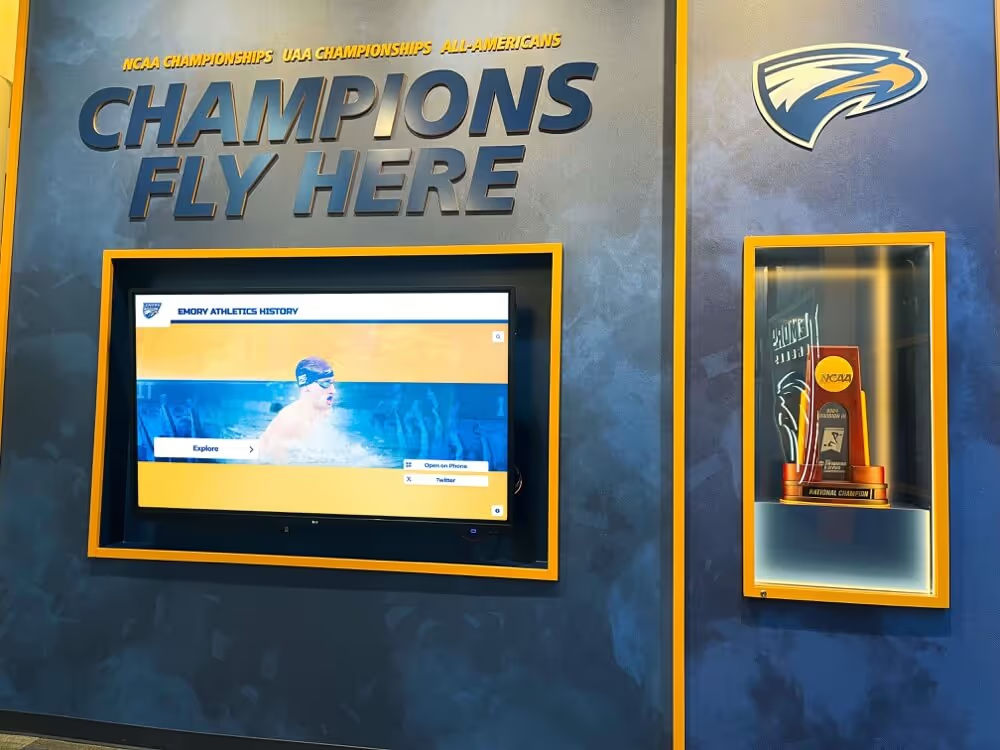
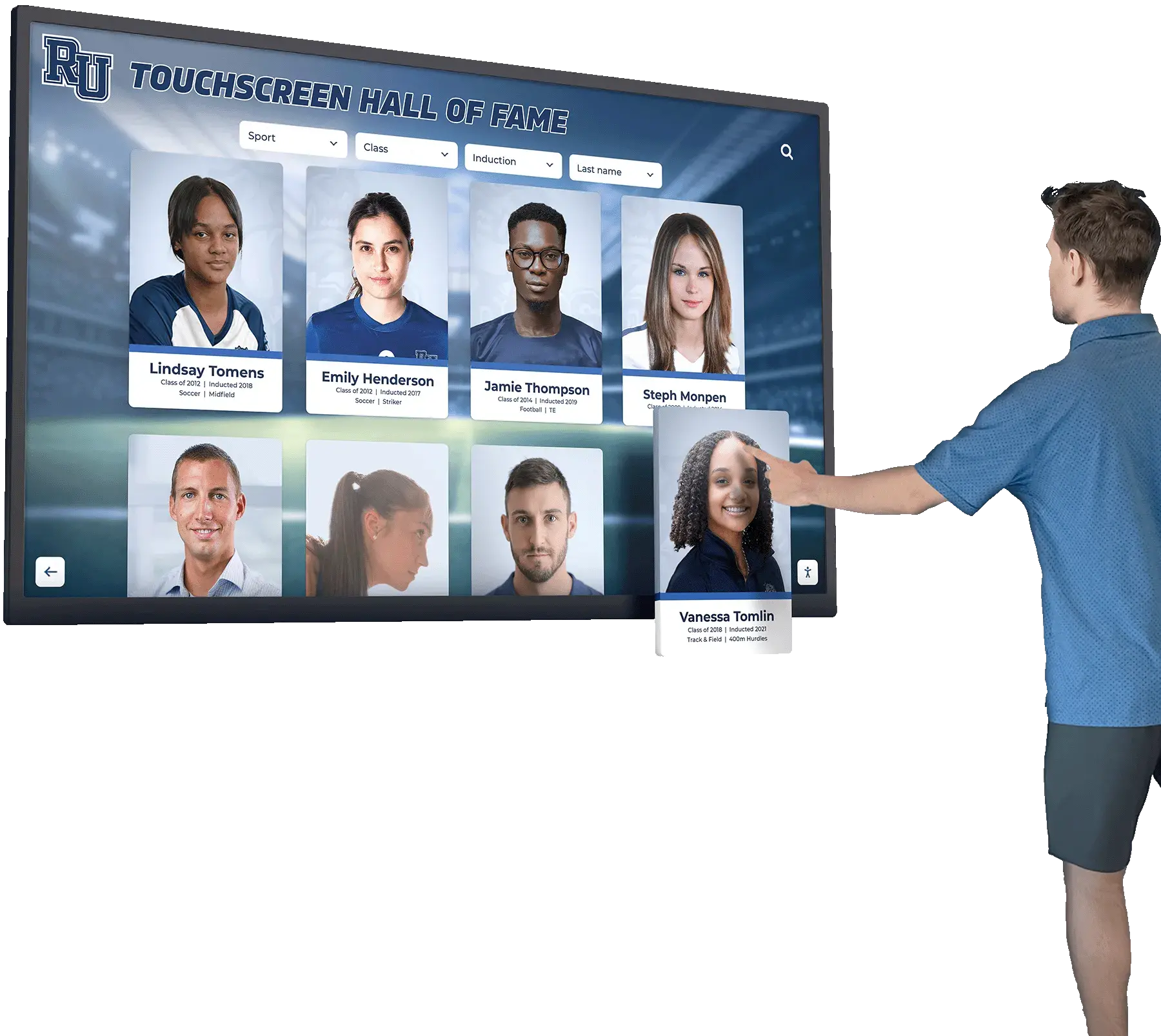
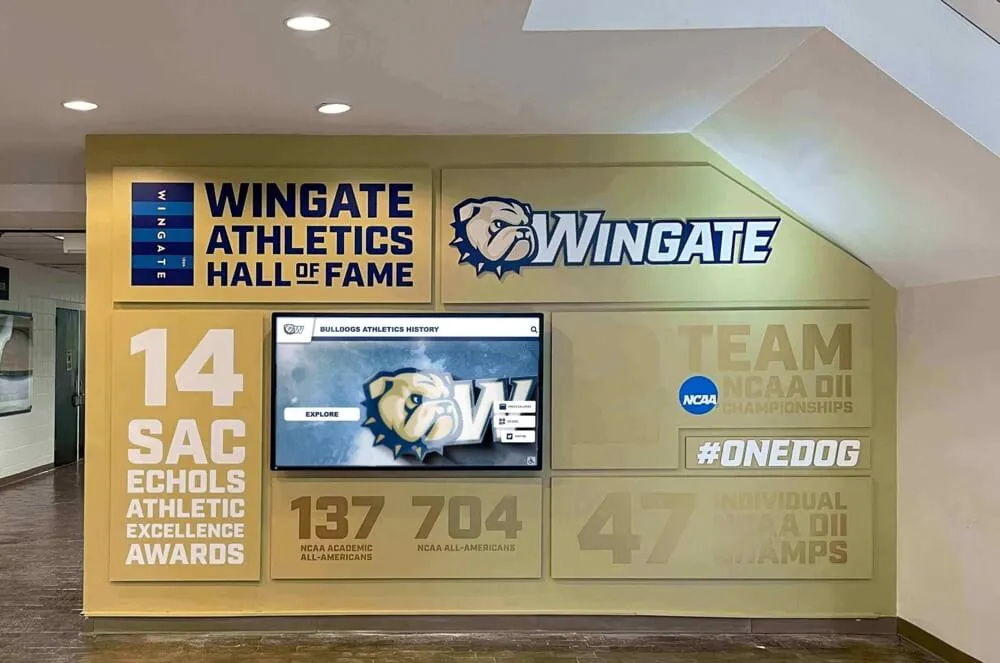
Themes influence everything from invitations and decorations to programming and recognition displays. Solutions like those from Rocket Alumni Solutions can create custom digital displays that bring reunion themes to life through interactive family history presentations.
Establish Budget Framework
Transparent budgeting prevents conflicts and ensures financial sustainability:
Major Cost Categories:
| Category | Typical Percentage | Considerations |
|---|---|---|
| Venue rental | 25-35% | Location, capacity, amenities, season |
| Food and catering | 30-40% | Meal style, dietary restrictions, alcohol |
| Activities and entertainment | 10-15% | Age range, interests, equipment rental |
| Communications | 5-8% | Invitations, website, promotional materials |
| Recognition and displays | 5-10% | Memory books, digital recognition displays, photo presentations |
| Contingency fund | 10-15% | Unexpected expenses, weather backups |
Revenue Sources:
- Per-person registration fees (typically $50-150 per adult)
- Sponsorships from family-owned businesses
- Crowdfunding campaigns for specific elements
- T-shirt or memorabilia sales
- Voluntary contributions from family members
- Institutional grants for heritage preservation projects
Early budget transparency with family members prevents last-minute financial surprises and allows those needing assistance to plan accordingly.
9-12 Months Before: Location and Date Selection
Choose Your Reunion Date Strategically
Date selection dramatically affects attendance and costs:
Optimal Timing Considerations:
- Summer weekends: Traditional choice for weather and school schedules
- Long holiday weekends: Built-in travel days but higher venue costs
- Off-season: Lower venue rates but potential weather challenges
- Anniversary dates: Meaningful connection to family history
- Multi-day versus single-day: Balance between depth and accessibility
Conflict Avoidance Checklist:
- Major holidays when families have other obligations
- Start of school year creating stress for families with children
- Peak vacation season when costs are highest
- Competing family events (weddings, graduations)
- Religious observances important to family members
- Regional considerations (hurricane season, extreme weather periods)
Poll family members about preferred dates before finalizing, recognizing that pleasing everyone is impossible. Prioritize availability of elders and key family branches.
Select the Perfect Venue
Venue choice sets the stage for your entire reunion experience:
Venue Type Comparison:
Outdoor Parks and Recreation Areas:
- Advantages: Lower cost, natural beauty, space for activities, informal atmosphere
- Considerations: Weather dependency, limited facilities, permit requirements
- Best for: Large informal gatherings, outdoor-oriented families
- Cost range: $100-500 for day-use permits
Hotels and Conference Centers:
- Advantages: All-in-one solution, lodging on-site, professional coordination
- Considerations: Higher costs, corporate atmosphere, limited customization
- Best for: Families traveling long distances, formal events
- Cost range: $2,000-10,000+ depending on size and services
Community Centers and Event Halls:
- Advantages: Affordable, flexible layouts, kitchen facilities, climate-controlled
- Considerations: May lack ambiance, varying quality, limited availability
- Best for: Mid-sized reunions balancing cost and comfort
- Cost range: $500-2,500 for weekend rental
Ancestral Homesteads or Heritage Sites:
- Advantages: Deep emotional connection, historical significance, unique experience
- Considerations: Limited capacity, accessibility challenges, lack of modern amenities
- Best for: Heritage-focused reunions emphasizing family roots
- Cost range: Widely variable, often donation-based
Vacation Destinations:
- Advantages: Extended family time, resort amenities, memorable location
- Considerations: Highest costs, requires more planning time, accessibility issues
- Best for: Families willing to invest significantly, creating vacation experience
- Cost range: $10,000-50,000+ for destination resort packages
Essential Venue Features:
- Capacity for expected attendance plus 20% buffer
- Kitchen facilities or catering partnerships
- Adequate parking or transportation access
- Accessibility for elderly and disabled family members
- Indoor backup space if outdoor venue
- Tables, chairs, and basic equipment included
- Wi-Fi connectivity for digital presentations and social sharing
- Multiple spaces for concurrent age-group activities
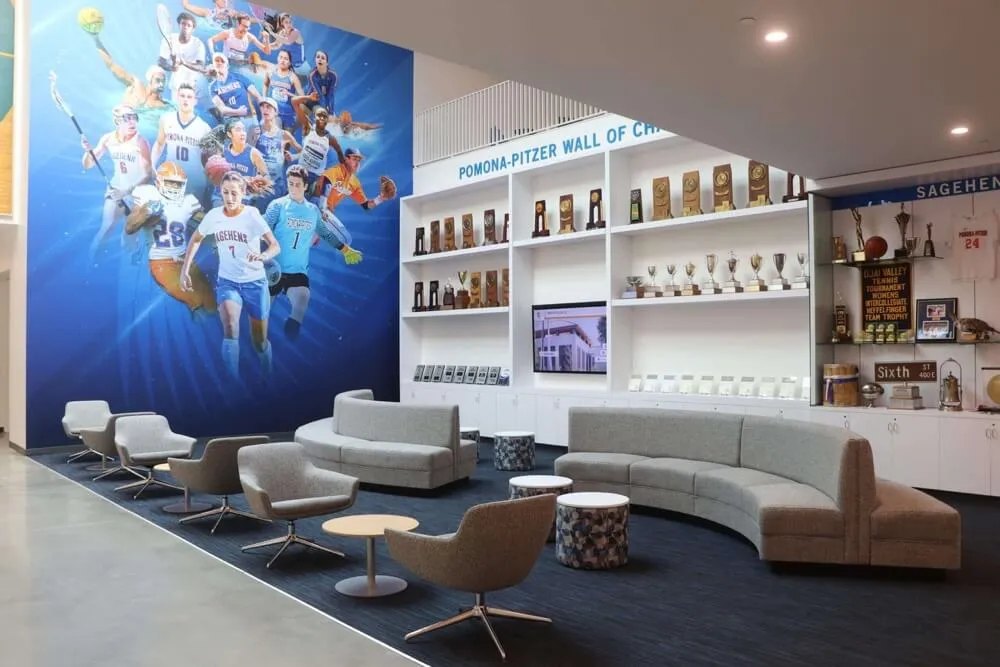
Learn more about creating engaging spaces for family gatherings in comprehensive guides to planning memorable celebrations that bring communities together.
6-9 Months Before: Communications and Programming
Launch Save-the-Date Campaign
Early notice maximizes attendance by allowing travel planning and calendar blocking:
Save-the-Date Components:
- Reunion date, location, and general timeframe
- Preliminary agenda overview
- Hotel room block information if applicable
- Registration timeline and fee structure
- Reunion website or information hub URL
- Family committee contact information
- Early bird registration incentives
Multi-Channel Distribution:
- Email announcements to compiled family contact list
- Printed postcards for less tech-comfortable relatives
- Social media posts in family groups
- Personal phone calls to key family members
- Update posted to reunion website or app
Begin Gathering Family History Content
The most meaningful reunions celebrate shared heritage through storytelling and recognition. Start collecting content that will populate memory books, displays, and presentations:
- Historical photographs: Request digital copies or scan physical photos
- Family tree documentation: Compile genealogical research and relationships
- Achievement highlights: Military service, career accomplishments, education
- Migration stories: How family branches spread geographically
- Oral histories: Record elder family members sharing memories
- Heritage artifacts: Document meaningful objects and their stories
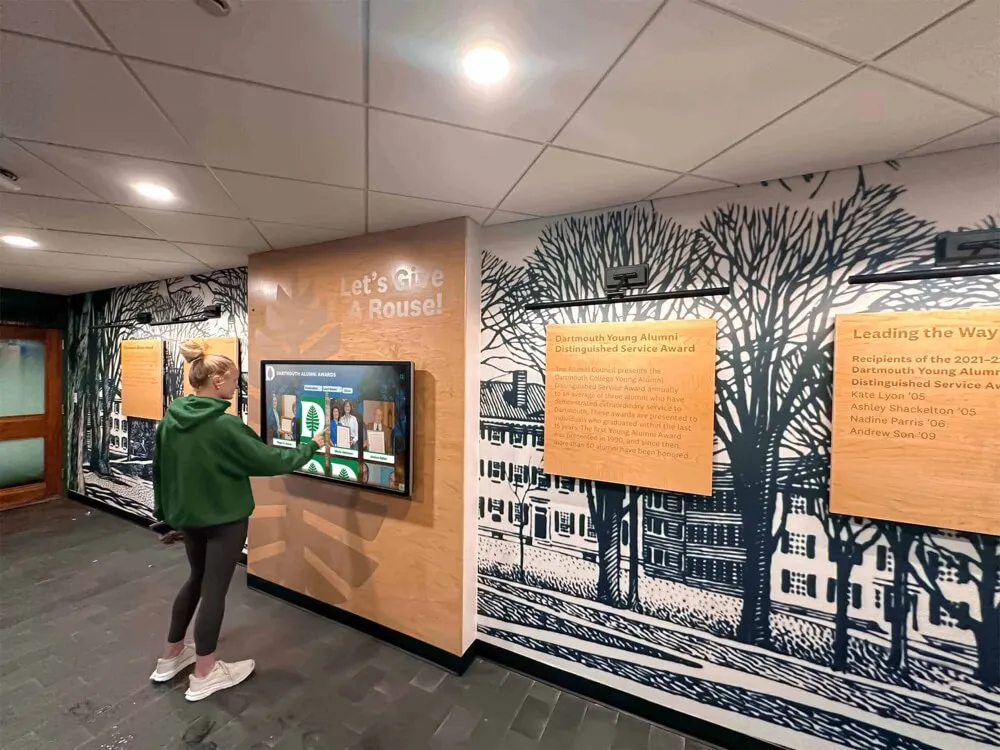
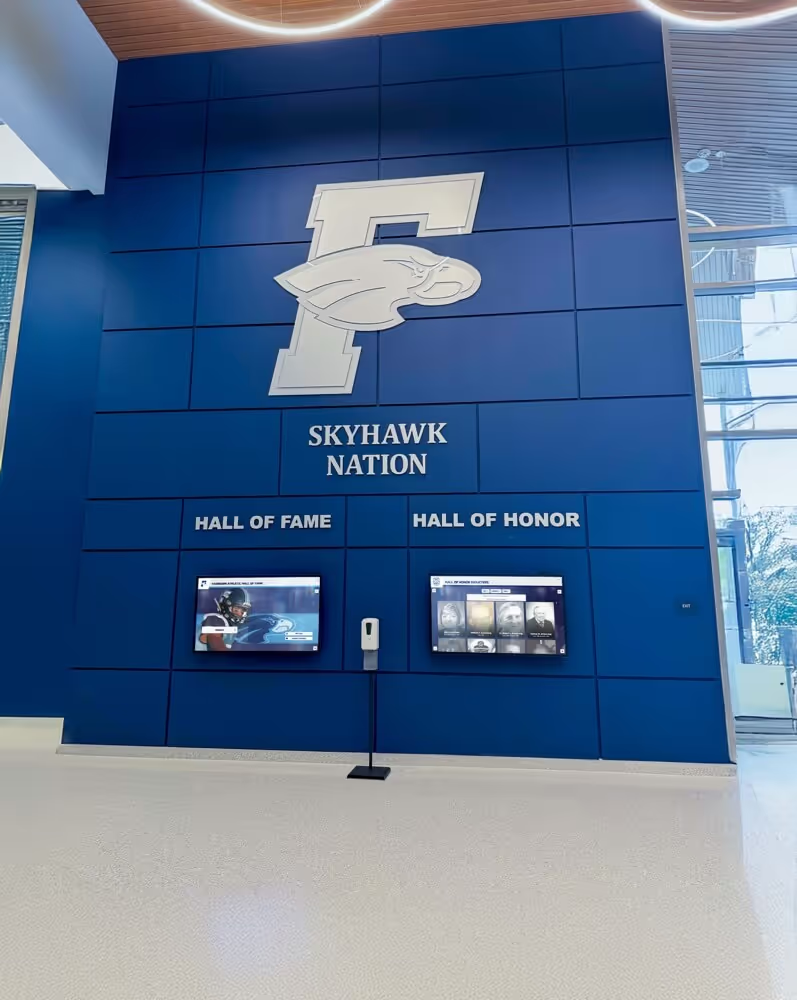
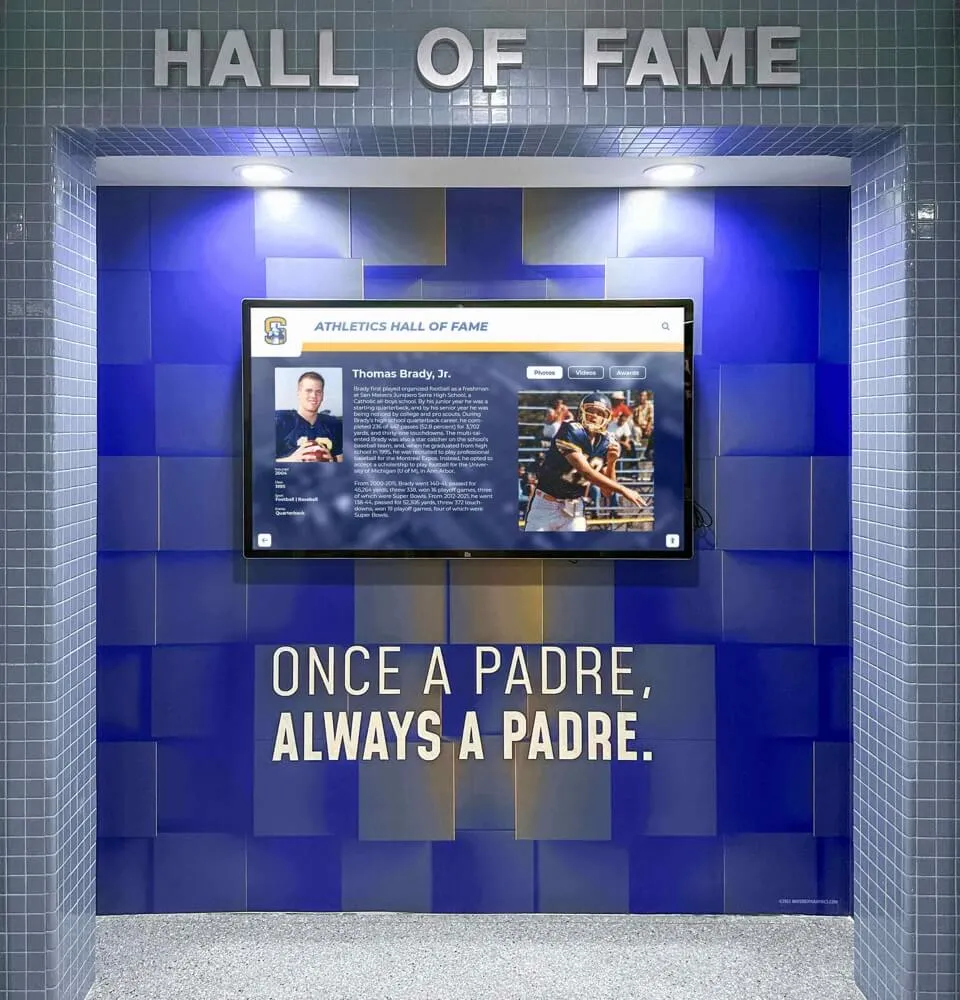
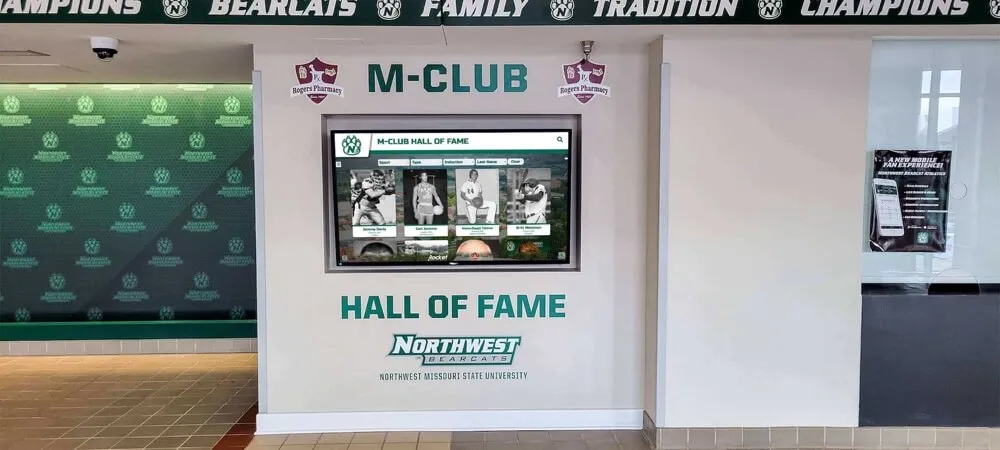
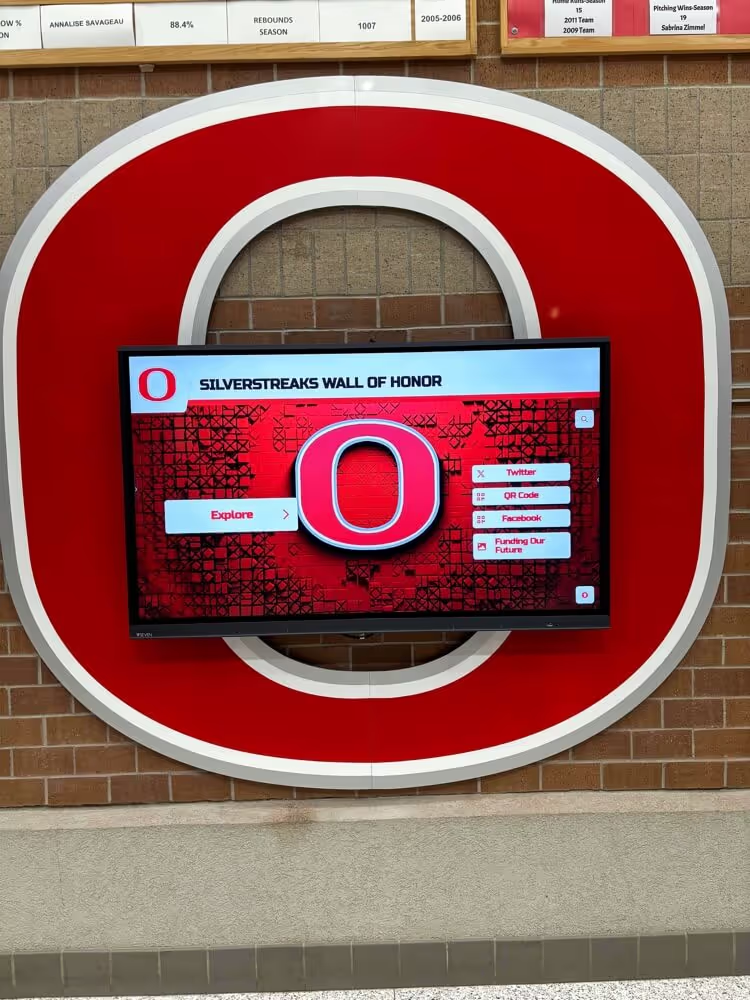
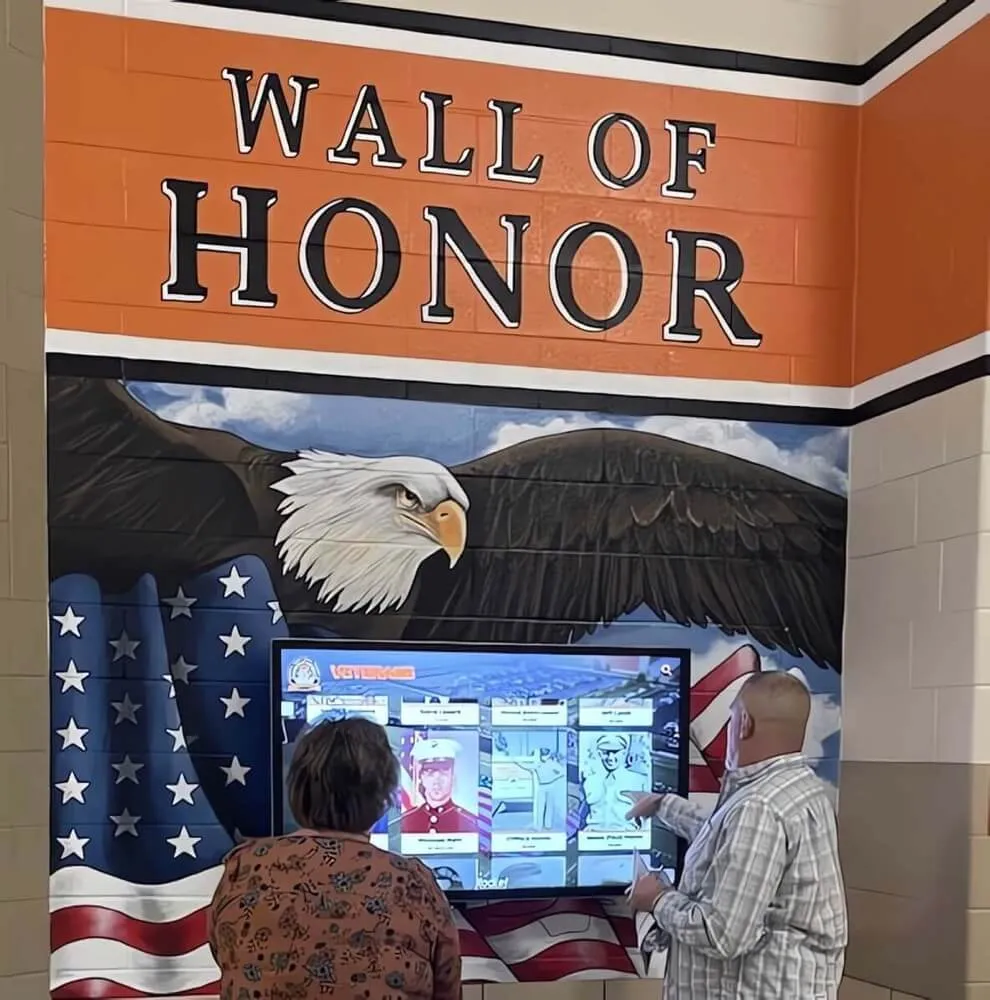
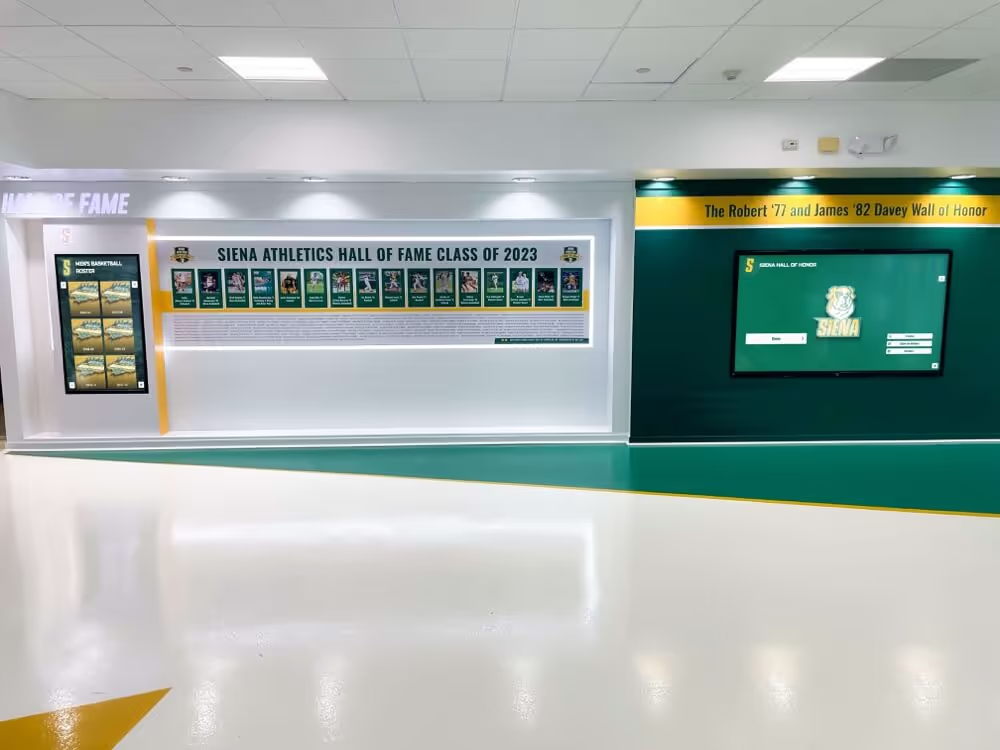
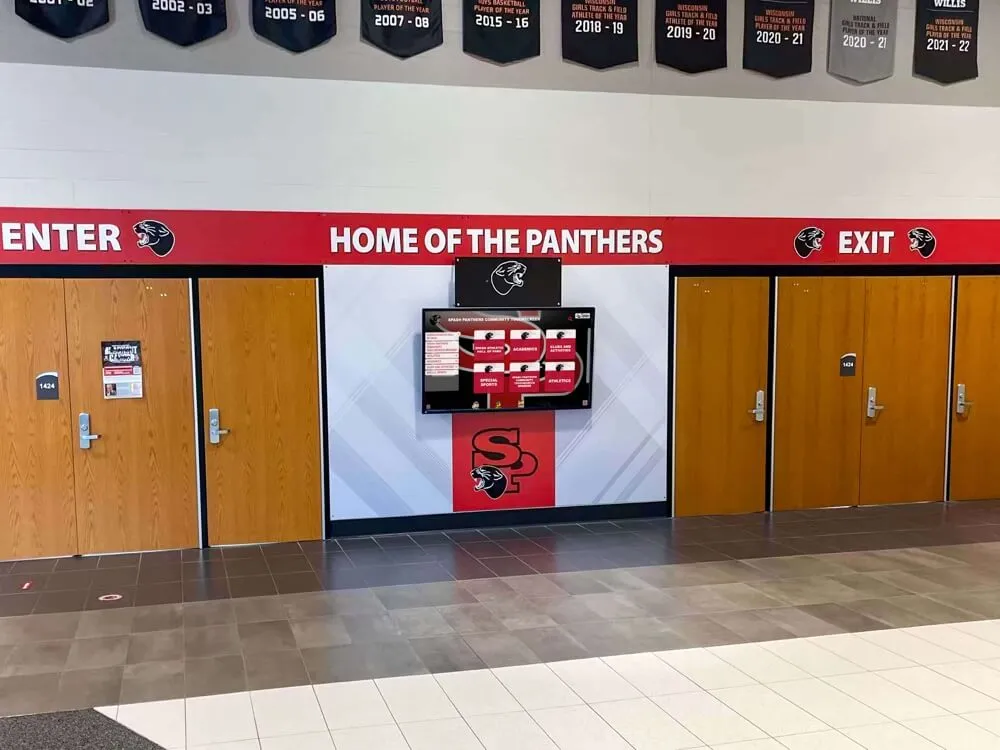
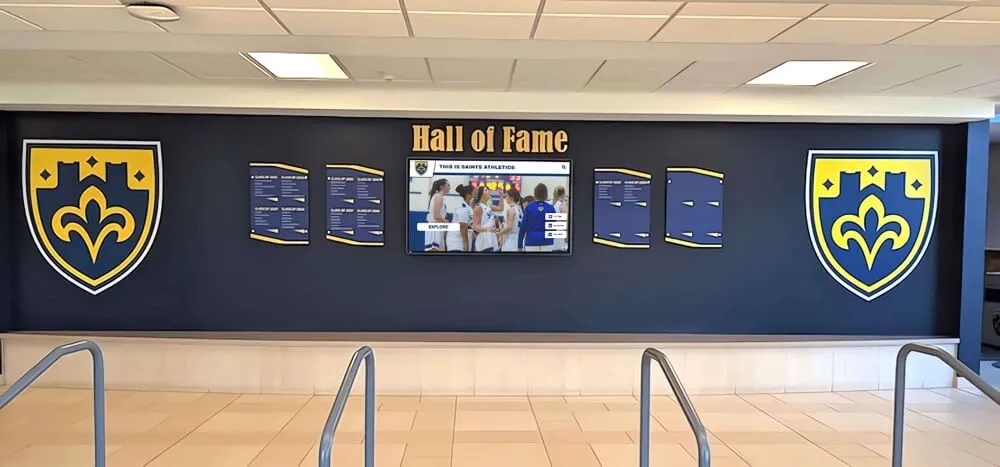
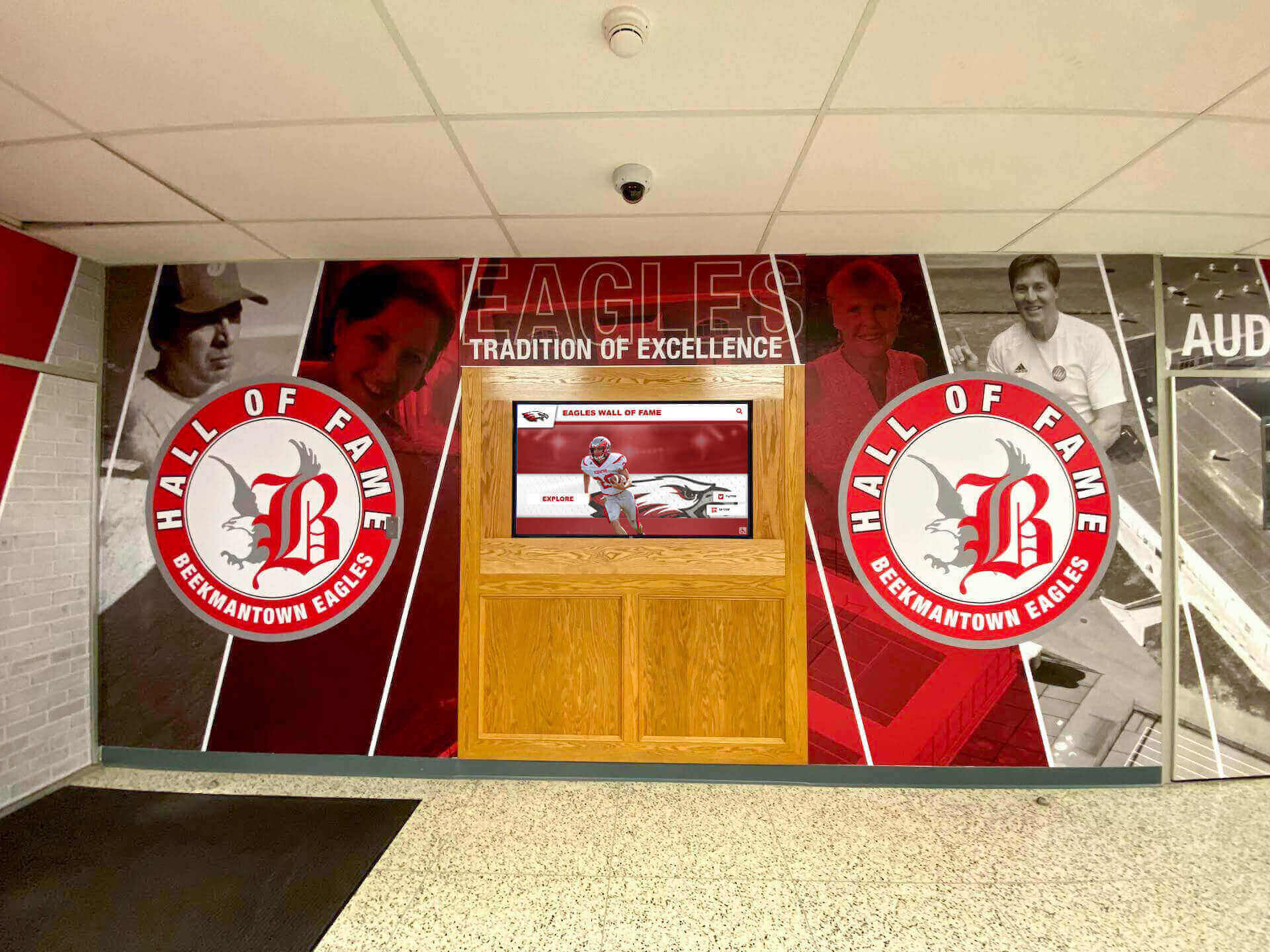
Digital recognition platforms designed for family history can organize this content into searchable, interactive displays that transform passive viewing into engaging exploration. These systems particularly resonate with younger generations more accustomed to interactive technology than static photo boards.
Design Your Reunion Programming
Balanced programming appeals to diverse ages, interests, and energy levels:
Core Program Elements:
Friday Evening (for multi-day reunions):
- Informal welcome reception as families arrive
- Light refreshments and casual mingling
- Registration and name tag distribution
- Interactive digital display introduction showing family timeline
Saturday Morning:
- Continental breakfast with reconnection time
- Welcome remarks from family elders or organizers
- Family business meeting (if applicable)
- Generation-specific breakout activities
Saturday Afternoon:
- Catered lunch or family potluck
- Outdoor games and sports tournaments
- Children’s activity zone with supervision
- Historical site visits or tours
- Nostalgia-driven activities like viewing old home videos
Saturday Evening:
- Formal dinner or barbecue
- Family talent show or entertainment
- Awards and recognition ceremony
- Dance or social time
- Generation group photos
- Digital memory wall for real-time photo sharing
Sunday Morning (optional):
- Interfaith or memorial service
- Farewell breakfast
- Group service project
- Planning discussion for next reunion
Activity Ideas by Age Group:
Children (0-12 years):
- Supervised kids’ zone with games and crafts
- Family scavenger hunt teaching family history
- Face painting and balloon artists
- Outdoor play equipment or inflatable games
- Children’s talent show category
- “Cousins Olympics” with age-appropriate competitions
Teens (13-18 years):
- Teen lounge with games and technology
- Sports tournaments (basketball, volleyball, cornhole)
- Social media team documenting reunion
- Video interview project with elders
- Teen talent showcase
- Volunteer leadership roles in event execution
Adults (19-64 years):
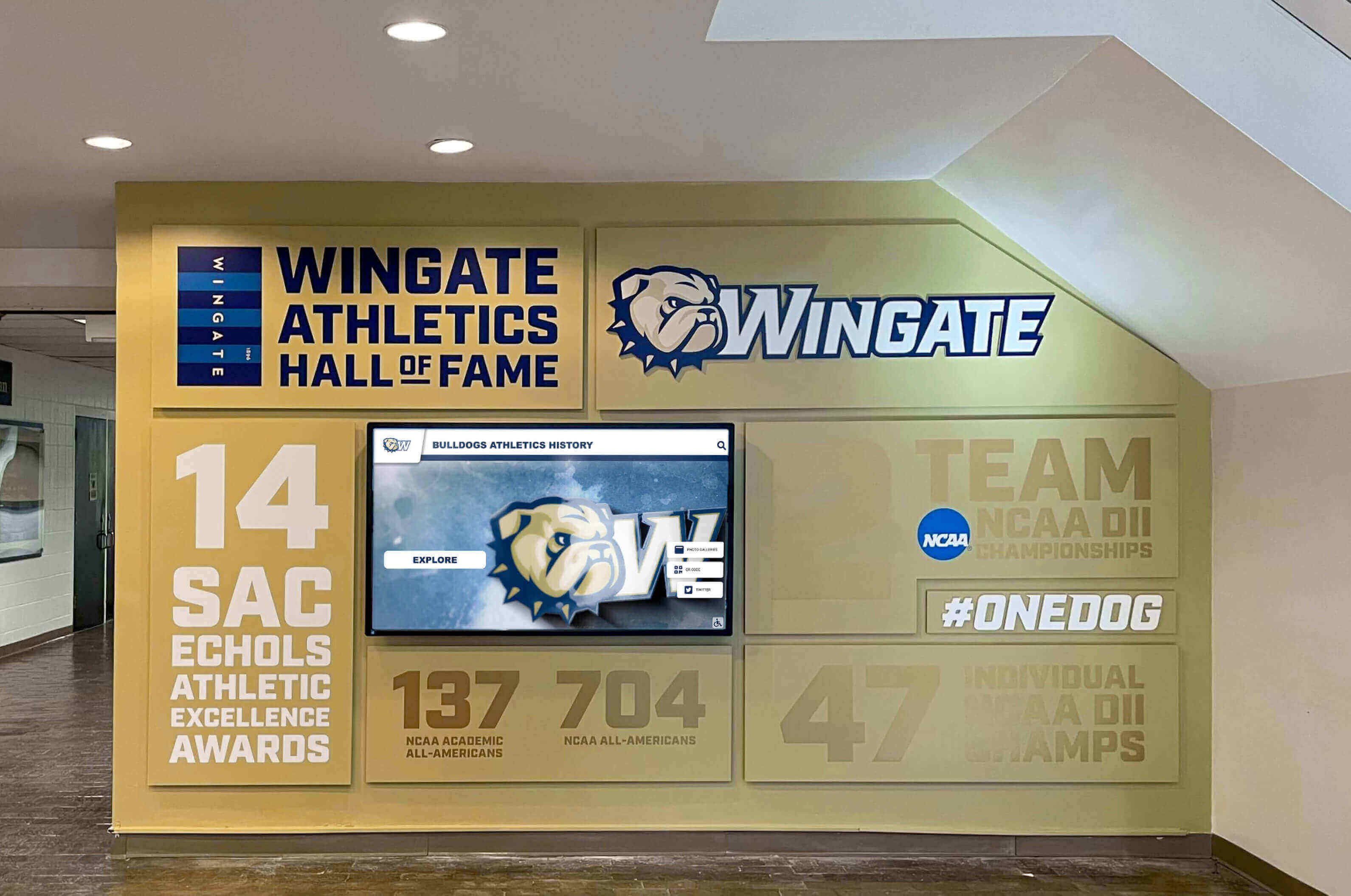
- Family history presentations with interactive touchscreen displays
- Career and life update sessions
- Golf outing or active recreation
- Cooking demonstrations of family recipes
- Wine or craft beer tasting
- Professional family photography sessions
Seniors (65+ years):
- Comfortable seating areas for conversation
- Storytelling sessions with audio/video recording
- Accessibility accommodations for all activities
- Special recognition and honor ceremonies
- Memory book creation stations
- Genealogy consultation area
3-6 Months Before: Registration and Detailed Planning
Open Registration and Track RSVPs
Structured registration enables accurate planning and budget management:
Registration System Options:
- Online platforms: Eventbrite, RSVPify, or custom reunion websites
- Payment processing: PayPal, Venmo, or check acceptance
- Registration tiers: Adult, child, family, day-pass options
- Add-on selections: T-shirts, meals, special activities
- Scholarship fund: Assistance for families with financial constraints
Information to Collect:
- Names and ages of attendees
- Contact information (email, phone, address)
- Dietary restrictions and allergies
- Special accessibility needs
- T-shirt sizes for reunion merchandise
- Volunteer interests and availability
- Photo sharing permissions
- Updated information for family directory
Registration Incentive Structure:
- Early bird discount (6+ months before): 20% off
- Standard registration (3-6 months before): Full price
- Late registration (1-3 months before): 10% premium
- Day-of registration (if accepted): 25% premium
Track registration weekly to gauge attendance and adjust planning accordingly. Low registration may require venue downsizing or intensified promotional efforts.
Finalize Catering and Food Plans
Food quality and appropriateness significantly impact reunion satisfaction:
Catering Approaches:
Professional Catering:
- Advantages: Guaranteed quality, professional service, minimal family workload
- Considerations: Higher costs, potential for generic menus
- Best for: Formal reunions, large gatherings, venues requiring licensed caterers
- Cost range: $15-50 per person depending on service style
Family Potluck:
- Advantages: Authentic family recipes, lower costs, collaborative spirit
- Considerations: Coordination complexity, food safety concerns, uneven quantities
- Best for: Smaller gatherings, families with strong cooking traditions
- Implementation: Assign categories by family branch to ensure variety
Hybrid Approach:
- Professional catering for main meal and beverages
- Family contributions for appetizers, desserts, or specialty items
- Restaurant group orders or food trucks
- DIY elements like make-your-own-taco or burger bars
Dietary Accommodation Checklist:
- Vegetarian and vegan options clearly labeled
- Gluten-free alternatives
- Allergen information for all dishes
- Low-sodium options for health-conscious relatives
- Kid-friendly choices separate from adventurous adult options
- Cultural or religious dietary requirements (kosher, halal)
Food Safety Protocols:
- Temperature control for hot and cold items
- Proper food handling and serving utensils
- Clear expiration and discard times for perishables
- Hand sanitizer and hand-washing station availability
- Food allergy warning signage
Plan Recognition and Legacy Components
The most memorable reunions balance fun with meaningful recognition of family heritage:
Digital Family History Displays:
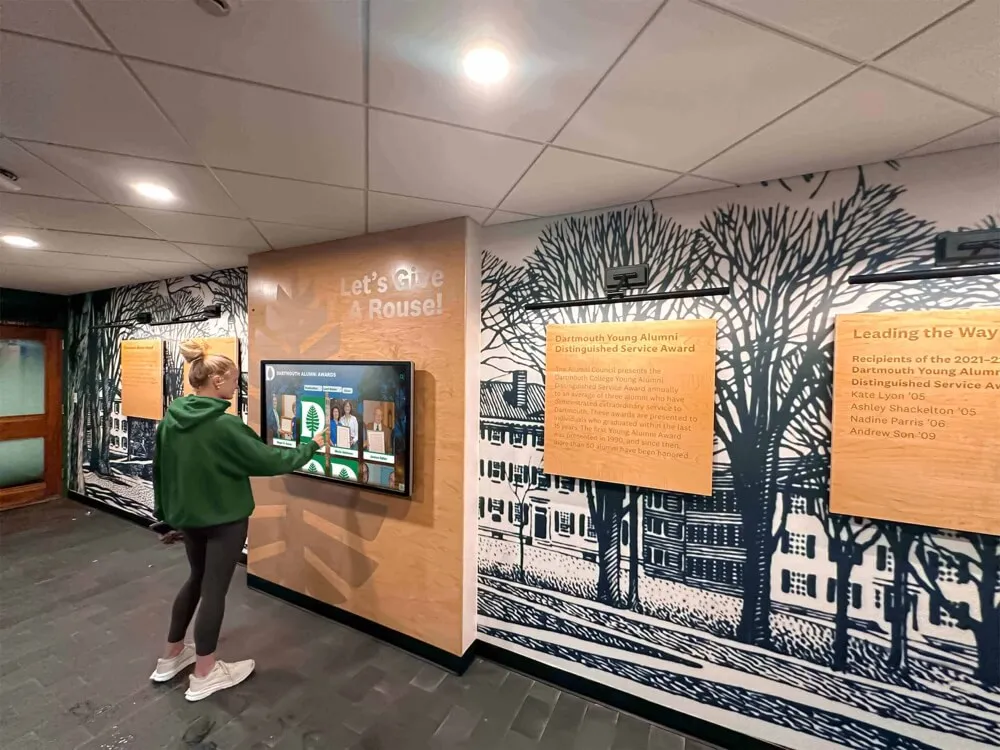
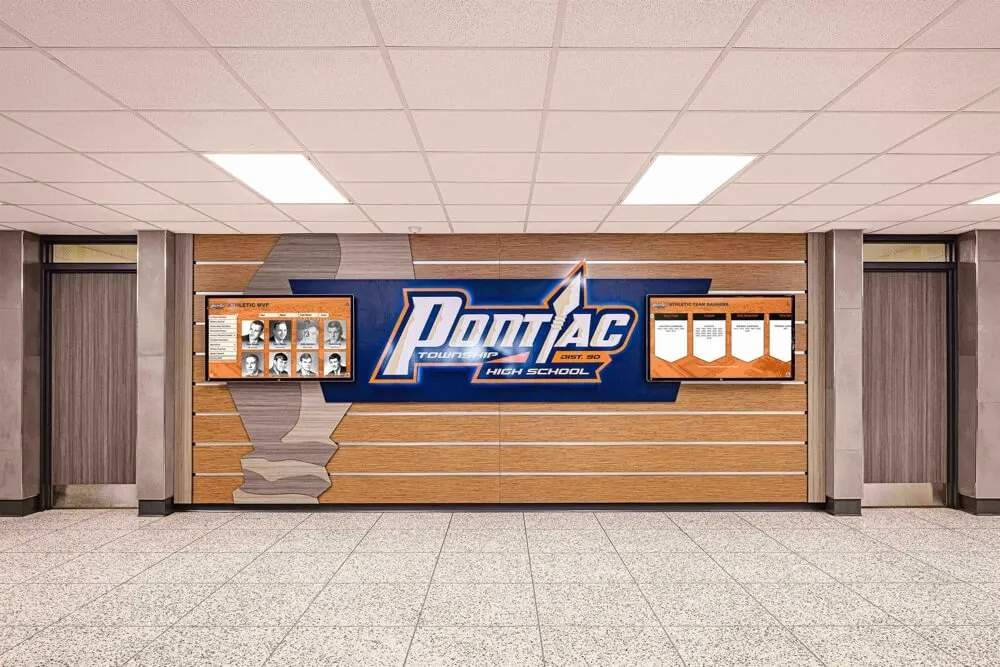
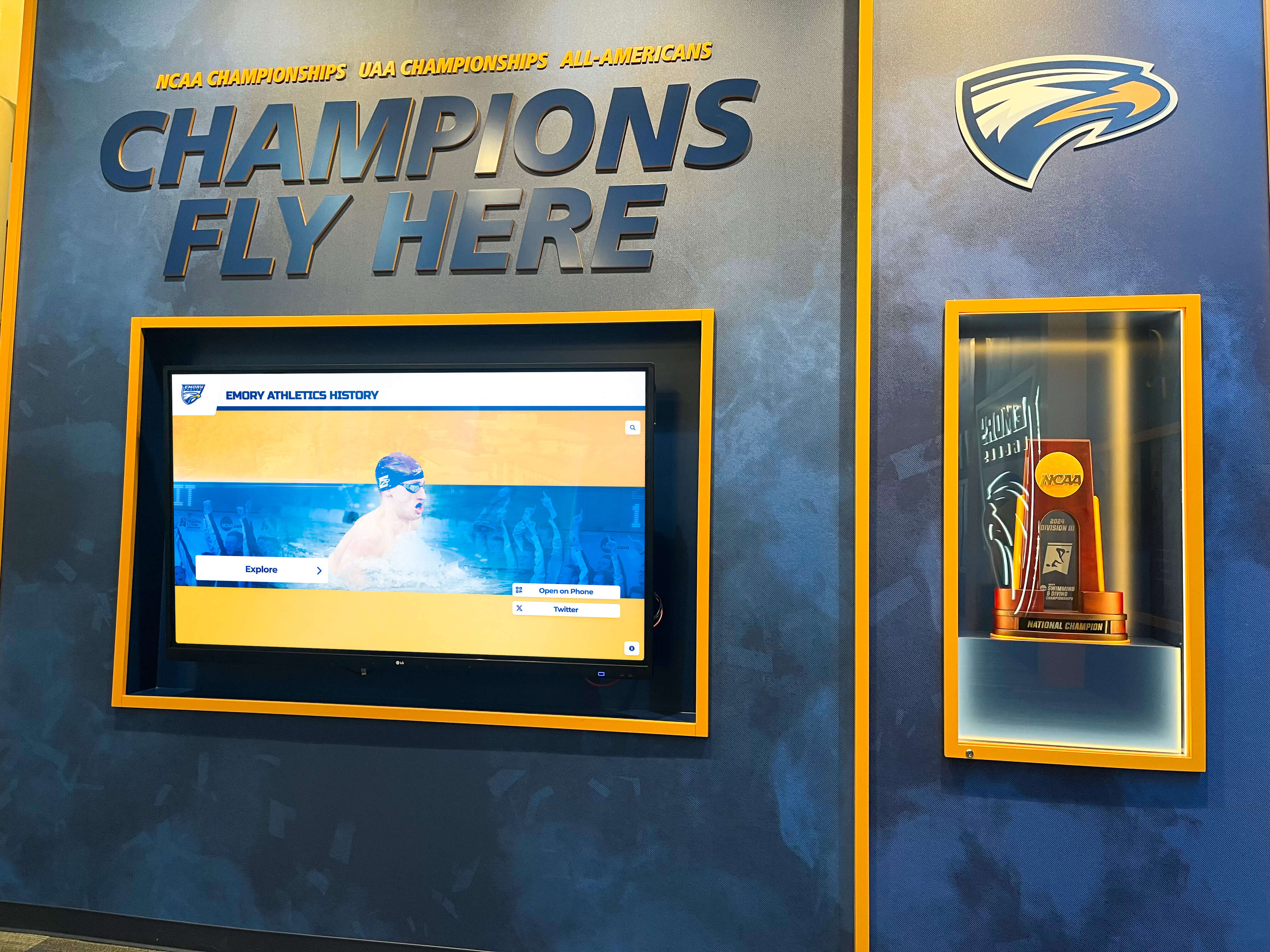
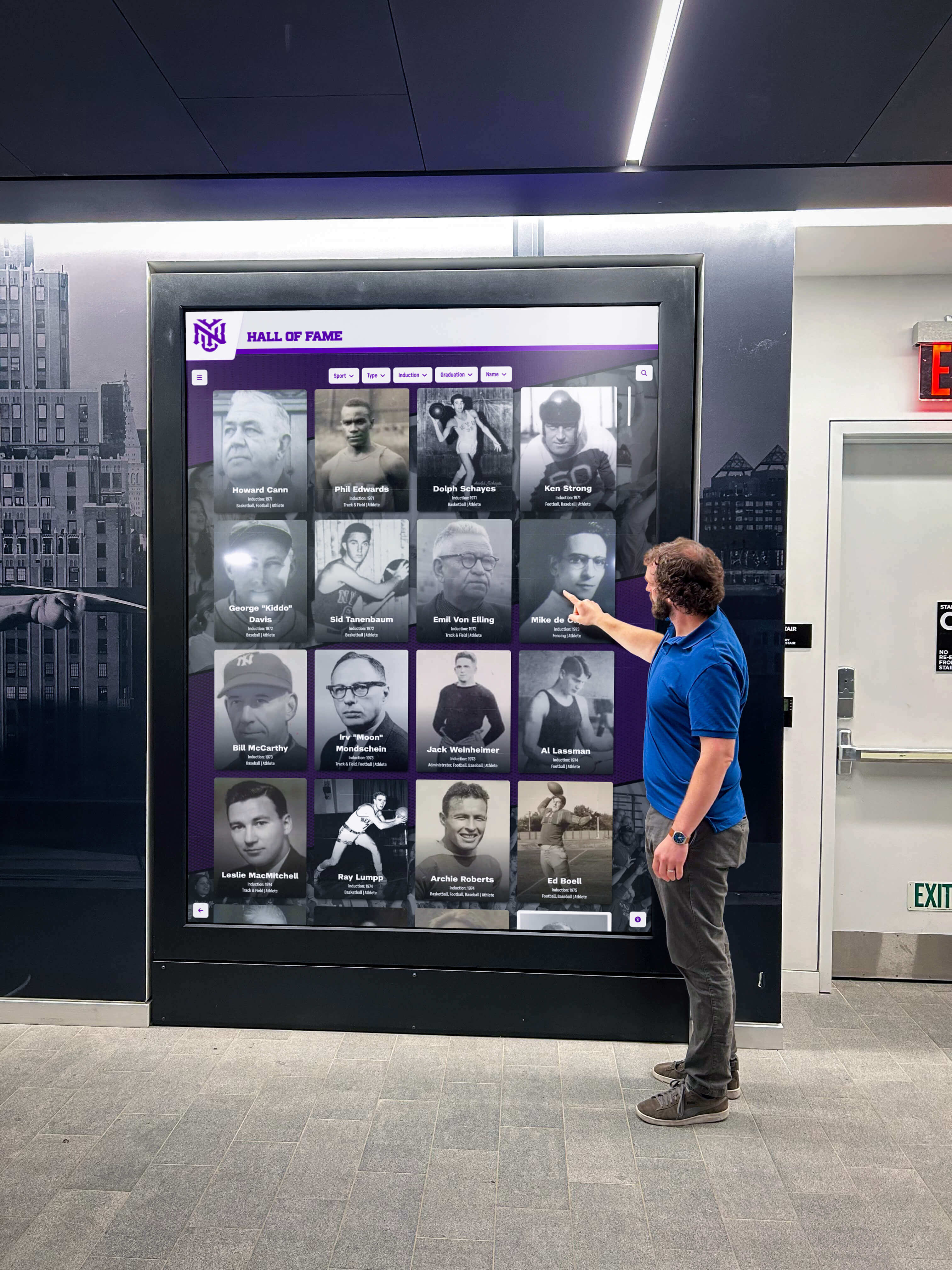
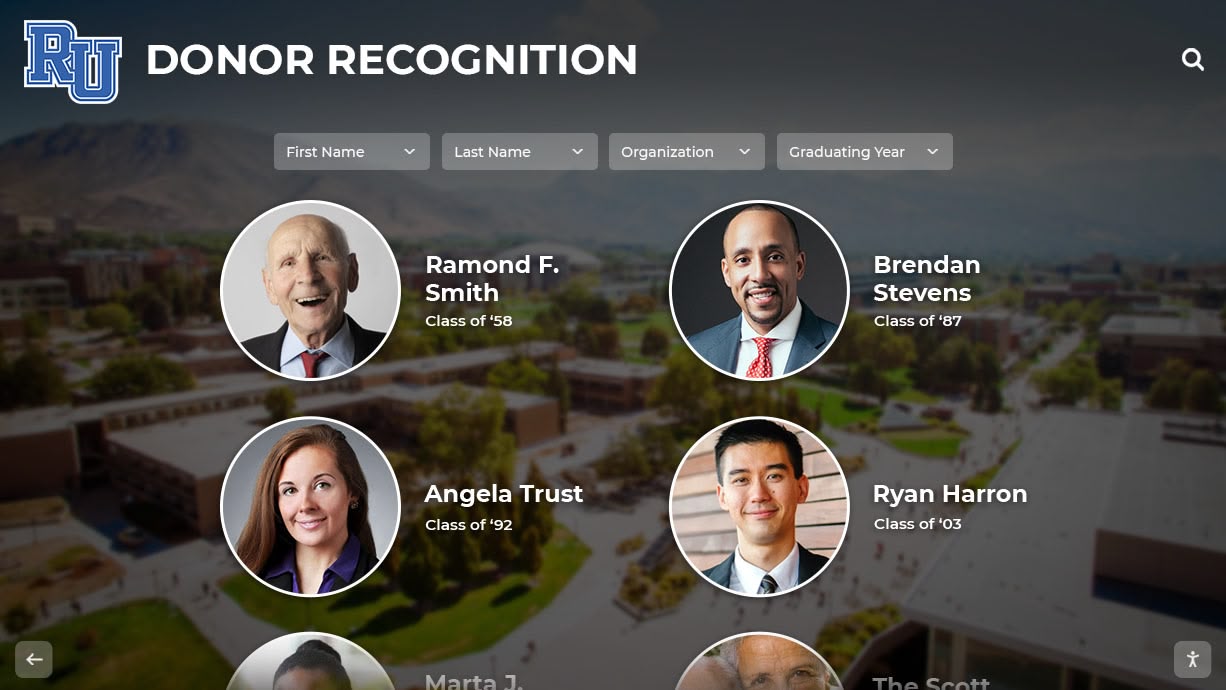
Modern family reunions increasingly feature interactive digital recognition displays that allow family members to explore their shared heritage dynamically. These systems transform traditional poster boards and photo albums into engaging multimedia experiences:
Content for Digital Recognition Systems:
- Interactive family tree allowing exploration of relationships
- Timeline of major family events and migrations
- Individual profile pages for family members with achievements
- Searchable photo galleries organized by era and family branch
- Video interviews with elder family members sharing stories
- Maps showing geographic distribution of family
- Military service recognition honoring veterans across generations
- Academic and career achievement highlights
- Real-time photo feed from reunion activities
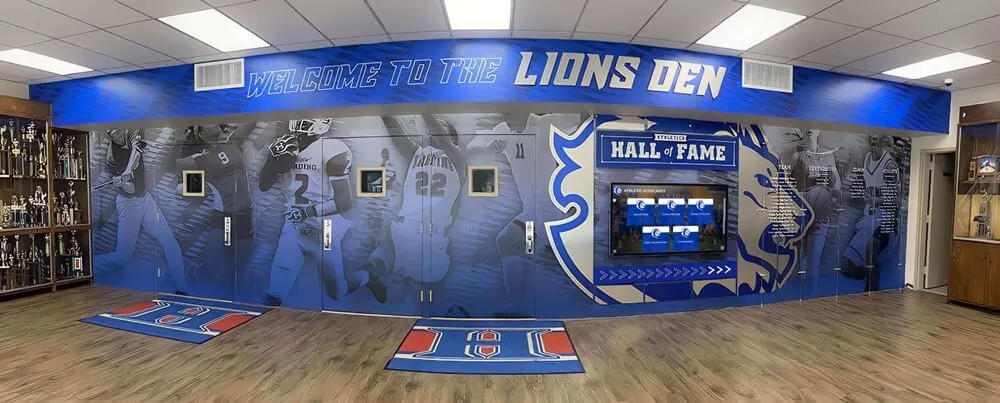
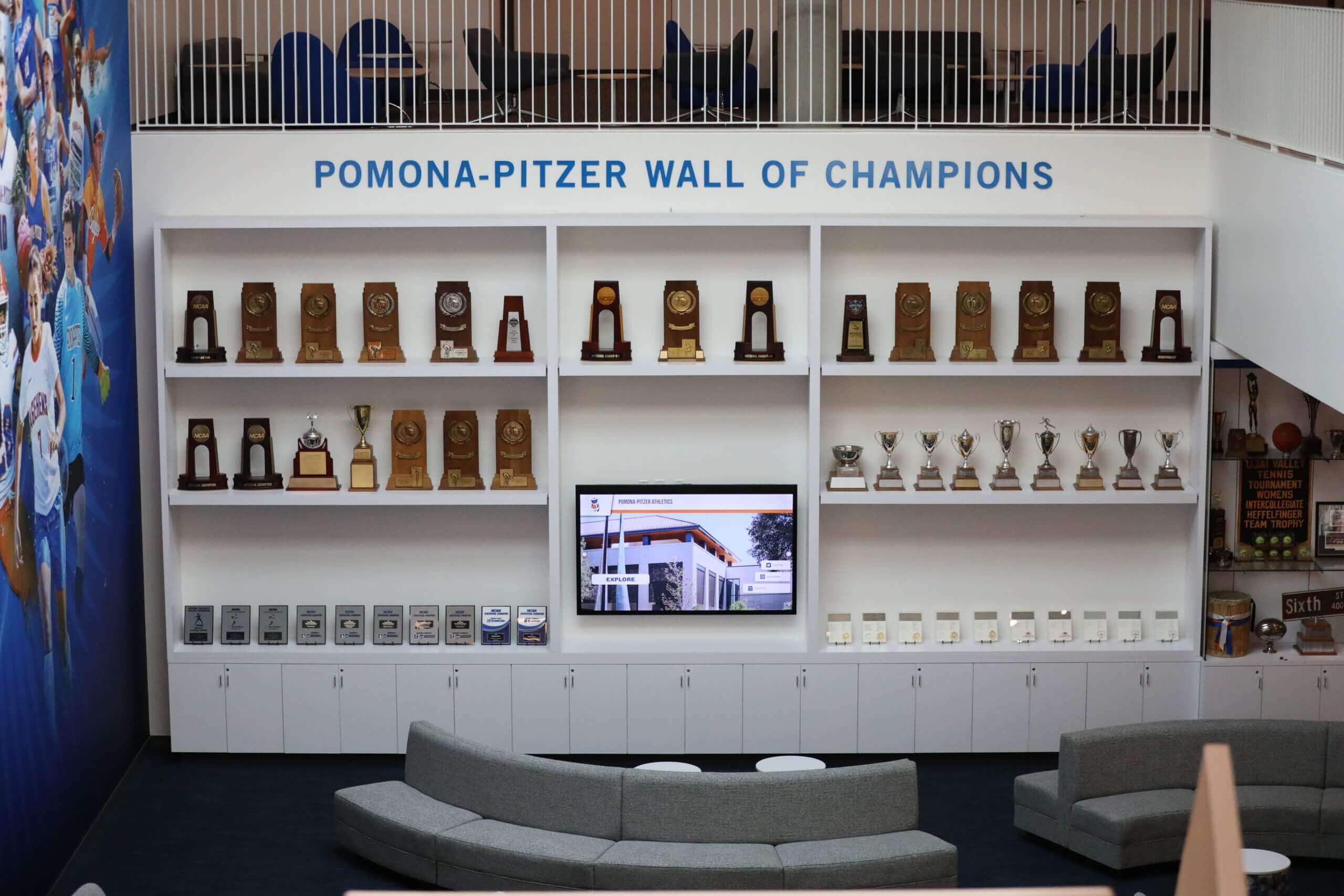
Solutions like Rocket Alumni Solutions provide platforms specifically designed for family history preservation that work beautifully for reunion events. These systems allow family members to search for specific relatives, explore relationships, and discover family stories in ways that printed materials cannot match. The technology creates lasting digital archives accessible to family members who couldn’t attend or who want to explore family history after the reunion ends.
For families interested in creating permanent digital family archives, comprehensive guides to digital archives offer frameworks adaptable to family history preservation.
Recognition Ceremony Components:
- Elder recognition honoring family matriarchs and patriarchs
- Military service tributes for veterans
- New baby and wedding celebrations since last reunion
- Educational achievement recognition (graduations, degrees)
- Career milestone celebrations
- Longevity awards for oldest attendees
- Distance traveled recognition
- Memorial tribute for deceased family members
Legacy Building Activities:
- Family recipe book compilation and distribution
- Group service project supporting meaningful cause
- Scholarship fund establishment for younger generation
- Time capsule creation for opening at future reunion
- Group photo recreation matching historical family photos
- Family mission statement or values declaration
- Endowment or trust establishment for future reunions
1-3 Months Before: Final Details and Logistics
Confirm All Vendor and Logistics Details
As the reunion approaches, confirm every detail to prevent last-minute surprises:
Venue Coordination:
- Final walkthrough confirming layout and setup needs
- Delivery and access times for vendors and setup crew
- Table and chair quantities and arrangements
- Audio-visual equipment testing for presentations
- Wi-Fi password and connection verification
- Climate control settings for expected weather
- Emergency contact information for venue management
Vendor Confirmation Checklist:
- Catering: Final headcount, service times, dietary accommodations
- Entertainment: Arrival times, equipment needs, performance schedule
- Photography: Shot list priorities, group photo timing
- Rentals: Delivery and pickup times for tents, equipment, furniture
- Activities: Equipment arrival, setup requirements, volunteer needs
- Digital displays: Hardware delivery, software setup, content loading
Volunteer Coordination:
Identify family volunteers for key roles:
- Registration table and check-in (2-3 people in shifts)
- Children’s activity supervision (rotating adult coverage)
- Setup and teardown crews (8-12 people for 2-3 hours)
- Photography and video documentation team
- Audio-visual management for presentations
- Activity coordinators for games and tournaments
- Cleanup and venue restoration crew
Provide clear role descriptions, time commitments, and contact information for volunteer coordinators. Recognize volunteers publicly during the reunion to encourage future participation.
Create and Distribute Reunion Materials
Printed Materials to Prepare:
- Name tags with family branch color coding
- Reunion program with schedule and activity descriptions
- Family directory with updated contact information
- Memory book or photo album for browsing
- Maps showing venue layout and local area
- Sign-in sheets for attendance records and future contact
- Feedback forms for post-event evaluation
Digital Materials:
- Mobile-friendly reunion schedule accessible via QR codes
- Digital program with clickable links to resources
- Interactive family tree for exploration during event
- Photo sharing gallery with upload instructions
- Social media graphics with official reunion hashtag
- Post-reunion survey distributed via email
Reunion Merchandise:
- T-shirts with family name and reunion year
- Hats or other wearable items with family logo
- Water bottles or tumblers with custom design
- Tote bags for carrying reunion materials
- Photo magnets or keychains as keepsakes
- Custom face masks (if health protocols require)
Merchandise typically sells best when pre-ordered during registration, with limited extras available at the event. Pricing should cover costs plus modest markup to support reunion budget.
Finalize Transportation and Lodging Support
Help distant family members navigate logistics:
Hotel Room Blocks:
- Negotiate group rates at hotels near venue
- Reserve block 9-12 months in advance
- Communicate reservation deadlines and codes
- Provide transportation between hotel and venue
- Consider room hospitality suite for informal gathering
Transportation Coordination:
- Airport shuttle schedules and booking information
- Carpool matching for local families reducing parking needs
- Parking maps and overflow lot locations
- Accessibility transportation for those needing assistance
- Ride-sharing group coordination via reunion app
Local Area Information:
- Maps to venue with parking instructions
- Nearby attractions for early arrivers or extended visits
- Restaurant recommendations for additional meals
- Emergency services locations (hospital, pharmacy)
- Weather contingency plans and updates
Technology Setup and Testing
Test all technology well before the event to prevent day-of failures:
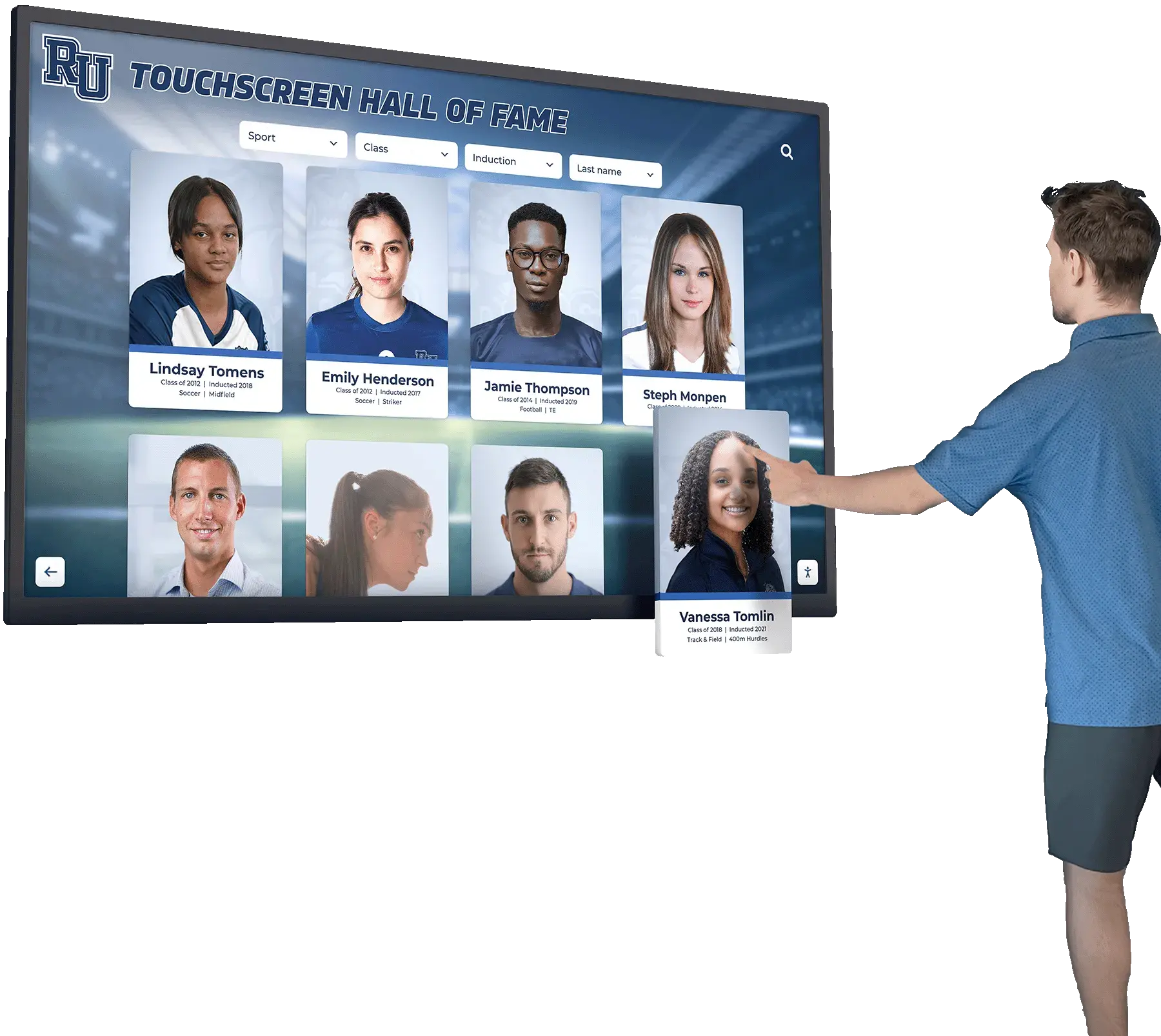
- Digital displays: Load content and test navigation
- Audio systems: Verify microphones and speaker coverage
- Presentation equipment: Test computer connections and screen sharing
- Wi-Fi capacity: Ensure bandwidth handles expected device load
- Backup systems: Prepare offline alternatives for critical elements
- Power requirements: Confirm adequate outlets and extension cords
Final Week: Last-Minute Communications and Preparation
Send Final Reunion Reminders
One Week Before:
- Complete schedule with specific times and locations
- Weather forecast and appropriate attire recommendations
- Final headcount confirmation with catering adjustments
- Parking and transportation final details
- What to bring reminders (photos, memorabilia, potluck items)
- Volunteer role confirmations and contact information
Day Before:
- Weather update and any last-minute location changes
- Reminder about check-in time and process
- Encouragement post building excitement
- Emergency contact information for day-of issues
- Social media hashtag reminder for photo sharing
Conduct Setup and Final Preparations
Setup Day Timeline:
Morning (Day Before or Early Event Day):
- Venue access and initial walkthrough
- Table and chair setup according to floor plan
- Decorations installation and signage placement
- Registration table preparation with materials
- Digital display installation and content testing
- Audio-visual system setup and sound check
Afternoon:
- Catering delivery and food prep area setup
- Activity equipment staging and testing
- Children’s area preparation and safety check
- Photography backdrop or designated photo areas
- Welcome signage at venue entrances
- Final walkthrough addressing any issues
One Hour Before Event:
- Volunteer and committee member briefing
- Registration table staffing begins
- Background music or slideshow starts
- Final restroom and facility check
- Committee members in position for greeting
- Digital displays active and running
During the Reunion: Execution and Enjoyment
Manage Registration and Check-In
Smooth check-in sets positive tone for the entire event:
Registration Table Setup:
- Name tags organized alphabetically or by family branch
- Registration list with pre-paid and on-site payment tracking
- Payment processing station for day-of registrations
- Reunion materials packets (program, directory, map)
- Merchandise distribution area
- Volunteer staffing in shifts preventing fatigue
Check-In Process:
- Warm greeting and name verification
- Name tag distribution with family branch designation
- Materials packet distribution
- Merchandise collection if pre-ordered
- Photo permissions confirmation
- Dietary restriction flag for catering staff awareness
Facilitate Programming and Activities
Balance structured programming with organic connection time:
Event Coordination Responsibilities:
- Emcee managing schedule and transitions
- Activity coordinators running specific programs
- Photography team capturing candid and staged shots
- Social media team posting updates with official hashtag
- Problem-solving team addressing issues as they arise
- Safety monitors ensuring children supervised appropriately
Schedule Flexibility:
While maintaining overall timeline, allow breathing room:
- Buffer time between activities for transitions and conversations
- Flexibility to extend popular activities or shorten less successful ones
- Designated free time when no programming occurs
- Quiet spaces for those needing breaks from high-energy activities
Capture Memories and Content
Documentation preserves reunion memories for those absent and future reference:
Photography Priorities:
- Formal group photo of all attendees
- Photos by generation (all siblings, all cousins, etc.)
- Family branch photos
- Candid activity and interaction shots
- Elder family members with youngest generation
- Recognition ceremony moments
- Activity highlights and fun moments
- Venue and decoration documentation
Video Content:
- Interviews with elder family members sharing stories
- Event highlights montage
- Family messages to absent members
- Talent show performances
- Surprise moments and reactions
- Virtual attendee participation footage
Digital Content Collection:
- Real-time photo sharing to digital display or website
- Social media content aggregation using official hashtag
- QR codes enabling easy upload from personal devices
- Photo booth images captured and shared instantly
- Video testimonials recorded at designated station
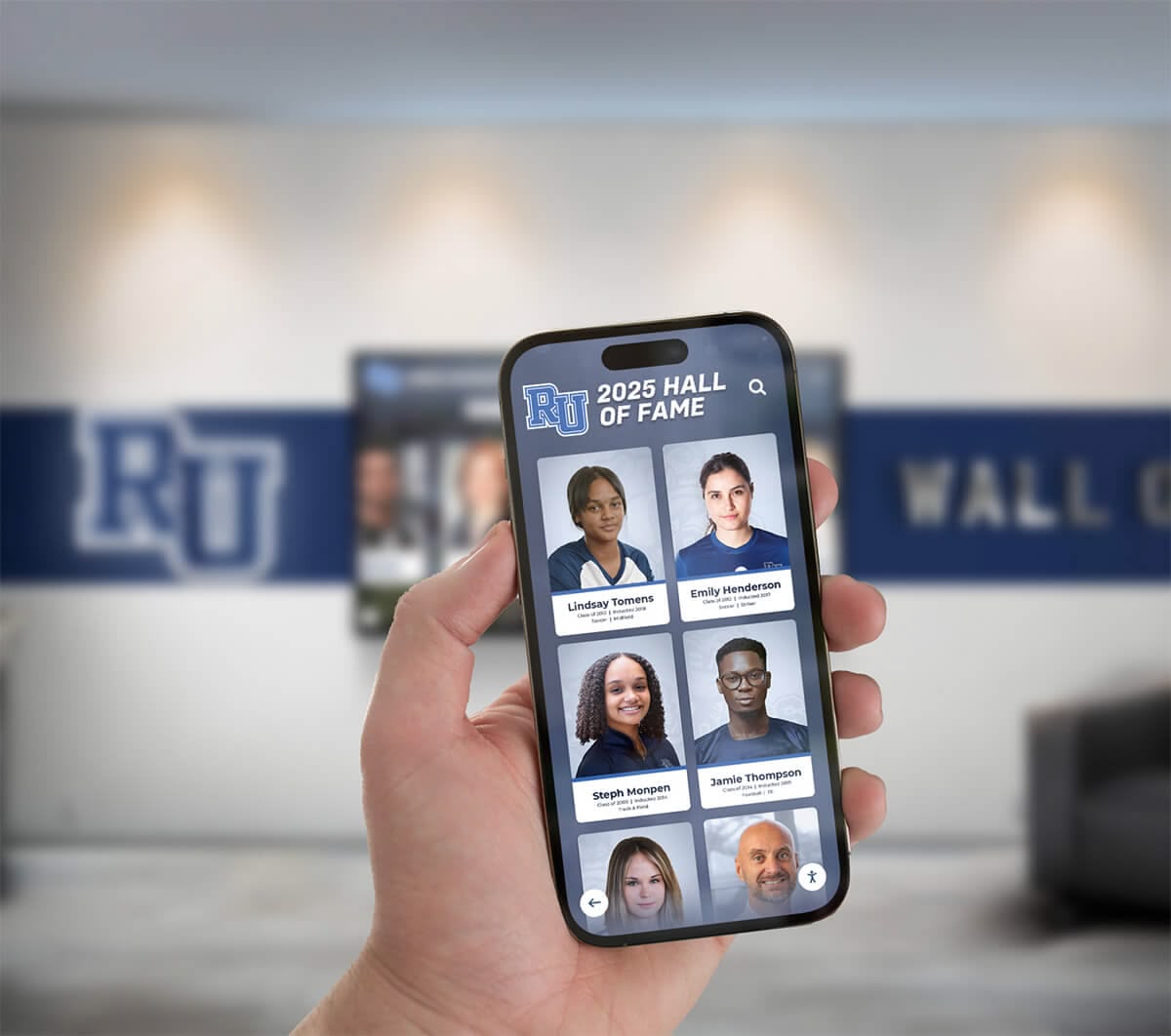
Solutions like interactive directory systems can aggregate reunion content in real-time, creating living displays that grow throughout the event as families share photos and memories.
Post-Reunion: Follow-Up and Future Planning
Immediate Follow-Up (Within 1 Week)
Strike while memories are fresh and enthusiasm is high:
Thank You Communications:
- Personal thanks to committee members and volunteers
- Group thank you to all attendees
- Special recognition for families who traveled farthest
- Appreciation for families who contributed resources
- Acknowledgment of sponsors and donors
Content Sharing:
- Professional photography gallery posted online
- Video highlights edited and distributed
- Social media content compilation
- Updated family directory with corrections
- Reunion program book digital version
- Financial report showing budget and expenditures
Immediate Data Collection:
- Send post-reunion survey while experience is fresh
- Gather volunteer and committee feedback
- Collect suggestions for future reunions
- Update contact database with new information
- Document lessons learned while details are remembered
Create Lasting Reunion Legacy
The best reunions create resources that sustain family connection long after the event:
Digital Family Archive Development:
Transform reunion content into permanent digital resource:
- Comprehensive photo and video gallery
- Searchable family history database
- Interactive family tree with relationship mapping
- Audio recordings of elder storytelling
- Scanned historical documents and photos
- Family recipe collection digitized
- Achievement and milestone recognition
- Geographic mapping showing family distribution
Platforms designed for comprehensive history preservation can be adapted for family use, creating searchable archives that family members can explore remotely between reunions.
Physical Memory Book Production:
- Professional printing of photo books
- Copies available for purchase by family members
- Special presentation copies for elder family members
- Library donation for community historical societies
- Time capsule inclusion for future generation discovery
Ongoing Connection Maintenance:
- Private Facebook group remaining active between reunions
- Quarterly family newsletter with updates
- Birthday and anniversary acknowledgment system
- Annual family update request for directory maintenance
- Virtual gatherings for those unable to attend in person
- Regional meetups for geographic family concentrations
Plan for Future Reunions
Momentum from successful reunions facilitates future planning:
Establish Reunion Tradition:
- Set frequency (annual, biennial, every five years)
- Determine rotation pattern if alternating locations
- Create succession plan for committee leadership
- Build reunion reserve fund from current surplus
- Document processes and templates for future use
Future Planning Committee:
- Recruit next reunion coordinators before disbanding current committee
- Transfer institutional knowledge and lessons learned
- Provide planning documents and contact databases
- Establish timeline for next reunion announcement
- Create continuity ensuring tradition continues
Continuous Family Engagement:
Between reunions, maintain connection:
- Monthly virtual coffee chats or game nights
- Annual memorial service for deceased family members
- Educational family history webinars
- Collaborative genealogy research projects
- Shared family recipe and tradition documentation
- Strategic engagement approaches adapted for family contexts
Overcoming Common Reunion Planning Challenges
Managing Family Dynamics and Conflicts
Every family has complex relationships that require thoughtful navigation:
Proactive Conflict Prevention:
- Clear communication about reunion purpose and expectations
- Neutral committee leadership not seen as favoring particular branches
- Programming that doesn’t highlight past conflicts or sensitivities
- Seating arrangements separating known difficult combinations
- Code of conduct emphasizing respect and positive atmosphere
- Designated conflict mediators if tensions arise
Inclusive Planning:
- Representation from all major family branches on committee
- Budget considerations ensuring affordability doesn’t exclude families
- Scholarship or assistance funds for genuine financial constraints
- Activity variety appealing to diverse interests and abilities
- Recognition balancing attention across different family branches
Addressing Low Attendance or Participation
Some reunions struggle with engagement despite solid planning:
Attendance Challenges:
- Geographic dispersion: Rotating locations or hybrid in-person/virtual options
- Work constraints: Weekend or holiday timing accommodating schedules
- Financial barriers: Transparent pricing and payment plans
- Family disconnection: Outreach emphasizing relationship rebuilding
- Competition from other events: Advance save-the-dates and planning
Engagement Strategies:
- Personal phone calls from elders encouraging attendance
- Social media campaigns building excitement
- Early bird incentives rewarding commitment
- Virtual participation options for truly unable to travel
- Highlight specific programming appealing to different demographics
- Testimonials from past attendees describing positive experiences
Technology Troubleshooting
Digital elements enhance reunions but introduce potential failure points:
Backup Plans:
- Printed photo boards if digital displays fail
- Downloaded presentation files not relying on internet
- Mobile hotspot backup for primary Wi-Fi failures
- Battery-powered audio equipment if power issues occur
- Simplified program if technology prevents planned elements
User Support:
- Tech-comfortable volunteers assisting less experienced family
- Written instructions for interactive displays and photo sharing
- Alternative participation methods not requiring technology
- Patience and flexibility when systems don’t work perfectly
Measuring Reunion Success
Evaluation guides future planning and demonstrates value of organizing efforts:
Quantitative Metrics:
- Attendance compared to target and previous reunions
- Budget performance (revenue vs. expenses)
- Registration timeline (early vs. late sign-ups)
- Geographic representation of attendees
- Multi-generational participation rates
- Post-event survey response rate and scores
Qualitative Indicators:
- Attendee testimonials and feedback
- Volunteer satisfaction and willingness to serve again
- New relationships formed across family branches
- Elder family member satisfaction
- Children’s engagement and enjoyment
- Spontaneous reconnections and bonding moments
Long-Term Impact:
- Sustained family communication after reunion
- Commitment to attend future reunions
- Genealogy research momentum
- Family archive contributions and engagement
- Charitable initiatives launched
- Next generation stepping into leadership roles
Conclusion: Building Lasting Family Legacy
Family reunions represent far more than single-day celebrations—they are investments in relational bonds that sustain families across generations, continents, and decades. The most successful reunions balance meticulous planning with authentic connection, leverage modern technology while honoring tradition, and create structures that transform occasional gatherings into enduring family institutions.
Planning exceptional family reunions requires dedication across months of preparation, but the reward extends far beyond the event itself. Each successful gathering strengthens the family network, preserves heritage stories at risk of being lost, introduces younger generations to their roots, and builds traditions that define family identity for decades to come.
Whether you’re organizing your first family reunion or revitalizing a long-standing tradition, thoughtful planning using this comprehensive checklist positions your gathering for success. From initial committee formation through post-event legacy building, each phase contributes to creating experiences that resonate deeply with attendees while establishing foundations for future family connection.
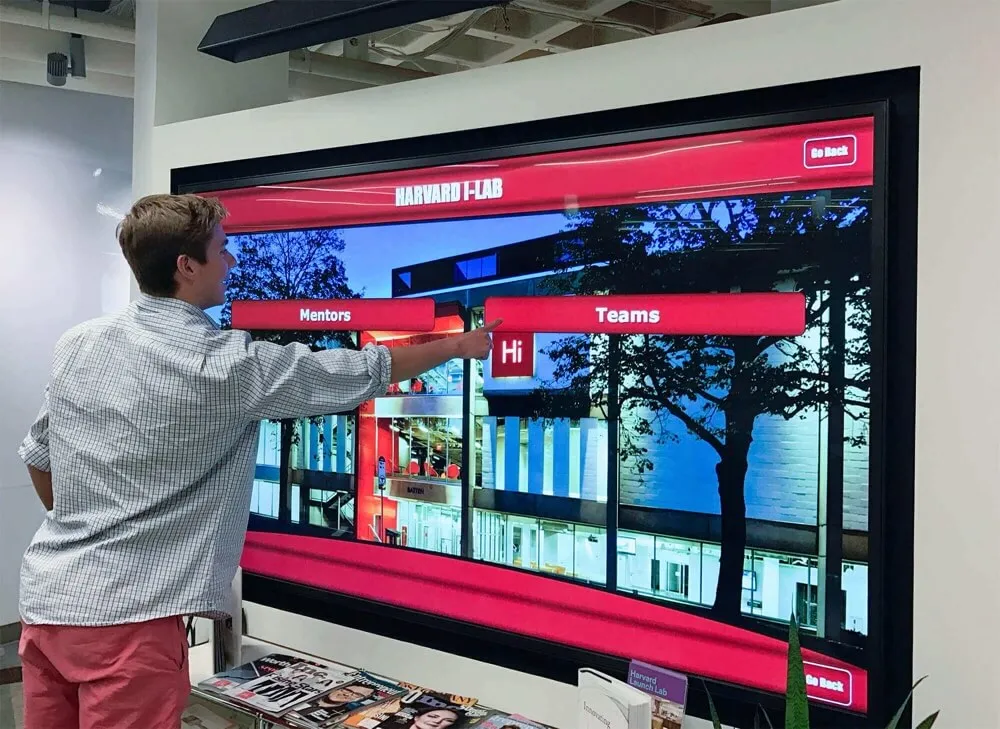
The integration of digital recognition technology into modern family reunions transforms how families preserve and share their collective stories. Interactive displays that allow family members to explore their heritage dynamically create engagement impossible with static photo boards, while building lasting digital archives that keep family history accessible long after reunion weekend ends.
As you embark on reunion planning, remember that perfection is not the goal—meaningful connection is. The families who most treasure their reunions are not those with the most elaborate programming or largest budgets, but those who create welcoming spaces where all generations feel valued, where stories are shared authentically, and where family members leave feeling more connected to their roots and to each other than when they arrived.
Ready to create lasting digital recognition displays for your next family reunion? Explore interactive solutions designed to transform how families celebrate and preserve their shared heritage for generations to come.