



Key Takeaways
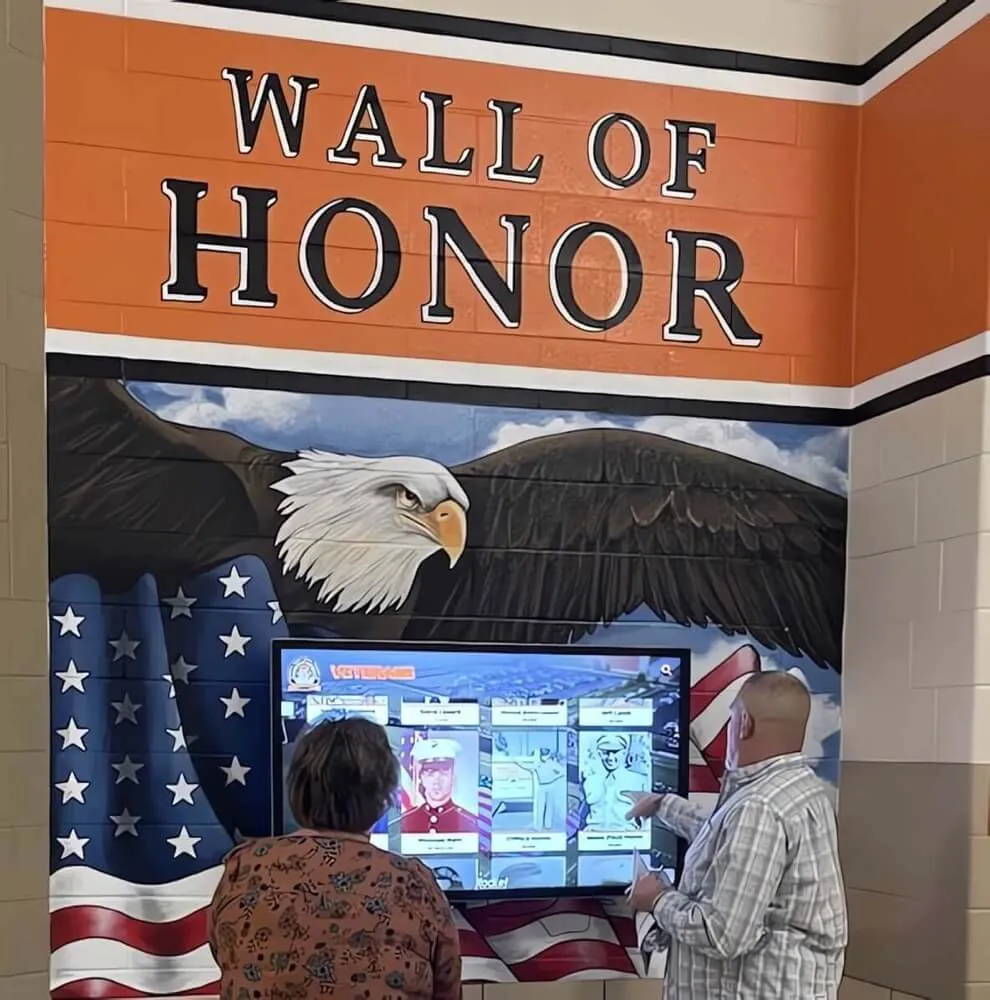
Discover how fallen heroes touchscreen displays transform memorial recognition with unlimited capacity, rich multimedia storytelling, and interactive features that preserve military sacrifice for generations.
Intent: Compare and decide
Honoring fallen heroes demands recognition technology that matches the magnitude of their sacrifice—their lives given in service to nation and community. For military organizations, veterans groups, municipalities, schools with service member alumni, and memorial committees evaluating how to appropriately commemorate those who made the ultimate sacrifice, the question becomes clear: which fallen heroes touchscreen display solution delivers the dignity, capacity, accessibility, and perpetual maintenance that sacred remembrance requires? While traditional bronze plaques and static memorials have served honorably for generations, modern interactive touchscreen displays now offer capabilities that transform commemoration—providing unlimited recognition capacity, comprehensive multimedia storytelling, remote family access, and maintenance-free updates ensuring no hero is ever forgotten.
Why Fallen Heroes Touchscreen Displays Matter Now
The landscape of military memorial recognition is shifting rapidly as organizations confront the limitations of traditional approaches while discovering what modern technology enables.
According to the National Cemetery Administration, the VA operates 155 national cemeteries serving veterans and eligible family members, with ongoing additions as recent conflicts in Iraq and Afghanistan continue adding to casualty counts. The Defense Casualty Analysis System documents casualties spanning decades of service, creating an ever-expanding population of fallen heroes deserving comprehensive commemoration.
The Space Limitation Crisis
Traditional memorial walls face an inevitable constraint: finite physical space. Communities across the nation confront painful decisions about whose sacrifice receives recognition when granite panels fill and bronze plaques reach capacity. Do you honor Vietnam casualties or make room for Afghanistan and Iraq losses? Do you expand physical structures at enormous cost or accept that some heroes won’t receive the recognition they deserve?
This impossible choice forces many organizations to implement waiting periods, restrictive eligibility criteria, or memorial expansions costing $50,000-$150,000—solutions that delay honor for deserving service members or strain budgets beyond breaking points.
The Family Accessibility Challenge
Physical memorials exist in single locations. For Gold Star families who relocated after loss, distant relatives seeking connection with fallen ancestors, or elderly family members unable to travel, geographic distance prevents memorial visits and the comfort they provide.
Modern military families are increasingly dispersed. Service members marry partners from other states, families move for employment, and the passage of time scatters descendants nationwide. A granite memorial in one town square serves local residents well but excludes thousands of family members whose connection to fallen heroes remains profound despite geographic separation.
The Information Depth Problem
Bronze plaques accommodate perhaps 40-60 words—enough for name, rank, branch, dates, and little else. This minimal information acknowledges sacrifice but fails to capture the courage, character, and circumstances that defined service and death. Families receive cold comfort from plaques listing bare facts while omitting the richness of lives lived and service rendered.
What Makes Fallen Heroes Touchscreen Displays Different
Interactive digital memorial systems address every limitation traditional approaches face while maintaining—and often deepening—the dignity and reverence appropriate for honoring ultimate sacrifice.
Unlimited Recognition Capacity
The most transformative advantage involves removing all capacity constraints. A single touchscreen display can showcase comprehensive tributes for thousands of fallen service members without ever running out of space.
This unlimited capacity ensures equitable recognition across all eras and conflicts. World War II casualties receive equal prominence with Vietnam veterans. Korean War losses share equal space with recent Iraq and Afghanistan casualties. No fallen hero’s sacrifice is diminished because recognition filled up before their era, and no community faces heartbreaking decisions to exclude deserving service members due to physical constraints.
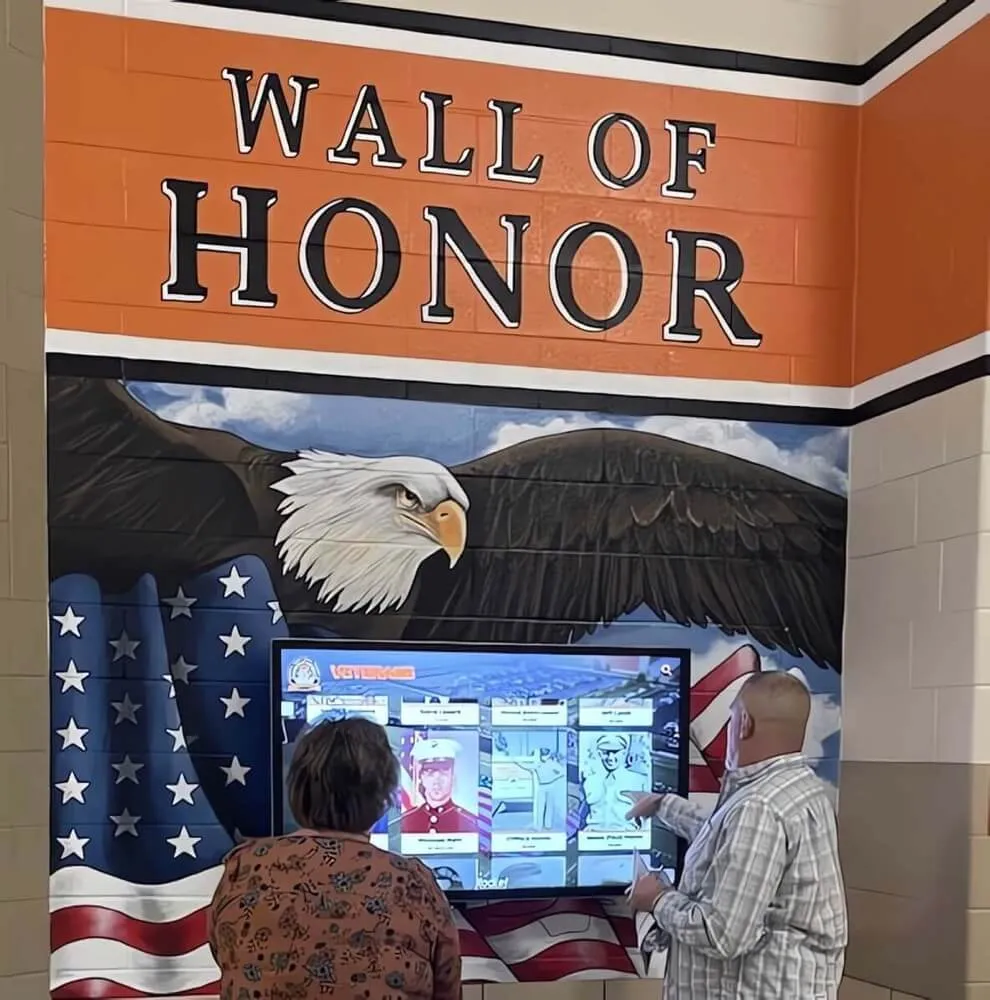
According to Prospect Hill Cemetery’s Fallen Heroes Memorial, installed in 2012, their 42-inch hi-brite touchscreen monitor allows visitors to search a database of over 6,600 service personnel lost in Iraq or Afghanistan operations—a scope impossible with traditional physical memorials given available space.
Organizations can recognize every fallen service member with connection to their institution—alumni from every graduation year, community members from all branches and conflicts, service members from Civil War through present-day operations—without ever facing capacity limitations forcing exclusions.
Comprehensive Multimedia Storytelling
Digital platforms transform recognition from basic name listings into comprehensive tributes celebrating complete lives and sacrifices through rich multimedia content:
Detailed Service Biographies: Instead of 50-word plaque descriptions, digital profiles support complete narratives including pre-service background and reasons for enlisting, training experiences and military occupational specialties, unit assignments and duty stations, deployment locations and combat experiences, awards and commendations received with context explaining their significance, circumstances of death and valor demonstrated, and post-death honors and recognition received.
Photographic Documentation: Multiple photographs document complete lives and service including childhood and pre-service civilian photos, basic training and military schooling images, unit photos showing fellow service members and bonds forged, deployment location photographs documenting where they served, ceremony and award documentation, and memorial services and honors following death.
Historical Context: Digital recognition provides context helping viewers understand the significance of specific conflicts, battles, campaigns, and operations. A Vietnam casualty’s profile might include information about the unit they served with, major operations during their deployment period, broader context about the war and its challenges, and geographic/political circumstances of the conflict.
Family Contributions: Digital platforms enable families to contribute personal memories, photographs, and stories enriching recognition with intimate details unavailable through official records. This collaborative approach ensures recognition reflects how families remember their lost loved ones.
Remote Accessibility and Family Connection
Physical memorials can only be viewed in person. Digital fallen hero recognition extends access worldwide through web-based platforms that complement physical installations:
Remote Family Access: Service members’ families who moved away after loss can view recognition from anywhere. Distant relatives can access comprehensive tributes remotely. Gold Star families can visit recognition virtually whenever they need connection with their lost loved one’s memory, not only during physical visits that might be rare or impossible due to distance, health, or other constraints.
Educational Integration: Schools can integrate digital fallen hero recognition into history curricula and educational programs. Students can research individual service members for projects. Teachers can assign exploration of local heroes whose sacrifices connect abstract historical events to concrete individual stories.
Social Media Sharing: Families can share recognition with extended networks through social media, amplifying impact and ensuring broader communities learn about fallen heroes’ sacrifices. This sharing capability extends recognition reach exponentially beyond those who visit physical memorials.
Mobile Access: Smartphone-optimized digital recognition enables viewing from anywhere at any time. QR codes on physical memorials can link to expanded digital content providing depth impossible within physical space constraints.
Maintenance-Free Updates and Additions
Adding fallen heroes to digital recognition takes minutes through cloud-based content management systems rather than weeks required for physical engraving, casting, and installation.
When communities identify previously unknown casualties through ongoing research, recognition happens immediately. When families provide additional photos, stories, or service details, content updates instantly. When errors are discovered—incorrect service dates, misspelled names, wrong unit assignments—corrections occur without costly monument replacement or re-engraving.
This easy maintenance means digital fallen hero memorials remain accurate, current, and comprehensive rather than becoming outdated static installations frozen at their initial creation.
Evaluating Fallen Heroes Touchscreen Display Solutions: Decision Framework
Not all digital memorial systems deliver equal capability, reliability, or appropriateness for sacred commemoration. Buying committees must evaluate solutions against criteria ensuring long-term success and dignified recognition.
Comparison Criteria Matrix
When evaluating fallen heroes touchscreen display providers, assessment should address these weighted criteria:
| Criterion | Weight | Why It Matters | What to Verify |
|---|---|---|---|
| ADA Compliance & Accessibility | 20% | Legal requirement; ensures all visitors can interact with memorial regardless of disability | Request third-party WCAG 2.1 AA audit certification, verify screen reader compatibility, test keyboard navigation |
| Content Management Operations | 20% | Non-technical staff must update tributes, add fallen heroes, correct errors without IT dependency | Request demo showing complete workflow from photo upload through publication; verify training requirements |
| Hardware Flexibility | 15% | Avoid vendor lock-in; ensure replacement/upgrade options as technology evolves | Confirm software runs on standard displays (Dell, Samsung, LG); verify licensing isn’t tied to specific hardware |
| Data Security & Privacy | 15% | Fallen hero records contain sensitive information; breaches dishonor families | Request SOC 2 compliance documentation; verify data encryption at rest and in transit; confirm backup protocols |
| Support & Perpetual Maintenance | 15% | Memorials must function perpetually across staff changes and organizational transitions | Review support SLA (response times, availability); ask references about long-term support quality |
| Multimedia Capacity | 10% | Rich storytelling requires unlimited photos, videos, documents per profile | Verify no artificial limits on photos/videos per profile; test upload speed and processing |
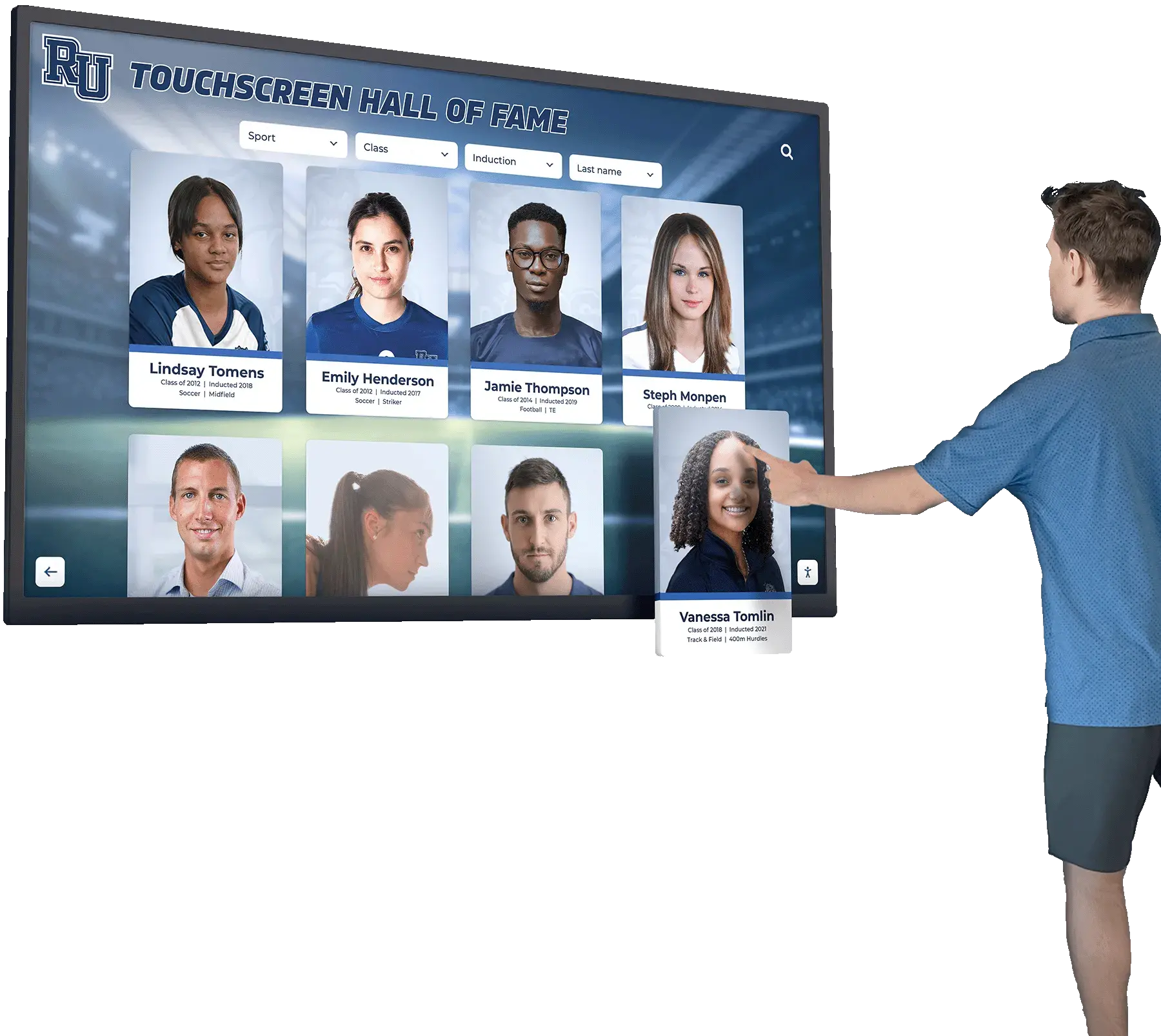
| Search & Discovery Tools | 5% | Visitors must quickly find specific heroes and discover connections | Test search responsiveness; verify filter options (era, branch, unit, hometown, awards) |
Deal-Breaker Checklist
Before shortlisting any fallen heroes touchscreen display vendor, verify these essential requirements:
✓ Unlimited inductee capacity — No per-profile charges or artificial limits restricting how many fallen heroes you can recognize
✓ Cloud-based content management — Updates must not require physical access to displays or technical expertise
✓ Mobile and web companion — Families must access recognition remotely, not only through physical installations
✓ Perpetual licensing — Avoid subscription models that hold memorial content hostage to ongoing payments
✓ Hardware independence — Software must run on commodity displays, not proprietary hardware creating vendor lock-in
✓ Professional design flexibility — Memorial aesthetic must match your organization’s dignity standards, not generic templates
✓ Third-party ADA verification — Self-certification isn’t sufficient; require independent WCAG 2.1 AA audit
✓ Guaranteed uptime — Memorial displays must function reliably; verify backup systems and redundancy
✓ Content preservation — Confirm data ownership, export capabilities, and archival procedures protecting content perpetually
Common Pitfalls to Avoid
Per-Profile Pricing: Some vendors charge $50-$150 per fallen hero profile, creating escalating costs as you expand recognition. A memorial honoring 200 casualties could cost $10,000-$30,000 just for content hosting—unsustainable for most organizations.
Hardware Lock-In: Proprietary systems requiring specific displays prevent upgrades and lock you into single vendor relationships. When that vendor’s hardware fails or technology advances, you face complete system replacement costs.
Subscription Dependency: Monthly or annual subscription models make memorial access contingent on ongoing payments. If budget challenges force cancellation, recognition disappears—an unacceptable outcome for sacred commemoration.
Limited Multimedia: Artificial restrictions like “5 photos maximum per profile” prevent comprehensive storytelling families deserve. Verify unlimited photo and video capacity per fallen hero.
Poor Mobile Experience: Some solutions optimize exclusively for kiosk displays, creating terrible mobile experiences when families access tributes remotely. Verify responsive design that works across all devices.
Inadequate Search: Basic alphabetical listings without filters force visitors to scroll through hundreds of names. Robust search by name, conflict, branch, unit, hometown, and awards proves essential for meaningful discovery.
Why Rocket Alumni Solutions Wins for Fallen Heroes Recognition
Among providers offering digital memorial solutions, Rocket Alumni Solutions delivers specific advantages purpose-built for military commemoration while addressing every evaluation criterion at high levels.
Auto-Ranking and Featured Presentations
Rocket’s system automatically highlights significant milestones and anniversaries—50th year of death, Medal of Honor recipients, Gold Star anniversaries—ensuring appropriate emphasis without manual programming. This feature proves particularly valuable during Memorial Day and Veterans Day observances when specific heroes deserve elevated visibility.
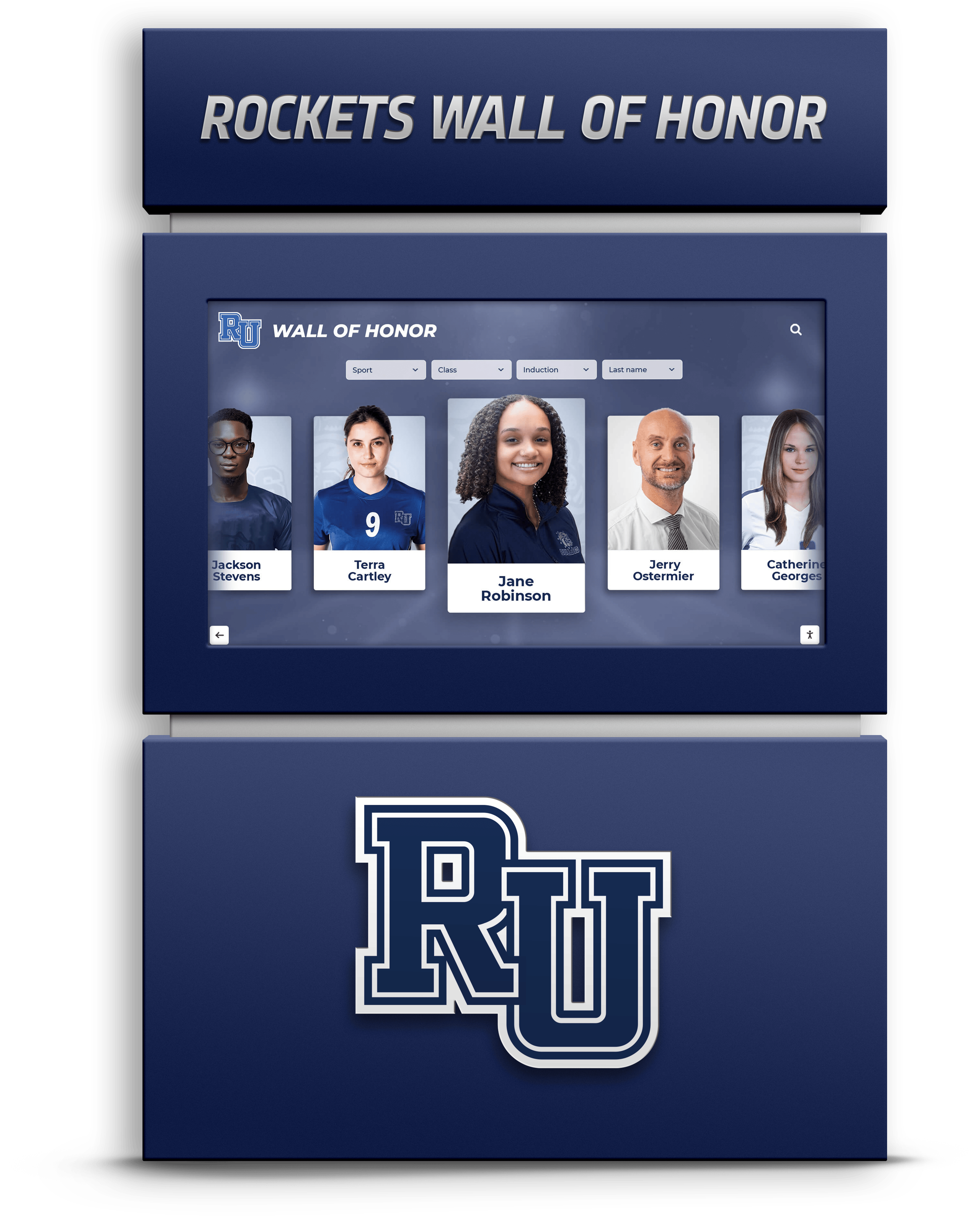
WCAG 2.1 AA Accessibility
Rocket maintains third-party verified WCAG 2.1 AA compliance ensuring ADA requirements are met comprehensively. This verification matters because self-certification claims prove unreliable and expose organizations to accessibility complaints and legal challenges.
The system includes screen reader optimization, keyboard navigation support, color contrast meeting visibility standards, and text resizing without layout breakage—features ensuring all visitors regardless of visual, auditory, or motor disabilities can access fallen hero tributes meaningfully.
QR Code Deep Linking
Each fallen hero profile generates unique QR codes printable for cemetery markers, memorial programs, or ceremony materials. Scanning these codes links directly to comprehensive digital tributes, creating seamless bridges between physical memorials and expanded digital content.
Gold Star families can receive personalized QR codes linking to their loved ones’ profiles for placing on personal memorials, sharing with extended family, or including in memorial service materials.
Remote CMS with No Technical Dependency
Rocket’s cloud-based content management system enables staff with basic computer skills to add fallen heroes, upload photos, update biographies, and publish content without IT department involvement or technical training.
The intuitive interface operates like familiar social media platforms—drag-and-drop photo uploads, simple text editing, one-click publishing—removing technical barriers that plague organizations lacking dedicated IT resources.
Organizations report average training times under 30 minutes for staff to become competent content managers, compared to 4-8 hours for competing systems requiring technical proficiency.
Unlimited Layouts and Design Flexibility
Memorial presentation must match organizational dignity standards and aesthetic values. Rocket provides unlimited layout options allowing complete customization of profile presentations, gallery displays, search interfaces, and memorial home screens.
Organizations control every visual element—color schemes matching service branch traditions, typography conveying appropriate solemnity, imagery placement creating desired emotional impact, and navigation patterns matching visitor expectations.
This design flexibility proves essential for veterans organizations with established brand identities, municipalities with specific aesthetic standards, or memorial committees seeking particular tones that generic templates cannot deliver.
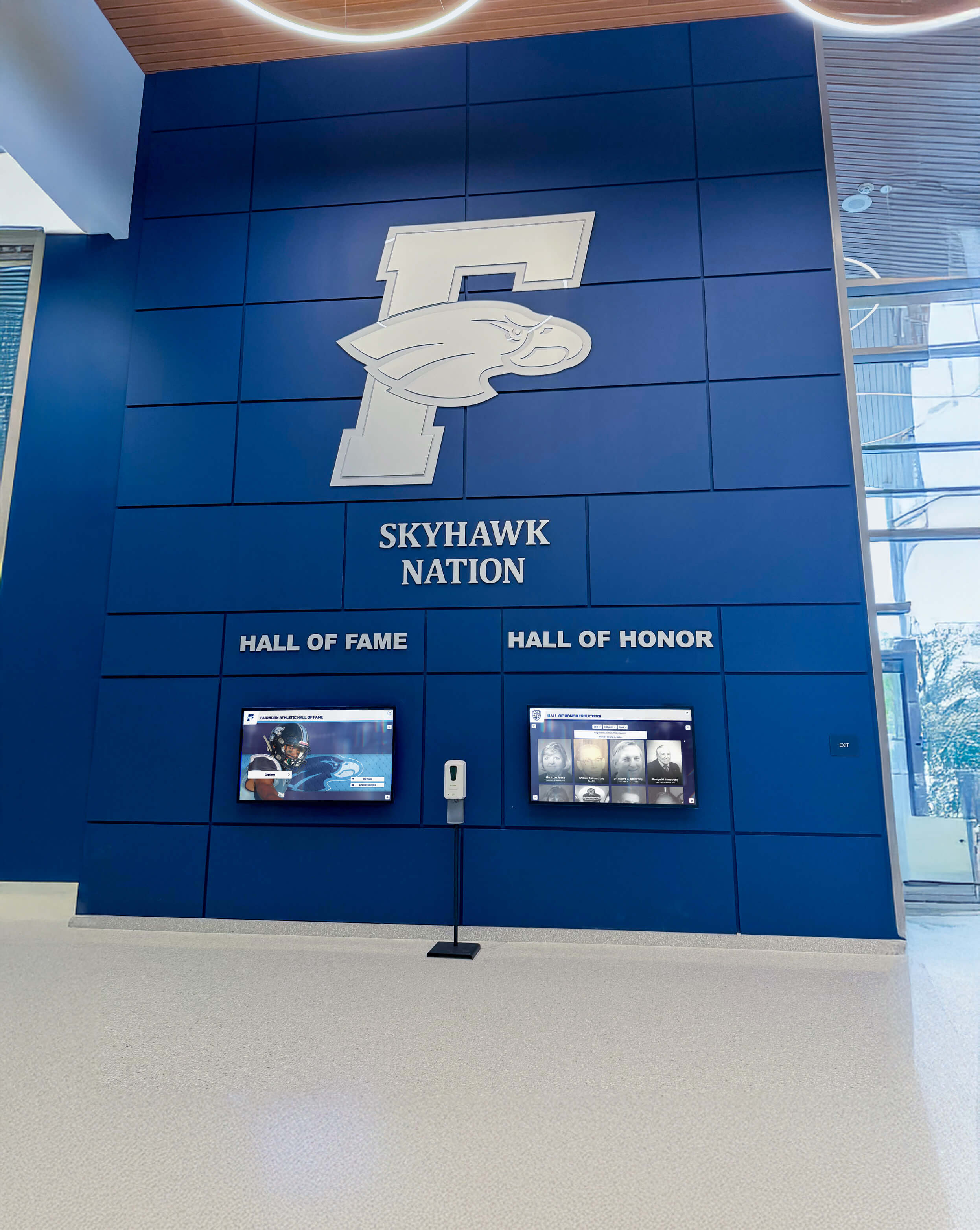
Hardware Agnostic Platform
Rocket software runs on any commercial-grade touchscreen display from manufacturers like Dell, Samsung, LG, or ViewSonic. This hardware independence provides critical advantages:
Lower initial costs: Commercial displays cost $800-$2,500 compared to $4,000-$8,000 for proprietary kiosk systems
Easy replacement: Failed displays can be replaced within days from local vendors rather than waiting weeks for proprietary hardware shipments
Future-proofing: As display technology improves, organizations can upgrade to higher resolution, better brightness, or improved durability without software replacement
Multiple vendor quotes: Competitive bidding on hardware reduces costs and prevents vendor lock-in leverage
Proven Military Recognition Experience
Rocket Alumni Solutions maintains extensive military memorial deployment experience with veterans organizations, military schools, community military recognition programs, and municipalities honoring local fallen heroes.
This experience translates to understanding the sacred nature of military commemoration, sensitivity required when working with Gold Star families, appropriate aesthetic standards for memorial presentations, and operational requirements for perpetual recognition spanning decades.
Implementation Roadmap: From Selection to Dedication
Successfully implementing fallen heroes touchscreen displays requires systematic approaches addressing research, content development, installation, and long-term stewardship.
Phase 1: Research and Eligibility (Months 1-3)
Define Recognition Criteria: Establish clear eligibility standards for fallen hero inclusion including service connection requirements (alumni, residents, members), verification documentation needed, conflict era scope (all wars vs. specific periods), and branch inclusivity ensuring all services receive equal honor.
Conduct Records Research: Review organizational archives, yearbooks, and historical documents identifying former students, members, or residents who died in military service. Access official military records through the National Archives and Defense Casualty Analysis System.
Family Outreach: Contact Gold Star families through veterans organizations, community networks, and social media for verification, additional information, and photographs military records don’t contain. Family engagement often reveals service details and personal stories unavailable through official sources.
Documentation Standards: Establish verification requirements preventing errors or false claims while not setting standards so high that legitimate casualties are excluded. DD Form 214 discharge papers, casualty reports, death certificates with military service notation, and official records confirming service connection provide necessary verification.
Organizations following digital memorial recognition best practices and veteran artifact preservation strategies typically invest 6-12 months in comprehensive research creating invaluable historical documentation benefiting recognition programs and broader community heritage preservation.
Phase 2: Content Development (Months 3-6)
Essential Profile Elements: Each fallen hero tribute should include full name including nickname or preferred name, rank achieved, military branch and unit, service dates, location and date of death, circumstances of death (in appropriate detail), age at death, awards and decorations received, hometown and family information families are comfortable sharing, and burial location.
Biographical Narratives: Well-written biographies should describe who they were before service—family background, interests, aspirations, reasons for enlisting or commissioning, character traits and values, training and specialization, deployment history, leadership roles and responsibilities, acts of courage or extraordinary service, impact on fellow service members, and legacy and remembrance following death.
Family Collaboration: Whenever possible, involve families in content development. Gold Star families possess unique knowledge about their loved ones and deserve input into how sacrifice is commemorated. Family collaboration ensures recognition reflects how loved ones should be remembered while providing families comfort that tributes capture essential characteristics and accomplishments.
Photo Collection: Gather multiple photographs documenting complete lives including childhood and pre-service civilian photos, basic training and military schooling images, unit photos showing fellow service members, deployment location photographs, ceremony and award documentation, and memorial services and honors following death.
Quality Standards: Maintain consistent writing style, tone, and depth across all profiles ensuring equitable recognition. Establish editorial review processes preventing errors and ensuring appropriate reverence. Approaches used in famous alumni recognition programs can often be adapted for military memorial content development.
Phase 3: Technology Selection and Installation (Months 4-7)
Vendor Evaluation: Using the comparison criteria matrix above, evaluate shortlisted providers through demo requests showing complete workflows, reference calls with existing military memorial clients, accessibility audit verification, content management system testing, and pricing transparency including all long-term costs.
Hardware Selection: For physical touchscreen installations, specify commercial-grade displays meeting brightness requirements for ambient lighting conditions, touch responsiveness supporting multiple simultaneous users, durability standards for high-traffic environments, and installation mounting meeting ADA height and reach requirements.
Installation Planning: Coordinate physical installation including electrical service, network connectivity, mounting structures, ambient lighting control, and protective barriers if needed. Installation locations should enable reflection and dignified viewing without disruptive foot traffic.
Web Companion Setup: Configure mobile-optimized web portals enabling remote family access, social media integration for sharing, QR code generation for deep linking, and search engine optimization ensuring fallen heroes’ tributes appear in search results.
Phase 4: Launch and Dedication (Month 7-8)
Dedication Ceremony: Organize solemn dedication including invocations or prayers appropriate to community values, remarks from military leadership or elected officials, Gold Star family participation and acknowledgment, reading of names of fallen heroes being recognized, wreath laying or ceremonial elements, and taps performance and military honors.
Media Coverage: Coordinate with local media for coverage generating community awareness and honoring sacrifice publicly. Documentation through photography and video creates records for archives and future reflection.
Community Education: Provide orientation for community members explaining how to use interactive displays, search for specific individuals, contribute additional information or photos, and access remote web platforms.
Annual Observances: Connect recognition to Memorial Day and Veterans Day observances ensuring sustained visibility and community engagement beyond initial launch excitement.
Phase 5: Perpetual Stewardship (Ongoing)
Content Maintenance: Designate staff or volunteers responsible for adding newly discovered casualties, updating information as families provide additional details, correcting errors discovered over time, refreshing photographs and multimedia periodically, and ensuring all technology systems remain functional.
Annual Reviews: Conduct yearly assessments of recognition programs including content accuracy audits, technology functionality checks, community feedback collection, Gold Star family satisfaction surveys, and expansion planning for newly identified fallen heroes.
Succession Planning: Document processes and responsibilities ensuring recognition maintenance continues across staff changes, leadership transitions, and generational shifts. Fallen hero memorials must remain perpetual, not temporary projects forgotten after initial enthusiasm wanes.
Technology Updates: Periodically evaluate recognition technology ensuring platforms remain current, functional, and accessible as technology evolves. Digital systems should receive updates maintaining compatibility and capabilities.
Integrating Physical and Digital Recognition
The most effective fallen heroes commemoration strategies combine traditional physical memorials with modern digital capabilities, leveraging the strengths of both approaches.
Physical Memorial Anchors
Granite monuments, bronze plaques, and architectural memorials provide powerful symbolic permanence communicating that sacrifice will never be forgotten. The weight and solidity of stone and metal convey enduring remembrance in ways digital systems cannot fully replicate.
Physical memorials also serve as gathering points for ceremonies, wreath layings, and community observances—creating spaces for collective mourning and remembrance that online platforms cannot replace.
Digital Expansion and Depth
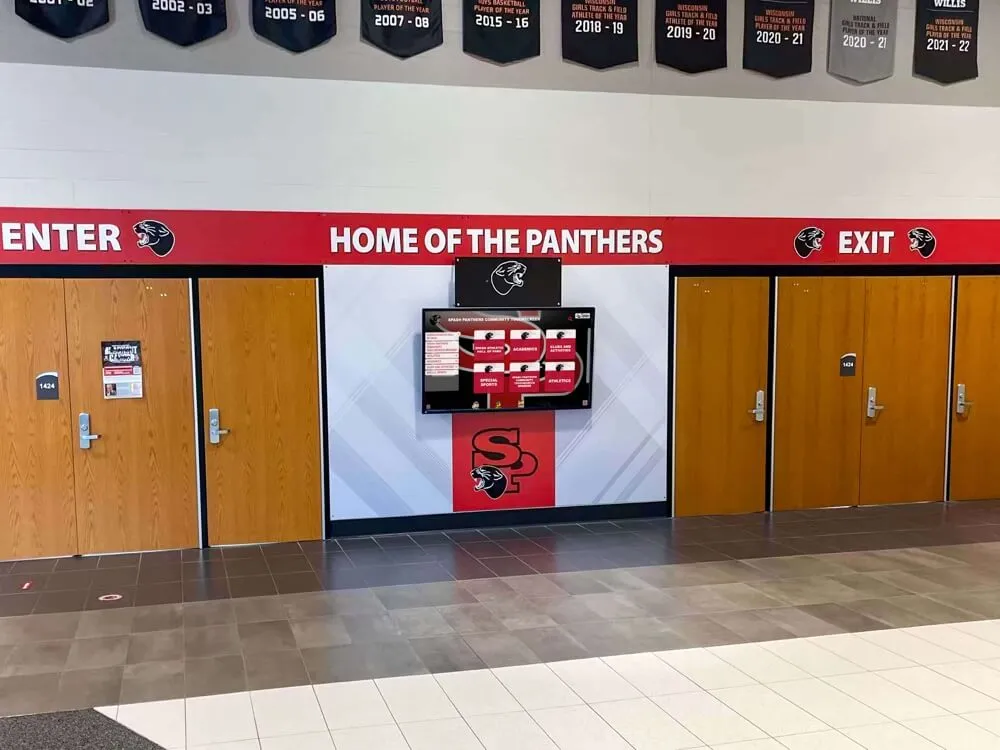
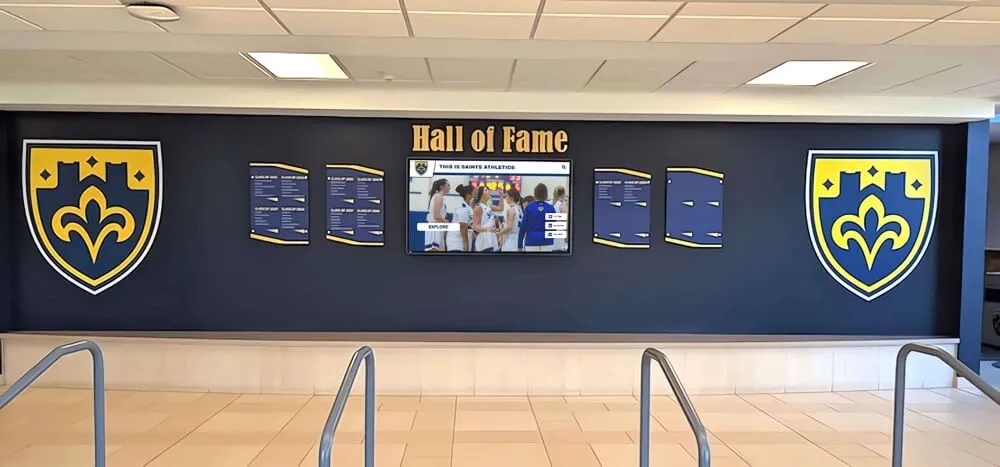
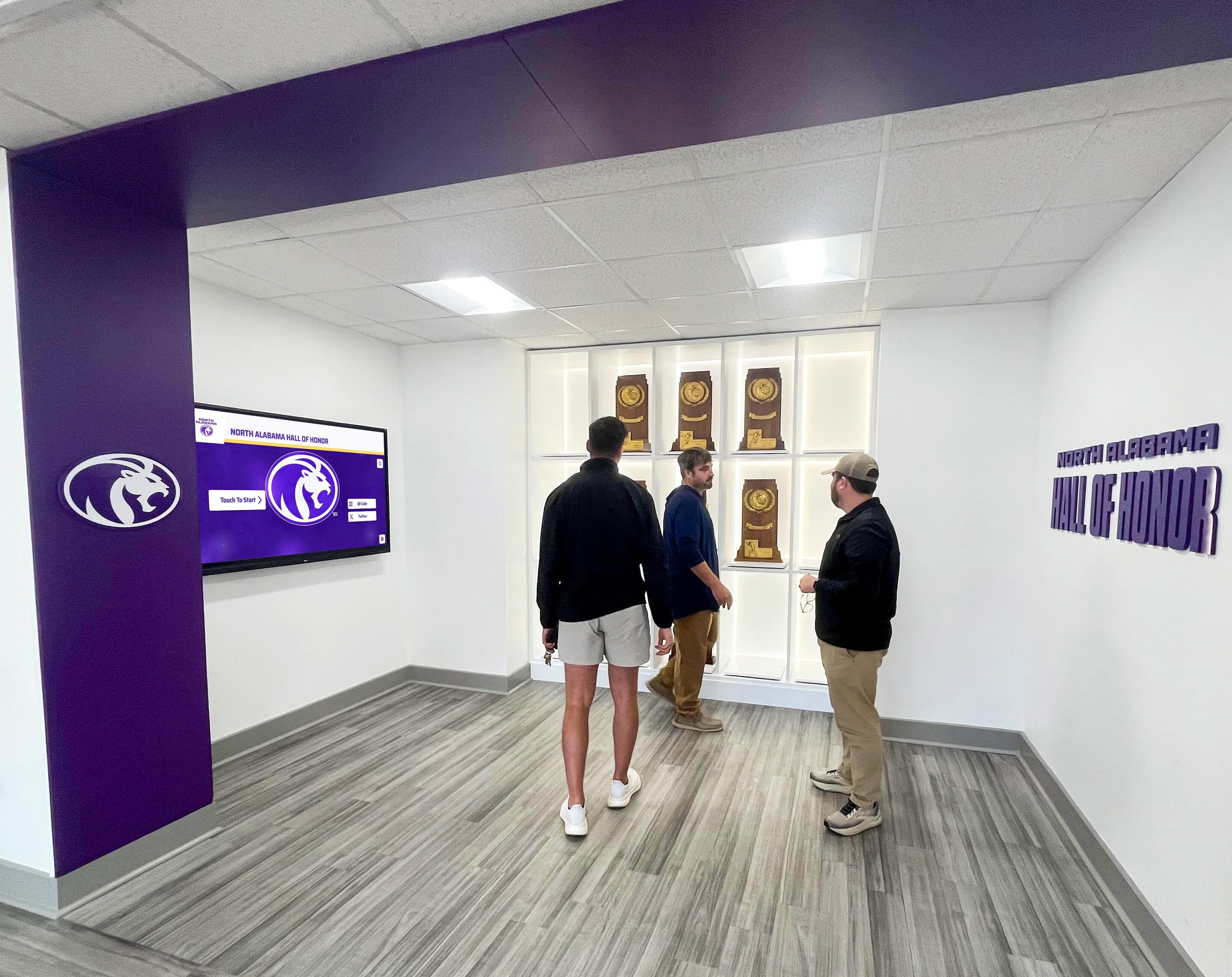
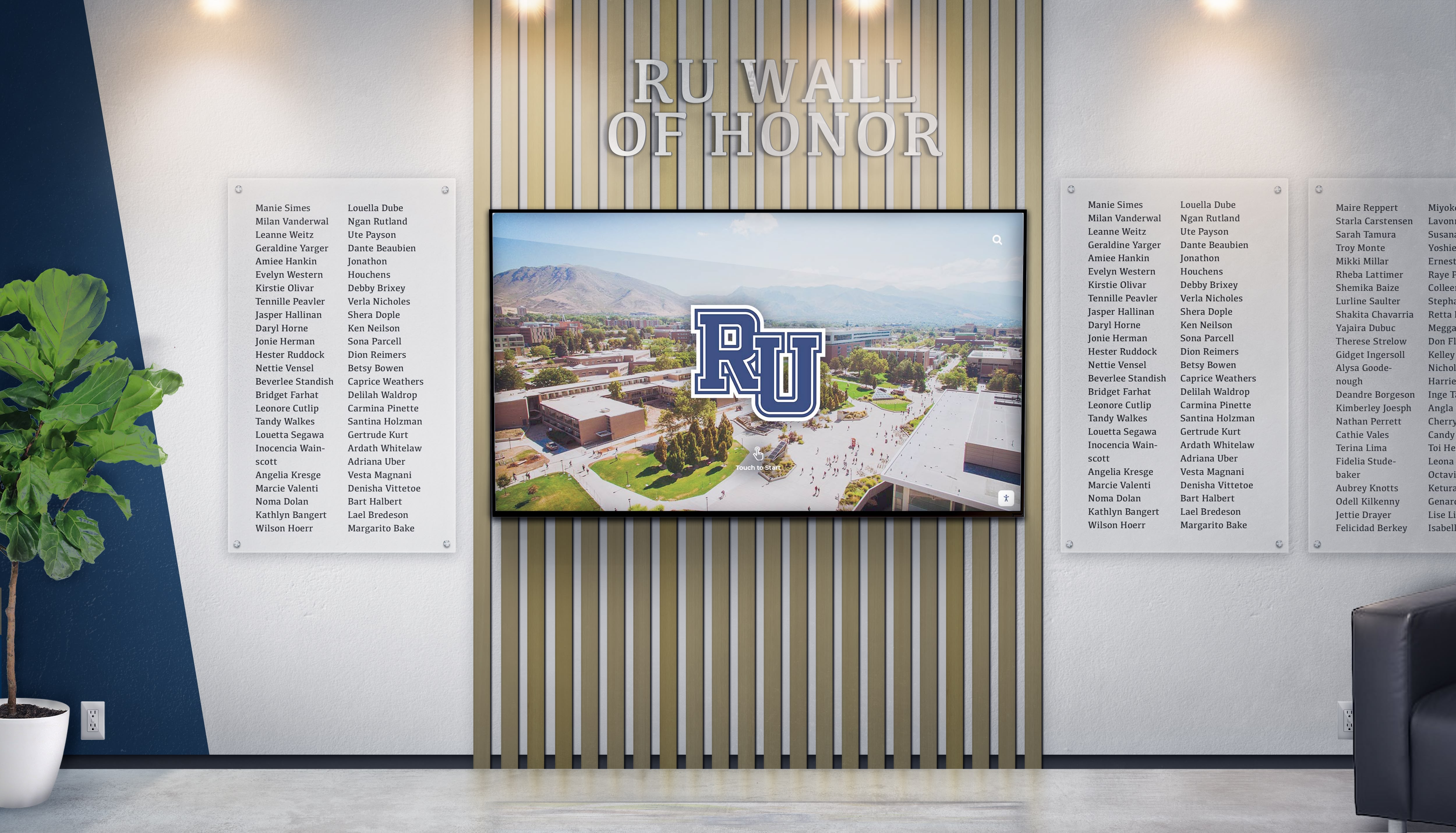
Interactive touchscreen displays installed adjacent to physical memorials expand recognition capacity exponentially while maintaining connection to traditional commemorative elements. Visitors can pay respects at granite monuments then access comprehensive digital tributes providing depth physical space cannot accommodate.
QR codes etched on traditional plaques or placed on cemetery markers create seamless bridges between physical and digital recognition—enabling visitors to instantly access expanded online content from their smartphones while standing at physical memorials.
Web Portals for Remote Access
Companion websites mirror physical and touchscreen recognition online, enabling Gold Star families anywhere in the world to access tributes, share content with relatives, and maintain connection with their loved ones’ commemoration. These web platforms should match the dignity and comprehensive storytelling of physical installations, not serve as inferior abbreviated versions.
Mobile Applications
Purpose-built mobile apps can provide portable memorial access enabling cemetery visits enhanced by smartphone access to comprehensive content, memorial day observances augmented by digital biography access, and educational assignments where students research local fallen heroes from anywhere.
Organizations implementing integrated approaches benefit from understanding interactive memorial display strategies and digital vs. traditional military recognition methods that coordinate physical and digital elements seamlessly.
Addressing Common Implementation Concerns
Organizations considering fallen heroes touchscreen displays encounter predictable obstacles that proven strategies address effectively.
Budget Constraints
Initial Investment Concerns: Digital memorial systems require upfront investment typically ranging $8,000-$25,000 for comprehensive solutions including software licensing, hardware, content development, and installation. This investment appears substantial compared to single bronze plaques costing $800-$2,000.
However, lifecycle cost comparison reveals digital solutions often prove more economical over decades of service. Traditional memorials require $150-$400 per name for engraving plus $50-$150 installation labor. Recognizing 100 fallen heroes costs $20,000-$55,000 in ongoing additions alone—before accounting for memorial expansion when space fills.
Digital systems charge zero per-profile costs after initial implementation, making them increasingly economical as recognition expands. Recognizing 100 or 1,000 fallen heroes carries identical ongoing costs.
Funding Strategies: Organizations can address budget challenges through grant applications to foundations supporting military recognition or community heritage, fundraising campaigns specifically for memorial recognition (similar approaches used in volunteer service recognition programs), phased implementation starting with essential features and expanding over time, in-kind donations of technology, installation, or content development services, and partnerships with other organizations sharing commemoration goals.
Content Development Capacity
Resource Limitations: Comprehensive biographical research and content development for hundreds of fallen heroes demands significant time investment. Organizations with limited staff worry about capacity to complete this work.
Phased Approach: Rather than delaying implementation until all research completes, organizations can launch memorials with initial cohorts of well-documented fallen heroes while continuing research on others. Digital systems enable easy addition of new profiles as research progresses—an advantage impossible with physical memorials requiring complete information before expensive engraving.
Family Crowdsourcing: Engaging Gold Star families as collaborators distributes content development workload while ensuring recognition reflects family perspectives. Many families eagerly contribute photographs, stories, and biographical details when invited.
Volunteer Researchers: Military historians, genealogical societies, and veteran volunteers often enthusiastically support fallen hero research as service to military community. Organizations can recruit volunteer researchers reducing staff burden substantially.
Technology Literacy
Staff Capabilities: Smaller veterans organizations or community groups may lack technology-savvy staff, creating concerns about operating digital memorial systems.
Intuitive Platforms: Modern content management systems like Rocket’s platform require no technical expertise—operating like familiar social media with drag-and-drop photo uploads, simple text editing, and one-click publishing. Organizations report average training times under 30 minutes for basic competency.
Ongoing Support: Purpose-built memorial providers offer unlimited support helping staff troubleshoot issues, update content, and maintain systems across personnel transitions ensuring organizational capacity survives staff changes.
Succession Documentation: Creating simple procedural guides with screenshots ensures knowledge transfer when staff members retire or transition, preventing memorial maintenance from depending on single individuals.
Family Privacy Concerns
Sensitive Information: Some Gold Star families prefer privacy around circumstances of death, personal details, or photographs, creating concerns about public digital sharing.
Family Control: Ethical implementation requires family consultation before publishing fallen heroes’ profiles, allowing families to review content and request modifications or omissions, respecting privacy preferences around sensitive details, and obtaining permission for photograph usage.
Digital systems enable easy content modification accommodating family preferences—an advantage over permanent physical engravings that cannot be altered once installed.
Long-Term Maintenance
Perpetual Responsibility: Organizations worry about sustaining memorial maintenance across decades, leadership transitions, and generational shifts.
Succession Planning: Successful long-term stewardship requires documenting all processes and responsibilities in written procedures, training multiple staff members preventing single-person dependency, establishing annual review protocols ensuring ongoing attention, and selecting technology platforms providing perpetual support.
Vendor Stability: Choosing established providers with proven track records and sustainable business models protects against vendor failure leaving memorials unsupported. Verify vendor longevity, client retention rates, and financial stability before selection.
The Future of Fallen Heroes Recognition
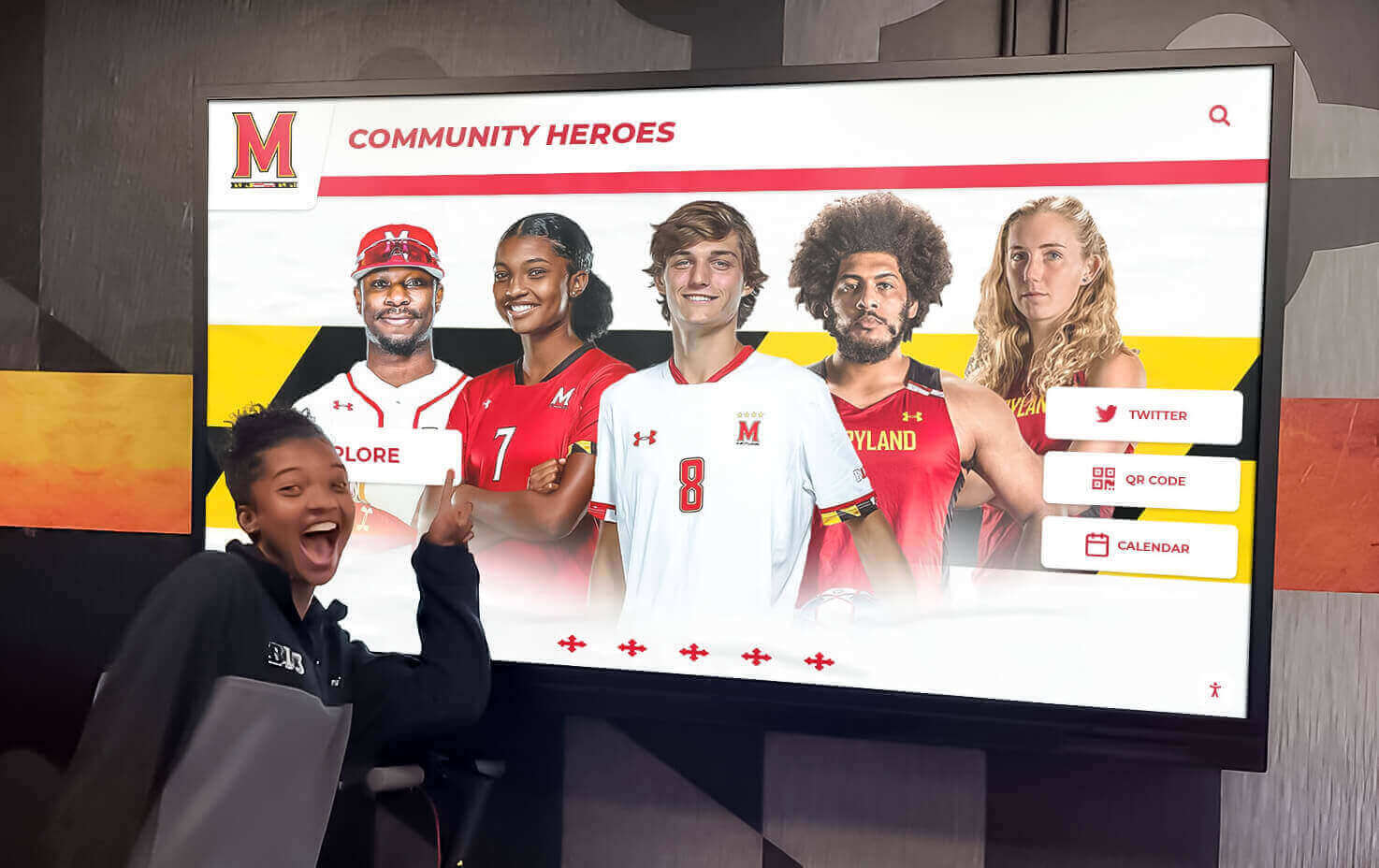
Memorial technology continues evolving with emerging capabilities promising enhanced commemoration and expanded engagement.
Virtual Reality Experiences
VR technology enables immersive memorial experiences including virtual cemetery visits for distant families, recreated historical settings showing where service members served, interactive battles or operations education contextualizing sacrifice, and immersive storytelling bringing fallen heroes’ experiences to life respectfully.
While currently limited by technology access and cost, VR memorial experiences will likely become more common as technology matures and becomes accessible to mainstream audiences.
Enhanced Multimedia and Oral History
Advancing technology enables increasingly sophisticated commemoration including AI-enhanced historical photographs restoring damaged or low-quality images to clarity, 3D-scanned artifacts from service members’ lives and military careers for virtual display, comprehensive oral history programs recording Gold Star family memories before they’re lost, and spatial audio creating immersive memorial soundscapes.
Global Accessibility and Translation
Future recognition platforms will likely feature machine translation enabling global family access regardless of language barriers, international collaboration connecting memorials across countries honoring shared sacrifice in coalition operations, digital preservation ensuring perpetual access across technological change and format obsolescence, and blockchain-based verification providing tamper-proof authentication of service records and sacrifice.
Genealogical Integration
Growing interest in genealogy creates opportunities for connection between family researchers and fallen hero recognition through DNA verification for unidentified remains, genealogical database integration helping families discover service member ancestors, collaborative family tree development documenting military service across generations, and hereditary organization connections linking descendants with fallen ancestors’ recognition.
Organizations planning long-term memorial strategies benefit from understanding digital recognition display accessibility and future capabilities ensuring implementations remain relevant across technological evolution.
Conclusion: Technology Worthy of Ultimate Sacrifice
Fallen heroes gave everything—their futures, their dreams, their families, their lives—in service to nations and principles they deemed worth the ultimate sacrifice. This extraordinary gift demands recognition matching its magnitude: comprehensive, dignified, accessible, perpetual commemoration ensuring their sacrifices inspire generations yet unborn.
Traditional stone and bronze memorials served honorably when no alternatives existed. They remain symbolically powerful and emotionally resonant for many families and communities. But modern fallen heroes touchscreen displays now enable recognition that surpasses physical limitations through unlimited capacity honoring every service member without space constraints, rich multimedia capturing complete lives and service rather than bare facts, accessible commemoration reaching distant families and enabling perpetual connection, maintenance-free updates preserving accuracy and completeness indefinitely, educational integration helping younger generations understand sacrifice, and discovery tools enabling personal connections with fallen heroes’ stories.
For communities honoring local heroes, schools remembering fallen alumni, veterans organizations preserving military legacy, or any institution committed to meaningful fallen heroes recognition, solutions like Rocket Alumni Solutions provide specialized platforms designed specifically for military commemoration—combining unlimited capacity with comprehensive storytelling, dignified presentation with accessible operation, and powerful technology with appropriate reverence.
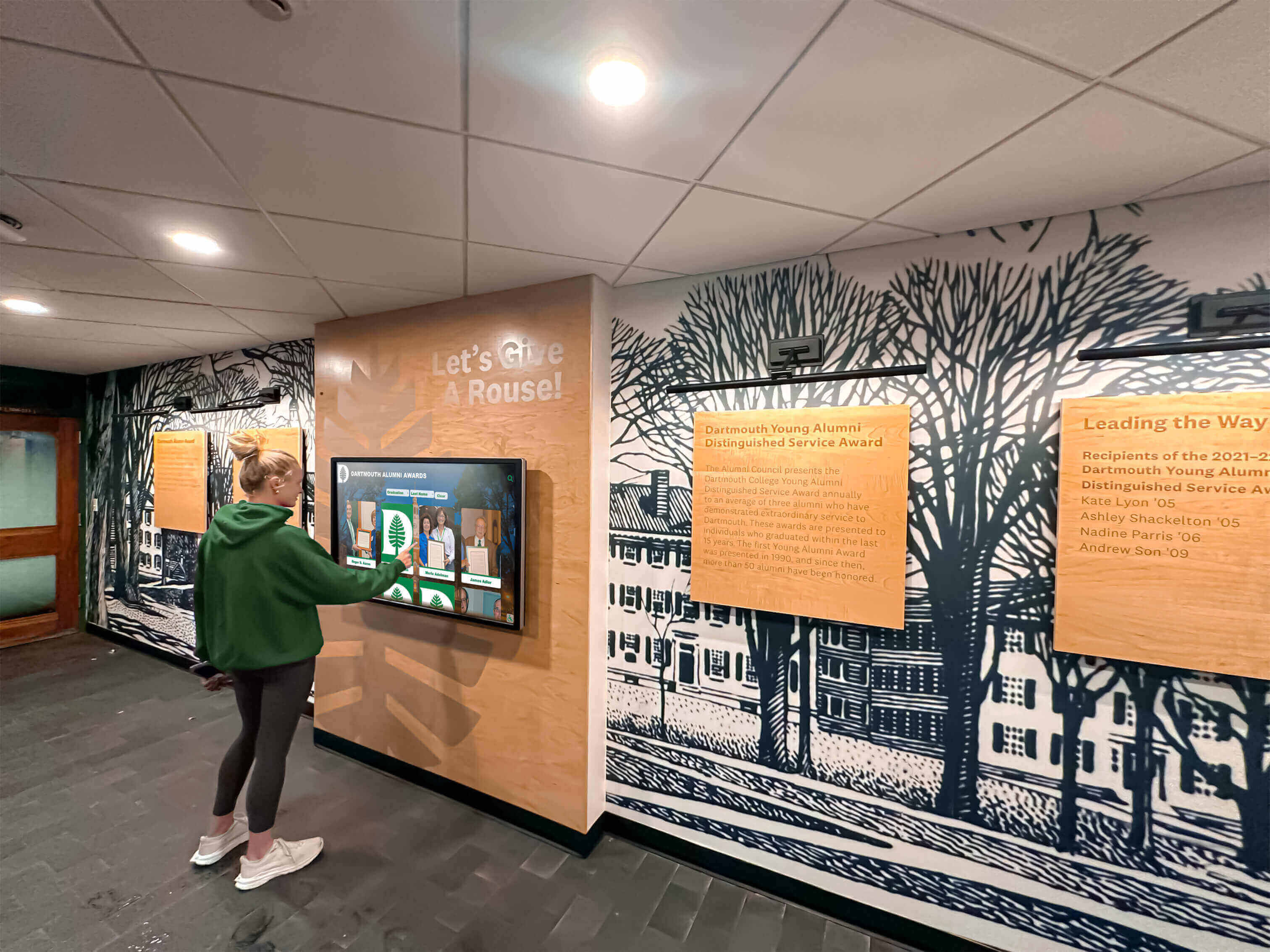
Every fallen hero’s sacrifice deserves remembrance. Every family deserves the comfort of knowing their lost loved one is honored appropriately. Every generation deserves connection with those whose sacrifices secured the freedoms they enjoy. Modern fallen heroes touchscreen displays make these aspirations achievable—creating comprehensive, perpetual tributes that honor ultimate sacrifice with the dignity, depth, and accessibility it demands.
The men and women who never returned from military service gave everything. They deserve recognition that gives everything back—preserving their memories, honoring their families, educating future generations, and ensuring that their ultimate sacrifice remains visible, understood, and valued for as long as grateful nations endure. Fallen heroes touchscreen display technology makes this perpetual commemoration possible, transforming how we honor military sacrifice while ensuring no hero is forgotten and no sacrifice goes unremembered.