



Key Takeaways
Everything student athletes and parents need to know about high school fall sports programs including football, volleyball, soccer, cross country, and more. Learn about tryouts, schedules, recognition, college recruiting, and supporting your athlete.
The late summer buzz of fall sports in high school creates unique energy across campuses nationwide. As temperatures begin to drop and leaves change colors, football fields come alive with Friday night lights, volleyball courts echo with game-deciding kills, soccer pitches host intense conference matchups, and cross country teams navigate challenging courses. For student athletes and their families entering or navigating high school fall sports programs, understanding what to expect—from tryout preparation through season-ending recognition—transforms anxiety into confident participation while maximizing both athletic and personal development opportunities.
This comprehensive guide walks through every aspect of high school fall sports participation, providing practical information about common fall sports offerings, tryout preparation strategies, balancing academics with athletics, understanding coaching expectations, navigating college recruiting realities, and how modern schools recognize athletic achievement in ways that create lasting connections between athletes and their programs.
Understanding High School Fall Sports Programs
High school fall sports season typically runs from August through November, with some sports extending into December for playoff competitions. The intensity, time commitment, and competitive level vary significantly based on sport type, school size, program history, and geographic region.
Common Fall Sports Offerings
While offerings vary by school and region, most high schools provide several core fall sports options:
Football: The most visible fall sport in many communities, football programs range from 8-player teams at small rural schools to 11-player programs with freshman, junior varsity, and varsity levels at large schools. Football demands significant time commitment with practices 5-6 days weekly, film study sessions, and typically 10-game regular seasons plus potential playoff games. Programs often begin summer conditioning in June or July, making football among the most time-intensive high school sports.
Volleyball: Typically offered for girls (though boys volleyball grows in popularity), volleyball programs compete in tournament-heavy schedules with multiple matches weekly. Seasons include both league competitions and weekend invitational tournaments. Like football, successful programs often begin open gyms and summer camps months before official practice starts. Club volleyball experience increasingly becomes expected for varsity-level competition at larger schools.
Soccer: Many schools offer both boys and girls soccer programs, with states splitting seasons (fall and spring) differently. Soccer combines frequent games with high cardiovascular demands. The global nature of soccer means many athletes arrive with extensive club experience, creating competitive tryout environments particularly at larger suburban schools.
Cross Country: This running sport focuses on 3.1-mile races (5K) through varied terrain including grass, trails, and hills. Cross country attracts distance runners who may also compete in track during spring. The sport emphasizes both individual performance and team scoring, with top finishers’ places combining for team rankings. Cross country offers relatively low entry barriers since large roster sizes mean most interested athletes make teams regardless of experience level.
Field Hockey: Common in northeastern states and growing in other regions, field hockey traditionally serves as a girls-only sport requiring specialized stick skills and strategic positioning. Like volleyball, field hockey benefits from club experience during off-seasons, with competitive programs expecting summer skill development.
Additional Fall Sports: Depending on school size and region, fall offerings may include swimming and diving, water polo, golf, tennis, cheerleading, marching band (often classified as a sport activity), dance team, and gymnastics. Each sport presents unique physical demands, time commitments, and competitive structures.
Understanding Competitive Levels Within Schools
Most schools with sufficient participation numbers field multiple team levels creating opportunities for various skill and experience levels:
Varsity: The highest competitive level, typically featuring upperclassmen (juniors and seniors) and exceptionally skilled younger athletes. Varsity competition occurs against other schools’ top teams, with conference championships and state playoffs determining seasonal success. Varsity athletes generally receive the most recognition, media coverage, and college recruiting attention.
Junior Varsity (JV): The developmental level serving primarily freshmen and sophomores not yet ready for varsity competition. JV seasons provide game experience while athletes develop skills and physical maturity. Some talented freshmen play both JV and varsity levels depending on program depth and competition rules.
Freshman Teams: Larger schools may field separate freshman teams allowing ninth graders to compete at their development level while adjusting to high school academics and athletics simultaneously.
C-Teams or Sophomore Teams: Some programs with deep rosters add additional developmental levels ensuring maximum participation opportunity.
Understanding these levels helps families set realistic expectations. Most athletes begin at lower levels before progressing to varsity through skill development and experience accumulation. Making varsity as a freshman or sophomore, while occurring, represents exceptional achievement rather than expected progression.
Preparing for Fall Sports Tryouts
Successful tryout preparation begins months before official practice starts, particularly for competitive positions on popular teams at larger schools.
Summer Preparation Strategies
Athletes serious about making teams should dedicate summer months to sport-specific preparation:
Conditioning and Strength Training: Fall sports require strong cardiovascular bases combined with sport-specific strength. Football players need power and explosiveness, cross country runners need endurance, volleyball players need vertical jump strength, and soccer athletes need both cardiovascular capacity and quick acceleration. Many schools offer summer strength and conditioning programs specifically designed for fall sport athletes. These programs provide structured training while allowing coaches to evaluate athlete commitment and work ethic before official tryouts begin.
Skill Development: Summer provides unstructured time for intensive skill work. Attend sport camps, work with private coaches, participate in club teams, or dedicate daily practice time to position-specific skills. Volleyball players can work on serving consistency, football skill players can improve route running, soccer players can enhance dribbling and shooting, and cross country runners can build weekly mileage systematically.
Attend Team Activities: Many programs offer optional summer workouts, open gyms, seven-on-seven football leagues, or summer soccer leagues. While labeled “optional,” attendance at these activities practically becomes expected for athletes competing for varsity positions. These sessions allow coaches to evaluate athletes in low-pressure environments while building team chemistry before official tryouts.
Mental Preparation: Understand tryout evaluation criteria by meeting with coaches during spring to discuss position expectations, needed skill improvements, and physical benchmarks. This communication demonstrates commitment while providing clear targets for summer preparation. Athletes who proactively seek coach feedback typically perform better at tryouts because they focus preparation on specific evaluation criteria rather than general training.
What to Expect During Tryouts
Tryout formats vary significantly by sport and school, but most follow similar patterns:
Physical Testing: Coaches typically begin with measurable athletic assessment including timed sprints, agility drills, vertical jump testing (for volleyball and basketball), distance running time trials (for cross country and soccer), or position-specific tests (40-yard dash for football). These objective measures help coaches compare athletes and identify physical development needs.
Skill Evaluation: Sport-specific skill assessments examine technical proficiency. Football coaches evaluate throwing accuracy, route running, catching ability, blocking technique, and tackling form. Volleyball coaches assess serving, passing, setting, hitting, and defensive positioning. Soccer coaches examine dribbling, passing accuracy, shooting technique, and tactical awareness. These evaluations identify which athletes possess fundamental skills needed for immediate contribution versus those requiring significant development.
Scrimmage and Game Situations: Most tryouts include controlled scrimmages allowing coaches to observe athletes in competitive situations. Game performance reveals qualities that drills cannot assess including composure under pressure, decision-making speed, competitive intensity, and teamwork instincts.
Attitude and Coachability: Coaches carefully observe athlete responses to instruction, effort levels during conditioning, interaction with other tryout participants, and body language when drills prove challenging. Athletics at every level requires coachability—the ability to receive feedback without defensiveness and implement corrections quickly. Athletes demonstrating positive attitudes, consistent maximum effort, and willingness to play multiple positions often earn roster spots over more skilled but difficult-to-coach competitors.
Making the Cut: What Happens Next
After evaluations conclude, coaches make difficult roster decisions based on available positions, team balance needs, skill assessment, and squad size limitations:
Team Postings: Schools typically post roster lists publicly (with appropriate privacy considerations) or contact selected athletes directly. Cut policies vary—some schools maintain no-cut policies ensuring all interested athletes participate at some level, while others make selective cuts due to facility limitations, equipment costs, or coaching ratios.
Handling Disappointment: Not making desired teams represents significant disappointment requiring perspective and resilience. Options include trying out for different fall sports, playing at lower levels to develop for future years, focusing on club or recreational leagues, or planning for spring sports. Many successful varsity athletes experienced cuts or lower-level placement initially before developing into strong contributors.
Parent Communication: Parents should support athletes through tryout processes while maintaining appropriate boundaries. Communicate directly with coaches only when necessary (injury concerns, schedule conflicts), avoid public criticism of coaches or selection decisions, and help athletes process disappointment constructively. Coaches make difficult decisions based on evaluations; while not infallible, public challenges to roster decisions rarely produce positive outcomes and may damage athlete-coach relationships moving forward.
Navigating the Season: Time Management and Expectations
Once seasons begin, student athletes face intense demands requiring effective time management, family support, and clear communication with coaches and teachers.
Understanding Time Commitments
Fall sports consume substantial daily time beyond just practice hours:
Practice Schedules: Most teams practice 2-3 hours daily after school, typically from 3:30-6:30 PM or later. Some programs hold morning practices before school for specialized training or additional conditioning. Weekend practices become common as competition approaches, with Saturday morning sessions supplementing weekday work.
Competition Schedules: Game frequency varies by sport. Football typically plays weekly Friday night games. Volleyball and soccer programs often compete twice weekly plus weekend tournaments. Cross country teams usually race weekly or biweekly, with invitational meets requiring full-day Saturday commitments. Playoffs and championship tournaments extend seasons into November or December, adding weeks beyond expected end dates.
Additional Commitments: Beyond practices and games, athletes attend team meetings, watch film sessions (especially football), complete weight training or conditioning sessions, travel to away competitions, and participate in team-building activities. These hidden commitments add 5-10+ weekly hours beyond visible practice and game time.
Total Weekly Time: Comprehensive time commitment including practice, competition, travel, and ancillary activities easily reaches 15-25 hours weekly—essentially a part-time job layered onto academic and social commitments. Families should discuss these realities before commitment to ensure students can handle combined demands without excessive stress.
Balancing Academics and Athletics
Student-athlete success requires intentional academic planning since athletic eligibility depends on grade maintenance:
Eligibility Requirements: Most state athletic associations require minimum 2.0 GPAs and passing grades in required courses to maintain athletic eligibility. Schools often set higher standards, requiring 2.5+ GPAs or no failing grades. Regular eligibility checks occur weekly or by grading period, with immediate consequences for academic deficiencies. Athletes failing eligibility requirements may face suspensions ranging from single-game penalties to full-season disqualifications depending on severity and school policy.
Time Management Strategies: Successful student athletes develop specific strategies including maintaining detailed planners tracking assignments and practice schedules, using study halls effectively rather than socializing, completing homework during bus travel to away games, communicating proactively with teachers about schedule conflicts (college visit days, championship competitions), leveraging early morning time for studying when evening schedules stay packed, and avoiding procrastination since practice schedules eliminate last-minute completion options.
Support Resources: Take advantage of available academic support including teacher office hours for extra help, peer tutoring programs, study tables many athletic departments host for team members, learning support specialists who can provide study skills coaching, and communication systems between coaches and teachers alerting coaches to academic struggles before grades catastrophically decline. Programs committed to comprehensive student-athlete development often implement academic recognition alongside athletic achievement celebrating GPA excellence with the same enthusiasm as athletic performance.
Parent Monitoring: Parents should maintain regular academic check-ins, monitor grades through school portals, communicate with teachers proactively rather than reactively, help athletes plan assignment completion around game schedules, and establish clear expectations that academic performance takes priority over athletics. When academic struggles emerge, address them immediately rather than hoping improvement occurs without intervention.
Understanding Coach-Athlete-Parent Relationships
Successful seasons require clear understanding of appropriate relationship dynamics between coaches, athletes, and parents, with boundaries that support athlete development while maintaining healthy communication.
Coach Expectations of Athletes
High school coaches typically expect specific behaviors and attitudes from team members:
Commitment and Reliability: Attend all scheduled practices, games, and team events unless dealing with illness, injury, or family emergencies requiring advance communication. Arrive on time, prepared with necessary equipment. Consistent attendance demonstrates respect for coaches, teammates, and program expectations while enabling skill development through repetition.
Effort and Attitude: Give maximum effort regardless of playing time, competition outcome, or personal circumstances. Maintain positive attitudes supporting teammates rather than complaining about roles or decisions. Coaches value athletes who practice intensely even when not starting, encourage teammates from sidelines, and focus on controllable factors rather than external excuses.
Coachability and Growth Mindset: Accept coaching feedback as helpful instruction rather than personal criticism. Implement corrections quickly, ask clarifying questions when confused, and demonstrate progress over time. Athletes who view mistakes as learning opportunities rather than failures develop faster than those who fear criticism or ignore instruction.
Academic Responsibility: Maintain grade eligibility without requiring constant coach monitoring. Coaches have limited capacity to track every athlete’s academic status—successful programs place responsibility on athletes to maintain standards independently while alerting coaches to emerging problems requiring support.
Team-First Mentality: Prioritize team success over individual statistics or recognition. Celebrate teammate achievements, play assigned roles even if different from preferred positions, and avoid behaviors undermining team chemistry. Programs emphasizing team culture and recognition tend to build stronger sustained success than those focused only on individual talent.
Appropriate Parent Involvement
Parent support enhances athlete experiences when balanced appropriately, while excessive involvement creates problems:
Encouraged Parent Actions:
- Attend games and competitions when schedules allow, providing visible family support
- Maintain positive sideline presence cheering for all team members, not just your athlete
- Volunteer for team activities when requested (concessions, transportation, fundraising)
- Communicate directly with coaches regarding logistics (schedule clarifications, transportation needs) or safety concerns (injury information, health conditions)
- Support team fundraising initiatives and booster club activities
- Celebrate effort and growth rather than just winning
- Help athletes process difficult situations (playing time disappointment, conflicts with teammates) by asking good questions rather than immediately blaming coaches or others
Problematic Parent Behaviors:
- Publicly criticizing coaching decisions, playing time allocations, or strategy choices
- Comparing your athlete to teammates regarding playing time or position assignments
- Attempting to coach your athlete during games or practices
- Confronting coaches immediately after games when emotions run high
- Sending frequent emails demanding explanations for routine coaching decisions
- Living vicariously through athlete’s performance creating excessive pressure
- Undermining coach authority by contradicting instruction or philosophical approach
When legitimate concerns arise requiring coach communication, schedule meetings in advance during mutually convenient times, bring specific observations or questions rather than general complaints, listen to coach perspective openly, focus on your athlete rather than comparing to other players, and work collaboratively toward solutions rather than demanding specific outcomes.
Playing Time: The Most Difficult Topic
Playing time creates the most frequent source of coach-parent conflict, requiring realistic expectations:
Understanding Coach Decisions: Coaches determine playing time based on multiple factors including performance in practice (often more important than game performance since coaches observe it daily), attitude and work ethic, physical readiness for competition pace and contact, tactical understanding and position knowledge, team chemistry and trustworthiness in pressure situations, and ability to execute specific game plans against particular opponents. Coaches almost universally play athletes they believe give teams the best chance to win while balancing development opportunities for younger or improving players.
What Athletes Control: Instead of fixating on playing time itself, successful athletes focus on controllable factors: maximum practice effort earning coach trust, mastering position responsibilities reducing decision-making uncertainty, maintaining positive attitude regardless of role encouraging coaches to reward commitment, improving physical capabilities through strength and conditioning, and demonstrating versatility by learning multiple positions. These factors influence playing time far more than parent complaints or athlete sulking.
Development Timelines: Particularly in skill-intensive sports like volleyball or football, development timelines span multiple years. Freshmen rarely possess the physical maturity, tactical knowledge, or consistent execution needed for extensive varsity minutes. Patient skill development combined with physical maturation typically produces varsity success junior and senior years rather than immediately. Understanding these realities prevents premature disappointment when first-year athletes primarily practice rather than play.
College Recruiting Realities for Fall Sports
Many families begin high school athletics with college scholarship aspirations, making realistic understanding of recruiting landscapes essential for appropriate goal-setting:
The Statistical Reality
While college athletic dreams motivate participation, actual opportunities remain limited:
Scholarship Percentages: According to NCAA research, approximately 7% of high school athletes compete collegiately at any level (Division I, II, III, NAIA, junior college), with only about 2% receiving athletic scholarships. Even many Division I athletes receive partial scholarships rather than full rides, particularly in sports like soccer and volleyball where programs divide limited scholarship funds across large rosters.
Sport-Specific Opportunities: Football offers the most scholarship positions with 85 full scholarships per Division I FBS program, though competition remains intense with thousands of high school quarterbacks competing for limited college spots. Volleyball programs have just 12 Division I scholarships divided across 15-20 player rosters. Soccer provides 9.9 men’s scholarships and 14 women’s scholarships per Division I program, typically split among 25-30 players. Cross country offers 12.6 men’s and 18 women’s Division I scholarships covering teams of 12-15 scoring runners plus additional squad members.
Academic Requirements: College athletic eligibility requires minimum academic standards including core course GPA requirements (currently 2.3 sliding scale with SAT/ACT scores for Division I), specific core curriculum completion (4 English, 3 math, 2 science, 2 social science minimum), and amateurism certification. Many college programs set higher academic standards than minimum eligibility, with prestigious academic institutions requiring 3.5+ GPAs regardless of athletic ability. Strong academics significantly expand opportunities by qualifying athletes for academic scholarship combinations and selective admission support.
Recruitment Preparation
Athletes with legitimate college potential should begin preparation sophomore year:
Create Highlight Videos: Produce 3-5 minute videos showcasing best plays, position skills, and athletic ability. Update videos regularly as skills improve. Include basic information (height, weight, GPA, contact information) and game statistics. Many recruiting services and coaches provide guidance on effective video content and formatting.
Register with NCAA Eligibility Center: During sophomore or junior year, register at eligibilityCenter.org providing academic transcripts and standardized test scores. This registration allows college coaches to contact athletes directly and certifies academic eligibility for college competition.
Attend College Camps and Showcases: Participate in camps at schools of interest, allowing face-to-face evaluation by college coaches while demonstrating serious recruiting interest. National or regional showcase events place athletes in front of multiple college staffs simultaneously, particularly valuable for athletes lacking strong club or high school program reputations.
Communicate with College Coaches: Understand NCAA contact rules governing when and how college coaches can communicate with prospects (rules vary by division and sport). Within allowed parameters, send introductory emails to coaching staffs expressing interest, sharing highlight videos, and providing current statistics. Follow up with updates on academic progress, athletic achievements, and schedule information for games coaches might attend.
Leverage High School Coach Connections: High school coaches often have established relationships with college programs, particularly nearby schools. Coaches can make introductions, send recommendation emails, or invite college coaches to evaluate athletes during high school competitions. Building strong relationships with high school coaches enhances these advocacy opportunities. Schools implementing comprehensive digital recognition systems often find these displays become recruiting tools showcasing program quality to college coaches visiting campuses.
Maintain Academic Excellence: GPA remains the most controllable recruiting factor. Strong academics qualify athletes for more scholarship combinations, provide fallback options if athletic recruitment disappoints, and demonstrate work ethic and time management abilities college coaches value beyond just athletic performance.
Recognition: Celebrating Fall Sports Achievement
High school athletic programs increasingly understand that recognition extends beyond just championship trophies, with comprehensive acknowledgment systems celebrating diverse contributions and creating lasting connections between athletes and their schools.
Traditional Recognition Methods
Most programs maintain established recognition practices including:
End-of-Season Banquets: Team dinners or ceremonies honoring seasonal achievements, presenting individual awards (Most Valuable Player, Most Improved, Leadership Awards, All-Conference selections), recognizing senior contributions, and celebrating team accomplishments. These events provide formal closure to seasons while creating memorable moments for athletes and families.
Senior Night Ceremonies: Special events during final home competitions honoring graduating seniors, typically including public recognition of each senior, parent involvement walking athletes across fields or courts, and small gifts or flowers marking the occasion. These emotional ceremonies acknowledge senior leadership while providing underclassmen opportunities to express appreciation. Schools looking to enhance these traditions can explore creative senior night recognition ideas that make events truly memorable.
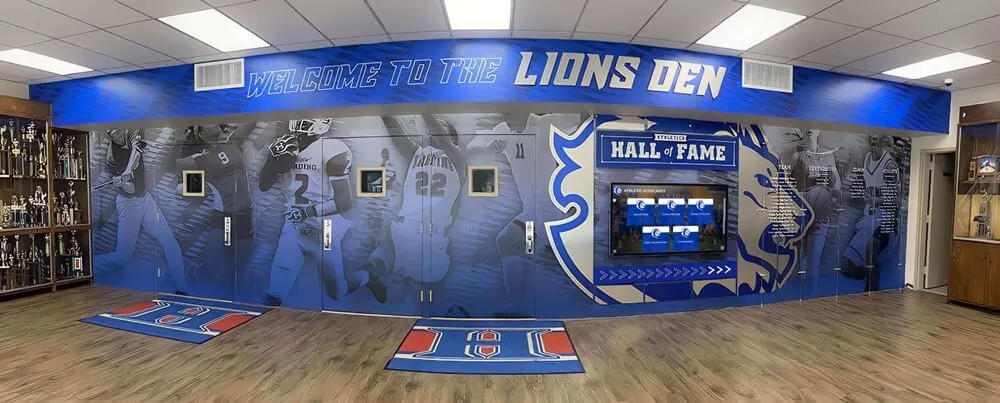
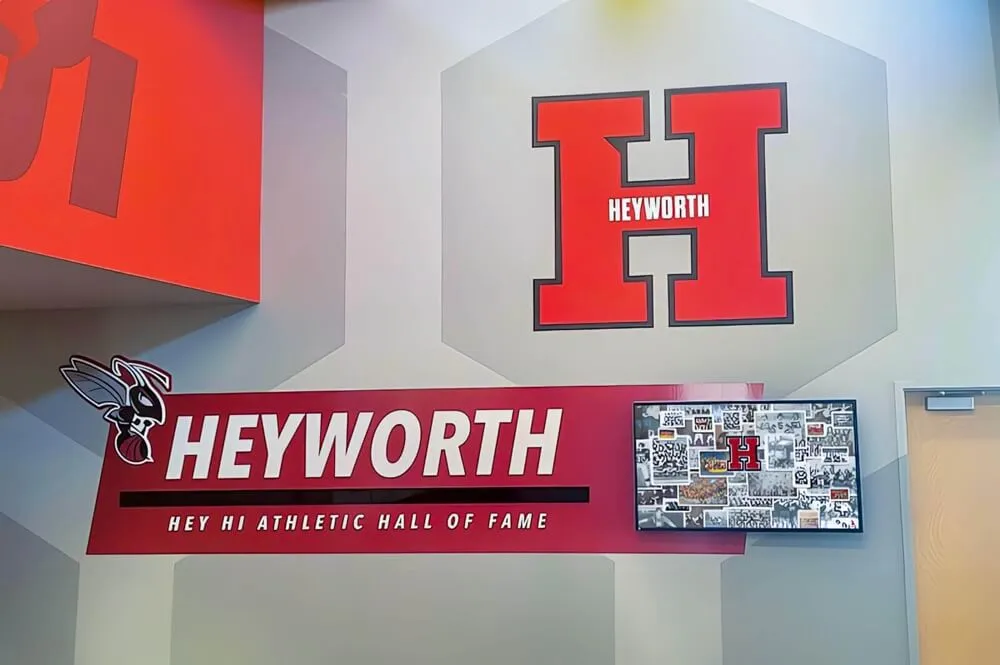
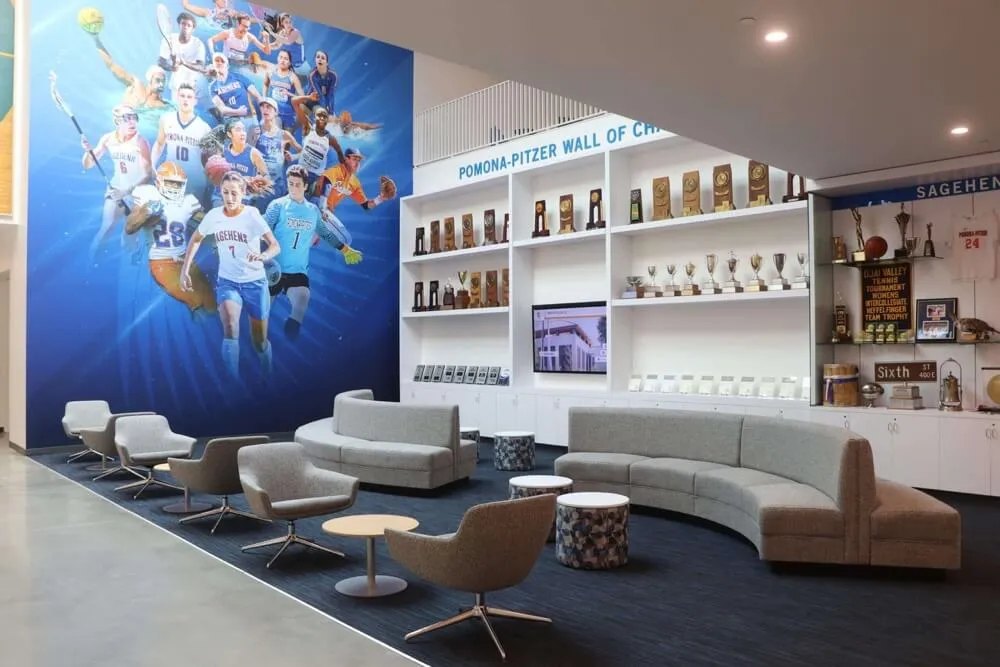
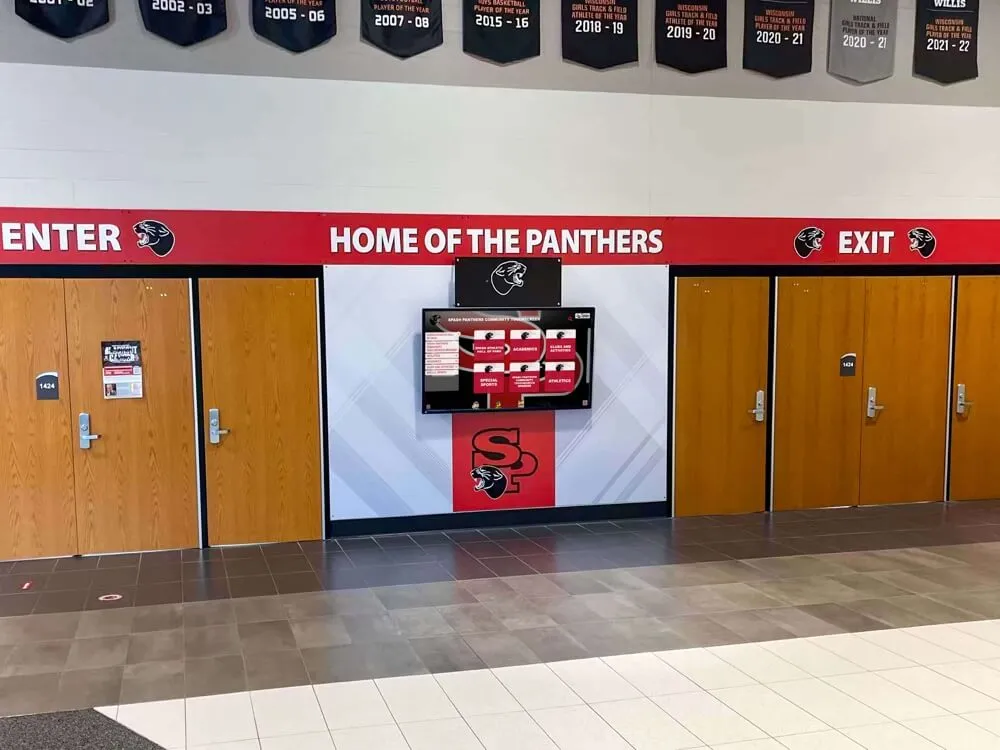
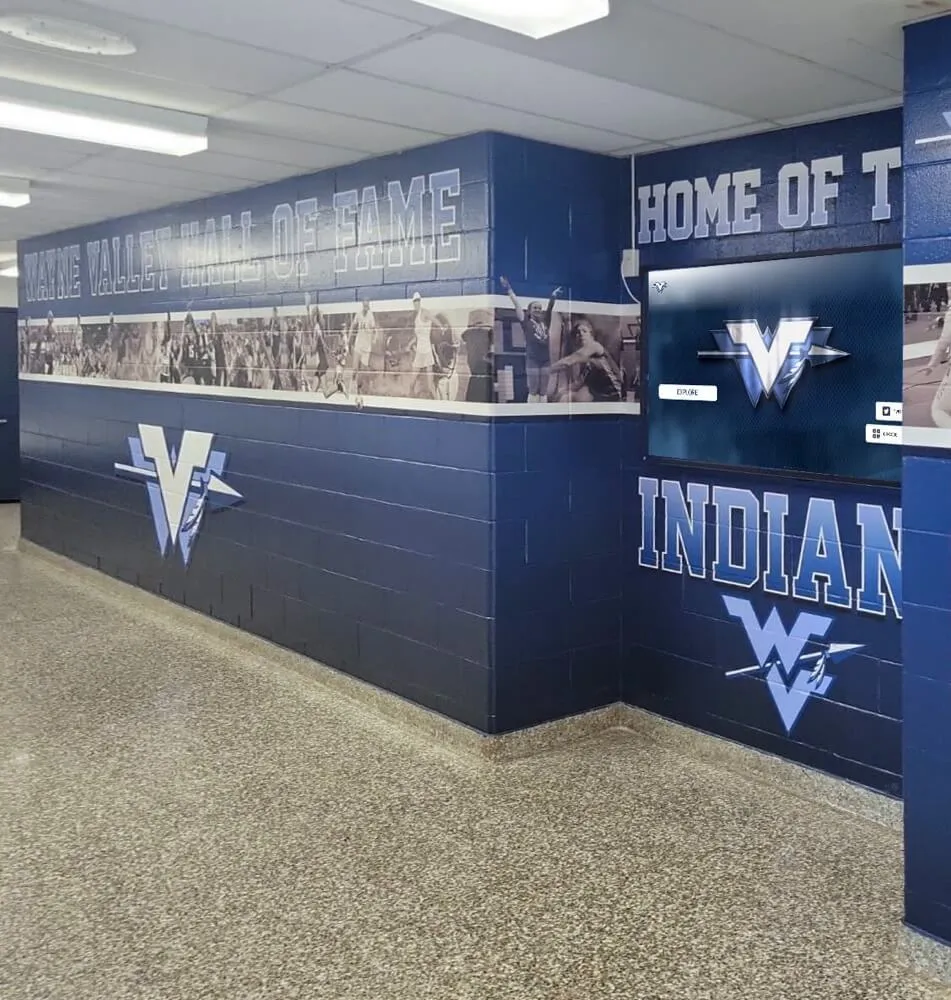
Trophy Cases and Wall Displays: Physical displays in main hallways or athletic wings showcasing championship trophies, team photos, all-state athlete recognition, and program records. These visible displays communicate program values while connecting current athletes to institutional traditions.
Social Media Recognition: Regular posting of game highlights, athlete spotlights, team achievements, and motivational content building program following and community engagement. Strategic social media use amplifies recognition beyond those physically present at competitions.
Modern Digital Recognition Solutions
Progressive athletic programs increasingly implement digital recognition systems offering advantages over traditional methods:
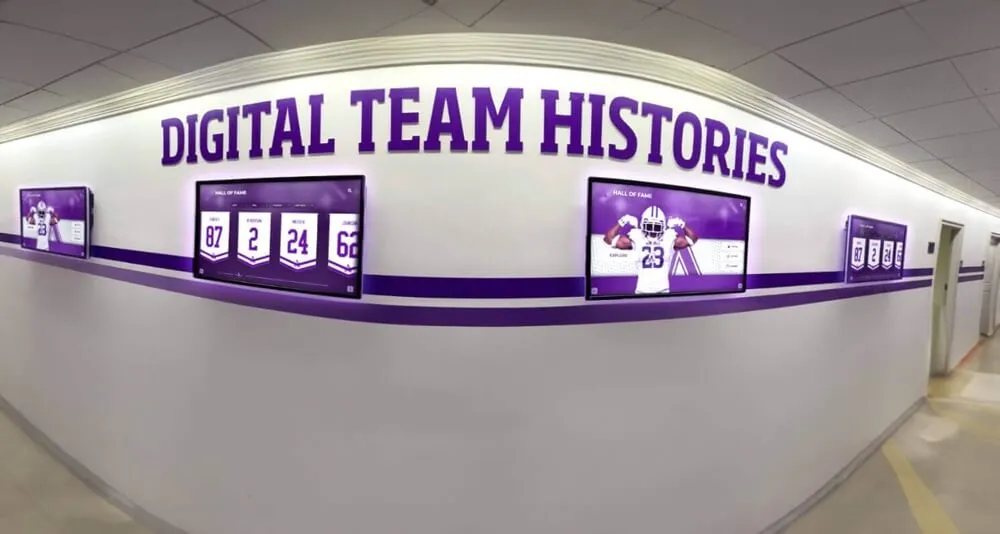
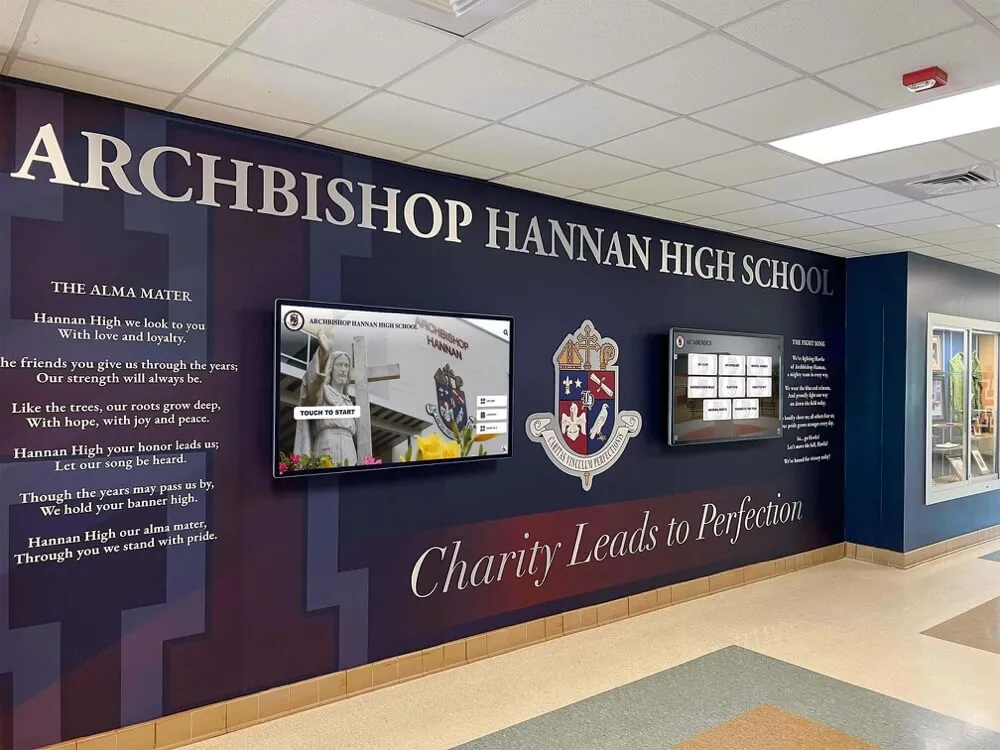
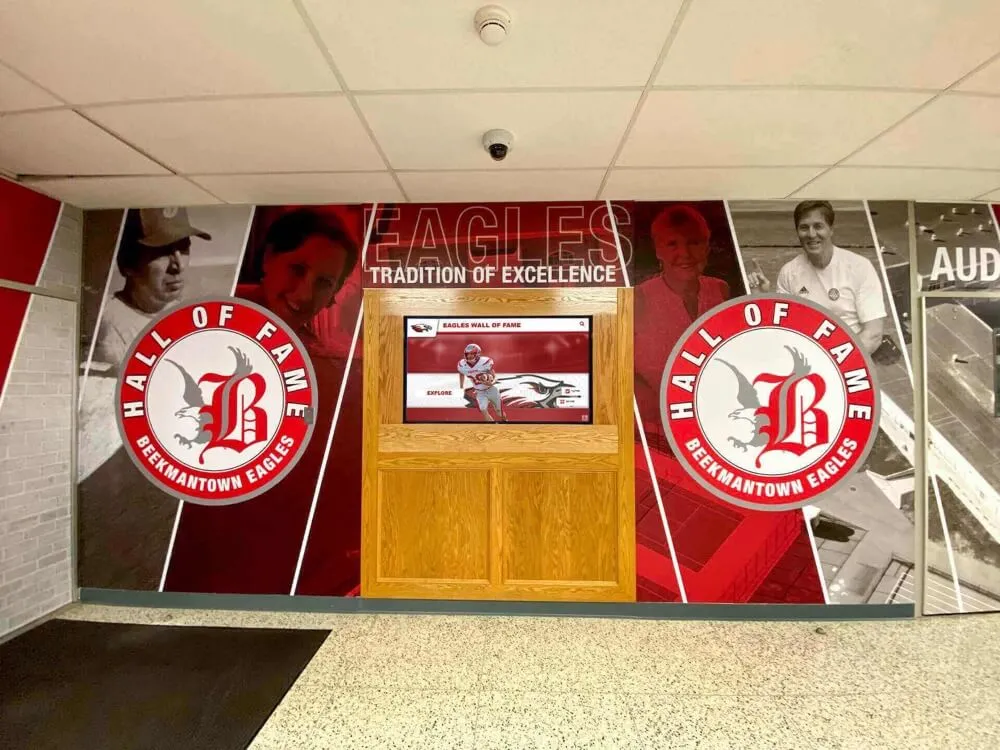
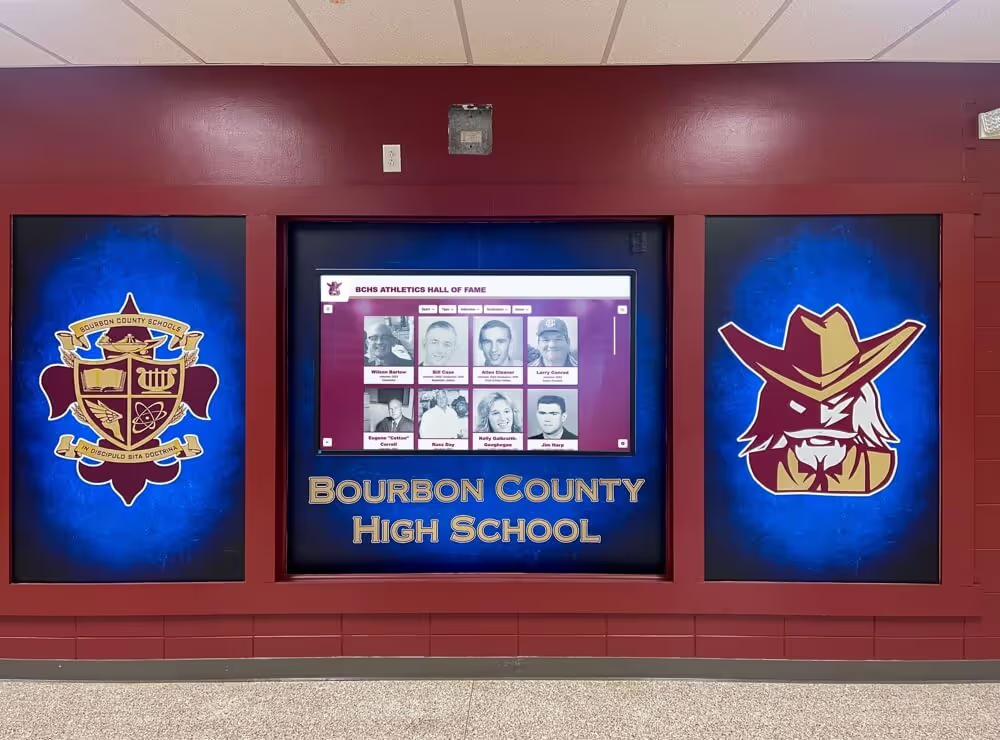
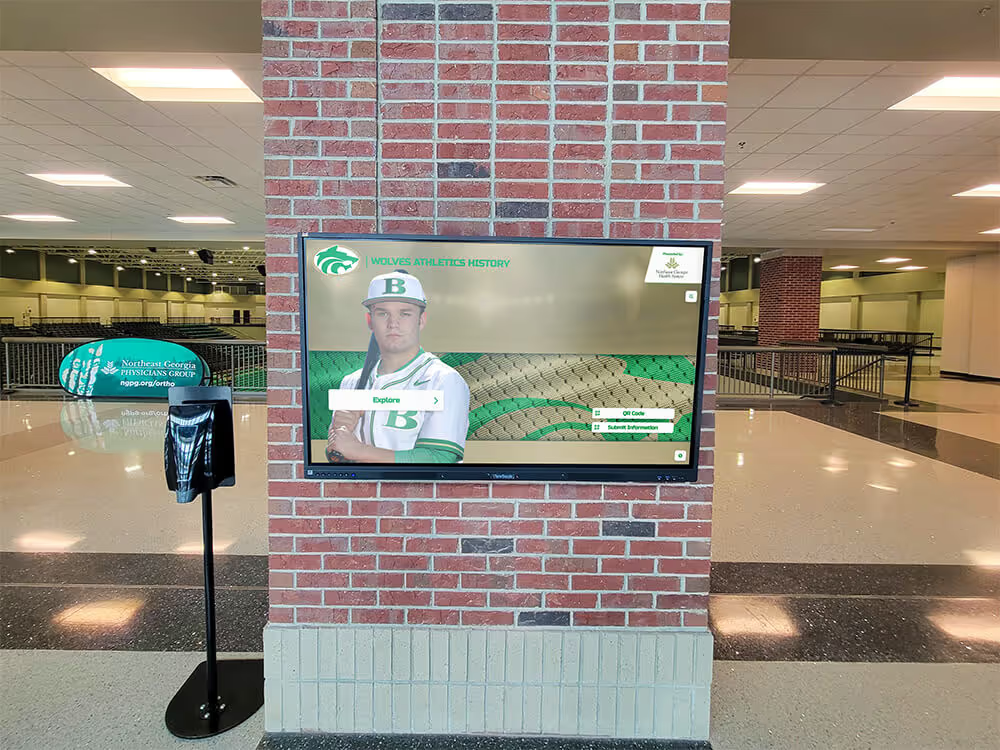
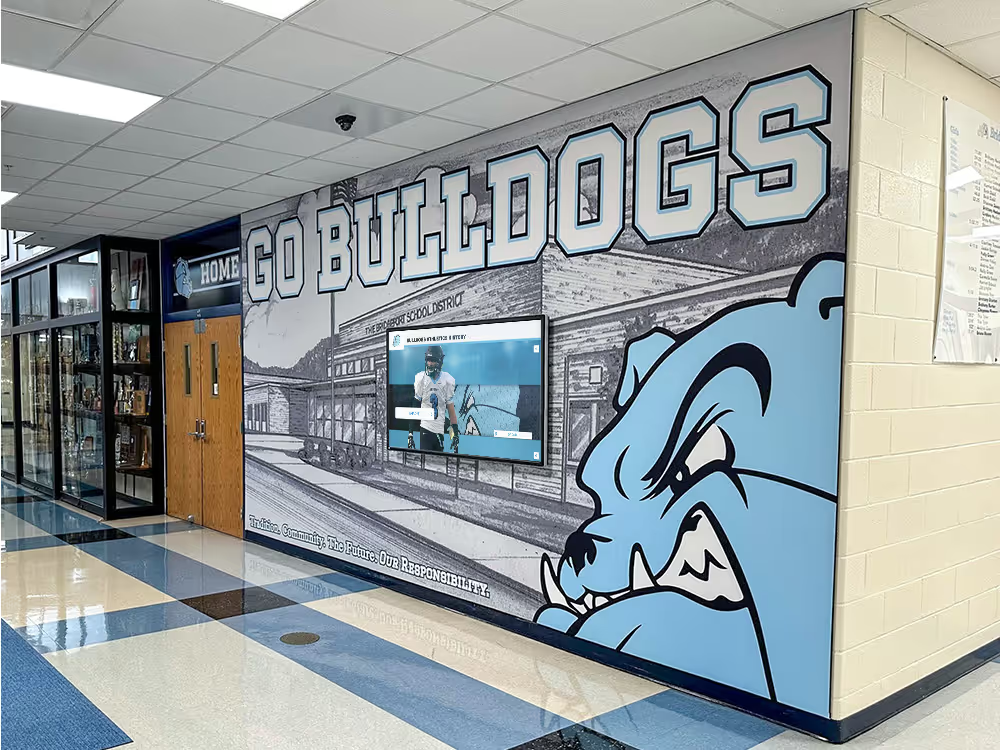
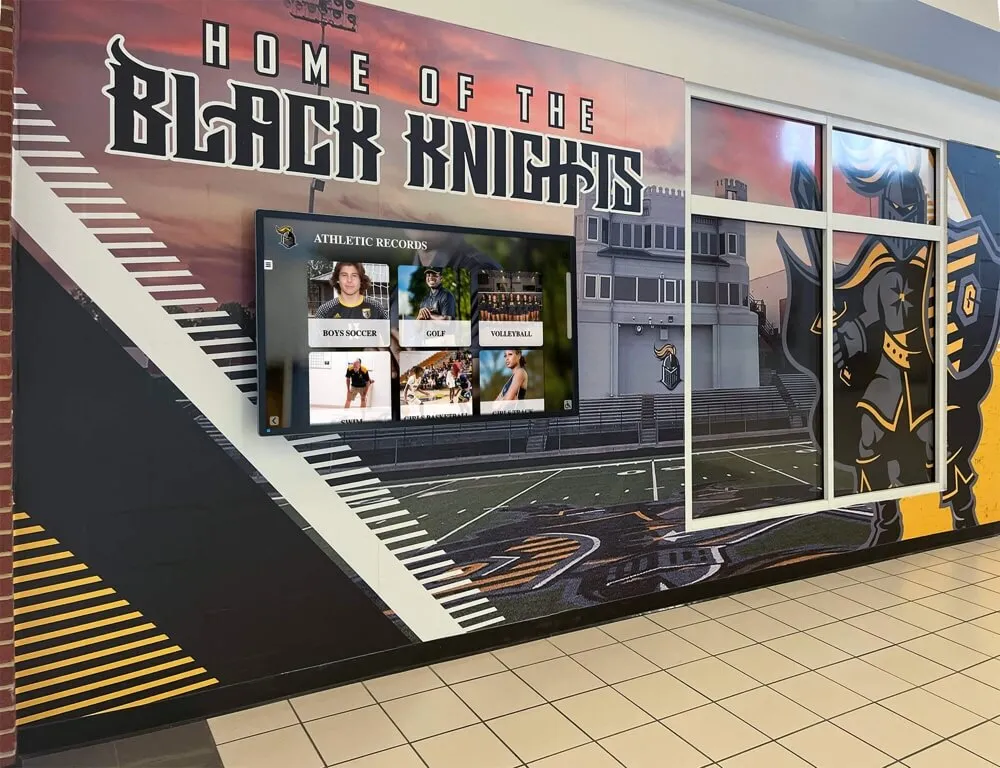
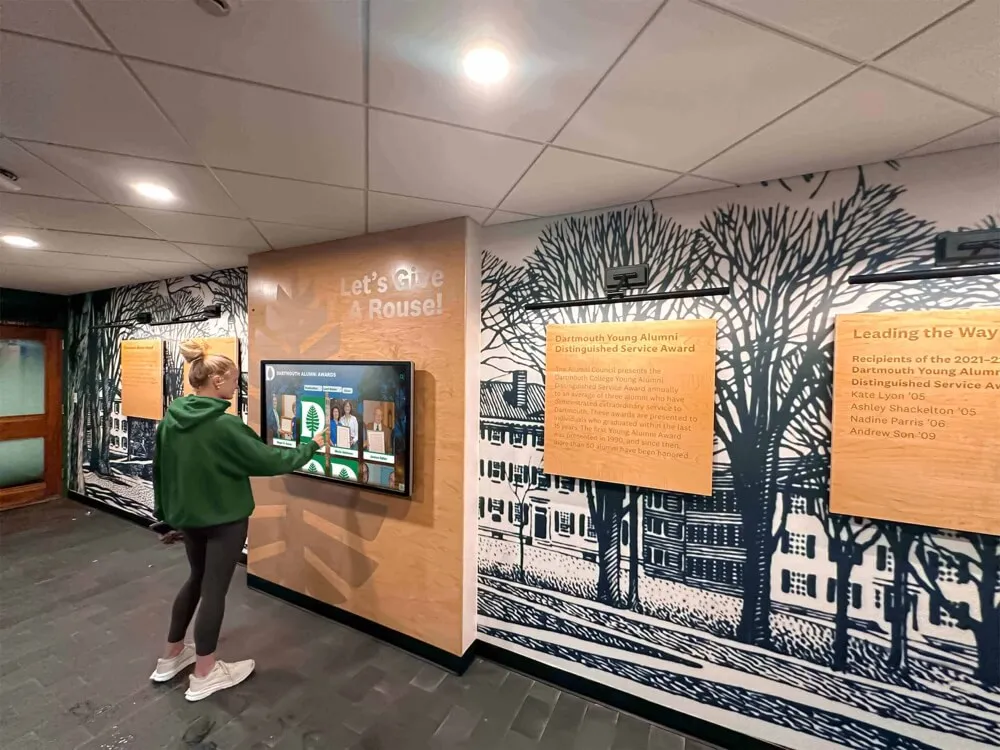
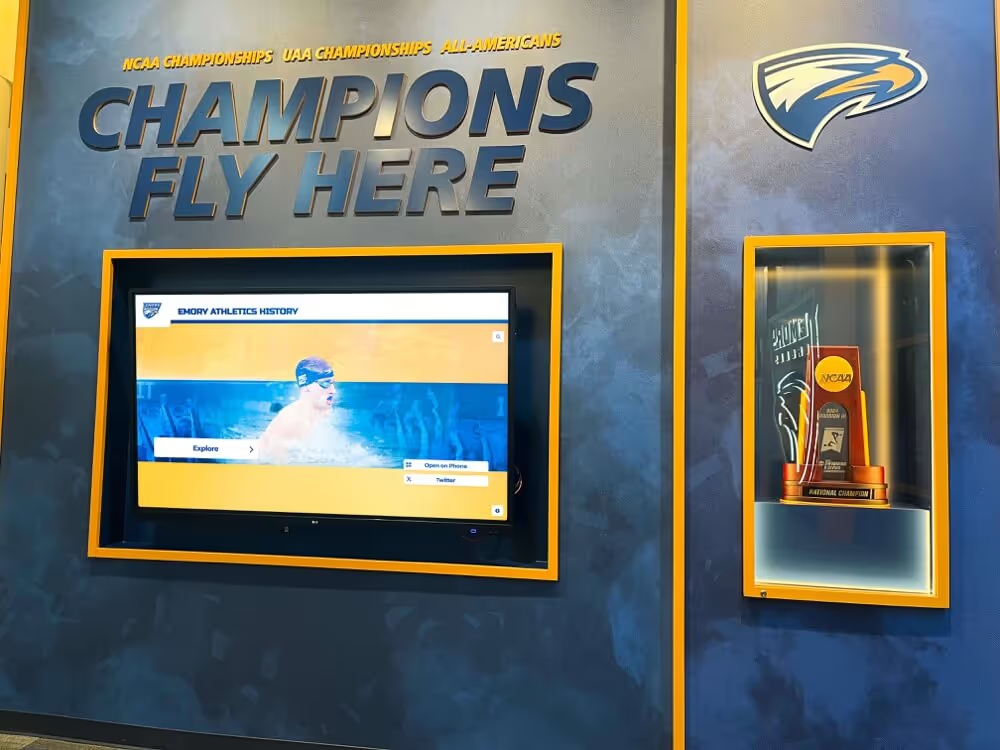
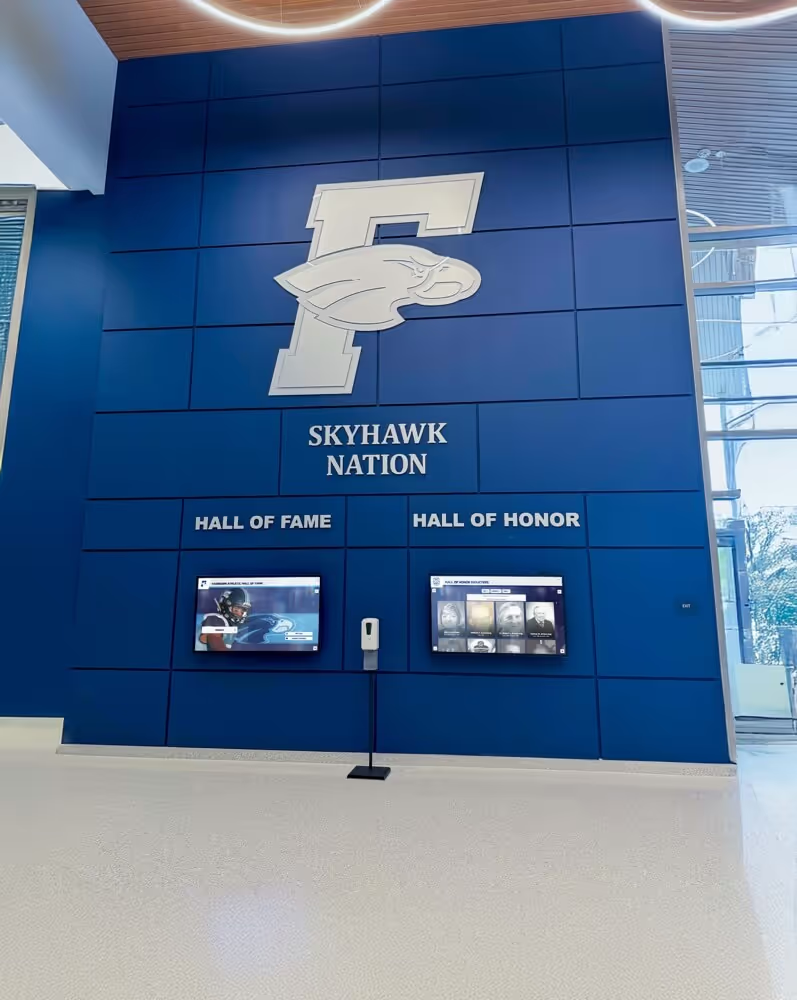
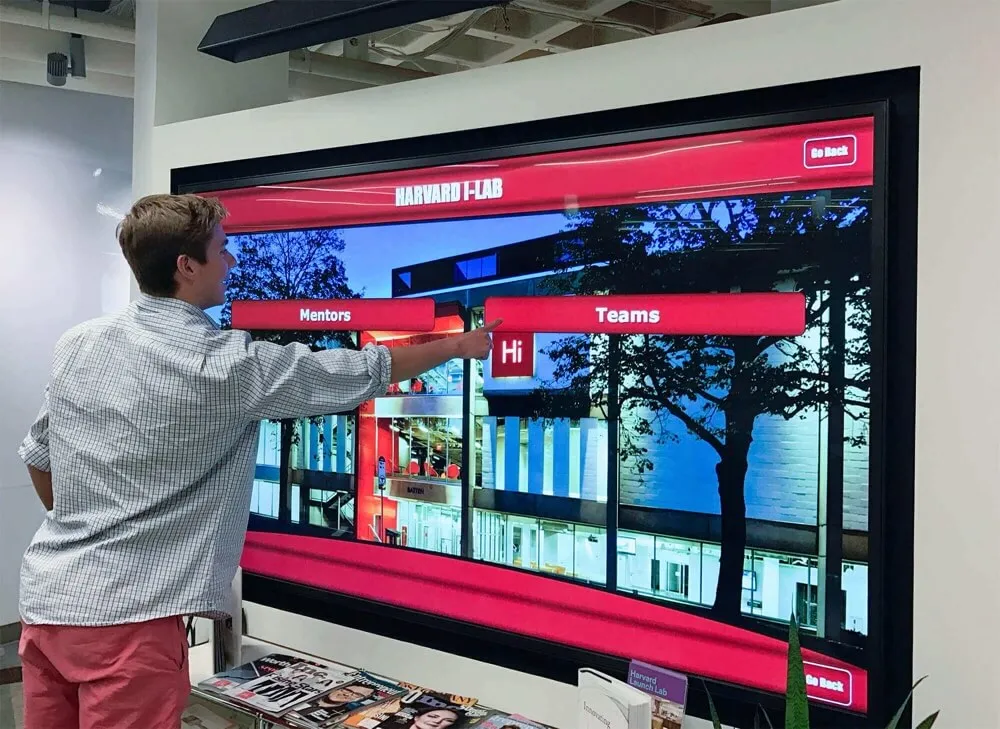
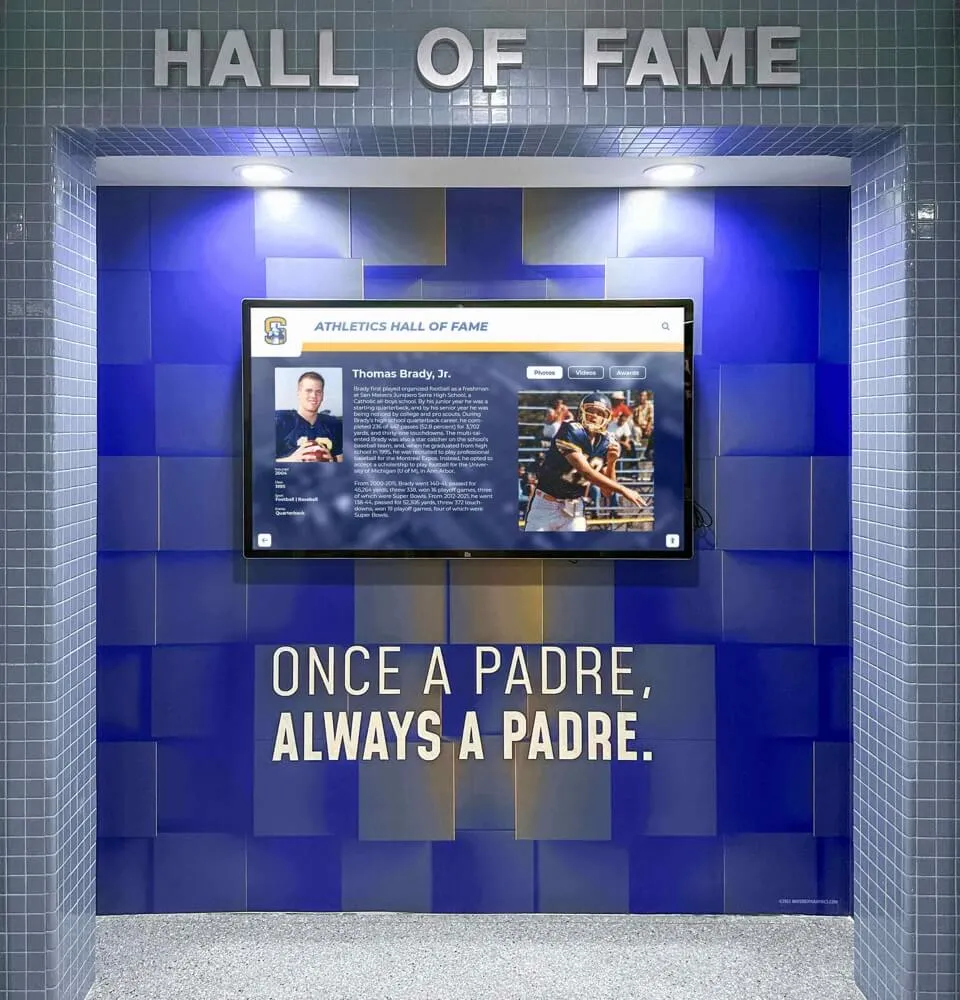
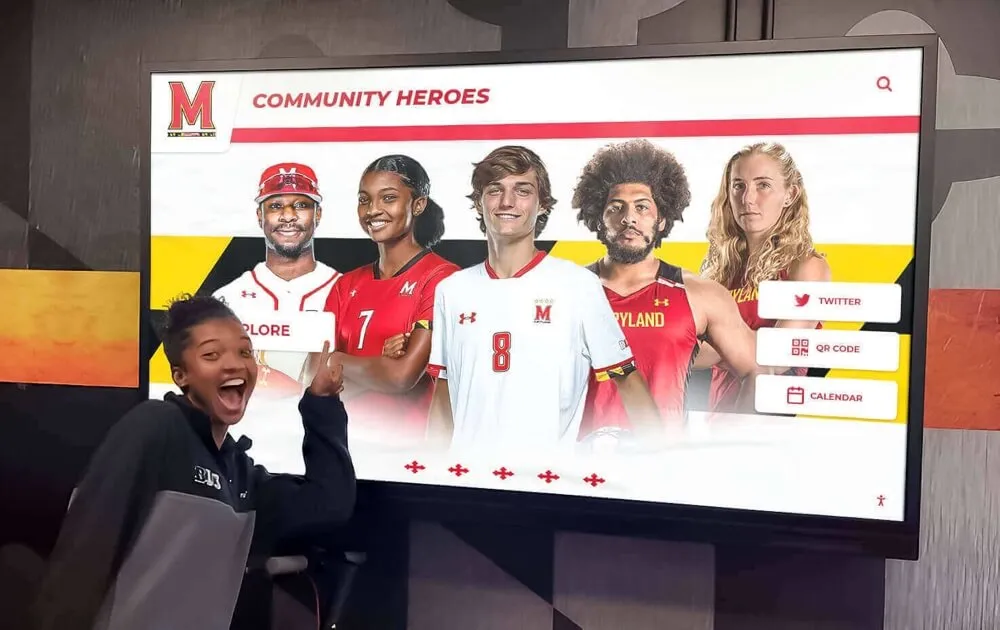
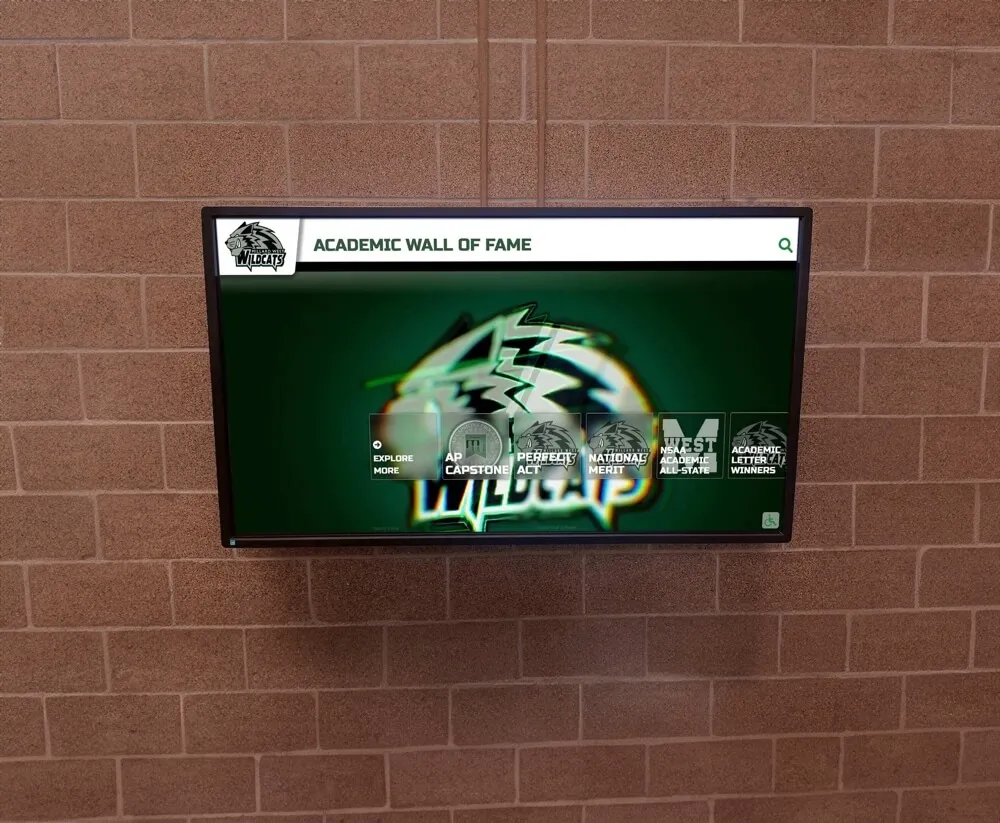
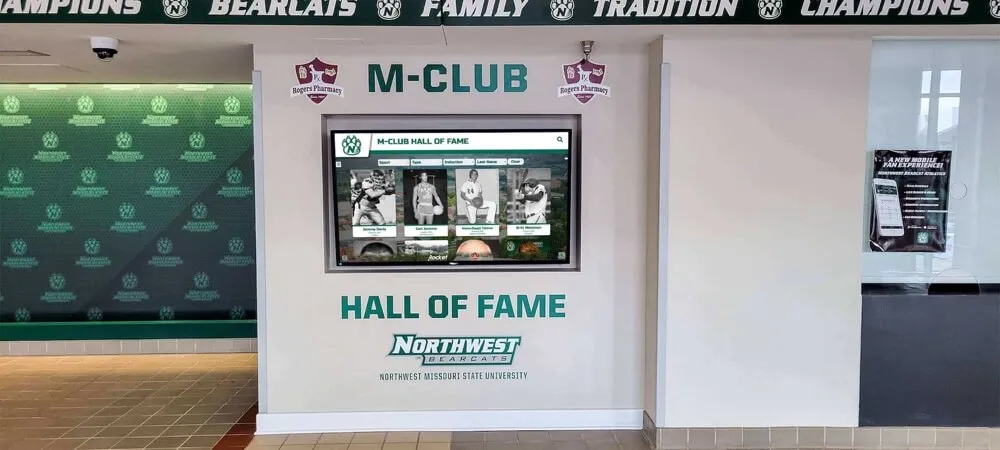
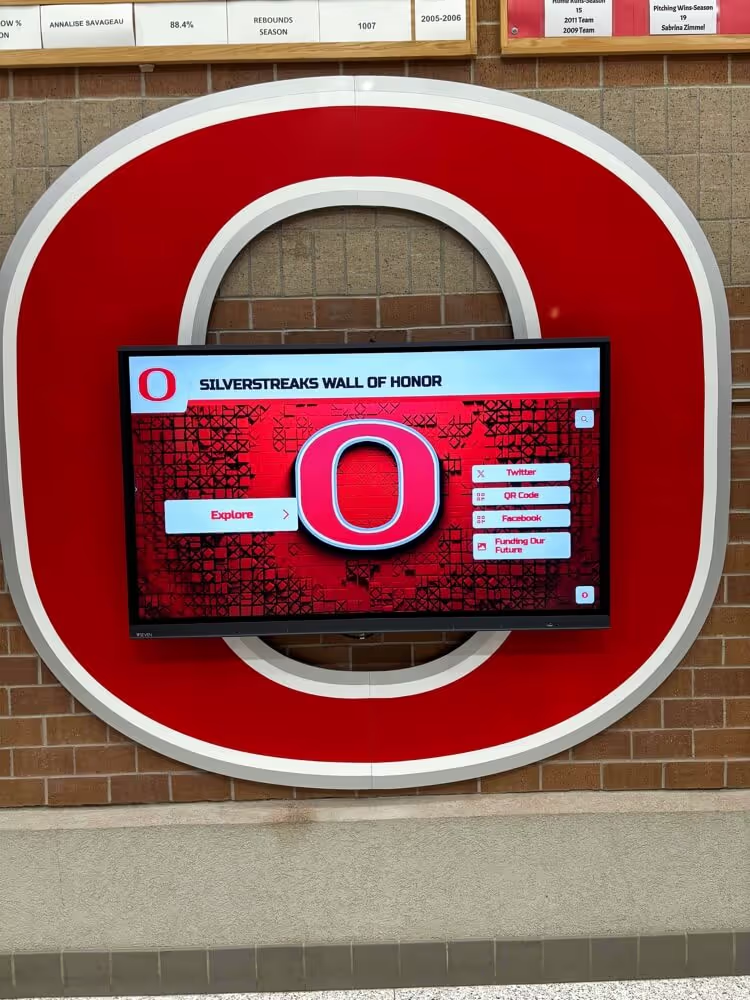
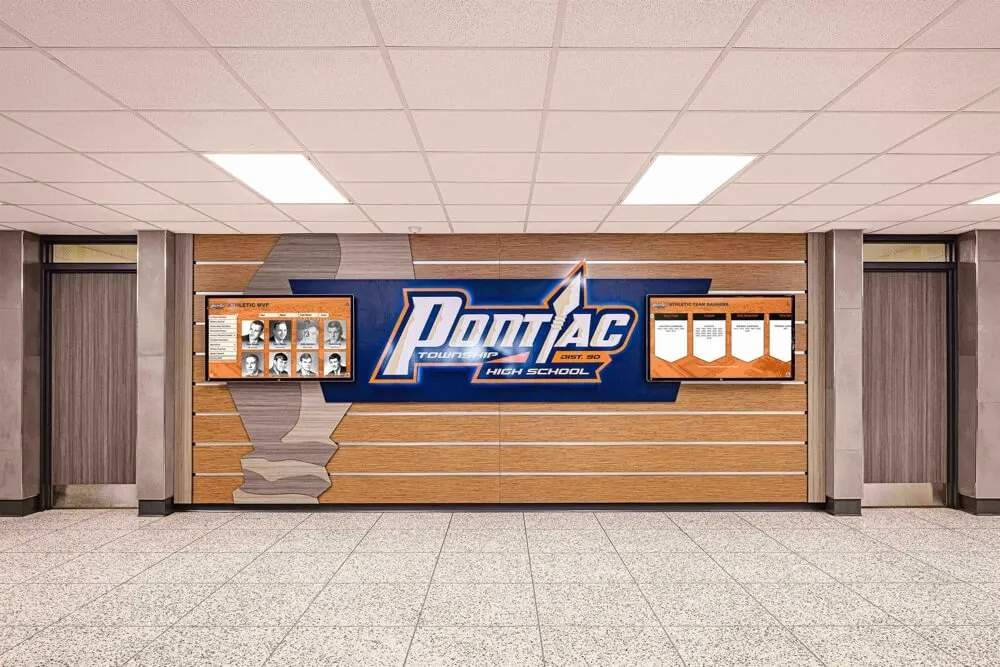
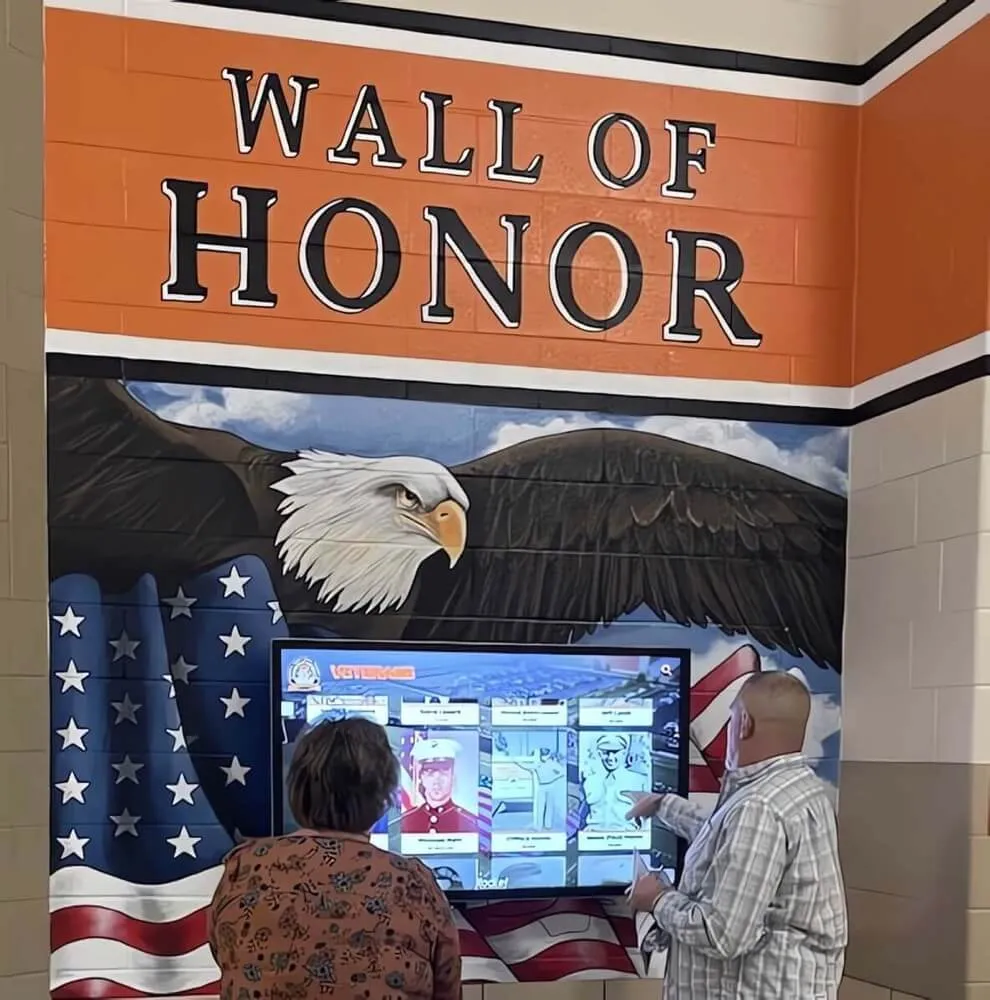
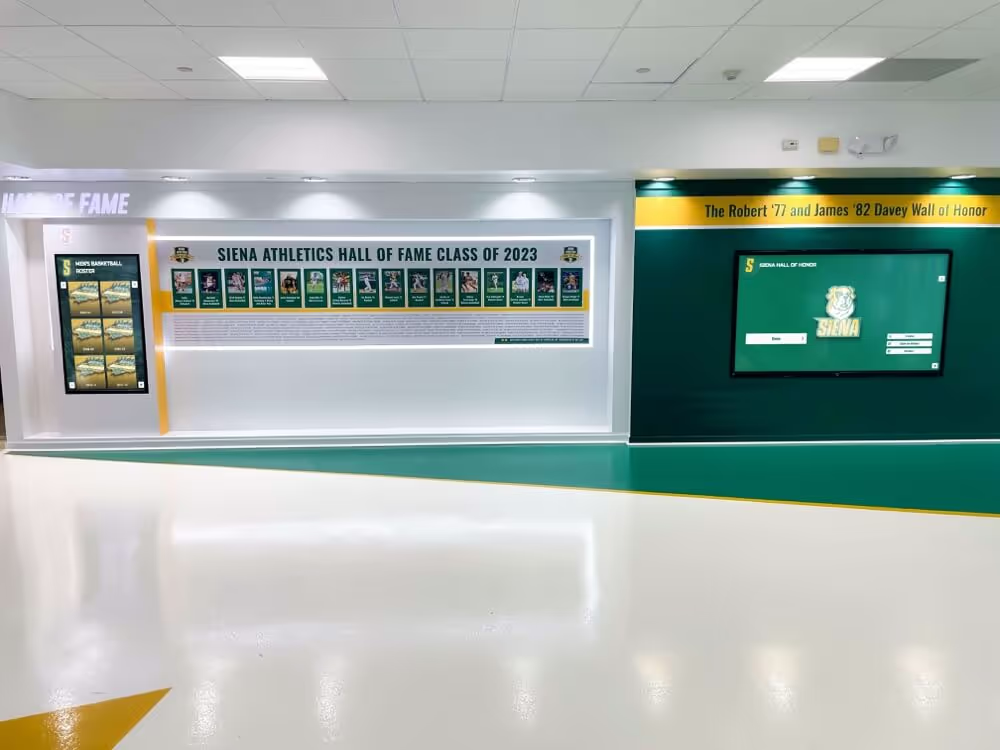
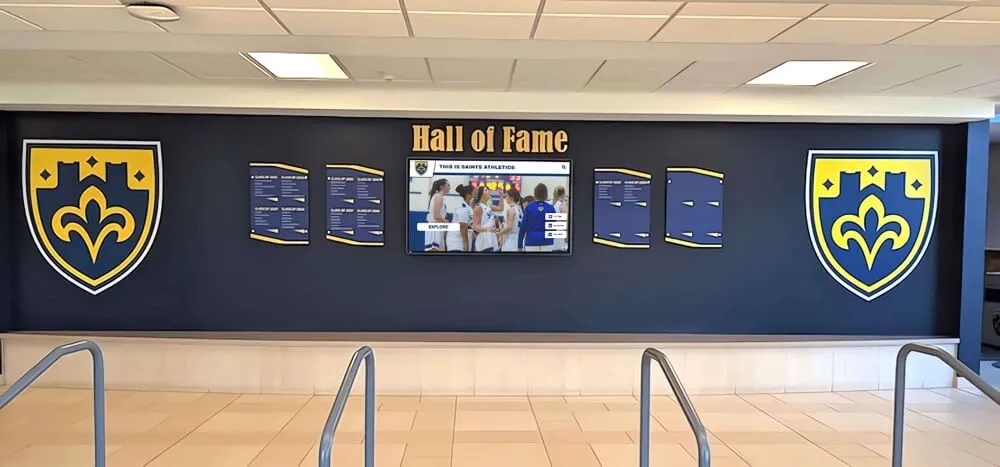
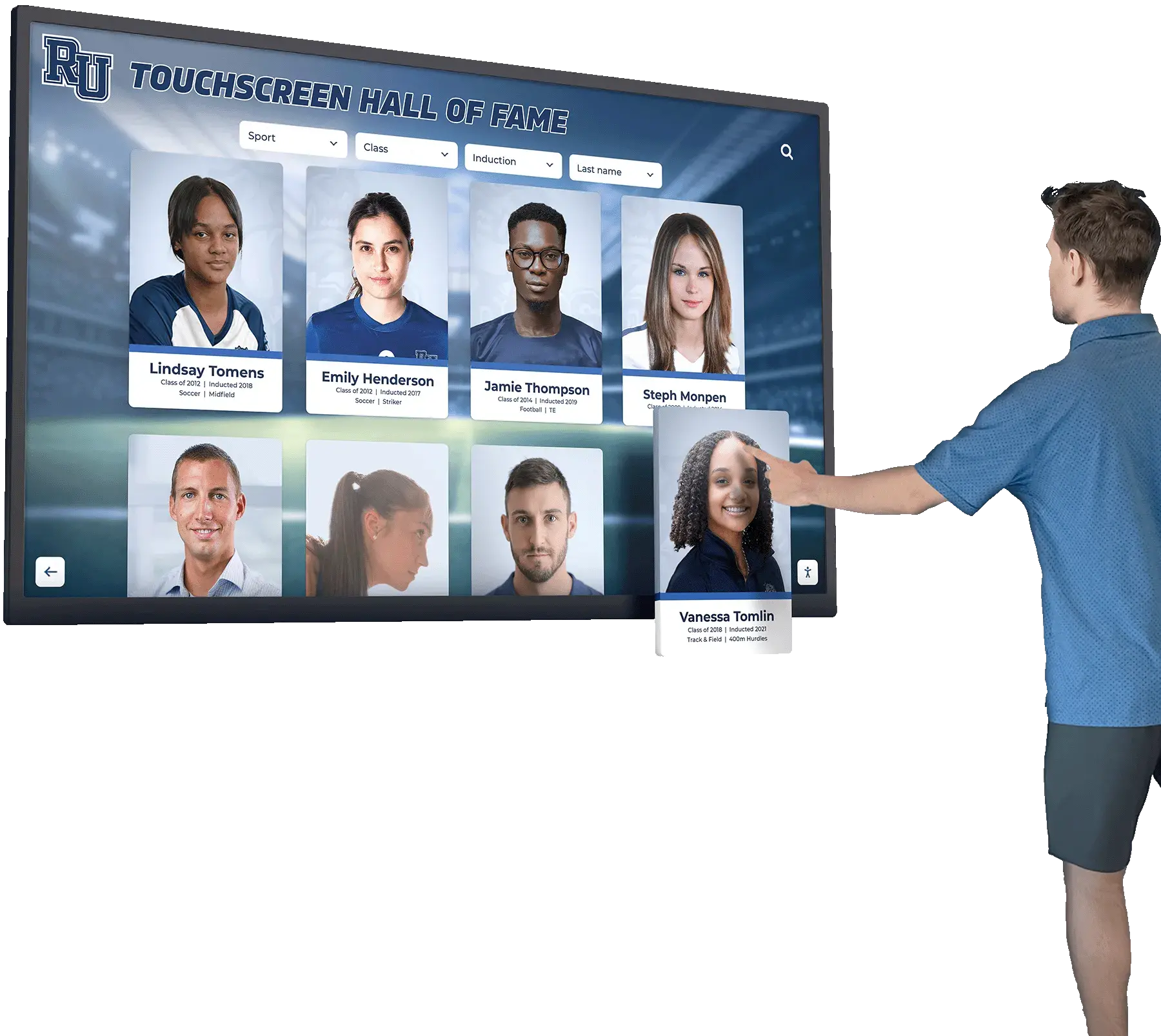
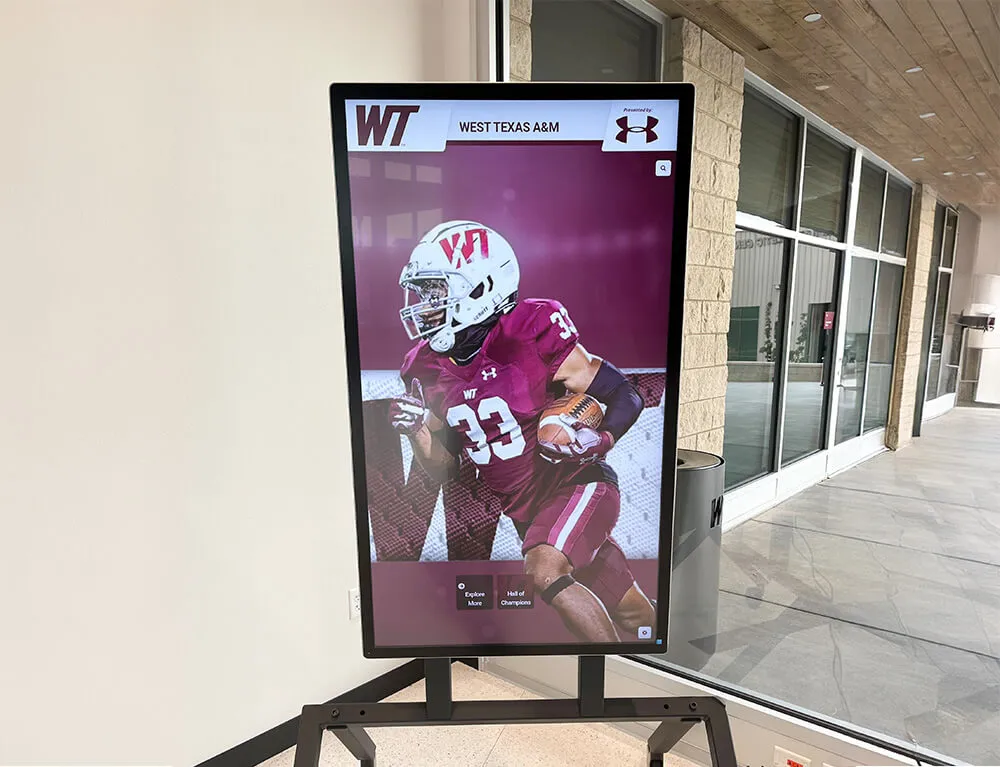
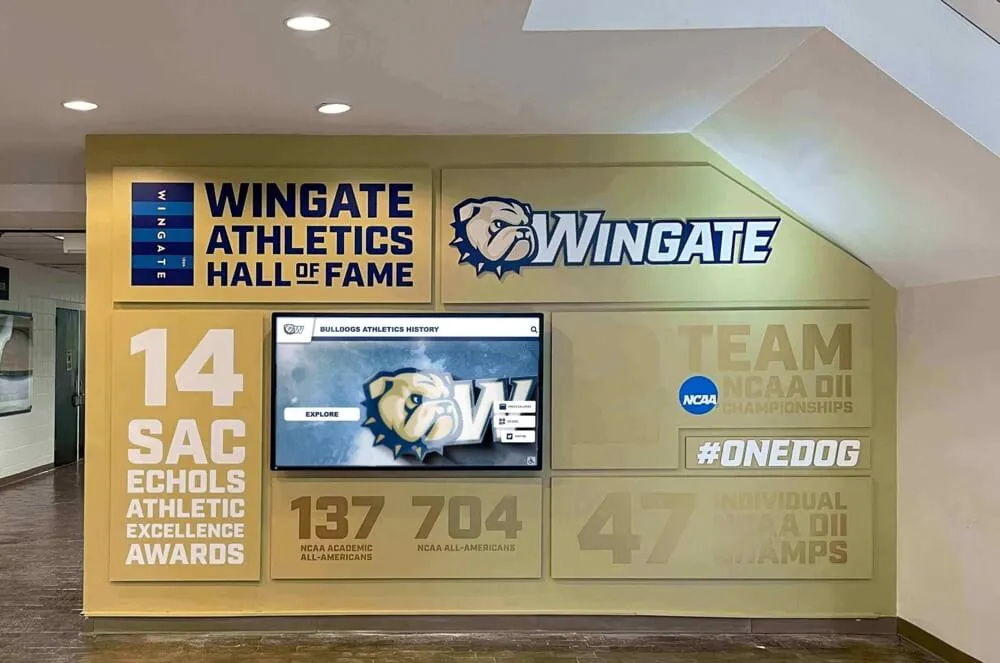
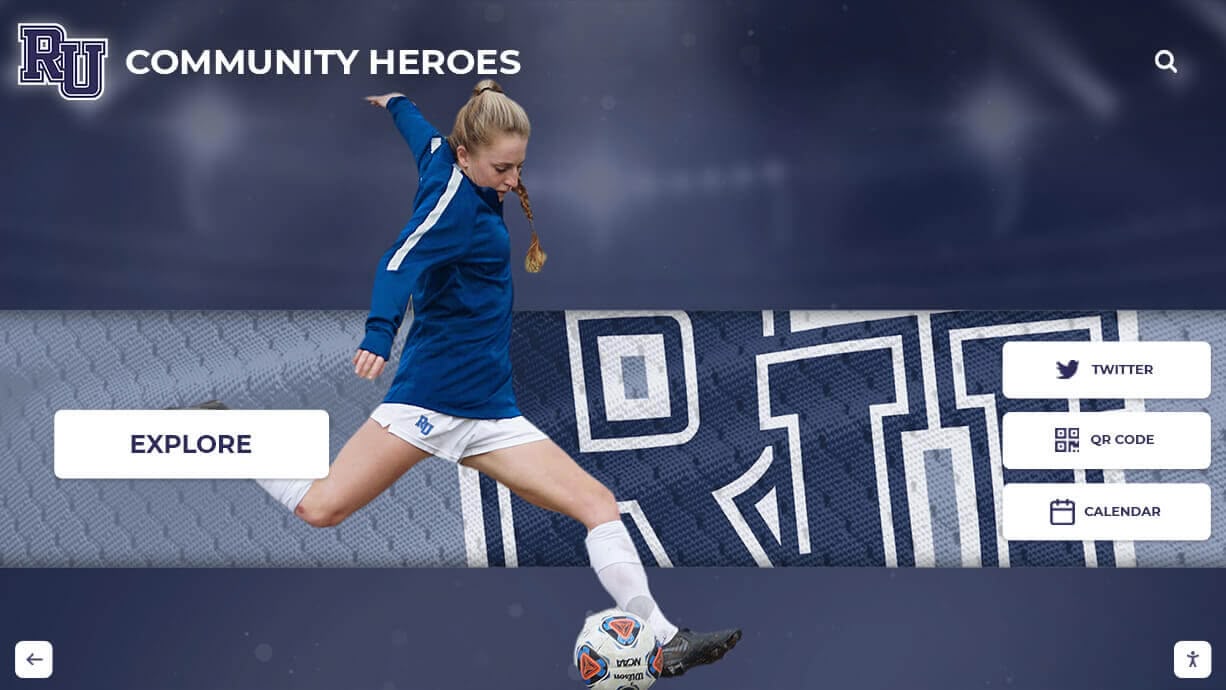
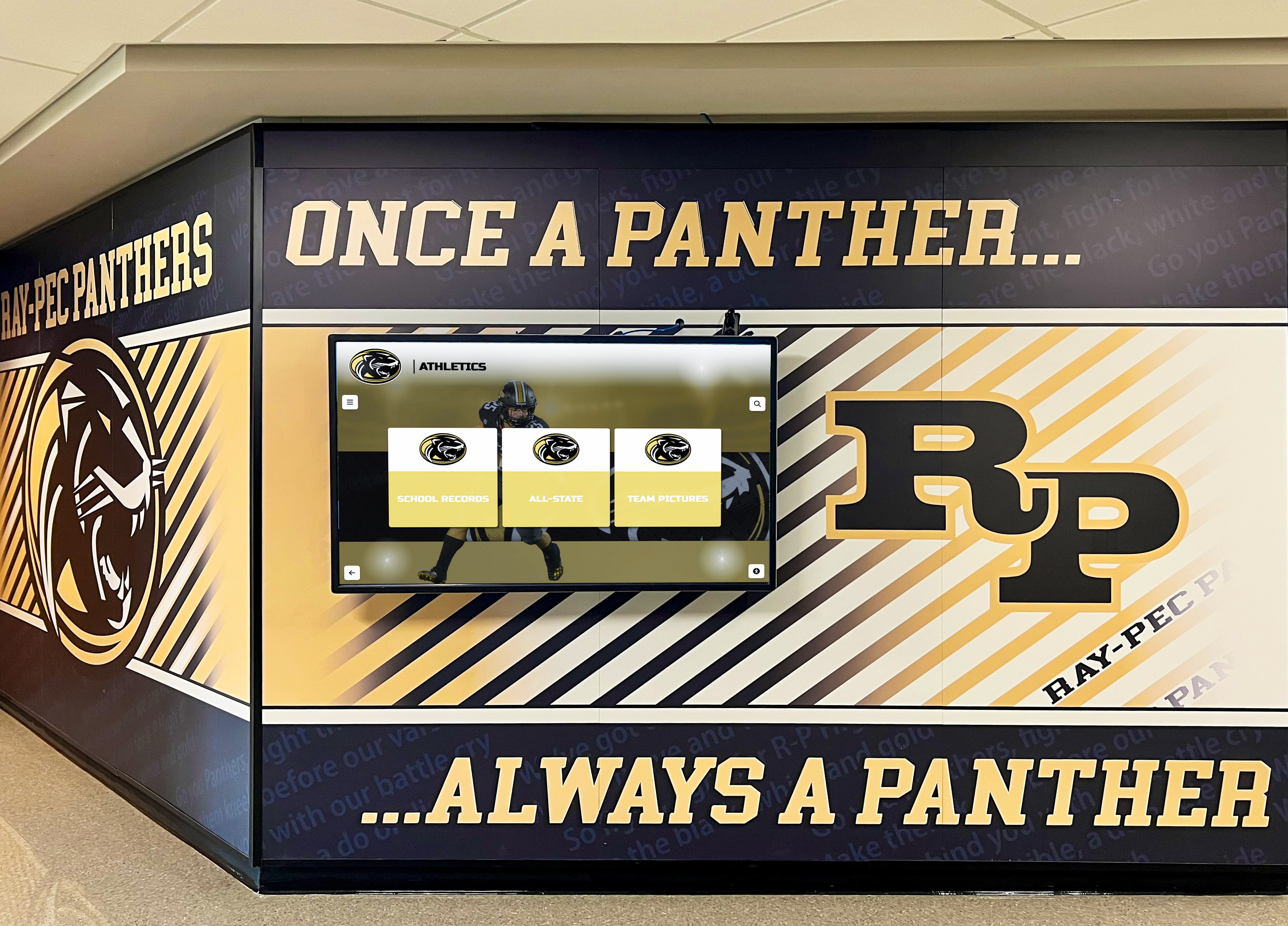
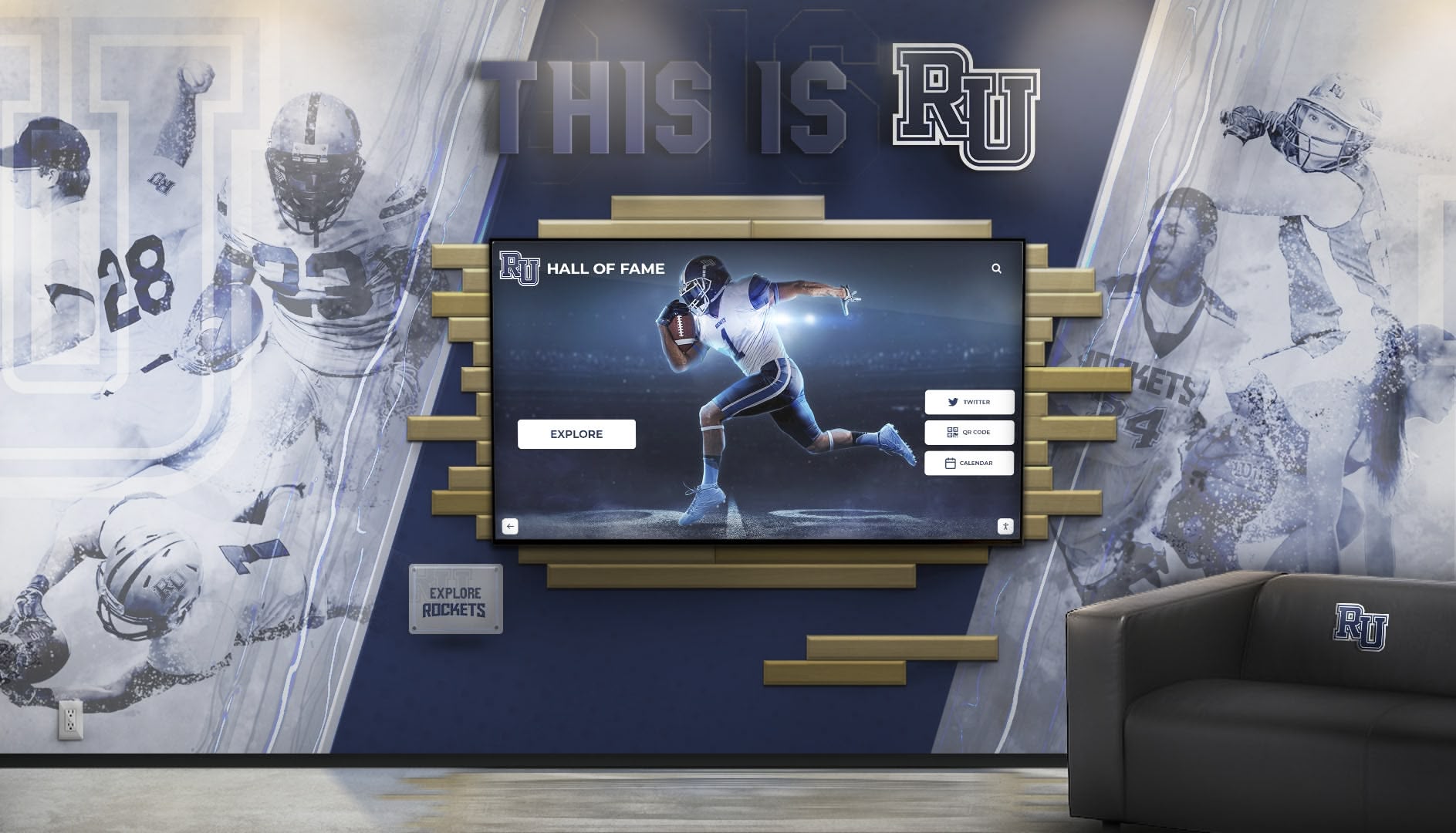
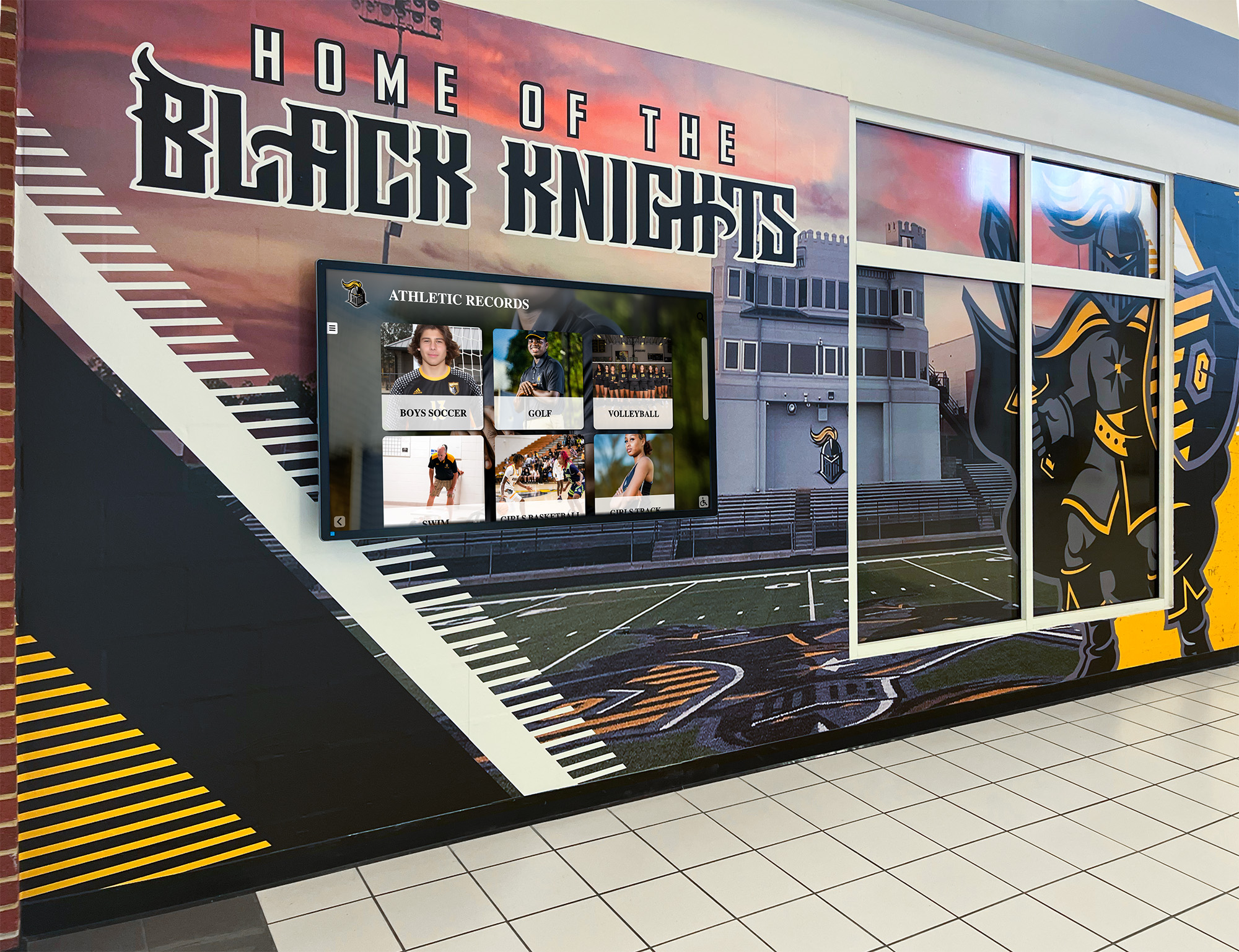
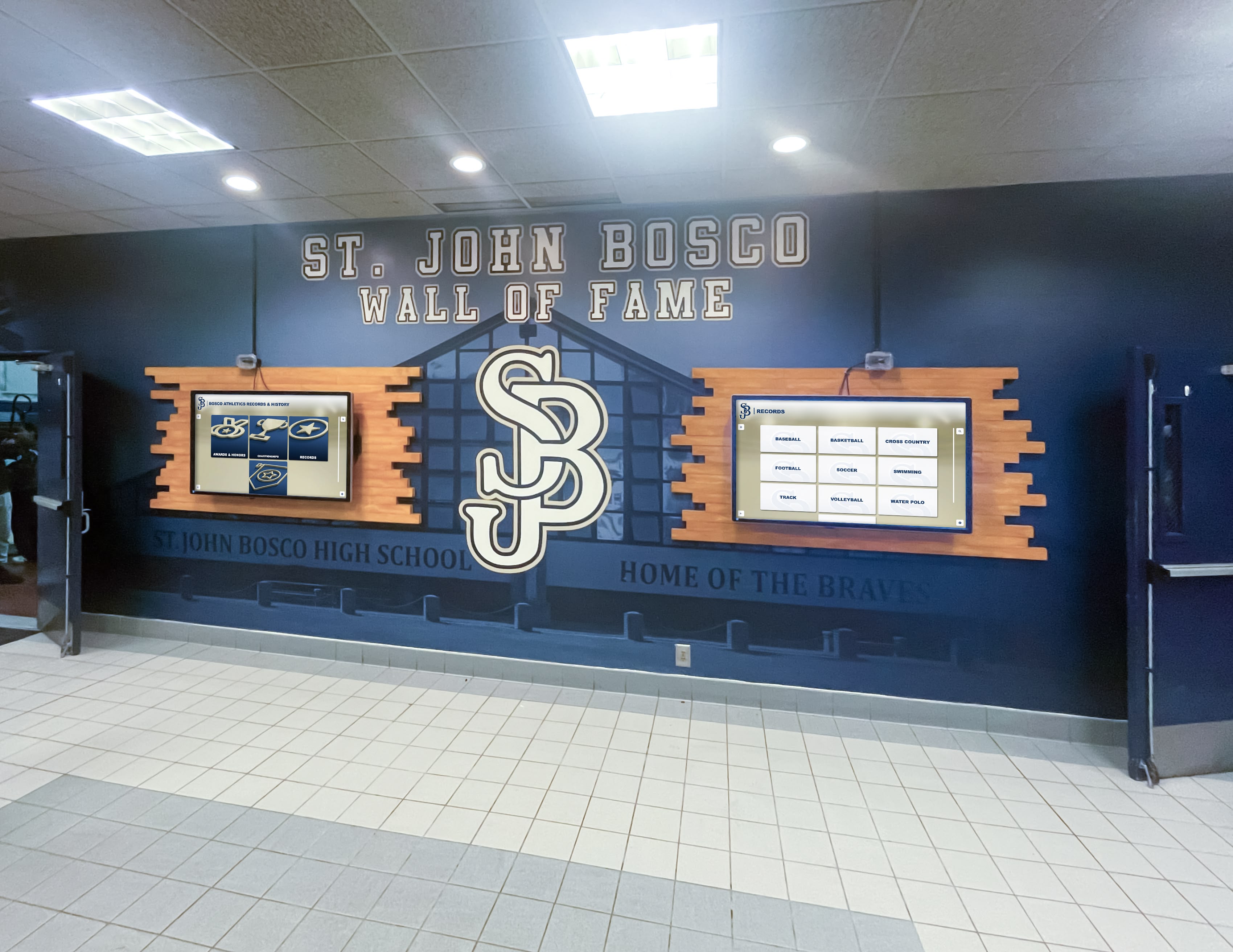
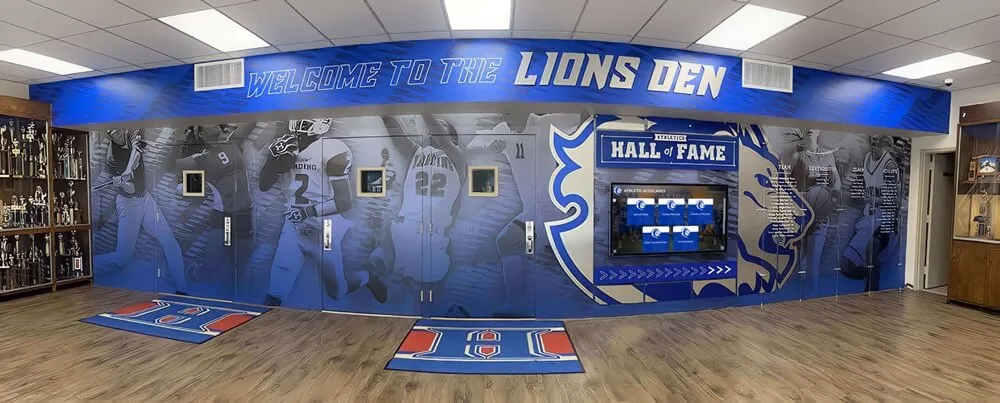
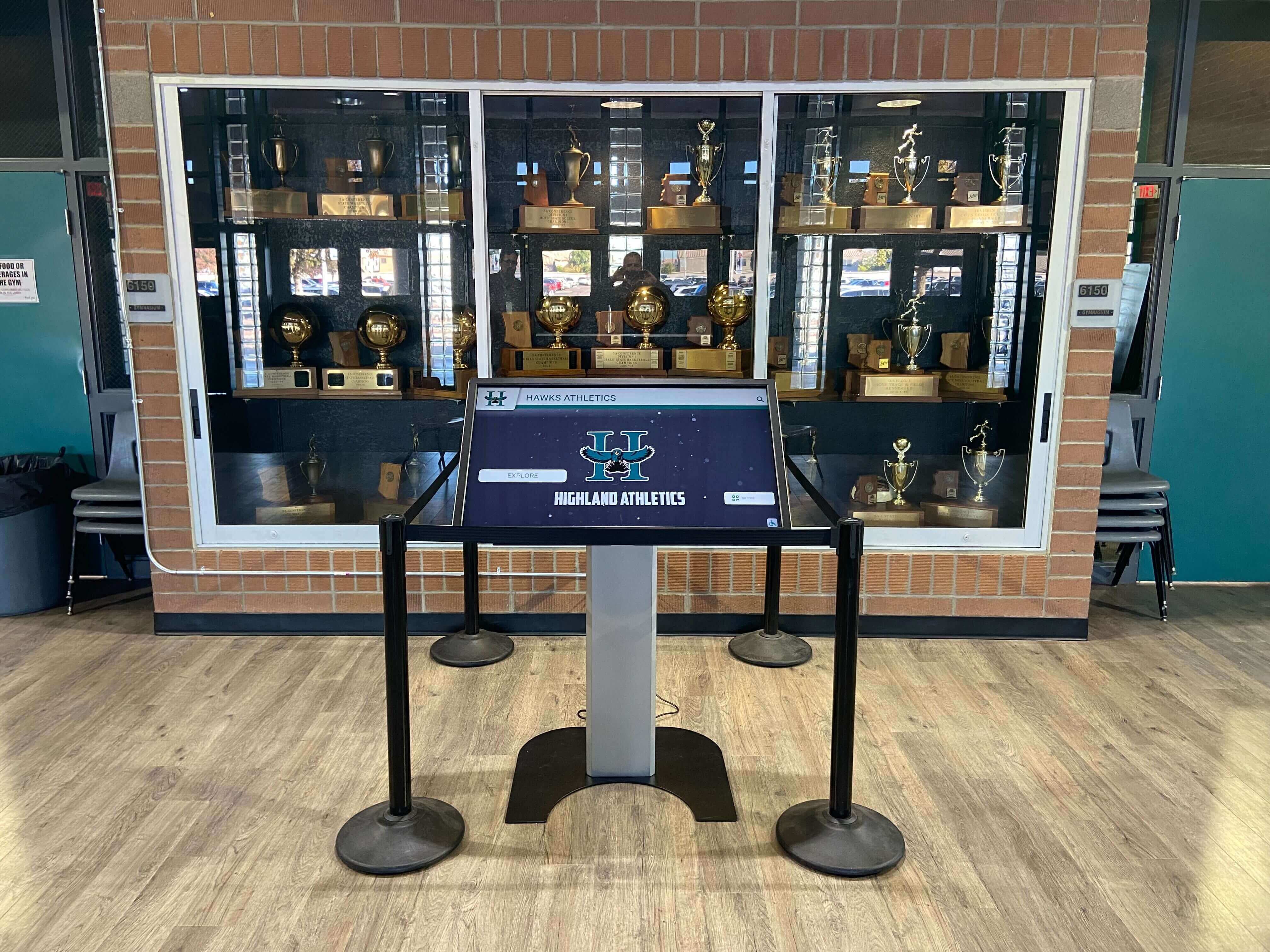
Interactive Touchscreen Displays: Large-format digital displays positioned in school lobbies, athletic wings, or fieldhouses providing searchable databases of athlete achievements, team histories, statistical records, and program information. Unlike static trophy cases limited by physical space, digital systems accommodate unlimited athletes across unlimited years with easy content updates requiring no physical reinstallation.
Comprehensive Historical Archives: Digital platforms automatically create searchable archives preserving every athlete’s achievements permanently. Current students can explore past program history, while alumni returning to campuses years or decades later can search their names finding their contributions still recognized and accessible. This permanent documentation creates lasting institutional memory that physical plaques cannot match.
Multi-Sport Integration: Single digital platforms can showcase achievements across all athletic programs—fall, winter, and spring sports plus performing arts and academic recognitions—creating comprehensive student achievement databases rather than fragmented sport-specific displays competing for limited wall space.
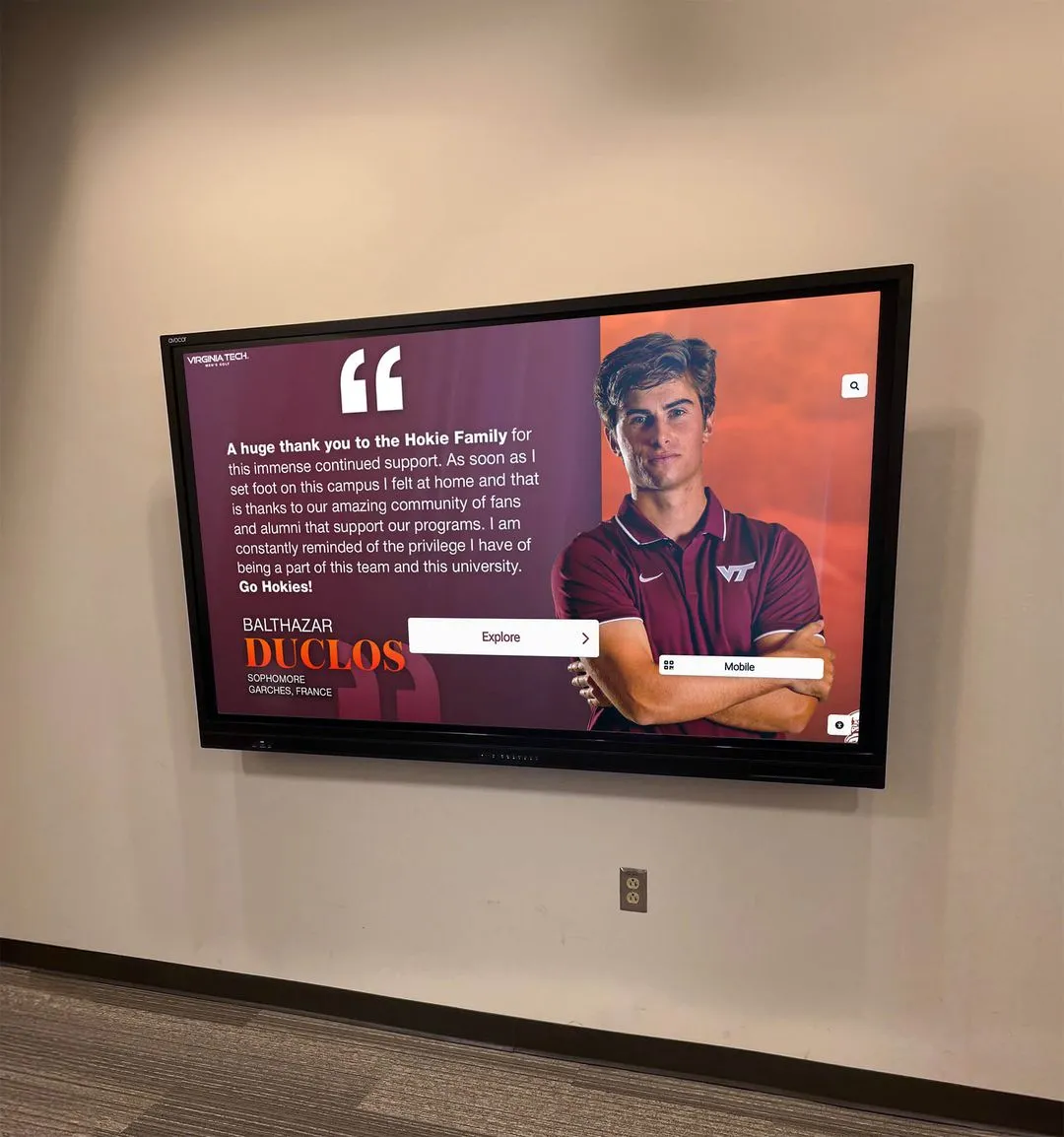
Enhanced Content Richness: Digital systems include photos, action videos, detailed statistics, biographical information, and personal testimonials rather than just names on plaques. This rich media content tells athlete stories more completely while creating more engaging experiences for viewers exploring displays.
Remote Accessibility: Cloud-based recognition platforms enable web access from anywhere, allowing families to share athlete achievements with distant relatives, alumni to explore program information remotely, and college coaches to research program quality from their offices. This extended accessibility amplifies recognition impact far beyond physical display locations.
Athletic directors evaluating digital hall of fame solutions for their programs report increased athlete engagement, stronger family connection, enhanced school pride, and reduced long-term costs compared to continuous physical plaque production.
Special Topics in Fall Sports
Several fall sports present unique considerations requiring specific understanding:
Football-Specific Considerations
Football’s prominence creates distinct dynamics:
Safety and Concussion Awareness: Football carries inherent injury risks including concussions requiring careful monitoring and conservative return-to-play protocols. Modern programs implement strict concussion protocols including baseline testing, immediate removal from play following head impacts, medical clearance requirements before return, and gradual return-to-play progressions. Parents should understand school concussion policies, communicate any prior concussion history, and never pressure athletes to return before medical clearance regardless of game importance.
Position Specialization: Unlike sports where athletes play multiple positions, football requires early position specialization due to different skill requirements (speed and hands for receivers, size and strength for linemen, arm strength and decision-making for quarterbacks). This specialization means athletic success depends partly on physical characteristics—a 5'9" 150-pound athlete likely succeeds as a running back or defensive back rather than offensive tackle regardless of effort level.
Equipment Costs: Football requires significant equipment investment including helmets, shoulder pads, practice pants, girdles, cleats, and protective gear. While schools provide most equipment, families often purchase personal items (cleats, girdles, gloves) costing $200-400. Equipment reconditioning, particularly helmets, ensures safety standards but requires annual recertification expenses programs pass through participation fees.
Time Commitment Intensity: Football demands the greatest time commitment of fall sports with daily practices, extensive film study, weight training expectations, and long Friday night games plus travel. Combined commitments easily reach 25+ weekly hours during season, making other activity participation difficult.
Volleyball and Soccer Considerations
These sports share similarities around club participation culture:
Club Sport Integration: Both volleyball and soccer feature extensive club programs operating year-round outside school seasons. High-level high school varsity competition increasingly assumes club experience, with late-arriving athletes lacking club backgrounds facing skill gaps making varsity roster achievement difficult. Families should understand club commitments typically require significant financial investment ($2,000-5,000+ annually) and extensive travel to tournaments.
Tournament Schedules: Both sports feature tournament-heavy schedules with weekend invitationals requiring full-day Saturday or weekend commitments. Championship tournaments may involve multiple-day commitments during school days requiring absence coordination with teachers and makeup work planning.
Positional Demands: Like football, positions require different physical characteristics and skills. Volleyball middles need height, setters need court vision and touch, liberos need defensive range and passing consistency. Soccer midfielders need endurance, forwards need speed and finishing ability, goalkeepers need reflexes and positioning instincts. Understanding positional fit helps set realistic role expectations.
Cross Country: The Accessible Fall Sport
Cross country offers unique characteristics making it particularly valuable for certain athletes:
Low Entry Barriers: Unlike many sports with competitive tryouts and roster cuts, cross country programs typically accept all interested athletes regardless of experience or current fitness level. This accessibility provides athletic opportunities for students who don’t fit football/volleyball/soccer rosters while offering legitimate varsity competition potential through consistent training.
Individual and Team Dimensions: Cross country simultaneously functions as individual and team sport. Athletes compete for individual race placement while team scoring combines top runners’ finishes. This dual nature accommodates both competitive athletes pursuing individual achievement and team-oriented participants contributing to collective success.
Fitness Foundation: Distance running provides exceptional cardiovascular foundation transferring to other sports and activities. Many successful spring track athletes begin running careers through fall cross country, using autumn months to build endurance bases before spring speed development.
Minimal Equipment Needs: Beyond quality running shoes ($100-150), cross country requires minimal equipment investment compared to sports requiring pads, sticks, or specialized gear. This affordability makes participation accessible regardless of family economic circumstances.
Supporting Mental Health and Wellbeing
Athletic participation provides tremendous developmental benefits while also creating stress requiring attention to mental health and overall wellbeing:
Recognizing Stress and Pressure
Student athletes face multiple pressure sources including:
Performance Pressure: Anxiety about performing well, fear of making mistakes, pressure to justify roster spots or starting positions, and stress about meeting perceived coach and parent expectations. This pressure intensifies during crucial games, championship competitions, or situations where college recruitment depends on performance demonstration.
Time Pressure: Stress from juggling academics, athletics, social life, college preparation activities, and family obligations within limited time. The constant schedule pressure of racing from school to practice to homework to sleep creates chronic stress rarely allowing true relaxation.
Social Pressure: Pressure to maintain friend relationships despite limited free time, navigate team social dynamics and cliques, and balance athlete identity with other aspects of self-concept.
Identity Pressure: Particularly for athletes whose primary self-concept centers on athletic success, struggles with performance, injuries, or unexpected roster status changes threaten core identity creating existential anxiety beyond just disappointment.
When to Seek Help
Parents and athletes should recognize warning signs suggesting professional support may benefit mental health:
- Persistent anxiety or worry about sports beyond normal pre-competition nervousness
- Depressed mood, loss of interest in previously enjoyed activities, or social withdrawal
- Sleep disturbances (difficulty falling asleep, early waking) related to sport stress
- Appetite changes or disordered eating behaviors
- Somatic complaints (stomach aches, headaches) without medical explanation, particularly before competitions
- Extreme reactions to setbacks (intense anger, complete shutdown, catastrophic thinking)
- Statements about worthlessness, feeling like a failure, or not wanting to continue activities
- Isolation from teammates, friends, or family members
- Academic performance decline beyond typical challenging schedule adjustment
Most schools provide access to counselors or psychologists who understand student-athlete pressures. Many communities include sport psychologists specializing in performance anxiety, competitive stress, and athletic identity issues. Seeking support represents strength and self-awareness rather than weakness or inability to handle pressure.
Building Healthy Habits for Athletic Performance
Fall sports success depends significantly on lifestyle choices supporting athletic performance:
Nutrition Fundamentals
Athletic performance requires proper fueling:
Daily Nutrition: Student athletes require more calories than sedentary peers due to energy expenditure during training and competition. Emphasis should include complex carbohydrates (whole grains, fruits, vegetables) providing sustained energy, lean proteins (chicken, fish, beans) supporting muscle repair and development, healthy fats (nuts, avocados, olive oil) supporting hormone production and recovery, and adequate hydration (clear or light-colored urine indicates proper hydration status).
Pre-Competition Nutrition: Eat balanced meals 3-4 hours before competitions including carbohydrates for energy, moderate protein, and minimal fat (which digests slowly). Light carbohydrate snacks 30-60 minutes before competition provide final energy boost without digestive discomfort. Hydrate steadily throughout the day rather than consuming large water volumes immediately before competition.
Recovery Nutrition: Consume carbohydrates and protein within 30-60 minutes following training or competition to optimize recovery. This “golden window” provides optimal nutrient absorption supporting muscle repair and glycogen replenishment. Chocolate milk offers excellent recovery nutrition combining carbohydrates and protein in appropriate ratios at low cost.
Sleep and Recovery
Athletic development occurs during rest periods when bodies adapt to training stimuli:
Sleep Requirements: High school athletes require 8-10 hours nightly for optimal recovery, physical development, and academic performance. Research consistently demonstrates that insufficient sleep impairs athletic performance, increases injury risk, weakens immune function, and reduces academic achievement. Unfortunately, typical student-athlete schedules—early school start times, afternoon practice, evening homework—make adequate sleep difficult to achieve without intentional prioritization.
Sleep Hygiene Practices: Improve sleep quality by maintaining consistent sleep and wake schedules even on weekends, avoiding screens (phones, tablets, computers) for 30-60 minutes before bed since blue light suppresses melatonin production, keeping bedrooms cool and dark, avoiding caffeine after early afternoon, and establishing consistent bedtime routines signaling body preparation for sleep.
Recovery Strategies: Beyond sleep, incorporate active recovery practices including light activity days, foam rolling or stretching addressing muscle tightness, ice baths or contrast baths reducing inflammation following intense training, and complete rest days allowing physical and mental recovery. Training stimulus plus adequate recovery produces adaptation—training without recovery produces only fatigue and increased injury risk.
Conclusion: Making the Most of Fall Sports Experience
Fall sports participation offers exceptional opportunities for physical development, character building, lifelong friendship formation, and memorable high school experiences that resonate for decades. The Friday night lights, packed volleyball gyms, intense soccer matches, and challenging cross country courses create defining moments in adolescent development while teaching lessons about commitment, resilience, teamwork, and excellence pursuit that extend far beyond athletics into future careers and relationships.
Success in high school fall sports requires realistic expectations about competitive levels and playing time realities, intentional time management balancing academics and athletics, healthy coach-athlete-parent relationships respecting appropriate boundaries, focus on controllable factors rather than comparative concerns about playing time or recruitment, proper self-care through nutrition and recovery, and perspective maintaining that athletics represent important but not exclusive dimensions of identity and worth.
For parents, optimal support combines visible engagement attending competitions when possible with respect for athlete autonomy, celebration of effort and growth rather than just outcomes, appropriate coach communication focused on legitimate concerns rather than routine decisions, and help processing disappointments constructively while maintaining broader life perspective.
Modern recognition solutions from providers like Rocket Alumni Solutions help schools celebrate fall sports achievements comprehensively through digital recognition platforms that honor diverse contributions, create permanent historical archives, and build lasting connections between athletes and their programs. These systems ensure that the countless hours of practice, the moments of triumph and disappointment, the friendships forged, and the lessons learned receive recognition that endures beyond brief trophy case displays into searchable databases accessible for generations.
Fall sports season brings communities together through shared support of student-athletes pursuing excellence in football, volleyball, soccer, cross country, and other autumn competitions. Whether your athlete becomes an all-state selection, a reliable role player, or someone who simply completes the season having discovered that particular sport isn’t their calling, the fall sports experience provides valuable development opportunities and memories that shape character and create connections lasting far beyond final whistles.
Ready to enhance how your school recognizes fall sports achievement and builds lasting connections with student athletes? Explore comprehensive digital recognition solutions designed specifically for athletic programs that celebrate achievement, preserve program history, and create engaging experiences ensuring every athlete’s contributions receive recognition they deserve.