



Key Takeaways
Discover how digital displays transform end-of-semester honor roll recognition. Compare top solutions, explore features, and learn implementation strategies for celebrating academic excellence.
The final weeks of each semester bring significant milestones in the academic calendar—final exams complete, grades submitted, and honor roll lists compiled. For students who maintained strong academic performance throughout challenging months of coursework, this recognition moment matters tremendously. Yet many schools still rely on temporary recognition methods that diminish the significance of students’ achievements before the celebration even begins.
Digital recognition displays fundamentally change how schools acknowledge end-of-semester honor roll achievement by creating permanent, engaging, and comprehensive celebration systems that honor every deserving student appropriately while inspiring peers to pursue similar excellence in upcoming semesters.
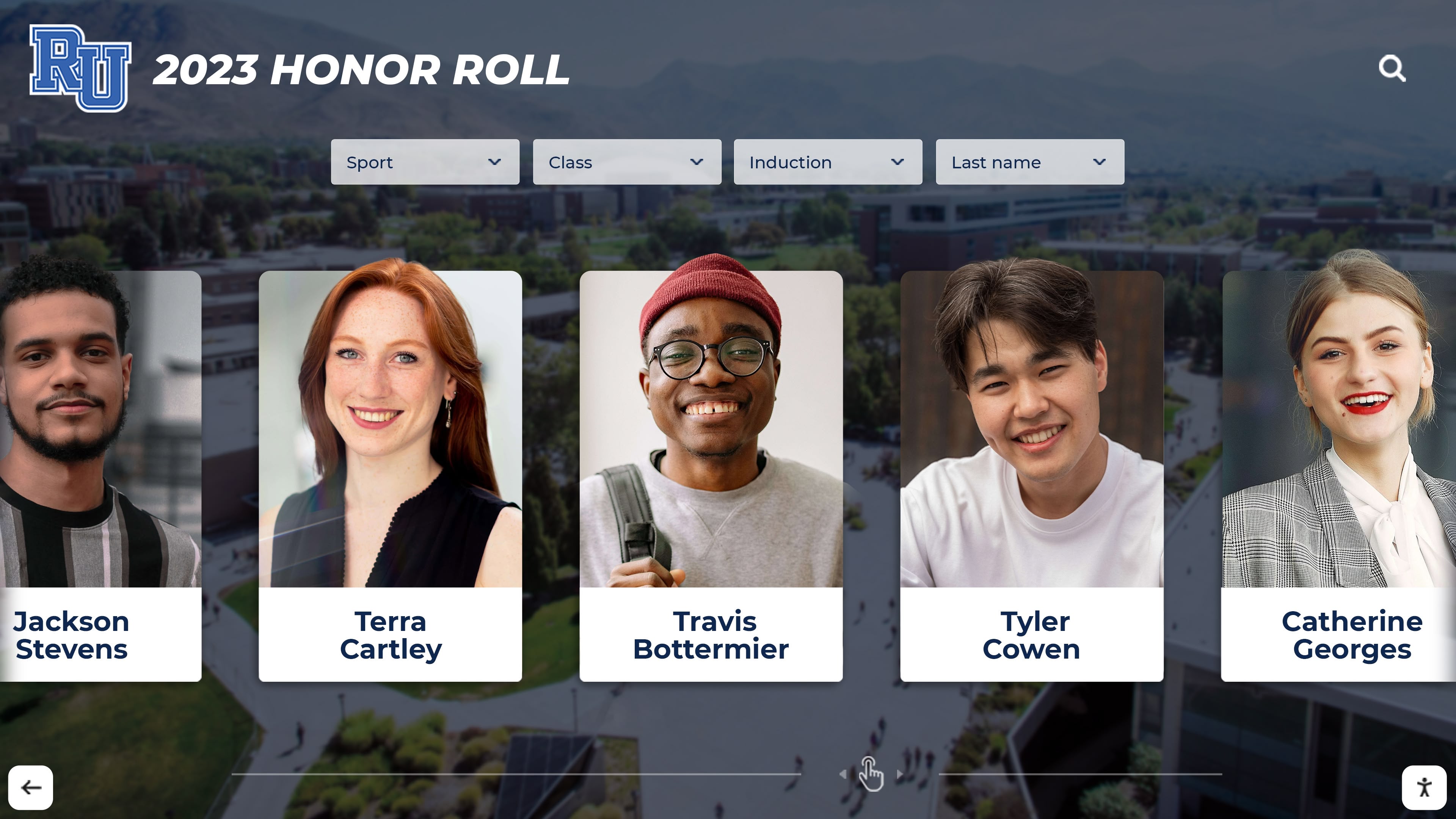
Modern digital displays create year-round visibility for honor roll achievements rather than temporary recognition that quickly fades from community awareness.
Understanding End-of-Semester Honor Roll Recognition
Before evaluating digital display solutions, understanding what effective honor roll recognition requires ensures technology selection aligns with educational goals and student needs.
The Significance of Semester Recognition Cycles
Academic calendars typically include two or three grading periods annually, with each semester representing substantial achievement requiring months of consistent effort, sustained attention across multiple subjects, and effective time management balancing academic and extracurricular commitments.
Semester Recognition Advantages:
Unlike quarterly recognition programs, semester-based honor rolls provide longer evaluation periods reducing impact of temporary performance fluctuations, meaningful achievement thresholds requiring sustained excellence rather than brief effort spikes, and comprehensive assessment across full courses demonstrating mastery of complete curriculum units.
Schools implementing semester honor roll programs create recognition that feels earned and significant rather than routine acknowledgment that loses motivational power through excessive frequency. Research in educational motivation suggests that recognition timing significantly impacts its effectiveness—too frequent and it becomes expected background noise, too infrequent and students lose connection between effort and acknowledgment.
For schools managing multiple recognition programs, explore comprehensive academic recognition program frameworks that integrate honor roll with other achievement systems.
Common Semester Honor Roll Categories
Most schools implement tiered recognition structures ensuring students at multiple achievement levels receive appropriate acknowledgment:
Standard Honor Roll - Typically recognizing students achieving 3.0 to 3.49 semester GPA, demonstrating solid academic performance across coursework requiring consistent effort and effective study habits.
High Honor Roll - Generally awarded for 3.5 to 3.74 semester GPA, indicating excellence in most subjects with strong overall academic performance suggesting mastery of challenging material.
Highest Honor Roll - Usually reserved for students achieving 3.75 GPA or higher, representing exceptional academic excellence requiring outstanding performance across all coursework.
Perfect GPA Recognition - Special acknowledgment for students earning 4.0 semesters, celebrating flawless academic performance that required sustained excellence without any performance lapses throughout the entire grading period.
Some schools additionally recognize improvement trajectories, acknowledging students making significant GPA gains from previous semesters regardless of absolute achievement levels, ensuring recognition systems motivate growth across all student populations rather than only those already performing at high levels.
The Limitations of Traditional Semester Recognition Methods
Understanding why conventional honor roll recognition falls short helps clarify why digital solutions have become essential for effective academic celebration programs.
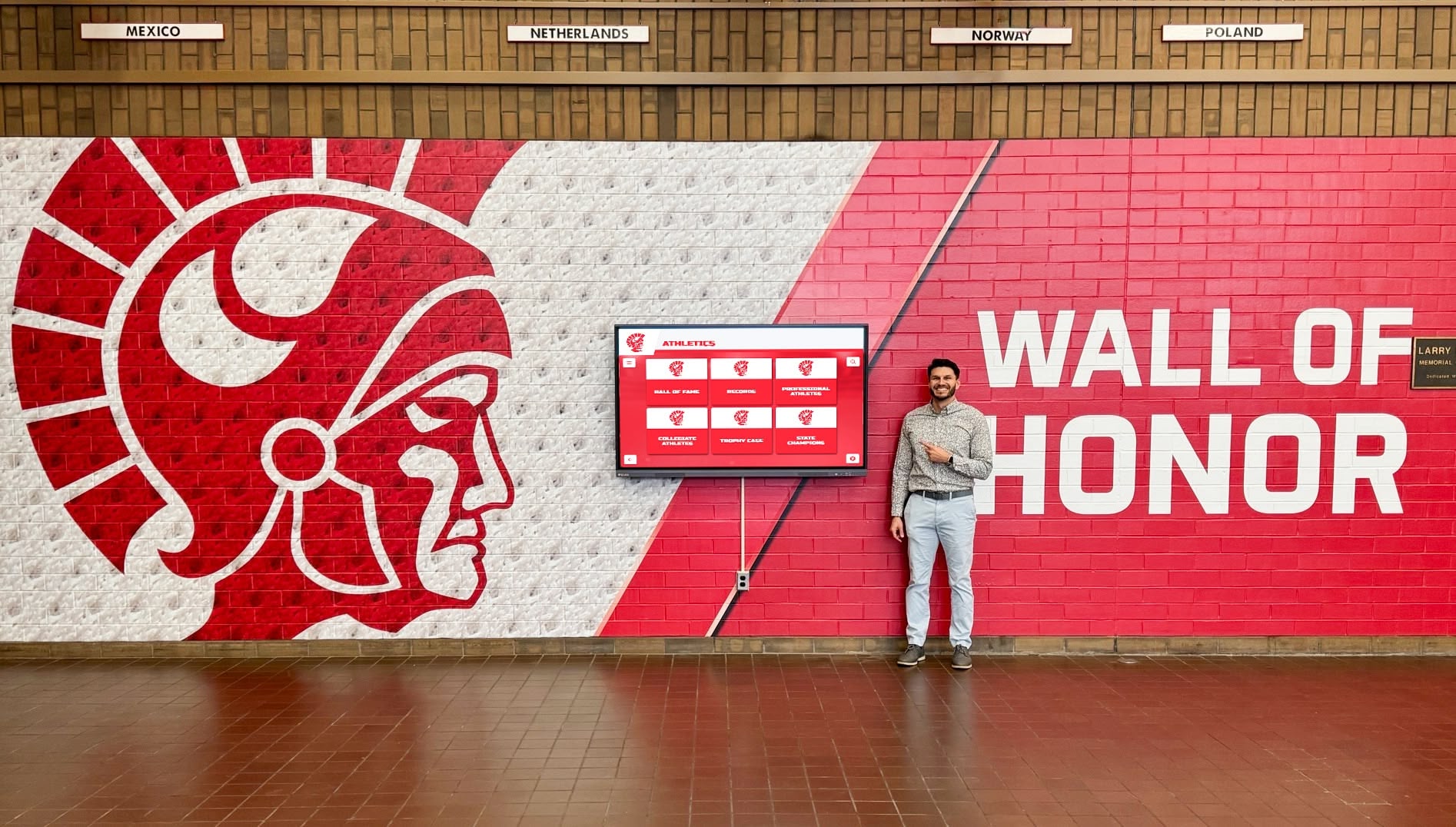
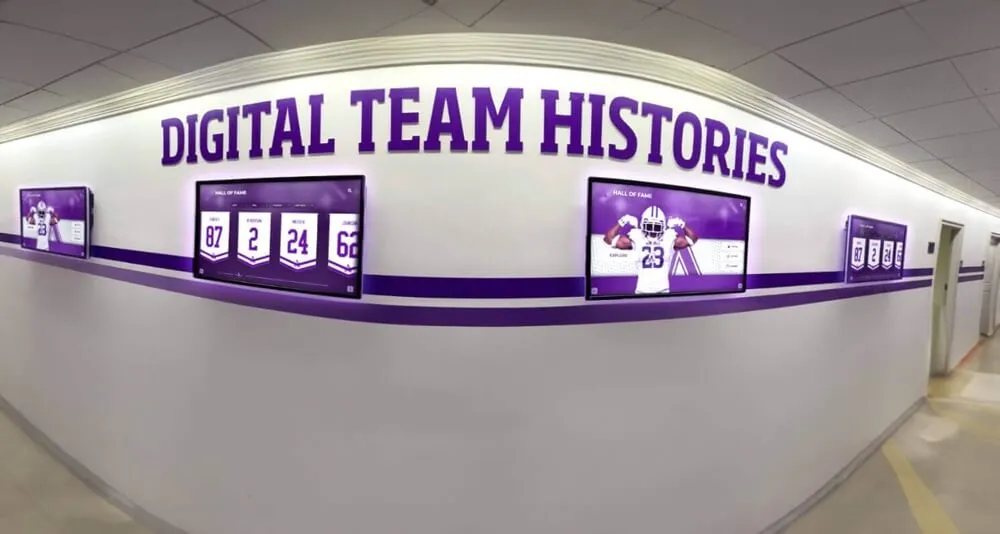
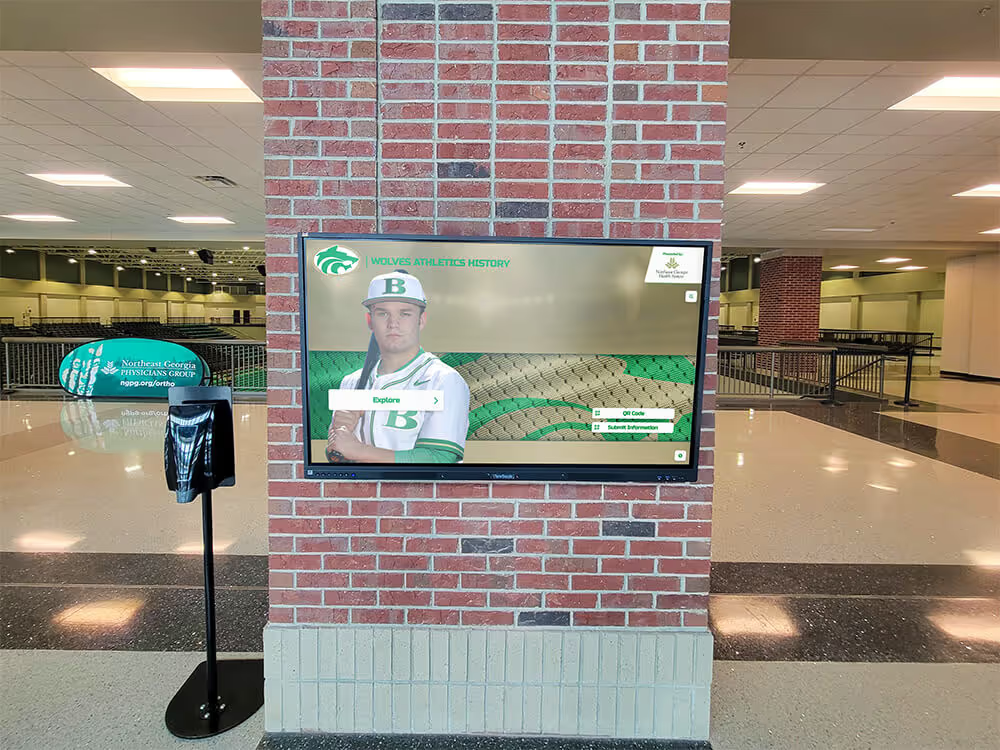
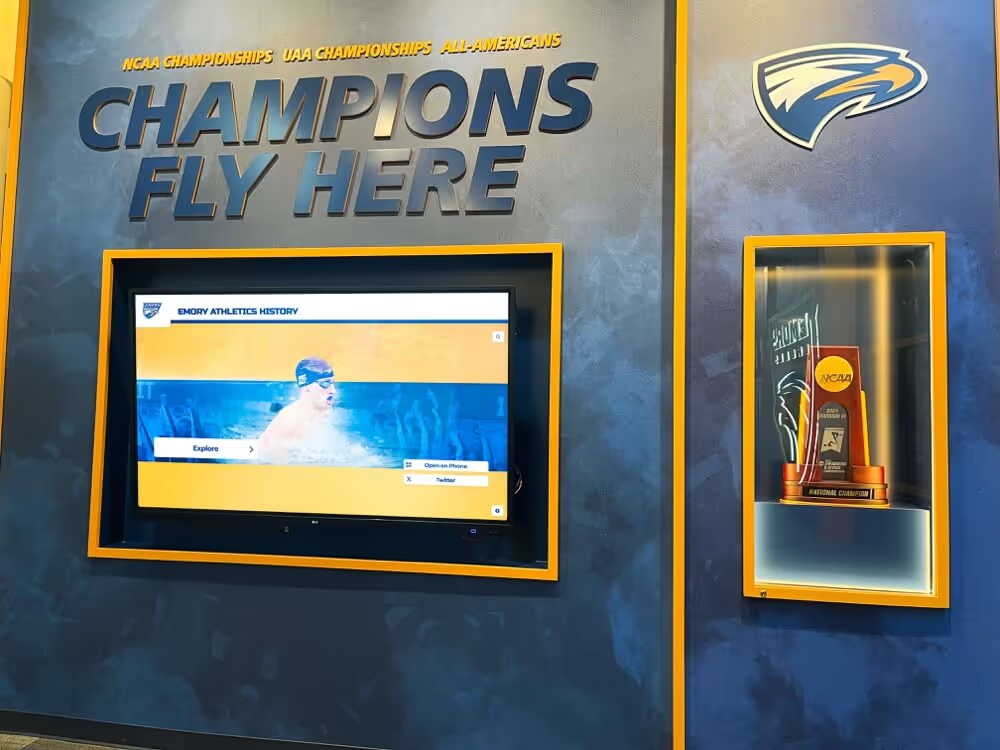
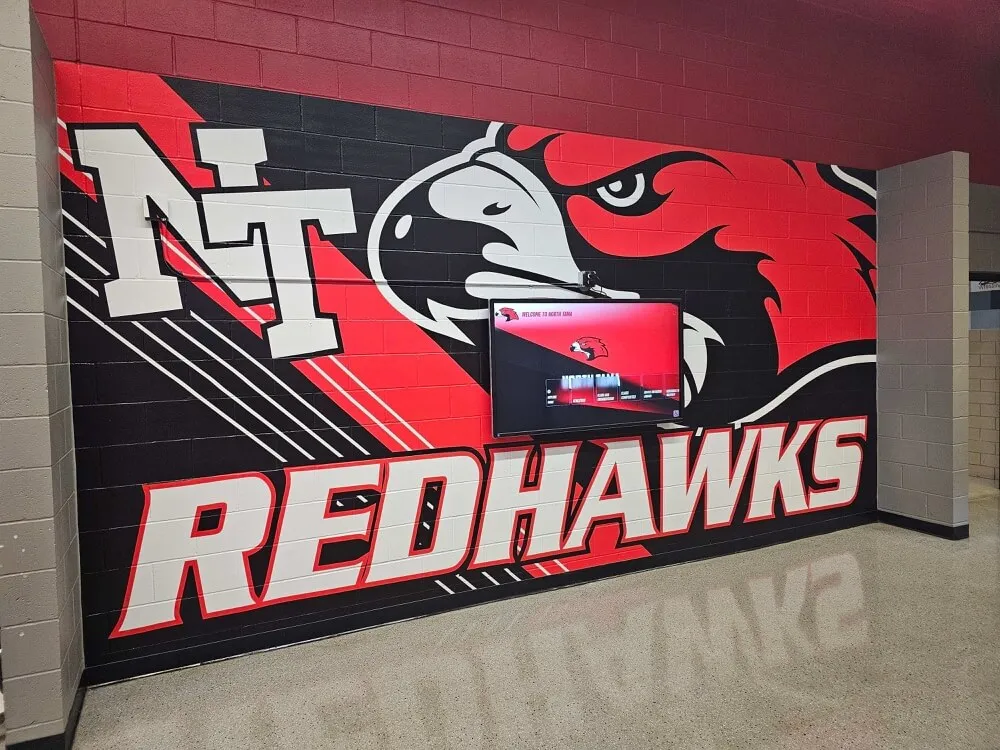
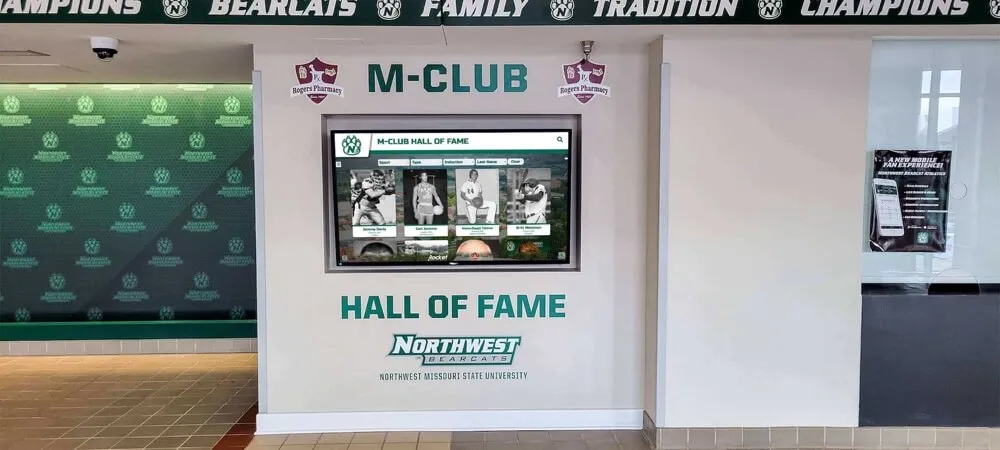
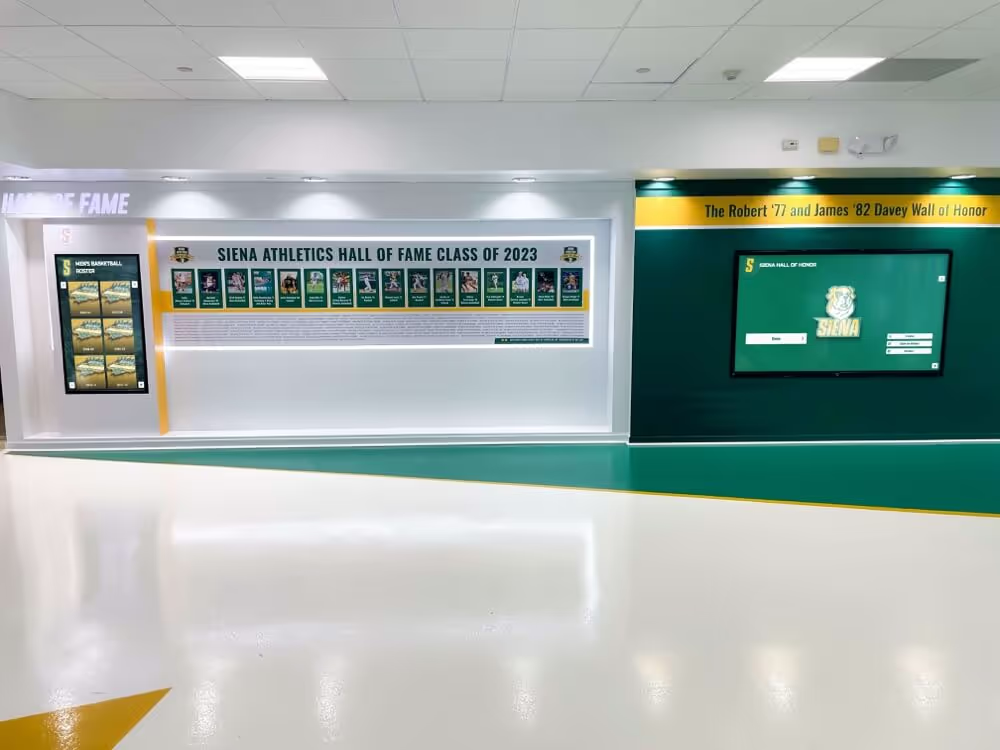
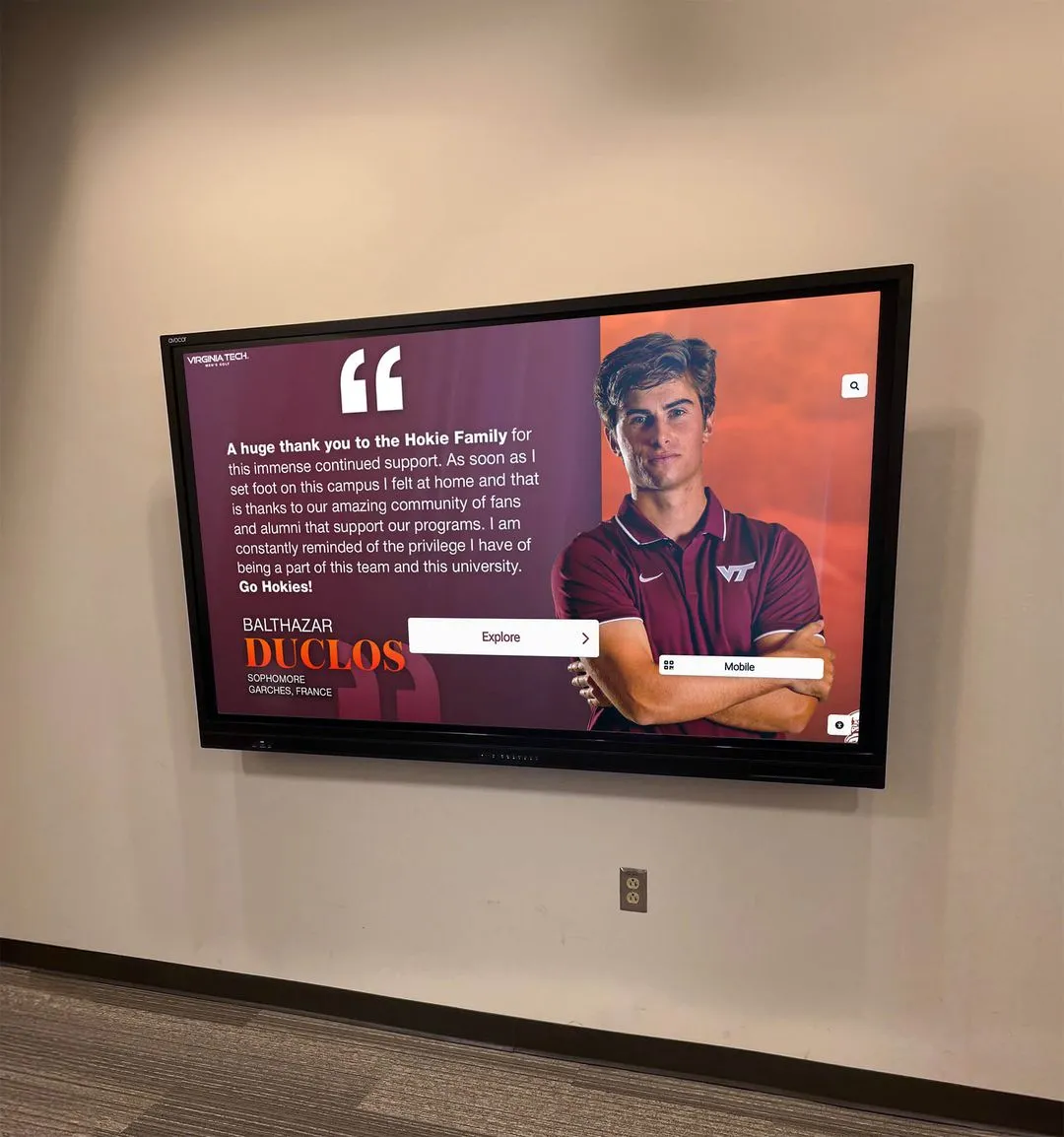
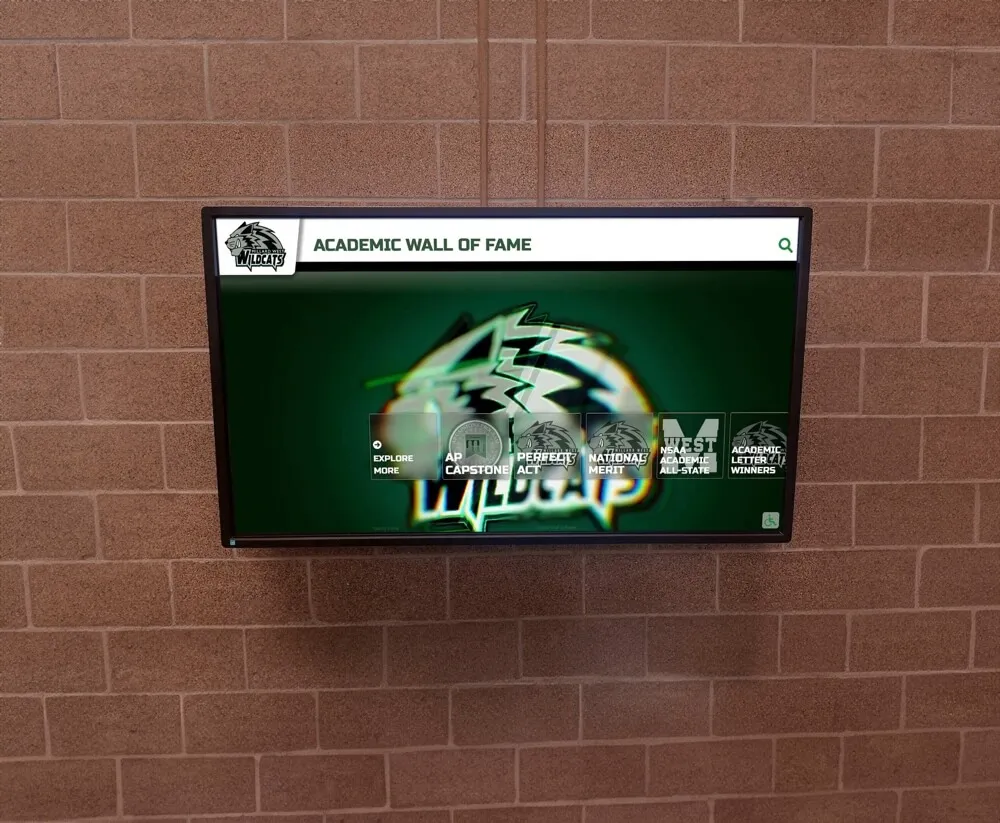
Strategic placement in high-traffic areas ensures honor roll achievements receive the consistent visibility students deserve.
Temporary Visibility Undermines Recognition Value
Traditional semester recognition typically involves printed lists posted on bulletin boards, brief mentions during end-of-semester assemblies, newsletter announcements that families read once, and certificates stored in folders where only individual recipients ever see them again.
These temporary recognition formats create several significant problems. The acknowledgment feels transient rather than permanent—students work for months only to receive recognition that disappears within weeks. Community awareness remains limited to brief windows rather than creating sustained cultural impact demonstrating institutional priorities around academic excellence. Historical records become inaccessible—future students can’t explore institutional academic traditions or see achievement role models from previous years.
When recognition visibility lasts only days or weeks, the motivational impact diminishes substantially compared to permanent recognition systems where achievements remain celebrated indefinitely, creating ongoing inspiration for current students while honoring past recipients appropriately.
Physical Space Constraints Force Exclusions
Schools using traditional plaques or physical recognition walls face capacity limitations requiring difficult choices about which achievements receive visibility. A standard bulletin board might accommodate 50-100 names before exhausting available space, forcing compromises:
- Displaying only highest achievers while excluding regular and high honor roll recipients
- Rotation systems removing previous semesters’ honorees to accommodate current students
- Overflow recognition in less prominent locations signaling secondary importance
- Incomplete historical records missing scholars from capacity-constrained periods
- Expensive physical expansion requiring construction, materials, and significant investment
These space limitations create recognition inequities exactly when growing academic participation should be celebrated as evidence of improving educational outcomes. Students who earned legitimate honor roll recognition but got excluded due to physical constraints receive inadequate acknowledgment that fails to honor their significant achievement appropriately.
Manual Updates Create Delays and Errors
Traditional recognition systems require substantial manual effort each semester including printing updated lists, physically installing or replacing recognition displays, verifying accuracy of student information across multiple sources, and coordinating timing across administrative, faculty, and communications teams.
This manual process introduces delays between grade submission and public recognition—often weeks pass before honor roll displays appear. By the time recognition goes public, students have mentally moved to new semesters and different academic challenges, reducing the motivational impact of acknowledgment that feels disconnected from the achievement moment.
Additionally, manual processes introduce error risks. Transcription mistakes, outdated student information, and missing students who earned recognition create frustration that undermines the positive impact schools intended by implementing honor roll programs in the first place.
Learn more about modern honor roll recognition solutions that eliminate these traditional limitations through automated, comprehensive digital systems.
Digital Display Solutions: Comparing Recognition Platforms
Schools evaluating digital honor roll display systems face numerous options ranging from purpose-built academic recognition platforms to adapted digital signage systems. Understanding key differences ensures decisions align with institutional needs and budget realities.
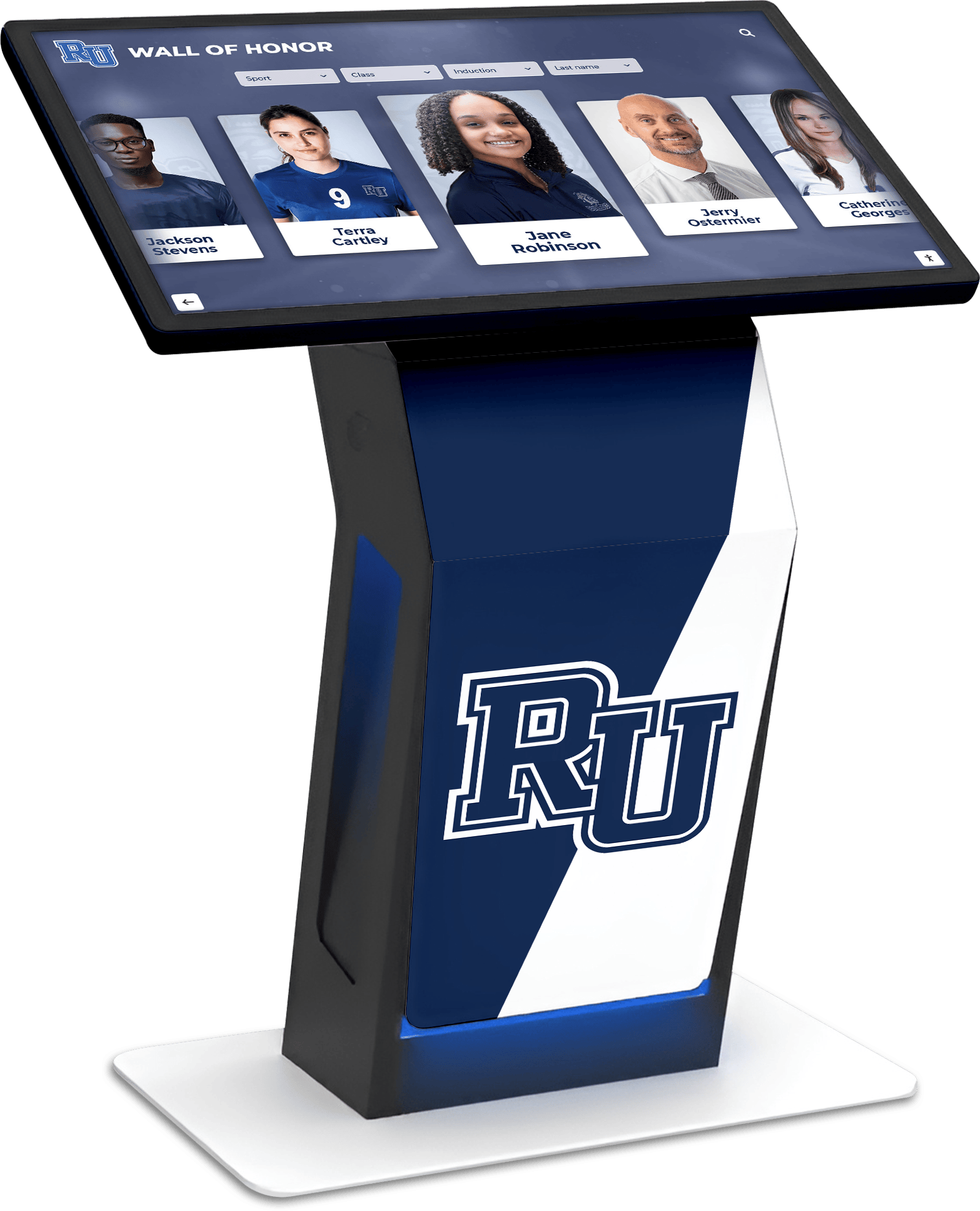
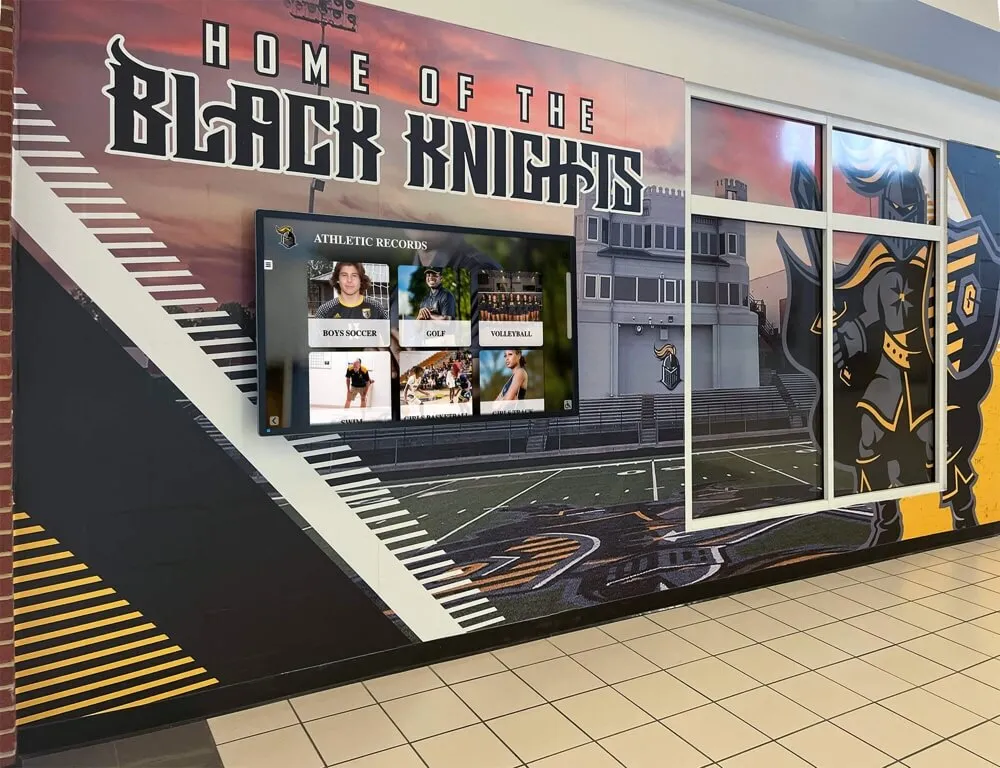
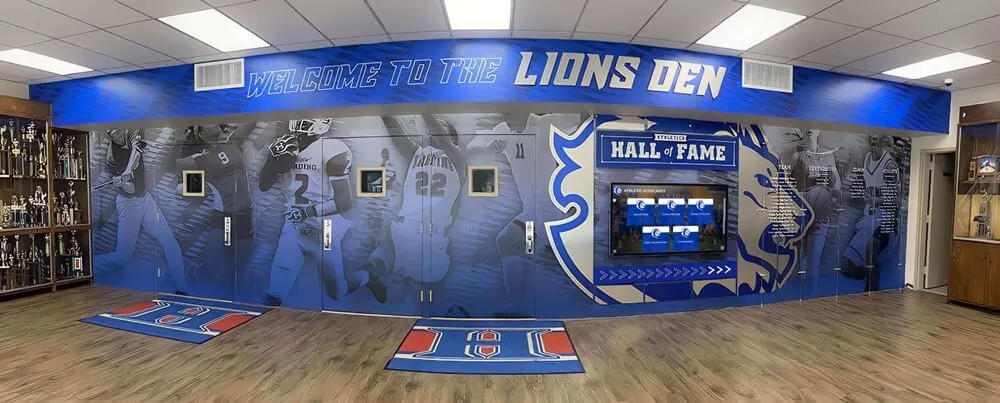
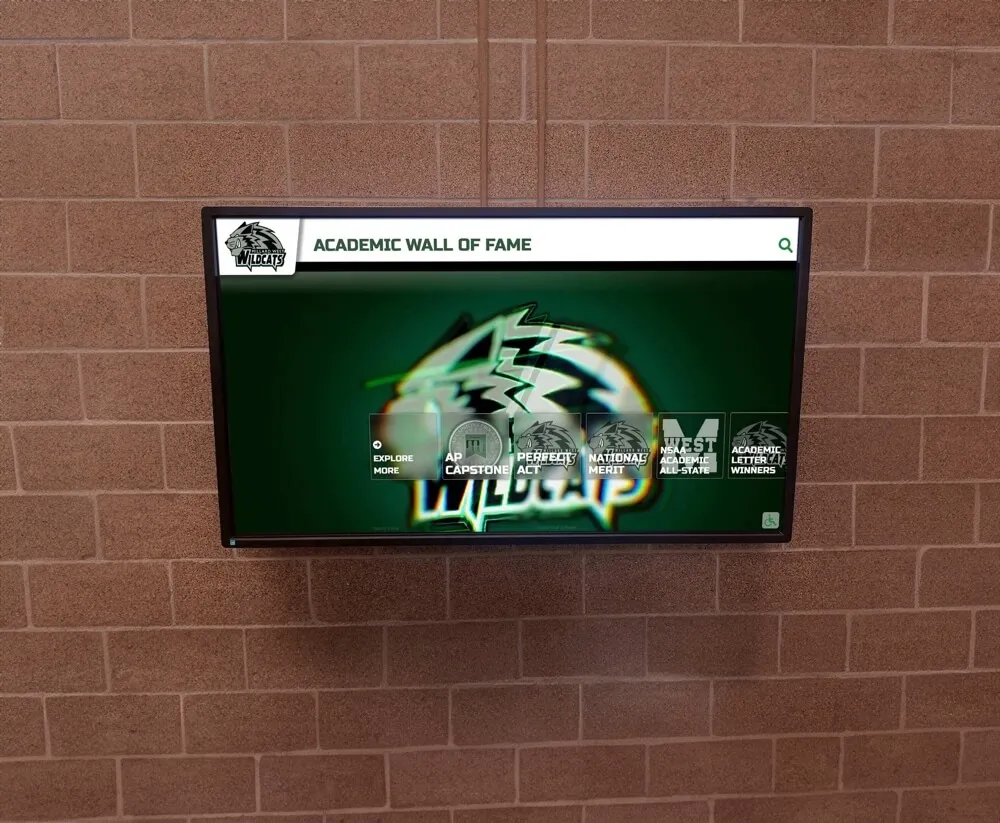
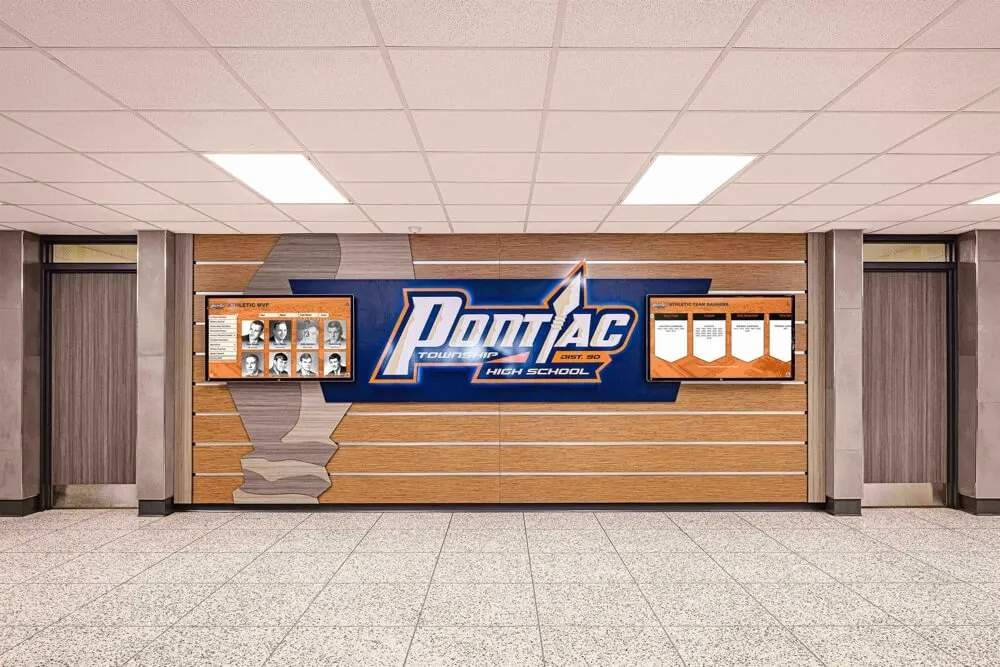
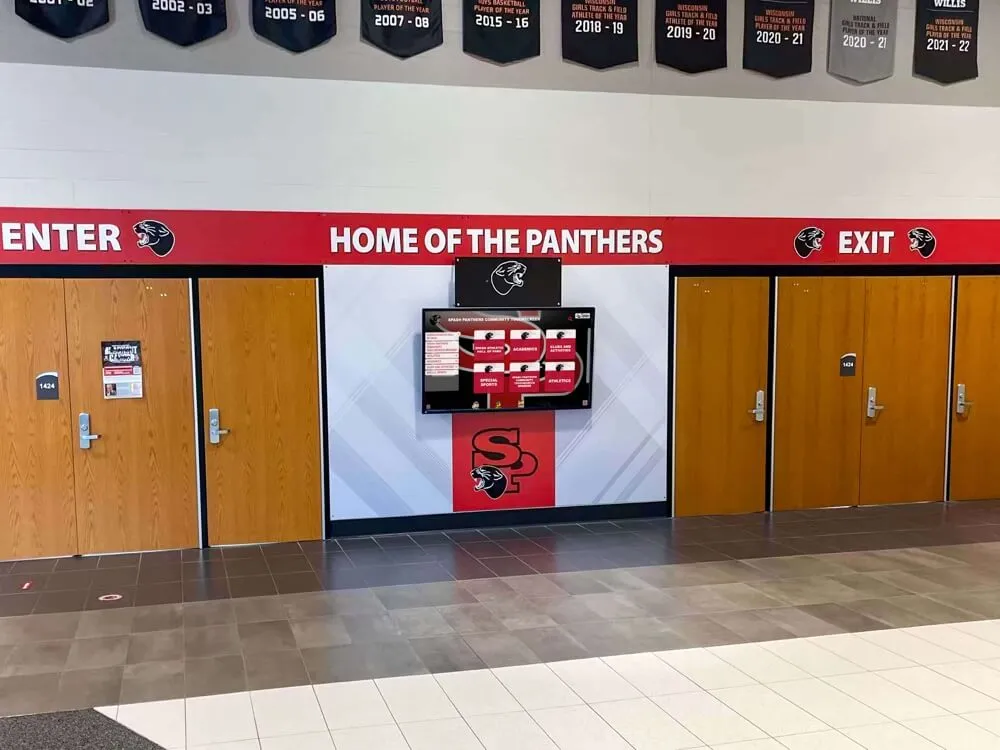
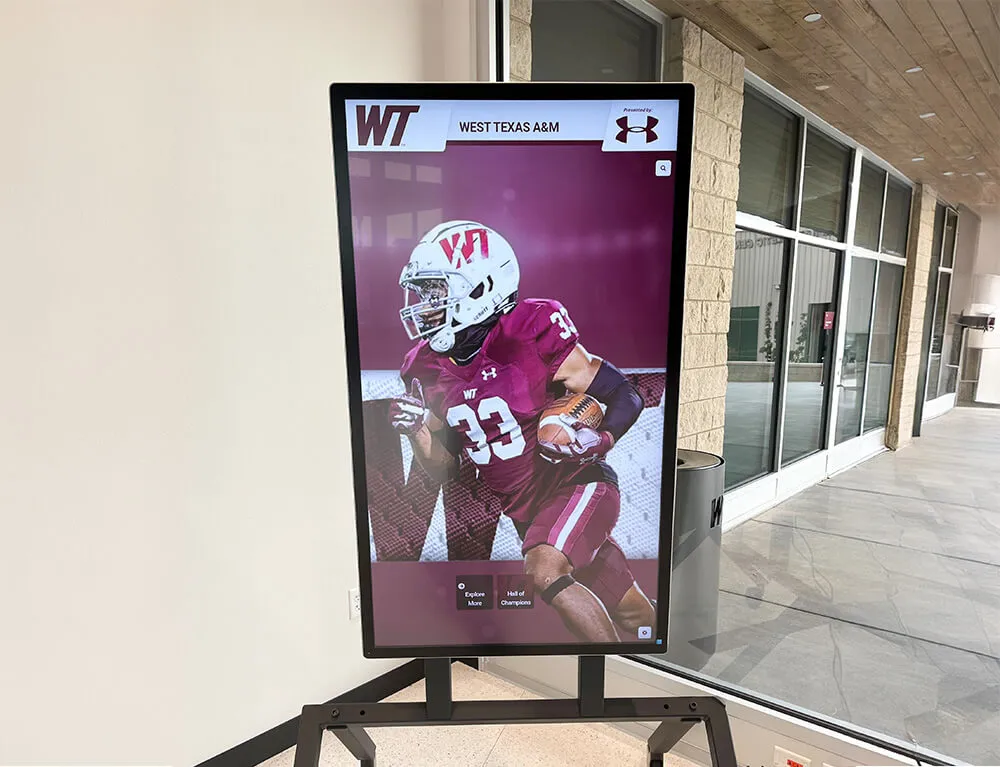
Purpose-built recognition platforms provide intuitive interfaces specifically designed for academic achievement programs rather than generic content display.
Purpose-Built Recognition Platforms vs. Generic Digital Signage
This fundamental choice significantly impacts functionality, ease of use, and long-term satisfaction with digital honor roll systems.
Purpose-Built Academic Recognition Platforms
Solutions like Rocket Alumni Solutions specifically designed for educational recognition typically offer:
- Templates optimized for student profiles and academic achievement content with professional layouts created by designers understanding educational contexts
- Organizational structures matching academic recognition needs including grade levels, achievement tiers, and historical archives organized intuitively
- Search and filtering functionality enabling students to quickly find themselves and peers among hundreds or thousands of honorees
- Consistent interfaces across physical displays, web platforms, and mobile access ensuring quality experiences regardless of access method
- Ongoing platform development adding features addressing evolving educational technology needs rather than static systems frozen at purchase
- Dedicated support teams understanding academic calendars, FERPA requirements, and educational context rather than generic technical support unfamiliar with school operations
Generic Digital Signage Systems
Adapted commercial signage platforms repurposed for academic recognition typically provide:
- Basic content display capabilities requiring significant customization to function effectively for recognition purposes
- Limited organizational structures designed for commercial messaging rather than searchable academic databases
- Manual content creation requiring design skills and significant time investment for each update
- Technical complexity requiring IT department involvement for routine recognition updates
- Generic support lacking understanding of educational contexts and academic calendar pressures
- Primary design focus on advertising and announcements rather than permanent recognition archives
Critical Feature Comparison Matrix
When evaluating end-of-semester honor roll display solutions, several key criteria separate effective platforms from inadequate systems:
| Evaluation Criteria | Purpose-Built Recognition | Adapted Digital Signage | Why It Matters |
|---|---|---|---|
| Unlimited Capacity | ✓ All honor roll recipients included | ✗ Limited by display slots | Complete recognition without exclusions |
| Update Speed | ✓ Instant cloud-based updates | ~ Requires technical involvement | Timely recognition when achievement feels fresh |
| Search Functionality | ✓ Built-in name/grade/year search | ✗ Not available in standard systems | Students can quickly find themselves and peers |
| Historical Archives | ✓ Permanent multi-year records | ~ Manual archiving required | Preserves institutional academic tradition |
| Content Management | ✓ Intuitive non-technical interfaces | ✗ Requires design/technical skills | Staff can manage independently without IT |
| Mobile/Web Access | ✓ Synchronized across platforms | ✗ Display-only in most cases | Families can access recognition remotely |
| ADA Compliance | ✓ WCAG 2.1 AA standards | ~ Varies by implementation | Ensures accessibility for all students |
| Educational Support | ✓ Teams understanding school contexts | ✗ Generic technical support | Help aligned with academic calendars and needs |
This comparison demonstrates why purpose-built recognition platforms consistently deliver superior outcomes compared to adapted commercial systems—they’re designed from the ground up to solve the specific challenges schools face when implementing comprehensive academic recognition programs.
For schools requiring ADA accessibility compliance, review detailed academic recognition accessibility requirements ensuring digital displays meet legal standards.
Decision Framework: Choosing Your Honor Roll Display Solution
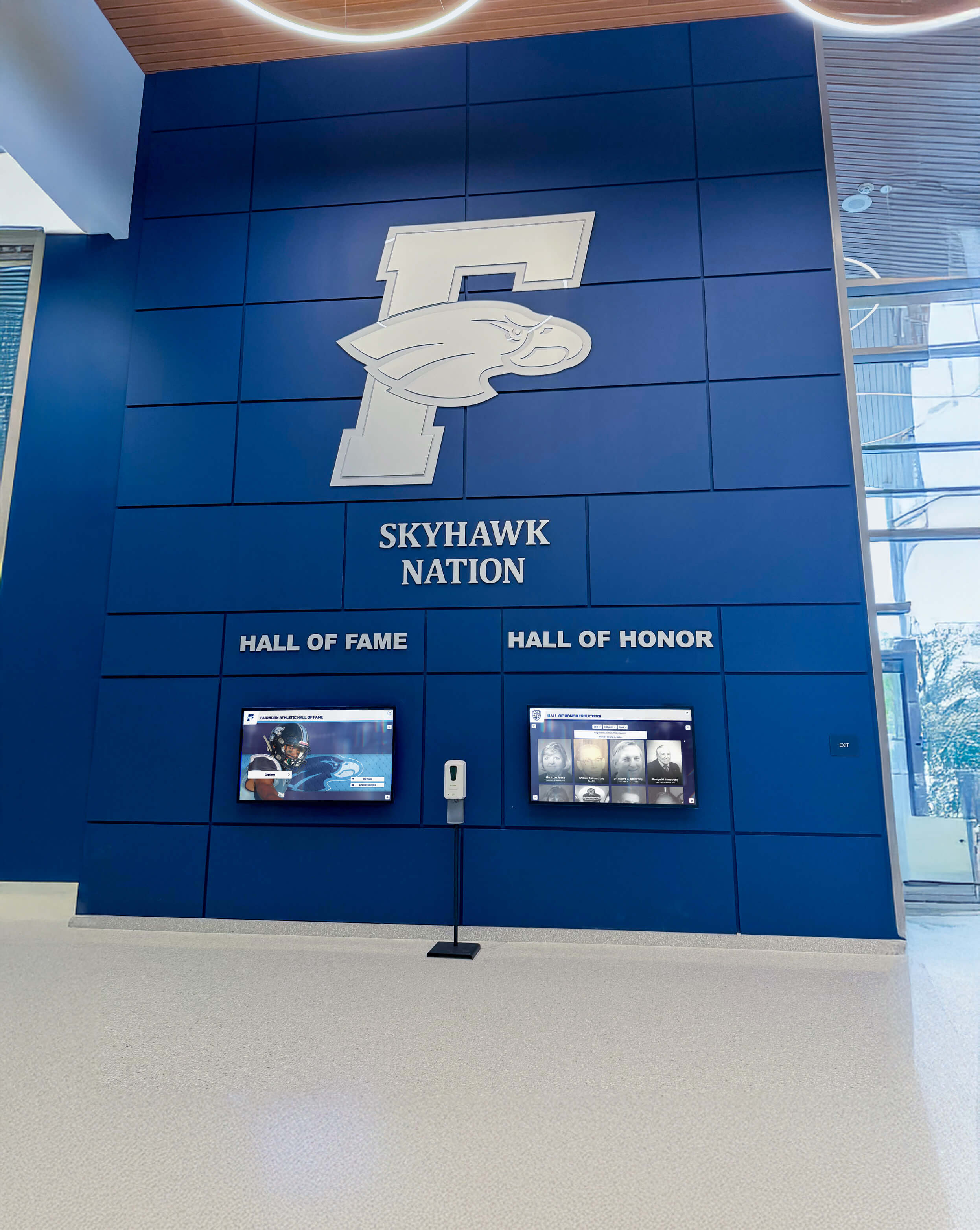
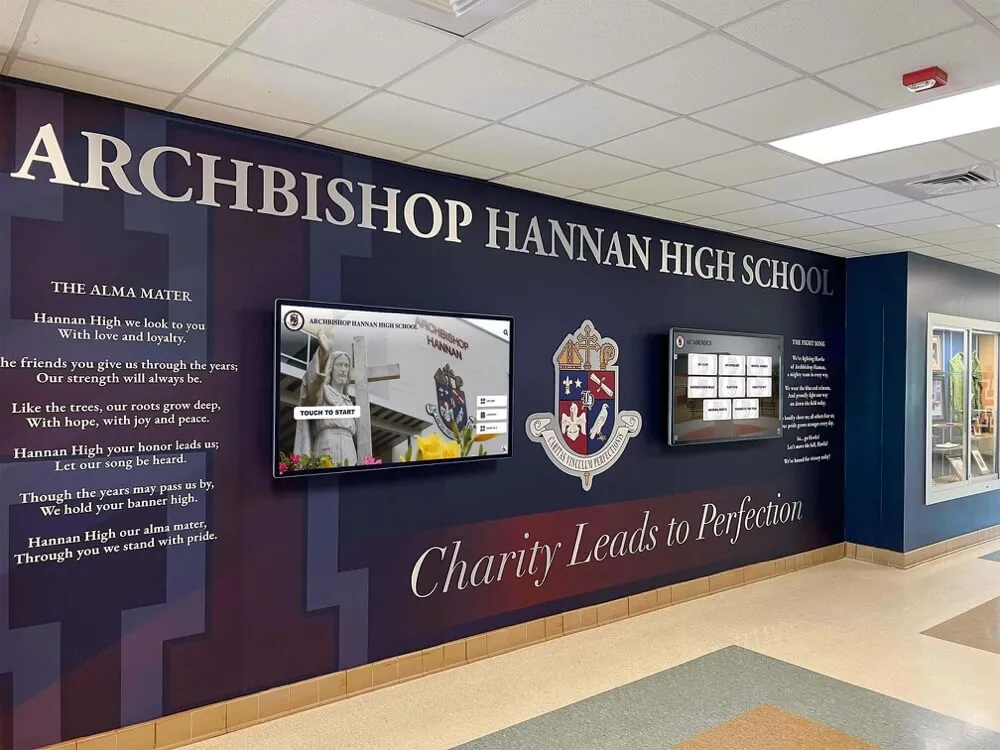
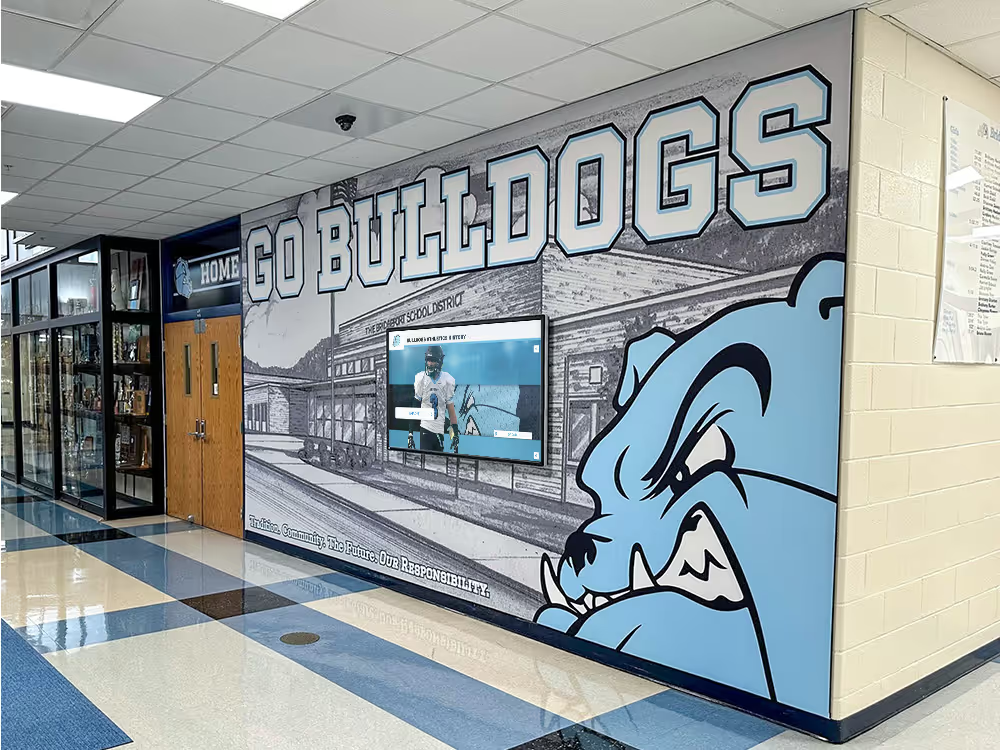
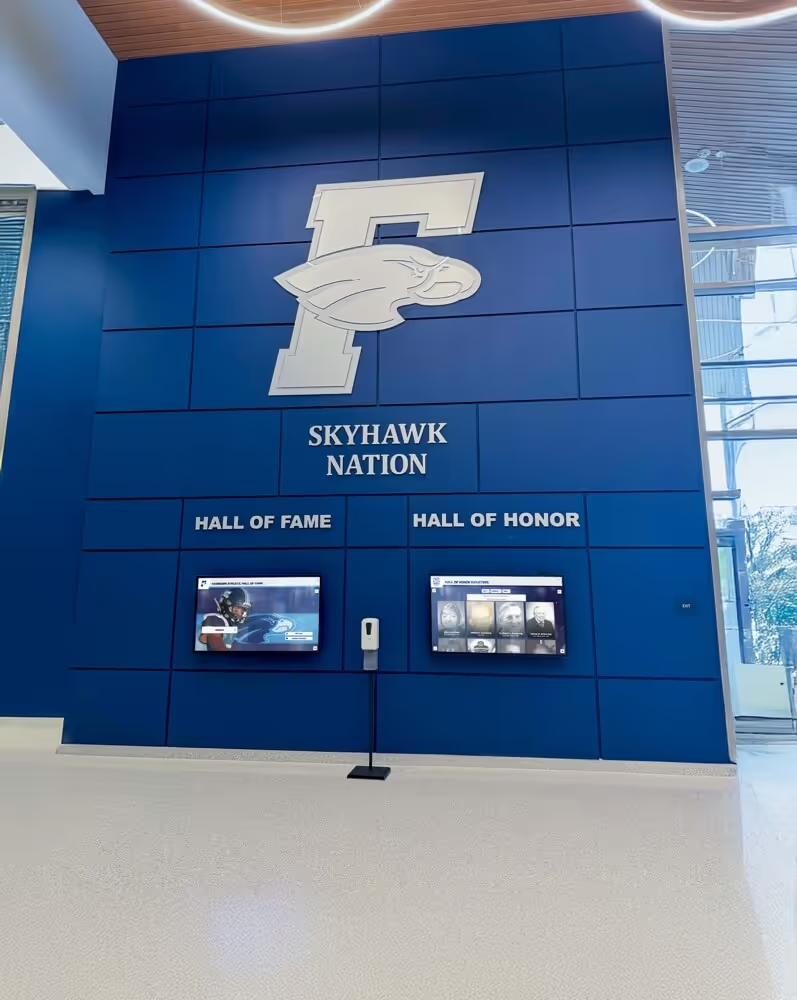
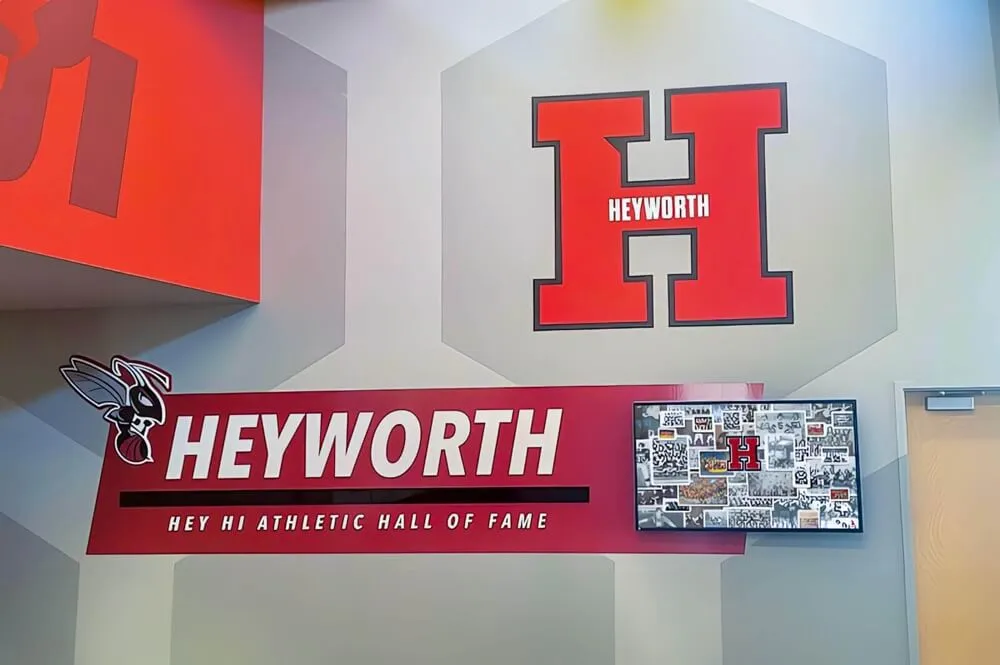
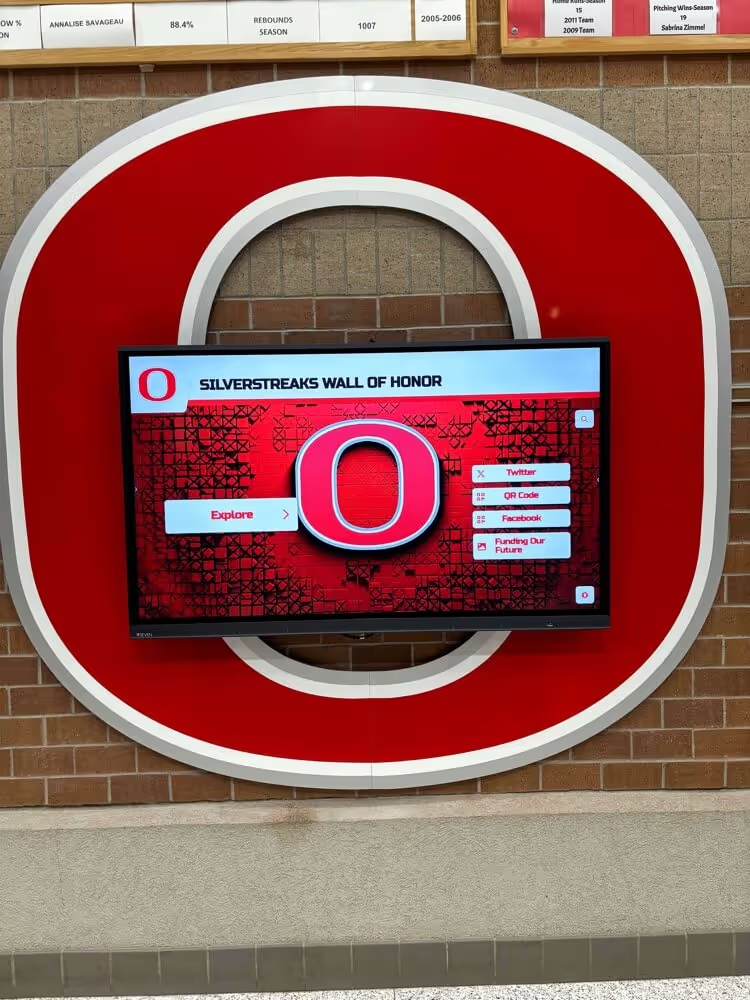
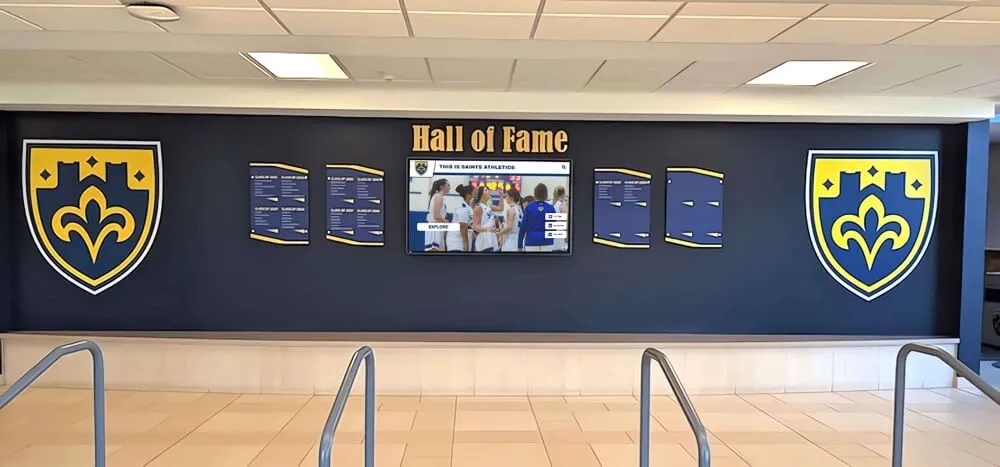
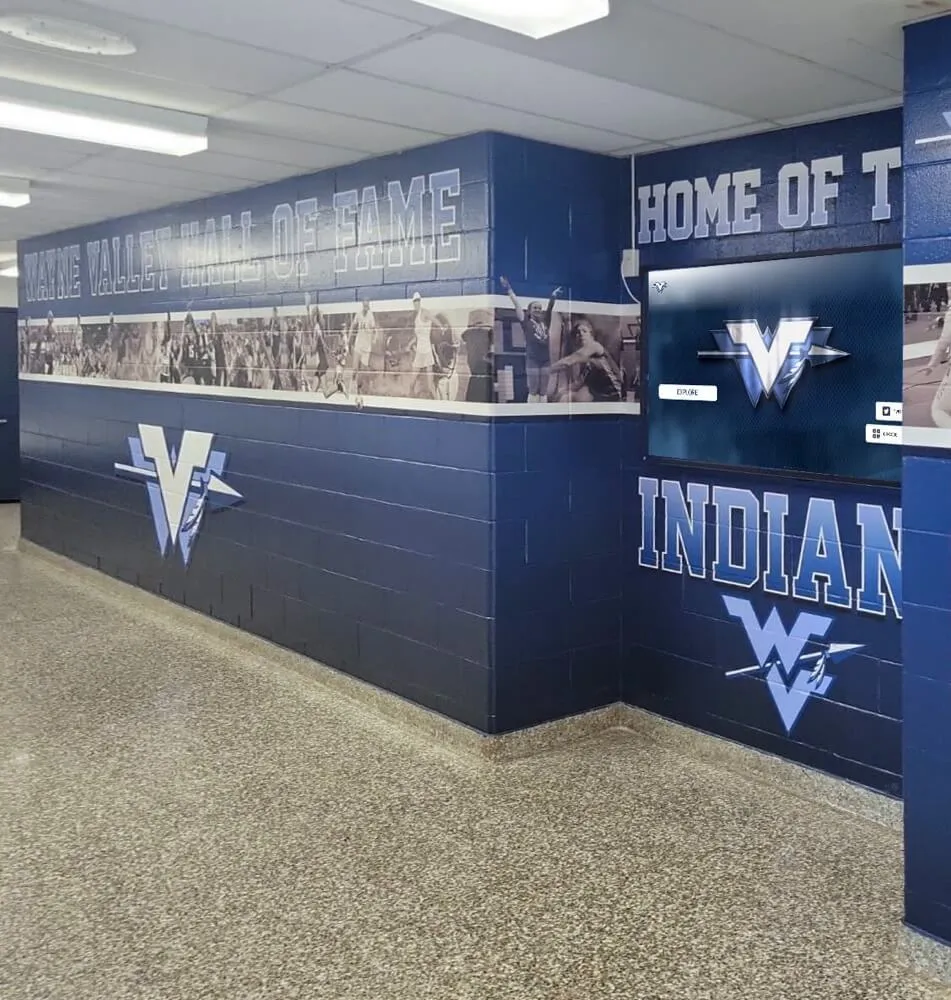
Branded displays integrate school identity while providing comprehensive recognition functionality that evolves with institutional needs.
Systematic evaluation ensures technology investments align with institutional priorities, budget realities, and long-term recognition goals. Use this framework to guide vendor selection:
Step 1: Define Recognition Scope and Requirements
Before evaluating specific platforms, clarify what your honor roll recognition program needs to accomplish:
Recognition Capacity Requirements:
- How many students typically earn honor roll recognition each semester?
- Do you want to display only current semester or maintain historical archives?
- Will you recognize all honor roll levels or only highest achievers?
- Do improvement trajectories and growth deserve recognition alongside absolute achievement?
Access and Visibility Needs:
- How many physical display locations do you want throughout campus?
- Should recognition extend beyond physical displays to web and mobile platforms?
- Do families need remote access to view recognition from home?
- Should alumni be able to access historical records from their school years?
Administrative Requirements:
- Who will manage content updates—counselors, administrators, communications staff?
- What technical skill level do content managers possess?
- How quickly must recognition appear after grade submission each semester?
- What level of ongoing vendor support does your team need?
Step 2: Evaluate Technical and Compliance Standards
Modern schools face various technical and regulatory requirements that recognition systems must satisfy:
ADA Accessibility Standards: If your institution receives federal funding, ADA compliance is mandatory. Ensure potential solutions meet WCAG 2.1 AA standards including screen reader compatibility, keyboard navigation alternatives to touch interaction, sufficient color contrast for visual accessibility, and adjustable text sizes accommodating visual impairments.
Non-compliant systems create legal exposure while excluding students with disabilities from full recognition participation—unacceptable outcomes that contradict the inclusive values that honor roll programs should embody.
Data Security and FERPA Compliance: Honor roll recognition involves student educational records requiring appropriate privacy protections under FERPA. Evaluate vendor data security practices including secure data transmission and storage protocols, appropriate access controls limiting who can view or modify student information, clear policies about data ownership and portability, and vendor understanding of educational privacy requirements versus commercial data practices.
For detailed security considerations, reference student recognition program security requirements and best practices.
Hardware Reliability and Longevity: Commercial-grade display hardware designed for continuous operation differs significantly from consumer televisions. Require specifications including minimum 50,000-hour rated operation life ensuring 5-7 year useful lifespan, commercial warranty coverage rather than consumer-grade protection, proven institutional installations demonstrating reliability in educational environments, and vandal-resistant designs appropriate for school settings.
Step 3: Compare Total Cost of Ownership
Initial purchase prices tell only part of the cost story. Comprehensive budget analysis should include:
Direct System Costs:
- Display hardware (screens, mounting, touchscreen technology if interactive)
- Software licensing (one-time purchase vs. ongoing subscription models)
- Installation and configuration (professional setup vs. self-installation)
- Initial content development (templates, branding, first semester data entry)
Ongoing Operational Costs:
- Annual software maintenance and support fees
- Content management time (staff hours per semester for updates)
- Hardware maintenance and eventual replacement reserves
- Additional feature costs (if vendor charges separately for capabilities like web access)
Avoided Traditional Costs:
- Eliminated printing and framing expenses each semester
- Reduced physical storage requirements for recognition materials
- Saved renovation costs for physical space expansion
- Decreased staff time previously spent on manual recognition processes
Effective total cost of ownership analysis often reveals that comprehensive purpose-built systems cost less long-term than seemingly cheaper adapted solutions that require extensive customization, frequent manual updates, and ongoing technical support consuming staff time that carries substantial hidden costs.
Step 4: Request Demonstrations and Reference Checks
Vendor claims require verification through direct evaluation and reference validation:
Live System Demonstrations:
- Request demonstrations using your actual school data (anonymized if necessary) rather than idealized demo content
- Test search and filtering functionality with realistic student numbers
- Evaluate content management interfaces with non-technical staff who would actually manage updates
- Verify mobile and web access quality from various devices
- Confirm update speed from content entry to display appearance
Educational Reference Checks: Contact schools already using potential solutions, asking specifically about satisfaction with ongoing vendor support responsiveness, ease of semester updates by non-technical staff, system reliability and unplanned downtime frequency, student and family engagement with recognition displays, and total cost alignment with initial vendor representations.
Reference schools can provide candid feedback about vendor strengths and weaknesses that sales demonstrations won’t reveal—particularly regarding long-term support quality that significantly impacts satisfaction after initial deployment excitement fades.
Why Rocket Alumni Solutions Wins for Semester Recognition
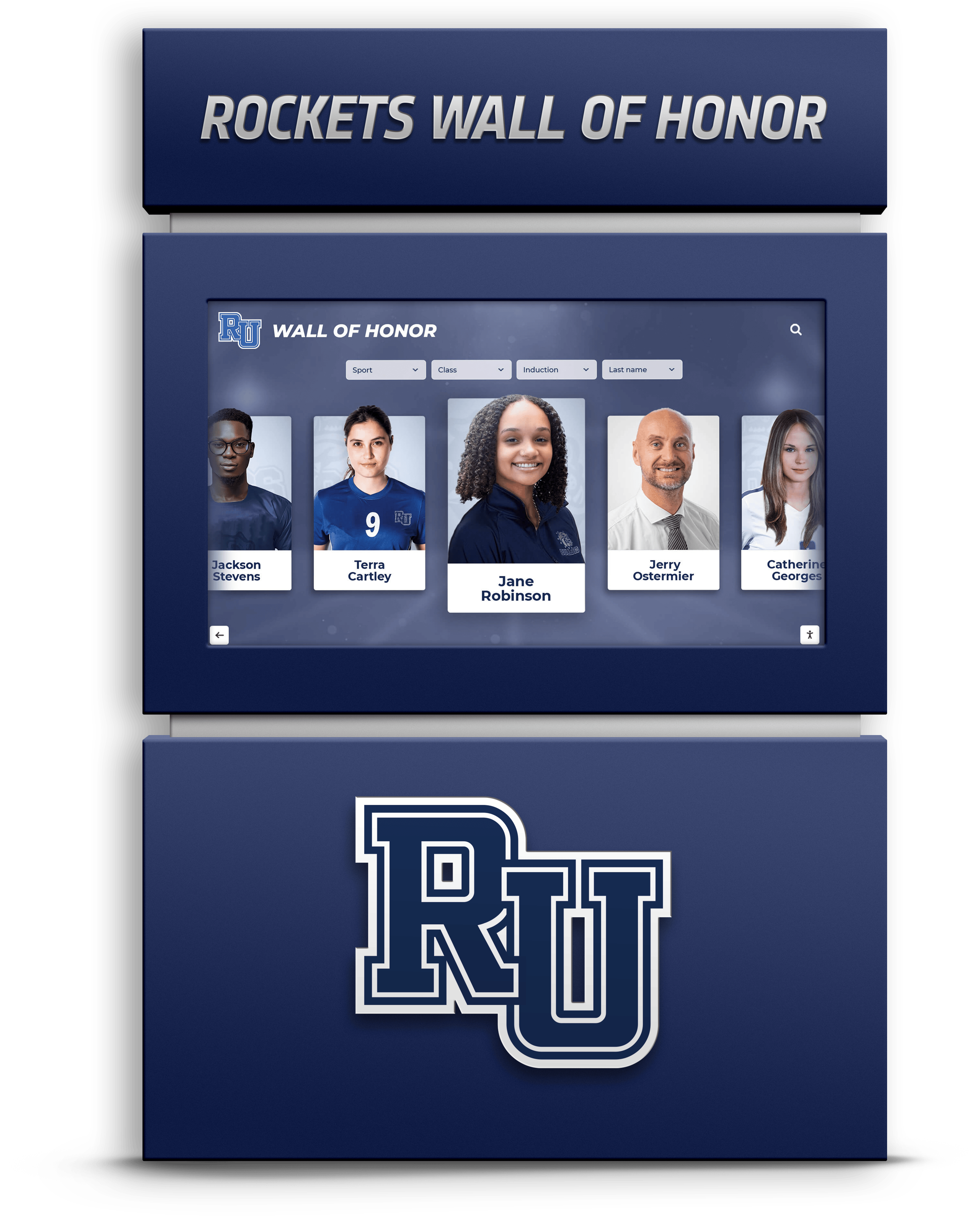
Rocket’s purpose-built platform provides comprehensive honor roll recognition without the limitations and compromises of adapted commercial systems.
After evaluating end-of-semester honor roll display solutions across hundreds of educational institutions, specific capabilities consistently separate effective platforms from inadequate systems. Rocket Alumni Solutions leads this category through distinctive advantages addressing real-world challenges schools face implementing comprehensive academic recognition.
Unlimited Recognition Without Compromises
Unlike systems constrained by display slot limitations or pricing models that charge per recognized student, Rocket accommodates unlimited honor roll recipients across all achievement levels and semesters. Whether your school recognizes 50 students or 500 each semester, the platform scales seamlessly without capacity constraints forcing exclusions or recognition hierarchies that undermine program effectiveness.
This unlimited capacity proves essential for schools with strong academic programs where large percentages of students earn honor roll recognition—exactly the scenario that should be celebrated as evidence of educational excellence rather than creating recognition management headaches. Rocket’s architecture treats growth as positive program evolution rather than technical limitation requiring expensive upgrades.
Auto-Ranking and Intelligent Organization
Rocket’s auto-ranking system automatically organizes honor roll recipients by achievement level, GPA, grade level, and other relevant criteria without requiring manual sorting each semester. This intelligent organization enables:
- Automatic honor roll tier classification based on semester GPA thresholds
- Grade-level cohort organization enabling peer comparison and friendly competition
- Historical tracking showing individual student achievement trajectories across multiple years
- Subject-specific excellence recognition highlighting departmental achievement beyond overall GPA
- Improvement identification celebrating growth regardless of absolute achievement levels
This automated intelligence eliminates hours of manual data organization each semester while ensuring recognition remains accurate, comprehensive, and appropriately organized for intuitive exploration by students, families, and visitors.
QR Code Unlock and Mobile Extensions
Rocket’s QR unlock feature enables students to instantly share their individual honor roll recognition through social media, family messaging, and personal networks—extending recognition reach far beyond physical displays or school websites. Each recognized student receives a unique QR code that:
- Links directly to their personal achievement profile with semester details and institutional context
- Enables social sharing amplifying recognition through family and friend networks
- Provides permanent recognition URLs surviving building renovations or display changes
- Creates mobile-optimized viewing experiences for smartphone access
- Maintains appropriate privacy controls limiting visibility to authorized viewers
This mobile extension transforms honor roll recognition from campus-limited acknowledgment to community-wide celebration that honors student achievement comprehensively while maintaining appropriate privacy protections.
WCAG 2.1 AA Accessibility Compliance
Unlike adapted commercial systems with inconsistent accessibility implementations, Rocket meets WCAG 2.1 AA standards through:
- Screen reader compatibility enabling visually impaired students to access all recognition content
- Keyboard navigation alternatives supporting students unable to use touchscreen interfaces
- Sufficient color contrast meeting visual accessibility requirements across all content
- Adjustable text sizes accommodating varying visual acuity needs
- Alternative text descriptions for images ensuring complete information access
This comprehensive accessibility ensures ADA compliance while honoring the principle that recognition should include all deserving students regardless of disability status. Schools using Rocket avoid legal exposure while demonstrating inclusive values through recognition programs that work for everyone.
Remote Cloud-Based Content Management
Rocket’s intuitive cloud-based CMS enables non-technical staff to manage honor roll updates from any device anywhere, eliminating dependencies on IT departments or specialized training. The system provides:
- Simple CSV upload functionality for batch student data import each semester
- Intuitive web interface requiring no design or technical expertise
- Instant preview before publishing enabling verification without live display risks
- Scheduled publishing allowing preparation in advance of actual recognition dates
- Role-based access control limiting editing permissions appropriately by staff role
This content management simplicity means honor roll recognition appears within days of grade submission rather than weeks later after IT department scheduling accommodates recognition update requests. Timeliness significantly impacts motivational value—Rocket ensures achievement celebration happens when it matters most.
Comprehensive Support Through Academic Transitions
Rocket’s support team understands educational contexts, academic calendars, and semester transition pressures that commercial digital signage vendors don’t appreciate. This educational expertise delivers:
- Pre-semester consultation helping plan recognition timing around your academic calendar
- Responsive support during high-pressure end-of-semester periods when delays matter most
- Training aligned with staff turnover realities in educational institutions
- Proactive feature updates addressing evolving educational technology needs
- Long-term partnership perspective rather than transactional vendor relationships
Schools consistently report that Rocket’s educational support understanding makes the difference between recognition systems they actively use versus abandoned technology that seemed promising during initial purchase but proved impractical for real-world educational operations.
Implementation Best Practices for Semester Recognition
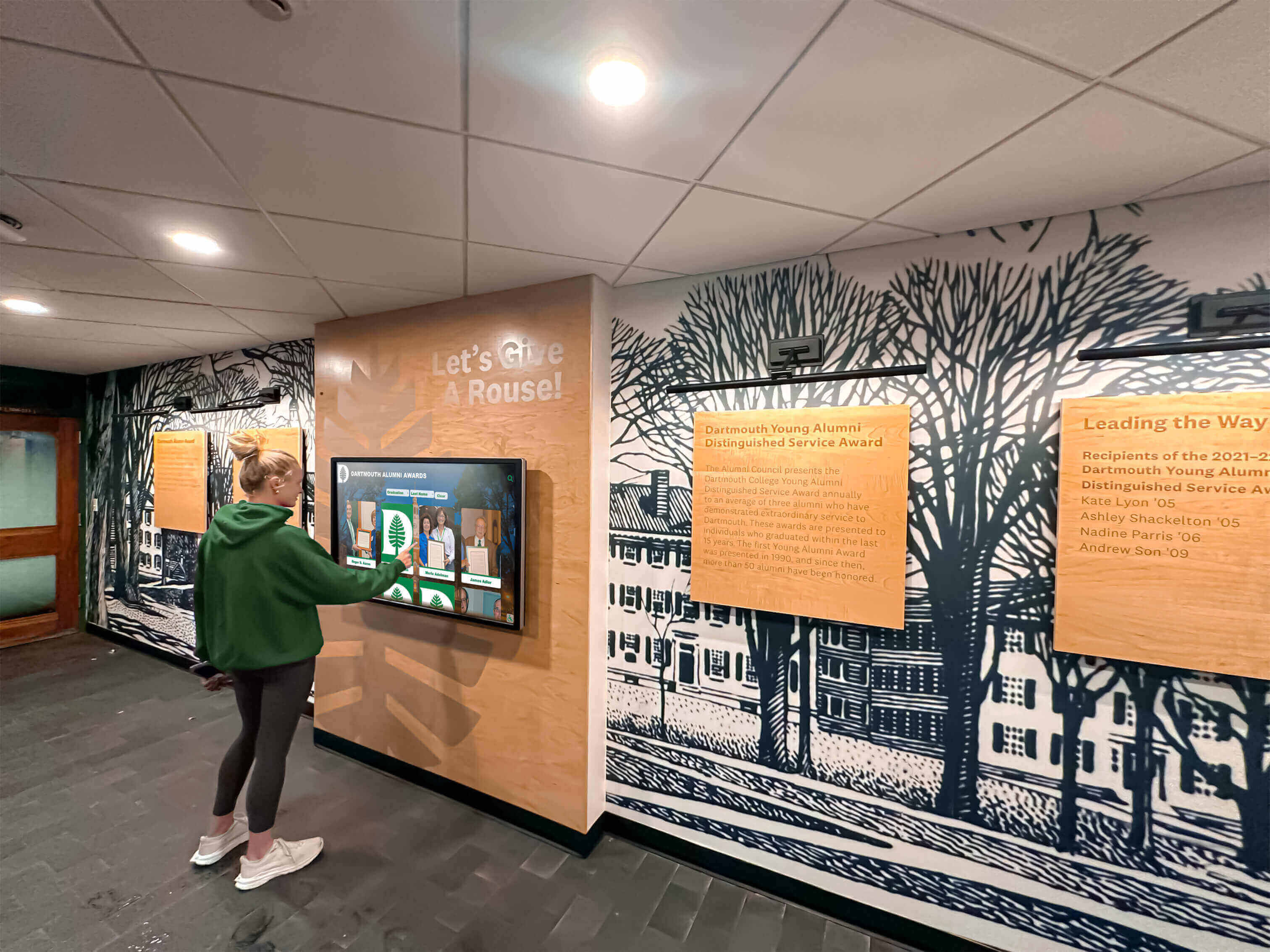
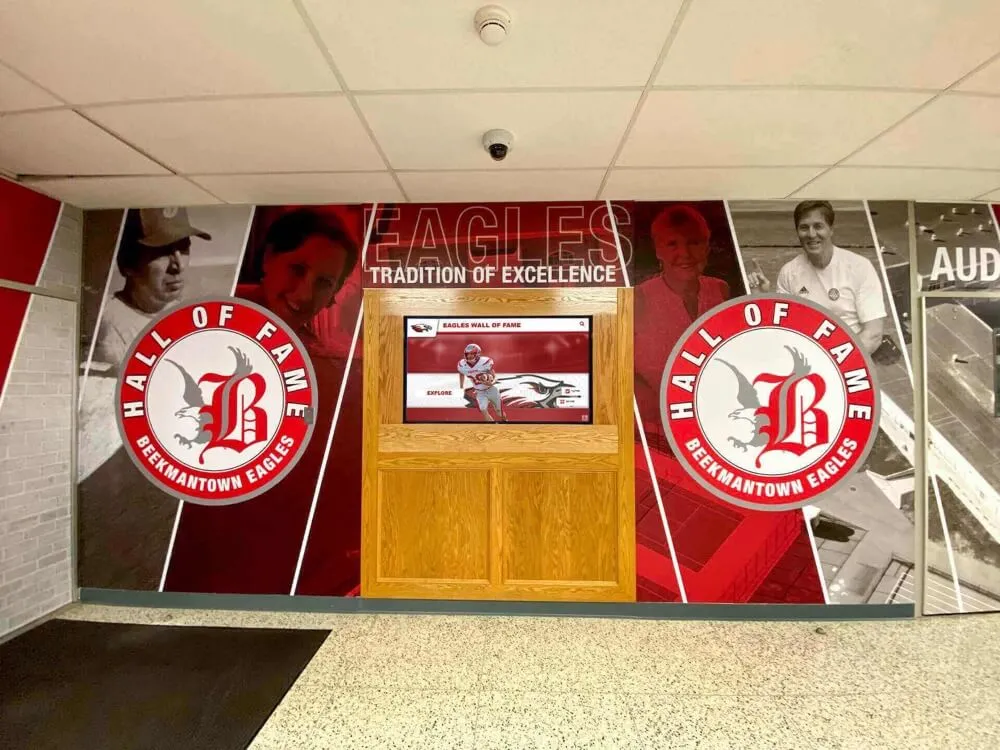
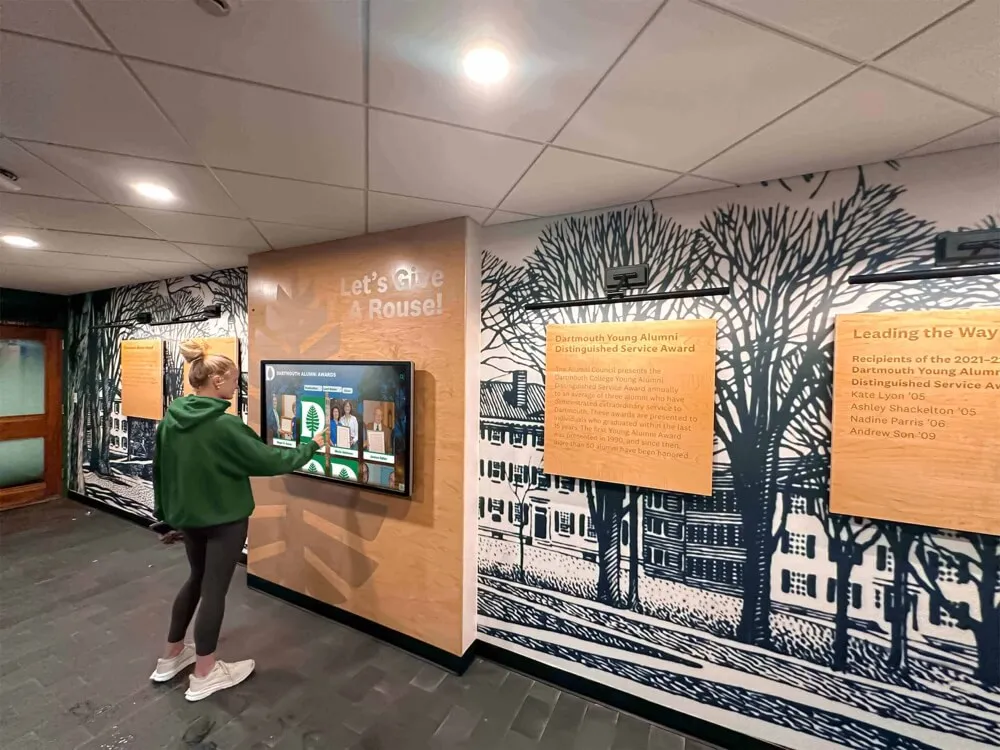
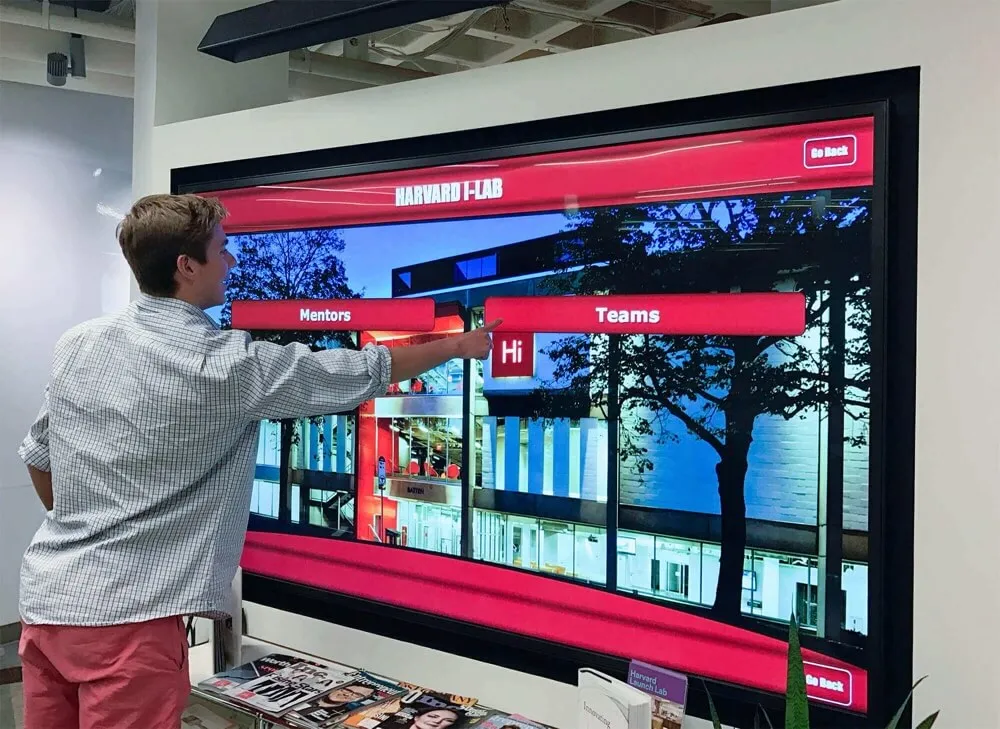
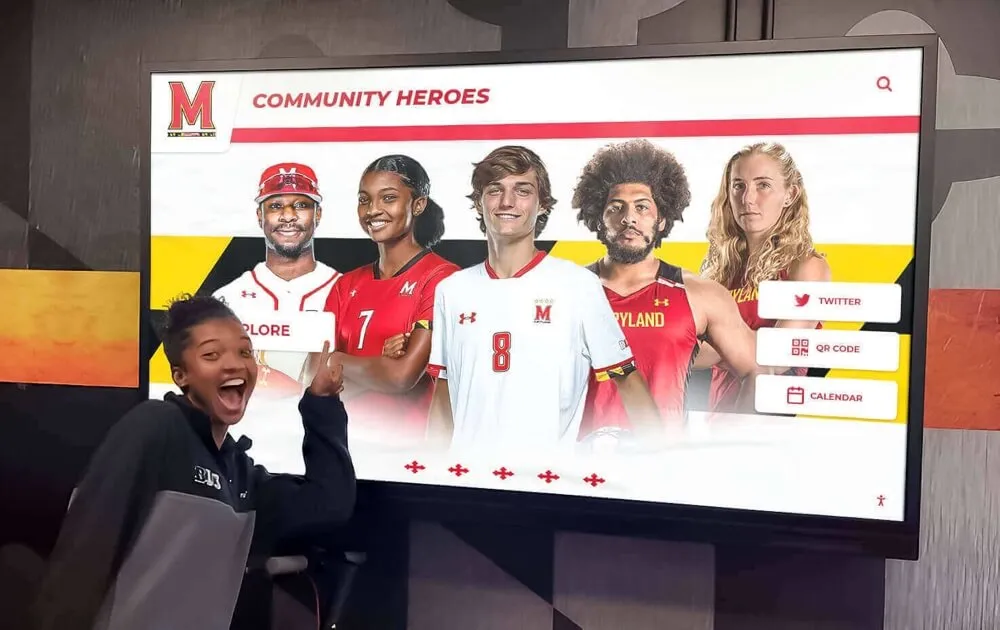
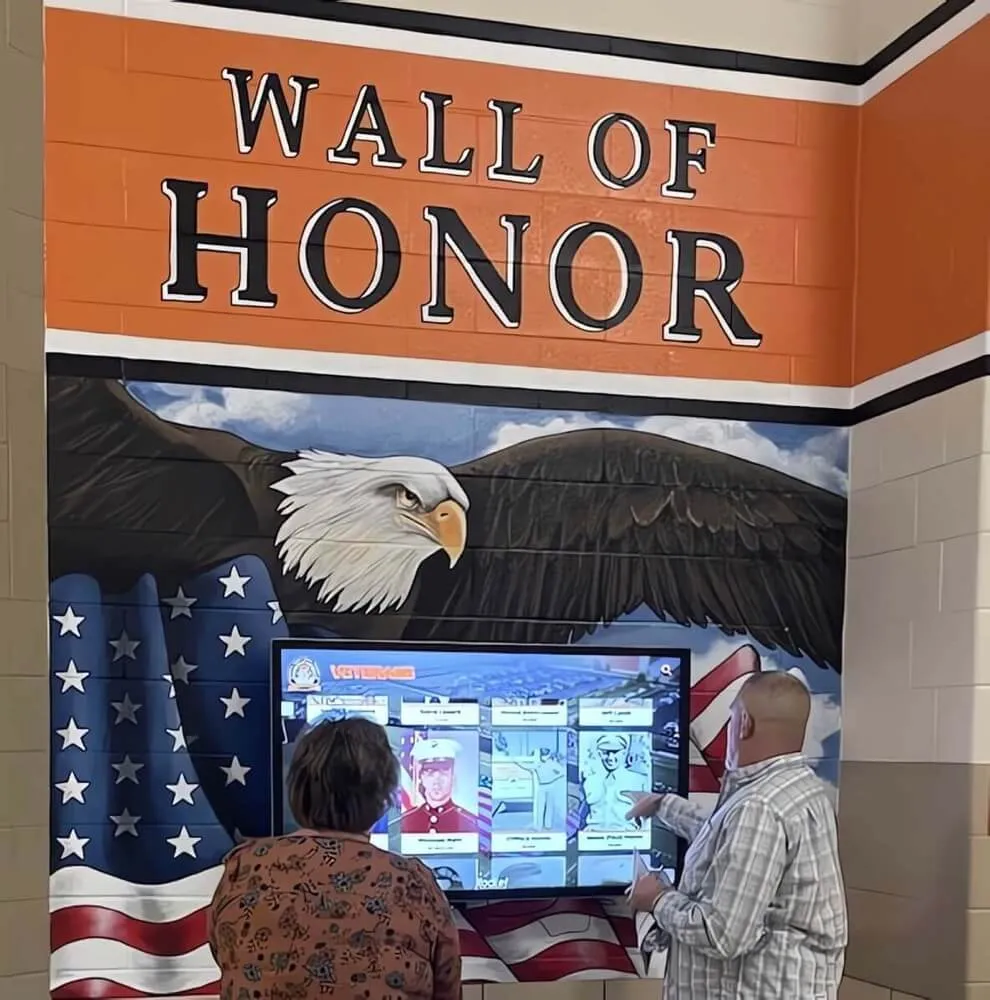
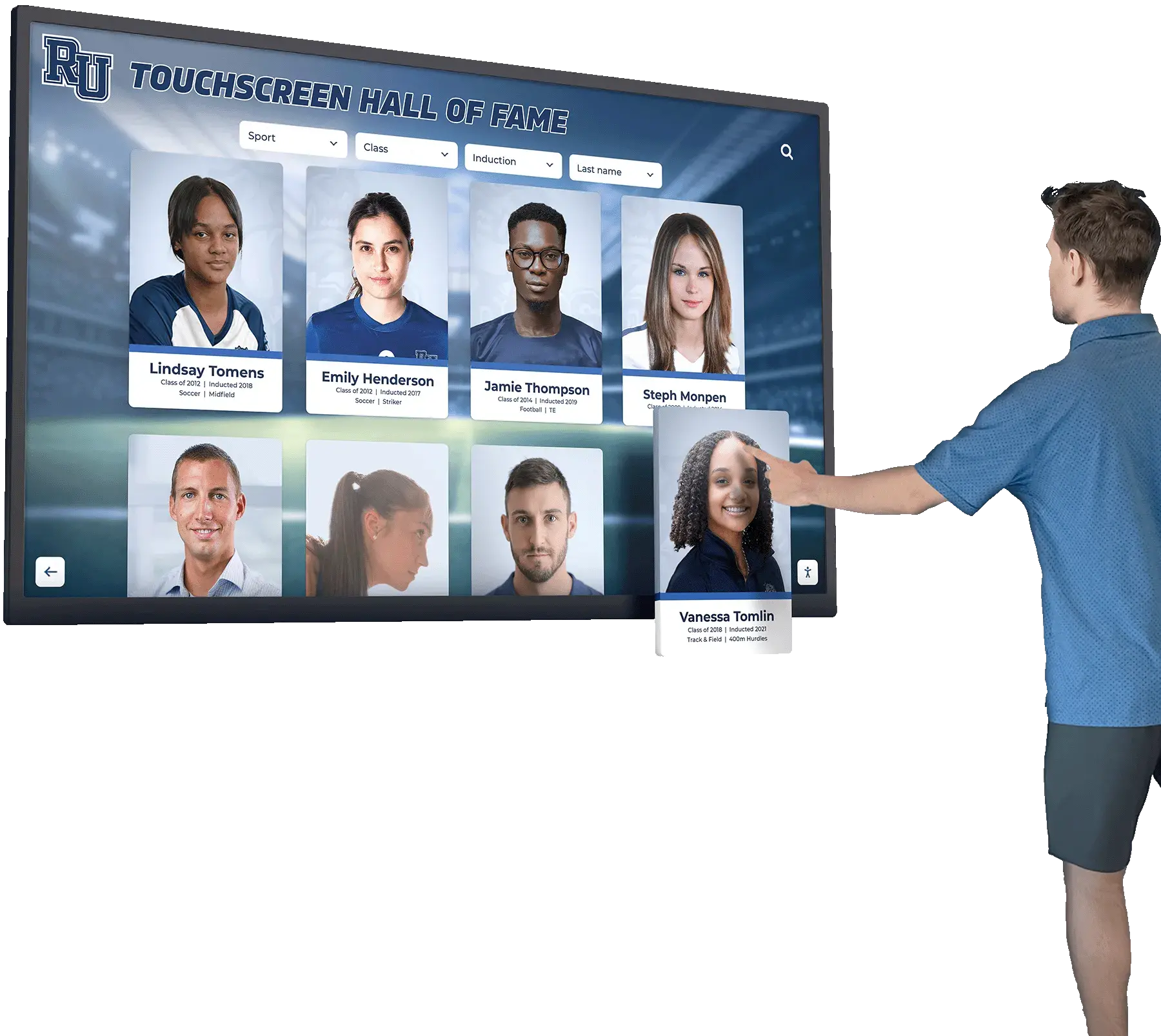
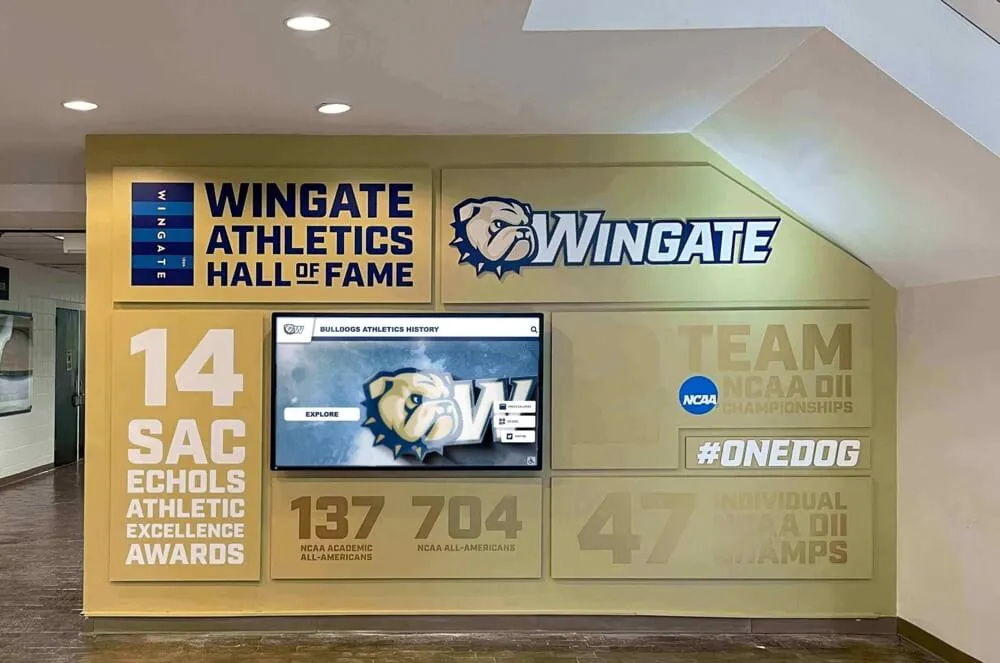
Interactive exploration capabilities transform honor roll displays from static lists into engaging experiences where students spend time discovering achievements.
Successful end-of-semester honor roll recognition requires thoughtful implementation addressing technology, content, and program design ensuring recognition remains meaningful and sustainable long-term.
Strategic Display Placement for Maximum Impact
Physical location determines whether digital recognition becomes a cultural focal point or overlooked installation. Optimal placements include:
Main Entrance and Lobby Areas: First-impression locations where prospective families, visitors, and community members immediately encounter evidence of academic excellence. These high-visibility placements communicate institutional priorities while creating positive perceptions about school culture and student achievement.
Student Circulation Corridors: Cafeterias, common areas, and main hallways where students naturally congregate ensure daily exposure to honor roll recognition. Consistent visibility creates sustained motivational impact rather than occasional awareness during specific recognition events.
Near Guidance and Administrative Offices: Strategic placement where families conduct school business creates opportunities for counselors and administrators to reference specific students during conferences, advising sessions, and family meetings—making recognition an active conversation tool rather than passive acknowledgment.
Consider multiple display locations providing recognition visibility across campus rather than single centralized installations that limit accessibility and reduce community-wide awareness of academic achievement culture.
Comprehensive Multi-Tier Recognition
Effective honor roll programs recognize multiple achievement levels ensuring students across performance spectrums receive appropriate acknowledgment:
All Honor Roll Levels: Display regular honor roll (3.0-3.49), high honor roll (3.5-3.74), and highest honor roll (3.75+) with equal prominence rather than hierarchies suggesting some achievement levels deserve less celebration. Students who earned any honor roll designation accomplished something significant deserving legitimate recognition.
Perfect Semester Recognition: Special acknowledgment for 4.0 GPA semesters celebrating flawless academic performance requiring sustained excellence across all coursework throughout the entire grading period.
Improvement Awards: Recognition for students making significant GPA increases from previous semesters regardless of absolute achievement levels, ensuring motivation for growth across all student populations rather than only those already performing at high levels.
Subject-Specific Excellence: Departmental awards recognizing students demonstrating particular subject mastery—encouraging recognition of diverse academic strengths beyond overall GPA measures.
For schools managing multiple recognition programs, explore outstanding student recognition frameworks that integrate honor roll with other achievement systems.
Timely Recognition Workflow
The timing between achievement and recognition significantly impacts motivational value. Establish systematic workflows ensuring rapid acknowledgment:
- Grade Submission Deadline: Teachers complete semester grade entry by established deadline
- Honor Roll List Generation: Student information system automatically generates honor roll lists based on GPA thresholds within 2-3 days
- Administrative Review: Counseling or administrative staff verify accuracy and resolve any grade disputes or data issues within 3-5 days
- Display Update: Honor roll recognition goes live on digital displays within 7-10 days of grade submission deadline while achievement feels fresh and meaningful
This systematic timeline ensures recognition appears when students remain emotionally connected to semester achievements rather than weeks later after mentally transitioning to new academic challenges that make previous semester accomplishments feel distant.
Multi-Channel Recognition Communication
Digital displays provide recognition foundation, but comprehensive programs systematically communicate across multiple channels ensuring entire school communities celebrate honor roll achievement:
Internal Celebration:
- Morning announcements featuring honor roll highlights and individual student spotlights
- Social media posts celebrating collective achievement and individual stories with appropriate student permission
- Email notifications to families when students earn honor roll recognition with links to digital profiles
- Classroom acknowledgment from teachers celebrating individual student achievement
- End-of-semester recognition events honoring all honor roll recipients together
External Community Engagement:
- Local newspaper honor roll announcements submitting complete lists for community publication
- District communications highlighting school academic excellence through aggregate honor roll data
- Alumni connections showing academic tradition continuity across generations
- Prospective family tours highlighting honor roll displays as evidence of academic culture
Learn about effective strategies for showcasing student achievement across multiple communication channels and platforms.
Measuring Honor Roll Recognition Program Success
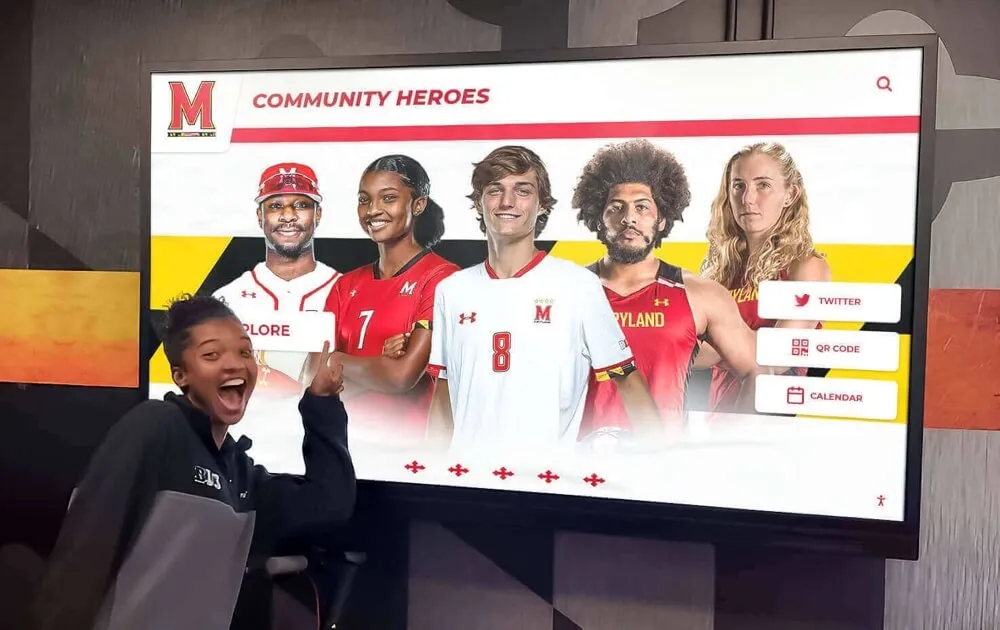
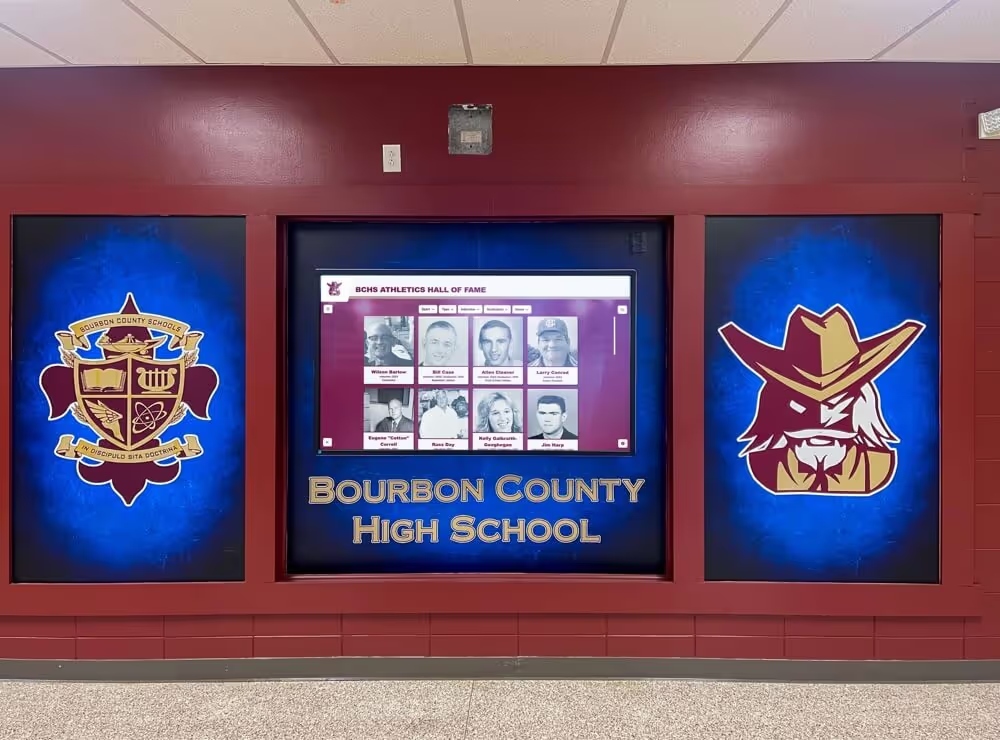
Engaged exploration of recognition displays demonstrates that digital systems create meaningful connections rather than passive viewing experiences.
Systematic assessment ensures recognition programs achieve intended goals while identifying improvement opportunities based on evidence rather than assumptions.
Quantitative Success Metrics
Participation and Coverage:
- Percentage of students earning honor roll recognition each semester with analysis by grade level
- Distribution across achievement tiers (regular, high, highest honor roll) showing achievement spectrum
- Year-over-year participation trends demonstrating program growth or stability
- Demographic representation ensuring equitable access across all student populations
Engagement Indicators:
- Digital display interaction rates measuring how many students/visitors engage with touchscreen functionality
- Session duration showing depth of engagement rather than brief glances
- Web platform usage statistics indicating family and community interest beyond campus
- Social media engagement with honor roll content showing reach amplification
Academic Outcome Correlation:
- Achievement trends among recognized versus non-recognized students
- Impact of recognition on subsequent semester performance and motivation
- Course selection ambition showing whether honor roll status encourages academic challenge
- College acceptance and scholarship rates for honor roll students versus overall population
Qualitative Assessment Approaches
Stakeholder Feedback:
Student surveys assessing recognition program awareness levels, perceived fairness and comprehensiveness, motivational impact on academic goal-setting, pride in achievement and willingness to share recognition with families and friends, and suggestions for program improvement from direct beneficiary perspective.
Family satisfaction surveys evaluating awareness of student honor roll achievement, satisfaction with recognition comprehensiveness and timing, value placed on permanent versus temporary recognition, appreciation for mobile access enabling remote viewing, and perception of school commitment to academic excellence.
Teacher observations about student motivation impacts, cultural shifts in academic ambition and course selection, peer dynamics around intellectual achievement recognition, family engagement at conferences when discussing honor roll achievement, and suggestions for recognition enhancement from educator perspective.
Cultural Indicators:
Observable changes in school culture including increased academic ambition with higher advanced course enrollment rates, student pride in intellectual achievement rather than downplaying academic success, community conversations celebrating academics alongside athletics and other achievements, and prospective family attraction to strong academic programs during tours and recruitment.
Regular assessment enables continuous improvement ensuring honor roll recognition programs remain meaningful and impactful while justifying resource investment through demonstrated positive outcomes stakeholder satisfaction.
Looking Forward: The Evolution of Academic Recognition
Digital recognition technology continues advancing, offering schools increasingly sophisticated capabilities for celebrating academic achievement:
Emerging Capabilities:
- Artificial intelligence enabling personalized recognition content recommendations
- Augmented reality features creating immersive exploration experiences
- Advanced analytics identifying recognition patterns and optimization opportunities
- Integration with learning management systems for automated achievement tracking
- Predictive modeling helping identify students needing support to reach honor roll thresholds
Future Recognition Trends:
- Competency-based recognition extending beyond traditional GPA measures
- Real-time achievement tracking providing instant acknowledgment when milestones occur
- Collaborative achievement recognition celebrating group academic accomplishments
- Longitudinal tracking showing multi-year achievement trajectories through high school
- Alumni connectivity enabling honored graduates to mentor current honor roll students
Schools implementing comprehensive digital recognition platforms position themselves to adopt these advancing capabilities as they mature, ensuring their recognition programs evolve with educational technology rather than becoming outdated installations requiring complete replacement within several years.
For insights into emerging recognition technology, explore best digital recognition platforms and future trend analyses.
Conclusion: Honoring Achievement Appropriately
End-of-semester honor roll recognition represents one of the most important moments in the academic calendar—when schools acknowledge students who maintained excellence throughout months of challenging coursework, inspire peers to pursue similar achievement in upcoming semesters, and demonstrate institutional commitment to celebrating intellectual accomplishment alongside other highly visible achievements.
Traditional recognition approaches using printed lists, bulletin board postings, and brief assembly announcements fail to create the lasting impact that students deserve after earning honor roll achievement through sustained academic effort. These temporary acknowledgments fade quickly from community awareness, exclude many deserving students due to space constraints, and provide no historical record preserving institutional academic tradition.
Modern digital recognition platforms transform semester honor roll celebration through unlimited capacity ensuring comprehensive recognition without exclusions, rich multimedia profiles honoring students appropriately while inspiring peers, instant updates providing timely acknowledgment when achievement feels most meaningful, interactive exploration creating engagement impossible with static displays, and permanent archives preserving recognition indefinitely regardless of physical changes.
When evaluating potential solutions, systematic decision frameworks help schools choose platforms that align with institutional needs, satisfy technical and compliance requirements, deliver sustainable total cost of ownership, and provide long-term partnership rather than transactional vendor relationships that disappear after initial purchase.
Solutions like Rocket Alumni Solutions lead the category through purpose-built design specifically addressing educational recognition needs, comprehensive feature sets eliminating common limitations of adapted commercial systems, proven accessibility compliance ensuring inclusive recognition for all students, intuitive content management enabling non-technical staff to manage updates independently, and educational support teams understanding school contexts and academic calendar pressures.
Your honor roll students invested months of effort achieving academic excellence that distinguishes them among their peers. They deserve recognition that honors their accomplishments permanently, inspires current students pursuing similar excellence, preserves their legacy within your school’s proud academic tradition, and demonstrates your institution’s genuine commitment to celebrating intellectual achievement comprehensively.
Ready to transform your end-of-semester honor roll recognition? Explore Rocket Alumni Solutions to discover how purpose-built digital recognition platforms can help you celebrate every honor roll student’s achievements while building a thriving culture of academic excellence that inspires future generations. Book a demo to see how modern recognition technology transforms academic celebration in your institution.