



Key Takeaways
Discover modern employee recognition board ideas that evolve beyond traditional bulletin boards. Compare physical displays vs digital solutions for celebrating workplace achievements and building company culture.
Corporate hallways and break rooms feature countless traditional bulletin boards—most cluttered with dated announcements, faded printouts, and recognition that lost relevance months ago. These aging displays represent missed opportunities to build meaningful employee engagement and reinforce the culture organizations claim to value. When recognition feels like an afterthought relegated to forgotten corners with outdated content, employees notice and disengage accordingly.
Employee recognition boards serve far more strategic purposes than decorating unused wall space. When thoughtfully designed and consistently maintained, recognition displays strengthen culture, improve retention, boost morale, and create visible proof that individual contributions matter. The recognition medium matters significantly—traditional physical bulletin boards impose limitations that modern digital alternatives eliminate while introducing capabilities impossible with push pins and paper printouts.
This comprehensive guide explores employee recognition board ideas spanning traditional approaches through cutting-edge digital solutions. Whether refreshing existing recognition programs or building new systems from scratch, these frameworks help organizations create recognition experiences that genuinely engage employees while reinforcing the values and behaviors that drive success.
Understanding the Strategic Value of Employee Recognition Boards
Before exploring specific implementation approaches, understanding why recognition boards matter helps organizations design systems delivering maximum impact rather than checking compliance boxes.
The Business Case for Visible Recognition
Employee recognition directly impacts organizational performance across multiple dimensions:
Engagement and Retention Impact:
Research consistently demonstrates that recognition significantly influences employee engagement and tenure decisions. Gallup research shows employees who don’t feel adequately recognized are twice as likely to quit within the year. When organizations make recognition visible through dedicated displays, they create ongoing acknowledgment extending beyond fleeting verbal praise or private email messages that disappear into inboxes.
Performance and Productivity Connections:
Recognition reinforces desired behaviors and outcomes. When employees see colleagues celebrated for specific achievements, they understand what success looks like and what behaviors the organization values. Recognition boards create visible models of excellence while motivating continued high performance through social validation and peer acknowledgment.
Culture Building and Values Reinforcement:
Every recognition decision communicates organizational priorities. When recognition boards consistently highlight employees demonstrating company values, customer focus, innovation, or collaboration, they reinforce what matters beyond generic mission statements. Recognition makes abstract values concrete by showcasing real examples of values in action.
Recruitment and Employer Brand Advantages:
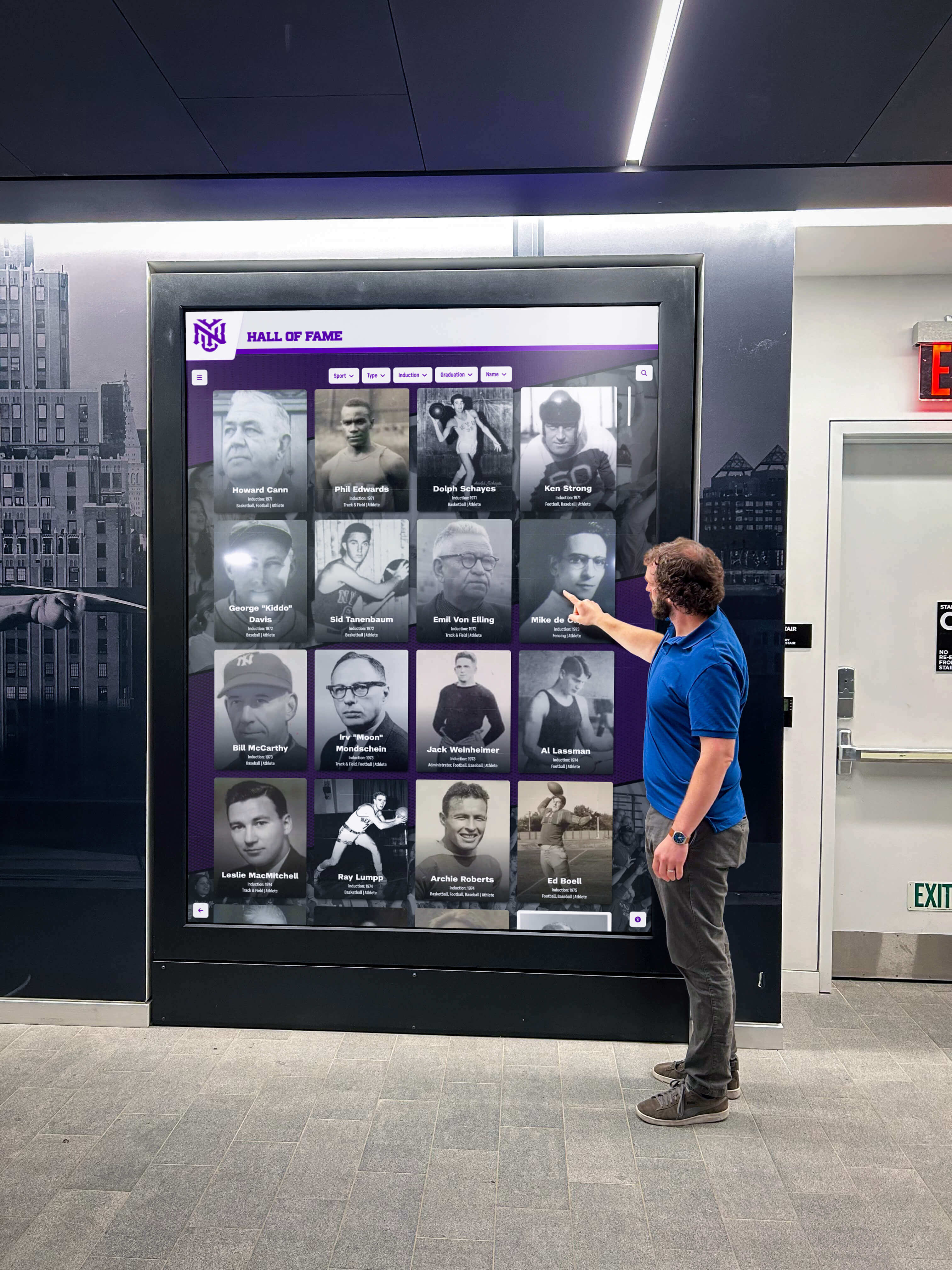
Visible recognition programs signal healthy workplace culture to prospective employees evaluating offers. Candidates touring facilities notice whether organizations genuinely celebrate employees or merely claim to value people. Recognition displays create tangible evidence differentiating employers in competitive talent markets.
Why Traditional Recognition Approaches Fall Short
Many organizations maintain recognition programs that technically exist but fail to deliver meaningful impact due to common implementation gaps:
Inconsistent Recognition Delivery:
Recognition programs often start strong but fade as initial enthusiasm wanes and competing priorities dominate attention. Bulletin boards fill with outdated content, awards skip months without updates, and recognition becomes sporadic rather than systematic. Inconsistency undermines credibility and signals that recognition doesn’t actually matter to leadership.
Limited Visibility and Accessibility:
Physical bulletin boards in single locations limit recognition visibility to employees who happen to pass that specific hallway or break room. Remote employees, field staff, and workers in different buildings or shifts miss recognition entirely. Limited visibility restricts recognition’s potential to engage broader workforces and create organization-wide culture.
Generic, Meaningless Recognition:
“Employee of the month” programs selecting rotating winners from attendance lists rather than genuine achievement feel hollow to recipients and colleagues alike. Recognition lacking specific achievement context fails to inspire or reinforce desired behaviors. Generic praise creates cynicism rather than engagement.
Capacity and Scalability Constraints:
Physical bulletin boards fill completely, forcing organizations to remove old recognition to accommodate new honorees. When space constraints limit how many employees can be recognized, programs become exclusive rather than inclusive. Organizations should celebrate growing numbers of contributors, not maintain artificial scarcity.
Modern digital recognition solutions address these fundamental limitations while introducing capabilities that transform recognition from administrative requirement to genuine culture-building tool.
Traditional Employee Recognition Board Ideas
Understanding conventional approaches provides context for evaluating modern alternatives and helps organizations transitioning from traditional to digital systems.
Physical Bulletin Board Recognition Systems
Traditional bulletin boards remain ubiquitous in corporate environments despite inherent limitations:
Cork Board Recognition Displays:
Classic cork boards with pinned certificates, photos, and printed announcements represent the most common recognition approach. These low-cost displays require minimal technical infrastructure and allow quick updates using standard office supplies.
Implementation Approaches:
- Department-specific boards celebrating team achievements
- Company-wide boards highlighting organization-level recognition
- Themed boards focusing on specific values or initiatives
- Rotating spotlight boards featuring different employees monthly
- Peer recognition boards allowing colleague nominations
Magnetic Whiteboard Systems:
Magnetic boards provide cleaner aesthetics than cork while maintaining update flexibility. Organizations use magnetic name tiles, achievement badges, or status indicators creating organized visual presentations.
Common Formats:
- Performance tracking boards showing progress toward goals
- Safety milestone boards celebrating incident-free days
- Sales leaderboards displaying current standings
- Project status boards tracking team accomplishments
- Training certification boards documenting skill development
Wall-Mounted Display Cases:
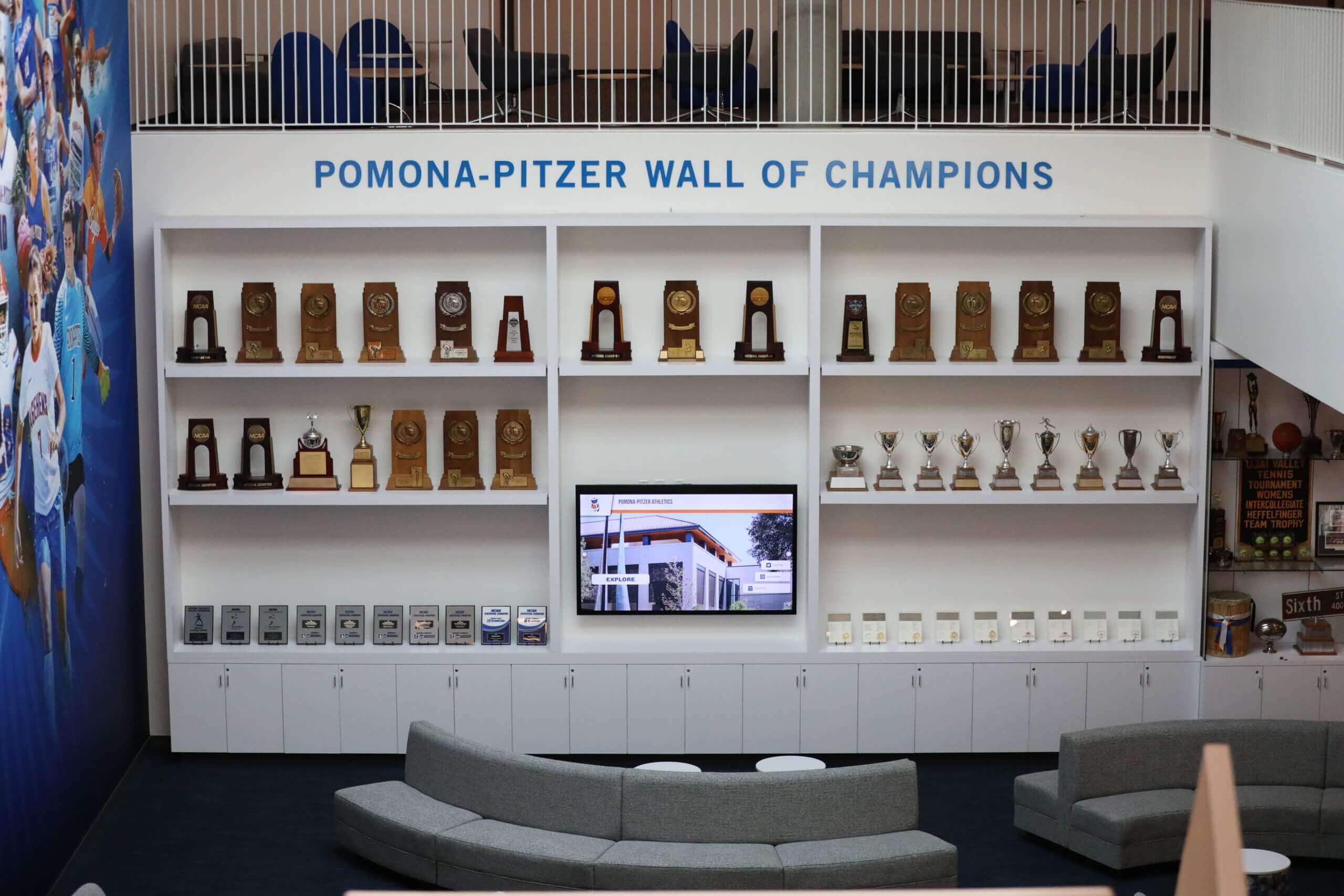
Enclosed display cases protect recognition materials while creating more polished presentations suitable for client-facing areas or executive corridors.
Typical Contents:
- Formal award certificates and commendations
- Engraved plaques for significant achievements
- Three-dimensional trophies and recognition objects
- Printed employee profiles with photos and biographies
- News articles featuring employees or company achievements
Designing Effective Traditional Recognition Boards
Organizations committed to physical recognition displays should implement best practices maximizing engagement despite format limitations:
Visual Design Principles:
Layout and Organization:
- Clear sections organizing content logically by category, department, or time period
- Consistent formatting creating professional unified appearance
- Adequate spacing preventing cluttered overwhelming look
- Hierarchical emphasis highlighting most important recognition
- Readable typography sized for viewing distances
- Color coding distinguishing achievement types or recognition levels
Content Quality Standards:
- High-resolution printed photos maintaining professional appearance
- Laminated materials preventing fading and damage
- Consistent photo styles creating visual unity
- Proper mounting securing materials neatly
- Regular maintenance addressing damaged or faded content
- Appropriate matting and framing for permanent displays
Strategic Placement Considerations:
Location dramatically impacts recognition effectiveness:
- High-traffic areas ensuring maximum employee exposure
- Adequate lighting allowing content visibility
- Comfortable viewing distance for text readability
- Protected locations minimizing sun damage and wear
- Height accessibility for diverse employee populations
- Multiple locations extending reach across facilities
Content Strategy and Rotation:
Systematic content management prevents stale displays undermining program credibility:
Monthly Minimum Updates:
- New recognition content added at minimum monthly
- Outdated materials removed promptly
- Seasonal themes maintaining fresh appearance
- Archive historical recognition appropriately
- Document recognition history preserving organizational memory
Balanced Recognition Mix:
- Individual achievement spotlights celebrating specific employees
- Team accomplishments recognizing collaborative success
- Milestone recognition honoring tenure and longevity
- Peer nominations showcasing colleague appreciation
- Values-based recognition reinforcing cultural priorities
- Customer testimonials highlighting service excellence
- Community involvement celebrating corporate citizenship
Modern Digital Employee Recognition Board Solutions
Digital technology transforms employee recognition by addressing virtually every limitation of traditional bulletin boards while introducing powerful capabilities impossible with physical displays.
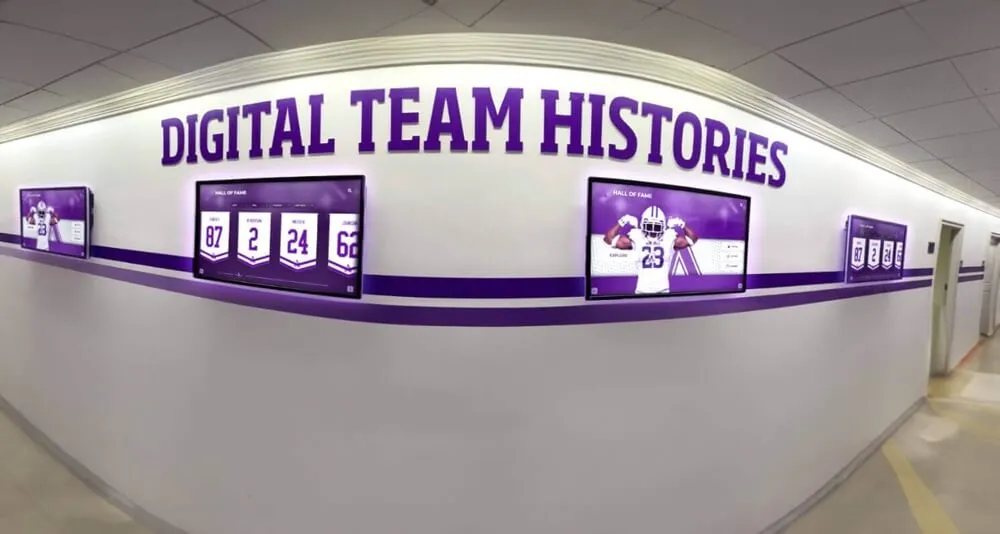
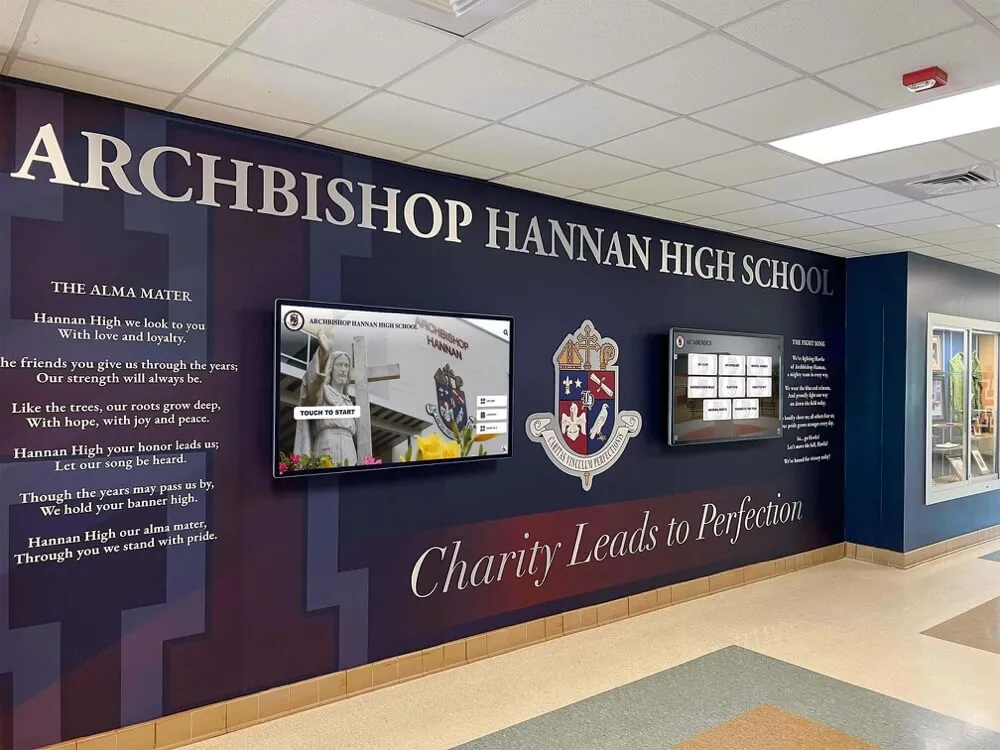
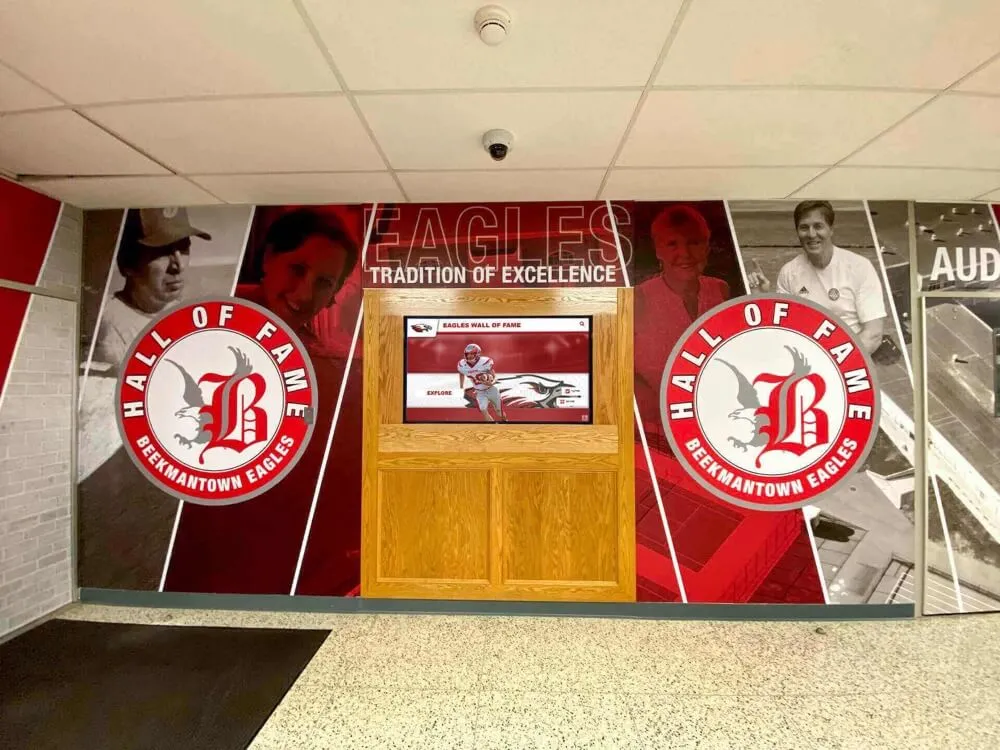
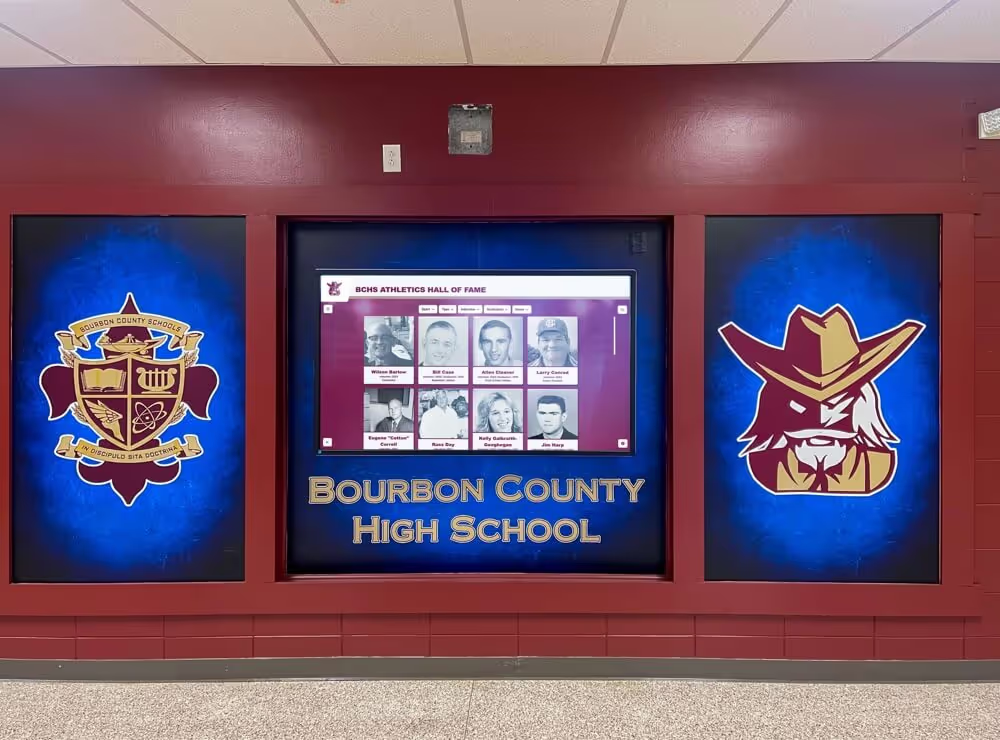
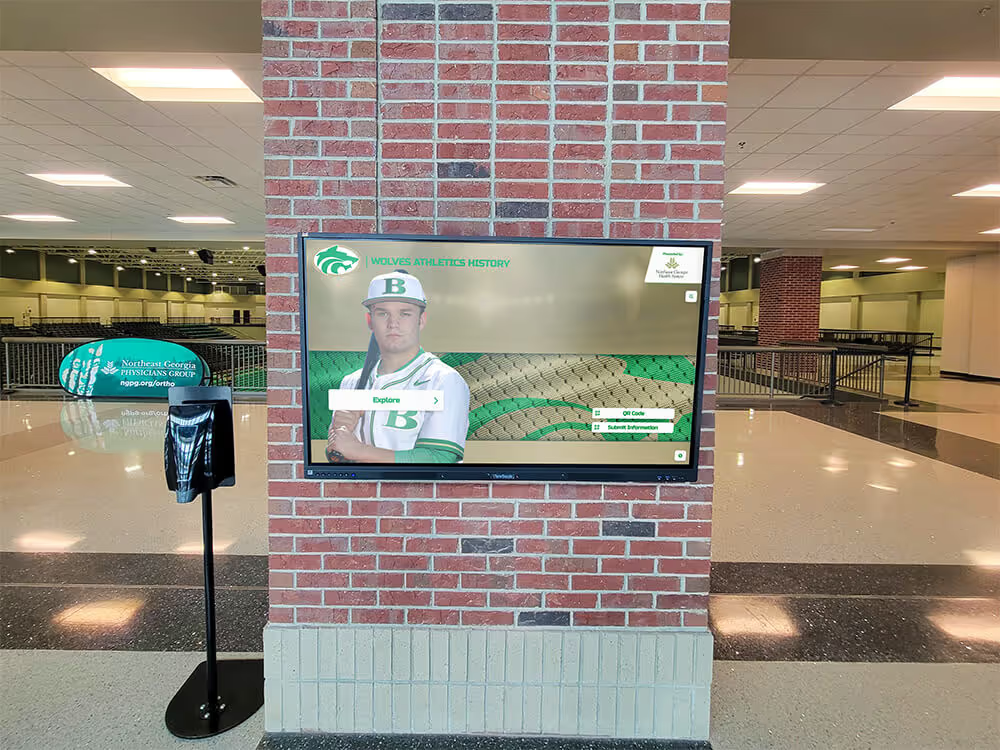
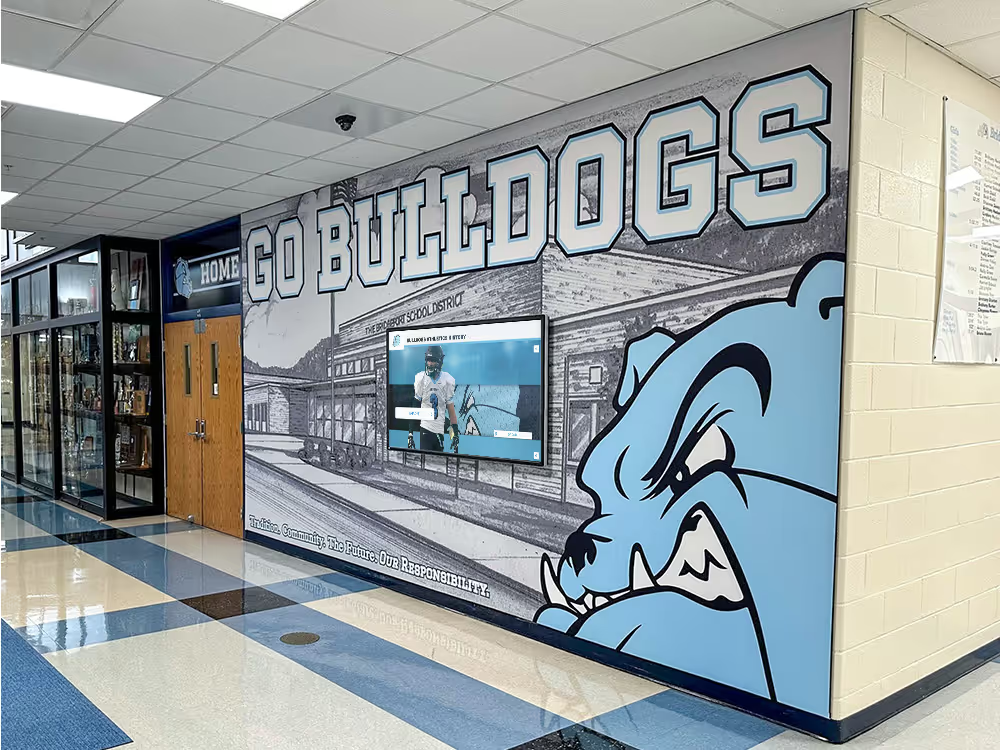
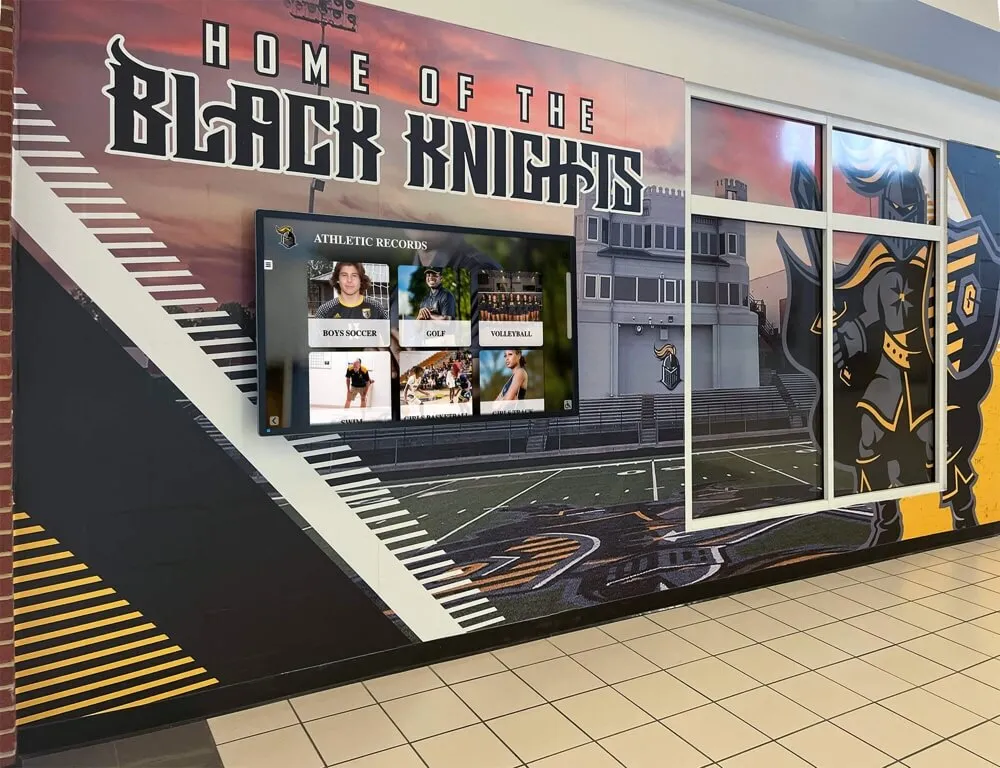
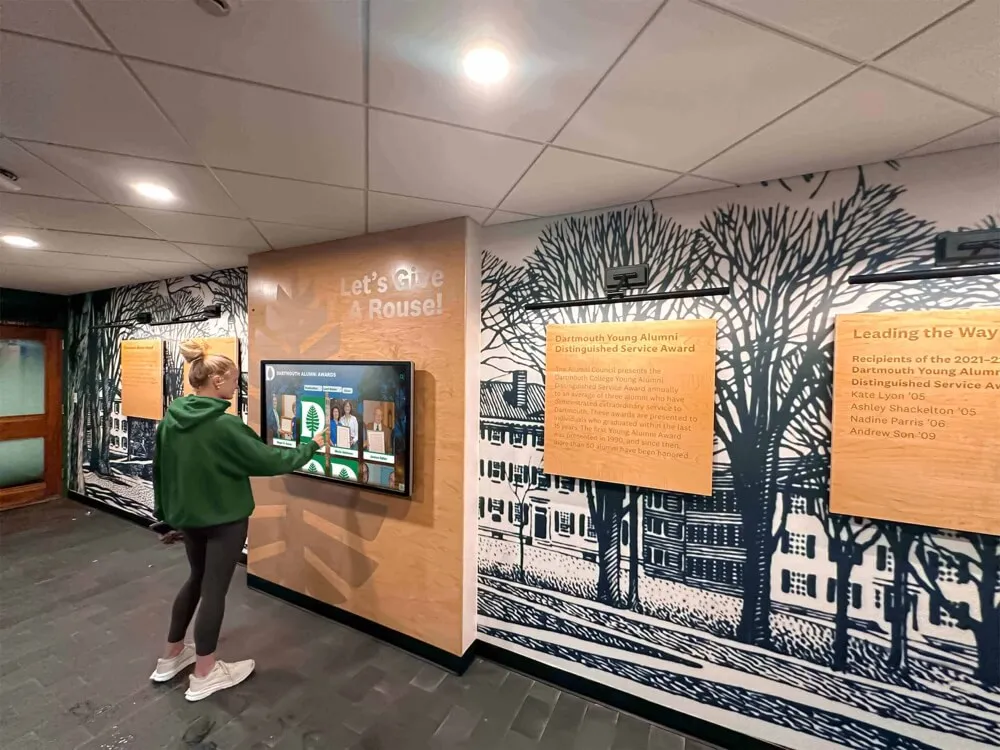
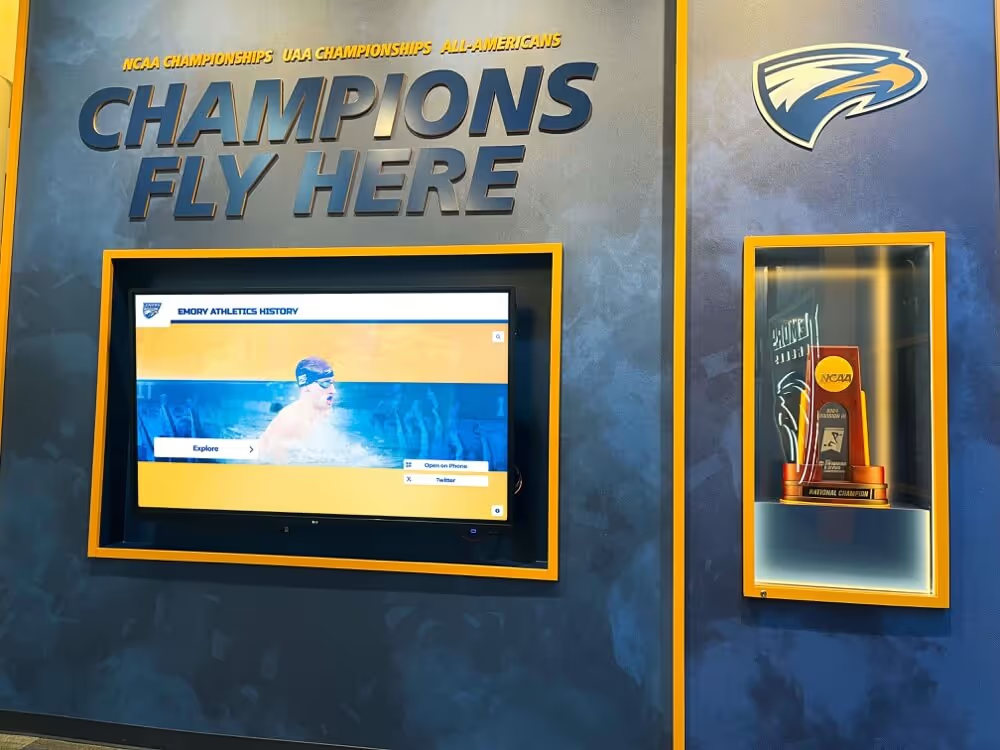
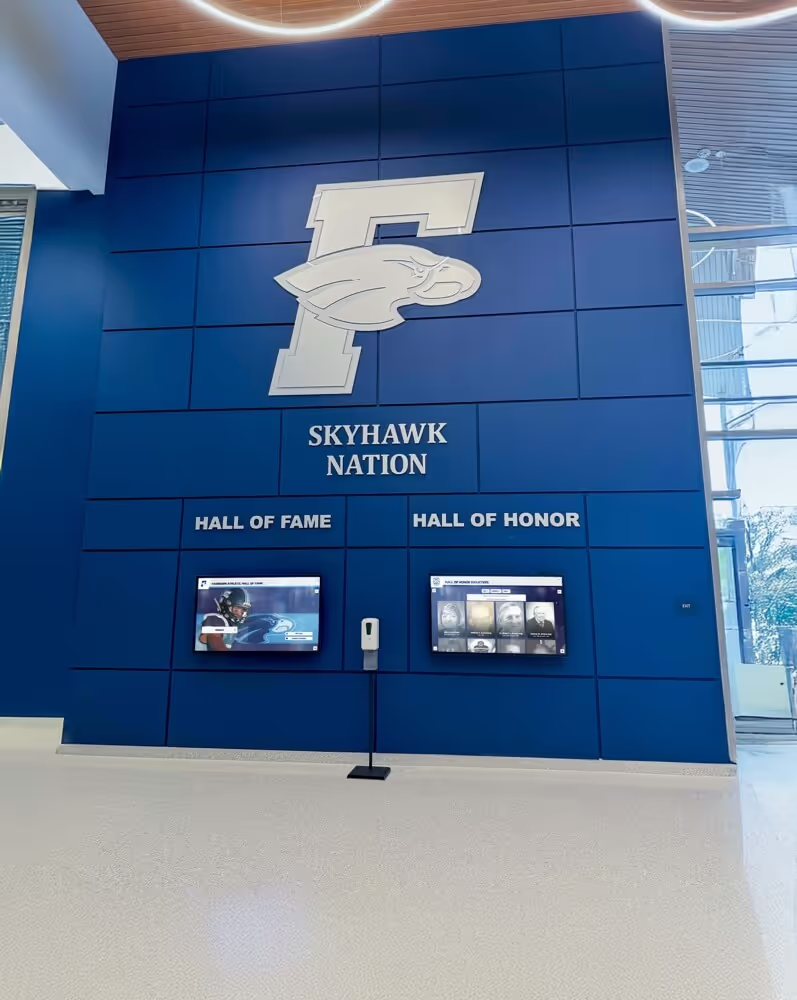
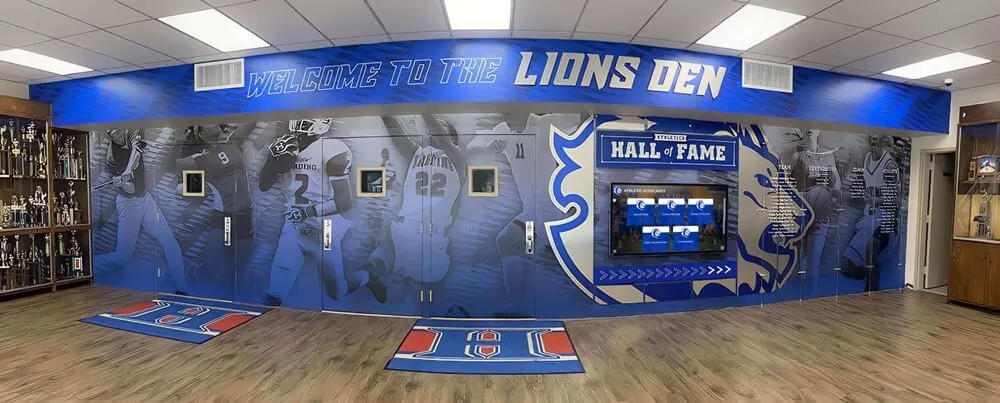
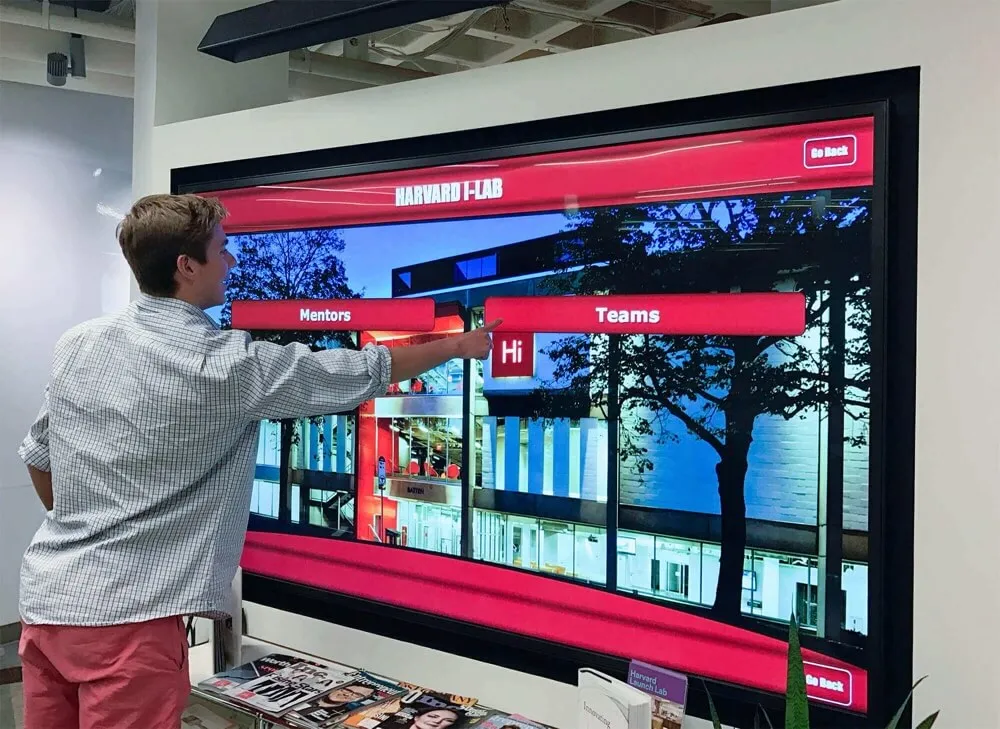
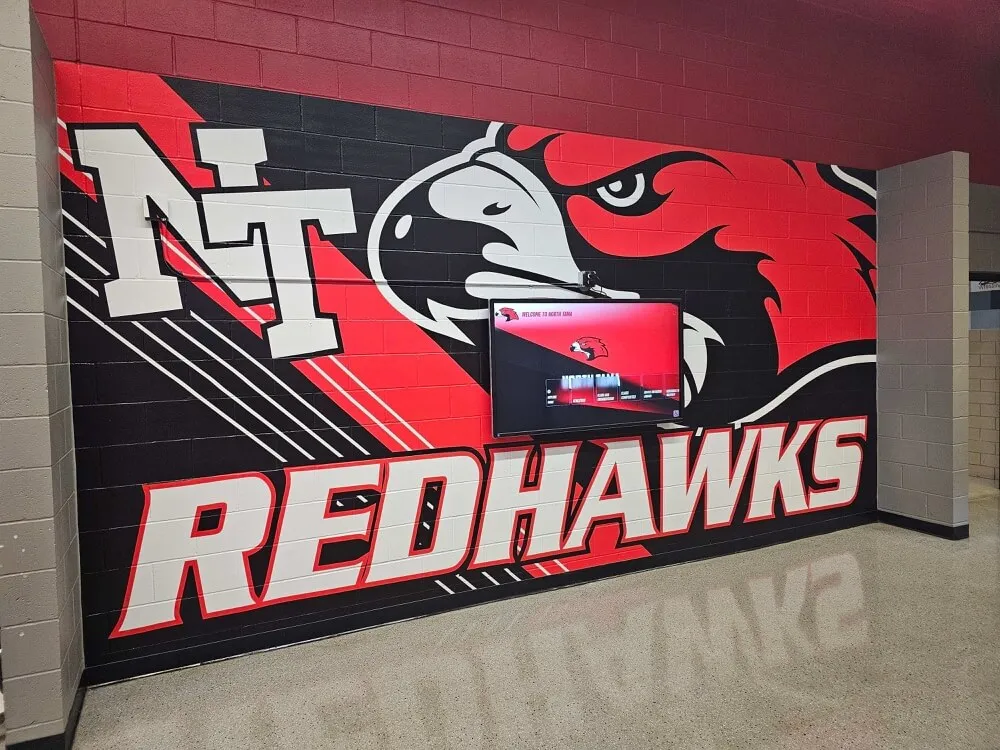
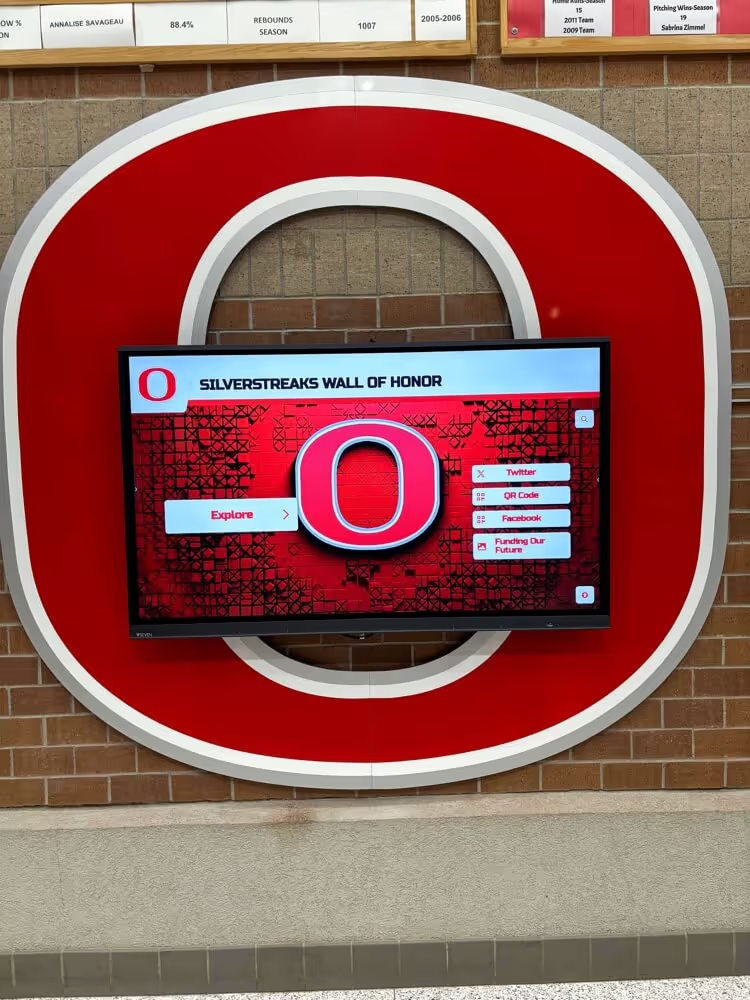
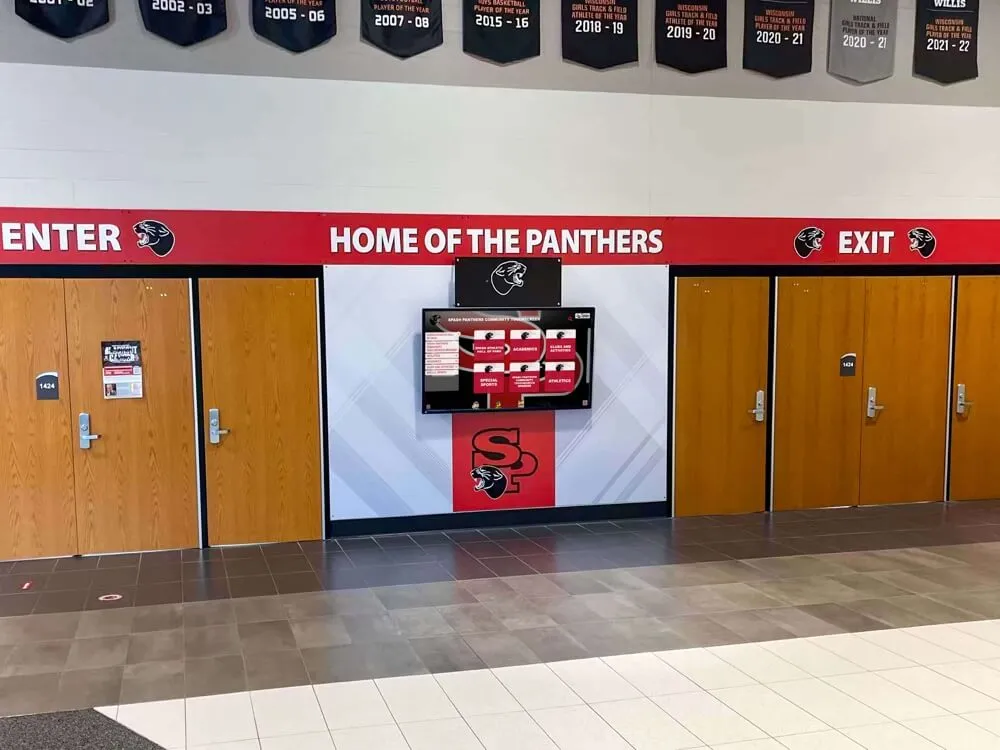
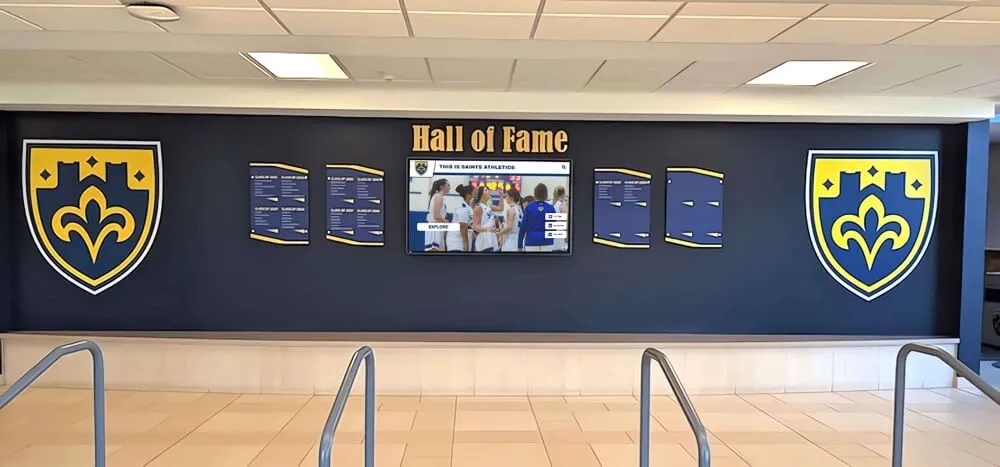
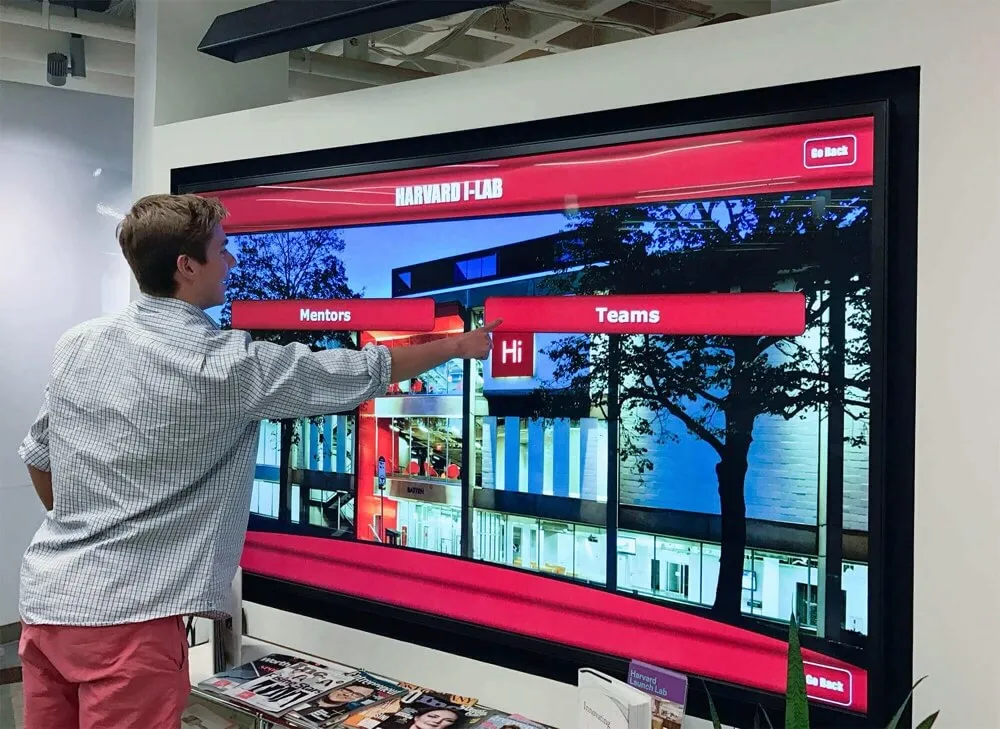
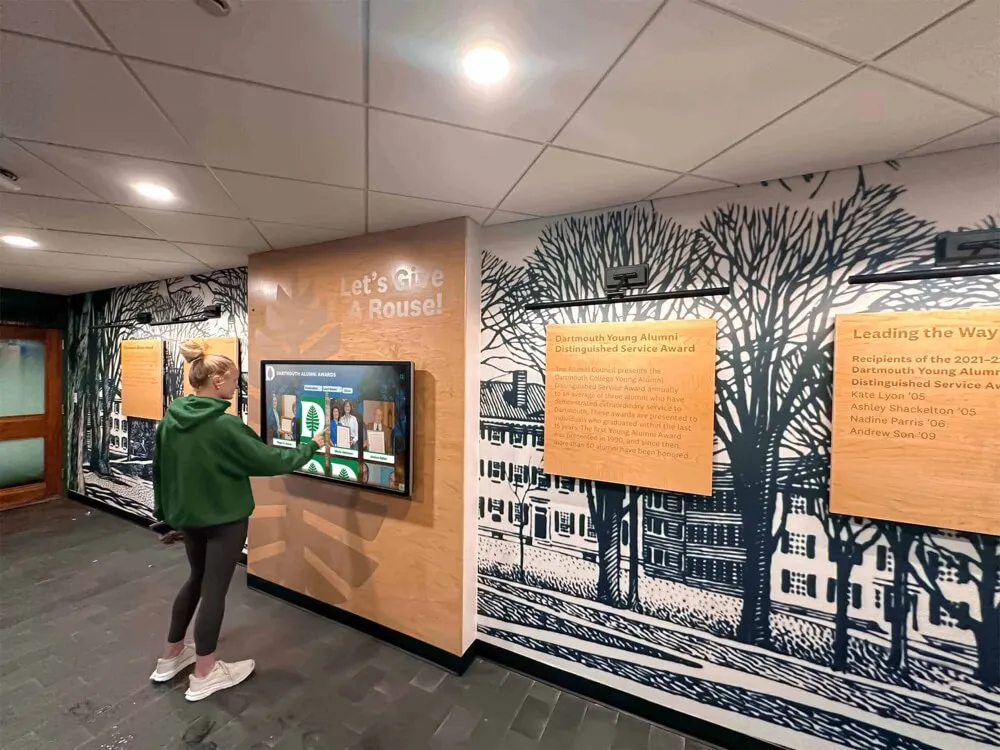
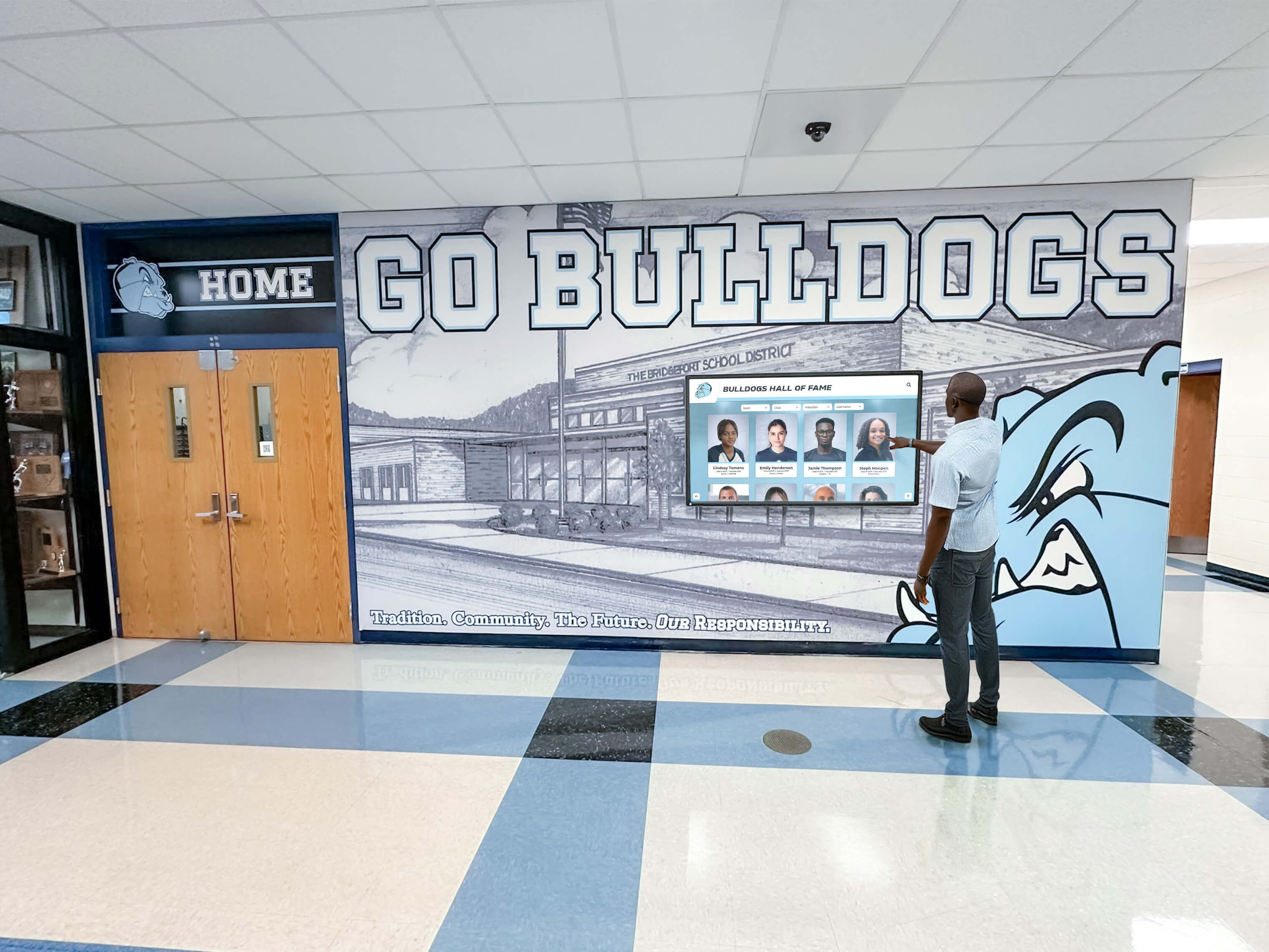
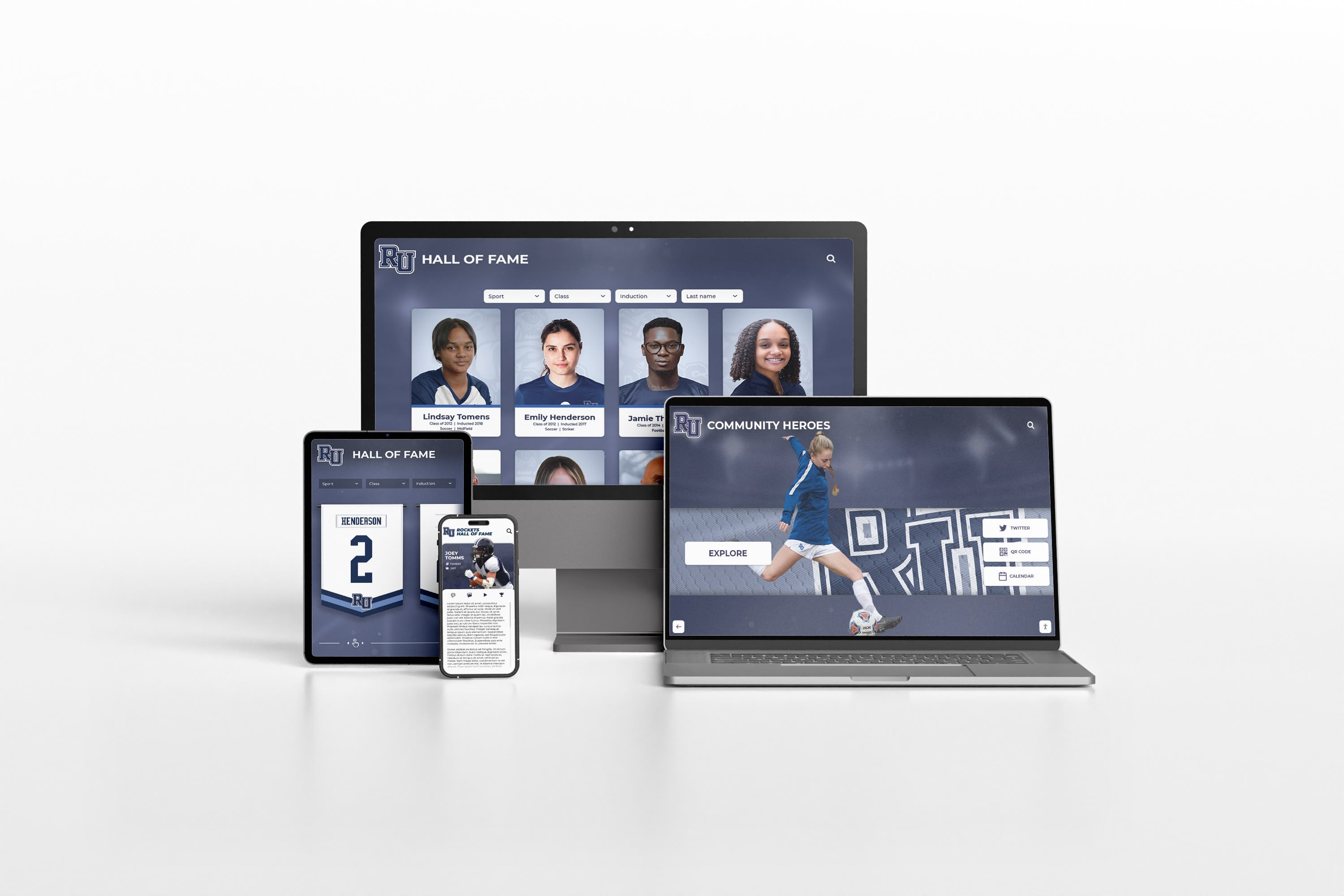
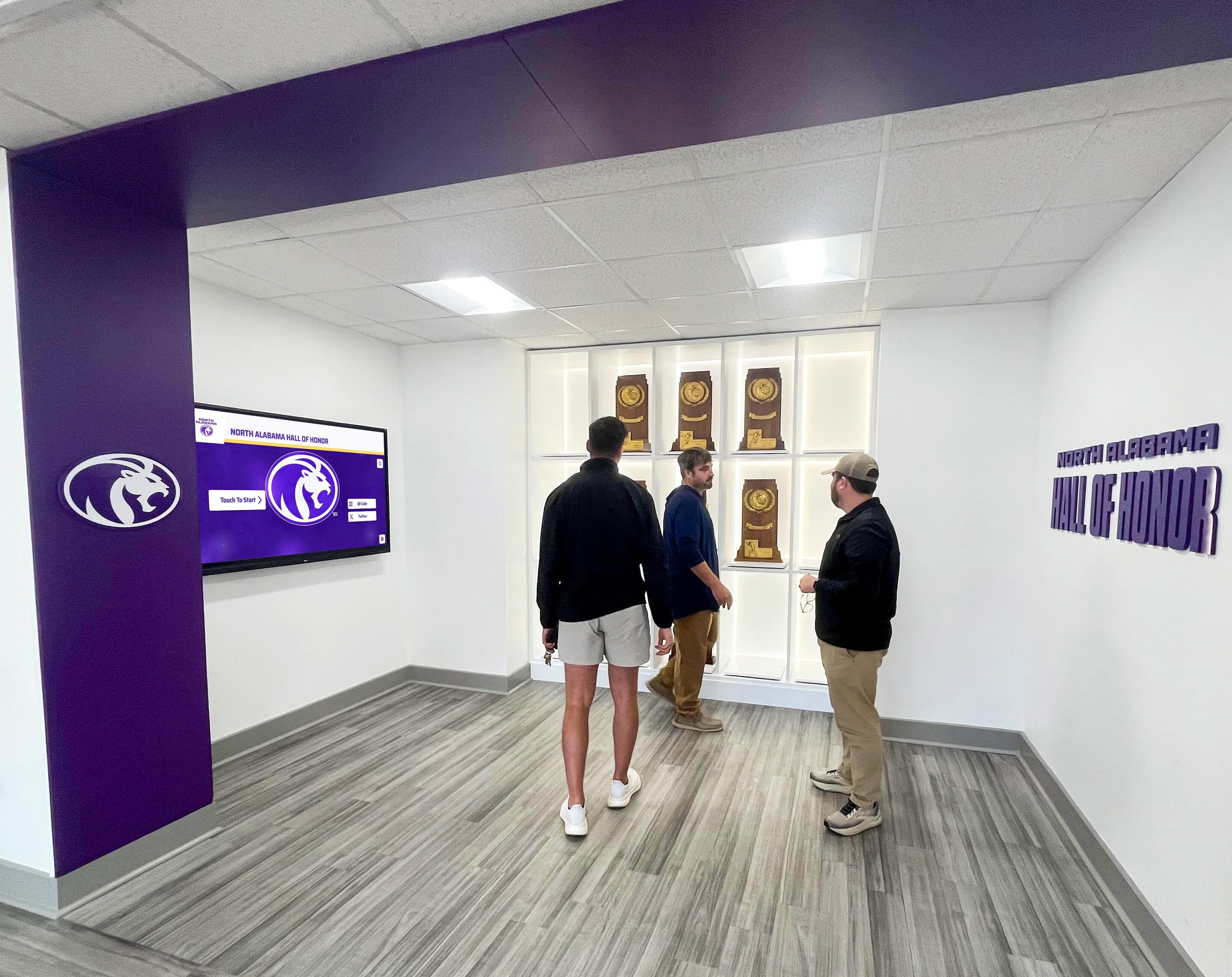
Interactive Touchscreen Recognition Displays
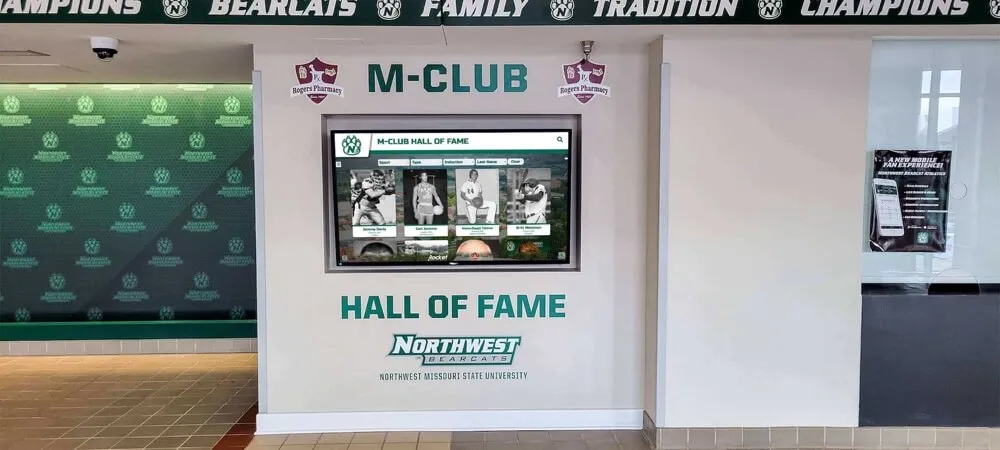
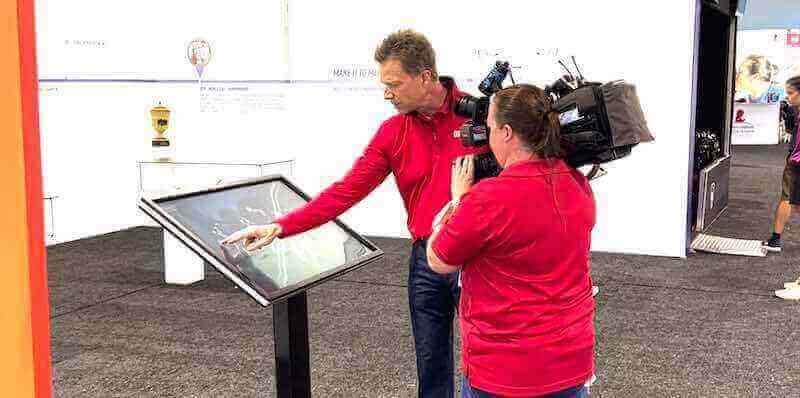
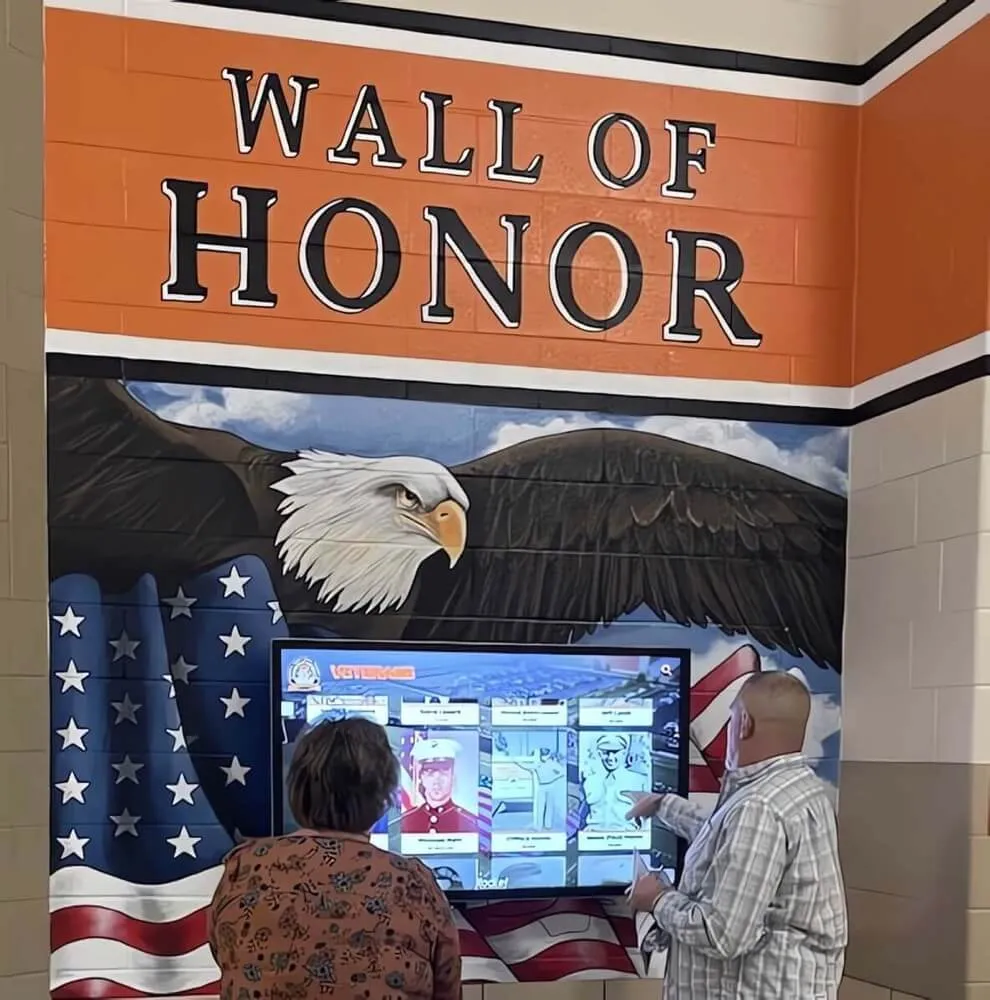
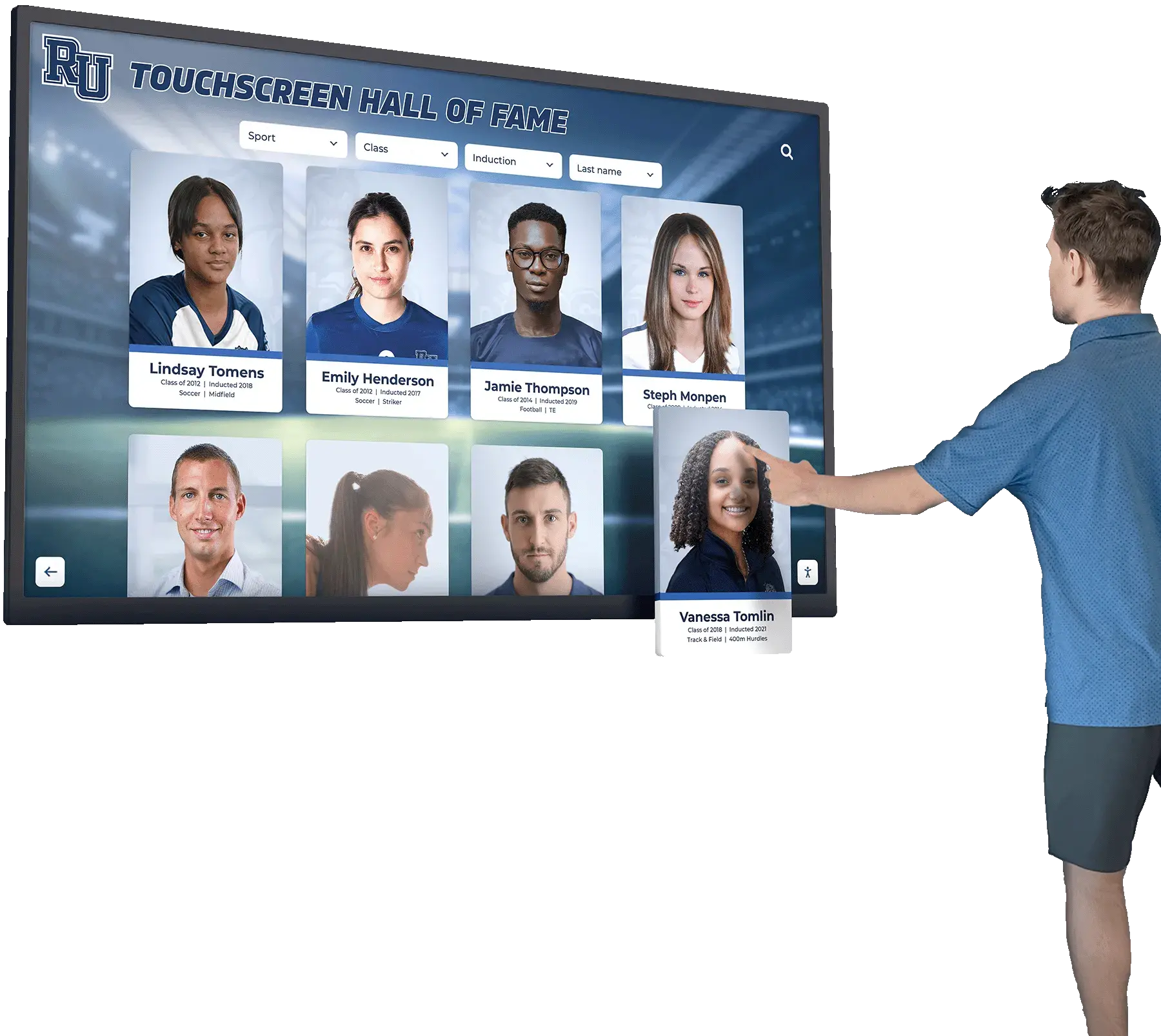
Touchscreen recognition systems create engaging experiences allowing employees to explore achievement details, search for colleagues, and interact with content meaningfully:
Core Capabilities:
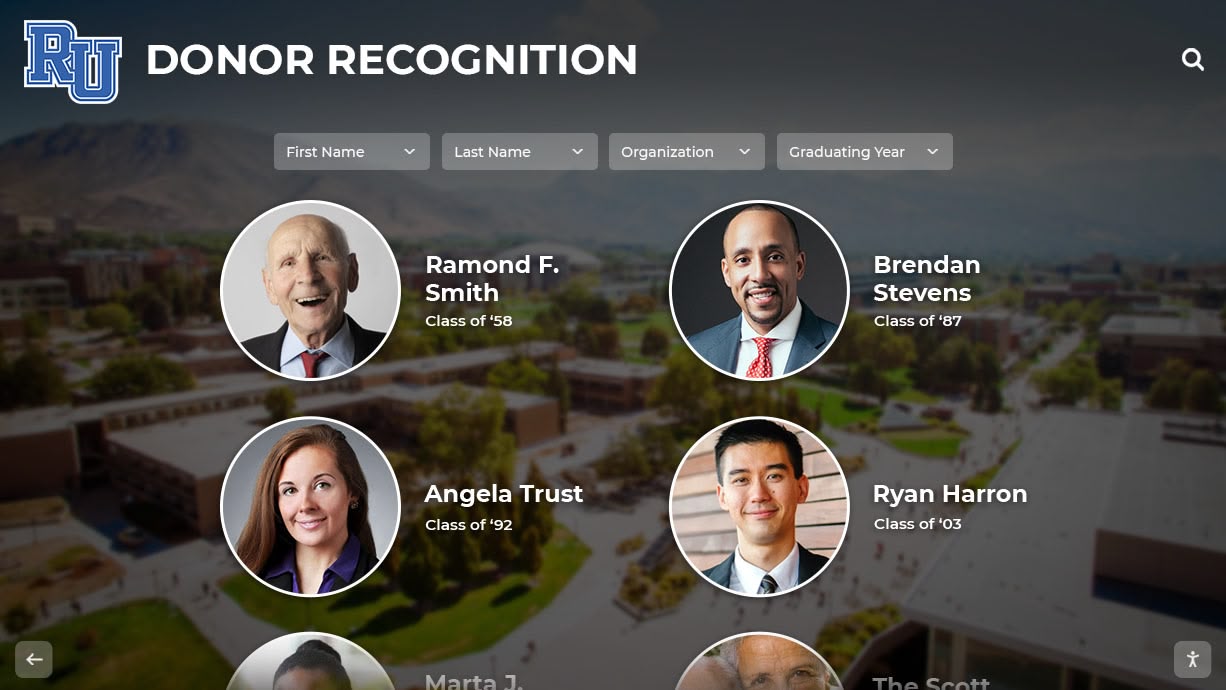
- Unlimited Recognition Capacity: Accommodate thousands of employee profiles without physical space constraints
- Rich Multimedia Profiles: Photos, videos, detailed stories, career timelines, and comprehensive achievement documentation
- Powerful Search Functionality: Find colleagues by name, department, achievement type, or date range instantly
- Interactive Exploration: Drill down into achievement details, related recognition, and historical context
- Self-Service Updates: Decentralized content management allowing departments to update recognition independently
Engagement Advantages:
- Compelling Visual Presentation: High-resolution displays with professional design maintaining consistent branding
- Dynamic Content Rotation: Automated cycling through recognition content ensuring fresh presentation
- Social Sharing Integration: Allow employees to share recognition via email or social platforms
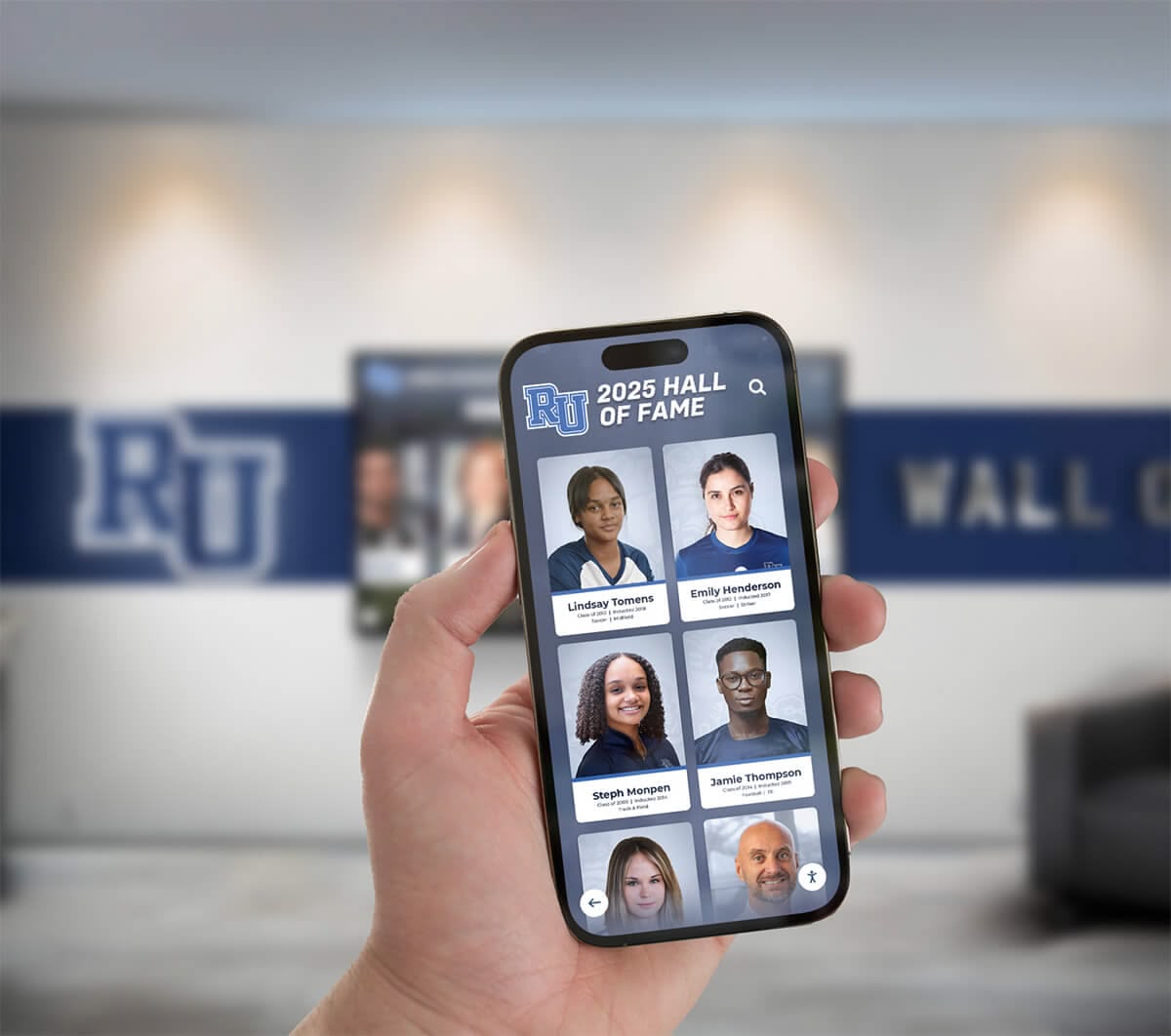
- Mobile Accessibility: Web integration enabling remote access from any device
- Analytics Tracking: Data showing engagement patterns and popular content
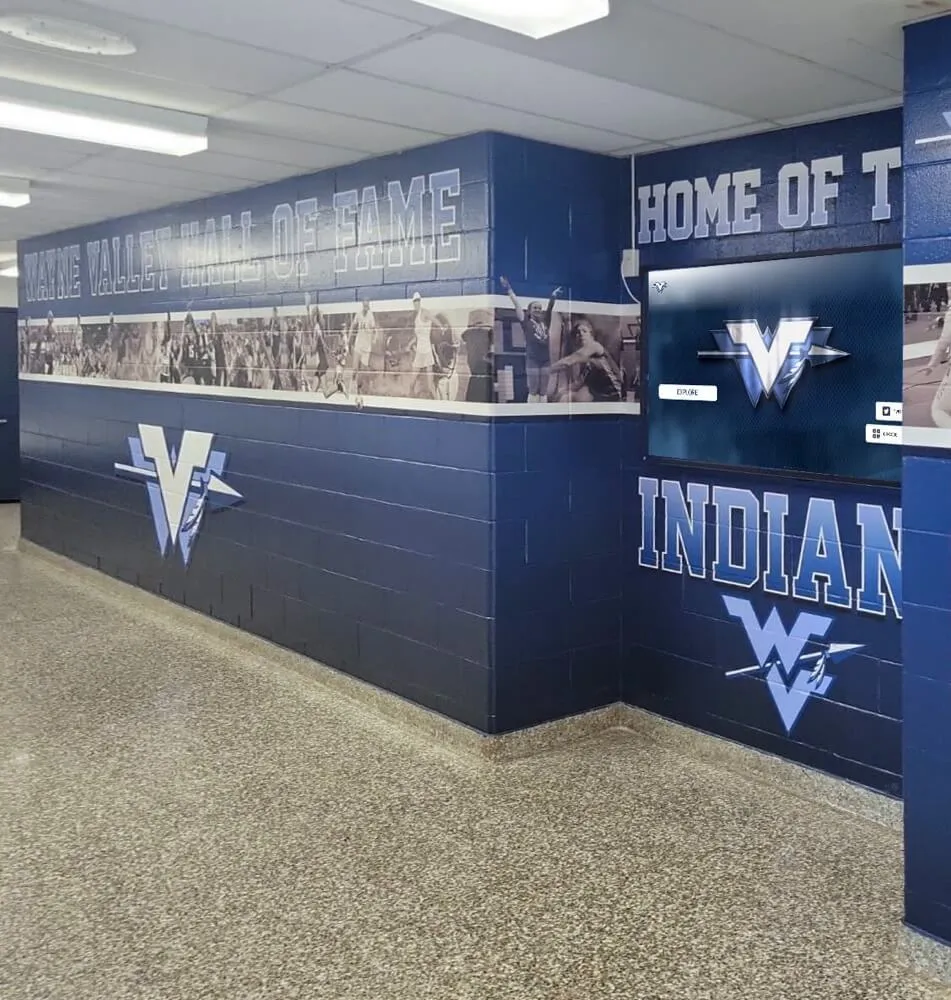
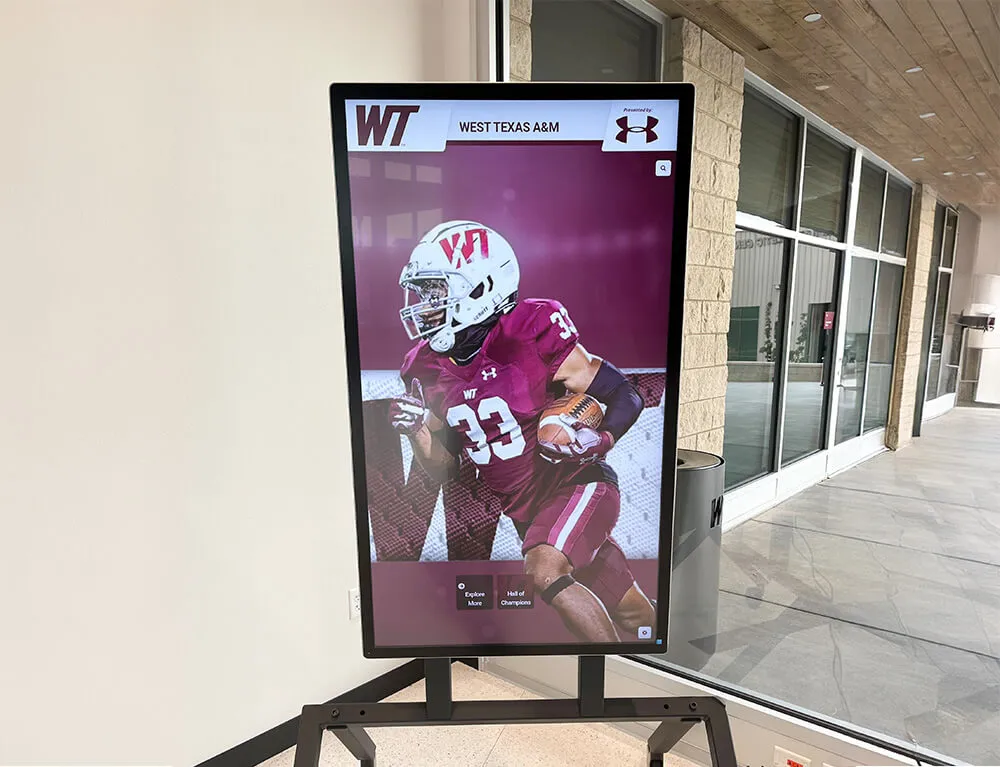
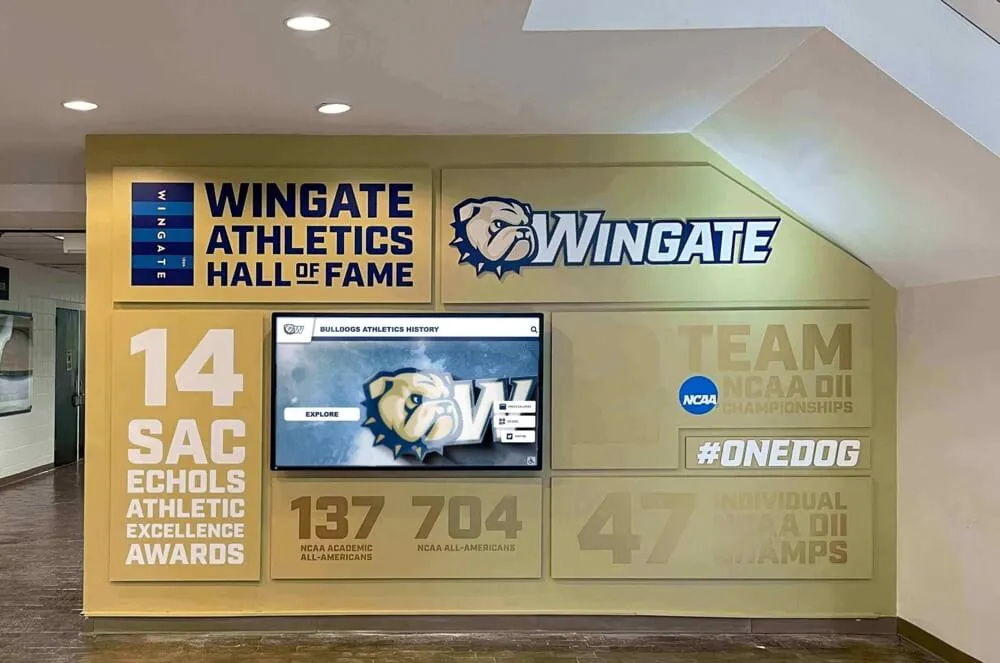
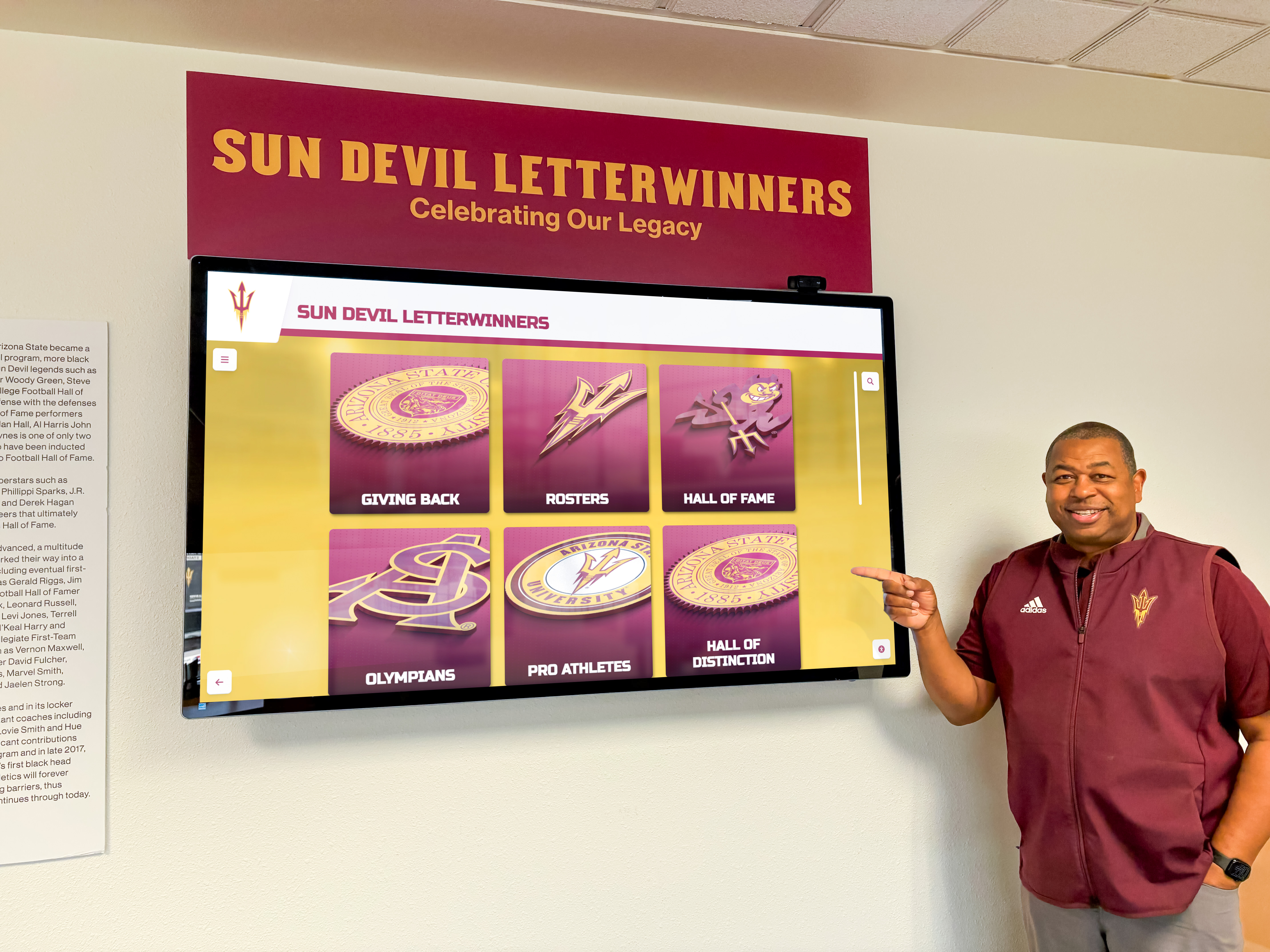
Institutions and organizations implementing comprehensive recognition programs discover that solutions like digital signage services for touchscreen displays provide purpose-built platforms specifically designed for interactive employee recognition systems.
Digital Signage Recognition Walls
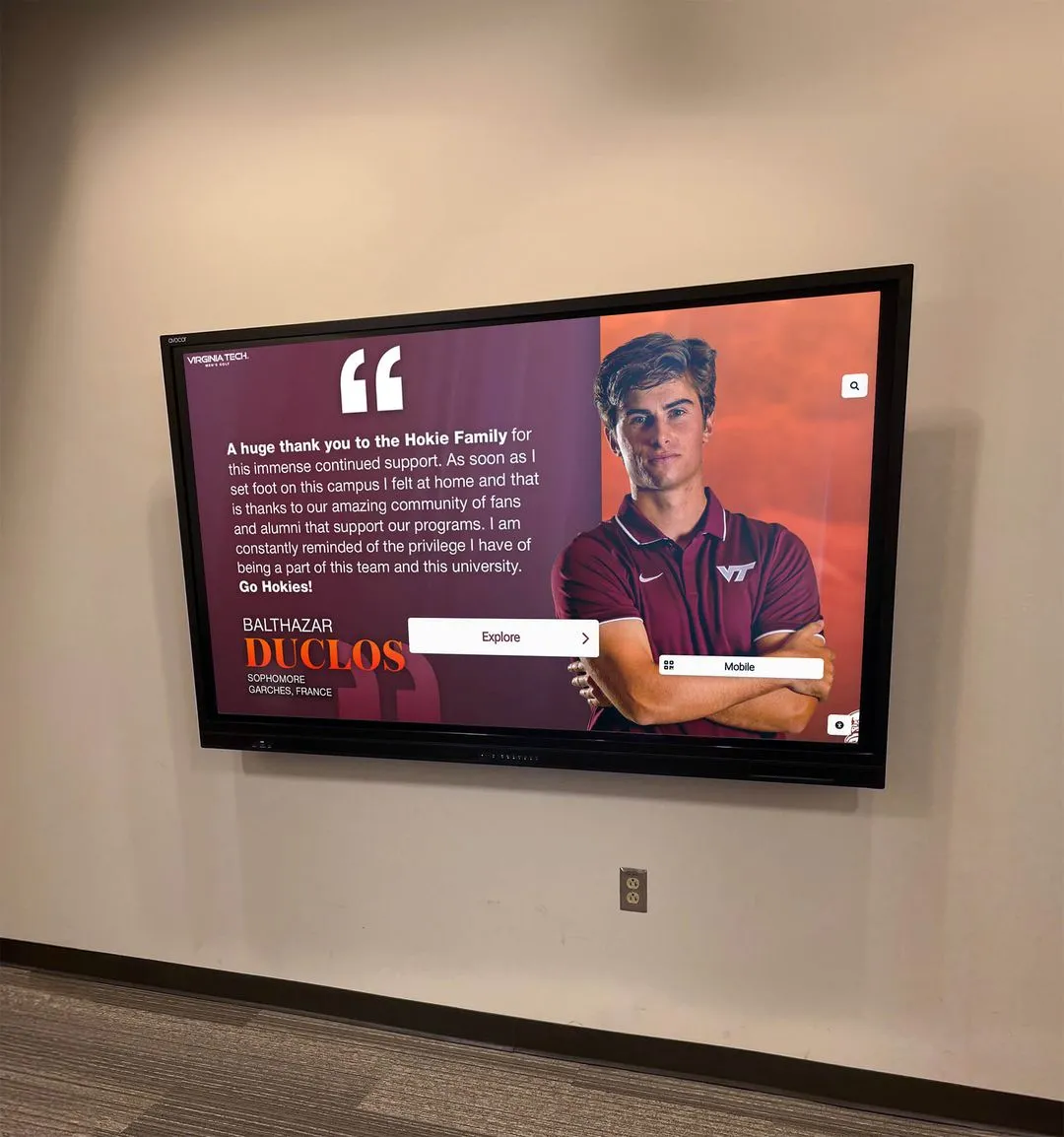
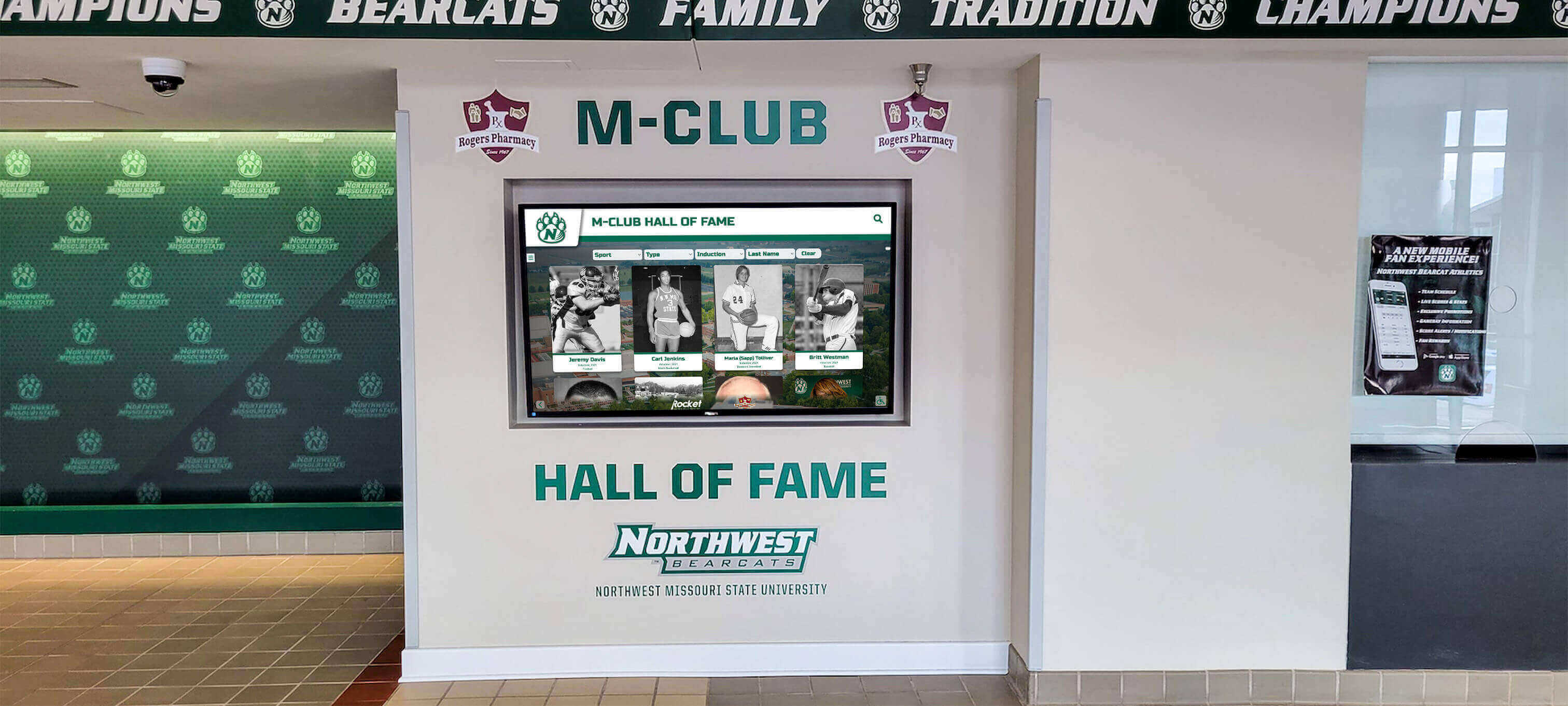
Large-format digital displays create impressive visual impact while cycling through recognition content automatically:
Display Format Options:
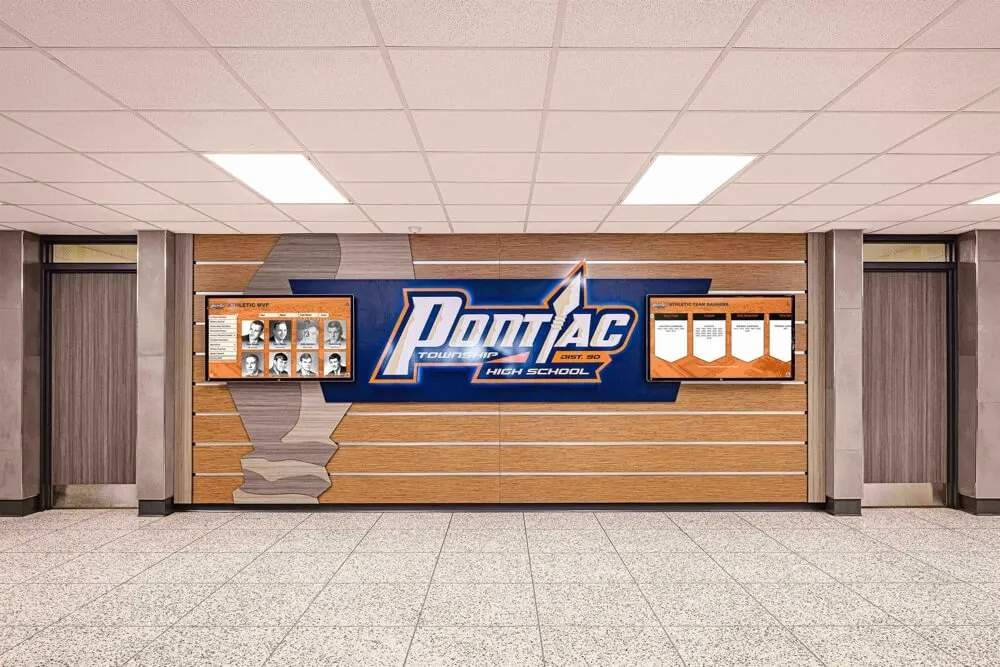
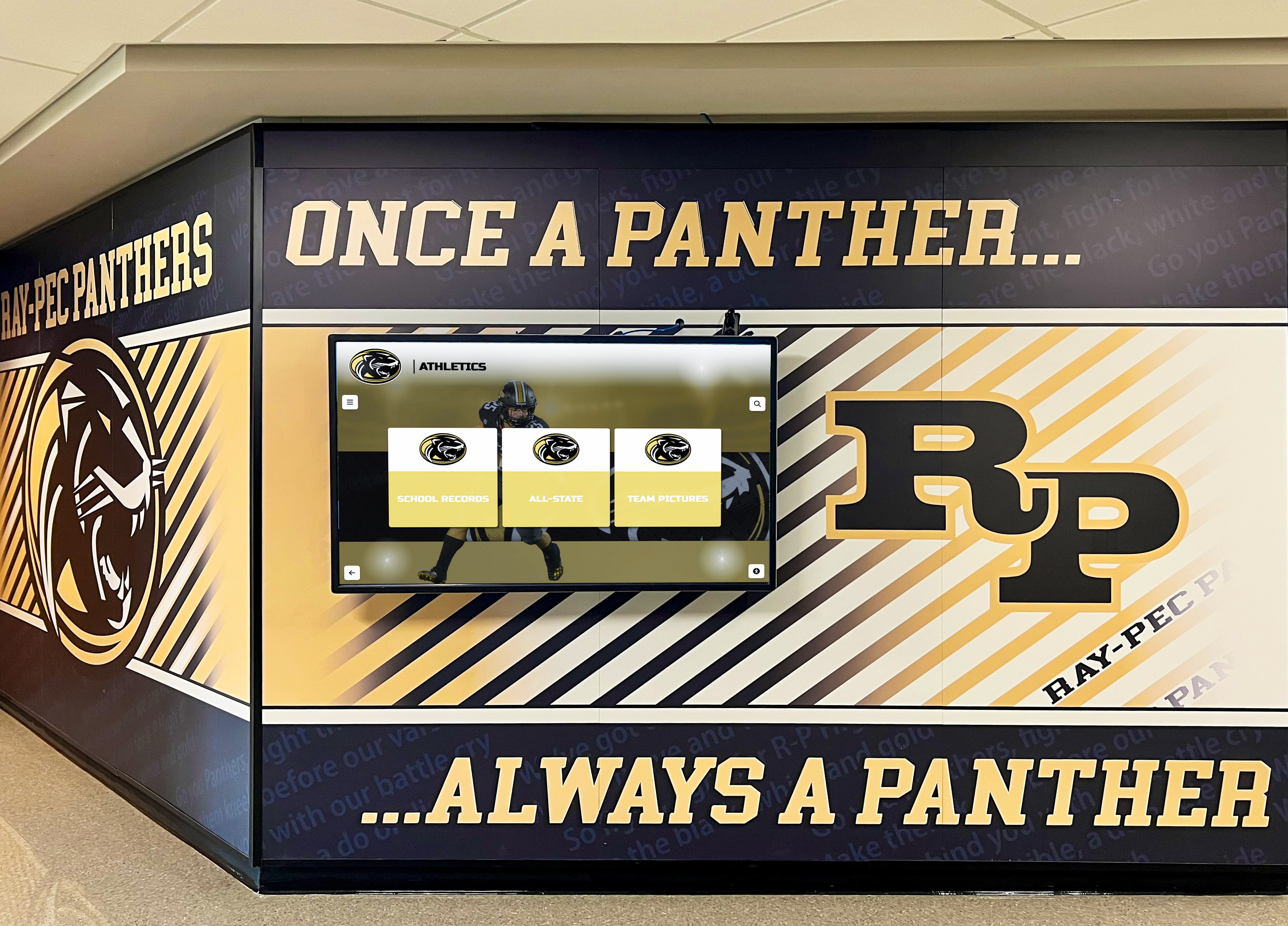
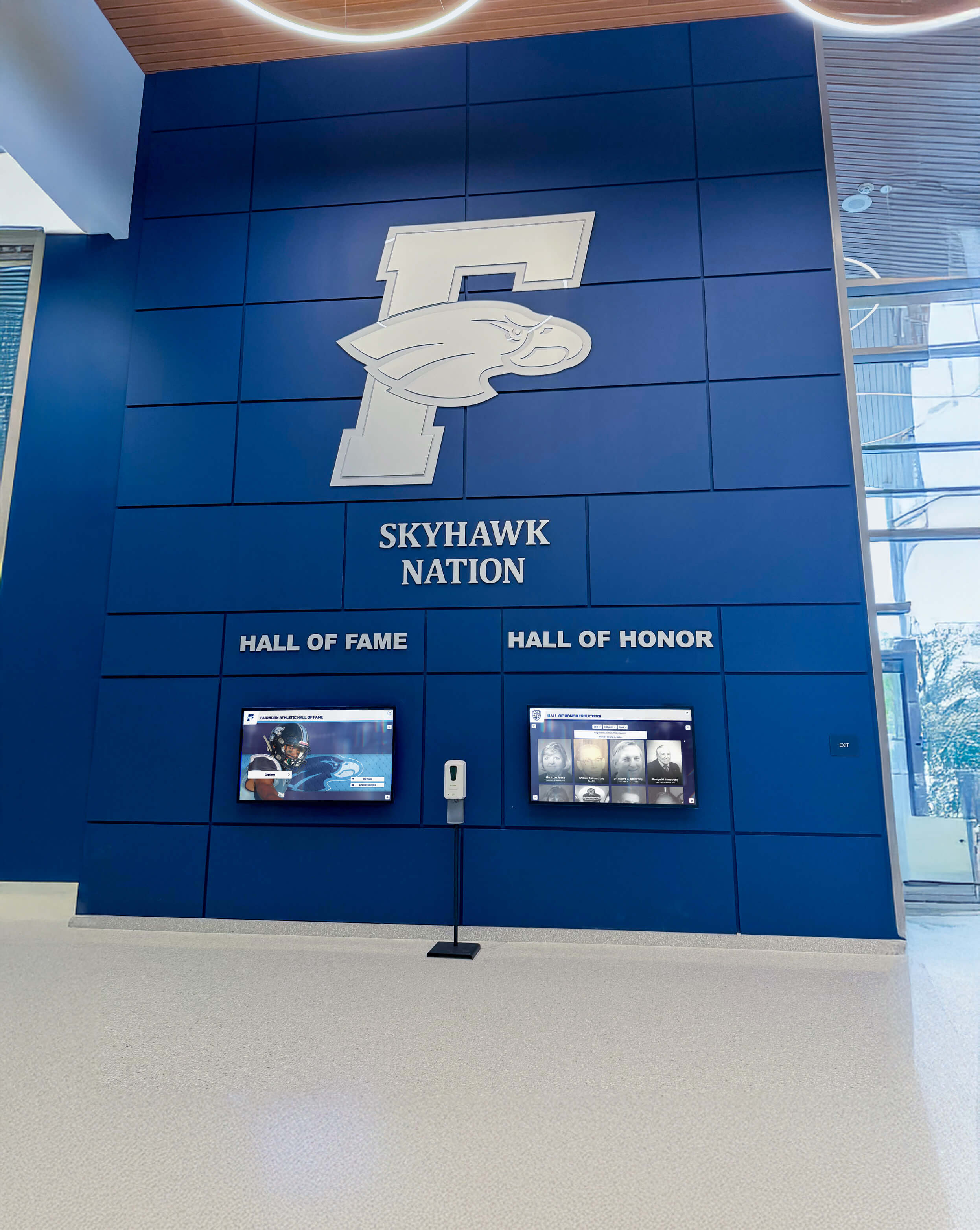
Single Large-Format Displays: High-impact screens (55"-75") in prominent locations create focal points drawing attention and establishing recognition as organizational priority.
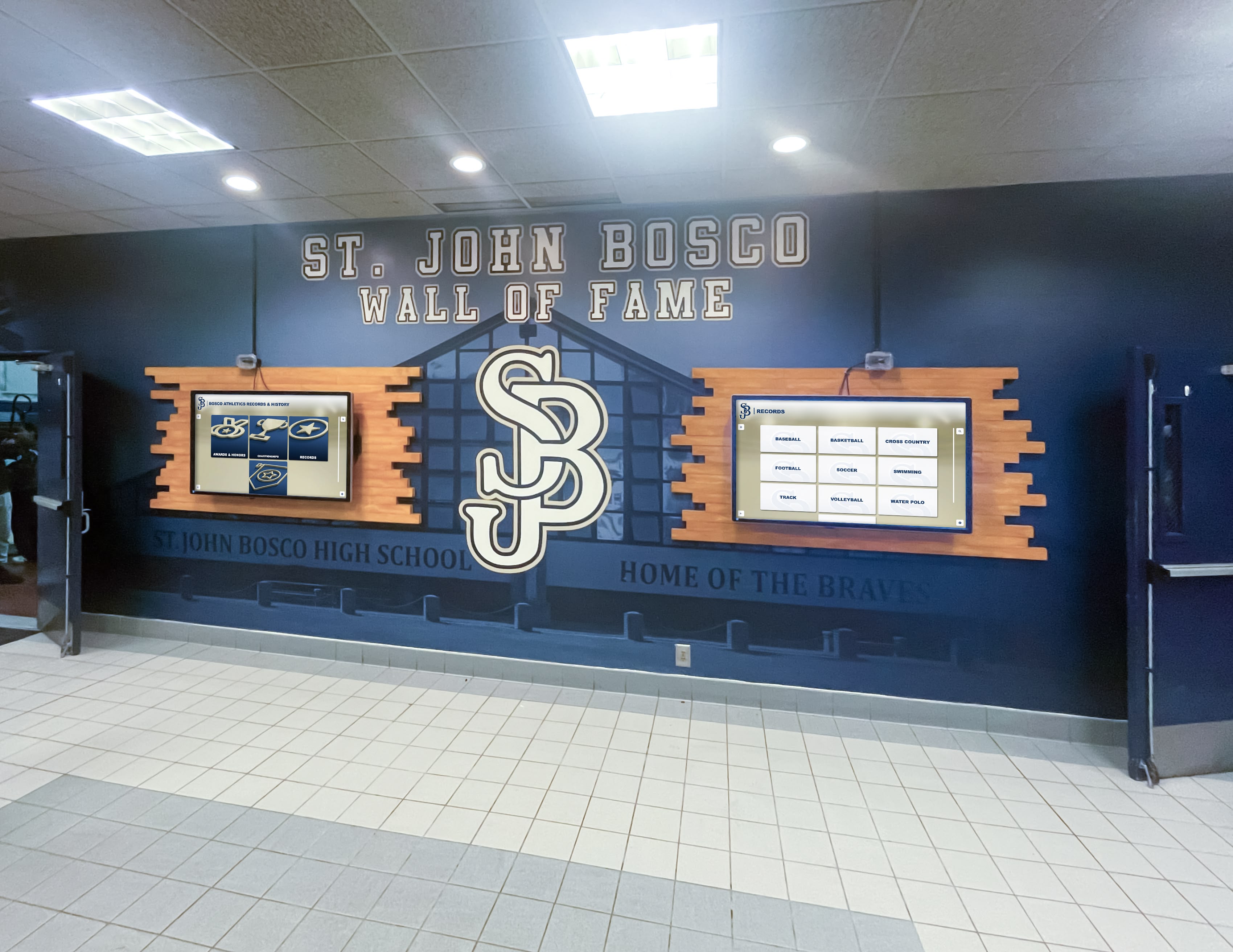
Video Wall Installations: Multiple displays tiled together create immersive recognition experiences particularly effective in large lobbies, cafeterias, or open office environments.
Distributed Screen Networks: Multiple smaller displays throughout facilities extend recognition visibility across buildings, departments, and shifts ensuring all employees see acknowledgment regularly.
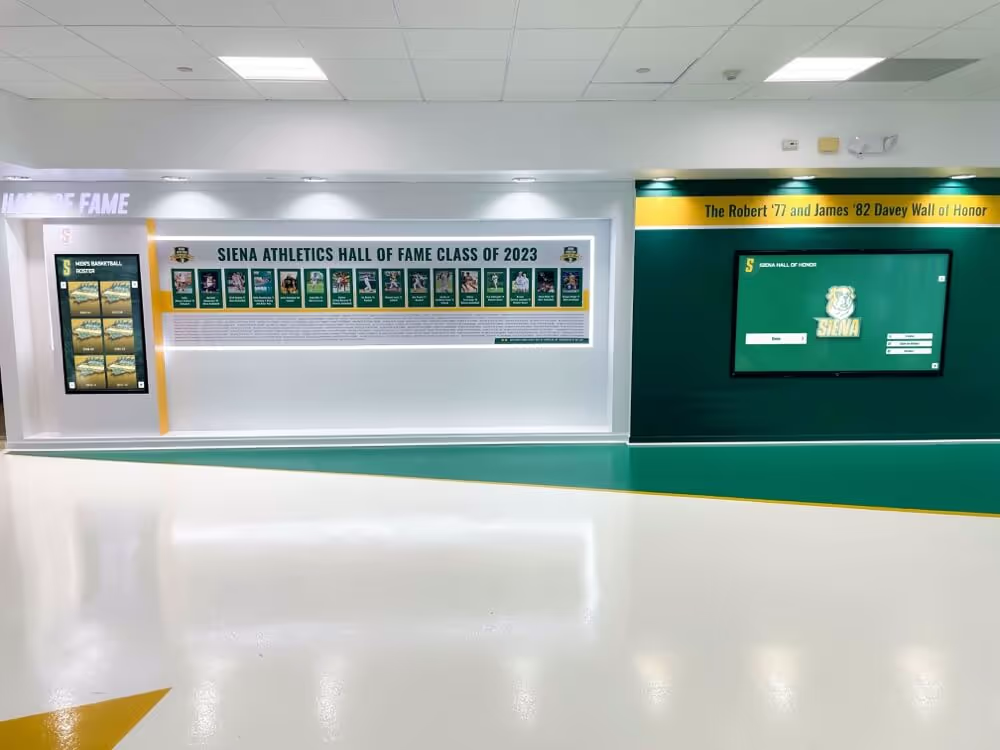
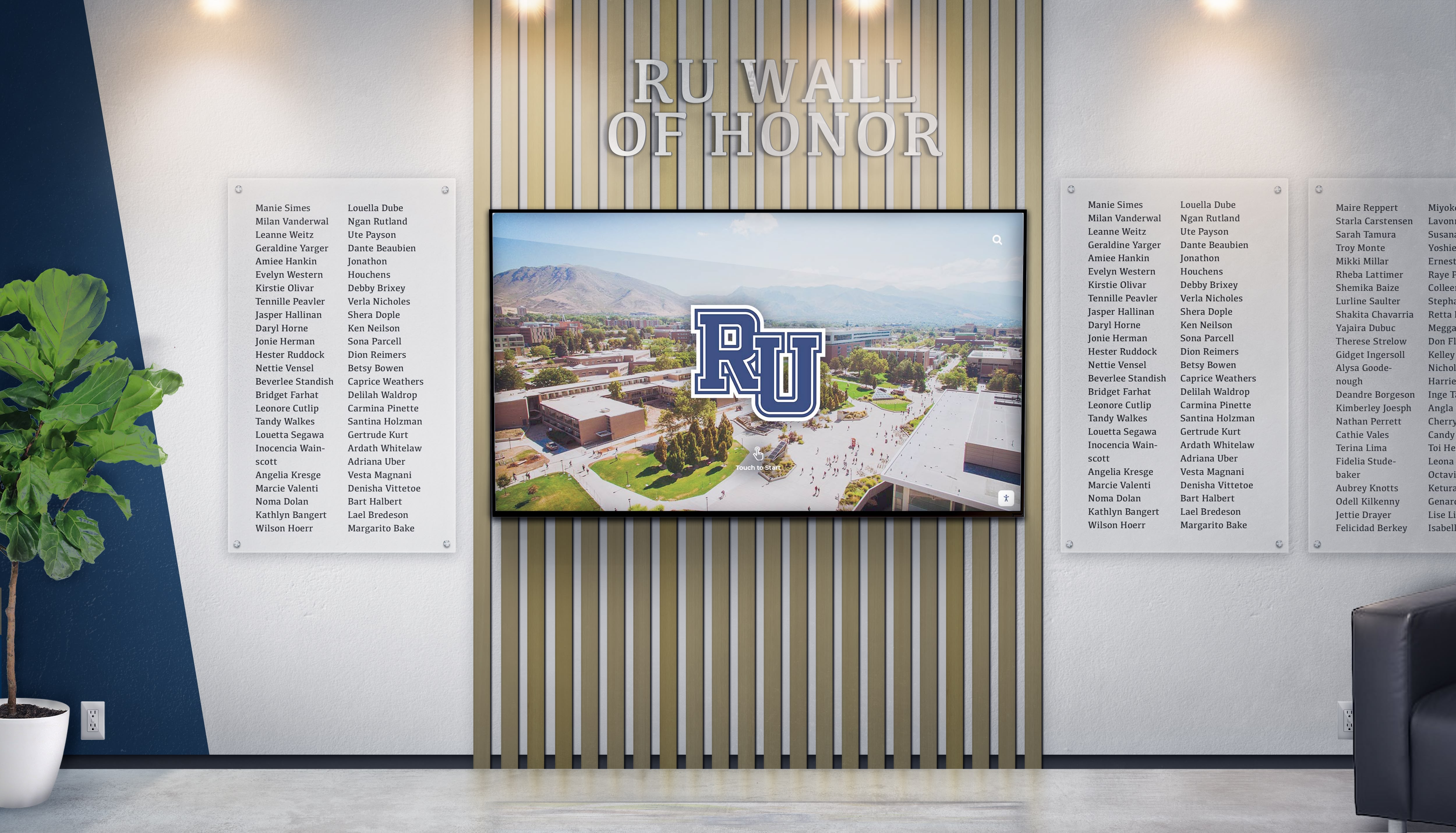
Hybrid Interactive-Passive Systems: Combination of passive displays cycling through content automatically with interactive touchscreens enabling employee exploration and search.
Content Presentation Strategies:
Effective digital signage recognition maximizes engagement through thoughtful content programming:
Recognition Content Types:
- Featured employee spotlights with photos and achievement details
- Rolling recognition feeds showing recent acknowledgments chronologically
- Milestone celebrations highlighting work anniversaries and tenure
- Team achievement showcases recognizing collaborative accomplishments
- Customer testimonials praising specific employees
- Company values in action showing employees exemplifying cultural priorities
- Goal achievement progress tracking departmental or organizational targets
- Peer recognition feeds displaying colleague-to-colleague appreciation
Visual Design Considerations:
- Professional templates maintaining brand consistency across content
- High-contrast color schemes ensuring readability from viewing distances
- Appropriate font sizing for intended viewing ranges
- Consistent photo treatments creating polished unified appearance
- Strategic use of animation drawing attention without distraction
- Adequate dwell time allowing content comprehension before transitions
- Balance between information density and visual clarity
Organizations exploring digital signage services with multi-screen capabilities discover powerful tools for creating comprehensive recognition networks extending visibility throughout entire facilities.
Web-Based Recognition Portals
Digital recognition extends beyond physical displays through web platforms accessible from any device enabling remote workforce engagement:
Essential Portal Features:
Searchable Employee Directory: Comprehensive database of all employees with recognition profiles, achievement histories, and contact information facilitating networking and mentorship connections.
Achievement Timelines: Chronological view of employee recognition documenting career progression and accumulated accomplishments over tenure.
Recognition Submission Systems: Streamlined interfaces allowing managers, peers, or customers to submit recognition nominations directly through portal rather than routing through HR bureaucracy.
Social Recognition Feeds: Real-time streams showing recent recognition activity creating ongoing visibility and social reinforcement similar to social media platforms.
Mobile Applications: Native apps or responsive web design ensuring full functionality on smartphones and tablets for employees accessing recognition remotely.
Integration Capabilities: APIs connecting recognition platforms with HRIS systems, communication tools, and other workplace software creating seamless information flow.
Modern platforms like Rocket Alumni Solutions provide comprehensive digital recognition ecosystems combining physical displays, web portals, and mobile access in integrated systems specifically designed for institutional and corporate recognition programs.
Recognition Board Content Ideas That Drive Engagement
Beyond technology choices, content strategy determines whether recognition boards genuinely engage employees or become ignored background noise.
Achievement-Based Recognition Categories
Comprehensive recognition programs celebrate diverse contribution types ensuring all employees see acknowledgment pathways:
Performance Excellence Recognition:
- Sales achievements and quota performance
- Customer satisfaction scores and testimonials
- Quality metrics and error reduction
- Productivity improvements and efficiency gains
- Innovation and process improvement suggestions
- Project completion and milestone achievements
- Financial performance and budget management
Behavioral and Values Recognition:
- Living company values through specific actions
- Customer service excellence and responsiveness
- Collaboration and teamwork examples
- Leadership demonstration and mentorship
- Problem-solving and creative thinking
- Adaptability during change or challenges
- Integrity and ethical behavior modeling
Milestone and Longevity Recognition:
Long-term employee retention deserves celebration acknowledging sustained contribution and organizational commitment:
- Work anniversary recognition (1, 5, 10, 15, 20, 25+ years)
- Retirement celebrations honoring career contributions
- Department tenure milestones
- Project longevity for sustained initiative involvement
- Customer relationship duration for long-term account management
- Historical context showing organizational evolution during tenure
Skill Development and Growth Recognition:
Celebrating learning and development encourages continuous improvement culture:
- Certification completion and professional credentials
- Training program graduation and skill advancement
- Degree completion and continuing education
- Cross-training and capability expansion
- Mentorship program participation and teaching
- Conference presentations and thought leadership
- Publication and content creation contributions
Peer-to-Peer Recognition Programs
Colleague recognition often carries greater weight than top-down acknowledgment from leadership:
Implementing Peer Recognition Systems:
Recognition Submission Approaches:
- Digital forms allowing quick colleague acknowledgment
- Physical recognition cards deposited in collection boxes
- Email submissions to recognition program administrators
- QR codes linking to nomination forms near recognition displays
- Slack/Teams integrations enabling recognition within workflow
- Mobile app submissions from field or remote locations
Program Structure Elements:
- Clear criteria explaining recognition-worthy behaviors
- Simple submission processes minimizing friction
- Regular cadence processing and displaying submissions
- Balanced visibility ensuring broad participation
- Leadership amplification highlighting particularly meaningful recognition
- Metrics tracking participation rates and patterns
Effective Peer Recognition Content:
Meaningful peer recognition includes specific details rather than generic praise:
- Specific situation or challenge addressed by recognized employee
- Action taken and approach used solving problem or supporting colleagues
- Impact created through efforts and contributions
- Connection to company values or strategic priorities
- Personal note from recognizing employee explaining significance
- Photos or context showing recognition scenario
Organizations implementing digital signage with dynamic content discover that peer recognition feeds create constantly updating displays maintaining employee interest and encouraging regular checking for new acknowledgments.
Customer Feedback and Testimonial Recognition
External validation from customers provides powerful recognition reinforcing service excellence:
Capturing Customer Recognition:
Organizations should systematically collect and showcase customer praise:
- Post-transaction surveys including employee recognition questions
- Customer service feedback forms with specific employee identification
- Social media monitoring capturing customer compliments
- Review site monitoring for employee mentions
- Direct customer letters and email testimonials
- Client satisfaction interviews mentioning specific contributors
- Referral tracking crediting employees driving recommendations
Displaying Customer Recognition:
Customer testimonials create compelling recognition content:
- Direct customer quotes with attribution and context
- Video testimonials from satisfied customers
- Customer satisfaction scores tied to specific employees
- Before/after stories showing problem resolution
- Long-term relationship highlights celebrating sustained service
- Customer retention statistics crediting relationship managers
- Referral generation metrics recognizing trusted advisors
Team and Departmental Achievement Showcases
Collective recognition strengthens team cohesion while acknowledging individual contributions within collaborative context:
Team Recognition Formats:
- Project completion celebrations with team photos and outcome summaries
- Department goal achievement highlighting collaborative effort
- Cross-functional initiative success recognizing diverse contributors
- Safety milestones celebrating collective commitment
- Customer satisfaction improvements crediting team efforts
- Process improvement implementations from team innovation
- Community service projects showing corporate citizenship
Balancing Team and Individual Recognition:
Effective team recognition acknowledges both collective achievement and individual contributions within group success:
- Team overview describing project and collective accomplishment
- Individual role descriptions explaining specific contributions
- Leadership recognition for team coordination and guidance
- Special mention for exceptional individual efforts within team context
- Photo compositions showing both team and individual portraits
- Rotating spotlight on different team members explaining their specific impact
Implementing Digital Recognition Board Systems
Organizations ready to modernize employee recognition should follow systematic implementation approaches ensuring successful adoption and sustained engagement.
Planning and Requirements Assessment
Thorough planning prevents costly mistakes and ensures solutions match actual needs:
Stakeholder Engagement:
- Survey employees about recognition preferences and priorities
- Understand current recognition program satisfaction and gaps
- Identify recognition champions and potential resistors
- Build coalition supporting recognition enhancement
- Define success criteria and measurement approaches
- Establish implementation timeline and milestones
Technical Assessment:
- Evaluate physical locations and mounting requirements
- Assess network infrastructure and connectivity options
- Review power availability and electrical requirements
- Consider viewing angles, lighting, and traffic patterns
- Determine screen quantity and size requirements
- Evaluate content management system needs
Budget and Resource Planning:
Understanding total cost of ownership rather than just initial investment leads to better decisions:
Digital Recognition Display Investment:
- Hardware costs ($3,000-$12,000 per commercial-grade display)
- Software platform licensing ($2,000-$6,000 initial plus annual fees)
- Professional installation ($500-$2,500 per location)
- Content development and migration ($3,000-$8,000 initial)
- Training and change management resources
- Ongoing content management time allocation
Return on Investment Considerations:
- Reduced administrative time updating physical displays
- Improved employee engagement and retention impact
- Enhanced recruitment and employer brand value
- Capacity to recognize more employees without space constraints
- Better data and analytics informing recognition effectiveness
- Scalability supporting organizational growth
Content Migration and Launch Strategies
Successful transitions from traditional to digital recognition require thoughtful content strategy and change management:
Historical Recognition Content:
Organizations typically maintain substantial recognition history deserving digital preservation:
Migration Approaches:
- Photograph existing plaques, certificates, and bulletin board content
- Scan historical documents and awards for digital archiving
- Interview long-tenured employees capturing recognition stories
- Research archives for historical achievement documentation
- Organize content chronologically or by achievement category
- Enhance scanned materials with context and explanatory information
- Create searchable metadata enabling content discovery
Launch Event Planning:
Formal launch events build awareness and excitement while encouraging initial engagement:
- Unveiling ceremony with leadership participation and messaging
- Featured employee spotlights highlighting diverse recognition examples
- Training sessions demonstrating search and exploration features
- Nomination drives encouraging peer recognition submissions
- Communication campaign explaining new recognition system
- Feedback collection understanding initial reactions and concerns
- Ongoing promotion maintaining visibility and encouraging engagement
Solutions like comprehensive digital signage content systems provide hundreds of content ideas and templates helping organizations populate recognition displays with engaging diverse content maintaining employee interest.
Ongoing Management and Content Refreshment
Digital recognition displays require consistent attention maintaining effectiveness and relevance:
Content Management Responsibilities:
Distributed Management Model: Successful programs often decentralize content management:
- HR team managing system administration and platform maintenance
- Department managers submitting team and individual recognition
- Recognition program coordinators curating and organizing content
- Employee committee reviewing peer recognition submissions
- Marketing team maintaining visual design standards and branding
- IT support handling technical issues and system updates
- Executive sponsors championing program and reviewing metrics
Content Refresh Cadence:
- Weekly additions of new recognition and achievements
- Monthly featured employee or team spotlights
- Quarterly content audits removing outdated materials
- Seasonal themes and campaigns tied to initiatives
- Annual comprehensive reviews assessing program effectiveness
Quality Standards and Governance:
Maintaining professional presentation requires clear standards:
- Photo quality requirements and approved formats
- Writing style guides for recognition descriptions
- Approval workflows preventing inappropriate content
- Fact-checking processes ensuring accuracy
- Brand compliance reviews maintaining visual consistency
- Privacy considerations protecting sensitive information
- Accessibility standards ensuring inclusive design
Organizations implementing digital signage systems benefit from comprehensive implementation guides covering technical setup, content strategy, and ongoing management best practices.
Measuring Recognition Board Effectiveness
Data-driven approaches identify what works and inform continuous improvement:
Key Performance Indicators
Engagement Metrics:
- Display interaction rates and session duration for touchscreen systems
- Search query volumes and popular search terms
- Content view counts identifying most engaging recognition
- Time of day usage patterns informing content scheduling
- Employee survey data about recognition awareness and satisfaction
- Nomination submission volumes tracking participation
- Social sharing rates measuring recognition amplification
Business Impact Indicators:
- Employee engagement scores from surveys and assessments
- Retention rates comparing recognized versus unrecognized employees
- Exit interview feedback mentioning recognition experiences
- Internal promotion rates for recognized employees
- Recruitment outcomes and offer acceptance rates
- Glassdoor ratings and employer review sentiment
- Referral rates for employee recruitment programs
Feedback Collection and Program Evolution
Regular stakeholder input identifies enhancement opportunities:
Employee Feedback Mechanisms:
- Annual recognition program surveys assessing satisfaction and impact
- Focus groups exploring recognition preferences and suggestions
- Feedback forms accessible through recognition displays
- Department town halls discussing recognition experiences
- Exit interviews understanding recognition role in retention decisions
- Onboarding surveys capturing new hire impressions
- Recognition committee meetings with employee representatives
Continuous Improvement Process:
- Quarterly program reviews analyzing metrics and feedback
- Annual strategic planning sessions setting recognition priorities
- Pilot testing new recognition categories or content formats
- Benchmarking against peer organizations and best practices
- Technology upgrades maintaining modern capabilities
- Content strategy refinements based on engagement data
- Process improvements streamlining nomination and approval workflows
Recognition Board Best Practices Across Industries
Different organizational contexts require tailored recognition approaches:
Corporate Office Environments
Professional services, technology companies, and corporate headquarters prioritize recognition supporting knowledge work and collaborative culture:
Recognition Focus Areas:
- Innovation and creative problem-solving contributions
- Client relationship development and satisfaction
- Thought leadership and external visibility
- Mentorship and knowledge sharing
- Cross-functional collaboration and teamwork
- Strategic initiative contributions
- Professional development and continuous learning
Display Characteristics:
- Prominent lobby installations reinforcing culture for visitors
- Department-specific displays recognizing team achievements
- Cafe and common area screens reaching employees during breaks
- Conference room displays showcasing client-facing recognition
- Executive floor installations demonstrating leadership commitment
Healthcare and Medical Facilities
Patient care environments require recognition supporting clinical excellence and compassionate service:
Recognition Categories:
- Patient satisfaction and compliments
- Clinical quality outcomes and safety metrics
- Peer recognition for exceptional care delivery
- Years of service and career milestones
- Continuing education and certification achievements
- Infection control and compliance excellence
- Innovation improving patient outcomes or operations
Implementation Considerations:
- Display placement in staff areas respecting patient privacy
- Quick-update capability acknowledging timely achievements
- Multilingual content supporting diverse workforce
- Compliance with HIPAA and privacy regulations
- Mobile accessibility for varied shifts and locations
- Integration with clinical quality metrics systems
Manufacturing and Production Facilities
Industrial environments emphasize safety, quality, and operational excellence:
Key Recognition Areas:
- Safety milestones and accident prevention
- Quality metrics and defect reduction
- Productivity improvements and efficiency gains
- Preventive maintenance and equipment reliability
- Process improvement suggestions and implementation
- Cross-training and skill development
- Environmental compliance and sustainability initiatives
Display Solutions:
- Industrial-grade displays withstanding production environments
- Strategic placement visible during shift changes
- Large format ensuring visibility from distances
- Simple interfaces for diverse workforce
- Multilingual content supporting international employees
- Real-time data integration showing current metrics
Retail and Hospitality Operations
Customer-facing businesses require recognition reinforcing service excellence across distributed locations:
Recognition Priorities:
- Customer feedback and satisfaction scores
- Sales performance and conversion metrics
- Upselling and additional service attachment
- Store appearance and merchandising standards
- Team collaboration and mutual support
- Training completion and product knowledge
- Long tenure despite typically high-turnover environments
Technology Approach:
- Multi-location digital networks extending recognition across geography
- Regional recognition competitions building engagement
- Mobile accessibility for distributed management
- Integration with point-of-sale and customer feedback systems
- Real-time leaderboards driving competitive motivation
- Cost-effective solutions scaling across numerous locations
Organizations exploring touchscreen information displays discover versatile platforms adaptable across diverse industry contexts and organizational needs.
Choosing Between Traditional and Digital Recognition Boards
The “best” employee recognition board depends on specific organizational circumstances, priorities, and resources:
Choose Traditional Bulletin Boards If:
- Extremely limited initial budget requires minimal investment
- Small organization with manageable recognition volume
- Technical infrastructure concerns or IT support limitations
- Workforce demographic prefers physical tangible recognition
- Existing successful program only needing minor enhancements
- Temporary solution during facility transitions
- Supplement to primary digital recognition system
Choose Digital Recognition Displays If:
- Growing organization requiring unlimited scalability
- Distributed workforce needing remote recognition access
- Desire for rich multimedia storytelling capabilities
- Priority on real-time updates and reduced administrative burden
- Interest in engagement analytics and data-driven improvement
- Long-term cost efficiency more important than initial investment
- Modern technology reinforcing innovative culture and employer brand
Hybrid Approaches Bridging Traditions
Many organizations successfully combine traditional and digital elements:
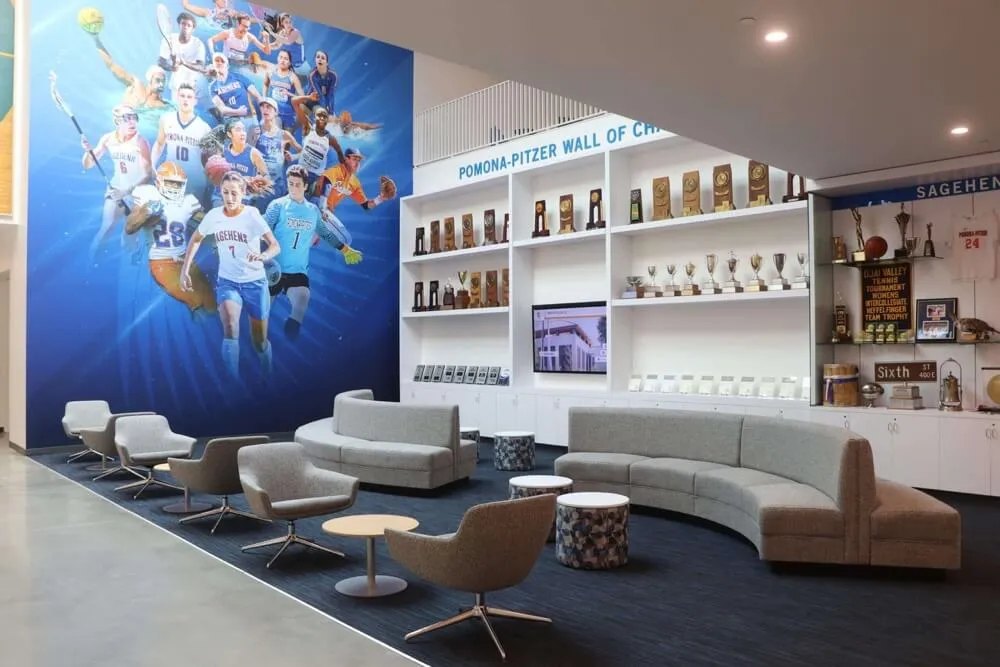
- Physical trophy cases displaying prestigious awards alongside digital screens showing comprehensive recognition
- Traditional bulletin boards in locations unsuitable for expensive digital displays supplemented by digital systems in high-traffic areas
- Transitional approaches gradually introducing digital recognition while maintaining familiar traditional elements during change management
- Department-specific traditional displays complemented by organization-wide digital recognition networks
- Physical recognition ceremonies captured digitally for extended visibility and remote workforce engagement
The most important factors remain consistent regardless of technology choice:
- Meaningful Content: Specific recognition with context explaining significance and impact
- Consistent Delivery: Regular ongoing recognition rather than sporadic periodic acknowledgment
- Inclusive Approach: Diverse recognition categories ensuring all contribution types receive acknowledgment
- Strategic Visibility: Placement ensuring maximum employee exposure and engagement
- Organizational Commitment: Leadership demonstration that recognition genuinely matters
- Continuous Evolution: Regular assessment and improvement based on feedback and changing needs
Conclusion: Recognition Boards as Culture-Building Tools
Employee recognition boards represent far more than decorated walls or administrative compliance requirements. When thoughtfully designed and consistently maintained, recognition displays become powerful culture-building tools that strengthen engagement, improve retention, reinforce values, and create visible evidence that individual contributions genuinely matter to organizational success.
The evolution from traditional bulletin boards with faded printouts to modern interactive digital displays reflects broader workplace transformation toward technology-enabled experiences that engage employees meaningfully. Digital recognition solutions address virtually every limitation of conventional approaches while introducing capabilities impossible with physical displays—unlimited capacity, rich multimedia storytelling, powerful search functionality, remote accessibility, and engagement analytics informing continuous improvement.
Yet technology alone doesn’t create effective recognition programs. Success requires genuine organizational commitment to celebrating achievements, systematic processes ensuring consistent recognition delivery, inclusive approaches acknowledging diverse contribution types, and leadership modeling that demonstrates recognition truly matters beyond lip service and generic mission statements.
Whether implementing traditional bulletin boards with renewed commitment to excellence or deploying cutting-edge digital recognition ecosystems, the fundamental principle remains constant: employees who feel genuinely valued and appropriately recognized stay longer, contribute more, engage deeper, and help build the cultures that attract and retain talent in increasingly competitive markets.
Organizations ready to transform employee recognition can explore purpose-built solutions designed specifically for comprehensive recognition programs. These platforms enable companies to honor every contributor, celebrate diverse achievements, build inclusive cultures, and create lasting impact that compounds across years of sustained recognition excellence.
Ready to Transform Your Employee Recognition Program?
Discover how modern digital recognition displays create engaging employee experiences while eliminating the limitations of traditional bulletin boards. Explore comprehensive platforms celebrating achievements, building culture, and strengthening engagement across your entire organization.
Explore Digital Recognition Solutions