



Key Takeaways
Comprehensive guide to employee of the month certificates, templates, and recognition best practices. Learn how to create meaningful recognition programs that boost morale, engagement, and retention through proven strategies and modern display solutions.
Creating meaningful employee recognition transforms workplace culture, yet many organizations struggle to implement programs that genuinely motivate teams rather than feel like perfunctory obligations. Employee of the month certificates represent one of the most common recognition approaches, but their effectiveness depends entirely on thoughtful implementation addressing everything from selection criteria and certificate design to presentation methods and long-term visibility.
This comprehensive guide examines everything organizations need to know about employee of the month certificates and recognition programs in 2026. From designing professional certificate templates and establishing fair selection processes to implementing modern digital recognition displays that maintain visibility far beyond brief ceremony moments, these strategies help organizations build recognition cultures where employees feel genuinely valued and accomplishments receive the celebration they deserve.
Understanding Employee of the Month Recognition Programs
Before investing resources in certificates, templates, or recognition systems, organizations must understand what makes employee of the month programs effective versus those that employees dismiss as meaningless gestures.
The Psychology Behind Workplace Recognition
Recognition programs tap into fundamental human needs for appreciation, belonging, and validation. When employees receive acknowledgment for contributions, research demonstrates measurable impacts across multiple dimensions including increased motivation and job satisfaction, stronger organizational commitment, improved performance and productivity, reduced turnover and higher retention rates, and enhanced team morale and workplace culture.
According to Gallup research, employees who receive regular recognition are more engaged, more productive, and more likely to stay with their organizations. The key word is “regular”—sporadic or inconsistent recognition loses effectiveness, which makes systematic monthly programs valuable when implemented thoughtfully.
However, recognition programs can backfire when employees perceive them as unfair, arbitrary, political, or insincere. The difference between recognition that motivates versus recognition that demoralizes comes down to program design and implementation approach.
Why Traditional Certificate Approaches Often Fall Short
Many organizations implement employee of the month programs that follow predictable patterns: select an employee based on unclear criteria, present a printed certificate during brief team meeting, display the certificate on break room bulletin board for a few weeks, then move on to next month’s recipient while previous recognition disappears into drawers or archives.
This traditional approach faces several fundamental limitations that undermine recognition effectiveness.
Limited Visibility Duration: Paper certificates presented at meetings provide brief acknowledgment moments, then disappear. Most recipients file certificates away where they’re never seen again. The recognition impact lasts only as long as that single presentation moment plus however long a physical certificate remains displayed before being replaced.
Restricted Audience Reach: Recognition ceremonies typically reach only employees attending specific meetings. Remote workers, employees on different shifts, and those who happened to be absent miss the recognition entirely. Similarly, customers, clients, and external stakeholders never see employee accomplishments, limiting opportunities for pride and external validation.
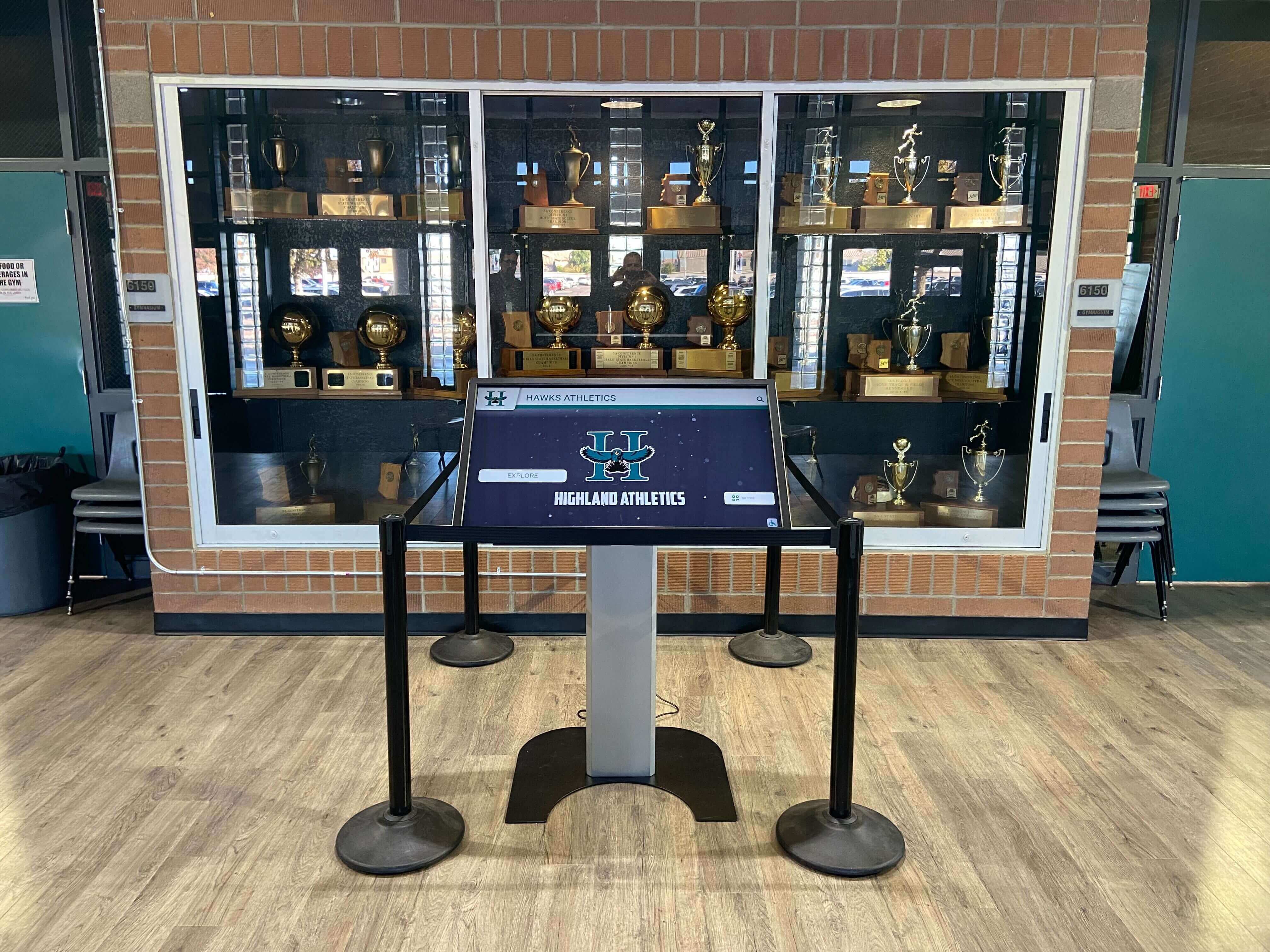
Space Constraints: Bulletin boards dedicated to employee of the month recognition can display only current recipient or perhaps recent few months. Organizations wanting to honor years of monthly recipients quickly run out of physical space, forcing earlier recognition into storage where it becomes invisible.
Maintenance Challenges: Physical displays require manual updating every month—printing new certificates, mounting materials, removing old content. This ongoing maintenance burden means busy organizations often let displays become outdated or discontinue programs entirely when workload increases.
Designing Professional Employee of the Month Certificates
For organizations choosing traditional printed certificates, professional design significantly impacts how recipients perceive recognition value and prestige.
Essential Certificate Design Elements
Effective employee of the month certificates balance professional appearance with meaningful personalization. Generic templates downloaded without customization often feel impersonal, while overly elaborate designs can appear gaudy rather than sophisticated.
Certificate Components:
Organizational Branding: Include company logo, name, and brand colors establishing that recognition comes officially from the organization. Branded certificates feel more legitimate and valuable than generic templates lacking organizational identity.
Recognition Title: Clearly state “Employee of the Month” along with the specific month and year. This specificity documents exactly when achievement occurred, giving historical context that remains meaningful years later.
Recipient Information: Feature the honored employee’s full name prominently, along with position, department, or location as appropriate. Personalizing certificates beyond just names makes recognition feel more thoughtful and specific.
Achievement Description: Include specific accomplishments, contributions, or qualities being recognized rather than generic praise. Descriptions like “in recognition of exceptional customer service demonstrated through consistent 98% satisfaction ratings” carry more weight than vague statements about “outstanding performance.”
Official Signatures: Include signatures from relevant leadership—direct supervisors, department heads, executives, or CEOs depending on organizational structure. Multiple signatures increase perceived prestige and demonstrate that recognition comes from leadership, not just peers.
Presentation Elements: Incorporate appropriate borders, professional fonts, and design elements creating polished appearance without excessive ornamentation. Balance clean professionalism with enough visual interest to make certificates feel special.
Date and Seal: Include issuance date and organizational seal if applicable. These elements add formality and official character increasing perceived certificate value.
Certificate Template Options and Resources
Organizations have multiple options for obtaining professional certificate templates suitable for employee recognition.
Professional Design Software:
Design software like Adobe Illustrator, InDesign, or Canva provides complete creative control allowing fully customized certificates perfectly aligned with organizational branding. This approach requires design skills but enables unique certificates reflecting specific company culture and aesthetic preferences.
Template Marketplaces:
Websites like Etsy, Creative Market, and Template.net offer thousands of customizable certificate templates created by professional designers. These templates provide professional starting points that organizations can personalize with their branding, text, and specific recognition details. Prices typically range from free to $20-50 for premium templates.
Office Software Templates:
Microsoft Word, Google Docs, and Apple Pages include built-in certificate templates suitable for basic needs. While less sophisticated than professional design software or premium marketplace templates, office software templates offer accessible options for organizations with limited design resources or budgets.
Online Certificate Generators:
Web-based tools like Canva, Visme, and Piktochart provide user-friendly interfaces for creating certificates without specialized design skills. These platforms offer drag-and-drop editing, extensive template libraries, and easy customization making professional certificates accessible to anyone regardless of technical expertise.
Regardless of source, customize templates with organizational branding, specific recipient details, and meaningful achievement descriptions rather than using generic text. Personalization dramatically increases how valued recipients feel compared to obviously template-based certificates requiring minimal effort.
Establishing Fair and Effective Selection Processes
Recognition program credibility depends entirely on selection processes employees perceive as fair, transparent, and merit-based. When employees suspect favoritism, politics, or arbitrary selection, programs lose motivational power and can actively damage workplace culture.
Defining Clear Recognition Criteria
Transparent criteria ensure all employees understand what achievements qualify for recognition while providing objective evaluation frameworks reducing bias and perception of favoritism.
Performance-Based Criteria:
Quantitative metrics provide objective recognition foundations including sales numbers, productivity metrics, quality scores, customer satisfaction ratings, project completion rates, error reduction percentages, efficiency improvements, or other measurable performance indicators. Numerical criteria minimize subjectivity while ensuring recognition connects directly to organizational goals.
Behavioral Criteria:
Beyond quantitative performance, consider behavioral dimensions including teamwork and collaboration, innovation and creative problem-solving, leadership and mentorship, reliability and dependability, positive attitude and workplace culture contribution, customer service excellence, adaptability during change, and initiative-taking and proactive contributions.
Behavioral criteria recognize contributions difficult to measure quantitatively but crucial for organizational success and workplace culture.
Balanced Recognition:
Avoid recognition systems favoring only certain roles, departments, or contribution types. Sales teams shouldn’t receive disproportionate recognition while operations, support, or administrative roles remain perpetually unacknowledged. Ensure criteria frameworks allow recognition across diverse functions and contribution styles.
Similarly, balance recognition between individual achievement and team contributions. Programs exclusively honoring individual stars can undermine collaboration and create unhealthy competition. Consider rotating between individual employee of the month and team recognition depending on circumstances.
Implementing Nomination and Selection Methods
Multiple selection approaches exist, each with distinct advantages and limitations. Organizations should choose methods aligning with their culture, values, and recognition objectives.
Management Nomination:
Direct supervisors or department leaders nominate employees based on observed performance, contributions, and achievements. Management nomination ensures leadership involvement and typically results in recognition for genuinely significant contributions. However, this approach risks perceptions of favoritism and may overlook employees whose accomplishments supervisors don’t directly observe.
Peer Nomination:
Employees nominate colleagues they believe deserve recognition. Peer nomination surfaces contributions leadership might miss while building team engagement in recognition processes. Research suggests peer recognition feels particularly meaningful since validation comes from those working alongside recipients daily. The primary limitation involves popularity contests where well-liked employees receive nominations regardless of actual achievement.
Committee Selection:
Cross-functional committees evaluate nominations and select recipients using defined criteria. Committee approaches provide multiple perspectives while distributing decision-making power preventing any single person from dominating selections. Committees work best with clear evaluation frameworks and diverse membership representing different departments, levels, and perspectives.
Rotating Recognition:
Some organizations systematically rotate recognition ensuring all departments, shifts, or teams receive acknowledgment equally over time. Rotation guarantees inclusion and prevents concentration in specific areas but may result in recognizing employees who don’t necessarily merit acknowledgment in given months. This approach prioritizes morale and inclusion over pure meritocracy.
Hybrid Approaches:
Many successful programs combine methods—perhaps peer nominations with management or committee final selection, ensuring both grassroots input and leadership oversight. Hybrid approaches balance various stakeholders while maintaining reasonable administrative burden.
Maintaining Selection Transparency and Communication
Regardless of selection method, transparency about criteria, processes, and decision-making rationale maintains credibility and trust.
Published Criteria: Document and share specific recognition criteria so all employees understand what achievements qualify for consideration. Avoid vague descriptions like “outstanding performance” without defining what outstanding means in measurable terms.
Nomination Processes: Clearly explain how nominations work, who can nominate, what information nominations should include, and submission deadlines or procedures. Accessible processes encourage broader participation rather than limiting nominations to those who happen to understand informal procedures.
Selection Communication: When announcing recipients, briefly describe specific accomplishments or contributions being recognized rather than simply stating names. Explanations help other employees understand what behaviors or achievements organizations value while making recognition feel less arbitrary.
Feedback Mechanisms: Create channels where employees can ask questions about selection processes or provide feedback on recognition programs. Listening to concerns and making adjustments demonstrates that organizations genuinely care about fair recognition rather than defending existing processes regardless of employee perspective.
Modern Recognition Delivery: Beyond Paper Certificates
While traditional printed certificates retain sentimental value for recipients, modern recognition programs increasingly incorporate digital approaches that dramatically expand visibility, engagement, and long-term impact.

Digital Recognition Displays and Interactive Platforms
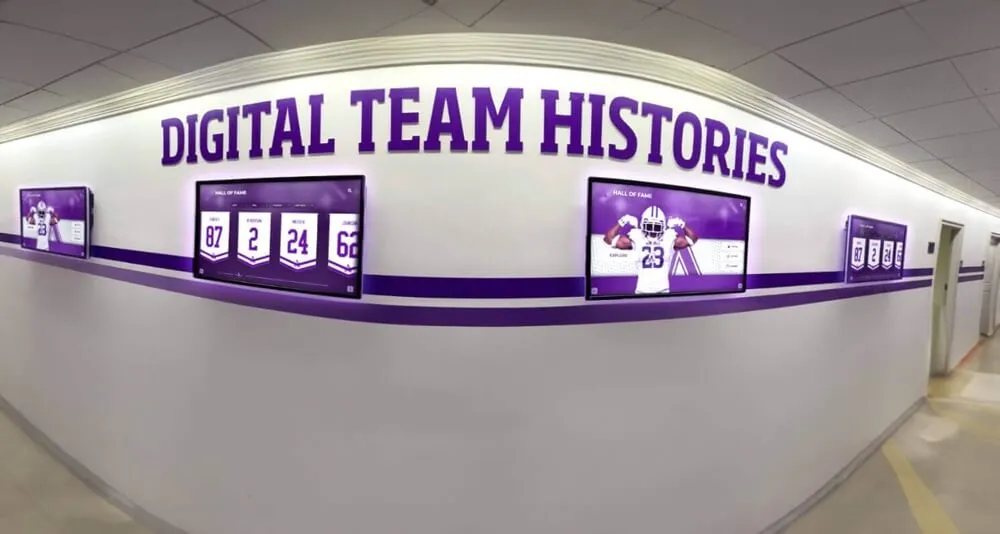
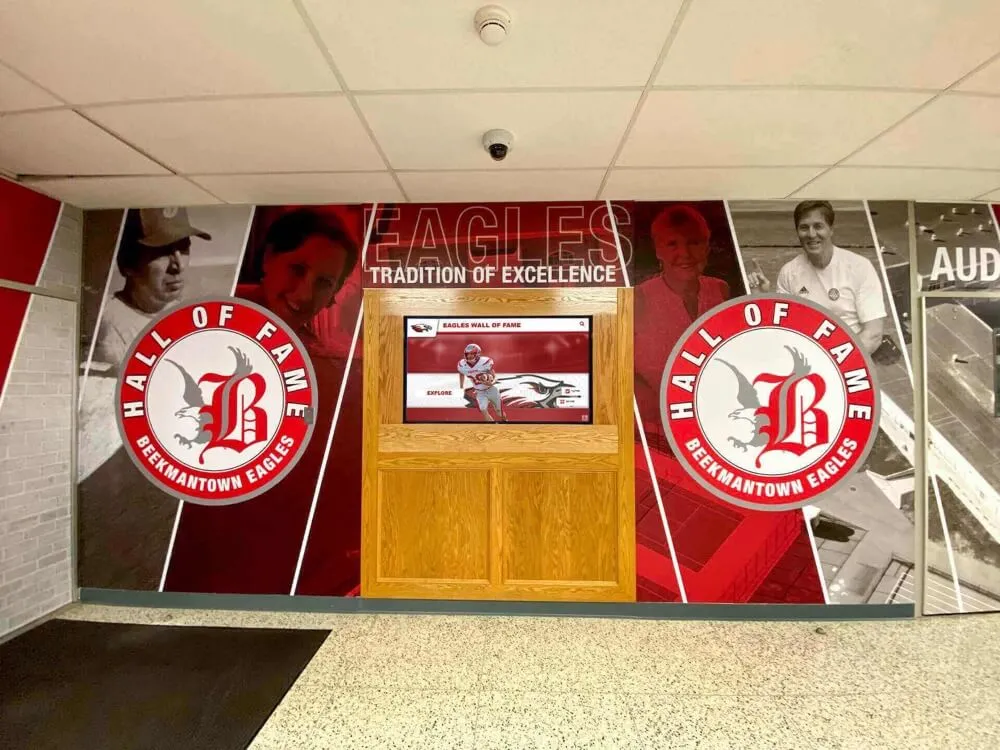
Digital recognition displays transform employee of the month programs from transient acknowledgments into permanent, engaging documentation of organizational achievement that remains visible and accessible indefinitely.
Unlimited Recognition Capacity:
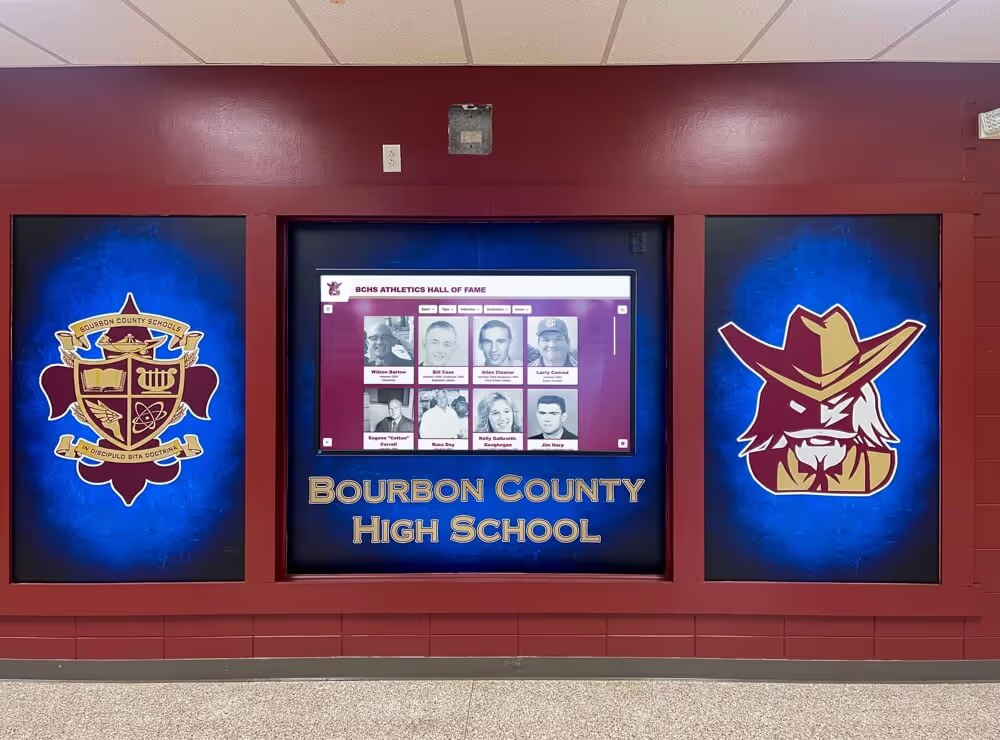
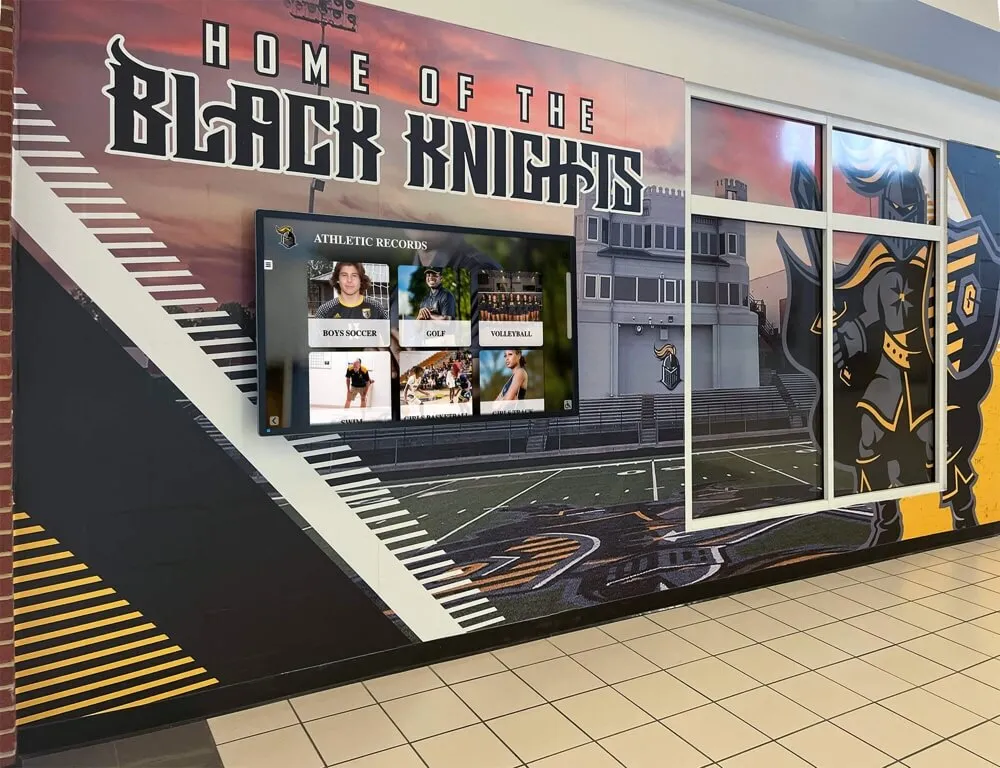
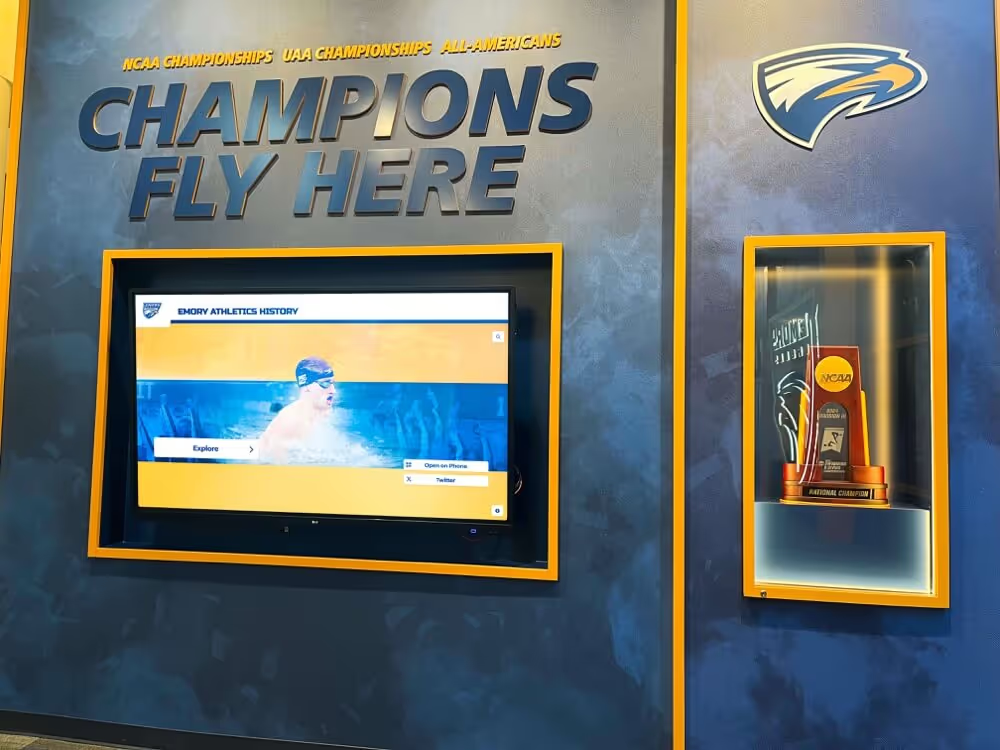
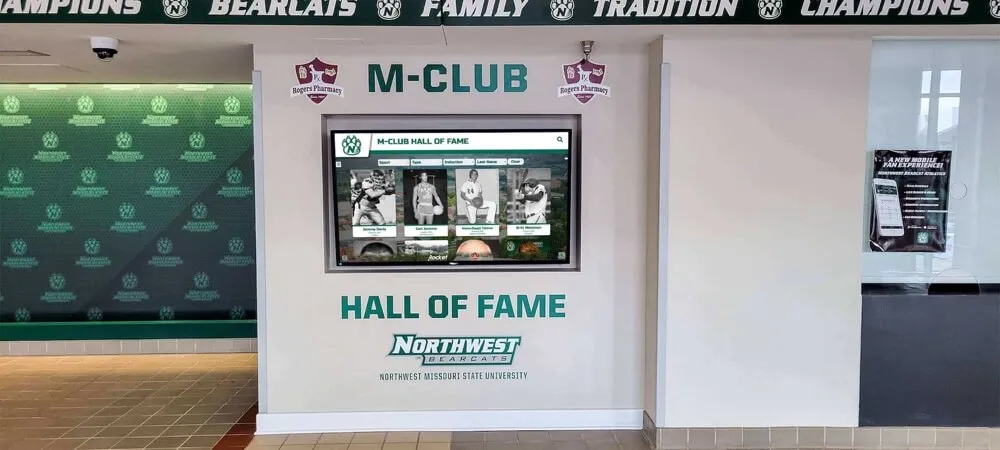
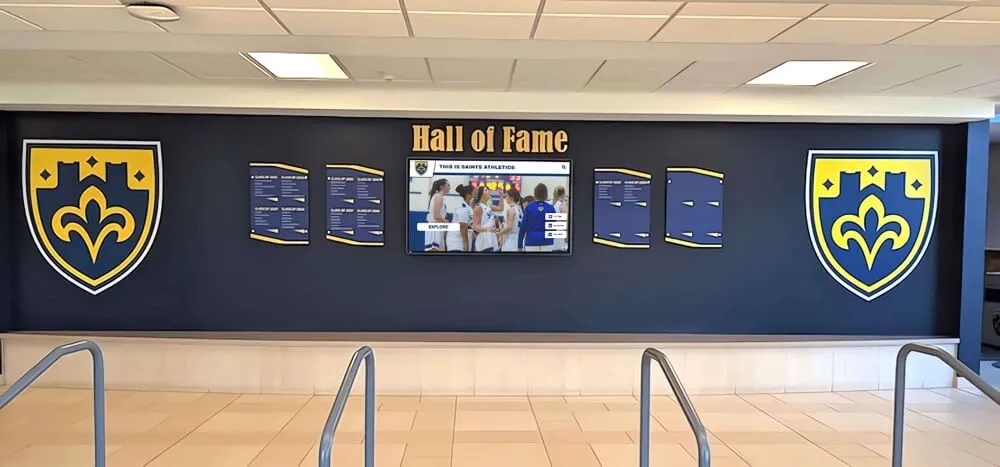
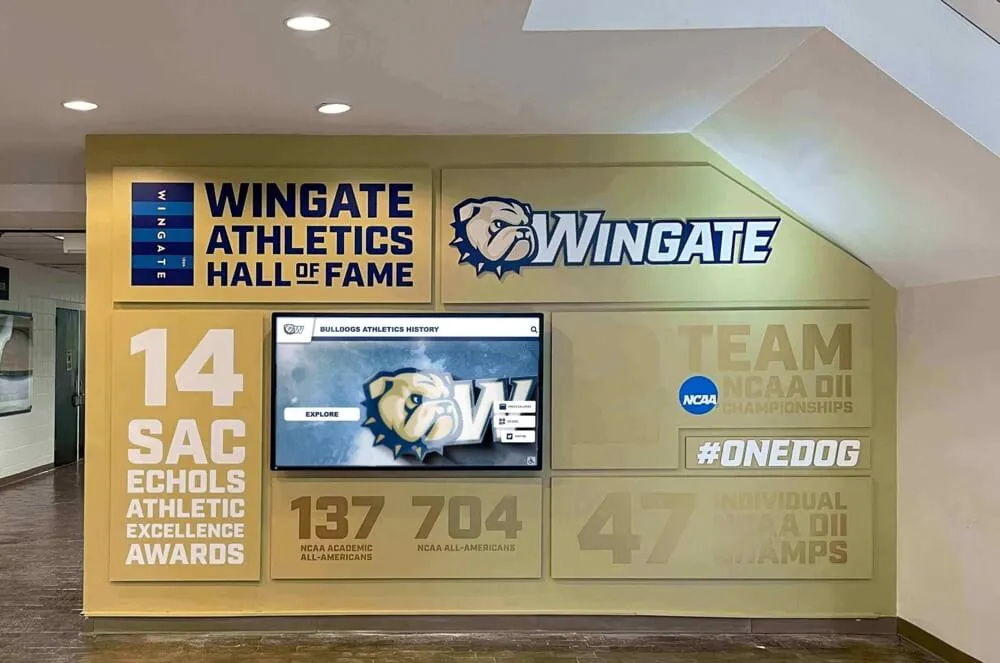
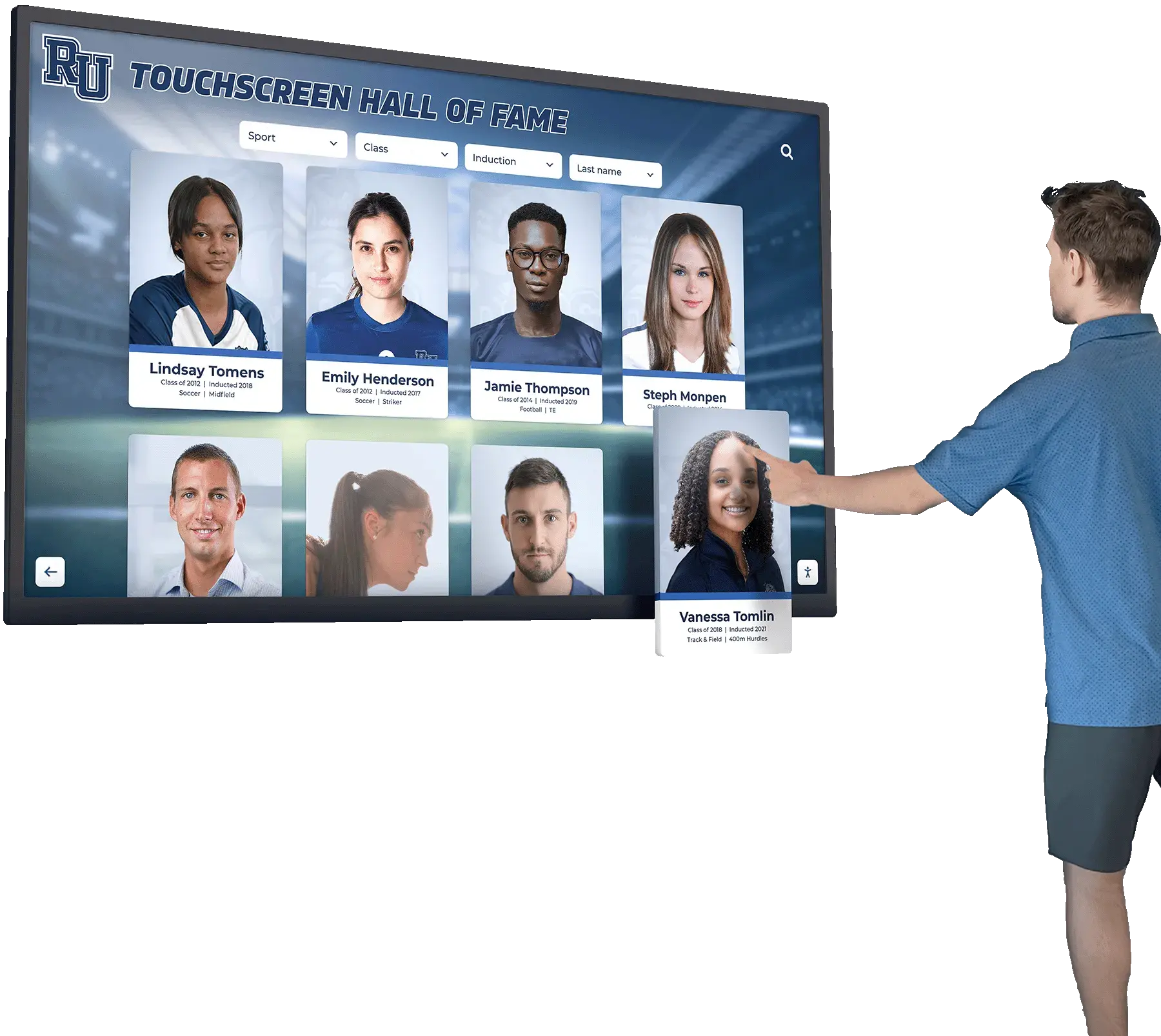
Unlike bulletin boards constrained by physical space, digital platforms can showcase every employee of the month recipient across years or decades. A single interactive display contains unlimited historical recognition that traditional approaches could never accommodate without entire walls dedicated to certificates.
Organizations implementing comprehensive recognition programs like those used in educational settings for student achievement displays find similar approaches translate effectively to workplace environments, creating engaging employee recognition that remains permanently accessible.
Multimedia-Rich Profiles:
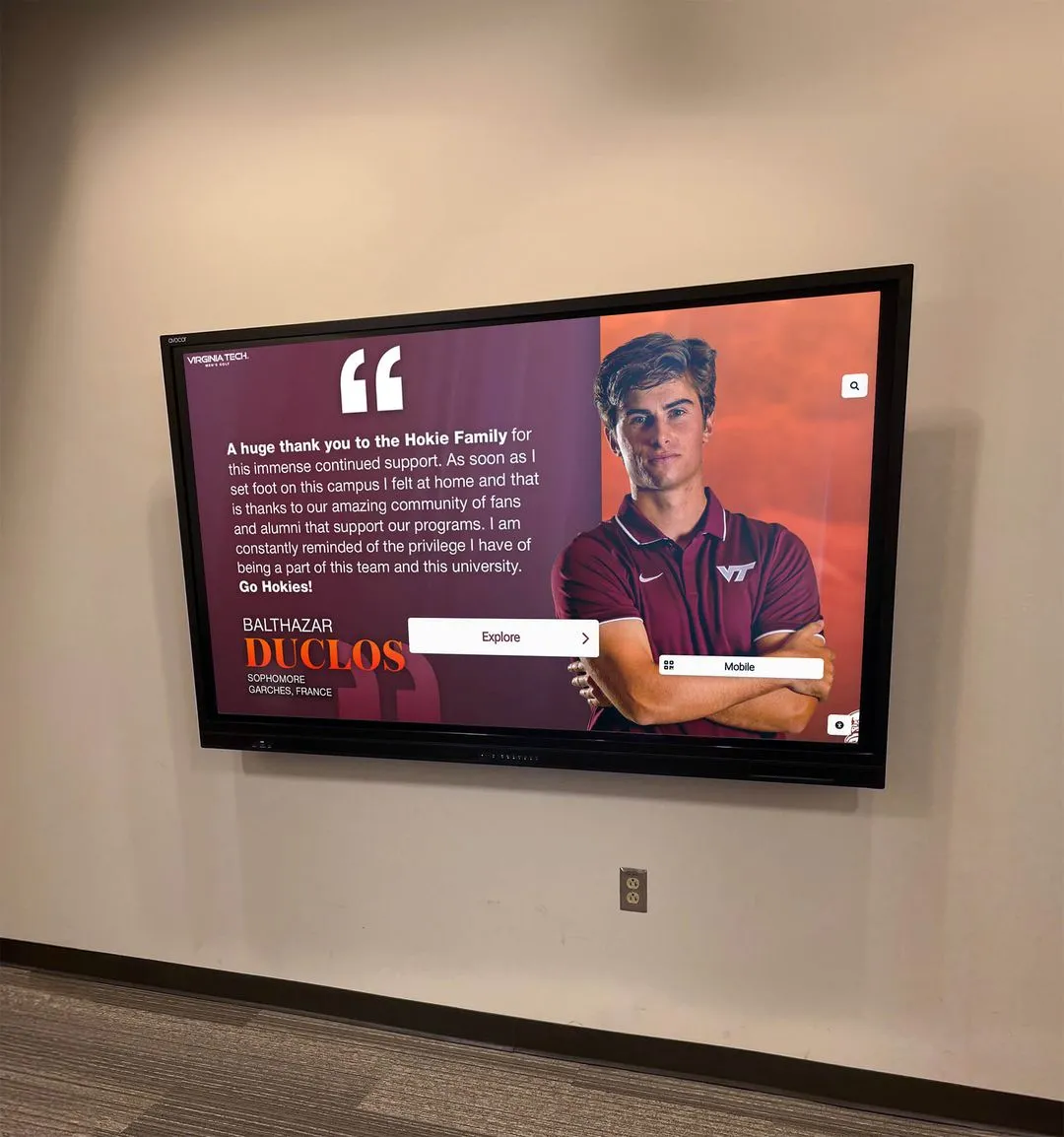
Digital recognition enables far more comprehensive acknowledgment than paper certificates allow. Instead of names and brief descriptions, digital profiles can include professional employee photographs, detailed achievement descriptions and metrics, specific project contributions and outcomes, testimonials from colleagues or leadership, career progression documentation, and previous recognition history showing patterns of excellence.
Interactive Engagement:
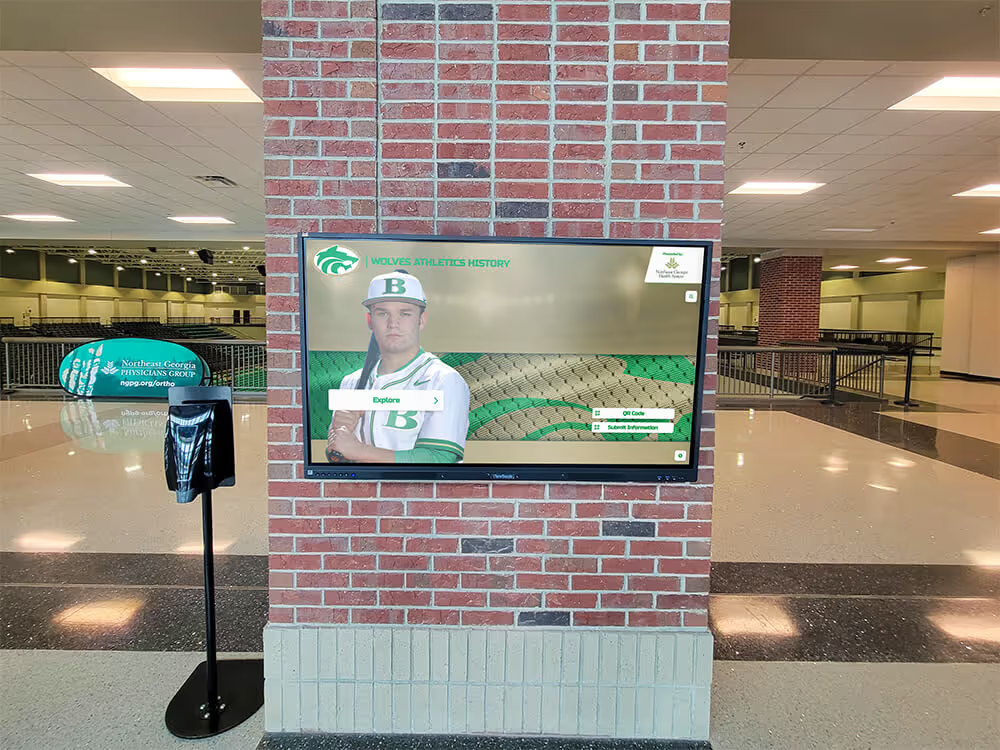
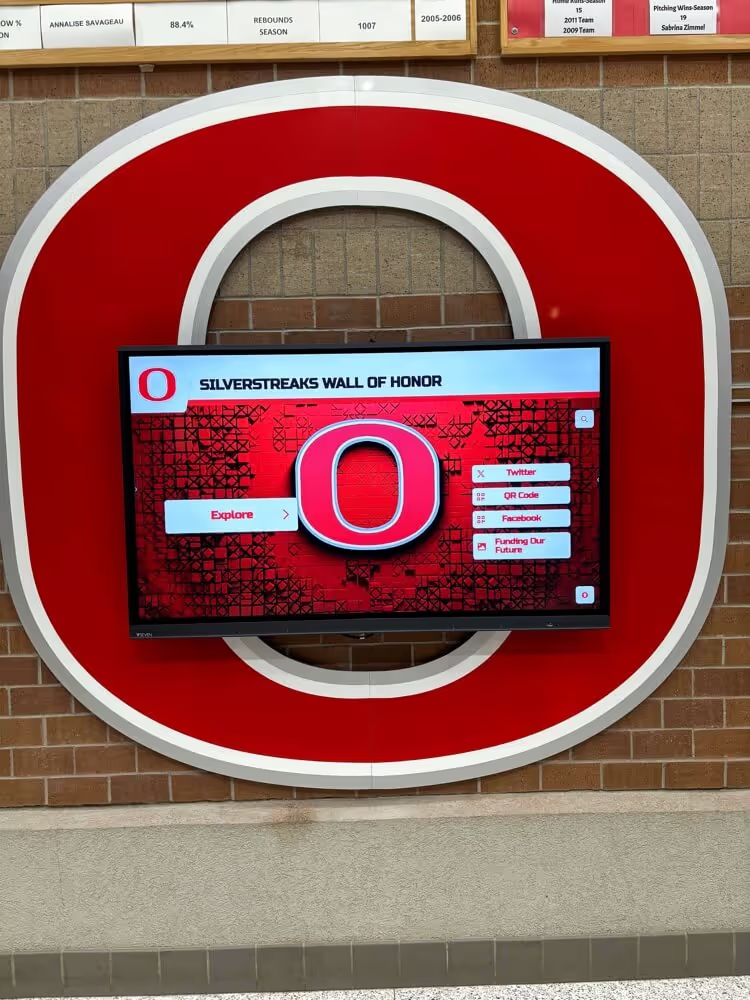
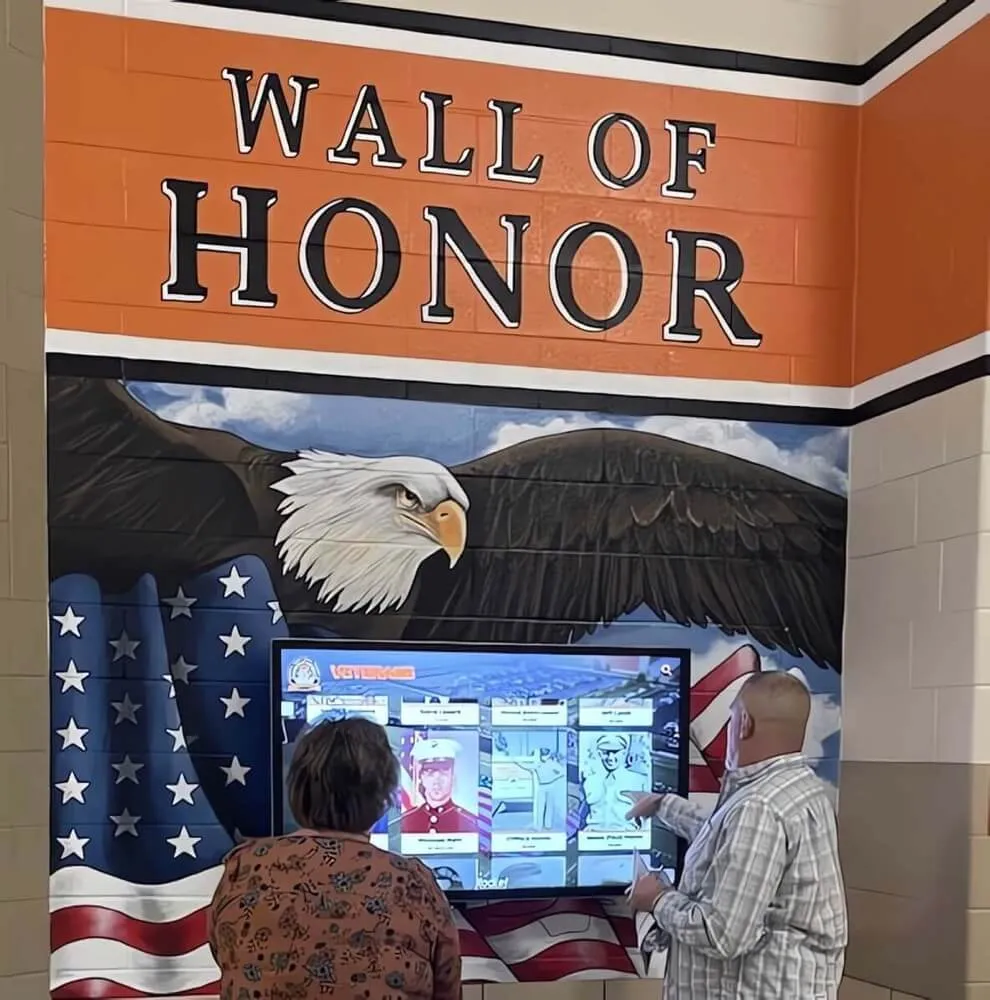
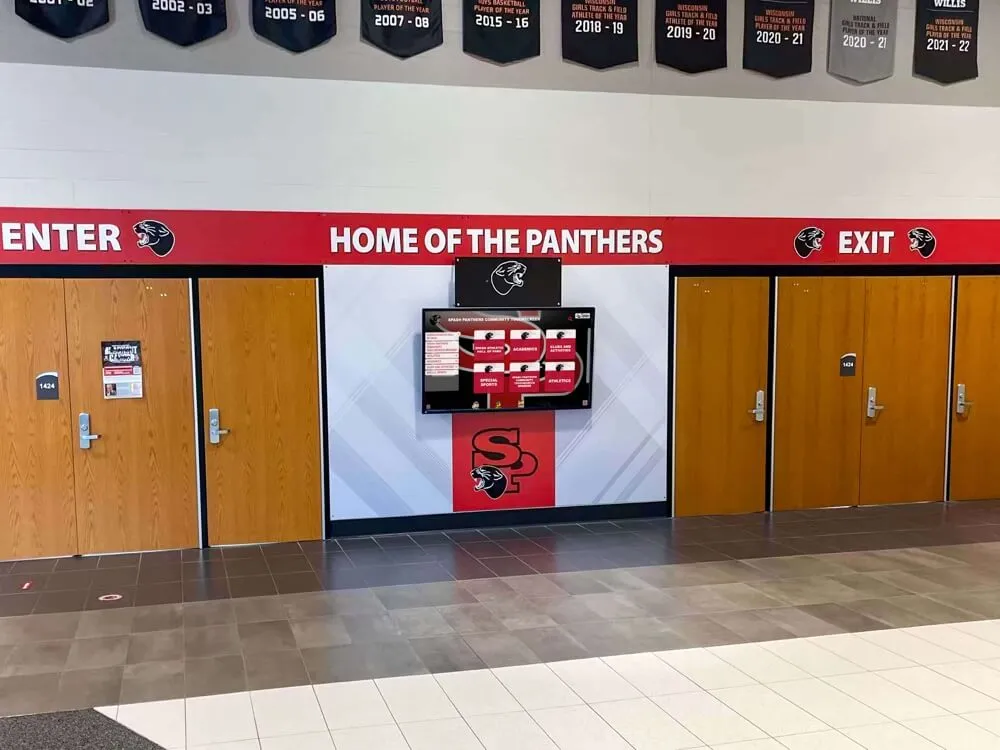
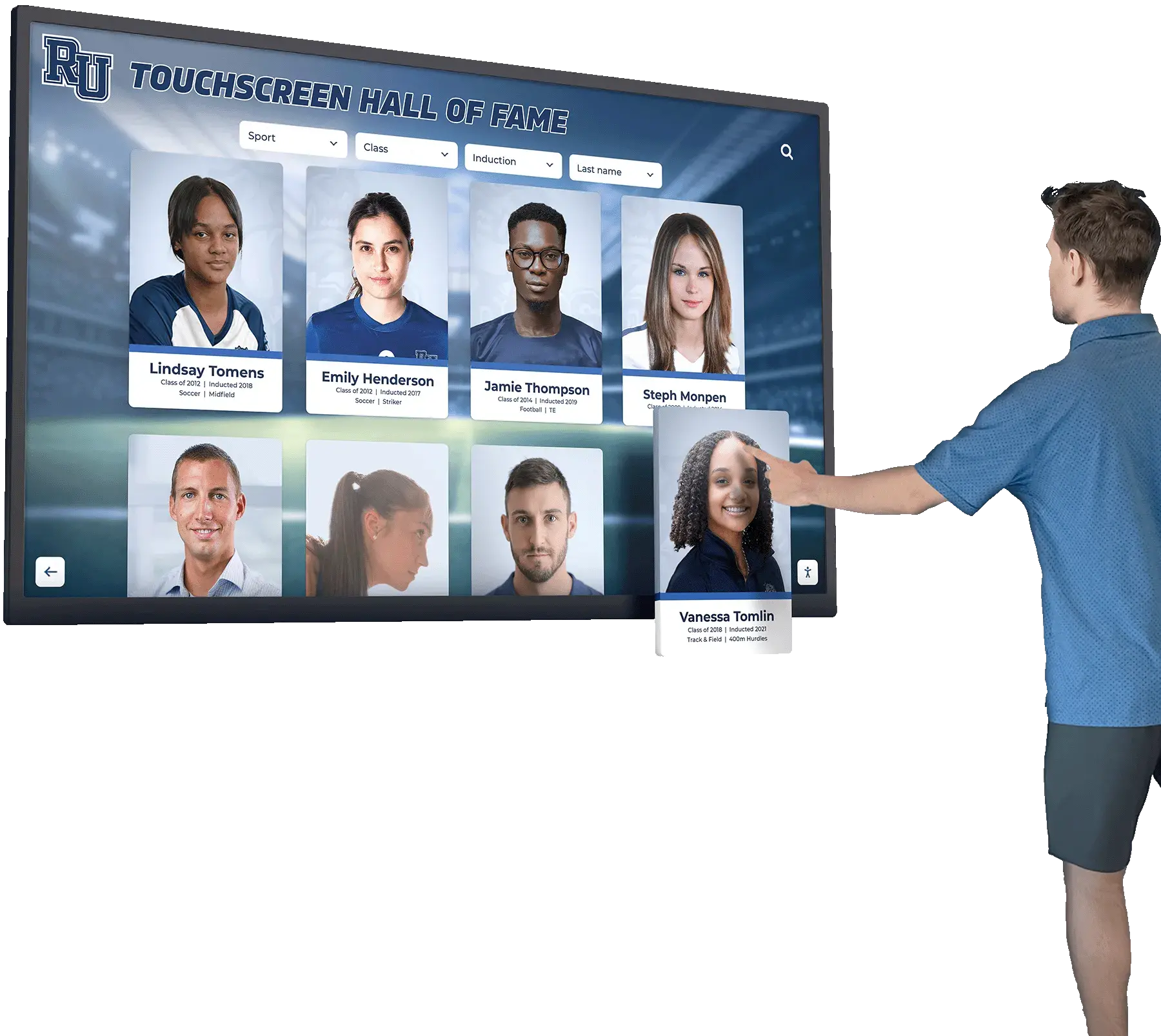
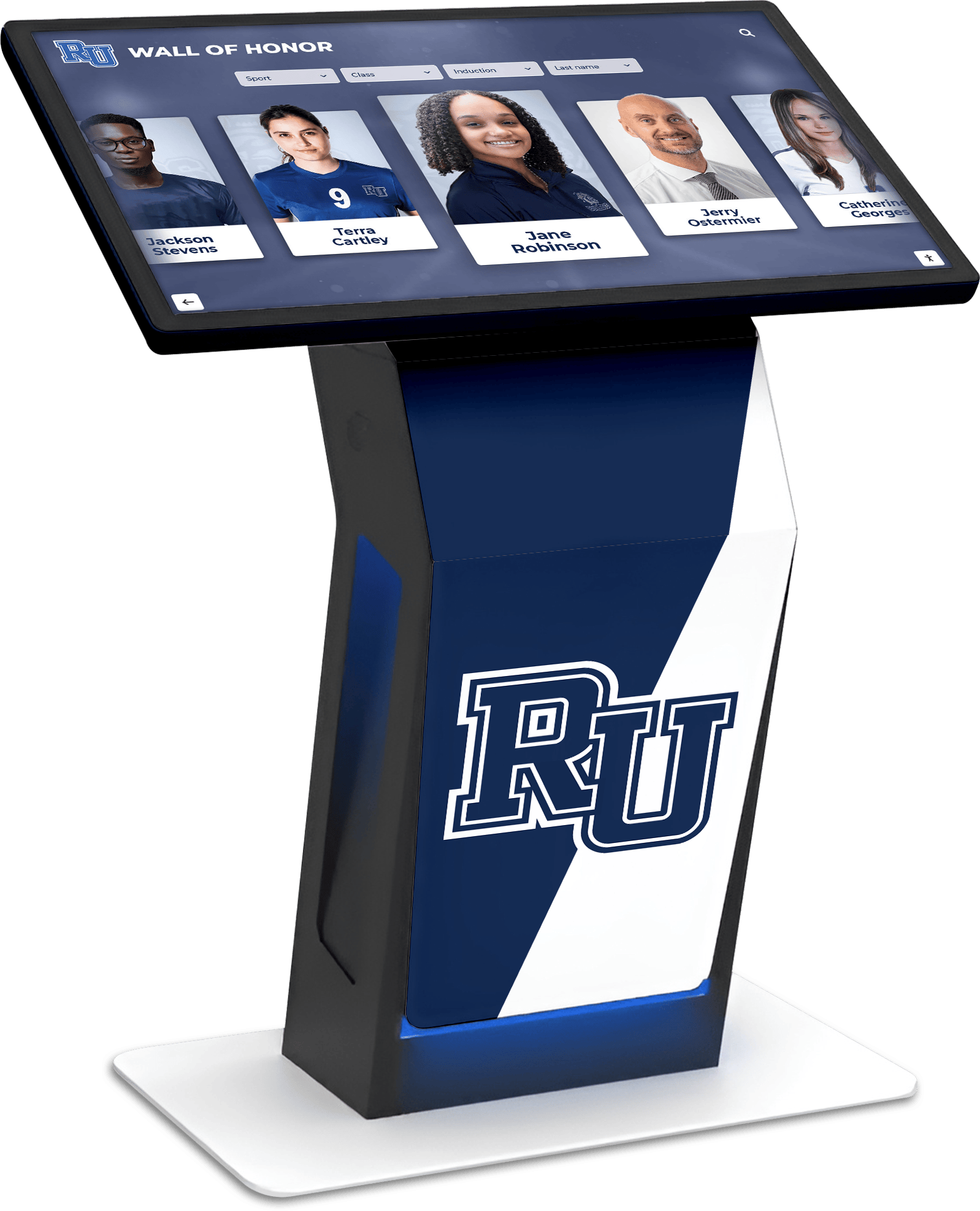
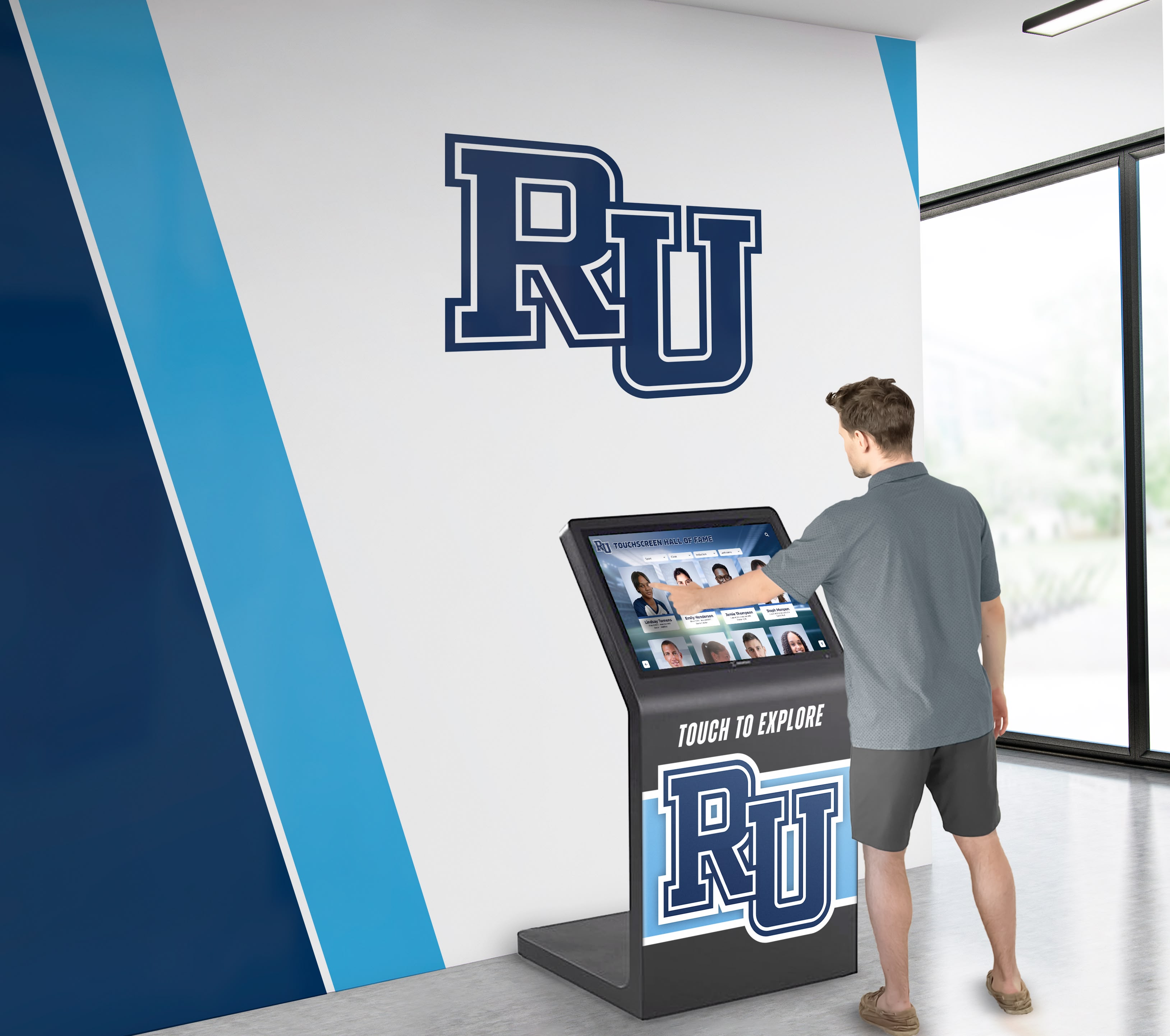
Static bulletin boards offer only passive viewing. Interactive touchscreen displays invite active exploration where employees, visitors, and stakeholders can search for specific individuals, browse by department or timeframe, filter by achievement type or criteria, view detailed profiles with complete information, and share recognition via social platforms or email.
This interactivity dramatically increases engagement compared to traditional passive displays. People spend more time exploring content, discover recognition they might otherwise miss, and participate more actively in celebration culture.
Permanent Accessibility:
Paper certificates disappear into drawers or get lost during relocations. Digital recognition creates permanent, searchable archives where recipients can find their acknowledgment years later. Alumni returning to organizations after career moves elsewhere can still see their historical recognition, reinforcing positive connections and potential future engagement.
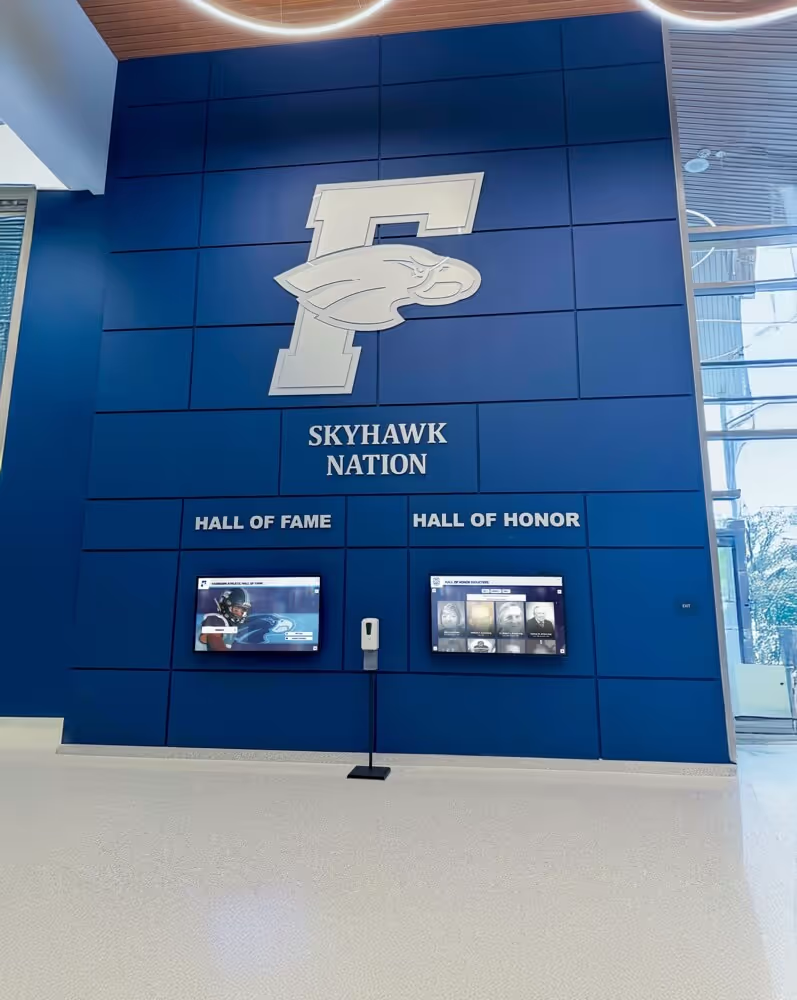
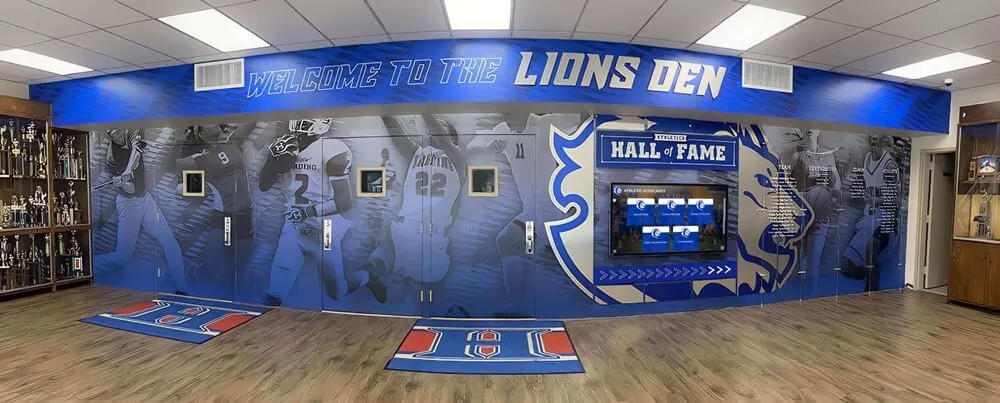
Solutions designed for recognition contexts like digital hall of fame systems provide intuitive platforms specifically built for showcasing achievement, offering features purpose-designed for recognition rather than requiring custom development or adaptation of general digital signage systems.
Implementing Comprehensive Recognition Systems
Rather than treating employee of the month as isolated program, integrate it within broader recognition ecosystems celebrating diverse achievements and contributions.
Unified Recognition Platforms:
Comprehensive systems showcase multiple recognition types including monthly employee recognition, annual achievement awards, service milestone celebrations, project completion acknowledgments, innovation and improvement contributions, perfect attendance programs, safety excellence recognition, and customer service distinction.
Integrated approaches demonstrate that organizations value diverse excellence forms equally while creating centralized destinations where all stakeholders can explore achievements. Platforms like Rocket Alumni Solutions, originally designed for educational recognition, translate effectively to workplace contexts where similar needs exist for celebrating accomplishments across diverse categories.
Cross-Platform Accessibility:
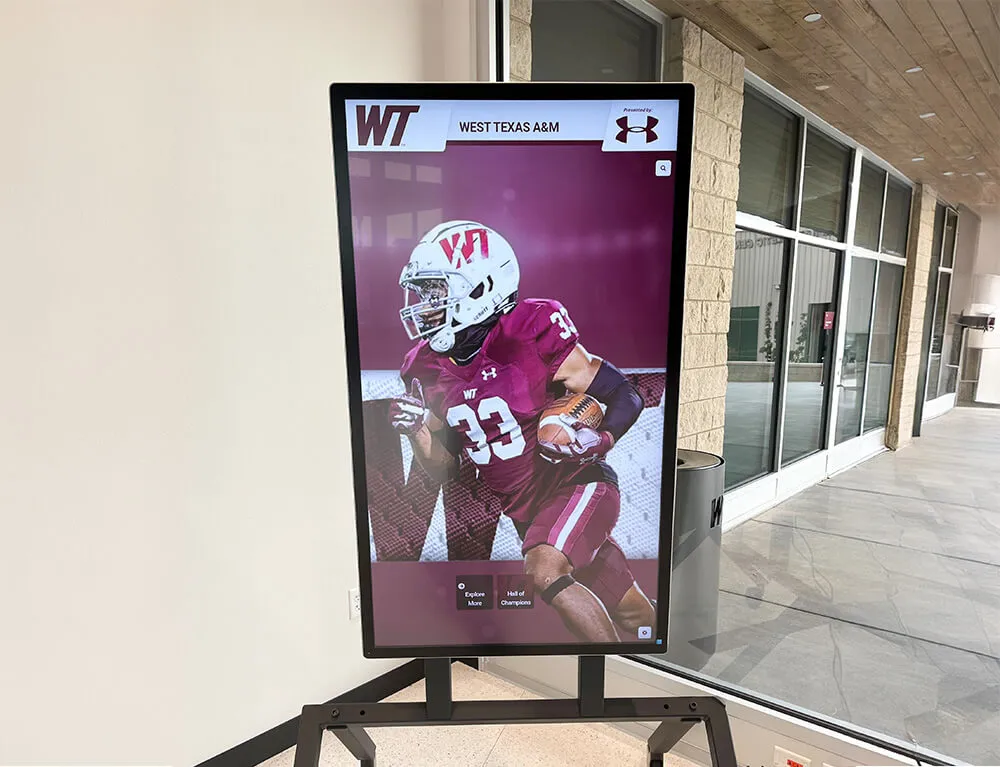
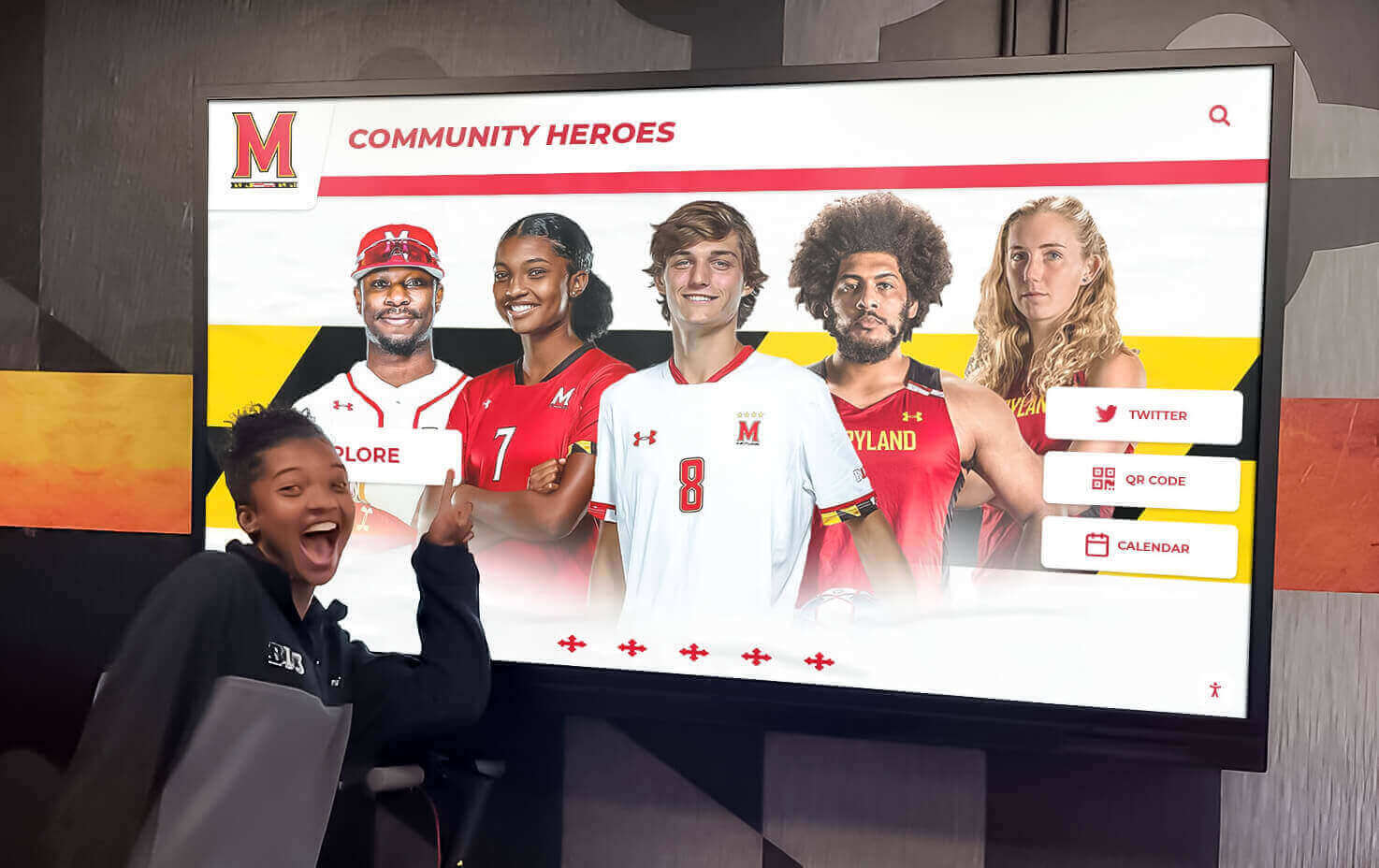
Modern recognition systems synchronize content across multiple touchpoints including interactive touchscreen displays in high-traffic workplace locations, web-based recognition portals accessible remotely, mobile apps providing convenient access, email notifications and newsletters featuring current recipients, digital signage throughout facilities, and social media integration enabling sharing and broader visibility.
Upload recognition content once and automatically distribute everywhere, eliminating redundant manual updates while ensuring consistent visibility across all channels where employees and stakeholders engage.
Balancing Traditional and Digital Recognition
Organizations don’t need to choose between traditional certificates and digital displays—the most effective programs strategically combine both approaches leveraging unique advantages of each.
Ceremonial Presentation:
Continue presenting physical certificates during team meetings, company events, or recognition ceremonies. These tangible artifacts provide sentimental value while creating memorable celebration moments. Frame certificates appropriately and present them professionally during dedicated recognition time rather than rushed announcements at meeting ends.
Permanent Digital Documentation:
Supplement physical certificates with digital profiles containing far more comprehensive information than paper allows. Digital platforms become permanent recognition archives while physical certificates serve as meaningful personal keepsakes recipients can display in offices or homes.
Visibility Balance:
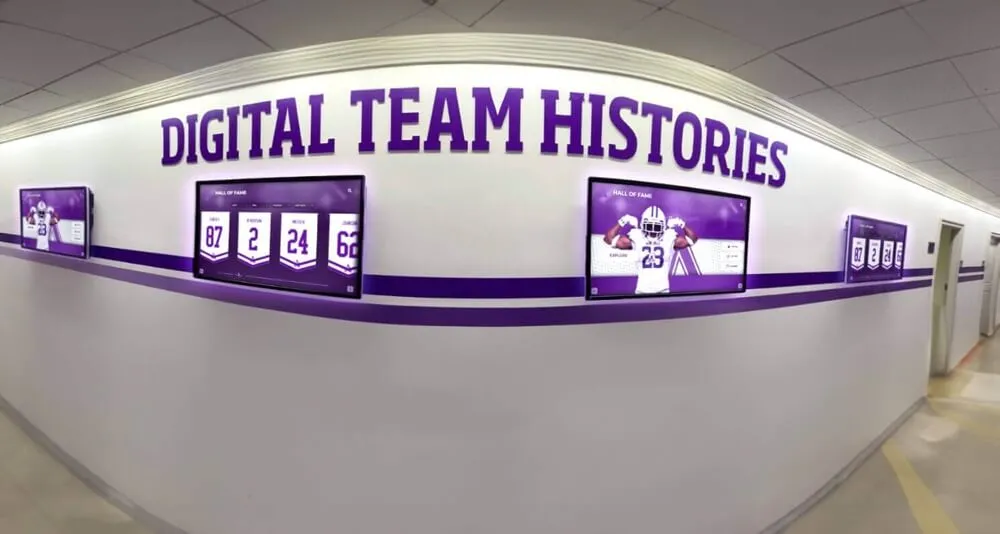
Display current month recognition prominently both physically (reception areas, break rooms, high-traffic hallways) and digitally (lobby touchscreens, website home pages, company intranets). Maintain historical recognition exclusively through digital archives where space limitations don’t constrain what organizations can showcase.
This balanced approach respects traditional recognition’s ceremonial and personal value while leveraging digital technology’s advantages for comprehensiveness, permanence, and accessibility.
Recognition Presentation and Ceremony Best Practices
How organizations present employee of the month recognition significantly impacts whether acknowledgment feels genuinely meaningful or perfunctory.
Creating Meaningful Recognition Moments
Public Acknowledgment:
Present recognition publicly during team meetings, company gatherings, or dedicated ceremony events rather than private office presentations. Public recognition amplifies impact by demonstrating to entire teams that organizations notice and value excellence, making recipients feel celebrated by communities rather than just supervisors.
However, consider individual preferences—some employees appreciate public spotlight while others find public attention uncomfortable. Know your people and adjust approaches respecting personality differences while maintaining public acknowledgment’s cultural benefits.
Leadership Involvement:
Ensure appropriate leadership participates in recognition presentations. Executives, department heads, or senior managers presenting recognition demonstrates that achievement matters at highest organizational levels, increasing perceived prestige and value.
When possible, involve multiple leadership levels. A CEO personally acknowledging frontline employees creates memorable moments reinforcing that leadership genuinely values all contributions regardless of organizational hierarchy.
Specific Achievement Description:
During presentations, describe specifically what earned recognition rather than generic praise. “Sarah is our February Employee of the Month for increasing customer retention rates by 23% through her innovative follow-up system” carries infinitely more meaning than “Sarah is a great employee who works hard.”
Specificity demonstrates that recognition reflects genuine attention to contributions rather than automatic rotation, while teaching other employees what behaviors and achievements organizations value.
Allowing Response Time:
Give recipients opportunities to respond if they wish, sharing reflections on recognized work, thanking colleagues who contributed, or describing what recognition means personally. These authentic moments create connection and emotional resonance that scripted presentations cannot replicate.
Don’t force responses from uncomfortable individuals, but create space where recipients can share if desired.
Amplifying Recognition Beyond Initial Announcement
Recognition shouldn’t end after brief presentation moments. Strategic amplification extends acknowledgment across multiple touchpoints reaching broader audiences over longer timeframes.
Internal Communications:
Feature employee of the month recognition prominently across internal communication channels including company-wide email announcements with photos and achievement details, intranet homepage features highlighting current recipients, internal newsletters with in-depth profiles, departmental meetings acknowledging cross-functional contributions, and digital bulletin boards in multiple workplace locations.
External Visibility:
Consider appropriate external recognition channels including company social media platforms showcasing employee excellence, customer-facing communications demonstrating quality teams serving clients, local business publications or community news outlets, industry publications relevant to specific achievements, and company websites with dedicated recognition sections.
External visibility demonstrates organizational pride in employees while providing recipients with shareable content they can use for personal professional development and networking.
Sustained Attention:
Maintain recognition visibility throughout recipient’s month rather than single-day announcement including weekly mentions in team meetings or communications, featured placement on digital displays throughout the month, social media posts highlighting different achievement aspects, and leader visits to recognize recipients personally in their work locations.
Sustained attention throughout the month creates far more meaningful recognition than brief acknowledgment followed by immediate shift to next priority.
Supplementary Recognition Elements
Enhance certificates with additional recognition elements increasing program prestige and perceived value.
Tangible Rewards:
Pair certificates with tangible benefits or rewards including monetary bonuses or gift cards, preferred parking spaces for the month, additional paid time off, professional development opportunities, choice of special projects or assignments, or public display in prominent locations.
While recognition itself provides intrinsic motivation, tangible rewards demonstrate concrete organizational investment in acknowledgment. The combination of meaningful recognition and valuable rewards creates powerful motivation.
Profile Features:
Create comprehensive recognition profiles shared through various channels including video interviews where recipients discuss work and achievements, written features in company publications, photography sessions producing professional images, social media spotlight series, and permanent digital archive entries.
Rich profile content makes recognition feel more substantial while creating engaging material that audiences actually want to consume rather than ignore.
Measuring Recognition Program Effectiveness
Systematic assessment ensures employee of the month programs deliver intended value rather than consuming resources without meaningful return.
Key Recognition Program Metrics
Participation and Engagement:
Track nomination rates measuring employee engagement, selection diversity ensuring recognition spreads across departments and roles, acceptance rates when approaching potential recipients, and attendance at recognition ceremonies or events.
Employee Sentiment:
Measure program perception through anonymous surveys about fairness and transparency, exit interviews exploring whether recognition affected retention decisions, employee engagement scores correlating with recognition experiences, and voluntary feedback about program effectiveness.
Business Impact:
Assess whether recognition correlates with performance improvements in recognized departments, retention rate differences between recognized and non-recognized employees, engagement score changes following recognition implementation, recruitment advantages when candidates research company culture, and whether recognition contributes to employee loyalty programs and overall workplace satisfaction.
Program Sustainability:
Monitor administrative burden and resource requirements, leadership satisfaction with program value, budget effectiveness relative to results, and whether programs maintain consistency or fade over time.
Continuous Improvement Through Assessment
Use measurement insights to refine programs systematically. If certain departments never receive recognition, examine whether criteria inadvertently favor specific roles. If employees report that selection feels arbitrary, increase transparency about criteria and processes. When participation declines, investigate whether programs have become stale and need refreshed approaches.
Recognition programs should evolve based on feedback and evidence rather than continuing unchanged regardless of effectiveness. Organizations implementing recognition similar to academic achievement systems find that regular assessment and refinement dramatically improves program impact over time.
Common Recognition Program Pitfalls and How to Avoid Them
Even well-intentioned recognition programs can backfire when organizations make common mistakes undermining effectiveness.
Inconsistent Implementation
Programs that start enthusiastically but gradually become inconsistent lose credibility and motivation power. Skipped months, delayed recognition, or forgotten ceremonies communicate that leadership doesn’t actually value programs enough to maintain them, implying that acknowledged achievements don’t truly matter.
Solution: Build recognition into systematic calendars with designated ownership ensuring consistent execution. Automate where possible through digital platforms requiring minimal ongoing administrative burden.
Favoritism and Politics
When employees perceive that recognition goes consistently to leadership favorites regardless of actual achievement, programs breed cynicism rather than motivation. Political recognition damages culture more than no recognition programs would.
Solution: Establish transparent criteria and diverse selection committees. Track recognition distribution patterns identifying concerning trends. Ensure oversight preventing any single individual from controlling recognition decisions without accountability.
Generic and Impersonal Recognition
Cookie-cutter certificates with generic praise feel perfunctory rather than meaningful. Recognition lacking specific achievement descriptions suggests organizations don’t actually know what recipients did to merit acknowledgment.
Solution: Require specific achievement documentation as part of nomination and selection processes. Invest time personalizing certificates and presentation remarks rather than treating recognition as checkbox exercise. Quality matters infinitely more than speed.
Limited Visibility and Short Duration
Recognition visible only during brief ceremony moments wastes most potential impact. When certificates disappear into drawers or get replaced on bulletin boards after weeks, earlier achievement acknowledgment becomes invisible.
Solution: Implement digital recognition platforms maintaining permanent, searchable archives where all historical recognition remains accessible indefinitely. Supplement transient ceremony moments with lasting visibility through multiple channels.
Excluding Remote and Distributed Employees
Recognition programs designed around in-office ceremony presentations inadvertently exclude remote workers, field employees, or those on different shifts who can’t attend specific events. Exclusion breeds resentment rather than motivation.
Solution: Use digital recognition platforms accessible remotely from any location and time. When conducting physical ceremonies, include virtual participation options and ensure remote employees receive equal recognition distribution regardless of physical location.
Understanding approaches used for recognizing retiring leaders provides useful frameworks for creating inclusive recognition reaching all stakeholders regardless of location or participation format.
Conclusion: Building Recognition Cultures That Drive Results
Employee of the month certificates represent just one component of comprehensive recognition cultures where people feel genuinely valued, accomplishments receive meaningful celebration, and excellence becomes organizational expectation rather than exception. When implemented thoughtfully with clear criteria, fair selection, professional presentation, and permanent visibility, recognition programs deliver measurable benefits including higher employee engagement and satisfaction, improved performance and productivity, stronger retention reducing turnover costs, enhanced workplace culture and morale, competitive recruitment advantages, and increased organizational pride at all levels.
The investment organizations make in recognition programs pays dividends in human motivation, cultural health, and business results. Recognition communicates that organizations notice employees, value contributions, celebrate achievements, and believe in potential. These messages shape whether employees give discretionary effort, remain committed during challenges, recommend organizations to others, and build careers rather than simply collect paychecks.
Modern solutions like Rocket Alumni Solutions provide comprehensive platforms designed specifically for recognition, offering intuitive content management, engaging interactive displays, and proven approaches helping organizations build the recognition cultures their teams deserve. Whether implementing honor roll recognition, comprehensive achievement tracking, or integrated recognition networks, digital technology enables organizations to celebrate excellence more comprehensively and effectively than ever before.
Traditional employee of the month certificates served organizations well for decades, but today’s technology removes limitations that constrained earlier recognition approaches. Physical space no longer limits how many achievements you showcase. Manual updating no longer burdens busy staff. Static displays no longer restrict engagement to passive viewing. Contemporary recognition programs leverage these advantages creating experiences where employees feel genuinely valued through acknowledgment that lasts.
Ready to transform how your organization celebrates employee achievement? Explore comprehensive recognition solutions that honor excellence while building workplace cultures where everyone can thrive. Your employees accomplish remarkable things every day—effective recognition programs ensure those achievements receive the celebration that inspires continued excellence and builds communities where people genuinely want to contribute their best work.
Discover how digital recognition solutions can elevate your employee recognition programs and create lasting cultures of appreciation that drive engagement, retention, and organizational success.