



Key Takeaways
Discover meaningful Eagle Scout project ideas for community service, schools, parks, and nonprofit organizations. From digital recognition walls to restoration projects, find inspiration that demonstrates leadership while creating lasting community impact.
Selecting the right Eagle Scout project determines whether you complete a meaningful service requirement or create transformative community impact demonstrating exceptional leadership. The Eagle Scout Service Project represents the pinnacle achievement in Scouting—requiring Scouts to plan, develop, and execute significant service benefiting religious institutions, schools, or community organizations. With standards requiring substantial impact, documented leadership, and community benefit, choosing projects balancing feasibility with meaningful outcomes challenges every Scout approaching this milestone.
This comprehensive guide examines Eagle Scout project ideas across diverse categories—from school improvements and park enhancements to nonprofit support and historical preservation. Whether you serve urban communities with established infrastructure or rural areas with limited resources, these concepts demonstrate leadership while addressing genuine community needs. The projects presented here meet Boy Scouts of America requirements while creating lasting legacies extending far beyond completion dates.
Understanding Eagle Scout Project Requirements and Selection Criteria
Before exploring specific project ideas, Scouts must understand what makes projects qualify for Eagle rank and how selection committees evaluate proposals.
Official Eagle Scout Service Project Requirements
The Boy Scouts of America establishes clear standards that every Eagle Scout project must meet. According to BSA guidelines, the project must demonstrate leadership, planning, development, and execution of a service project benefiting a religious institution, school, or community organization (other than Boy Scouts of America).
Core Requirements Include:
Leadership Demonstration: The Scout must lead the project from conception through completion, organizing and directing others rather than simply performing service work personally. Projects requiring primarily individual effort without coordinating team members fail to demonstrate leadership adequately.
Substantial Impact: Projects must create significant benefit for beneficiary organizations extending beyond brief service activities. While BSA provides no specific hour requirements, projects typically involve planning documentation plus execution totaling significant effort—commonly 100-200 total hours when combining Scout leadership time with volunteer team contributions.
Project Beneficiary: Service must benefit religious institutions, schools, government entities, or established nonprofit organizations. Projects benefiting businesses, political causes, fundraising for BSA, or individual people do not qualify.
Planning Documentation: Scouts must develop comprehensive project proposals including needs assessment, project scope, materials planning, budget development, safety considerations, timeline scheduling, and approval workflows before beginning physical work.
Leadership Service, Not Eagle Required Merit Badges: The project focuses specifically on demonstrating leadership through service, separate from merit badge requirements or other advancement components.
Selecting Projects That Demonstrate Leadership While Meeting Community Needs
Successful project selection balances multiple considerations ensuring proposals serve both Scout advancement requirements and genuine community benefit.
Identifying Authentic Community Needs: Strong projects address actual problems or fill real gaps rather than creating make-work activities simply to fulfill requirements. Reach out to potential beneficiary organizations asking what improvements they need but lack resources to accomplish independently. Schools might need playground equipment assembly, libraries could use outdoor reading gardens, churches often require grounds beautification, and nonprofit organizations frequently need facility improvements.
Assessing Project Scope Appropriately: Projects must be substantial enough to demonstrate leadership and create meaningful impact without becoming so ambitious that completion proves unrealistic within Scout timelines and resource constraints. Consider projects requiring 3-6 months total timeline including planning, approval, fundraising, and execution phases.
Ensuring Leadership Opportunities: Select projects enabling the Scout to organize teams, delegate responsibilities, coordinate logistics, solve problems, and direct multiple volunteers working simultaneously. Projects completed primarily by individual Scout effort—even if requiring many hours—fail to demonstrate leadership adequately.
Evaluating Resource Availability: Consider realistically what materials, funding, volunteer support, and expertise your project requires. Projects demanding specialized skills, expensive materials, or extensive adult assistance create unnecessary complications. Successful Scouts identify projects where community resources, material donations, and volunteer availability align with project requirements.
Timing and Season Considerations: Outdoor projects work best during favorable weather seasons. School-based projects need scheduling when facilities remain accessible outside regular academic hours. Consider how project timing interacts with Scout schedules, volunteer availability, beneficiary needs, and environmental conditions.
School-Based Eagle Scout Project Ideas
Schools consistently need improvements that budgets cannot accommodate while offering high visibility, clear community benefit, and appreciation from students, families, and staff.
Educational Recognition and Historical Documentation Projects
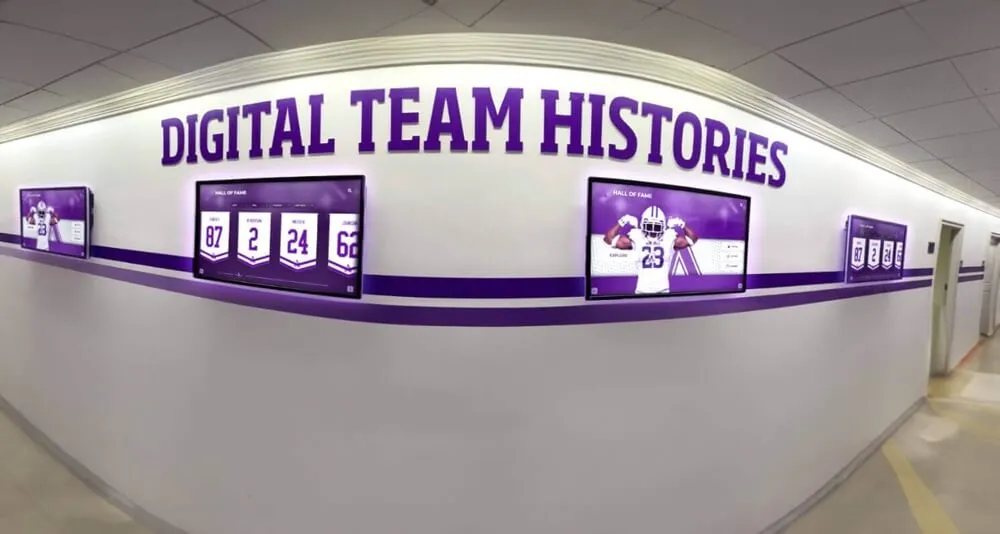
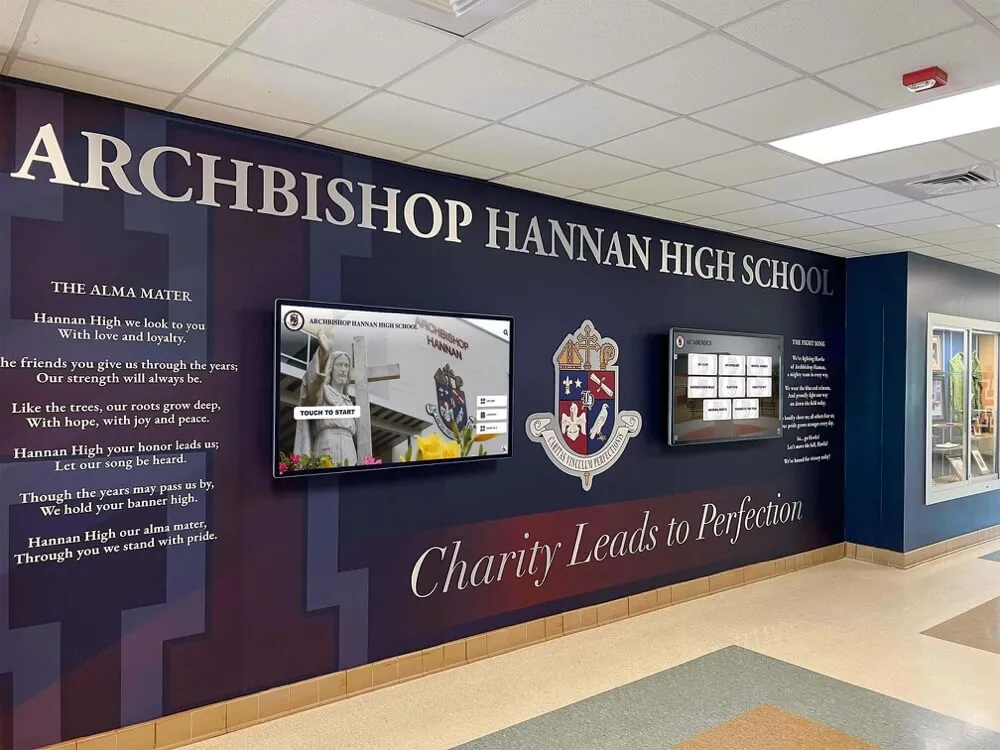
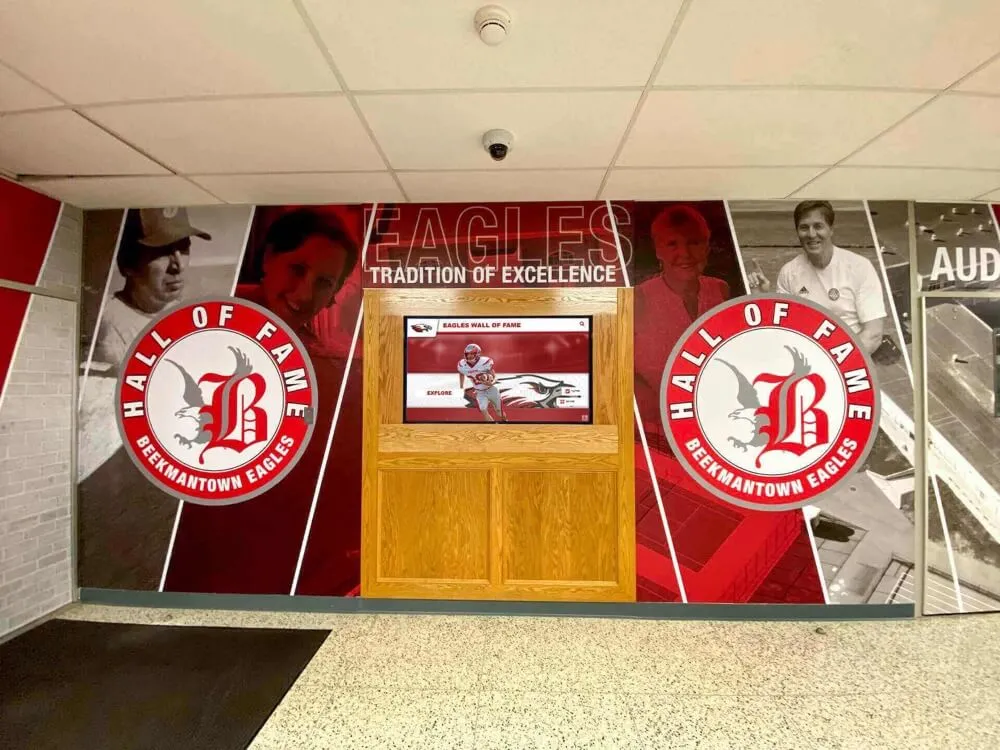
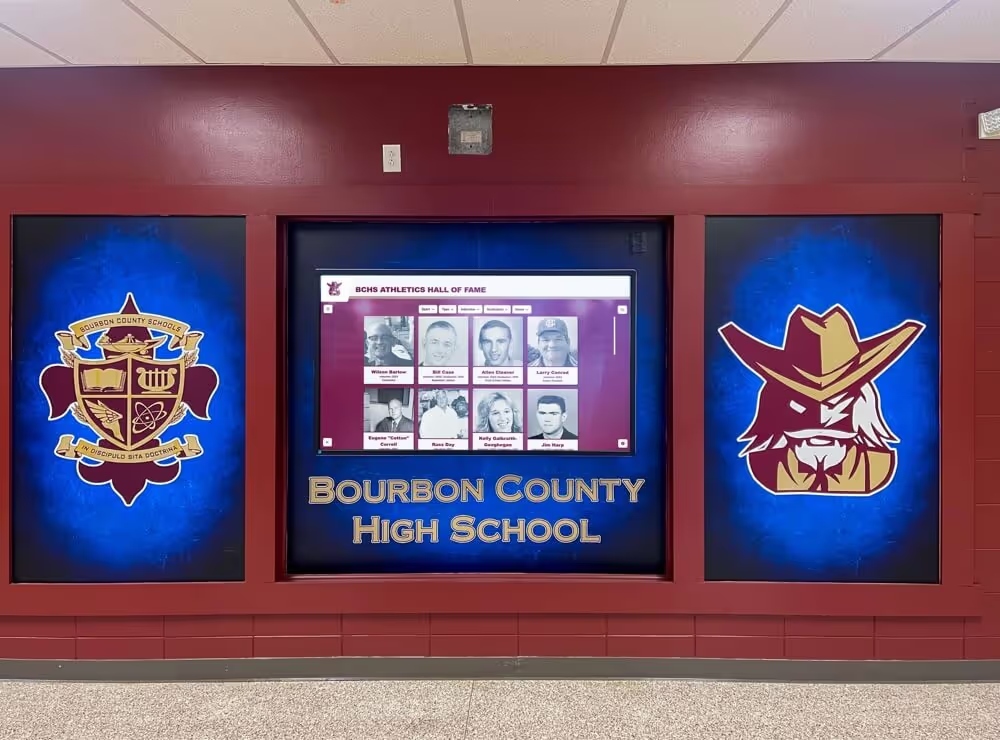
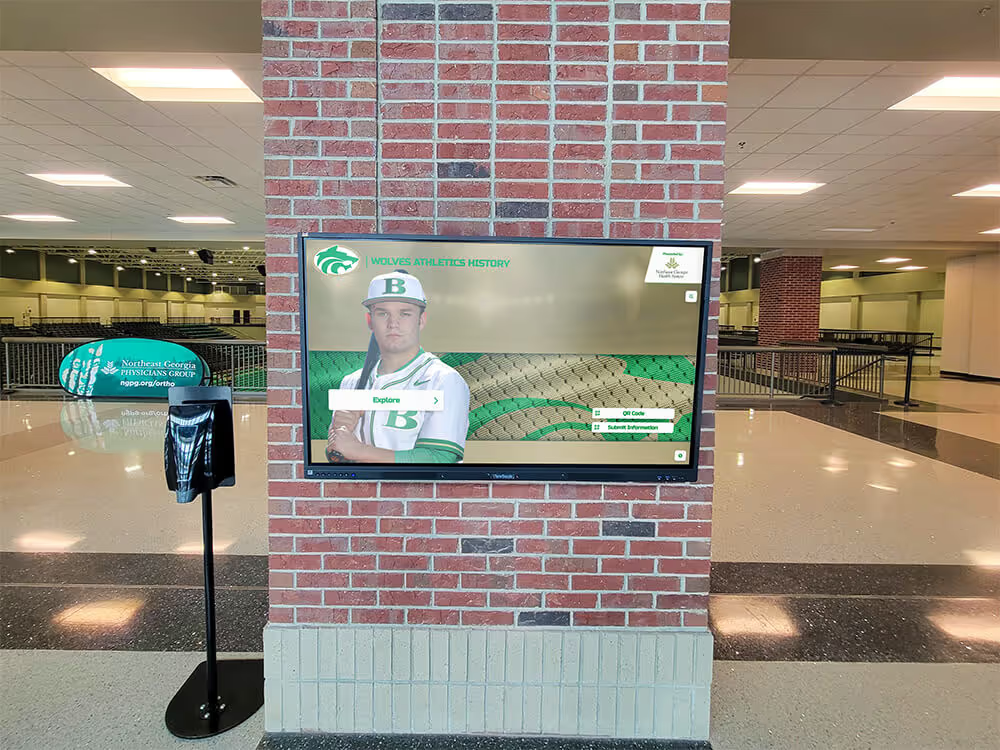
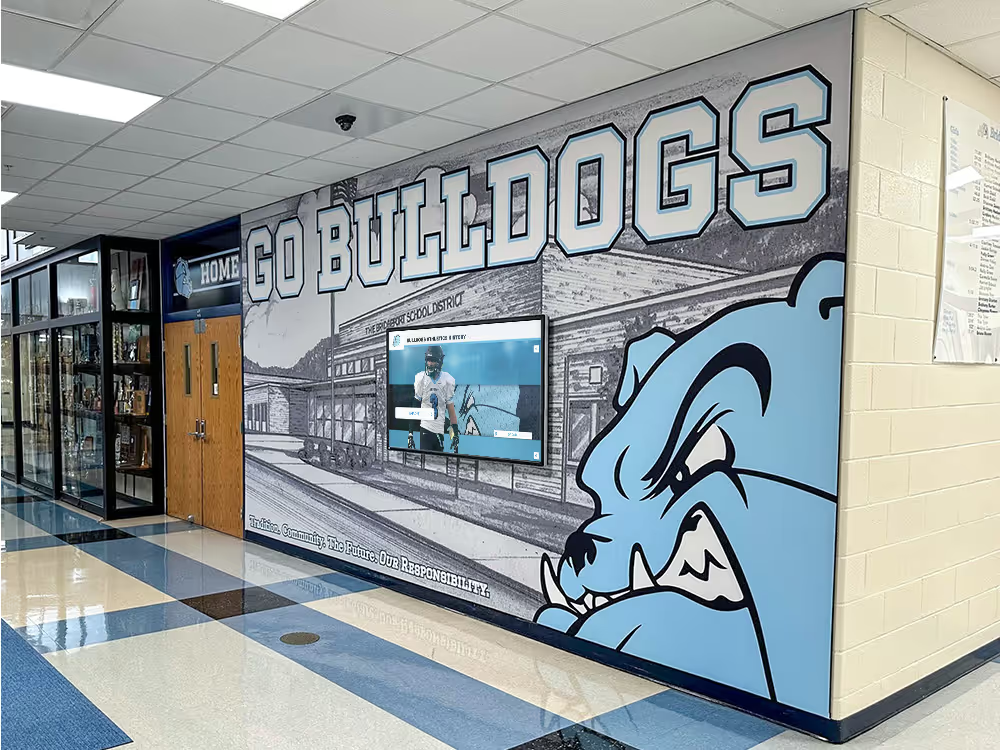
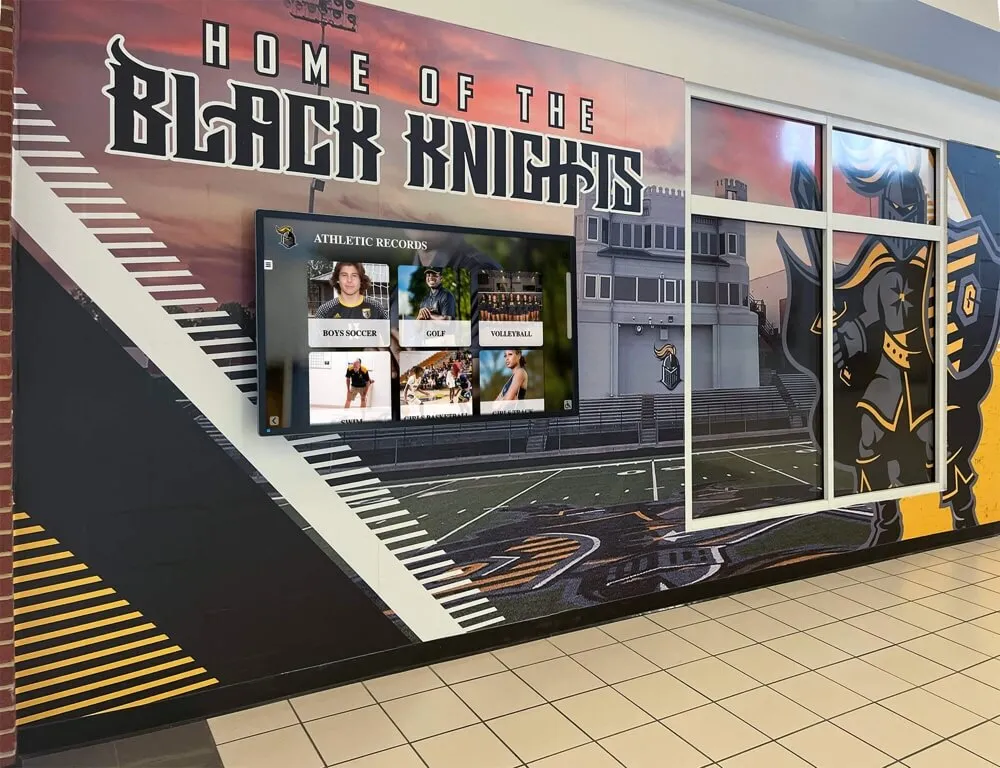
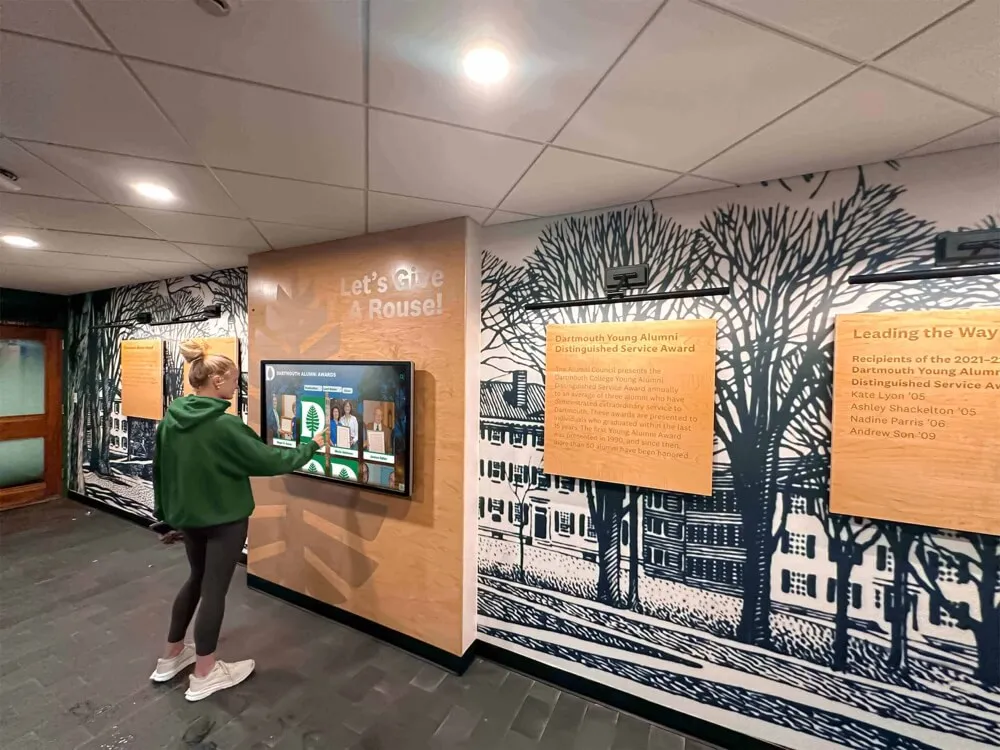
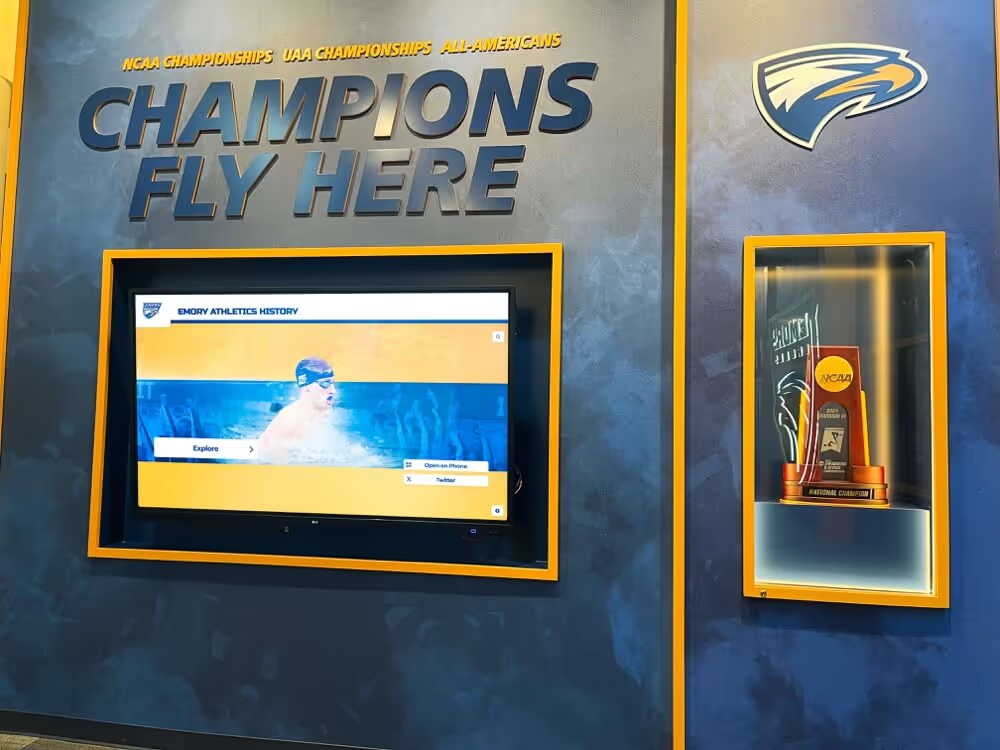
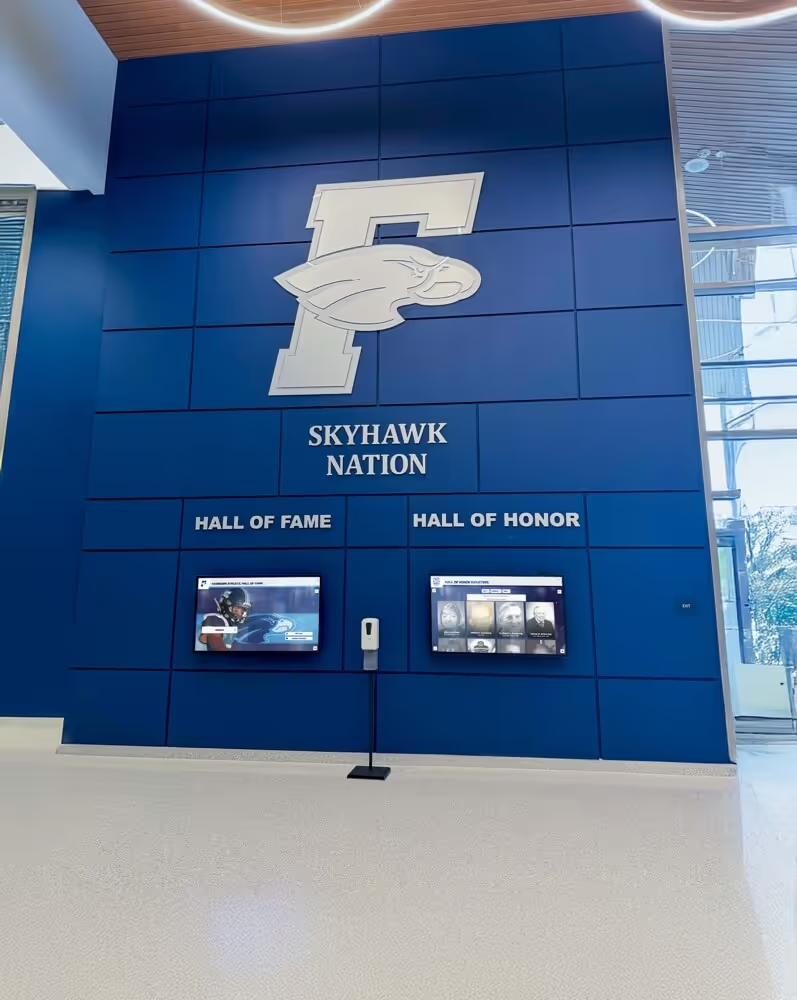
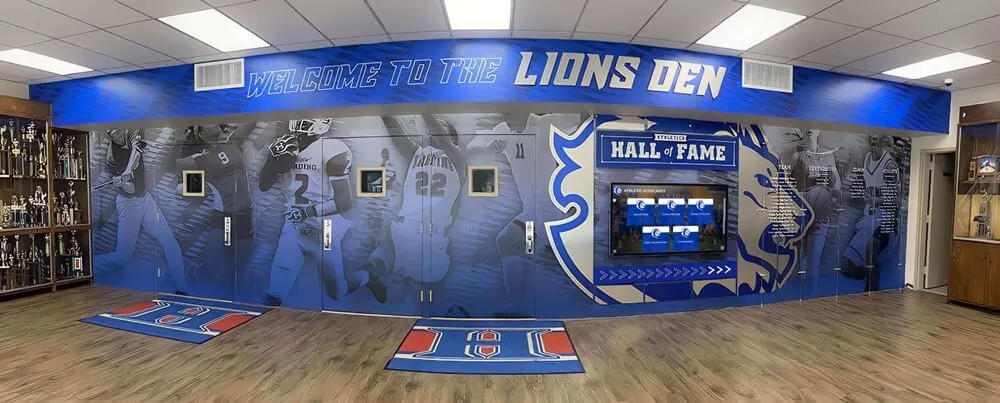
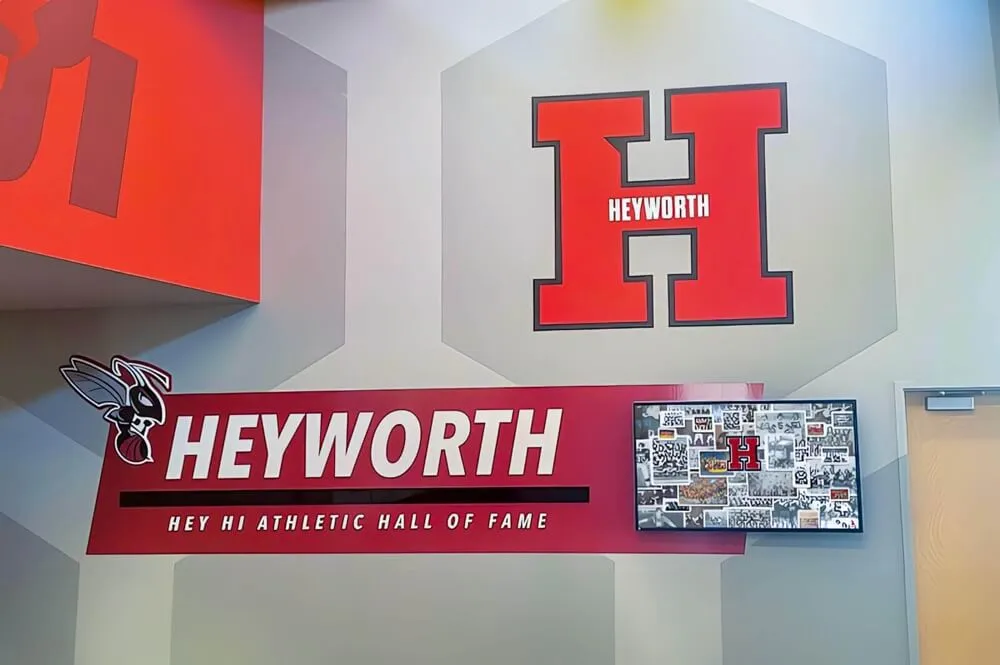
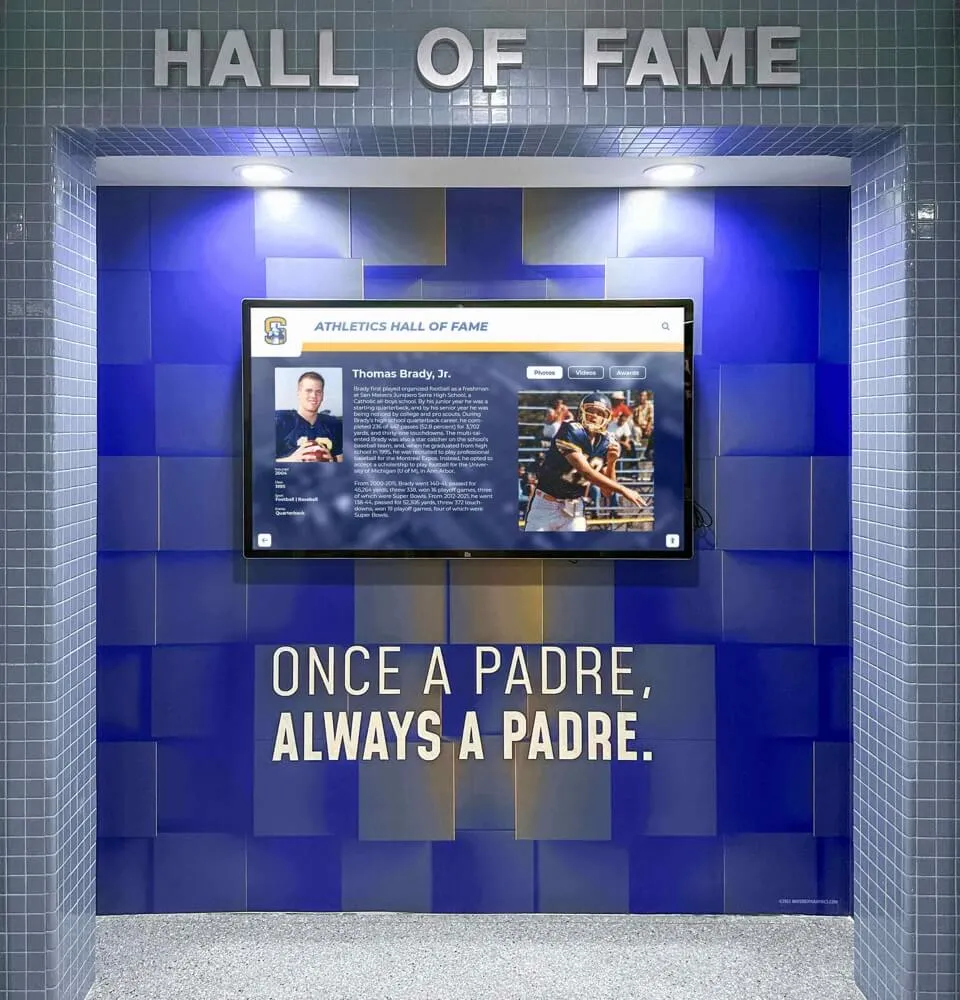
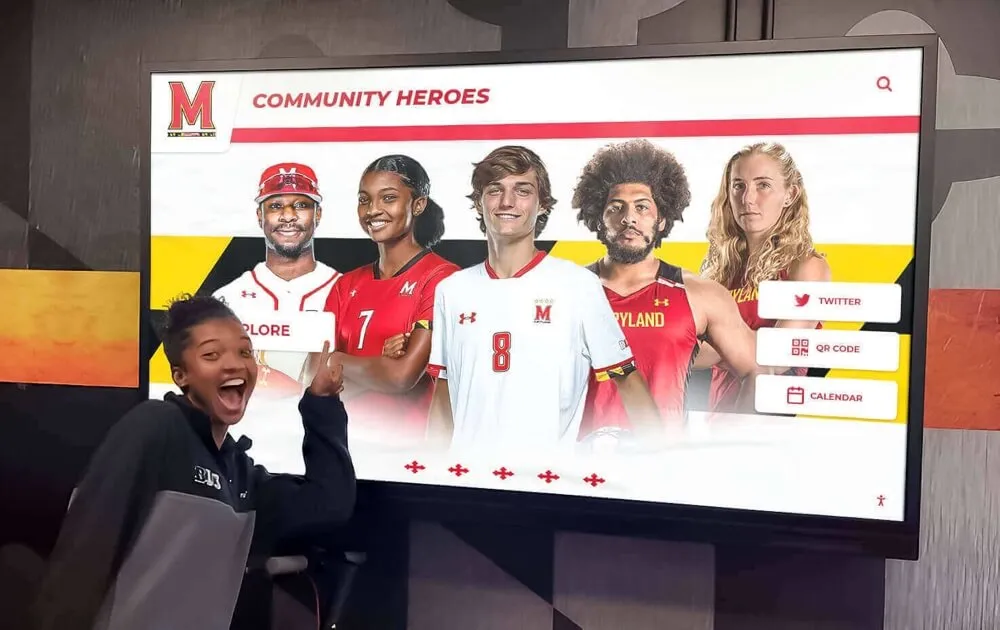
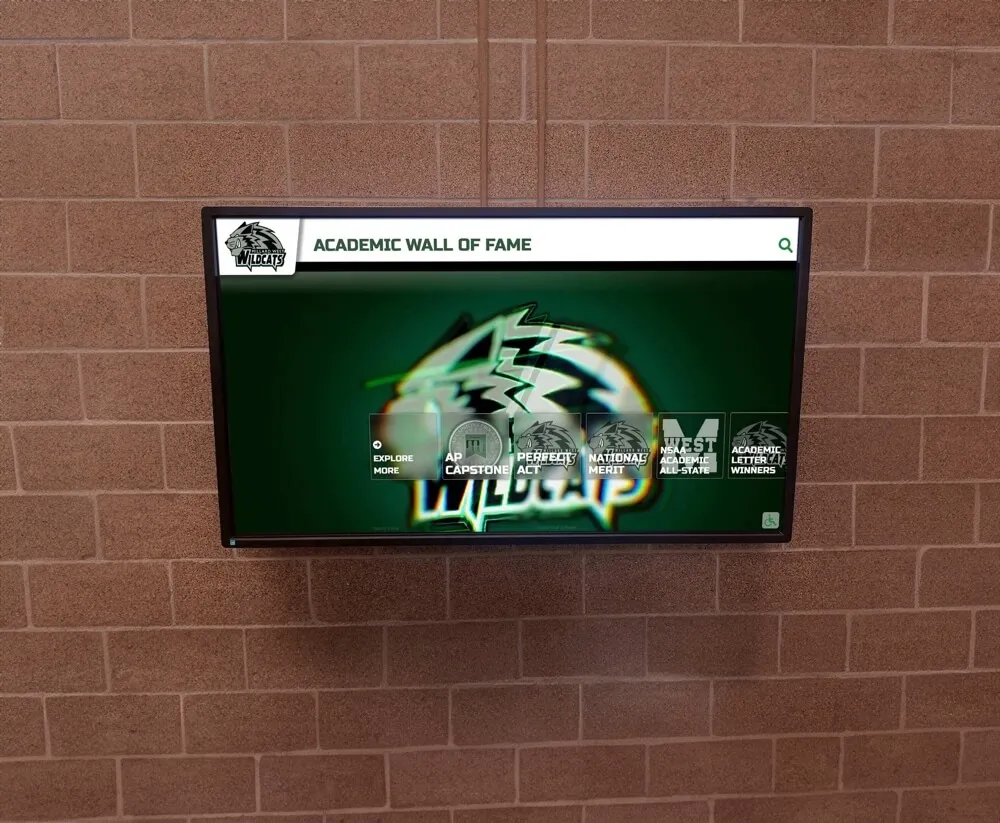
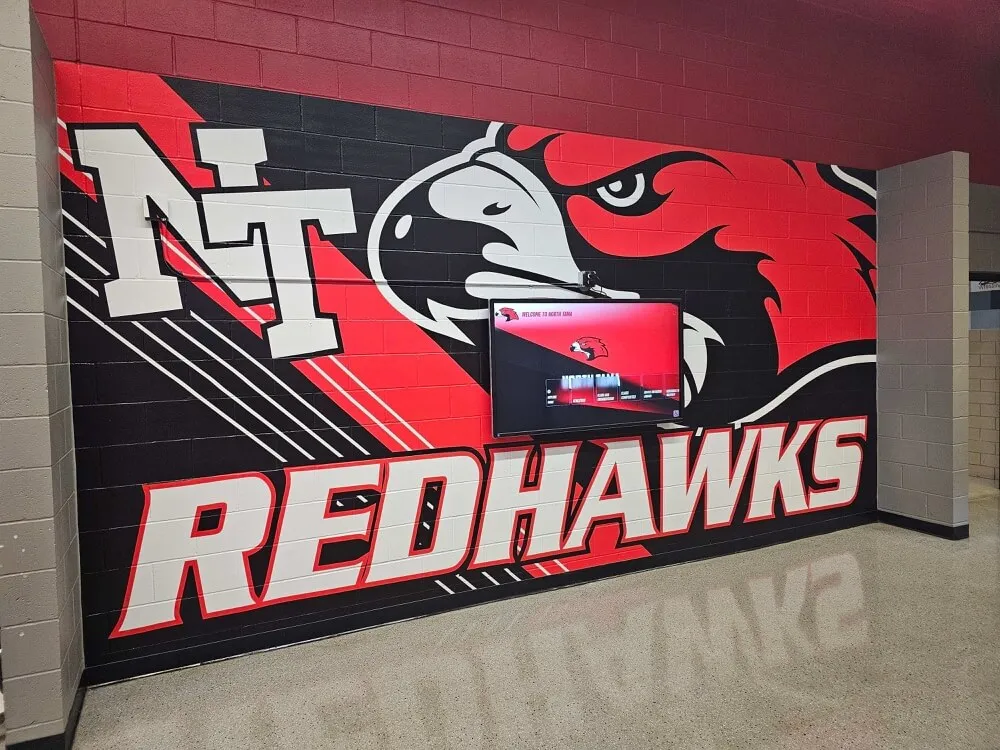
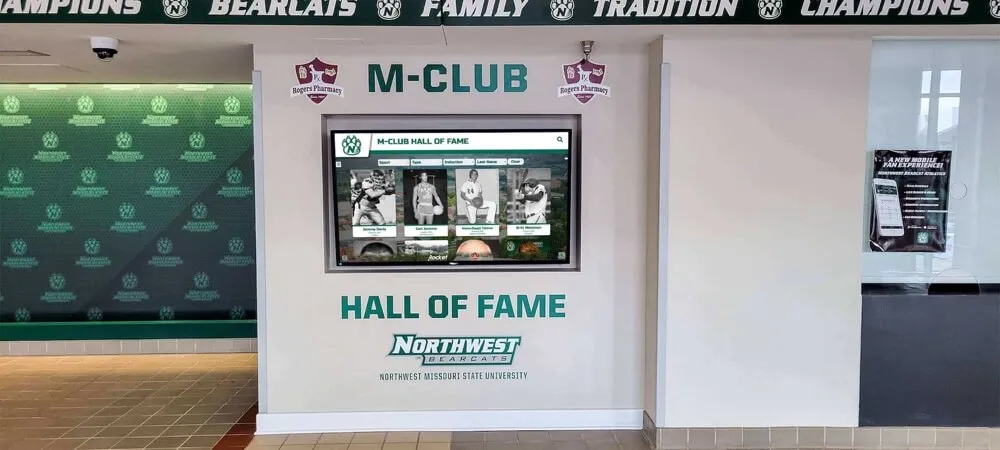
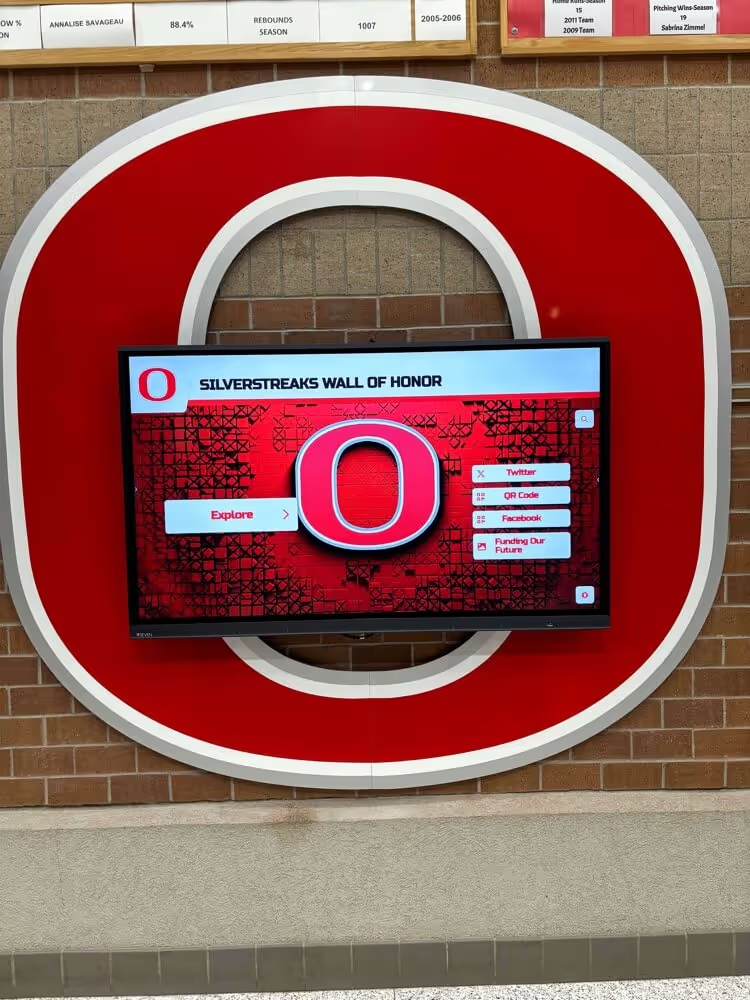
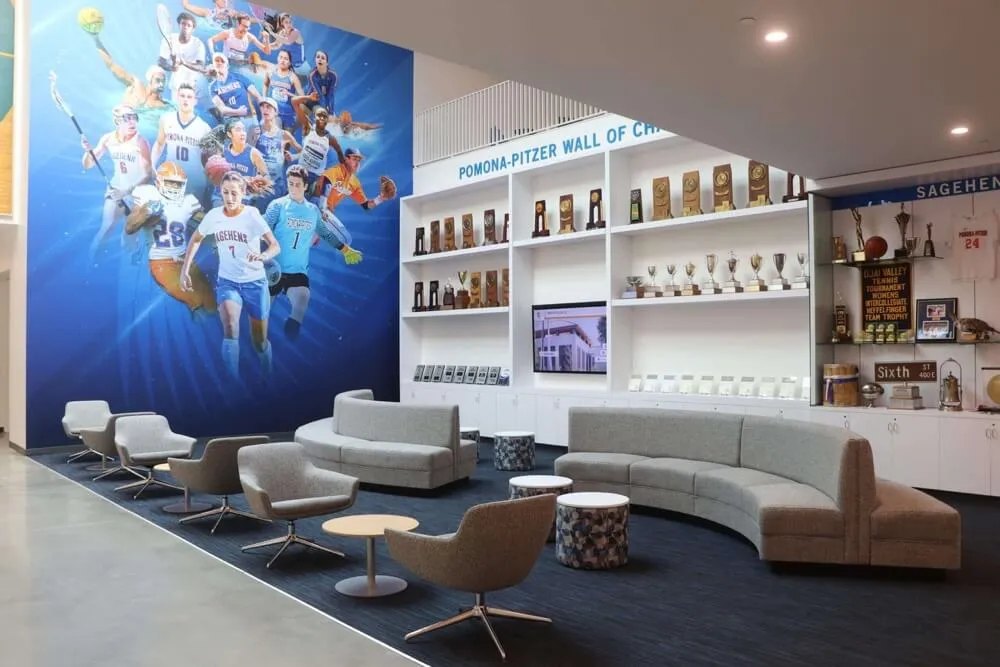
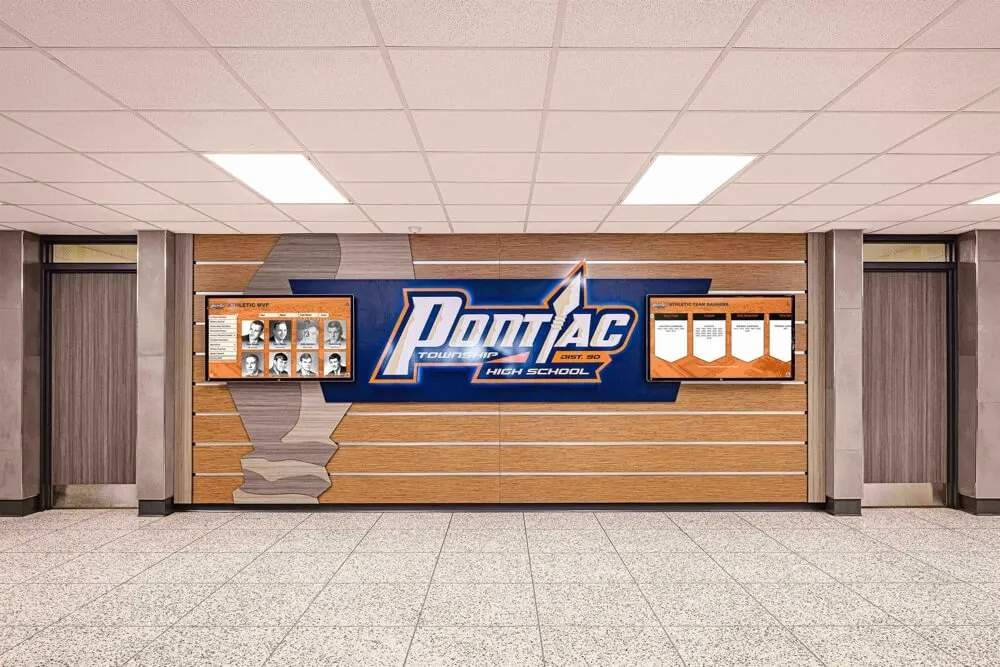
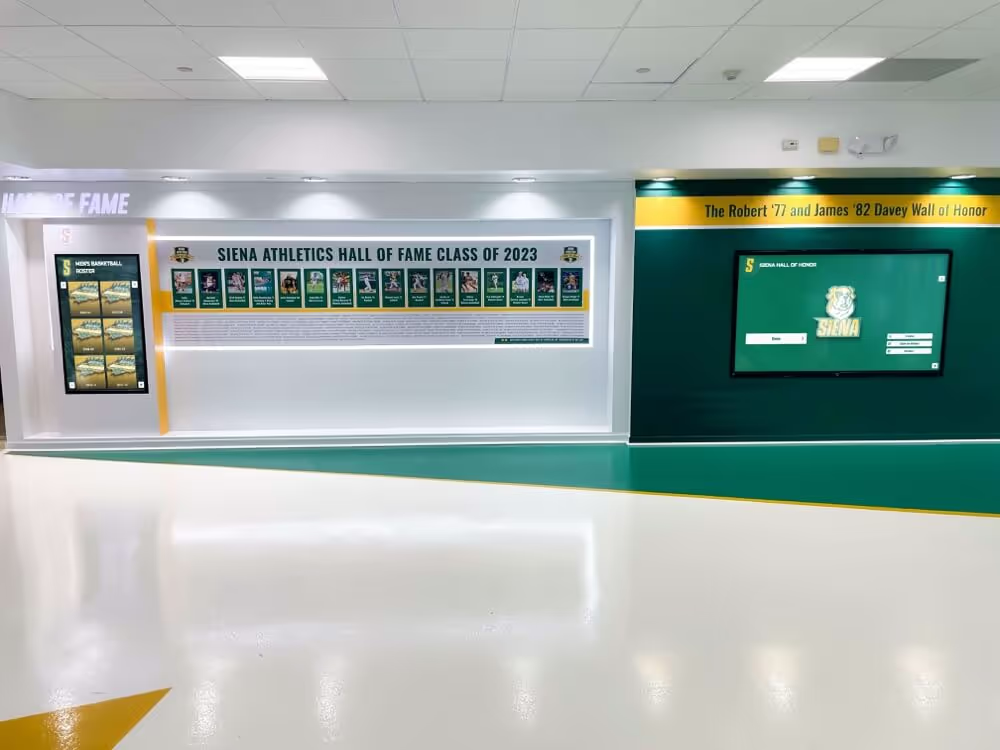
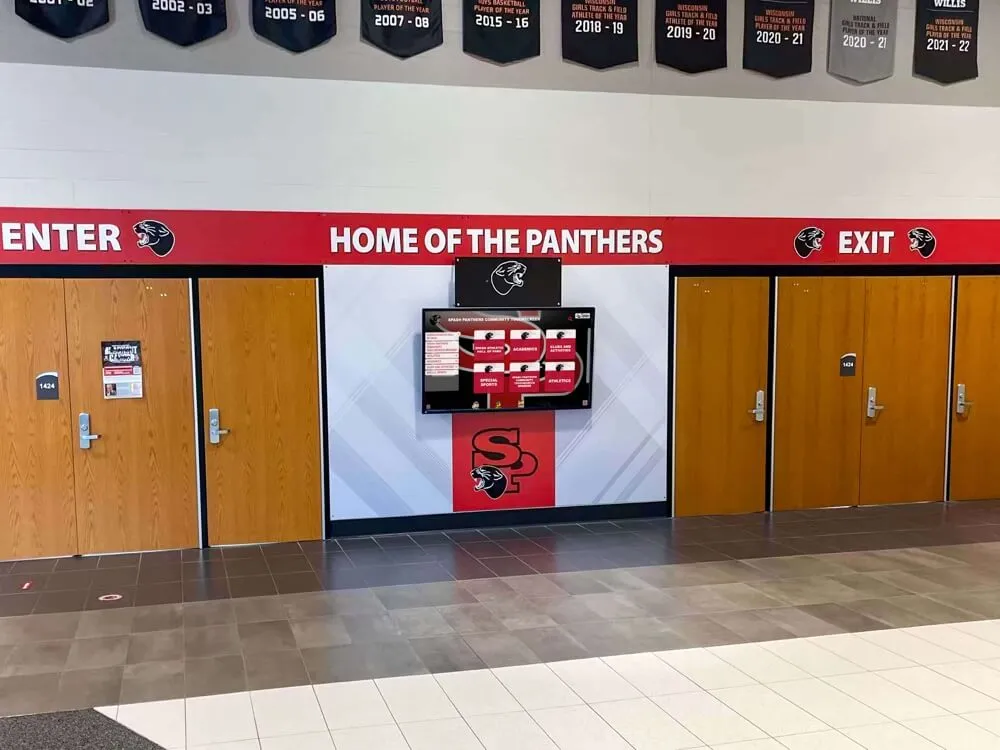
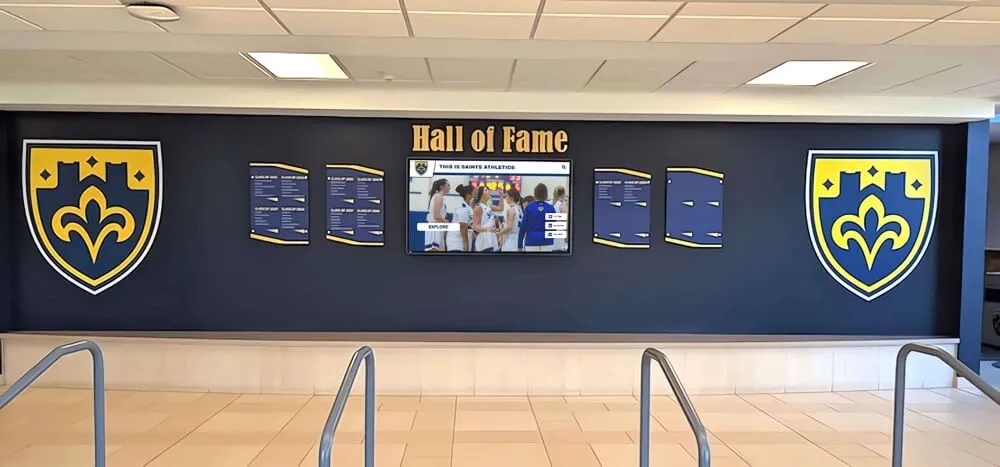
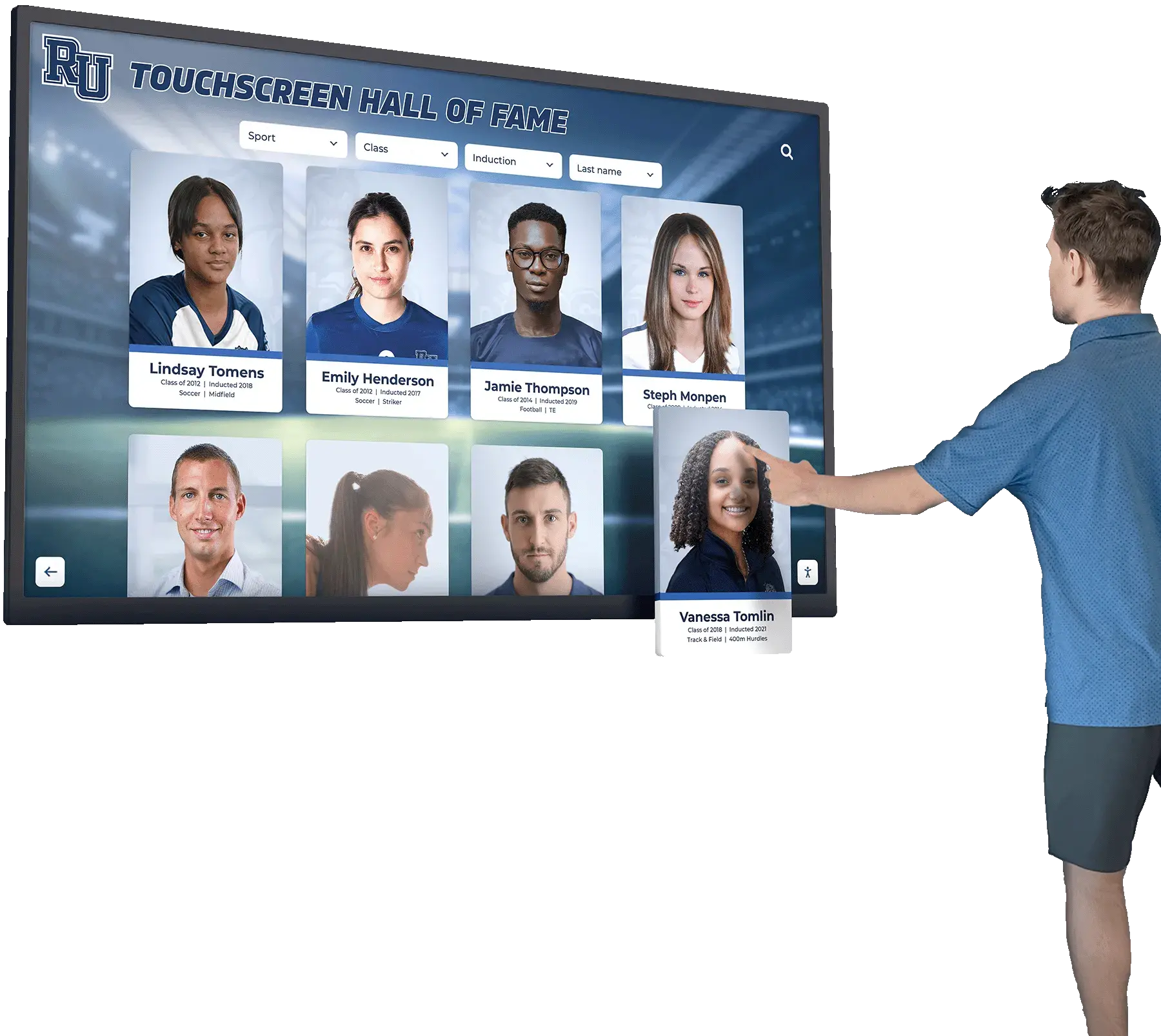
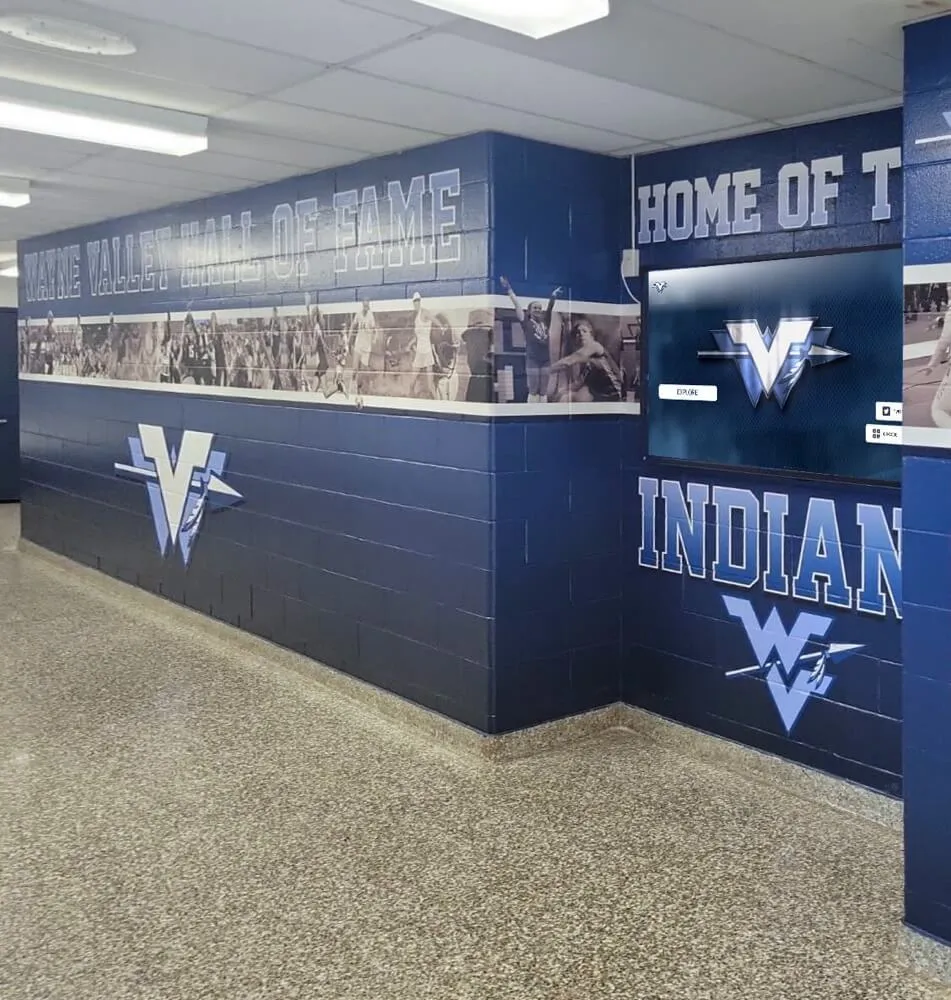
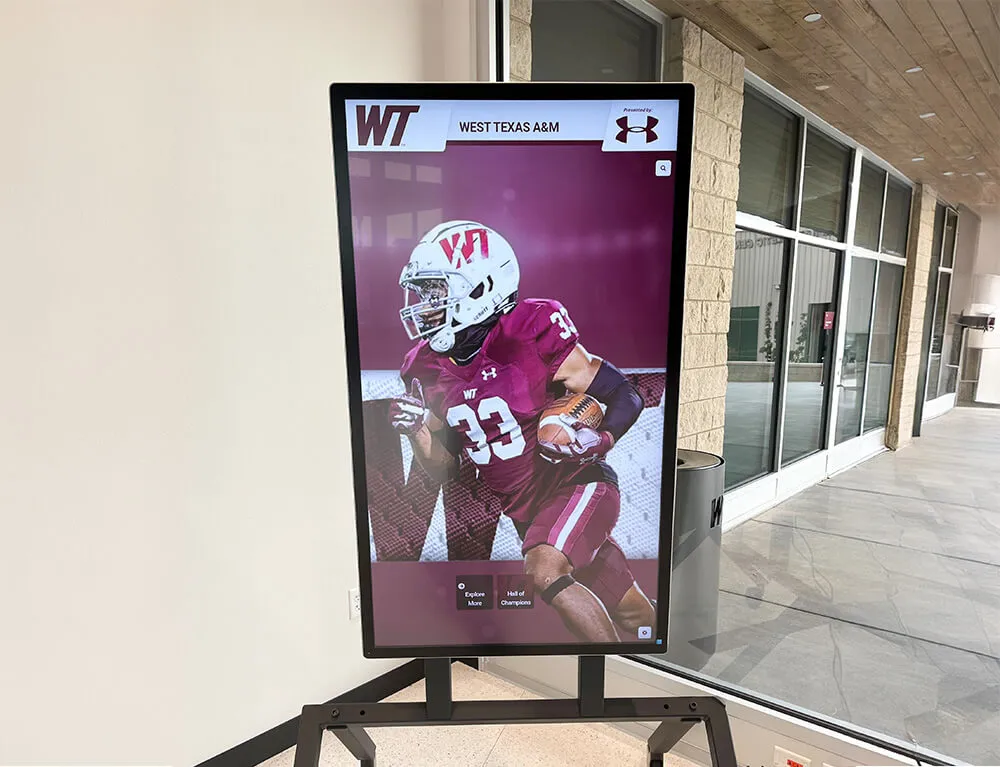
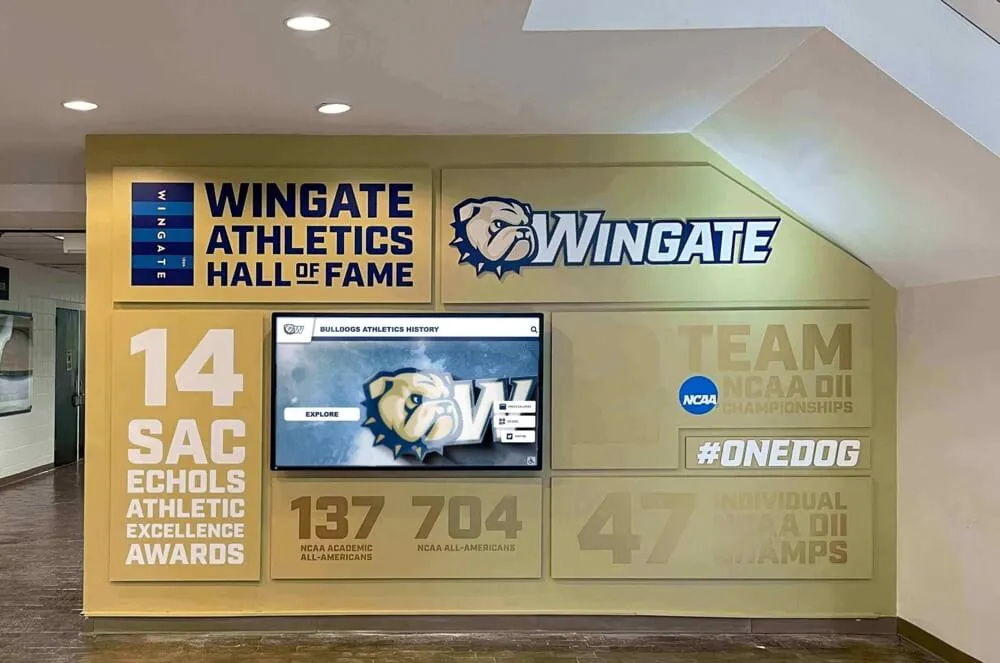
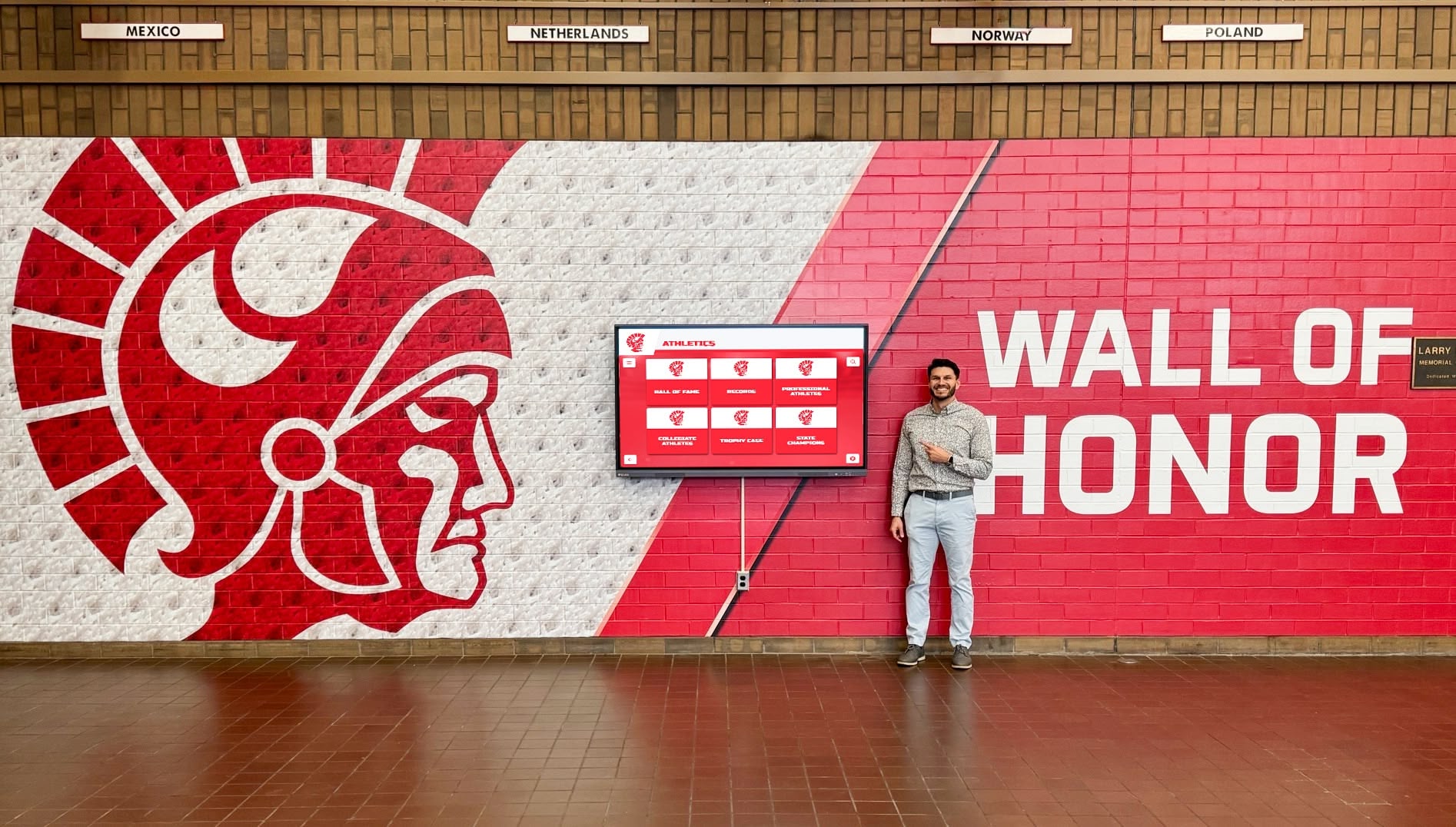
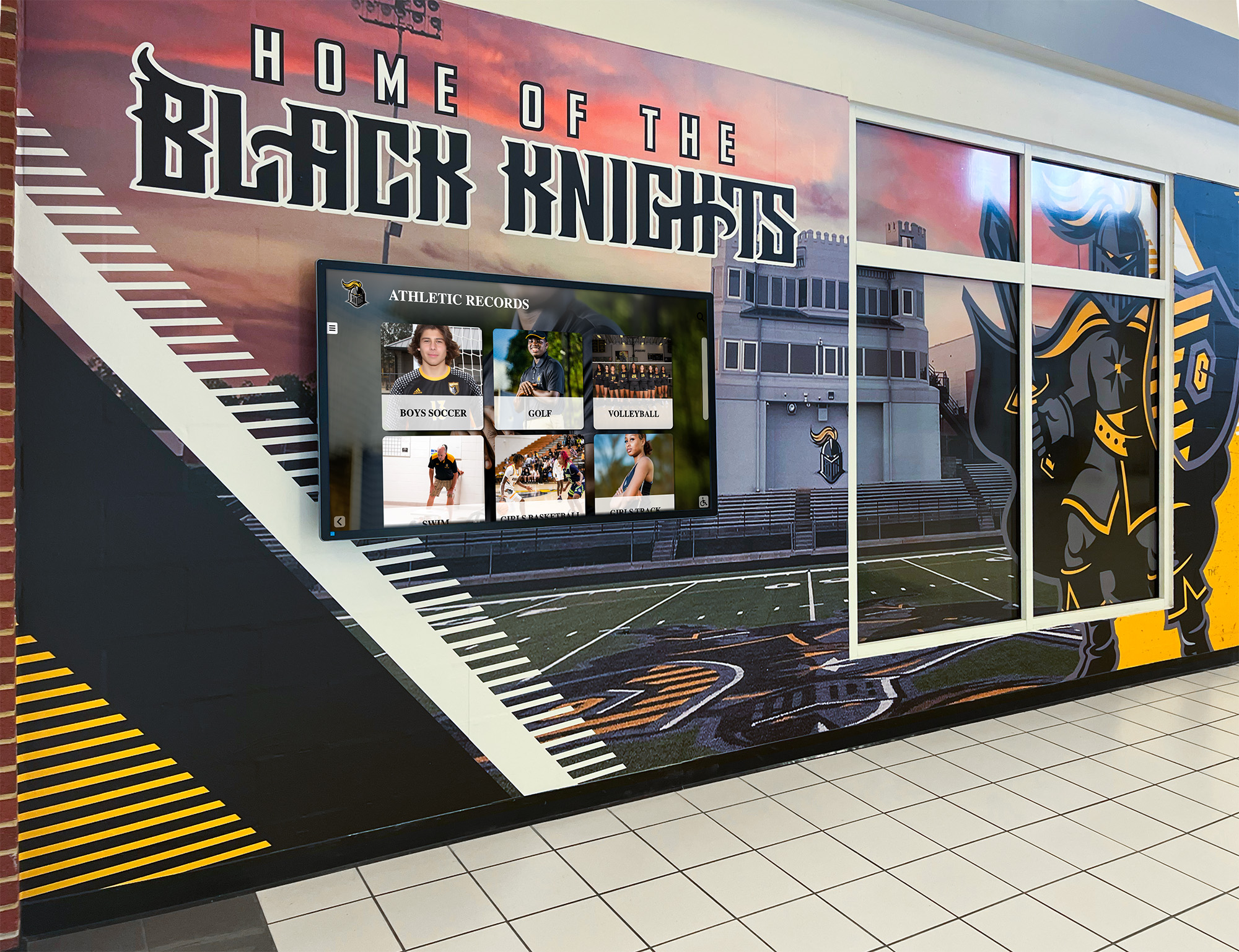
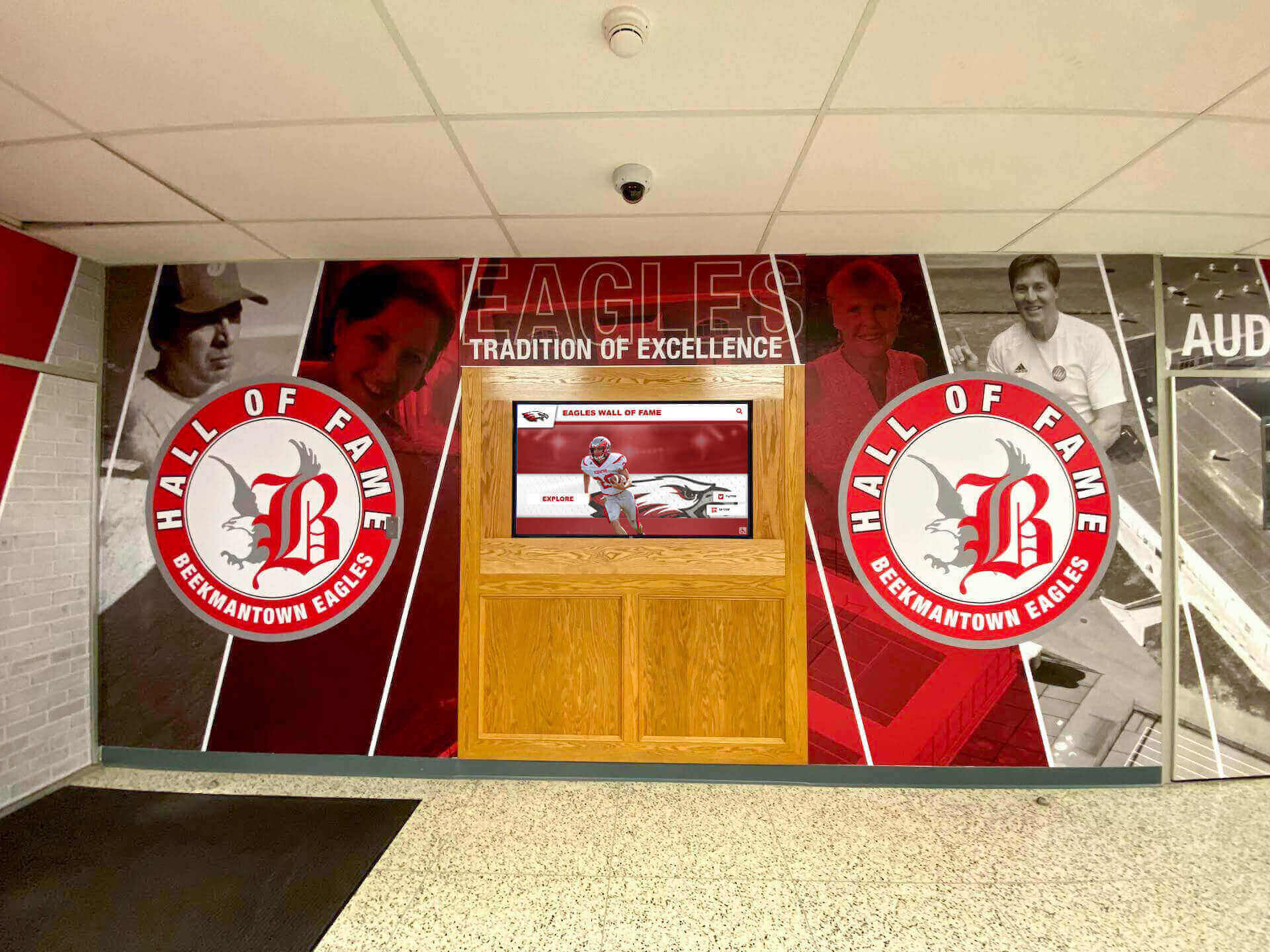
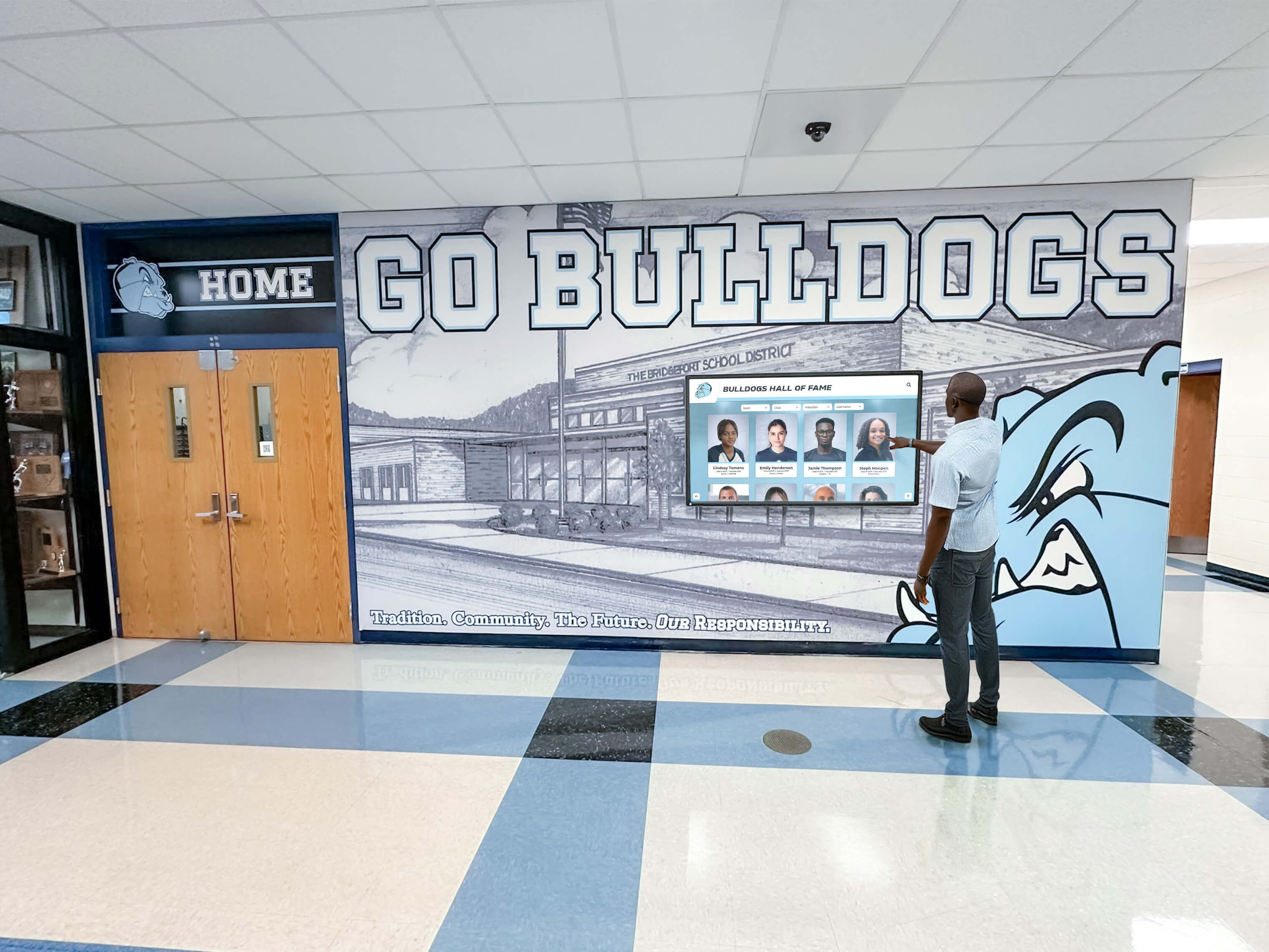
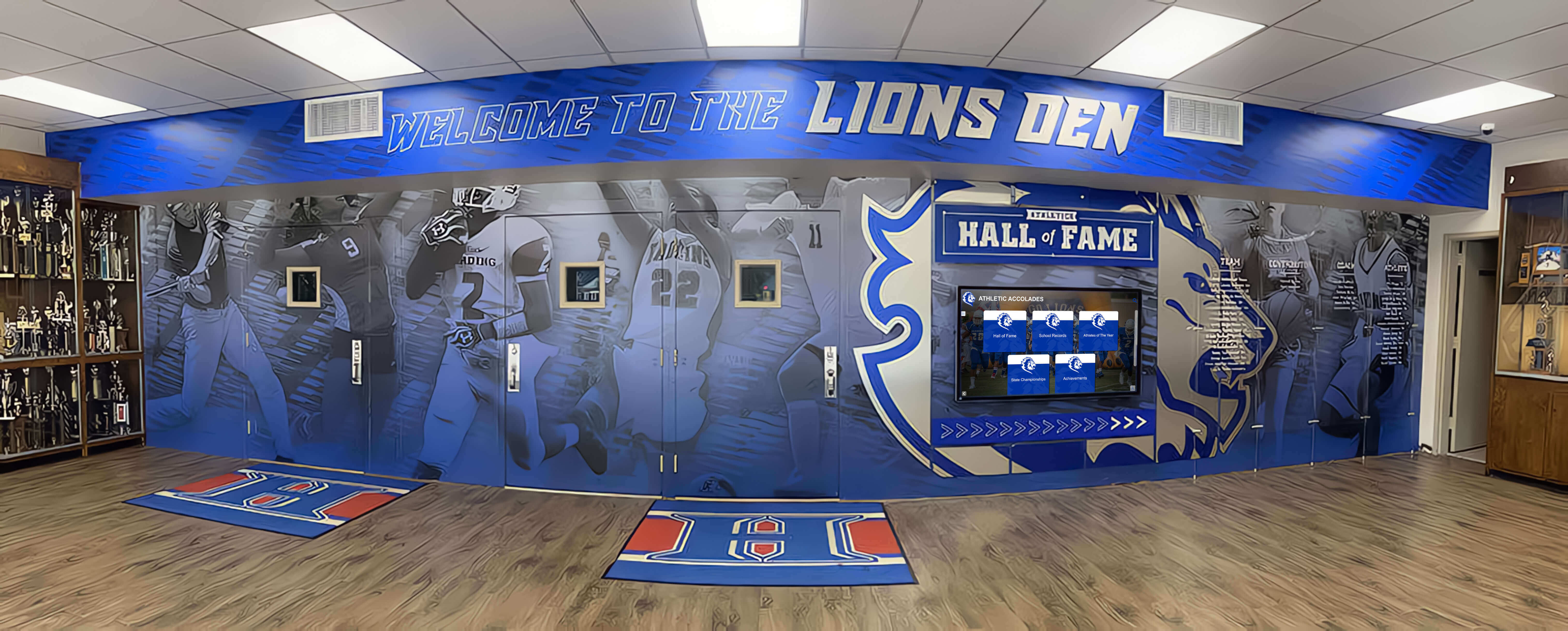
Digital Recognition Wall Installation: Create comprehensive recognition displays celebrating school achievements, alumni accomplishments, athletic records, or academic honors. Modern solutions like digital recognition systems enable schools to honor unlimited students across years while providing interactive exploration that traditional plaques cannot match.
The Scout leads teams coordinating historical research, digitizing photographs and records, developing biographical content, and implementing display technology. This demonstrates project management, technology coordination, content development leadership, and community engagement while creating permanent infrastructure benefiting schools for decades. Schools implementing interactive display technology in school lobbies report enhanced school pride and improved community connection.
Historical Archive Digitization: Many schools possess decades of yearbooks, team photos, newspaper clippings, and achievement documentation stored in deteriorating physical formats. Lead projects digitally preserving school history by scanning documents, organizing digital archives, creating searchable databases, and developing systems enabling future preservation efforts.
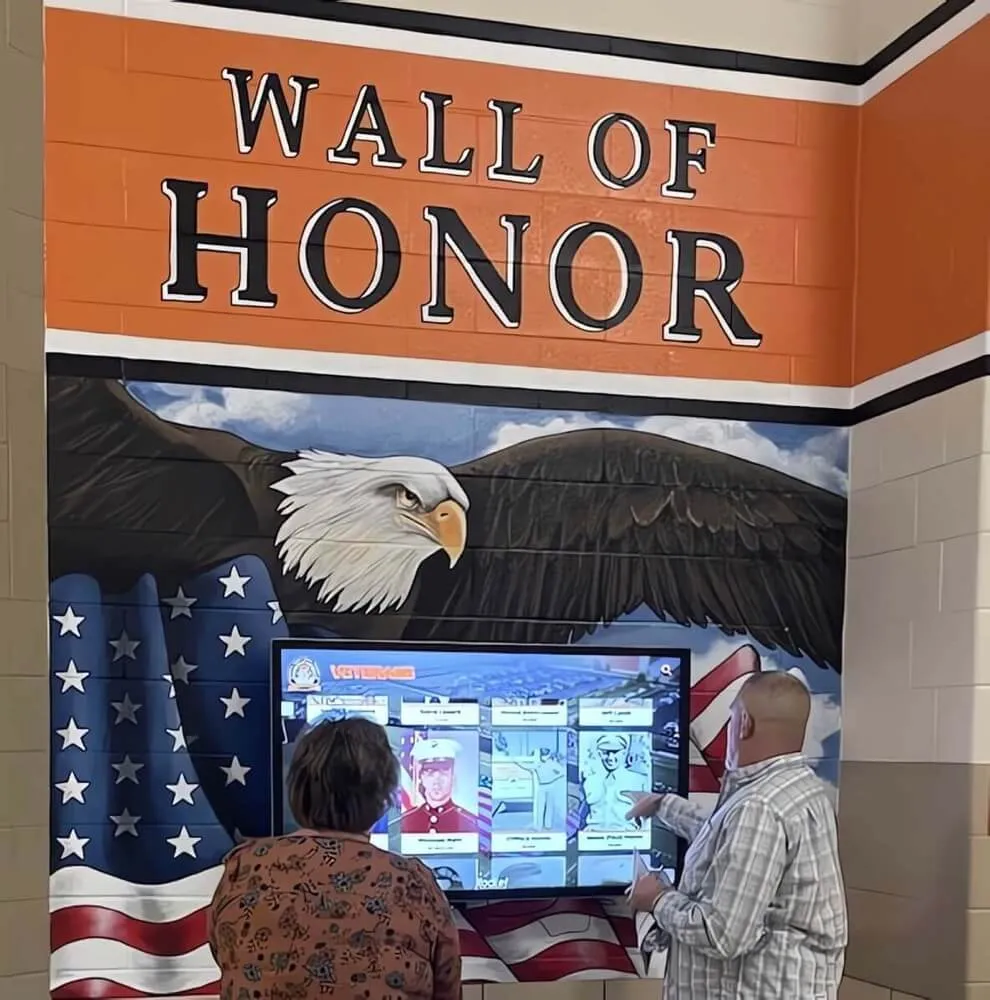
Alumni Wall of Honor Creation: Design and install permanent recognition celebrating distinguished alumni, retired teachers, or significant contributors to school communities. Include biographical information, achievement documentation, and photographic displays honoring individuals who brought credit to schools through exceptional accomplishments.
Outdoor Learning Spaces and Educational Enhancement
Outdoor Classroom Construction: Build covered outdoor learning spaces with seating, whiteboards, and weatherproofed infrastructure enabling classes to conduct lessons outside. Outdoor classrooms provide educational alternatives to traditional indoor instruction while creating flexible spaces supporting various teaching approaches.
Nature Trail Development with Educational Signage: Design and construct nature trails through school grounds incorporating educational signage identifying plants, trees, geological features, or ecological concepts. Trails combine environmental education with outdoor recreation while providing science teachers with living laboratories.
School Garden Installation: Create raised bed gardens enabling students to grow vegetables, flowers, or native plants. Gardens support science curriculum, teach responsibility and plant care, provide fresh produce for school cafeterias or food banks, and beautify school grounds through living installations.
Weather Station Installation: Coordinate installation of weather monitoring equipment enabling science classes to collect meteorological data. Digital weather stations provide hands-on learning about atmospheric science while creating permanent educational infrastructure.
Reading Garden Creation: Design peaceful outdoor spaces with benches, shade structures, plantings, and book storage enabling students to read outside. Reading gardens promote literacy while providing alternative learning environments supporting various student preferences.
Athletic and Recreational Facilities
Dugout Renovation or Construction: Build or extensively renovate baseball/softball dugouts including benches, roofing, storage areas, and protective barriers. Dugouts serve teams for decades while providing visible community benefit and substantial construction project scope.
Concession Stand Building or Renovation: Lead teams constructing or significantly improving athletic concession facilities including counters, storage, plumbing coordination, electrical work, and accessibility features. Concession stands support athletic programs financially while demonstrating project management of complex construction involving multiple trades.
Scoreboard Installation and Mounting: Coordinate installation of scoreboards for athletic fields including mounting structures, electrical service, protective enclosures, and operational systems. Scoreboard projects combine electrical coordination, construction work, equipment installation, and technology implementation.
Bleacher Construction or Repair: Build spectator seating for athletic fields or outdoor performance spaces. Bleacher projects require careful planning for safety, load calculations, proper materials, and compliance with accessibility standards while creating lasting infrastructure.
Fitness Course or Outdoor Gym Installation: Design and install outdoor fitness stations with pull-up bars, balance beams, stretching areas, and exercise equipment. Fitness courses serve physical education programs, athletic training, and general community recreation.
Park and Public Space Improvement Projects
Municipal parks and recreational areas need improvements that limited budgets cannot fund, creating excellent opportunities for substantial Eagle projects benefiting entire communities.
Trail Systems and Access Improvements
Hiking Trail Construction or Restoration: Design and build new trail sections or rehabilitate deteriorating existing trails. Trail projects involve route planning, erosion control, bridge construction, signage installation, and vegetation management demonstrating complex project leadership while creating lasting recreational infrastructure.
Accessible Pathway Installation: Lead construction of Americans with Disabilities Act (ADA) compliant pathways enabling wheelchair access to parks, playgrounds, or natural areas previously inaccessible. Accessibility projects demonstrate commitment to inclusive communities while requiring careful planning for proper grades, surfaces, and regulatory compliance.
Boardwalk Construction Through Wetlands: Build elevated boardwalks enabling access through wet areas while protecting sensitive ecosystems. Boardwalk projects combine environmental stewardship with significant construction scope requiring engineering planning, materials coordination, and careful environmental consideration.
Trail Signage and Wayfinding System: Create comprehensive signage systems including trailhead kiosks, directional markers, distance indicators, difficulty ratings, and educational interpretive signs. Signage projects require graphic design, materials selection, post installation, and coordination with park management.
Erosion Control and Trail Stabilization: Lead projects repairing trail damage through water bar installation, stone step construction, retaining wall building, and vegetation replanting. Erosion control demonstrates environmental understanding while requiring substantial physical work coordinating volunteer teams.
Recreational Facilities and Equipment
Playground Equipment Installation: Coordinate installation of playground equipment including site preparation, safety surfacing, equipment assembly, and accessibility compliance. Playground projects serve young families directly while requiring safety planning, volunteer coordination, and municipal approval processes.
Picnic Shelter Construction: Build covered picnic structures providing shade and weather protection for park visitors. Shelter projects involve substantial construction including post setting, roof framing, roofing installation, and table construction demonstrating comprehensive building project management.
Outdoor Stage or Amphitheater Building: Create performance spaces for community events, concerts, or outdoor gatherings. Stage projects combine complex construction with community cultural enhancement while requiring acoustic consideration, structural engineering, and event programming consultation.
Fishing Pier or Dock Construction: Build platforms enabling safe fishing access for lakes or rivers. Pier projects require water body permits, environmental compliance, structural engineering, and construction in challenging environments demonstrating advanced project planning.
Sports Court Surface Installation: Lead installation or resurfacing of basketball courts, tennis courts, or multi-sport playing surfaces. Court projects involve site preparation, drainage planning, surface installation, line painting, and equipment mounting.
Park Beautification and Environmental Enhancement
Native Plant Garden Installation: Design and plant gardens featuring native species supporting local pollinators, birds, and ecological health. Native gardens demonstrate environmental stewardship while educating communities about ecological landscaping principles.
Invasive Species Removal and Habitat Restoration: Organize extensive removal of invasive plants threatening native ecosystems followed by replanting with appropriate native species. Restoration projects combine environmental education with substantial volunteer coordination across multiple work sessions.
Park Entrance Monument and Signage: Design and install attractive entrance features including carved signs, stone work, landscaping, and lighting creating inviting gateways to parks. Monument projects demonstrate artistic vision combined with construction skills and permanent aesthetic enhancement.
Memorial Garden or Reflection Space Creation: Build contemplative spaces within parks featuring thoughtful landscaping, benches, memorial elements, and peaceful design. Memorial gardens serve communities experiencing loss while providing leadership opportunities in sensitive project contexts.
Nonprofit Organization Support Projects
Established nonprofit organizations consistently need facility improvements, outdoor spaces, and program infrastructure that limited budgets cannot accommodate, creating excellent Eagle project opportunities.
Facility Improvement and Construction Projects
Community Center Renovation: Lead renovation of spaces within community centers including painting, flooring installation, lighting improvement, furniture building, or storage organization. Renovation projects demonstrate project scoping, materials planning, contractor coordination when needed, and volunteer team management across extended timelines.
Nonprofit Office Space Organization: Create comprehensive organizational systems including shelving construction, filing systems, storage solutions, and workflow optimization for nonprofit offices struggling with space constraints and organizational challenges.
Food Bank Storage and Sorting Areas: Build or improve infrastructure supporting food bank operations including sorting tables, storage shelving, refrigeration areas, and donation receiving spaces. Food bank projects directly support organizations addressing food insecurity while demonstrating commitment to vulnerable populations.
Animal Shelter Improvements: Construct or renovate animal housing, outdoor exercise areas, grooming stations, or visitor spaces for animal rescue organizations. Shelter projects combine construction skills with compassion for animal welfare while supporting organizations operating on limited budgets.
Homeless Shelter Facility Upgrades: Lead improvements to shelter facilities including bed frame construction, privacy partition installation, storage locker building, or common area renovation. Shelter projects demonstrate commitment to serving vulnerable populations while requiring sensitivity, planning, and substantial volunteer coordination.
Outdoor Spaces and Grounds Improvements
Nonprofit Playground or Recreation Area: Design and install playground equipment, sports courts, or recreational facilities for youth-serving nonprofits, churches, or community centers. Recreation projects directly benefit children and families while requiring safety planning and substantial coordination.
Community Garden for Food Bank: Create garden spaces where volunteers grow fresh produce donated directly to food banks or distributed to families experiencing food insecurity. Garden projects combine environmental stewardship, hunger relief, and community building demonstrating multidimensional project benefits.
Outdoor Event Space Creation: Build performance stages, seating areas, event infrastructure, or gathering spaces enabling nonprofits to conduct outdoor programming and fundraising events. Event spaces expand organizational capacity while creating lasting infrastructure.
Trail System for Nature Centers: Construct or improve hiking trails through properties operated by environmental education organizations. Trail projects support organizational missions while providing construction scope demonstrating significant leadership.
Program Support and Educational Infrastructure
Little Free Library Network Installation: Lead projects installing multiple Little Free Library structures throughout communities providing free book access in neighborhoods lacking proximity to traditional libraries. Library networks demonstrate literacy commitment while coordinating numerous individual installations creating distributed impact. Organizations expanding community access often benefit from donor recognition displays recognizing community supporters contributing to these initiatives.
Nonprofit Teaching Kitchen or Demonstration Space: Build outdoor teaching kitchens or cooking demonstration areas for organizations providing nutrition education, cooking classes, or culinary programs. Kitchen projects support health education while requiring planning for utilities, food safety, and program needs.
Sensory Garden for Special Needs Organizations: Design gardens specifically serving individuals with disabilities featuring tactile plants, aromatic selections, accessible pathways, raised beds, and sensory stimulation elements. Sensory gardens demonstrate inclusive design thinking while serving often-overlooked populations.
Religious Institution Projects
Churches, synagogues, mosques, temples, and other faith communities welcome improvements supporting religious activities, community outreach, and facility stewardship.
Worship Space and Building Improvements
Memorial Garden or Prayer Garden Installation: Create contemplative outdoor spaces with pathways, seating, plantings, water features, and memorial elements enabling reflection and remembrance. Prayer gardens serve congregations while providing peaceful community resources.
Fellowship Hall Renovation: Lead improvements to community gathering spaces including furniture building, kitchen upgrades, storage solutions, or audiovisual system installation. Fellowship spaces support religious education, community meals, and congregation gatherings demonstrating practical service.
Historical Recognition Display: Develop recognition systems celebrating founding members, significant contributors, clergy history, or institutional milestones. Historical displays preserve institutional memory while engaging congregations with their heritage. Faith communities implementing comprehensive donor recognition systems report improved stewardship participation and deeper community connection.
Accessibility Ramp Construction: Build ADA-compliant ramps enabling wheelchair access to worship spaces, fellowship halls, or religious buildings. Accessibility projects demonstrate inclusive values while requiring careful planning for proper slopes, materials, and safety features.
Outdoor Worship Space Creation: Design and construct outdoor chapels, amphitheaters, or gathering areas enabling worship in nature. Outdoor spaces expand congregational capacity while creating alternative worship environments.
Youth Ministry and Education Spaces
Playground Installation for Religious Preschools: Coordinate playground equipment installation for preschools operated by religious institutions. Playground projects directly serve young families while requiring safety planning and substantial volunteer coordination.
Youth Room Renovation: Transform spaces dedicated to youth ministry including furniture building, game area creation, technology installation, storage solutions, and decoration. Youth spaces support religious education and community building for adolescents.
Outdoor Classrooms for Religious Education: Build covered outdoor teaching spaces supporting summer religious education programs or alternative learning environments. Classrooms demonstrate commitment to education while creating flexible program spaces.
Community Outreach and Service Facilities
Clothing Closet Organization: Create comprehensive systems for accepting, sorting, storing, and distributing clothing donated for community members in need. Closet projects support outreach missions while demonstrating organizational skills and commitment to serving vulnerable populations.
Community Food Pantry Construction: Build dedicated spaces for food collection, storage, and distribution including shelving, refrigeration coordination, receiving areas, and client serving spaces. Pantry projects address hunger directly while requiring substantial planning and construction.
Mission Trip Preparation and Storage Areas: Construct spaces supporting congregation mission activities including tool storage, supply organization, equipment maintenance areas, and preparation workspaces. Mission infrastructure supports ongoing service work extending beyond single Eagle projects.
Historical Preservation and Community Heritage Projects
Historical societies, museums, cemeteries, and heritage sites need preservation work that limited budgets cannot fund while offering unique project opportunities.
Cemetery Restoration and Preservation
Historic Cemetery Documentation: Lead comprehensive projects surveying, photographing, mapping, and documenting historic cemeteries creating permanent records of burial locations, stone inscriptions, and genealogical information. Documentation projects preserve historical information while requiring extensive volunteer coordination, detailed record-keeping, and sensitivity to historical preservation principles.
Gravestone Cleaning and Repair: Organize careful cleaning and stabilization of historic gravestones using appropriate conservation techniques. Stone preservation demonstrates respect for history while requiring training in proper preservation methods, safety precautions, and coordination with cemetery administrators and preservation professionals.
Cemetery Landscape Restoration: Lead removal of invasive plants, replanting of appropriate landscaping, pathway restoration, and grounds improvement in historic cemeteries. Landscape projects honor those buried while restoring dignity to neglected sites.
Cemetery Fence Reconstruction: Rebuild or restore fencing surrounding historic cemeteries including research of appropriate historical styles, materials selection, post installation, and proper construction techniques. Fence projects create visible community improvement while requiring substantial construction scope.
Museum and Historical Site Improvements
Exhibit Display Construction: Build display cases, mounting systems, interpretive signage structures, or exhibit furniture for local museums or historical societies. Display construction directly supports organizational missions while demonstrating woodworking, design, and installation skills.
Historical Marker Installation Project: Research, design, fabricate, and install historical markers throughout communities identifying significant locations, events, people, or structures. Marker projects combine historical research, graphic design, fabrication coordination, and installation leadership across multiple sites.
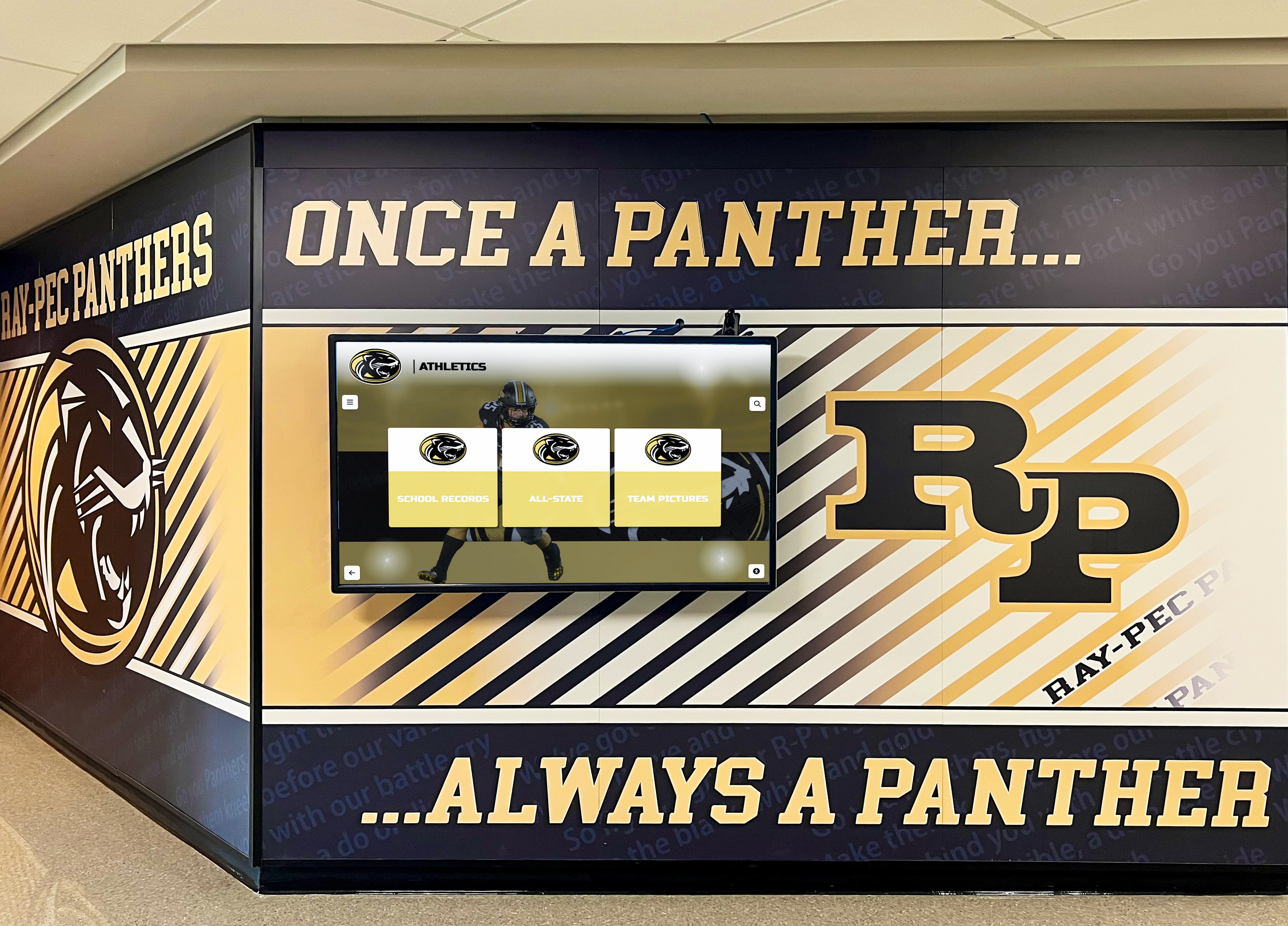
Archive Digitization and Organization: Lead projects scanning and digitally preserving historical photographs, documents, newspapers, or records while creating organizational systems enabling public access. Digitization projects preserve fragile historical materials while requiring technology coordination, volunteer management across extended timelines, and attention to archival standards.
Historical Building and Site Restoration
Historic Structure Stabilization: Coordinate preservation work on deteriorating historic buildings including foundation stabilization, roof repair, window restoration, or structural reinforcement. Restoration projects require working with preservation specialists, following historical guidelines, and demonstrating commitment to architectural heritage.
Historical Landscape Restoration: Research and restore landscapes surrounding historical sites returning plantings, pathways, and grounds to historically appropriate conditions. Landscape restoration combines horticultural knowledge with historical research demonstrating multidisciplinary project leadership.
Interpretive Trail Development: Create self-guided trails through historical sites with signage explaining historical significance, architectural features, or historical events. Interpretive trails enhance visitor experience while requiring historical research, graphic design, construction, and educational content development.
Environmental Conservation and Habitat Improvement Projects
Environmental organizations, wildlife agencies, and conservation groups need habitat improvement, restoration work, and conservation infrastructure that budgets cannot accommodate.
Wildlife Habitat Creation and Enhancement
Pollinator Garden Network: Design and install extensive native pollinator gardens across multiple sites supporting declining bee, butterfly, and beneficial insect populations. Pollinator projects address environmental concerns while coordinating numerous plantings creating distributed ecological impact.
Bird Nesting Box Installation Project: Build and install numerous nesting boxes for cavity-nesting species across parks, nature preserves, or public lands. Box projects support wildlife populations while demonstrating woodworking skills, ecological knowledge, and coordination across multiple installation sites.
Wildlife Watering Station Construction: Build water sources for wildlife in areas experiencing water scarcity including livestock tank installations, rainwater collection systems, or small pond construction. Watering stations support animal populations during drought while requiring planning for water management, site preparation, and maintenance access.
Bat House Installation Network: Construct and mount bat houses supporting declining bat populations providing natural mosquito control while demonstrating ecological understanding. Bat projects combine woodworking, ecological research, and installation coordination across multiple sites.
Turtle Nesting Beach Protection: Construct protective barriers, signage, and access control systems protecting turtle nesting beaches from human disturbance. Turtle projects demonstrate environmental commitment while requiring seasonal timing, regulatory coordination, and public education components.
Stream and Waterway Improvement
Stream Bank Stabilization: Lead erosion control projects protecting stream banks through vegetation planting, rock installation, and bioengineering techniques. Stabilization projects address environmental degradation while requiring technical understanding of erosion control and coordination with environmental agencies.
Riparian Buffer Planting: Plant extensive native vegetation along stream corridors creating buffers filtering agricultural runoff, providing wildlife habitat, and stabilizing banks. Buffer projects combine environmental benefit with substantial planting scope coordinating numerous volunteers across extended corridors.
Storm Drain Marking Project: Lead community-wide projects stenciling storm drains with messages indicating drainage to local waterways, educating communities about stormwater pollution. Drain marking combines environmental education with distributed implementation across communities.
Stream Clean-Up and Trash Removal: Organize large-scale removal of trash and debris from streams, rivers, or shorelines followed by installation of trash barriers or collection systems preventing future accumulation. Clean-up projects demonstrate environmental stewardship while coordinating substantial volunteer efforts.
Forest and Land Management
Reforestation Following Natural Disaster: Lead tree planting projects restoring forests damaged by fires, storms, disease, or other natural disturbances. Reforestation demonstrates long-term environmental thinking while requiring coordination with forestry professionals, nursery donations, and extensive volunteer teams.
Invasive Species Removal and Native Restoration: Organize removal of invasive plant species threatening native ecosystems followed by replanting with appropriate native vegetation. Removal projects address environmental threats while coordinating volunteers across multiple work sessions.
Firebreak Construction and Maintenance: Build or maintain firebreaks protecting communities or natural areas from wildfire spread. Firebreak projects serve public safety while requiring coordination with fire authorities, proper planning for effectiveness, and substantial earth-moving or vegetation management.
Tree Farm or Nursery for Conservation: Establish nursery operations growing native plants for future restoration projects supporting ongoing conservation work beyond the Eagle project timeline. Nursery projects create lasting infrastructure supporting environmental missions.
Making Your Eagle Scout Project Stand Out
While meeting basic requirements suffices for earning Eagle rank, exceptional projects demonstrate leadership, creativity, and community commitment distinguishing Scouts from peers.
Incorporating Technology and Innovation
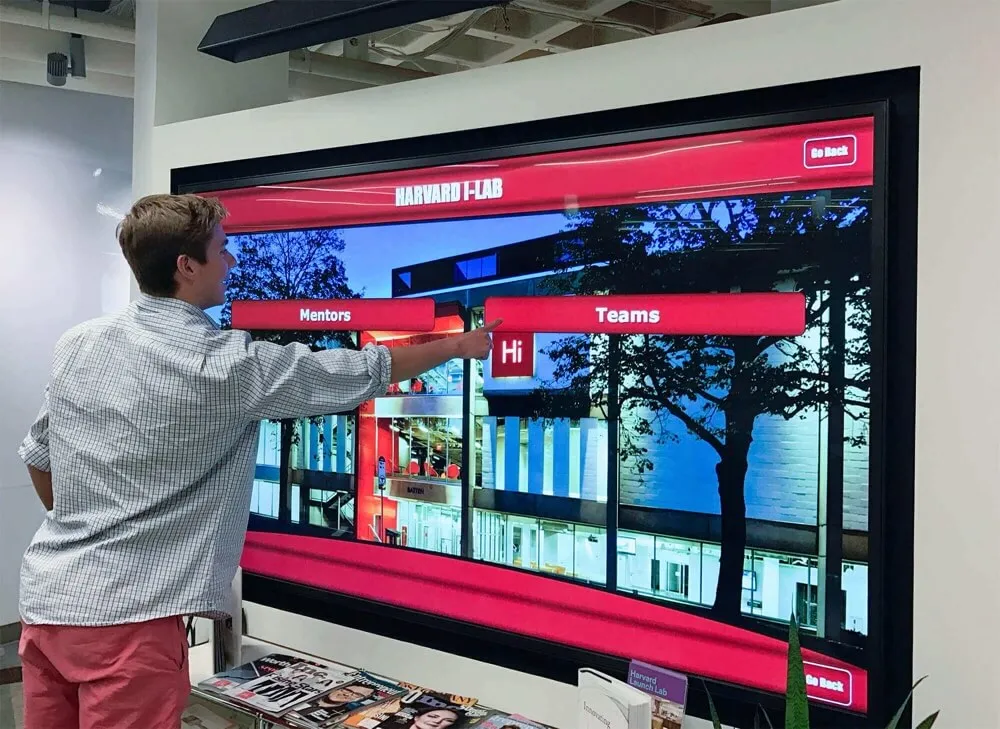
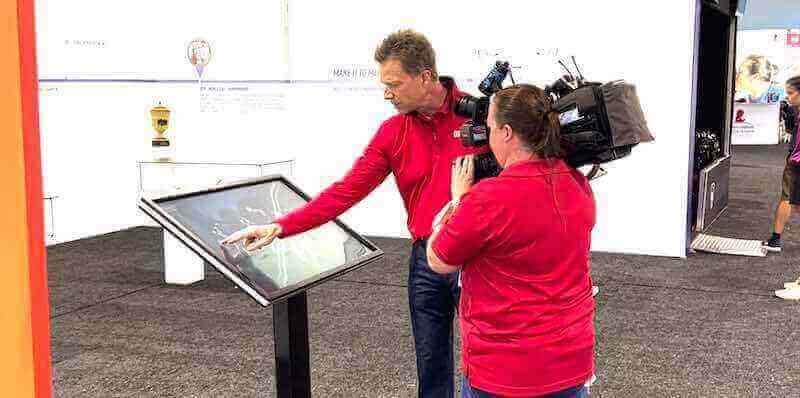
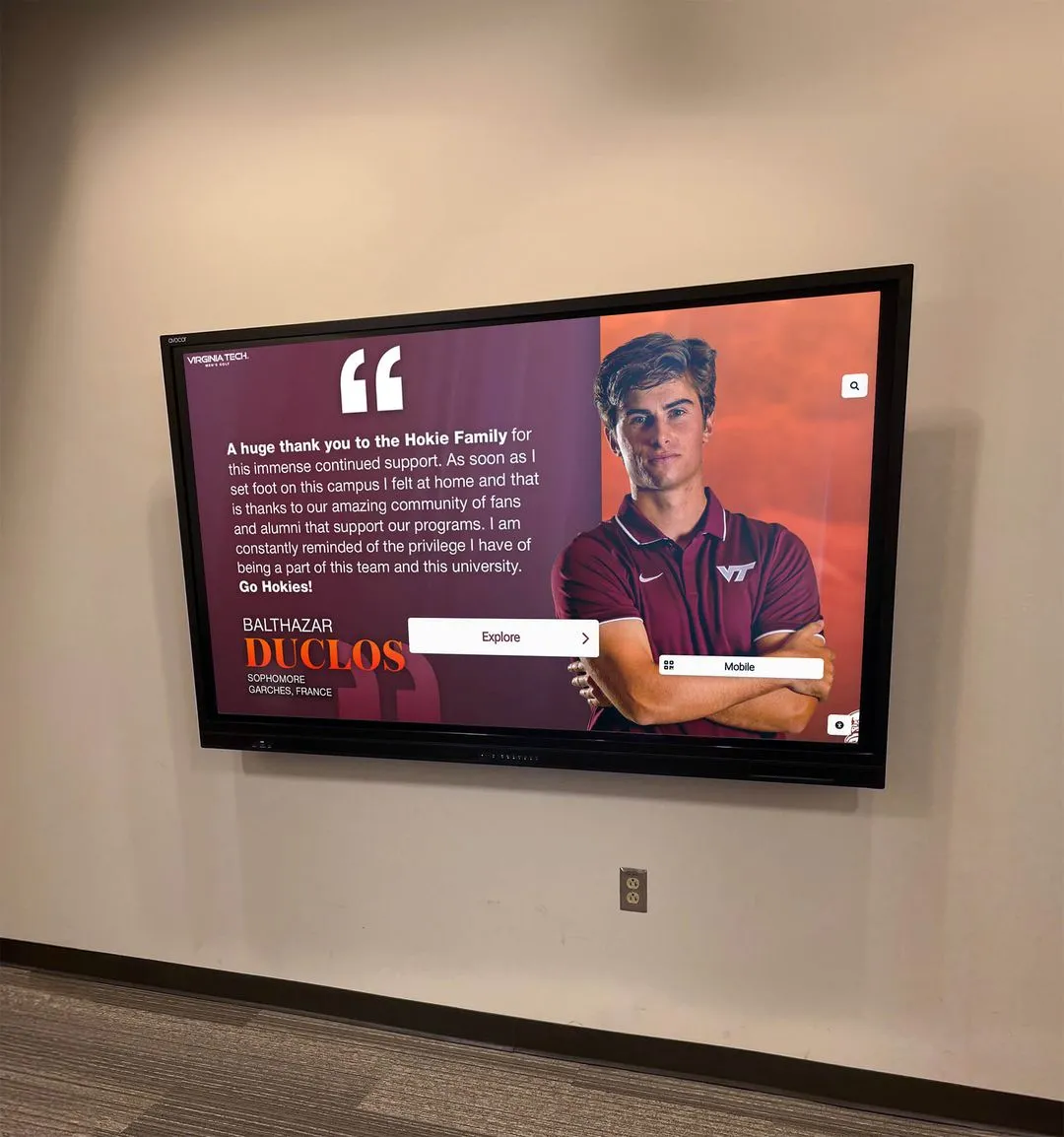
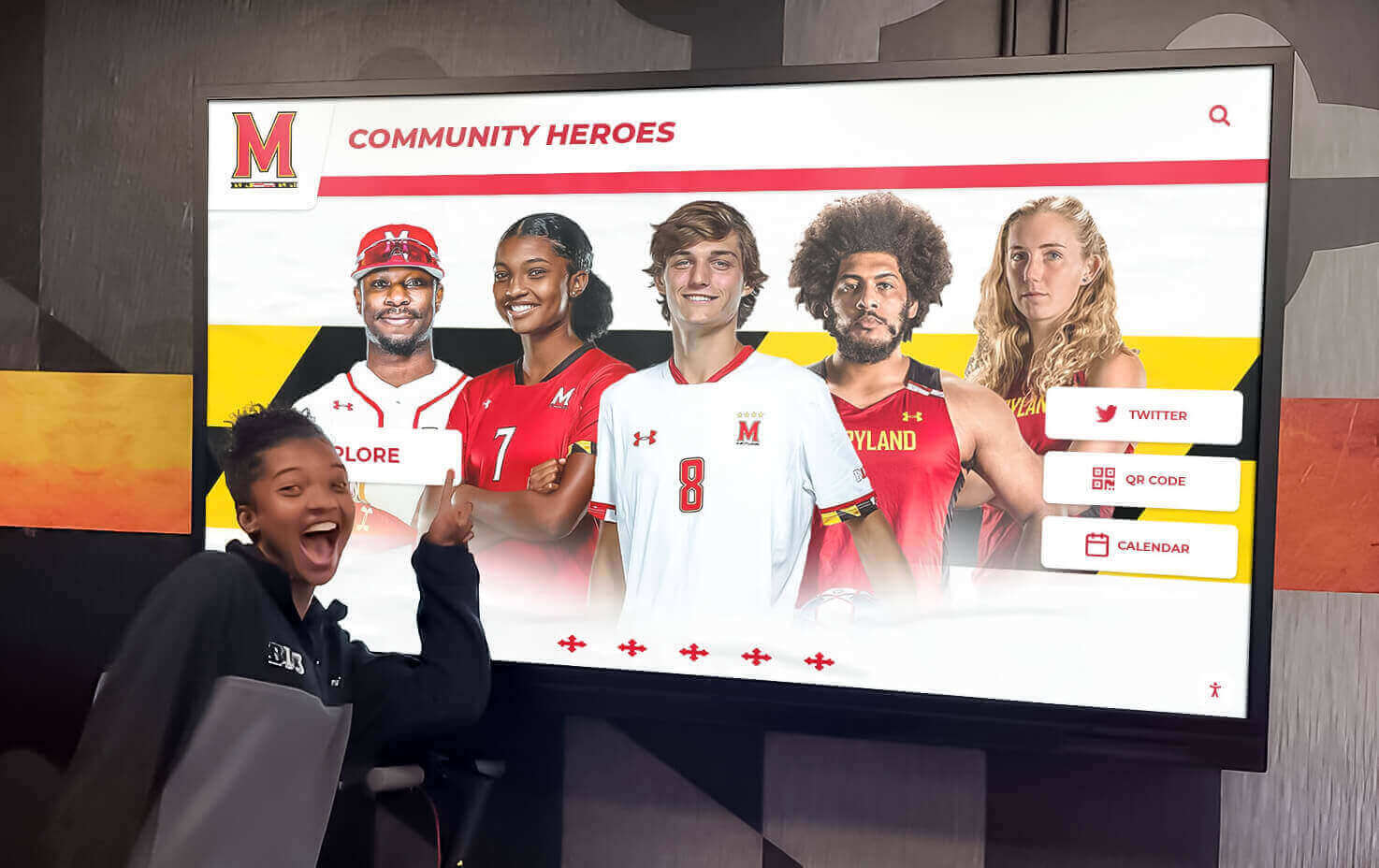
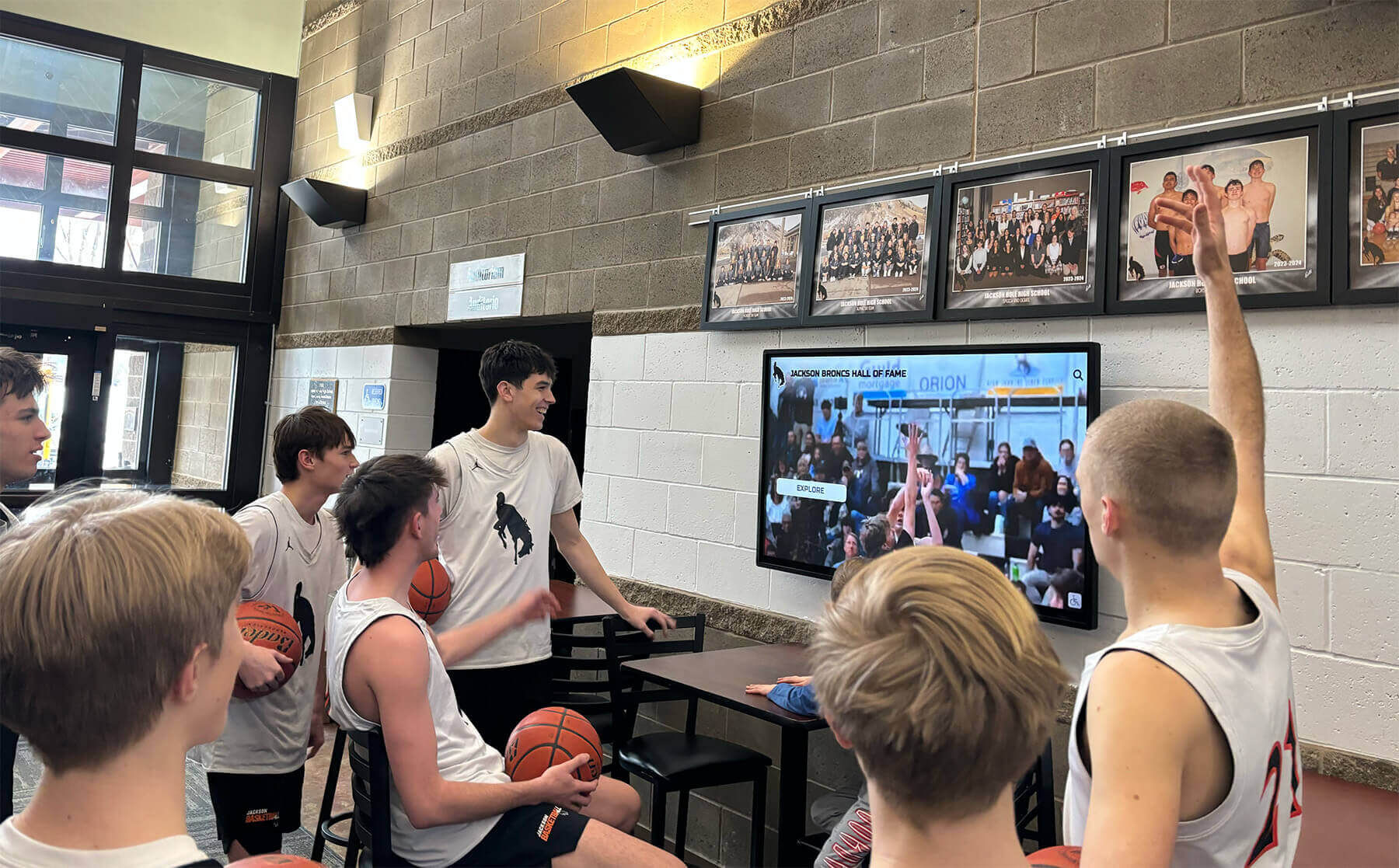
Modern projects can leverage technology creating enhanced community benefit and demonstrating contemporary leadership skills. Consider incorporating digital elements like interactive recognition systems, QR codes linking to multimedia content, solar-powered lighting, weather monitoring systems, or online documentation of historical information. Organizations implementing interactive kiosk solutions in community spaces report dramatically improved engagement compared to traditional static displays.
Technology integration should serve genuine project purposes rather than adding complexity for its own sake. Solar lighting enabling evening use of recreational facilities provides practical benefit. QR codes linking trail signs to species information enhance educational value. Digital recognition walls enable unlimited community member celebration versus expensive physical plaques. Technology serving clear project purposes demonstrates innovation while technology grafted onto otherwise low-tech projects appears contrived.
Ensuring Long-Term Sustainability
Strong projects include planning for ongoing maintenance, community ownership, and long-term sustainability beyond project completion. Work with beneficiary organizations developing maintenance plans, creating care instructions, identifying ongoing maintenance responsibilities, and providing resources enabling long-term success.
Consider which projects require minimal maintenance versus those demanding regular care. Concrete structures, well-built wooden constructions, and durable materials reduce maintenance needs. Gardens, living installations, and technology require ongoing attention. When selecting projects requiring maintenance, ensure beneficiary organizations commit to providing necessary care preventing deterioration that reflects poorly on project quality.
Document projects comprehensively through photographs, construction plans, materials lists, maintenance instructions, and project stories creating records benefiting future Eagle Scouts, beneficiary organizations, and communities understanding project backgrounds.
Creating Visible Community Impact
High-visibility projects serving many people create greater community impact than improvements benefiting limited users in obscure locations. School projects serve students, families, and staff creating awareness among hundreds or thousands of people. Park improvements in high-traffic locations reach broader audiences than remote trail construction. Recognition displays in community centers engage diverse populations beyond single-purpose facilities.
Visibility also extends to project recognition and acknowledgment. Include permanent plaques, signs, or inscriptions crediting Scout contributions without appearing self-serving. Simple language like “Eagle Scout Project by [Name], Troop [Number], [Year]” provides appropriate recognition while honoring the service nature of contributions. These permanent markers remind communities of Scouting’s positive impact while inspiring future Scouts.
Project Planning and Proposal Development
Thorough planning separates successful Eagle projects from failures. BSA requires comprehensive proposals before approving projects ensuring Scouts think through all project dimensions before beginning physical work.
Needs Assessment and Beneficiary Coordination
Begin by identifying potential beneficiary organizations and understanding their genuine needs rather than proposing projects benefiting you but failing to serve organizations effectively. Contact schools, parks departments, religious institutions, and nonprofits asking what improvements they need but cannot accomplish independently.
Strong needs assessments include conversations with multiple stakeholders understanding how improvements serve organizational missions. A school principal might prioritize playground equipment while teachers prefer outdoor classrooms. Athletic directors value sports facility improvements while arts teachers seek performance spaces. Comprehensive needs assessment ensures projects align with beneficiary priorities rather than Scout preferences.
Obtain formal approval from beneficiaries and required authorities before developing full proposals. Schools require district authorization. Parks need municipal approval. Religious institutions need appropriate congregational or administrative endorsement. Securing preliminary approval prevents investing extensive planning time in projects ultimately rejected.
Budget Development and Fundraising
Develop comprehensive budgets including all materials, equipment, permits, insurance, safety equipment, tools, supplies, and contingency reserves. Underestimated budgets create project delays when funds prove insufficient. Include 10-20% contingency funds for unexpected expenses, material waste, or plan modifications.
Identify funding sources including personal funds, family contributions, troop support, community donations, material supplier discounts, in-kind donations, fundraising events, or grant applications. Many suppliers provide substantial discounts or donate materials for Eagle projects when Scouts explain project purposes and demonstrate professionalism through written requests.
Document all contributions carefully for project records and acknowledgment. Thank donors appropriately through letters, recognition at ceremonies, or permanent project acknowledgment plaques. Maintaining positive relationships with supporters benefits future Scouts while demonstrating gratitude and professionalism.
Safety Planning and Risk Management
Comprehensive safety planning addresses all identified hazards protecting volunteers from injury while demonstrating leadership maturity. Safety plans include hazard identification, required safety equipment, training for volunteers, adult supervision, emergency procedures, first aid availability, and contingency plans.
Consider which activities require specialized skills or adult expertise. Electrical work needs licensed electricians. Roof work requires fall protection expertise. Heavy equipment operation demands certified operators. Scouts demonstrate leadership by recognizing their limitations and coordinating appropriate adult specialists rather than attempting everything personally.
Obtain required permits, insurance, and authorizations before beginning work. Construction permits, liability insurance, environmental permits, and regulatory approvals vary by jurisdiction and project type. Working with beneficiary organizations identifies required authorizations while ensuring compliance with local regulations.
Common Eagle Scout Project Pitfalls and How to Avoid Them
Learning from others’ mistakes prevents repeating errors that derail projects or create unnecessary difficulties.
Scope Creep and Project Expansion
Projects frequently expand beyond original scopes as Scouts identify additional improvements or stakeholders request additional features. While some flexibility proves appropriate, unlimited expansion creates projects exceeding time and resource constraints threatening completion.
Prevent scope creep by defining clear project boundaries during planning phases and resisting pressure to continually expand. When stakeholders request additions, evaluate whether modifications fit within project parameters or represent separate future projects. Learning to say “that’s outside this project’s scope” demonstrates professional judgment rather than stubbornness.
Underestimating Time and Resources
New project leaders consistently underestimate how long activities take and how much materials cost. Construction proceeds slower than anticipated. Volunteers complete less work than planned. Materials cost more than internet estimates suggest. Weather delays outdoor projects. Unexpected complications require rework.
Build substantial time buffers throughout project timelines. If you believe tasks require four Saturdays, plan six. If materials appear to cost $500, budget $650. Realistic planning prevents situations where projects stall because timelines prove insufficient or funds run out before completion. Nobody criticizes projects finishing early or under budget—inadequate planning creates genuine problems.
Poor Communication and Volunteer Coordination
Projects collapse when volunteer coordination fails. People arrive unclear about tasks. Necessary materials are missing. Activities lack sufficient adult supervision. Volunteers leave feeling their time was wasted through poor organization.
Prevent coordination failures through comprehensive communication. Send detailed information to volunteers including specific dates, times, locations, parking details, appropriate clothing, what they’ll be doing, expected duration, and what you’ll provide versus what they should bring. Confirm attendance before work dates. Prepare task assignments in advance. Have adult supervision arranged and confirmed. Thank volunteers immediately and appropriately for their contributions.
Conclusion: Creating Meaningful Impact Through Eagle Scout Service
The Eagle Scout Service Project represents far more than a requirement for achieving Scouting’s highest rank. These projects create lasting community improvements, develop leadership capabilities extending far beyond Scout careers, demonstrate Scouting’s positive community impact, and establish legacies benefiting communities for decades beyond completion dates.
The most meaningful projects share common characteristics: addressing genuine community needs rather than creating make-work activities, demonstrating significant leadership coordinating diverse volunteers, creating lasting improvements requiring maintenance or replacement years away, engaging broad community support and participation, and reflecting Scout values of service, stewardship, and community commitment.
Whether you choose school improvements enhancing educational environments, park projects serving recreational needs, nonprofit support addressing community challenges, historical preservation honoring heritage, or environmental conservation protecting natural resources, approach projects with professionalism, thorough planning, authentic service motivation, and commitment to excellence distinguishing Eagle Scouts from peers.
Organizations supporting community improvement projects often recognize contributors through permanent acknowledgment. Solutions like Rocket Alumni Solutions provide comprehensive platforms designed specifically for honoring community service, documenting project histories, and celebrating youth leadership. Modern recognition systems enable communities to honor unlimited contributors including Eagle Scouts, community volunteers, and service organizations through interactive digital displays and web-accessible recognition platforms.
Your Eagle Scout project represents an opportunity to demonstrate the leadership, service commitment, and community focus that Scouting develops. Select projects reflecting your values, serving genuine community needs, and creating improvements you’ll feel proud showing your own children decades from now. The communities you serve will remember your contributions long after you’ve moved on—make that legacy one demonstrating excellence and authentic service.
Ready to explore how your community honors service and achievement? Discover how comprehensive recognition platforms celebrate Eagle Scouts, community volunteers, and service organizations through systems designed to inspire future generations while honoring current contributions. Learn more about community recognition solutions that honor the meaningful service Eagle Scouts provide to the communities they serve.