



Key Takeaways
How schools honor drill team directors through hall of fame inductions, retirement walls, tenure milestone programs, and modern digital displays. A complete guide to recognizing these vital performance arts leaders.
A drill team director shapes far more than performance routines. Over years or decades leading a school’s drill team or dance team program, a skilled director develops hundreds of young performers, builds competitive traditions, creates unforgettable halftime spectacles, and instills discipline, artistry, and teamwork in ways that follow students long after they graduate. Yet for all the impact these program leaders make, formal recognition of drill team directors often lags behind the appreciation extended to athletic coaches in more visible sports.
That gap is closing. Schools across the country are building deliberate recognition programs for drill team directors—hall of fame inductions, retirement walls, tenure milestone ceremonies, and digital legacy archives that capture the full scope of what these leaders accomplished. This guide walks through why this recognition matters, what forms it takes, and how modern digital display technology is expanding what schools can do to honor their most dedicated performance arts leaders.
Why Drill Team Directors Deserve Formal Recognition
Drill team directors occupy a distinctive role in school culture that warrants recognition comparable to what head coaches in major sports receive—and often exceeds it in scope and complexity.
The Scope of a Director’s Responsibility
A drill team director typically manages everything a head coach manages—practice schedules, competition preparation, performance assessment, team selection—while also handling elements unique to performance arts programs. Choreography development, costume coordination, music selection, halftime show staging, and adjudicated competition logistics all fall within a director’s domain. Many directors simultaneously oversee multiple performance groups: varsity drill team, junior varsity, dance company, and kick line rosters each requiring distinct preparation and programming.
The year-round nature of drill team work adds another layer. Unlike seasonal sports with defined off-periods, drill team directors often run summer camps, host auditions, and begin choreography development for the following year before the current season concludes. Some manage programs running from August through spring competition season without meaningful breaks.
This sustained commitment over years or decades creates program depth that shapes school identity. A director who leads a program for fifteen or twenty years doesn’t just produce performers—they create institutional traditions, develop a recognizable program aesthetic, and establish competitive standards that persist long after individual students graduate.

The Recognition Gap in Performance Arts
Athletic directors and head coaches in football, basketball, and other prominent sports typically receive systematic recognition through coaching halls of fame, retirement ceremonies, named facilities, and permanent displays in school athletic wings. Performance arts program leaders—drill team directors, band directors, theater directors—often receive less formal institutional acknowledgment despite comparable or greater impact on student development and school culture.
This gap isn’t intentional. It usually reflects the fact that many recognition programs developed around athletic infrastructure, and performance arts programs weren’t included in initial frameworks. When schools build out athletic halls of fame and coaching recognition walls, drill team programs may simply not appear in the conversations that shape those initiatives.
Correcting this gap starts with a deliberate decision to include drill team directors in existing recognition frameworks or to build parallel programs specifically designed for performance arts leadership.
What Recognition Accomplishes Beyond the Director
Formal recognition of drill team directors serves purposes extending well beyond honoring an individual. Students currently in the program witness their director receiving institutional acknowledgment, reinforcing the message that the program they’re part of is valued at the highest school levels. Future directors see that sustained commitment to a school’s performance arts program leads to lasting legacy—a powerful recruitment and retention signal. Alumni who performed under a recognized director maintain deeper emotional connections to their school and program, strengthening the alumni relationships that support future program funding and community engagement.
Recognition also creates historical documentation that would otherwise be lost. Directors who led programs for decades carry institutional knowledge—about previous students, competitive history, program milestones—that exists nowhere else. Formal recognition processes that gather biographical information, performance records, and legacy materials before a director retires preserve that history systematically.
Forms of Drill Team Director Recognition
Schools implement director recognition through several established formats, each suited to different circumstances and goals.
Hall of Fame Induction
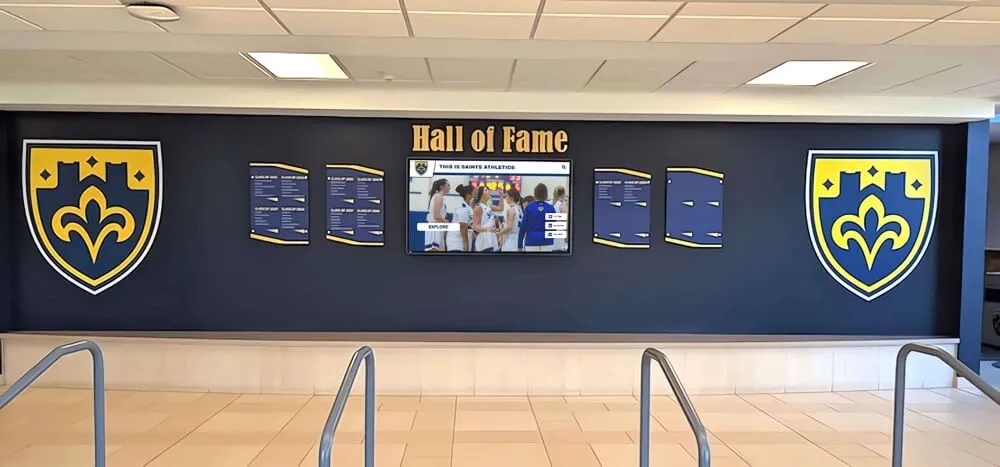
Hall of fame induction represents the highest formal recognition most schools offer. When schools expand athletic halls of fame to include performance arts program leaders, drill team directors become eligible for the same permanent, prominent recognition as championship coaches and standout athletes.
The induction process for a drill team director follows similar steps to athletic coach inductions: nomination by former students, colleagues, or community members; review by a selection committee applying established criteria; formal announcement; and an induction ceremony creating a public recognition moment. Profile content typically includes director biography, program history under their leadership, competitive achievements, notable alumni produced, and testimonials from former performers.
Criteria for induction might include years of service, competitive success at regional or state competitions, documented program growth during tenure, or exceptional impact on student development as evidenced by alumni outcomes and testimonials. Some schools distinguish between separate halls of fame for athletics and fine arts; others maintain unified programs that recognize all forms of student and leader excellence across departments.
The key is explicit inclusion of performance arts leadership in whatever hall of fame framework the school maintains. Without deliberate policy decisions to include drill team directors, these leaders often fall through the gaps even when selection committees would welcome their nominations.
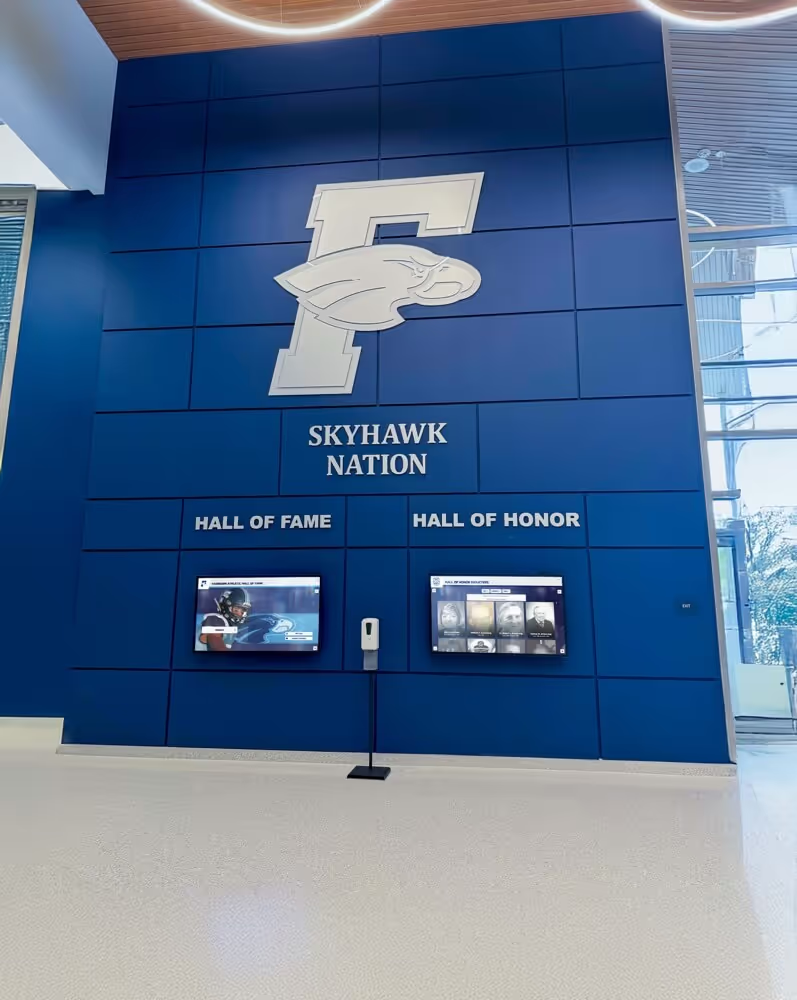
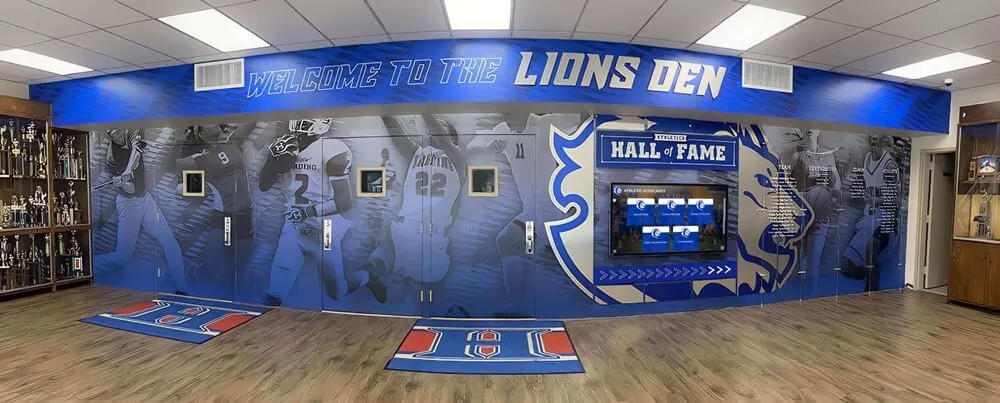
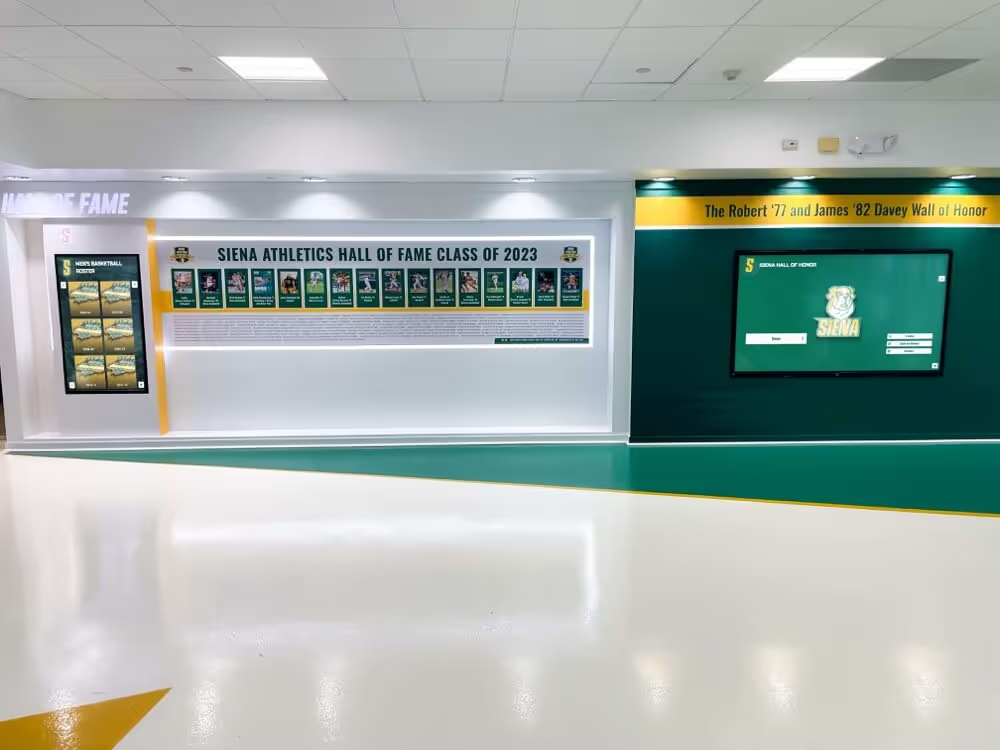
Digital recognition walls designed for schools can accommodate both athletic and performance arts honorees within unified systems, making it logistically straightforward to include drill team directors alongside coaching legends in comprehensive recognition programs.

Retirement Walls and Departure Recognition
When a drill team director retires after significant service, the departure marks a natural opportunity for formal recognition that honors their contribution to the school community. Retirement walls—dedicated display sections recognizing departing faculty and program leaders—provide permanent, visible tributes that remain in place long after the retirement ceremony ends.
Effective retirement recognition for a drill team director goes beyond a framed photograph and nameplate. Comprehensive displays include program statistics (years directing, approximate number of students developed, competitive accomplishments), photographs spanning different eras of the director’s tenure, quotes from former performers, and narrative descriptions of how the program evolved under their leadership. When these elements are gathered before the director’s final year concludes, the school captures information that becomes increasingly difficult to reconstruct after the person leaves.
The physical placement of retirement recognition matters. Drill team recognition that appears in performance spaces—near the gym, auditorium lobby, or wherever performances occur—connects the tribute to the environment where the director’s work unfolded. Students and visitors encountering the recognition while using those spaces make natural connections between the display and the tradition it represents.
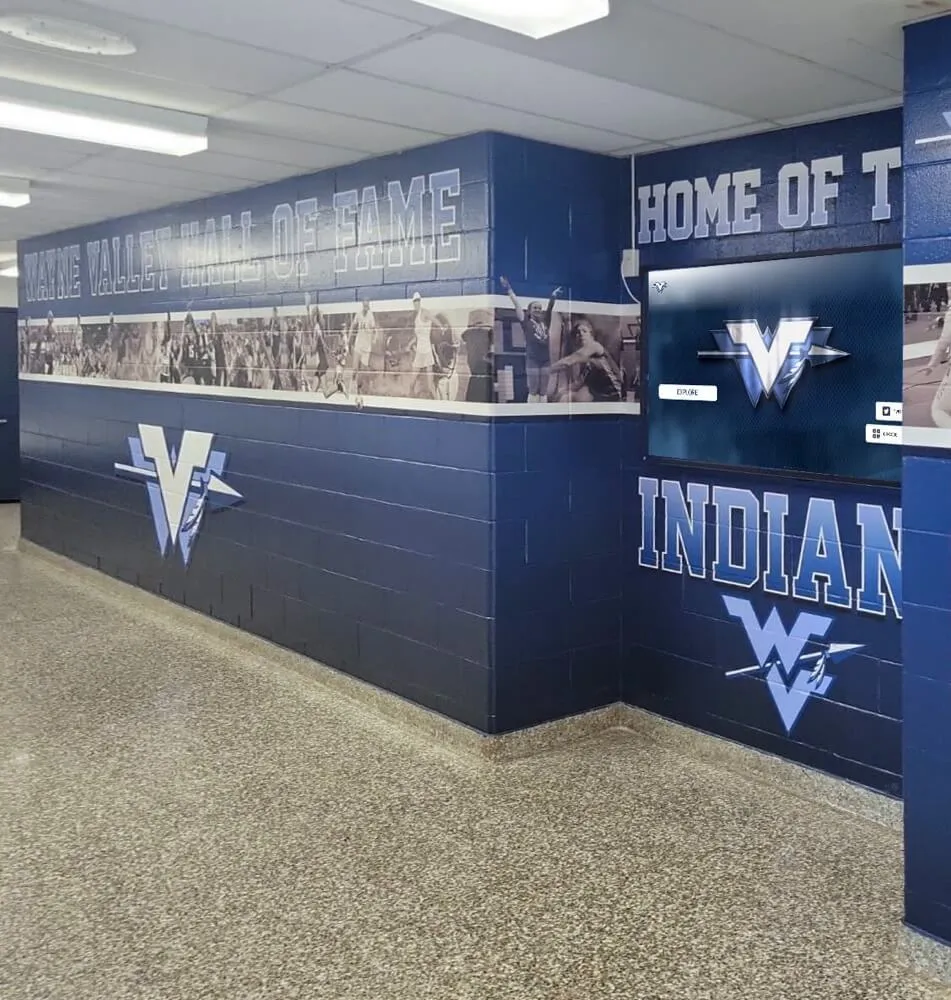
Some schools incorporate retirement walls into broader hallway transformation projects that update recognition displays across athletic and performance arts programs simultaneously. School hallway remodeling for recognition and engagement guides describe how these projects create cohesive recognition environments that celebrate all forms of program leadership in well-designed visual contexts.
Tenure Milestone Programs
Recognition shouldn’t wait for retirement. Schools with active tenure milestone programs acknowledge drill team directors at significant service intervals—typically five years, ten years, fifteen years, twenty years—creating regular moments to celebrate ongoing dedication rather than reserving all recognition for departure.
Five-year milestones often receive recognition through program ceremonies or department acknowledgments. Ten-year milestones typically warrant more public celebration, sometimes including recognition at school board meetings, athletic banquets, or all-school events that raise community awareness of the director’s sustained contribution. Fifteen and twenty-year milestones represent extraordinary commitment deserving substantial recognition: named performance elements (an annual competition category or scholarship named for the director), permanent display additions, special ceremony events with alumni participation, or formal public celebration through local media.
Milestone recognition also serves a retention function. Directors who feel systematically valued at regular intervals throughout their careers are more likely to remain at institutions long-term, deepening program continuity and protecting the institutional knowledge they’ve accumulated. Schools that recognize only retirement—with nothing in the decades before—miss opportunities to reinforce commitment during the years when directors are most valuable to retain.

Named Awards and Annual Recognition
Annual recognition programs create ongoing acknowledgment opportunities that keep director contributions visible without waiting for milestone years. Named awards given to the top performers in a program—the “Director’s Award” or an award bearing the name of a long-tenured former director—create permanent associations between recognition and the leaders who built the program.
Annual ceremonies that acknowledge the director publicly in front of students, parents, and community members reinforce the institutional message that program leadership is valued. End-of-year banquets for drill team programs that include formal director appreciation moments—brief tributes from senior members, parent acknowledgments, or presentation of a token recognition item—build cultures where gratitude for program leadership is expressed regularly rather than only at career endings.
For programs associated with color guard and winter guard, awards nights at season conclusion provide natural contexts for acknowledging director contributions alongside performer recognition—creating ceremonies that honor everyone who made the season possible.
Planning Formal Recognition Ceremonies
Recognition ceremonies for drill team directors—whether hall of fame inductions, retirement tributes, or milestone celebrations—require deliberate planning to create meaningful experiences that honor careers appropriately.
Building the Content Foundation
The most common failure in director recognition is starting too late. When schools plan retirement ceremonies after a director has already departed—or gather information quickly just before an event—the resulting recognition is thinner and less accurate than it would be with systematic advance preparation.
Comprehensive recognition requires gathering several content categories:
Career Documentation: Complete records of years directing the program, number of students directed across all seasons, competitive achievements at invitational, regional, state, and national levels, notable alumni who continued in performance arts careers or developed leadership skills directly attributable to their drill team experience, and program milestones (first state qualifier, largest roster, most consecutive winning seasons) that mark the director’s tenure.
Biographical Information: Director’s educational background, prior performance or directing experience, reasons for entering education and program leadership, personal philosophy about what drill team participation gives students, and reflections on career highlights and challenges.
Multimedia Assets: Photographs spanning different career stages—from early years to recent seasons—including performance photos, competition photos, and candid behind-the-scenes images. Video from notable performances, competitions, or milestone events. Scans of programs, newspaper coverage, and competitive results documentation.
Testimonial Content: Written or recorded tributes from former performers, assistant directors, parent volunteers, school administrators, and community members who witnessed the director’s impact firsthand.
Starting content gathering one to two years before a planned retirement recognition—or maintaining ongoing collection practices for milestone programs—enables thorough, accurate recognition that genuinely reflects a director’s career rather than a hastily assembled summary.
Ceremony Structure and Execution
Recognition ceremonies for drill team directors work best when they feel connected to the world the director created—when performances are present, former students return, and the setting reflects the program’s character.
Effective ceremony elements include:
Current Program Performances: Having current drill team members perform during the recognition ceremony connects past and present, showing the director that their work continues and that the program they built remains vibrant.
Alumni Participation: Inviting former performers from different eras of the director’s tenure creates powerful visual evidence of long-term impact. Alumni who return specifically for a director’s recognition ceremony demonstrate the depth of connection the director created—often more effectively than any speech could.
Specific Story Sharing: Generic tributes (“she was dedicated and we’re grateful”) fail to capture what made a particular director’s contributions meaningful. Recognition that includes specific stories—a student who overcame a difficult audition experience, a competition season that nearly fell apart before a breakthrough performance, a choreographic innovation that became a program signature—creates authentic tributes that resonate with everyone who experienced the director’s work.
Presentation of Permanent Recognition: The ceremony should include the unveiling or presentation of whatever permanent recognition element the school is creating—the hall of fame plaque, the retirement wall entry, the named award. Making the permanent element part of the ceremony rather than adding it quietly afterward gives the recognition appropriate weight and makes the ceremony feel consequential.
School award ceremony planning guides provide detailed frameworks for organizing these events that honor drill team directors alongside other school leadership recognition programs.
Digital Recognition Displays for Drill Team Programs
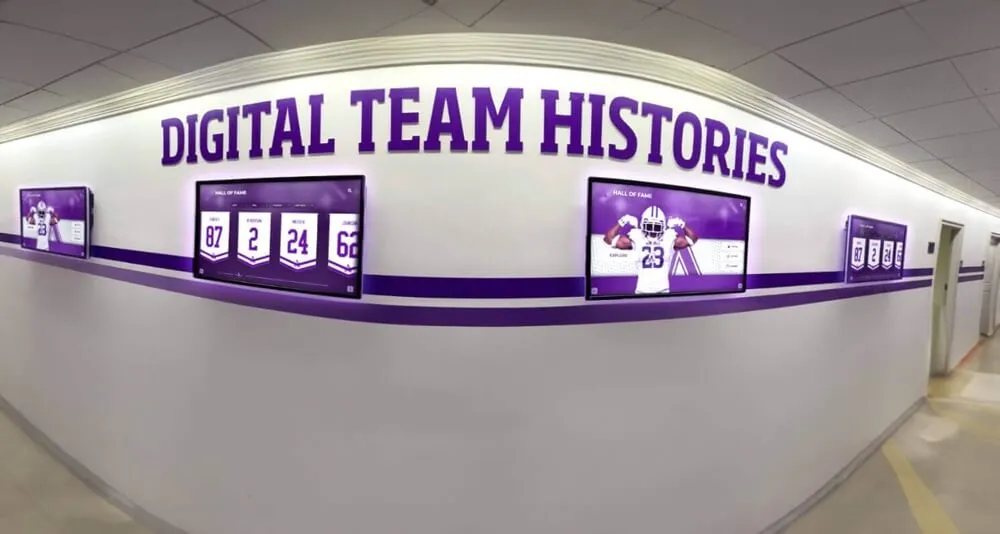
Physical plaques and traditional displays have served school recognition programs for decades. Modern digital recognition technology expands what’s possible—enabling richer content, broader accessibility, unlimited capacity, and dynamic presentations that static formats cannot match.
What Digital Displays Enable
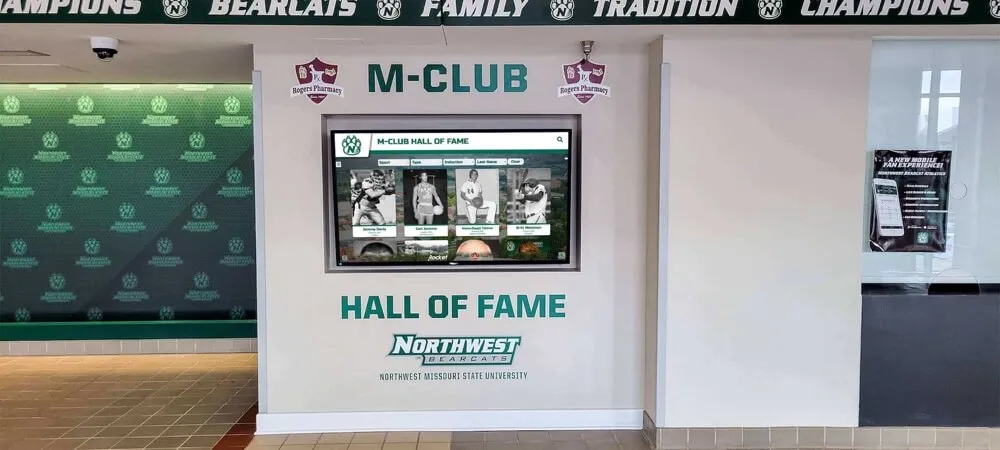
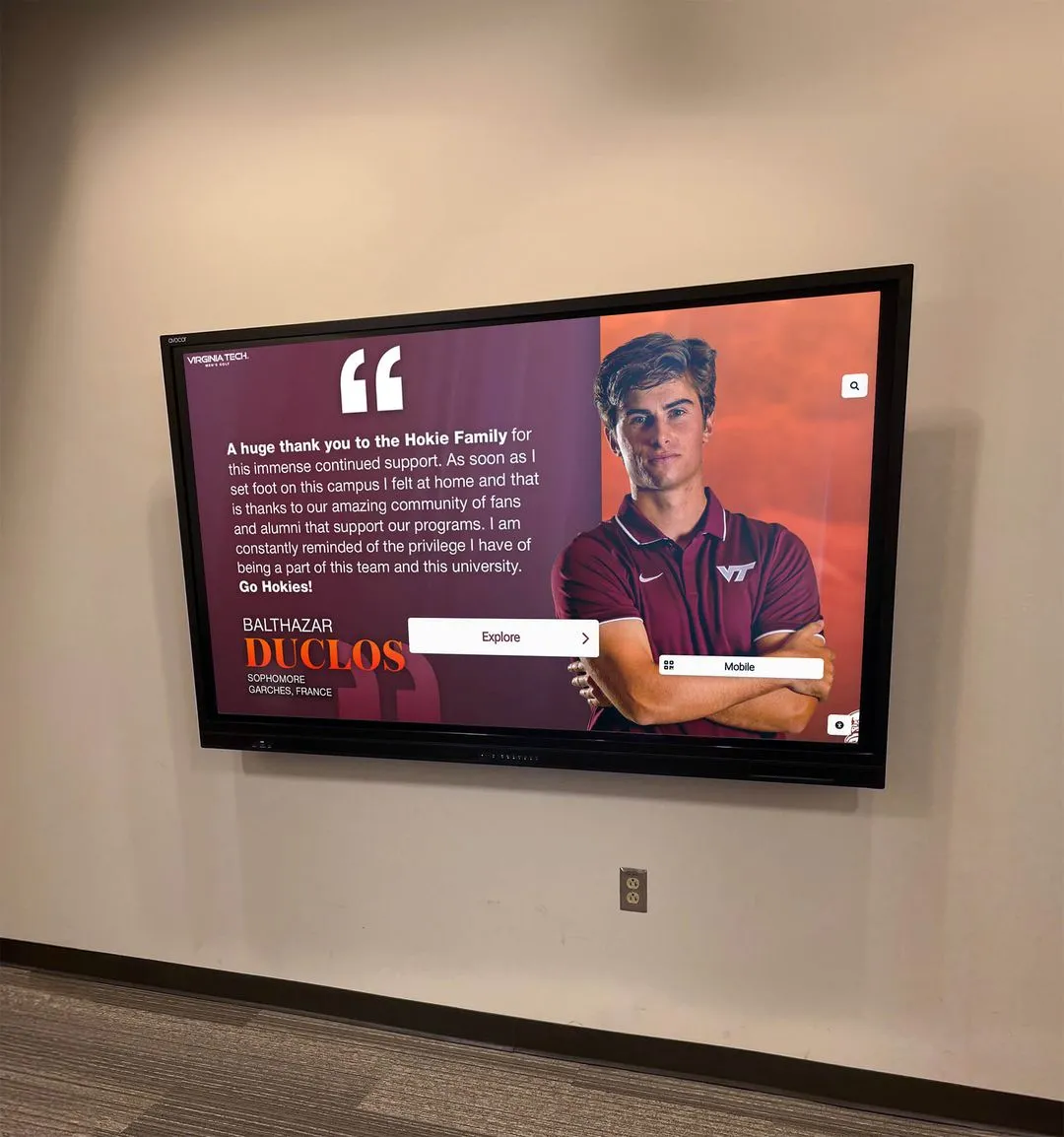
Comprehensive Profile Content: Digital recognition profiles for drill team directors can include everything a physical plaque cannot: full biographical narratives, career statistics across all years, photo galleries spanning multiple decades, video clips from notable performances, audio tributes from former students, and linked content connecting director profiles to profiles of alumni who performed under their leadership.
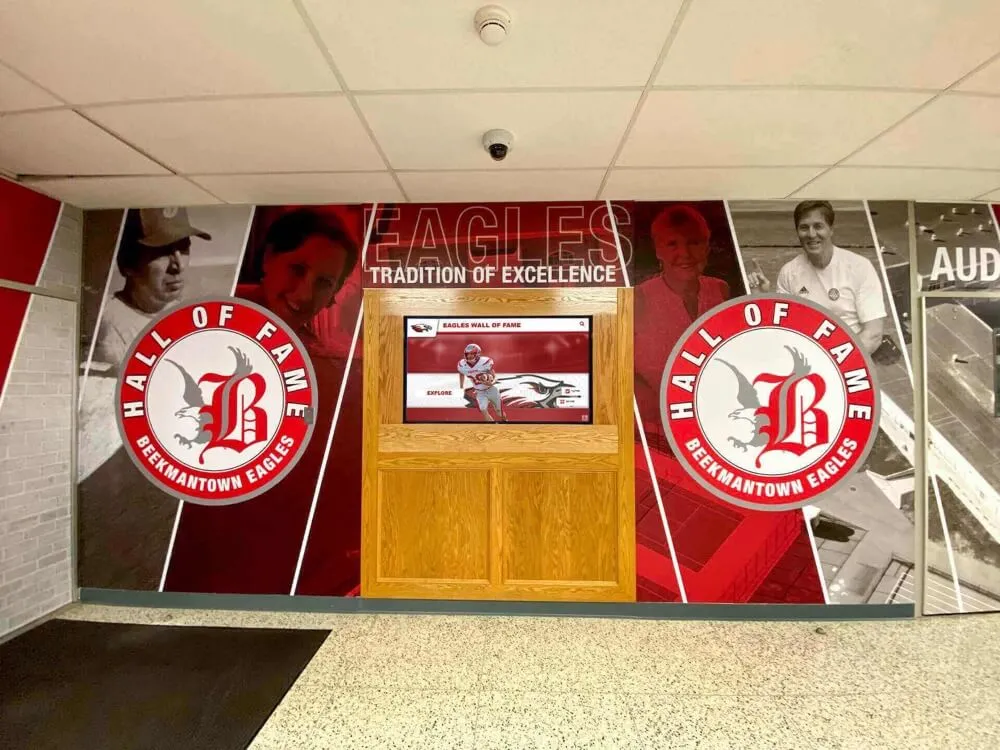
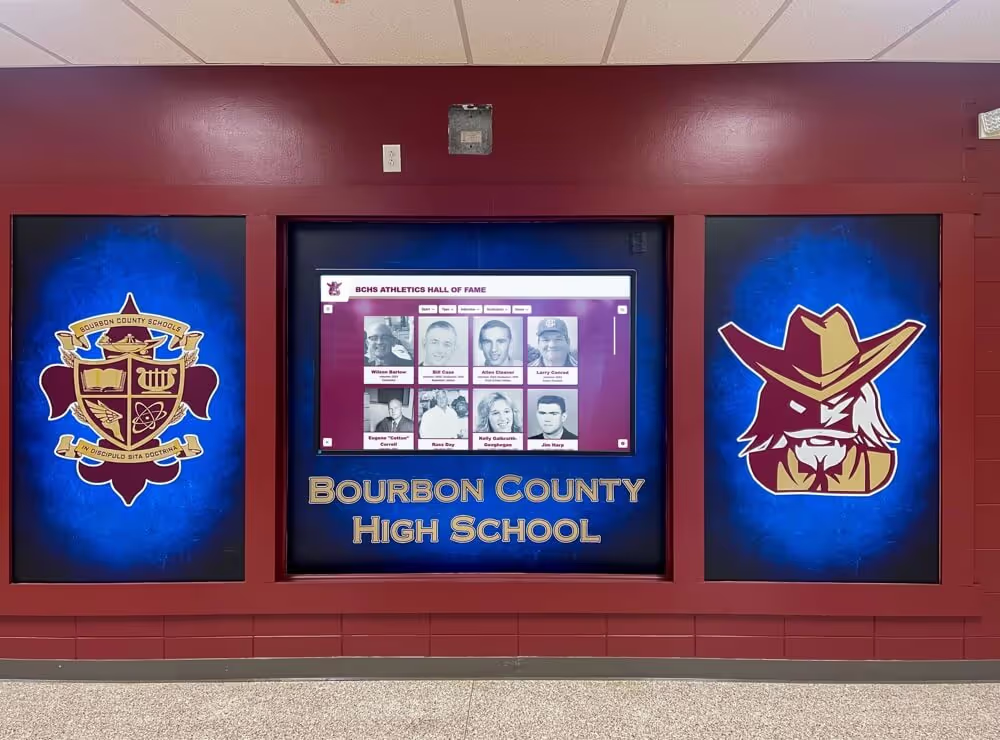
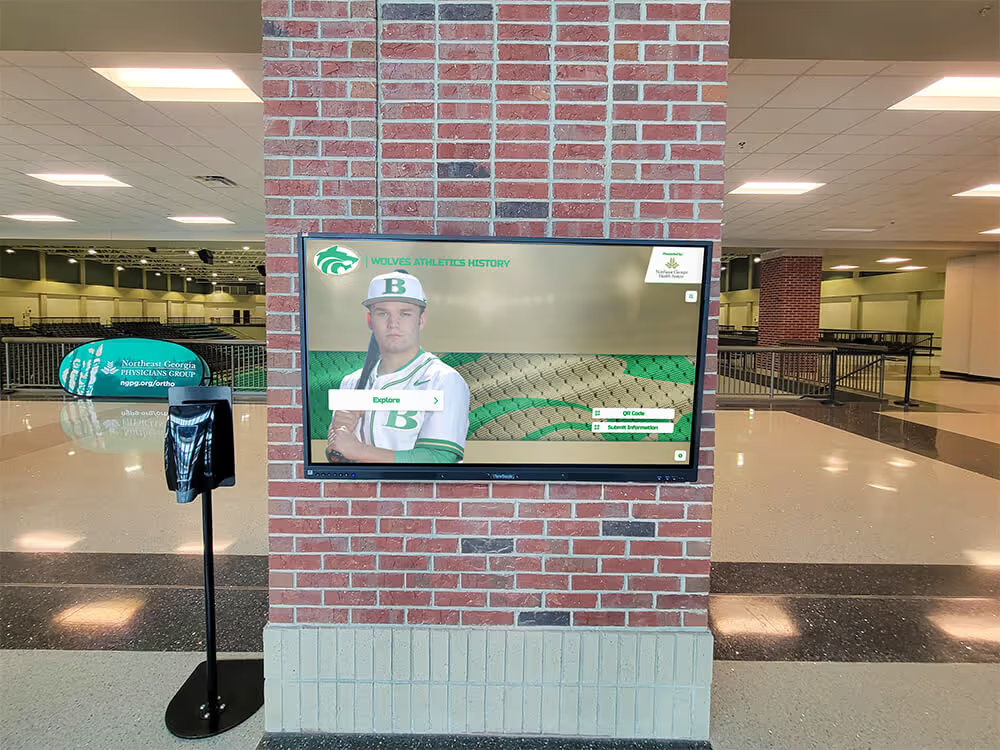
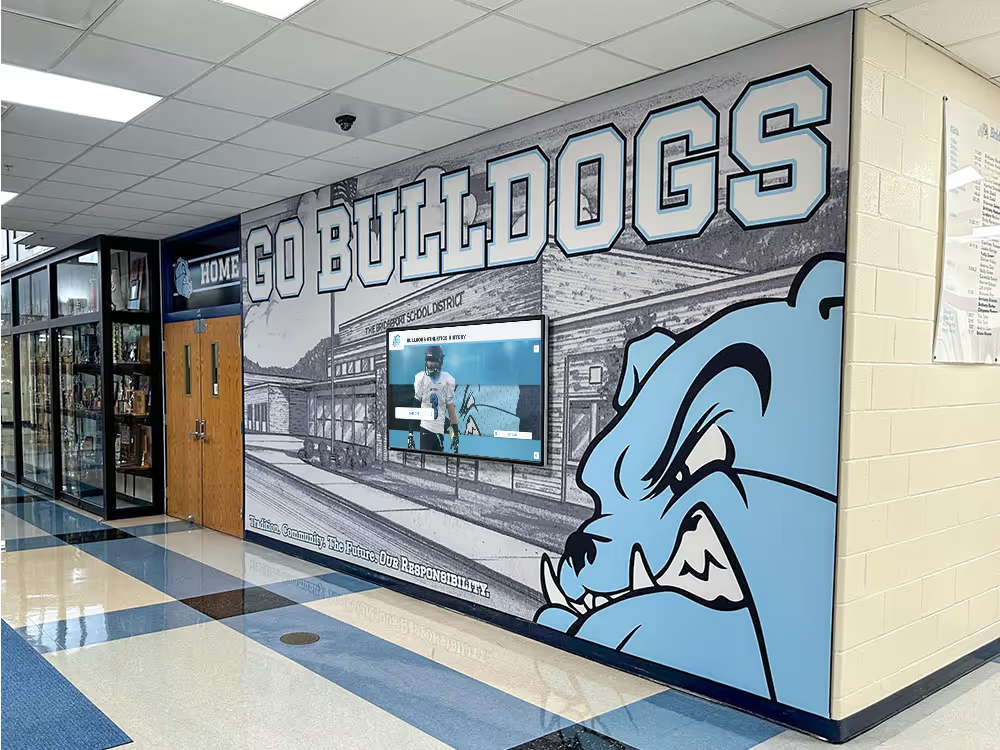
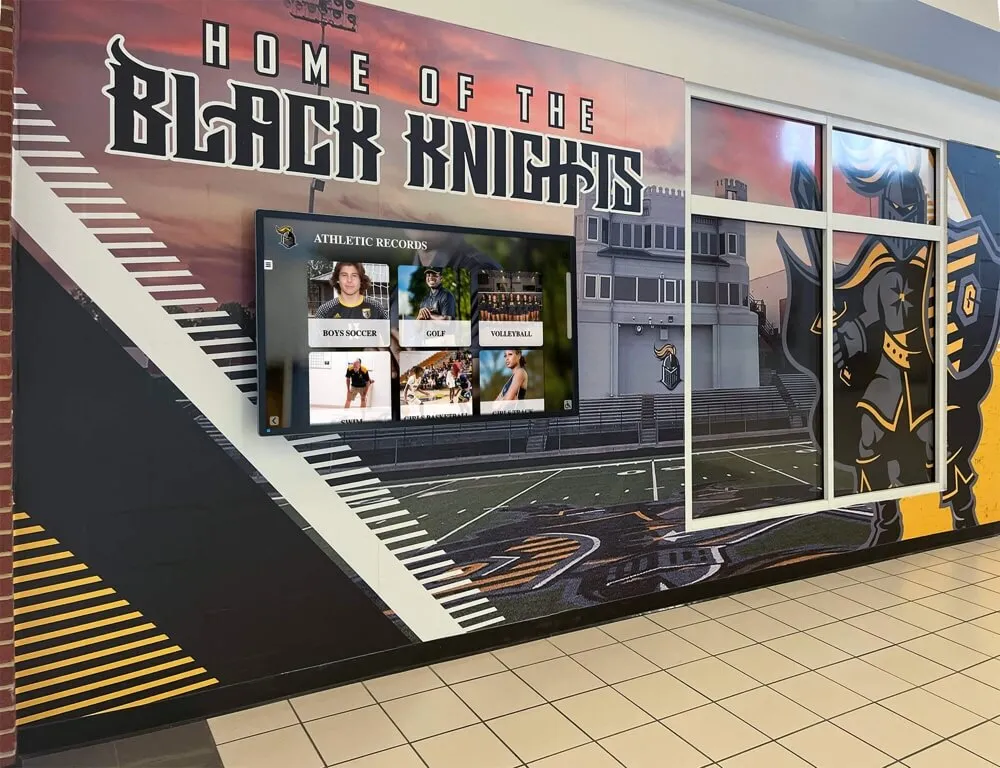
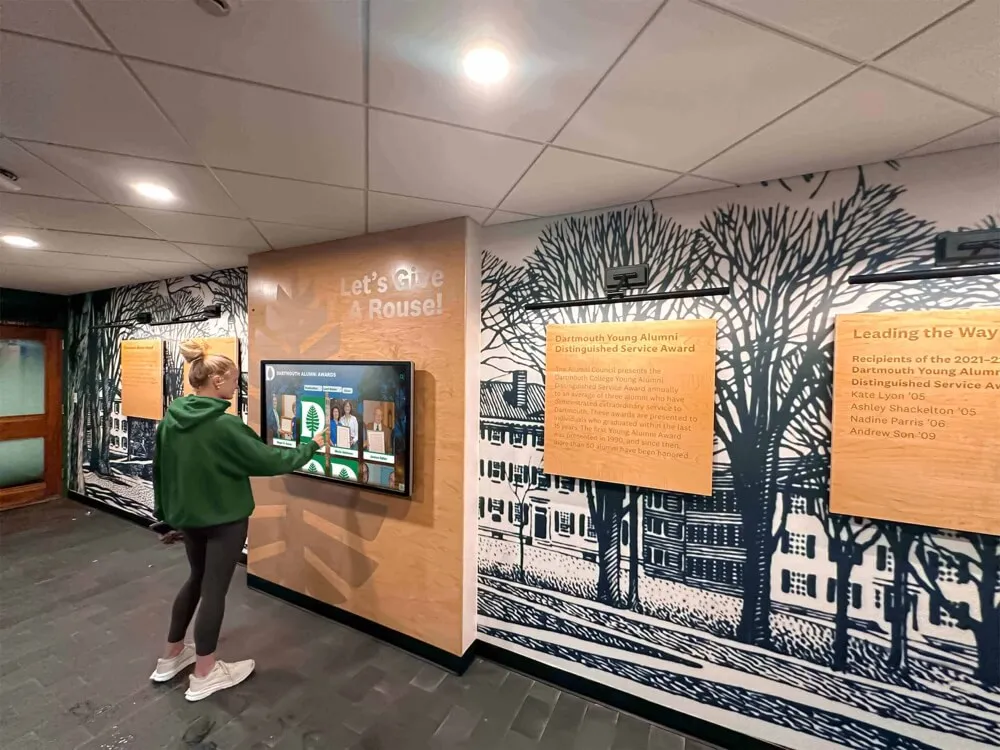
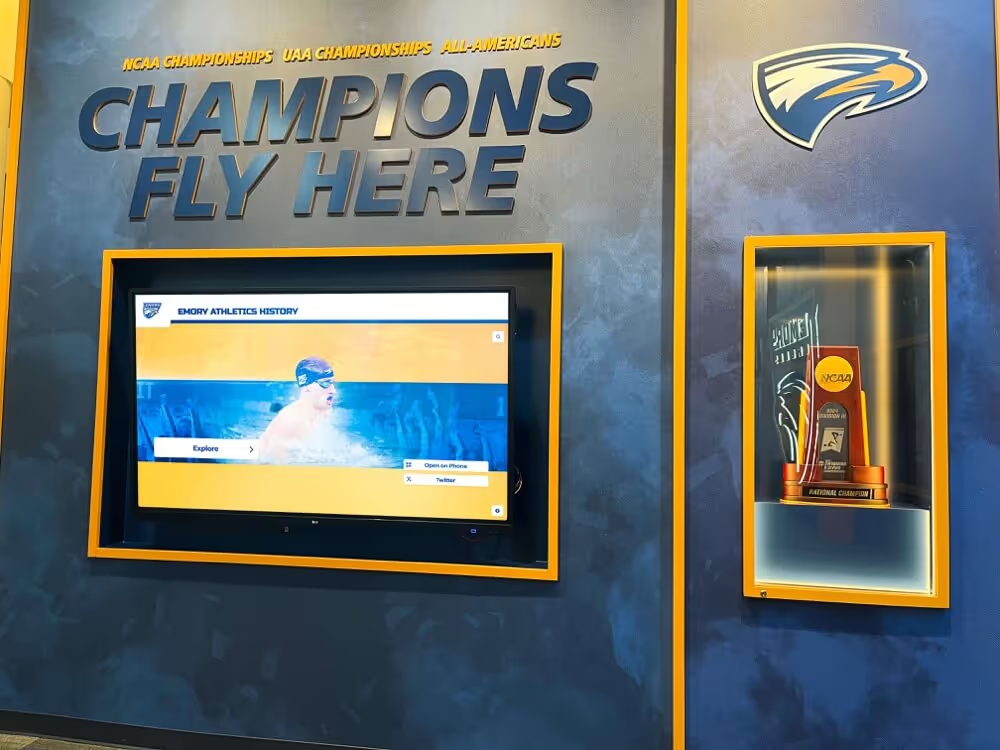
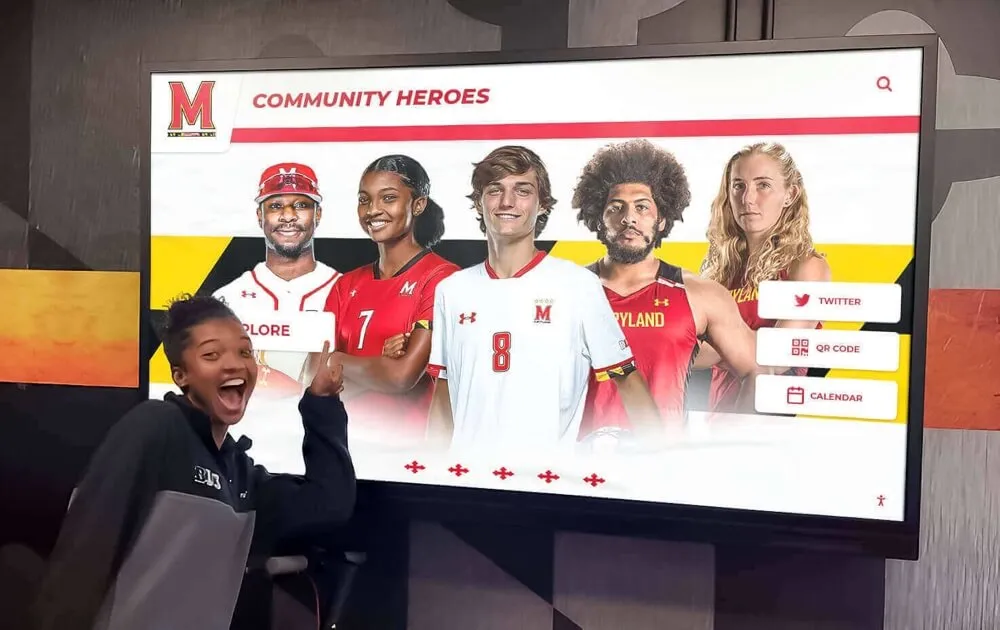
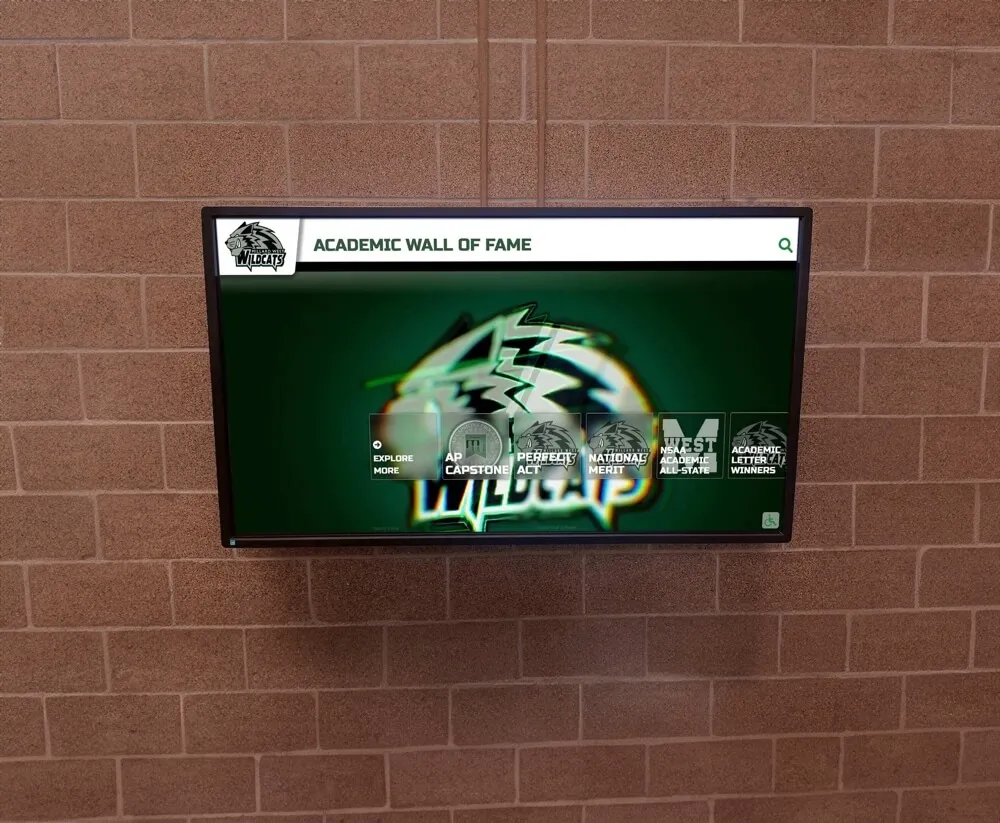
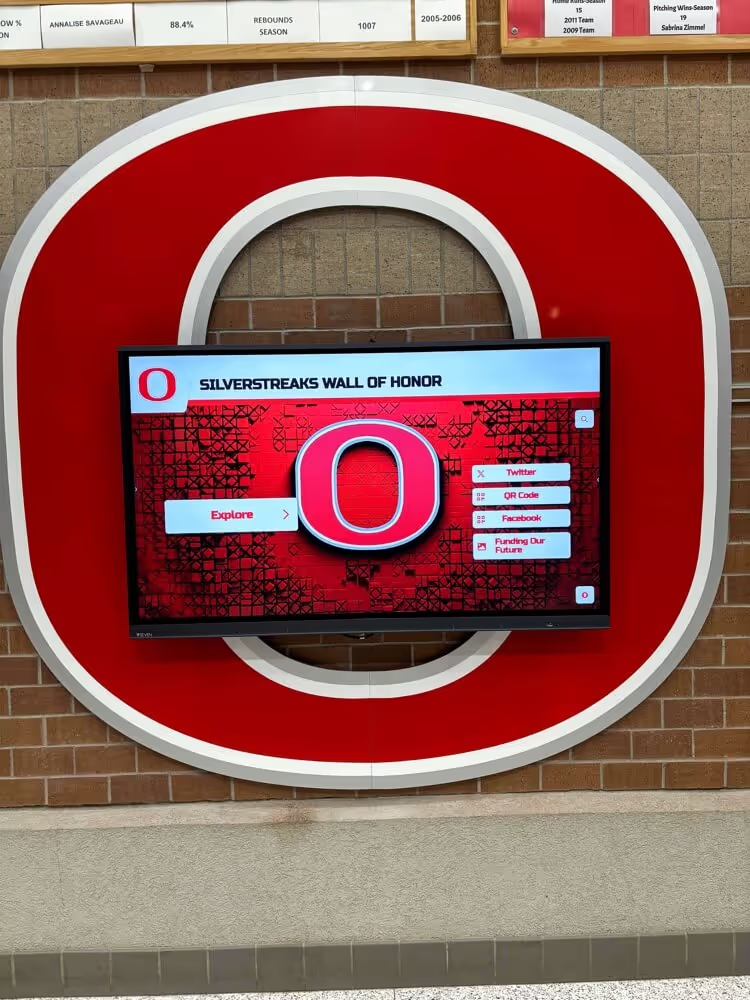
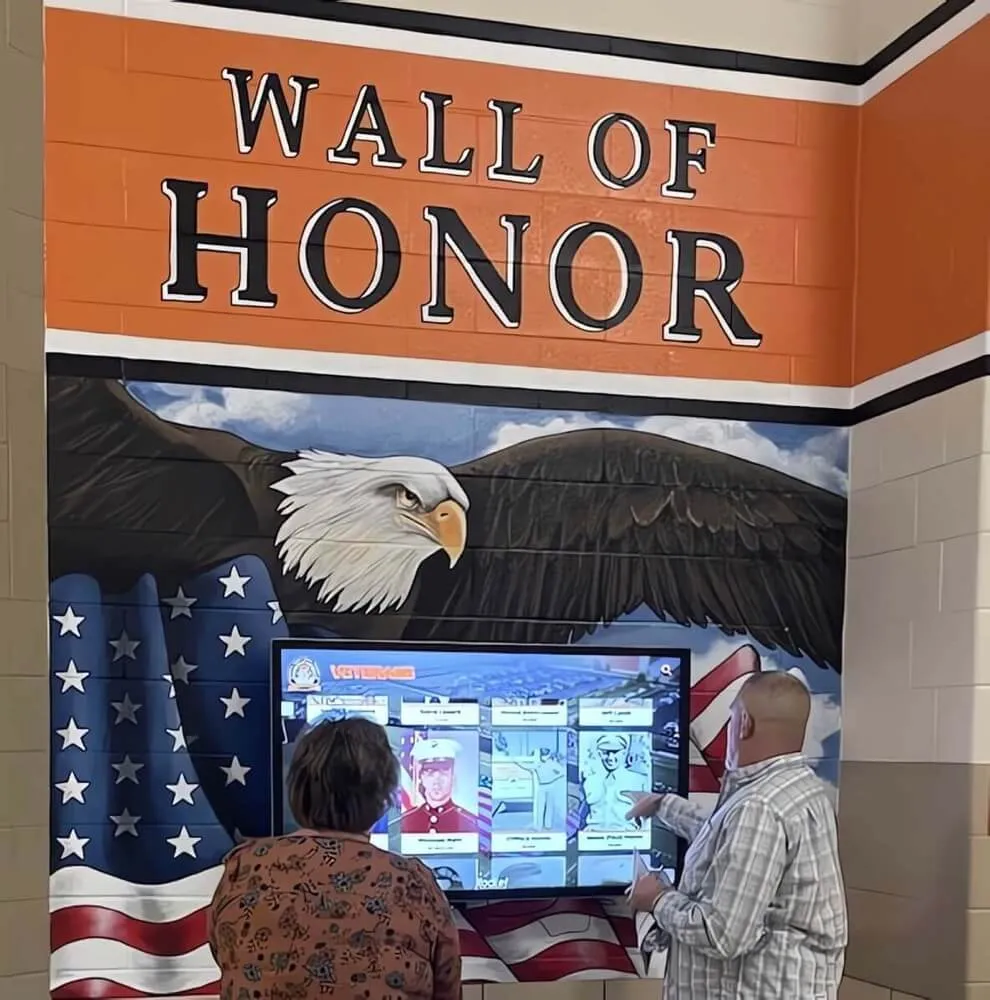
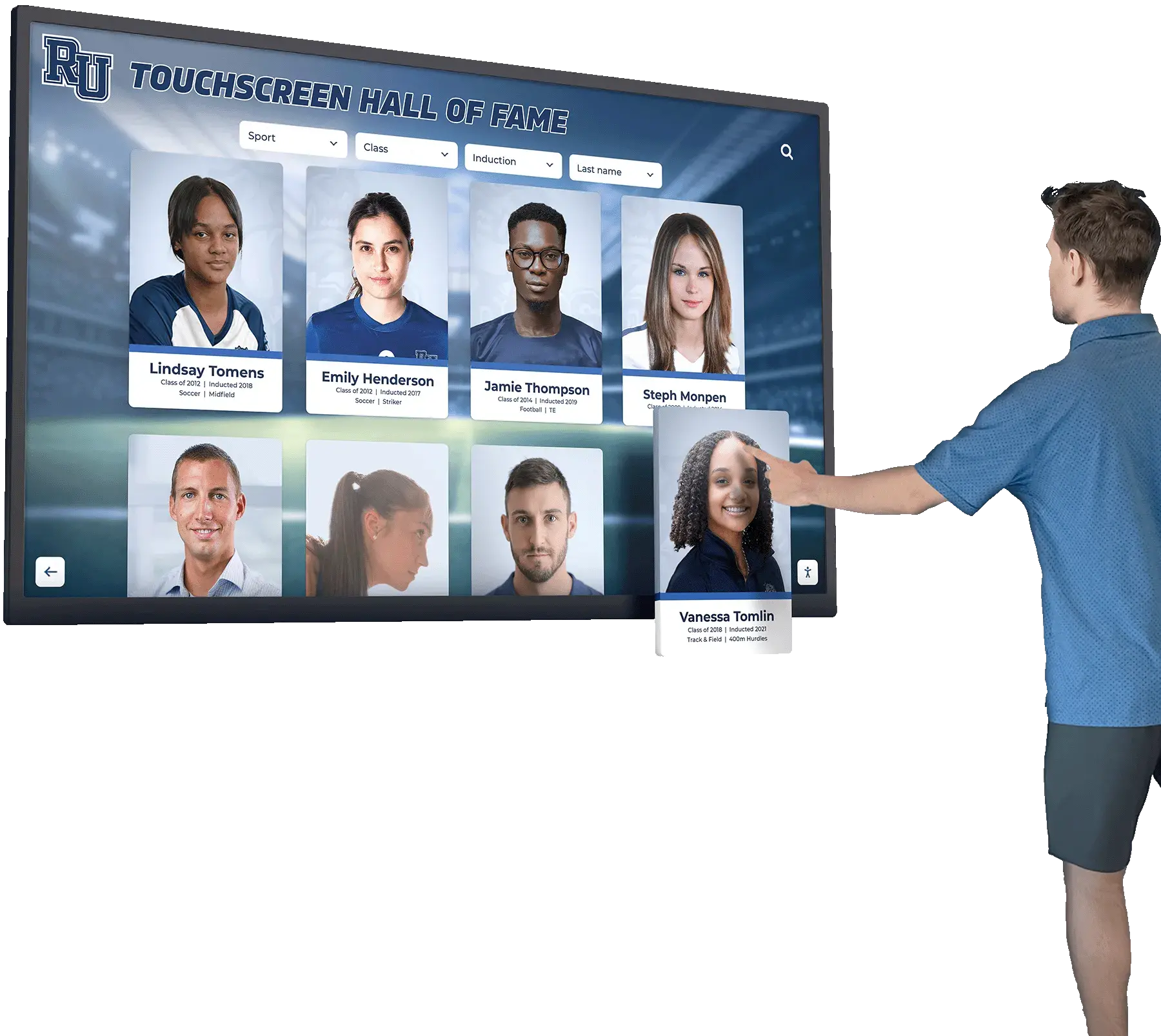
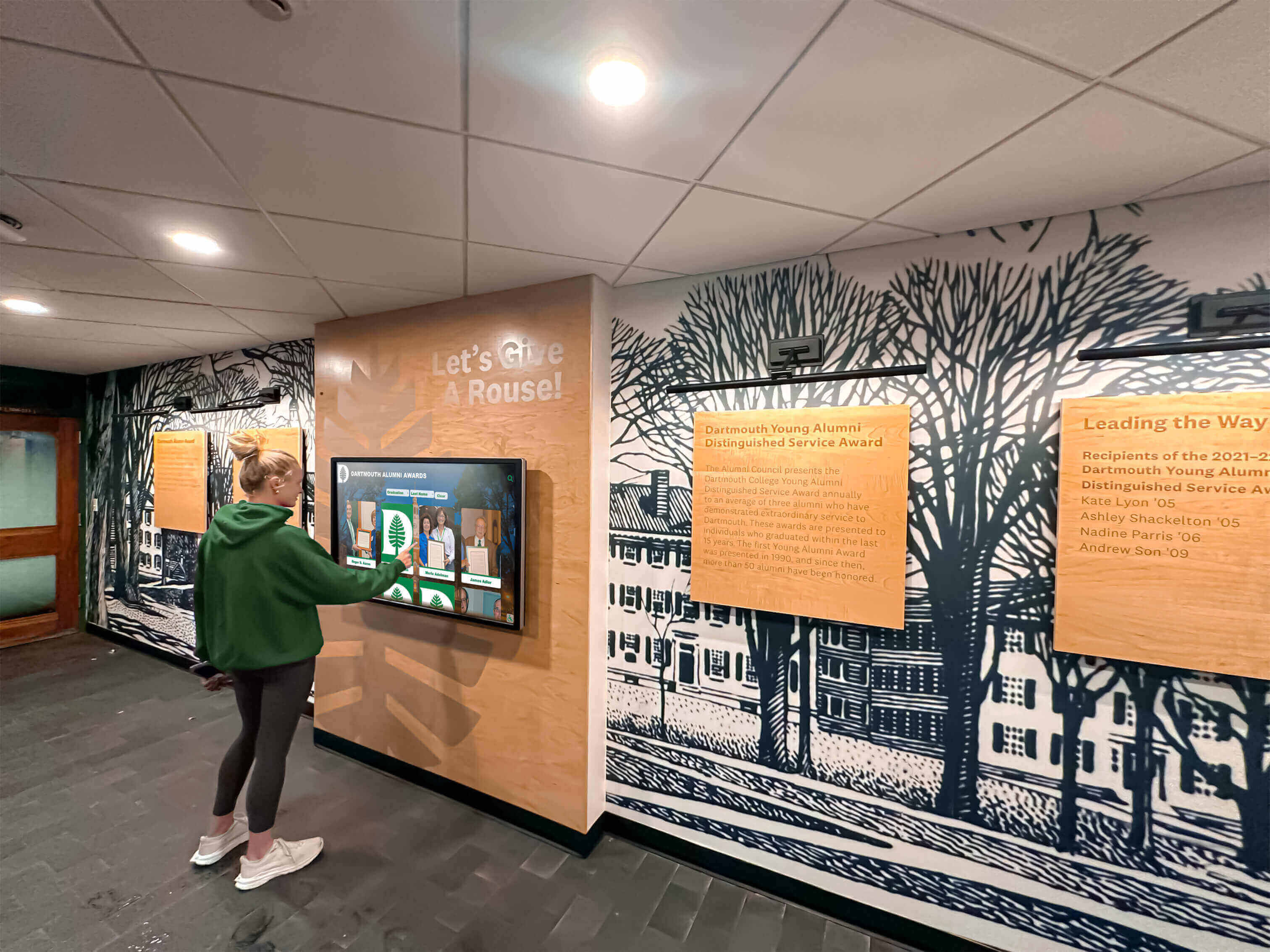
Interactive Exploration: Touchscreen displays in school lobbies, performance spaces, or athletic wings allow visitors to actively explore recognition content rather than reading static text. Families attending performances can learn about the director’s career history before the show begins. Prospective students touring the school can discover the program’s competitive tradition. Alumni returning for reunions can search for their own years and reconnect with program history through an engaging interface.
Unlimited Capacity: Physical walls have finite space. Digital systems accommodate every program leader who deserves recognition without constraints requiring difficult decisions about who to include or how much space each honoree receives. A school with a forty-year drill team program history can honor every director who contributed to that legacy without compromising recognition quality for any of them.
Web Accessibility: Online components of digital recognition platforms extend visibility beyond campus. Alumni across the country can access director profiles and program histories remotely. Families unable to visit the school can explore recognition content before important events. Former performers living elsewhere can share links to their director’s recognition with their own networks, creating organic distribution that expands program community engagement.
Simple Updates: Content management systems designed for school recognition allow administrative staff to add new materials, update information, or expand profiles without physical fabrication costs. When a newly retired director’s profile needs updating or when a milestone honoree’s content grows, changes happen through simple content management rather than expensive physical replacement.
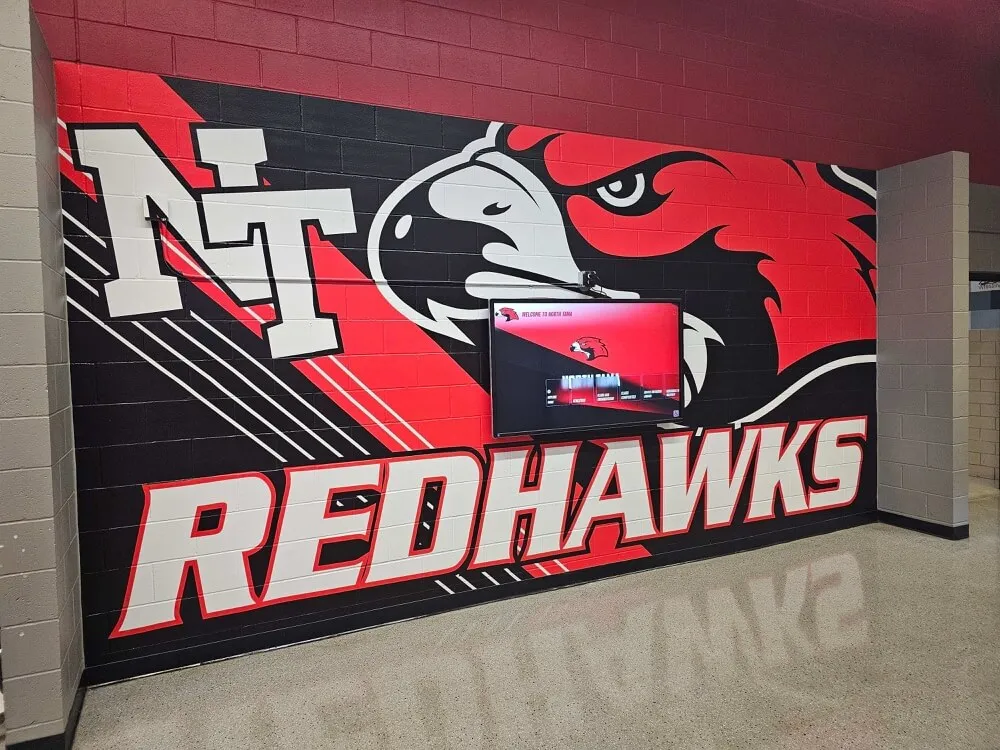
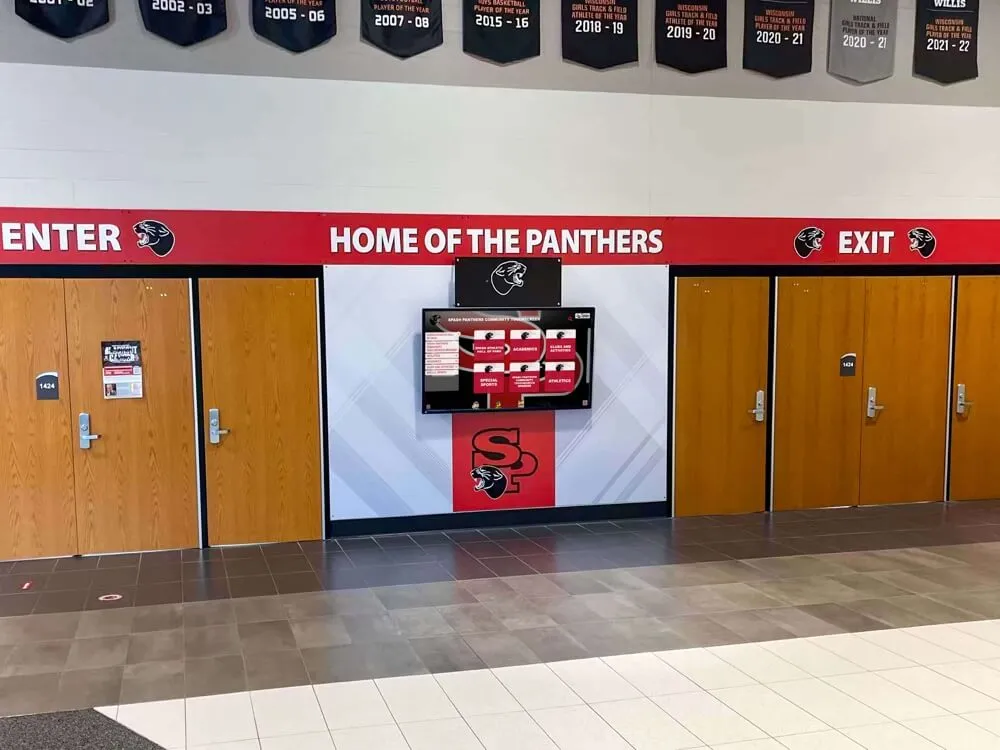
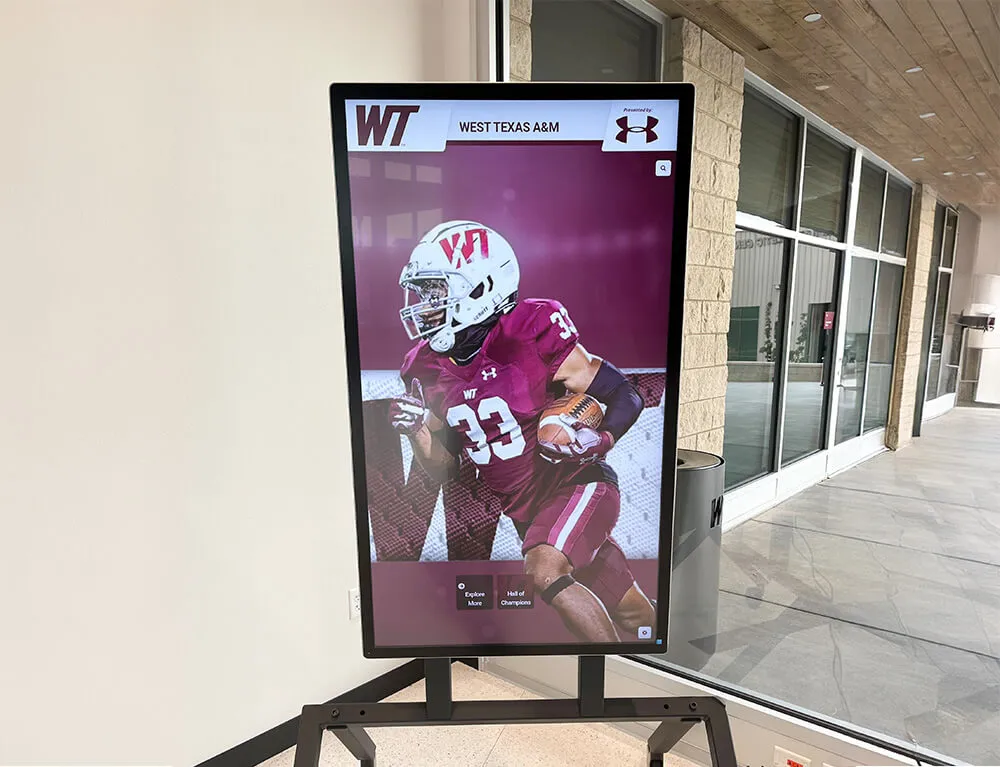
Interactive touchscreen displays in education settings represent one of the most significant upgrades schools can make to recognition programs—transforming passive displays into engaging experiences that invite interaction from students, families, and visitors.
Connecting Drill Team and Athletic Recognition
Many schools house drill team recognition within athletic department infrastructure, particularly when drill teams perform at athletic events and operate under athletic department administration. Digital recognition systems that serve both athletic coaching recognition and performance arts director recognition eliminate the institutional separation that often leaves drill team leadership less visible than coaching counterparts.
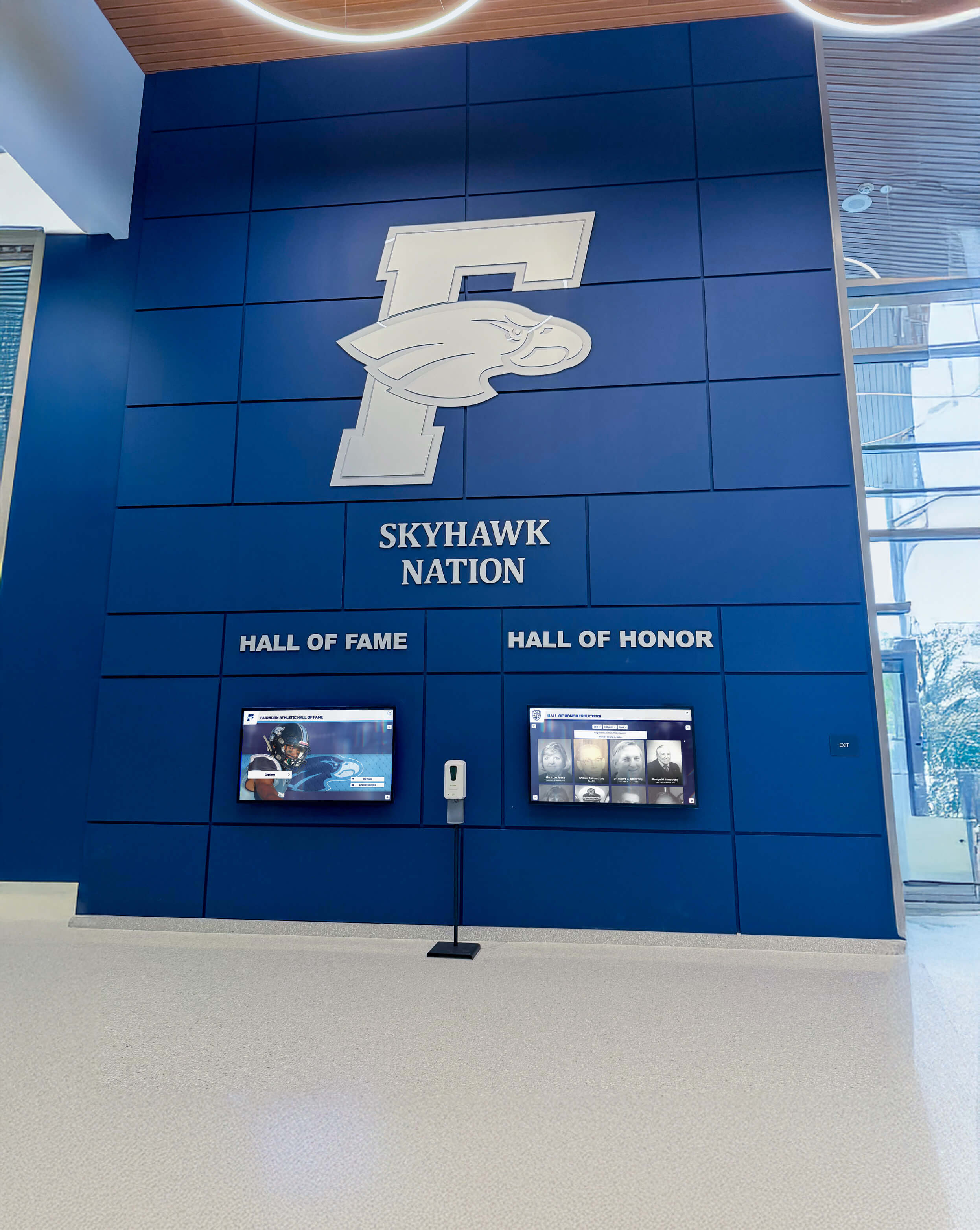
Unified digital recognition platforms can include sections for athletic coaches, drill team directors, fine arts program leaders, and other school leadership categories within a single, searchable system. Visitors exploring the system encounter the full breadth of program leadership that shaped the school—creating more complete institutional histories and ensuring that no category of leader is systematically underrepresented.
School pride, culture, and achievement recognition systems that bring together athletic and performance arts recognition reflect how students actually experience school culture—as an integrated community where multiple forms of excellence coexist and reinforce each other.
Drill Team Program History Archives
Beyond individual director recognition, digital systems enable comprehensive drill team program history archives that document program evolution across generations. These archives serve recognition, educational, and institutional memory functions simultaneously.
A complete drill team program archive might include:
Performance Records: Season-by-season documentation of performances, competitions entered, rankings achieved, and notable accomplishments. Competition records showing program performance at invitational, regional, and state levels over time create visible evidence of program development that individual directors contributed to collectively.
Roster Documentation: Historical rosters connecting individual performers to the seasons and directors they trained under, enabling alumni to locate their own program history and find connections to current students continuing traditions they established.
Choreography and Performance Archives: Where video documentation exists, archives of notable performances preserve artistic work that would otherwise be accessible only to those who attended original events. Archiving these materials creates institutional cultural assets that strengthen program identity across generations.
Director Succession Records: Documentation showing how the program evolved from one director to the next—what each leader inherited, what they built, and what they passed on—creates narrative program history that individual recognition profiles can reference for broader context.
Digital history archives for school programs describe how schools build these comprehensive records and use them to strengthen community connections, alumni engagement, and program identity over time.
Extending Recognition to Assistant Directors and Staff
Effective drill team programs depend on more than a head director. Assistant directors, choreography coaches, music directors, costume coordinators, and parent volunteer leadership all contribute meaningfully to program success. Comprehensive recognition programs acknowledge these contributions appropriately without obscuring the central role of the program director.
Assistant Director Recognition: Long-serving assistant directors—particularly those who served under multiple head directors or who bridged major program transitions—deserve recognition in their own right. Inclusion in program history documentation and acknowledgment at milestone ceremonies honors contributions that often go unrecognized outside the immediate program community.
Senior Performer Roles: Students who served in leadership positions—captains, team officers, section leaders—contributed to the program’s functioning in ways that deserve acknowledgment in program archives. Digital recognition systems that include performer leadership history alongside director profiles create more complete records of how programs actually operated.
Volunteer and Parent Support: Many drill team programs rely substantially on parent organization support for logistics, fundraising, transportation, and costume management. Recognizing volunteer contributions in school programs alongside professional staff recognition creates fuller pictures of what sustained program success required.
Building the Case for Drill Team Director Recognition Programs
Schools that haven’t yet established formal drill team director recognition programs sometimes face internal questions about prioritization, resources, and scope. Building the case for these programs benefits from clear articulation of the value they create.
The Recruitment and Retention Argument
Drill team directors considering positions at multiple schools make assessments about institutional culture and how program leadership is valued. Schools with visible, systematic recognition programs for program leaders communicate a meaningful signal: sustained commitment leads to lasting acknowledgment. This signal influences career decisions at the margins—particularly for experienced directors weighing opportunities at schools with comparable compensation and facilities.
Similarly, current directors who feel recognized and valued are more likely to remain through difficult seasons, administrative transitions, and the inevitable challenges that arise in long-tenured positions. The cost of director turnover—recruiting, hiring, onboarding, the inevitable program disruption during leadership transitions—far exceeds the cost of maintaining recognition programs that help retain established leaders.
The Community Engagement Argument
Former drill team performers who maintain emotional connections to their school programs through recognition of the directors who shaped them become more engaged alumni. They attend reunion events, contribute to booster programs, maintain relationships with current students, and become the kind of community supporters who strengthen programs across generations. Recognition programs that honor directors create sustained community engagement with performance arts programs that would otherwise see alumni connections fade after graduation.
Alumni event planning for schools benefits substantially from strong director recognition programs—honored directors become natural focal points for reunion events that draw large alumni participation across multiple graduating classes.
The Historical Preservation Argument
Every year that passes without systematic documentation of a drill team director’s contributions makes that history harder to reconstruct. Directors who led programs for twenty or thirty years carry institutional knowledge—about program milestones, competitive history, student development outcomes—that exists in no other form. When these directors retire without formal recognition processes that gather and preserve this information, schools lose irreplaceable institutional history.
Creating formal recognition programs now, while established directors are still available to provide information and context, protects program history that would otherwise disappear. This preservation function alone justifies the investment in recognition infrastructure, separate from all the other benefits formal recognition provides.
Drill Team Director Recognition and the Broader Fine Arts Recognition Picture
Drill team director recognition exists within a broader conversation about how schools honor fine arts and performance arts leadership alongside athletic program leadership. Schools that have advanced the most in performance arts recognition typically took a deliberate, policy-level approach rather than waiting for organic recognition to develop.
Effective approaches include:
Fine Arts Hall of Fame Expansion: Either creating dedicated fine arts halls of fame parallel to athletic halls of fame, or explicitly expanding existing athletic halls of fame to include performance arts and other program leadership categories. The key is creating formal criteria and selection processes that give drill team directors legitimate pathways to the same recognition levels as athletic coaches.
Integrated Recognition Systems: Digital display systems that house athletic and performance arts recognition within unified platforms eliminate the institutional separation that often produces different recognition standards for different program types. When drill team directors appear alongside athletic coaches in the same recognition system, visited by the same audiences, the signal about their relative institutional value equalizes.
Consistent Ceremony Standards: Applying comparable ceremony standards to drill team director recognition as to athletic coaching recognition—similar public acknowledgment, similar ceremony quality, similar permanent display commitments—demonstrates institutional equity in how program leadership is valued across departments.
Program-Specific Legacy Documentation: For drill team programs specifically, annual documentation practices that capture performance records, roster histories, and competitive achievements create the historical record bases that make meaningful long-term recognition possible. Schools that wait until directors retire to gather this information inevitably produce thinner recognition than programs that maintained documentation throughout the director’s tenure.
For programs that include dance teams alongside traditional drill teams, dance team branding and identity development resources provide frameworks for building program visual identity that supports recognition initiatives with consistent program branding.
Schools considering whether to expand existing cheerleading and performance arts recognition programs can look to models developed in adjacent performance arts contexts for frameworks applicable to drill team director recognition specifically.
Getting Started: Practical Steps for Schools
Schools ready to build or strengthen drill team director recognition programs can approach implementation in phases that fit within typical school administrative and budget cycles.
Phase One — Assessment and Policy: Audit existing recognition programs to determine whether drill team directors are included or excluded. Establish formal policy decisions about inclusion criteria, recognition formats, and selection processes. Identify which current or recent directors might be initial recognition candidates.
Phase Two — Content Development: Begin systematic information gathering for initial director recognition profiles. Prioritize directors who are still accessible for interviews and whose information is easiest to gather. Engage former performers in contributing photographs, testimonials, and historical documentation.
Phase Three — Display and Ceremony Planning: Determine whether existing physical display infrastructure can accommodate drill team director recognition or whether new display elements are needed. Plan initial recognition ceremonies for first-cohort honorees. Consider whether digital display systems would better serve long-term recognition goals than physical-only approaches.
Phase Four — Ongoing Program Maintenance: Establish annual review processes identifying newly eligible directors. Maintain documentation practices gathering information about current directors’ ongoing contributions. Build tenure milestone programs into regular school recognition calendars.
Rocket Alumni Solutions provides purpose-built platforms specifically designed for schools implementing recognition programs for program leaders, coaches, and directors. Whether you’re building drill team director recognition as a standalone initiative or integrating it within broader athletic and fine arts recognition infrastructure, modern digital systems enable comprehensive tributes that honor complete careers, preserve institutional history, and create engaging experiences for everyone who visits your school. Explore what’s possible with Rocket Alumni Solutions and discover how schools are bringing drill team director recognition to the forefront of their program legacy initiatives.
Drill team directors invest years—sometimes entire careers—developing student performers, building competitive programs, and creating traditions that define school culture for generations. They deserve recognition that matches the scale of that contribution: systematic hall of fame inclusion, meaningful retirement tributes, tenure milestone programs that acknowledge sustained commitment, and modern digital displays that tell their complete stories to everyone who walks through your school’s doors. Ready to build or expand drill team director recognition at your school? Rocket Alumni Solutions builds purpose-designed interactive recognition platforms that honor every kind of program leader with the comprehensive, lasting tributes their careers deserve.