



Key Takeaways
Comprehensive 2026 guide to donor walls covering traditional plaques, digital displays, interactive systems, design best practices, costs, and how to choose the perfect donor recognition solution for nonprofits, schools, hospitals, and cultural institutions.
Understanding Donor Walls: Strategic Importance Beyond Simple Recognition
Donor walls transcend basic acknowledgment, functioning as strategic fundraising tools that shape philanthropic culture and drive sustained giving when thoughtfully designed and prominently displayed.
The Fundraising Impact of Effective Donor Recognition
Research consistently demonstrates that recognized donors give more frequently, contribute larger amounts, and maintain relationships longer than unrecognized supporters. According to the Association of Fundraising Professionals, donor retention rates increase by 18-27% when organizations implement comprehensive recognition programs. Recognition creates psychological investment in organizational success, transforming one-time contributors into lifetime advocates.
Visible donor walls provide social proof that influences prospective donors evaluating giving decisions. When potential contributors see comprehensive displays celebrating diverse giving levels—from major benefactors to modest annual supporters—they understand that philanthropy represents organizational culture rather than isolated requests. This community of giving creates belonging that appeals to donors seeking meaningful connections beyond transactional relationships.
Capital campaigns particularly benefit from donor wall visibility. Campaign leadership can reference recognition displays during prospect meetings, demonstrating momentum through growing donor participation while showing prospects exactly how their contributions will be honored. This tangible evidence of community support addresses natural concerns about campaign viability while making abstract giving levels feel concrete and achievable.
Donor Psychology and Recognition Preferences
Understanding what donors value in recognition prevents selecting approaches that organizations prefer but supporters find meaningless. While major benefactors often negotiate recognition terms directly, mid-level and annual fund donors rarely articulate preferences explicitly. Survey data from nonprofit research organizations reveals consistent patterns in what supporters value:
Permanence and Dignity rank as top priorities across demographic groups. Donors want recognition that maintains professional quality over decades rather than appearing temporary or poorly maintained. This permanence requirement particularly influences traditional versus digital decisions, with concerns about technology obsolescence often favoring physical plaques despite digital advantages in other dimensions.
Accuracy and Respect represent non-negotiable expectations. Misspelled names, incorrect titles, or wrong giving levels damage relationships rather than strengthen them. Organizations must implement review processes preventing errors while establishing clear protocols for addressing mistakes discovered after installation.
Appropriate Prominence matters differently across donor segments. Major benefactors expect recognition proportionate to gift magnitude, while modest donors appreciate inclusion but don’t seek spotlight. Effective donor walls balance these competing expectations through thoughtful design hierarchies, size variations, and placement strategies that honor all supporters appropriately without creating uncomfortable comparisons.
Strategic Recognition Placement Considerations
Location dramatically affects donor wall impact and organizational benefits. Prime visibility areas create maximum fundraising value but require architectural integration and professional design quality matching high-profile settings.
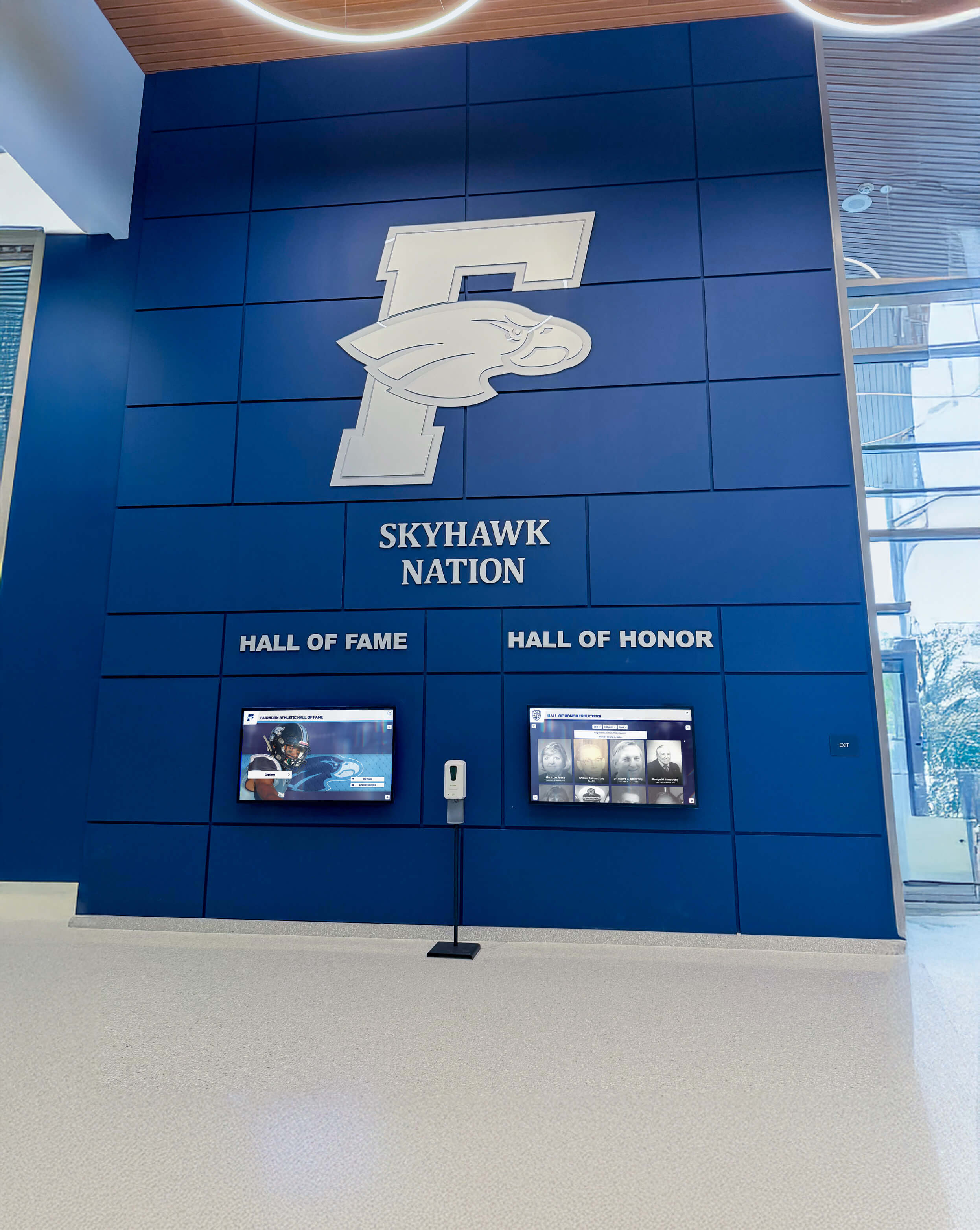
Main entrance lobbies provide optimal visibility where all visitors—prospective donors, community members, students, patients, patrons—encounter recognition immediately upon arrival. This placement communicates that philanthropy represents institutional foundation rather than peripheral activity. However, entrance lobbies demand exceptional design quality because recognition displays become defining architectural elements shaping first impressions.
Dedicated recognition spaces serve organizations with extensive donor bases requiring substantial display capacity. Museums, universities, and hospitals often create donor galleries or recognition corridors where comprehensive displays celebrate giving without competing for limited lobby space. These dedicated areas enable detailed storytelling about philanthropic impact while accommodating growth as campaigns add donors over time.
Program-specific locations connect recognition directly to funded initiatives. Donors supporting athletic facilities appreciate recognition in gymnasiums where students benefit daily from their generosity. Arts patrons value theater lobby displays where performances they enable occur. Medical philanthropists prefer hospital wing locations where their gifts directly serve patients. This contextual placement strengthens emotional connections between donors and impact.
Organizations with multiple buildings or campuses face special challenges coordinating recognition across distributed locations while maintaining consistent standards and centralized donor data. Solutions like Rocket Alumni Solutions address these needs through cloud-based management enabling recognition updates across networked displays from centralized platforms.
Traditional Donor Wall Options: Classic Recognition Approaches
Physical donor walls have served nonprofit organizations for decades, offering tangible permanence and formal gravitas that resonate with many donors and organizational cultures.
Engraved Plaque Walls: Timeless Individual Recognition
Individual brass, bronze, or acrylic plaques mounted on dedicated walls represent the most traditional donor recognition format. Each donor receives a personalized plate bearing their name, giving level, and sometimes dedication text or recognition year.
Design Variations and Customization:
Organizations customize plaque approaches to reflect architectural settings, organizational identity, and budget parameters. Uniform plaque sizes create clean, egalitarian presentations where all donors at the same giving level receive identical recognition regardless of contribution timing or campaign. Tiered sizing reflects giving level hierarchies, with larger plaques honoring major benefactors and smaller plates recognizing modest donors.
Material selection influences aesthetic character and longevity. Brass plaques develop patina over decades, creating vintage character that some organizations value while others view as aging. Bronze offers similar traditional gravitas with greater corrosion resistance. Stainless steel provides contemporary appearance fitting modern architectural contexts. Acrylic plaques reduce costs but risk appearing less substantial than metal alternatives.
Mounting approaches range from direct wall attachment to integrated frames creating architectural features. Some organizations commission custom millwork creating cohesive wall systems with organizational branding, campaign imagery, and architectural elements complementing recognition plaques. These custom installations deliver dramatic visual impact but require significant investment and permanent commitment to specific layouts.
Advantages:
- Tangible permanence requiring no power, network connectivity, or technology maintenance
- Familiar format donors understand and trust
- Professional engraving quality creates formal gravitas
- Incremental expansion capability adding plaques as campaigns progress
- No concerns about technology obsolescence
- Appropriate for buildings lacking reliable power or network infrastructure
Significant Limitations:
- Fixed space constraints forcing difficult decisions when walls fill completely
- High per-donor costs typically ranging $150-500 per plaque including engraving and installation
- Time-consuming updates requiring fabrication, shipping, and professional installation for each donor addition
- Minimal information capacity beyond names, titles, and basic dedication text
- No ability to explain philanthropic impact or tell donor stories beyond brief inscriptions
- Permanent commitment to layout decisions difficult to modify later
- Geography-bound recognition accessible only to visitors physically present
Cost Analysis:
Traditional plaque walls require substantial initial investment plus ongoing per-donor costs that accumulate significantly over time. Organizations should budget:
- Design and Fabrication: $3,000-15,000 for custom wall systems, frames, background materials, and installation
- Per-Donor Plaque Costs: $150-500 each including engraving, shipping, and mounting
- Ongoing Maintenance: Periodic professional cleaning, plaque replacement, and wall refurbishment
A 100-donor wall costs approximately $18,000-65,000 initially, with each additional donor adding $150-500. Organizations running multi-year campaigns adding 20-50 donors annually face ongoing costs of $3,000-25,000 per year just for new plaques—expenses that continue indefinitely as recognition programs expand.
Engraved Panels and Donor Lists: Comprehensive Name Recognition
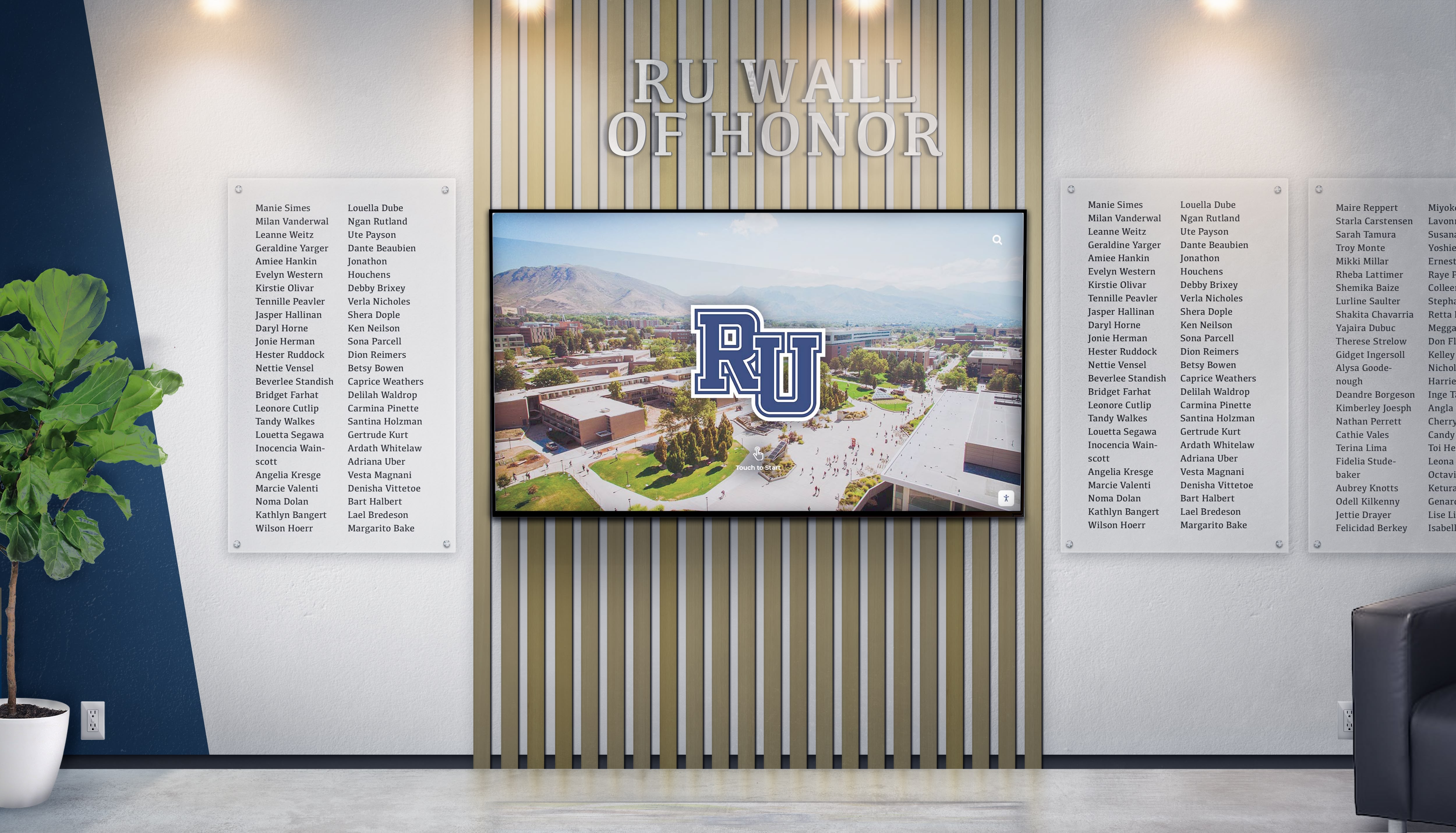
Organizations recognizing hundreds or thousands of donors often choose comprehensive panel approaches listing multiple names on individual plates rather than providing each donor a separate plaque. This format maximizes space efficiency while maintaining permanent physical recognition.
Common Applications:
- Annual fund recognition listing all contributors by giving level categories
- Capital campaign honor rolls showing all supporters regardless of amount
- Memorial walls recognizing tribute gifts and legacy donors
- Historical recognition documenting decades of cumulative giving
- Recognition societies acknowledging planned giving commitments
Panel designs organize donors hierarchically by contribution levels, alphabetically within categories, or chronologically by gift dates. Some organizations refresh panels annually, replacing or adding plates as donor lists change. Others maintain permanent historical panels with separate areas for current year recognition that updates regularly.
Advantages Over Individual Plaques:
- Space efficiency accommodating far more donors in limited areas
- Lower per-donor costs when amortized across comprehensive lists
- Easier updates through panel replacement versus individual plaque additions
- Clear hierarchy organizing donors by categories rather than physical placement
Limitations:
- Less personalized recognition where donors appear in long lists
- Reduced prominence for individual contributors
- Periodic panel replacement creates ongoing costs
- Limited flexibility accommodating growth when panels fill completely
Etched Glass and Architectural Donor Walls
High-profile projects increasingly incorporate donor recognition directly into architectural elements through etched glass walls, carved stone features, or custom metalwork creating signature design statements.
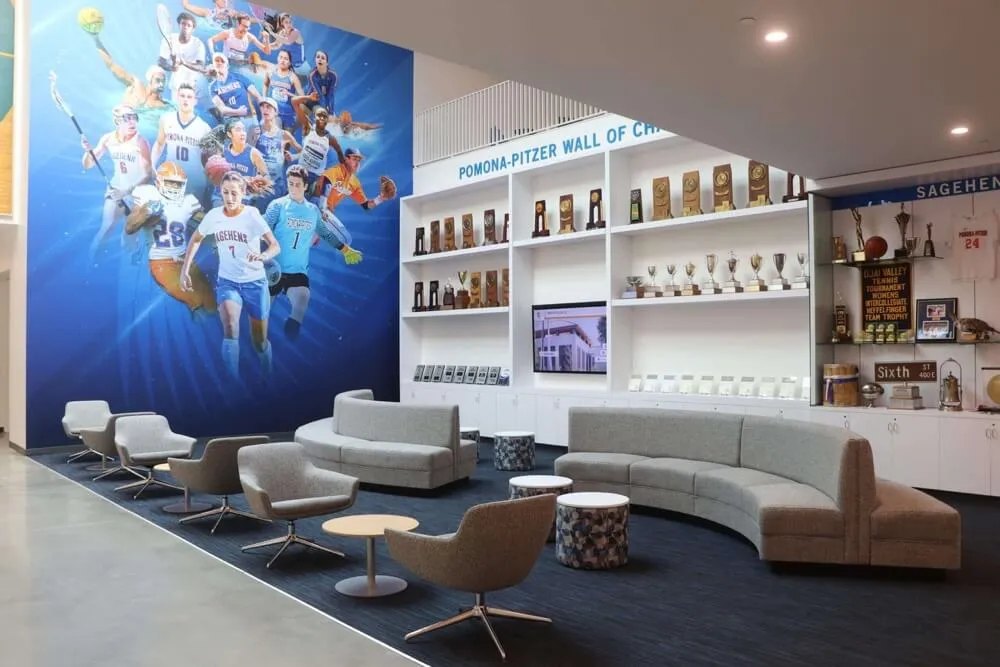
These installations transform donor walls from afterthought add-ons into intentional architectural features that define spaces while celebrating philanthropy. Museums, performing arts centers, hospitals, and prestigious academic buildings often choose this approach when creating landmark facilities warranting exceptional recognition quality.
Design Possibilities:
- Floor-to-ceiling glass walls with sandblasted or laser-etched donor names creating translucent architectural features
- Carved stone walls integrating donor recognition into permanent building materials
- Custom metal screens or sculptural installations listing supporters within artistic frameworks
- Backlit recognition panels creating dramatic lighting effects while displaying names
- Water features, landscaping, or outdoor installations connecting recognition to environmental design
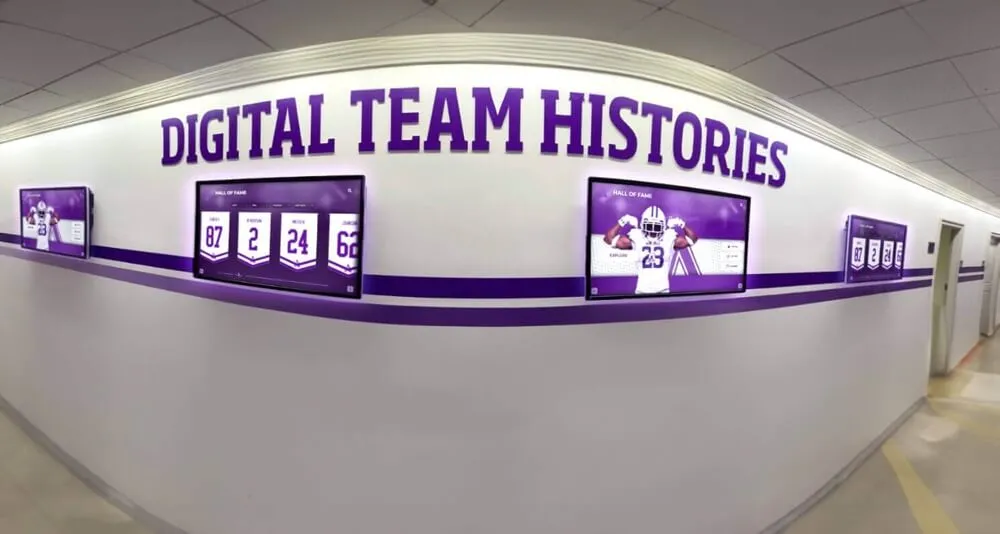
These approaches require collaboration between architects, artists, donor relations professionals, and fundraising leadership early in building planning rather than treating recognition as afterthought. The investment matches major construction budgets but creates signature recognition elevating donor experience while defining institutional character.
Investment Considerations:
Architectural donor walls represent premium recognition requiring budgets of $50,000-500,000+ depending on scale, materials, and artistic complexity. Organizations pursue these approaches when recognition quality matches facility significance and donor expectations warrant extraordinary presentation. Learn more about donor recognition wall design concepts that create memorable architectural statements.
Digital Donor Wall Solutions: Modern Recognition Technology
Digital recognition systems address virtually every limitation of traditional physical displays while introducing capabilities that transform how organizations celebrate philanthropy and engage donors.
Non-Interactive Digital Displays: Dynamic Visual Presentations
Large-format displays cycling through donor recognition content create dynamic presentations that command attention in high-traffic areas while accommodating unlimited donors without physical space constraints.
Technology Approaches:
Organizations mount commercial displays ranging from 43"-98" in entrance lobbies, corridors, or dedicated recognition areas, connecting them to content management systems that schedule donor recognition presentations alongside organizational messaging. These systems display professionally designed recognition graphics featuring donor names, giving levels, campaign progress, and impact storytelling.
Content Design Options:
- Elegant text presentations listing donors by giving categories with subtle animations
- Photo galleries featuring donors at events or with program beneficiaries
- Impact storytelling explaining how contributions support mission
- Campaign progress dashboards showing fundraising advancement toward goals
- Event promotion highlighting upcoming opportunities for donor engagement
- Historical timelines placing current giving within institutional legacy context
Implementation Considerations:
Non-interactive digital displays work best when recognition content shares displays with other organizational communications rather than serving exclusively for donor walls. Organizations already operating digital signage networks for visitor information, event promotion, or emergency communications can incorporate donor recognition within existing infrastructure.
However, this shared-use model creates inherent tensions between recognition’s need for permanence and signage’s demand for frequent content changes. Donors expect consistent visibility rather than recognition appearing briefly between announcements and alerts. Organizations must carefully balance content scheduling ensuring adequate donor recognition time without undermining signage effectiveness for other purposes.
Cost Structure:
- Display Hardware: $800-5,000 per screen depending on size and commercial grade specifications
- Content Management Software: $300-1,200 annually per display for digital signage platforms
- Content Design Services: $2,000-10,000 for professional recognition graphics and templates
- Installation: $500-2,000 for professional mounting, power, and network connections
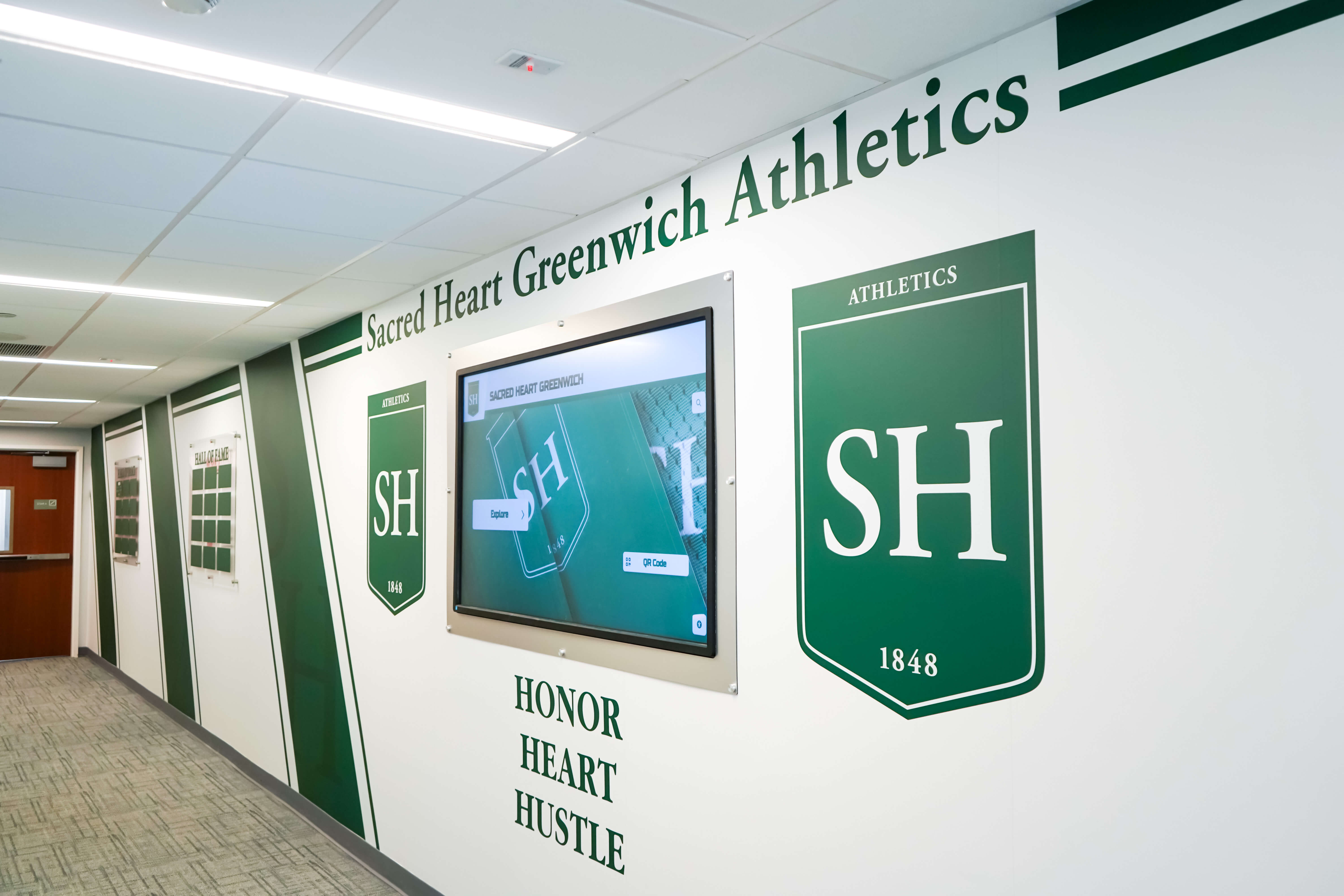
Interactive Touchscreen Donor Recognition Systems
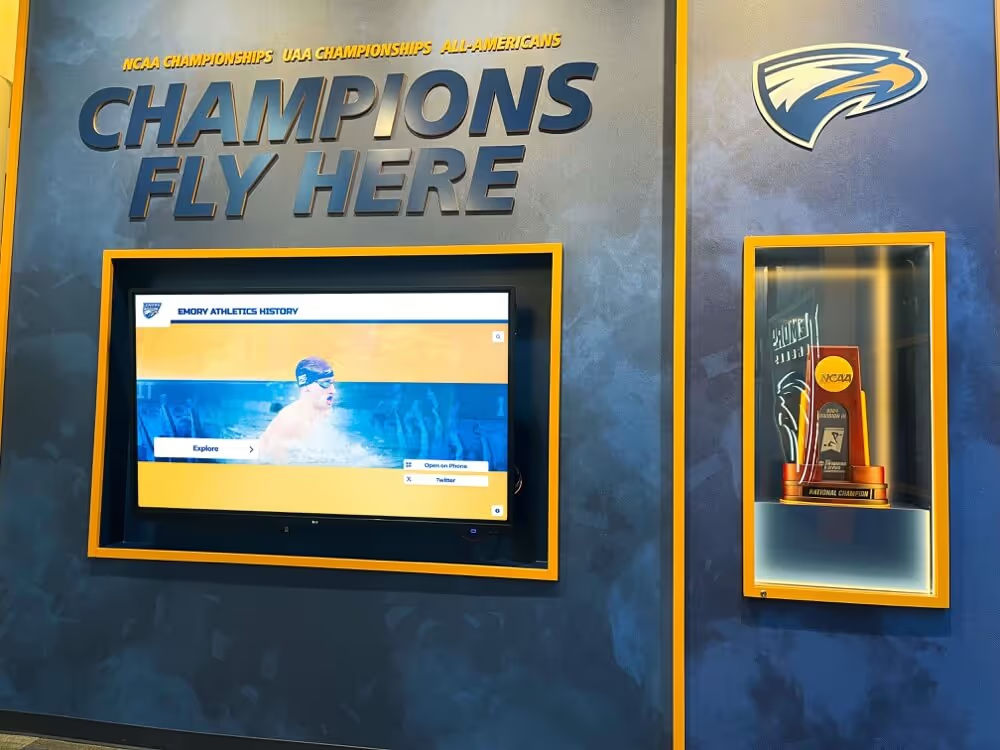
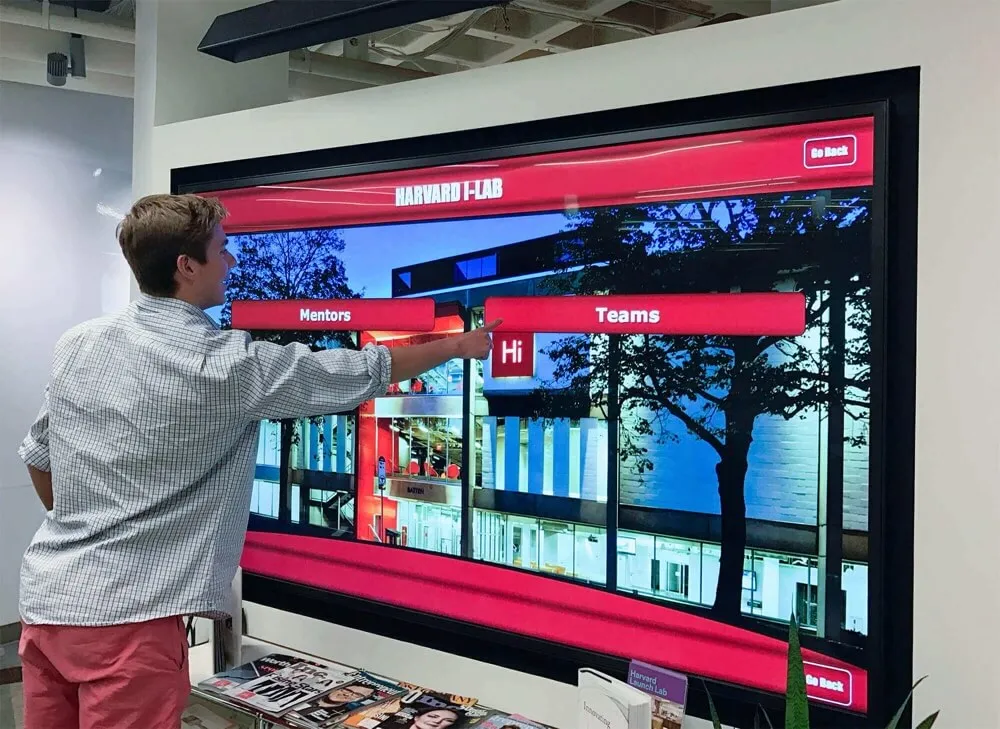
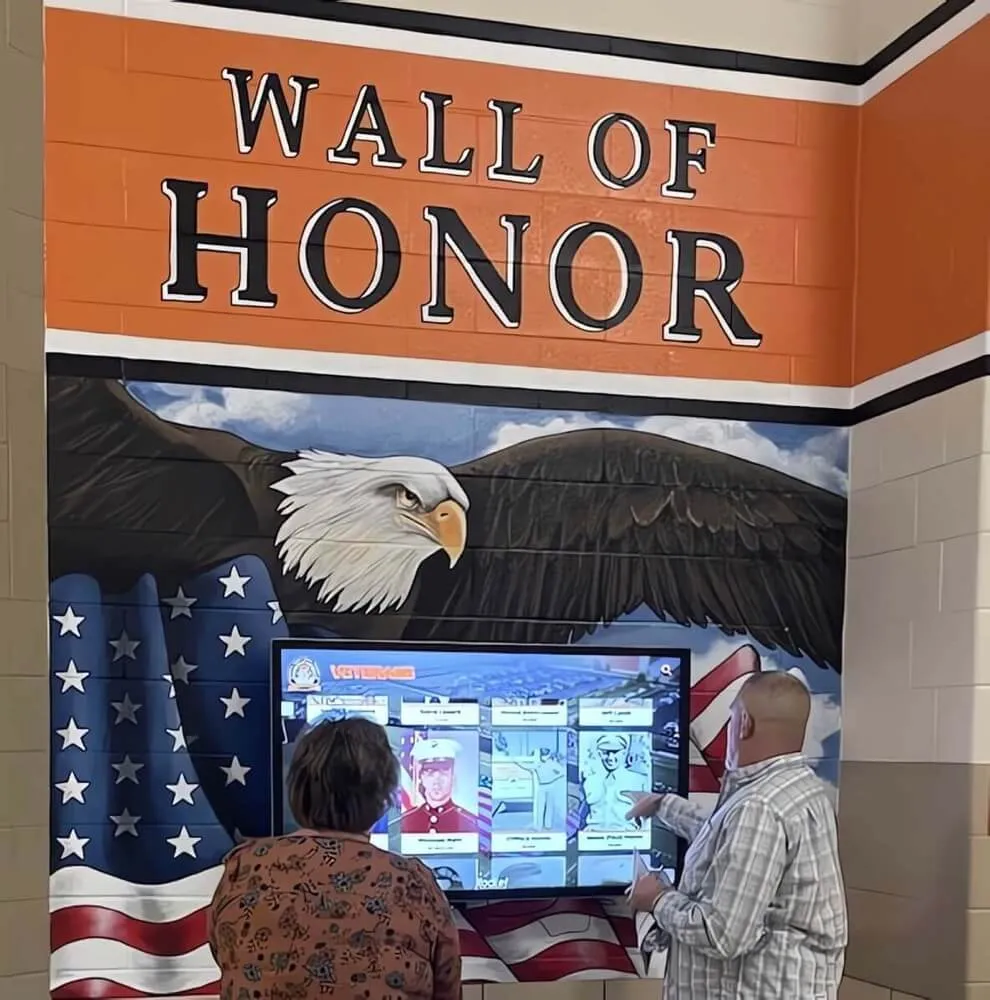
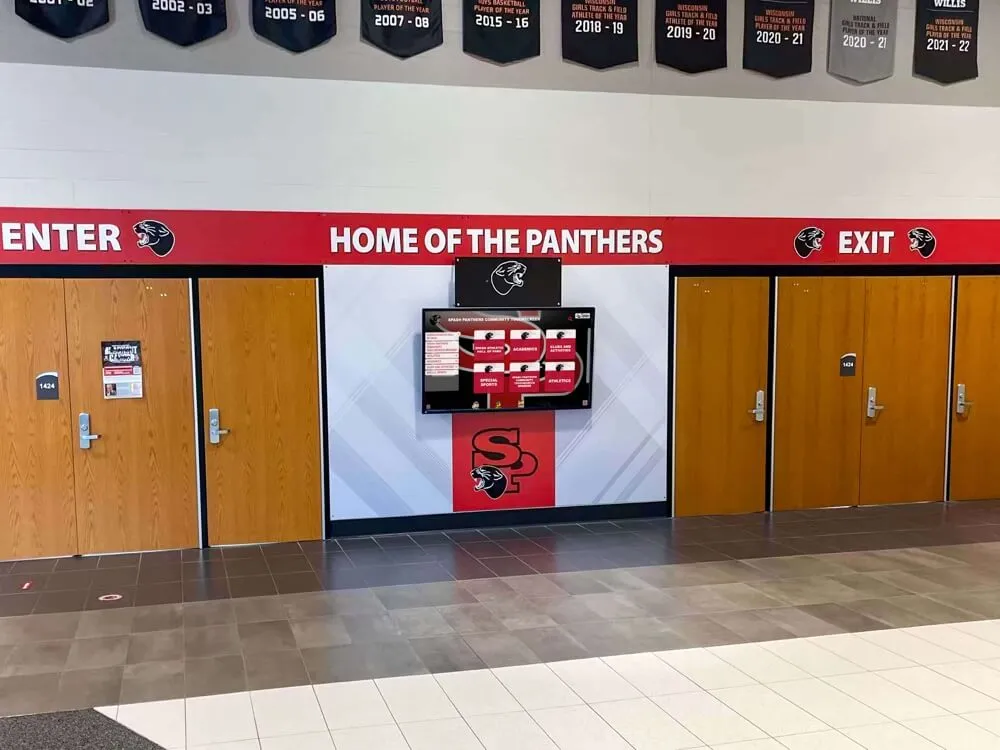
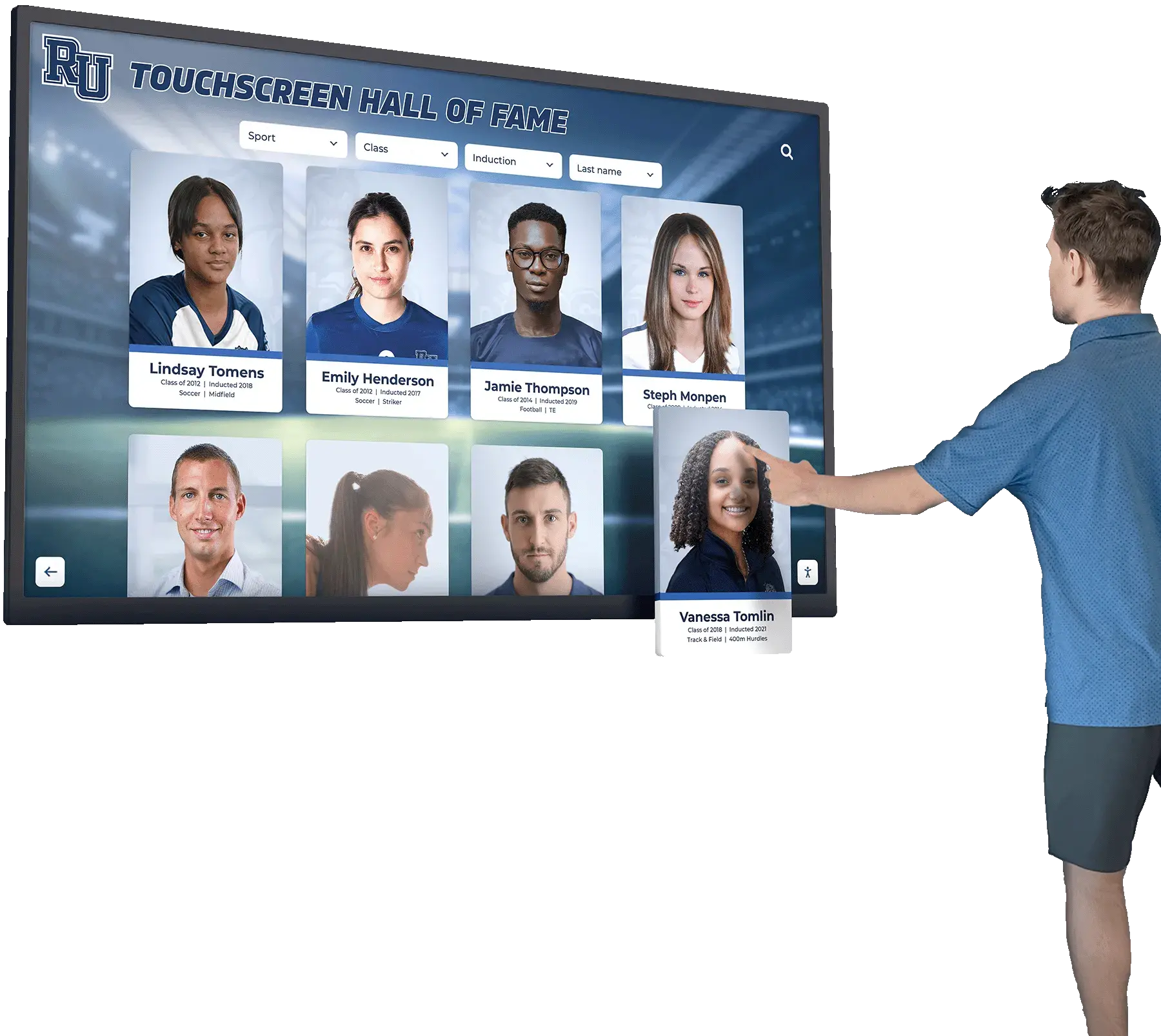
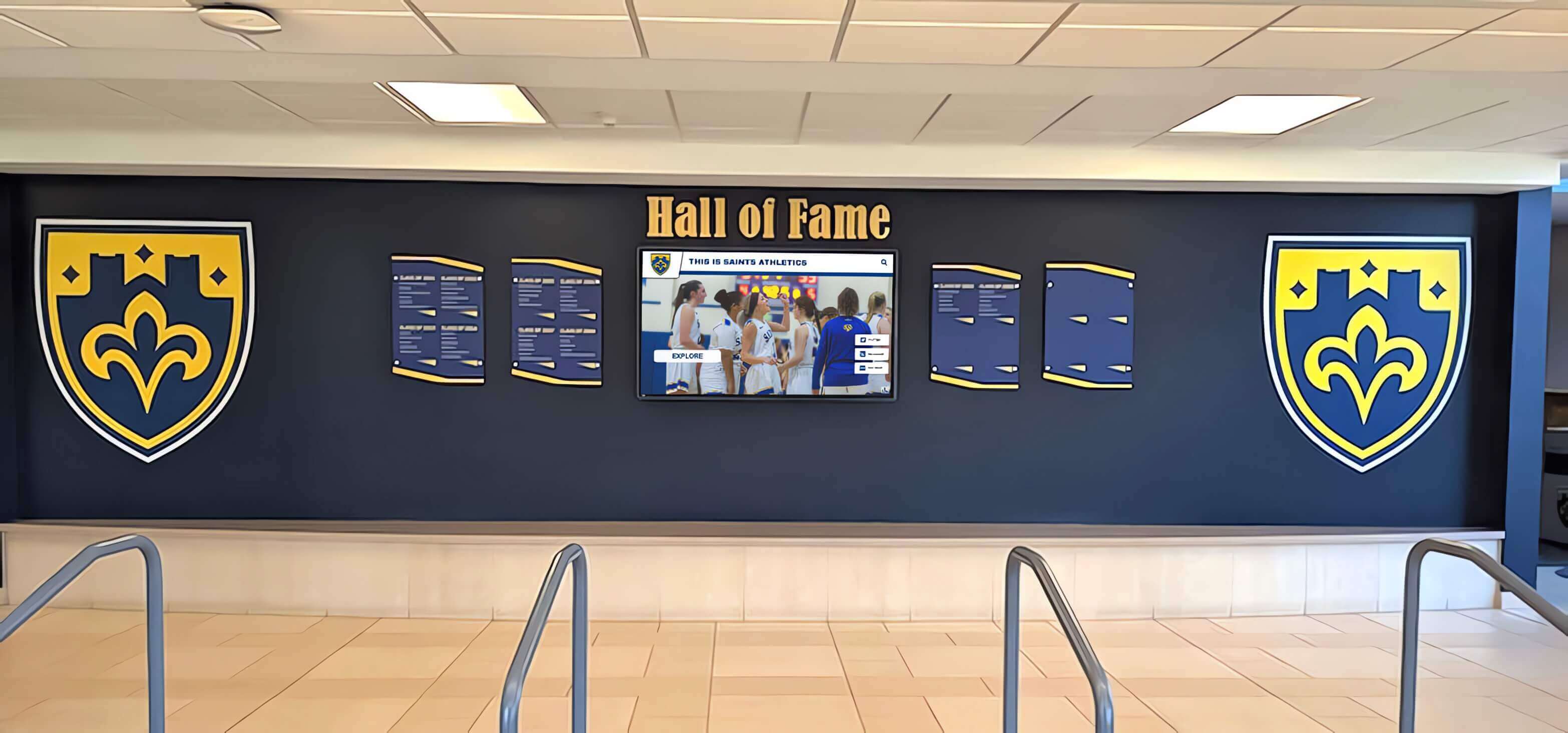
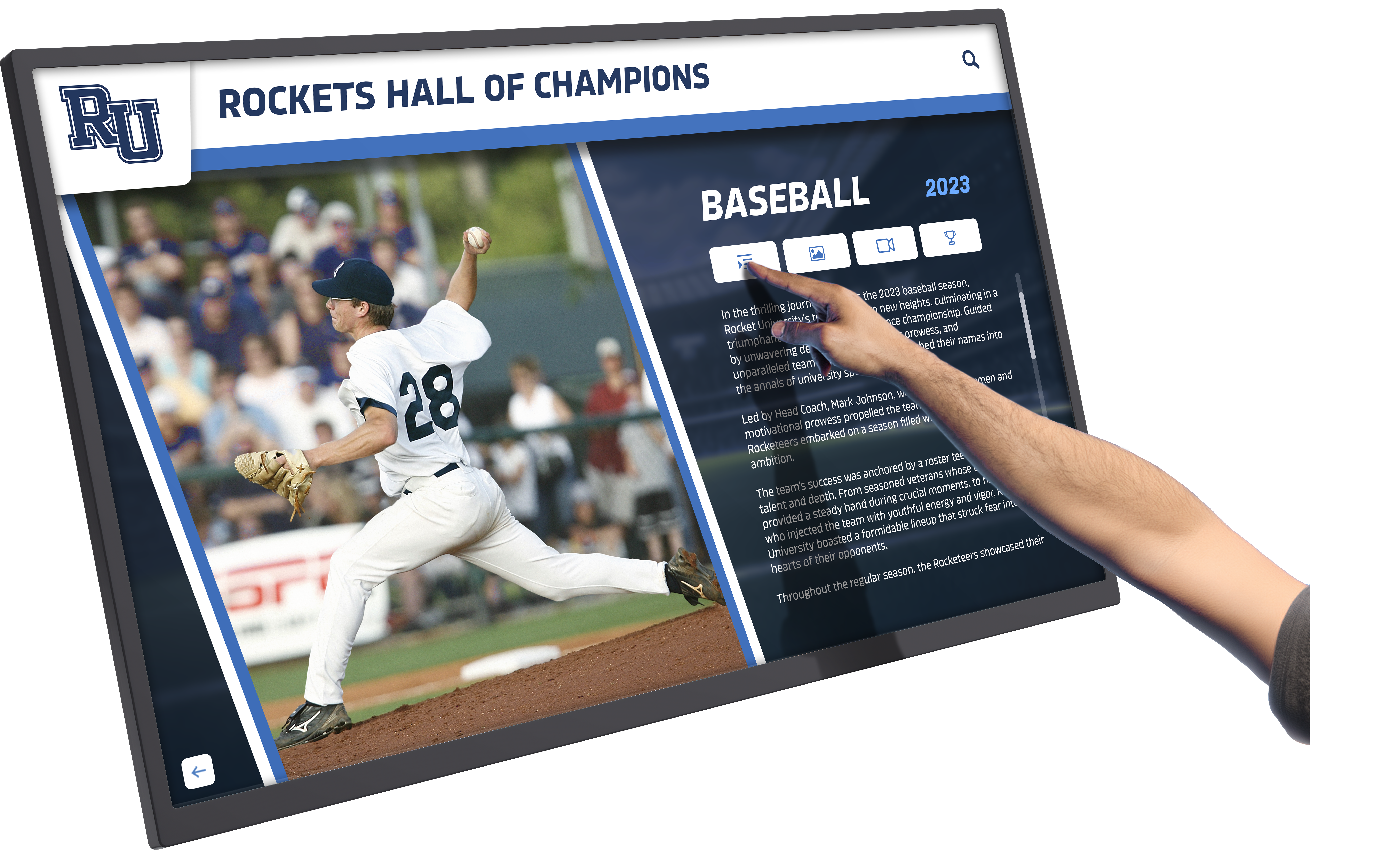
Purpose-built interactive donor walls function like large tablets that visitors actively explore through touch interactions, enabling self-directed discovery that non-interactive displays cannot achieve.
Core Capabilities:
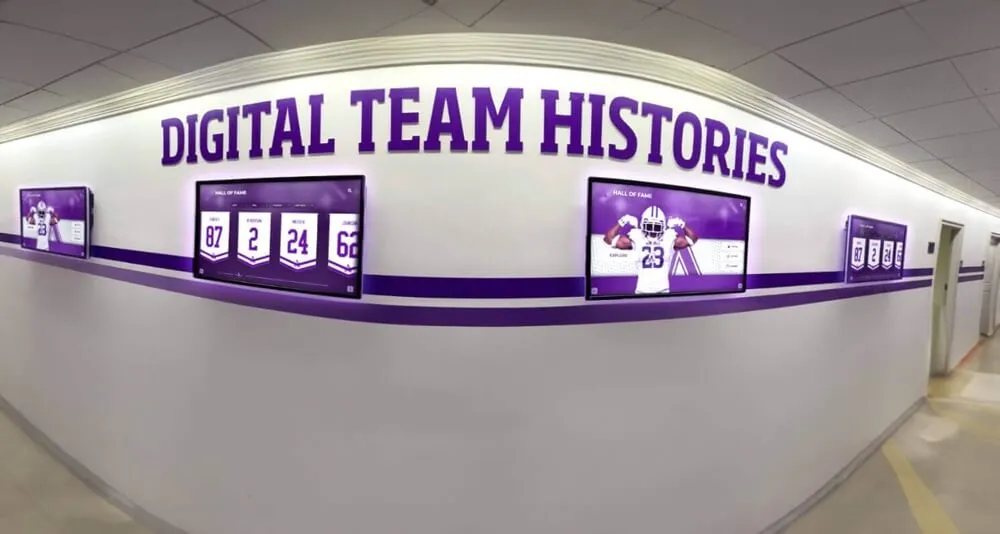
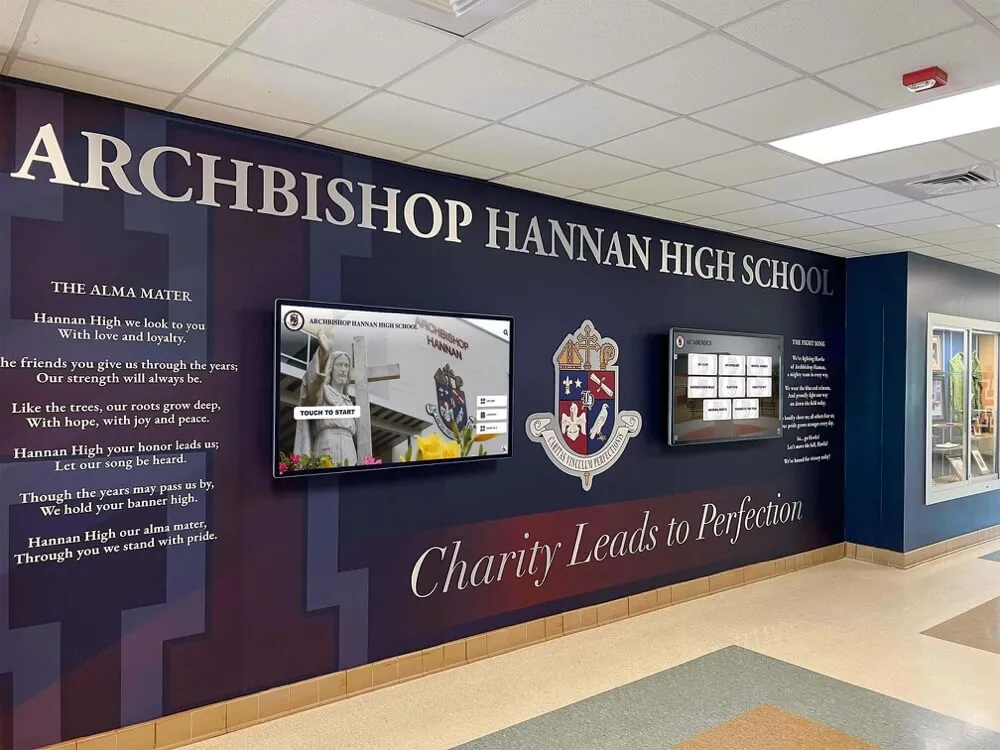
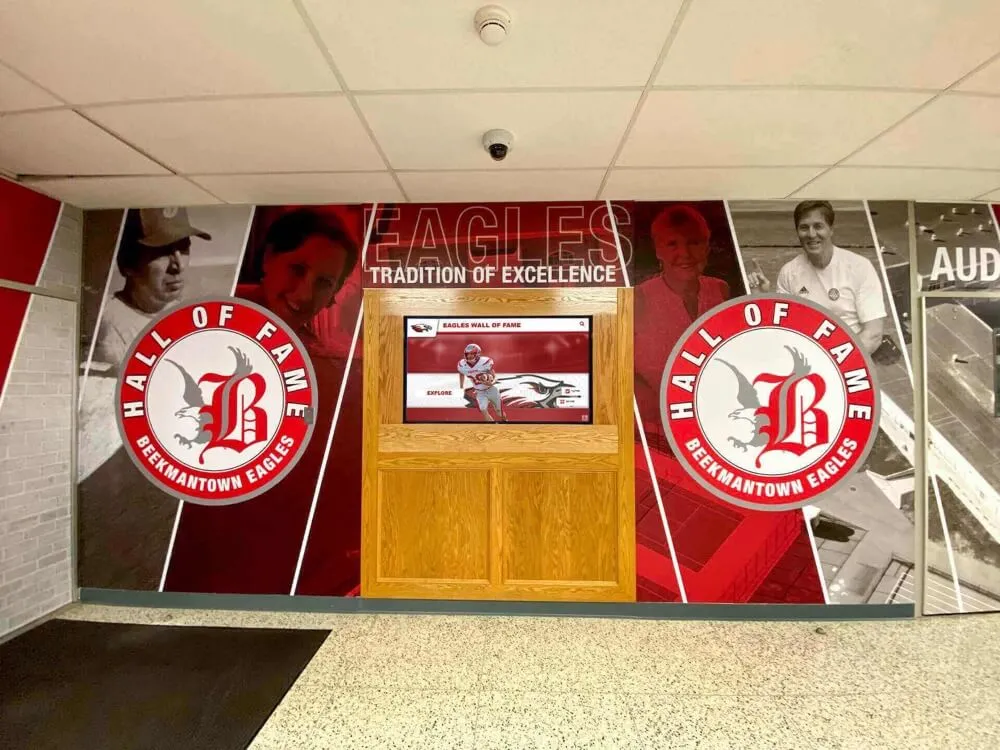
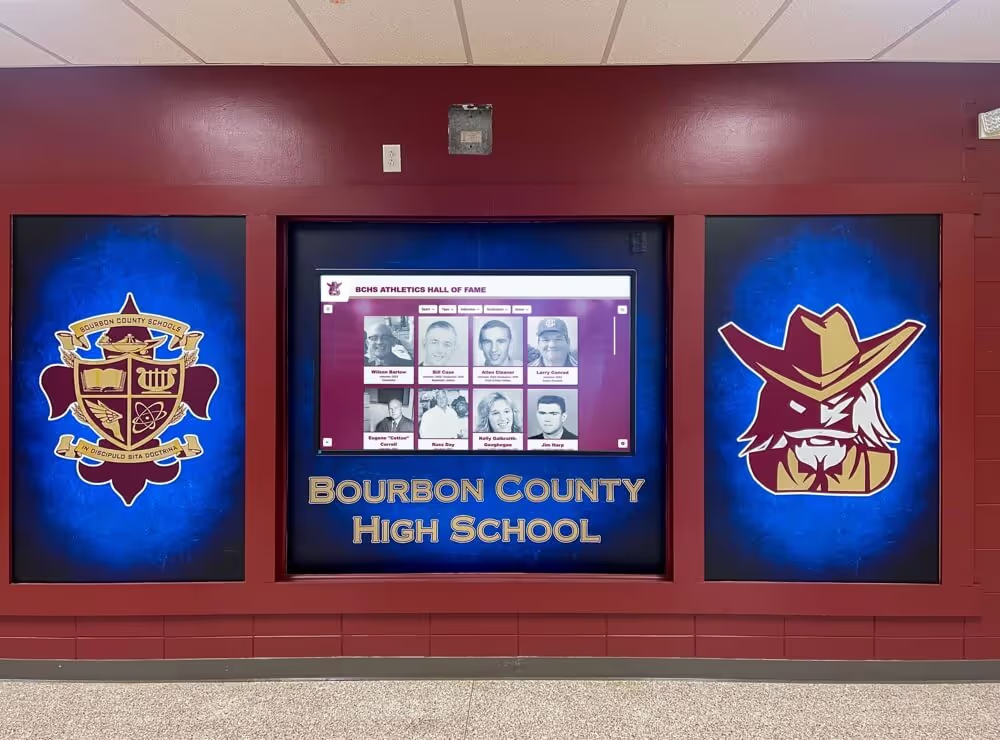
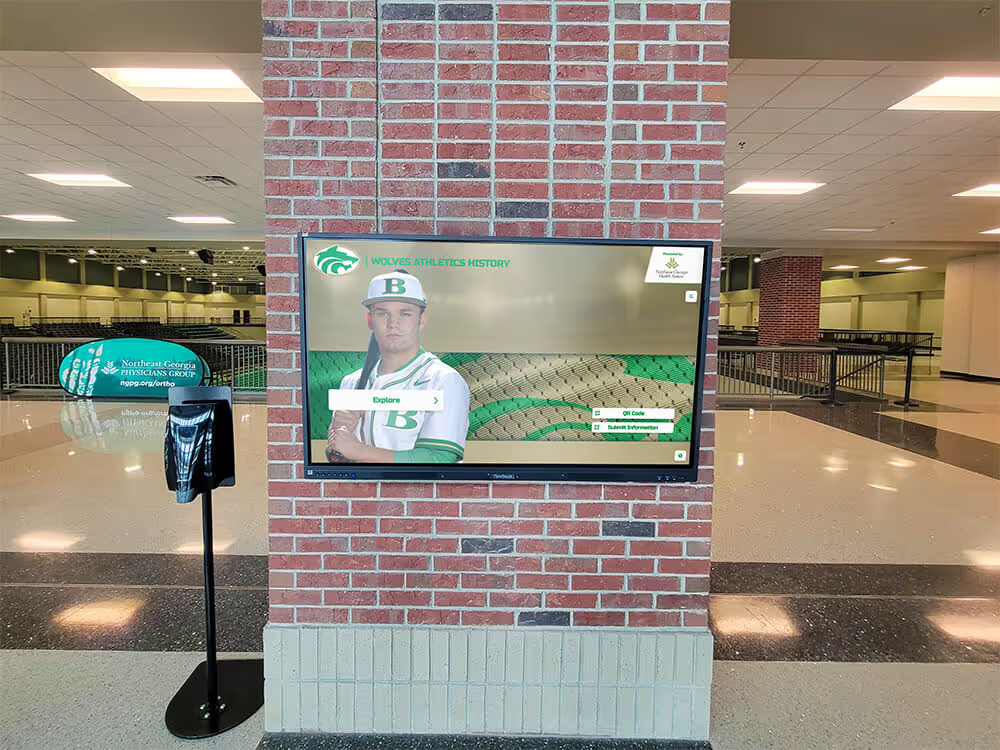
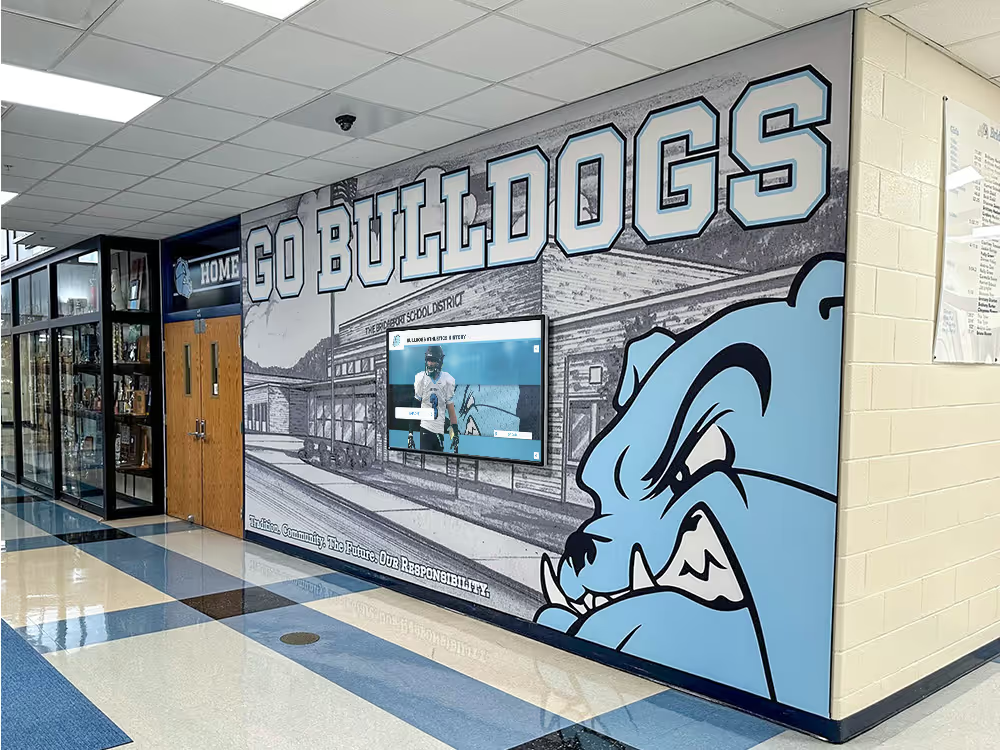
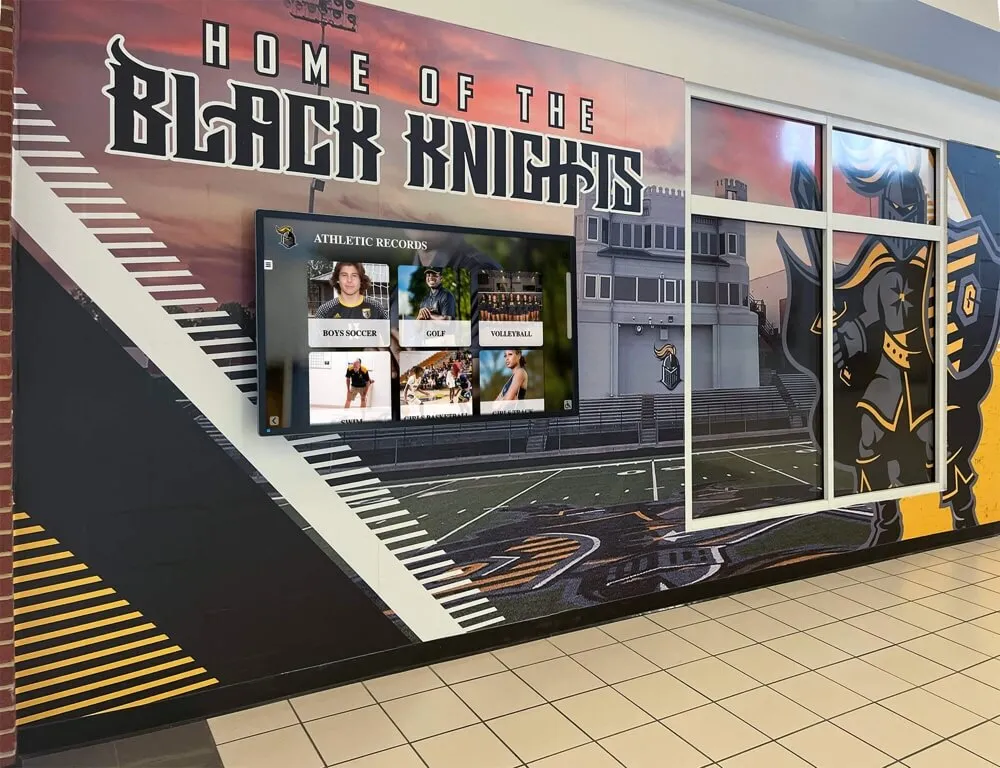
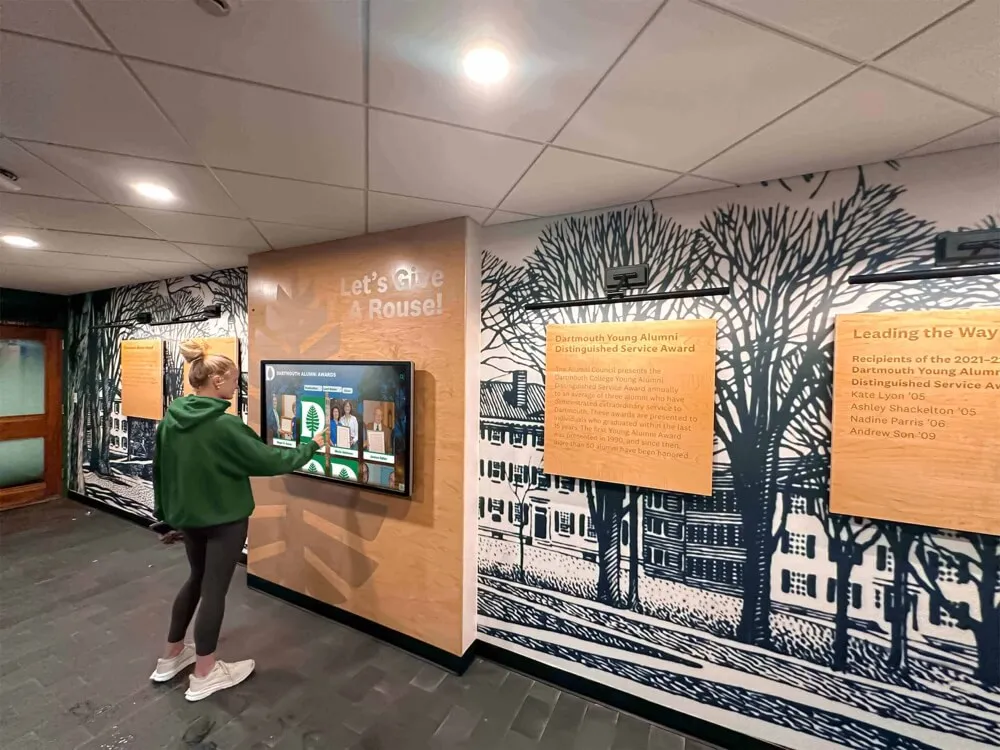
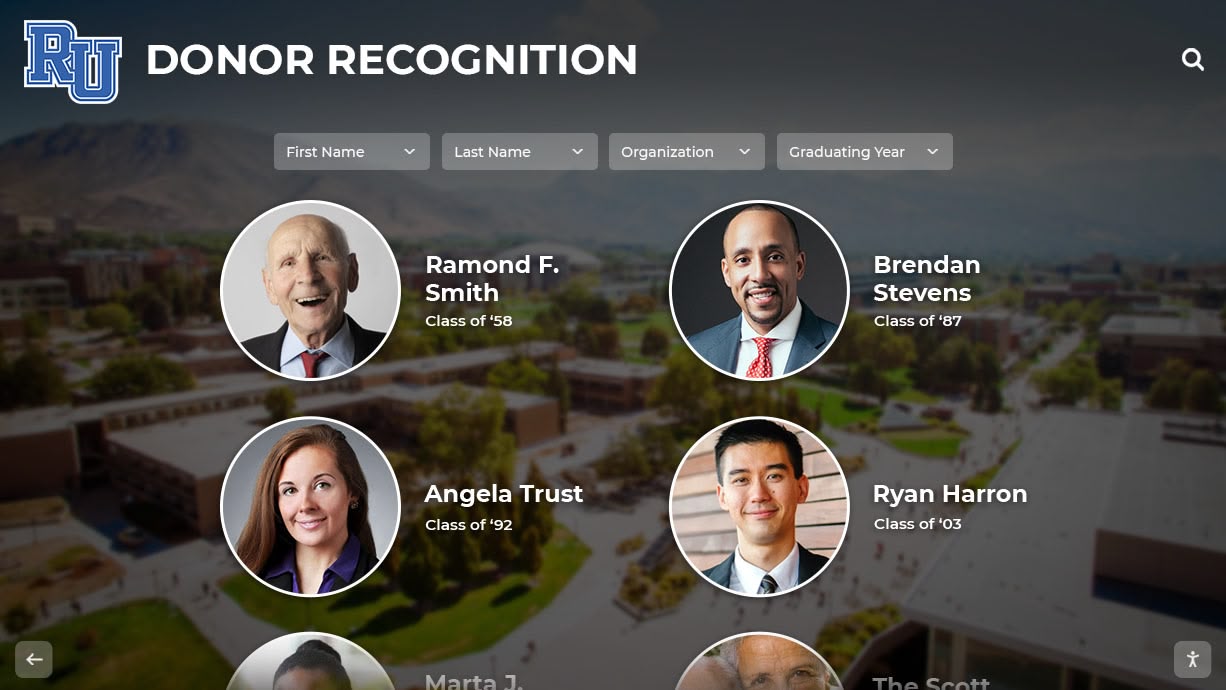
Modern touchscreen donor walls provide database-driven recognition platforms where organizations maintain comprehensive donor profiles accessible through intuitive search, filtering, and navigation. Visitors explore giving levels, discover individual donors, learn about campaign initiatives, and understand philanthropic impact through rich multimedia experiences.
Key Features:
- Unlimited Recognition Capacity: Database architecture accommodates thousands of donors without physical space constraints or per-donor costs that plague traditional plaques
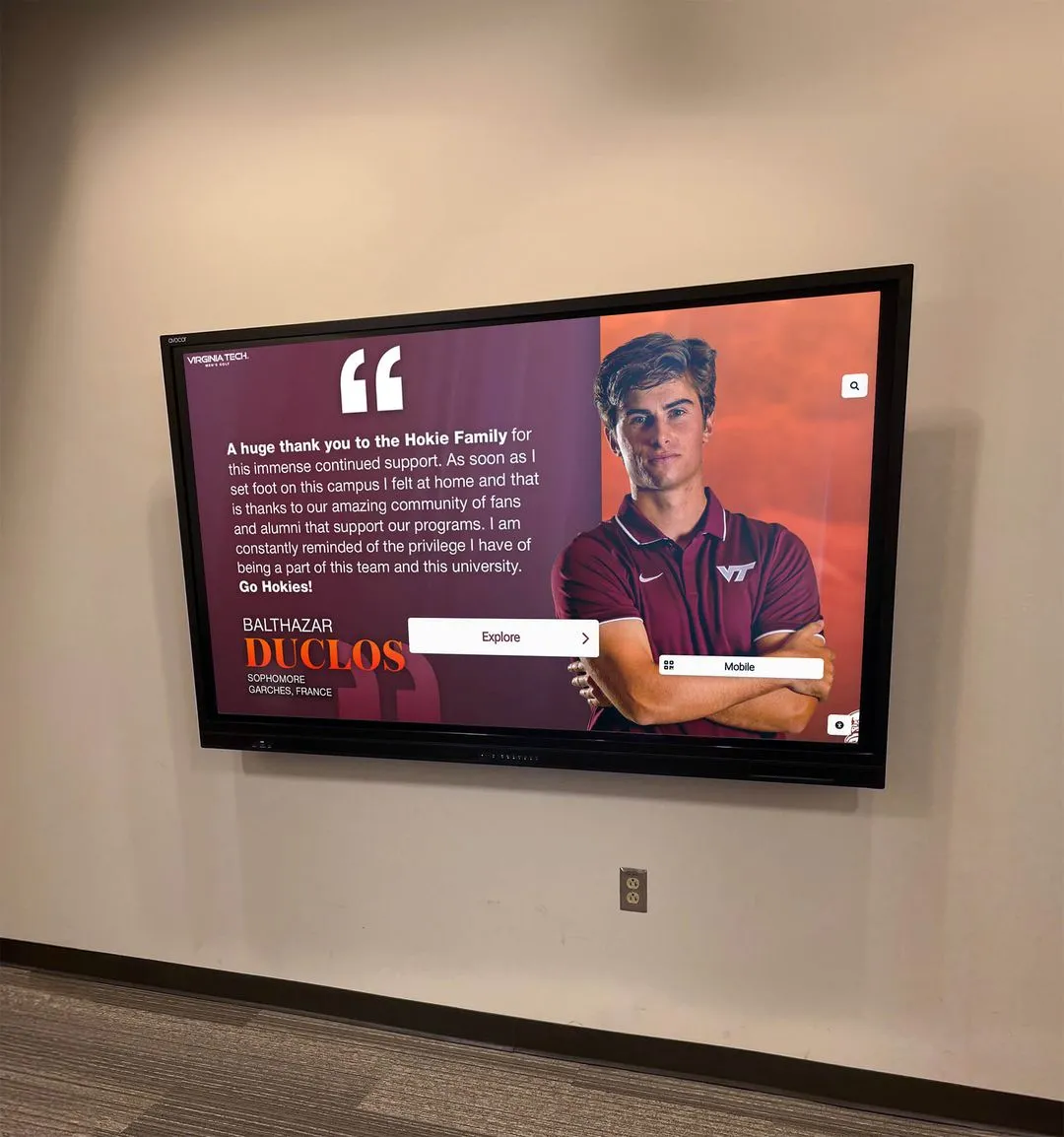
- Rich Donor Profiles: Beyond names and amounts, organizations share donor stories, photos, testimonials, dedication messages, and connection to specific funded programs
- Powerful Search Functionality: Visitors find specific donors instantly by name rather than scanning long physical lists
- Giving Level Hierarchies: Clear organization by contribution categories with visual distinction between recognition societies
- Campaign Integration: Recognition connects directly to funded initiatives, showing donors exactly what their gifts accomplished
- Impact Storytelling: Multimedia content explains how philanthropy enables mission through videos, photos, and narrative descriptions
- Remote Content Management: Cloud-based platforms enable recognition updates from any internet-connected device without physical display access
- Web Accessibility: Recognition extends beyond physical displays to web platforms accessible to donors regardless of location
- Engagement Analytics: Organizations track which donors attract most interest, what content resonates, and how visitors interact with recognition
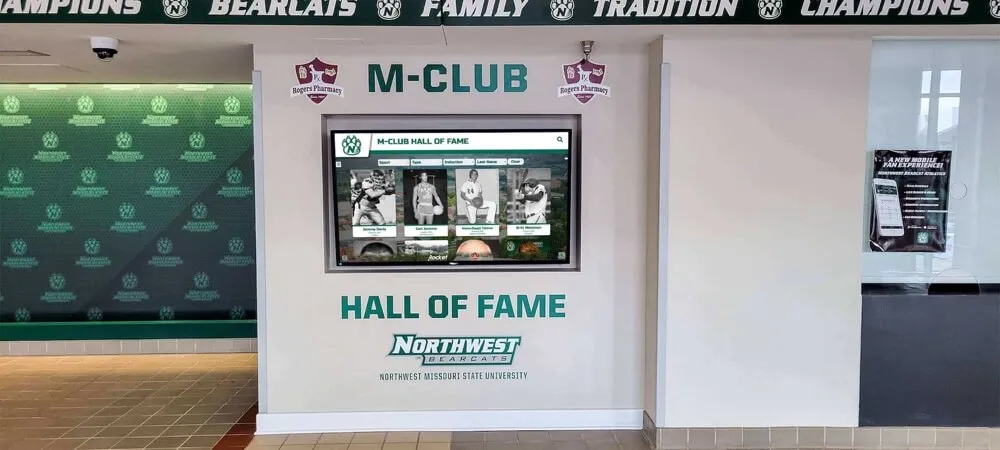
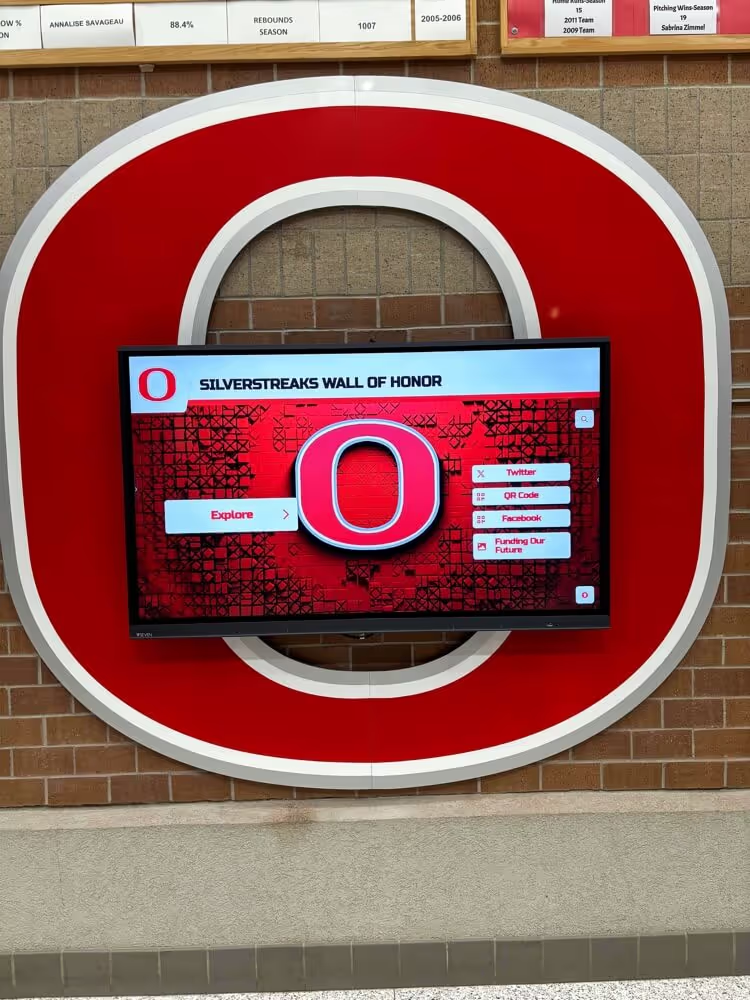
Solutions like interactive donor recognition screens create experiences that resonate with modern donors while providing unprecedented flexibility for organizations managing growing supporter bases across multiple campaigns and giving programs.
Why Interactive Systems Excel:
Digital donor walls solve the fundamental capacity problem plaguing physical recognition. Traditional plaque walls fill within years, forcing organizations into impossible choices between purchasing additional wall space, reducing recognition standards to accommodate more donors, or maintaining capacity limits that discourage some giving. Interactive systems eliminate these constraints entirely through unlimited digital capacity.
Content depth represents another transformative advantage. Where physical plaques constrain recognition to names and brief inscriptions, digital profiles tell complete donor stories. Organizations explain what inspired giving, show program impact funded by contributions, include donor testimonials about why they support the mission, and connect individual gifts to organizational achievements. This rich storytelling strengthens emotional bonds while demonstrating tangible results that inspire additional giving.
Remote management addresses the logistical burden of traditional recognition updates. Adding donors to physical walls requires coordinating with engraving vendors, scheduling installation appointments, and managing multi-week timelines between gift receipt and recognition display. Digital platforms enable instant updates from any location, allowing advancement staff to honor new donors immediately rather than waiting months for physical fabrication.
Web extension provides geographic reach that location-bound physical displays cannot match. Donors living far from organizational headquarters can explore comprehensive recognition online, sharing their inclusion with family members and social networks. This expanded visibility amplifies recognition value while demonstrating respect for distant supporters who cannot visit physical locations regularly.
Investment Framework:
Purpose-built interactive donor recognition systems require higher initial investment than basic digital signage but deliver dramatically superior functionality specifically designed for philanthropic recognition:
- Software Platform: $3,000-8,000 annually for comprehensive donor recognition systems with unlimited capacity and advanced features
- Display Hardware: $2,000-6,000 per touchscreen installation including commercial-grade displays, mounting, and necessary equipment
- Professional Installation: $1,000-3,000 for mounting, power infrastructure, network connectivity, and system configuration
- Content Migration: $2,000-10,000 for professional services converting historical donor data into digital recognition profiles
- Training and Support: Included with professional platforms, ensuring confident independent operation
Organizations should evaluate total cost of ownership over 5-7 year equipment lifecycles rather than focusing exclusively on initial investment. When comparing traditional plaque walls requiring $150-500 per new donor against digital systems accommodating unlimited donors within subscription pricing, the long-term value equation often favors digital approaches despite higher upfront costs.
Hybrid Recognition: Combining Traditional and Digital Elements
Many organizations implement strategic combinations of selective physical recognition for highest-profile donors with comprehensive digital systems accommodating all supporters, balancing symbolic permanence with practical functionality.
Strategic Hybrid Approaches:
Leadership Recognition Walls celebrate major benefactors through traditional plaques or architectural features providing the tangible permanence that seven-figure donors often expect, while comprehensive digital displays recognize all campaign supporters at every giving level. This combination honors major gift traditions while solving capacity constraints for broader donor bases.
Legacy Naming Opportunities receive permanent physical recognition on buildings, rooms, or endowments they fund, with digital donor walls providing the detailed storytelling explaining gift impact, honoring donor legacy, and connecting contributions to ongoing institutional mission. Physical nameplates provide the permanent markers donors value while digital content delivers depth that brief inscriptions cannot achieve.
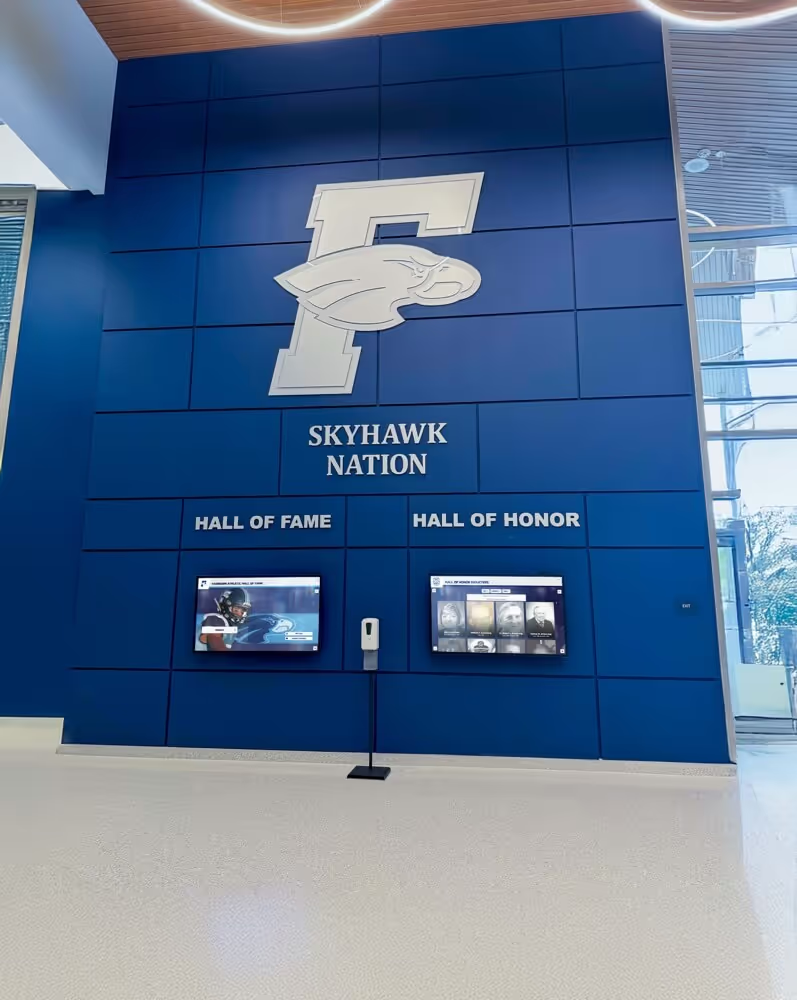
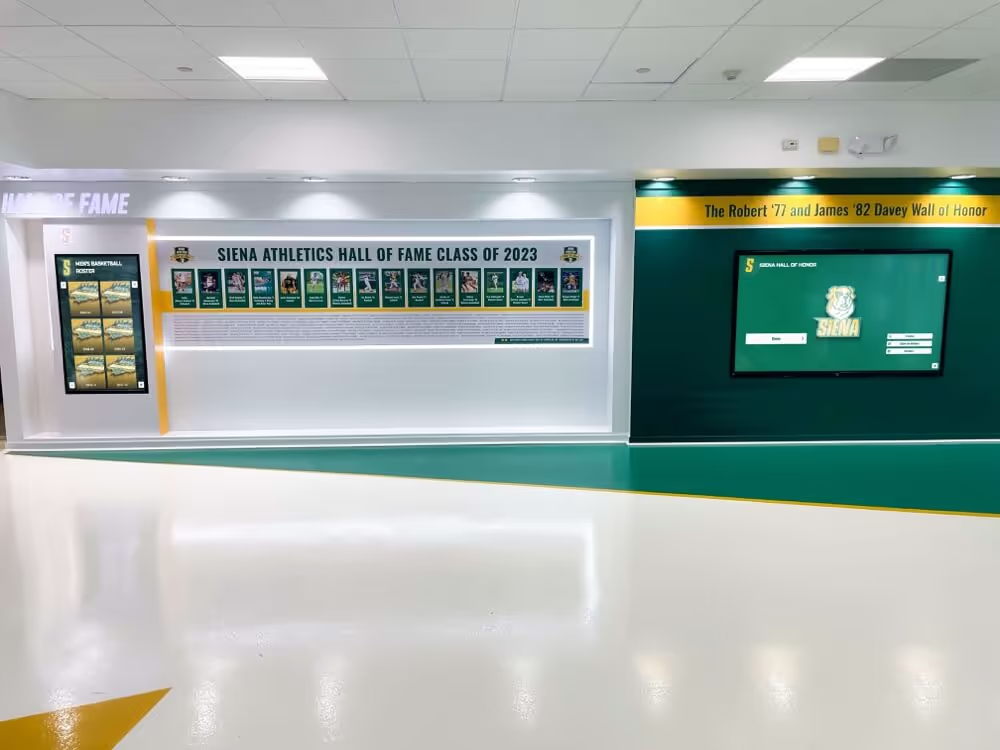
Giving Society Pillars create focal architectural elements listing founding members or highest giving levels through engraved materials, with adjacent touchscreen displays enabling exploration of complete membership, explaining society benefits, and showcasing impact funded by collective giving. This approach combines physical symbolism with digital utility.
Integration Strategies:
QR codes on physical plaques link to expanded digital profiles, enabling visitors to access comprehensive donor stories, campaign information, and impact documentation from their smartphones while standing before traditional recognition. This simple technology bridge connects physical and digital recognition seamlessly.
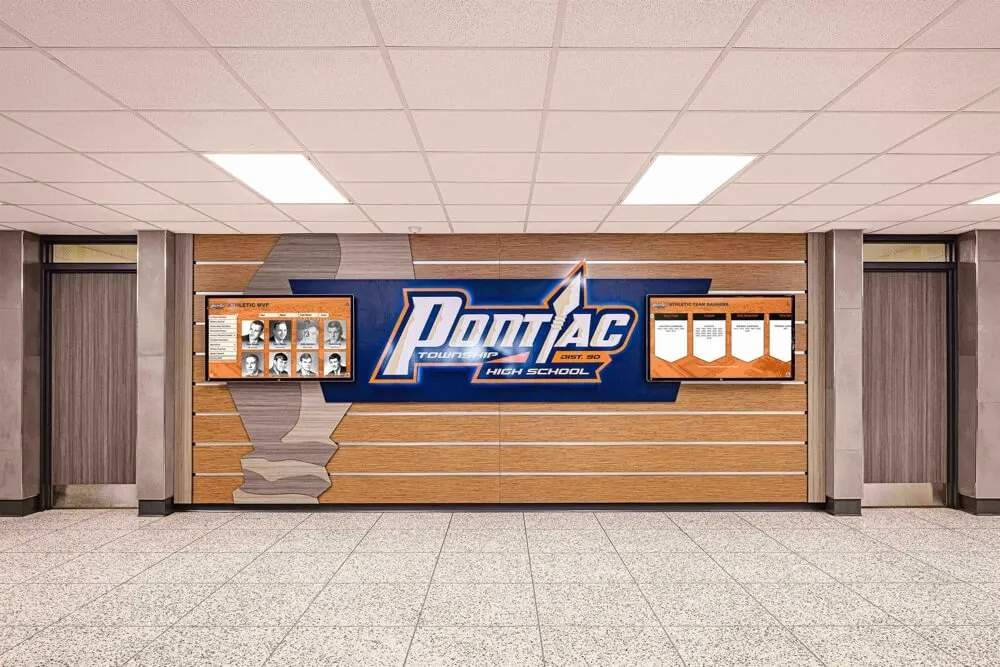
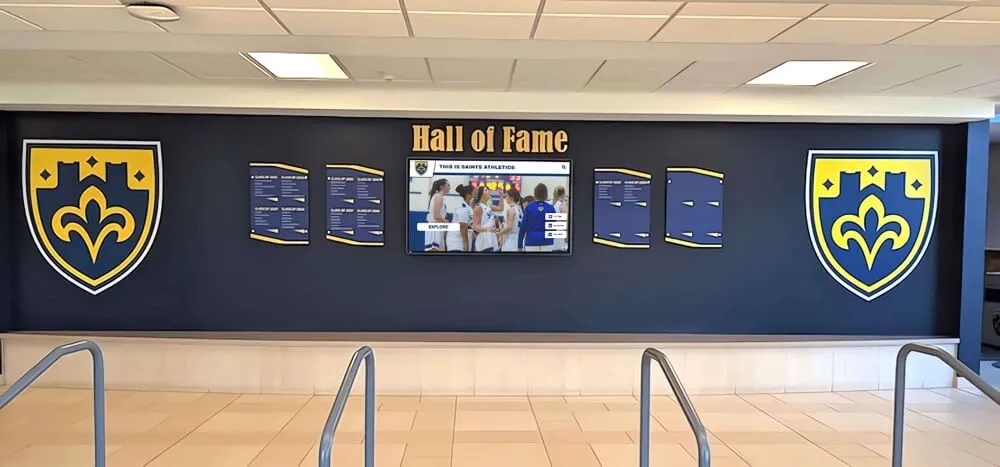
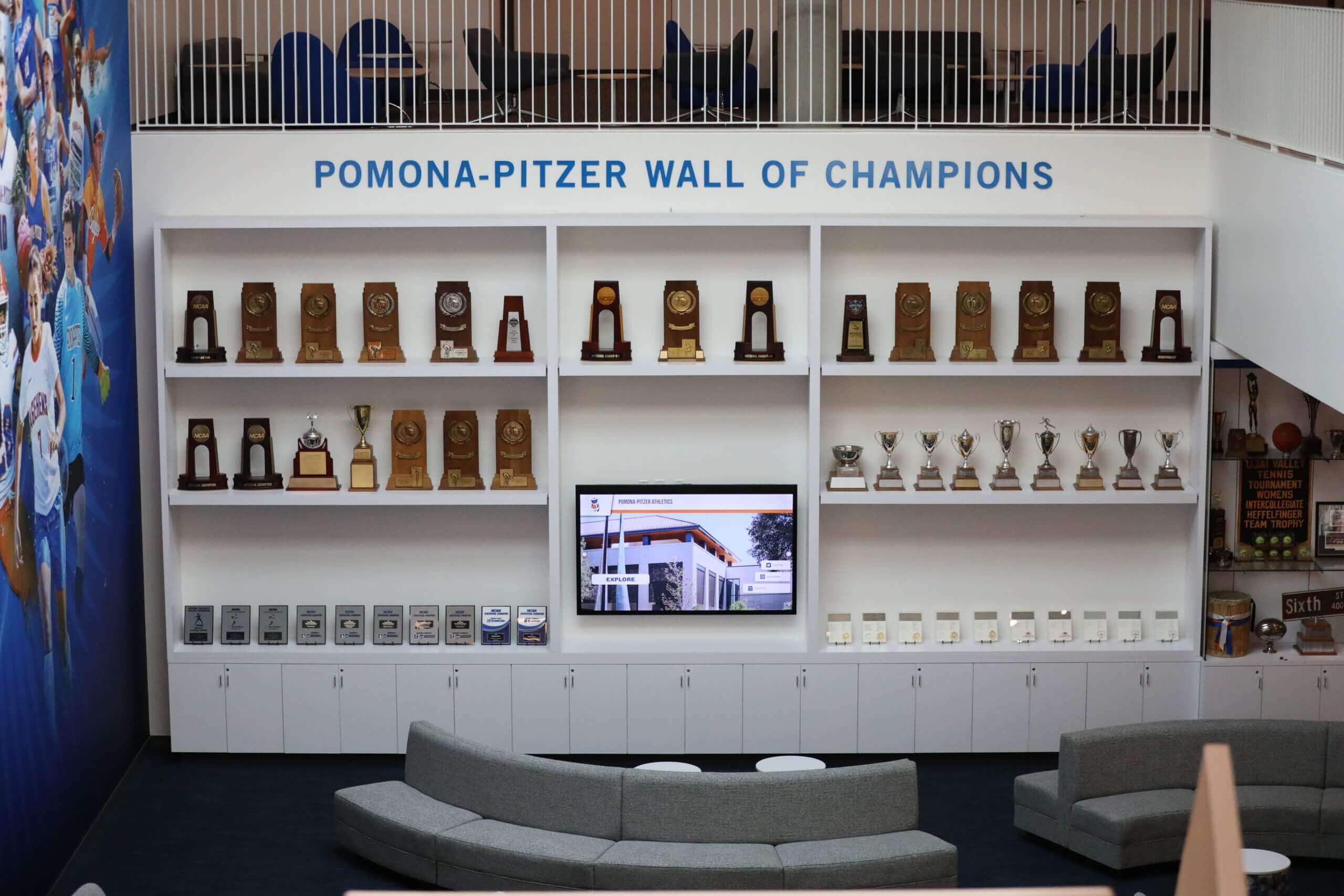
Digital displays positioned adjacent to traditional donor walls provide complementary functionality, with physical plaques honoring permanent legacy donors while touchscreens showcase current campaign progress, recent contributors, and dynamic impact storytelling. Strategic placement creates unified recognition experiences greater than either approach alone.
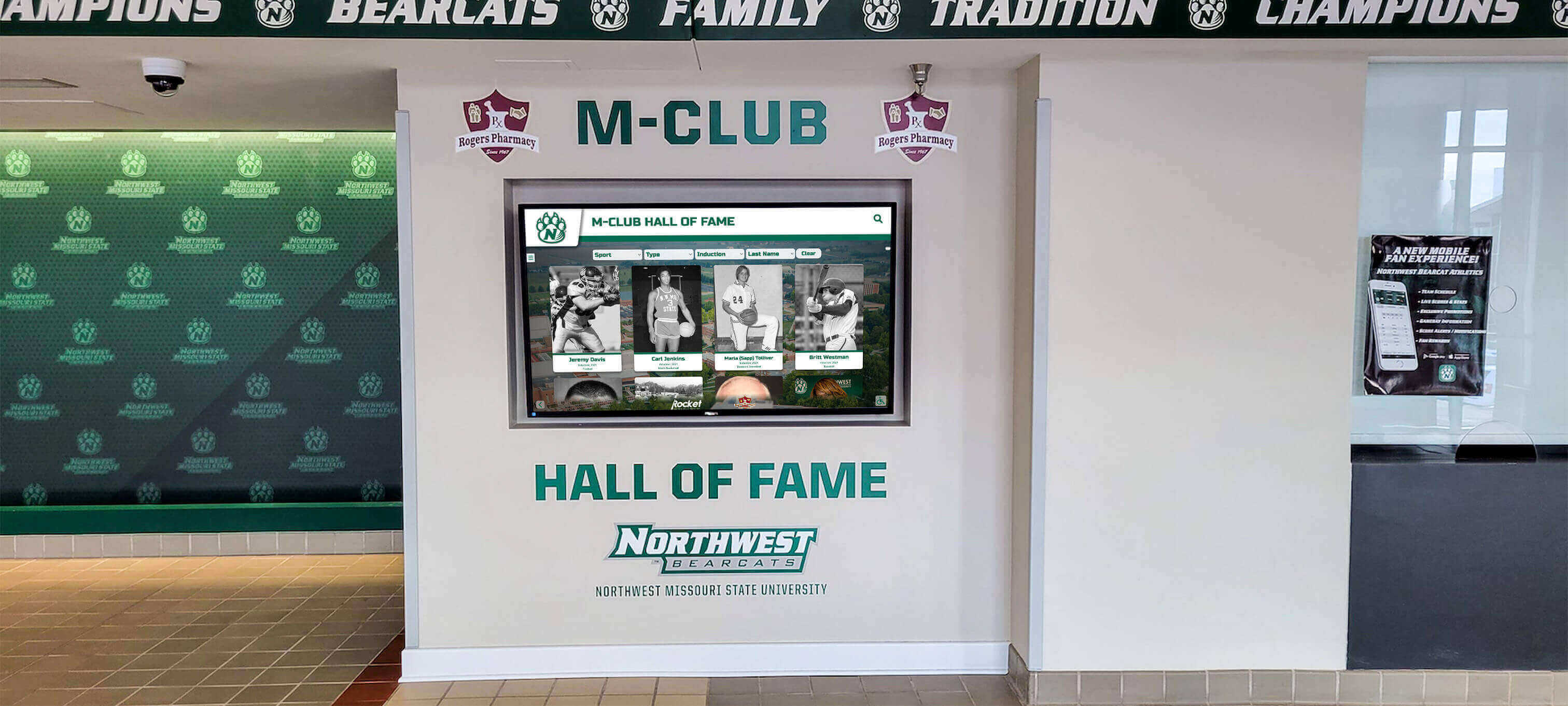
Hybrid implementations respect institutional traditions valuing physical permanence while embracing modern technology’s practical advantages. Organizations considering this approach should budget for both traditional fabrication costs and digital platform investment, understanding that hybrid solutions require greater total expenditure than choosing single approaches. However, the combination often delivers optimal donor satisfaction across diverse preference profiles while positioning organizations to transition gradually toward digital-primary recognition as physical spaces fill and donor expectations evolve.
Donor Wall Design Best Practices: Creating Effective Recognition
Recognition effectiveness depends on thoughtful design that honors donors appropriately while serving organizational fundraising objectives. These principles guide successful donor wall implementations regardless of format selected.
Giving Level Hierarchy and Visual Distinction
Clear visual organization communicating giving level significance helps donors understand where their contributions fit within broader philanthropic community while encouraging progression toward higher giving tiers.
Recognition Society Structure:
Most organizations establish 4-7 giving level categories spanning from modest annual donors through transformational major benefactors. Common structures include:
- Transformational Level: $1,000,000+ for naming opportunities and transformational impact
- Leadership Level: $250,000-999,999 for significant program funding and major facility components
- Benefactor Level: $100,000-249,999 for substantial program support and equipment funding
- Patron Level: $25,000-99,999 for meaningful program contributions
- Supporter Level: $10,000-24,999 for important operational support
- Friend Level: $1,000-9,999 for valued annual fund contributions
- Contributor Level: Under $1,000 for all supporters regardless of amount
Organizations adapt structures to their donor bases, with larger institutions establishing higher thresholds and more granular categories while smaller nonprofits recognize modest giving prominently. The key principle involves creating attainable giving levels for current donor capacity while establishing aspirational tiers encouraging increased support over time.
Visual Differentiation:
Physical walls communicate hierarchy through plaque sizes, materials, colors, or placement prominence. Major donors receive larger plaques, premium materials, or central wall positioning. Digital systems use size variations, color coding, badge graphics, or sort order conveying relative giving magnitude.
However, organizations must balance hierarchy recognition against creating uncomfortable comparisons that embarrass modest donors or appear exclusionary. Thoughtful design honors major gifts proportionately while ensuring all supporters feel valued rather than diminished. This balance requires testing designs with diverse donor representatives before finalizing approaches.
Comprehensive vs. Threshold-Based Recognition
Organizations face philosophical choices about recognition breadth: celebrate all donors regardless of amount, or establish minimum thresholds determining whose contributions merit permanent display.
Comprehensive Recognition Philosophy:
Many nonprofits recognize every donor on permanent donor walls regardless of gift size, believing that all contributions merit acknowledgment and that inclusive recognition strengthens community. This approach particularly fits organizations with strong annual fund cultures, membership models, or values emphasizing that every gift matters equally in building mission success.
Benefits include:
- Demonstrates that organization values all supporters equally
- Encourages initial modest giving without minimum barriers
- Creates sense of belonging for donors of all capacities
- Builds comprehensive community of support rather than exclusive clubs
- Positions giving as accessible to everyone rather than reserved for wealthy
Challenges involve:
- Requires unlimited recognition capacity that only digital systems efficiently provide
- May reduce prominence of major donors when presented alongside modest contributors
- Creates administrative burden managing thousands of donor names
- Risks appearing cluttered when physical space constraints force small text sizes
Threshold-Based Recognition:
Alternatively, organizations establish minimum giving levels determining permanent recognition eligibility, reserving donor wall inclusion for contributions above specific amounts. Common thresholds range from $1,000-25,000 depending on organizational scale and campaign goals.
Benefits include:
- Creates aspiration encouraging donors to reach recognition thresholds
- Maintains manageable donor wall scale fitting physical space constraints
- Ensures recognition prominence for supporters making meaningful contributions
- Allows separate recognition approaches for different giving levels
- Reduces administrative complexity managing fewer permanent honorees
Challenges involve:
- May discourage modest giving if donors feel excluded from recognition
- Creates arbitrary cutoffs where $999 receives no recognition but $1,000 does
- Limits recognition to donors of higher capacity, potentially seeming elitist
- Requires alternative recognition for below-threshold supporters to maintain engagement
Neither approach proves universally superior. Educational institutions often choose comprehensive recognition celebrating every alumnus contribution. Healthcare facilities may establish thresholds reflecting capital campaign focuses. Cultural organizations vary based on funding models and donor demographics. The key involves selecting approaches aligned with organizational values, donor expectations, and practical constraints rather than blindly following industry conventions.
Donor Privacy and Recognition Preferences
Respecting donor wishes regarding recognition visibility represents ethical obligation and legal requirement under many privacy regulations.
Anonymous Giving Options:
Organizations must provide straightforward methods for donors to decline recognition or request anonymity, honoring these preferences consistently. Common approaches include:
- Complete Anonymity: No public acknowledgment of gift or donor identity
- Partial Anonymity: Recognition as “Anonymous Donor” showing giving level without identity
- Friends and Family Recognition Only: Name sharing limited to private donor society listings
- Delayed Recognition: Inclusion on donor walls only after donor’s lifetime per estate plans
Donor database systems should prominently flag recognition preferences, with automated workflows preventing accidental public acknowledgment of private gifts. Staff training emphasizes double-checking preferences before any recognition display or publication.
Posthumous Recognition:
Estate gifts and memorial donations require sensitivity around recognition timing, name formats, and family involvement. Organizations should establish clear protocols determining:
- Whether recognition occurs immediately upon gift commitment or only after estate settlement
- If recognition honors deceased donor, surviving family members, or both
- What information displays beyond names (dates, relationships, memorial dedications)
- How organizations involve families in recognition design and messaging decisions
- Whether memorial gifts from multiple donors aggregate into collective tributes
Name Format Standards:
Consistent formatting prevents confusion while respecting donor preferences for how they appear in recognition:
- Formal names (Dr. John Smith) versus preferred names (Jack Smith)
- Business recognition (Smith Family Foundation) versus personal names (John and Mary Smith)
- Joint recognition formats (Mr. and Mrs. John Smith versus John and Mary Smith)
- Professional titles and credentials inclusion or omission
- Geographic identifiers when multiple donors share identical names
Organizations should request preferred recognition formats during gift processing rather than assuming formats from database records that may reflect formal names donors don’t actually use.
Industry-Specific Donor Wall Considerations
Different institutional types face unique recognition challenges requiring tailored approaches reflecting sector-specific donor relationships and organizational contexts.
Educational Institution Donor Walls
Schools, colleges, and universities typically maintain extensive annual fund programs supplemented by periodic capital campaigns, creating recognition needs spanning thousands of modest annual donors through transformational major benefactors.
Academic Recognition Contexts:
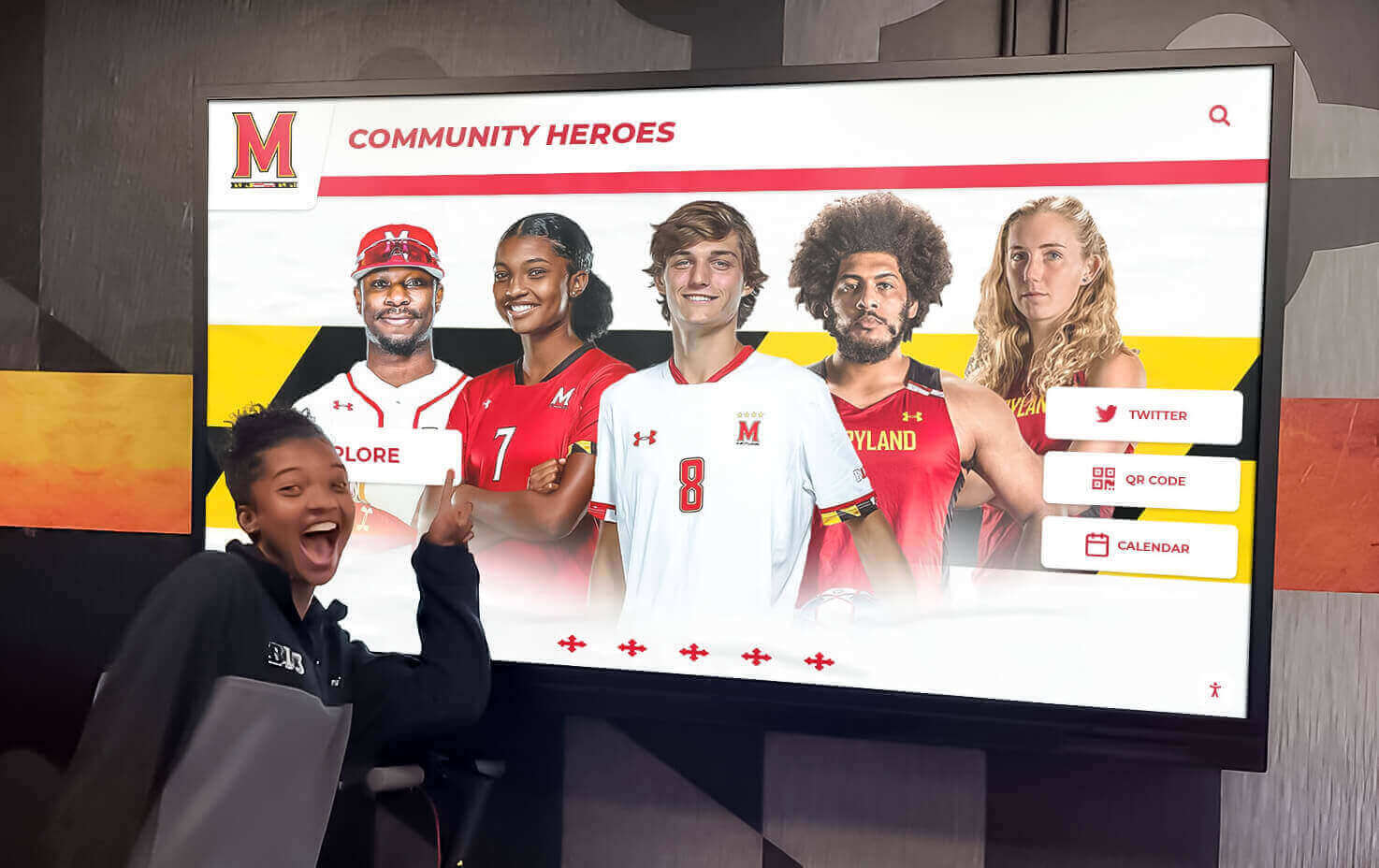
Educational donor walls often combine with alumni recognition, creating integrated displays celebrating both philanthropic support and distinguished graduate achievement. This combination makes sense for institutions where alumni represent primary donor constituencies, with recognition honoring both what graduates accomplished professionally and how they give back to institutions that launched their success.
Scholarship donor recognition deserves special consideration, with displays connecting donors to the students they enable. Organizations might feature scholarship recipient profiles alongside donor recognition, creating emotional connections between giving and impact. Some institutions invite students to share testimonials explaining how scholarships changed their lives, providing powerful recognition for donors that transcends simple name listings.
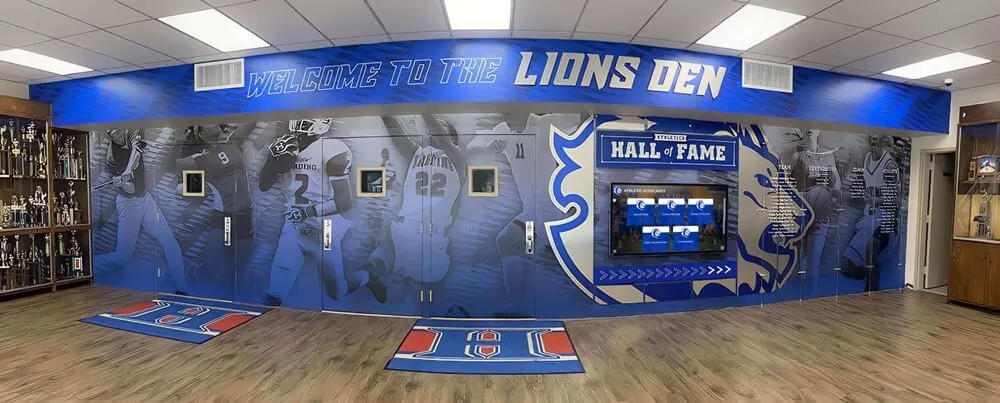
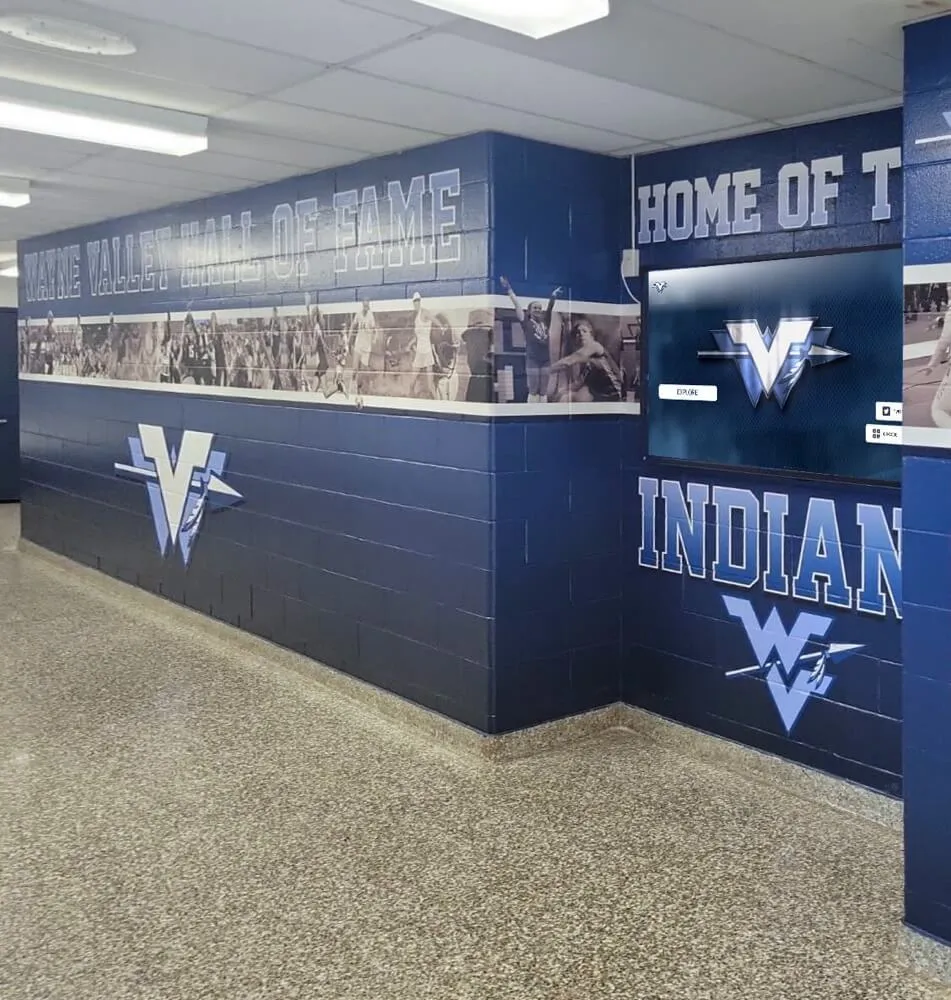
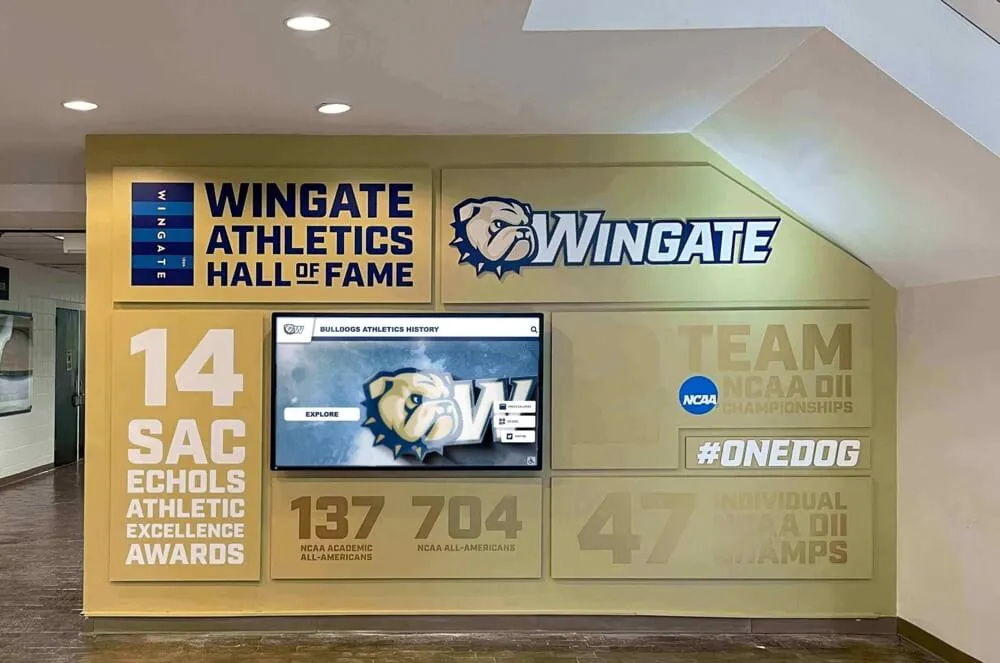
Athletic facilities present unique donor recognition opportunities in universities where sports programs inspire passionate giving. Stadium clubs, field houses, and training facilities often feature extensive donor walls celebrating boosters funding program success. These athletic donor walls might integrate historical team achievements, championship celebrations, and player recognition alongside philanthropic acknowledgment.
Educational institutions should explore comprehensive donor wall strategies that align recognition with institutional culture and alumni engagement priorities.
Healthcare Donor Recognition
Hospitals, medical centers, and healthcare systems face particular sensitivities around donor recognition given patient care contexts and healing environments that require careful design consideration.
Healthcare-Specific Challenges:
Medical facilities must balance donor recognition prominence against patient comfort and family sensitivities. Donor walls in hospital lobbies or treatment areas should project dignity and calm rather than overwhelming spaces meant to provide healing comfort. Design aesthetics tend toward understated elegance over bold architectural statements that might seem inappropriate in healthcare settings.
Many healthcare donors give in memorial or tribute, creating recognition walls that serve as grieving spaces for families honoring lost loved ones. These memorial walls require particular design sensitivity, with quiet areas enabling private reflection rather than high-traffic locations treating recognition as public spectacle.
Patient confidentiality regulations may limit donor recognition opportunities in certain clinical areas where visitor access is restricted or where donor visibility might conflict with privacy requirements. Healthcare advancement teams must coordinate donor wall placement with compliance officers ensuring recognition respects all regulatory obligations.
Giving societies in healthcare often structure around clinical departments or equipment funding, with separate recognition for cancer center supporters, children’s hospital donors, medical research contributors, and general operating support. This departmental structure may require distributed recognition across multiple locations rather than centralized donor walls, raising questions about maintaining consistent quality and coordinating recognition standards.
Nonprofit and Social Service Agency Donor Walls
Community nonprofits, social service organizations, and charitable agencies typically operate with modest budgets requiring cost-effective recognition that maximizes fundraising impact relative to investment.
Resource-Constrained Recognition:
Smaller nonprofits often lack dedicated advancement offices or donor relations professionals, placing recognition program management on executive directors or development coordinators managing many responsibilities. Recognition solutions must be straightforward to maintain without specialized expertise, favoring intuitive platforms over complex systems requiring training.
Budget limitations may push nonprofits toward basic recognition approaches even when comprehensive solutions would better serve mission and donor relationships. Organizations should resist choosing cheapest options that undermine recognition effectiveness, instead exploring phased implementations enabling professional platforms within realistic budgets. Starting with single touchscreen displays serving as proof of concept, then expanding as fundraising success enables additional investment, proves more effective than comprehensive traditional installations quickly becoming inadequate.
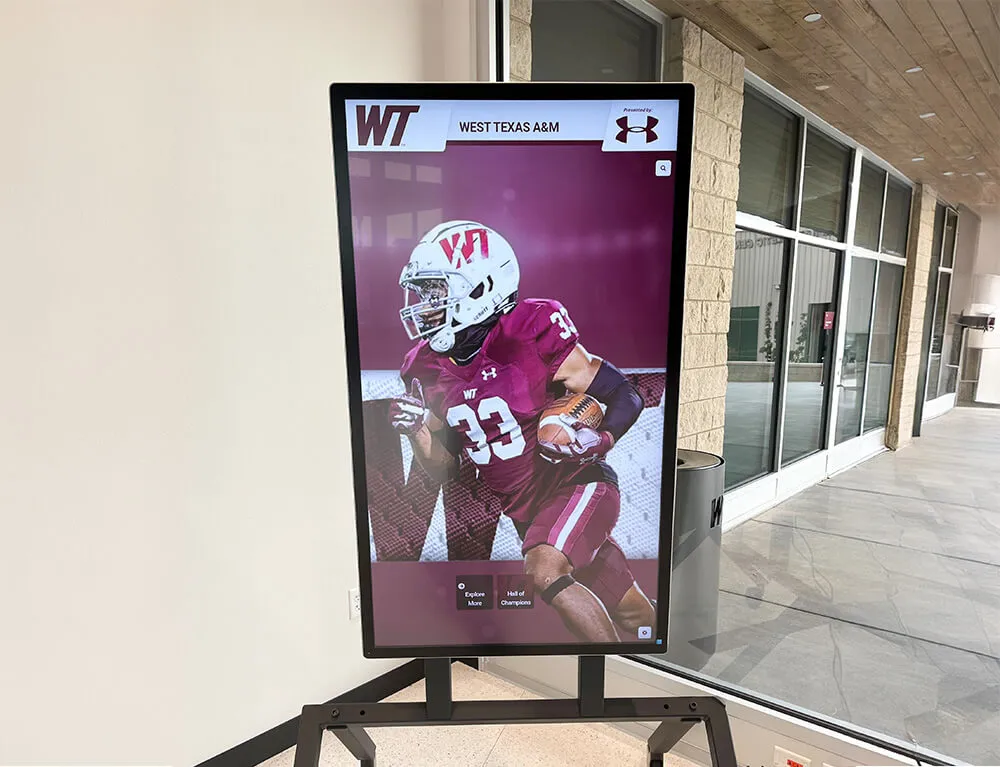
Physical facility constraints challenge nonprofits operating in rented spaces, older buildings, or locations lacking optimal recognition areas. Mobile or freestanding recognition kiosks provide alternatives to permanent wall installations when building modifications are impossible or inadvisable in leased facilities.
Many social service nonprofits serve vulnerable populations where ostentatious donor recognition might seem inappropriate given the economic disparities between philanthropists and program beneficiaries. Thoughtful recognition balances honoring generosity against maintaining focus on mission and people served rather than celebrating wealth.
Museum, Arts, and Cultural Institution Donor Recognition
Museums, performing arts centers, historical societies, and cultural organizations often pursue sophisticated recognition approaches reflecting artistic missions and curatorial aesthetics.
Curatorial Integration:
Cultural institutions expect donor recognition quality matching exhibition standards and artistic programming excellence. Generic donor walls appearing disconnected from institutional aesthetic undermine rather than enhance organizational image. Recognition must reflect curatorial sensibilities, architectural contexts, and artistic standards defining institutional character.
Many cultural organizations commission artists to create custom donor recognition installations that function as art pieces while celebrating philanthropy. Sculptural donor walls, artistic interpretations of giving, or creative approaches to name display demonstrate institutional commitment to artistic excellence while honoring supporters. These custom art installations typically require significant investment but create signature recognition befitting institutions built on artistic distinction.
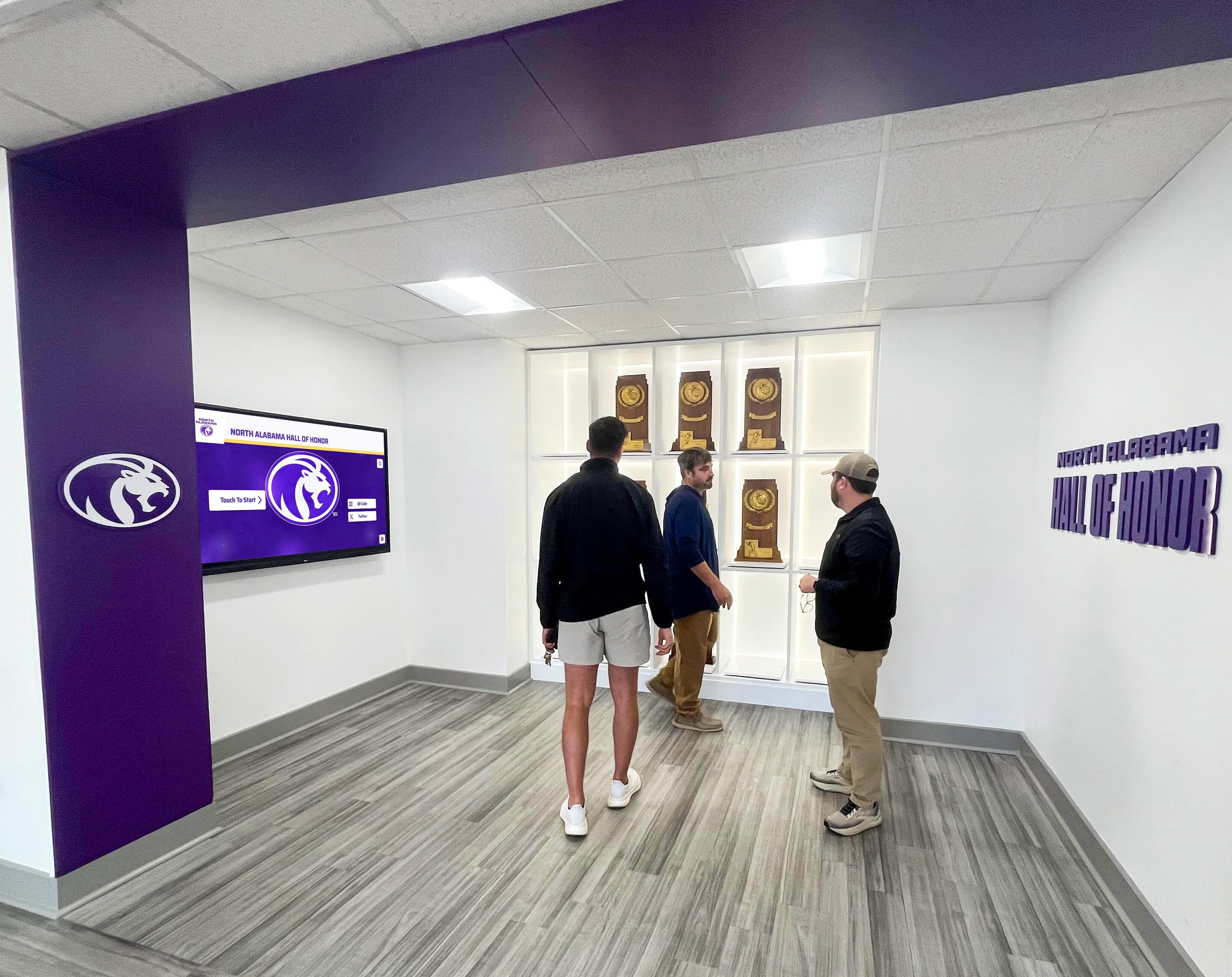
Museum donor walls frequently integrate with exhibition spaces, connecting philanthropic support directly to collections or programs funded by contributions. Donors enabling particular acquisitions or exhibitions appreciate recognition in galleries where visitors experience results of their generosity. This contextual recognition strengthens emotional bonds between giving and institutional mission.
Membership vs. Major Donor Recognition:
Many cultural institutions maintain membership programs generating annual operating support from thousands of modest contributors, alongside major gift programs securing transformational benefactor support. These dual funding models require differentiated recognition approaches, with comprehensive membership rolls celebrated separately from major donor walls honoring transformational giving.
Some museums maintain online membership directories rather than physical recognition, reserving limited display space for major benefactors while ensuring all members receive appropriate acknowledgment through digital platforms. This hybrid approach addresses space constraints while maintaining comprehensive recognition values.
Donor Wall Content and Messaging Strategies
Recognition quality depends on content richness and messaging thoughtfulness rather than simply listing names and amounts.
Impact Storytelling and Mission Connection
The most effective donor walls extend beyond name listings to explain philanthropic impact and connect giving directly to organizational mission achievement.
Content Elements:
Organizations should develop content explaining:
- What Donations Accomplished: Specific facilities, programs, services, or outcomes that gifts enabled
- Who Benefits: Students educated, patients served, artwork acquired, research conducted, communities strengthened
- Ongoing Impact: How contributions continue serving mission years after initial gifts
- Campaign Context: Broader fundraising initiatives that individual gifts supported collectively
- Donor Motivation: Why supporters chose to give, what inspired their philanthropy, what they hope to achieve
Digital donor recognition systems excel at this storytelling through video testimonials, photo galleries documenting program impact, before-and-after facility images, and narrative descriptions connecting giving to tangible results. Traditional physical walls constrain storytelling to brief inscriptions, limiting ability to demonstrate comprehensive impact.
Testimonial Integration:
Donor testimonials explaining giving motivations provide powerful content for recognition displays. Organizations should invite major benefactors to share brief statements about why they support the mission, what the organization means to them personally, or what they hope their gifts will accomplish. These first-person perspectives create emotional resonance that third-party descriptions cannot achieve.
Similarly, beneficiary testimonials from students, patients, program participants, or community members expressing gratitude demonstrate gift impact through authentic voices. Scholarship students explaining how donor generosity changed their lives, patients describing how medical advances funded by philanthropy saved them, or community members showing neighborhood improvements enabled by charitable support create compelling recognition content that inspires future giving.
Memorial and Tribute Gift Recognition
Gifts honoring deceased individuals or celebrating living honorees require particular messaging sensitivity distinguishing tribute recognition from donor recognition.
Format Considerations:
Memorial gift recognition should clearly indicate whose memory the gift honors versus who made the contribution, avoiding confusion about identity. Common formats include:
- “In loving memory of [Deceased Name], gift from [Donor Name]”
- “In honor of [Honoree Name] on their retirement, contributed by [Donor Name]”
- “[Deceased Name] Memorial Fund, established by the [Family Name]”
Some organizations maintain separate memorial walls dedicated exclusively to tribute giving, recognizing both donors and honorees comprehensively. These dedicated memorial spaces provide contemplative environments appropriate for remembrance rather than mixing memorial recognition with general donor walls in high-traffic public areas.
Tribute recognition becomes particularly complex when multiple donors contribute to memorial funds honoring single individuals. Organizations must decide whether to recognize the memorial fund as entity separate from individual contributors, list all donors who contributed to the fund, or use hybrid approaches naming the fund prominently with supplementary donor listings.
Campaign Branding and Visual Identity
Donor walls represent visual manifestation of campaign identity, requiring design coordination with broader fundraising communications ensuring consistent branding and messaging.
Design Alignment:
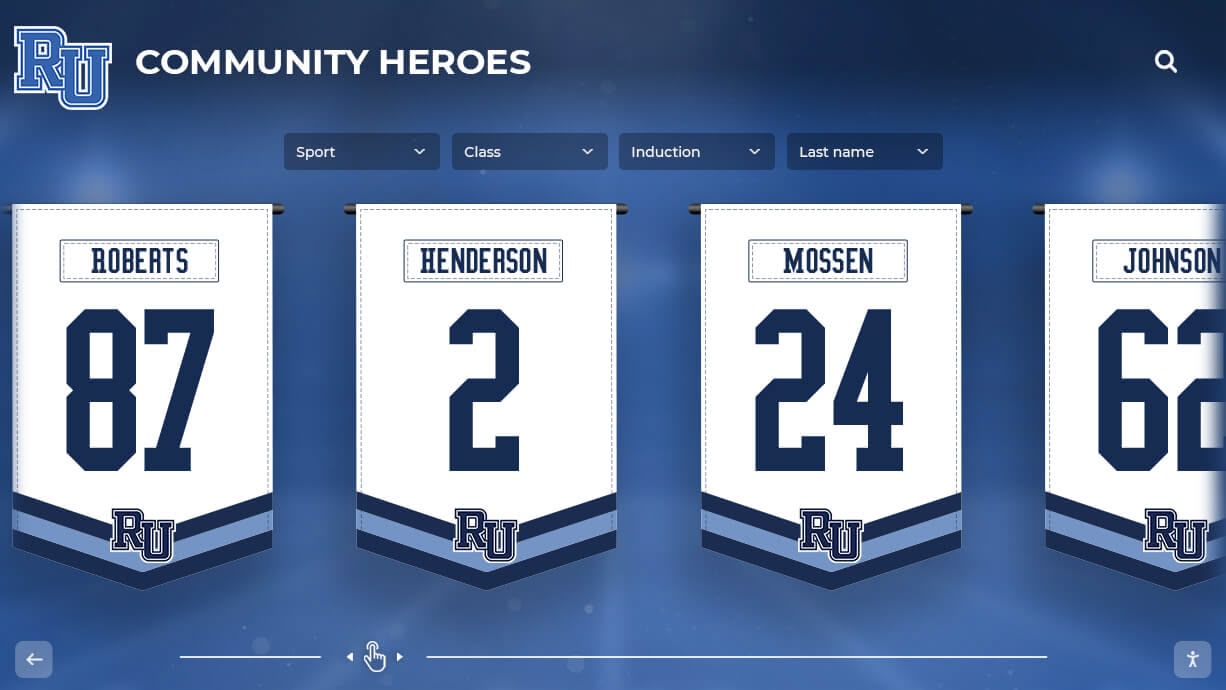
Color schemes, typography, graphic elements, and visual treatments on donor walls should reflect campaign branding establishing recognition continuity with marketing materials, pledge forms, event materials, and digital communications that donors encountered during solicitation. This design consistency reinforces professional quality while creating coherent campaign identity spanning all touchpoints.
Campaign taglines, logos, and key messages featured prominently in fundraising materials might integrate into donor wall designs, connecting recognition to broader campaign narratives. However, organizations should consider longevity when incorporating time-bound campaign branding into permanent recognition displays. While campaign materials naturally become dated as initiatives conclude, donor walls persist for decades. Design approaches must balance campaign connection against timeless quality that remains appropriate long after campaigns end.
Selecting the Right Donor Wall Solution: Decision Framework
Choosing between traditional physical donor walls and modern digital recognition systems requires evaluating multiple factors beyond simple cost comparison.
When Traditional Plaque Walls Work Best
Physical plaque recognition remains appropriate for organizations where specific circumstances favor traditional approaches:
Favorable Conditions for Traditional Recognition:
- Limited Donor Volume: Organizations recognizing fewer than 100-200 donors total can accommodate recognition needs within physical wall capacity without confronting space limitations
- Established Tradition: Institutions with long-standing physical recognition programs where donors expect traditional plaque continuity may face resistance to format changes
- Facility Limitations: Buildings lacking reliable power or network infrastructure necessary for digital displays, or architectural contexts where technology seems inappropriate
- Donor Demographic Preferences: Supporter bases skewing older and expressing explicit preferences for tangible physical recognition over digital alternatives
- Budget Constraints: Organizations with severely limited upfront budgets where traditional plaque initial costs prove more manageable than digital platform investment
- Minimal Change Frequency: Recognition programs adding only 1-5 donors annually where update logistics don’t create ongoing burdens
Organizations meeting most of these criteria may find traditional recognition adequate for current needs. However, even when traditional approaches work presently, most organizations eventually confront capacity limitations, update burdens, or donor engagement challenges that digital systems address more effectively. Thinking ahead prevents investing in recognition that becomes inadequate within 5-10 years.
When Digital Donor Recognition Excels
Modern digital donor wall systems provide superior solutions for organizations facing any of these common circumstances:
Compelling Reasons Favoring Digital Recognition:
- Growing Donor Bases: Organizations recognizing hundreds or thousands of donors who cannot fit on physical walls regardless of investment
- Active Annual Campaigns: Institutions adding 20+ donors annually where constant physical updates become burdensome and expensive
- Comprehensive Recognition Philosophy: Organizations committed to honoring all supporters regardless of gift size, requiring unlimited capacity
- Limited Physical Space: Facilities lacking adequate wall space for traditional recognition or where prime locations are already allocated
- Modern Donor Expectations: Younger donor demographics expecting digital engagement and interactive experiences rather than static displays
- Geographic Reach: Organizations with distributed supporter bases where many donors never visit physical locations but appreciate online recognition access
- Impact Storytelling Priorities: Institutions wanting to demonstrate philanthropic outcomes through rich multimedia content beyond name listings
- Content Management Efficiency: Organizations seeking streamlined recognition updates without vendor dependencies or multi-week timelines
- Multi-Location Coordination: Systems managing donor recognition across multiple buildings, campuses, or chapter locations requiring centralized control
- Analytics and Engagement Insights: Institutions wanting data about how visitors interact with recognition and what content resonates most effectively
Digital recognition platforms particularly benefit organizations running comprehensive campaigns where donor volume, update frequency, and engagement priorities exceed what physical displays can efficiently accommodate. Explore how digital donor wall systems serve nonprofit recognition across diverse organizational contexts.
Comparative Analysis Framework
Organizations should evaluate donor wall options systematically across multiple criteria rather than focusing exclusively on costs:
Traditional Plaque Walls
- Initial Investment: $15,000-65,000 for 100 donors
- Per-Donor Costs: $150-500 ongoing as recognition grows
- Space Capacity: Fixed limits requiring difficult expansion decisions
- Update Process: Weeks-long vendor coordination for each addition
- Content Depth: Name and basic inscription only
- Geographic Access: Physical location only
- Donor Engagement: Passive viewing only
- Maintenance: Periodic cleaning and refurbishment
Interactive Digital Recognition
- Initial Investment: $10,000-25,000 for comprehensive system
- Per-Donor Costs: $0 ongoing with unlimited capacity
- Space Capacity: Unlimited digital accommodation
- Update Process: Instant remote updates from anywhere
- Content Depth: Complete profiles with multimedia storytelling
- Geographic Access: Physical displays plus web platforms
- Donor Engagement: Interactive exploration and discovery
- Maintenance: Software updates and annual hardware support
Organizations should calculate 5-10 year total cost of ownership rather than comparing only initial investments. Digital systems often deliver superior long-term value despite higher upfront costs when ongoing per-donor expenses and update labor are factored comprehensively.
Implementation Planning and Project Management
Successful donor wall projects follow systematic approaches ensuring quality results on schedule and within budget constraints.
Forming Recognition Planning Committees
Essential Stakeholders:
Effective planning requires input from diverse perspectives representing different organizational interests and stakeholder constituencies:
- Development Leadership: Provides fundraising strategy context and donor relations priorities
- Major Gift Officers: Share insights about principal donor expectations and recognition preferences
- Facilities Management: Addresses technical requirements, architectural constraints, and installation logistics
- Communications Professionals: Ensures visual identity consistency and messaging alignment
- Executive Leadership: Provides strategic direction and final decision authority
- Finance Representatives: Manages budget parameters and procurement processes
- Board Members: May offer donor perspectives and approval authority for major investments
- Donors Themselves: Advisory input from representative supporters prevents designs that organizations prefer but donors dislike
Committee Responsibilities:
Planning teams should systematically address:
- Defining recognition vision, objectives, and philosophical approaches (comprehensive vs. threshold-based)
- Establishing giving level structures and recognition society tiers
- Determining budget parameters and identifying funding sources
- Evaluating traditional versus digital options against organizational needs
- Selecting vendors through competitive processes or sole-source justifications
- Developing content standards and gathering historical donor information
- Creating launch strategies and determining installation timing
- Planning for long-term program sustainability and ongoing management
Vendor Selection and Evaluation
Organizations should evaluate donor wall providers systematically across multiple criteria:
Critical Evaluation Factors:
- Sector Experience: Vendor track record serving similar institutional types and scale
- Reference Checking: Conversations with current customers about implementation quality, support responsiveness, and long-term satisfaction
- Technical Capabilities: Platform features, capacity limitations, content management approaches, and integration options
- Design Quality: Portfolio review showing aesthetic range and ability to match institutional character
- Implementation Support: Project management, content migration assistance, training comprehensiveness, and timeline reliability
- Ongoing Service: Support responsiveness, update frequency, hardware warranties, and long-term vendor viability
- Total Cost Transparency: Clear pricing covering all costs without hidden fees or unexpected charges
Organizations should request detailed proposals from multiple vendors, conduct live demonstrations, visit existing installations at comparable institutions, and check references thoroughly before making decisions involving long-term commitments and substantial investment.
Solutions like Rocket Alumni Solutions provide specialized donor recognition platforms with proven track records across educational institutions, healthcare organizations, and nonprofit agencies. Purpose-built recognition systems deliver capabilities that adapted generic tools cannot match while providing dedicated support ensuring successful implementations.
Content Development and Migration Strategy
Recognition quality depends on content richness requiring systematic development and historical donor data conversion.

Historical Data Challenges:
Organizations implementing new donor walls face significant content development effort converting years or decades of giving history into formats appropriate for modern recognition displays. Donor information may exist across:
- Multiple obsolete databases with inconsistent data quality
- Paper records requiring manual data entry
- Old plaque inscriptions needing transcription
- Incomplete information missing recognition preferences, proper name formats, or gift dates
- Unresolved questions about deceased donors, merged records, or duplicate entries
Professional content migration services accelerate this process while ensuring data accuracy and completeness. Organizations should budget realistically for vendor assistance or dedicated staff time rather than assuming historical data conversion happens quickly or easily.
Ongoing Content Standards:
Establishing clear standards prevents recognition inconsistency as different people manage donor additions over time:
- Consistent name formatting and title usage
- Standardized giving level descriptions and category naming
- Photo quality requirements and image dimensions
- Biographical content length and narrative tone
- Update frequency and approval workflows
- Quality control review processes before publication
Written documentation ensures institutional knowledge persists across staff transitions while maintaining recognition program quality despite personnel changes.
Measuring Donor Wall Impact and ROI
Organizations should track recognition effectiveness through quantitative metrics and qualitative feedback informing continuous improvement.
Fundraising Performance Indicators
Direct Impact Metrics:
- Donor Retention Rates: Comparing retained support percentages before and after recognition implementation
- Average Gift Size Growth: Tracking whether recognized donors increase contributions over time
- Recognition Society Growth: Monitoring movement of donors from lower to higher giving levels
- Major Gift Pipeline: Assessing whether recognition programs strengthen prospect cultivation
- Campaign Progress: Evaluating if improved recognition accelerates campaign goal achievement
- Leadership Gift Pace: Measuring if prominent recognition increases principal gift commitments
Organizations should establish baseline metrics before recognition program launches, enabling measurement of changes attributable to improved donor acknowledgment. While recognition represents only one factor among many influencing fundraising outcomes, tracking correlations provides insights about program effectiveness.
Stakeholder Feedback and Satisfaction
Qualitative Assessment:
Beyond quantitative fundraising metrics, organizations should gather donor perspectives through:
- Post-gift surveys asking donors about recognition experience and satisfaction
- Focus groups with recognition society members exploring preferences and suggestions
- Donor testimonials volunteering positive feedback about recognition programs
- Unsolicited comments from supporters sharing emotional responses to seeing their names honored
- Board member observations from donor interactions and event conversations
- Development officer reports from donor meetings discussing recognition
Negative feedback deserves particular attention. Donors expressing dissatisfaction with recognition formats, errors in their listings, insufficient prominence, or other concerns provide valuable improvement insights while raising relationship concerns requiring immediate resolution.
Return on Investment Analysis
Organizations should document total recognition program investment against measurable benefits:
Cost Components:
- Initial design, fabrication, and installation expenses
- Ongoing maintenance, updates, and content management labor
- Technology subscriptions, support, and hardware replacement over time
- Staff time coordinating vendors, managing content, and administering programs
Value Delivered:
- Increased donor retention and lifetime value from improved recognition
- Accelerated campaign progress from enhanced donor engagement
- Cost avoidance versus alternatives (traditional recognition ongoing per-donor costs)
- Secondary benefits like volunteer recruitment, event attendance, and community pride
Professional recognition programs generate positive ROI through improved donor relationships, increased giving, and stronger constituent engagement. However, organizations should document these returns systematically rather than assuming value without measurement.
Common Donor Wall Mistakes and How to Avoid Them
Organizations frequently encounter predictable challenges that careful planning and realistic expectations can prevent.
Underestimating Implementation Timelines
Realistic Timeline Expectations:
Comprehensive donor wall projects typically require 4-8 months from initial planning through installation completion:
- Months 1-2: Committee formation, needs assessment, vendor evaluation, and selection
- Months 2-3: Design development, content planning, and technical specifications
- Months 3-5: Fabrication, content migration, and system configuration
- Months 5-6: Installation, testing, training, and launch preparation
Organizations announcing recognition programs to donors before securing approvals, confirming budgets, or completing vendor selection create problems when timelines slip and promised recognition doesn’t materialize as expected. Better to complete planning thoroughly before public announcements than manage donor disappointment from delays.
Inadequate Budget Planning
Organizations often underestimate total recognition costs, focusing on initial purchase prices while overlooking:
- Professional installation requiring electrical work, network infrastructure, or structural modifications
- Content development services converting historical donor data into recognition formats
- Staff training ensuring confident independent operation
- Ongoing maintenance, subscriptions, and eventual hardware replacement
- Contingency reserves for unexpected issues or requirement changes
Budget shortfalls forcing compromises on recognition quality or leaving projects incomplete create worse outcomes than realistic initial planning preventing inadequate funding.
Poor Content Planning
Organizations sometimes implement recognition systems before developing comprehensive content plans, resulting in incomplete launches that disappoint donors and undermine program credibility:
- Installing displays before gathering complete historical donor information creates embarrassing gaps
- Launching programs with placeholder content planning to add details later typically results in never completing promised enhancements
- Failing to establish content standards leads to inconsistent recognition quality
- Overlooking donor privacy preferences creates compliance problems and relationship damage
Content development deserves equal attention with technology selection, facility planning, and budget management. Organizations should complete content migration before announcing program launches rather than treating recognition as technology implementation separate from information requirements.
Future Trends in Donor Recognition
Emerging technologies and evolving donor expectations continue transforming how organizations approach philanthropic acknowledgment.
Mobile Integration and Digital Engagement
Donors increasingly expect recognition extending beyond physical displays to mobile-accessible platforms enabling sharing on social media, including in personal websites, and demonstrating philanthropic commitments to professional networks.
QR code integration enables smartphone connections between physical recognition and digital content, allowing visitors to explore comprehensive donor stories from mobile devices while viewing physical displays. This technology bridge creates seamless experiences spanning analog and digital environments.
Organizations implementing digital recognition should ensure mobile-responsive design enabling proper display across smartphones, tablets, laptops, and large-format touchscreens. Donors exploring recognition on various devices expect quality presentation regardless of access method.
Personalization and Donor-Controlled Content
Some advanced donor recognition systems enable donors to manage their own profiles, updating biographical information, sharing personal messages, uploading photos, or connecting recognition to social media. This personalization creates engagement opportunities while reducing organizational content management burden.
However, donor-controlled content requires careful governance ensuring quality standards, appropriate messaging, and organizational approval before publication. Automated content review and approval workflows balance donor autonomy against institutional quality control.
Virtual and Augmented Reality Recognition
Emerging technologies enable immersive recognition experiences extending beyond traditional displays. Some organizations experiment with:
- Virtual donor wall tours accessible remotely through VR headsets
- Augmented reality overlays adding digital content layers to physical recognition spaces
- 3D donor wall environments created entirely digitally without physical installations
- Holographic displays creating dramatic visual presentations
While these technologies generate excitement, organizations should evaluate practical value against novelty appeal. Most donors appreciate functional recognition they can access easily rather than experimental technologies requiring special equipment or technical sophistication.
Conclusion: Strategic Donor Recognition That Honors Giving and Advances Mission
Donor walls represent strategic investments in philanthropic relationships, organizational culture, and long-term fundraising success. Whether organizations choose traditional physical displays, modern interactive digital systems, or hybrid approaches combining both, the core objective remains constant: honoring individual generosity while strengthening institutional capacity to serve mission through sustainable philanthropy.
The most effective donor recognition programs share common characteristics including appropriate prominence communicating organizational values, comprehensive coverage ensuring all supporters receive acknowledgment matching gift significance, compelling storytelling connecting giving to tangible impact, respectful implementation honoring donor preferences and privacy, professional quality reflecting institutional standards, sustainable management enabling long-term program success, and continuous improvement based on feedback and fundraising outcomes.
For organizations evaluating donor wall options, the decision framework should balance multiple factors beyond simple cost comparison. Digital recognition systems provide compelling advantages for most institutions through unlimited capacity, rich content possibilities, remote management efficiency, geographic access extension, and long-term cost effectiveness. However, traditional physical recognition remains appropriate for organizations with limited donor volumes, facility constraints, or specific donor preferences strongly favoring tangible permanence.
The investment organizations make in donor recognition directly influences philanthropic culture, fundraising effectiveness, and constituent relationships for decades. Select recognition approaches matching the quality and thoughtfulness of the generous support they honor rather than treating donor walls as obligatory afterthoughts receiving minimal planning and inadequate resources.
Ready to Transform Your Donor Recognition Program?
Discover how modern interactive donor wall systems can celebrate philanthropy while strengthening fundraising outcomes. Explore Rocket Alumni Solutions for purpose-built platforms designed specifically for nonprofit donor recognition. Learn more about creative donor wall concepts, understand digital donor recognition best practices, or explore capital campaign strategies that position recognition as integral fundraising component driving campaign success.
Your donors’ generosity deserves recognition that honors their commitment while inspiring future support. Choose donor wall solutions that reflect the significance of philanthropy enabling your mission.