



Key Takeaways
Complete donor wall guide for nonprofits. Learn how to design effective donor recognition displays, choose between traditional and digital options, and discover 10 innovative ideas for 2026.
Nonprofit leaders face a consistent challenge: how to acknowledge donor generosity meaningfully while encouraging continued giving and attracting new supporters. Donor walls represent one of the most visible and effective recognition strategies available, transforming contributions into lasting acknowledgment that benefits both donors and organizations. However, many nonprofits struggle with donor wall implementation—debating traditional versus digital approaches, determining appropriate giving levels, managing limited budgets, and ensuring recognition displays align with organizational missions and aesthetic values.
This comprehensive guide addresses everything nonprofits need to know about donor walls in 2026. From understanding why donor recognition matters to exploring ten innovative display ideas, evaluating costs and ROI, navigating design decisions, and implementing systems that grow with organizations, this resource provides practical frameworks nonprofits can use to create recognition programs that honor supporters effectively while supporting ongoing fundraising success.
Effective donor walls do more than list names—they tell stories about community support, demonstrate organizational impact, create social proof encouraging additional giving, and establish lasting relationships between donors and missions they support.
Understanding Donor Walls and Why They Matter
Before investing in donor wall systems, nonprofits should understand what makes recognition effective and how donor walls contribute to broader organizational goals beyond simple gratitude expression.
The Psychology of Donor Recognition
Donor recognition operates through several psychological mechanisms that influence giving behavior and donor relationships:
Social Recognition and Status: Humans have fundamental needs for acknowledgment and social status. Public recognition on donor walls satisfies these psychological needs by demonstrating that contributions are noticed, valued, and celebrated within communities. This visibility creates intrinsic rewards beyond tax deductions or personal satisfaction from supporting causes.
Reciprocity and Relationship Building: Recognition establishes reciprocal relationships between donors and organizations. When nonprofits acknowledge gifts publicly and permanently, donors perceive genuine appreciation rather than transactional exchanges. This relationship foundation encourages continued giving and deeper engagement over time.
Social Proof and Influence: Donor walls create powerful social proof. Visitors seeing extensive community support through donor names gain confidence in organizational legitimacy and impact. Lists featuring respected community members, prominent businesses, or philanthropic leaders signal trustworthiness while encouraging others to contribute and join recognized supporters.
Research in nonprofit giving consistently demonstrates that recognition influences donor behavior. According to studies on donor motivation, public acknowledgment significantly affects both initial gift decisions and retention rates. Organizations implementing comprehensive recognition programs typically experience improved donor loyalty and increased gift sizes as supporters become invested in recognition status and giving level advancement.
Strategic Benefits for Nonprofit Fundraising
Beyond psychology, donor walls provide concrete strategic advantages supporting fundraising operations:
Donor Retention and Stewardship: Visible, permanent recognition strengthens donor relationships by demonstrating that contributions have lasting impact beyond immediate program use. When donors see their names displayed prominently, they feel genuine connection to organizations and increased likelihood of continued support. Retention rates typically improve when recognition strategies include prominent displays rather than relying solely on private thank-you letters or annual reports.
Cultivation of Major Gifts: Donor walls create aspirational giving opportunities. Supporters seeing higher recognition tiers may be motivated to increase contributions qualifying for more prominent acknowledgment. This aspirational effect particularly benefits major gift cultivation when recognition levels clearly communicate prestige associated with larger contributions.
Board and Volunteer Engagement: Recognition displays validate board members and volunteers contributing time and resources. Seeing their names alongside other supporters creates sense of community and shared commitment while demonstrating publicly that leadership contributes personally beyond governance or service roles.
Organizational Legitimacy and Transparency: Comprehensive donor walls demonstrate financial support breadth and community engagement. This transparency builds trust with potential supporters, grant funders, and community partners by showing that organizations enjoy widespread backing rather than depending on limited funding sources.
Traditional Versus Digital Donor Wall Considerations
The fundamental decision facing nonprofits involves choosing between traditional physical displays and modern digital recognition systems. Each approach offers distinct advantages addressing different organizational needs, donor preferences, and resource constraints.
Traditional Physical Donor Walls:
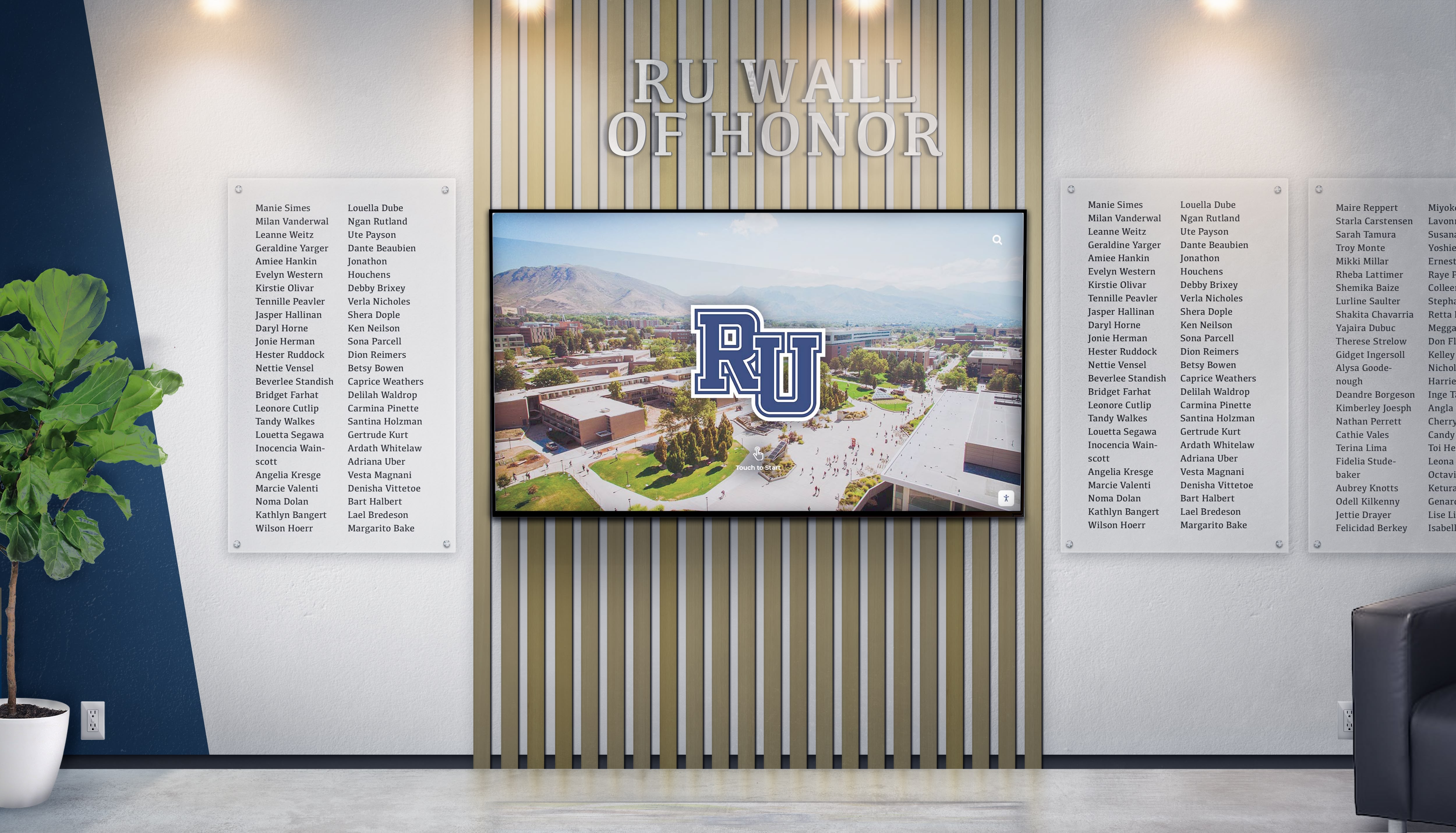
Physical displays include engraved plaques, donor trees, brick walls, etched glass panels, and similar permanent installations. These traditional approaches offer tangible, timeless aesthetics that many donors and stakeholders expect from institutional recognition. Physical walls work particularly well for organizations with dedicated facilities, capital campaigns recognizing building or renovation funding, or donor bases preferring classic recognition styles.
However, physical walls face significant limitations. Space constraints eventually limit capacity as donor lists grow, requiring expensive expansions or removal of earlier donors to accommodate new contributors. Modifications for name corrections, updated giving levels, or deceased donor notations require costly reinstallation. Per-donor costs remain high across the wall’s lifespan as each new contributor requires individualized plaque production and installation.
Digital Donor Recognition Displays:
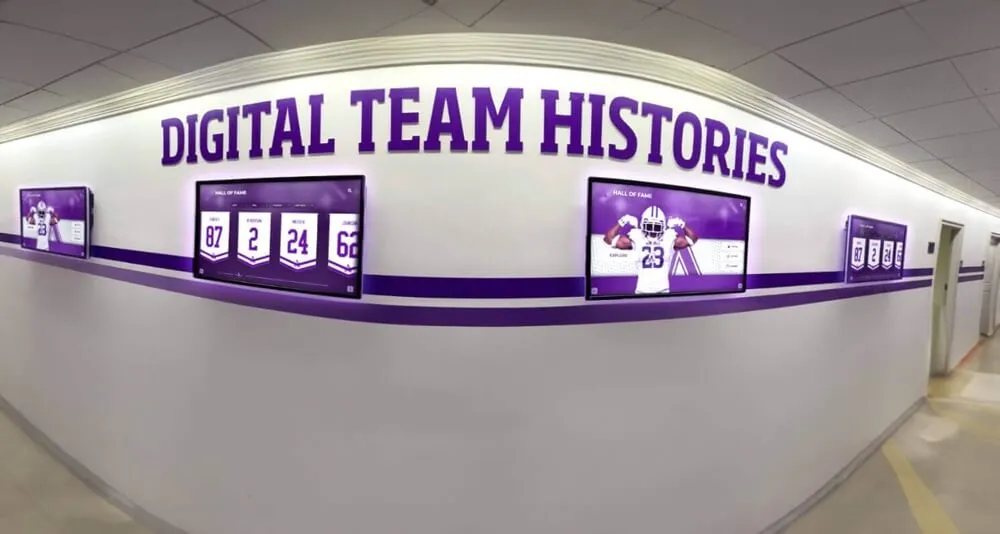
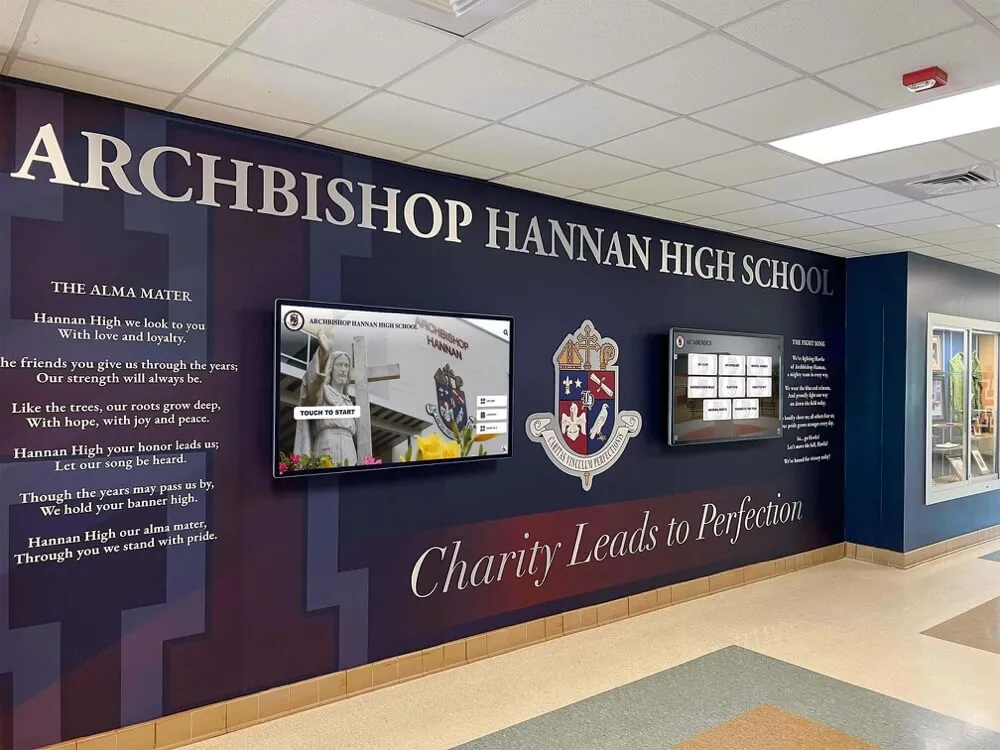
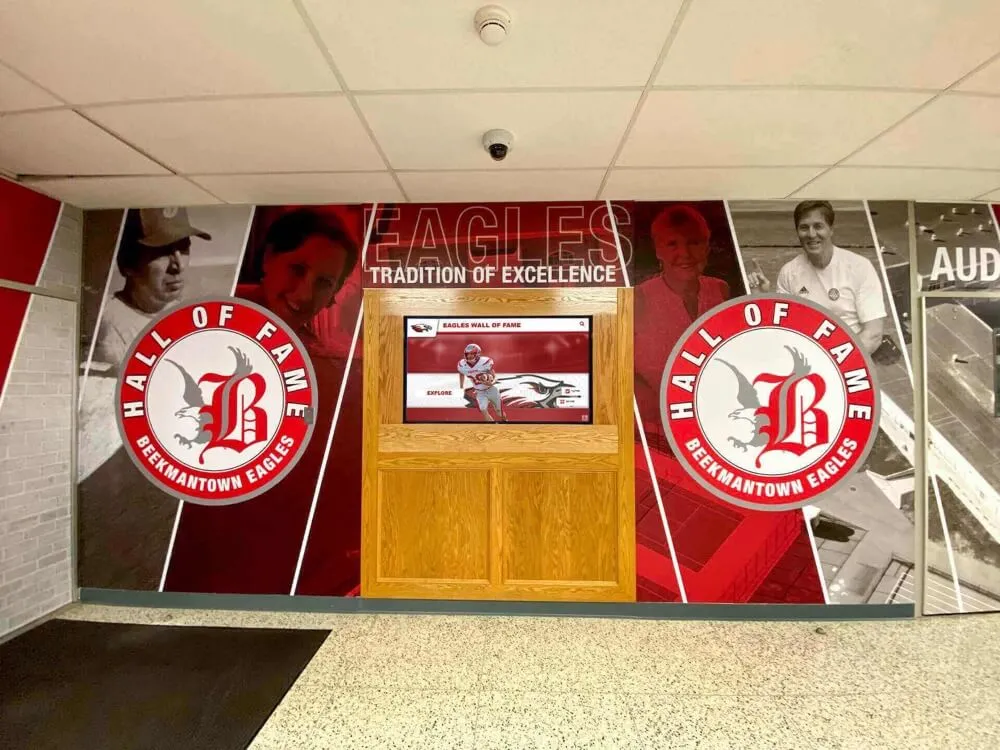
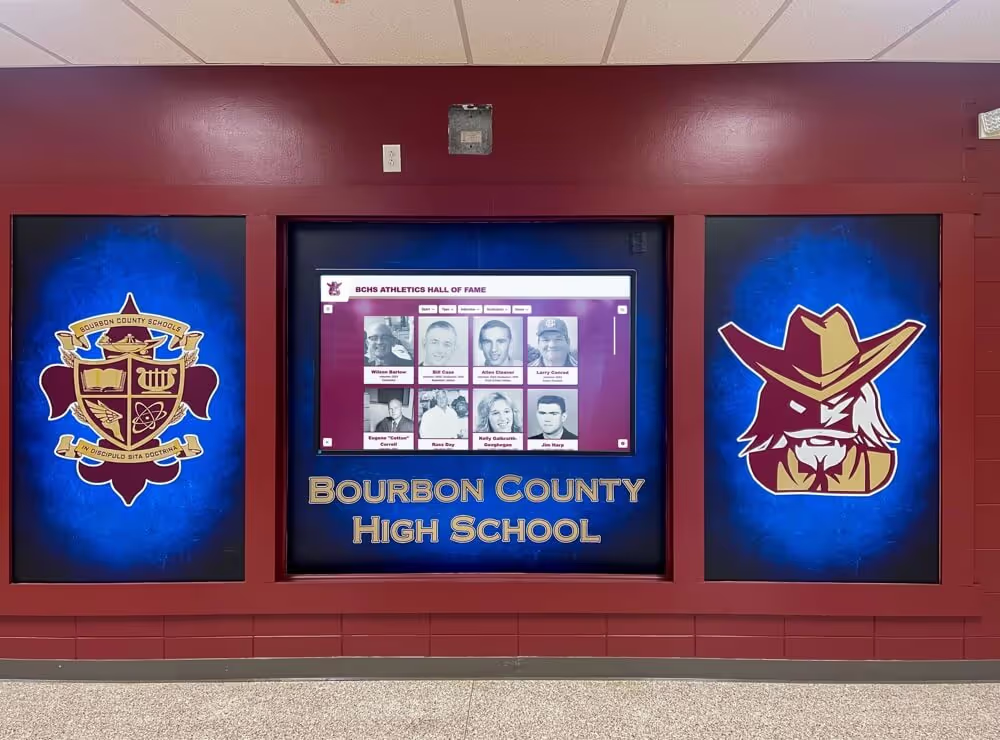
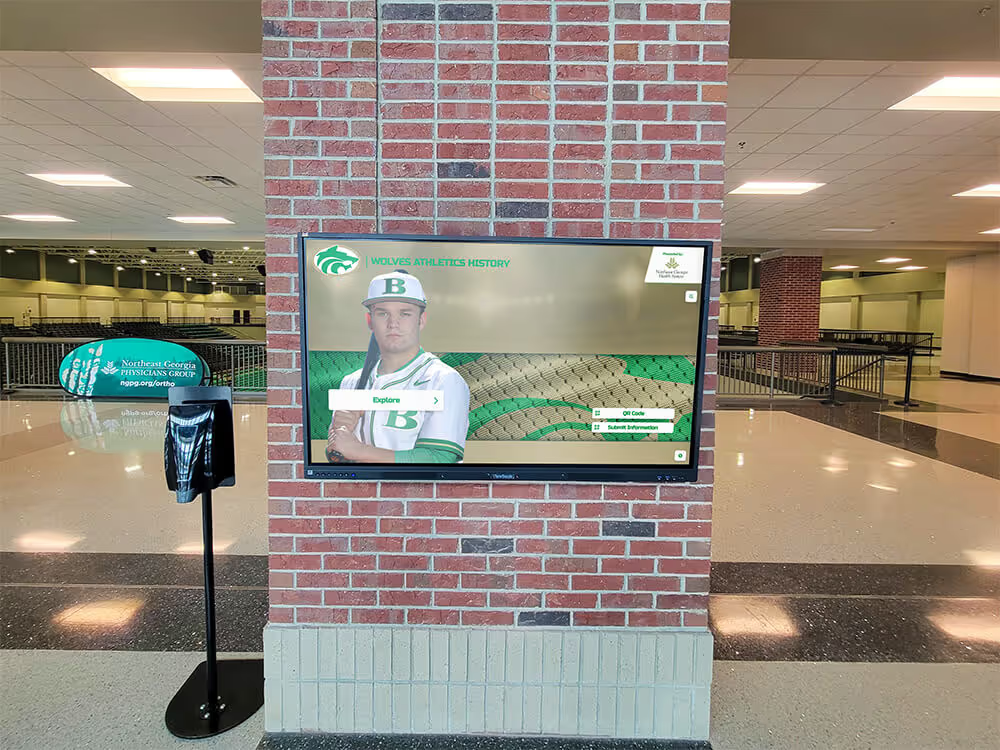
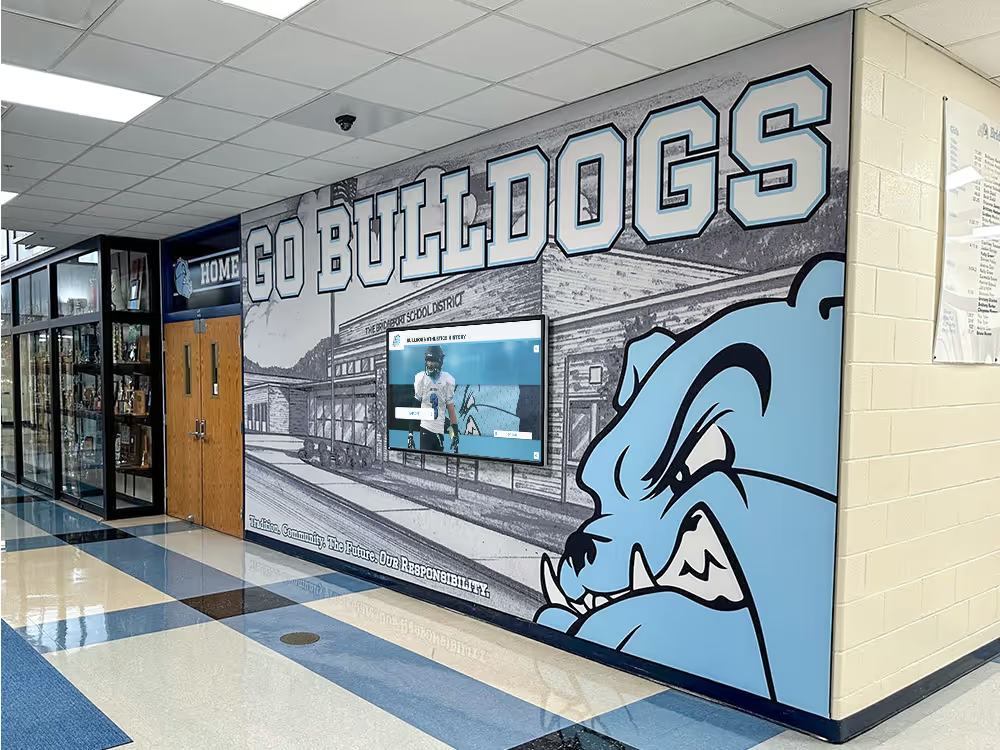
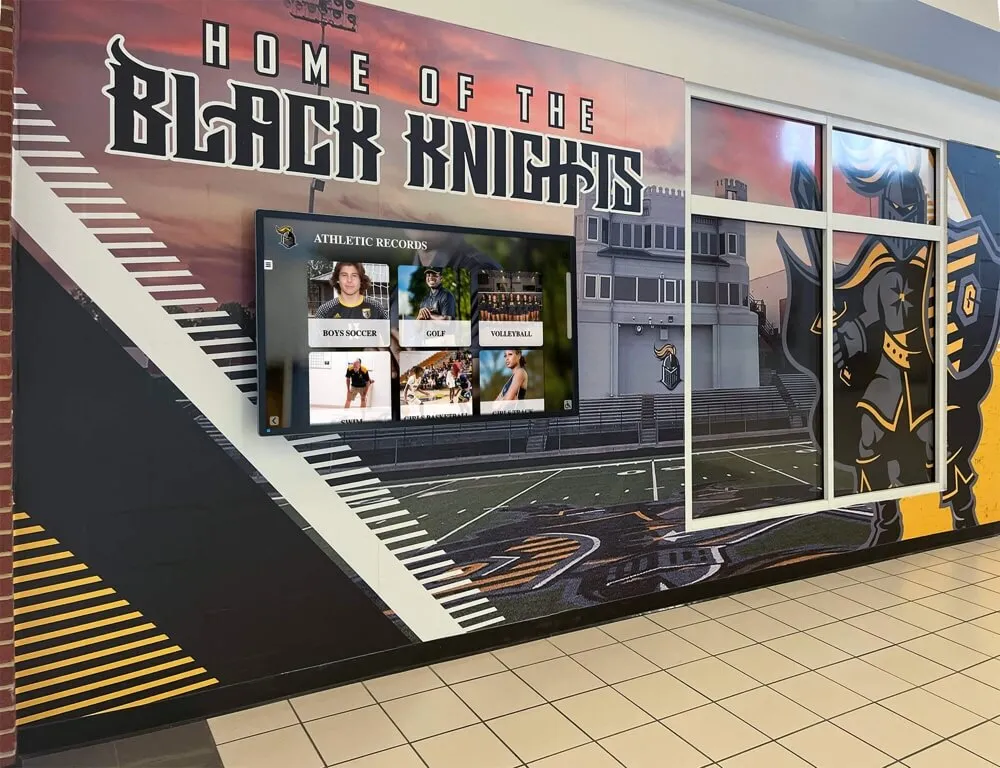
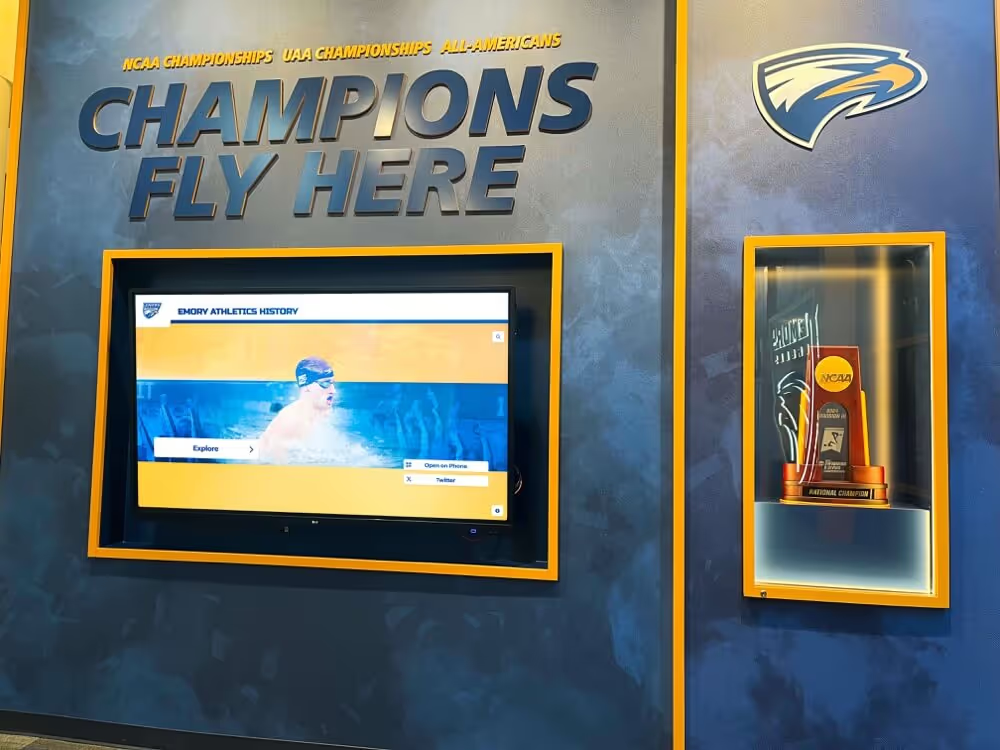
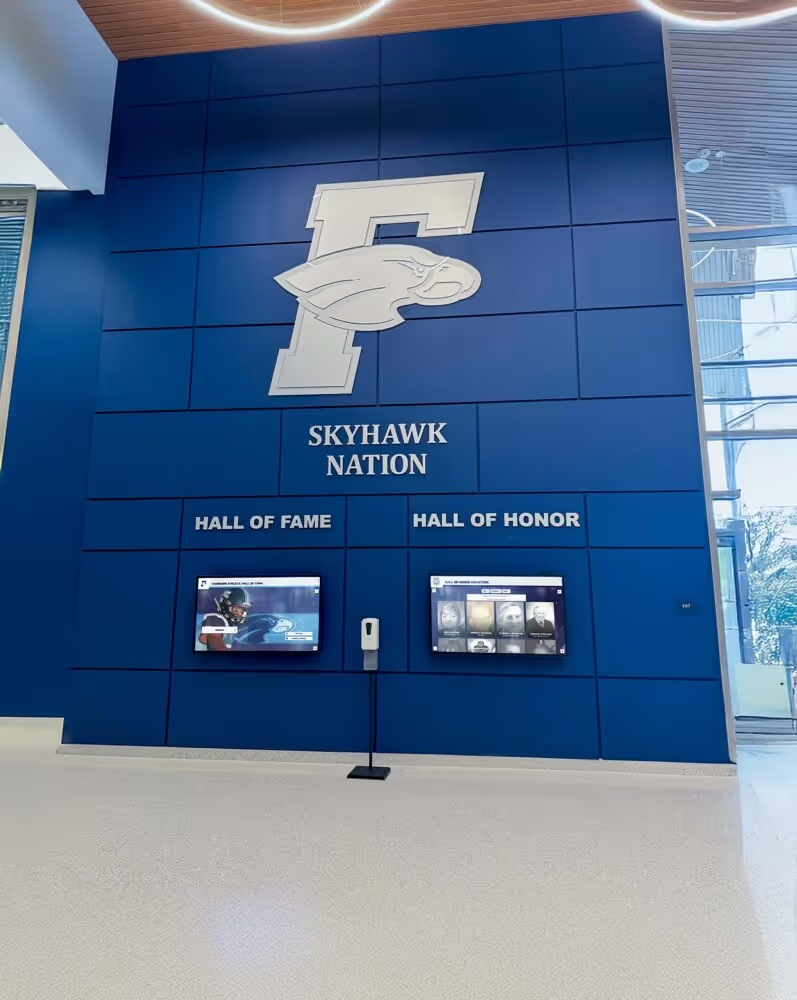
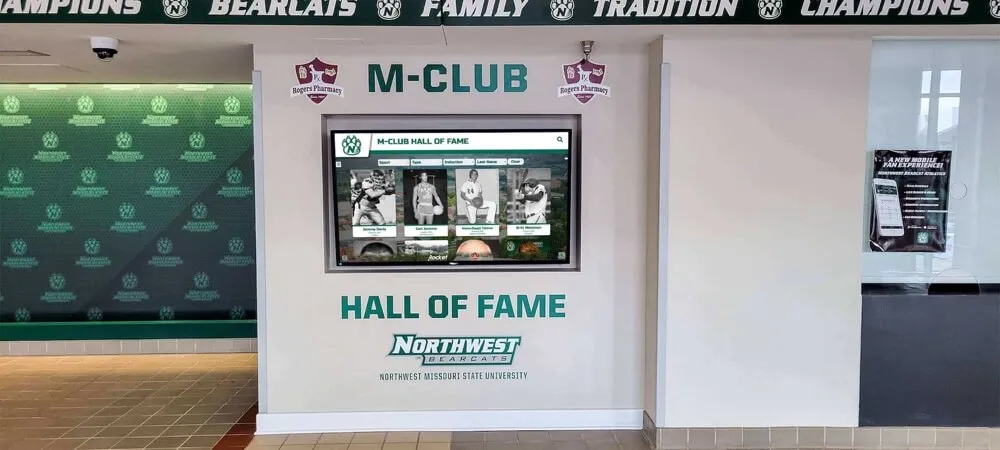
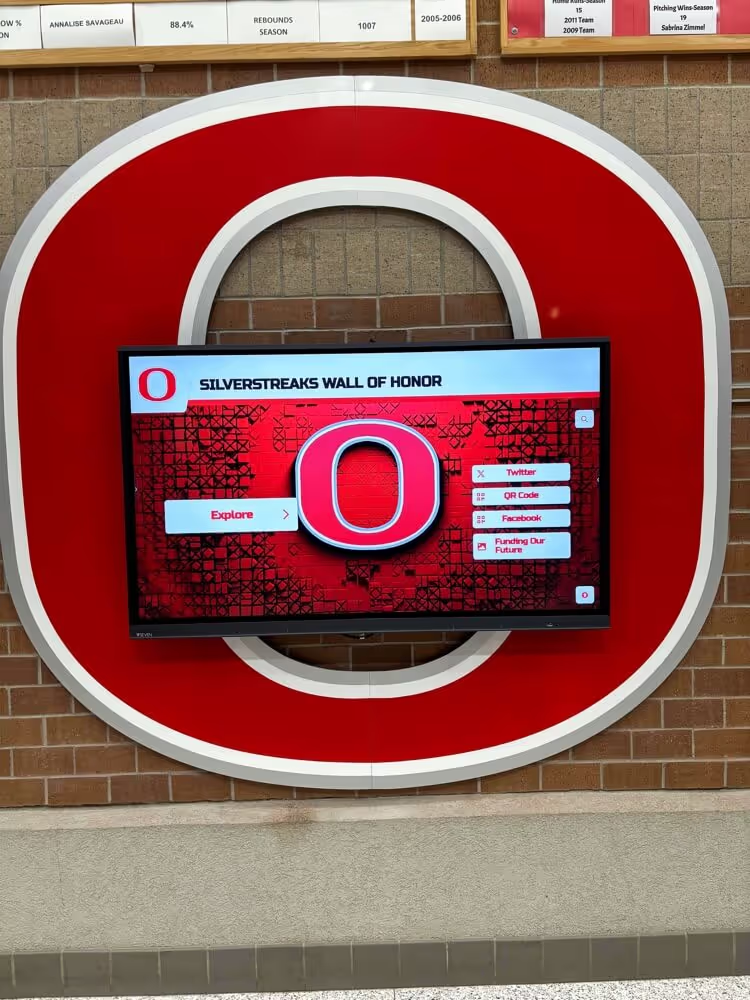
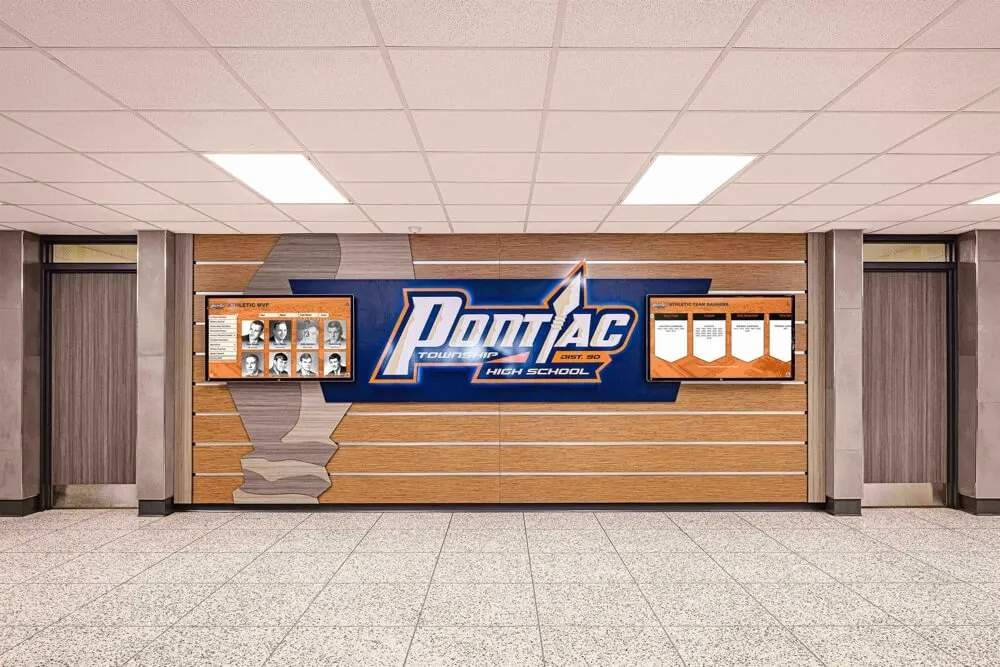
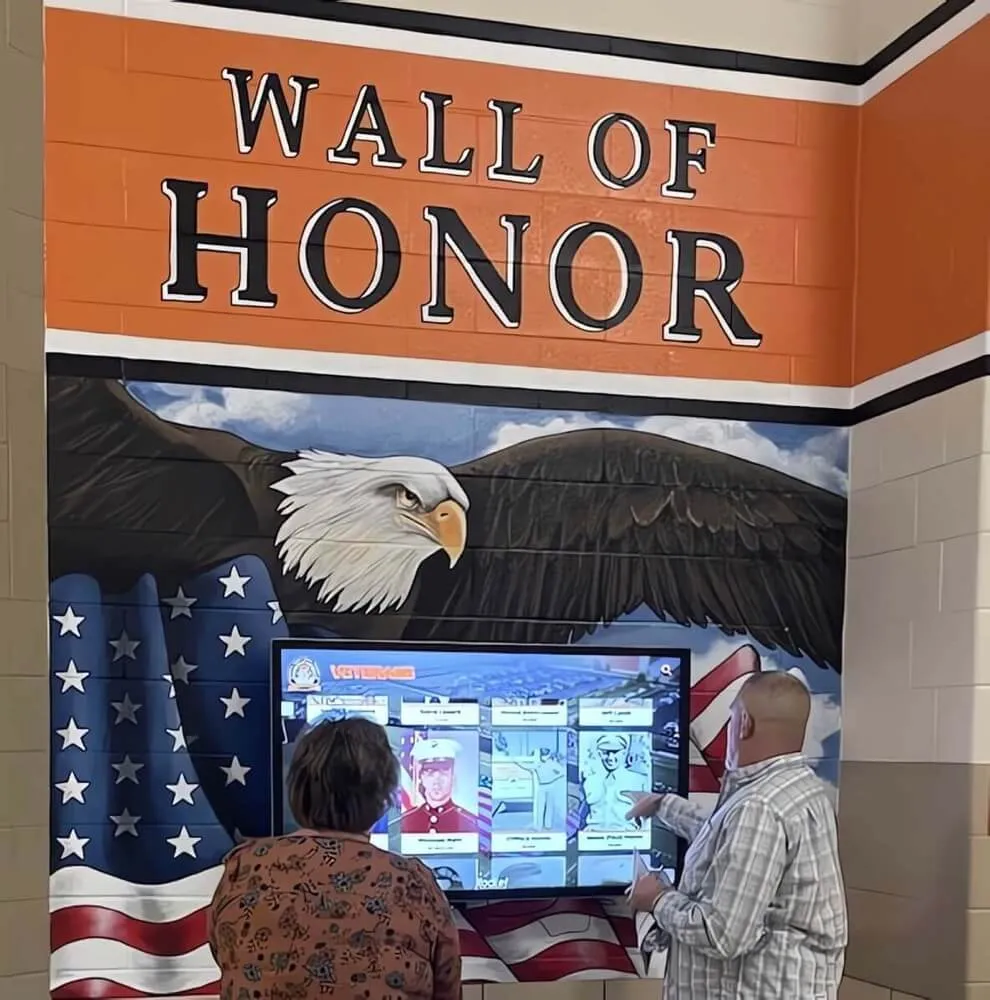
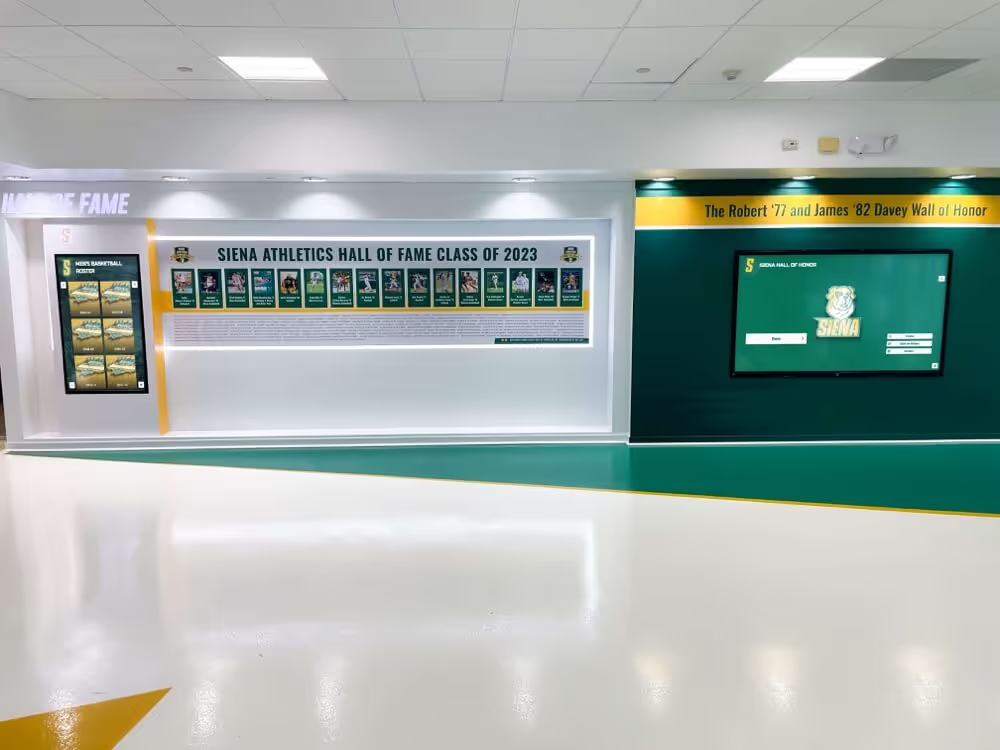
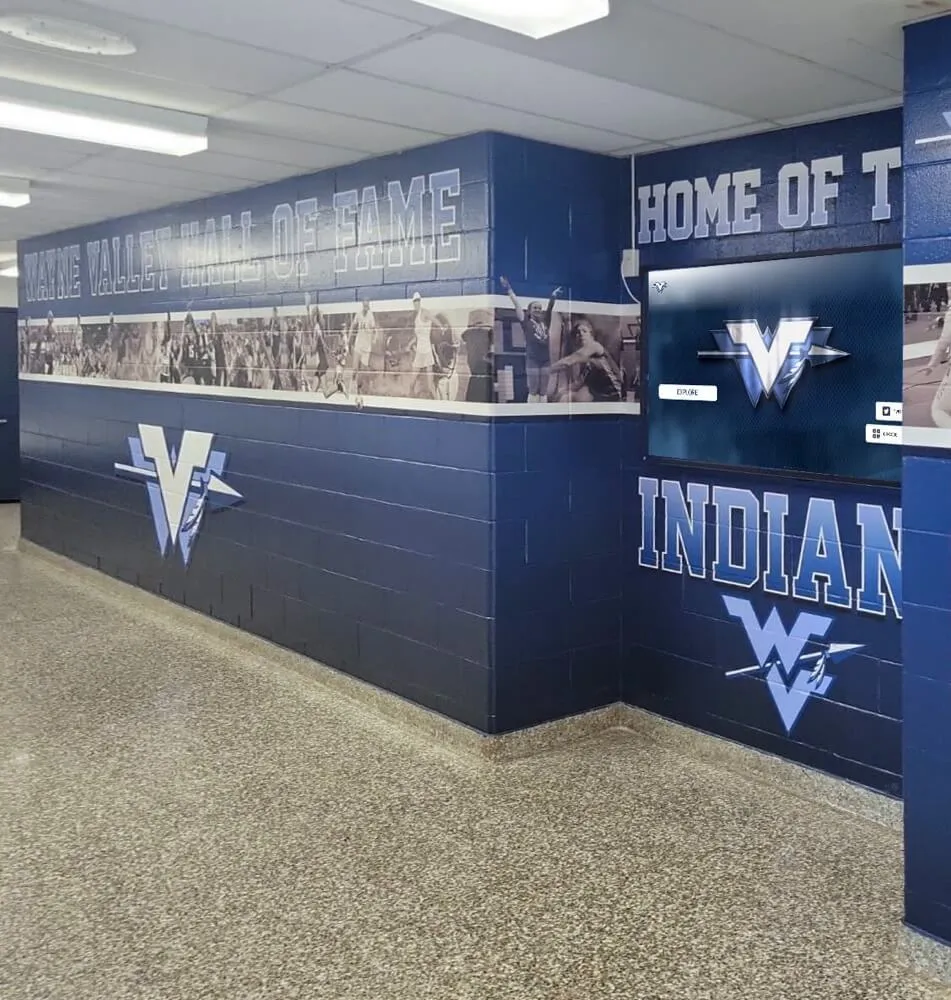
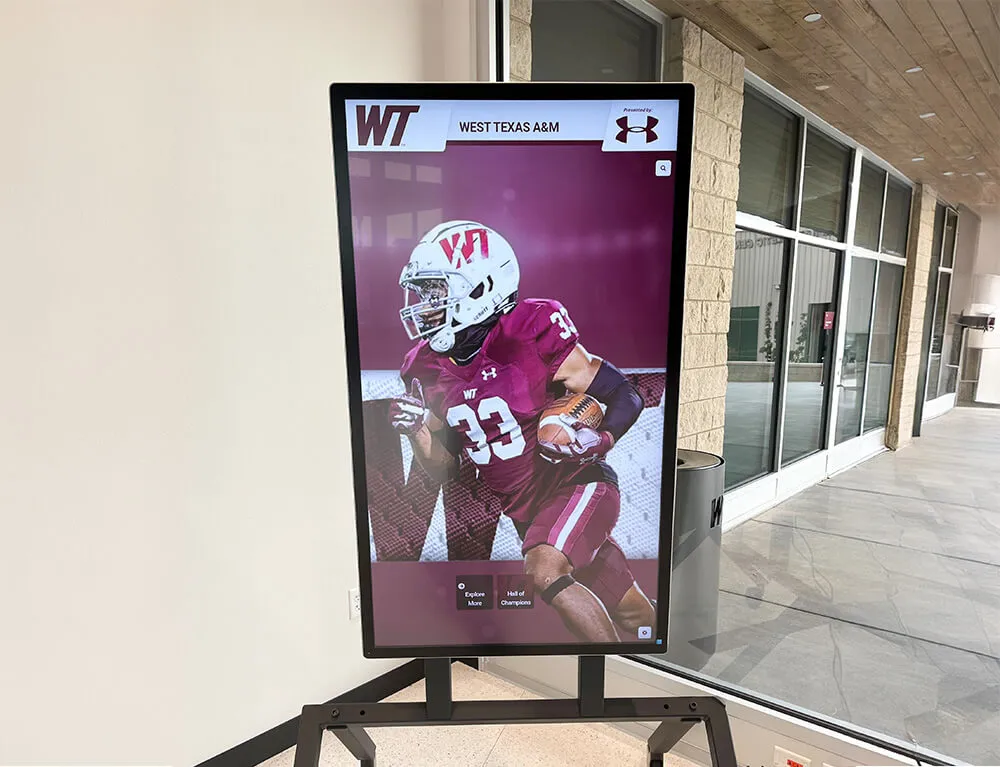
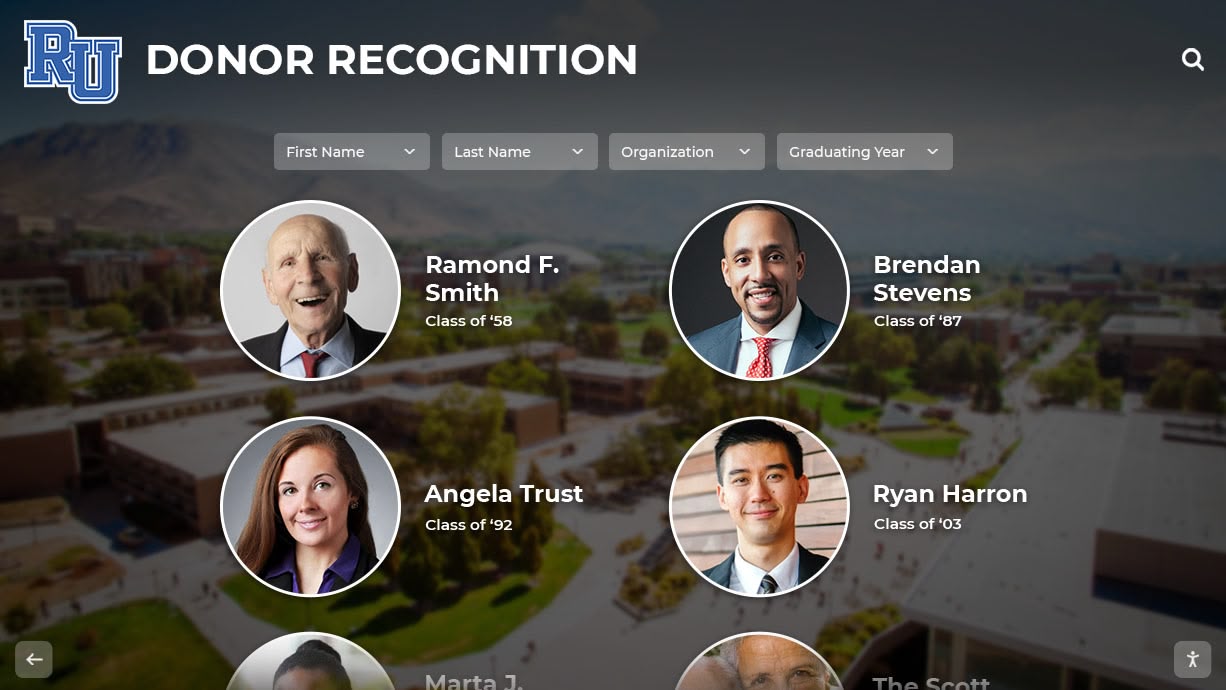
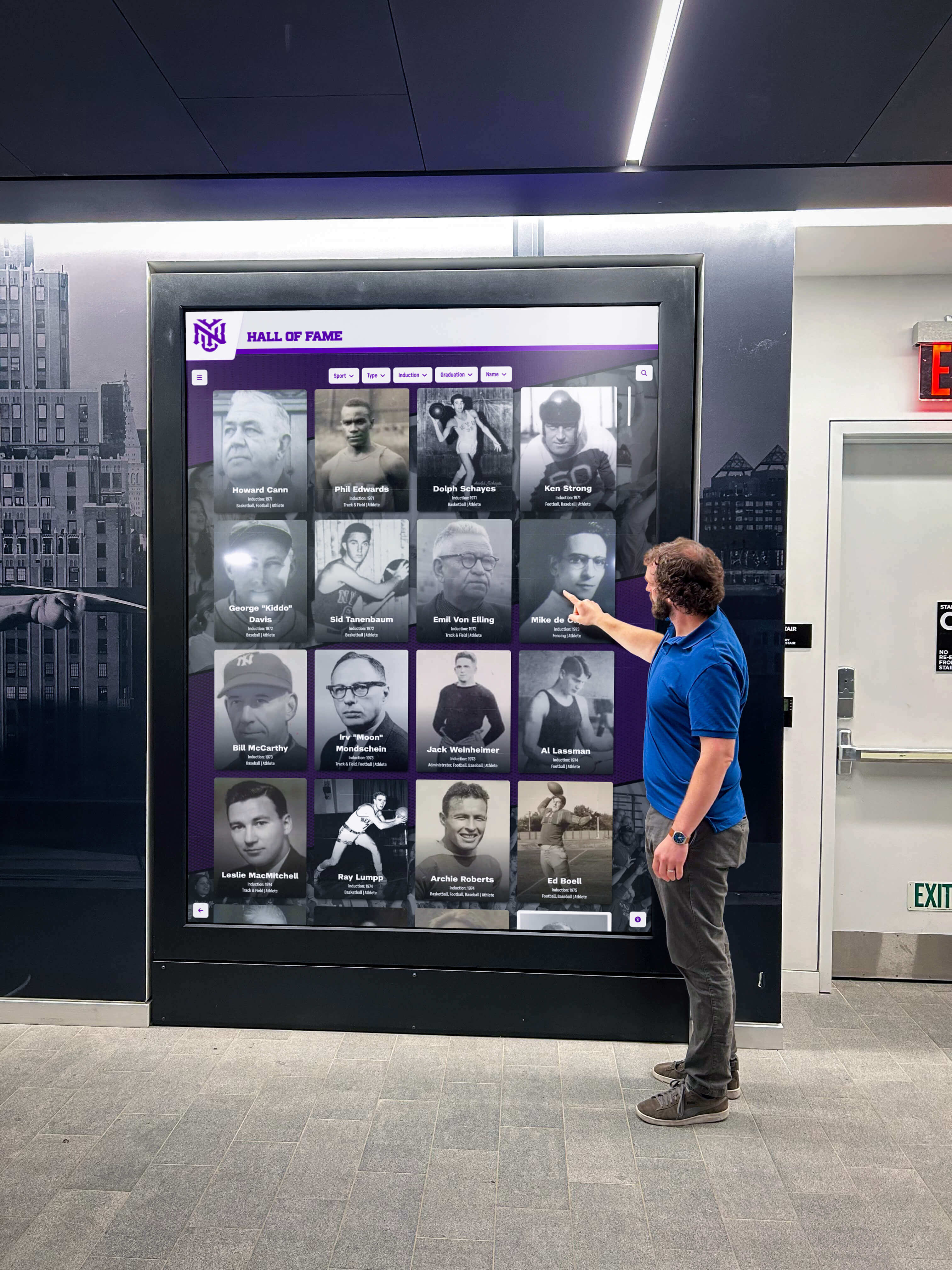
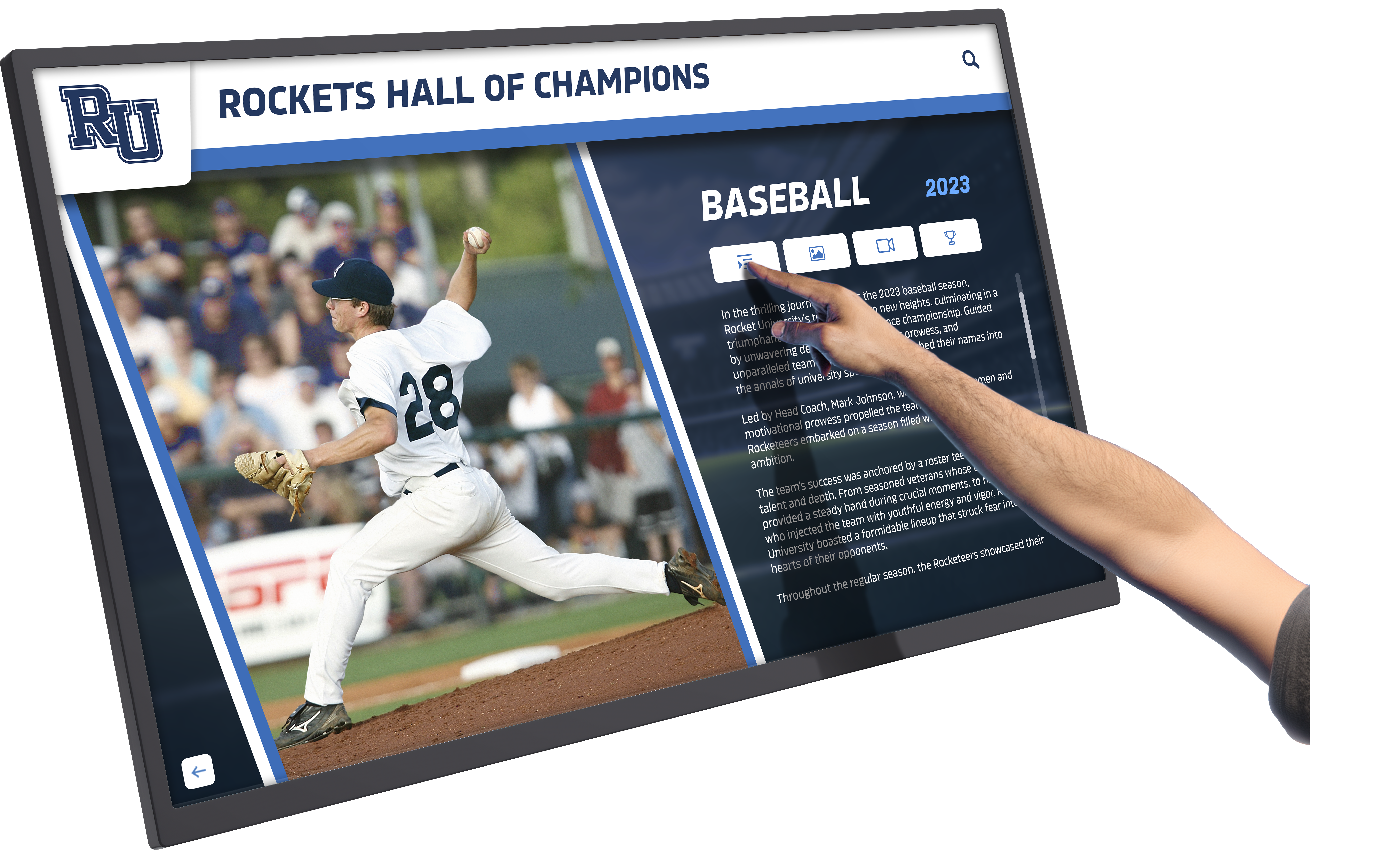
Interactive touchscreen systems represent modern alternatives addressing traditional wall limitations. Digital platforms provide unlimited capacity unconstrained by physical space, easy content updates requiring no reinstallation, rich multimedia including photos and impact stories, searchable databases enabling visitors to find specific donors, remote accessibility through web-based versions, and detailed analytics showing engagement patterns.
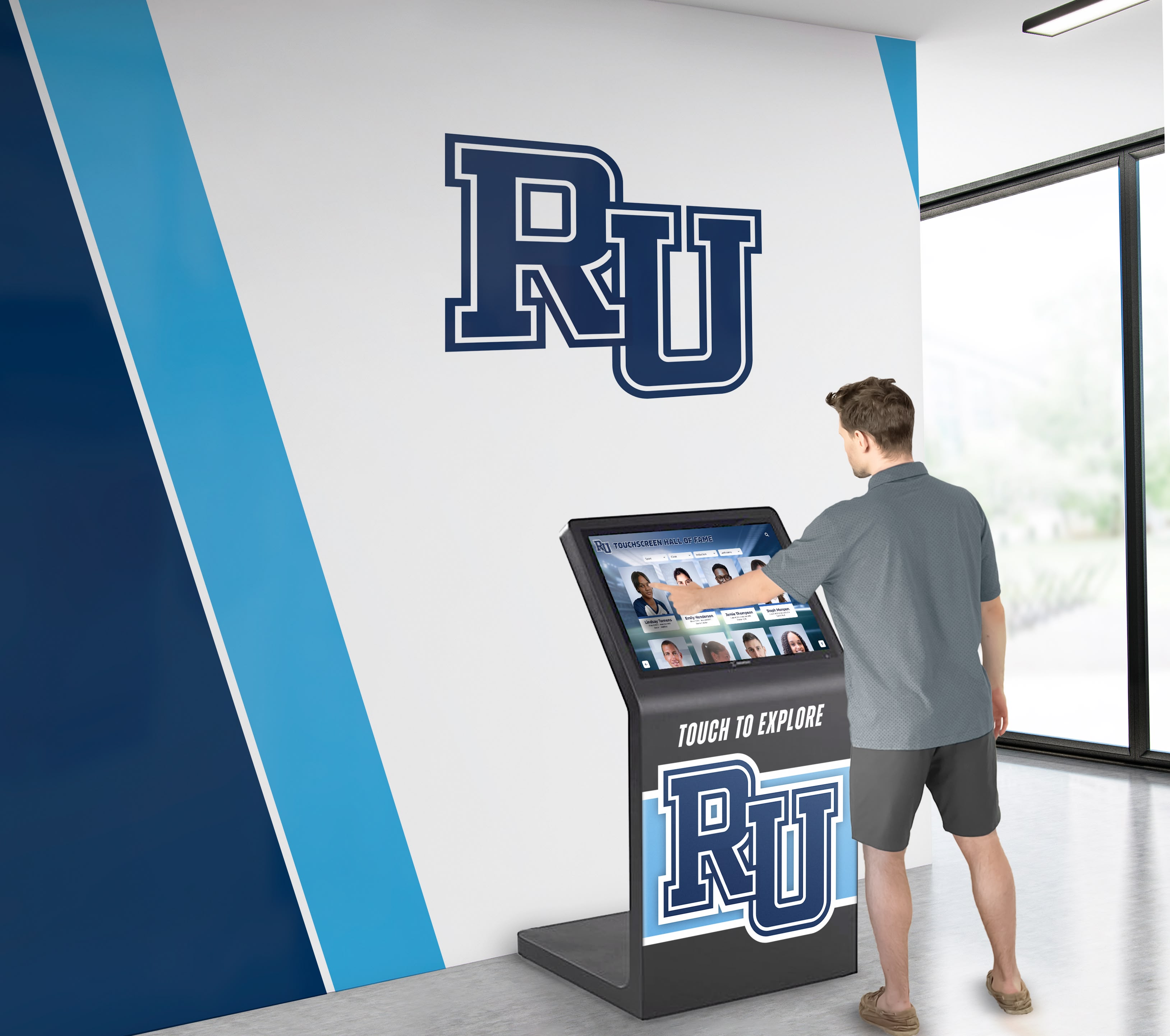
Digital donor walls particularly suit organizations experiencing rapid growth, those with limited physical space, nonprofits serving geographically dispersed constituencies, and institutions attracting younger donors expecting modern technology. Solutions like Rocket Alumni Solutions provide purpose-built digital recognition platforms designed specifically for donor walls, offering intuitive content management combined with engaging public displays that capture attention more effectively than static plaques.
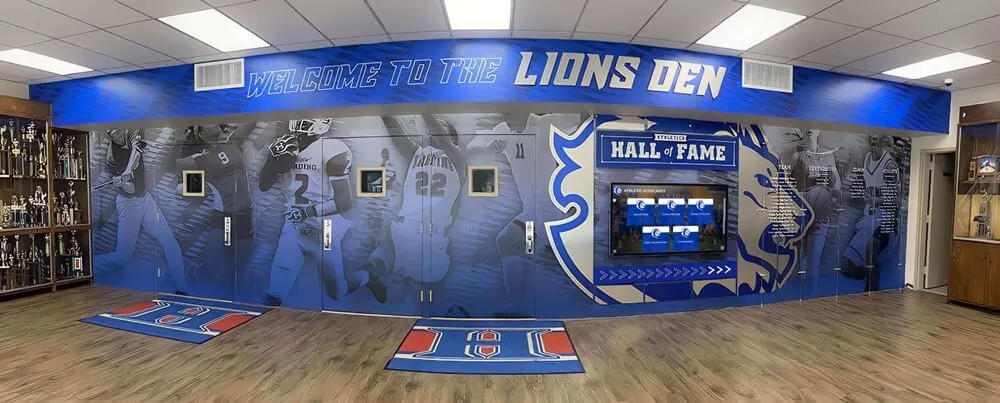
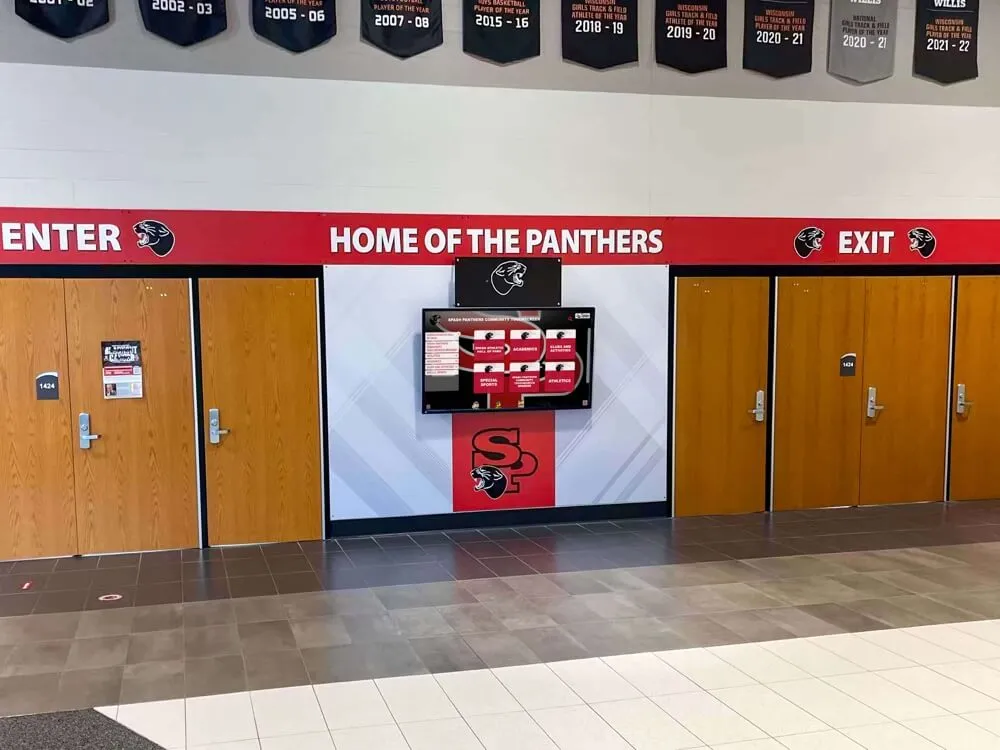
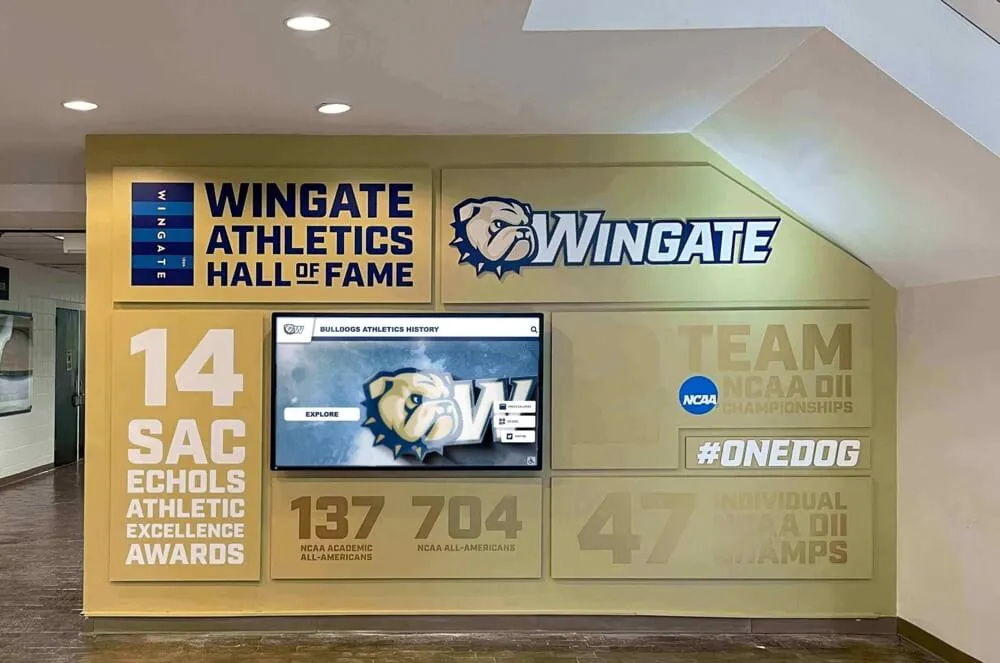
Many nonprofits implement hybrid approaches combining traditional elements with digital systems—permanent plaques for major donors alongside interactive displays providing comprehensive recognition for broader supporter communities. This balanced strategy honors donor preferences for traditional recognition while gaining digital benefits for operational efficiency and expanded capacity.
10 Top Donor Wall Ideas for 2026
Effective donor recognition requires creativity matching organizational identity, donor preferences, and available resources. These ten innovative approaches provide inspiration nonprofits can adapt based on specific circumstances:
1. Interactive Digital Donor Walls with Impact Stories
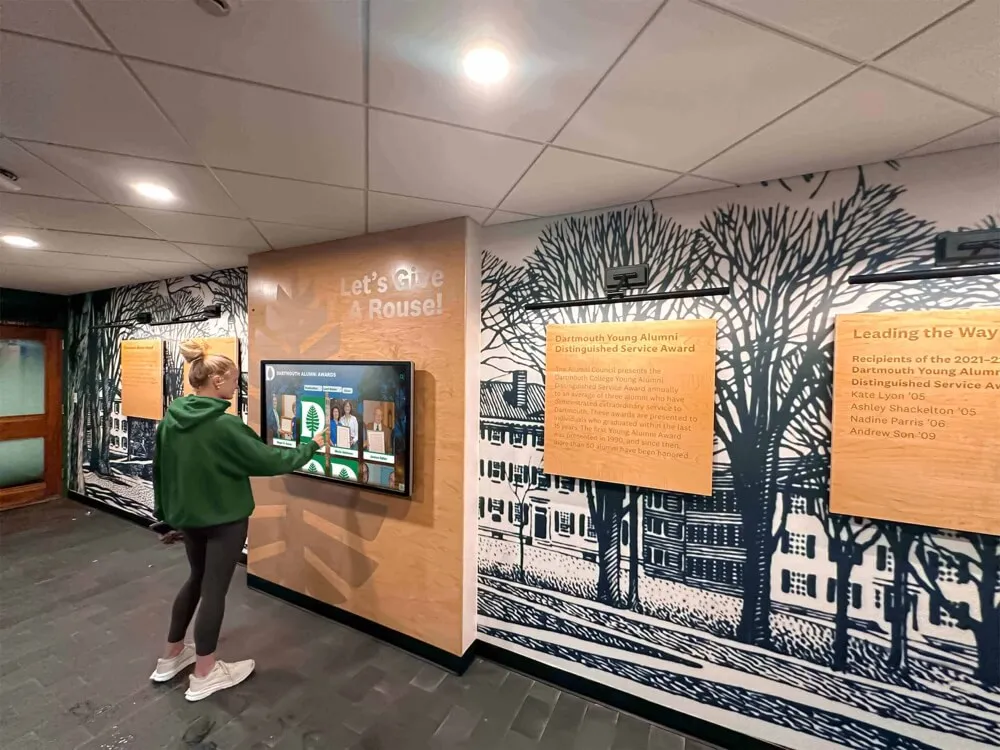
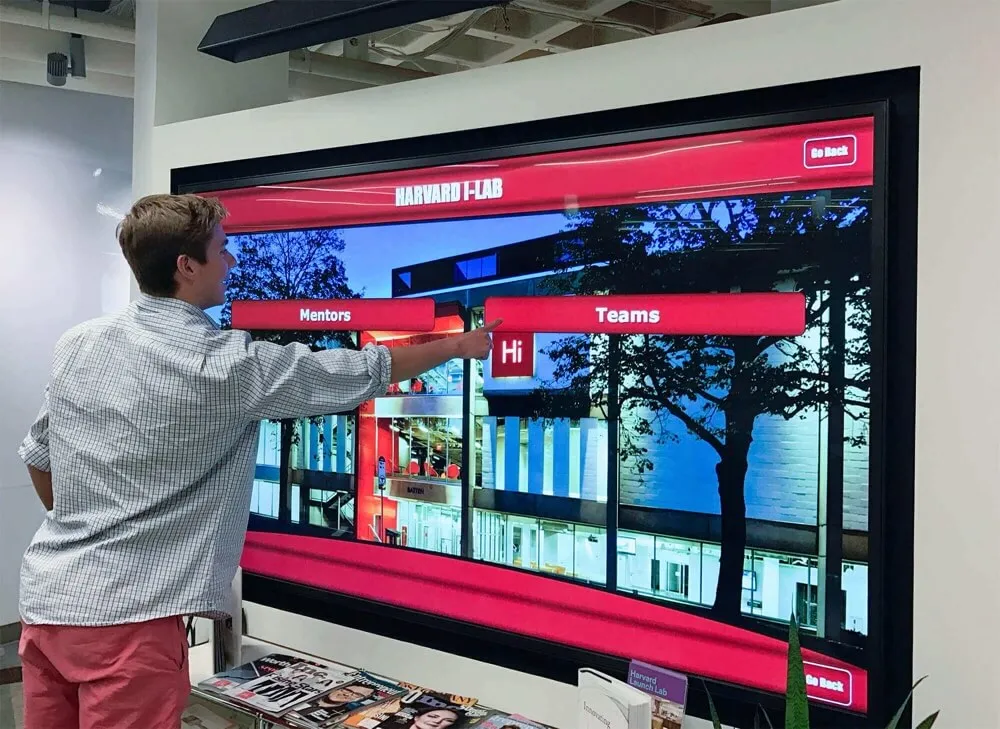
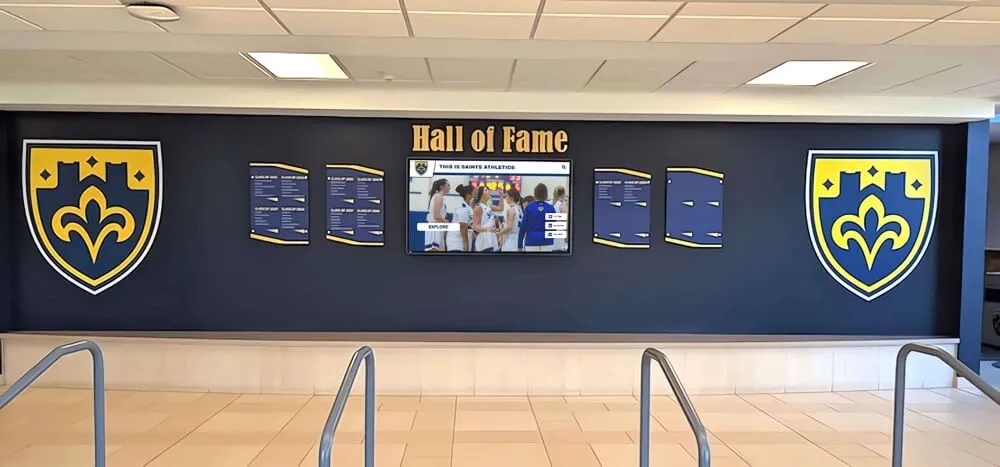
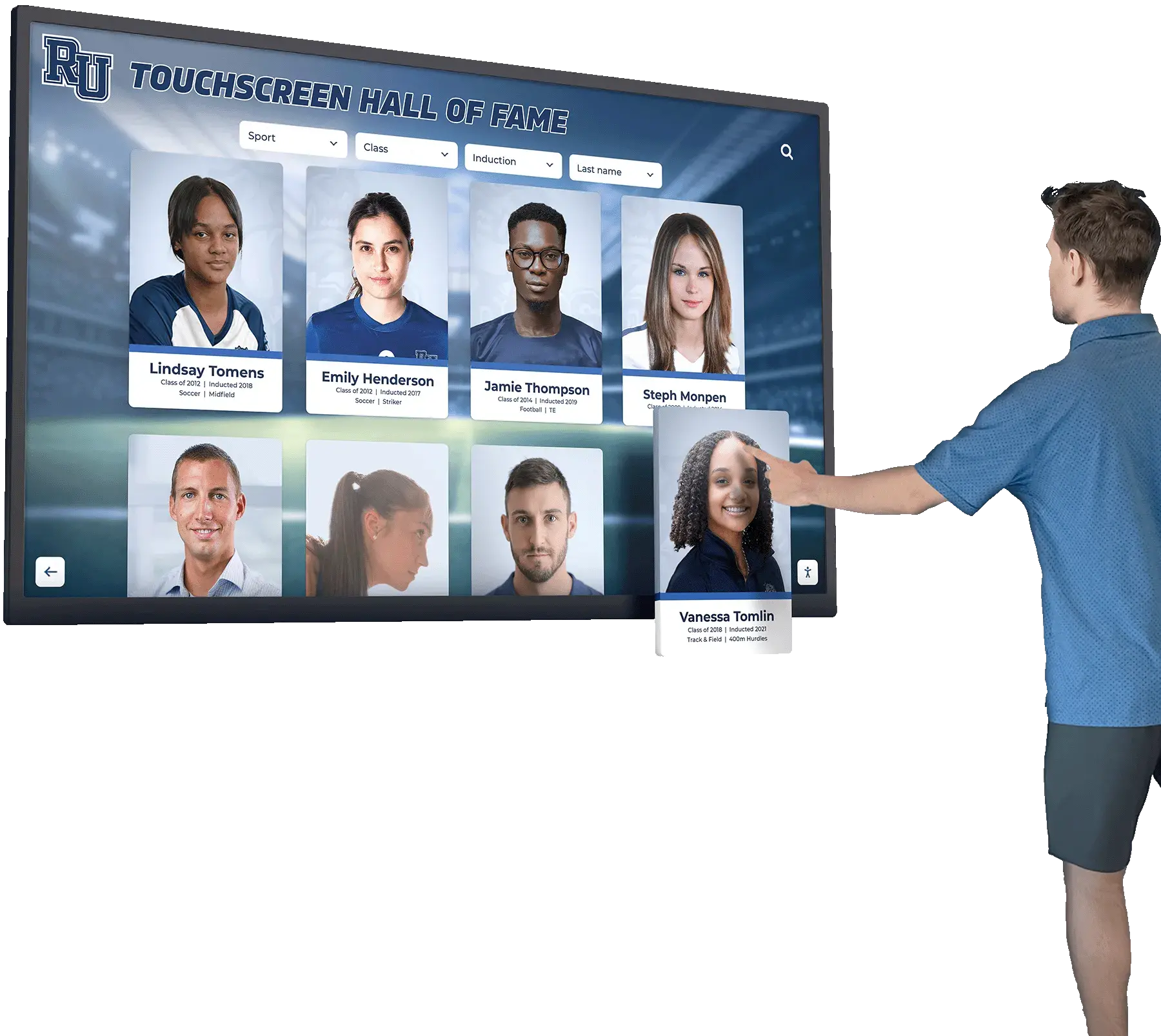
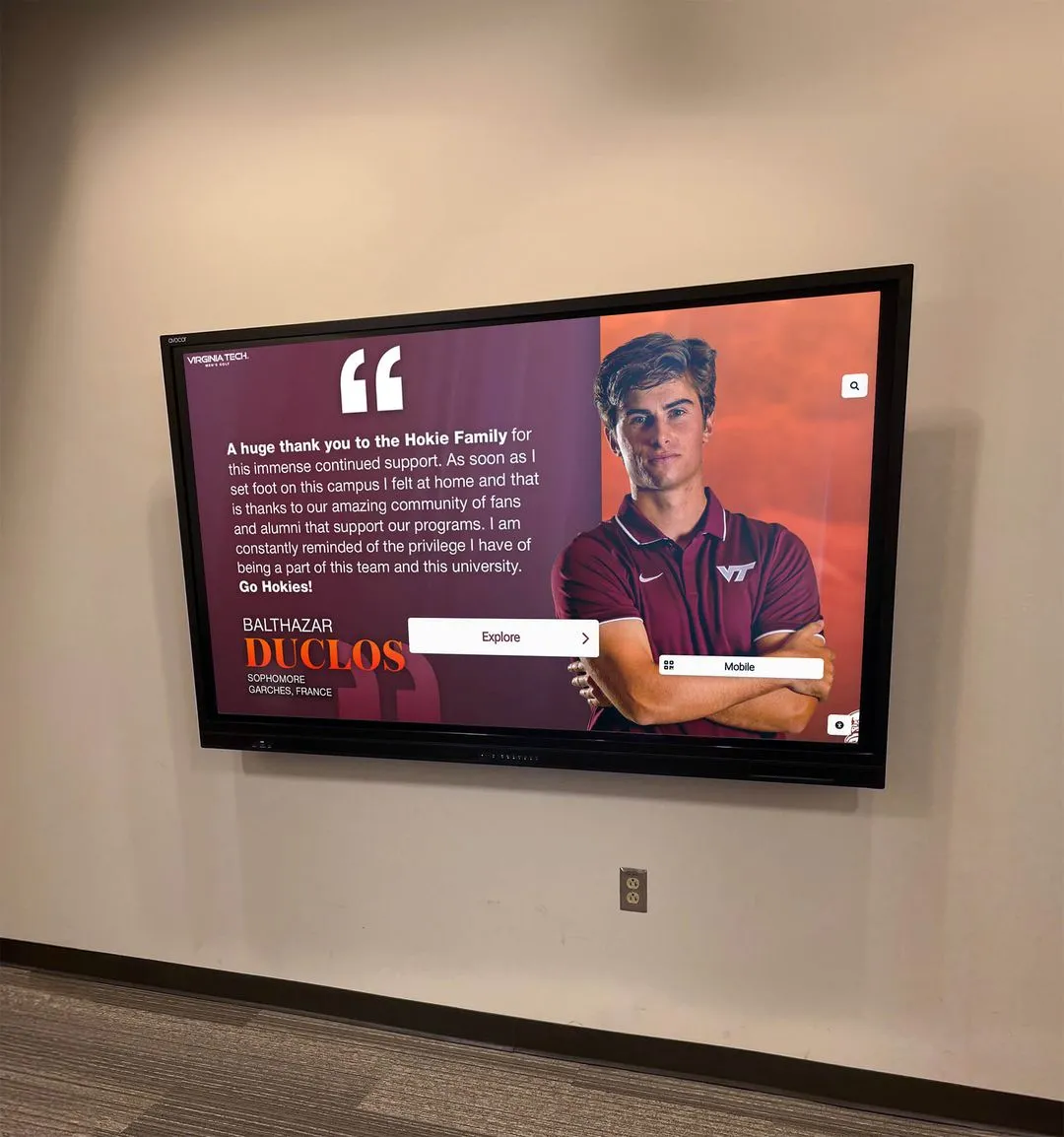
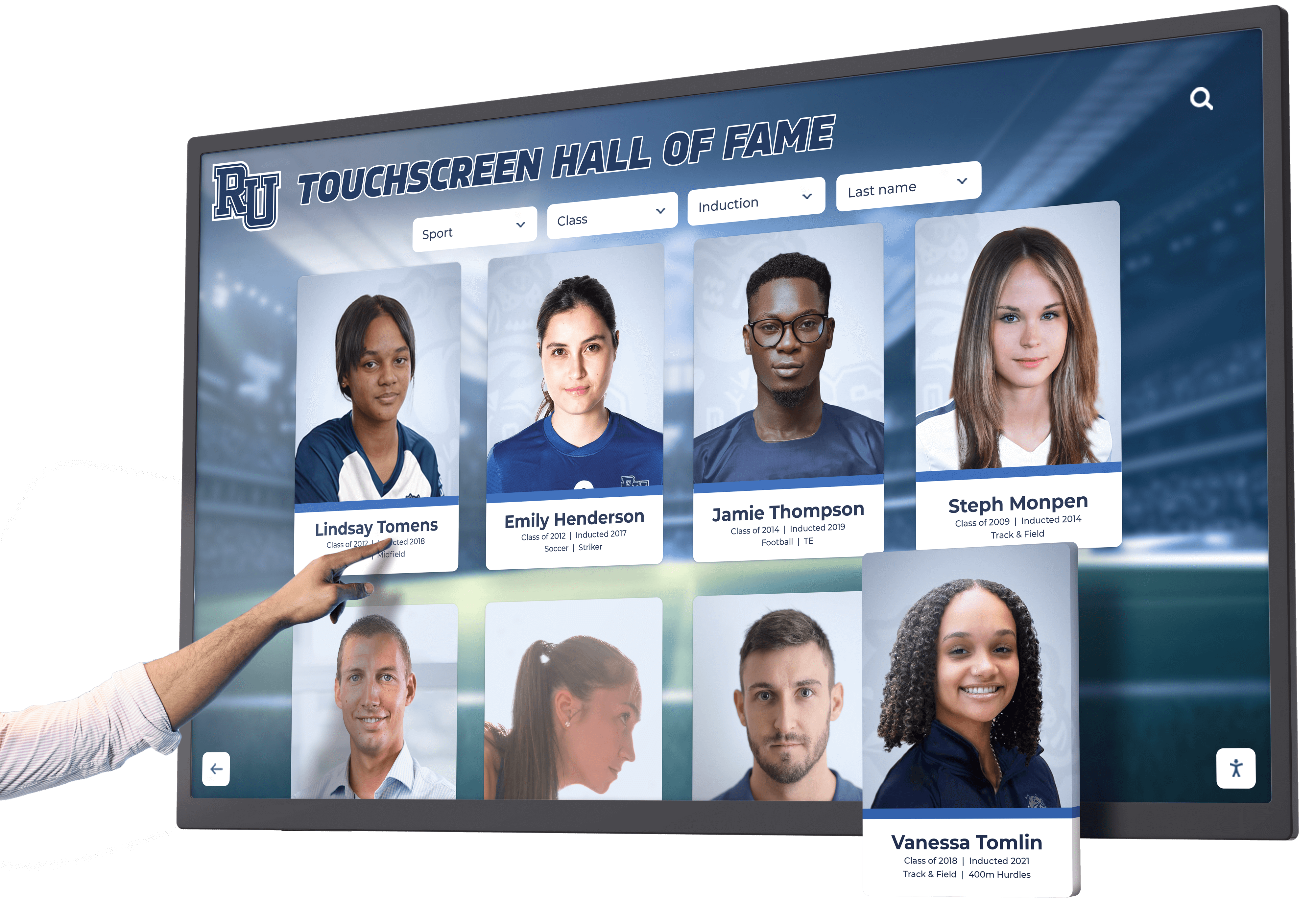
Modern digital displays transform donor walls from simple name lists into engaging storytelling platforms. Interactive touchscreens allow visitors to browse donor profiles, view contribution histories, read personal statements about why supporters give, and explore organizational impact enabled by donations.
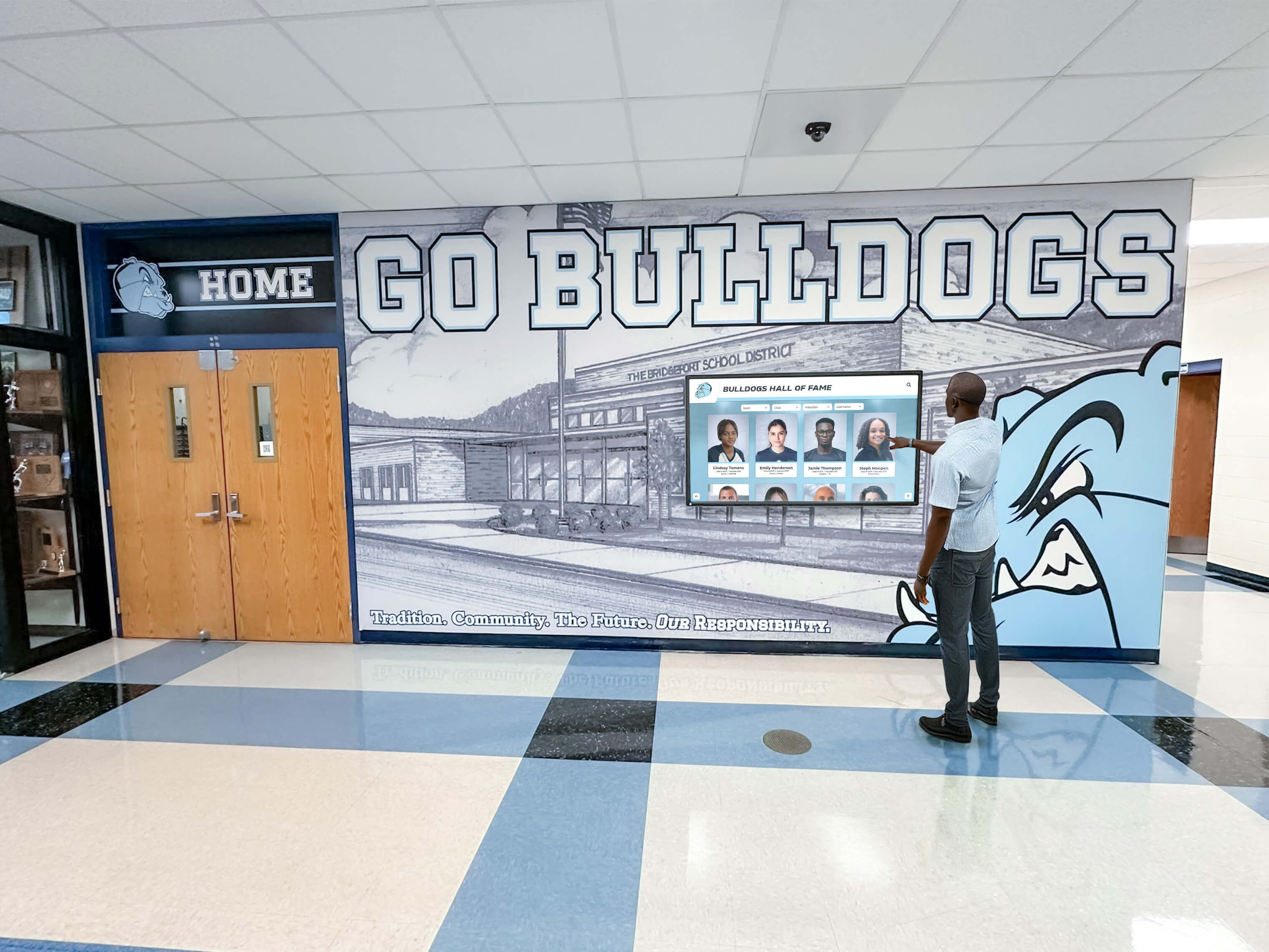
Implementation Approach: Large-format touchscreen displays (55-75 inches) mounted in prominent locations run custom software organizing donors by giving levels, campaigns, or recognition categories. Each donor profile includes photos, giving history, personal testimonials, and direct connections to programs or projects their contributions fund. Searchable interfaces enable visitors to find specific donors, browse by giving level, or explore randomly showcasing recognition breadth.
Best For: Organizations with substantial donor bases, those emphasizing transparency and impact communication, institutions attracting younger supporters expecting modern technology, and nonprofits seeking recognition systems requiring no physical expansion as donor lists grow.
Unique Advantages: Unlimited capacity, easy updates, multimedia storytelling, searchable databases, engagement analytics, and web accessibility extending recognition beyond physical locations. Organizations can explore effective digital recognition through donor recognition wall ideas showcasing modern approaches.
2. Living Donor Trees with Engraved Leaves
Donor trees provide artistic recognition particularly appropriate for environmental organizations, educational institutions, healthcare facilities, and community foundations. Stylized tree sculptures feature removable leaves or branches engraved with donor names, creating organic metaphors for community growth and interconnected support.
Implementation Approach: Commission metal sculptures (bronze, copper, or steel) featuring tree designs with mounting points for individual engraved leaves. Each donation level corresponds to leaf sizes or placements—major donors occupy prominent trunk or root positions while broader supporters populate branches and foliage. Trees work effectively in indoor lobbies or outdoor courtyards depending on materials and climate considerations.
Best For: Organizations with environmental missions, institutions emphasizing community and growth metaphors, nonprofits seeking artistic recognition displays integrating with architectural aesthetics, and campaigns with defined fundraising goals enabling complete tree imagery upon campaign completion.
Design Considerations: Ensure sufficient mounting points for anticipated donor growth, plan visual balance between large recognition leaves and smaller supporter names, consider maintenance requirements for outdoor installations, and establish clear giving level structures determining leaf sizes and placements.
3. Legacy and Planned Giving Walls
Dedicated recognition specifically for estate gifts, bequests, and planned giving commitments encourages donors to include organizations in estate planning while honoring those making ultimate philanthropic commitments.
Implementation Approach: Create distinct recognition areas specifically highlighting legacy society members separate from annual or capital campaign donors. Include brief biographical narratives explaining why donors chose to include organizations in estate plans, photographs celebrating supporters’ lives, and impact statements describing how planned gifts support long-term organizational sustainability.
Best For: Mature organizations with established planned giving programs, institutions emphasizing endowment building and long-term financial sustainability, and nonprofits working to normalize legacy giving within donor communities.
Program Integration: Connect legacy walls with comprehensive planned giving recognition programs including annual events celebrating planned gift commitments, personalized communication with legacy society members, and estate planning resources helping donors complete bequest documentation.
4. Brick or Paver Donor Walkways
Outdoor brick recognition creates permanent acknowledgment particularly suited for campus walkways, memorial gardens, facility entrances, or courtyard spaces. Individually engraved bricks provide affordable entry-level recognition while creating attractive landscaping elements.
Implementation Approach: Designate high-traffic outdoor pathways for commemorative brick installation. Offer multiple brick sizes corresponding to giving levels—4x8 inch standard bricks for basic recognition, 8x8 inch or 12x12 inch pavers for larger gifts. Provide donors customization options including name engraving, memorial dedications, corporate logos (within size constraints), or brief personal messages.
Best For: Organizations with outdoor facilities and campus environments, memorial funds or tribute giving programs, capital campaigns funding building or renovation projects, and institutions seeking recognition appealing to broad donor bases through affordable entry points.
Practical Considerations: Plan expansion capacity anticipating continued brick sales, establish engraving standards ensuring readability and durability, consider weather resistance and maintenance requirements, provide donor maps helping supporters locate their bricks during visits, and implement digital databases cataloging brick locations for easy reference.
5. Campaign-Specific Recognition Displays
Create targeted donor walls for specific fundraising campaigns rather than attempting comprehensive recognition of all supporters on single displays. Campaign walls provide focused acknowledgment directly connecting donors to outcomes they funded.
Implementation Approach: Install recognition displays near facilities, programs, or projects funded by specific campaigns. Capital campaigns for building construction feature donor walls in completed facilities’ lobbies. Endowment campaigns include recognition in buildings or spaces supported by investment income. Program-specific campaigns (scholarships, equipment, research) showcase donors in areas directly benefiting from contributions.
Best For: Capital campaigns with building or renovation components, restricted gift programs where donors fund specific purposes, organizations managing multiple simultaneous campaigns requiring distinct recognition, and institutions emphasizing tangible connections between contributions and impact.
Strategic Benefits: Direct visual connection between donor acknowledgment and funded outcomes reinforces contribution impact, reduces recognition clutter by distributing donor names across multiple specialized displays rather than overwhelming single walls, and enables campaign-specific design aesthetics matching funded program character.
6. Video Recognition Displays with Donor Messages
Moving beyond static recognition, video displays showcase donor testimonials, organizational impact stories, and appreciation messages creating emotional engagement traditional plaques cannot achieve.
Implementation Approach: Install large-format displays (75+ inches) or video walls in prominent locations cycling through donor recognition content. Produce short video segments (30-90 seconds) featuring donors explaining why they support organizations, recipients describing program impact, and leadership expressing gratitude. Intersperse video content with static recognition screens listing all donors by giving level ensuring comprehensive acknowledgment.
Best For: Organizations with strong video production capabilities or access to affordable production resources, nonprofits emphasizing human impact stories and emotional connections, institutions with younger donor demographics responding well to multimedia content, and organizations seeking recognition displays doubling as engagement tools during events or facility tours.
Content Strategy: Balance major donor feature videos with broader supporter recognition, update content regularly maintaining freshness, include diverse donor demographics ensuring inclusive representation, and capture authentic testimonials avoiding overly scripted or promotional messages that reduce credibility.
7. Tiered Recognition Walls by Giving Level
Organize donor walls by contribution tiers creating clear visual hierarchy demonstrating giving level significance while maintaining dignity for all supporters regardless of gift size.
Implementation Approach: Establish 5-7 giving levels with creative names reflecting organizational mission rather than generic “gold/silver/bronze” categories. Educational institutions might use “Founder’s Circle, Dean’s Society, Scholars Guild, Benefactor, Patron, Friend.” Each tier receives distinct recognition treatment—larger plaques or prominent placement for major donors, standard recognition for mid-level gifts, collective acknowledgment for entry-level supporters.
Best For: All nonprofit types seeking to motivate giving level advancement, organizations with broad donor bases spanning wide gift ranges, campaigns using giving societies as cultivation strategies, and institutions balancing recognition of major donors with inclusive acknowledgment of grassroots support.
Tier Structure Guidelines: Create achievable gaps between levels encouraging advancement without requiring unrealistic jumps, clearly communicate benefits or recognition differences between tiers, consider lifetime giving versus annual giving structures, and establish policies for donors advancing between levels over time including recognition updates.
8. Memorial and Tribute Donor Walls
Dedicated spaces honoring donors giving in memory or honor of loved ones serve dual purposes—recognizing contributors while memorializing individuals being celebrated through gifts.
Implementation Approach: Create recognition formats acknowledging both donors and honorees. Options include “Given by [Donor Name] in Memory of [Honoree Name]” formats, separate columns listing donors and corresponding memorial dedications, or integrated displays with donor information alongside brief honoree biographies or photos. Memorial walls work particularly well for healthcare organizations, educational institutions, religious organizations, and any nonprofits receiving significant tribute giving.
Best For: Organizations receiving substantial memorial or tribute gifts, healthcare facilities honoring deceased patients or their families, educational institutions recognizing alumni legacy giving, and nonprofits emphasizing community remembrance and celebration of life.
Sensitive Design Considerations: Provide respectful, dignified aesthetic treatment appropriate for memorial contexts, allow adequate space for both donor and honoree names avoiding cramped appearance, consider incorporating photos when families provide them, and establish clear policies regarding memorial language and religious references ensuring inclusive environments.
9. Corporate Sponsor Recognition Walls
Acknowledge businesses providing financial support, in-kind donations, or sustained partnerships through dedicated corporate recognition distinct from individual donor walls.
Implementation Approach: Create business-focused displays allowing corporate logo inclusion alongside company names. Organize by partnership levels (Presenting Sponsor, Premier Partner, Supporting Business, Friend) clearly communicating sponsorship tiers and associated benefits. Position corporate walls in high-visibility locations where business supporters gain marketing exposure validating sponsorship investments.
Best For: Organizations relying significantly on corporate sponsorship revenue, nonprofits operating in commercial or business-oriented communities, institutions seeking multi-year corporate partnerships requiring visible recognition, and events-focused organizations acknowledging annual sponsor support.
Partnership Benefits: Beyond recognition, corporate displays create marketing value for business sponsors through logo visibility and association with respected community organizations. This mutual benefit strengthens partnership sustainability and encourages multi-year commitments. Organizations can learn effective approaches through nonprofit donor recognition guides emphasizing corporate partnership strategies.
10. Virtual Donor Walls with Global Accessibility
Web-based donor recognition extends acknowledgment beyond physical locations, particularly valuable for organizations serving geographically dispersed constituencies or operating primarily online.
Implementation Approach: Develop searchable online databases showcasing all donors with customizable viewing options (sort by name, giving level, location, year). Include donor profiles with photos when provided, personal statements explaining giving motivations, and direct links showing specific programs or projects contributions support. Promote virtual walls through email communications, social media, and website homepage featuring rotating donor spotlights.
Best For: Organizations without physical facilities or limited space for traditional recognition, nonprofits serving national or international constituencies, virtual service providers (education, research, advocacy), and institutions attracting digitally-native younger donor demographics expecting online engagement.
Accessibility Advantages: Virtual walls provide 24/7 worldwide access extending recognition visibility dramatically beyond physical displays, enable easy social media sharing allowing donors to promote their support through personal networks, require no physical space or installation costs, and allow instant updates adding new donors or correcting information without production delays. Nonprofits can explore comprehensive approaches through digital donor recognition solutions balancing virtual and physical elements.
Determining Giving Levels and Recognition Tiers
Creating effective giving level structures requires balancing meaningful distinctions motivating advancement with inclusive approaches ensuring broad supporter bases feel valued regardless of gift size.
Establishing Appropriate Giving Levels
Most effective donor wall programs implement 5-7 recognition tiers spanning gift ranges from aspirational major donor levels to achievable entry points enabling broad participation:
Major Donor Tiers: Top tiers typically begin at $25,000-$100,000+ depending on organizational scale and campaign scope. These levels receive most prominent recognition—larger plaques, featured placement, special naming opportunities, or premium materials. Major tiers should feel aspirational yet achievable for planned giving prospects, long-term supporters, and cultivation targets.
Mid-Level Recognition: Intermediate tiers commonly span $1,000-$24,999 creating accessible advancement opportunities from entry-level giving. Mid-level donors represent program sustainability backbone—supporters giving beyond token amounts but not yet reaching major gift thresholds. Recognition should feel meaningful and proportionate to contribution significance.
Entry-Level Inclusion: Base tiers ($100-$999) enable broad participation from grassroots supporters, first-time donors, and community members wanting to contribute despite limited capacity. Entry recognition validates that all contributions matter regardless of amount while creating donor engagement foundations that may develop into larger future gifts.
Sample Recognition Level Structure
- Visionary Society: $100,000+
- Leadership Circle: $50,000-$99,999
- Founder's Guild: $25,000-$49,999
- Benefactor: $10,000-$24,999
- Patron: $5,000-$9,999
- Supporter: $1,000-$4,999
- Friend: $250-$999
Naming Conventions That Reflect Mission
Generic “gold/silver/bronze” naming feels transactional and uninspiring. Creative names reflecting organizational mission and values create more meaningful recognition categories:
Educational Institutions: Scholar’s Circle, Dean’s Society, Founder’s Guild, Academic Benefactor, Learning Patron, Knowledge Supporter, Educational Friend
Healthcare Organizations: Healing Circle, Wellness Society, Caregiver’s Guild, Health Benefactor, Care Patron, Medical Supporter, Community Friend
Arts and Culture: Patron of the Arts, Cultural Benefactor, Creative Circle, Artistic Society, Performance Guild, Gallery Supporter, Arts Friend
Environmental Organizations: Conservation Circle, Stewardship Society, Preservation Guild, Environmental Benefactor, Nature Patron, Sustainability Supporter, Green Friend
Social Services: Compassion Circle, Service Society, Impact Guild, Community Benefactor, Change Patron, Mission Supporter, Hope Friend
Mission-aligned naming creates emotional resonance while communicating organizational identity through recognition language itself.
Annual Versus Lifetime Giving Recognition
Organizations must decide whether recognition reflects annual contributions, cumulative lifetime giving, or separate tracks for each approach:
Annual Giving Recognition: Acknowledging yearly contributions encourages sustained support and recognizes donors maintaining consistent giving patterns. Annual structures work well for operating fund campaigns, membership programs, and organizations emphasizing ongoing sustainability over capital projects. However, annual recognition requires frequent updates as giving patterns change and donors qualify for different levels each year.
Lifetime Cumulative Giving: Recognizing total contributions across entire donor relationships honors long-term supporters who may give modestly annually but accumulate significant impact over decades. Lifetime recognition creates stable displays requiring fewer updates while motivating continued giving as donors track progress toward next recognition level. This approach particularly suits capital campaigns, endowment building, and institutions emphasizing legacy relationships over annual cycles.
Dual Recognition Systems: Some organizations maintain separate walls for annual and lifetime recognition. Annual donor walls celebrate current year supporters using rotating digital displays or yearly updated sections. Permanent lifetime recognition walls honor cumulative giving using traditional plaques or premium digital sections. Dual systems require more complex management but provide comprehensive acknowledgment addressing both ongoing giving and historic loyalty.
Implementation Strategy and Budget Planning
Moving from concept to installed donor wall requires careful planning addressing design decisions, vendor selection, installation logistics, content management, and long-term maintenance.
Budgeting for Donor Wall Projects
Realistic budget planning prevents cost overruns and ensures sustainable recognition systems:
Traditional Physical Wall Costs:
- Design and planning: $2,000-$8,000 for professional architectural or design services
- Materials and fabrication: $5,000-$40,000+ depending on quality, size, and complexity
- Installation and mounting: $1,000-$5,000 including structural requirements
- Ongoing costs: $200-$500 per new donor for additional plaque production and installation
- Total initial investment: $8,000-$53,000+ with continuous per-donor costs
Digital Interactive Display Costs:
- Hardware (touchscreen, mounting, media player): $8,000-$15,000
- Software platform and content management system: $3,000-$10,000 initial setup
- Content development (design, photography, initial data entry): $2,000-$5,000
- Installation and configuration: $1,000-$3,000
- Annual software subscription and support: $1,000-$3,000
- Total initial investment: $14,000-$33,000 with $1,000-$3,000 annual costs
Digital systems typically demonstrate better long-term ROI when organizations anticipate significant donor growth. While initial costs may exceed basic traditional walls, elimination of per-donor addition costs creates substantial savings over 10-20 year horizons. Organizations can explore comprehensive digital approaches through donor recognition display guides comparing total cost of ownership.
Vendor Selection and Procurement
Choosing appropriate vendors significantly impacts donor wall quality, functionality, and satisfaction:
Traditional Wall Fabricators: Research vendors specializing in recognition displays, review portfolios of completed nonprofit installations, request detailed quotes specifying materials and production timelines, verify installation capabilities and structural requirements, and check references from similar organizations. Quality fabricators provide design mockups, material samples, and clear communication throughout production.
Digital Recognition Platforms: Evaluate software capabilities including content management ease, design customization options, search and filter functionality, analytics and engagement tracking, web accessibility features, and ongoing support quality. Request demonstrations showing actual systems rather than theoretical capabilities, discuss implementation timelines and training requirements, and verify that platforms specifically support donor recognition rather than generic digital signage requiring extensive customization.
Integration Vendors: Some organizations require vendors bridging physical and digital elements—installing touchscreen kiosks within traditional architectural designs, creating QR code systems linking physical plaques to digital profiles, or producing hybrid solutions combining permanent major donor recognition with digital displays showcasing broader supporter communities.
Content Management and Updates
Sustainable donor walls require clear processes for adding new donors, updating giving levels, correcting errors, and maintaining current information:
Initial Content Development: Gather complete donor data including correct name spellings (verify with donors), giving totals across all gifts, recognition preferences (some donors prefer anonymity or specific name formats), and any special instructions regarding deceased donors, memorial dedications, or corporate name changes. Develop standard biographical templates if including donor profiles beyond simple names.
Ongoing Update Procedures: Establish clear workflows determining who authorizes additions or changes, how frequently updates occur (immediately after gifts, quarterly, annually), how donors are notified of recognition additions, and who manages technical update execution. Digital systems enable real-time updates, but organizations should still establish regular review cycles ensuring accuracy and catching any errors.
Data Privacy and Donor Consent: Obtain explicit consent before including donors on public recognition displays. Some supporters prefer anonymous giving despite qualifying for wall inclusion. Provide opt-out options in gift acknowledgment communications and donation forms. Respect privacy preferences while encouraging donors to accept recognition by explaining how their visibility encourages others and demonstrates community support for organizational missions.
Maintaining and Evolving Donor Recognition Programs
Donor walls require ongoing stewardship ensuring recognition remains current, accurate, and effectively supporting fundraising objectives.
Regular Maintenance and Quality Control
Physical Wall Maintenance: Clean plaques or panels regularly preventing dust accumulation or tarnishing, inspect mounting security ensuring no loose or damaged elements, verify lighting adequacy maintaining readability, and address environmental concerns including moisture, direct sunlight, or temperature extremes affecting material integrity.
Digital System Maintenance: Keep software updated with latest releases ensuring security and feature access, monitor hardware condition replacing screens or components showing degradation, verify touch responsiveness remains accurate and responsive, update content regularly maintaining relevance and freshness, and review analytics identifying engagement patterns or technical issues requiring attention.
Accuracy Verification: Conduct annual audits comparing wall content to donor databases identifying missing donors, incorrect names, outdated giving levels, or deceased donors requiring notation updates. Accuracy errors undermine credibility and can offend supporters discovering mistakes, making proactive verification essential.
Expanding Recognition as Programs Grow
Physical Wall Expansion: Plan initial installations anticipating future capacity needs. Leave blank panels or mounting areas for additional plaques, design layouts enabling logical expansion without requiring complete redesign, and budget reserves for expansion phases. When physical capacity limits are reached, consider transitioning to digital systems providing unlimited scalability rather than constructing additional expensive physical walls.
Digital Platform Scaling: Digital systems eliminate capacity concerns but still require strategic evolution. Periodically refresh visual designs maintaining contemporary aesthetics, add new features leveraging platform updates, expand multimedia content with additional photos or videos, and enhance search functionality as databases grow. Organizations implementing best practices for digital recognition platforms find that regular enhancements maintain donor engagement and staff satisfaction.
Measuring Recognition Program Effectiveness
Track metrics demonstrating donor wall impact on fundraising outcomes:
Donor Retention Rates: Compare retention rates for donors receiving public recognition versus those giving below wall inclusion thresholds. Higher retention among recognized donors validates recognition investment value.
Giving Level Advancement: Monitor donors moving between recognition tiers over time. Increasing advancement rates suggest that visible level structures motivate larger gifts as supporters work toward higher status.
New Donor Acquisition: Track whether prospective donors reference existing recognition or community support visibility during cultivation conversations. Social proof from extensive donor walls frequently influences giving decisions among new supporters.
Engagement Analytics (Digital Walls): Review touchscreen interaction data identifying popular content, search patterns, session durations, and peak usage times. These insights guide content optimization and demonstrate that recognition displays actively engage visitors rather than serving as passive acknowledgment.
Conclusion: Building Recognition Cultures That Celebrate Generosity
Donor walls represent far more than decorative name lists acknowledging financial contributions. When implemented thoughtfully, recognition displays create systematic validation of philanthropic support, demonstrate organizational transparency and community backing, provide social proof encouraging additional giving, strengthen relationships between donors and missions they support, and establish lasting institutional memory honoring generosity across generations.
The donor wall ideas and implementation strategies presented in this guide provide frameworks nonprofits can adapt based on organizational scale, donor demographics, budget realities, and aesthetic preferences. Organizations need not implement every approach—thoughtful selection of recognition systems addressing specific fundraising goals and donor expectations proves more effective than attempting comprehensive solutions requiring resources beyond sustainable capacity.
Effective donor recognition programs share common characteristics regardless of specific formats chosen:
- Clear giving level structures creating meaningful distinctions while maintaining inclusive participation
- Prominent placement ensuring donors feel genuinely honored through visible acknowledgment
- Accurate, current information maintaining credibility and demonstrating organizational attention to detail
- Aesthetic integration reflecting institutional character and values through design choices
- Sustainable maintenance processes ensuring long-term recognition quality and relevance
- Strategic alignment connecting recognition to broader fundraising goals and stewardship programs
- Donor-centric approaches respecting privacy preferences while encouraging public acknowledgment
- Regular evaluation measuring recognition impact on retention, advancement, and acquisition
Modern solutions like Rocket Alumni Solutions provide comprehensive platforms designed specifically for donor recognition, offering intuitive content management, engaging interactive displays, unlimited scalability, and proven approaches helping nonprofits build recognition programs that honor supporters effectively while supporting sustained fundraising success. Whether implementing traditional plaques, digital recognition systems, or comprehensive integrated approaches, contemporary technology enables organizations to celebrate generosity more meaningfully and efficiently than ever before.
Ready to transform how your organization recognizes donor generosity? Comprehensive digital recognition solutions honor supporters while building philanthropic cultures where giving is celebrated visibly and contributions of all sizes receive meaningful acknowledgment. Your donors make remarkable impact through their generosity—effective recognition programs ensure that support receives celebration strengthening relationships and inspiring continued commitment to missions that matter.
Book a demo to explore how digital donor recognition platforms can help your nonprofit create engaging, sustainable recognition programs that honor supporters while supporting long-term fundraising success.