



Key Takeaways
Comprehensive guide to designing donor recognition walls that inspire giving. Explore traditional vs digital options, design principles, naming opportunities, and modern solutions for lasting impact.
Understanding the Purpose and Impact of Donor Recognition Walls
Before diving into design specifics, it’s essential to understand why donor recognition walls matter and how they contribute to organizational success.
The Psychology of Public Recognition
Human beings have an innate desire for acknowledgment and belonging. When donors see their names displayed alongside others who support a cause they care about, several powerful psychological factors activate. Social validation occurs as donors recognize they’re part of a community of like-minded individuals committed to shared values. Legacy creation allows contributors to establish lasting presence beyond their lifetime, particularly meaningful for major gift donors. Public commitment strengthens donors’ connection to organizations—once publicly recognized, donors develop stronger identification with institutional success.
Research in behavioral economics demonstrates that public recognition significantly influences giving behavior. The presence of visible donor walls creates social proof that giving to your organization is both normal and valued. Prospective donors unconsciously calibrate appropriate giving levels based on what they observe others contributing, making well-designed recognition walls effective fundraising tools beyond simple acknowledgment.
Building Organizational Culture Through Recognition
Donor walls communicate institutional values and priorities. A recognition display prominently featuring alumni donors alongside corporate sponsors and foundation partners demonstrates diverse support base and broad community engagement. Recognition walls showcasing gifts at all levels—not just major contributors—signal that every donation matters and every supporter deserves appreciation.
Educational institutions implementing comprehensive donor recognition programs report measurable increases in alumni participation rates, with visible recognition creating aspirational goals for graduates who see themselves potentially honored alongside distinguished peers. Religious organizations and community nonprofits find that recognition walls strengthen congregational identity and organizational commitment.
Traditional vs. Digital Donor Recognition Walls: Choosing Your Approach
Organizations face fundamental decisions about recognition wall format and technology. Understanding the advantages and limitations of each approach enables informed choices aligned with institutional needs, budget, and long-term vision.
Traditional Donor Recognition Walls
Traditional approaches use physical materials—brass plaques, engraved stone, etched glass, carved wood, or metal lettering—to create permanent recognition displays.
Advantages of Traditional Donor Walls:
Timeless Aesthetic Appeal
High-quality materials convey prestige, permanence, and institutional gravitas. Traditional donor walls often become architectural features that enhance facility beauty while honoring contributors.
No Technical Dependencies
Traditional walls require no electricity, software, internet connectivity, or ongoing technical support. Once installed, they function indefinitely without digital infrastructure.
Symbolic Permanence
Physical engraving or plaques communicate lasting commitment to donor recognition. Major gift donors often prefer traditional recognition for its perceived permanence and prestige.
Proven Track Record
Traditional donor walls have served institutions for centuries with well-understood design principles, fabrication processes, and installation methods.
Limitations of Traditional Donor Walls:
Traditional donor recognition faces several practical challenges. Physical space constraints limit how many donors can be recognized—once the wall fills, expensive expansion becomes necessary. Each new donor requires fabrication and installation of additional plaques, creating ongoing costs of $100-$500 per name depending on materials and complexity. Corrections or updates require complete replacement of engraved elements, making errors costly and difficult to remedy. Traditional formats provide minimal information—typically just names and giving levels—missing opportunities to share impact stories or donor motivations.
Digital Donor Recognition Displays
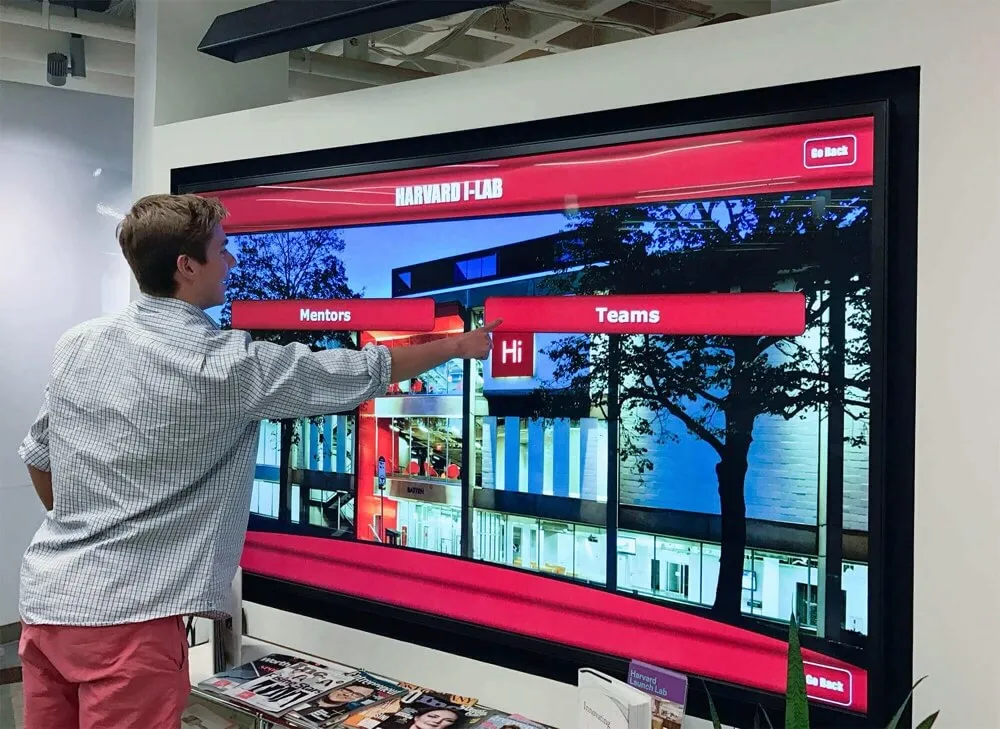
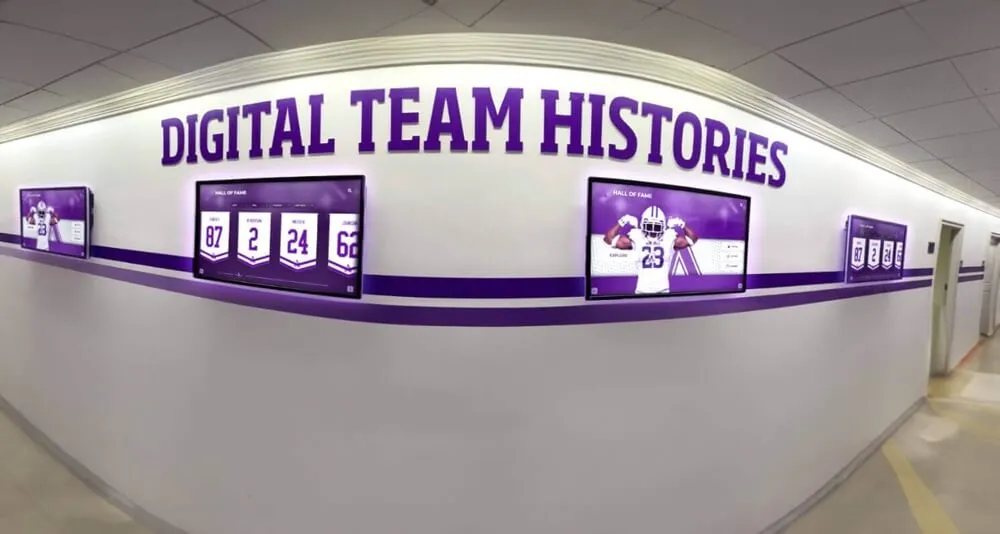
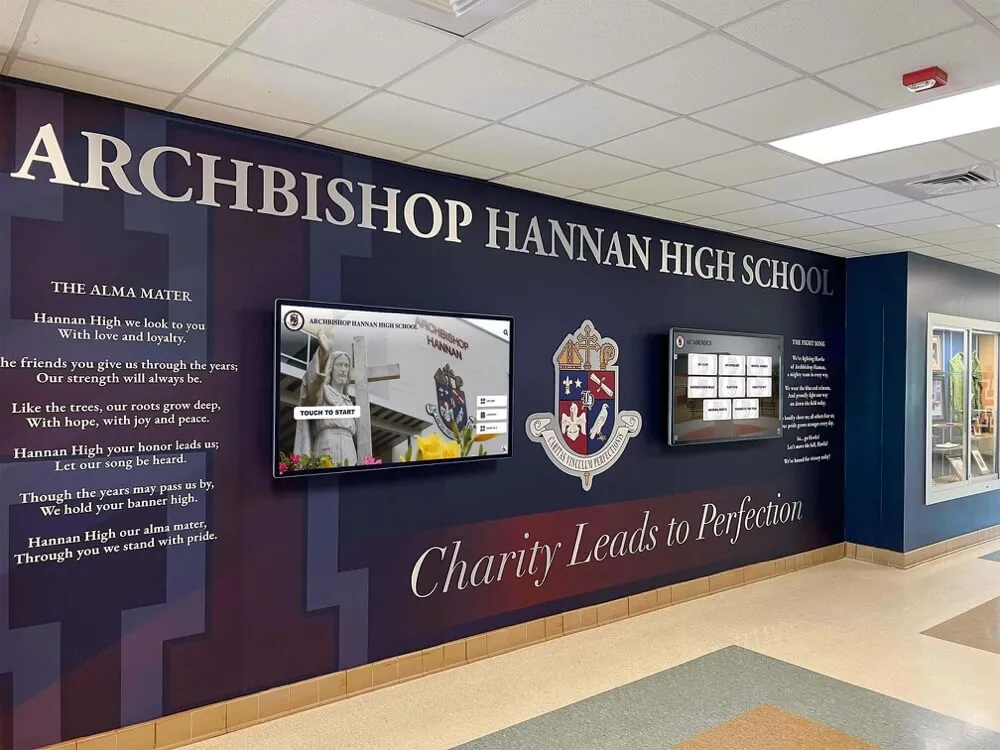
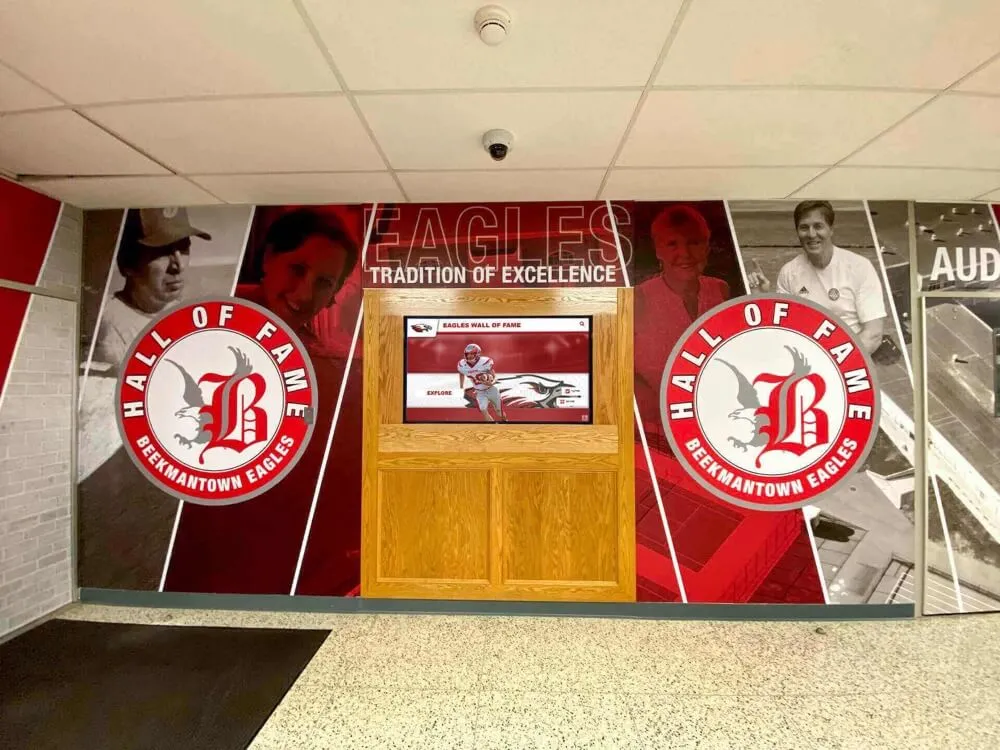
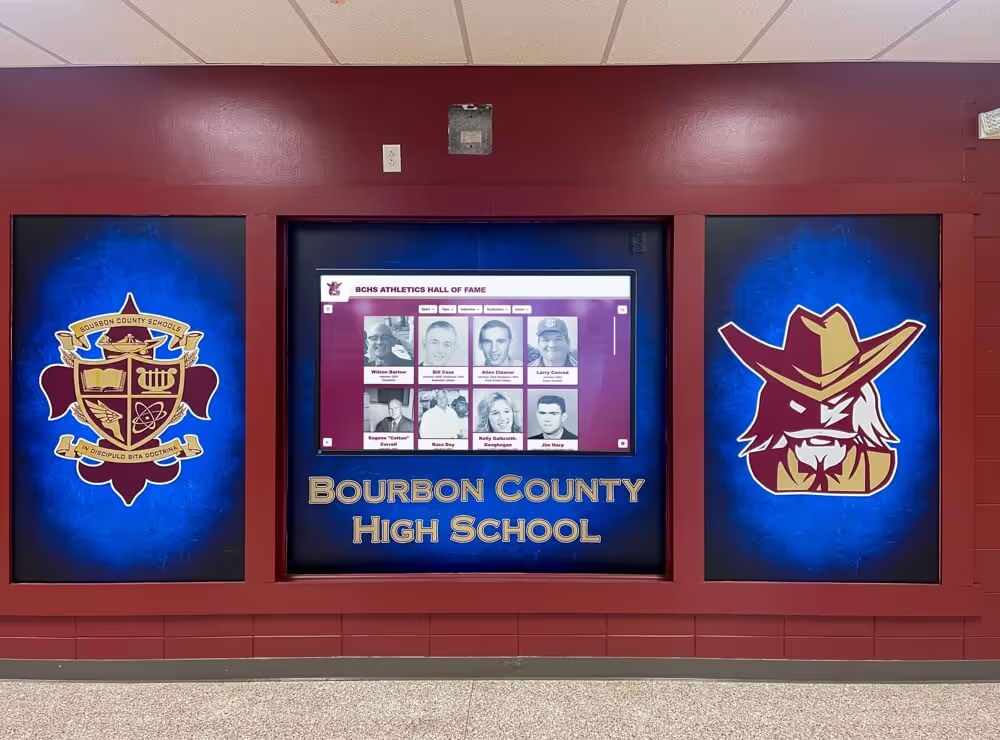
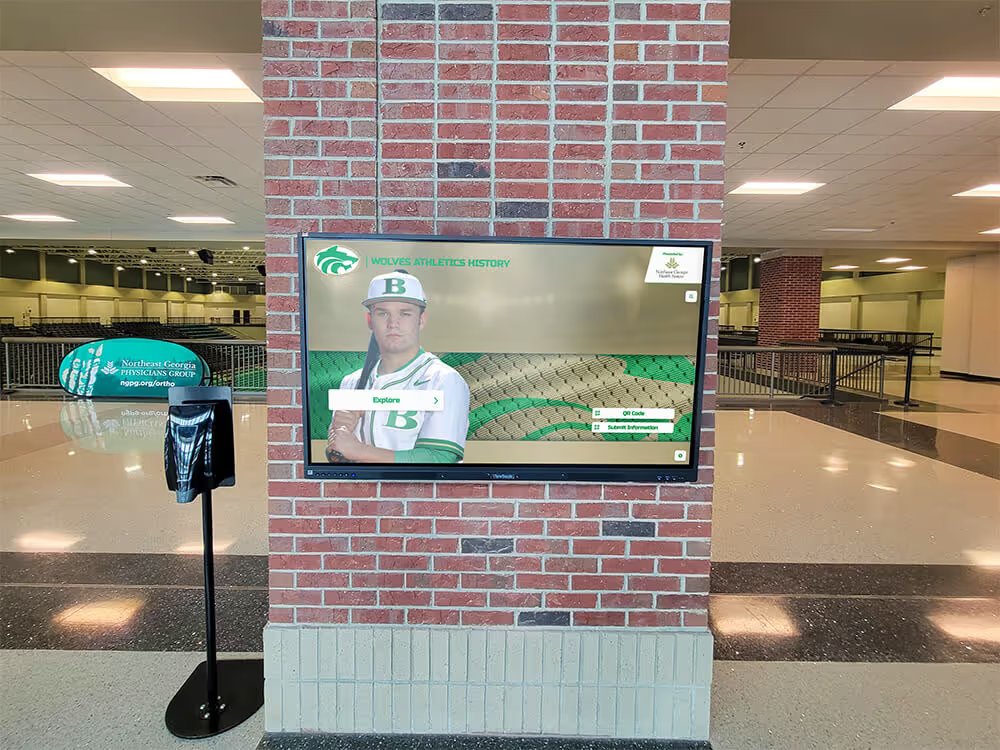
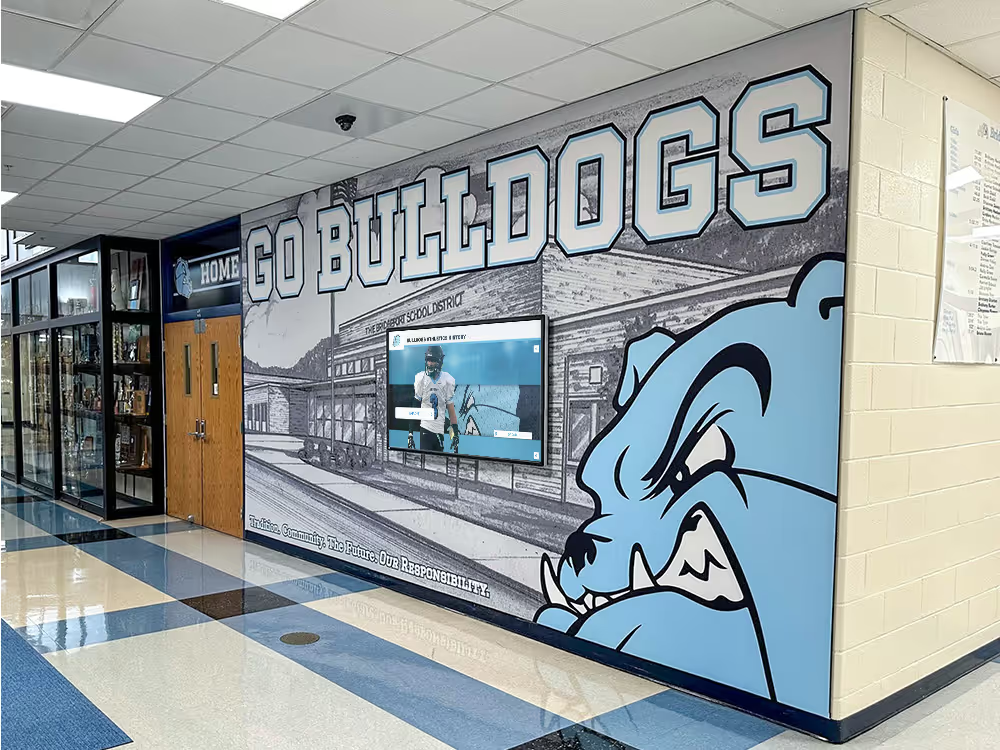
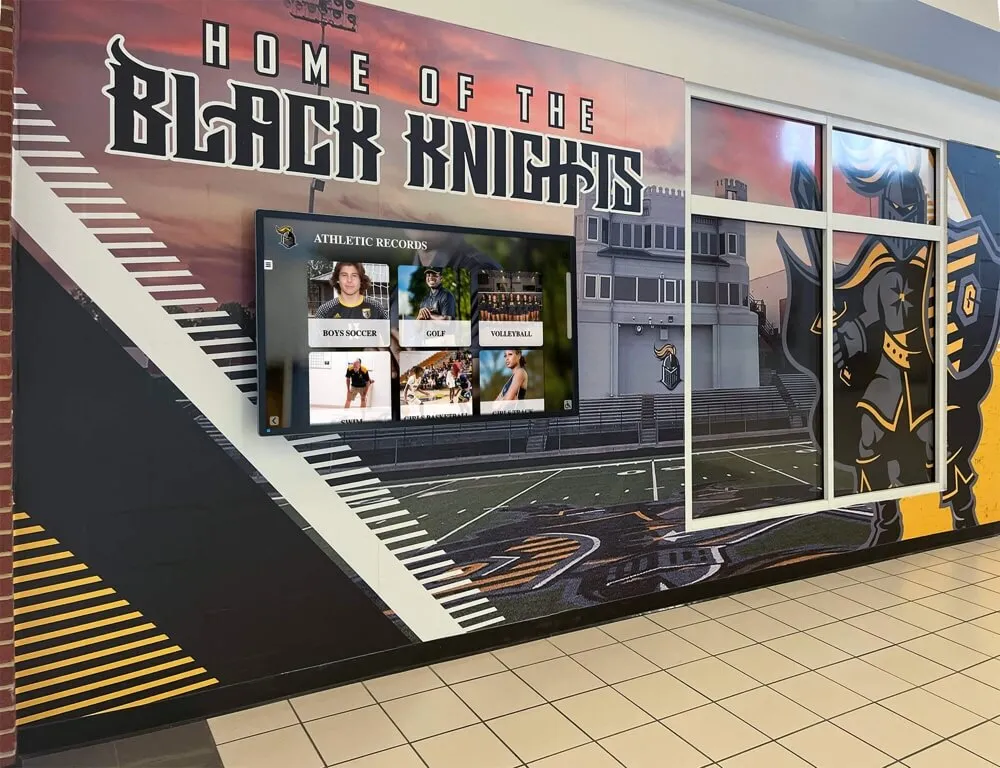
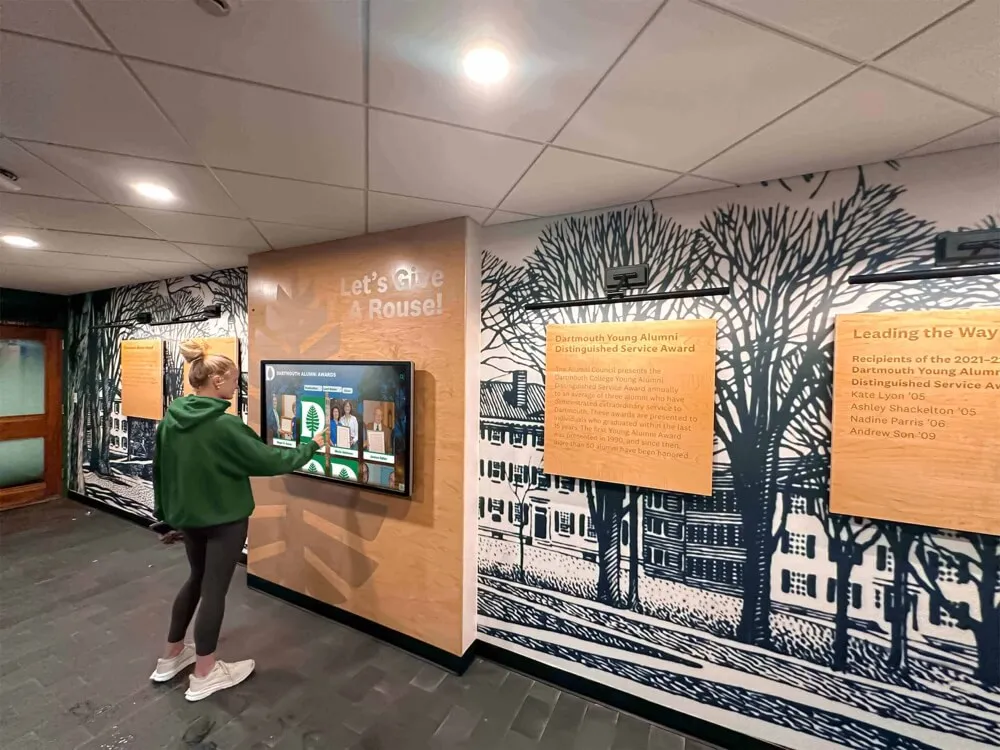
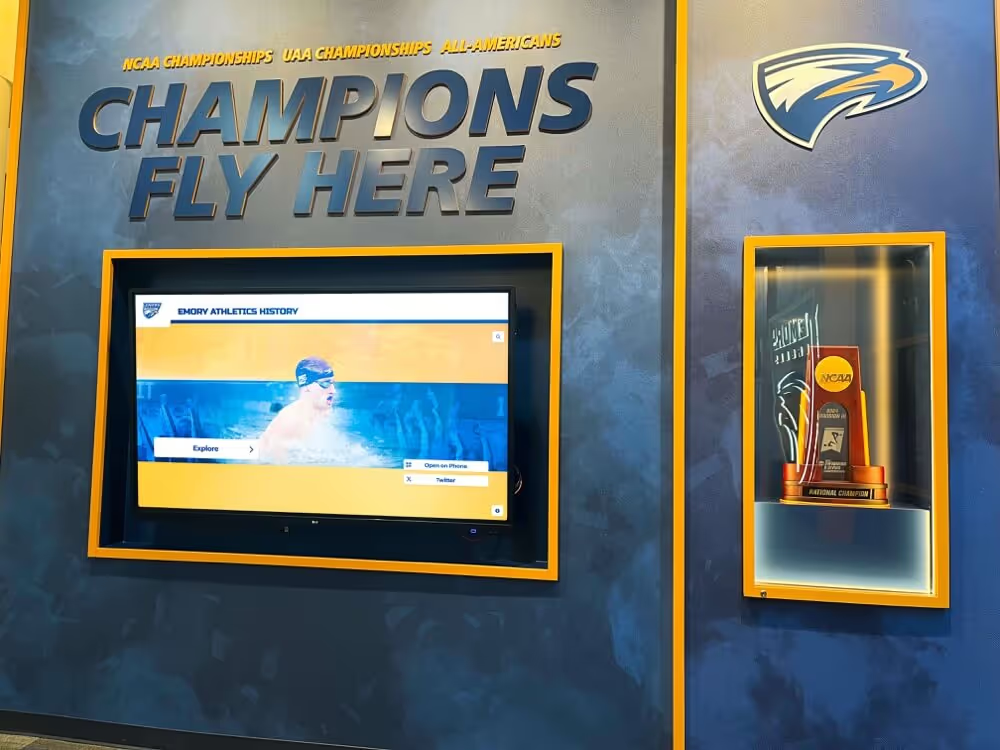
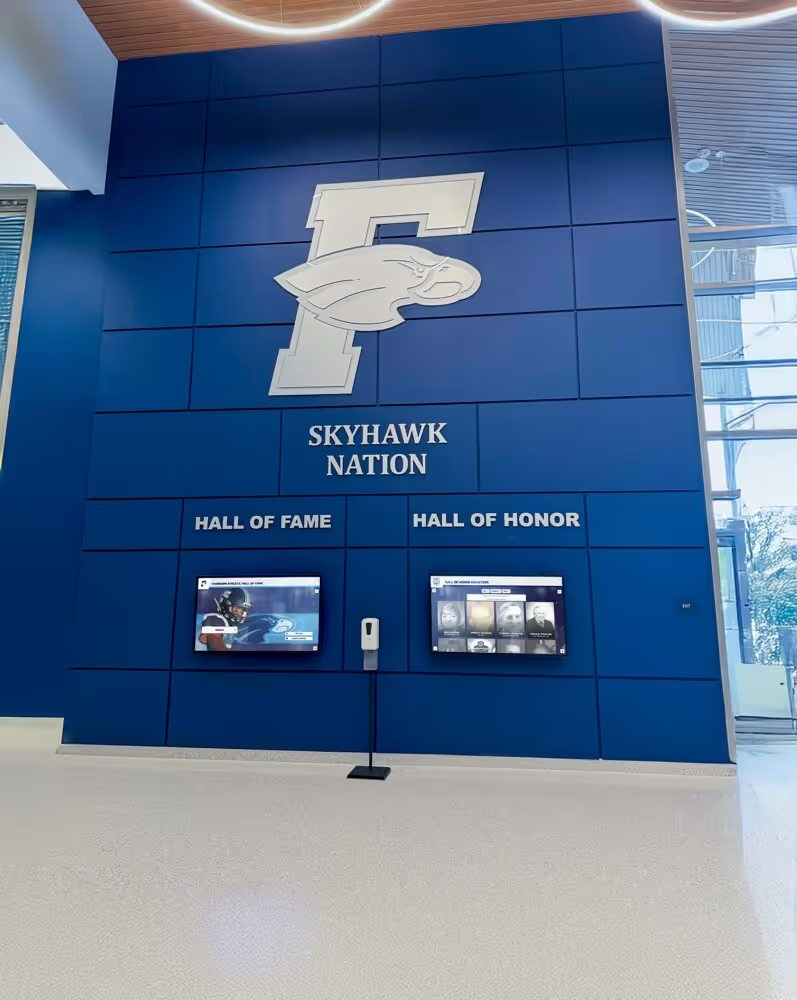
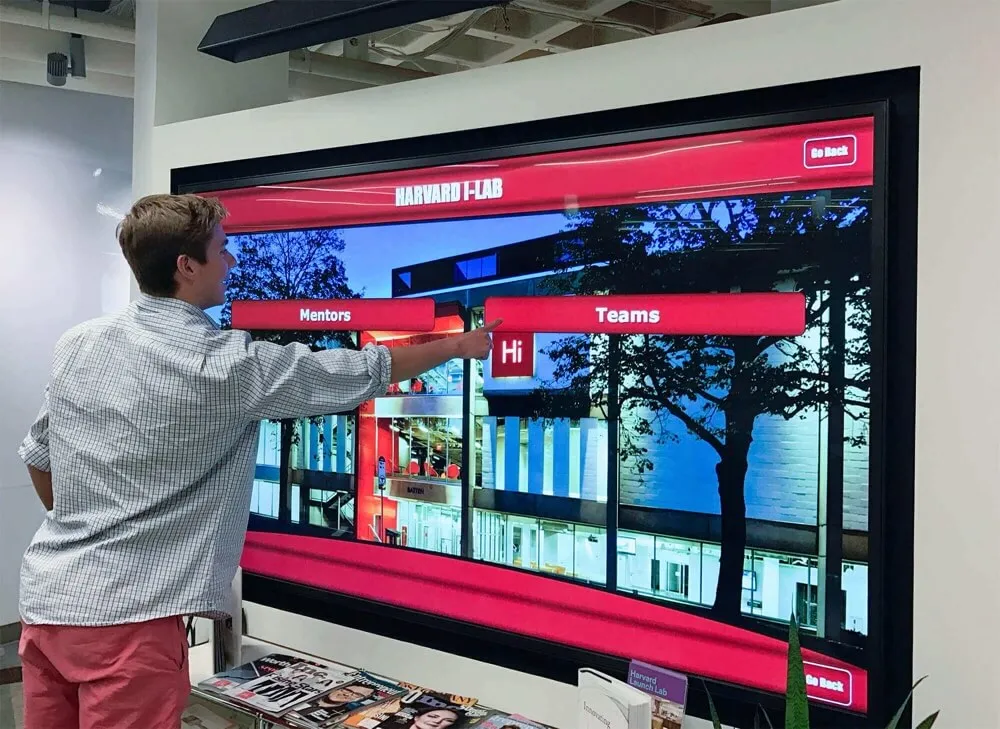
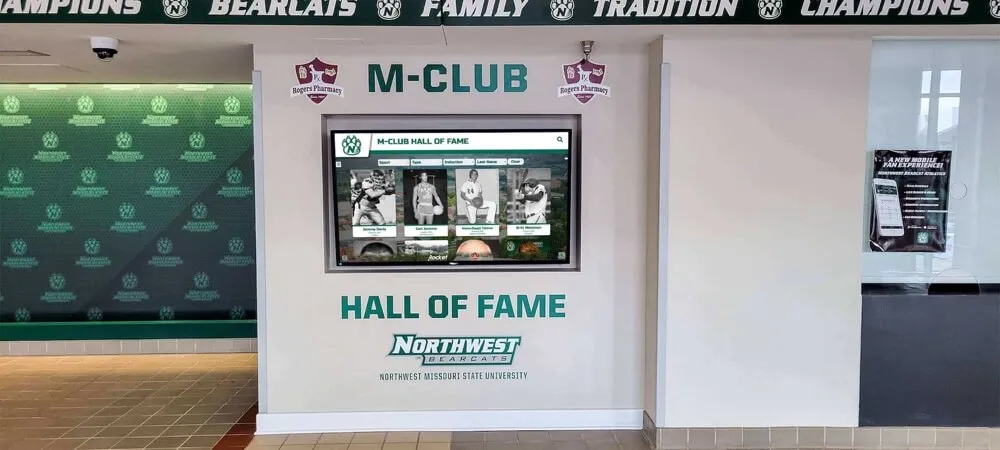
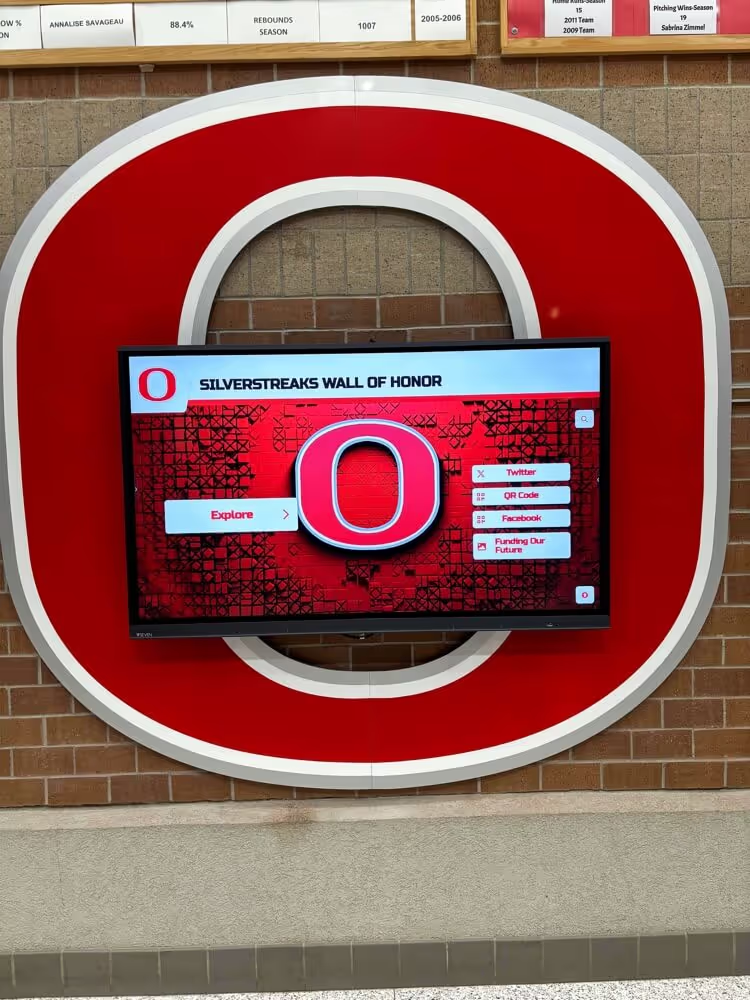
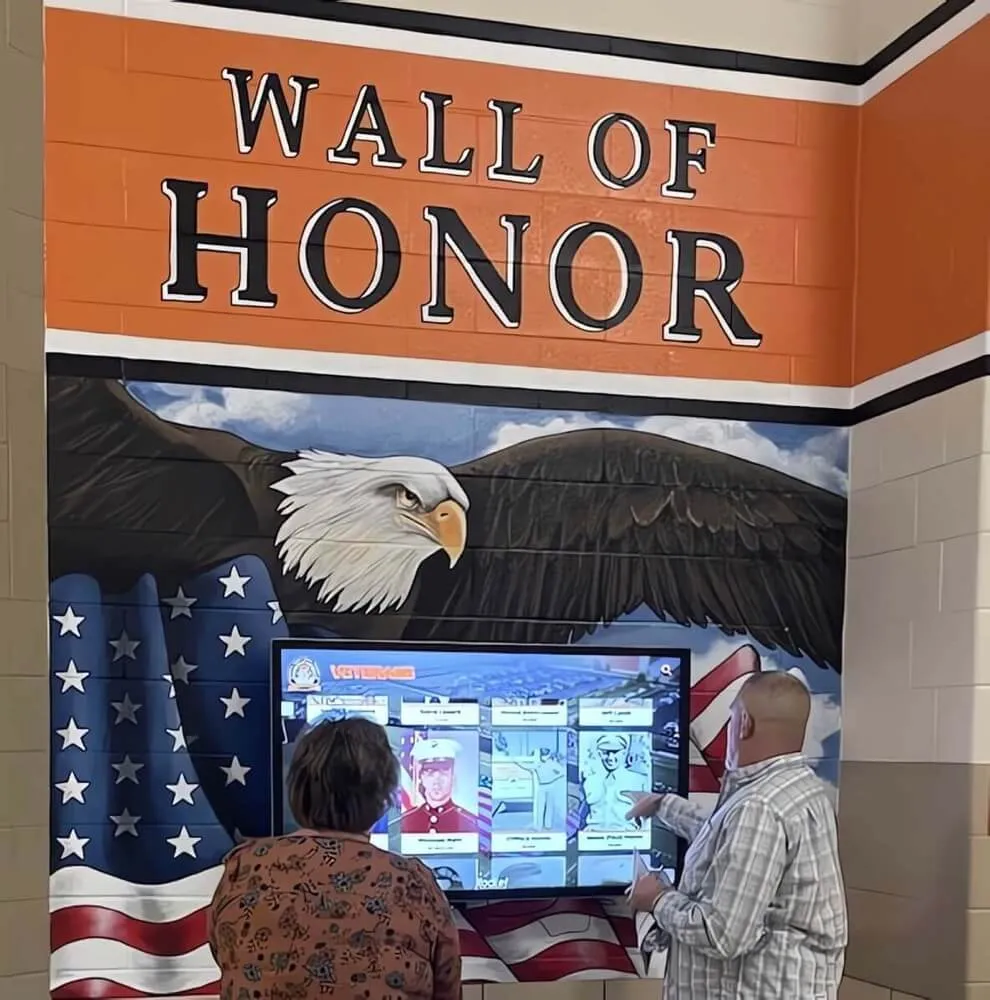
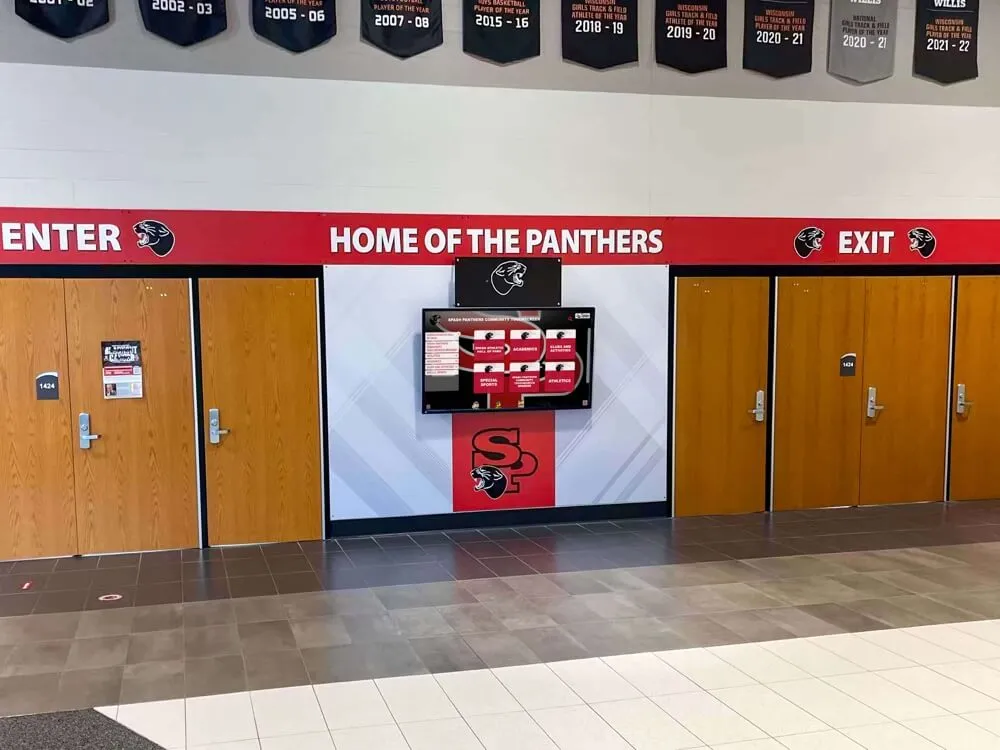
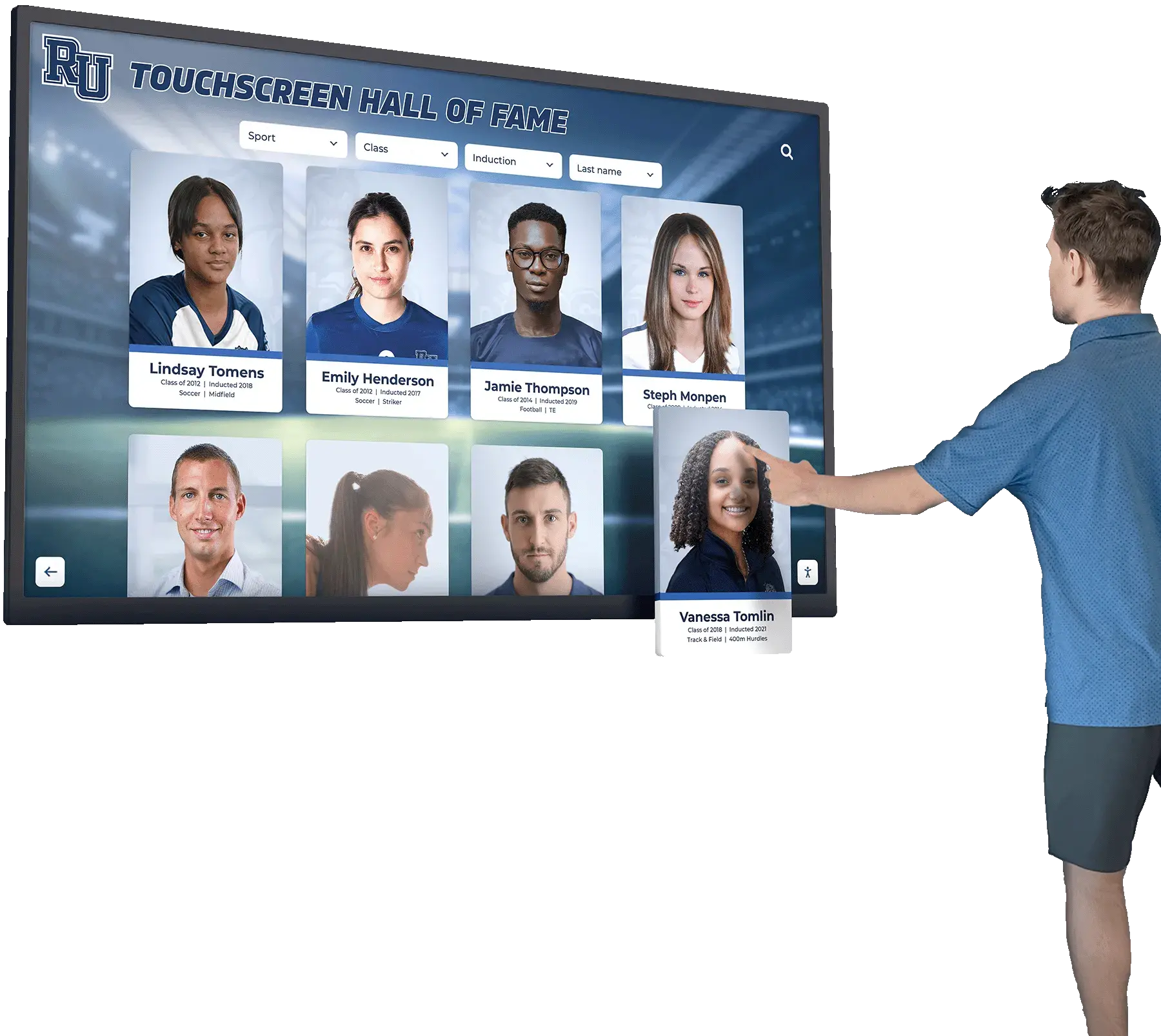
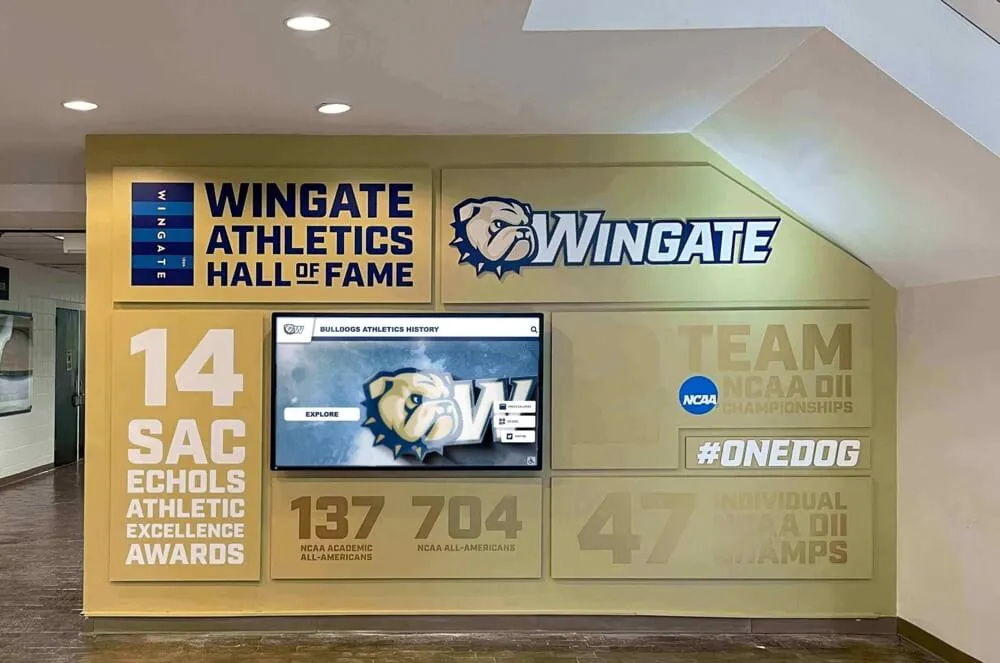
Modern digital donor walls use touchscreen displays, digital signage, or interactive kiosks to showcase contributors through dynamic, multimedia-rich presentations.
Advantages of Digital Donor Recognition:
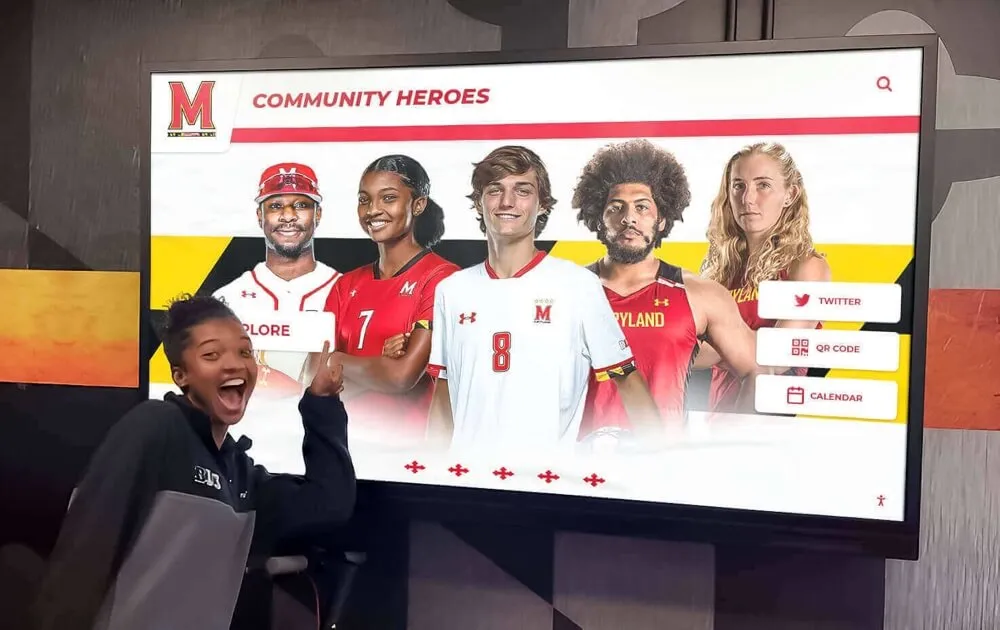
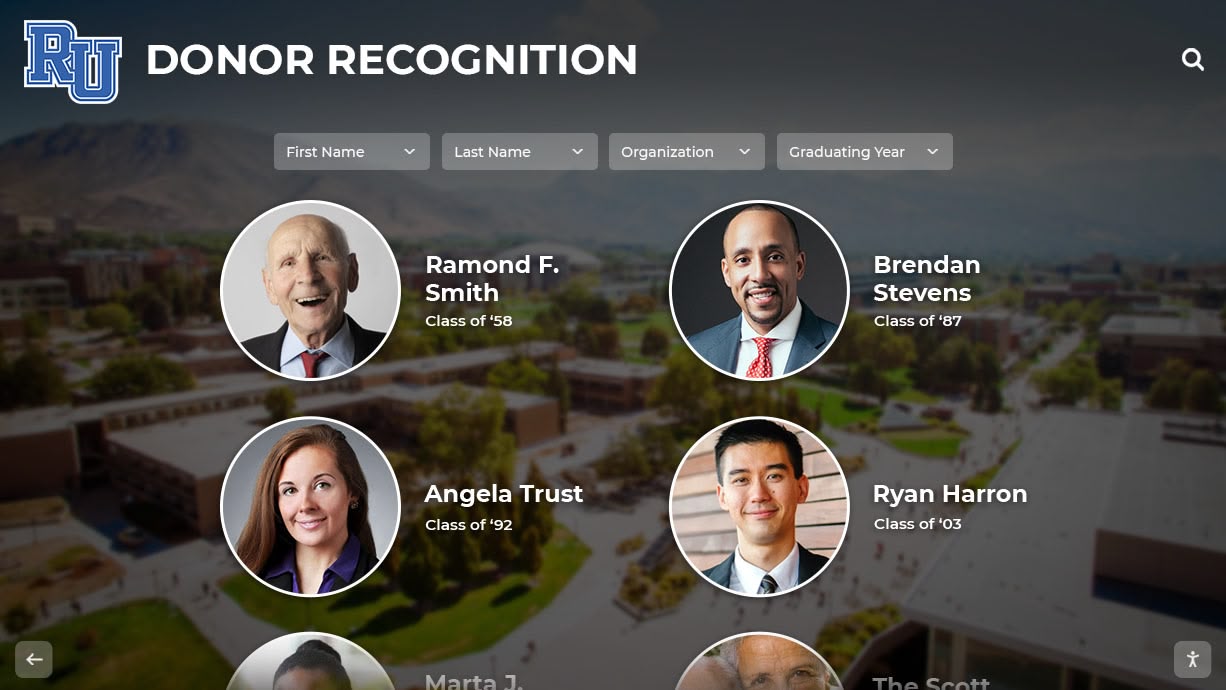
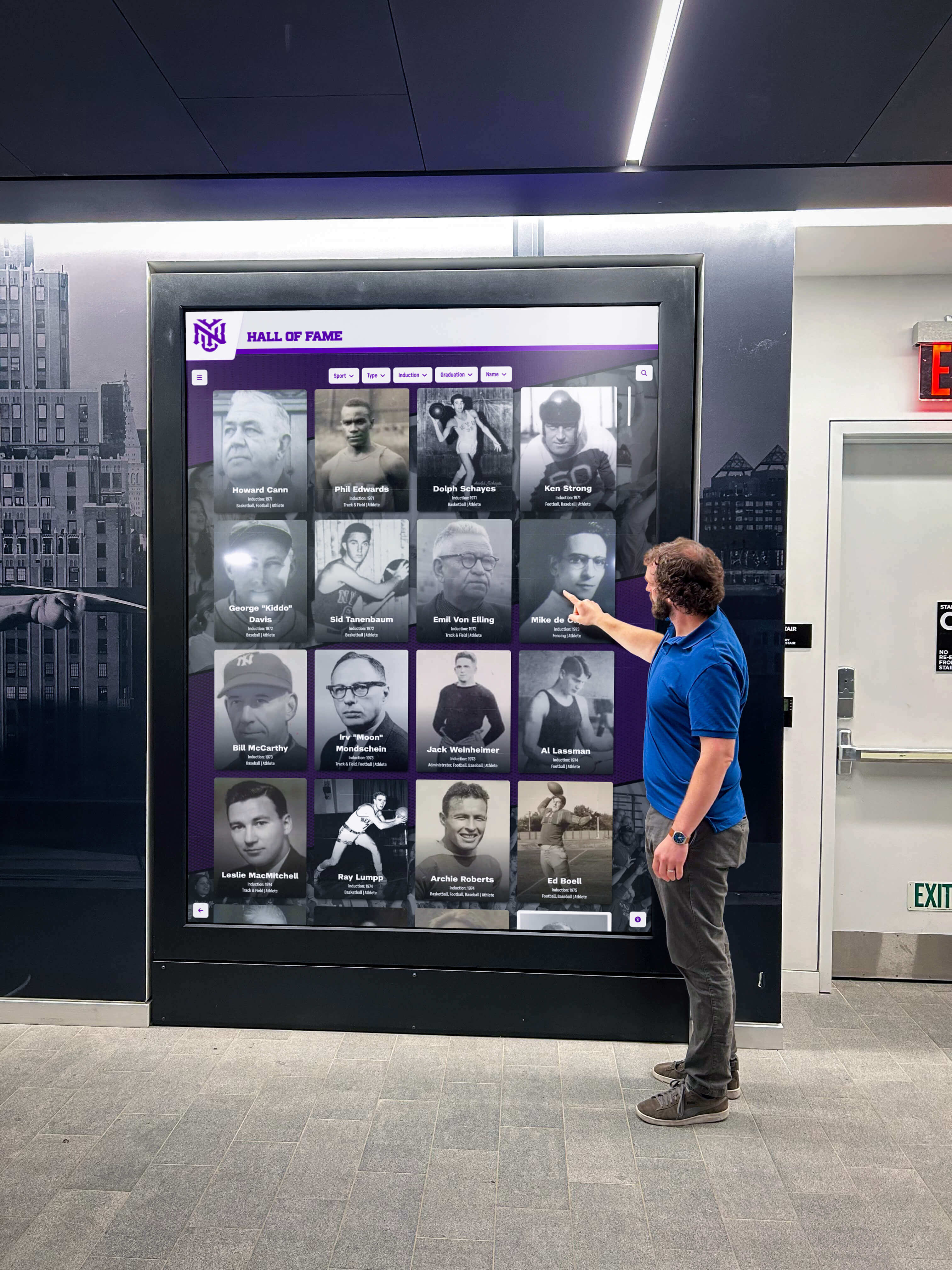
Digital approaches address many traditional limitations while introducing new capabilities. Unlimited capacity allows recognition of thousands of donors without additional physical space—perfect for growing campaigns. Instant updates enable real-time donor additions, corrections, or enhancements without fabrication delays or costs. Rich content integration supports photographs, videos, impact stories, giving histories, and personalized donor profiles impossible in static displays. Interactive features let visitors search for specific donors, filter by giving level or interest area, and explore detailed campaign information.
Organizations implementing modern donor wall solutions report increased engagement as visitors spend significantly more time exploring interactive displays versus glancing at static walls. Accessibility features including text-to-speech, adjustable font sizes, and multilingual support ensure inclusive recognition for all visitors.
Considerations for Digital Donor Displays:
Digital recognition requires thoughtful planning around ongoing technology maintenance, reliable power and network connectivity, software subscription or licensing fees, periodic hardware upgrades as technology advances, and training for staff managing content updates. However, many organizations find that eliminating per-donor fabrication costs and gaining update flexibility makes digital approaches more cost-effective long-term despite initial technology investment.
Hybrid Recognition Approaches
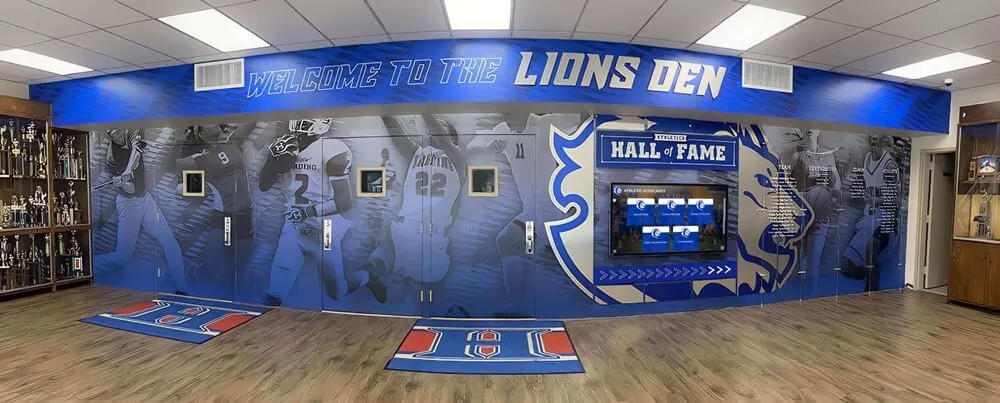
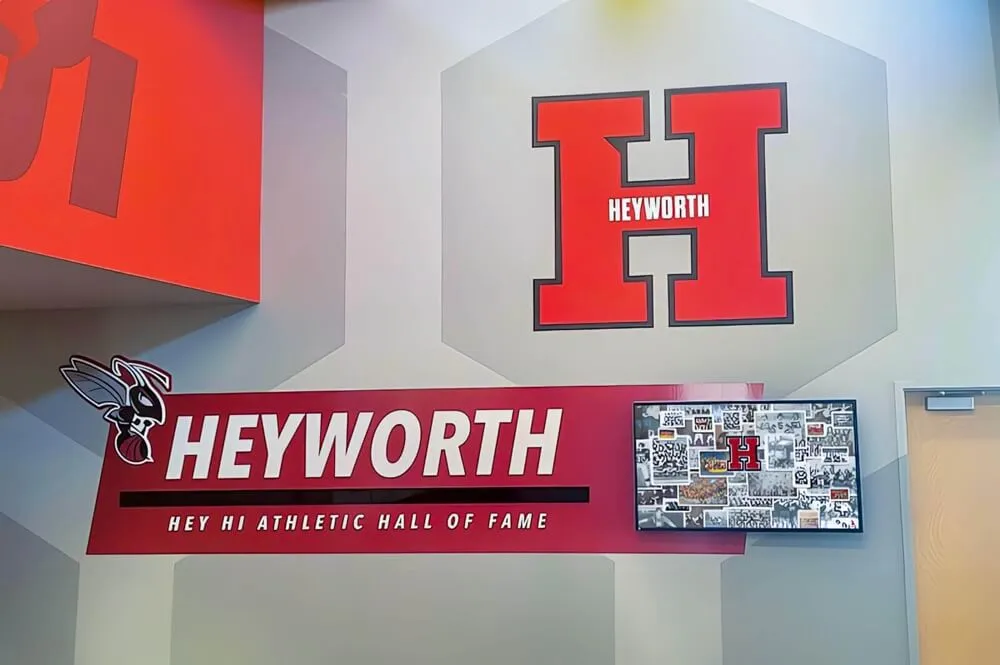
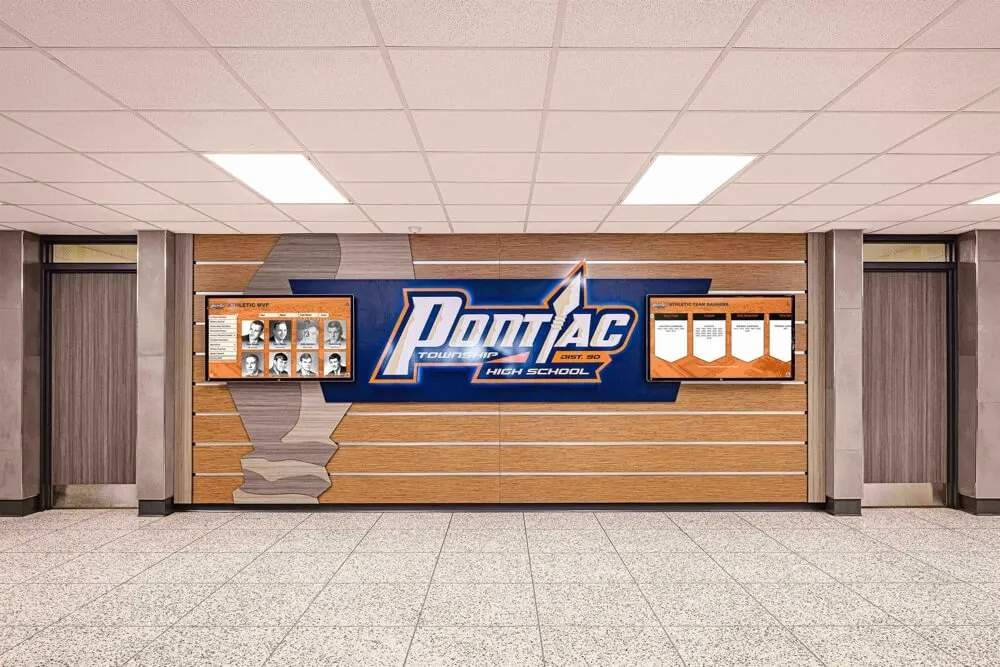
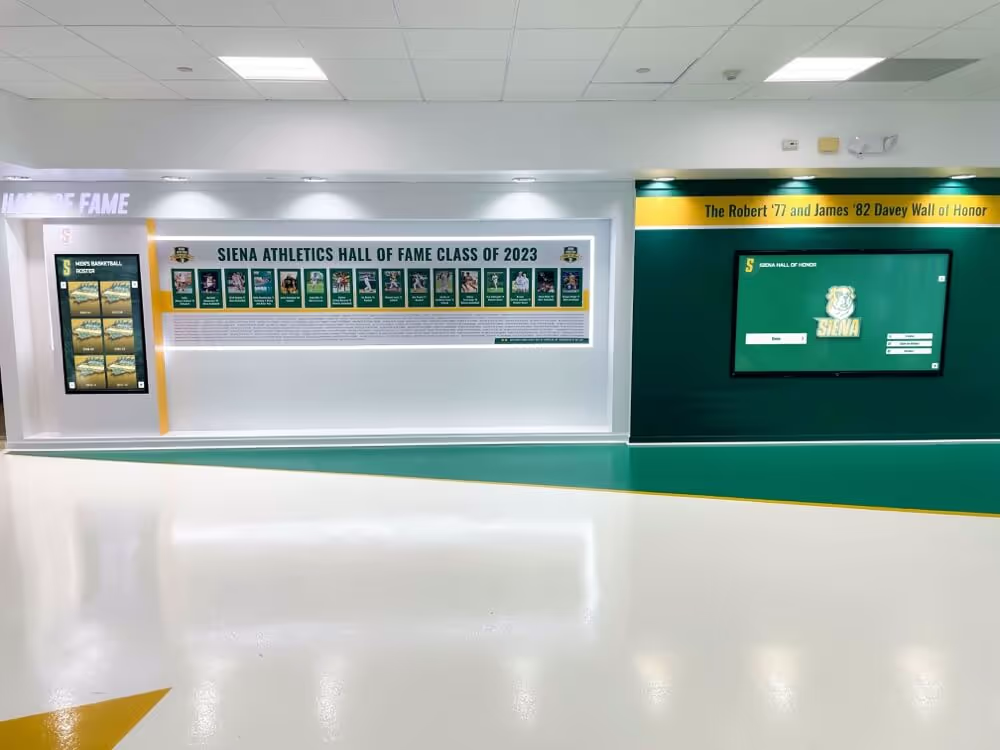
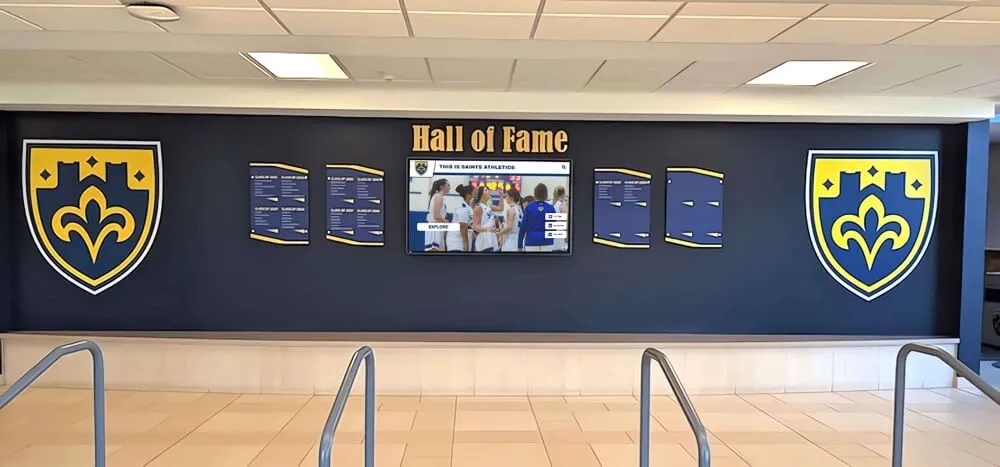
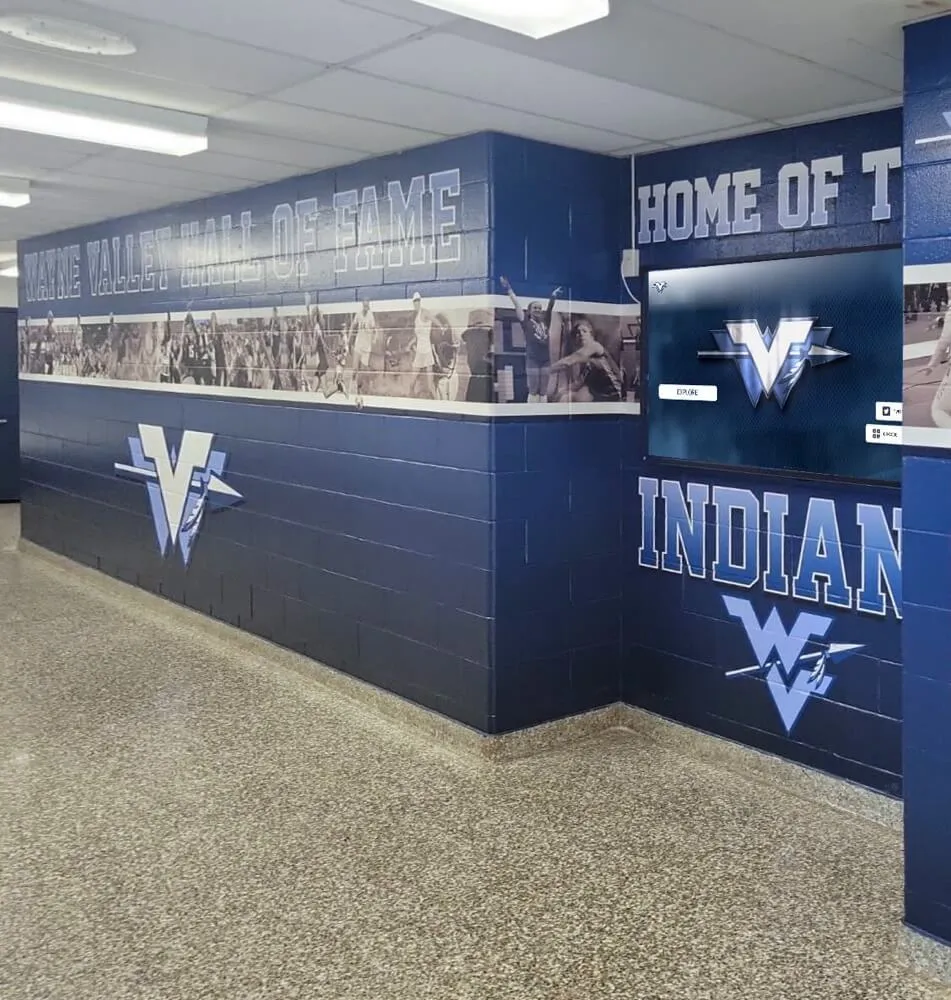
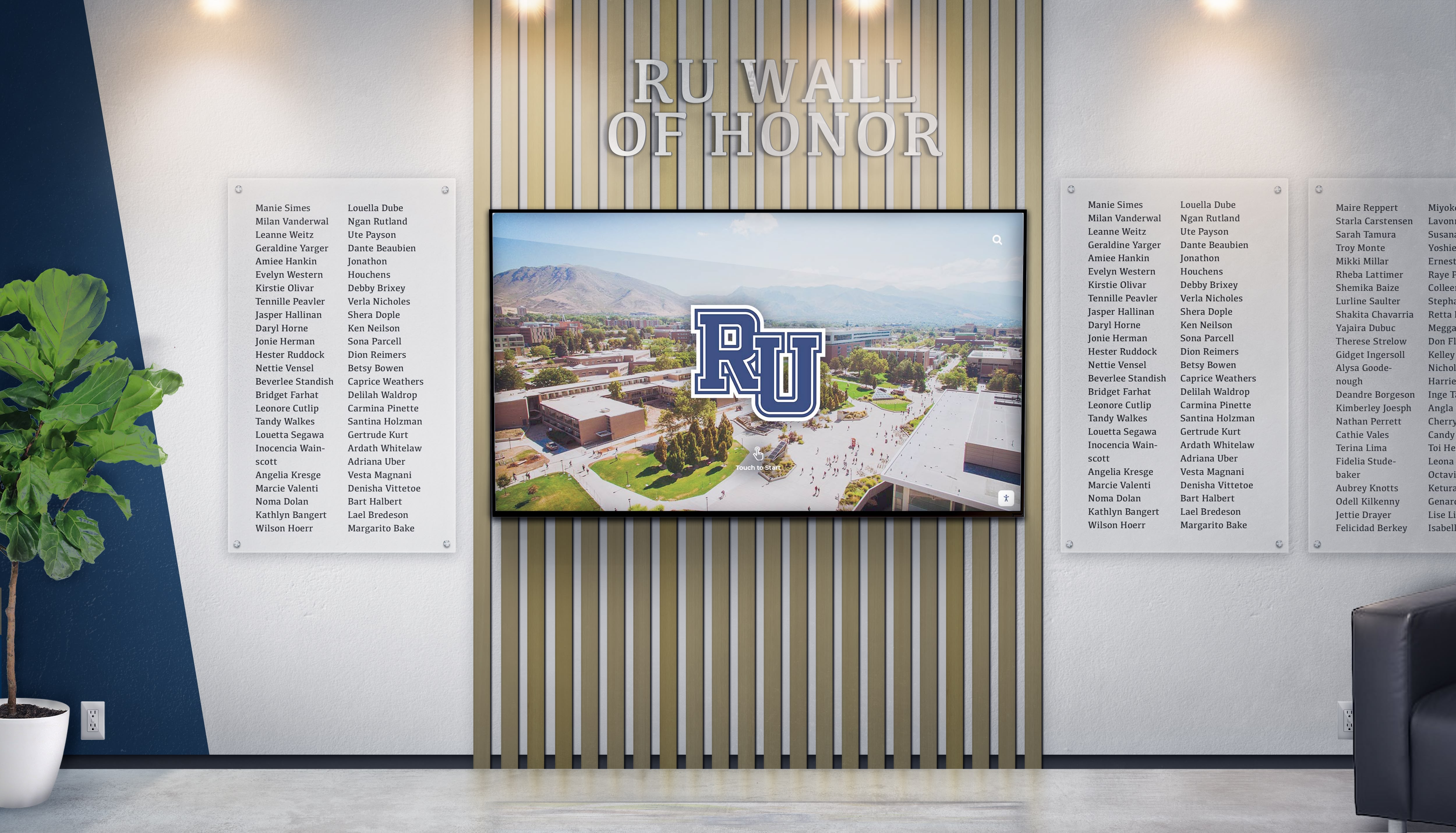
Forward-thinking institutions increasingly adopt hybrid models combining traditional aesthetic elements with digital interactive capabilities. A beautiful engraved stone wall might display major gift donors while an adjacent digital display provides searchable access to comprehensive donor databases. Traditional plaques can incorporate QR codes linking to rich digital content about donor impact stories and giving motivations.
Solutions like digital donor recognition platforms enable organizations to maintain visual prestige of traditional materials while gaining functionality and flexibility of digital systems.
Essential Design Principles for Effective Donor Recognition Walls
Regardless of format choice, successful donor recognition walls share common design principles that maximize impact, readability, and aesthetic appeal.
Establishing Clear Visual Hierarchy
Effective donor walls organize information in clear hierarchical structures that guide visitor attention and facilitate quick comprehension.
Giving Level Organization:
Most donor walls categorize contributors by giving level, with multiple approaches to hierarchy:
- Top-down presentation: Highest giving levels at top or center with descending levels below
- Tiered sections: Distinct visual zones for each giving level with unique formatting
- Spotlight positioning: Major benefactors featured prominently with supporting donors surrounding
- Chronological within levels: Donors listed by gift date within each category
Visual distinction between levels should be immediately obvious through size variation, color differentiation, spatial separation, or formatting changes. Visitors should instantly recognize giving level structure without requiring explanatory text.
Typography and Readability:
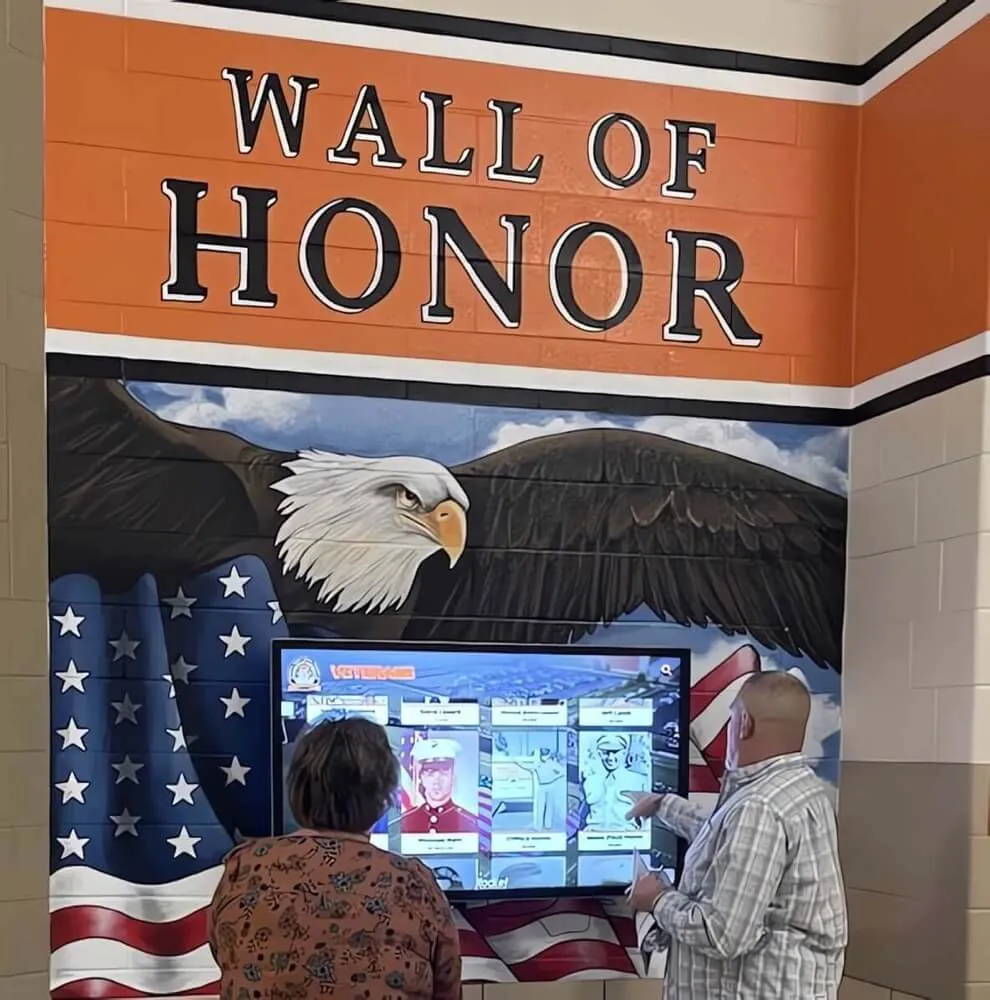
Donor names must be easily readable at typical viewing distances. For traditional walls, this means minimum letter heights of 0.5-1 inch for general viewing, 1.5-2 inches for major donor highlighting, and appropriate font selection balancing elegance with legibility. Digital displays offer flexibility through adjustable text sizing, high-contrast color schemes for visibility, and clean sans-serif fonts optimizing screen readability.
Creating Naming Hierarchies That Inspire Giving
The language you use for giving levels significantly impacts donor perception and future fundraising success.
Meaningful Level Names:
Generic naming (Bronze/Silver/Gold) works but lacks emotional connection. More compelling approaches include mission-connected terminology reflecting organizational values and impact, legacy language emphasizing lasting contribution significance, community recognition acknowledging donor role in collective success, and visionary framing positioning donors as leaders building future.
For example, an educational institution might use levels like “Founders Circle” ($100,000+), “Scholars Society” ($50,000-$99,999), “Educators Alliance” ($25,000-$49,999), rather than generic metal categories. This connects recognition directly to institutional mission while creating aspirational identity.
Strategic Level Structure:
Giving level design requires balancing several considerations. Too few levels (only recognizing gifts above $10,000) excludes many donors and discourages smaller gifts. Too many levels create cluttered displays and diminish distinction between categories. Most organizations successfully implement 4-7 giving levels that create natural progression for donor cultivation, recognize both major and modest contributions appropriately, and align with fundraising strategy and campaign goals.
Research on nonprofit donor recognition strategies demonstrates that well-structured giving levels guide donors toward larger contributions over time as they aspire to higher recognition categories.
Design Elements and Aesthetic Considerations
The visual presentation of donor recognition walls profoundly impacts their effectiveness and the impression they create.
Material Selection for Traditional Donor Walls
Premium Materials and Their Characteristics
Metal Options:
- Brass plaques: Classic choice offering warm gold tone, exceptional durability, ability to achieve fine engraving detail, and traditional aesthetic conveying prestige
- Bronze: Similar to brass with deeper, richer coloring and higher cost
- Stainless steel: Contemporary look with modern aesthetic, excellent weather resistance for outdoor installations, and lower maintenance
- Aluminum: Lightweight and cost-effective option with versatile finishing options
Architectural Materials:
- Stone (granite, marble, limestone): Monumental presence with natural beauty, exceptional permanence, weather resistance, and ability to integrate with building architecture
- Glass (etched, sandblasted, or laser-engraved): Contemporary elegance allowing transparency and light integration, particularly effective in modern facilities
- Wood: Warm, organic aesthetic appropriate for certain institutional contexts, requires climate control and maintenance
Color and Contrast in Donor Recognition
Effective color choices enhance readability while maintaining brand consistency. High contrast between text and background ensures visibility for all visitors including those with visual impairments. Institutional color integration maintains brand identity while creating cohesive facility aesthetics. Accent colors can differentiate giving levels or highlight featured content without creating visual chaos.
Lighting Design Considerations
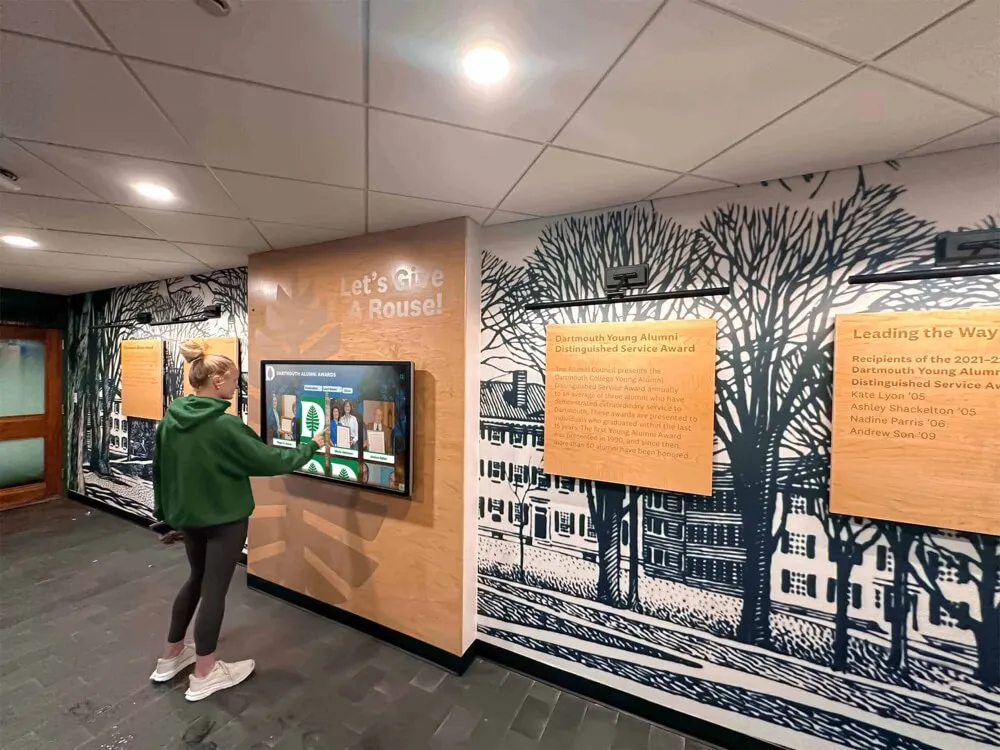
Proper illumination transforms donor recognition walls from simple lists into dramatic focal points. Dedicated lighting prevents shadows on donor names, creates visual emphasis drawing attention to recognition area, enables photography for donor stewardship and marketing, and ensures accessibility for visitors with low vision. For traditional walls, track lighting, uplighting, or integrated LED strips provide effective illumination. Digital displays include built-in brightness but benefit from ambient lighting reducing glare and eyestrain.
Incorporating Storytelling and Impact Messaging
The most compelling donor recognition walls transcend simple name lists by communicating donor impact and organizational mission.
Beyond Names: Telling Donor Stories
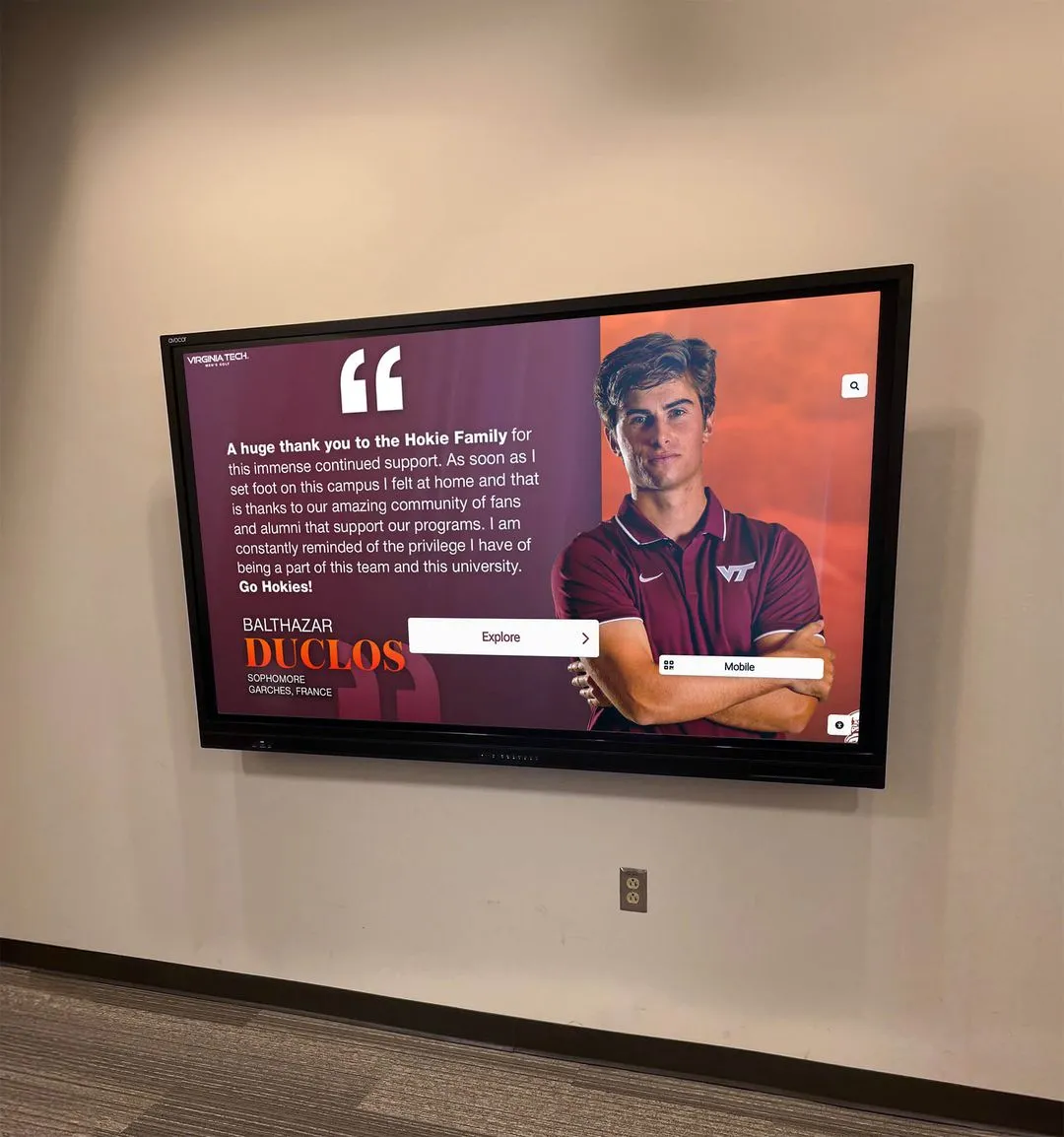
Modern recognition approaches, particularly digital formats, enable rich storytelling impossible in traditional plaques. Consider incorporating donor testimonials explaining why individuals support your organization, impact narratives showing specific outcomes enabled by contributions, historical context for legacy donors recognizing long-term institutional supporters, family giving stories celebrating multi-generational philanthropy, and photographic elements humanizing donors and connecting faces to names.
These narrative elements transform donor walls from administrative lists into inspirational content that motivates new giving. When prospective donors see not just who gave, but why they gave and what impact resulted, recognition becomes powerful fundraising tool. Many organizations are leveraging interactive digital signage to create immersive storytelling experiences that bring donor impact to life.
Connecting Recognition to Organizational Mission
Effective donor walls constantly reinforce why contributions matter. Brief mission statements contextualize giving within broader organizational purpose. Impact statistics quantify donor contributions showing how support translates to measurable outcomes. Visual imagery depicting programs, facilities, or individuals served by donor generosity creates emotional connection.
Organizations should regularly update impact messaging ensuring recognition walls reflect current programs and recent achievements rather than becoming historical artifacts disconnected from ongoing work.
Digital Donor Recognition: Technology and Implementation
For organizations choosing digital approaches, understanding technology options and implementation requirements ensures successful deployment.
Selecting Digital Recognition Platforms
Key Platform Capabilities:
Effective digital donor recognition platforms should include:
- User-friendly content management: Non-technical staff must easily add donors, update information, and modify displays without IT support
- Flexible design templates: Customizable layouts maintaining brand consistency while accommodating various giving level structures
- Robust search functionality: Visitors quickly locate specific donors within comprehensive databases
- Multimedia integration: Support for photographs, videos, PDF documents, and rich formatting
- Cloud-based operation: Remote management enabling updates from anywhere without physical hardware access
- Multi-display coordination: Manage multiple recognition walls across campuses or facilities from centralized platform
- Accessibility compliance: WCAG 2.1 AA standards ensuring inclusive access for all visitors
- Data security: Protect donor information with appropriate privacy and security measures
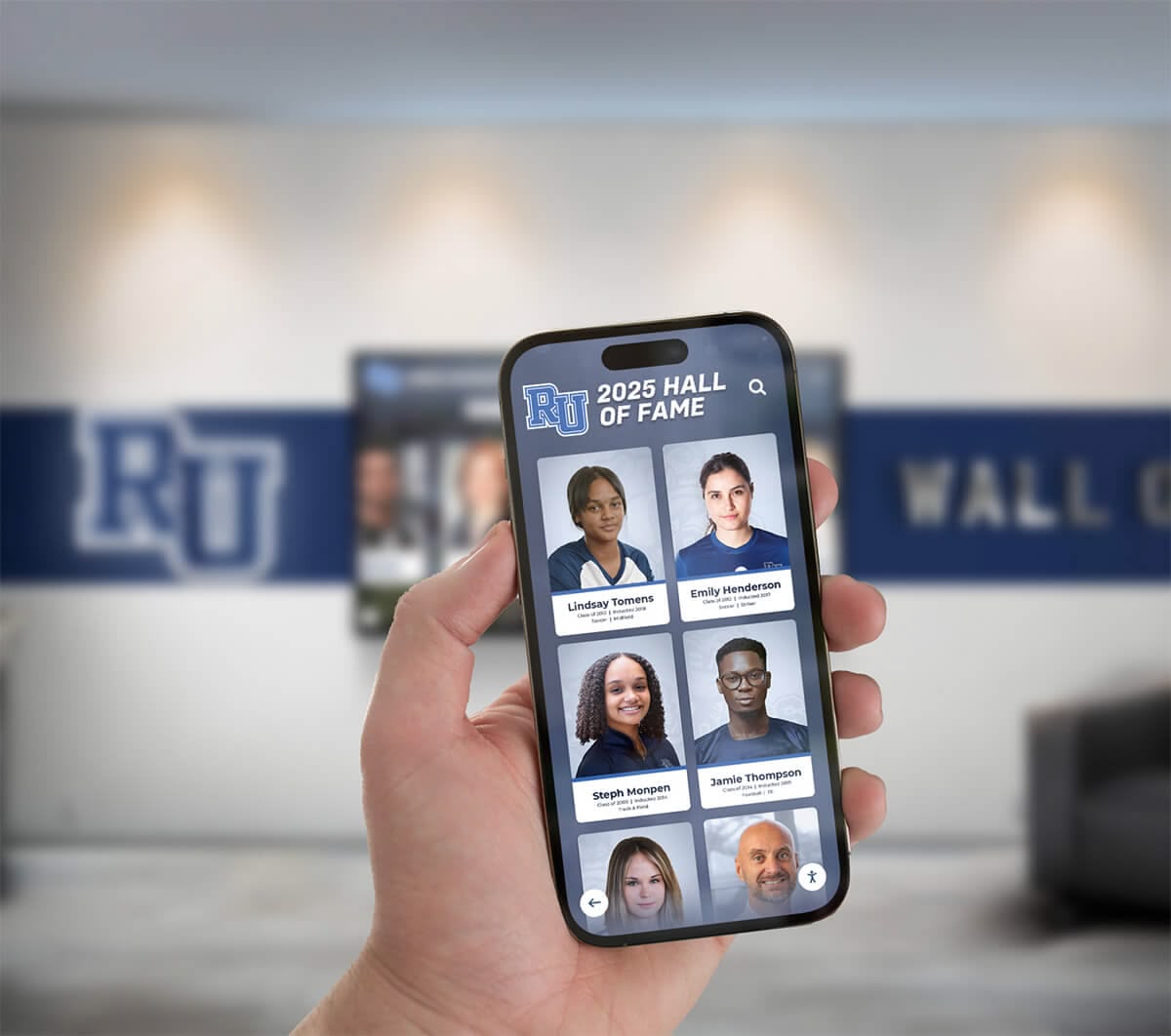
Solutions like Rocket Alumni Solutions provide purpose-built platforms specifically designed for donor recognition with intuitive interfaces making ongoing management accessible even to organizations with limited technical resources.
Hardware Considerations for Digital Displays
Selecting appropriate display hardware impacts longevity, reliability, and visitor experience.
Display Specifications:
- Commercial-grade touchscreens: Consumer displays fail in continuous-operation environments; commercial hardware rated for 16+ hours daily operation ensures reliability
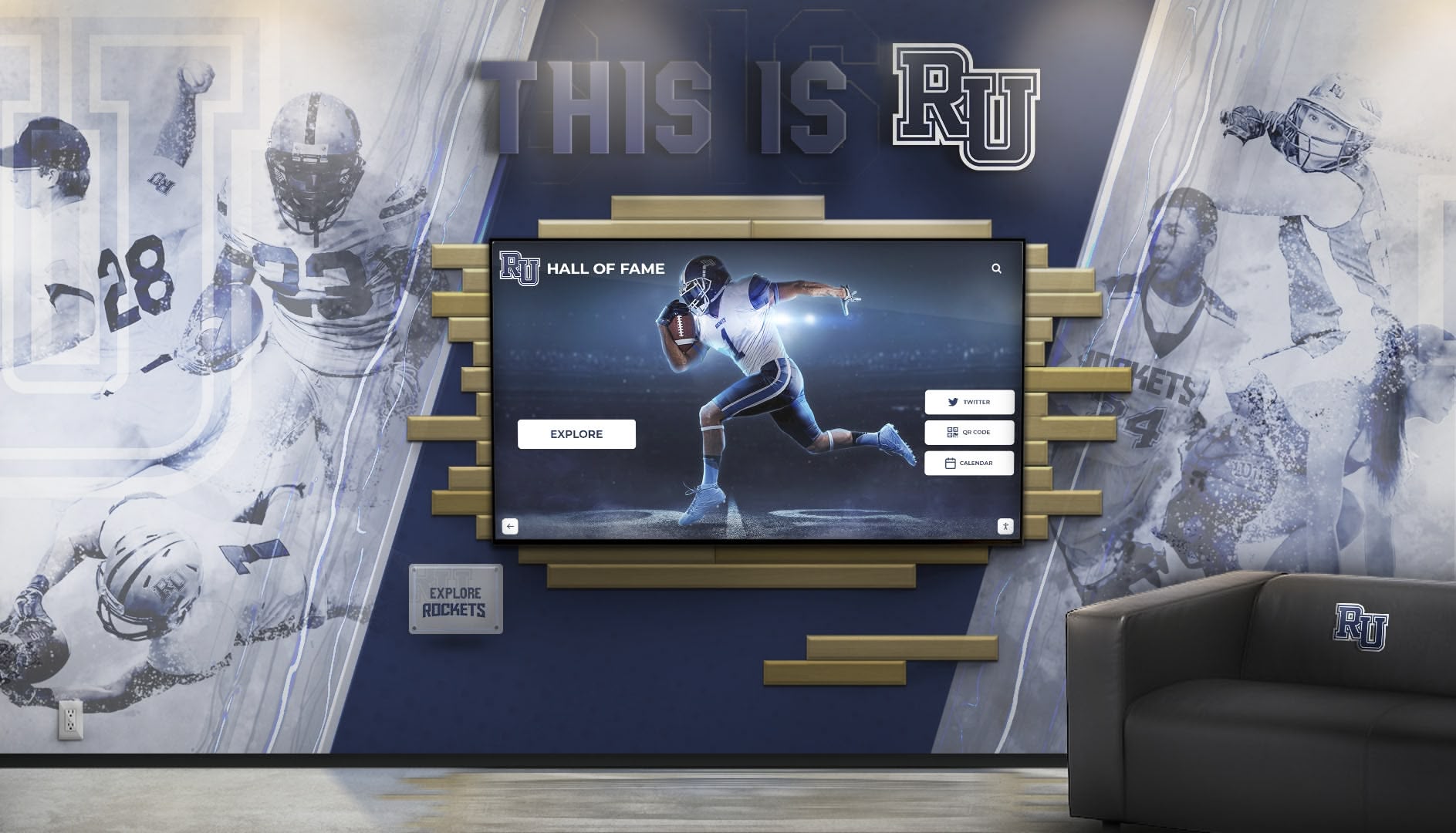
- Appropriate screen sizes: 43-86 inch displays depending on viewing distances, content density, and installation location
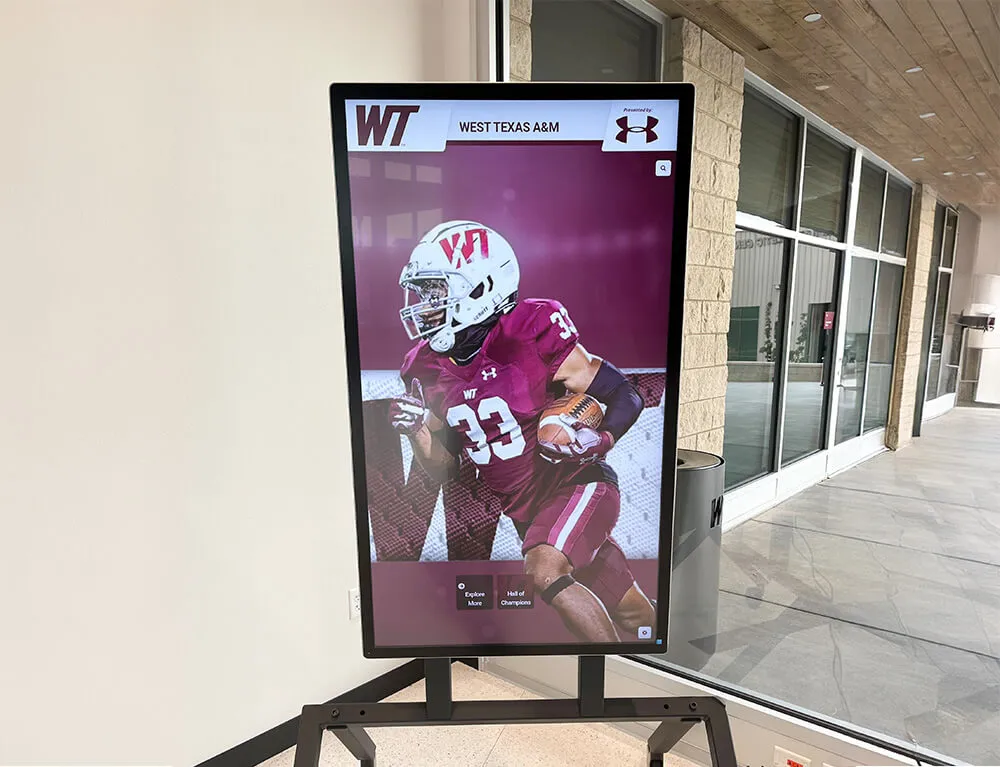
- Mounting options: Wall-mounted, freestanding kiosk enclosures, or custom architectural integration based on space and aesthetic preferences
- Network connectivity: Reliable connection (wired preferred over wireless) for content updates and remote management
Organizations implementing digital recognition displays report high satisfaction with modern touchscreen technology that provides engaging, intuitive visitor experiences while simplifying staff content management.
Maintenance and Content Management
Successful digital donor recognition requires ongoing attention to content currency and system health. Establish clear responsibility for updating donor information as new gifts arrive, correcting errors or adjusting donor preferences promptly, refreshing impact messaging and organizational information regularly, monitoring hardware functionality and addressing technical issues, and conducting periodic content audits ensuring accuracy and completeness.
Organizations should budget time for regular content maintenance—typically 2-4 hours monthly for active fundraising campaigns—ensuring donor walls remain current and error-free.
Planning and Implementing Your Donor Recognition Wall
Strategic planning prevents common pitfalls and ensures recognition walls deliver intended impact.
Developing Recognition Policies and Guidelines
Before designing recognition walls, establish clear written policies addressing:
Donor Naming and Privacy:
- How donor names appear (full names, titles, honorifics)
- Anonymity options for donors preferring privacy
- Memorial and tribute gift handling
- Corporate vs. individual recognition protocols
- Family foundation and estate gift attribution
Recognition Duration and Updates:
- Whether recognition is perpetual or time-limited
- Policies for updating donor information as circumstances change
- Handling requests to remove or modify recognition
- Recognition for pledges vs. completed gifts
Minimum Gift Thresholds:
- Giving levels qualifying for recognition inclusion
- Cumulative lifetime giving vs. single gift recognition
- In-kind donation valuation and recognition
Approval Processes:
- Who reviews and approves donor wall content
- How quickly new donors appear after gift completion
- Correction procedures for errors or updates
Clear policies prevent uncomfortable situations where donor expectations don’t align with organizational practices. Share recognition policies during gift solicitation ensuring donors understand exactly how recognition will appear.
Budgeting for Donor Recognition Walls
Comprehensive budget planning accounts for all cost dimensions:
Initial Investment:
- Design and planning fees
- Materials and fabrication (traditional walls)
- Hardware and software (digital walls)
- Installation and mounting
- Electrical and network infrastructure
- Initial content development
Ongoing Costs:
- New donor additions (traditional walls)
- Software subscriptions (digital walls)
- Maintenance and cleaning
- Updates and corrections
- Periodic refinishing or refurbishment
Many organizations find that while digital recognition requires higher initial investment, long-term cost-per-donor often favors digital approaches given elimination of per-name fabrication and installation expenses. Model total cost over 10-year timeframe comparing traditional and digital approaches based on projected donor growth rates.
Strategic Location Selection
Recognition wall placement significantly affects visibility and impact. Prioritize high-traffic areas where most visitors naturally pass, spaces symbolically connected to funded programs or facilities, locations with appropriate lighting and architectural features, areas accessible to all visitors including those with mobility limitations, and settings where visitors have time to pause and engage with content rather than rushing past.
For major facilities, consider multiple recognition installations showcasing different donor categories or campaigns in contextually appropriate locations throughout buildings.
Best Practices for Donor Recognition Wall Success
Learn from organizations with successful recognition programs to maximize effectiveness.
Inclusive Recognition Strategies
The most effective donor walls recognize contributions at all levels, not just major gifts. While larger donors may receive more prominent placement, including recognition for modest gifts signals that every contribution matters and builds organizational culture where giving is celebrated regardless of amount. Consider dedicated sections for cumulative giving recognizing loyalty over time, volunteer recognition honoring time contributions alongside financial gifts, in-kind donation acknowledgment for goods and services provided, and legacy society recognition for planned gift commitments.
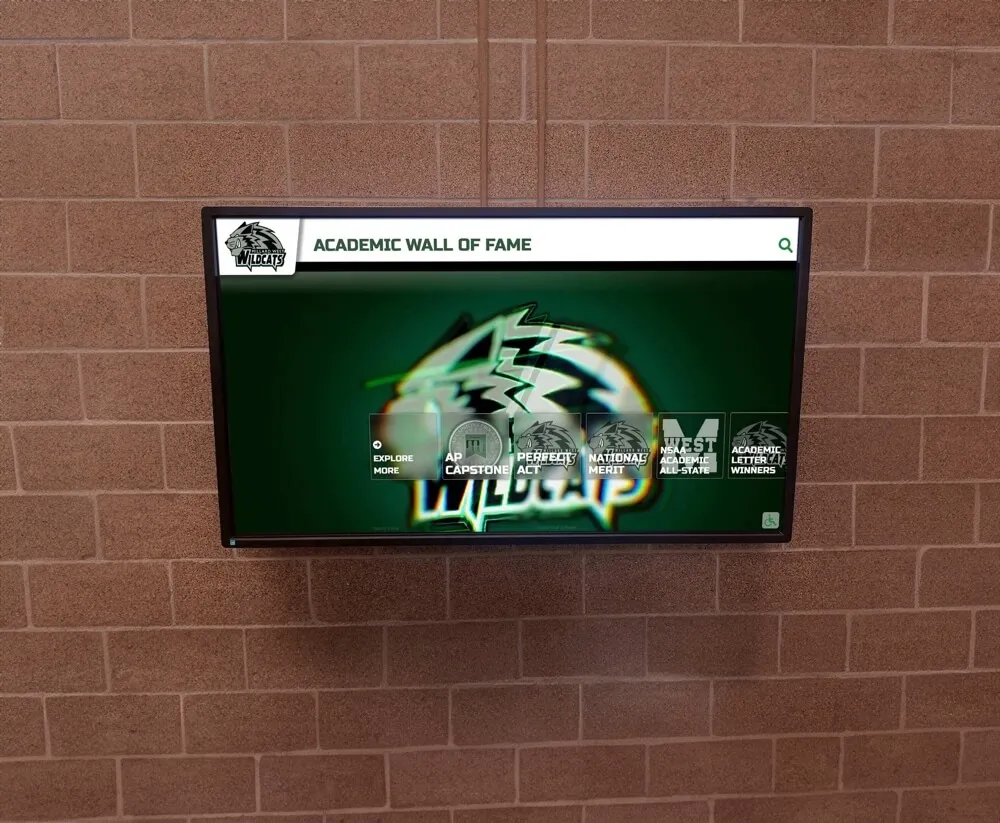
Organizations implementing comprehensive recognition approaches report broader donor engagement and increased participation across giving levels. Educational institutions particularly benefit from digital displays that showcase multiple forms of recognition including donor contributions, academic achievements, and community service.
Keeping Recognition Current and Relevant
Donor recognition walls lose impact if they appear outdated or abandoned. For traditional walls, plan expansion capacity during initial design accommodating 5-10 years of growth, reserve prominent space for future major donors incentivizing large gifts, and schedule periodic refreshing every 10-15 years updating aesthetics even if content remains relevant.
For digital walls, establish regular content update schedules, refresh impact messaging quarterly connecting recognition to current programs, update donor information promptly as changes occur, and add multimedia content continuously keeping displays engaging and dynamic.
Celebrating Recognition Wall Launches
Maximize recognition impact through strategic launch events. Schedule formal dedication ceremonies during high-attendance occasions, invite recognized donors creating special appreciation experiences, generate media coverage highlighting philanthropic culture, capture photography and video for ongoing stewardship and marketing, and integrate recognition wall tours into campaign solicitation strategies showing prospects how they’ll be honored.
Recognition wall launches provide natural stewardship touchpoints deepening donor relationships while inspiring new contributions from attendees impressed by institutional gratitude culture. Schools and universities often coordinate donor wall unveilings with alumni engagement events to maximize visibility and strengthen community connections.
Conclusion: Creating Donor Recognition That Inspires Continued Generosity
A thoughtfully designed donor recognition wall represents one of the most powerful tools in your fundraising arsenal. By publicly celebrating contributors, you express genuine gratitude, create aspirational models for prospective donors, build community around shared values, and establish lasting legacy opportunities that inspire continued generosity for generations.
Whether you choose traditional elegance of engraved materials or dynamic capabilities of digital platforms, success depends on understanding donor psychology, following proven design principles, maintaining recognition currency, and integrating displays into broader fundraising strategy. The recognition wall you create today will shape donor relationships and fundraising culture for decades to come.
Modern technology has transformed what’s possible in donor recognition. Digital platforms eliminate space constraints, enable rich storytelling, provide instant updates, and create engaging interactive experiences that traditional approaches cannot match. Solutions like Rocket Alumni Solutions offer comprehensive platforms specifically designed for donor recognition, combining intuitive content management with powerful display capabilities that make sophisticated recognition accessible even to organizations with limited technical resources.
Your donors have invested in your mission because they believe in the impact you create. A well-designed recognition wall ensures their generosity receives the acknowledgment it deserves while inspiring others to join the community of supporters making your work possible.