



Key Takeaways
Compare donor recognition screen options for nonprofits, schools, and healthcare organizations. Evaluate digital displays vs traditional walls, key features, pricing, and implementation best practices for effective recognition.
Understanding Donor Recognition Screen Options
Before evaluating specific systems, clarity about what distinguishes donor recognition screens from related technologies prevents confusion and ensures you compare appropriate alternatives.
Defining Donor Recognition Screens
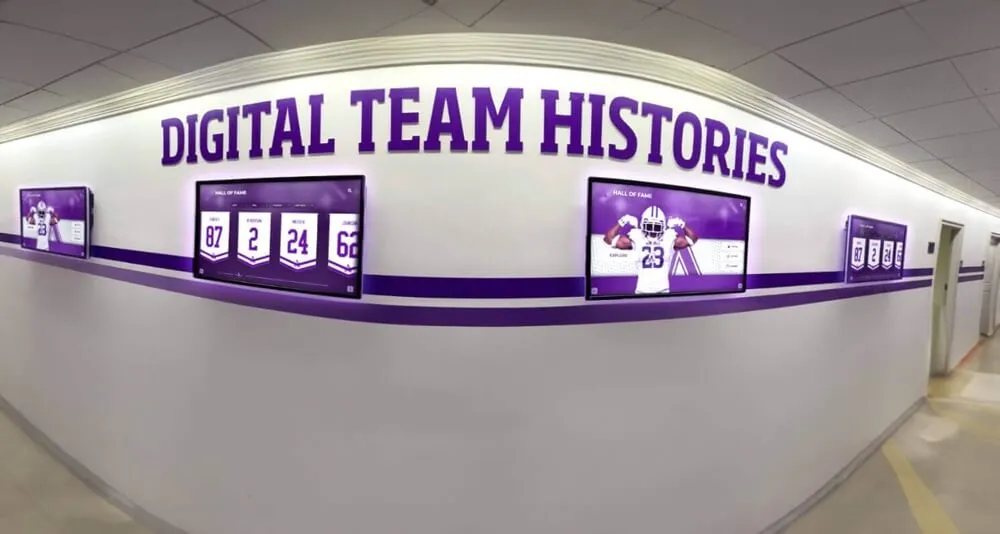
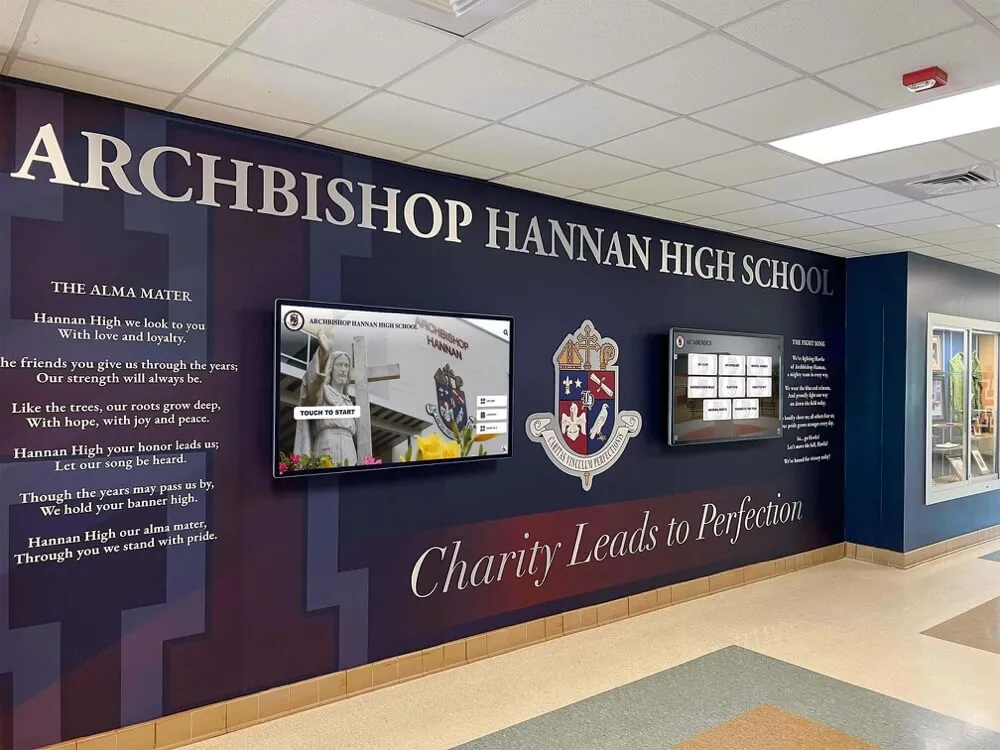
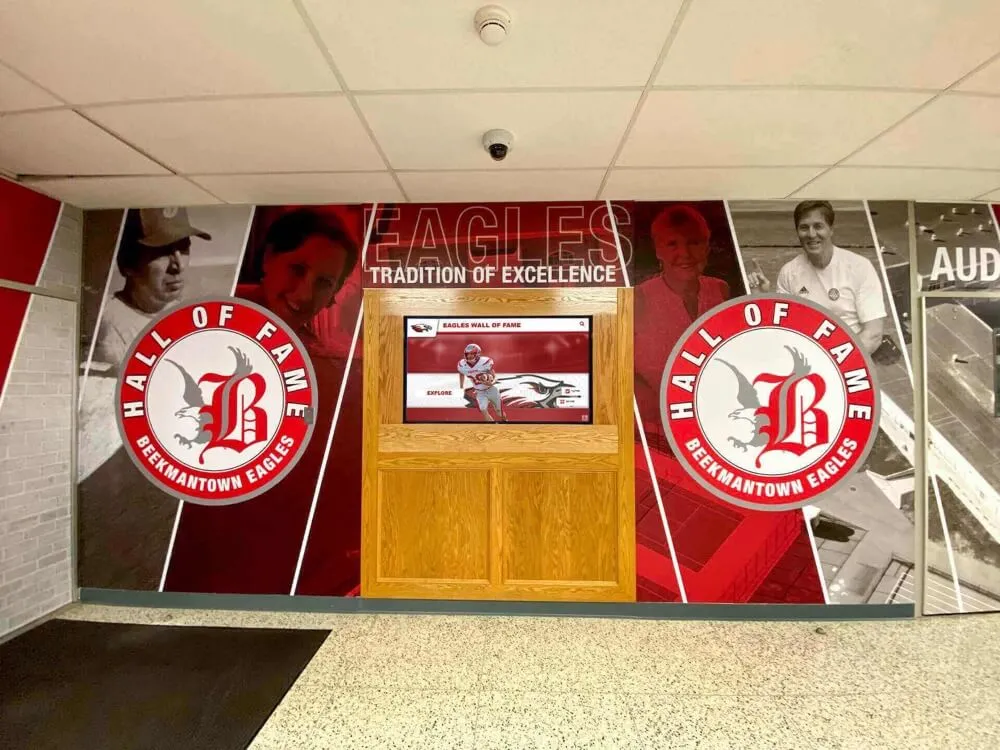
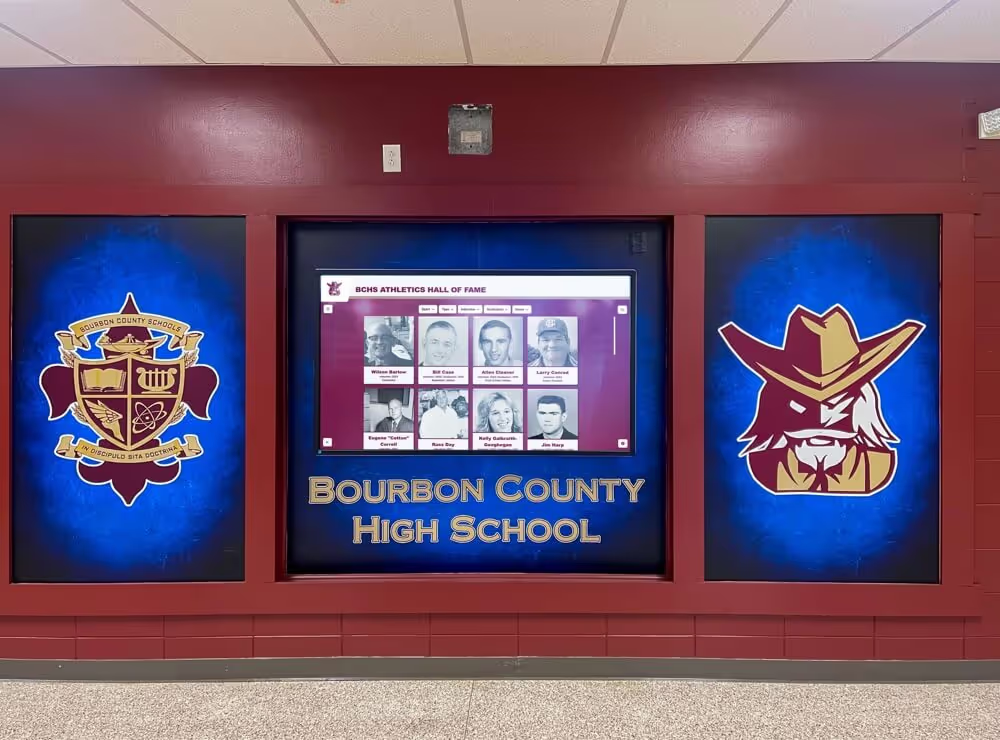
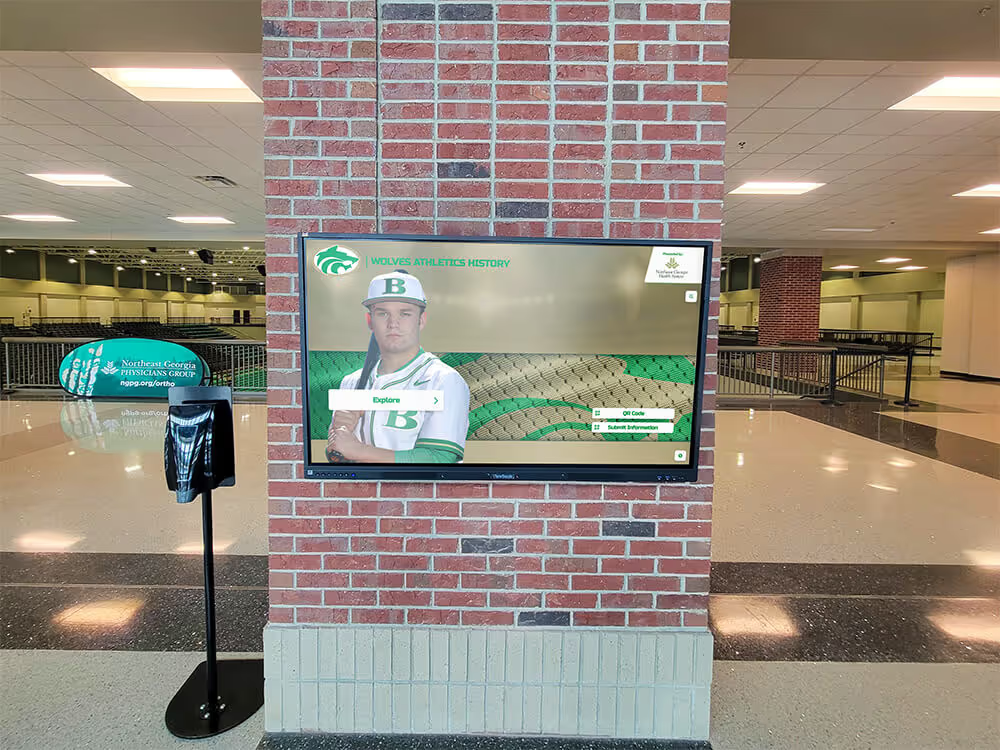
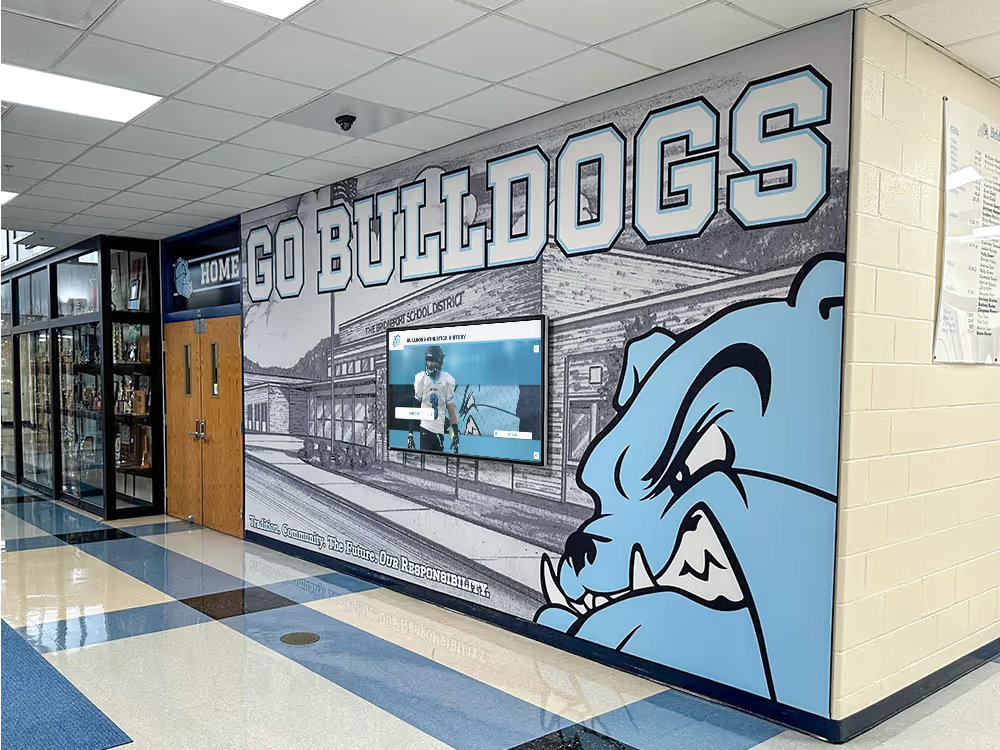
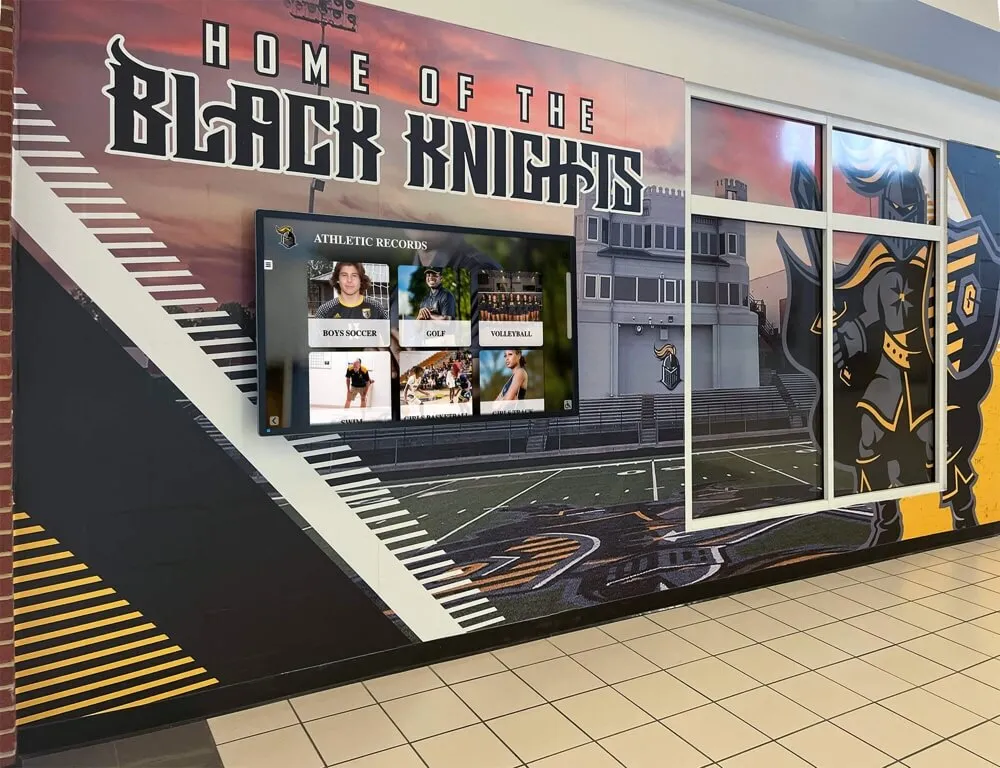
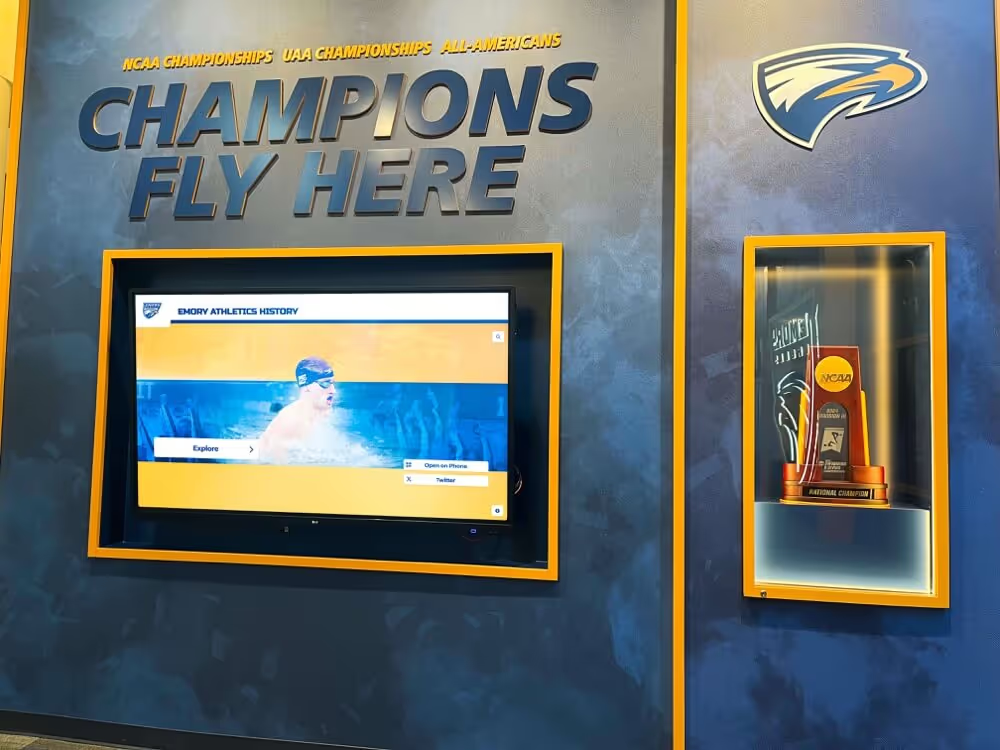
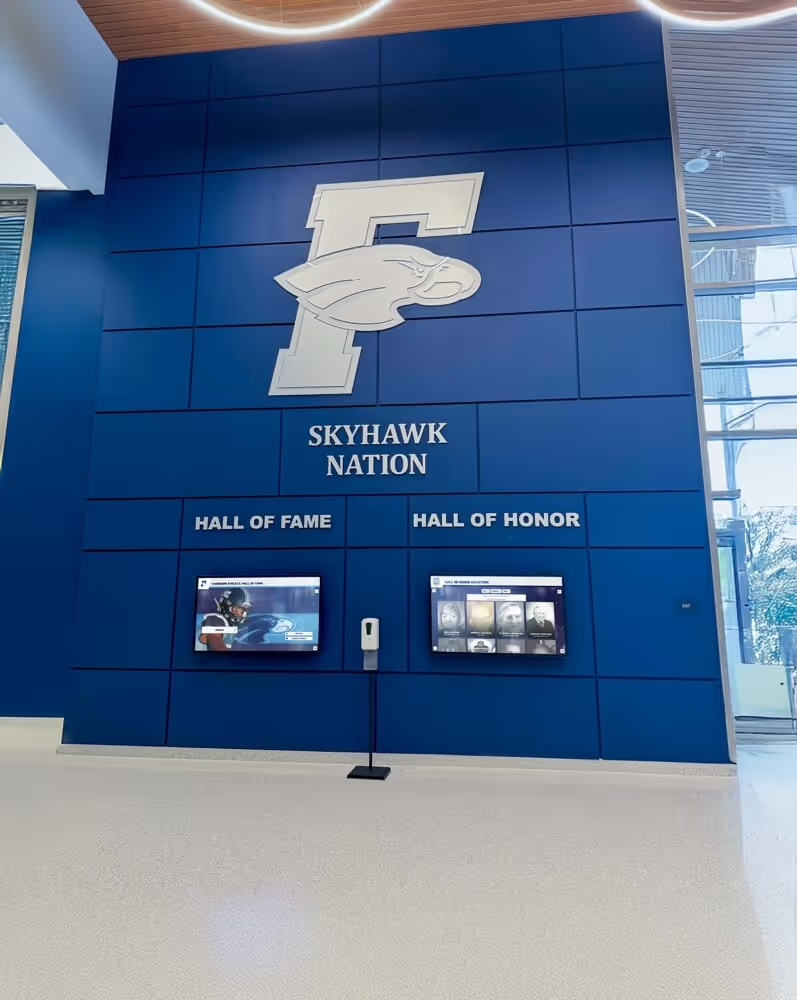
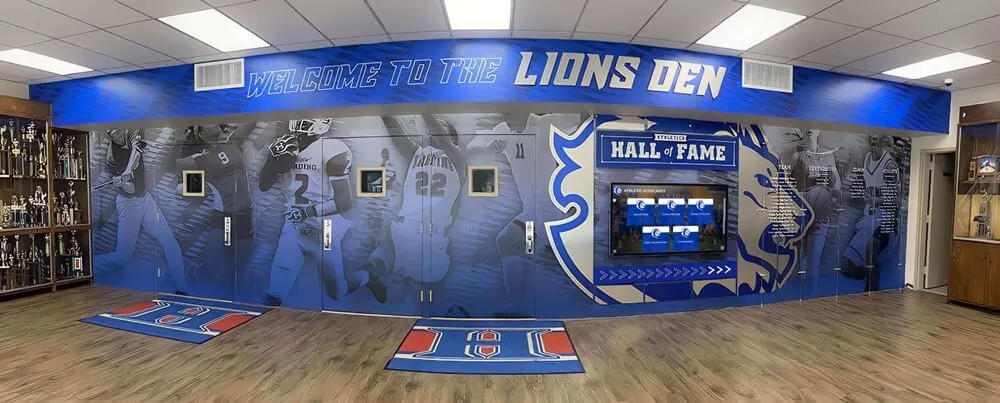
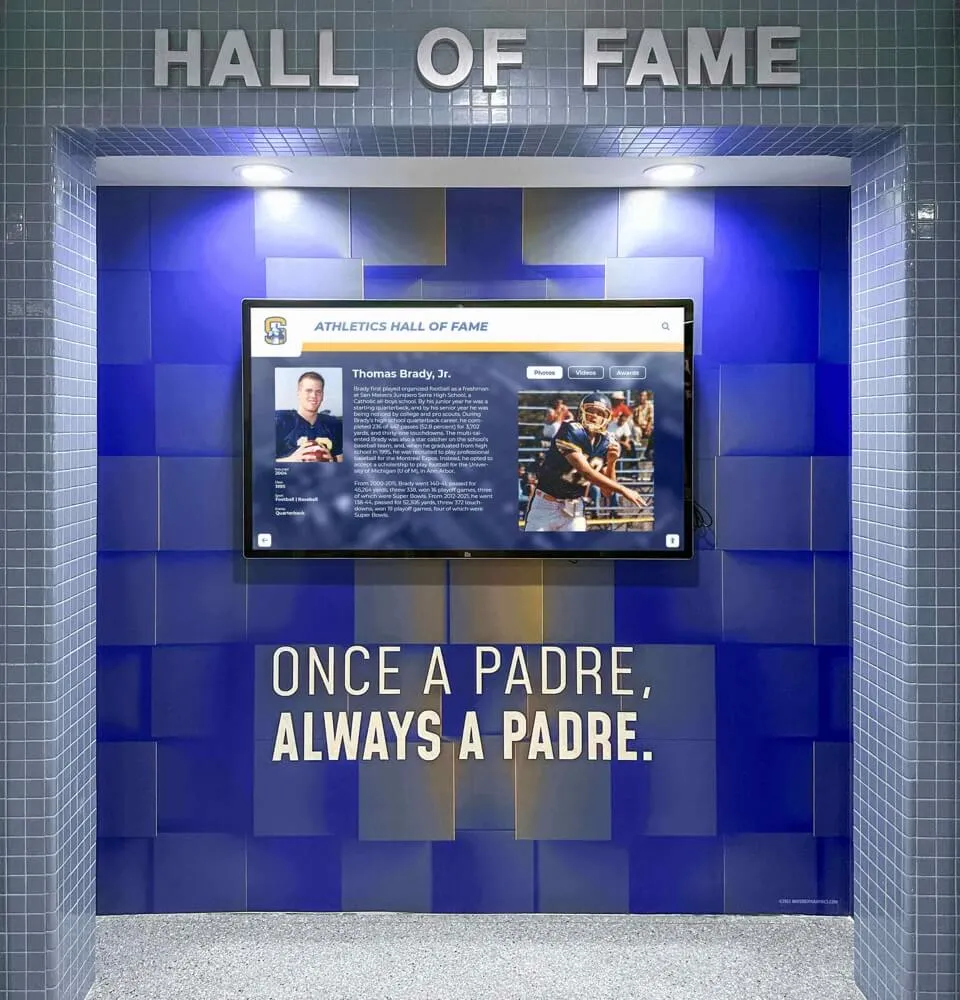
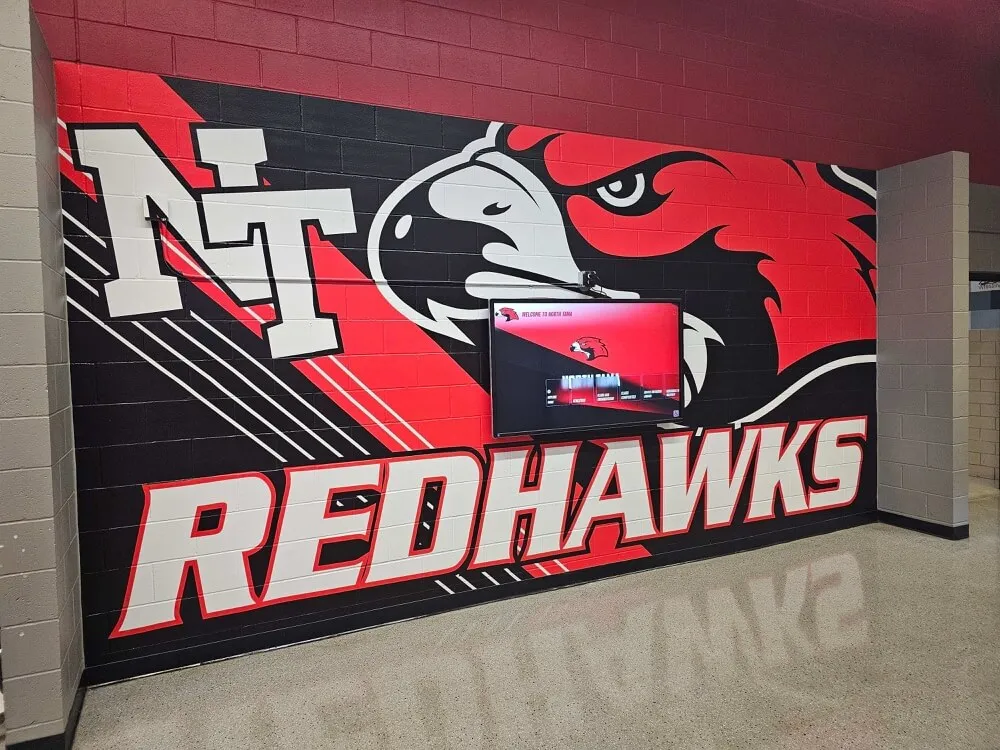
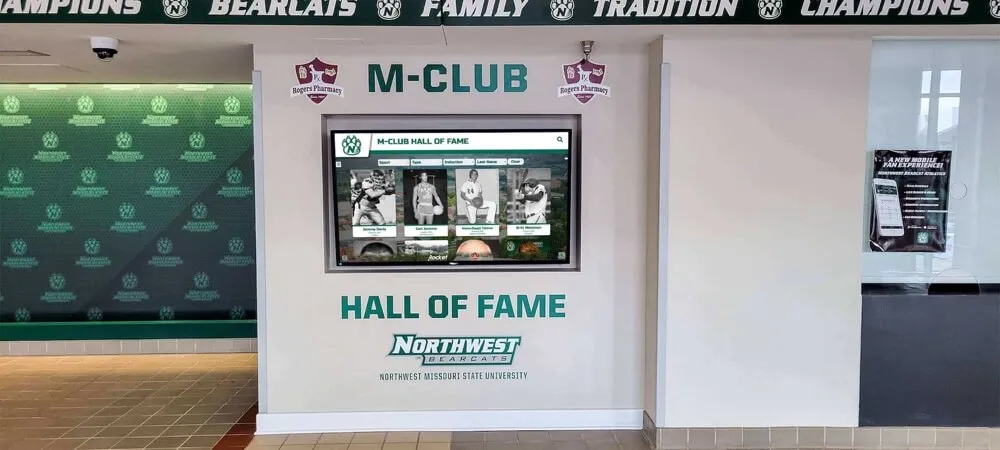
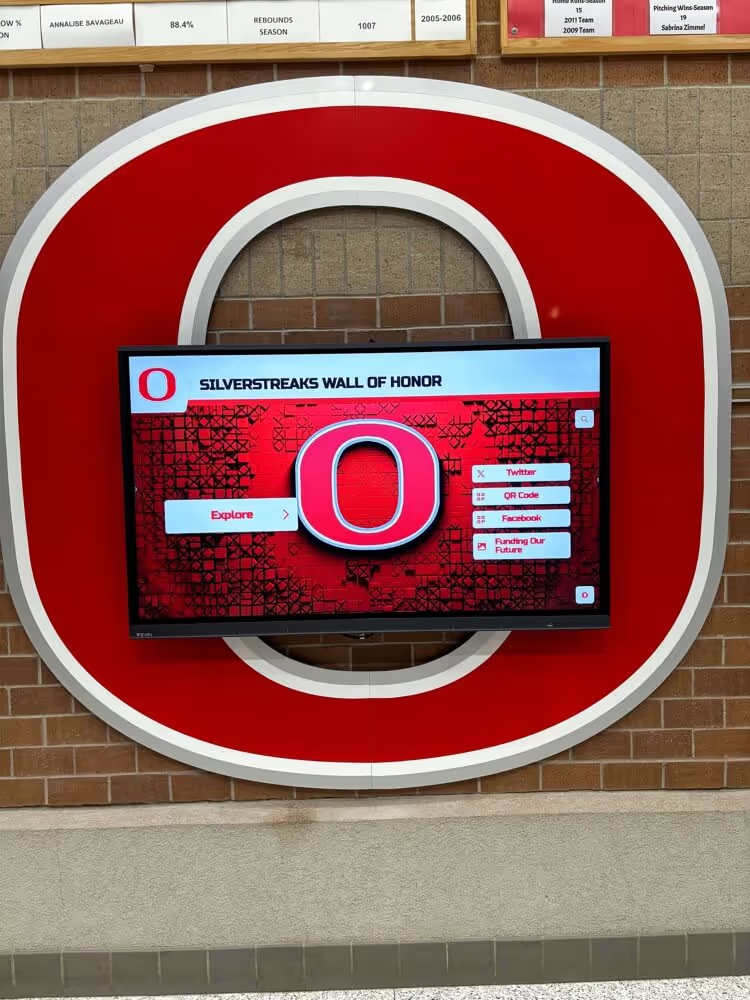
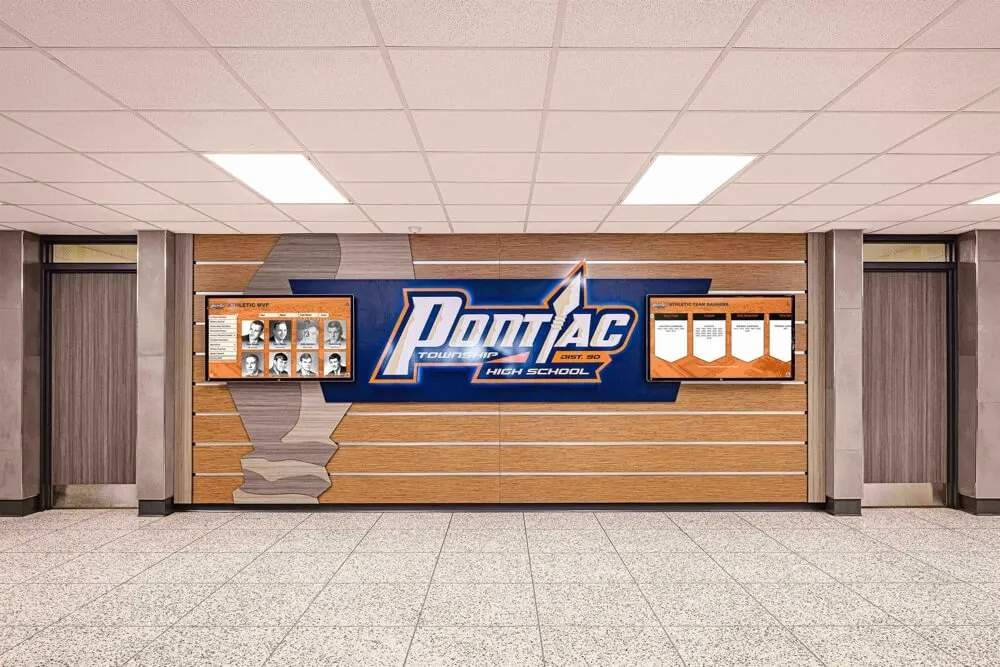
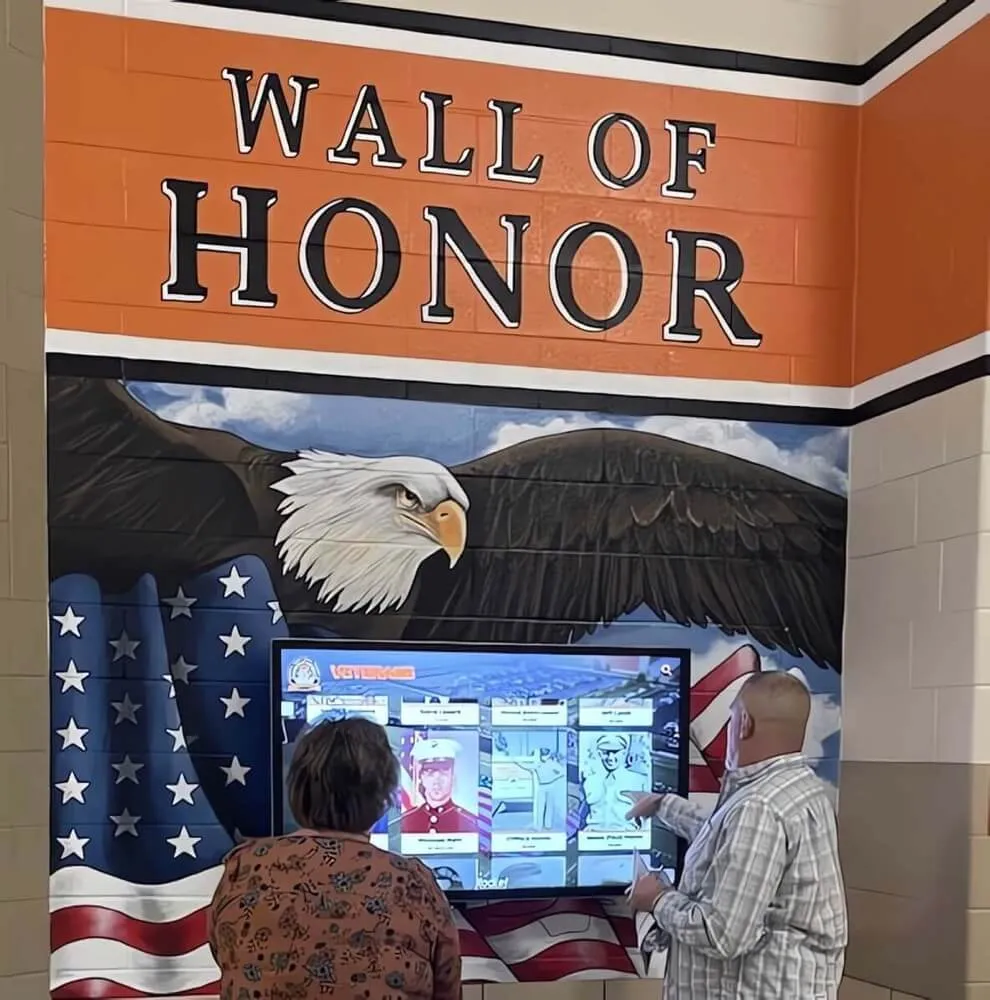
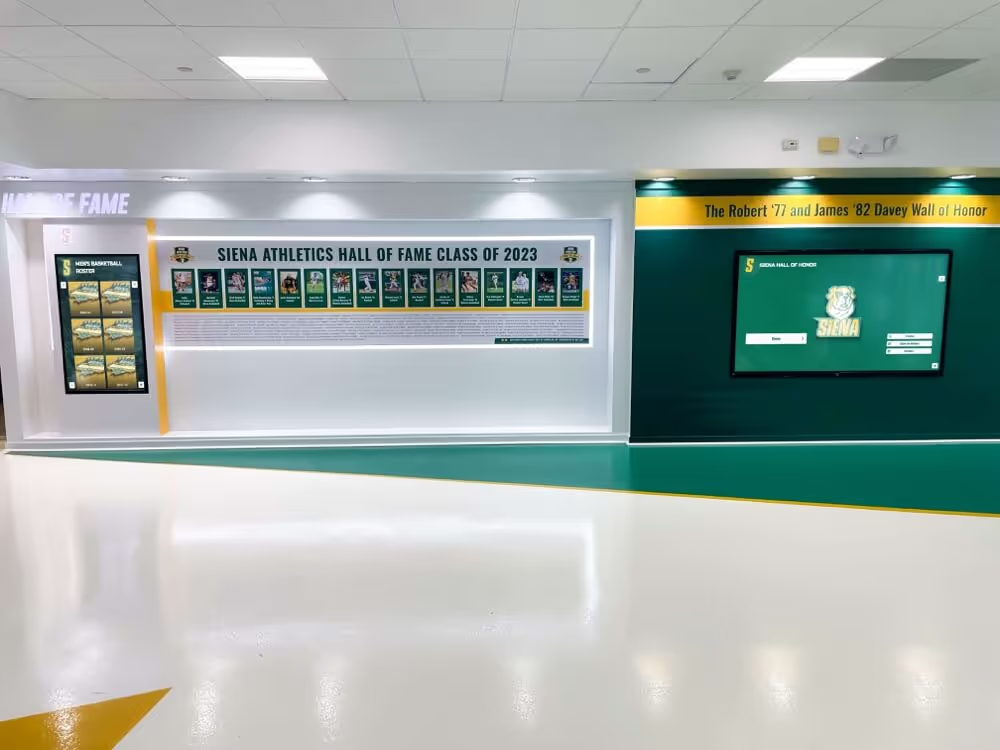
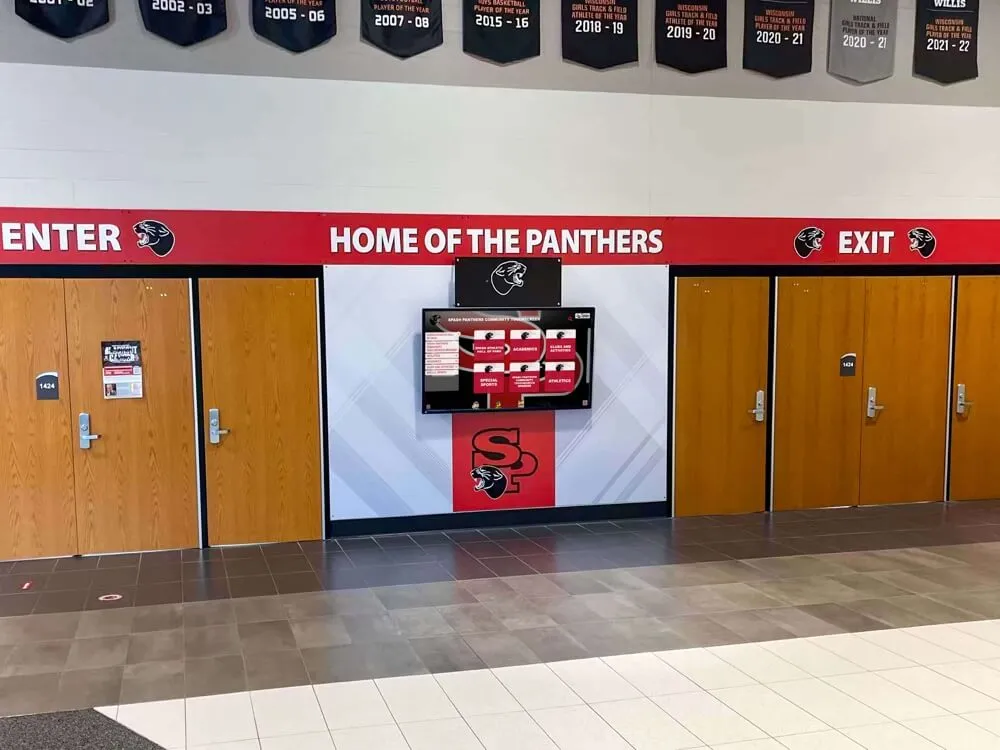
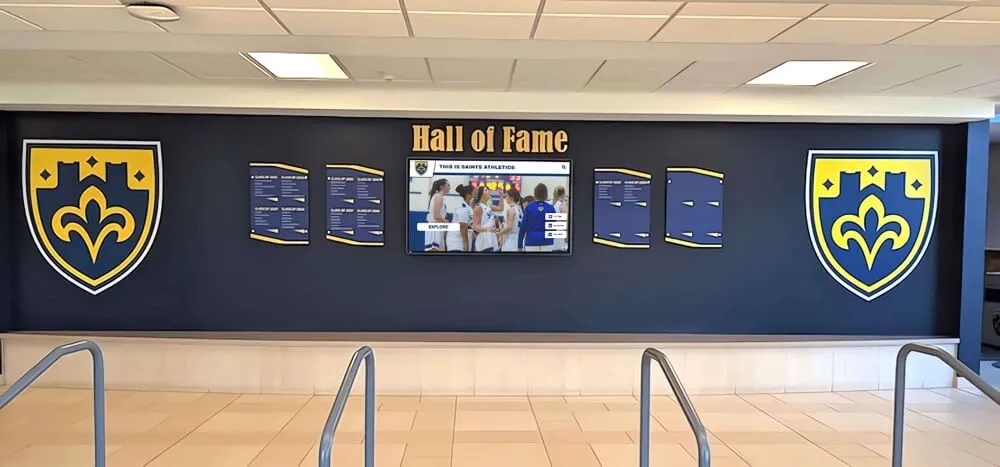
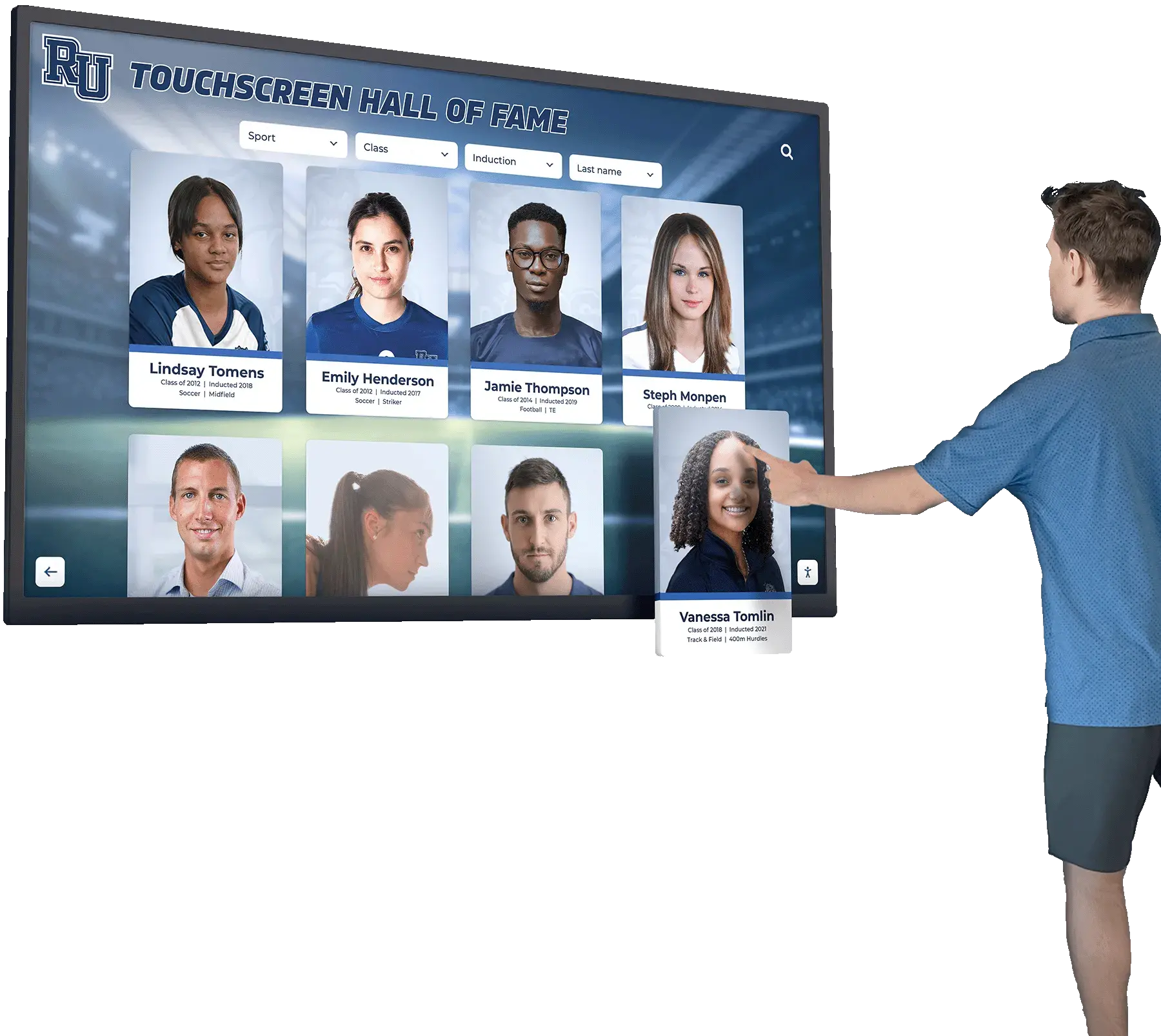
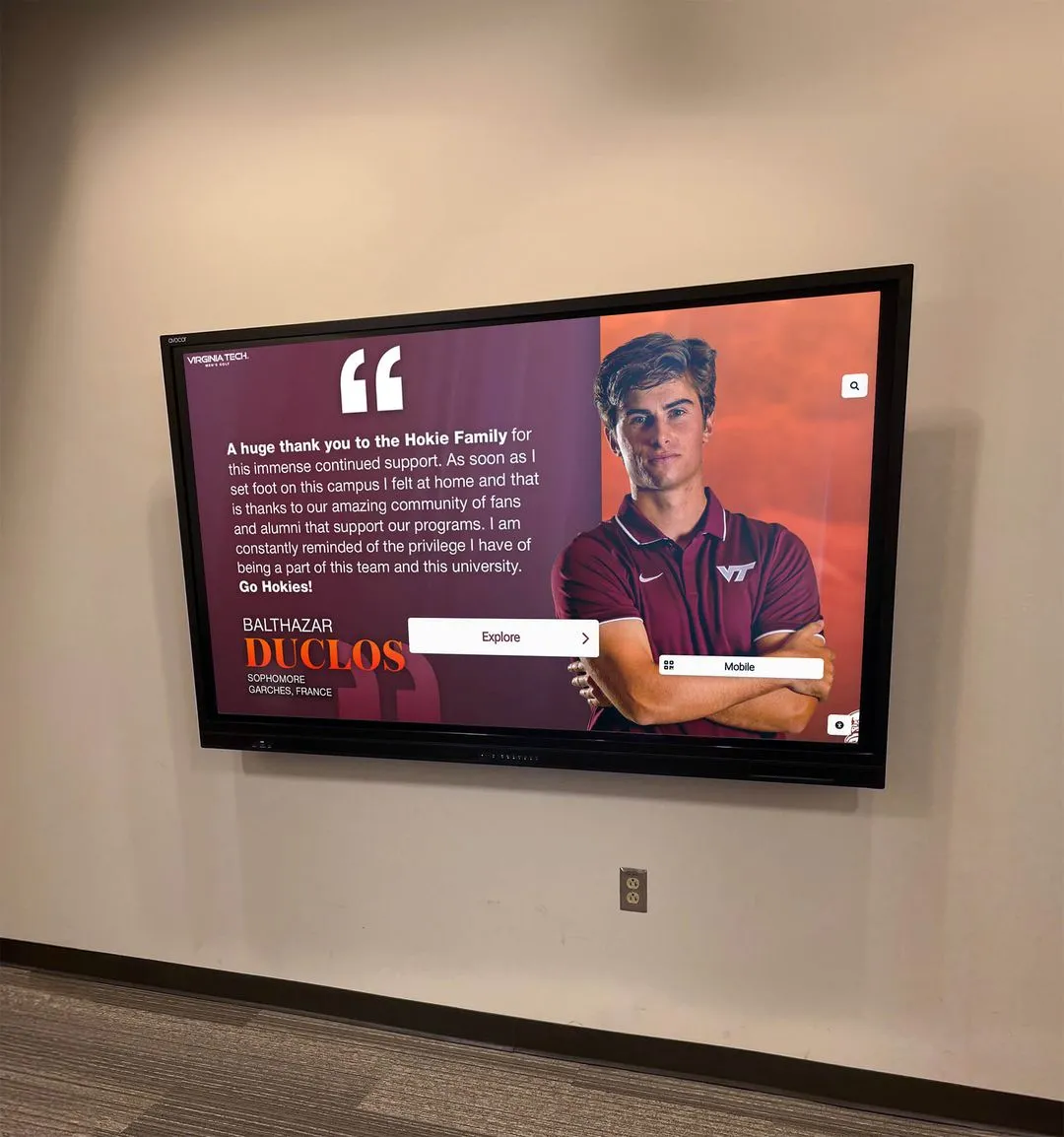
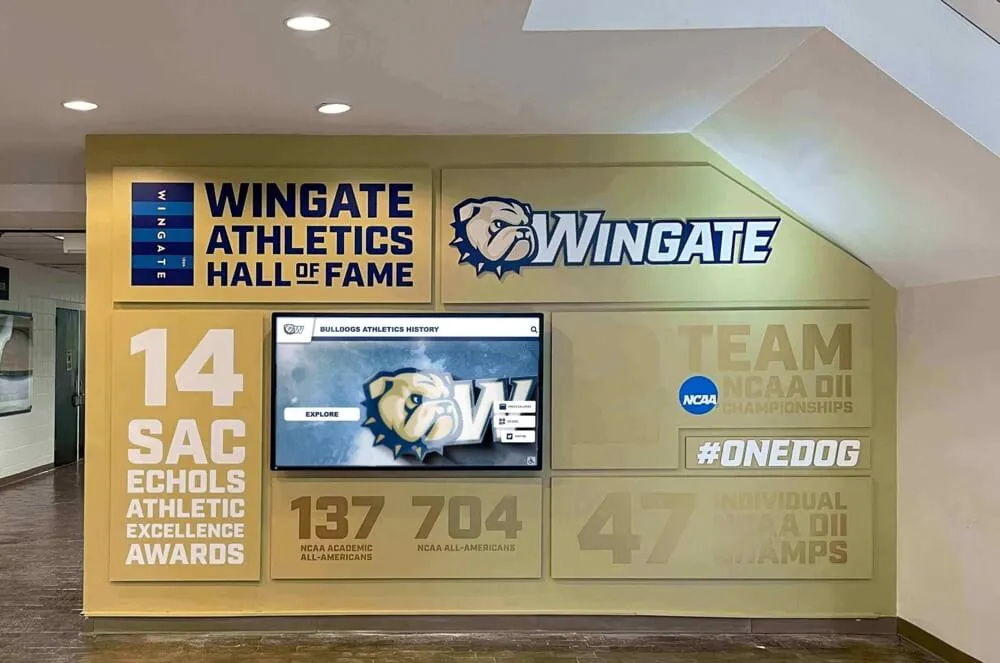
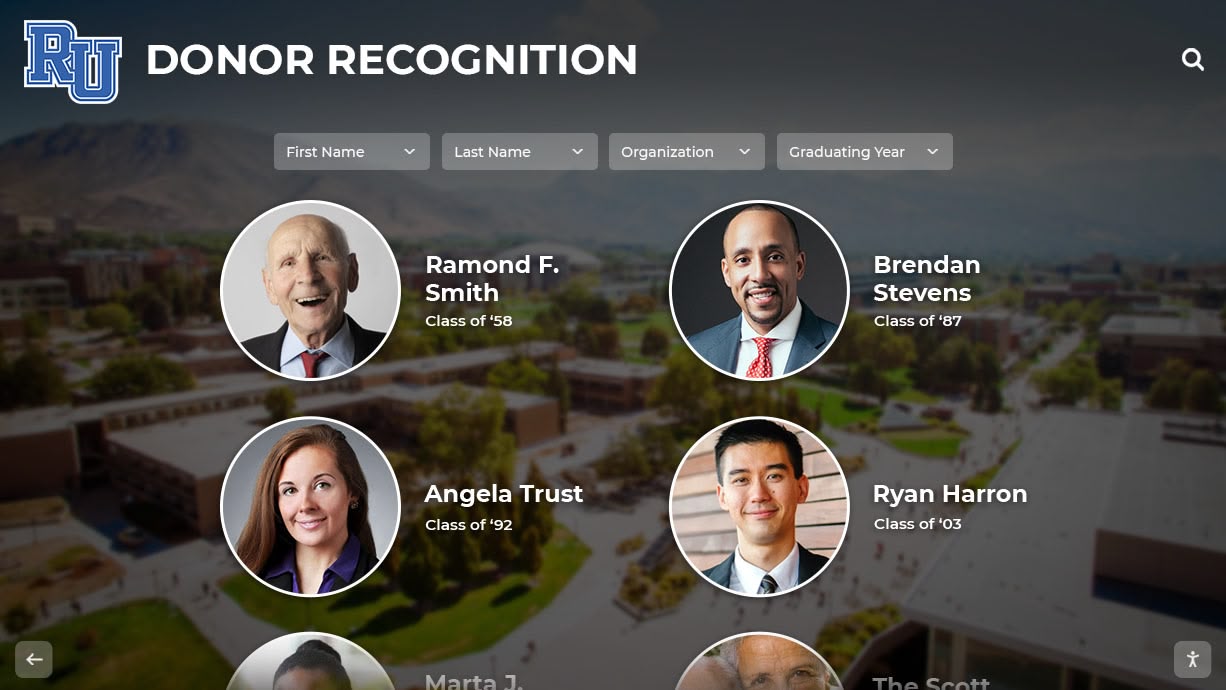
A donor recognition screen is a digital display system specifically designed to acknowledge financial contributors to organizational fundraising initiatives. These systems typically include:
Core Display Hardware
- Commercial-grade LCD or LED screens sized 43-75 inches for lobby installations
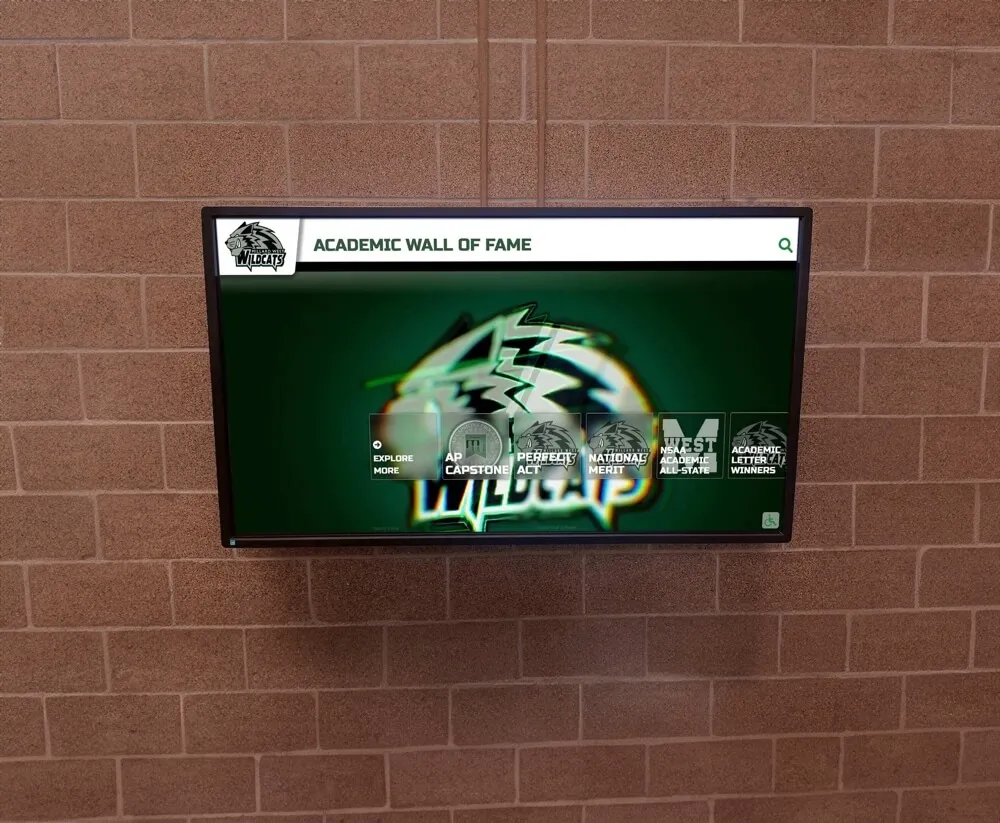
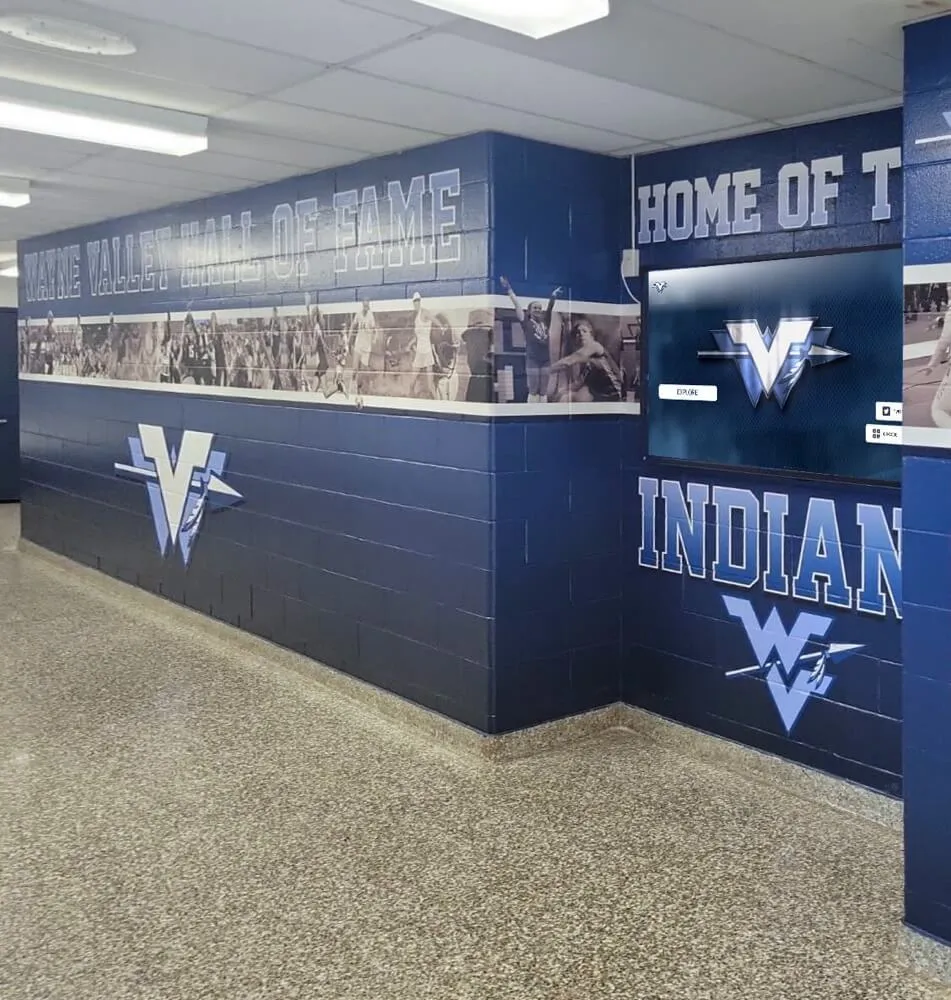
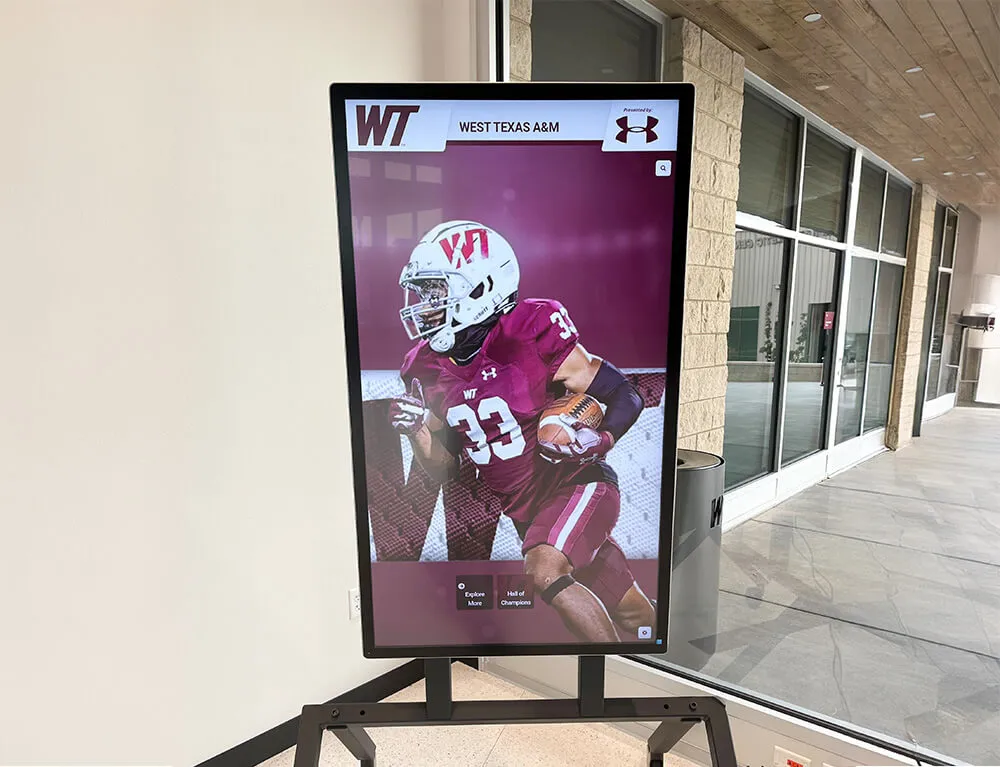
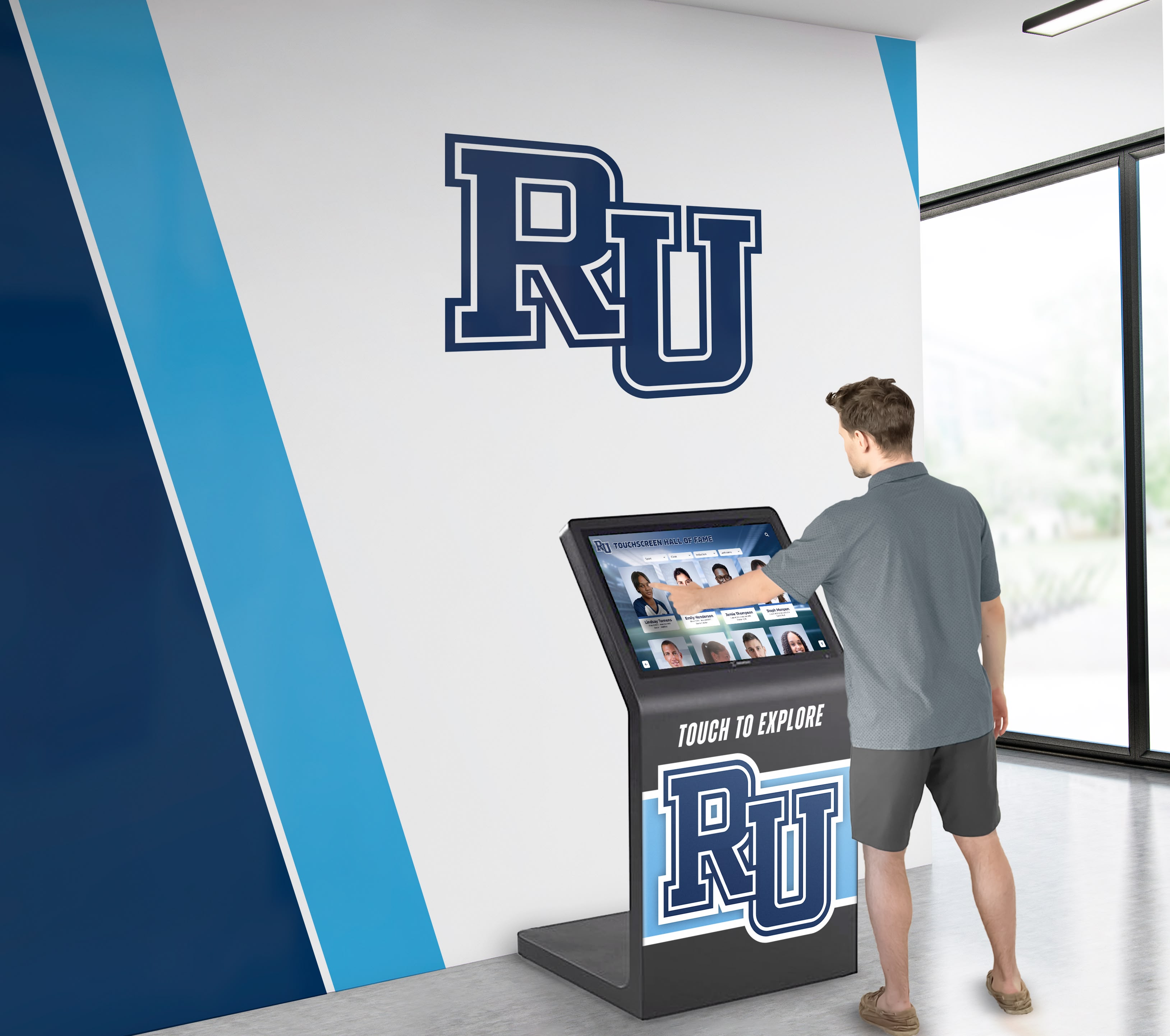
- Wall-mounted or floor kiosk configurations depending on facility requirements
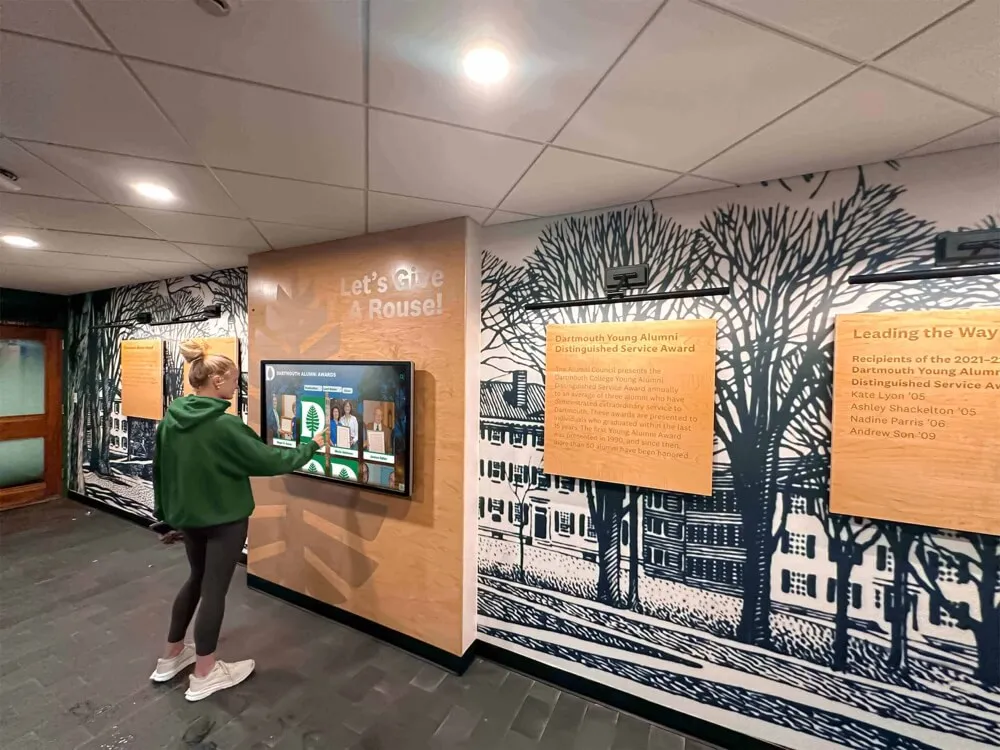
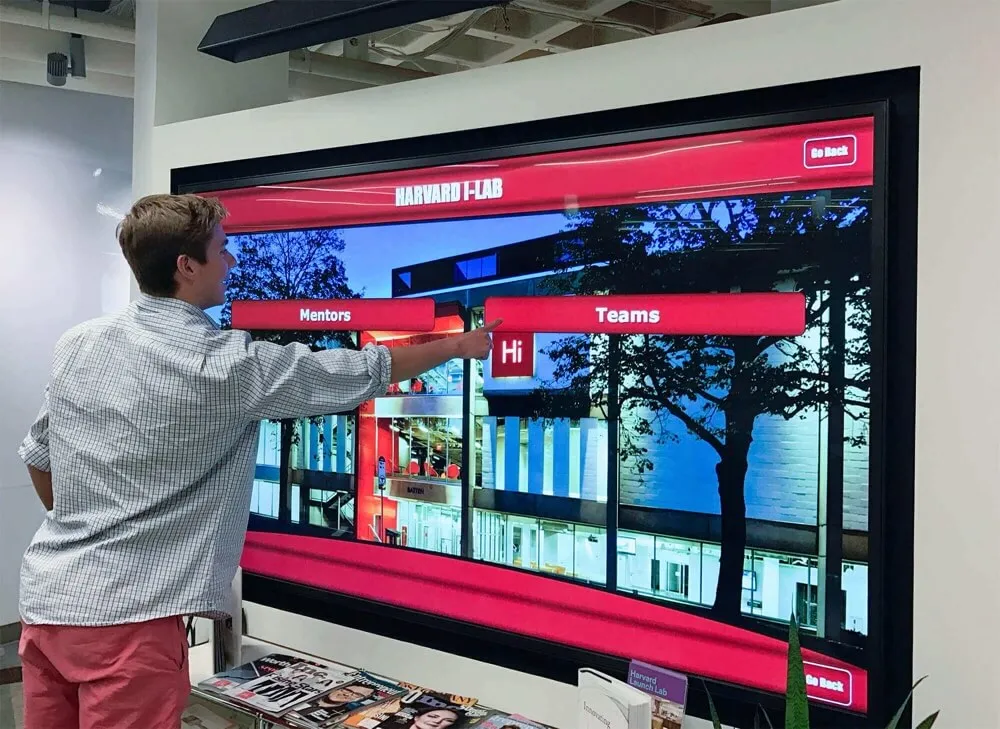
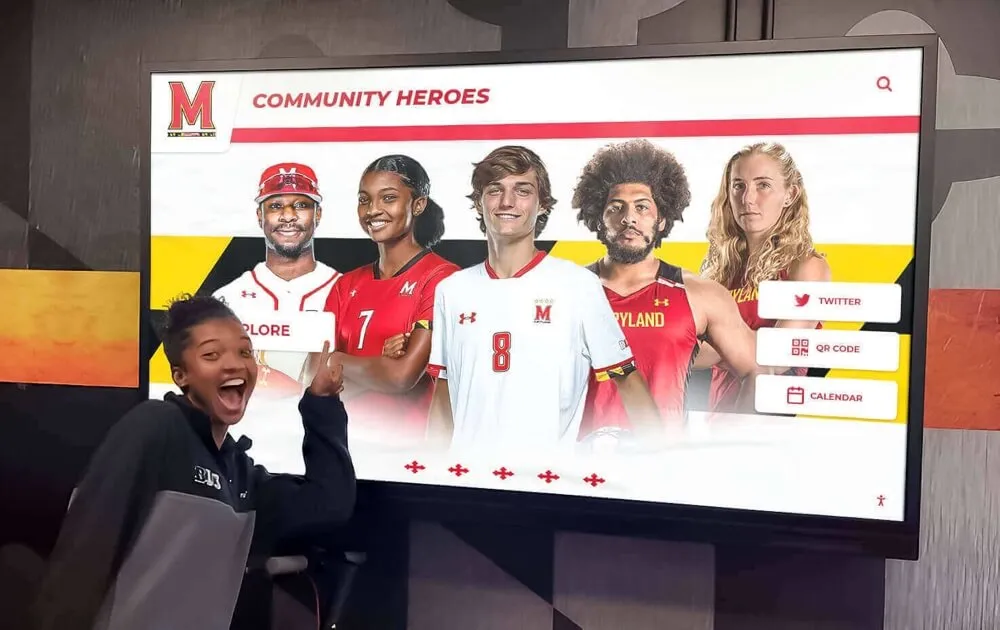
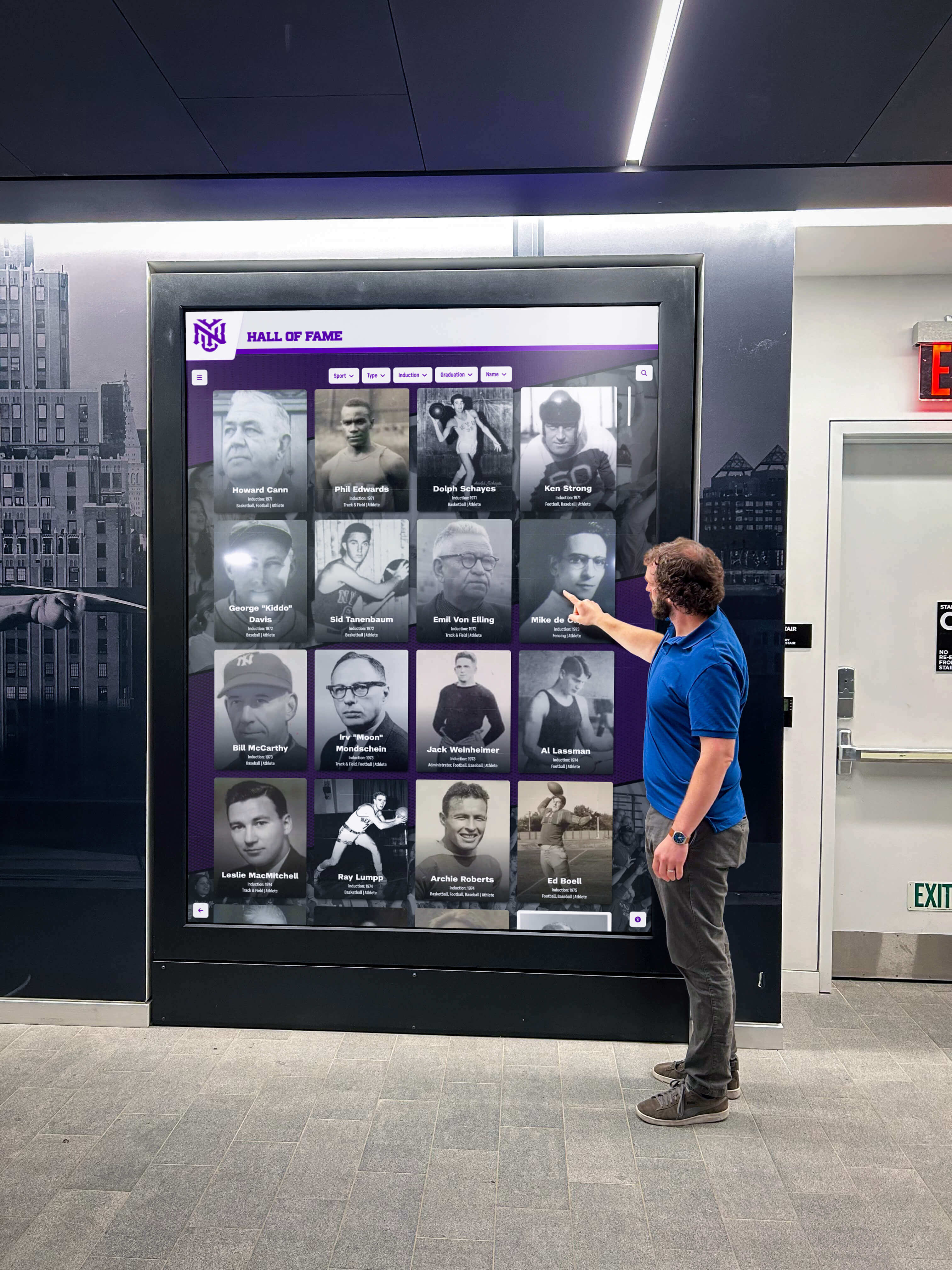
- Optional touchscreen capabilities enabling interactive exploration
- Professional mounting and cable management for clean aesthetics
Content Management Software
- Cloud-based platforms enabling remote content updates without vendor intervention
- Database functionality organizing donors by campaign, giving level, or recognition society
- Template systems ensuring consistent professional presentation across profiles
- Scheduling capabilities for rotating featured content or seasonal campaigns
Recognition-Specific Features
- Donor search and filtering by name, campaign, or contribution level
- Real-time campaign thermometers showing progress toward fundraising goals
- Multimedia support including photos, videos, and impact stories
- Integration options with fundraising databases for automatic data synchronization
Donor Recognition Screens vs Related Display Technologies
Organizations frequently confuse donor recognition screens with adjacent technologies serving different purposes:
Digital Signage Systems provide general-purpose content display for announcements, wayfinding, advertising, or informational messaging. While capable of showing donor lists, these systems lack recognition-specific features including donor databases, giving level hierarchies, campaign tracking, and search capabilities that dedicated recognition platforms provide. Generic digital signage platforms require extensive customization to serve recognition needs effectively, often exceeding purpose-built recognition system costs while delivering inferior experiences.
Interactive Kiosks offer touchscreen capabilities for information access, wayfinding, directory services, or self-service transactions. Recognition-focused kiosks share touch hardware with general kiosks but feature specialized software emphasizing donor acknowledgment, fundraising context, and engagement rather than transactional functionality. Generic kiosk platforms rarely accommodate the donor database structures, giving level hierarchies, and campaign management requirements that recognition applications demand.
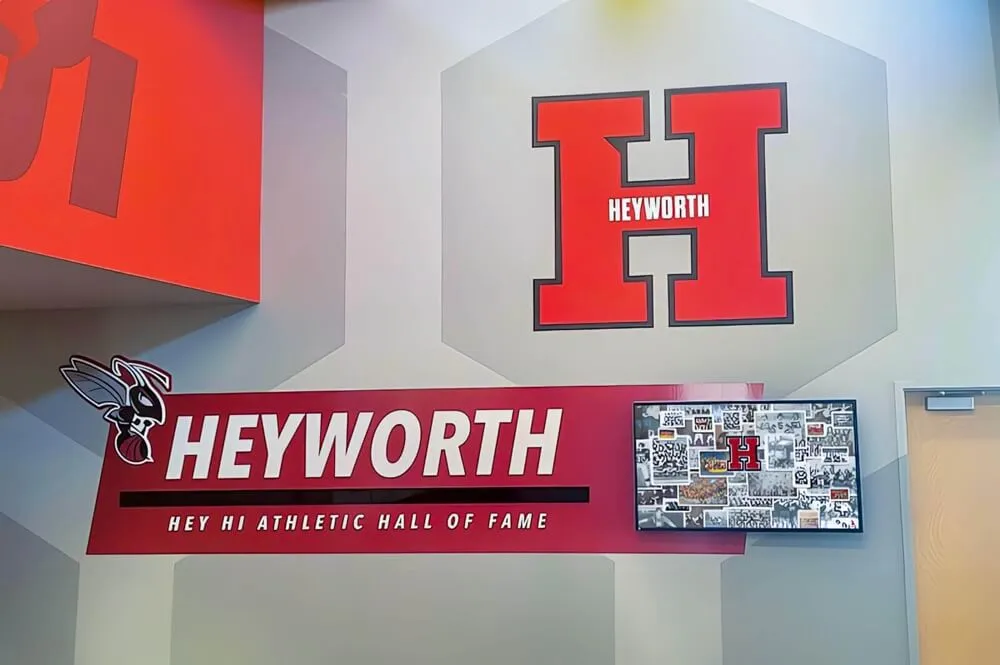
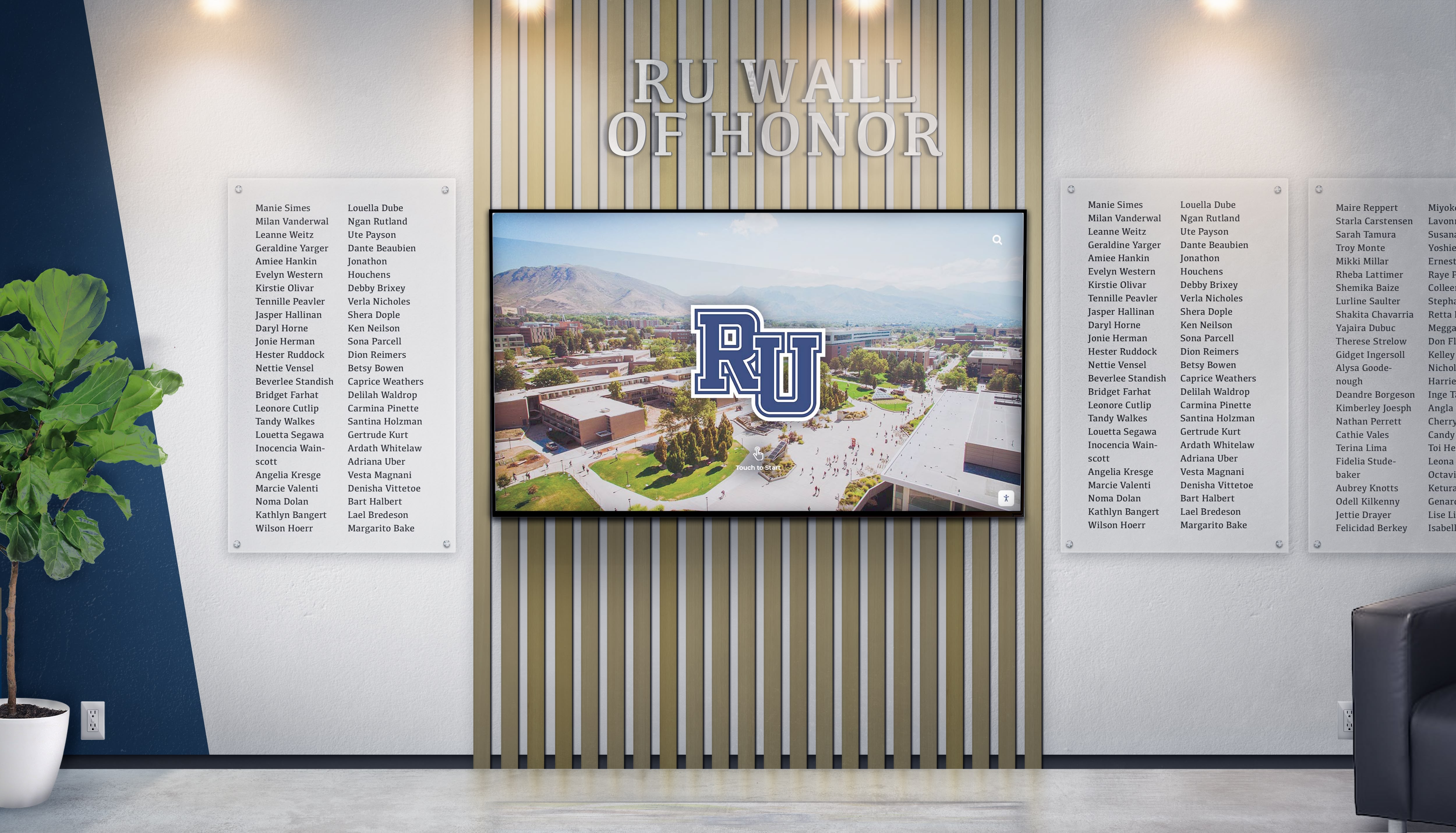
Traditional Donor Walls use engraved plaques, etched glass, or printed graphics mounted on physical walls to acknowledge contributors. These permanent installations create dignified recognition but face significant limitations including fixed capacity that fills completely, expensive per-donor costs for adding plaques, inability to update information after installation, lack of multimedia storytelling, and static presentations that don’t engage modern audiences.
Virtual Donor Walls display donor recognition on organizational websites enabling online acknowledgment accessible from anywhere. While complementary to physical recognition, virtual walls lack the prominent institutional visibility and spontaneous engagement that physical displays in high-traffic facilities create. Most comprehensive recognition strategies combine physical donor recognition screens with online virtual walls maximizing both facility presence and digital accessibility.
Understanding these distinctions ensures you evaluate purpose-built donor recognition screen platforms rather than attempting to force-fit general display technologies into recognition roles where they perform poorly despite lower initial costs.
Critical Evaluation Criteria: Comparing Donor Recognition Screen Vendors
Systematic evaluation against consistent criteria prevents overlooking essential considerations while identifying which vendors genuinely deliver value versus those with impressive marketing but disappointing implementations.
Recognition Capacity and Scalability
Unlimited recognition capacity represents the primary advantage digital screens offer over traditional donor walls, but vendors differ dramatically in how they implement capacity:
True Unlimited Systems accommodate any number of donor profiles without performance degradation, additional licensing fees, or system limitations. These platforms organize extensive donor databases through hierarchical categorization, powerful search, and intelligent filtering enabling users to find specific donors instantly despite thousands of profiles. Organizations with multi-decade campaign histories, comprehensive recognition philosophies acknowledging all contribution levels, or ambitious growth projections require systems proving scalable capacity through actual customer deployments rather than theoretical claims.
Tiered Capacity Models charge based on donor profile quantities, imposing 500-donor, 1,000-donor, or higher thresholds requiring subscription upgrades as recognition expands. While appearing reasonable initially, capacity-based pricing creates perverse incentives limiting comprehensive recognition and generates unpredictable long-term costs as campaigns grow. Carefully evaluate whether vendor pricing structures align with your recognition philosophy or create artificial constraints.
Performance-Limited Systems theoretically support unlimited donors but deliver increasingly poor user experiences as databases grow. Slow search, laggy navigation, or extended load times frustrate users when systems contain more than vendors’ optimized capacity. Request demonstrations using databases matching your actual donor quantities rather than accepting vendor claims based on small test datasets.
Content Management and Update Workflows
The ability to add donors, update information, and manage content independently determines whether recognition remains current and comprehensive or becomes outdated shortly after launch:
Self-Service Management Platforms provide intuitive web-based interfaces enabling non-technical advancement staff to add donors, upload photos, update giving levels, and modify content without vendor intervention or special training. Cloud-based management accessible from any computer eliminates requiring physical access to display hardware for updates. Organizations seeking operational independence, responsive recognition, and low ongoing costs prioritize systems with genuinely user-friendly content management.
Vendor-Dependent Update Models require contacting providers for every content change, submitting donor information through email or forms, and waiting for professional implementation. These models generate per-update charges, introduce delays between donations and recognition, and create dependencies on vendor responsiveness. Legacy recognition providers frequently employ these approaches, maximizing ongoing revenue while frustrating organizations seeking timely acknowledgment.
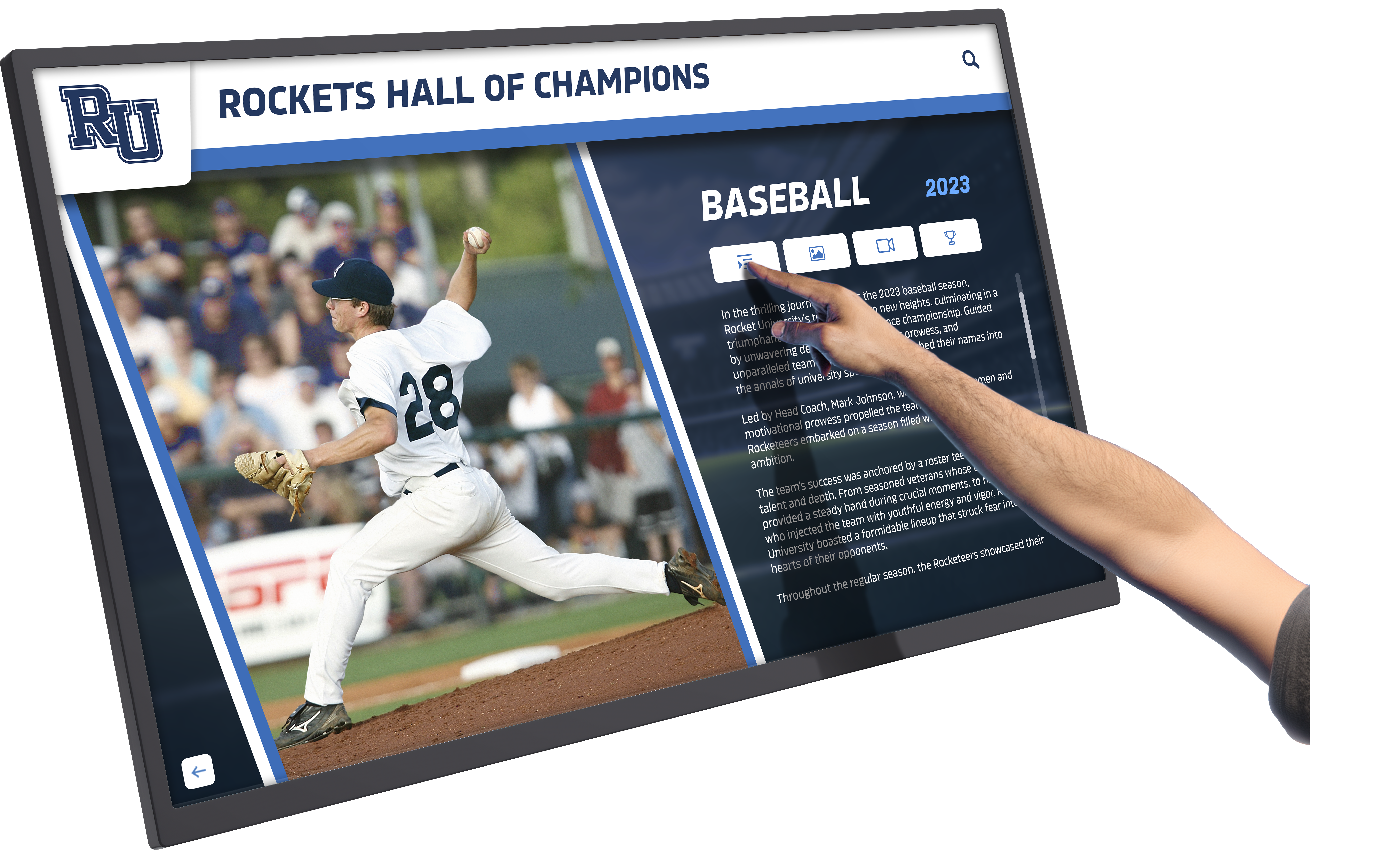
Approval Workflows and Quality Control matter when multiple staff members manage content requiring review before publication. Systems supporting draft states, designated approver roles, preview capabilities, and change tracking prevent embarrassing errors while maintaining reasonable operational efficiency. Organizations with institutional advancement teams, multiple fundraising staff, or strict accuracy requirements benefit from platforms building workflow management into content systems.
Bulk Import and Migration Tools accelerate implementations and enable efficient updates when processing many donors simultaneously. Systems supporting CSV imports, automated data mapping from fundraising databases, and batch photo uploads reduce hours of manual data entry to minutes of configuration. Without bulk capabilities, migrating historical donor recognition or processing large campaign donor lists becomes prohibitively time-consuming, often preventing comprehensive recognition despite technical capacity.
Interactive User Experience and Engagement Design
Digital recognition justifies investment only when displays actually engage donors, visitors, and community members—interactive design quality separates compelling experiences from ignored equipment:
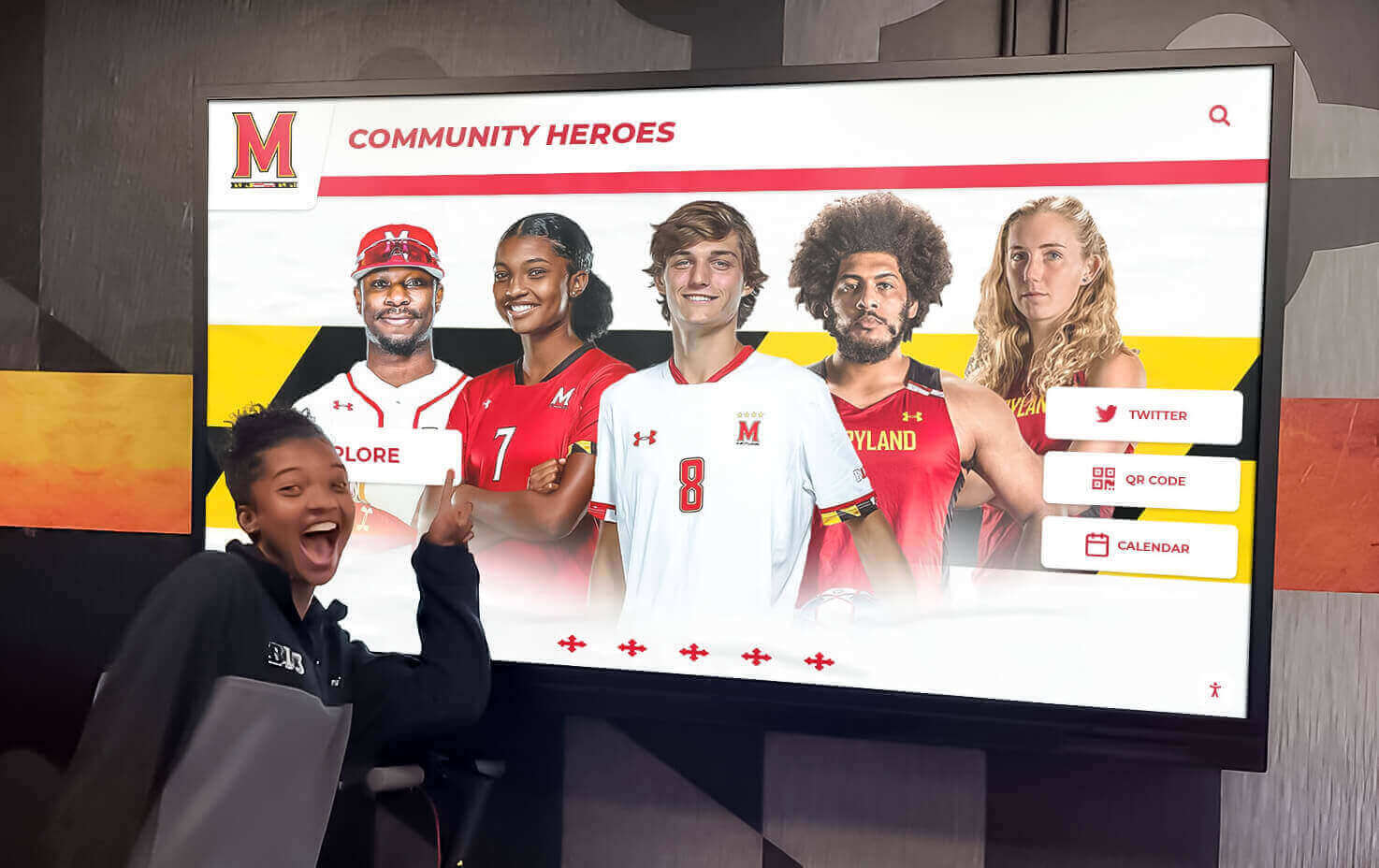
Intuitive Touch Navigation must enable first-time users to immediately explore content without instructions or assistance. If visitors can’t intuitively search for donors, browse giving societies, or discover content within 30 seconds, your screen becomes expensive wallpaper regardless of its technical capabilities. Evaluate vendors by personally testing interfaces during demonstrations rather than watching practiced presentations. Systems requiring explanation, training, or significant effort to find basic information fail regardless of their feature lists.
Powerful Search and Discovery help users find specific donors instantly while enabling open-ended exploration revealing interesting content. Effective systems support full-text search across names, partial name matching accommodating spelling uncertainty, filtering by campaign or giving level, chronological browsing by recognition date, and suggested related content connecting donors to campaigns they supported. Weak search frustrates users trying to find family members, colleagues, or friends among thousands of donors.
Rich Multimedia Content Support transforms simple name listings into meaningful tributes. Platforms accommodating high-resolution photos, embedded video testimonials, detailed biographical narratives, linked impact stories, and formatted statistics create engaging presentations impossible with static donor walls. However, multimedia capabilities matter only if content management systems make incorporating such content straightforward rather than requiring technical expertise for every update.
Interactive Experience Evaluation Checklist
🎯 Attract Mode Design
Cycling featured content draws attention when displays aren't actively touched, demonstrating capabilities to passersby
⚡ Responsive Performance
Immediate response to touch interactions without frustrating delays, even with extensive content databases
📱 Mobile Companion Access
QR codes or URLs enabling visitors to continue exploring recognition on personal devices
♿ Accessibility Compliance
Interfaces accommodating vision, hearing, or mobility limitations meeting WCAG standards
Campaign Management and Fundraising Integration
Recognition screens serving active capital campaigns require capabilities extending beyond static acknowledgment:
Real-Time Campaign Progress Tracking displays fundraising thermometers showing goal advancement, donor counts, and funding levels achieved. Integration with fundraising databases enables automatic updates as contributions process, creating momentum through visible progress. Static campaign information requiring manual updates loses effectiveness and creates additional administrative burden.
Multiple Simultaneous Campaign Support matters for organizations running concurrent initiatives—annual funds alongside capital campaigns, endowment drives parallel to building projects, or departmental fundraising within institutional campaigns. Systems organizing recognition by campaign, enabling filtered views, and supporting campaign-specific branding accommodate organizational complexity without forcing everything into single undifferentiated donor lists.
Giving Level Hierarchy and Societies structure recognition matching campaign acknowledgment practices. Platforms must support customizable giving levels with distinct presentation, recognition society definitions, legacy society identification, and special designations for memorial gifts or tribute donations. Rigid recognition structures failing to match your established practices require either changing longstanding acknowledgment approaches or accepting suboptimal recognition presentation.
Integration with Fundraising Databases eliminates duplicate data entry, ensures recognition accuracy, and enables automated updates. Systems offering proven integrations with major platforms including Blackbaud Raiser’s Edge NXT, Salesforce Nonprofit Cloud, DonorPerfect, or Bloomerang reduce implementation complexity while preventing ongoing synchronization challenges. Without integration capabilities, manual data transfer creates ongoing work and introduces error opportunities with every update.
Technical Reliability and Support Infrastructure
Behind attractive interfaces and rich features lie technical considerations determining whether systems operate reliably for years or create ongoing frustrations:
Commercial-Grade Hardware Standards separate reliable installations from problematic deployments. Consumer-grade screens repurposed for commercial use fail rapidly under continuous operation, generating replacement costs and recognition downtime. Verify vendors specify commercial displays rated for 16-24 hour daily operation, featuring industrial components, extended temperature tolerances, and manufacturer warranties appropriate for institutional installations. Hardware quality matters as much as software capabilities—inferior equipment undermines otherwise excellent platforms.
Network Infrastructure Requirements determine installation feasibility and ongoing reliability. Systems requiring wired ethernet connections limit placement flexibility but typically deliver better performance than WiFi-dependent alternatives. Excessive bandwidth consumption creates network congestion while offline-capable systems cache content enabling operation during connectivity interruptions. Clarify vendor network requirements early in evaluation, confirming compatibility with your existing infrastructure before committing to systems demanding costly network upgrades.
Uptime and Reliability Commitments reveal whether vendors deliver consistent operation or frequently fail. Request documented uptime statistics—99.5%+ represents acceptable standards while anything below 99% means displays remain non-functional roughly 3.5+ days annually. Contact reference customers asking about actual reliability rather than accepting vendor claims. For recognition serving as facility centerpieces, consistent operation matters enormously to maintain donor goodwill and organizational credibility.
Remote Monitoring and Support Capabilities enable vendors to identify issues proactively, perform software updates without site visits, and troubleshoot problems remotely. Cloud-connected systems supporting remote diagnostics accelerate issue resolution while reducing on-site service requirements. Vendors lacking remote capabilities require physical technician visits for every software update or configuration change—creating delays, scheduling complications, and higher support costs.
Service Level Agreements and Support Response determine what happens when problems occur. Acceptable SLAs include 24-48 hour response times for support requests, defined escalation processes for urgent issues, and documented resolution timeframes. Without formal SLAs, you have limited recourse when support proves inadequate. Evaluate vendor support reputation through reference checks rather than accepting generic assurances about responsive service.
Understanding Pricing Models and Total Cost of Ownership
Sticker prices frequently obscure true costs—comprehensive financial evaluation requires understanding complete ownership expenses over systems’ useful lives.
Common Vendor Pricing Structures
Donor recognition screen vendors employ various business models with dramatically different long-term implications:
One-Time Purchase with Perpetual License involves substantial upfront payment for hardware, software license, installation, and configuration. These models minimize ongoing costs but require large initial investments and may charge separately for support, updates, or feature additions beyond base systems. One-time purchases suit organizations with available capital budgets but limited operational funding, though perpetual license definitions vary—clarify exactly what’s included long-term versus additional-cost services.
Subscription and Annual Licensing Models spread costs through recurring fees covering software access, cloud hosting, content management, updates, and support. While reducing initial investment, subscriptions create perpetual obligations accumulating substantially over 5-10 year horizons. Evaluate subscription pricing carefully—modest annual fees compound dramatically over time. Platforms like Rocket Alumni Solutions provide transparent subscription structures with comprehensive services included rather than hidden add-on charges.
Hybrid Pricing with Hardware Purchase and Software Subscription combines upfront equipment costs plus ongoing software fees. These models require evaluating both components comprehensively—low hardware pricing may hide expensive software subscriptions while substantial initial investments may include extended support minimizing future costs. Calculate true total cost including all components over realistic planning horizons.
Per-Donor or Capacity-Based Pricing charges according to recognized donor quantities, imposing fees as databases grow beyond threshold tiers. These models create perverse incentives limiting comprehensive recognition while generating unpredictable costs as campaigns expand. Organizations with extensive historical recognition, multiple campaign decades, or growing donor bases should avoid capacity-based pricing creating ongoing charges for expanded acknowledgment.
Hidden Costs and Budget Considerations
Beyond vendor invoices, successful implementations incur additional expenses many organizations overlook during initial evaluation:
Installation and Infrastructure Preparation varies dramatically based on facility conditions and system requirements. Wall-mounted displays require proper mounting surfaces and secure installation. Floor kiosks need adequate space and protection from damage. All installations require power access and network connectivity—potentially necessitating electrical work and network infrastructure. Budget $1,500-$4,000 beyond hardware costs for professional installation and facility preparation unless exceptional existing conditions exist.
Content Development and Data Migration represents substantial time investment converting historical donor information, gathering photos, creating initial recognition profiles, and organizing content. Vendors offering content migration services charge $3,000-$15,000+ depending on donor volumes and complexity. Alternatively, dedicating internal staff requires realistic assessment of hours involved—potentially dozens or hundreds depending on recognition scope and historical depth.
Training and Change Management ensures advancement staff confidently manage systems while leadership understands recognition capabilities. Provider training may be included, but allocate time for internal knowledge transfer, documentation development, and ongoing skill maintenance as staff changes. This investment prevents systems from becoming unusable when the one person understanding content management departs.
Ongoing Content Management Time continues indefinitely—adding new donors, updating information as campaigns progress, featuring seasonal content, maintaining photo libraries, and ensuring accuracy. Estimate realistic staff time requirements, typically 3-8 hours monthly for active fundraising programs. This isn’t a vendor cost but represents real resources organizations must commit for success.
Maintenance, Support, and Technology Refresh extends beyond initial warranties. Commercial displays last 7-10 years typically, requiring eventual replacement regardless of software longevity. Factor technology refresh costs into long-term budgets, allocating approximately 10-15% of initial investment annually toward replacement reserves. Extended warranties covering hardware failures during years 4-7 typically cost 5-10% of equipment prices annually—reasonable insurance for expensive installations in high-visibility locations.
Vendor Comparison Framework: Systematic Decision-Making
Structured evaluation prevents overlooking critical factors while ensuring you gather consistent information enabling meaningful vendor comparisons.
Essential Questions for Vendor Demonstrations
Request live demonstrations rather than relying solely on marketing materials, using opportunities to ask questions revealing true capabilities:
Content Management Questions:
- Can I see the actual content management interface advancement staff use daily?
- Walk me through adding a new donor profile from scratch—how many steps required?
- How do I bulk import 200 historical donors with photos and giving levels?
- Show me your approval workflow for content requiring review before going live
- What happens if I need to correct donor information after publication?
- Can I schedule campaign thermometer updates or featured content in advance?
- How do you handle donor name changes, memorial designations, or giving level adjustments?
User Experience Questions:
- Let me use the touchscreen myself without guidance—can I find specific donors?
- Show me how someone unfamiliar with this system would explore recognition
- What happens when the display isn’t being touched?
- How does search work with partial names or common surnames?
- Can donors access this content online from their phones?
- How do you accommodate users with vision or mobility limitations?
- What analytics do you provide about who’s engaging and what content they view?
Technical and Integration Questions:
- What exactly is included in your base pricing versus optional add-ons?
- Explain your typical implementation timeline from contract to launch
- What integrations do you offer with major fundraising databases?
- How do you handle software updates—do they require downtime?
- Show me your uptime statistics and reliability data for existing customers
- What happens if hardware fails—what are your replacement timeframes?
- How do you handle content backups and disaster recovery?
Vendor Relationship Questions:
- How many nonprofit, education, or healthcare installations do you have?
- Can you provide five references we can contact from similar organizations?
- What’s your company’s history and financial stability?
- How do you handle feature requests and product development priorities?
- What happens to our content and data if we ever change vendors?
- Explain your data security practices and privacy protections
- Do you have any advancement professionals or fundraising directors we could speak with?
Vendors unable or unwilling to answer these questions substantively raise red flags. Vague responses, evasive answers, or pivots to different topics suggest inexperience or deliberate obscuring of limitations.
Reference Checks and Site Visits
No evaluation substitute exists for speaking with current customers using vendors’ systems in real operational environments:
Critical Reference Questions:
Contact multiple references rather than only showcase accounts vendors eagerly promote. Ask questions revealing actual experiences beyond polished marketing narratives:
- How long have you used this system? Would you purchase it again?
- What aspects work better than expected? What disappointments have you encountered?
- How responsive is support when you encounter issues or have questions?
- Has the vendor delivered promised features and capabilities?
- What’s your actual total cost including fees beyond initial purchase?
- How much advancement staff time does content management require monthly?
- What advice would you give someone evaluating this vendor?
- Are there features you wish you had or capabilities that don’t work as described?
- How has the vendor handled system updates and improvements?
- Would you recommend this vendor to peer organizations? Why or why not?
On-Site Installation Visits:
Whenever possible, visit installations observing systems operating in environments similar to yours:
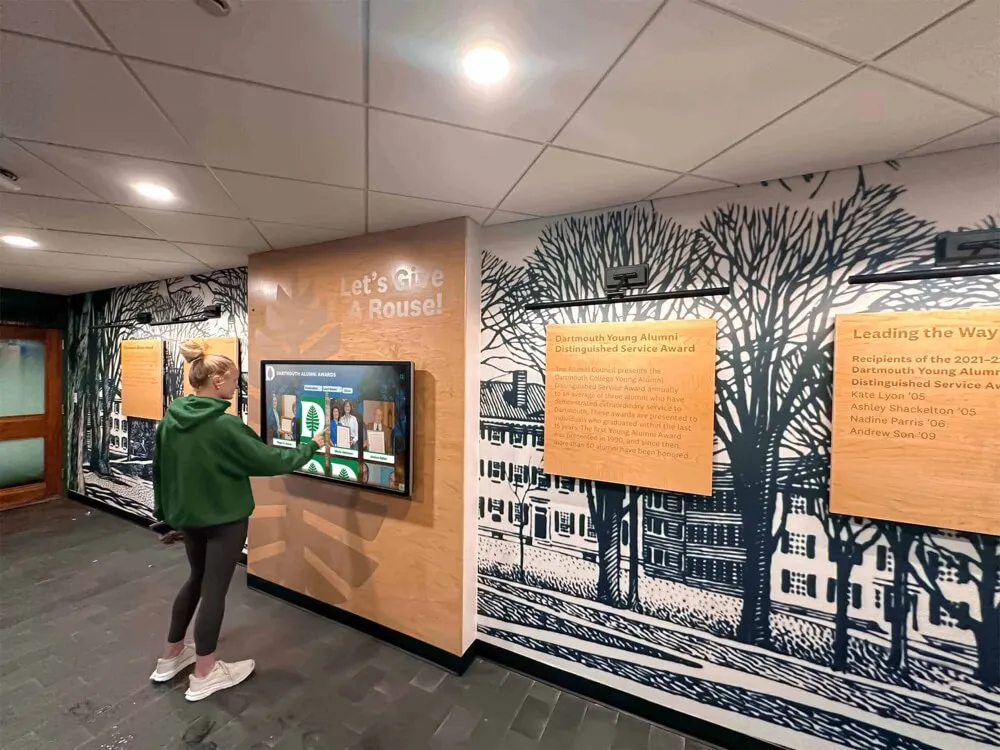
- Watch how actual donors and visitors interact with displays—do they engage or ignore them?
- Examine recognition comprehensiveness—does it feel thorough or sparse?
- Assess facility integration—does the system feel like natural fit or afterthought?
- Note installation quality—is mounting secure and professional or substandard?
- Ask on-site advancement staff about actual management experiences
- Photograph successful design elements you want to replicate
- Identify potential concerns you’ll address in your own implementation
Site visits provide insights impossible through demonstrations and sales presentations, revealing how systems perform after initial enthusiasm fades into daily operational reality.
Contract Review and Negotiation Essentials
Before signing agreements, carefully review contracts with attention to terms beyond pricing:
Scope of Services and Deliverables should explicitly document exactly what hardware, software, installation services, training, support, and ongoing access pricing includes. Vague language like “complete solution” or “turnkey system” creates dispute opportunities about what’s actually provided versus additional-cost options. Demand specificity about deliverables, timelines, and included services.
Service Level Agreements for Performance including support response times, system uptime commitments, and issue resolution timeframes determine whether vendors deliver promised service quality. Without documented SLAs, you have limited recourse when support proves inadequate. Acceptable agreements include 99%+ uptime commitments, 24-48 hour support response, and defined escalation for urgent issues.
Data Ownership and Export Rights should clearly establish that your organization owns all donor information, photos, and content uploaded to systems. Contracts must include explicit data export rights enabling you to retrieve complete databases if changing vendors. Avoid agreements where providers claim ownership or restrict data portability—your donor information belongs to your organization regardless of platform.
Contract Duration, Renewal, and Termination terms significantly impact long-term costs and flexibility. Multi-year contracts may offer lower pricing but reduce flexibility if requirements change or vendors fail delivering value. Understand exactly what happens at contract end—automatic renewal unless cancelled, renegotiation opportunities, or required migration to new agreements. Ensure reasonable termination provisions exist if vendors dramatically fail meeting commitments.
Implementation Best Practices and Long-Term Success Strategies
Selecting appropriate vendors represents only the beginning—thoughtful implementation and ongoing management determine whether systems deliver promised value.
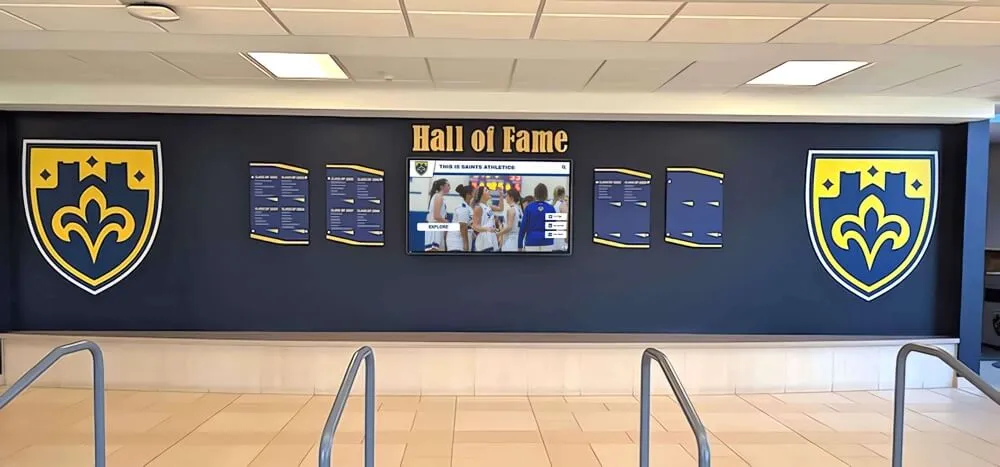
Planning Comprehensive Implementation Timeline
Successful donor recognition screen launches require coordinated planning across multiple workstreams:
Pre-Implementation Phase (Weeks 1-4)
- Finalize vendor selection and execute contracts
- Conduct facility assessment confirming installation requirements
- Form implementation team including advancement leadership, IT staff, facilities management, and vendor representatives
- Develop detailed project plan with milestones, responsibilities, and deadlines
- Begin content planning—defining recognition categories, gathering historical materials, and determining launch scope
Infrastructure and Installation Phase (Weeks 5-8)
- Complete necessary facility preparation—electrical service, network infrastructure, mounting surface preparation
- Coordinate equipment delivery and installation scheduling minimizing disruption
- Conduct professional installation with proper mounting, cable management, and aesthetic integration
- Verify network connectivity, system functionality, and performance meeting specifications
- Address any installation issues before proceeding to content development
Content Development Phase (Weeks 9-12)
- Conduct comprehensive staff training on content management platforms
- Begin creating initial donor profile library—current campaign donors, recognition societies, historical acknowledgment
- Develop style guide establishing standards for photos, biographical information, and giving level presentation
- Implement content approval workflow ensuring quality before publication
- Test user experience with diverse stakeholders providing feedback on navigation and content discoverability
Launch and Optimization Phase (Weeks 13-16)
- Soft launch enabling final testing with limited audiences before public unveiling
- Plan and execute dedication event celebrating recognition system and honored donors
- Implement publicity campaign through organizational communications, donor outreach, and community channels
- Gather initial feedback from donors, staff, and visitors
- Address identified improvements or adjustments based on early operational experience
Most implementations require 12-16 weeks from vendor selection through successful launch. Attempts compressing timelines often compromise content quality, training effectiveness, or stakeholder buy-in—undermining long-term success to save a few weeks initially.
Building Sustainable Content Management Practices
Systems remain valuable only when content stays current, comprehensive, and engaging—establishing sustainable management practices prevents recognition from becoming outdated:
Designate Clear Content Responsibilities among advancement team members for various management tasks. Who updates recognition when new donors contribute? Who creates profiles for major gift donors? Who approves content before publication? Who maintains photo libraries and multimedia content? Who schedules featured content and campaign updates? Without explicit assignments, crucial tasks fall through cracks or overwhelm single individuals.
Create Efficient Recurring Workflows for routine recognition processes. Develop new donor profile templates with standard sections and information fields. Maintain ready-to-use photo specifications and cropping guidelines. Establish approval processes moving content systematically from draft through review to publication. Schedule regular recognition reviews—quarterly is typical—ensuring accuracy and identifying needed updates. Documented workflows enable consistent quality regardless of which staff members manage specific updates.
Leverage Fundraising Database Integration when available, eliminating manual data re-entry and ensuring recognition accuracy. Automated synchronization updates donor names, giving levels, and contribution totals as fundraising systems process gifts. Integration reduces advancement staff workload while preventing recognition errors from manual data transfer. If your fundraising platform lacks direct integration, investigate whether CSV export/import workflows enable semi-automated updates reducing manual effort.
Engage Broader Organizational Community in content development where appropriate. Alumni relations staff may contribute biographical information about recognized graduates. Communications teams can produce impact videos showing how contributions advance organizational mission. Major gift officers may gather donor testimonials and contribution stories. Facilities management can document completed building projects donors funded. Community involvement strengthens content while distributing workload beyond advancement teams.
Measuring Success and Demonstrating Value
Justify investments and build support for future enhancements by documenting tangible outcomes:
Quantitative Engagement Metrics provide objective utilization measures:
- Total interaction sessions and unique users monthly
- Average session duration and content pages viewed
- Most-searched donor names and frequently explored campaigns
- Online recognition portal access statistics
- Social media shares and extended digital reach
- Engagement comparisons versus previous traditional recognition approaches
Qualitative Impact Indicators capture cultural and relationship outcomes:
- Donor feedback through surveys and direct testimonials
- Advancement team efficiency improvements managing recognition
- Campaign momentum stories where recognition visibility drove additional contributions
- Community awareness demonstrated through visitor interactions
- Recruiting or relationship-building anecdotes from advancement officers
- Media attention and external recognition for innovative acknowledgment approaches
Return on Investment Calculations demonstrate financial value:
- Eliminated costs for traditional plaque fabrication and installation
- Advancement staff time savings versus manual recognition management
- Enhanced donor retention supporting continued giving and bequest intentions
- Campaign acceleration attributed to visible progress and recognition
- Extended recognition useful life compared to physical displays requiring replacement
- Operational cost reductions from flexible digital updates versus fixed physical changes
Regular reporting on these metrics and outcomes maintains leadership support, validates investment decisions, and positions organizations for future technology enhancements serving advancement goals.
Common Implementation Challenges and Solutions
Learning from others’ experiences prevents costly mistakes during vendor selection and system deployment:
Challenge: Underestimating Content Development Effort
Organizations frequently discover creating comprehensive donor profile libraries requires far more time than anticipated. Many launch impressive technology showcasing minimal content—expensive equipment displaying sparse recognition failing to justify investment.
Solution: Realistically assess content development capacity before committing to implementation timelines. Consider phased launches beginning with current campaign donors while gradually adding historical recognition. Evaluate vendor content migration services versus internal development, calculating cost-benefit of professional assistance accelerating comprehensive recognition.
Challenge: Insufficient Stakeholder Involvement During Selection
Advancement directors selecting systems without major gift officer input, IT consultation, or facility manager involvement often implement solutions missing important requirements only apparent after expensive commitments. Systems may lack integration capabilities advancement teams need, exceed network infrastructure capacity, or require installation modifications facilities teams reject.
Solution: Form diverse evaluation committees including advancement leadership, major gift and annual fund staff, IT infrastructure representatives, facilities management, and finance officers reviewing budget implications. Broader involvement identifies requirements and constraints early, preventing expensive surprises during implementation.
Challenge: Overlooking Long-Term Vendor Viability
Impressive startups offering innovative donor recognition platforms at attractive prices sometimes disappear through business failure or acquisition, leaving organizations with orphaned systems lacking support, updates, or continuity. Platforms requiring ongoing vendor engagement for operation create risk when vendors cease business.
Solution: Evaluate vendor financial stability, market position, and long-term viability beyond feature lists and pricing. Prioritize established providers with proven staying power or ensure systems function independently if vendors discontinue support. For donor recognition serving decades, vendor longevity matters as much as current capabilities.
Challenge: Ignoring Accessibility Requirements
Organizations implementing donor recognition screens without considering accessibility needs discover late that displays fail accommodating vision, hearing, or mobility limitations—potentially violating legal requirements while excluding community members from recognition engagement.
Solution: Prioritize accessibility throughout evaluation by requesting WCAG compliance documentation, testing interfaces with screen readers and accessibility tools, verifying mounting heights accommodate wheelchair users, and ensuring text sizing, color contrast, and navigation patterns support diverse abilities. Accessible recognition demonstrates organizational values while meeting legal obligations. Resources on digital recognition display accessibility provide implementation guidance for inclusive systems.
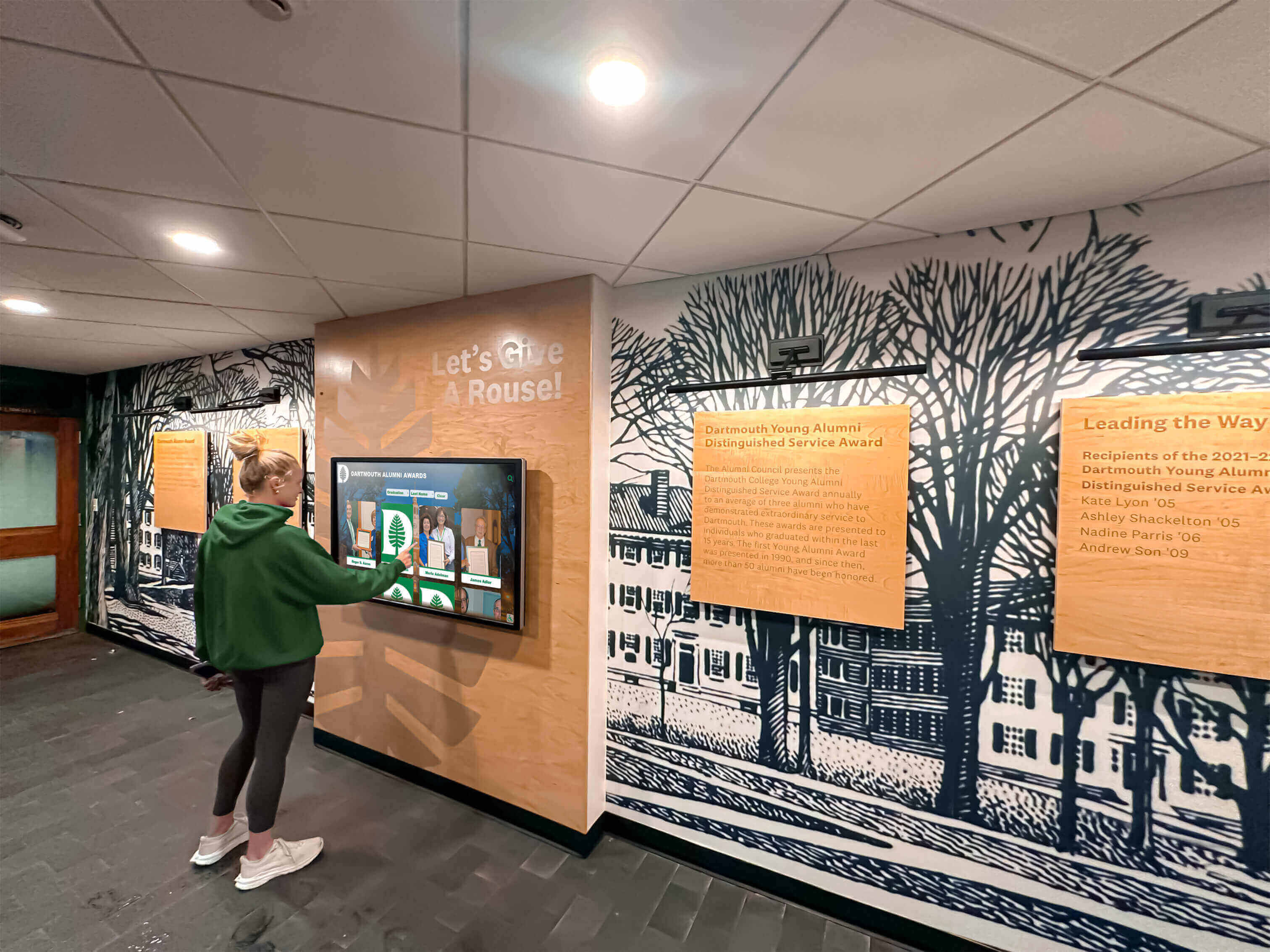
Conclusion: Making Confident Vendor Decisions for Donor Recognition
Selecting donor recognition screen vendors represents strategic decisions shaping how organizations honor contributors, inspire additional philanthropy, and demonstrate stewardship for years or decades ahead. The systems you choose will influence donor satisfaction, advancement team efficiency, campaign visibility, and institutional recognition practices through multiple fundraising cycles and organizational leadership transitions.
This decision’s complexity—evaluating technical capabilities, assessing vendor relationships, understanding financial implications, and forecasting long-term suitability—demands systematic approaches rather than rushed judgments driven primarily by pricing or impressive demonstrations. By thoroughly understanding your organization’s specific recognition needs, carefully evaluating vendors against consistent criteria, conducting comprehensive due diligence through references and site visits, and planning thoughtful implementations with realistic timelines, you position your advancement program for recognition success delivering value far beyond initial investment.
The optimal vendor for your organization may differ from what peer institutions select. Your recognition philosophy, campaign characteristics, budget constraints, technical infrastructure, and stakeholder priorities create unique requirements that generic “best” recommendations may not address. Focus on identifying vendors whose capabilities, service approach, and partnership style align with your specific circumstances rather than simply choosing whoever others recommend or whoever offers the lowest pricing.
Modern donor recognition platforms like Rocket Alumni Solutions demonstrate how purpose-built systems specifically designed for institutional advancement deliver capabilities that generic digital signage or repurposed display technology cannot match. When evaluating vendors, prioritize those specializing in donor recognition over companies treating fundraising acknowledgment as minor product variations alongside their primary business focus. Specialists understand advancement workflows, fundraising database integration requirements, and donor engagement nuances that generalists overlook.
Remember that donor recognition screens serve ultimately to honor generous individuals and families making organizational missions possible. Technology serves that purpose—creating meaningful acknowledgment experiences, inspiring continued philanthropy, and demonstrating faithful stewardship of contributed resources. Choose vendors who understand this mission orientation and design recognition systems celebrating donors rather than just displaying data.
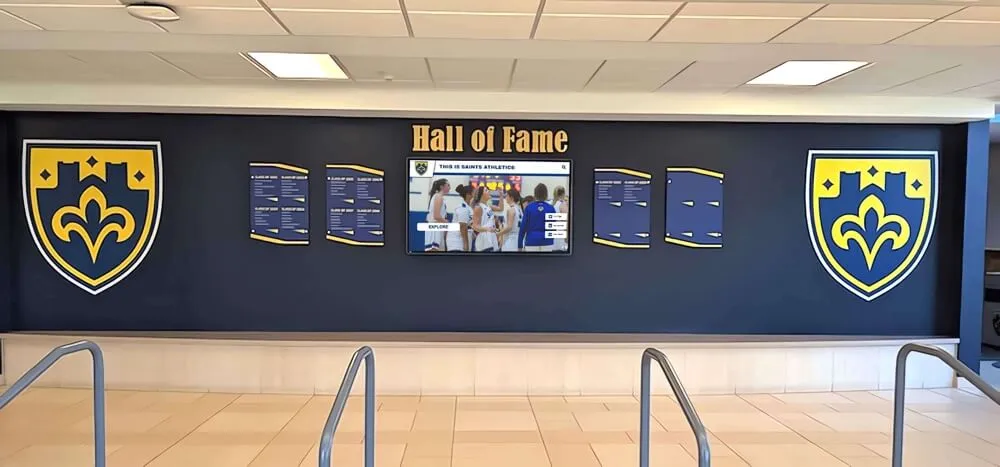
The right donor recognition screen vendor will become a long-term partner in preserving your philanthropic legacy, celebrating generous contributors, and building the culture of gratitude and generosity that distinguishes impactful organizations. Take the time to choose wisely—your donors, advancement team, and institution will benefit from thoughtful selection for years ahead.
Ready to explore how modern donor recognition platforms can transform your fundraising acknowledgment? Discover more about church interactive donor boards or learn strategies for digital donor recognition. For personalized guidance on choosing the right vendor for your specific needs, book a demo to discuss how comprehensive recognition platforms can elevate donor acknowledgment while advancing your fundraising mission.