



Key Takeaways
Discover 25+ creative donor appreciation event ideas for schools, nonprofits, and organizations. From intimate gatherings to interactive recognition displays, learn how to meaningfully thank supporters who make your mission possible.
Donors don’t just give money—they invest belief in your mission, trust in your leadership, and hope in your potential impact. Yet many organizations struggle to express genuine gratitude beyond templated thank-you letters, missing critical opportunities to deepen relationships with the very supporters who sustain their work. Meaningful donor appreciation transforms transactional exchanges into lasting partnerships, converting one-time contributors into lifelong advocates who champion your cause, amplify your message, and inspire others to give.
This comprehensive guide presents 25+ creative donor appreciation event ideas designed for schools, nonprofits, universities, and organizations of all sizes. Whether you’re stewarding major gift donors, recognizing annual fund contributors, or thanking volunteer supporters, you’ll find adaptable concepts that demonstrate authentic gratitude while building sustainable philanthropic relationships.
Why Donor Appreciation Events Matter: The Strategic Value of Gratitude
Before exploring specific event concepts, understanding the strategic importance of donor appreciation helps organizations prioritize stewardship investments and measure their effectiveness appropriately.
The Retention ROI of Appreciation
Donor retention statistics reveal a sobering reality: most organizations lose 40-60% of their donors annually. Yet research consistently demonstrates that appreciated donors give again at dramatically higher rates, contribute larger gifts over time, and actively recruit new supporters from their networks.
First-time donors who receive personalized appreciation beyond standard acknowledgment letters retain at nearly double the rate of those who receive only transactional receipts. The cost of appreciating existing donors represents a fraction of new donor acquisition expenses, making retention-focused stewardship among the highest-ROI investments organizations can make.
Creating Authentic Connection Beyond Transactions
The most effective appreciation events prioritize genuine connection over elaborate production. Donors consistently report that personal attention, transparent impact demonstration, and sincere gratitude matter more than event sophistication or expense. Organizations that create opportunities for donors to experience their impact firsthand—meeting beneficiaries, witnessing programs, understanding challenges—build emotional investments that financial transactions alone cannot create.
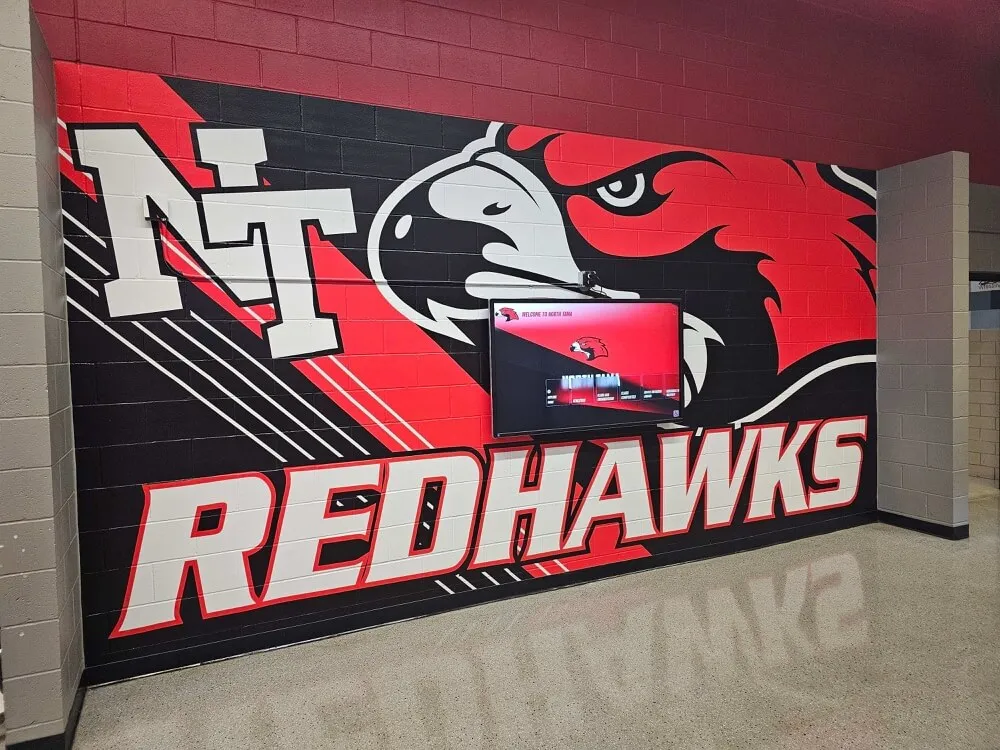
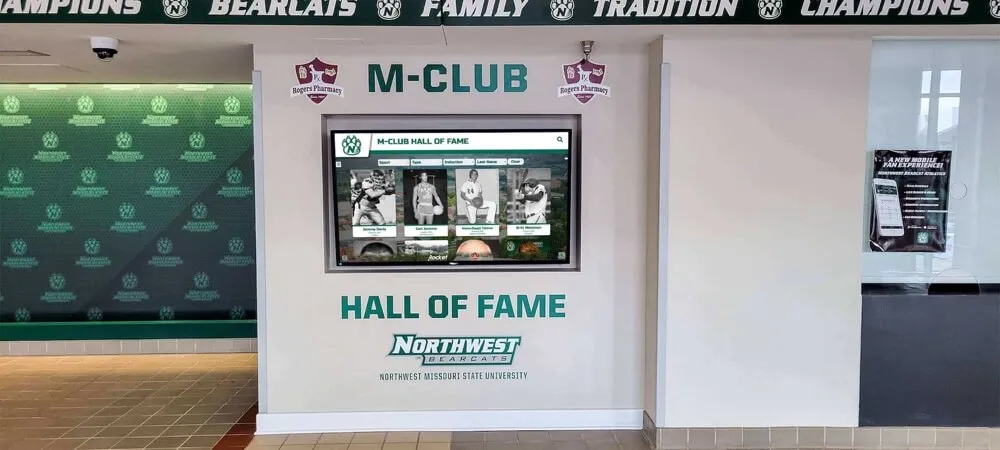
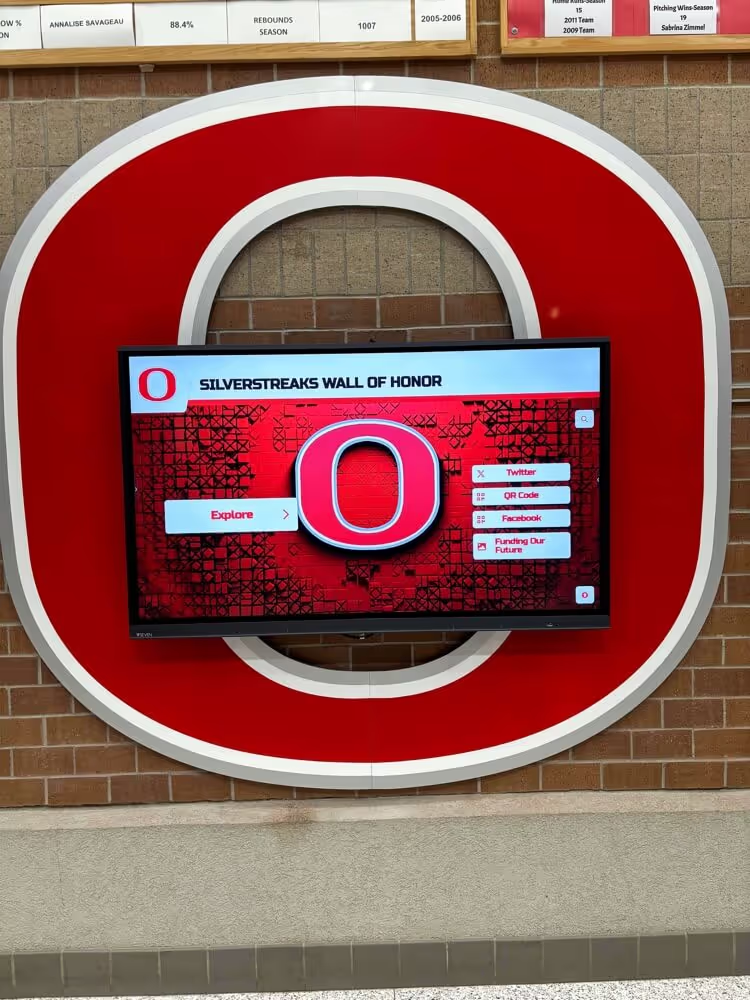
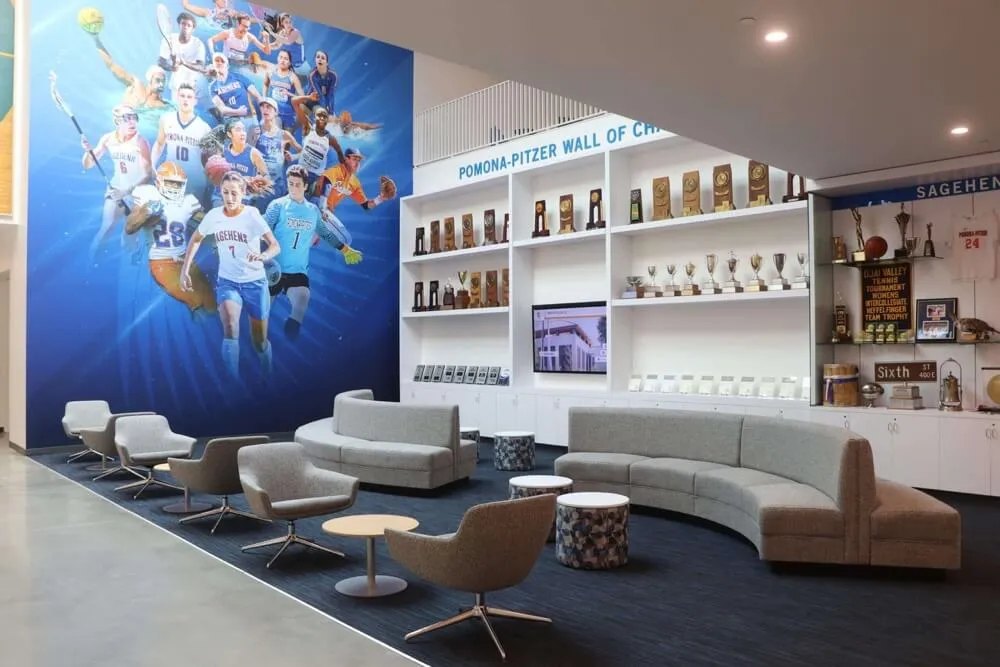
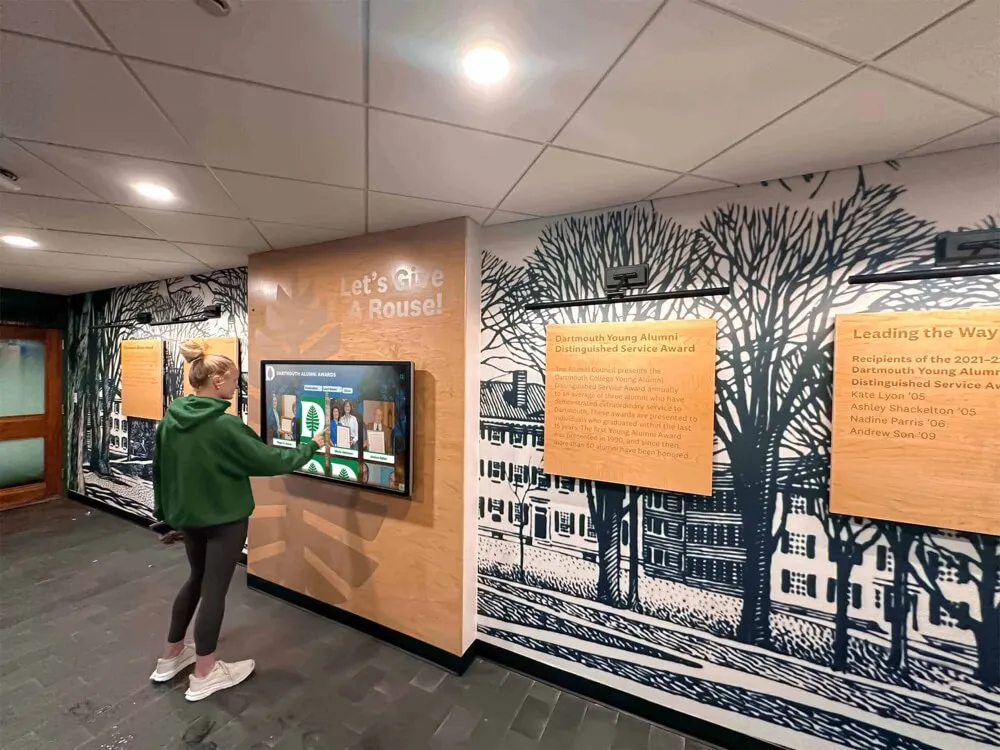
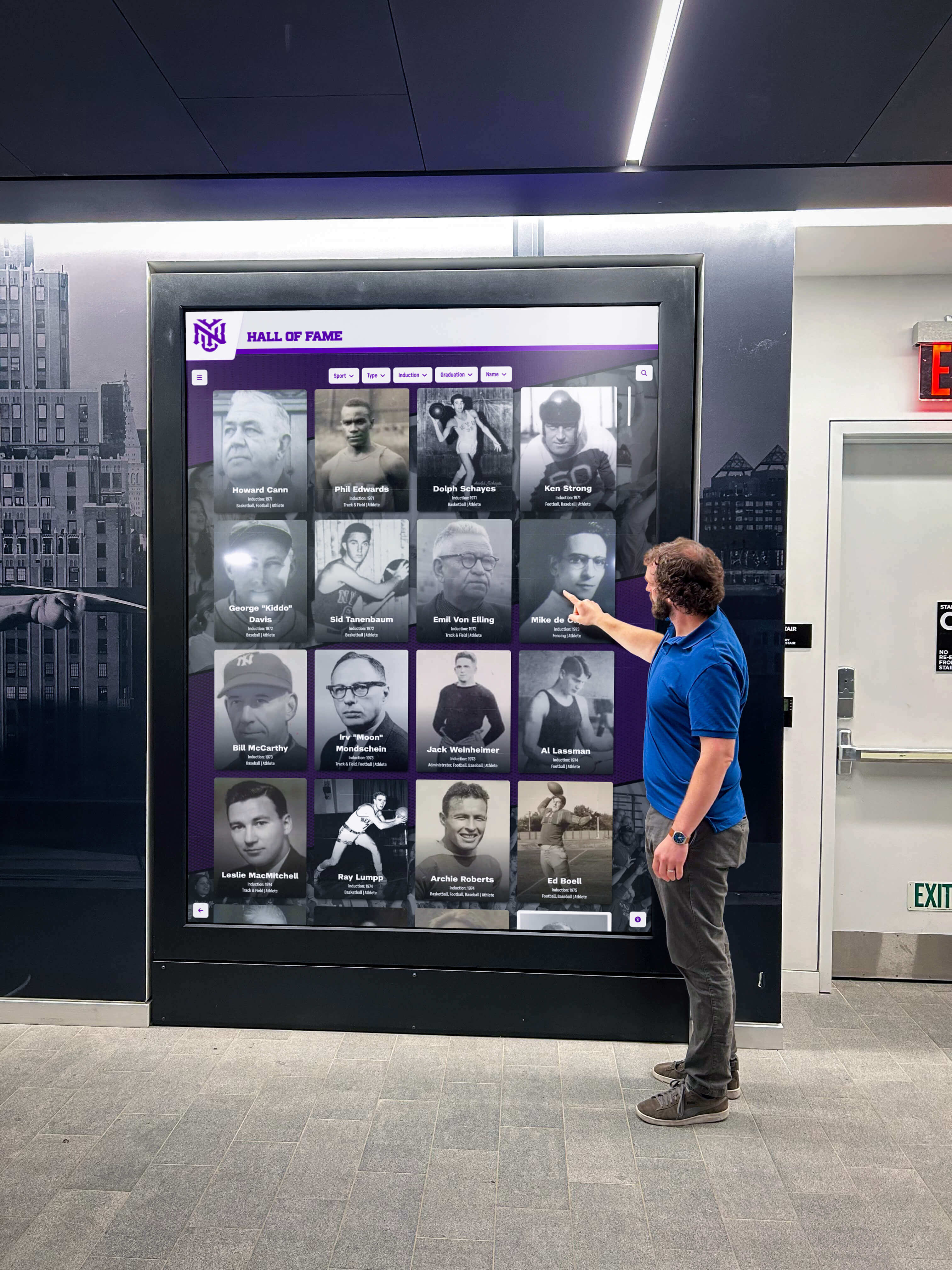
Recognition also matters. While some donors claim to prefer anonymity, research shows that appropriate public acknowledgment increases giving satisfaction and creates social proof encouraging others to contribute. Donor recognition walls and digital displays provide permanent gratitude demonstrations while inspiring prospective supporters by showcasing philanthropic community participation.
Intimate Donor Appreciation Event Ideas (Ideas 1-8)
Small-scale appreciation events enable personal connections impossible in larger gatherings, making donors feel truly seen and valued as individuals rather than entry names in databases.
1. Personalized Thank-You Dinners
Host intimate dinners at leadership homes, board members’ residences, or local restaurants where your executive director or program leaders can personally thank 8-12 major donors. Keep programming minimal—brief impact updates, sincere gratitude expressions, and generous conversation time. The intimacy of small gatherings signals that donors warrant personal leadership attention, creating memorable stewardship experiences that generic events cannot replicate.
Consider pairing donors strategically—connecting supporters with shared interests, complementary professional backgrounds, or similar giving motivations. These connections often generate unexpected collaborations, peer-to-peer solicitations, and expanded networks that benefit your organization long-term.
2. Behind-the-Scenes VIP Tours
Provide exclusive access to programs, facilities, or operations donors typically cannot experience. Schools might offer donors private tours of newly renovated science labs their gifts funded, observing students engaged in hands-on experiments. Nonprofits could arrange visits to program sites where donors meet beneficiaries and witness services in action.
The power of VIP tours lies in tangible impact demonstration—transforming abstract contribution amounts into concrete program realities. Donors who personally observe how their support changes lives develop emotional connections that inspire continued and increased giving.
3. Coffee or Breakfast Meetings with Leadership
Simple morning meetings where your CEO, head of school, executive director, or program leaders personally thank donors over coffee or breakfast provide high-touch stewardship without elaborate event planning. The informality signals accessibility while demonstrating that leadership prioritizes personal donor relationships.
Use these meetings primarily for listening—asking donors about their philanthropic motivations, learning what inspired their support, understanding how they prefer to engage, and discovering what impact information matters most to them. Relationship-building conversations yield stewardship intelligence that shapes future cultivation strategies.
4. Handwritten Note Campaigns from Beneficiaries
Organize campaigns where students, program participants, or service recipients write personalized thank-you notes to donors who funded their scholarships, programs, or services. Authentic beneficiary voices create emotional impact that organizational communications cannot match.
Provide guidance ensuring notes remain genuine rather than formulaic—encouraging specific story sharing, personal detail inclusion, and sincere gratitude expression. Donors consistently report that beneficiary notes represent their most treasured recognition, often keeping these letters for years as tangible reminders of their impact.
5. Private Previews or First-Look Events
Invite donors to exclusive previews before major announcements, new building openings, program launches, or initiative kickoffs. Being “first to know” makes donors feel like insiders invested in your success rather than outsiders receiving mass communications.
Private previews work particularly well for capital campaign milestones, facility dedications, or strategic plan revelations. The exclusivity demonstrates that donor support earned them privileged access to organizational developments before public disclosure.
6. Donor Legacy Conversations
Schedule one-on-one or small-group conversations specifically exploring donors’ legacy aspirations and long-term philanthropic visions. These discussions focus on donors’ values, family traditions, desired lasting impact, and how their giving reflects personal beliefs.
Legacy conversations naturally lead to planned giving discussions while demonstrating organizational commitment to honoring donor intentions across generations. They also yield invaluable insight into donor motivations that inform personalized stewardship strategies.
7. Surprise Gratitude Visits
Occasionally surprise significant donors with unannounced gratitude visits—leadership dropping by donors’ workplaces or homes briefly just to say thank you, perhaps bringing small tokens like program participant artwork, branded merchandise, or impact reports. The spontaneity signals that gratitude isn’t performative or obligation-driven but genuine organizational appreciation.
Keep surprise visits brief and genuinely focused on gratitude rather than solicitation. The unexpectedness makes them memorable while demonstrating that your organization thinks about donors between formal cultivation activities.
8. Video Thank-You Messages
Create personalized video messages where beneficiaries, program staff, or leadership thank specific donors by name, reference their particular gifts, and explain concrete impact their support enabled. Video format adds personal warmth that written communications lack while providing easily shareable content donors can show family members and friends.
Short, authentic videos (60-90 seconds) work better than polished productions. Donors value genuine emotion over production quality, and the personal attention inherent in customized videos demonstrates meaningful investment in individual donor relationships.
Large-Scale Donor Appreciation Event Ideas (Ideas 9-17)
Broader recognition events enable organizations to honor donor communities collectively while creating social experiences that strengthen philanthropic culture and inspire continued support.
9. Annual Donor Recognition Gala
Host elegant evening celebrations recognizing all donors collectively while highlighting major contributors through special acknowledgments, awards, or program features. Galas combine sophisticated social experiences with impact storytelling, creating memorable occasions donors anticipate annually.
Successful galas balance recognition with authentic mission connection—incorporating beneficiary speakers, impact videos, program demonstrations, or facility tours that remind attendees why their support matters. Avoid overly elaborate productions that make donors question whether their contributions fund programming or events.
10. Donor Appreciation Picnic or Outdoor Festival
Organize casual daytime outdoor events where donors and their families enjoy relaxed fellowship, entertainment, activities, and mission connection in informal settings. Family-friendly formats demonstrate that your organization values donors’ complete lives rather than just their philanthropic capacity.
Include interactive elements like program demonstrations, hands-on activities related to your mission, beneficiary meet-and-greets, or facility tours. The informality lowers barriers for newer donors while providing comfortable environments for relationship building.
11. Giving Society Induction Ceremonies
Create tiered giving societies (Leadership Circle, Founder’s Society, Legacy League) and host annual induction ceremonies welcoming new members while celebrating sustained supporters. Giving societies provide aspirational recognition tiers while creating donor communities united by contribution levels.
Induction ceremonies work particularly well paired with donor wall unveilings where physical or digital displays showcase society members, creating permanent public recognition that honors contributors while inspiring prospective donors.
12. Impact Showcase Events
Host events specifically demonstrating program impact through interactive exhibitions, beneficiary presentations, data visualizations, or hands-on demonstrations. Rather than traditional programming, let your work speak through tangible evidence of donor investment results.
Schools might showcase student research projects, athletic achievements, arts performances, or academic recognition programs funded by philanthropy. Nonprofits could arrange beneficiary panels sharing personal stories about how donor-funded services changed their lives.
13. Donor Appreciation Concert or Performance
Partner with local musicians, student performers, or professional artists to present concerts, theatrical productions, or artistic performances exclusively for donors. Entertainment-focused events provide value beyond mission programming while showcasing community partnerships or institutional capabilities.
If your organization serves artists, students, or performers, featuring beneficiaries as entertainers creates particularly powerful impact demonstrations—donors simultaneously enjoy high-quality performances while witnessing direct results of their philanthropic investments.
14. Volunteer Appreciation Combined with Donor Recognition
Many donors contribute both financial resources and volunteer time. Events recognizing both philanthropic and service contributions acknowledge supporters’ complete engagement while celebrating volunteer culture. Volunteer recognition programming naturally pairs with donor stewardship since many organizations’ most generous financial contributors also provide significant volunteer service.
Create award categories recognizing various contribution types—major gifts, sustained annual giving, planned gift commitments, volunteer leadership, peer-to-peer fundraising, and advocacy. Comprehensive recognition demonstrates that your organization values multiple support forms.
15. Themed Appreciation Events
Design events around themes that align with organizational missions or donor interests—“An Evening in Paris” for language programs, “Decades Night” for alumni associations, “Science Fair” for STEM education nonprofits, or “Harvest Celebration” for agricultural organizations.
Themed events create memorable experiences while providing creative frameworks for programming, décor, entertainment, and activities. The novelty generates anticipation and social media sharing while differentiating your events from standard nonprofit receptions donors attend regularly.
16. Athletic Event Hospitality for Donors
For schools and universities with athletic programs, create premium game-day experiences exclusively for donors—pre-game receptions, premium seating sections, halftime recognitions, or post-game meet-and-greets with coaches and athletes. Athletic events already draw attendees; adding donor-exclusive elements layers stewardship onto existing programming.
Recognize major donors publicly during games through announcements, scoreboard features, or program acknowledgments. Public athletic venue recognition provides high-visibility appreciation while associating donors with winning teams and school spirit.
17. Interactive Recognition Display Unveilings
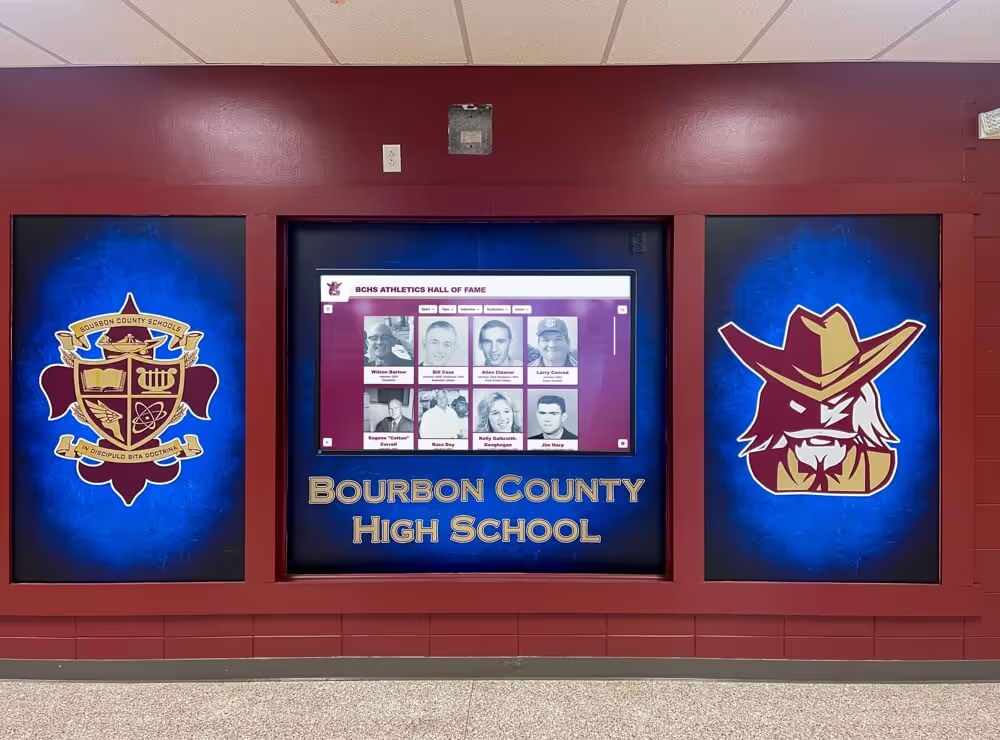
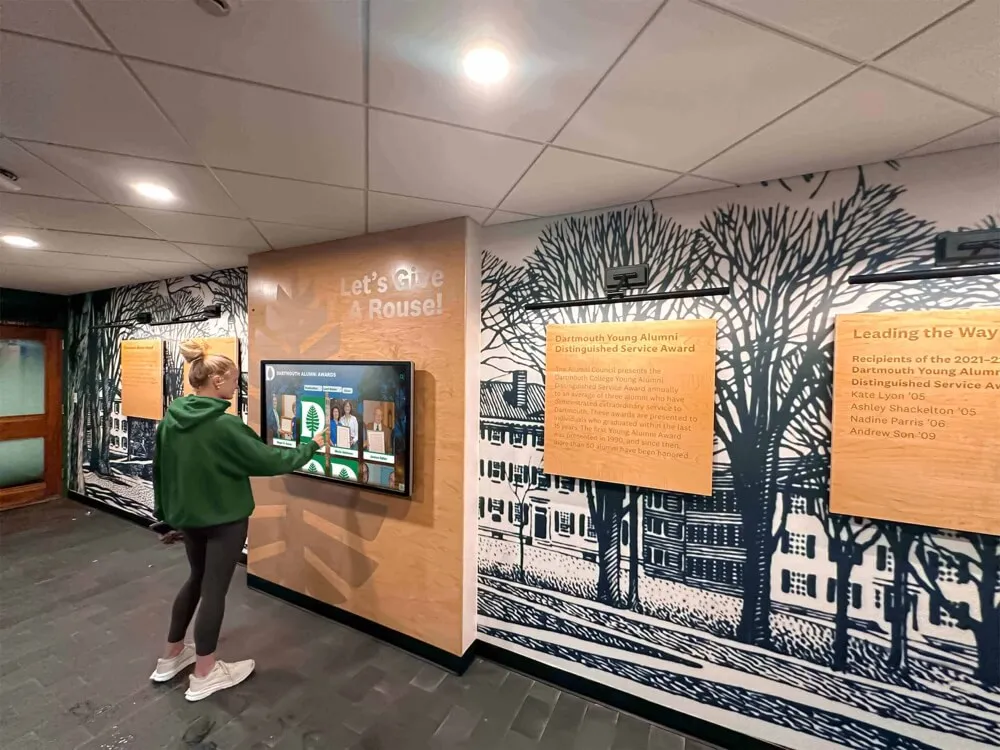
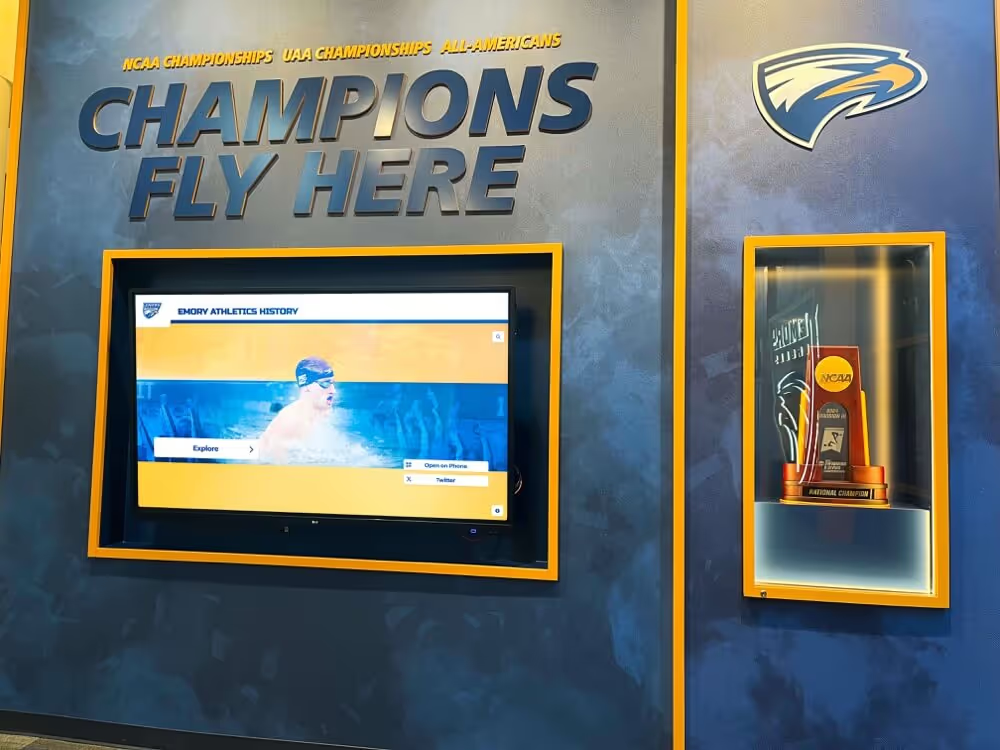
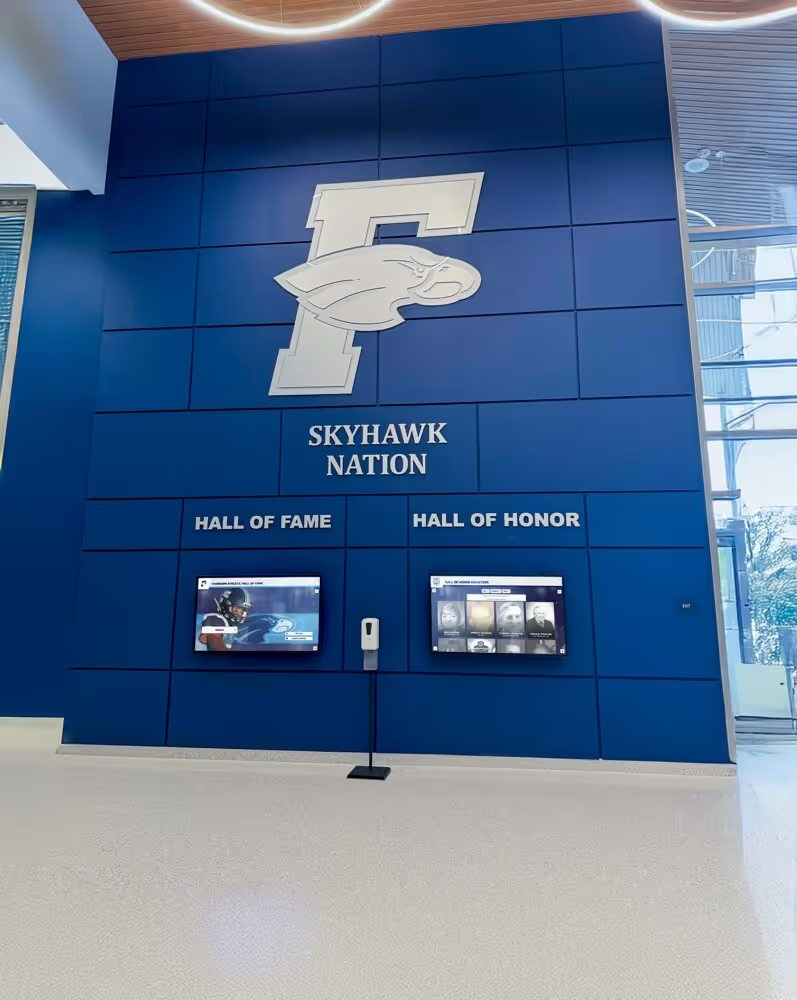
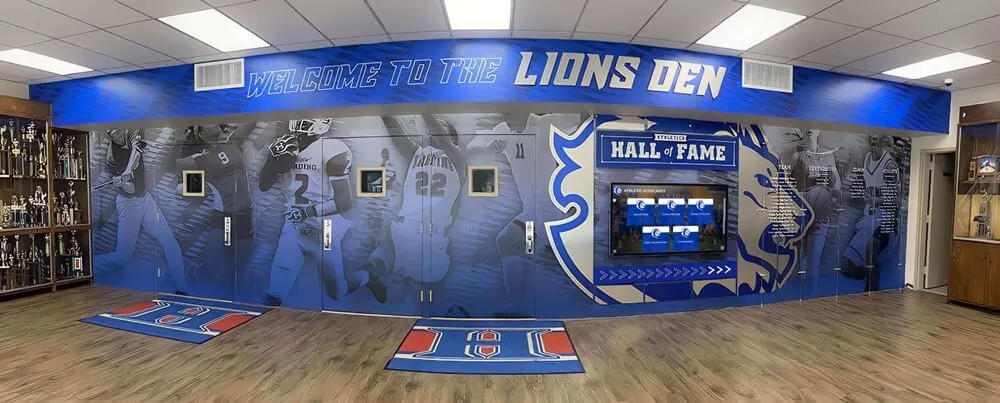
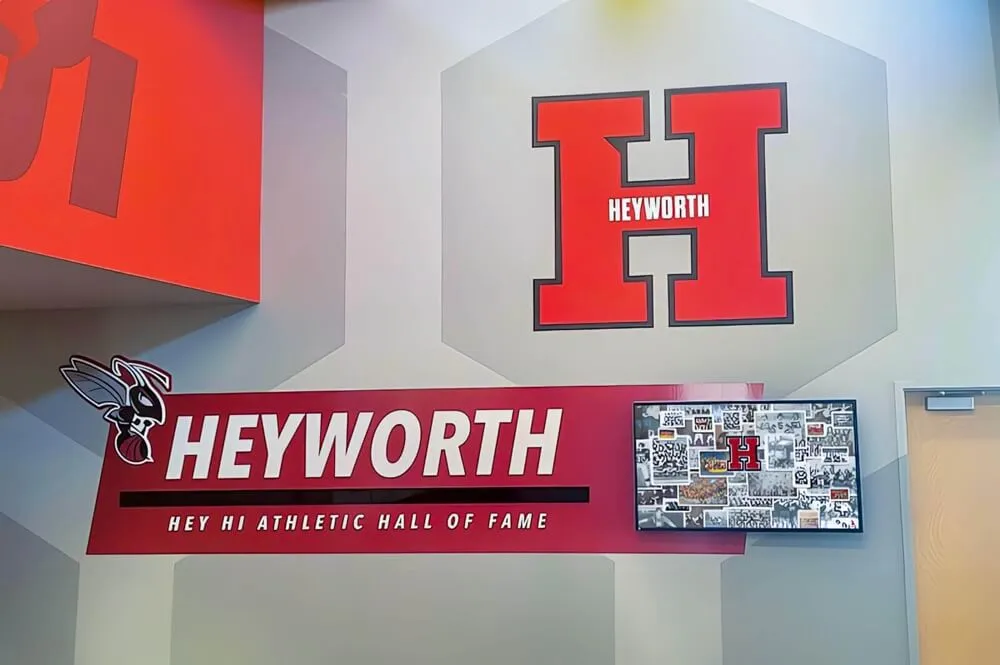
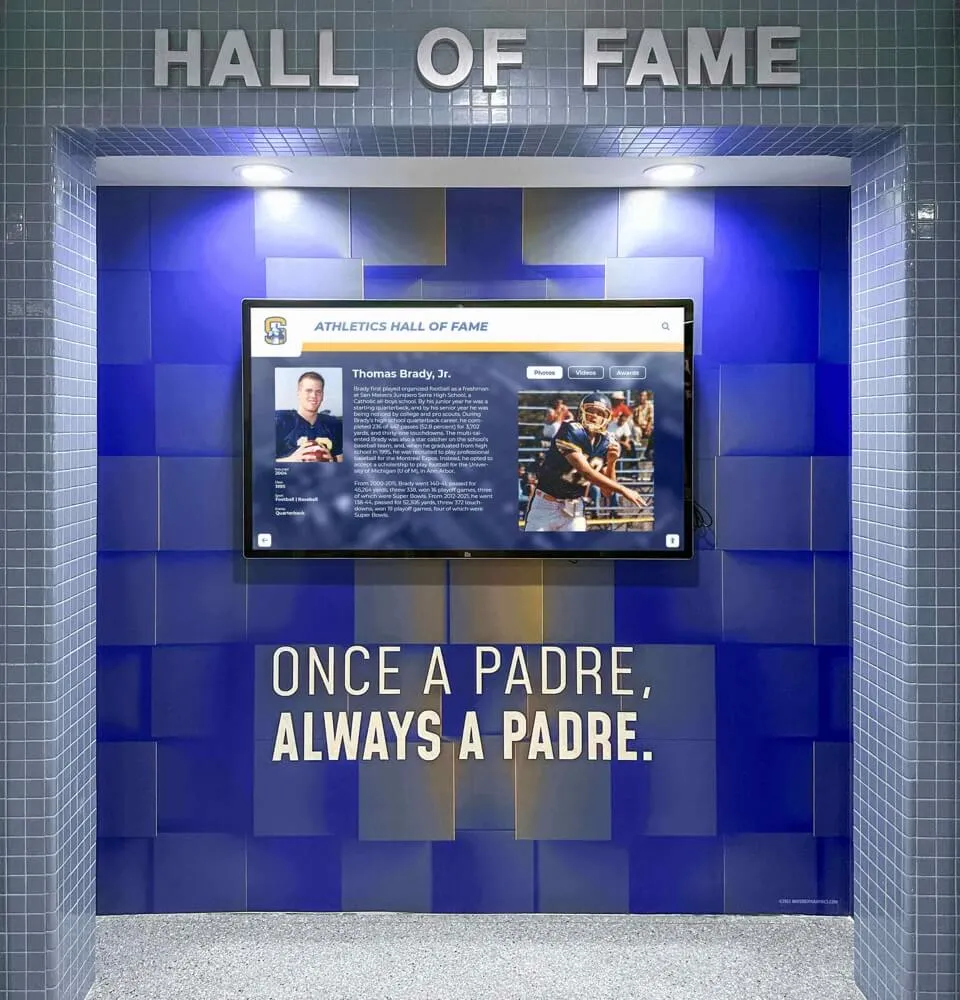
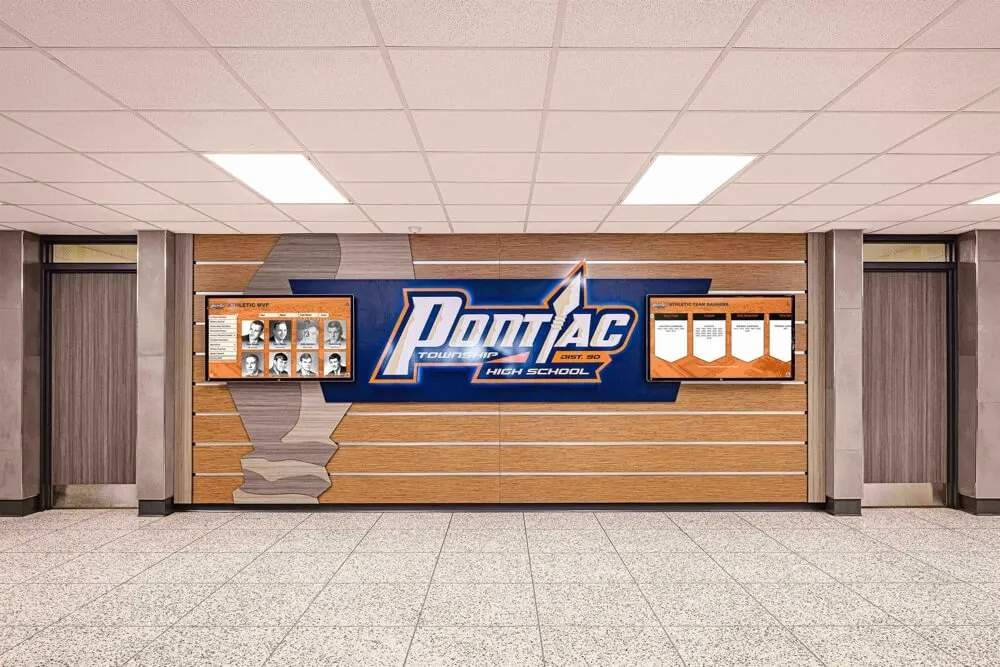
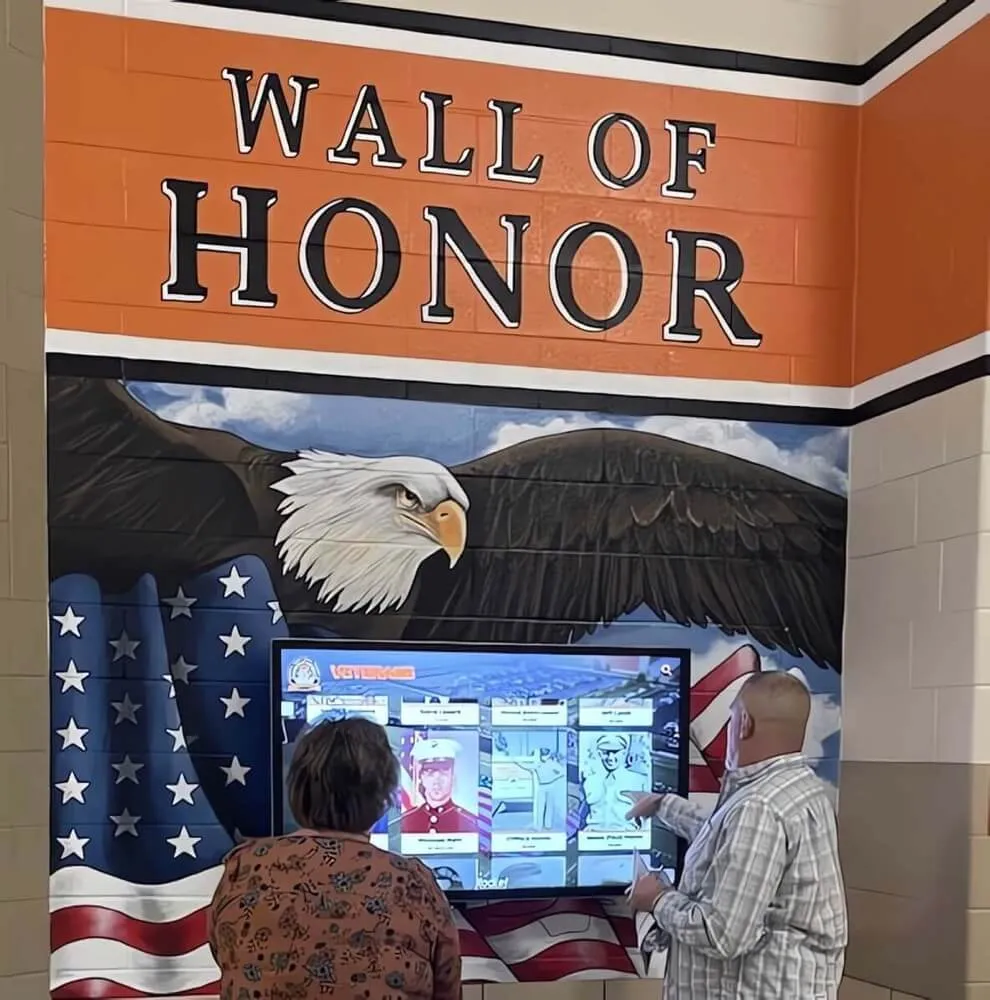
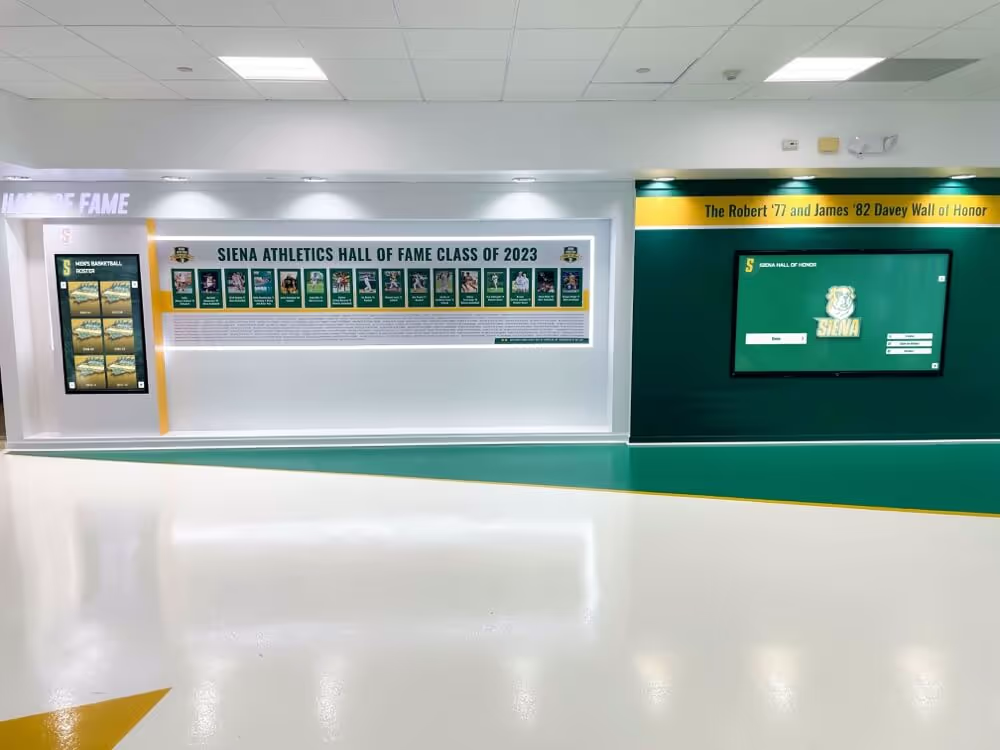
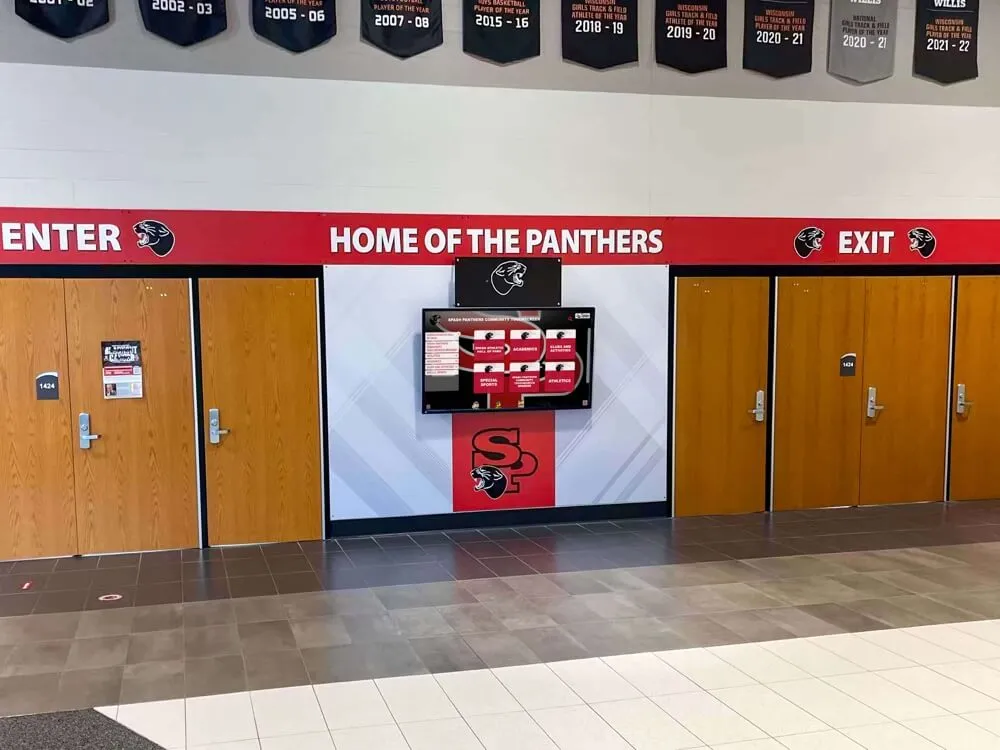
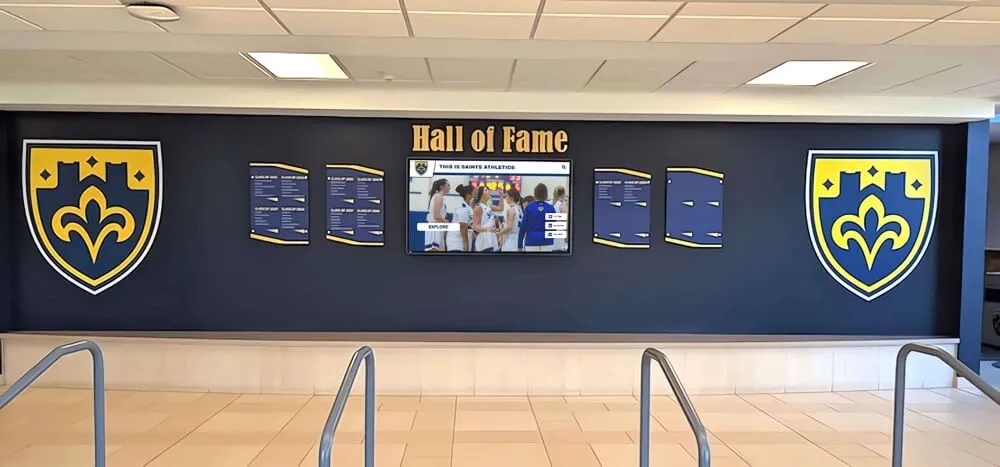
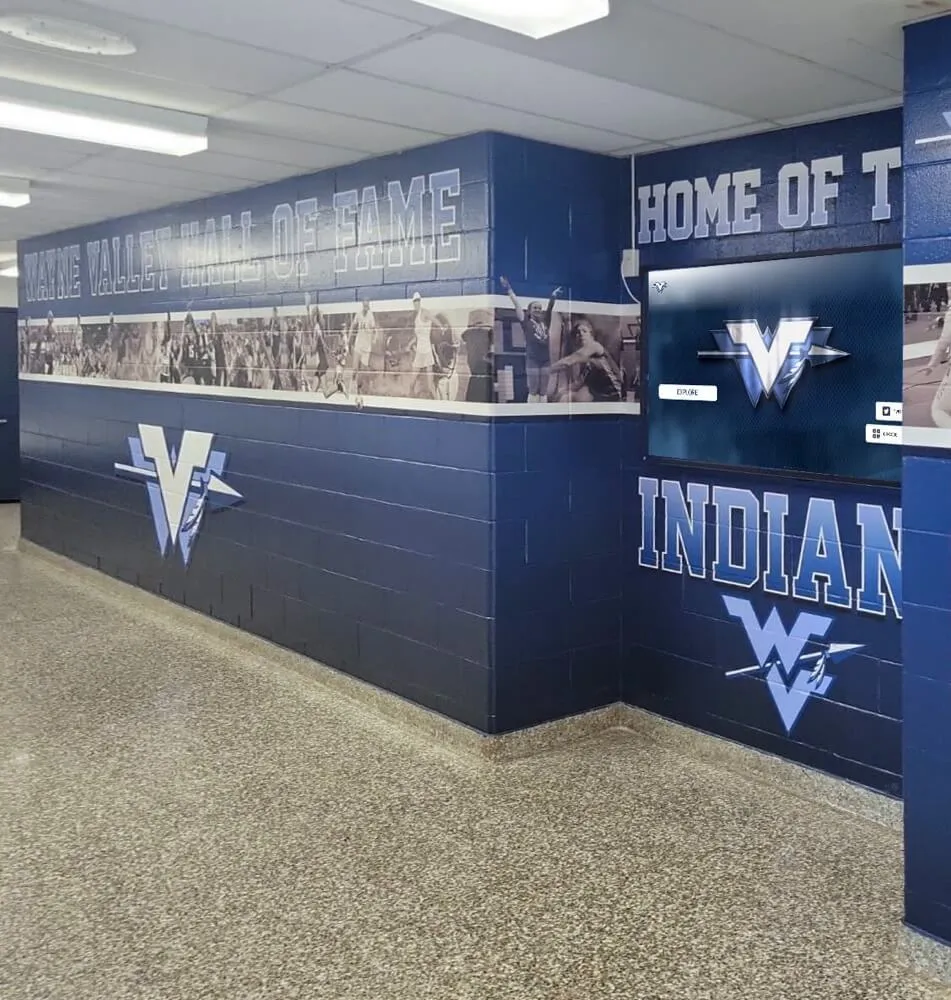
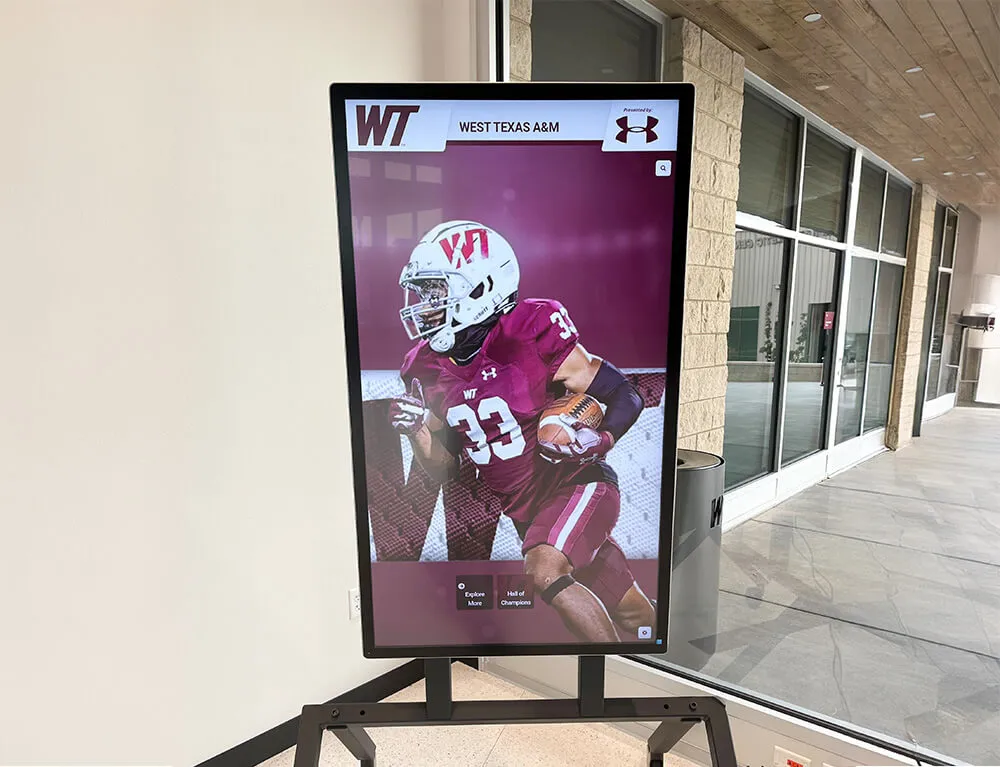
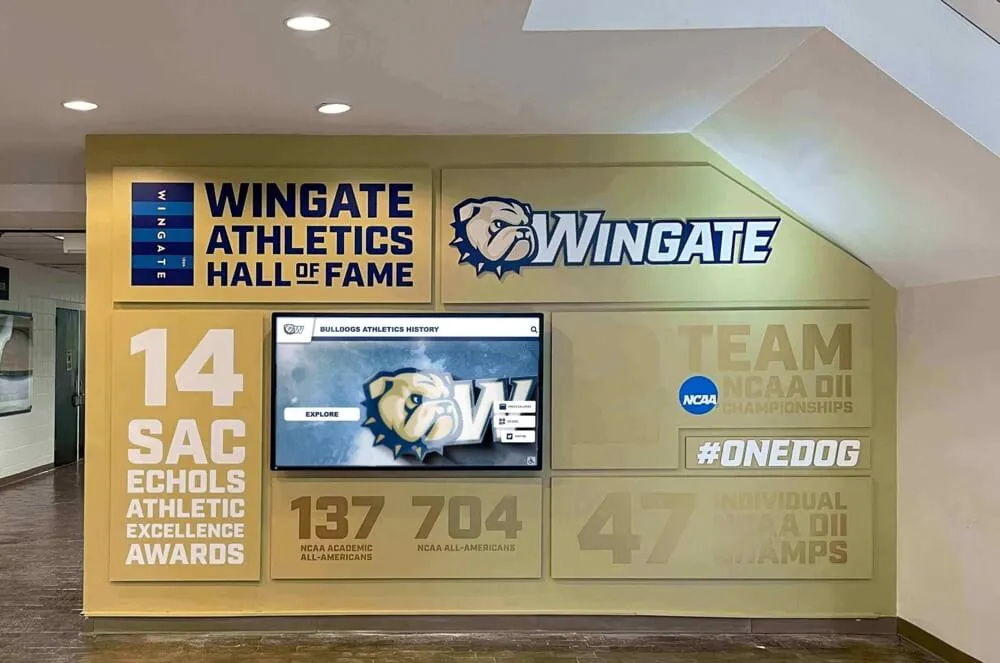
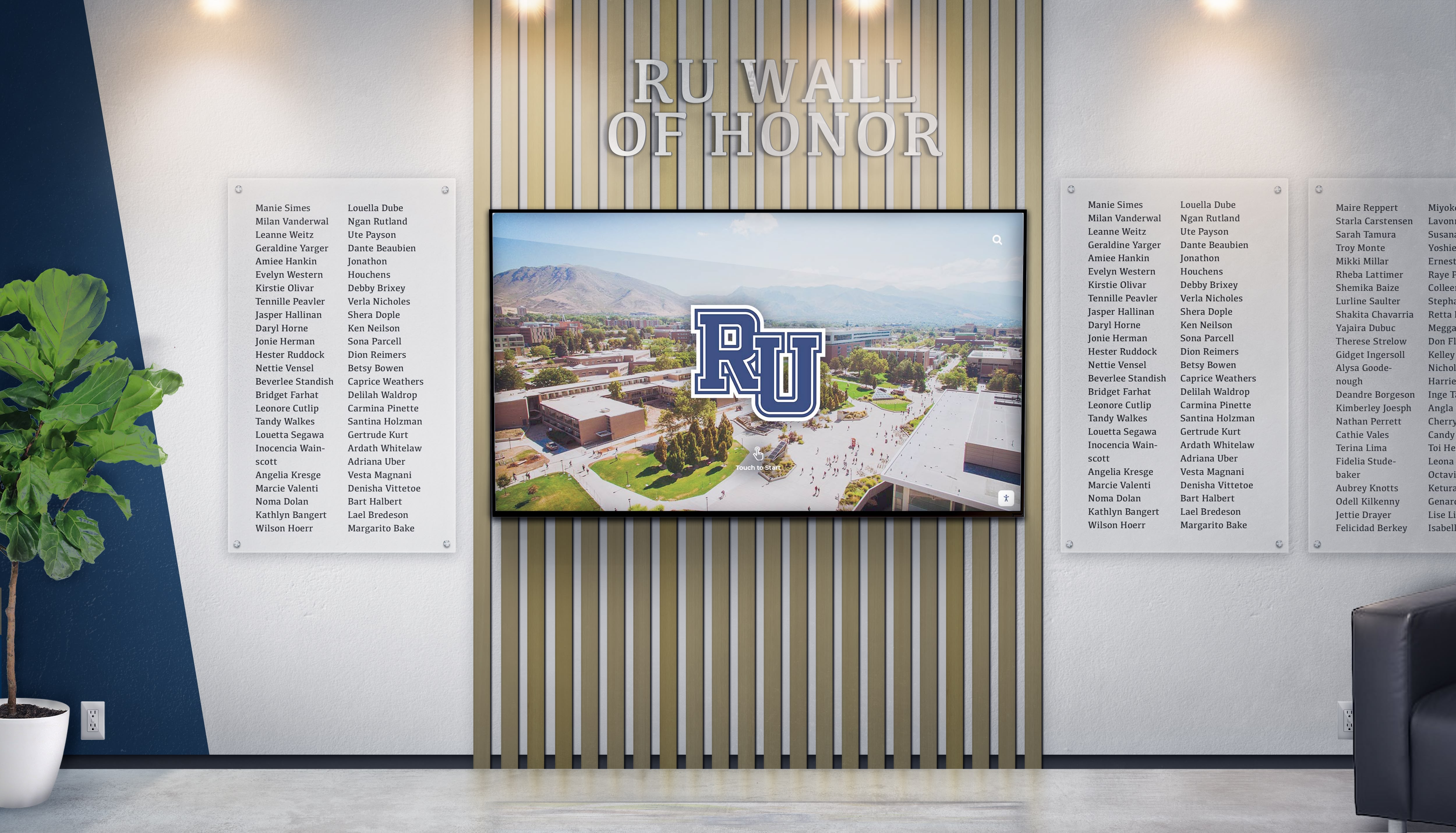
Host unveiling events for new donor recognition displays—whether traditional donor walls or modern interactive touchscreen systems that showcase contributors while telling your organization’s story. Display unveilings create occasions for celebration while providing permanent recognition infrastructure.
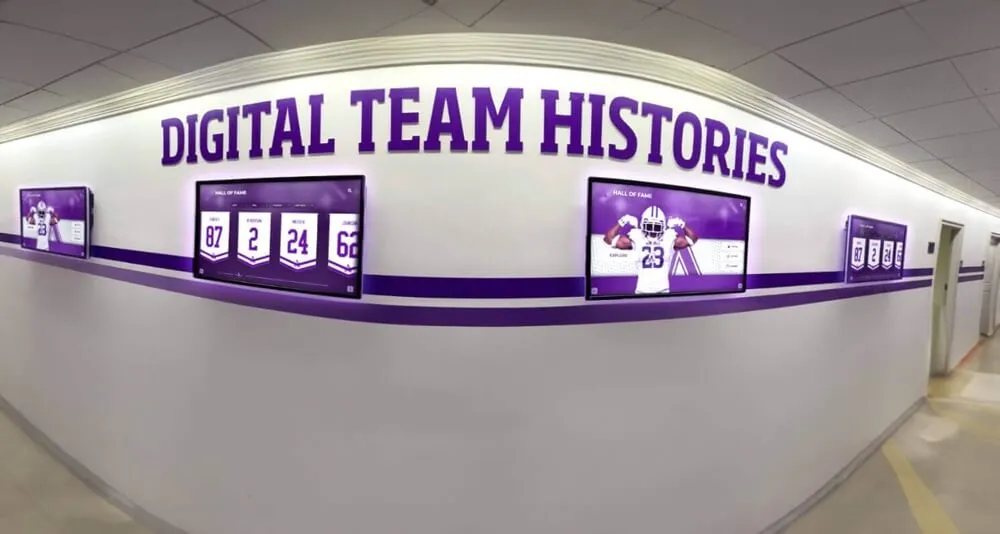
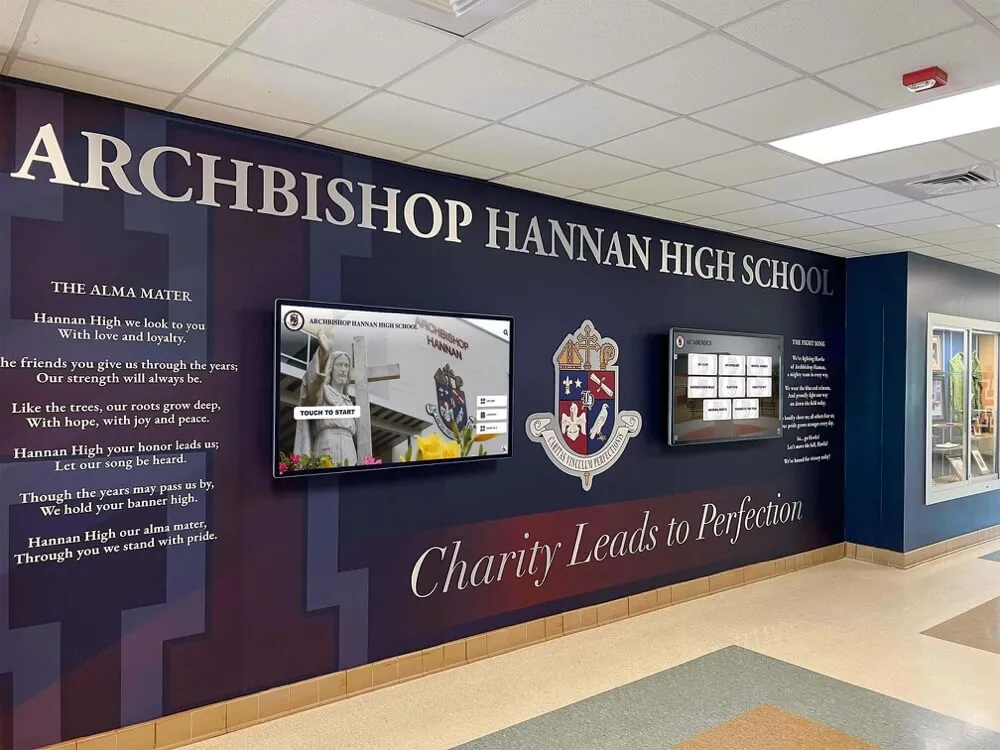
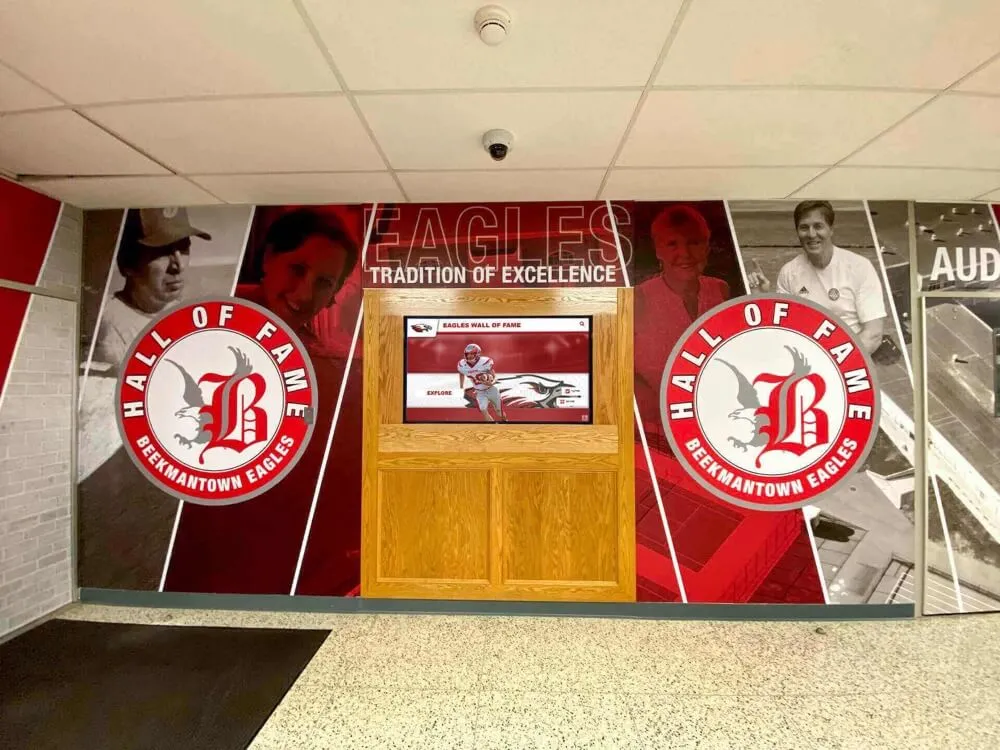
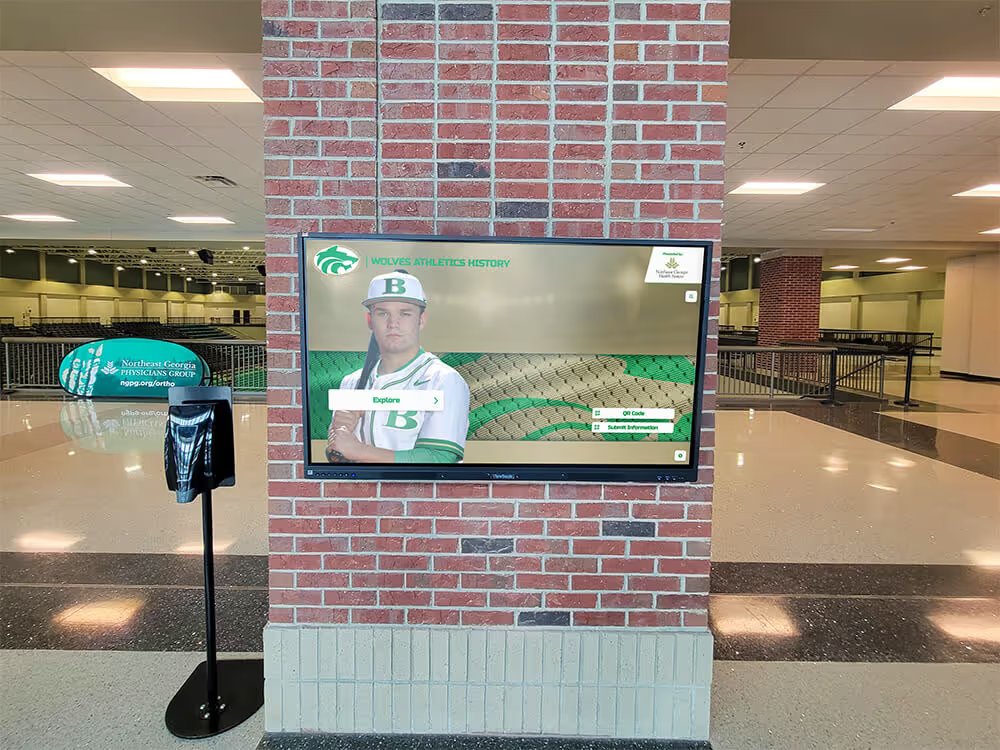
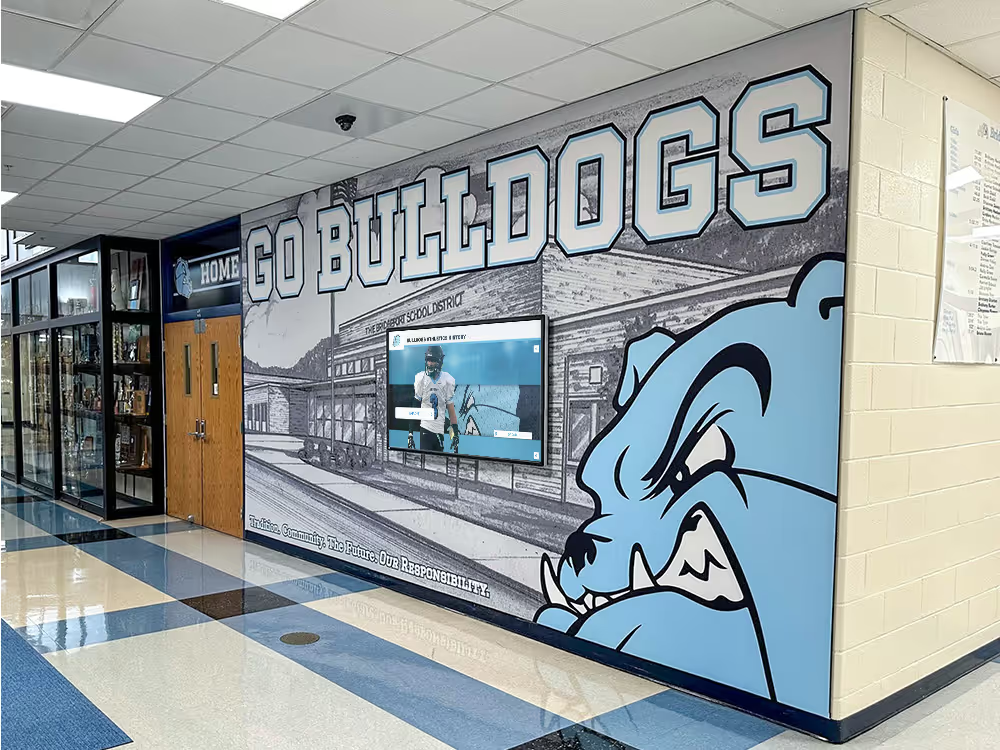
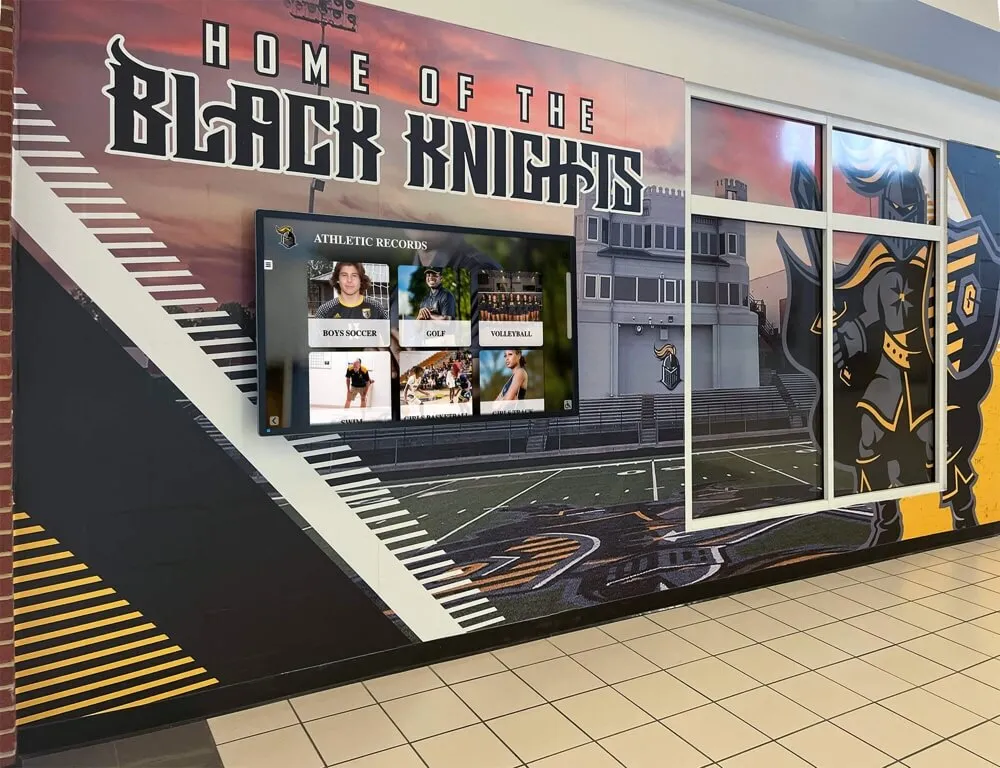
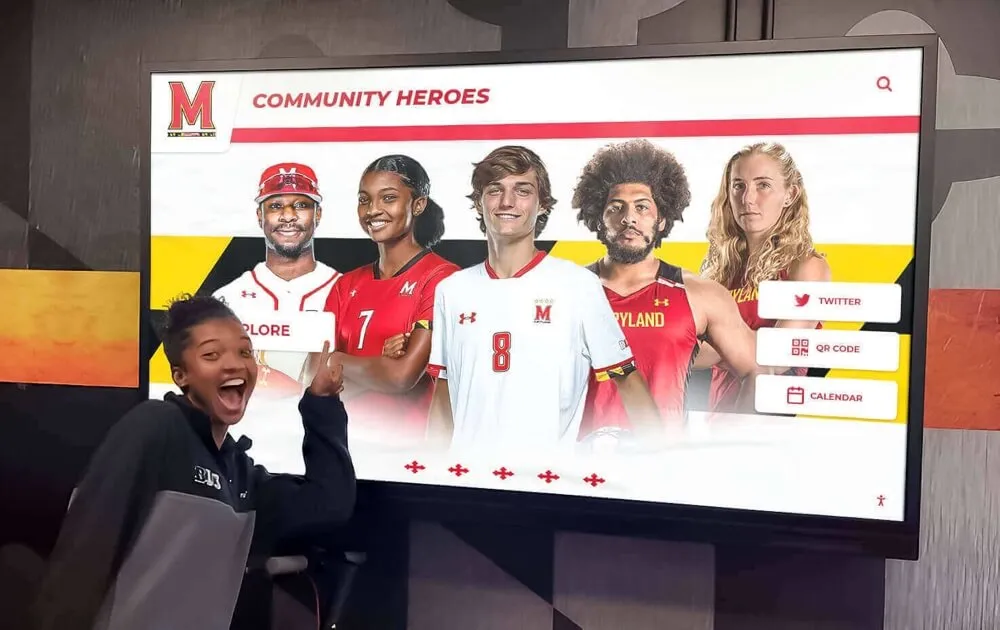
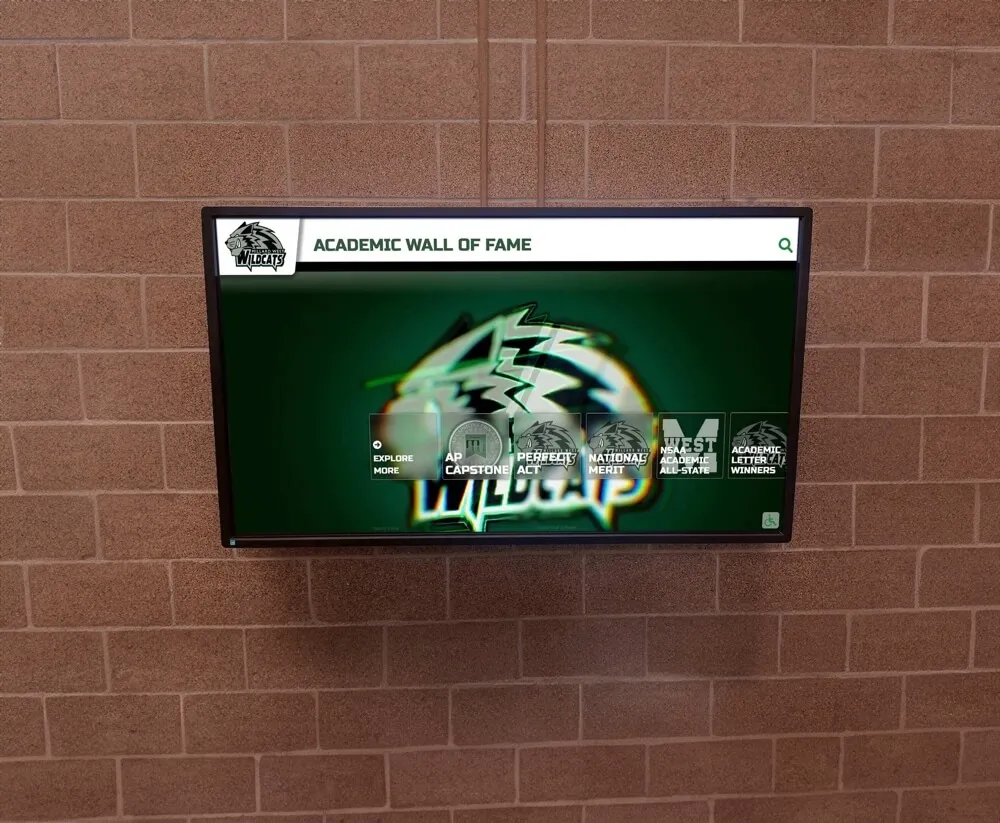
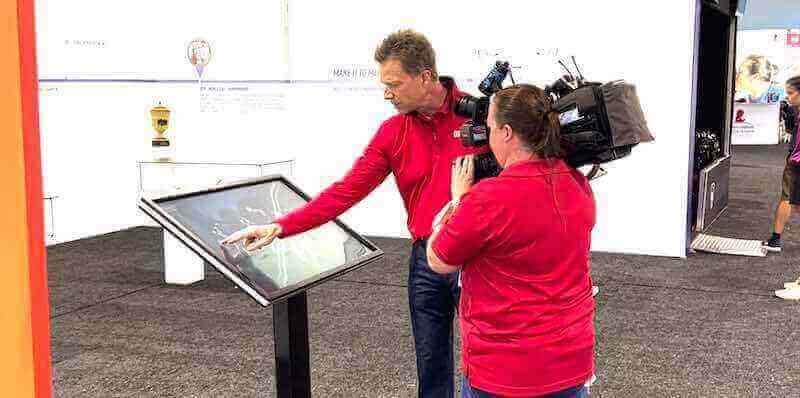
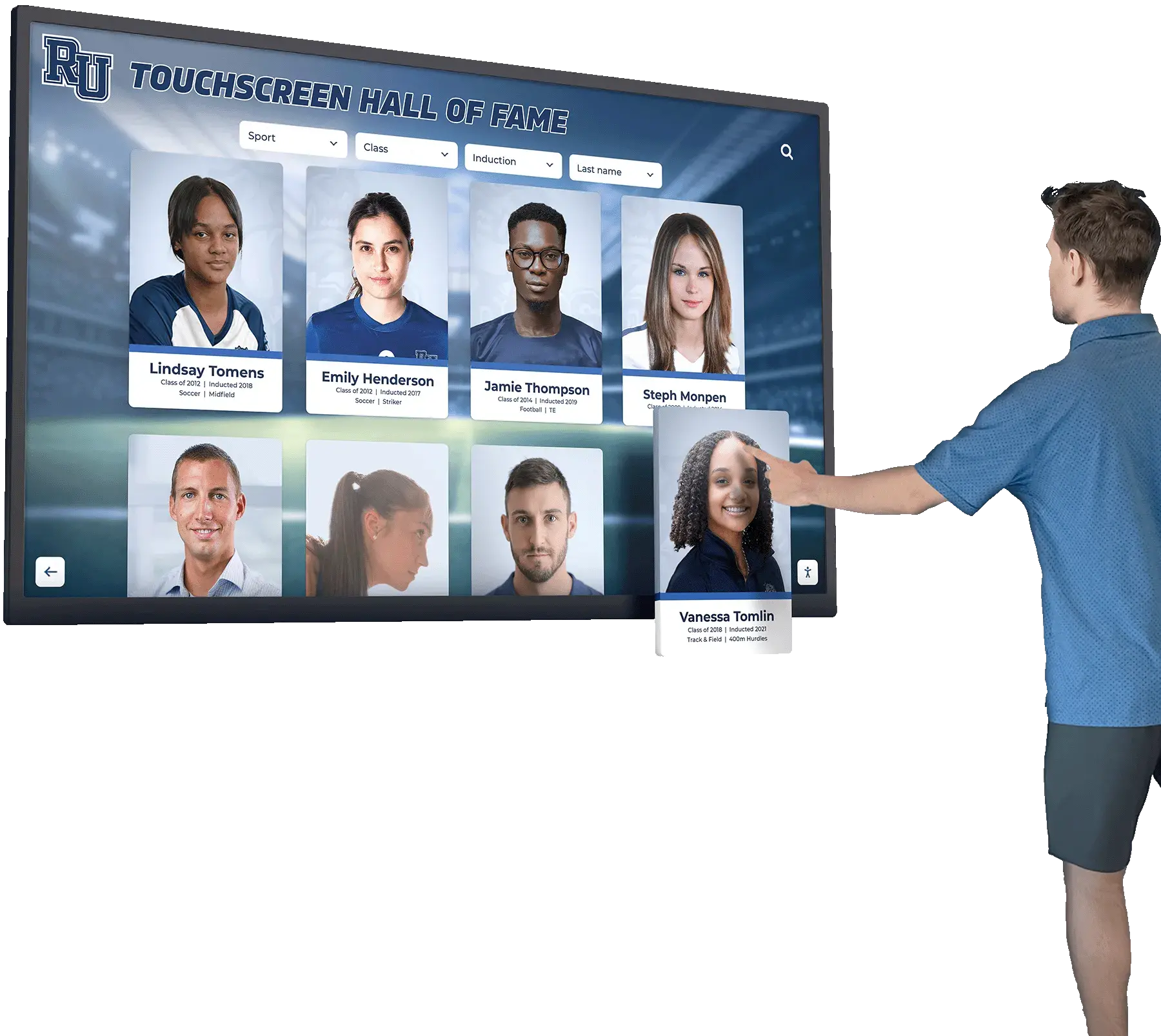
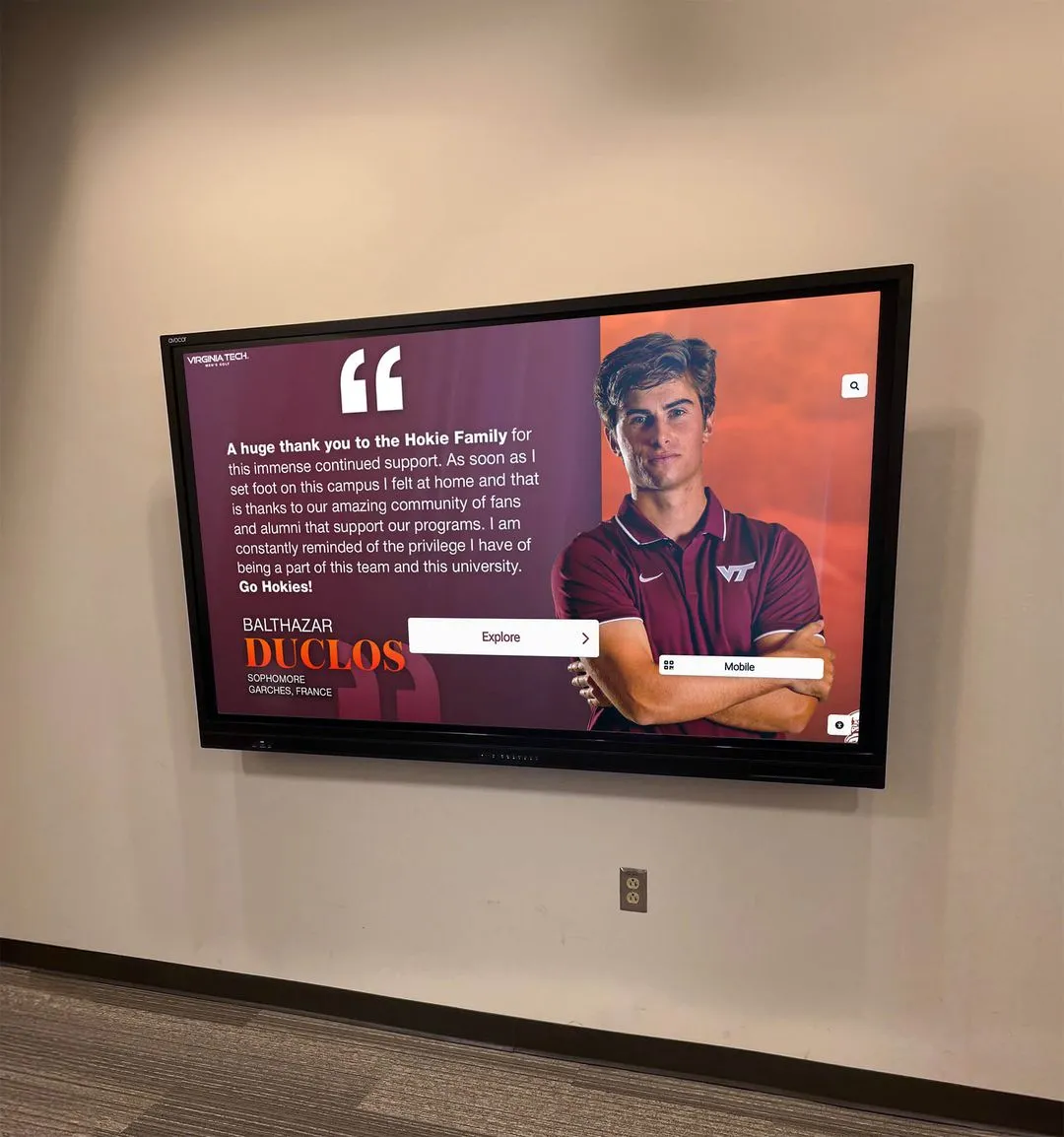
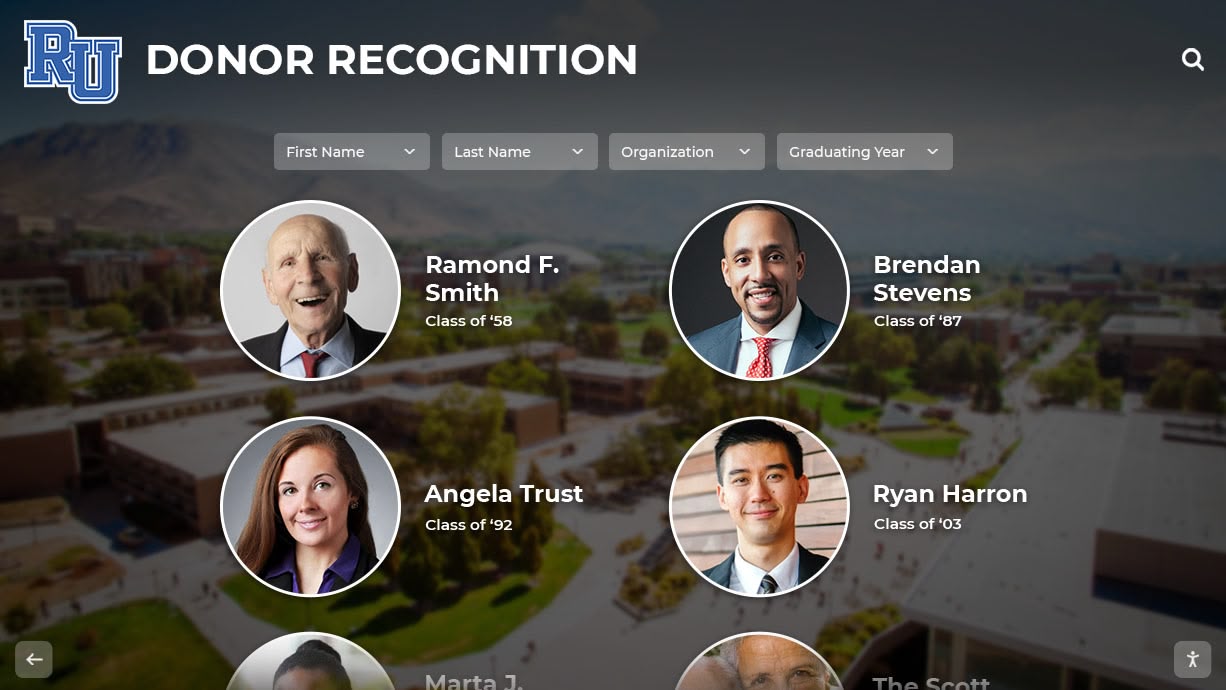
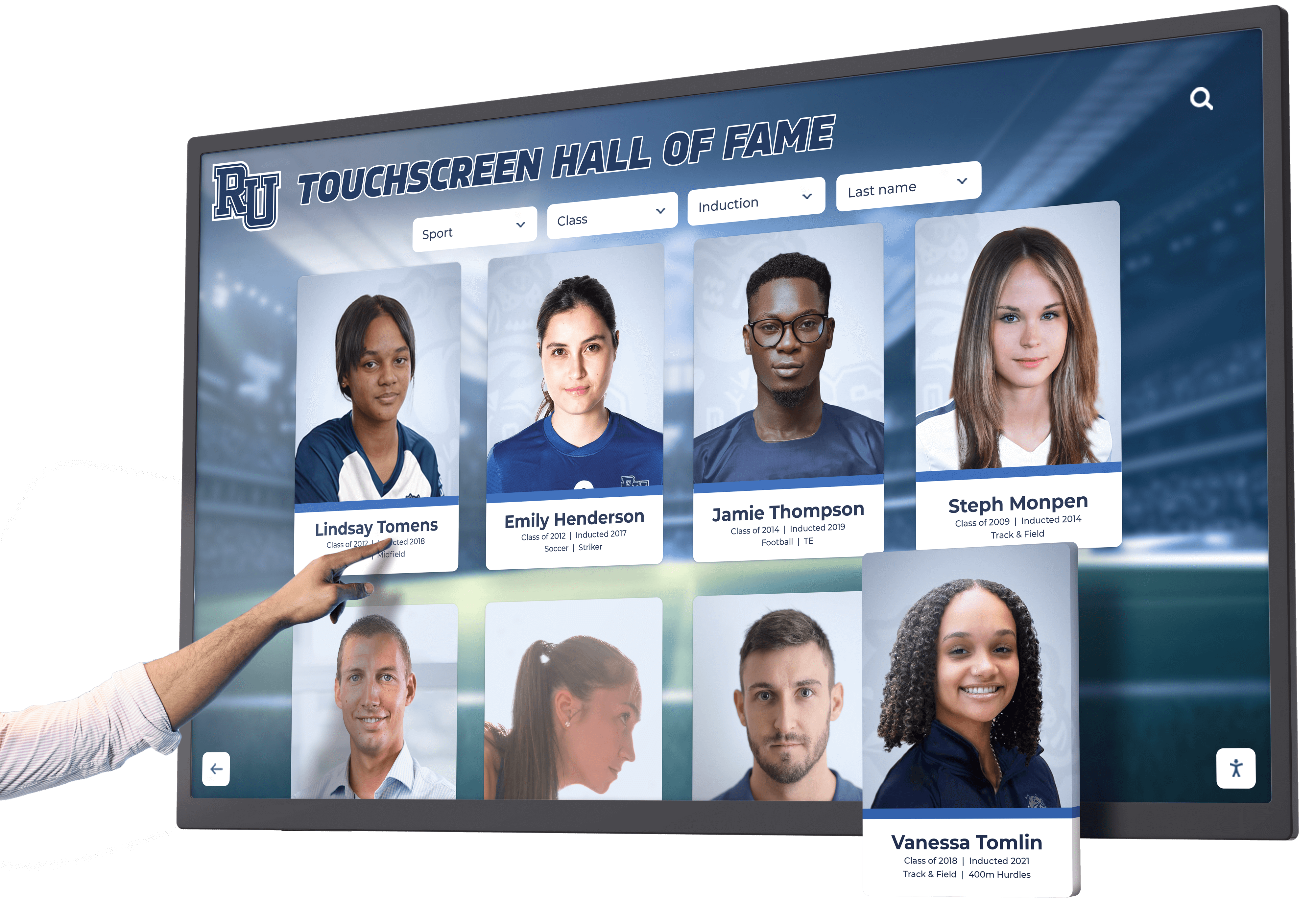
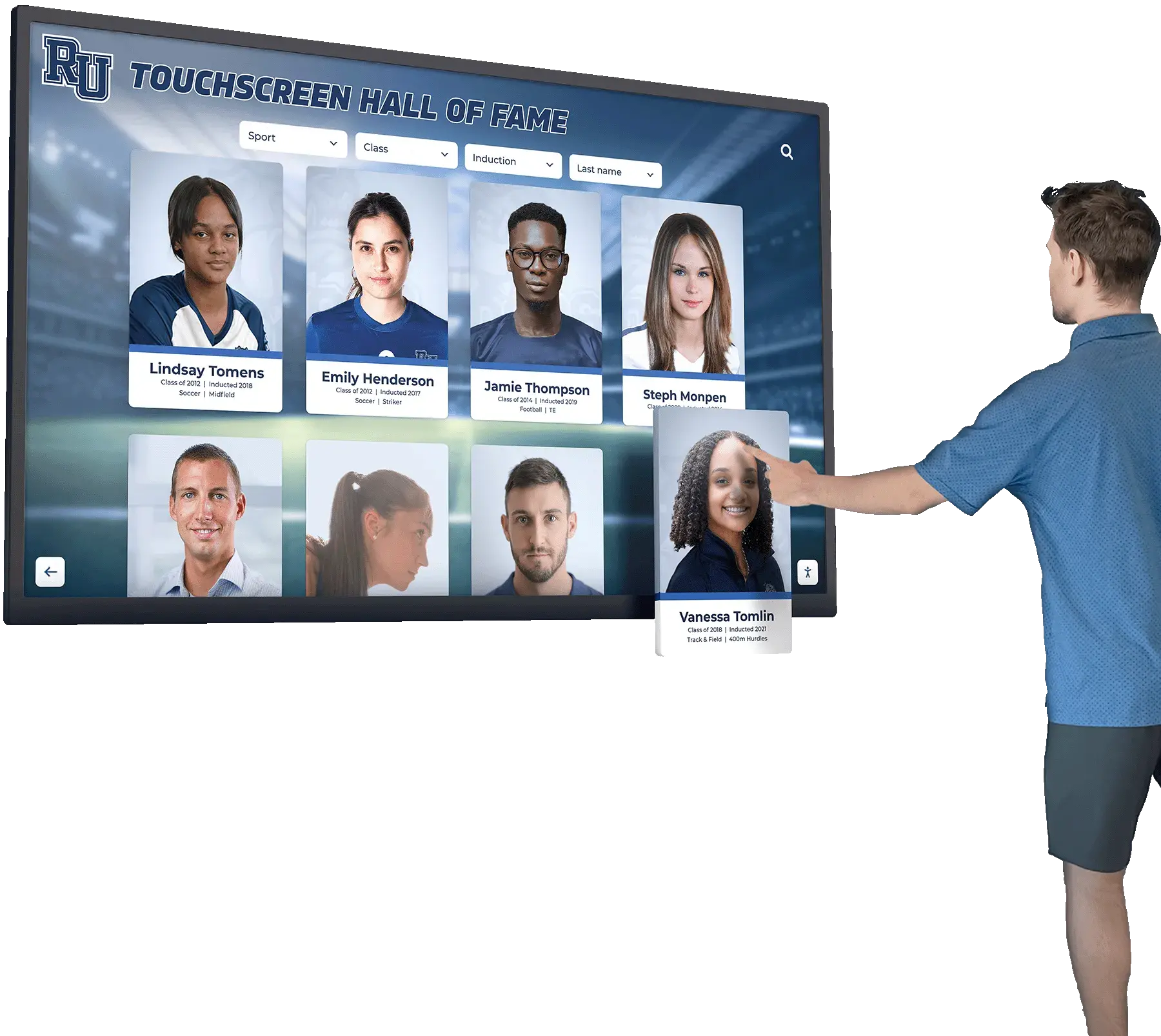
Digital recognition solutions like those from Rocket Alumni Solutions enable dynamic donor acknowledgment that traditional plaques cannot match—searchable databases, photo galleries, impact metrics, giving level badges, and unlimited capacity for growing donor communities. Interactive displays transform static recognition into engaging experiences that honor contributors while inspiring prospective supporters by demonstrating robust philanthropic participation.
Creative and Unique Donor Appreciation Event Ideas (Ideas 18-26)
Distinctive appreciation approaches help organizations stand out in donors’ memories while creating differentiated stewardship experiences that reflect organizational personality and values.
18. Donor Appreciation Escape Room Experience
Partner with local escape room venues or create custom experiences where donors solve puzzles related to organizational history, mission, or programs. The collaborative problem-solving creates team bonding while incorporating mission education through gameplay.
Document the experience with photos and videos donors can share on social media, extending event impact beyond participants to their networks. The novelty makes these events particularly memorable and conversation-worthy.
19. Progressive Dinner Journey Through Programs
Organize progressive dinners where donors travel between multiple locations—each course served at different program sites, donor homes, or partner facilities. At each stop, share specific program information related to that location while donors enjoy courses and fellowship.
Schools might host appetizers in renovated classrooms donors funded, entrées in new athletic facilities, and desserts in performing arts centers—each location demonstrating tangible impact. The movement creates dynamic experiences while showcasing multiple institutional dimensions.
20. Sunrise or Sunset Appreciation Gatherings
Schedule special timing—sunrise breakfasts or sunset receptions—that makes events feel distinctive and worth attending despite busy donor schedules. Beautiful timing creates Instagram-worthy moments while the exclusivity of unusual hours signals that these aren’t routine events.
Outdoor venues work particularly well for time-specific events—campus overlooks, rooftop terraces, waterfront locations, or gardens where natural beauty enhances the setting without elaborate decoration expenses.
21. Donor-Chef Collaboration Dinners
Invite donors who are professional chefs or passionate cooks to collaborate on appreciation dinner menus, preparing signature dishes alongside your catering team. Donors enjoy creative involvement while other attendees experience unique menus they couldn’t access elsewhere.
Feature donor-chefs during events, sharing their stories and recognizing their culinary and philanthropic contributions. The partnership creates ownership while generating conversation and social media content.
22. Service Project Days for Donors
Organize hands-on service opportunities where donors work alongside staff, beneficiaries, or volunteers on mission-related projects—school beautification days, food bank sorting, habitat restoration, or literacy tutoring. Service experiences create intimate mission connections while demonstrating that your organization values donors’ time as much as their financial contributions.
Follow service activities with casual appreciation gatherings where participants reflect on experiences, share observations, and deepen relationships formed through collaborative work. The combination of meaningful service and social connection creates particularly powerful bonding experiences.
23. Donor Innovation Summit
Host innovation-focused events where donors participate in strategic thinking sessions, brainstorming future directions, or solving organizational challenges. Positioning donors as thought partners rather than just financial resources deepens engagement while potentially generating valuable strategic insights.
Summit formats work especially well with entrepreneurial donors, business leaders, or strategic thinkers who appreciate intellectual engagement. The approach signals that you value donors’ expertise beyond their checkbooks.
24. Legacy Society Recognition Trips
For planned giving donors who’ve included your organization in estate plans, organize special recognition trips—behind-the-scenes cultural institution tours, outdoor adventures, educational excursions, or unique regional experiences. Multi-day or day-trip experiences create extended relationship-building time while providing extraordinary value that justifies planned giving commitments.
Legacy trips simultaneously appreciate current commitments while cultivating increased support through quality time with leadership and fellow legacy society members who may inspire additional giving.
25. Personalized Impact Report Deliveries
Rather than mailing annual impact reports, personally deliver customized versions to major donors during brief appreciation visits. Personalized reports include donors’ specific contribution history, detailed information about programs they funded, beneficiary updates related to their interests, and forward-looking opportunities aligned with their giving patterns.
The personal delivery transforms routine communications into stewardship touchpoints while ensuring donors receive and engage with impact information. Customize report covers with donor names or photos, making them feel like personal documents rather than mass communications.
26. Donor Appreciation Flash Mob or Surprise Performance
Organize surprise entertainment performances during regular donor visits, meetings, or casual encounters—student choruses spontaneously serenading donors in lobbies, dance teams performing in parking lots, or instrumental groups providing impromptu concerts. The unexpected delight creates memorable moments donors share widely.
Capture performances on video, creating shareable content that extends appreciation impact beyond immediate recipients to their networks. The creativity demonstrates organizational personality while showcasing beneficiary talents.
Creating Year-Round Donor Appreciation Culture Beyond Events
While special events provide important recognition moments, sustainable donor relationships require consistent appreciation woven throughout organizational culture rather than isolated annual occasions.
Systematizing Ongoing Gratitude Practices
Implement stewardship systems ensuring regular donor touchpoints between formal events—monthly thank-you call campaigns, quarterly impact updates, birthday acknowledgments, giving anniversary recognitions, or unexpected appreciation notes celebrating donor contribution milestones.
Technology solutions enable systematic appreciation at scale. Donor databases can trigger automated reminders for personalized outreach, schedule follow-up touchpoints, and track stewardship interactions ensuring no supporter falls through relationship management cracks.
Integrating Recognition Into Physical Spaces
Permanent recognition infrastructure demonstrates lasting gratitude while inspiring continued support through visible philanthropic community participation. Traditional donor plaques serve this purpose, but modern digital alternatives offer significantly expanded capabilities.
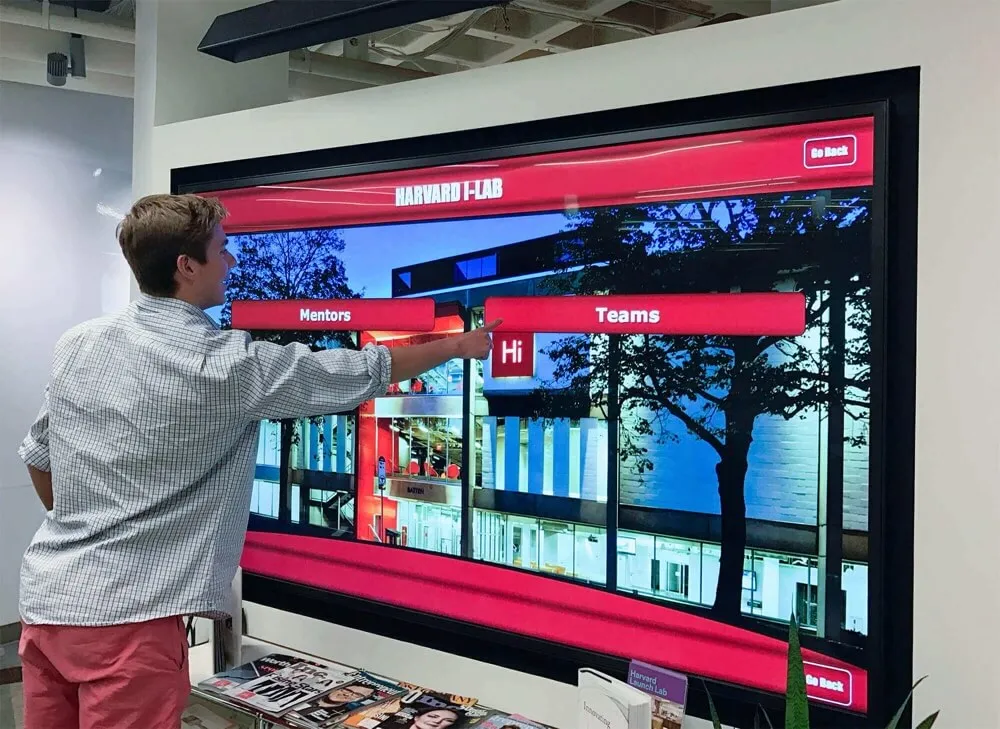
Interactive touchscreen displays from solutions like Rocket Alumni Solutions transform donor recognition from static name lists into dynamic, engaging experiences. These systems can showcase donor photos, contribution levels, giving histories, personal messages, and impact metrics while remaining infinitely expandable as donor communities grow. Unlike physical plaques with finite space that require costly updates, digital recognition platforms adapt seamlessly to growing supporter bases while providing searchable, interactive experiences that static walls cannot match.
Schools and organizations increasingly pair donor appreciation events with recognition display unveilings, creating occasions for celebration while establishing permanent stewardship infrastructure that honors contributors daily rather than just during annual events.
Training Staff and Board for Appreciation Culture
Effective donor appreciation extends beyond development departments to entire organizational cultures where everyone—from reception staff to board members to program leaders—understands their role in supporter stewardship. Regular training on gratitude importance, recognition best practices, and donor interaction protocols ensures consistent appreciation experiences across all organizational touchpoints.
Board members particularly need appreciation training and tools—talking points about donor impact, guidance on personal thank-you call campaigns, templates for handwritten notes, and systematic approaches ensuring major donors receive board-level attention beyond development staff outreach.
Measuring Donor Appreciation Event Effectiveness
Tracking appreciation event outcomes enables continuous improvement while demonstrating stewardship ROI to leadership and boards who allocate resources.
Key Metrics to Monitor
Donor Retention Rates: Compare retention among event attendees versus non-attendees, measuring whether appreciation programming correlates with continued giving. Event participants should retain at significantly higher rates, typically 15-25 percentage points above non-participants.
Gift Upgrade Rates: Track whether event attendees increase giving levels at higher rates than non-attendees. Effective appreciation events inspire increased investment as donors develop deeper mission connections and see impact demonstrations.
Event Attendance and Satisfaction: Monitor attendance trends, RSVP conversion rates, and post-event satisfaction scores through brief surveys. High satisfaction scores (4.5+ out of 5) and strong RSVP-to-attendance conversion (70%+) indicate events donors value enough to prioritize in busy schedules.
Cost Per Appreciation Touch: Calculate total event costs divided by donors reached, comparing appreciation expense efficiency across different event formats. Lower cost-per-touch approaches enable broader appreciation reach with limited budgets.
Referral and Peer-to-Peer Fundraising: Track whether appreciated donors subsequently recruit new supporters from their networks at higher rates than non-appreciated donors. Strong peer recruitment indicates donors who feel genuinely valued become active organizational ambassadors.
Post-Event Follow-Up Best Practices
Appreciation doesn’t end when events conclude. Systematic post-event follow-up maximizes relationship momentum created during gatherings:
- Send personalized thank-you notes within 48 hours referencing specific conversations or moments from events
- Share event photos and videos within one week, tagging attendees appropriately and creating sharable social media content
- Follow up on any commitments made during events—scheduling requested tours, providing information donors requested, connecting them with staff members they wanted to meet
- Schedule next touchpoints before momentum dissipates—coffee meetings, facility tours, volunteer opportunities, or future event invitations
The disciplined follow-up transforms single appreciation moments into ongoing relationship development that sustains donor engagement between formal stewardship events.
Budget-Conscious Donor Appreciation Strategies
Meaningful appreciation doesn’t require elaborate budgets. Authenticity and personal attention matter far more than event sophistication or expense.
Low-Cost High-Impact Appreciation Ideas
Handwritten Note Campaigns: Personal notes from leadership, board members, beneficiaries, or program staff cost only time and postage while creating among the most treasured donor recognition forms.
Phone Call Thank-You Campaigns: Systematic calling campaigns where board members or volunteers personally thank donors require no financial investment while providing intimate human connection that written communications cannot replicate.
Social Media Spotlight Series: Regular donor feature posts on organizational social media channels provide public recognition at zero cost while creating shareable content donors proudly distribute through their networks.
Video Testimonial Series: Staff or beneficiaries recording smartphone thank-you videos personalized for specific donors costs nothing beyond time while creating emotionally powerful appreciation artifacts donors cherish.
Breakfast Meetings at Your Location: Hosting simple breakfast gatherings at organizational facilities eliminates venue costs while showcasing your environment and operations. Continental breakfast buffets cost minimally while providing relaxed settings for personal conversations.
The common thread among effective low-budget appreciation: personal attention and authentic gratitude matter infinitely more than production value. Donors see through expensive events masking transactional relationships but deeply value genuine, personalized recognition regardless of format simplicity.
Conclusion: Building Lasting Partnerships Through Authentic Appreciation
Donor appreciation events serve purposes far beyond thank-you obligations or retention tactics. When executed authentically, appreciation programming transforms transactional exchanges into genuine partnerships built on shared mission commitment, mutual respect, and emotional investment in collective impact.
The most successful donor appreciation approaches balance recognition visibility with personal intimacy, celebrate communities collectively while honoring individuals personally, demonstrate concrete impact through tangible evidence, and create experiences valuable enough to justify donors’ time investment. Organizations that view appreciation as ongoing cultural commitment rather than annual event requirement build sustainable philanthropic relationships that withstand leadership transitions, economic fluctuations, and competitive solicitations from other worthy causes.
Whether hosting intimate dinners for major gift societies, organizing large-scale recognition galas, implementing creative appreciation innovations, or establishing permanent recognition infrastructure through digital donor displays, the common requirement remains consistent: genuine gratitude expressed through thoughtful actions that demonstrate supporters’ essential role in mission fulfillment.
Your donors make your work possible. Appreciation events that help them truly understand their impact, feel authentically valued, and experience meaningful connection to missions they fund create philanthropic partnerships that sustain organizations across generations.
Ready to elevate your donor recognition program with permanent digital appreciation displays that honor supporters every day while inspiring prospective contributors? Discover how Rocket Alumni Solutions creates interactive donor recognition experiences that transform stewardship from annual events into ongoing engagement opportunities.