



Key Takeaways
Discover how to digitize veteran artifacts for preservation and display. Complete guide to scanning military memorabilia, creating digital archives, and modern recognition solutions for schools and museums.
This comprehensive guide explores everything families, schools, museums, and veteran organizations need to know about digitizing military memorabilia—from basic document scanning techniques through advanced 3D digitization methods to modern recognition display systems that honor service while protecting irreplaceable artifacts for posterity.
Understanding the Importance of Veteran Artifact Preservation
Military artifacts represent far more than objects—they embody personal sacrifice, historical moments, and family heritage that would otherwise fade from memory. Understanding why preservation matters provides context for digitization efforts ensuring these precious items receive appropriate care and recognition.
The Vulnerability of Physical Military Memorabilia
Physical artifacts face constant threats from environmental damage, material deterioration, accidental loss, and the passage of time:
Environmental Threats:
Temperature fluctuations cause expansion and contraction damaging materials. Humidity promotes mold growth on textiles, paper, and leather. Direct sunlight fades photographs, textiles, and printed materials. Poor air quality introduces pollutants that accelerate deterioration. Pest damage from insects and rodents destroys fabrics, paper, and organic materials.
According to preservation experts, items should be stored in environments where temperature and humidity remain stable—typically 65-70°F with 30-50% relative humidity. Unfortunately, many military artifacts spend decades in attics where summer temperatures exceed 100°F or basements with humidity promoting mold growth, causing irreversible damage.
Material Deterioration:
Different artifact types face specific degradation challenges. Photographs, particularly those from World War II and earlier, suffer from emulsion deterioration, color fading, and backing degradation. Textiles including uniforms and flags experience fabric weakening, color loss from dye fading, and damage from improper folding or storage. Paper documents become brittle and yellow from acid content in non-archival paper. Metal items like medals and dog tags develop corrosion, patina buildup, and structural weakening.
Loss Through Accidents and Disasters:
Fire, flooding, and natural disasters can destroy entire collections instantly. Home fires represent particular risks—according to the National Fire Protection Association, U.S. fire departments responded to approximately 353,500 home structure fires in 2021. Family disputes over inheritance can scatter collections across relatives. Estate sales and transitions sometimes result in artifacts being discarded by those unaware of their significance.
Historical and Educational Value of Military Artifacts
Veteran artifacts provide irreplaceable primary source materials for understanding military history, personal experiences, and the broader impact of armed conflict on individuals and families:
Personal History Documentation:
Artifacts preserve individual service narratives including specific units, locations, and time periods of service. They document daily life experiences beyond official military records. Family connections to major historical events become tangible through personal items. Career progressions and military achievements receive concrete evidence through uniforms, rank insignia, and commendations.
Educational Resources:
Schools and museums use veteran artifacts to make history tangible for students who struggle connecting with abstract historical narratives. Seeing actual uniforms worn in World War II or reading authentic letters from Vietnam creates emotional engagement impossible through textbooks alone. According to educational research, primary source materials significantly improve student comprehension and retention of historical content.
Cultural Heritage Preservation:
Military artifacts document the diverse Americans who have served across generations, preserving stories that might otherwise be lost from underrepresented communities. They capture changing military culture, technology, and practices across different eras. Artifacts provide evidence of unit histories and military traditions deserving documentation and remembrance.
The Case for Digitization: Preservation Meets Accessibility
Digitizing veteran artifacts addresses preservation challenges while dramatically expanding accessibility:
Permanent Digital Preservation:
Digital copies create backup records surviving original artifact loss or damage. High-resolution scans capture details invisible to naked eyes, enabling future research. Multiple digital copies stored in different locations provide disaster resilience. Digital formats prevent further handling damage to fragile originals.
Universal Accessibility:
Digital artifacts can be shared instantly with family members worldwide. Online archives enable researchers and students to access materials remotely. Multiple people can view items simultaneously without physical constraints. Digital displays showcase artifacts to broader audiences than physical exhibitions could reach.
Enhanced Engagement:
Digital platforms enable features impossible with physical displays including searchable databases, multimedia context (audio, video, historical background), interactive exploration allowing detailed examination, and social sharing extending recognition beyond immediate circles.
Types of Veteran Artifacts Worth Digitizing
Military service generates diverse artifacts deserving preservation through digitization. Understanding different artifact categories helps prioritize digitization efforts and select appropriate techniques.
Photographs and Visual Documentation
Photographs represent the most common and often most cherished military artifacts:
Military Portraits and Service Photos:
Official military portraits document service members at different ranks and stages. Candid photographs capture daily military life, friendships, and experiences. Training photographs show basic training, specialized schools, and skill development. Deployment photos document overseas service locations and conditions.
World War II and Korean War-era photographs face particular vulnerability from aging photographic processes. Many families possess only single copies of irreplaceable images showing relatives in uniform or during service—once these originals deteriorate, the visual documentation of that service disappears forever.
Unit and Group Photographs:
Company, platoon, or squadron photographs document military units and comrades. Base or installation photographs show duty stations and military facilities. Ship or aircraft photographs capture vessels and equipment where service members served. Ceremony photographs document graduations, promotions, and awards.
Combat and Deployment Documentation:
While less common due to historical restrictions on personal cameras in combat zones, some families possess deployment photographs capturing wartime experiences. These represent particularly significant historical documentation deserving careful preservation and appropriate digitization respecting the sometimes difficult memories they represent.

Documents and Correspondence
Paper documents provide detailed information complementing photographic records:
Official Military Documents:
Enlistment papers document when and where individuals entered military service. Discharge papers (DD-214) provide comprehensive service summaries. Orders and assignments show duty stations and deployments. Training certificates document specialized schools and qualifications. Commendations and citations detail awards and achievements.
The Veterans History Project of the Library of Congress actively collects digitized military documents as part of comprehensive oral history collections. According to the Library of Congress, these documents provide essential context for understanding individual service experiences.
Personal Correspondence:
Letters written home from training or deployment capture personal perspectives on military experiences. Family letters received during service show the home front experience. V-mail and other historical correspondence formats document communication methods of different eras. Postcards from duty stations provide visual documentation of military locations.
Collections of wartime correspondence, particularly from World War I, World War II, Korea, and Vietnam, represent invaluable historical resources. The Legacy Project estimates it has collected approximately 100,000 previously unpublished letters from every war in U.S. history through digitization efforts enabling permanent preservation.
Personal Journals and Diaries:
When they exist, personal journals provide intimate first-person accounts of military experiences. These private reflections often contain details and perspectives absent from official records or public correspondence, making them particularly valuable historical resources.
Three-Dimensional Military Artifacts
Physical objects present unique digitization challenges requiring different approaches than flat documents or photographs:
Uniforms and Clothing:
Complete uniforms with insignia and unit identifications. Individual uniform components (jackets, covers, shoes). Specialized gear (flight suits, dress uniforms, combat uniforms). Patches, badges, and rank insignia removed from uniforms.
According to the LSU Virtual Footlocker Project, which established best practices for preserving military memorabilia, uniforms represent some of the most challenging artifacts requiring careful storage using acid-free materials and climate-controlled environments to prevent fabric deterioration.
Medals, Ribbons, and Awards:
Campaign medals and service ribbons. Valor decorations and commendations. Foreign decorations received from allied nations. Unit awards and citations. Shadow boxes and display cases containing multiple items.
Equipment and Gear:
Dog tags and identification items. Helmets and headgear. Field equipment (canteens, mess kits, tools). Flags and banners. Weapons (when legally possessed and properly documented).
Personal Effects:
Watches and jewelry. Insignia and collar devices. Mess dress and formal wear accessories. Personal items carried during service (Bibles, photographs, good luck charms).
For three-dimensional artifacts, traditional flatbed scanning proves inadequate. Modern 3D scanning technologies enable creation of detailed digital models capturing objects from all angles, though these advanced techniques typically require professional services or specialized equipment.
Digital-Era Military Records and Media
Modern service members create digital documentation requiring different preservation approaches:
Digital Photographs and Videos:
Smartphone photos and videos from training and deployment. Official military digital photography. Unit websites and social media content. Email correspondence and digital communications.
Digital Documents:
Electronic military records and orders. Digital copies of official documents. PowerPoint presentations from military service. Saved emails and digital correspondence.
While digital-native materials already exist electronically, they require proper backup, organization, and long-term storage planning ensuring accessibility as file formats and storage technologies evolve.
DIY Digitization Methods for Veteran Artifacts
Families and small organizations can digitize many veteran artifacts using consumer-grade equipment and straightforward techniques. Understanding proper methods ensures quality results while protecting irreplaceable originals from damage.
Scanning Documents and Photographs
Flatbed scanning provides the most accessible digitization method for flat materials:
Equipment Selection:
Consumer flatbed scanners from manufacturers like Epson, Canon, and HP provide sufficient quality for most family preservation needs. Look for scanners offering minimum 600 DPI optical resolution (higher for small photographs), flatbed size accommodating largest items, and compatibility with modern computers and operating systems.
According to digitization experts, 600 DPI represents the minimum resolution for archival-quality document scanning, while 1200 DPI or higher provides superior results for small photographs requiring enlargement or detailed examination.
Scanning Best Practices:
Handle original artifacts with clean, dry hands or cotton gloves for particularly valuable items. Place items face-down on scanner glass, avoiding pressure that could damage fragile materials. Use scanner settings appropriate for item type (photograph, document, text). Save files in lossless formats (TIFF, PNG) for archival copies, creating compressed versions (JPEG) for sharing. Organize scanned files systematically using clear, descriptive file names and folder structures.
Handling Delicate Materials:
For extremely fragile photographs or documents, consider placing protective transparent film between items and scanner glass, though this may slightly reduce image quality. Brittle paper should be scanned without pressing the scanner lid completely down. Items with three-dimensional elements (embossed seals, mounted photographs) may require photography rather than flatbed scanning.
Photographing Three-Dimensional Artifacts
Many veteran artifacts cannot be scanned effectively, requiring photography for digitization:
Photography Setup Basics:
Use modern smartphones or digital cameras providing sufficient resolution (12+ megapixels). Create consistent lighting using natural indirect light or photography light boxes eliminating harsh shadows. Use neutral backgrounds (white, gray, black) preventing visual distraction from artifacts. Include size references (rulers, coins) enabling viewers to understand actual dimensions. Photograph items from multiple angles capturing all significant details.
Lighting Considerations:
Avoid direct sunlight creating harsh shadows and potential material damage. Use diffused lighting sources (photography softboxes, indirect natural light near windows). Maintain consistent lighting across all photographs in a collection. Consider using light tents or photography boxes for small items creating even, professional-looking illumination.
Camera Settings and Techniques:
Use highest resolution settings available. Enable image stabilization or use tripods preventing blur. Photograph in RAW format when possible for maximum editing flexibility. Include close-ups of significant details (insignia, text, wear patterns) supplementing overall photographs. Maintain consistent color balance across photographs.
Video Documentation and Oral Histories
Video enables preservation of stories and context surrounding veteran artifacts:
Planning Video Documentation:
Develop interview questions in advance covering military service experiences, artifact significance and provenance, family history and connections, and personal reflections on service and its impact. Create comfortable, quiet recording environments with minimal background noise. Consider having multiple family members participate in conversations providing different perspectives.
Technical Video Considerations:
Smartphones provide sufficient video quality for family documentation projects. Position cameras at eye level with subjects, using tripods for stability. Ensure adequate lighting on subjects’ faces, avoiding backlighting. Use external microphones when possible improving audio quality significantly. Record in horizontal orientation unless creating content specifically for mobile viewing.
Integrating Artifacts into Video:
Display artifacts during videos, explaining their significance and stories. Demonstrate how items were used or worn. Share specific memories associated with particular items. Connect artifacts to broader military service narratives.
The Veterans History Project recommends recording comprehensive oral histories alongside artifact documentation, creating complete archives preserving both physical items and the invaluable first-person perspectives explaining their meaning and context.
Organizing and Storing Digital Files
Proper digital organization ensures digitized artifacts remain accessible and useful:
File Naming Conventions:
Develop consistent naming systems including veteran name, item type or description, date or era, and version number if multiple scans exist. For example: “Smith_John_USArmy_UniformJacket_1944_01.tif” provides clear identification enabling easy searches and browsing.
Folder Structures:
Organize files hierarchically by veteran name, service branch or unit, chronological period, or artifact type depending on collection size and intended uses. Maintain separate folders for archival originals versus edited versions or copies created for specific purposes.
Metadata Documentation:
Record comprehensive information about each digitized item including veteran’s full name and service dates, artifact description and historical context, digitization date and equipment used, file format and resolution specifications, and copyright or usage restrictions if applicable. Many file formats support embedded metadata directly within image files.
Backup Strategies:
Follow the “3-2-1 backup rule”—maintain three copies of important files, store copies on two different storage media types (external drives, cloud storage, etc.), and keep one copy offsite protecting against localized disasters. Periodically verify backups remain accessible and uncorrupted.
Professional Digitization Services for Valuable Artifacts
While DIY methods work well for many projects, valuable, fragile, or historically significant artifacts benefit from professional digitization services offering specialized equipment, expertise, and conservation knowledge.
When to Use Professional Services
Several factors indicate professional services provide better outcomes than DIY approaches:
Artifact Value and Fragility:
Extremely rare or one-of-a-kind items warrant professional care. Fragile materials at risk of damage from amateur handling. Items requiring conservation work before digitization. Artifacts with significant monetary or historical value deserving maximum quality preservation.
Quality and Resolution Requirements:
Projects requiring extremely high-resolution scans exceeding consumer equipment capabilities. 3D digitization needs for three-dimensional artifacts. Color accuracy critical for textiles or artwork. Professional-grade results needed for publication, exhibition, or archival purposes.
Volume and Scale:
Large collections exceeding practical DIY timeframes. Institutional projects requiring consistent quality across hundreds or thousands of items. Time constraints making professional efficiency valuable despite higher costs.
Types of Professional Digitization Services
Professional digitization encompasses diverse specializations matching different artifact types and needs:
Document and Photograph Scanning Services:
Professional scanning services offer high-resolution flatbed and overhead scanning, specialized handling for fragile historical materials, color correction and restoration services, and bulk processing for large collections. Costs typically range from $0.50-2.00 per image depending on resolution requirements, item condition, and project scale.
3D Scanning and Modeling:
For three-dimensional artifacts like uniforms, equipment, and weapons, professional 3D scanning creates detailed digital models capturing objects from all angles. Technologies include structured light scanning, laser scanning, and photogrammetry (creating 3D models from multiple photographs). These services enable virtual examination, creation of physical replicas through 3D printing, and incorporation into augmented reality or virtual reality applications.
According to research on 3D technologies for cultural heritage preservation, 3D scanning can preserve and digitize historical heritage while making it accessible for study and research while reducing physical handling to zero. Museums increasingly use 3D scanning to create digital archives and produce replica artifacts for educational handling or loan exhibitions protecting fragile originals.
Video Transfer and Digitization:
Older video formats including VHS, Hi8, and other analog formats require specialized equipment for digital conversion. Professional services provide format conversion, video editing and enhancement, audio restoration, and digital file optimization for long-term storage and various playback devices.
Comprehensive Digitization Projects:
Some organizations offer complete digitization project management including initial consultation and needs assessment, artifact inventory and cataloging, digitization across multiple media types, metadata creation and database development, and delivery of organized digital archives with backup copies.
Selecting Professional Digitization Providers
Choosing appropriate professional services requires evaluating several factors:
Credentials and Experience:
Look for providers with specific experience digitizing military or historical materials, references from museums, libraries, or archives, membership in professional organizations (American Institute for Conservation, Society of American Archivists), and transparent information about digitization equipment and methodologies.
Quality Assurance and Standards:
Inquire about adherence to preservation standards and best practices, quality control processes ensuring consistent results, file format options and archival quality specifications, and policies for handling and protecting original materials during digitization.
Cost and Project Scope:
Request detailed quotes explaining pricing structures, clarify what services are included versus additional charges, understand project timelines and delivery schedules, and verify insurance coverage for artifacts during professional possession.
Data Security and Privacy:
Confirm secure handling of potentially sensitive materials, understand data storage and backup procedures, clarify copyright and usage rights for digitized materials, and establish terms for retention or destruction of working files after project completion.
Modern Digital Recognition Displays: Alternatives to Traditional Scanning
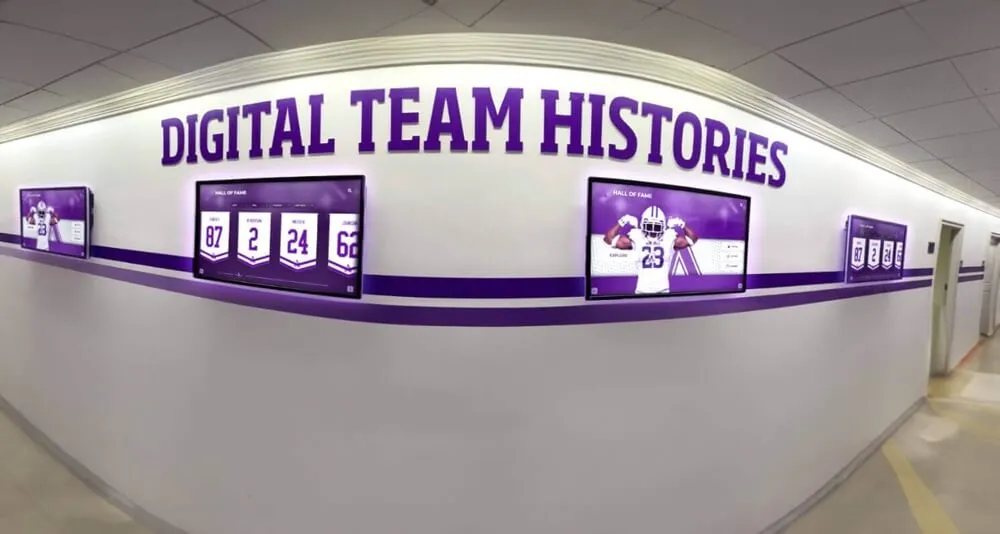
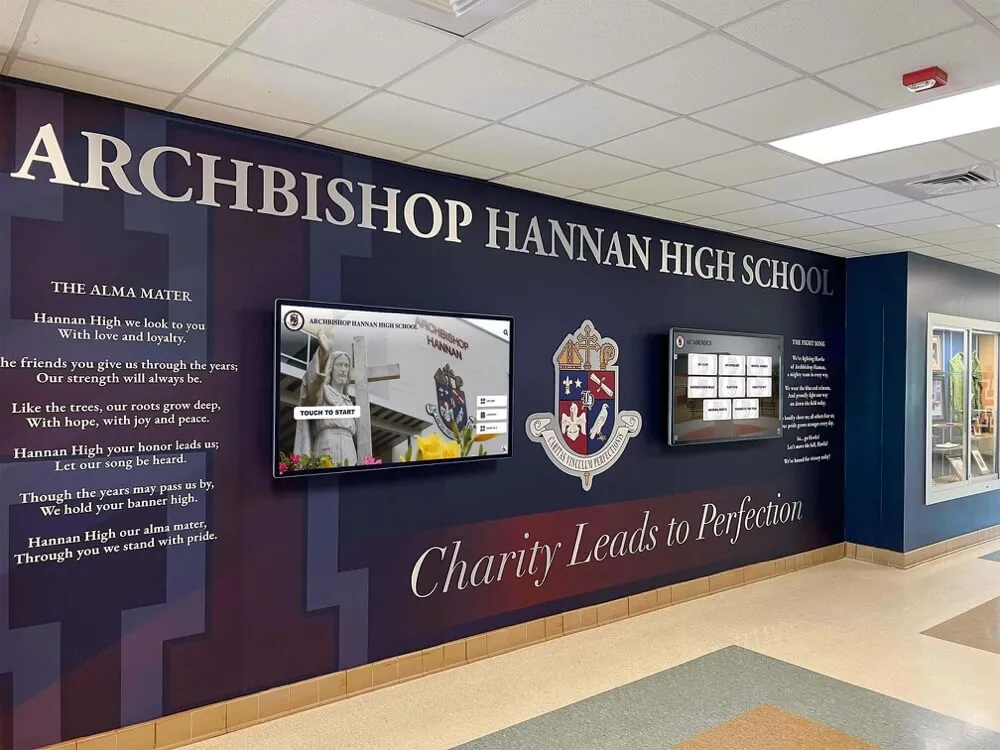
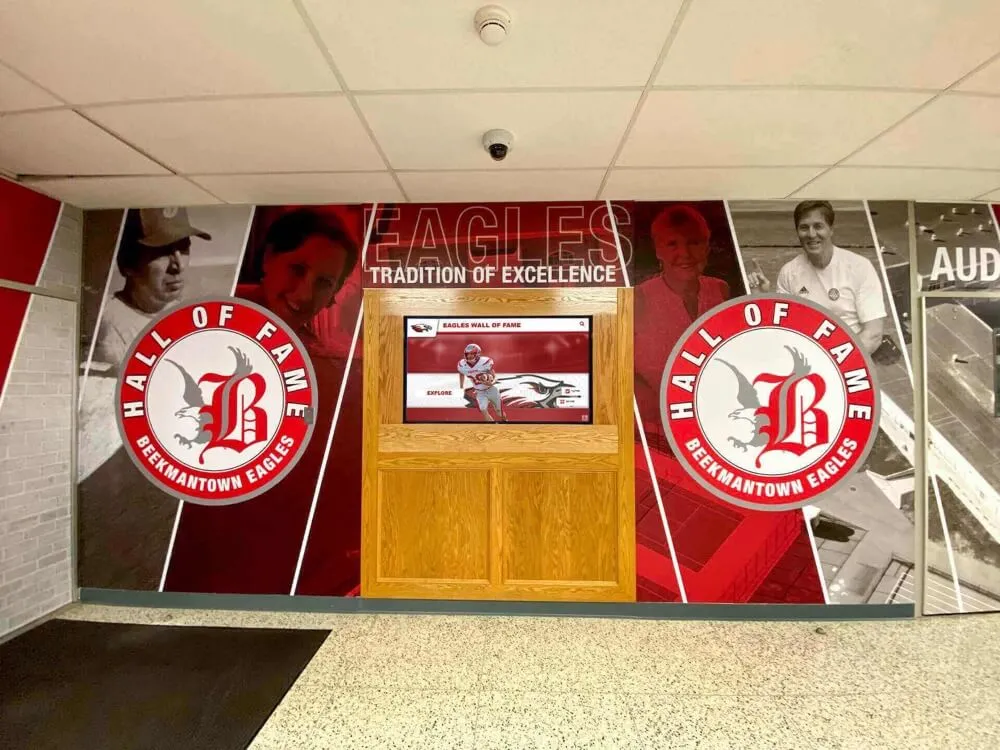
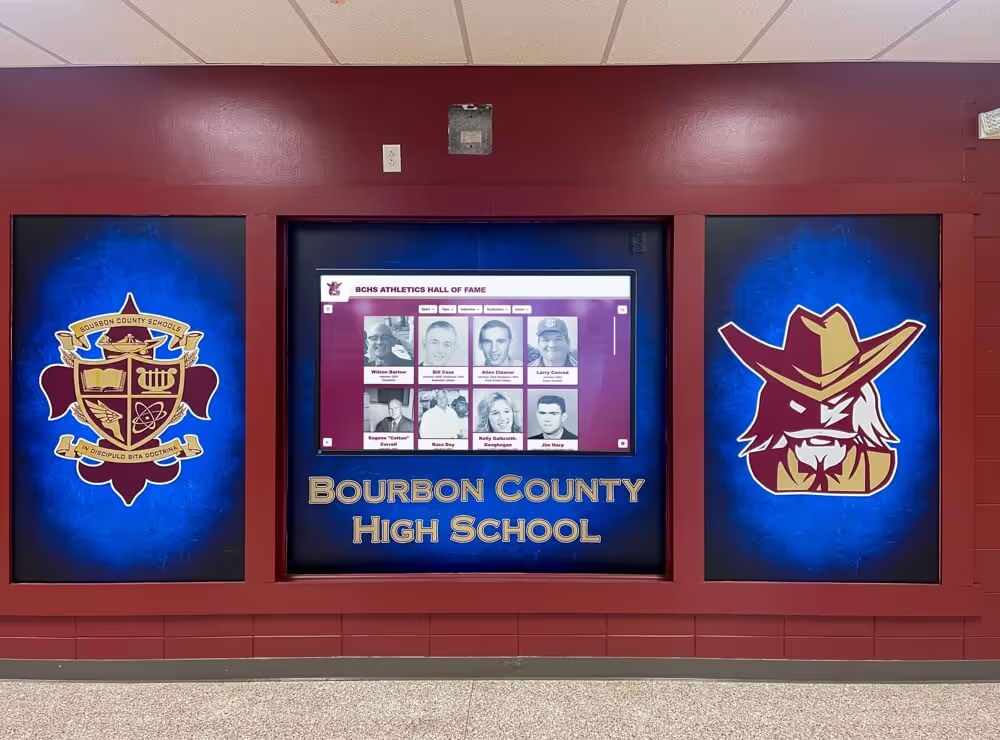
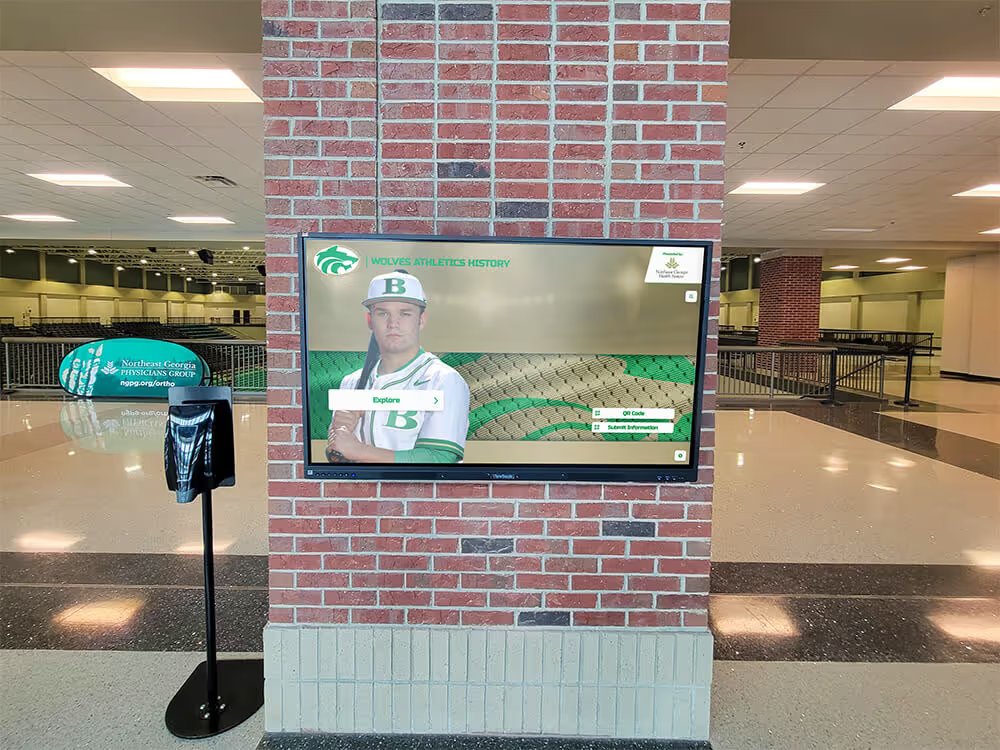
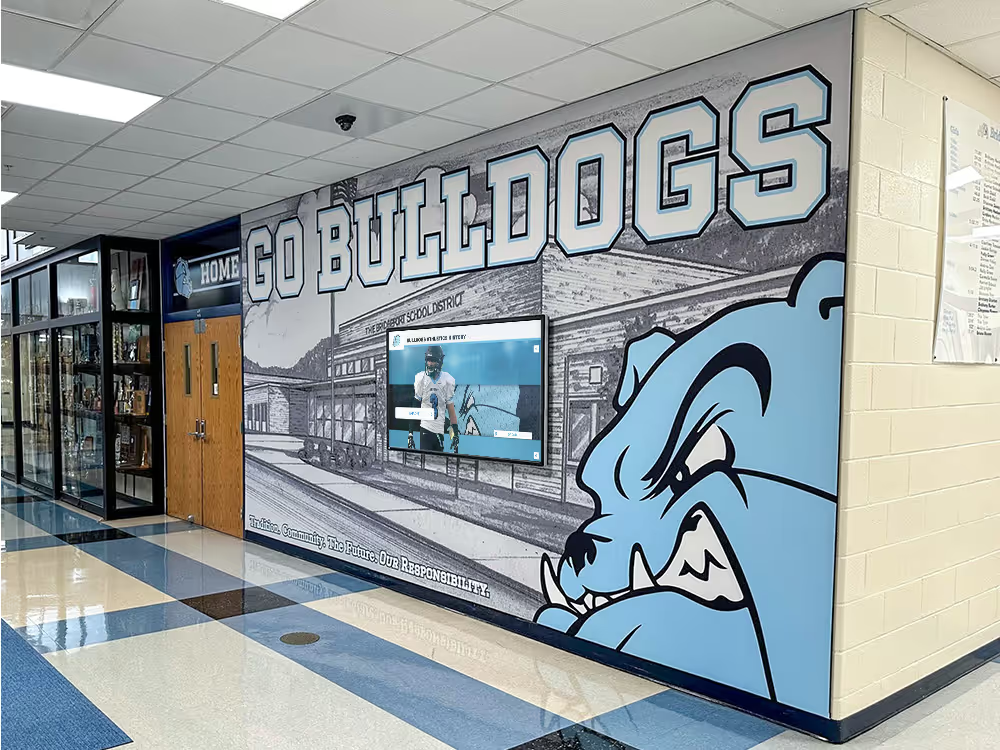
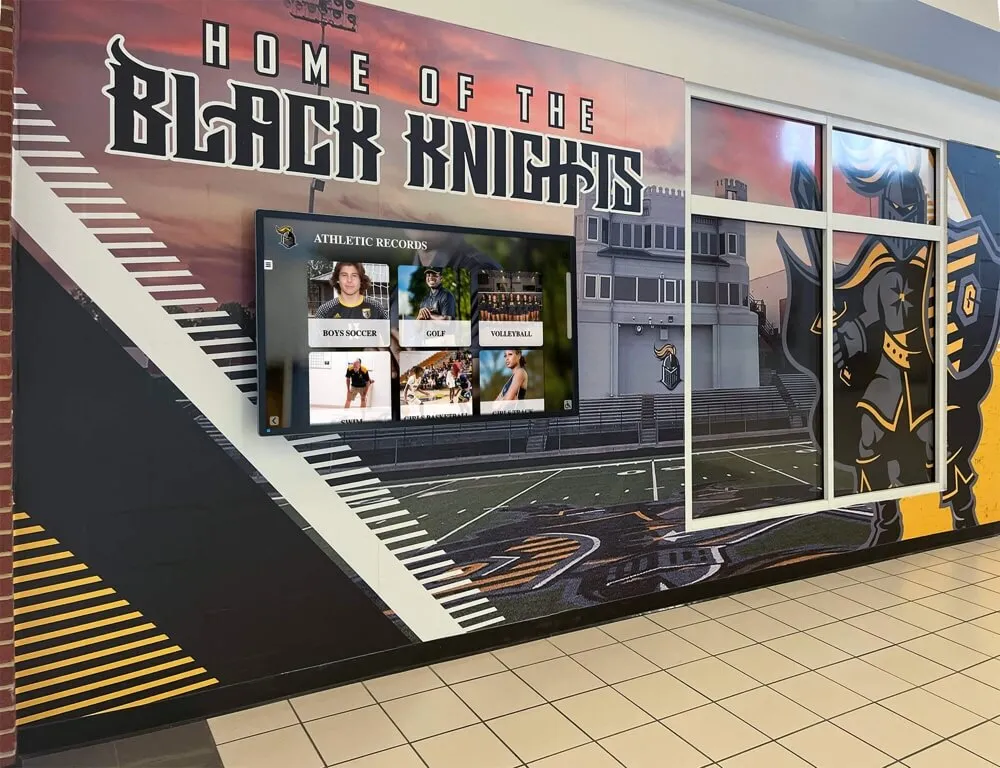
While digitizing original artifacts through scanning or photography provides one preservation approach, modern digital recognition displays offer complementary solutions enabling schools, museums, and veteran organizations to honor service comprehensively without requiring specialized scanning equipment or handling fragile originals.
Understanding Digital Recognition Display Systems
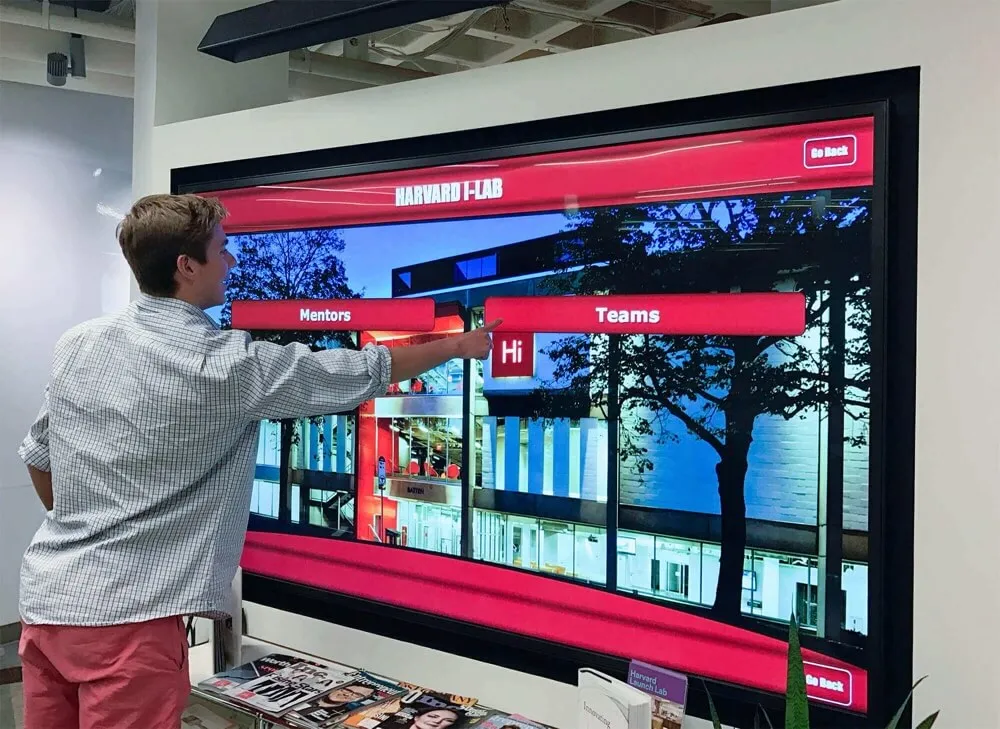
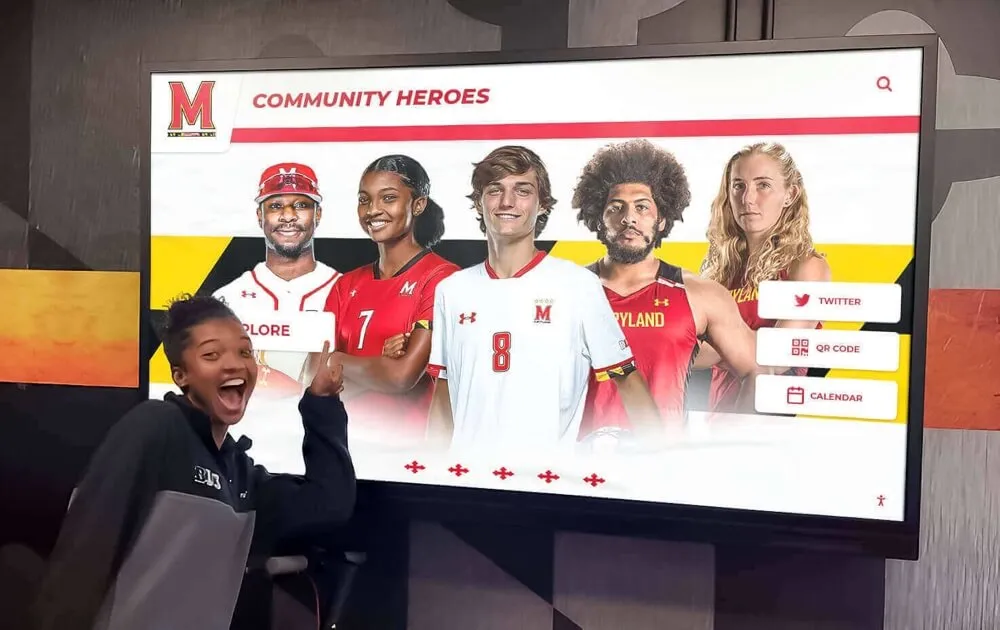
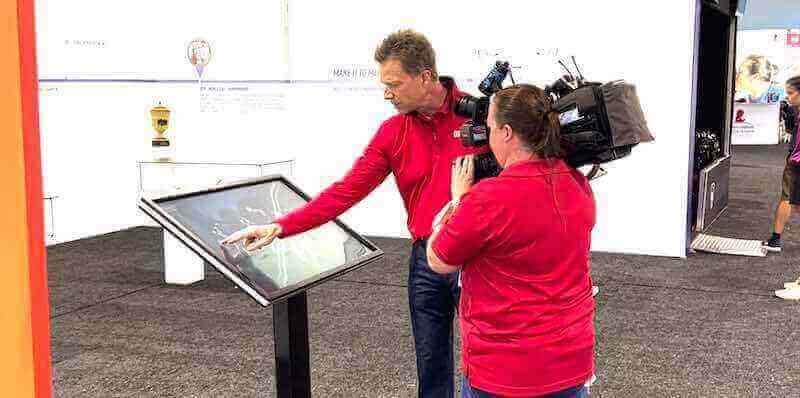
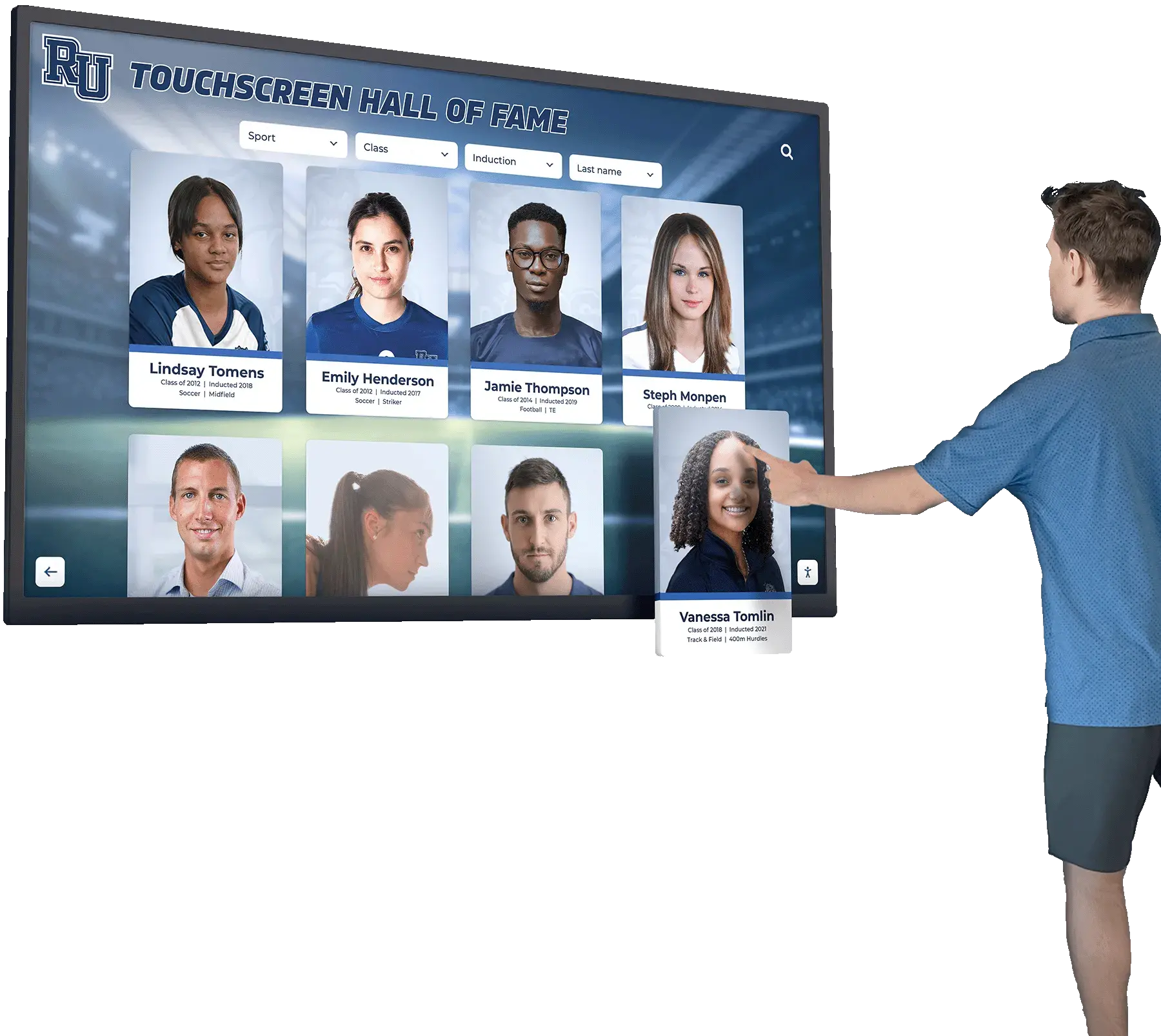
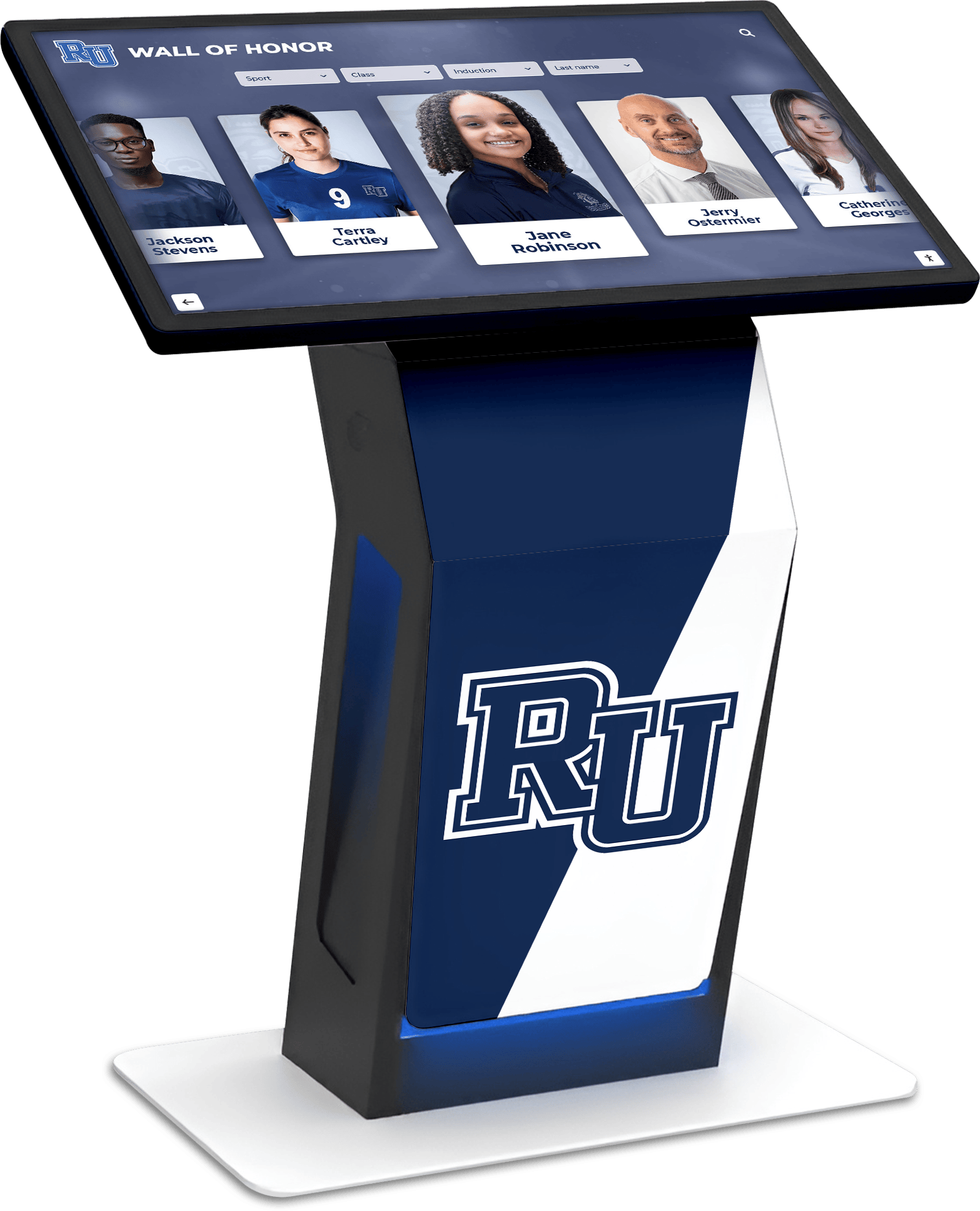
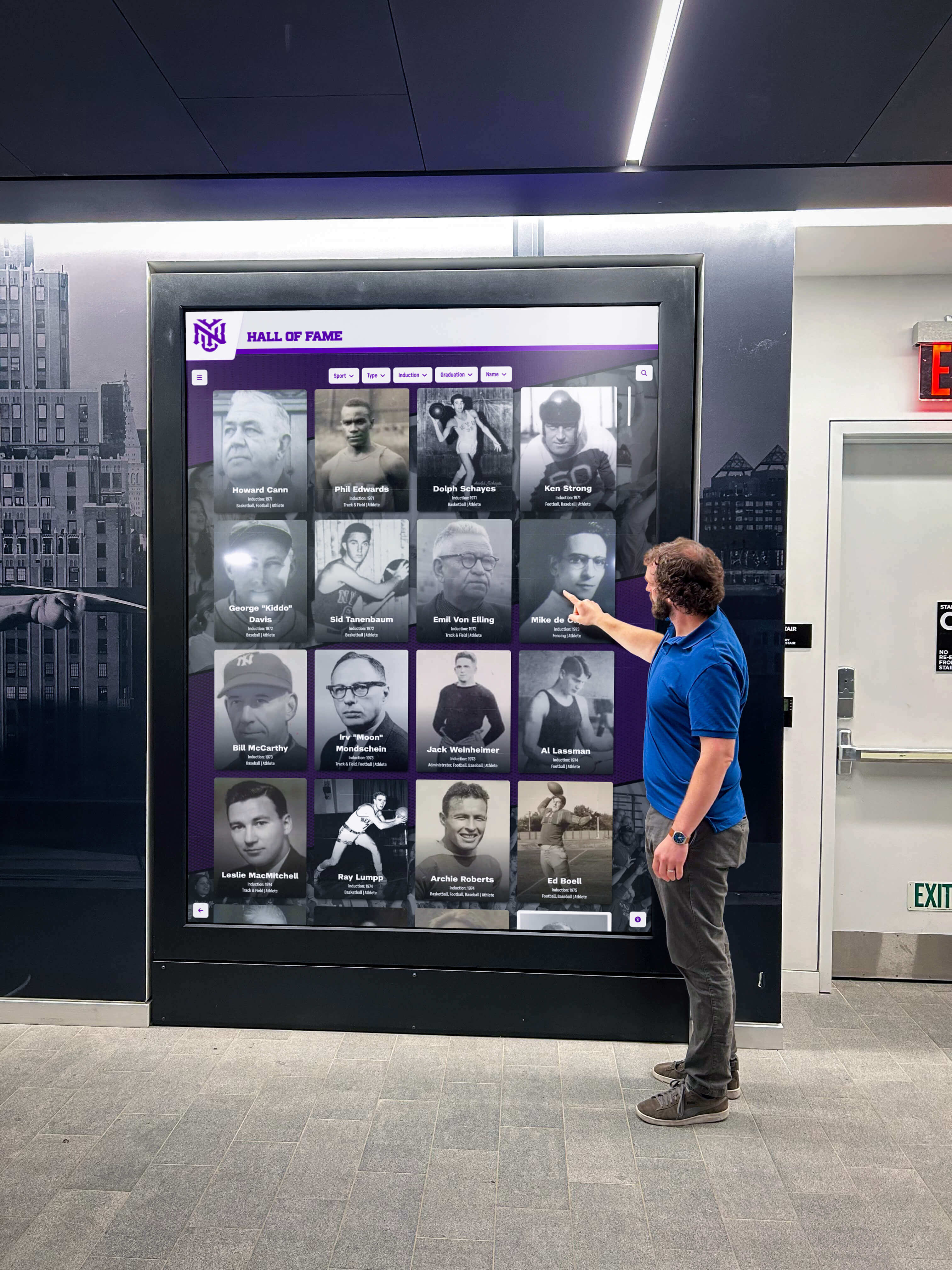
Digital recognition platforms provide interactive touchscreen systems showcasing unlimited content through photographs, videos, and detailed information accessible via intuitive interfaces:
Core Platform Capabilities:
Unlimited capacity for veteran profiles and artifact documentation without physical space constraints. Simple content management systems enabling non-technical staff to add and update content easily. Multimedia support incorporating photographs, scanned documents, video interviews, and comprehensive text descriptions. Powerful search and filtering features helping visitors find specific veterans or explore by unit, era, conflict, or service branch.
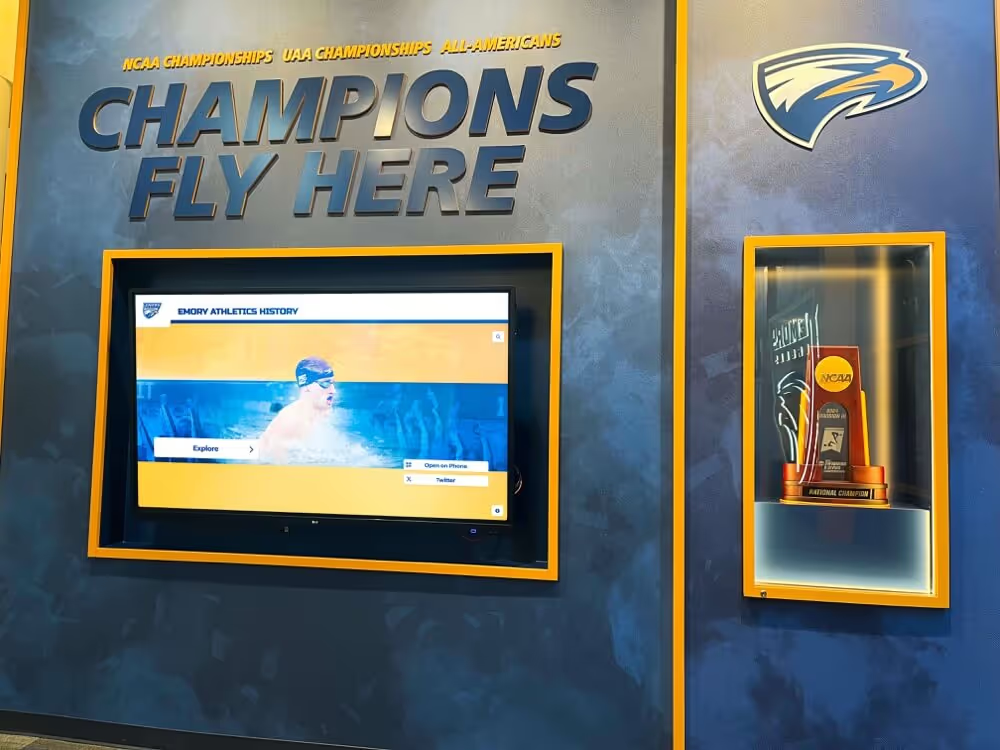
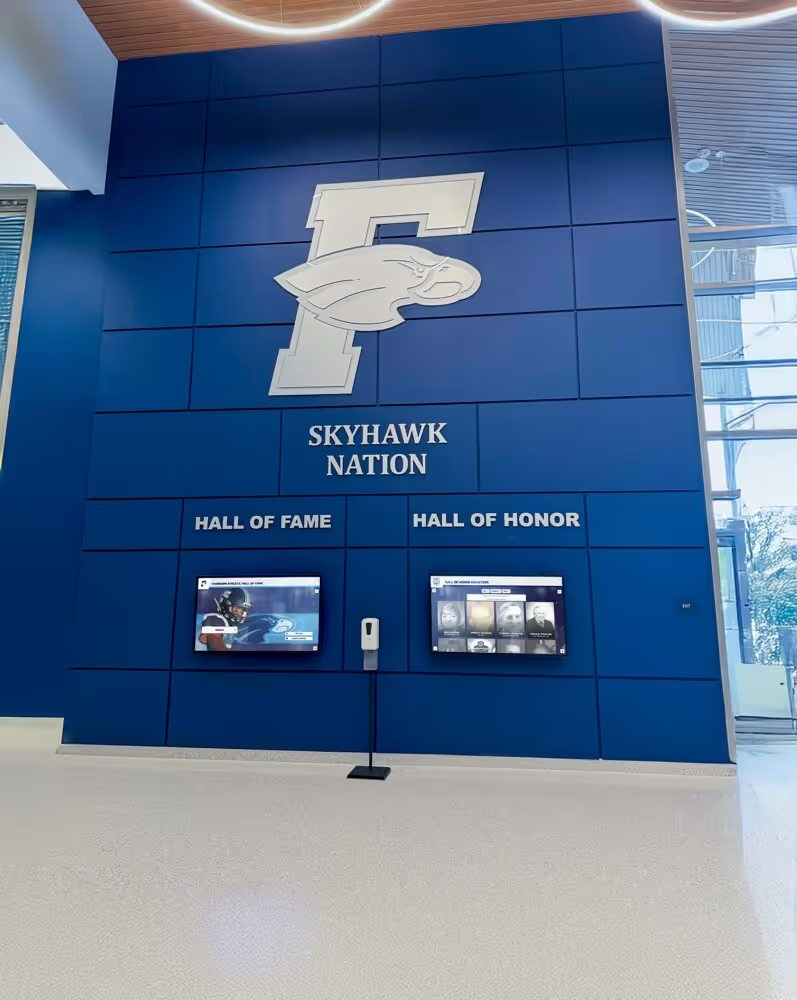
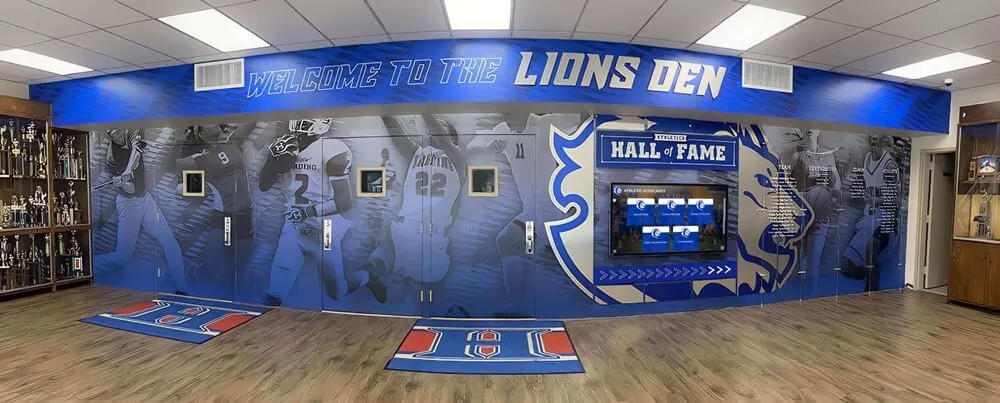
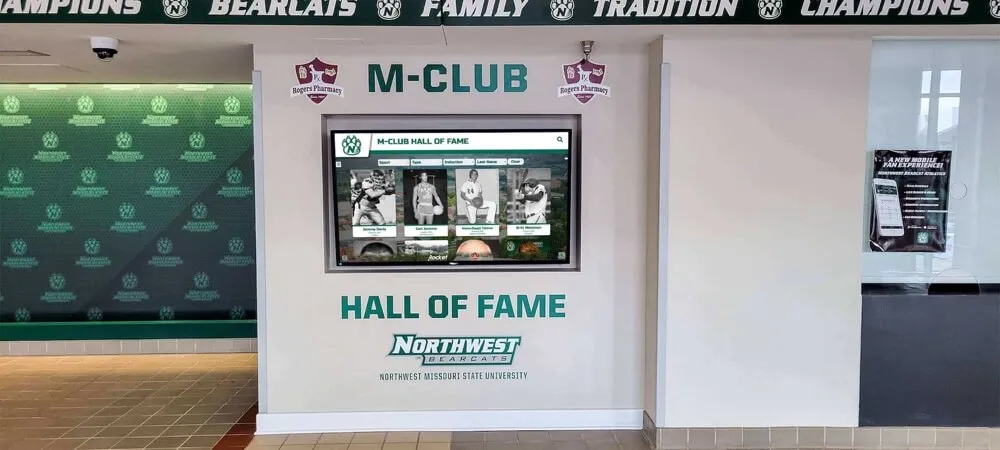
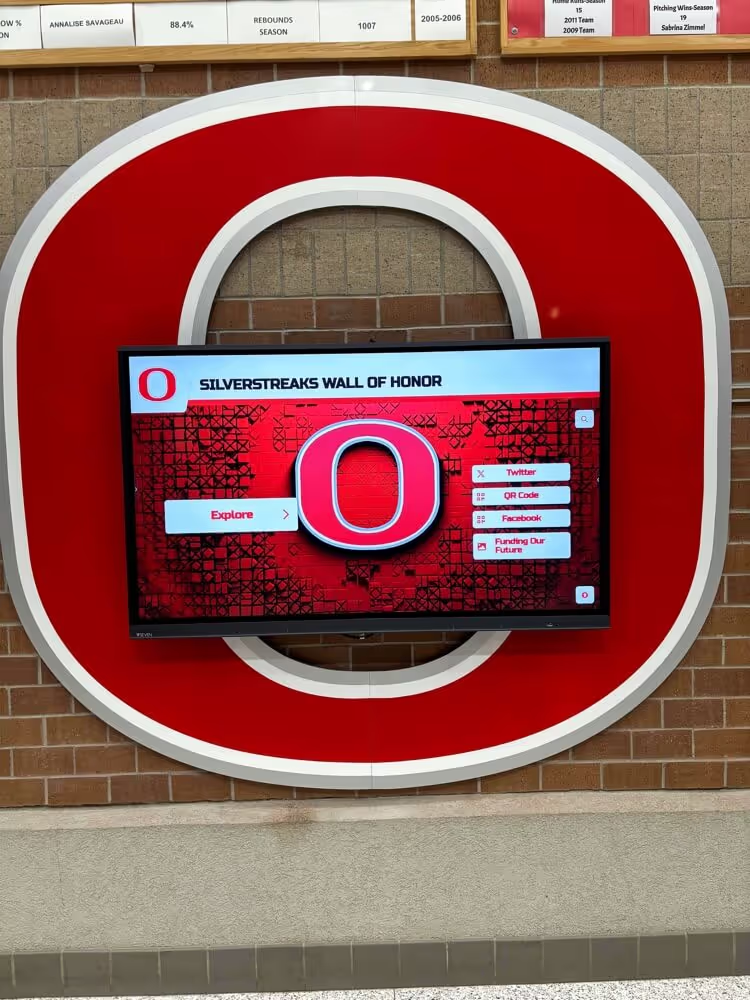
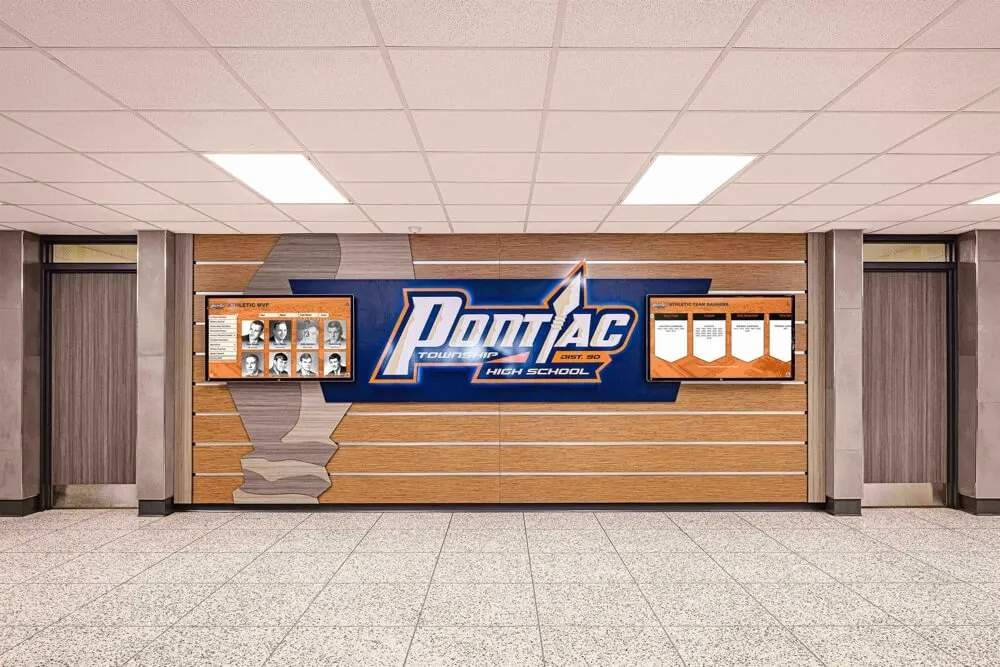
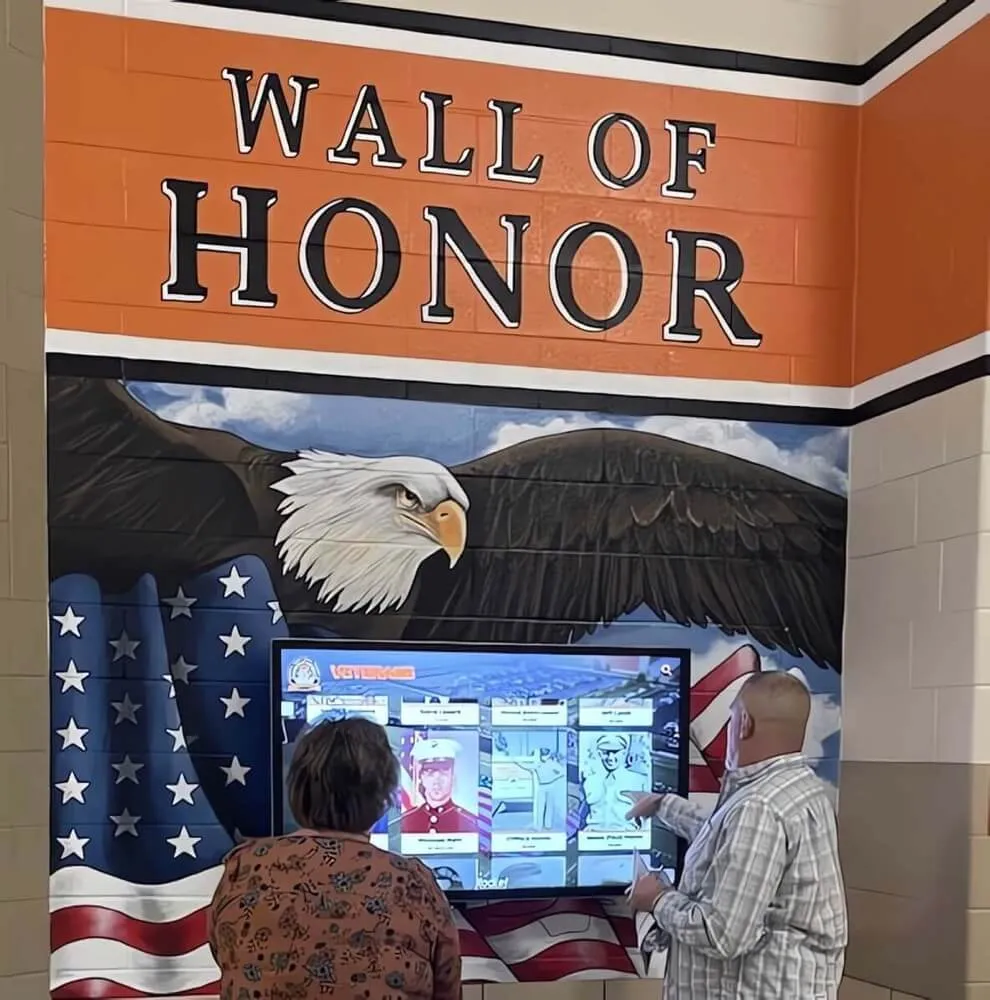
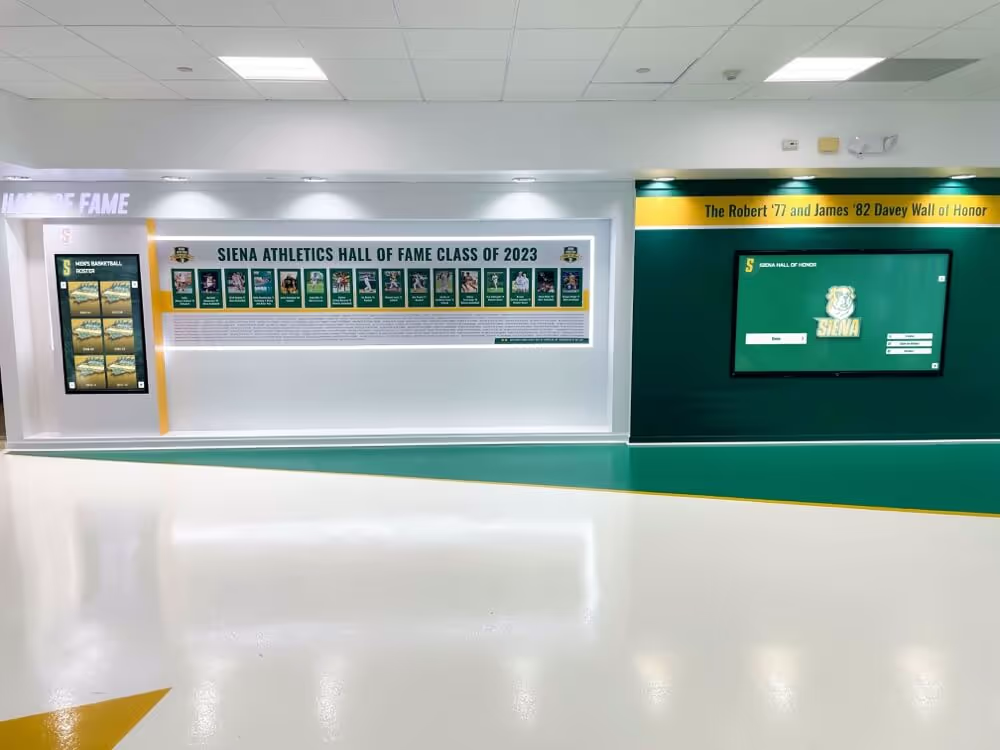
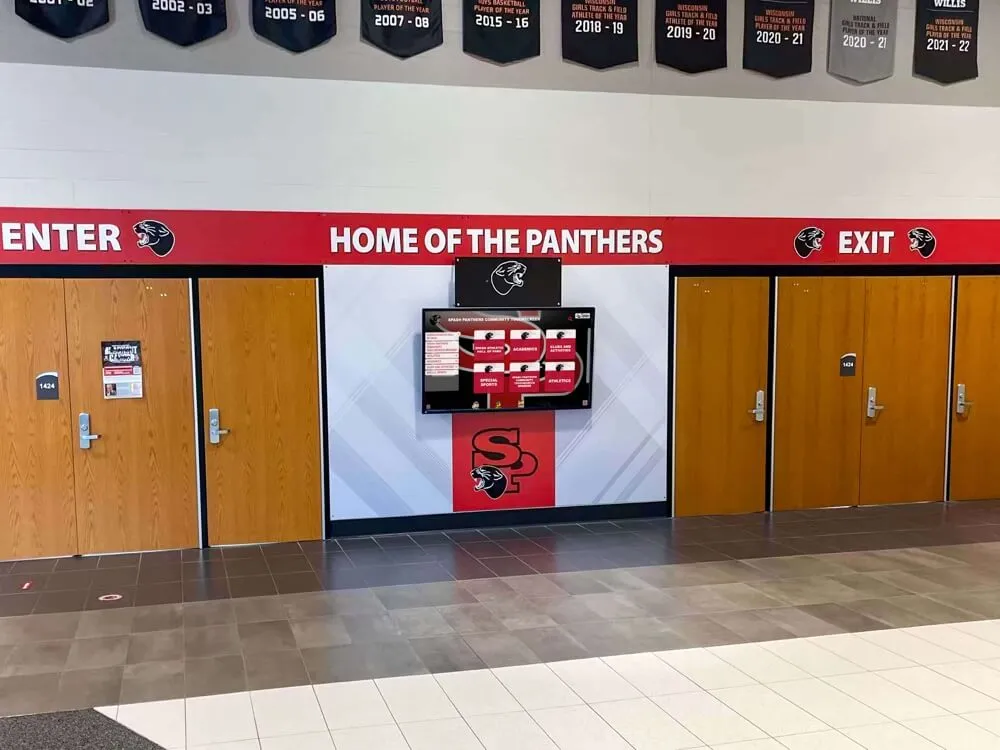
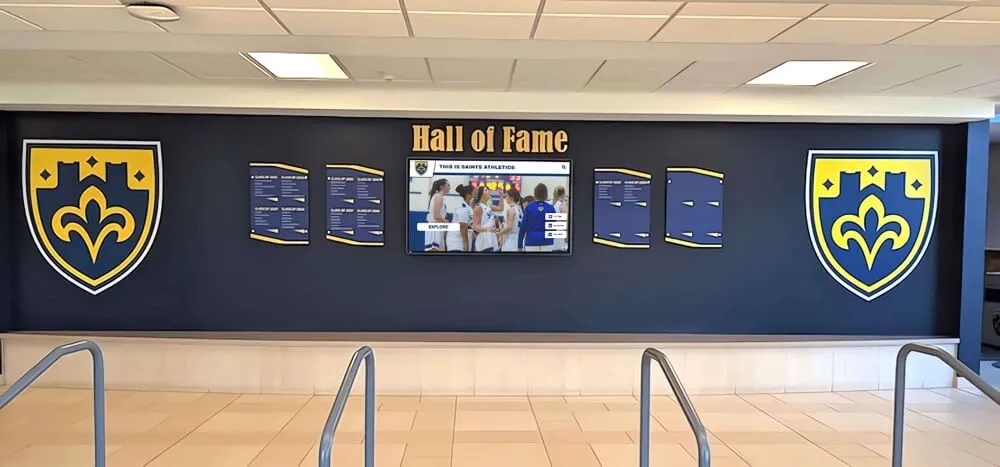
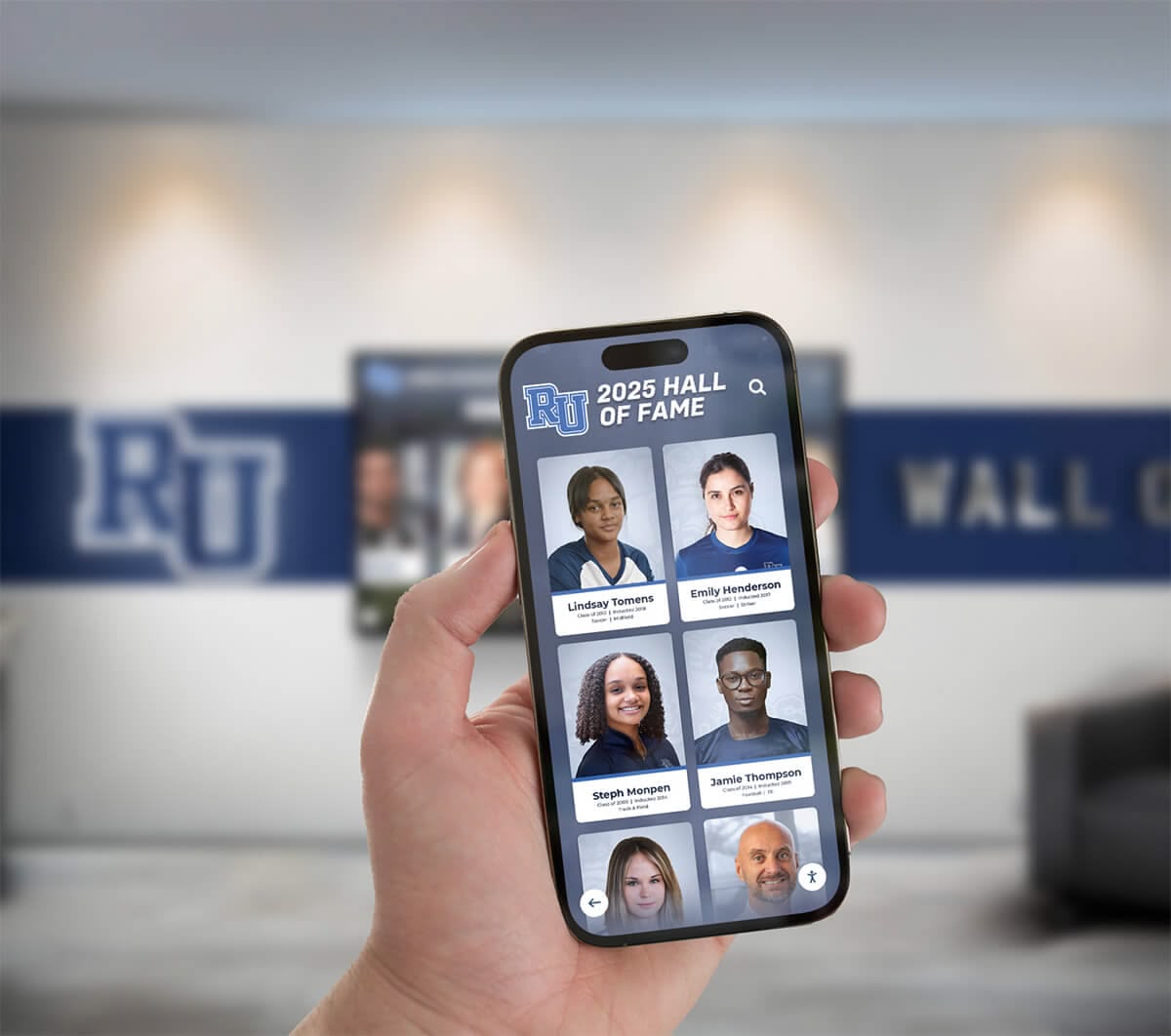
Solutions like Rocket Alumni Solutions provide comprehensive digital recognition platforms specifically designed for schools and organizations honoring military service. These systems eliminate needs for expensive 3D scanning equipment or professional photography—standard smartphone images work effectively within user-friendly platforms.
How Digital Displays Complement Artifact Preservation:
Rather than attempting to 3D scan every uniform, medal, and piece of equipment, digital recognition systems enable organizations to photograph artifacts and upload images alongside service narratives. Original artifacts remain safely stored in climate-controlled environments while digital displays make them accessible to unlimited viewers.
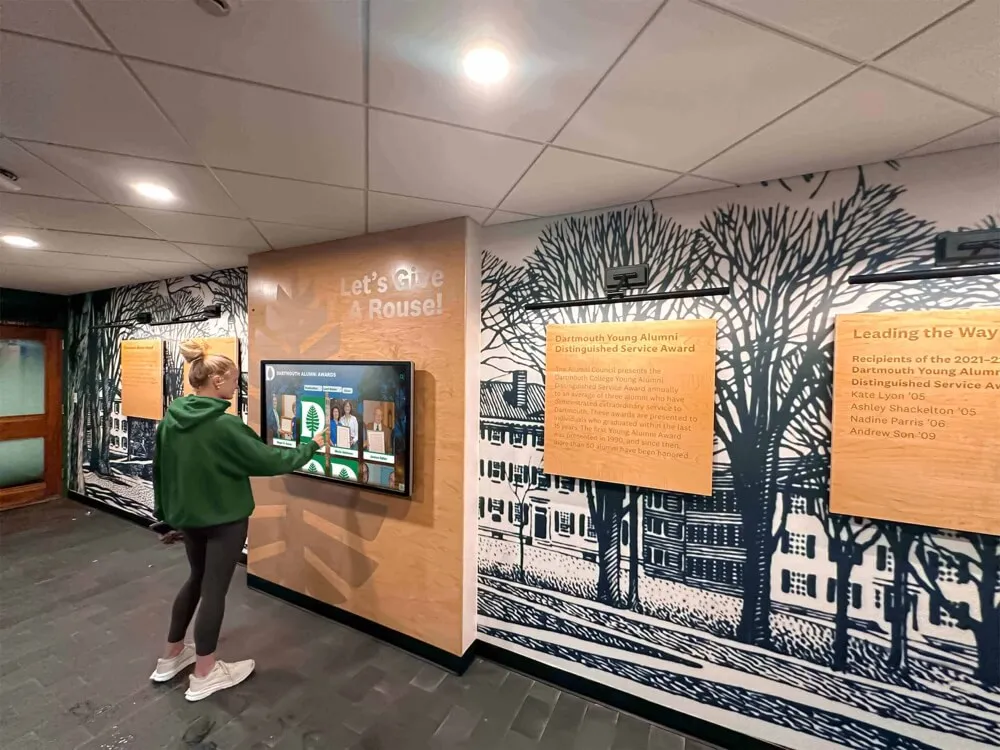
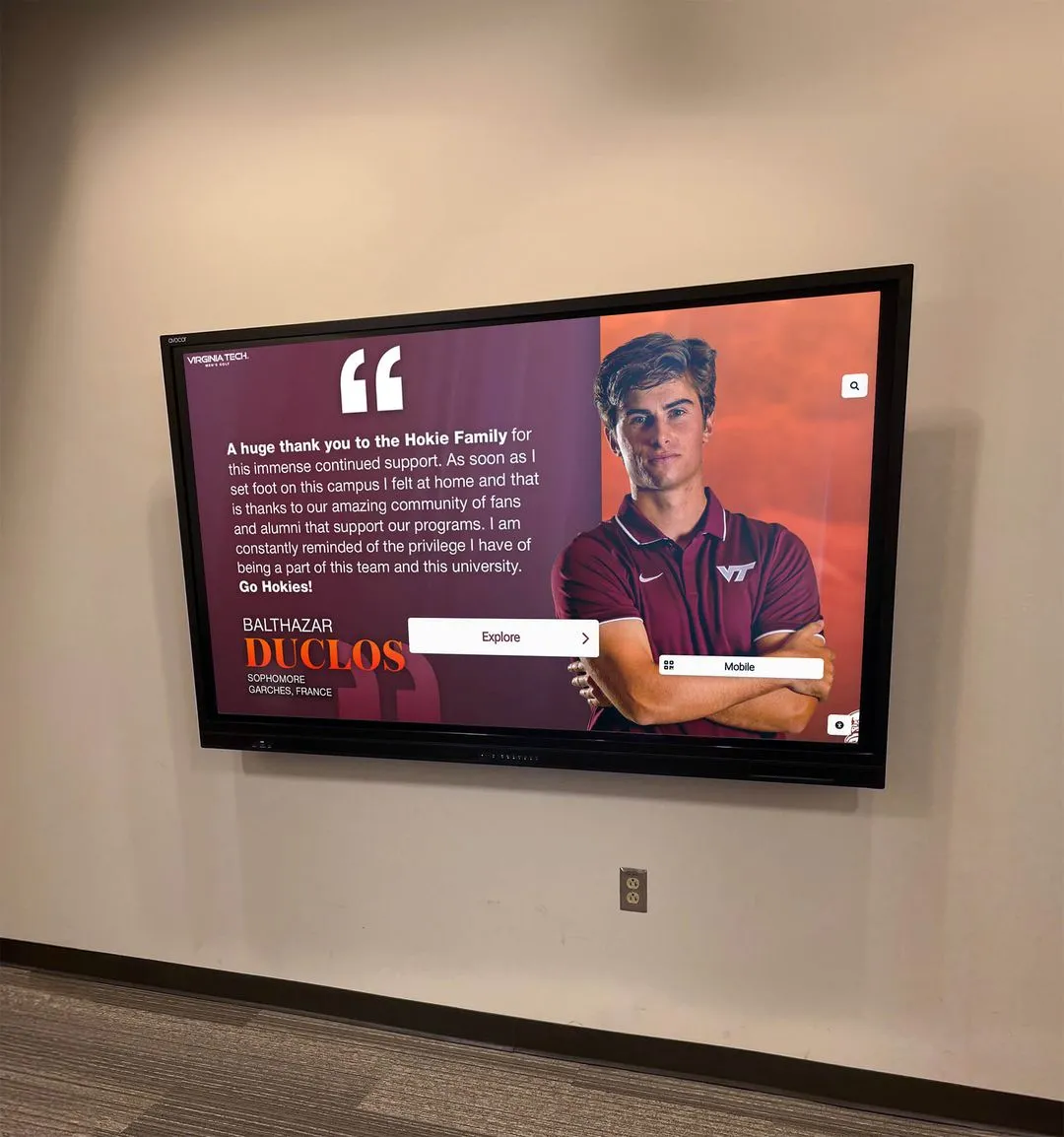
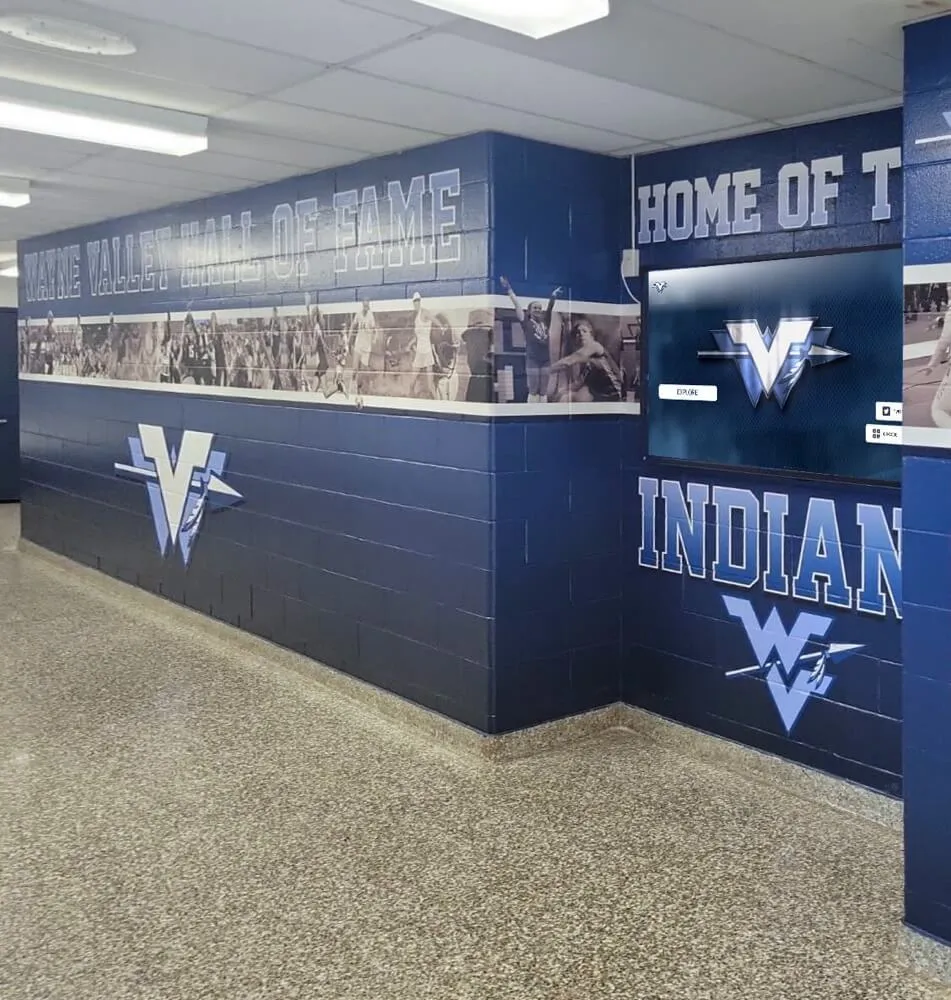
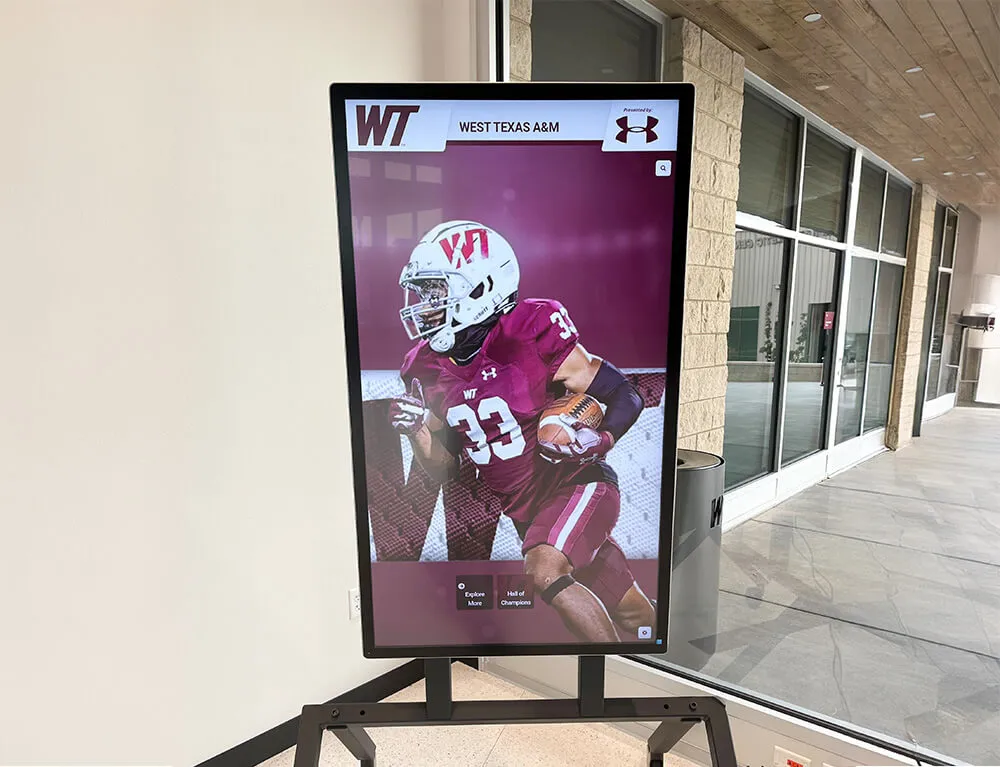
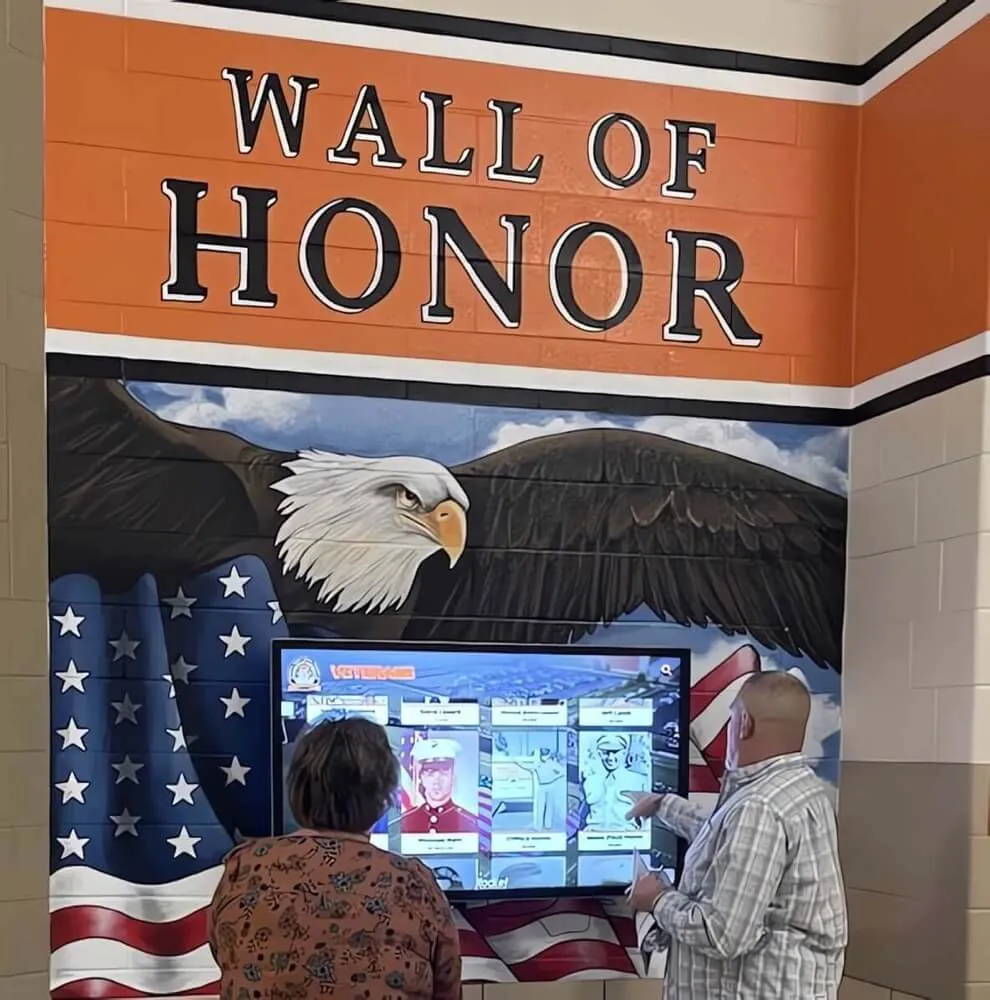
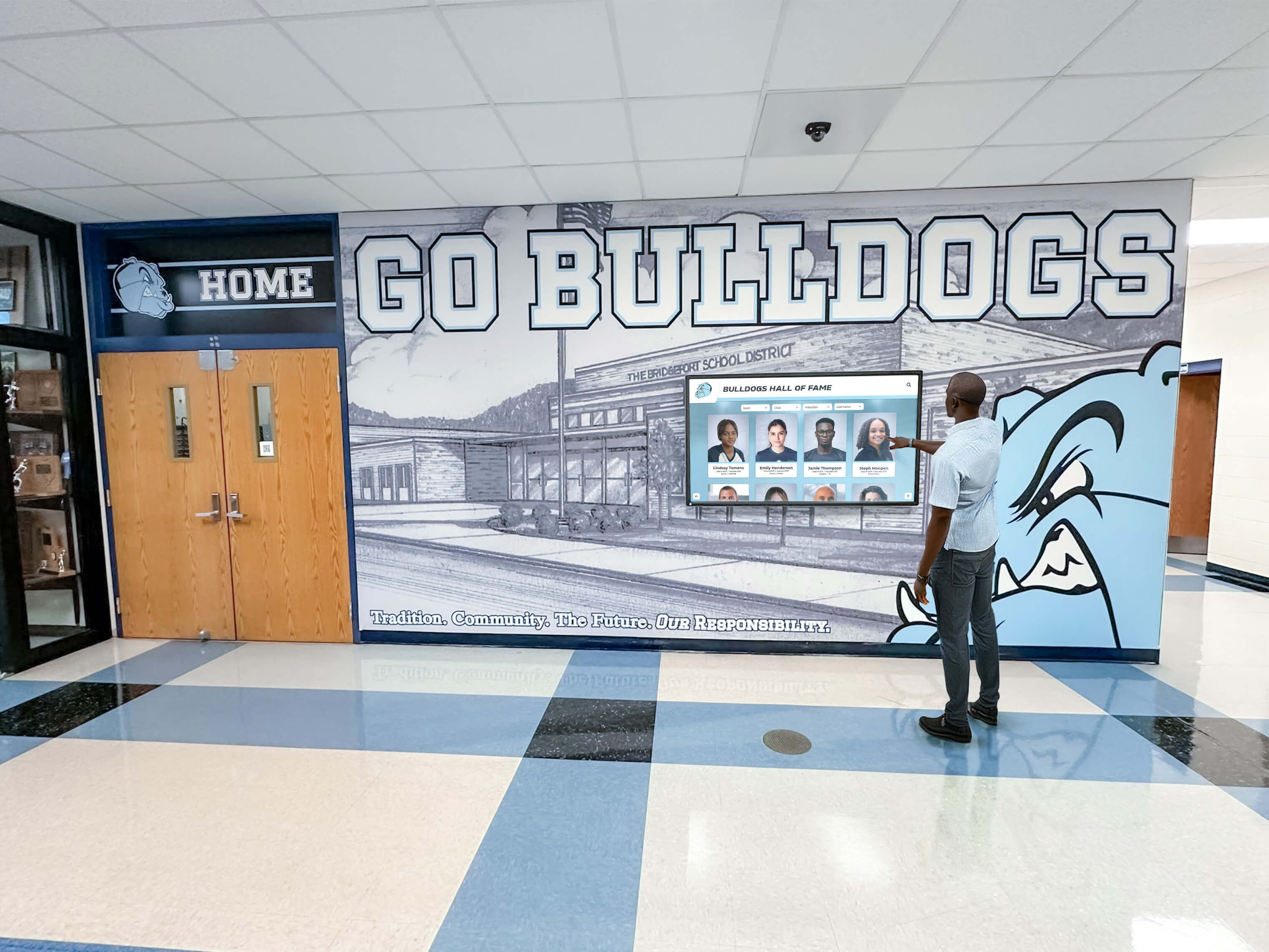
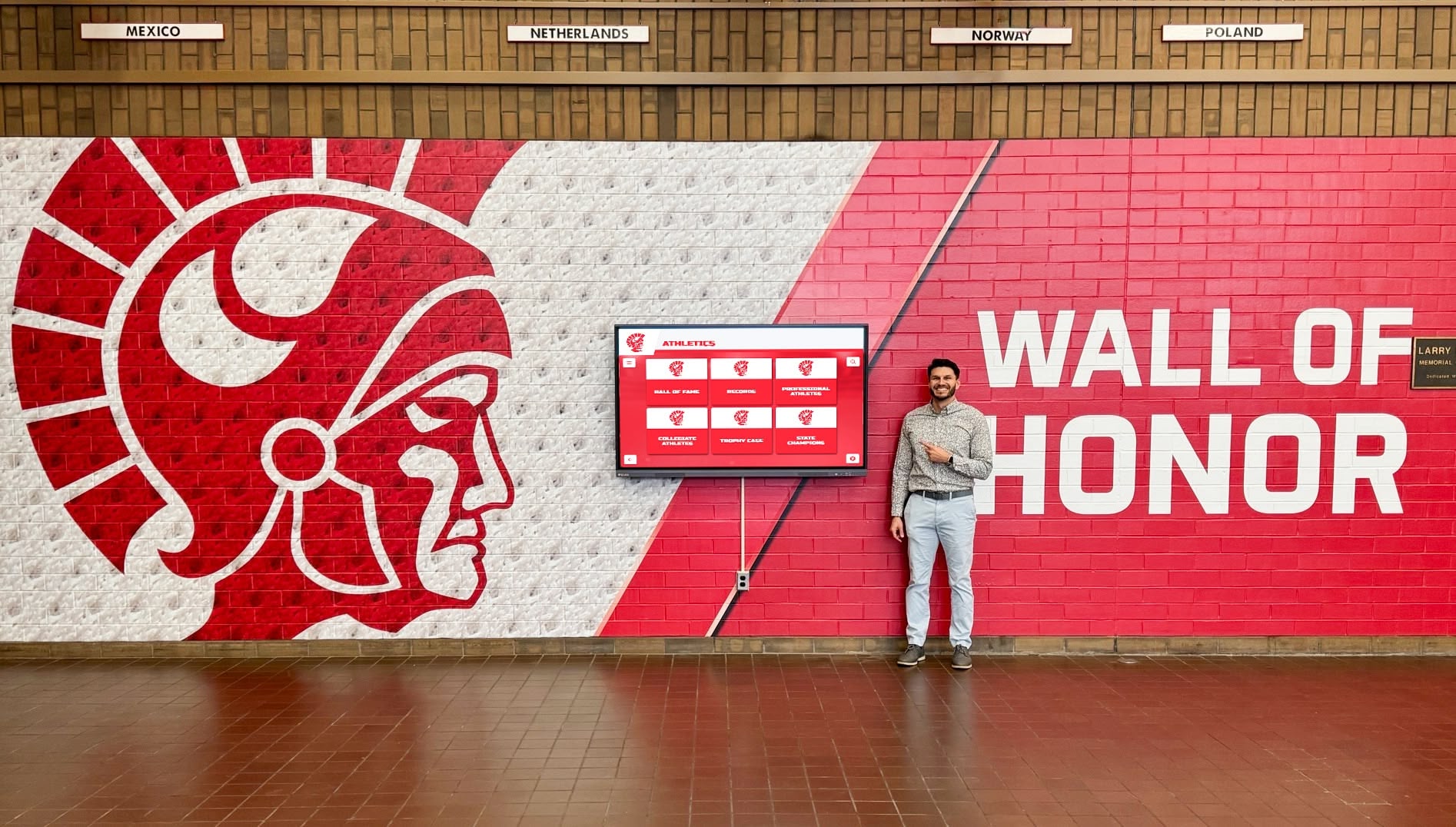
For example, a school honoring alumni veterans can photograph a World War II veteran’s uniform, medals, and personal letters, uploading these images to a digital display alongside biographical information, service documentation, and video interviews. Visitors explore comprehensive content through touchscreen displays installed in high-traffic locations while fragile originals remain protected from handling damage, environmental exposure, and loss risks.
Benefits of Digital Recognition Displays for Military Artifact Showcasing
Digital recognition platforms provide numerous advantages over traditional approaches:
Unlimited Recognition Capacity:
Traditional physical displays face inevitable space constraints forcing difficult decisions about which artifacts receive prominence. Digital systems eliminate these limitations entirely—thousands of veterans and their associated artifacts can be recognized comprehensively through single display installations. Every veteran’s service receives equal opportunity for detailed recognition regardless of rank, era, or role.
Easy Updates and Additions:
When families discover additional artifacts or photographs, updating digital displays takes minutes through cloud-based content management systems. New veterans can be added instantly as information becomes available. Corrections or enhancements require no physical reinstallation or professional fabrication expenses.
Accessibility Beyond Physical Location:
Digital recognition platforms typically include web-based components enabling alumni, families, and community members worldwide to explore content from any internet-connected device. Veterans who relocated far from their hometown can view recognition displays remotely, maintaining connections despite geographic distance. Family members can share specific veteran profiles via social media or email, extending recognition reach exponentially.
Protection of Original Artifacts:
By showcasing artifacts through high-resolution photographs within digital displays rather than exposing originals to continuous handling and environmental conditions in public spaces, organizations balance accessibility with preservation. Valuable artifacts remain in secure, climate-controlled storage while digital representations make them continuously available for viewing.
Engagement Analytics and Insights:
Digital platforms provide analytics showing which veterans receive most interest, how visitors navigate content, peak usage times, and search patterns. These insights help organizations understand community engagement and identify opportunities to enhance recognition programs.
Implementing Digital Recognition for Veteran Artifact Showcasing
Schools, museums, and veteran organizations can implement digital recognition displays through straightforward processes:
Phase 1: Content Planning and Collection:
Identify veterans and artifacts deserving recognition. Reach out to families requesting photographs of artifacts, service documentation, and personal stories. Organize collection efforts around reunions, Veterans Day programs, or dedicated submission events. Photograph artifacts using smartphones or basic cameras—professional equipment unnecessary for effective display content.
Phase 2: Platform Selection and Setup:
Evaluate digital recognition platforms based on features, ease of use, and pricing. Consider solutions like those from Rocket Alumni Solutions designed specifically for educational and organizational recognition needs. Select appropriate display sizes and placement locations maximizing visibility and community engagement. Configure online components extending recognition accessibility beyond on-campus installations.
Phase 3: Content Development:
Upload veteran information and artifact photographs through user-friendly content management systems. Add biographical details, service documentation, and contextual information. Incorporate video interviews when available, creating multimedia experiences. Organize content using categories, tags, and search-friendly metadata enabling intuitive exploration.
Phase 4: Launch and Ongoing Management:
Unveil recognition displays during meaningful events like Veterans Day ceremonies or military appreciation programs. Establish processes for ongoing content additions as new information emerges. Train staff responsible for content management ensuring sustained program quality. Monitor engagement analytics identifying successful elements and opportunities for enhancement.
This approach enables organizations to honor military service comprehensively without expensive scanning equipment, specialized technical expertise, or complex preservation workflows. Standard photographs combined with powerful digital display platforms create engaging recognition accessible to broad audiences while protecting irreplaceable original artifacts.
Preservation Best Practices After Digitization
Creating digital copies represents essential preservation steps, but proper care of original artifacts remains critical ensuring long-term survival.
Optimal Storage Conditions
Environmental control prevents the majority of artifact deterioration:
Temperature and Humidity Control:
Maintain stable temperatures between 65-70°F year-round. Keep relative humidity levels around 30-50%, using dehumidifiers or humidifiers as needed. Avoid locations with temperature or humidity fluctuations (attics, basements, garages). Monitor conditions using digital temperature/humidity meters.
According to conservation guidelines from the American Institute for Conservation, “One of the most damaging influences on the rate of deterioration is temperature. As a general rule, the higher the temperature, the faster an object will deteriorate.” Stable conditions prove more important than achieving specific ideal temperatures—consistent 72°F storage beats environments fluctuating between 60-80°F.
Light Protection:
Store artifacts in dark conditions or use UV-filtering materials. Avoid direct sunlight which causes rapid fading and material breakdown. Use indirect, low-intensity lighting if items require display. Consider LED lighting which produces less heat and UV radiation than traditional incandescent or fluorescent sources.
Air Quality:
Avoid locations with pollutants (vehicle exhaust, industrial emissions). Prevent exposure to chemicals, solvents, or cleaning products. Ensure adequate ventilation preventing stagnant air promoting mold growth. Consider air purifiers in storage areas prone to dust accumulation.
Archival Storage Materials
Appropriate storage materials prevent chemical degradation and physical damage:
Acid-Free and Lignin-Free Materials:
Use acid-free boxes, folders, and tissue paper for all paper and textile artifacts. Avoid regular cardboard and paper containing acids that migrate to artifacts causing deterioration. Select archival products specifically labeled as suitable for long-term storage of valuable materials.
Protective Enclosures:
Photographs should be stored in archival-quality sleeves or envelopes. Documents can be placed in acid-free folders within archival boxes. Textiles should be wrapped in acid-free tissue, avoiding plastic bags which trap moisture. Medals and metal items may require specialized tarnish-prevention enclosures.
Structural Support:
Avoid folding textiles; roll items around acid-free tubes if space limitations prevent flat storage. Pad areas where folds are unavoidable with acid-free tissue preventing permanent creases. Support three-dimensional items preventing distortion or crushing. Use custom-fitted enclosures for unusually shaped artifacts.
Handling and Access Protocols
Even with digitization providing unlimited viewing, occasional access to originals may be necessary:
Proper Handling Procedures:
Wash and dry hands thoroughly before handling, or use clean cotton gloves for photographs and documents (though some conservators caution that gloves can reduce dexterity increasing accident risks). Handle items by edges rather than surfaces. Work over clean, padded surfaces preventing drops from causing damage. Avoid eating or drinking near artifacts. Never use tape, adhesives, or rubber bands on historical materials.
Limiting Physical Access:
Reserve original artifact handling for essential purposes only—digitization, conservation work, or occasional exhibition. For research or viewing purposes, provide digital copies instead of risking originals. When original viewing is necessary, supervise access and enforce handling protocols. Document all instances of physical access tracking cumulative handling.
Long-Term Monitoring and Conservation
Ongoing attention ensures storage remains adequate and problems receive prompt attention:
Regular Inspections:
Schedule periodic artifact inspections checking for signs of deterioration, pest activity, or environmental problems. Examine storage conditions verifying temperature/humidity levels remain appropriate. Review storage materials replacing any showing deterioration or contamination. Update documentation noting artifact conditions and any changes observed.
Professional Conservation:
For valuable artifacts showing active deterioration, consult professional conservators affiliated with the American Institute for Conservation. Address problems promptly—small issues become major damage without intervention. Consider preventive conservation for particularly valuable items before problems emerge.
Documentation Updates:
Maintain current records of artifact locations and conditions. Photograph artifacts periodically documenting appearance changes over time. Update digital inventories reflecting any conservation work or changes in storage. Share information with family members or institutional successors ensuring knowledge continuity.
Creating Comprehensive Digital Archives and Databases
Moving beyond individual artifact digitization, comprehensive digital archives preserve complete collections in organized, accessible formats supporting long-term preservation and broad access.
Database Structure and Organization
Well-organized digital archives enable effective access and long-term sustainability:
Core Data Fields:
Comprehensive veteran artifact databases should capture veteran identification (full name, birth/death dates, service branch), service information (enlistment and discharge dates, rank achieved, units served, duty stations and deployments), artifact details (item type and description, date or era, physical condition, current location), and digital file information (file names and formats, digitization date and methods, resolution and quality specifications).
Relationship Mapping:
Link related items together—uniforms, medals, and photographs from same time period. Connect artifacts to specific historical events or military operations. Associate multiple veterans when items document shared experiences (unit photographs, joint awards). Create family connections documenting multi-generational military service.
Search and Discovery Features:
Implement full-text search enabling keyword queries. Provide filtering by service branch, conflict/era, artifact type, and date ranges. Create browse categories organizing content thematically. Enable geographic searches by duty stations or deployment locations.
Digital Asset Management
Technical infrastructure ensures digital files remain accessible long-term:
File Format Selection:
Use standardized, non-proprietary formats ensuring long-term accessibility as technology evolves. For photographs and scanned documents, TIFF provides lossless archival quality while JPEG works for web display and sharing. For video, MP4 with H.264 encoding offers broad compatibility. For documents, PDF/A (PDF for Archive) ensures long-term accessibility and preservation.
According to digital preservation best practices from library and archival organizations, proprietary formats from specific software applications risk obsolescence as companies discontinue products or versions. Open, standardized formats provide better long-term access assurance.
Storage Infrastructure:
Implement redundant storage across multiple devices and locations. Use network-attached storage (NAS) for on-premises backups. Employ cloud storage services (Google Drive, Dropbox, specialized archival services) for offsite copies. Consider institutional repositories offered by libraries and archives for historically significant collections.
Version Control and Tracking:
Maintain original digitization versions separate from edited or enhanced copies. Document all modifications, enhancements, or format conversions. Preserve metadata describing file creation, modification history, and processing applied. Create clear version numbering or naming conventions distinguishing different versions.
Making Archives Accessible
Digital archives create maximum value when accessible to broad audiences:
Online Access Platforms:
Create searchable websites or online galleries showcasing collections. Integrate with digital recognition displays providing unified access across physical and virtual spaces. Consider contributing to established platforms like the Veterans History Project for broader discoverability. Provide clear copyright and usage terms enabling appropriate sharing while protecting family privacy preferences.
Educational Applications:
Partner with schools incorporating digitized artifacts into history curricula. Develop lesson plans or educational materials built around collections. Create thematic digital exhibitions organizing artifacts around specific topics or eras. Offer virtual presentations or webinars sharing collections with remote audiences.
Community Engagement:
Invite family members and community members to contribute additional information or artifacts. Host digital or in-person events featuring collections and veteran stories. Share collections via social media reaching broader audiences. Encourage oral history collection adding personal narratives to artifact documentation.
Technology Resources and Tools
Various technologies and services support different aspects of veteran artifact digitization:
Consumer Equipment and Software
Accessible tools enable DIY digitization projects:
Scanning Equipment:
Entry-level flatbed scanners ($80-200): Epson Perfection V39, Canon CanoScan LiDE 400. Mid-range scanners ($200-500): Epson Perfection V600 Photo, Canon CanoScan 9000F Mark II. Professional-grade scanners ($500+): Epson Expression 12000XL, specialized book scanners for bound materials.
Photography Equipment:
Modern smartphones (iPhone 12+, Samsung Galaxy S21+, Google Pixel 6+) provide excellent documentation capabilities. Digital cameras: Entry-level DSLRs (Canon Rebel series, Nikon D3500) offer superior image quality and manual control. Lighting: Photography light boxes ($30-100), softbox lighting kits ($50-200), LED ring lights for video.
Software Tools:
Free options: Google Photos (organization and basic editing), Adobe Scan (mobile document scanning), GIMP (photo editing). Paid software: Adobe Lightroom ($10/month, photography organization and editing), Adobe Photoshop ($20/month, advanced editing), Tropy (free, specialized for research photo organization).
Professional Services and Resources
For projects exceeding DIY capabilities:
National Digitization Resources:
The Veterans History Project (Library of Congress) provides guidelines and may accept donation of digitized collections. State libraries and archives often offer digitization services or guidance. University special collections departments sometimes provide community digitization assistance. Local historical societies may offer scanning equipment and expertise.
Private Digitization Companies:
National services: ScanMyPhotos.com, Memories Renewed, Legacy Republic offer mail-in scanning. Local services: Search for “photo scanning service” or “document digitization” in your area. Museum services: Some museums offer digitization services for historically significant military collections.
Digital Recognition Display Providers
For organizations implementing comprehensive recognition programs:
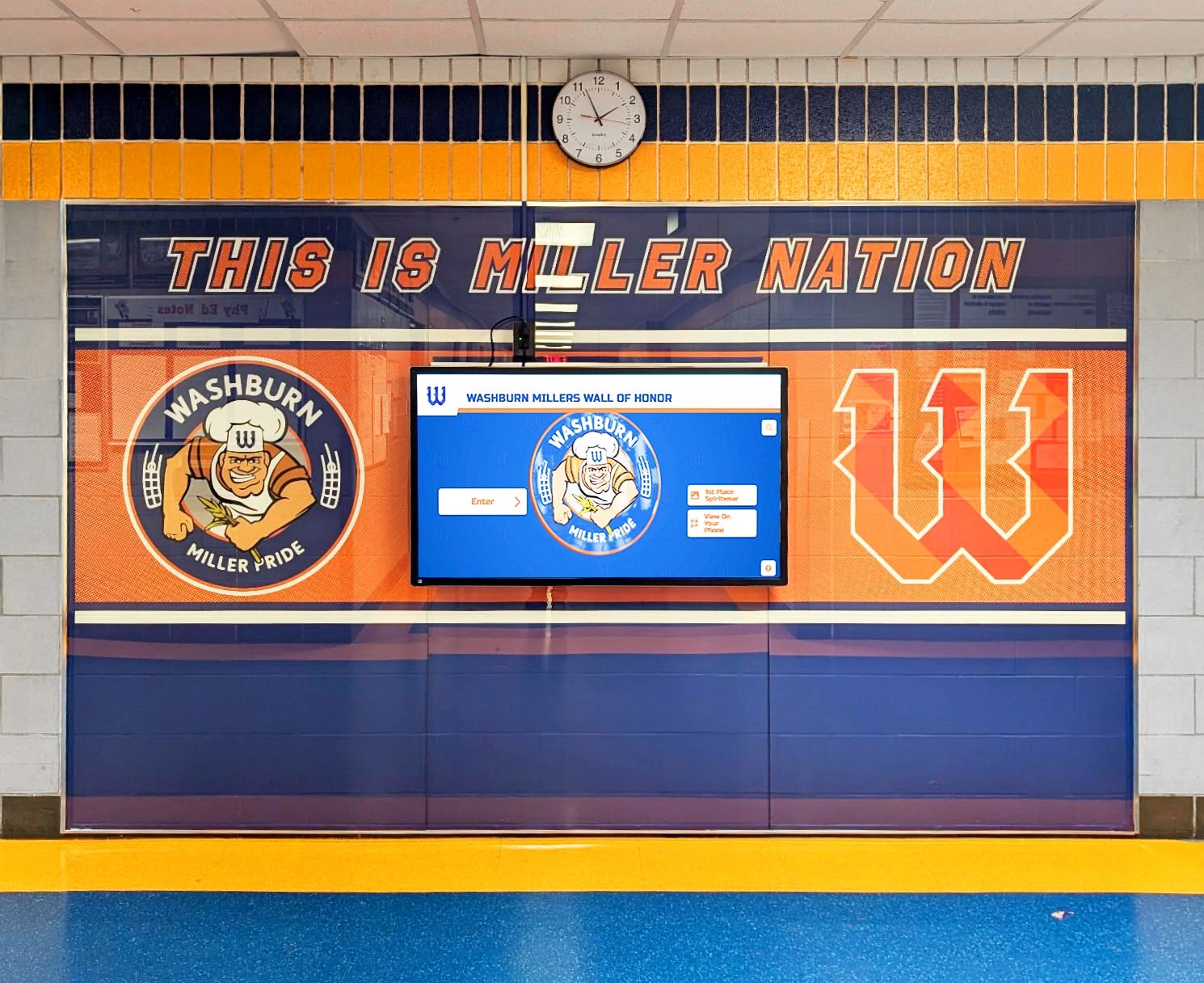
Solutions like Rocket Alumni Solutions provide turnkey digital recognition platforms specifically designed for military honor and veteran recognition. These systems integrate touchscreen displays, content management, online access, and long-term support in comprehensive packages requiring no technical expertise for ongoing operation.
Other specialized platforms include digital signage systems adapted for recognition purposes, museum collection management systems with public display components, and custom development through software consultants, though purpose-built recognition platforms typically provide better user experiences and lower total costs of ownership.
Legal and Ethical Considerations
Digitizing and sharing veteran artifacts involves legal and ethical dimensions deserving careful attention:
Copyright and Usage Rights
Understanding intellectual property aspects prevents legal complications:
Copyright in Photographs:
Photographs are protected by copyright from the moment of creation. Copyright generally belongs to the photographer (or their employer for official military photos). Family snapshots typically belong to the photographer or their heirs. Historical photographs may be in public domain if copyright expired (generally 95 years from publication for photos before 1978).
For digitization and family use, copyright is rarely an issue. Public sharing online or publication may require permissions if copyright holders can be identified and contacted. In practice, many historical military photographs lack identifiable copyright holders, and reasonable fair use applies to educational, archival, and family history purposes.
Official Military Records:
Documents created by U.S. government employees in their official capacities typically enter the public domain immediately, making official military records, orders, and documents generally free from copyright restrictions. However, personal privacy considerations still apply.
Privacy and Sensitivity
Respect for veterans and families requires thoughtful judgment:
Personal Privacy:
Some veterans or families prefer privacy rather than public recognition. When digitizing artifacts belonging to living veterans or their immediate families, seek permission before public sharing. For deceased veterans, attempt to contact families before publishing sensitive materials. Provide clear opt-out processes for those uncomfortable with public recognition.
Sensitive Content:
Combat photographs, casualty documentation, or materials depicting difficult experiences deserve particular sensitivity. Consider whether publication serves educational purposes or merely satisfies curiosity. Redact personal information (Social Security numbers, home addresses) from official documents before publication. Consult with family members about appropriate sharing of potentially difficult content.
Cultural Sensitivity and Respectful Representation
Military service encompasses diverse experiences deserving respectful treatment:
Avoiding Glorification or Exploitation:
Present military artifacts and service documentation respectfully, focusing on preservation and education rather than glorification or entertainment. Acknowledge the complex realities of military service including sacrifice, difficulty, and sometimes controversial historical contexts. Avoid using veteran artifacts or stories primarily for institutional promotion or fundraising without appropriate family consent and context.
Inclusive Representation:
Ensure digitization and recognition efforts include diverse veterans representing the full spectrum of those who served. Recognize different service branches, eras, and roles equally without implicit hierarchies. Acknowledge the contributions of women, minorities, and LGBTQ+ service members whose service may have been historically underrecognized or officially restricted during their service periods.
Accuracy and Context:
Verify information accuracy before publication avoiding perpetuation of errors or myths. Provide appropriate historical context helping viewers understand artifacts within proper timeframes and circumstances. Correct mistakes promptly when discovered, acknowledging the importance of accurate historical documentation.
Conclusion: Preserving Service Through Digitization
Every veteran’s story deserves preservation for future generations. The artifacts documenting military service—from faded photographs and yellowing letters to uniforms, medals, and personal effects—represent irreplaceable connections to individual experiences and collective history that would otherwise fade from memory. Digitization transforms preservation by creating permanent digital records ensuring these precious items and the stories they represent endure long after physical artifacts inevitably deteriorate.
Whether families digitizing personal collections, schools creating comprehensive veteran recognition programs, museums building military history archives, or veteran organizations documenting member service, the technologies and methods explored throughout this guide provide accessible pathways for meaningful preservation. Simple document scanning preserves correspondence and official records. Photography captures three-dimensional artifacts making them viewable without handling fragile originals. Video documentation adds veterans’ voices and personal reflections impossible to convey through static items alone. Advanced 3D scanning creates detailed models enabling virtual examination of complex artifacts.
For organizations honoring veteran service, modern digital recognition displays complement traditional digitization by enabling comprehensive recognition without requiring specialized scanning equipment or technical expertise. Solutions like those from Rocket Alumni Solutions allow schools and veteran organizations to honor unlimited veterans through intuitive platforms accessible to broad audiences both on-campus and online, protecting fragile artifacts while ensuring service receives the visibility and respect it deserves.
The technical aspects of digitization—resolution specifications, file formats, storage strategies—matter less than the commitment to preservation itself. Every photograph scanned, every artifact photographed, every story recorded represents a victory against forgetting. Imperfect digitization completed today protects memories better than perfect plans never executed. Start with what you have—even smartphone photos create value when originals risk loss.
As we face the reality that World War II, Korea, and Vietnam veterans are passing at increasing rates, the urgency of preservation grows. The artifacts documenting their service, the oral histories capturing their perspectives, and the recognition honoring their contributions cannot wait for perfect conditions or unlimited resources. Digitization democratizes preservation, making it achievable for families and small organizations while providing professional-grade results through accessible technologies.
The veterans who served deserve more than fading memories stored in deteriorating boxes in attics. They deserve recognition ensuring their service remains visible and honored for generations. They deserve preservation protecting their stories and artifacts from inevitable loss. They deserve accessibility enabling descendants they’ll never meet to understand the experiences and sacrifices that shaped their family histories.
Digitization makes these aspirations achievable. The tools exist. The methods are documented. The only remaining requirement is commitment to ensuring veteran service receives the preservation, recognition, and remembrance it has earned. Whether you’re preserving a single relative’s artifacts or building comprehensive institutional archives, every effort contributes to safeguarding military heritage for future Americans who deserve to understand the service and sacrifice that preserved their freedoms.
Ready to honor veterans through comprehensive digital recognition? Explore solutions from Rocket Alumni Solutions designed specifically for schools and organizations creating engaging military recognition programs. Learn about implementing digital walls of honor showcasing unlimited veterans without physical space constraints. Discover how interactive touchscreen displays transform veteran recognition into engaging experiences inspiring current and future generations. Consider comprehensive approaches to displaying school history incorporating military service within broader institutional heritage preservation.
The time to act is now. The veterans who served are counting on us to preserve their legacies. The tools and technologies exist to ensure their service and sacrifice remain visible and honored for generations to come. All that remains is our commitment to making preservation a reality.