



Key Takeaways
Discover how digital yearbooks transform school recognition programs. Learn about features, benefits, implementation strategies, and how interactive displays extend yearbook memories beyond the page.
What Are Digital Yearbooks?
Digital yearbooks are electronic versions of traditional school yearbooks that students, families, and alumni can access through computers, tablets, and smartphones. Unlike static printed books, digital yearbooks incorporate interactive elements including searchable name indexes, embedded video content, clickable links to external resources, social sharing capabilities, and multimedia galleries that bring memories to life in ways print cannot match.
The digital yearbook concept exists along a spectrum from simple PDF versions of print yearbooks to sophisticated interactive platforms purpose-built for digital consumption. Schools approach digital yearbooks through several models:
- Digital-only yearbooks that replace print entirely with web-based or app-based platforms
- Hybrid programs offering both traditional print yearbooks and supplementary digital versions
- Enhanced print where printed yearbooks include QR codes linking to exclusive digital content
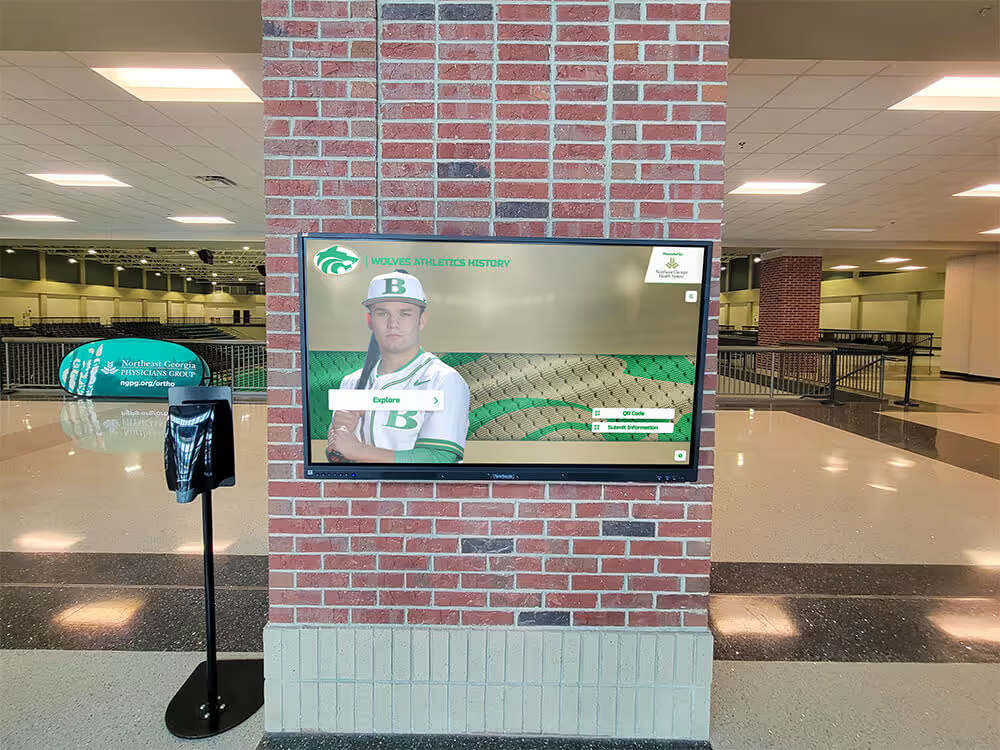
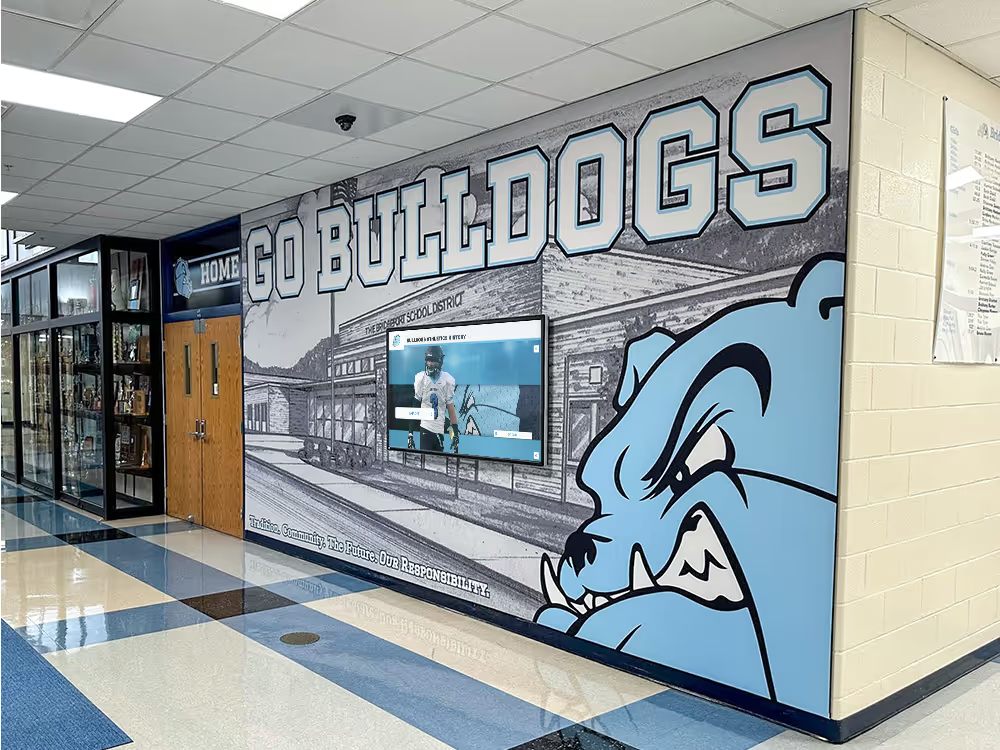
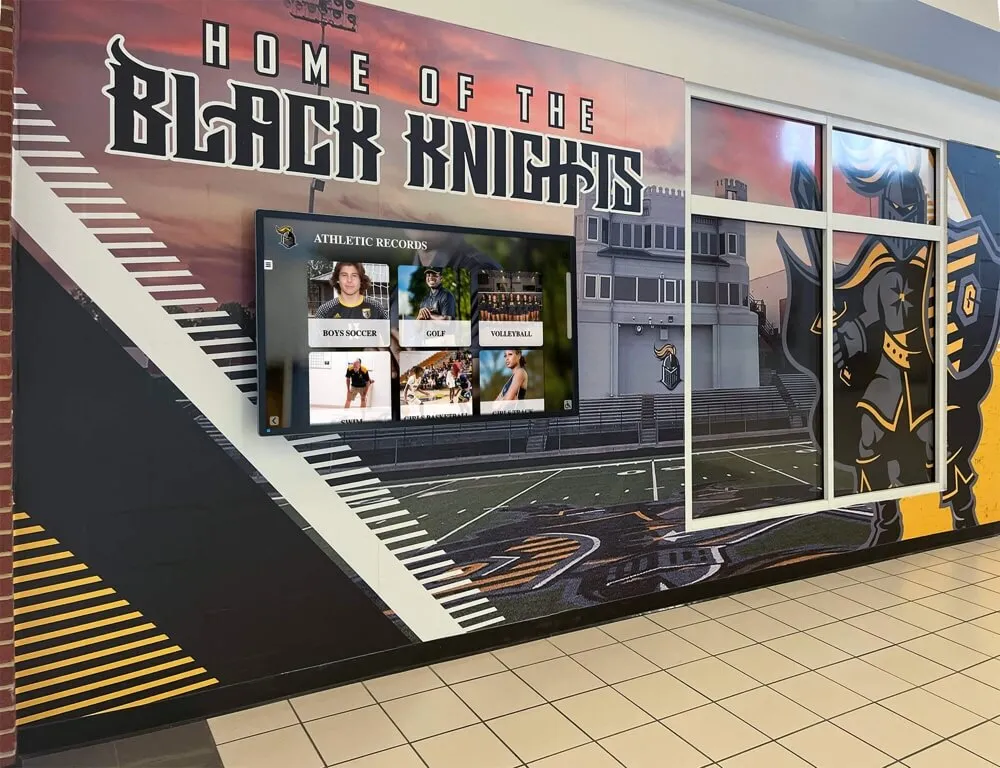
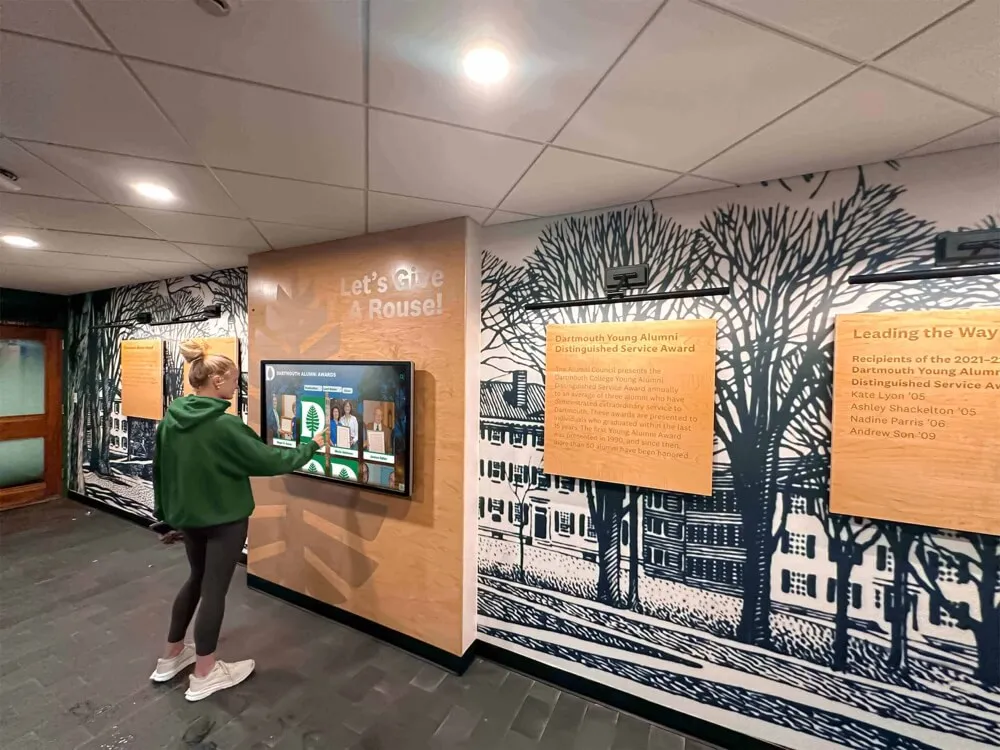
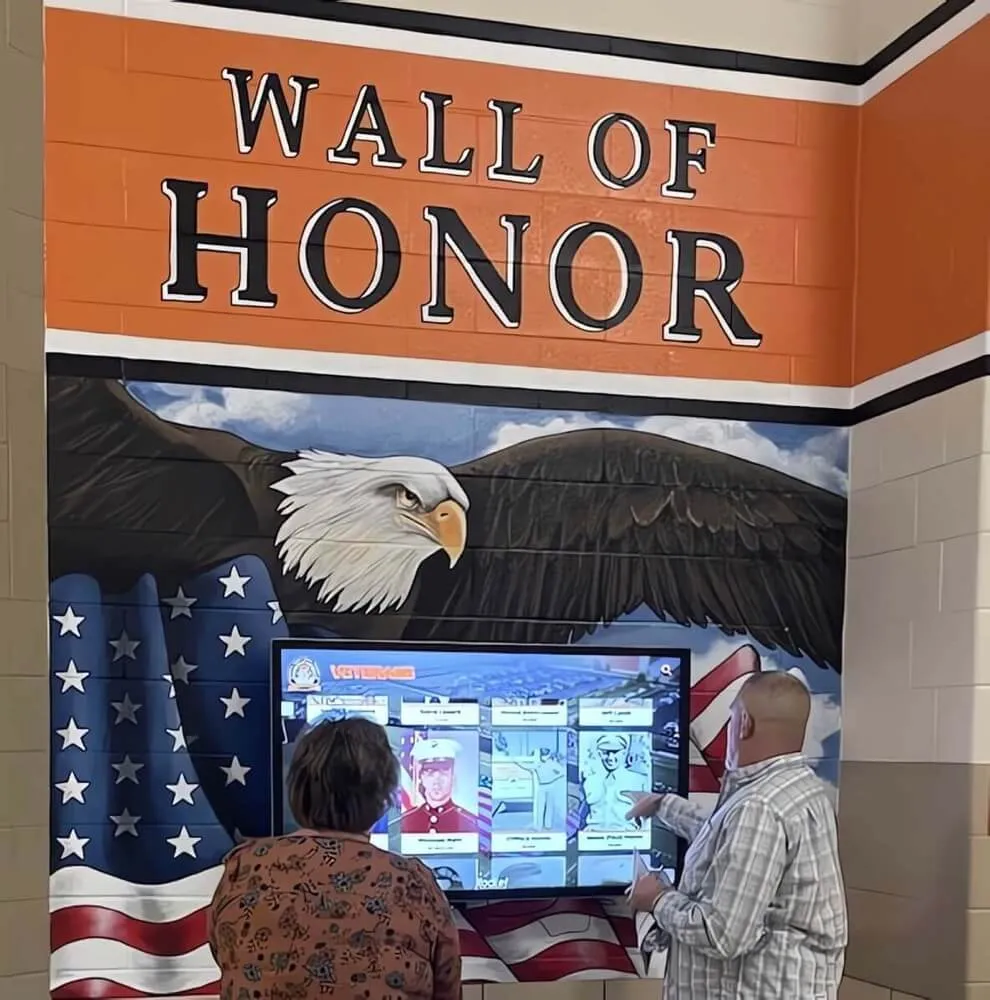
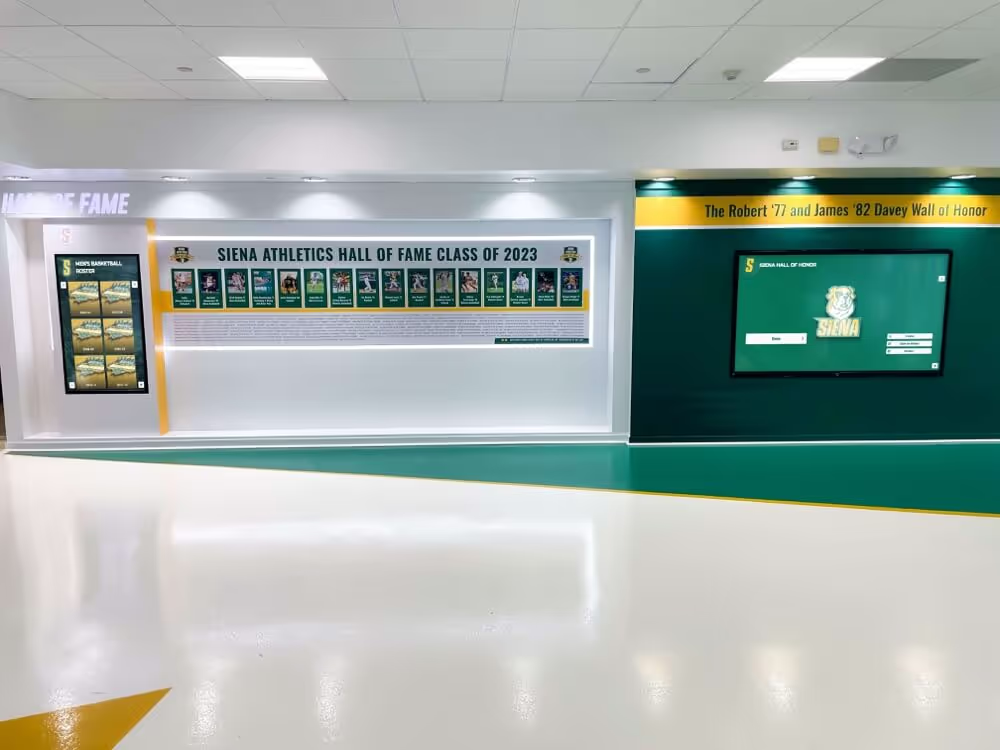
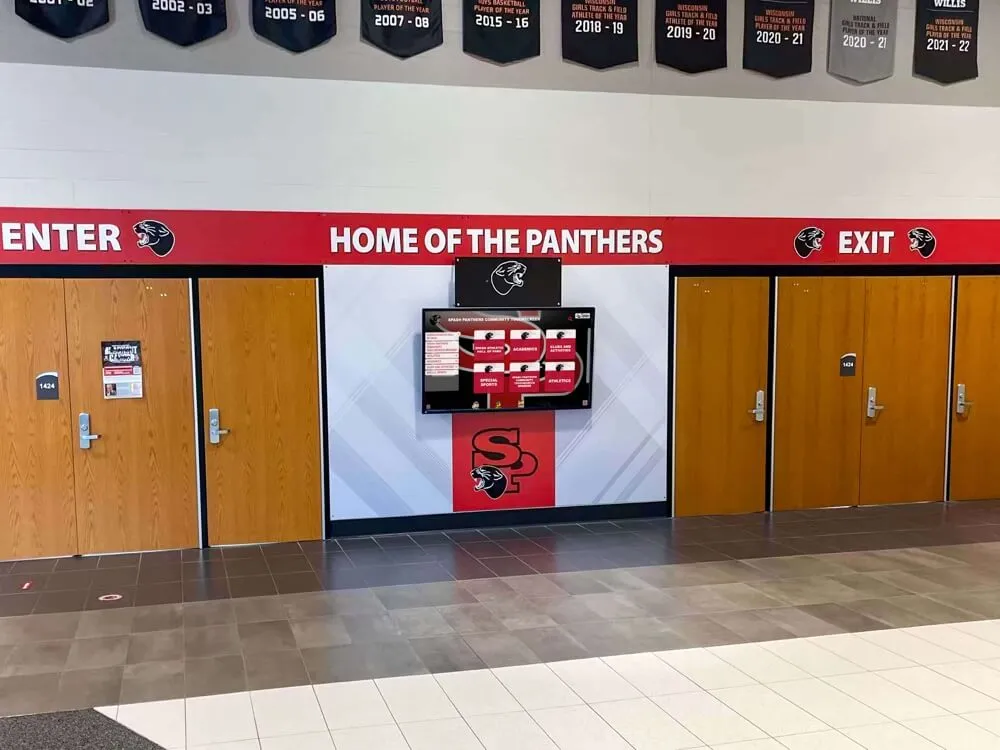
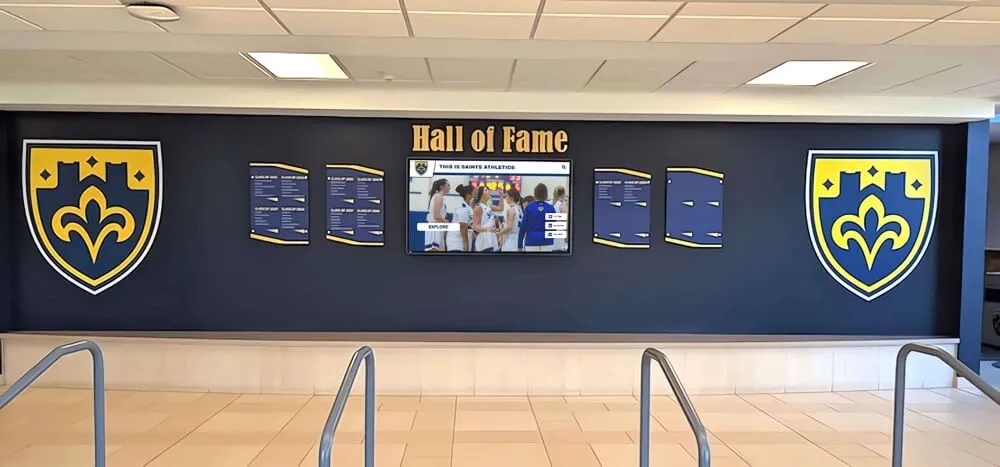
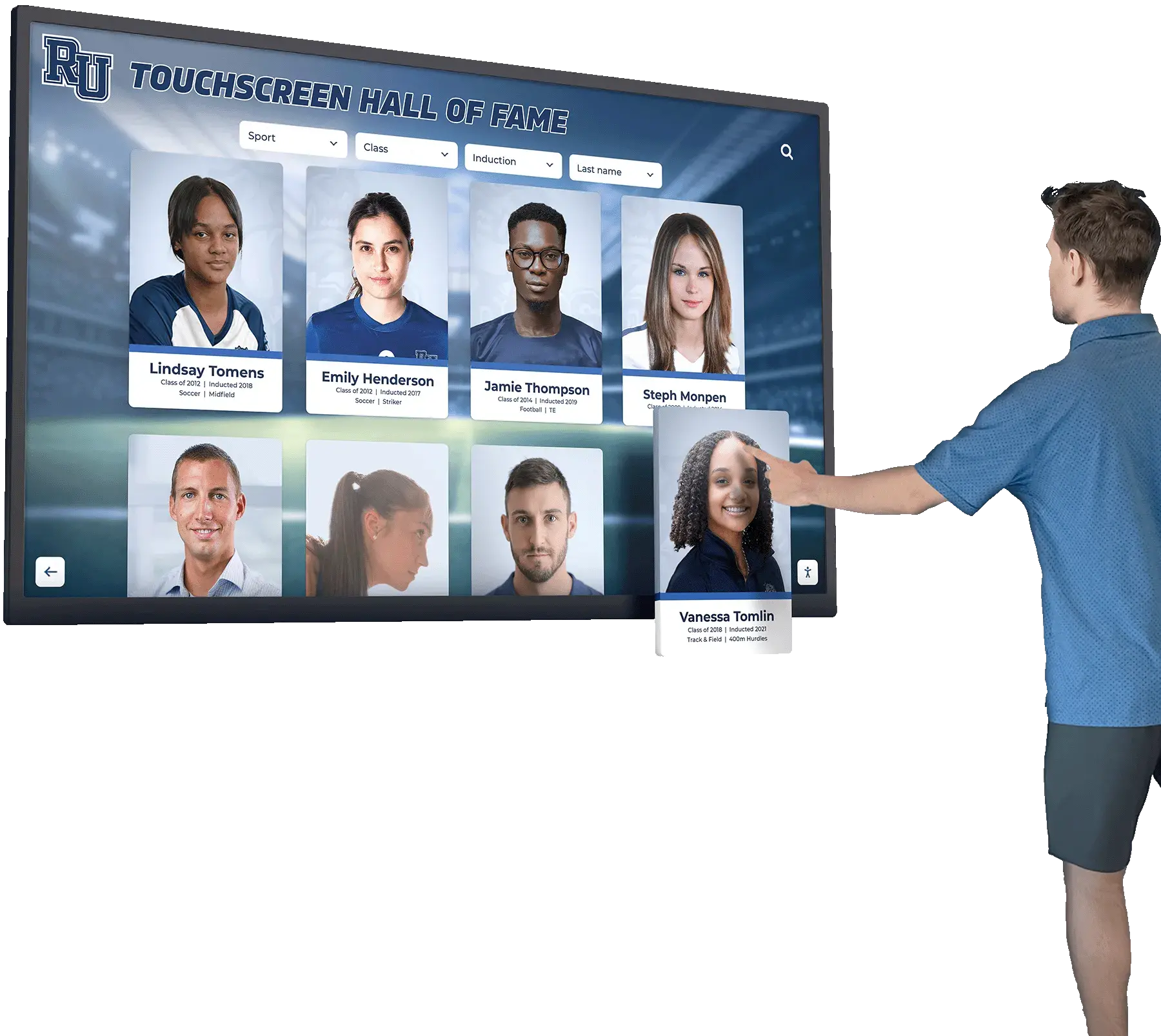
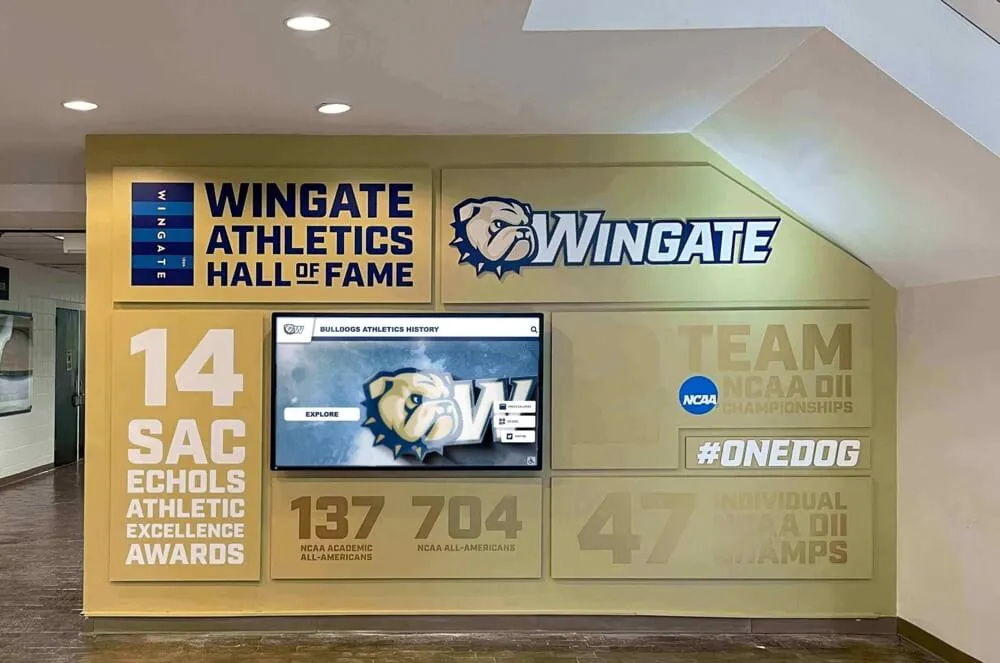
- Interactive recognition displays that extend yearbook content through touchscreen kiosks in school facilities
The fundamental appeal of digital yearbooks lies in their ability to overcome physical limitations. Traditional printed yearbooks face page constraints requiring difficult editorial decisions about which photos to include, which students receive coverage, and how much space each activity receives. Digital platforms eliminate these space restrictions, enabling comprehensive documentation of the school year that celebrates more students, activities, and moments.
Core Features of Modern Digital Yearbook Platforms
Schools evaluating digital yearbook solutions should understand the key features that distinguish effective platforms from basic digital reproductions of print books:
Unlimited Photo Galleries
Include hundreds or thousands of photos without pagination constraints, ensuring comprehensive documentation of all school activities and events throughout the year
Video Integration
Embed game highlights, performance recordings, event coverage, and student messages that capture moments in motion rather than frozen stills
Searchable Content
Enable students, families, and alumni to quickly find specific individuals, activities, or events through intelligent search functionality
Social Sharing
Allow students and families to share yearbook pages, photos, and memories directly to social media platforms with appropriate privacy controls
Commentary & Reactions
Facilitate student engagement through comment features, reactions, and digital autographs that extend the traditional yearbook signing experience
Long-Term Access
Provide permanent access to yearbook memories rather than physical books that can be lost, damaged, or stored away in boxes
Advanced digital yearbook platforms incorporate additional capabilities that improve the yearbook experience beyond simple digitization of print formats:
Personalization Features: Some platforms enable students to create customized views highlighting their specific clubs, sports, or friend groups while still accessing the complete yearbook content.
Multimedia Storytelling: Rather than static layouts, digital platforms support dynamic presentations combining photos, videos, audio messages, and written content in engaging formats.
Collaborative Creation: Digital workflows allow broader student participation in yearbook creation, with multiple contributors uploading photos, suggesting captions, and voting on layouts without the bottlenecks of traditional yearbook committee structures.
Analytics & Engagement Tracking: Schools gain insights into which content students access most frequently, informing future yearbook planning and content priorities.
Benefits of Digital Yearbooks for Schools
The adoption of digital yearbooks delivers significant advantages for educational institutions, students, and families:
Increased Inclusivity and Representation
Traditional printed yearbooks impose harsh space limitations that force difficult decisions about photo selection and coverage allocation. Sports teams, academic clubs, arts programs, and service organizations compete for limited pages, inevitably resulting in some students receiving minimal recognition while others appear frequently.
Digital platforms eliminate these space constraints, enabling yearbooks that include far more photos and student coverage. Schools implementing digital yearbooks report dramatic increases in the number of students featured, with some platforms featuring every student multiple times across various activities and candid moments throughout the year. This comprehensive coverage builds belonging and ensures that diverse contributions across academics, athletics, arts, and service receive appropriate celebration.
Cost Considerations and Budget Flexibility
The economics of yearbook programs represent a significant consideration for schools. Traditional print yearbooks involve substantial per-unit production costs typically ranging from $20-$60 per book depending on page count, binding quality, and print quantity. Schools must project sales volumes months in advance to negotiate printing contracts, then absorb unsold inventory costs or face disappointed families when books sell out.
Digital yearbooks fundamentally change this cost structure. Without per-unit printing expenses, schools can offer yearbook access at lower price points while potentially increasing revenue through broader participation. Some schools adopt hybrid models where digital access comes included with print purchases, adding value without significantly increasing costs.
However, digital yearbooks are not free. Subscription costs for quality platforms typically range from $500 to $5,000+ annually depending on school size and feature requirements. Schools must also invest in staff training, content management, and promotional efforts to drive adoption. The financial case for digital yearbooks depends on school size, current print program economics, and whether digital supplements or replaces print rather than simple cost reduction.
Environmental Sustainability
Print yearbook production consumes significant natural resources including paper, ink, and the energy required for printing and shipping. Large schools printing 1,000+ yearbooks annually generate substantial environmental impact from production, particularly when printed volumes use heavyweight glossy paper and color printing throughout.
Digital yearbooks eliminate these physical production demands, aligning with institutional sustainability commitments. Schools highlighting environmental stewardship find that digital yearbooks provide tangible demonstration of values in action, resonating particularly with environmentally conscious students and families.
Enhanced Alumni Engagement
Traditional yearbooks become inaccessible over time as graduates move, physical books remain packed in boxes, or printed volumes deteriorate. Alumni seeking to reconnect with school memories face challenges locating their yearbooks decades after graduation.
Digital yearbook platforms with permanent access transform this dynamic. Alumni can revisit their school experiences from anywhere, reconnecting with classmates, reminiscing about activities, and maintaining emotional connections to their alma mater. Schools focused on alumni engagement find that digital yearbook access represents a valuable benefit for cultivation programs.
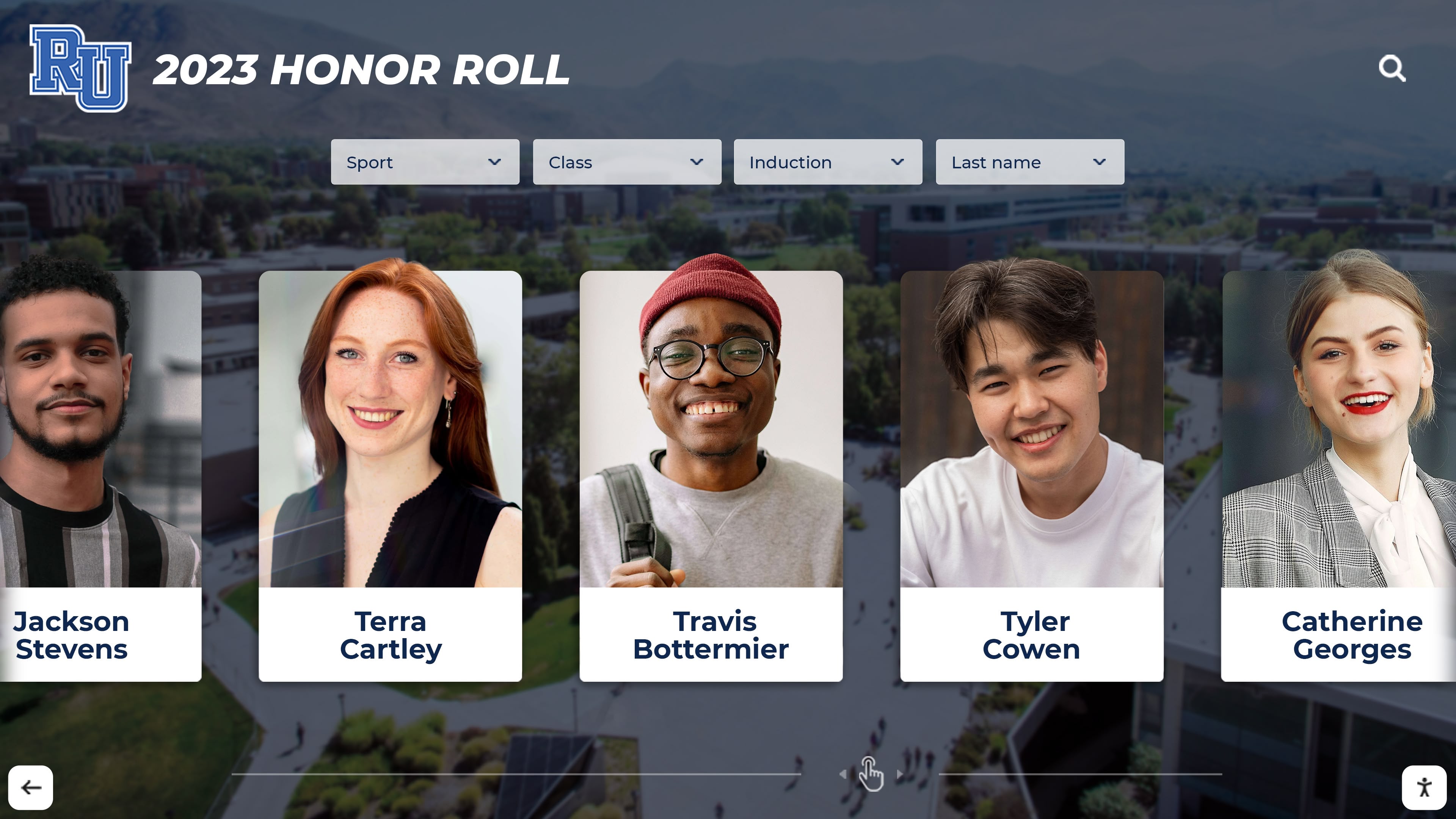
Some schools extend this concept further by integrating digital yearbook content with recognition displays that celebrate graduating classes across decades. This approach connects historical yearbook memories with ongoing school traditions, as explored in resources about digital class composite displays.
Challenges and Concerns with Digital Yearbooks
While digital yearbooks offer compelling advantages, schools must also navigate legitimate challenges and concerns:
Digital Access Equity
Not all families have equal access to devices and internet connectivity required to access digital yearbooks. While smartphone penetration has increased dramatically, digital divides persist particularly in rural communities and among economically disadvantaged families. Schools replacing print yearbooks entirely with digital-only offerings risk excluding students whose families lack reliable technology access.
Thoughtful schools address this challenge through:
- Hybrid models offering both print and digital options rather than forced either-or choices
- School-based access providing computers or tablets in media centers where students without home access can view yearbooks
- Community partnerships working with public libraries to provide yearbook access points
- Hardship provisions maintaining print options for families facing technology access barriers
The equity consideration requires honest assessment of each school community’s technology access rather than assumptions that universal smartphone ownership solves the challenge.
Student Engagement and Perceived Value
Traditional yearbooks carry tangible, permanent value. Physical books sit on shelves, can be signed by friends, and become cherished keepsakes that graduates treasure for decades. The ritual of yearbook distribution day, signing sessions, and the physical possession of the book represent important traditions in many school communities.
Digital yearbooks, particularly digital-only programs, face skepticism from students who question whether online access provides the same emotional value as a physical volume. While digital platforms offer features impossible in print, convincing students that digital yearbooks represent “real” yearbooks rather than inferior substitutes requires intentional cultivation of new traditions and demonstrated value.
Schools successfully transitioning to digital yearbooks invest significant effort in:
- Creating launch excitement through promotional campaigns that build anticipation
- Demonstrating unique value of digital features like video content and expanded photo coverage
- Establishing new rituals such as digital yearbook release parties or interactive signing events
- Maintaining connection to tradition through thoughtful design honoring yearbook legacy
Data Privacy and Safety Concerns
Digital yearbooks containing student photos, names, and personal information raise privacy considerations that printed yearbooks avoid. Online platforms potentially expose student information to broader audiences than physical books distributed only within the school community.
Responsible digital yearbook programs must address:
- Access controls limiting yearbook viewing to authenticated school community members rather than public internet access
- Privacy settings allowing families to opt out of specific photo inclusion or limit visibility
- Copyright compliance ensuring proper rights for all photos, particularly those submitted by students or families
- Platform security selecting vendors with appropriate data protection and cybersecurity practices
- FERPA compliance meeting federal student privacy requirements for educational records
Schools implementing digital yearbooks should develop clear policies addressing these privacy dimensions and communicate them transparently to families before launching programs.
Implementing Digital Yearbooks: Strategic Approaches
Schools considering digital yearbooks can approach implementation through several strategic paths:
Strategy 1: Digital Supplement to Print Yearbooks
Many schools begin digital yearbook journeys by maintaining traditional print programs while adding supplementary digital components. This hybrid approach minimizes risk while demonstrating digital value:
How it works: Schools produce traditional printed yearbooks but also provide digital access to the same content plus additional online-exclusive materials including extended photo galleries, video content, and interactive features not feasible in print.
Benefits: Maintains beloved traditions while introducing digital innovations gradually. Families resistant to change can continue purchasing print books while digitally-inclined students enjoy enhanced content. The approach creates multiple revenue opportunities if digital access represents an additional purchase rather than automatic inclusion with print.
Challenges: Operating parallel programs increases workload for yearbook advisors and staff managing both print production and digital platform content. Some schools find that offering digital as paid addition to print purchases generates minimal uptake if not bundled.
Best for: Traditional schools with strong yearbook cultures where stakeholders value physical books but administrators want to explore digital benefits without abandoning print.
Strategy 2: Digital-First with Print-on-Demand Options
Some schools flip the traditional model by making digital yearbooks the default while offering print versions as optional purchases for families preferring physical books:
How it works: All students receive access to the comprehensive digital yearbook included in school fees or available at low cost. Families wanting physical copies can purchase printed versions through on-demand printing services, often at premium prices reflecting the customized nature of the product.
Benefits: Maximizes digital benefits including expanded coverage and multimedia content while respecting family preferences for physical yearbooks. On-demand printing eliminates inventory risk and minimum order quantities, allowing schools to offer print without predicting demand months in advance.
Challenges: Per-unit costs for print-on-demand typically exceed bulk printing economics, making individual printed yearbooks more expensive than traditional models. Some families may feel that required digital access plus optional print purchase represents double-charging compared to previous single-price print yearbooks.
Best for: Schools serving tech-savvy communities where most families embrace digital access, combined with recognition that some stakeholders strongly value physical yearbooks and will pay premium prices for that option.
Strategy 3: Fully Digital Yearbook Programs
The most complete transformation involves replacing print yearbooks entirely with digital-only offerings:
How it works: Schools produce comprehensive digital yearbooks through specialized platforms, with no print option available. All students receive access to the digital yearbook, often included in school fees rather than requiring separate purchase.
Benefits: Maximizes digital advantages including unlimited photos, extensive multimedia content, and interactive features while minimizing costs. Schools can include every student extensively throughout the yearbook without space constraints. The model aligns with broader institutional digital transformation initiatives.
Challenges: Requires convincing entire school communities that digital-only yearbooks provide equivalent or superior value to traditional print. Some families, particularly those without strong technology access, may feel excluded. Alumni accustomed to physical yearbooks may resist the change.
Best for: Forward-thinking schools with strong technology infrastructure and communities comfortable with digital-first approaches. Particularly effective in schools where budget constraints make print yearbooks financially unsustainable or where environmental commitments prioritize minimizing print production.
Strategy 4: Interactive Display Integration
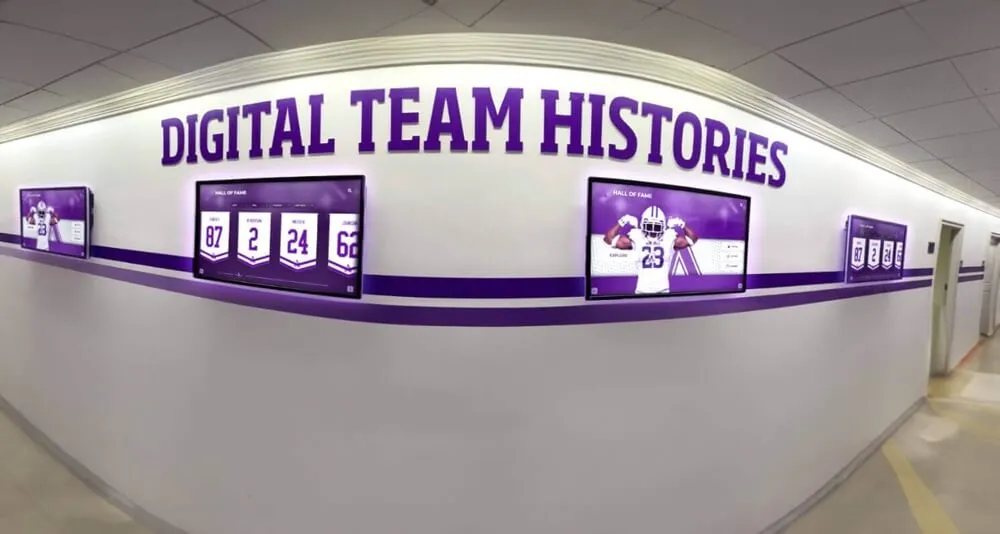
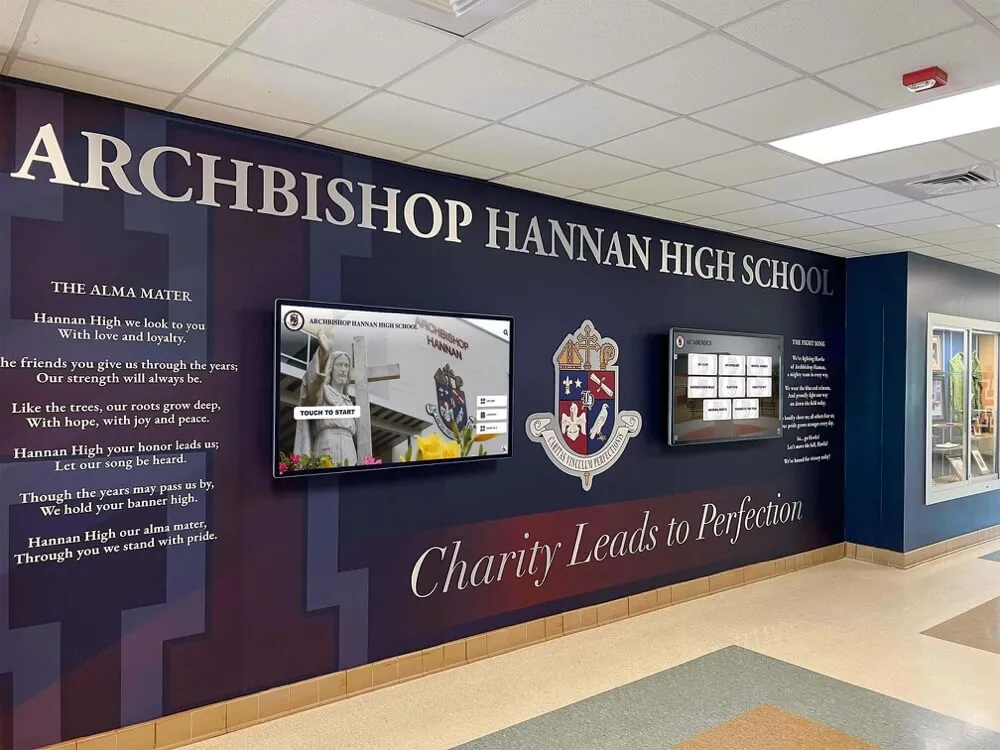
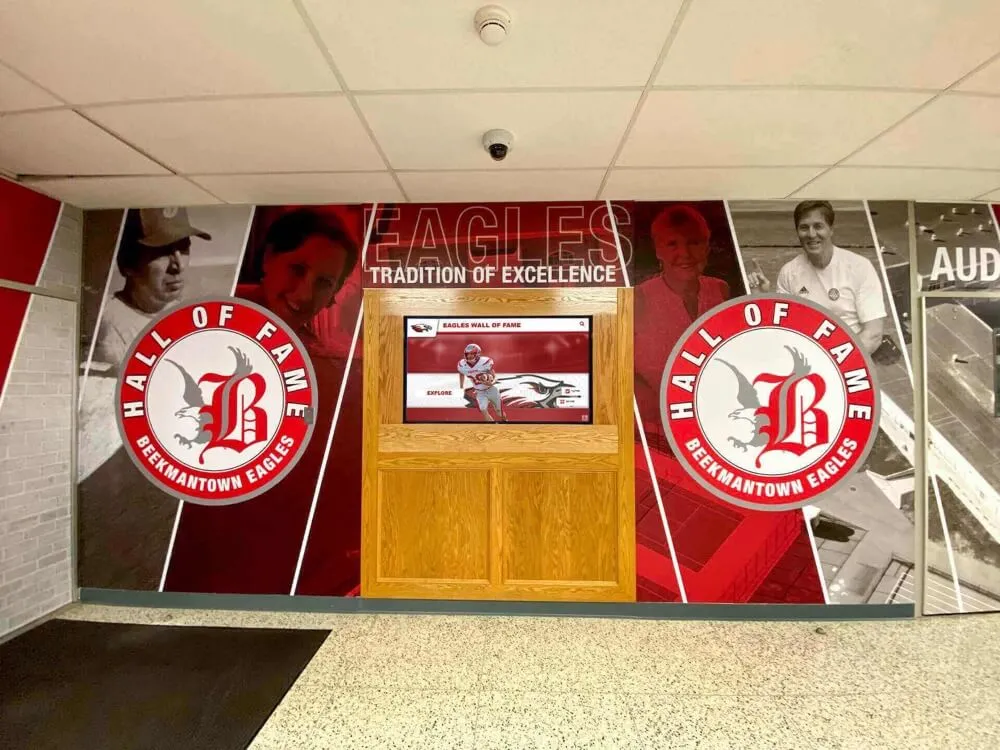
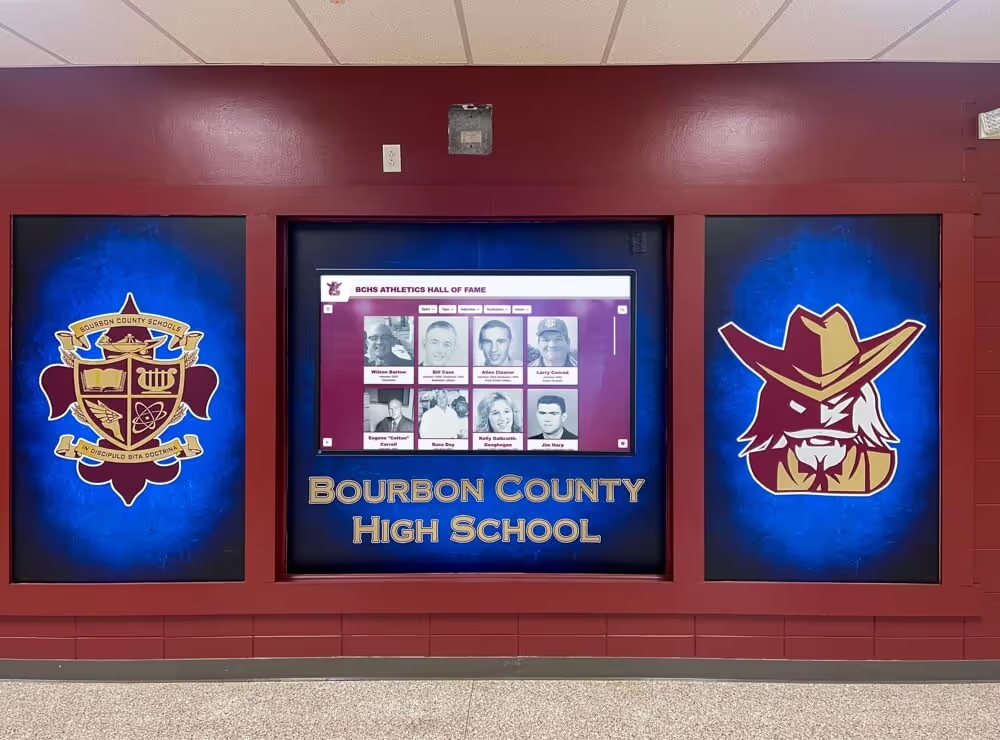
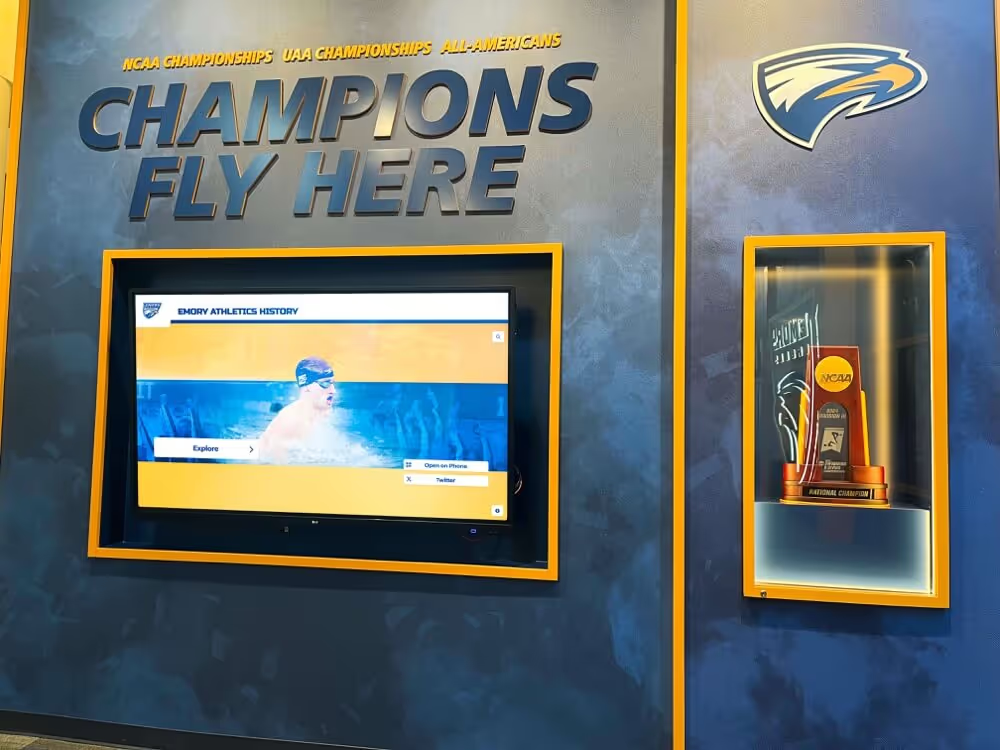
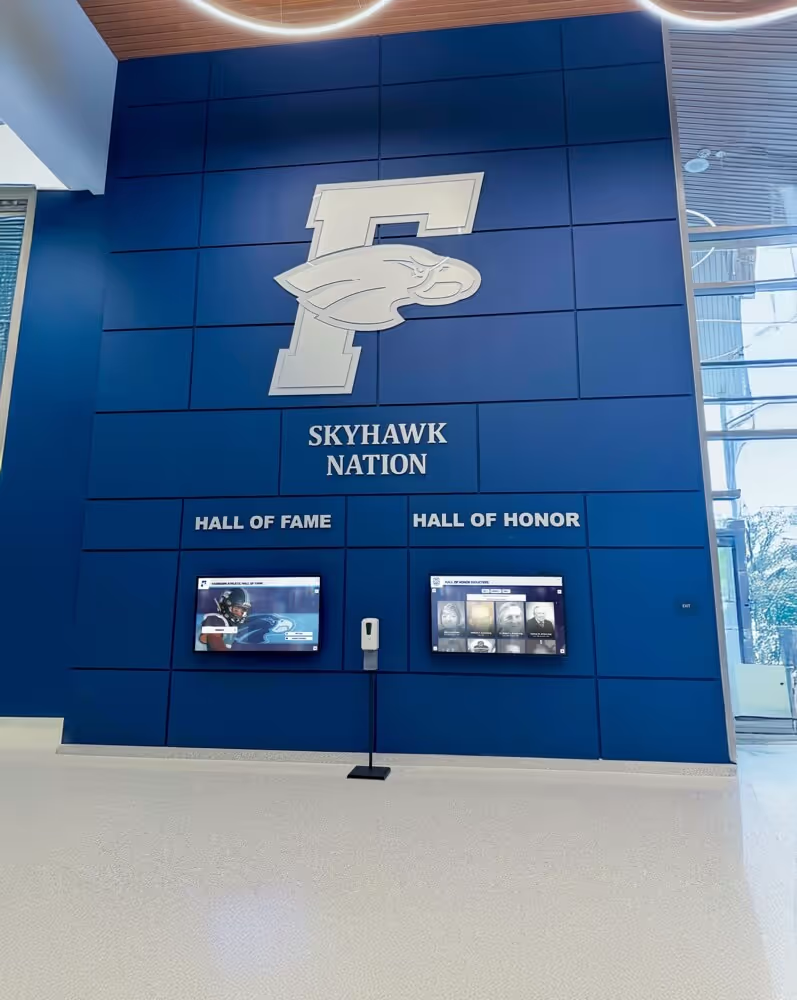
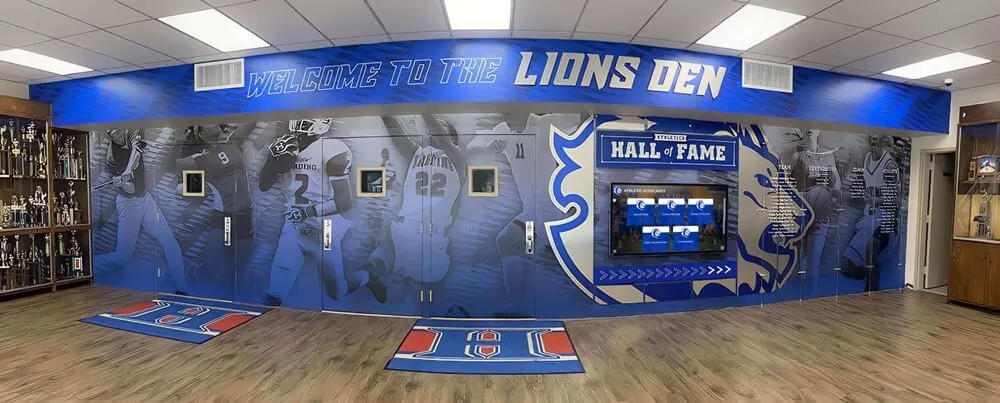
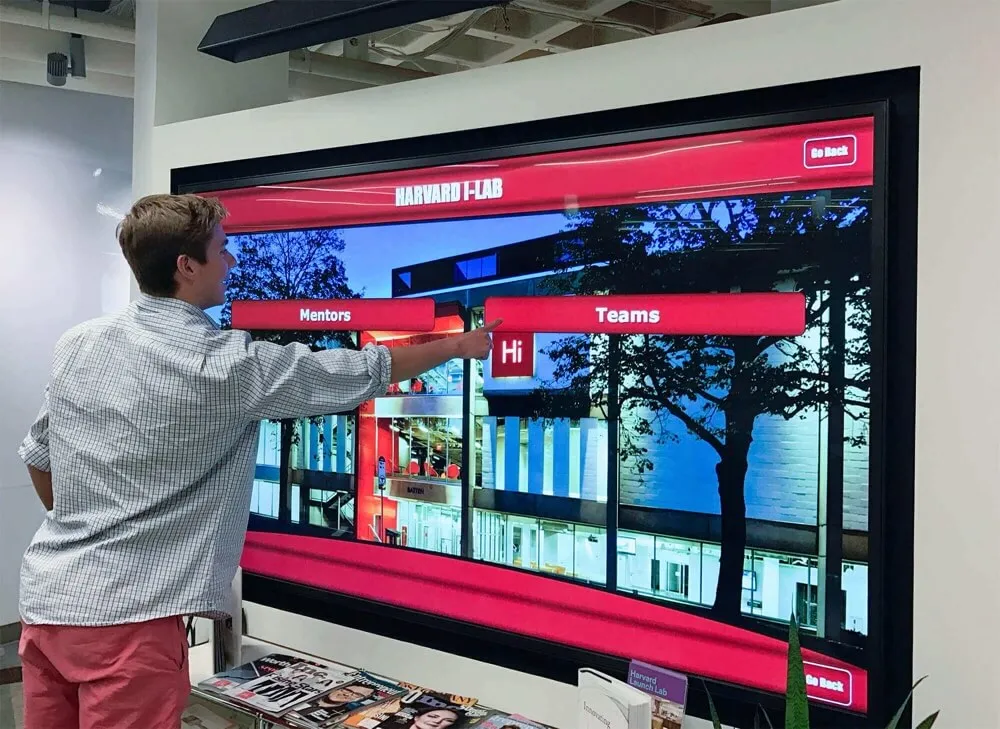
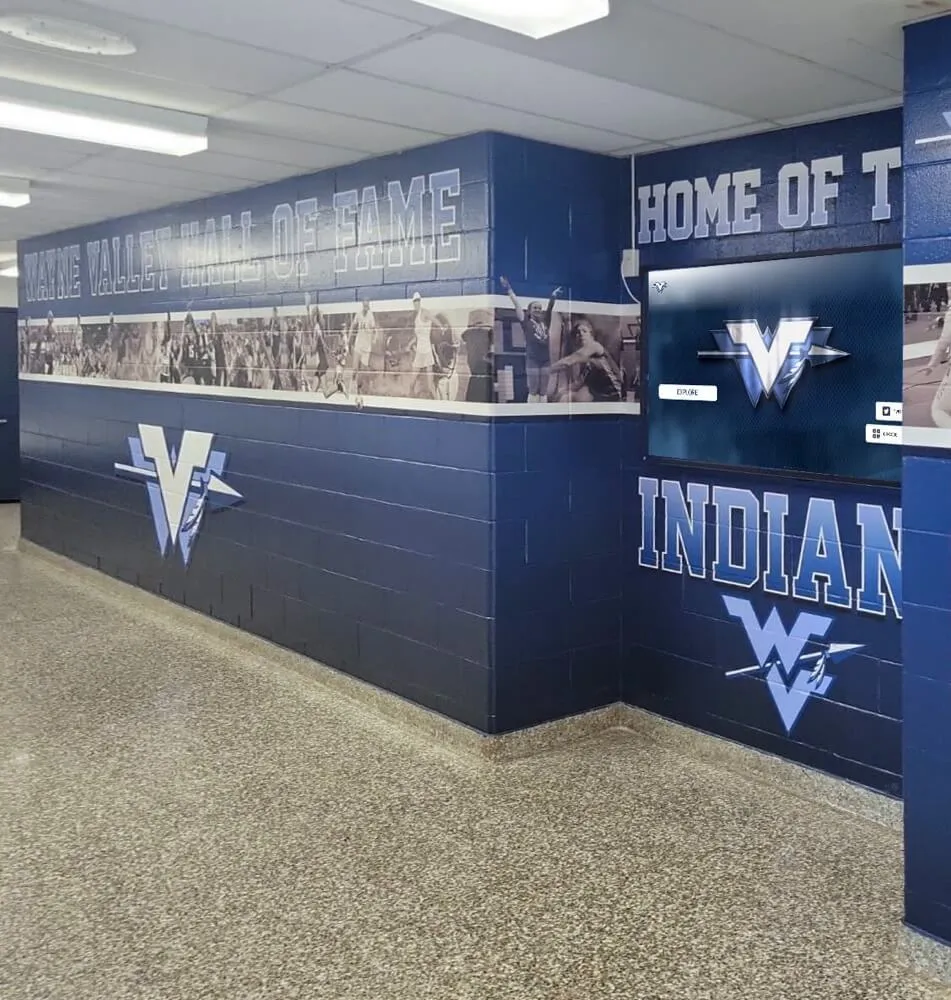
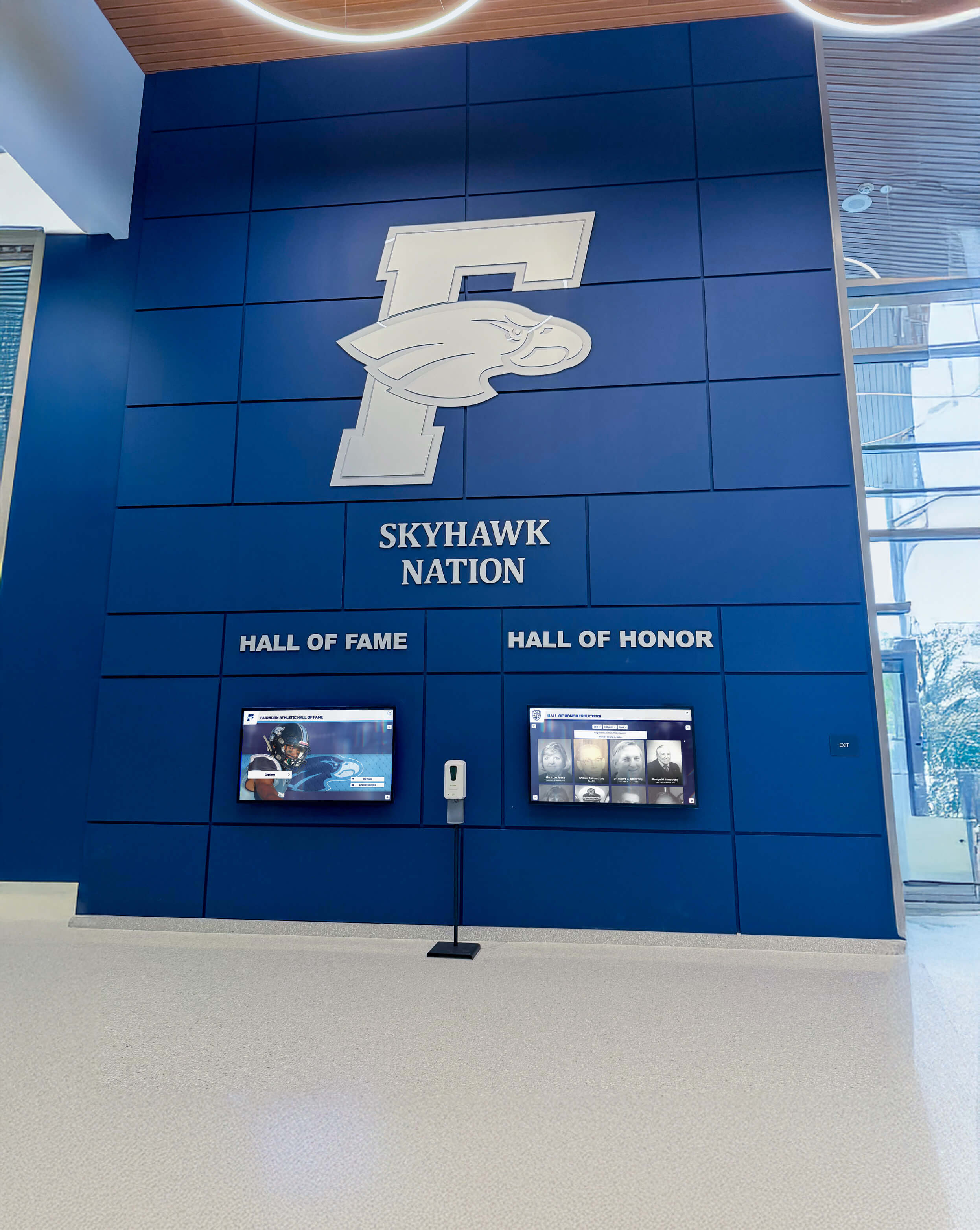
An often-overlooked approach extends yearbook value through interactive touchscreen displays that bring yearbook content into daily school life:
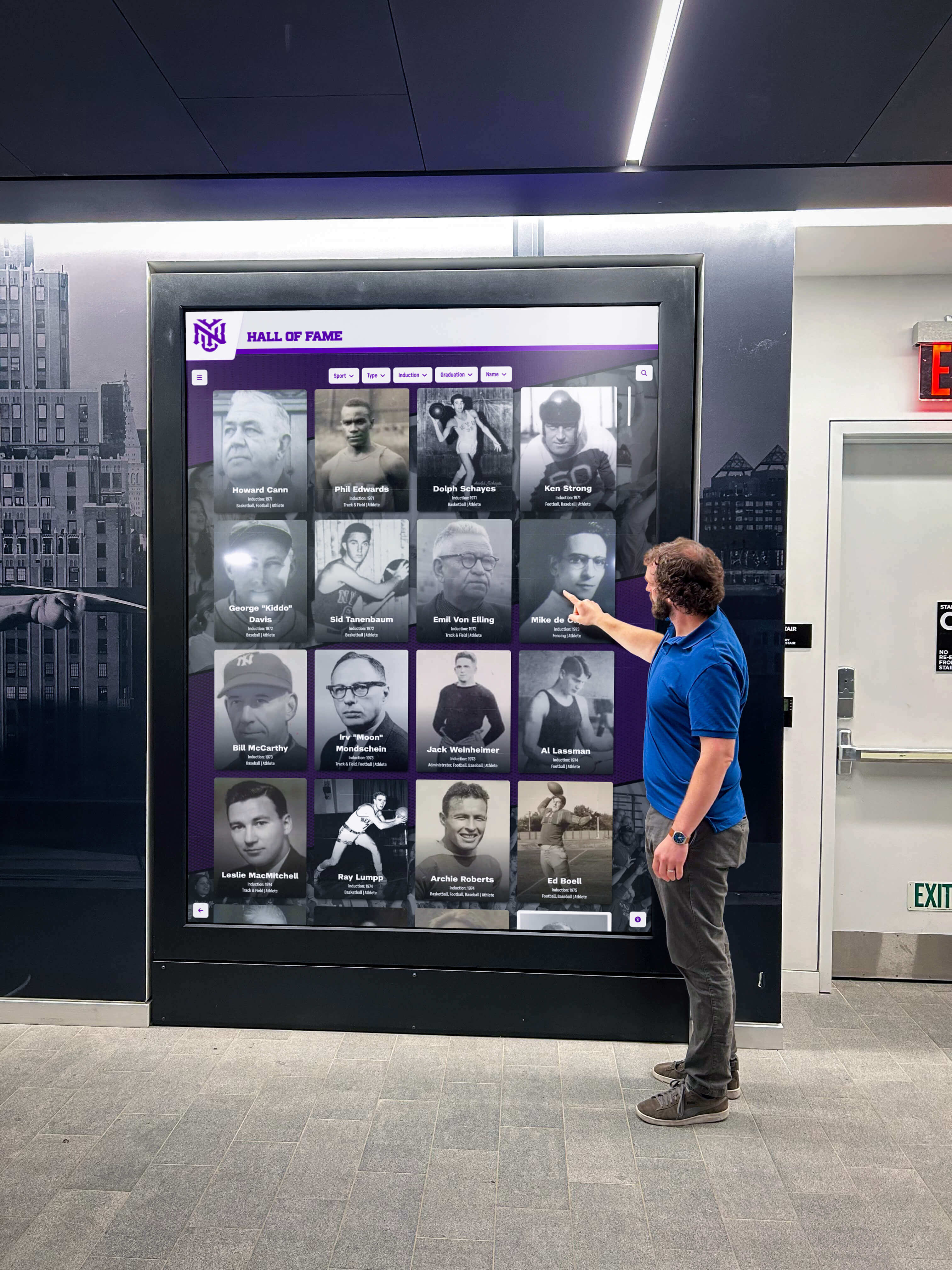
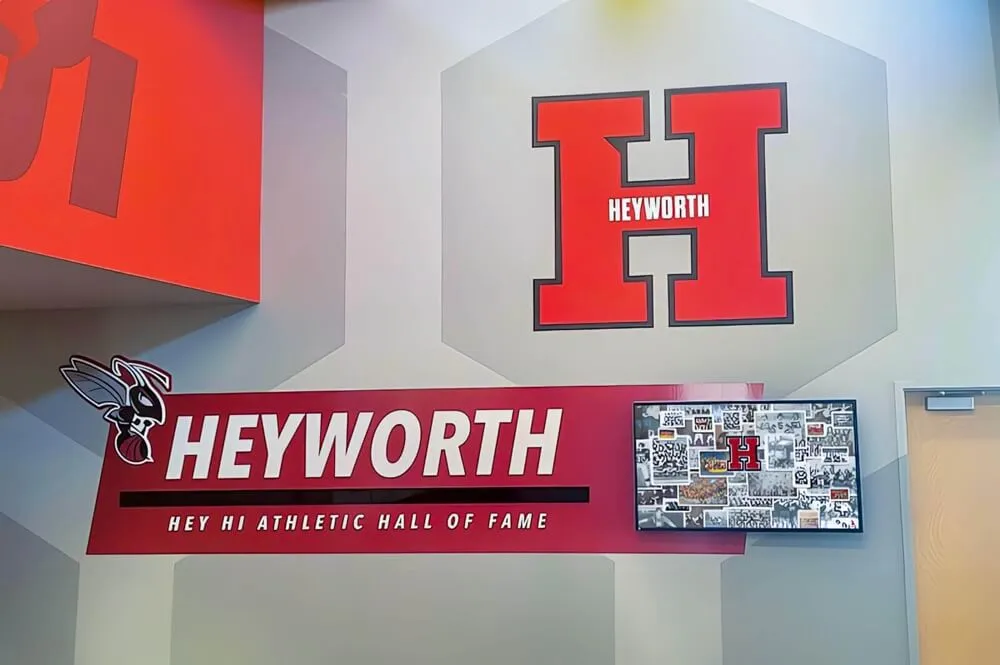
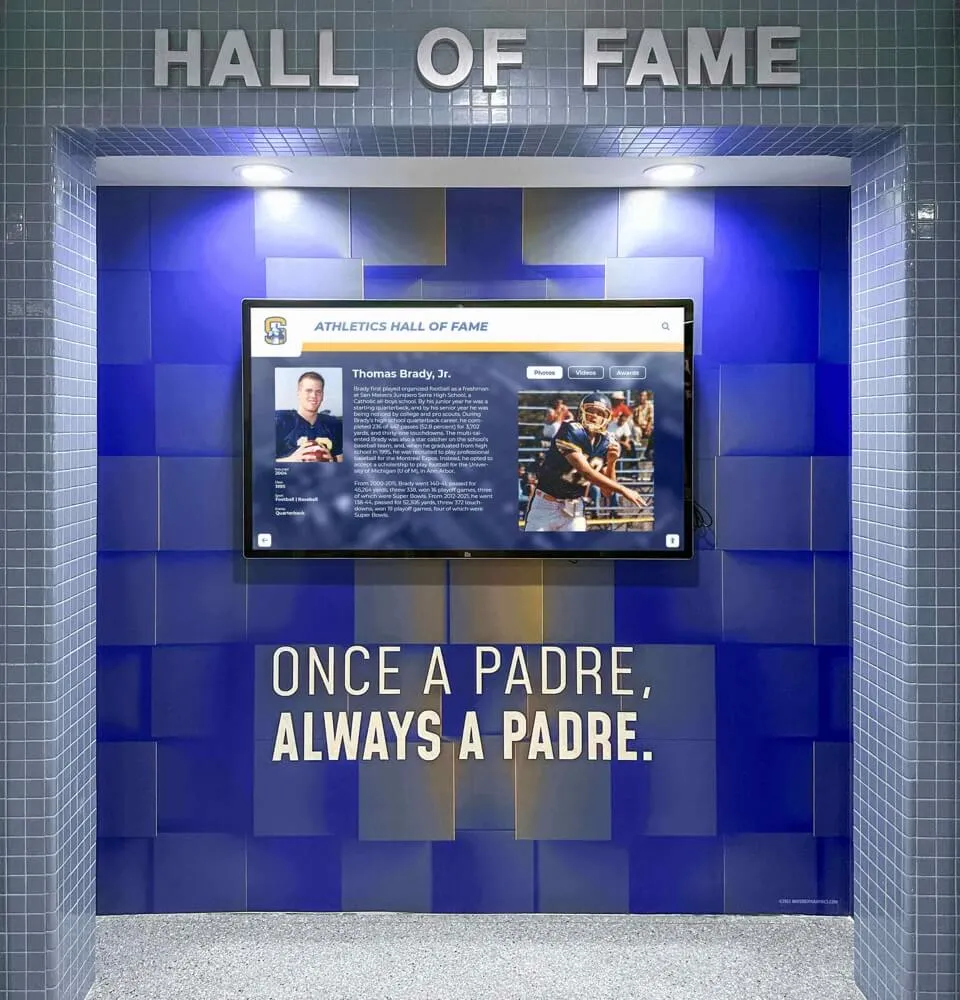
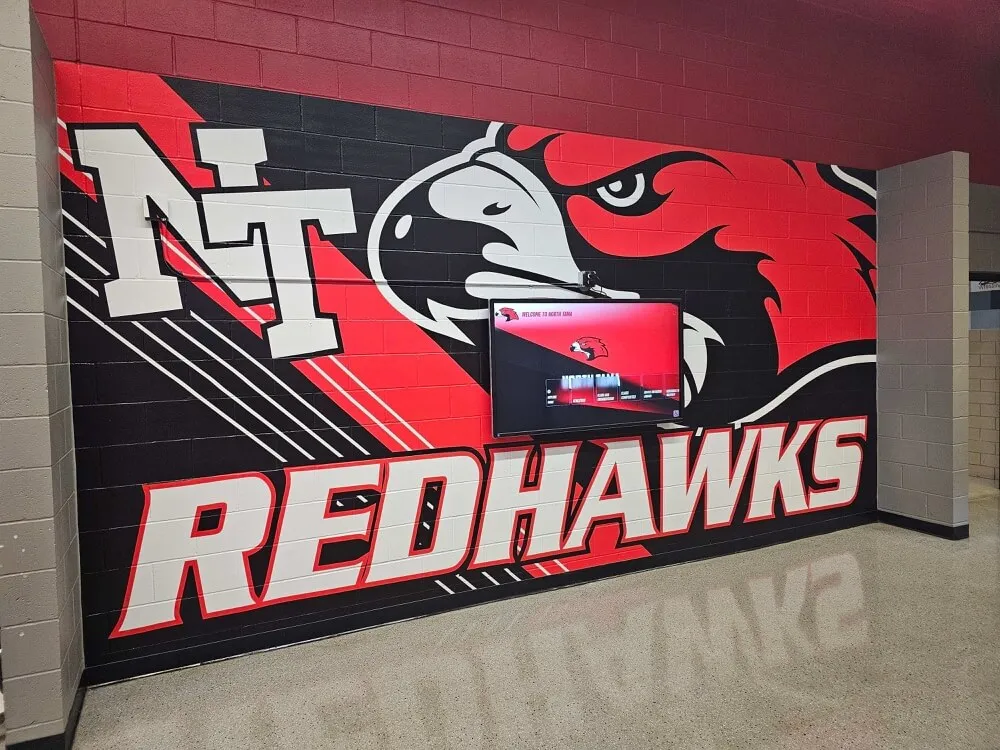
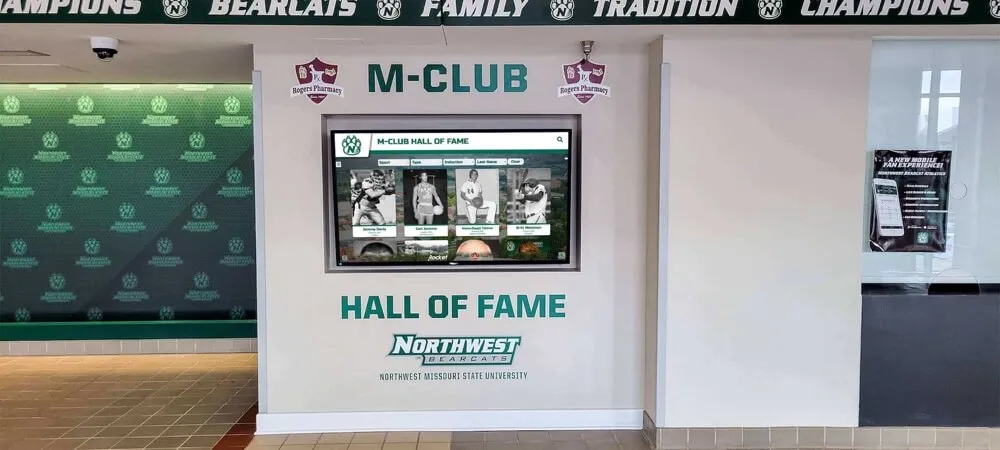
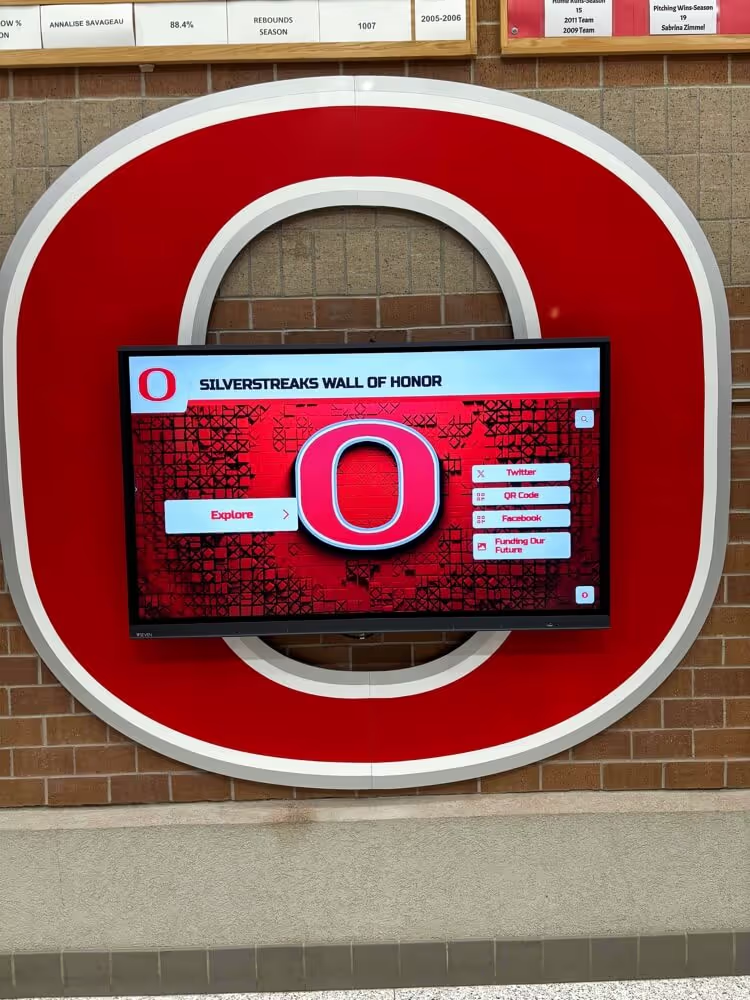
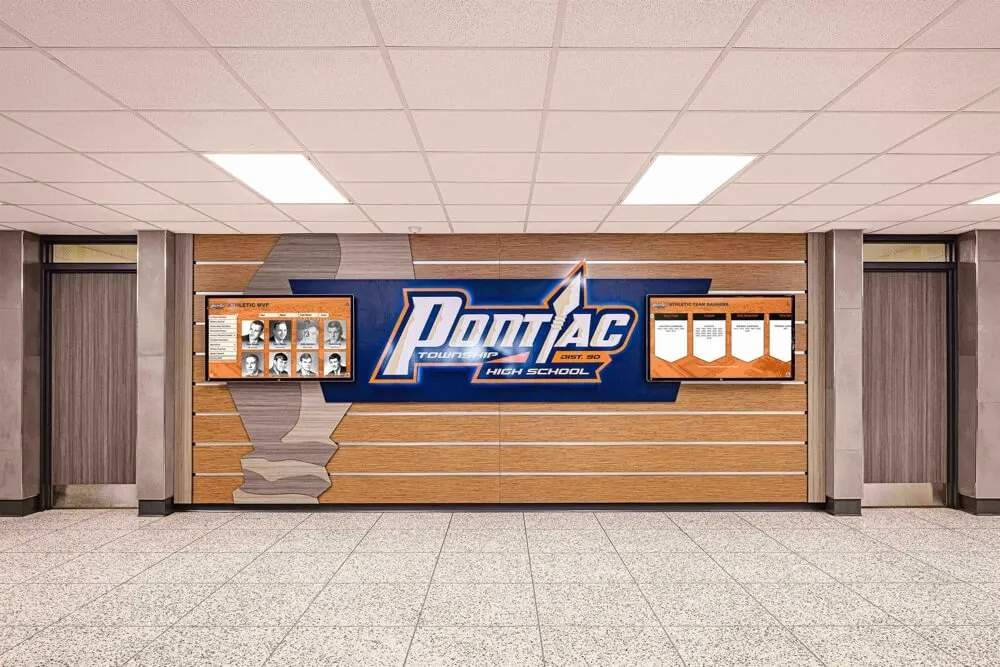
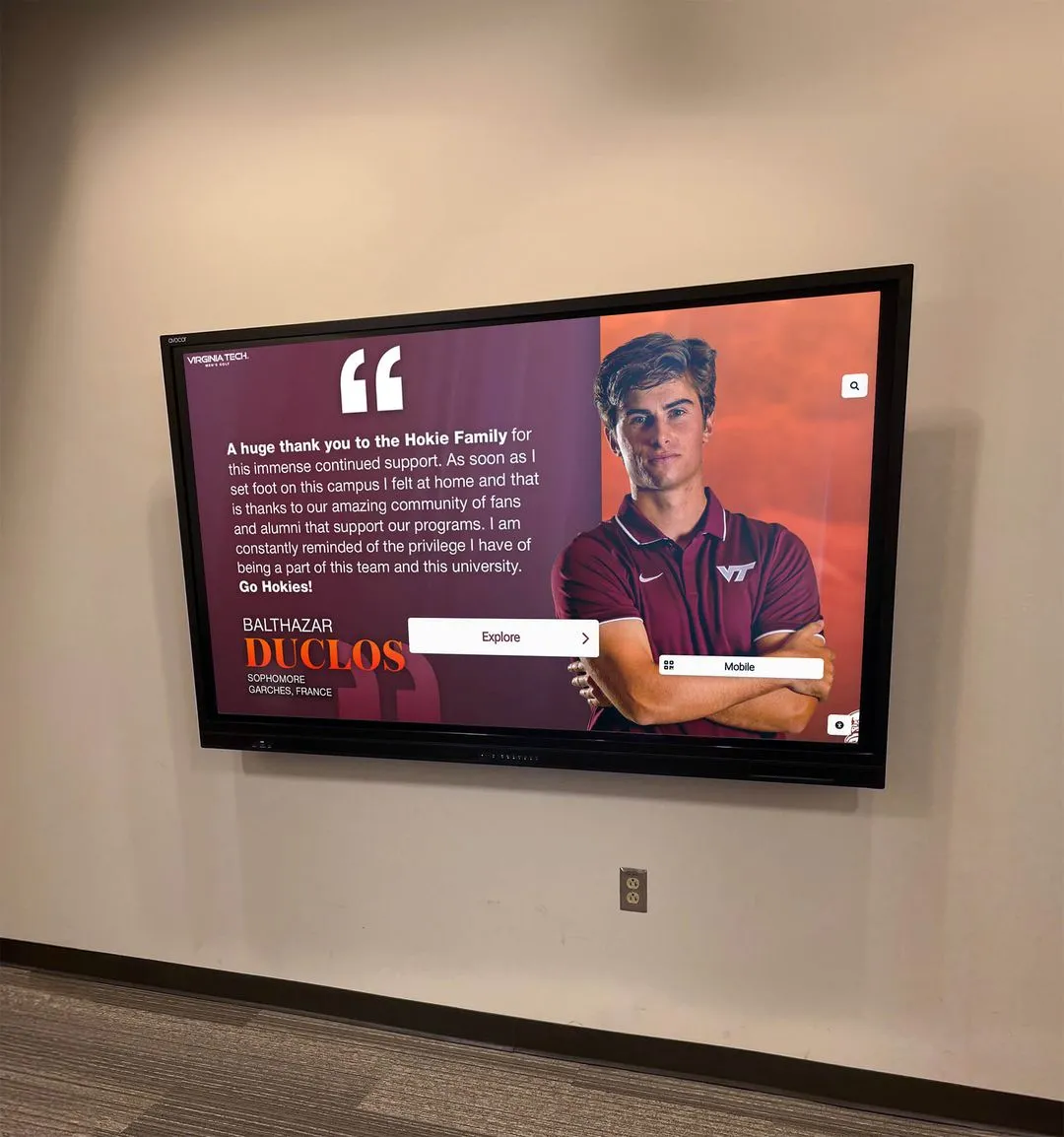
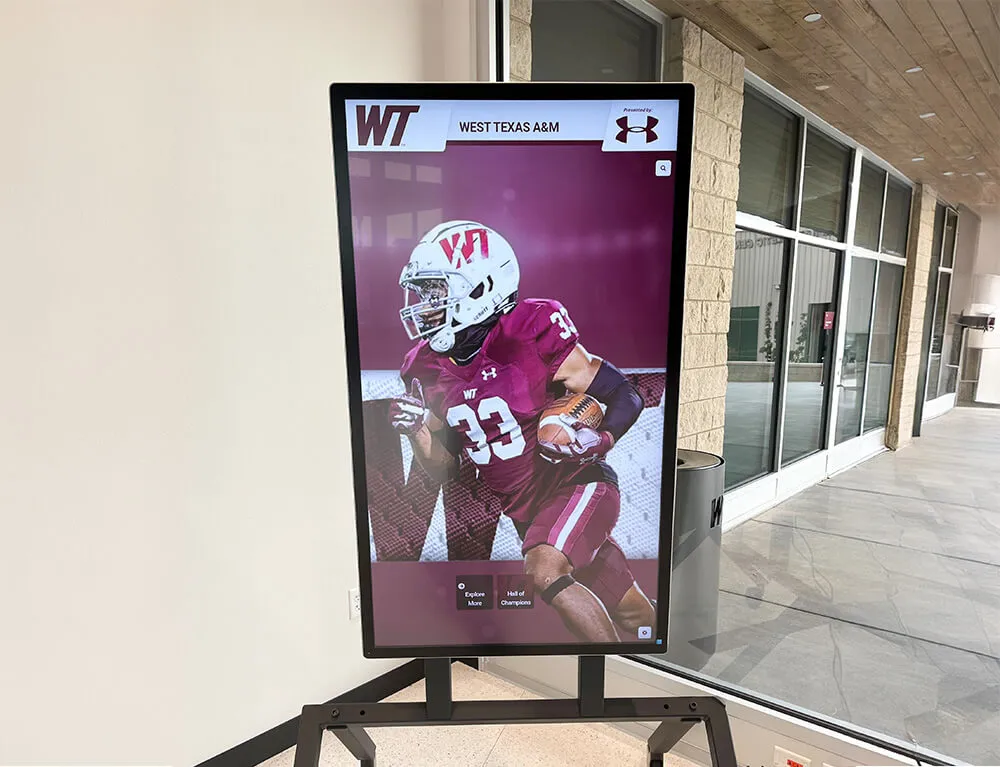
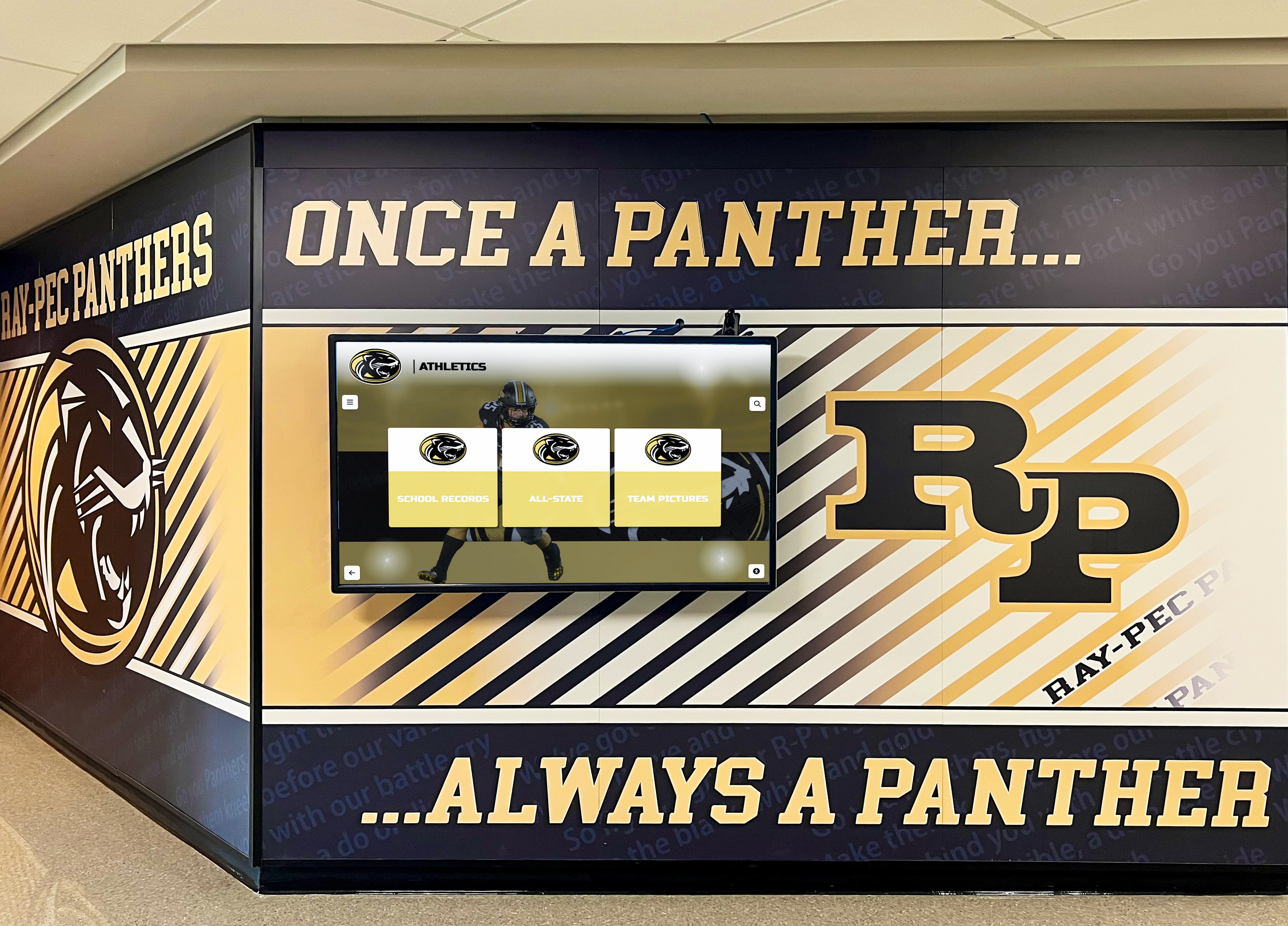
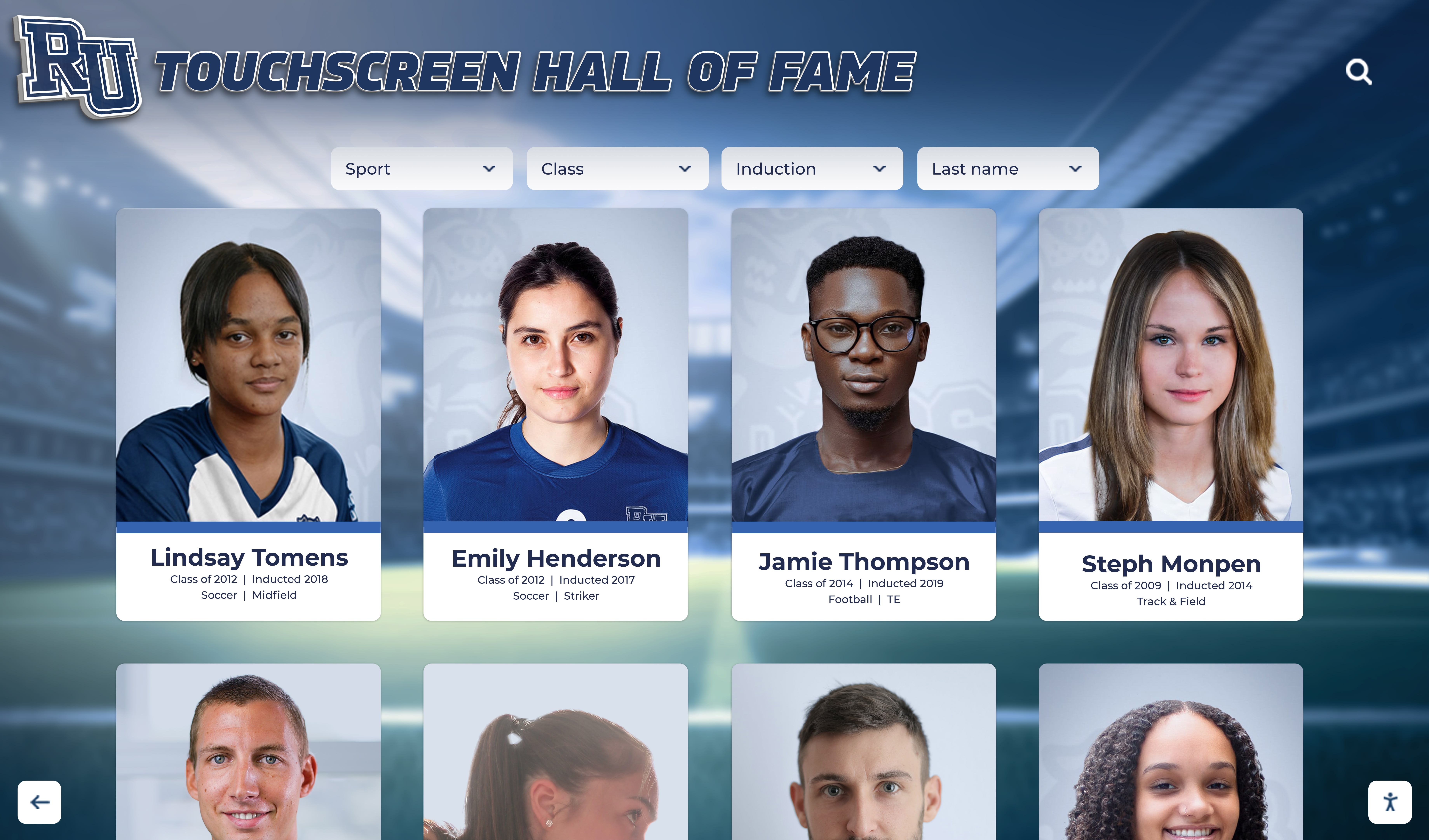
How it works: Schools install touchscreen kiosks in lobbies, hallways, or common areas displaying yearbook content through interactive interfaces. Students, families, and visitors can browse current and historical yearbooks, search for specific students or activities, and explore school memory archives.
Benefits: Makes yearbook content continuously accessible and visible rather than stored on shelves or accessed only through personal devices. Creates engagement opportunities for prospective families during school tours, alumni during reunion visits, and students between classes. The physical presence of displays in school facilities maintains connection to traditional yearbook culture while delivering digital benefits.
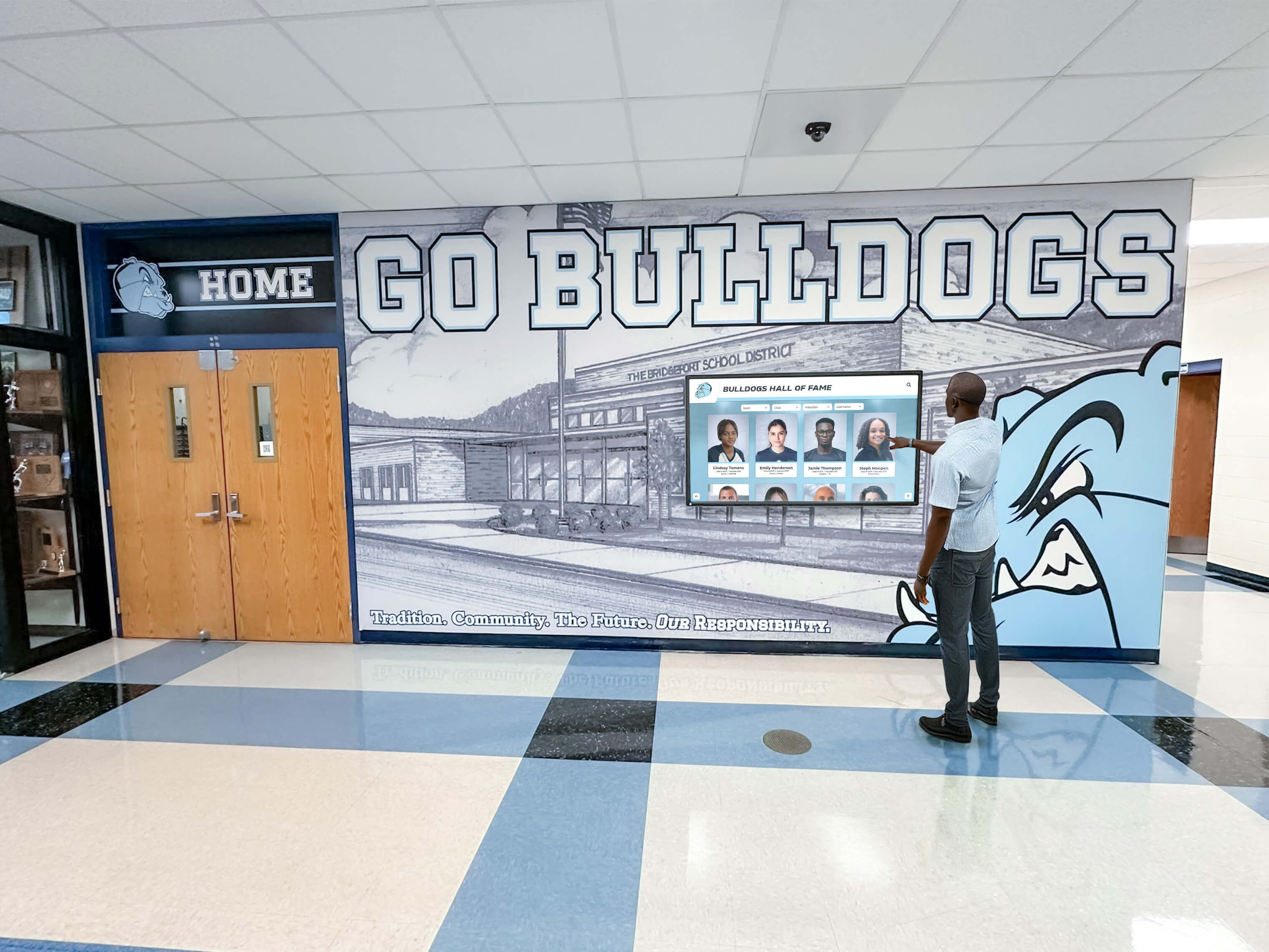
Unique applications: Some schools integrate yearbook content with broader digital recognition programs that celebrate student achievements, graduating classes, and school history through unified platforms.
Best for: Schools wanting yearbook content to play active roles in school culture rather than passive archives. Particularly effective in institutions with strong visitors programs, active alumni engagement, or facilities where high-traffic areas provide natural display locations.
Extending Yearbook Value Through Recognition Displays
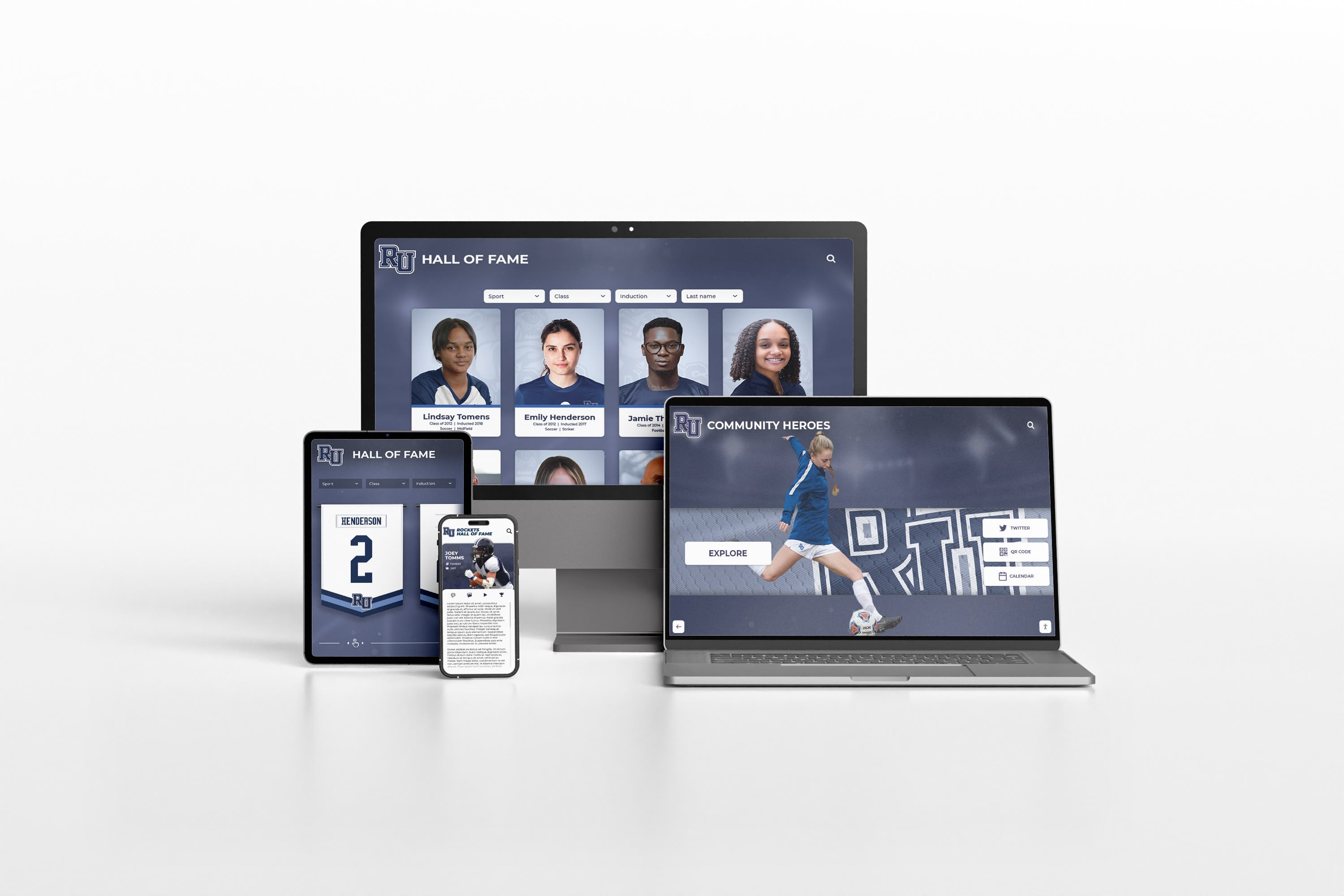
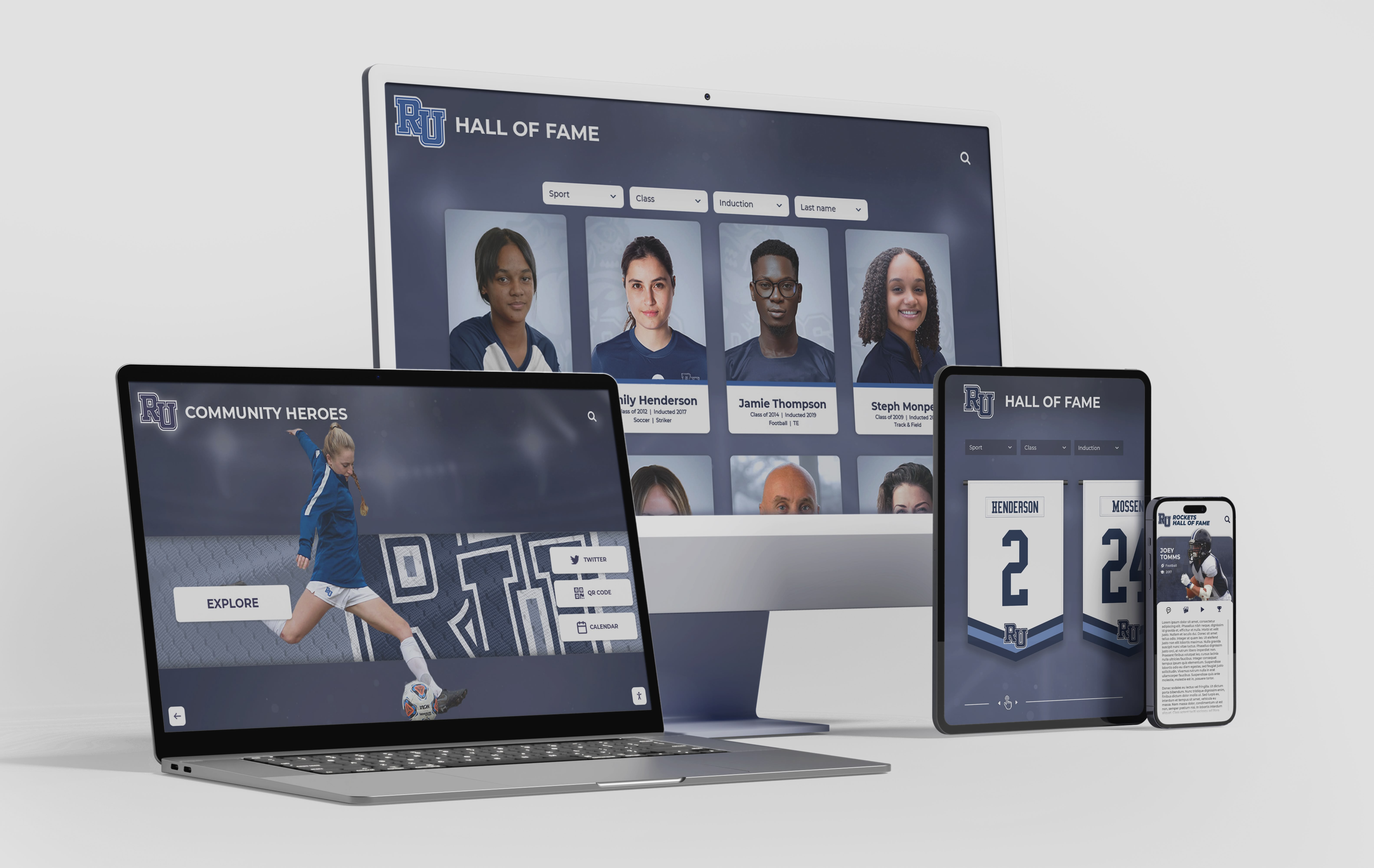
Forward-thinking schools recognize that yearbook content represents valuable material for recognition programs that celebrate students beyond the yearbook itself. Solutions like Rocket Alumni Solutions enable schools to transform yearbook photos and information into interactive recognition experiences that honor students through multiple channels:
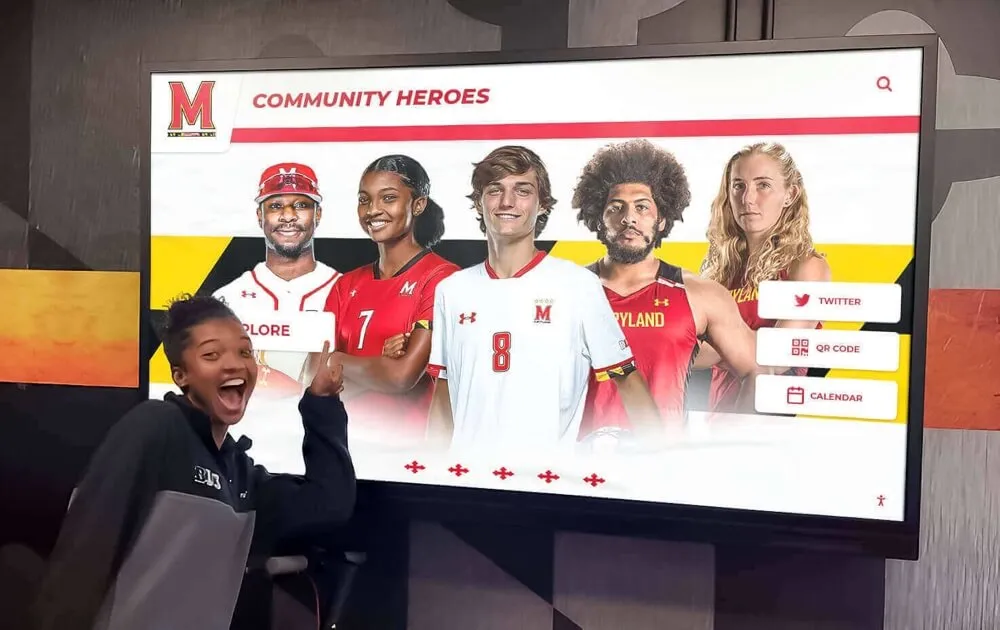
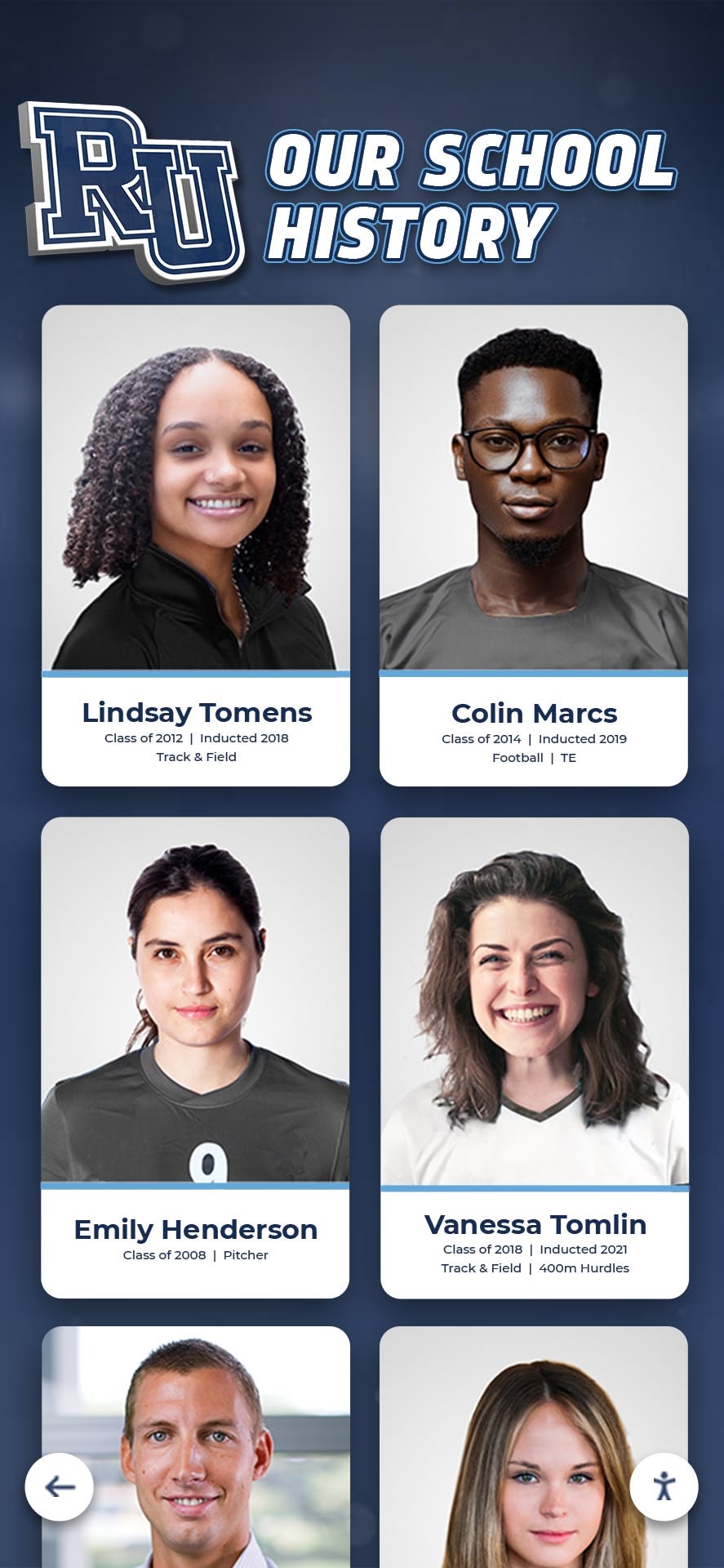
Senior Recognition Displays: Rather than senior photos appearing only in yearbooks, schools can feature graduating class members through touchscreen displays in school lobbies where students, families, and visitors engage with senior profiles throughout the year.
Athletic Achievement Showcases: Yearbook sections documenting athletic teams and accomplishments can extend into dedicated athletics recognition displays that celebrate sports programs with detailed statistics, career highlights, and historical context impossible in yearbook formats.
Historical Archives: Digitized yearbooks from previous decades become searchable historical resources displayed through interactive kiosks, enabling current students to explore school history while alumni reconnect with their own yearbook memories during campus visits.
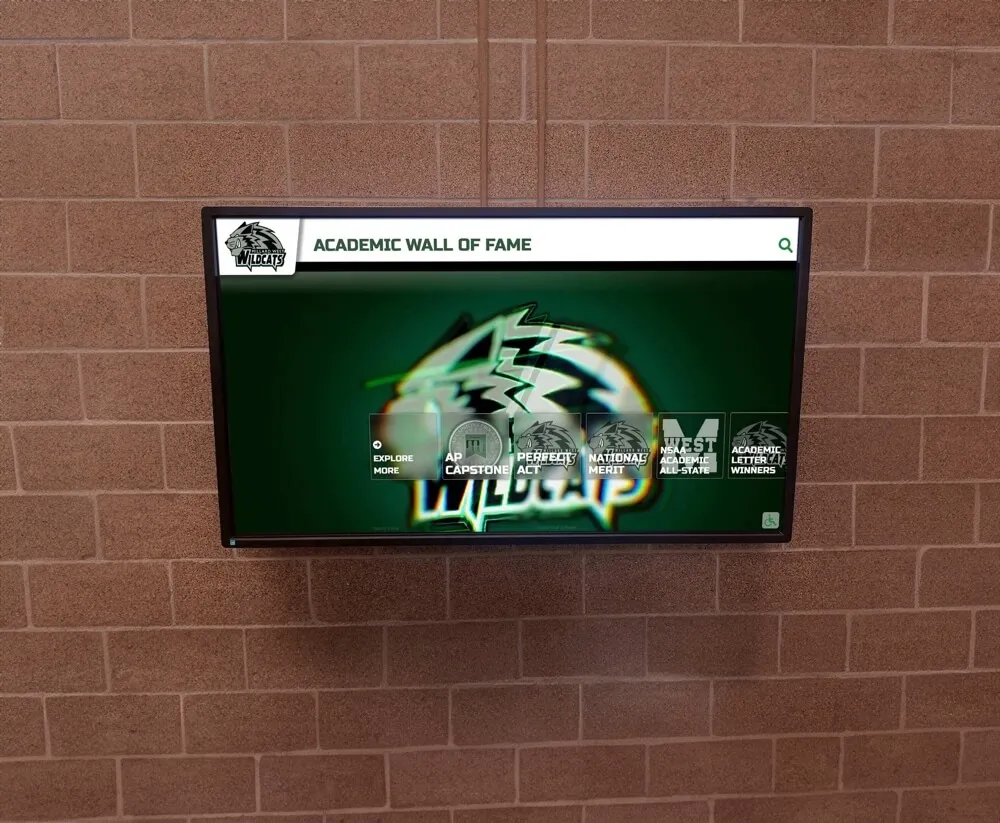
Academic Excellence Recognition: Honor roll students, scholarship recipients, and academic award winners featured in yearbooks can receive ongoing recognition through displays that celebrate intellectual achievement alongside athletic and artistic accomplishments.
This integrated approach maximizes the value of yearbook content creation efforts by deploying the same photos, information, and student profiles across multiple recognition channels rather than confining valuable content to single-purpose yearbook pages.
Selecting a Digital Yearbook Platform: Key Evaluation Criteria
Schools ready to implement digital yearbooks face numerous platform options with varying capabilities and approaches. Choosing the right platform requires careful consideration of essential criteria:
Content Management Ease
Can yearbook advisors and student staff easily upload photos, write captions, organize content, and make updates without requiring technical expertise?
Student Experience
Does the platform offer intuitive navigation, fast loading times, and engaging features that students will genuinely want to explore and revisit?
Privacy and Security
What access controls limit yearbook viewing to authenticated school community members, and how does the platform protect student information?
Multimedia Capabilities
Can the platform handle extensive photo galleries, high-quality video content, and other multimedia elements that demonstrate digital advantages over print?
Long-Term Access
Will students maintain access to their yearbooks 5, 10, 20+ years after graduation, or does access expire after a limited period?
Integration Capabilities
Can yearbook content connect with other school systems including recognition displays, websites, or alumni engagement platforms for maximum value?
Support and Training
Does the vendor provide comprehensive training, responsive support, and resources that ensure successful implementation and ongoing operation?
Cost Structure
What are the total costs including platform fees, setup charges, per-student pricing, and any additional expenses for desired features?
Schools should also request references from current clients, particularly institutions of similar size and type, to understand real-world experiences beyond vendor marketing materials. Pilot programs testing platforms with limited content before full commitment provide valuable insights into platform strengths and limitations.
Digital Yearbook Best Practices for Schools
Schools implementing digital yearbooks benefit from established best practices developed by institutions at the forefront of this evolution:
Build Excitement Through Promotional Campaigns
Digital yearbooks succeed when students genuinely want to access them rather than viewing them as poor substitutes for print books. Successful schools create anticipation through:
- Teaser campaigns highlighting unique digital features and exclusive content not available in any print format
- Student testimonials from peer leaders who champion the digital yearbook value
- Countdown events building excitement toward yearbook release date
- Launch parties celebrating yearbook release with viewing stations, prizes, and social atmosphere
Maintain Yearbook Traditions in Digital Format
Rather than abandoning yearbook customs, effective digital programs translate beloved traditions to digital equivalents:
- Digital signing through comment features enabling students to leave messages on friends’ photos and pages
- Superlatives and awards presented through interactive galleries where students can explore winners and see nominations
- Senior sections receiving special prominence and enhanced profiles celebrating graduating students
- Dedication pages honoring influential teachers, staff, or community members through multimedia tributes
These familiar structures help students recognize digital yearbooks as authentic yearbook experiences rather than entirely different products.
Ensure Comprehensive Representation
Digital yearbooks’ unlimited space creates opportunities to include far more students, but that potential only materializes through intentional effort:
- Photo collection systems encouraging students to submit candid photos from all activities throughout the year
- Representation goals ensuring every student appears multiple times across various contexts
- Activity coverage standards guaranteeing minimum photo quantities for all teams, clubs, and programs regardless of size
- Diversity emphasis highlighting the full range of student experiences, backgrounds, and contributions
Integrate with Broader Recognition Strategies
Schools maximizing digital yearbook value connect yearbook content with comprehensive recognition programs:
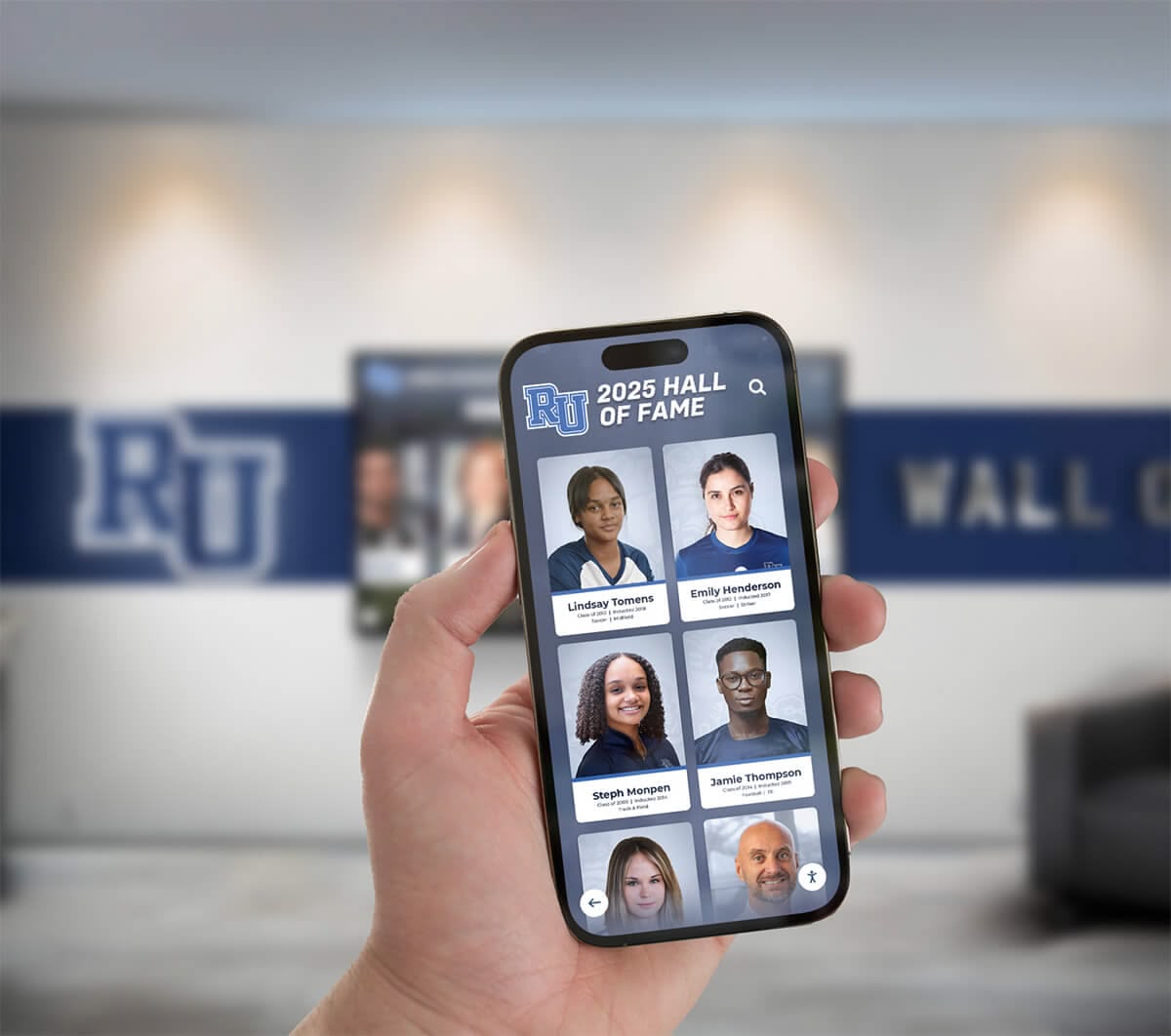
The most sophisticated institutions use digital yearbook photos and information to populate interactive touchscreen displays celebrating students through multiple channels. A senior profile created for the yearbook also appears in lobby displays, graduation recognition programs, and historical archives rather than existing only within yearbook pages.
This integrated approach multiplies return on yearbook content creation investment while ensuring student achievements receive appropriate visibility.
Measuring Digital Yearbook Success
Schools should establish clear metrics for evaluating digital yearbook program effectiveness:
Engagement Metrics:
- What percentage of students access the digital yearbook?
- How frequently do students revisit the yearbook after initial viewing?
- Which content receives the most engagement and interaction?
- Are students using social sharing, commenting, and other interactive features?
Satisfaction Indicators:
- Do survey responses indicate students value the digital yearbook?
- Are families satisfied with their yearbook experience?
- How do sentiment and satisfaction compare to previous print yearbook programs?
Financial Performance:
- What are total program costs including platform fees, staff time, and promotional expenses?
- How does per-student cost compare to previous print yearbook economics?
- If revenue-generating, what percentage of families purchase access?
Representation Outcomes:
- How many photos of each student appear in the yearbook?
- What percentage of students receive featured coverage?
- Do participation rates span diverse student populations?
Regular assessment against these metrics enables continuous program improvement and demonstrates value to stakeholders who may question digital yearbook investments.
The Future of Digital Yearbooks and Student Recognition
As technology continues evolving, digital yearbooks will incorporate emerging capabilities that further distinguish them from print predecessors:
Artificial Intelligence Integration: AI tools may soon assist with photo organization, automatic tagging of students and activities, smart captioning suggestions, and personalized yearbook views highlighting content most relevant to individual students.
Augmented Reality Experiences: Future yearbooks might overlay digital content onto physical spaces through smartphone AR, enabling students to see yearbook memories connected to specific campus locations where events occurred.
Continuous Yearbooks: Rather than annual volumes, some schools may shift toward living yearbooks continuously updated throughout the year, capturing moments in real-time rather than waiting until year-end for publication.
Enhanced Alumni Connectivity: Sophisticated platforms might connect graduates through their yearbook years, facilitating class reunion coordination, mentorship matching, and ongoing school community engagement based on shared yearbook connections.
Blockchain Verification: Emerging technologies may enable tamper-proof verification of achievements and credentials documented in yearbooks, adding professional value to documented accomplishments beyond nostalgic reminiscence.
Schools embracing digital yearbooks position themselves at the forefront of these innovations while maintaining the core yearbook mission: preserving memories, celebrating achievements, and honoring the students and experiences that define each school year.
Conclusion: Digital Yearbooks and the Evolution of School Tradition
Digital yearbooks represent more than technological upgrades to traditional print volumes. They embody fundamental evolution in how schools capture and share the memories, achievements, and experiences that define student journeys. While challenges around equity, engagement, and tradition require thoughtful navigation, the benefits of expanded coverage, multimedia richness, long-term accessibility, and integration with broader recognition programs make digital yearbooks increasingly compelling for schools across the country.
The most successful approaches recognize that digital yearbooks work best when they honor yearbook traditions while embracing distinctive digital advantages rather than attempting to merely replicate print books in electronic format. Schools that invest in quality platforms, build genuine student excitement, ensure comprehensive representation, and connect yearbook content with broader recognition strategies create yearbook experiences that serve students, families, and alumni more effectively than traditional print alone.
Whether implementing digital yearbooks as supplements to print, replacements for unsustainable print programs, or components of integrated recognition systems, schools taking this journey join a growing movement reimagining how educational institutions preserve and celebrate the achievements defining each generation of students.
Your students’ memories and achievements deserve recognition systems specifically designed to celebrate excellence across all its forms. Discover how solutions like Rocket Alumni Solutions transform yearbook content into interactive recognition experiences that honor students through touchscreen displays, web-accessible halls of fame, and comprehensive celebration of school community achievements.
Ready to explore how digital recognition extends yearbook value beyond traditional formats? Book a demo to see how interactive displays can celebrate your students across multiple channels. Learn more about senior recognition programs, explore student achievement displays, discover digital trophy case solutions, or review interactive school displays that transform school lobbies and common spaces.