



Key Takeaways
Complete guide to creating digital showcases for high school class officers. Explore interactive displays, recognition strategies, and modern solutions for celebrating student government leadership in 2025.
Understanding Class Officer Roles and Responsibilities
Before implementing recognition systems, understanding what class officers do and why their positions matter helps schools create showcases that accurately reflect leadership significance and inspire future student engagement.
Traditional Class Officer Structure
Most high schools maintain similar student government structures with class officers elected within each grade level—freshman, sophomore, junior, and senior classes typically elect separate leadership teams representing their specific interests and planning grade-specific activities.
Standard Officer Positions
Class president serves as the primary leader and representative, typically chairing meetings, liaising with school administration, and serving as the public face of the class. This position requires strong communication skills, organizational capability, and the respect of peers who elected them to leadership.
Vice president supports the president, assumes leadership responsibilities in their absence, assists with initiative implementation, and often manages specific projects or committees. This role provides leadership training while ensuring continuity when presidents face conflicts or graduate.
Secretary maintains official records including meeting minutes, attendance, correspondence, and documentation of decisions and activities. Effective secretaries ensure institutional knowledge preservation while keeping class officers organized and accountable to documented commitments.
Treasurer manages class finances, tracks fundraising revenues and expenses, maintains budget records, and ensures financial accountability for class activities. This position teaches practical financial management skills while ensuring responsible stewardship of funds raised through student efforts.
Many schools add representative positions allowing additional students to participate in leadership through roles like student council representatives, social media coordinators, spirit coordinators, or community service chairs. These expanded structures create more leadership opportunities while distributing workload across larger teams.
Class Officer Responsibilities and Impact
Student government officers balance numerous responsibilities throughout their tenure, making contributions that extend far beyond titles alone.
Event Planning and Execution
Class officers organize signature events defining high school experience including homecoming activities, spirit weeks, prom planning and execution, class fundraising campaigns, senior class trips, graduation celebrations, and various social events throughout the year. Schools can enhance these traditions through homecoming recognition displays that celebrate both the events and the student leaders who organized them. According to educational research, students involved in event planning develop project management, budgeting, and collaborative skills that transfer directly to professional contexts.
These events require months of planning, budget management, vendor coordination, marketing campaigns, and problem-solving when challenges arise. Officers who successfully execute meaningful events create lasting memories for entire grade levels while developing practical leadership capabilities.
Student Advocacy and Representation
Beyond social events, class officers serve as advocates representing student perspectives to school administration on issues including policy concerns, facility needs, academic scheduling, extracurricular opportunities, and school culture matters. Effective officers facilitate communication between administration and student body, ensuring student voices inform decisions affecting their educational experiences. This leadership extends to creating interactive communication channels that keep students informed and engaged.
This advocacy role requires diplomacy, critical thinking, and the courage to raise concerns constructively—skills that prepare students for civic participation and professional leadership throughout their lives.
Community Building and School Spirit
Class officers help build community and school spirit through recognition initiatives, peer support programs, welcoming activities for new students, class bonding experiences, and campaigns promoting positive school culture. Many successful programs incorporate comprehensive school pride initiatives that strengthen community connections. The most effective officers understand their role extends beyond event planning to creating inclusive environments where all classmates feel valued and connected.
Why Class Officer Recognition Matters
Properly recognizing student government leaders serves multiple important purposes beyond simply acknowledging individuals who held positions.
Validating Leadership Contributions
Class officer responsibilities require significant time commitments, emotional labor, and personal sacrifice. Officers attend regular meetings, coordinate with administrators, manage conflicts among peers, handle criticism, and work evenings and weekends planning events. Recognition validates these contributions by demonstrating that schools value student leadership and appreciate the dedication officers invest in improving experiences for their entire class.
Without meaningful recognition, motivated students may question whether leadership positions warrant the effort required, potentially reducing the quality of future officer candidates. Comprehensive recognition communicates that schools genuinely appreciate and celebrate student governance.
Inspiring Future Student Leaders
When underclassmen observe current officers receiving meaningful recognition through prominent displays and celebrations, they internalize messages that student government matters institutionally. Quality recognition inspires younger students to pursue leadership positions by demonstrating that schools honor student leaders with the same prominence as athletic or academic achievement.
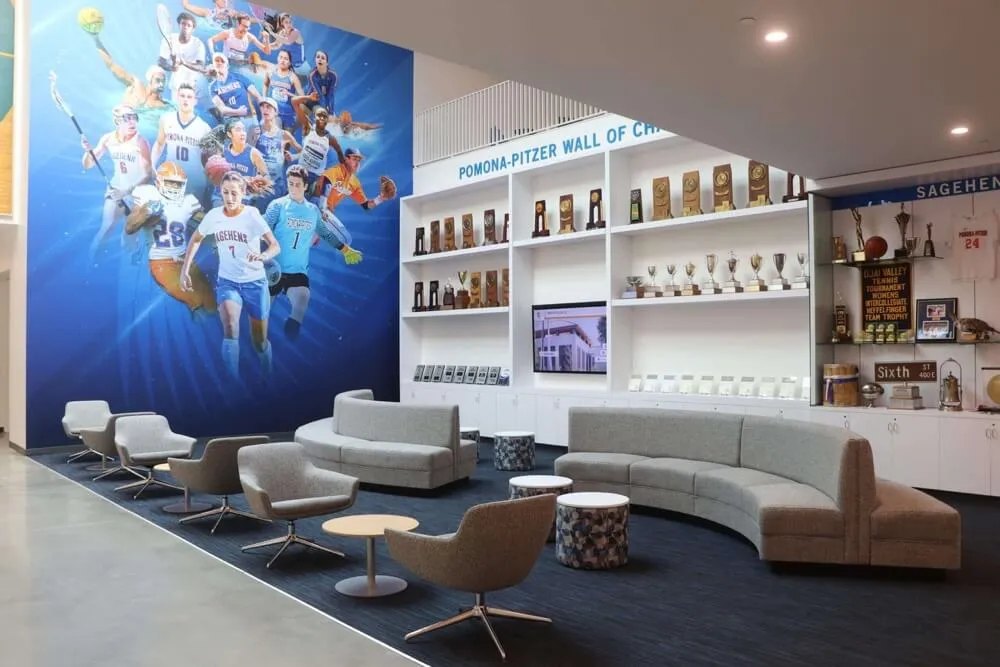
Digital recognition platforms that maintain historical archives showing decades of past officers create visible traditions demonstrating that student government represents a lasting institutional priority rather than a temporary afterthought.
Preserving Institutional History
Class officers form an important element of school history. Decades from now, alumni will want to remember who led their graduating class and revisit memories from their high school years. Digital archives preserving complete class officer histories across generations create valuable institutional records while providing engagement touchpoints for returning alumni who want to explore their own leadership or discover classmates’ achievements.
Traditional Class Officer Recognition Methods and Limitations
Understanding conventional recognition approaches reveals why many schools find traditional methods inadequate for meaningfully celebrating student government leadership.
Yearbook Documentation
The primary recognition most class officers receive comes through yearbook coverage including officer photographs in student government sections, candid photos from events they organized, and brief biographical information listing their positions and activities.
While yearbooks provide permanent documentation, they face significant limitations for meaningful recognition. Coverage remains static and limited by page constraints—typically only current year officers receive dedicated space while historical perspective remains absent. Officers who served admirably but weren’t particularly photogenic or didn’t appear in many photos may receive minimal recognition despite substantial contributions.
Yearbooks document but rarely celebrate leadership comprehensively, and once published, content cannot be updated to reflect accomplishments occurring after yearbook deadlines. Families must purchase yearbooks to access content, limiting broader community visibility.
Physical Bulletin Boards and Display Cases
Many schools maintain bulletin boards featuring current class officer photographs, names, and positions in hallways or near main offices. These displays provide visibility during officer tenure but typically disappear when new officers assume positions, making recognition temporary and preventing historical continuity.
Physical displays accommodate limited information—usually just photographs and names—without space for detailed accomplishments, initiatives completed, or meaningful biographical context. They reach only those who physically pass specific hallway locations during school hours, excluding evening visitors, alumni, and community members who might value access to leadership information.
Bulletin boards require manual updating—printing new photographs, mounting materials, and physically traveling to display locations. This labor-intensive process often results in displays becoming outdated when staff lack time for updates during busy periods. The static nature prevents interactive exploration or searching by name, year, or position.
Ceremony Recognition
Schools typically recognize class officers during assemblies, honors ceremonies, or graduation events through brief acknowledgments, certificate presentations, or special mentions. While ceremonial recognition provides important validation and public acknowledgment, it remains fleeting—present in the moment but lacking permanence beyond memories and perhaps video recordings viewed by limited audiences.
Ceremony recognition also tends to be formulaic, with officers receiving similar brief acknowledgments that fail to capture individual contributions, leadership styles, or specific accomplishments distinguishing their service from predecessors.
The Digital Recognition Advantage
Modern digital showcase systems address every limitation of traditional recognition methods while creating entirely new possibilities for celebrating class officer leadership comprehensively and permanently.
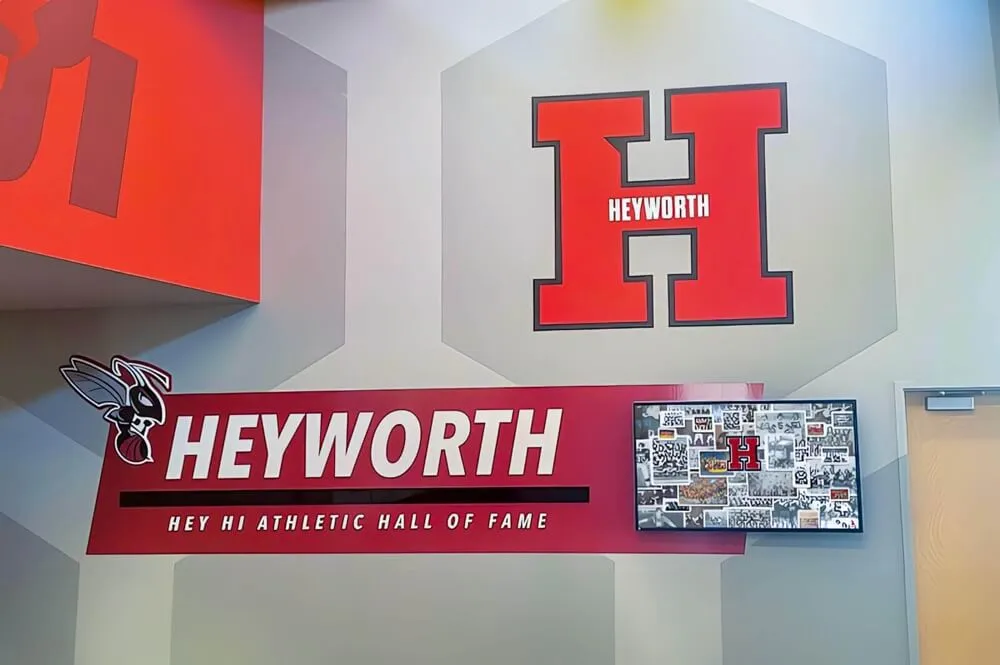
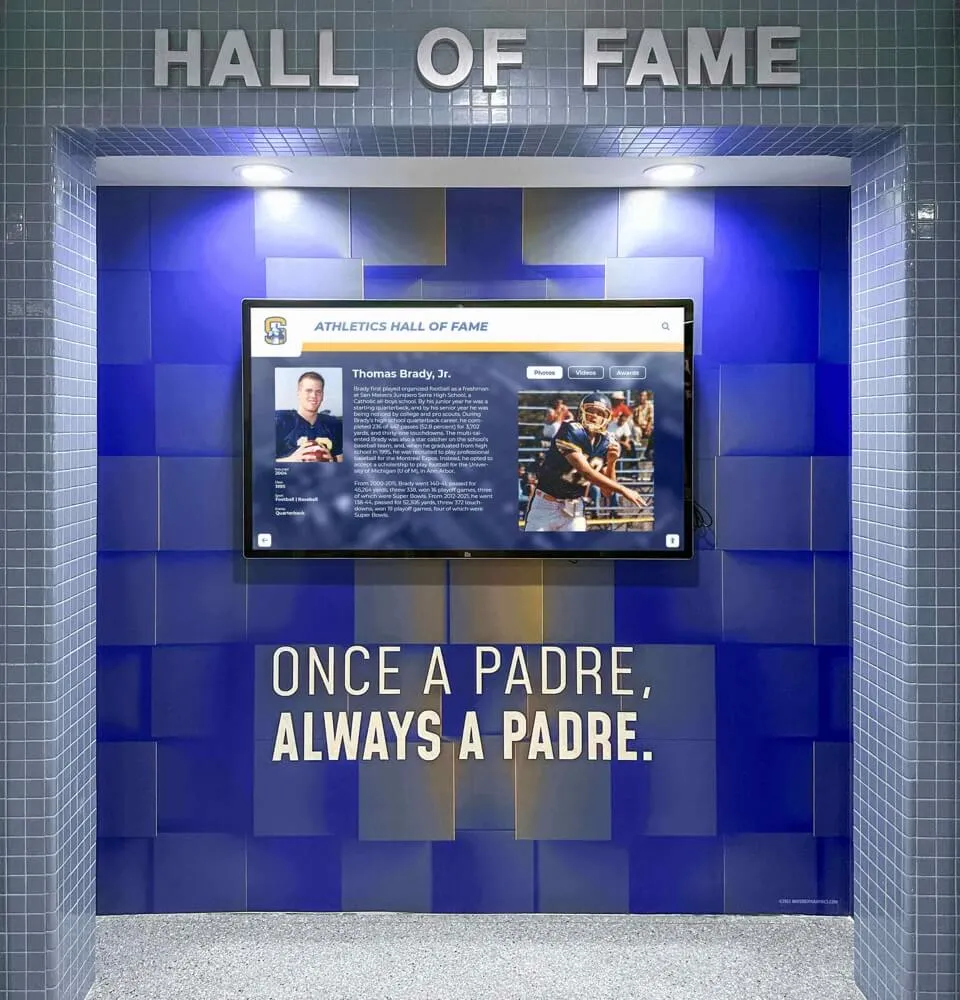
Digital platforms provide unlimited capacity recognizing all officers across unlimited years without physical space constraints. Schools can maintain complete archives spanning decades with detailed profiles for every officer regardless of physical display size limitations. These digital hall of fame systems preserve institutional history while keeping recognition current and accessible.
Multimedia capabilities enable rich storytelling far beyond photographs and names. Profiles can include professional portraits, event photos from activities organized, video messages from officers, detailed achievement descriptions, personal statements and reflections, and comprehensive biographical information celebrating well-rounded accomplishment.
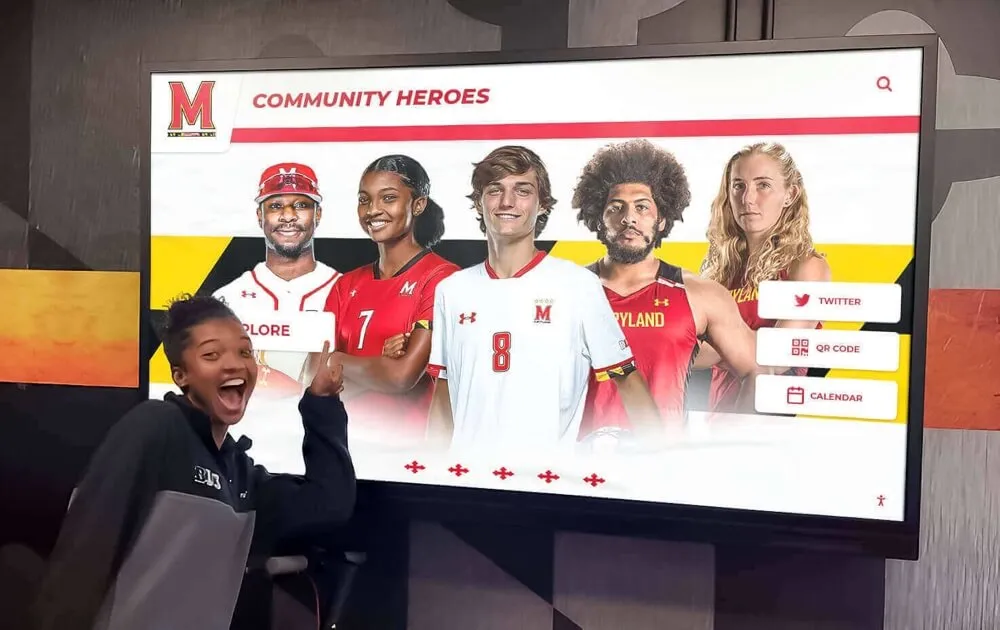
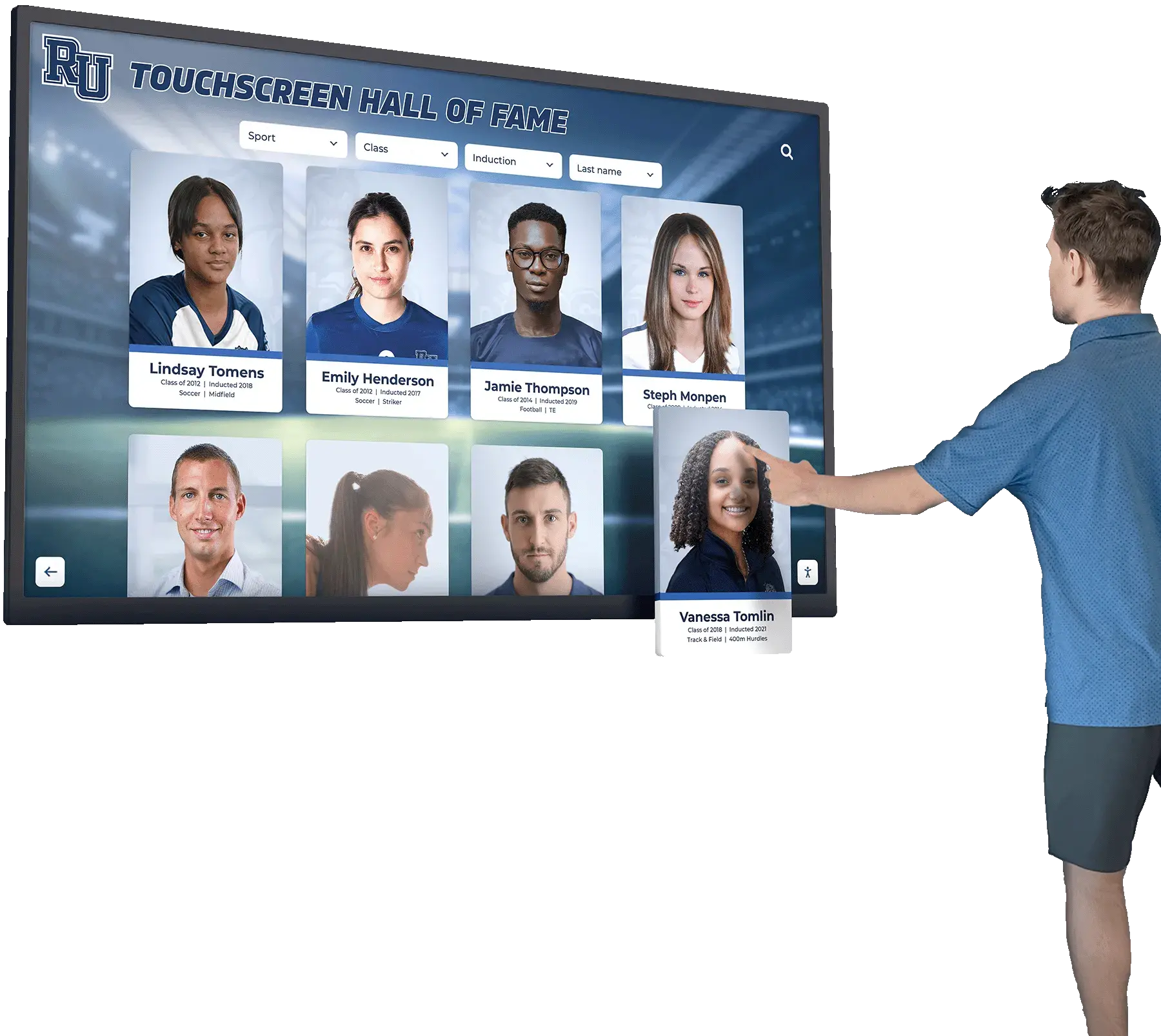
Interactive features transform passive observation into active exploration. Students, families, and visitors can search by name, position, or year, browse complete class officer histories, filter by graduating class or time period, view detailed individual profiles, and discover connections between current students and alumni who held similar positions.
Effortless updates through cloud-based platforms allow authorized staff to add new officers, update photographs, or modify information from any internet-connected device within minutes. No printing, mounting, or physical presence at display locations required—dramatically reducing administrative burden while ensuring timely recognition of newly elected officers.
According to recent research on school recognition systems, digital platforms increase student engagement with leadership recognition by more than 300% compared to traditional static displays, while reducing staff time required for updates by approximately 70%.
Designing Effective Class Officer Digital Showcases
Creating impactful digital recognition requires thoughtful content development, strategic feature implementation, and attention to user experience ensuring displays genuinely engage audiences rather than simply digitizing static bulletin boards.
Essential Content Components
Effective class officer profiles include multiple information layers creating comprehensive recognition that tells complete leadership stories.
Core Identification Information
Every officer profile should include full name exactly as student prefers, specific position title (class president, vice president, secretary, treasurer, representative), graduating class year clearly displayed, and school name for clarity in multi-school districts. This foundational information ensures accurate identification while providing essential context for understanding leadership scope.
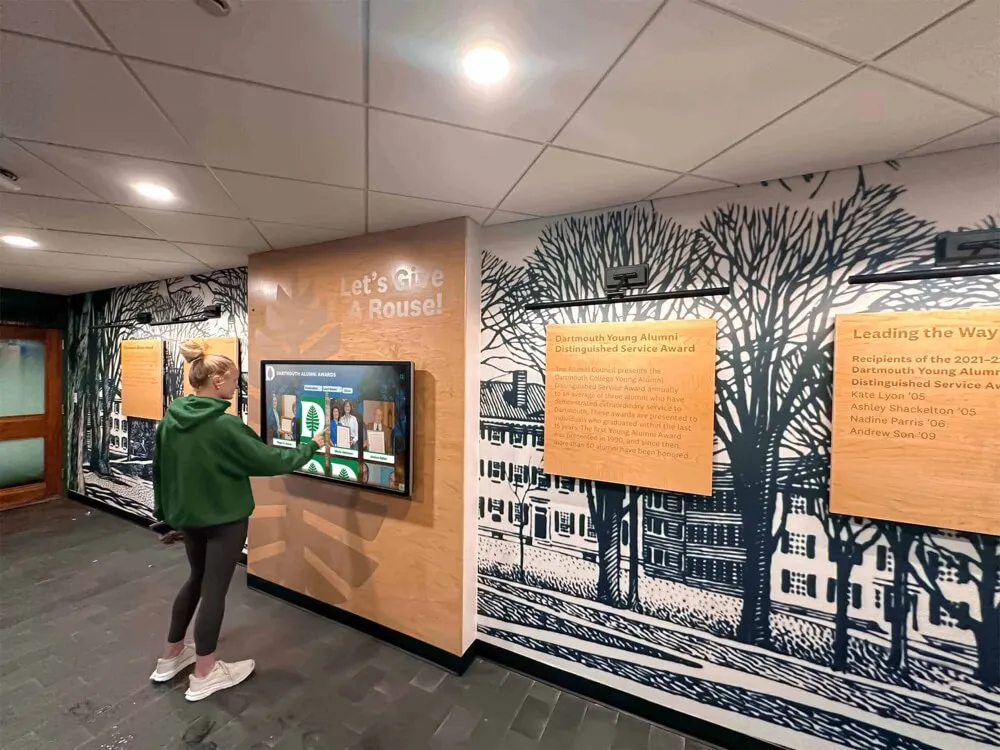
High-quality professional photographs create visual impact and personal connection impossible with names alone. Portrait photographs should be recent, well-lit, and professionally composed. Many schools also include candid action shots showing officers engaged in leadership activities, event planning, or school activities, which humanize recognition while documenting officer involvement.
Leadership Accomplishments and Initiatives
Beyond basic identification, profiles should document specific leadership contributions including major events organized, successful initiatives implemented, fundraising accomplishments with amounts raised, policy changes advocated, improvements to school culture, and lasting impacts on student experience.
Rather than generic descriptions like “organized successful prom,” specific details create meaningful recognition: “Led committee of 15 students planning prom attended by 487 students, staying $847 under $18,000 budget while incorporating student feedback requesting live band and photo booth experiences.”
Specificity makes accomplishments tangible while demonstrating genuine leadership impact. When possible, quantify contributions through numbers—students impacted, funds raised, hours invested, programs created—making abstract leadership concrete and measurable.
Personal Context and Biography
Humanize recognition by including biographical details that reveal officers as complete individuals beyond leadership titles including other activities, sports, clubs, or organizations involved in, academic interests and post-graduation plans, hobbies and interests outside school, and personal values or passions driving leadership motivation.
This holistic context communicates that schools celebrate well-rounded individuals rather than reducing students to titles alone. It also helps peers relate to officers as multifaceted people rather than distant figures in formal positions.
Officer Statements and Reflections
Include brief quotes or reflections from officers about their leadership experience, what they learned, advice for future officers, what serving their class meant to them, or memorable moments from their tenure. Personal voices in officers’ own words make recognition authentic and relatable while preserving first-person perspectives that become increasingly valuable as years pass.
These reflections might include responses to prompts like “What was your proudest accomplishment as class president?” or “What advice would you give to someone considering running for student government?” Personal insights differentiate individual officers while creating meaningful content that engages viewers more deeply than institutional descriptions alone.
Interactive Features and Functionality
Well-designed digital showcases include features that transform passive viewing into active exploration, increasing engagement while making recognition more accessible and useful.
Searchable Databases
Implement robust search functionality allowing users to find officers by name, graduating class year, position title, time period, or keywords. Search capabilities prove particularly valuable in comprehensive archives spanning decades—alumni returning for reunions can quickly locate their own class officers or discover which classmates served in leadership positions.
Advanced search filters might include options to view all class presidents across history, all officers from specific decades, or all officers who also participated in particular sports or activities. These filtering capabilities reveal patterns and connections creating engaging discovery experiences.
Timeline and Historical Views
Present class officer information chronologically through timeline interfaces showing leadership progression across years. Timeline views might display all presidents in chronological order, show complete officer teams by school year, or visualize leadership across decades showing how student government evolved over institutional history.
Visual timeline presentations make historical patterns visible while creating intuitive navigation structures that feel natural and engaging compared to list-based directories.
Social Sharing Integration
Enable easy social media sharing so families can celebrate student achievements with extended networks. When students are elected or recognized as class officers, sharing capability extends visibility far beyond immediate school communities while providing positive school promotion through authentic family endorsements.
Shareable content should include officer photographs, position information, and links directing traffic back to comprehensive profiles on school websites or digital recognition platforms. This amplification creates broader awareness while demonstrating institutional pride in student leadership.
Multi-Year Archives and Continuity
Maintain complete historical archives recognizing every class officer throughout school history, not just current year leadership. Historical depth creates several important benefits including institutional tradition and continuity spanning generations, alumni engagement touchpoints for returning graduates, research resources for students studying school history, and demonstrated commitment to preserving leadership legacy.
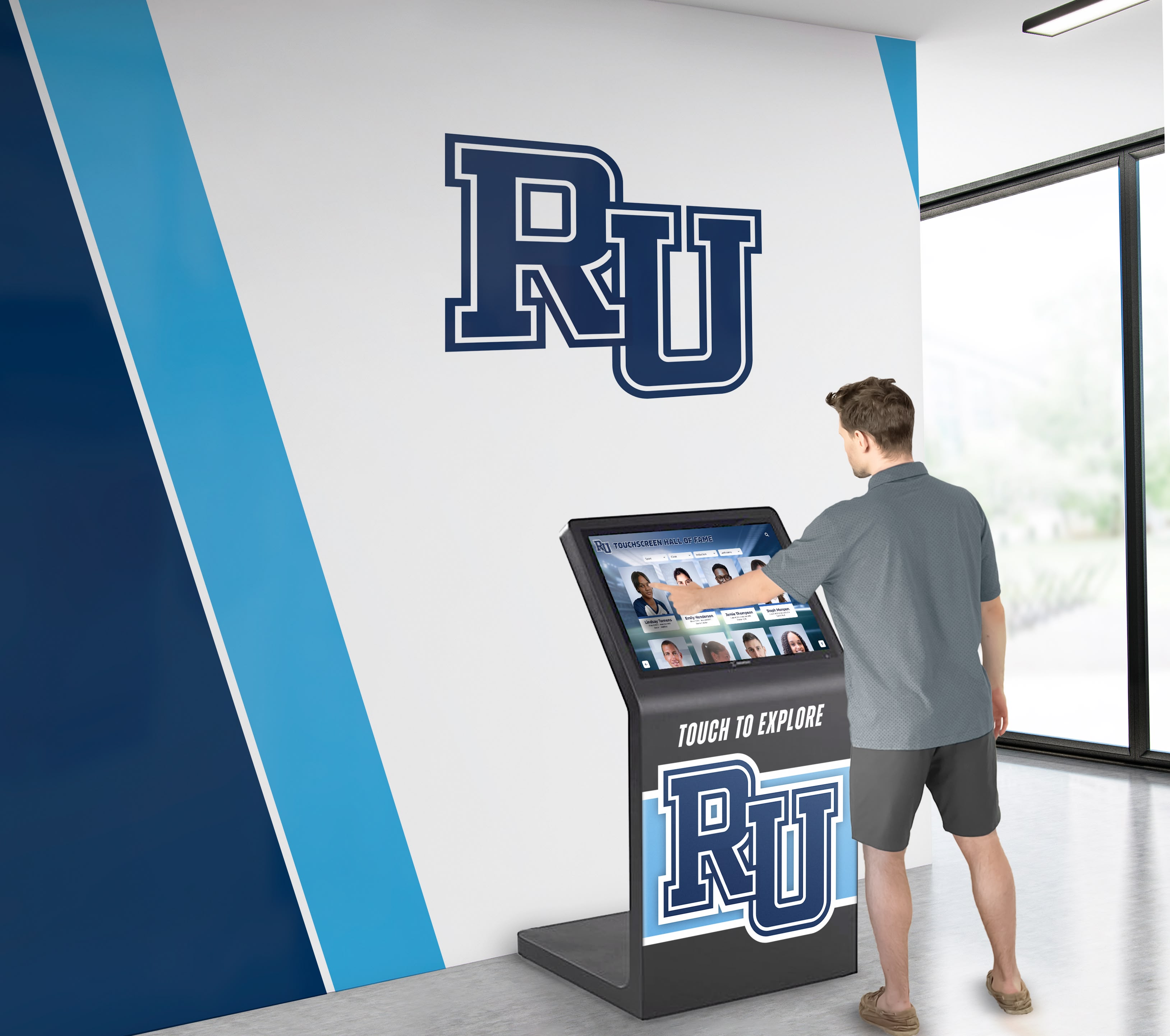
Solutions like digital recognition displays from Rocket Alumni Solutions enable schools to build searchable databases documenting complete student government history across unlimited years without physical space constraints. Schools can also implement comprehensive alumni recognition systems that connect past class officers with current student leaders. Current students exploring these archives see clear evidence that their leadership will be permanently honored and remembered, increasing motivation to serve meaningfully.
Visual Design and User Experience
Thoughtful visual design and intuitive navigation determine whether digital showcases create engaging experiences or become ignored despite quality content.
Clear Information Hierarchy
Organize content with clear visual hierarchy guiding viewer attention to most important information first. Officer names and photographs should be immediately visible, with position titles and years prominently displayed. Secondary information like biographical details and accomplishments should be accessible without overwhelming initial views.
Effective hierarchy allows casual viewers to quickly scan basic information while interested visitors can explore deeper detail through progressive disclosure—revealing additional layers through interaction rather than displaying everything simultaneously.
Consistent Branding and Visual Identity
Align showcase design with school branding through consistent use of school colors, logo integration, font selections matching school materials, and design aesthetics reflecting institutional identity. Consistent branding communicates professionalism while reinforcing recognition as official institutional acknowledgment rather than informal student project.
Mobile Responsiveness
Ensure digital showcases function well on smartphones and tablets, not just desktop computers. According to recent data on educational technology usage, approximately 68% of families access school information primarily through mobile devices. Recognition systems that display poorly on mobile screens effectively exclude majority users from meaningful engagement.
Mobile optimization requires responsive layouts adjusting to various screen sizes, touch-friendly navigation designed for finger interaction, fast loading times appropriate for cellular connections, and readable text sizes without zooming.
Platform and Technology Selection
Schools face multiple technology options for class officer digital showcases, each with distinct advantages, limitations, and ideal use cases.
Interactive Touchscreen Displays
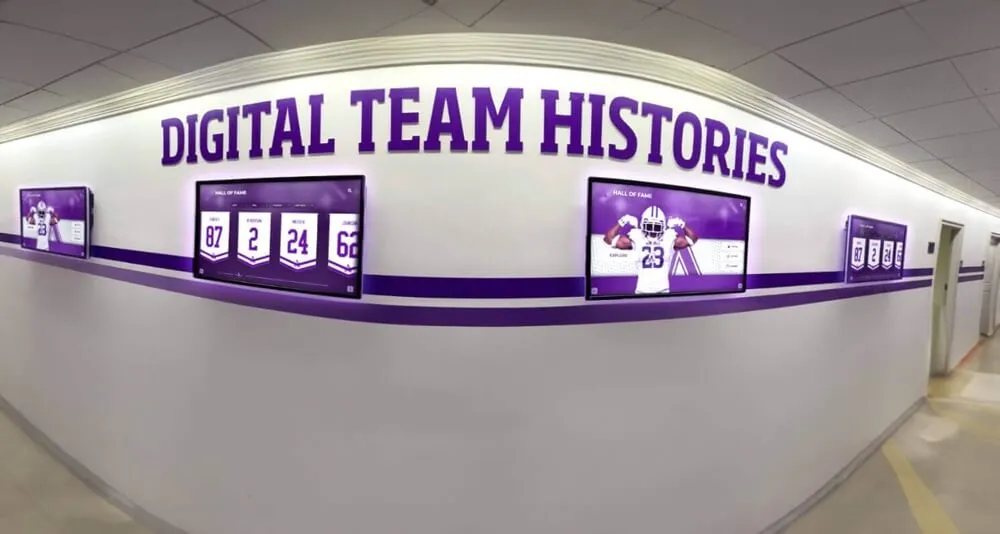
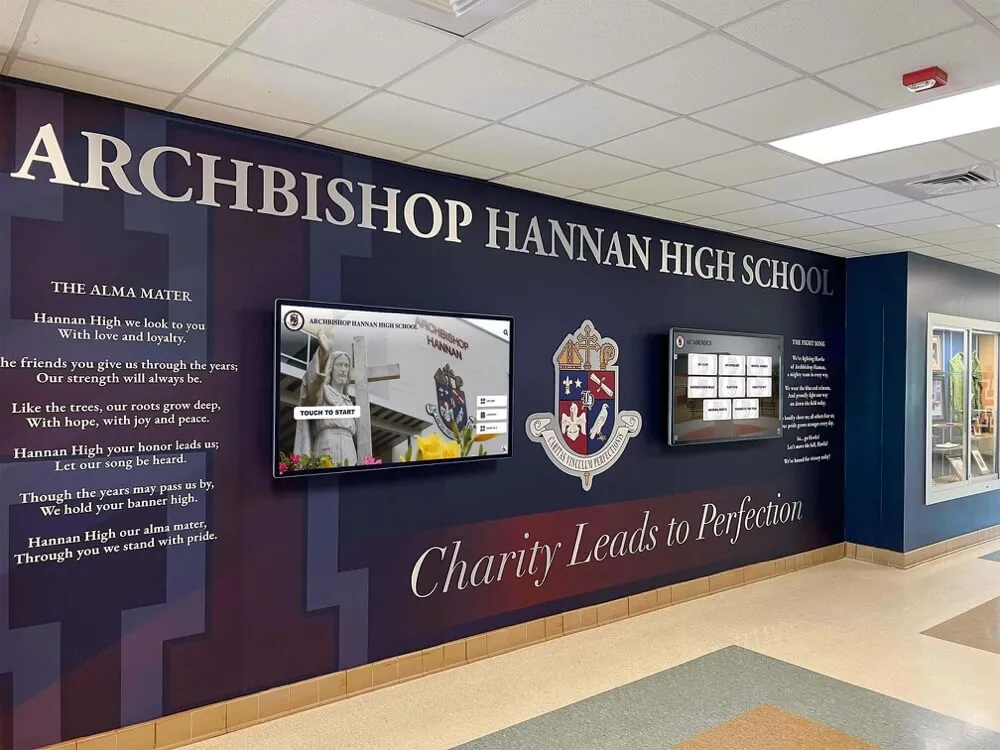
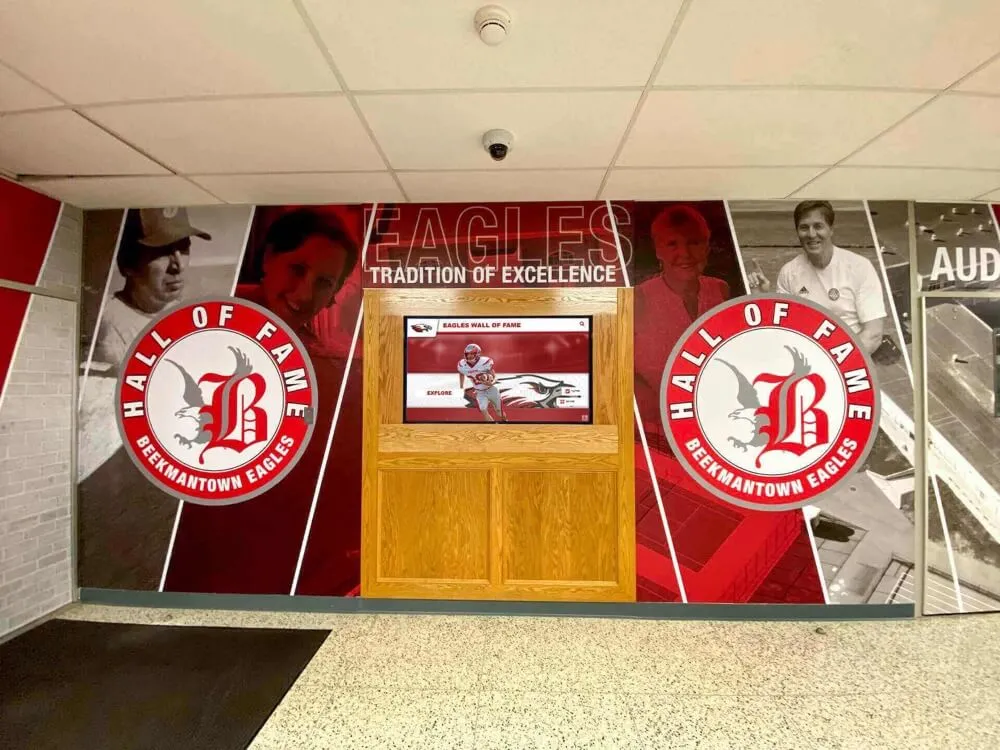
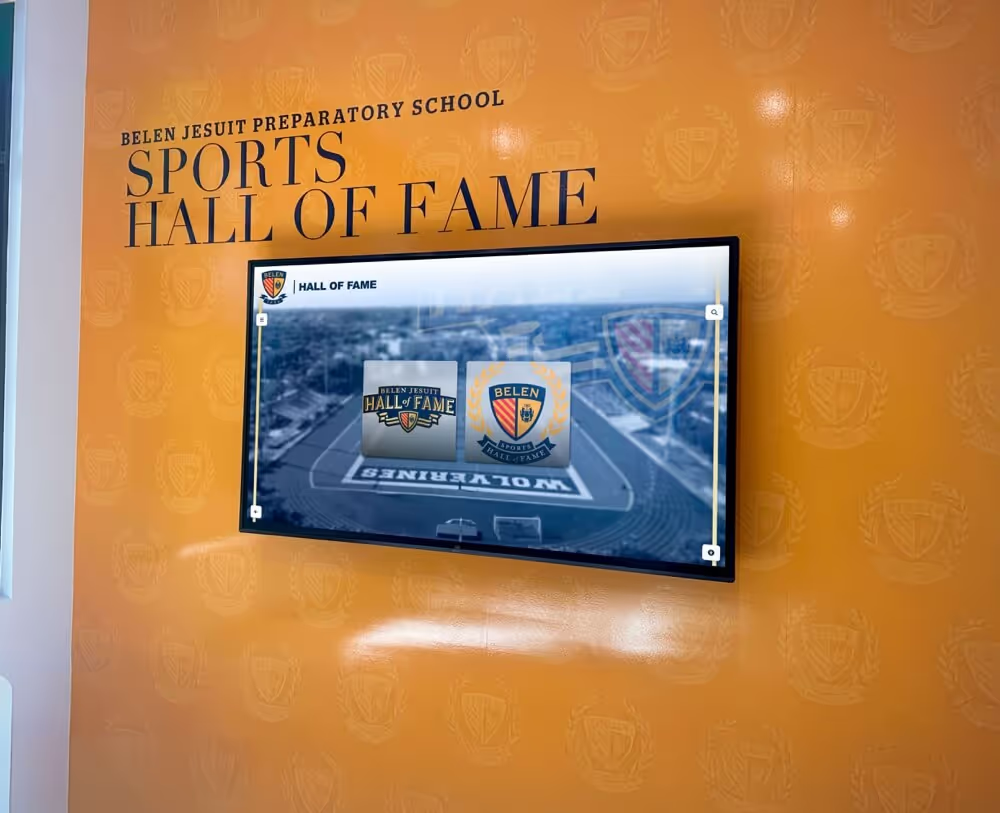
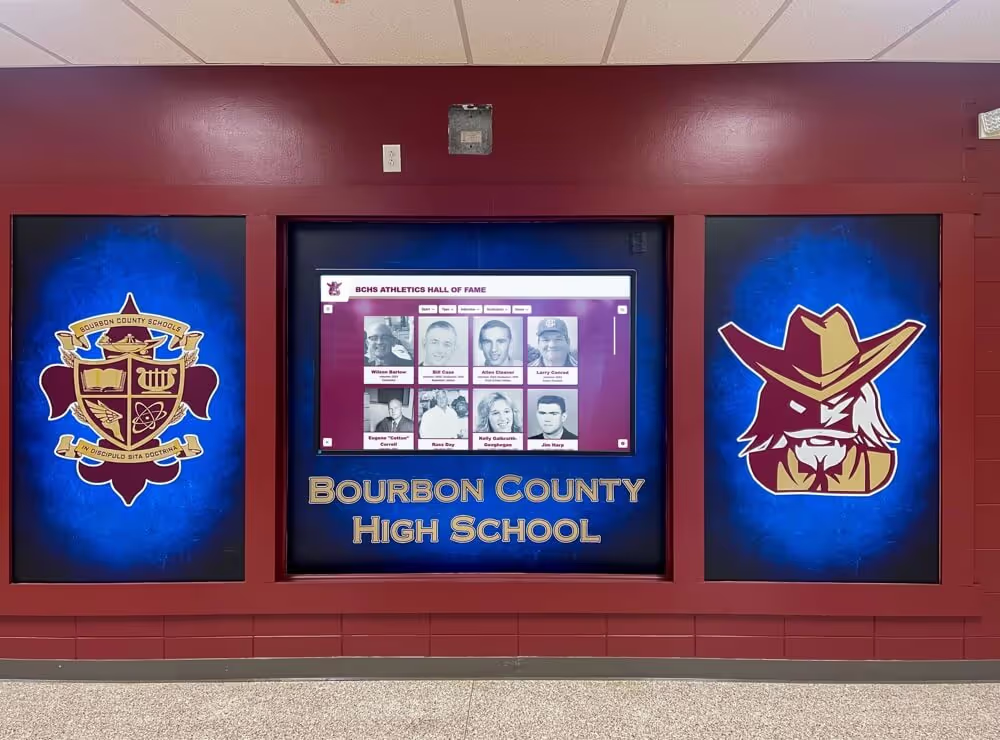
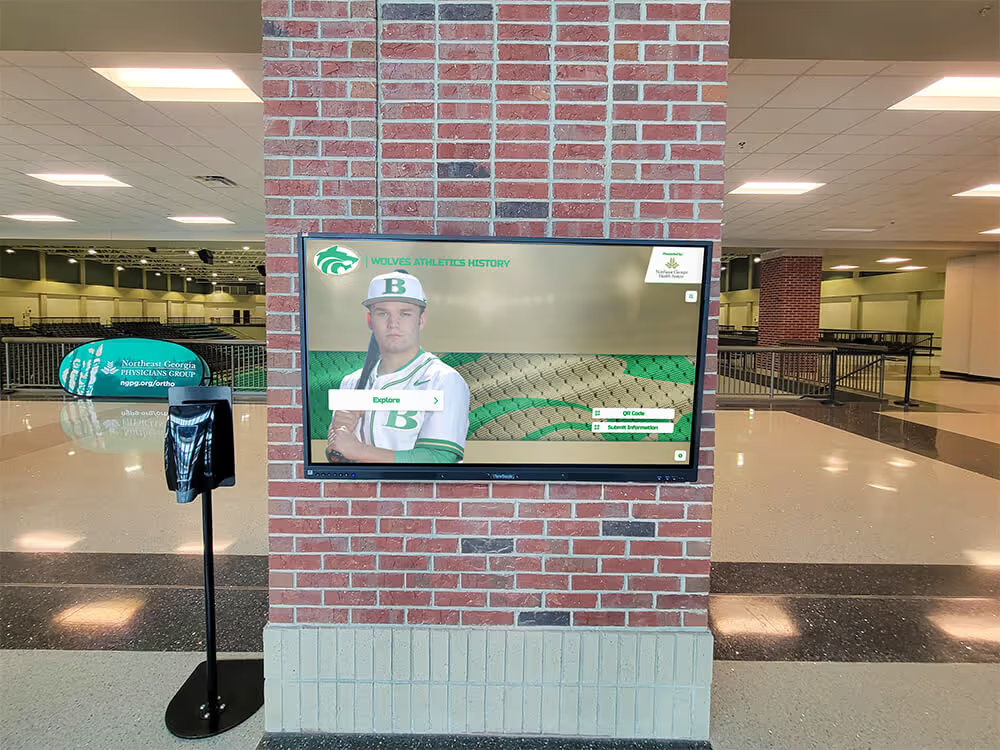
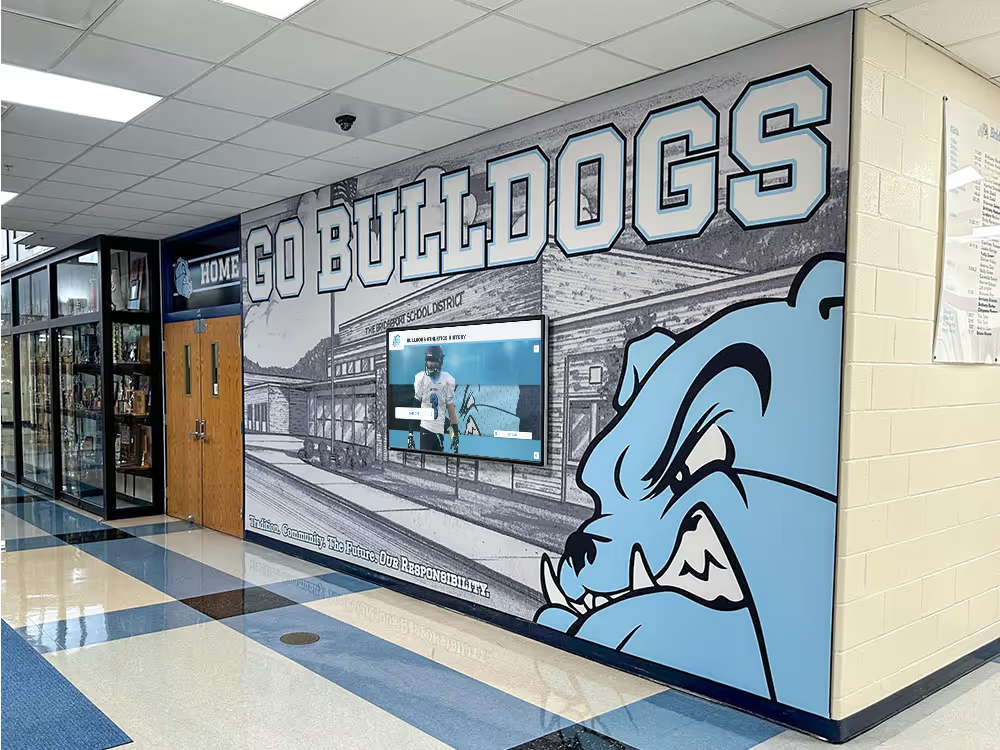
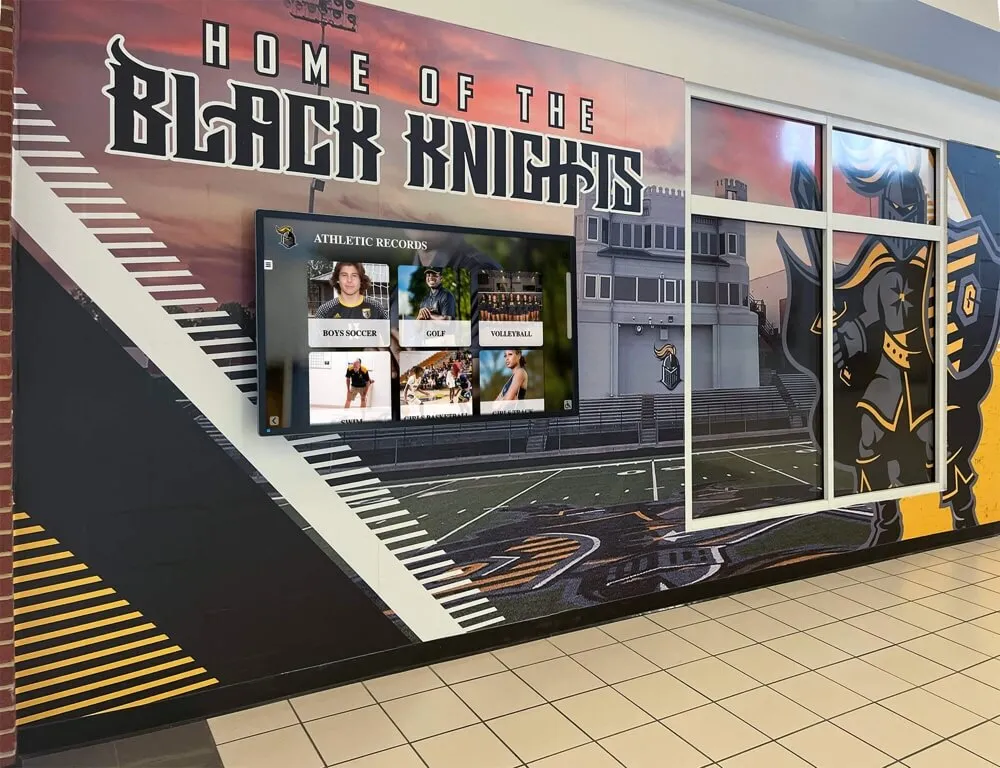
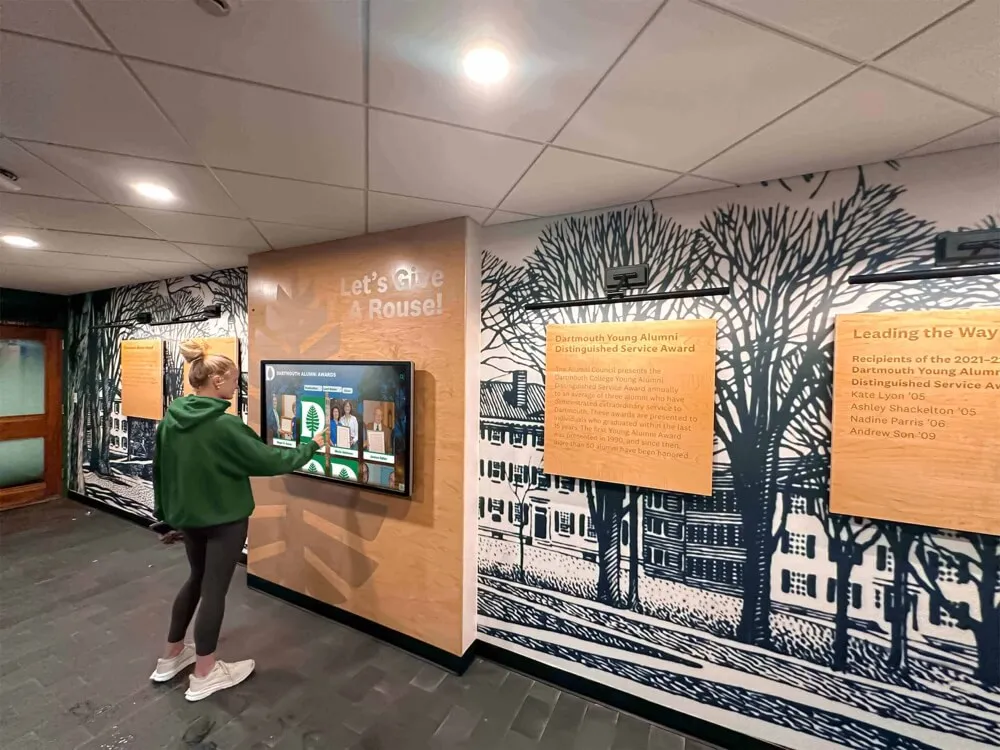
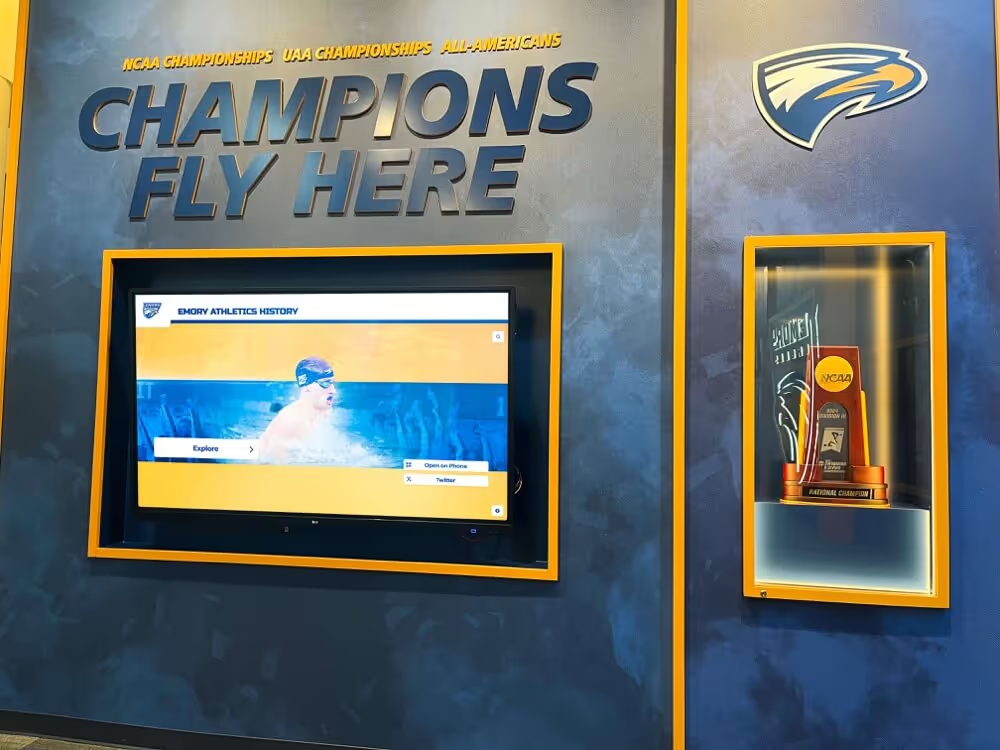
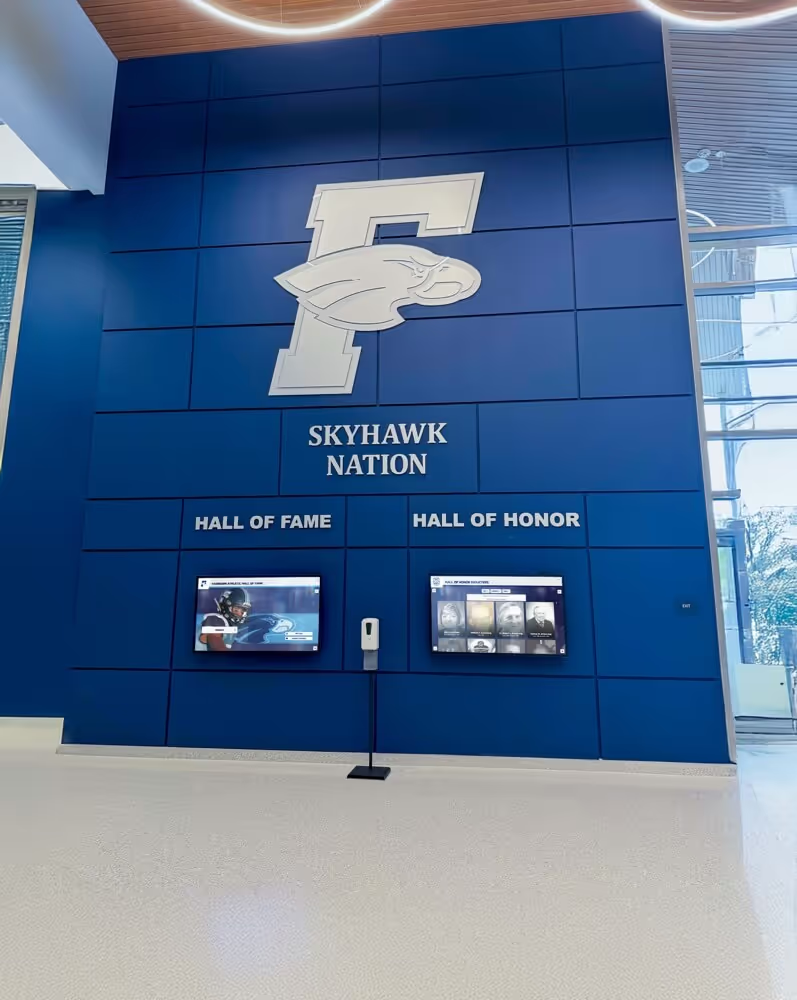
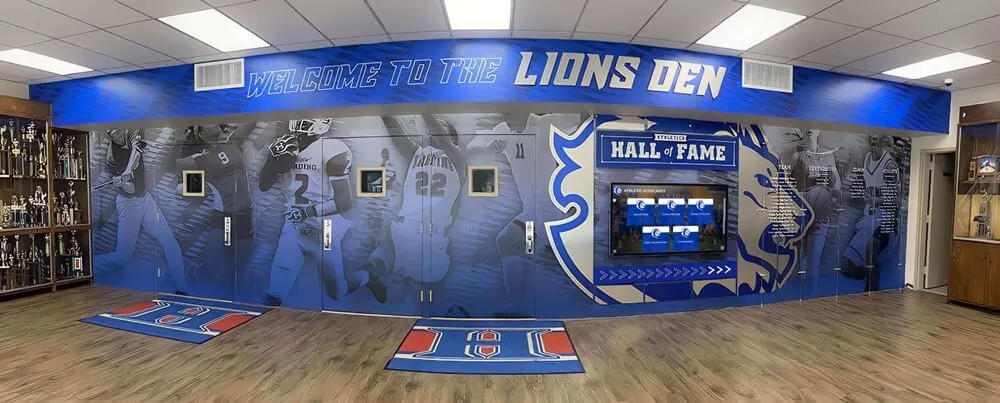
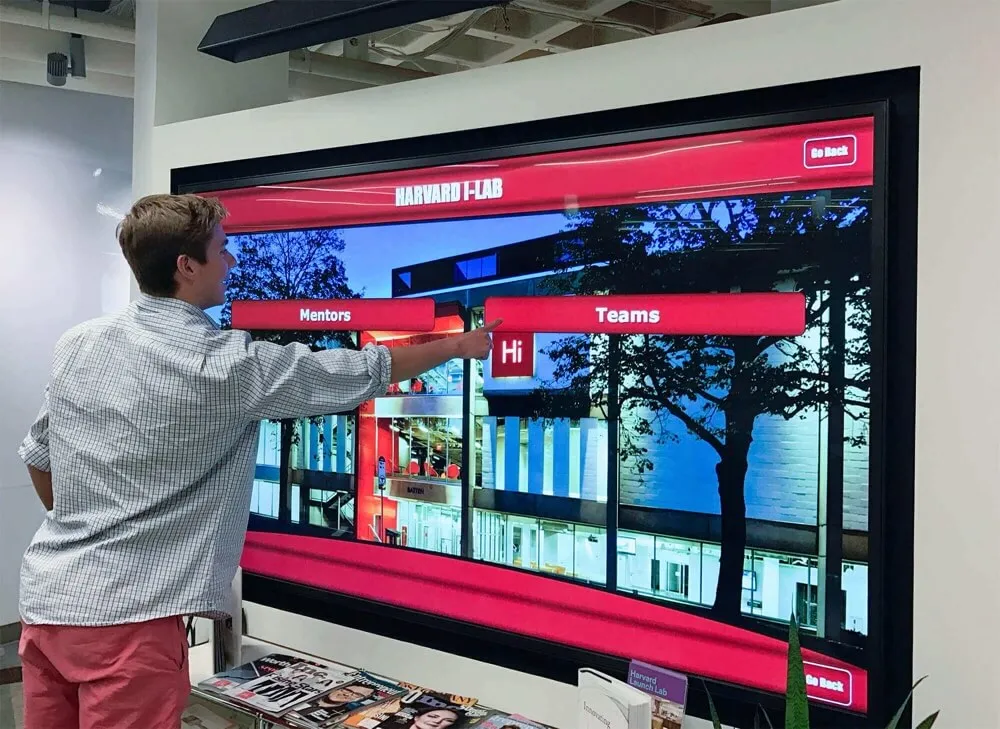
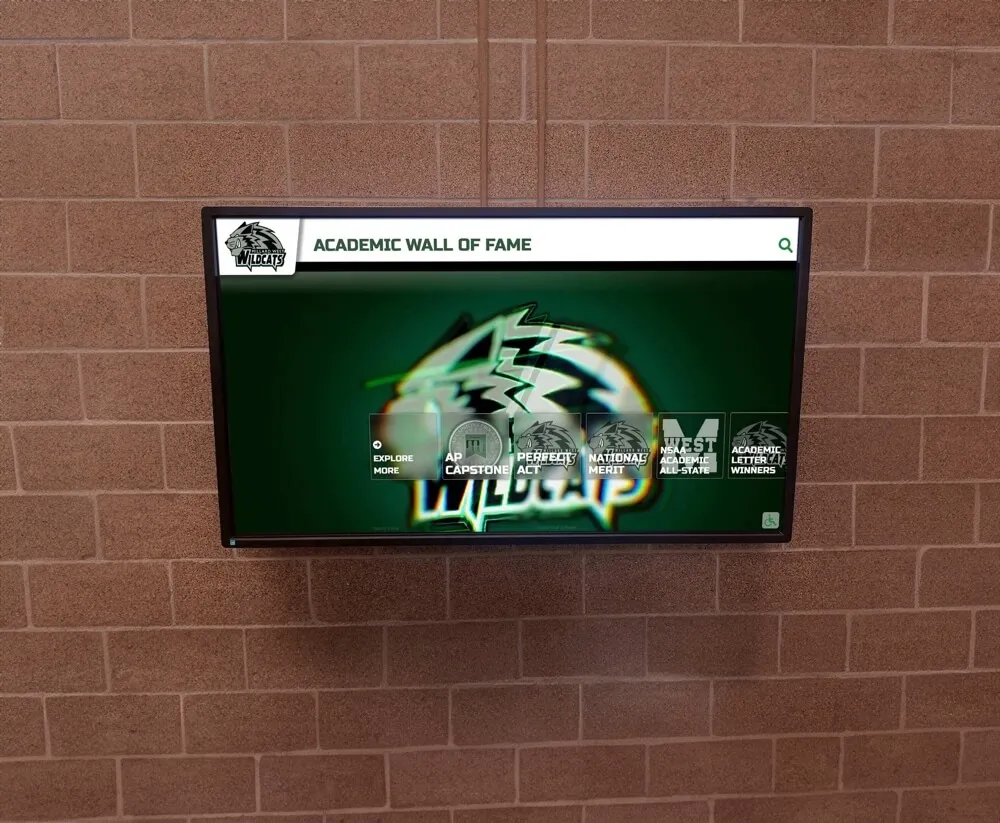
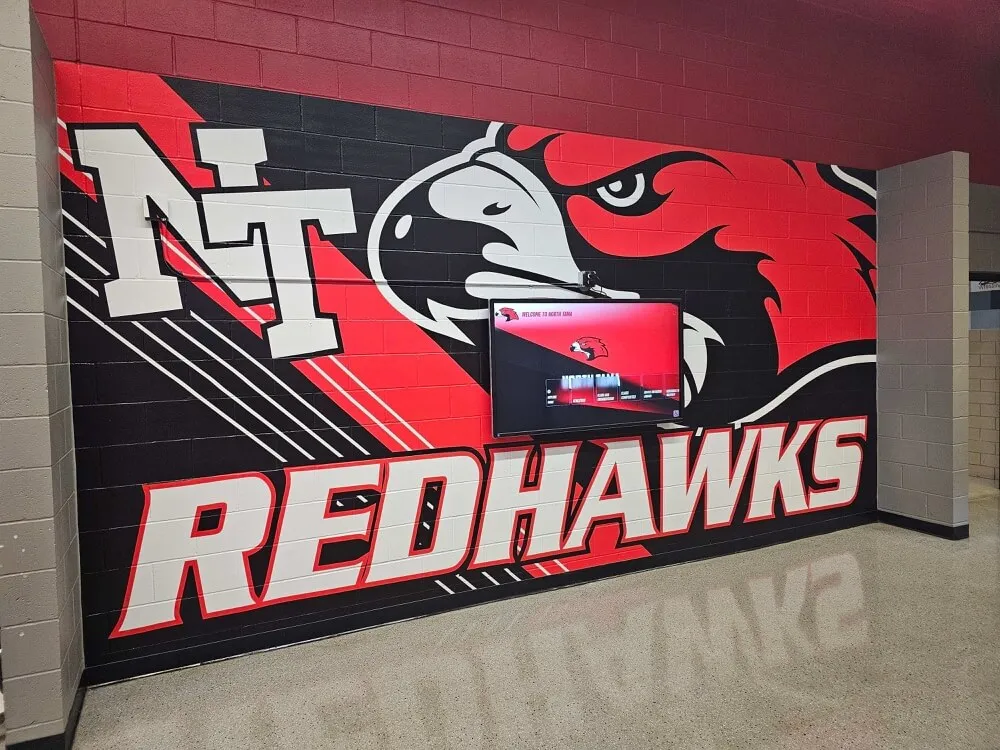
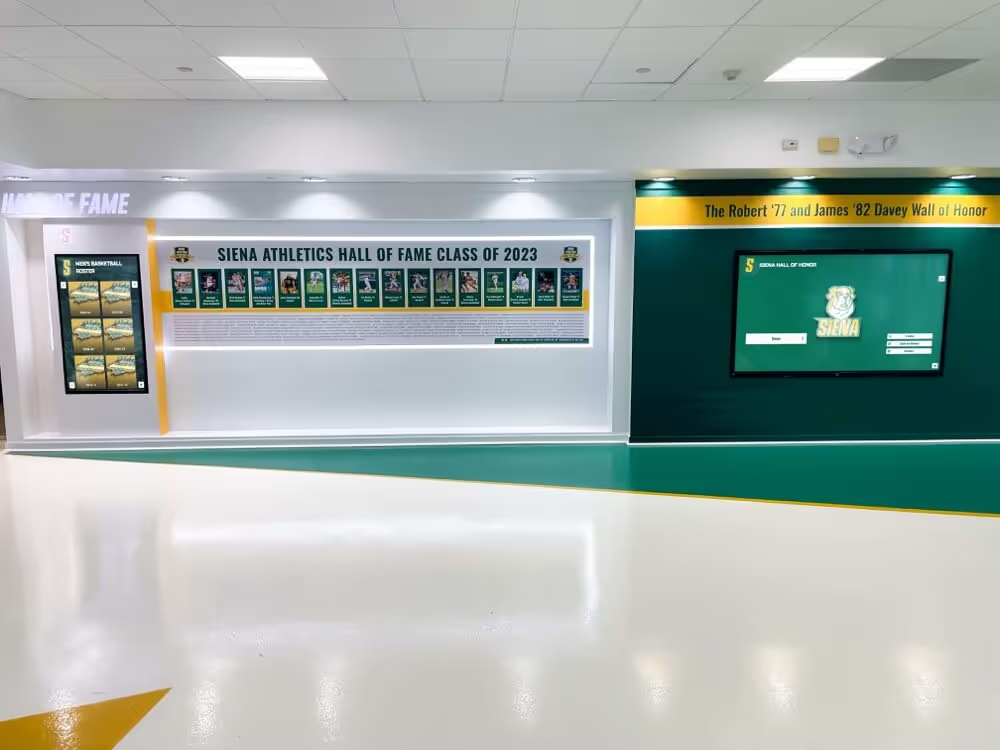
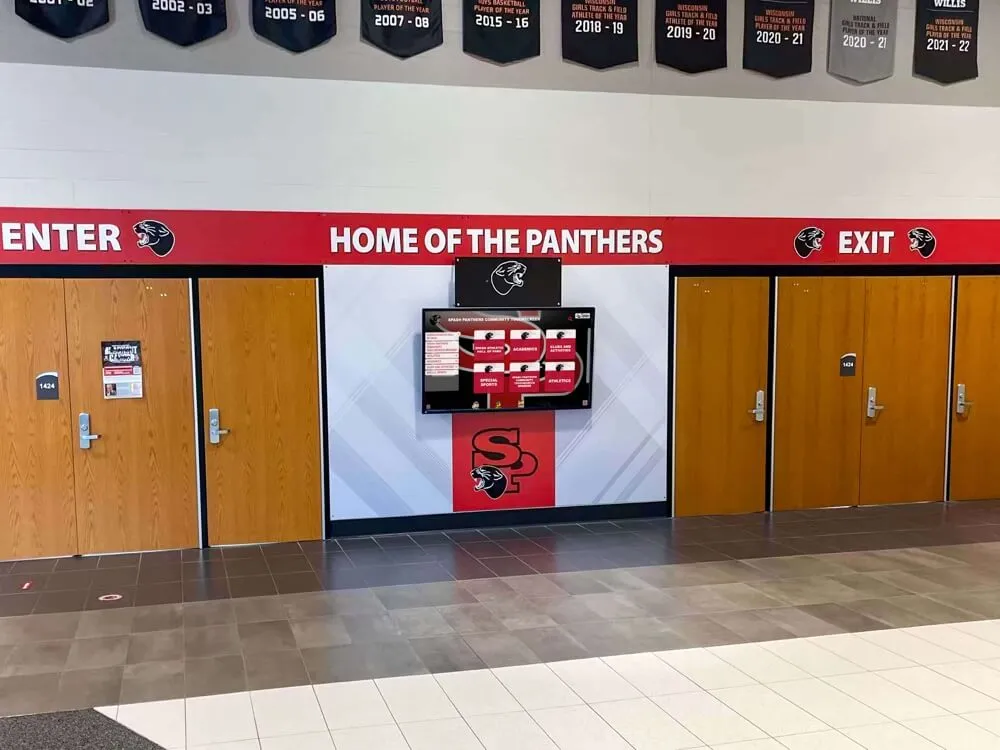
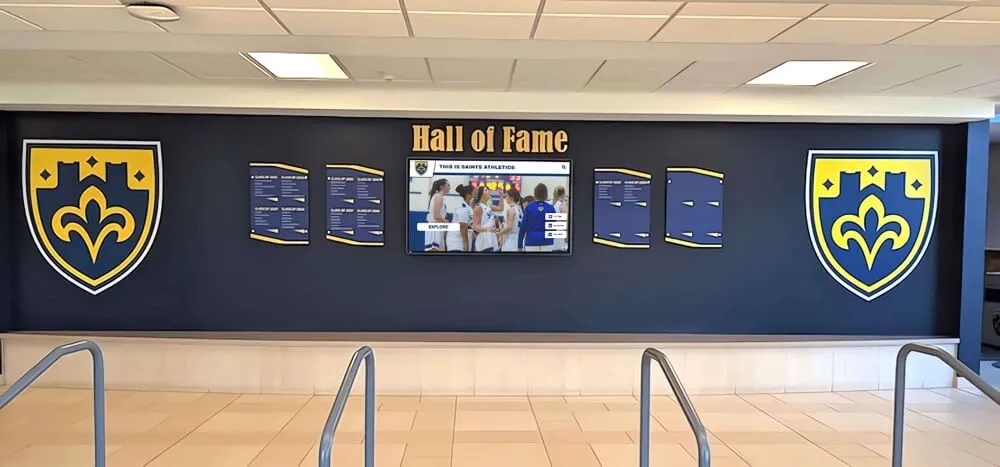
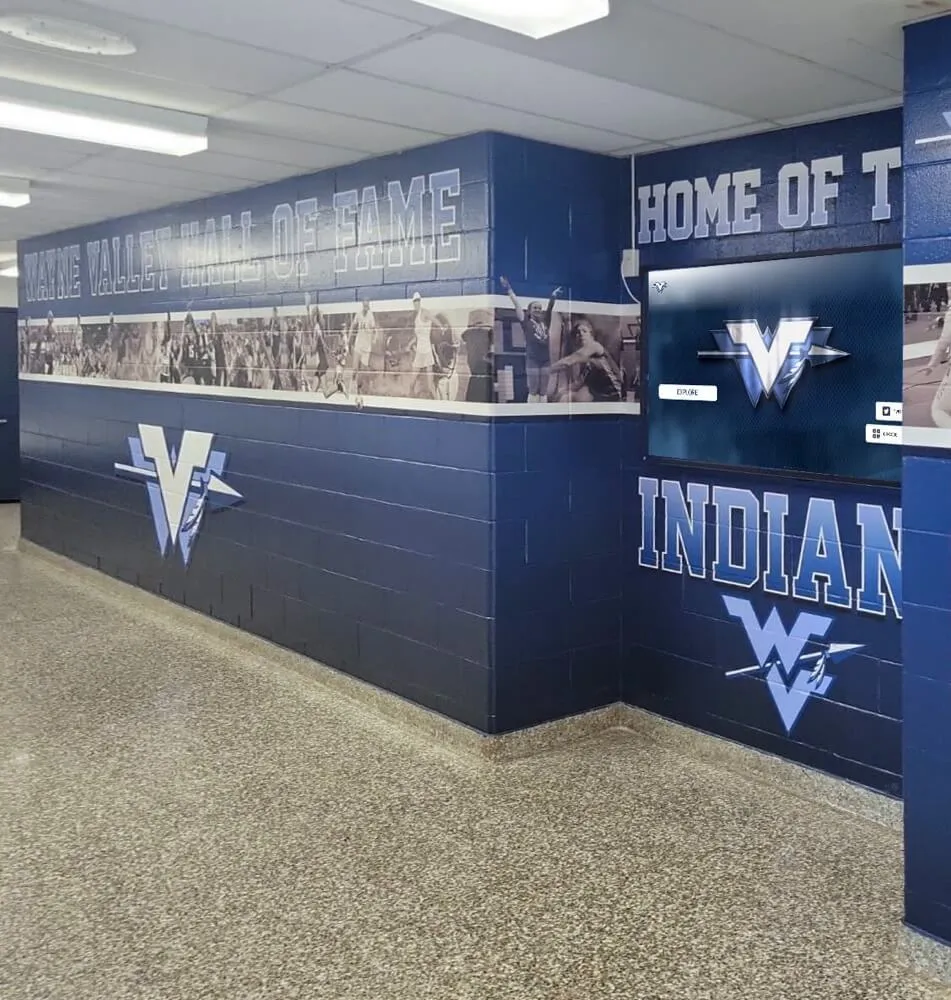
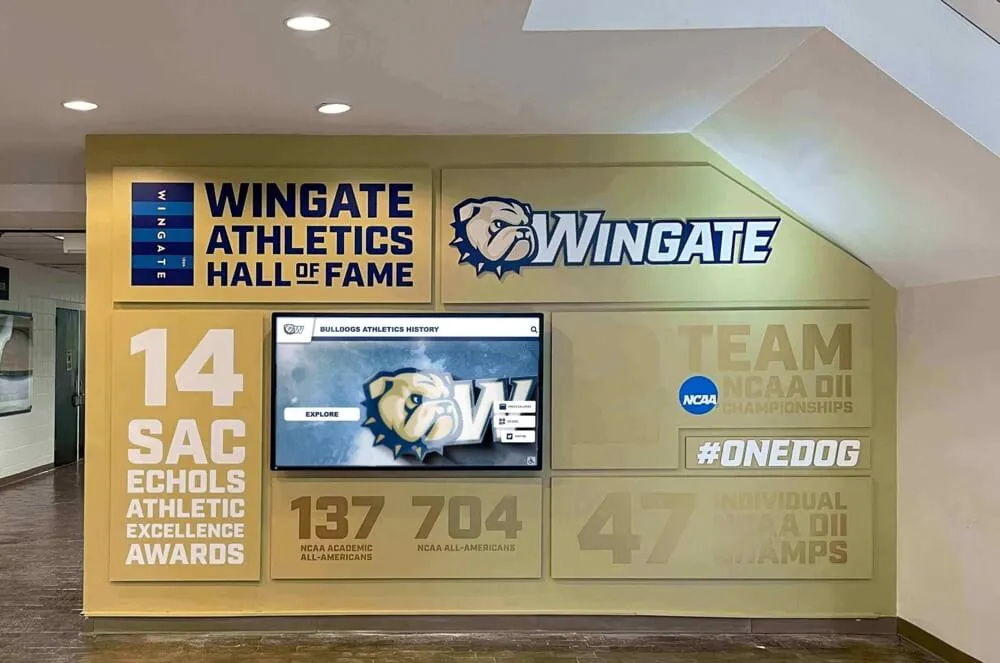
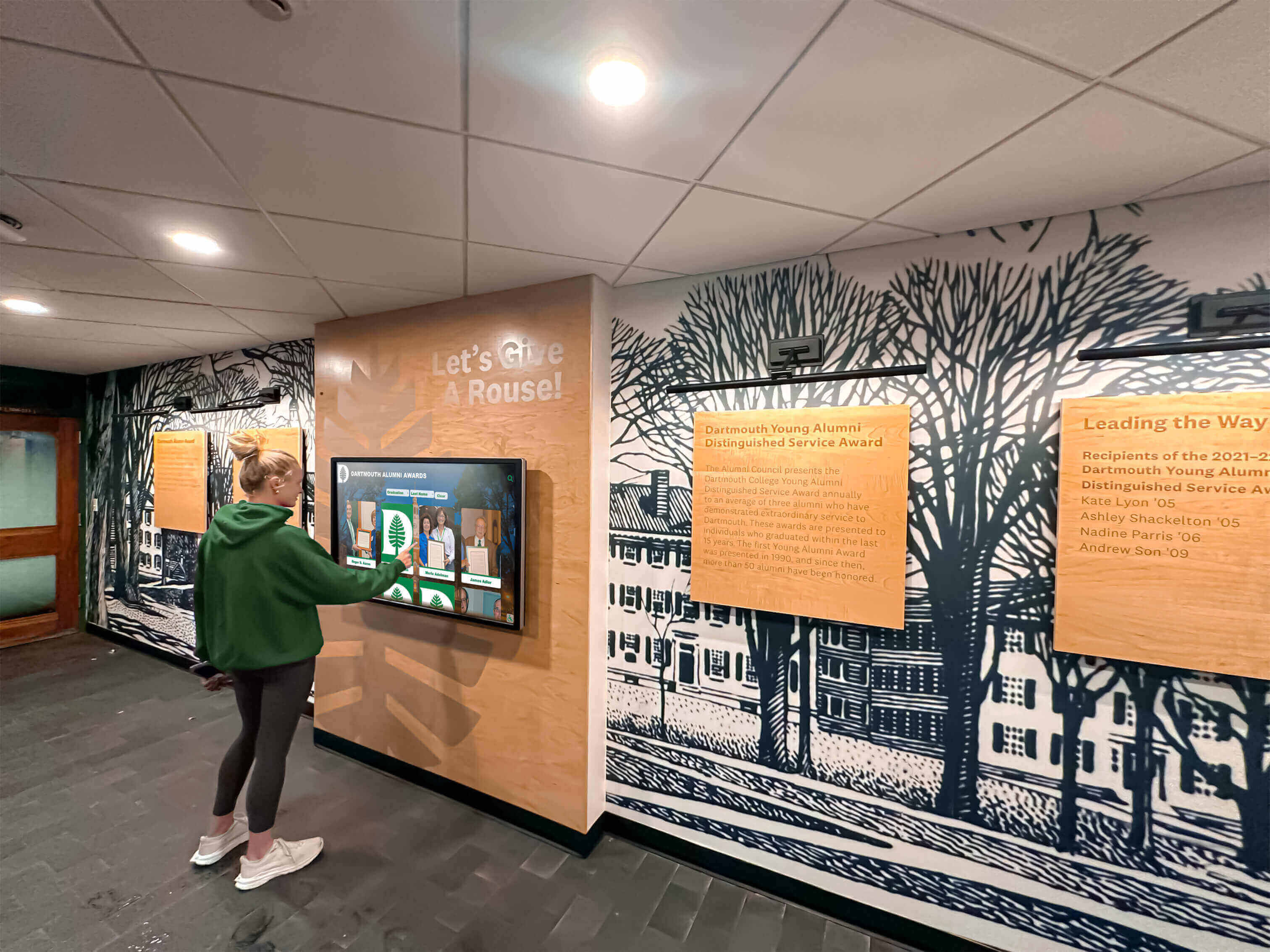
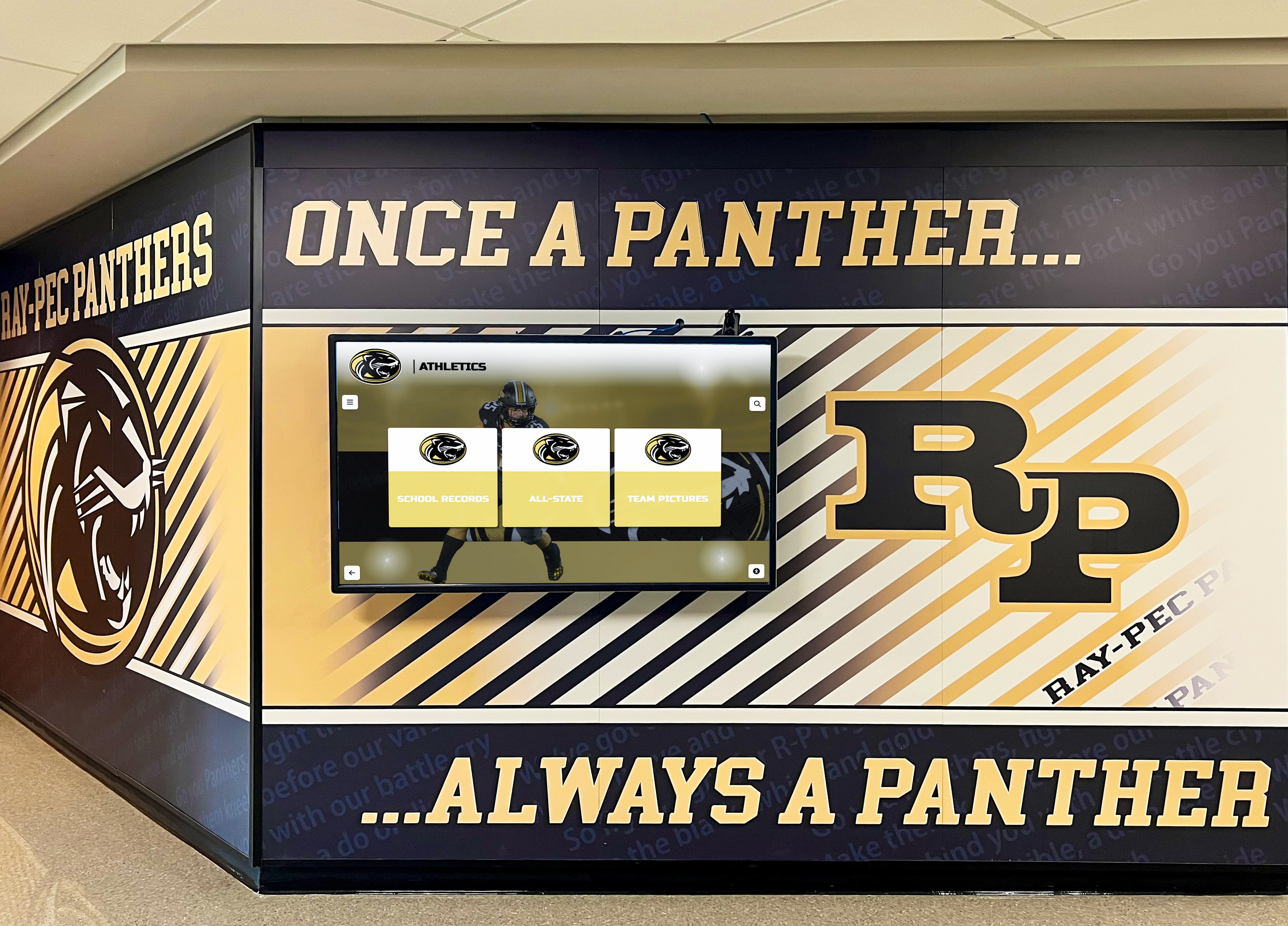
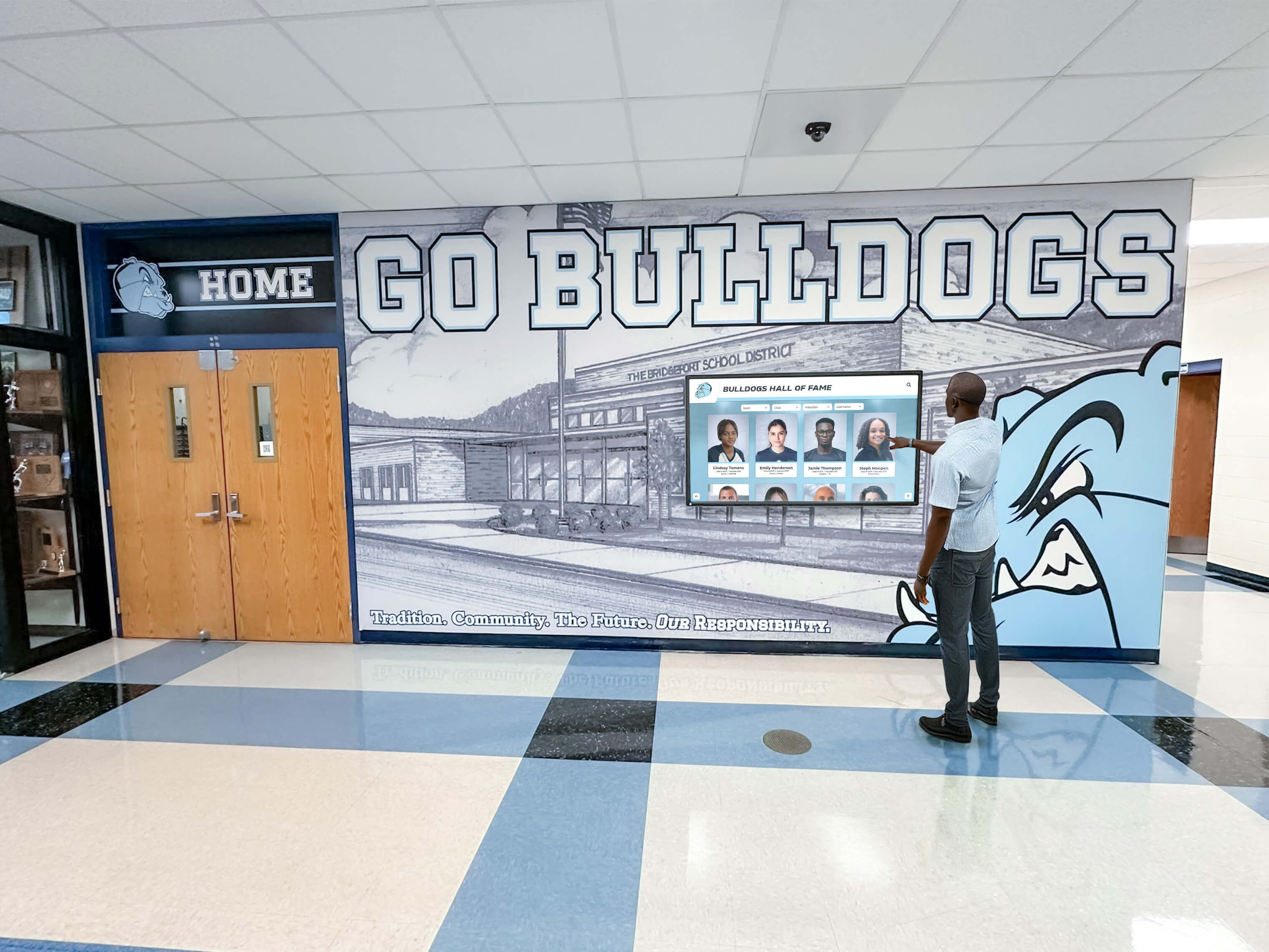
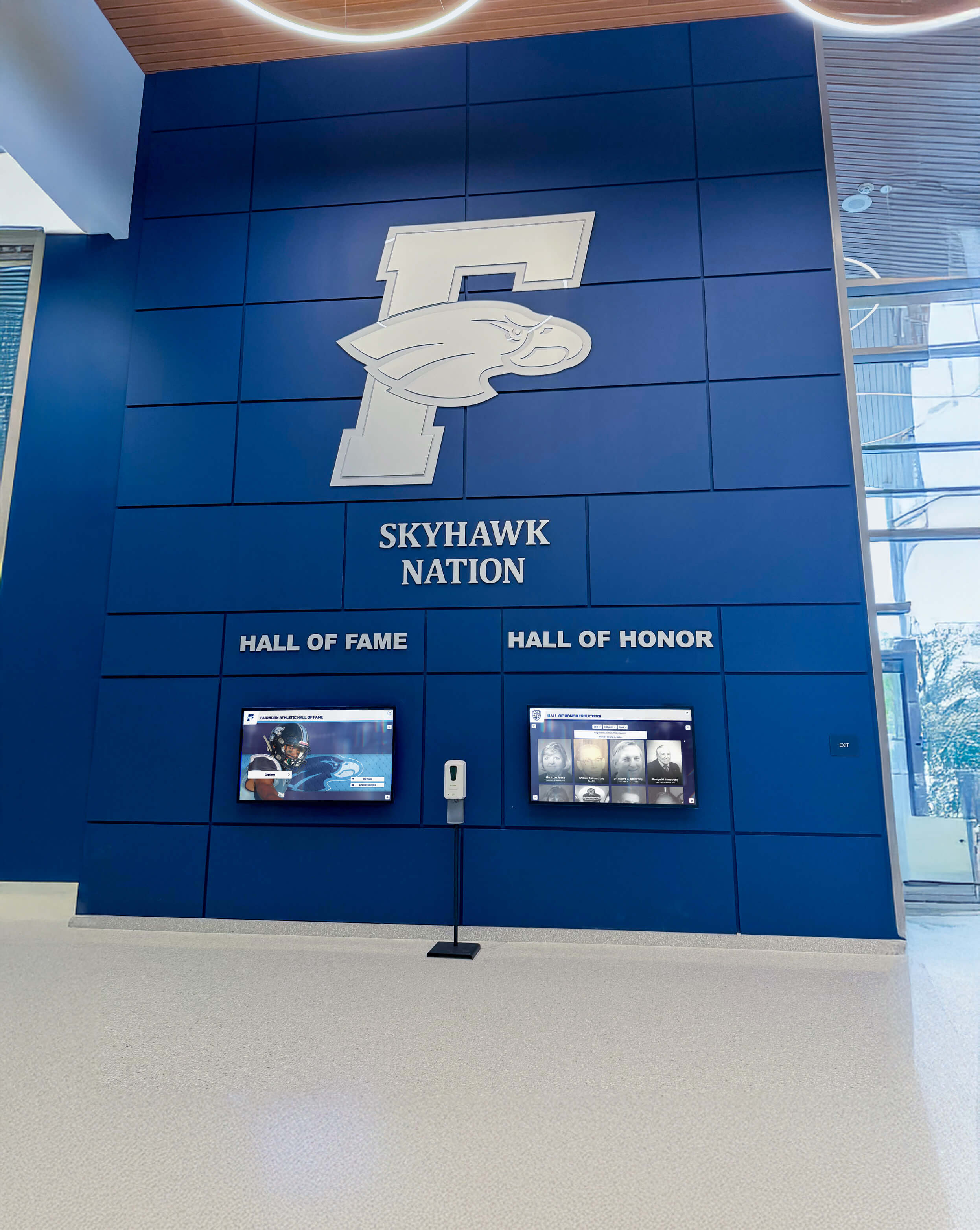
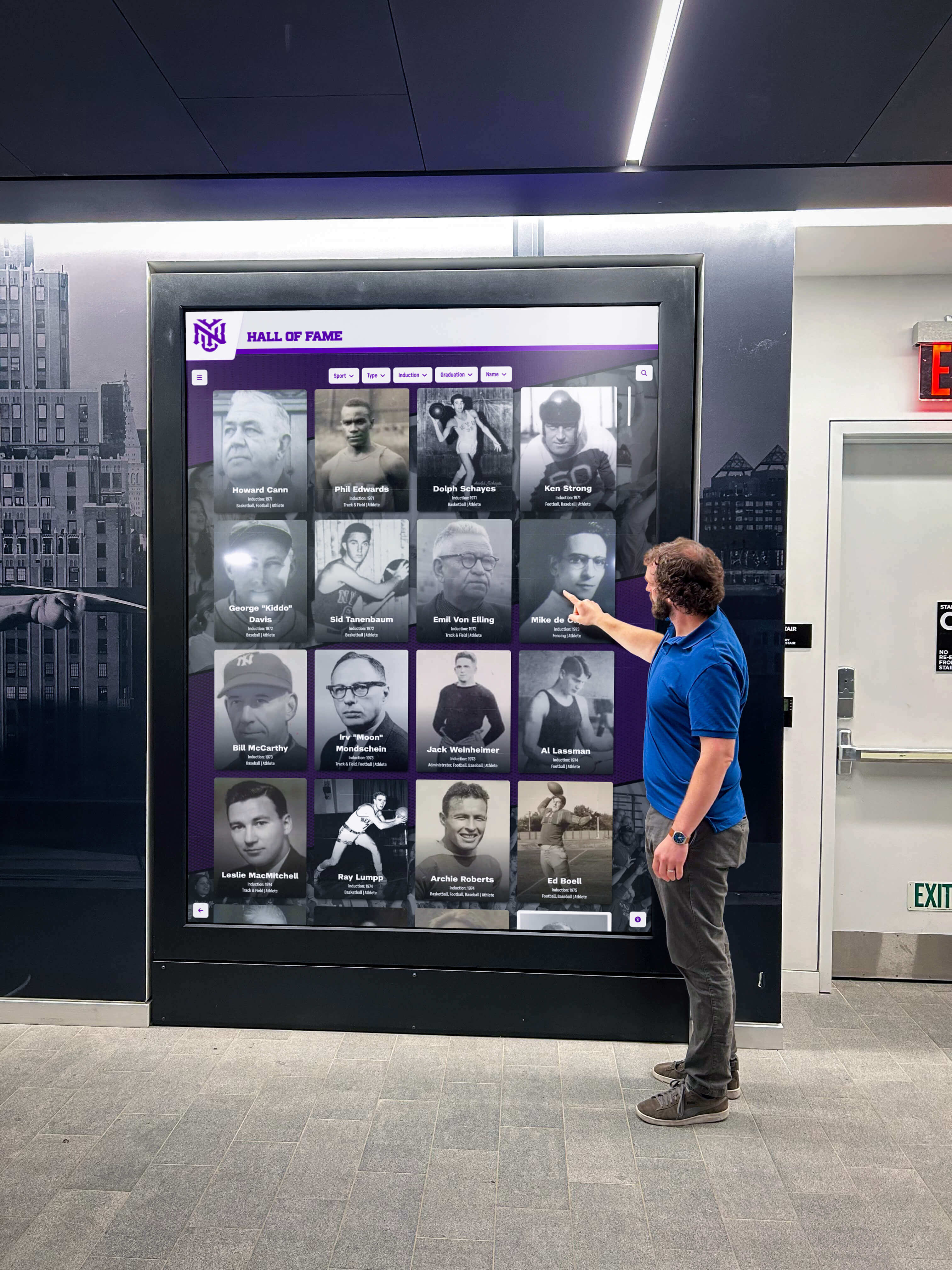
Large interactive touchscreen displays mounted in high-traffic school locations provide prominent physical recognition creating visible institutional commitment to celebrating student leaders. Professional-grade educational touchscreens typically range from 55 to 75 inches, providing sufficient size for hallway visibility while fitting standard mounting locations.
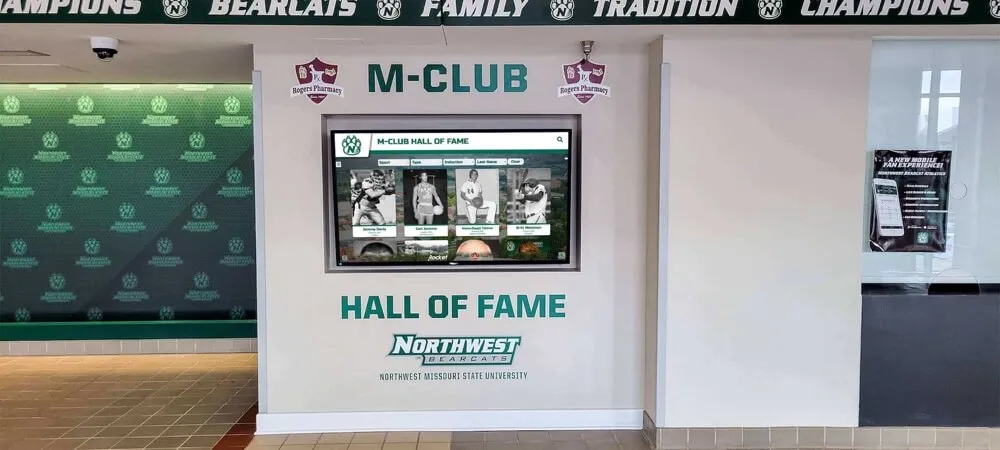
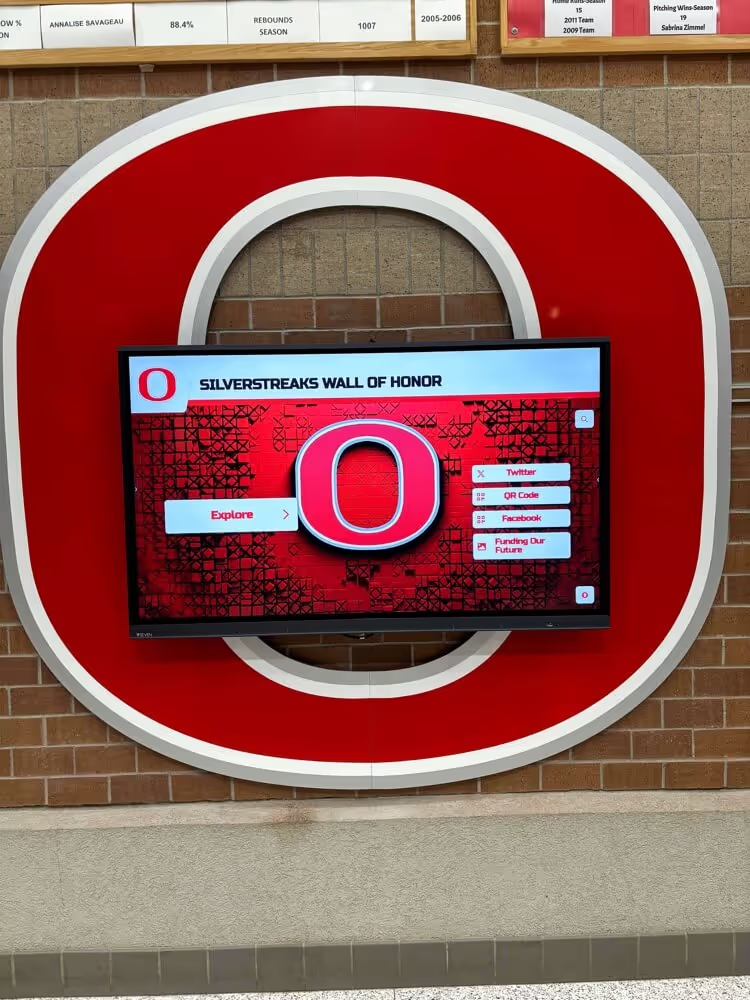
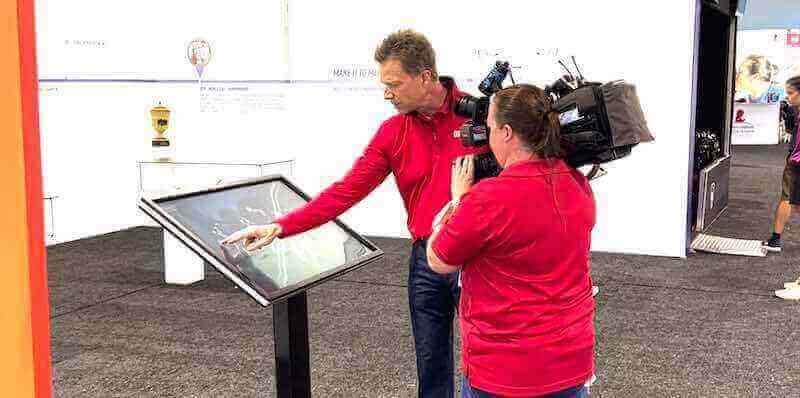
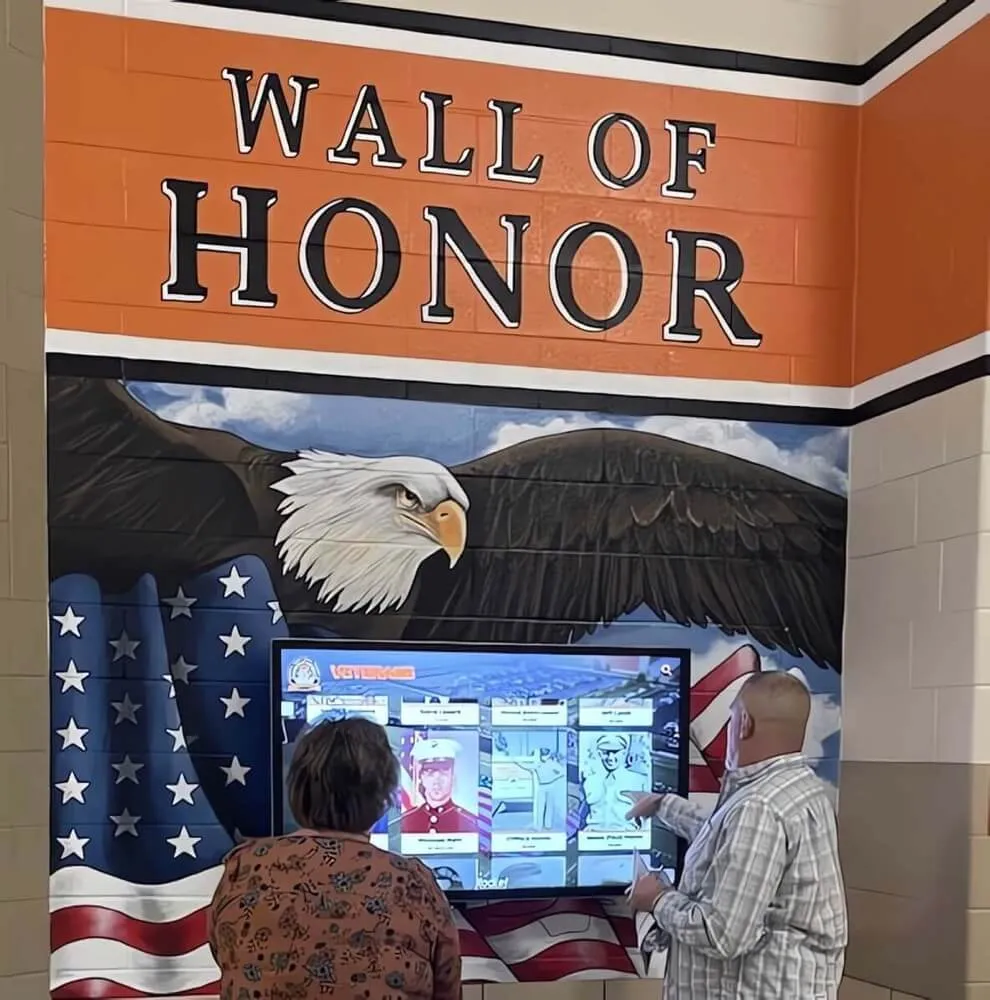
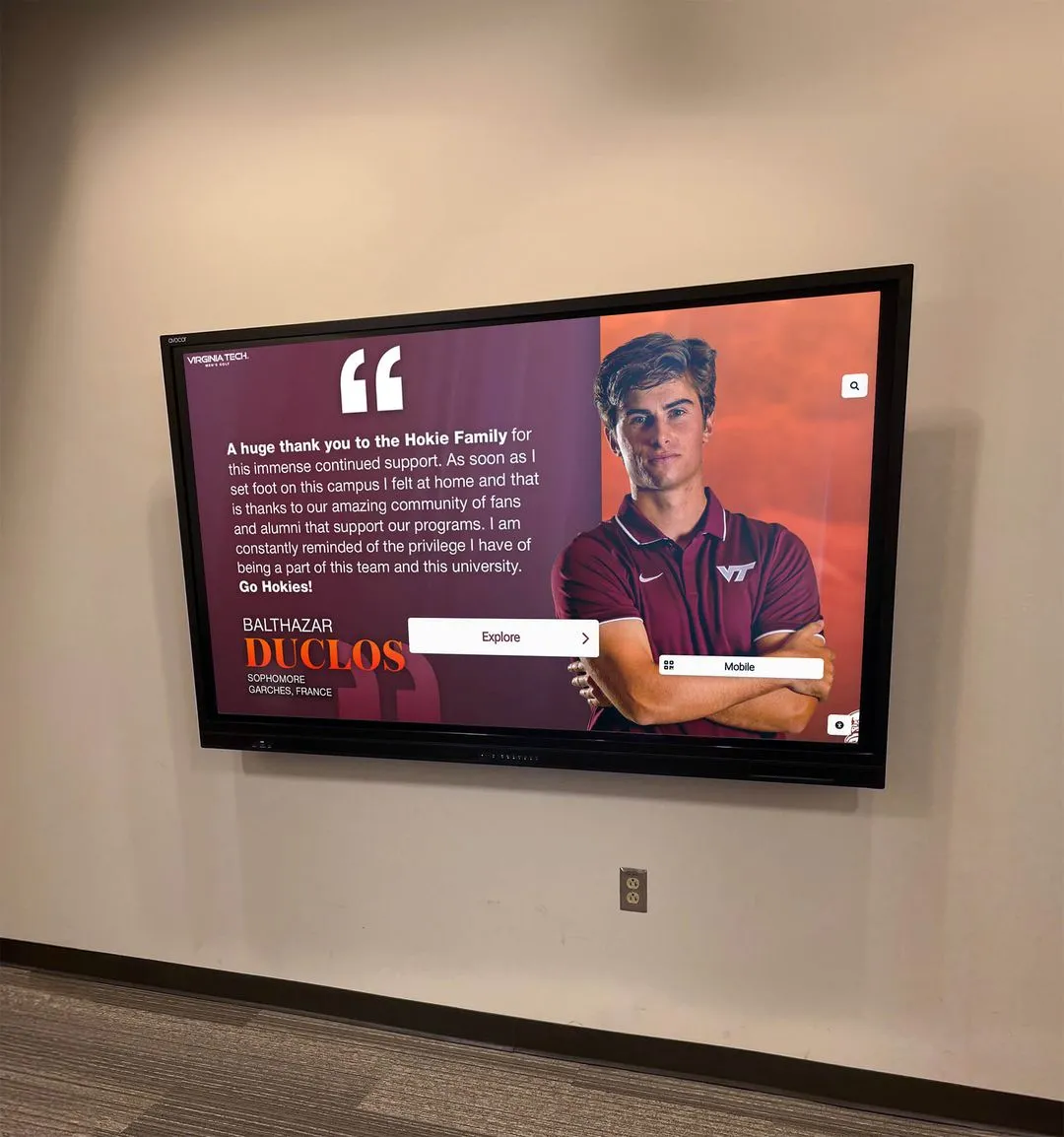
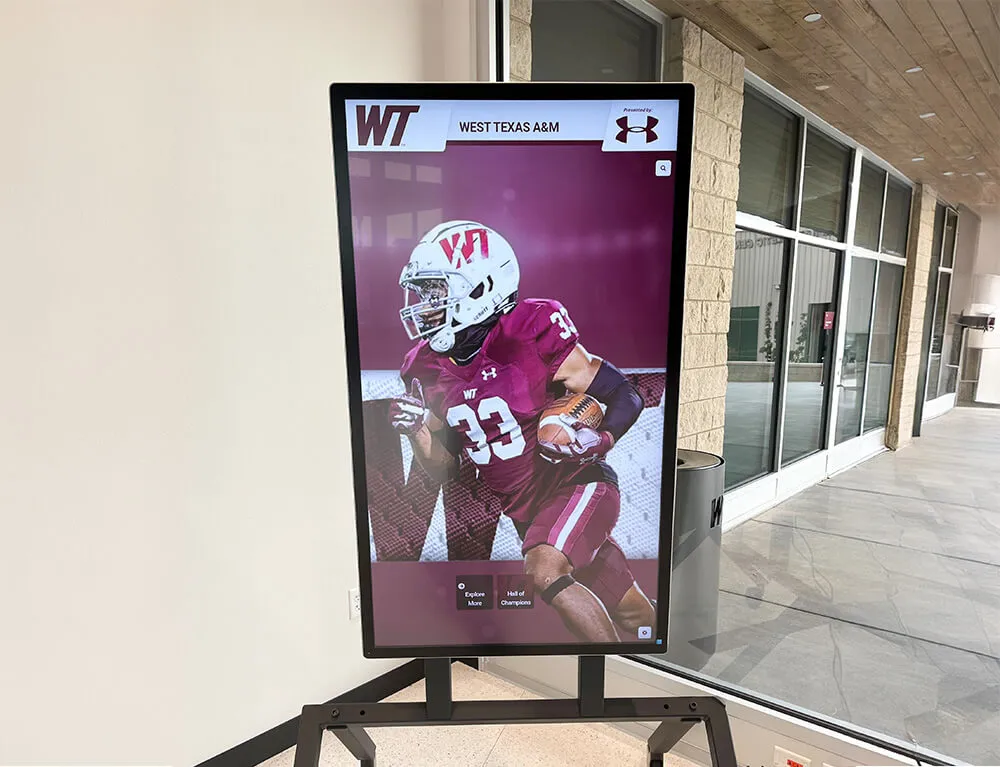
Touchscreen functionality enables students, families, and visitors to browse complete officer archives, search for specific individuals, view detailed recognition profiles, watch video content, and explore leadership histories interactively rather than simply reading static lists. Prominent physical presence in main lobbies, cafeterias, or primary hallways creates focal recognition points impossible to miss.
Professional touchscreen installations typically range from $6,500 to $15,000 for hardware, installation, and initial setup, with annual software subscriptions of $1,000 to $3,000 depending on features. While initial investment exceeds traditional bulletin boards, schools often find total cost of ownership favorable when considering labor savings, unlimited capacity, and enhanced engagement over multi-year periods.
Resources on selecting touchscreen software provide detailed guidance for evaluating hardware options based on specific institutional needs.
Web-Based Recognition Platforms
Digital recognition need not require physical displays. Web-based platforms provide universal access through existing computers, tablets, and smartphones without dedicated hardware investment. Families can explore recognition content from homes, workplaces, or mobile devices during evenings and weekends when physical school access is unavailable.
Web platforms facilitate easy social media sharing, enabling families to celebrate achievements with extended networks. This amplification extends recognition visibility far beyond immediate school communities while providing positive school promotion through authentic family endorsements. Annual subscription costs typically range from $2,000 to $8,000 depending on features, customization, and student population size.
Many schools implement hybrid approaches combining prominent physical touchscreens for on-campus visibility with web extensions enabling remote access. This combination maximizes recognition reach across multiple contexts and audiences, ensuring both physical visitors and remote community members can engage with class officer recognition.
Digital Signage Integration
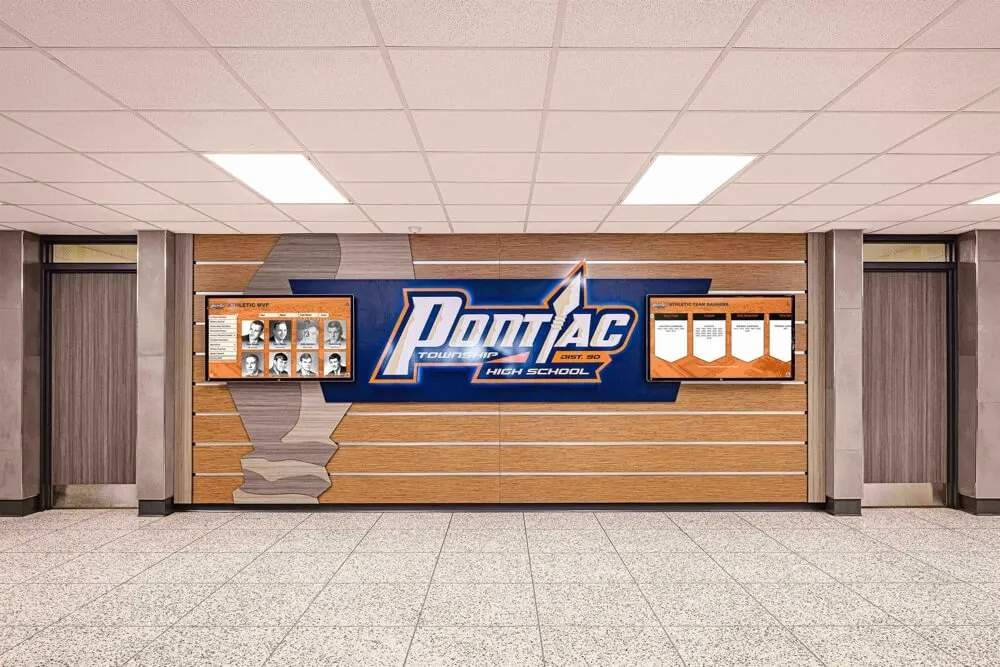
Non-interactive digital signage displays provide middle-ground options between traditional bulletin boards and full interactive touchscreens. Digital signage screens automatically rotate through recognition content, announcements, and other information without user interaction. Class officer profiles can display prominently during portions of rotation cycles, ensuring regular visibility without constant manual updates.
Digital signage displays cost significantly less than interactive touchscreens—typically $2,000 to $5,000 installed—while still providing dynamic digital content capabilities far exceeding static bulletin boards. However, non-interactive screens restrict audience engagement to passive viewing without exploration, search, or detailed content access, reducing impact compared to fully interactive systems.
Implementing Class Officer Selection and Recognition Programs
Digital displays showcase leadership beautifully, but program credibility depends on fair, transparent selection processes and meaningful recognition practices ensuring worthy students receive acknowledgment.
Democratic Election Processes
Most schools select class officers through democratic elections within each grade level, allowing students to vote for peers they believe will best represent their interests and lead effectively.
Nomination and Campaign Procedures
Establish clear nomination processes including eligibility requirements, nomination procedures (self-nomination, peer nomination, or both), campaign period duration and guidelines, campaign material specifications, and rules ensuring fair competition and respectful conduct.
Academic eligibility requirements commonly include minimum GPA thresholds (typically 2.5-3.0), clean disciplinary records, and enrollment status requirements. These standards ensure officers maintain good standing while demonstrating that leadership positions carry responsibility requiring demonstrated maturity and academic commitment.
Campaign periods typically last 1-2 weeks, providing sufficient time for candidates to communicate platforms while avoiding excessive disruption to academic programming. Schools should establish guidelines for campaign materials including poster specifications, social media usage policies, assembly or debate opportunities, and prohibitions on negative campaigning or inappropriate messaging.
Voting Systems and Integrity
Implement secure voting systems ensuring one vote per eligible student, protecting voter privacy, preventing fraud or manipulation, enabling clear result verification, and maintaining appropriate oversight. Many schools use online voting platforms specifically designed for educational elections, which provide security while streamlining administration compared to paper ballots.
Voting typically occurs during designated school days with clear deadlines and procedures for any students absent during voting periods. Student government advisors or faculty committees should oversee election administration, ballot counting, and result verification to ensure integrity and address any concerns about fairness.
Transparent Communication
Publish election procedures, eligibility requirements, campaign guidelines, and voting timelines in student handbooks and communications. Transparency builds trust while helping students understand the electoral process as merit-based and democratic rather than mysterious or arbitrary. Announce results publicly through assemblies, announcements, and digital communications, celebrating newly elected officers while thanking all candidates for their willingness to serve.
Recognition Best Practices
Beyond elections, thoughtful recognition practices ensure class officers receive meaningful acknowledgment throughout their tenure and beyond.
Timely Initial Recognition
Update digital showcases promptly after elections, adding newly elected officers within days rather than weeks or months. Timely recognition demonstrates that schools value the positions while capitalizing on excitement immediately following elections. Initial profiles can be updated with additional accomplishments and information throughout officer tenure as initiatives are completed and achievements accumulate.
Prompt recognition also enables officers to see themselves represented in official displays, reinforcing the significance of their positions and motivating strong service from the outset of their tenure.
Ongoing Updates Throughout Tenure
Rather than creating static profiles at election time, update officer recognition throughout the school year as accomplishments accumulate. Document major events organized, initiatives successfully implemented, challenges overcome, and impacts achieved in real-time rather than attempting to reconstruct achievements months later when details become fuzzy.
Ongoing updates maintain engagement with recognition displays while creating comprehensive documentation of officer contributions impossible to capture through single end-of-year summaries. This approach also distributes content development workload across the entire year rather than creating overwhelming end-of-tenure documentation burdens.
End-of-Year Comprehensive Recognition
Conclude officer tenure with comprehensive recognition including detailed achievement summaries, reflections from officers about their experiences, recognition ceremonies celebrating service, letters of recommendation or endorsements for college applications, and transition to permanent historical archives maintaining their profiles indefinitely.
Many schools hold formal recognition ceremonies during end-of-year honors assemblies or awards nights, presenting certificates or plaques to graduating senior officers while acknowledging underclass officers continuing into next year. Ceremonial elements validate contributions while creating memorable experiences officers will remember throughout their lives.
Connecting Class Officer Recognition to Broader Student Leadership
While class officers represent important leadership positions, most schools benefit from connecting officer recognition to comprehensive leadership acknowledgment systems celebrating diverse student government roles and leadership types.
Student Council and Government Recognition
Beyond grade-level class officers, many schools maintain student councils or government bodies including representatives from each grade, student body president and executive officers, committee chairs (spirit, service, academic affairs), and specialized positions like parliamentarians or historians. Comprehensive digital showcases should recognize all student government positions rather than exclusively celebrating class officers, demonstrating that schools value all forms of elected student leadership.
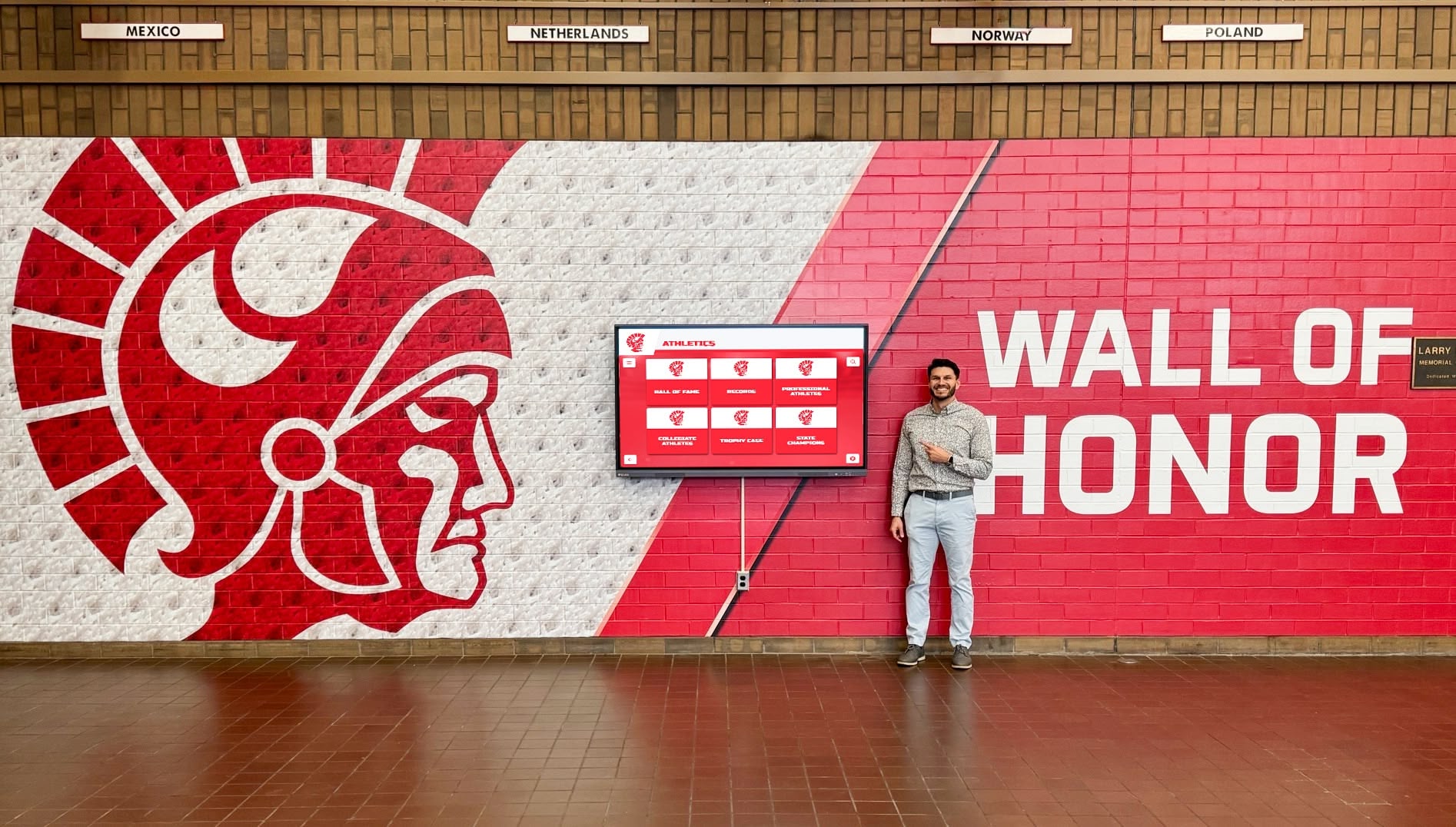
Solutions like those from Rocket Alumni Solutions enable schools to create hierarchical recognition structures showing class officers within broader student government contexts—allowing users to explore all officers from specific years or filter by position type across multiple years. Schools implementing comprehensive academic recognition programs often integrate leadership acknowledgment with broader student achievement systems. This comprehensive approach celebrates student governance as an institutional ecosystem rather than isolated positions.
Club and Organization Leadership
Student leadership extends beyond formal student government to include countless clubs, organizations, and activities where students hold leadership positions including academic club presidents, athletic team captains, performing arts leadership, service organization coordinators, and special interest group leaders. While comprehensive recognition of all organizational leadership may prove impractical, schools might highlight select prominent positions or create separate recognition sections for major club leadership.
Connecting class officer recognition to broader leadership acknowledgment communicates that schools value diverse leadership pathways rather than privileging one governance structure over equally valuable contributions in other contexts. This inclusive approach motivates broader student engagement while ensuring recognition systems celebrate well-rounded leadership rather than narrow definitions.
Academic and Service Leadership Recognition
Leadership takes many forms beyond elected positions or organizational titles. Some schools expand digital showcases to include recognition for peer tutoring and academic mentoring, community service leadership, advocacy and social justice initiatives, peer mediation and conflict resolution, and student research and innovation.
This expansive view of leadership acknowledges that meaningful contributions to school communities come through various channels—not exclusively through formal elections or titled positions. Schools can enhance these programs with senior class recognition displays that celebrate diverse leadership achievements. Schools implementing comprehensive leadership recognition report increased student engagement as more individuals see realistic pathways to acknowledgment aligned with their interests and strengths.
Budget Considerations and Funding Strategies
Creating quality digital showcases requires financial investment, but strategic planning ensures schools maximize impact while managing costs effectively.
Initial Investment Components
Understanding typical cost structures helps schools budget appropriately and make informed decisions about implementation approaches.
| Expense Category | Budget Range | Notes |
|---|---|---|
| Interactive Touchscreen Hardware | $5,000 - $15,000 | Professional-grade display, mounting, installation |
| Cloud-Based Software Platform | $2,000 - $8,000/year | Subscription model with content management system |
| Content Development | $1,000 - $5,000 | Photography, writing, initial profile creation |
| System Integration | $1,000 - $3,000 | Integration with existing systems, training |
| Ongoing Maintenance | $1,000 - $3,000/year | Software updates, technical support, hosting |
These ranges reflect typical educational pricing for professional systems. Schools serving larger populations or implementing particularly sophisticated features may encounter costs at higher ends of ranges, while smaller institutions with modest needs may achieve lower-cost implementations.
Cost-Effective Implementation Strategies
Schools facing budget constraints can implement effective recognition without requiring maximum investment through several strategic approaches.
Phased Implementation
Begin with basic web-based platforms or single display installations while planning future expansion as funding becomes available. Initial phases might include modest digital signage displaying class officer photographs and names, basic web pages with officer profiles, or simple touchscreen installations in single locations. Starting simple ensures immediate improvement over traditional methods while building toward comprehensive systems gradually.
Phased approaches allow schools to demonstrate value and build stakeholder support before requesting additional investment for expanded features or multiple locations. Success in initial phases often generates enthusiasm making subsequent funding requests more successful.
Multi-Purpose Recognition Infrastructure
Justify investment by implementing systems serving multiple recognition purposes beyond class officers including athletic halls of fame, academic achievement recognition, arts and activities honors, alumni recognition, and distinguished faculty acknowledgment. When digital systems serve comprehensive recognition needs, costs distribute across multiple programs, making per-program expenses more reasonable while creating centralized recognition platforms enhancing school culture holistically.
Resources on implementing comprehensive student recognition systems explore strategies for building multipurpose platforms maximizing institutional value while managing costs effectively.
Grant Funding and External Support
Pursue educational technology grants from local foundations, corporate giving programs, state education agencies, or national organizations supporting student engagement initiatives. Many grant opportunities support projects enhancing student motivation, leadership development, and school culture—outcomes digital recognition demonstrably achieves.
Parent-teacher organizations, booster clubs, alumni associations, and education foundations often willingly support recognition initiatives directly benefiting student development. Presenting clear proposals with specific implementation plans and anticipated outcomes increases funding success rates.
Student and Community Partnerships
Reduce expenses by leveraging volunteer talent within school communities including student photographers documenting officers, student journalists writing profiles, technology classes building web components, parent volunteers with relevant expertise, and local business partnerships providing services or equipment.
These partnerships build community investment in recognition initiatives while developing student skills through authentic real-world projects. Students particularly value recognition systems they helped create, increasing engagement while reducing institutional costs.
Measuring Recognition Program Effectiveness
Assessing the impact of class officer recognition helps schools understand program value, identify improvement opportunities, and demonstrate return on investment justifying continued support.
Quantitative Success Metrics
Participation Indicators
- Number of students seeking class officer positions
- Voter turnout in class officer elections
- Quality and competitiveness of candidate pools
- Retention rates of elected officers completing full terms
- Engagement metrics from digital displays (views, searches, interactions)
Reach and Visibility Measures
- Website traffic to officer recognition pages
- Social media engagement with officer announcements
- Attendance at officer recognition ceremonies
- Alumni engagement with historical officer archives
- Community feedback on recognition initiatives
Technical Performance Data
- Display uptime and system reliability
- Average time required for content updates
- Staff satisfaction with recognition management platforms
- Mobile device usage accessing recognition content
- Search functionality usage and effectiveness
Qualitative Impact Assessment
Beyond numbers, recognition programs influence school culture through less quantifiable but equally important mechanisms that require thoughtful qualitative evaluation.
Student Leadership Development
Survey class officers about whether recognition motivated their decision to seek leadership positions, provided meaningful validation for their service, influenced their leadership approach or commitment level, and created lasting positive memories of their high school experience. Officer perspectives directly indicate whether recognition achieves intended motivational and developmental outcomes.
Gather input from student government advisors about whether recognition quality influences the caliber of students seeking positions, affects how seriously officers approach their responsibilities, or impacts general student perception of student government value.
School Culture Impact
Assess broader cultural elements potentially influenced by recognition including student awareness of and engagement with student government, perception that schools value student leadership, sense that leadership opportunities exist for diverse students, and visibility of student governance in school identity. Recognition contributes positively when students perceive that schools genuinely celebrate leadership rather than maintaining perfunctory acknowledgment.
Alumni Connection
Track alumni engagement with historical officer archives including website visits from alumni accessing recognition, requests from alumni for information about past officers, social media sharing by alumni discovering their old profiles, and feedback during reunions about appreciation for preserved leadership history. Alumni engagement demonstrates lasting value extending beyond current students.
Advanced Features and Future Capabilities
Once basic class officer recognition operates smoothly, schools can implement enhanced features deepening impact and engagement while leveraging emerging technologies.
Multimedia Content Enhancement
Digital platforms support rich media far beyond text and static photographs, enabling increasingly engaging recognition as schools develop more sophisticated content.
Video Integration
Include video content featuring elected officers discussing their platforms during campaigns, officers reflecting on their experiences and accomplishments, documentation of major events or initiatives they organized, advice from graduating officers to future leaders, and time-lapse or compilation videos showing officer teams throughout the year.
Video content humanizes recognition while providing engaging material that performs well on social media when families and schools share achievements. Short 30-60 second clips prove most effective—long enough to convey meaningful content but brief enough to maintain viewer attention.
Event Documentation and Photo Galleries
Rather than single portrait photographs, create galleries showing officers in various contexts including campaign activities and election night celebrations, planning meetings and leadership sessions, events organized by officer teams, candid moments with classmates and staff, and formal portraits in diverse settings.
Multiple images tell richer stories than isolated portraits while showcasing the breadth of officer involvement and the reality of student government work. Photo galleries also provide opportunities to recognize supporting cast members—committee participants, advisors, administrators—who contribute to successful student governance.
Social Media Feed Integration
Embed live social media feeds displaying posts tagged with officer-related hashtags or from official student government accounts. Real-time social integration keeps recognition current while showcasing ongoing officer activities throughout their tenure. Dynamic social content also encourages repeat visits as displays update automatically with fresh content rather than remaining static until manual updates occur.
Alumni Connection and Networking Features
Historical officer archives create natural alumni engagement touchpoints that schools can enhance through dedicated features connecting past and present student leaders.
Alumni Profile Updates
Enable past officers to update their profiles with post-graduation information including colleges attended and degrees earned, career paths and professional accomplishments, community involvement and civic leadership, reflections on how class officer experience influenced their development, and willingness to mentor current students or speak at events.
Updated alumni profiles transform historical archives into living networks demonstrating tangible outcomes of student leadership experience. Current students exploring these updated profiles see clear evidence that high school leadership correlates with continued success, providing motivation and inspiration.
Mentorship Connection Features
Facilitate connections between current officers and alumni who held similar positions including mentorship programs pairing current presidents with past presidents, virtual networking events connecting officers across generations, career guidance from alumni with relevant professional experience, and advice networks where current officers can seek input from predecessors.
These intergenerational connections enrich current officer experience while deepening alumni engagement with their alma maters. Alumni often eagerly support current students when provided convenient, meaningful engagement opportunities.
Reunion and Anniversary Recognition
Leverage historical archives during reunion planning by highlighting which alumni served as class officers, facilitating class officer reunions within broader reunion events, recognizing milestone anniversaries of particular officer terms, and creating special recognition for particularly impactful or long-serving student leaders.
Reunion-focused features demonstrate ongoing institutional appreciation for past leadership while creating additional reasons for alumni to attend reunions and remain engaged with school communities.
Integration with Learning Management and Student Information Systems
Advanced implementations can integrate class officer recognition with broader educational technology infrastructure creating seamless information flow and reduced administrative burden.
Automated Data Synchronization
Connect recognition platforms with student information systems to automatically pull basic student data including accurate student names and IDs, current grade levels and graduating years, enrollment status for eligibility verification, and updated photographs from school databases.
Automated synchronization reduces manual data entry while ensuring accuracy and consistency across school systems. When students are elected, their basic information populates recognition profiles automatically, requiring staff only to add leadership-specific content rather than recreating complete profiles from scratch.
Activity and Service Hour Tracking
Integrate with systems tracking student activities and service hours to automatically document officer meeting attendance, participation in events organized, volunteer hours contributed through leadership roles, and accumulation of leadership experience over time.
Automated tracking reduces administrative burden while creating comprehensive records of officer engagement that prove valuable for college applications, scholarship opportunities, and internal recognition decisions.
Conclusion: Building Recognition That Inspires Leadership
Digital showcases for high school class officers represent far more than modernizing outdated bulletin boards. When implemented thoughtfully, these systems create comprehensive leadership recognition that validates student governance contributions, inspires future student engagement, preserves institutional history across generations, and demonstrates genuine commitment to celebrating the students who dedicate themselves to serving their peers and improving school communities.
Effective class officer recognition programs share common characteristics regardless of specific technology platforms or implementation approaches:
- Democratic selection processes ensuring fair, transparent elections
- Comprehensive content documenting accomplishments and leadership impact
- Strategic visibility ensuring recognition reaches multiple audiences
- Historical archives maintaining complete institutional leadership records
- Sustainable management processes surviving personnel transitions
- Connection to broader recognition ecosystems celebrating diverse leadership
- Continuous assessment and improvement based on stakeholder feedback
The investment schools make in digital class officer recognition yields returns in leadership development, school culture, alumni engagement, and community pride. Recognition communicates that schools value student governance, appreciate dedicated service, celebrate leadership contributions, and believe student voices matter in shaping educational experiences.
Solutions like digital recognition platforms from Rocket Alumni Solutions provide comprehensive systems specifically designed for educational leadership recognition, offering intuitive content management, engaging interactive displays, proven implementation approaches, and ongoing support helping schools build recognition programs their student leaders deserve.
Ready to transform how your school celebrates class officer leadership? Explore comprehensive digital recognition solutions that honor student government excellence while building school cultures where leadership is valued, developed, and meaningfully recognized. Your class officers invest countless hours serving their peers—effective digital showcases ensure those contributions receive the prominent, permanent, engaging recognition they genuinely deserve.