



Key Takeaways
Discover 20 actionable ideas for using digital record boards to increase campus engagement. Complete guide for schools and universities seeking interactive recognition solutions that build community.
Understanding Digital Record Boards and Campus Engagement
Before implementing specific ideas, clarity around what digital record boards are and why they drive engagement differently than traditional approaches informs better selection and deployment decisions.
What Makes Digital Record Boards Different
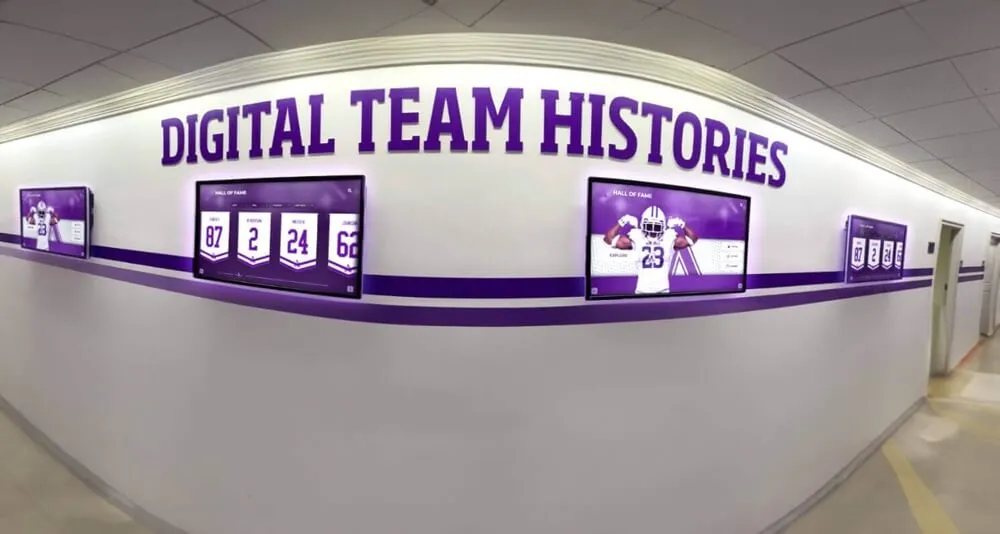
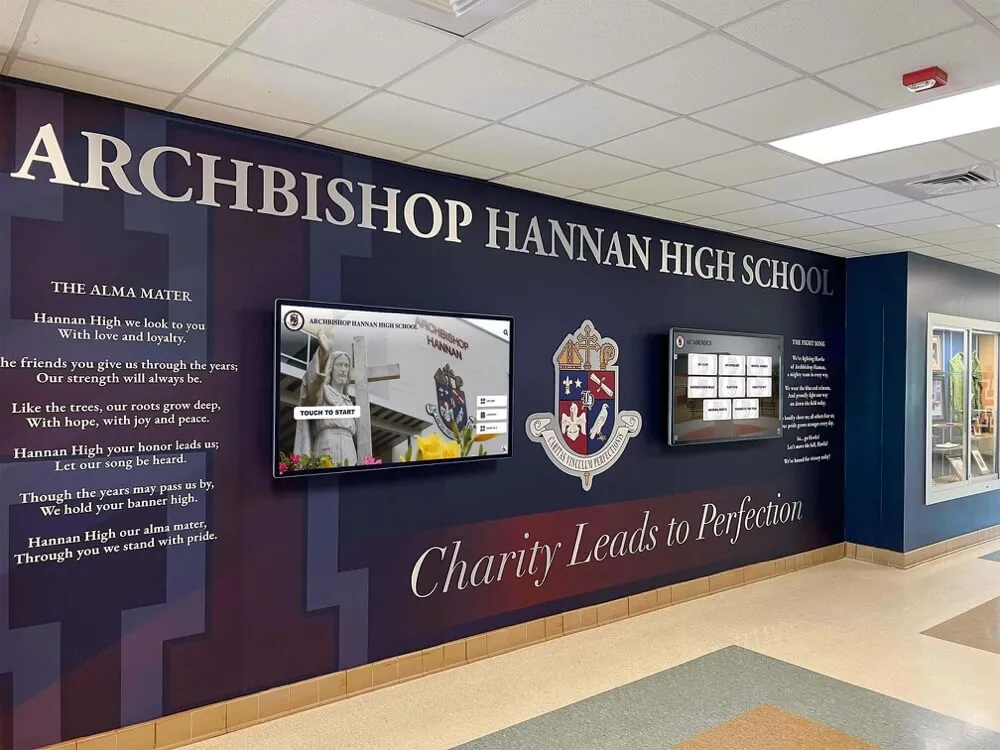
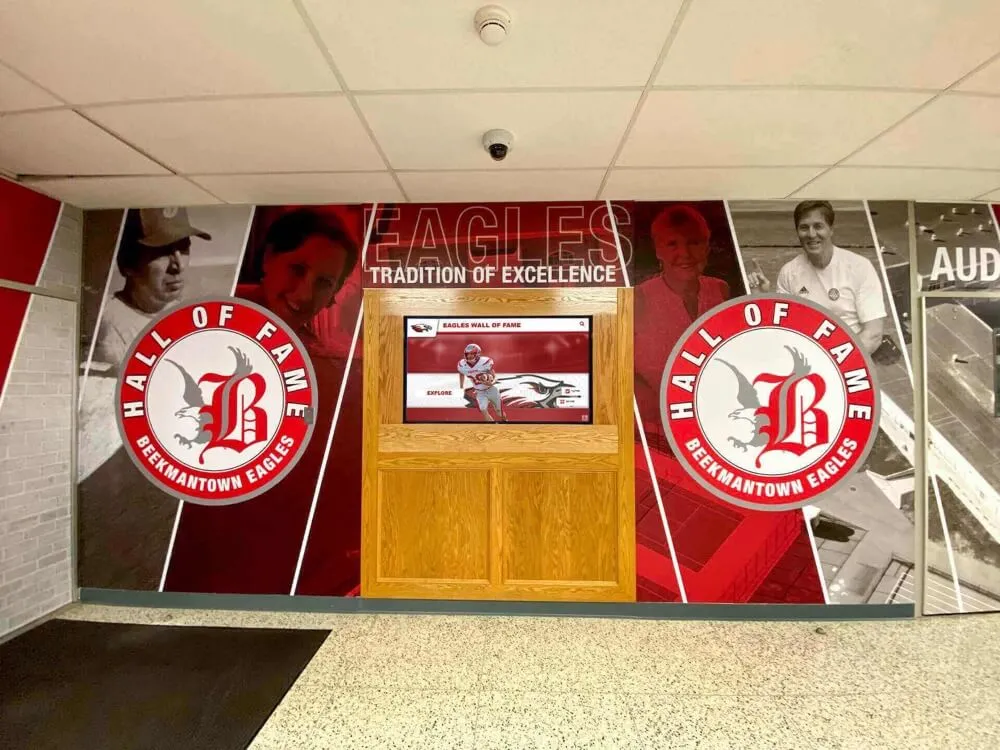
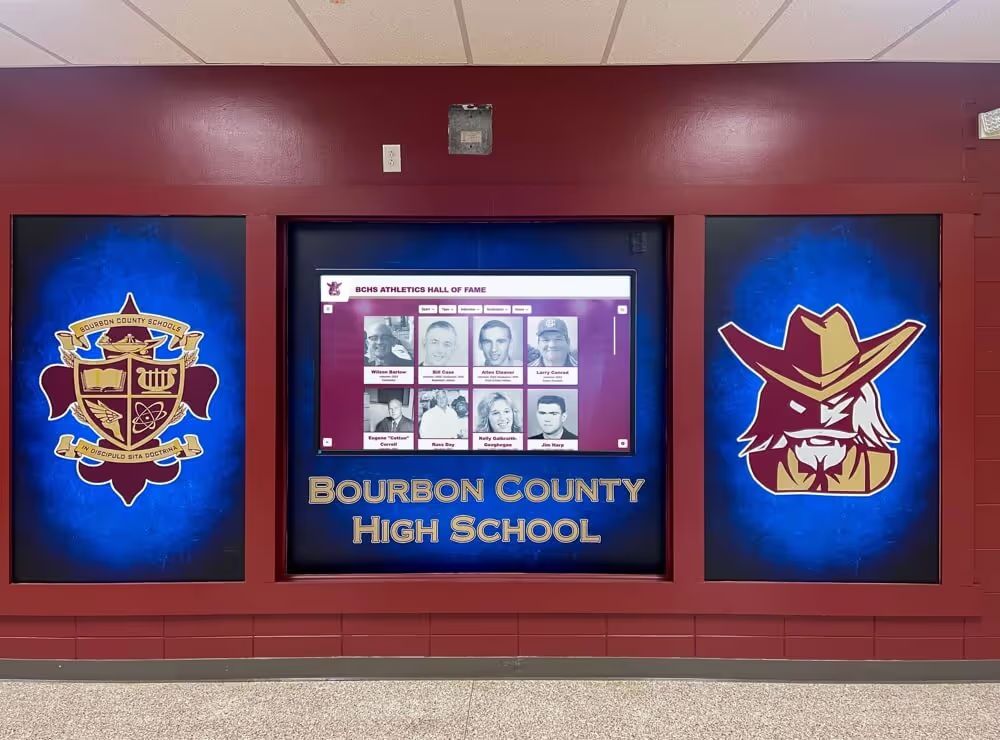
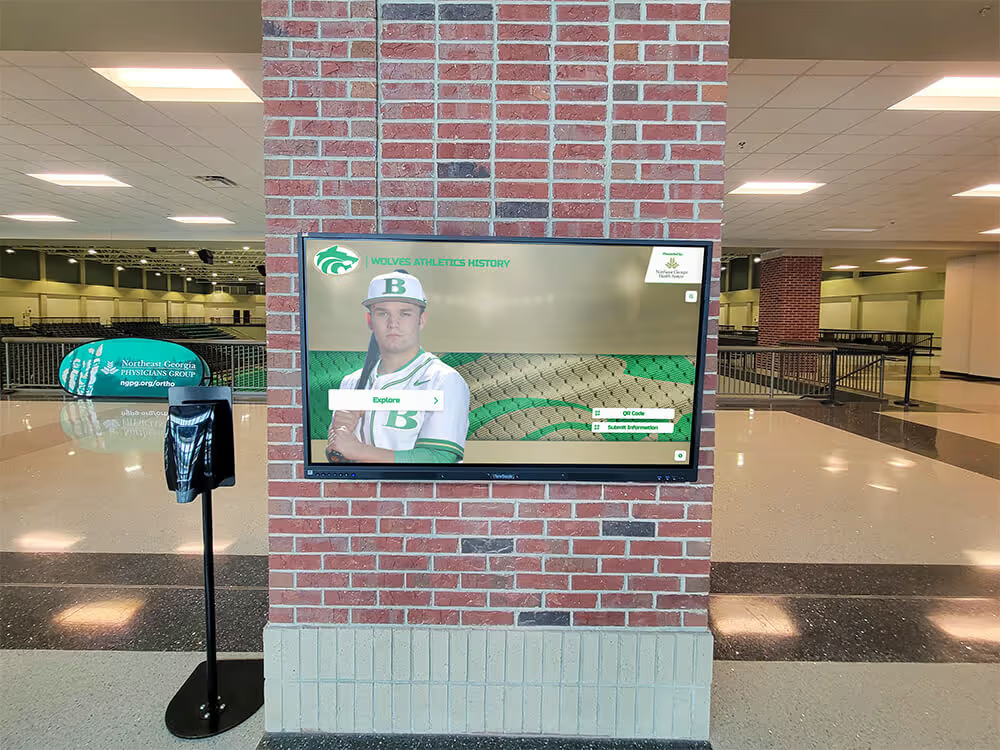
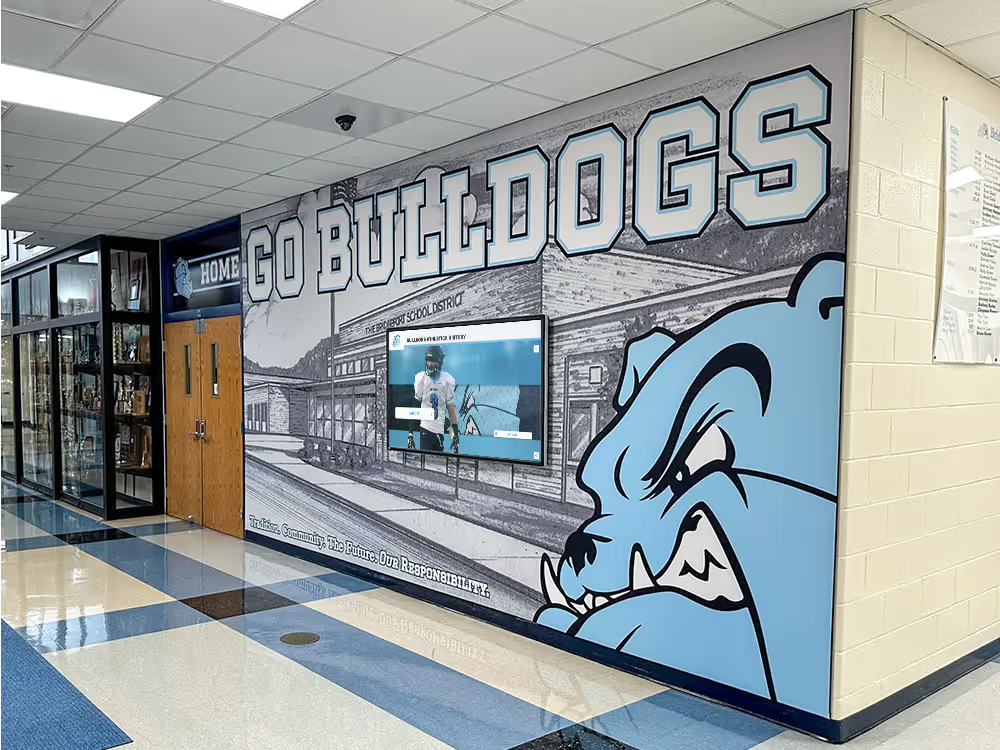
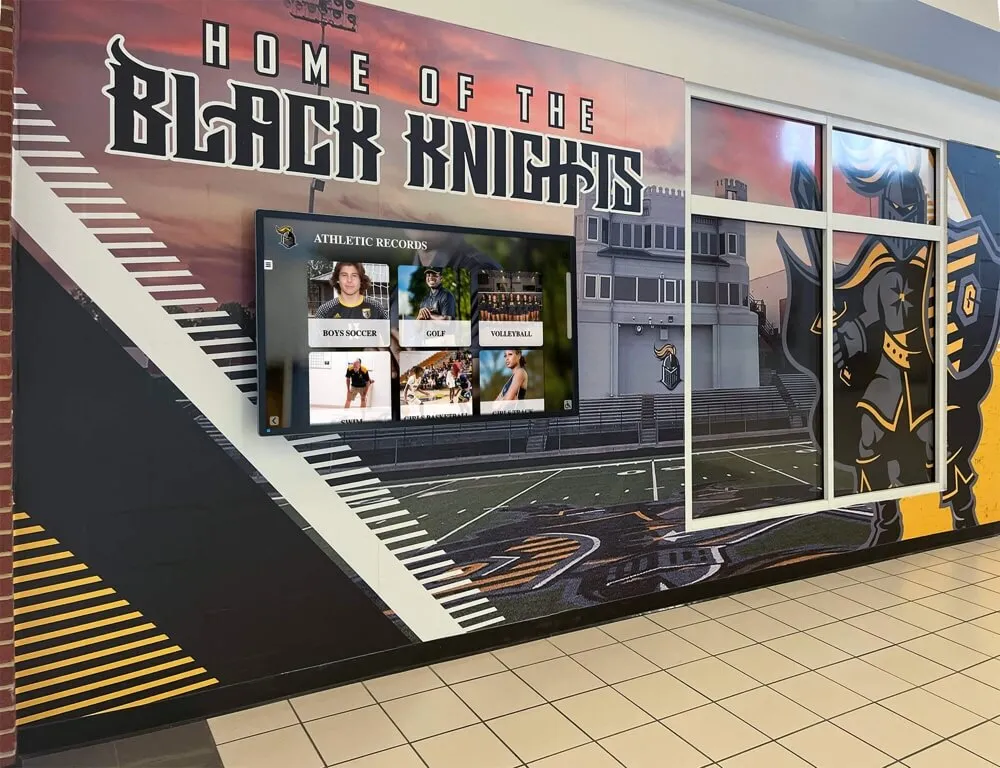
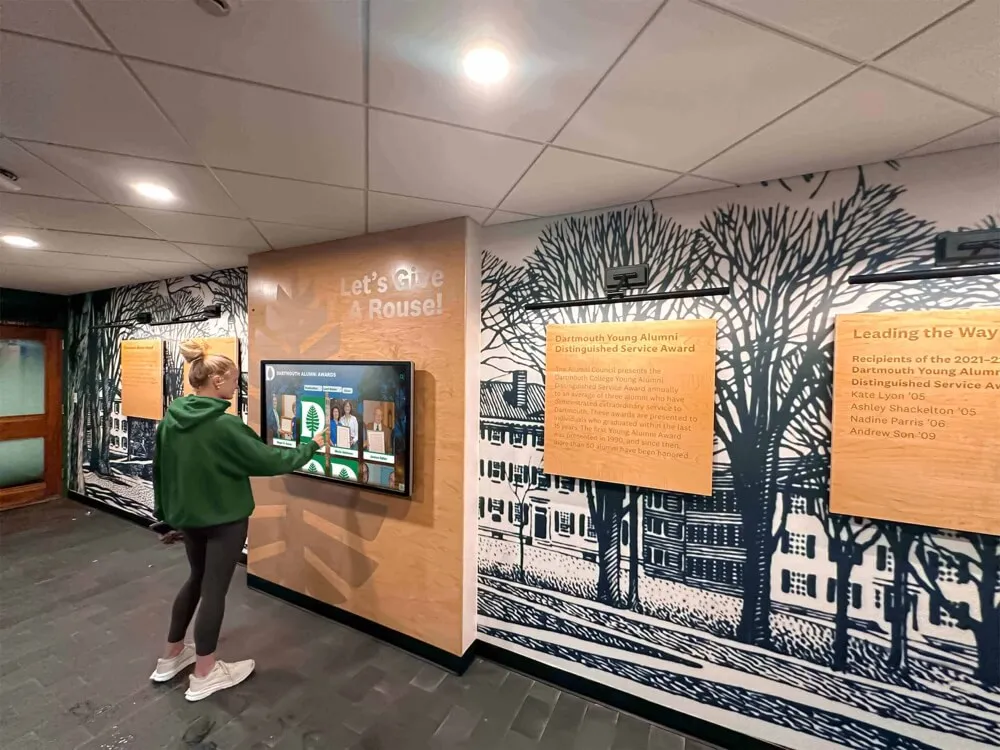
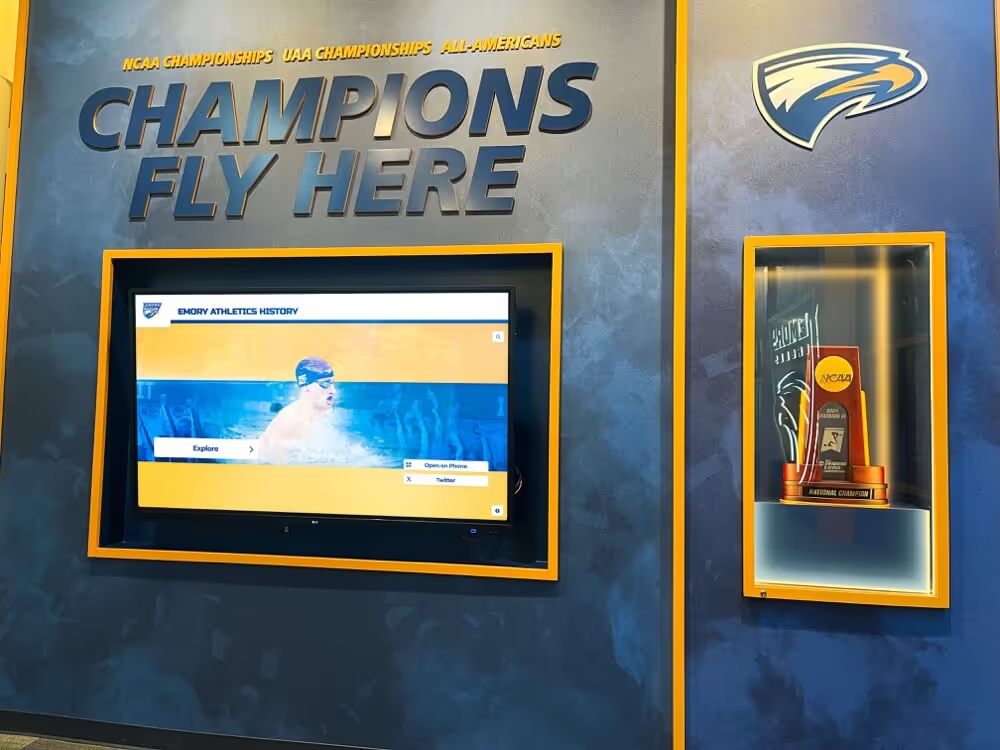
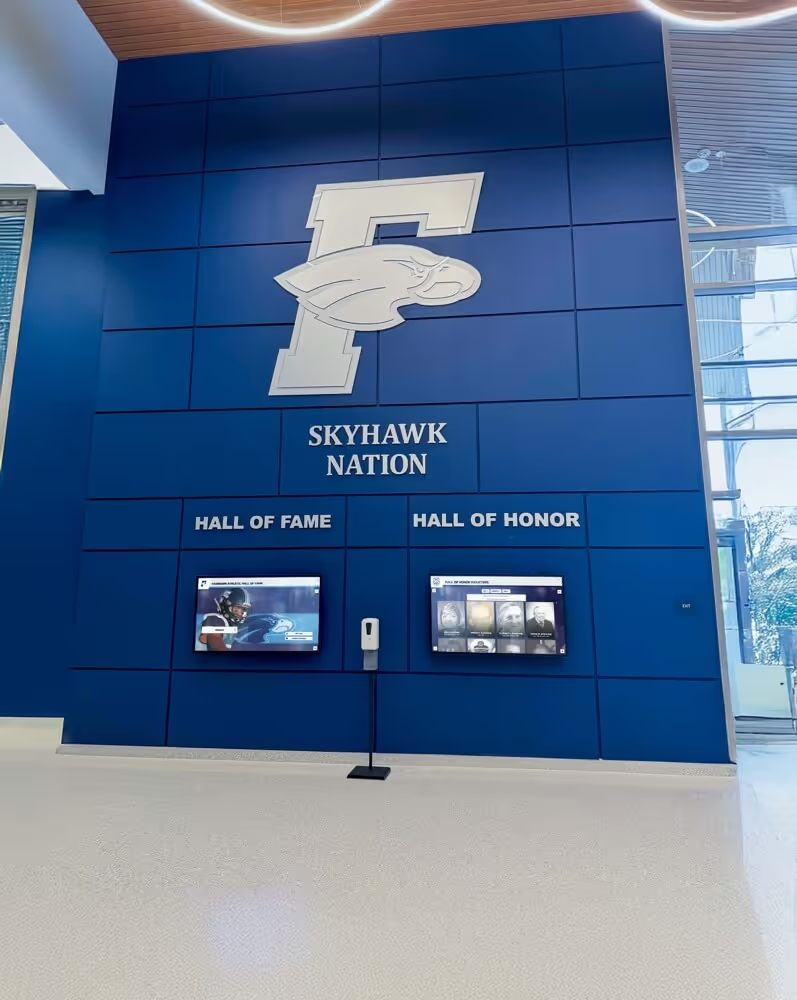
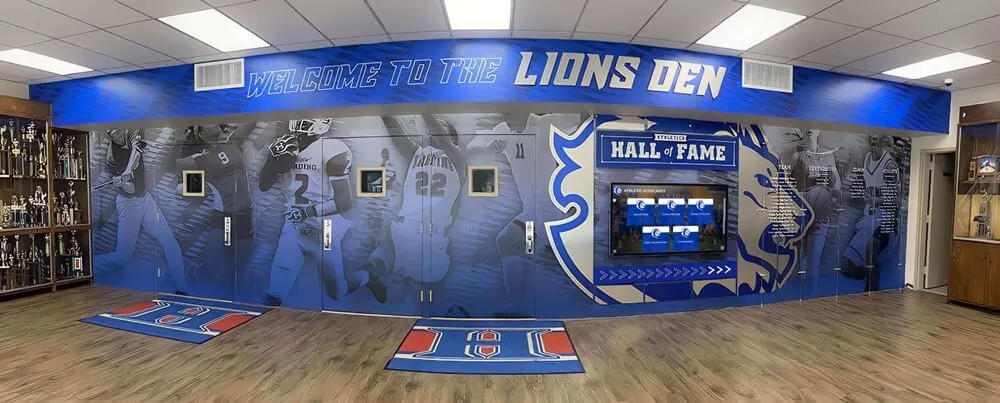
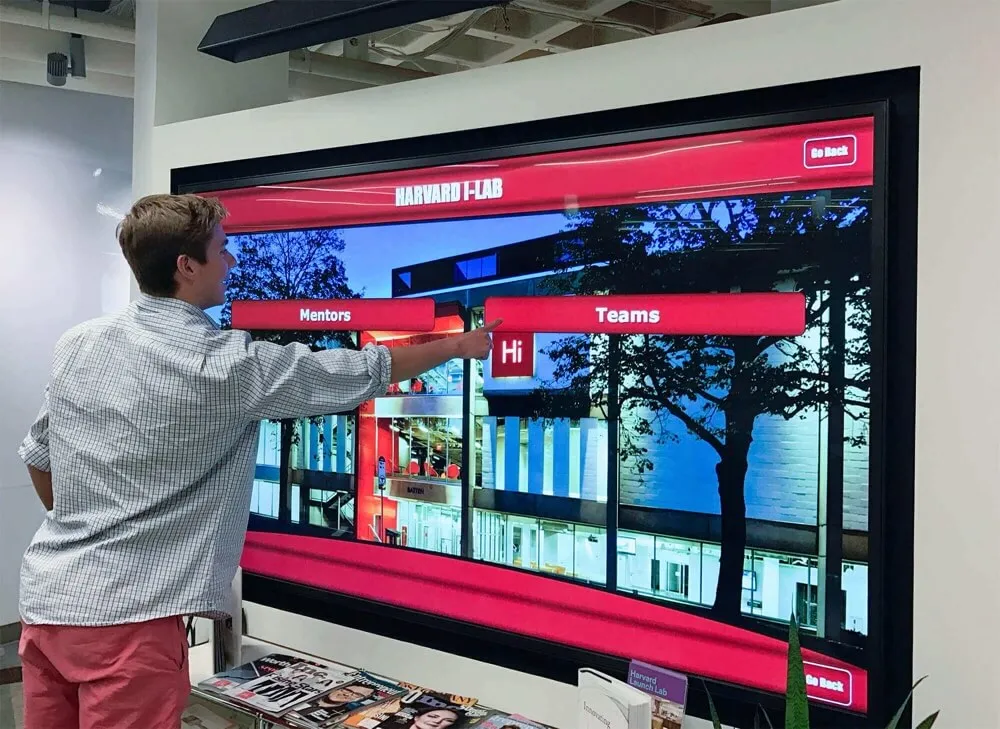
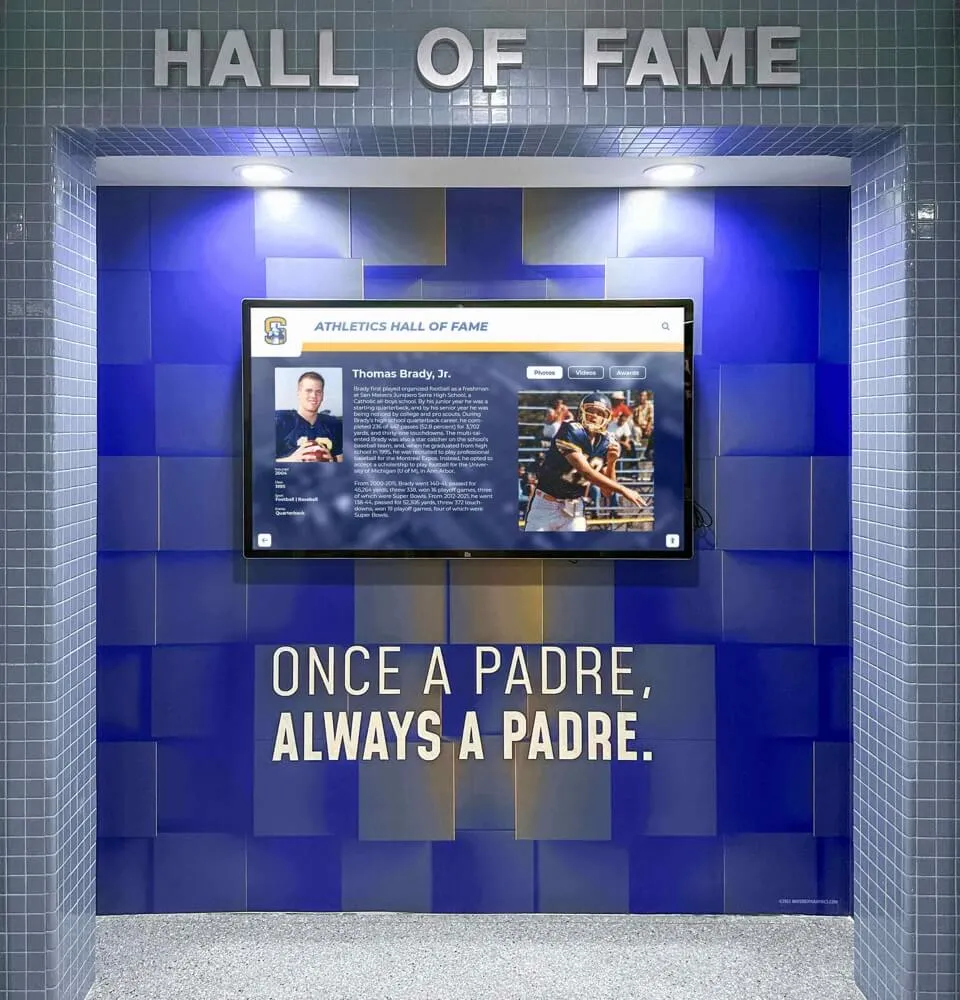
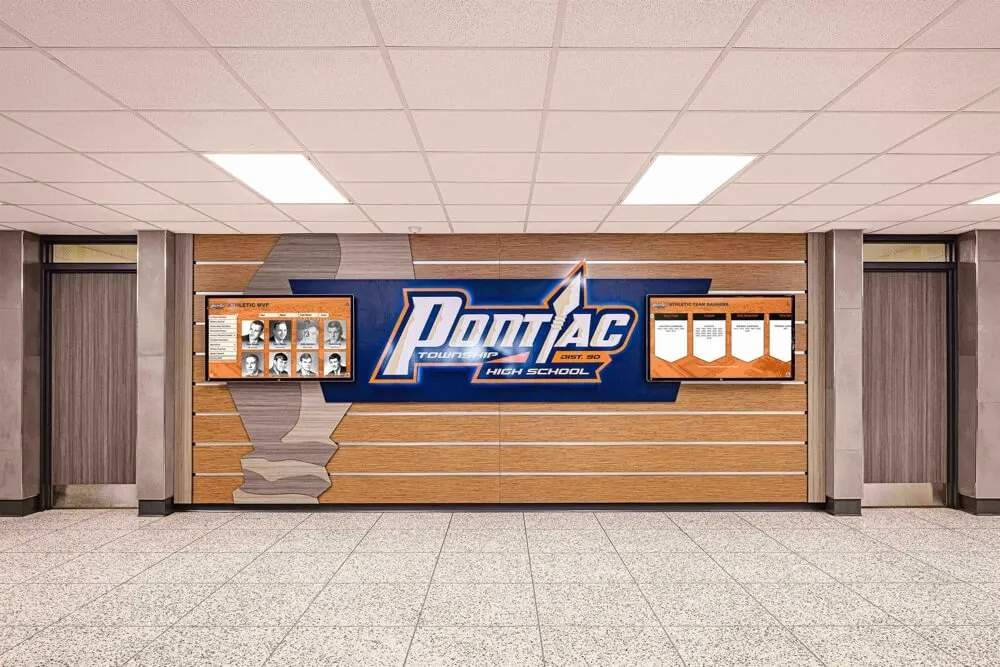
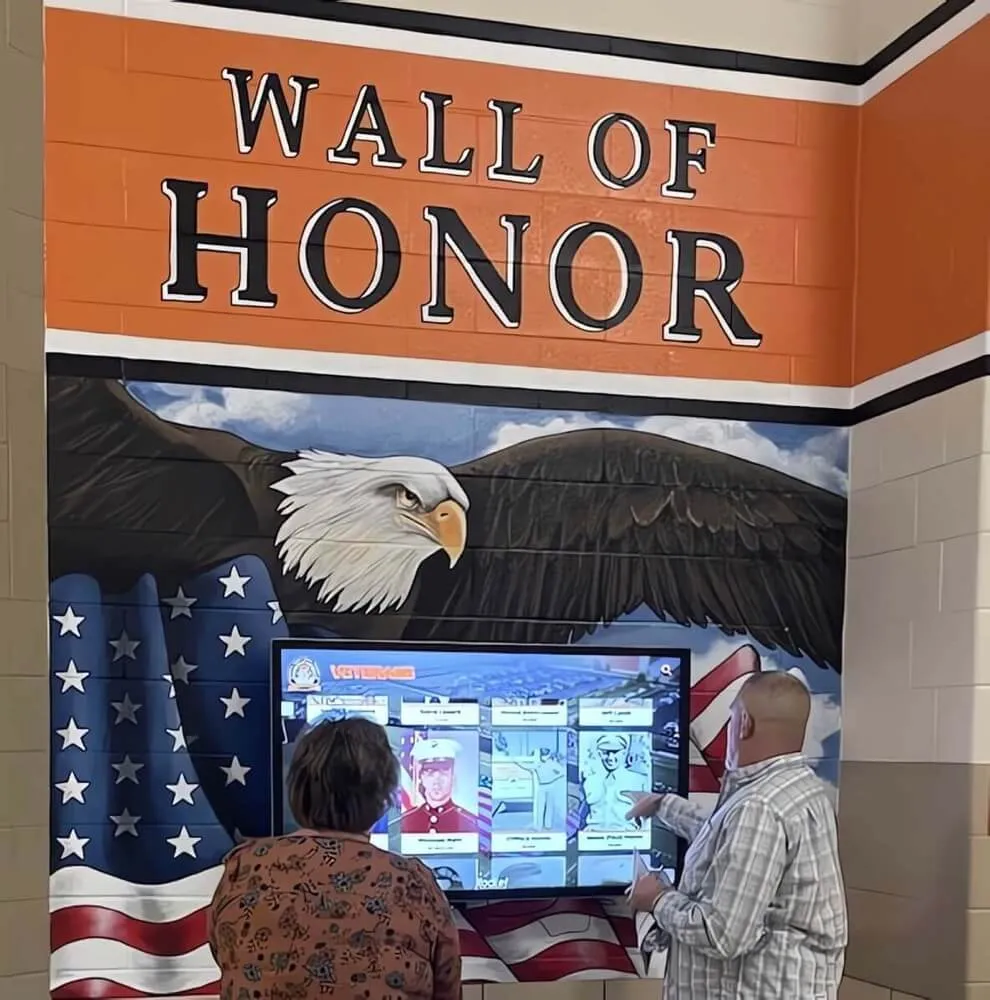
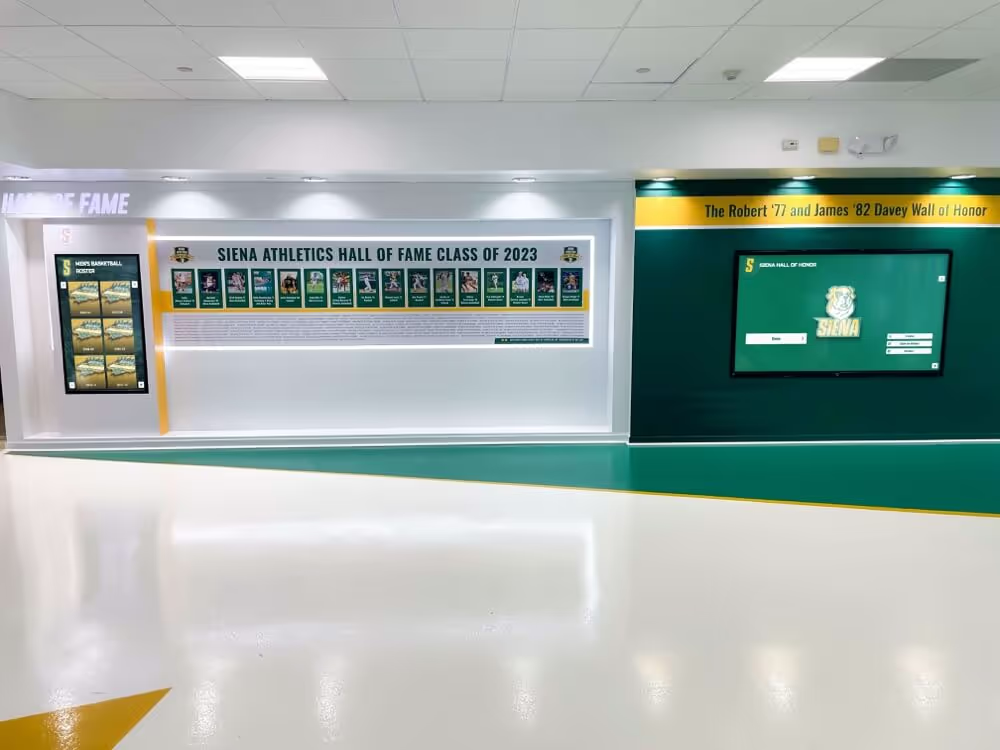
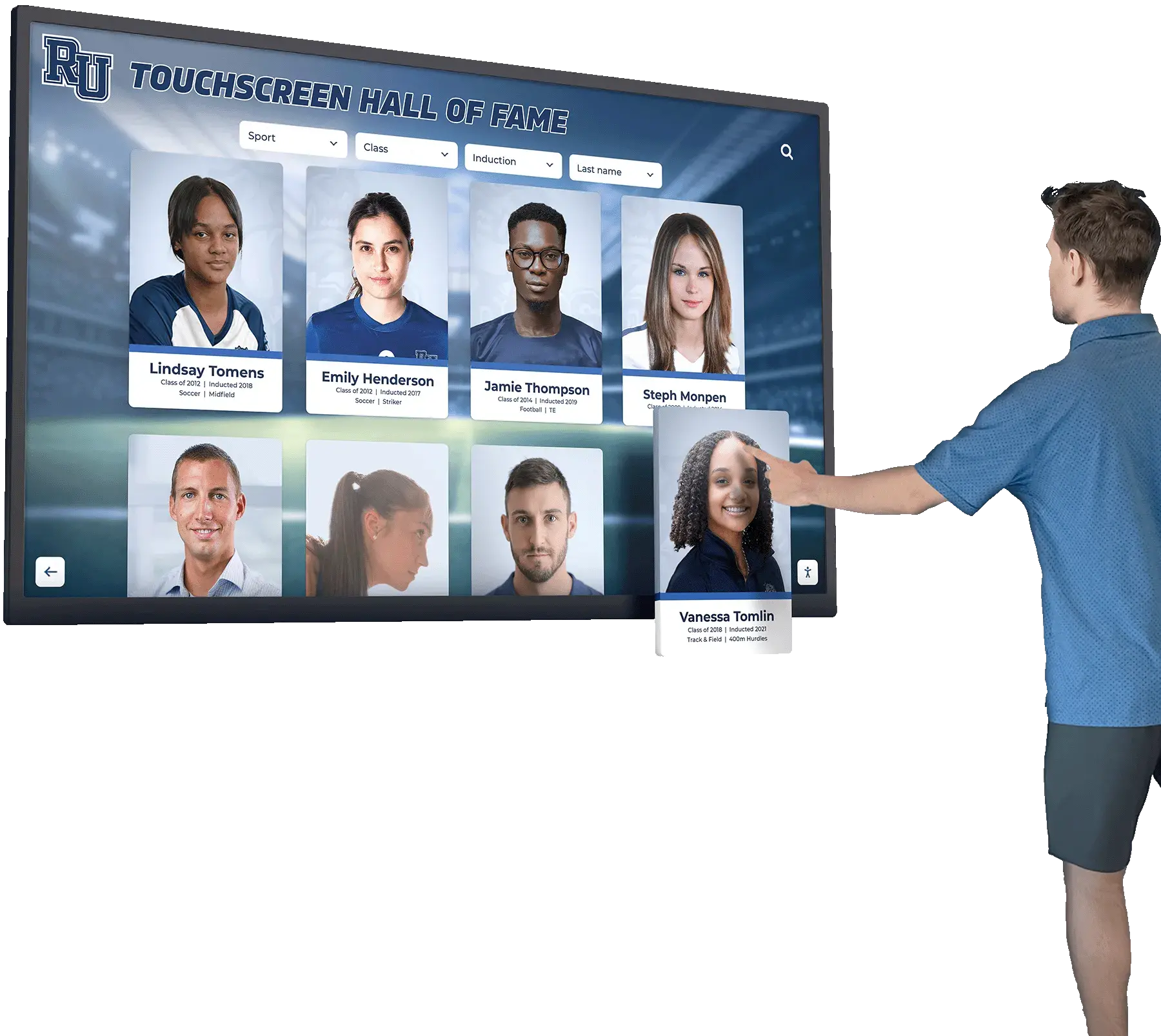
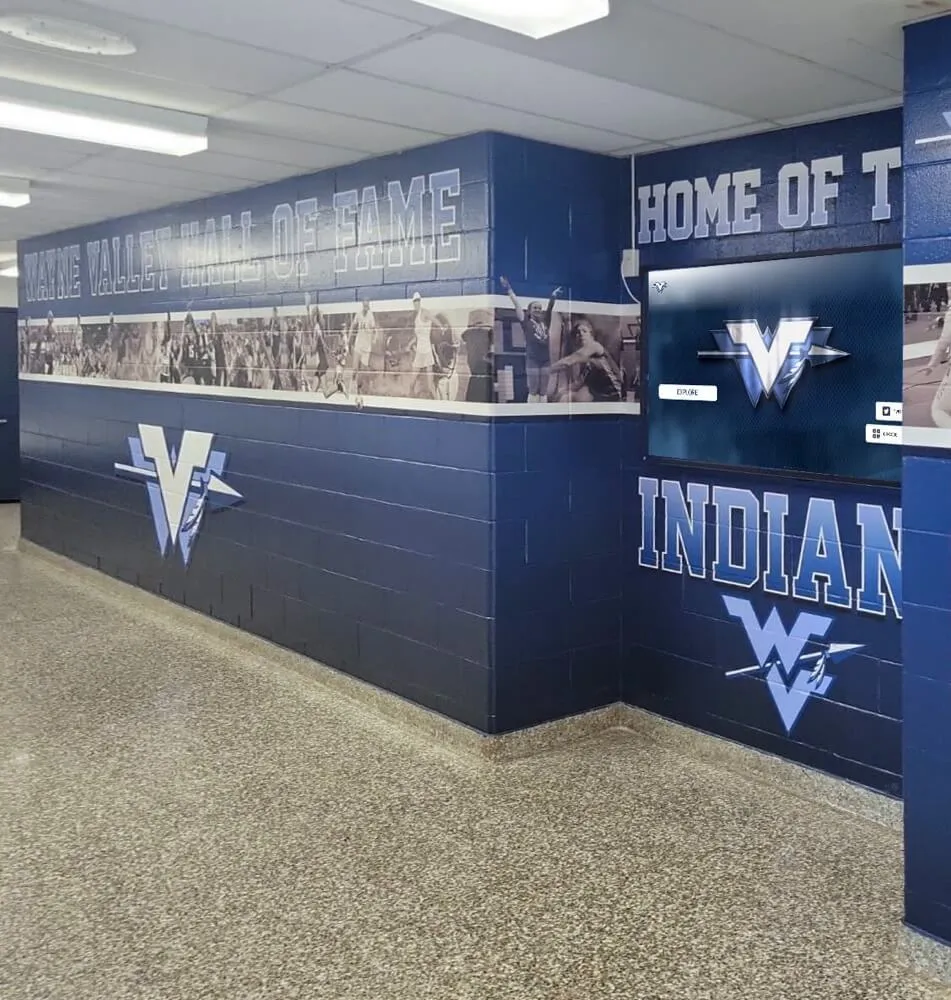
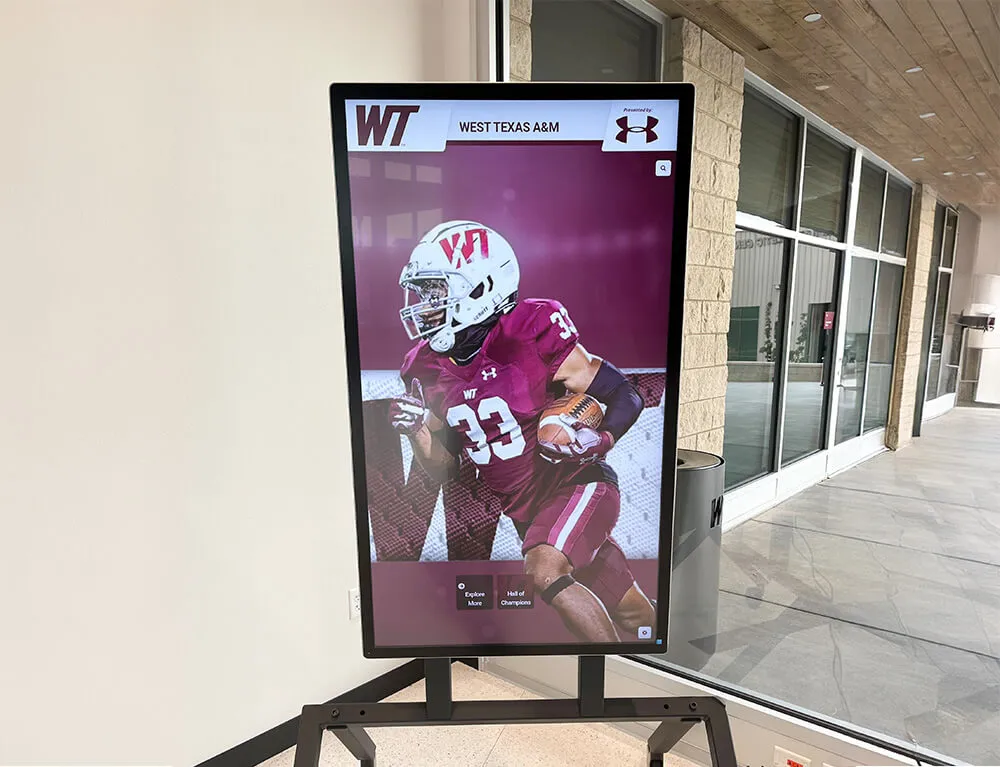
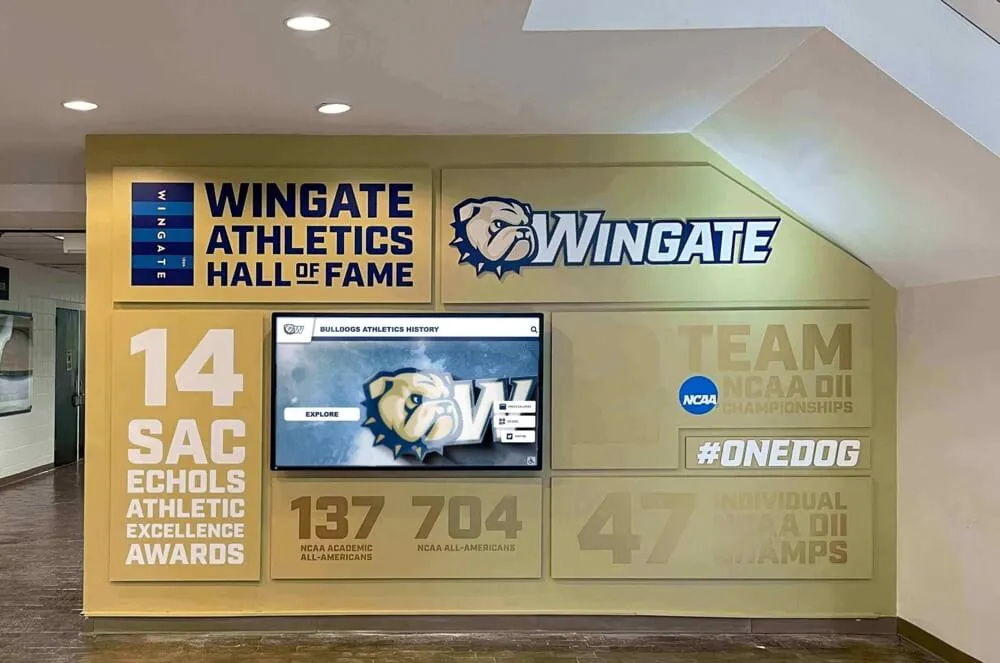
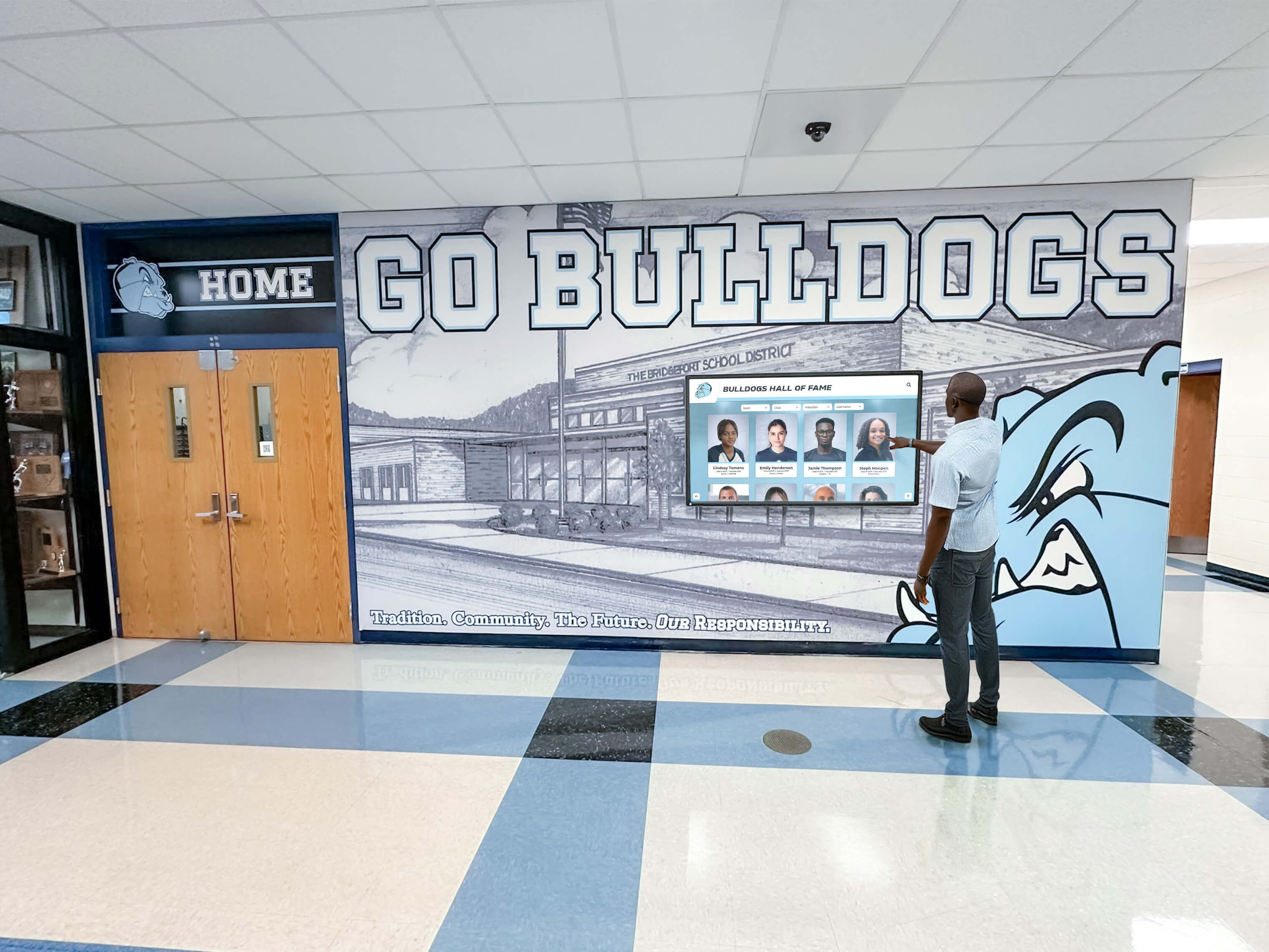
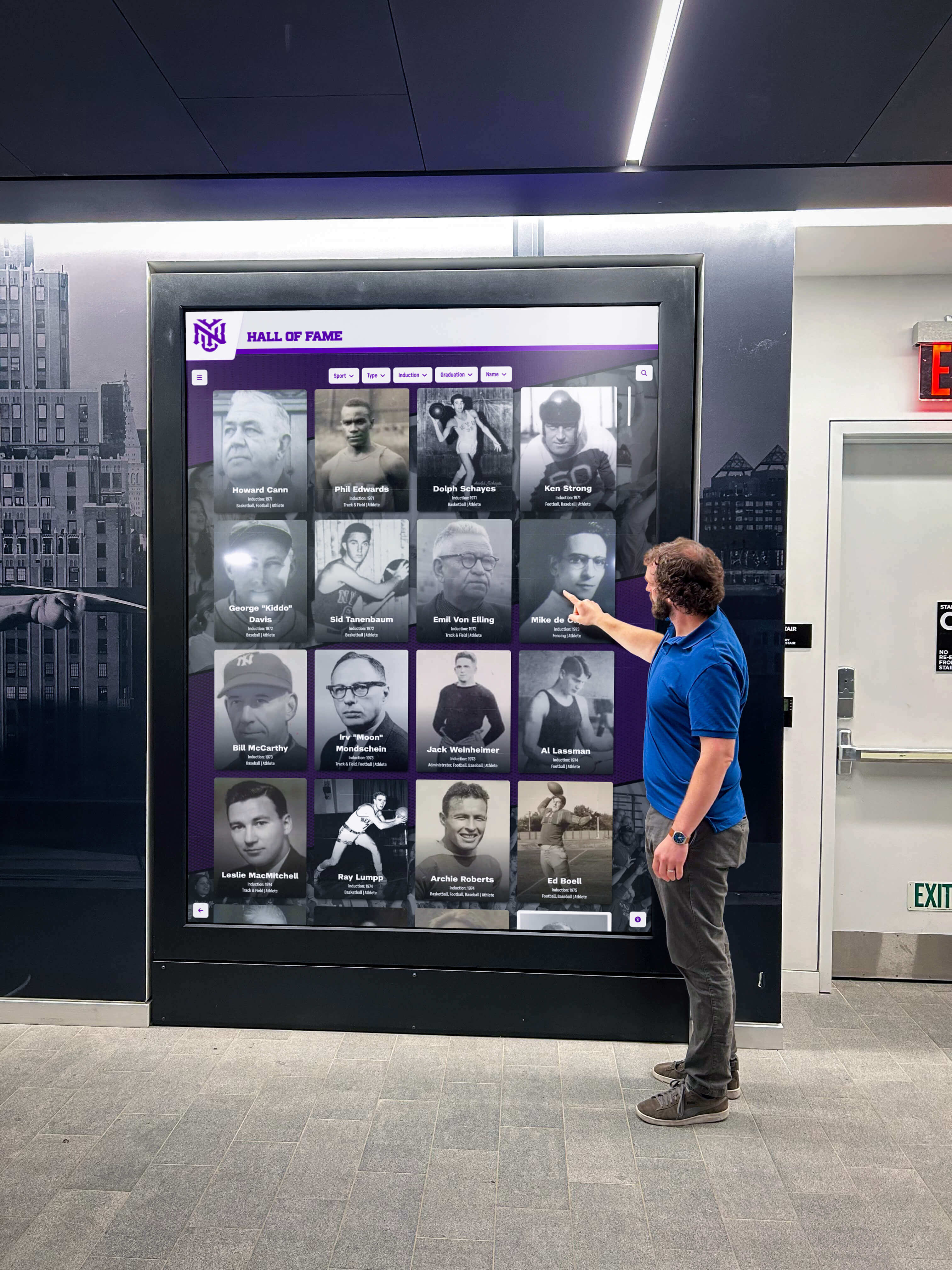
Digital record boards are interactive touchscreen displays that present searchable, updatable databases of achievements, records, and recognition across athletic, academic, arts, and community service domains. Unlike static trophy cases showing physical awards or printed honor rolls listing names, digital record boards enable users to:
Search by Name, Sport, or Achievement Type — Students find themselves, friends, family members, or role models instantly rather than scanning hundreds of static entries hoping to spot familiar names.
Explore Complete Achievement Histories — Touch-based navigation reveals detailed statistics, photos, biographical information, and context that physical plaques cannot accommodate due to space constraints.
Discover Connections Across Time — Alumni can see their own achievements from decades past while current students explore recent accomplishments, creating intergenerational connections within single interfaces.
Access Unlimited Content Without Physical Expansion — Digital storage accommodates thousands of inductees, records, and achievements without requiring additional wall space or trophy case construction.
Why Digital Record Boards Drive Engagement
Research across educational institutions reveals that digital record boards generate substantially higher engagement than traditional recognition methods for specific behavioral reasons:
Personalization Triggers Interaction — People seek personal connections. When students know they can search for their own name, teammates, siblings, or parents who attended the same institution, they interact with displays expecting to find familiar content. Traditional approaches require luck—being in the right location when the specific trophy or plaque of interest happens to be visible.
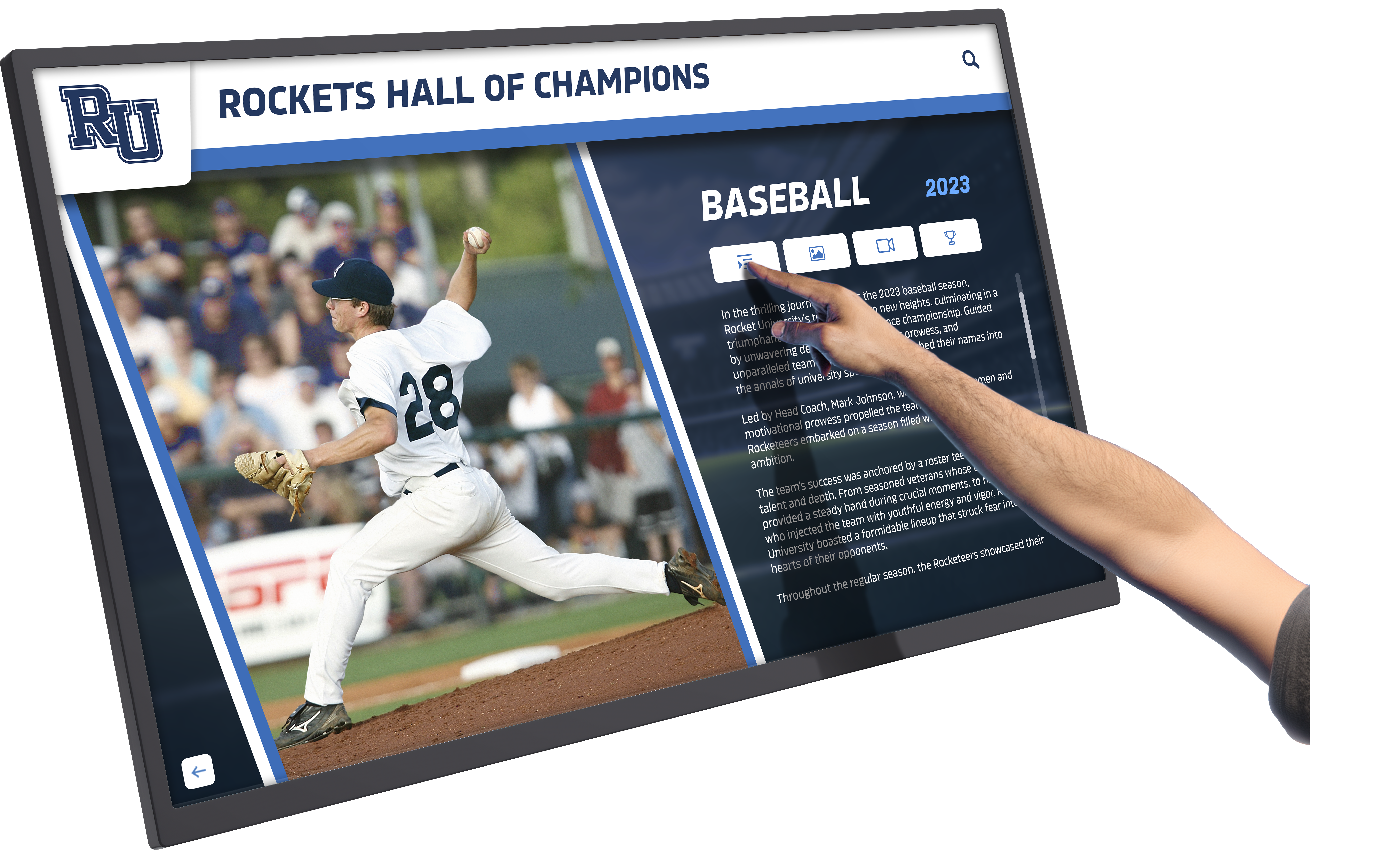
Interactivity Extends Dwell Time — Passive viewing of static displays averages 4-7 seconds. Interactive exploration of digital content averages 3-7 minutes per session because users actively control what they see, searching multiple records and exploring details rather than passively glancing at fixed presentations.
Fresh Content Encourages Repeat Visits — Once students view a static trophy case, they rarely return—it never changes. Digital record boards updated with new achievements, records, and recognition create reasons for repeated engagement as users check for new additions relevant to their interests.
Mobile Integration Extends Reach — Modern digital record boards support QR code sharing allowing users to send specific achievement profiles to family members, post to social media, or continue exploration on personal devices, extending engagement beyond physical display locations.
20 Ideas for Digital Record Board Campus Engagement
The following ideas represent proven applications across diverse institutional contexts, organized by engagement objective and implementation complexity.
Athletic Achievement Recognition (Ideas 1-5)
Athletic programs generate passionate engagement, making sports achievement recognition particularly effective for driving campus traffic to digital displays.
1. All-Time Record Holder Leaderboards
Create searchable databases of school records across all sports with record holder names, performance details, year achieved, and comparative rankings. Students competing in current seasons can research what records are within reach and understand historical context of achievement levels. Include photos when available and allow filtering by sport, gender, or time period.
Implementation considerations include verifying historical records through athletic department archives, standardizing performance measurements across different eras, and establishing clear criteria for record categories. Schools implementing comprehensive athletic record tracking benefit from platforms supporting sport-specific record management with built-in statistical fields.
2. State Championship Tournament Brackets
Display complete tournament brackets from state championship runs showing progression through each round, scores, opponents, and championship outcomes. Unlike printed brackets that show only basic progression, digital formats allow users to tap individual games for detailed statistics, player performances, and game summaries.
This approach celebrates not just championship victories but the complete competitive journey, honoring teams that advanced deep into tournaments without winning final games. Parents of current athletes often search for their own tournament appearances from decades past, creating powerful intergenerational connections.
3. 1000-Point Club and Career Milestone Recognition
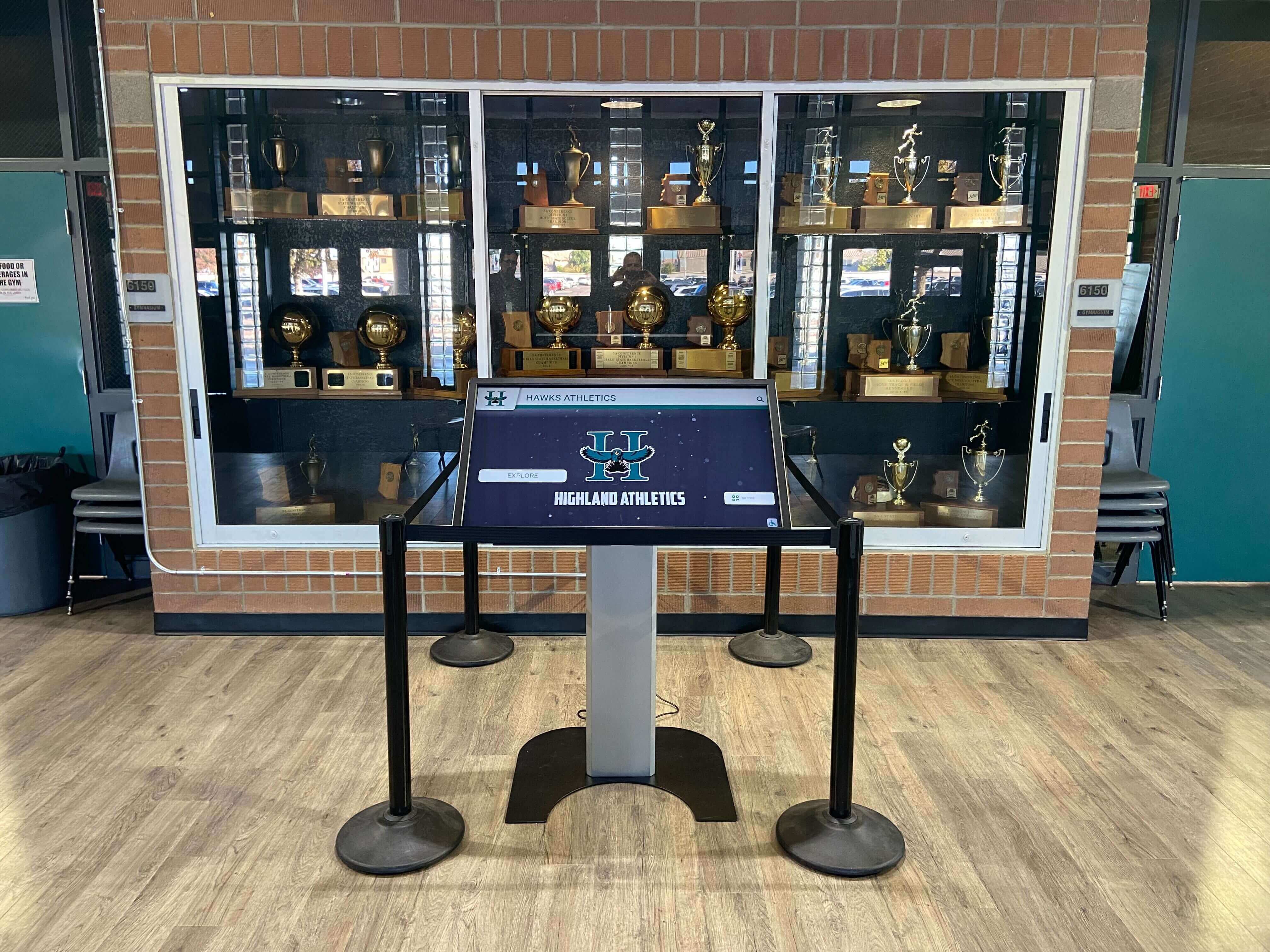
Create exclusive digital clubs recognizing athletes achieving significant career milestones—1,000 career points in basketball, 100 career goals in soccer, school records in track and field, or other sport-specific achievements. These elite groups generate aspiration among current athletes while honoring historical standouts.
Digital formats accommodate unlimited inductees without physical space constraints that force difficult prioritization decisions. Include progression statistics showing how athletes accumulated achievements across seasons, creating narratives rather than just final totals.
4. Coach Legacy and Program History
Honor coaching tenure and program development through interactive timelines showing coaching eras, championship seasons, notable athletes developed, and program milestones. This recognizes adult contributors often overlooked in student-focused displays while providing historical context that enriches student understanding of program traditions.
Alumni returning for events often explore these sections, discovering which coaches were present during their attendance and learning how programs evolved after their graduation. This content appeals particularly to older visitors who may not appear in current athletic recognition but remain deeply connected to institutional athletic history.
5. Weekly Athlete Spotlights and Current Season Recognition
Complement historical achievement archives with rotating spotlights on current athletes, updated weekly throughout seasons. Feature outstanding performances, milestone achievements, player profiles, and season progress updates that keep displays fresh and relevant to current student interests.
This combination of historical depth and current relevance drives repeated engagement—students check regularly for new current content while occasionally exploring historical archives for context and inspiration. Schools managing both historical and current recognition content benefit from integrated digital athletic displays that simplify content updates.
Academic Excellence Recognition (Ideas 6-10)
Academic achievement drives educational mission but often receives less visible recognition than athletics. Digital record boards correct this imbalance by showcasing intellectual accomplishments with equal prominence.
6. Honor Roll Archives with Semester Progression
Create searchable honor roll archives spanning decades, allowing students to find family members, alumni siblings, or personal achievement histories across entire academic careers. Display semester-by-semester progression showing how students maintained excellence or improved performance over time.
This transforms generic honor roll lists into engagement tools—students search their own progression, parents discover whether they appeared on honor rolls during their attendance, and prospective students see institutional commitment to academic recognition.
7. Scholarship Recipient Recognition and Opportunity Showcases
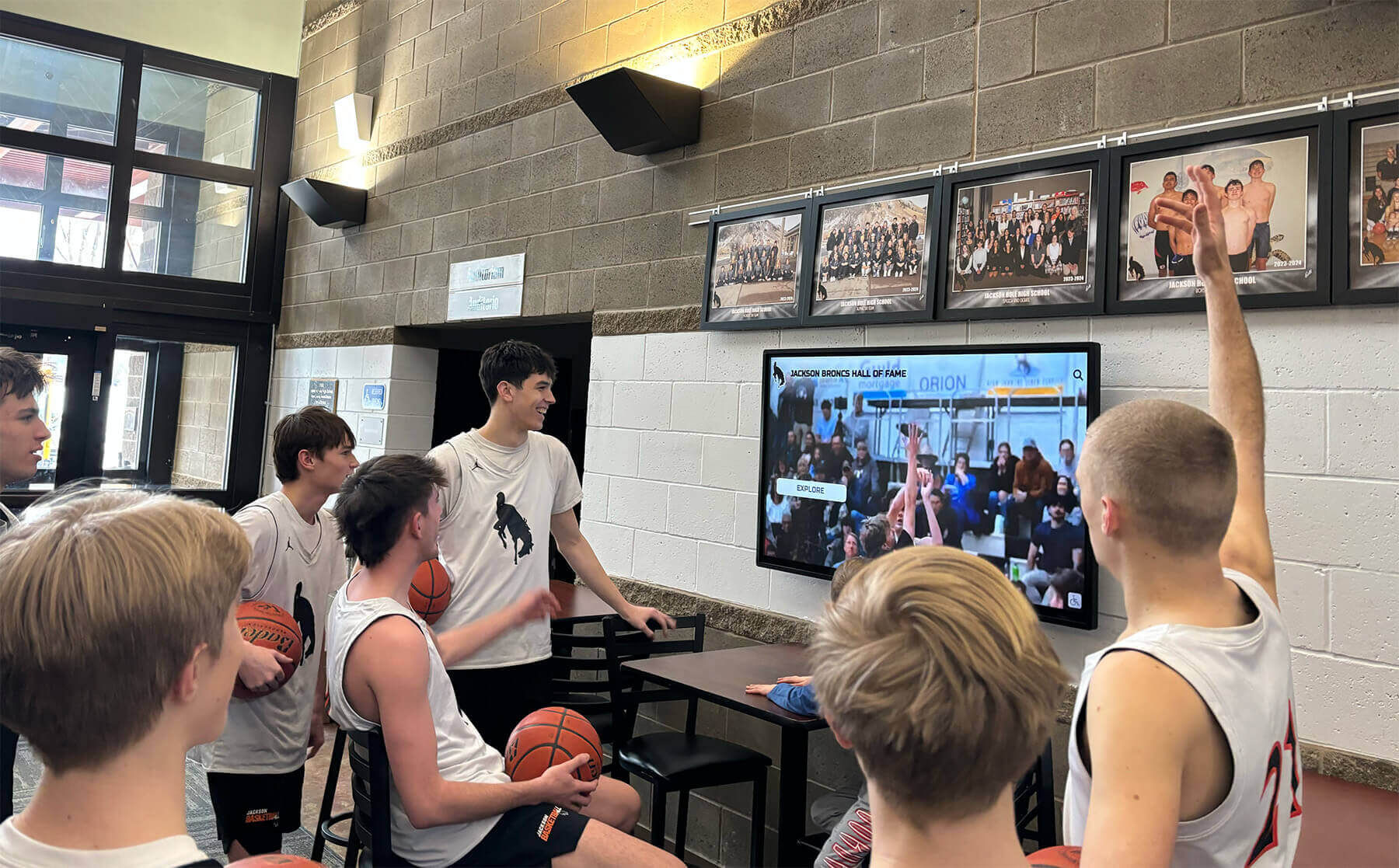
Display scholarship award recipients with scholarship names, criteria, amounts, donor stories, and recipient achievements. This celebrates current recipients while informing younger students about scholarship opportunities available as they progress academically.
Include application requirements and selection criteria for renewable scholarships, transforming recognition displays into practical resources guiding students toward academic opportunities. Alumni who endowed scholarships often visit campus specifically to see current recipients of awards bearing their names, creating donor engagement alongside student recognition.
8. Advanced Placement Scholar Recognition
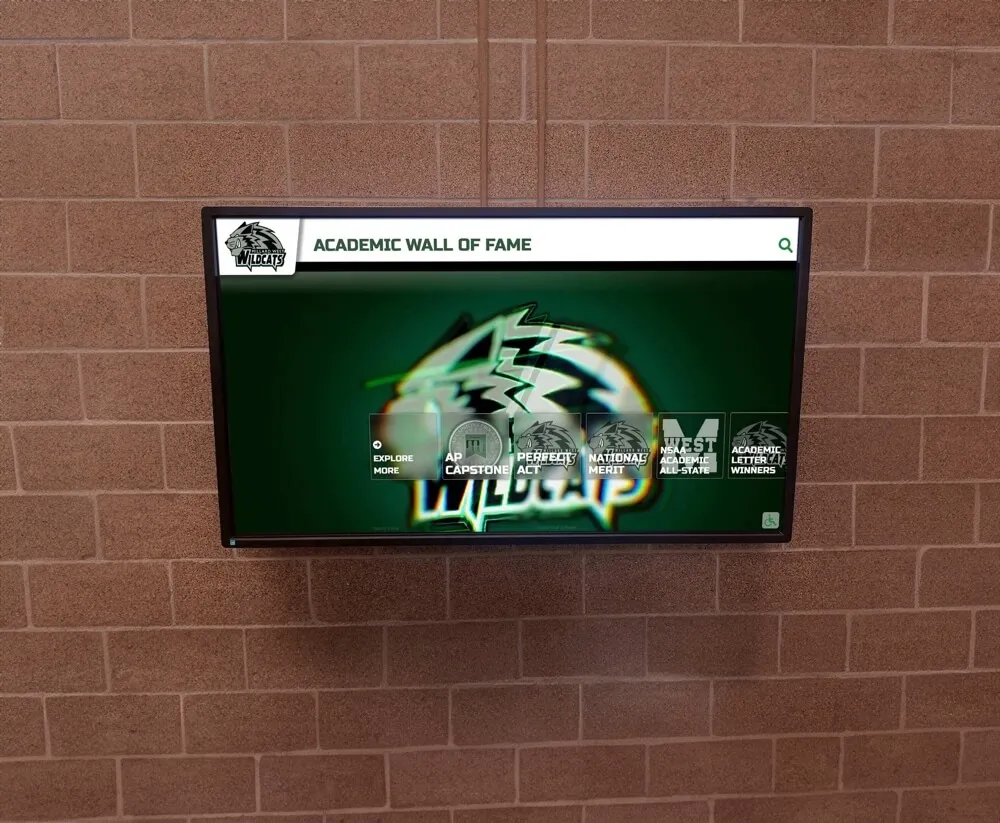
Recognize AP Scholars, AP Scholars with Honor, AP Scholars with Distinction, and National AP Scholars with photos, AP exam results, and post-graduation college placements. This celebrates rigorous academic preparation while encouraging younger students to pursue challenging coursework.
Include AP score distributions showing which exams students passed and levels achieved, providing inspiration and realistic expectations for students planning their own AP pathways. Schools emphasizing college readiness can showcase how AP achievement recognition programs strengthen academic culture.
9. Perfect ACT/SAT Score Achievers
Create exclusive recognition for students achieving perfect scores on standardized tests. These rare accomplishments deserve prominent celebration, motivating test-focused students while demonstrating institutional academic caliber to visiting prospective families.
Include test preparation approaches or academic pathways these students followed, transforming recognition into practical guidance. Many institutions display only recent achievers due to plaque space limitations—digital formats accommodate all historical perfect scorers without space constraints.
10. Valedictorian and Salutatorian Historical Archives
Honor top academic performers from every graduating class with photos, GPAs, college destinations, and current career information when available. This creates aspirational content for current students while honoring historical academic excellence with permanence.
Include graduation speech excerpts or senior reflections when archived, adding depth that simple name listings cannot provide. Alumni searching these archives discover classmates and reconnect with graduation memories, extending engagement beyond current student populations.
Arts and Extracurricular Recognition (Ideas 11-14)
Well-rounded recognition programs celebrate diverse talents beyond athletics and academics, ensuring all students find pathways to campus visibility.
11. Theatre Production Cast and Crew Archives
Document every theatrical production with cast lists, crew credits, production photos, and performance dates. Theatre students invested heavily in productions want permanent recognition beyond brief program acknowledgments that few preserve.
Allow searching by student name, production title, or performance year. Alumni who participated in memorable productions often specifically seek these archives during campus visits, sharing memories with children or spouses about their own performance experiences.
12. Music Program Performance Groups and Competition Results
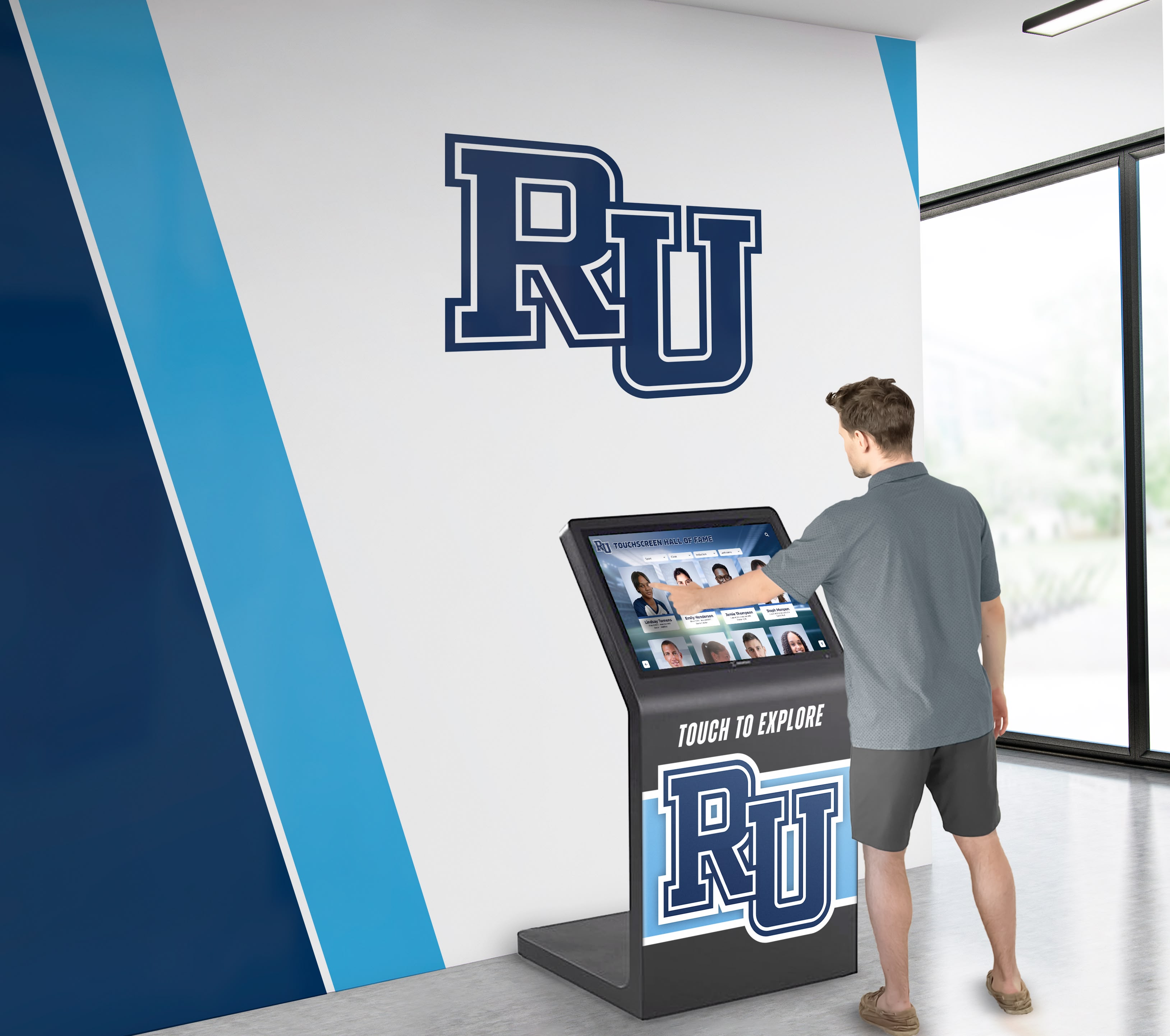
Recognize participation in select choirs, jazz bands, orchestras, and competitive music ensembles. Include competition results, festival ratings, and performance highlights with photos from concerts and competitions.
Many music students participate for entire academic careers without individual recognition beyond generic yearbook group photos. Searchable databases allow them to discover their complete performance history, creating pride in sustained participation. Programs integrating diverse recognition can explore team-based recognition approaches that honor ensemble contributions.
13. Student Government and Leadership Role Archives
Document student government officers, class presidents, and student leadership positions across institutional history. These roles carry significance during student tenure but often disappear from memory quickly—digital archives provide permanent recognition.
Include initiatives these leaders championed, creating historical records of student-driven improvements and policy changes. Current student government members can research how predecessors approached similar challenges, learning from institutional memory.
14. Art Exhibition Showcases and Visual Arts Recognition
Create digital galleries showcasing visual arts created by students across media—painting, sculpture, photography, digital art, and ceramics. Include artist statements, creation dates, and exhibition contexts when available.
Unlike physical galleries limited by display space and requiring periodic rotation, digital formats preserve all artwork indefinitely. Artists can share specific pieces with family and college admissions offices via QR codes, extending practical value beyond recognition alone.
Historical Connection and Alumni Engagement (Ideas 15-17)
Bridging past and present strengthens institutional identity while creating engagement opportunities spanning generational divides.
15. “Where Are They Now” Alumni Spotlight Series
Profile notable alumni with career accomplishments, biographical narratives, and connections to institutional experiences that shaped their paths. Include photos from student years alongside current professional images, visualizing progression and growth.
This content appeals to multiple audiences—current students discover role models and career possibilities, alumni see recognition for peers and reflect on shared experiences, and prospective families learn about institutional outcomes. Update regularly with new profiles maintaining content freshness. Schools building alumni connection programs can reference alumni spotlight best practices for effective implementation.
16. Decade-by-Decade Institutional History Timelines
Create interactive timelines showing institutional evolution across decades with facility additions, program launches, leadership changes, and significant milestones. Include historical photos showing campus transformations and community changes.
Students connect current experiences to longer institutional narratives, understanding that they participate in ongoing stories rather than isolated moments. Alumni explore how institutions changed after their graduation, maintaining connection to places they remember differently.
17. Legacy Family Recognition
Identify and celebrate multi-generational families with institutional connections—parents and children who attended, families with multiple siblings, or even three-generation attendance patterns. Include family trees showing connection patterns and timeframes.
This strengthens institutional loyalty while creating powerful engagement moments when students discover their family legacies. Many students don’t know their parents appeared on honor rolls, competed athletically, or participated in specific activities—these discoveries create meaningful conversations bridging generational experiences.
Community Building and Current Engagement (Ideas 18-20)
Real-time recognition of current achievements and community contributions keeps displays relevant to immediate student experiences while building participatory culture.
18. Student of the Month Multi-Domain Recognition
Recognize students monthly across diverse domains—academic achievement, community service, artistic accomplishment, athletic performance, and peer leadership. Include nomination processes where faculty, students, and community members submit recognition, creating participatory systems.
Display complete profiles with photos, achievement narratives, and nominator quotes. This regular rotation ensures all students see recent content relevant to people they know personally, driving repeated engagement to see current recognitions.
19. Community Service Hour Leaders and Service Impact
Track and recognize community service contributions with individual student totals, service organization participation, and impact narratives describing what service accomplished. Many institutions require service hours but provide minimal recognition—digital displays correct this oversight.
Include service organization descriptions and participation opportunities, transforming recognition into recruitment tools for service programs seeking additional volunteers. Students can see peer involvement and discover service options matching their interests.
20. Senior College Commitment and Decision Showcases
Celebrate graduating seniors’ college decisions with photos, university selections, intended majors, and scholarship achievements. This creates excitement around college processes while providing younger students with realistic examples of college outcomes from their own institution.
Update this content during spring decision periods when senior college commitments peak, creating timely relevance. Alumni seeing these displays often reminisce about their own college decision experiences, strengthening connection to current student journeys. Implementation approaches for college recognition displays are detailed in college commitment display guides.
Implementation Framework for Maximum Campus Engagement
Having 20 ideas creates value only when paired with strategic implementation ensuring displays achieve visibility, usability, and sustained content freshness.
Strategic Location Selection
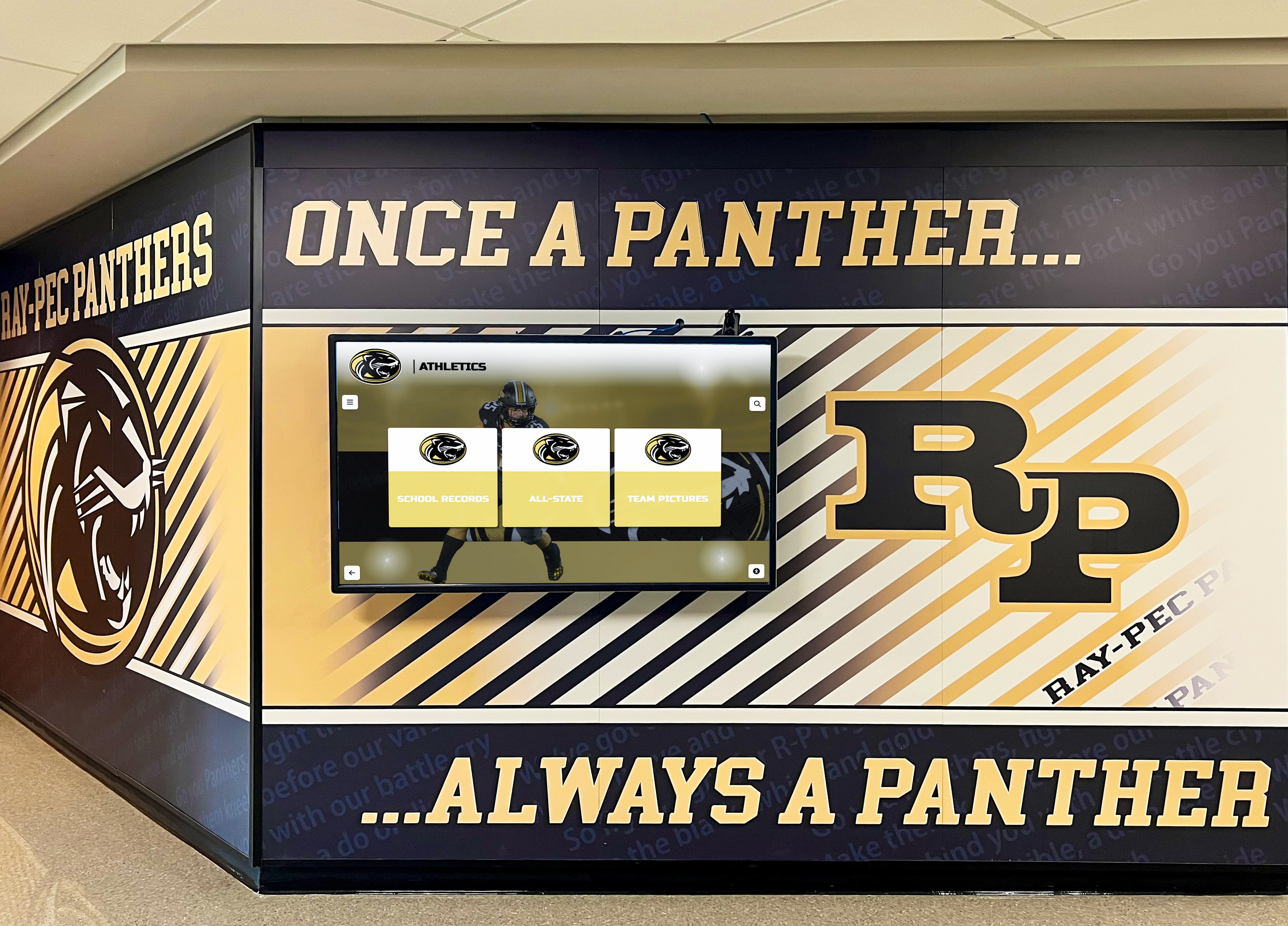
High-Traffic Common Areas — Position displays where students naturally congregate during breaks, transitions, or waiting periods. Main entrance lobbies, cafeteria areas, athletic facility common spaces, and library entrances generate maximum exposure.
Dwell-Time Appropriate Spaces — Interactive exploration requires 3-7 minutes for meaningful engagement. Locations where students naturally have available time—waiting for rides, arriving early for events, or gathering socially—work better than narrow transitional corridors where people rush between classes.
Multi-Audience Visibility — Optimal placements reach students, faculty, parents, and visitors. Athletic facilities attract game attendees, main lobbies reach prospective families on tours, and cafeteria locations capture daily student traffic.
Content Management Workflows
Distributed Content Ownership — Assign specific content categories to appropriate departments rather than centralizing everything with one overwhelmed coordinator. Athletic directors manage sports content, counseling handles academic recognition, and activities directors submit arts and extracurricular achievements.
Template-Based Submission Systems — Provide standardized forms enabling non-technical staff to submit content in consistent formats. Templates ensure quality control while empowering distributed content creation preventing administrative bottlenecks.
Regular Update Schedules — Establish predictable content addition patterns—honor rolls published each semester, athlete spotlights updated weekly, senior college decisions added during spring decision periods. Regular schedules create expectations and habits supporting sustained content freshness.
Historical Content Migration Plans — Rather than attempting complete historical archives immediately, implement phased approaches starting with recent 5-10 years then systematically adding older content quarterly. This manageable pacing prevents overwhelming staff while steadily building comprehensive records.
Promoting Display Awareness and Usage
Launch Events Coordinated with High-Attendance Occasions — Introduce displays during homecoming, championship games, or school-wide assemblies where maximum audiences gather. Live demonstrations during these events model usage and create awareness.
Student Ambassador Programs — Train student volunteers to give tours and demonstrations, particularly during prospective student visits. Peer-to-peer demonstration proves more effective than adult explanations for engaging student audiences.
Social Media Integration — Feature specific content from displays in institutional social accounts with calls-to-action directing followers to campus to explore complete archives. This cross-channel promotion drives awareness and actual facility visits.
Family Communication Inclusion — Mention displays in parent newsletters and family communication, particularly when students achieve recognition. Parents specifically want to see their own children’s achievements, driving engaged usage.
Technology Considerations for Sustainable Success
Content strategies succeed only when matched to appropriate technology platforms supporting intended experiences without creating unsustainable maintenance burdens.
Purpose-Built Recognition Software Versus Adapted Alternatives
Generic digital signage software designed for advertising or announcements can technically display recognition content, but purpose-built platforms deliver substantially better results with less effort:
Recognition-Specific Data Models — Specialized platforms include fields for athlete statistics, academic metrics, achievement dates, and biographical information versus generic text boxes requiring custom field creation for every content type.
Search and Filter Capabilities — Purpose-built solutions provide intuitive search by name, achievement type, year, or category versus slideshow approaches where users cannot control what content appears.
Unlimited Scalability — Recognition databases accommodate thousands of inductees without performance degradation versus display systems that slow when managing extensive content archives.
Mobile Access and Sharing — Advanced platforms support QR code generation allowing users to send specific profiles to personal devices versus passive-viewing-only systems that end engagement when users walk away.
Schools evaluating technology options benefit from understanding differences between recognition-specific software and generic signage platforms.
Hardware Selection for Educational Environments
Commercial-Grade Touchscreens — Educational environments demand durability. Commercial displays designed for high-frequency interaction withstand heavy student use better than consumer-grade screens built for occasional home use.
Anti-Glare Displays — Hallway locations often include natural lighting creating glare on glossy screens. Anti-glare treatments maintain readability across diverse lighting conditions.
Network Connectivity — Cloud-based content management requires reliable network connections. Ethernet connections provide superior reliability versus WiFi-dependent installations in facilities with challenging wireless coverage.
Accessible Mounting Heights — ADA requirements specify maximum reach ranges for interactive elements. Displays mounted too high exclude wheelchair users and young students, while those mounted too low create awkward viewing angles for adult visitors.
Common Pitfalls to Avoid
Learning from implementation failures across institutions prevents wasting resources on ineffective approaches.
Launching With Empty Archives — Displays showing “content coming soon” for months after installation create negative impressions. Delay launch until substantial initial content exists ensuring positive first experiences that encourage return visits.
Neglecting Content Freshness — Initial enthusiasm creating launch content often fades without sustainable workflows. Establish content ownership and update schedules before deployment rather than hoping motivation continues indefinitely.
Prioritizing Historical Content Over Current Recognition — While comprehensive archives provide value, students care most about current content featuring themselves and peers. Balance historical depth with regular current additions maintaining immediate relevance.
Ignoring Mobile Integration — Students expect to share content on personal devices. Platforms lacking QR code sharing or mobile access feel disconnected from how current students actually engage with digital content.
Underestimating Accessibility Requirements — Public educational institutions face specific accessibility obligations. Platforms without WCAG compliance create legal risks while excluding community members with disabilities from participation. Compliance requirements for digital recognition are detailed in accessibility standards documentation.
Selecting Based Solely on Initial Cost — Cheapest initial options often create highest long-term costs through unsustainable maintenance requirements, necessary platform replacements, or poor engagement failing to justify any investment. Total ownership costs across multi-year lifecycles determine actual value.
Conclusion: From Installation to Impact
Digital record boards represent significant institutional investments that deliver returns only through thoughtful content strategies, sustainable implementation workflows, and technology platforms actually designed for recognition applications rather than adapted from unrelated use cases.
The 20 ideas in this guide provide starting frameworks for institutions at any stage—from planning initial deployments through refreshing mature programs experiencing engagement declines. Success requires moving beyond technology selection checklists to embrace content operations as ongoing strategic priorities deserving dedicated resources, clear ownership, and continuous improvement.
Institutions prioritizing comprehensive recognition across athletic, academic, arts, and community domains discover that database-driven platforms like Rocket Alumni Solutions deliver superior engagement compared to adapted slideshow systems. Purpose-built recognition software supports the deep, searchable content that generates sustained interaction while simplifying content management through intuitive cloud-based interfaces designed specifically for educational contexts.
Your campus deserves recognition systems worthy of student achievements. Select technology platforms supporting diverse content types, establish sustainable content workflows with distributed ownership, implement promotion strategies ensuring awareness, and measure engagement informing continuous improvement. Transform static recognition into active campus engagement that students regularly use rather than passively ignore.
Ready to implement comprehensive digital record board strategies that increase campus engagement? Explore how Rocket Alumni Solutions powers interactive recognition displays across educational institutions nationwide, combining unlimited content capacity with intuitive management tools enabling sustainable operations that strengthen school spirit, celebrate diverse achievements, and connect students across generations through shared institutional pride.