



Key Takeaways
Comprehensive guide to digital history archives for schools, museums, and organizations. Learn preservation strategies, platform selection, engagement tactics, and modern solutions for protecting heritage.
Understanding Digital History Archives
Before implementing digital archiving systems, organizations must understand what digital history archives encompass, why they matter beyond simple digitization, and how they differ from basic document storage or photo collections.
Defining Digital History Archives
Digital history archives represent far more than scanning documents or storing images in cloud folders. Comprehensive archives involve systematic processes for acquiring, organizing, preserving, and providing meaningful access to materials of enduring historical, cultural, or organizational value.
Core Components of Digital History Archives:
Systematic Acquisition and Appraisal: Identifying materials warranting permanent preservation based on historical significance, research value, cultural importance, or organizational need. Effective archives distinguish materials requiring long-term preservation from routine documents suitable for standard retention schedules.
Comprehensive Organization: Establishing logical structures and creating detailed metadata enabling efficient discovery and contextual understanding. Archival organization preserves provenance and original relationships between materials while adding descriptive information that helps users find and understand content.
Active Preservation: Implementing digital preservation strategies protecting against technological obsolescence, format migration challenges, file corruption, and storage media degradation. Digital preservation requires ongoing attention addressing technological change through standardized formats, integrity verification, and migration planning.
Meaningful Access: Providing appropriate access through searchable interfaces, interactive displays, and research tools. Effective archives balance preservation requirements with accessibility needs, enabling engagement while protecting sensitive materials and respecting appropriate restrictions.
Engaging Presentation: Creating user experiences that invite exploration rather than simply providing file downloads. Modern archives integrate storytelling, multimedia content, contextual information, and interactive features transforming static collections into engaging explorations of institutional heritage.
The Evolution of Digital Archives
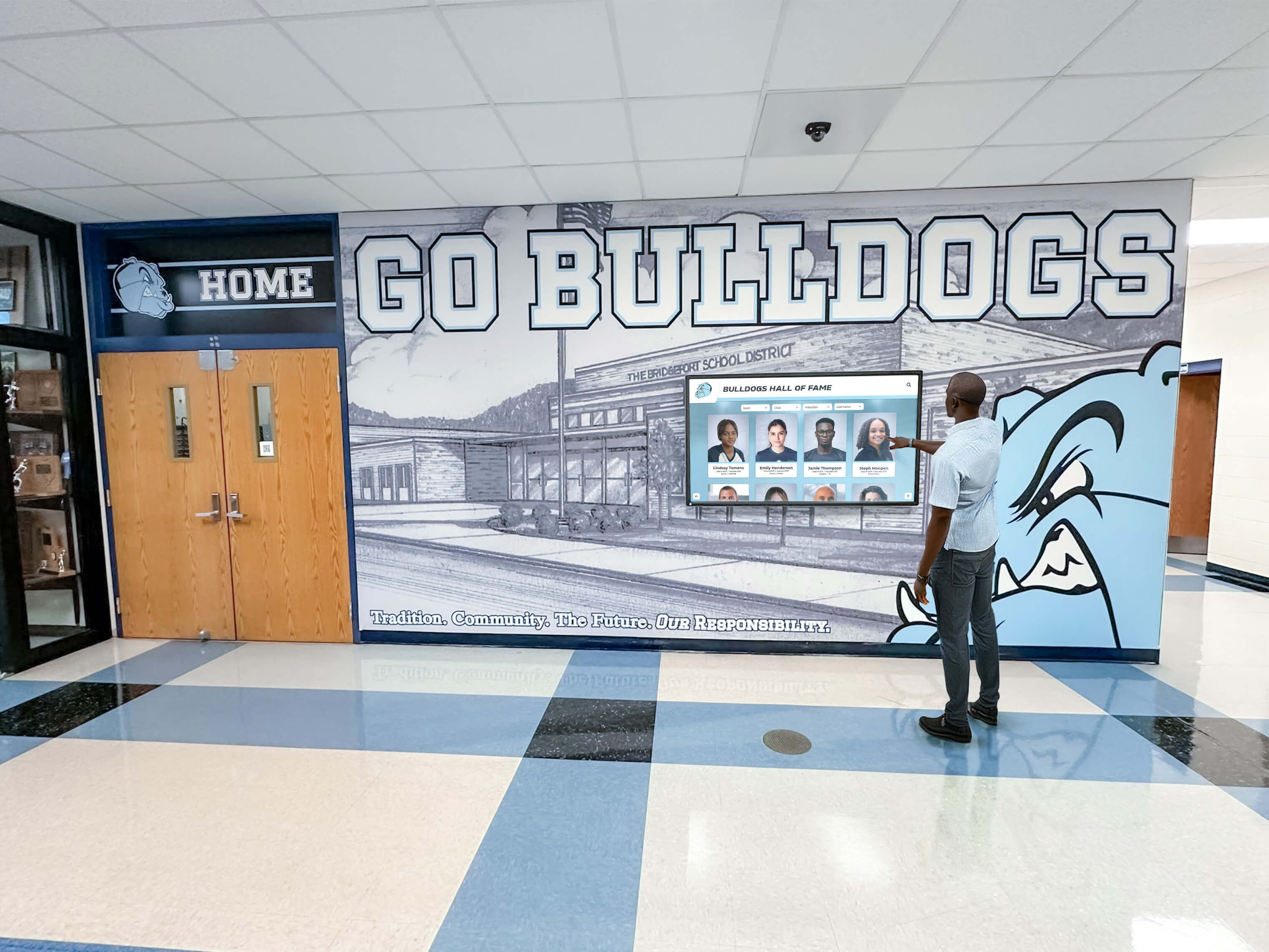
Digital archiving has evolved dramatically from early microfilm digitization projects to sophisticated platforms combining preservation with engagement:
First Generation - Digitization Projects (1990s-2000s): Early digital archives focused primarily on converting physical materials to digital formats with basic database organization and minimal public access interfaces. These projects established fundamental digitization standards but offered limited discovery tools and engagement features.
Second Generation - Web-Based Access (2000s-2010s): Online archives emerged enabling remote access through web browsers. Enhanced search capabilities, browsing categories, and digital finding aids improved discovery. However, most systems required technical expertise for content management and offered static presentation formats.
Third Generation - Interactive Engagement (2010s-Present): Modern digital archives integrate preservation with interactive presentation through touchscreen displays, mobile applications, social integration, and multimedia storytelling. User-friendly content management systems enable non-technical staff to maintain archives. Cloud-based platforms eliminate infrastructure requirements while ensuring accessibility and redundancy.
Emerging Fourth Generation - AI-Enhanced Archives (Present-Future): Next-generation archives leverage artificial intelligence for automated metadata generation, intelligent search, image recognition, and personalized content recommendations. These technologies dramatically reduce manual effort while improving discovery and user experience.
Organizations implementing archives today should select platforms positioned for future capabilities while meeting current needs through proven third-generation features.
The Scope of Historical Materials
Digital archives encompass remarkably diverse materials requiring archival consideration across multiple categories:
Documentary Materials:
- Correspondence and communications
- Official records and administrative documents
- Financial records and reports
- Strategic plans and policy documents
- Meeting minutes and proceedings
- Publications and newsletters
Visual Materials:
- Photographs from events, activities, and daily operations
- Architectural drawings and facilities documentation
- Maps, charts, and diagrams
- Artwork and creative productions
- Marketing and promotional materials
Audiovisual Materials:
- Video recordings of events, programs, or oral histories
- Audio recordings of speeches, interviews, or performances
- Film and multimedia productions
- Presentations and educational materials
Digital-Born Materials:
- Websites and social media content
- Digital publications and reports
- Email communications and electronic records
- Databases and information systems
- Digital photographs and media
Three-Dimensional Artifacts:
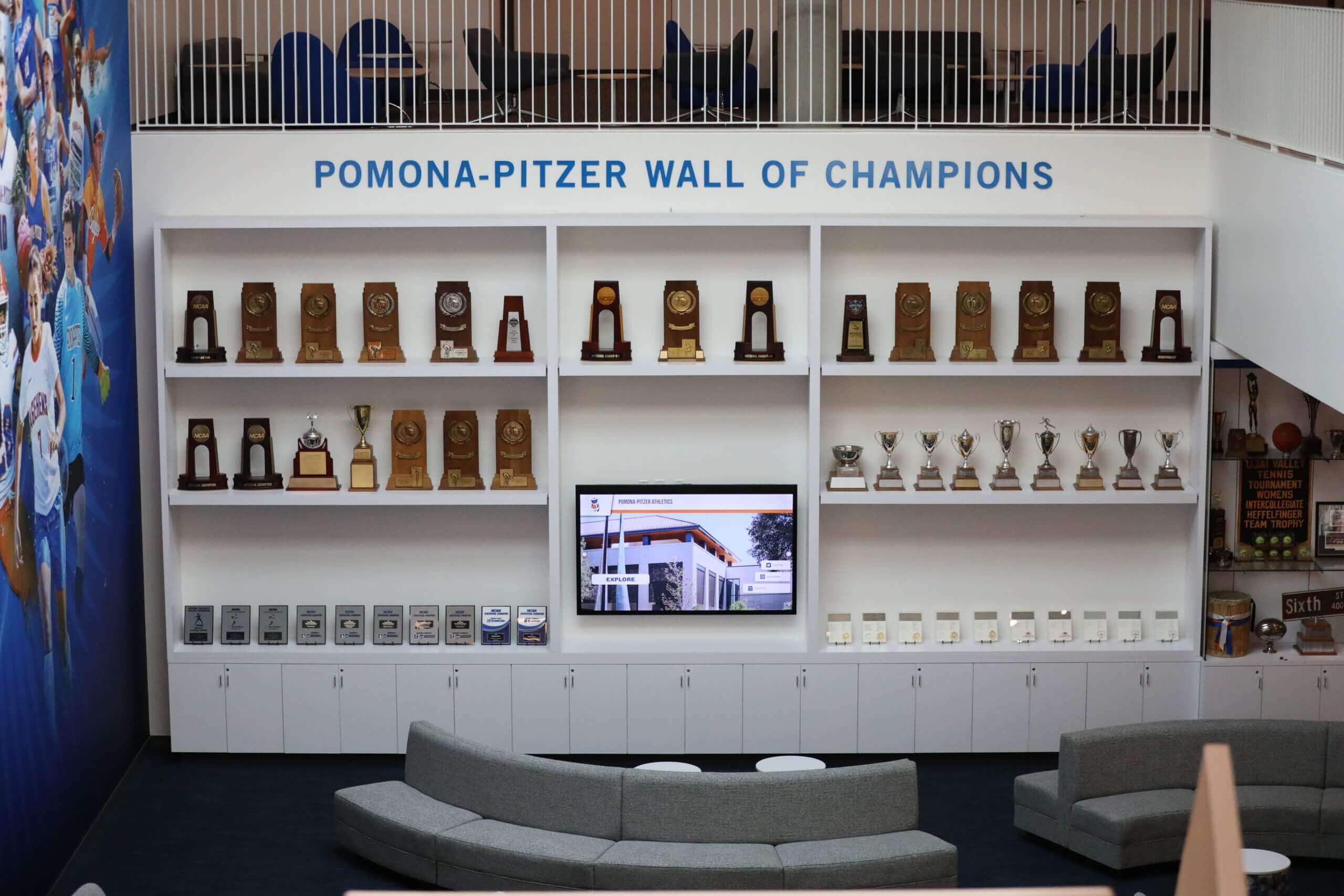
- Awards, trophies, and recognition items
- Uniforms, equipment, and tools
- Commemorative items and memorabilia
- Cultural artifacts and objects
Each category presents unique preservation challenges, technical requirements, and access considerations requiring thoughtful strategies addressing specific characteristics.
Why Digital History Archives Matter
Investment in comprehensive digital archives delivers substantial benefits extending far beyond compliance with record retention requirements or nostalgic preservation of organizational history.
Protecting Irreplaceable Heritage
Physical materials face constant deterioration threats that digital preservation addresses:
Physical Deterioration Prevention: Paper documents, photographs, and artifacts degrade from light exposure, temperature fluctuations, humidity variations, and handling. Digital preservation creates permanent copies immune to physical deterioration while enabling continued access without damaging fragile originals.
Disaster Recovery Protection: Fire, flooding, natural disasters, and catastrophic events can destroy entire physical archives within moments. Digital archives with geographic redundancy protect against local disasters ensuring heritage survives regardless of physical facility damage.
Technological Obsolescence Mitigation: Born-digital materials created in outdated software formats or stored on obsolete media become inaccessible without active preservation. Professional archival systems address technological change through standardized preservation formats and ongoing migration strategies.
Institutional Memory Preservation: The departure of long-tenured personnel often results in lost knowledge about organizational history, traditions, and precedents. Systematic archiving captures this knowledge in permanent formats accessible regardless of personnel changes.
Organizations implementing comprehensive digital preservation report dramatically reduced heritage loss while enabling unprecedented access to institutional history.
Enabling Unprecedented Accessibility
Digital archives transform who can access historical materials and how they engage with content:
Access Revolution
- Geographic Independence: Stakeholders access archives from anywhere with internet connectivity rather than requiring physical presence at specific locations
- Simultaneous Use: Unlimited concurrent users access the same materials eliminating physical archive constraints where only one person views items at a time
- Instant Discovery: Keyword searches locate specific content within seconds versus hours or days searching physical collections
- 24/7 Availability: Archives remain accessible continuously without staff assistance or facility operating hours
- Adaptive Access: Multiple interfaces serve diverse users—web portals for remote access, touchscreens for public engagement, mobile apps for on-the-go exploration

This accessibility revolution extends engagement far beyond small audiences visiting physical archives. Organizations implementing comprehensive digital archives report 100-1000x increases in heritage engagement compared to physical-only access.
Creating Engagement Opportunities
Modern digital archives don’t just store history—they actively engage audiences through interactive presentations:
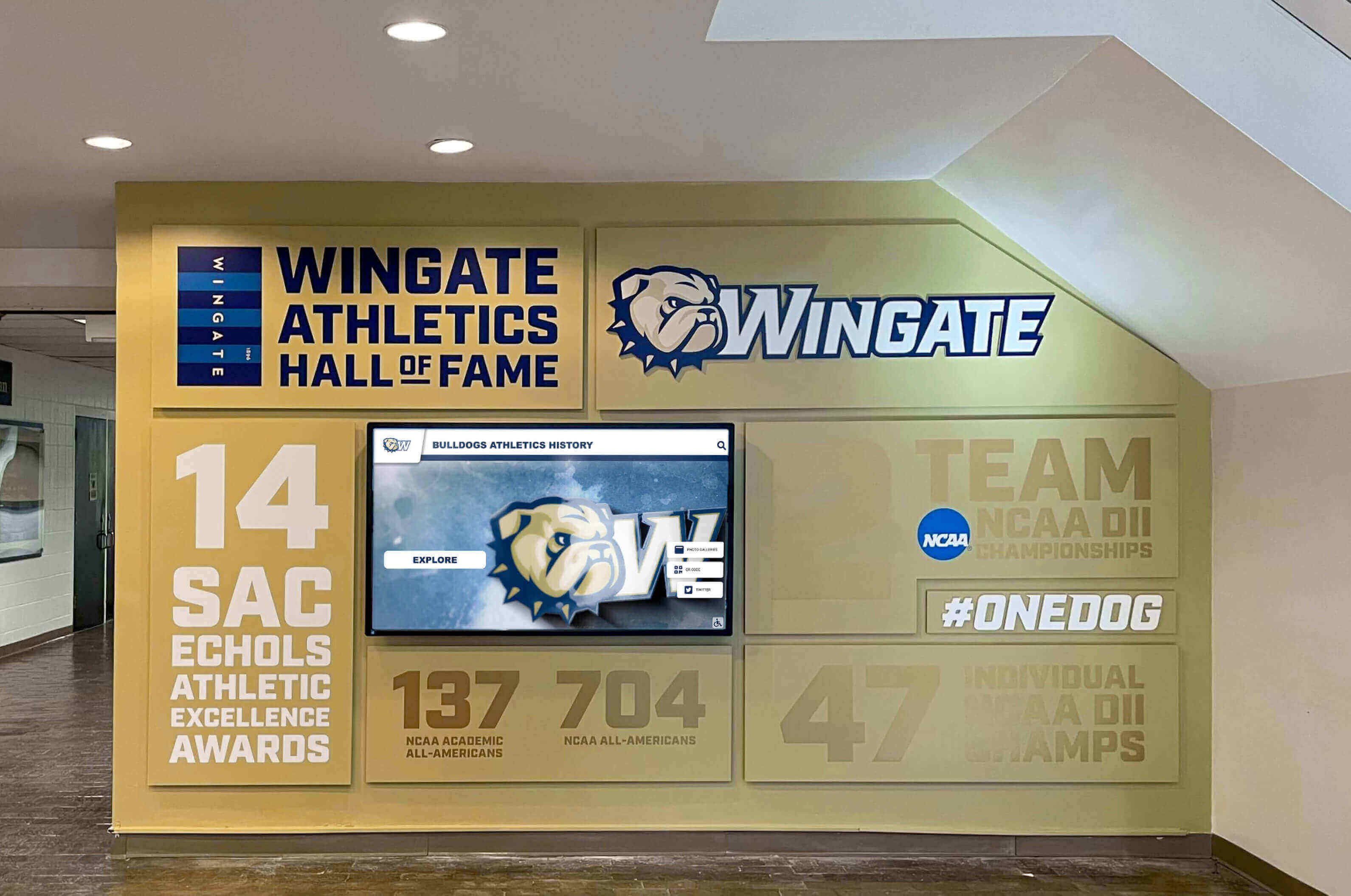
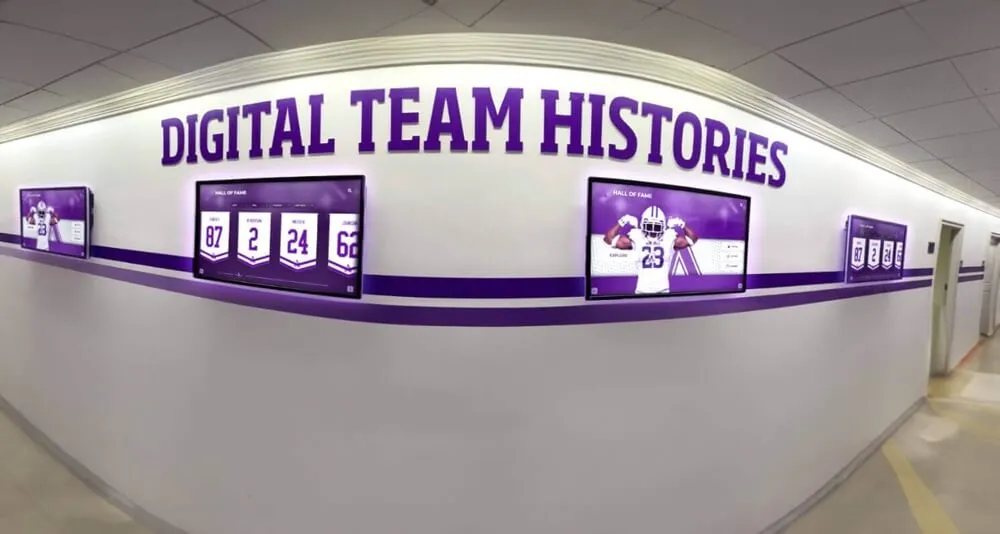
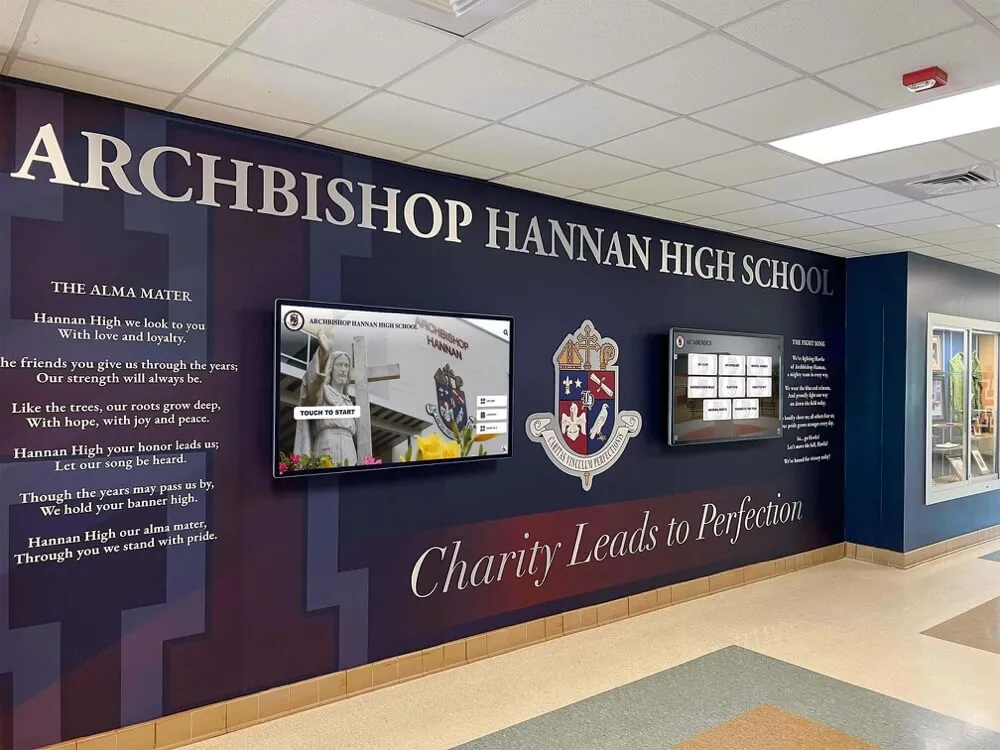
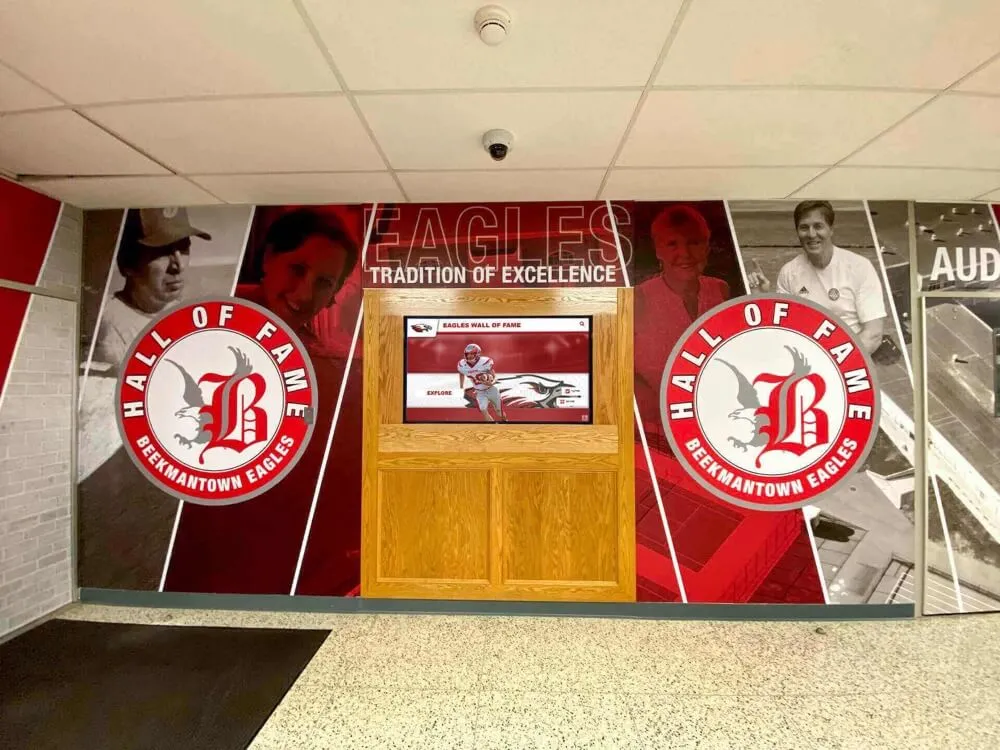
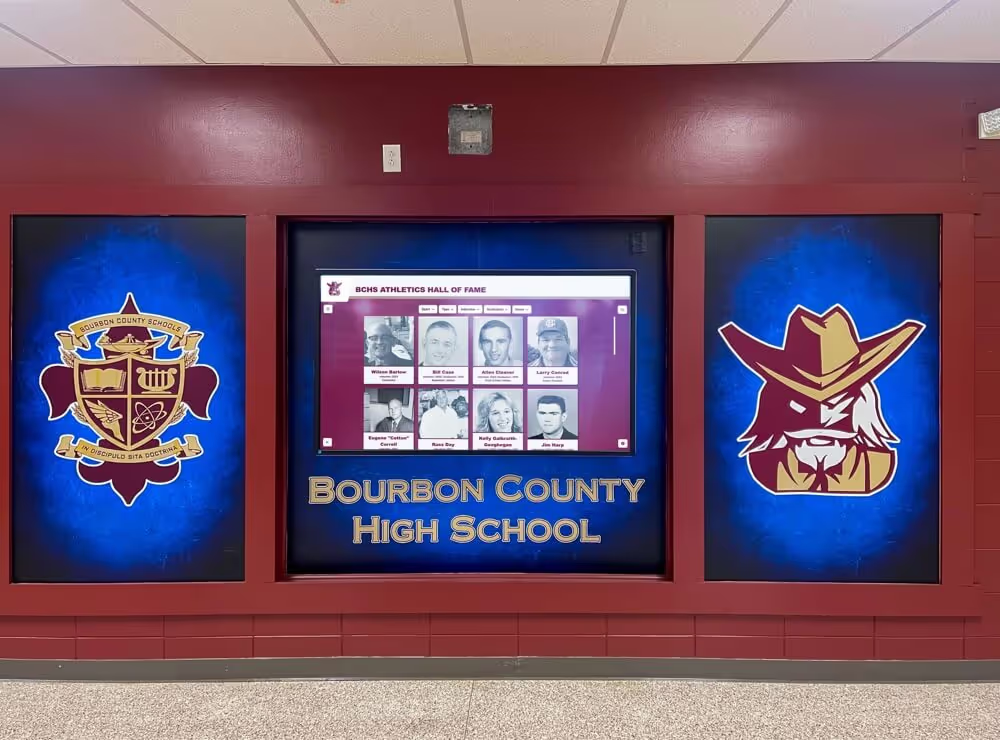
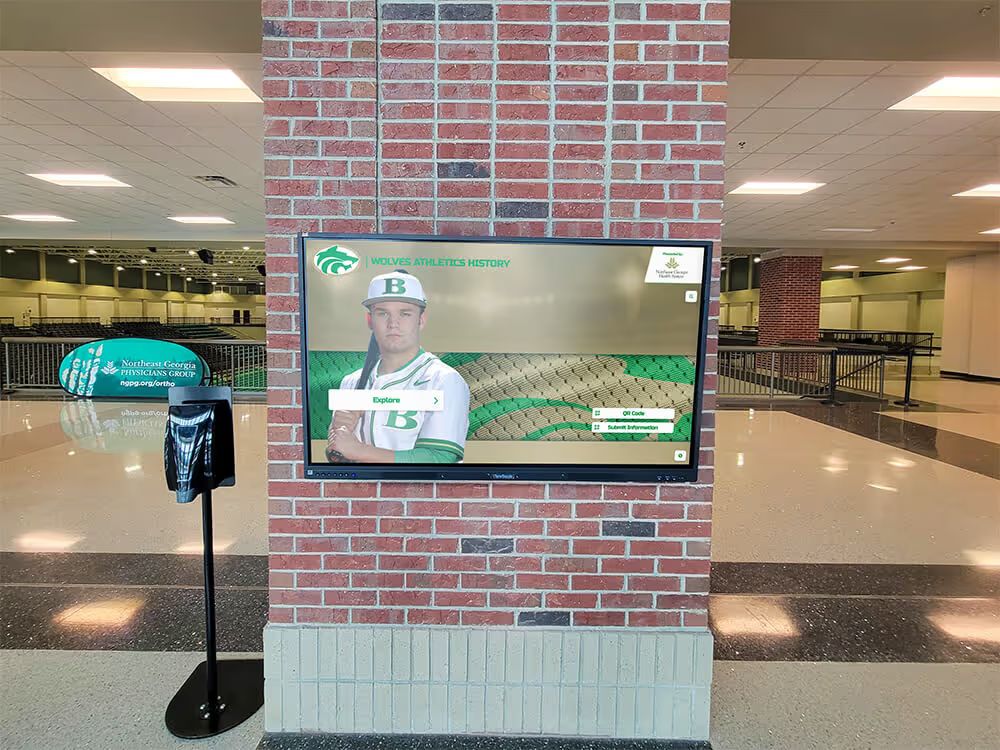
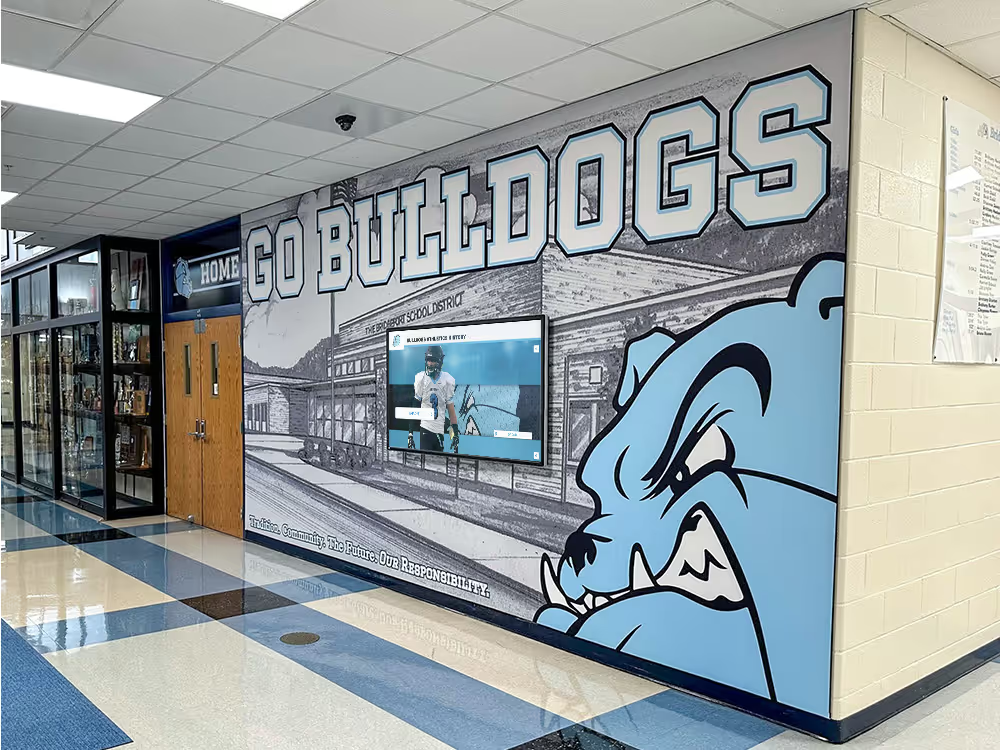
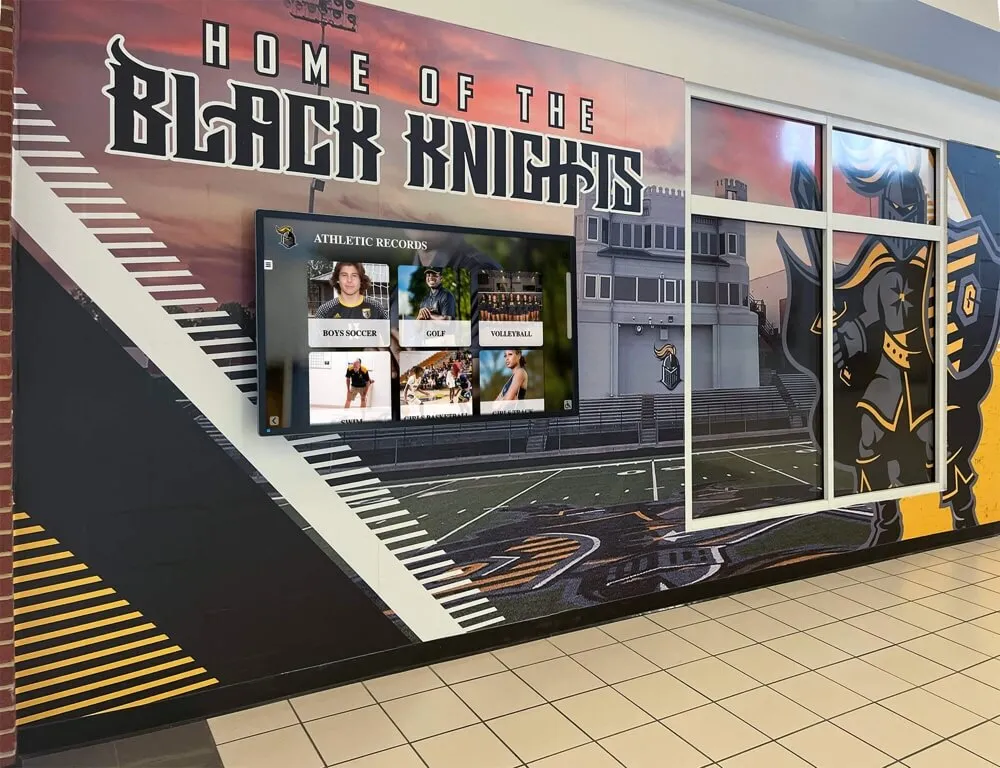
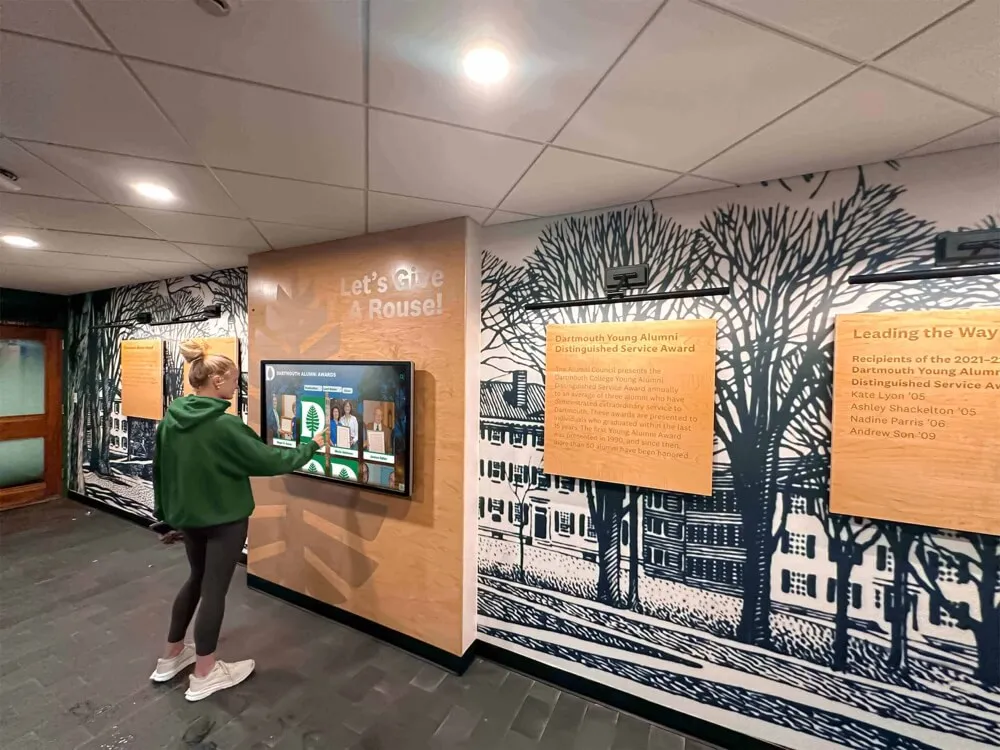
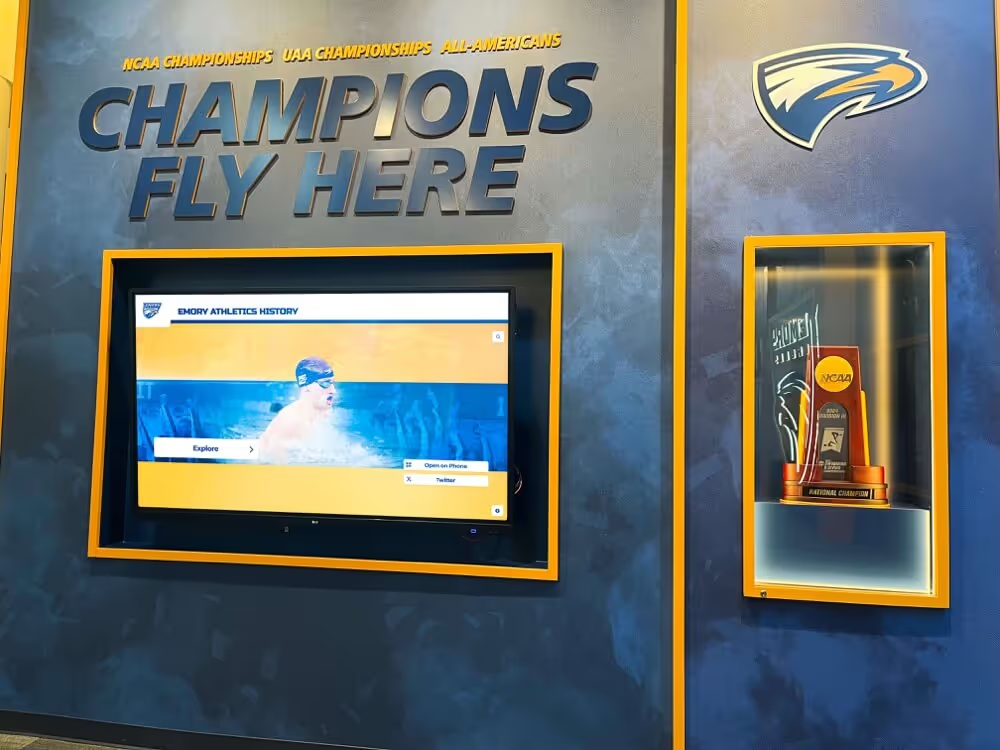
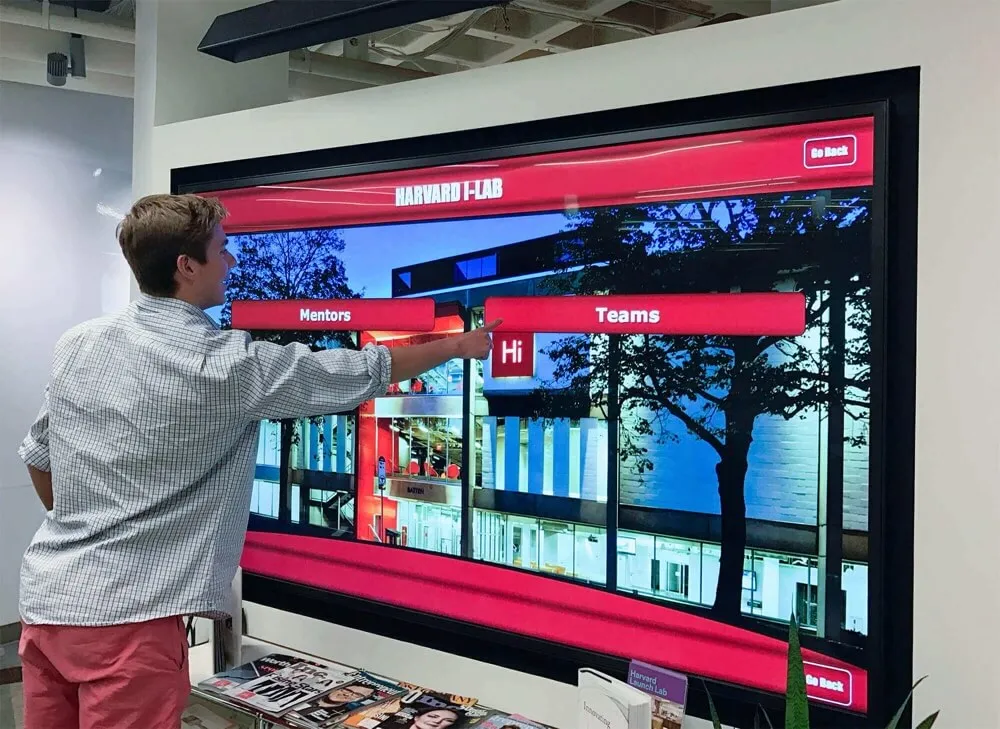
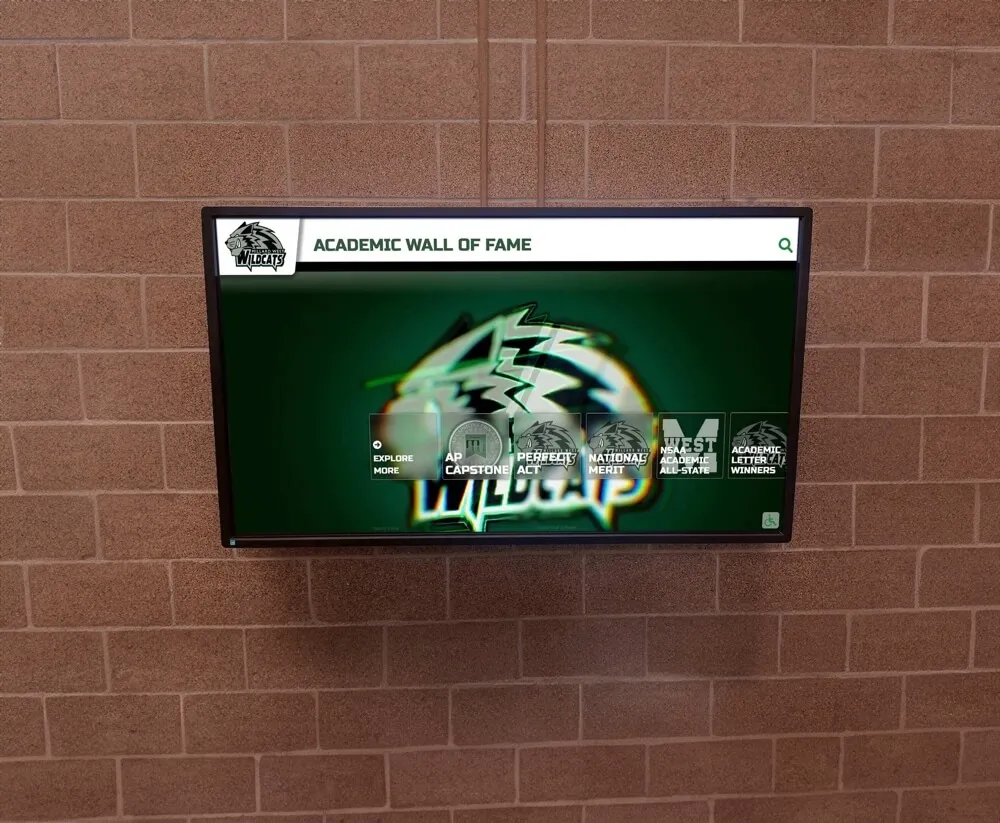
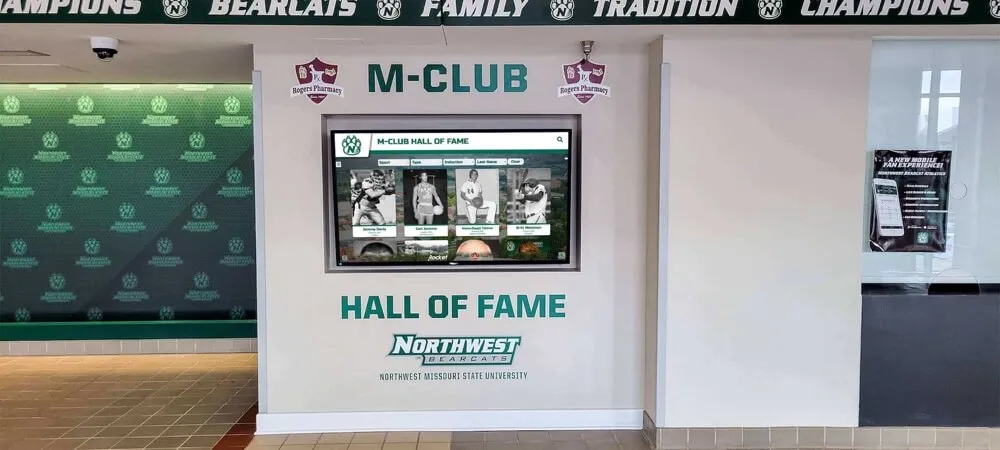
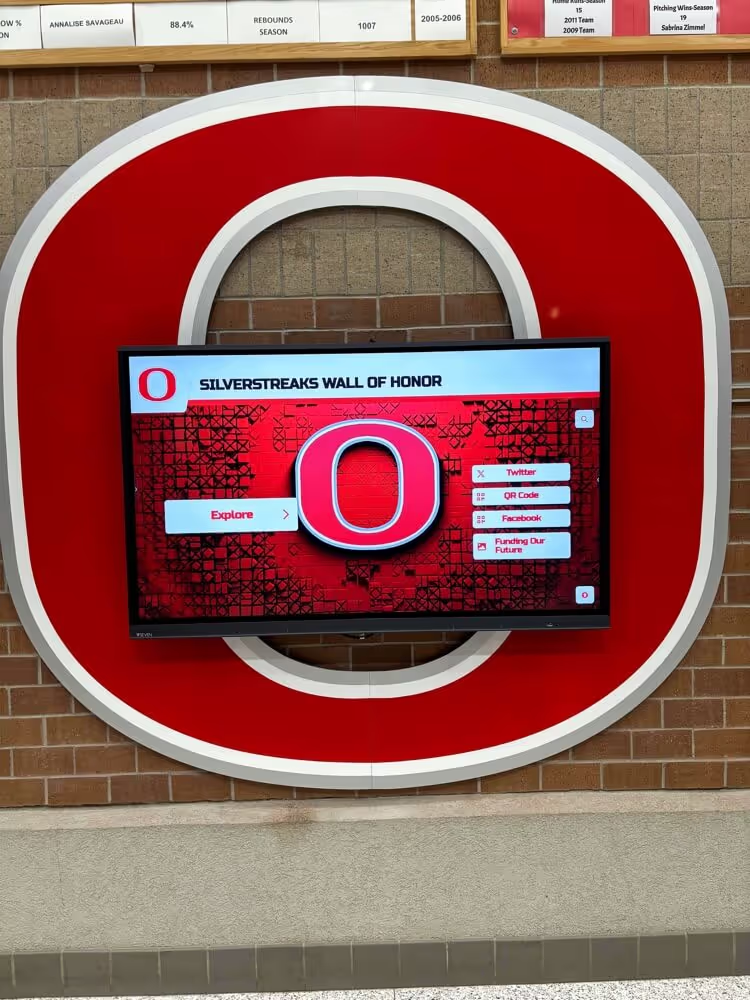
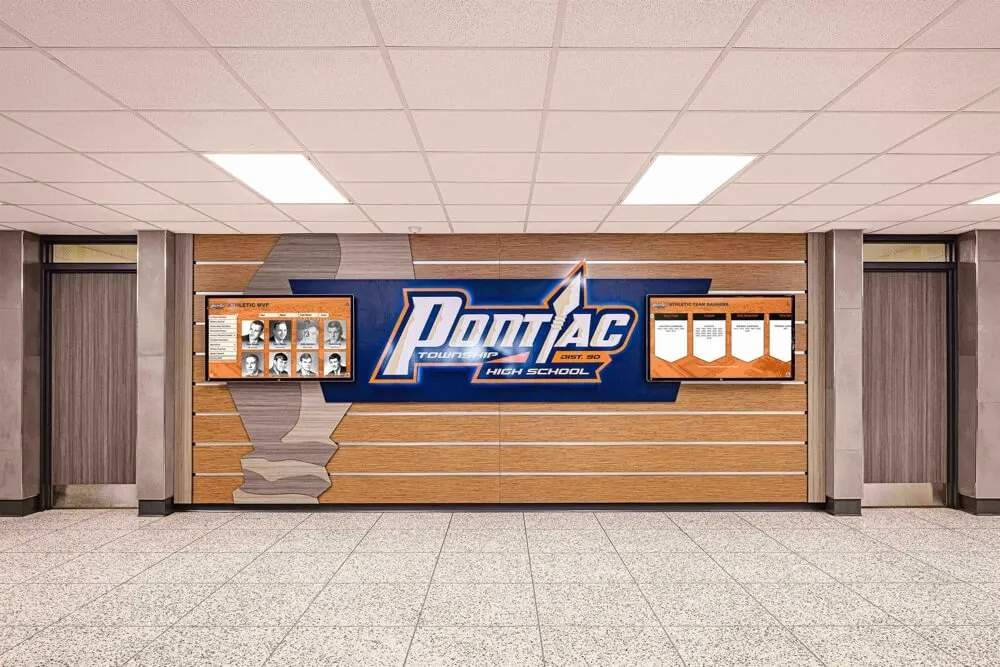
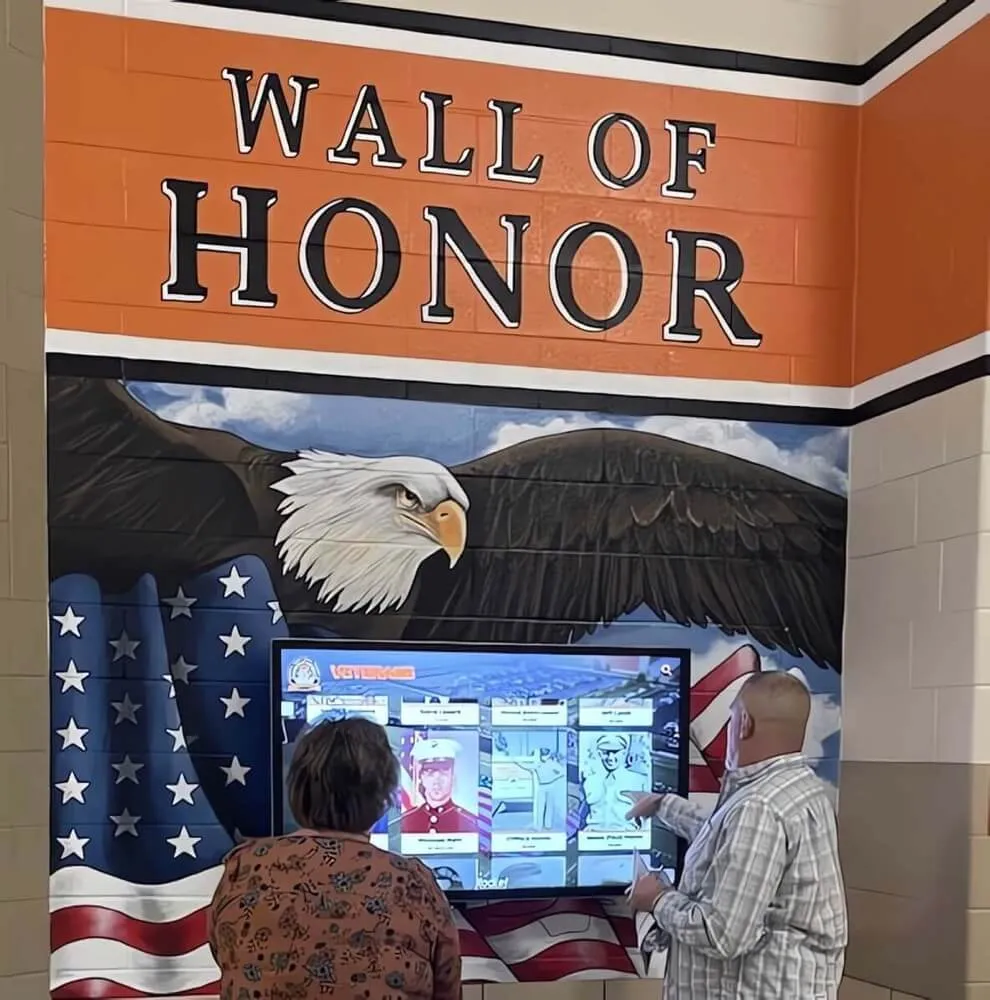
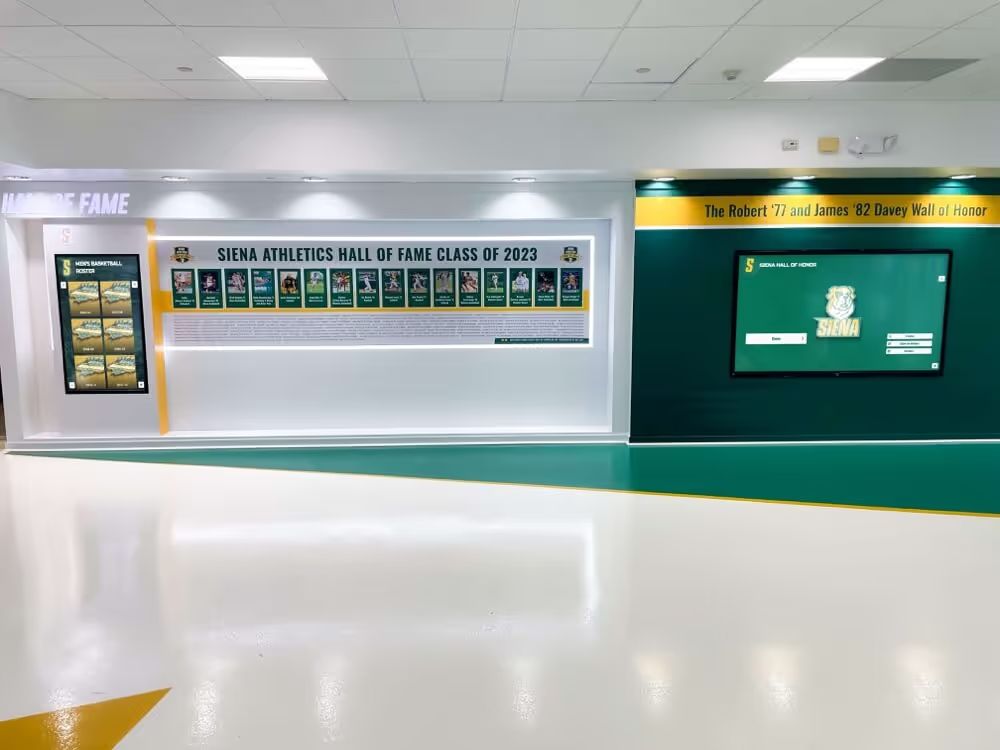
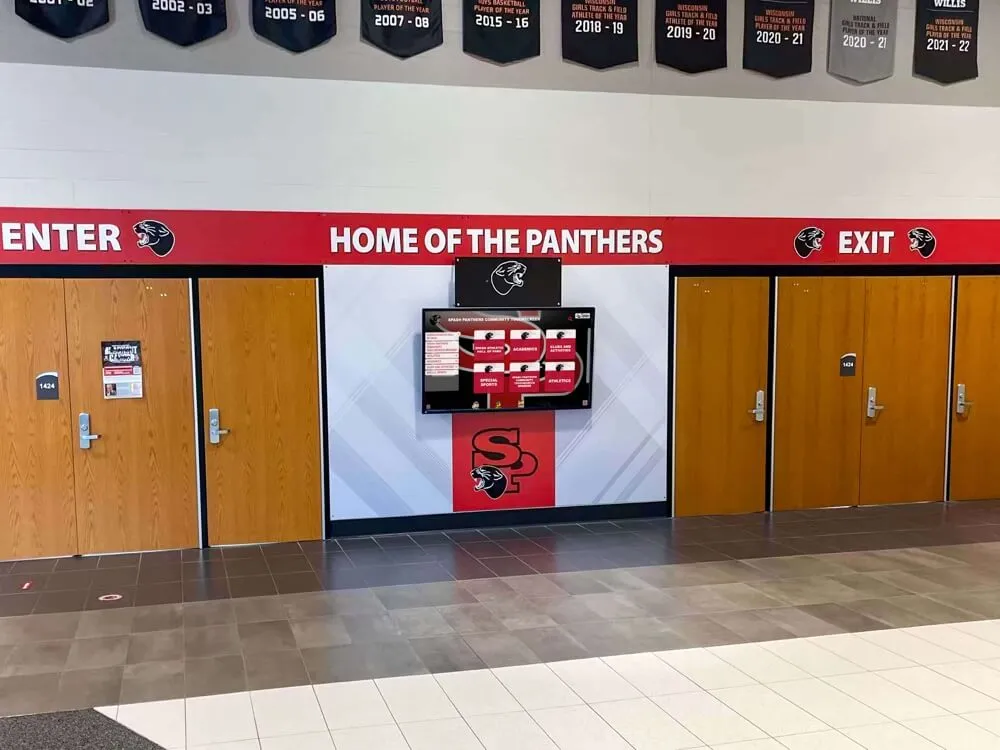
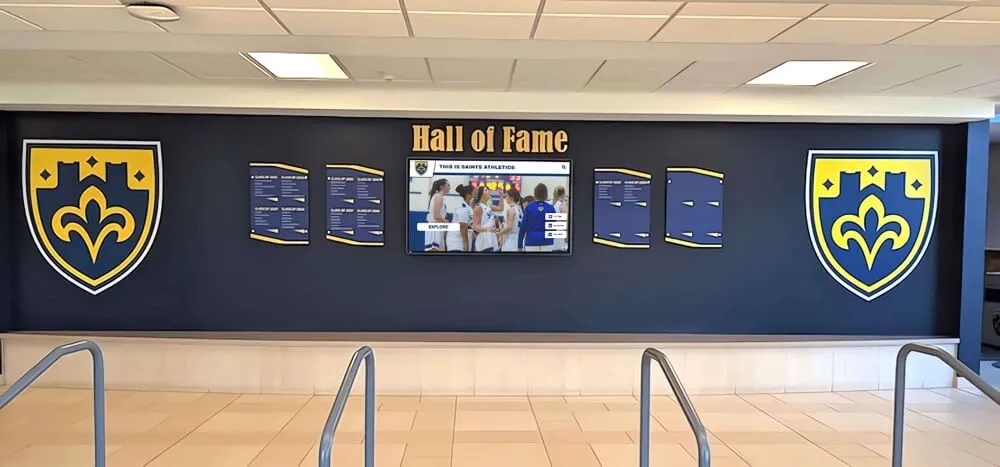
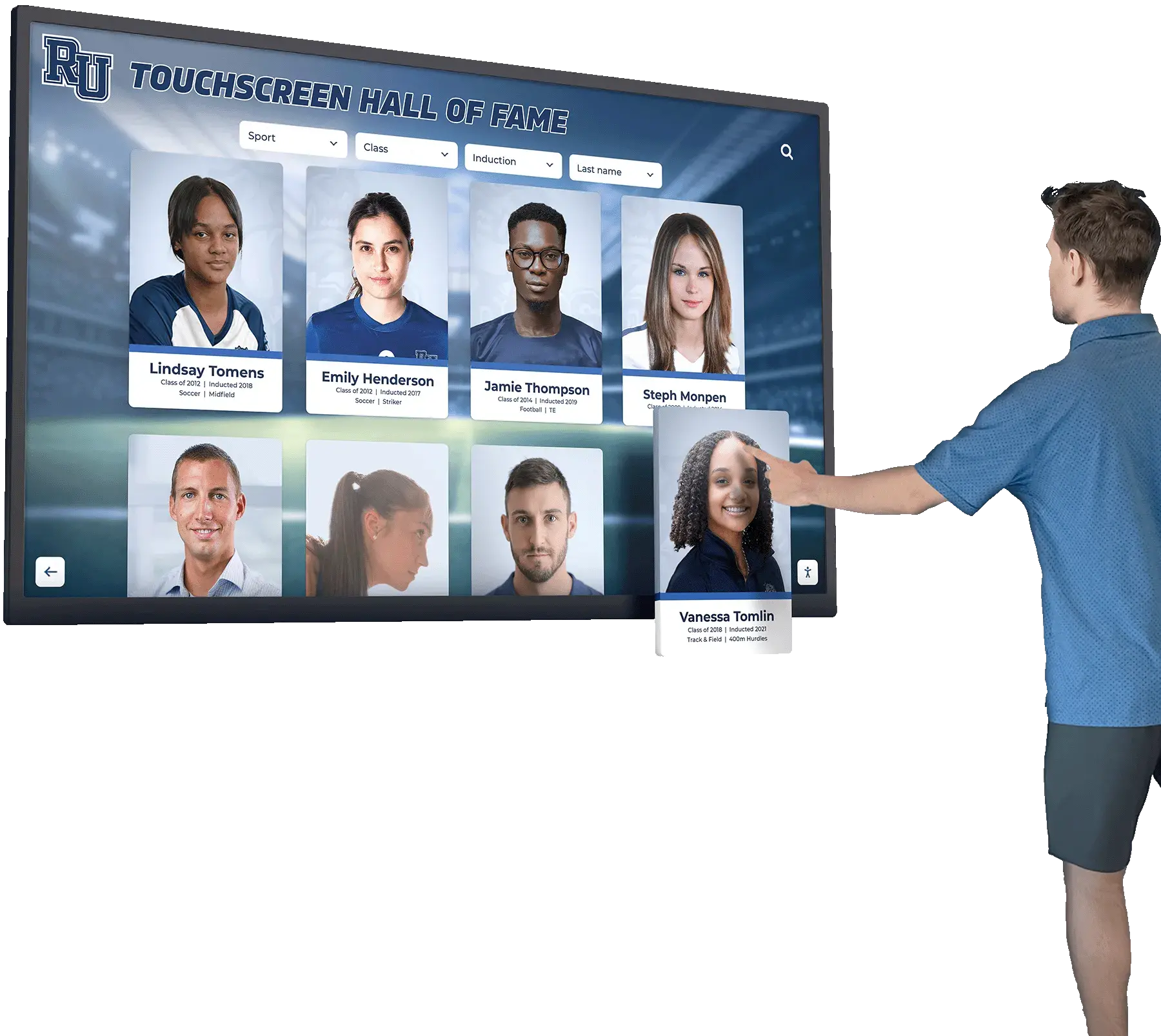
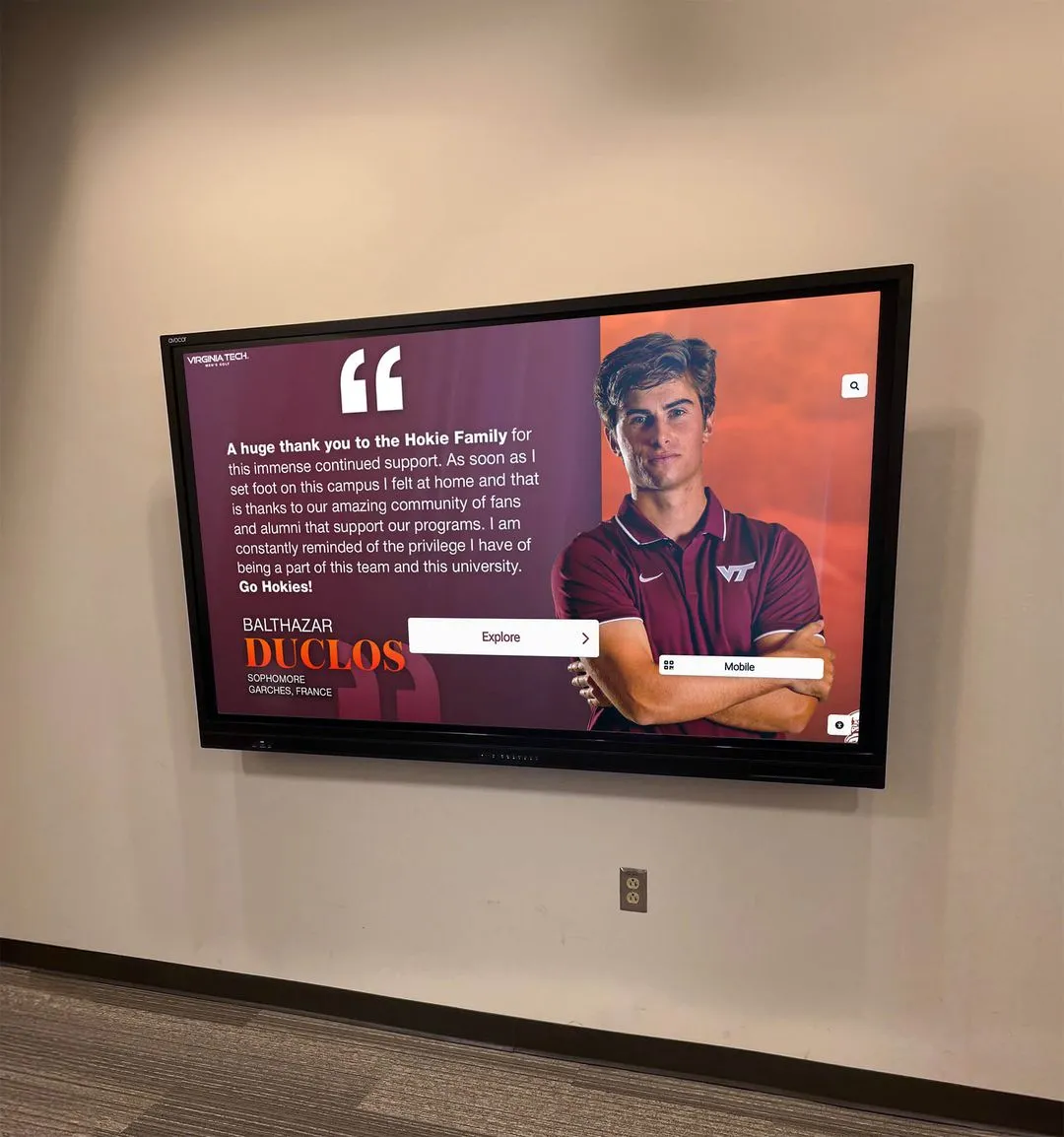
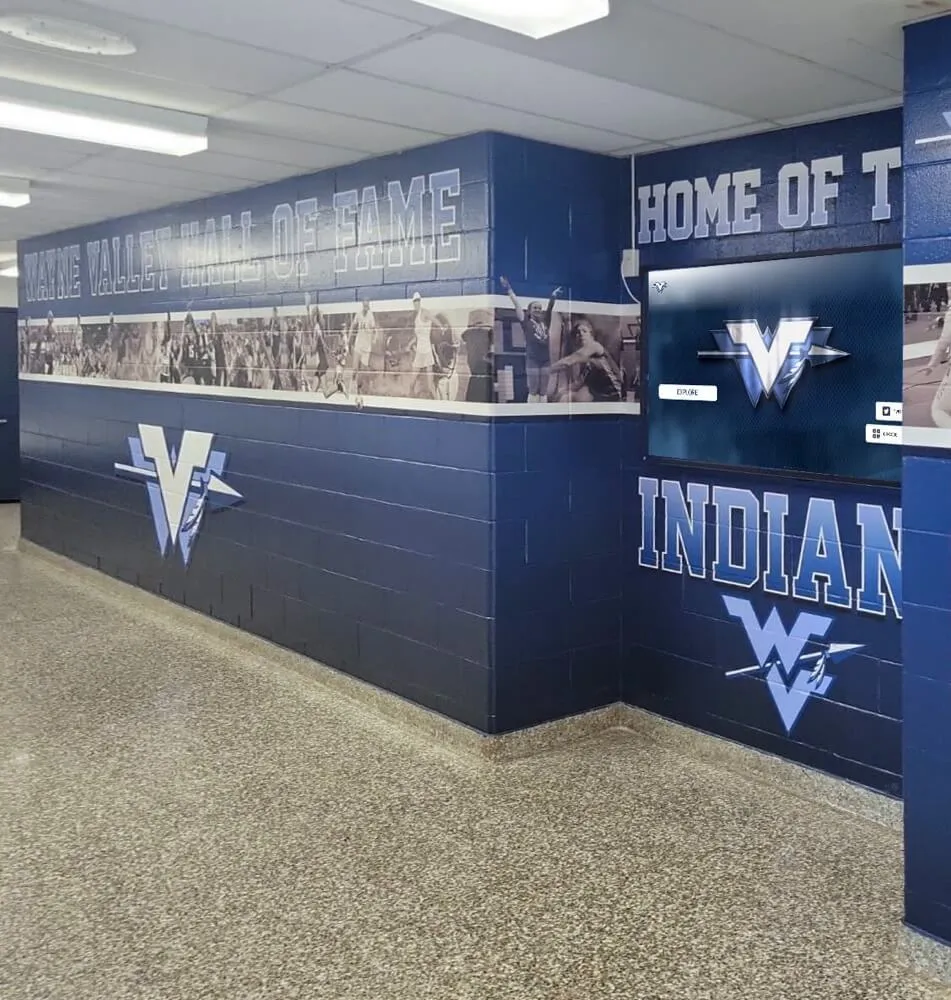
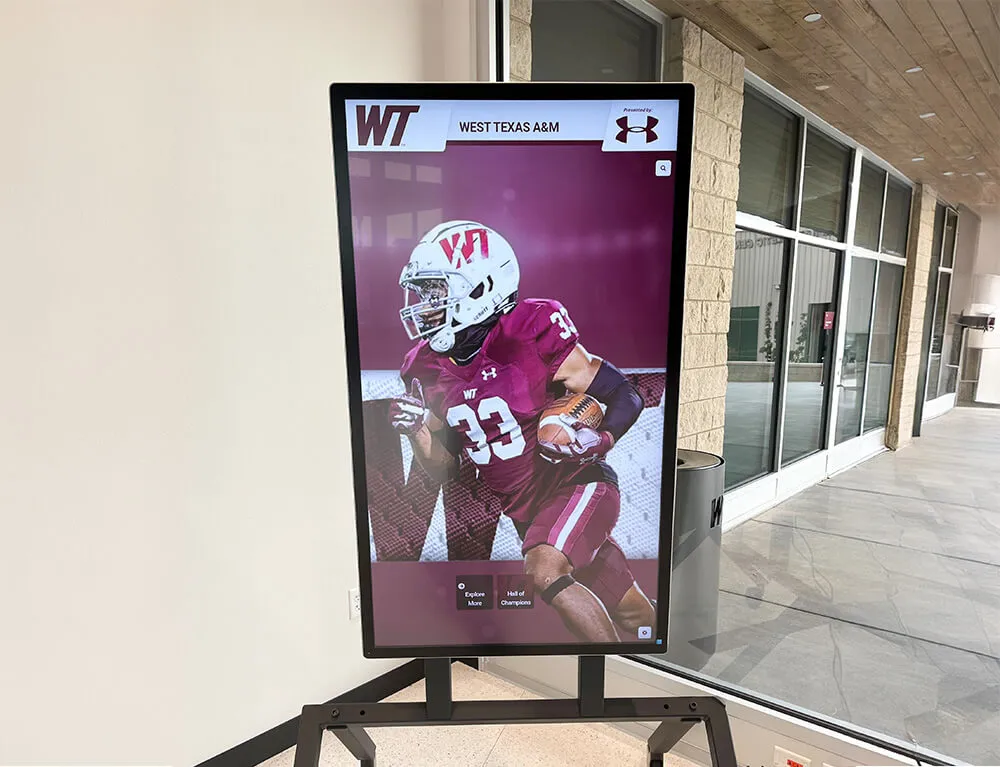
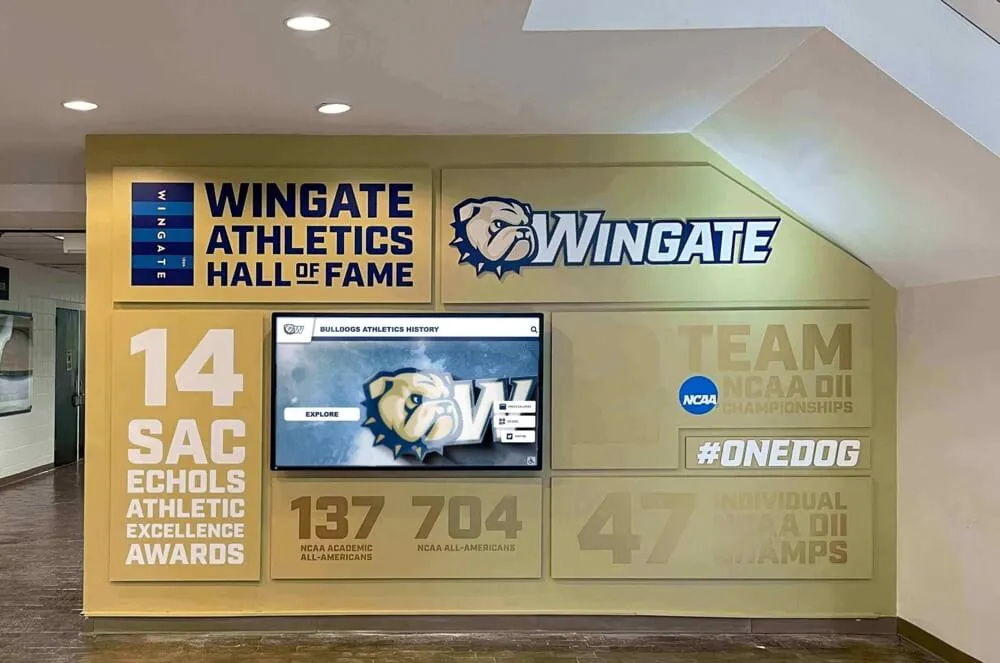
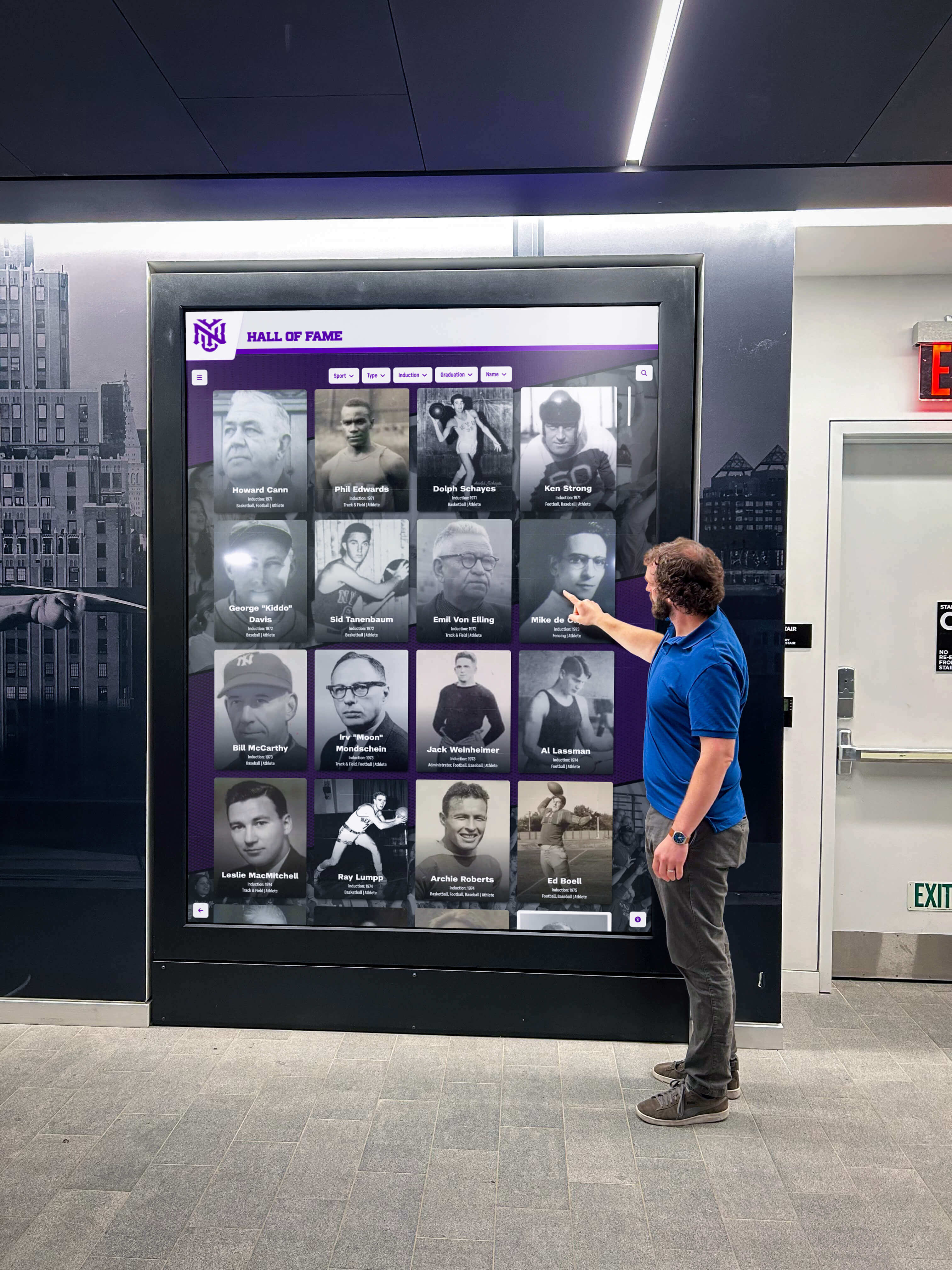
Interactive Exploration: Touchscreen displays installed in public spaces invite hands-on discovery through intuitive interfaces. Visitors browse chronologically, search for specific topics, explore themed collections, and discover unexpected connections. These installations transform passive viewing into active engagement building deeper connections with heritage.
Multimedia Storytelling: Digital archives integrate photographs, documents, video, audio, and contextual narratives creating rich storytelling impossible in physical collections. Oral history interviews complement written records. Video footage brings historical events to life. Context paragraphs explain significance beyond simple artifact description.
Educational Integration: Structured access enables classroom use, student research projects, and educational programming. Teachers assign archive-based assignments. Students explore primary sources developing historical thinking skills. Educational content connects curricula with institutional heritage.
Social Connectivity: Sharing capabilities extend reach through social media posts, email links, and embedded content. Users discovering interesting materials share discoveries amplifying engagement far beyond direct archive visitors.
Solutions like Rocket Alumni Solutions uniquely combine archival preservation with interactive presentation capabilities, eliminating the need for separate systems for storage and public engagement.
Supporting Organizational Goals
Beyond preservation and access, digital archives support diverse organizational priorities:
Research and Scholarship: Organized accessible archives enable research supporting organizational decision-making, historical scholarship, and evidence-based planning. Searchable collections reveal patterns and precedents informing current strategies.
Community Building: Shared heritage strengthens community identity and connection. Alumni maintaining relationships through archive exploration, community members appreciating organizational traditions, stakeholders understanding institutional evolution through accessible history.
Recruitment and Marketing: Heritage presentation demonstrates tradition, excellence, and commitment to prospective members, donors, or partners. Compelling historical narratives distinguish organizations from competitors while building confidence through demonstrated longevity and impact.
Compliance and Documentation: Systematic archiving ensures retention of materials required for regulatory compliance, legal proceedings, or accreditation processes. Comprehensive documentation supports organizational accountability and transparency.
Digital Archive Platforms and Technology Options
Selecting appropriate archiving technology represents a critical decision significantly impacting program effectiveness, staff workload, and long-term sustainability.
Enterprise Digital Asset Management Systems
Large organizations sometimes implement comprehensive enterprise digital asset management (DAM) platforms providing extensive capabilities:
Enterprise Platform Characteristics:
These systems offer professional-grade preservation meeting international archival standards, extensive scalability handling millions of items, sophisticated metadata management supporting complex organizational schemes, format migration capabilities protecting against technological obsolescence, comprehensive access controls with granular permissions, and integration with institutional systems.
Common Enterprise Solutions:
- CONTENTdm (OCLC) - Widely used in academic libraries for digital collection management
- Preservica - Enterprise preservation platform meeting professional archival standards
- ArchivesSpace - Open-source archival management supporting professional description standards
- ResourceSpace - Open-source digital asset management with extensive customization
Considerations: Enterprise platforms deliver comprehensive capabilities but often prove excessive for many organizations. Licensing typically ranges from $15,000-$100,000+ annually. Implementation requires substantial technical expertise and ongoing support. Many capabilities remain unused by organizations with focused needs. Staff requirements include dedicated personnel with technical and archival expertise.
Mid-Market Purpose-Built Solutions
Purpose-built solutions designed specifically for organizational heritage management balance comprehensive functionality with accessibility and reasonable implementation complexity:
Educational and Organizational Focus:
Platforms like SocialArchive enable community contributions allowing stakeholders to submit their own materials creating collaborative collections. Built-in capture tools make collecting oral histories and multimedia content straightforward for non-technical staff. Fundraising and engagement features support advancement initiatives beyond pure preservation.
Integrated Recognition and Heritage Platforms:
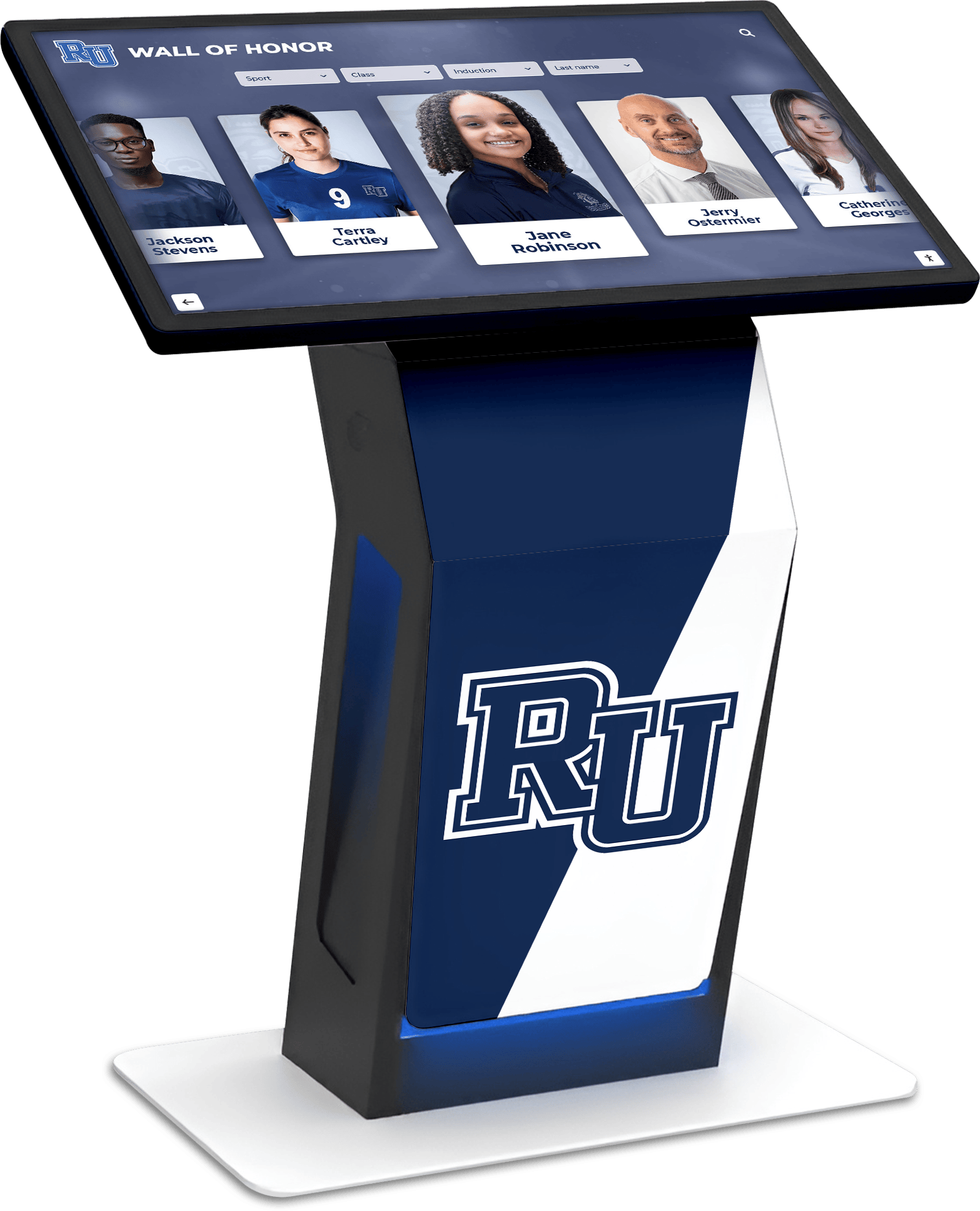
Rocket Alumni Solutions provides unique advantages by combining comprehensive archival capabilities with interactive recognition displays. Organizations can digitize historical content while simultaneously creating engaging touchscreen kiosks, searchable web portals, and stakeholder databases. Content added to archives automatically appears across all presentation formats without duplicate data entry or file transfers between disconnected systems.
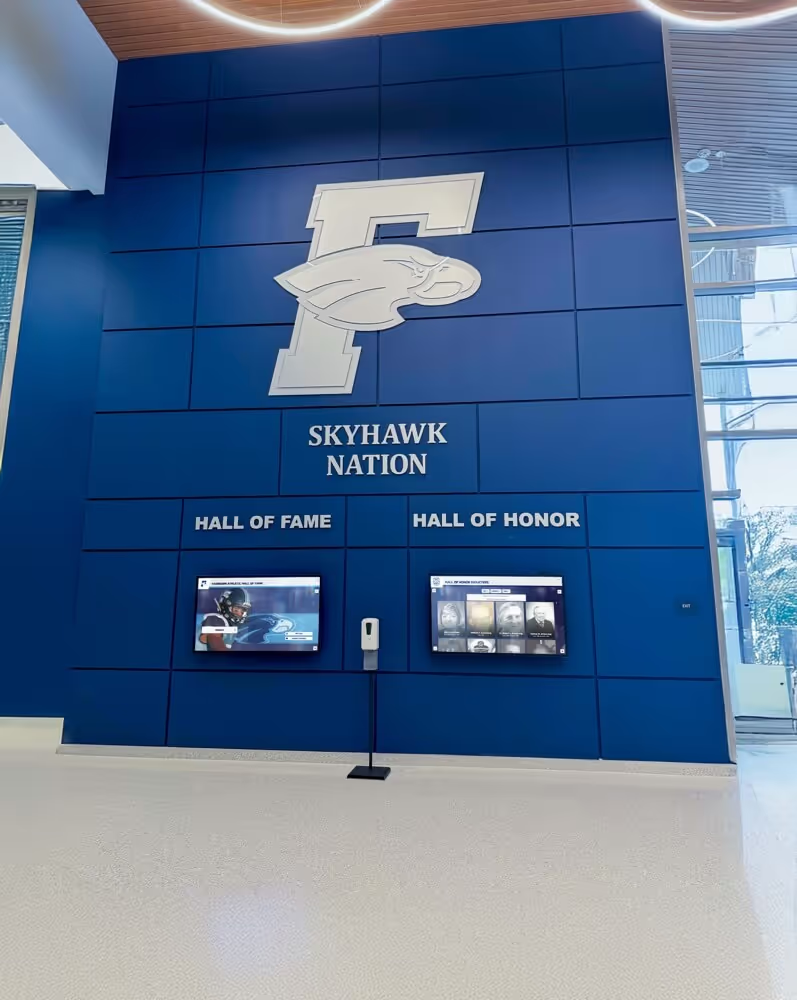
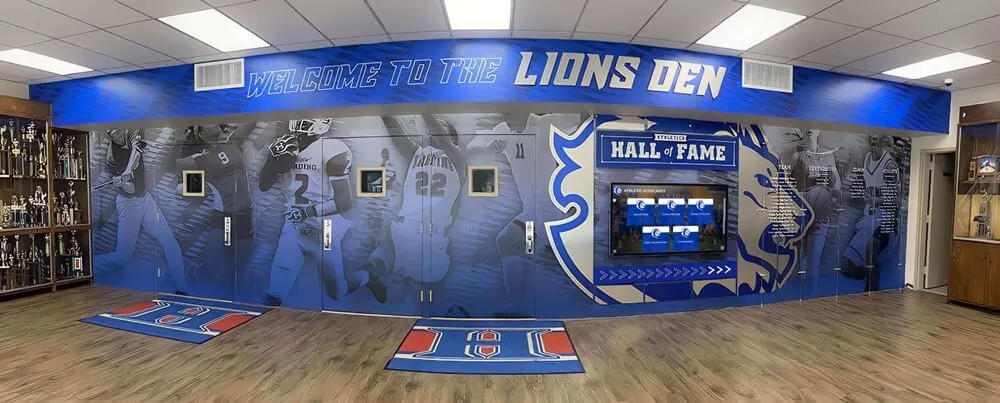
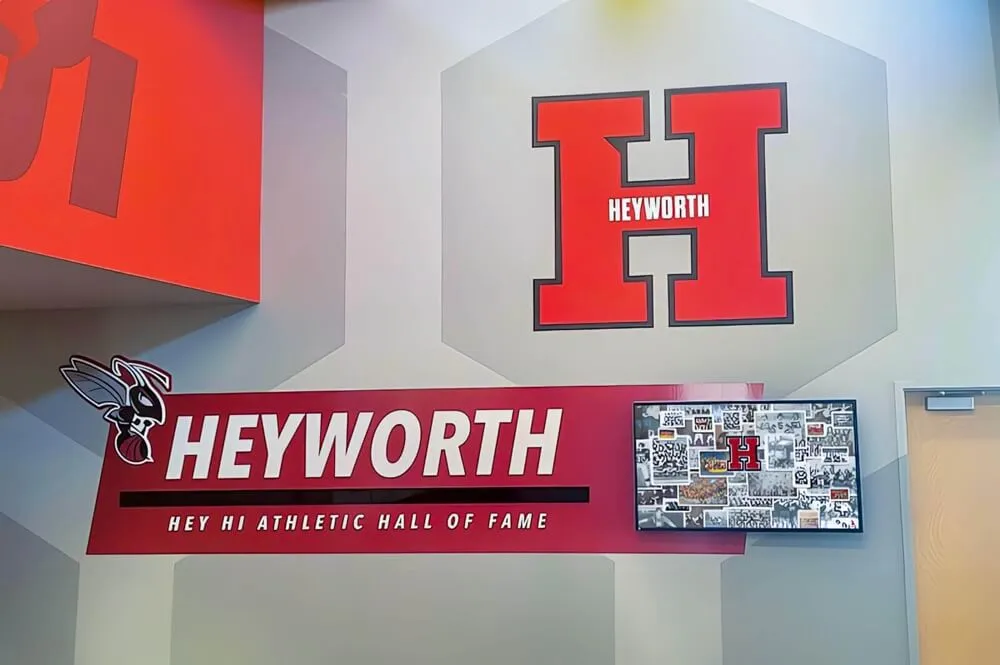
This integration proves particularly valuable for organizations seeking unified platforms that preserve heritage while creating engaging public presentations. Schools implement hall of fame displays that draw content from the same archives storing yearbooks and historical photographs. Museums create interactive exhibitions pulling from digital collections. Organizations build recognition programs celebrating achievement while preserving institutional memory.
Cloud-Native Platforms:
Modern cloud-based systems eliminate infrastructure requirements while providing automatic updates, geographic redundancy, and unlimited scalability. Organizations avoid server maintenance, backup management, and technical infrastructure typical of traditional on-premises archives.
Mid-market platforms balance sophisticated archival capabilities with intuitive interfaces designed for professionals without extensive technical backgrounds, making digital archives practical for organizations lacking dedicated IT departments.
Specialized Display and Engagement Technologies
Beyond core archival platforms, specialized technologies enhance public engagement:
Interactive Touchscreen Displays:
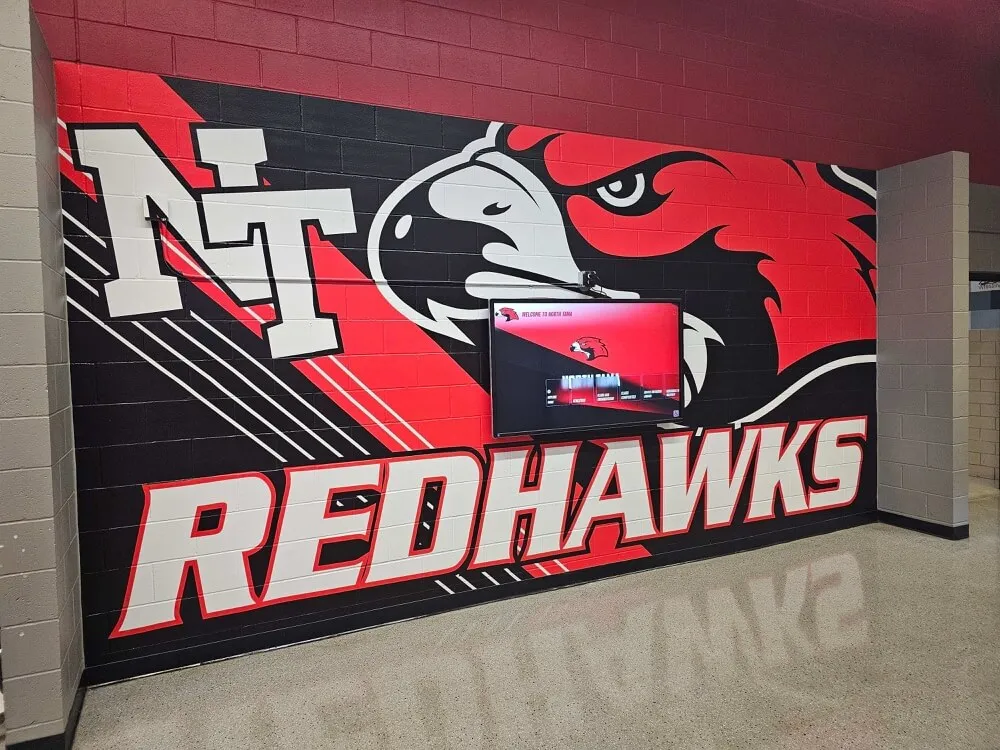
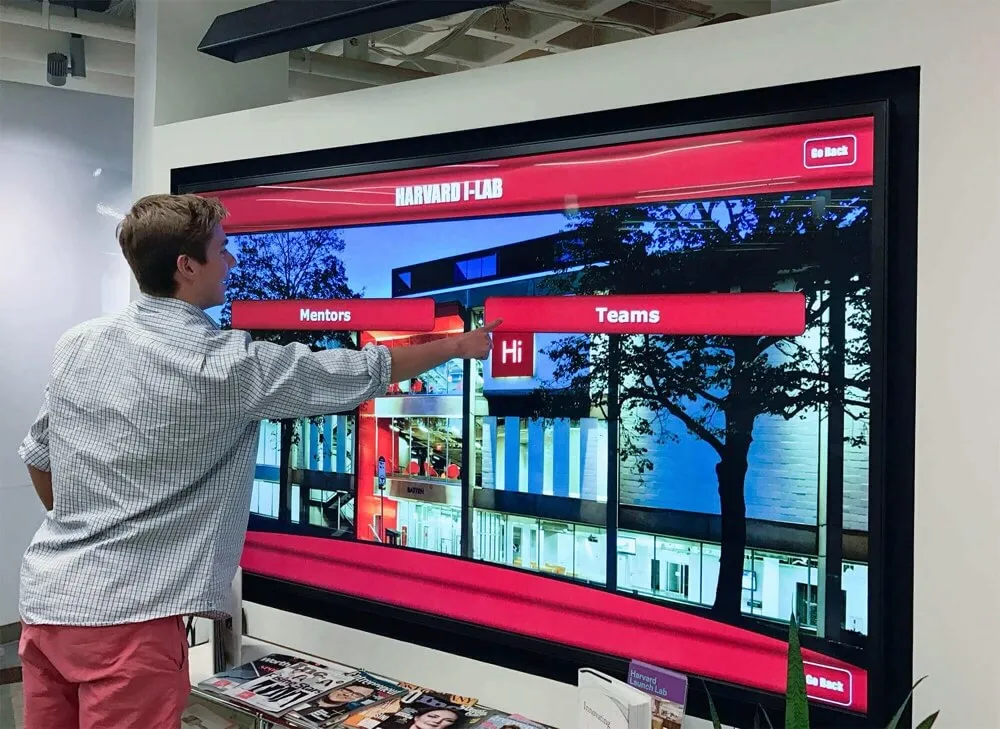
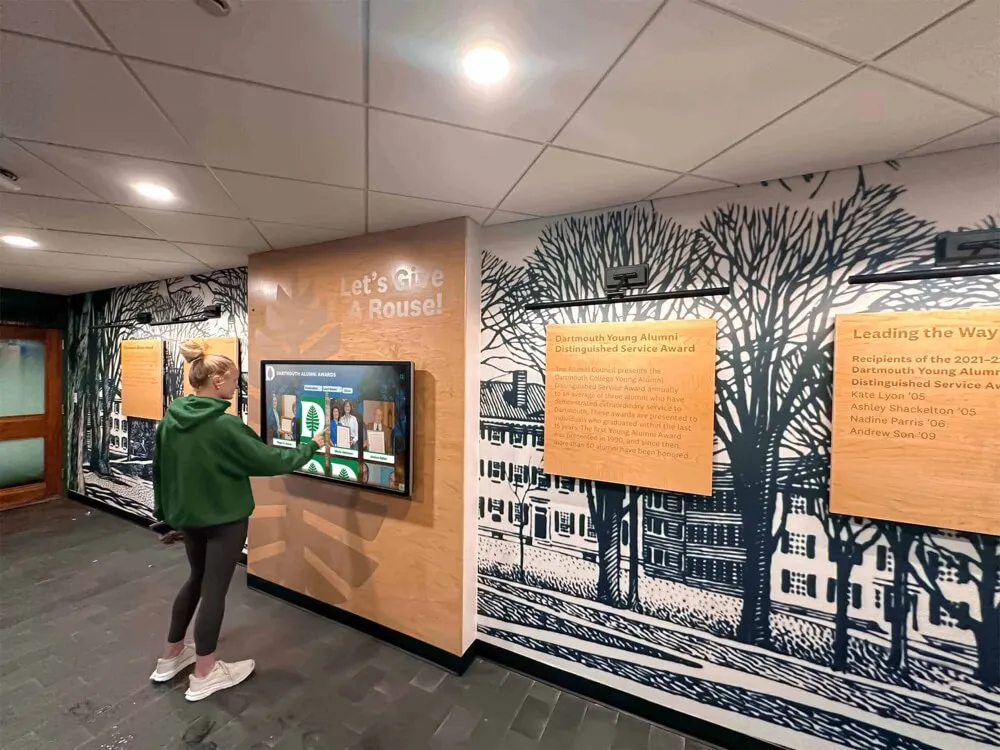
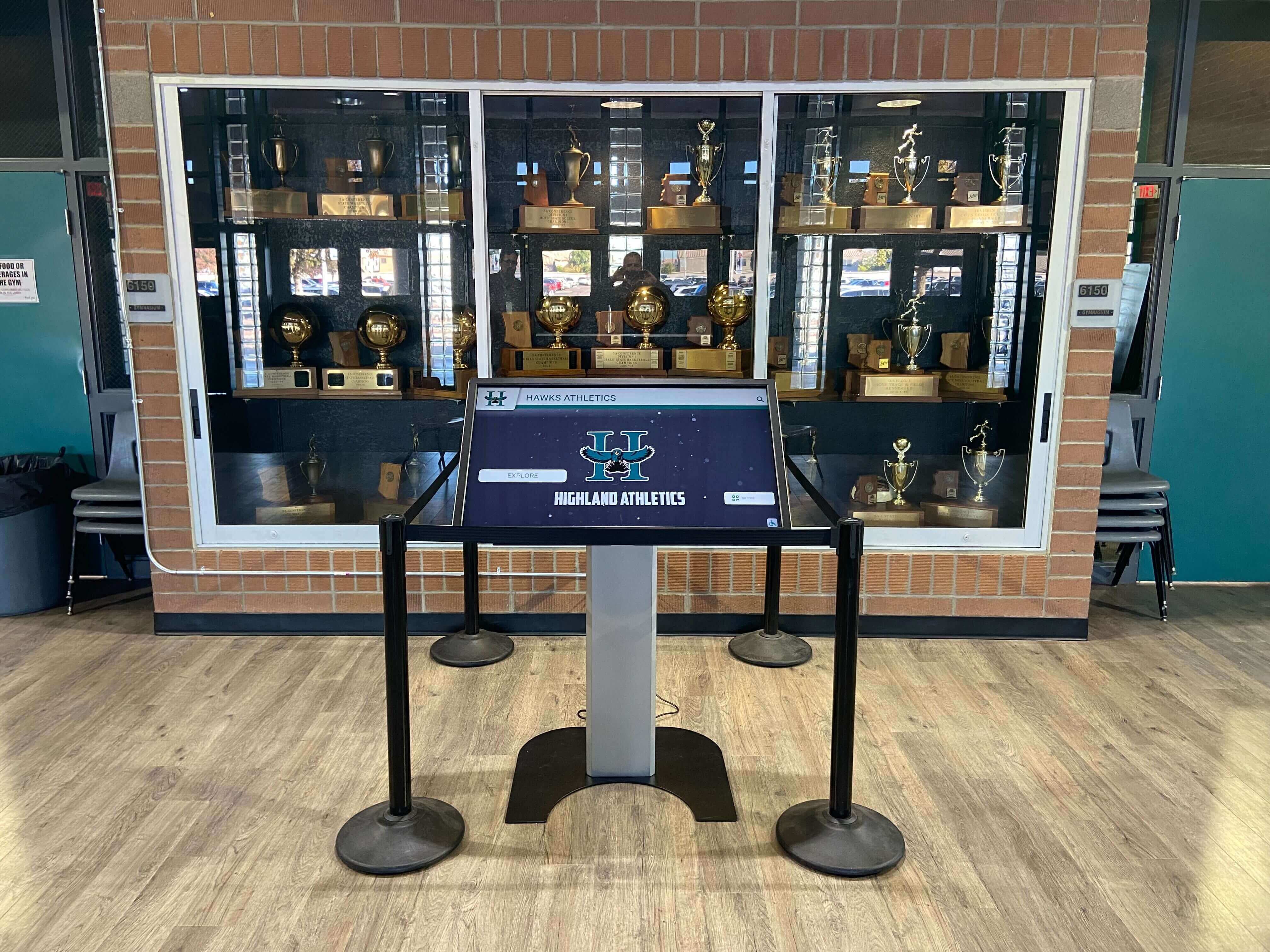
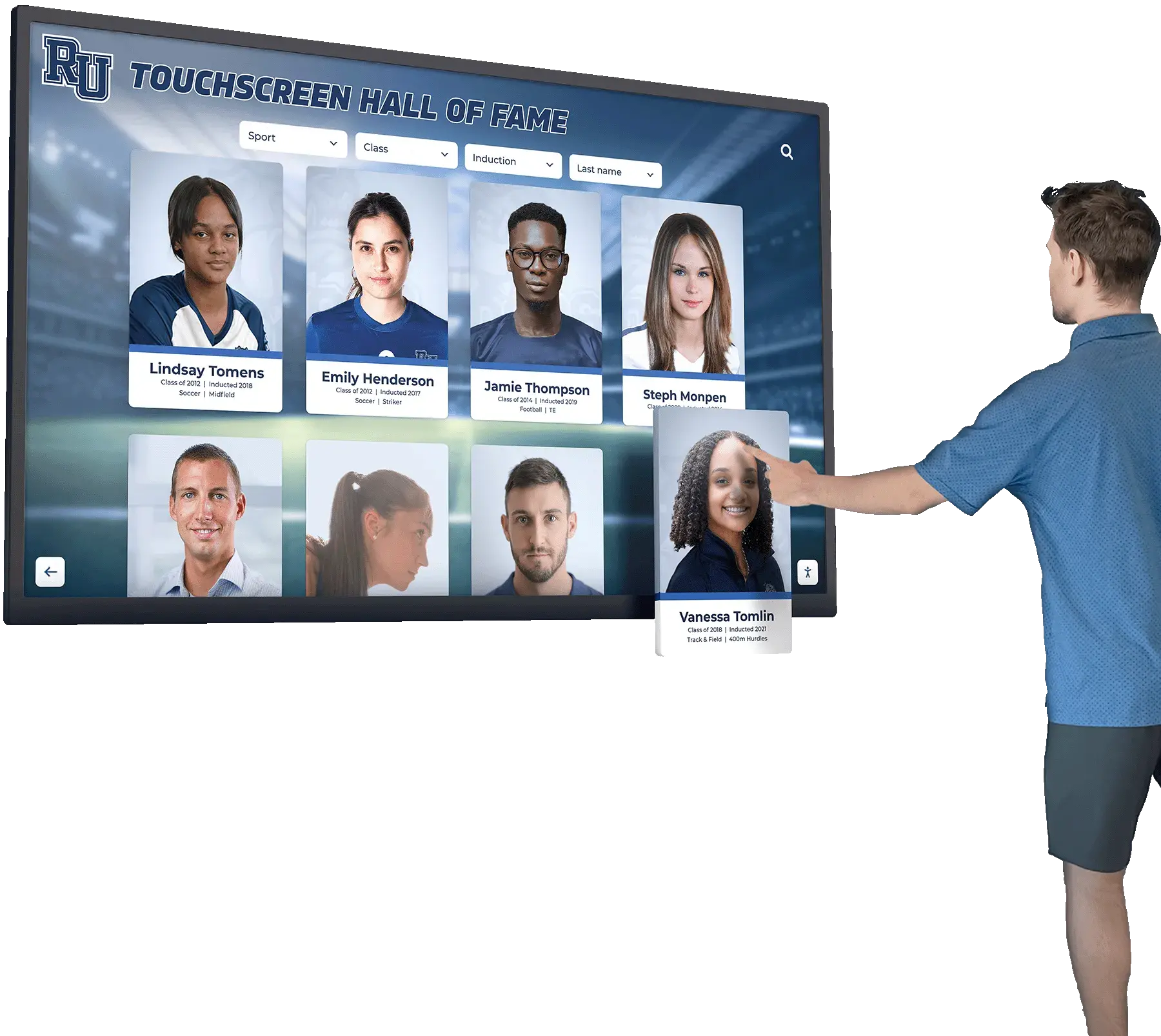
Large-format touchscreens provide intuitive navigation through archive content via familiar touch gestures. Strategic placement in lobbies, exhibit spaces, or public areas invites exploration. Content management systems enable easy updates without technical expertise. Analytics track usage patterns informing content development.
Digital Signage Networks:
Multi-display systems throughout facilities showcase rotating archival content building awareness and engagement. Centralized management updates all displays simultaneously. Scheduling capabilities feature relevant content based on time, location, or audience.
Mobile Applications:
Dedicated mobile apps provide smartphone-optimized access enabling exploration anywhere. Push notifications highlight new content or featured materials. Offline capabilities support access without connectivity. Location-based features trigger contextual content during facility visits.
Augmented Reality Experiences:
AR technology overlays digital content onto physical spaces or artifacts. Visitors point smartphones at historical locations to see archival photographs of those spaces in earlier periods. Physical artifacts gain digital annotations visible through AR viewers.
Many organizations find greatest success combining robust archival platforms with specialized display technologies creating comprehensive systems that preserve heritage while actively engaging audiences.
Platform Selection Criteria
- Preservation Standards: File format support, integrity verification, format migration planning
- Accessibility: Web portals, mobile compatibility, touchscreen displays, API availability
- User Experience: Intuitive search, browsing categories, multimedia integration, responsive design
- Content Management: Ease of adding/editing content, batch operations, metadata tools, user roles
- Integration: Compatibility with existing systems, export capabilities, social sharing
- Sustainability: Total cost of ownership, vendor stability, update frequency, support quality
Implementing Successful Digital History Archives
Successful archive implementations follow systematic approaches delivering value throughout the process rather than requiring years before benefits materialize.
Phase 1: Assessment and Strategic Planning
Thorough planning prevents costly course corrections later:
Comprehensive Inventory:
Document all materials potentially requiring archival attention across locations and formats. Include:
- Physical documents, photographs, and artifacts in storage areas
- Born-digital materials on servers, databases, or individual workstations
- Published materials including newsletters, reports, and promotional items
- Audiovisual materials including video, audio, and film
- Three-dimensional artifacts and memorabilia
Needs Analysis:
Understanding stakeholder requirements shapes archive priorities:
- Who will use the archive and for what purposes?
- What materials receive most frequent requests or interest?
- What preservation challenges require urgent attention?
- What access restrictions or privacy requirements apply?
- What organizational goals should archives support?
Goal Definition:
Establish clear objectives beyond generic “preserve history” aspirations:
- Specific preservation targets (digitize X items within Y years)
- Access goals (enable remote access for stakeholders)
- Engagement objectives (create interactive displays in specific locations)
- Compliance requirements (meet retention schedules for regulated materials)
- Community impact (support educational programming or research)
Clear goals guide platform selection, prioritization decisions, and success measurement.

Phase 2: Platform Selection and Setup
Choosing appropriate technology and establishing operational infrastructure:
Platform Evaluation:
Systematically assess options against requirements:
- Request demonstrations from multiple vendors
- Test systems with representative content
- Reference check with similar organizations
- Evaluate total cost of ownership including hidden costs
- Assess vendor stability and product roadmap
- Consider implementation timeline and resource requirements
Organizations with limited technical resources often find purpose-built solutions like Rocket Alumni Solutions provide optimal combinations of capability, usability, and value compared to enterprise systems requiring extensive expertise or basic storage lacking archival features.
Initial Configuration:
Establish organizational structures, metadata schemas, and access policies:
- Design collection hierarchies reflecting materials and organizational structure
- Define metadata fields balancing comprehensiveness with practical sustainability
- Establish naming conventions ensuring consistency
- Configure user roles and permissions implementing appropriate access controls
- Set up backup and preservation procedures
- Integrate with existing systems when applicable
Staff Training:
Ensure personnel can effectively use systems:
- Provide comprehensive training on content management workflows
- Develop documentation and job aids supporting independent operation
- Identify backup coverage preventing single points of failure
- Establish support channels for questions and troubleshooting
Phase 3: Digitization and Content Development
Creating the actual digital archive through systematic processing:
Digitization Standards and Workflows
Quality Standards
- Resolution: 300-600 DPI for documents and photographs ensuring readability and quality
- File Formats: TIFF or PNG for preservation masters, JPEG or PDF for access copies
- Color Accuracy: Calibrated equipment ensuring faithful reproduction
- Completeness: Capture full documents including margins and context
- Quality Control: Systematic verification catching scanning errors or quality issues
Systematic Processing
- Prioritization: High-value and at-risk materials first
- Batch Organization: Group similar materials for efficient processing
- Metadata Capture: Comprehensive information recorded during digitization
- Relationship Documentation: Note connections between related materials
- Storage Management: Organized file structures enabling reliable retrieval
Digitization Options:
Organizations can pursue various approaches based on resources:
In-House Digitization: Purchase equipment ($2,000-$10,000) and train staff for ongoing internal processing. Works well for routine materials and providing hands-on control. Requires staff time investment and space for equipment.
Professional Services: Contract with specialized digitization vendors ($0.50-$5.00 per item). Ideal for large-scale projects, delicate materials requiring expertise, or catching up on backlogs. Provides quick results with quality guarantees.
Volunteer Programs: Engage community volunteers for scanning under supervision. Particularly effective for schools with alumni volunteers or organizations with dedicated supporter bases. Requires coordination and quality oversight.
Hybrid Approach: Combine methods—professional services for delicate materials, in-house for routine items, volunteers for high-volume projects. Balances quality, cost, and speed.
Phase 4: Launch and Promotion
Ensuring stakeholders know archives exist and understand how to access them:
Strategic Launch:
Time initial unveiling for maximum impact:
- Announcement during high-visibility events (reunions, anniversaries, conferences)
- Press releases to local media highlighting heritage preservation
- Social media campaigns featuring compelling archival discoveries
- Stakeholder communications emphasizing new accessibility
- Facility signage directing visitors to interactive displays
Ongoing Awareness:
Sustained promotion builds usage habits:
- Regular “throwback” content on social platforms featuring archival materials
- Newsletter features highlighting newly digitized collections
- Educational programming incorporating archive-based assignments
- Research support demonstrating archive utility for inquiries
- Community contribution campaigns inviting submission of materials
Engagement Programming:
Active use rather than passive availability:
- Virtual exhibitions curating themed collections with interpretive content
- Educational workshops teaching archive use and research skills
- Community events centered on archive exploration and sharing
- Contests encouraging discovery and engagement
- Collaboration opportunities with researchers or content creators
Organizations achieving greatest archive value actively promote access and use rather than assuming stakeholders will independently discover resources.
Best Practices for Long-Term Archive Success
Sustaining effective archives over decades requires attention to operational practices ensuring continued value:
Content Standards and Consistency
Establishing and maintaining standards ensures usability as collections grow:
Metadata Consistency:
Comprehensive metadata transforms file collections into usable archives:
- Required fields for all items (title, date, description, creator, rights)
- Controlled vocabularies ensuring consistent terminology
- Subject categories enabling topical discovery
- Geographic information supporting location-based access
- Relationship information connecting related materials
Quality Benchmarks:
Minimum standards prevent accumulation of unusable content:
- Resolution requirements based on material type and intended use
- File format specifications balancing preservation and accessibility
- Completeness criteria ensuring full capture of important details
- Accuracy standards requiring verification before publication
- Regular audits identifying quality issues requiring correction
Documentation:
Written procedures ensure consistency despite staff changes:
- Digitization workflows describing equipment settings and processes
- Metadata guidelines explaining required fields and conventions
- Quality control checklists for verification procedures
- Exception handling for non-standard materials or situations
- Decision documentation preserving rationale for future reference
Sustainable Workflows and Governance
Operational structures supporting long-term success:
Clear Responsibility:
Preventing archives from languishing requires ownership:
- Designate specific staff responsible for archive maintenance
- Include archival duties in job descriptions formalizing expectations
- Establish backup coverage during absences
- Define decision authority for content and policy questions
- Create escalation processes for complex situations
Regular Operations:
Consistent attention maintains quality and currency:
- Weekly or monthly processing of new materials
- Quarterly content audits identifying errors or gaps
- Annual strategic reviews assessing goals and priorities
- Regular technology updates ensuring system currency
- Periodic preservation reviews addressing format migration needs
Stakeholder Engagement:
Broad involvement builds support and utility:
- Advisory groups representing key constituencies
- Regular feedback collection from archive users
- Collaborative collection development involving stakeholders
- Volunteer programs engaging community participants
- Partnership opportunities with complementary organizations
Technology Sustainability
Ensuring archives remain accessible despite technological change:
Platform Maintenance:
Systems require ongoing attention:
- Regular software updates applying security patches and feature improvements
- Performance monitoring ensuring adequate capacity and responsiveness
- Backup verification confirming recovery capabilities
- Security reviews protecting against unauthorized access or data loss
- Integration maintenance preserving connections with other systems
Format Management:
Digital preservation requires active format attention:
- Regular format assessment identifying obsolescence risks
- Migration planning for at-risk formats
- Multiple format retention preserving access and preservation copies
- Documentation of technical characteristics supporting future migration
- Monitoring of format standards and community practices
Vendor Relationship:
Platform providers represent critical partners:
- Regular communication about roadmap and upcoming changes
- Participation in user groups sharing practices and feedback
- Contract negotiations ensuring favorable terms and pricing
- Contingency planning for potential vendor changes
- Data export capabilities preventing vendor lock-in
Measuring Archive Success
Demonstrating value supports continued investment:
- Usage Metrics: Visitor counts, session duration, search activity, content views
- Engagement Indicators: Social shares, comments, contributions, repeat visits
- Impact Evidence: Research enabled, educational uses, organizational decisions informed
- Preservation Progress: Materials digitized, at-risk items secured, format migrations completed
- Stakeholder Satisfaction: User surveys, testimonials, feedback analysis
- Goal Achievement: Progress toward strategic objectives defined during planning
Addressing Common Digital Archive Challenges
Organizations implementing archives frequently encounter similar obstacles. Understanding proven solutions accelerates success:
“We lack budget for comprehensive implementation”
Budget constraints represent common challenges. Strategic approaches make archives achievable:
Phased Implementation:
Begin with highest-value materials establishing benefits justifying continued investment:
- Priority One: Materials at immediate preservation risk
- Priority Two: Most frequently requested content
- Priority Three: Materials supporting current strategic initiatives
- Priority Four: Comprehensive historical coverage
- Priority Five: Enhancement and enrichment of existing content
Cost-Effective Approaches:
Maximize value within resource constraints:
- Cloud-based platforms eliminating infrastructure costs
- Volunteer digitization programs reducing labor expenses
- Grant funding from preservation foundations or community organizations
- In-kind contributions of equipment or expertise
- Phased platform adoption starting with core features before advanced capabilities
Value Demonstration:
Early wins build support for continued investment:
- Quick-win projects delivering visible results rapidly
- Success story documentation showing impact
- Usage metrics demonstrating stakeholder engagement
- Stakeholder testimonials emphasizing value
- Return-on-investment analysis quantifying benefits
“Staff lack technical expertise for digital archives”
Modern platforms increasingly address this concern through user-friendly design:
Intuitive Systems:
Purpose-built archival platforms emphasize accessibility:
- Interfaces comparable to familiar consumer applications
- Drag-and-drop functionality reducing complexity
- Automated processes handling technical details invisibly
- Contextual help and guided workflows supporting users
- Progressive complexity revealing advanced features only when needed
Vendor Support:
Quality providers offer comprehensive assistance:
- Implementation services handling initial setup
- Training programs building staff competence
- Ongoing support answering questions and resolving issues
- Documentation and video tutorials enabling self-service learning
- User communities sharing practices and solutions
External Expertise:
Consultants bridge gaps when needed:
- Archival consultants for program design and policy development
- Technical consultants for integration or customization
- Training specialists for staff development
- Project managers for implementation coordination
- Ongoing support services supplementing internal capacity
Solutions like Rocket Alumni Solutions specifically design platforms for non-technical users, enabling librarians, administrative staff, or community coordinators to maintain archives confidently.
“How do we balance public access with privacy protection”
Archives contain both public heritage materials and sensitive information requiring careful management:
Access Control Frameworks:
Sophisticated platforms provide granular permissions:
- Item-level restrictions applying to specific materials
- Collection-level policies governing entire groups
- Role-based access with different permissions for staff, researchers, public
- Time-based embargoes releasing restricted materials after defined periods
- Geographic restrictions limiting access to specific locations when required
Privacy By Design:
Building protection into processes rather than treating as afterthought:
- Privacy review during acquisition identifying sensitive materials
- Redaction capabilities removing personal information from otherwise public documents
- Metadata privacy preventing excessive detail about private individuals
- Access logging documenting who viewed what content when
- Regular privacy audits identifying materials requiring restriction review
Policy Development:
Clear guidelines support consistent decisions:
- Written policies defining what materials are public versus restricted
- Decision frameworks for edge cases requiring judgment
- Regular policy review ensuring currency with laws and community standards
- Stakeholder consultation ensuring policies balance preservation with protection
- Legal review confirming compliance with privacy regulations
Future Trends in Digital History Archives
The digital archiving landscape continues evolving. Understanding emerging trends helps organizations select approaches positioned for future opportunities:
Artificial Intelligence Integration
AI technologies increasingly enhance archival capabilities:
Automated Metadata Generation:
Machine learning analyzes content automatically extracting information:
- Text recognition converting scanned documents to searchable text
- Named entity extraction identifying people, places, organizations, dates
- Image analysis describing photograph content without manual description
- Audio transcription converting spoken content to searchable text
- Language translation enabling multilingual access to collections
Intelligent Discovery:
AI helps users find relevant materials:
- Natural language search understanding intent rather than requiring precise keywords
- Similarity searches finding materials related to current viewing
- Recommendation engines suggesting content based on interests
- Visual search finding images similar to provided examples
- Chatbot assistants answering questions about collections
Immersive Experiences
New technologies create engaging archive interactions:
Virtual Reality Archives:
VR enables immersive historical exploration:
- Virtual archive rooms recreating historical spaces
- Three-dimensional artifact examination from all angles
- Immersive timelines placing users within historical periods
- Collaborative VR spaces for shared archive exploration
- Educational VR experiences bringing history to life
Augmented Reality Enhancements:
AR overlays digital content onto physical world:
- Historical photographs overlaid on current locations showing change over time
- Information panels appearing next to physical artifacts
- Guided AR tours of facilities highlighting historical significance
- Interactive AR experiences revealing hidden stories within spaces
- Social AR features enabling shared discoveries
Decentralized and Blockchain Archives
Emerging technologies address preservation and authenticity:
Blockchain Verification:
Distributed ledgers provide authenticity and provenance tracking:
- Immutable records documenting item provenance and custody
- Verification capabilities confirming authenticity
- Distributed storage protecting against centralized failure
- Smart contracts automating rights management
- Cryptocurrency incentives for preservation contributions
Decentralized Storage:
Distributed systems reduce single-point-of-failure risks:
- IPFS (InterPlanetary File System) distributed storage
- Redundant storage across multiple organizations
- Community preservation networks sharing responsibility
- Resilience against institutional failure or disaster
Conclusion: Building Digital History Archives That Preserve Past While Engaging Future
Every organization possesses unique heritage worth preserving, celebrating, and sharing with current and future stakeholders. The photographs documenting defining moments, documents recording significant decisions, artifacts representing cultural traditions, records tracking institutional evolution, and countless materials collectively tell stories of organizational mission realized across decades or centuries. This irreplaceable heritage requires systematic preservation ensuring survival for future generations.
Digital history archives transform scattered physical collections vulnerable to loss, deterioration, and limited accessibility into organized systems that protect institutional memory while enabling unprecedented engagement. Comprehensive archives ensure regulatory compliance, support research and education, enhance community connections, and position organizations as responsible heritage stewards honoring past while building future.
Selecting appropriate archival approaches requires honest assessment of organizational needs, realistic evaluation of available resources, and thoughtful consideration of long-term sustainability. While enterprise platforms serve large institutions with substantial resources, most organizations find optimal value in purpose-built solutions designed specifically for their contexts and constraints.
Solutions like Rocket Alumni Solutions offer unique advantages by combining comprehensive archival capabilities with interactive presentation systems. Archived materials become searchable collections accessible remotely while simultaneously appearing on engaging touchscreen displays in physical spaces. Historical content transforms into dynamic exhibitions honoring heritage while remaining securely managed with appropriate privacy controls. This integration eliminates the complexity and expense of managing separate disconnected systems for preservation and presentation.
The technology has matured. Professional standards provide clear guidance. Successful implementations across thousands of organizations demonstrate proven approaches. The compelling question facing organizations today is not whether to implement systematic digital archiving, but rather which approach best serves unique heritage, stakeholder needs, and preservation responsibilities while creating engaging connections between past achievement and future aspiration.